


Backpacks in Haiti & The Our Girls First Day of School [Photos]
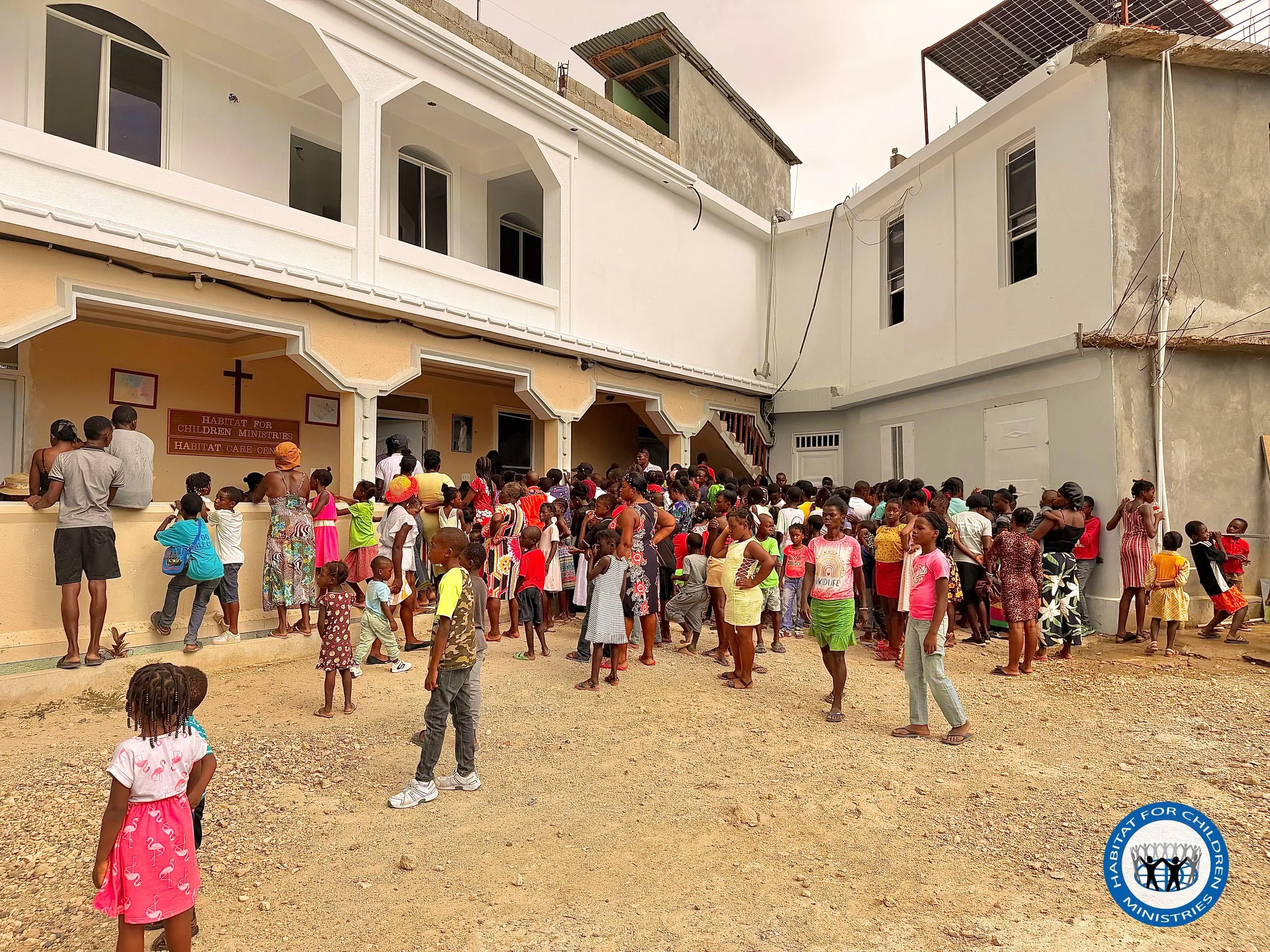
This year was another great success, providing so many children with the bags and supplies they need for the new school year.
"In the summer of 2023, Habitat for Children opened a home for two young girls coming out of very difficult circumstances. Today, they are thriving and growing so fast! Here are photos from their first day of school."



Thank you so much to everyone who supported our backpack drive in Haiti this year! The annual backpack giveaway is our longest-running ministry at Habitat for Children, and this year was another wonderful success. Thanks to your generosity, so many children received the backpacks and essential school supplies they need for the upcoming school year.
























11 Flags to Spot Scams by Thrivent [Photos]
A hands-on briefing on navigating modern financial fraud
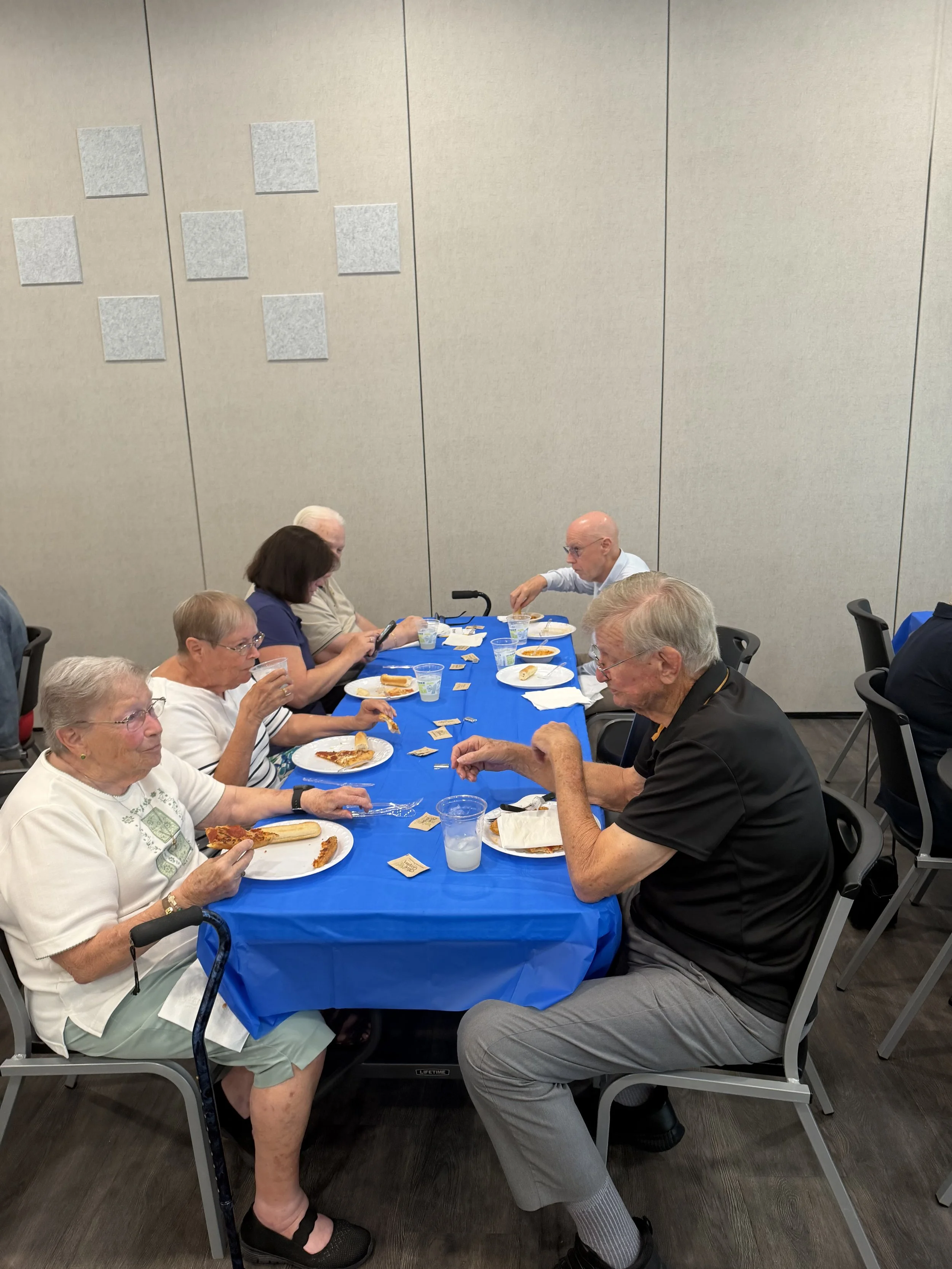
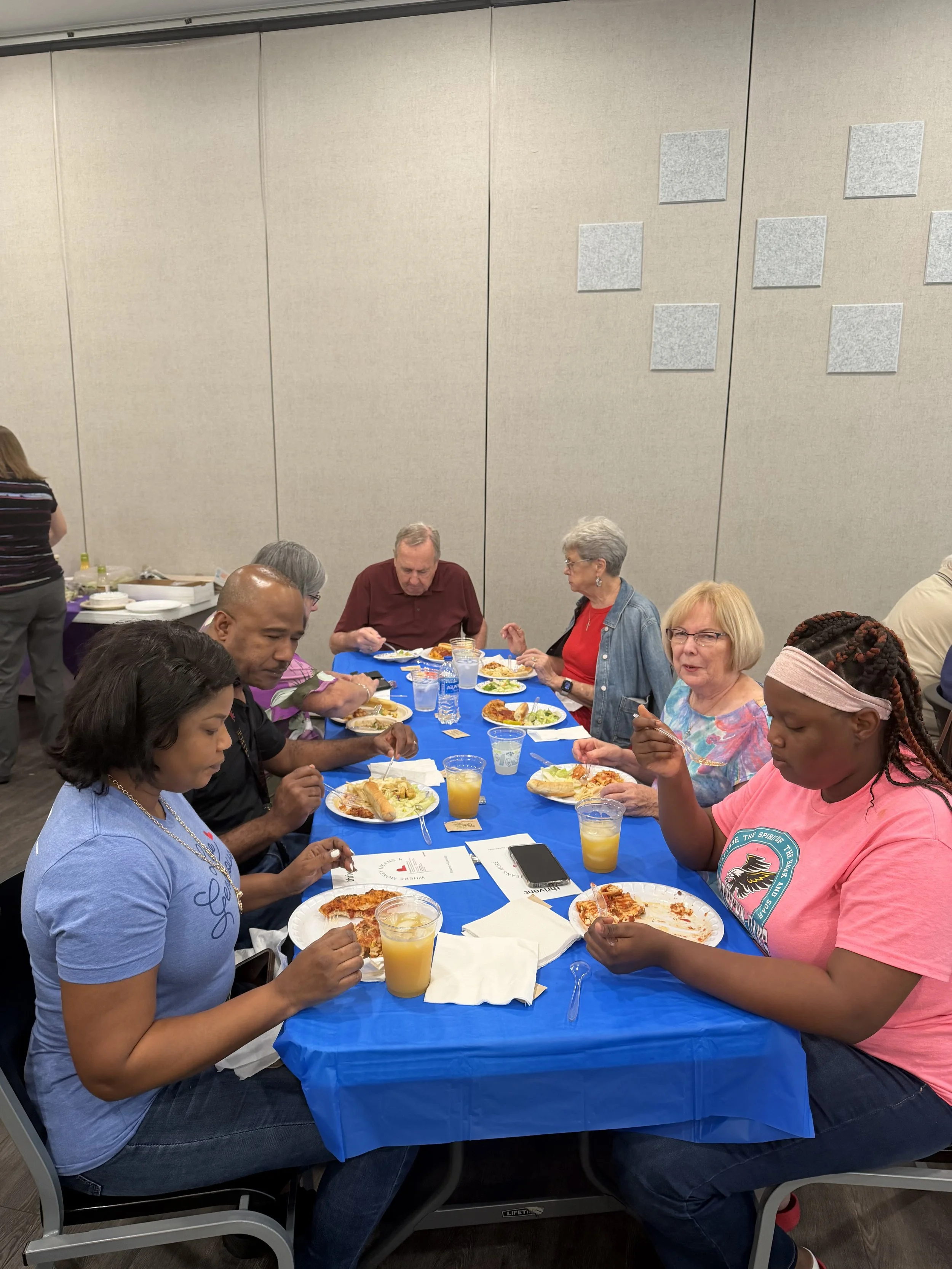
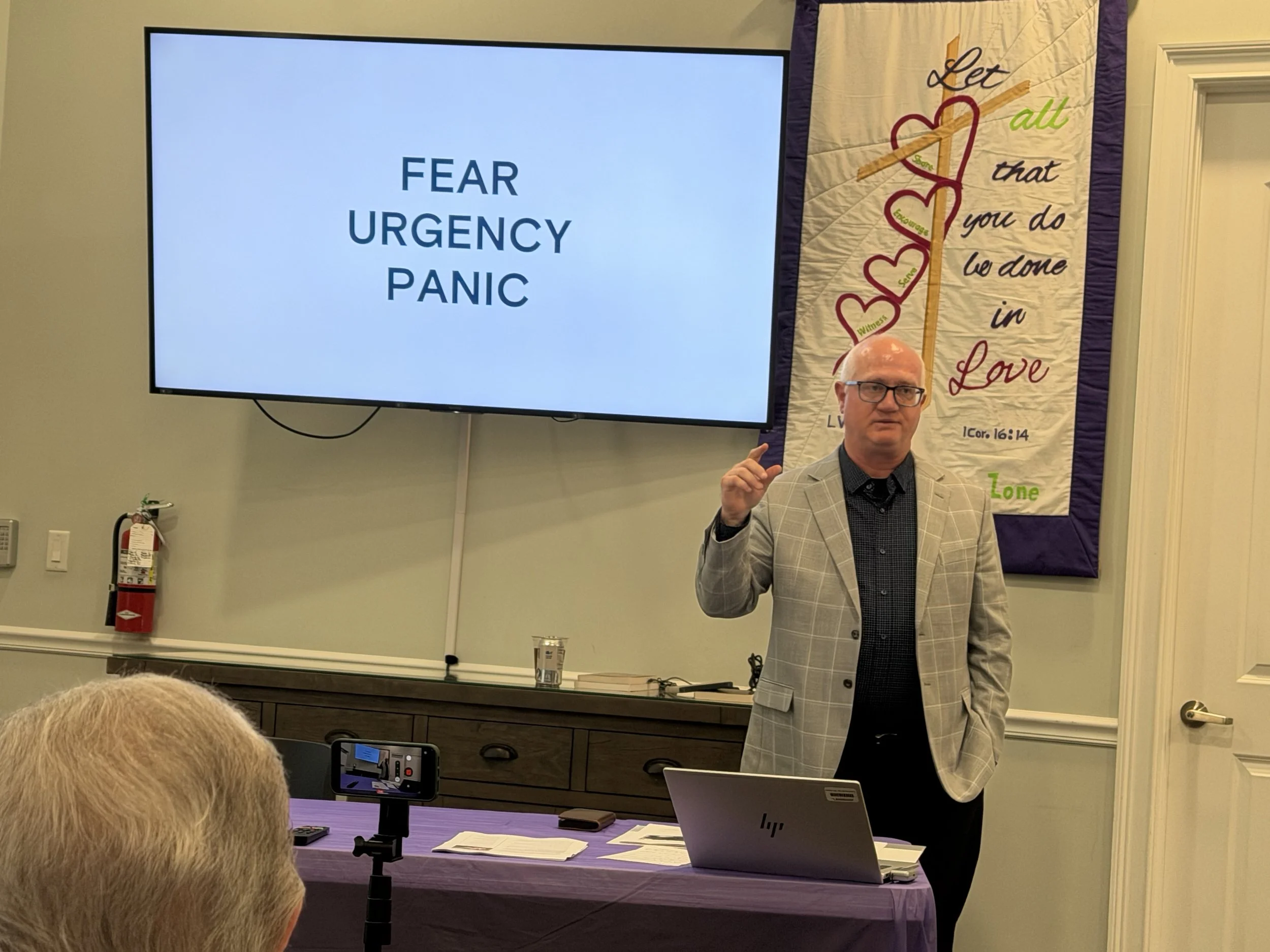
Thanks to Rob and Thrivent and to all who attended the event.
Scams aren’t just obvious spam emails anymore, they’re using..
AI voice cloning,
spoofed phone numbers,
intense emotional pressure,
Targeting everyone from 20-somethings on social media to grandparents.
A few big takeaways everyone needs to hear:
🛑 Hang up & verify: Never trust caller ID or an incoming call asking for urgent action. Call back using a trusted, official number.
🔐 Lock it down: Turn on Multi-Factor Authentication (MFA) and biometric logins everywhere you can.
🗣️ Pick a family "safe word": Use a secret phrase to verify frantic emergency calls from loved ones before sending a dime.
💳 Ditch the debit card: Use credit cards for daily purchases for way better fraud protection.
Such an important reminder to slow down, question unsolicited messages, and protect your finances. Huge thank you to everyone who made this session happen! 🙌










Mark Chapter 8 Class 13 - Wednesday Bible Study
Our class on September 17, 2026, explored how Jesus's miracles and teachings in Mark 6-8 challenge worldly power, culminating in Peter's flawed confession and Jesus's radical call to a discipleship of self-denial and sacrifice.
Gospel of Mark Chapter 8
This is our 13th class on Mark
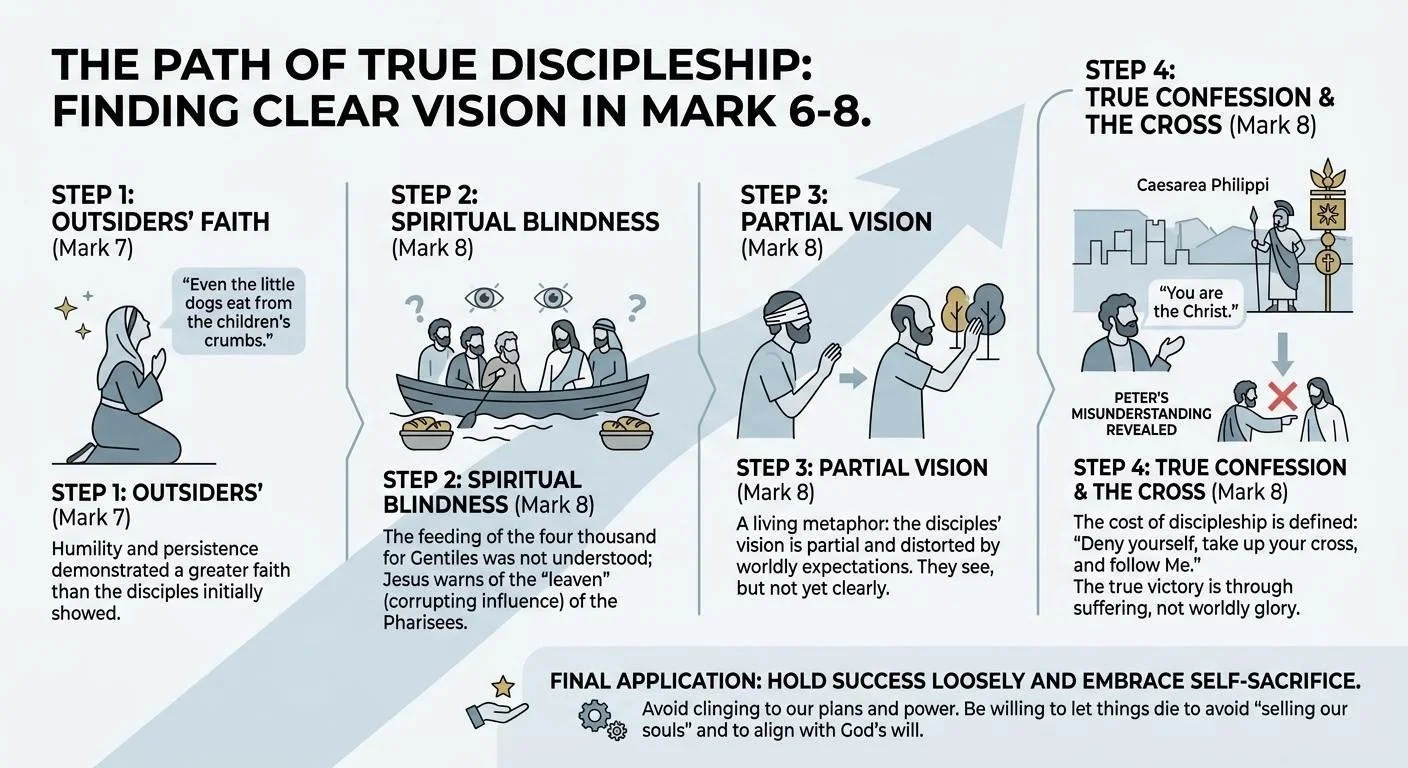
This is an AI Recap of the class.
Some things may be incorrect.
Short Summary of the Class
During our Bible study on September 17, 2026, we traced the theme of spiritual blindness and gradual revelation through Mark chapters 6-8. We began with stories of Gentiles, like the Syrophoenician woman, who showed greater insight than the disciples. The discussion then moved to the feeding of the four thousand, a miracle for the Gentile world that the disciples failed to comprehend, prompting Jesus's warning about the "leaven of the Pharisees." This spiritual dullness was paralleled in the two-stage healing of the blind man at Bethsaida, a metaphor for the disciples' own partial understanding. The lesson culminated at Caesarea Philippi, where Peter correctly identified Jesus as the Christ but immediately rejected the idea of a suffering Messiah, revealing his worldly mindset. This led Jesus to teach the true cost of discipleship: to deny oneself, take up one's cross, and follow Him.
Detailed Class Summary
Reviewing Mark 6 & 7: Outsiders Begin to See
The class began by contextualizing the upcoming passages, recapping the events following the beheading of John the Baptist in Mark 6. We noted the sequence: the feeding of the five thousand in a Jewish region, followed by Jesus walking on the sea and chastising the disciples for their hardened hearts. This led into a review of Jesus’s teaching on defilement coming from within, not from what is consumed.
We then reread the story of the Syrophoenician woman from Mark 7:24-30. This was a crucial moment in Mark's narrative. The discussion highlighted that Jesus's interaction with her, where he refers to Gentiles as "little dogs," sets up a powerful contrast. Her humble and witty response—"Yet even the little dogs under the table eat from the children's crumbs"—demonstrated a faith and understanding that the disciples lacked. It was pointed out that in Mark's Gospel, there are three types of power at play: personal (the disciples trying to send people away), religious (the Pharisees), and political (Herod). This woman, possessing none of these, subverts them all by simply accepting her position and petitioning Jesus in faith. Her story serves as a metaphor for the spiritually "deaf and mute" Gentiles who are beginning to hear and speak righteousness, while those who should understand remain blind. This idea was reinforced by the subsequent healing of the deaf man with a speech impediment (Mark 7:31-37), where the crowd is "astonished beyond measure"—a word often linked in Mark to the awe of the resurrection. We also connected her persistence to the Old Testament story of Jacob wrestling with God, arguing that faith often involves struggle and angst to receive a blessing.
Summary of Section: This section revisited key events in Mark to establish a theme: those considered outsiders, like the Syrophoenician woman, are demonstrating greater spiritual insight than Jesus's own disciples. Their stories illustrate that faith, not status or power, is what matters, and the spiritually "deaf" are beginning to hear.
Bible Verses: Mark 7:24-30, Mark 7:31-37
Bible Stories: The Syrophoenician Woman, Jesus Heals a Deaf and Mute Man, Beheading of John the Baptist (Mark 6), Feeding of the Five Thousand (Mark 6), Jacob wrestling with God (Genesis 32)
Mark 8: Feeding the Four Thousand and the Leaven of the Pharisees
Moving into Mark chapter 8, we read the account of the feeding of the four thousand (Mark 8:1-10). The class discussed the significance of this second feeding miracle. While the feeding of the five thousand took place in a Jewish region and likely symbolized the Pentateuch (the first five books of the law), this feeding of four thousand took place in a Gentile region. The number four was interpreted as representing the "four corners of the world," symbolizing that Jesus's provision is for everyone, not just the Jews. Similarly, the seven loaves used were seen as a symbol of completion and creation, further underscoring the universal scope of this miracle.
Despite witnessing this second incredible act of provision, the disciples immediately worry about having no bread in the boat. Their forgetfulness and hardened hearts are a recurring theme, and we noted their persistent need for a sign, similar to the Pharisees. We discussed that faith is a prerequisite for miracles to take root, like seed needing good soil. Jesus uses their anxiety to warn them, "Beware of the leaven of the Pharisees and the leaven of Herod" (Mark 8:15). He isn't talking about literal bread but about the corrupting influence of religious and political power structures that seek signs yet remain blind. The class found humor in the disciples' literal interpretation: "Is it because we have no bread?" (Mark 8:16). Jesus explicitly rebuked them for their spiritual dullness, reminding them of the twelve and seven baskets of leftovers from the two feedings and asking, "Do you have eyes but fail to see, and ears but fail to hear?" (Mark 8:18).
Summary of Section: The feeding of the four thousand symbolizes Jesus's ministry extending to the Gentiles. The disciples’ failure to understand this, focusing instead on physical bread, reveals their spiritual blindness and prompts Jesus's warning against the corrupting "leaven" (influence) of the Pharisees and Herod.
Bible Verses: Mark 8:1-10, Mark 8:11-21, Mark 8:15, Mark 8:16, Mark 8:18
Bible Stories: The Feeding of the Four Thousand, The Pharisees Demand a Sign, The Leaven of the Pharisees and Herod
The Blind Man at Bethsaida: A Metaphor for the Disciples
The final passage discussed was the unique healing of the blind man at Bethsaida (Mark 8:22-26). Unlike other miracles, this healing happens in two stages. After Jesus's first touch, the man sees people who look "like trees walking" (Mark 8:24). Only after a second touch is his sight fully restored. The class interpreted this two-stage healing as a direct metaphor for the disciples' own spiritual condition. Just as the blind man first saw things unclearly, the disciples were beginning to see who Jesus was, but their vision was still blurry and distorted by worldly expectations. Their understanding, like the blind man's sight, needs a second touch before it is complete. This story perfectly illustrates the disciples' partial-but-not-yet-complete grasp of who Jesus is, setting the stage for Peter's upcoming confession.
Summary of Section: The two-stage healing of the blind man serves as a powerful metaphor for the disciples' partial spiritual sight. They are no longer completely blind, but they do not yet see clearly. It required a second touch, or further revelation, for them to see Jesus and His mission clearly, moving from partial belief to full clarity.
Bible Verses: Mark 8:22-26, Mark 8:24
Bible Stories: Jesus Heals a Blind Man at Bethsaida
Peter's Confession and the Revelation of the Cross
The climax of our discussion was Peter’s great confession at Caesarea Philippi (Mark 8:27-38). The setting was significant; a city named for Caesar, a symbol of earthly power. In this context, Jesus asked his disciples, "Who do people say that I am?" Their answers—"John the Baptist," "Elijah," or "one of the prophets"—were a direct quote from what Herod's court had said (Mark 6:14-15), linking their view to the perspective of worldly rulers.
Against this backdrop, Peter boldly declared, "You are the Christ" (Mark 8:29). However, his vision was still blurry. The moment Jesus began to teach "openly" that He must suffer, be rejected, and be killed, Peter's dream of a political Messiah crumbled. He rebuked Jesus, essentially telling Him to stop talking that way. Jesus’ sharp response, "Get behind me, Satan! For you are not mindful of the things of God, but the things of men" (Mark 8:33), revealed that Peter’s idea of a king was a worldly one. He saw the title but rejected the suffering. The term "Satan" was identified as meaning "adversary," showing Peter’s perspective was adversarial to God’s plan.
Jesus then taught the crowd and his disciples the true meaning of following him: to deny oneself, take up one's cross, and lose one's life for the sake of the gospel to truly save it (Mark 8:34-38). We noted the irony that Peter, who would later deny Jesus to save his own life, is the one whose Gospel records these words, and whose eventual restoration proves their ultimate truth.
Summary of Section: At Caesarea Philippi, Peter correctly identified Jesus as the Christ but immediately failed to understand the nature of His kingship, rejecting the idea of a suffering Messiah. Jesus corrected this by teaching that true discipleship involves embracing sacrifice and the cross, not seeking worldly glory.
Bible Verses: Mark 8:29, Mark 8:32, Mark 8:33, Mark 8:34, Mark 8:34-38, Mark 6:14-15 (referenced), Matthew 16:18 (referenced)
Bible Stories: Peter's Confession at Caesarea Philippi, Jesus' first prediction of his death and resurrection, Peter's Denial of Jesus (referenced)
Applying the Lesson to Our Lives
Finally, we discussed how to apply this lesson. The core principle is that nothing—not even the church or its programs—is "above death." We can become so focused on preserving what is "working" that we act in un-Christlike ways to protect it. Sometimes, for new things to grow, other things must be allowed to die. Holding on too tightly to our plans, traditions, or successes can suffocate them. This reflects Peter's error: he was holding so tightly to his vision of a victorious kingdom that he tried to prevent the very act—the crucifixion—that would bring about God’s true victory.
Summary of Section: The lesson from Peter's failure teaches us to hold our plans, successes, and even our lives loosely. We must be willing to let things "die" to align with God's will, ensuring our actions are motivated by service rather than a desire to preserve power or control.
Final Summary
Our Bible study on September 17, 2026, focused on a pivotal section in Mark's Gospel (chapters 6-8) where the theme of spiritual blindness and dawning revelation is central. We began by reviewing stories of Gentiles, like the Syrophoenician woman, who demonstrated a profound understanding of Jesus that eluded the disciples. The primary focus then shifted to the feeding of the four thousand in a Gentile region, a clear sign that Jesus’s kingdom was for all people. However, the disciples immediately forgot the lesson and worried about their lack of bread, prompting Jesus to warn them against the "leaven of the Pharisees and Herod"—the corrupting influence of power that blinds people to God's work.
This theme was powerfully illustrated by the two-stage healing of the blind man at Bethsaida, presented as a living parable for the disciples’ own partial, distorted vision of Jesus and his mission. The narrative culminated at Caesarea Philippi, where Peter made his monumental confession, "You are the Christ." While correct in title, Peter’s understanding was proven partial when he rebuked Jesus for predicting His passion and death, revealing his worldly expectations. Jesus’ subsequent teaching on the necessity of taking up one’s cross defined true discipleship not as a path to earthly power, but as a journey of self-denial and sacrifice. We concluded by applying this to our own lives, recognizing the danger of holding too tightly to our own ambitions and the necessity of letting things die so that God’s will can be done.
Main Points
The Syrophoenician woman, a Gentile, shows greater faith and understanding than the disciples.
The feeding of the five thousand was primarily for the Jews (symbolized by 5), while the feeding of the four thousand was for the Gentiles/the world (symbolized by 4).
The disciples repeatedly demonstrate spiritual blindness, failing to understand the significance of the miracles and focusing on physical concerns over spiritual truths.
Jesus's warning about "leaven" refers to the corrupting influence of religious and political powers (Pharisees and Herod).
The two-stage healing of the blind man at Bethsaida is a metaphor for the disciples' partial and incomplete spiritual understanding.
Peter’s confession of Jesus as "the Christ" is a pivotal moment, yet his understanding is incomplete, as he rejects the idea of a suffering Messiah in favor of a political one.
True discipleship requires denying oneself, taking up the cross, and following Jesus' path of suffering, not seeking personal gain or power.
True faith can involve "wrestling" with God, and in our lives, we must be willing to let things die to avoid "selling our souls" to maintain success or control.
Scriptures and Stories Mentioned
Main Scriptures: Mark 6, Mark 7, Mark 8
Bible Verses Mentioned:
Mark 6:14-15
Mark 7:24-30
Mark 7:31-37
Mark 8:1-10
Mark 8:11-21
Mark 8:15
Mark 8:16
Mark 8:18
Mark 8:22-26
Mark 8:24
Mark 8:29
Mark 8:32
Mark 8:33
Mark 8:34-38
Mark 9:1
Matthew 16:18
Genesis 32
Bible Stories Discussed:
Beheading of John the Baptist
Feeding of the Five Thousand
Jesus Walks on Water
The Syrophoenician Woman
Jesus Heals a Deaf and Mute Man
The Feeding of the Four Thousand
The Pharisees Demand a Sign & The Leaven of the Pharisees and Herod
Jesus Heals a Blind Man at Bethsaida
Peter's Confession at Caesarea Philippi
Jesus' First Prediction of His Death and Resurrection
Jacob wrestling with God (Book of Exodus)
Pharaoh's Hardened Heart (Book of Exodus)
The Rich Young Ruler (Mark 10)
Peter's Denial of Jesus (Mark 14)
Jesus' Restoration of Peter (John 21)

[Sunday] Uproot & Plant - The Book of Jeremiah
When the world feels frozen in a bleak winter, God shows us the almond branch. He is awake. He is on the move. Jesus took the destruction upon Himself on the cross so He could plant the breath of new life in you!

When the world feels frozen in a bleak winter, God shows us the almond branch. He is awake. He is on the move. Jesus took the destruction upon Himself on the cross so He could plant the breath of new life in you!


What Had happened at Grace this week.







Kids Labor Day Party & Pastors Conference [Photos]
Great event at the end of our summer.


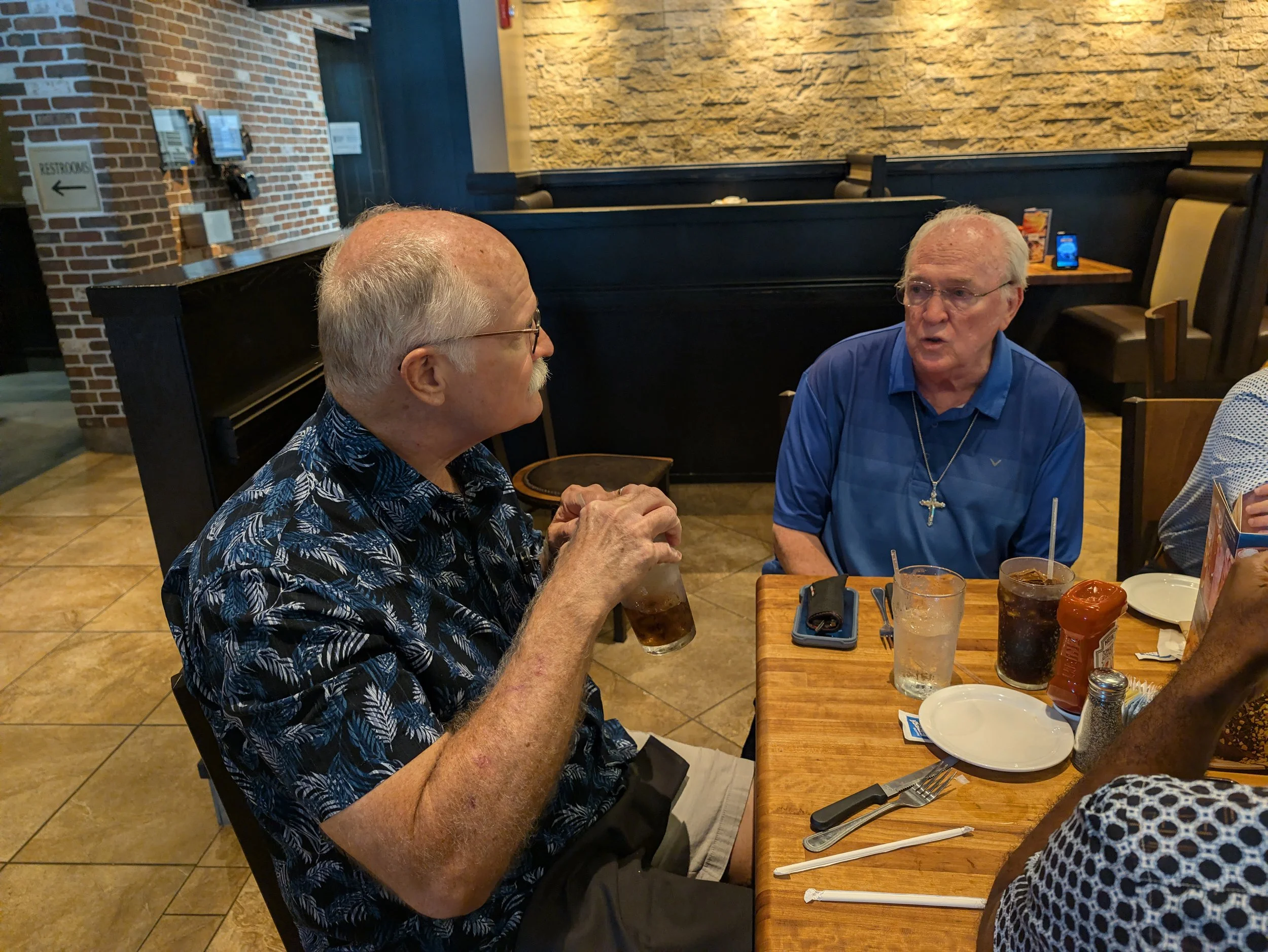
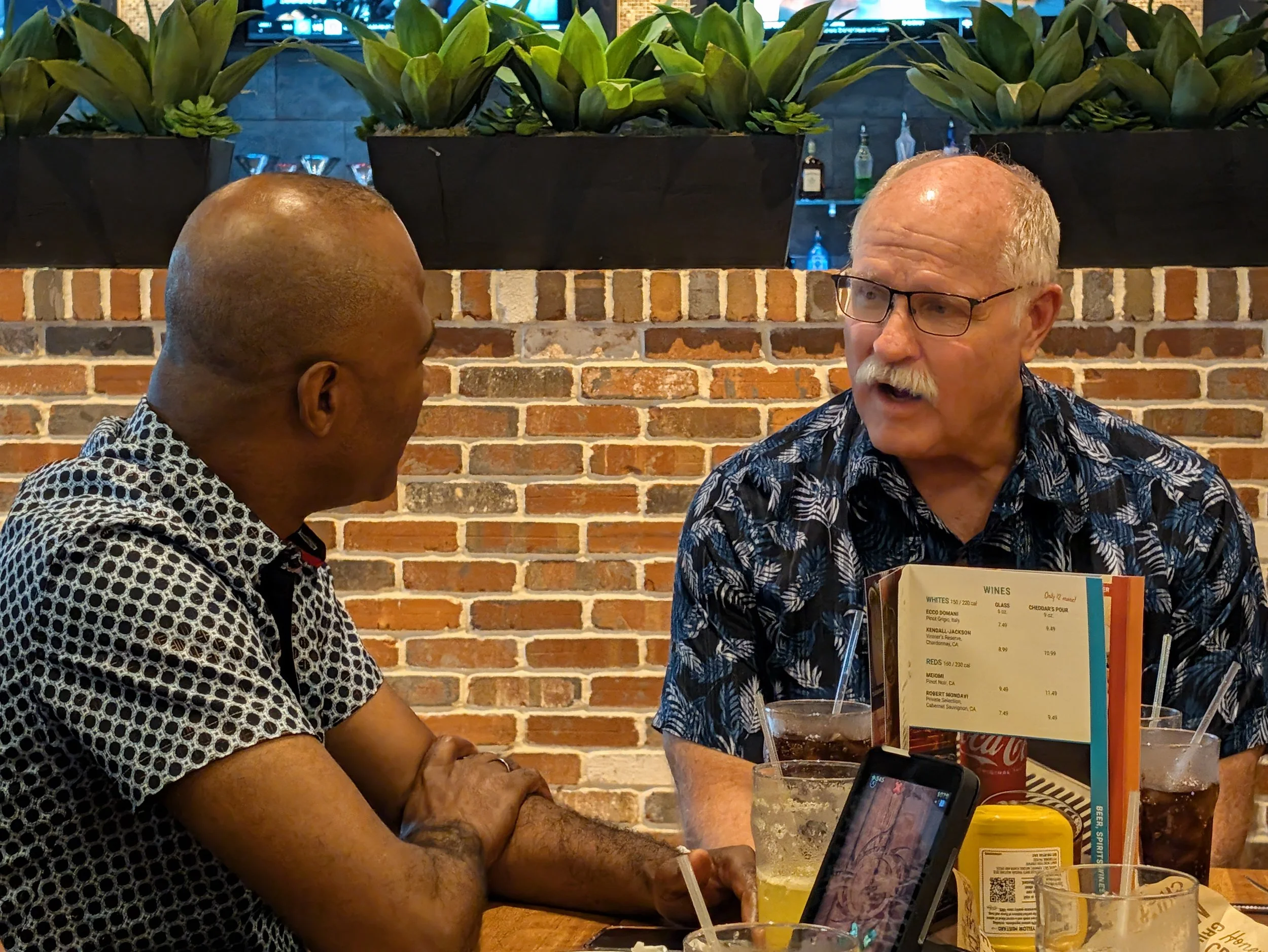
We had a great summer and here we go into the fall.
The pastors met at Grace for their their first meeting of the fall.
The kids enjoyed the 4th annual Labor Day Party. Thanks to Heather and Mike for hosting.
























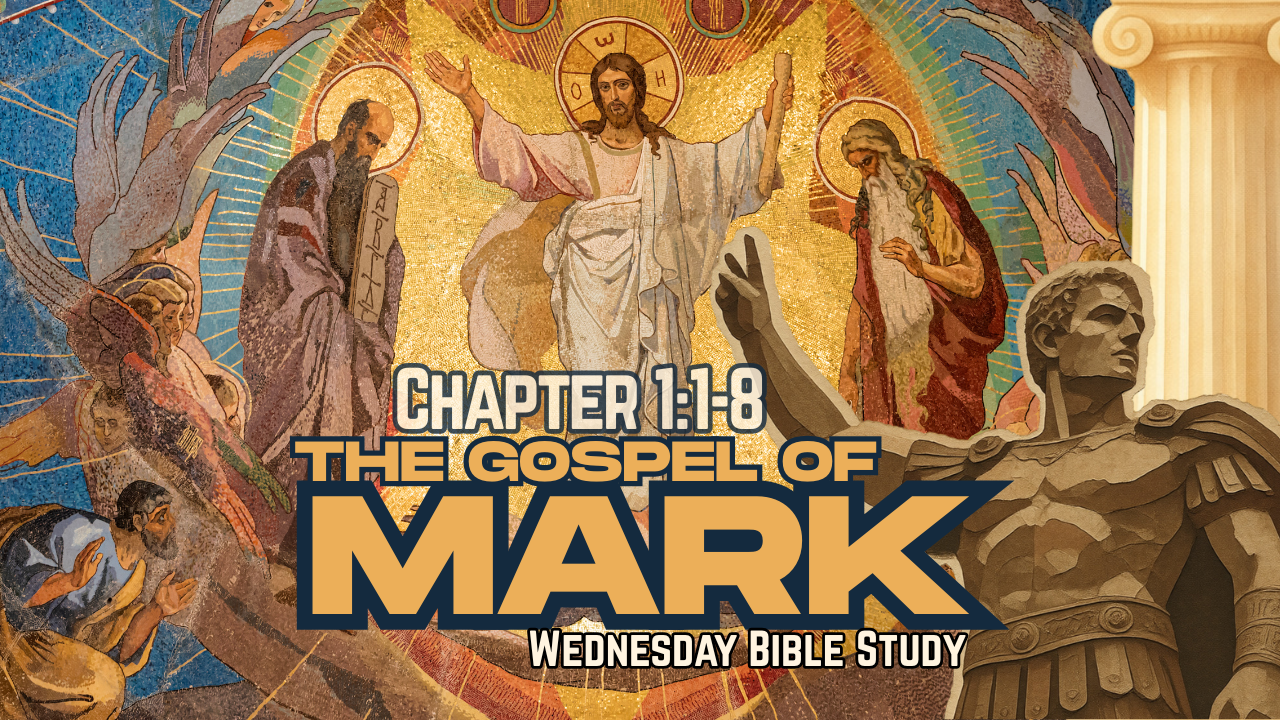
Mark [Wednesday Bible Study]
"While the Gospel of Mark is the shortest, it is the most direct; it reveals that the true Son of God is found not in our desires for power, but in the God who comes in humility to amaze us all."
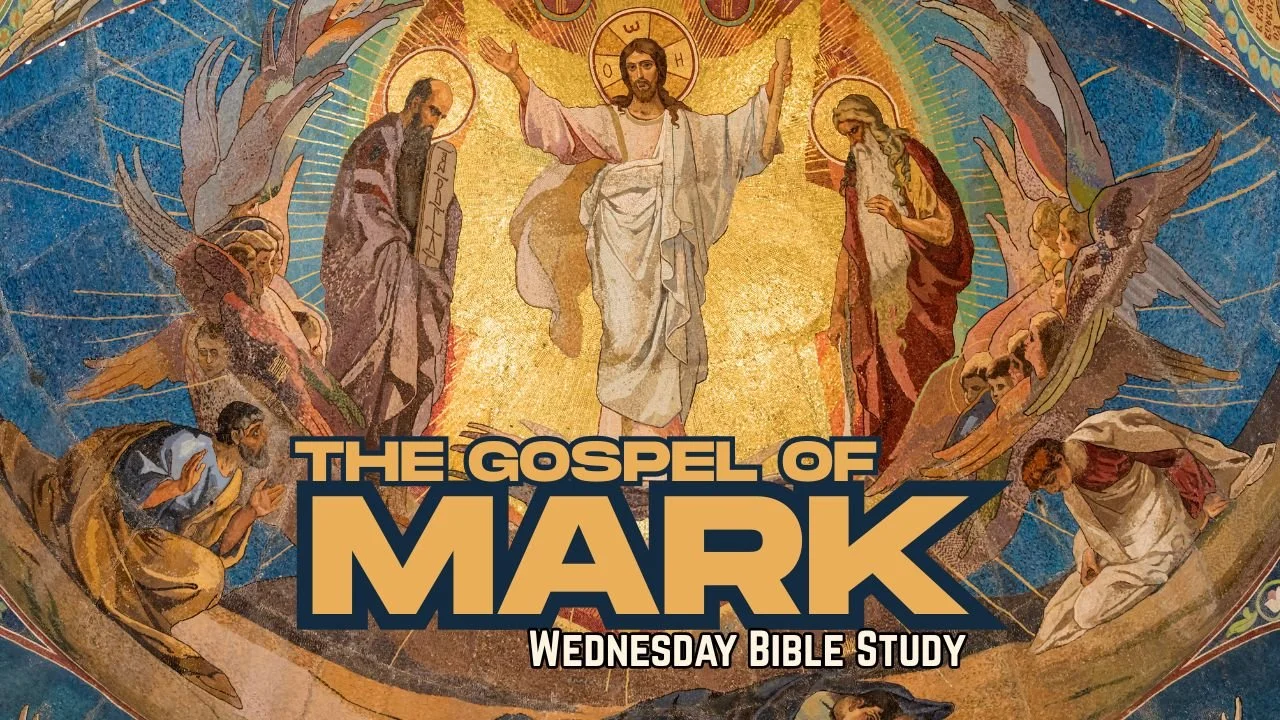
"While the Gospel of Mark is the shortest, it is the most direct; it reveals that the true Son of God is found not in our desires for power, but in the God who comes in humility to amaze us all."


Uproot & Plan - Jeremiah (Teaching Series)
New growth requires broken ground. In Jeremiah, we experience the heavy work of God's Law uprooting our self-reliance, making way for the Gospel to plant us securely in His grace.
Uproot & Plant - The Book of Jeremiah
New growth requires broken ground. In Jeremiah, we experience the heavy work of God's Law uprooting our self-reliance, making way for the Gospel to plant us securely in His grace.
Reading Plan
Read around the readings for Sunday
9/13/26 - Jeremiah Chapters 1-6
Jeremiah 1:4-19
Ephesians 4:11-16
Luke 4:22-30
9/20/26 - Jeremiah Chapters 7-17
Jeremiah 7:1-15
1 Cor 3:10-17
Matthew 21:12-17
9/27/26 - Jeremiah Chapters 18-25
Jeremiah 25:1-14
Romans 5:6-11
Matthew 26:36-46
10/4/26 - Jeremiah Chapters 26-36
Jeremiah 31:27-34
Hebrews 8:6-13
Luke 22:39-46
10/11/26 - Jeremiah Chapters 37-45
Jeremiah 38:1-13
2 Corinthians 4:7-12
Matthew 16:21-26
10/18/26 - Jeremiah Chapters 46-52
Jeremiah 52:27b-34
2 Peter 3:8-14
Matthew 1:1, 12-17


Mark Chapter 7 Class 12 - Wednesday Bible Study
Mark chapter 7, where we discussed textual criticism, how Jesus contrasts God's commands with human traditions, and that true defilement comes from the heart, not external rituals, as seen in His teachings and His interaction with the Syrophoenician woman.
Gospel of Mark Chapter 7
This is our 12th class on Mark

This is an AI Recap of the class.
Some things may be incorrect.
Short Summary of the Whole Class
On the evening of September 9, 2026, our class delved into Mark chapter 7. The study opened with a practical look at how the Bible was copied and preserved, examining textual variants and why modern translations sometimes differ from older ones, concluding that discoveries like the Dead Sea Scrolls affirm Scripture's reliability. The main discussion focused on the conflict between Jesus and the Pharisees over "the tradition of the elders," specifically regarding ritual hand washing and the "Corban" rule. Jesus condemned their hypocrisy, teaching that what truly defiles a person are the evil things that come from within the heart, not external things. We connected this to modern church life, emphasizing integrity over performative piety. The study also examined the powerful stories of the Syro-Phoenician woman's faith and the healing of a deaf man, tying these miracles to Jesus's call for spiritual understanding and the inclusion of Gentiles.
Section-by-Section Walkthrough of the Class
1. Introduction and Discussion on Biblical Reliability
The class began with some light banter before Cris framed the purpose of the initial discussion: to build confidence in the Bible's reliability, explaining that textual notes in modern Bibles increase trust rather than undermining it. We looked at how ancient manuscripts for both the Greek New Testament and Hebrew Old Testament were meticulously copied. Scribes would record every variant, often in the margins, and Old Testament scribes even counted letters and lines to ensure accuracy. This transparent process shows that errors were noted, not secretly fixed.
A key observation was made about Mark 7:16, which reads in the New King James Version, "If anyone has ears to hear, let him hear," but is missing from many modern translations. Cris explained that we don't have the original manuscripts, but copies of copies. Archaeology in the 19th and 20th centuries uncovered much older manuscripts, such as the Dead Sea Scrolls, which confirmed the remarkable alignment and stability of our existing biblical texts. These more ancient manuscripts are considered more reliable, and they do not contain Mark 7:16. The verse was likely a "scribal addition," copied from a similar phrase in Mark 4:23, possibly with good intentions to thematically connect Jesus’s teaching about "hearing" with the subsequent miracle of healing the deaf man. It was noted that the Gospels are theological narratives designed to reveal Jesus, and this kind of literary-theological shaping is compatible with historical truthfulness.
Summary: The class began by establishing confidence in the Bible's transmission. The absence of Mark 7:16 in the oldest manuscripts, confirmed by discoveries like the Dead Sea Scrolls, highlights the transparent process of textual criticism, where scholars compare manuscripts to determine the most original wording.
Scriptures Mentioned: Mark 7:16, Mark 4:23
Stories Mentioned: The discovery of the Dead Sea Scrolls.
2. The Tradition of the Elders vs. God’s Commandment (Mark 7:1-13)
After the discussion on textual criticism, we transitioned into Mark chapter 7. The scene opens with Pharisees and scribes from Jerusalem confronting Jesus because His disciples were eating with "defiled," or unwashed, hands. Their concern was not hygiene but the breaking of "the tradition of the elders"—a set of oral laws and rituals added to God's written law. The class reflected on how a focus can drift from a tradition's original purpose to mere performance, turning good practices into oppressive rules.
Jesus responded forcefully, calling them hypocrites and quoting Isaiah 29:13: "These people honor me with their lips, but their hearts are far from me." He accused them of nullifying God's word for their man-made tradition and provided the specific example of "Corban." A person could declare their resources "Corban" (a gift dedicated to God), using this as a religious loophole to avoid their biblical duty, as commanded by Moses (Exodus 20:12/Deuteronomy 5:16), to honor and financially support their aging parents. This practice allowed someone to appear devout while directly disobeying God's command to love their neighbor.
Summary: Jesus challenges the Pharisees' focus on external rituals, accusing them of hypocrisy. He uses the "Corban" rule as a prime example of how their human traditions were used to invalidate God's direct commandments, such as honoring one's parents.
Scriptures Mentioned: Mark 7:1-13, Isaiah 29:13, Exodus 20:12, Deuteronomy 5:16
Stories Mentioned: The Tradition of the Elders (hand-washing), The teaching on Corban.
3. What Truly Defiles a Person (Mark 7:14-23)
Jesus then called the crowd and delivered a revolutionary teaching: nothing that enters a person from the outside can defile them. True defilement comes from within—from the heart. Later, when the disciples asked for clarification, Jesus expressed frustration at their lack of understanding, asking, "Are you so dull?" He explained that food goes into the stomach and is eliminated, but evil thoughts, sexual immorality, theft, murder, adultery, greed, malice, deceit, pride, and folly come from a person’s heart, and these are what truly make a person unclean. The class discussed the tone of Jesus' explanation, with some hearing it as a solemn pronouncement and others as biting, illustrative humor (a "poop joke") meant to shock his listeners into understanding.
Mark adds a crucial editorial note: "In saying this, Jesus declared all foods clean" (Mark 7:19). We connected this declaration to Acts 10, where Peter has a vision in which God tells him, "Do not call anything impure that God has made clean." This prepared Peter to take the gospel to the Gentile centurion, Cornelius. Thus, Jesus’ teaching in Mark 7 not only re-centers purity on the heart but also prepares the way for the inclusion of Gentiles into God's people.
Summary: Jesus teaches that moral purity is an issue of the heart, listing the internal sins that truly defile a person. His declaration that all foods are clean is a pivotal moment that anticipates the future inclusion of Gentiles, a theme further developed in the book of Acts.
Scriptures Mentioned: Mark 7:14-23, Acts 10:9-16, 28
Stories Mentioned: Peter’s vision of the clean and unclean animals, The story of Peter and Cornelius.
4. The Faith of a Gentile Woman (Mark 7:24-30)
Next, the class examined the story where Jesus traveled to the Gentile region of Tyre and Sidon. A Syro-Phoenician (Greek) woman, whose origin evokes cultural associations with the region of Jezebel from the Old Testament, came begging him to heal her demon-possessed daughter. Jesus initially responded with a harsh-sounding metaphor: "It is not good to take the children’s bread and throw it to the little dogs," implying his primary mission was to "the children" (the Jews), not "the dogs" (Gentiles).
However, the woman's brilliant and humble faith turned his own metaphor back on him. She replied, "Lord, yet even the little dogs under the table eat from the children’s crumbs." This response showed she understood that even a "crumb" of Jesus's power was more than enough. Impressed by her witty and faithful answer, Jesus granted her request, and she returned home to find her daughter healed. Her humble, persistent trust was contrasted with the disciples, who, despite witnessing miracles like the feeding of the five thousand, still had "hardened hearts" and a lack of understanding.
Summary: Jesus extends his ministry to the Gentiles, rewarding the bold and humble faith of the Syro-Phoenician woman. Her story serves as a powerful example of an "outsider" demonstrating profound faith, revealing that God's mercy overflows to anyone who believes.
Scriptures Mentioned: Mark 7:24-30, Mark 6:51-52 (context)
Stories Mentioned: The Faith of the Syro-Phoenician Woman, Allusion to Jezebel's story (1 Kings 16, 21; 2 Kings 9).
5. Application and Concluding Thoughts
The discussion then turned to modern applications. We considered how the temptation to seek religious accolades and public recognition can distort our motives, contrasting large gifts that cost the giver little with small, sacrificial gifts that cost much. This led a class member to connect the conversation to the story of the widow’s offering, who gave two small coins—all she had. This story perfectly exemplifies the sincere, sacrificial faith that Jesus commends, standing in stark contrast to performative religiosity.
Finally, we noted how the theme of spiritual perception—"Do you see? Do you hear?"—is threaded through this section of Mark. The chapter concludes with the healing of a man who was deaf and had a speech impediment (Mark 7:31-37). This physical healing serves as a powerful, literal demonstration of Jesus's call for spiritual hearing and understanding, a theme that would continue into the next chapter with the feeding of the four thousand.
Summary: The class applied Jesus's critique of performative religion to modern church life, using the widow's offering as a model of sincere, sacrificial giving. The chapter concludes by setting up the ongoing theme of needing spiritual eyes to see and ears to hear who Jesus truly is.
Scriptures Mentioned: Mark 7:31-37, Mark 8:1-21 (preview), Mark 12:41-44 / Luke 21:1-4
Stories Mentioned: The Healing of the Deaf and Mute Man, The widow’s offering of two coins, Feeding of the Four Thousand (preview).
Medium-Length Summary
During our Bible study on September 9, 2026, we journeyed through the entirety of Mark chapter 7, framed by the disciples' spiritual dullness from the end of chapter 6. The class opened with a discussion on textual criticism, explaining why verses like Mark 7:16 are absent in modern Bibles and how discoveries like the Dead Sea Scrolls affirm the reliability of Scripture's transmission. We then watched as Jesus confronted the Pharisees over their man-made traditions, particularly hand-washing and the "Corban" rule, which allowed them to neglect God’s clear commands. Jesus established a profound principle: true defilement is not external but internal, originating from evil thoughts within a person's heart. His declaration that all foods are clean foreshadows the inclusion of Gentiles, a theme fulfilled in Acts 10. This was followed by the powerful story of the Syro-Phoenician woman, an "outsider" whose humble, persistent faith was commended by Jesus. We applied these lessons to modern church life, discussing the dangers of performative piety and embracing the sacrificial model of the widow's offering. The class concluded by noting how the subsequent healing of a deaf man serves as a living metaphor for the spiritual "hearing" Jesus desires for all his followers.
Main Points
The Bible’s textual history is transparent and reliable; manuscript variants are documented, not hidden, and discoveries like the Dead Sea Scrolls confirm Scripture's stability.
Jesus prioritizes God’s commandments over human traditions that have become detached from their purpose.
True defilement comes from the evil that proceeds from the human heart, not from external things like food or unwashed hands.
Religious loopholes like "Corban" can be a way of masking disobedience to God's core commands to love and honor others.
Jesus’s declaration that all foods are clean anticipates the inclusion of Gentiles into God's family.
Jesus's healing ministry extended beyond the Jews to the Gentiles, as seen in the story of the Syro-Phoenician woman, who models humble and persistent faith.
Physical healings in Mark’s Gospel, like that of the deaf man, often serve as metaphors for the need for spiritual sight and hearing.
Modern discipleship must resist performative religiosity and value sacrificial, sincere generosity like that of the widow's offering.
Scriptures and Stories Mentioned
Bible Scriptures:
Mark, Chapter 6 (Recap, specifically Mark 6:51-52)
Mark, Chapter 7 (Main Text)
Mark 7:16 (in the context of textual criticism)
Mark 4:23 (for scribal comparison)
Mark 12:41-44 / Luke 21:1-4 (The widow's offering)
Mark 8:1-21 (Preview)
Isaiah 29:13
Exodus 20:12 / Deuteronomy 5:16
Acts 10:9-16, 28
1 Kings 16, 21; 2 Kings 9 (Background allusion to Jezebel)
Stories/Parables:
Beheading of John the Baptist (Mark 6)
Feeding of the Five Thousand (Mark 6)
Jesus Walks on Water (Mark 6)
The discovery of the Dead Sea Scrolls
The Tradition of the Elders (Mark 7)
The teaching on Corban (Mark 7)
Peter's Vision and the story of Cornelius (Acts 10)
The Faith of the Syro-Phoenician Woman (Mark 7)
The Healing of the Deaf and Mute Man (Mark 7)
The widow’s offering of two coins

[Sunday] You Are Stars - Missio Dei Part 5
Just as taking in a panoramic view can remind us that everything will be okay, Revelation 7 and the promises of God invite us to step back and behold the ultimate beautiful picture.

Just as taking in a panoramic view can remind us that everything will be okay, Revelation 7 and the promises of God invite us to step back and behold the ultimate beautiful picture.

What Had happened at Grace this week.

Christmas Boxes - Small Toys (card games, jump ropes, little cars, coloring books, hard candy)
Collecting hair ties, hair brushes, bar soap and Jesus figures
For the month of October, we are collecting small toys that will fit in the Christmas Boxes. For example, card games, jump ropes, little cars, coloring books (with no words) and hard candy.
Feel free to add anything else you think would be fun, but remember it has to fit in the box.

We are wanting to bless even more children in Hait this Christmas. We are doubling our goal to 400 gift boxes!
Let’s start early so we can meet this awesome goal.
Each month we will focus on a type of a gift, but feel free to bless the children with whatever gift will fit in a plastic shoebox. OR—each box costs about $25.00, so if you would like to donate money, we will use it to purchase items for you.
Amazon has many gift ideas and are more reasonable when you put the word “bulk” in the search line, such as “Soccer balls bulk”.
Here are the goals for the next 7 months:
May - Soccer balls
June - Baby dolls (8” or under), necklaces & bracelets
July - Backpacks
August - Pencil cases, toothbrushes, toothpaste
September - Bar soap, hairbrushes, double ball hair ties
October - Toys-card games, jump ropes, little cars, coloring books (without words), etc., hard candy
November - Anything goes that fits in the box!
PACKING DAY NOVEMBER 21ST

God of Wonders (New Song)
New Song for Labor Day 2026
Here is Grace’s Recording for Sunday
This week the sermon leans heavily into creation and the stars of the promise of Abraham. This song fits well in that theme.
On September 6th 2026 we are singing
“God of Wonders” (CCLI 3118757)
© 2000 Never Say Never Songs; New Spring; Meaux Mercy; Storm Boy Music
1.
Lord of all creation
Of water earth and sky
The heavens are Your tabernacle
Glory to the Lord on high
(REFRAIN)
God of wonders beyond our galaxy
You are holy holy
The universe declares Your majesty
You are holy holy
Lord of heaven and earth
Lord of heaven and earth
2.
Early in the morning
I will celebrate the light
When I stumble in the darkness
I will call Your name by night (REFRAIN)
3.
Hallelujah, to the Lord
of heaven and earth (x3) (REFRAIN)
(Ending)
God of wonders beyond our galaxy
You are holy holy
The universe declares Your majesty
You are holy holy Holy
You are Holy (Verse 3)
Listen to the Original
(We Changed Some Lyrics)

11 Red Flags to Spot Scams
Equip yourself with the knowledge to recognize the red flags of a scam!

Join us for a free workshop and dinner,
September 15th 5:45pm Tuesday.
11 Red Flags to Spot Scams,
Equip yourself with the knowledge to recognize the red flags of a scam! Discover how to stay one step ahead of fraudsters and keep your family safe.
In this workshop, you will:
Discover the true prevalence and impact of scams across the country.
Explore examples of common fraudulent schemes.
Walk away with practical tools to prevent falling victim.
Dinner is at 5:45 with the session beginning around 6:15 for about an hour.
Sign up in lobby of the church on Sunday.
Dinner and Workshop by Thrivent.

Mark Chapter 6b Class 11 - Wednesday Bible Study
we explored Mark 6, examining Jesus's rejection in Nazareth, the sending of the Twelve, the contrast between Herod's failed leadership and Jesus's true shepherding in the feeding of the five thousand, and how the disciples' hardened hearts reveal our own need for faith and grace.
Gospel of Mark Chapter 6 again
This is our 11th class on Mark
This is an AI Recap of the class.
Some things may be incorrect.
Short Summary of the Whole Class
During our Bible study on September 2, 2026, we revisited Mark chapter 6, analyzing its pivotal role in the Gospel. We discussed Jesus's rejection in his hometown, the mission of the Twelve, and the stark contrast between King Herod's feckless leadership and Jesus's compassionate shepherding. The class focused on the feeding of the five thousand and Jesus walking on water, noting how these miracles serve as a powerful critique of the disciples' "hardened hearts." We contrasted their lack of faith with the desperate faith of outsiders and concluded that Mark presents the disciples' failures to help us see our own weaknesses and recognize our need for Jesus, who redeems us even in our lack of understanding. Throughout, we connected these narratives to foundational themes from Genesis and Exodus.
Detailed Class Summary (September 2, 2026)
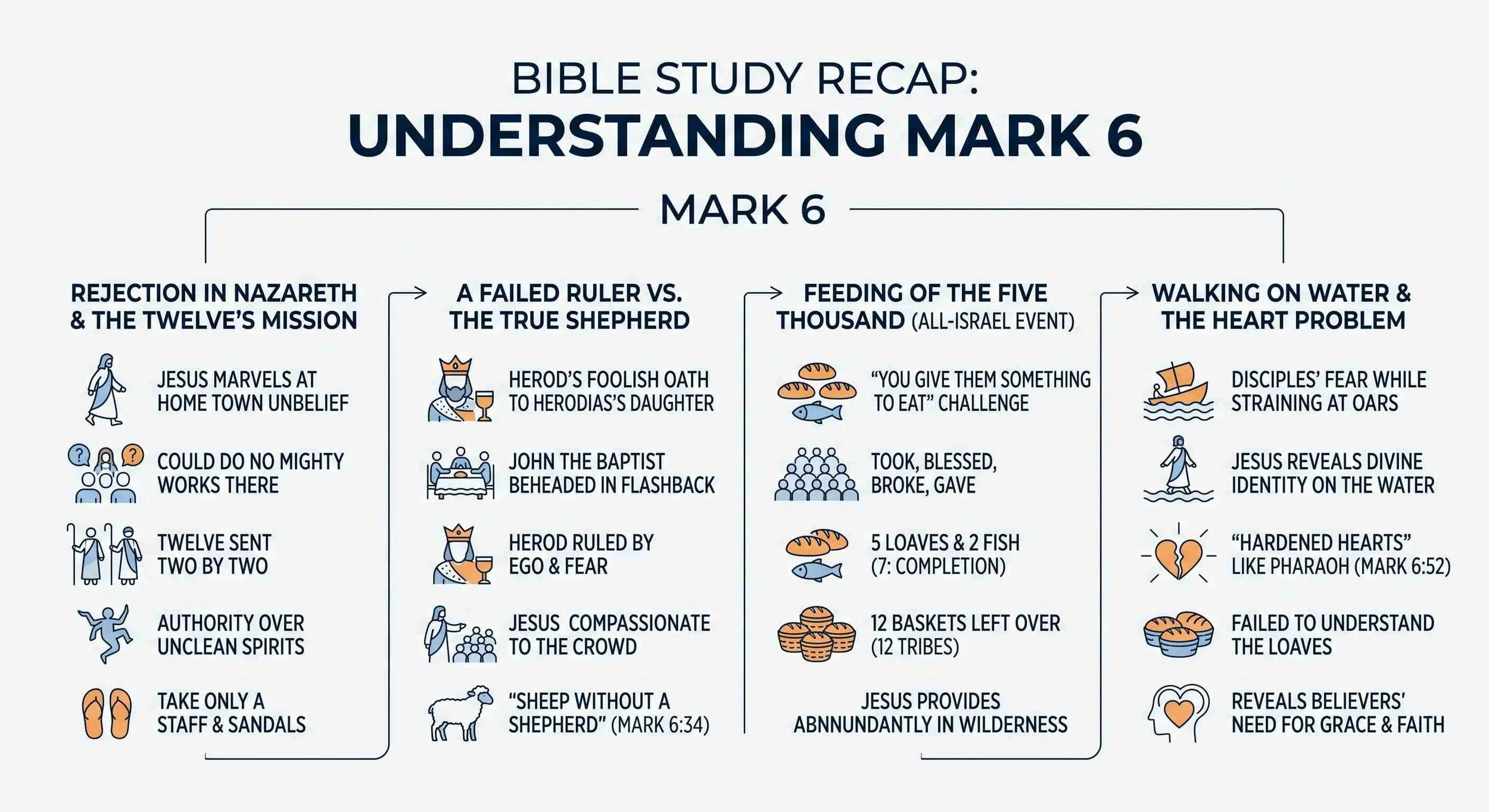
Section 1: Context and Rereading Mark 6
Our discussion opened by deciding to re-walk through Mark 6, as some participants had missed the previous session and the chapter is pivotal to the Gospel. The plan was to read the whole chapter and "walk our way through it." We noted that future studies on Tuesdays will start with Genesis, emphasizing how Genesis and Exodus form a primer for the whole Bible. The Gospels, including Mark 6, often echo these foundational stories of creation, covenant, and deliverance, such as Matthew’s infancy narrative paralleling the Exodus story.
Summary of Section 1: We set the study plan to reread Mark 6 comprehensively and connected the importance of Genesis and Exodus as a foundational lens for understanding the rest of Scripture, including the Gospels' themes of rejection, mission, and faith.
Bible Verses & Stories Mentioned:
General: Genesis, Exodus as foundational to the Bible.
Matthew’s Infancy Narrative: Mentioned as an echo of Exodus (Herod and the flight to Egypt).
Section 2: Rejection in Nazareth and the Mission of the Twelve
We began by reading Mark 6:1–13. Jesus returns to his hometown of Nazareth, and the people are "astonished" in a way that turns to offense, questioning his authority: "Isn’t this the carpenter… Mary’s son?" Jesus responds with the proverb, "A prophet is not without honor except in his own country." We discussed how this unbelief impacted Jesus’s ministry there; he "could do no mighty work there" and marveled at their unbelief. The class considered whether he "couldn't" or "chose not to," with a study Bible suggesting the latter. This rejection in Nazareth was seen as a microcosm of Israel’s broader rejection of its prophets.
Jesus then sends out the Twelve "two by two," giving them authority over unclean spirits. He instructs them to travel light (staff, sandals, no bread, no money), an exercise in faith showing their dependence on God and hospitality. This made them resemble itinerant preachers or prophets of old. If rejected, they were to "shake off your dirt off your feet," a powerful statement typically made by Jews leaving a Gentile region, signifying judgment. The disciples then went out, preached repentance, cast out demons, and healed the sick, acting as true representatives of God.
Summary of Section 2: Mark 6:1–13 shows the contrast between hometown rejection and faithful mission. Unbelief in Nazareth hinders Jesus’s wonders, while the disciples, sent out in dependence and with authority, multiply his work through preaching, healing, and deliverance, calling Israel to repent.
Bible Verses & Stories Mentioned:
Mark 6:1–13: Rejection at Nazareth; sending of the Twelve.
Genesis 18–19: Sodom and Gomorrah (alluded to in the judgment context).
Cross-references: Jesus's statements on prophets dying in Jerusalem (cf. Luke 13:33–34; Matthew 23:37).
Echoes of Exodus: The pattern of God's deliverers and prophets being rejected.
Section 3: The Failed Leadership of King Herod
The discussion then shifted to the flashback account of John the Baptist's beheading (Mark 6:14–29), which begins with Herod hearing of Jesus and fearing he is a resurrected John. We analyzed Herod as a "feckless ruler," a king in name only who was a slave to his ego and public image. Though he "heard [John] gladly," he made a foolish oath to his stepdaughter during a birthday feast. When she, prompted by her mother Herodias, asked for John the Baptist’s head, Herod was "exceedingly sorry" but felt compelled to follow through because of his pride. This portrayed him as a weak, self-serving leader who fails his people and is ruled by bluster rather than justice. The non-linear narrative structure was noted as a theological tool Mark uses to reveal truths about Jesus by contrasting him with such failed leadership.
Summary of Section 3: The story of John the Baptist’s beheading serves as a flashback to characterize King Herod as a weak leader. His ego and fear of losing face led him to execute a prophet he respected, showcasing a king who fails his people and is ruled by pride.
Bible Verses & Stories Mentioned:
Mark 6:14–29: The story of King Herod and the beheading of John the Baptist.
Section 4: Jesus the True Shepherd and a Miraculous Meal
Next, we connected the story of Herod to the feeding of the five thousand (Mark 6:30–44). The crowd following Jesus into the wilderness or "deserted place" was described as "sheep without a shepherd" (Mark 6:34). This statement stands in stark contrast to Herod. Where Herod hosted a feast for the powerful ending in death, Jesus acts as the true, compassionate shepherd for the leaderless flock.
The disciples' first instinct was to "send them away," a rational but uncaring response. Jesus challenged their limited perspective with the command, "You give them something to eat." He then took five loaves and two fish, and the class noted the significance of the number seven (5+2) as a symbol of completion. The language—he "took," "blessed," "broke," and "gave"—intentionally parallels the words of Communion. The twelve baskets of leftovers were a clear reference to the twelve tribes of Israel, showing God's abundant provision. The five thousand men were interpreted as representing the Pentateuch, framing this as an "all-Israel" event where Jesus, the Shepherd-King, provides for his nation.
Summary of Section 4: In direct contrast to Herod, Jesus is presented as the true shepherd. He sees the crowd with compassion and miraculously feeds them in the wilderness. This sacrament-like event is rich with symbolism, pointing to Jesus as the divine provider who fulfills the needs of his people where their earthly king had failed.
Bible Verses & Stories Mentioned:
Mark 6:30–44: The feeding of the five thousand.
Mark 6:34: Jesus's compassion for the "sheep not having a shepherd."
Mark 6:41: Jesus blesses and breaks the loaves, echoing communion language.
Psalm 23: The Lord is my Shepherd, illustrating a king's role.
The Exodus: The wilderness setting and provision of food echoes God providing manna.
Feeding of the Four Thousand: Mentioned as a future event showing provision for Gentiles.
Section 5: Walking on Water and Hardened Hearts
We then examined Jesus walking on water (Mark 6:45–52), which immediately follows the feeding. While the disciples were "straining at the oars," a metaphor for their spiritual struggle, Jesus appeared. Their reaction was terror, thinking he was a ghost. The key to this section is Mark 6:52: "for they had not understood about the loaves, because their heart was hardened." This verse, the class concluded, is Mark's central point. The disciples’ inability to comprehend the miracle of the loaves led directly to their fear on the water.
The phrase "hardened heart" explicitly links them to Pharaoh in Exodus. Just as Pharaoh witnessed God’s miracles but refused to believe, the disciples saw Jesus's divine power yet failed to understand who he was. They were still viewing him through a lens of political power, not as their divine savior.
Summary of Section 5: The disciples' fear while Jesus walked on water was a direct result of their failure to understand the feeding of the five thousand. Mark diagnoses their problem as having "hardened hearts," a term that equates their spiritual blindness with that of Pharaoh, revealing their deep-seated lack of faith.
Bible Verses & Stories Mentioned:
Mark 6:45–52: The story of Jesus walking on the water.
Mark 6:52: "...their heart was hardened." Identified as the key verse for the chapter.
Pharaoh's Hardened Heart (Exodus): The disciples' condition was directly compared to Pharaoh's.
Section 6: A Contrast in Faith and the Purpose of Failure
The chapter concludes with Jesus arriving in Gennesaret. The contrast in reception is stark. In Jewish Nazareth, unbelief limited his work. Here, in a Gentile-associated region, the people have such faith that they seek healing by merely touching the hem of his garment. This highlights a theme of "outsiders" often showing more faith than "insiders" like the disciples.
The discussion wrapped up by considering why Mark (recording Peter's account) would portray the disciples so negatively. The consensus was that their failures are relatable. We, too, forget the "loaves"—the times God has provided. We, too, have hardened hearts. The story of the disciples, from their failures to their eventual restoration, shows us that our faith journey is imperfect and that we are saved by grace in the midst of our failures, not by our own strength.
Summary of Section 6: The chapter contrasts the disciples' hardened hearts with the eager faith of the people in Gennesaret. The class concluded that the disciples’ failures are included to help us see ourselves in their story, reminding us that we all depend entirely on Jesus's grace for redemption.
Bible Verses & Stories Mentioned:
Healing of the Gerasene Demoniac (Mark 5): Referenced as a previous event in the region.
Woman who touched the hem of Jesus's garment (Mark 5:25–34): Compared to the faith of the people in Gennesaret.
Jesus's Rejection in Nazareth (Mark 6:1–6): Contrasted with his reception in Gennesaret.
The Transfiguration & The Rich Young Ruler: Mentioned as future stories that will expose the disciples' struggles.
Final Summary
In our Bible study on September 2, 2026, we conducted an in-depth analysis of Mark chapter 6, walking through its interconnected narratives. We began with Jesus's rejection in his hometown of Nazareth, which served as a microcosm of prophetic dishonor. From there, we examined the sending of the Twelve, who were commissioned to preach, heal, and act with dependence on God. The study then delved into a major theological contrast: the failed, self-serving leadership of King Herod, who beheaded John the Baptist out of pride, versus the compassionate leadership of Jesus, the true Shepherd-King.
This contrast was powerfully illustrated in the feeding of the five thousand. Where Herod hosted a fatal feast for the elite, Jesus hosted a life-giving feast for the common people, who were "like sheep without a shepherd." This miracle was laden with symbolism connecting Jesus to Israel’s history and his identity as the divine provider. However, the disciples failed to grasp its meaning. The subsequent story of Jesus walking on water exposed their core spiritual problem. Their terror was a symptom of their failure to understand the loaves, as Mark 6:52 states their hearts were "hardened," explicitly comparing them to Pharaoh in Exodus. Ultimately, the class concluded that Mark presents the disciples' flaws—contrasted with the eager faith of outsiders in Gennesaret—so that we can see our own struggles in their story and recognize that salvation comes not from our own understanding, but from the grace of Jesus, who redeems us even in our weakness.
Main Points
Mark 6 is pivotal, showcasing themes of rejection, mission, divine identity, and the nature of faith.
Jesus's rejection in Nazareth illustrates prophetic dishonor at home, where unbelief can constrain the environment for miracles.
The Twelve are sent out with authority and simplicity, modeling dependence on God and accountability for the reception of their message.
The narrative deliberately contrasts Herod, the bad shepherd, with Jesus, the good shepherd.
The feeding of the five thousand is a sacramental event filled with symbolism (the numbers 7, 12, 5000; communion language) connecting Jesus to Israel's history and his role as the divine provider.
The disciples' fear on the water was a direct consequence of their "hardened hearts" and failure to understand the miracle of the loaves, linking their unbelief to that of Pharaoh.
Genesis–Exodus patterns (rejection of prophets, deliverance, wilderness provision) form a primer for reading the Gospels.
The eager faith of Gentiles in Gennesaret stands in stark contrast to the hardened hearts of the disciples.
The disciples' failures are included in the Gospel to help us see our own weaknesses and our desperate need for Jesus's grace.
Scriptures and Stories Mentioned
Bible Scriptures:
Mark 6 (entire chapter): Particularly Mark 6:1–13, 14–29, 30–44, 45–52.
Mark 6:52: "for they had not understood about the loaves, because their heart was hardened."
Mark 6:34: Jesus's compassion for the crowd, "like sheep not having a shepherd."
Psalm 23: The Lord is my shepherd.
Genesis & Exodus (General): Creation; patriarchs (Abraham, Isaac, Jacob, Joseph); Exodus deliverance; Pharaoh's hardened heart.
Genesis 18–19: Sodom and Gomorrah.
Matthew’s infancy narrative (Matthew 2:13–18): Flight to Egypt; Herod’s slaughter of infants.
Cross-references: Luke 13:33–34; Matthew 23:37 (prophets dying in Jerusalem).
Bible Stories:
Jesus rejected in Nazareth.
The sending out of the twelve disciples.
The beheading of John the Baptist.
The feeding of the five thousand.
Jesus walking on water.
The Israelites wandering in the wilderness (Exodus) and the providing of manna.
The Creation Story (seven days).
The healing of the Gerasene demoniac (Legion).
The woman who touched the hem of Jesus's garment.
The feeding of the four thousand.
The Transfiguration.
The story of the Rich Young Ruler.

Philippians Chapter 4 Class 4 - Tuesday Bible Study
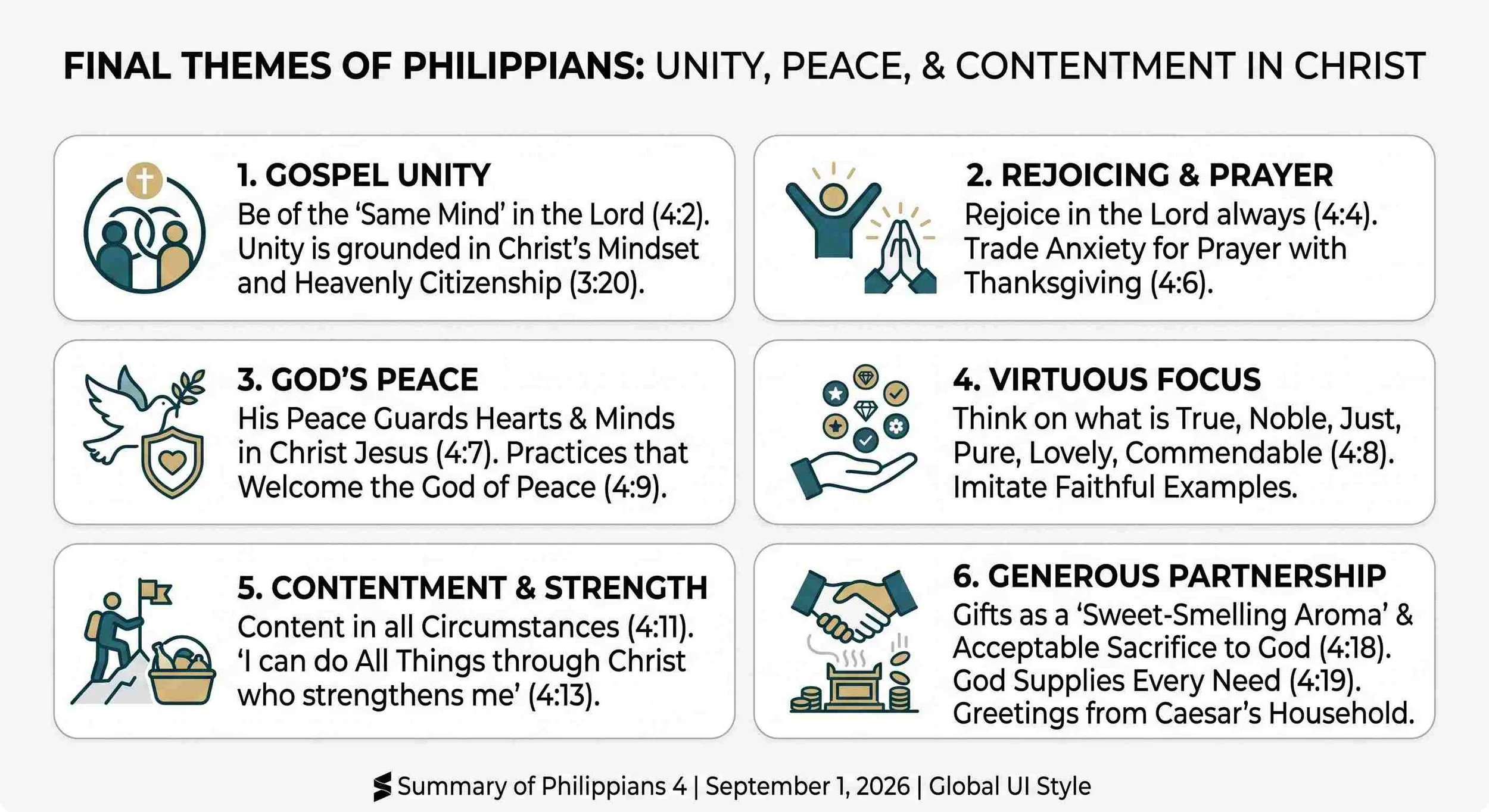
We wrapped up Philippians by exploring unity in Christ, rejoicing and prayerful peace, virtuous focus, learned contentment through Christ’s strength, generous partnership as worship, identity in Christ amid Paul’s imprisonments, the Saul/Paul name usage, and the gospel’s reach—even into Caesar’s household.
Gospel of Philippians Chapter 4
This is our 4rd class on Philippians
This is an AI Recap of the class.
Some things may be incorrect.
Short Summary of the Whole Class
During our Bible study on September 2, 2026, we revisited Mark chapter 6, analyzing its pivotal role in the Gospel. We discussed Jesus's rejection in his hometown, the mission of the Twelve, and the stark contrast between King Herod's feckless leadership and Jesus's compassionate shepherding. The class focused on the feeding of the five thousand and Jesus walking on water, noting how these miracles serve as a powerful critique of the disciples' "hardened hearts." We contrasted their lack of faith with the desperate faith of outsiders and concluded that Mark presents the disciples' failures to help us see our own weaknesses and recognize our need for Jesus, who redeems us even in our lack of understanding. Throughout, we connected these narratives to foundational themes from Genesis and Exodus.
Detailed Class Summary (September 2, 2026)
Section 1: Context and Rereading Mark 6
Our discussion opened by deciding to re-walk through Mark 6, as some participants had missed the previous session and the chapter is pivotal to the Gospel. The plan was to read the whole chapter and "walk our way through it." We noted that future studies on Tuesdays will start with Genesis, emphasizing how Genesis and Exodus form a primer for the whole Bible. The Gospels, including Mark 6, often echo these foundational stories of creation, covenant, and deliverance, such as Matthew’s infancy narrative paralleling the Exodus story.
Summary of Section 1: We set the study plan to reread Mark 6 comprehensively and connected the importance of Genesis and Exodus as a foundational lens for understanding the rest of Scripture, including the Gospels' themes of rejection, mission, and faith.
Bible Verses & Stories Mentioned:
General: Genesis, Exodus as foundational to the Bible.
Matthew’s Infancy Narrative: Mentioned as an echo of Exodus (Herod and the flight to Egypt).
Section 2: Rejection in Nazareth and the Mission of the Twelve
We began by reading Mark 6:1–13. Jesus returns to his hometown of Nazareth, and the people are "astonished" in a way that turns to offense, questioning his authority: "Isn’t this the carpenter… Mary’s son?" Jesus responds with the proverb, "A prophet is not without honor except in his own country." We discussed how this unbelief impacted Jesus’s ministry there; he "could do no mighty work there" and marveled at their unbelief. The class considered whether he "couldn't" or "chose not to," with a study Bible suggesting the latter. This rejection in Nazareth was seen as a microcosm of Israel’s broader rejection of its prophets.
Jesus then sends out the Twelve "two by two," giving them authority over unclean spirits. He instructs them to travel light (staff, sandals, no bread, no money), an exercise in faith showing their dependence on God and hospitality. This made them resemble itinerant preachers or prophets of old. If rejected, they were to "shake off your dirt off your feet," a powerful statement typically made by Jews leaving a Gentile region, signifying judgment. The disciples then went out, preached repentance, cast out demons, and healed the sick, acting as true representatives of God.
Summary of Section 2: Mark 6:1–13 shows the contrast between hometown rejection and faithful mission. Unbelief in Nazareth hinders Jesus’s wonders, while the disciples, sent out in dependence and with authority, multiply his work through preaching, healing, and deliverance, calling Israel to repent.
Bible Verses & Stories Mentioned:
Mark 6:1–13: Rejection at Nazareth; sending of the Twelve.
Genesis 18–19: Sodom and Gomorrah (alluded to in the judgment context).
Cross-references: Jesus's statements on prophets dying in Jerusalem (cf. Luke 13:33–34; Matthew 23:37).
Echoes of Exodus: The pattern of God's deliverers and prophets being rejected.
Section 3: The Failed Leadership of King Herod
The discussion then shifted to the flashback account of John the Baptist's beheading (Mark 6:14–29), which begins with Herod hearing of Jesus and fearing he is a resurrected John. We analyzed Herod as a "feckless ruler," a king in name only who was a slave to his ego and public image. Though he "heard [John] gladly," he made a foolish oath to his stepdaughter during a birthday feast. When she, prompted by her mother Herodias, asked for John the Baptist’s head, Herod was "exceedingly sorry" but felt compelled to follow through because of his pride. This portrayed him as a weak, self-serving leader who fails his people and is ruled by bluster rather than justice. The non-linear narrative structure was noted as a theological tool Mark uses to reveal truths about Jesus by contrasting him with such failed leadership.
Summary of Section 3: The story of John the Baptist’s beheading serves as a flashback to characterize King Herod as a weak leader. His ego and fear of losing face led him to execute a prophet he respected, showcasing a king who fails his people and is ruled by pride.
Bible Verses & Stories Mentioned:
Mark 6:14–29: The story of King Herod and the beheading of John the Baptist.
Section 4: Jesus the True Shepherd and a Miraculous Meal
Next, we connected the story of Herod to the feeding of the five thousand (Mark 6:30–44). The crowd following Jesus into the wilderness or "deserted place" was described as "sheep without a shepherd" (Mark 6:34). This statement stands in stark contrast to Herod. Where Herod hosted a feast for the powerful ending in death, Jesus acts as the true, compassionate shepherd for the leaderless flock.
The disciples' first instinct was to "send them away," a rational but uncaring response. Jesus challenged their limited perspective with the command, "You give them something to eat." He then took five loaves and two fish, and the class noted the significance of the number seven (5+2) as a symbol of completion. The language—he "took," "blessed," "broke," and "gave"—intentionally parallels the words of Communion. The twelve baskets of leftovers were a clear reference to the twelve tribes of Israel, showing God's abundant provision. The five thousand men were interpreted as representing the Pentateuch, framing this as an "all-Israel" event where Jesus, the Shepherd-King, provides for his nation.
Summary of Section 4: In direct contrast to Herod, Jesus is presented as the true shepherd. He sees the crowd with compassion and miraculously feeds them in the wilderness. This sacrament-like event is rich with symbolism, pointing to Jesus as the divine provider who fulfills the needs of his people where their earthly king had failed.
Bible Verses & Stories Mentioned:
Mark 6:30–44: The feeding of the five thousand.
Mark 6:34: Jesus's compassion for the "sheep not having a shepherd."
Mark 6:41: Jesus blesses and breaks the loaves, echoing communion language.
Psalm 23: The Lord is my Shepherd, illustrating a king's role.
The Exodus: The wilderness setting and provision of food echoes God providing manna.
Feeding of the Four Thousand: Mentioned as a future event showing provision for Gentiles.
Section 5: Walking on Water and Hardened Hearts
We then examined Jesus walking on water (Mark 6:45–52), which immediately follows the feeding. While the disciples were "straining at the oars," a metaphor for their spiritual struggle, Jesus appeared. Their reaction was terror, thinking he was a ghost. The key to this section is Mark 6:52: "for they had not understood about the loaves, because their heart was hardened." This verse, the class concluded, is Mark's central point. The disciples’ inability to comprehend the miracle of the loaves led directly to their fear on the water.
The phrase "hardened heart" explicitly links them to Pharaoh in Exodus. Just as Pharaoh witnessed God’s miracles but refused to believe, the disciples saw Jesus's divine power yet failed to understand who he was. They were still viewing him through a lens of political power, not as their divine savior.
Summary of Section 5: The disciples' fear while Jesus walked on water was a direct result of their failure to understand the feeding of the five thousand. Mark diagnoses their problem as having "hardened hearts," a term that equates their spiritual blindness with that of Pharaoh, revealing their deep-seated lack of faith.
Bible Verses & Stories Mentioned:
Mark 6:45–52: The story of Jesus walking on the water.
Mark 6:52: "...their heart was hardened." Identified as the key verse for the chapter.
Pharaoh's Hardened Heart (Exodus): The disciples' condition was directly compared to Pharaoh's.
Section 6: A Contrast in Faith and the Purpose of Failure
The chapter concludes with Jesus arriving in Gennesaret. The contrast in reception is stark. In Jewish Nazareth, unbelief limited his work. Here, in a Gentile-associated region, the people have such faith that they seek healing by merely touching the hem of his garment. This highlights a theme of "outsiders" often showing more faith than "insiders" like the disciples.
The discussion wrapped up by considering why Mark (recording Peter's account) would portray the disciples so negatively. The consensus was that their failures are relatable. We, too, forget the "loaves"—the times God has provided. We, too, have hardened hearts. The story of the disciples, from their failures to their eventual restoration, shows us that our faith journey is imperfect and that we are saved by grace in the midst of our failures, not by our own strength.
Summary of Section 6: The chapter contrasts the disciples' hardened hearts with the eager faith of the people in Gennesaret. The class concluded that the disciples’ failures are included to help us see ourselves in their story, reminding us that we all depend entirely on Jesus's grace for redemption.
Bible Verses & Stories Mentioned:
Healing of the Gerasene Demoniac (Mark 5): Referenced as a previous event in the region.
Woman who touched the hem of Jesus's garment (Mark 5:25–34): Compared to the faith of the people in Gennesaret.
Jesus's Rejection in Nazareth (Mark 6:1–6): Contrasted with his reception in Gennesaret.
The Transfiguration & The Rich Young Ruler: Mentioned as future stories that will expose the disciples' struggles.
Final Summary
In our Bible study on September 2, 2026, we conducted an in-depth analysis of Mark chapter 6, walking through its interconnected narratives. We began with Jesus's rejection in his hometown of Nazareth, which served as a microcosm of prophetic dishonor. From there, we examined the sending of the Twelve, who were commissioned to preach, heal, and act with dependence on God. The study then delved into a major theological contrast: the failed, self-serving leadership of King Herod, who beheaded John the Baptist out of pride, versus the compassionate leadership of Jesus, the true Shepherd-King.
This contrast was powerfully illustrated in the feeding of the five thousand. Where Herod hosted a fatal feast for the elite, Jesus hosted a life-giving feast for the common people, who were "like sheep without a shepherd." This miracle was laden with symbolism connecting Jesus to Israel’s history and his identity as the divine provider. However, the disciples failed to grasp its meaning. The subsequent story of Jesus walking on water exposed their core spiritual problem. Their terror was a symptom of their failure to understand the loaves, as Mark 6:52 states their hearts were "hardened," explicitly comparing them to Pharaoh in Exodus. Ultimately, the class concluded that Mark presents the disciples' flaws—contrasted with the eager faith of outsiders in Gennesaret—so that we can see our own struggles in their story and recognize that salvation comes not from our own understanding, but from the grace of Jesus, who redeems us even in our weakness.
Main Points
Mark 6 is pivotal, showcasing themes of rejection, mission, divine identity, and the nature of faith.
Jesus's rejection in Nazareth illustrates prophetic dishonor at home, where unbelief can constrain the environment for miracles.
The Twelve are sent out with authority and simplicity, modeling dependence on God and accountability for the reception of their message.
The narrative deliberately contrasts Herod, the bad shepherd, with Jesus, the good shepherd.
The feeding of the five thousand is a sacramental event filled with symbolism (the numbers 7, 12, 5000; communion language) connecting Jesus to Israel's history and his role as the divine provider.
The disciples' fear on the water was a direct consequence of their "hardened hearts" and failure to understand the miracle of the loaves, linking their unbelief to that of Pharaoh.
Genesis–Exodus patterns (rejection of prophets, deliverance, wilderness provision) form a primer for reading the Gospels.
The eager faith of Gentiles in Gennesaret stands in stark contrast to the hardened hearts of the disciples.
The disciples' failures are included in the Gospel to help us see our own weaknesses and our desperate need for Jesus's grace.
Scriptures and Stories Mentioned
Bible Scriptures:
Mark 6 (entire chapter): Particularly Mark 6:1–13, 14–29, 30–44, 45–52.
Mark 6:52: "for they had not understood about the loaves, because their heart was hardened."
Mark 6:34: Jesus's compassion for the crowd, "like sheep not having a shepherd."
Psalm 23: The Lord is my shepherd.
Genesis & Exodus (General): Creation; patriarchs (Abraham, Isaac, Jacob, Joseph); Exodus deliverance; Pharaoh's hardened heart.
Genesis 18–19: Sodom and Gomorrah.
Matthew’s infancy narrative (Matthew 2:13–18): Flight to Egypt; Herod’s slaughter of infants.
Cross-references: Luke 13:33–34; Matthew 23:37 (prophets dying in Jerusalem).
Bible Stories:
Jesus rejected in Nazareth.
The sending out of the twelve disciples.
The beheading of John the Baptist.
The feeding of the five thousand.
Jesus walking on water.
The Israelites wandering in the wilderness (Exodus) and the providing of manna.
The Creation Story (seven days).
The healing of the Gerasene demoniac (Legion).
The woman who touched the hem of Jesus's garment.
The feeding of the four thousand.
The Transfiguration.
The story of the Rich Young Ruler.

[Sunday] Faith & Fear - Missio Dei Part 5
When anxiety hits, we usually tell ourselves “faith over fear.” but perhaps God is calling us to something deeper: faith with the fear of the Lord. See how the massive, awesome power of God is actually the perfect resting place for our fearful hearts.

When anxiety hits, we usually tell ourselves “faith over fear.” but perhaps God is calling us to something deeper: faith with the fear of the Lord. See how the massive, awesome power of God is actually the perfect resting place for our fearful hearts.
What Had happened at Grace this week.

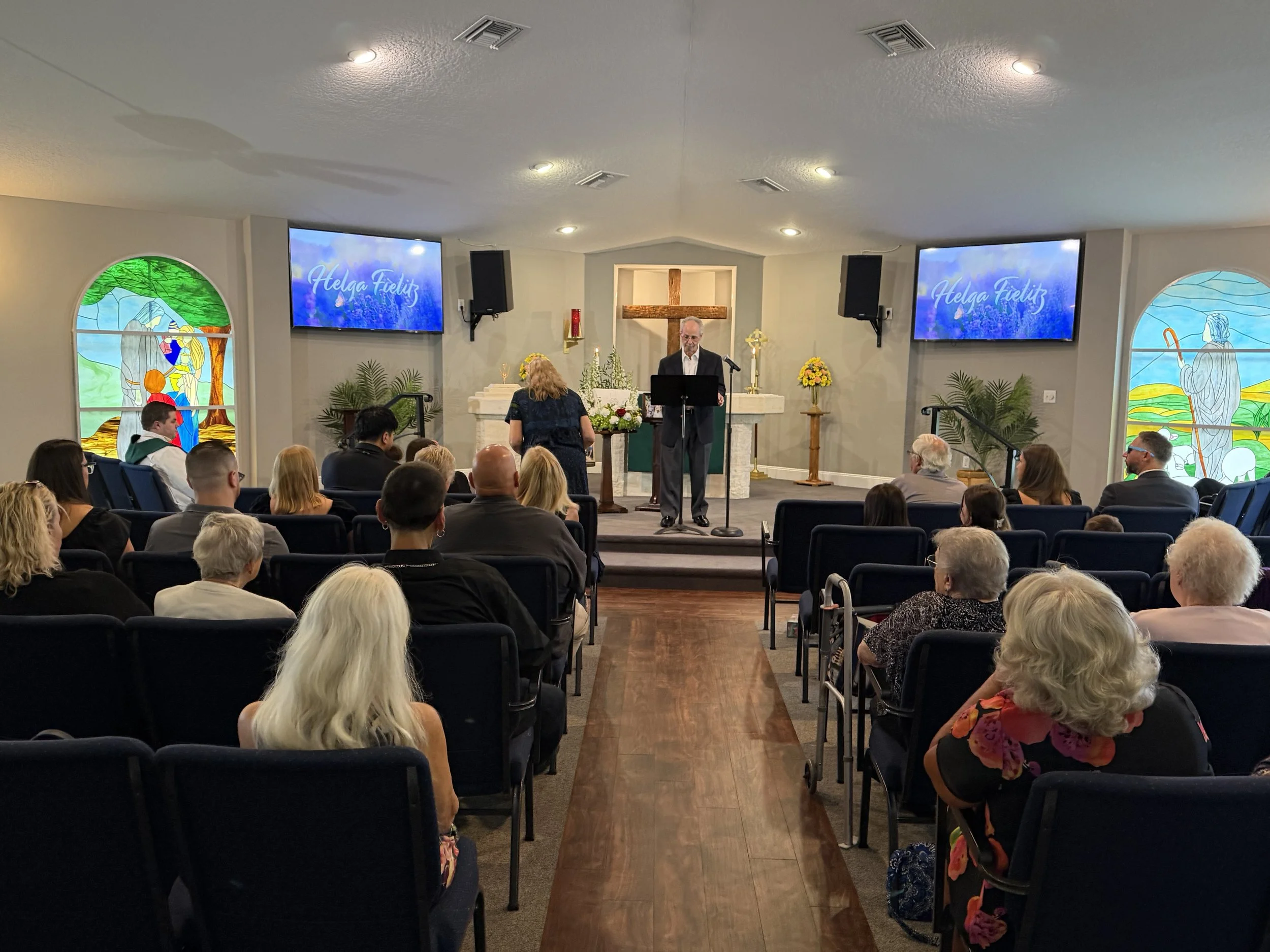
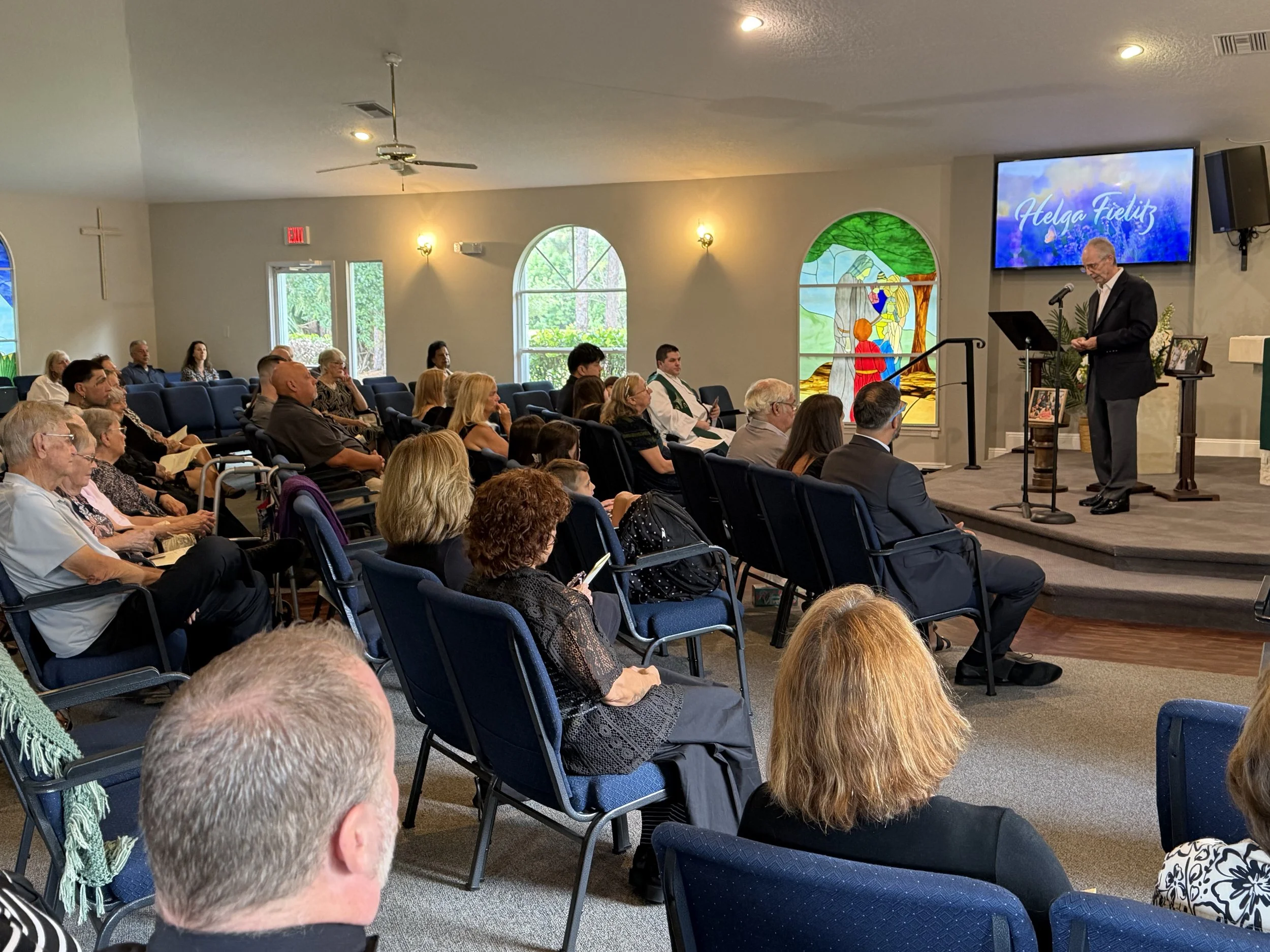
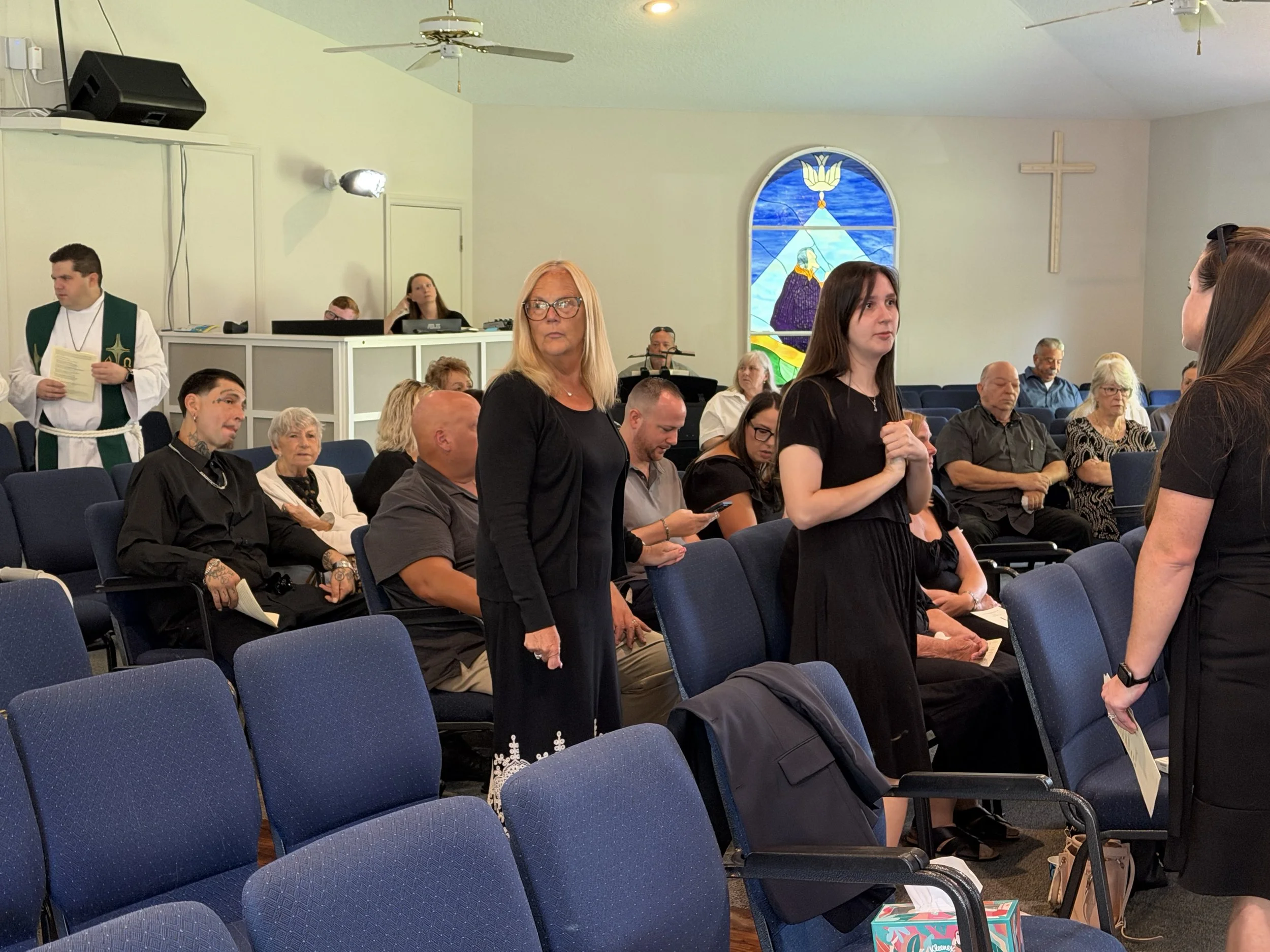
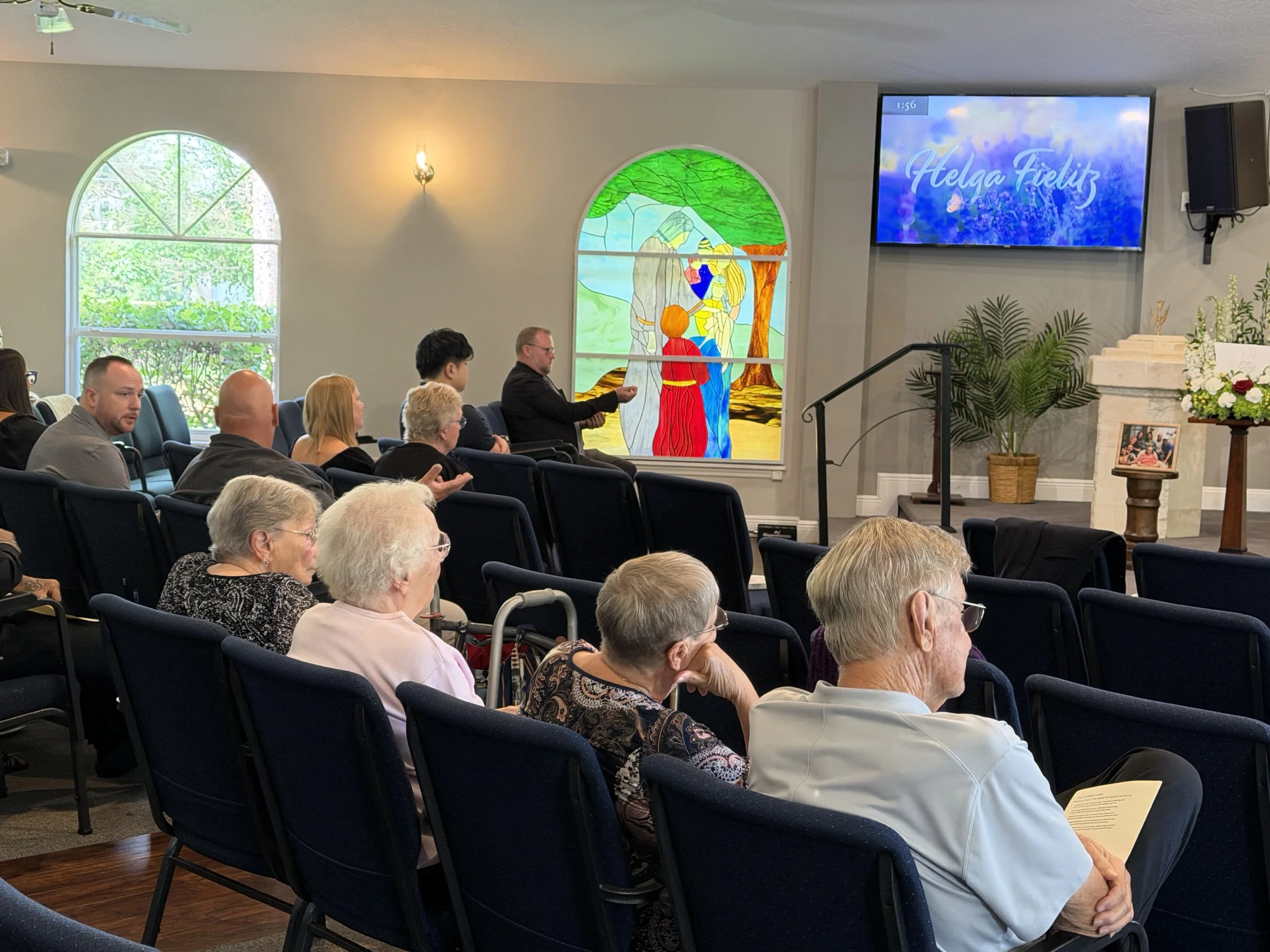
Helga Memorial and Crafters at Grace
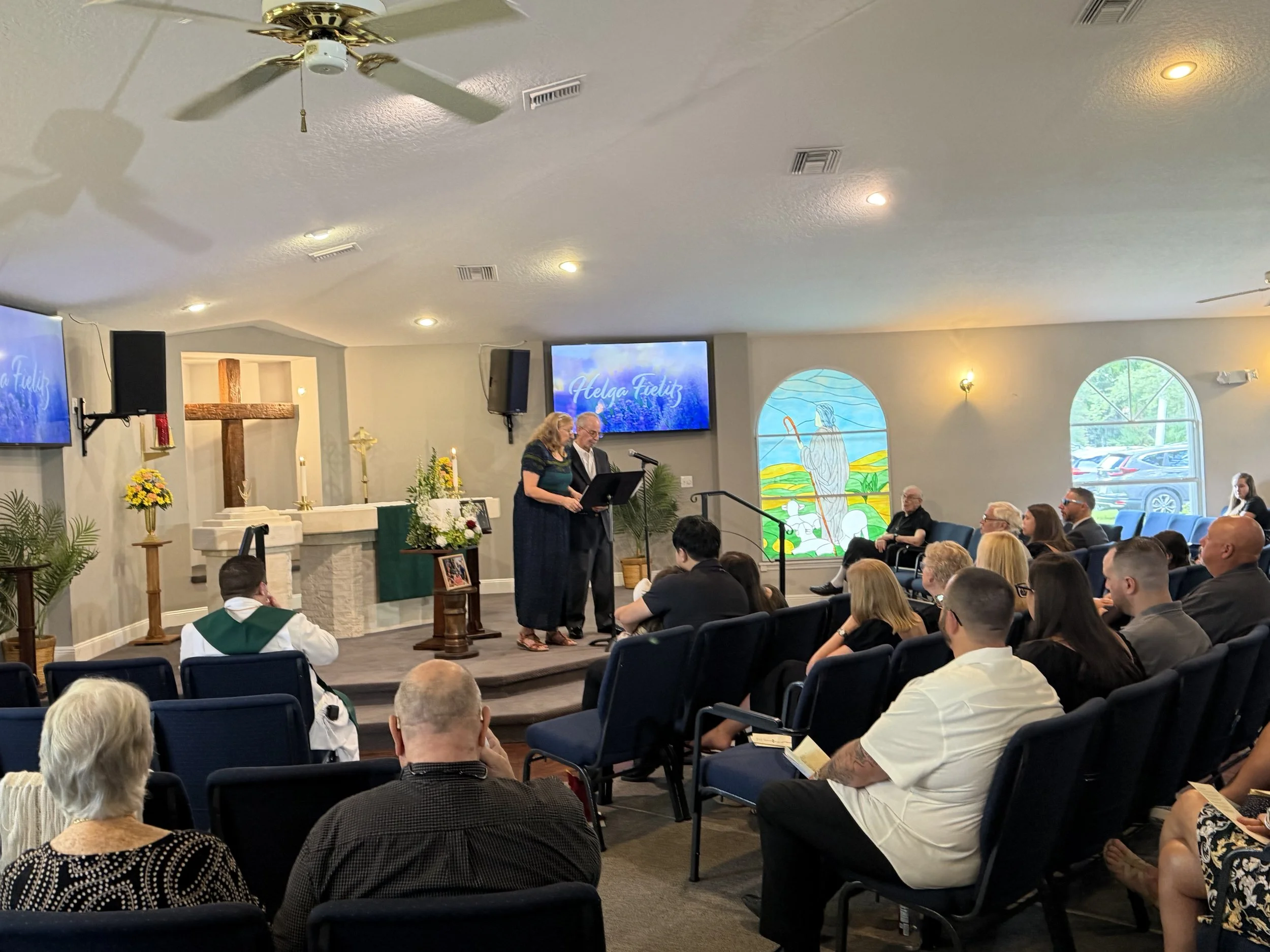
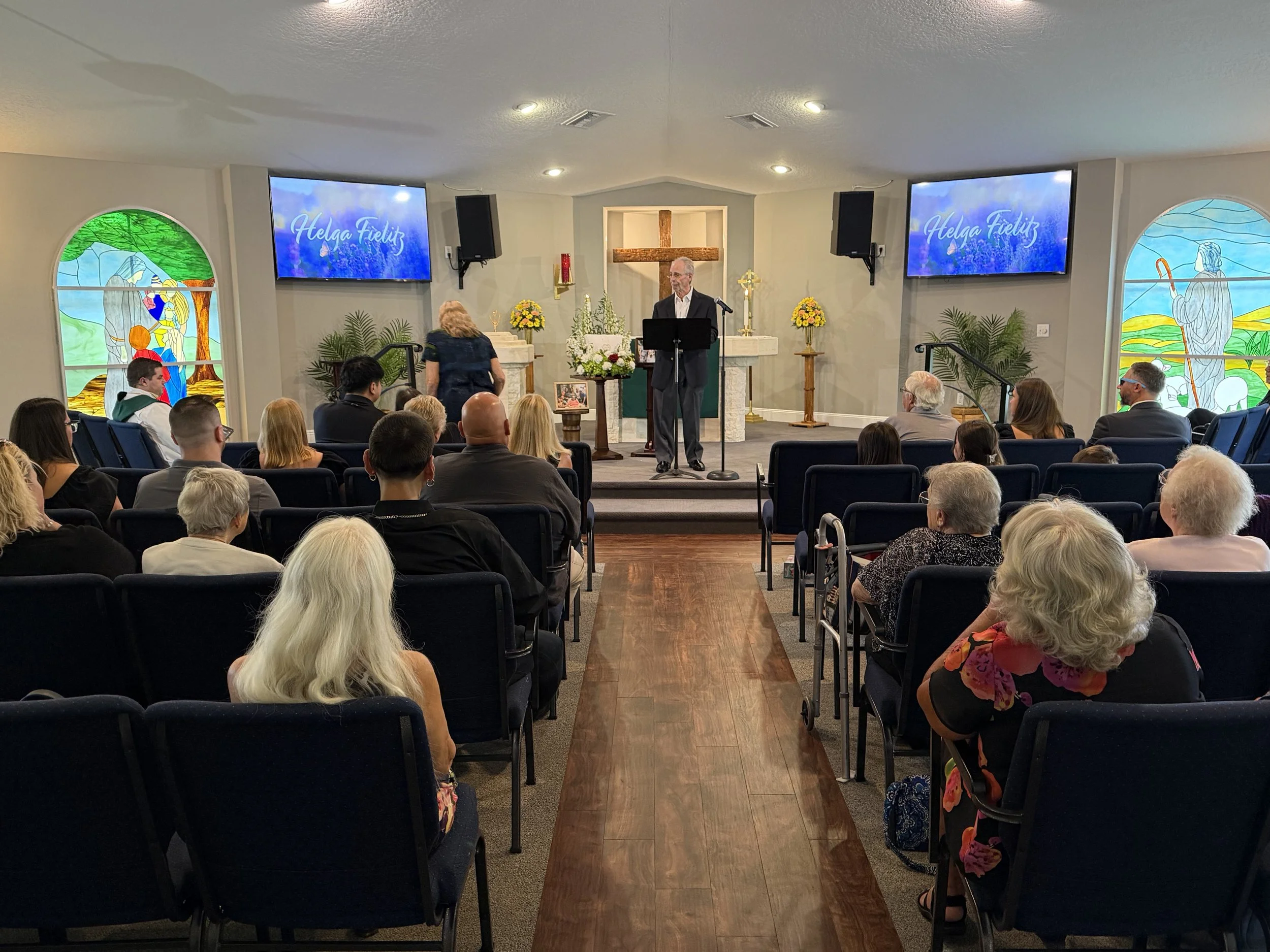
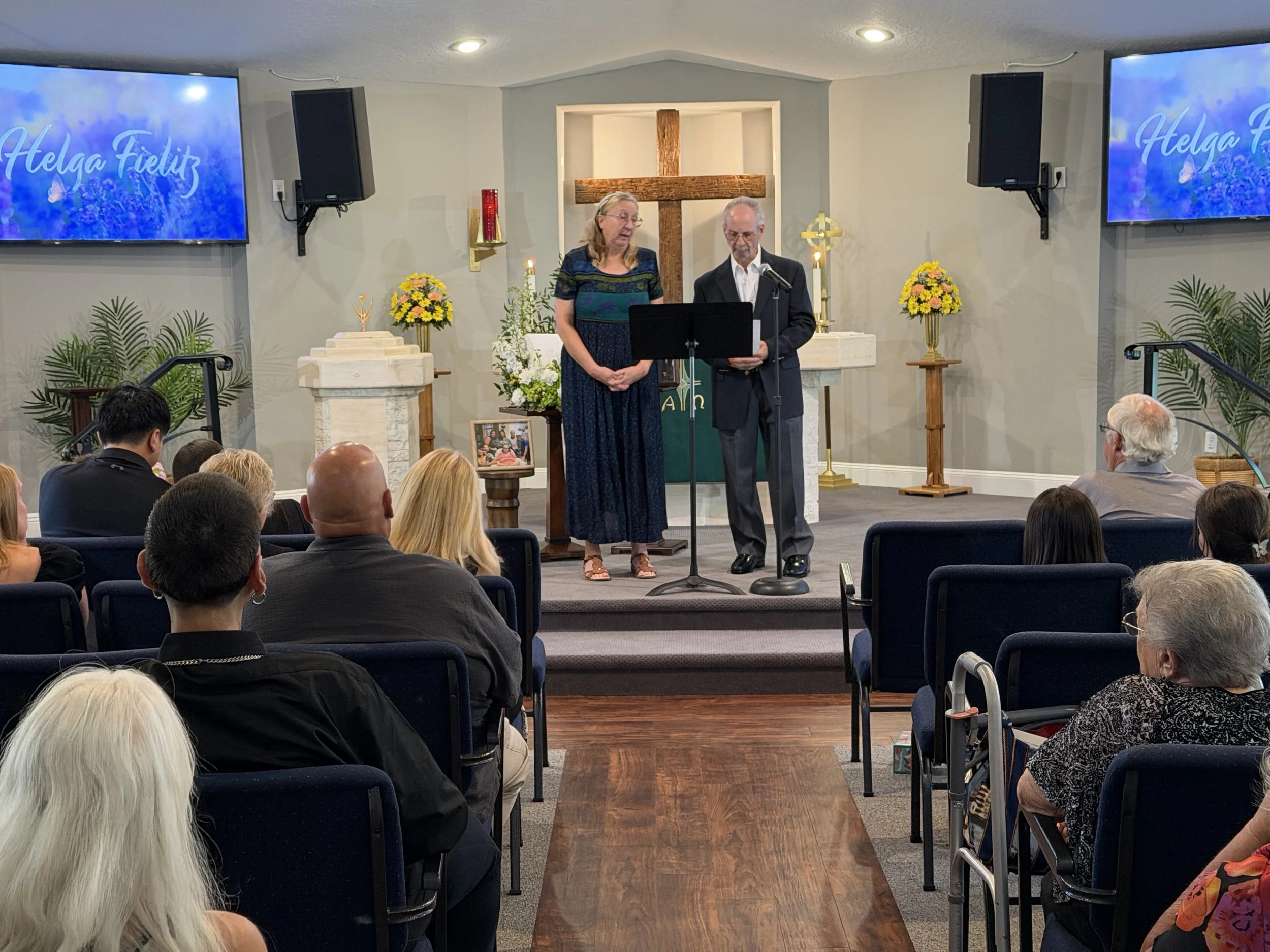
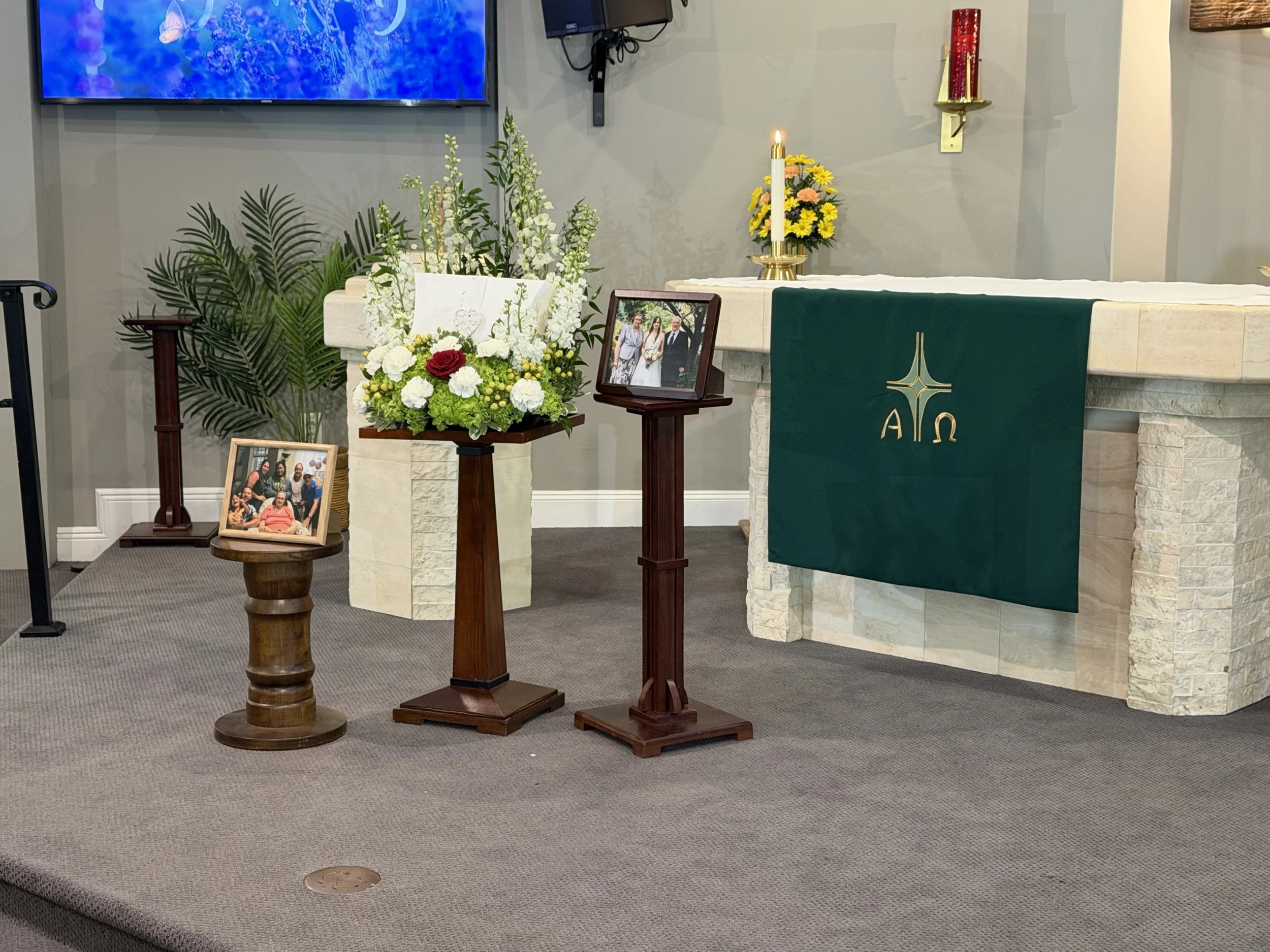
Thank you to all who joined us at Helga's memorial service.
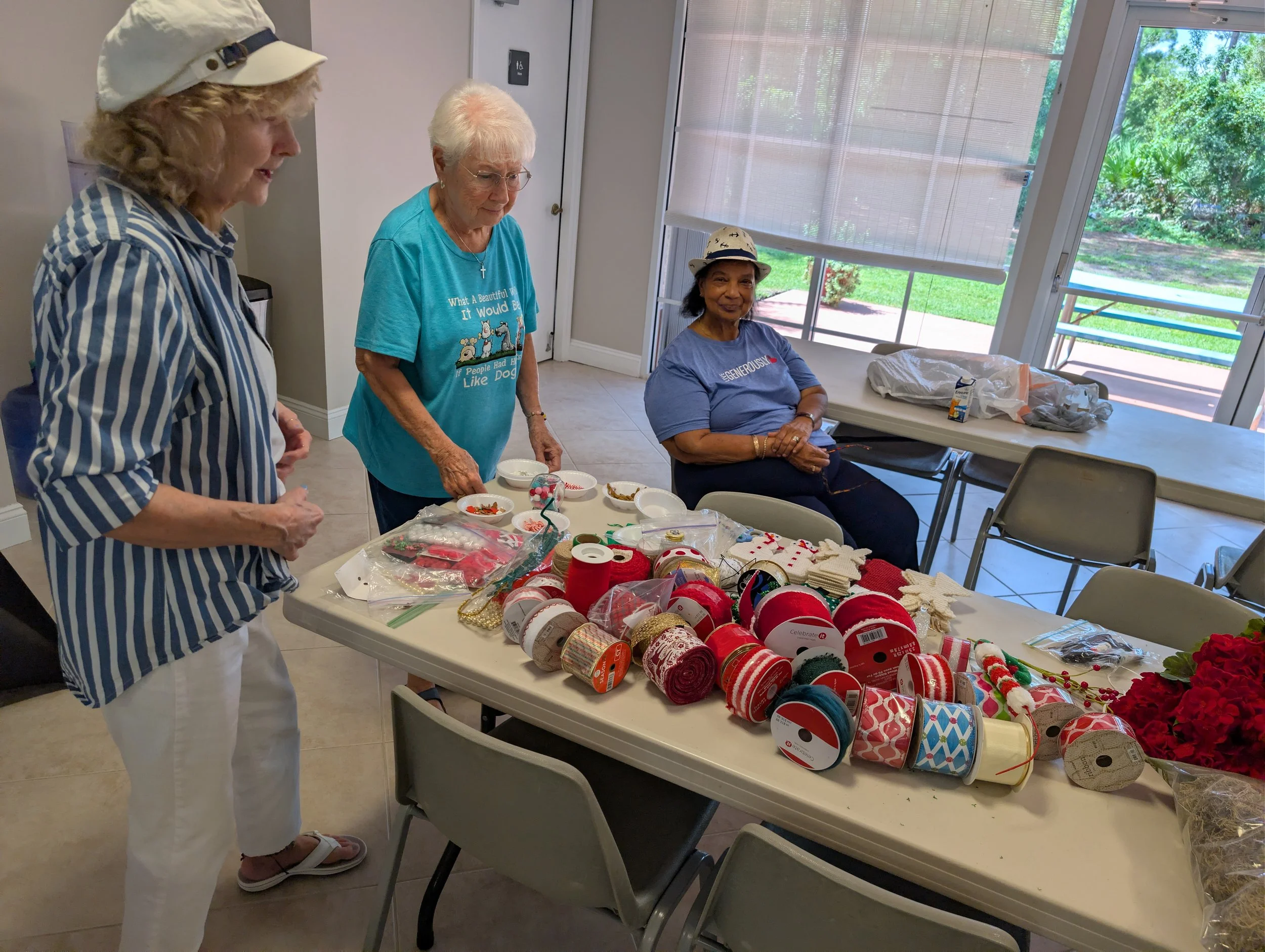
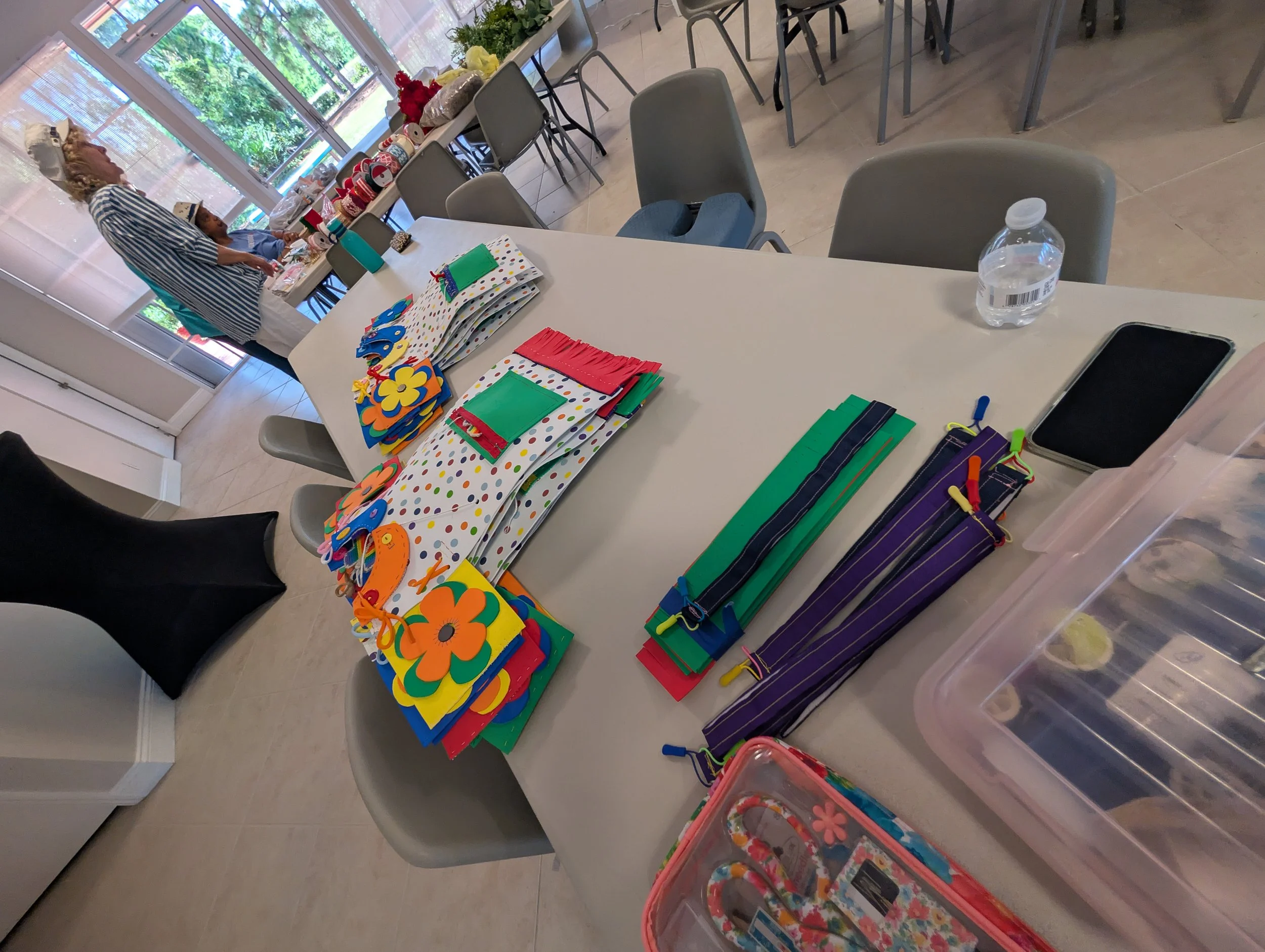
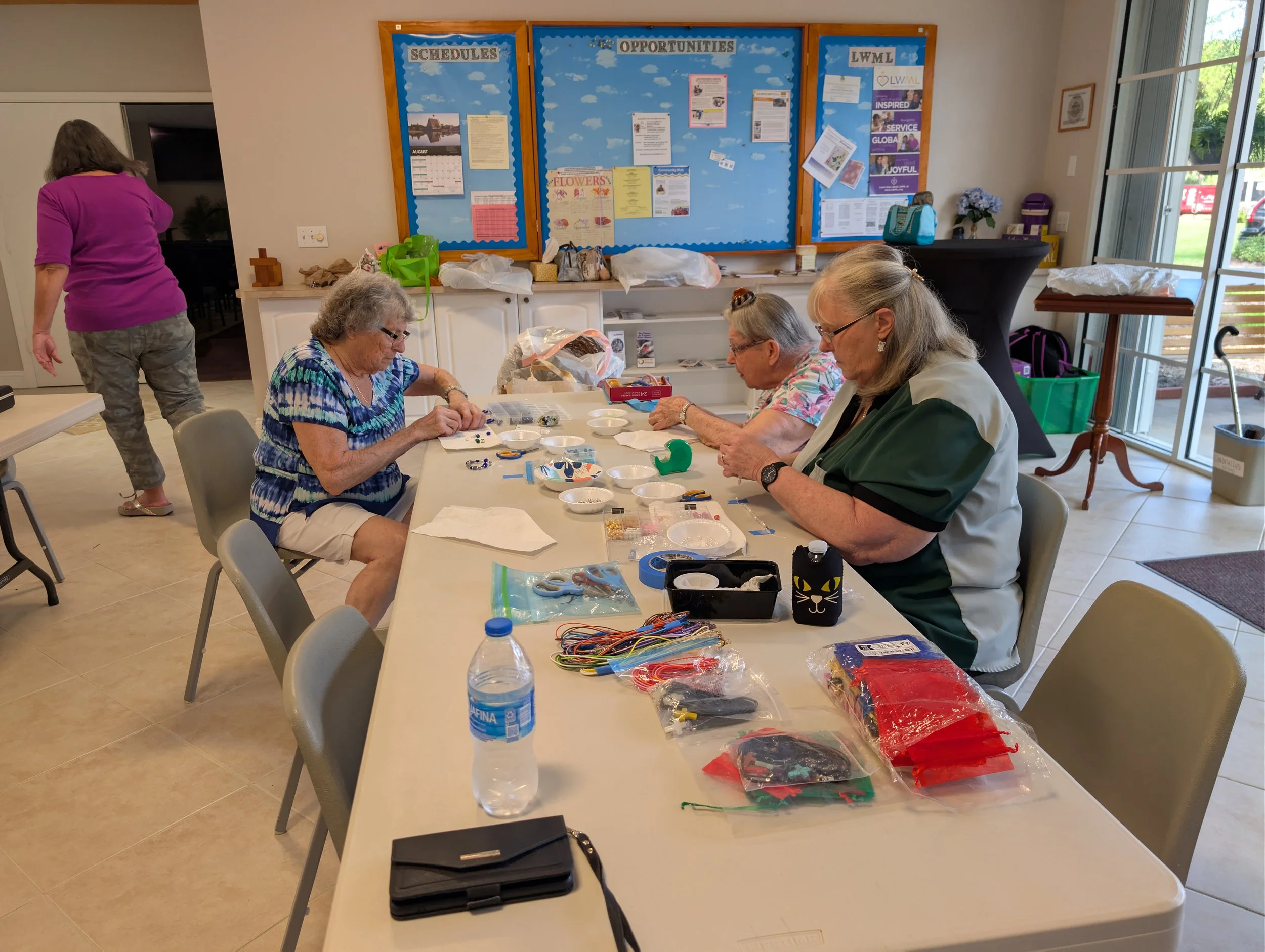
We are so grateful for what everyone does for our church! Here are some pictures of the crafters group hard at work. They had so many projects going on, including some getting ready for Christmas. Helga joined in too, and I am so thankful for the wonderful community this group provides.
Thank you to all who joined us at Helga's memorial service.

President’s Equip Conference | Flourishing In A Changing World
We invite educators, pastors, and lay leaders to gather in hope and shared purpose amid rapid cultural and technology changes

President's Equip Conference
Rosen Centre Hotel • Orlando, FL
September 30 – October 2, 2026

Every 3 years…..
The Flordia Georgia District organizes a big conference which includes lay leaders of the church. A few from the Grace are already signed up.
Registration closes on Friday September 4th. Let pastor Cris know if you are coming.
Flourishing in a Changing World
We invite educators, pastors, and lay leaders to gather in hope and shared purpose amid rapid cultural and technology changes. This conference moves beyond the simple adoption of new tools to explore the ethical and instructional implications. Workshops will focus on worker well-being, vocation, and faithful leadership in a fast-paced world. Participants will be strengthened through gatherings, keynote insights, and meaningful connection–leaving equipped to see change not as a threat, but as an opportunity for joy, resilience, and flourishing within their community.

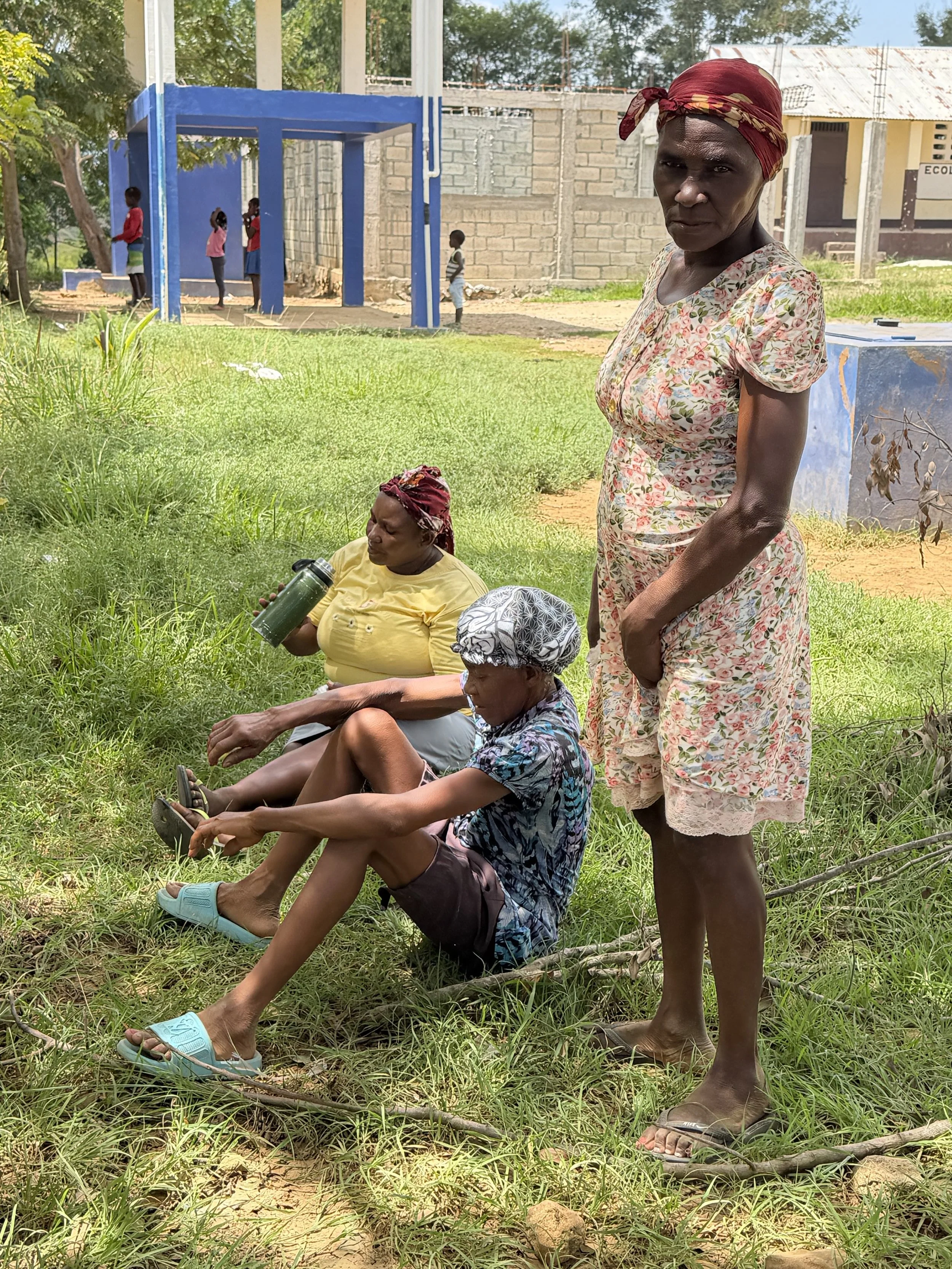
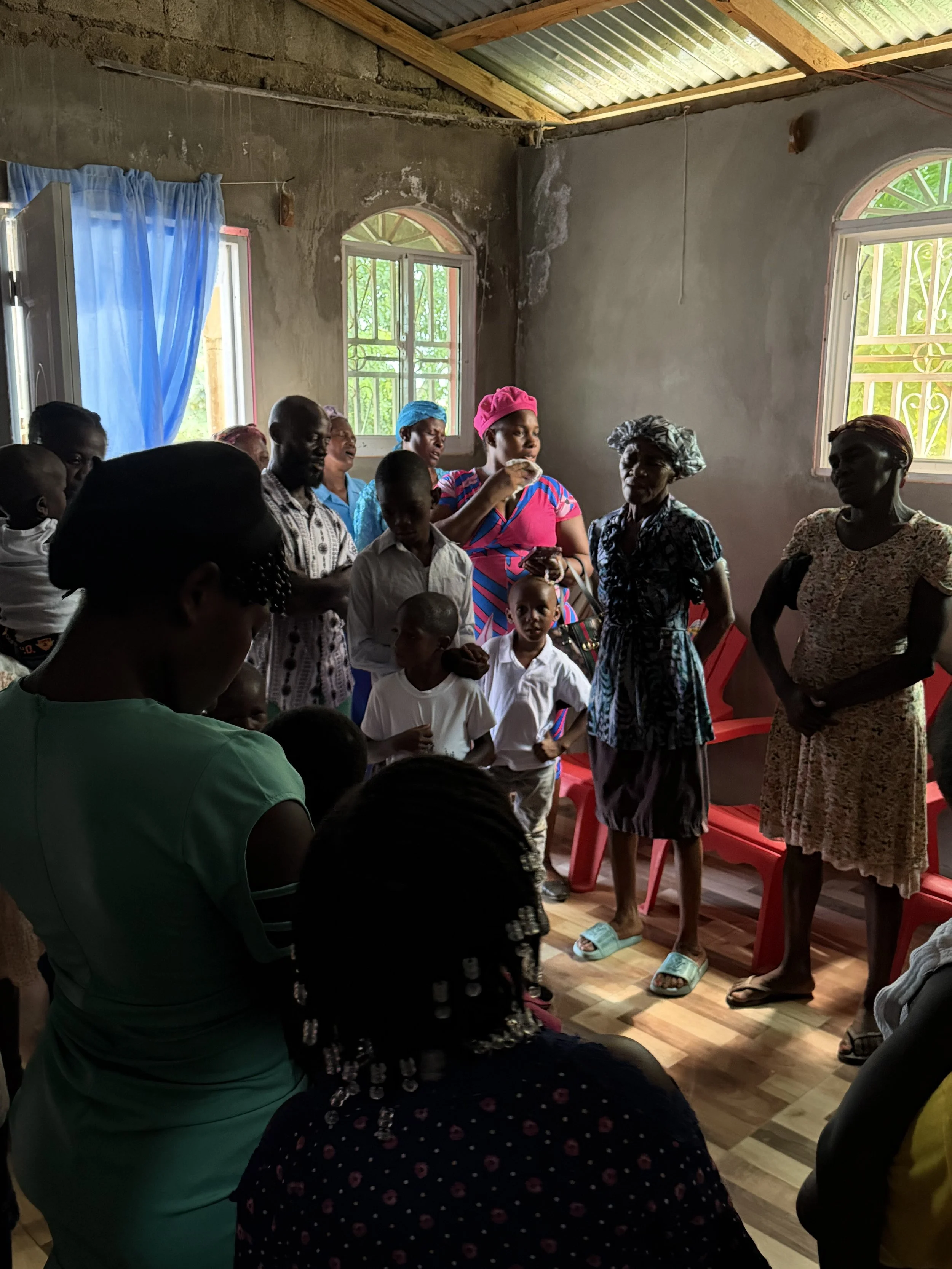
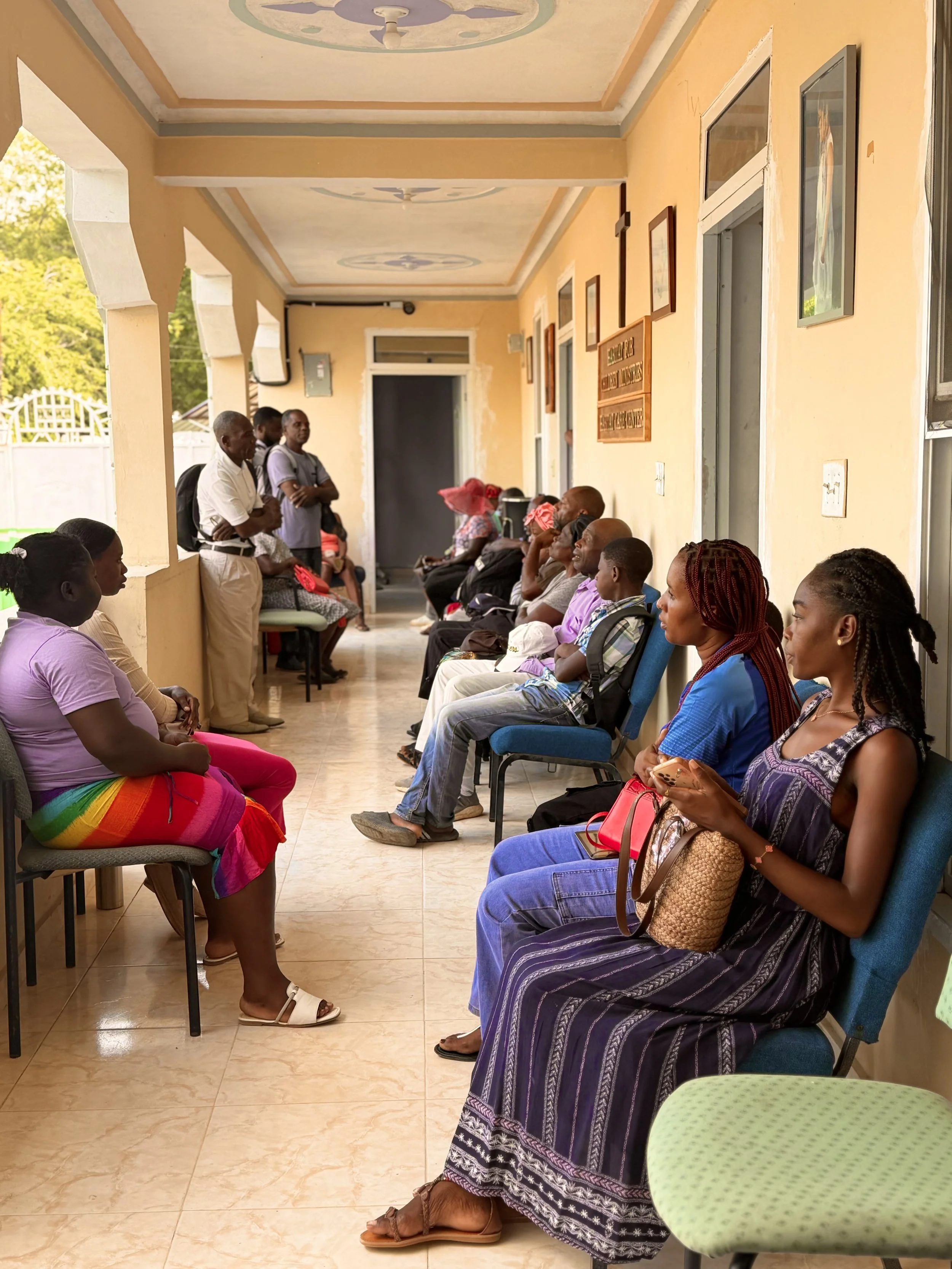
Haiti Update August 26
New update and photos about what’s happening in Haiti with Habitat for Children Ministries.
New School year for our Girls!



Here are a lot of pictures to show you what we’ve been up to!
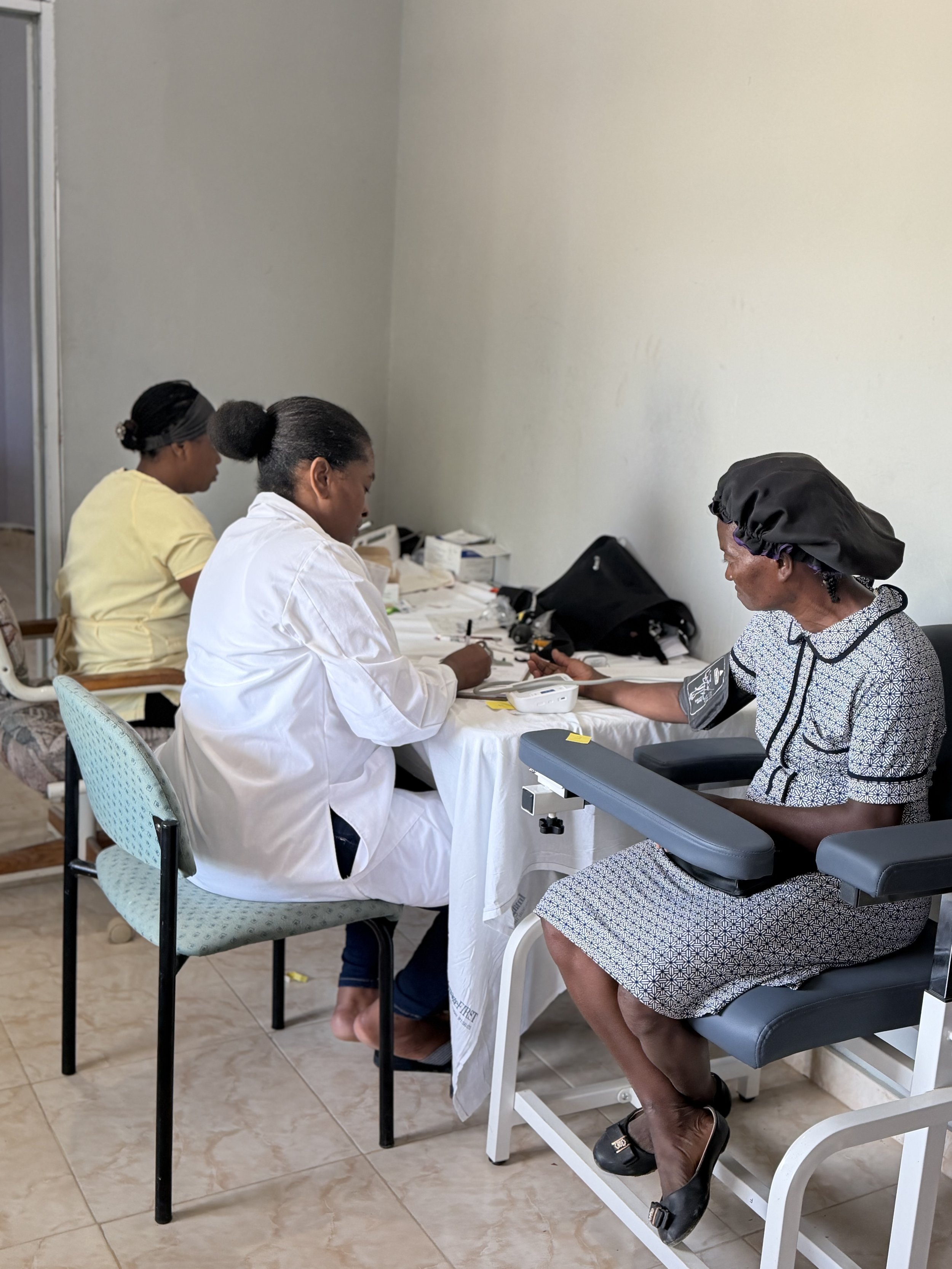
You can see our incredible team of Cuban doctors hard at work at the clinic, along with the many locals we are striving to help in Haiti.
We've also included shots of our student feeding program and the busy lines at our clinic care center.
There is so much happening in Haiti right now, and we are incredibly grateful for all of your support.

















Philippians Chapter 3 Class 3 - Tuesday Bible Study
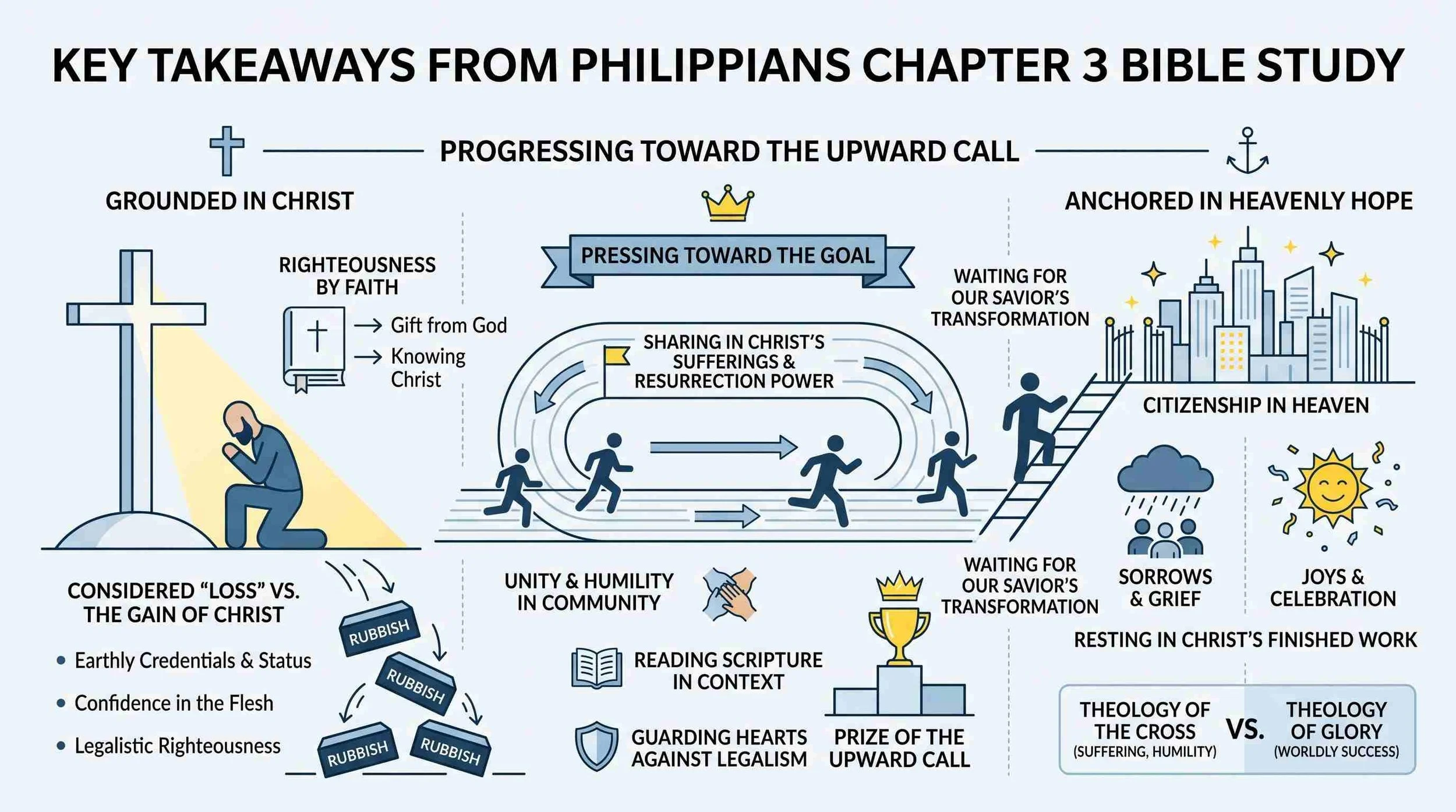
Philippians chapter 3, where Paul teaches us to count all earthly achievements as loss compared to knowing Christ, contrasting righteousness by faith with legalism, and anchoring our hope in our heavenly citizenship and Christ's resurrection.
Gospel of Philippians Chapter 3
This is our 3rd class on Philippians
This is an AI Recap of the class.
Some things may be incorrect.
Short Summary of the Whole Class
During our class on August 24-25, 2026, we dove into Philippians chapter 3, continuing our series on Paul's letter. The session began by recapping the "theology of the cross," emphasizing Christ's selfless humility. We then unpacked Paul's powerful arguments against placing "confidence in the flesh," exploring his sharp rhetoric against "dogs" and "mutilators" (likely Judaizers). Paul lists his own impressive Jewish credentials only to declare them "rubbish" compared to knowing Jesus. The discussion highlighted the contrast between righteousness from the law and righteousness through faith, the connection between suffering with Christ and the power of His resurrection, and the danger of gossip and legalism. We concluded by focusing on our heavenly citizenship (3:20-4:1), the call to stand firm in unity, and how Christ's finished work on the cross frees us to live with hope through both joys and sorrows.
Detailed Class Summary
1. Recap: The Theology of the Cross & Reading of Philippians 3
The class began with a quick review of our previous sessions from August 17 and 24, 2026, revisiting the "theology of the cross," a central theme in Philippians 1 & 2. We recalled the message of Christ's selfless humility, who "made Himself nothing," as the ultimate example for believers. This set the stage for our main text.
We then listened to a full reading of Philippians chapter 3, along with the first verse of chapter 4. In this chapter, Paul starts with a call to "rejoice in the Lord" before issuing a stern warning against "evil workers" and "the mutilation." He contrasts them with the true "circumcision" who worship in the spirit and have "no confidence in the flesh." Paul lists his prestigious background as a Pharisee—a "Hebrew of the Hebrews," blameless under the law—only to state that he now considers all these advantages "rubbish" for the sake of knowing Christ. He explains his desire is to gain Christ and the righteousness that comes from God through faith, pressing on toward the goal of the resurrection. He warns, with tears, against the "enemies of the cross of Christ" whose focus is earthly, reminding believers that "our citizenship is in heaven."
Section Summary: We started by remembering the key message from Philippians 1 and 2: our attitude should mirror Christ’s humility. Then, through a reading of Philippians 3, we heard Paul warn against legalism, using his own impeccable pedigree to show that all worldly credentials are worthless compared to knowing Jesus and receiving righteousness through faith.
Bible Verses Mentioned: Philippians, Chapters 1 & 2 (recap); Philippians, Chapter 3 (main text); Philippians 4:1.
Stories Mentioned: The poem in Philippians 2 describing Christ humbling Himself; Paul’s personal testimony of his life as a zealous Pharisee.
2. “Beware of the Dogs”: Paul's Rhetoric and Early Church Context
We focused on Philippians 3:2–3, unpacking Paul’s warnings about “dogs” and “mutilators.” Participants asked what “dogs” means, and we discussed it as an ancient term of derision, sometimes used by Jews for Gentiles. Cris suggested Paul is using sharp rhetoric and sarcasm to grab his listeners' attention. The class considered that Paul was likely aiming at Judaizers—people inside the early church pressing Old Testament law-keeping on Gentile believers. We noted how little of the New Testament was available then, making the Torah a default authority and Paul's challenge quite daring. A key theme was discerning the spirit behind commands rather than using laws as a ladder to righteousness, noting that many Old Testament laws (like dietary restrictions) had practical health and communal-protection purposes.
Section Summary: Paul warns the church against those pushing external markers like circumcision, using provocative language ("dogs," "mutilators") to expose misplaced confidence. He confronts these internal pressures to ground righteousness in law-keeping, re-centering the church on Christ.
Bible Verses Mentioned: Philippians 3:2–3; General references to Old Testament law (Leviticus, Deuteronomy).
Stories Mentioned: Paul’s rhetorical technique—sarcasm/metonymy—was highlighted using the everyday analogy of “raining cats and dogs.”
3. True Circumcision and the Danger of Zeal
A Jewish Bible note was shared, stating that "the circumcision that God accepts is first spiritual”—a circumcision of hearts and ears. Cris connected this to Paul’s theme: our boast should be in our union with Christ, not our religious performance (e.g., who baptized us). We then looked at Paul’s résumé and zeal—“persecuting the church”—and how he now counts it as a loss. Cris noted how the book of Acts repeatedly exposes misguided zeal as self-righteous action. This led to a discussion on worship styles, contrasting liturgical “smells and bells” with contemporary “bands and fog machines,” with a caution against equating method with righteousness. The key is whether a practice helps the community see the death and resurrection of Jesus.
Section Summary: The mark that matters is inward—confidence in Christ, not external rituals or prestige. Paul rejects his former status and even his zeal as loss, reminding us that methods of worship should serve the gospel, not become badges of superiority.
Bible Verses Mentioned: Philippians 3:3, 3:4–7; Acts (series reference); Romans 2:29 and Deuteronomy 10:16 (conceptually referenced).
Stories Mentioned: Worship style contrasts: “smells and bells” vs. “bands and fog machines.”
4. Righteousness by Faith and Sharing in Christ's Sufferings
We read Philippians 3:8–11, focusing on righteousness “from God that depends on faith,” knowing Christ, the power of His resurrection, and the fellowship in His sufferings. We remembered that Paul writes this from prison, embodying the union of suffering and hope. The class connected this to Peter’s vision in Acts 10, where he learns not to call unclean what God has called clean, a story that expands the gospel's inclusion. We revisited Paul's use of sarcasm as a pastoral tool to warn against teachings that subtly enslave consciences. Attendees affirmed the need to stay anchored in grace rather than neighbor-judgment or rule-policing, noting how easily church communities can slip into fault-finding and gossip.
Section Summary: True righteousness is a gift by faith, through which believers share in Christ’s sufferings and resurrection power. This grace reorients our identity, fosters inclusion, and calls us to resist the petty judgments and legalism that can stifle a church community.
Bible Verses Mentioned: Philippians 3:8–11; Acts 10 (Peter and Cornelius).
Stories Mentioned: Peter and Cornelius (Acts 10): the vision of clean/unclean and inclusion of Gentiles; Church life examples of gossip/petty negativity.
5. Guarding Our Hearts and Building on the Right Foundation
The class candidly discussed how easy it is to speak carelessly or whisper in ways that sow dissent, often as a way to tear others down to lift oneself up. Paul’s attitude of counting his gains as “rubbish” for Christ was seen as a refreshing corrective. We then recalled Jesus’ teaching on building on the rock, connecting it to the idea of the church as "soft stones"—people, not cinder blocks. Physical facilities are helpful but not foundational to salvation. Jesus is the cornerstone, and His Spirit indwells the people.
Section Summary: We acknowledged the harm of careless speech and self-promotion, embracing Paul’s Christ-centered humility. We affirmed that God’s true building is His people, with Jesus as the foundation; our hope is in Christ, not in physical rooms or materials.
Bible Verses Mentioned: Philippians 3:7–8 (implied); Matthew 7:24–27; Matthew 16:18 (implied).
Stories Mentioned: Pastoral observation about church whispering causing rifts; Practical jokes about the room’s movable wall and peeling paint to emphasize that facilities don't equal salvation.
6. Following Examples and Resisting Enemies of the Cross
Reading Philippians 3:17–19, we discussed following faithful examples and having the "same mind"—a shared focus on Christ's saving work, not uniformity of personality. Paul’s tears over the “enemies of the cross” were interpreted as a strong warning against legalism. Adding requirements to salvation, like circumcision, "takes Jesus off the cross" by implying we can save ourselves. From a counseling perspective, it was noted that the cross is a completed historical event that our sins cannot undo. These "enemies" are driven by earthly priorities ("their god is their belly"), glorying in what leads to shame.
Section Summary: Unity in the church is rooted in a shared Christ-centered mindset. We must resist legalism and self-exaltation, which oppose the gospel, and rest solely on Christ’s finished work for salvation.
Bible Verses Mentioned: Philippians 3:17–19; Philippians 3:2 (implied).
Stories Mentioned: Reference to Lutheran Counselors of Florida and the reassurance that no personal failure is bigger than Jesus’ cross.
7. Heavenly Citizenship, Unity, and the Theology of the Cross
Focusing on Philippians 3:20–4:1, we affirmed our shared "citizenship is in heaven," from where we await Jesus to transform us. This gives us hope through life's tensions: some days feel like resurrection joy, others like cross-bearing suffering. In both, we belong to Christ. This allows us to celebrate joys (like a birthday party) and grieve losses (like Helga’s passing) without losing hope, because our righteousness is not based on our daily mood or outcome. The idea of "sin boldly" was explained as resting confidently in Christ’s finished work.
This led to a discussion on humility within denominational differences (including LCMS), rejecting elitist "remnant" thinking, and holding translation preferences humbly. We also appreciated learning from Jewish festivals and how they can point to Christ. Finally, we contrasted the "theology of the cross" (focusing on Christ's saving work in suffering) with the "theology of glory" (focusing on triumphalism and earthly success), reaffirming the former as our true center.
Section Summary: As citizens of heaven, we live in hope, anchored by Christ's resurrection. This identity allows us to navigate both joy and grief honestly, practice humility in our traditions, pursue inclusive unity, and center our faith on the theology of the cross rather than worldly glory.
Bible Verses Mentioned: Philippians 3:20–4:1; Romans 6:3–5 (implied); Psalm 23; 1 Peter 3:21 (alluded); Genesis 1:2 (alluded); John 10:22 (alluded).
Stories Mentioned: A birthday party at Dave & Buster’s; Community grief over Helga’s death; LCMS “company man” anecdote; Neighbor teaching Psalm 23 “the correct way”; St. Paul Boca’s teaching on Jewish festivals.
Medium-Length Summary of the Class
On August 24-25, 2026, our class delved into Philippians 3, building on the theme of Christ’s humility. We began by exploring Paul’s powerful argument against placing "confidence in the flesh," analyzing his sharp rhetoric against "dogs" and "mutilators"—likely Judaizers insisting on circumcision. Paul presents his own "spiritual resume" only to declare it "rubbish" compared to the immeasurable value of knowing Christ. We contrasted righteousness from the law with righteousness by faith, connecting this to how we should approach worship styles and avoid pride. The discussion affirmed that the Christian life involves sharing in Christ's sufferings and resurrection power, a reality Paul lived out from prison. We then examined Philippians 3:17–4:1, focusing on our heavenly citizenship. We discussed the dangers of gossip and legalism, affirming that the church is built on people, not buildings. Paul's warning against "enemies of the cross" reminded us that salvation rests entirely on Jesus' finished work. This truth frees us to navigate life’s joys (like birthdays) and sorrows (like the death of a member, Helga), knowing our hope is secure. We concluded by committing to a "theology of the cross" over a "theology of glory," embracing humility, unity, and a confident rest in Christ.
Main Points
No Confidence in the Flesh: We should not trust our heritage, works, or status for our standing with God. Paul’s impressive credentials are “loss” compared to knowing Jesus.
Righteousness by Faith, Not Law: True righteousness is a gift from God through faith in Christ, not earned by keeping the law.
Pressing Toward the Goal: The Christian life is a forward-moving race toward the upward call of God, sharing in both Christ’s sufferings and resurrection power.
Warning Against Earthly-Mindedness: Paul warns against "enemies of the cross" (legalists, the self-indulgent) whose focus is on earthly things and self-salvation.
Citizenship in Heaven: Our ultimate identity and hope are not in this world; we await our Savior, who will transform us.
Theology of the Cross vs. Theology of Glory: Our focus should be on Christ's saving work through suffering and humility, not on worldly triumphalism or success.
Unity and Humility: We are called to have the "same mind" in Christ, guarding against gossip, elitism, and denominational pride, and building the church on people, not structures.
Contextual Scripture Reading: We must read Scripture with humility and in context, avoiding proof-texting or turning rituals like baptism into standalone works of righteousness.
Bible Scriptures Mentioned
Philippians, Chapters 1-3 (main text)
Philippians 4:1
Philippians 3:2-3
Philippians 3:4-7
Philippians 3:8-11
Philippians 3:17-21
Acts 10 (Peter and Cornelius)
Matthew 7:24-27 (Sermon on the Mount; building on the rock)
Matthew 16:18 (implied; “on this rock” with Peter)
Psalm 23
Romans 6:3-5 (implied/alluded; union with Christ in baptism)
1 Peter 3:21 (alluded; baptism)
Genesis 1:2 (alluded; chaos/tohu vavohu)
Colossians 2:11-12 (alluded; circumcision/baptism)
John 10:22 (alluded; Feast of Dedication/Hanukkah)
General references to Old Testament law (Leviticus/Deuteronomy).
Stories and Illustrations Mentioned
The poem in Philippians 2 describing Christ humbling Himself.
Paul’s testimony of his former life as a zealous Pharisee.
Paul's rhetorical/sarcastic approach to expose misplaced confidence (e.g., "dogs," "mutilators").
The analogy "raining cats and dogs" to explain figures of speech.
Worship style contrasts: “smells and bells” vs. “bands and fog machines.”
Peter and Cornelius (Acts 10): the vision of clean/unclean animals and Gentile inclusion.
Pastoral observations about church whispering and gossip.
Room details (movable wall, peeling paint) illustrating that buildings aren’t our foundation.
Counseling note about Lutheran Counselors of Florida and reassurance that no sin is bigger than the cross.
A birthday party at Dave & Buster’s as an example of legitimate joy.
Grieving Helga’s passing while holding to resurrection hope.
LCMS “company man” anecdote about humility amid disagreement.
Story of a neighbor insisting on the “correct” wording of Psalm 23.
St. Paul Boca’s ministry teaching on Jewish festivals and their connection to Christ.

Philippians [Tuesday Bible Study]
This bible study is looking theology of the cross.
Come See the Theology of the Cross in the book of Philippians
This sermon could just as easily be titled YHWH I AM EGO EIMI. Today we are going to take a journey to the Land of Holiness. When we get there, we will still be here.. Yes, that is a paradox. No, we are not going to leave this sanctuary. This is a journey of the heart, of the soul. Once we know where holiness lives, it will come alive in us.