

Services & Sermons
Learning of the Word Made Flesh

When we treat time like a shrinking commodity, our families and neighbors can feel like frustrating interruptions. This week, we see how Jesus frees us to see those interruptions as gifts.
The shoes you put on every day when you work or shop are actually a mask of God, they are the very way He walks into the world to provide for His creation.
Jeremiah being thrown into the muddy cistern shows us why Jesus losing on the cross is the greatest news for our fragile "jars of clay."
When life falls apart, our first instinct is to try and fix it ourselves. But in the midst of our deepest exile, God speaks a better word: "I will."
We all have days we’ll never forget; when the phone rang, the diagnosis came, and everything fell apart. Jeremiah 25, points to a day of infamy just like this. But also in Gethsemane, Jesus steps right into the middle of our darkest moments to offer us a hope that nothing can uproot.
It’s incredibly easy to look at the world, point fingers, and feel secure just because we are the righteous. Jeremiah 7 shows us how God wants to uproot our pride and plant His grace.
When the world feels frozen in a bleak winter, God shows us the almond branch. He is awake. He is on the move. Jesus took the destruction upon Himself on the cross so He could plant the breath of new life in you!
Just as taking in a panoramic view can remind us that everything will be okay, Revelation 7 and the promises of God invite us to step back and behold the ultimate beautiful picture.
Bible Studies
Bible study traced Mark 9:2–50 into Mark 10:1–52, emphasizing humility over status, protecting “little ones,” radical measures against sin, God’s design for marriage, childlike faith, the danger of wealth, servant greatness, and true spiritual vision.

Bible study on October 21, 2026 explored humility, “saltiness,” prayer and fasting, welcoming children, marriage and divorce, warnings about stumbling blocks and Gehenna, discernment about ministry done “in Jesus’ name,” and Jesus’ call to peace—setting up next week’s discussion on the rich young ruler.
Bible study on October 7, 2026 explored Mark 9–10, contrasting the disciples’ pride with Jesus’ servant-king mission, and tracing themes of healing, humility, unity, radical holiness, and the call to follow.
A lively Bible study traced Mark’s unfolding revelation of Jesus—from John’s beheading and the feeding signs through Peter’s confession and the Transfiguration to prayerful dependence—highlighting Jewish and Gentile symbolism, numbers (5, 7, 12, 4), the Son of Man/Son of God themes, and the call to faith, humility, and cross-shaped discipleship.
Our class on September 17, 2026, explored how Jesus's miracles and teachings in Mark 6-8 challenge worldly power, culminating in Peter's flawed confession and Jesus's radical call to a discipleship of self-denial and sacrifice.
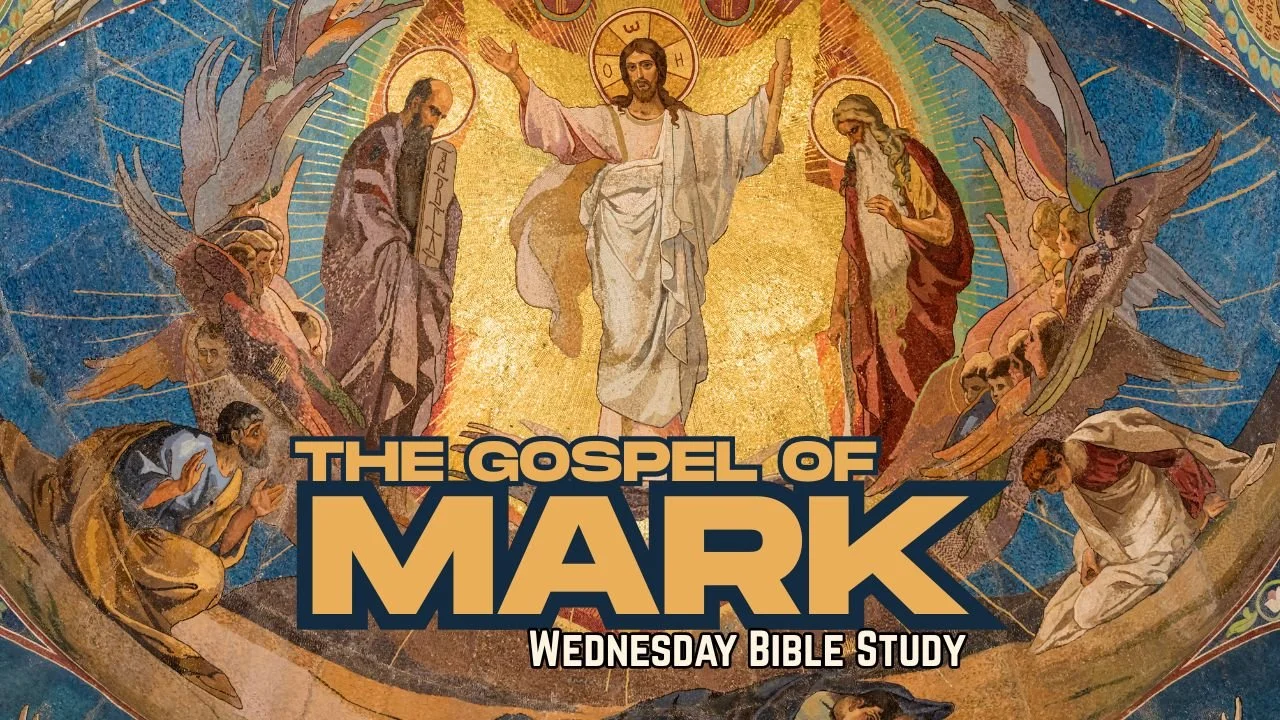
"While the Gospel of Mark is the shortest, it is the most direct; it reveals that the true Son of God is found not in our desires for power, but in the God who comes in humility to amaze us all."

Mark chapter 7, where we discussed textual criticism, how Jesus contrasts God's commands with human traditions, and that true defilement comes from the heart, not external rituals, as seen in His teachings and His interaction with the Syrophoenician woman.
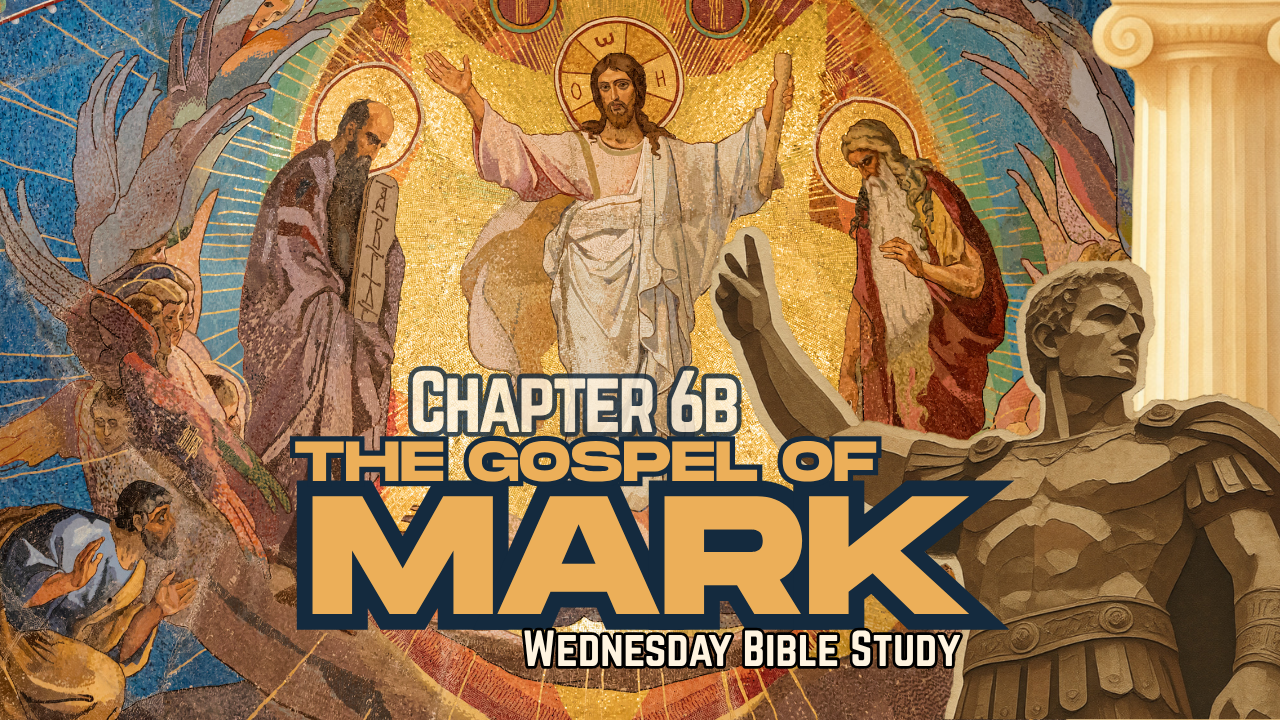
we explored Mark 6, examining Jesus's rejection in Nazareth, the sending of the Twelve, the contrast between Herod's failed leadership and Jesus's true shepherding in the feeding of the five thousand, and how the disciples' hardened hearts reveal our own need for faith and grace.
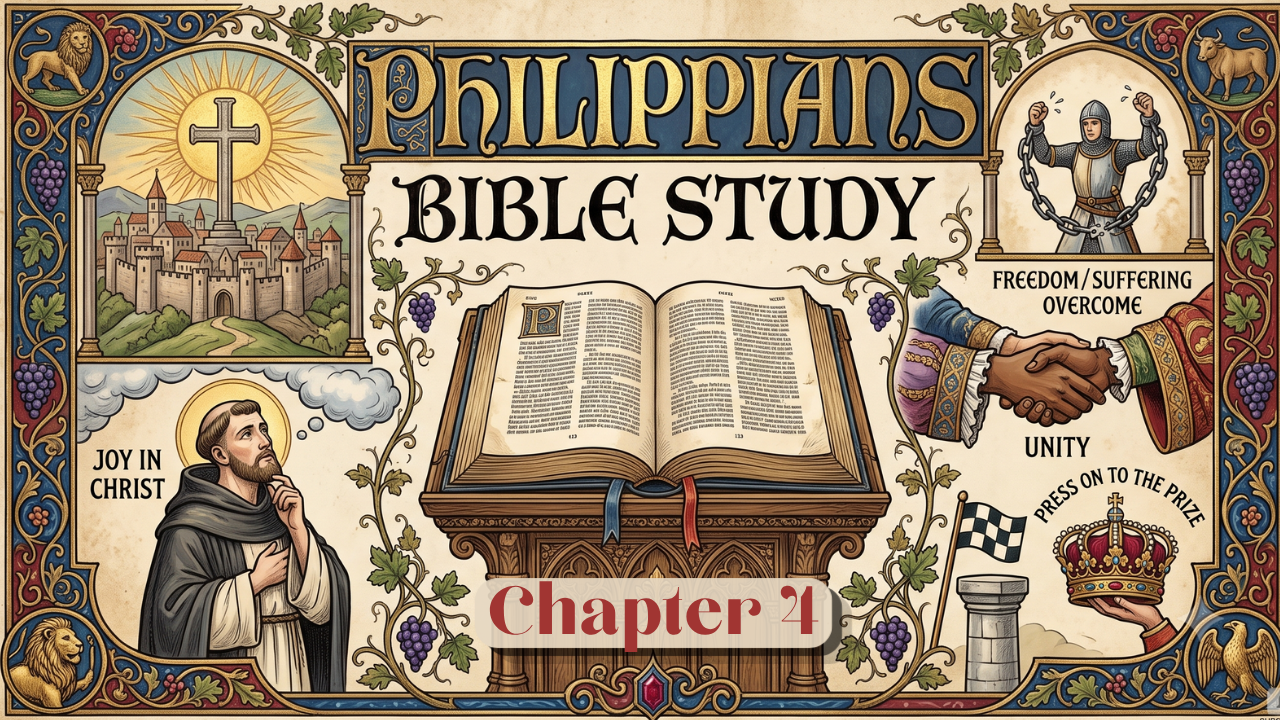
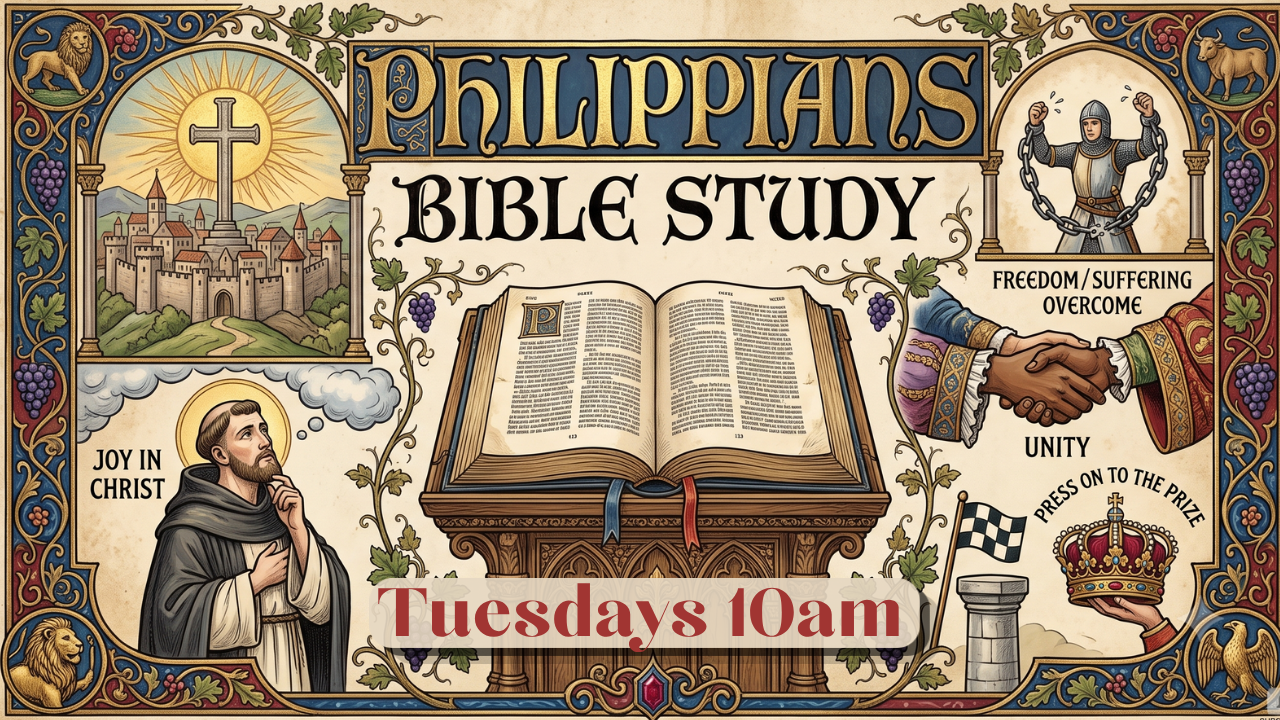
We wrapped up Philippians by exploring unity in Christ, rejoicing and prayerful peace, virtuous focus, learned contentment through Christ’s strength, generous partnership as worship, identity in Christ amid Paul’s imprisonments, the Saul/Paul name usage, and the gospel’s reach—even into Caesar’s household.
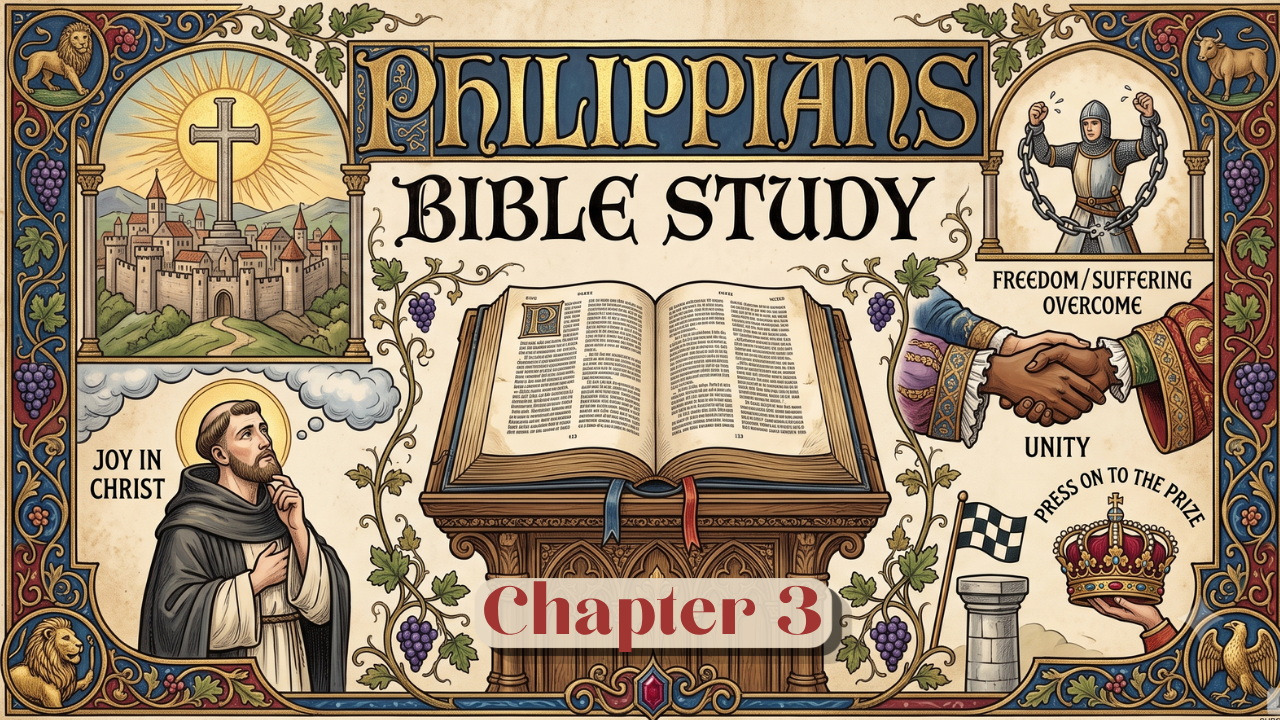
Philippians chapter 3, where Paul teaches us to count all earthly achievements as loss compared to knowing Christ, contrasting righteousness by faith with legalism, and anchoring our hope in our heavenly citizenship and Christ's resurrection.
This sermon could just as easily be titled YHWH I AM EGO EIMI. Today we are going to take a journey to the Land of Holiness. When we get there, we will still be here.. Yes, that is a paradox. No, we are not going to leave this sanctuary. This is a journey of the heart, of the soul. Once we know where holiness lives, it will come alive in us.