
Philippians Chapter 1 Class 1 - Wednesday Bible Study
Gospel of Philippians Chapter 1
This is our 1st class on Philippians
This is an AI Recap of the class.
Some things may be incorrect.
Short Summary of the Whole Class
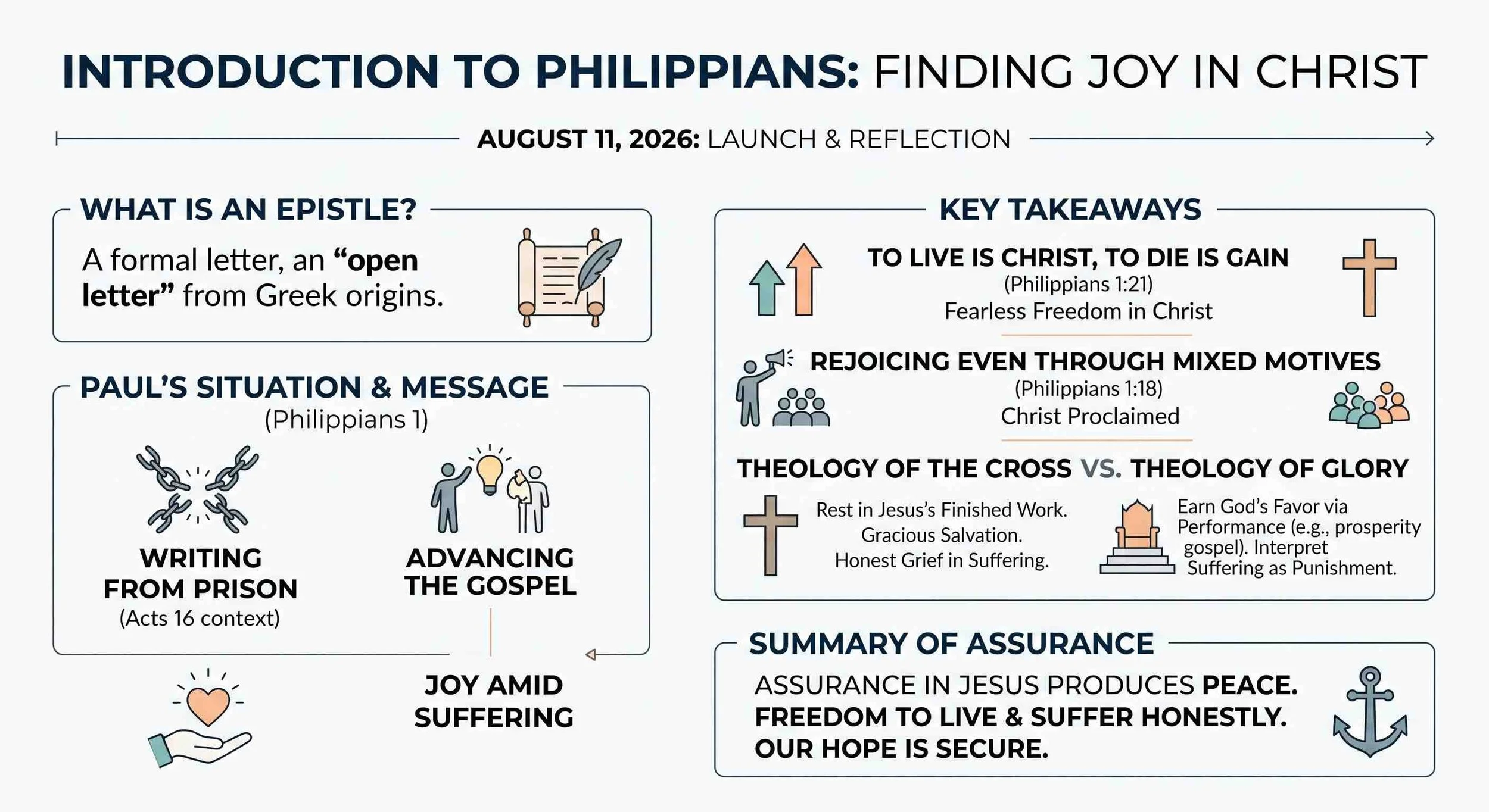
On August 11, 2026, we began a new Philippians study with an intro video and group reflections. We defined “epistle,” shared personal stories, and discussed Philippians 1—Paul’s fearless joy in prison, “to live is Christ, to die is gain,” and rejoicing when Christ is preached despite mixed motives. We concluded by contrasting the theology of the cross (resting in Jesus’ finished work amid suffering) with the theology of glory (trying to earn God’s favor), emphasizing freedom and assurance in Christ.
Class Walkthrough (with section summaries, verses, and stories)
1) Introduction to Philippians and Personal Connections (Date: August 11, 2026)
What we discussed:
Launched our Philippians series; Cris shared it’s one of his favorite Pauline epistles.
Philippians 2:5–11 has profoundly shaped Cris’s faith and theology.
A member recalled being “thrust” into leading a Bible study, choosing Philippians as their first study.
Vocabulary:
Defined “epistle” as a long, formal letter (from Greek), similar to an “open letter.”
Stories mentioned:
Cris taught Philippians 2 to a high school class on the spot during college.
A cautionary tale: Hope Lutheran Church was burned down by an individual angry about being denied a volunteer leadership position—raising awareness about church discernment and security.
Bible verses:
Philippians 2:5–11 (not read in full, but highlighted as pivotal).
Short summary of this section:
We opened the series by sharing why Philippians matters to us, clarified what an “epistle” is, and reflected on personal stories—including a sobering event—setting a thoughtful, attentive tone for the study.
2) Video Overview: Context and Structure of Philippians
What we discussed:
Paul’s letter was written from prison to the church in Philippi (a Roman colony), likely sent back with Epaphroditus as a thank-you for financial support.
The letter is a set of reflective essays centered around a poem in chapter 2 about Christ’s humility, death, and exaltation.
Main themes: joy, suffering, and living our lives as expressions of Jesus’s story.
Stories/contexts:
The founding of the Philippian church (Acts 16), Paul’s first European church plant.
Bible verses:
Philippians 2 (central Christ hymn, summarized by the video).
Acts 16 (church origin story).
Short summary of this section:
The video framed Philippians as a prison thank-you letter structured around Christ’s humility, calling believers to embody Jesus’s story amid joy and suffering.
3) Reading Philippians Chapter 1: Joy in Chains
What we discussed:
Read Philippians 1 aloud: Paul greets the church, expresses gratitude, and explains how his imprisonment has advanced the gospel.
His chains embolden other believers and make Christ known to the palace guard.
Bible verses:
Philippians 1 (whole chapter).
Short summary of this section:
Paul’s prison circumstances surprisingly fuel gospel progress and deepen communal courage, setting the tone of resilient joy.
4) “To Live is Christ, to Die is Gain” (Philippians 1:20–24)
What we discussed:
Paul’s fearless mindset: living means fruitful labor for Christ; dying means being with Christ—both outcomes are gain.
Cris’s church-building analogy: releasing fear (even if the project failed, believers would still worship elsewhere) enabled faithful action—mirroring Paul’s freedom when nothing essential can be taken away.
Bible verses:
Philippians 1:20–24; especially 1:21.
Stories mentioned:
The congregation’s approach to constructing their church building, choosing courage over fear of failure.
Short summary of this section:
Paul’s two-way win perspective removes fear’s leverage; embracing Christ-centered outcomes frees us to act boldly in faith.
5) Christ Preached from Mixed Motives (Philippians 1:15–18)
What we discussed:
Some preached Christ from envy and rivalry; others from love. Paul rejoices that Christ is preached regardless.
Modern parallels: prosperity preachers (e.g., Tammy Faye Bakker, Joel Osteen) and “fire and brimstone” styles—while motives and methods vary, the name of Christ is proclaimed.
Link to Jesus’s teaching: “Whoever is not against us is for us.”
Bible verses:
Philippians 1:15–18.
Stories/contexts mentioned:
Televangelist examples and differing preaching styles.
The disciples’ complaint about others casting out demons in Jesus’s name (summary reference to the Gospel story).
Short summary of this section:
Paul’s joy in the gospel’s spread surpasses concerns about imperfect messengers, though love remains the better motive.
6) Theology of the Cross vs. Theology of Glory (Lutheran Framework)
What we discussed:
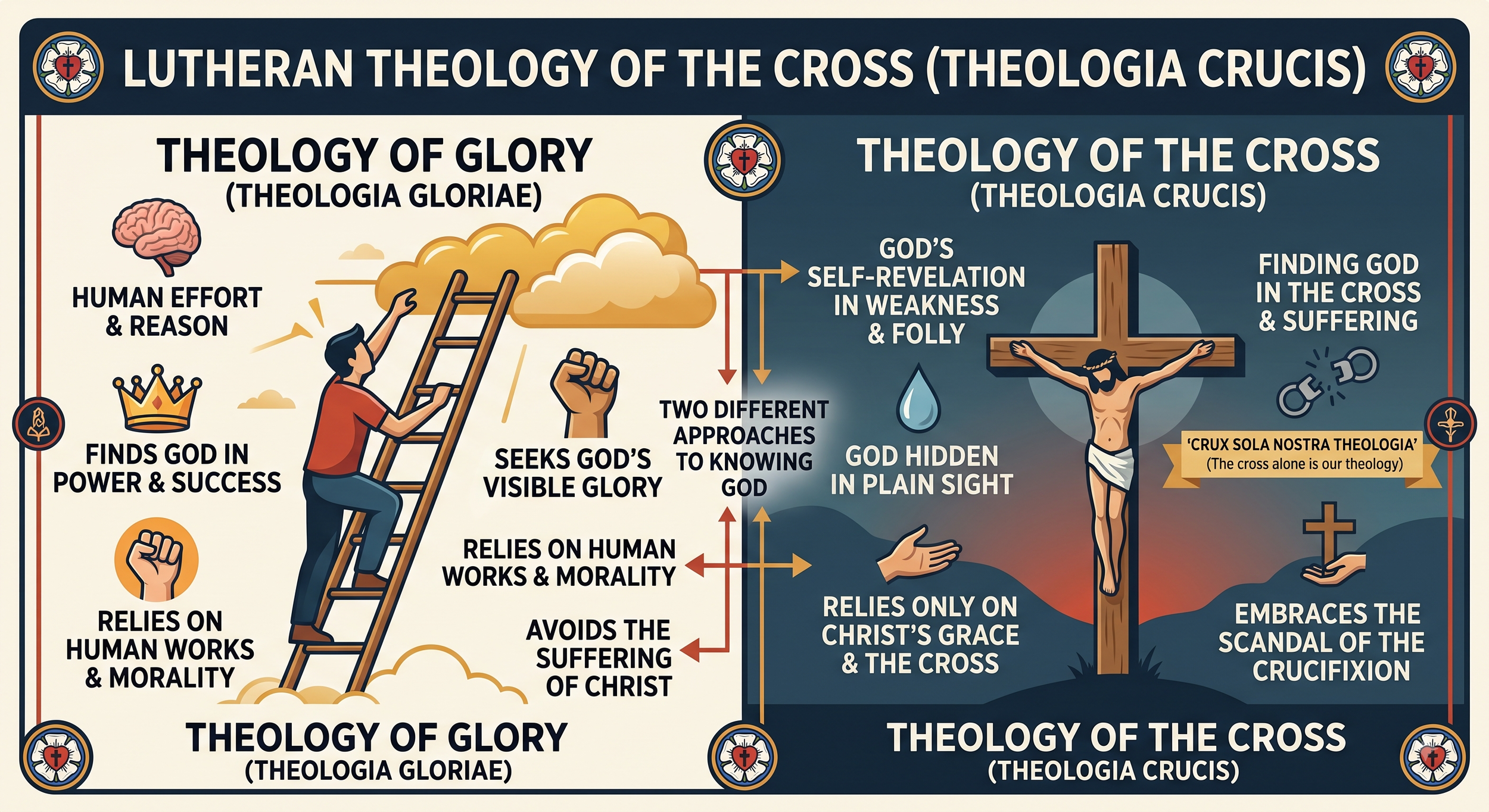
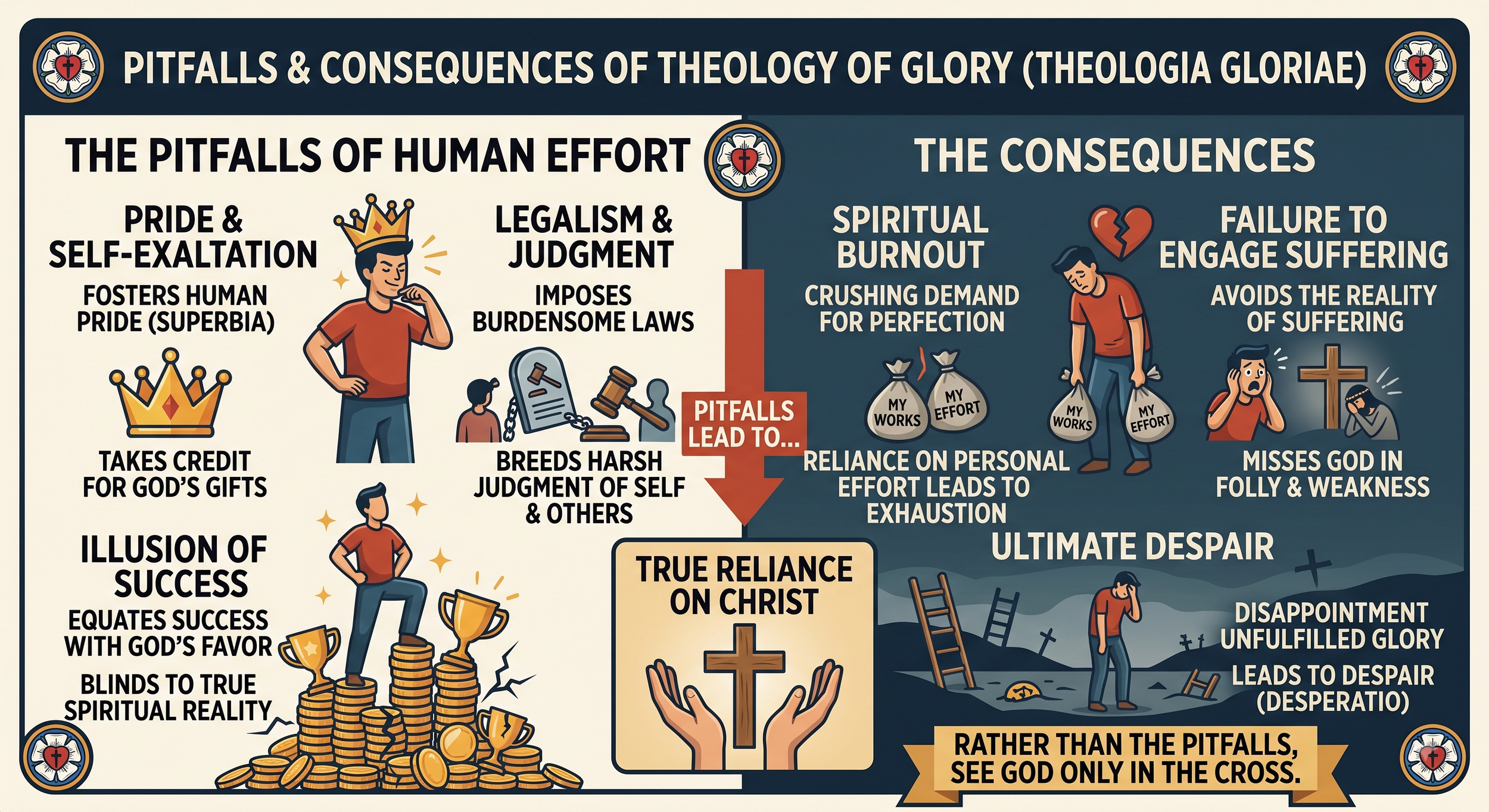
Theology of Glory:
Tries to earn God’s favor or blessings through performance (prayer quotas, giving, moral perfection).
Interprets suffering as God’s punishment.
Examples: prosperity gospel, buying indulgences.
Theology of the Cross:
Centers on Jesus’s finished work; salvation received by grace.
Acknowledges suffering as part of a fallen world, not necessarily God’s displeasure.
Frees believers to grieve honestly while resting in Christ.
Paul’s witness in Philippians shows how suffering can advance the gospel without being called “good.”
Bible verses:
Philippians 1:12 (“my chains in Christ” advancing the gospel).
Philippians 1:15, 1:18, 1:21.
Stories/anecdotes mentioned:
A class member at a hospital bedside for a week asking “Why?”
A seminary professor’s messy divorce and book on how suffering clarifies the gospel.
A class member who lost her second husband and experienced deeper faith.
Historical indulgences as a theology-of-glory example.
Cris’s humorous hypothetical about stubbing a toe to get prayers heard (illustrating performance thinking).
Short summary of this section:
Embracing the theology of the cross reframes suffering, anchors assurance in Christ’s finished work, and grants freedom from performance-driven anxiety.
7) Freedom and Assurance in Christ
What we discussed:
Resting in Christ’s finished work yields freedom: whether we live or die, we belong to Christ (Philippians 1:21).
Life’s “punches” lose ultimate power; God works all things for good.
Bible verses:
Philippians 1:21.
Short summary of this section:
Assurance in Jesus produces unshakable peace—freeing us to live courageously and suffer honestly, knowing our ultimate hope is secure.
Medium-Length Summary (Overall, August 11, 2026, 10:00:42)
On August 11, 2026, our church Bible study began a new series on Philippians with a video overview and personal reflections. We defined “epistle” and shared stories that connected the letter to our lives, including Cris’s spontaneous teaching from Philippians 2 and a sobering local church incident underscoring discernment and security. Reading Philippians 1, we saw how Paul’s imprisonment advanced the gospel and emboldened believers. We focused on Paul’s declaration, “To live is Christ, and to die is gain,” highlighting how this two-way gain dissolves fear and mirrors our own faith decisions, like tackling a church building project without anxiety over failure. We discussed preaching from mixed motives, noting Paul’s joy that Christ is preached regardless, while affirming love as the better way. Finally, we explored the Lutheran distinction between the theology of the cross and the theology of glory: rejecting performance-based attempts to earn God’s favor and reframing suffering not as punishment but as a context where God’s grace becomes clearer. We concluded by embracing the freedom and assurance that, in Christ, nothing essential can be taken from us.
Main Points
Philippians study launched; the letter’s heart centers on Christ’s humility and exaltation (Philippians 2).
“Epistle” means a formal letter; Philippians is a thank-you letter from prison.
Paul’s imprisonment advanced the gospel and emboldened believers (Philippians 1).
“To live is Christ, to die is gain” grants fearless freedom (Philippians 1:20–24).
Christ is proclaimed even through imperfect motives; love remains best (Philippians 1:15–18).
Theology of the cross vs. theology of glory: rest in Jesus’s finished work, not human performance.
Suffering isn’t good or a sign of punishment; God can use it to clarify the gospel (Philippians 1:12).
Assurance in Christ provides peace and courage in all circumstances (Philippians 1:21).
Bible Scriptures Mentioned
Philippians 1 (entire chapter)
Philippians 1:12
Philippians 1:15–18
Philippians 1:20–24
Philippians 1:21
Philippians 2:5–11 (highlighted)
Acts 16 (founding of the Philippian church)
Stories and Anecdotes Mentioned
Cris teaching Philippians 2 to a high school class spontaneously.
A member’s first Bible study leadership on Philippians.
Hope Lutheran Church arson incident—discernment and security.
Church building project analogy—freedom from fear of failure.
Televangelist examples (Tammy Faye Bakker, Joel Osteen) and differing preaching styles.
Disciples complaining about others casting out demons in Jesus’s name (“whoever is not against us is for us”).
Hospital bedside “Why?” experience.
Seminary professor’s messy divorce and book on suffering clarifying the gospel.
A class member losing her second husband, finding faith strengthened.
Historical indulgences as a theology-of-glory example.
Cris’s “stub your toe to get prayers heard” hypothetical.