Uproot & Plant - The Book of Jeremiah
New growth requires broken ground. In Jeremiah, we experience the heavy work of God's Law uprooting our self-reliance, making way for the Gospel to plant us securely in His grace.
Reading Plan
Read around the readings for Sunday
9/13/26 - Jeremiah Chapters 1-6
Jeremiah 1:4-19
Ephesians 4:11-16
Luke 4:22-30
9/20/26 - Jeremiah Chapters 7-17
Jeremiah 7:1-15
1 Cor 3:10-17
Matthew 21:12-17
9/27/26 - Jeremiah Chapters 18-25
Jeremiah 25:1-14
Romans 5:6-11
Matthew 26:36-46
10/4/26 - Jeremiah Chapters 26-36
Jeremiah 31:27-34
Hebrews 8:6-13
Luke 22:39-46
10/11/26 - Jeremiah Chapters 37-45
Jeremiah 38:1-13
2 Corinthians 4:7-12
Matthew 16:21-26
10/18/26 - Jeremiah Chapters 46-52
Jeremiah 52:27b-34
2 Peter 3:8-14
Matthew 1:1, 12-17
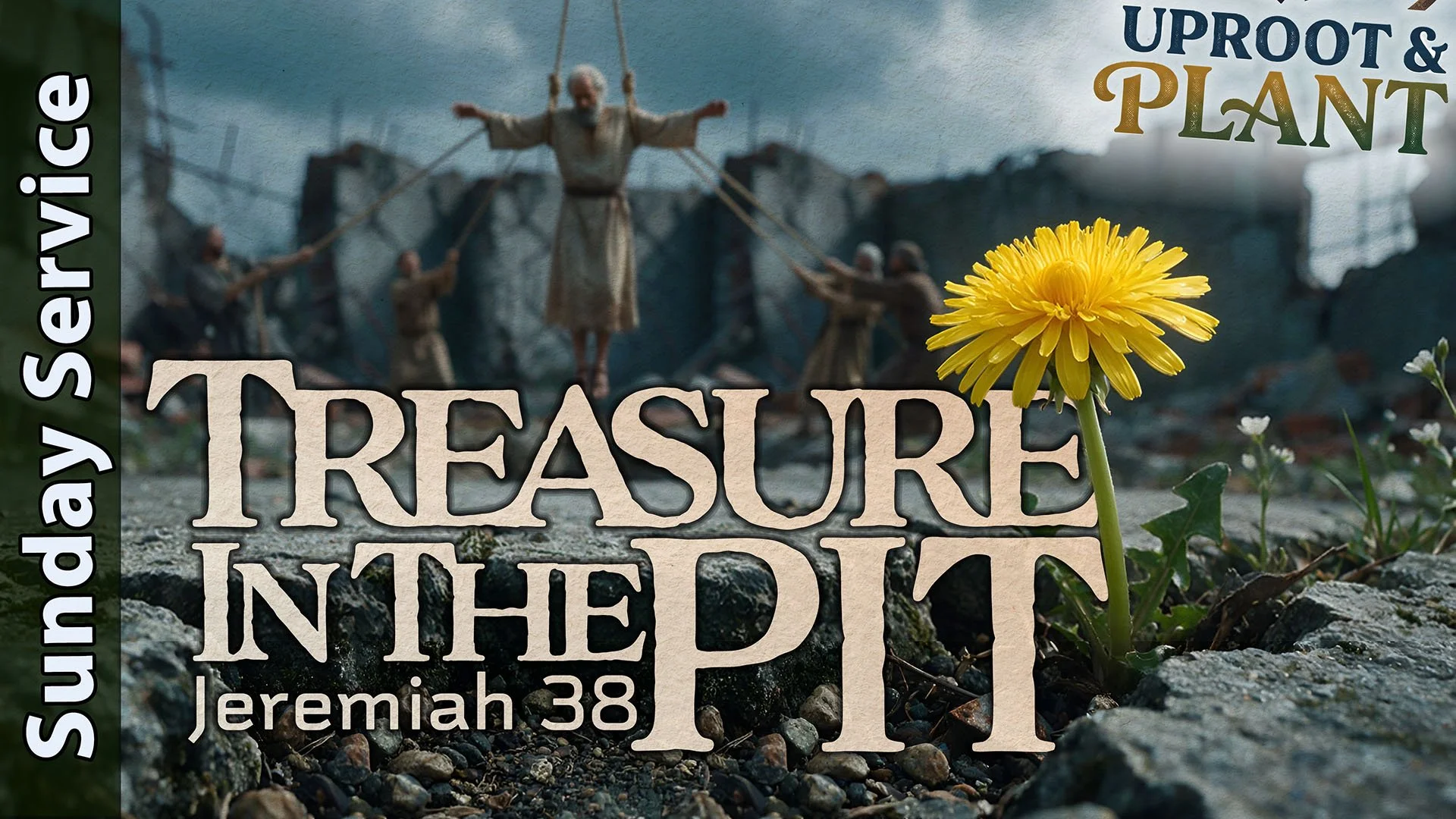
Jeremiah being thrown into the muddy cistern shows us why Jesus losing on the cross is the greatest news for our fragile "jars of clay."
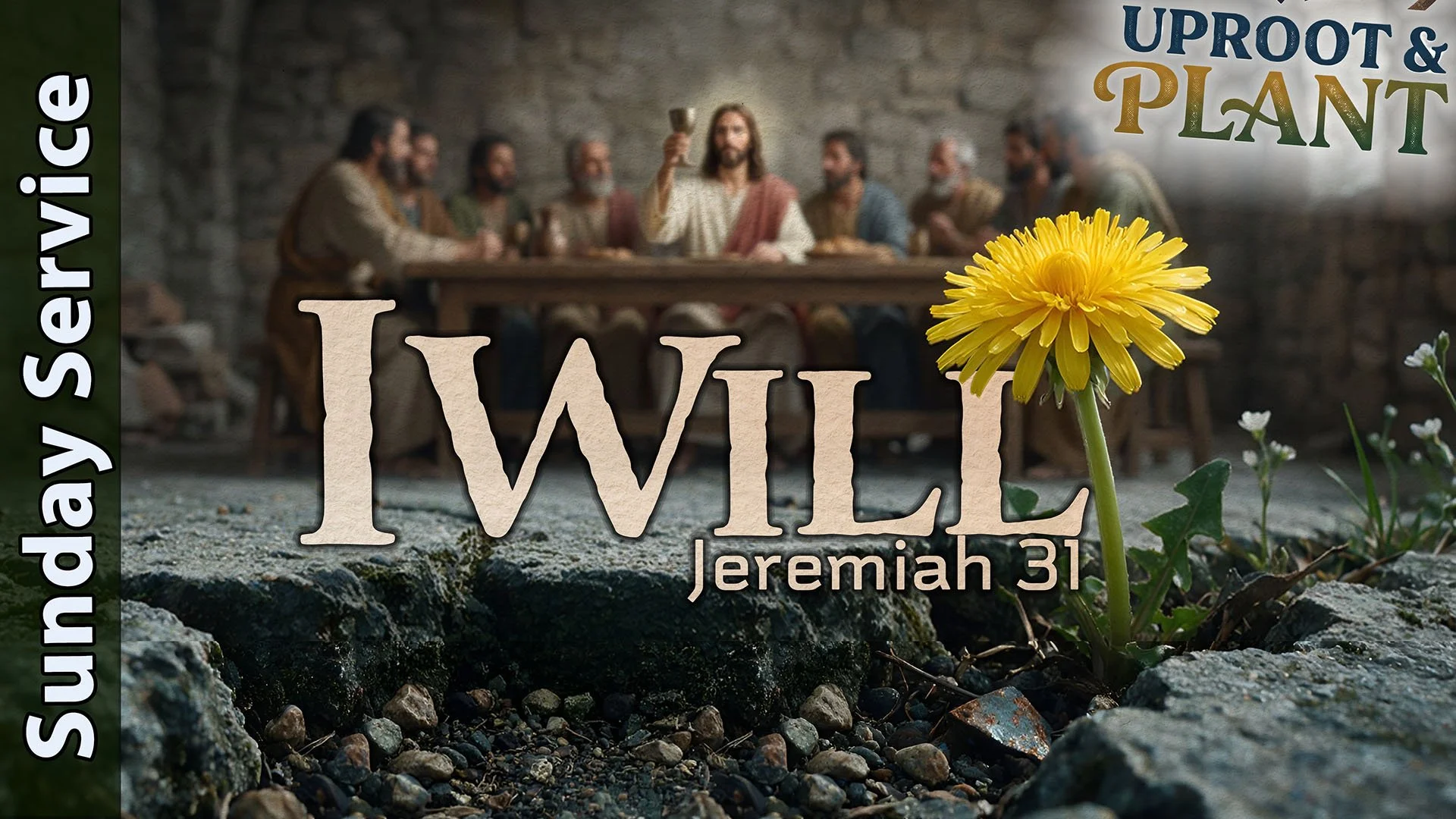
When life falls apart, our first instinct is to try and fix it ourselves. But in the midst of our deepest exile, God speaks a better word: "I will."
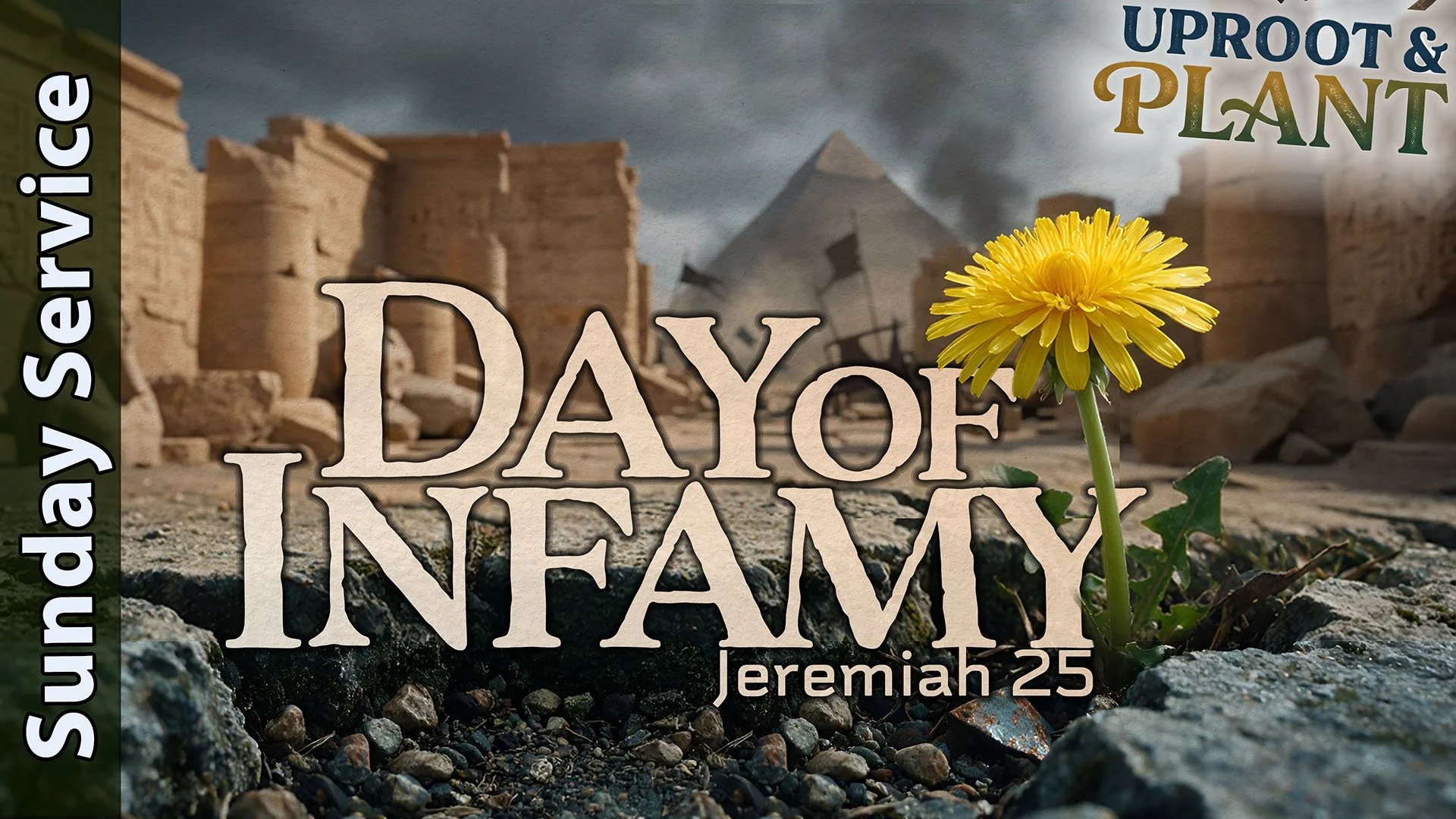
We all have days we’ll never forget; when the phone rang, the diagnosis came, and everything fell apart. Jeremiah 25, points to a day of infamy just like this. But also in Gethsemane, Jesus steps right into the middle of our darkest moments to offer us a hope that nothing can uproot.
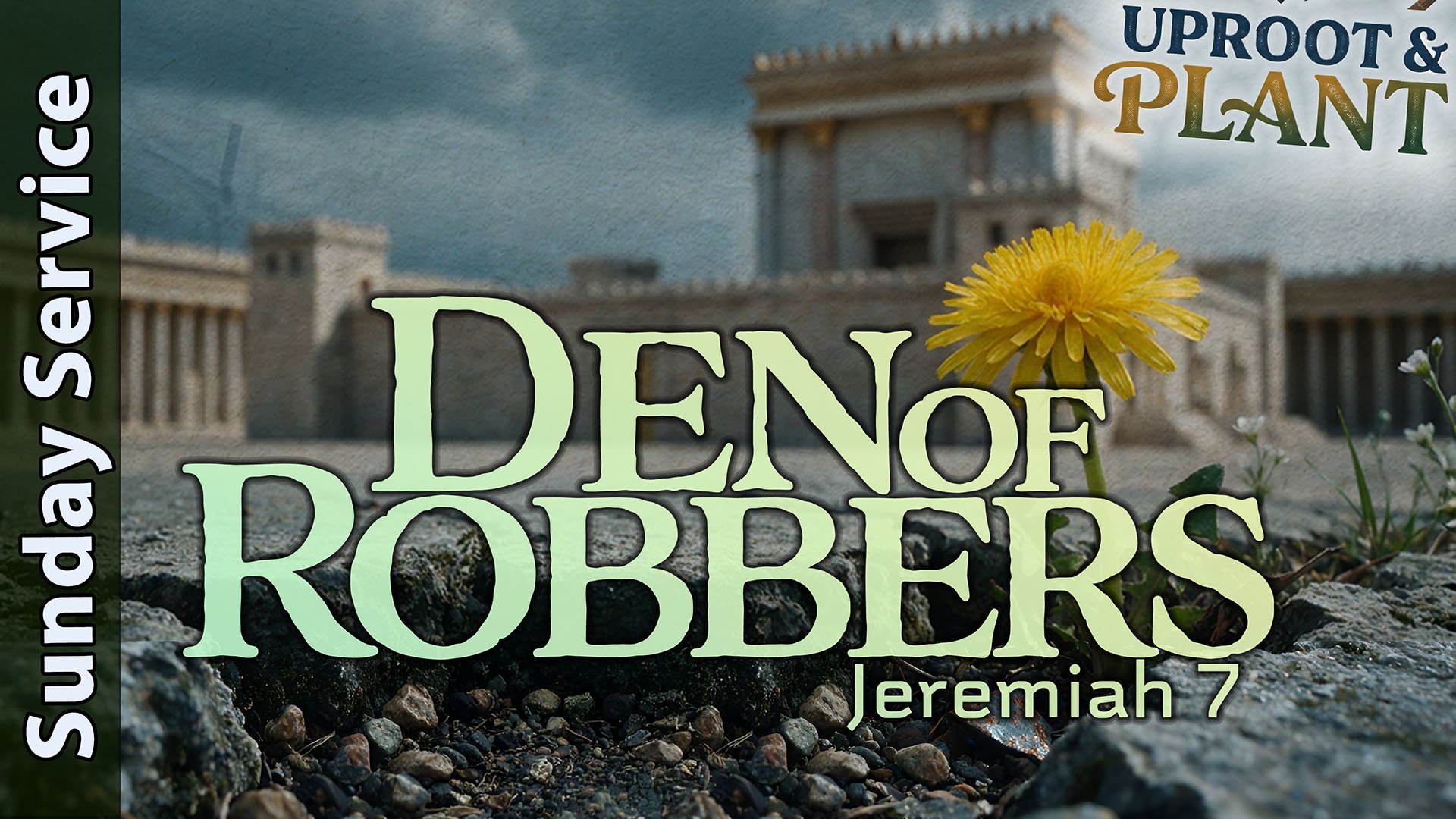
It’s incredibly easy to look at the world, point fingers, and feel secure just because we are the righteous. Jeremiah 7 shows us how God wants to uproot our pride and plant His grace.
When the world feels frozen in a bleak winter, God shows us the almond branch. He is awake. He is on the move. Jesus took the destruction upon Himself on the cross so He could plant the breath of new life in you!
New growth requires broken ground. In Jeremiah, we experience the heavy work of God's Law uprooting our self-reliance, making way for the Gospel to plant us securely in His grace.
There is always hope when a buried seed begins to sprout.