

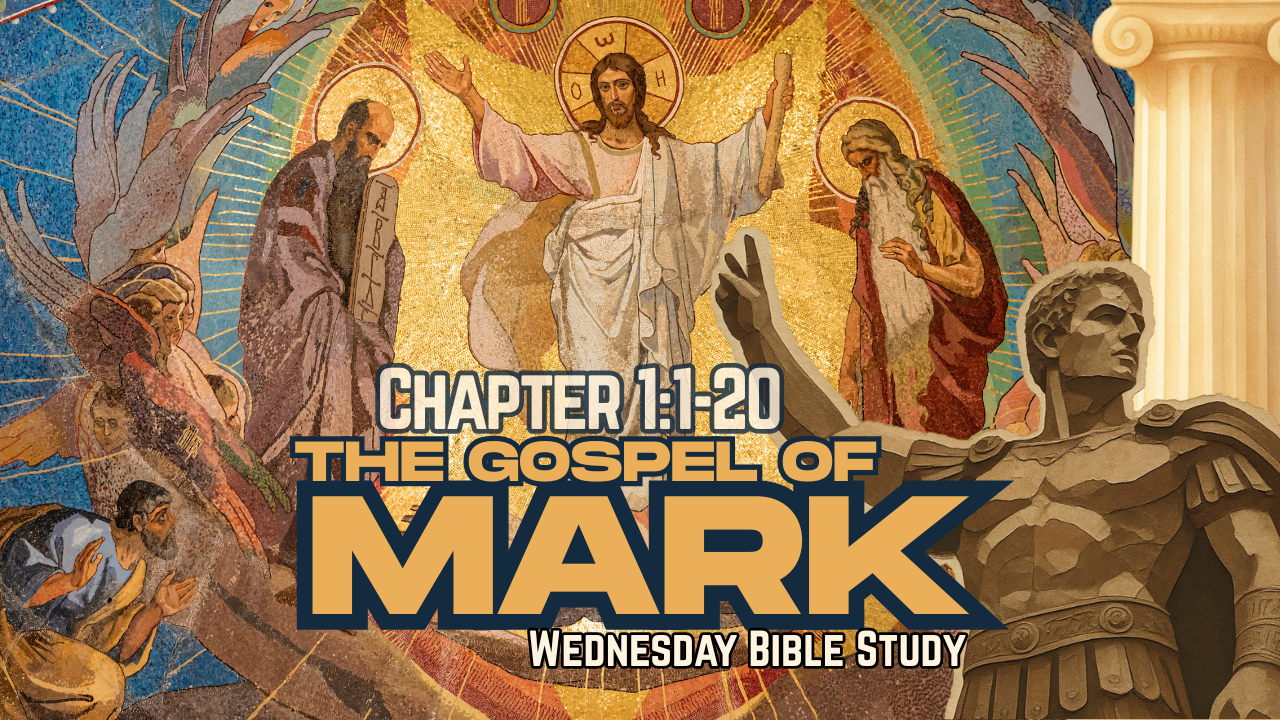
Mark Chapter 1:1-20 Class 2 - Wednesday Bible Study
On April 29, 2026 at 6:36 PM, our class explored how reading the Gospel of Mark by recognizing patterns and echoes—especially in Mark 1:1–20—deepens understanding, highlighting John the Baptist, Jesus’ baptism and wilderness testing, the “at hand” kingdom, the call of fishermen, and the upside‑down kingship of Jesus.
Gospel of Mark Chapter 1:1-20
This is our 2nd class on Mark
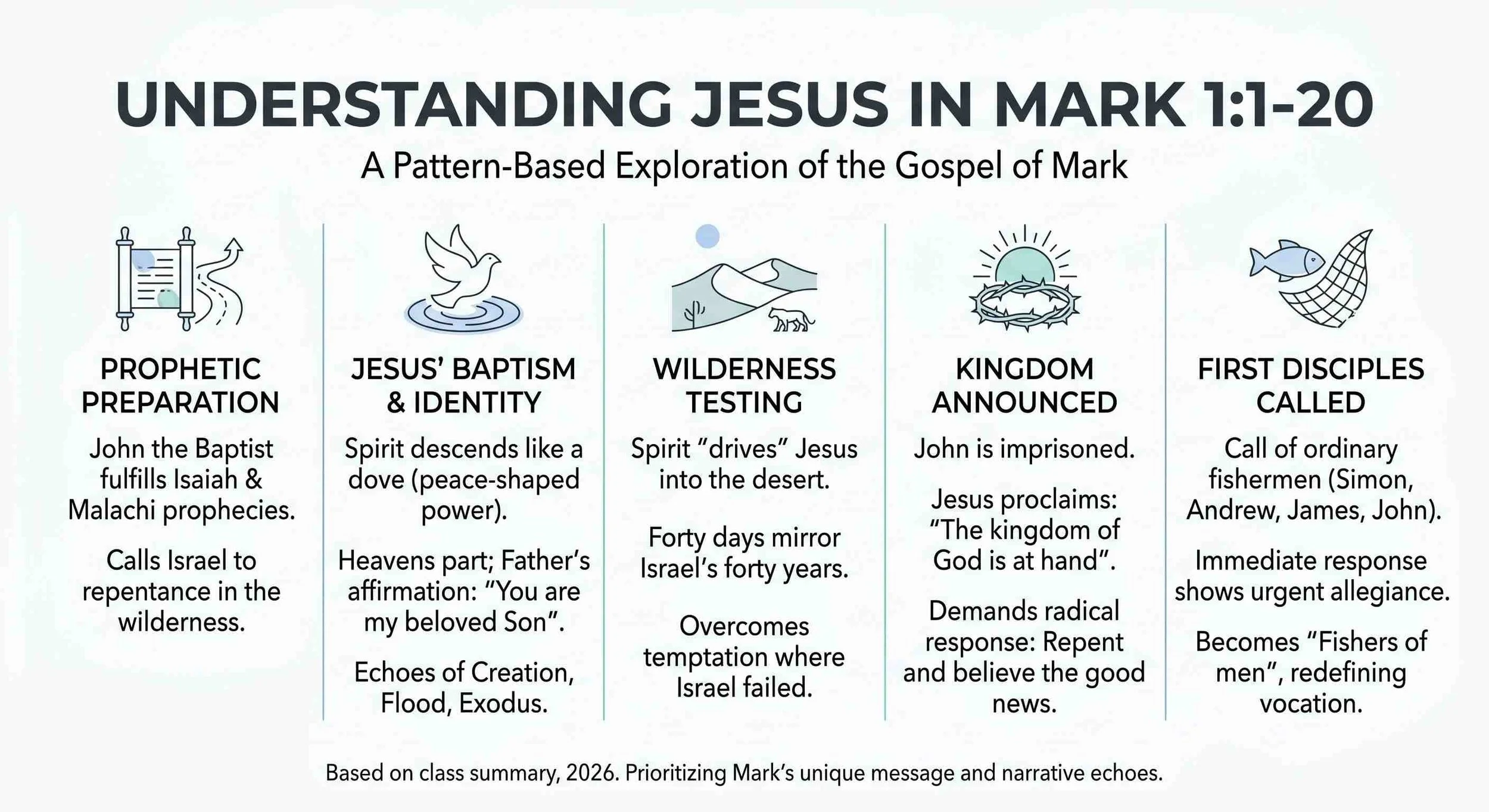
This is an AI Recap of the class.
Some things may be incorrect.
Short Summary of the Whole Class
We learned to read Scripture by noticing patterns and connections, using the Gospel of Mark as our training ground. We read Mark 1:1–20 (NKJV), discussed authorship and Mark’s three‑act design, traced Old Testament echoes (Isaiah, Malachi, Exodus, wilderness), examined Jesus’ baptism and the Spirit’s descent like a dove, considered why Mark streamlines the temptation narrative, unpacked Jesus’ kingdom announcement and the immediate call of ordinary fishermen, and reflected on how Mark communicates through urgency and “felt” experience. We also noted community insights (e.g., Revelation’s “woman” and Roman parallels) and agreed to frame our study with an overview video of Mark. Throughout, we aimed to let Mark speak on his own terms while testing ideas together.
Section-by-Section Summary with Verses, Stories, and Short Wrap-ups
1) Purpose and Approach: Training to Read by Patterns
What we discussed:
The goal is to read the Bible well by recognizing patterns, repeated themes, and familiar echoes (“this sounds like that” moments).
Connections help Scripture “open up,” strengthening memory and understanding.
Students bring prior knowledge that can illuminate the text as connections “click.”
Key ideas:
Begin with Mark; expect recognition of echoes across the biblical storyline.
Let Mark speak on his own terms, resisting cross‑gospel harmonization unless necessary.
Bible verses/stories mentioned:
Focus on the Gospel of Mark broadly; no specific verses cited in this section.
Short summary:
We set the foundation for pattern-based reading in Mark, expecting clearer, more memorable insights as echoes emerge.
2) Collaborative Insight Example: Revelation and Roman History
What we discussed:
From a prior Thursday study, commentaries gave one read on a “woman” in Revelation, but Mick’s love of Roman history surfaced a compelling Roman parallel.
Insight: Commentaries are helpful but not exhaustive; community contributions matter.
Key ideas:
Test ideas together; even tentative connections can be fruitful.
Bible verses/stories mentioned:
Revelation’s “woman” imagery (likely Revelation 12 or 17; chapter not specified).
Stories mentioned:
Class anecdote: Mick’s Roman-history parallel provided fresh perspective.
Short summary:
Community knowledge can reveal helpful contextual links that enrich understanding beyond commentary notes.
3) Plan for Today: Overview Video of Mark
What we discussed:
We decided to watch an overview video of Mark to frame our study (screen share planned on Zoom).
Key ideas:
A high-level overview sets a trajectory for recognizing patterns throughout Mark.
Bible verses/stories mentioned:
No specific verses; the focus was the whole of Mark’s narrative.
Short summary:
We chose to begin with a big-picture overview to guide our pattern-based reading of Mark.
4) Authorship, Sources, and Mark’s Design
What we discussed:
Mark (John Mark) as coworker of Paul and close to Peter; Papias reports Mark compiled Peter’s memories.
Mark states his thesis (Mark 1:1) and shows identity through actions and reactions.
Three‑act structure: Galilee (Who is Jesus?), on the way (What does Messiah mean?), Jerusalem (kingship through suffering).
Themes:
Kingdom proclamation, confronting evil, healing, forgiveness, redefined power and kingship.
Bible verses/stories mentioned:
Mark 1:1; allusions to Isaiah and Malachi prophecies.
Stories mentioned:
Papias’ testimony; Mark’s three‑act narrative framework.
Short summary:
Mark likely shapes Peter’s eyewitness testimony into a three‑act drama unveiling Jesus as Messiah and Son of God through deeds and the path of suffering service.
5) Staying within Mark’s Narrative
What we discussed:
Read Mark as Mark; avoid importing details from Luke/John (e.g., Mary and Elizabeth, cousins; foot‑washing).
Aim to hear Mark’s unique theological emphasis.
Bible verses/stories mentioned:
Mark 1:1–8 implicitly (John’s proclamation).
Noted but set aside: Luke’s infancy narratives; John 13 foot‑washing.
Stories mentioned:
Brief references to non‑Mark details as examples of what to avoid harmonizing.
Short summary:
We committed to Mark’s own voice to preserve his message and patterns.
6) Prophetic Preparation: Isaiah, Malachi, and John the Baptist
What we discussed:
Mark cites prophets about the forerunner; John appears in wilderness garb calling for repentance.
Prophetic imagery and types; light humor about a “John the Baptist diet,” while underscoring his serious call.
Bible verses/stories mentioned:
Mark 1:2–6; quotations of Isaiah/Malachi in Mark 1:2–3.
Stories mentioned:
Crowds from Judea and Jerusalem; John’s wilderness ministry.
Short summary:
John fulfills prophetic expectation, preparing Israel for God’s approaching reign.
7) Jesus’ Baptism: Sonship, the Dove, and Humble Origins
What we discussed:
Jesus comes “from Nazareth of Galilee”; heavens part; Spirit descends like a dove; the Father affirms the Son.
Peace-shaped power: the dove contrasts with conquest expectations.
Echoes of creation (Genesis 1) and the flood’s dove (Genesis 8); “parting” evokes Exodus.
Bible verses/stories mentioned:
Mark 1:9–11; Genesis 1; Genesis 8; Exodus 14 (typological echo).
Stories mentioned:
Creation and flood imagery; Red Sea parting as baptismal type.
Short summary:
Jesus’ baptism reveals his identity and inaugurates a Spirit-empowered mission marked by peace, not domination, amid rich creation‑Exodus echoes.
8) Exodus Motifs and the Wilderness Testing
What we discussed:
Spirit “drives” Jesus into the wilderness; forty days mirror Israel’s forty years.
Mark’s brevity evokes the larger story rather than listing three temptations (as in Matthew/Luke).
Bible verses/stories mentioned:
Mark 1:12–13; allusions to Numbers/Deuteronomy (Israel’s wilderness testing).
Stories mentioned:
Israel’s post‑Exodus journey; angels ministering; wild beasts motif.
Short summary:
Mark compresses the temptation narrative to signal Jesus reenacting Israel’s story and overcoming where Israel failed.
9) “The Kingdom Is at Hand”: Repent and Believe
What we discussed:
After John is imprisoned, Jesus proclaims the nearness of God’s kingdom and calls for repentance and faith.
“At hand” means near, accessible; turn from power-seeking to trust in the Son of God.
Mark 1:1–15 functions as a preamble: identity, fulfillment, announcement.
Bible verses/stories mentioned:
Mark 1:14–15; Isaiah 11:1 alluded (root/shoot of David).
Stories mentioned:
Nazareth as “the sticks”; fulfillment of Israel’s story in Jesus.
Short summary:
The long-awaited moment arrives: God’s reign draws near, demanding a decisive personal response.
10) Calling the First Disciples: Ordinary Fishermen, Urgent Allegiance
What we discussed:
Jesus calls Simon (Peter) and Andrew, then James and John; they immediately leave nets, boats, even father and hired hands.
Let the text stay “weird”: ordinary workers instantly follow an uncredentialed rabbi.
Emphasis on radical allegiance and redefined vocation (“fishers of men”).
Bible verses/stories mentioned:
Mark 1:16–20.
Stories mentioned:
Contrast between families’ resources; rabbinic disciple‑gathering versus Jesus’ surprising choices.
Short summary:
The kingdom advances through ordinary people responding with urgent, costly obedience.
11) Peter’s Confession and the Suffering Messiah (Q&A Preview of Later Mark)
What we discussed:
Differences across Gospels in Peter’s confession; in Mark, “You are the Messiah.”
Immediate clash with Jesus’ teaching on suffering; “Get behind me, Satan.”
Expectations of a political/military Messiah versus the suffering Servant (Isaiah 53).
Bible verses/stories mentioned:
Mark 8:27–33; Isaiah 53.
Stories mentioned:
Anticipation of Mark’s later arc: Transfiguration, passion, centurion’s confession, empty tomb (references).
Short summary:
Mark reveals messiahship through suffering and service, overturning triumphalist expectations.
12) Humility and Service: Sandal Straps and Servant Leadership
What we discussed:
John’s statement about not being worthy to untie Jesus’ sandals underscores humility.
A participant connected this to foot‑washing (John 13), noted as outside Mark but thematically aligned with servant authority.
Bible verses/stories mentioned:
Mark 1:7; John 13 referenced in discussion (acknowledged not in Mark).
Stories mentioned:
Everyday imagery of untying sandals; rabbinic training and memorization; echoes of Micah’s prophetic themes (justice, humility).
Short summary:
John’s humility anticipates Jesus’ servant‑king identity central to Mark’s message.
Medium-Length Overall Summary (April 29, 2026, 18:36:15)
On April 29, 2026 at 6:36 PM, our class set out to read Mark by recognizing patterns and echoes that make Scripture come alive. We framed Mark’s authorship and three‑act design (drawing on Papias’ note about Peter’s memories) and committed to letting Mark speak without cross‑gospel blending. In Mark 1:1–20 (NKJV), John the Baptist fulfills prophetic promises (Isaiah/Malachi), calling Israel to repent as Jesus arrives from humble Nazareth. At Jesus’ baptism, the heavens part, the Spirit descends like a dove, and the Father affirms the Son—imagery echoing creation, the flood’s dove, and a new Exodus. Mark compresses the wilderness temptation to evoke Israel’s story: forty days for forty years, signaling Jesus’ faithful obedience. With John imprisoned, Jesus declares the kingdom “at hand,” summoning repentance and trust. He calls ordinary fishermen, who immediately follow, modeling urgent, costly allegiance. We noted how Mark’s pace and “felt” atmosphere communicate the gospel’s movement. Along the way, we highlighted community learning (e.g., a Revelation/Roman parallel), previewed Peter’s confession and the suffering‑Messiah theme in Mark 8, and planned to watch an overview video to guide our study. The session emphasized pattern recognition, collaborative discovery, and Mark’s portrayal of Jesus’ upside‑down kingship expressed through service and suffering.
Main Points
Read Scripture by recognizing patterns, echoes, and thematic connections.
Let Mark speak on his own terms; avoid unnecessary cross‑gospel harmonization.
Mark likely shapes Peter’s eyewitness memories into a three‑act narrative revealing Jesus as Messiah and Son of God.
John the Baptist fulfills prophetic preparation, calling Israel to repentance (Mark 1:2–6).
Jesus’ baptism reveals divine Sonship and peace‑shaped power, with creation, flood, and Exodus echoes (Mark 1:9–11).
The wilderness testing compresses details to evoke Israel’s story and highlight Jesus’ faithfulness (Mark 1:12–13).
The kingdom is “at hand”: repent and believe the good news (Mark 1:14–15).
Jesus calls ordinary fishermen to radical, immediate discipleship (Mark 1:16–20).
Mark communicates through urgency and atmosphere to draw readers into the gospel’s movement.
Community insights can complement commentaries, enriching interpretation (Revelation “woman” example).
In Mark, messianic authority is revealed through suffering and service (previewed in Mark 8:27–33; Isaiah 53).
Bible Scriptures Mentioned
Mark 1:1–20 (thesis; prophetic citations; John’s ministry; Jesus’ baptism; wilderness testing; proclamation; calling disciples)
Mark 1:1–8 (John’s proclamation)
Mark 1:2–6 (Isaiah/Malachi quotations; John’s description)
Mark 1:7 (John’s humility; sandal‑strap remark)
Mark 1:9–11 (baptism; Spirit as a dove; heavenly voice)
Mark 1:12–13 (wilderness testing; angels; wild beasts)
Mark 1:14–15 (imprisonment of John; kingdom “at hand”; repent and believe)
Mark 1:16–20 (calling Simon Peter, Andrew, James, John)
Mark 6:17–29 (John the Baptist’s beheading; referenced)
Mark 8:27–33 (Peter’s confession; Jesus’ rebuke; previewed)
Isaiah 11:1 (root/shoot imagery; alluded)
Isaiah 53 (suffering servant; discussed)
Malachi (quoted in Mark 1:2–3)
Genesis 1 (creation Spirit imagery; alluded)
Genesis 8 (flood’s dove; alluded)
Exodus 14 (Red Sea parting; typological echo)
Numbers/Deuteronomy (Israel’s forty years; alluded)
Revelation 12 or 17 (the “woman”; exact chapter not specified; referenced)
John 13 (foot‑washing; referenced but noted as outside Mark)
Stories Talked About
John the Baptist’s wilderness ministry and call to repentance
Jesus’ baptism, divine Sonship, and the Spirit descending like a dove
Jesus’ forty days in the wilderness mirroring Israel’s forty years
Jesus’ proclamation of the kingdom’s nearness and call to repent and believe
Calling of Simon (Peter), Andrew, James, and John—ordinary fishermen—who follow immediately
Papias’ testimony about Mark drawing on Peter’s memories
Revelation study anecdote: class member connected the “woman” to Roman history
Creation and flood (dove) imagery; Exodus and the Red Sea as baptismal type
John the Baptist’s imprisonment and later beheading by Herod (referenced)
Peter’s confession and the suffering‑Messiah theme (previewed), plus later Mark arc references (Transfiguration, passion, centurion’s confession, empty tomb)
![[Sunday] Temple Traps - Foolish Wisdom](https://images.squarespace-cdn.com/content/v1/5852f18a20099e30cd2c01dc/1777044373355-XL9DK44J8X46BSP6Z03N/FW1a.jpg)
[Sunday] Temple Traps - Foolish Wisdom
It’s easy to get distracted by building grand things, forgetting that God's true work is simply rescuing broken people right where they are.
It’s easy to get distracted by building grand things, forgetting that God's true work is simply rescuing broken people right where they are.


What Had happened at Grace this week.


![[Sunday] Blockbuster - 1 Kings 17 - Foolish Wisdom](https://images.squarespace-cdn.com/content/v1/5852f18a20099e30cd2c01dc/1778782728451-F5ZMPPUUSQ6TLUTWLFCC/FW4a.jpg)


![The Great Divorce [Thursday Bible Study]](https://images.squarespace-cdn.com/content/v1/5852f18a20099e30cd2c01dc/ec755559-0a12-48d7-a2e8-1ccec8e2fca7/Great+divorce.png)
The Great Divorce [Thursday Bible Study]
The Great Divorce is my favorite C.S. Lewis book. It truly forces us to look in the mirror and decide if we are actually willing to lay down our demons and walk toward the light.
The Great Divorce is my favorite C.S. Lewis book. It truly forces us to look in the mirror and decide if we are actually willing to lay down our demons and walk toward the light.

![St Lucie Mets Game in April [Photos]](https://images.squarespace-cdn.com/content/v1/5852f18a20099e30cd2c01dc/1777093305840-I0RWVD8ZHGWQ488Z8XZ3/IMG_1965.jpeg)
St Lucie Mets Game in April [Photos]
Great time at the St Luice Mets game

It was a great night out at the St. Lucie Mets game. The real winner, though, was the little one. She spent the end of the night happily counting her cash after an absolute masterclass in Moundball. Join us next time!












Foolish Wisdom | Teaching Series
Exploring the stories of Solomon, Elijah, and Elisha in 1st and 2nd Kings, our new "Foolish Wisdom" series reveals that God's truest wisdom is found not in human achievements but in rescuing everyday people right where they are.
Exploring the stories of Solomon, Elijah, and Elisha in 1st and 2nd Kings, our new "Foolish Wisdom" series reveals that God's truest wisdom is found not in human achievements but in rescuing everyday people right where they are.
Reading Plan
Read around the readings for Sunday
2/14/26/26 - Soloman and the Temple
1 Kings 8:12-21
1 Kings 9:1-9
Mark 13:1-10
5/3/26 - Soloman's Downfal
1 Kings 11:1-10
Romans 5:12-19
Mark 12:38-44
5/10/26 - Drought/Fed by Ravens-- Jeroboam and Rehoboam 1 Kings 11-15
1 Kings 17:1-7
1 Corinthains 10:1-13
Matthew 4:1-11
5/17/26 - Widow of Zarepath Call to repentance Evil Ahab
1 Kings 17:8-24
Galatians 3:6-9
Luke 4:16-26
5/24/26 - Mt Carmel and showdown with Prophets of Baal
1 Kings 18:20-39
Galatians 1:6-10
Luke 7:1-10
5/31/26 - Elijah flees running from Jezebel
1 Kings 19:2-3, 9-18
Romans 10:5-15
Matthew 14:22-33
6/7/26 - Elisha takes over as Elijah goes to heaven
2 Kings 2:1-15
2 Corinthians 4:3-6
Mark 9:2-9
6/14/26 - Naaman
2 Kings 5:1-14
2 Timothy 2:8-15
Luke 17:11-19
6/21/26 - Elisha annoints Jehu, yet Jehu still does Evil
(2 Kings 9-10)2 Kings 9:1-7
Romans 7:14-20
Matthew 11:1-19
![[Sunday] Battle of Baal Bluff - 1 Kings 18 - Foolish Wisdom](https://images.squarespace-cdn.com/content/v1/5852f18a20099e30cd2c01dc/1779384414021-PFBH69DRFJOGBE0TKDTC/FW5a.jpg)
![[Sunday] Rey and Jerry 1 Kings 11-13 - Foolish Wisdom](https://images.squarespace-cdn.com/content/v1/5852f18a20099e30cd2c01dc/1778183687256-MPOFXGYMB60MTLI79AU0/FW3a.jpg)
![[Sunday] Loud Lips & Far Hearts - Foolish Wisdom](https://images.squarespace-cdn.com/content/v1/5852f18a20099e30cd2c01dc/1777585193440-H27BJHBXN2C272DK4Q5Z/FW2a.jpg)
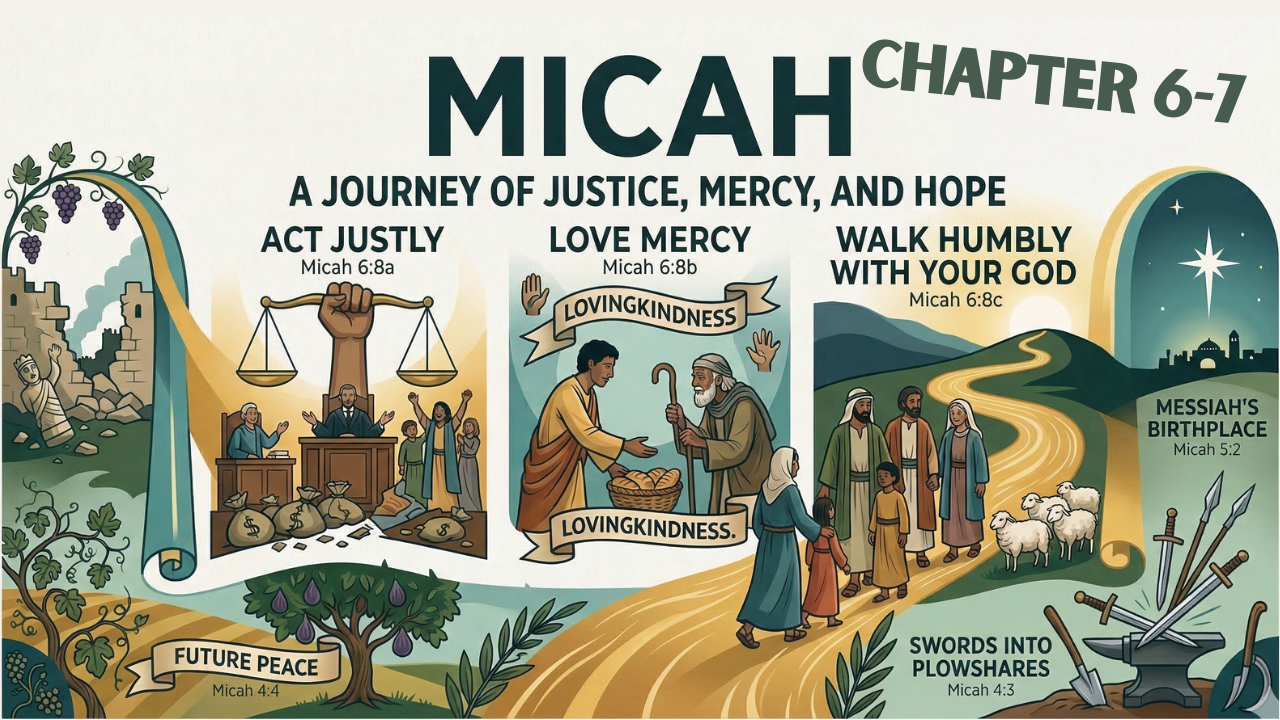
Micah Chapter 6-7 Class 4 - Bible Study
On April 23, 2026, our class explored Micah 6–7, God’s deliverance from Egypt, the legacies of Omri/Ahab/Jezebel, Balaam and Balak, Elijah’s gentle whisper, and Jesus’ teaching on allegiance and endurance—emphasizing justice, mercy, humility, and trust in God’s protecting purposes.
Micah Intro and Chapter 6-7
This is our 4th class on Micah
This is an AI Recap of the class.
Some things may be incorrect.
Short Summary of the Whole Class
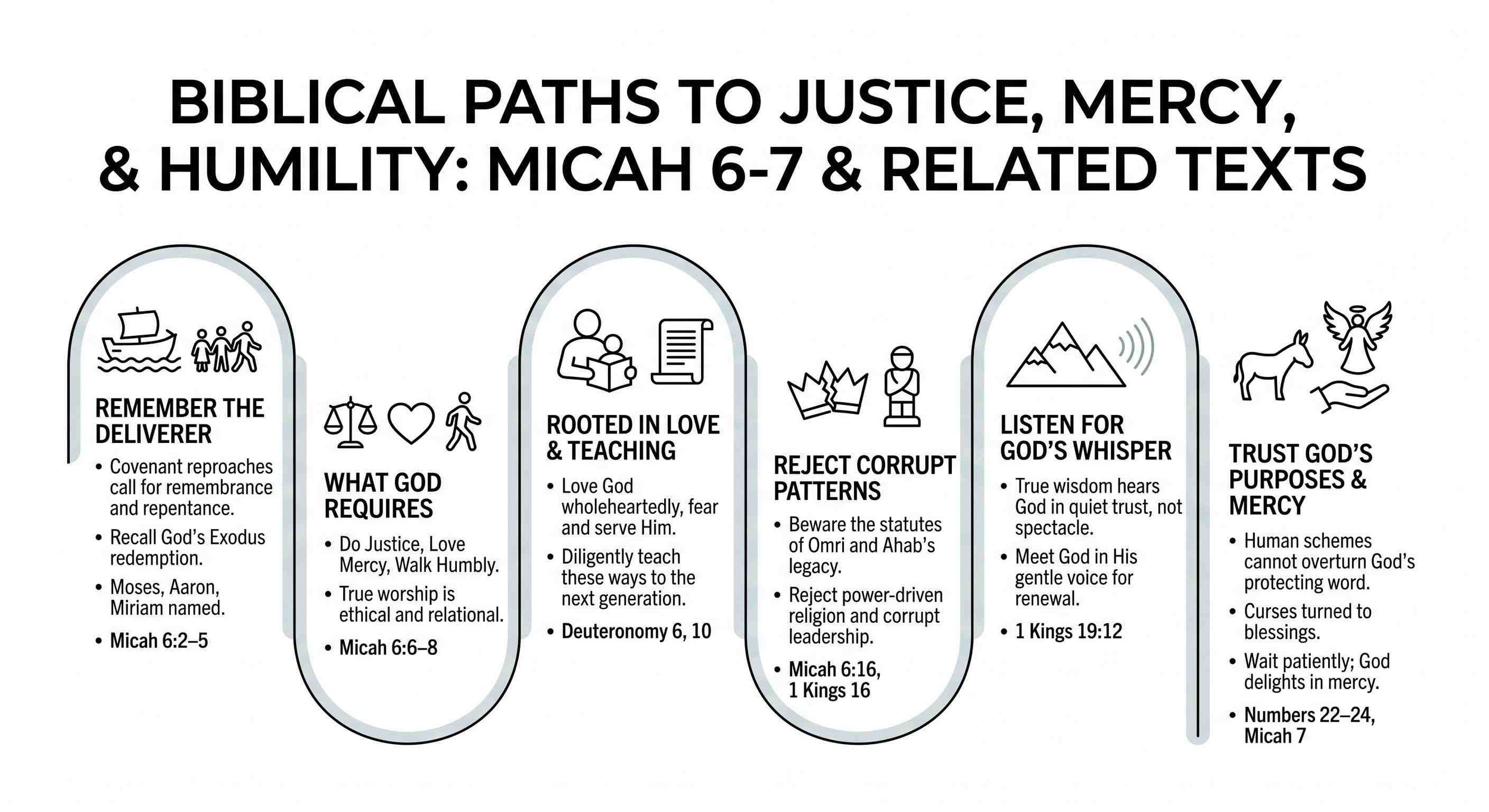
On April 23, 2026, we traced a biblical thread from Micah 6–7 through Numbers, 1–2 Kings, Deuteronomy, and the Gospels. We reflected on God’s covenant complaint and Exodus deliverance (Micah 6), the warning of Omri/Ahab/Jezebel’s corrupt statutes, Balaam and Balak’s failed cursing scheme, and Elijah’s renewal in God’s gentle whisper. We connected Micah’s call—do justice, love mercy, walk humbly—to Deuteronomy’s love-and-teach foundation and Jesus’ words about allegiance and endurance amid familial and societal conflict (Matthew 10; Mark 13). We concluded that true wisdom remembers God the Deliverer, rejects power-driven corruption, listens for God’s quiet voice, and lives justice and mercy in faithful trust.
Walk-through Summary with Section-by-Section Notes
1) Micah’s “Reproaches” and God’s Complaint
Discussion:
We opened with Micah’s covenant lawsuit: “Hear, O you mountains, the Lord’s complaint” (Micah 6:2), evoking Good Friday-style “reproaches” (“O my people… what have I done to you?”).
God identifies Himself as the Deliverer who brought Israel out of Egypt, naming Moses, Aaron, and Miriam (Micah 6:4), and recalling Balak and Balaam (Micah 6:5).
Theme:
Remembering God’s faithful deliverance exposes our forgetfulness and calls us to return to covenant obedience.
Verses:
Micah 6:2–5.
Stories:
Exodus remembrance (Moses, Aaron, Miriam).
Short summary of this section:
God summons His people to remember the Exodus and His faithfulness, grounding repentance in the memory of deliverance.
2) What God Requires: Justice, Mercy, and Humility
Discussion:
We wrestled with “What’s enough for God?” and landed on Micah 6:8—do justice, love mercy, walk humbly—over performative religion.
We noted how Scripture itself demands justice and mercy, not mere ritual.
Theme:
True worship is ethical and relational; it shows up in how we treat others made in God’s image.
Verses:
Micah 6:6–8.
Stories:
Ethical living illustrations; contrast with empty ritual (no single narrative focus).
Short summary of this section:
God desires hearts and lives of justice, mercy, and humble walking with Him, not outward show.
3) Deuteronomy’s Foundation: Love God and Teach Diligently
Discussion:
We linked Micah’s call to Deuteronomy’s heart: fear, love, and serve the Lord (Deut 10:12), and the Shema’s call to teach children diligently (Deut 6:4–7).
Emphasis on shaping the next generation amid modern distractions.
Theme:
Wholehearted love for God and diligent discipleship at home form the backbone of faithful living.
Verses:
Deuteronomy 10:12; Deuteronomy 6:4–7.
Stories:
Family discipleship practices (conceptual, not narrative).
Short summary of this section:
From the beginning, God called His people to wholehearted love and to teach these ways diligently to the next generation.
4) Omri, Ahab, and Jezebel: Foundations of Decline
Discussion:
We examined how Omri’s political strategies led into Ahab and Jezebel’s Baal worship (1 Kings 16), illuminating Micah 6:16’s “statutes of Omri” and “works of Ahab’s house.”
Highlight: Ahab “did more evil than all before him” (1 Kings 16:30–33).
Theme:
Societal decline follows when leaders and people embrace idolatrous counsel and corrupt patterns.
Verses:
1 Kings 16:25–33; Micah 6:16.
Stories:
Ahab and Jezebel’s marriage alliance and the national turn to Baal.
Short summary of this section:
Micah condemns both corrupt leadership and complicit people, warning that shared compromise invites desolation.
5) Elijah’s Encounter with God’s Gentle Voice
Discussion:
We previewed Elijah’s conflict with Ahab and Jezebel and focused on his renewal: God was not in wind, earthquake, or fire but in a gentle whisper (1 Kings 19:12).
Application: Listen attentively for God’s quiet guidance amid turmoil.
Theme:
True wisdom hears God in quiet trust rather than in spectacle.
Verses:
1 Kings 19:12 (with context).
Stories:
Elijah’s flight, discouragement, and renewal at Horeb.
Short summary of this section:
Elijah’s story shows faithful resilience arises from meeting God in His gentle voice.
6) Balaam and Balak: Attempts to Curse God’s People
Discussion:
We revisited Numbers 22–24: Balak summons Balaam at Moab to curse Israel; the angel blocks Balaam; the talking donkey episode; Balaam can only speak what God gives—resulting in blessing, not curse.
Micah 6:5 recalls this event to underscore God’s protecting purposes.
Theme:
God’s word and purposes stand; He turns intended curses into blessing.
Verses:
Numbers 22–24 (esp. 22:21–35); Micah 6:5.
Stories:
Balak’s summons; Balaam’s donkey and angel; Balaam’s oracles of blessing.
Short summary of this section:
Human schemes cannot overturn God’s purposes; He protects His people and transforms curses into blessings.
7) Micah 7: Corruption, Lament, and Hope in Mercy
Discussion:
Micah 7:1–7 depicts societal breakdown—bribes, betrayal—even within households; counsel: trust God, not human alliances.
Micah 7:7–9: like Job, wait on the Lord, confess, and trust God to plead our case and bring light.
Micah 7:18–20: God delights in mercy, subdues iniquity, and casts sins into the sea.
Theme:
In pervasive injustice, the faithful posture is repentance, patience, and confident hope in God’s mercy and vindication.
Verses:
Micah 7:1–7; 7:7–9; 7:18–20; (also 7:13, 7:16 noted in discussion of consequences and humbled nations).
Stories:
Job’s posture (thematic reference).
Short summary of this section:
Micah moves from stark lament to radiant hope—God’s final word is mercy and restoration.
8) Jesus on Allegiance and Endurance: Echoes of Micah
Discussion:
Matthew 10:26–36: Jesus prepares disciples for public allegiance and division within families (echoing Micah 7:6), not as a call to violence but a sober cost of discipleship.
Mark 13:10–13: the gospel to all nations, Spirit-given words in trials, endurance to the end; connected with our anticipation of Mark 13:1–10’s challenge to temple-centered confidence.
Theme:
Discipleship may divide loyalties and invite opposition; rely on the Spirit and endure in faithful witness.
Verses:
Matthew 10:26–36; Mark 13:10–13; preview connection to Mark 13:1–10.
Stories:
Jesus sending the disciples; early Christian witness under pressure (conceptual).
Short summary of this section:
Jesus reframes power and peace: allegiance to Him brings conflict, but the Spirit sustains endurance and faithful testimony.
9) Application: Remember the Deliverer and Reject Corrupt Patterns
Discussion:
We tied Micah’s call—remember the Exodus and Balaam/Balak—to our context: reject the “statutes of Omri,” avoid baptizing power with religious language, and live justice, mercy, and humility.
Question: Are we building bigger temples—or building obedient hearts that remember and reflect God’s deliverance?
Theme:
Identity and allegiance—live as a people formed by the Deliverer’s mercy rather than by cultural or political idols.
Verses:
Micah 6:4–5; 6:16; Numbers 22–24; 1 Kings 16; 1 Kings 19:12; Micah 7 selections; Matthew 10; Mark 13.
Stories:
Exodus memory; Omri/Ahab decline; Elijah’s whisper; Balaam’s thwarted curse; disciples sent amid conflict.
Short summary of this section:
True wisdom is lived remembrance—reject corrupt counsels and embody God’s justice, mercy, and humble trust.
Medium-Length Summary of the Class
On April 23, 2026, we centered on Micah 6–7, where God summons creation to hear His complaint and calls His people to remember the Exodus. We linked Micah’s “reproaches” to the warning against the “statutes of Omri” and the corrupt legacy of Ahab and Jezebel (1 Kings 16). We saw Elijah’s renewal in God’s gentle whisper (1 Kings 19:12) as a model for quiet, attentive faith. Returning to Numbers 22–24, we recalled how Balaam could only bless what Balak sought to curse, underscoring God’s protecting word (Micah 6:5). Deuteronomy 6 and 10 anchored this in love for God and diligent teaching of the next generation. Reading Jesus’ words in Matthew 10 and Mark 13, we recognized that allegiance to Christ may divide families and invite persecution, yet the Spirit sustains enduring witness. Across these texts, the class emphasized that God the Deliverer defines His people, His mercy triumphs over sin (Micah 7:18–20), and His purposes outlast human schemes—calling us to reject corrupt patterns, listen for His gentle voice, and live justice, mercy, and humility.
Main Points
God’s covenant “reproaches” call us to remember His Exodus deliverance and repentant return (Micah 6:2–5).
What God requires is clear: do justice, love mercy, walk humbly (Micah 6:8).
Deuteronomy roots faith in wholehearted love for God and diligent teaching of children (Deut 6; 10).
The “statutes of Omri” and Ahab/Jezebel’s legacy warn against adopting corrupt counsel (Micah 6:16; 1 Kings 16).
Elijah’s renewal came through God’s gentle whisper—wisdom listens in quiet trust (1 Kings 19:12).
Balaam and Balak show that God protects His people and turns curses into blessing (Numbers 22–24; Micah 6:5).
Jesus prepares disciples for allegiance amid division and persecution; rely on the Spirit and endure (Matthew 10; Mark 13).
Application: Reject power-driven religion and live as a people shaped by God’s saving acts—justice, mercy, humility.
Bible Scriptures Mentioned
Micah 6:2–5; Micah 6:6–8; Micah 6:16
Micah 7:1–7; Micah 7:7–9; Micah 7:18–20 (with 7:13, 7:16 noted)
Numbers 22–24 (esp. 22:21–35)
1 Kings 16:25–33
1 Kings 19:12 (with context)
Deuteronomy 6:4–7
Deuteronomy 10:12
Matthew 10:26–36
Mark 13:10–13 (and preview of 13:1–10)
Stories Discussed
Exodus remembrance: God bringing Israel out of Egypt; leadership of Moses, Aaron, and Miriam.
Omri’s political legacy and Ahab/Jezebel’s turn to Baal worship (1 Kings 16).
Elijah’s encounter with God’s gentle whisper (1 Kings 19).
Balaam and Balak: the talking donkey, the angel’s intervention, and blessing over cursing (Numbers 22–24).
Jesus sending the disciples and teaching on allegiance, conflict, and endurance (Matthew 10; Mark 13).
Content creation date: 2026-04-23 14:43:13
Mark Chapter 1:1-8 Class 1 - Wednesday Bible Study
A fast-moving, beginner-friendly study launched our journey through Mark 1:1–28—framing the Bible as literature from an oral tradition, exploring John the Baptist, Jesus’ baptism and temptation, the first disciples’ call, and Jesus’ authoritative teaching and exorcism.
Gospel of Mark Intro and Chapter 1:1-8
This is our 1st class on Mark
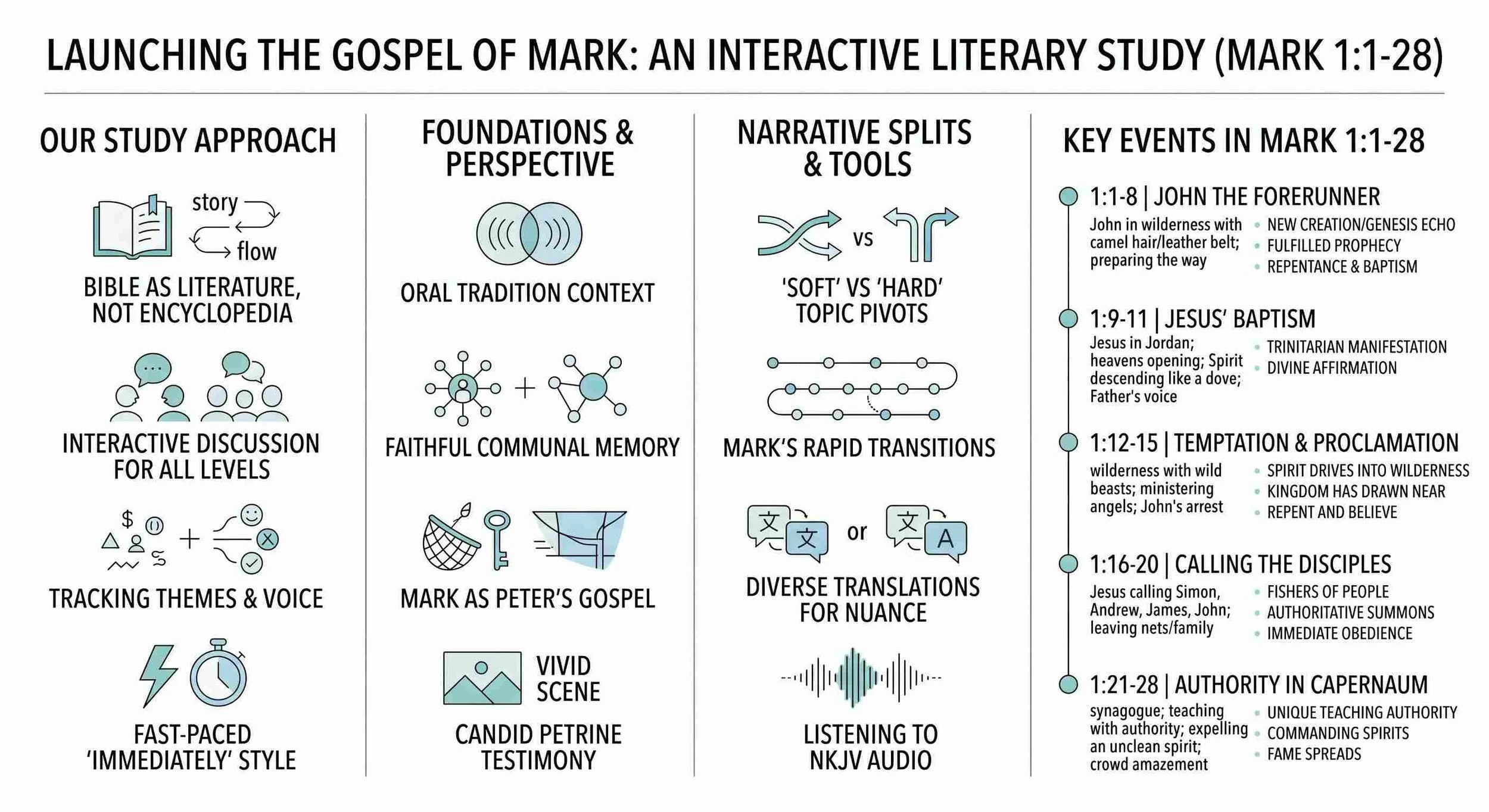
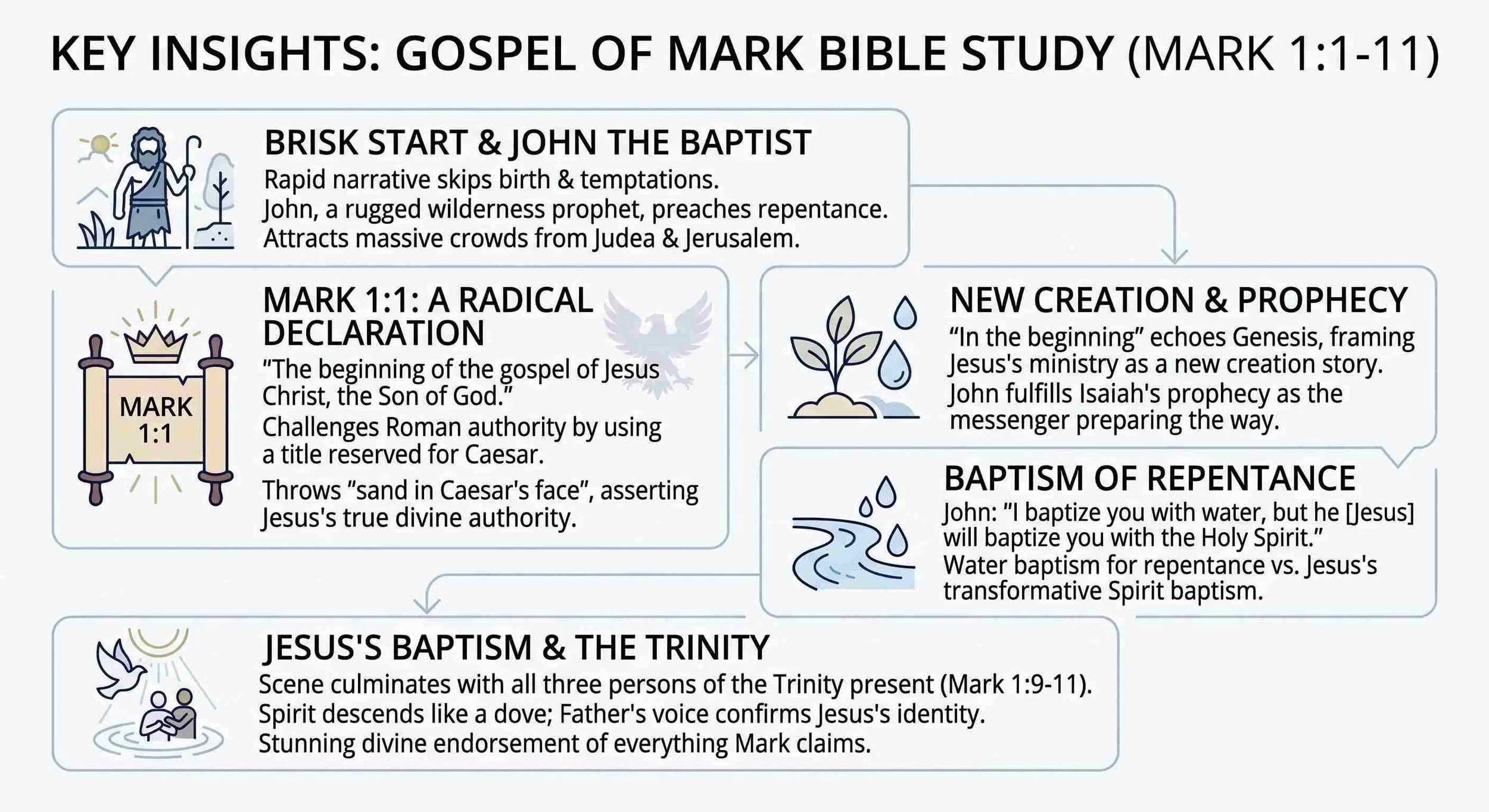
This is an AI Recap of the class.
Some things may be incorrect.
Short summary of the whole class
On 2026-04-22 at 18:32:01, we opened an interactive Gospel of Mark study that treats Scripture as inspired literature shaped by human voices within an oral tradition. We then read Mark 1:1–28, noting fulfilled prophecy in John the Baptist’s wilderness ministry, the Trinitarian revelation at Jesus’ baptism, the brief but urgent temptation account, the immediate call of the first disciples, and Jesus’ authoritative teaching and deliverance in Capernaum. Along the way we tracked Mark’s rapid “immediately” pace, soft and hard narrative splits, translation nuances, and themes of authority, repentance, and the Kingdom’s nearness.
Class walkthrough with section-by-section summaries, verses, and stories
1) Welcome, ground rules, and study approach
What we discussed:
Questions are encouraged; discussion is for newcomers and experienced readers alike.
Read the Bible as literature, not an encyclopedia; learn a practical framework for reading.
Mark is fast-paced; we’ll watch for themes and narrative breaks (“soft” vs “hard” splits).
Stories/examples:
Class context and Chris’s prior experience leading Mark.
Bible scriptures mentioned:
None directly cited.
Short section summary:
We set an interactive, theme-driven approach to reading Mark that welcomes all levels of experience.
2) What is the Bible? Literature, not an encyclopedia
What we discussed:
The Bible is a diverse, inspired library shaped by human authors and contexts.
Expect authorial voice; we’ll learn to “hear” Mark and later assess whether Mark’s traditional ending fits his voice.
Stories/examples:
Literary analogy: loaded phrases gain meaning from the whole story.
Bible scriptures mentioned:
None directly cited.
Short section summary:
We will read Scripture as narrative literature where context and authorial voice shape meaning.
3) Literary themes and the “Boy Who Lived” analogy
What we discussed:
Themes accumulate significance across a narrative; single phrases carry weight because of the whole.
Our study lets themes—not isolated proof texts—drive interpretation.
Stories/examples:
Harry Potter’s “the boy who lived” as a motif analogy.
Bible scriptures mentioned:
None directly cited.
Short section summary:
Meaning in Mark emerges from recurring themes and the unfolding story rather than isolated verses.
4) The Bible in an oral tradition versus our written (and changing) culture
What we discussed:
Gospels arose in communal oral tradition; variations reflect faithful memory, not error.
Our era is shifting again (digital/AI) from purely written conventions.
Stories/examples:
Player piano donation that caught fire (community memory/retelling).
Joke-telling as a living oral tradition.
Bible scriptures mentioned:
None directly cited.
Short section summary:
Understanding oral tradition helps us read Gospel differences as faithful communal memory.
5) Reading Mark with “soft splits” and “hard splits”
What we discussed:
Soft split: same topic with shifting anecdotes; hard split: pivot to a new topic.
Mark’s hallmark pace (“immediately”) requires attention to transitions.
Stories/examples:
Roller coaster marathon (82 rides) and pivot to hotels—illustrating split types.
Bible scriptures mentioned:
None directly cited (preparing to read Mark).
Short section summary:
We will track Mark’s rapid transitions to see how scenes connect or pivot to new themes.
6) Authorship and perspective: Mark as Peter’s gospel
What we discussed:
Traditional view: Mark (John Mark) captures Peter’s preaching.
Mark’s tough portrayal of Peter may reflect Peter’s own self-critical testimony.
Stories/examples:
Broad references to Peter’s denials.
Bible scriptures mentioned:
Anticipation of Peter narratives in Mark; no verses read yet.
Short section summary:
Expect a Petrine flavor: vivid, urgent storytelling and candid treatment of Peter.
7) Translations, versions, and why we’ll listen to NKJV
What we discussed:
Plan: hear dramatized NKJV while participants follow in various translations (NIV, ESV, NRSV, NASB, Complete Jewish Study Bible).
Interlinear demo shows why translation isn’t one-to-one; wording choices matter.
Stories/examples:
Panama “caliente” nuance—language differences can mislead.
Bible scriptures mentioned:
Interlinear preview for Mark 1:1.
Short section summary:
Diverse translations and NKJV audio will sharpen attention to wording, flow, and nuance.
8) Housekeeping and launch into Mark 1
What we discussed:
Flag significant translation differences.
Light humor about tests and AI notes; begin reading Mark 1:1–(TBD).
Stories/examples:
Class logistics and humor.
Bible scriptures mentioned:
Plan to read Mark 1:1–(TBD).
Short section summary:
With expectations set, we launched into reading Mark 1 together.
9) Mark’s opening and prologue themes (Mark 1:1–8)
What we discussed:
Mark 1:1 echoes Genesis 1 (“beginning”), framing Jesus’ story as new creation.
“Gospel” (euangelion) as real good news; subverts Roman imperial “good news” of Caesar, the so‑called “son of god.”
Textual note: some manuscripts omit “Son of God,” but the tradition is strong.
Prophetic setup (Isaiah/Malachi): a forerunner prepares the Lord’s way; John appears in the wilderness preaching repentance and baptizing.
John’s attire and diet (camel’s hair, leather belt, locusts, wild honey) evoke Elijah and prophetic austerity.
“Baptize” as “plunge/immerse”; John contrasts his water baptism with Jesus’ Spirit baptism.
Stories/examples:
Roman imperial announcements (“good news” of Caesar).
Dead Sea Scrolls reference (textual reliability).
Jokes about honey-dipped locusts; John’s rugged lifestyle.
Bible scriptures mentioned:
Mark 1:1–8; Isaiah 40:3; Malachi 3:1; Genesis 1:1 (echo); Isaiah 44:3 (Spirit poured out).
Short section summary:
Mark inaugurates a new-creation good news centered on Jesus, fulfills prophecy through John’s wilderness call, and anticipates Jesus’ Spirit baptism.
10) Jesus’ baptism and Trinitarian manifestation (Mark 1:9–11)
What we discussed:
Jesus is baptized; heavens open; Spirit descends like a dove; Father declares, “You are my beloved Son.”
All three Persons of the Trinity are present.
Stories/examples:
The baptism scene and divine affirmation.
Bible scriptures mentioned:
Mark 1:9–11.
Short section summary:
The Father and Spirit publicly affirm Jesus’ identity at the launch of His ministry.
11) Temptation and Kingdom proclamation (Mark 1:12–15)
What we discussed:
“Immediately” the Spirit drives Jesus into the wilderness for forty days; tempted by Satan; wild beasts; angels minister.
After John’s arrest, Jesus proclaims: “The time is fulfilled… repent and believe in the gospel.”
Contrast between Jesus’ hopeful call and Pharisaic condemnations.
Stories/examples:
Wilderness testing and ministering angels.
Bible scriptures mentioned:
Mark 1:12–15.
Short section summary:
Tested yet sustained, Jesus begins with an urgent call to repentance and faith because God’s Kingdom has drawn near.
12) Calling the first disciples (Mark 1:16–20)
What we discussed:
Jesus calls Simon (Peter) and Andrew; then James and John; they immediately leave nets and family business.
“Fishers of men/people”: inclusive sense (anthrōpōn).
Mark’s repeated “immediately” underscores Jesus’ authority and their decisive obedience.
Stories/examples:
Fishermen abandoning their work to follow Jesus.
Bible scriptures mentioned:
Mark 1:16–20; Mark 1:17 (inclusive “people” note).
Short section summary:
Ordinary workers respond at once to Jesus’ authoritative summons, reoriented toward gathering people.
13) Teaching with authority and casting out an unclean spirit (Mark 1:21–28)
What we discussed:
In Capernaum’s synagogue, Jesus teaches with authority—unlike the scribes.
An unclean spirit recognizes Him; Jesus rebukes and expels the demon.
Crowd marvels: a new teaching with authority; fame spreads quickly.
Stories/examples:
Synagogue exorcism; public amazement at Jesus’ words and works.
Bible scriptures mentioned:
Mark 1:21–28.
Short section summary:
Jesus’ authority appears in both word and deed, confronting evil and signaling the inbreaking Kingdom.
Medium-length final summary of the class
On 2026-04-22 at 18:32:01, we launched an interactive study of the Gospel of Mark built on reading Scripture as inspired literature emerging from an oral tradition. We introduced tools for tracking Mark’s rapid pace, including “soft” and “hard” narrative splits, and discussed authorship with a likely Petrine voice. After previewing translation nuances and listening to NKJV audio alongside various translations, we read Mark 1:1–28. Mark’s opening echoed Genesis and subverted Roman “good news,” proclaiming Jesus as the true Son of God. Prophecy set the stage for John the Baptist’s wilderness ministry of repentance, whose ascetic profile evoked Elijah. Jesus’ baptism revealed the Trinity together, followed by His brief but urgent temptation account and His inaugural proclamation that the Kingdom has drawn near, calling for repentance and belief. Jesus’ authority compelled immediate obedience from the first disciples and astonished crowds in Capernaum as His teaching and exorcism demonstrated power over unclean spirits. Throughout, we emphasized themes of authority, urgency, repentance, fulfillment, and Spirit outpouring, preparing to continue reading Mark with careful attention to voice, themes, and transitions.
Main points
The Bible is an inspired, humanly authored library to be read as literature within its oral-tradition context.
Mark’s Gospel moves with urgency (“immediately”) and requires attention to soft/hard narrative splits.
Mark 1:1 echoes Genesis and subverts Roman imperial “good news,” proclaiming Jesus as the true Son of God.
Prophetic promises (Isaiah/Malachi) frame John the Baptist as the wilderness forerunner calling Israel to repent.
Jesus’ baptism publicly reveals the Trinity; His identity is affirmed by the Father and Spirit.
The temptation account is brief but shows testing and God’s care; Jesus begins with a concise Kingdom proclamation.
Jesus’ authoritative call reorients ordinary people into mission (“fishers of people”).
Jesus teaches with unique authority and commands unclean spirits, signaling the inbreaking Kingdom.
Translation nuances matter; hearing NKJV dramatized while reading various translations clarifies wording and flow.
We will later evaluate whether Mark’s traditional ending aligns with his established voice.
Bible scriptures mentioned
Mark 1:1–28 (primary passage)
Mark 1:1 (interlinear preview; textual variant “Son of God”)
Mark 1:2–3 (prophetic citation)
Mark 1:4–8 (John’s ministry; baptism of repentance)
Mark 1:9–11 (Jesus’ baptism; Trinitarian manifestation)
Mark 1:12–13 (temptation; wilderness; angels)
Mark 1:14–15 (Kingdom proclamation)
Mark 1:16–20 (call of the first disciples; “fishers of people”)
Mark 1:21–28 (teaching with authority; exorcism in Capernaum)
Genesis 1:1 (echoed in Mark’s opening)
Isaiah 40:3 (voice in the wilderness; prepare the way)
Malachi 3:1 (messenger prepares the Lord’s way)
Isaiah 44:3 (Spirit poured out)
Stories and illustrations mentioned
Harry Potter’s “the boy who lived” (theme analogy)
Player piano donation that caught fire (oral memory/retelling)
Joke-telling as an example of oral tradition
Roller coaster marathon (82 rides) and hotel pivot (soft vs hard splits)
Panama “caliente” translation mishap (language nuance)
Roman imperial “good news” of Caesar, the “son of god”
John the Baptist’s wilderness lifestyle (camel’s hair, leather belt, locusts, wild honey)
Jesus’ baptism in the Jordan and divine affirmation
Jesus’ temptation with wild beasts and ministering angels
Fishermen leaving nets and family business to follow Jesus
Synagogue exorcism in Capernaum; crowd astonishment at Jesus’ authority
Content creation date for this summary: 2026-04-22 18:32:01
![Mark [Wednesday Bible Study]](https://images.squarespace-cdn.com/content/v1/5852f18a20099e30cd2c01dc/ba6ca3bb-2b74-4e61-a480-be2a15a0af81/Bible+Study+2+%282%29.jpg)
Mark [Wednesday Bible Study]
"While the Gospel of Mark is the shortest, it is the most direct; it reveals that the true Son of God is found not in our desires for power, but in the God who comes in humility to amaze us all."
"While the Gospel of Mark is the shortest, it is the most direct; it reveals that the true Son of God is found not in our desires for power, but in the God who comes in humility to amaze us all."
![[Sunday] Psalm 1 - The Man](https://images.squarespace-cdn.com/content/v1/5852f18a20099e30cd2c01dc/1776218185595-D4UW9T40IGG1I78K2UR4/The+Week+9a.jpg)
[Sunday] Psalm 1 - The Man
The Bible is full of opposites: light/dark, good/evil, life/death, and on and on. To that list we can add saint/sinner. Psalm 1 deals with both the saint and the sinner in each of us while also laying a solid foundation for the entire Psalter. It also introduces us to our Savior.
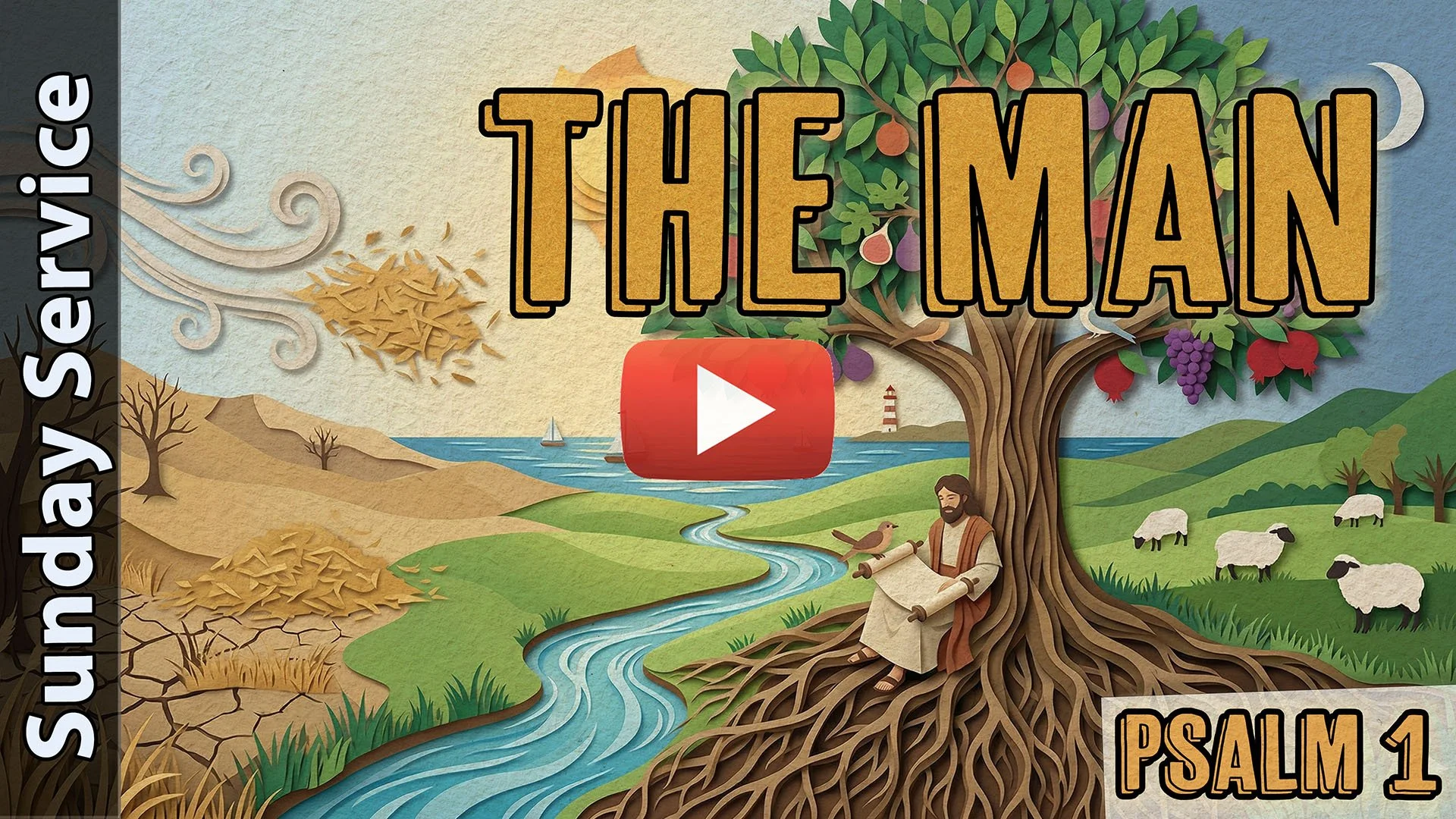
The Bible is full of opposites: light/dark, good/evil, life/death, and on and on. To that list we can add saint/sinner. Psalm 1 deals with both the saint and the sinner in each of us while also laying a solid foundation for the entire Psalter. It also introduces us to our Savior.
What Had happened at Grace this week.
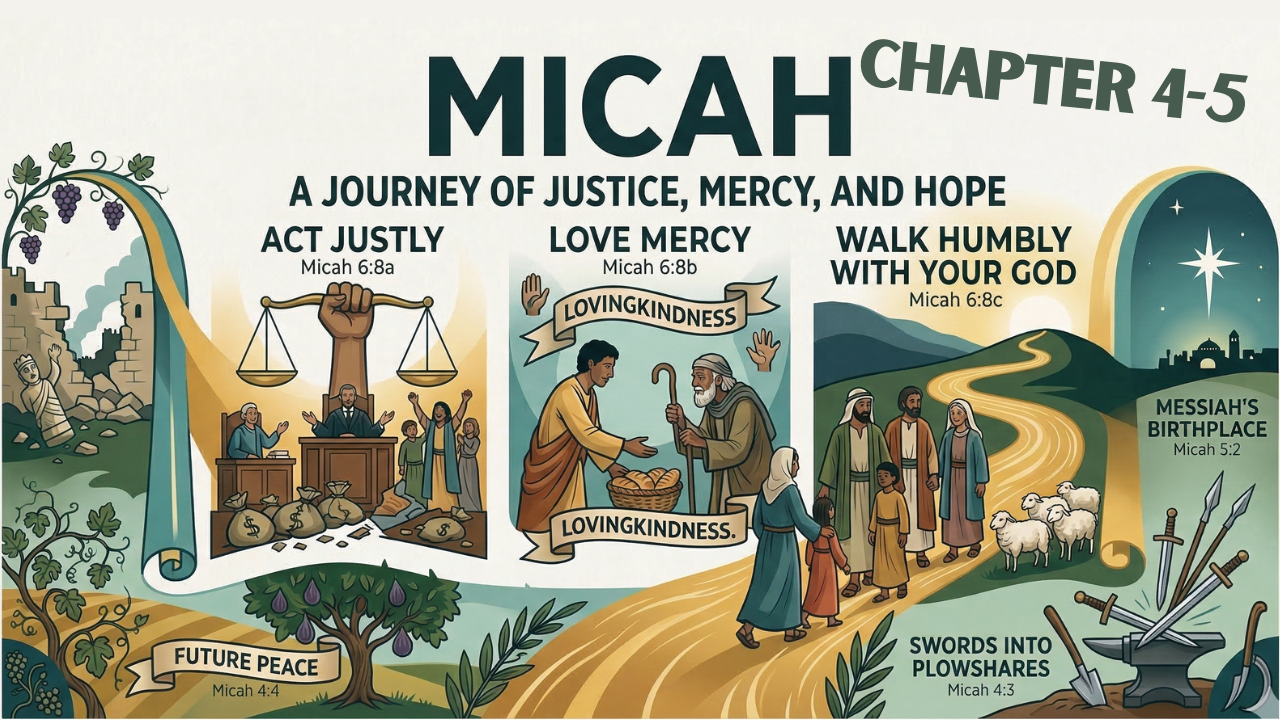
Micah Chapter 4-5 Class 3 - Bible Study
A lively study of Micah 4–5 connected the Minor Prophets to Isaiah, Revelation, and Jesus’ ministry, highlighting God’s consistent character, peace over violence, care for the outcast, and the Bethlehem shepherd-king whose reign blesses all nations.
Micah Intro and Chapter 4-5
This is our 3rd class on Micah
This is an AI Recap of the class.
Some things may be incorrect.
Short summary of the whole class
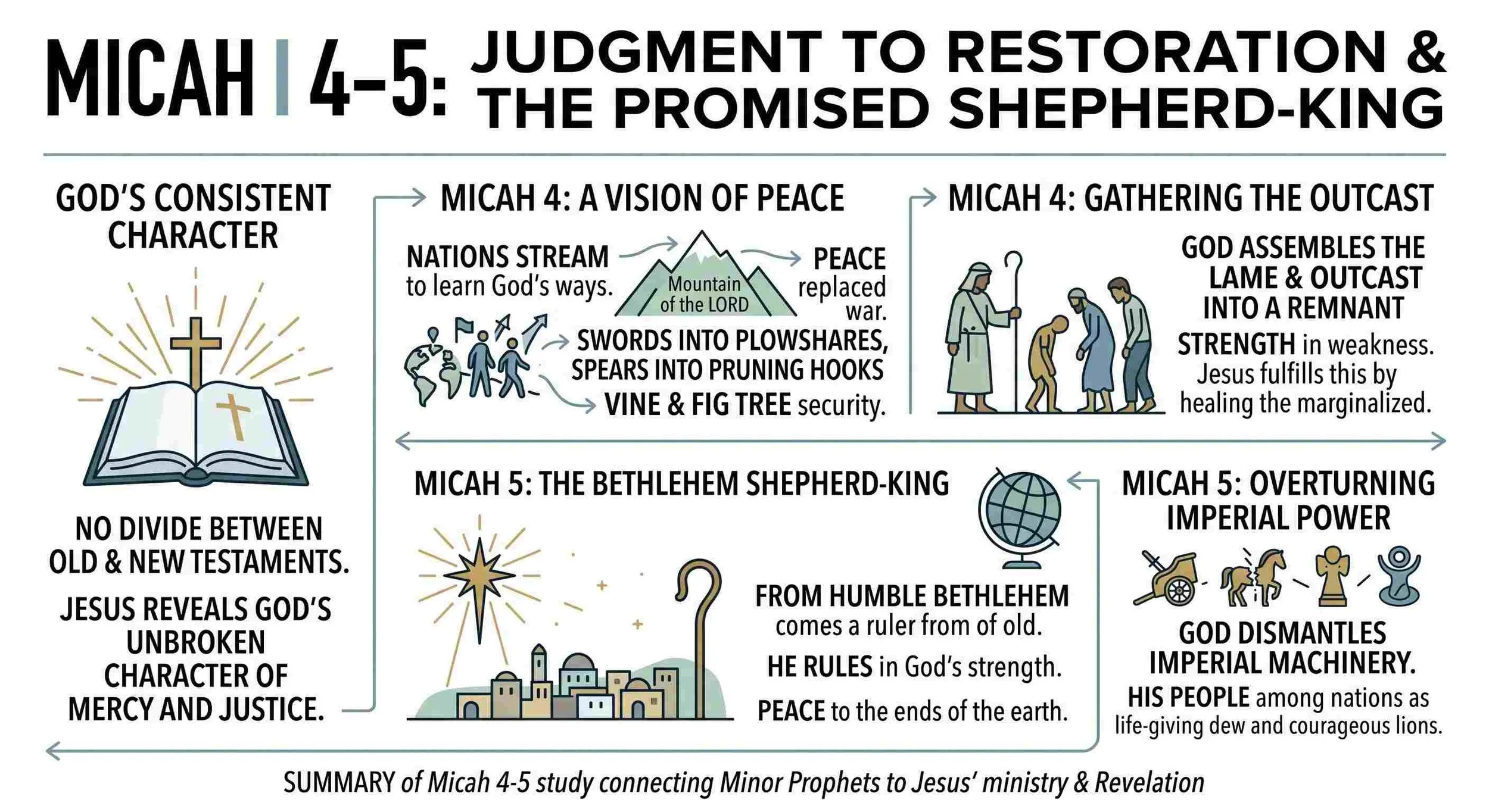
We read Micah 4–5 and traced a law-and-gospel rhythm from judgment to restoration. We explored God’s unbroken character across the Old and New Testaments; the mountain of the LORD and nations streaming; swords into plowshares; vine-and-fig-tree peace; exile and redemption; gathering the lame and outcast into a remnant; and the promised ruler from Bethlehem who shepherds in God’s strength and brings peace to the ends of the earth. We connected Micah to Isaiah 2, Revelation’s New Jerusalem and witness theme, Jesus’ ministry (including the temple cleansing and fig tree), Eden echoes, Jacob’s limp, Exodus’ overthrow of empire, and Luke’s census framing Jesus as David’s faithful heir.
Walkthrough and discussion highlights, with section summaries
Opening recap and theme-setting
We noted our prior stopping point (Micah 2–3) and began Micah 4, with some discussion reaching into Micah 5.
Observation that Micah (with Amos and Joel) “sounds like Revelation,” suggesting intertextual prophetic echoes.
Core conviction: no divide between the God of the Old and New Testaments; Jesus reveals God’s consistent character.
The Minor Prophets’ cadence mirrors law-and-gospel: exposing injustice, then promising restoration.
Short summary of this section:
We framed Micah 4 within Scripture’s larger arc, emphasizing God’s continuity, Revelation echoes, and a law-and-gospel approach.
Bible verses and stories:
Micah 2–3 (context)
Revelation (prophetic echoes)
Reading Micah 4:1–8 aloud
“Latter days,” exalted mountain of the LORD; nations streaming to learn God’s ways.
Signature imagery: swords into plowshares, spears into pruning hooks; no more learning war; everyone under vine and fig tree.
God gathers the lame and outcast as a strong remnant; the LORD reigns from Zion; “Tower of the Flock” and restoration to Daughter of Jerusalem.
Short summary of this section:
Micah 4 paints a peace-filled future where God’s teaching spreads, empires disarm, people flourish, and the marginalized are gathered and strengthened.
Bible verses and stories:
Micah 4:1–8
Exile, deliverance, and threshing (Micah 4:9–13)
Zion in labor pains; going to Babylon yet promised redemption.
Enemies misread God’s counsel; Zion told, “Arise and thresh” with iron horns/bronze hooves; gains consecrated to the LORD.
Short summary of this section:
Exile is a painful prelude, not the end; God redeems and repurposes His people’s struggle toward His consecrated victory.
Bible verses and stories:
Micah 4:9–13
Immediate reactions: battle and peace
Tension noted between God sending to battle and the broader vision of peace.
Reframing: Micah juxtaposes human conflict with God’s ultimate peace.
Short summary of this section:
Conflict appears in the storyline, but God’s horizon is transformative peace that turns weapons into tools for cultivation.
Bible verses and stories:
Micah 4 themes (peace, transformation)
“Daughter of Zion” and city-as-feminine language
“Daughter of Zion” personifies Jerusalem in feminine terms—a poetic address signaling care and restoration.
Short summary of this section:
“Daughter of Zion” is Scripture’s tender, corrective way of speaking to Jerusalem as a people God loves and will restore.
Bible verses and stories:
Micah 4 (usage of “Daughter of Zion”)
“Nations” and “Gentiles,” “LORD” and “Adonai”
“Nations/Gentiles” highlights inclusion beyond Israel.
“LORD” (small caps) renders the divine name YHWH; Jewish tradition reads “Adonai.”
How “Jehovah” arose via vowel-pointing.
Short summary of this section:
Translation choices shape meaning: the global scope of salvation and the reverent handling of God’s name.
Bible verses and stories:
Micah 4:1–3 (nations/Gentiles)
Notes on divine name usage
“Torah” vs. “Law,” and gospel as “good news”
“Torah” conveys covenantal instruction and saving story, not merely rules.
“Gospel” means good news (euangelion), not another law.
Torah includes God’s saving acts (Abraham, Exodus).
Short summary of this section:
God’s “law/Torah” is a way to walk shaped by His saving story, complemented by the gospel’s good news.
Bible verses and stories:
Micah 4:2 (“law/Torah” goes forth)
Allusions to Abraham’s call and the Exodus
Jesus present in the Old Testament and the continuity of God
Affirmation of the Son’s presence before the Incarnation; a Christ-centered reading of Micah.
Short summary of this section:
Micah’s voice aligns with Jesus’ revelation of God, grounding a Christological reading across Scripture.
Bible verses and stories:
Creation/Trinity allusion (Genesis)
Cross, temple, and Revelation echoes
Micah 3’s critique of corrupt leadership sets up Micah 4’s hope.
Jesus as true temple; Revelation’s descent of God’s dwelling.
Strong parallels to Isaiah 2’s mountain and plowshares imagery; intertextual, not derivative.
Short summary of this section:
From judgment on corruption to God’s restored dwelling, Micah 4 mirrors Isaiah 2 and foreshadows Revelation, centered on Jesus’ temple-fulfillment.
Bible verses and stories:
Micah 3; Micah 4:1–4
Isaiah 2:1–4
Revelation (New Jerusalem)
Walking God’s paths: peace, fruitfulness, and fig tree imagery
“Teach us His ways; walk in His paths” reframes law as lived wisdom.
Peace: tools of war become tools for cultivation; vine and fig tree rest.
Eden echoes of shade and fruit; Jesus’ fig tree sign warns against fruitlessness.
Short summary of this section:
God’s way leads to peace and true fruitfulness from Eden to the Gospels, contrasting performative power with Spirit-born fruit.
Bible verses and stories:
Micah 4:2–4
Matthew 21:18–22; Mark 11:12–14, 20–25 (fig tree)
Genesis 2–3 (Eden)
Gathering the lame and the remnant; witness and martyr
God assembles the lame/outcast into a strong remnant (Micah 4:6–7).
Revelation’s “witness” (martys) theme: faithful testimony often through weakness.
Warning against triumphalist “remnant” rhetoric.
Short summary of this section:
God perfects strength in weakness, forming a humble remnant whose witness aligns with the Lamb’s people in Revelation.
Bible verses and stories:
Micah 4:6–7
Revelation (witness/martyr motif)
Micah 4:6–8 — God gathers the lame and outcast (focus)
Hebrew tie between “lame” and Jacob’s limp (Genesis 32), dignifying weakness.
Contrast of ways: nations walk in their gods’ names, God’s people in the LORD’s name.
Short summary of this section:
God regathers the weak as His remnant under His reign, calling His people to walk His distinct path.
Bible verses and stories:
Micah 4:6–8; Micah 4:5
Genesis 32 (Jacob’s limp)
Jesus and the temple — cleansing as inclusion, not mere outrage
Jesus’ cleansing removes corruption and welcomes the blind and lame for healing, embodying Micah’s remnant vision.
Short summary of this section:
Jesus turns the temple into a house of healing, enacting the prophetic hope for the marginalized.
Bible verses and stories:
Matthew 21:12–14; Mark 11; Luke 19; John 2
Micah 4:9–13 — Birth pains, Babylon, and recycled imagery (focus)
Birth pains language echoed by Jesus and Paul; threshing imagery anticipates wheat/chaff themes.
“Careful what you wish for”: adopting Babylon’s ways leads to Babylon’s fate—yet redemption remains.
Short summary of this section:
Pain precedes deliverance; God warns against imperial imitation and promises final redemption.
Bible verses and stories:
Micah 4:9–13
Matthew 3:12 (wheat/chaff)
Matthew 24:8; Romans 8:22; 1 Thessalonians 5:3 (birth pains)
Micah 5:1–5a — Bethlehem and the Shepherd-Ruler
From little Bethlehem comes a ruler “from of old.”
Davidic expectations fulfilled in Jesus; Nazareth’s humble connotations noted.
Luke’s census read theologically against David’s failed census; Jesus as faithful heir.
“This one shall be peace”; global scope of reign.
Short summary of this section:
God raises a humble shepherd-king from Bethlehem whose peace reaches the ends of the earth, fulfilling and surpassing David’s line.
Bible verses and stories:
Micah 5:1–5a
2 Samuel 24 (David’s census)
Luke 2:1–7; Luke 3; Matthew 1
Micah 5:5b–15 — Remnant among the nations; God overturns imperial power
Assyrian threat met by God’s provision (seven shepherds/eight princes).
Remnant “like dew” (quiet life-giving) and “like a lion” (protective strength).
Violent-sounding verses reframed from the vantage of the weak: God dismantles horses, chariots, strongholds, sorceries, idols.
Exodus parallel: “horse and rider” thrown into the sea; God unmakes oppressive power.
Short summary of this section:
God protects His weak remnant, topples imperial idols, and plants His people among the nations as refreshing and courageous witnesses.
Bible verses and stories:
Micah 5:5b–15
Exodus 14–15 (horse and rider)
Isaiah 31:1; Psalm 20:7
Matthew 2 (magi as a class reframed in redemption)
Medium-length final summary (content creation date: 2026-04-16 11:07:13)
In our study of Micah 4–5, we followed Scripture’s law-and-gospel rhythm from judgment on corrupt power to God’s surprising restoration. We saw the exalted mountain of the LORD, nations streaming to learn His ways, and the transformation of weapons into tools for cultivation as people rest under their vines and fig trees. We clarified key terms and translations, underlining the Bible’s inclusive vision and reverent handling of God’s name, and reframed “law/Torah” as God’s covenantal instruction and saving story. Reading Micah through a Christ-centered lens, we linked its images with Isaiah 2 and Revelation’s New Jerusalem and witness, with Eden’s fruitfulness and Jesus’ fig tree sign. Micah 4 promised that God gathers the lame and outcast into a strong remnant, a theme we saw Jesus enact as He cleansed the temple and healed the marginalized. Micah 4:9–13 framed exile as birth pains before redemption, warning that imitating Babylon invites its fate. Micah 5 then spotlighted a humble ruler from Bethlehem whose shepherding strength and peace extend to the ends of the earth, echoing Luke’s census as a theological counter to David’s failed census. Finally, Micah 5:5b–15 presented God’s overthrow of imperial machinery—horses, chariots, strongholds, sorceries, idols—planting His remnant among the nations as both refreshing dew and courageous lion. Throughout, we emphasized that God’s kingdom overturns worldly power by lifting the lowly, purifying His people, and extending blessing to all nations.
Main points
God’s character is consistent across Old and New Testaments; Jesus reveals this continuity.
Micah 4 parallels Isaiah 2 and echoes Revelation: nations streaming, peace replacing war.
Law-and-gospel rhythm: exposure of injustice followed by restoration and hope.
Translation matters: nations/Gentiles, LORD/Adonai, and Torah/law shape inclusion, reverence, and instruction.
Peace and fruitfulness: swords into plowshares; vine and fig tree rest with Eden echoes and Jesus’ fig tree sign.
Christological reading: Jesus as true temple; cross and restoration themes align with Micah’s hope.
Remnant redefined: God gathers the lame and outcast; strength perfected in weakness and faithful witness (martys).
Bethlehem’s ruler: the shepherd-king brings peace to the ends of the earth and fulfills David’s line.
God overturns imperial power and idolatry, planting a purified people among the nations as dew and lion.
Bible Scriptures mentioned
Micah 2–5 (focus on 4:1–13; 5:1–15)
Isaiah 2:1–4
Revelation (New Jerusalem; faithful witnesses)
Genesis 2–3; Genesis 32
Exodus 14–15
Psalm 20:7
Isaiah 31:1
2 Samuel 24
Matthew 1–2; Matthew 3:12; Matthew 21:12–14; Matthew 21:18–22
Mark 11:12–14, 20–25; Mark 11 (temple cleansing)
Luke 2:1–7; Luke 19; Luke 3
John 2
Romans 8:22
1 Thessalonians 5:3
Matthew 24:8
Stories discussed
Nations streaming to God’s mountain; swords into plowshares; vine and fig tree peace
Daughter of Zion personification; exile to Babylon and promised redemption
Jacob wrestling and limping
Eden’s fruitfulness and shade
Jesus and the fig tree
Jesus cleansing the temple and healing the blind and lame
David’s census and consequences; Luke’s census framing Jesus’ birth
Exodus: horse and rider thrown into the sea
Magi as ancient court sages (reframed in Matthew’s nativity)
Remnant as dew and lion among the nations
Generated by gpt-5 on 2026-04-16 11:07:13 (content creation date).
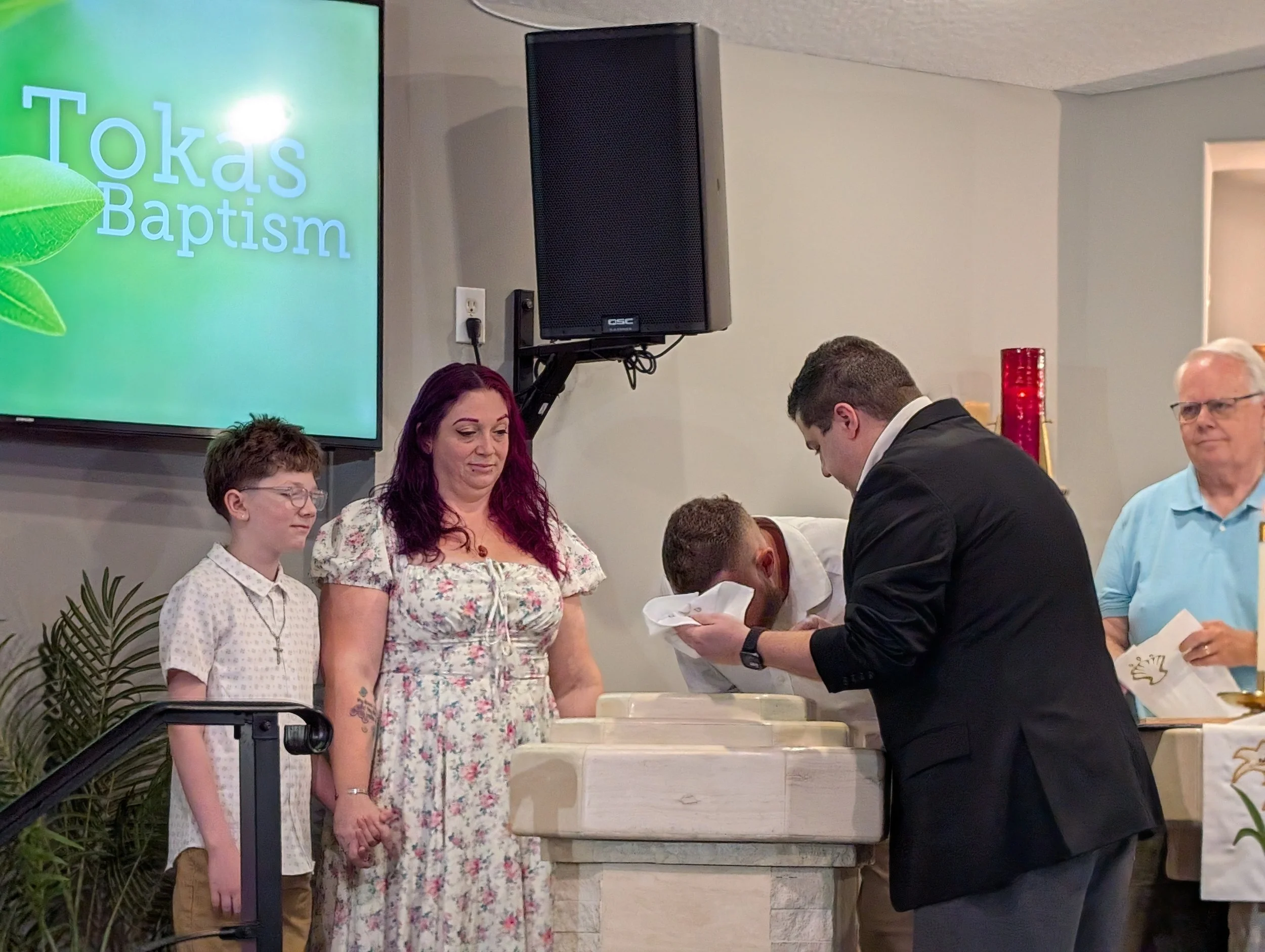
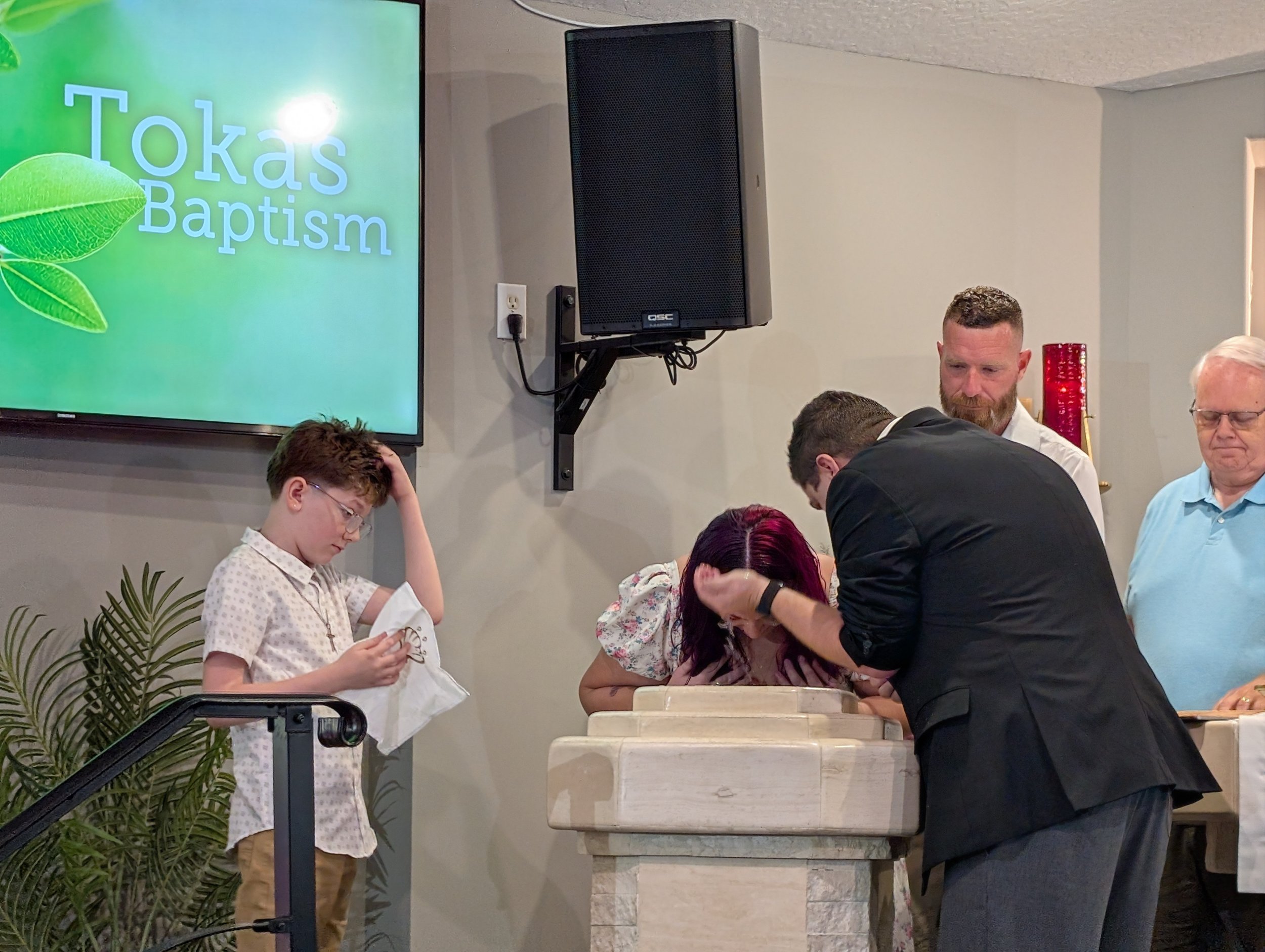
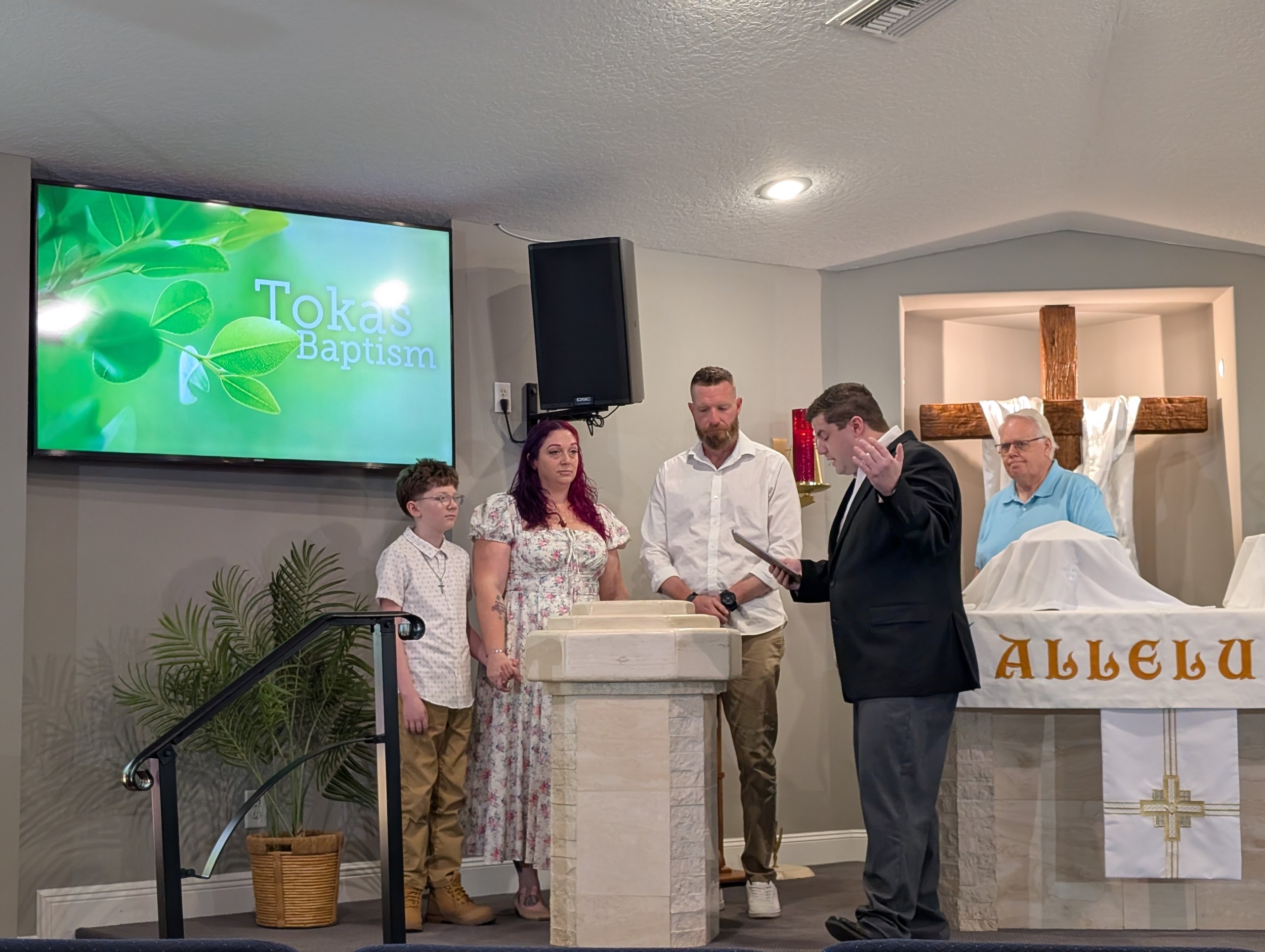
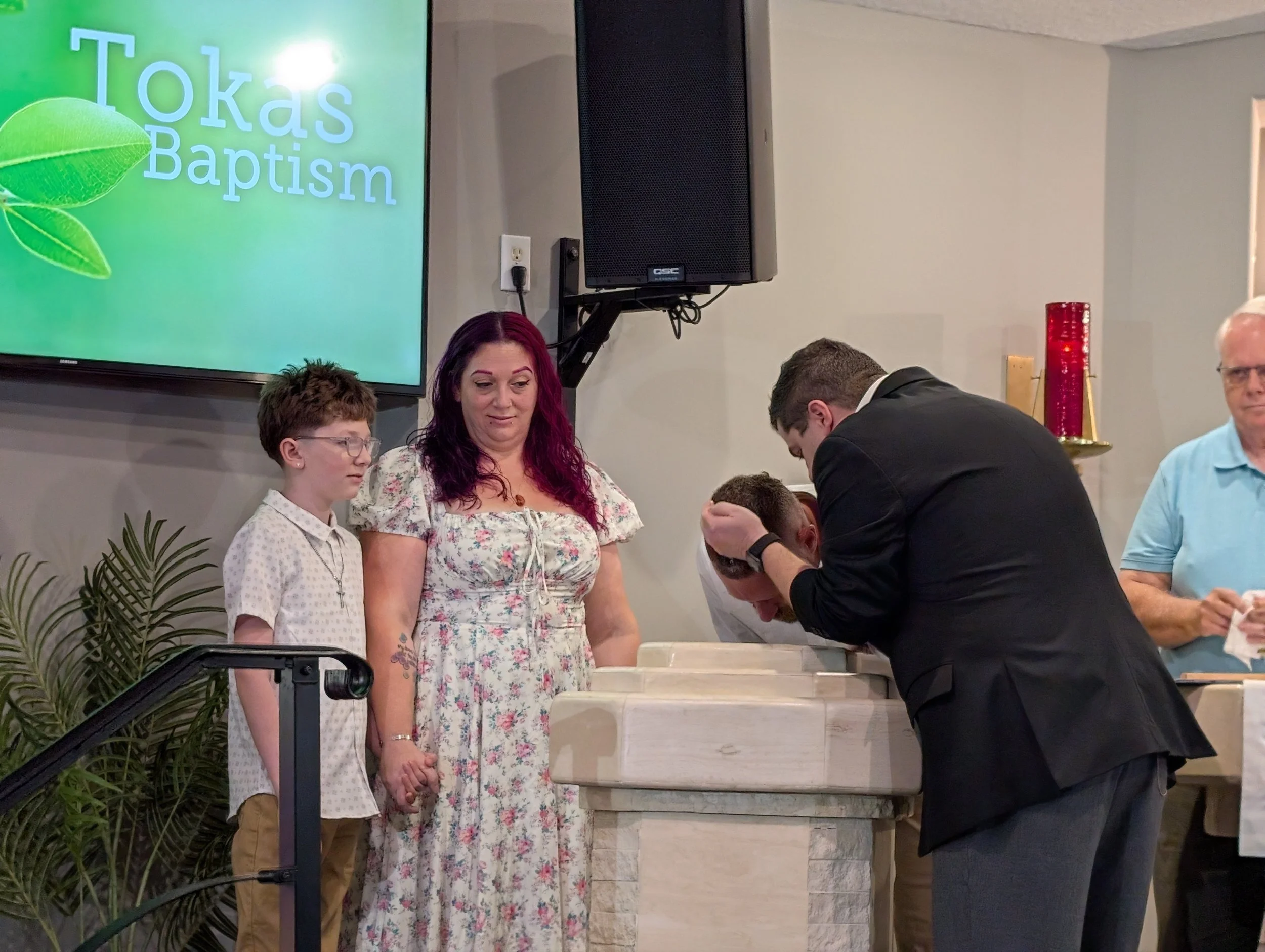
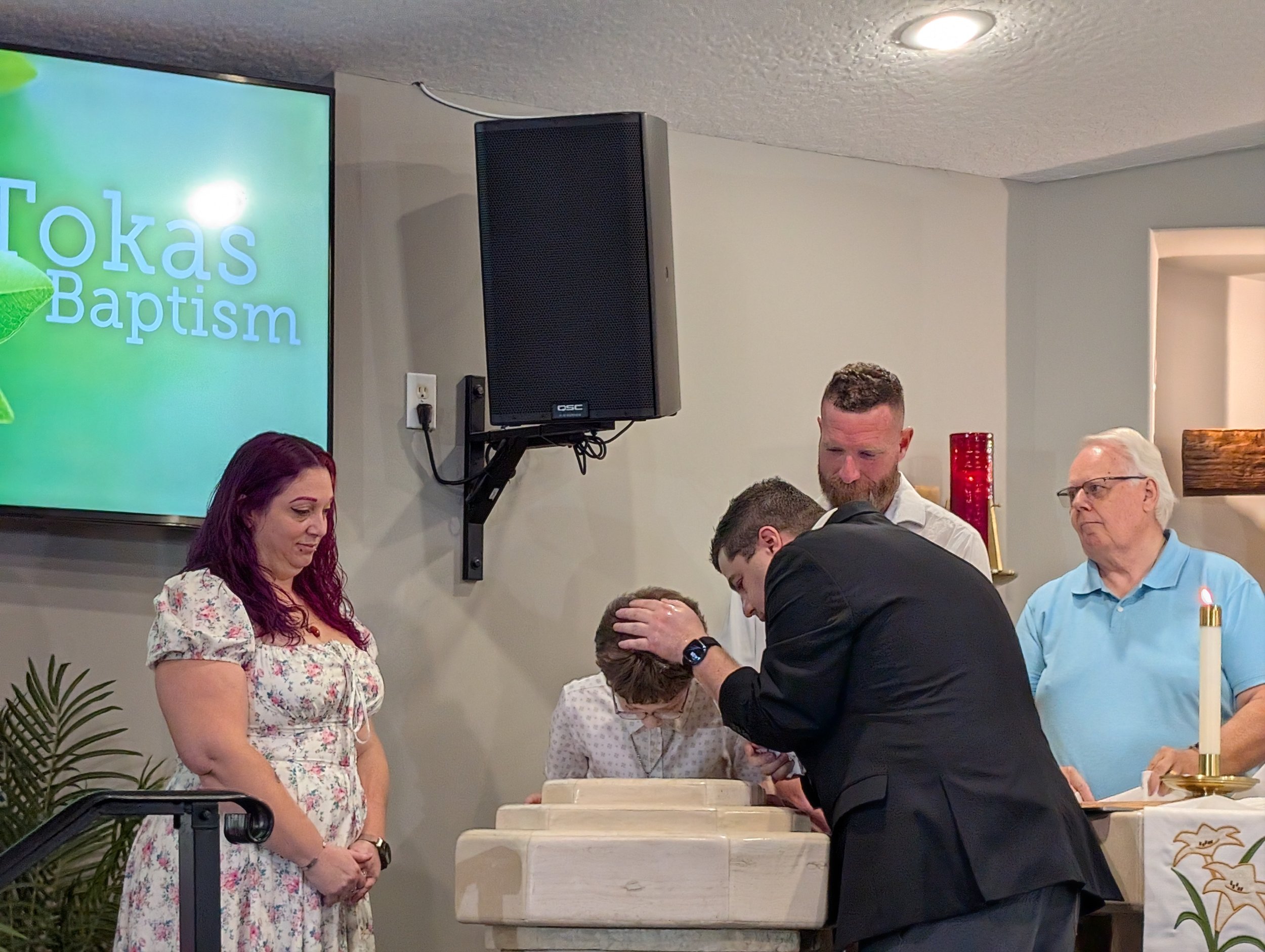
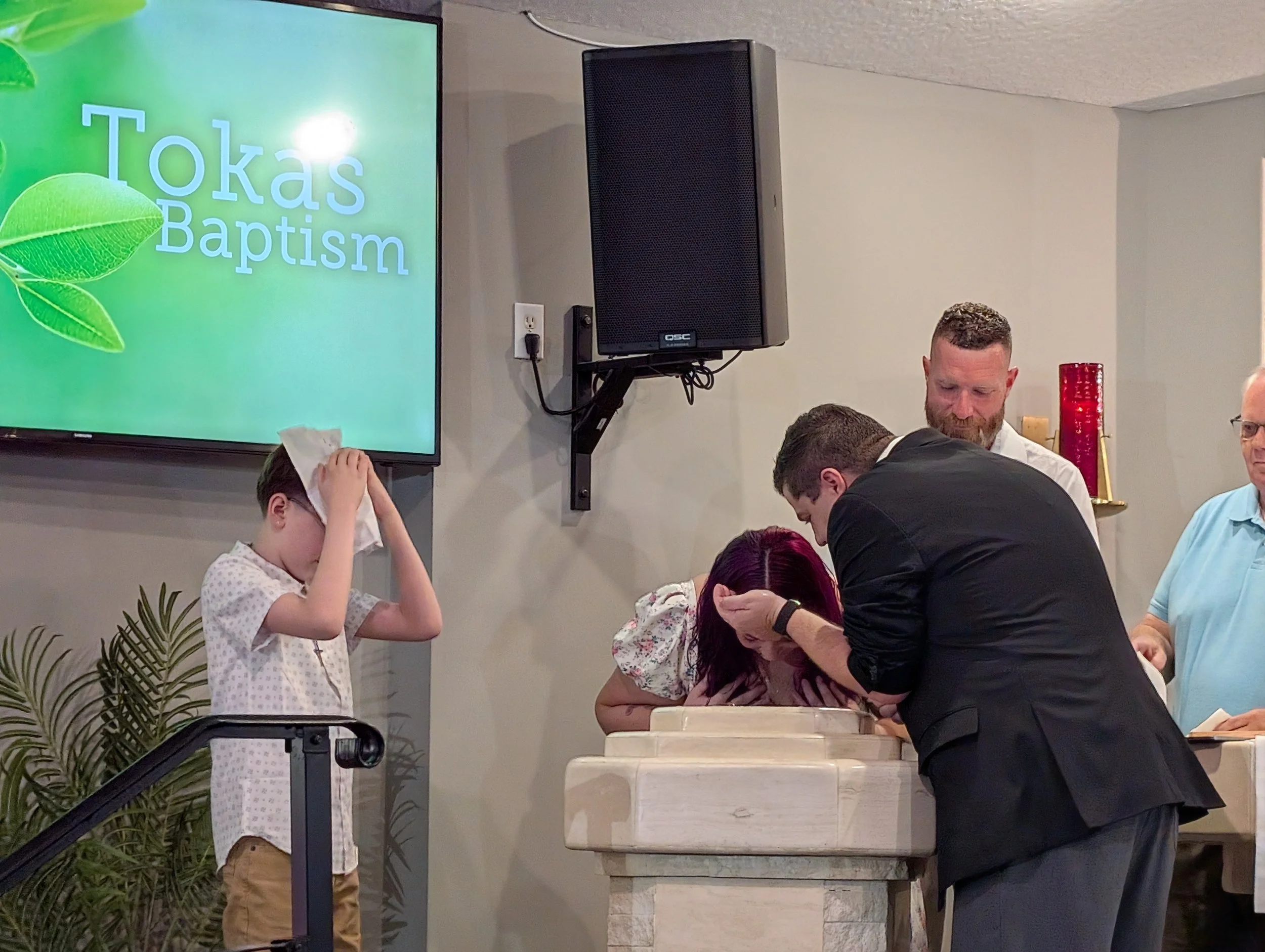
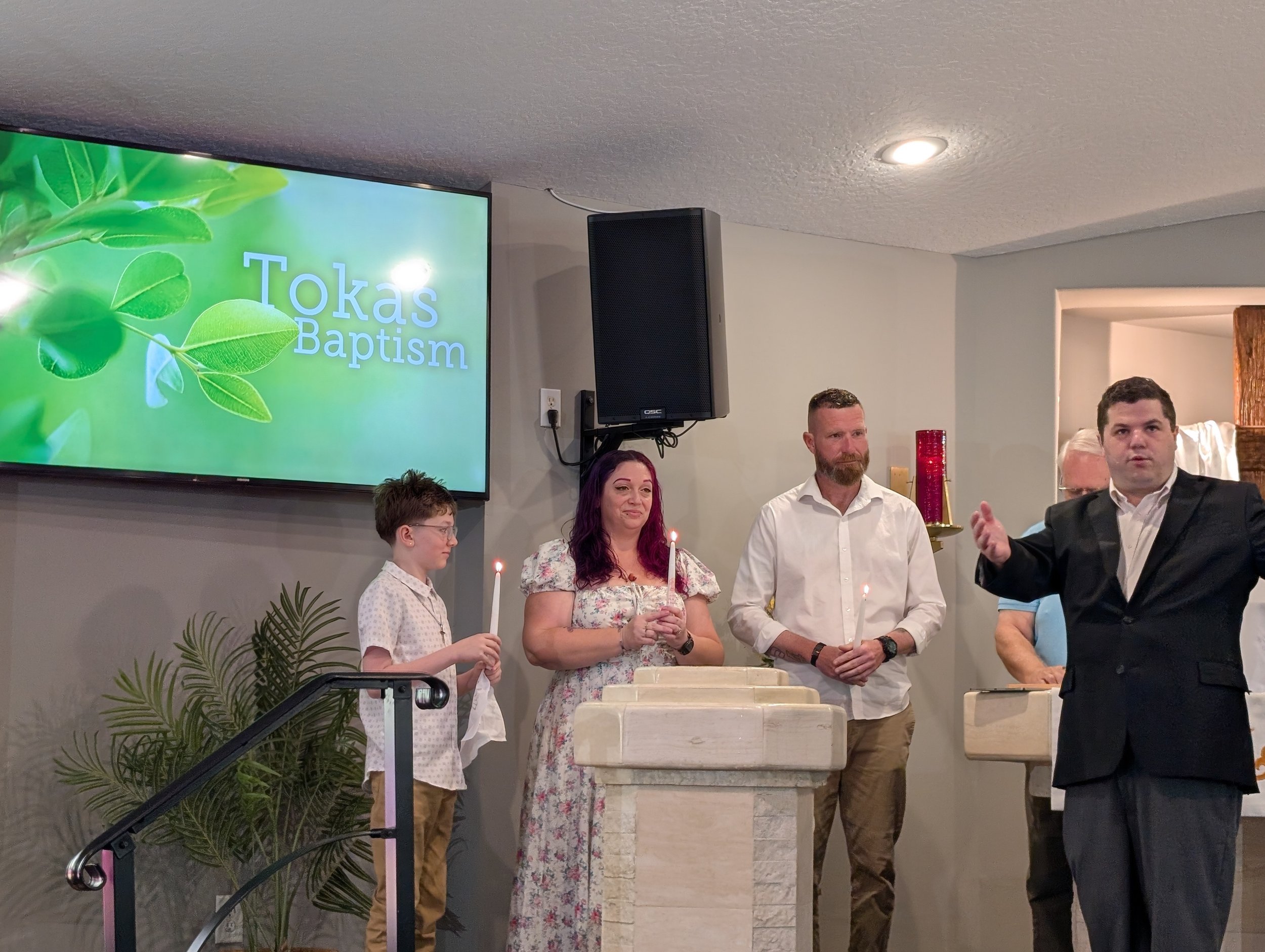
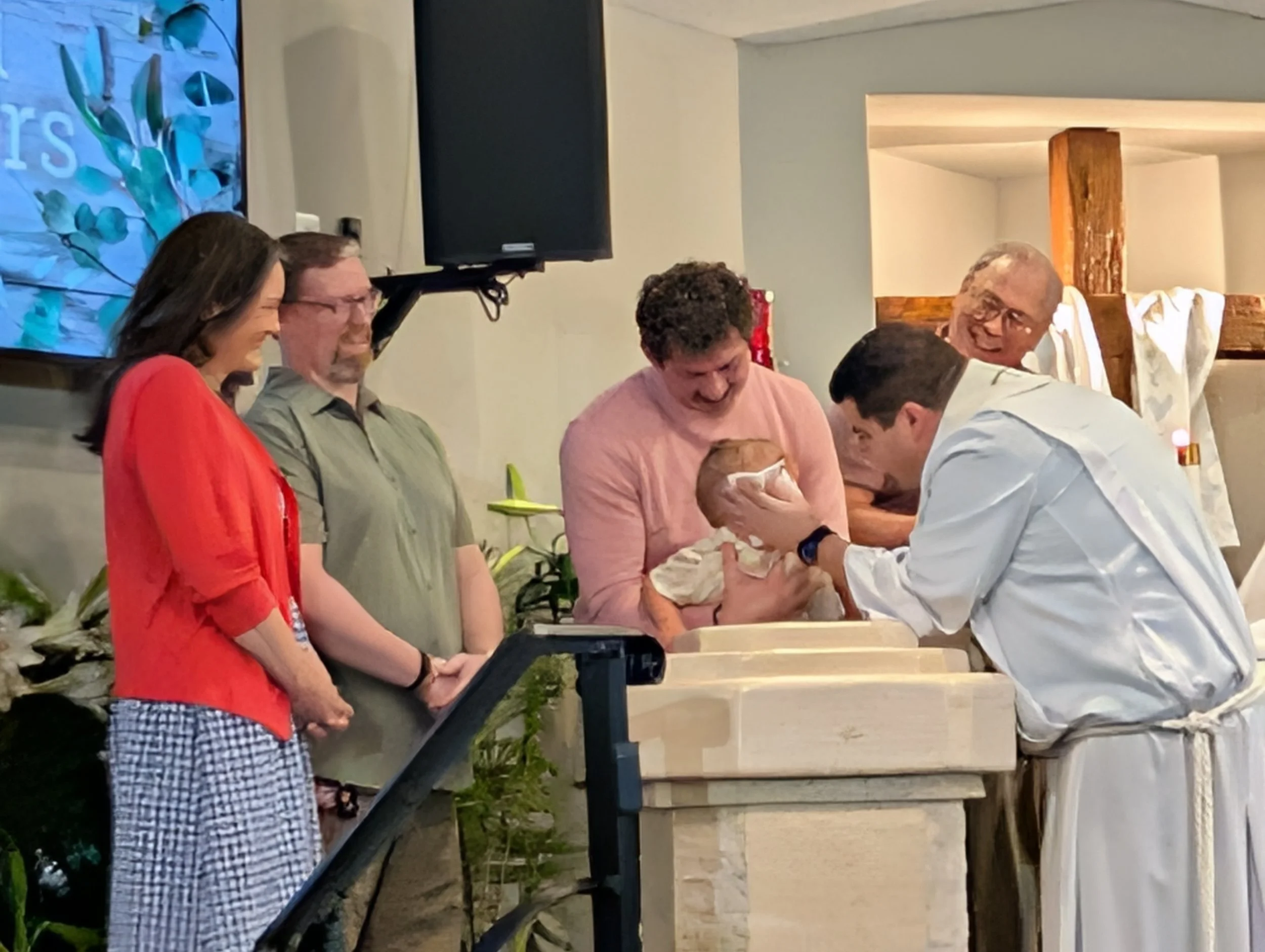
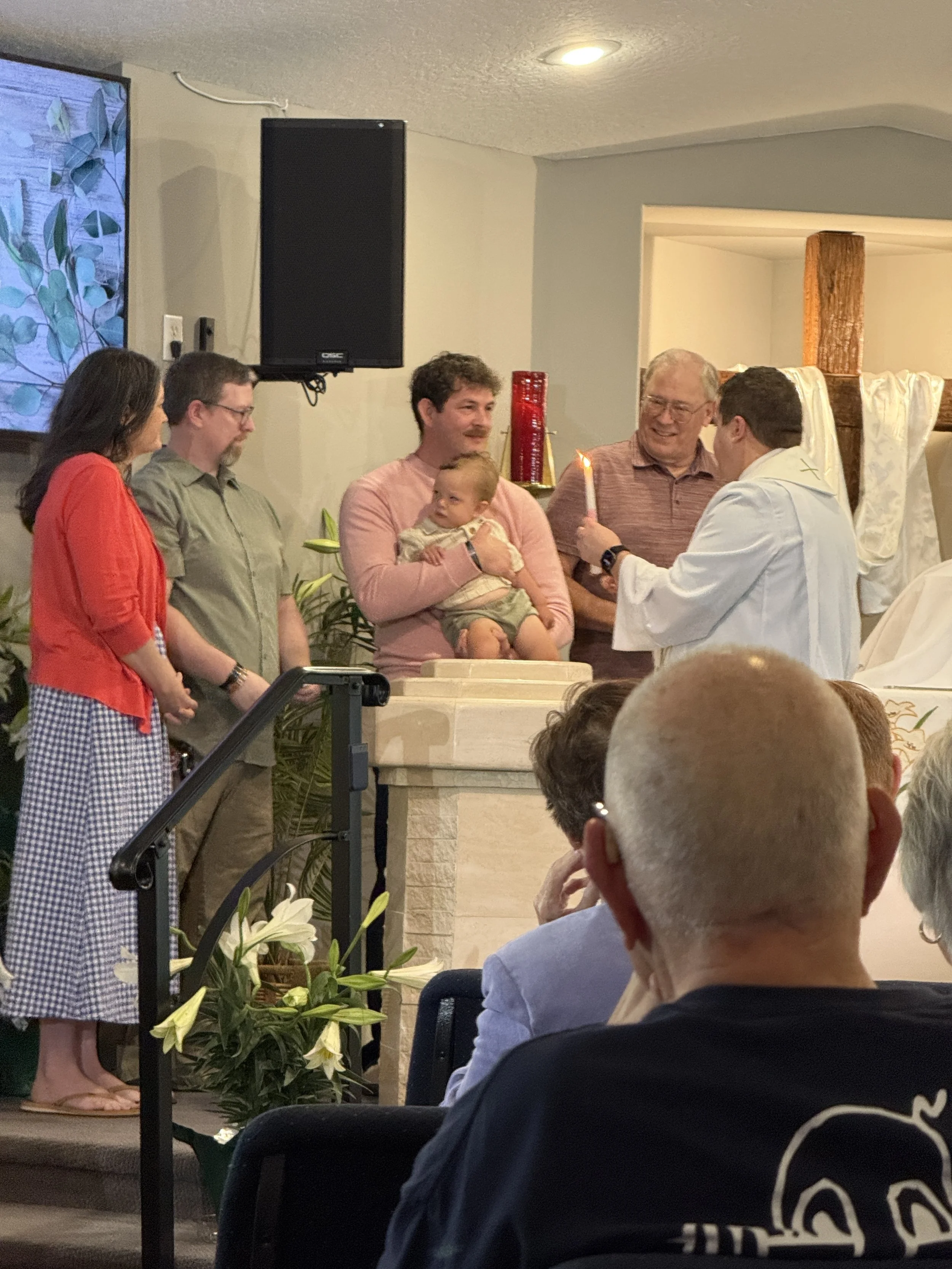
![Tokas Family Baptism [Photos]](https://images.squarespace-cdn.com/content/v1/5852f18a20099e30cd2c01dc/1775827002242-SVB29FA6R0KMXZUR3IRV/Tokas+Baptism.jpg)
Tokas Family Baptism [Photos]
we’d love to have you join us at Grace Lutheran PSL, or you can catch the live stream at the link above.
Saturday April 11th 4pm


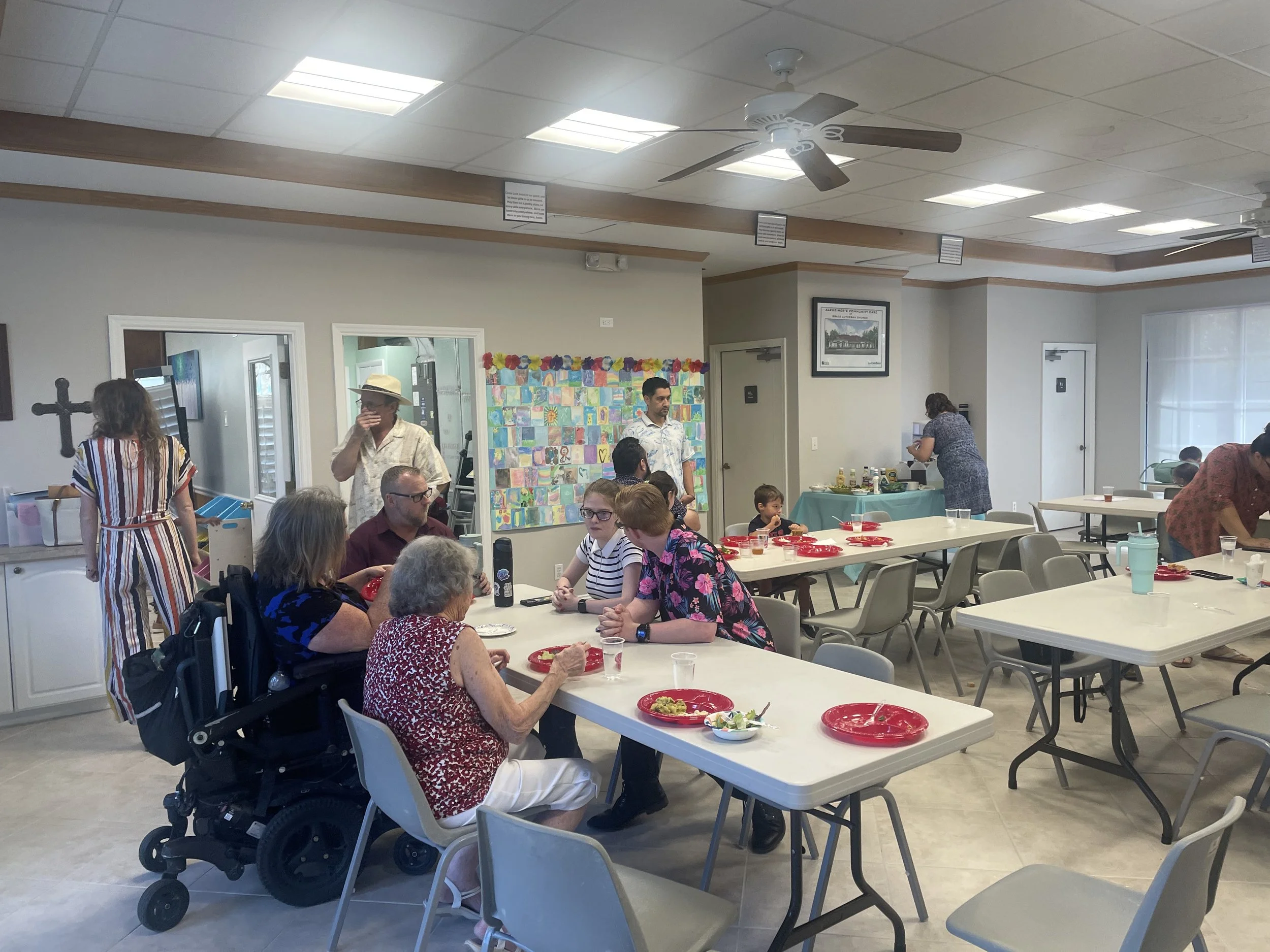
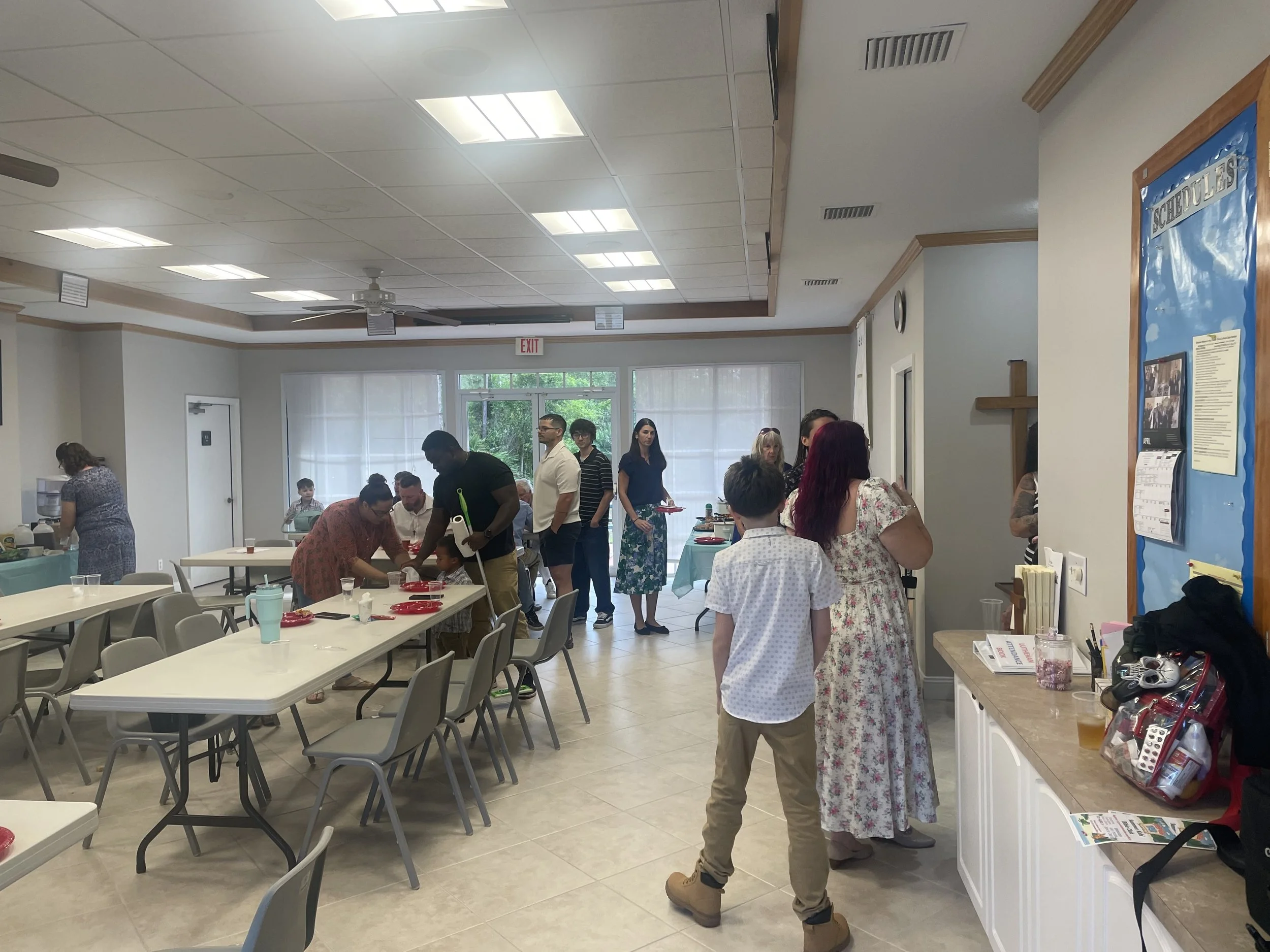
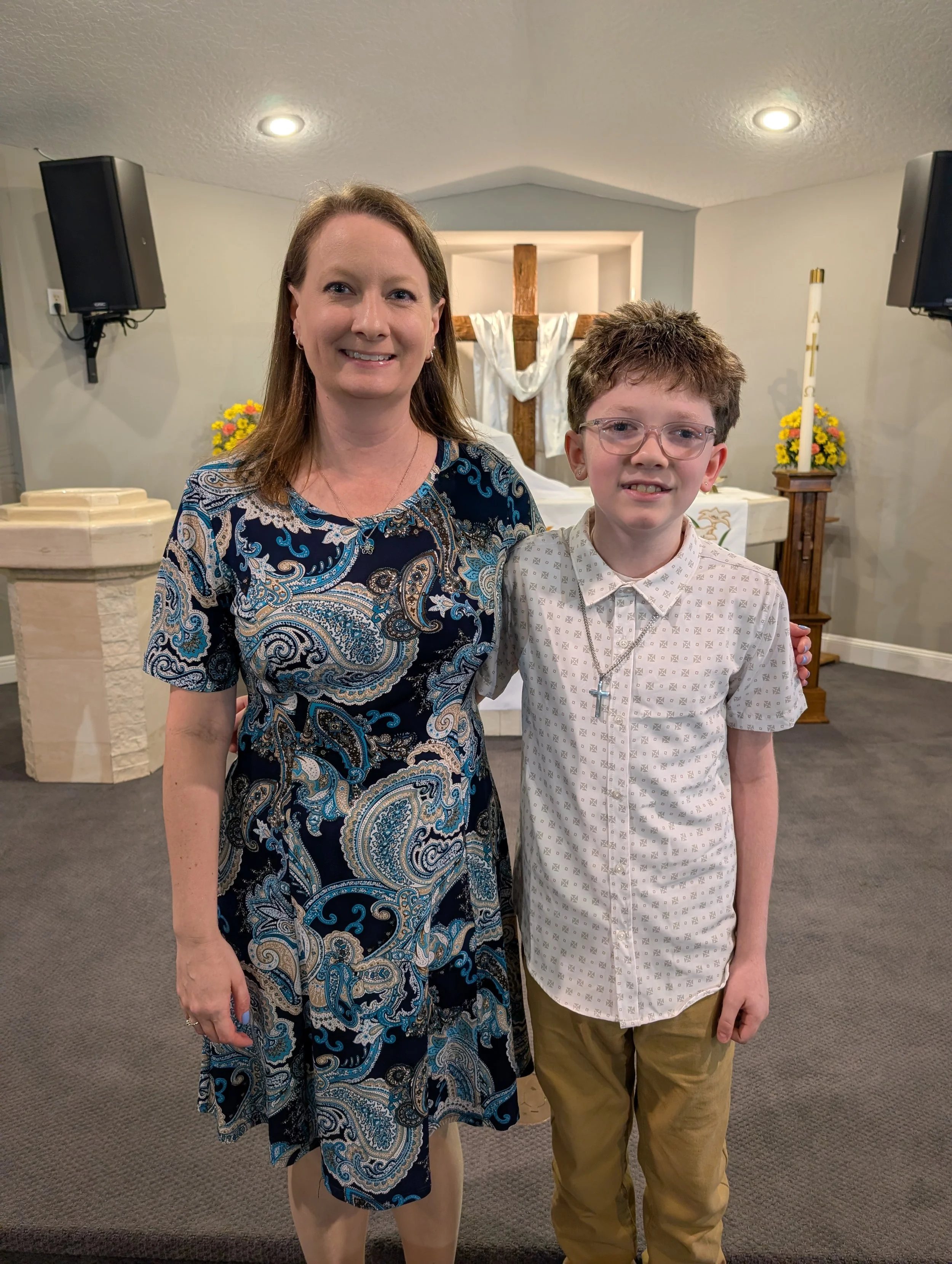
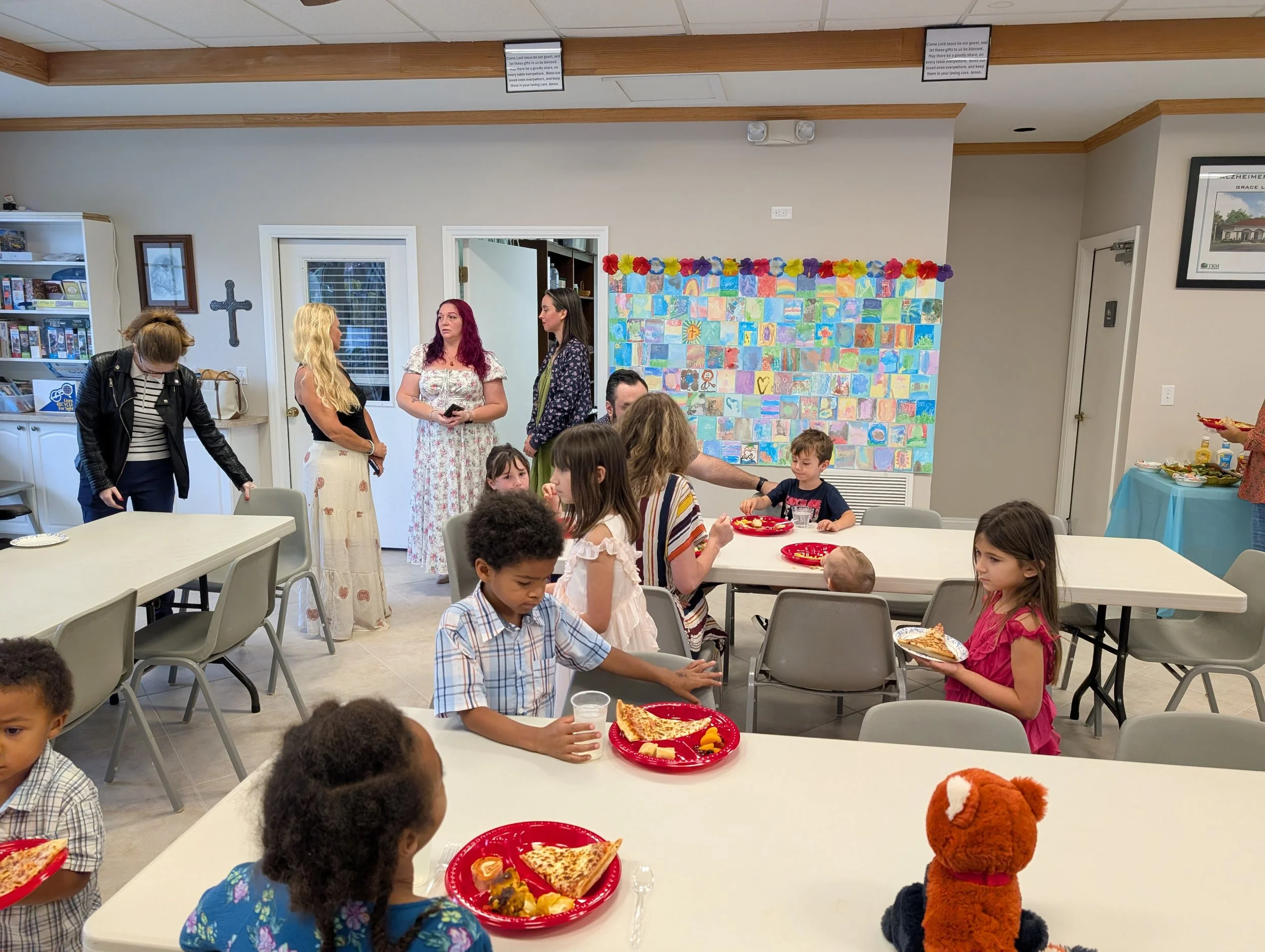
It is will great joy that we will baptizing the Tokas family in to God’s on Saturday at 4pm.
We’d love to have you join us at Grace Lutheran PSL, or you can catch the live stream at the link above.
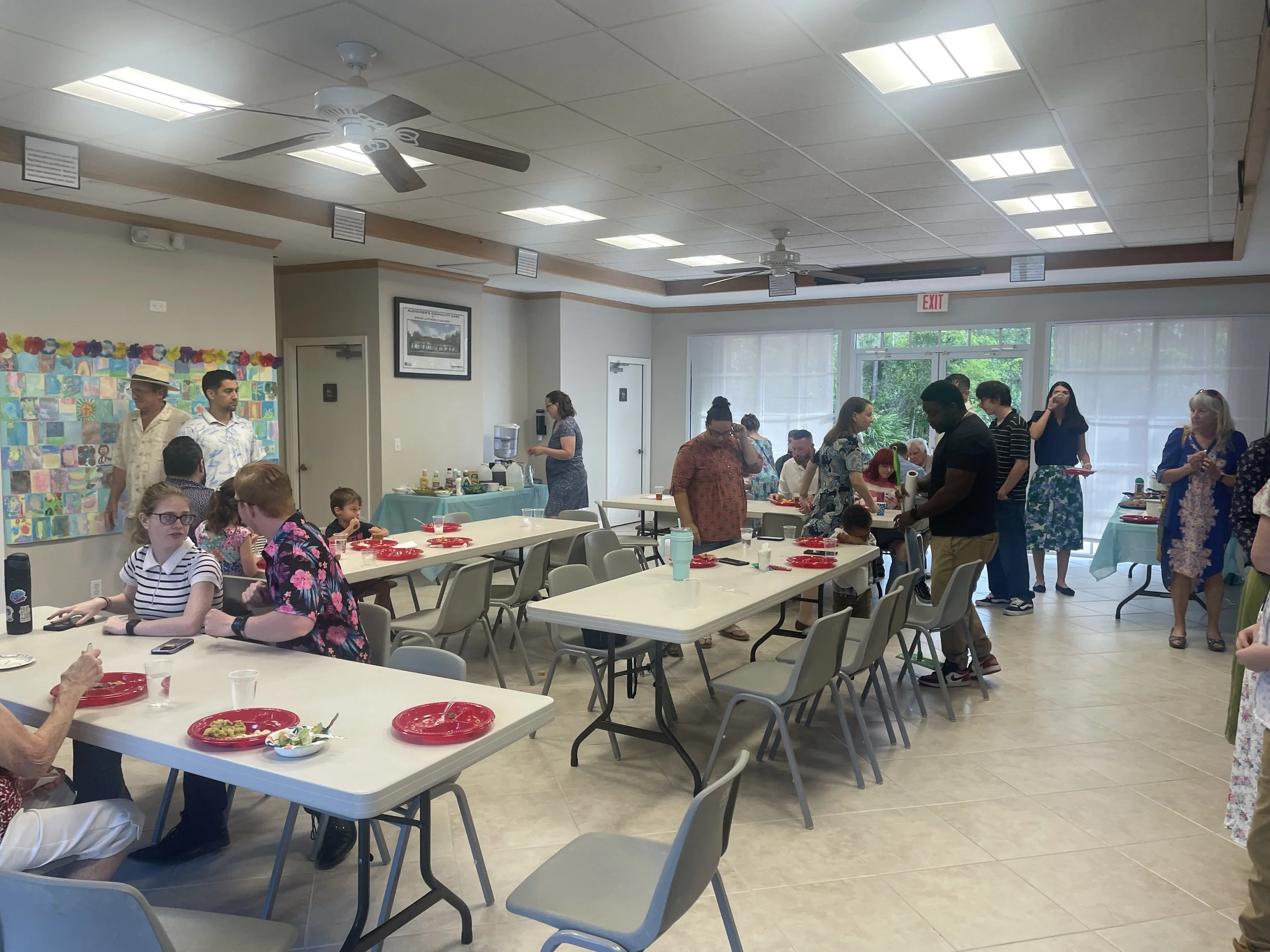
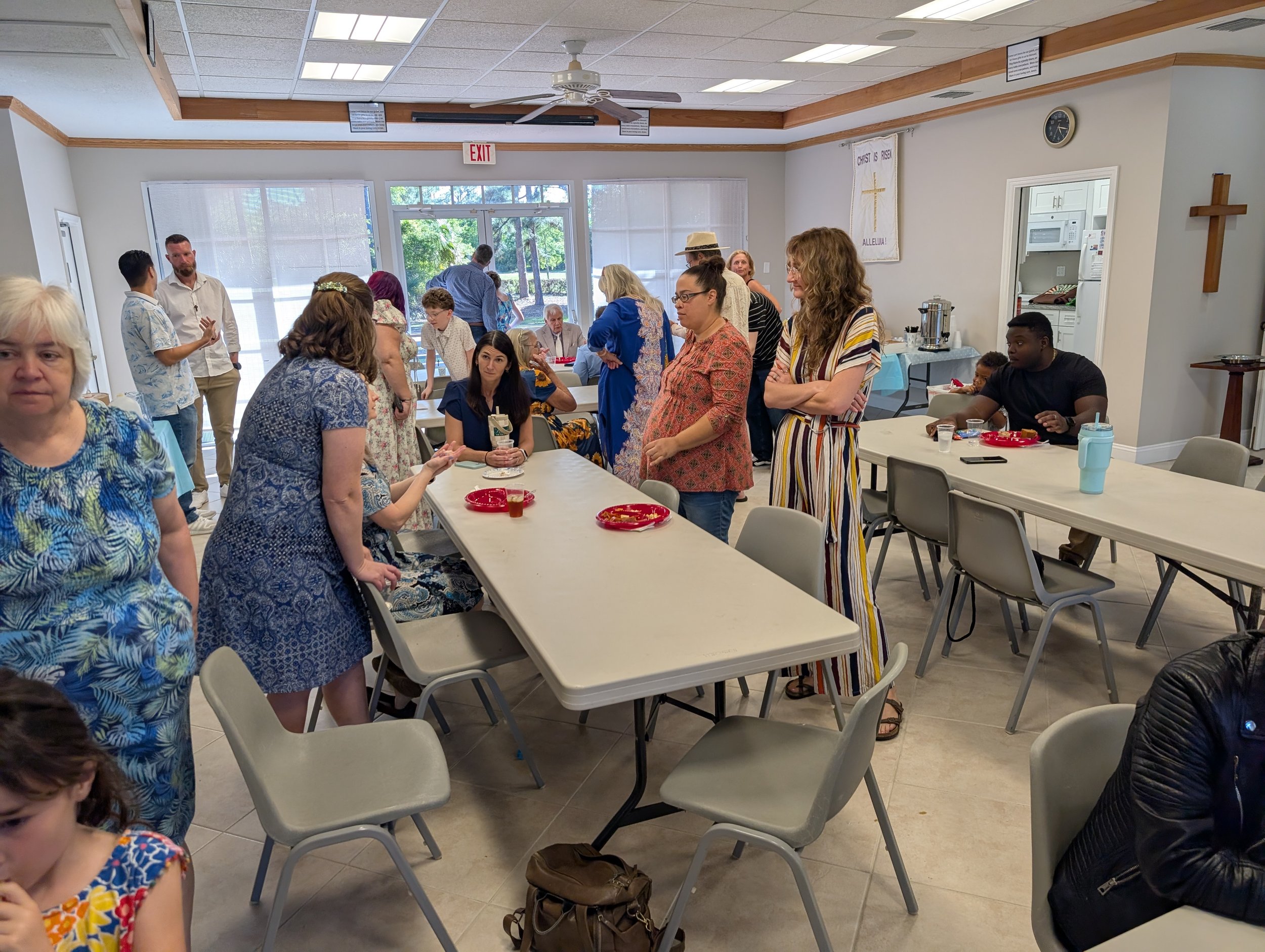
We’re having a reception with food right after the service. You’re more than welcome to bring a dish if you want, but honestly, just come as you are—we’d love to see you!







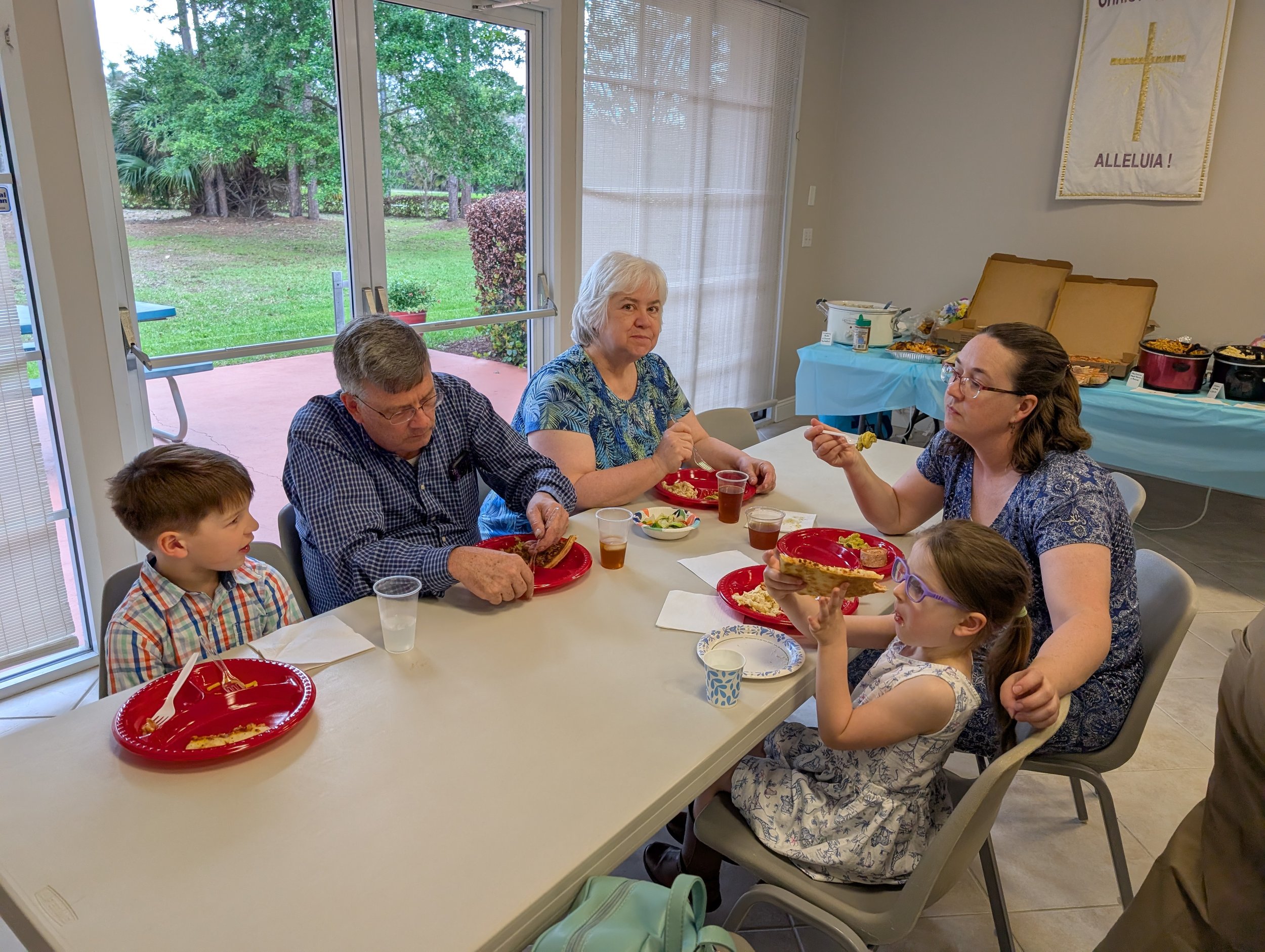
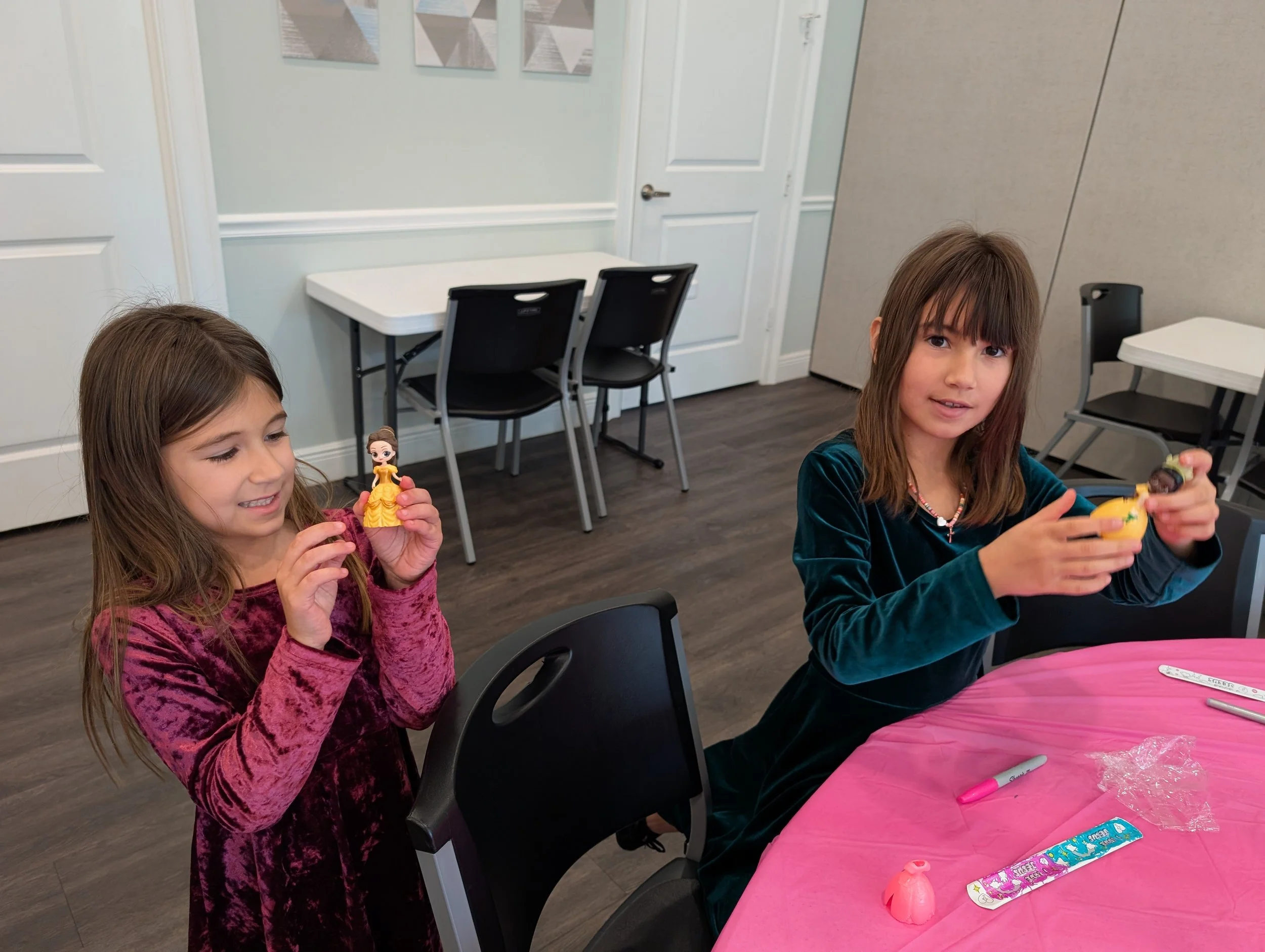
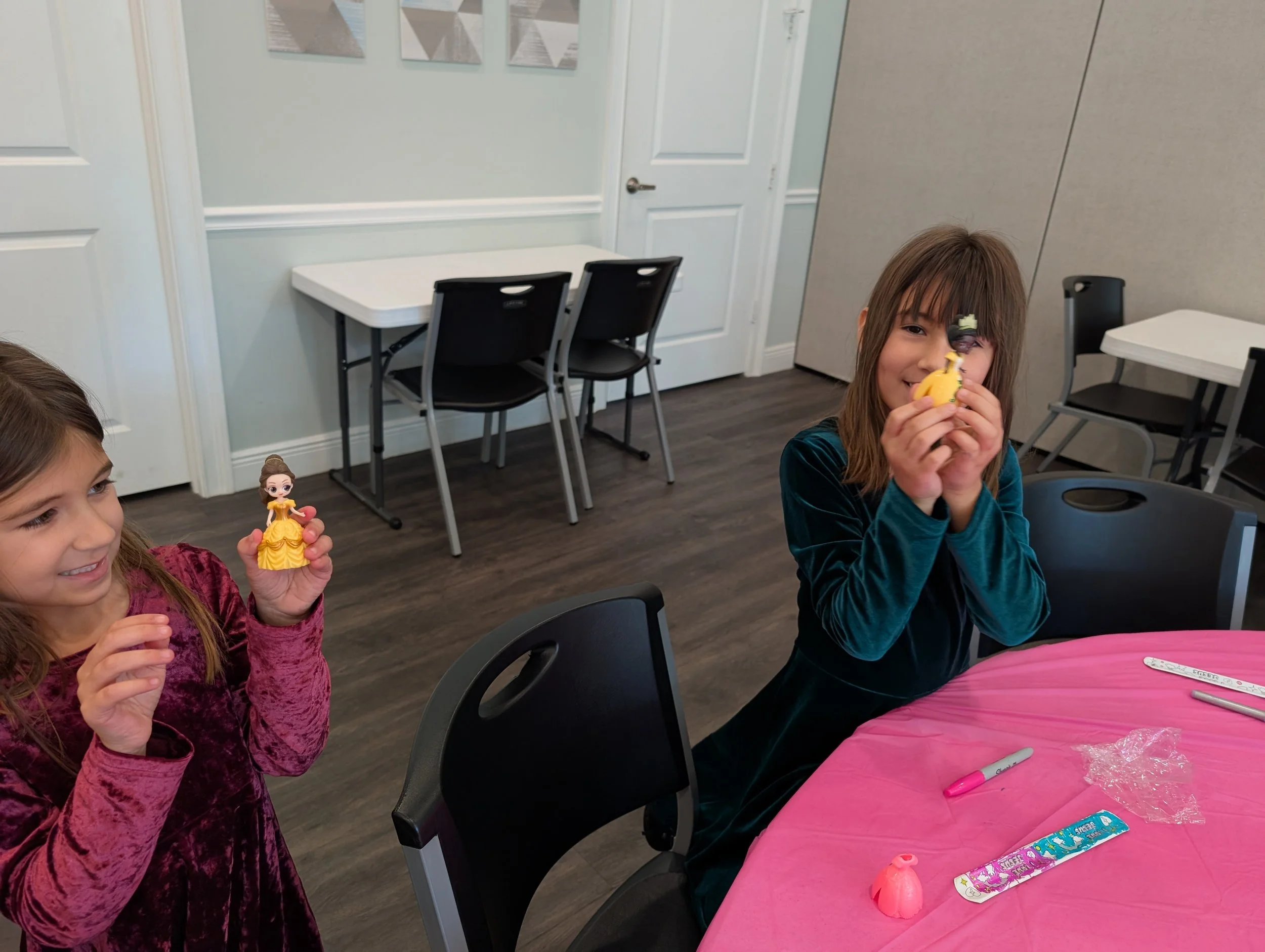
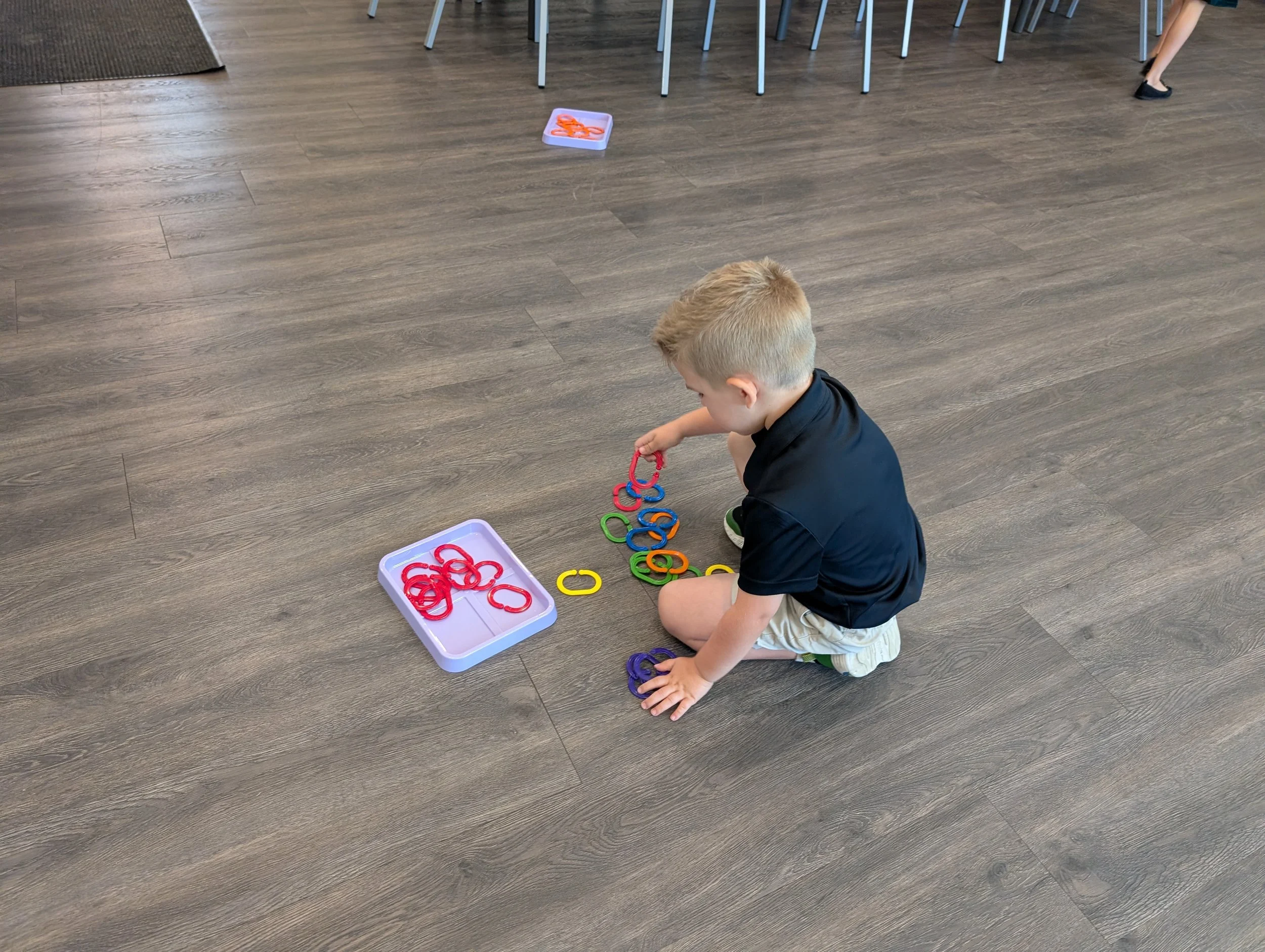
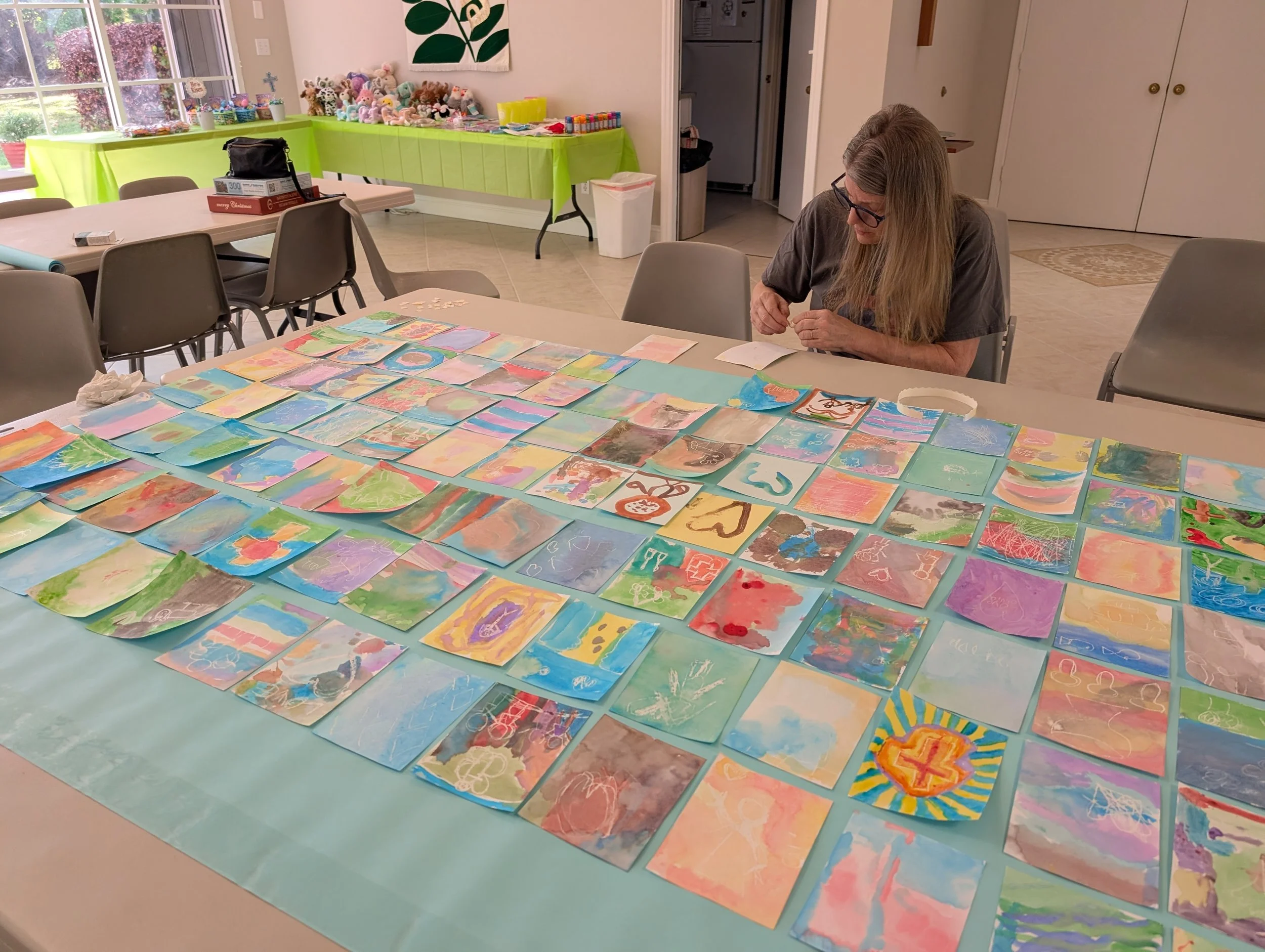
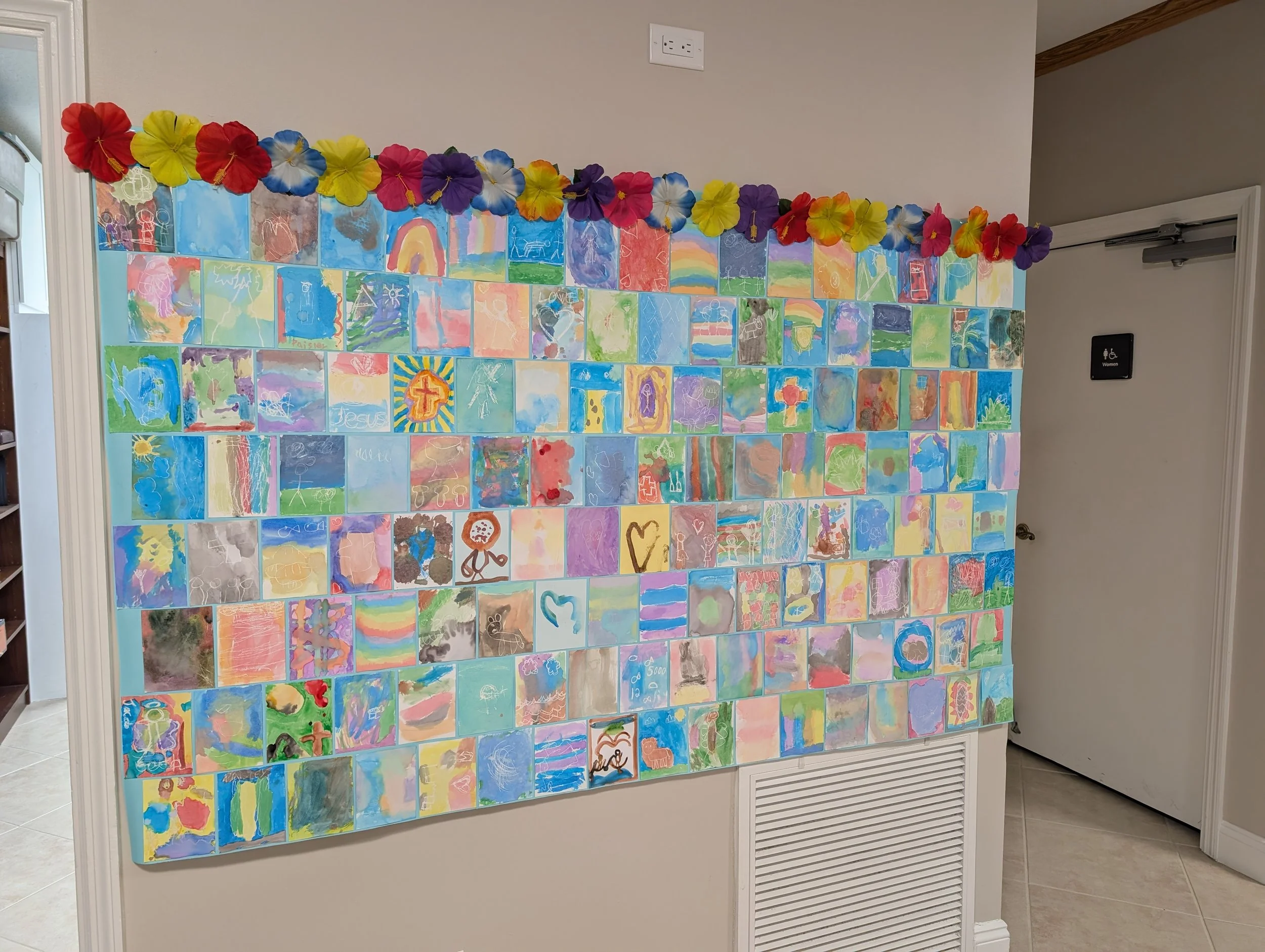
![April 2nd Sunday School [Photos]](https://images.squarespace-cdn.com/content/v1/5852f18a20099e30cd2c01dc/1776271392998-YAGF7CEMVFWZKPE93W7G/PXL_20260412_162844632.jpg)
April 2nd Sunday School [Photos]
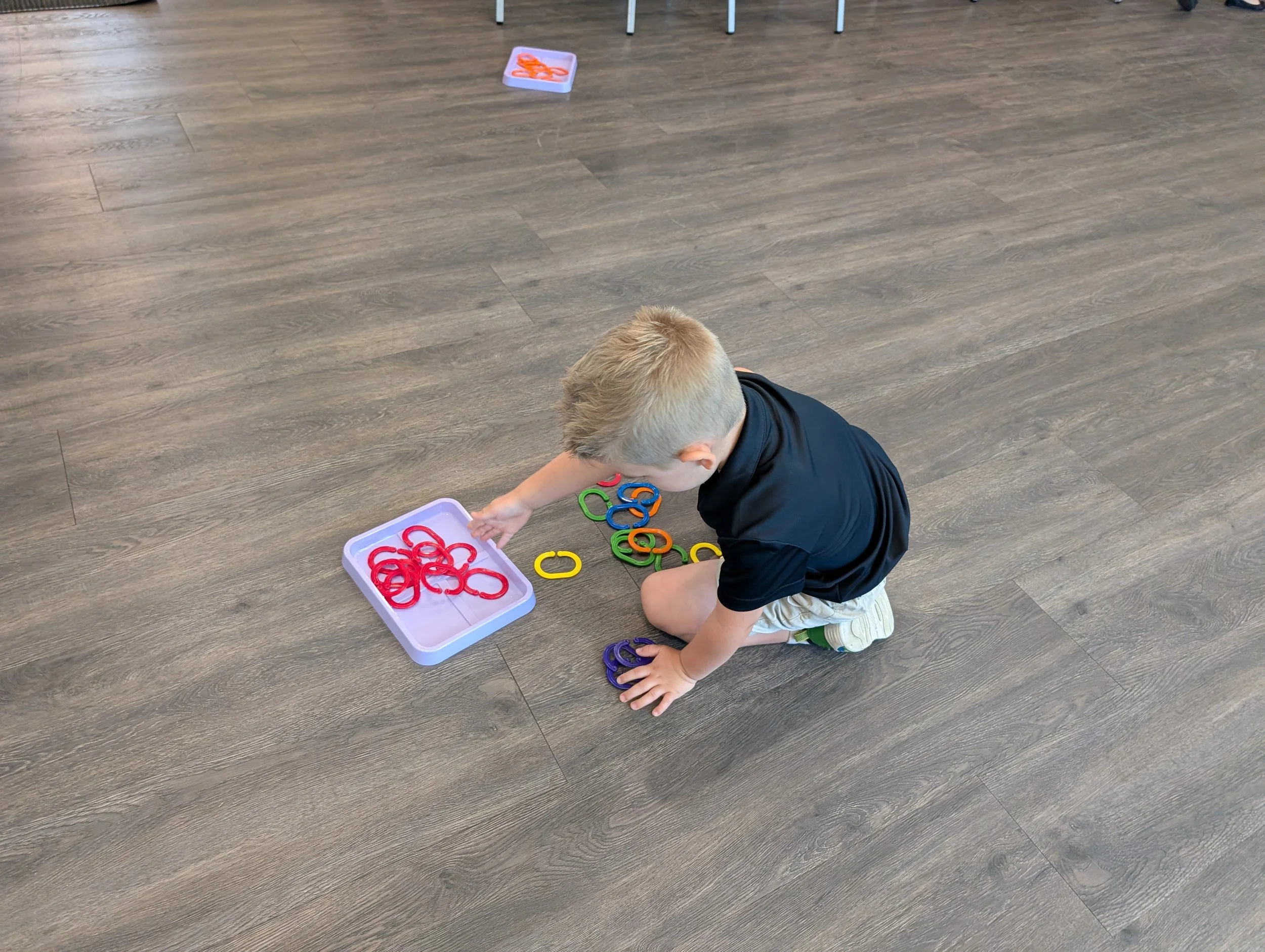
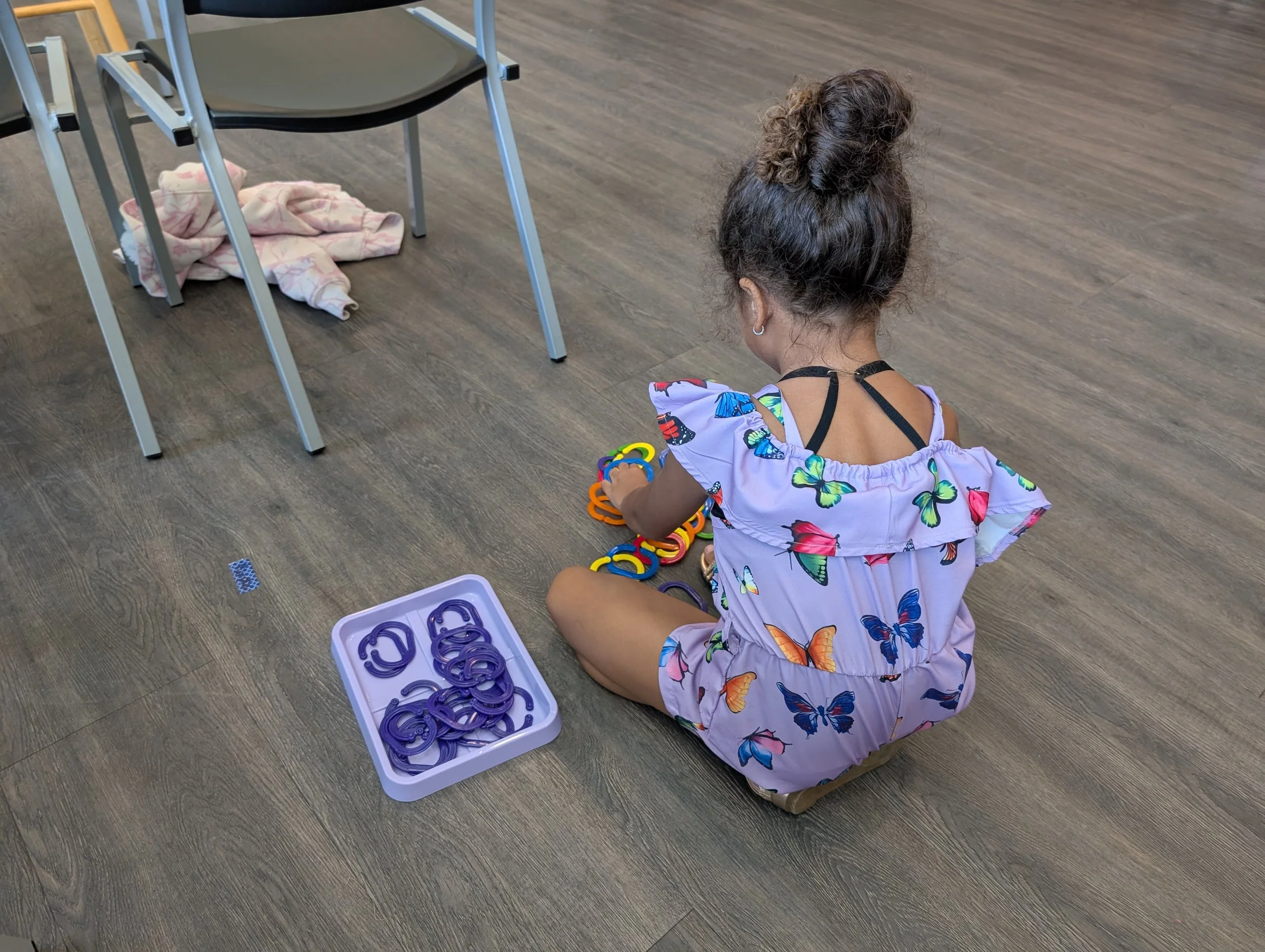
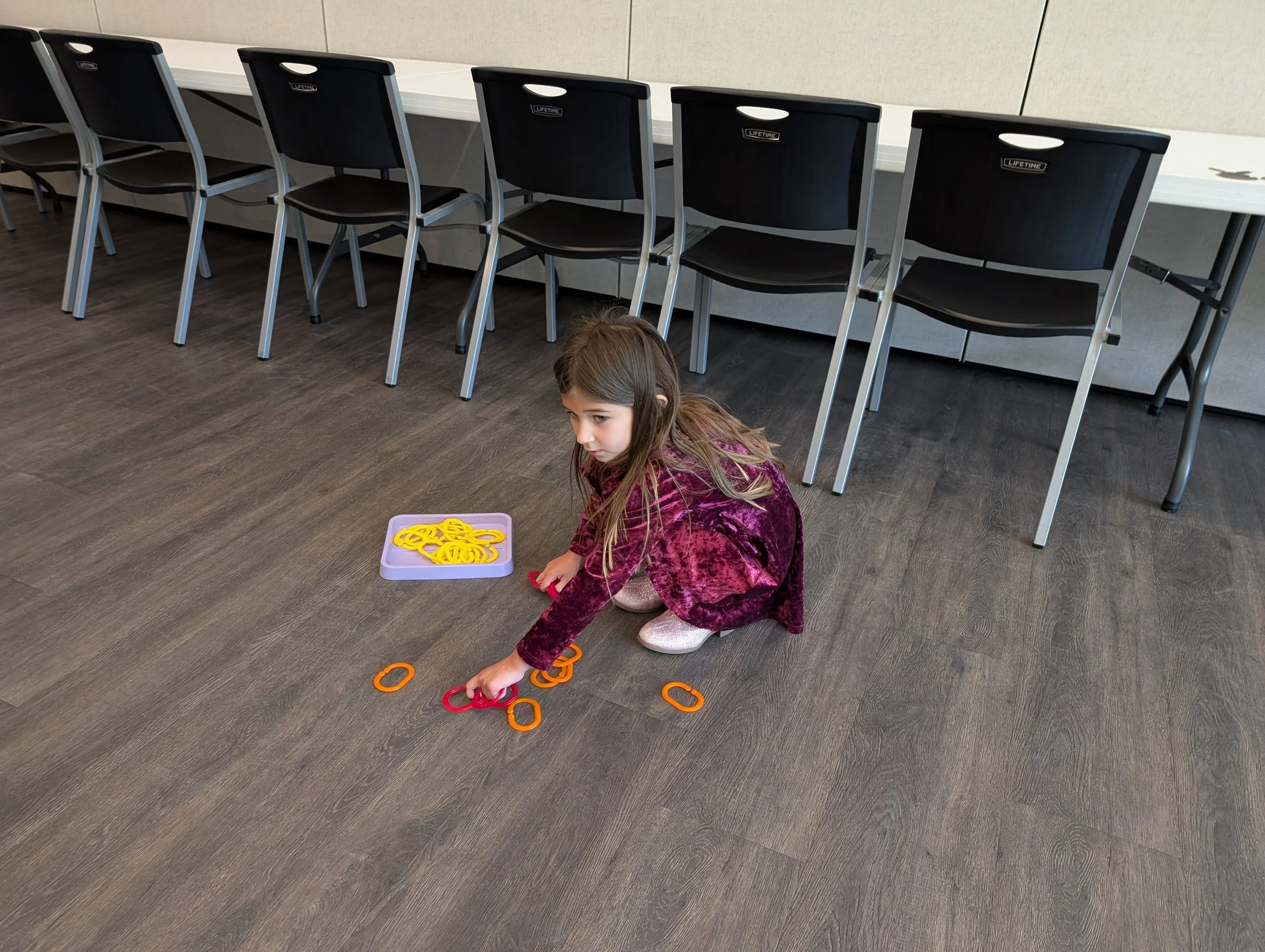
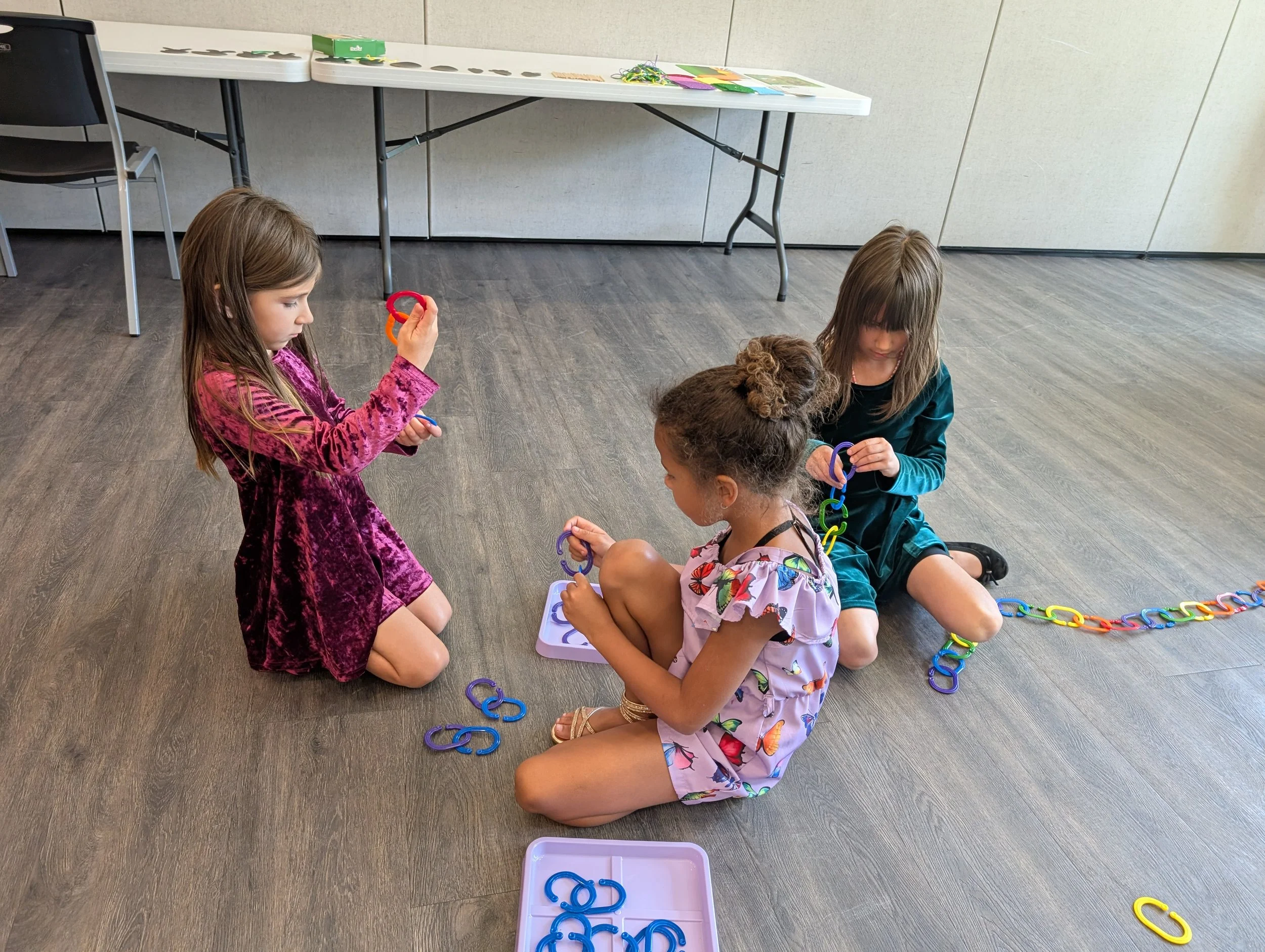
Great time at 2nd Sunday school.
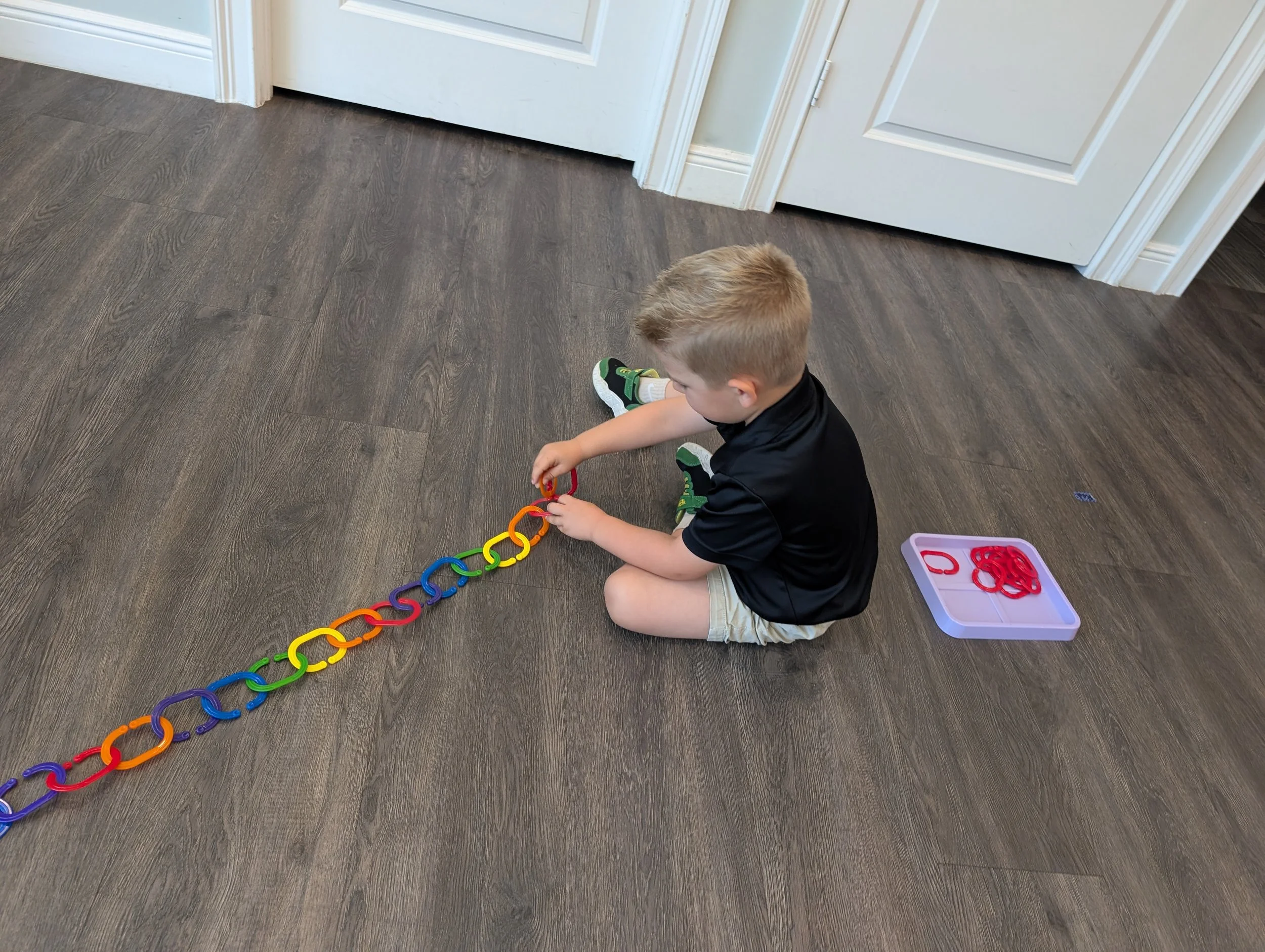
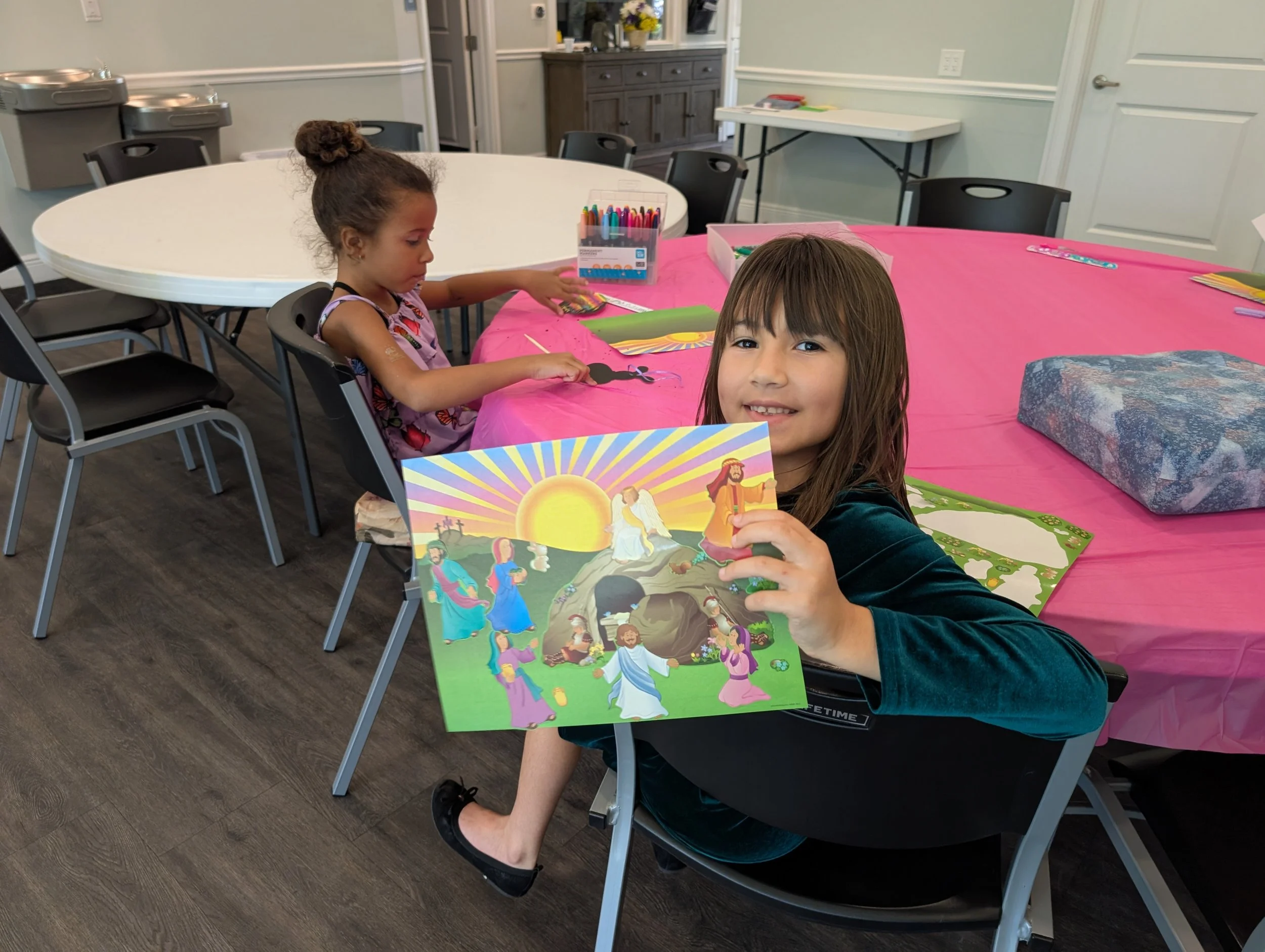
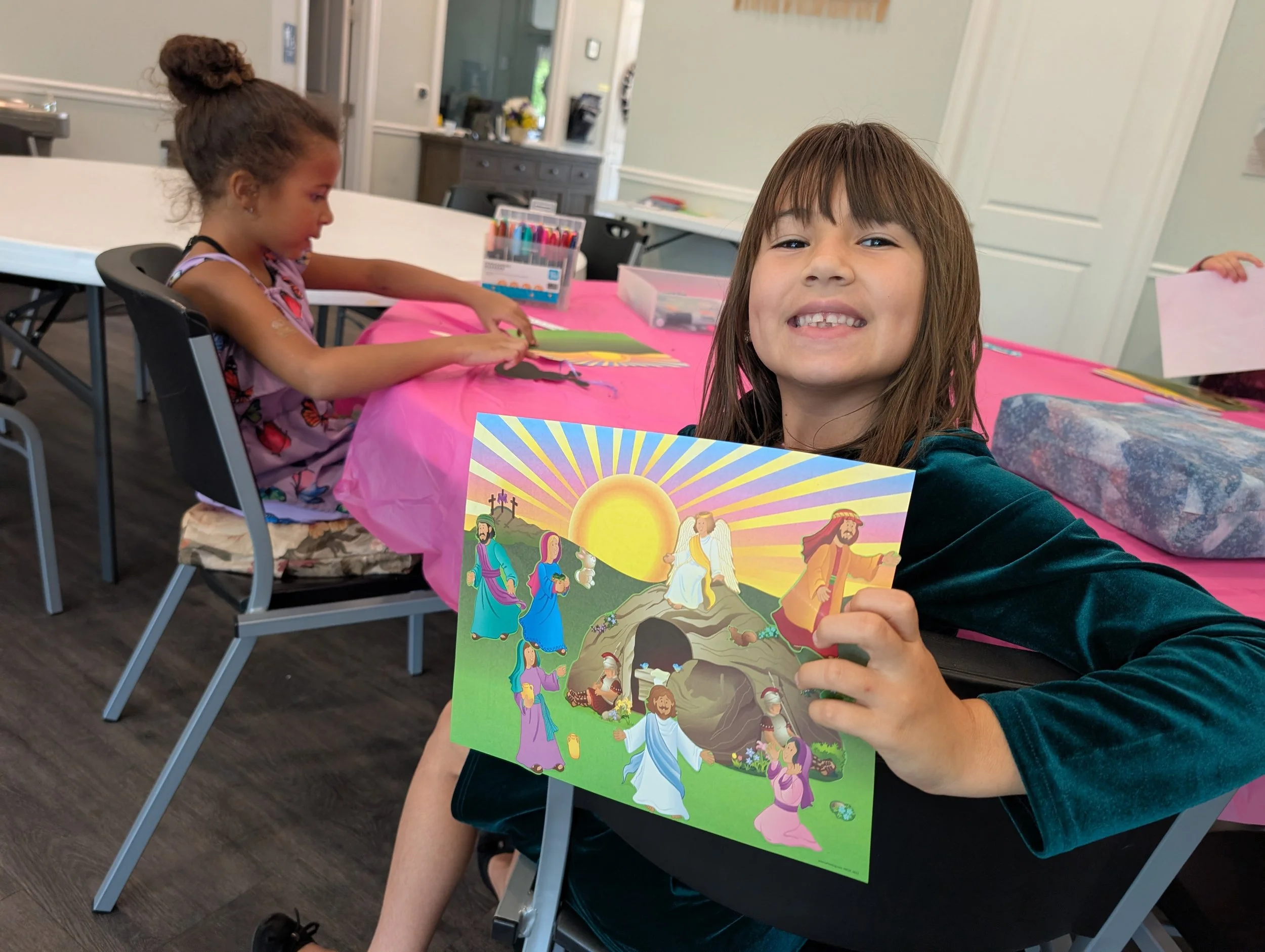
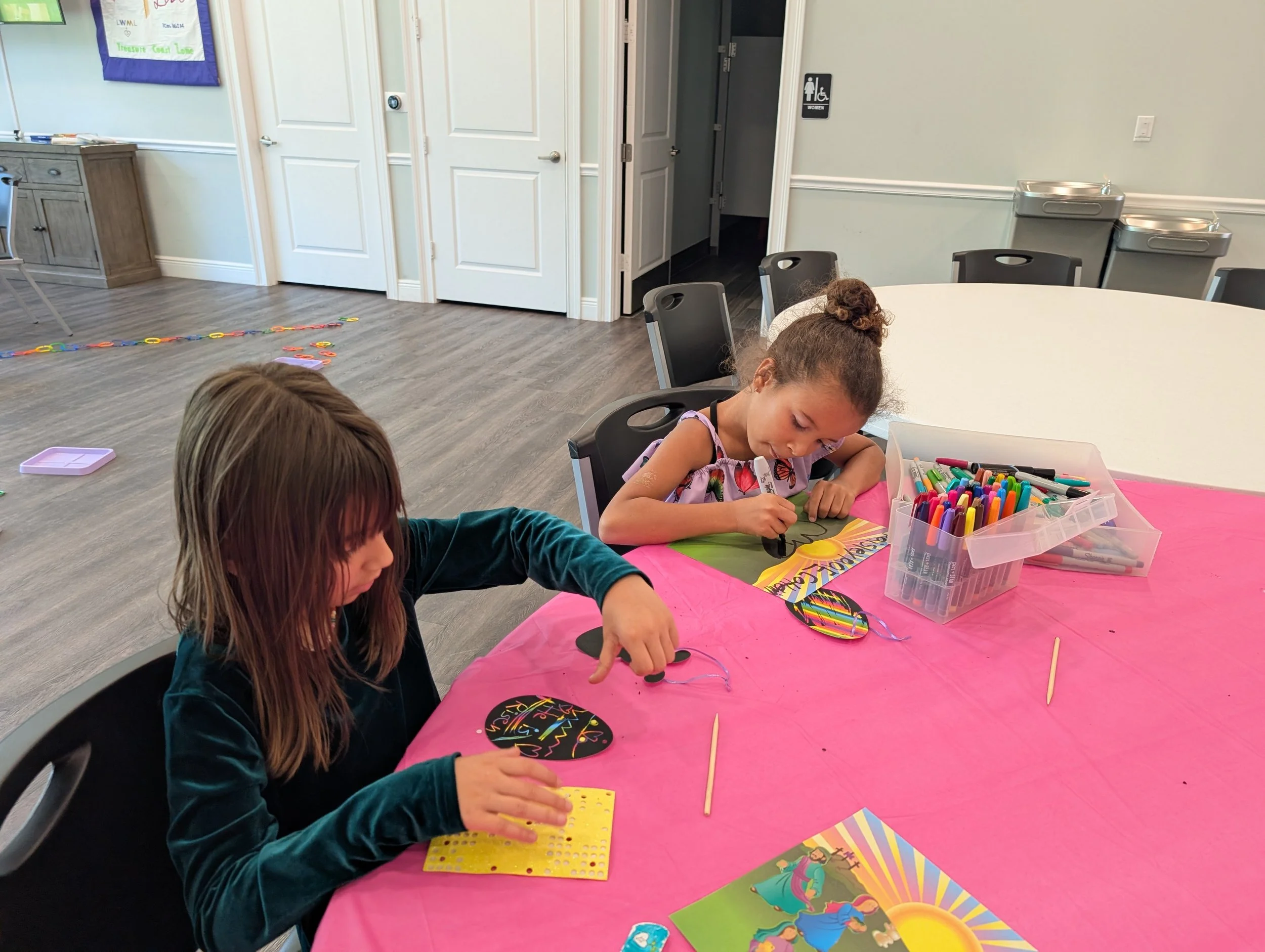
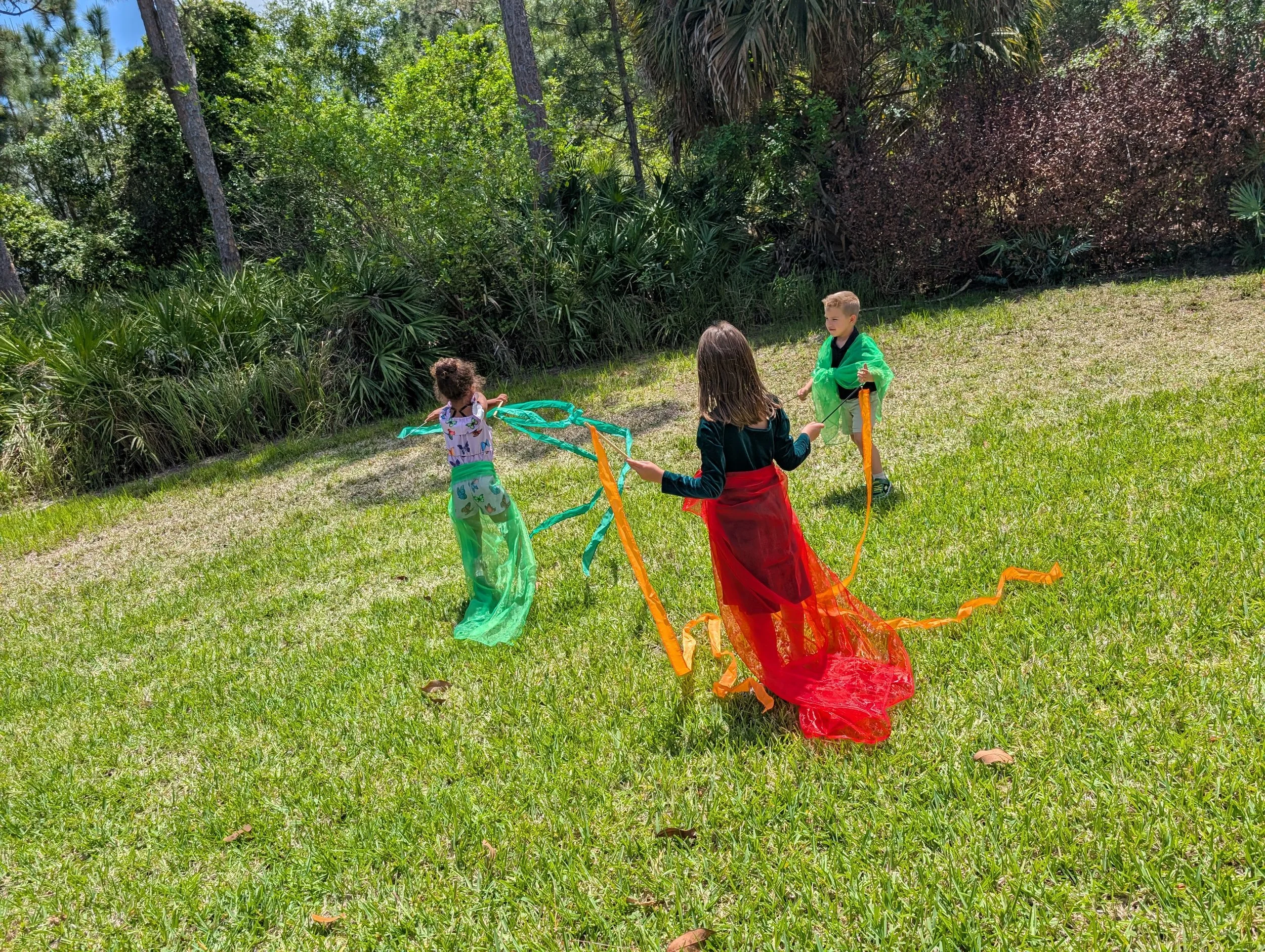
Every 2nd Sunday the kids meet after the 10:15 service for Second Sunday School. They had a great time playing superheroes and remembering the resurrection of our Lord.










![[Sunday] Creation Day 8 - Rest The Week](https://images.squarespace-cdn.com/content/v1/5852f18a20099e30cd2c01dc/1775766340384-5MXXACTZNMYUEFDELPA9/The+Week+8a.jpg)
[Sunday] Creation Day 8 - Rest The Week
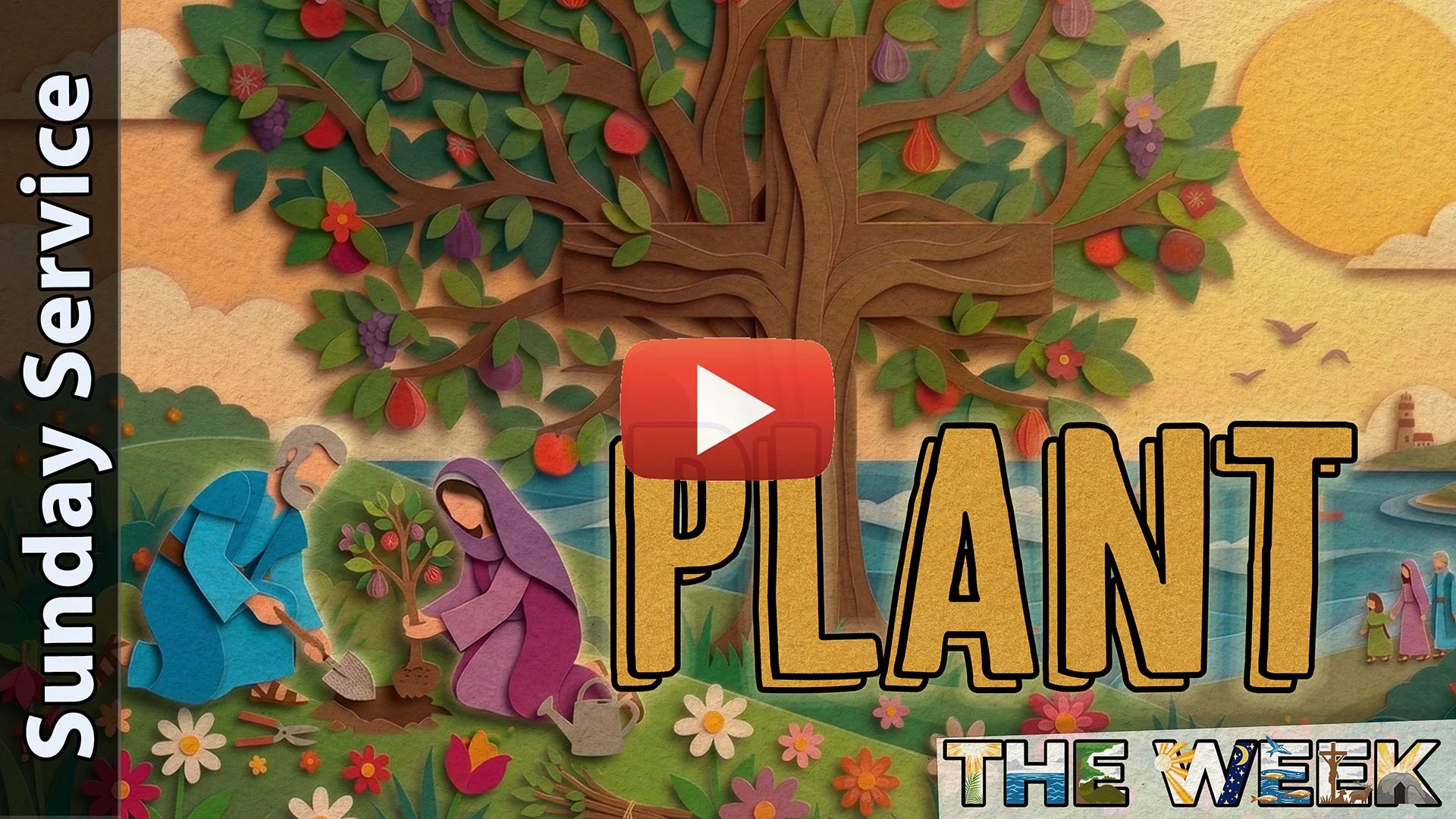
When the joy of Easter meets the chaos of daily life, we don't need to panic. Jesus, the true Creator-Gardener, has secured our future, which frees us to plant seeds of hope right in the middle of the mess.
When the joy of Easter meets the chaos of daily life, we don't need to panic. Jesus, the true Creator-Gardener, has secured our future, which frees us to plant seeds of hope right in the middle of the mess.
Questions for the Week: Creation Day 8: Plant
Read John 20:11-18. Where in your life is it currently difficult to see Jesus at work, and how does remembering He is the "Gardener" (gently cultivating and bringing life back to His creation) change your perspective?
Read Revelation 21:1-6. When the "sea" is raging (stress, illness, conflict), we are sometimes tempted to try and save ourselves by taking control, which only creates more chaos. Jesus has handled the sea and saved you by his grace. How does resting in this grace give you peace?
Read Jeremeiah 29:4-14. It’s been said by the church, sometimes attributed to Martin Luther, “Even if I knew that tomorrow the world would go to pieces, I would still plant my apple tree.” What is one specific “apple tree” you can plant for someone this week?
What Had happened at Grace this week.
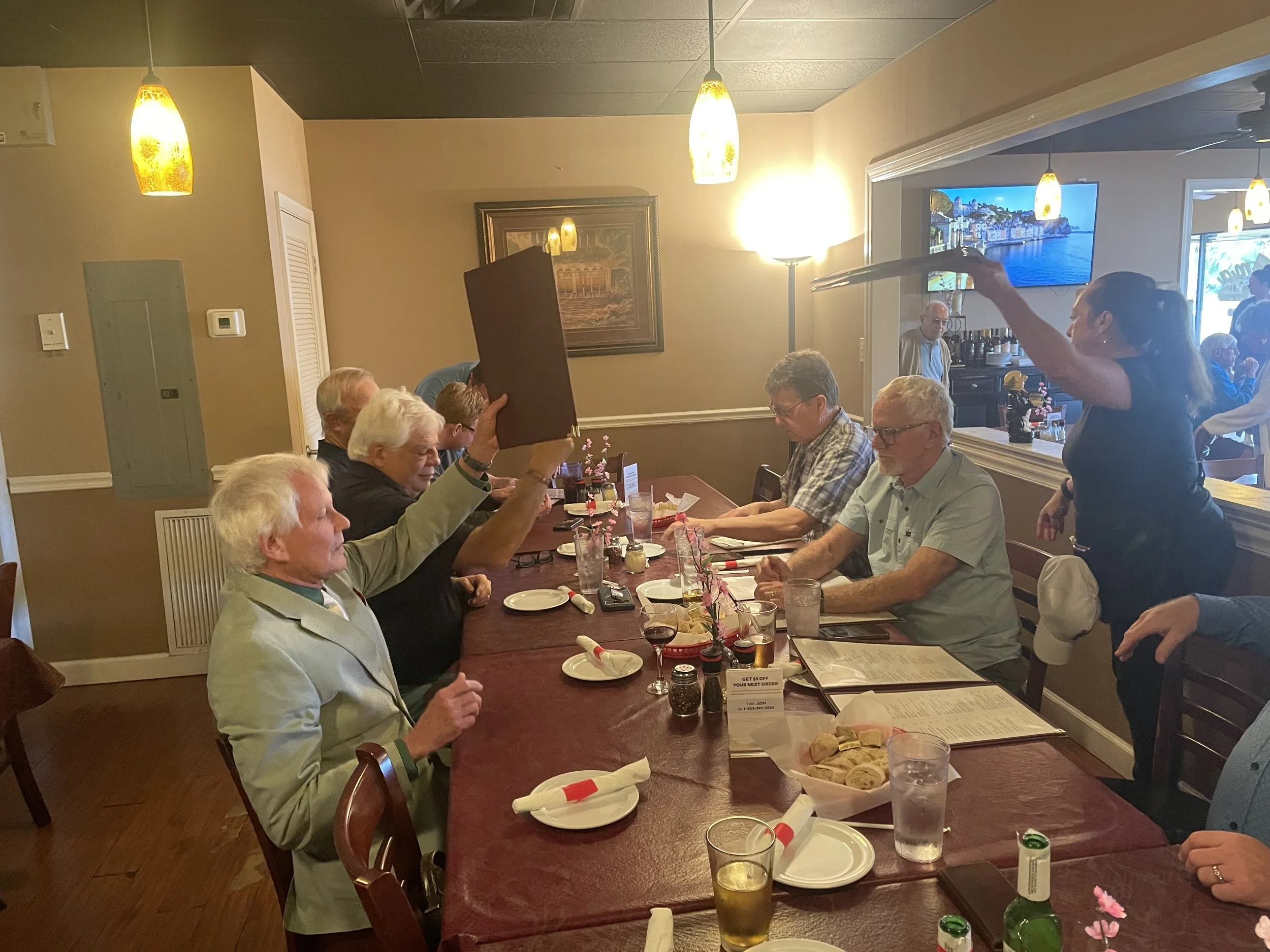
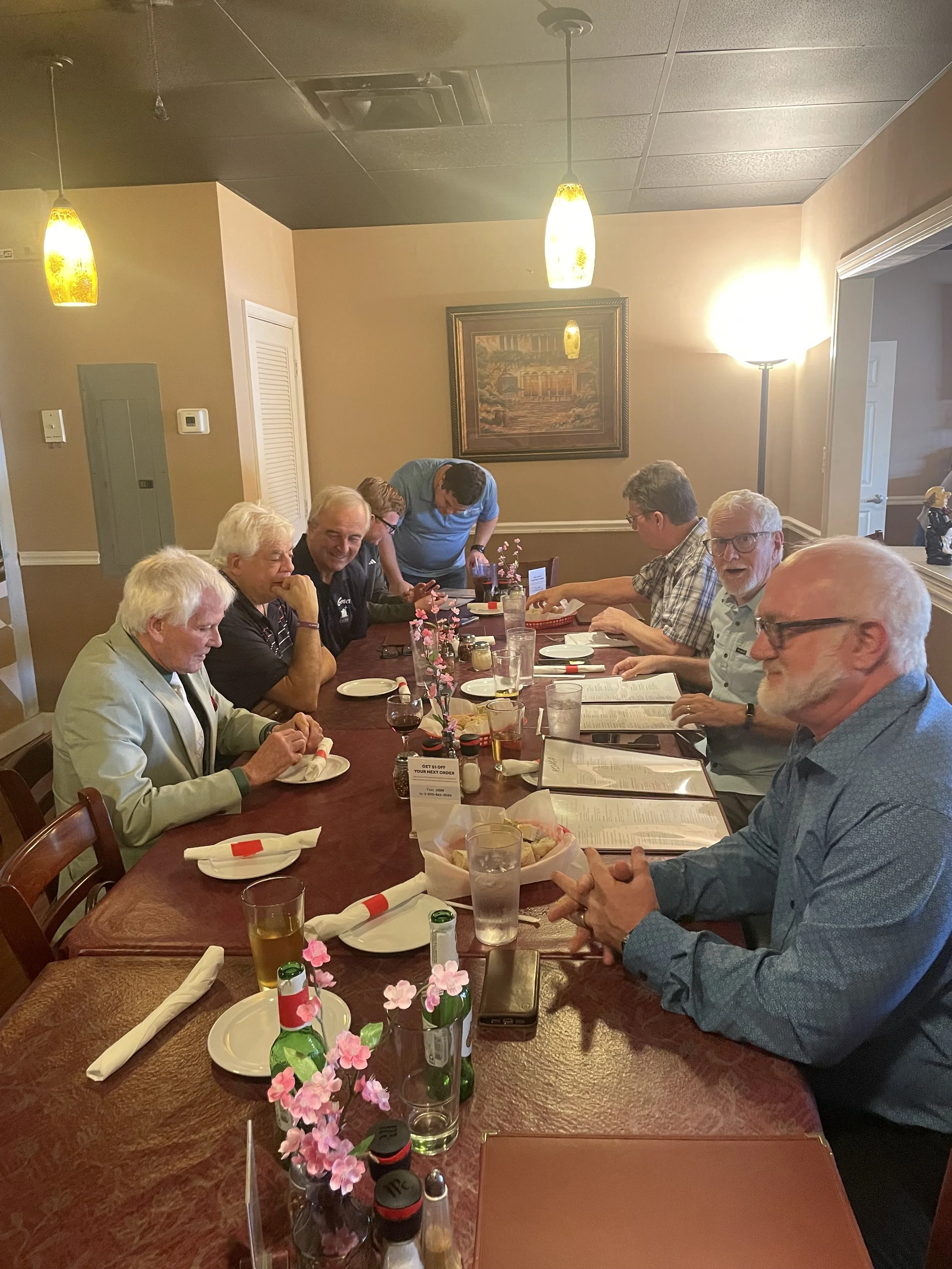
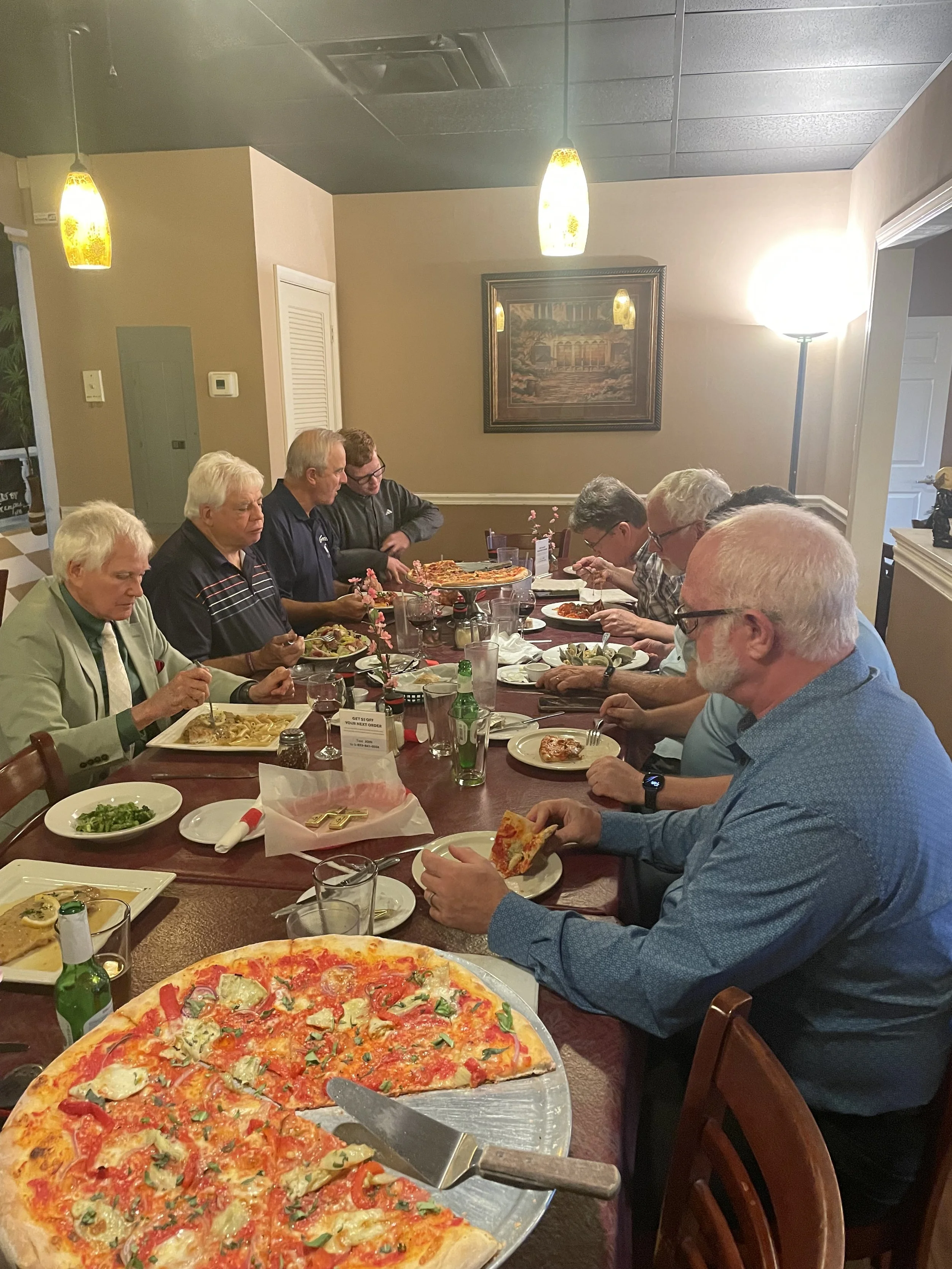
![A Fancy Italian Guys Night [Photos]](https://images.squarespace-cdn.com/content/v1/5852f18a20099e30cd2c01dc/1775863536448-YJCSVI1EF7KHMSYMYMUN/664304659_1694581178369850_83058891898210950_n.jpg)
A Fancy Italian Guys Night [Photos]
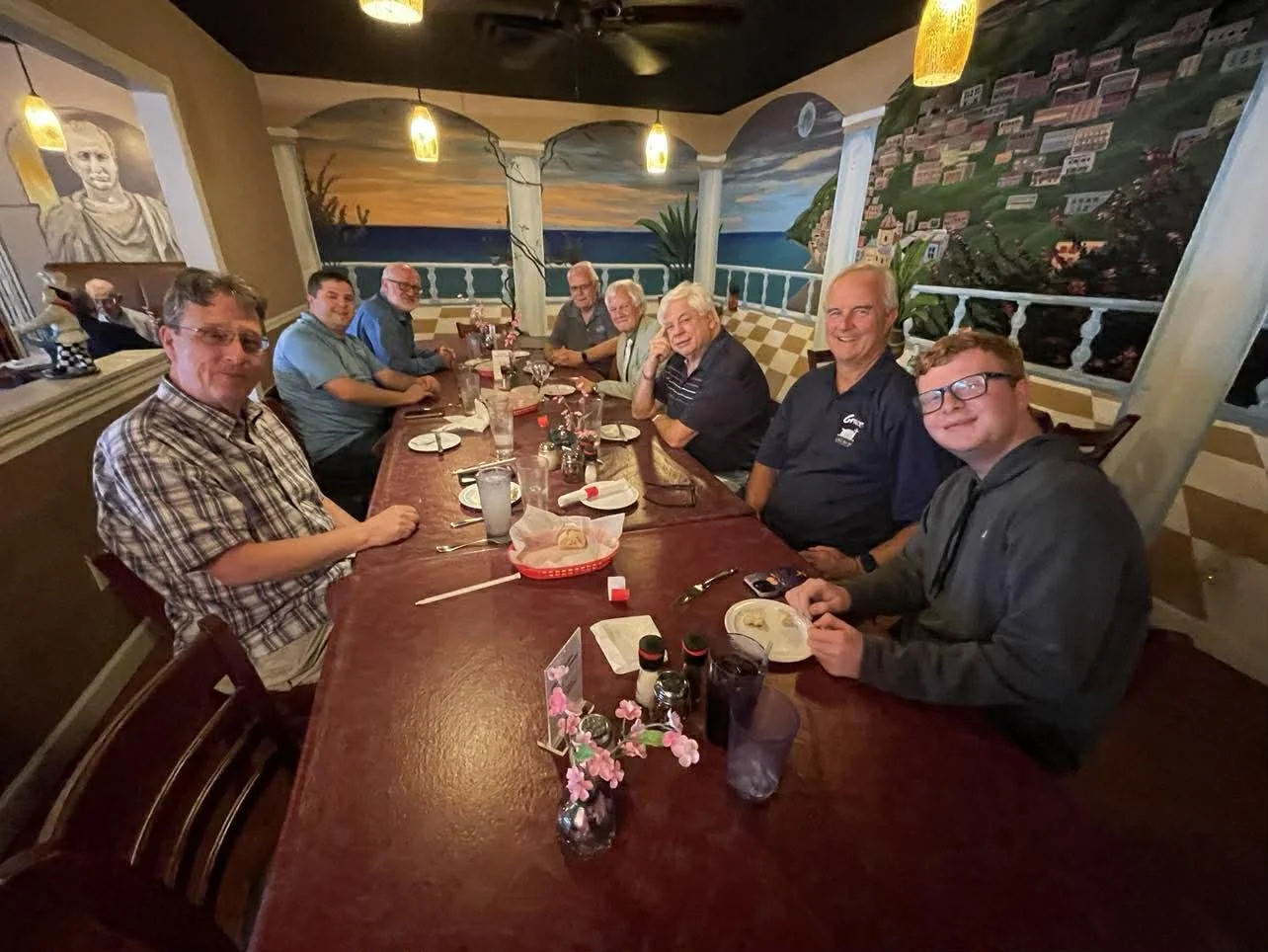
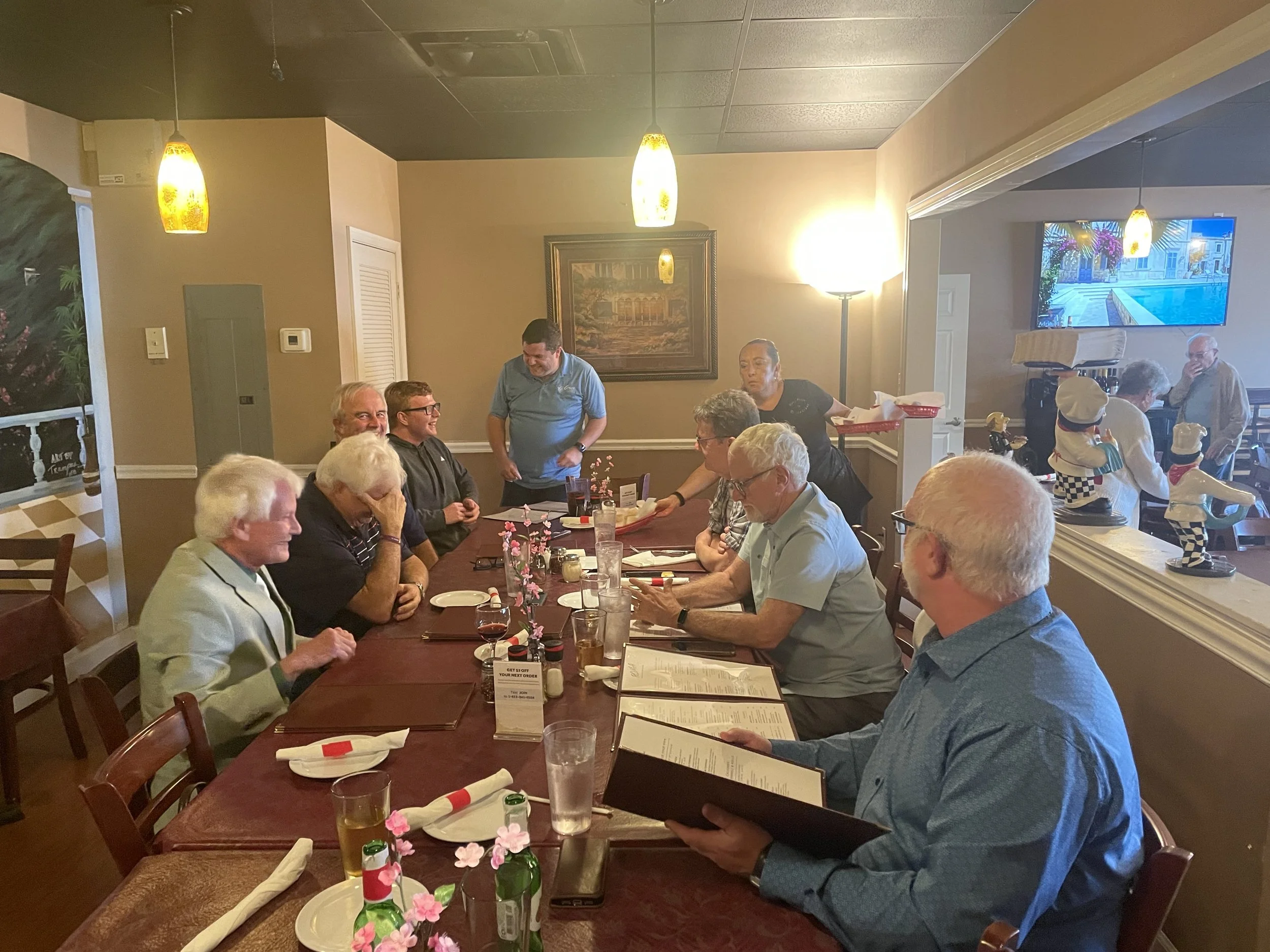
There’s nothing like the 'Italian feistiness' of a big group dinner to feed the soul.
"They say Italians do it better, but this crew at Roma gives them a run for their money! What started as a casual dinner for nine turned into a full-on masterclass. Mick literally held court, menu in hand, making sure we didn't butcher the beautiful language of pasta.
Between Mick’s pronunciation drills and our favorite Thrivent rep, Rob, stopping by to join the fun, the energy was through the roof. The food was a total sleeper hit, absolutely stellar, and the conversation was exactly how it should be: loud, lively, and a little feisty. You definitely want a seat at this table next time!"

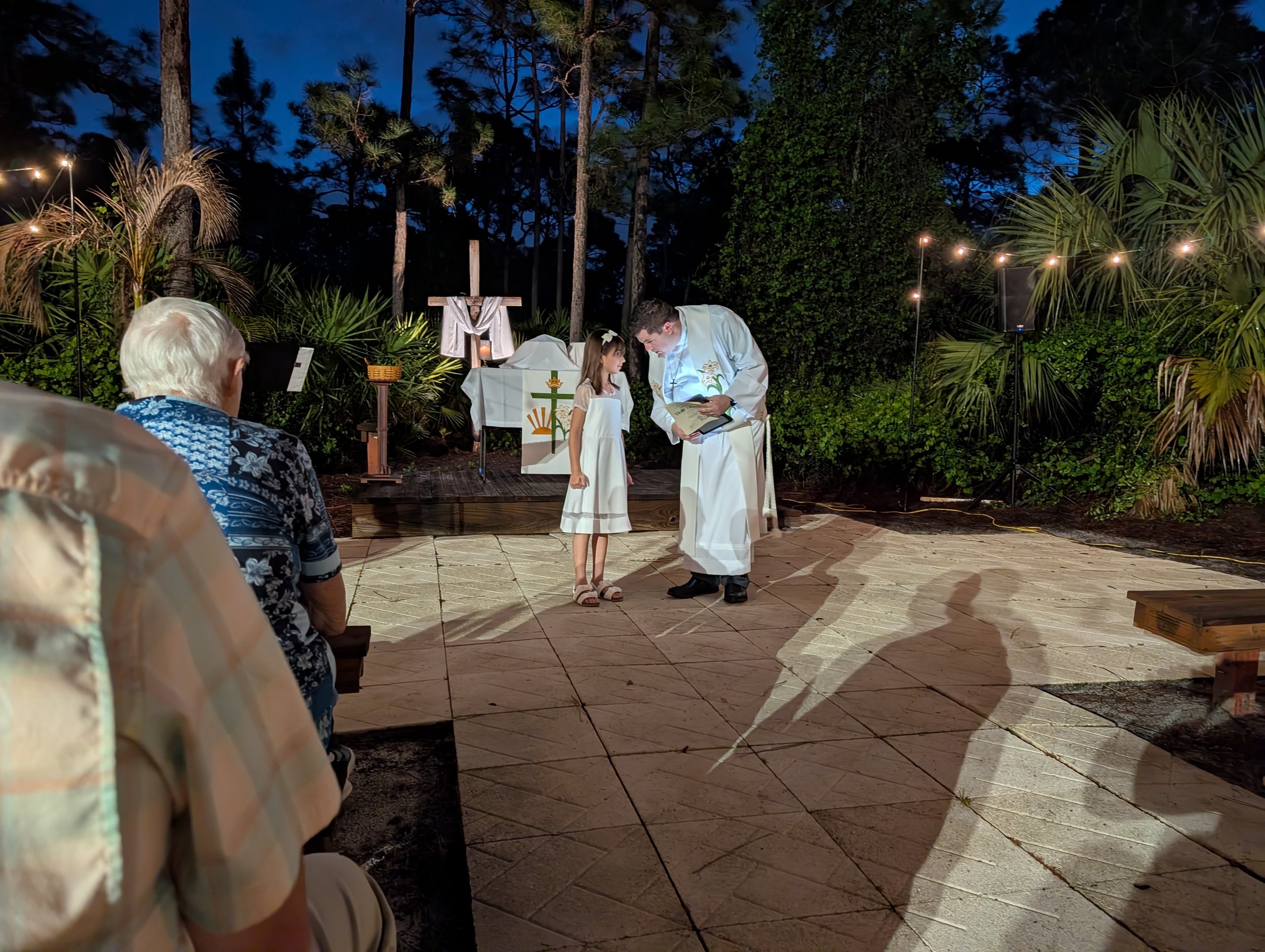
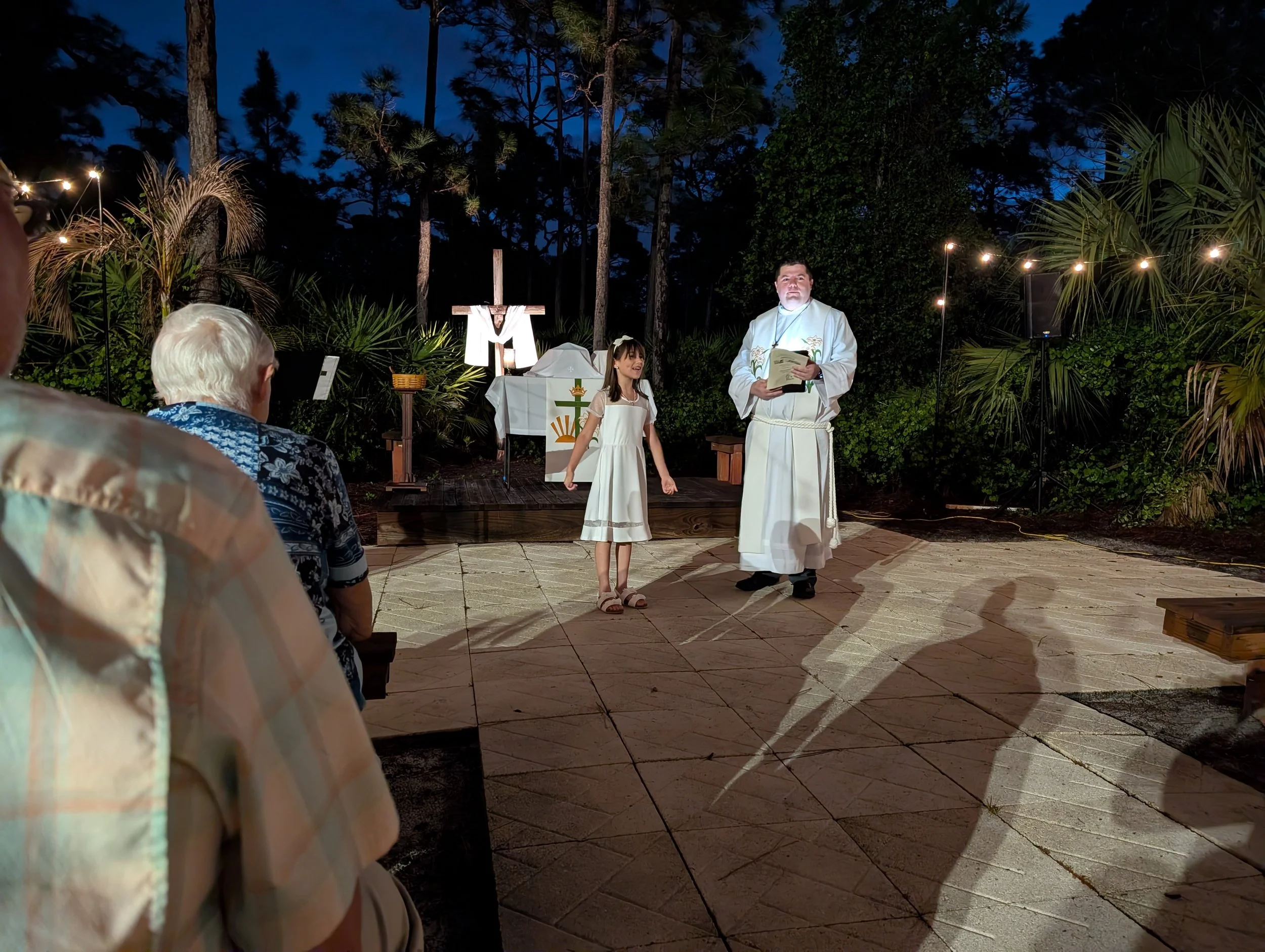
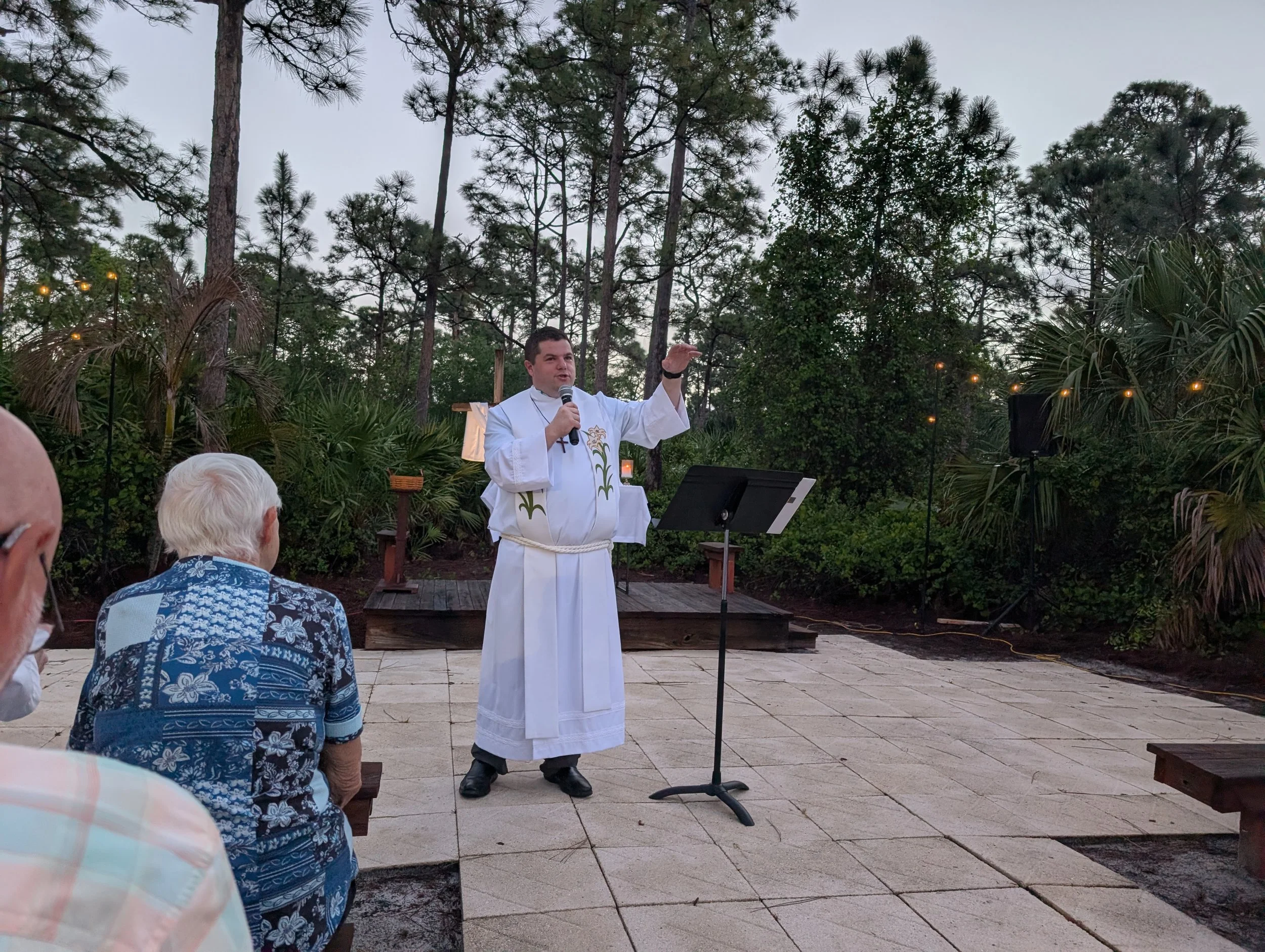
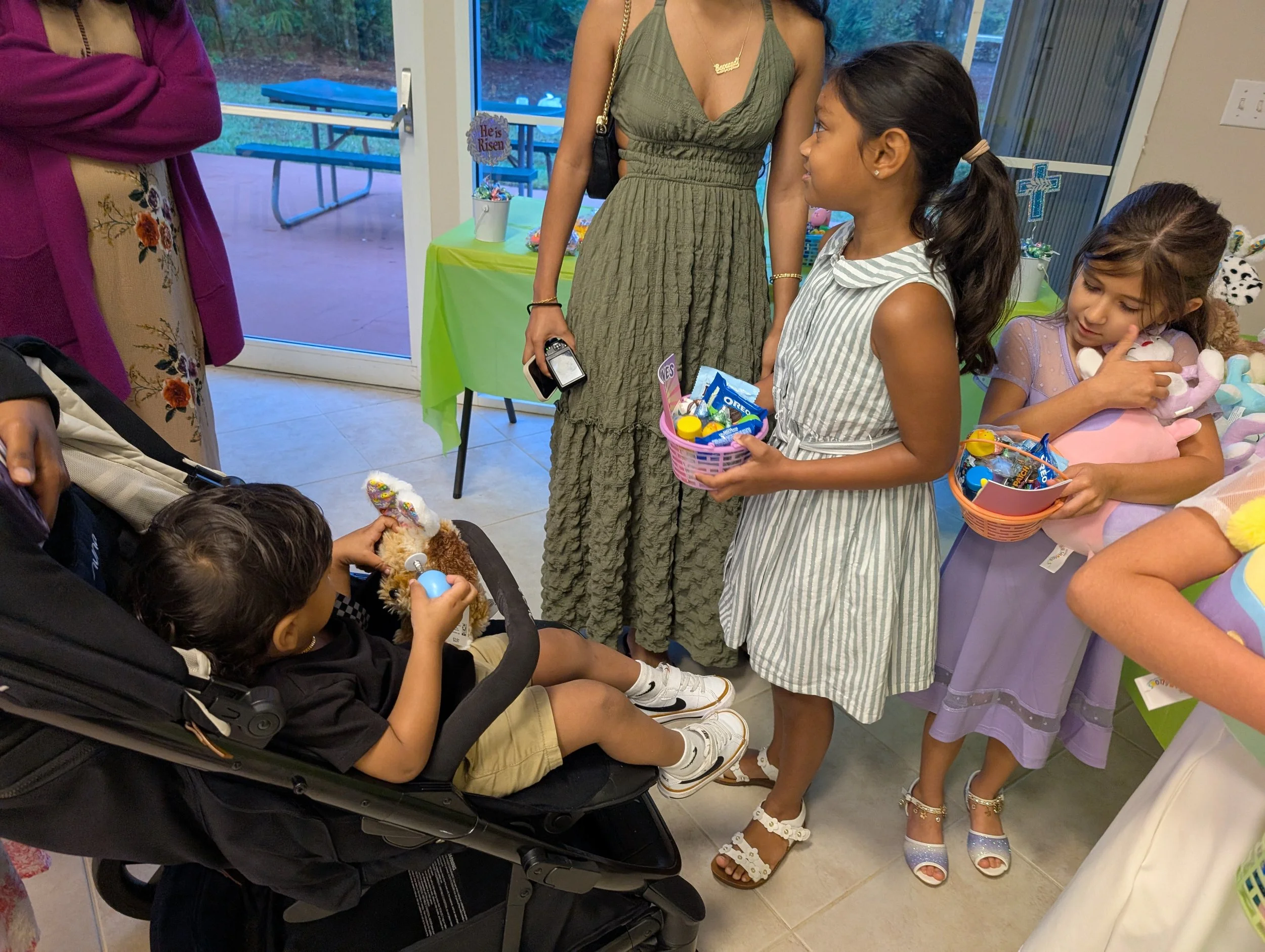
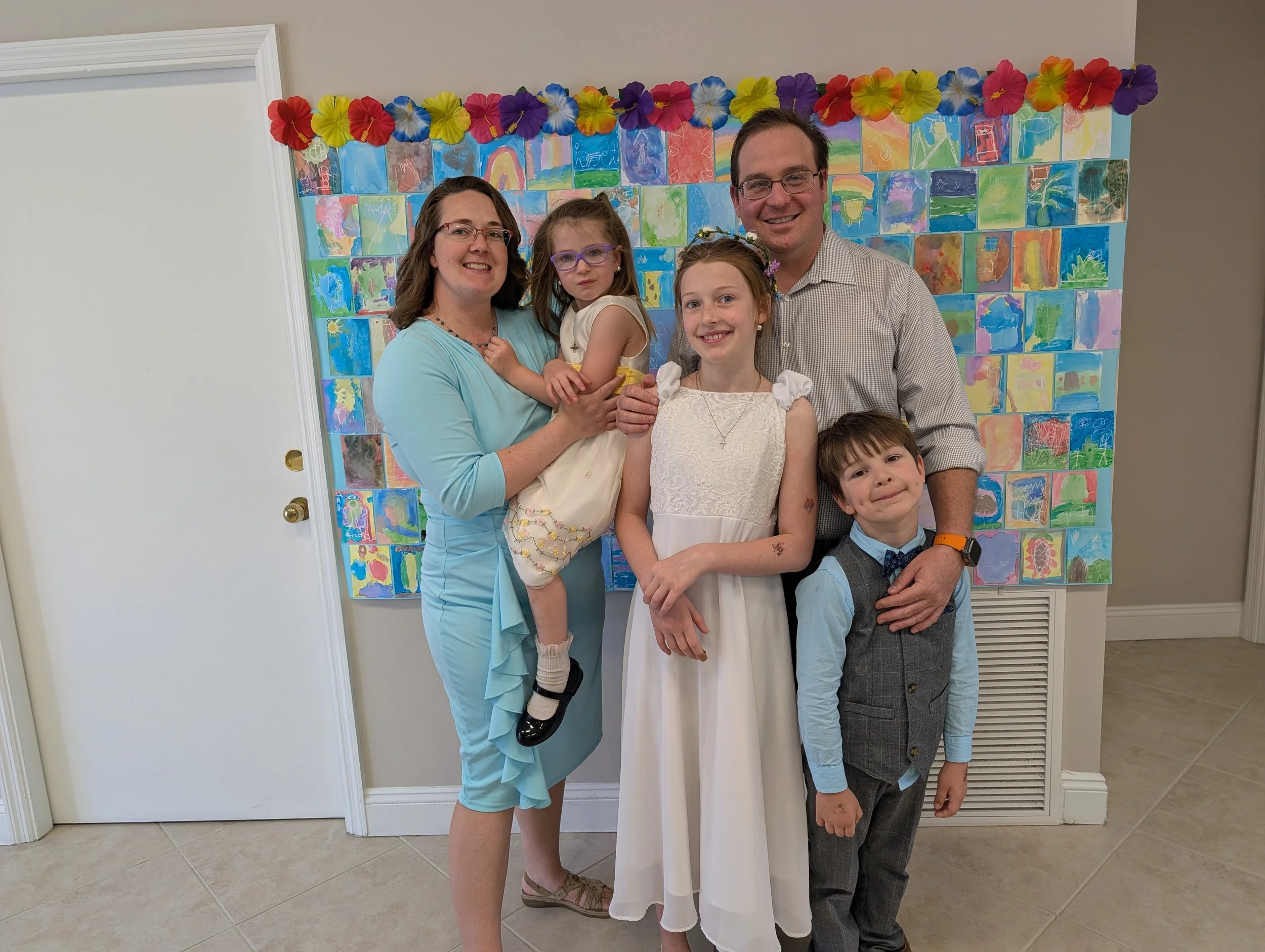
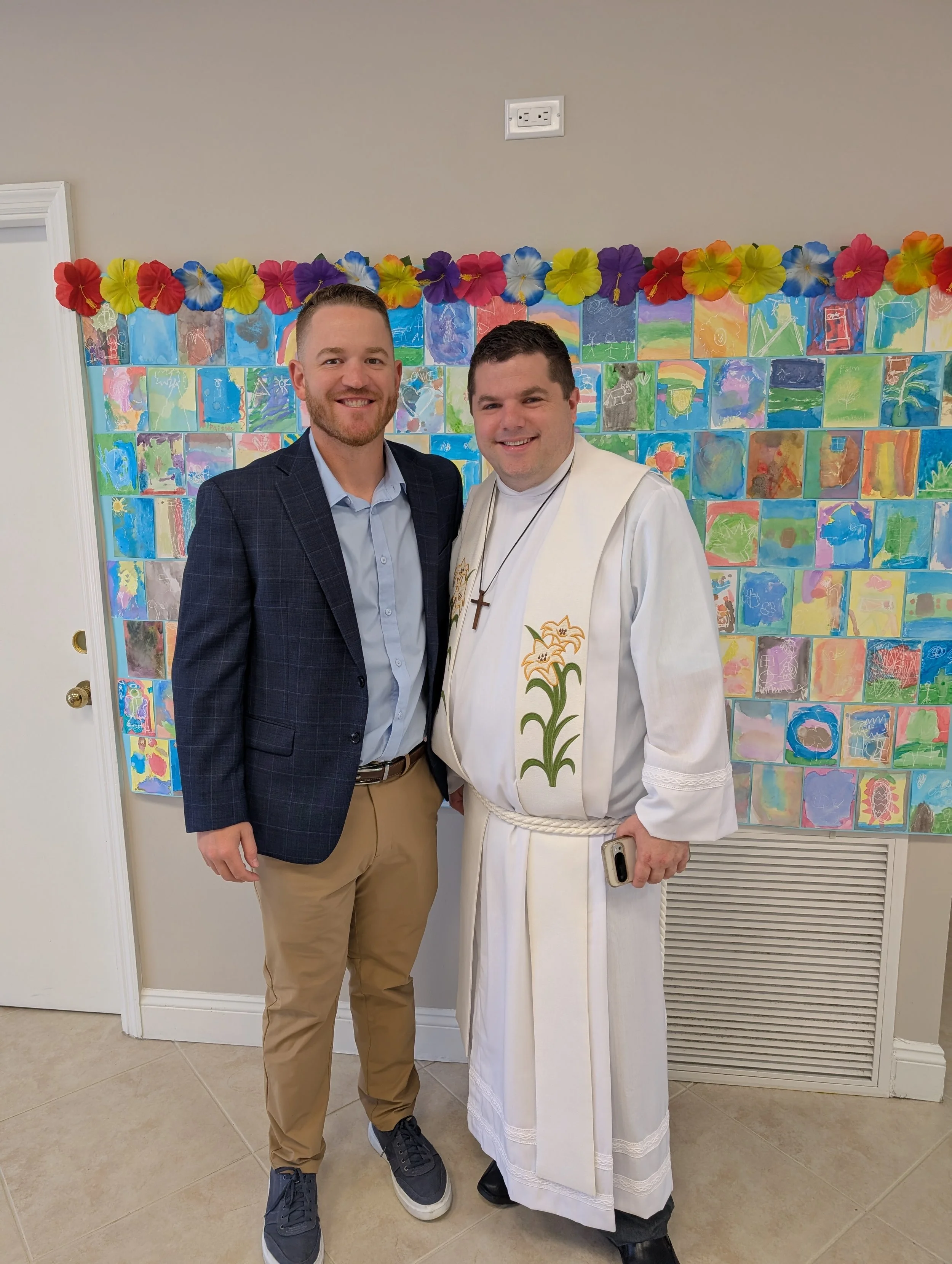
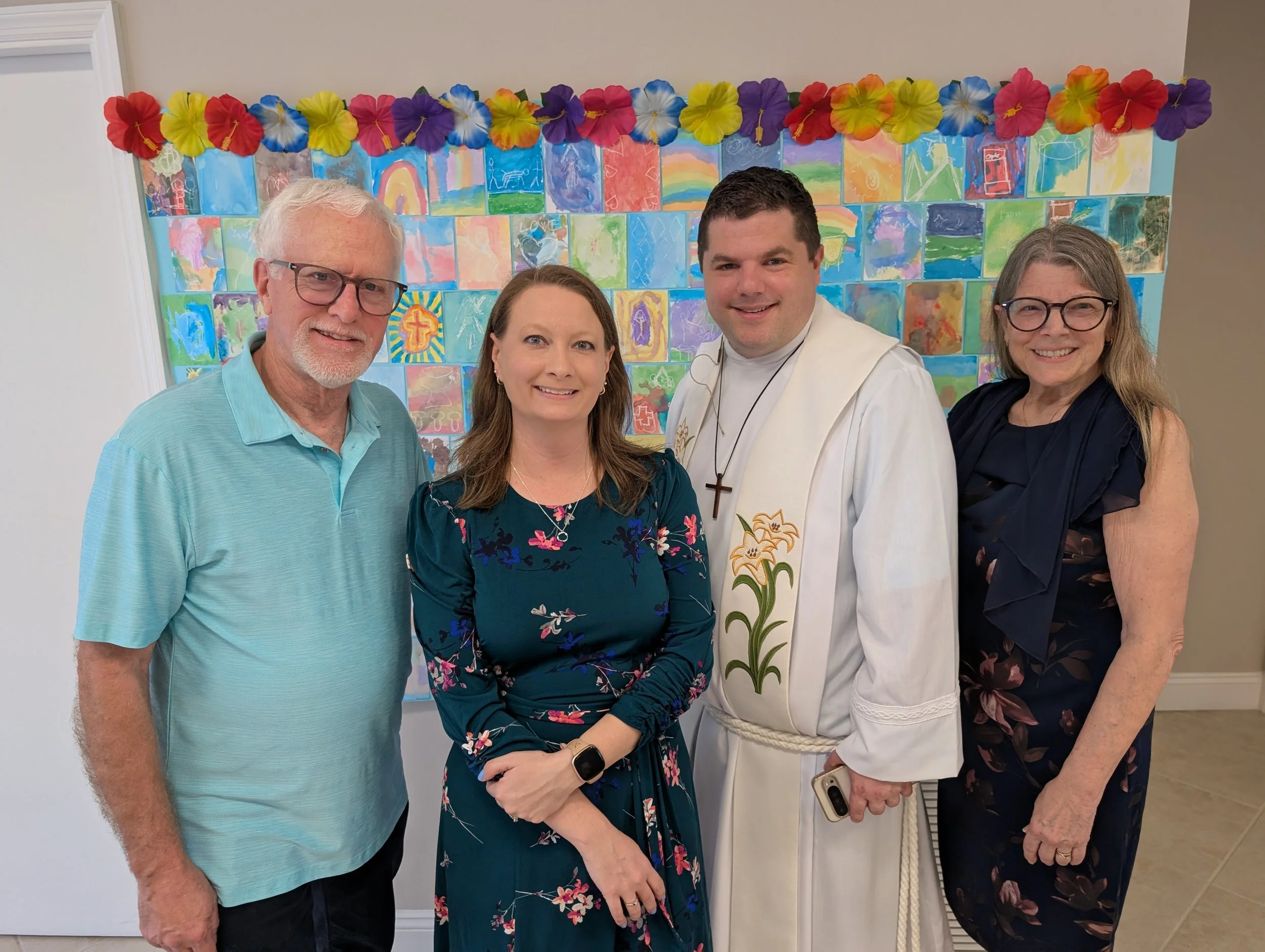
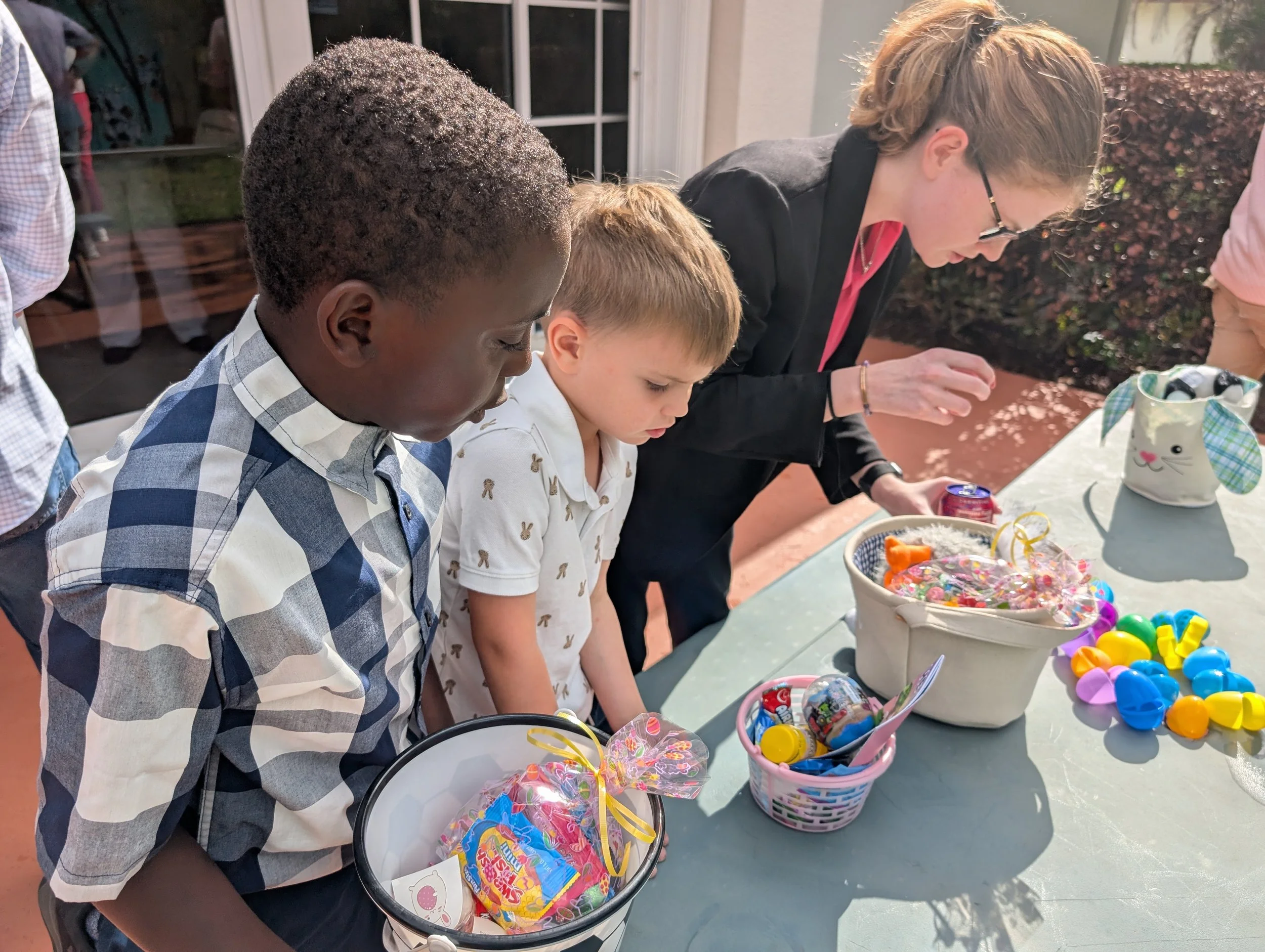
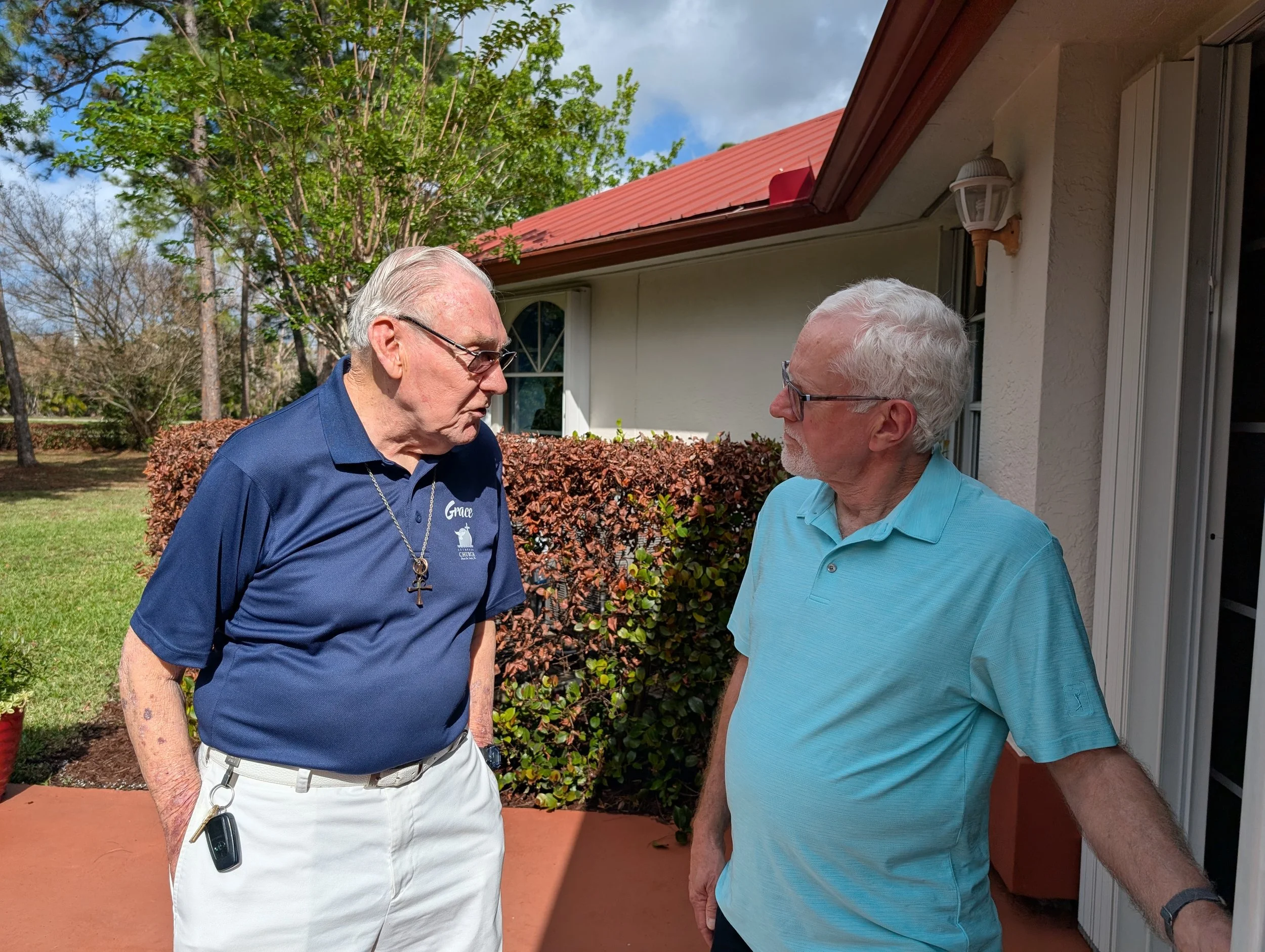
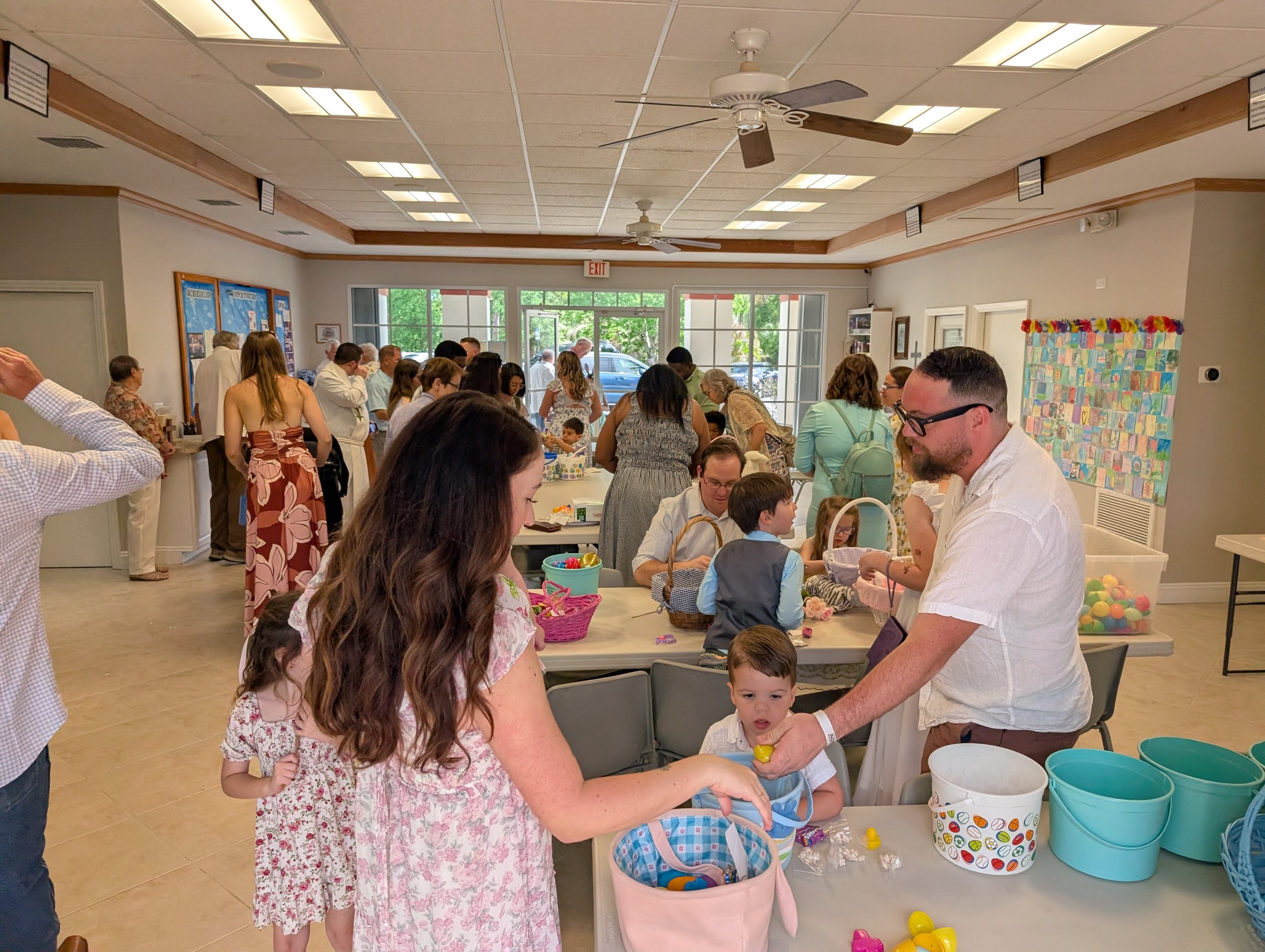
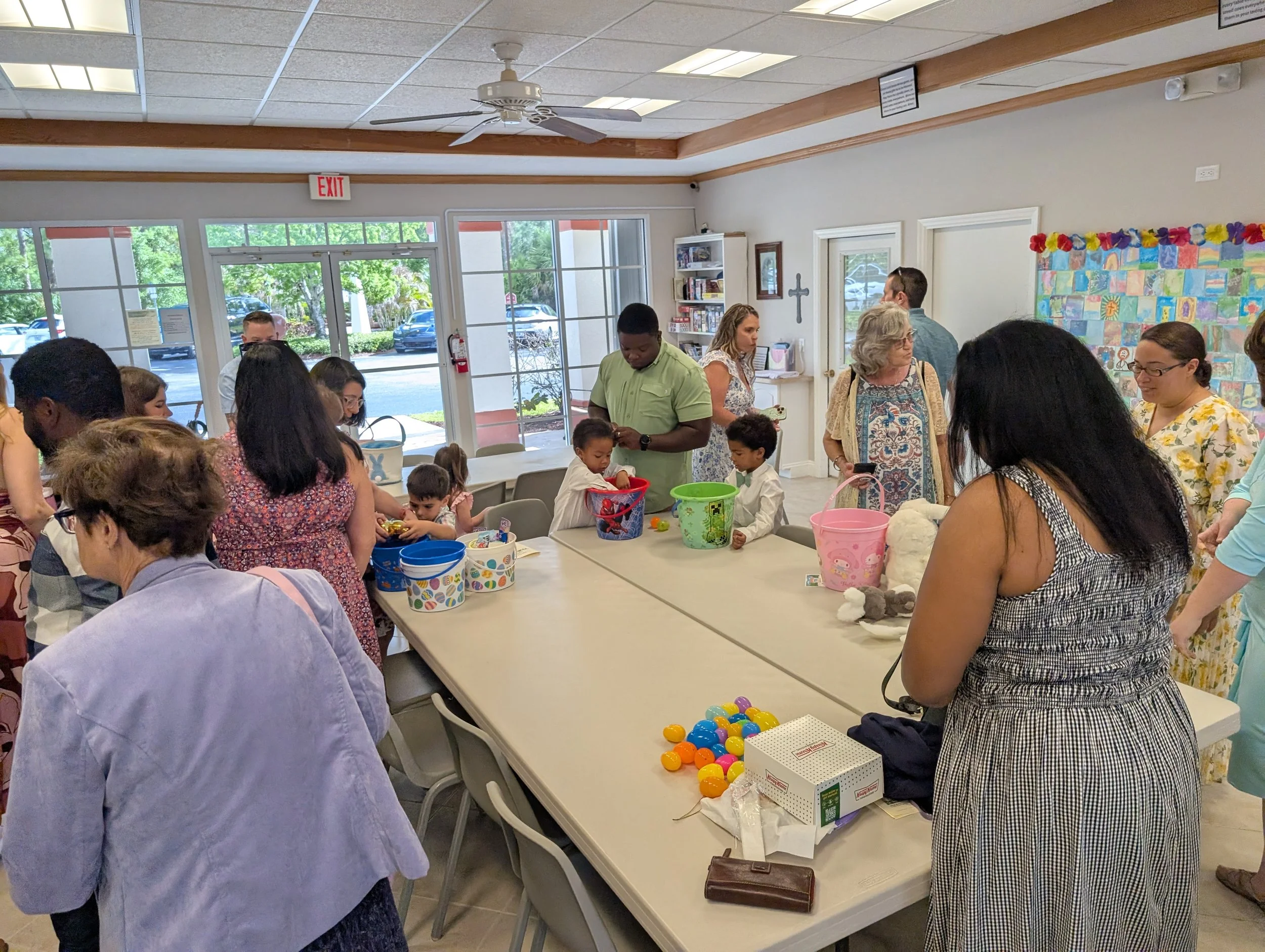
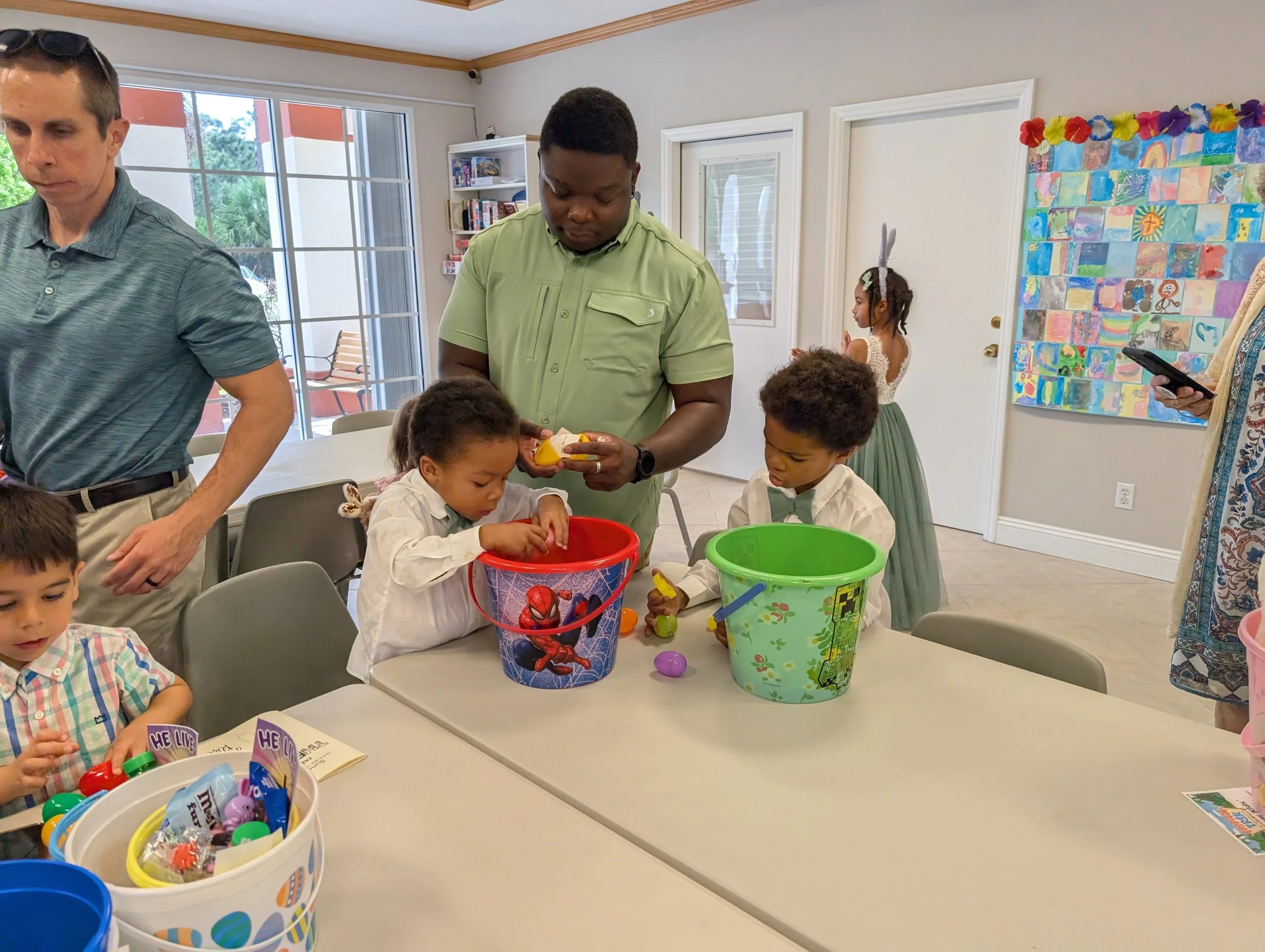
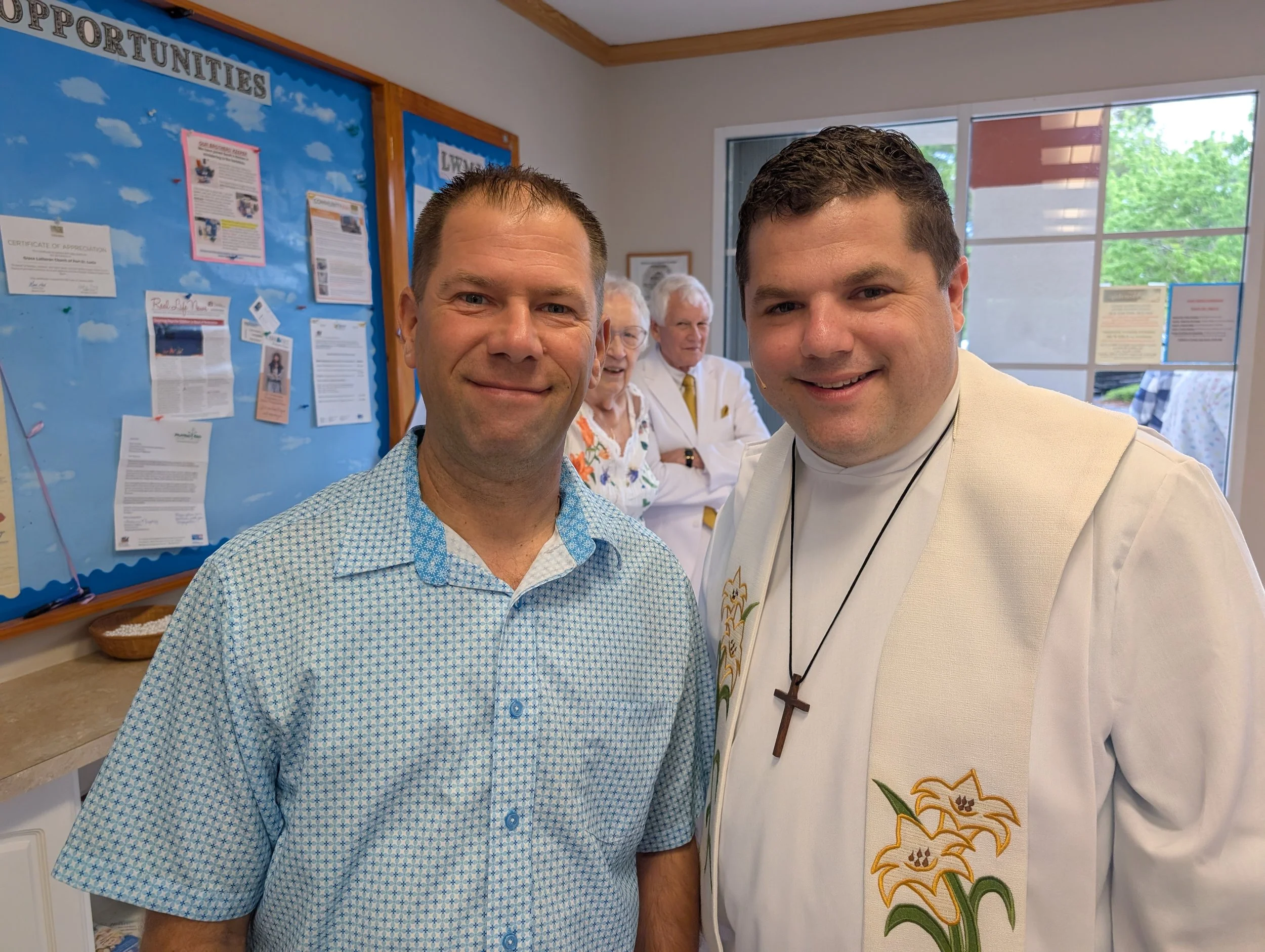
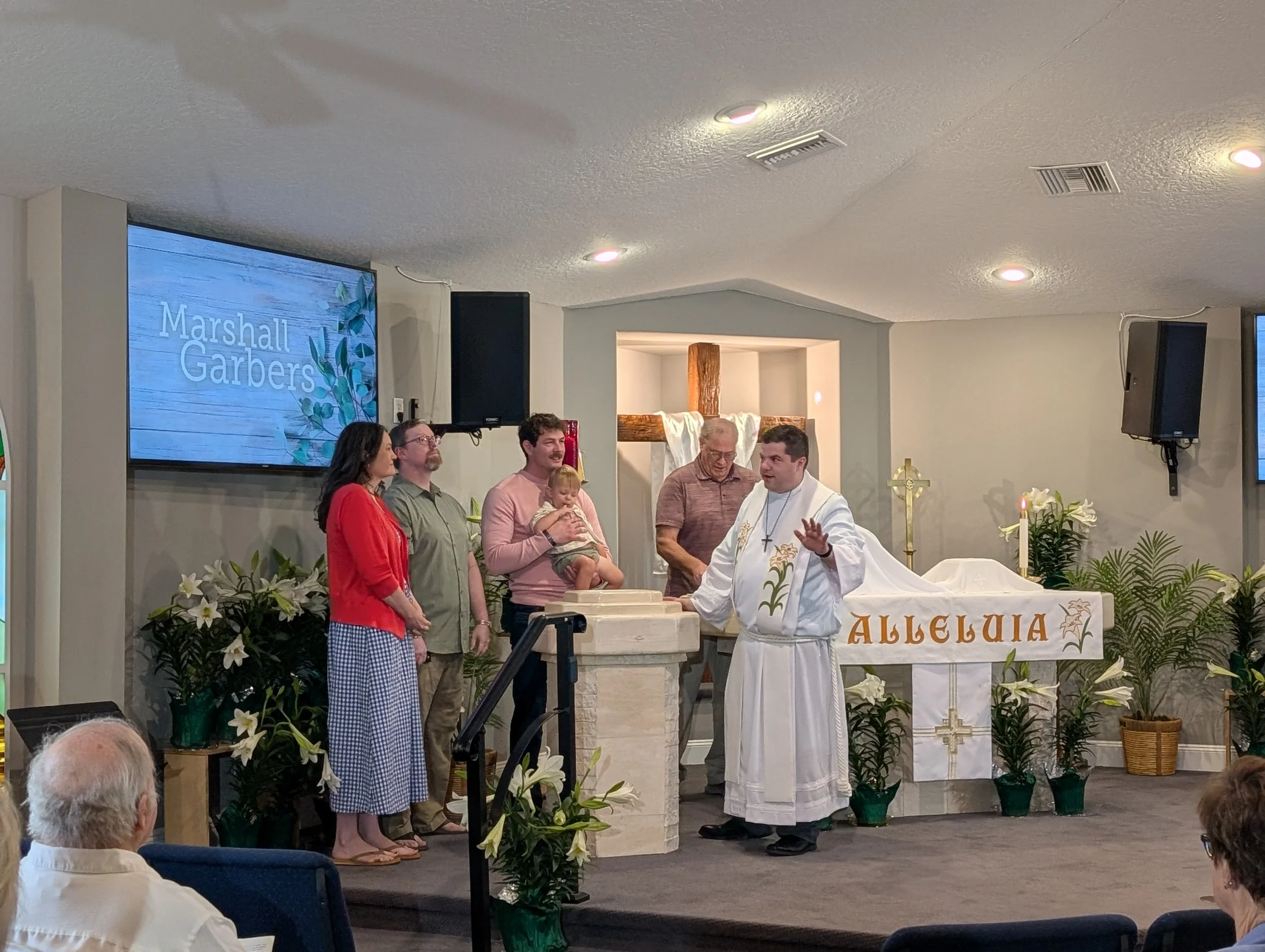
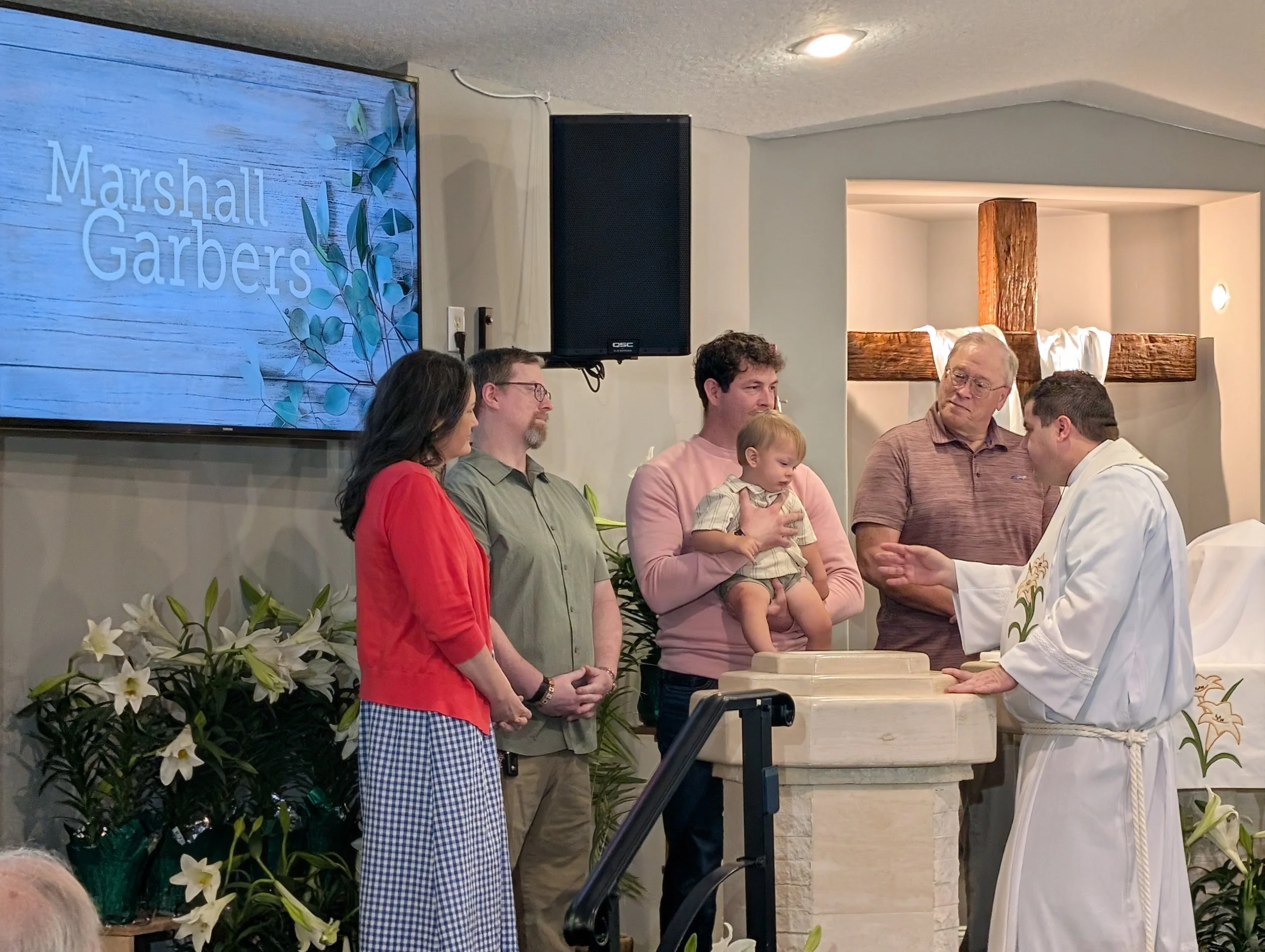
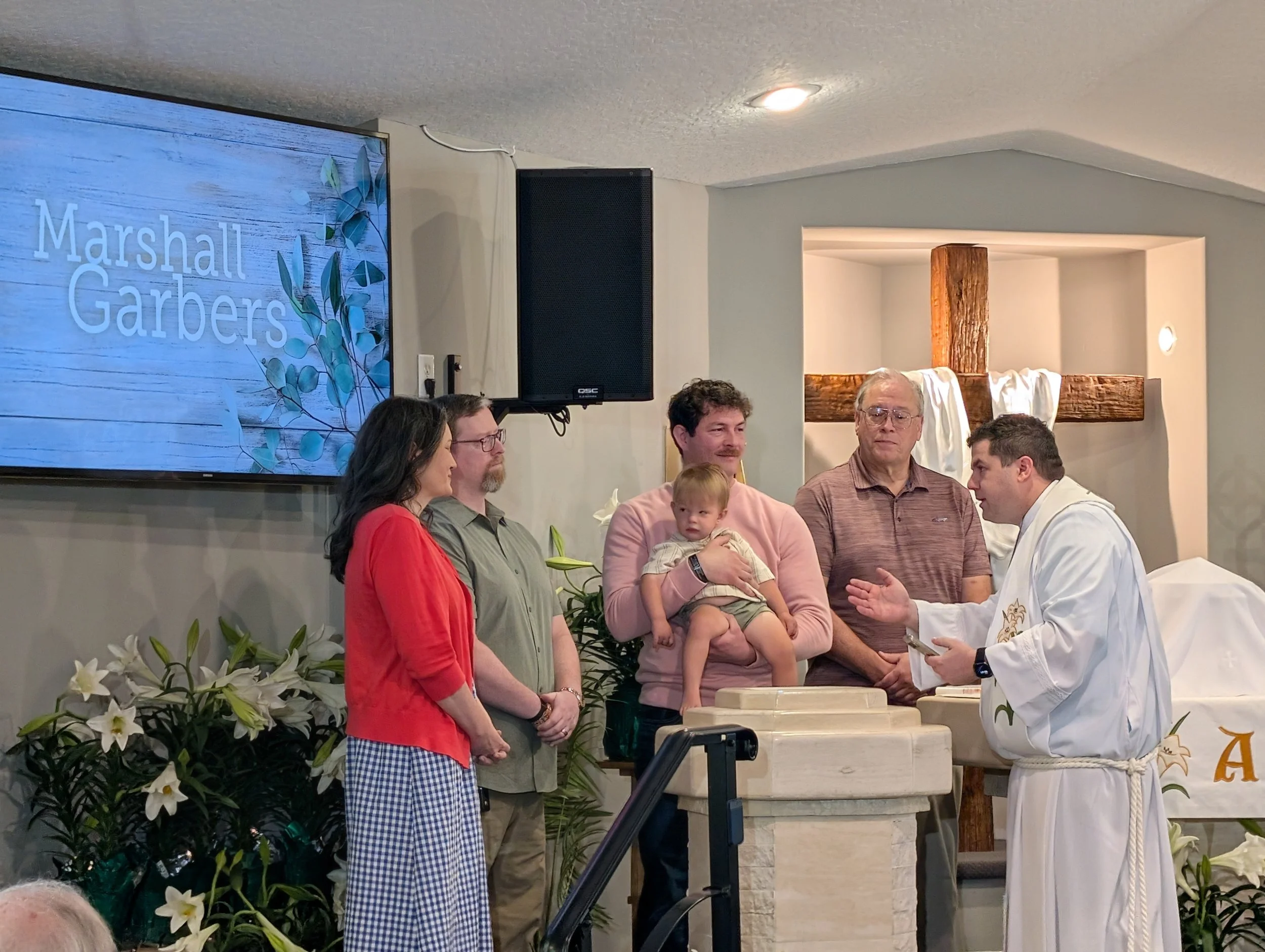
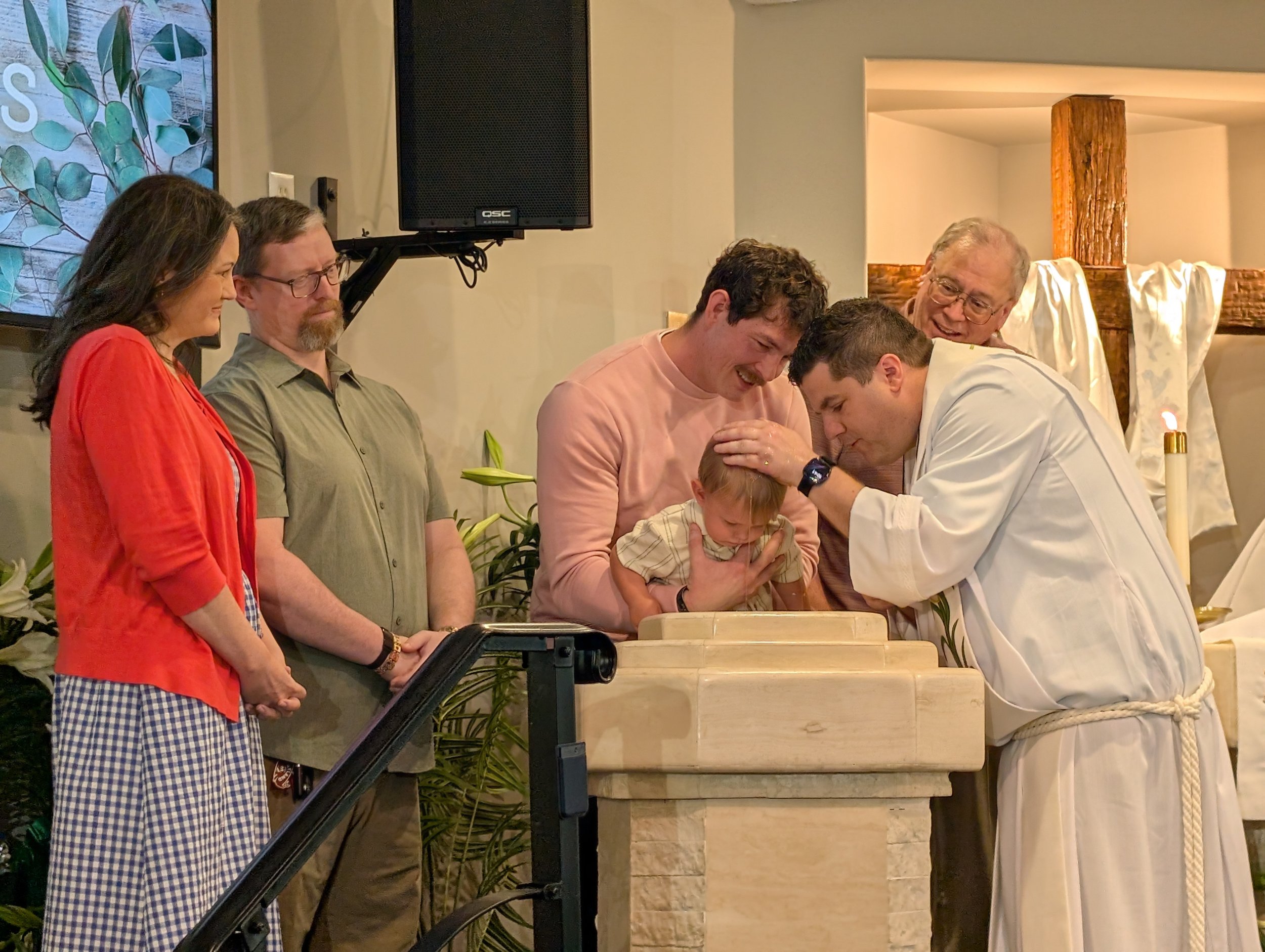
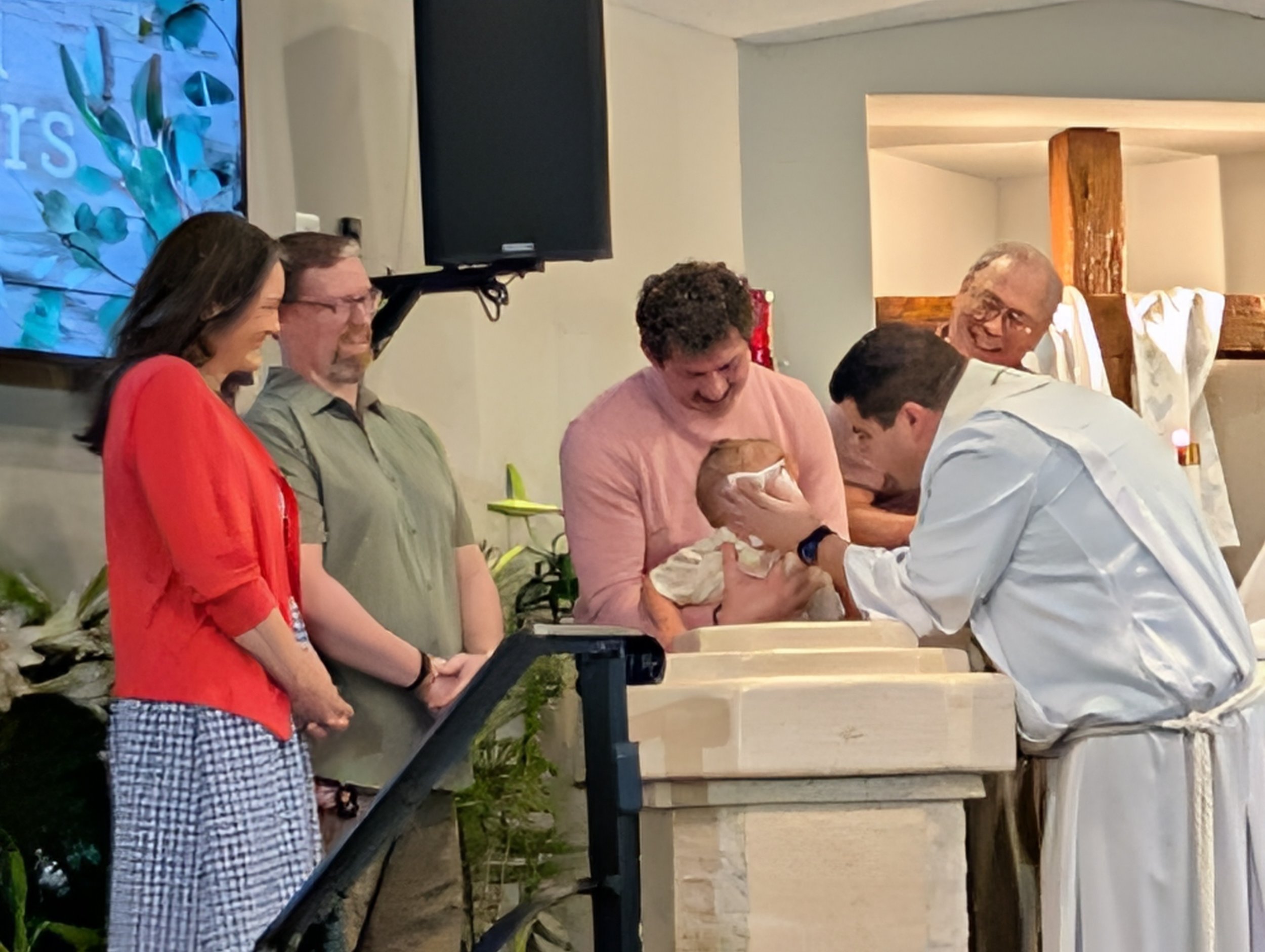
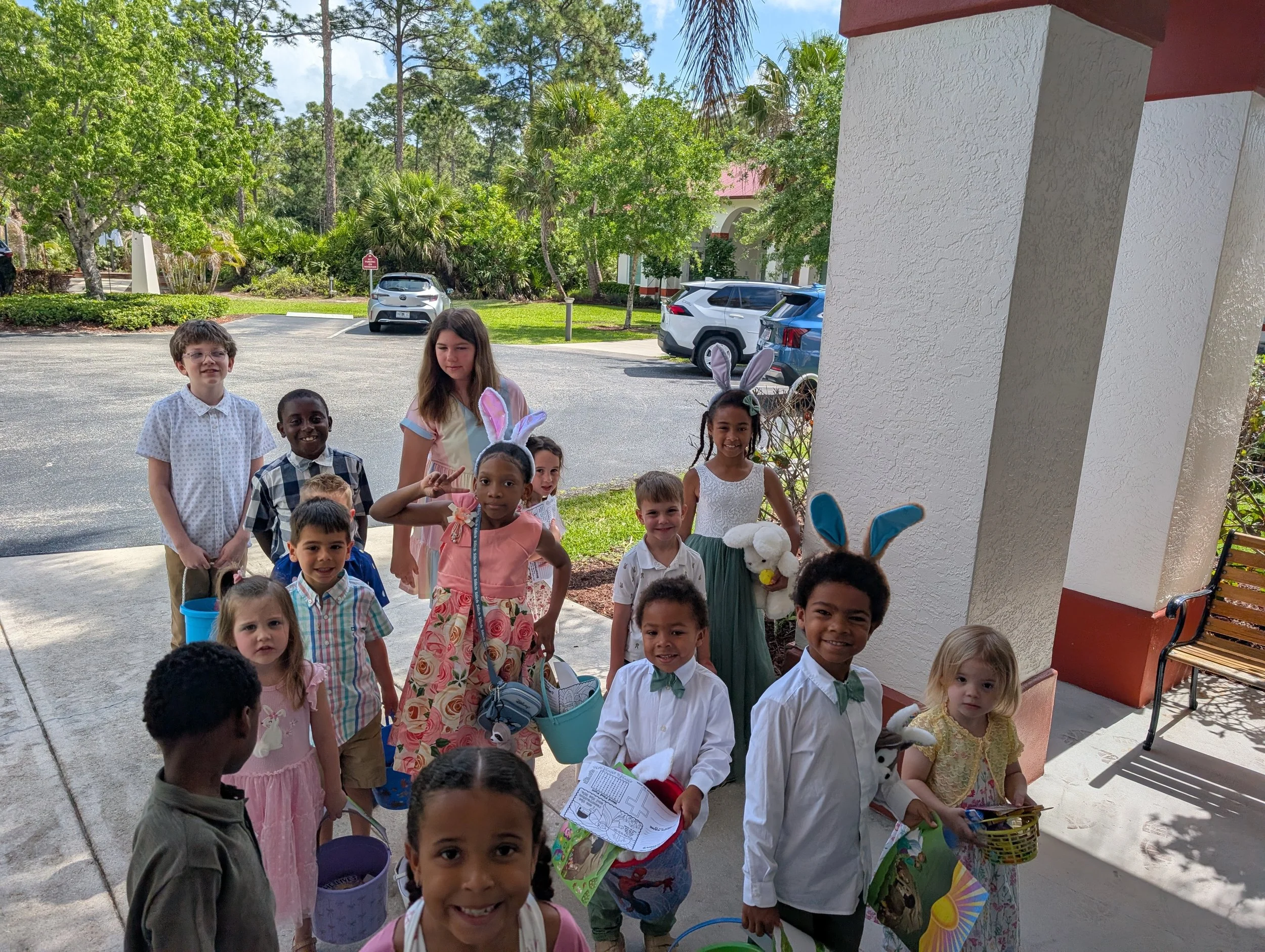
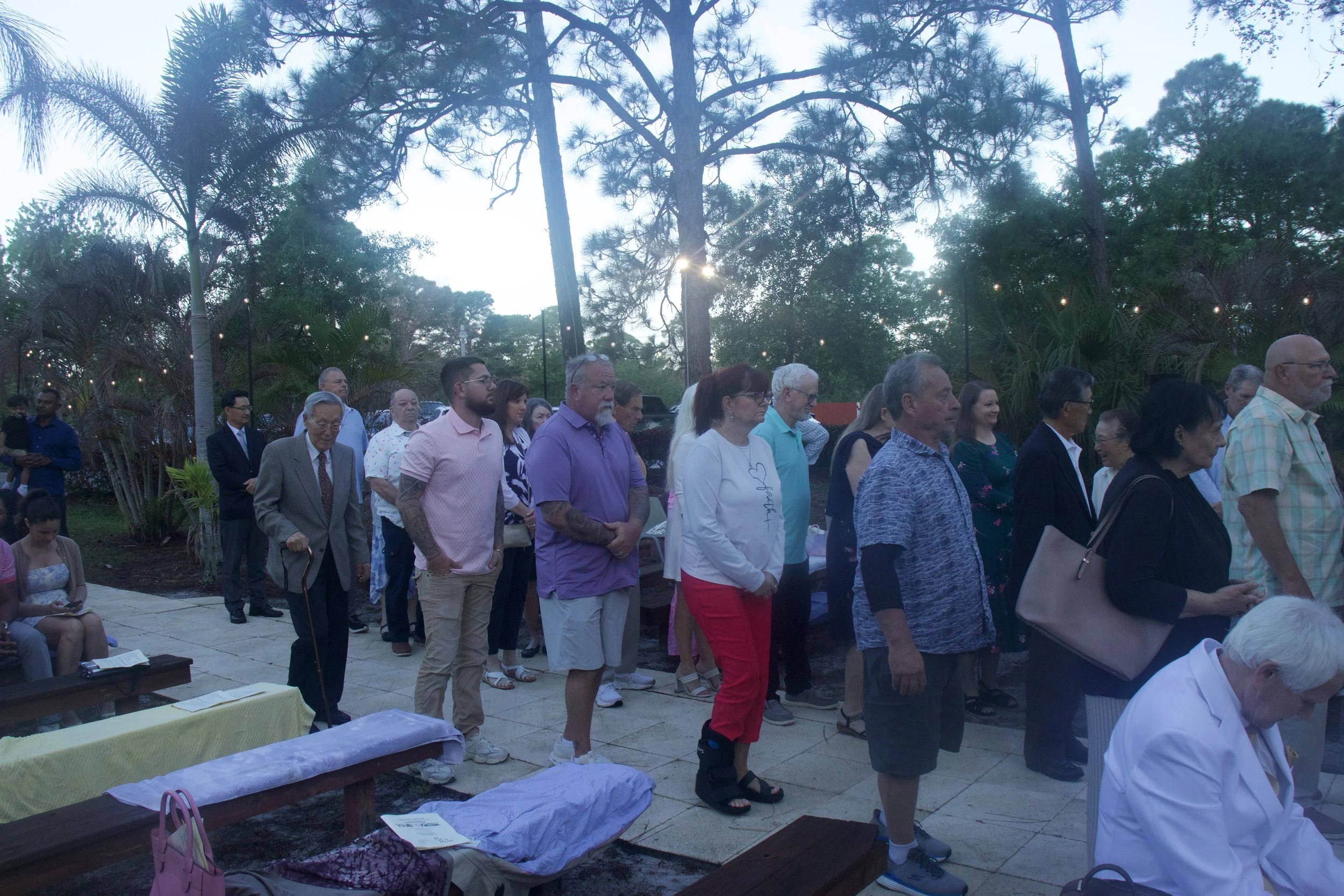
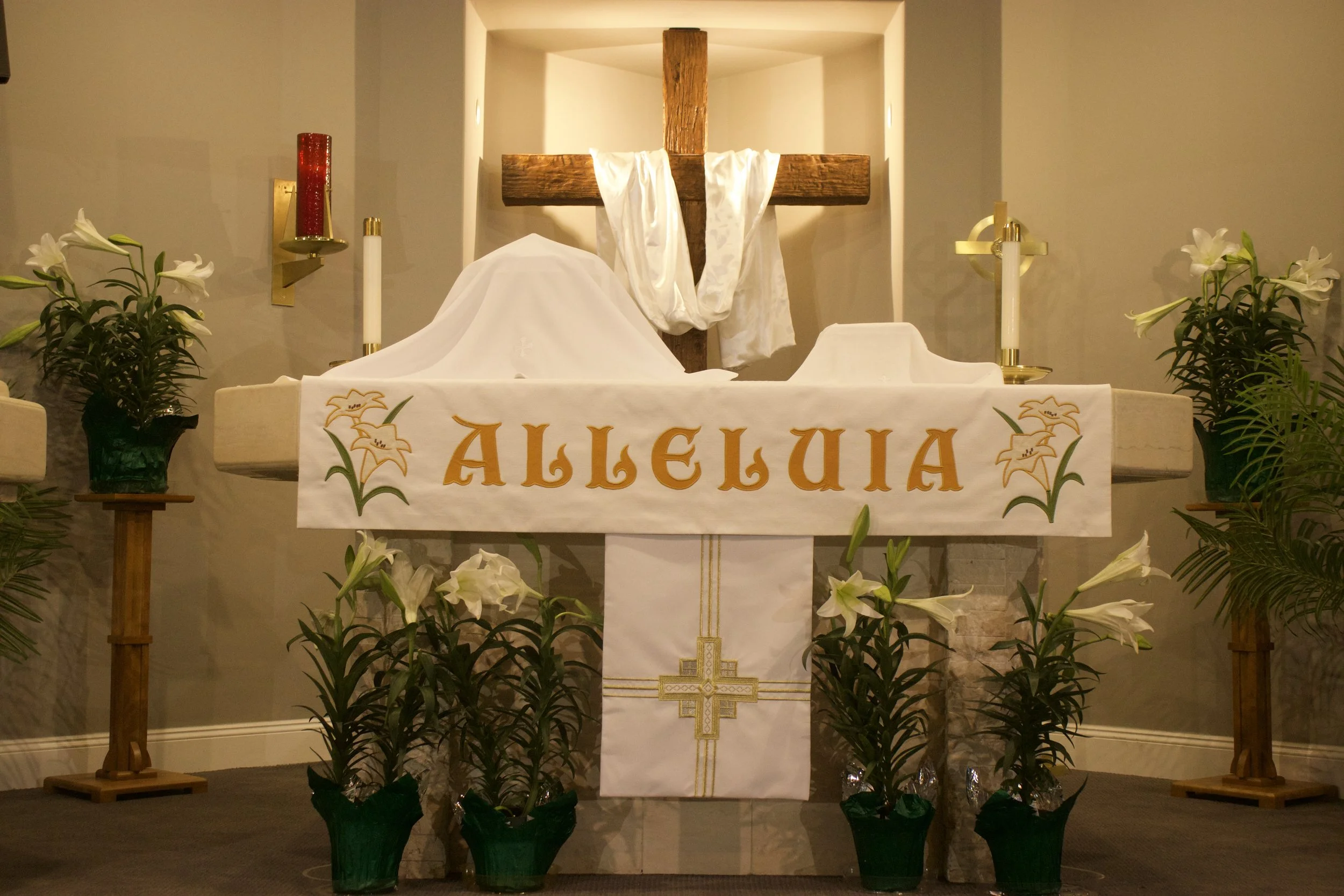
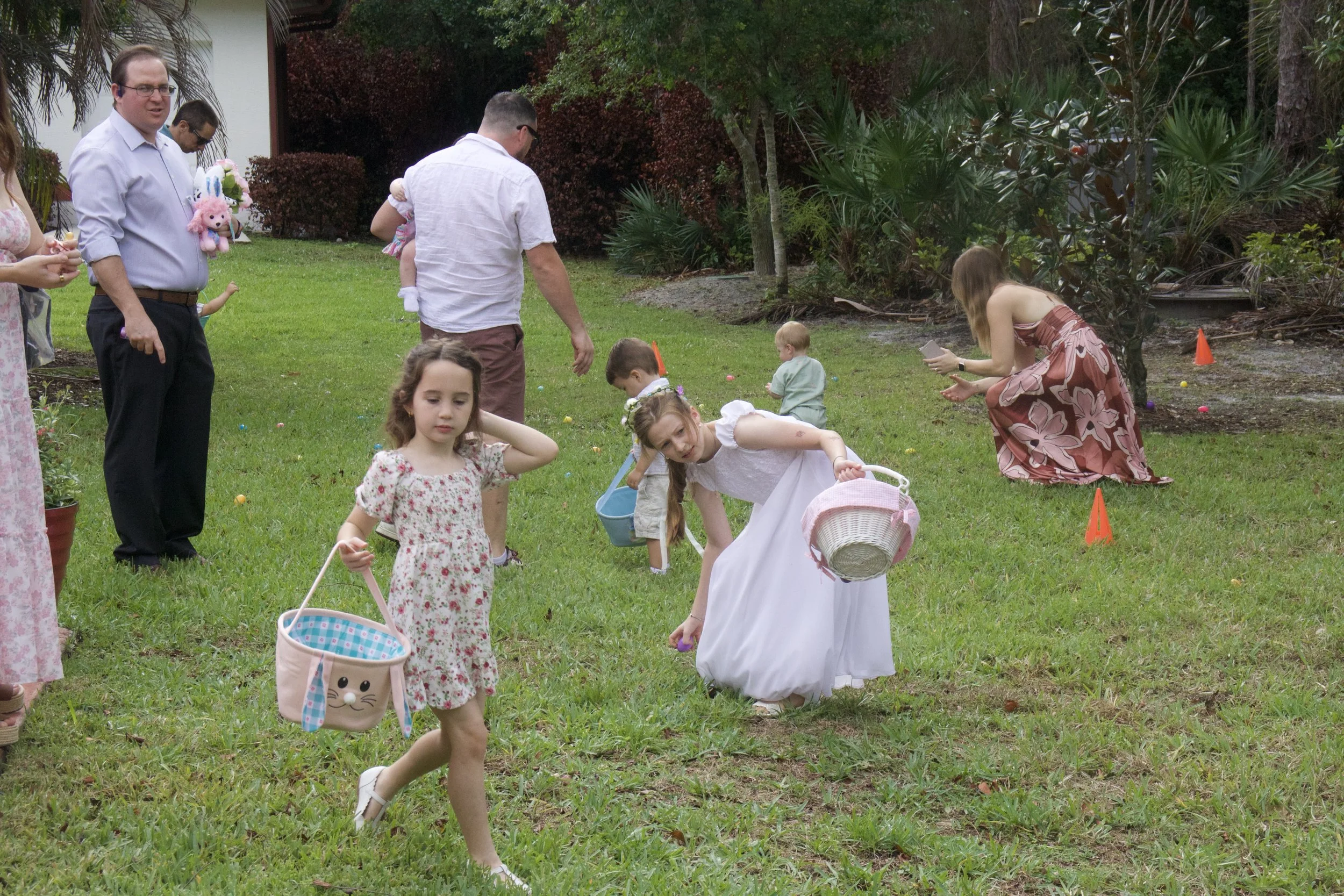
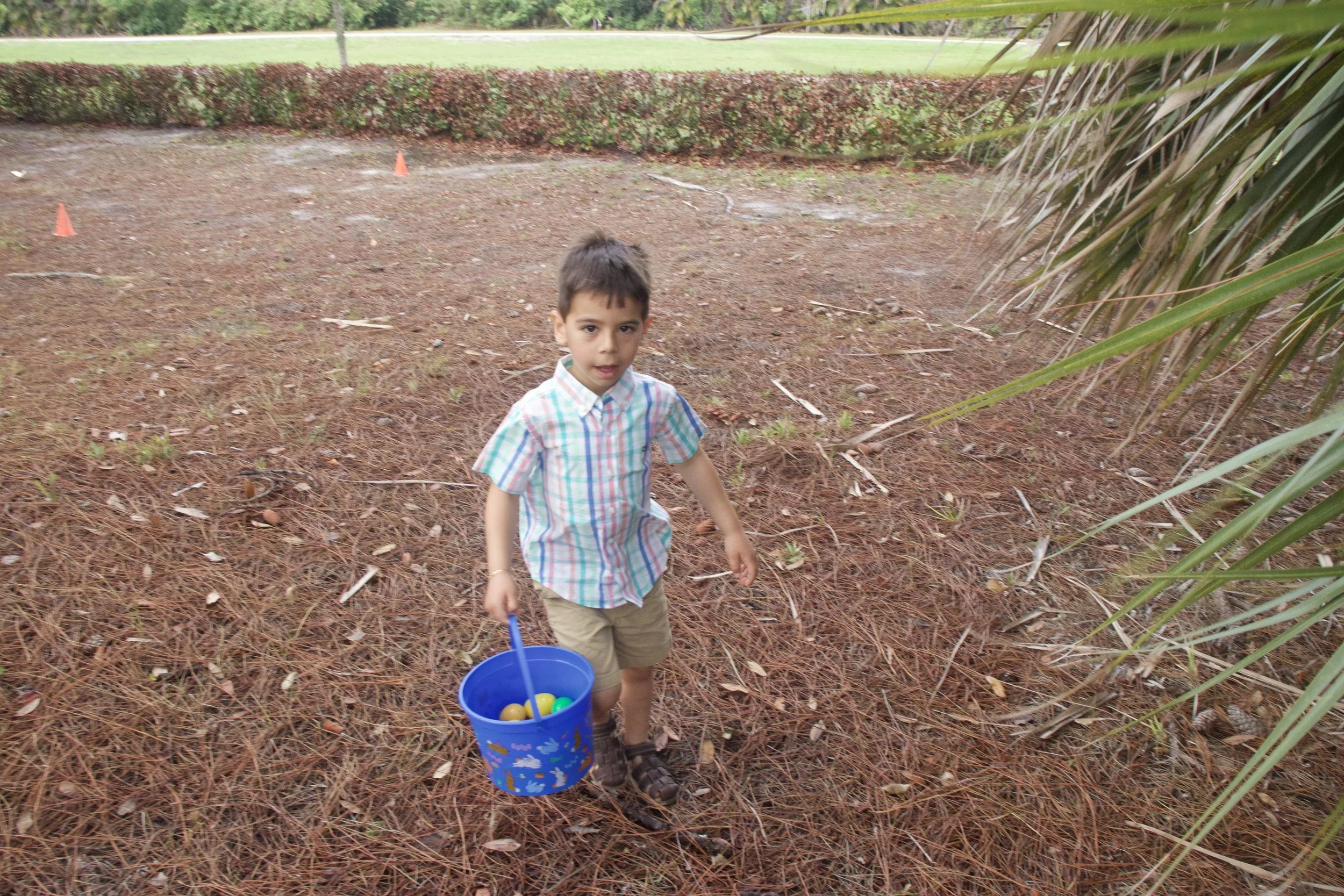
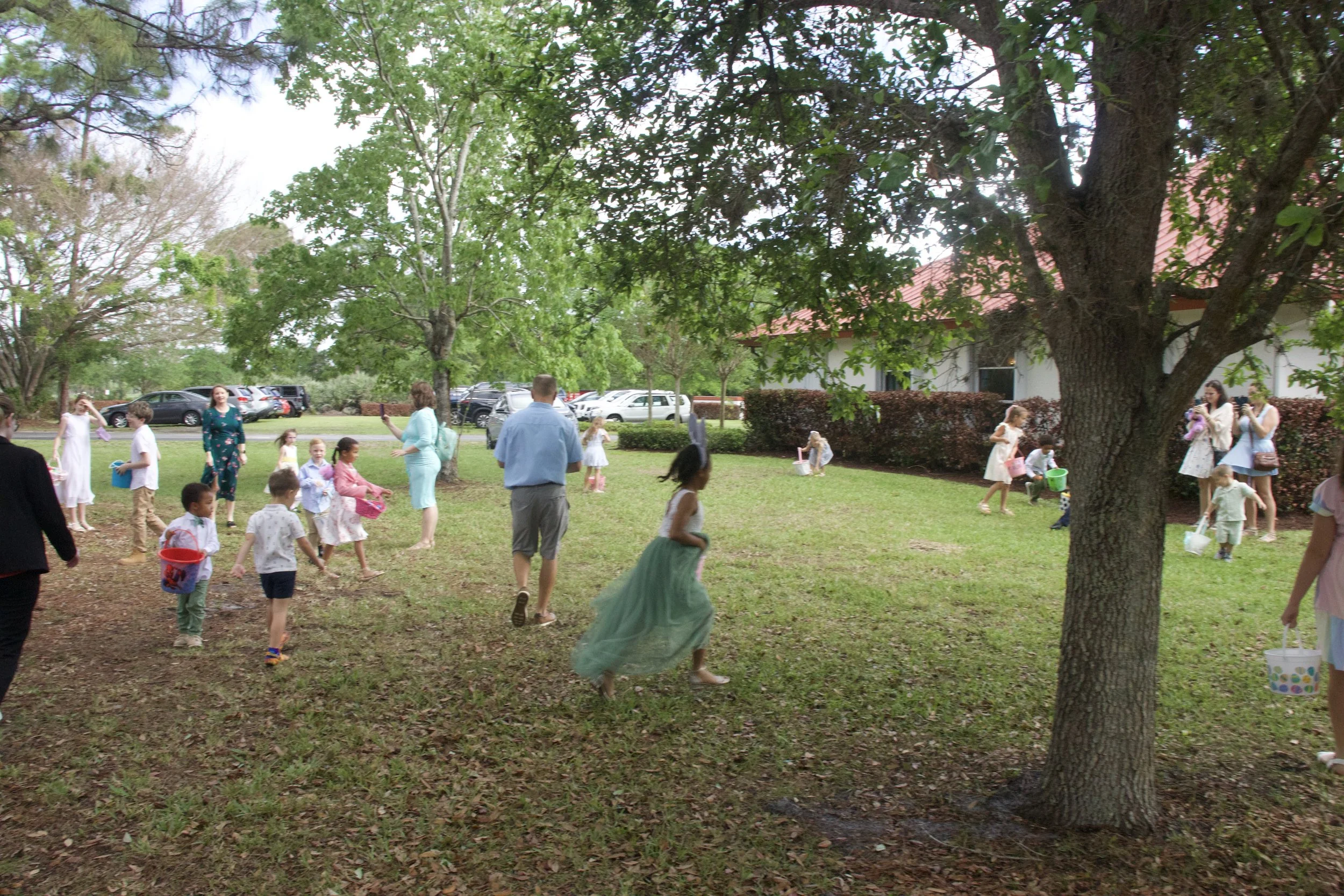
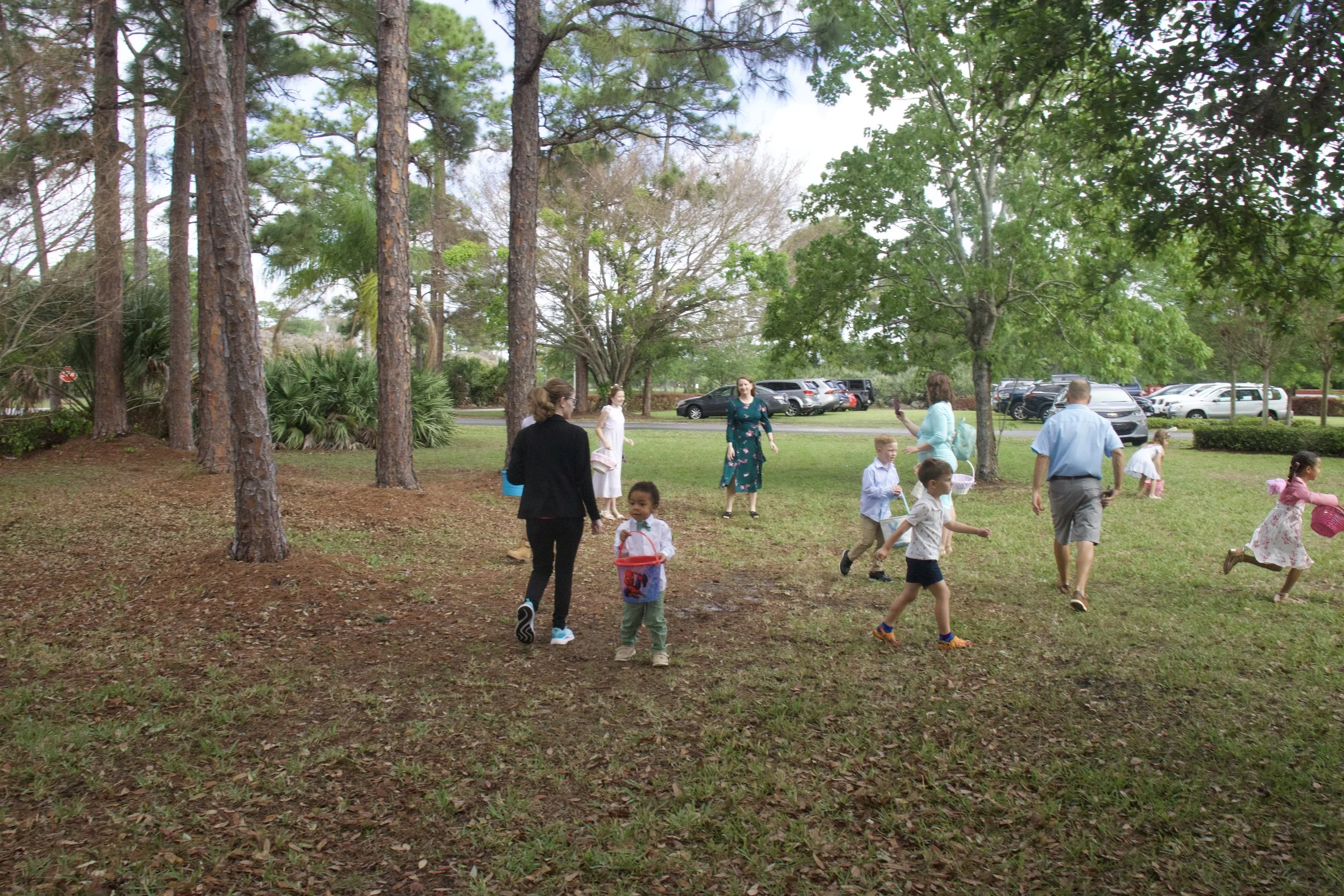
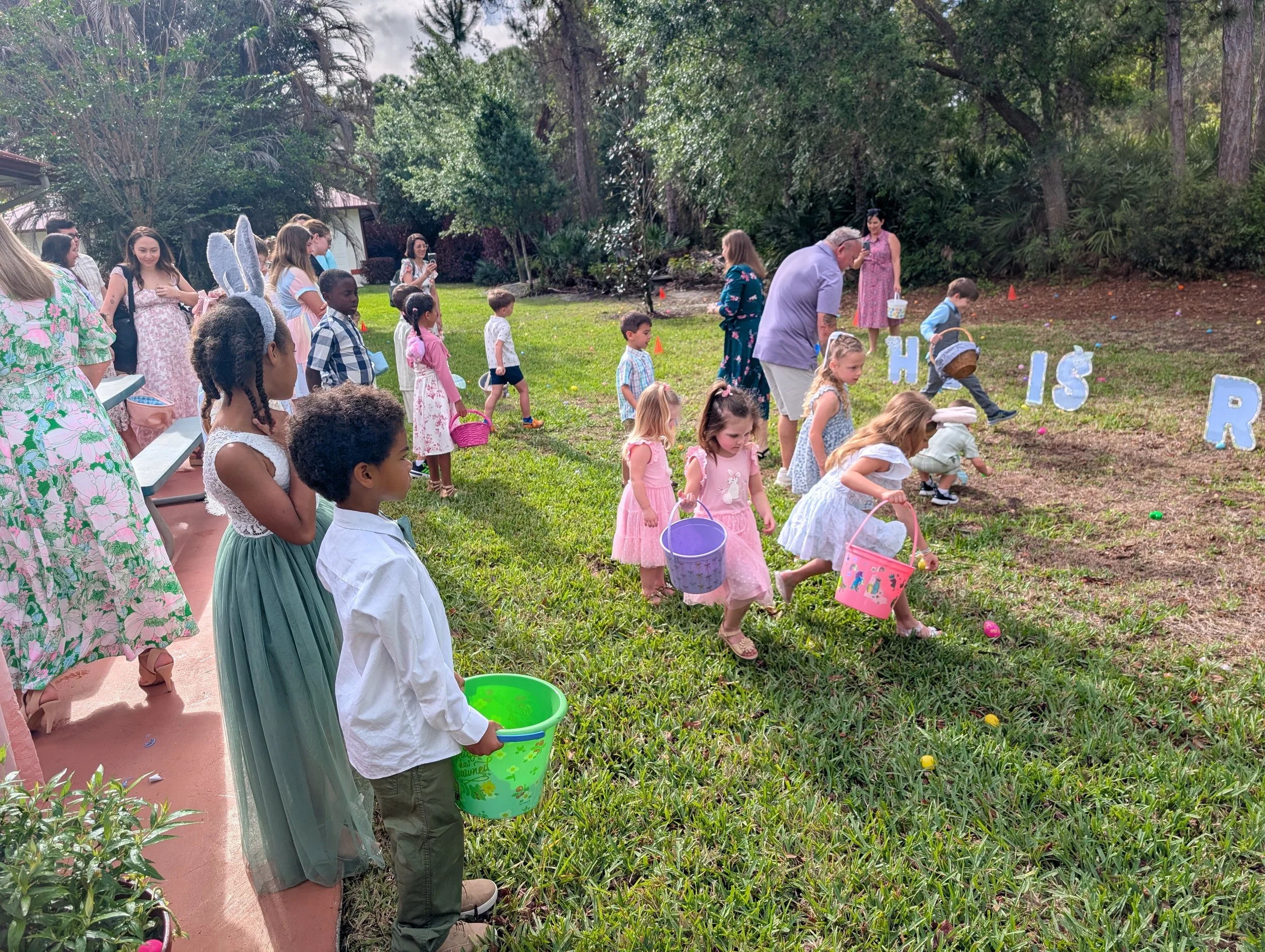
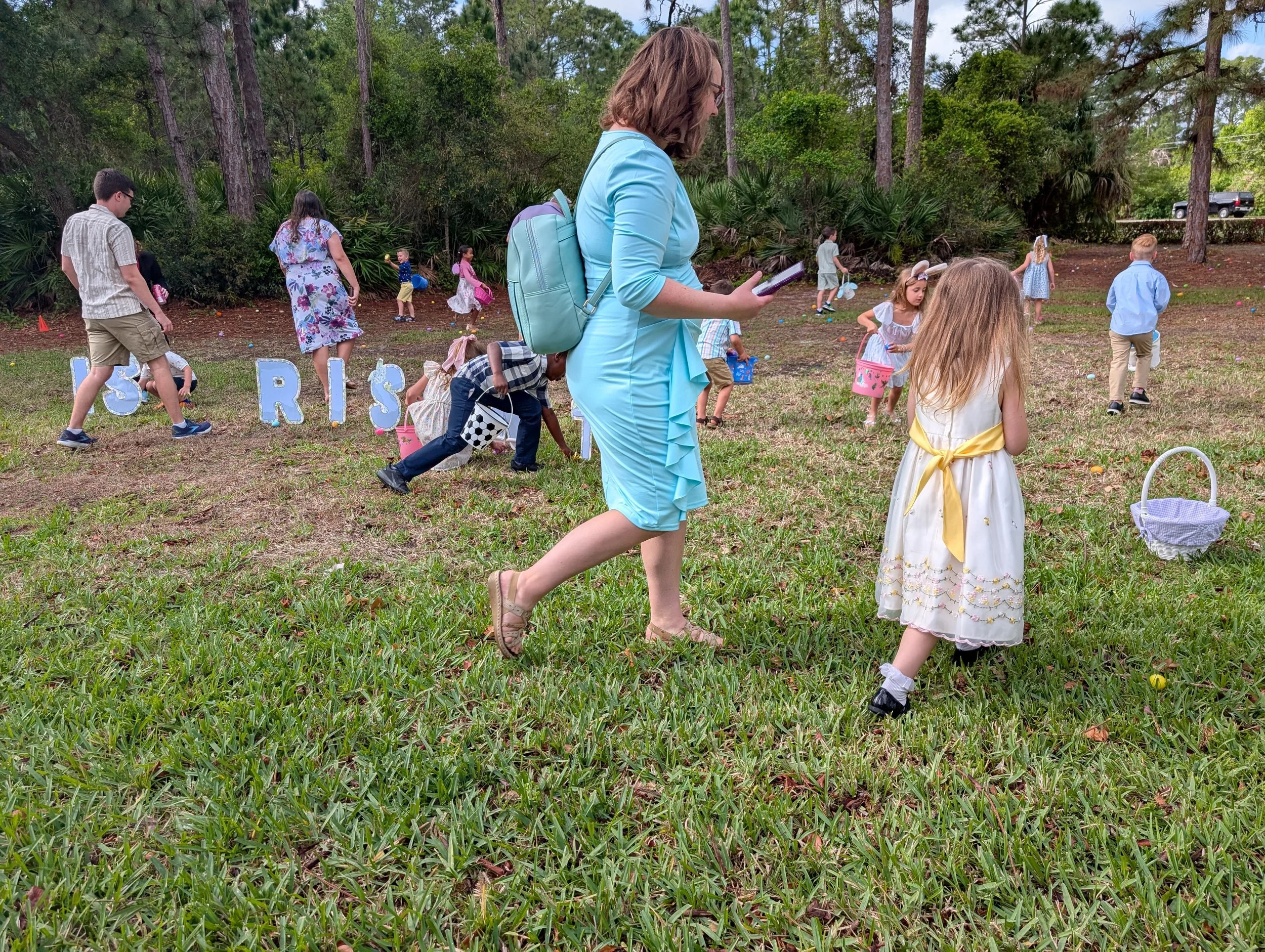
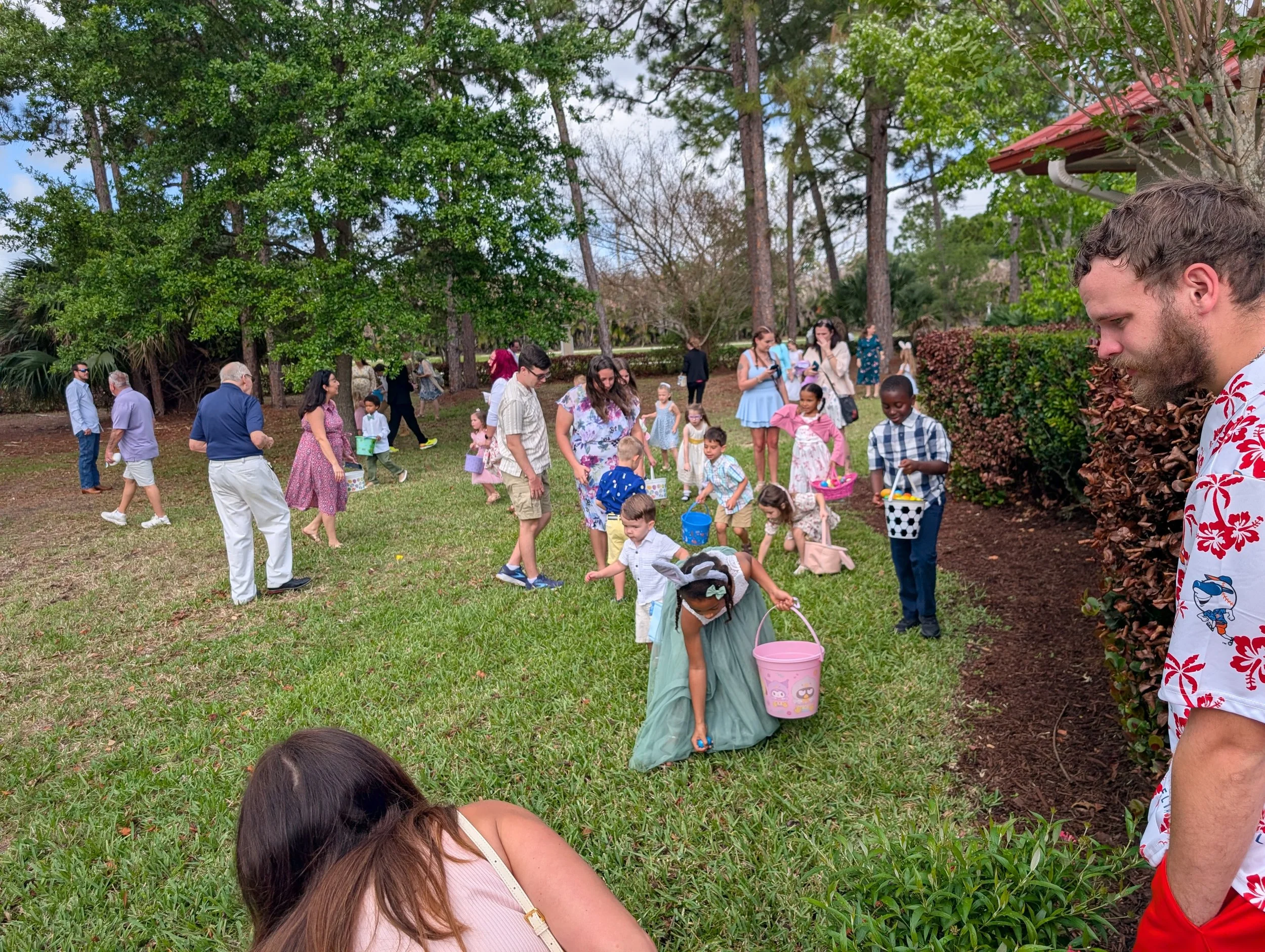
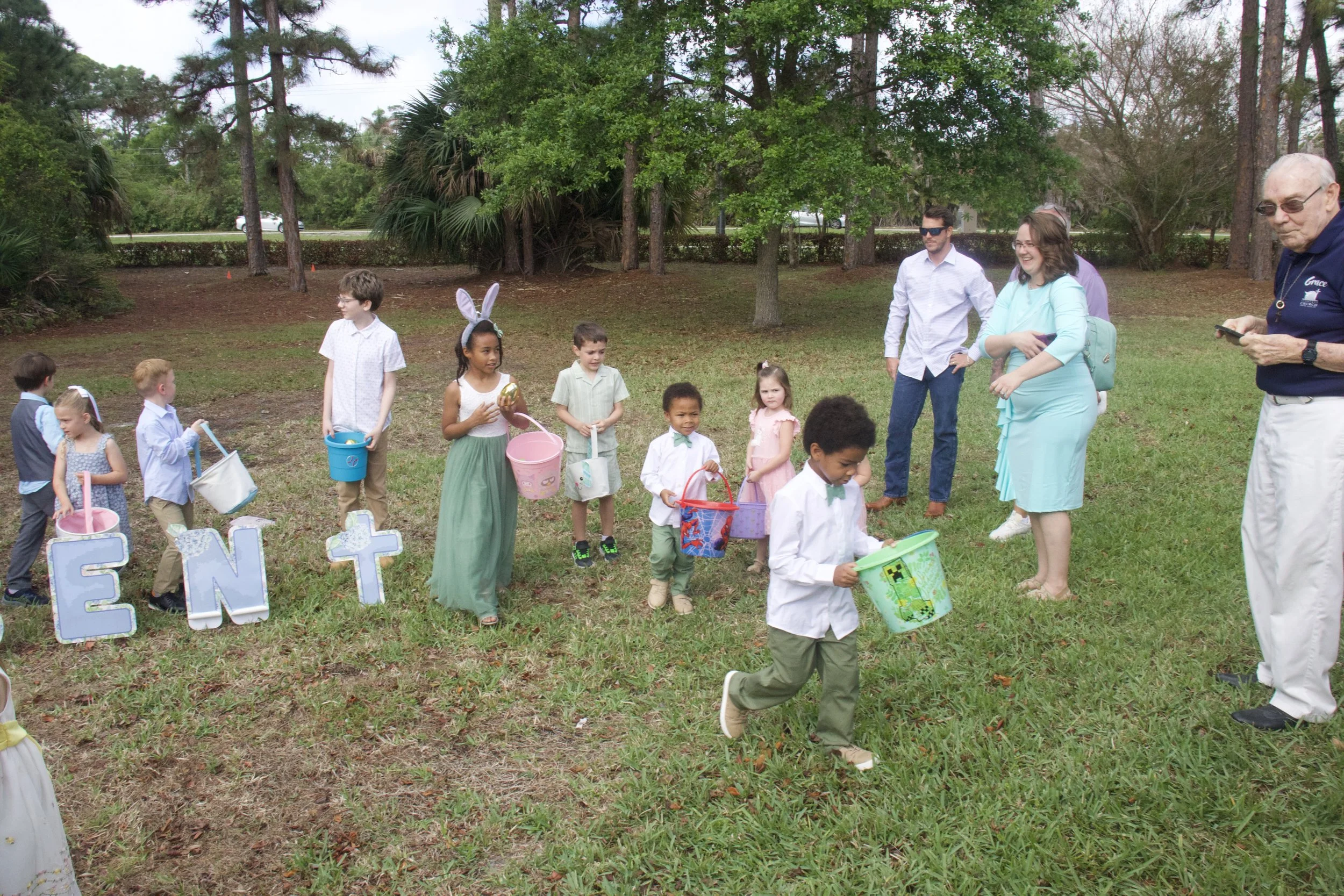
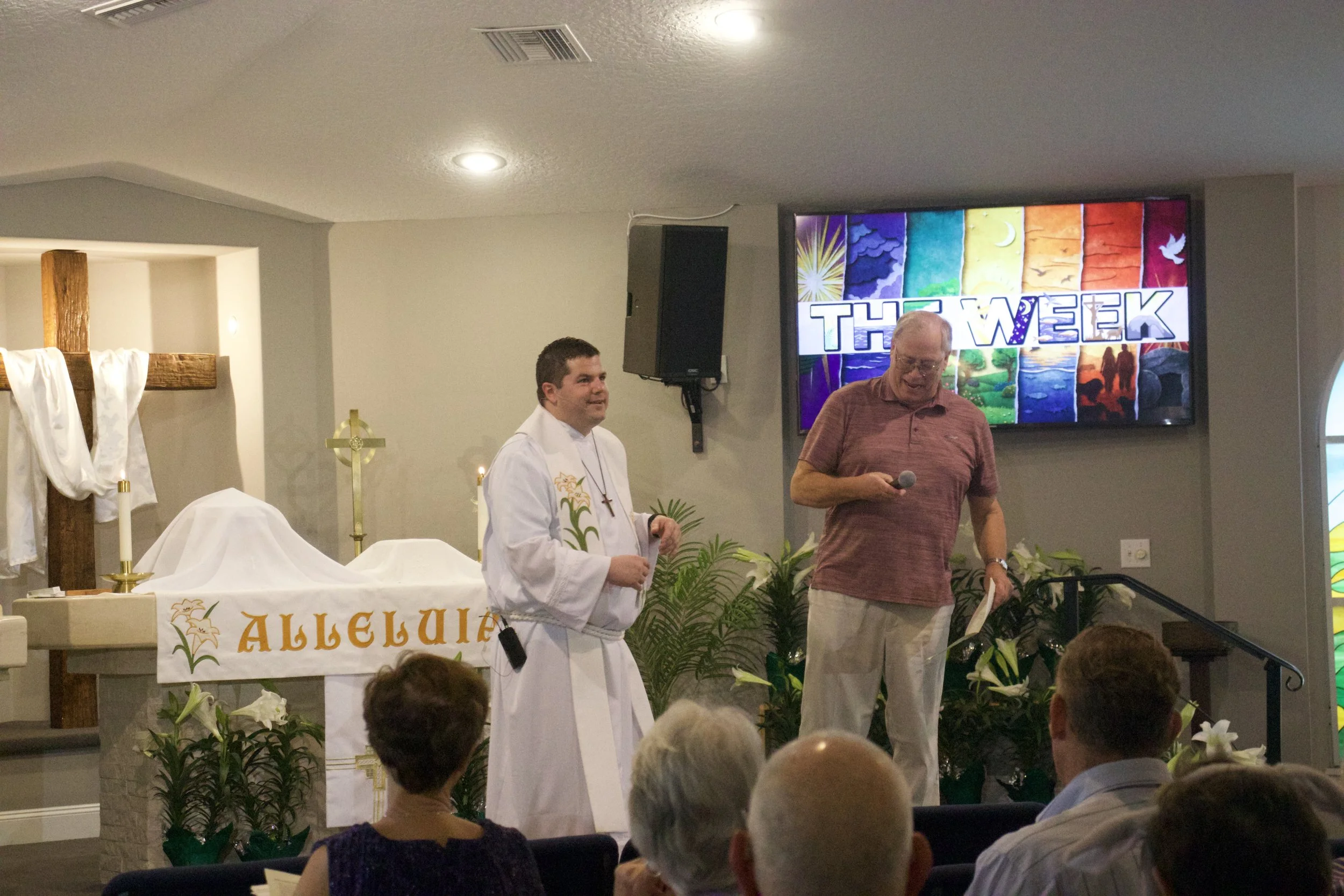
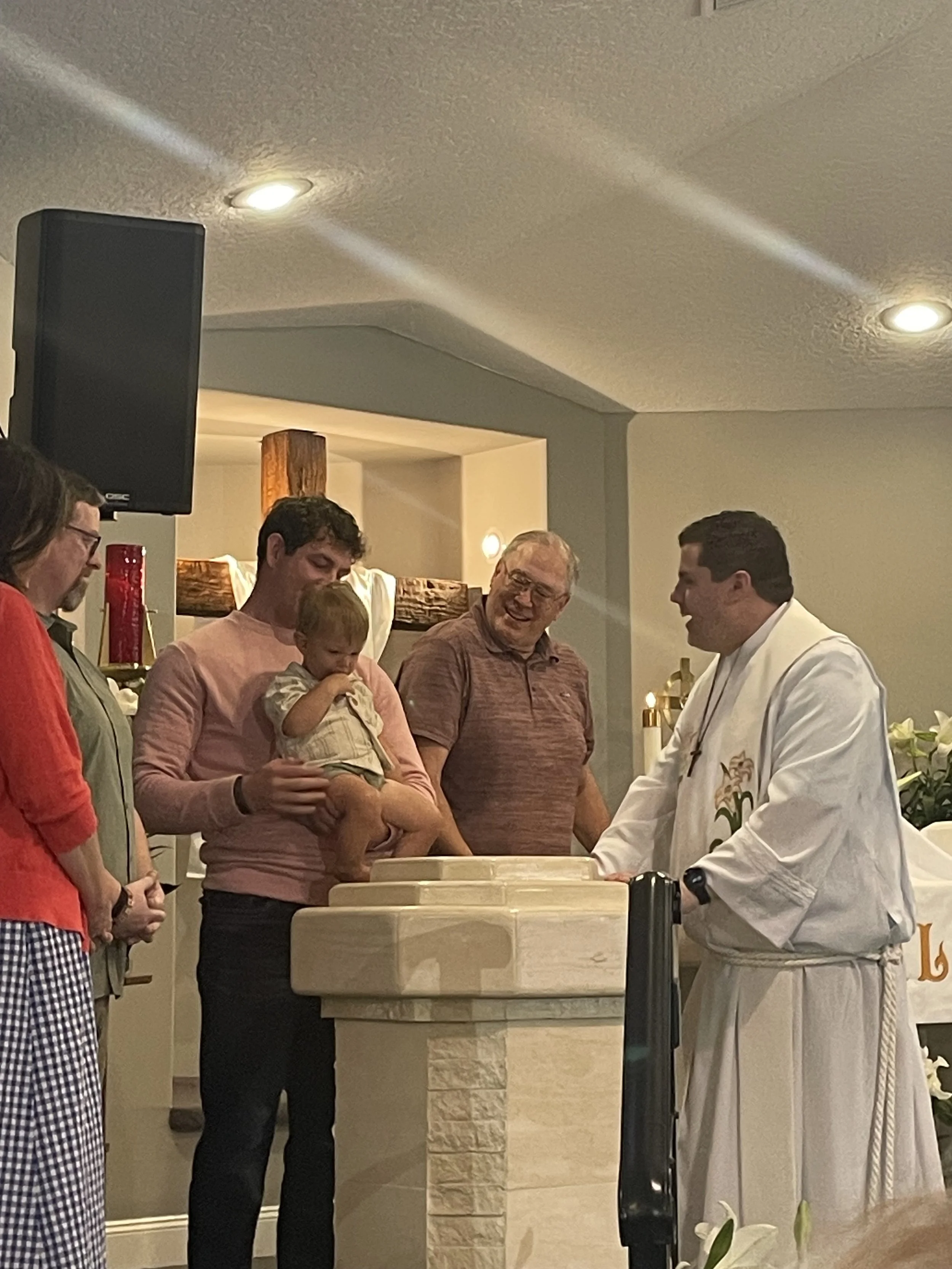
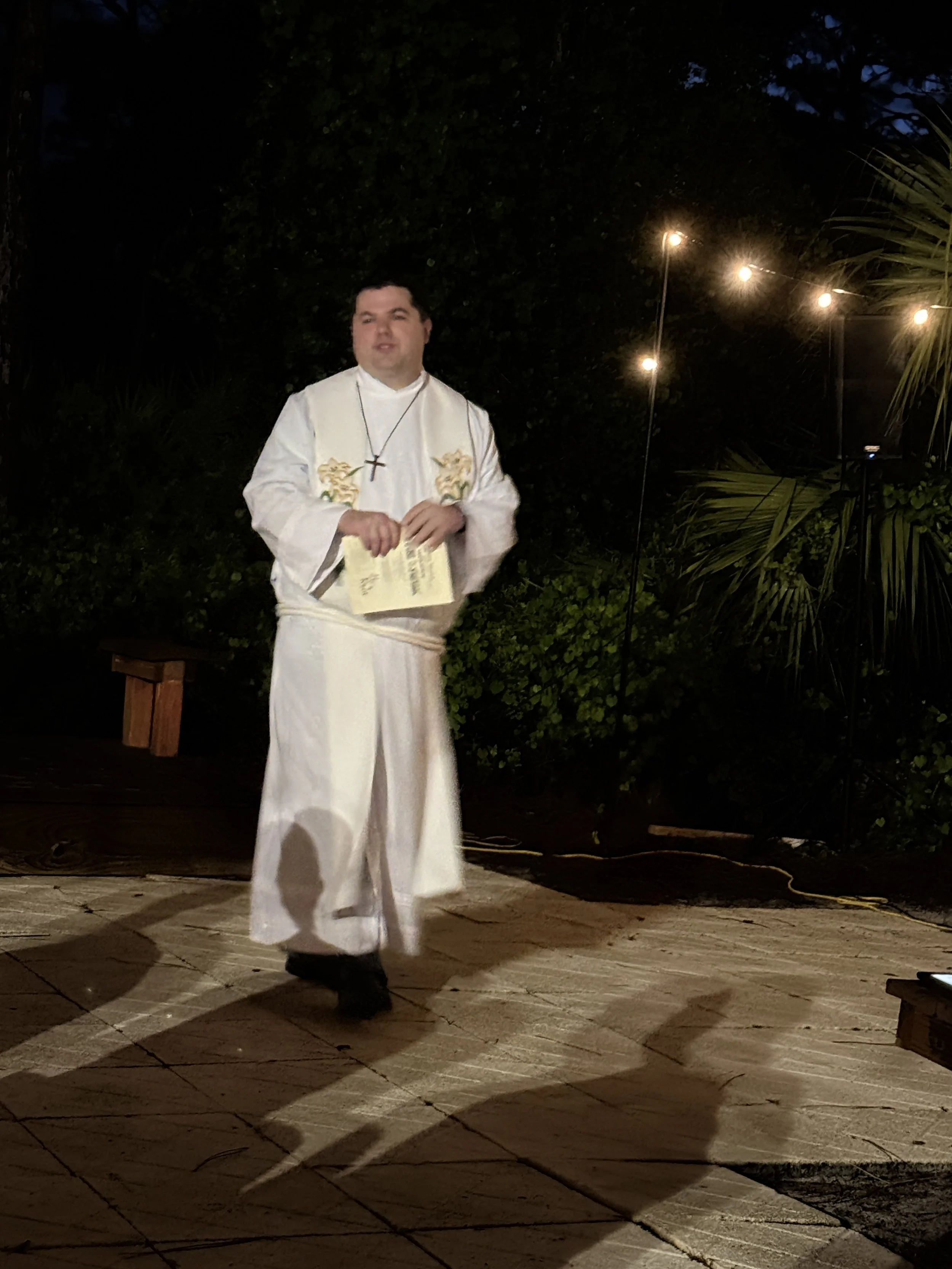
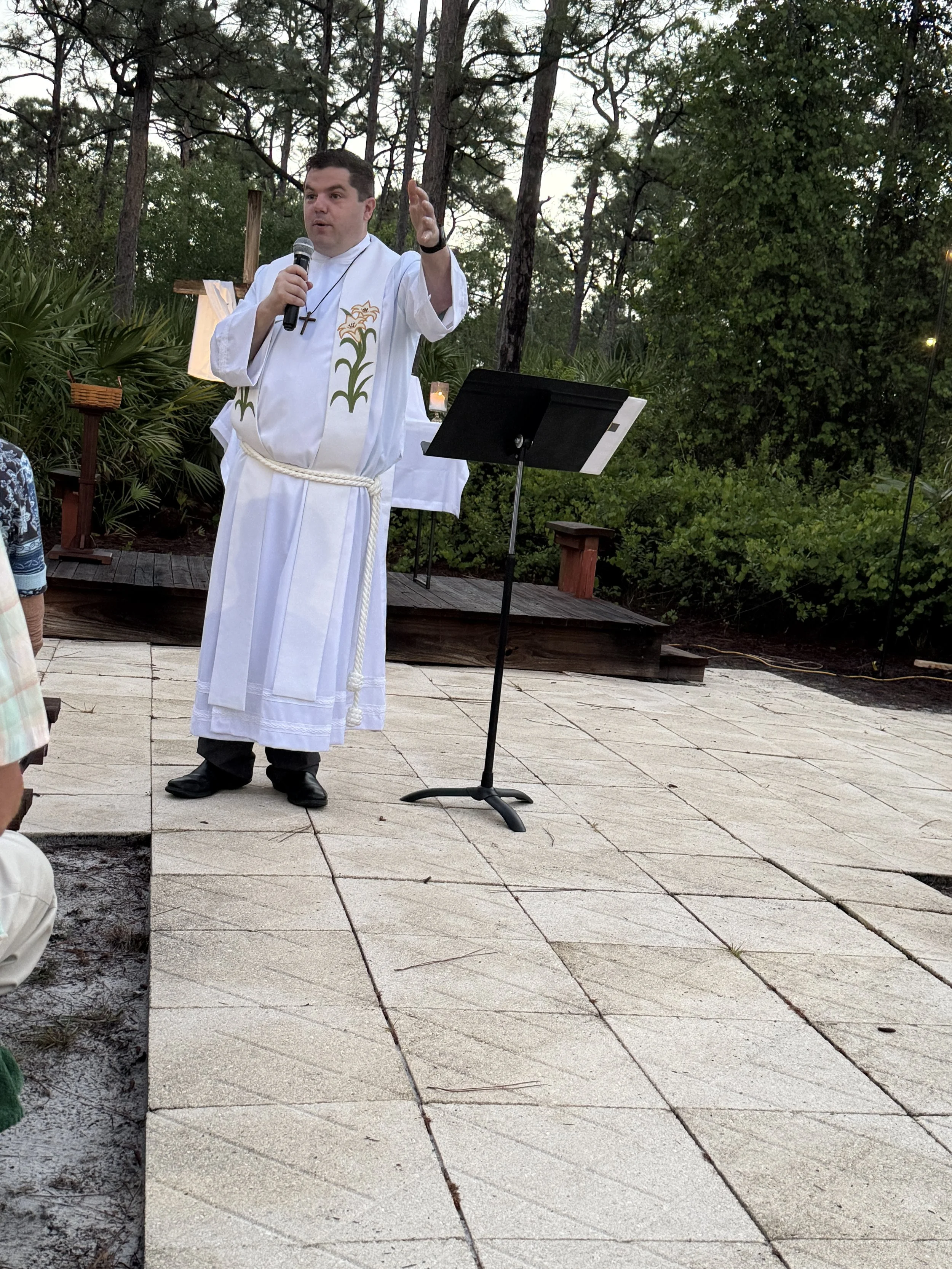
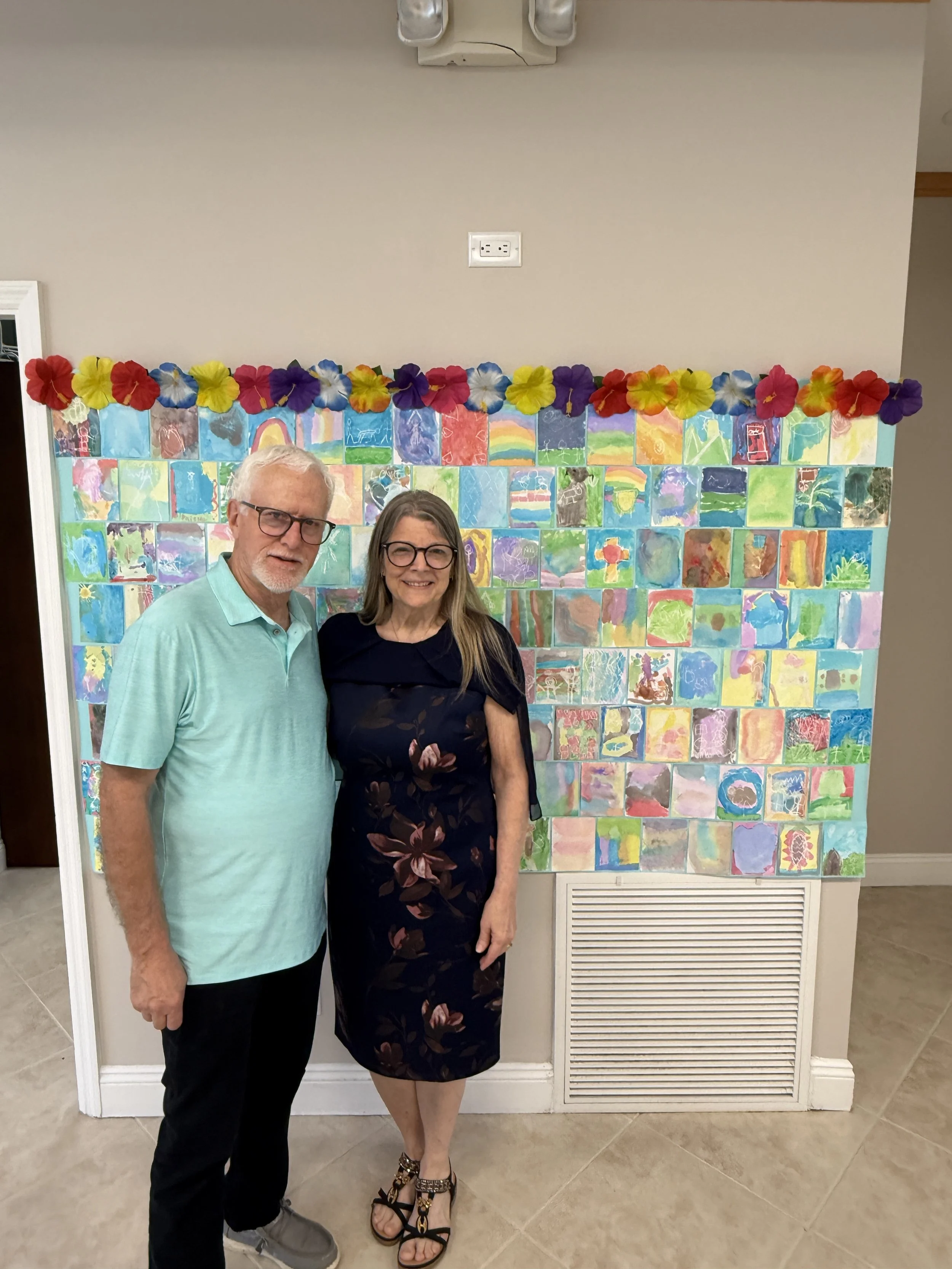
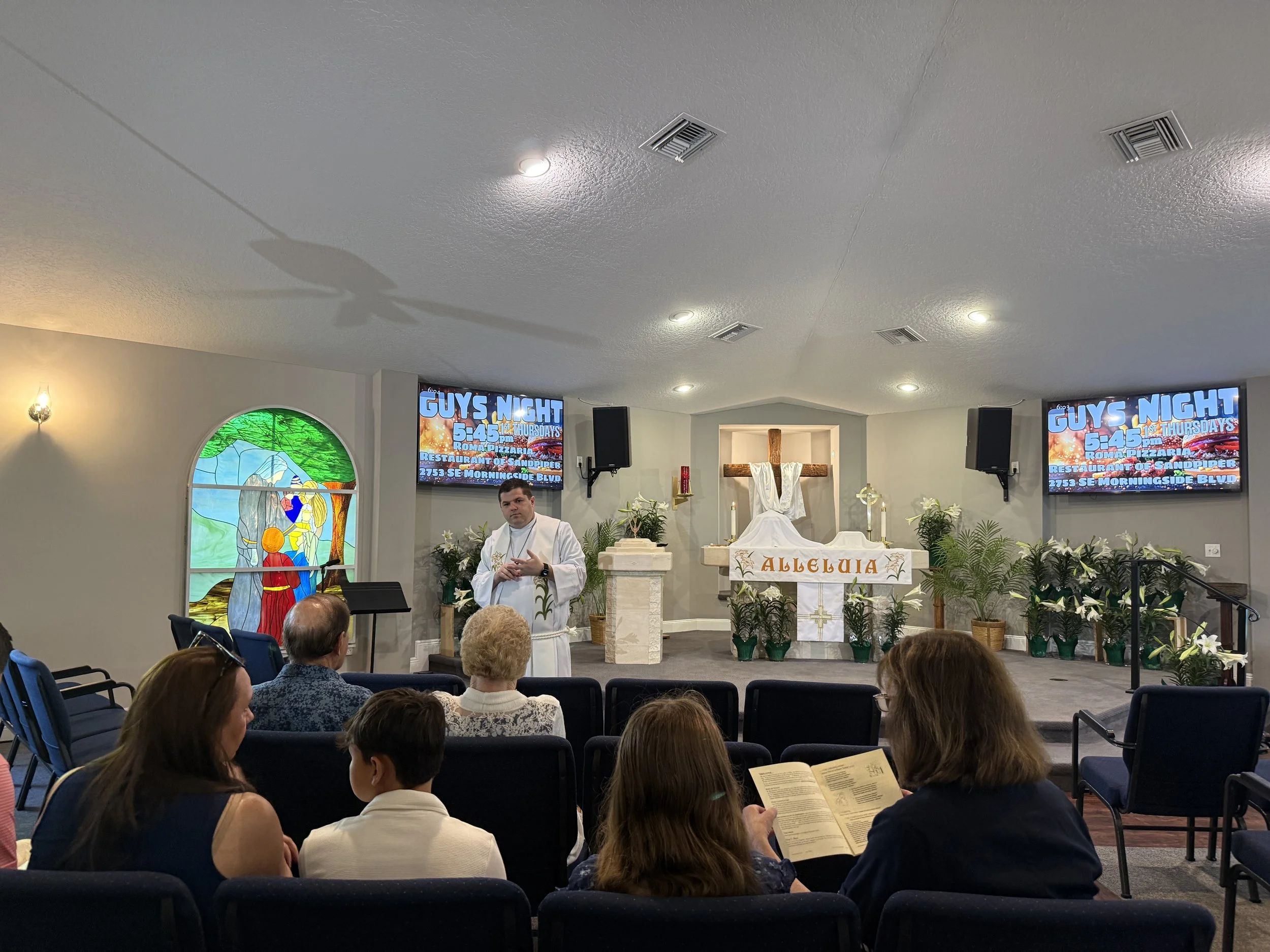
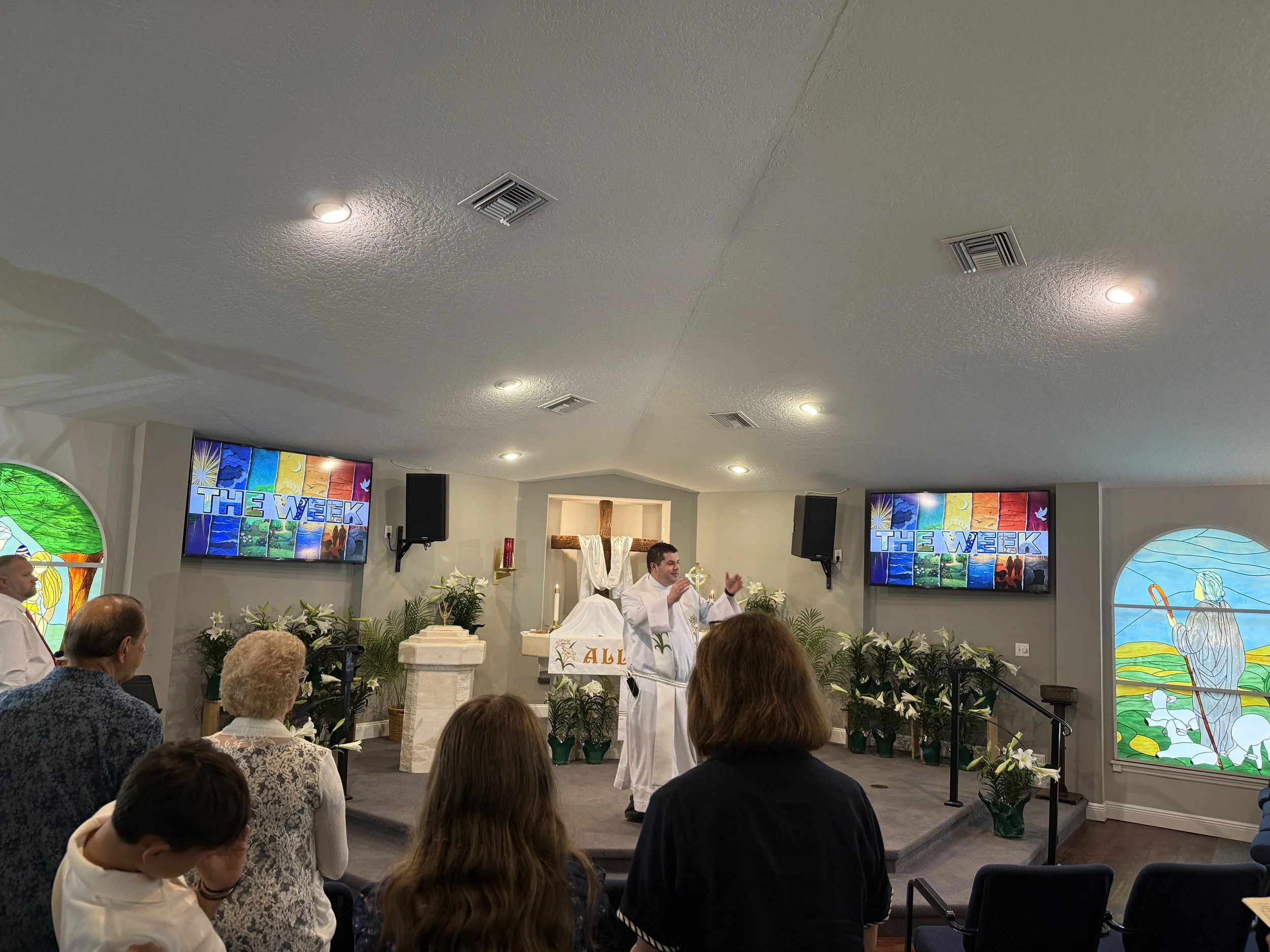
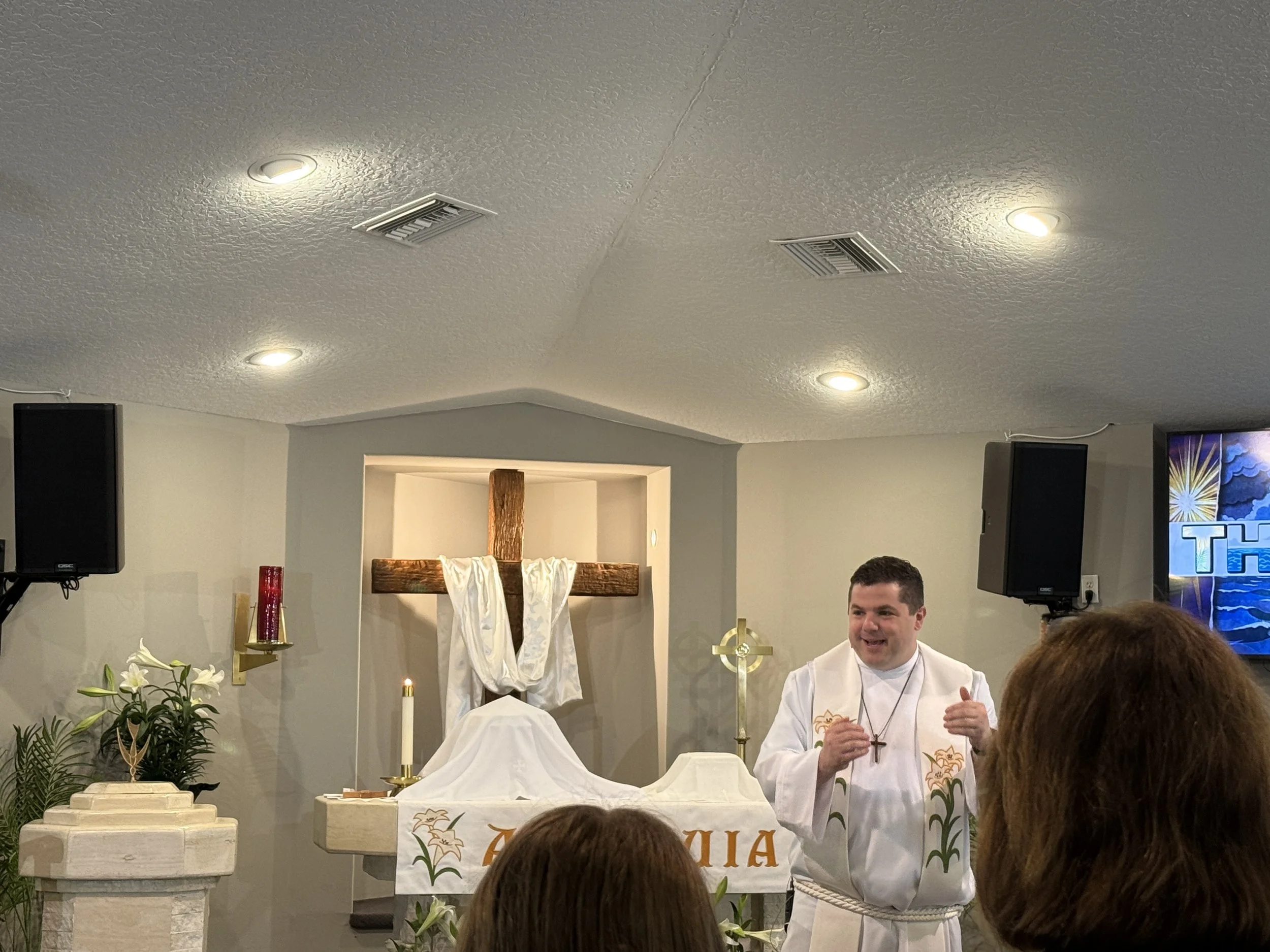
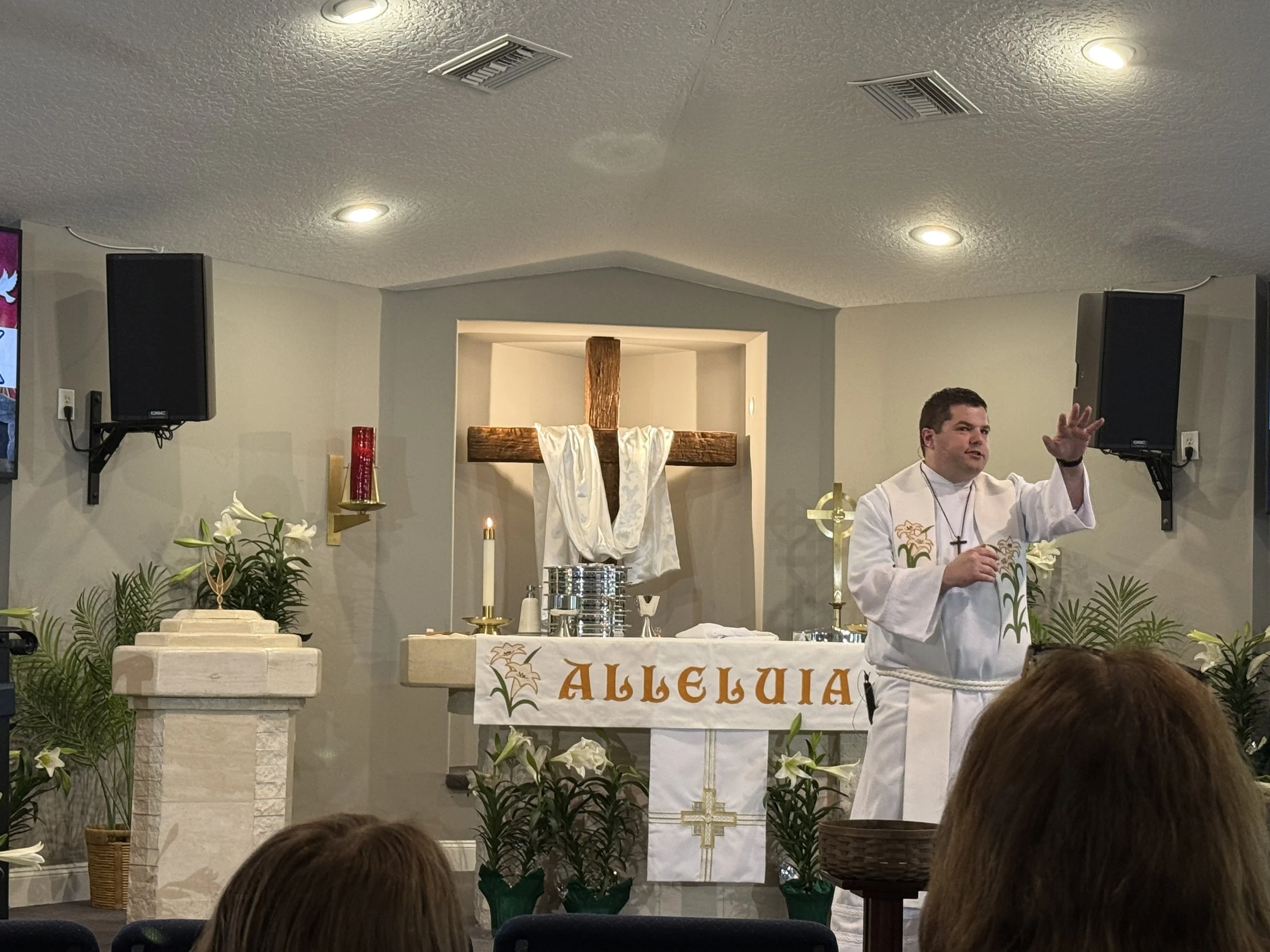
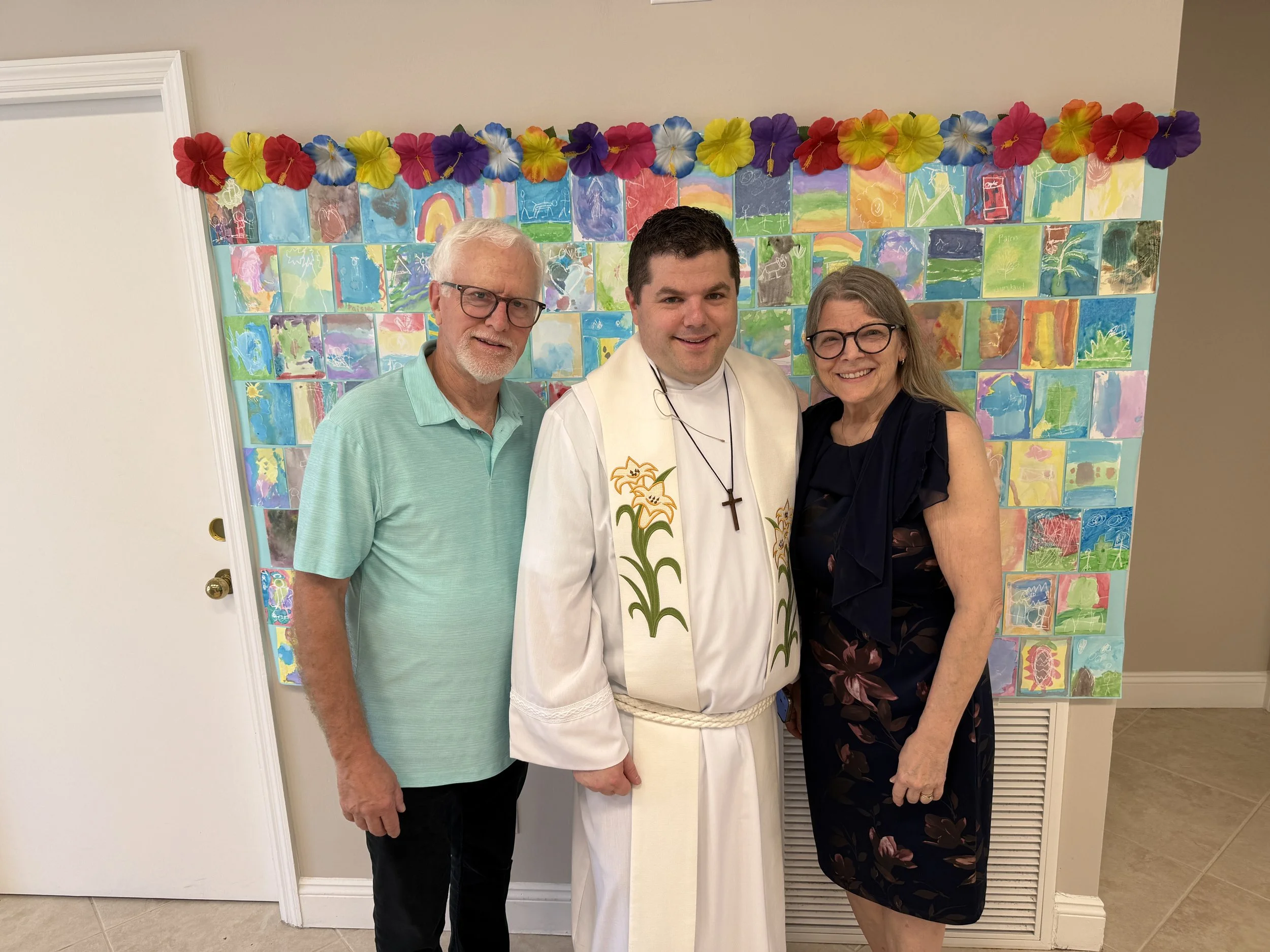
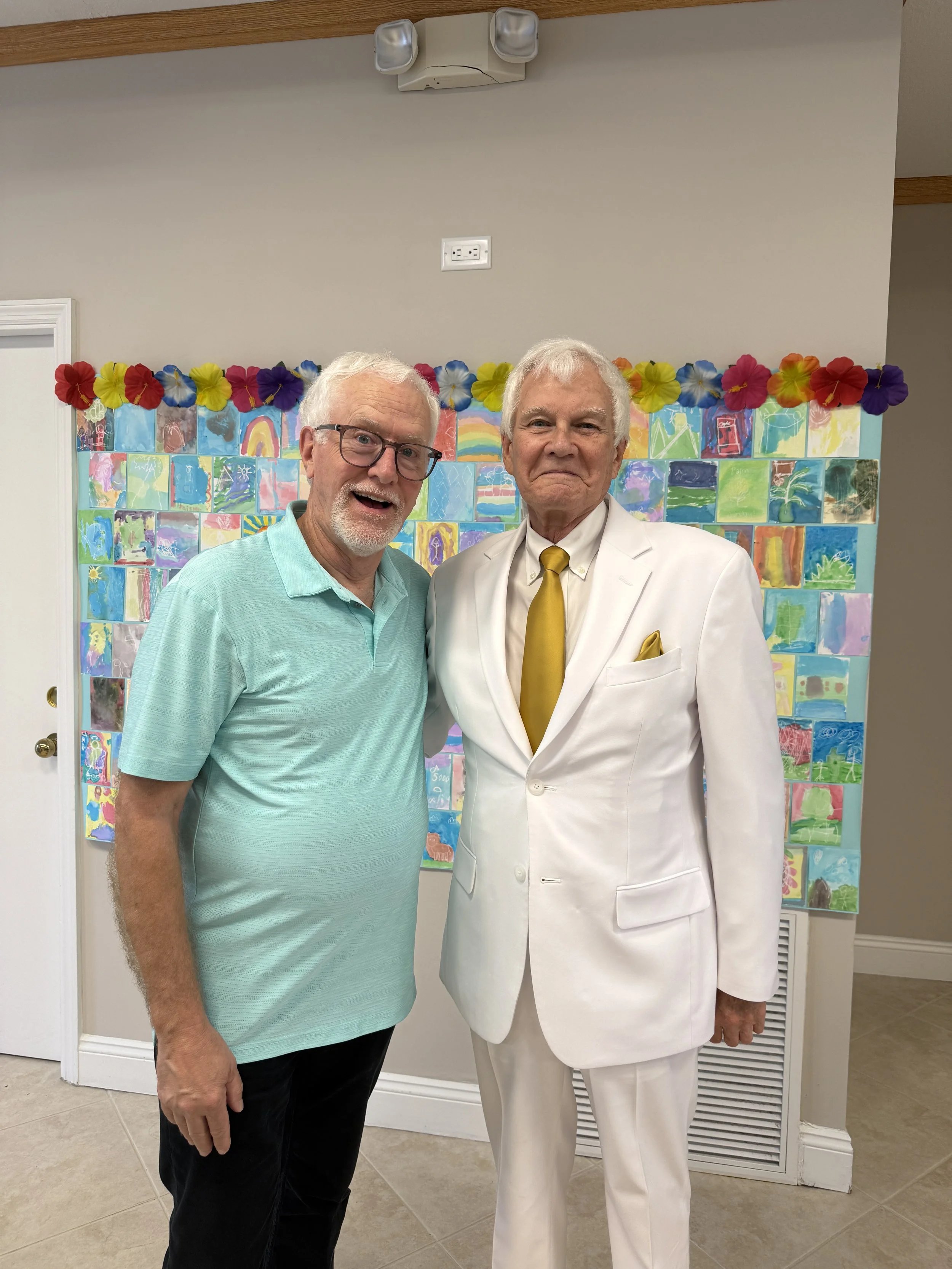
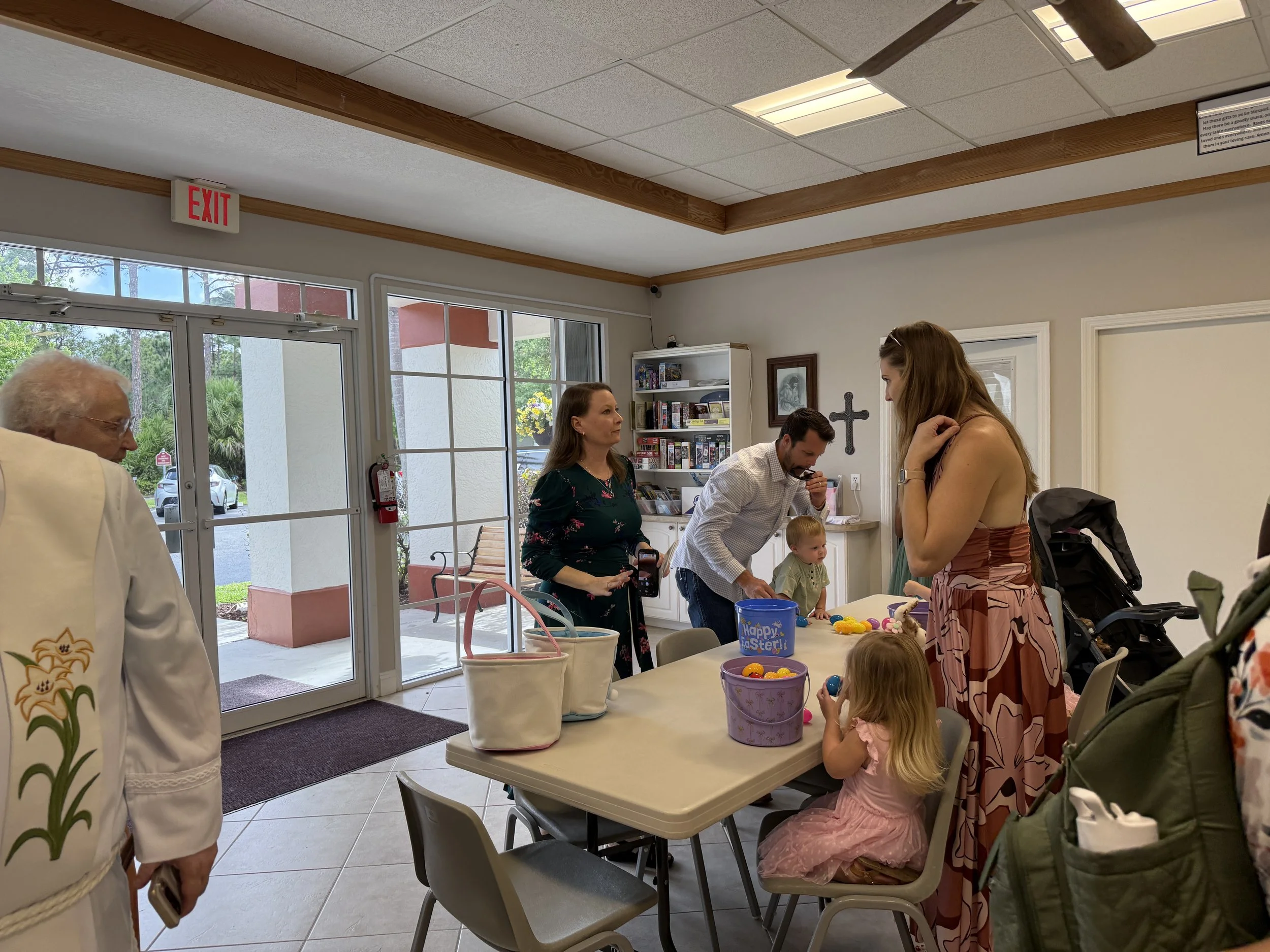
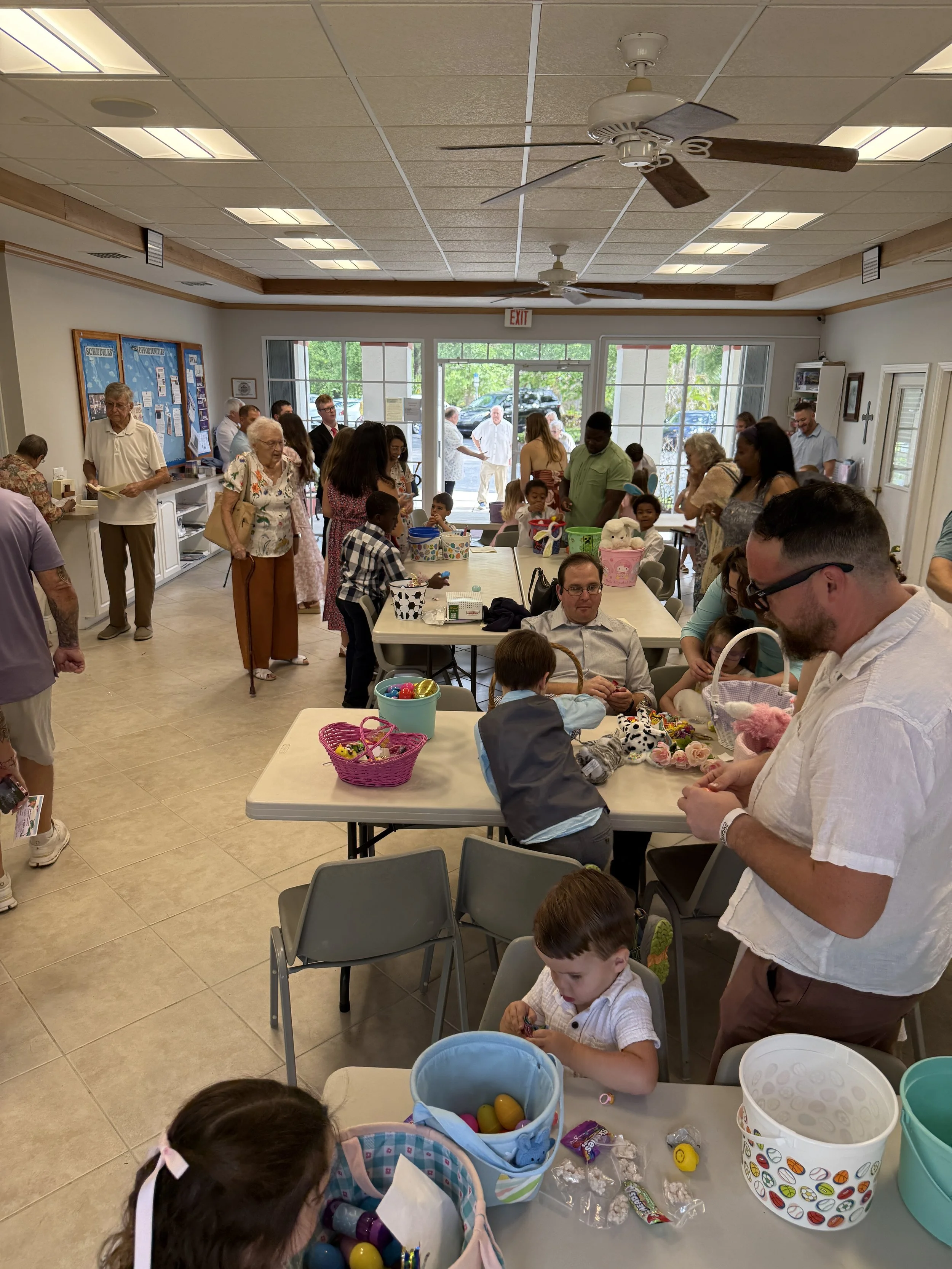
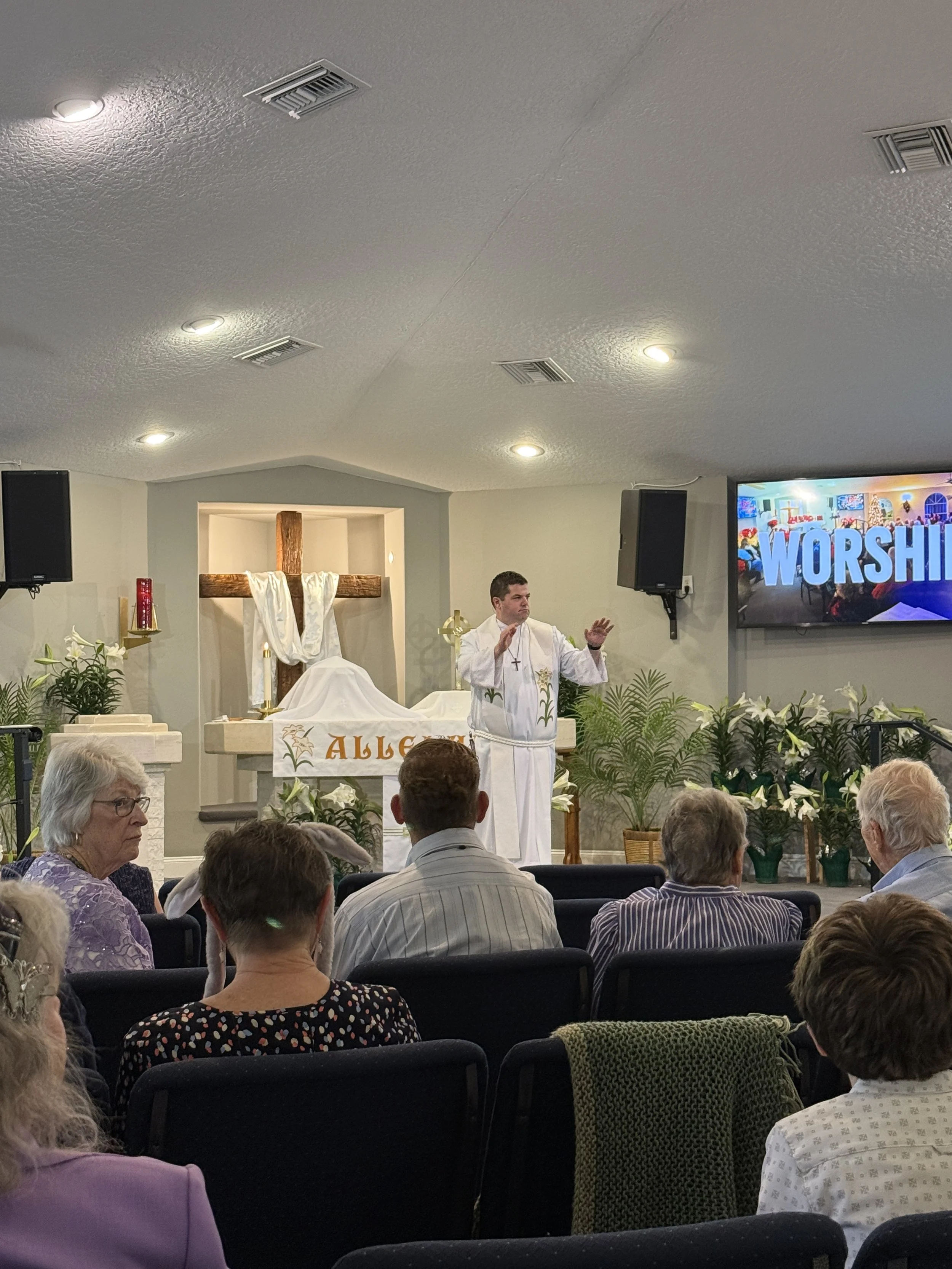
Easter 26’ Photos
Easter was amazing time for us at Grace.
Big Thanks to Everyone
Thank you to all who helped set up.
Thanks to all who came to the services.
Thanks to all who participated.
This year’s attendance was higher than in a long time.
247 total in person attendance
50 people on the livestream































































Micah Chapter 2-3 Class 2 - Bible Study
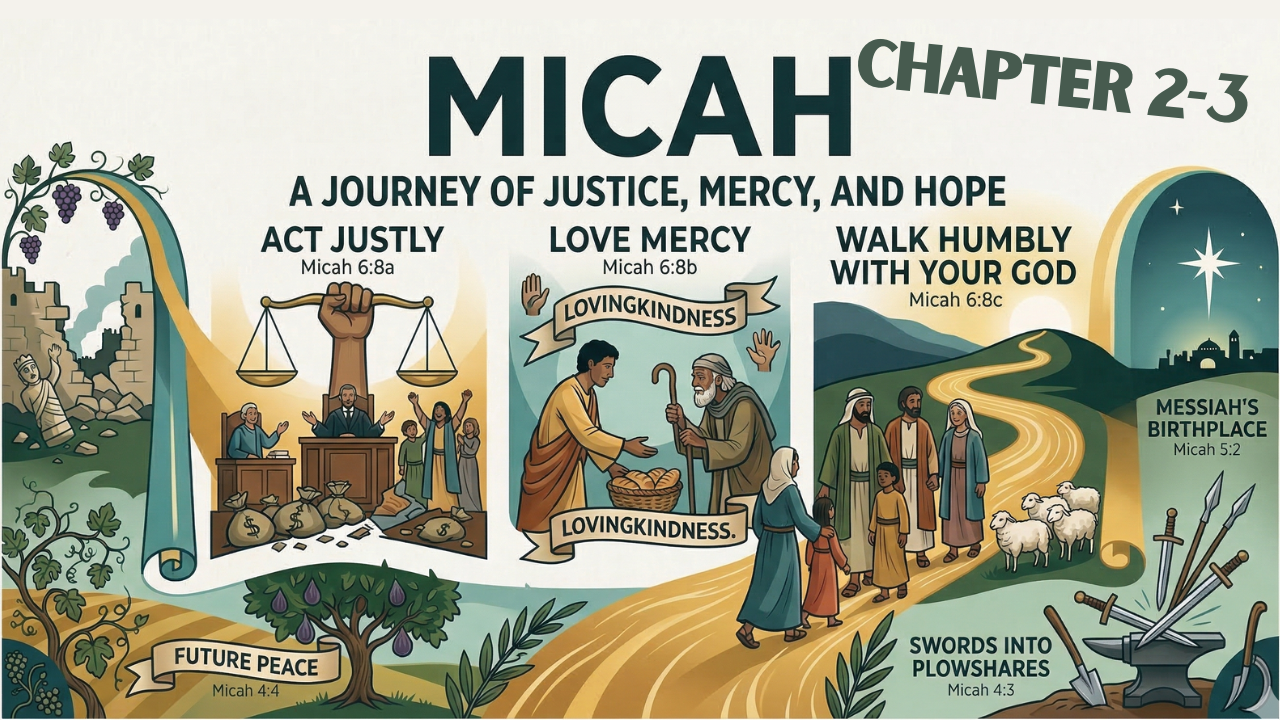
In our Bible study on April 9, 2026, we reviewed key themes from the book of Micah, focusing on God's judgment against corrupt leaders, His call for justice and mercy over power, and the recurring pattern of judgment followed by redemption.
Micah Intro and Chapter 2-3
This is our 2nd class on Micah
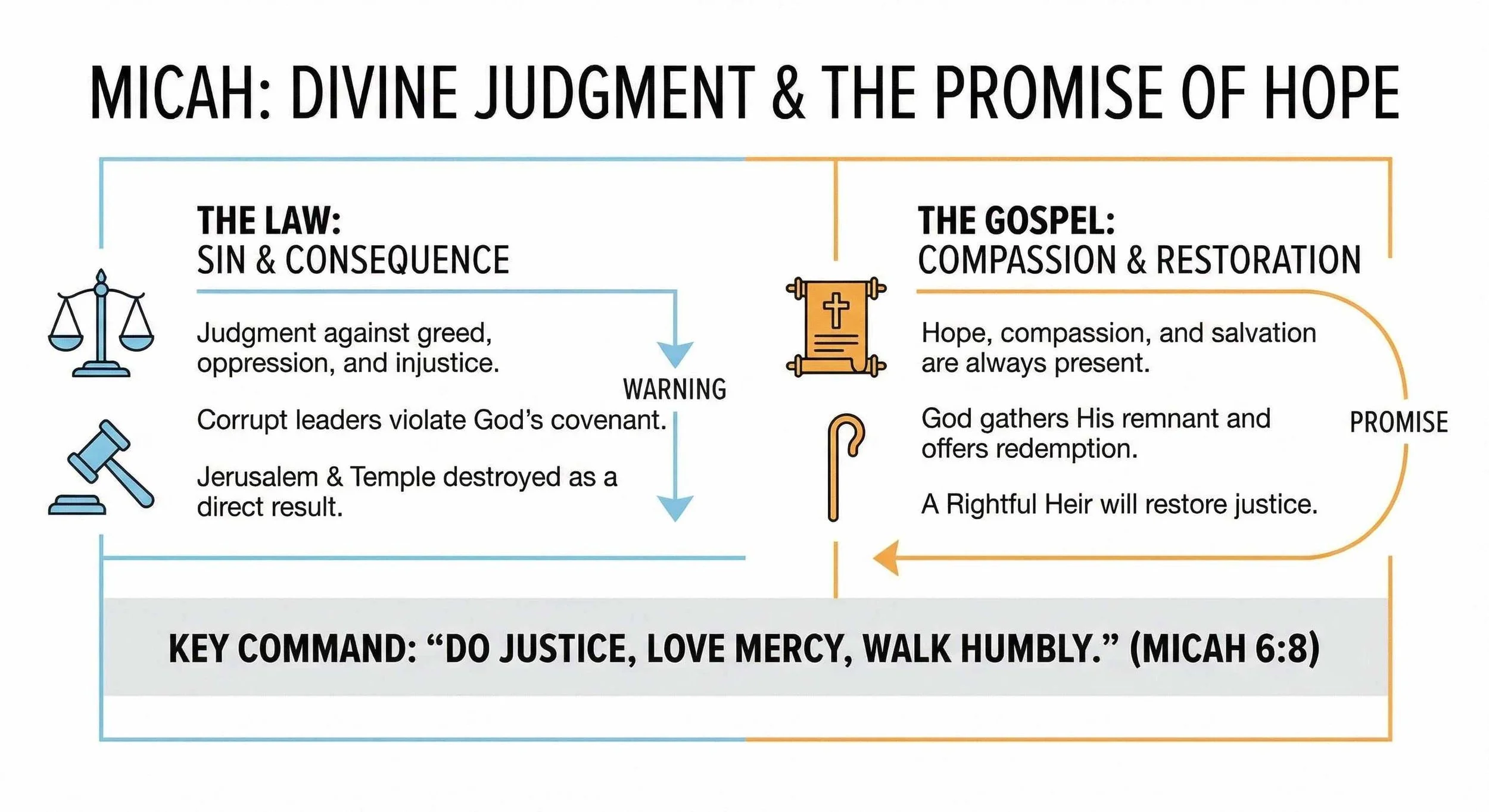
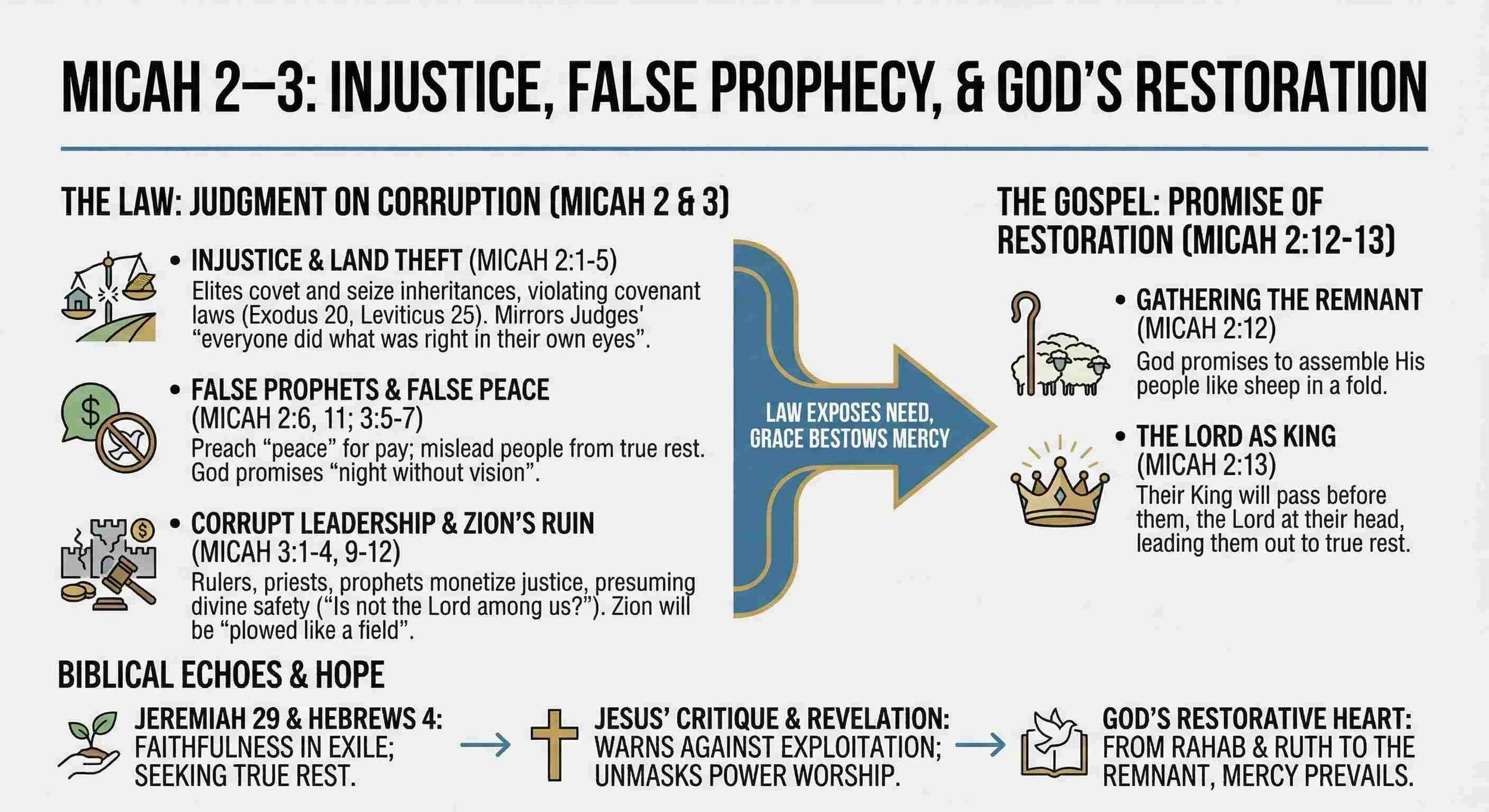
This is an AI Recap of the class.
Some things may be incorrect.
Short Summary of the Class
On Thursday, April 9, 2026, our group dove into chapters 2 and 3 of the book of Micah. We began by reading the text, which details God's pronouncement of "woe" upon the powerful in Israel who were oppressing the poor by seizing their land and inheritance, a direct violation of how God had established their society. We discussed how these actions broke several commandments and how this theme of "might makes right" was leading them to self-destruction. The discussion highlighted the contrast between the first eleven verses of chapter 2, filled with judgment, and the final two verses, which offer a glimpse of hope and restoration. We then moved into chapter 3, which continues the condemnation of Israel's corrupt leaders, priests, and prophets who exploit their positions for money while falsely claiming God's favor. We explored the stark imagery of their destruction and the recurring biblical theme of law and gospel, where the law reveals our sin and points to our need for the grace found in the gospel.
Detailed Class Summary
Review of Previous Micah Study and Prophetic Themes
We then transitioned to the Bible study portion by reviewing our last discussion on the minor prophets, specifically Micah. Two primary themes were revisited. The first was the structure of the prophetic messages, which often present a strong word of judgment followed by a promise of God's salvation. This pattern was compared to the "law and gospel" preaching model.
The second major theme was the consistent message across prophets calling Israel back to God’s core requirements: "to do justice, love mercy, and walk humbly with your God" (Micah 6:8). The prophets condemned Israel for becoming obsessed with power and wealth while neglecting the poor, a theme echoed in the New Testament book of Revelation. We also recalled the clever "prophetic wordplay" in Micah chapter 1, where the Hebrew names of cities reinforce the prophecy of judgment.
Section Summary: We reviewed how Micah and other minor prophets follow a "law-gospel" pattern of judgment then salvation. We also discussed their unified message condemning the pursuit of power over God's call to practice justice and mercy, and the literary device of prophetic wordplay.
Bible Verses: Micah 6:8, Micah 1:8-15
Bible Stories/Concepts: Parallels with the book of Revelation.
Section 1: Micah Chapter 2 - Judgment and the Consequences of Greed
Our class on April 9, 2026, began with a reading of Micah, chapter 2. The chapter opens with a "woe" to those who plot evil and, because of their power, violently seize fields and houses, oppressing their own people. We noted that this greed and theft were direct violations of God's commandments, specifically those against coveting and stealing. It was pointed out that this practice of seizing land went against the redemption plan God had established for Israelite inheritances, as illustrated in the book of Ruth with the story of the kinsman-redeemer.
The phrase "careful what you wish for" was used to describe the consequences foretold in verses 4 and 5. The very people who were seizing land would have their own heritage taken from them, with no one left to even "determine boundaries by lot in the assembly of the Lord." This pursuit of wealth was a form of self-destruction, echoing the theme from the book of Judges where "they did what was right in their own eyes." The discussion also touched on the false prophets mentioned in verse 11, who would tell the people what they wanted to hear—prophecies of "wine and drink"—rather than God's truth. This was compared to the false prophets in Jeremiah's time who promised peace while the people were being led into captivity. The chapter ends, however, with a shift in tone. After eleven verses of judgment, the final two verses promise that God will surely gather the "remnant of Israel" like a flock, with their King and the Lord leading them.
Summary of Section 1: We discussed how the wealthy in Israel were ignoring God's laws by violently taking land from the poor. This greed, encouraged by false prophets promising good times, was leading the nation toward its own destruction, a judgment from which God promised He would ultimately rescue a remnant of His people.
Bible Verses and Stories Mentioned:
Micah 2: The primary text for this section.
Book of Ruth: The story of Naomi, Ruth, and Boaz (the kinsman-redeemer) was mentioned to illustrate God's original plan for land inheritance.
Book of Judges: Referenced for its recurring theme of "they did what was right in their own eyes."
Jeremiah 29:11: Discussed in the context of false prophets promising peace and prosperity, noting that this verse was originally spoken to people already in exile.
Revelation 21: Mentioned in passing regarding a sermon on the "Eighth Day of Creation."
Section 2: Micah Chapter 3 - Corrupt Leadership and the Call for Justice
We then proceeded to read and discuss Micah, chapter 3. This chapter continues the strong condemnation, this time aimed directly at the "heads of Jacob and you rulers of the house of Israel." They are accused of hating good, loving evil, and metaphorically cannibalizing their own people. The prophets are again called out for chanting "peace" for profit while preparing "war against him who puts nothing into their mouths."
A key point of discussion was the theme of "might makes right." The leaders, priests, and prophets were all corrupt, judging for bribes, teaching for pay, and divining for money. Yet, in their hypocrisy, they would "lean on the Lord and say, 'Is not the Lord among us? No harm can come upon us.'" They used their status as God's chosen people as a license to sin. Micah's response is a devastating prophecy: because of their actions, "Zion shall be plowed like a field, Jerusalem shall become heaps of ruins." We also explored the poetic use of "Jacob" and "Israel" in the same verses, concluding it was likely for emphasis, to encompass the entire nation from its past to its present. The theme of "Law and Gospel" was brought up, explaining that the law (like Micah's harsh words) reveals our sin and demonstrates our desperate need for the gospel (God's grace).
Summary of Section 2: This section focused on the corruption of Israel's entire leadership structure—rulers, priests, and prophets—who exploited the people for financial gain while hypocritically claiming God's protection. Micah prophesies complete destruction for Jerusalem and the temple as a direct result of their twisting of justice and perversion of faith.
Bible Verses and Stories Mentioned:
Micah 3: The primary text for this section.
John 8:44: Referenced when discussing how the rulers "twist everything that is straight," connecting it to Jesus calling Satan the "father of lies."
2 Corinthians 1:3: Contrasted with the harsh judgment, highlighting God as the "Father of mercies and God of all comfort."
Story of Jonah: Jonah was presented as an example of a prophet who, unlike Micah, did not want God's mercy to extend to others and embodied the selfish attitude Micah preached against.
Story of Rahab and Ruth: Mentioned as examples of Gentiles included in Jesus' lineage, showing God's plan of redemption was always for all people.
Final Summary
In our Bible study on Thursday, April 9, 2026, we examined the powerful prophecies of Micah in chapters 2 and 3. Our discussion centered on God's indictment against the people of Israel, particularly its wealthy and powerful leaders, for their systemic injustice and greed. We observed how they violated God's commands by violently seizing land, oppressing the poor, and creating a society where "might makes right." This behavior was enabled by corrupt priests and false prophets who offered messages of peace and prosperity in exchange for money, lulling the people into a false sense of security.
We discussed how this path of doing "what was right in their own eyes" was leading them to self-destruction, a stark warning that what they were doing to others would be done to them. Micah prophesies that their inheritance would become desolation, with Jerusalem and the temple itself being turned into a heap of ruins. A significant part of our conversation highlighted the hypocrisy of the leaders who sinned while claiming, "Is not the Lord among us?" using their chosen status as an excuse for evil. We connected these themes to other scriptures, such as the stories of Ruth and Jonah, and the teachings of Jesus against the Pharisees. Despite the heavy judgment, we also noted the glimmers of hope and the "gospel" promise at the end of chapter 2, where God pledges to gather the remnant of His people and lead them as their King, reminding us that even in His righteous anger, God's ultimate plan is one of redemption.
Main Points
The wealthy and powerful in Israel were using their power to oppress the poor and seize their land, directly violating God's laws.
This societal greed was a form of self-destruction; the very ruin they brought on others would be visited upon them.
False prophets were complicit, telling the people what they wanted to hear ("peace," "wine and drink") for personal gain.
Israel's leaders—rulers, priests, and prophets—were corrupt, commercializing justice and religious teaching.
The leaders hypocritically believed they were immune from harm because they were God's people, using their faith as a license to sin.
Micah's prophecy foretells the complete destruction of Jerusalem and the temple as a consequence of their injustice.
Despite the overwhelming message of judgment ("the Law"), there is a promise of future restoration and salvation ("the Gospel").
Scriptures and Stories Mentioned
Bible Chapters:
Micah 2
Micah 3
Bible Verses:
Jeremiah 29:11
John 8:44
2 Corinthians 1:3
Revelation 21
Stories/Concepts:
The commandments against coveting and stealing
The kinsman-redeemer and land inheritance (Book of Ruth)
"They did what was right in their own eyes" (Book of Judges)
Jesus's condemnation of the Pharisees "devouring widows' homes"
The concept of Law and Gospel
The story of Jonah pouting over God's mercy to Nineveh
The inclusion of Gentiles (Rahab, Ruth) in the lineage of Jesus
Jesus as Prophet, Priest, and King
The Pax Romana ("Roman Peace") as a form of peace through coercion
Solomon's Temple
![[Easter] Creation Day 7 - Rest The Week](https://images.squarespace-cdn.com/content/v1/5852f18a20099e30cd2c01dc/1775074168095-82WENI1I4DA222SDE8UE/The+Week+7a.jpg)
[Easter] Creation Day 7 - Rest The Week
Jesus' cry of "It is finished" echoes God's seventh-day rest. Because the tomb is empty, the work of putting the world back together is complete. You can stop trying to fix your own brokenness and finally just breathe and rest.
Jesus' cry of "It is finished" echoes God's seventh-day rest. Because the tomb is empty, the work of putting the world back together is complete. You can stop trying to fix your own brokenness and rest.
Questions for the Week: The Week: Day 7 Rest
What is an "unfinished project" (literal or figurative) in your life right now that is robbing you of your peace and rest?
Read Luke 23:50-24:12. The women at the tomb were so focused on their grief and their incomplete tasks that they initially missed the miracle in front of them. The angel asked, "Why do you seek the living among the dead?" How do we sometimes act like those women, focusing only on the dark, broken parts of life instead of the hope of Jesus?
It is powerful to realize that Jesus' final cry on the cross uses the same word as God finishing the six days of creation. How does knowing that the work of your salvation is 100% "finished" change the way you view your own daily striving and spiritual performance?
The world says we can only rest when everything is fixed, but the resurrection means we can rest right in the middle of our mess. How can you practically "breathe and rest" this week, even with unresolved circumstances?
What Had happened at Grace this week.
![[Good Friday] Tohu Vavohu The Week](https://images.squarespace-cdn.com/content/v1/5852f18a20099e30cd2c01dc/1774905300678-2BEG2XM429JZK7ZSGKCI/The+Week+GFa.jpg)
[Good Friday] Tohu Vavohu The Week
in the crucifixion of our lord its as if the creation itself is rolled back to the beginning.
Good Friday
Noon & 7PM
Noon Live Stream
in the crucifixion of our lord its as if the creation itself is rolled back to the beginning.
What Had happened at Grace this week.
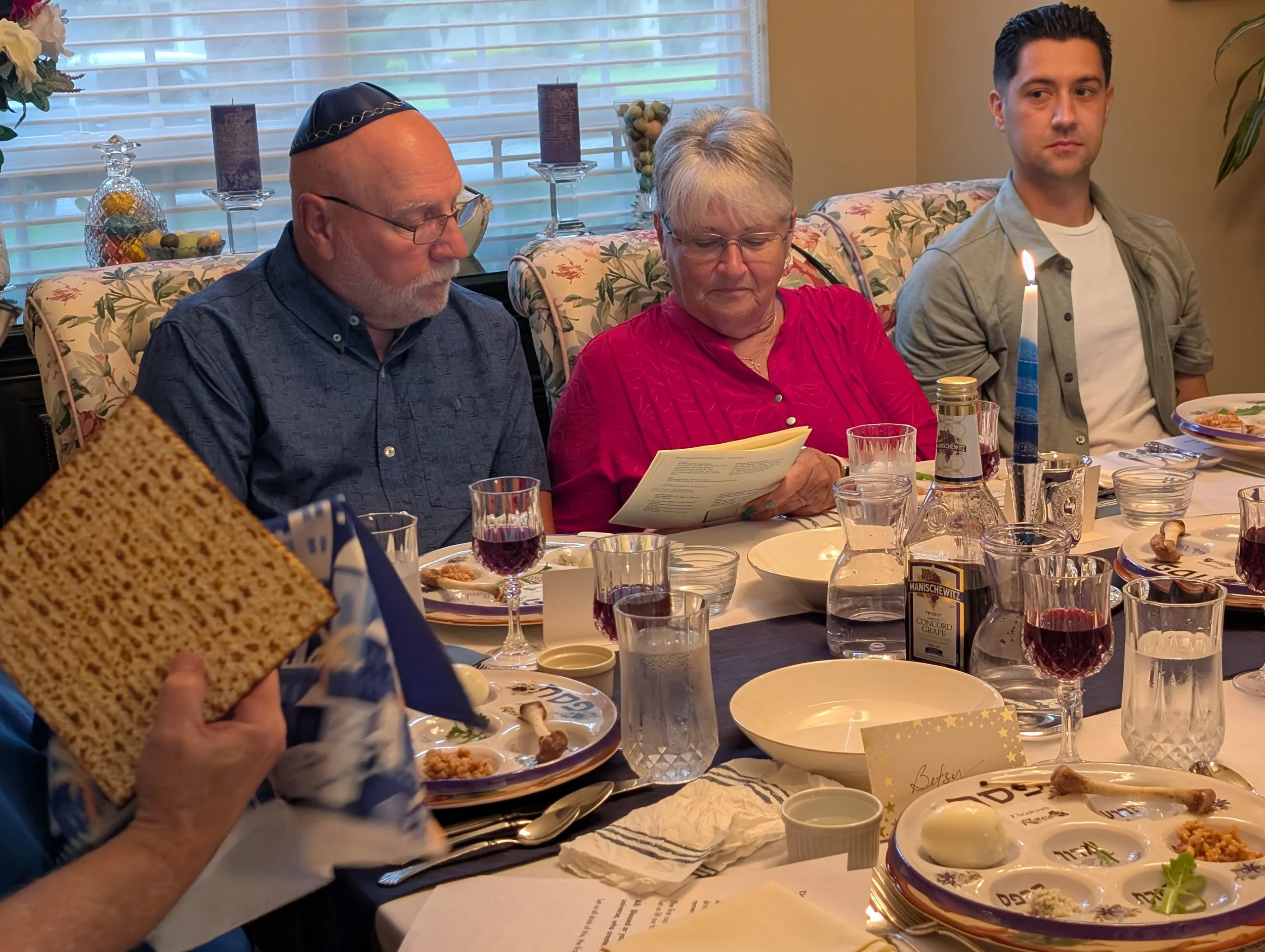
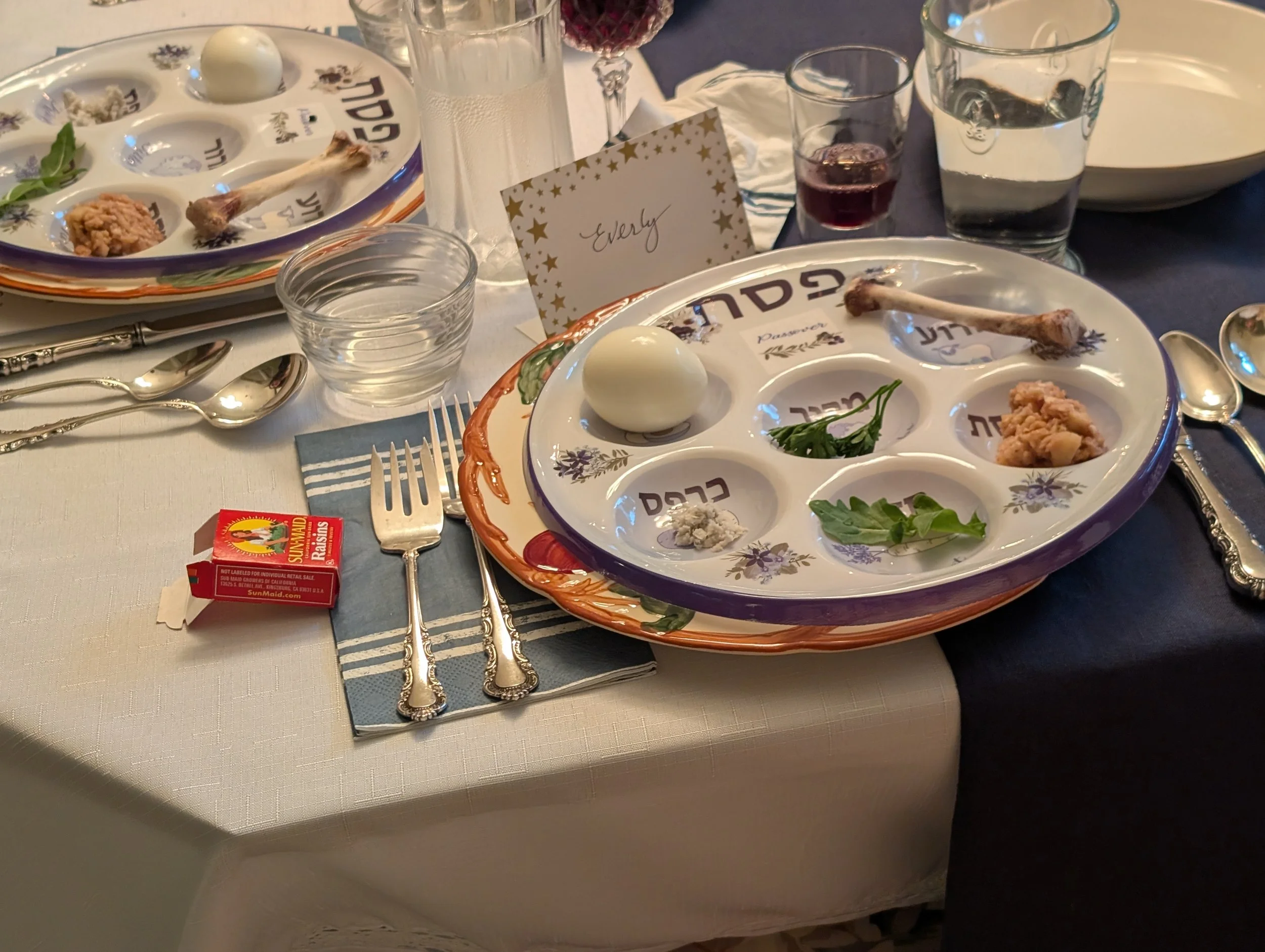
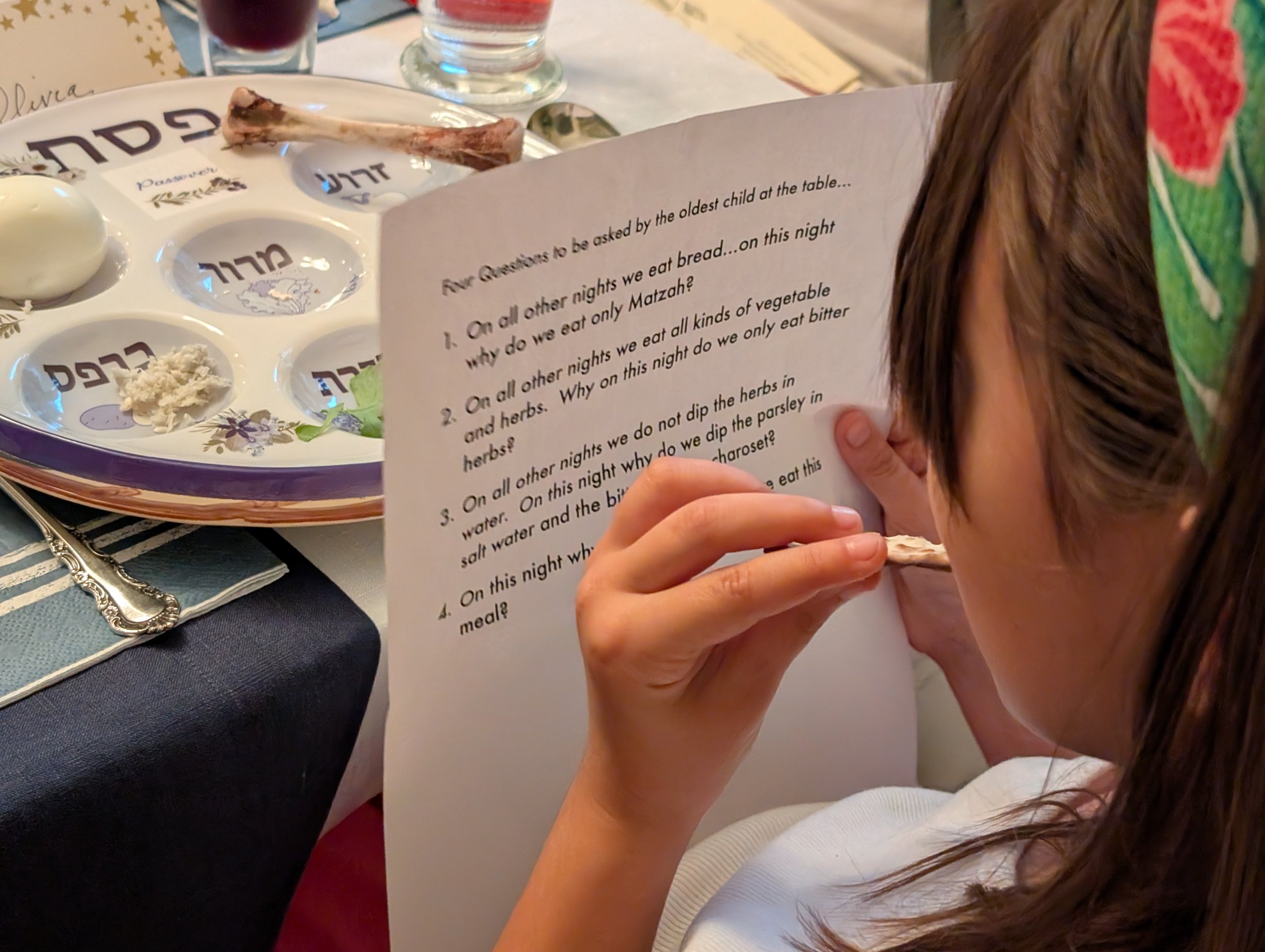
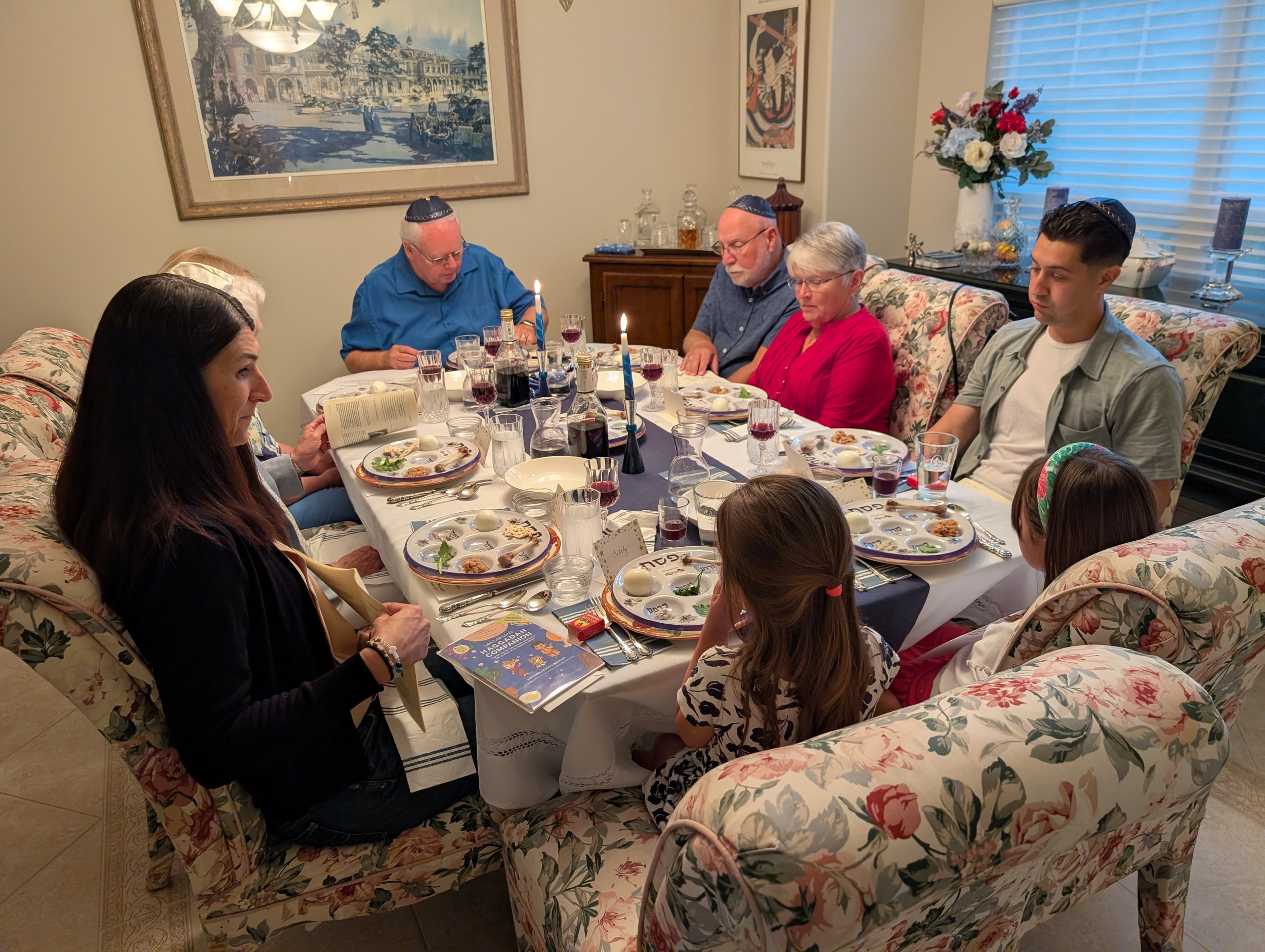
![Seder Meals [Photos]](https://images.squarespace-cdn.com/content/v1/5852f18a20099e30cd2c01dc/1775225315305-5SV8E94KSW22LKPR02L5/PXL_20260402_223316435.jpg)
Seder Meals [Photos]
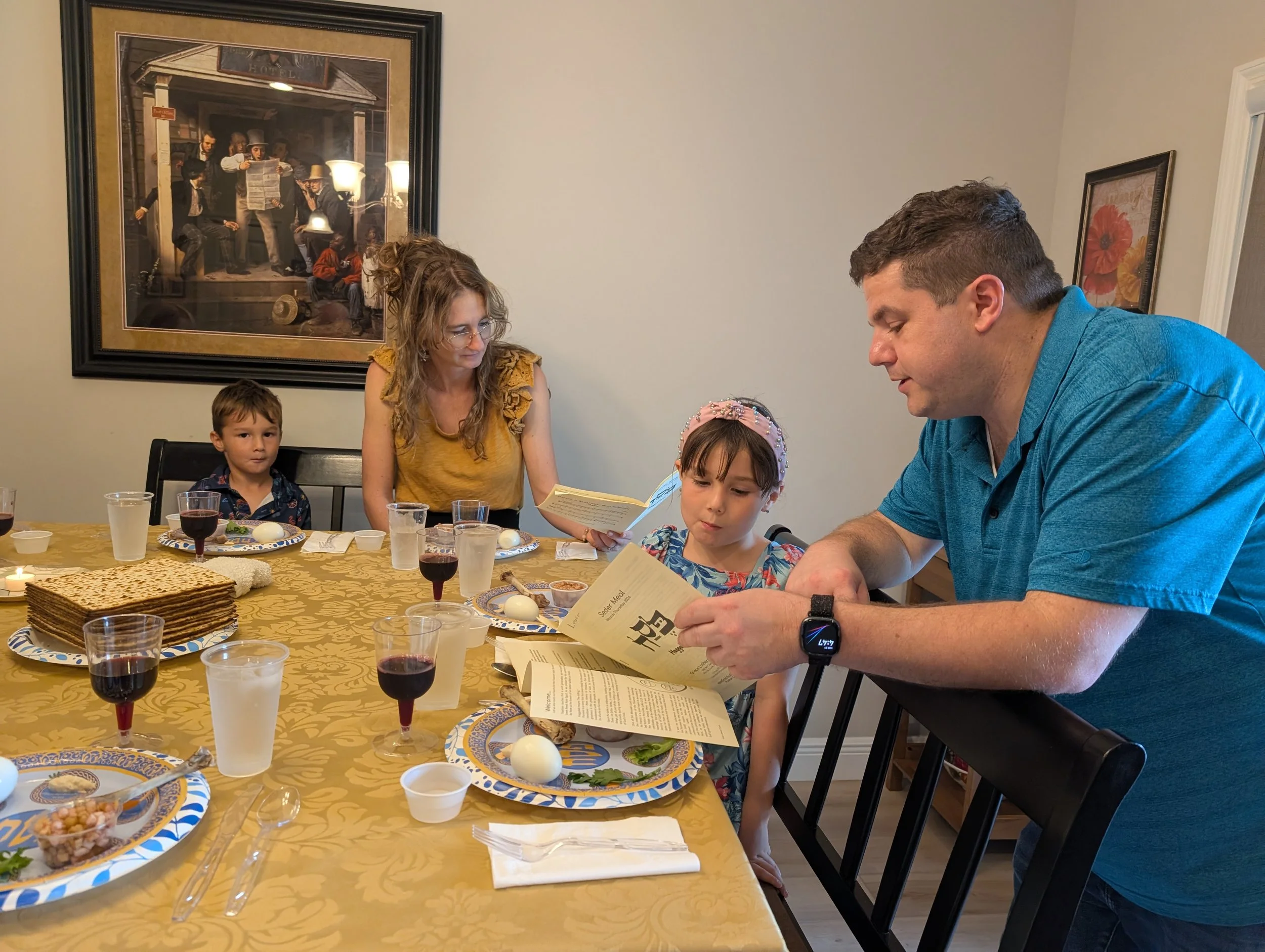
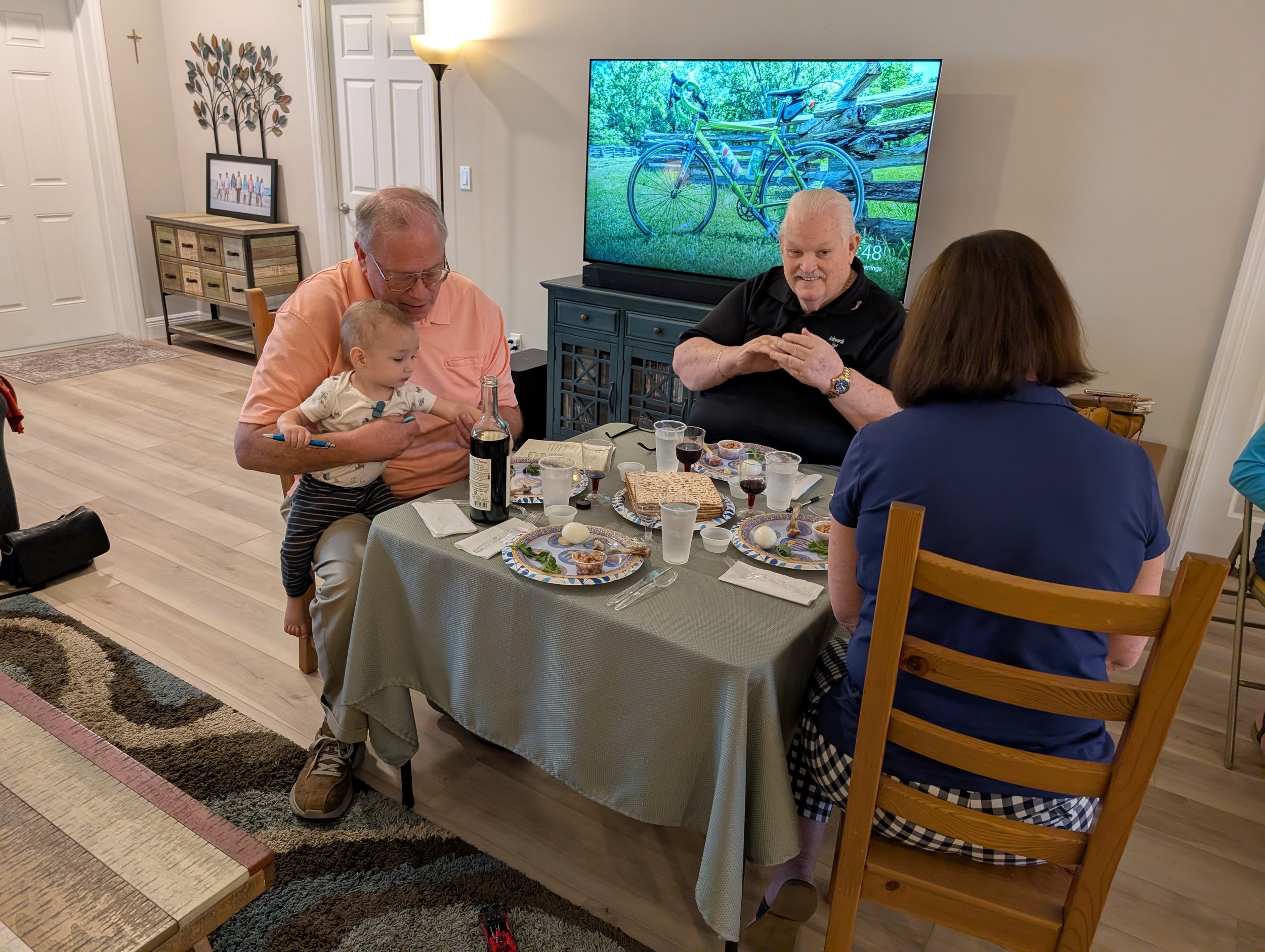
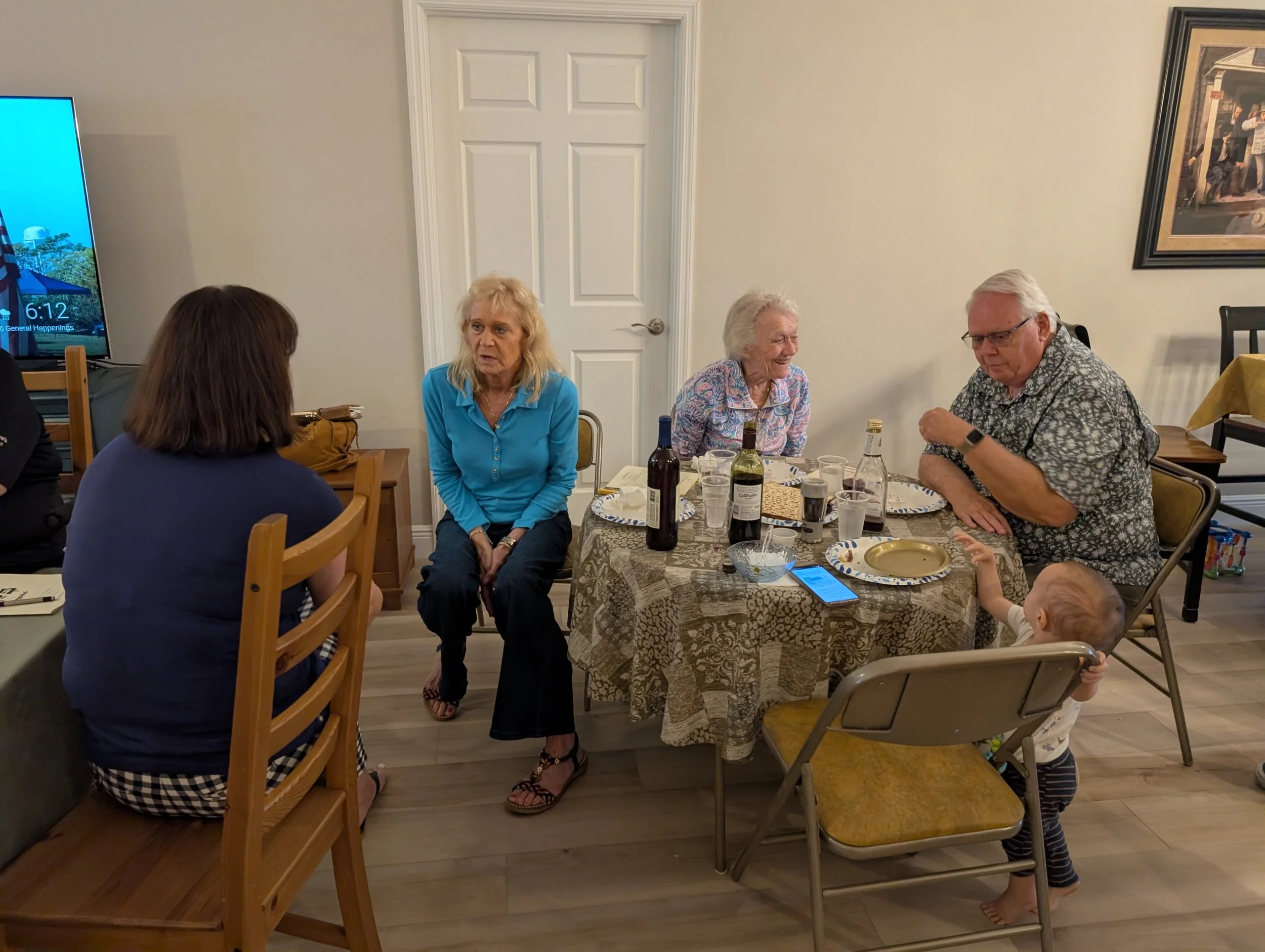
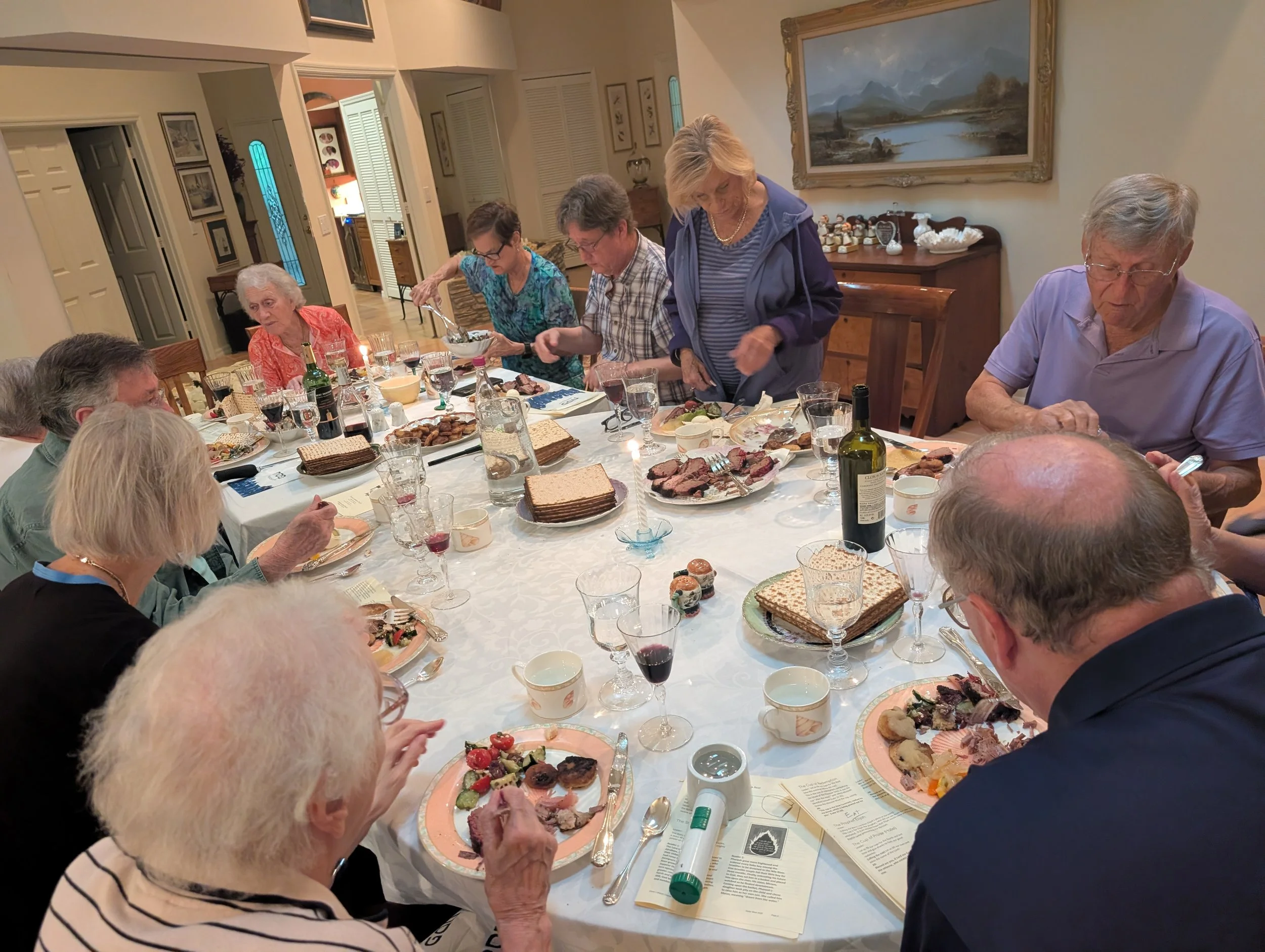
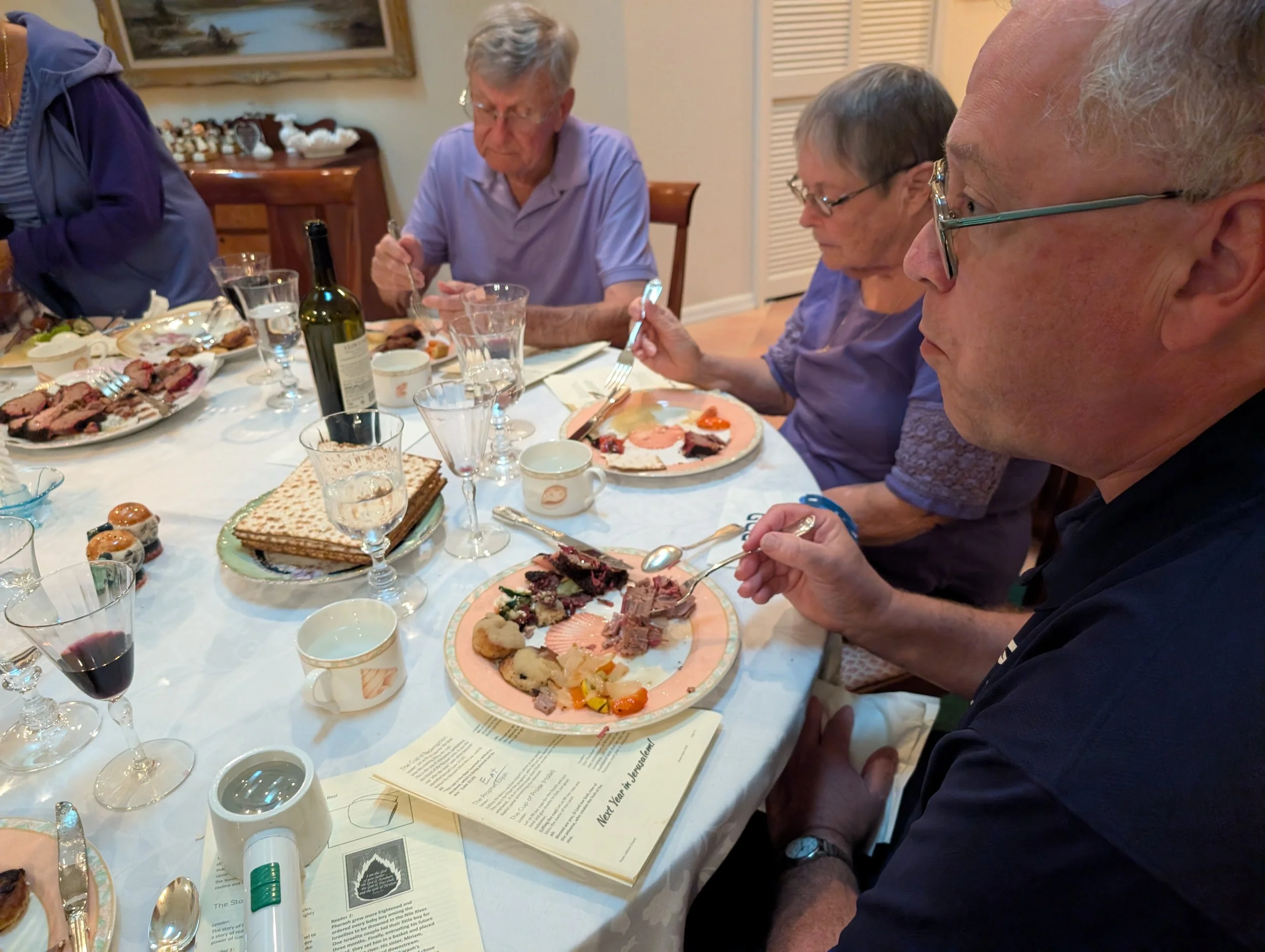
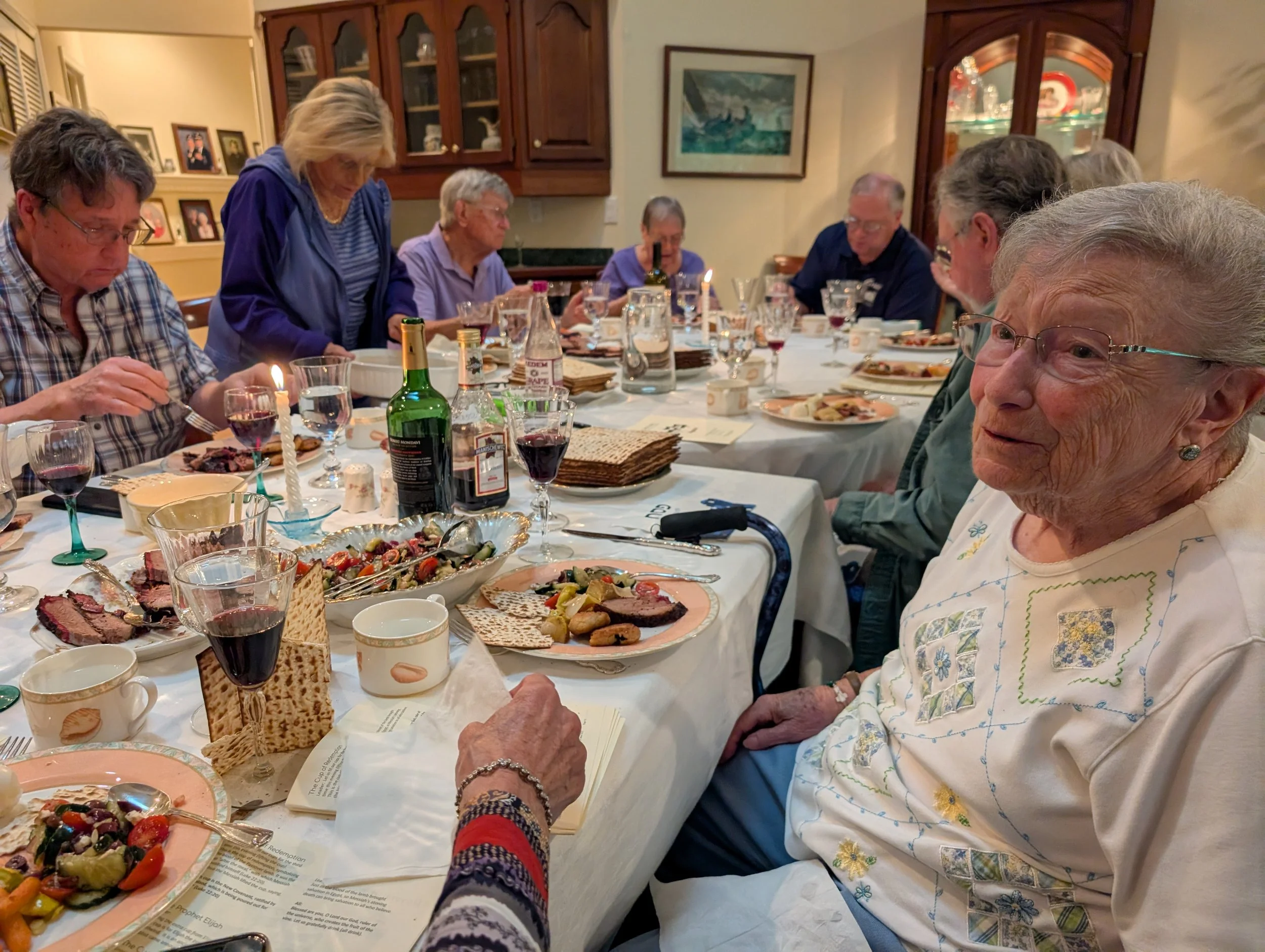
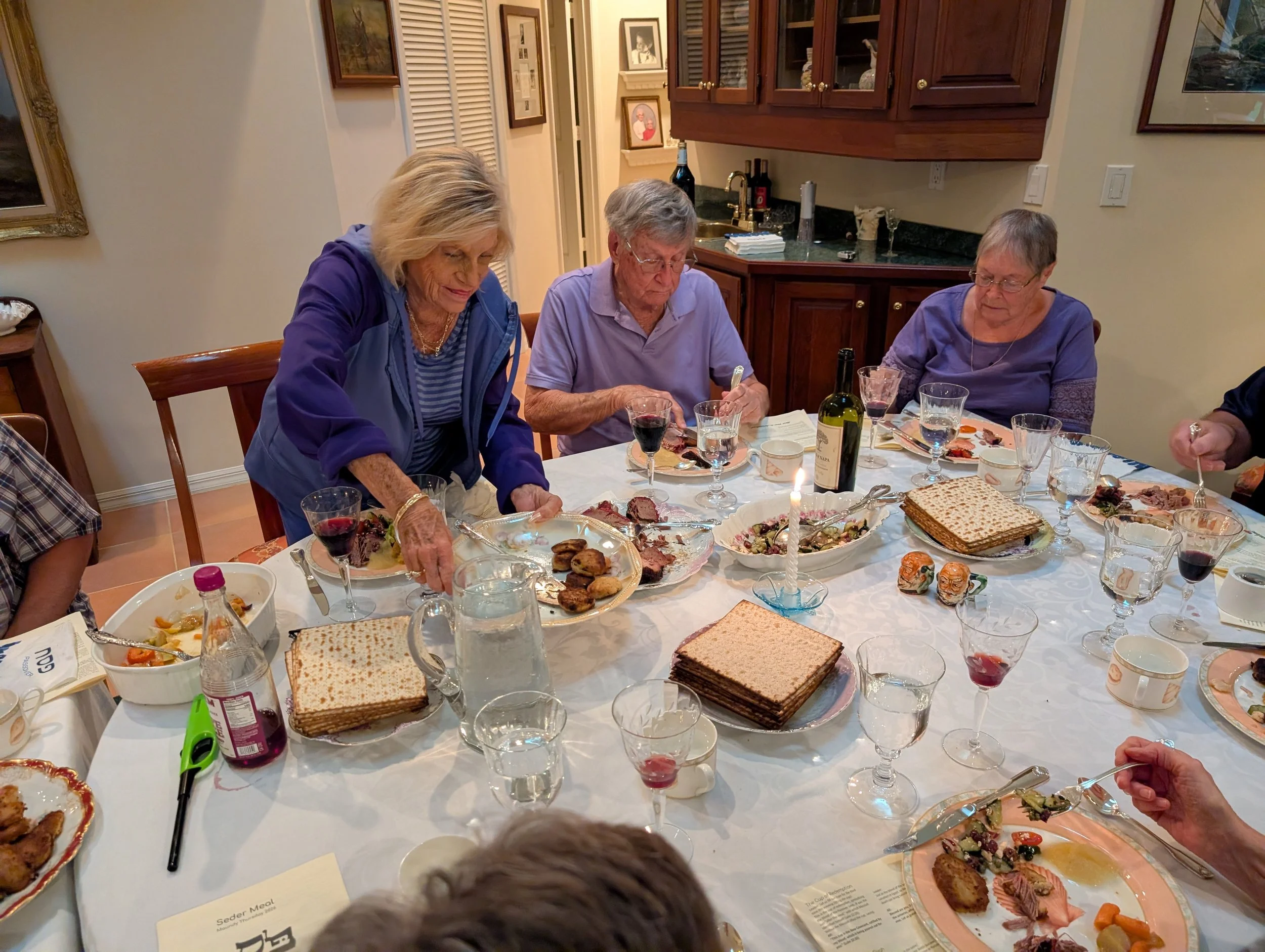
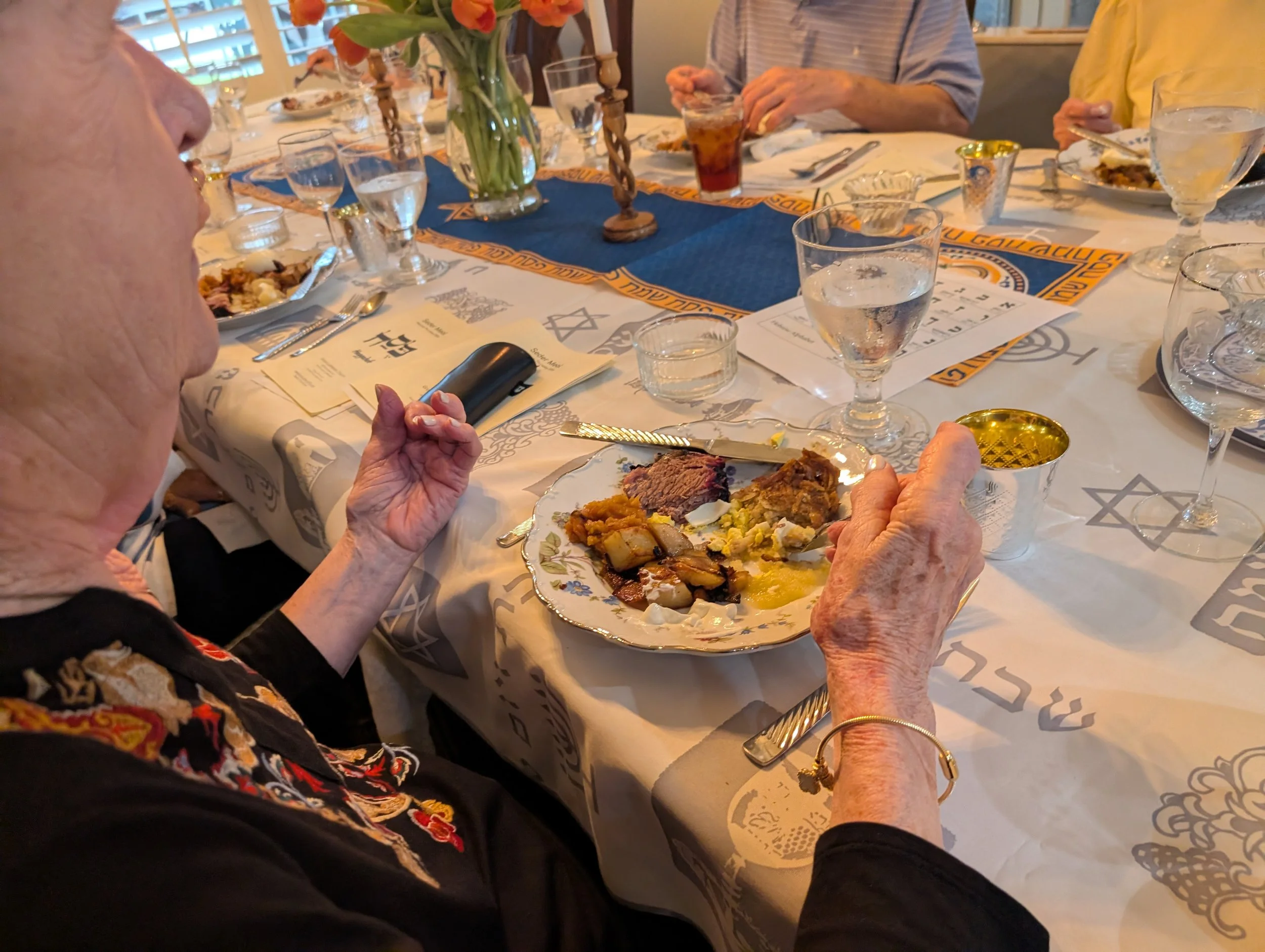
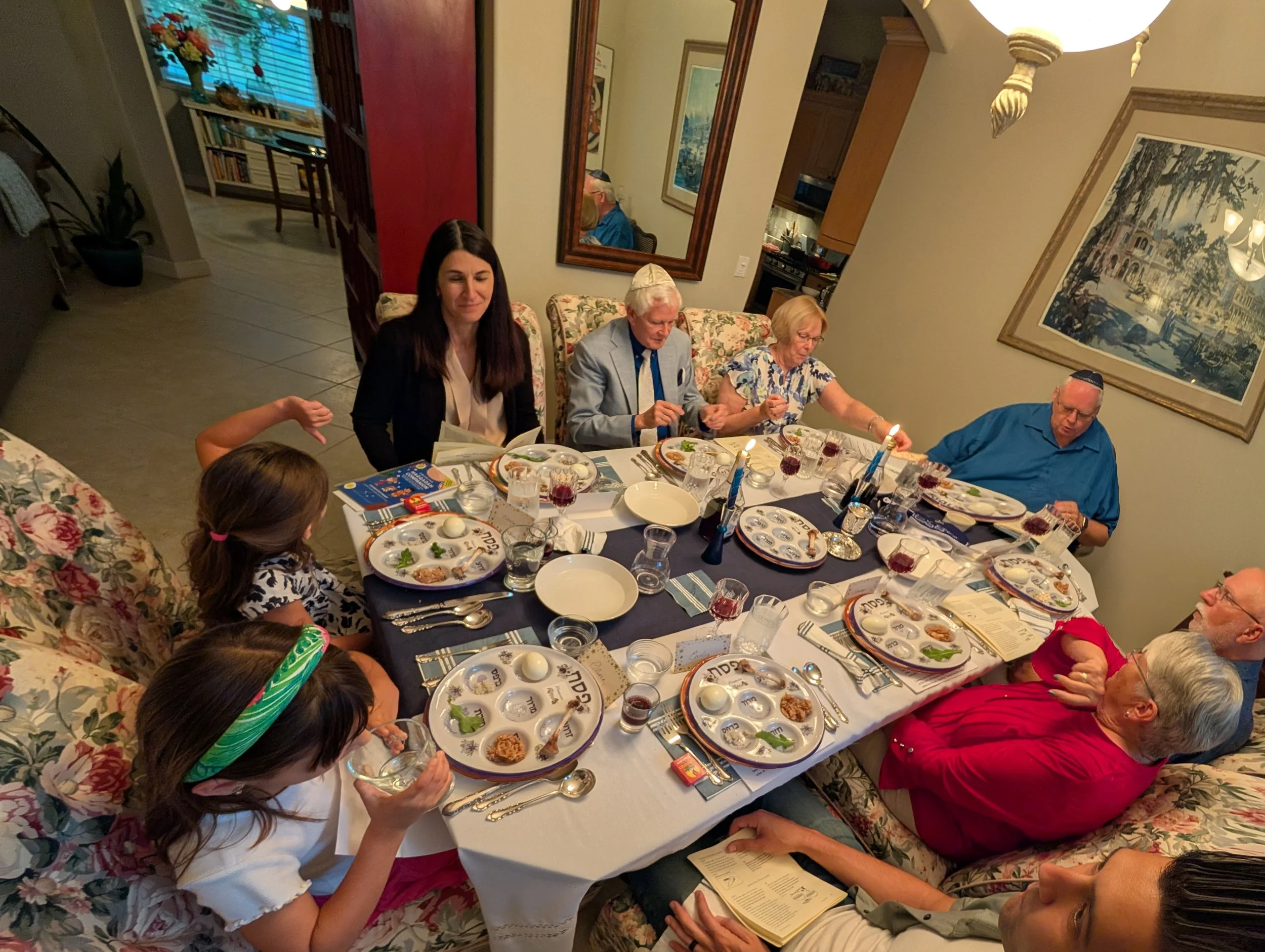
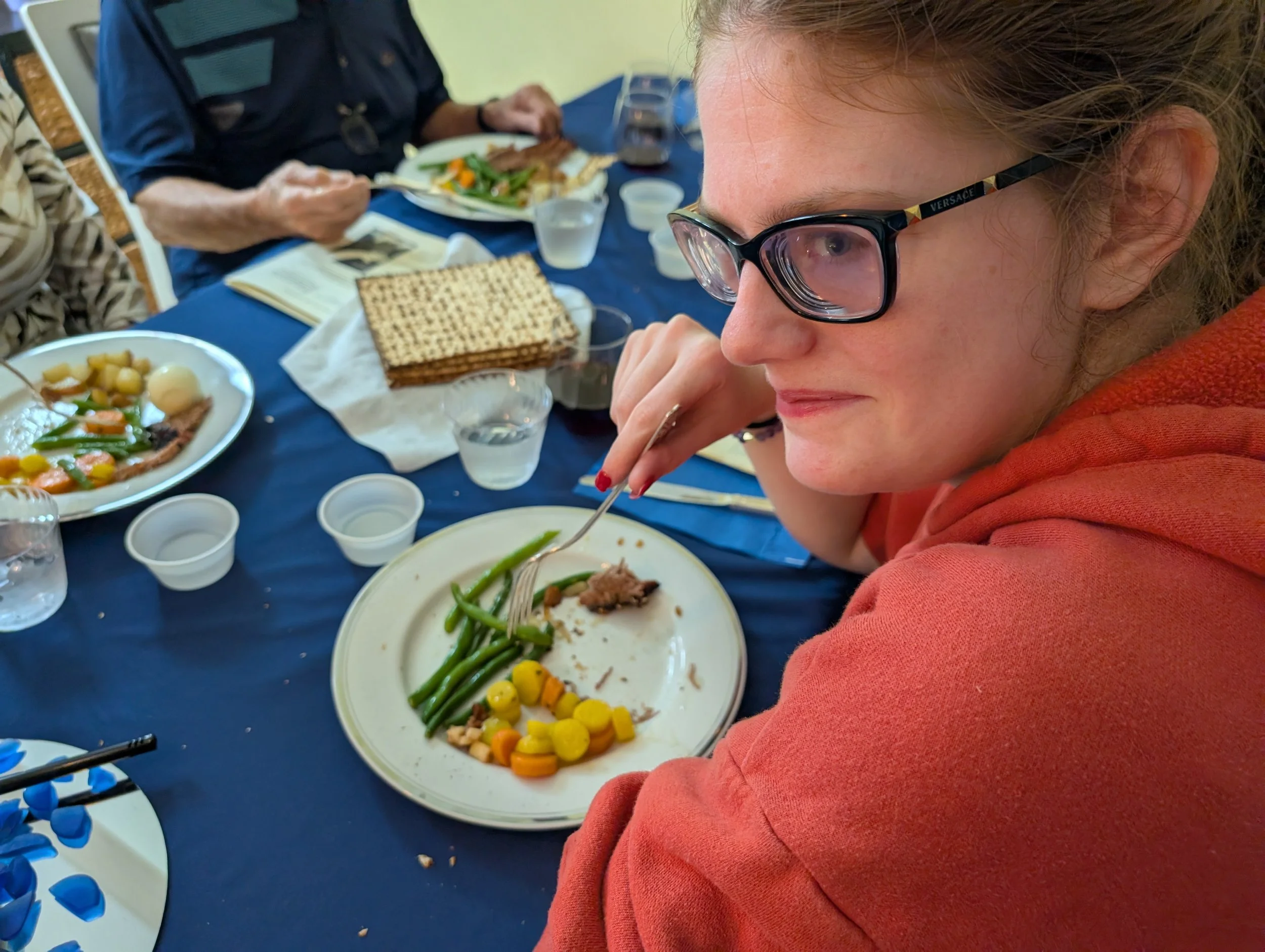
This Maundy Thursday, Grace Lutheran PSL went mobile! We had 53 people gather across 6 different homes for Seder meals.
We kicked things off with a host prep session at the Pastor’s house, then headed into the holiday to celebrate the institution of the Lord’s Supper. By walking through a variation of that original meal, we were able to truly lean into what Jesus was saying to His disciples. It was a beautiful night of laughing, sharing stories, and being the Body of Christ in our own living rooms.
Thank you to our incredible hosts and all who joined in!
With apologies to those who attended Ed and Claudette’s house. (I forgot to shoot photos)
Thanks to our hosts
Pam, Bebe, and Kevin.
Paul and Nancy
Vance and Betsy
Kurt and Denise
Ed and Claudette

























LWML Meetings - 1st Monday of Month - 1pm
Meetings will be paused for the summer. Please join us in the Fall on September 8th at 1:00 pm.
Join other Lutheran Women to talk about mission.
Stop exhausting yourself trying to earn God's favor through frantic human religion, and learn from Mount Carmel what it means to simply trust in what Christ has already bought.