

![Seder Meals [Photos]](https://images.squarespace-cdn.com/content/v1/5852f18a20099e30cd2c01dc/1775225315305-5SV8E94KSW22LKPR02L5/PXL_20260402_223316435.jpg)
Seder Meals [Photos]
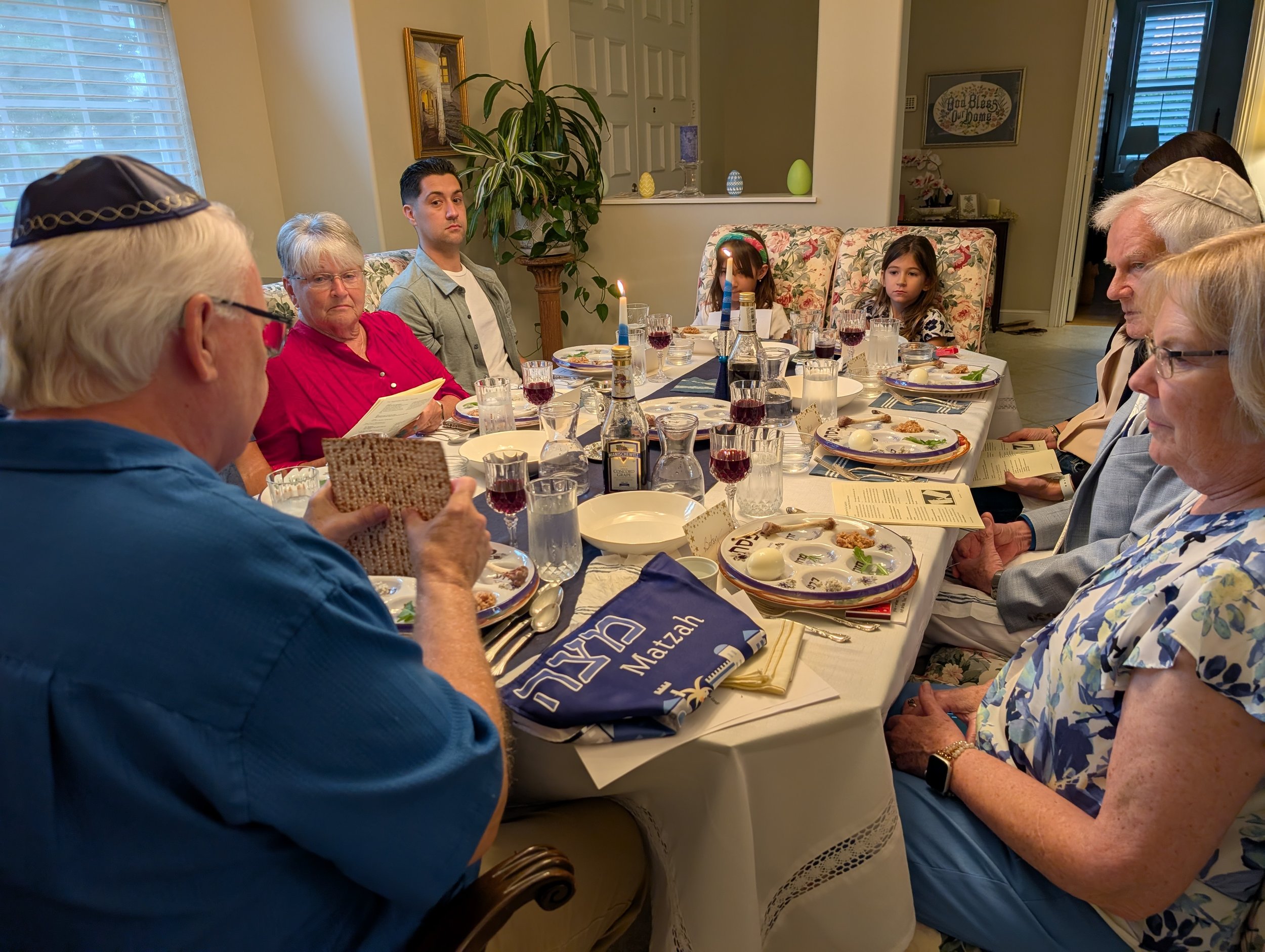
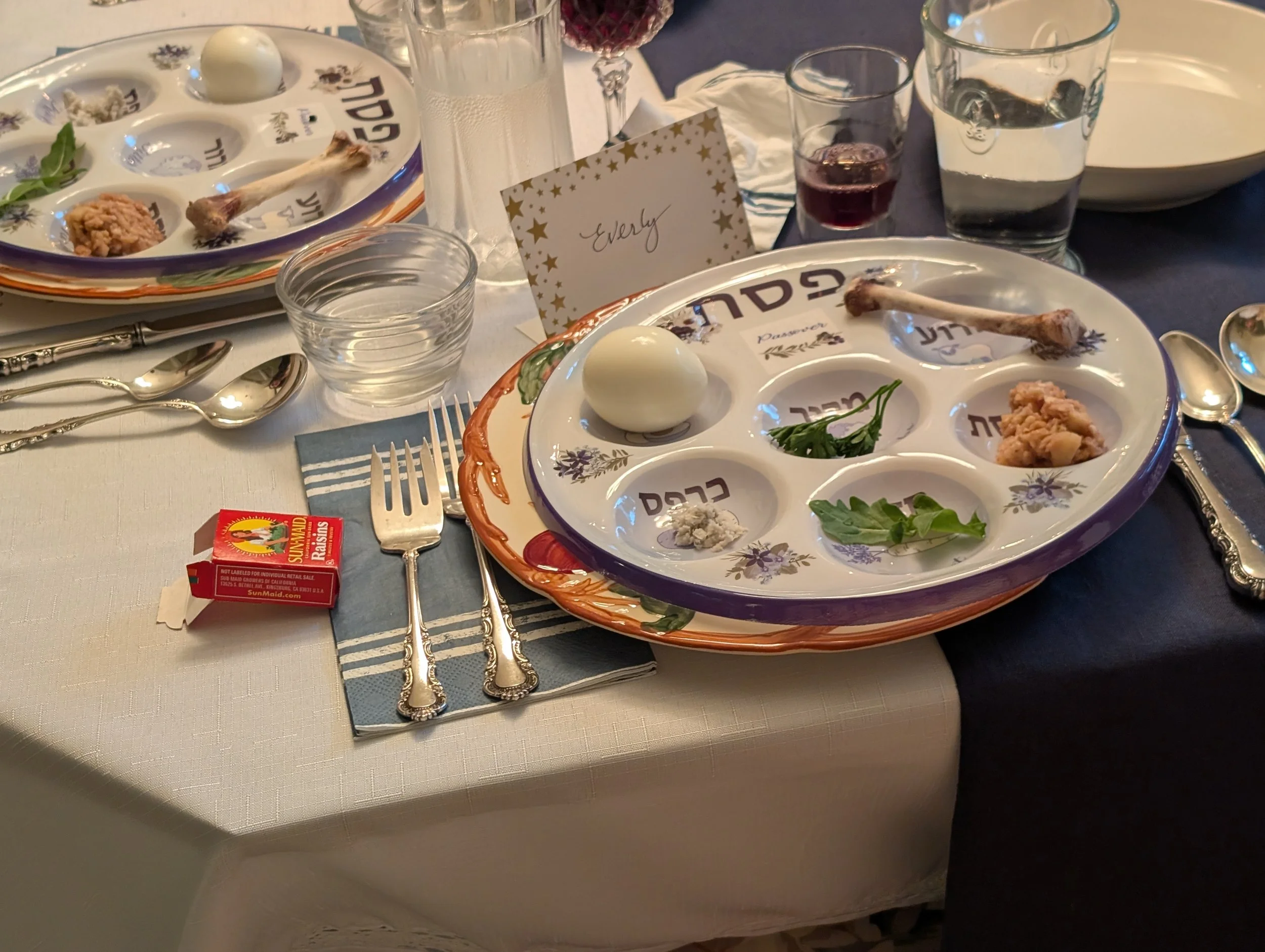
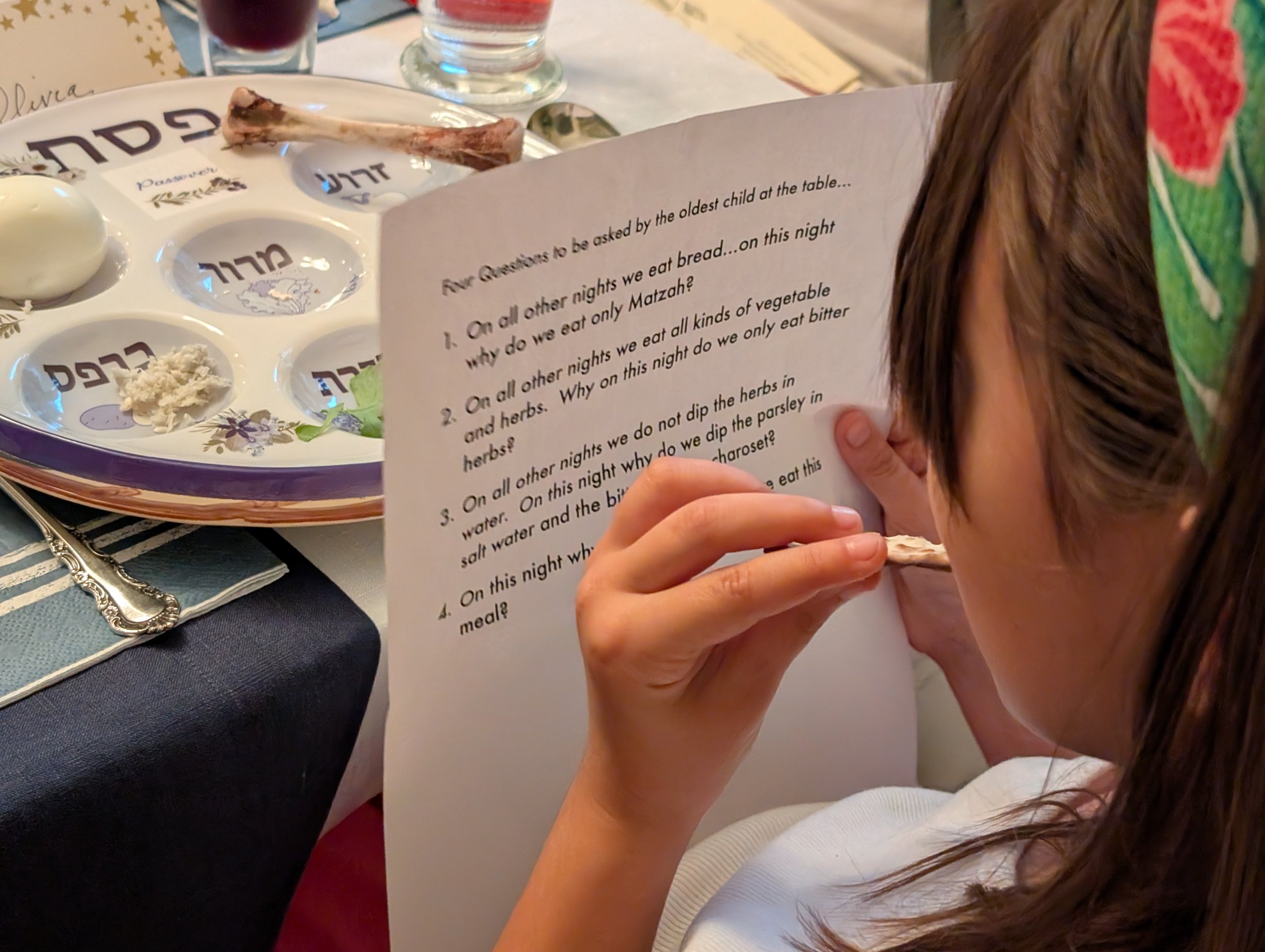
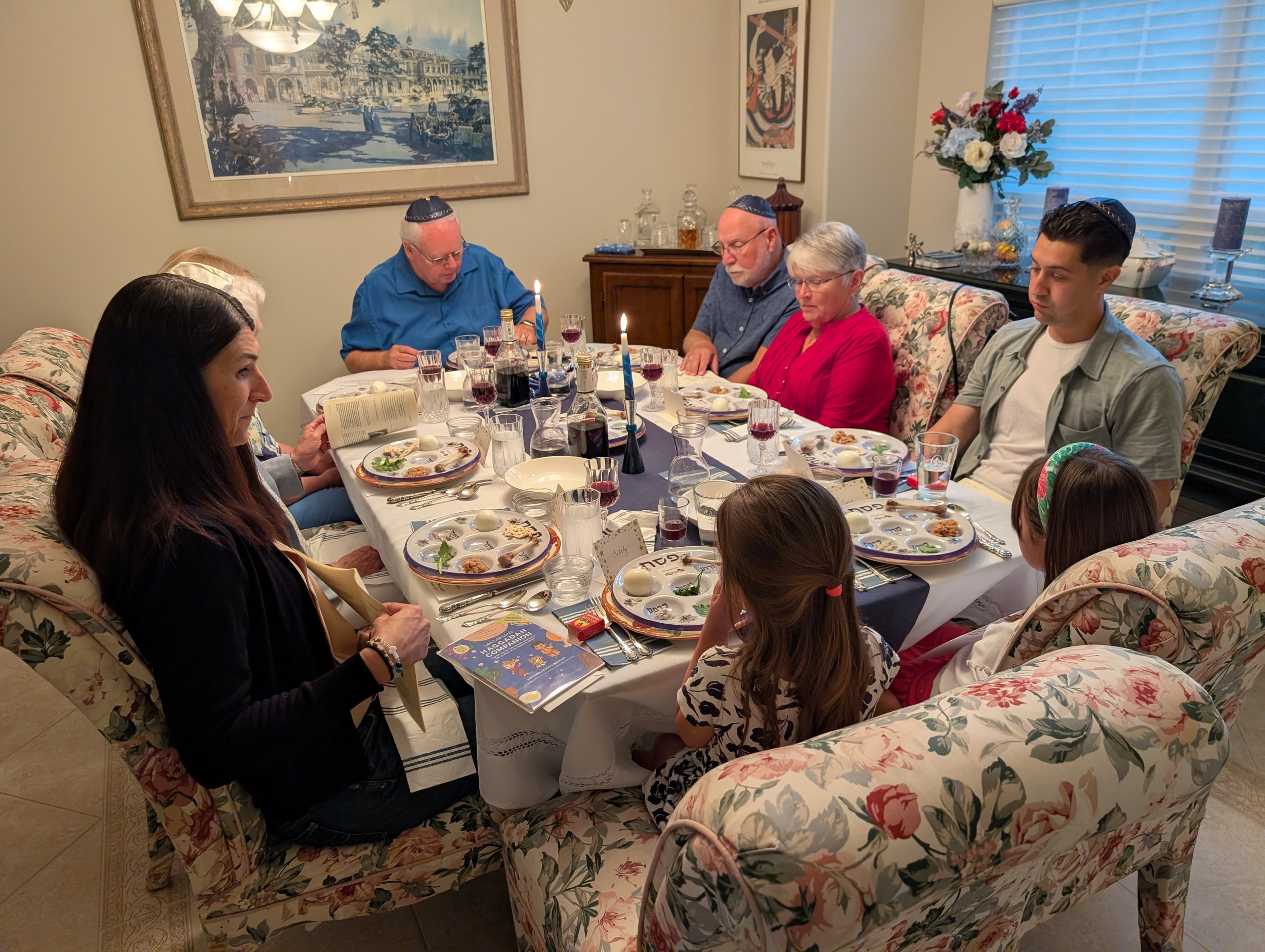
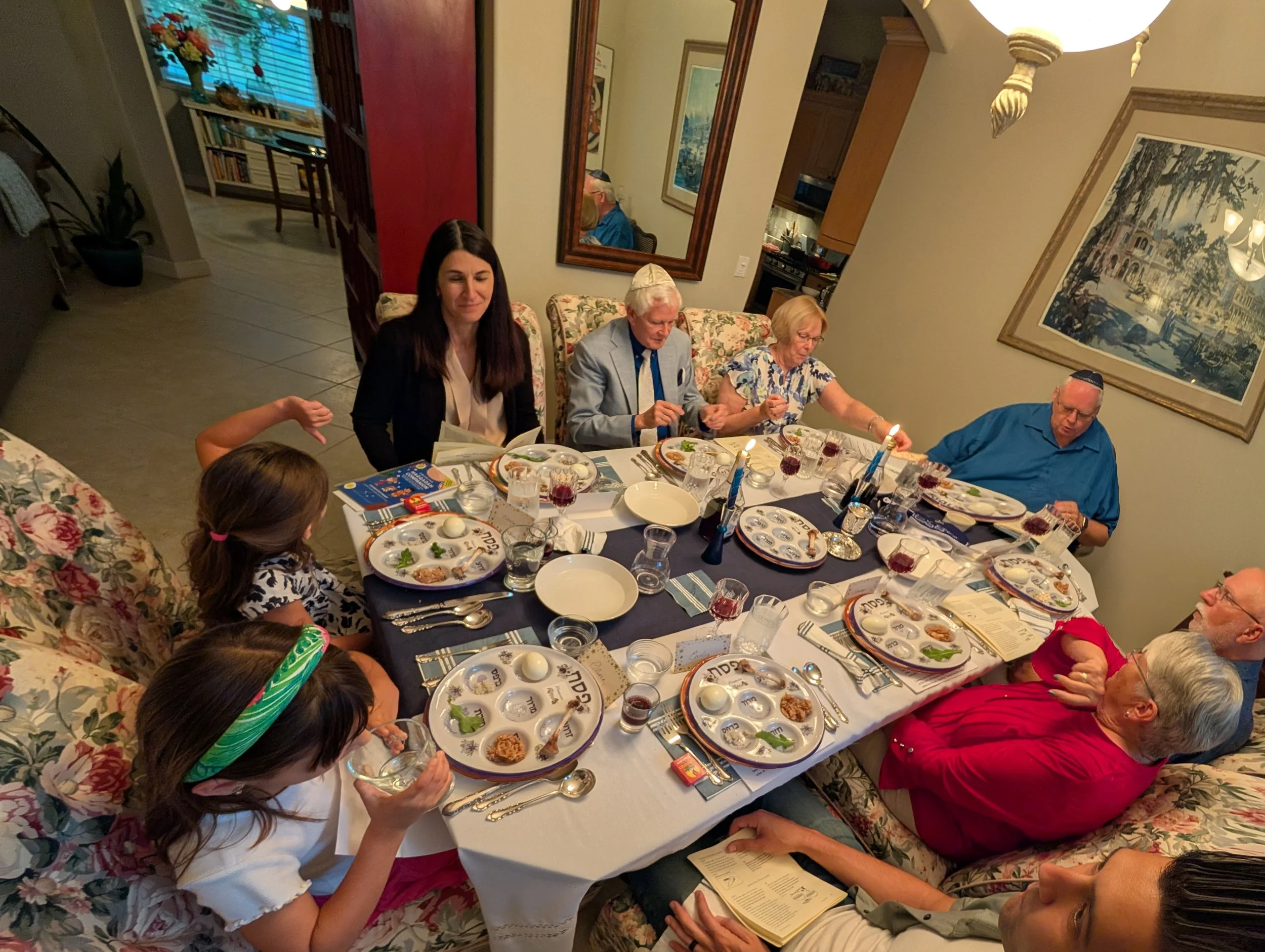
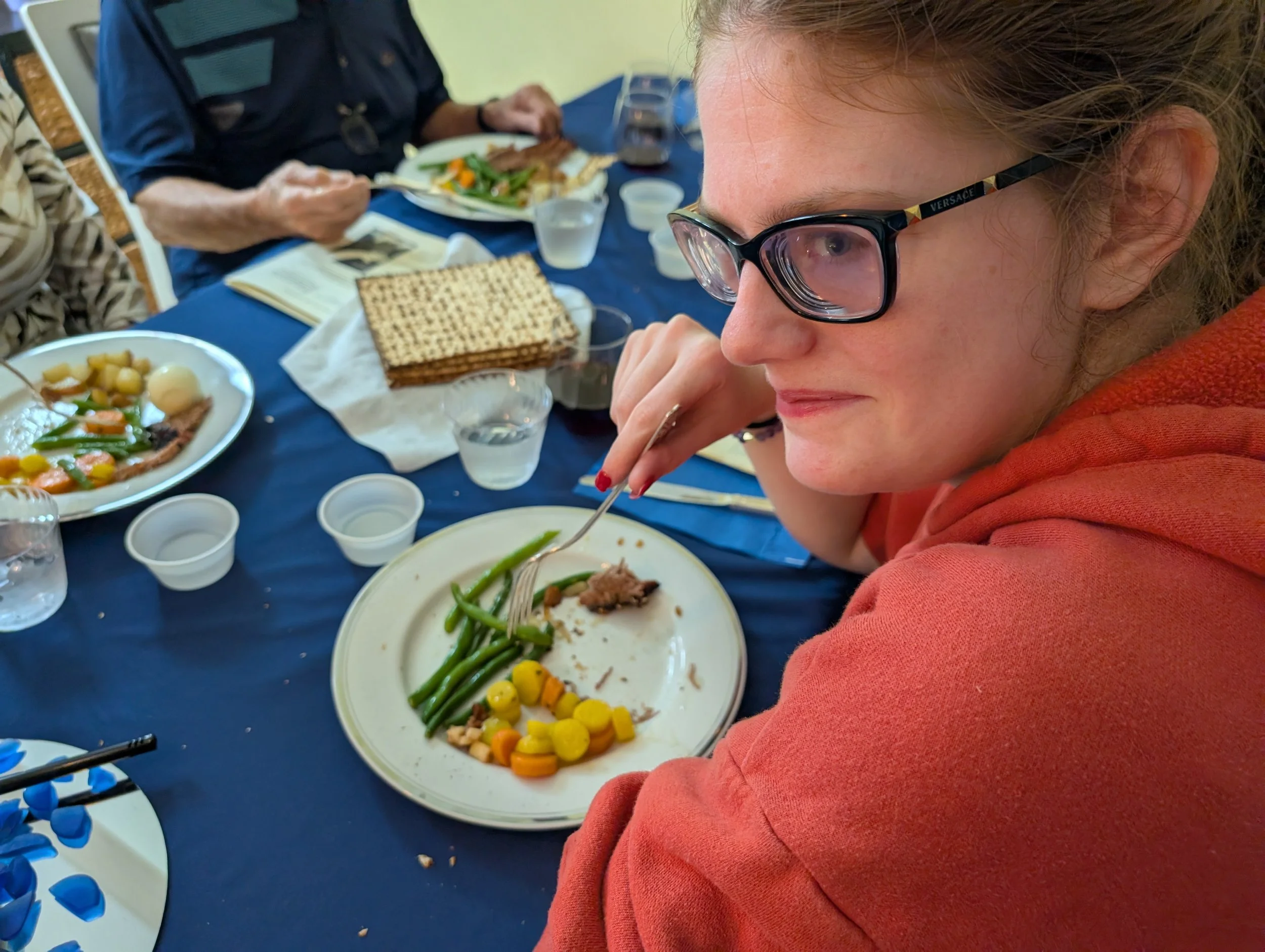
This Maundy Thursday, Grace Lutheran PSL went mobile! We had 53 people gather across 6 different homes for Seder meals.
We kicked things off with a host prep session at the Pastor’s house, then headed into the holiday to celebrate the institution of the Lord’s Supper. By walking through a variation of that original meal, we were able to truly lean into what Jesus was saying to His disciples. It was a beautiful night of laughing, sharing stories, and being the Body of Christ in our own living rooms.
Thank you to our incredible hosts and all who joined in!
With apologies to those who attended Ed and Claudette’s house. (I forgot to shoot photos)
Thanks to our hosts
Pam, Bebe, and Kevin.
Paul and Nancy
Vance and Betsy
Kurt and Denise
Ed and Claudette
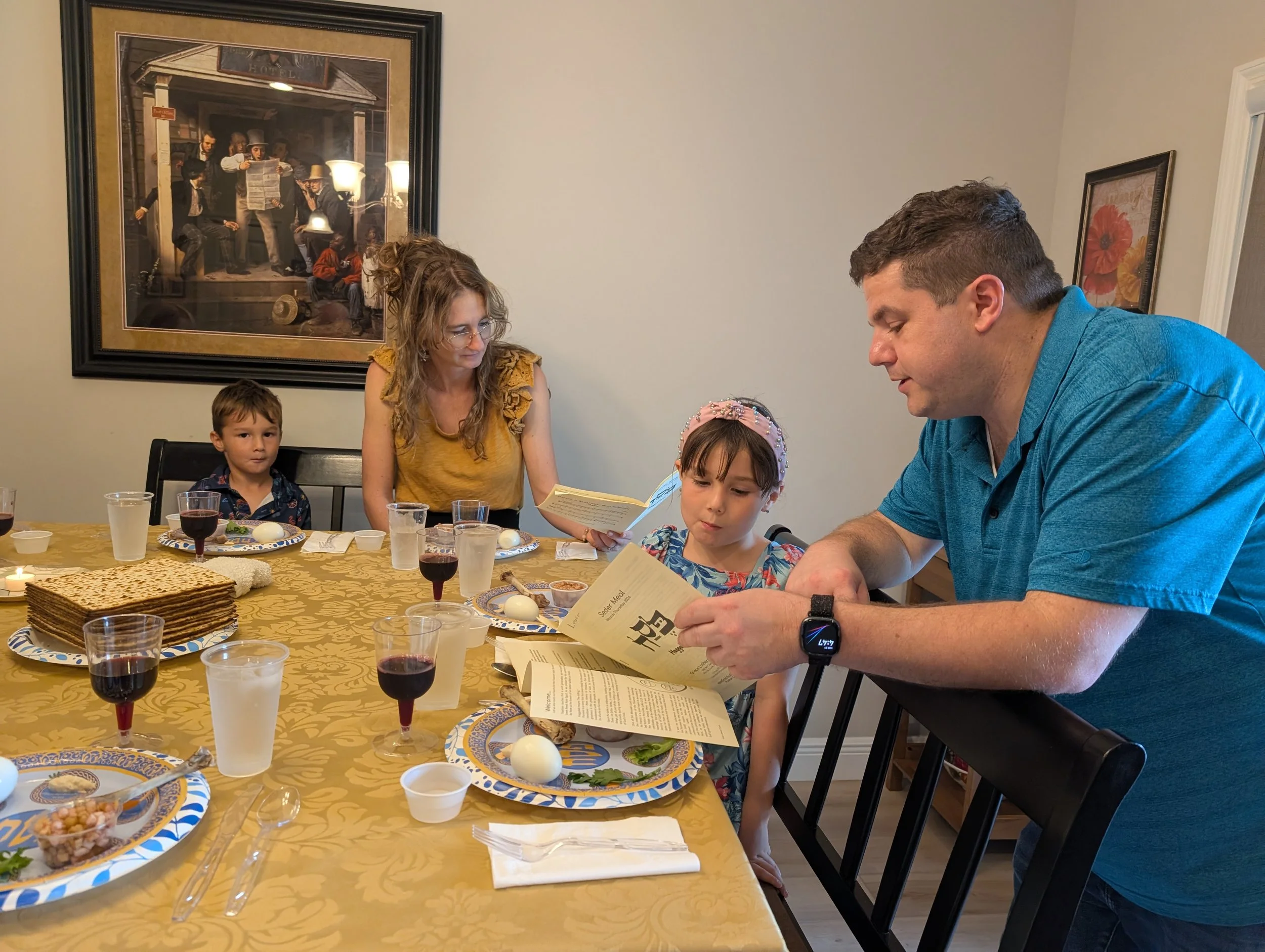
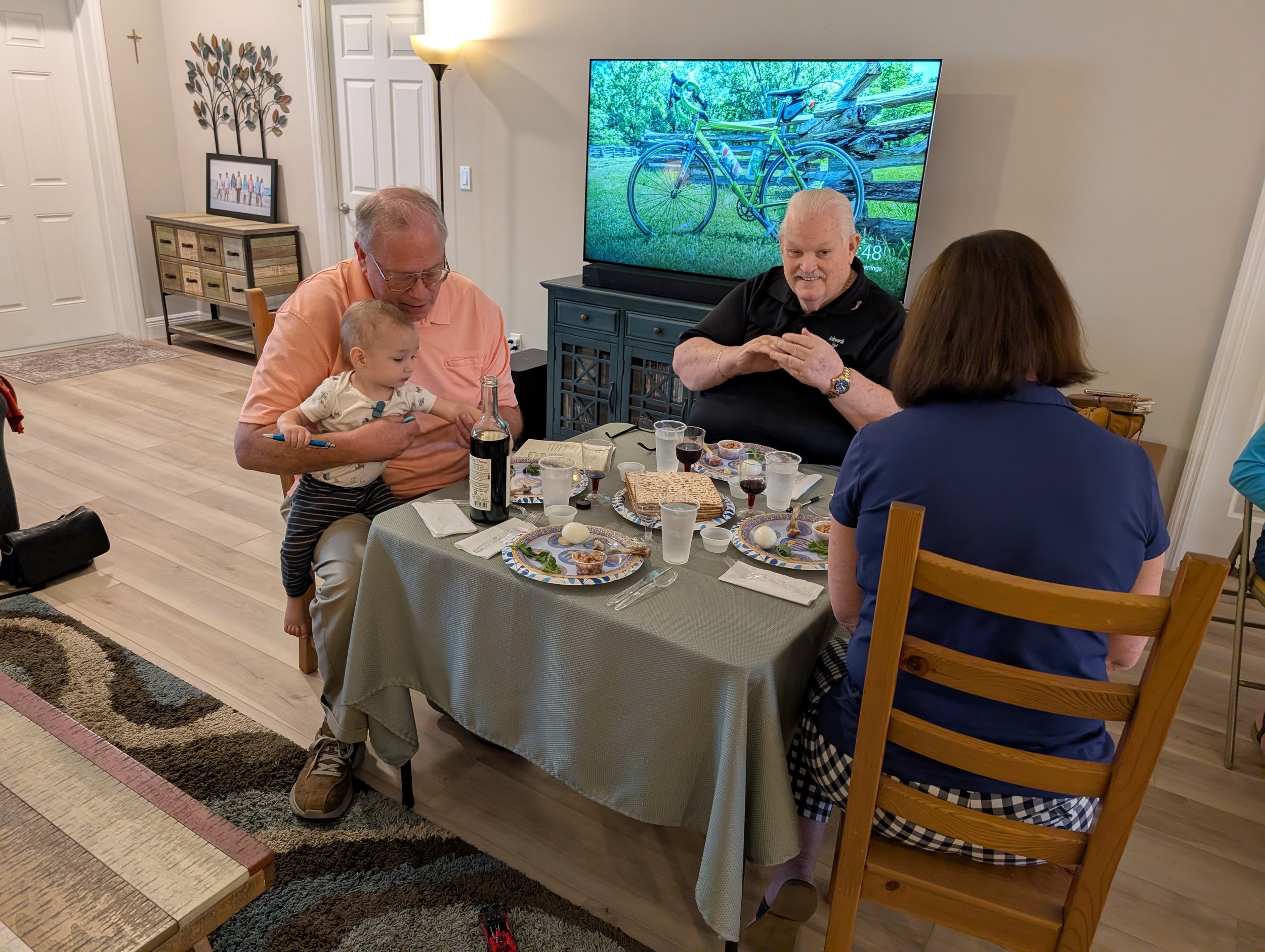




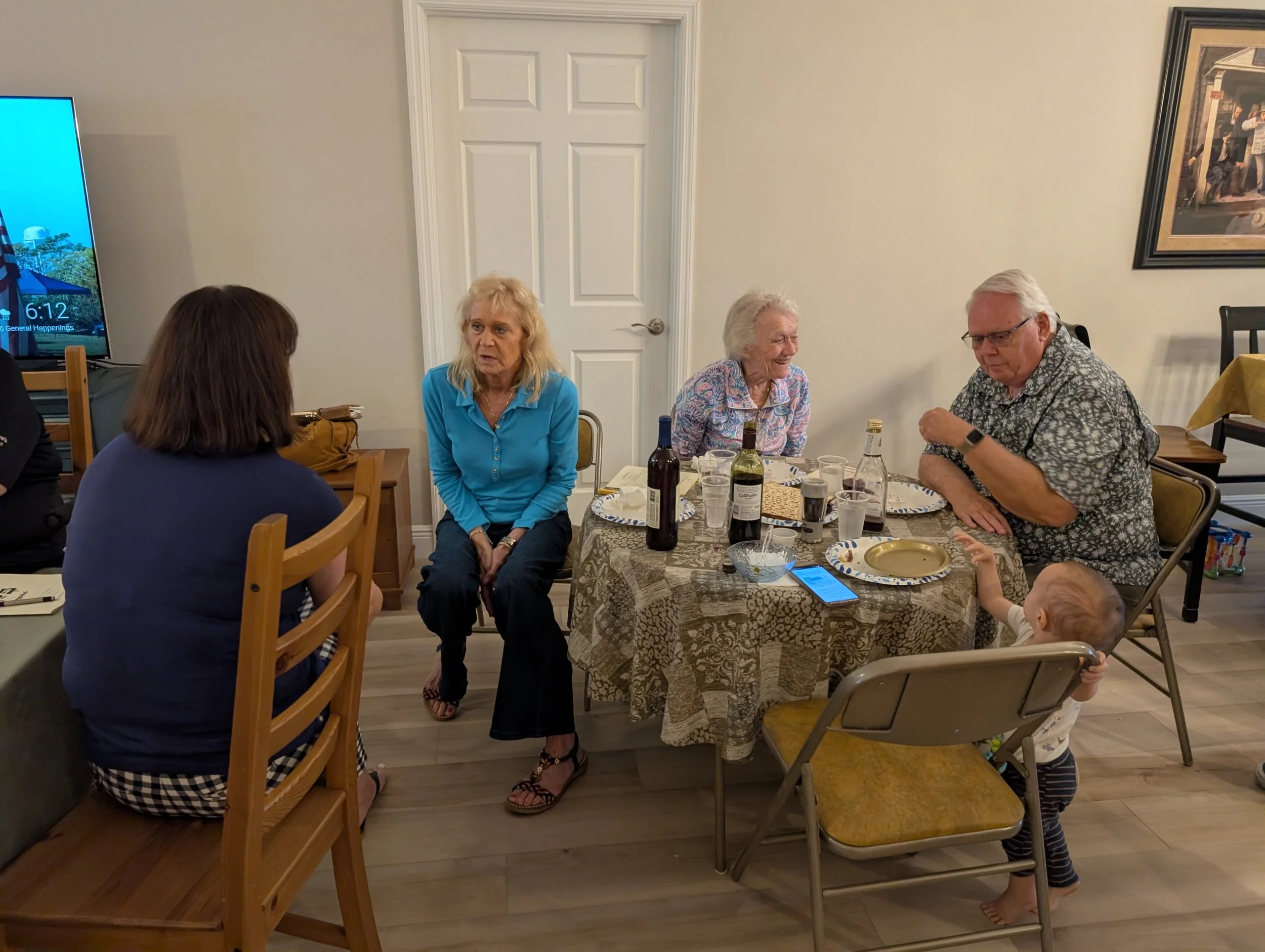



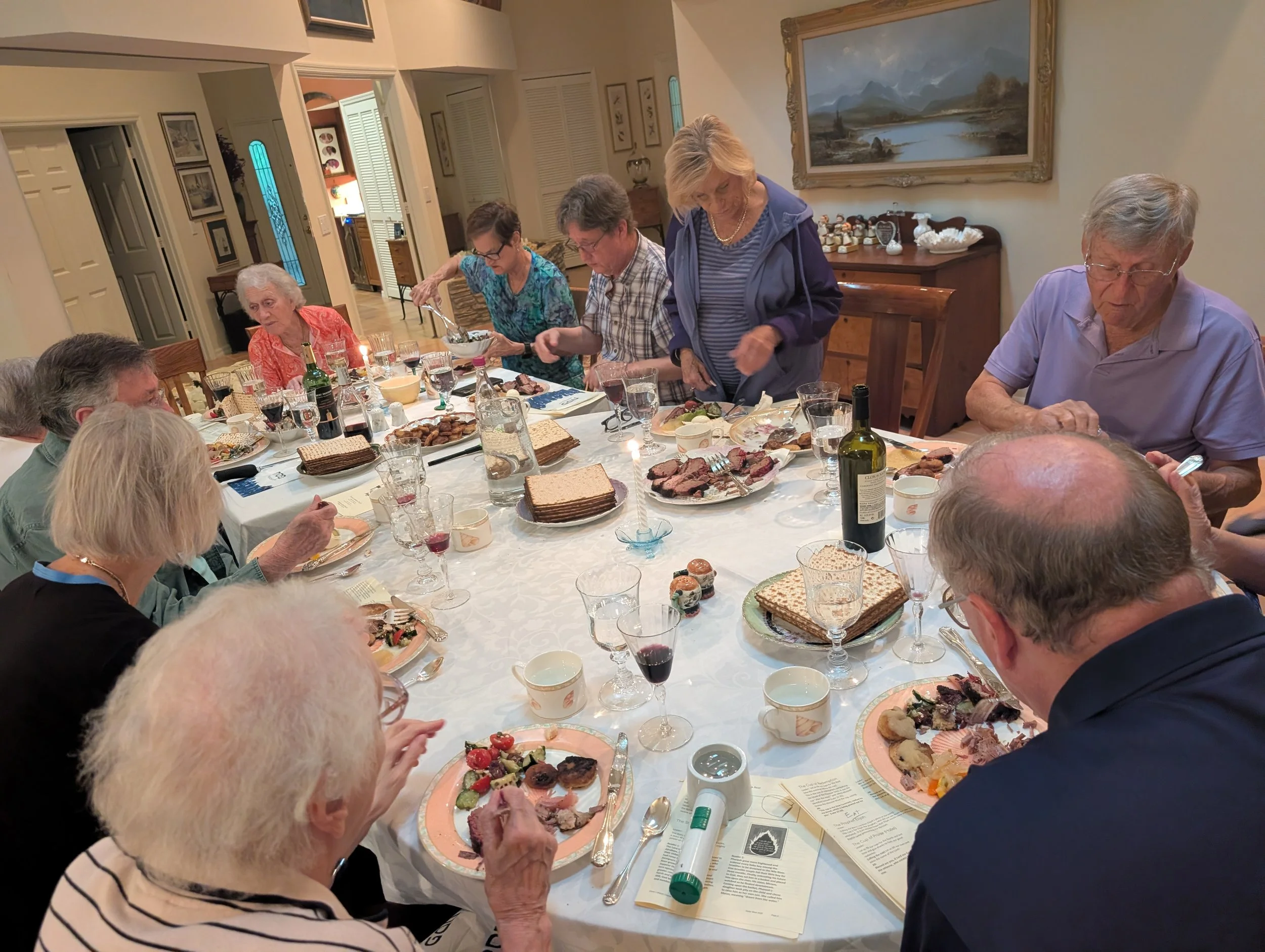
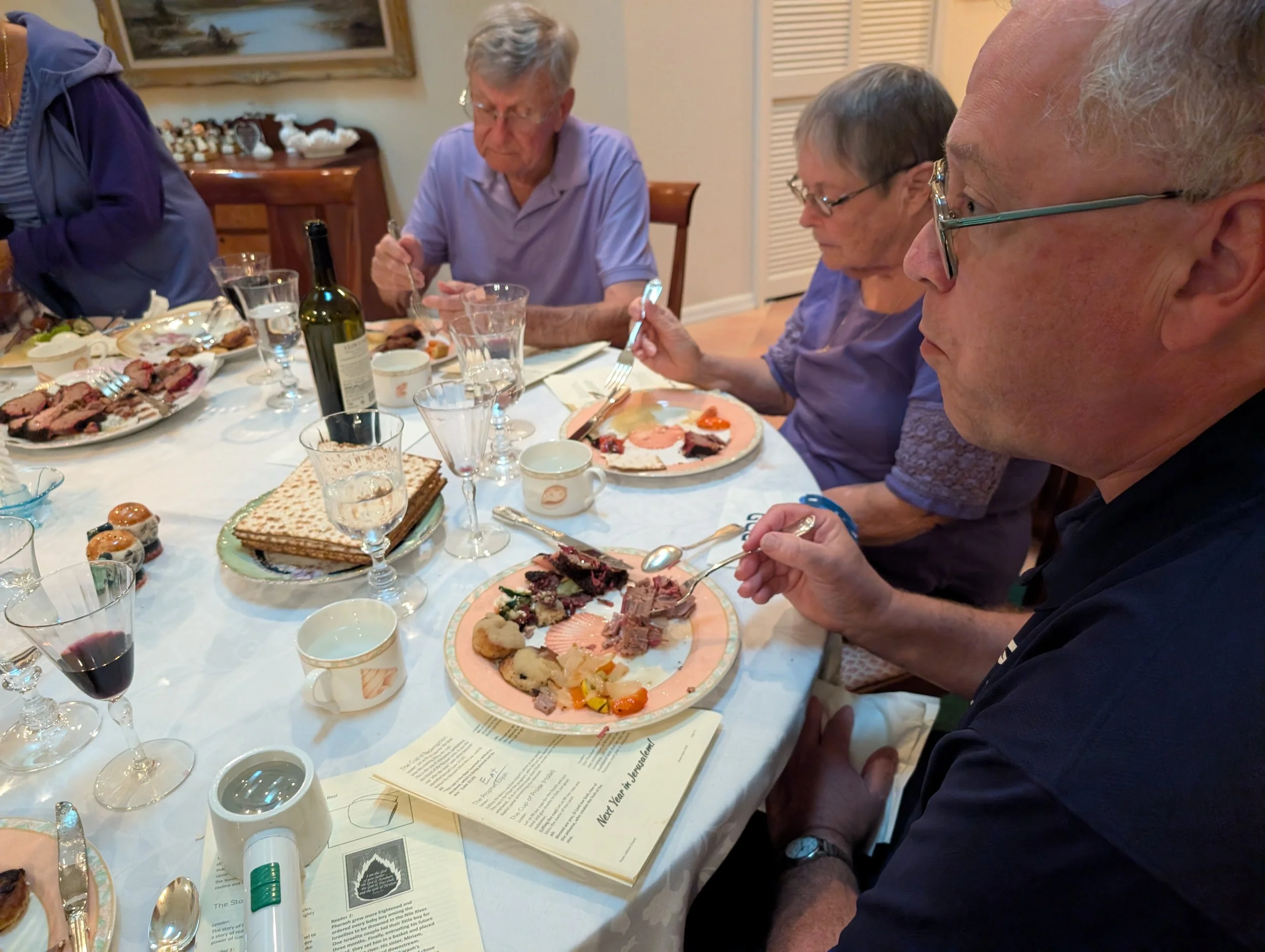
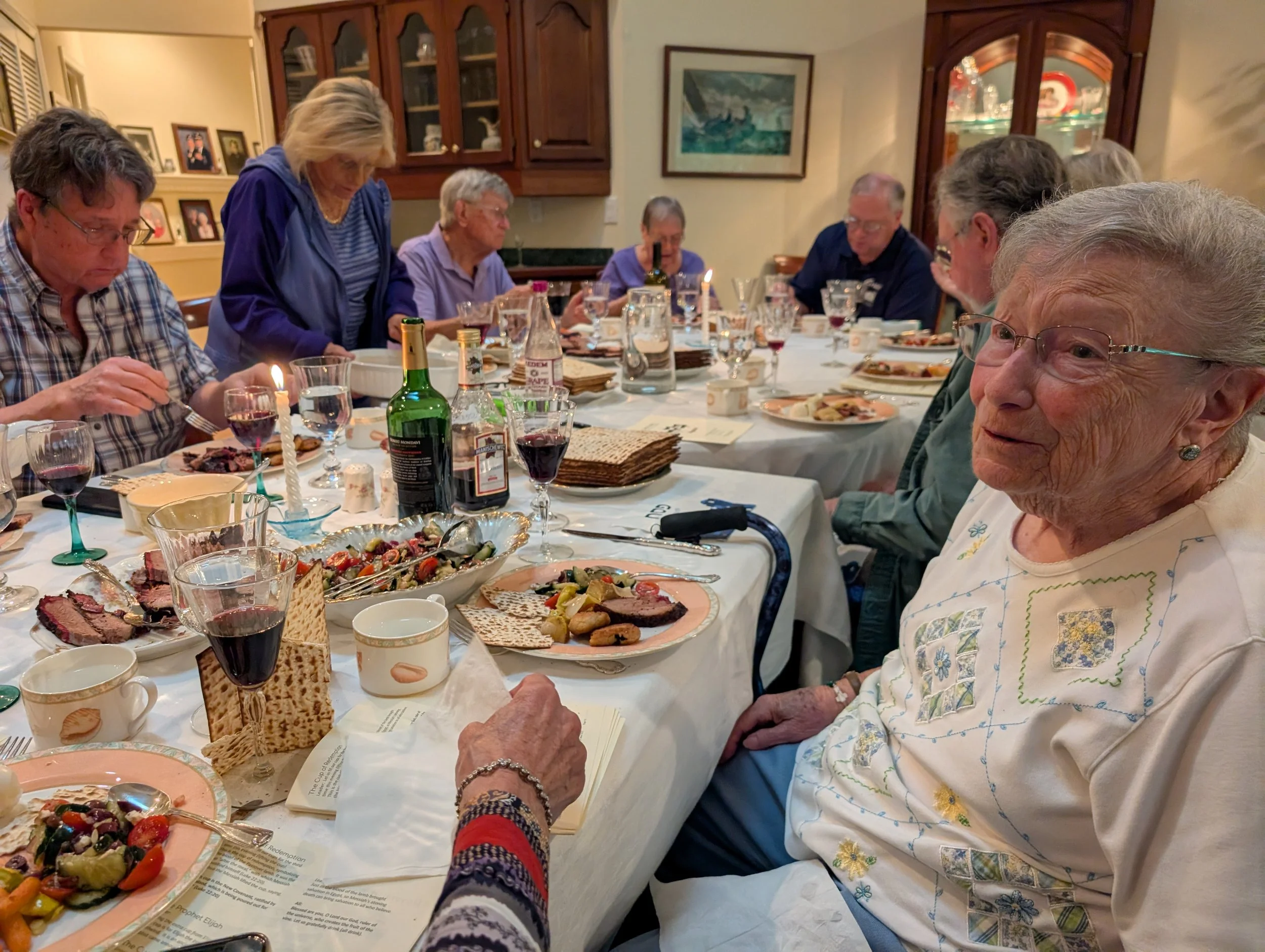
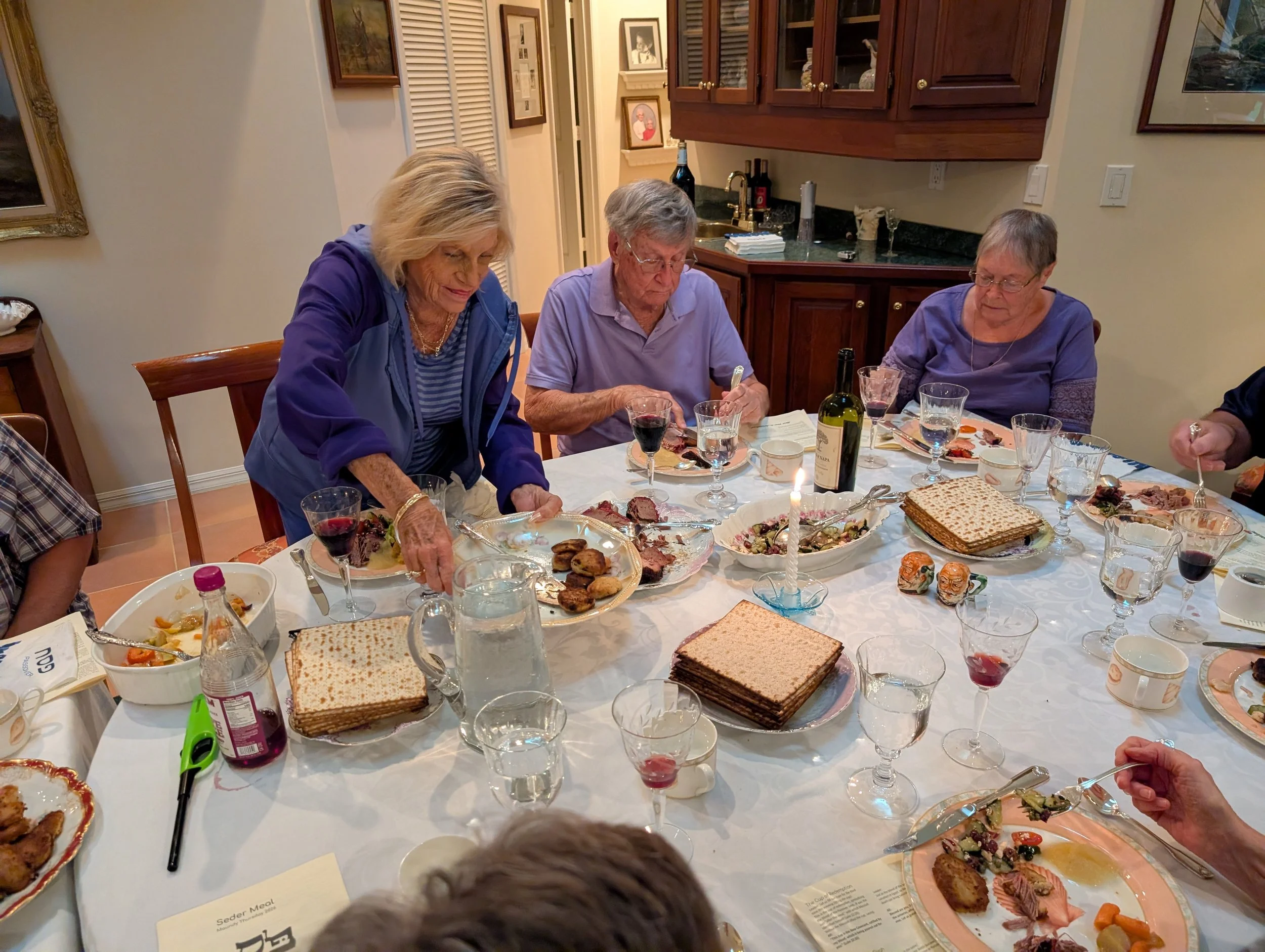


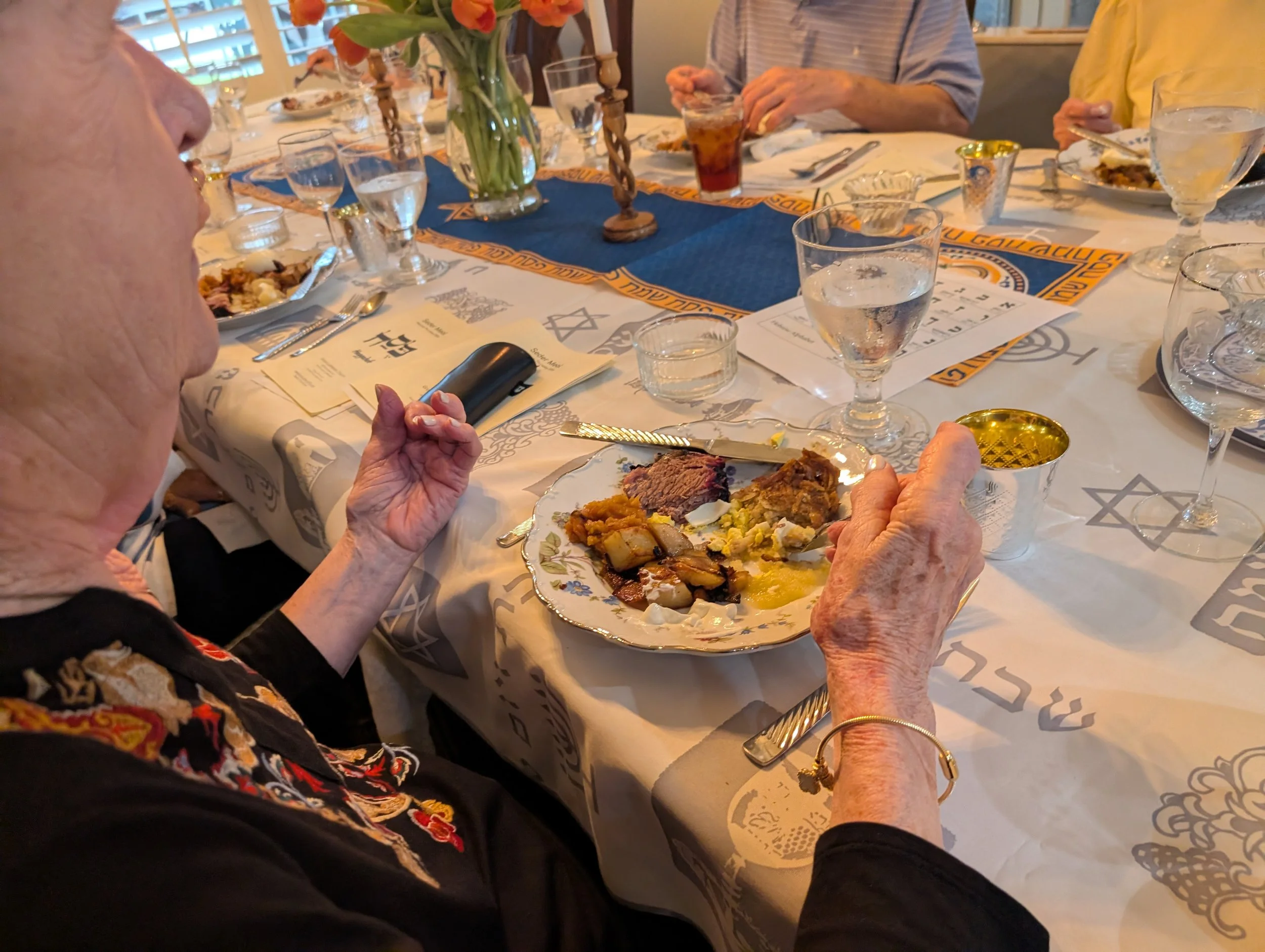
















LWML Meetings - 1st Monday of Month - 1pm
Meetings will be paused for the summer. Please join us in the Fall on September 8th at 1:00 pm.
Join other Lutheran Women to talk about mission.

New Song for Easter, Living Hope
New Song for Easter 2026
Here is Grace’s Recording for Sunday
"As we conclude our 'Week of Creation' sermon series this Easter with a focus on rest, This song beautifully illustrates God’s work of salvation within the world He brought to life."
On April 5th 2026 we are singing
“Living Hope” (CCLI 7106807)
© 2017 Phil Wickham Music; Simply Global Songs;
1.
How great the chasm that lay between us
How high the mountain we could not climb
In desperation we turned to heaven
And spoke Your name into the night
Then through the darkness Your loving-kindness
Tore through the shadows of our soul
The work is finished the end is written
Jesus Christ our living hope
2.
Who could imagine so great a mercy
What heart could fathom such boundless grace
The God of ages stepped down from glory
To wear our sin and bear our shame
The cross has spoken we are forgiven
The King of kings calls us His own
Beautiful Savior Your ours forever
Jesus Christ our living hope
(REFRAIN)
Hallelujah praise the One who set us free
Hallelujah death has lost its grip on me
You have broken every chain
There’s salvation in Your name
Jesus Christ our living hope (x2)
3.
Then came the morning, that sealed the promise
Your buried body, began to breathe
Out of the darkness, said the Creator
hold back the sea, so that we may breathe
Jesus, Yours, is the fruitful tree
(REFRAIN)
Ending
Jesus Christ our living hope
You are God are living hope
Listen to the Original
(We Changed Some Lyrics)

![[Sunday] Creation Day 6 - Image of God, The Week](https://images.squarespace-cdn.com/content/v1/5852f18a20099e30cd2c01dc/1774573315831-KRAOI22SKZR6IVVGLBW3/The+Week+6a.jpg)
[Sunday] Creation Day 6 - Image of God, The Week
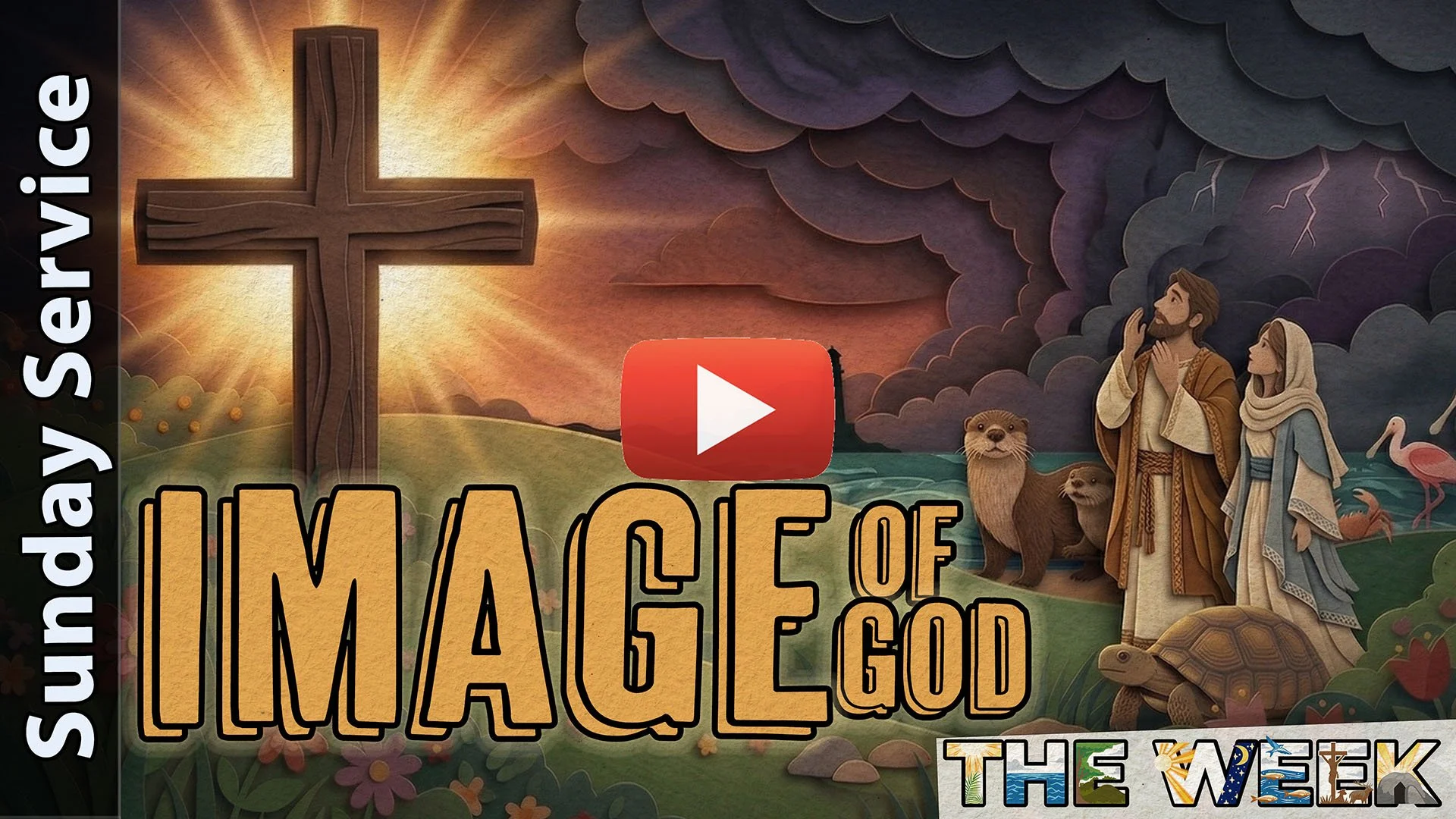
We shattered God's image by trying to be our own gods. But on the cross, Jesus took our brokenness upon Himself, dying and rising to restore the true image of God within us.
We shattered God's image by trying to be our own gods. But on the cross, Jesus took our brokenness upon Himself, dying and rising to restore the true image of God within us.
Questions for the Week: The Week: Day 6 Image of God
We shatter God's image when we try to be our own gods by serving our own desires rather than reflecting His love. In what areas of your life (work, relationships, finances) are you most tempted to act as your own god?
Read Matthew 27:45-54. On Palm Sunday, Jesus said if the people were silent, the stones would cry out. On Good Friday, as the Creator died, the earth quaked, and the rocks literally split. How does viewing the crucifixion as a cosmic, creation-shaking event change the way you read the Good Friday story?
Read Genesis 1:24-31. God gave mankind dominion on Day 6, but we abused it. Jesus, the true image of God, showed that real divine dominion looks like taking the posture of a servant. How does Jesus' example on the cross challenge the world's definition of power and success?
Because of the cross and the empty tomb, Jesus has breathed His Spirit into us, restoring the image of God in us. What are practical ways you can actively reflect the restored image of God to someone in your life this week?


What Had happened at Grace this week.
![Genesis [Tuesday Bible Study] 10:00am](https://images.squarespace-cdn.com/content/v1/5852f18a20099e30cd2c01dc/a502215c-0fa5-4f83-9cbd-7605b5239368/Bible+Study+2+%2848%29.png)
![[Sunday] Treasure In The Pit - Uproot & Plant - The Book of Jeremiah Ch38](https://images.squarespace-cdn.com/content/v1/5852f18a20099e30cd2c01dc/1791510365268-D3ZBJES5THWDRRFX642V/uproot+5a.jpg)
![Grace At The FLGA President’s Equip Conference [Photos]](https://images.squarespace-cdn.com/content/v1/5852f18a20099e30cd2c01dc/1791512993810-VGZR7F6BTGBK49JQXAJP/PXL_20260930_231025258.jpg)
![[Sunday] I Will - Uproot & Plant - The Book of Jeremiah Ch31](https://images.squarespace-cdn.com/content/v1/5852f18a20099e30cd2c01dc/1790717808062-CSTXC8PAW44RX5SEXPHA/uproot+4a.jpg)
![[Sunday] Day of Infamy - Uproot & Plant - The Book of Jeremiah Ch25](https://images.squarespace-cdn.com/content/v1/5852f18a20099e30cd2c01dc/1790271043490-QRFTFU8K15UYNHMZ98NY/uproot+3a.jpg)
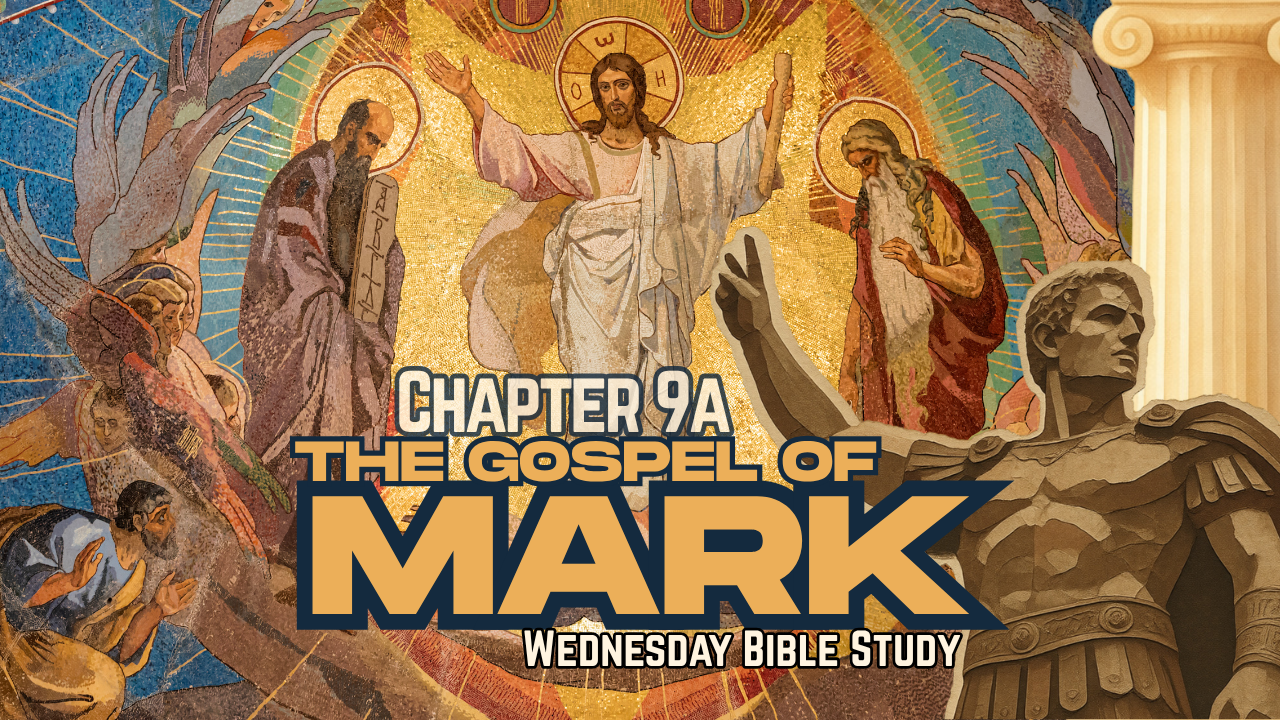

![[Sunday] Den of Robbers - Uproot & Plant - The Book of Jeremiah Ch7](https://images.squarespace-cdn.com/content/v1/5852f18a20099e30cd2c01dc/1789739183593-XLA06FKIUDVQKTY4AYZ9/uproot+2a.jpg)

Easter 2026 At Grace in Port St Lucie
April 5 -Easter Sunday: 6:30 AM (outside), 8:30 AM & 10:15 AM (10:15 service Live Streamed)
Easter 2026
HOLY WEEK
March 29 - April 5
March 29- Palm Sunday: 8:30 AM & 10:15 AM (10:15 AM will be Live Streamed)
April 2 - Maundy Thursday: Seder Meals at Various Homes
April 3 - Good Friday:
12:00 (Noon) and 7:00 PM (Noon service Live Streamed)
April 5 -Easter Sunday:
6:30 AM (Sunrise outside),
8:30 AM & 10:15 AM (10:15 Live Stream)
Easter Breakfast & Fellowship:
After Sunrise Service 7:30 - 10:00 AM
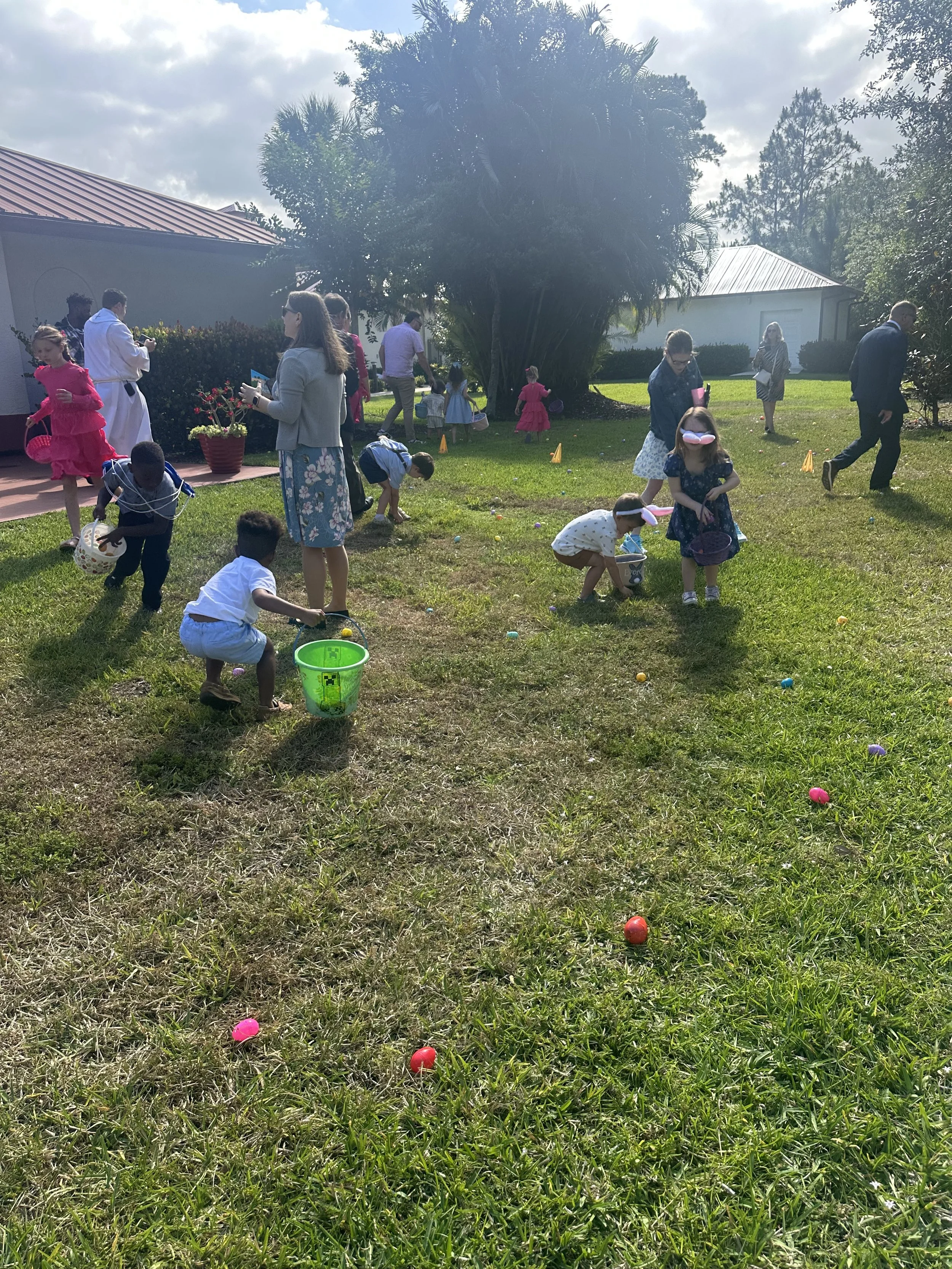
Egg hunt: 9:50 AM
Check out photos from Last year















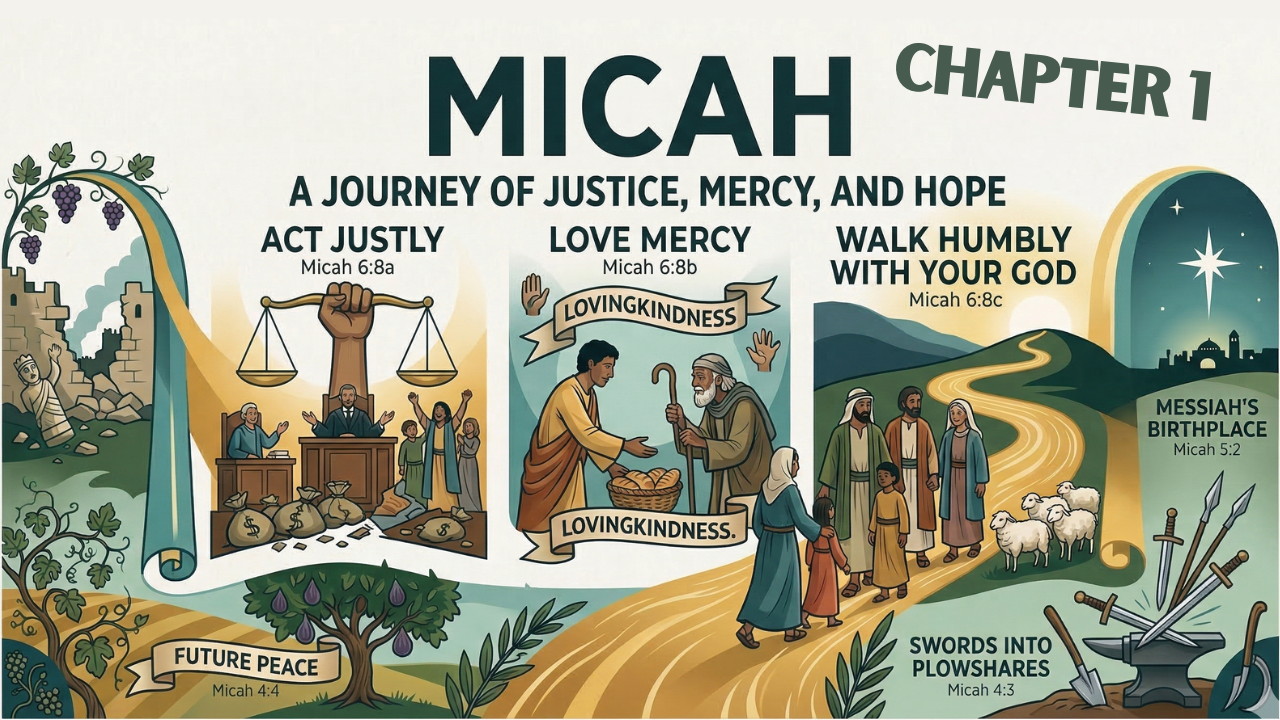
Micah Intro & Chapter 1 Class 1 - Bible Study
During our Bible study on March 26, 2026, we explored the first chapter of Micah, focusing on God's impending judgment against both Samaria and Jerusalem for their shared sins of idolatry and self-righteousness.
Micah Intro and Chapter 1
This is our 1st class on Micah
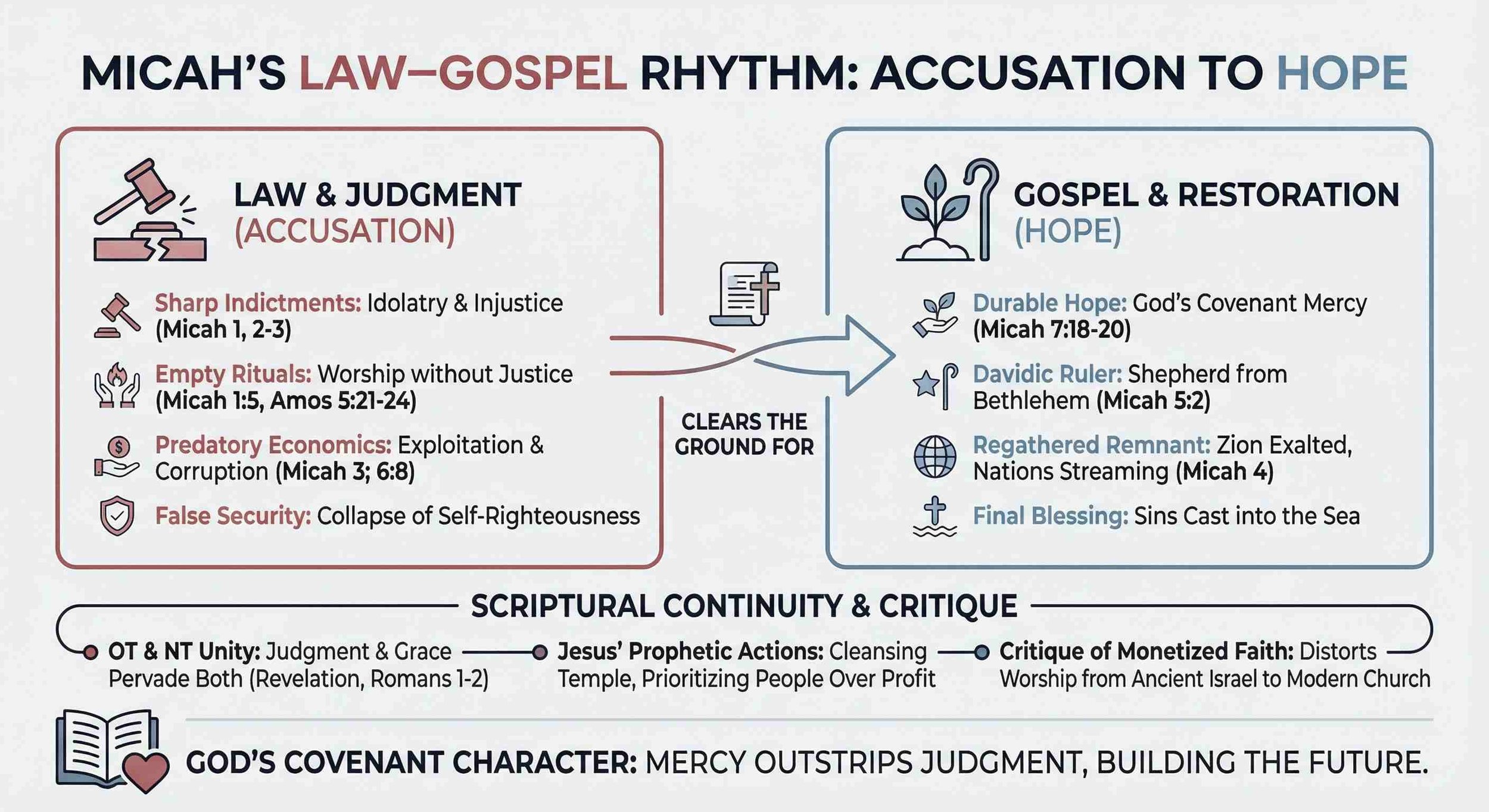
This is an overview of Micah.
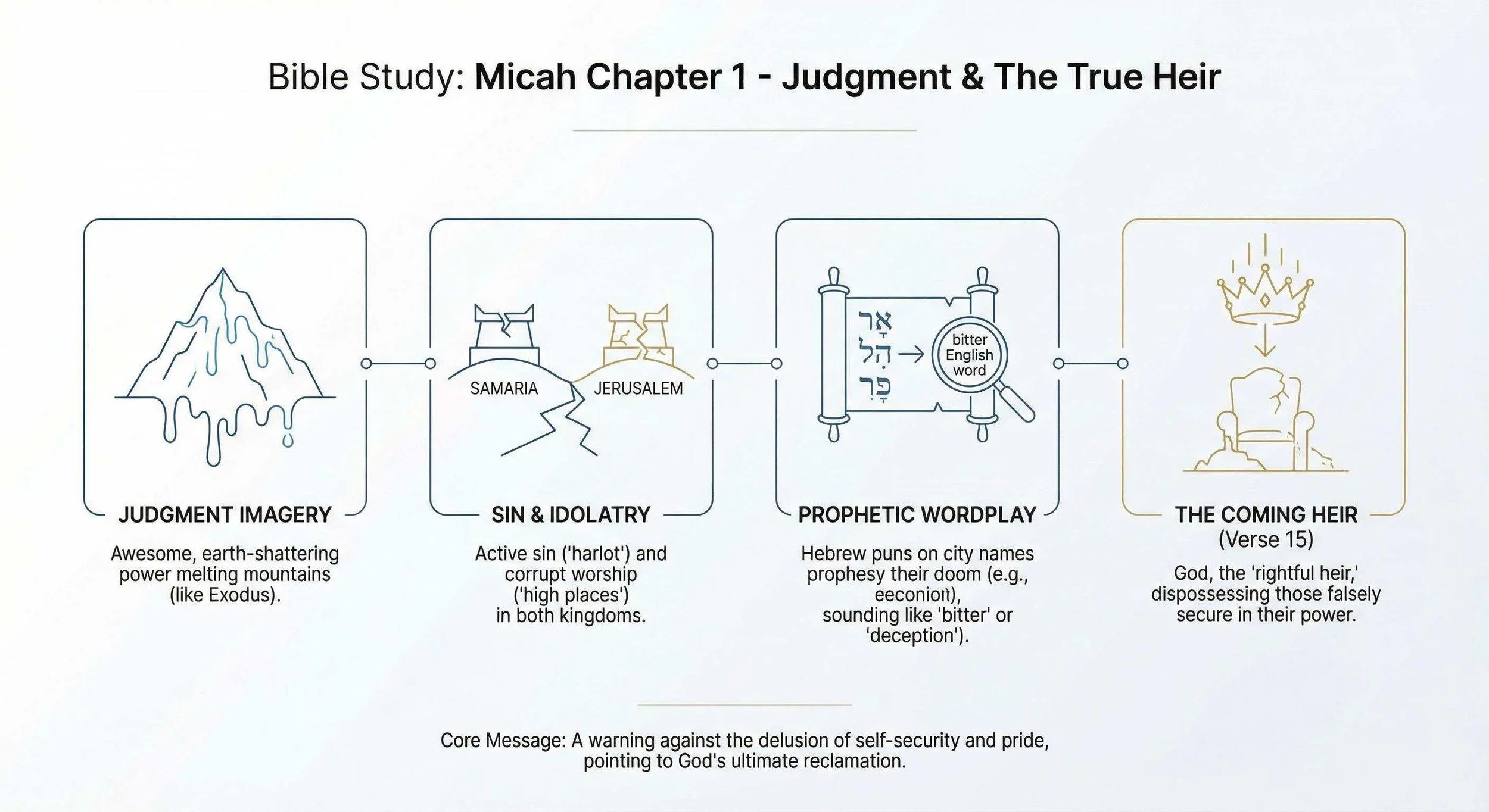
This is an AI Recap of the class.
Some things may be incorrect.
Short summary of the whole class
We read Micah—starting with Micah 1—and explored its Law–Gospel rhythm: sharp indictments of injustice, idolatry, and self-righteousness, followed by durable hope in God’s covenant mercy and a promised Davidic ruler from Bethlehem. Along the way we linked Micah’s themes to Revelation’s critique of power, Paul’s indictments in Romans, and Jesus’s prophetic actions (cleansing the temple; delivering the Gerasene demoniac), and reflected on how monetizing religion—from ancient Israel to indulgences to modern church culture—distorts worship and justice. We also examined translation nuances in Micah 1, poetic place-name wordplay, and the continuity between Old and New Testaments, concluding that divine judgment clears the ground for restoration.
Walkthrough summary with section-by-section notes
1) Opening reflections: Continuity between Old and New Testaments and the Law–Gospel pattern
What we discussed:
Scripture’s unity: the same human tendencies to power, domination, and wealth appear across the Testaments.
The “good news” looks forward and backward: God will set things right and, in Christ, has begun to do so.
The prophets, including Micah, follow a recognizable Law–Gospel rhythm—confrontation of sin followed by promises of restoration—and Revelation often recycles prophetic themes.
Stories/Scriptures mentioned:
Revelation (general thematic reference)
General references to Joel, Amos, Jonah, Obadiah, Micah
Short summary of this section:
We framed Micah within Scripture’s continuity and a Law–Gospel pattern, noting that Revelation echoes prophetic themes of judgment and hope.
2) Reading Micah 1: God’s descent, idolatry, and lament
What we discussed:
God’s theophany: the Lord descends; mountains melt; valleys split (Micah 1:3–4).
Judgment on both Samaria and Jerusalem for transgression and idolatry (Micah 1:5–7).
Lament imagery—wailing, dust, shame, baldness, captivity—calling for sober grief (Micah 1:8–16).
Judah is not morally superior; no one is exempt from critique.
Stories/Scriptures mentioned:
Micah 1:1–16
Short summary of this section:
Micah 1 announces sweeping judgment over both kingdoms, exposing idolatry and self-assured religiosity and calling for lament.
3) Imagery echoes and the “harlot” motif: Exodus, Proverbs, and Hosea
What we discussed:
Exodus echo: Micah 1’s earth-shaking presence recalls God’s powerful interventions in history.
“Harlot/prostitute” language (Micah 1:7) connected to Proverbs’ seductive sin and Hosea’s symbolic marriage—idolatry as relational betrayal, a selling of oneself.
Stories/Scriptures mentioned:
Micah 1:7
Exodus (themes of theophany and deliverance; e.g., Exodus 14–15; 19 thematically)
Proverbs (harlot/prostitute motif; general references)
Hosea 1–3 (prophet’s marriage as sign-act)
Short summary of this section:
Micah’s imagery taps Exodus’s divine power and portrays sin, via Proverbs and Hosea, as an active, relational unfaithfulness.
4) Who is being confronted? Judah, Samaria, and the collapse of self-righteousness
What we discussed:
Micah 1:5 levels the field: Judah’s “high places” mirror Samaria’s; prophetic sarcasm punctures self-righteousness.
Ritual without justice is empty; idolatry undercuts religious confidence.
Stories/Scriptures mentioned:
Micah 1:5
Amos 5:21–24 (thematic link: God’s rejection of empty festivals)
Short summary of this section:
Micah dismantles Judah’s false security: religious forms without faithfulness and justice cannot shield from judgment.
5) “High places” and reverence—then critique
What we discussed:
High places historically evoke reverence (Sinai), but prophets condemn altars divorced from obedience and justice.
Amos’s rebuke reinforces that height and ritual mean nothing without covenant faithfulness.
Stories/Scriptures mentioned:
Micah 1 (high places language)
Exodus 19 (Sinai theophany; thematic)
Amos 5:21–24
Short summary of this section:
Awe without obedience is hollow; God seeks justice and faithfulness, not mere elevated ritual.
6) Translation matters in Micah 1:16 and 1:15—“eagle” or “vulture”; “heir,” “conqueror,” or “dispossessor”?
What we discussed:
Micah 1:16: “Make yourself bald”—mourning and disgrace; the Hebrew term may be “eagle” or “vulture,” with “vulture” fitting lament’s tone.
Micah 1:15: the term variously rendered “heir,” “conqueror,” or “dispossessor”; the thrust is that rightful rule will dispossess pretenders.
Illustrations included study notes and a Robin Hood analogy (rightful heir displaces a pretender).
Stories/Scriptures mentioned:
Micah 1:16; Micah 1:15
Genesis 15 (heir/possession language; thematic)
Robin Hood analogy (story illustration)
Short summary of this section:
Nuanced translation sharpens the text’s tone and theology: mourning is stark, and God’s rightful authority overturns false securities.
7) Place-name wordplay and omen-like warnings (Micah 1:10–14)
What we discussed:
Micah’s puns on town names amplify the message: surface beauty masks decay; fates align with names.
Stories/Scriptures mentioned:
Micah 1:10–14
Short summary of this section:
Poetic wordplay serves prophecy—names become omens exposing the gap between appearance and reality.
8) Power, captivity, and Revelation’s critique—then and in Jesus’s day
What we discussed:
Micah 1:16 ties pride to captivity; Revelation critiques false security in power and wealth.
Parallels to Pharisees and Sadducees protecting status and opposing Jesus.
Stories/Scriptures mentioned:
Micah 1:16
Revelation (general thematic reference)
Gospel-era accounts of Pharisees and Sadducees resisting Jesus (e.g., John 11:47–53 thematically)
Short summary of this section:
Pride breeds captivity; whether in Micah’s day or the Gospels, protecting power resists God’s true king.
9) Watching and processing an overview of Micah: accusation and hope
What we discussed:
Historical setting: Micah of Moresheth (Judah), contemporary with Isaiah; covenant-breaking in Israel and Judah.
Warnings: Assyria’s devastation of the north; Babylon’s later destruction.
Accusations: leaders and prophets enriching themselves; justice bent for the wealthy; land theft; prophetic corruption—Naboth’s vineyard as emblematic injustice.
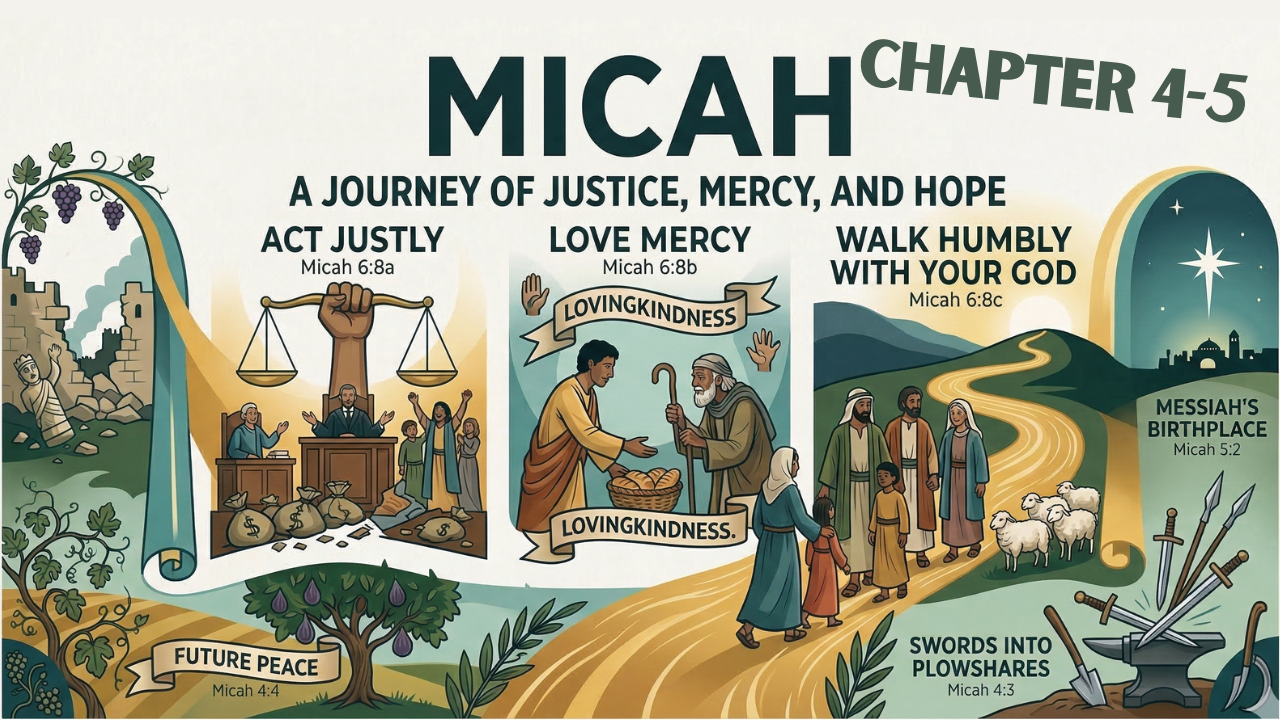
Hope: God as shepherd regathers a remnant; exalted Zion with nations streaming; exile and return; a Davidic king from Bethlehem; final justice and blessing to the nations.
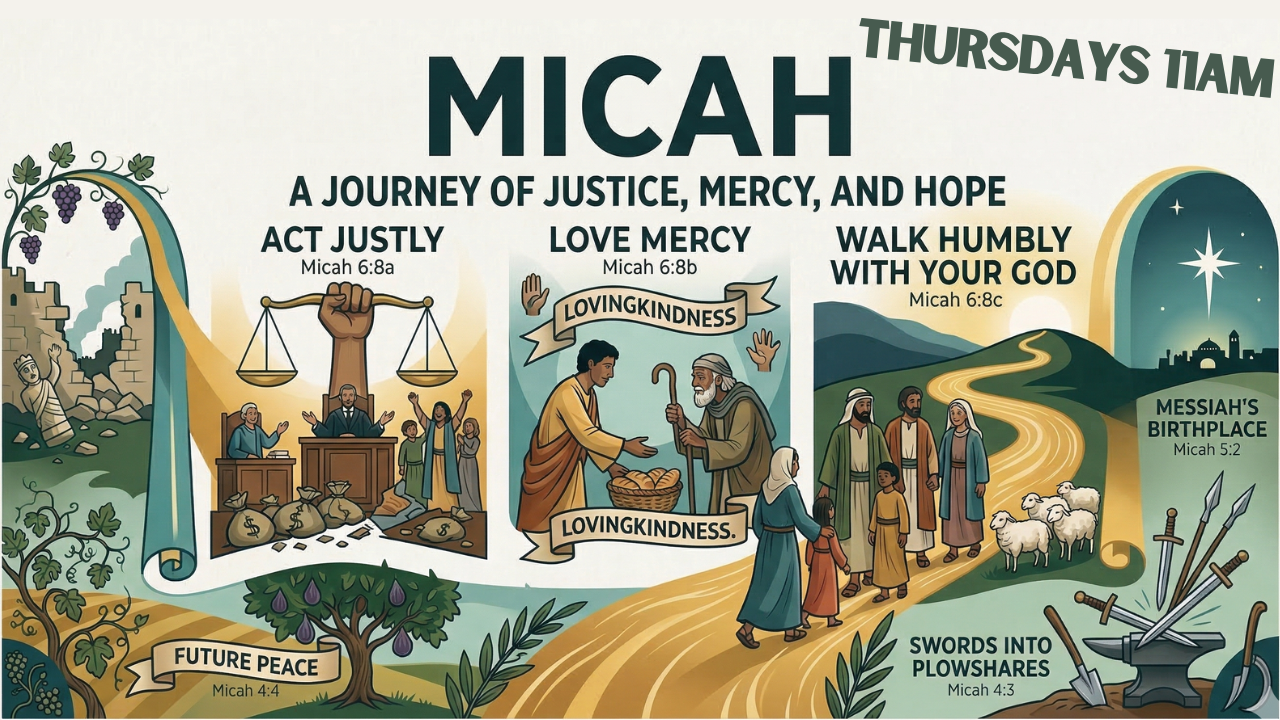
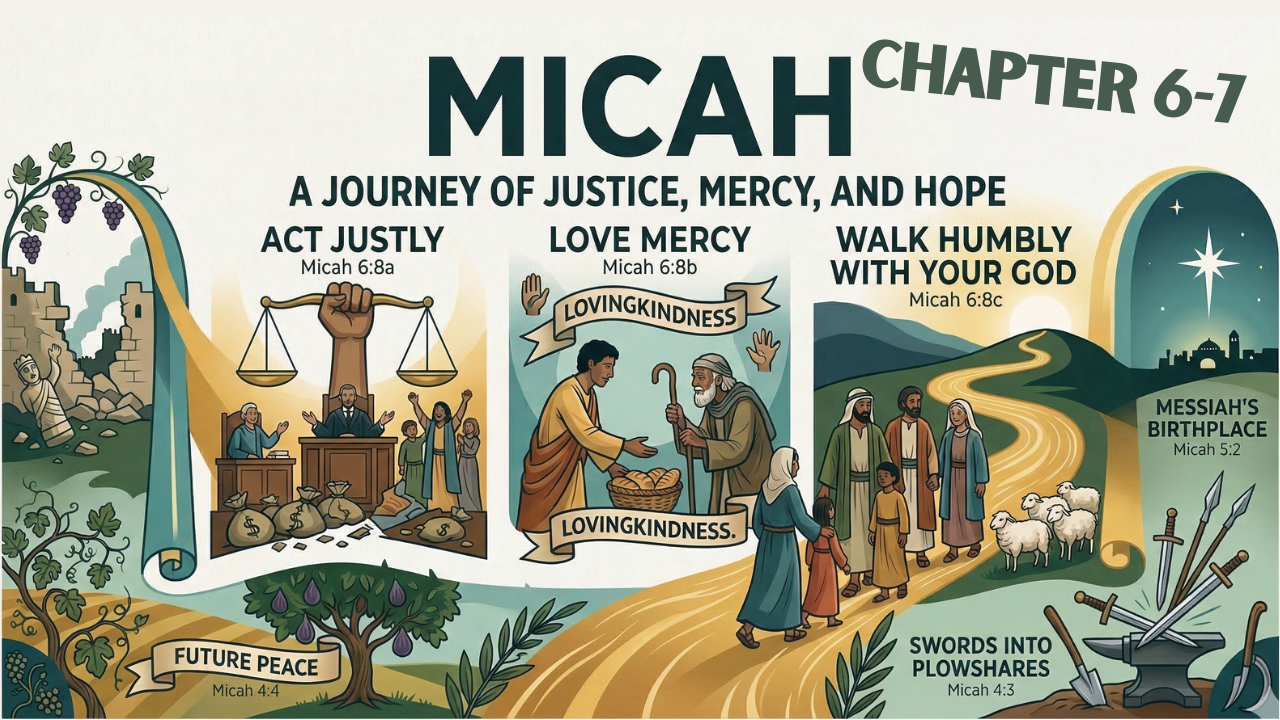
Micah 6:8 as covenant heartbeat; Micah 7:18–20 grounding hope in God’s character.
Stories/Scriptures mentioned:
Micah 3 (prophetic strength/accusation); Micah 4 (nations to Zion); Micah 5:2 (Bethlehem ruler); Micah 6:8; Micah 7:18–20
1 Kings 21 (Ahab and Naboth’s vineyard)
Assyria and Babylon as instruments of judgment
Short summary of this section:
Micah alternates tough indictments with sturdy hope: God confronts injustice yet promises a shepherd-king and covenant mercy.
10) OT “fire and brimstone” and NT continuity
What we discussed:
Is the OT uniquely “hellfire and brimstone”? The NT shares moral urgency—Paul’s indictments and Revelation’s prophetic cadence.
We tend to find what we seek; both Testaments carry sustained hope.
Tone shift: OT promises forward (“God will”), NT proclaims fulfillment (“God has done”).
Stories/Scriptures mentioned:
Romans 1–2
Revelation (prophetic pattern)
The Gospels as narrative continuity with the patriarchs
Short summary of this section:
Judgment and grace pervade both Testaments; the promises of the OT meet fulfillment in the NT without losing ethical edge.
11) Jesus and the economics of the kingdom
What we discussed:
Jesus confronts exploitative systems—cleansing the temple to restore prayer and justice.
Gerasene demoniac: deliverance at economic cost (drowned pigs) exposes resistance when profit is threatened.
Warning against “devouring widows’ houses.”
Stories/Scriptures mentioned:
Temple cleansing: Matthew 21:12–13; Mark 11:15–17; Luke 19:45–46; John 2:13–17
Gerasene/Gadarene demoniac and pigs: Mark 5:1–20; Luke 8:26–39; Matthew 8:28–34
“Devouring widows’ houses”: Mark 12:40; Luke 20:47
Short summary of this section:
Jesus stands in the prophetic stream, prioritizing people over profit and provoking backlash from vested interests.
12) Commercialization of faith—then and now
What we discussed:
Prophetic rebukes (Amos, Micah) of wealth built on exploitation; parallels in church history (indulgences under Pope Leo X) and Luther’s revulsion at monetized piety.
Modern concerns: institutional self-preservation, staffing over care, public distrust, and the “chicken and egg” tension of wealth amid visible poverty.
Stories/Scriptures mentioned:
Amos 2:6–7; 4:1; 5:11–24 (themes)
Micah 2–3; 6:8
Church history: indulgences; Luther’s pilgrimage practices and protest
Short summary of this section:
Monetizing faith corrodes justice and credibility—from Israel’s courts to medieval indulgences to modern church culture.
13) Returning to Micah’s heartbeat: judgment unto hope
What we discussed:
If Israel is to bless the nations, God must confront Israel’s evil; exile as consequence and cure.
Restoration through the Davidic shepherd from Bethlehem; God delights in steadfast love and casts sins into the sea.
Stories/Scriptures mentioned:
Micah 5:2
Micah 7:18–20
Genesis 12:1–3 (thematic: blessing to the nations)
Short summary of this section:
Micah’s rhythm—law then gospel—shows judgment as a pathway to covenantal restoration and global blessing.
Medium-length final summary (created on 2026-03-26 11:08:46)
Our study moved from Micah 1’s thunderous theophany and indictments of idolatry and injustice to the book’s larger Law–Gospel cadence: God confronts corrupt leadership, predatory economics, and hollow religiosity, yet promises to shepherd, regather, and renew his people through a Davidic ruler from Bethlehem. We connected Micah’s warnings (Assyria, Babylon) and hopes (Zion’s restoration; nations streaming; sins hurled into the sea) to Revelation’s critique of power, Paul’s indictments in Romans, and Jesus’s prophetic actions—cleansing the temple and delivering the demonized at economic cost. Translation nuances (eagle/vulture; heir/conqueror/dispossessor) and poetic place-name wordplay deepened our reading of Micah 1. We wrestled with how monetizing faith—from ancient Israel to indulgences to present church culture—distorts worship and justice. Throughout, we emphasized Scripture’s continuity: the OT’s forward-looking promises meet NT fulfillment without losing ethical urgency. Micah closes by grounding hope not in human reform but in God’s covenant character: he delights in steadfast love, pardons iniquity, and casts sins into the sea—judgment clears the ground; mercy builds the future.
Main points
Micah and the prophets follow a Law–Gospel rhythm: accusation of sin paired with promises of restoration.
God’s judgment falls on both Samaria and Jerusalem; self-righteousness and ritual without justice cannot protect.
Micah’s imagery echoes Exodus; idolatry is active betrayal (harlot motif via Proverbs and Hosea).
Translation nuances (Micah 1:15–16) sharpen tone and theology: rightful rule dispossesses pretenders; lament is stark.
Poetic place-name wordplay in Micah 1 underscores appearance versus reality.
Micah indicts corrupt leadership and predatory economics; judgment comes via Assyria and Babylon.
Hope interrupts judgment: remnant regathered, Zion restored, nations welcomed, Davidic ruler from Bethlehem.
The OT’s moral urgency continues in the NT (Romans, Revelation); Jesus embodies the prophetic critique.
Jesus confronts exploitative religion and economics (temple cleansing; pigs episode), prioritizing people over profit.
Monetizing faith—ancient or modern—distorts worship and justice and undermines credibility.
God’s covenant character has the final word: mercy outstrips judgment; sins are trampled and cast into the sea.
Scriptures mentioned
Micah: 1:1–16; 3; 4; 5:2; 6:8; 7:18–20
Exodus: 14–15 (thematic); 19 (Sinai theophany)
Proverbs: passages on the harlot/prostitute motif (general)
Hosea: 1–3 (prophet’s marriage as sign-act)
Amos: 2:6–7; 4:1; 5:11–24; 5:21–24
1 Kings 21 (Naboth’s vineyard)
Genesis 12:1–3; 15 (thematic)
Romans 1–2
Revelation (general thematic references)
Gospels:
Temple cleansing: Matthew 21:12–13; Mark 11:15–17; Luke 19:45–46; John 2:13–17
Gerasene/Gadarene demoniac and pigs: Mark 5:1–20; Luke 8:26–39; Matthew 8:28–34
“Devouring widows’ houses”: Mark 12:40; Luke 20:47
Religious leaders resisting Jesus: John 11:47–53 (thematic)
Stories referenced
Naboth’s vineyard (1 Kings 21) as a paradigm of judicial theft and corruption.
Hosea’s marriage (Hosea 1–3) as a living parable of unfaithfulness and restoration.
Exodus: theophany and mighty acts (parting waters; Sinai).
Jesus cleansing the temple (driving out commerce to restore prayer and justice).
The Gerasene demoniac and the drowned pigs (deliverance that challenges economic interests).
Pharisees and Sadducees resisting Jesus to safeguard power (e.g., John 11:47–53 thematically).
Robin Hood analogy: rightful heir displacing a pretender (illustrating “heir/dispossessor”).
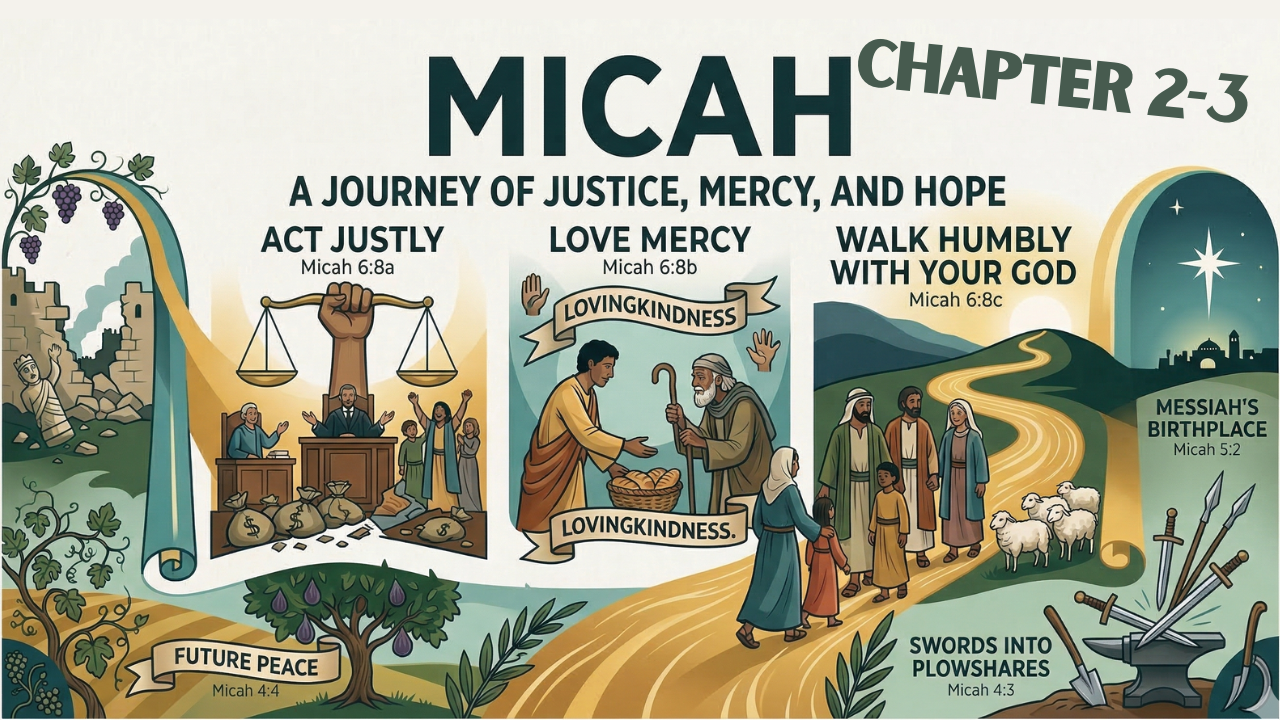
Job | Lent Wednesday Services
Job | Questioning God’s Wisdom
Wednesday Lent Services
5:30 Dinner
6:30pm Service & Stream
March 25th
Click the Image to Watch Live Stream
Reading Plan
February 25th | Job Chapter 2
March 4th | Job Chapter 3
March 11th | Job Chapter 19
March 18th | Job Chapter 38
March 25th | Job Chapter 42
March 18th
Job Chapter 38
March 11th
Job Chapter 19
March 4th
Job Chapter 3
Feb 25th
Job Chapters 1-2
![[Sunday] Creation Day 5 - Washing Fish, The Week](https://images.squarespace-cdn.com/content/v1/5852f18a20099e30cd2c01dc/1773867107336-7QJMU6HUDIYD18DY4T9N/The+Week+5a.jpg)
[Sunday] Creation Day 5 - Washing Fish, The Week
God fills the chaotic seas with life and still comes in the midst of chaos to bring life and love.
-
Main Theme:
The central theme of the sermon, delivered on March 22, 2026, is that God does not run from chaos but enters into it to bring life, order, and love. Using the fifth day of creation as a framework, the speaker illustrates how God fills the chaotic seas with life (fish) and the sky above it with creatures that soar on His Spirit (birds). This act of creation is presented as a pattern for God's redemptive work, culminating in Jesus, who enters the chaos of human sin and suffering to bring forgiveness and peace.
Key Biblical Passages:
Genesis 1:20-23: This is the core text, describing the fifth day of creation. God commands the waters to "teem with living creatures" and the sky to be filled with birds. This act is seen as God speaking life directly into the chaos (symbolized by the sea).
John 13:1-5, 34-35: This passage details Jesus washing his disciples' feet during the Last Supper. Its relevance is in showing Jesus entering into a chaotic situation—knowing his betrayal and death are imminent—and responding not with power, but with servanthood and love. He uses water, the symbol of chaos, to cleanse and serve. He then commands his followers to love one another, filling the chaos with a new purpose.
John 20: The speaker references Jesus appearing to the disciples in the upper room after the resurrection. He appears with his scars (the marks of chaos) still visible and breathes peace on them, connecting to the "breath" or "spirit" that keeps the birds aloft.
Exodus 19:4: "I carried you on eagle's wings..." This verse is used to illustrate how God lifts His people above chaos. The speaker humorously clarifies that the original word likely refers to a vulture or buzzard, emphasizing the point that God uses what is present to elevate His people on the "wind of the spirit."
Main Ideas:
Creation as a Redemptive Pattern: The sermon series, "The Weak," frames the creation story as a pattern for God's salvation. It begins with darkness and chaos (the unbound sea), which God systematically orders (Day 1: light, Day 2: sky, Day 3: land).
The Sea as a Symbol of Chaos: In the ancient Hebrew mindset, the sea represented chaos, danger, and disorder. Therefore, God's actions toward the sea symbolize His power over all that is broken and fearful in the world.
Day 5: Life in the Midst of Chaos: Unlike the first three days which bound the chaos, Day 5 shows God filling the chaos with life. He creates fish and great sea creatures within the chaotic waters, demonstrating that He works from the inside out, bringing fruitfulness even in difficult places.
Jesus Embodies the Day 5 Principle: Jesus is the ultimate example of God entering chaos. He doesn't avoid the pain and betrayal of Holy Week. Instead, He steps into it to serve, wash feet, and establish a meal of forgiveness (the Lord's Supper) right in the face of his impending death.
Two Responses to Chaos (Birds and Fish):
The Fish: Represent God speaking life into the very heart of our struggles, creating something good and fruitful where it seems impossible.
The Birds: Represent God lifting us above the churning waters of chaos, giving us peace and a new perspective as we are carried by the "wind" or "breath" of His Spirit.
Illustrations or Examples:
Avoiding Someone in Walmart: The speaker illustrates our natural human tendency to avoid chaos by describing seeing someone you're in an argument with at the store and immediately turning down another aisle (e.g., the bread aisle) to hide. This contrasts with Jesus, who moves toward the chaos.
Passover and the Red Sea: The sermon connects the Last Supper to the Passover festival, reminding the audience that Passover itself celebrates God rescuing His people from the chaos of slavery in Egypt and parting the chaotic waters of the Red Sea.
Looking Back on Life's Struggles: The speaker shares a personal reflection that while it's hard to see God's work during a chaotic time, looking back reveals how God placed life and fruitfulness within those past struggles, much like finding fish in the sea.
Call to Action/Practical Application:
The primary call to action is to emulate Jesus's response to chaos by filling it with love. Instead of running from difficult situations, we are called to enter into them with a spirit of service and forgiveness.
Receive God's Peace: Recognize that Jesus meets us in the middle of our personal chaos (anxiety, financial stress, family issues) to offer forgiveness and peace, just as He did for the disciples in the upper room.
Participate in the "Feast of Forgiveness": The Lord's Supper is presented as a tangible, physical reminder that Jesus prepares a feast for us in the presence of our enemies and offers forgiveness in the midst of our sin.
Love One Another: The new command to "love one another" is the way we continue to "fill out creation." When we face chaos in our lives and relationships, our mission is to bring love and forgiveness into that space, showing the world that we belong to Jesus. We are sent out to be agents of love in the midst of the world's deep hurts.
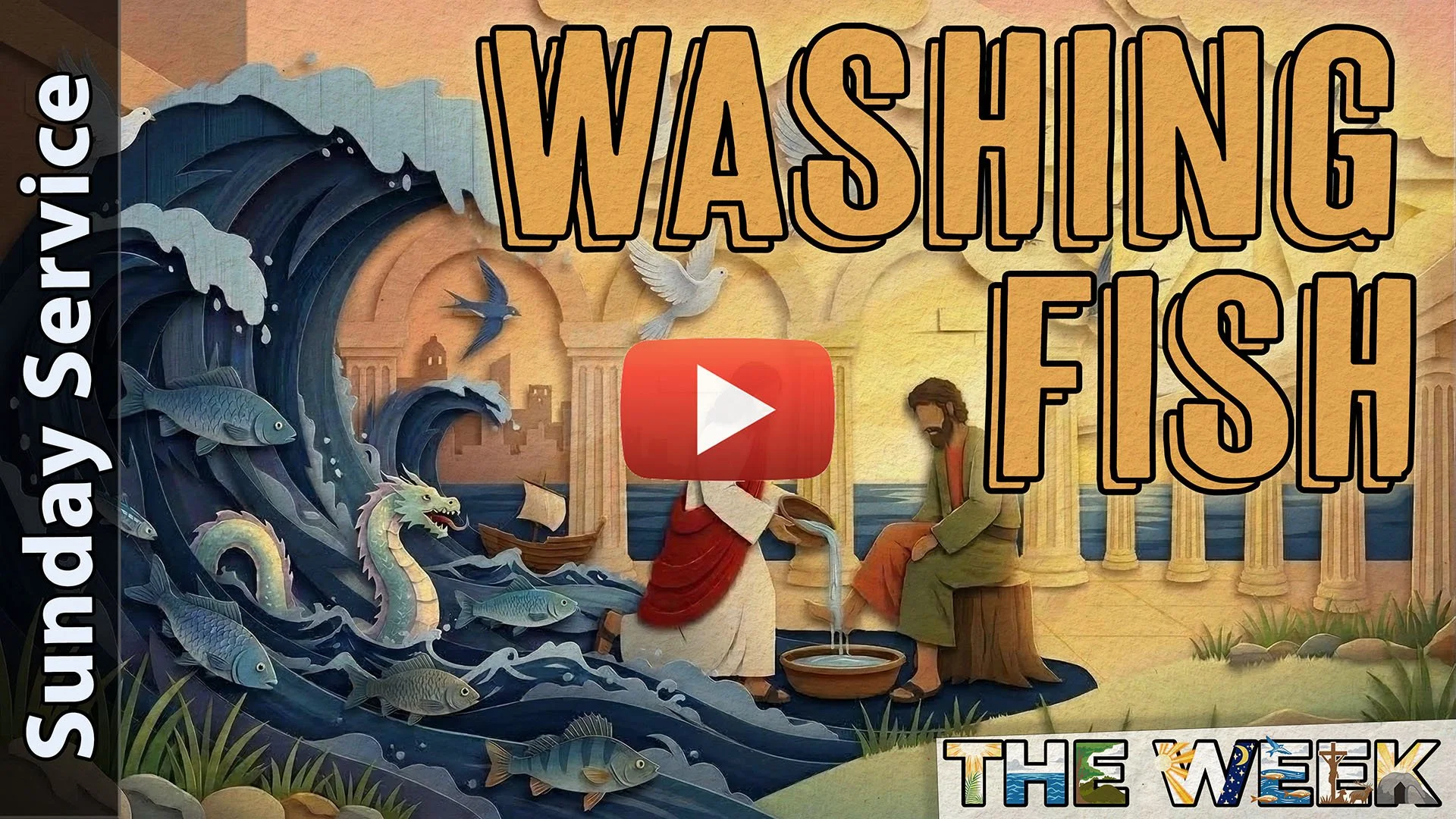
God fills the chaotic seas with life and still comes in the midst of chaos to bring life and love.
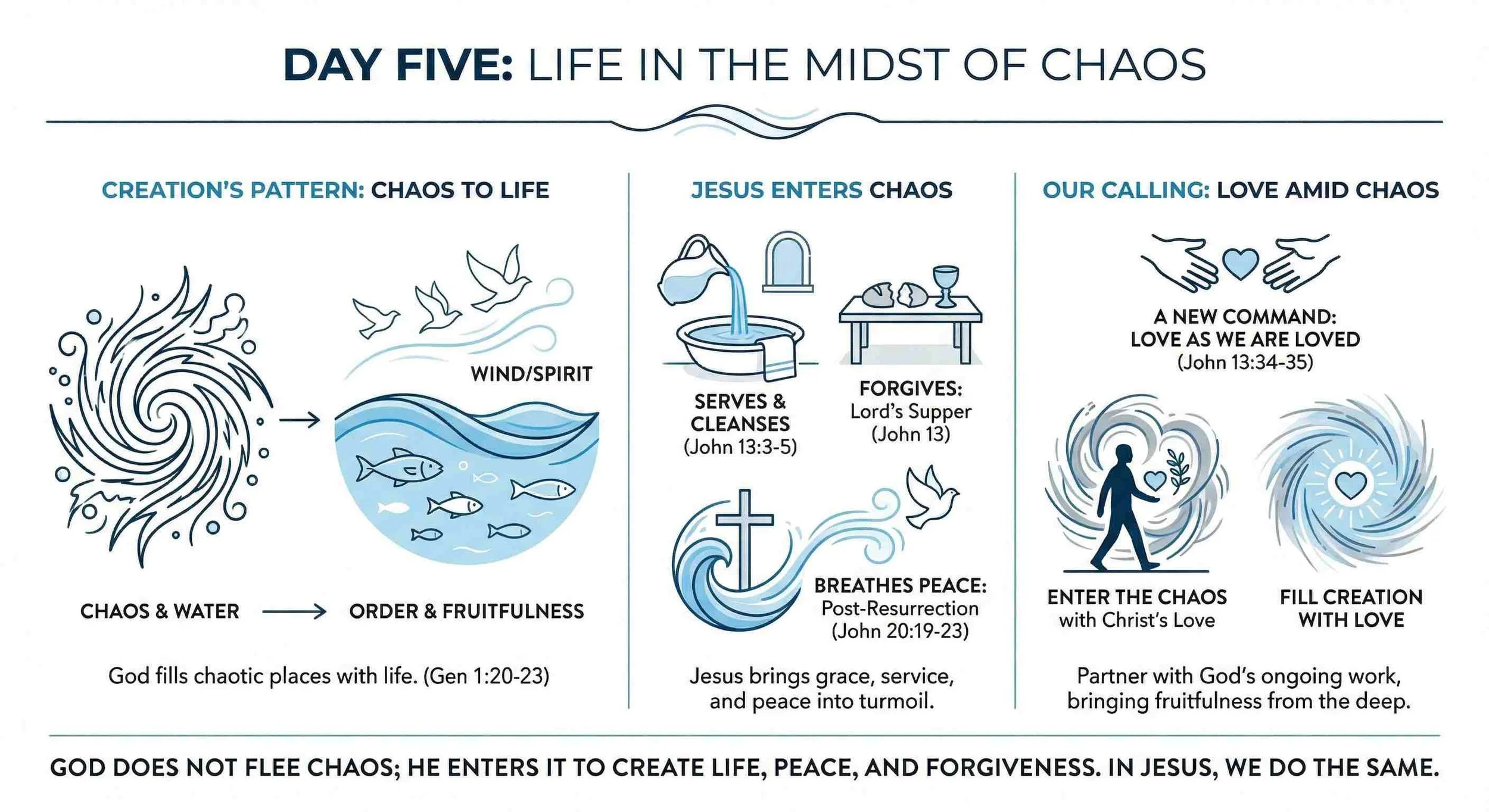
Questions for the Week: The Week: Day 5 Washing Fish
When have you assumed a situation, a ministry, or a relationship was "too messy" to get involved with, but God ended up doing something beautiful when you finally stepped in?
Read John 13:1-25. In the Upper Room, Jesus and the disciples were celebrating the Passover, specifically remembering how God rescued their ancestors by parting the chaotic waters of the Red Sea. Why is it so important for us to intentionally remember and talk about God’s past rescues when we are staring down a new wave of chaos today?
Jesus instituted the Lord's Supper, a feast of forgiveness, at the exact moment humanity was plotting to murder Him, Judas was betraying Him, and His closest friends were bickering over who was the greatest. How does Jesus' ability to offer grace before anyone even apologized challenge the way you handle grudges or conflict in your own relationships?
Jesus gives us a new commandment (to love one another). What is one practical way you can bring a sense of love into a chaotic environment (like a stressful workplace, a tense family text thread, or your neighborhood) this week?
What Had happened at Grace this week.
![[Sunday] The Seed Sprouts - Uproot & Plant - The Book of Jeremiah Ch52](https://images.squarespace-cdn.com/content/v1/5852f18a20099e30cd2c01dc/1792092642677-KD8F9NU9SFMPONI6LCG4/uproot+6a.jpg)
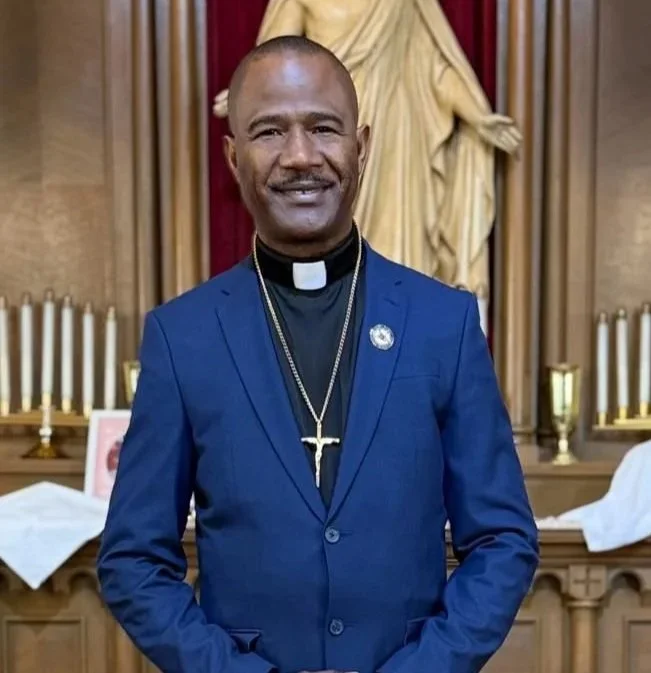
Letter from Claubert
A letter of gratitude from Claubert.
Dear Members of Grace Lutheran Church,
Grace and Peace be with you from our Father through His Son Jesus Christ.
I am writing to express my heartfelt gratitude to all of you for your support and for voting for me in the election this past Sunday. I am truly honored and deeply thankful for the confidence you have placed in me. It brought me great joy to receive this news, and I want you to know how much it means to me.
I am now prayerfully preparing myself to come and serve alongside you at Grace. I look forward to joining you in ministry, growing together in faith, and working as one body in Christ Jesus, our Lord and Savior.
Thank you once again for your trust, your kindness, and your warm welcome. I am excited for what God has in store for us as we walk this journey together.
With sincere gratitude and joy,
Claubert
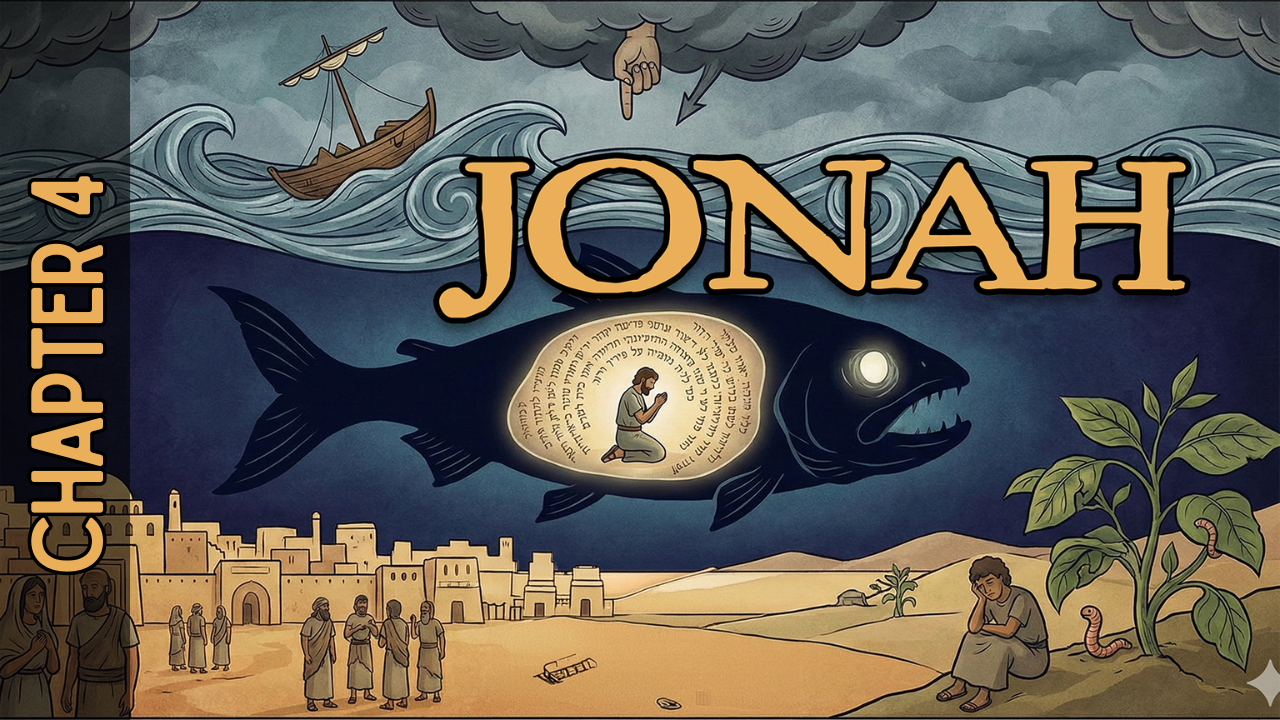
Jonah Chapter 4 Class 3 - Bible Study
A lively Bible study on March 19, 2026 explored Jonah 4’s surprising ending, God’s mercy toward enemies (and even animals), Jonah’s anger, echoes in Job and Mark, and our own struggles with tribalism and forgiveness—inviting us to embrace God’s expansive grace.
Jonah Chapter 4
This is our 3rd class on Jonah
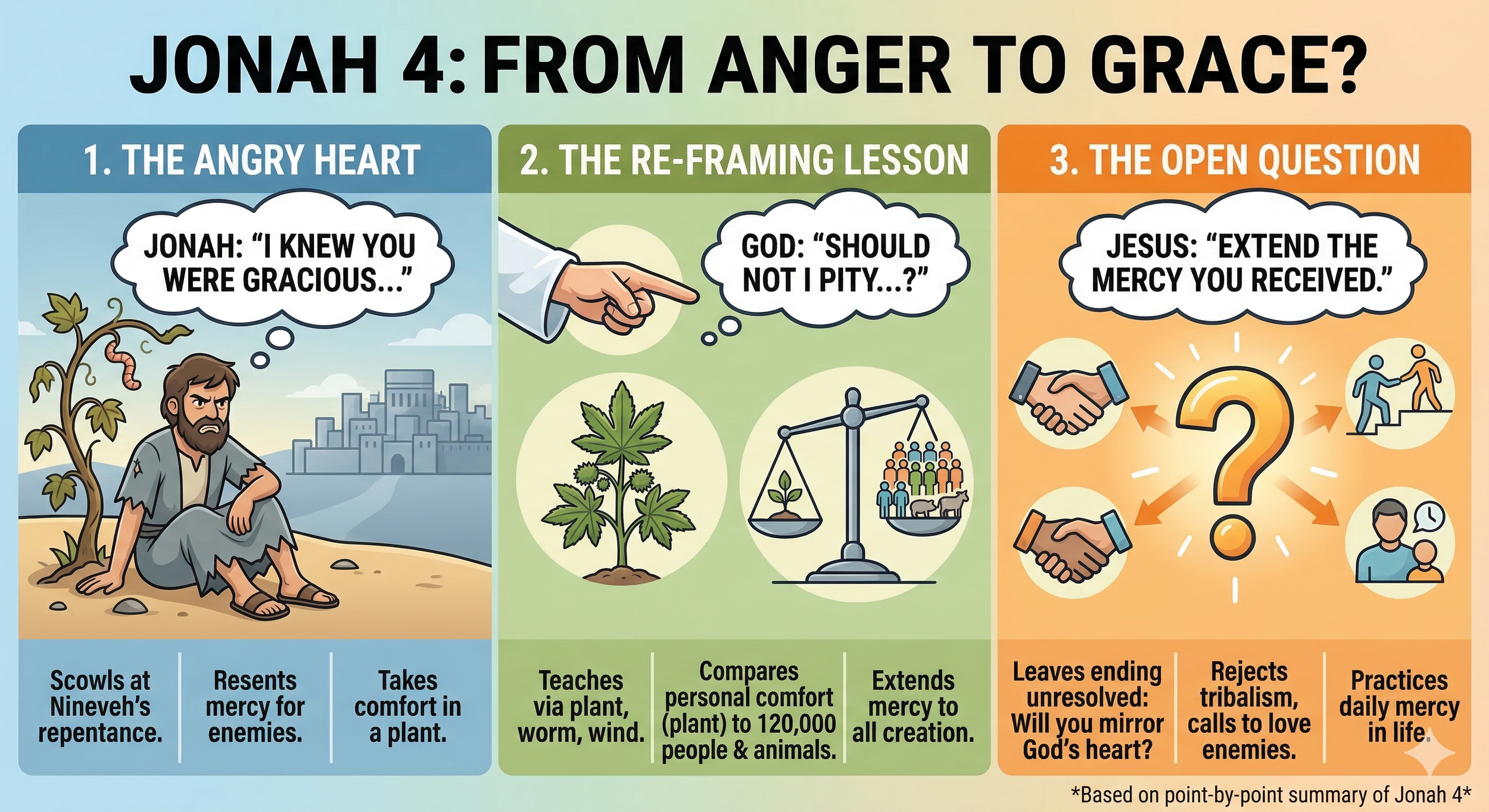
This is an AI Recap of the class.
Some things may be incorrect.
Short summary of the whole class
On March 19, 2026, our class read Jonah 4 and examined Jonah’s anger when God spared Nineveh after its repentance. We traced God’s object lesson through the plant, worm, and east wind, and considered how Jonah’s complaint weaponizes Israel’s creed about God’s mercy. We connected Jonah’s open-ended finish to Job’s probing questions and Mark 16:8, explored links to Jesus’ welcome of outsiders, and paralleled Jonah with the elder brother in the Prodigal Son. The conversation turned to modern mirrors—politics, “God is on our side” rhetoric, daily frustrations (traffic, lines), and church life—asking what we do when God loves our enemy. We concluded that Scripture calls us to share God’s pity for all creation and practice humble, enemy-loving mercy.
Walkthrough of the class with section-by-section summaries
1) Setting the stage: Jonah 3’s outcome and the pivot to Jonah 4
What we discussed:
Jonah’s reluctant warning to Nineveh (“Yet forty days…”) surprisingly worked; the city repented in a way Israel often didn’t under prophets like Amos and Joel.
God relented from disaster because Nineveh turned from evil, setting up the tension in Jonah 4.
Scriptures and stories mentioned:
Jonah 3:4–10
Prophets referenced: Amos; Joel
Short wrap-up:
Nineveh’s dramatic repentance prepares us for Jonah 4’s central conflict: a merciful God and a prophet who dislikes mercy for enemies.
2) Reading Jonah 4 and first reactions: anger and a divine question
What we discussed:
Jonah is “exceedingly displeased and angry,” praying that he knew God is “gracious and merciful, slow to anger, abounding in steadfast love,” and asking to die.
God asks, “Is it right for you to be angry?” Jonah camps east of the city to see what will happen.
God appoints a plant to shade Jonah, a worm to kill it, and a scorching east wind—Jonah again wants to die.
God contrasts Jonah’s pity for the plant with His pity for 120,000 people who “do not know their right hand from their left—and much livestock.”
Scriptures and stories mentioned:
Jonah 4:1–11
Short wrap-up:
Jonah’s anger collides with God’s compassion; the plant becomes a spiritual mirror exposing Jonah’s misplaced values.
3) Abrupt endings and literary echoes: Jonah, Job, and Mark
What we discussed:
Jonah’s open ending (God’s unanswered question) recalls Job’s conclusion with divine questions and the Gospel of Mark’s shorter ending (Mark 16:8), where the women flee in fear and amazement.
These unresolved finales function as invitations rather than tidy conclusions.
Scriptures and stories mentioned:
Jonah 4:10–11
Job (chs. 38–42 referenced for God’s questioning)
Mark 16:8
Short wrap-up:
Like Job and early Mark, Jonah leaves a question hanging—pushing readers to examine their hearts.
4) Why is Jonah so angry? Enemies, identity, and the scandal of mercy
What we discussed:
Jonah may fear Israel’s reaction if he “saves” Assyrian enemies, functioning as a stand-in for national sentiment.
He recites Israel’s creed (Exod 34:6) but uses it as a complaint—mercy for “us” is fine, not for “them.”
Scriptures and stories mentioned:
Jonah 4:2 (echoing Exodus 34:6)
Broad OT backdrop: Israel and Assyria/Nineveh
Short wrap-up:
Jonah reveals the hypocrisy of celebrating grace for ourselves while resenting it for our enemies.
5) Jonah’s anger: the plant and the people
What we discussed:
Jonah stands in for Israel’s calling to bless the nations yet resents mercy to outsiders.
God asks twice, “Is it right for you to be angry?”—about Nineveh and the plant—placing Jonah’s self-interest beside God’s care for people.
Zeal alone doesn’t make a cause righteous; intensity isn’t legitimacy.
Scriptures and stories mentioned:
Jonah 4:4, 4:9
Illustration: the “willing to die for a brownie” quip highlighting that passion doesn’t guarantee righteousness.
Short wrap-up:
Jonah’s grief over a plant outweighs compassion for a city—his values are misaligned.
6) Jonah and Job: learning humility before God
What we discussed:
Job eventually confesses, “I have spoken too much,” while Jonah never explicitly reaches that humility in the text.
God’s “creation tour” in Job reframes suffering; in Jonah, God widens perspective to encompass people and animals.
Anger often grows in “small stuff” when we lose sight of God’s big picture.
Scriptures and stories mentioned:
Job 38–42
Jonah 4:10–11
Illustration: “middle school drama” image for how small irritations eclipse larger truths.
Short wrap-up:
Wisdom and humility come from seeing beyond ourselves to God’s vast purposes.
7) God’s compassion for Nineveh—and the “holy” number
What we discussed:
“More than 120,000 persons” who don’t know right from left underscores Nineveh’s size and God’s pity, challenging tribal boundaries.
Echoes to Israel’s symbolic numbers and Jesus’ ministry: welcoming outsiders and refusing sectarian control.
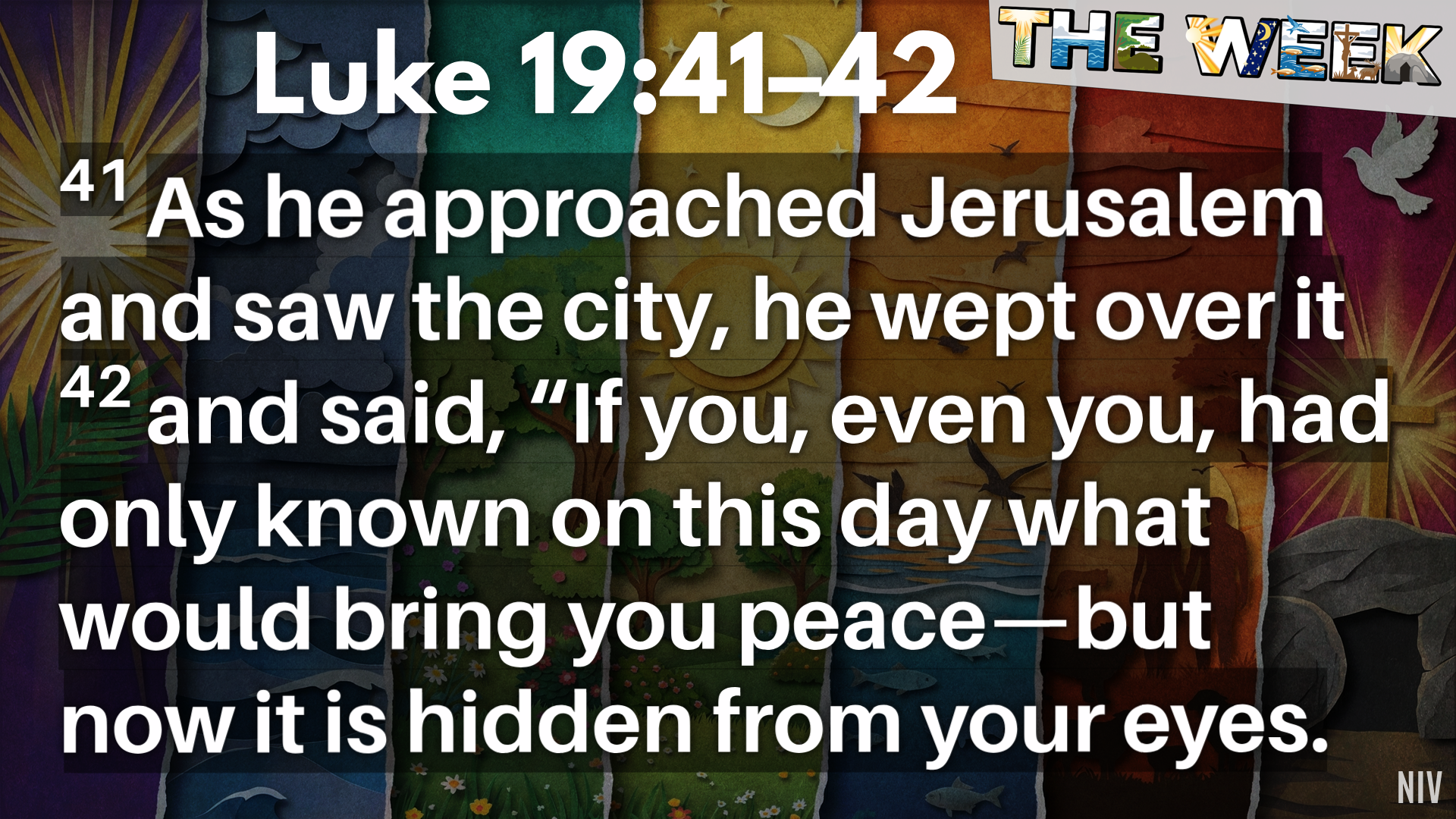
Parallels: Jesus weeping over Jerusalem’s rejection of peace; disciples upset about others acting in Jesus’ name.
Scriptures and stories mentioned:
Jonah 4:11
Luke 19:41–44; Luke 19:39–40
Mark 9:38–41 or Luke 9:49–50
Short wrap-up:
God’s mercy stretches beyond our lines; the question is whether we will rejoice when “outsiders” turn to God.
8) “Much cattle”: God’s care for creation
What we discussed:
The ESV’s closing phrase (“and also much cattle”) sparked reflection on God’s care for animals and the vulnerable.
In Jonah 3 even animals donned sackcloth—playful imagery (hamsters, cockroaches) made a serious point: mercy extends to all God made.
Scriptures and stories mentioned:
Jonah 3:7–8; Jonah 4:11
Short wrap-up:
Jonah widens our horizon: God’s compassion embraces humans and beasts.
9) Modern mirrors: politics, “God is on our side,” and public witness
What we discussed:
Jonah’s posture connects to contemporary “takedown” culture and drafting God to our side.
Outsiders often perceive Christians as unloving; while we can’t fix every perception, we can embody hope, humility, and mercy locally.
Scriptures and stories mentioned:
No additional verses beyond Jonah 4 in this segment
Stories: media/political “takedown” culture; church’s public reputation
Short wrap-up:
Resist tribal victory narratives; recover a witness marked by mercy.
10) “What do you do when God loves your enemy?”—The gospel’s call
What we discussed:
Jesus commands us to love enemies; Scripture offends when it confronts our preferences.
Confined mercy—only for “our side”—distorts the gospel.
Scriptures and stories mentioned:
Matthew 5:43–48; Luke 6:27–36
Short wrap-up:
The gospel demands we extend to others the mercy we receive.
11) C. S. Lewis’ “The Great Divorce” and choosing separation
What we discussed:
Some would rather reject heaven than share it with those they despise—mirroring Jonah’s “better for me to die” than coexist with forgiven Ninevites.
Scriptures and stories mentioned:
Story: C. S. Lewis’ The Great Divorce
Short wrap-up:
Grievance can isolate us from grace; God calls us back into shared joy.
12) The older brother pattern: forgiveness resisted
What we discussed:
Jonah and the elder brother both resent mercy shown to “the other.”
The Gospels crescendo in forgiveness and invite us to inhabit that goodness rather than cling to anger.
Scriptures and stories mentioned:
Luke 15:11–32
Short wrap-up:
Mercy for me but judgment for you is a heart disease both Jonah and the elder brother expose.
13) Violence, cycles of hate, and the prophetic critique
What we discussed:
Warfare narratives (Joshua, Judges, 1–2 Maccabees) show escalating hostility—even within Israel.
Jonah subverts the cycle with repentance and divine pity for a violent city.
Scriptures and stories mentioned:
Joshua; Judges; 1–2 Maccabees
Short wrap-up:
God prefers repentance and life over endless reprisals.
14) God’s object lesson: plant, worm, wind—and Jonah’s heart
What we discussed:
Possible ID of the plant (castor oil plant) with large leaves; God appoints plant, worm, and scorching east wind.
Jonah mourns the plant but not Nineveh; God’s question reframes pity to include 120,000 people and animals.
A personal windburn anecdote highlighted the east wind’s harshness.
Scriptures and stories mentioned:
Jonah 4:4–11
Study note: castor oil plant as a candidate
Story: windburn experience
Short wrap-up:
The object lesson exposes compassion skewed toward comfort rather than human life and creation.
15) Everyday application: anger, traffic, and gratitude
What we discussed:
Practicing patience in traffic and lines by seeing each person as God’s image-bearer.
Church-life vignettes: some take extra pain meds to attend; some argue and still show up—prompting gratitude over harshness.
Scriptures and stories mentioned:
Thematic tie to Jonah 4; no specific verse cited beyond earlier references
Stories: Arkansas congregation moments; pastoral shift toward gratitude during offering
Short wrap-up:
Slow down, see people, and choose mercy; life already gives enough “law.”
16) Open-ended endings: Jonah, the Prodigal’s elder brother, and Mark’s women
What we discussed:
Jonah’s abrupt close parallels the elder brother left outside the party and Mark 16:8’s fearful women.
“The Lady or the Tiger?” illustrates how open endings force reader response.
Historical backdrop: the Roman world’s harshness in which early Christianity grew.
Scriptures and stories mentioned:
Jonah 4; Luke 15:25–32; Mark 16:8
Stories: “The Lady or the Tiger?”; Roman Colosseum context
Short wrap-up:
Scripture declares God’s mercy and leaves the next move to us: will we join the celebration?
17) God’s desire for life, not death
What we discussed:
God preserves man and beast, takes no pleasure in the death of the wicked, and desires all to be saved.
Our posture should be humble gratitude for grace given to us and available to all.
Scriptures and stories mentioned:
Ezekiel 18:23; Ezekiel 33:11; 1 Timothy 2:3–4; Psalm 36:6; Jonah 4:11
Short wrap-up:
God’s heart is restorative; we’re invited to mirror that heart.
Medium-length final summary of the class
On March 19, 2026, we explored Jonah 4, where Jonah is furious that God spares Nineveh after its repentance. He recites Israel’s creed—God is gracious, merciful, slow to anger—yet wields it as a complaint when mercy reaches enemies. God stages an object lesson with a plant, a worm, and a scorching wind to expose Jonah’s compassion for comfort over people. We compared Jonah’s open ending to Job’s divine questions and Mark 16:8, seeing how Scripture sometimes leaves us with a question to answer. We linked Jonah’s themes to Jesus’ welcome of outsiders, the elder brother’s resentment in Luke 15, and modern tribal politics and media “takedowns.” The class also pressed practical discipleship: patience in traffic, gentleness in church life, gratitude for others’ sacrifices, and a commitment to love enemies. We noted God’s pity for “more than 120,000 persons … and also much cattle,” widening our view to include all creation. Jonah 4 ultimately asks: What do we do when God loves our enemy? God’s final word is pity; the invitation is to align our hearts with His.
Main points
Jonah 4 reveals a prophet angered by God’s mercy to enemies, exposing hypocrisy about grace.
The book’s abrupt ending functions like Job and Mark 16:8—leaving a divine question that aims at the reader’s heart.
God’s plant–worm–wind lesson uncovers Jonah’s misplaced compassion: comfort over human lives and creation.
Zeal or willingness to die doesn’t make a cause righteous; alignment with God’s mercy does.
Scripture consistently calls God’s people to love enemies; Jonah mirrors the elder brother’s resentment.
Modern parallels abound: partisan “takedown” culture and the impulse to conscript God to our side.
God’s pity extends to all—even animals—and invites us to share His compassion rather than cling to anger.
Practical discipleship means humility, patience, and gratitude in daily life and church community.
Scriptures mentioned
Jonah 3:4–10
Jonah 4:1–11; Jonah 4:2; Jonah 4:4; Jonah 4:9–11
Exodus 34:6 (echoed in Jonah 4:2)
Amos; Joel (prophetic backdrop)
Job 38–42
Mark 16:8
Matthew 5:43–48; Luke 6:27–36
Luke 15:11–32; Luke 15:25–32
Luke 19:39–44; Luke 19:41–44
Mark 9:38–41; Luke 9:49–50
Ezekiel 18:23; Ezekiel 33:11
1 Timothy 2:3–4
Psalm 36:6
Joshua; Judges; 1–2 Maccabees (contextual references)
Stories and works referenced
Nineveh’s repentance in Jonah
The elder brother in the Prodigal Son
Contemporary media/political “takedown” culture and the church’s public witness
C. S. Lewis’ The Great Divorce (choosing separation rather than shared grace)
“The Lady or the Tiger?” (open-ended narrative)
Roman Colosseum context (harsh backdrop for early Christianity)
Everyday life: traffic jams, checkout lines, impatience and tribalism
Church-life vignettes: congregants’ sacrifices to attend; pastoral move toward gratitude
Anecdote illustrating the east wind’s harshness (windburn)
Note on the plant (possible castor oil plant)
Vicar Claubert is Coming to Grace Lutheran PSL
On Sunday, March 15th,
the congregation voted to welcome Claubert as our new pastoral intern.
On Sunday, March 15th,
the congregation voted to welcome Claubert as our new pastoral intern.
Claubert is currently in his second year of seminary, with two years remaining in his program.
While at Grace, he will gain hands-on experience in pastoral leadership and ministry. Excitingly, he will also be leading the effort to establish a Haitian congregation within our church family.
Please stay tuned for more information!
This Sunday March 15th
9:40 am
at the regularly scheduled voters' meeting.
Please come and support the church b
During March 8th Meeting
New questions will be answered.
This is the largest question we go over the this week.
Concern that Pastor Cris and Grace will have the abilities and resources to perform the duties of the vicarage.
Concern about burn out.
Concern about Pastor Cris leaving because of bad program.
Concern About District Support.
March 1st & 8th
9:40am [In-between Services]
Please join us for an informational meeting between our two Sunday services to discuss Grace bringing in Claubert as a Vicar. This is a wonderful opportunity to learn about this new chapter in our ministry together.
We will be discussing:
Our goals for Claubert’s ministry here at Grace.
Pastor Cris’ responsibilities in supervising and mentoring a Vicar.
The seminary’s expectations for both the student and the congregation.
The fiscal cost to Grace and how we are preparing for it.
The timeframe of the program and what to expect.
...and so much more! Come discover the plan, ask your questions, and share your input as we prepare for this journey.
Why We Hold Informational Meetings
At Grace, we always aim to hold at least two informational meetings before any significant vote. This serves two important purposes:
To Listen and Adjust: We want to hear your feedback early so we can make any necessary adjustments to the proposal before the formal vote.
To Streamline Our Process: By answering questions and discussing details now, we can keep the actual Voters’ Meeting on March 15th focused and efficient.
Please join us to ensure your voice is heard and that we are all well-prepared for the upcoming decision.
![[Sunday] Creation Day 4 - Day or Hour, The Week](https://images.squarespace-cdn.com/content/v1/5852f18a20099e30cd2c01dc/1773356947484-4RY25WO3W0HU61E2NMU9/The+Week+4a.jpg)
[Sunday] Creation Day 4 - Day or Hour, The Week
God created the Sun, Moon, and Stars on Day 4 to bring order. But the sun went dark as the Creator took our chaos. You don't have to fix your life in the dark; the Lamb is your light.
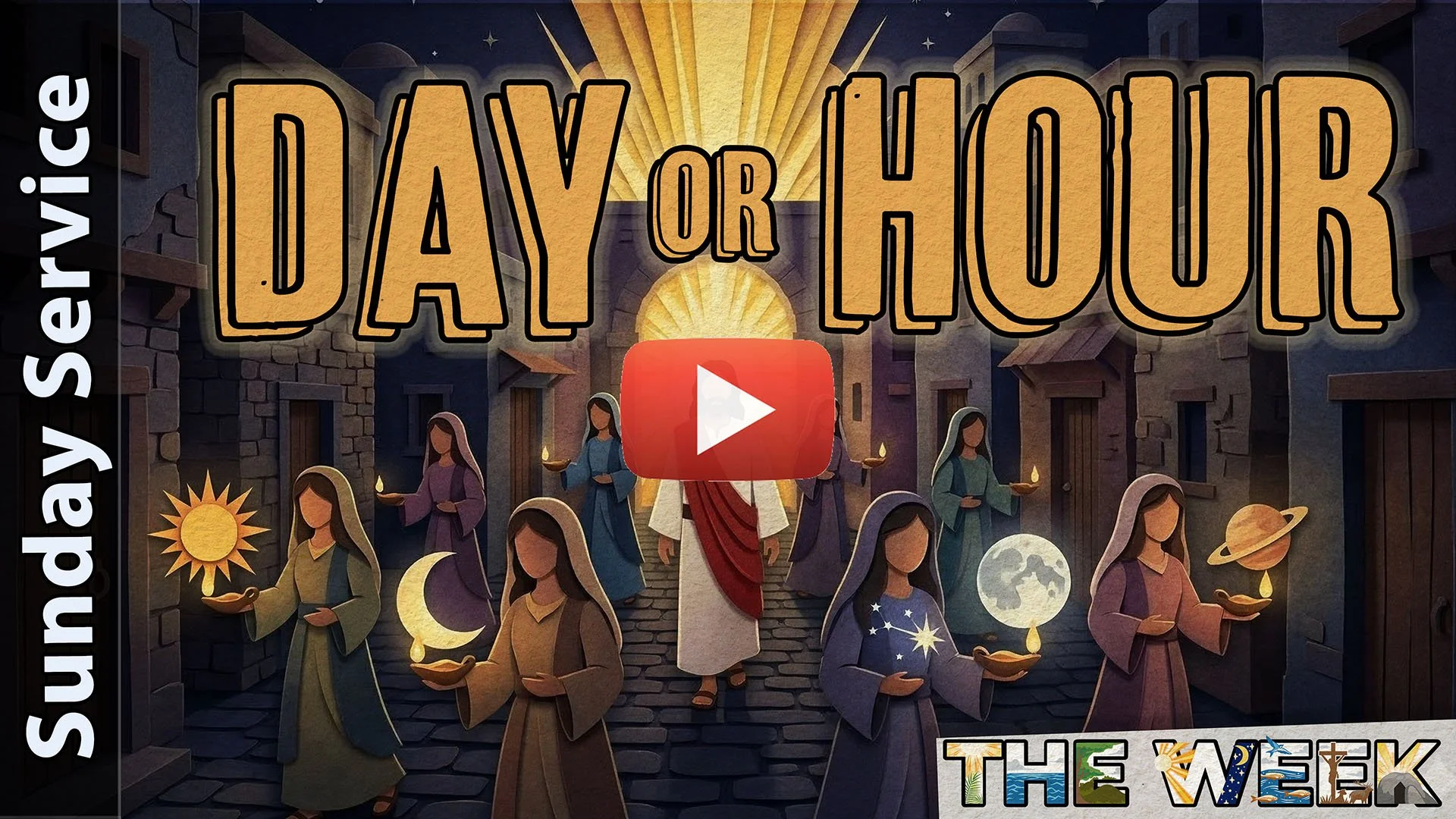
God created the Sun, Moon, and Stars on Day 4 to bring order. But the sun went dark as the Creator took our chaos. You don't have to fix your life in the dark; the Lamb is your light.
-
Sermon Series: The Week
Content Creation Date
March 15, 2026, 10:43:18
Sermon Context
Series concept: Interweaving Holy Week with the seven days of Creation to reveal God’s redemptive arc in the Old Testament and its fulfillment in Jesus.
This sermon focuses on Day Four of Creation and its resonance with Jesus’ apocalyptic teachings in Matthew 22–25, the cross, and the hope of new creation.
Opening Prayer
Gratitude for God’s goodness, holiness, and presence amid chaos and distress.
Request that the sermon reflect God’s will for His people.
Review of Previous Weeks: Days 1–3 of Creation
God’s creative acts counter the “tohu vavohu” (formless and void; wild and waste) by bringing order and life.
Connections to Holy Week:
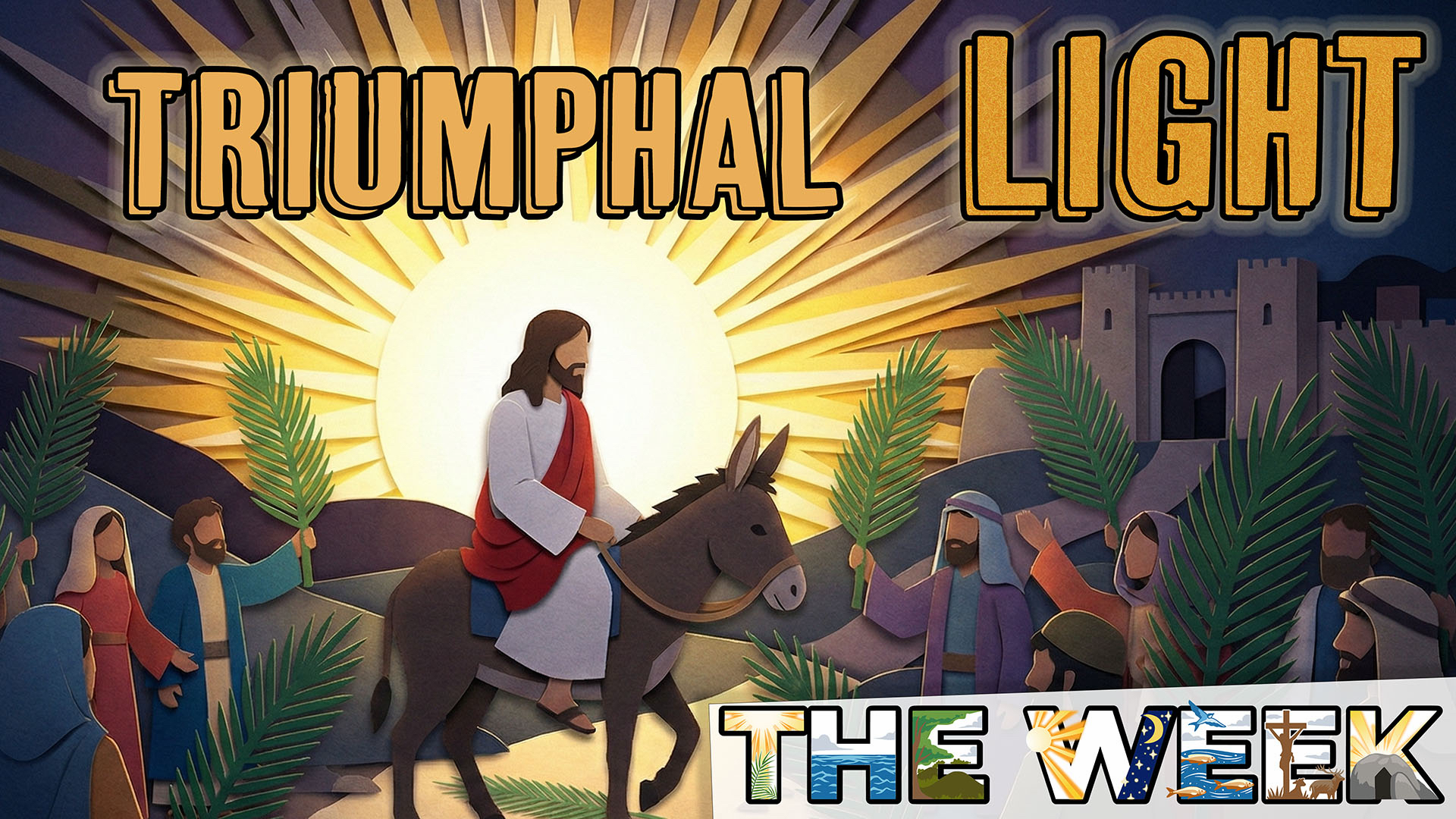
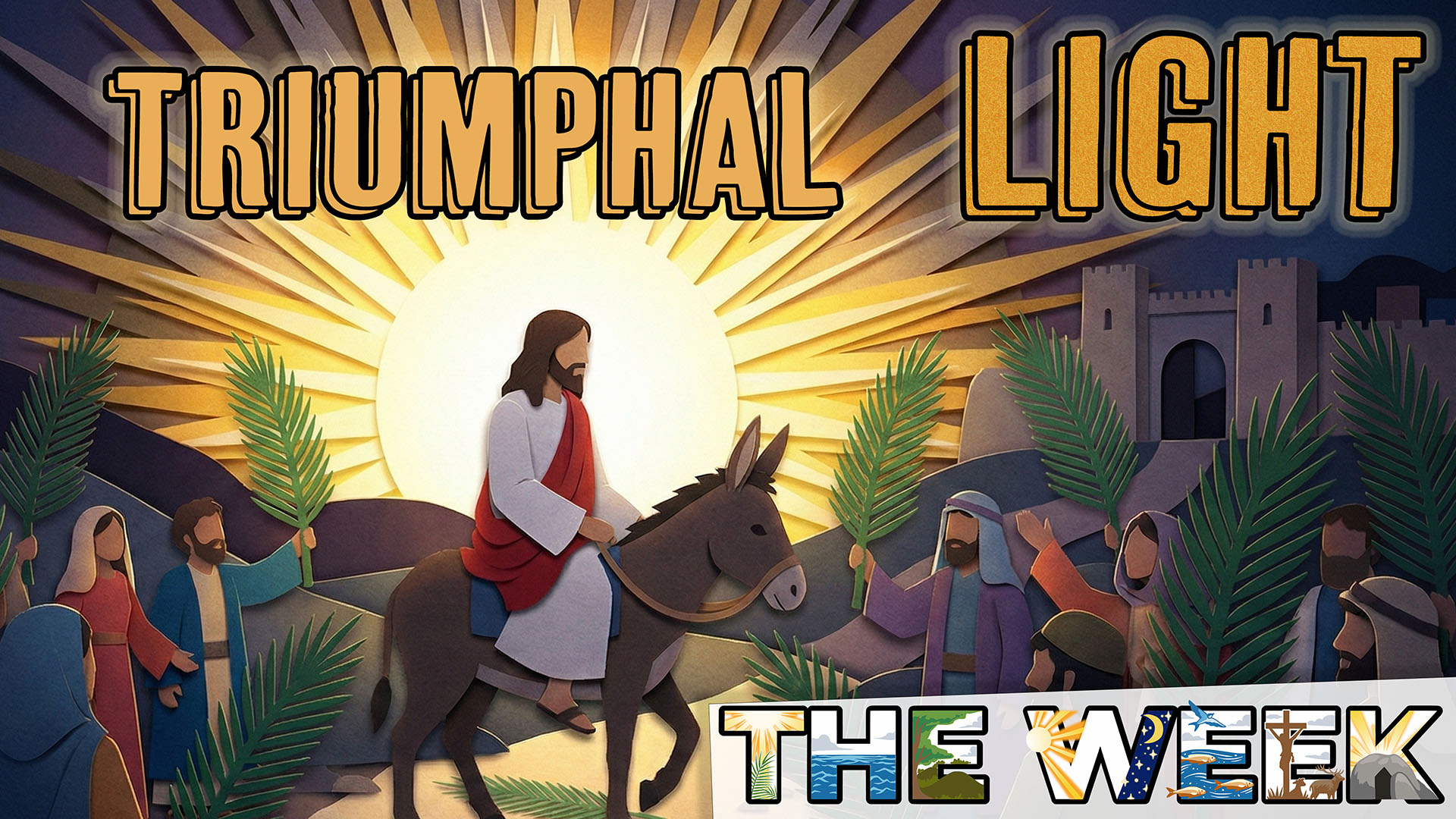
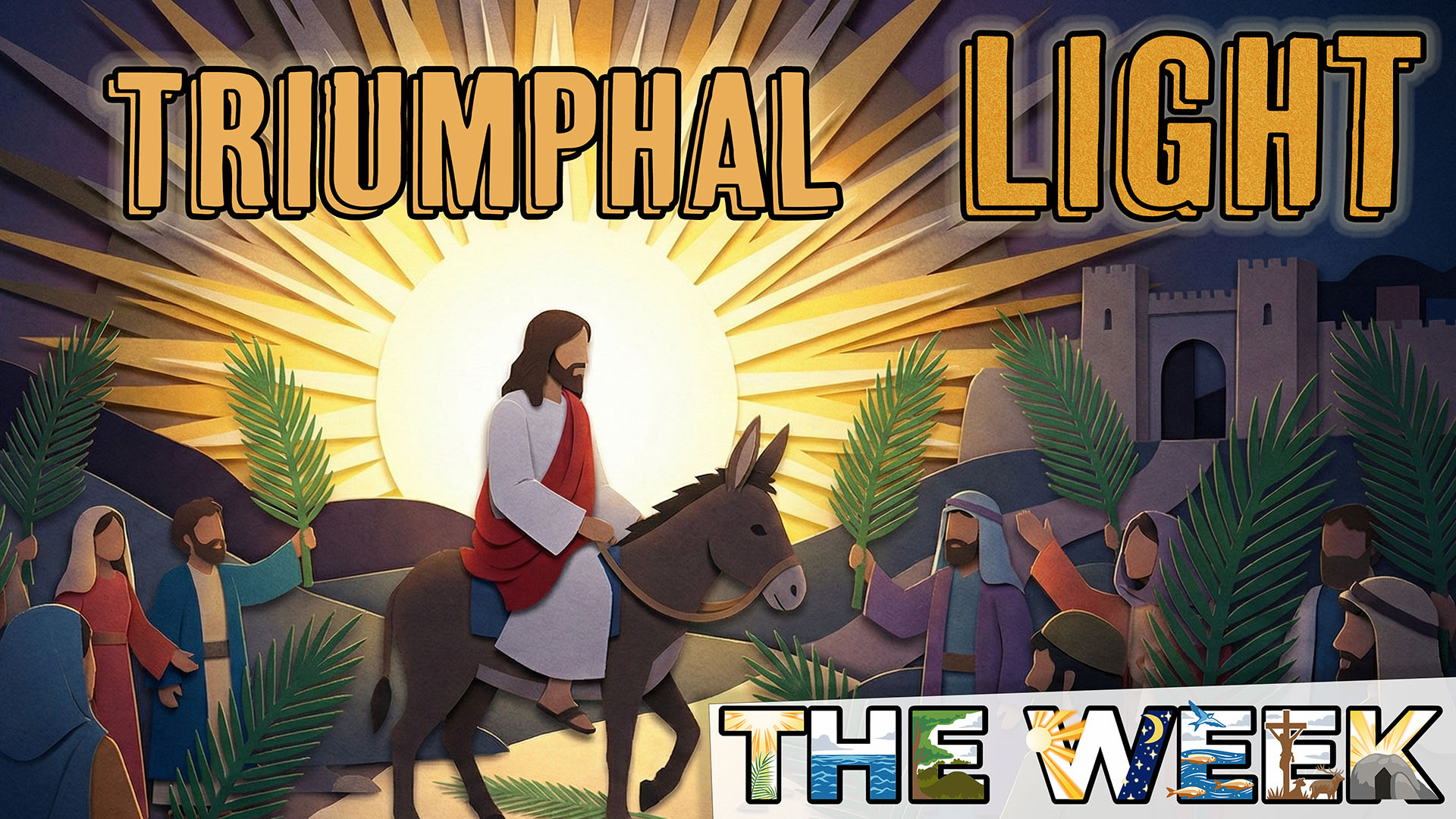
Day 1: “Let there be light” corresponds to Jesus’ entry into dark Jerusalem on Palm Sunday.
Day 2: Separation of waters corresponds to Jesus overturning the tables, opening the temple to the blind, hurting, and outsiders.
Day 3: Emergence of dry ground and fruitfulness corresponds to the fig tree incident, revealing the danger of appearing healthy without true fruit.
Day Four of Creation: Filling the Order with Lights
Scripture: Genesis Day Four.
“And God said, ‘Let there be lights in the vault of the sky to separate the day from the night. Let them serve as signs to mark the sacred times, days, and years…’” — Highlighting cosmic order and governance by sun, moon, and stars.
Theological observation:
Days 4–6 “fill” the form placed in Days 1–3. Day Four “fills” Day One’s light with governing lights that establish order and sacred times.
These lights provide rhythm, breathability, and stability to human life.
The Question of Disorder: When Governance Breaks Down
Pastoral application:
Even small disruptions (e.g., time change) can unsettle us; how much more when cosmic order collapses?
Cultural anecdote: Floridians’ dependence on sunlight; Seattle’s low-light environment as an example of emotional impact.
Spiritual implication:
The apocalyptic teachings of Jesus in Matthew 22–25 warn of times when the cosmic order fails and chaos returns.
Jesus’ Apocalyptic Teaching: Matthew 22–25
Scripture: Matthew 24:29–31.
“Immediately after the distress of those days, the sun will be darkened, and the moon will not give its light, and the stars will fall from the sky… Then will appear the sign of the Son of Man… and he will send his angels… and they will gather his elect…”
Key points:
The language of cosmic collapse echoes the creation themes and signals profound judgment and transition.
Jesus situates Himself within the prophetic tradition, not inventing apocalyptic imagery but fulfilling it.
Prophetic Background: Amos and the Day of the Lord
Scripture: Amos 8:9–10.
“‘In that day,’ declares the Sovereign Lord, ‘I will make the sun go down at noon and darken the earth in broad daylight… I will turn your religious festivals into mourning… like mourning for an only son.’”
Interpretation:
Amos frames darkness as judgment tied to sin and rebellion. The “Day of the Lord” is a reversal of Day Four’s order—lights fail, sacred times turn to mourning.
Historical Fulfillment: The Temple and Judgment
Jesus’ fig tree teaching and mountain/temple saying:
“If you have faith… you can say to this mountain… be thrown into the sea.” Interpreted as a prophetic sign regarding the temple’s fate.
Historical note:
The destruction of the temple (c. AD 70) occurred within a generation of Jesus’ words.
For the Jewish people, this felt like cosmic darkness—the collapse of the center of worship and order.
Personal Chaos: Modern Applications
Examples:
Medical diagnoses that plunge us into fear.
Relationship trauma that reawakens pain.
Temptations:
To fight in our strength (“war paint”).
To mislabel darkness as light—especially in politicized or militarized narratives.
Pastoral Warning on Calling Darkness Light
Contemporary note:
Social media giddiness about war or temple-related geopolitics as “signals” for Jesus’ return.
Caution:
We do not know the day or hour; beware of voices that monetize apocalyptic predictions.
Do not baptize destruction as light; remain grounded in the Gospel’s true hope.
The Cross as the Great and Glorious Day of the Lord
Scripture: Matthew 27:45; Psalm 22:1 (echoed by Jesus).
“From noon until three in the afternoon darkness came over all the land.”
“My God, My God, why have You forsaken Me?”
Theological claim:
On the cross, creation “rolls back” into “tohu vavohu”—the lights fail, the clock stops.
Yet God the Father is not far from the Son. Jesus embraces chaos, dies for us, and descends into the darkness.
Resurrection: “Let There Be Lights” Again
Creation echoes:
The Spirit still hovers; the Father’s call renews the light.
Easter is the new dawn—Jesus rises as the true Light, reestablishing order and peace.
Identity and calling:
Who God is: Holy, present, sovereign over chaos, faithful to redeem.
Who you are: Beloved, carried by God’s Spirit, called to trust and be prepared.
How to live: Breathe, do not manufacture light, wait on God’s governance and grace.
Parable of the Ten Maidens: Preparedness in Darkness
Scripture: Matthew 25:1–13.
Ten maidens await the bridegroom; five wise bring oil and are ready for the delay and the night, five foolish assume perpetual daylight and are unprepared.
Clarification:
“Virgin” as a translation of “young maiden.”
Application:
Wisdom is readiness for darkness—trusting God’s provision when rhythms fail.
Foolishness is presuming endless daylight—neglecting serious engagement with faith and discipleship.
Final Hope: New Creation and the Seventh Day
Scripture: Revelation 21:22–23.
“I did not see a temple in the city, because the Lord God Almighty and the Lamb are its temple. The city does not need the sun or the moon… for the glory of God gives it light, and the Lamb is its lamp.”
Eschatological vision:
The temple is fulfilled in God and the Lamb.
Sun and moon become unnecessary—Jesus is the Light, establishing eternal order and peace.
Applications for Today
When your life feels like “tohu vavohu”:
Breathe. God’s Spirit gives breath.
Do not try to manufacture your own light or baptize darkness as light.
Prepare your faith-life for seasons of darkness—practice trust, prayer, community, and Scripture now.
Remember: Jesus took the chaos upon Himself and rose to govern your days with His peace.
Key Points
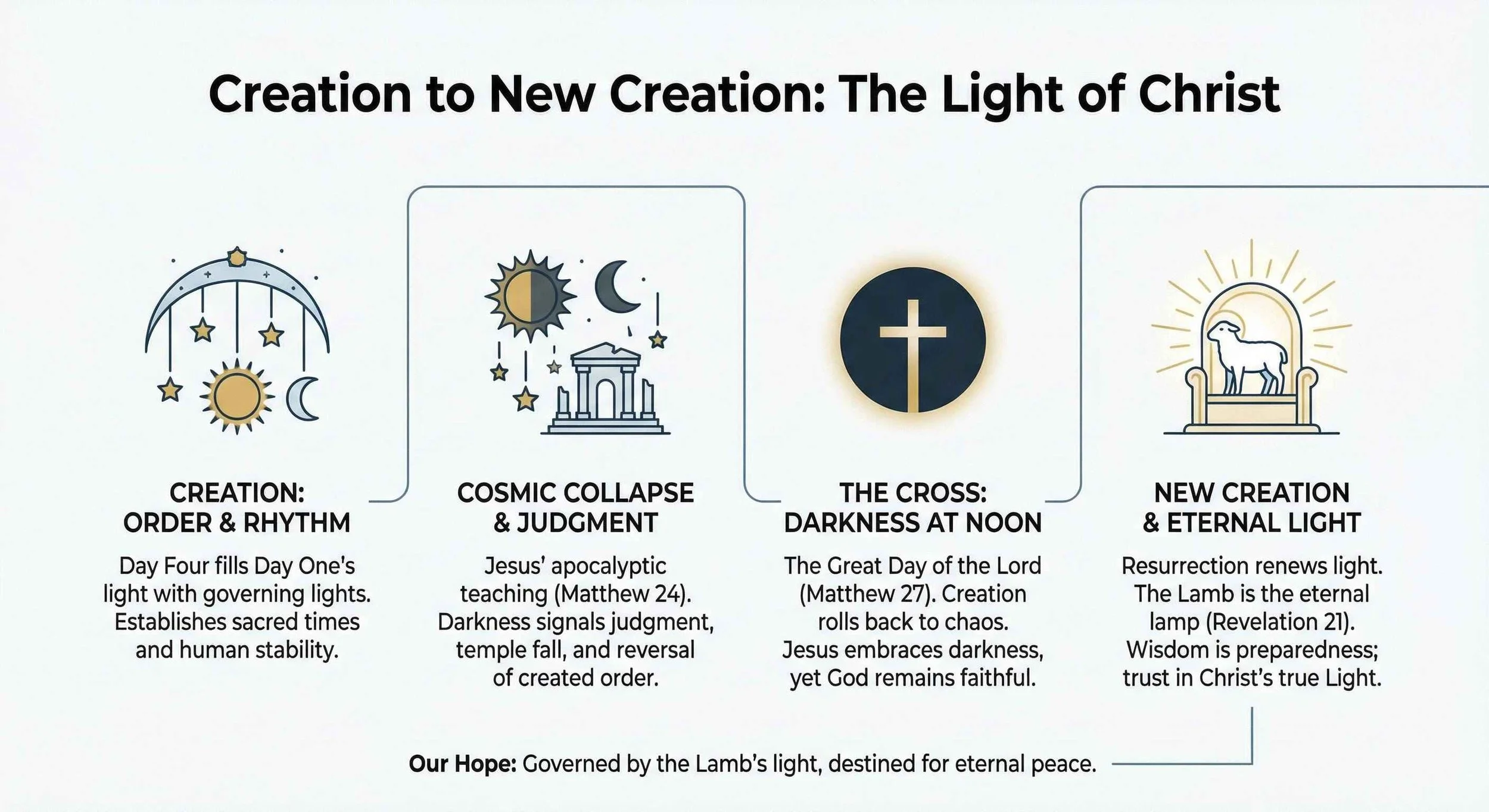
God’s creation brings ordered light into chaos; Day Four fills Day One’s light with governing lights and sacred rhythms.
Jesus’ apocalyptic teaching echoes the prophets: the Day of the Lord is a reversal of created order, revealing judgment and the need to be ready.
The cross is the great Day of the Lord: darkness at noon signifies creation’s rollback; yet God remains faithful, and resurrection renews light.
Do not call darkness light—avoid apocalyptic speculation and politicized “giddiness” over conflict; cling to the true Light, Jesus.
Wisdom is preparedness: like the five maidens with oil, cultivate a faith that can endure the night, trusting God to say again, “Let there be lights.”
Our identity and hope: We are carried by the Spirit, governed by the Lamb’s light, and destined for a new creation where Jesus Himself is our lamp.
Closing Exhortation and Prayer
Exhortation:
“Breathe; He will carry you through. Everything’s going to be okay, even when it doesn’t seem like it is. Just breathe because He will say, ‘Let there be lights.’”
Prayer:
Thanksgiving for God’s abiding presence.
Petition for readiness in darkness and trust that God will lead us through by His light.
Questions for the Week: The Week: The Week: Day 4 - Day or Hour
A one-hour time change at Daylight Savings Time throws us off. Why do you think human beings are so deeply dependent on rhythm, routine, and the "governors" of our time to feel at peace?
Read Matthew 24:29-31. Jesus warned of a time when the sun and moon would go dark, times when life feels completely chaotic and time seems to stand still. Can you share a time in your life (like a sudden phone call or crisis) when it felt like the "clocks stopped" and everything went dark?
When we hit times of darkness, our temptation is to try and "fix it" by finding or creating our own light, which often just brings more chaos. What does "manufacturing your own light" look like in your life when you are stressed or afraid?
On the cross, Jesus took the total darkness of our sin upon Himself (Matthew 27:45) so that He could be our eternal light (Revelation 21:22-27). How does knowing that Jesus has already conquered the ultimate darkness change how you handle the "dark days" in your current life?
What Had happened at Grace this week.

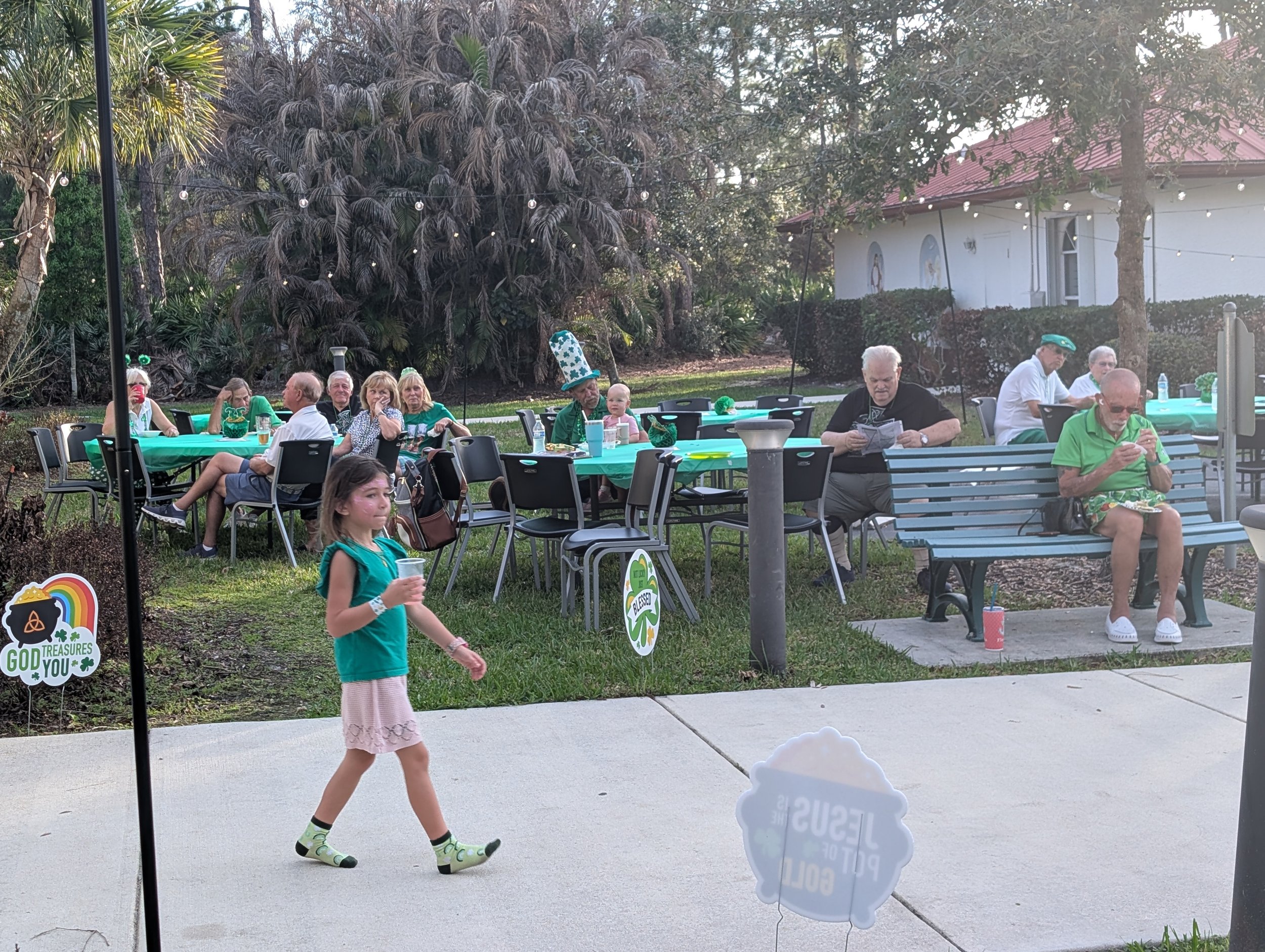
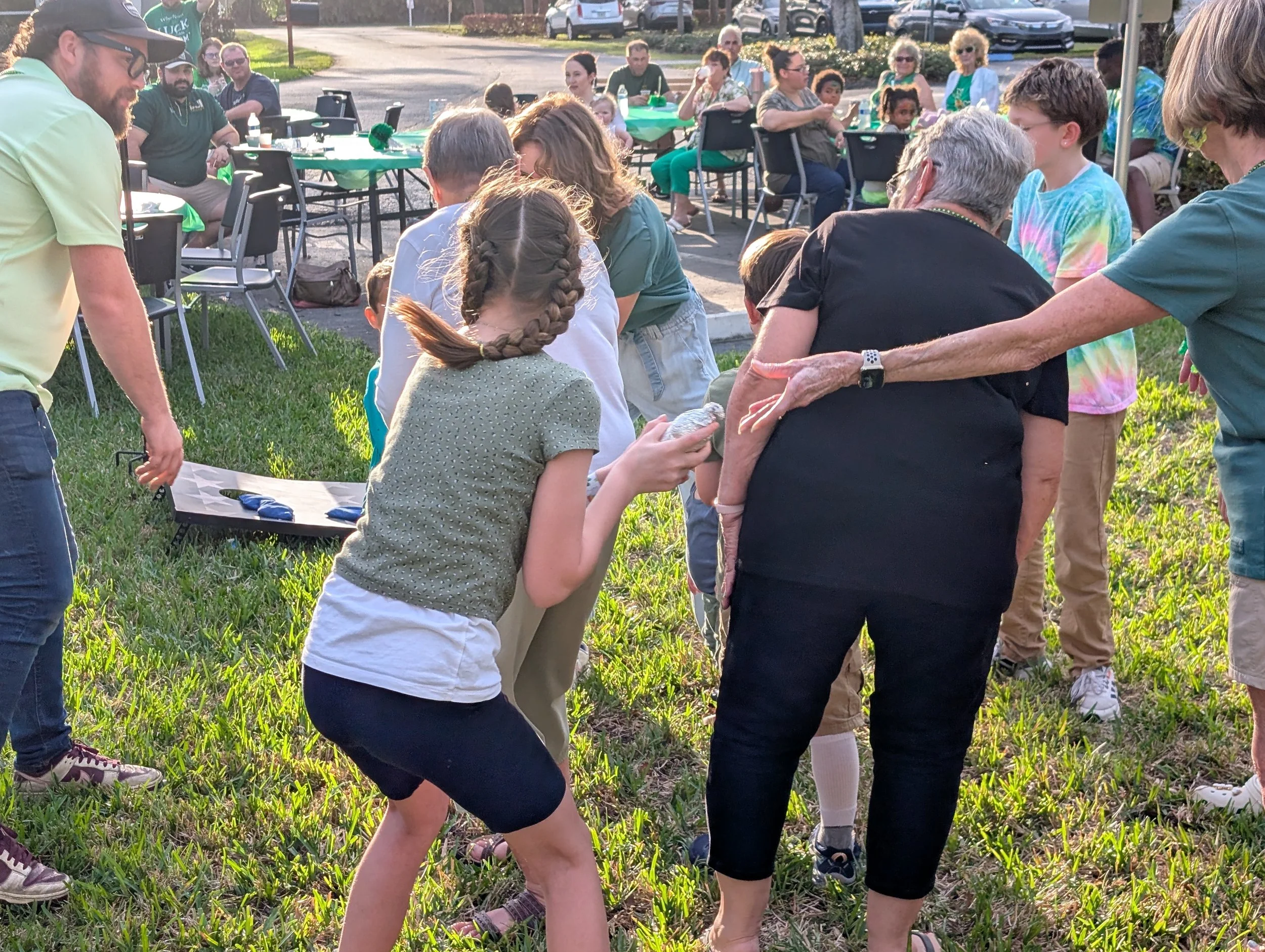
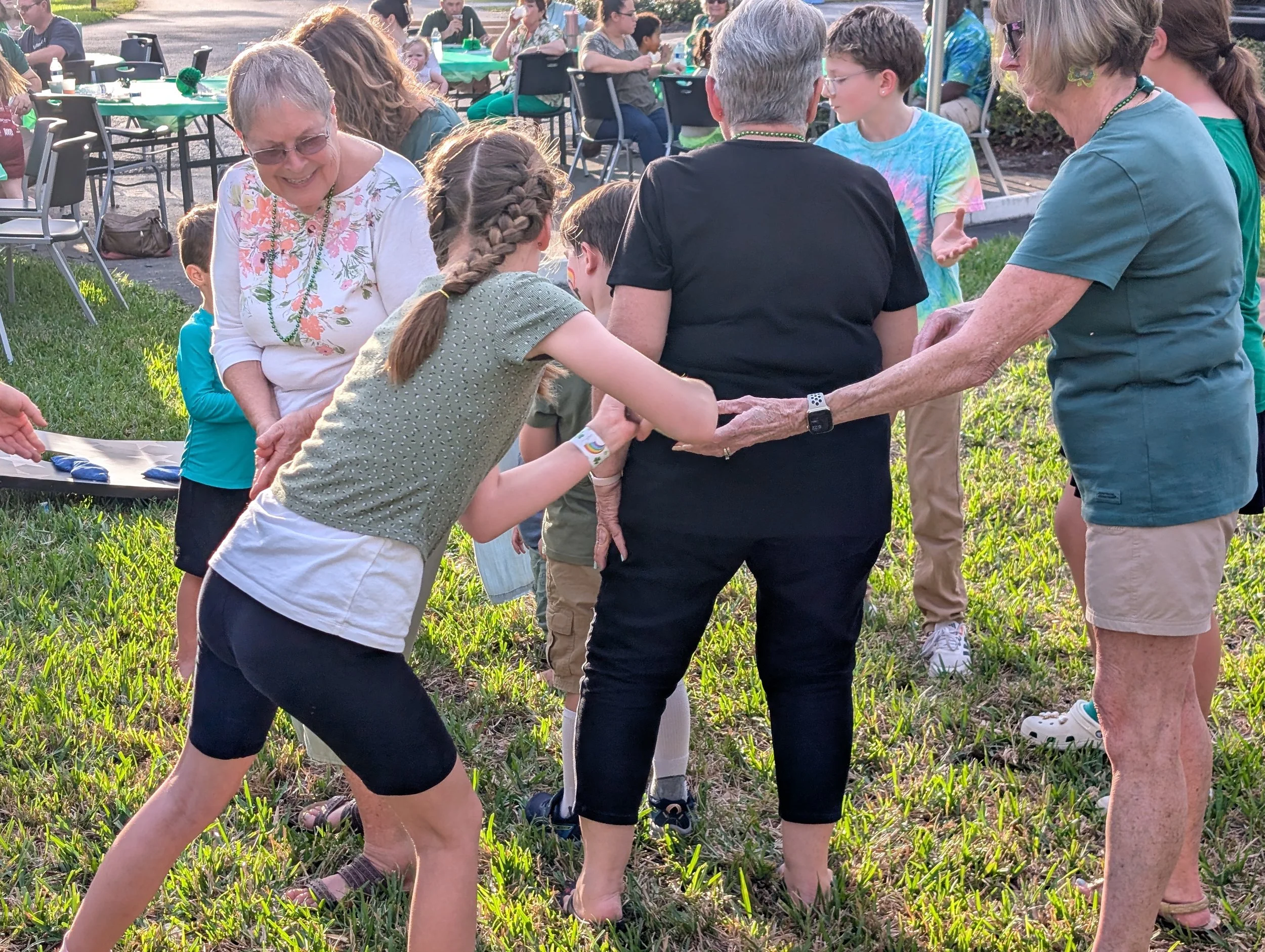
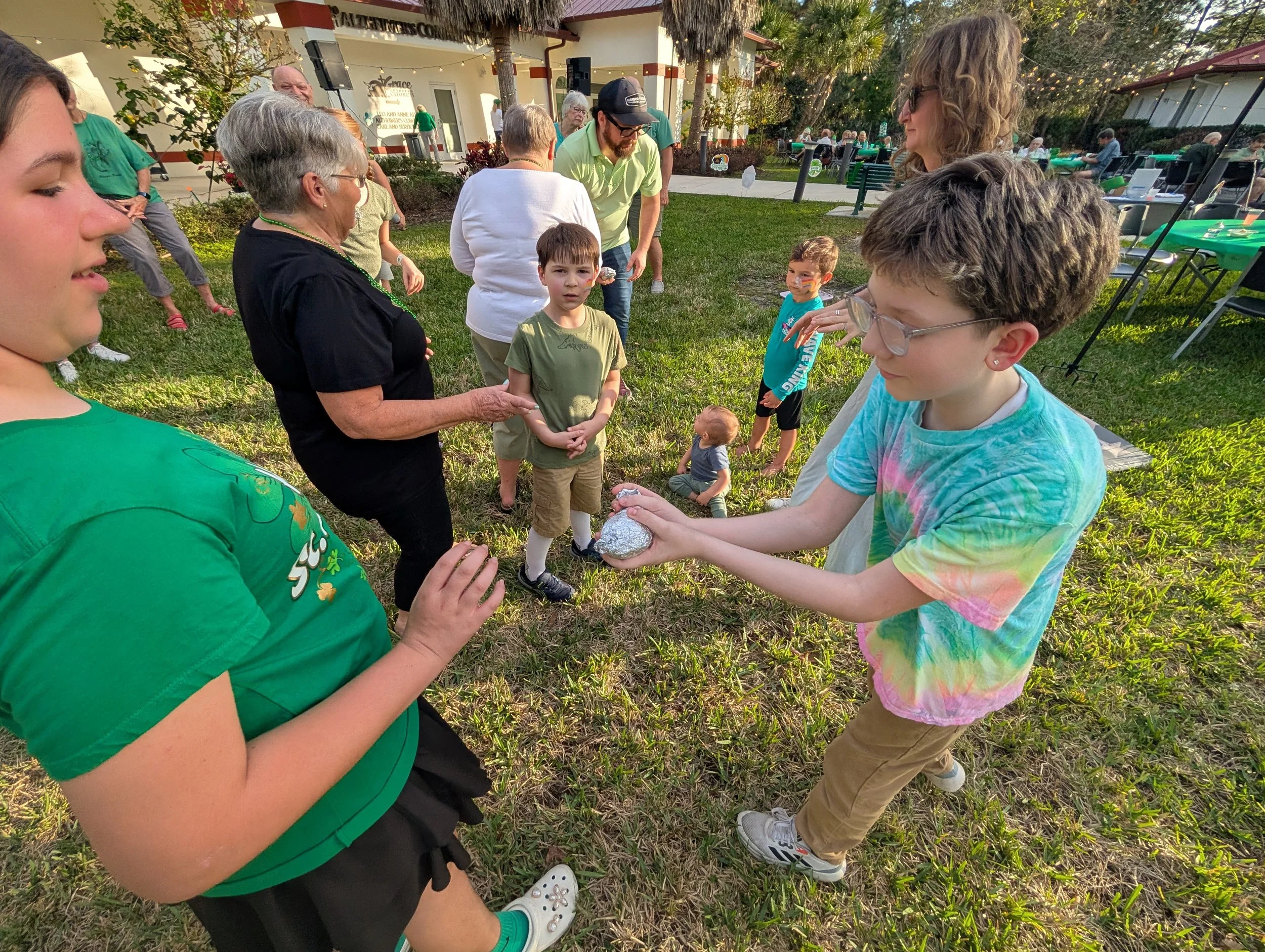
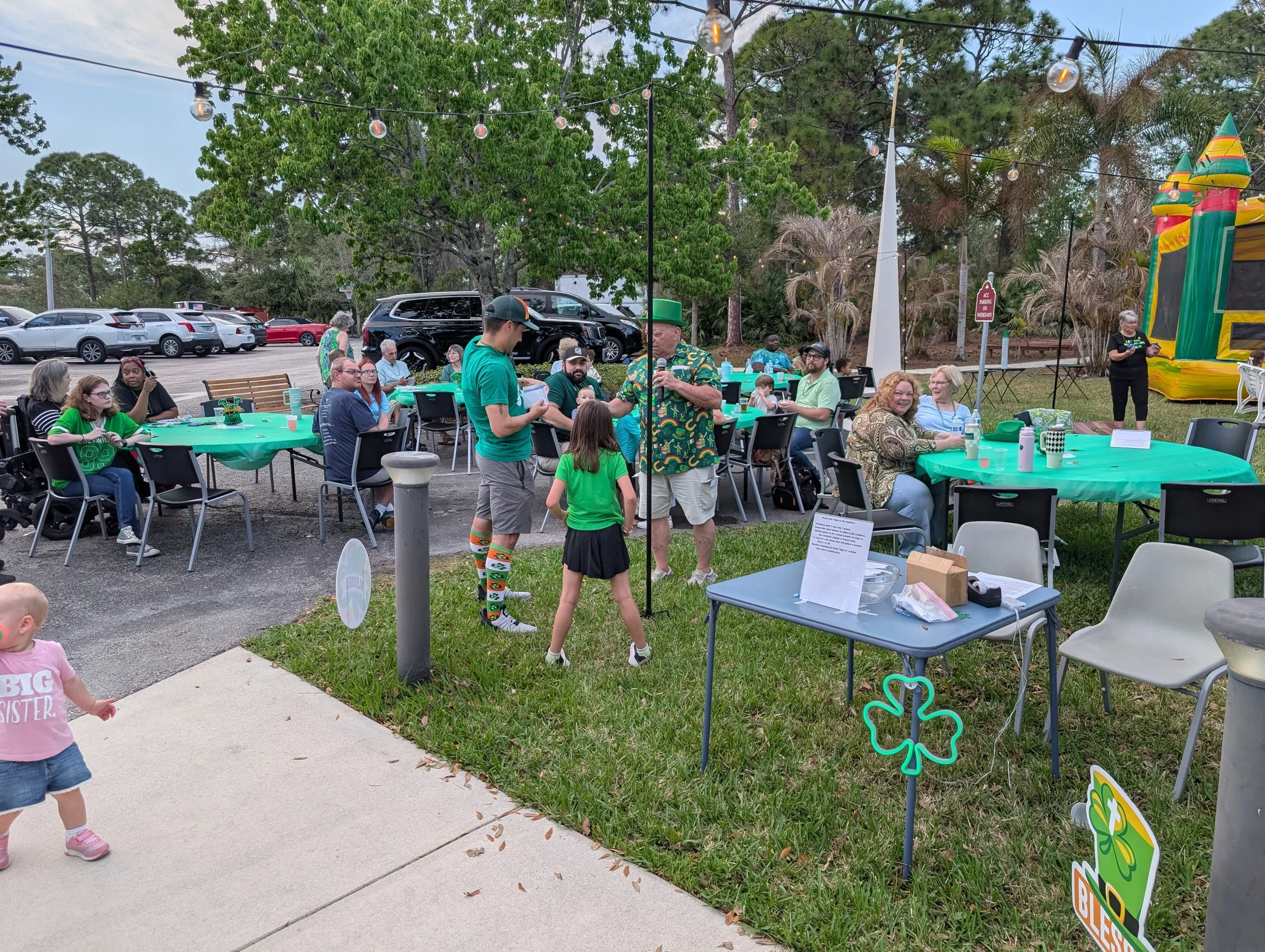
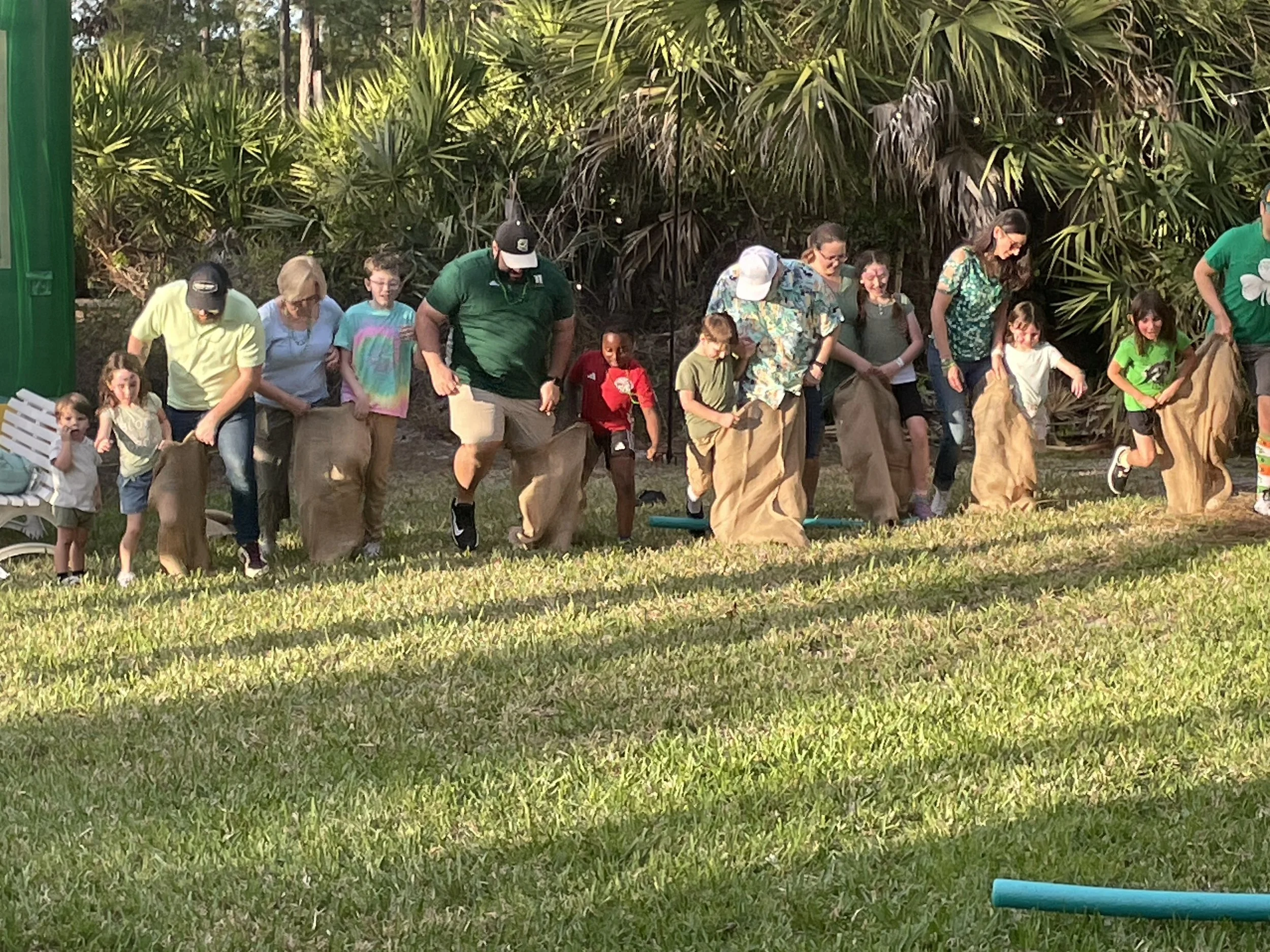
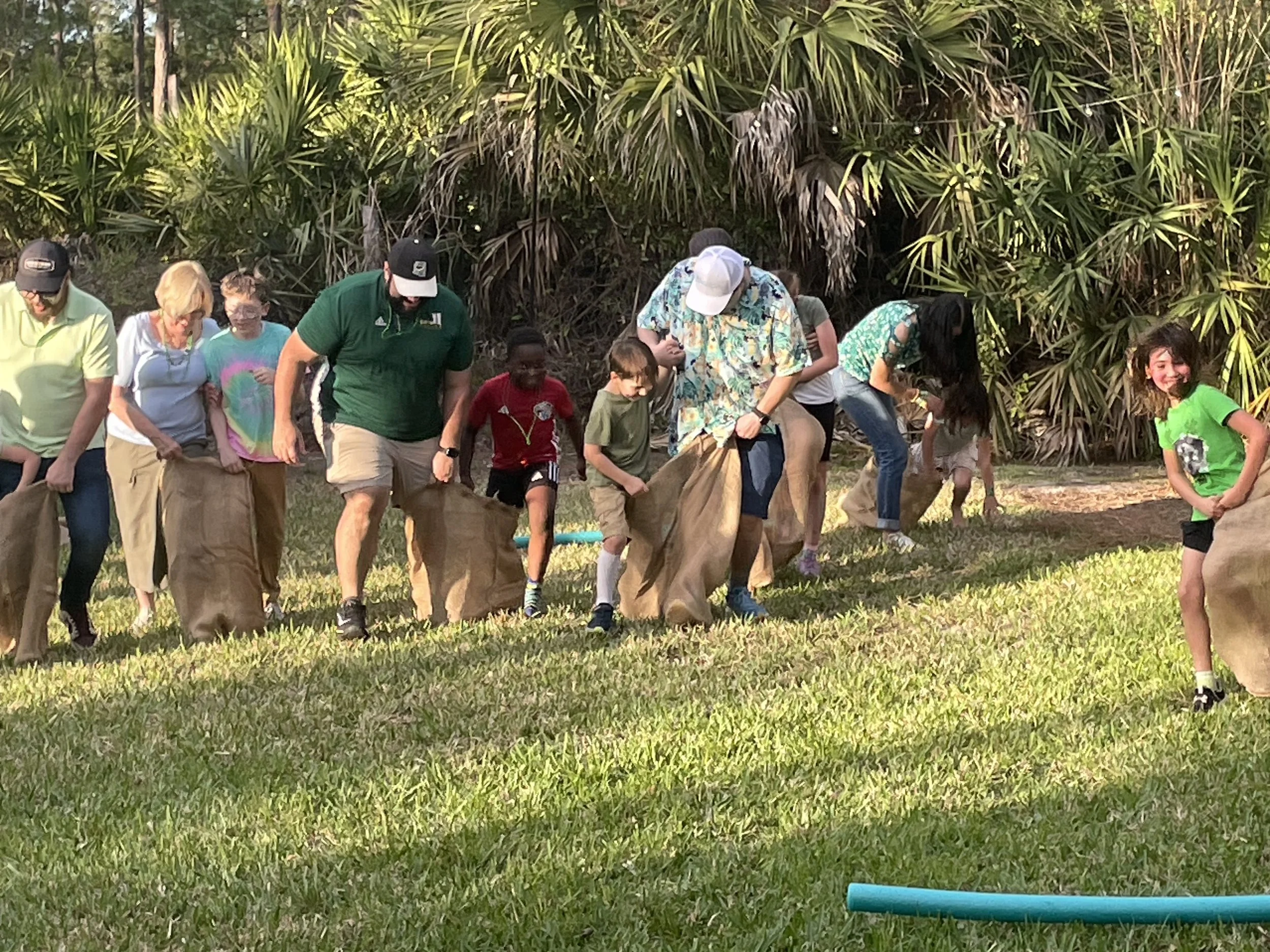
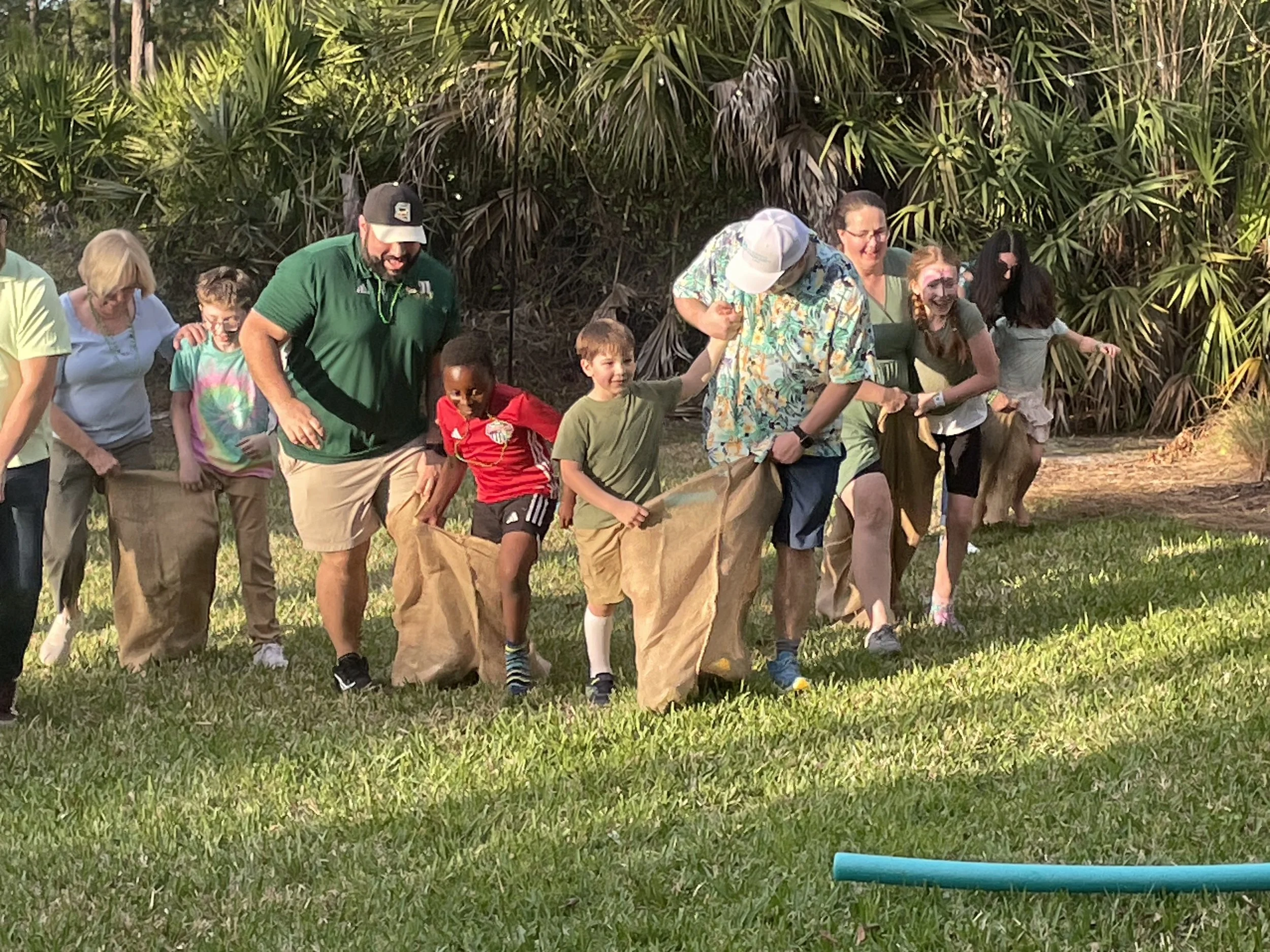
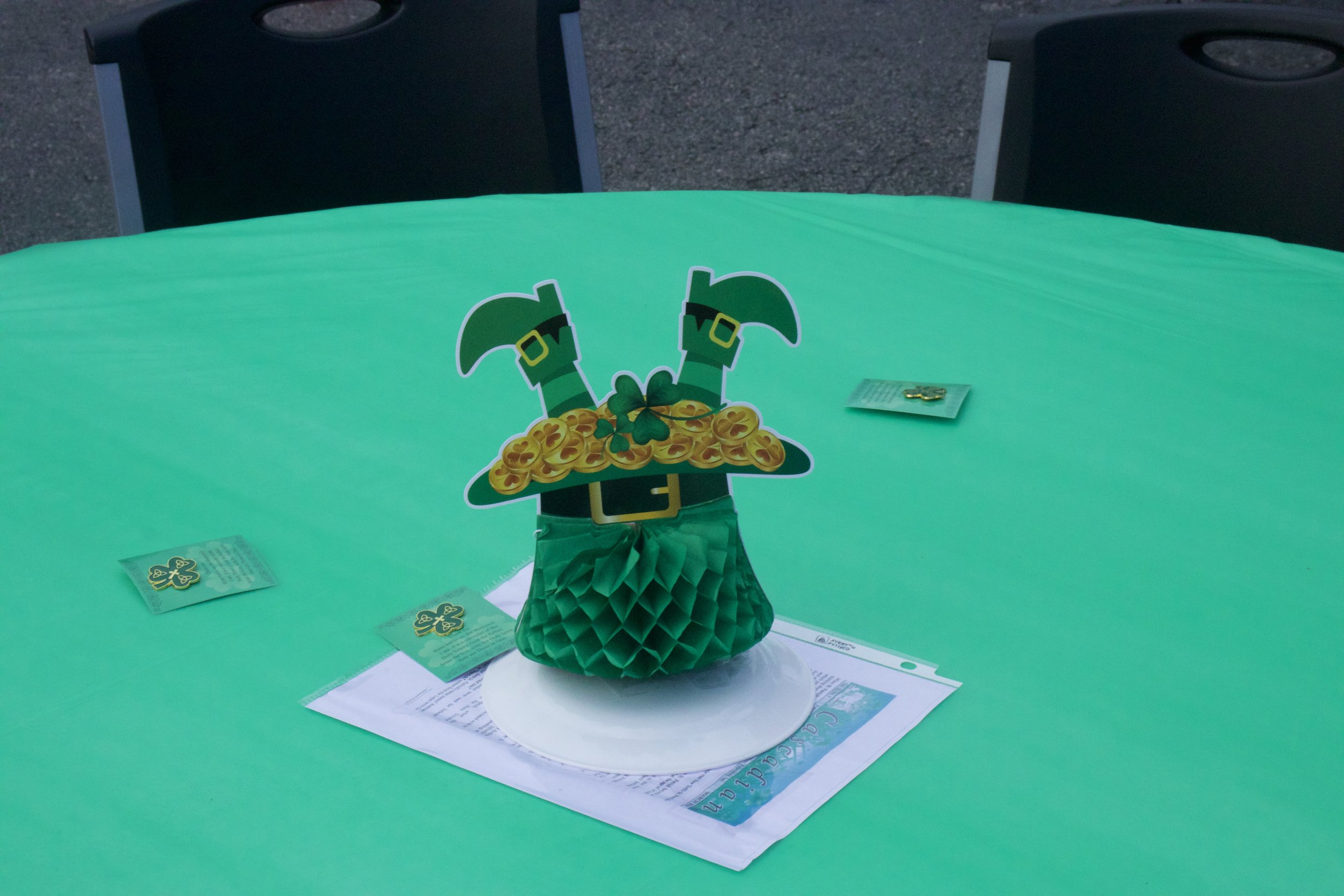
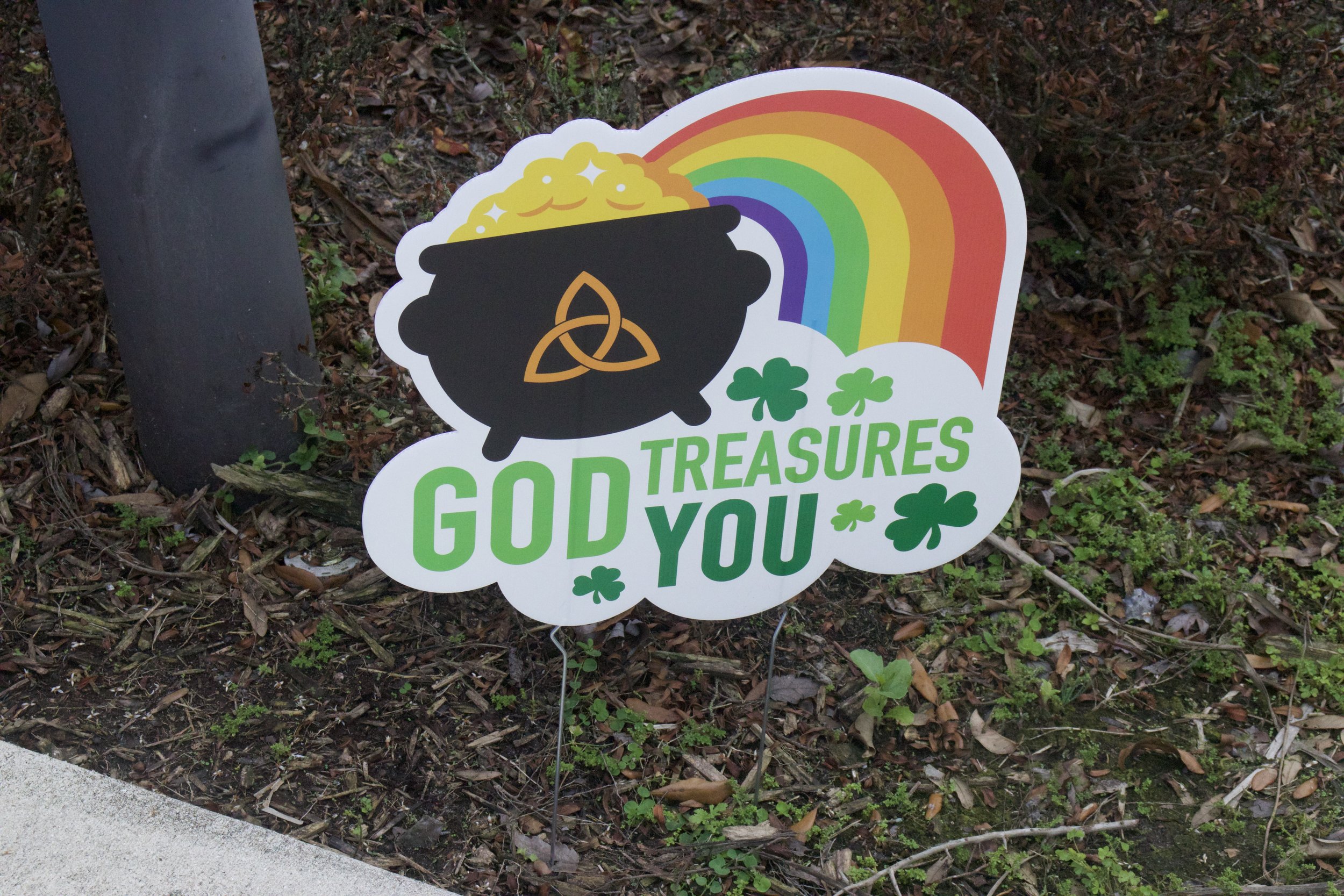
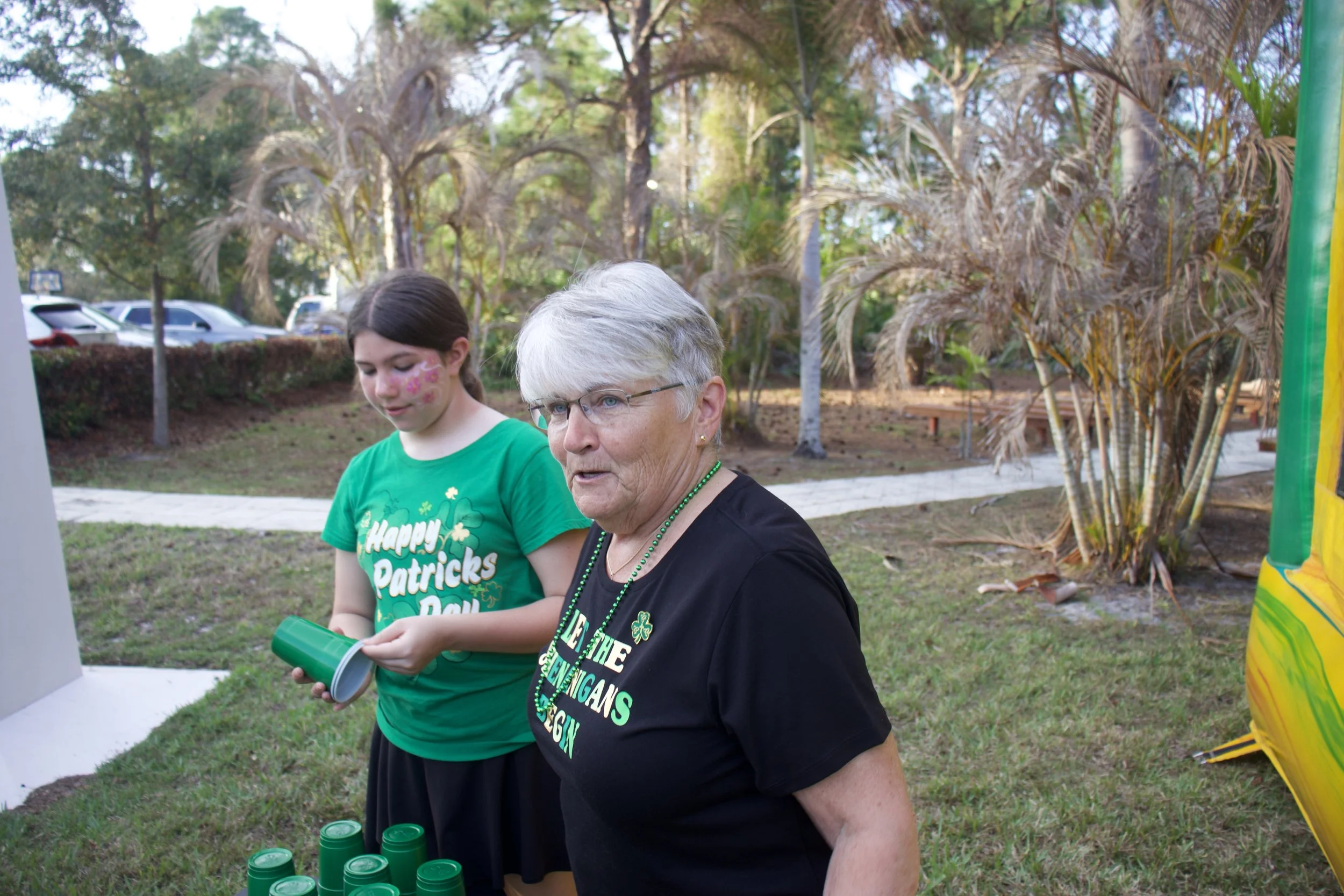
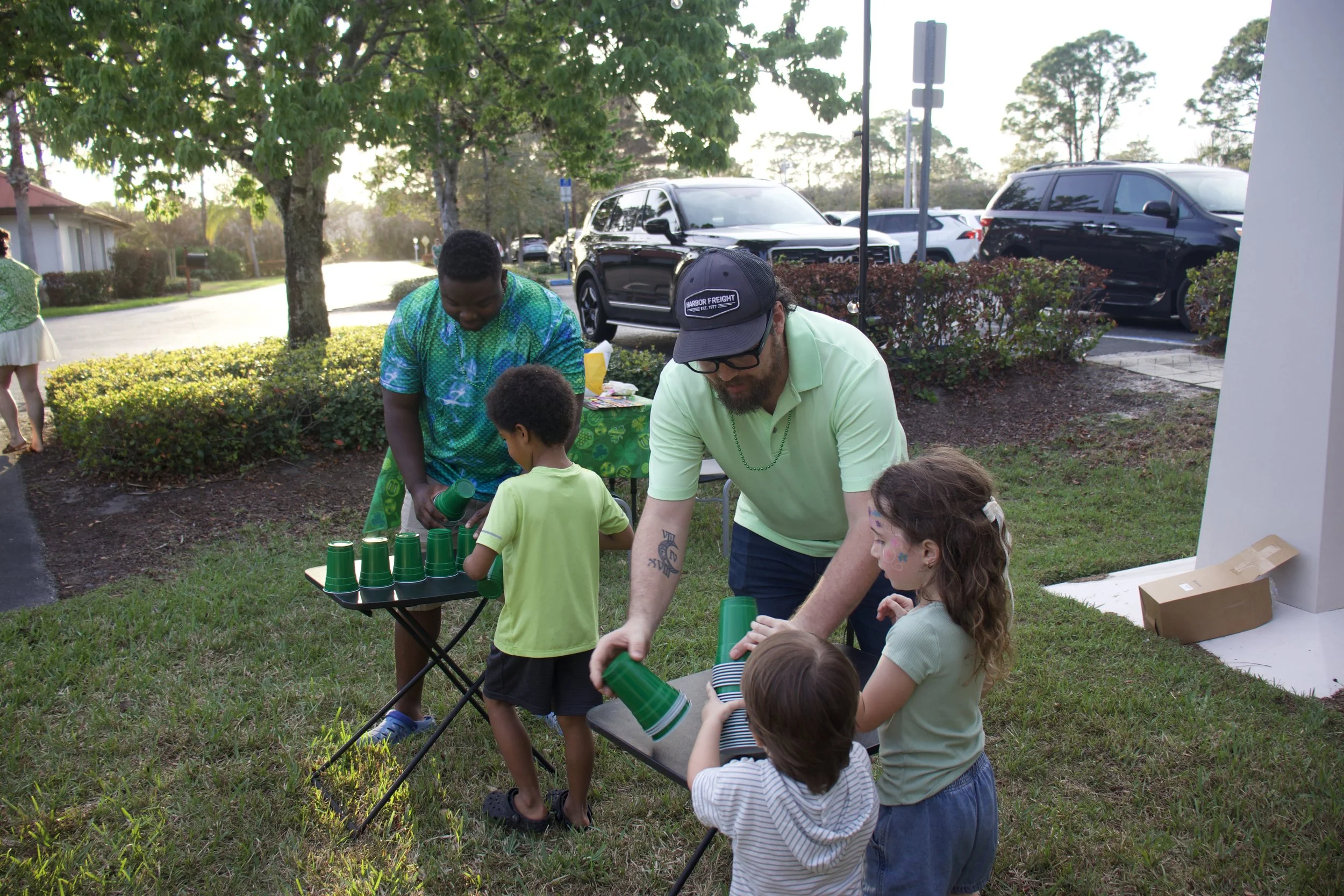
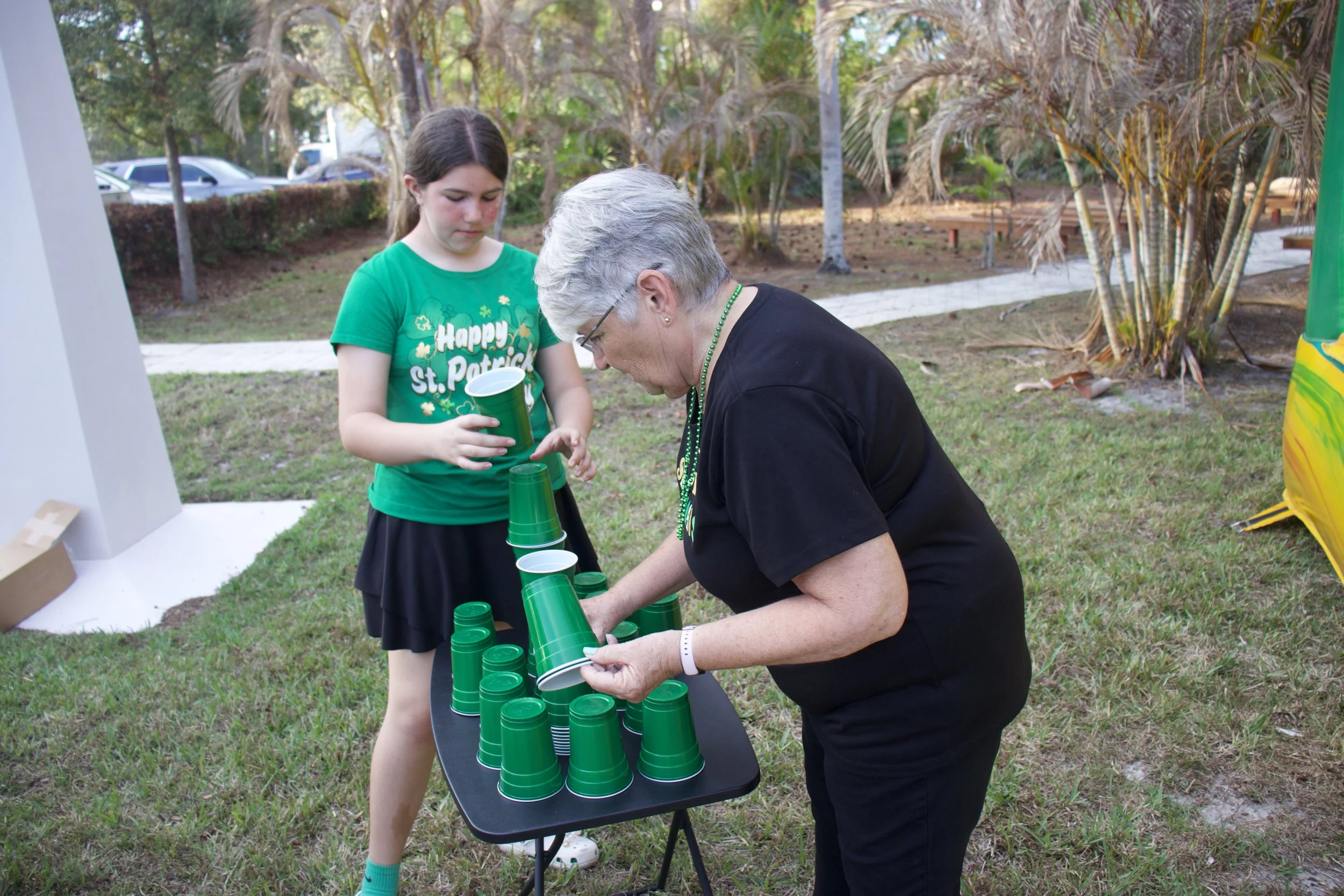
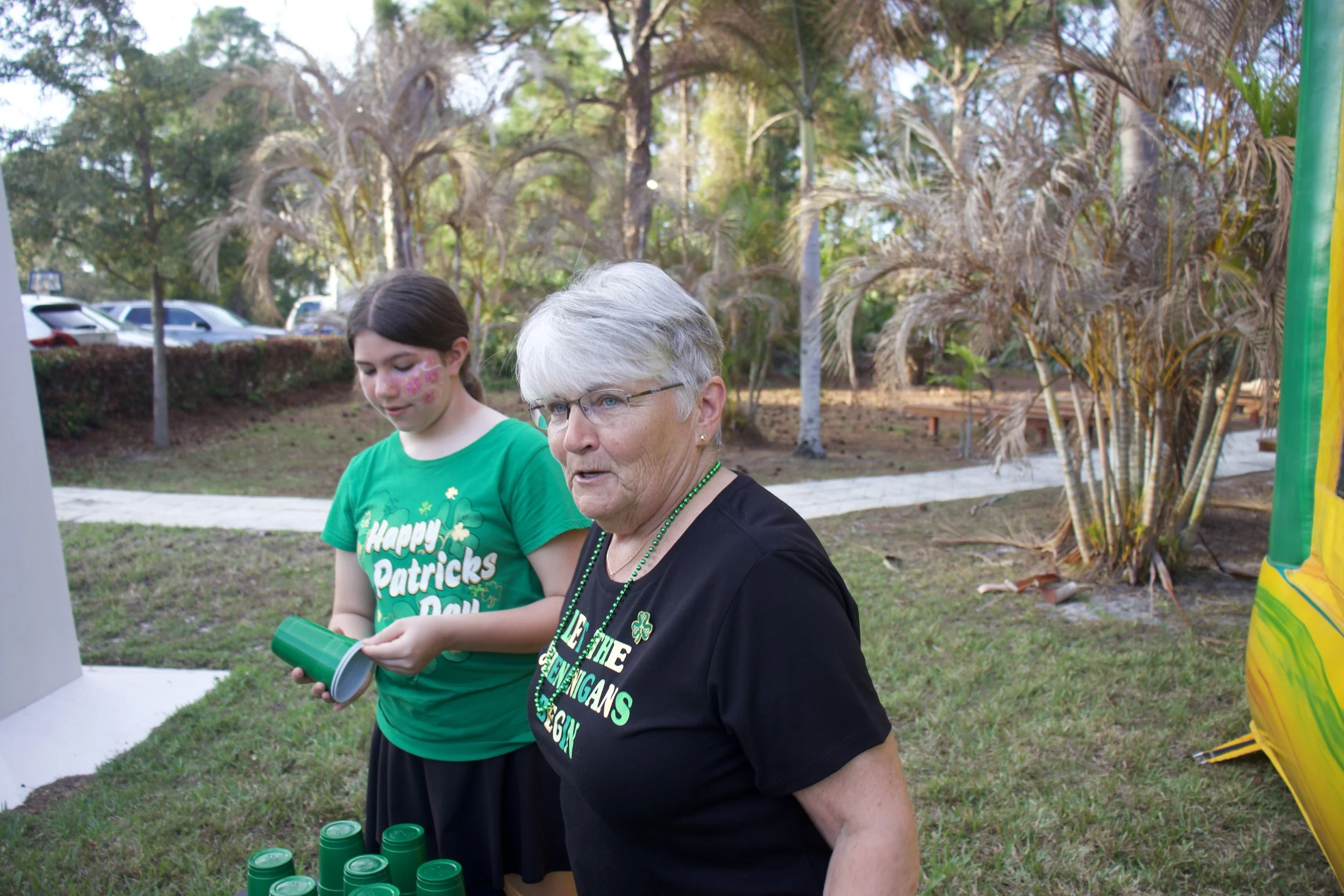
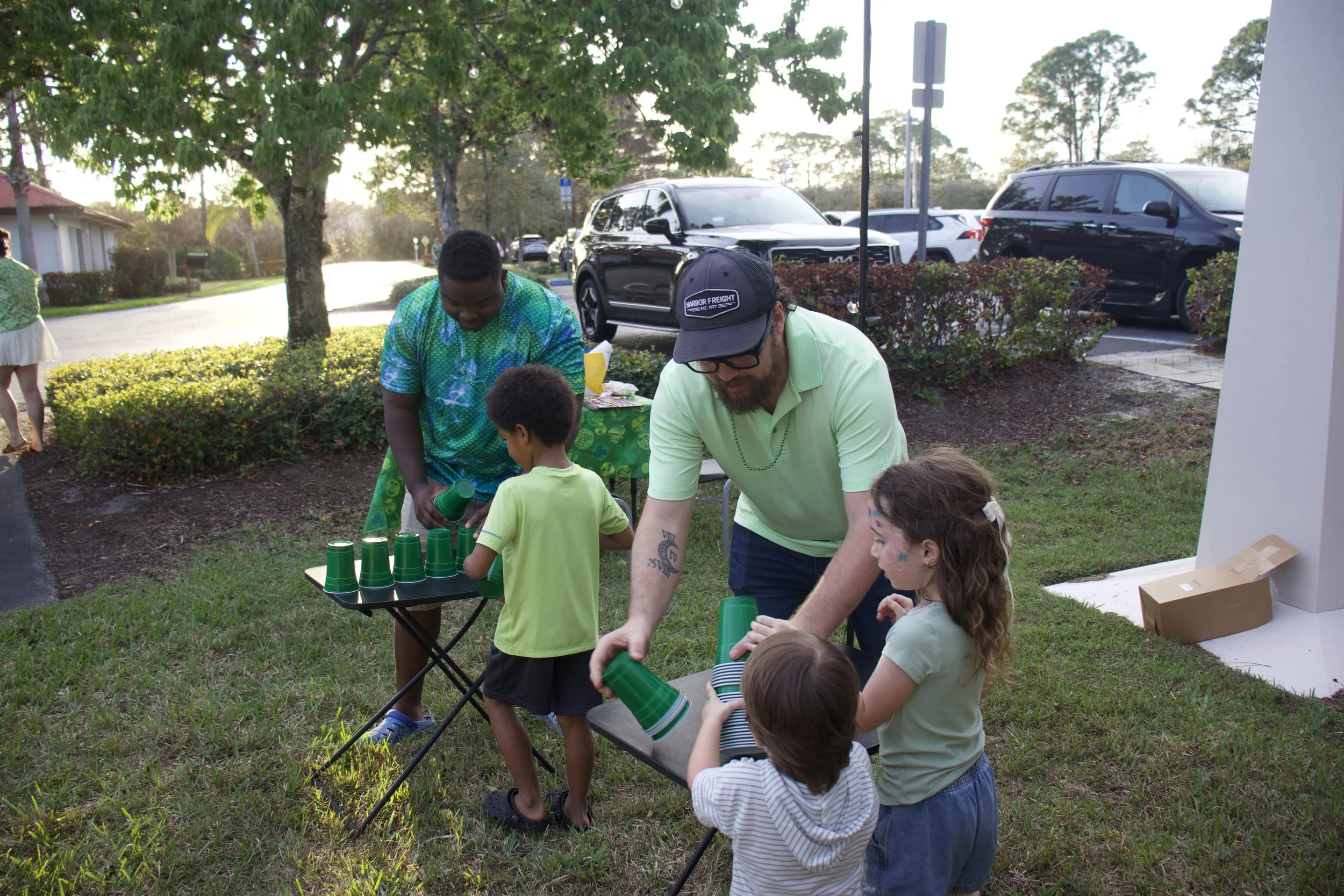
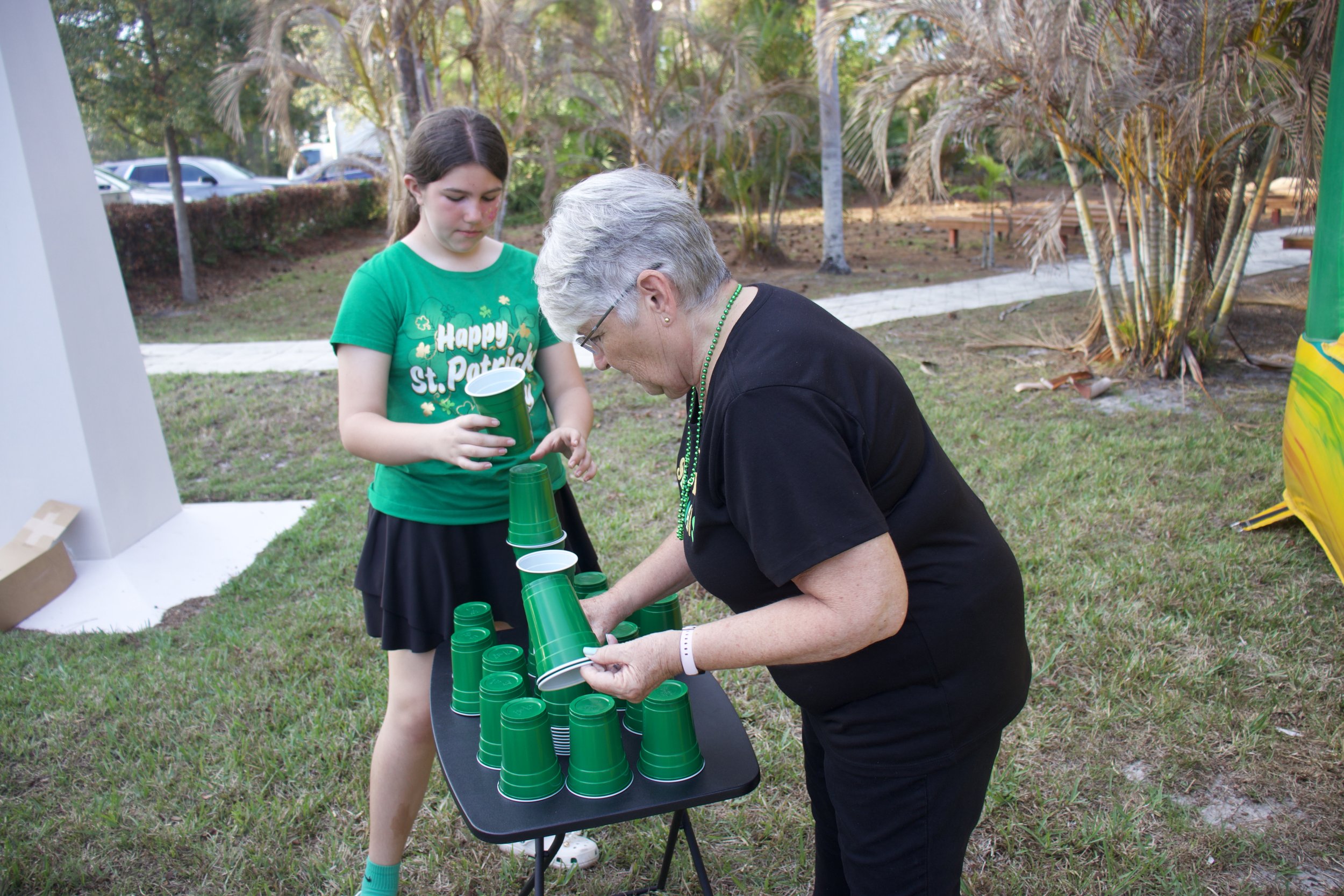
Dublin the Fun (Photos)
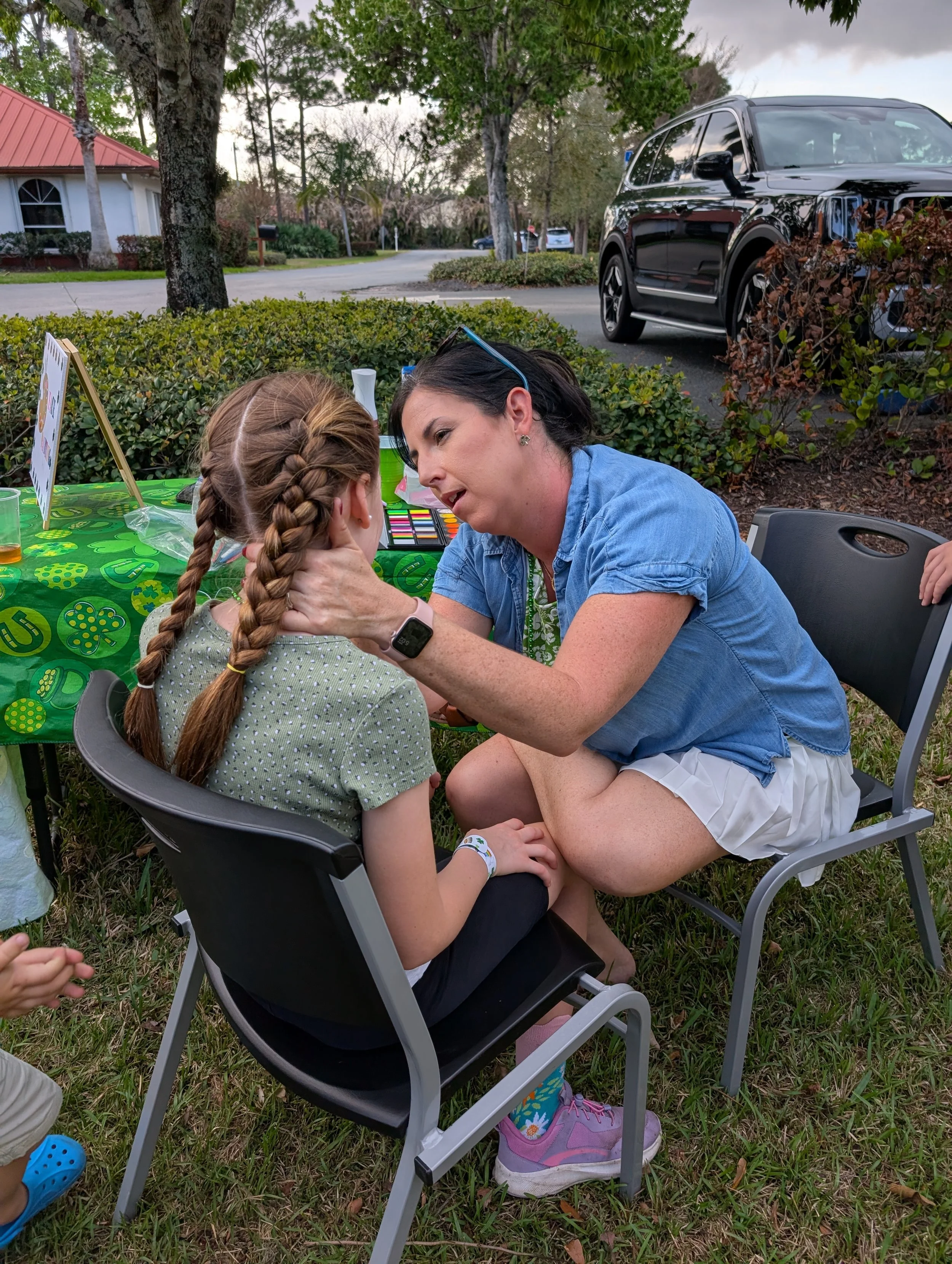
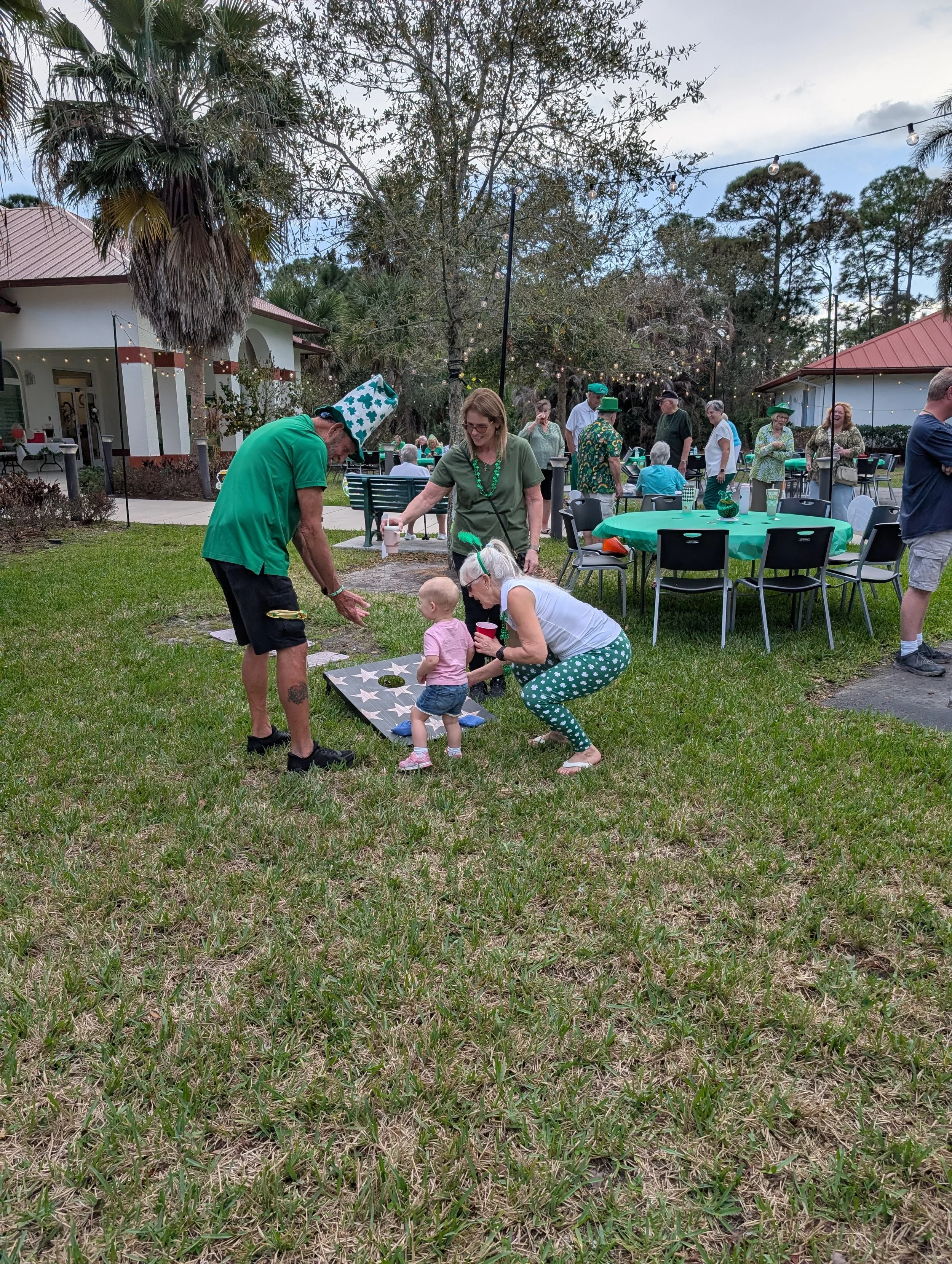
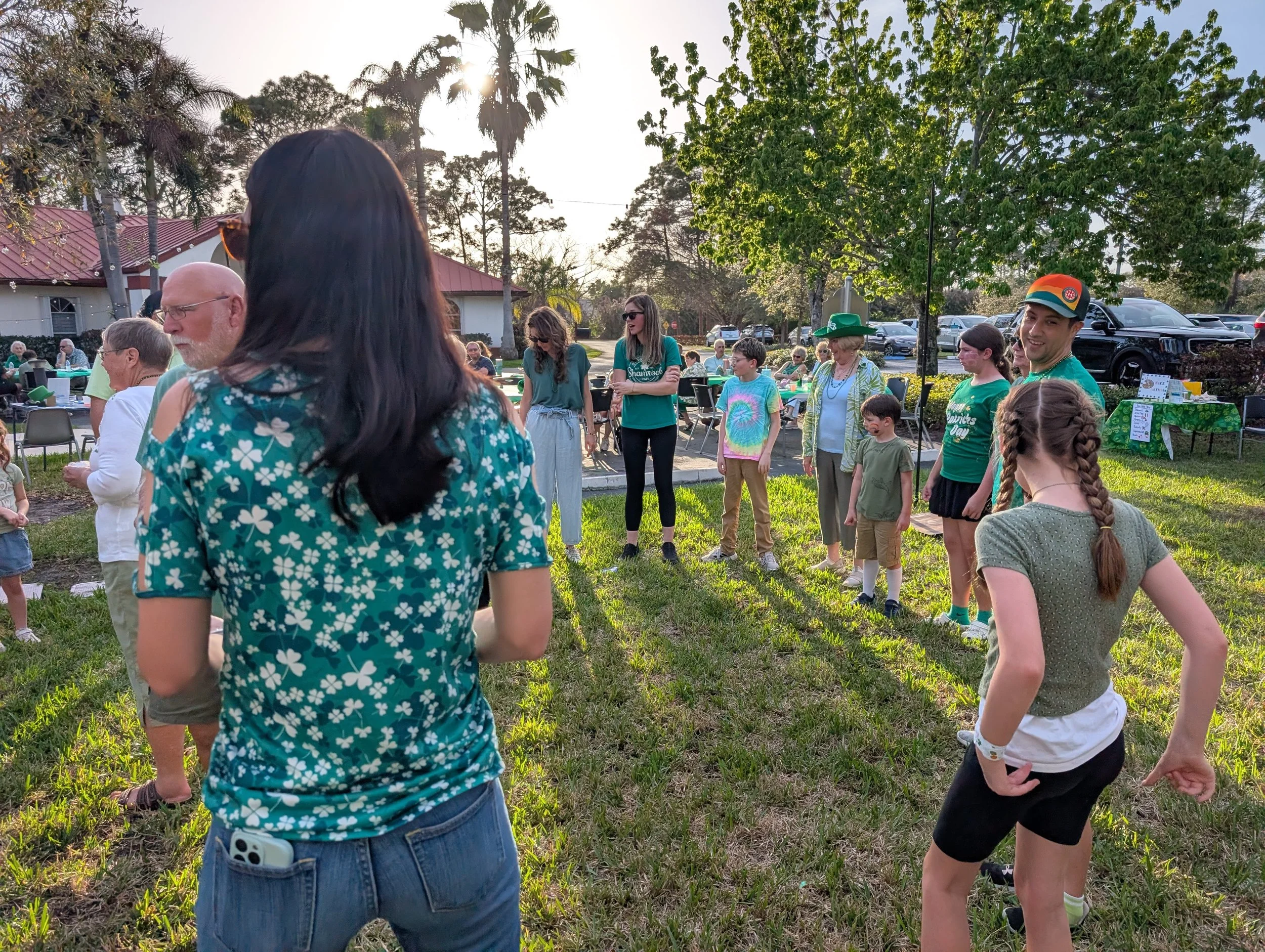
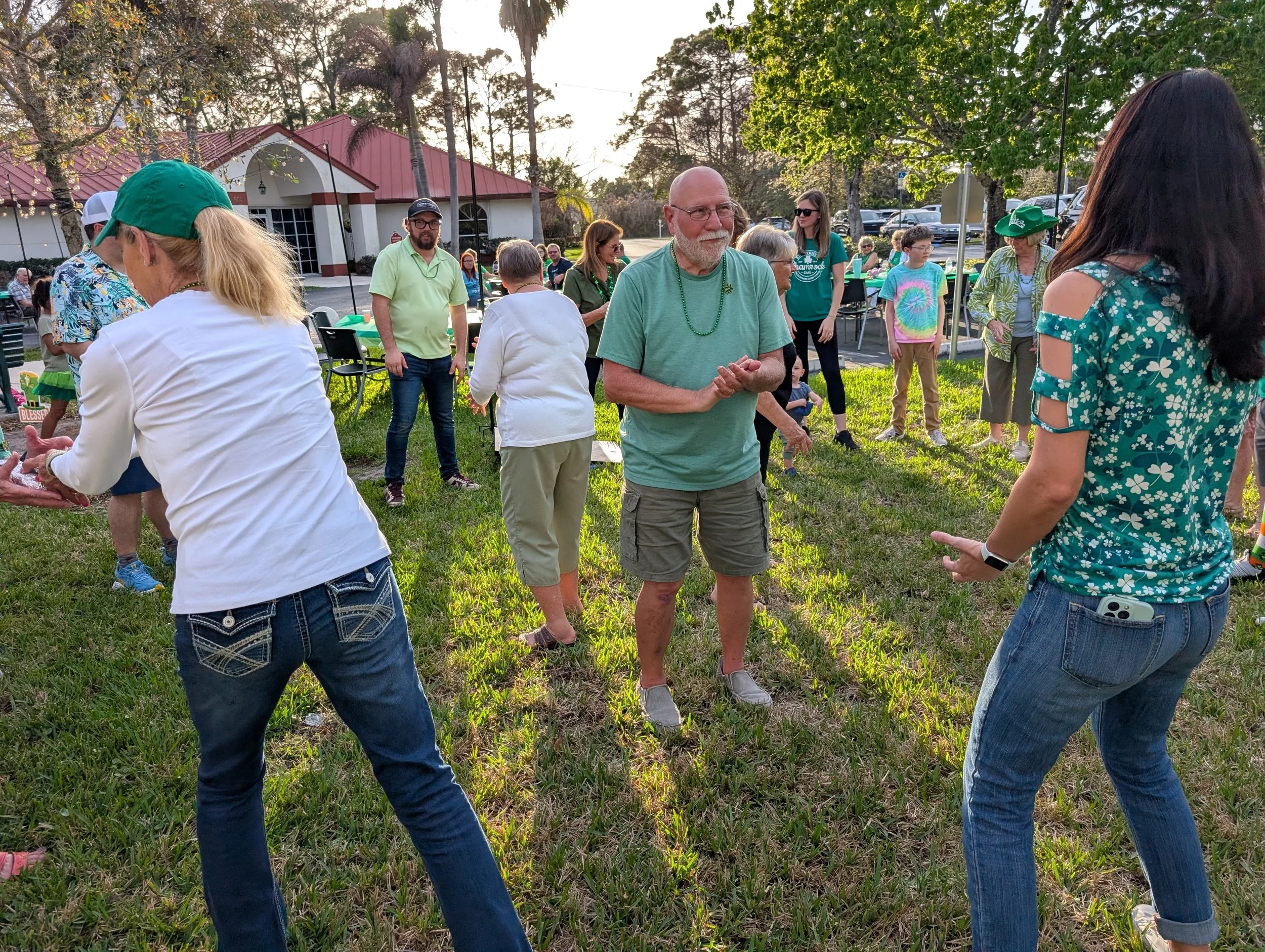
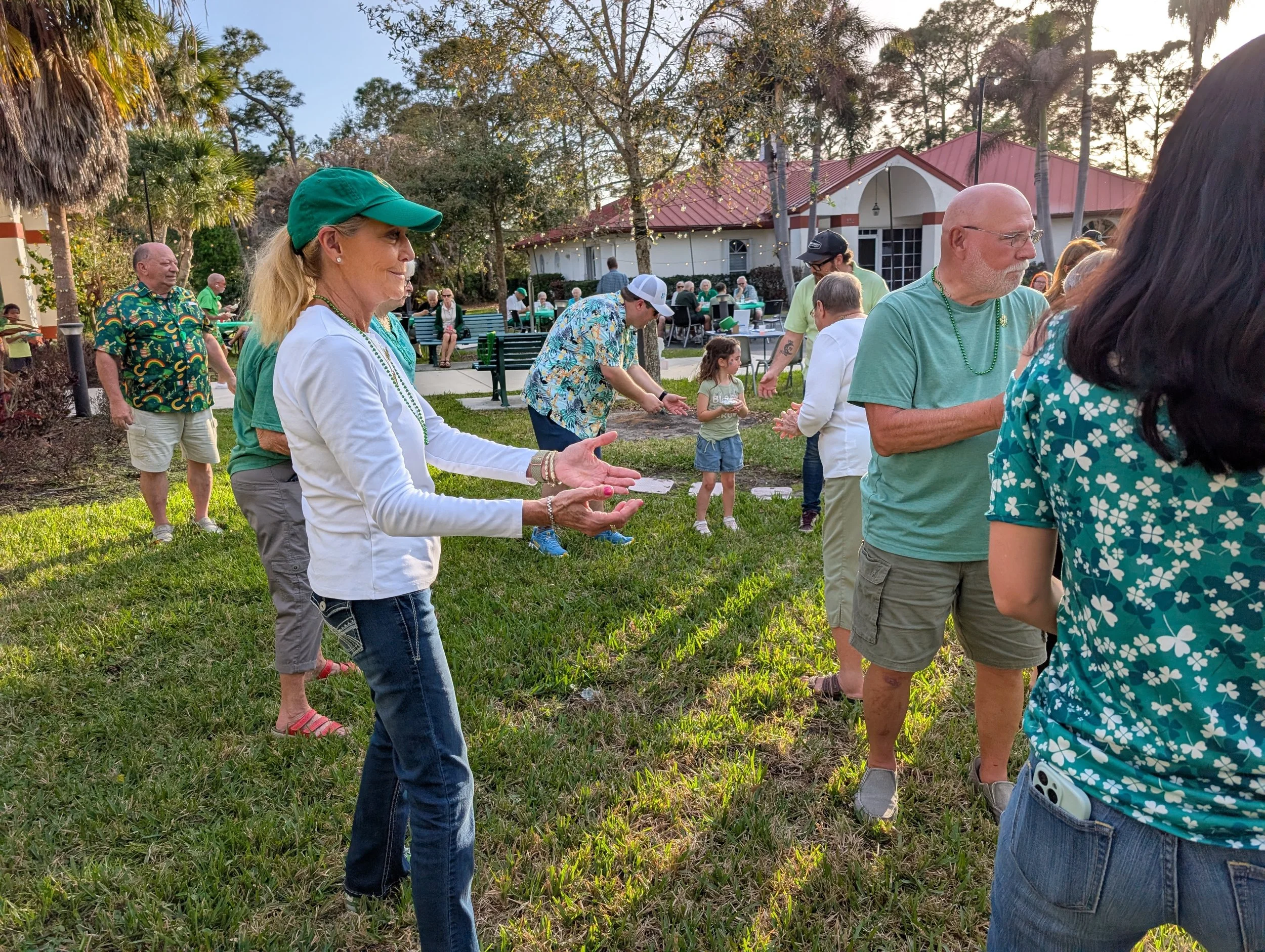
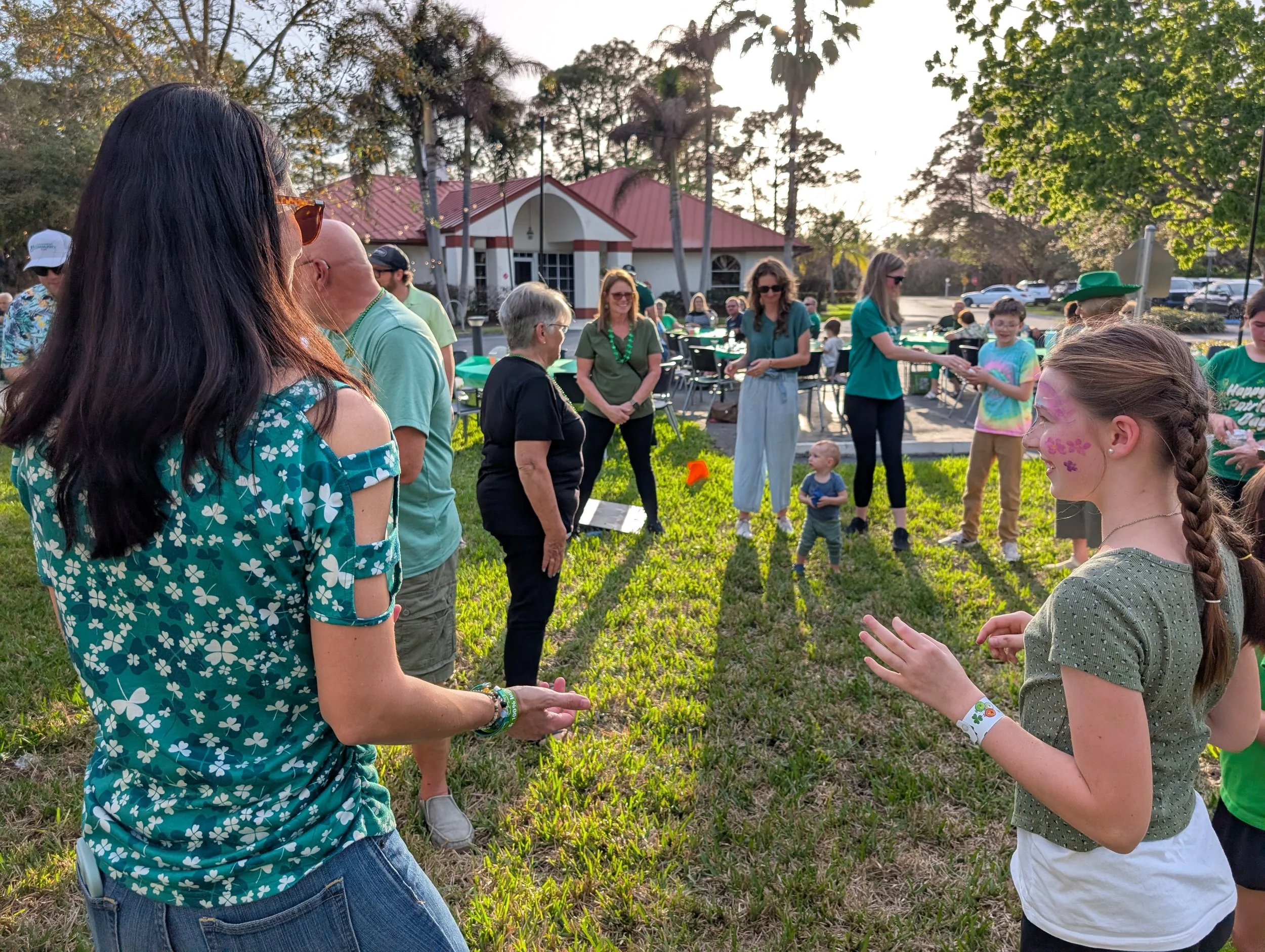
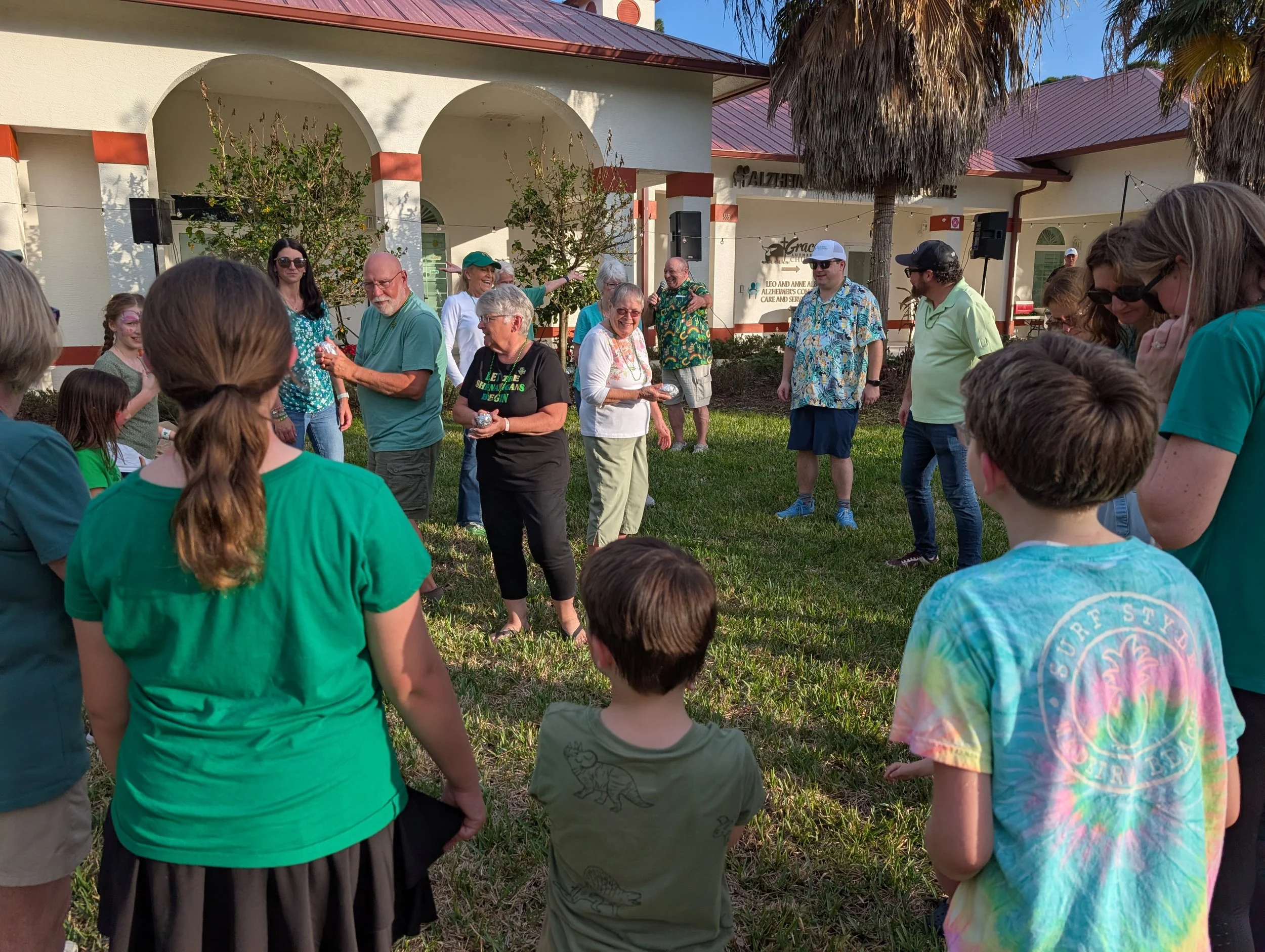
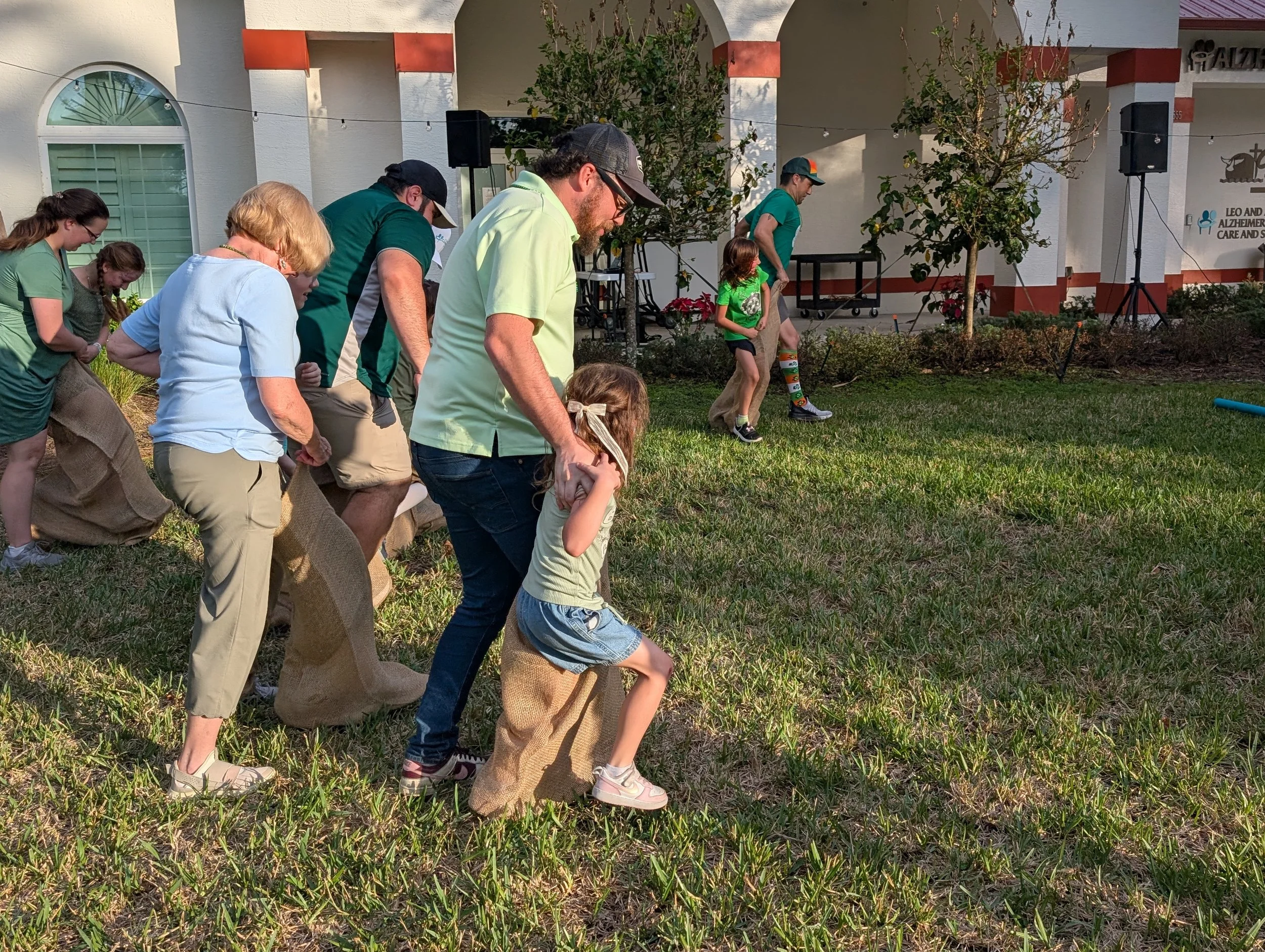
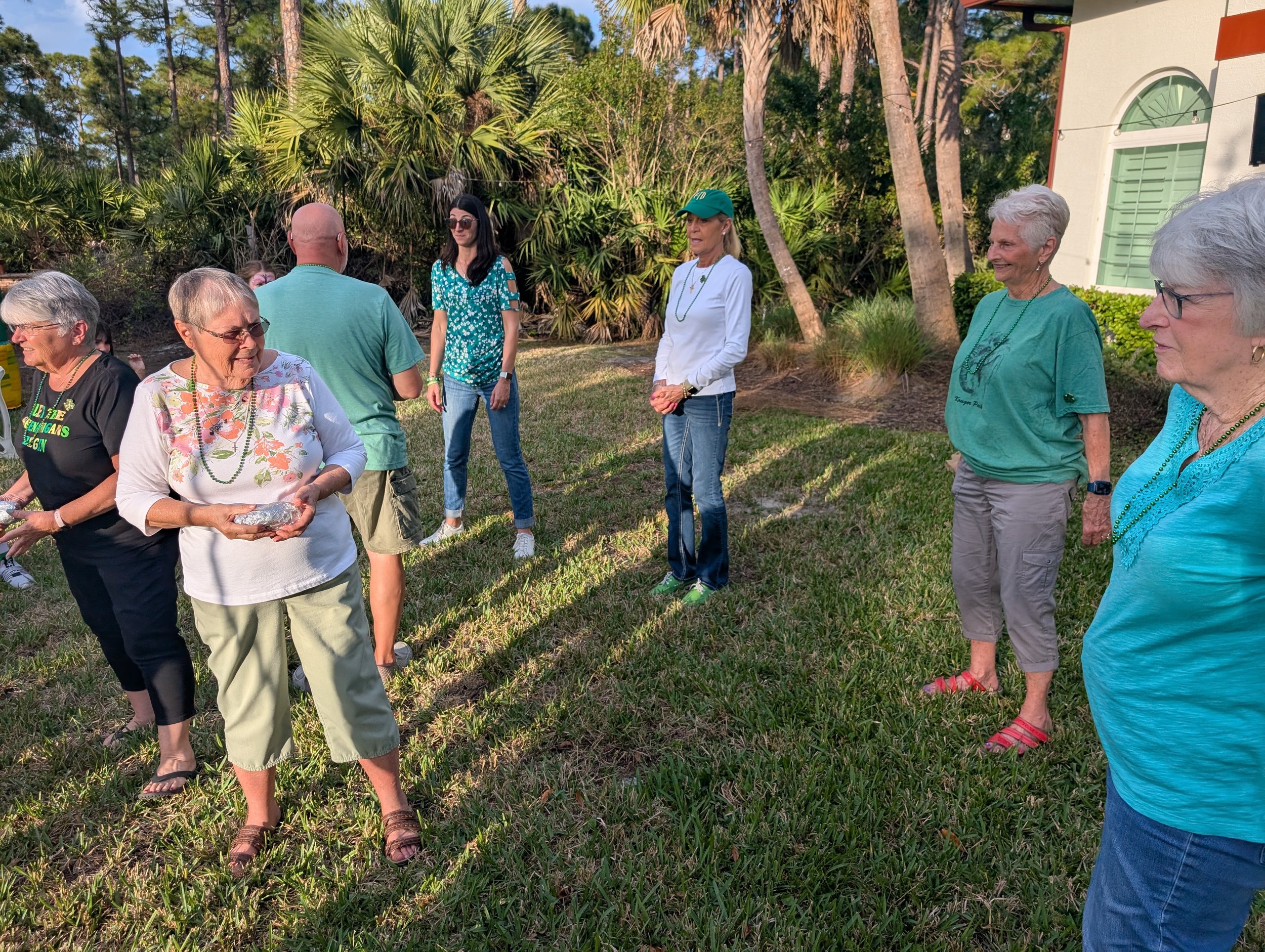
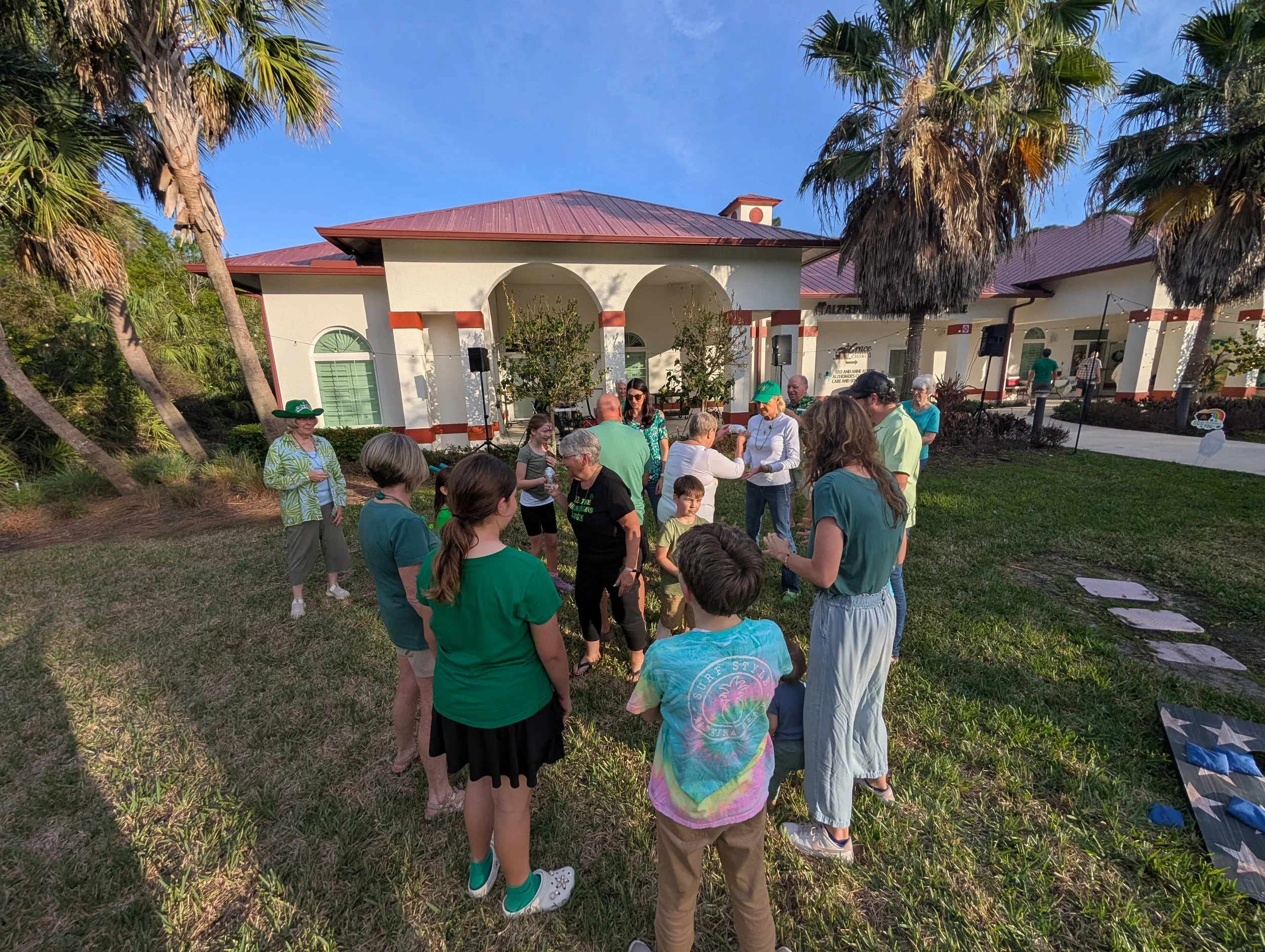
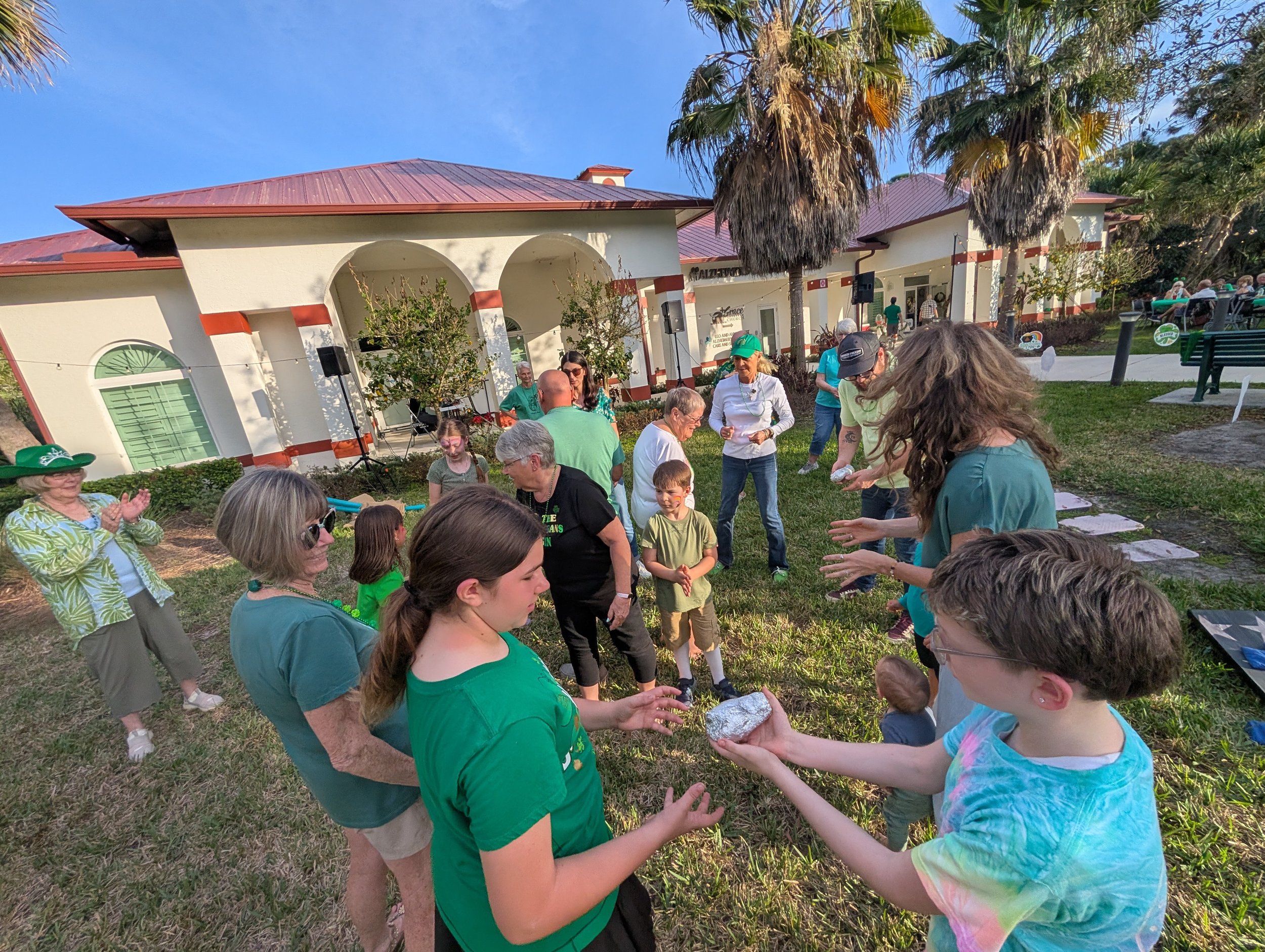
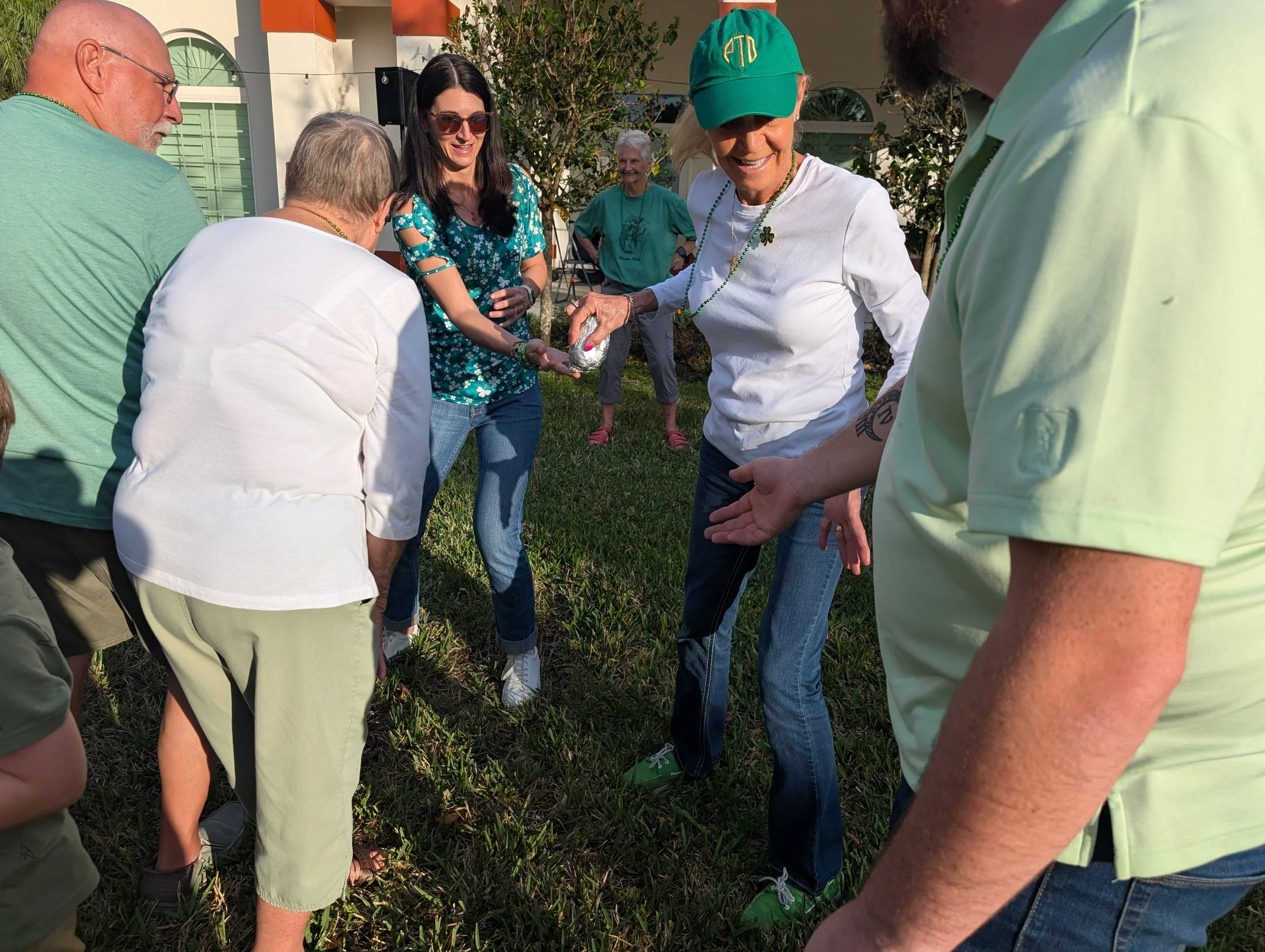
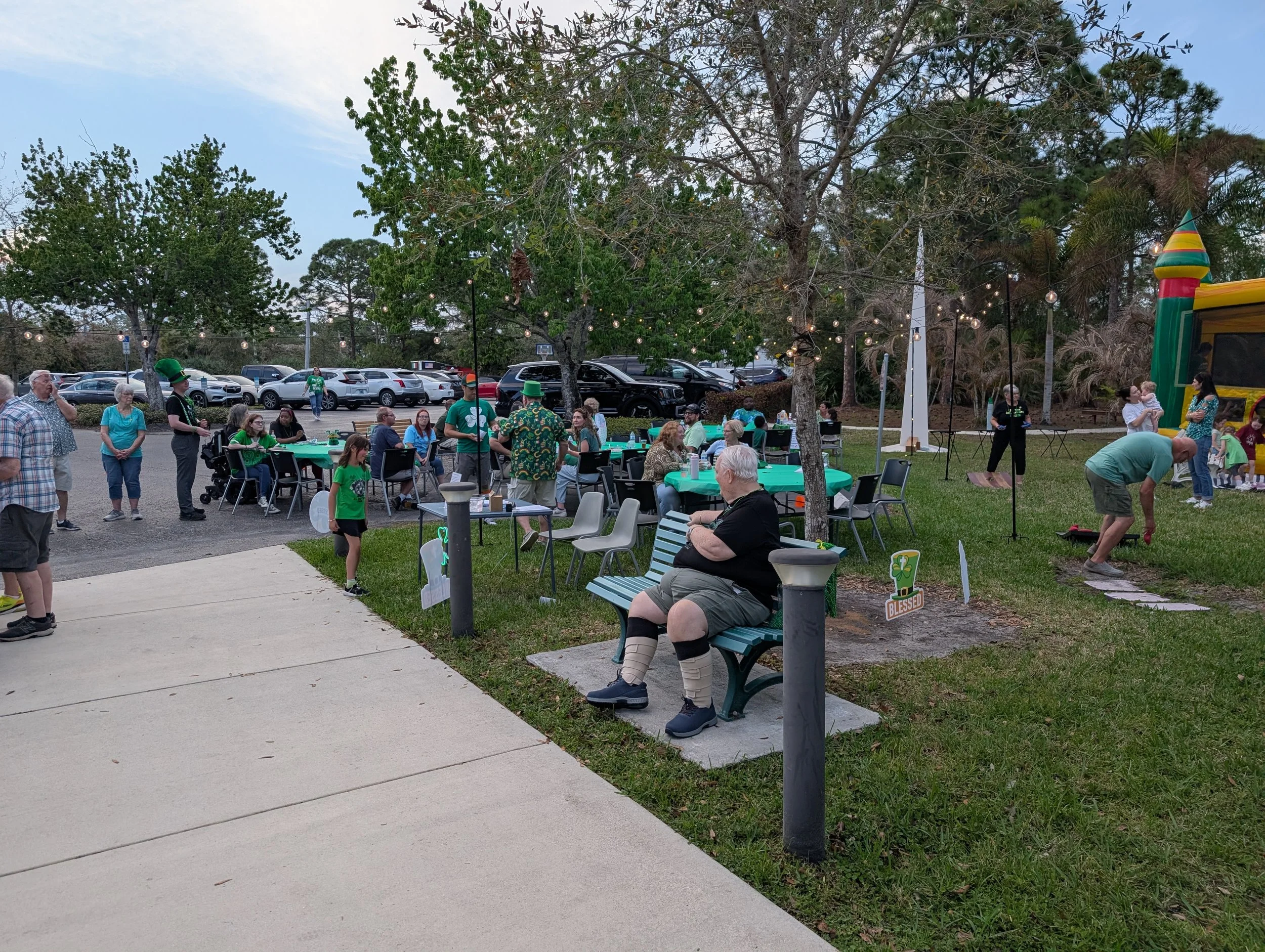
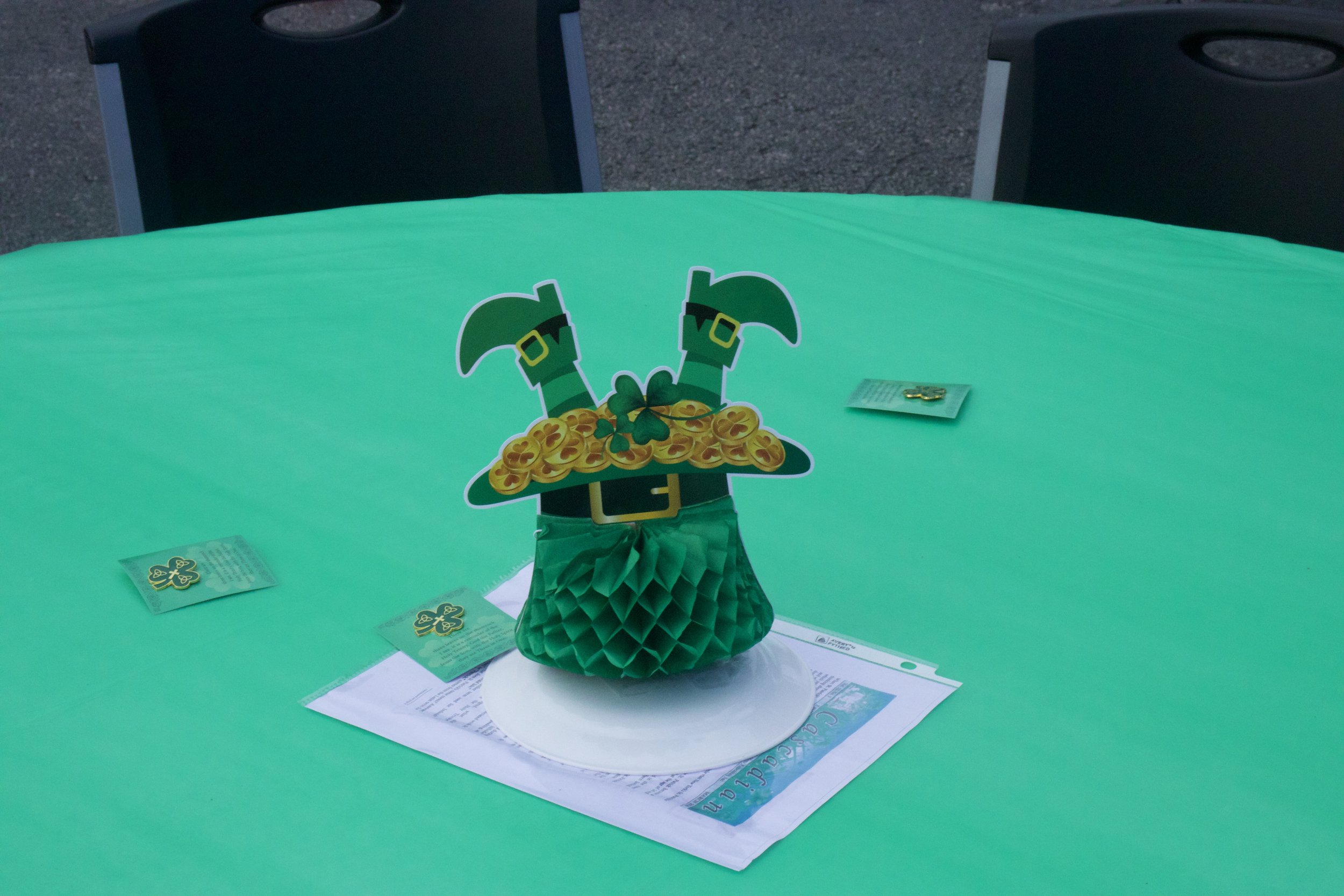
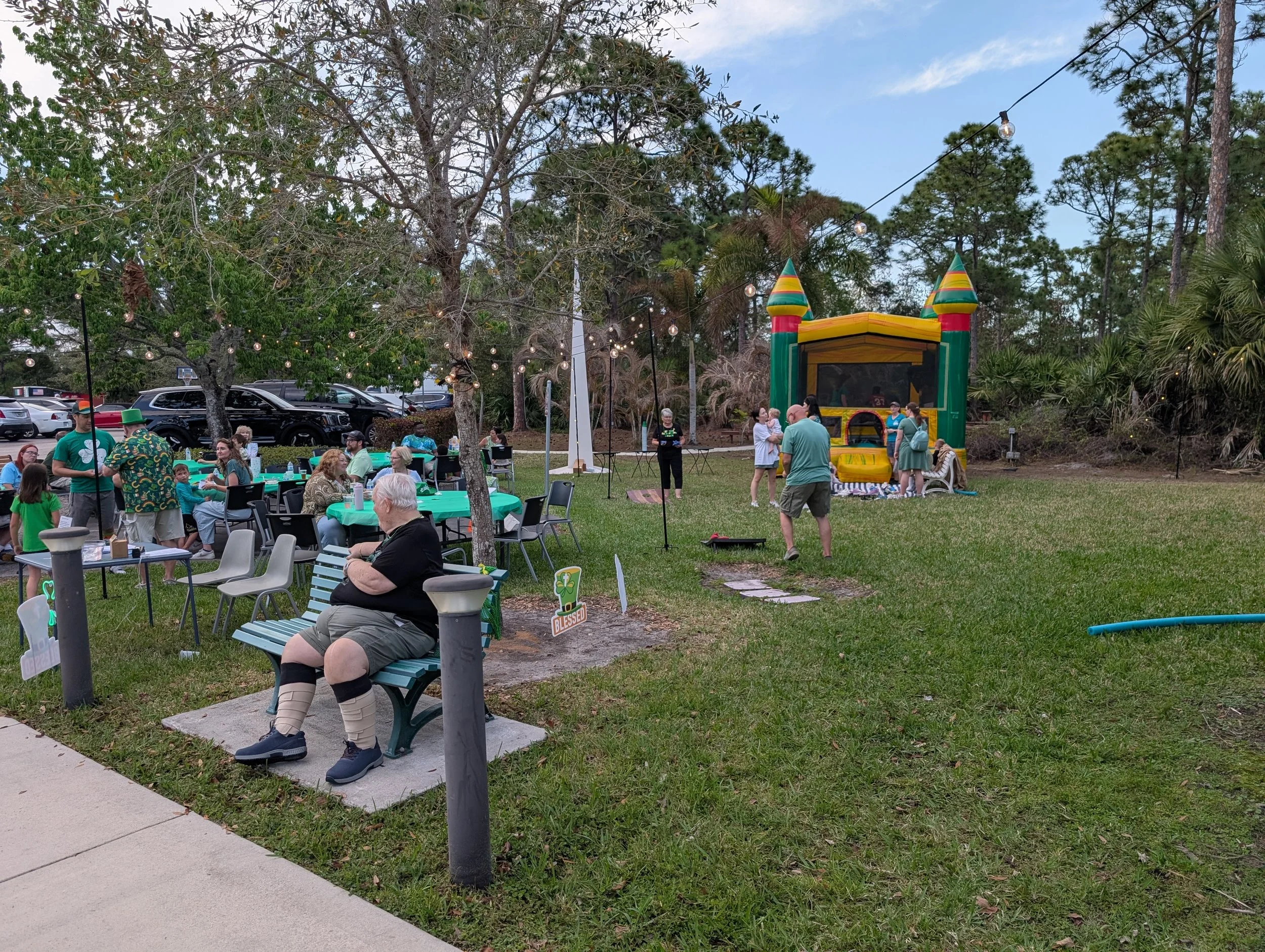
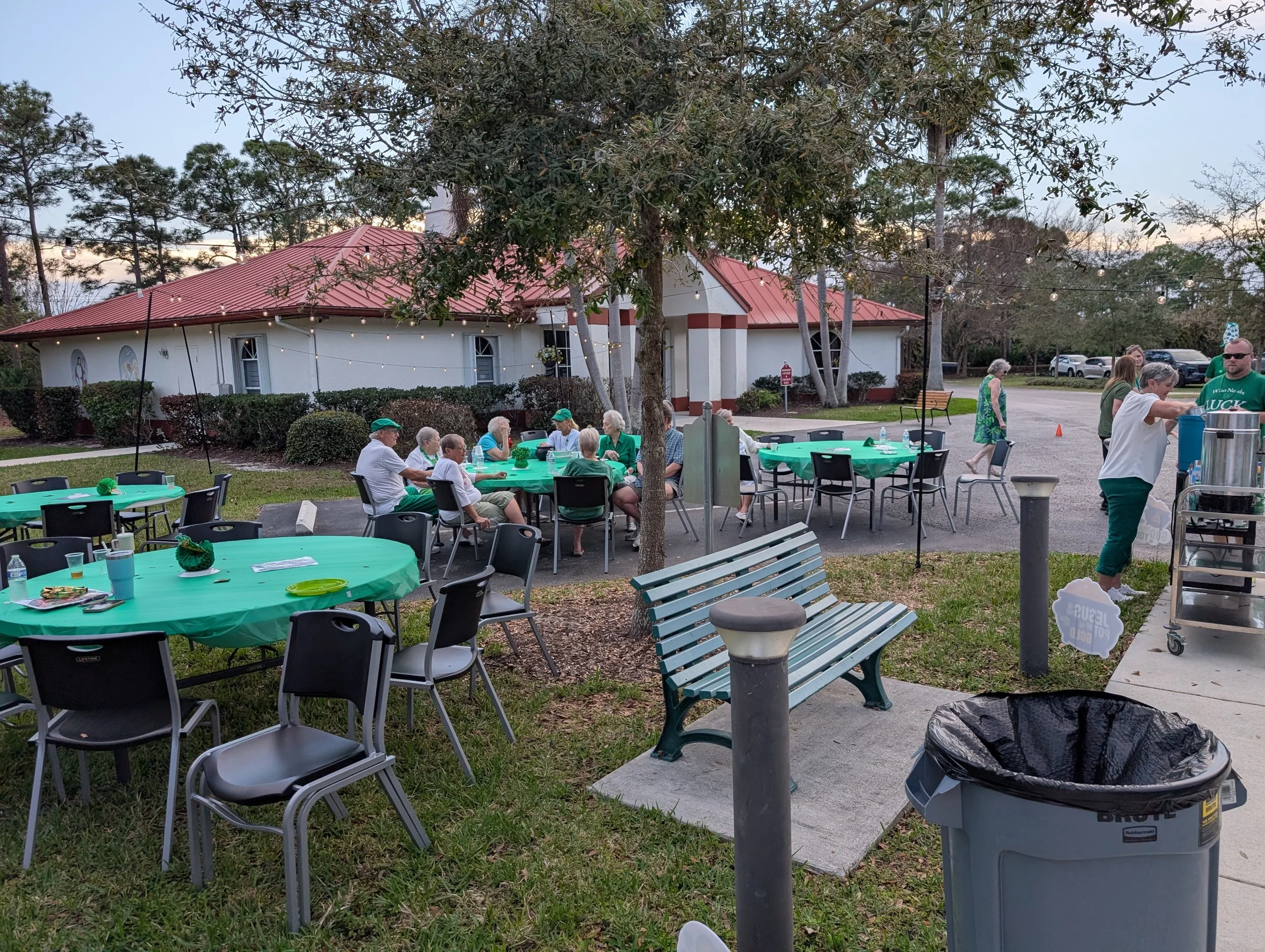
We had more than Dublin the Fun!

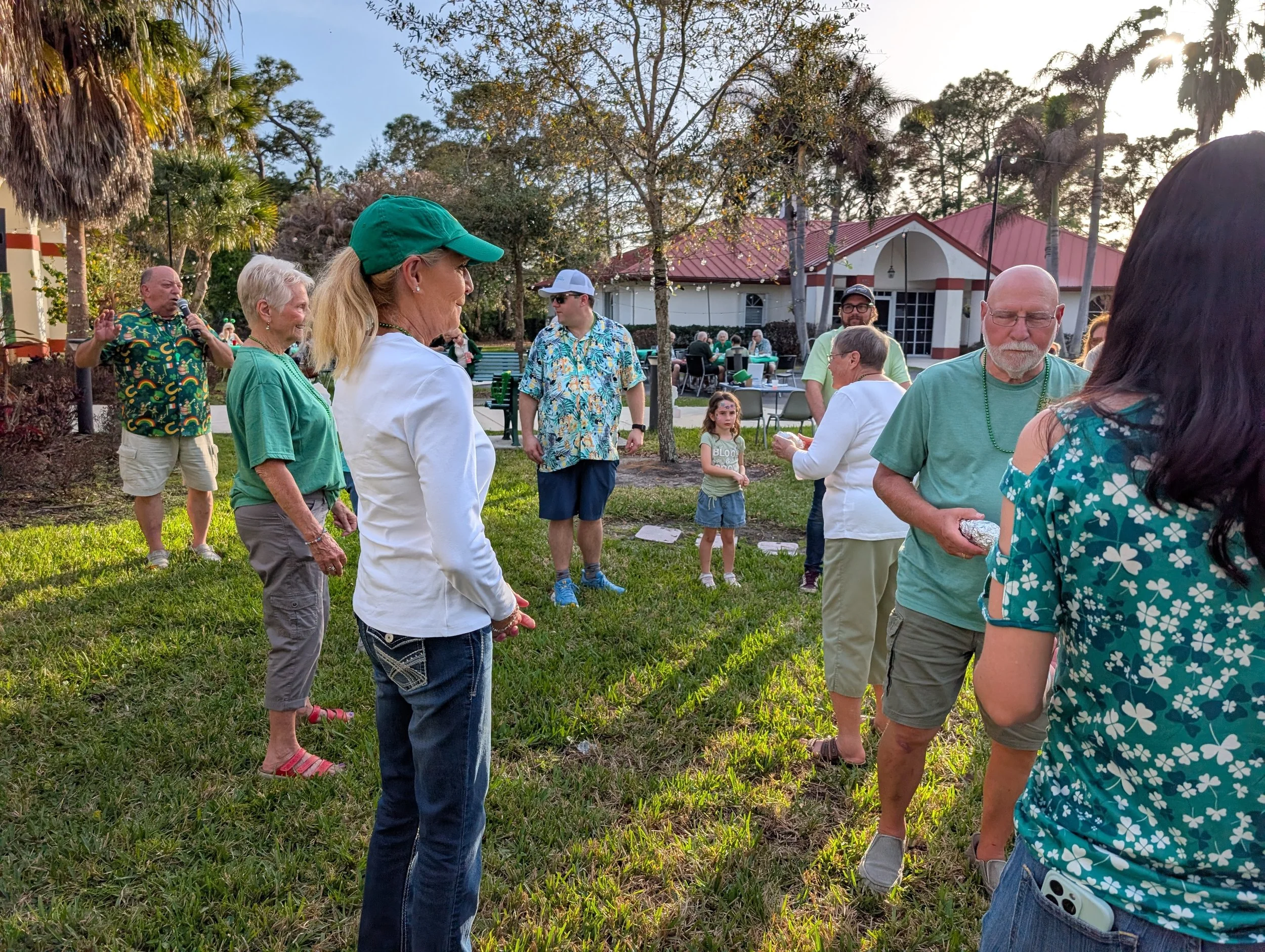
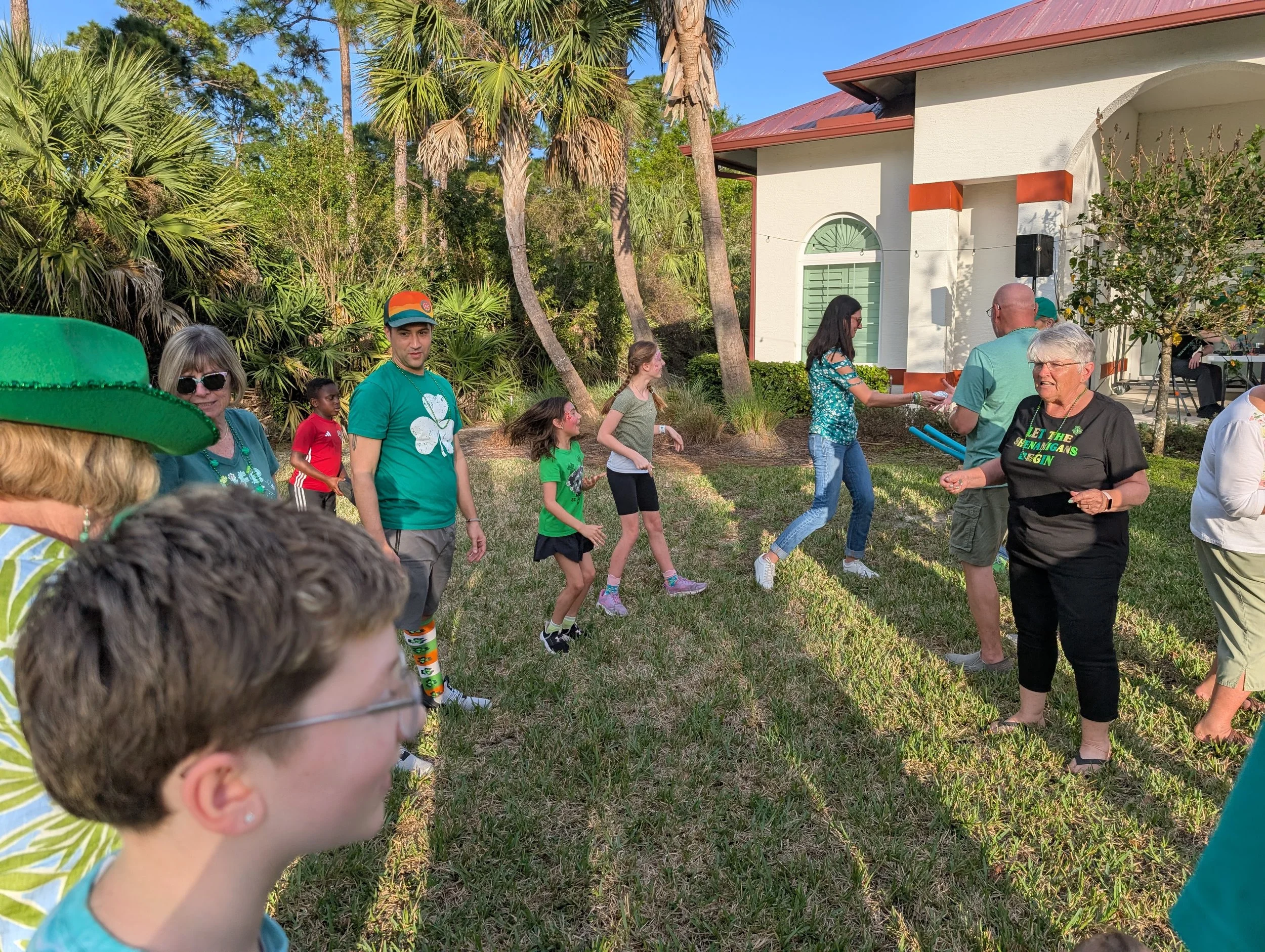
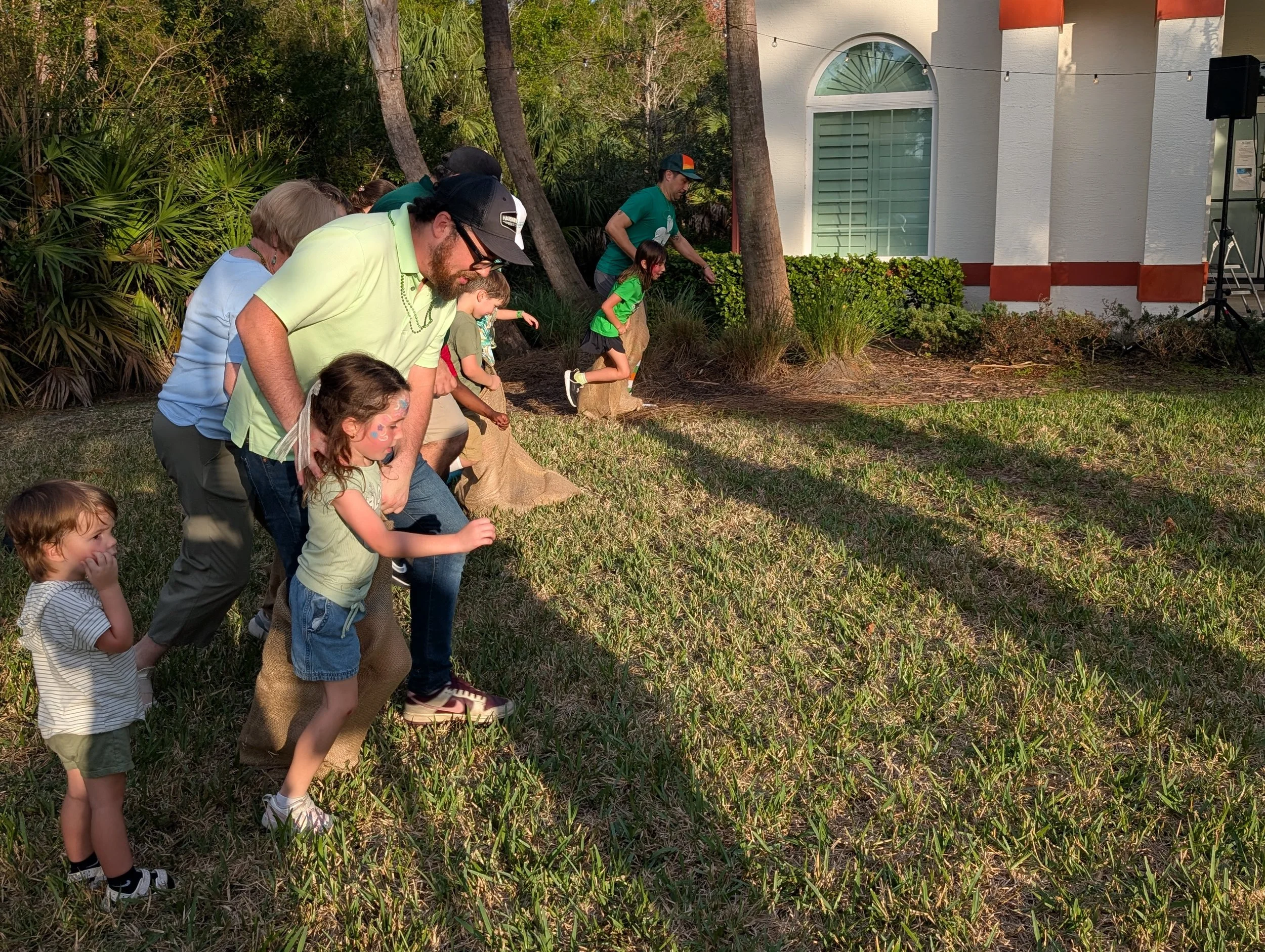
What an incredible time we had at "Dublin the Fun"! My heart is still so full from seeing everyone. The day was packed with laughs, starting with that super fun bounce house that was a hit all day long. And the food! We had so many baked potatoes and other yummy treats. I even spotted some Irish coffee creamer by the coffee station, lol!

We really went all out with the games, and they were such a blast. A huge congrats again to Pam for winning the Pot of Gold challenge! Watching everyone compete in Hot Potato and especially the 3-Legged Race (where there may have been some creative carrying involved) was hilarious. We even got a little help from the weather when the clouds came out right at 5 PM to give us some needed shade.
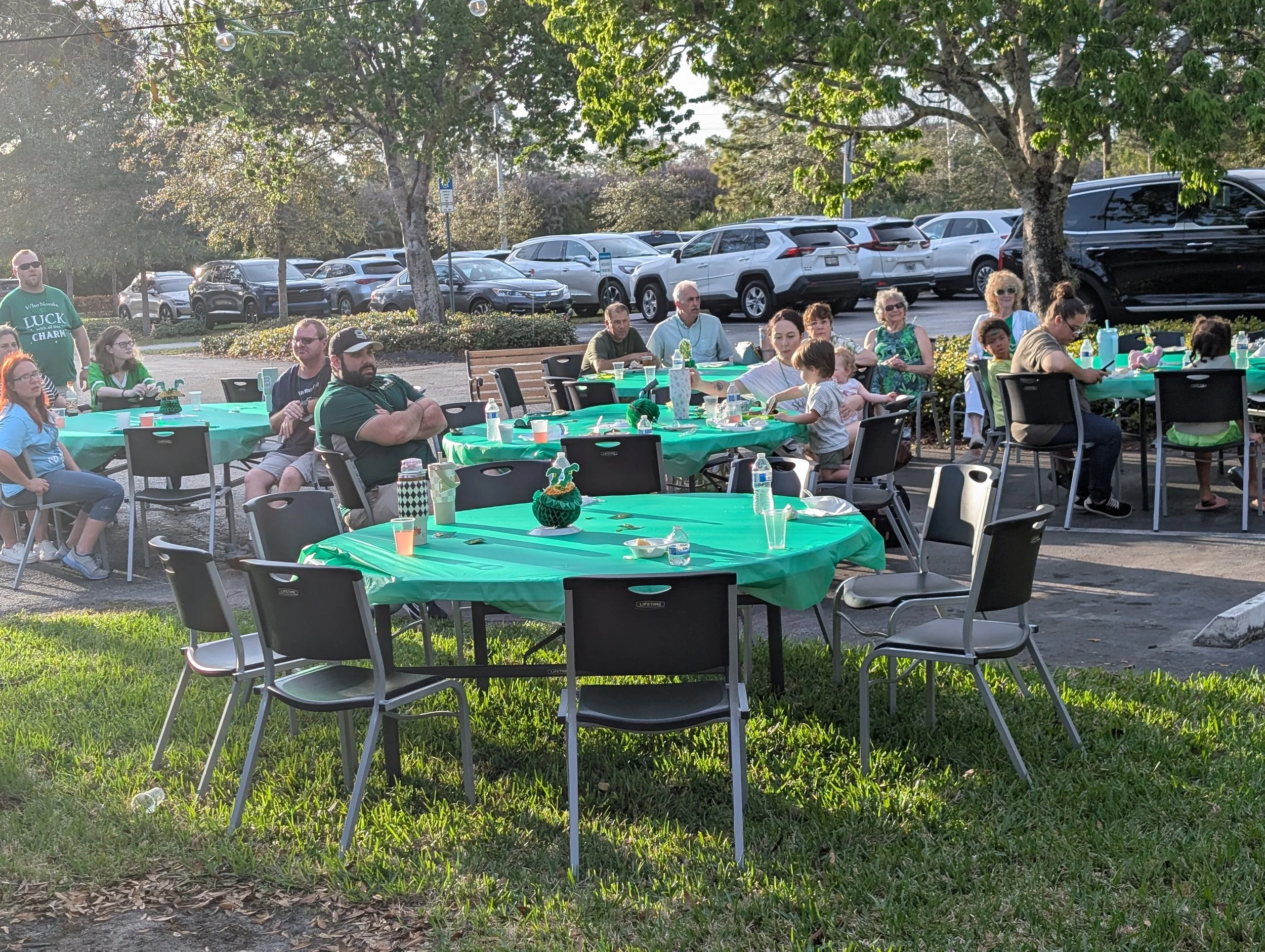
But honestly, what made me the happiest was just seeing everyone together, enjoying each other’s company. Watching old friends catch up and new friendships start, that’s how we live as the body of Christ together. A massive thanks to everyone who helped organize and to everyone who came out to make "Dublin the Fun" so special!


























































































































![Children’s Ministry at the Beginning of the Year [Photos]](https://images.squarespace-cdn.com/content/v1/5852f18a20099e30cd2c01dc/1773366946881-LN5PTFM1X0S3NNO0TA2T/PXL_20260208_173254083.jpg)
Children’s Ministry at the Beginning of the Year [Photos]
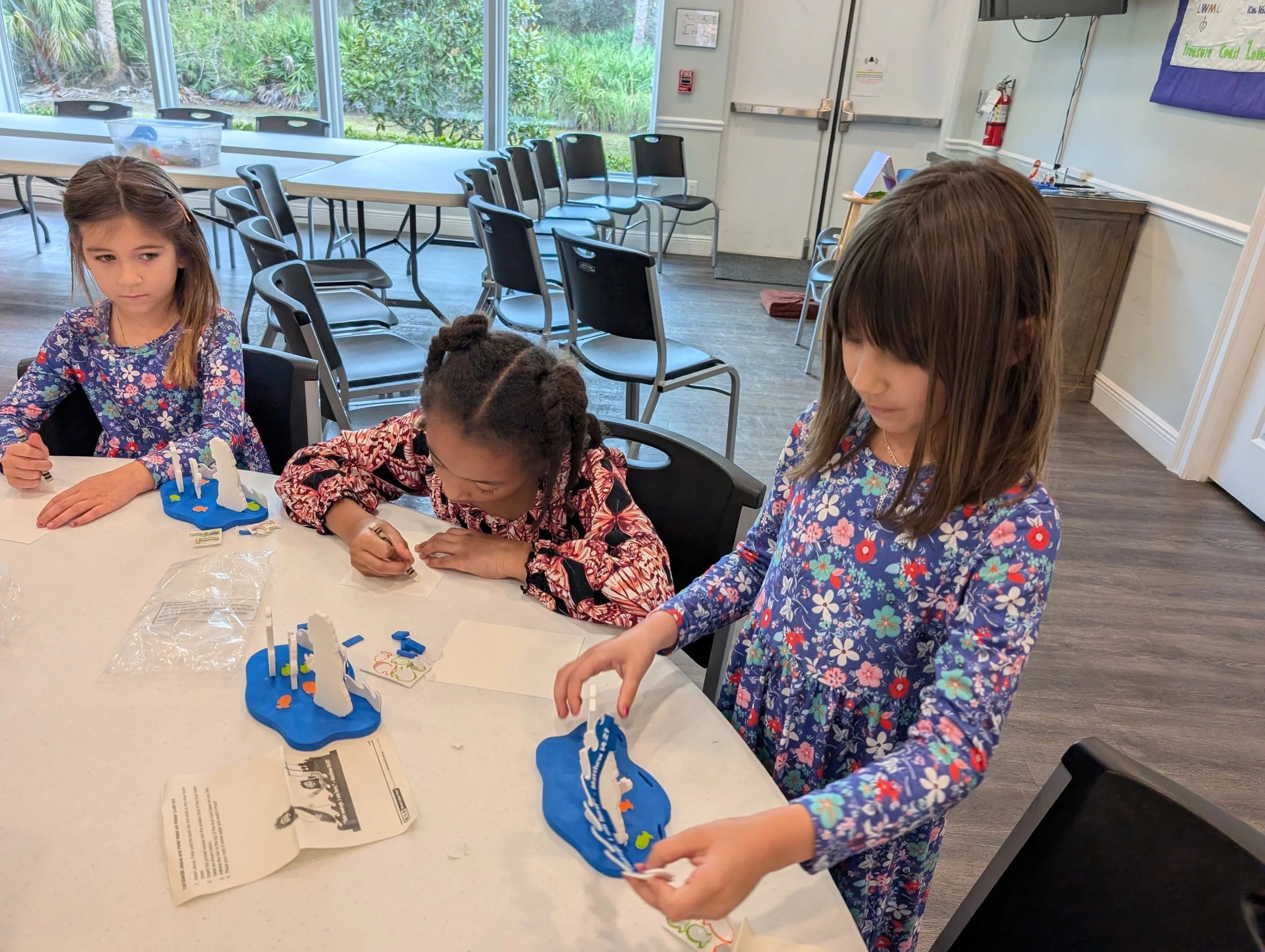
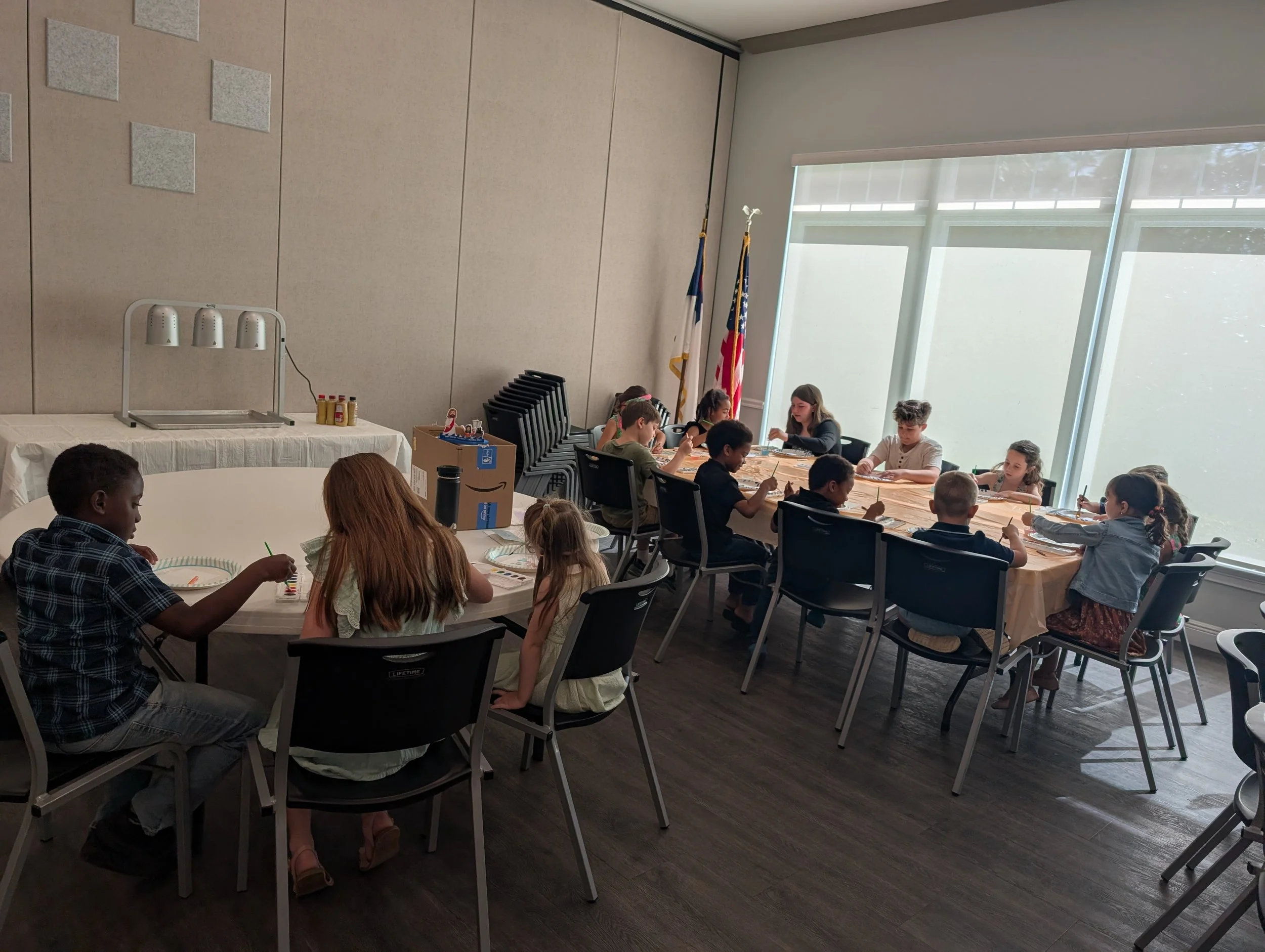
It’s been a joy to see the kids so active at Grace lately
It’s been a joy to see the kids so active at Grace lately. From honoring our scouts on Scouting Sunday to the heart they put into making Valentines for their loved ones, they are truly living out that love.
Our new Wednesday kids program during the Lenten services has also been a highlight, giving them a space to grow together as the body of Christ. Seeing them enjoy each other’s company while learning that Jesus is their Savior is exactly what it’s all about.
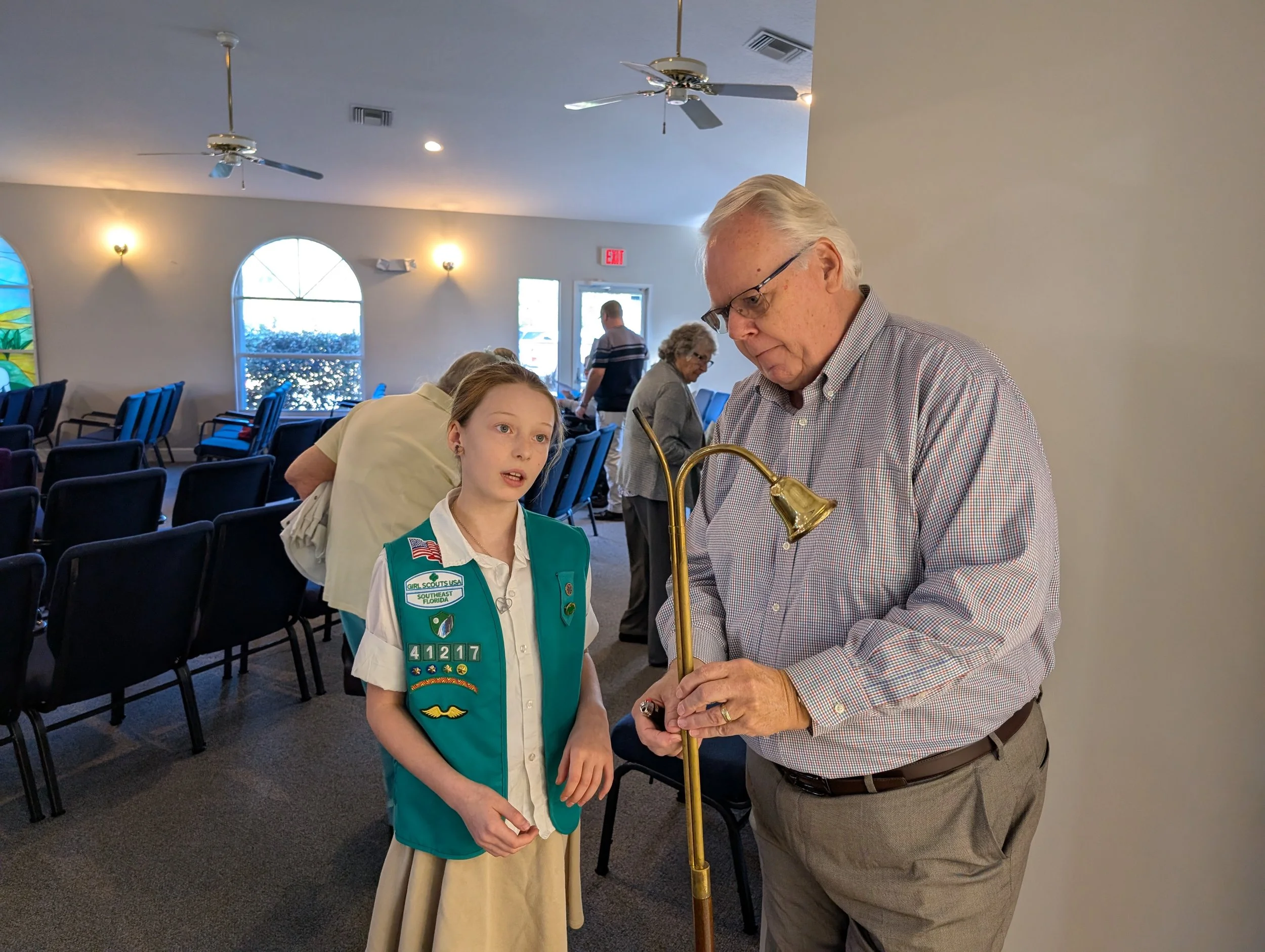
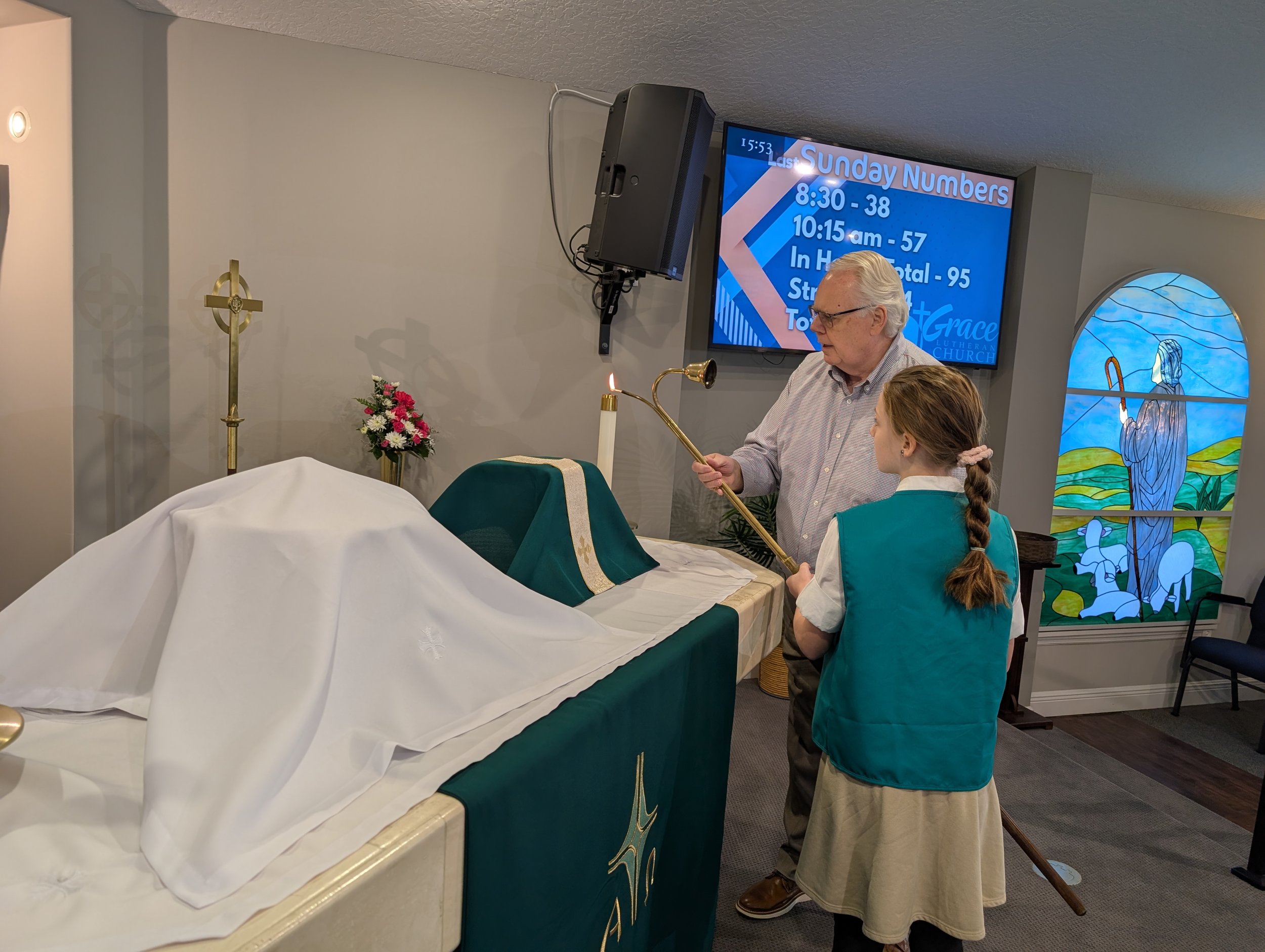
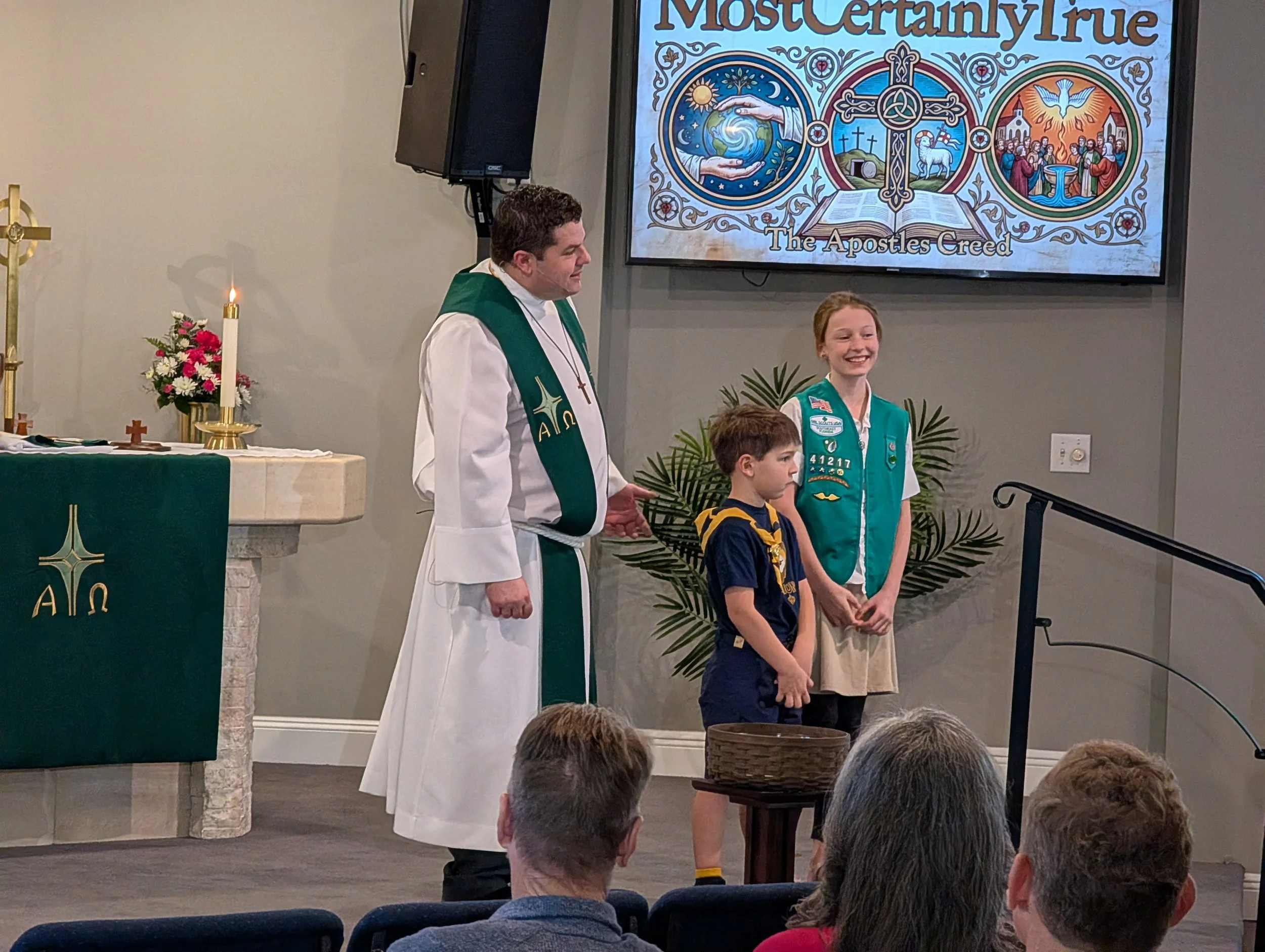











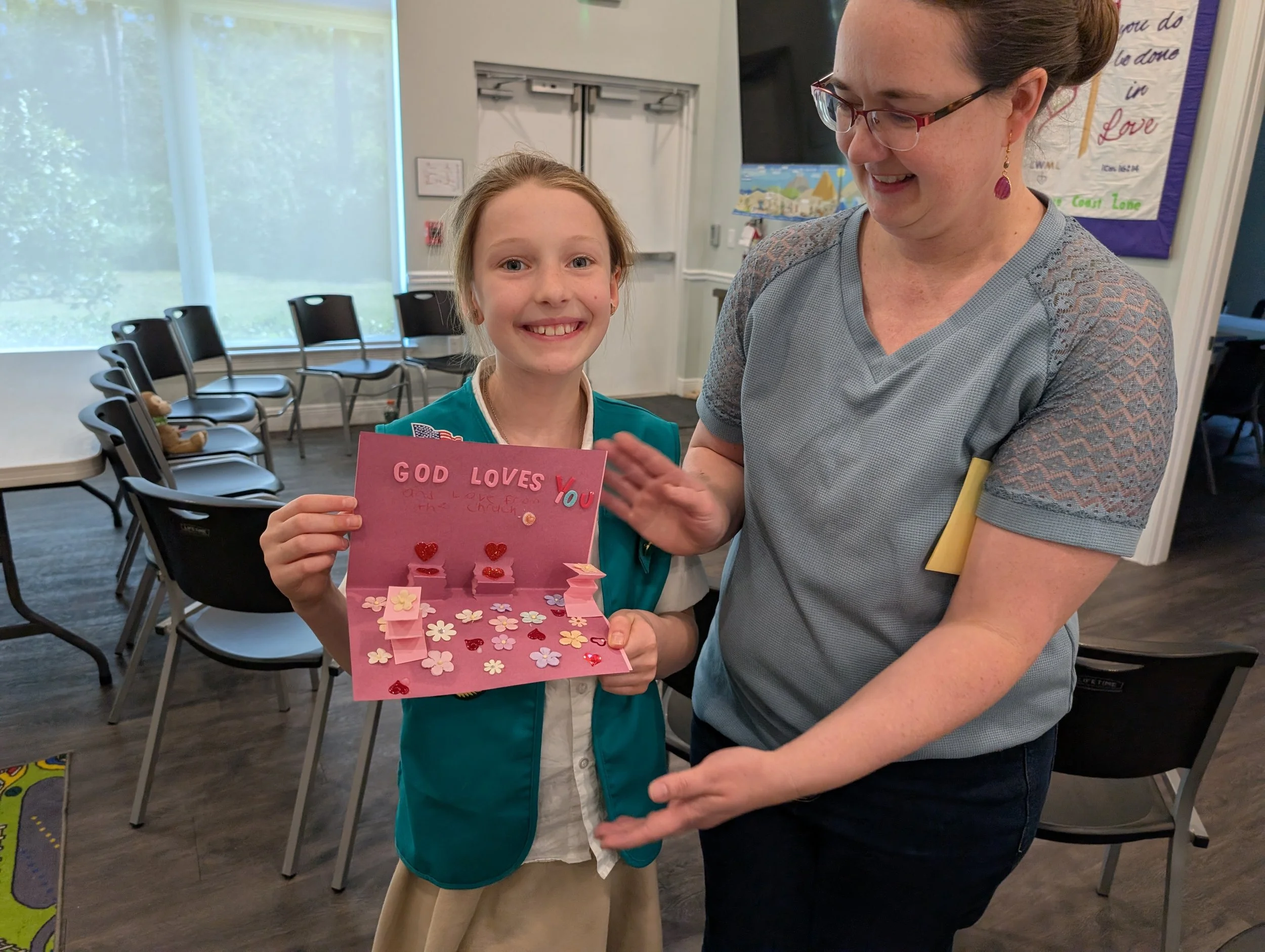




















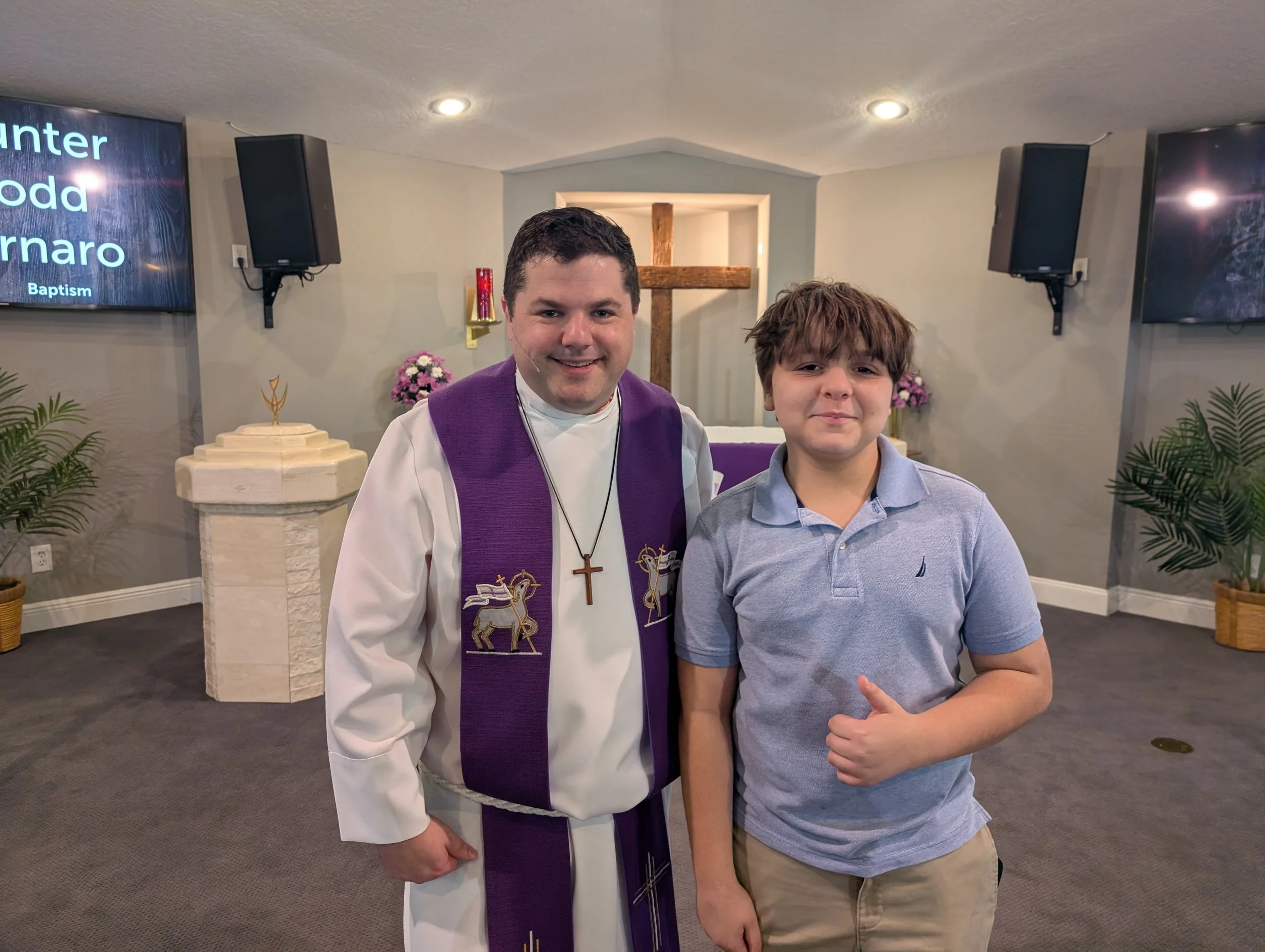
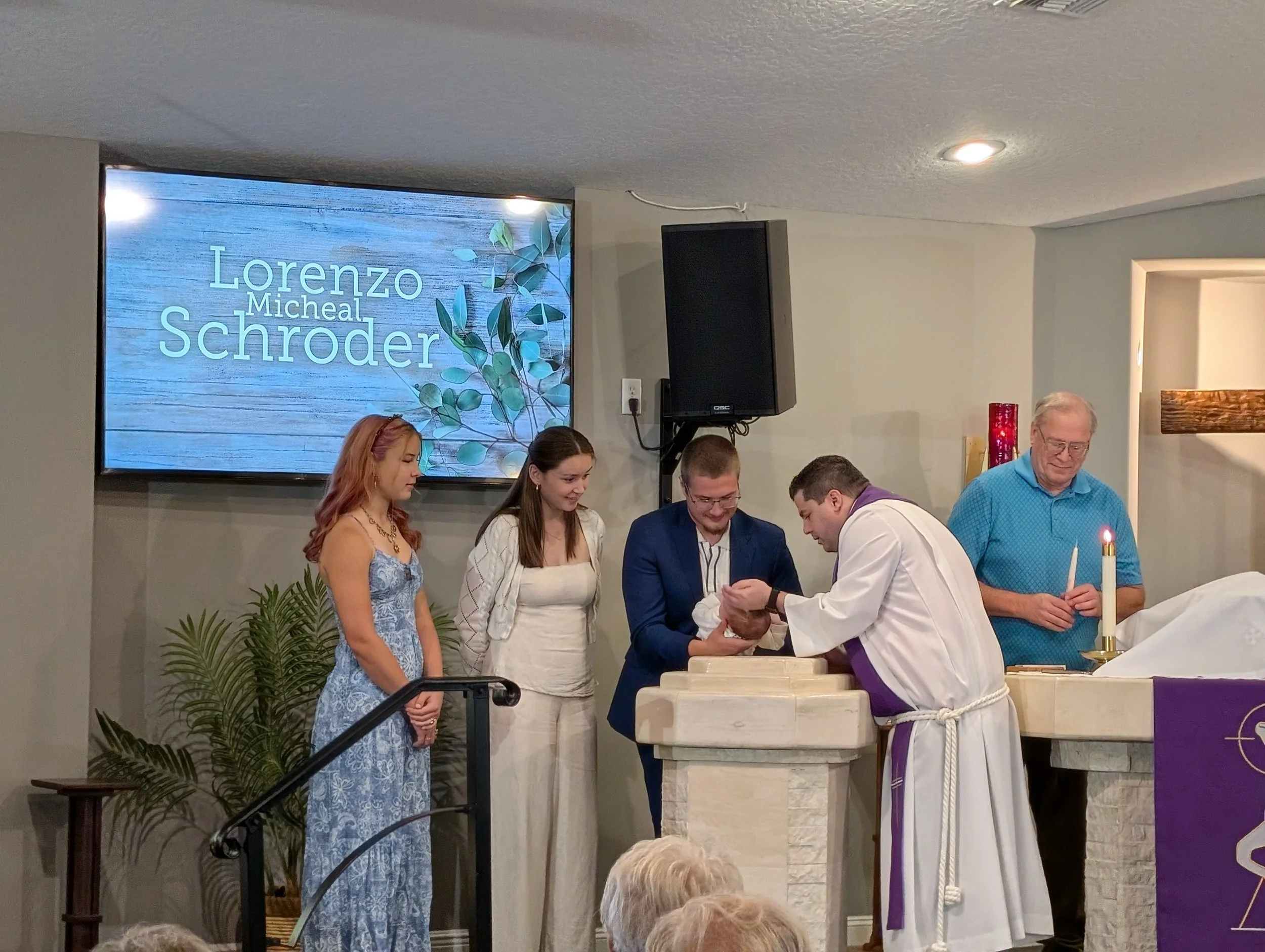
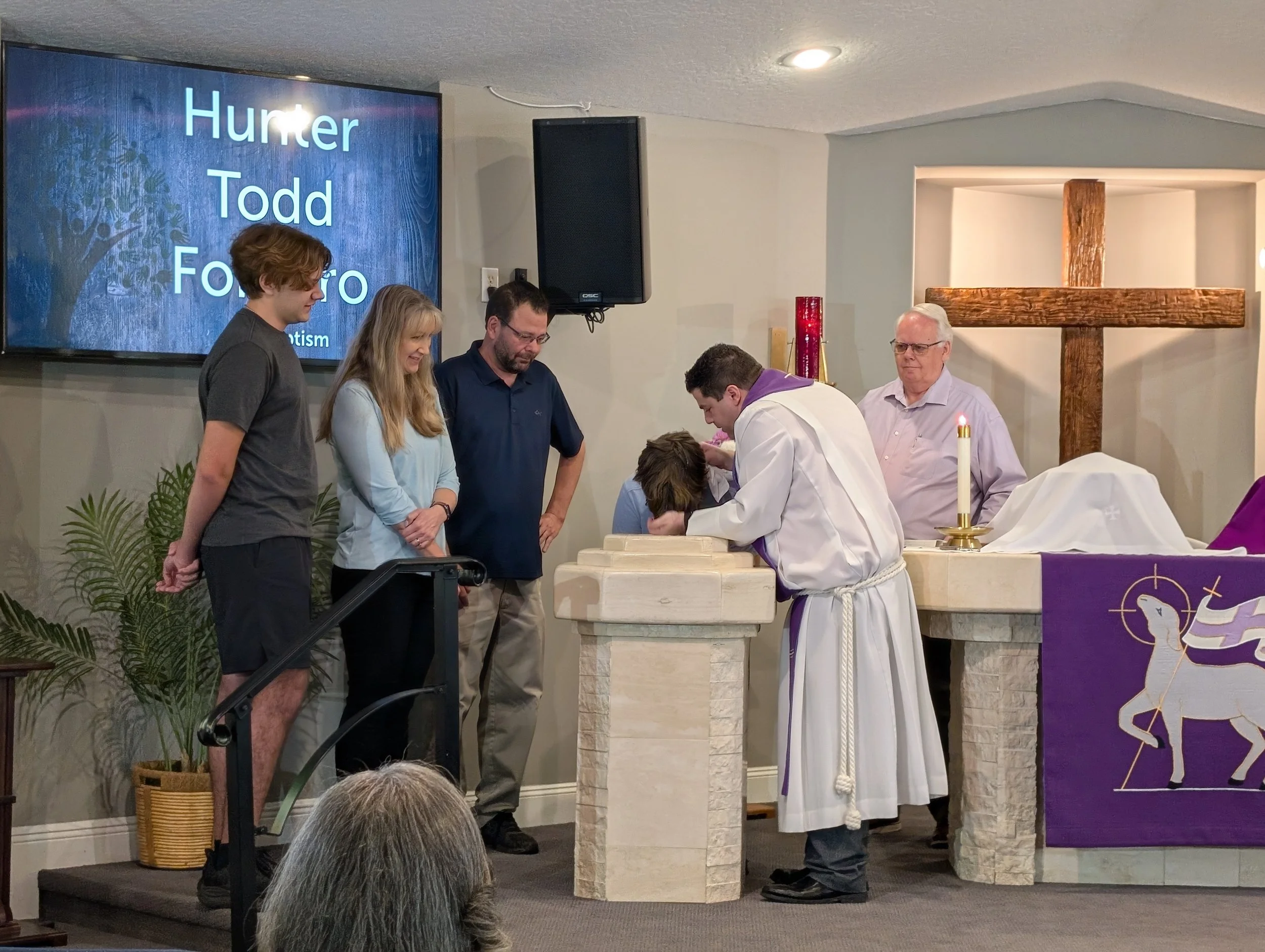
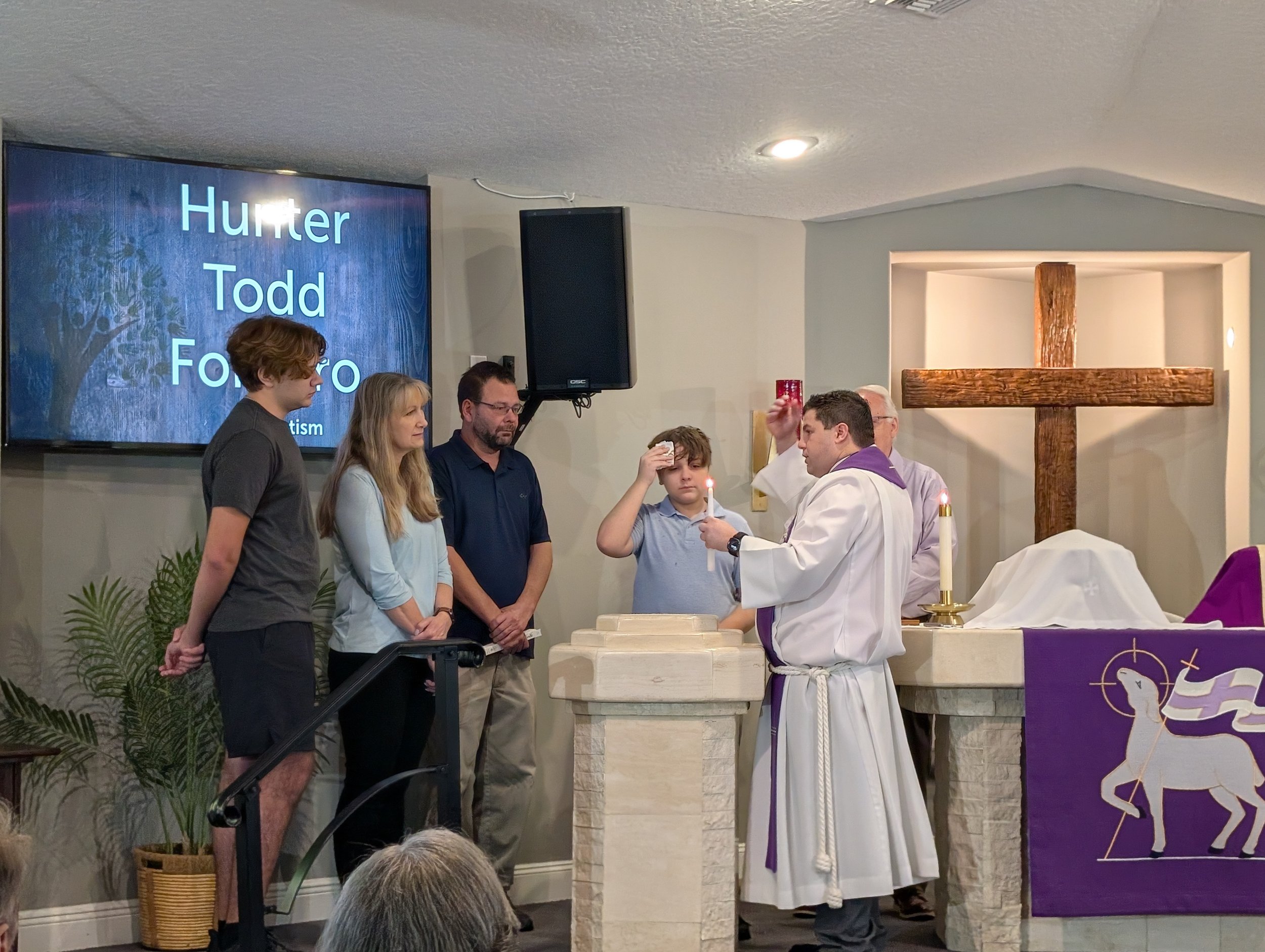
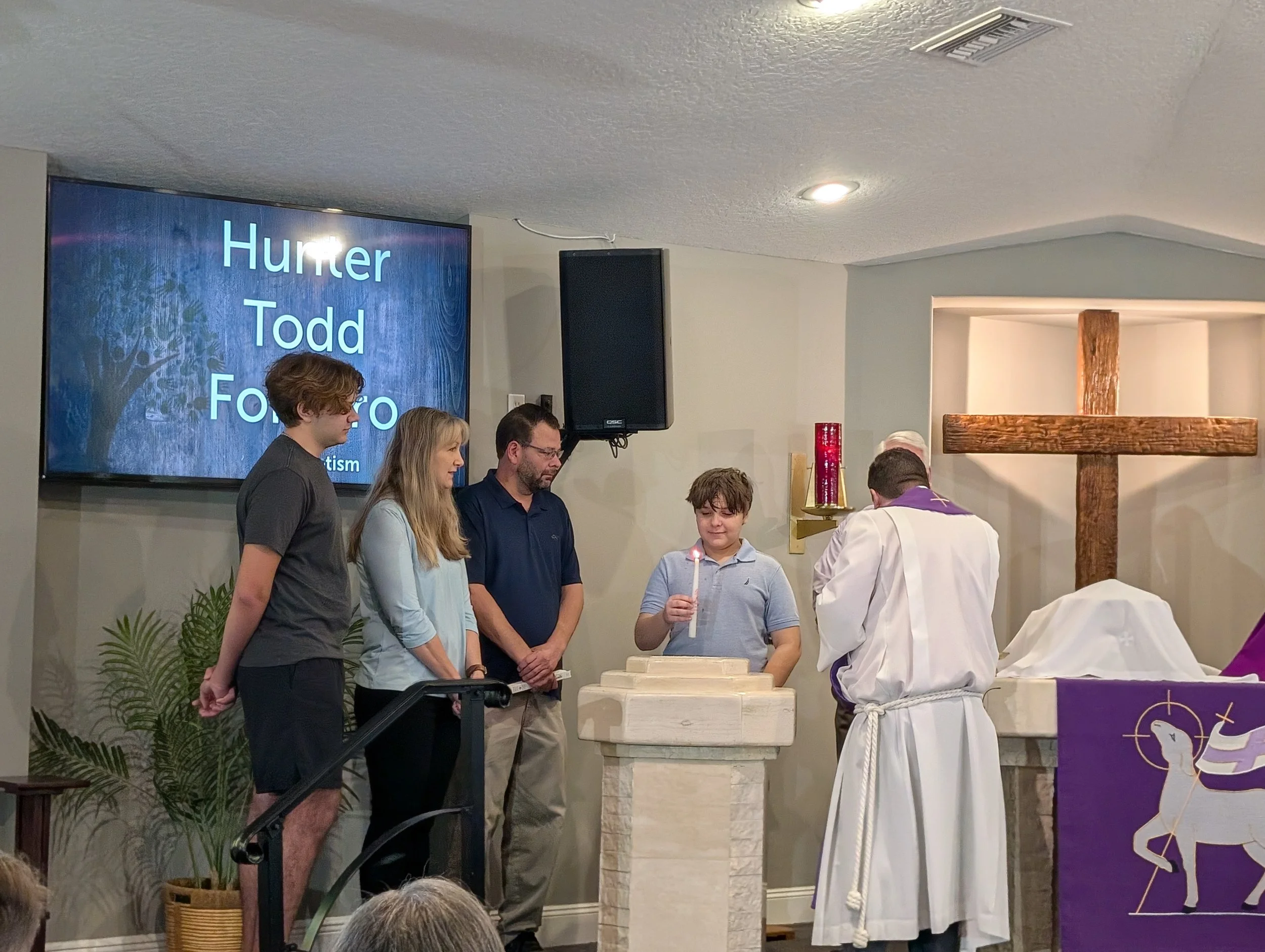
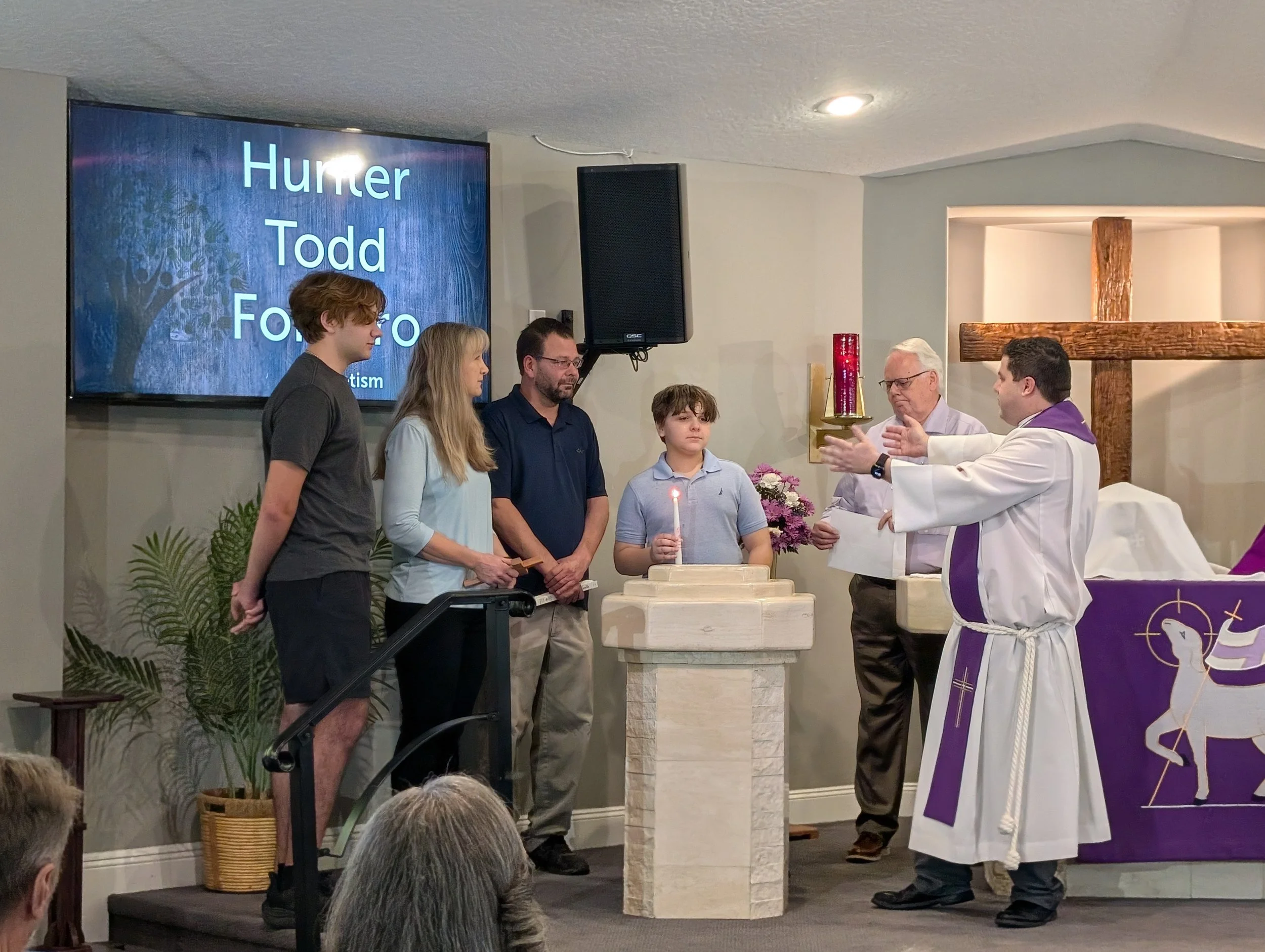
2 Weeks and 2 Baptisms
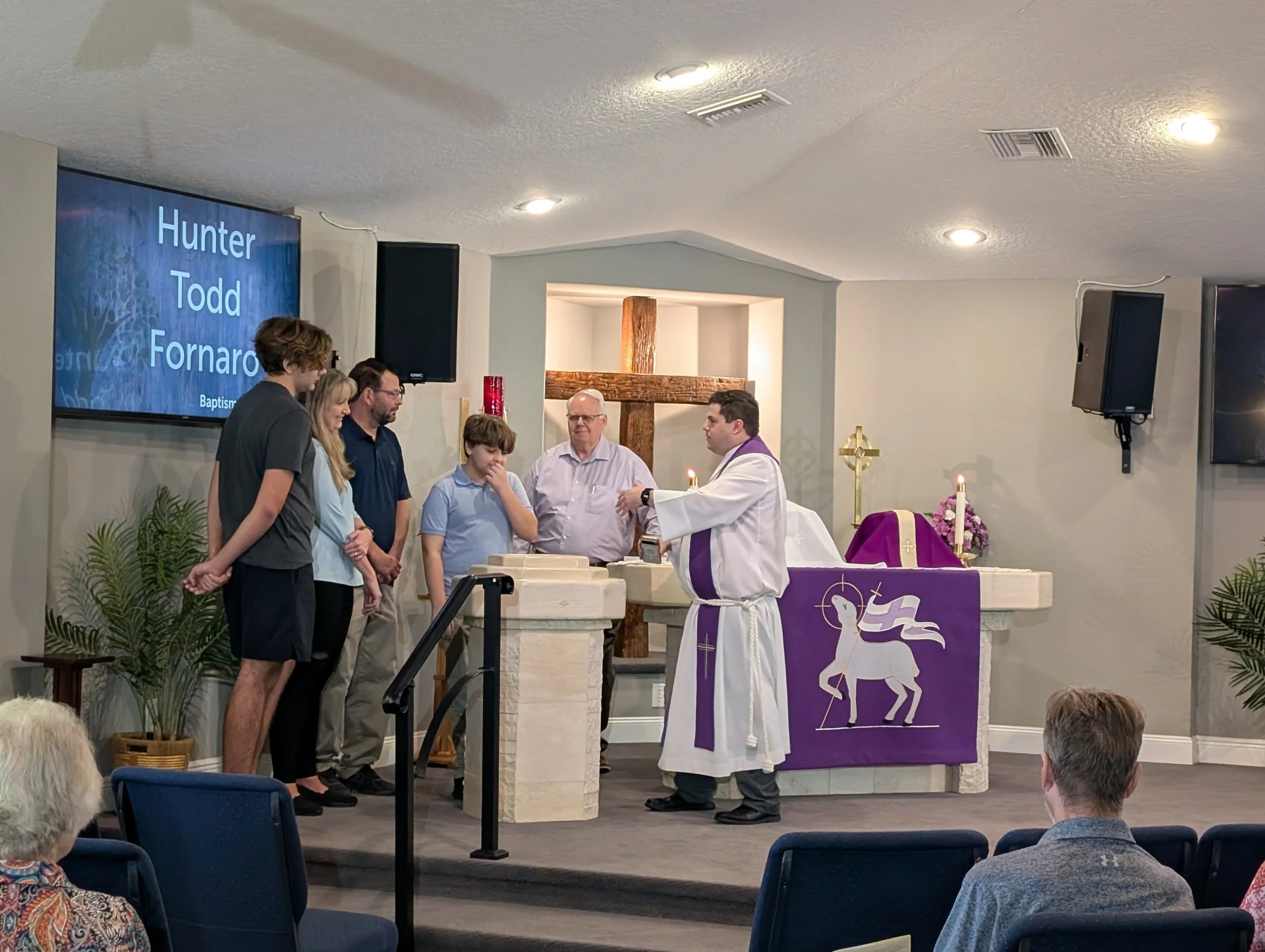
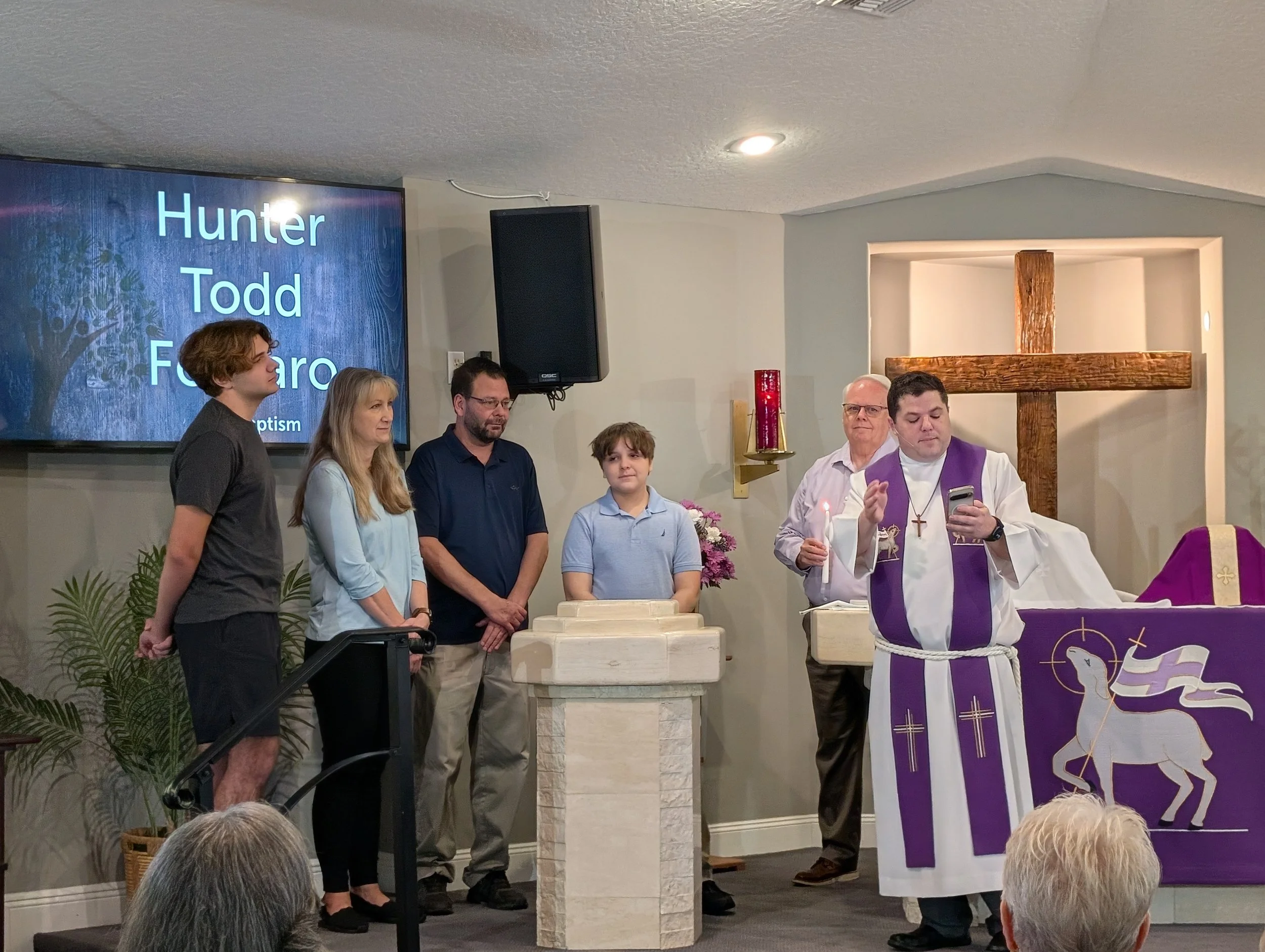
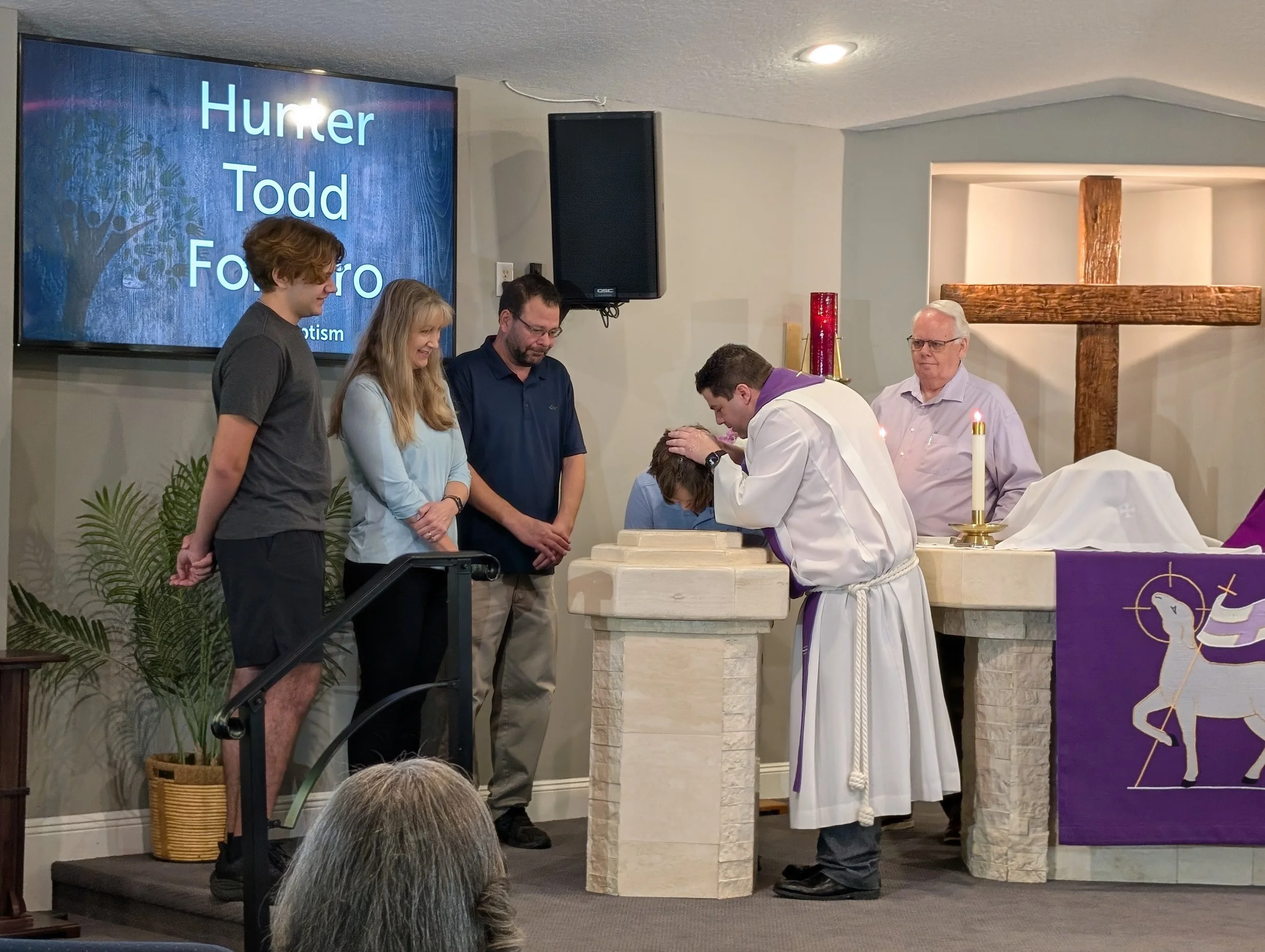
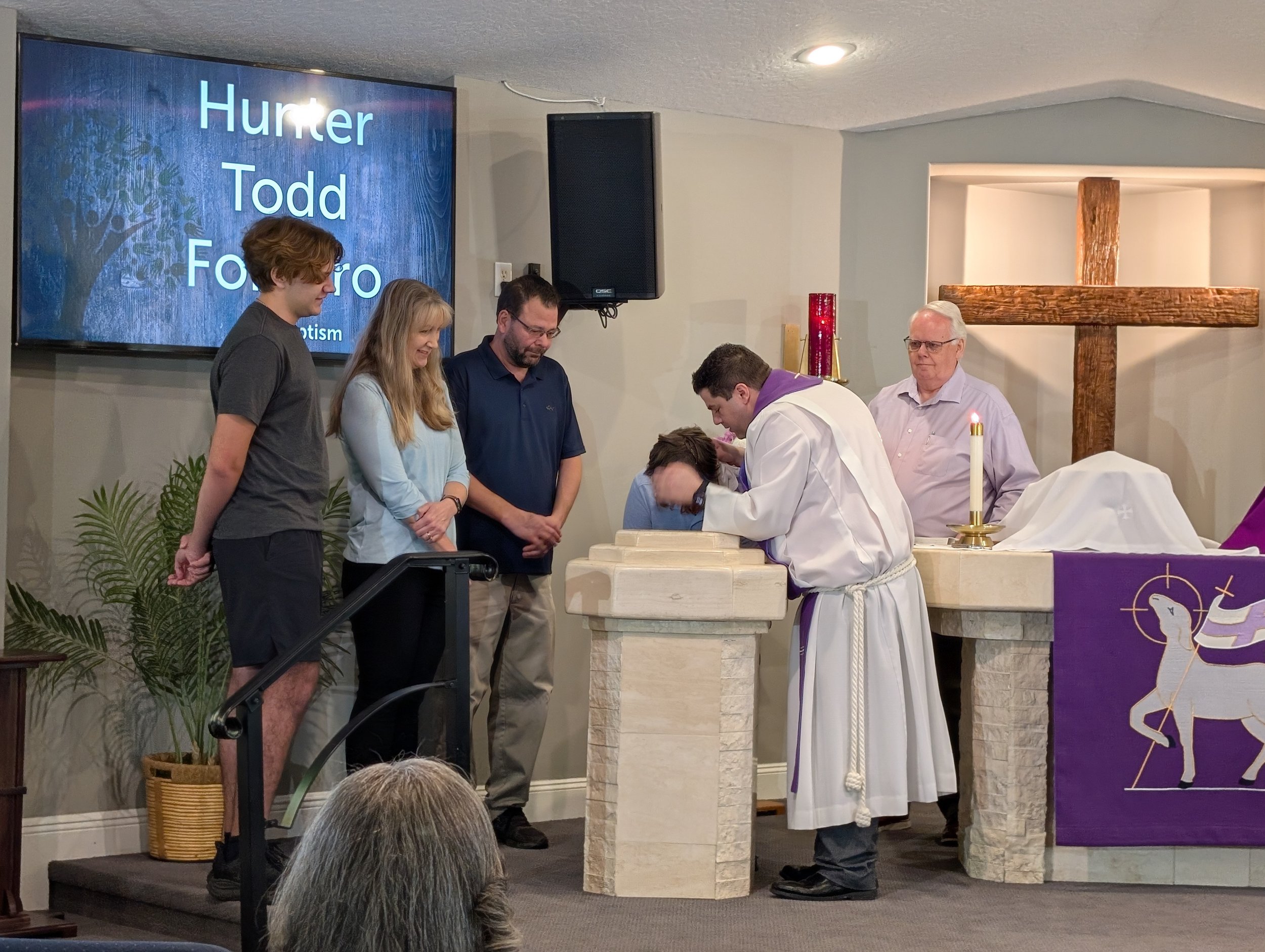
Great to have 2 baptisms in the last few weeks.
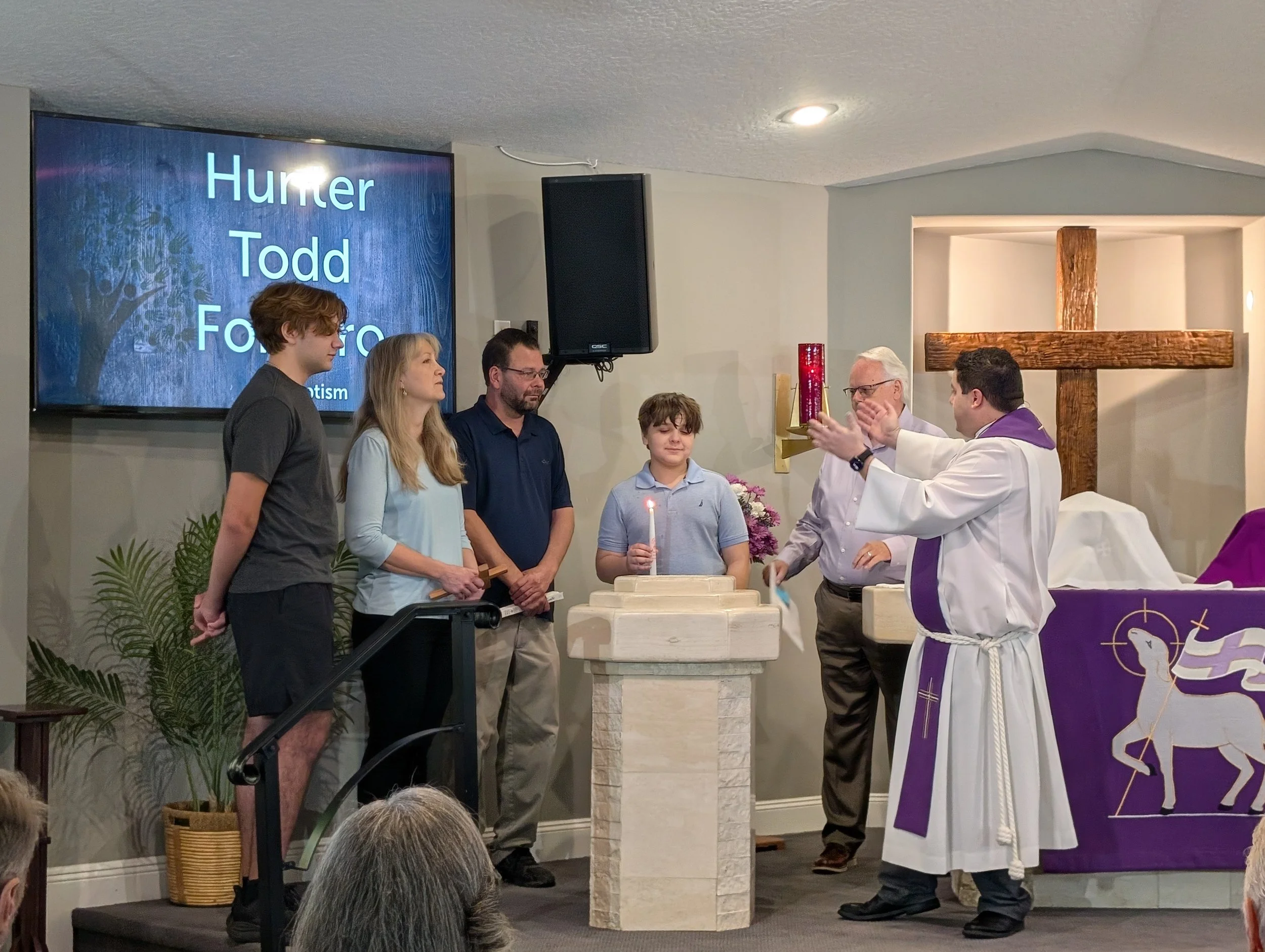
Talk about a holy streak! It has been an incredible couple of weeks at Grace. First, we had a new family move to the area and ask for their baby to be baptized, and who are we to keep the gifts of God to ourselves!?
Then, just three weeks ago, Hunter and his father joined us for worship, and Hunter shared that he wanted to be baptized too. From the littlest ones to those a bit older, seeing the family of God grow like this is such a gift. It’s been a very good couple of weeks!



Jonah Chapter 2-3 Class 2 - Bible Study
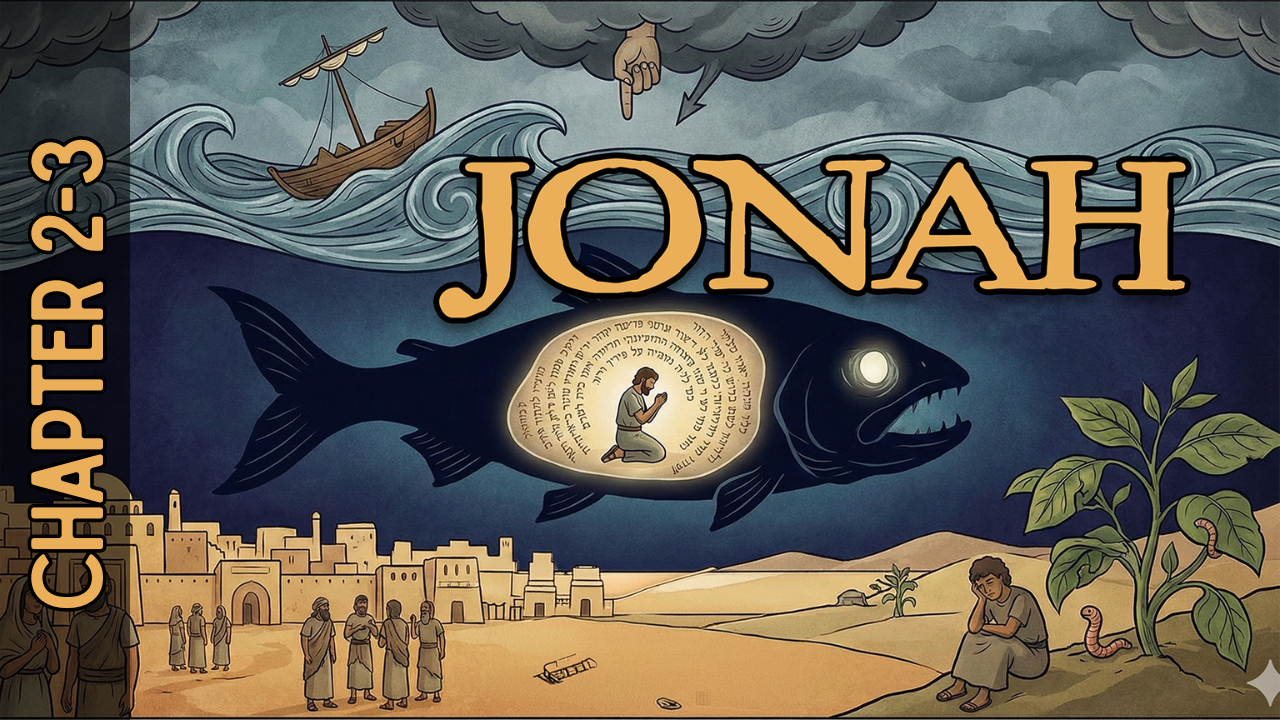
Our Bible study explored Jonah as holy satire and a mirror of mercy—challenging our comfort with God loving enemies, tracing creation motifs, and connecting to Jesus’ “sign of Jonah.”
Jonah Chapter 2-3
This is our 2nd class on Jonah
This is an AI Recap of the class.
Some things may be incorrect.
Short Summary of the Whole Class
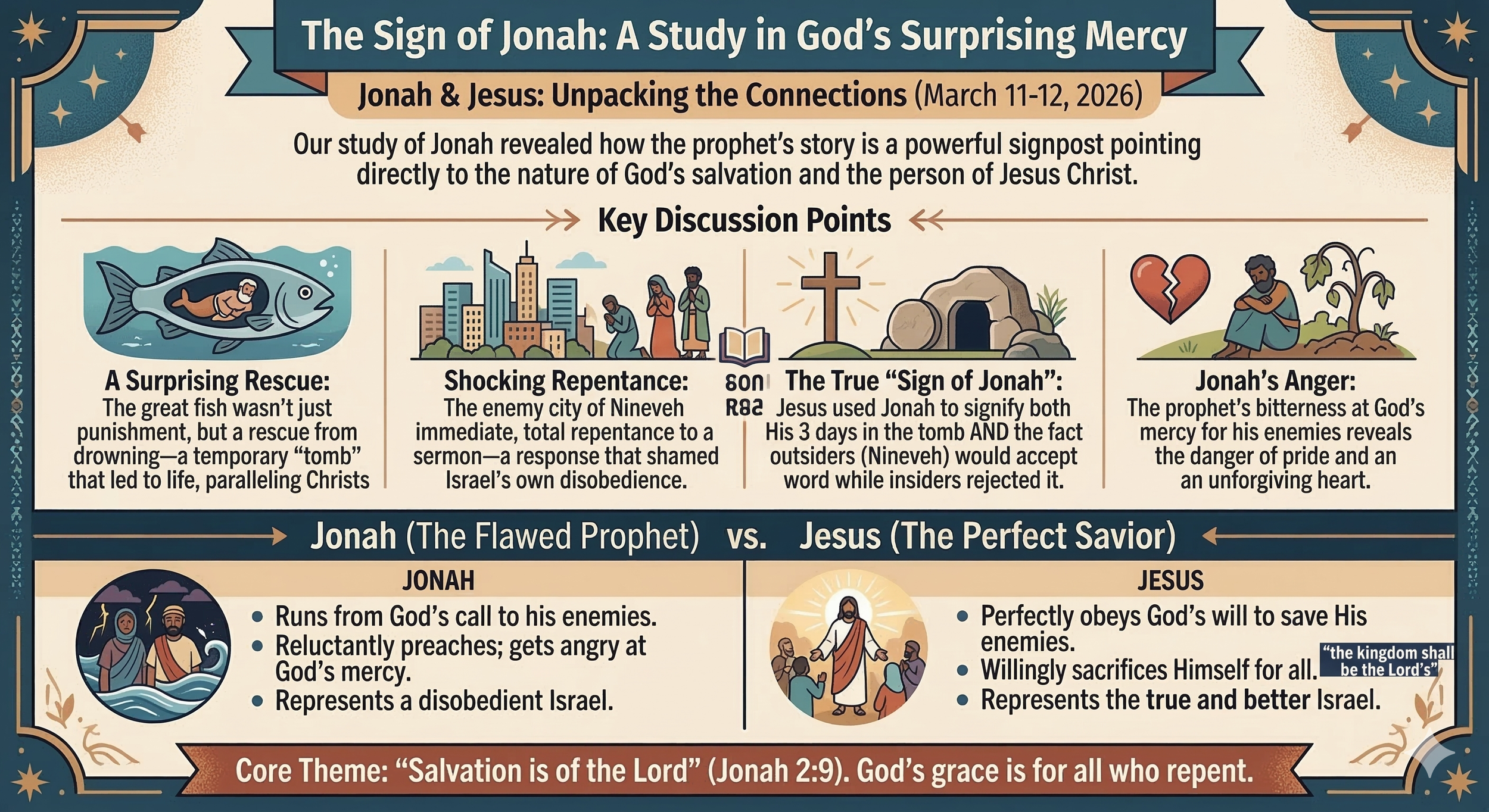
During our Bible study sessions, we delved into the profound theological depths of the book of Jonah, particularly chapters 2, 3, and 4. We began with Jonah's prayer from the belly of the fish, seeing it as a picture of Israel's pattern of crying out to God only in distress. The discussion then moved to the shocking, widespread repentance of Nineveh in response to Jonah's reluctant preaching, a stark contrast to Israel's own disobedience. We explored how Jonah's anger at God's mercy reveals the dangers of spiritual pride and an unforgiving heart. Ultimately, we connected the entire story to Jesus' teachings on the "sign of Jonah," concluding that the book demonstrates that salvation is a sovereign act of God, whose grace extends to all who repent, even His enemies.
Detailed Class Summary
Church Announcements and Jonah's Prayer in the Deep
Our class began with a brief recap of Jonah chapter 1 and some church announcements. There was a discussion about potentially starting a new Bible study on Wednesday nights to accommodate more people, though our current Thursday study is expected to remain.
We then read Jonah chapter 2, analyzing Jonah's prayer from the belly of the fish. The group noted that the prayer is rich with language from the Psalms, showing Jonah's scriptural knowledge. However, the irony was not lost on us: he only cried out to God in desperation, not when he was causing the trouble on the ship. This was seen as symbolic of Israel's own pattern of rebellion followed by cries for help only when in deep distress. A key insight shared was viewing the fish not merely as a punishment but as a "rescue," saving Jonah from drowning. This provided a powerful parallel to Christ's time in the tomb, which seemed like the end but was ultimately the rescue for all humanity. The section concluded by focusing on the core truth from Jonah's prayer: "Salvation is of the Lord" (Jonah 2:9), highlighting that his rescue was due to God's sovereign will, not his own merit.
Section Summary: We discussed potential new Bible study times before analyzing Jonah's prayer in chapter 2. We saw his prayer as a model of Israel's crisis-driven faith and reframed the fish as a "rescue," underscoring the theme that salvation is a sovereign act of God.
Bible Verses Mentioned: Jonah 1, Jonah 2, Jonah 2:9.
Stories Mentioned: Jonah and the storm at sea, Jonah being swallowed by the great fish, Jesus calming the storm.
The Second Chance and the Shocking Repentance of Nineveh
Transitioning to chapter 3, we saw Jonah get a second chance to obey God's command. He travels to the great city of Nineveh and delivers a stark, eight-word message: "Yet forty days and Nineveh shall be overthrown." The class was astonished by the city's immediate and universal repentance. Jonah was only one day into his journey when the entire city, from the "greatest to the least," responded. The king himself humbled himself, trading his royal robe for sackcloth and ashes. The most striking detail was the decree for even the animals to fast and wear sackcloth, which we interpreted as a sign of the extreme sincerity of Nineveh's plea for God's mercy. This profound repentance from Israel's brutal enemy stood in stark contrast to Israel's own repeated failure to repent despite countless warnings from numerous prophets.
Section Summary: Given a second chance, Jonah delivers a brief sermon. In response, Nineveh undertakes an immediate and profound city-wide act of repentance, involving everyone from the king down to the animals, demonstrating a sincere desire for God's mercy that shames Israel's own history of disobedience.
Bible Verses Mentioned: Jonah 3:4-9.
Stories Mentioned: Jonah preaching to Nineveh.
The "Sign of Jonah," Pride, and Forgiveness
The final part of our discussion tied these events together, focusing on the "sign of Jonah" as referenced by Jesus. We read Matthew 12:38-42, where Jesus explicitly compares Jonah's three days in the fish to His three days in the earth. More importantly, Jesus states, "The men of Nineveh will stand up at the judgment with this generation and condemn it; for they repented at the preaching of Jonah, and now something greater than Jonah is here." We concluded that the "sign of Jonah" is not just about the three days, but about God's power to bring repentance to Gentiles (Nineveh).
This highlighted the danger of spiritual pride, as seen in Jonah, who was angry at God's mercy. He didn't flee out of fear, but because he knew God was gracious and he wanted his enemies to be destroyed. This unwillingness to see his enemies forgiven was connected to the Lord's Prayer ("forgive us as we forgive others") and the idea from C.S. Lewis that we might choose our own damnation if we cannot stand to be in heaven with those we refuse to forgive. The story shows that salvation is God's initiative, not dependent on the messenger, a truth ultimately fulfilled in Jesus, whose sacrifice opened salvation to all nations.
Section Summary: We examined how Jesus uses Nineveh's repentance as the "sign of Jonah" to condemn the unbelief of his generation. We discussed how Jonah's anger at God's mercy reveals the danger of spiritual pride and an unforgiving heart, concluding that the story points to the gospel, where Jesus opens God's grace to all people.
Bible Verses Mentioned: Matthew 12:38-42, Luke 11:29, Matthew 16:4, Matthew 6:12 (The Lord's Prayer), Revelation 21.
Stories Mentioned: The Queen of the South visiting Solomon, the Parable of the Good Samaritan, the tearing of the temple curtain.
Final Medium-Length Summary
Our Bible study on March 11-12, 2026, focused on the book of Jonah, revealing its deep connections to the person and work of Jesus. We began with Jonah's prayer from the belly of the fish (Jonah 2), seeing it not just as a personal lament but as a reflection of Israel's tendency to cry out to God only in desperation. A key insight was reframing the fish as an act of "rescue," a powerful parallel to Christ's tomb experience being the ultimate rescue for humanity. We then contrasted Jonah’s reluctant obedience with the shocking and complete repentance of Nineveh in chapter 3. The pagan city responded with more humility to a brief, hostile sermon than Israel did to generations of prophetic warnings. This led to our core discussion on the "sign of Jonah" from Matthew 12. We concluded the true sign was twofold: the three days in the fish/tomb, and, more significantly, the repentance of the Gentiles (Nineveh), which condemns the hard-heartedness of those who should know better. Jonah’s anger at God’s mercy for his enemies served as a stark warning against spiritual pride and an unforgiving spirit, showing that salvation is from the Lord and His grace extends far beyond our prejudices.
Main Points
Jonah's prayer in chapter 2 is a compilation of scripture, but it highlights a reactive faith, mirroring Israel's pattern of crying out only in crisis.
The great fish can be interpreted as a "rescue" for Jonah, providing a parallel to Christ's tomb experience being a rescue for humanity.
The "sign of Jonah" referenced by Jesus includes both the three days/nights and, crucially, the repentance of the pagan Ninevites in response to God's word.
Nineveh's sincere, universal repentance stands in stark contrast to Jonah's bitterness and Israel's own history of disobedience.
Jonah's anger at God's mercy reveals the danger of spiritual pride and an unforgiving heart.
The story of Jonah demonstrates that "salvation is from the Lord" and prefigures the gospel, where Jesus's sacrifice opens God's mercy to all nations.
Scriptures and Stories
Bible Scriptures:
Jonah 1, 2, 3, 4
Matthew 12:38-42
Matthew 16:4
Luke 11:29
Luke 19:40
Matthew 6:12 (The Lord's Prayer)
Revelation 21
The Book of Judges
Bible Stories:
Jonah and the storm at sea.
Jonah being swallowed by the great fish.
Jonah preaching in Nineveh.
The city-wide repentance of Nineveh.
Jesus calming the storm.
The Queen of the South visiting King Solomon.
The Parable of the Good Samaritan.
Jesus' death and resurrection.
![[Sunday] Day 3 - Sprout, The Week](https://images.squarespace-cdn.com/content/v1/5852f18a20099e30cd2c01dc/1772739818994-46A7BUR7TZSNODJYB9WX/The+Week+3a.jpg)
[Sunday] Day 3 - Sprout, The Week
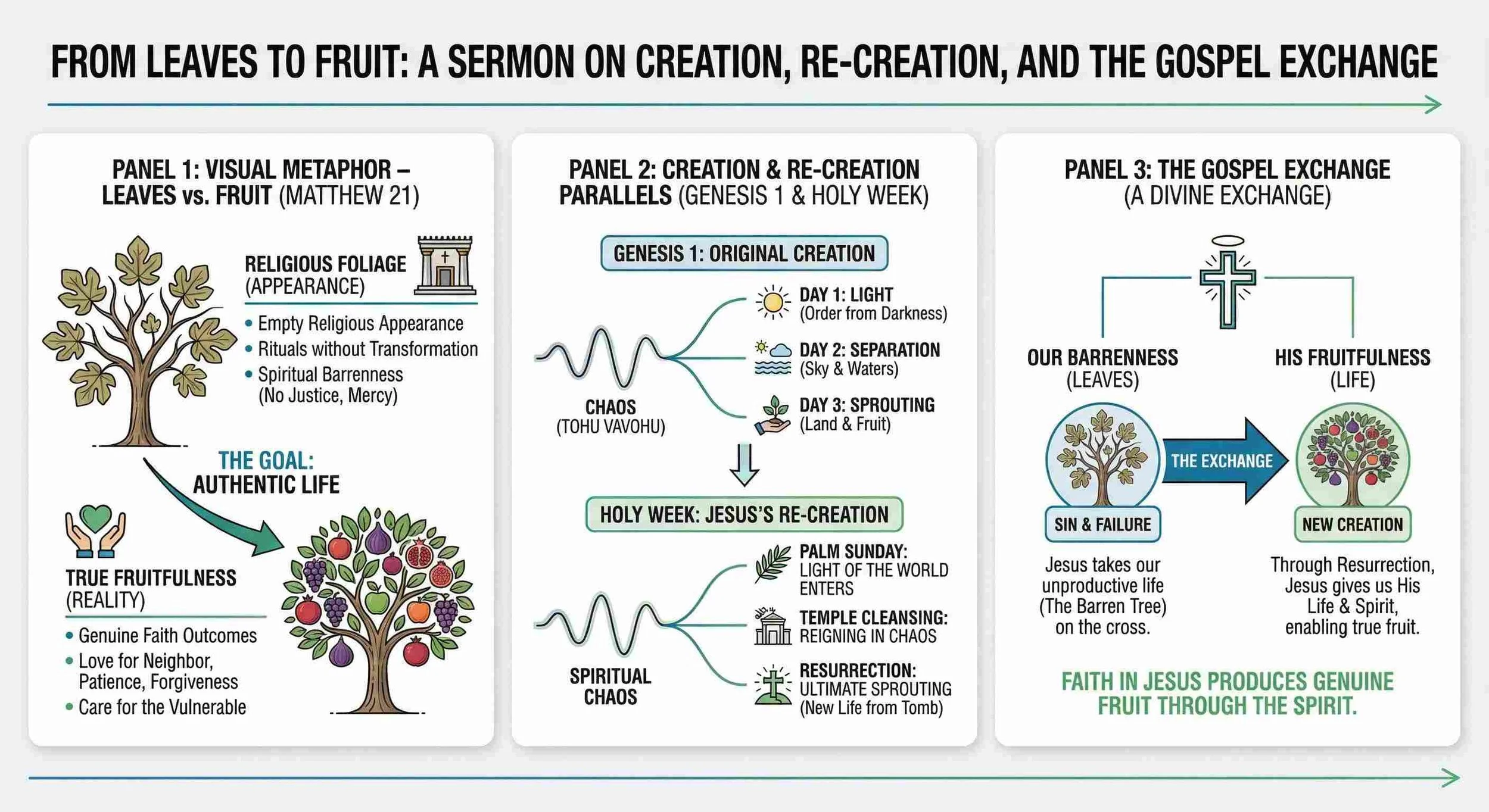
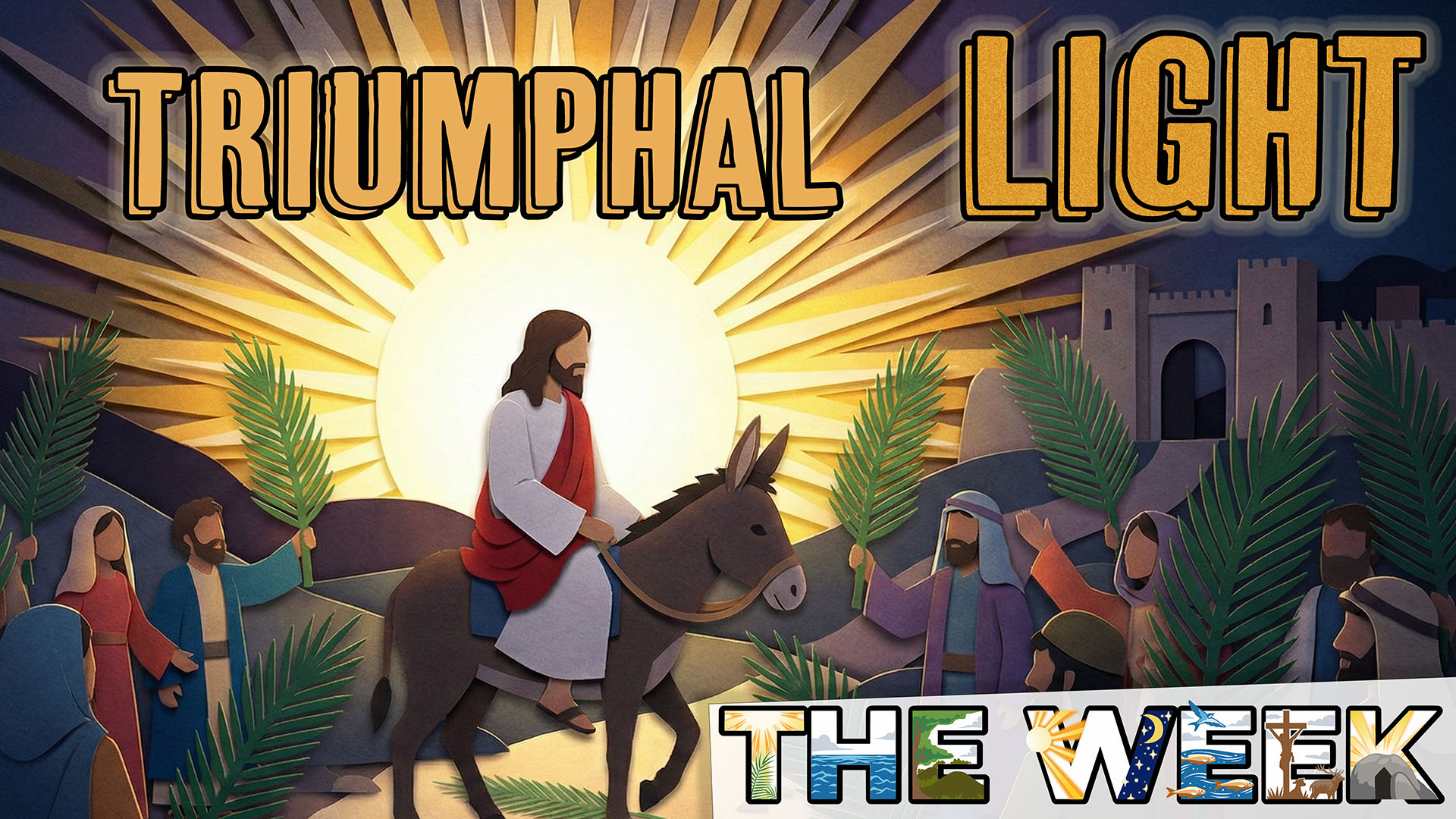
We often settle for the mere "leaves of religion" by simply going through the motions, yet the third day of Creation reveals our design to sprout and bear fruit.
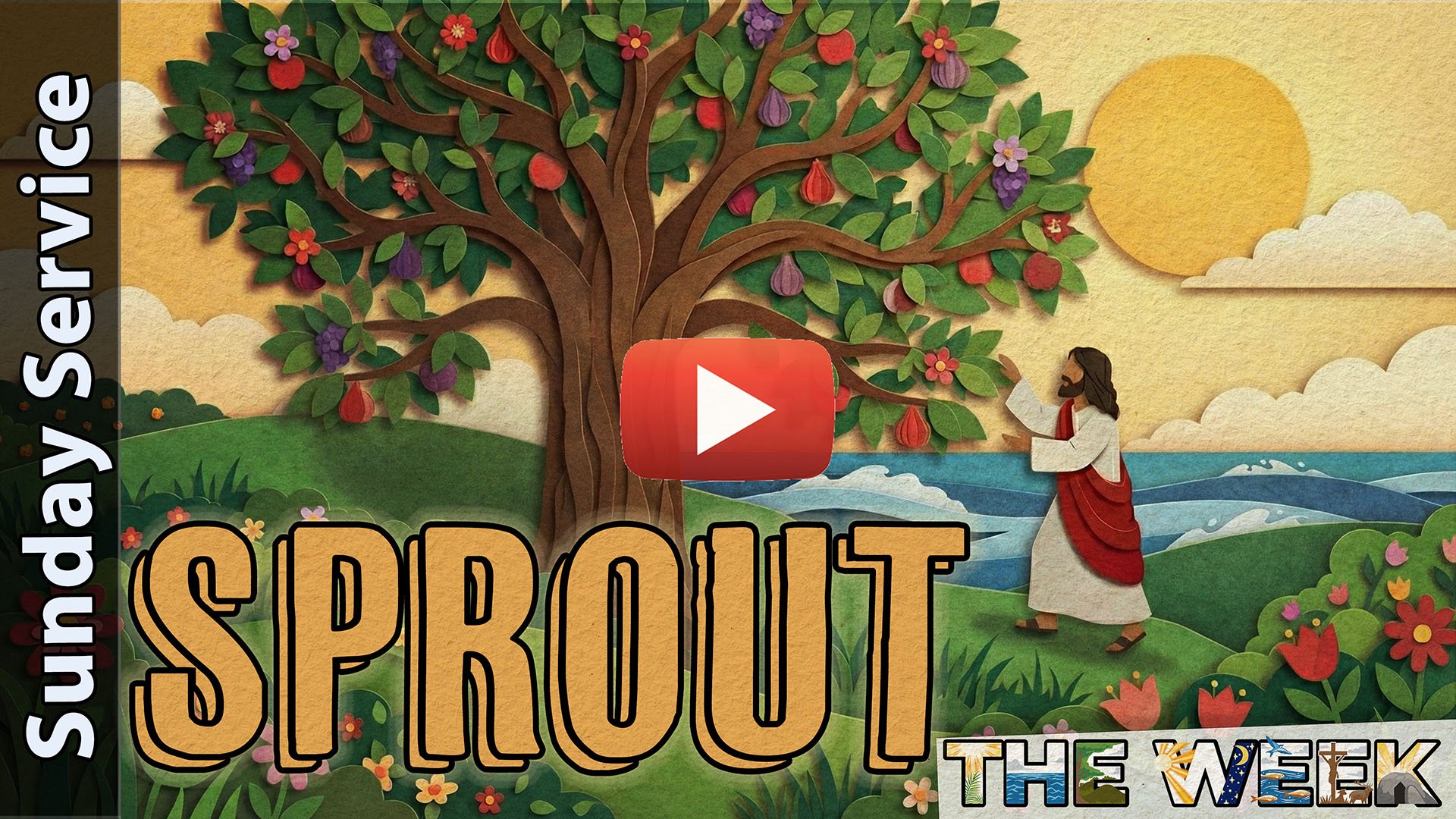
We often settle for the mere "leaves of religion" by simply going through the motions, yet the third day of Creation reveals our design to sprout and bear fruit.
-
1. Notes for Your Bible
Genesis 1 (The Creation Account): The sermon extensively parallels the first three days of creation with the events of Holy Week. The speaker suggests that the authors of the Gospels, inspired by the Spirit, naturally saw the "re-creation" work of Jesus through the lens of the original creation.
Day 1 (Genesis 1:3, "Let there be light"): This is compared to Jesus, the Light of the World, entering Jerusalem on Palm Sunday. He brings light into a city that believed it was already enlightened.
Day 2 (Genesis 1:6-8, Separating the waters): This is paralleled with Jesus cleansing the temple. By driving out the merchants, Jesus "separated" the chaos from the holy space, reigning in the chaos just as God reigned in the waters to create the sky, allowing people to "breathe" again and find peace.
Day 3 (Genesis 1:9-13, Dry ground appears & vegetation sprouts): This day has two parts. First, God further reigns in the chaotic seas by making dry land appear. Second, the land is commanded to be fruitful, producing vegetation and fruit-bearing trees. This theme of "fruitfulness" becomes the central focus of the sermon.
Matthew 21:19 ("Seeing a fig tree by the road, he went up to it but found nothing on it except leaves. And he said, 'May you never bear fruit again.' And immediately the tree withered."):
Meaning: The withering of the fig tree is not an act of random anger from Jesus. It is a symbolic act. The tree, full of leaves but lacking fruit, represents the religious system of the day, particularly the temple in Jerusalem. It had the outward appearance of life and religiosity ("spiritual foliage") but was spiritually barren and not producing the "fruit" of justice, mercy, and love for neighbor.
Context: Jesus performs this act while walking from Bethany up toward the Temple Mount, making the temple the clear object of this symbolic judgment.
Matthew 21:21 ("...you can say to this mountain, ‘Go, throw yourself into the sea,’ and it will be done."):
Meaning: This is not about literal mountain-moving. The "mountain" refers to the Temple Mount, the center of the fruitless religious system. The "sea" represents the primordial chaos and formlessness ("tohu vavohu") from Genesis 1.
Application: Jesus is teaching that faith in Him allows believers to recognize that fruitless religious structures and outward shows of piety are hopeless and should be "cast away" into chaos. The real hope is not in the building or the rituals, but in God's work of producing genuine fruit in people's lives.
Amos 5:21-24 ("I hate, I despise your religious festivals... But let justice roll on like a river, righteousness like a never-failing stream."):
Purpose: This passage is used as an Old Testament parallel to Jesus's critique of the temple. It demonstrates that God has always been more concerned with the "fruit" of justice, righteousness, and care for the needy than with the "leaves" of religious festivals, sacrifices, and songs. It serves as a mirror, forcing listeners to question if their own worship is just "lip service."
Gospel of John (Resurrection Account): The speaker notes that in John's Gospel, the resurrected Jesus is presented as a "gardener." This connects the resurrection to the Day 3 creation theme of the land sprouting new life and fruitfulness. Jesus's resurrection is the ultimate act of "sprouting" life from the darkness of the tomb.
2. General Summary of Main Points
The sermon intertwines the creation narrative from Genesis 1 with the events of Jesus's final week in Jerusalem to explore the theme of genuine "fruitfulness" versus empty religious appearance. The speaker posits that the Gospel writers naturally saw Jesus's work of "re-creation" through the lens of the original creation.
The central metaphor is the contrast between leaves and fruit, drawn from Jesus cursing the barren fig tree. The leaves represent the outward appearance of religiosity—rituals, magnificent buildings (the temple), and going through the motions of faith. The fruit, however, represents the tangible outcomes of true faith: justice, love for neighbor, patience, forgiveness, and caring for the vulnerable.
The speaker argues that Jesus's actions, like cleansing the temple and cursing the fig tree, were a prophetic judgment on a religious system that was all "leaves" and no "fruit." He calls the congregation to self-examination, warning against the ease of cultivating "spiritual foliage" while neglecting the actual fruit God desires. The ultimate hope is found not in our own efforts to be fruitful, but in the Gospel, where Jesus takes our barrenness upon Himself on the cross (a barren "tree") and, through His resurrection, brings forth new life and true fruitfulness for all who have faith in Him. This new creation is now breaking into the world through the Spirit's work in the church and in the lives of individual believers.
3. Gospel Presentation
The Gospel is taught explicitly towards the end of the sermon.
Time Stamp: The core message begins around 00:16:04 from the start of the recording.
Summary: The speaker explains that while we, like the barren fig tree, are often fruitless and caught in sin, deserving to be "thrown back into the sea" of chaos, the Gospel presents a divine exchange. Jesus takes our "unfruitful, barren tree" (our sin and failure) and exchanges it for His "fruitful tree." He dies on the cross—our "tree of barrenness"—for us. In his death, the Creator of the universe takes on the "regressing of creation," entering the darkness and chaos ("tohu vavohu") of the tomb. But just as God commanded "Let there be light" on Day 1 and "Let the earth sprout" on Day 3, God raises Jesus from the dead, filling His lungs with air again. Through this resurrection, Jesus brings forth the fruit of forgiveness and grace for us. This act initiates a new creation in which believers are joined, enabling them to bear true spiritual fruit through the power of the Holy Spirit.
4. Illustrations and Their Points
Writing the Sermon with a Friend:
Illustration: The speaker recounts a conversation with his friend Mark about the deep parallels between the Genesis creation story and Matthew's account of Holy Week. His friend suggested it wasn't a deliberate, formulaic mapping but rather that the themes of creation were so foundational to the Gospel writers' worldview that they naturally emerged as they wrote about Jesus's work of re-creation.
Point: This idea makes the connection feel more organic and profound. It shows that the work of salvation is intrinsically linked to the work of creation, as both are expressions of who God is.
Citrus Greening Disease in Florida:
Illustration: The speaker describes a disease affecting Florida's citrus trees. A key characteristic is that an infected tree can initially look healthy and full of leaves but will not produce any fruit. Eventually, it begins to die, and farmers must quickly remove it to prevent the disease from spreading.
Point: This serves as a modern-day parallel to the barren fig tree and the temple. A religious life, or a church, can look healthy and vibrant on the outside (many leaves) but be spiritually diseased and fruitless on the inside. This external health is deceiving, and the lack of fruit is the true indicator of its spiritual state.
The Temple Mount's Location:
Illustration: The speaker describes the geography of Jerusalem, noting that the path from Bethany to the city ascends toward the Temple Mount. Jesus's actions against the fig tree and his teaching about casting "this mountain" into the sea happen in the literal shadow of the temple.
Point: This physical context makes the symbolic meaning of Jesus's actions undeniable. The fig tree is a stand-in for the temple, and the "mountain" is the Temple Mount itself. The proximity connects the judgment on the tree directly to the judgment on the fruitless religious system centered at the temple.
5. Interesting Quotes
Quote: "I think it's just who they are. That so interweaved is the theme of the creative order that when they are writing and the Spirit is inspiring their writing about how Jesus saves the world... it just mirrors themes of creation too."
Point: This quote emphasizes that the connection between creation and redemption is not a clever literary device but a deep theological reality. The God who creates is the same God who saves, and His methods of bringing order from chaos and life from nothingness are consistent.
Quote: "It's incredibly easy to grow leaves of religion... to know how to show up on Sunday morning, know when to stand, when to sit, when to laugh at the pastor's jokes... We put a magnificent display of spiritual foliage."
Point: This quote makes the sermon's warning highly personal and practical. It defines "leaves" not just as ancient temple rituals, but as modern church-going habits that can exist without any genuine inner transformation or outward love for others. It challenges the listener to look past their own religious performance.
Quote: "How many times have you read this verse in your lifetime, and you've never thought about the sea of chaos in the creation?... He's saying that if you have enough faith, you can realize that all of that empty platitudes of religion, it all can be thrown away."
Point: This highlights a fresh interpretation of a familiar passage (Matthew 21:21). By linking the "sea" to the chaos of Genesis 1, it transforms the verse from a generic statement about faith into a specific, powerful declaration that faith in Jesus frees us from relying on dead, fruitless religious systems.
Questions for the Week: The Week: The Week: Day 3 - Sprout
We are often tempted to just show the "leaves of religion" (showing up on Sunday, knowing the songs) and mistake them for the actual "fruit" of faith (loving neighbors, patience, genuine repentance). What are some ways we easily mistake having "leaves" for actually bearing "fruit"?
Read Matthew 21:18-22. Have you ever experienced a season in your spiritual life where you looked fine on the outside but felt completely "fruitless" and disconnected from God on the inside?
Read Amos 5:21-24. Why is God so opposed to religious routine that doesn't actually result in loving people or seeking justice?
Where have you seen genuine spiritual fruit in the lives of the people around you recently?


What Had happened at Grace this week.
![Guys Night at Millers! [Photos]](https://images.squarespace-cdn.com/content/v1/5852f18a20099e30cd2c01dc/d369b0e8-9922-4094-8ba4-e673c3fbe207/processed_PXL_20260305_233023067.jpg)
Guys Night at Millers! [Photos]
Great time at Miller’s
Huge thanks to everyone who came out to Miller’s Ale House! We hit a new milestone with 18 in attendance, making it our largest gathering to date.
The energy was so high we even had a few people mention the volume—apparently, we’re officially the "loud table" now! Love seeing this group grow.





Dublin The Fun March 8th 5pm
Why just have fun when you can Dublin it.
March 8th
Time Change of Dublin the Fun.
5pm now.

Just like that struggle of "springing forward" into Daylight Saving Time, Tons of Fun is shifting the clock! To keep things cool and comfortable, we are moving our Dublin the Fun start time to 5:00 PM.
In all seriousness, the 3:00 PM heat today was just too intense with the current lack of shade. We want you focusing on the fun, not the heat exhaustion! See you an hour later for a much cooler event.

DUBLIN THE FUN! ☘️
Sunday, March 8th | 5:00 PM

Join us for a day of Irish-inspired fellowship and
"spud-tacular" food!
The Feast:
We’re providing a Baked Potato Bar with all the fixin’s
Sign up to bring your favorite Irish dish, side dish or dessert!
The Fun:
Kids’ bounce house,
Potato sack races,
and so much more!
Bring a dish, bring a friend, and let’s Dublin the fun!


Photos of from last year

There is always hope when a buried seed begins to sprout.