

![[Sunday] Creation Day 4 - Day or Hour, The Week](https://images.squarespace-cdn.com/content/v1/5852f18a20099e30cd2c01dc/1773356947484-4RY25WO3W0HU61E2NMU9/The+Week+4a.jpg)
[Sunday] Creation Day 4 - Day or Hour, The Week
God created the Sun, Moon, and Stars on Day 4 to bring order. But the sun went dark as the Creator took our chaos. You don't have to fix your life in the dark; the Lamb is your light.
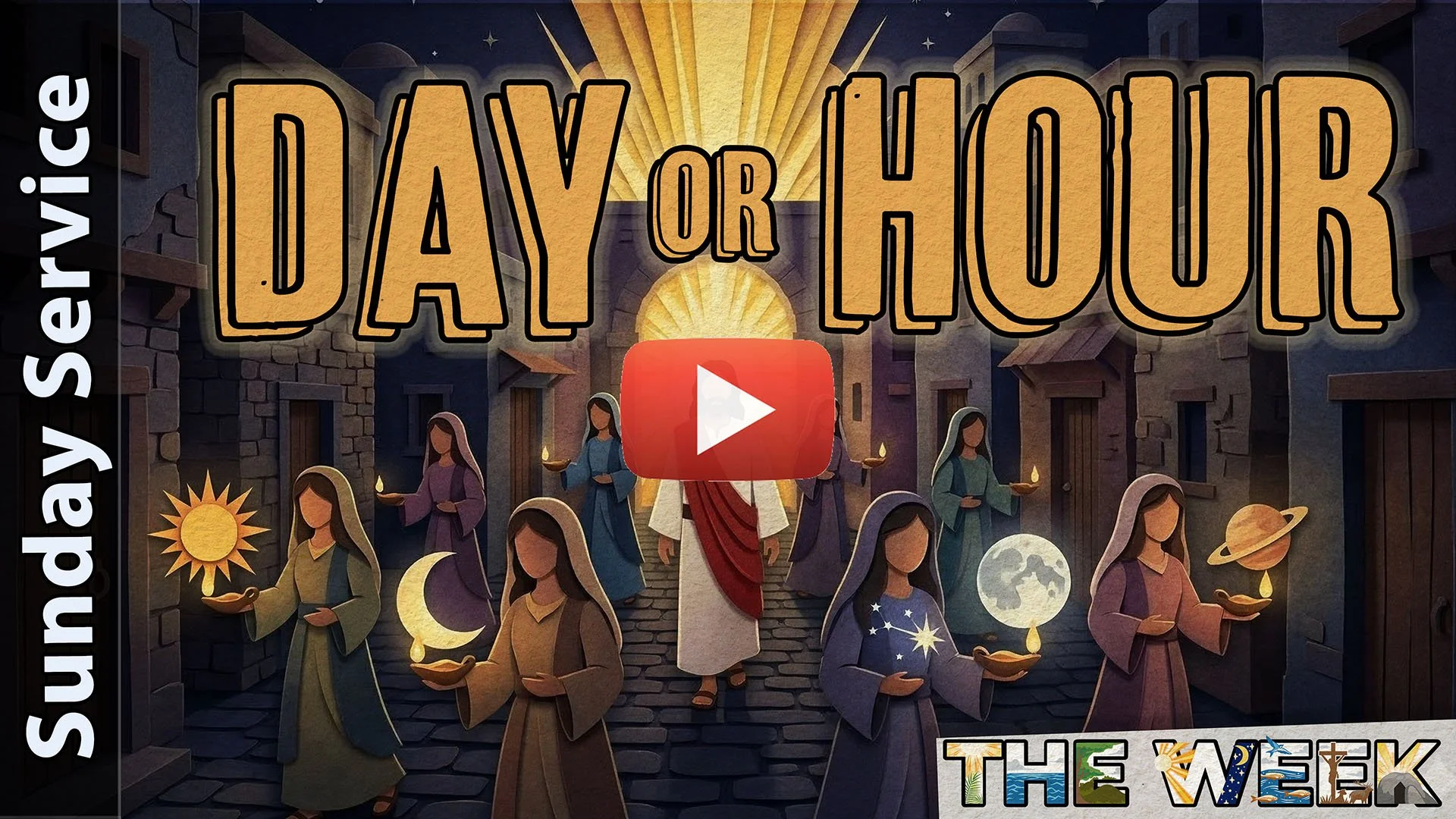
God created the Sun, Moon, and Stars on Day 4 to bring order. But the sun went dark as the Creator took our chaos. You don't have to fix your life in the dark; the Lamb is your light.
-
Sermon Series: The Week
Content Creation Date
March 15, 2026, 10:43:18
Sermon Context
Series concept: Interweaving Holy Week with the seven days of Creation to reveal God’s redemptive arc in the Old Testament and its fulfillment in Jesus.
This sermon focuses on Day Four of Creation and its resonance with Jesus’ apocalyptic teachings in Matthew 22–25, the cross, and the hope of new creation.
Opening Prayer
Gratitude for God’s goodness, holiness, and presence amid chaos and distress.
Request that the sermon reflect God’s will for His people.
Review of Previous Weeks: Days 1–3 of Creation
God’s creative acts counter the “tohu vavohu” (formless and void; wild and waste) by bringing order and life.
Connections to Holy Week:
Day 1: “Let there be light” corresponds to Jesus’ entry into dark Jerusalem on Palm Sunday.
Day 2: Separation of waters corresponds to Jesus overturning the tables, opening the temple to the blind, hurting, and outsiders.
Day 3: Emergence of dry ground and fruitfulness corresponds to the fig tree incident, revealing the danger of appearing healthy without true fruit.
Day Four of Creation: Filling the Order with Lights
Scripture: Genesis Day Four.
“And God said, ‘Let there be lights in the vault of the sky to separate the day from the night. Let them serve as signs to mark the sacred times, days, and years…’” — Highlighting cosmic order and governance by sun, moon, and stars.
Theological observation:
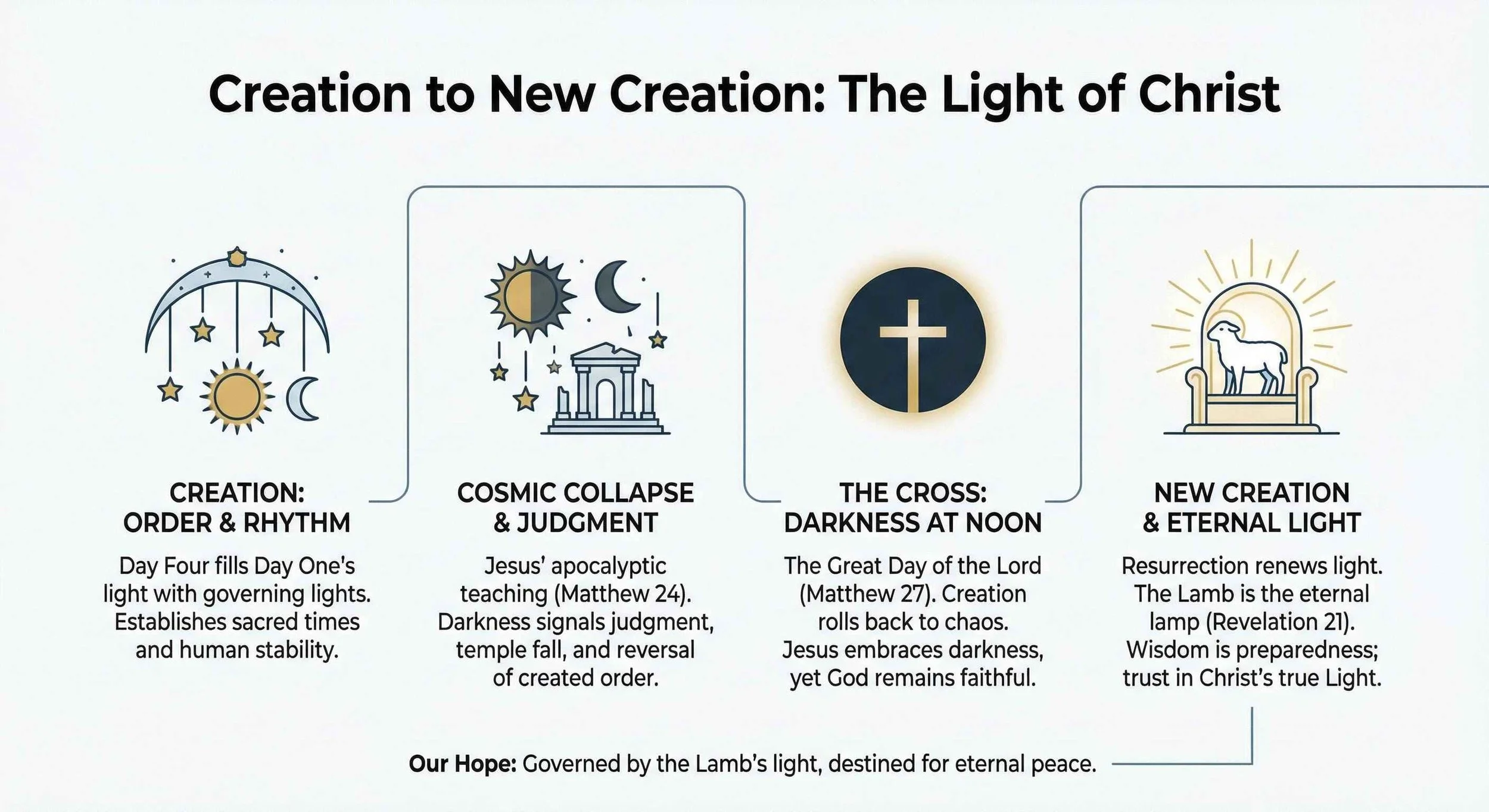
Days 4–6 “fill” the form placed in Days 1–3. Day Four “fills” Day One’s light with governing lights that establish order and sacred times.
These lights provide rhythm, breathability, and stability to human life.
The Question of Disorder: When Governance Breaks Down
Pastoral application:
Even small disruptions (e.g., time change) can unsettle us; how much more when cosmic order collapses?
Cultural anecdote: Floridians’ dependence on sunlight; Seattle’s low-light environment as an example of emotional impact.
Spiritual implication:
The apocalyptic teachings of Jesus in Matthew 22–25 warn of times when the cosmic order fails and chaos returns.
Jesus’ Apocalyptic Teaching: Matthew 22–25
Scripture: Matthew 24:29–31.
“Immediately after the distress of those days, the sun will be darkened, and the moon will not give its light, and the stars will fall from the sky… Then will appear the sign of the Son of Man… and he will send his angels… and they will gather his elect…”
Key points:
The language of cosmic collapse echoes the creation themes and signals profound judgment and transition.
Jesus situates Himself within the prophetic tradition, not inventing apocalyptic imagery but fulfilling it.
Prophetic Background: Amos and the Day of the Lord
Scripture: Amos 8:9–10.
“‘In that day,’ declares the Sovereign Lord, ‘I will make the sun go down at noon and darken the earth in broad daylight… I will turn your religious festivals into mourning… like mourning for an only son.’”
Interpretation:
Amos frames darkness as judgment tied to sin and rebellion. The “Day of the Lord” is a reversal of Day Four’s order—lights fail, sacred times turn to mourning.
Historical Fulfillment: The Temple and Judgment
Jesus’ fig tree teaching and mountain/temple saying:
“If you have faith… you can say to this mountain… be thrown into the sea.” Interpreted as a prophetic sign regarding the temple’s fate.
Historical note:
The destruction of the temple (c. AD 70) occurred within a generation of Jesus’ words.
For the Jewish people, this felt like cosmic darkness—the collapse of the center of worship and order.
Personal Chaos: Modern Applications
Examples:
Medical diagnoses that plunge us into fear.
Relationship trauma that reawakens pain.
Temptations:
To fight in our strength (“war paint”).
To mislabel darkness as light—especially in politicized or militarized narratives.
Pastoral Warning on Calling Darkness Light
Contemporary note:
Social media giddiness about war or temple-related geopolitics as “signals” for Jesus’ return.
Caution:
We do not know the day or hour; beware of voices that monetize apocalyptic predictions.
Do not baptize destruction as light; remain grounded in the Gospel’s true hope.
The Cross as the Great and Glorious Day of the Lord
Scripture: Matthew 27:45; Psalm 22:1 (echoed by Jesus).
“From noon until three in the afternoon darkness came over all the land.”
“My God, My God, why have You forsaken Me?”
Theological claim:
On the cross, creation “rolls back” into “tohu vavohu”—the lights fail, the clock stops.
Yet God the Father is not far from the Son. Jesus embraces chaos, dies for us, and descends into the darkness.
Resurrection: “Let There Be Lights” Again
Creation echoes:
The Spirit still hovers; the Father’s call renews the light.
Easter is the new dawn—Jesus rises as the true Light, reestablishing order and peace.
Identity and calling:
Who God is: Holy, present, sovereign over chaos, faithful to redeem.
Who you are: Beloved, carried by God’s Spirit, called to trust and be prepared.
How to live: Breathe, do not manufacture light, wait on God’s governance and grace.
Parable of the Ten Maidens: Preparedness in Darkness
Scripture: Matthew 25:1–13.
Ten maidens await the bridegroom; five wise bring oil and are ready for the delay and the night, five foolish assume perpetual daylight and are unprepared.
Clarification:
“Virgin” as a translation of “young maiden.”
Application:
Wisdom is readiness for darkness—trusting God’s provision when rhythms fail.
Foolishness is presuming endless daylight—neglecting serious engagement with faith and discipleship.
Final Hope: New Creation and the Seventh Day
Scripture: Revelation 21:22–23.
“I did not see a temple in the city, because the Lord God Almighty and the Lamb are its temple. The city does not need the sun or the moon… for the glory of God gives it light, and the Lamb is its lamp.”
Eschatological vision:
The temple is fulfilled in God and the Lamb.
Sun and moon become unnecessary—Jesus is the Light, establishing eternal order and peace.
Applications for Today
When your life feels like “tohu vavohu”:
Breathe. God’s Spirit gives breath.
Do not try to manufacture your own light or baptize darkness as light.
Prepare your faith-life for seasons of darkness—practice trust, prayer, community, and Scripture now.
Remember: Jesus took the chaos upon Himself and rose to govern your days with His peace.
Key Points
God’s creation brings ordered light into chaos; Day Four fills Day One’s light with governing lights and sacred rhythms.
Jesus’ apocalyptic teaching echoes the prophets: the Day of the Lord is a reversal of created order, revealing judgment and the need to be ready.
The cross is the great Day of the Lord: darkness at noon signifies creation’s rollback; yet God remains faithful, and resurrection renews light.
Do not call darkness light—avoid apocalyptic speculation and politicized “giddiness” over conflict; cling to the true Light, Jesus.
Wisdom is preparedness: like the five maidens with oil, cultivate a faith that can endure the night, trusting God to say again, “Let there be lights.”
Our identity and hope: We are carried by the Spirit, governed by the Lamb’s light, and destined for a new creation where Jesus Himself is our lamp.
Closing Exhortation and Prayer
Exhortation:
“Breathe; He will carry you through. Everything’s going to be okay, even when it doesn’t seem like it is. Just breathe because He will say, ‘Let there be lights.’”
Prayer:
Thanksgiving for God’s abiding presence.
Petition for readiness in darkness and trust that God will lead us through by His light.
Questions for the Week: The Week: The Week: Day 4 - Day or Hour
A one-hour time change at Daylight Savings Time throws us off. Why do you think human beings are so deeply dependent on rhythm, routine, and the "governors" of our time to feel at peace?
Read Matthew 24:29-31. Jesus warned of a time when the sun and moon would go dark, times when life feels completely chaotic and time seems to stand still. Can you share a time in your life (like a sudden phone call or crisis) when it felt like the "clocks stopped" and everything went dark?
When we hit times of darkness, our temptation is to try and "fix it" by finding or creating our own light, which often just brings more chaos. What does "manufacturing your own light" look like in your life when you are stressed or afraid?
On the cross, Jesus took the total darkness of our sin upon Himself (Matthew 27:45) so that He could be our eternal light (Revelation 21:22-27). How does knowing that Jesus has already conquered the ultimate darkness change how you handle the "dark days" in your current life?

What Had happened at Grace this week.
![[Sunday] Psalm 23: The Lord is - Richer](https://images.squarespace-cdn.com/content/v1/5852f18a20099e30cd2c01dc/1783088642177-I9I04LF6EKJOK2VD2IIT/richer+26+1a.jpg)

![Vicar Claubert’s Family Welcomes at House warming Party [Photos]](https://images.squarespace-cdn.com/content/v1/5852f18a20099e30cd2c01dc/1783087135773-2A4Y3NCMD7H705TEG6XO/IMG_2084.jpeg)


![[Sunday] All things Good - 2 Kings 9-10 & Romans 8:28 - Foolish Wisdom](https://images.squarespace-cdn.com/content/v1/5852f18a20099e30cd2c01dc/1782425800701-ZKA0ZIGTYXT03KWDYE7E/FW10a.jpg)
![Vicar Claubert is Moved in and Lots happening around Grace [Photos]](https://images.squarespace-cdn.com/content/v1/5852f18a20099e30cd2c01dc/1782485561689-A63EJT6X8P3DLNWVSJD1/PXL_20260625_142451905.jpg)

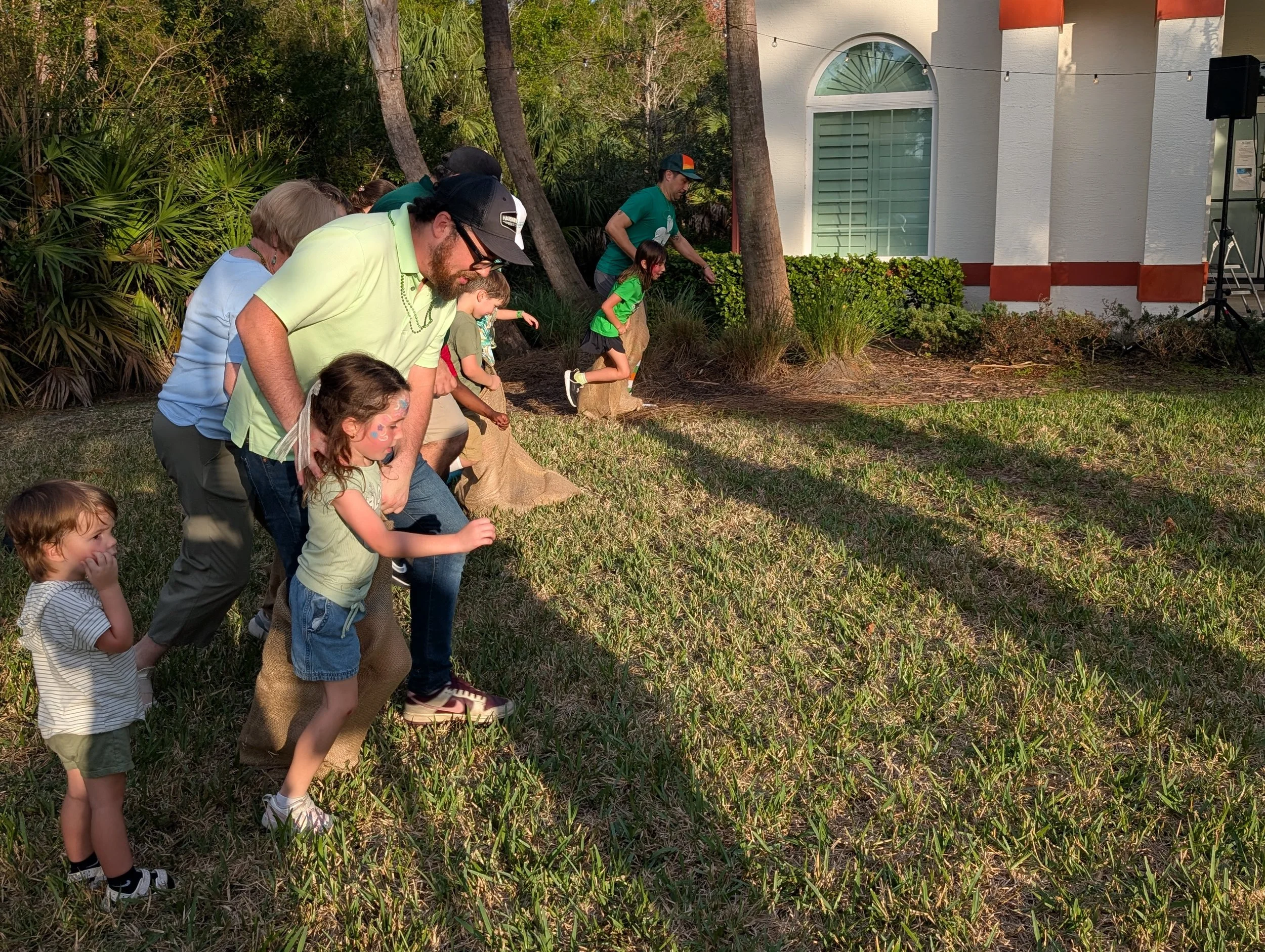
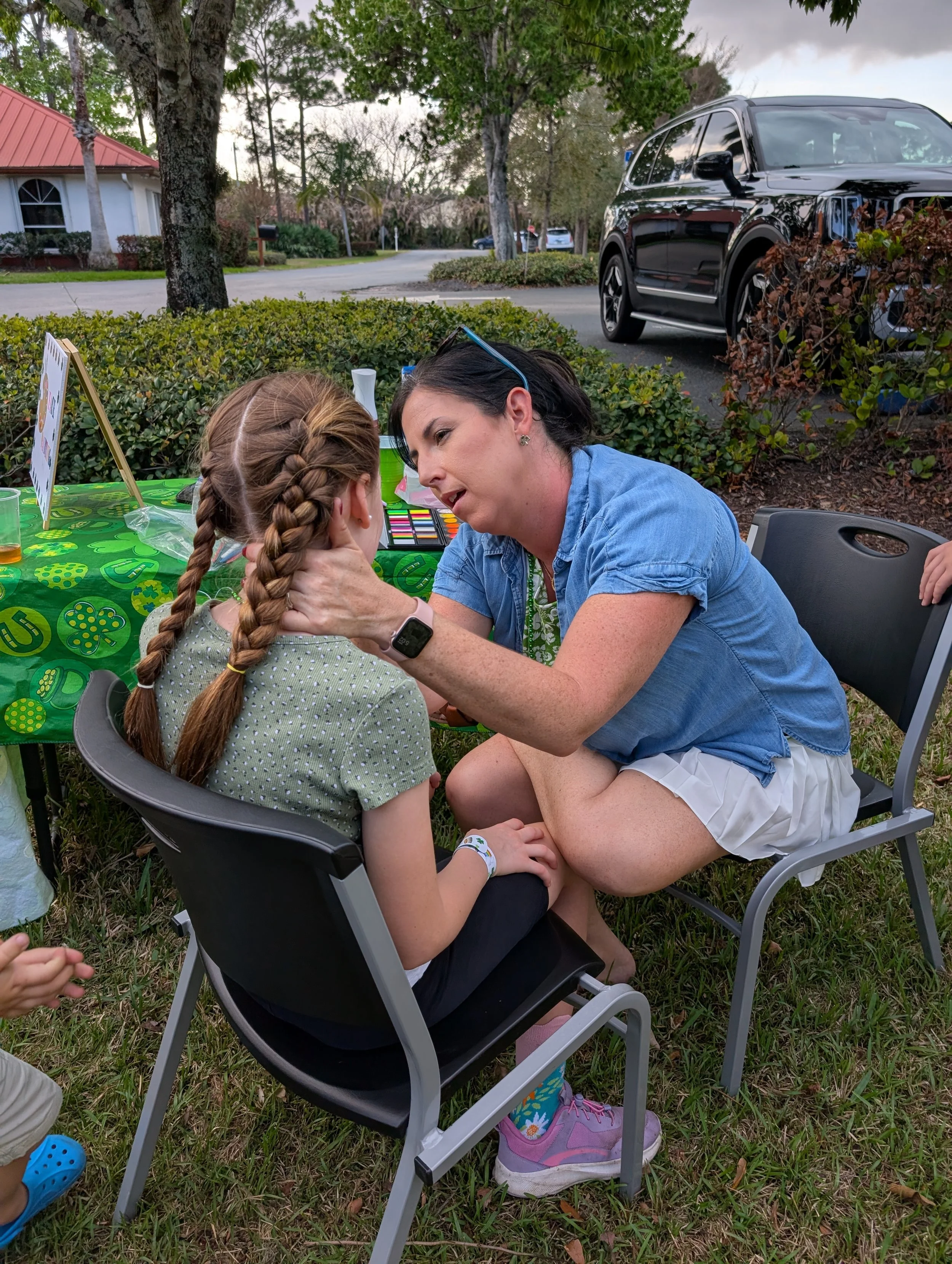
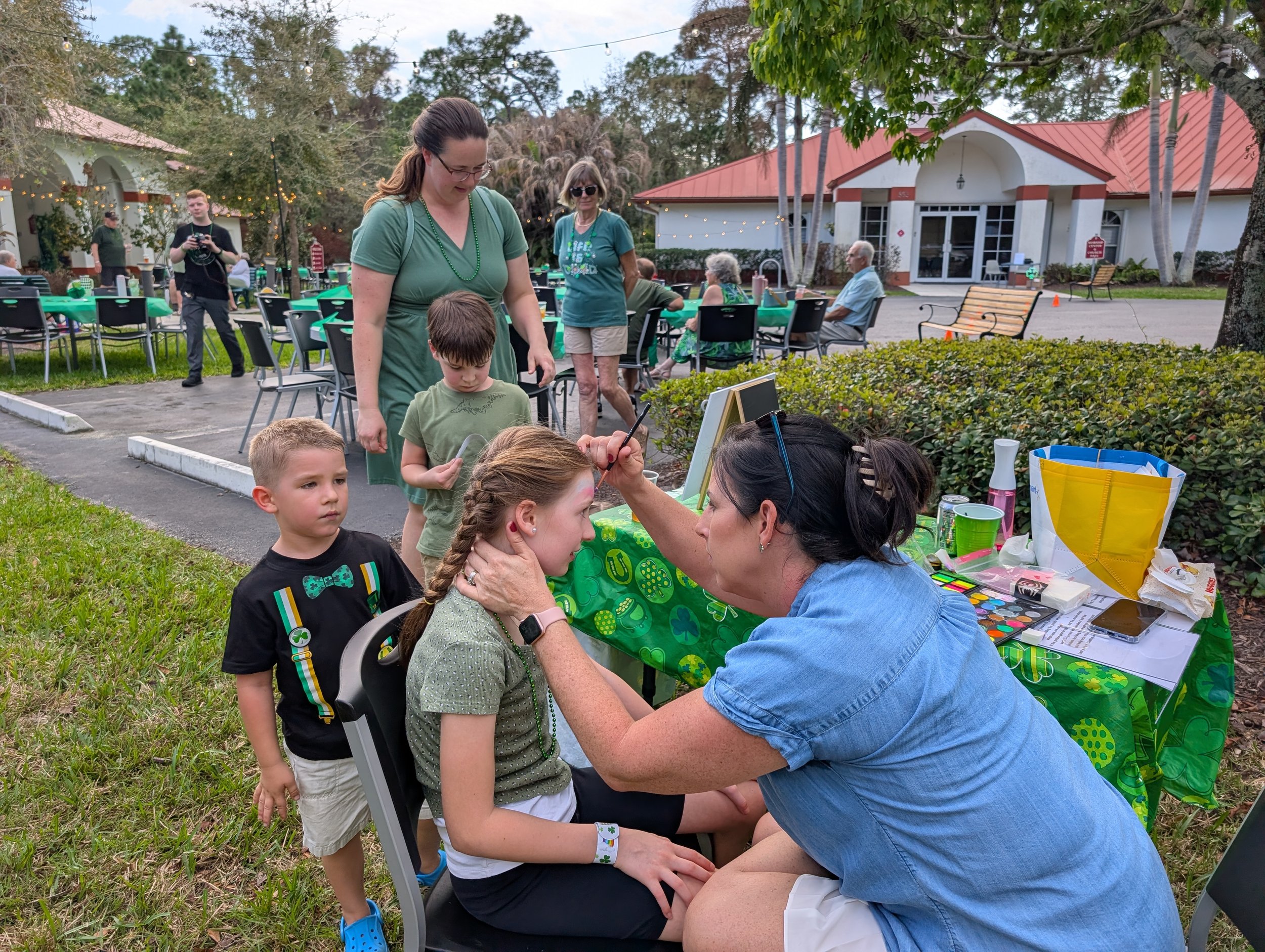
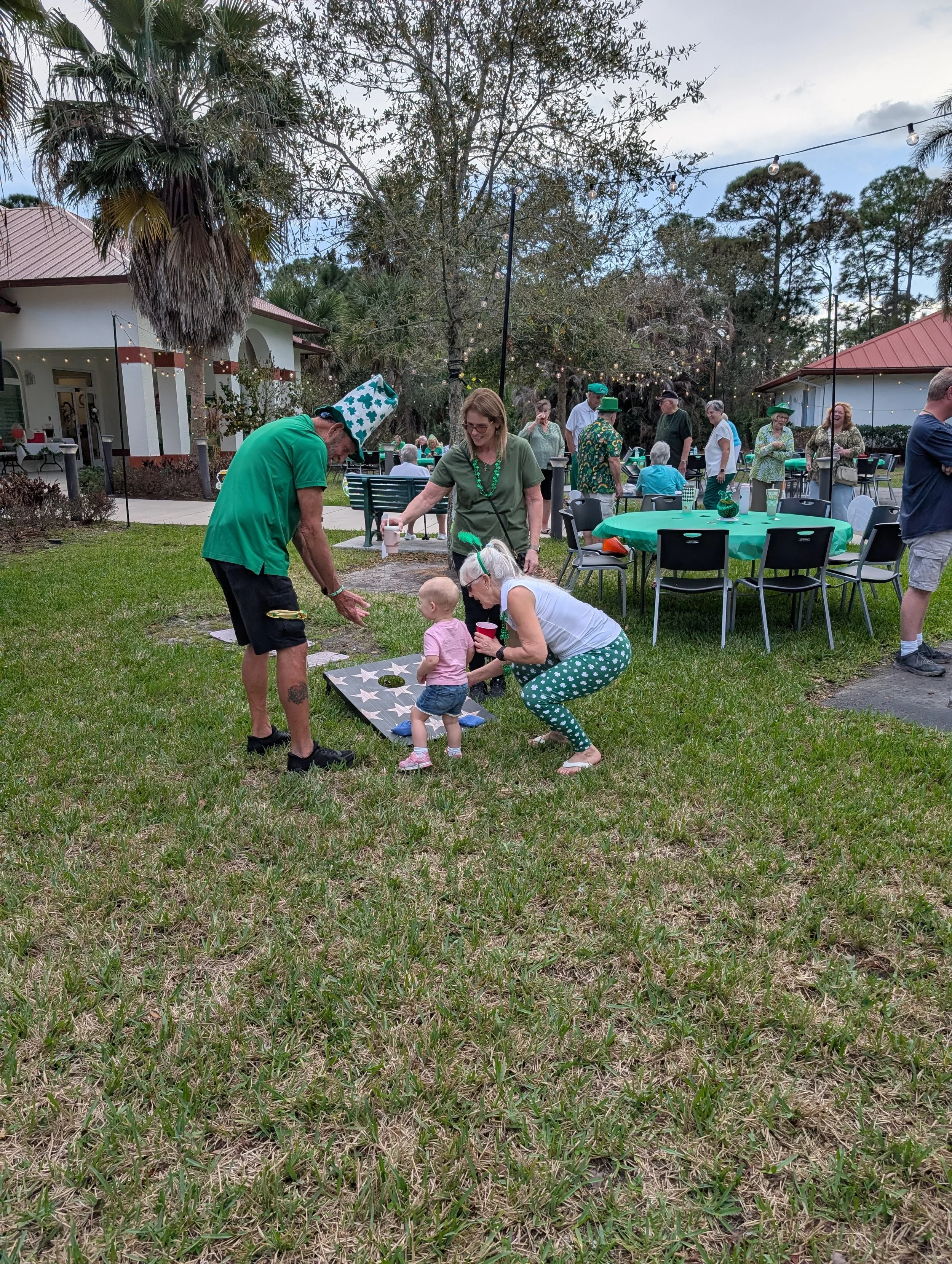
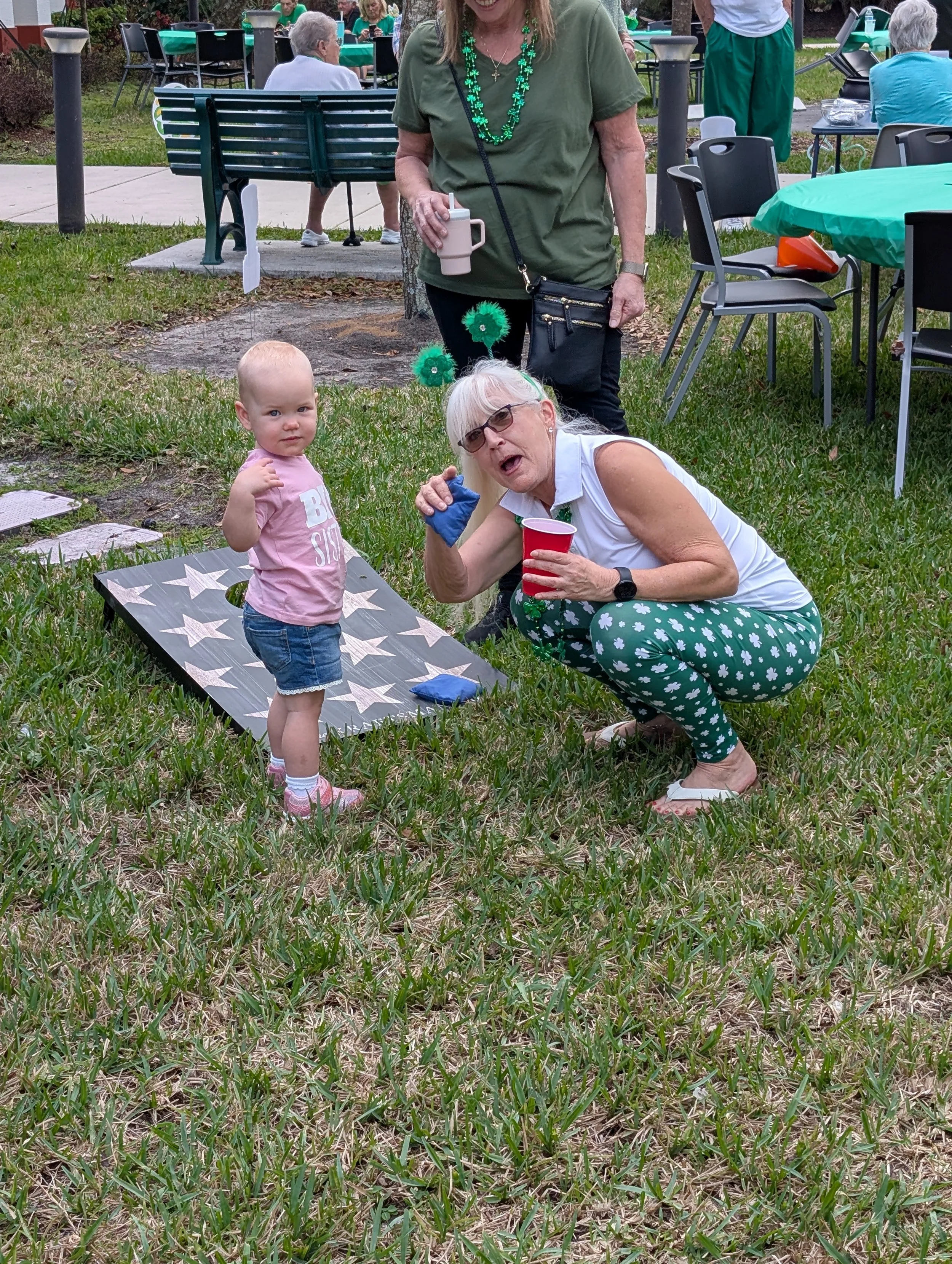
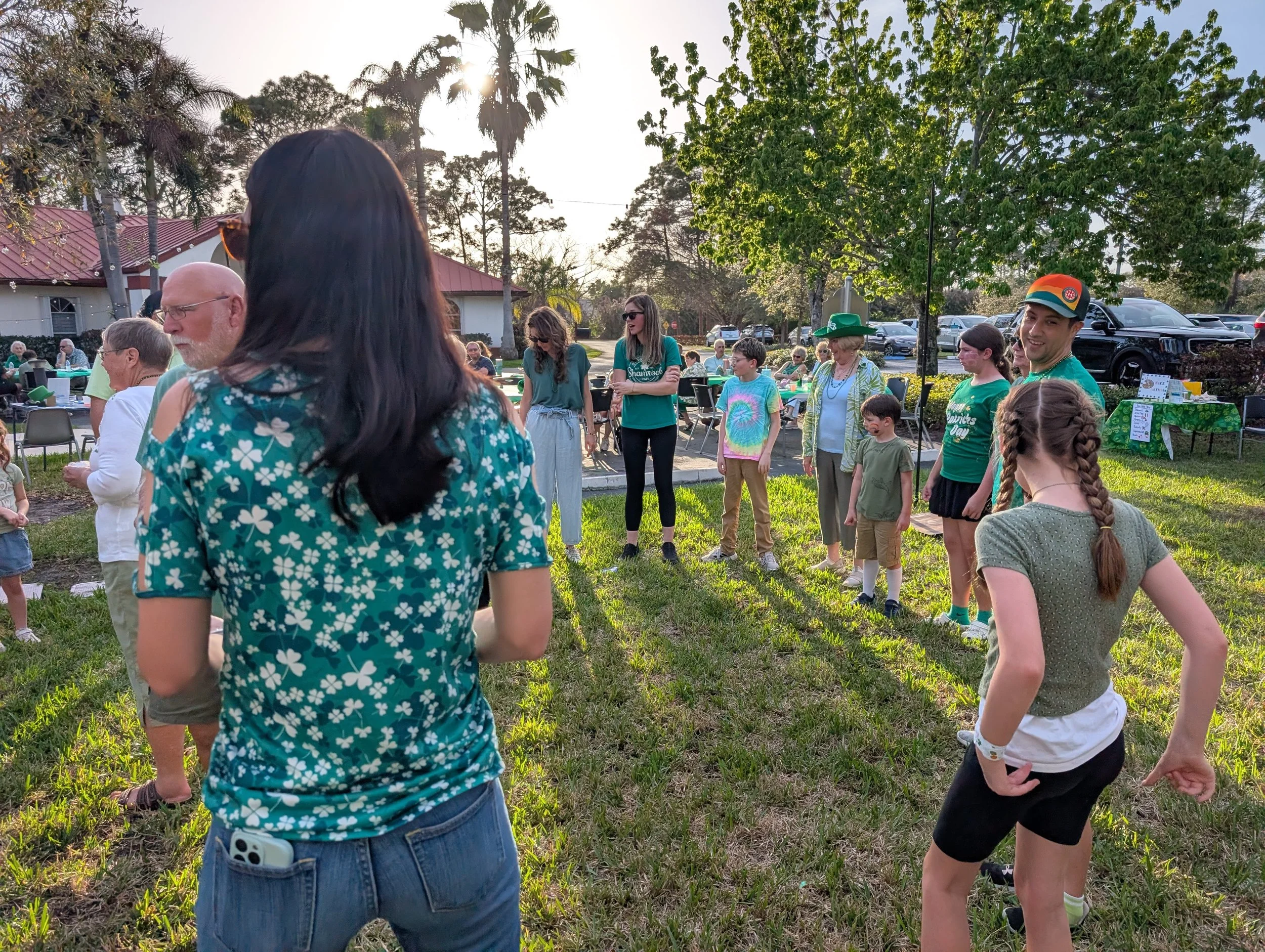
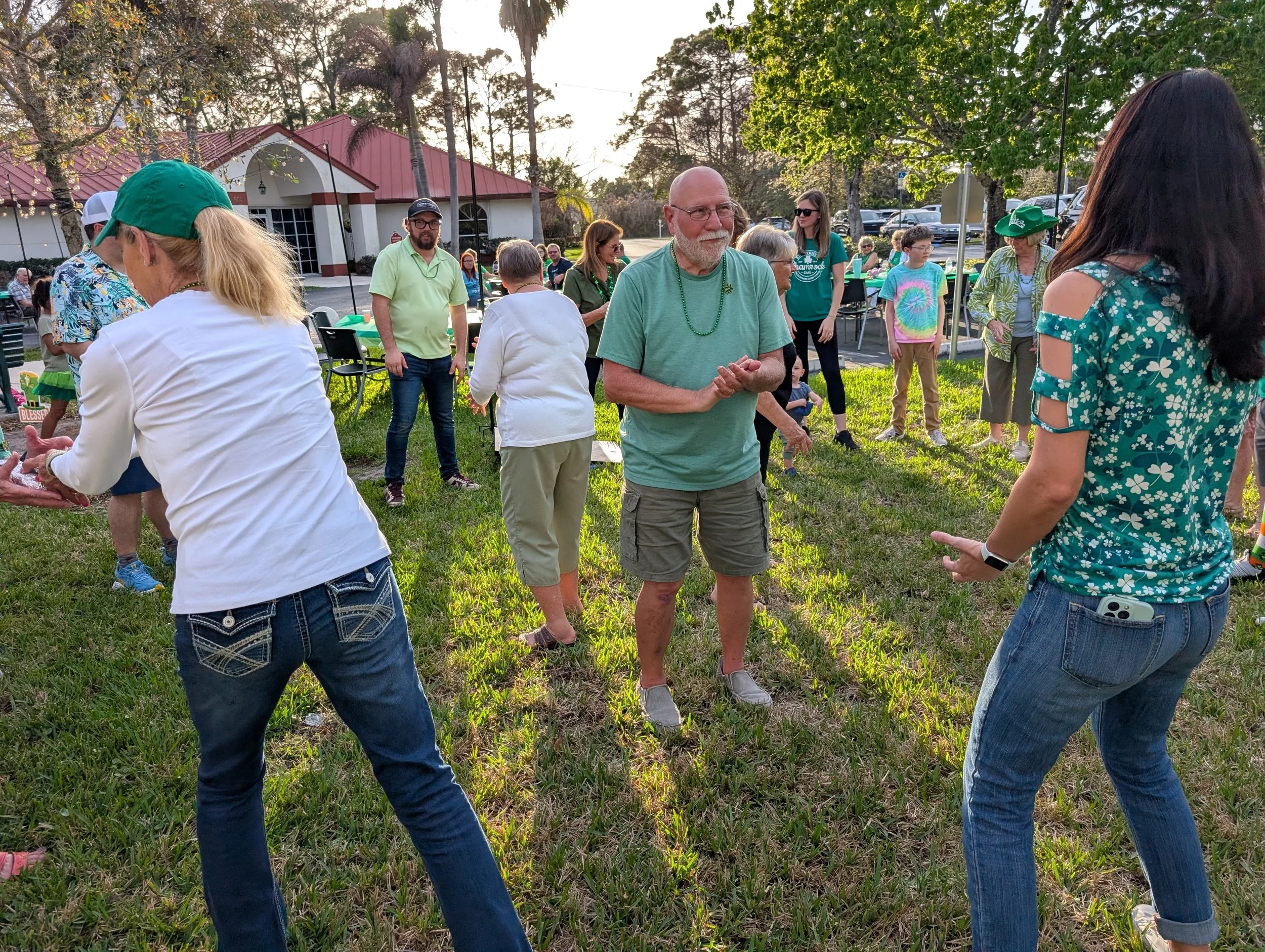
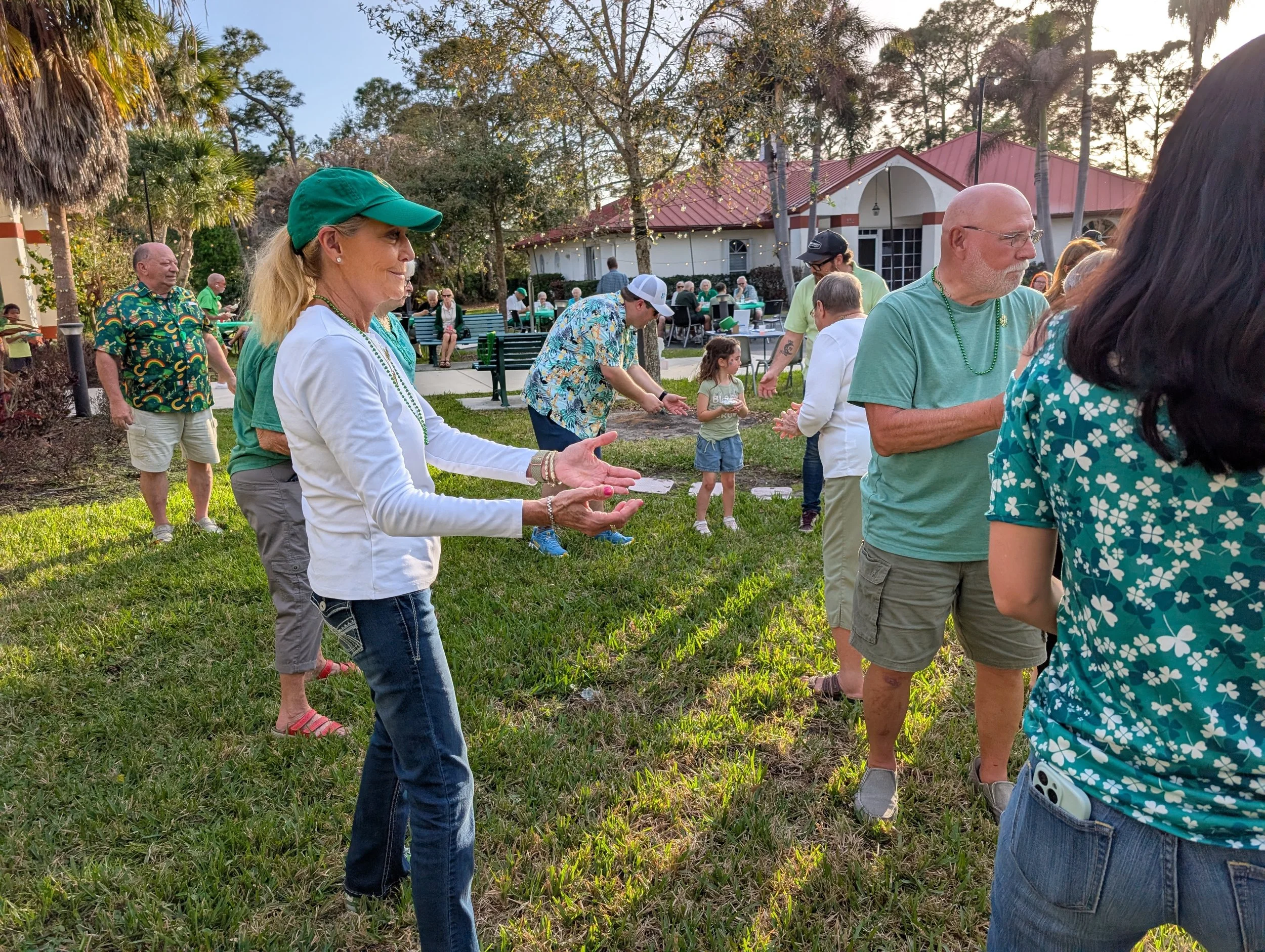
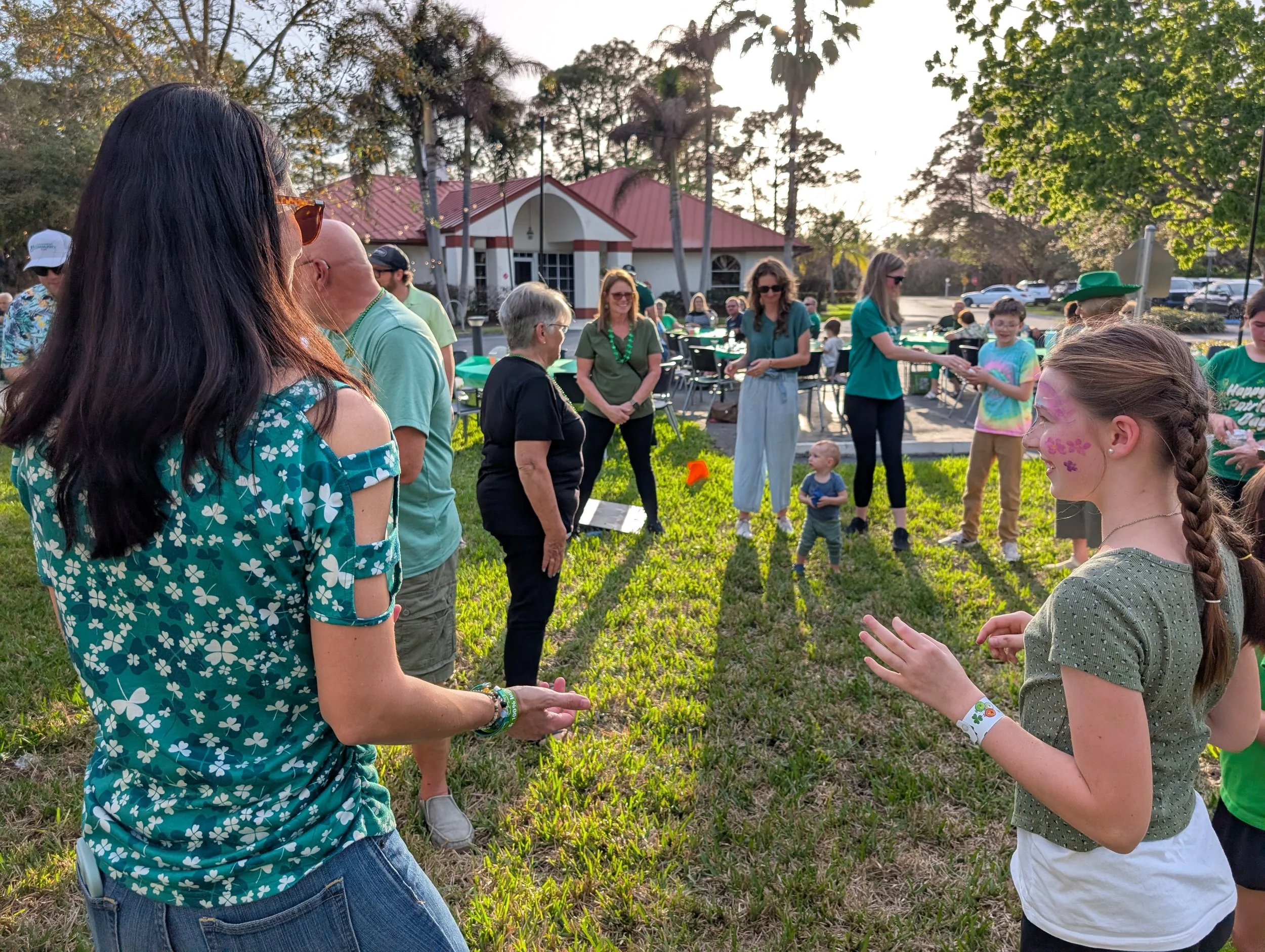
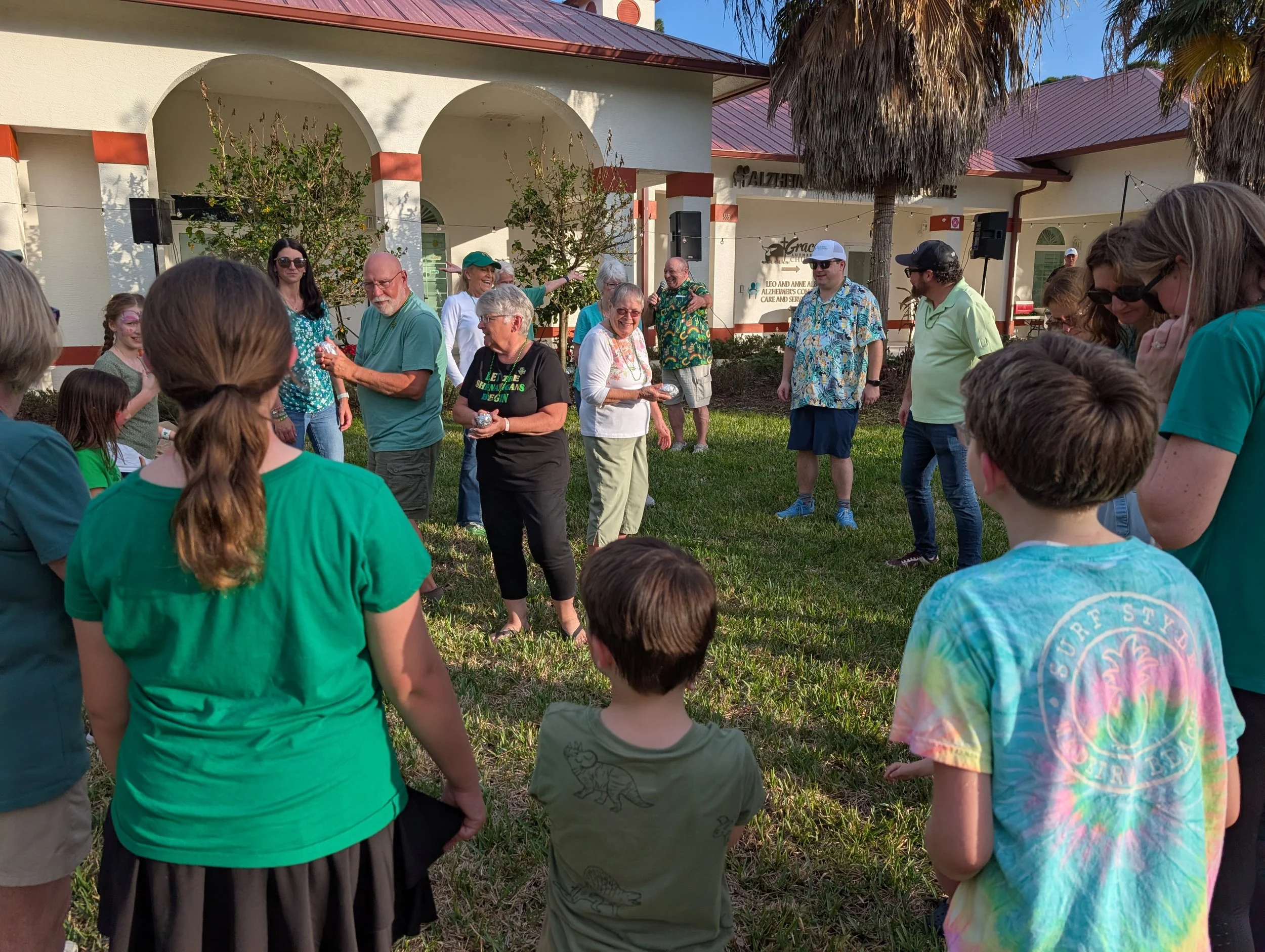
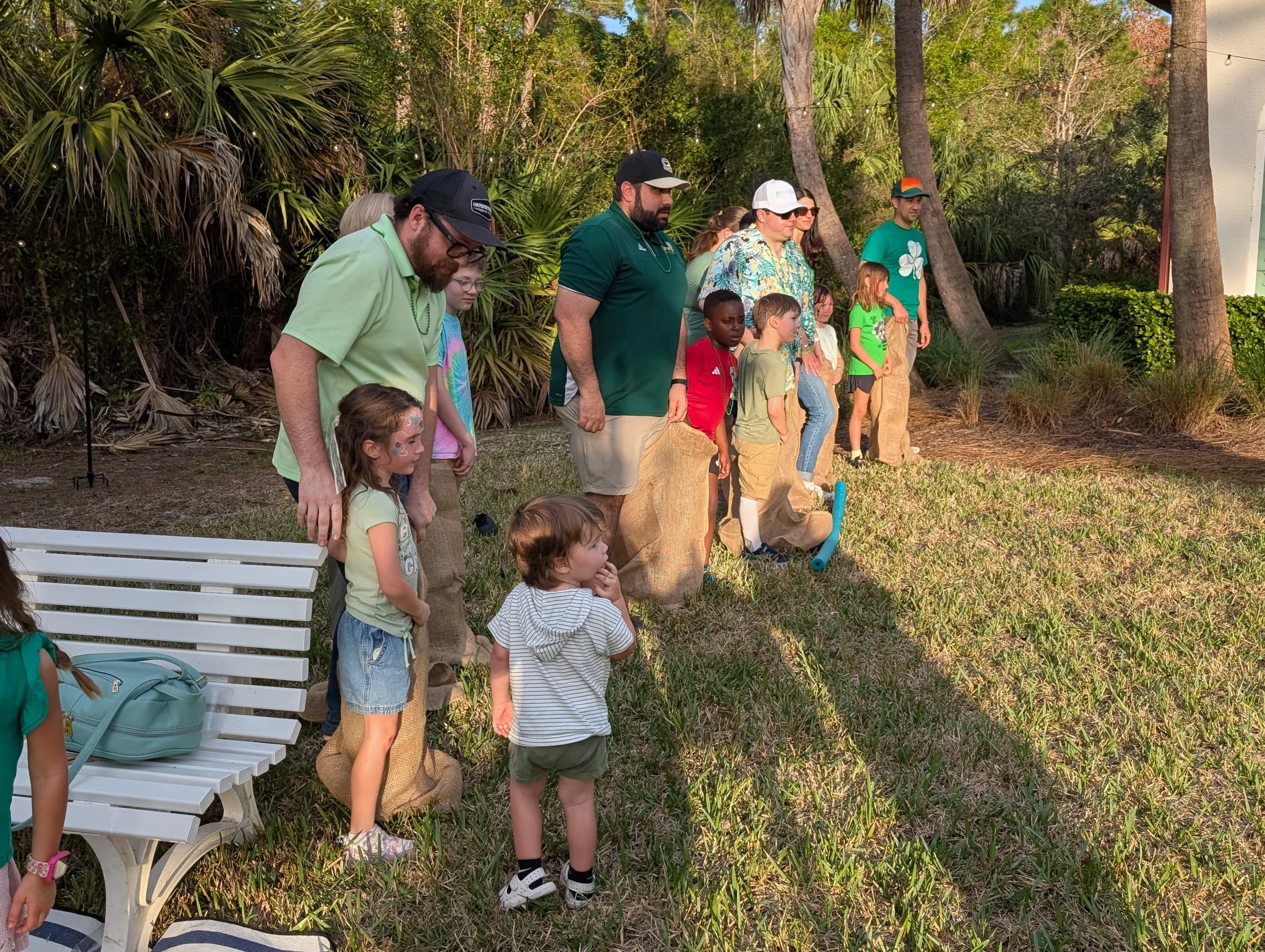
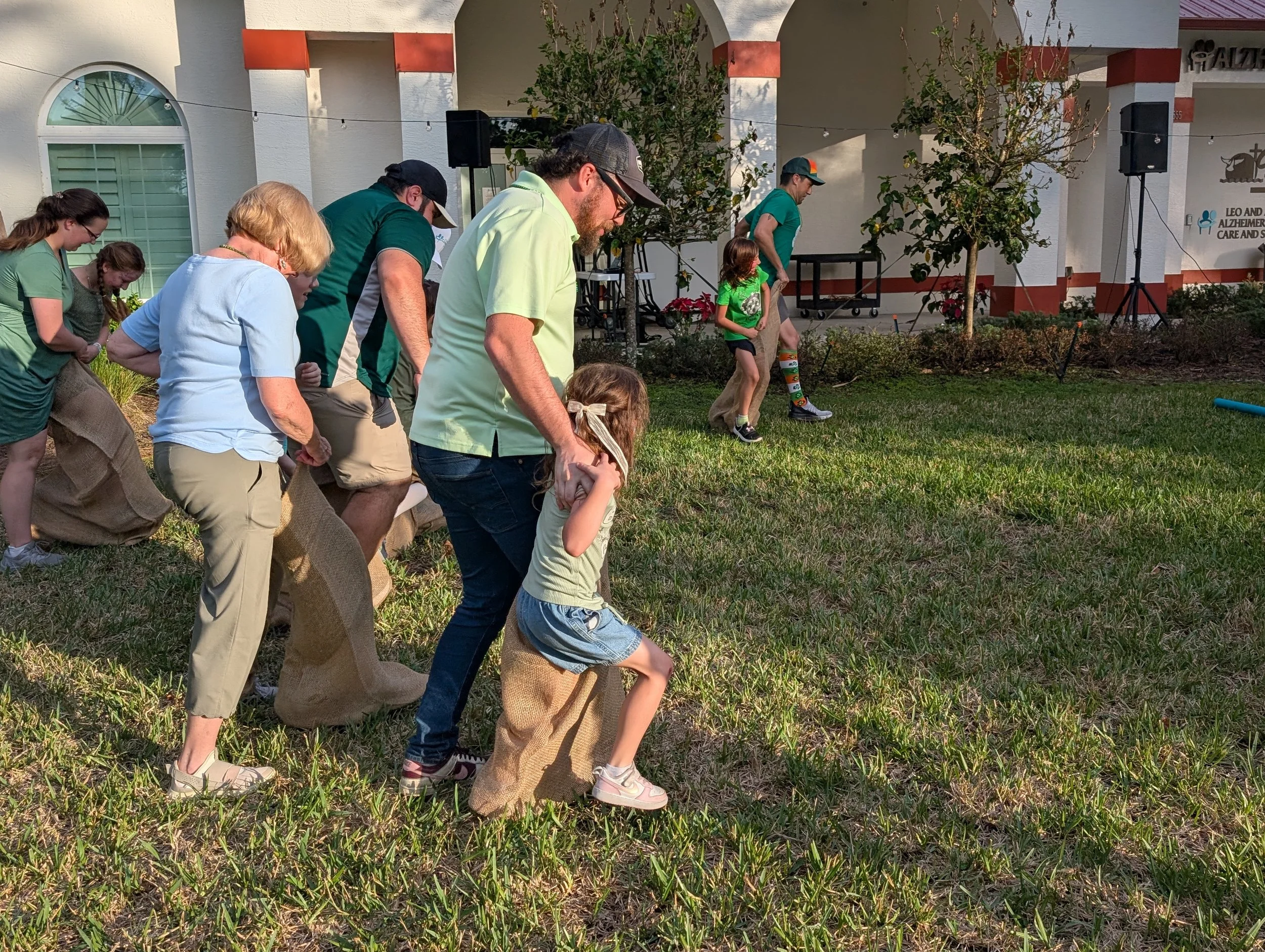
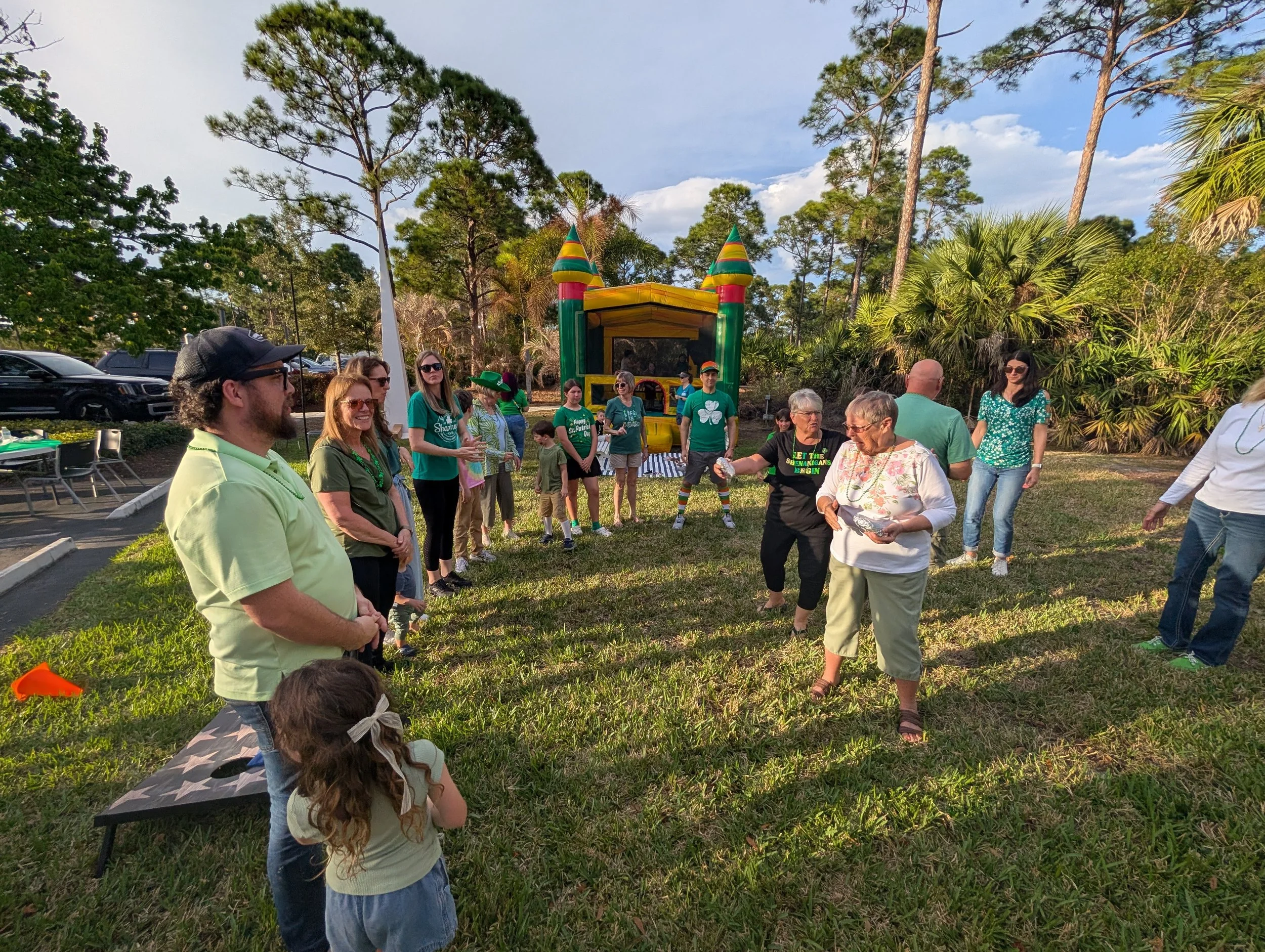
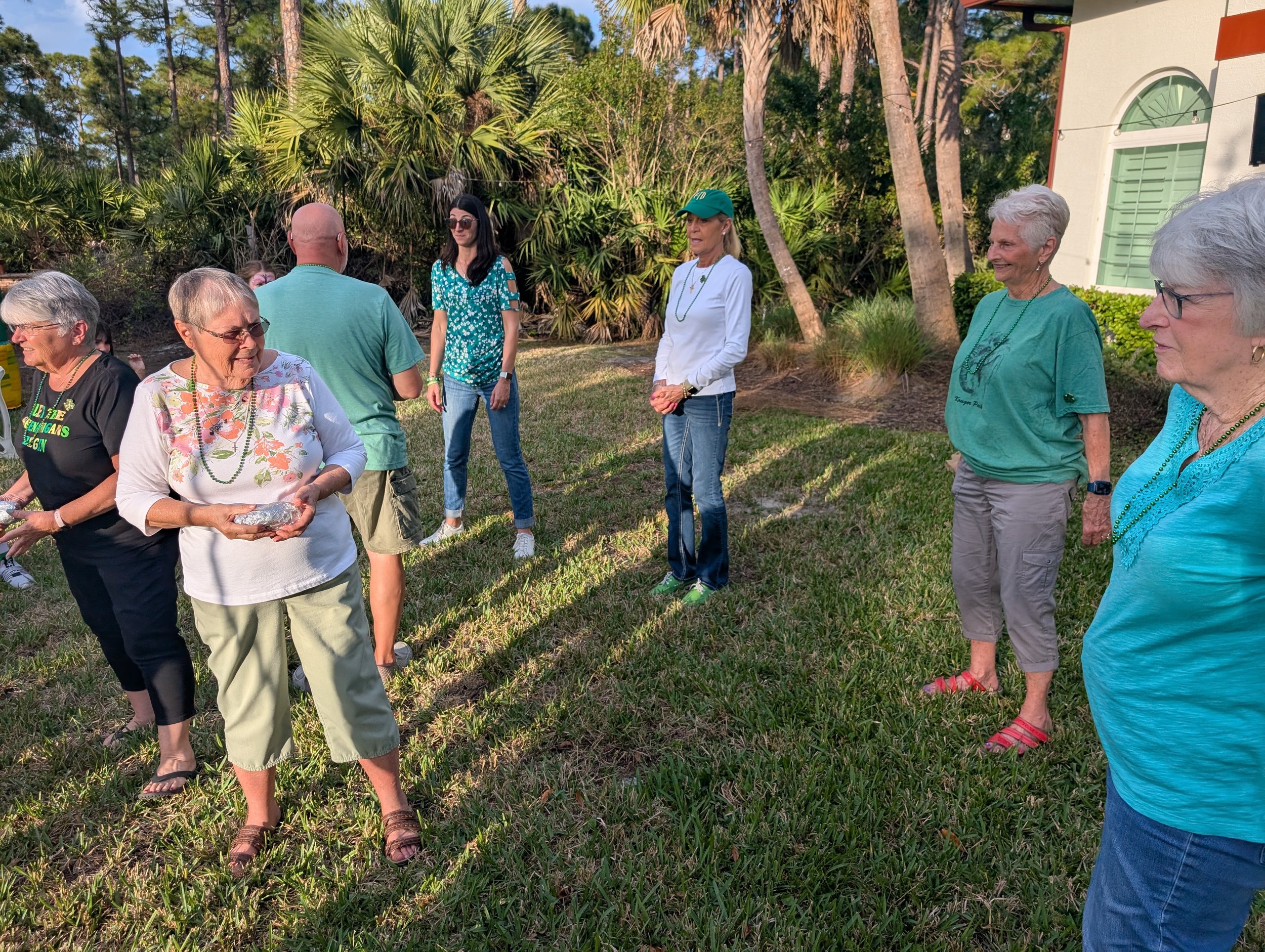
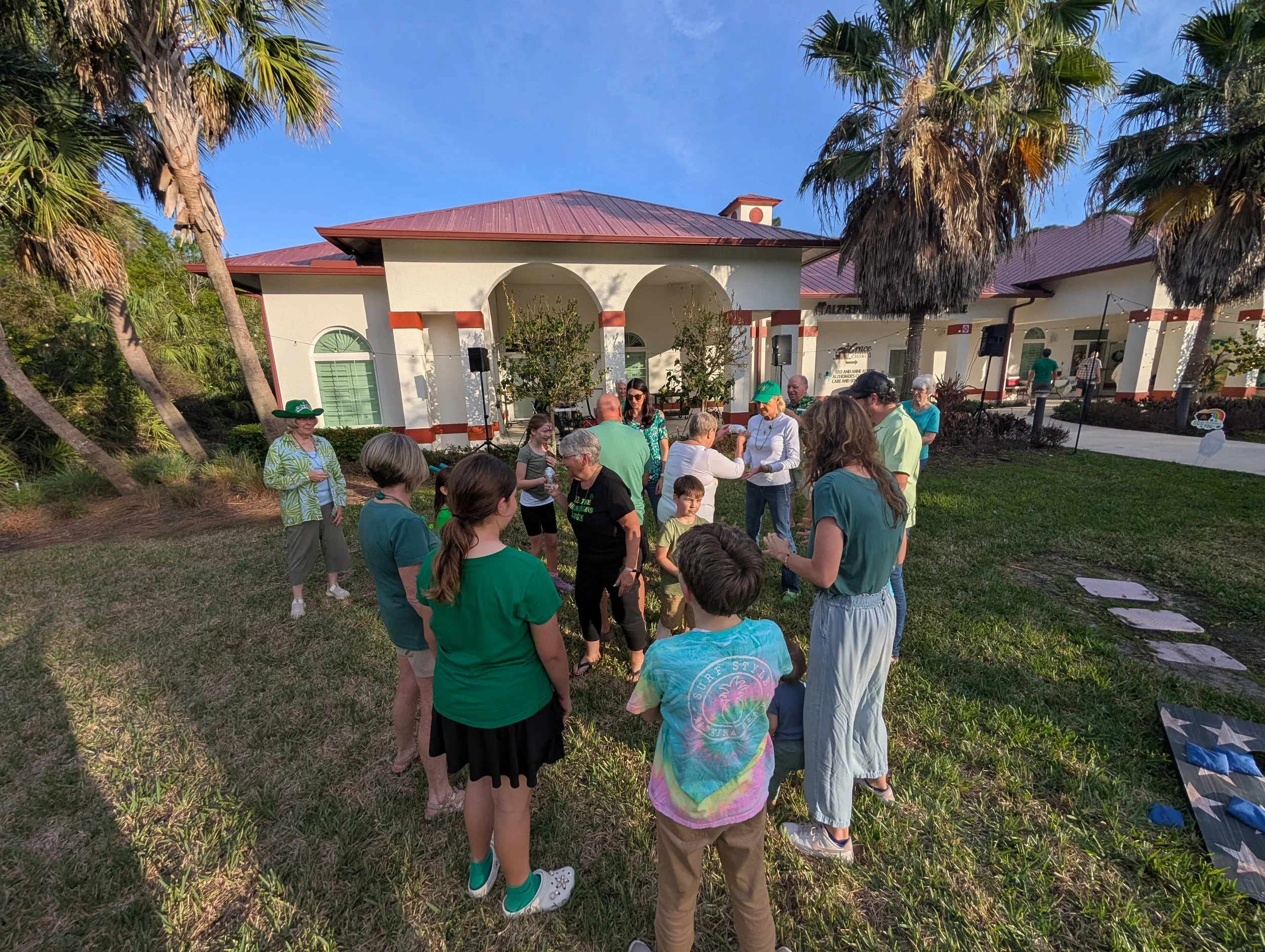
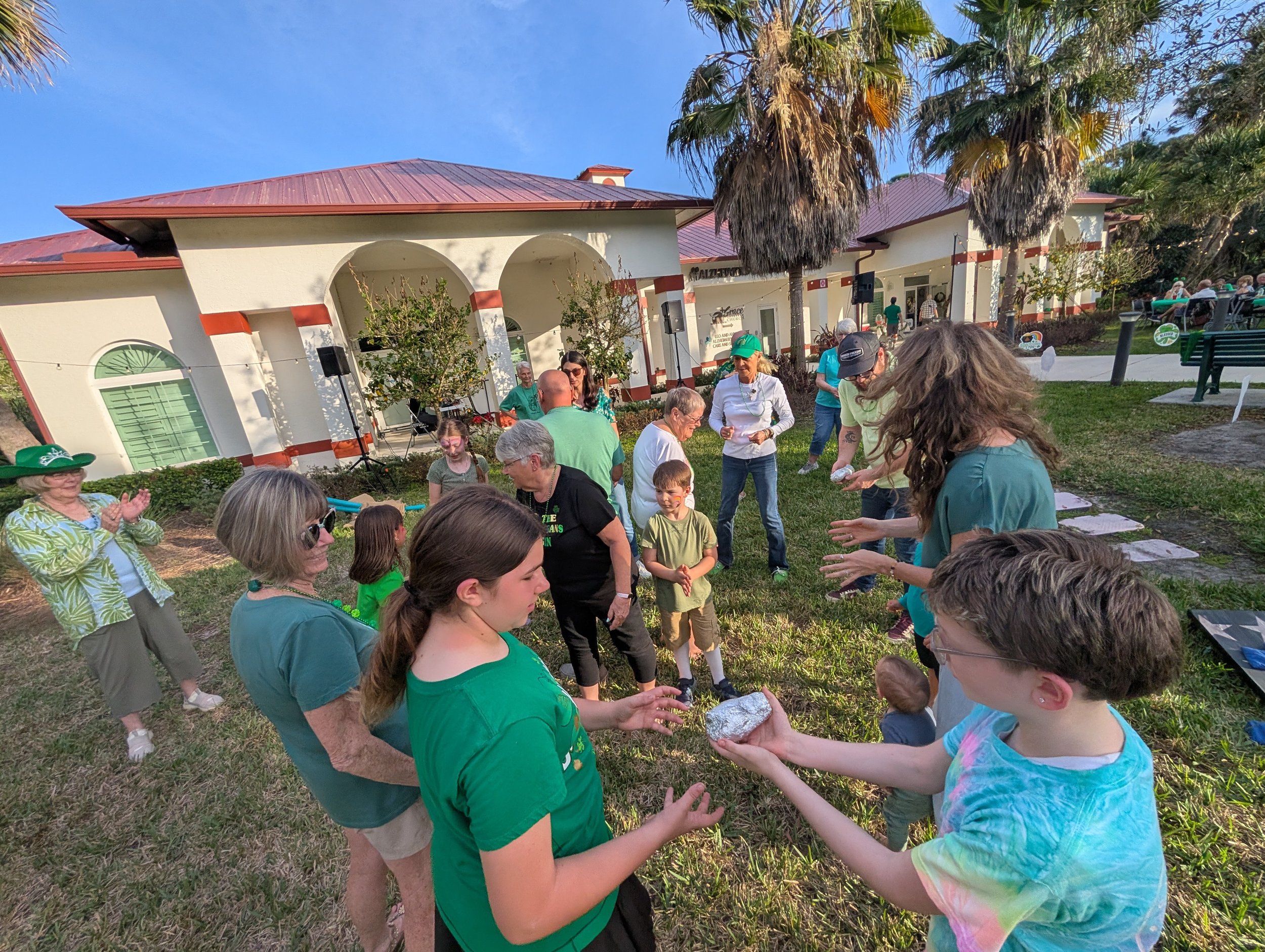
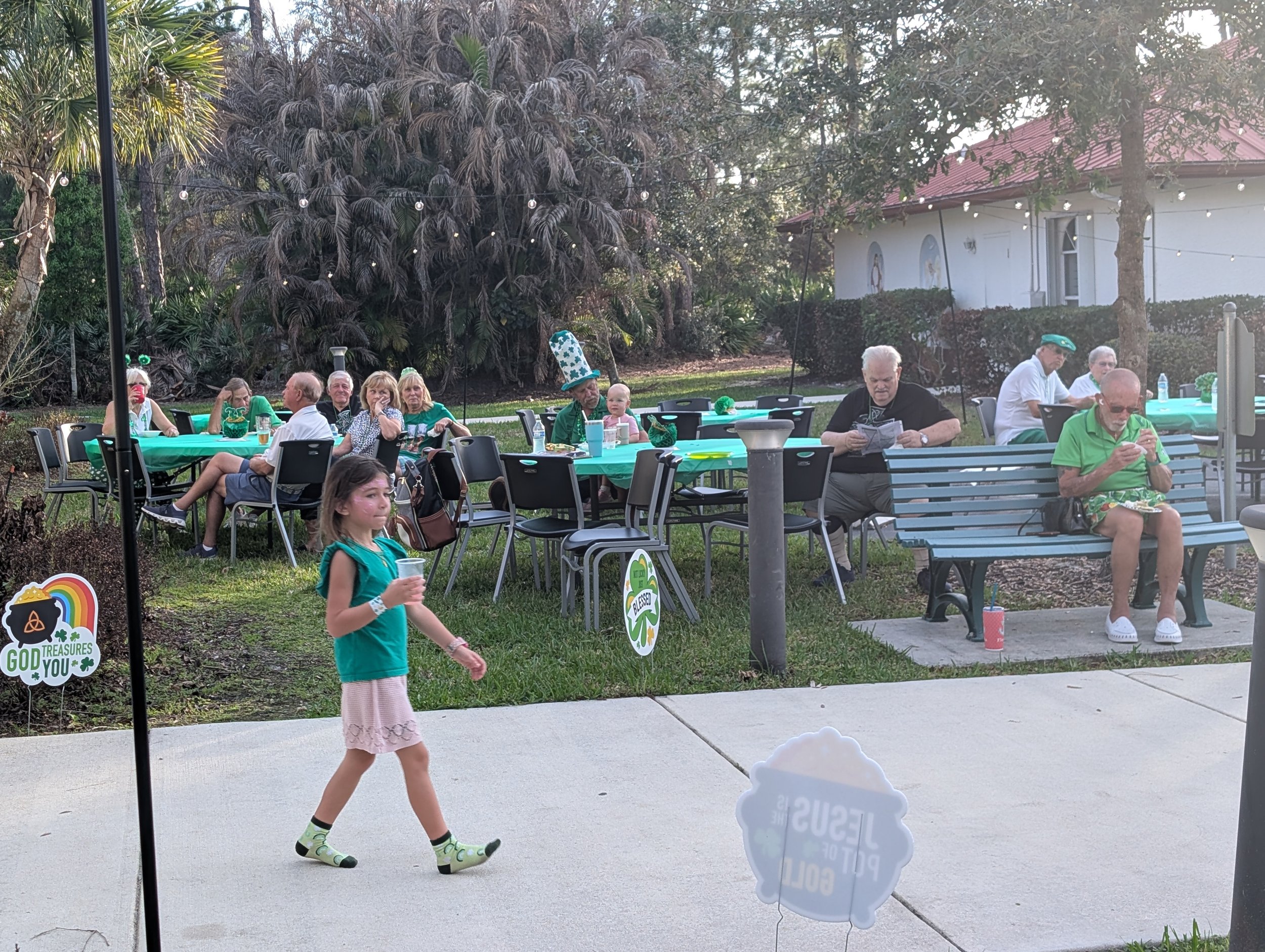
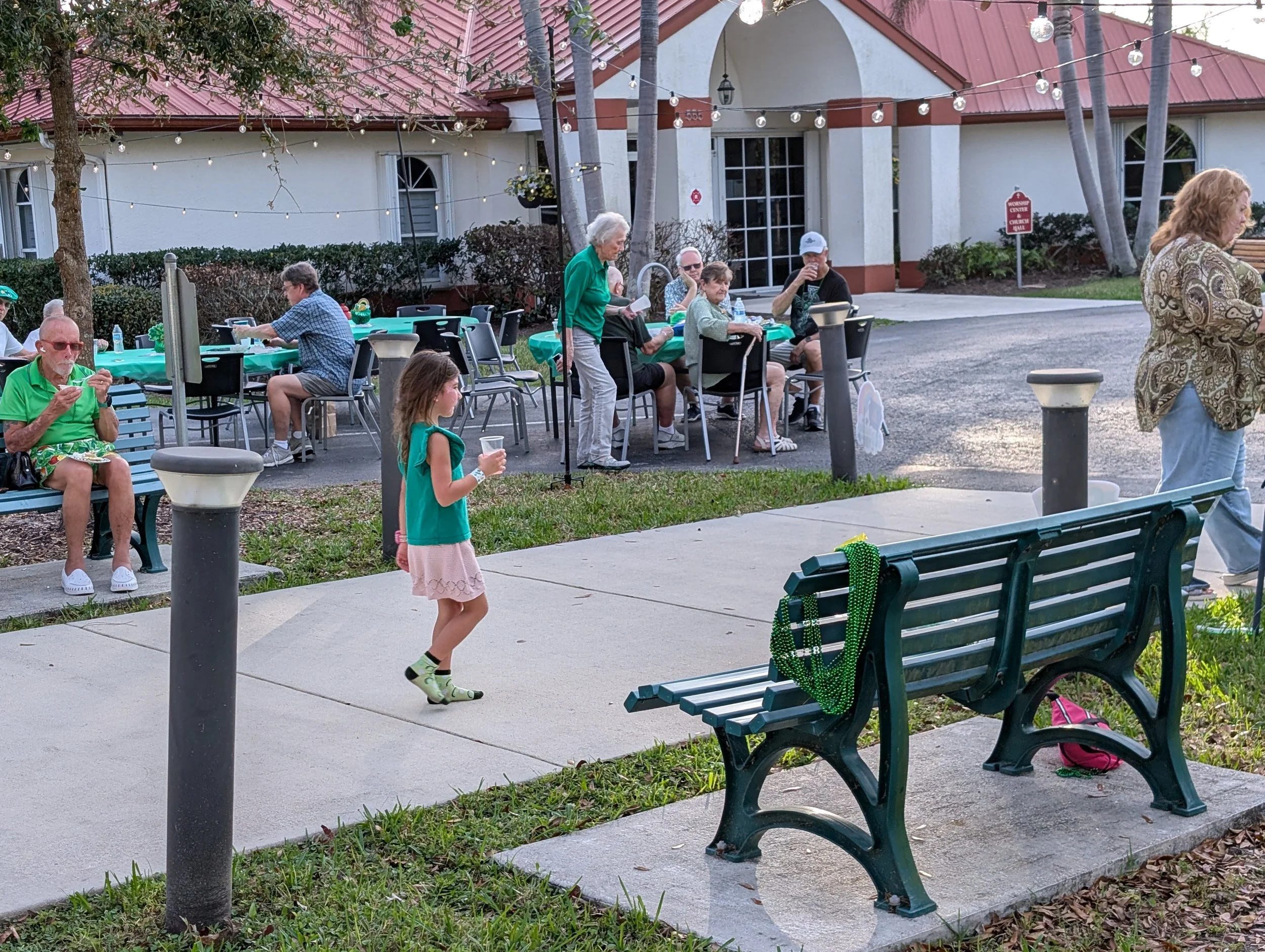
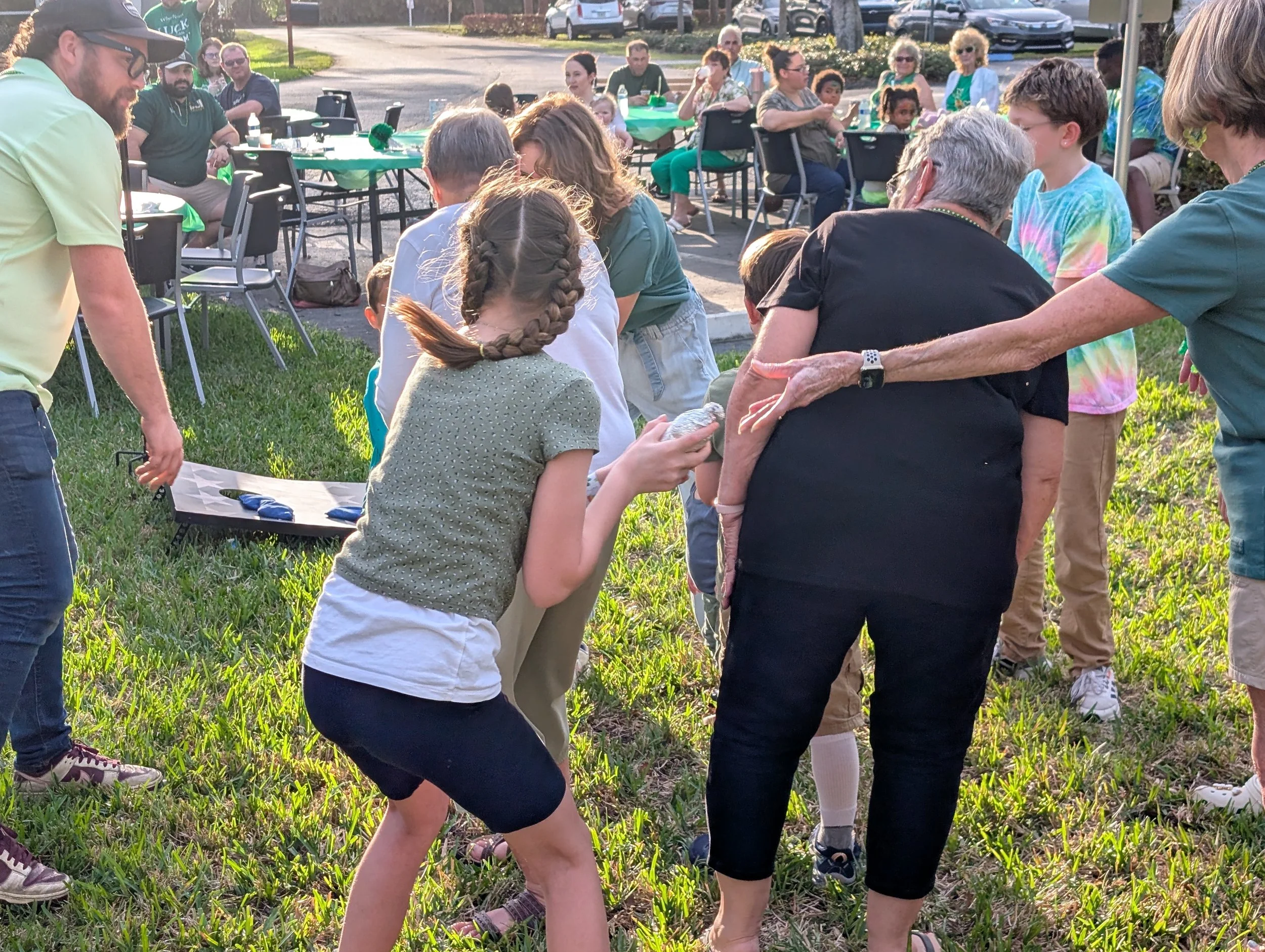
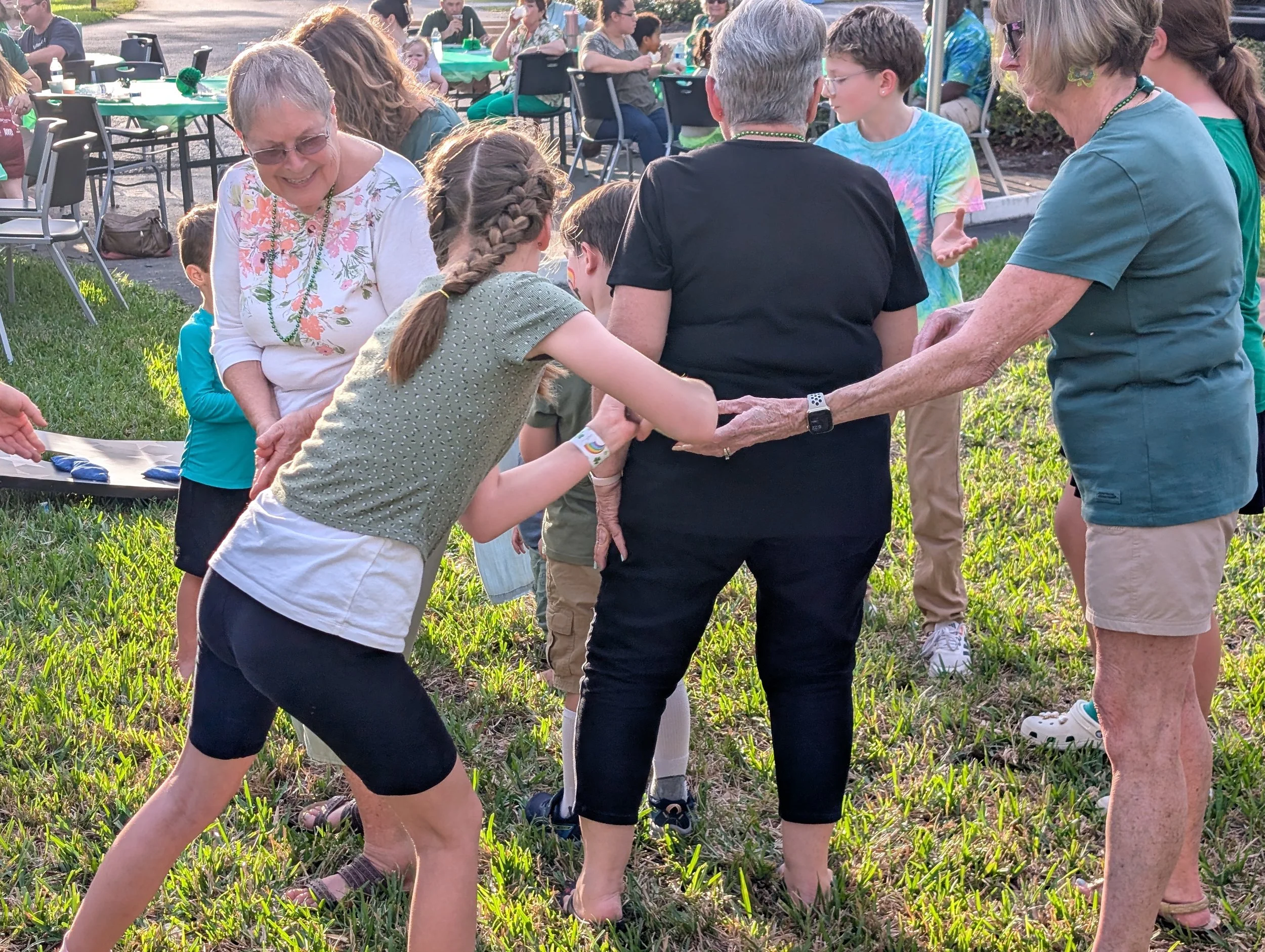
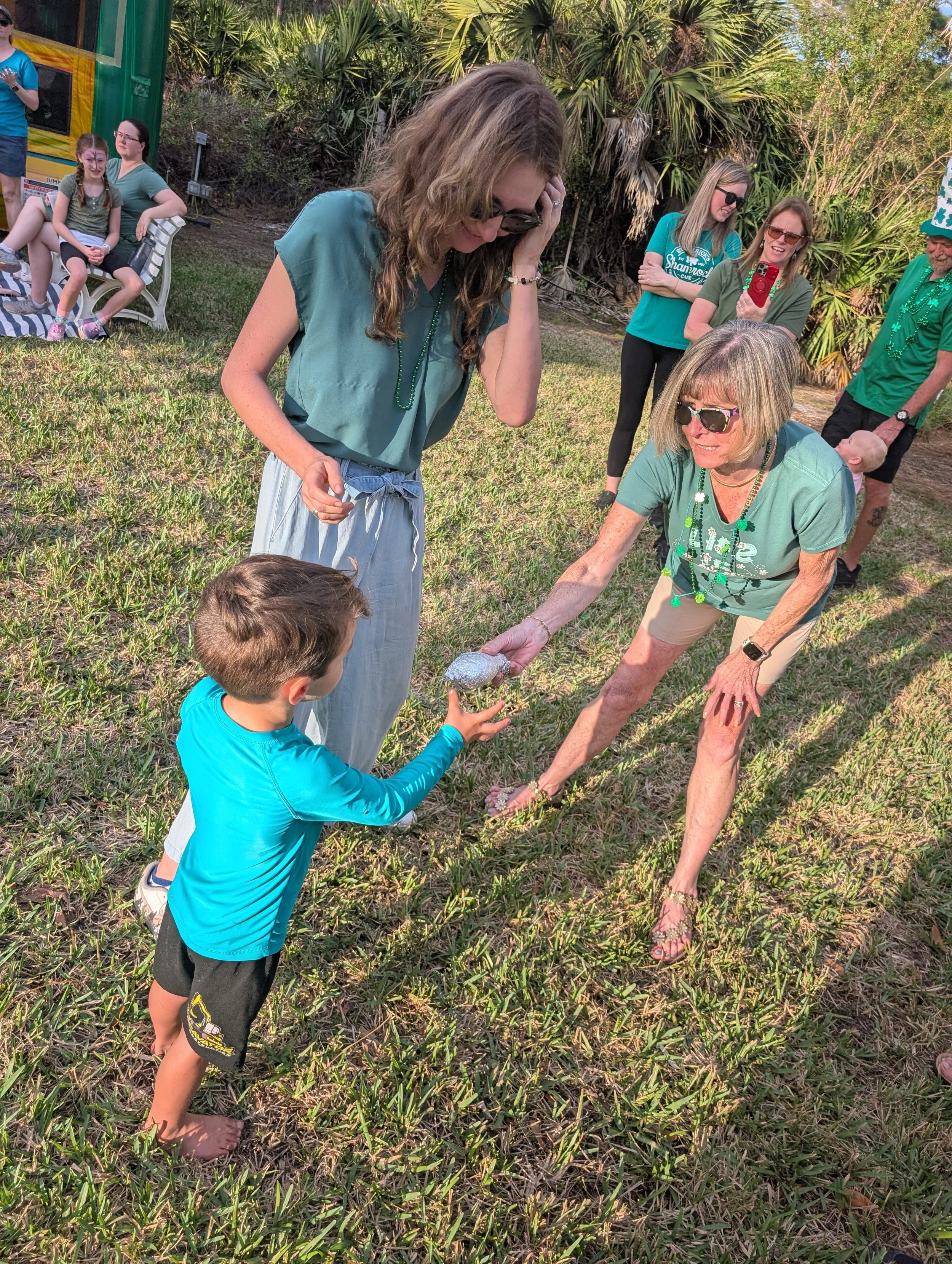
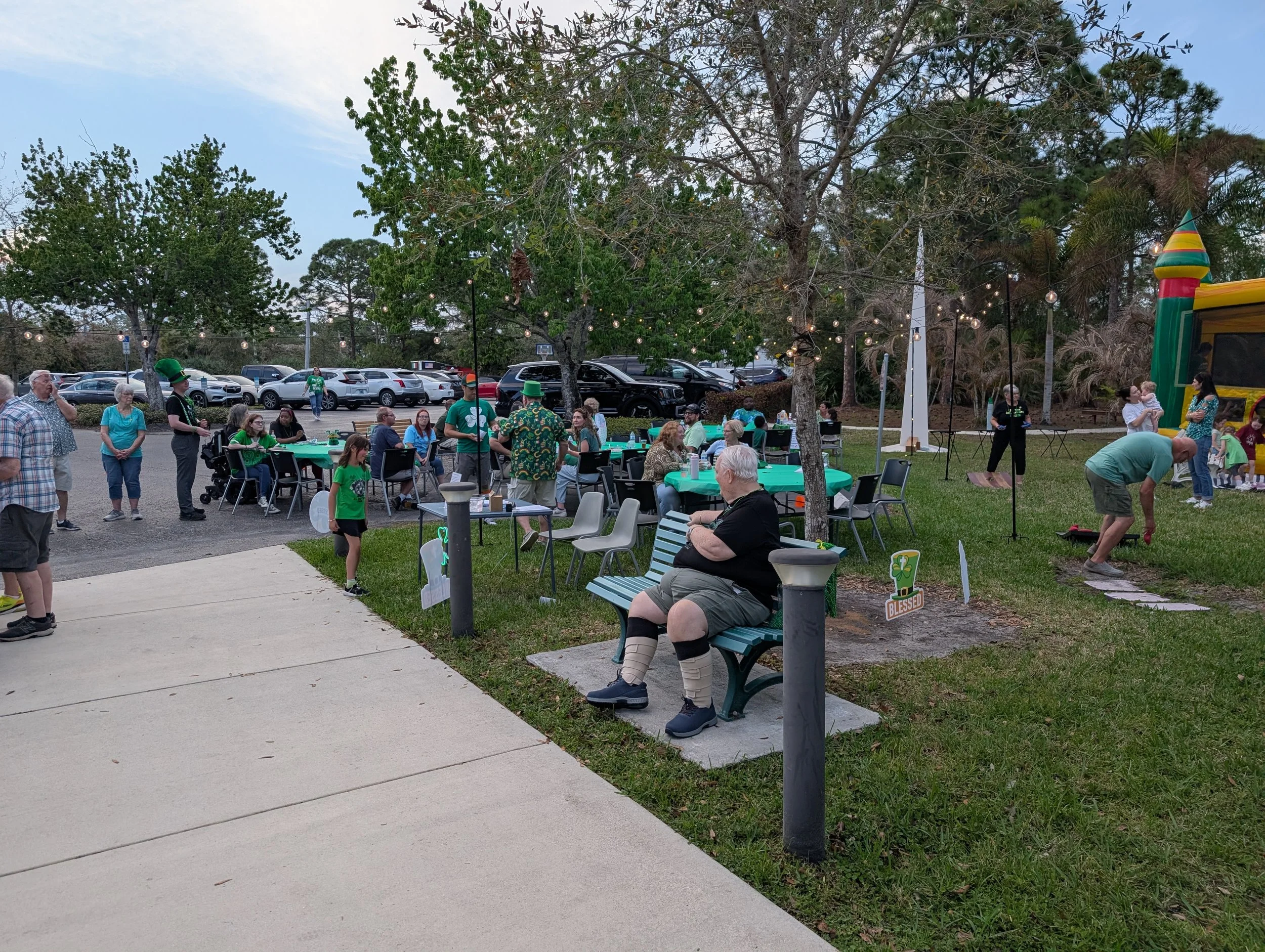
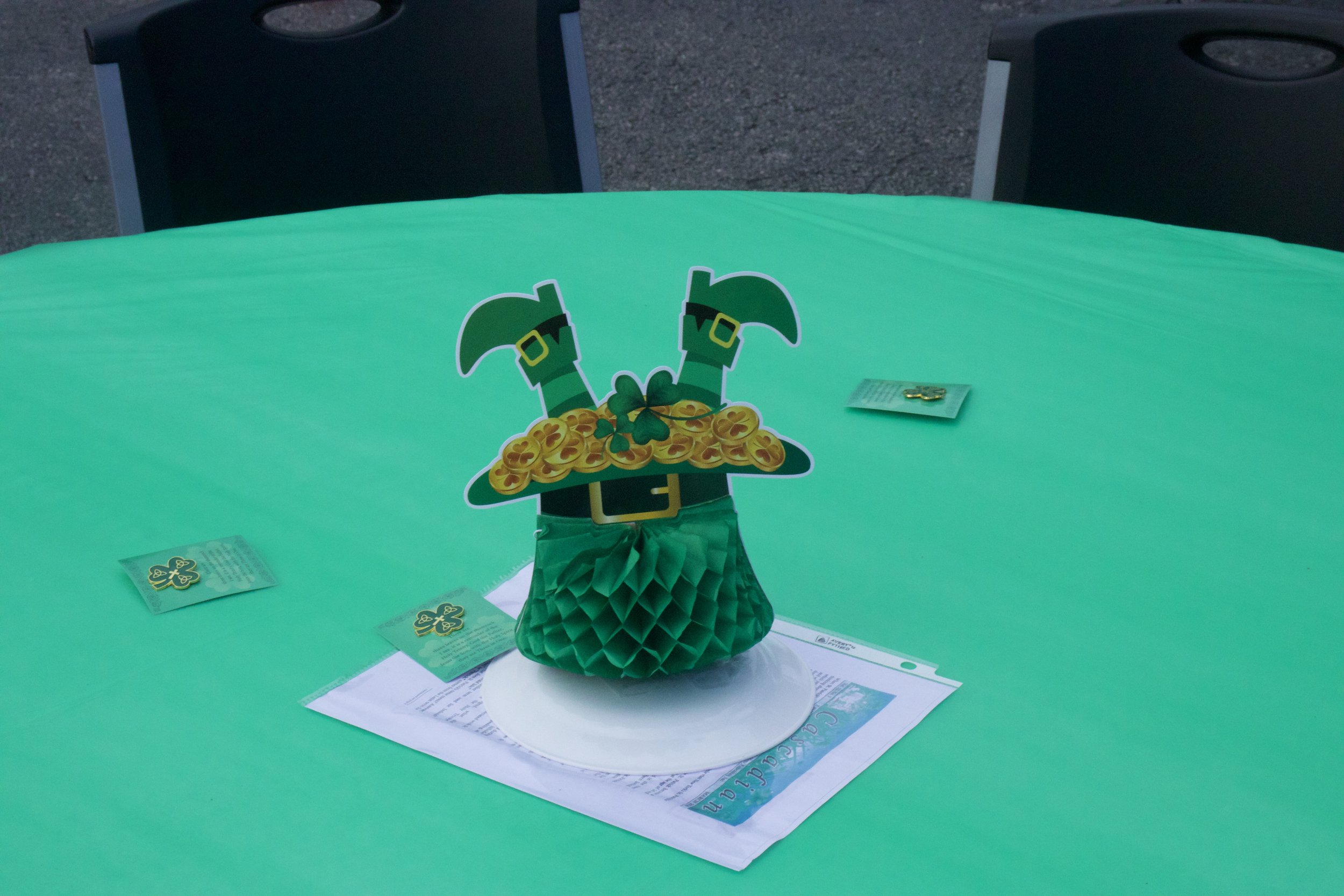
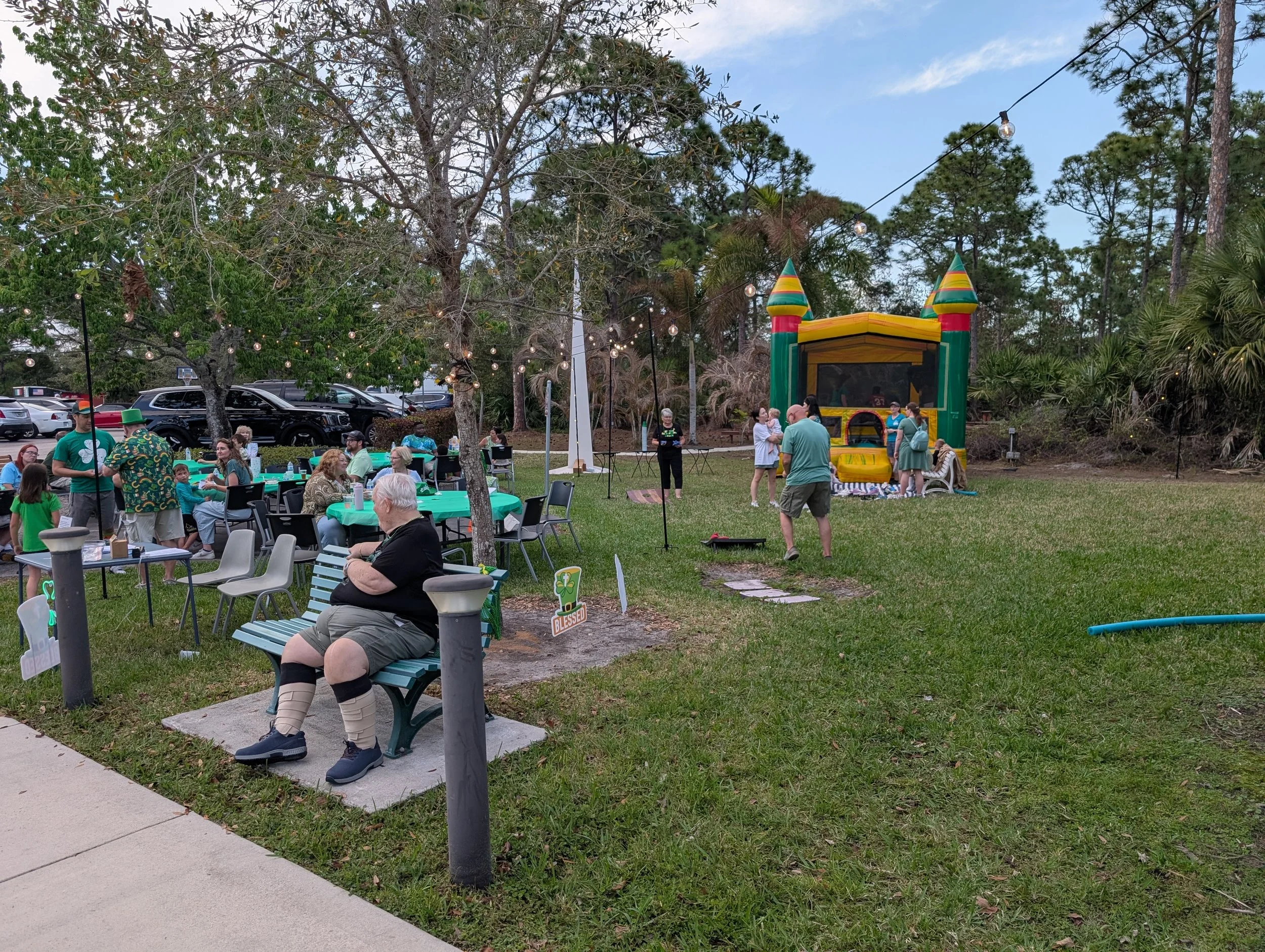
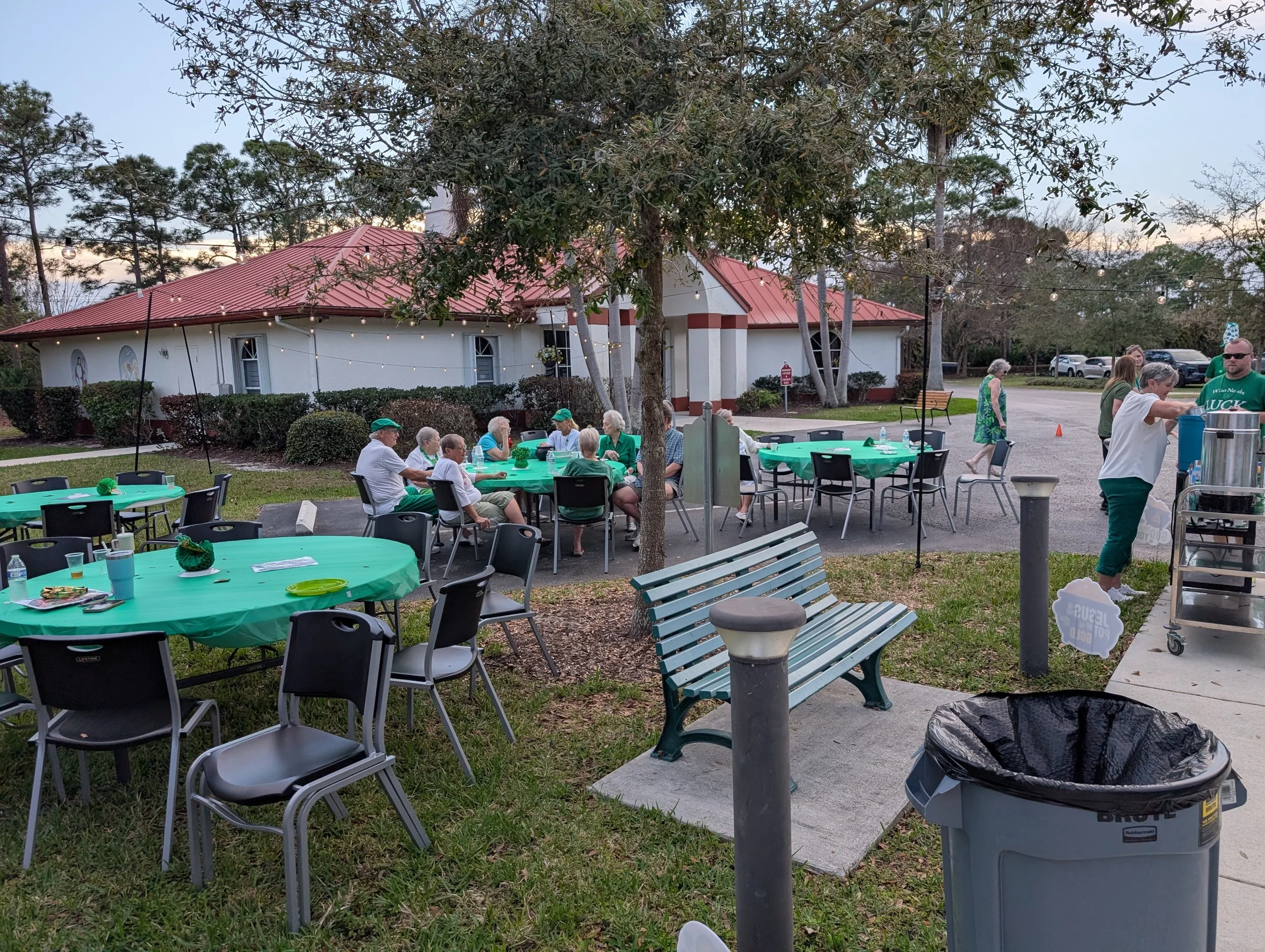
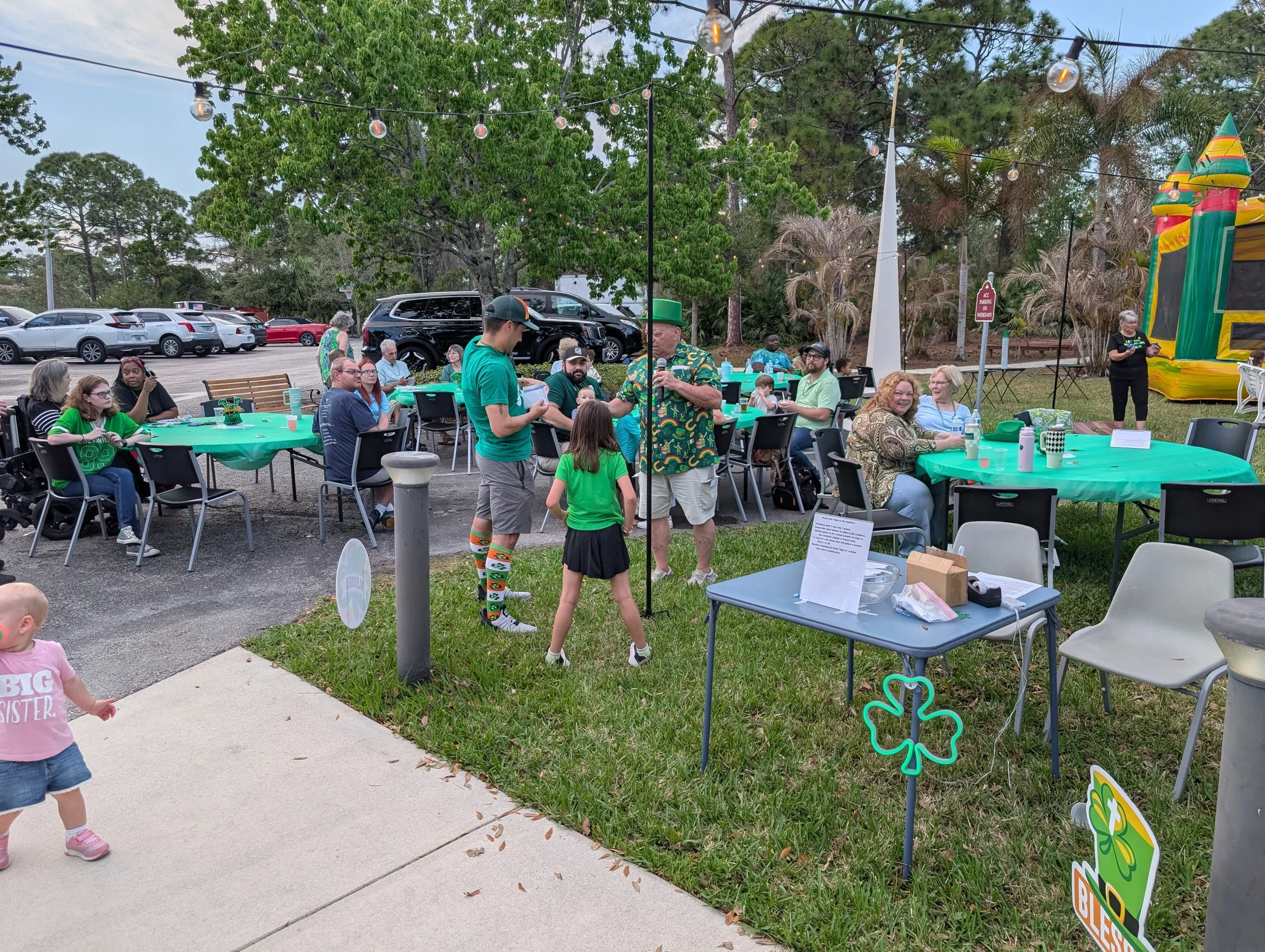
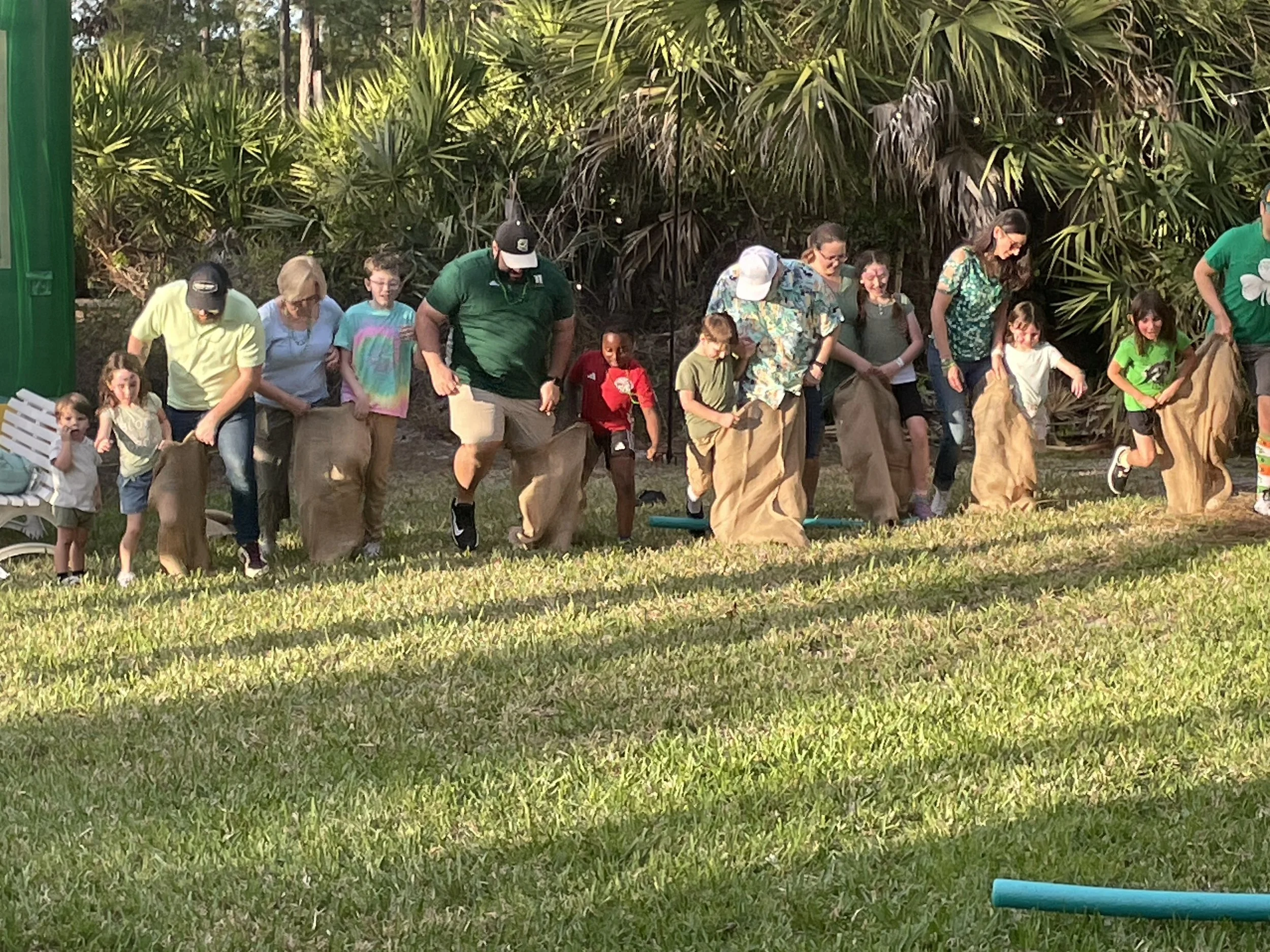
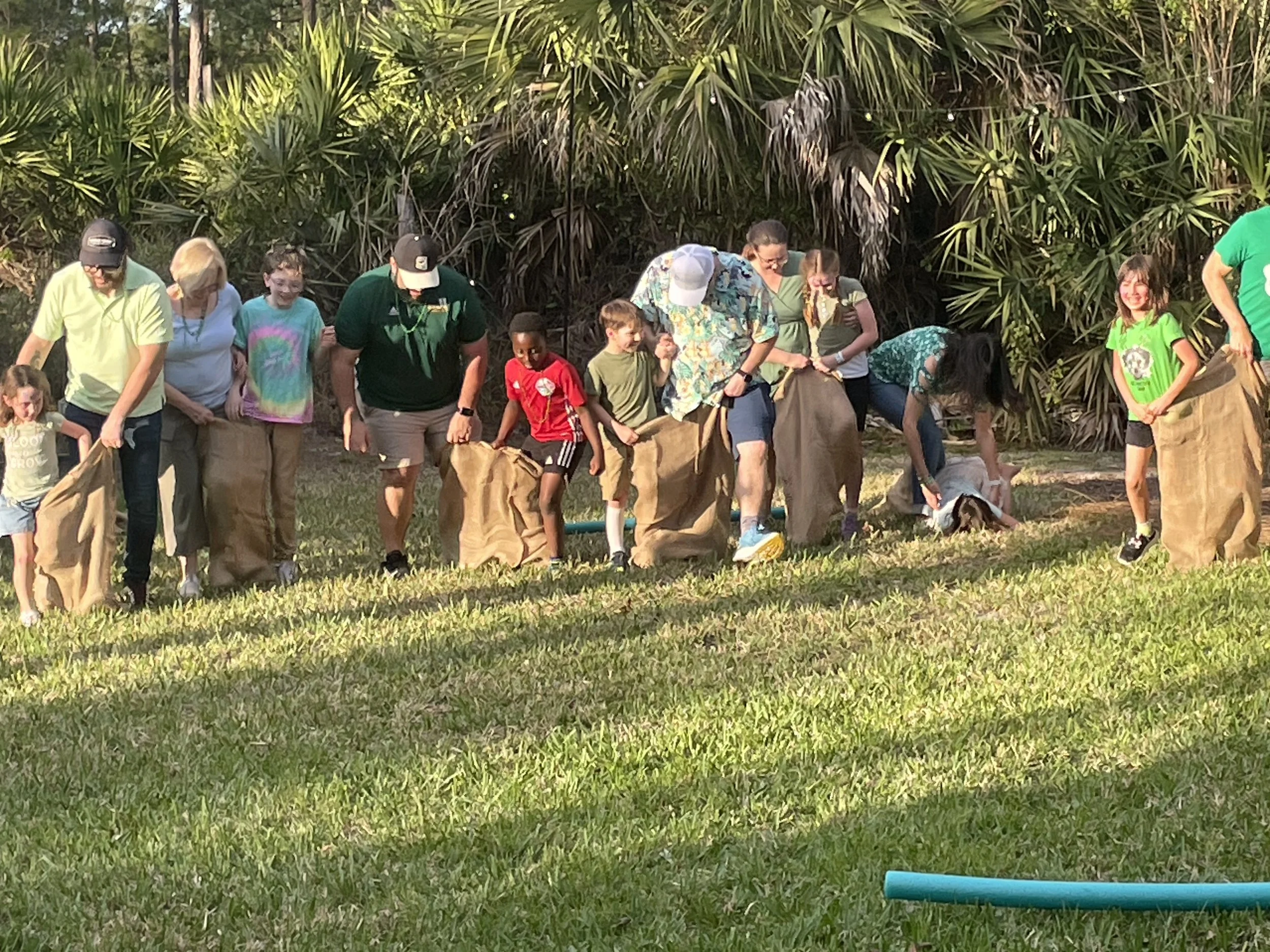
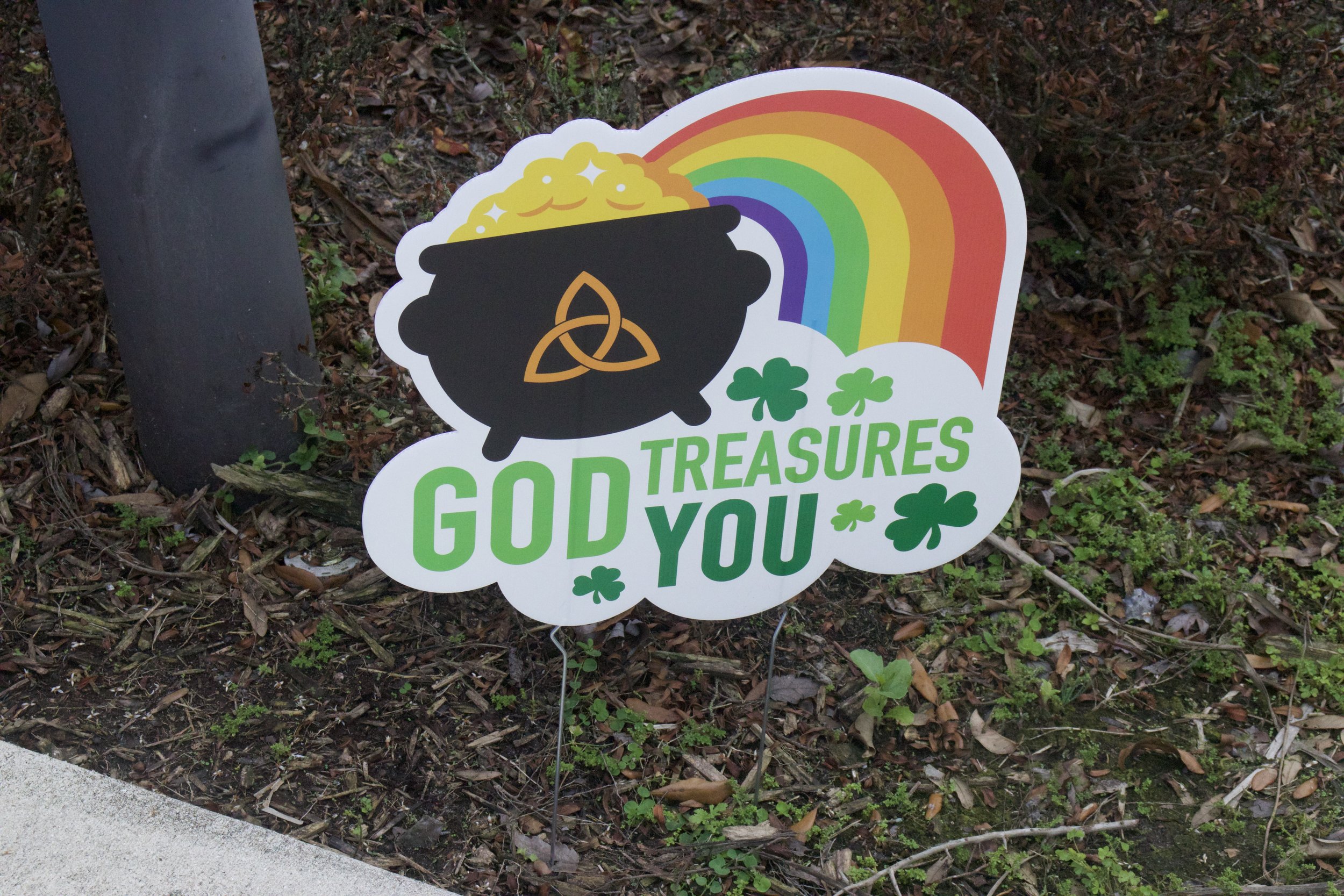
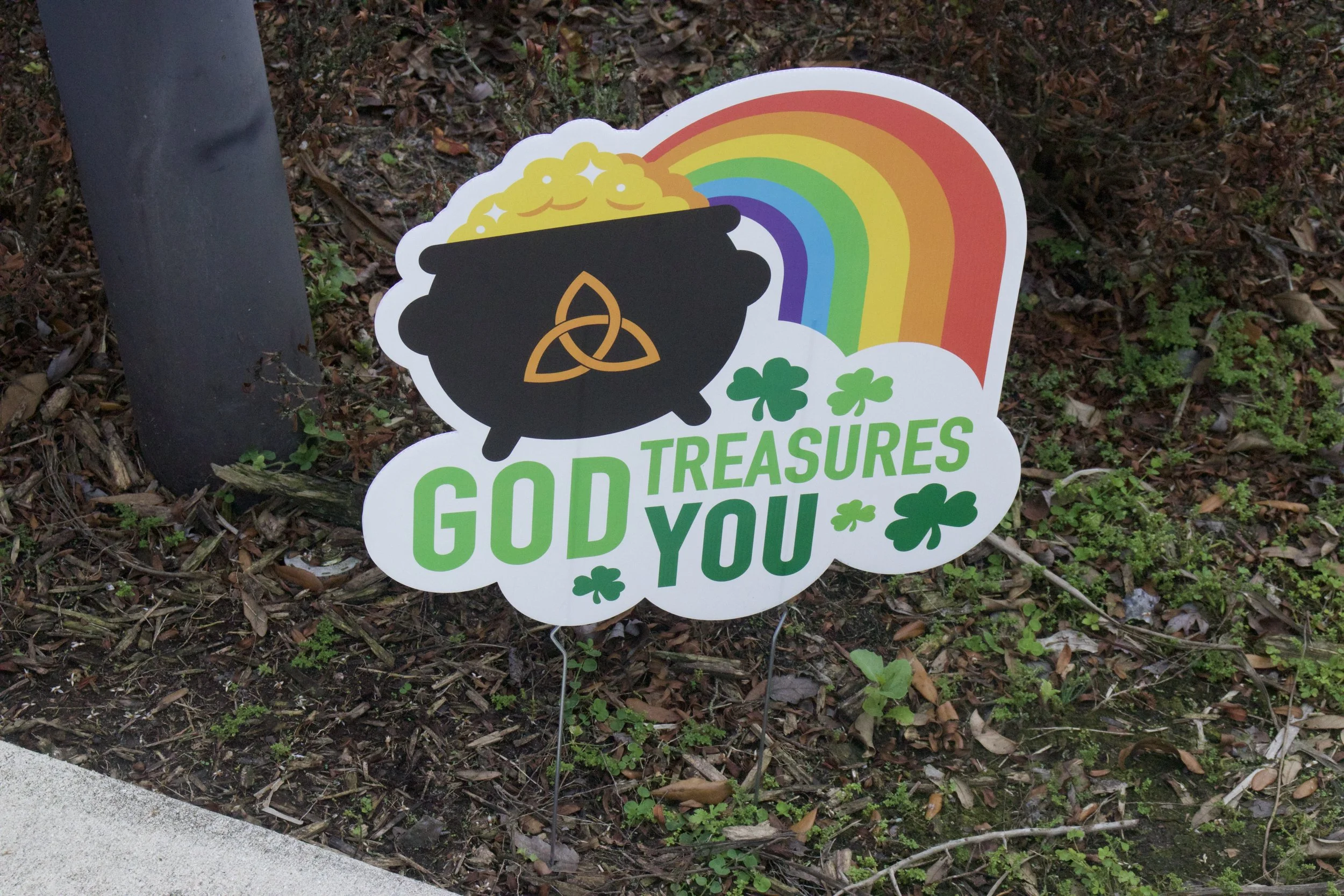
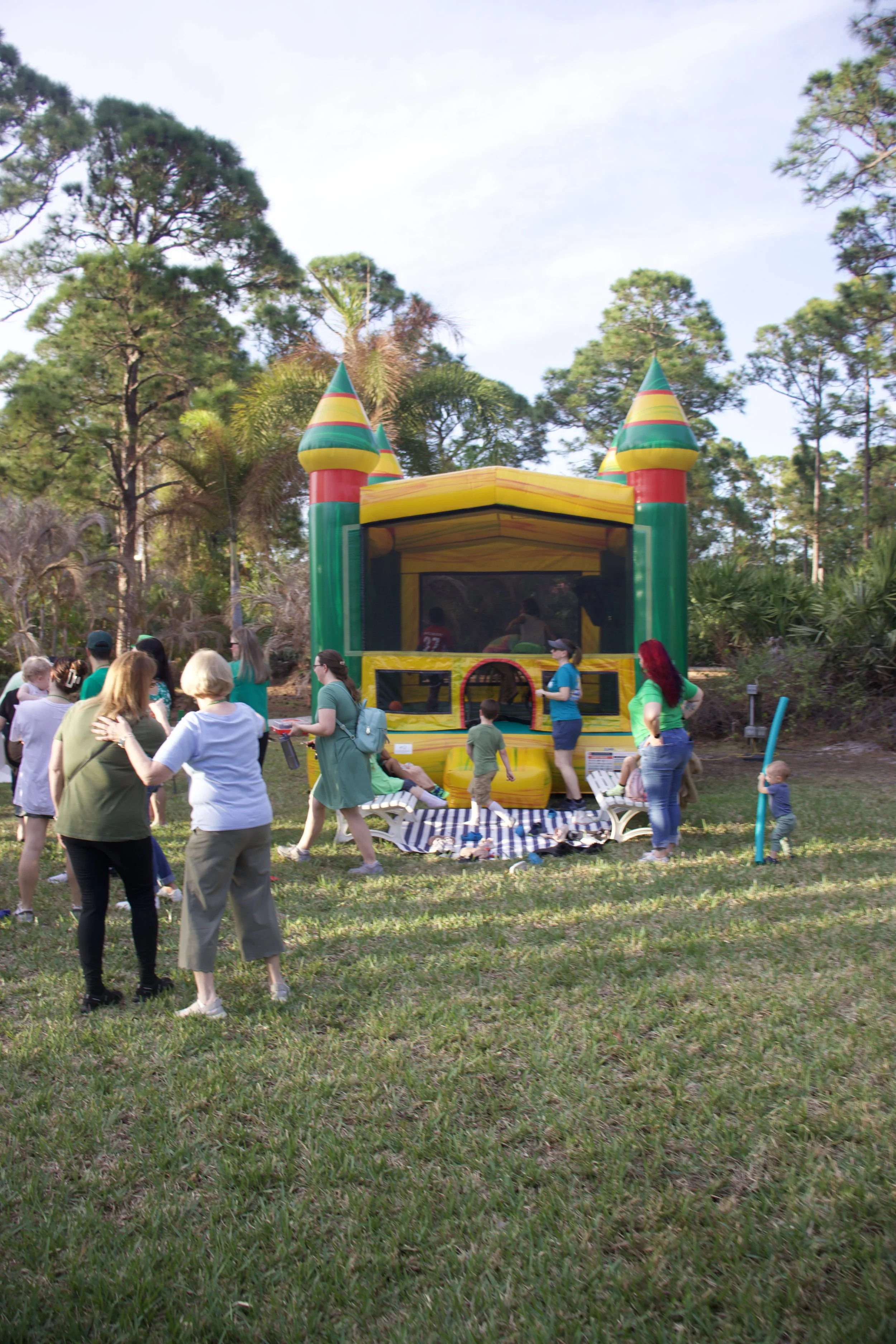
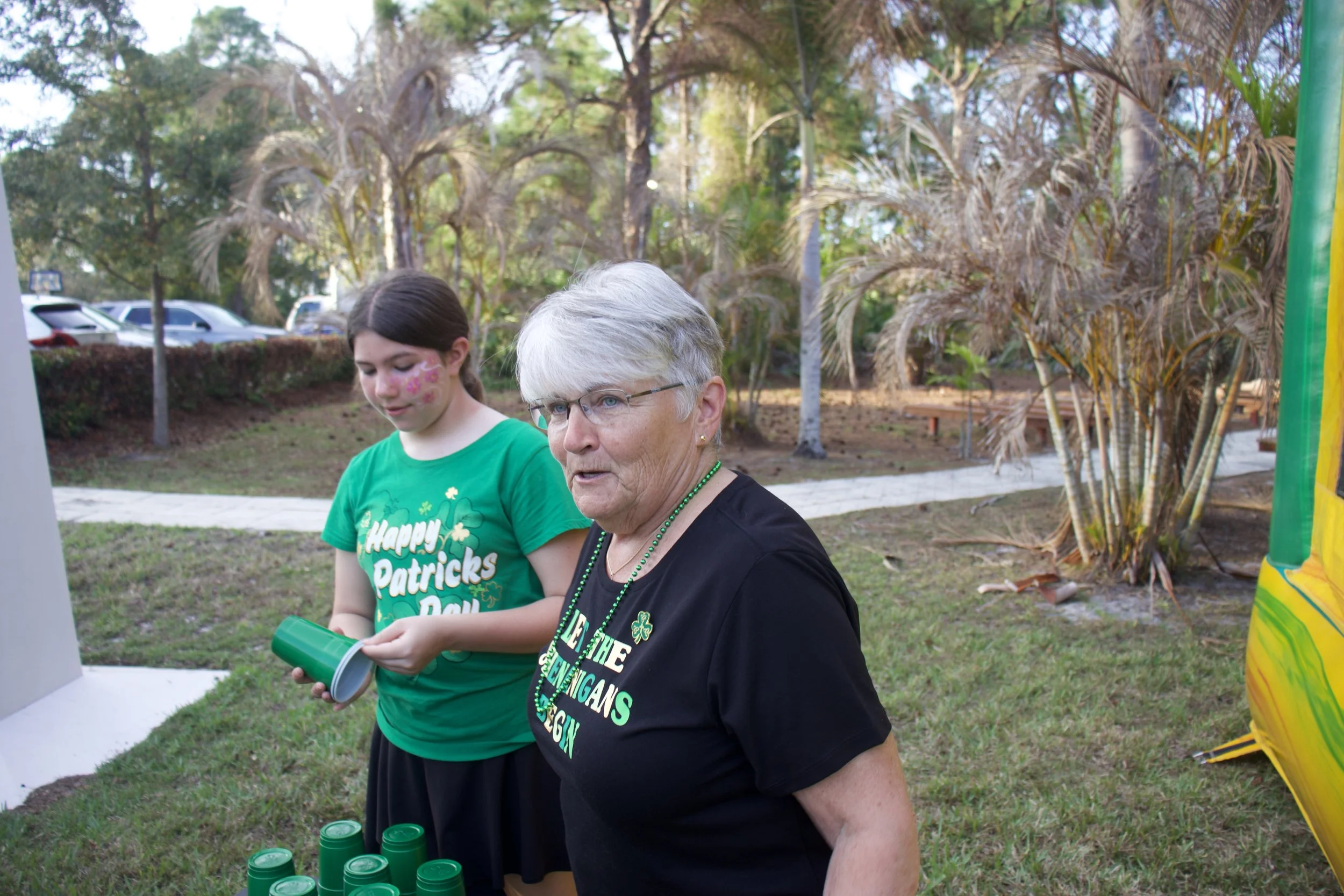
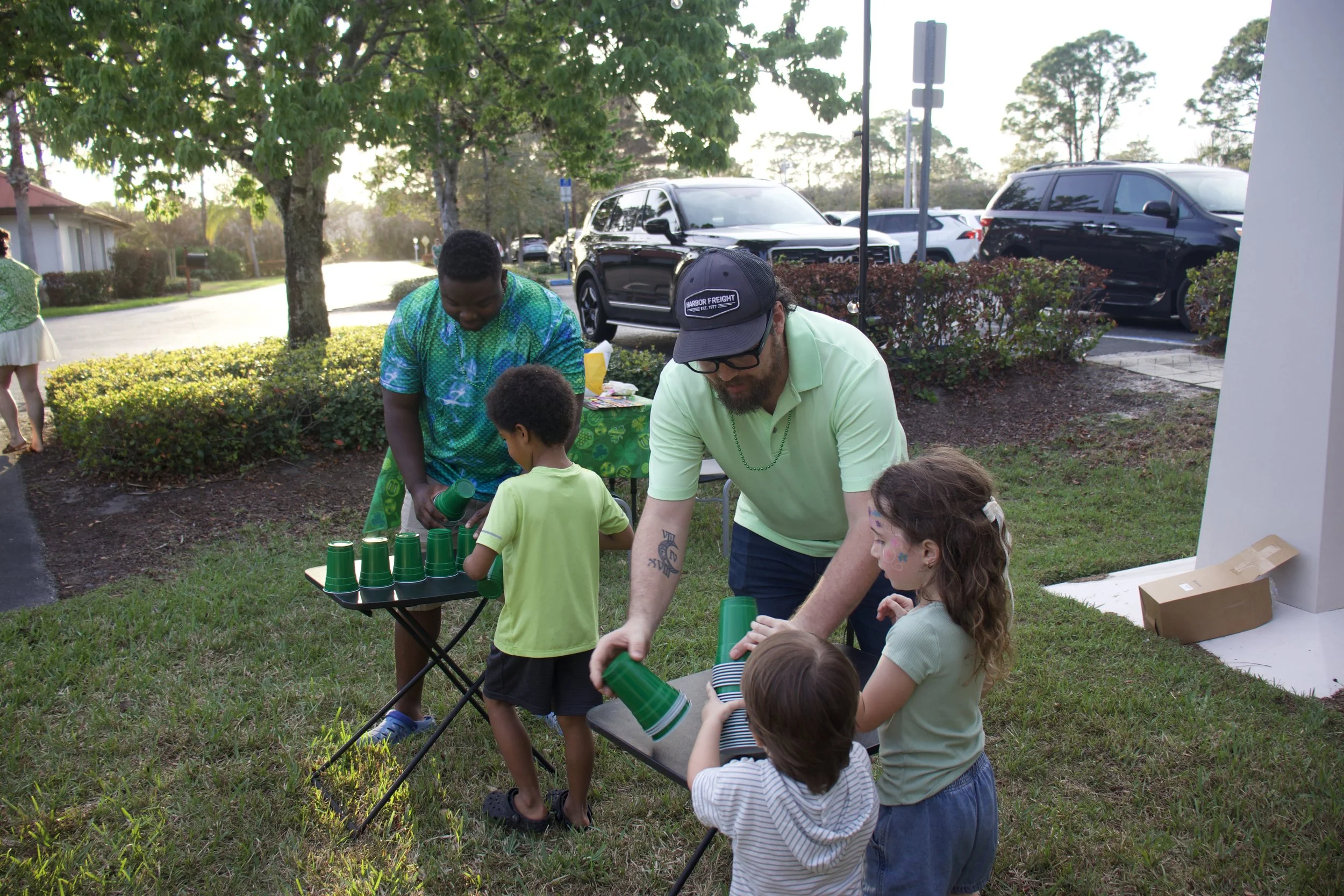
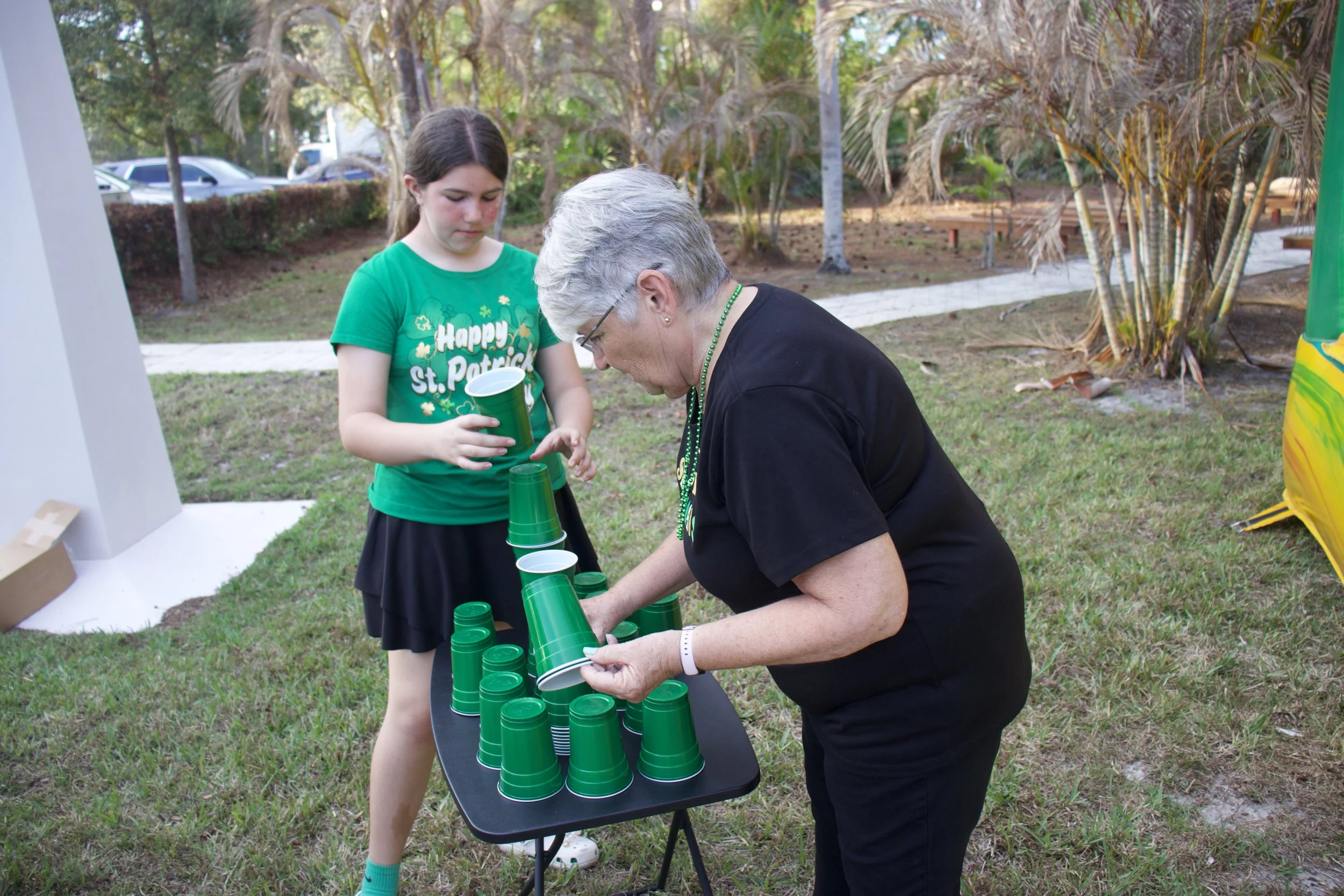
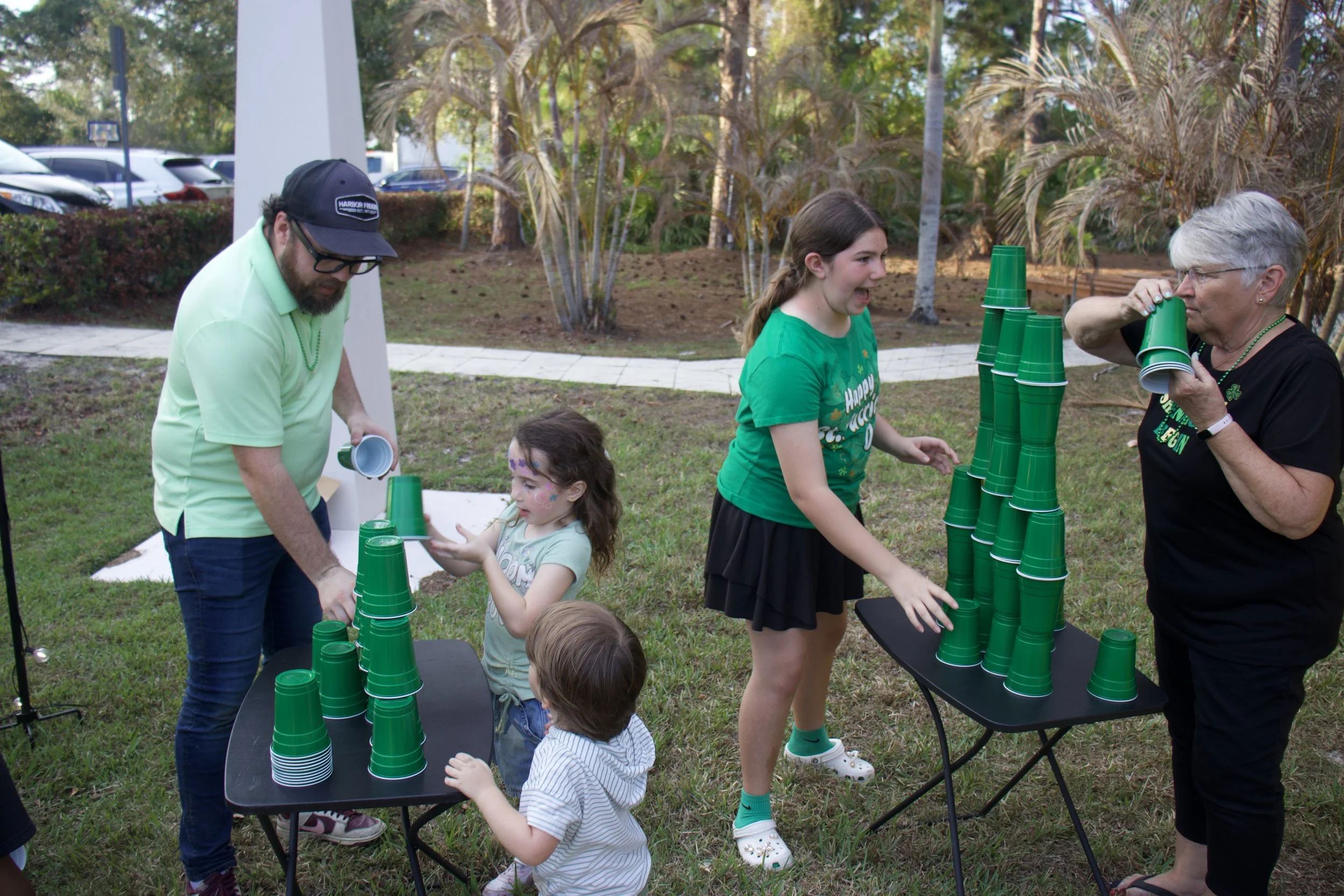
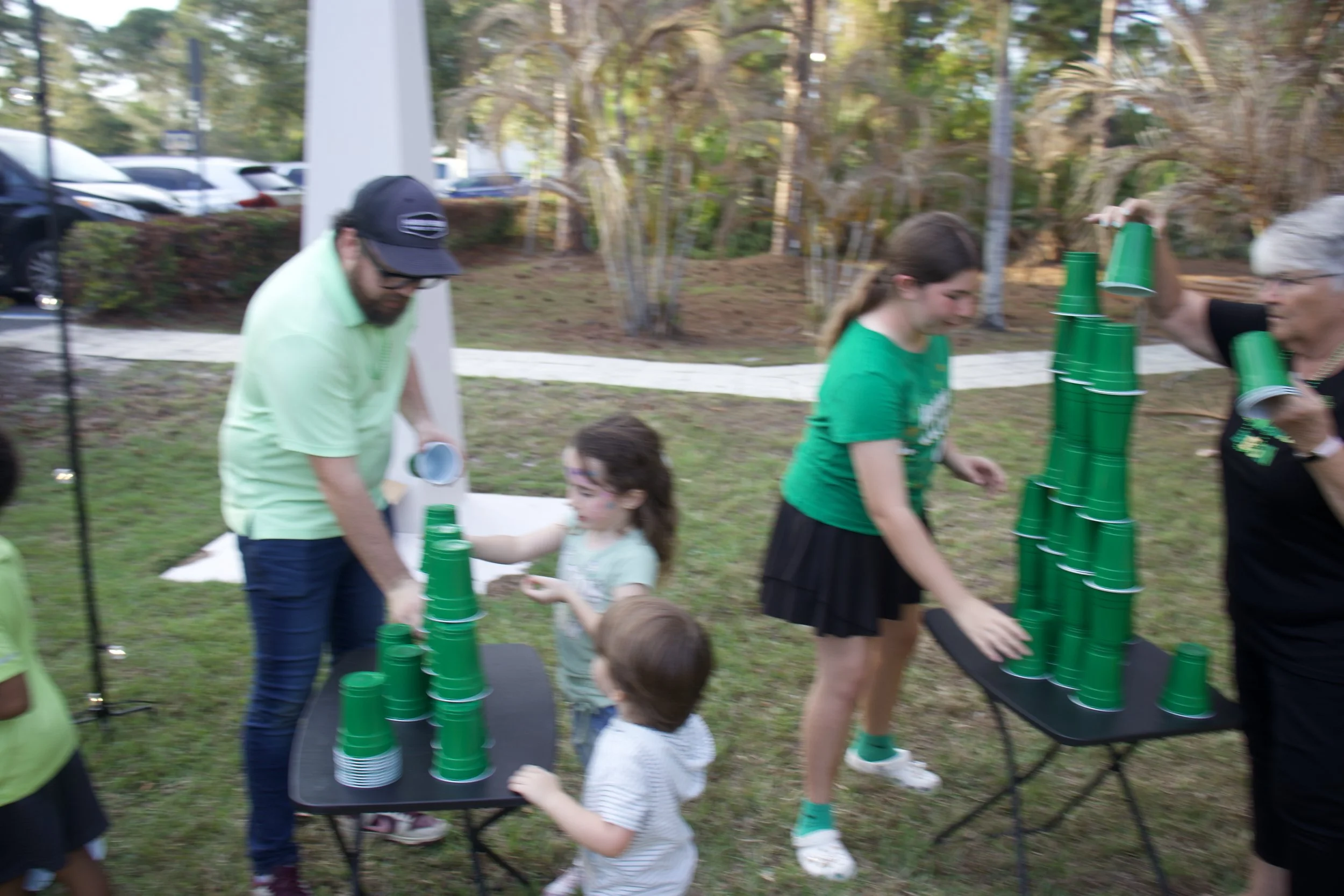
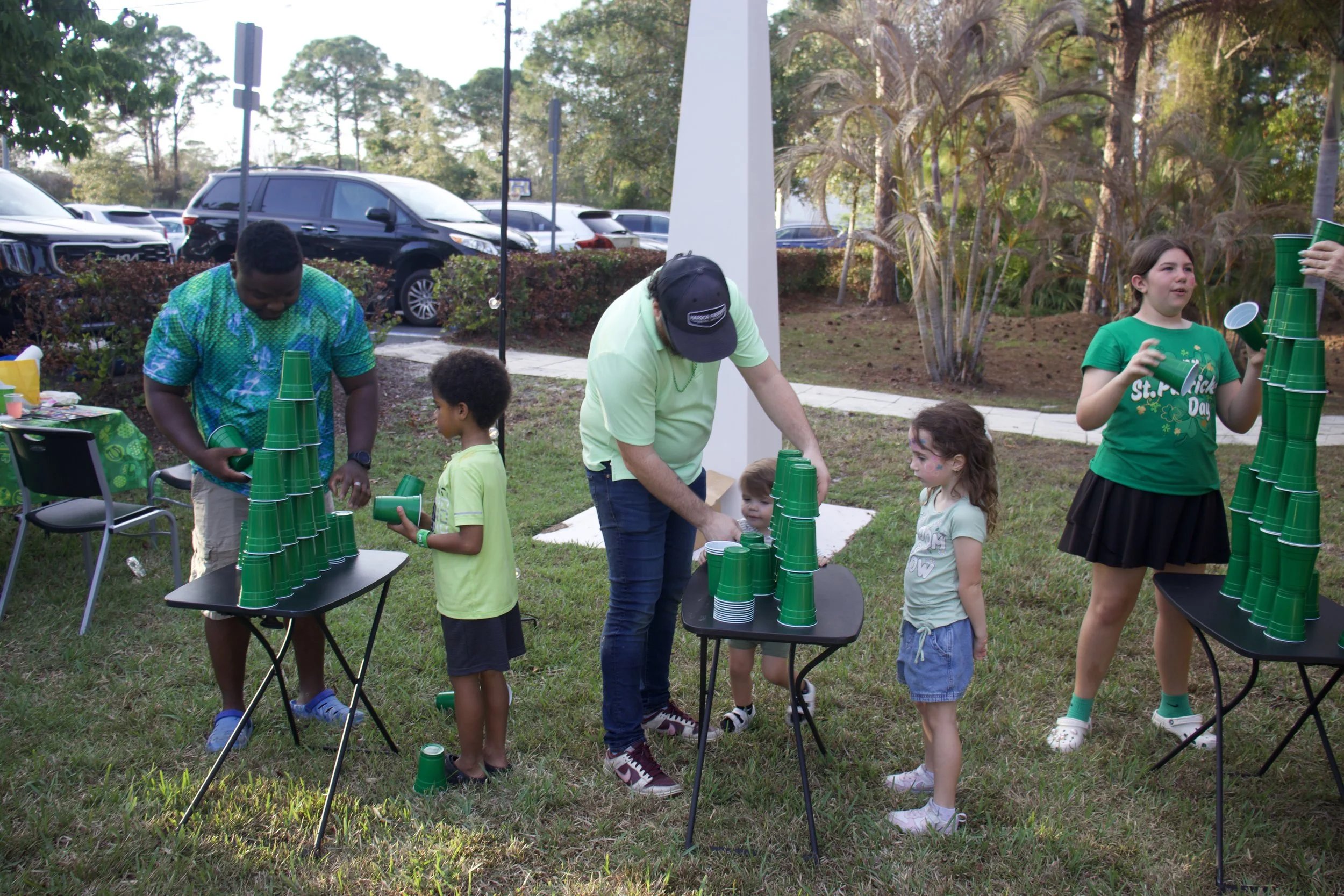
Dublin the Fun (Photos)
We had more than Dublin the Fun!

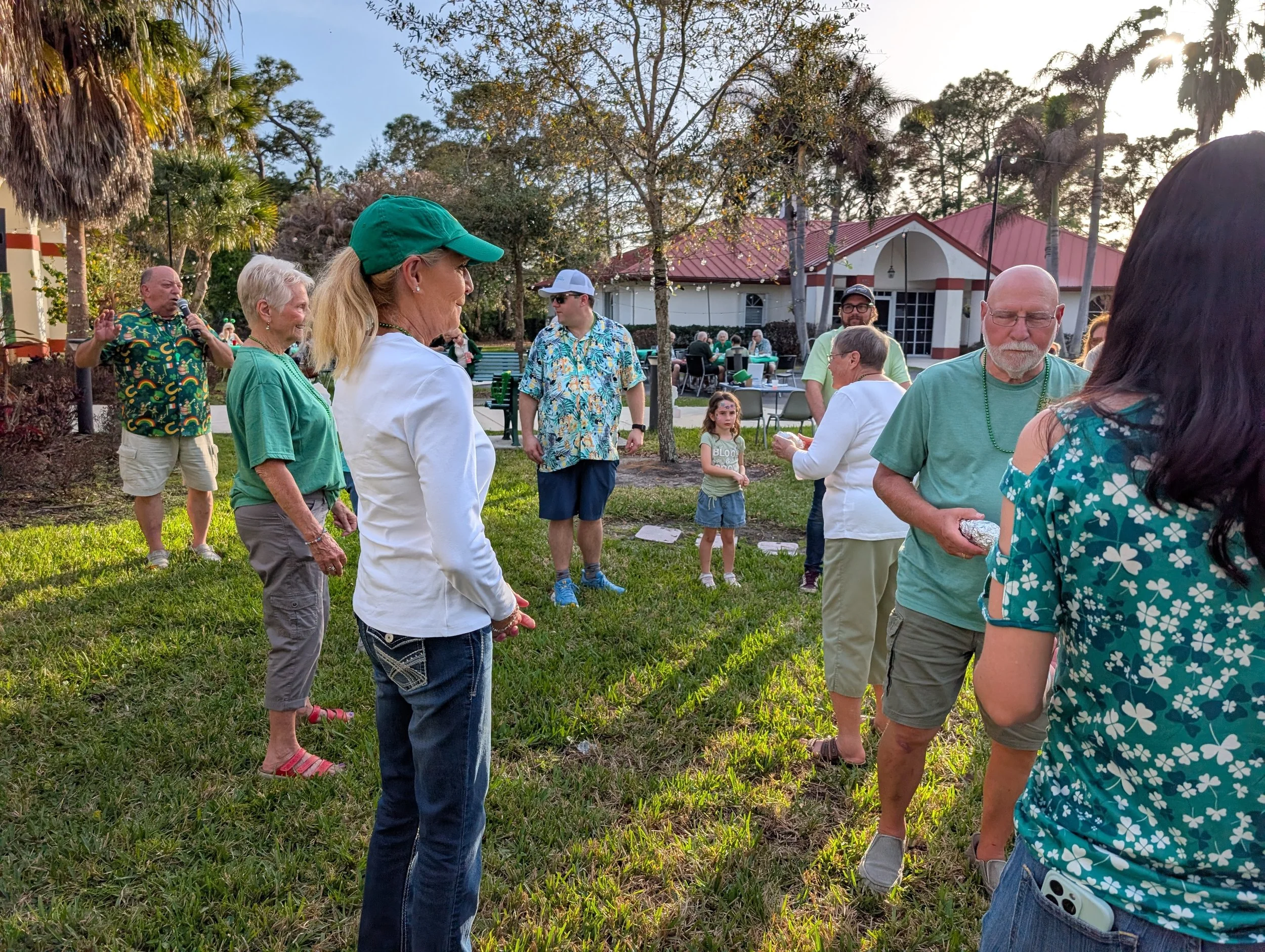
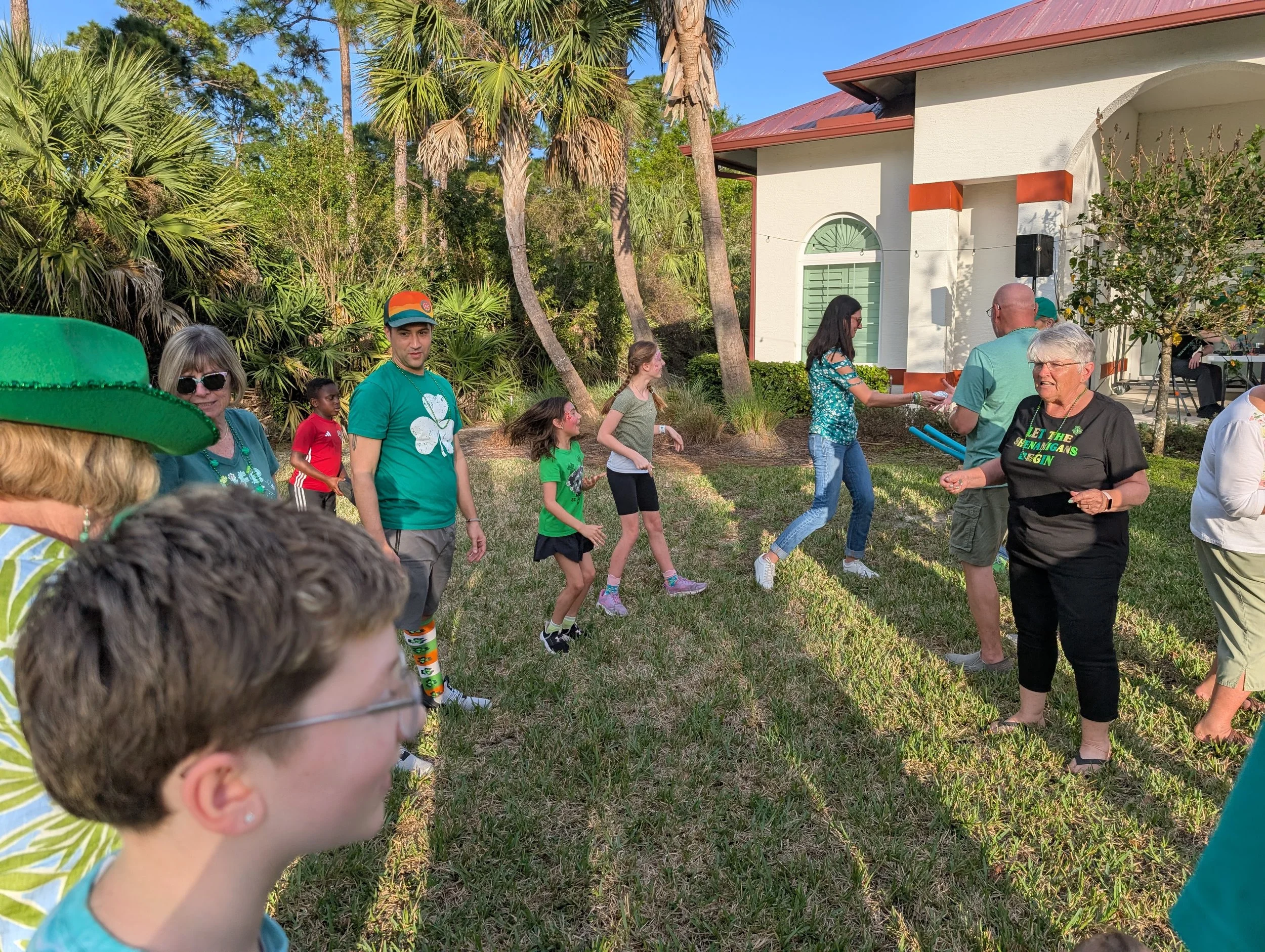
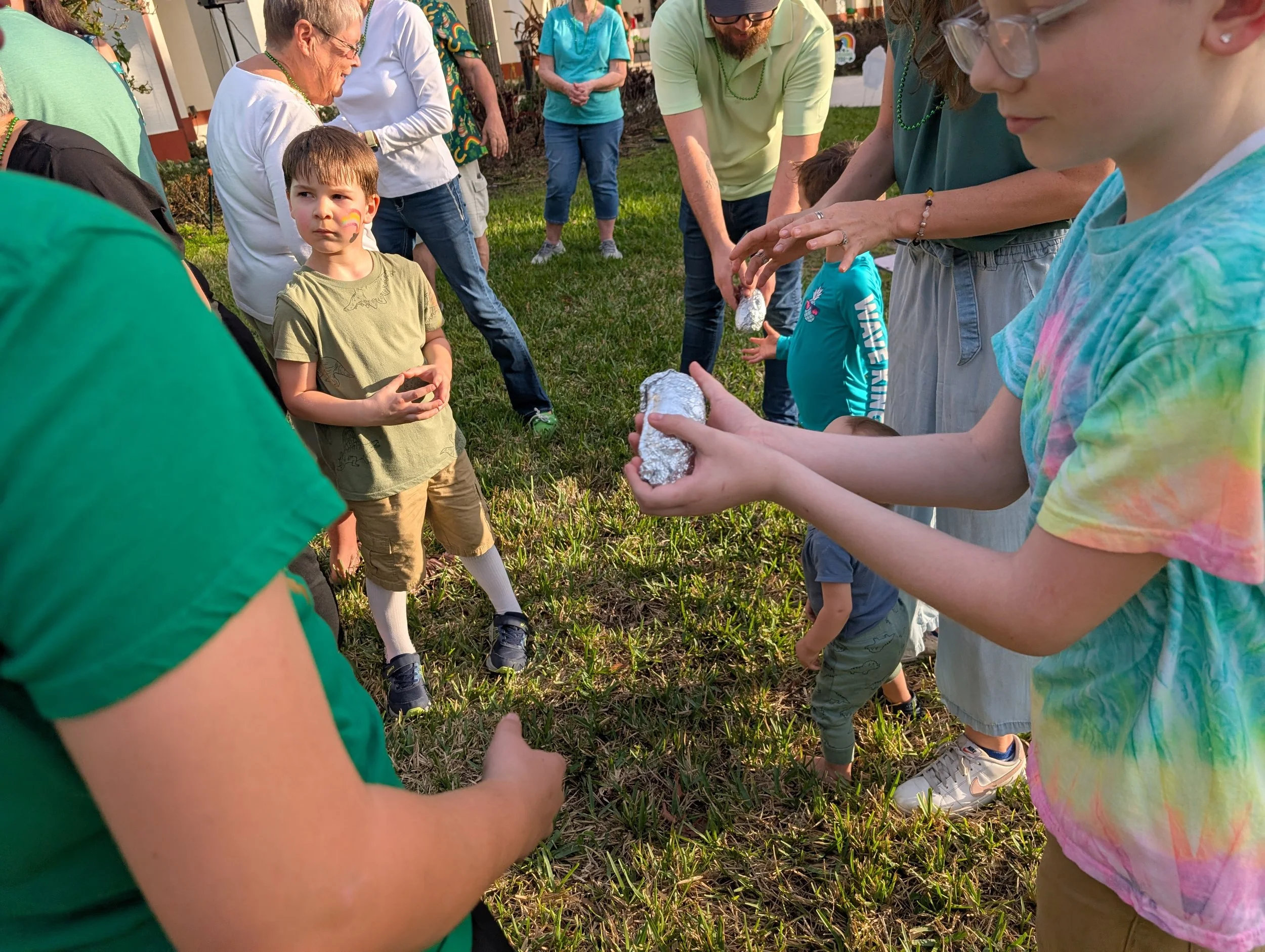
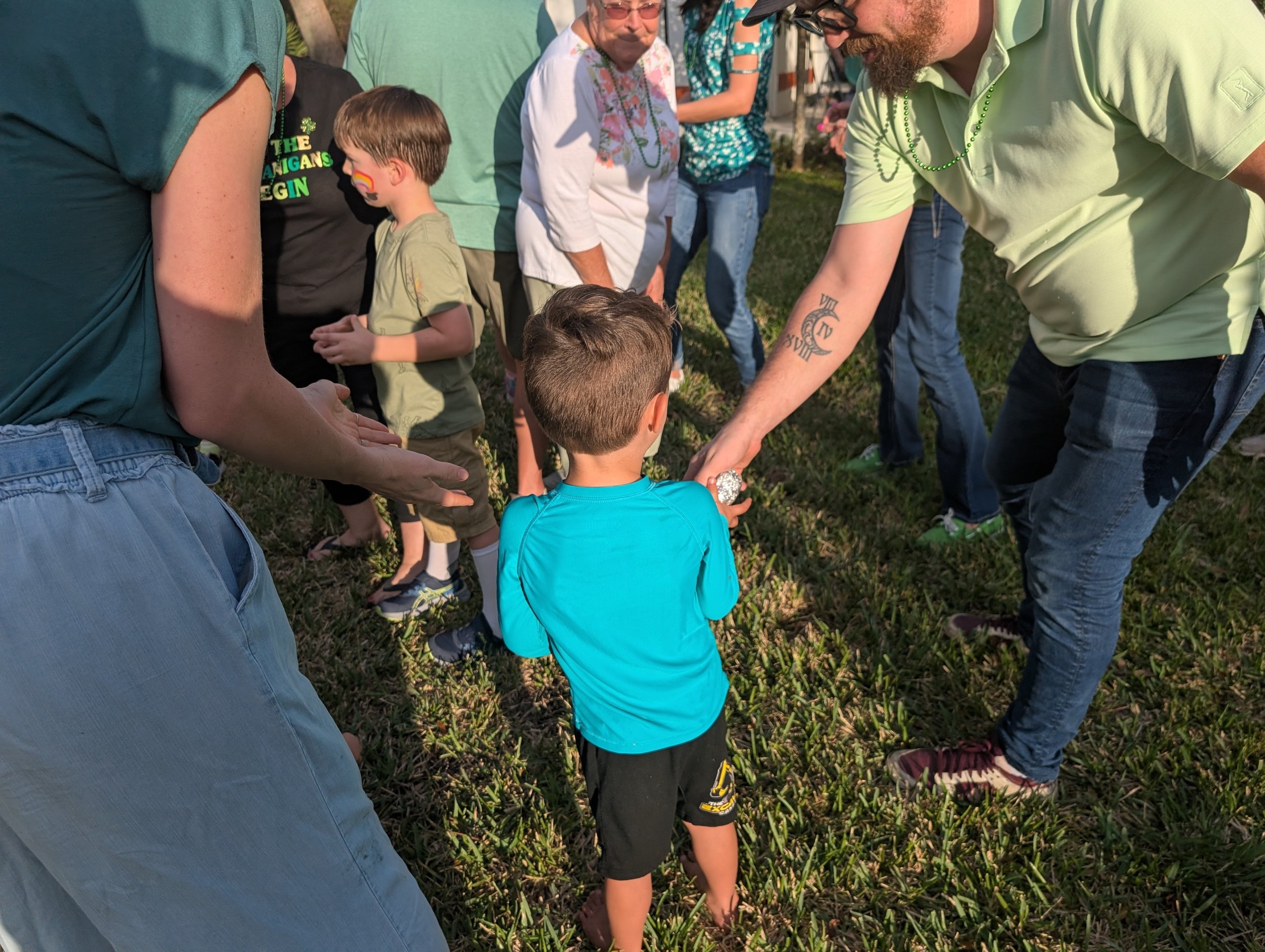
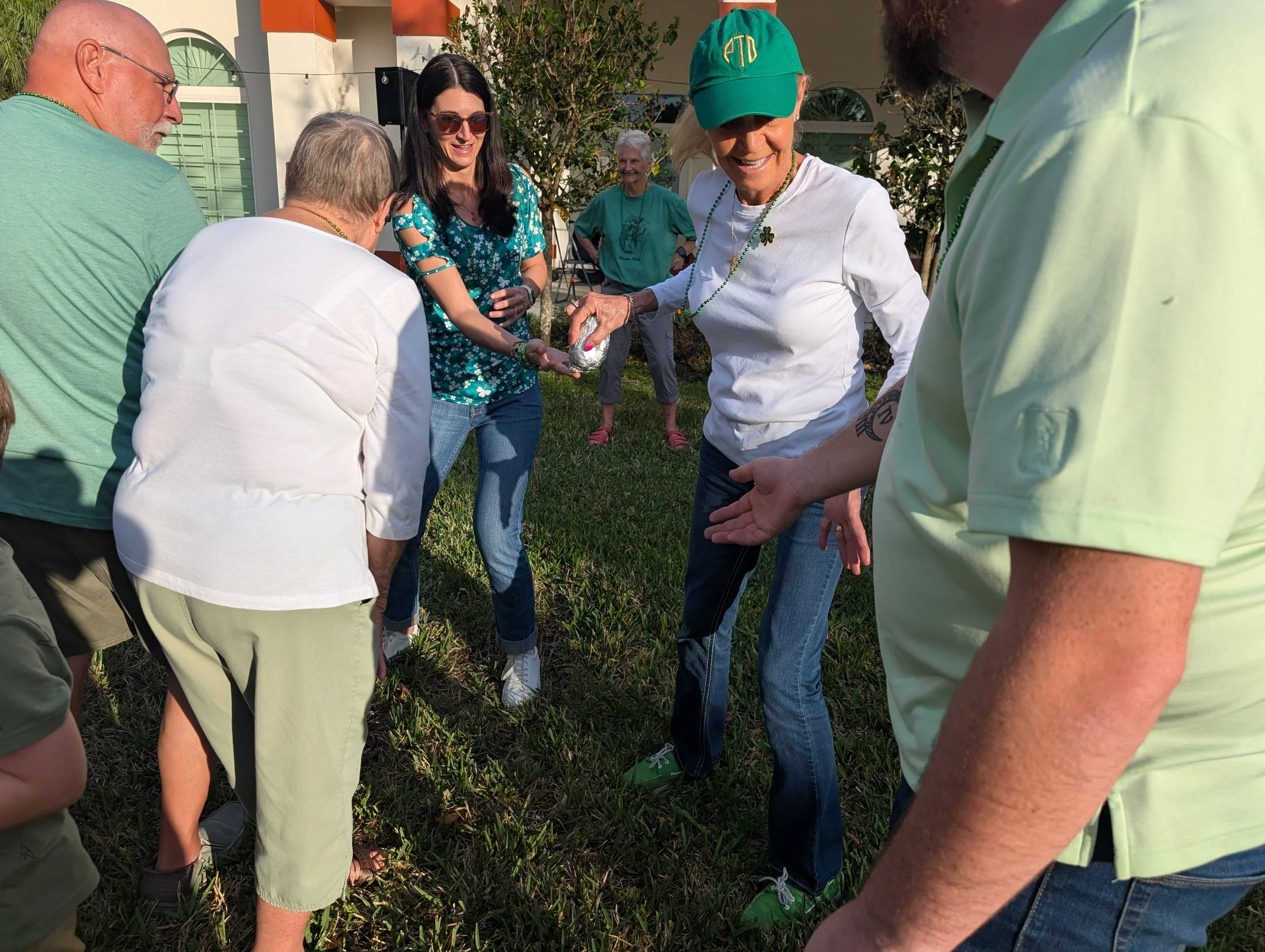
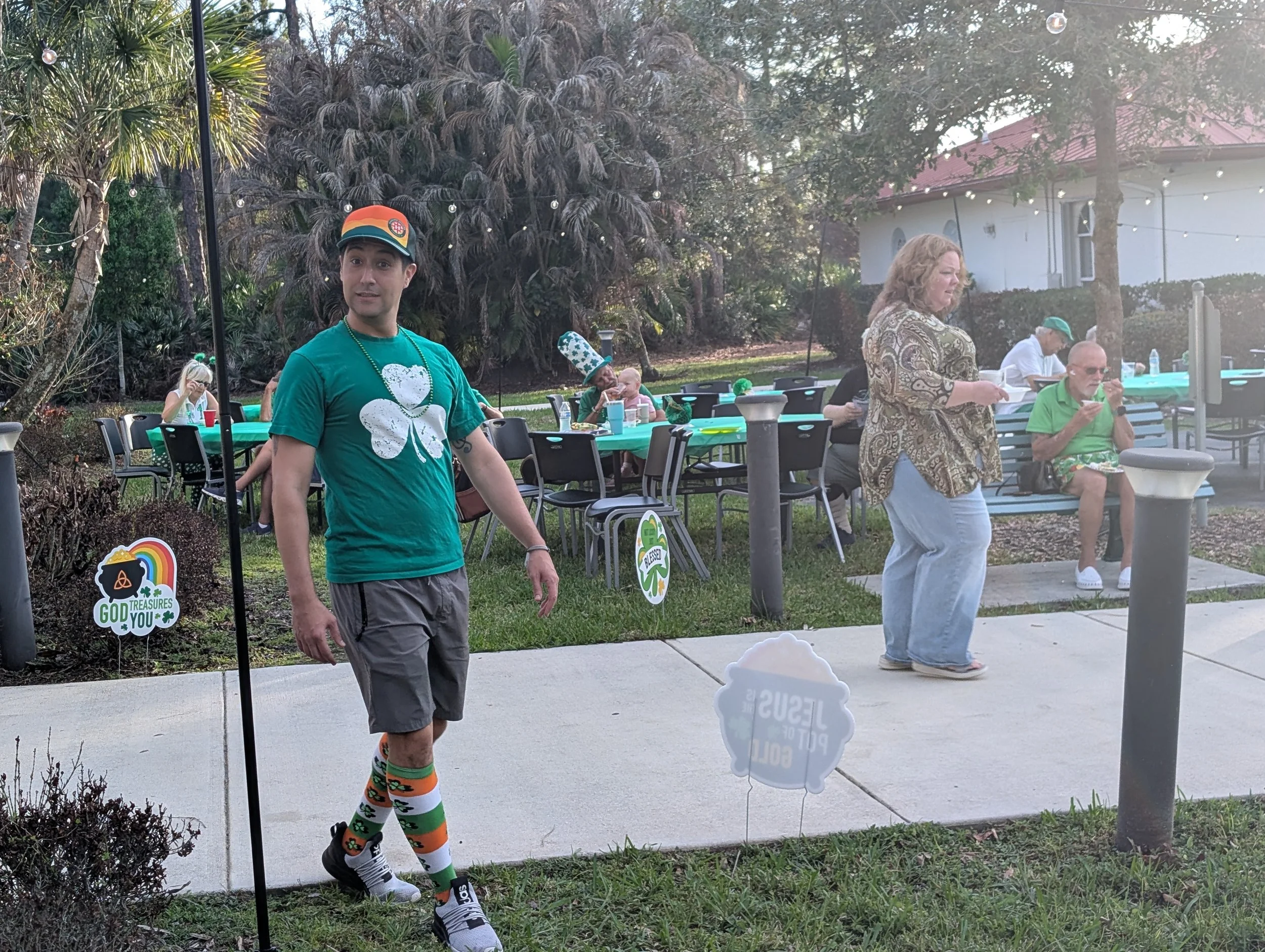
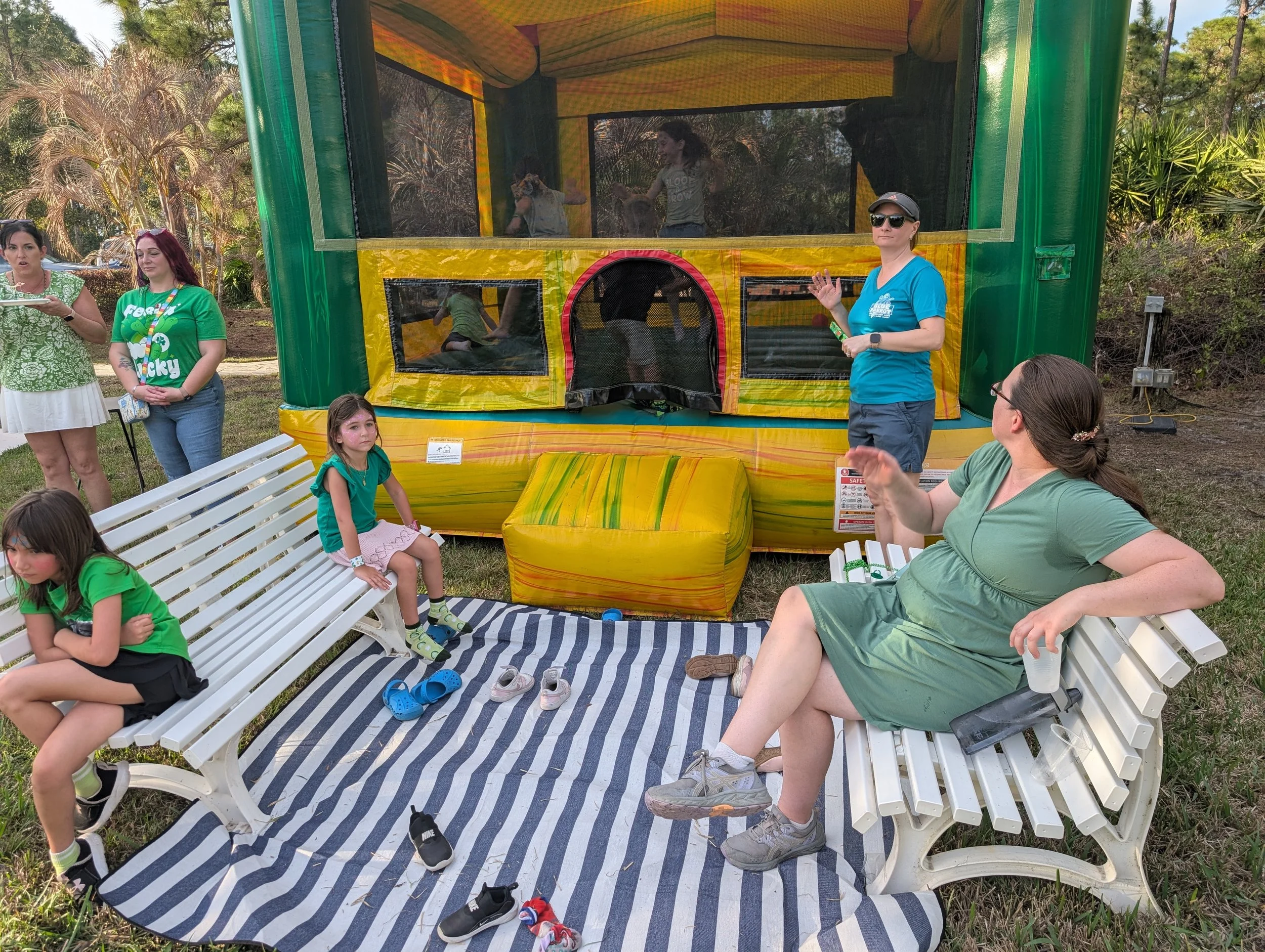
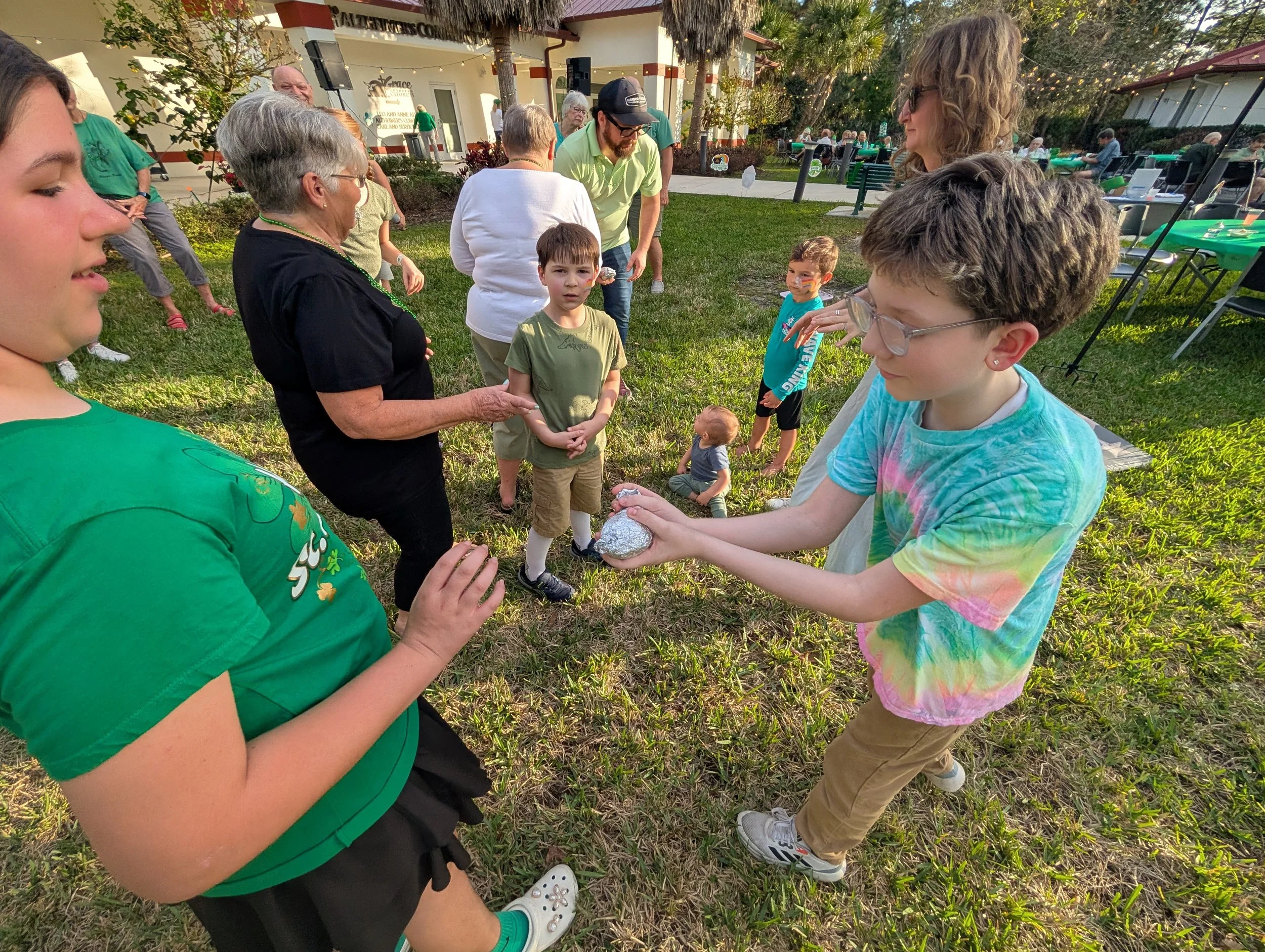
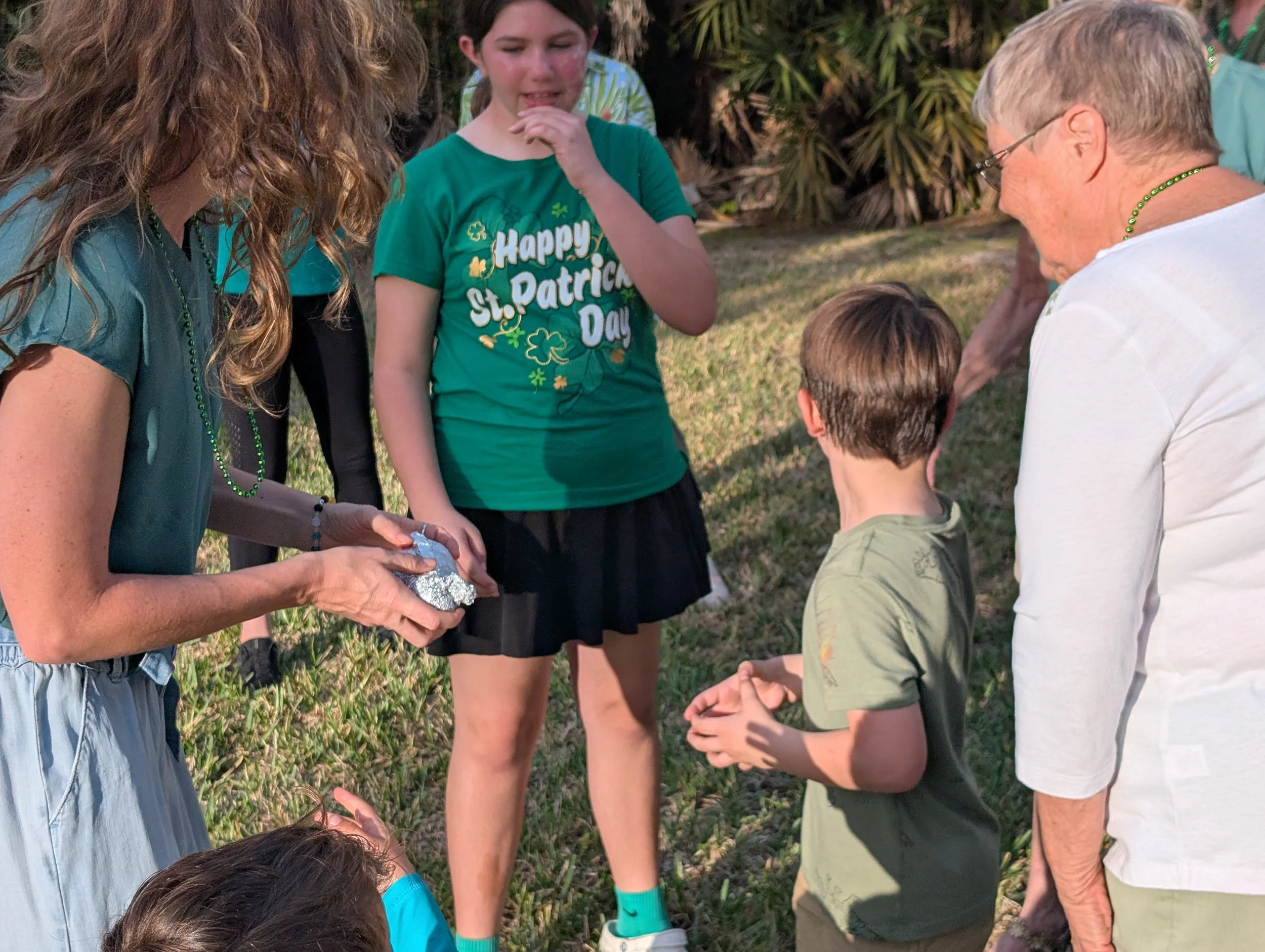
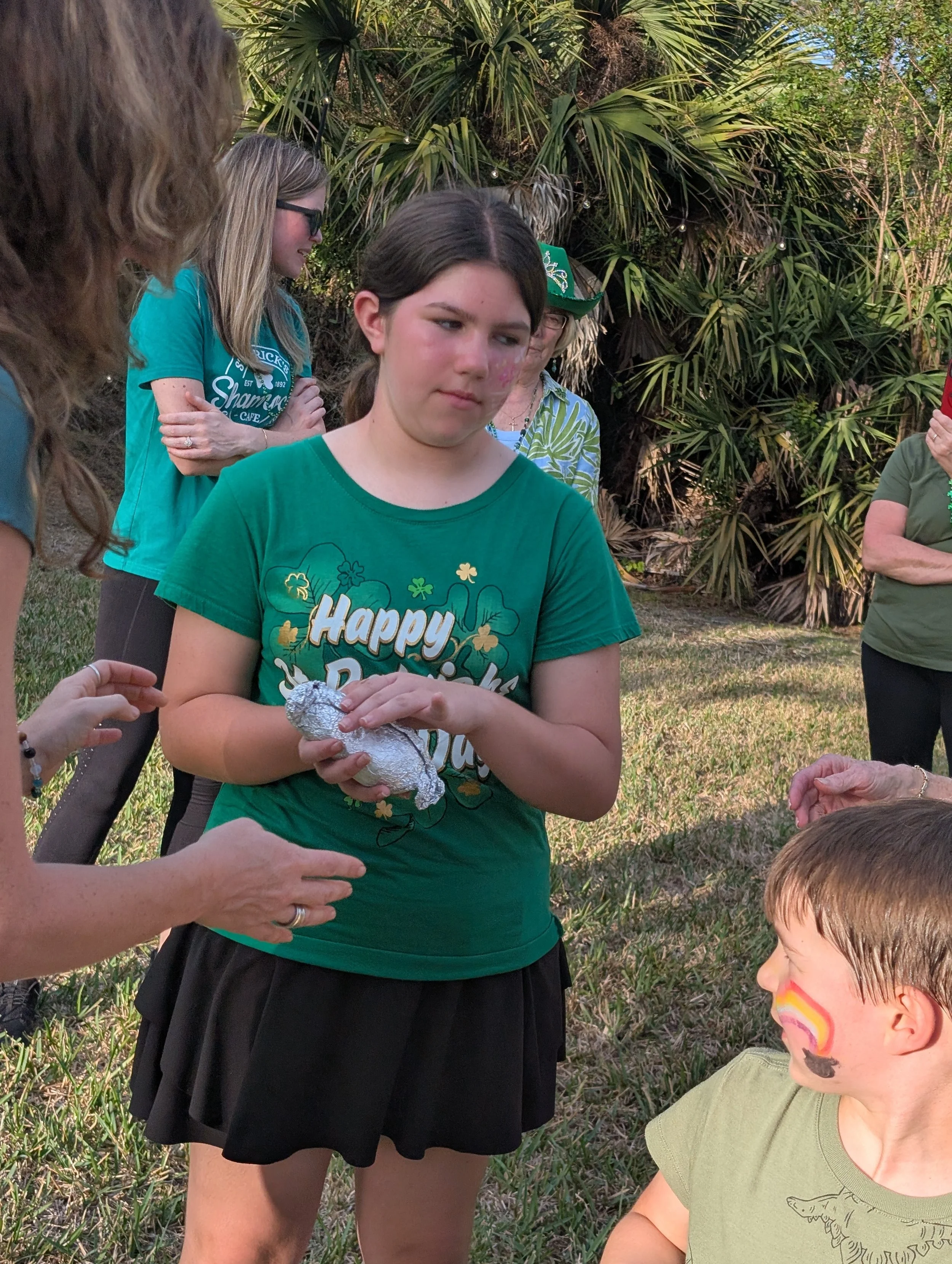
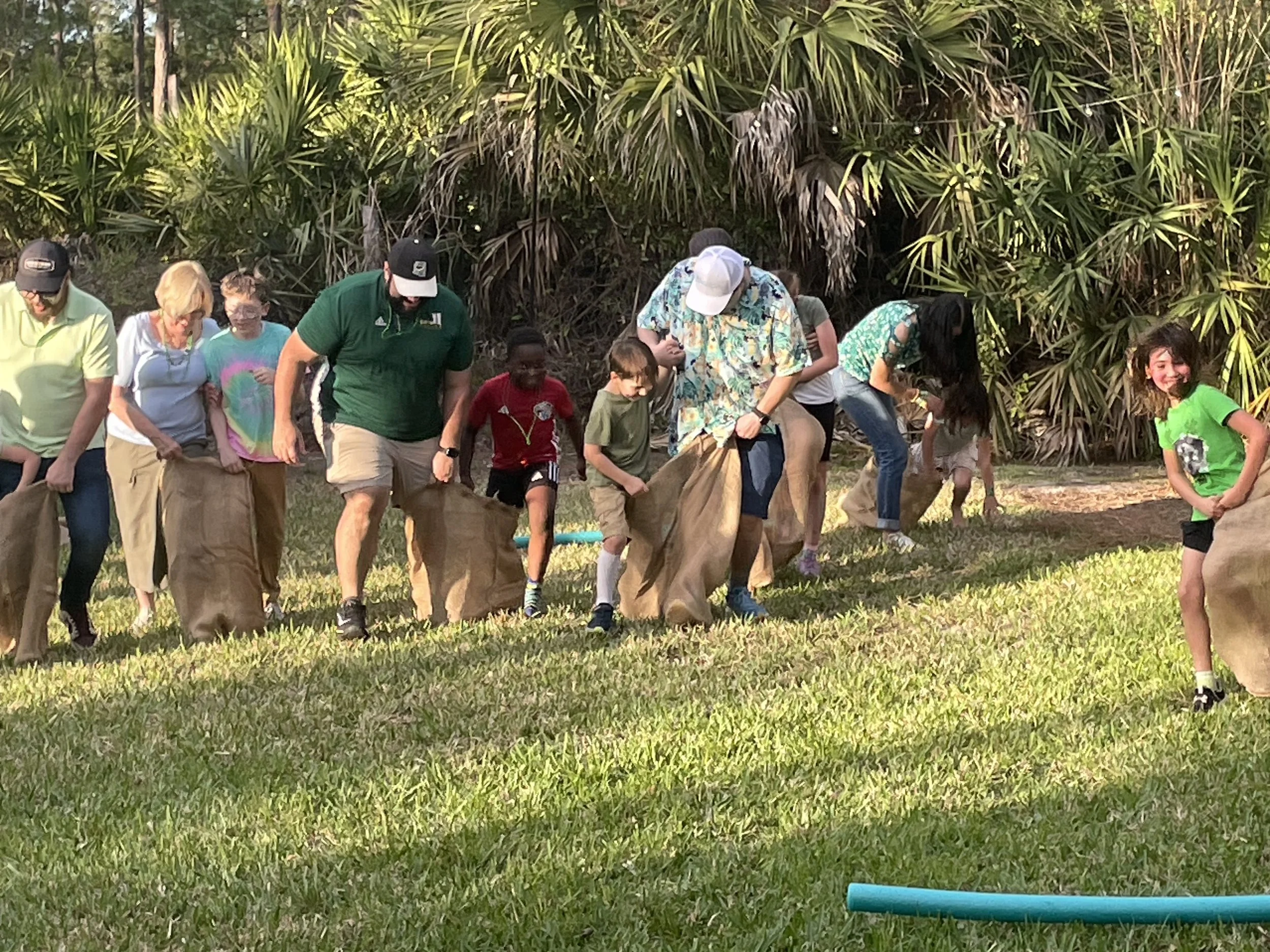
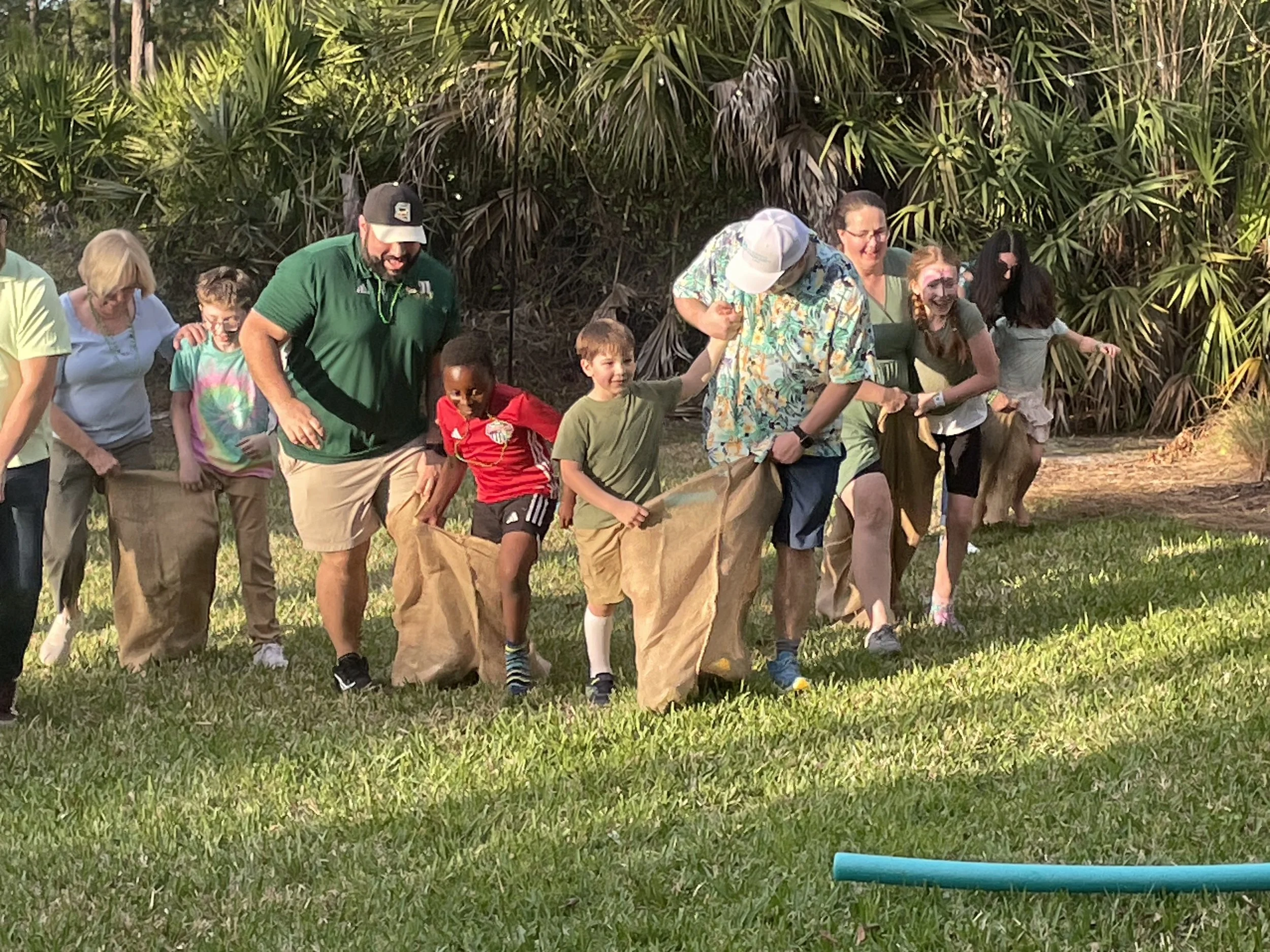
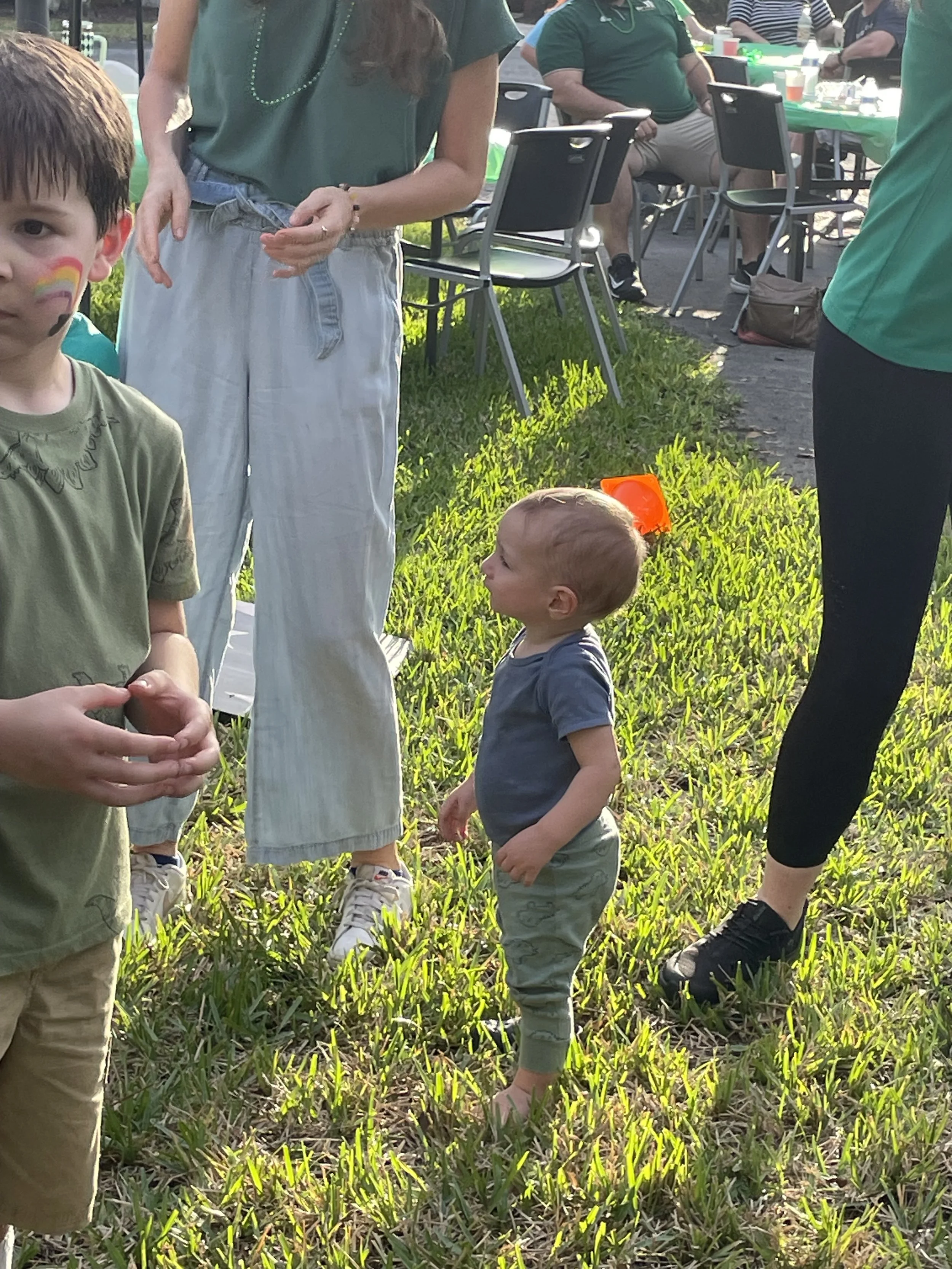
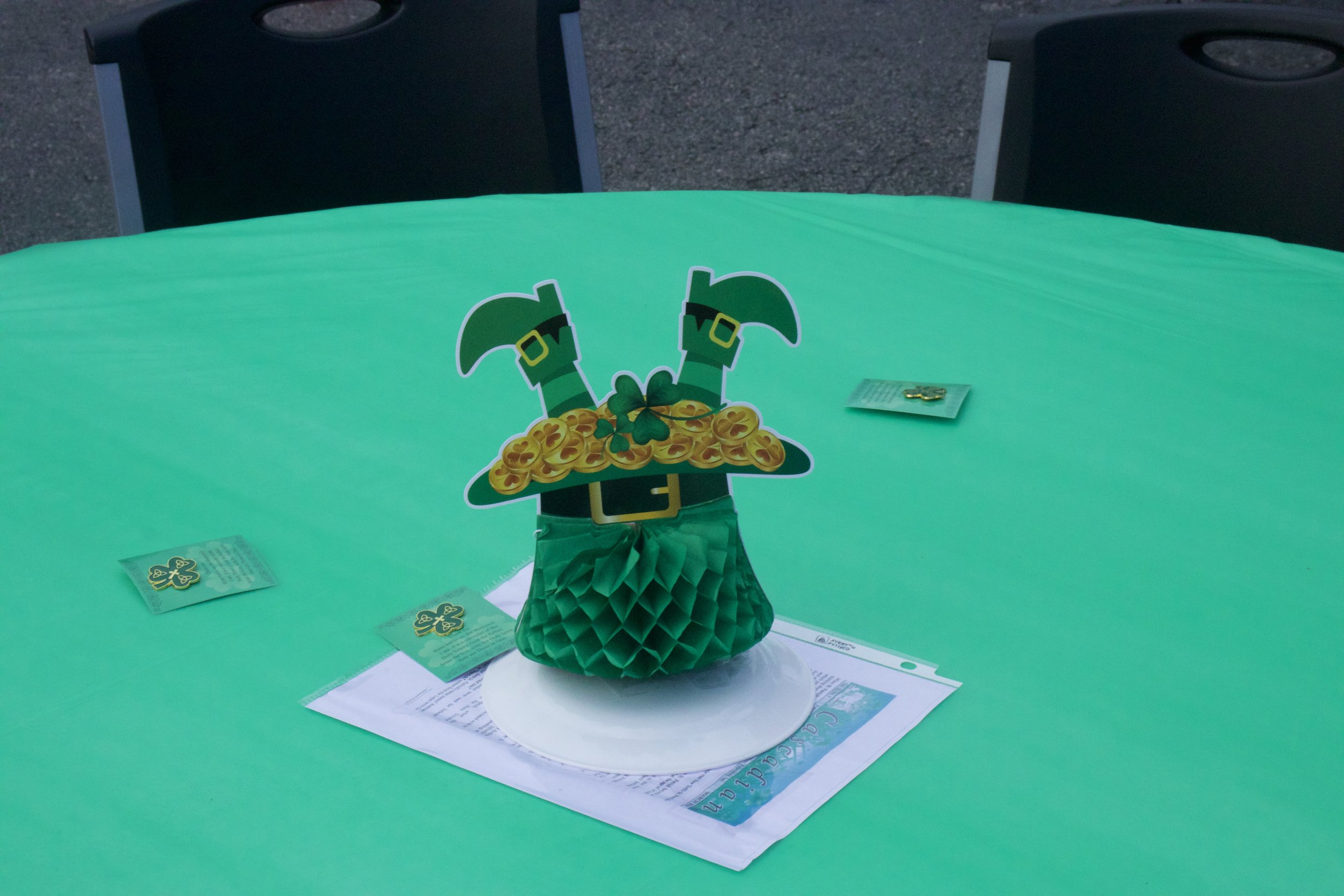
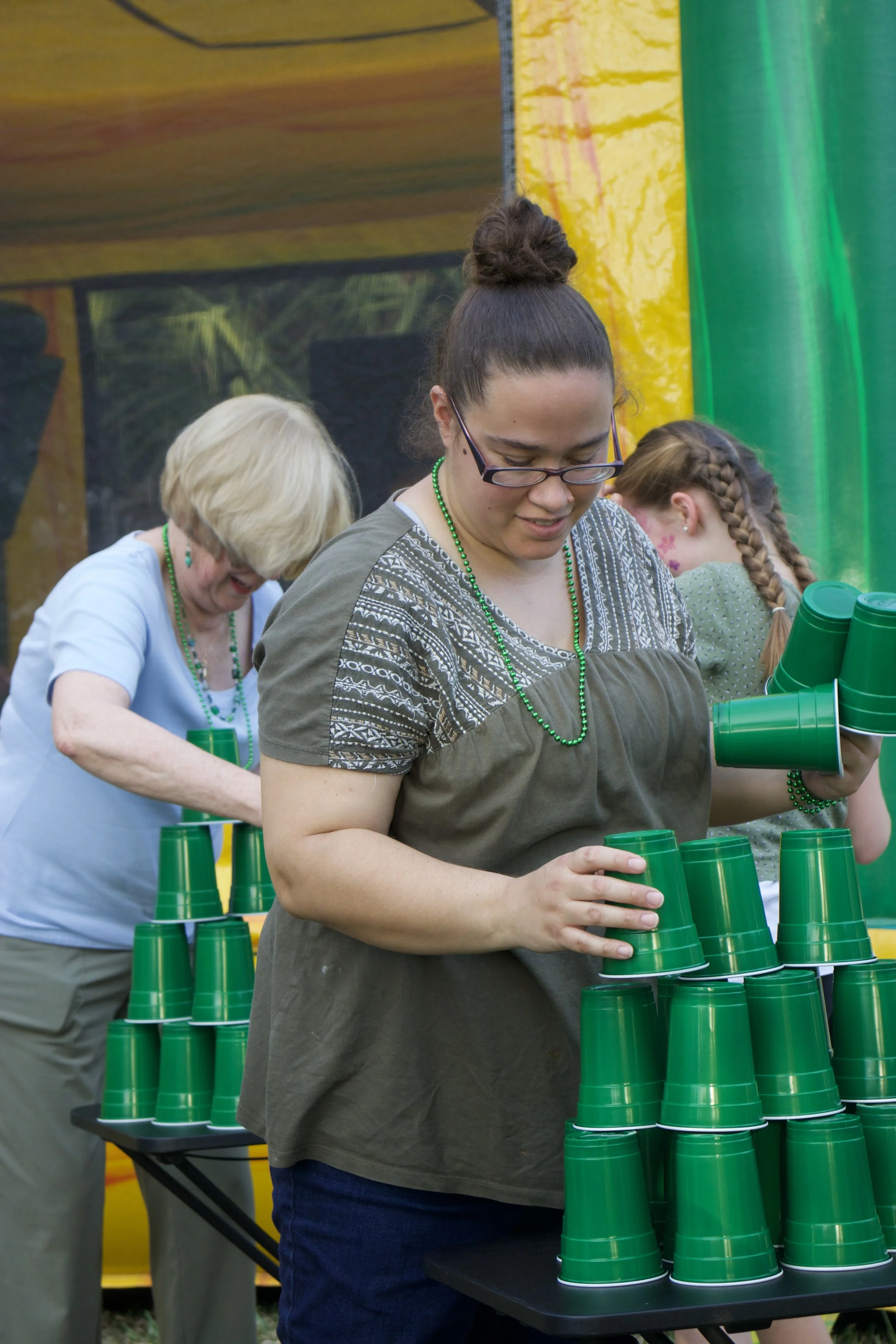
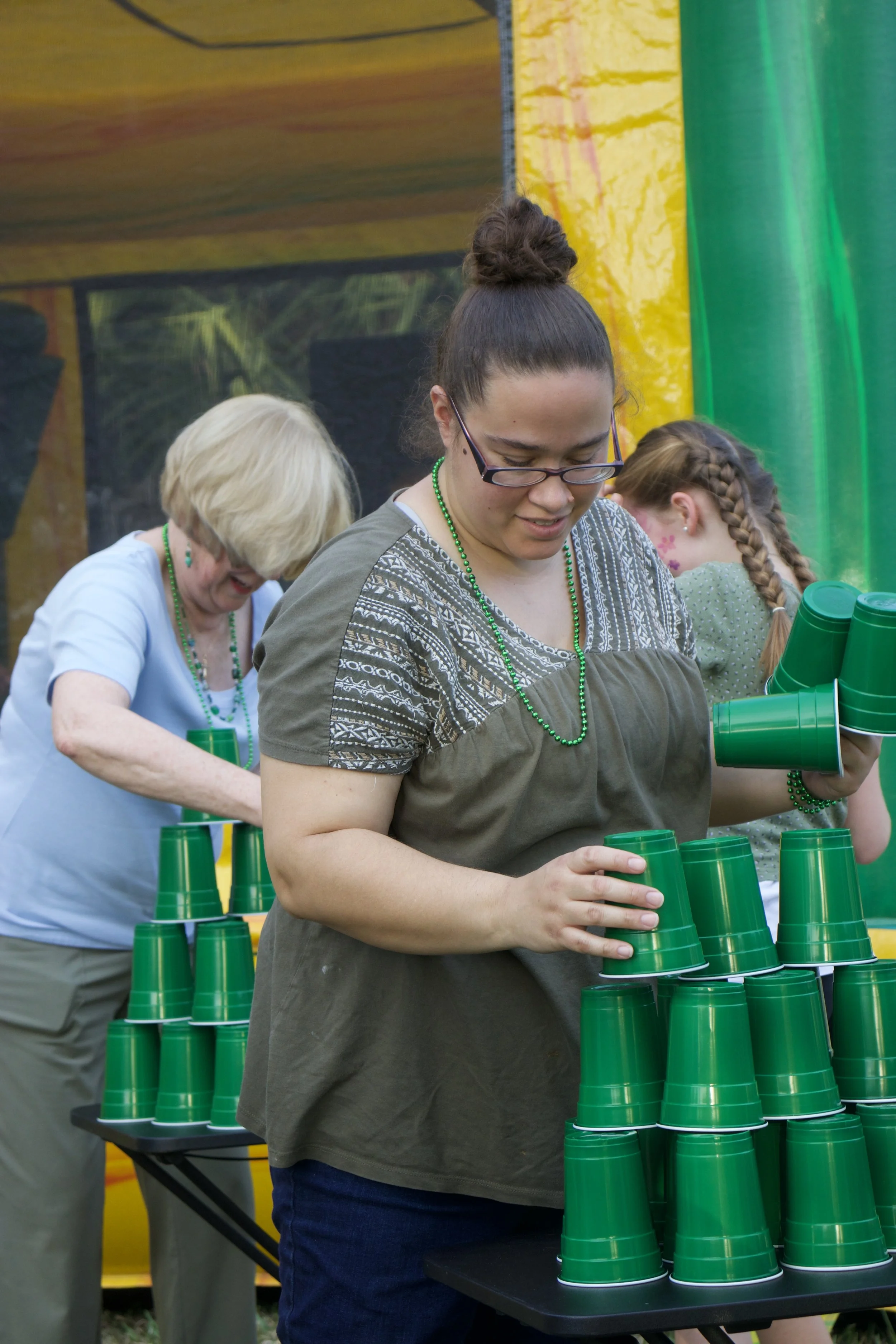
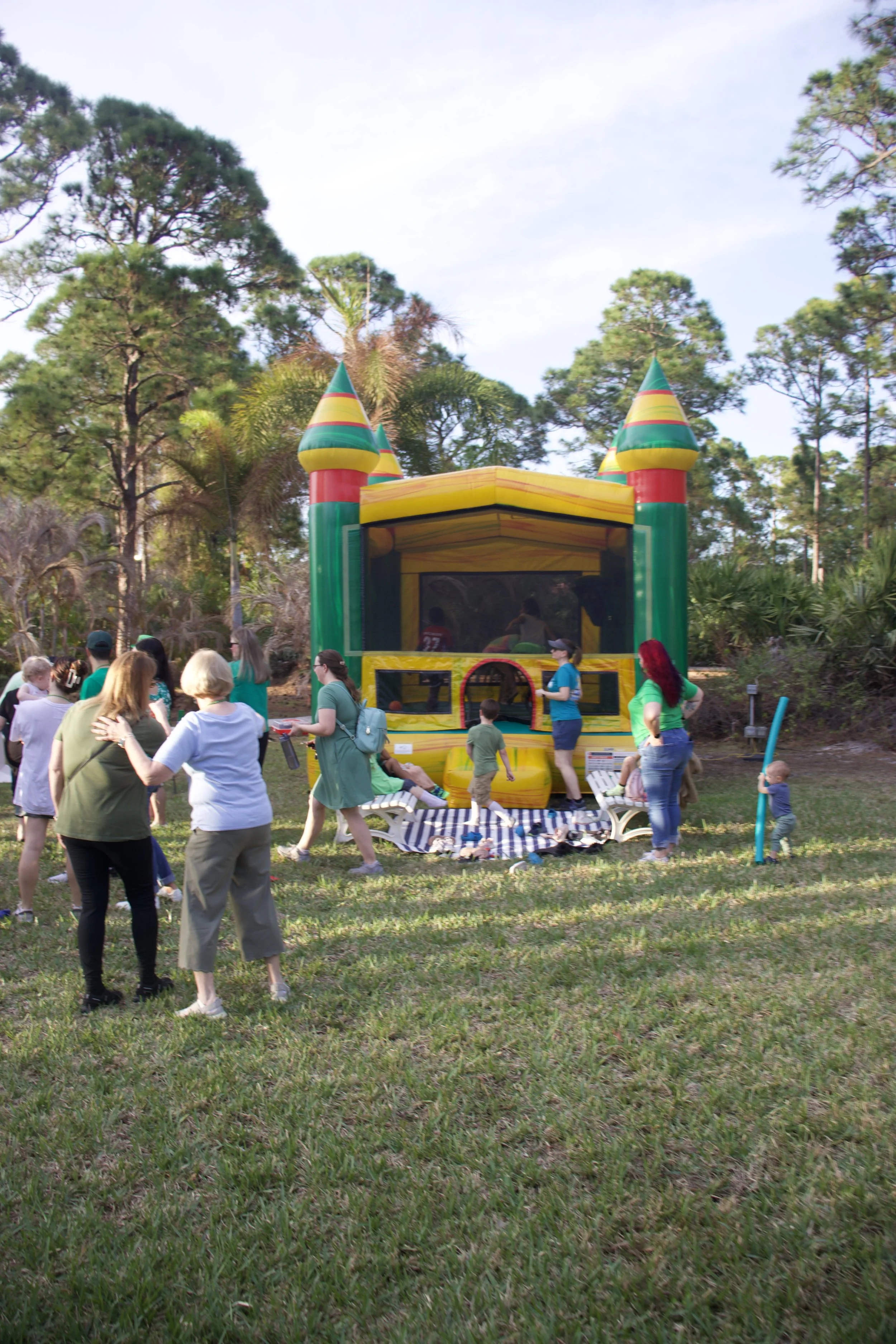
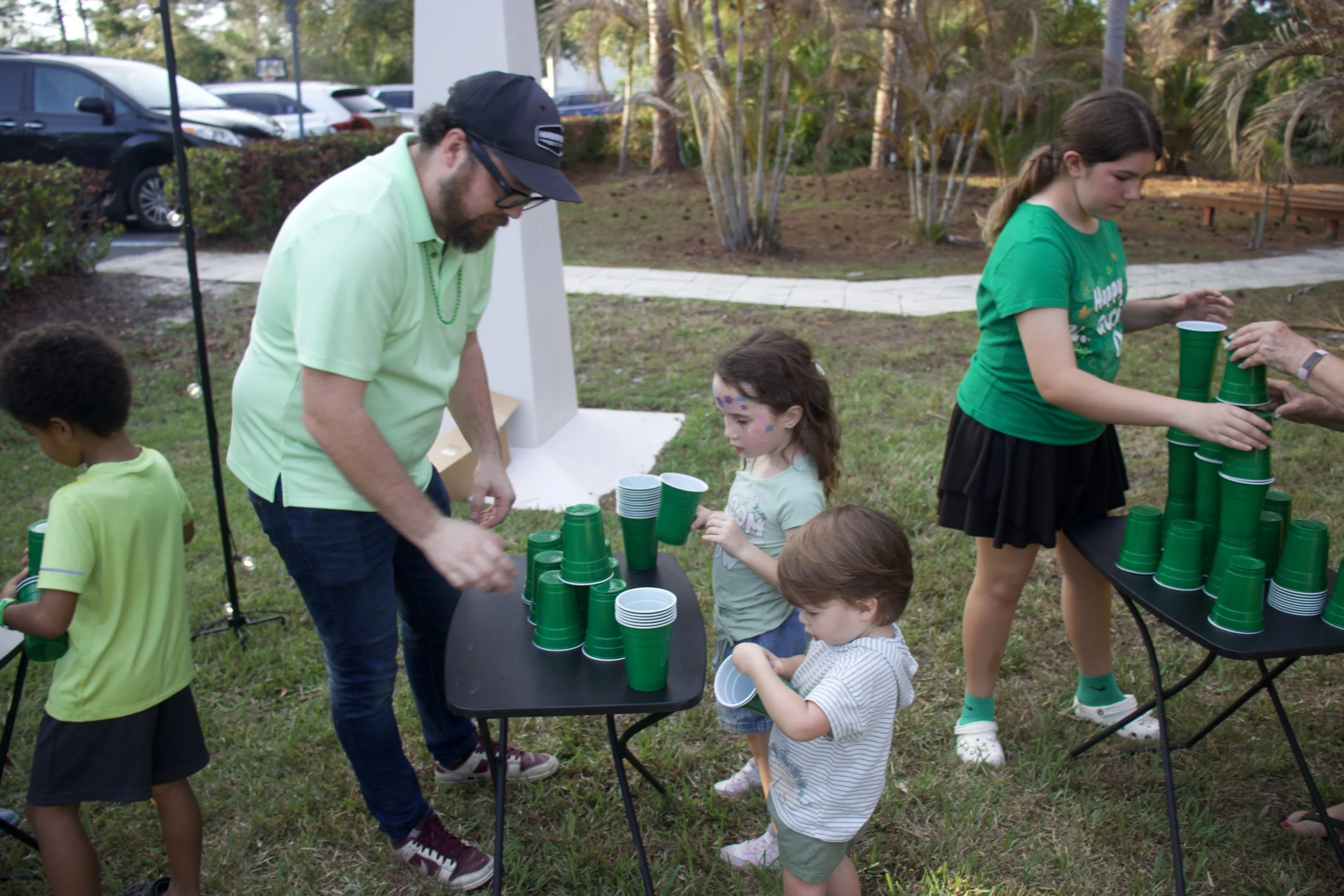
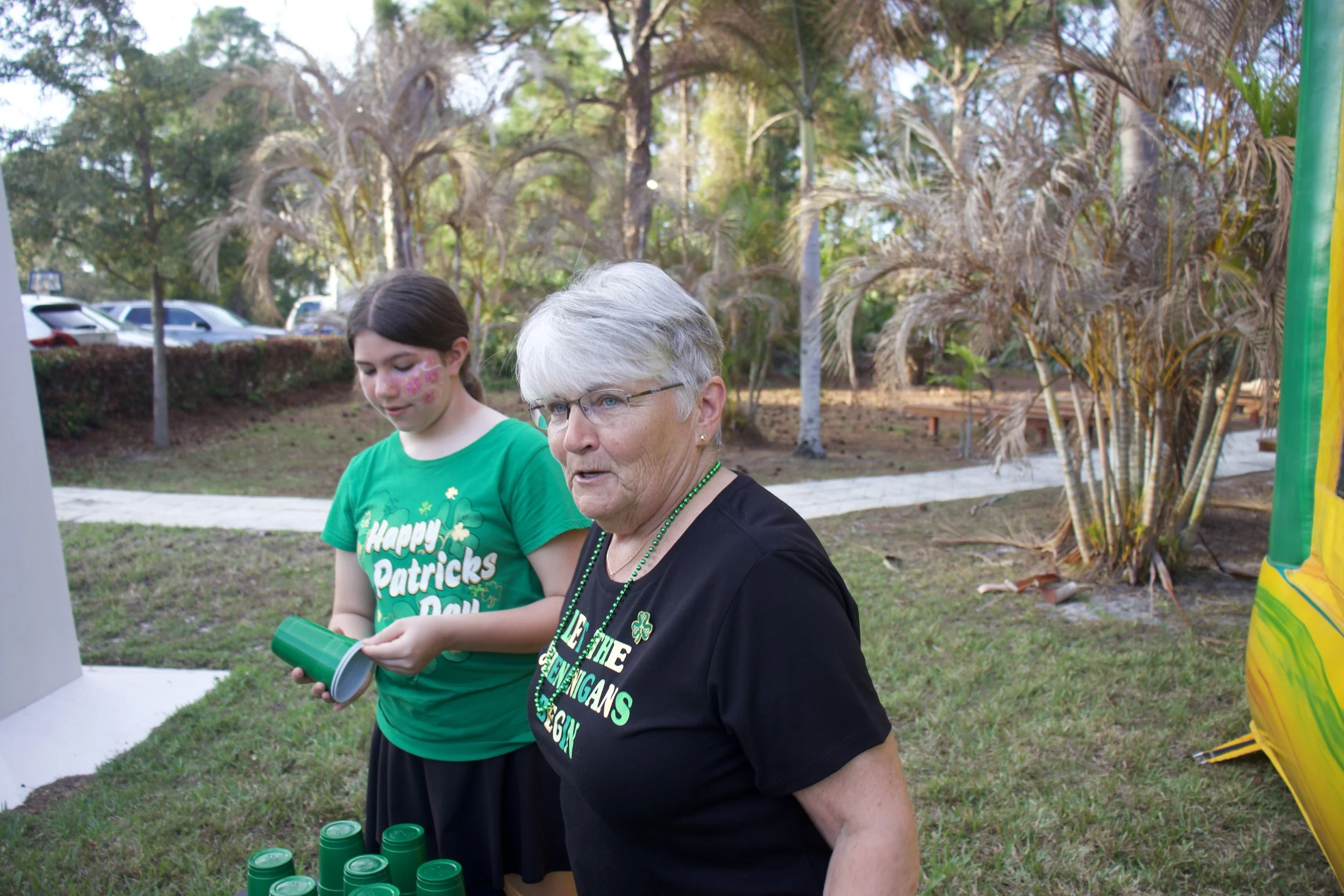
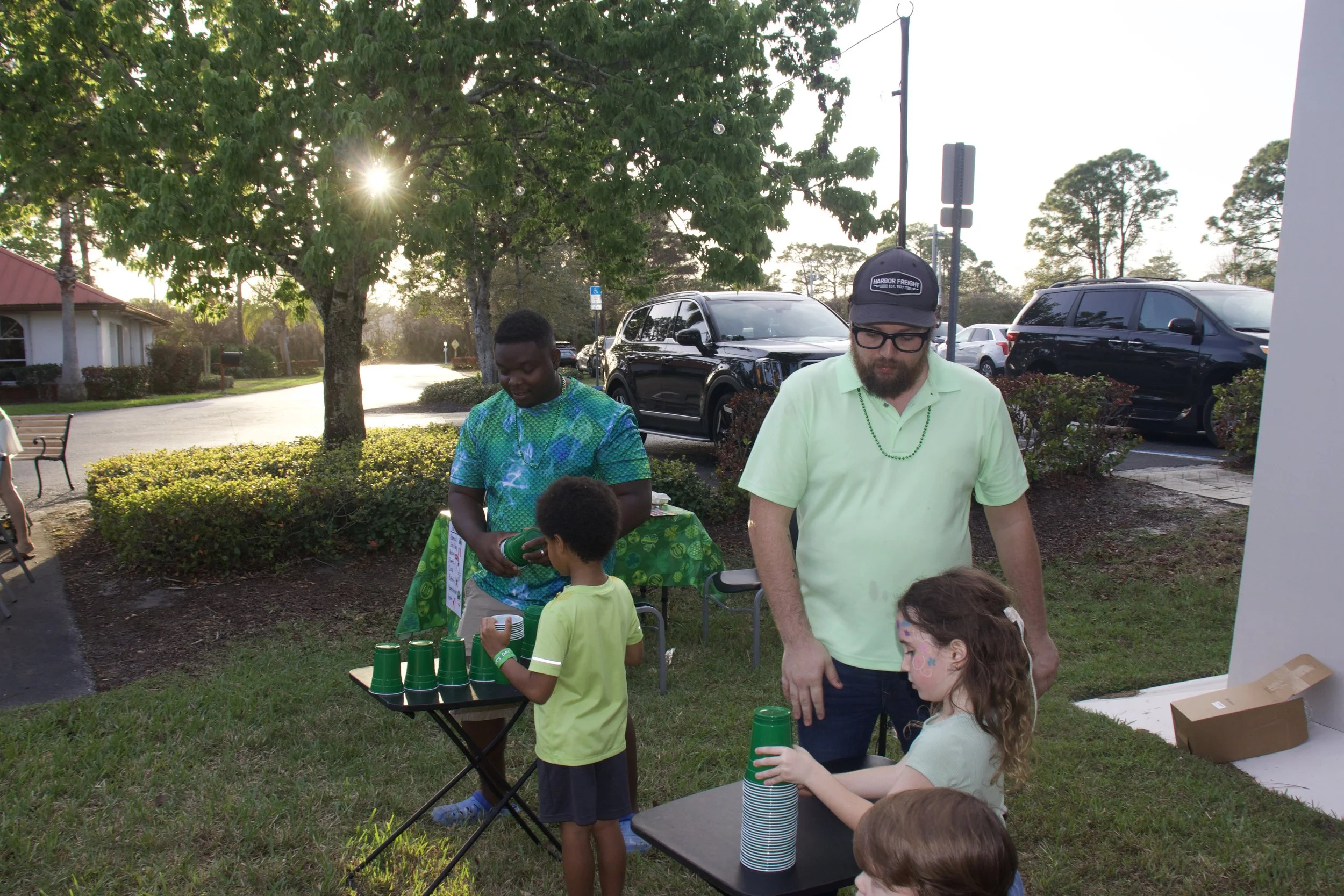
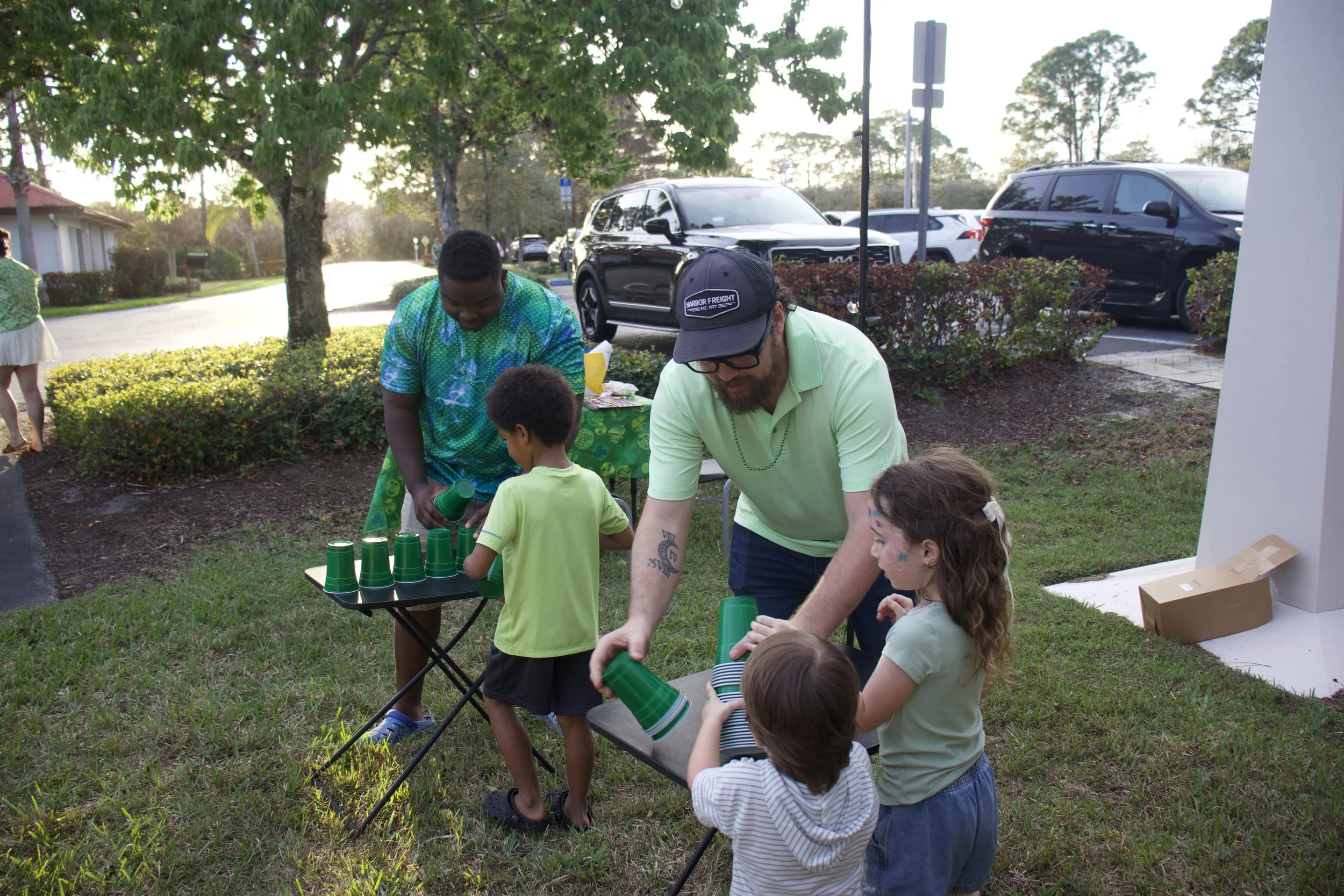
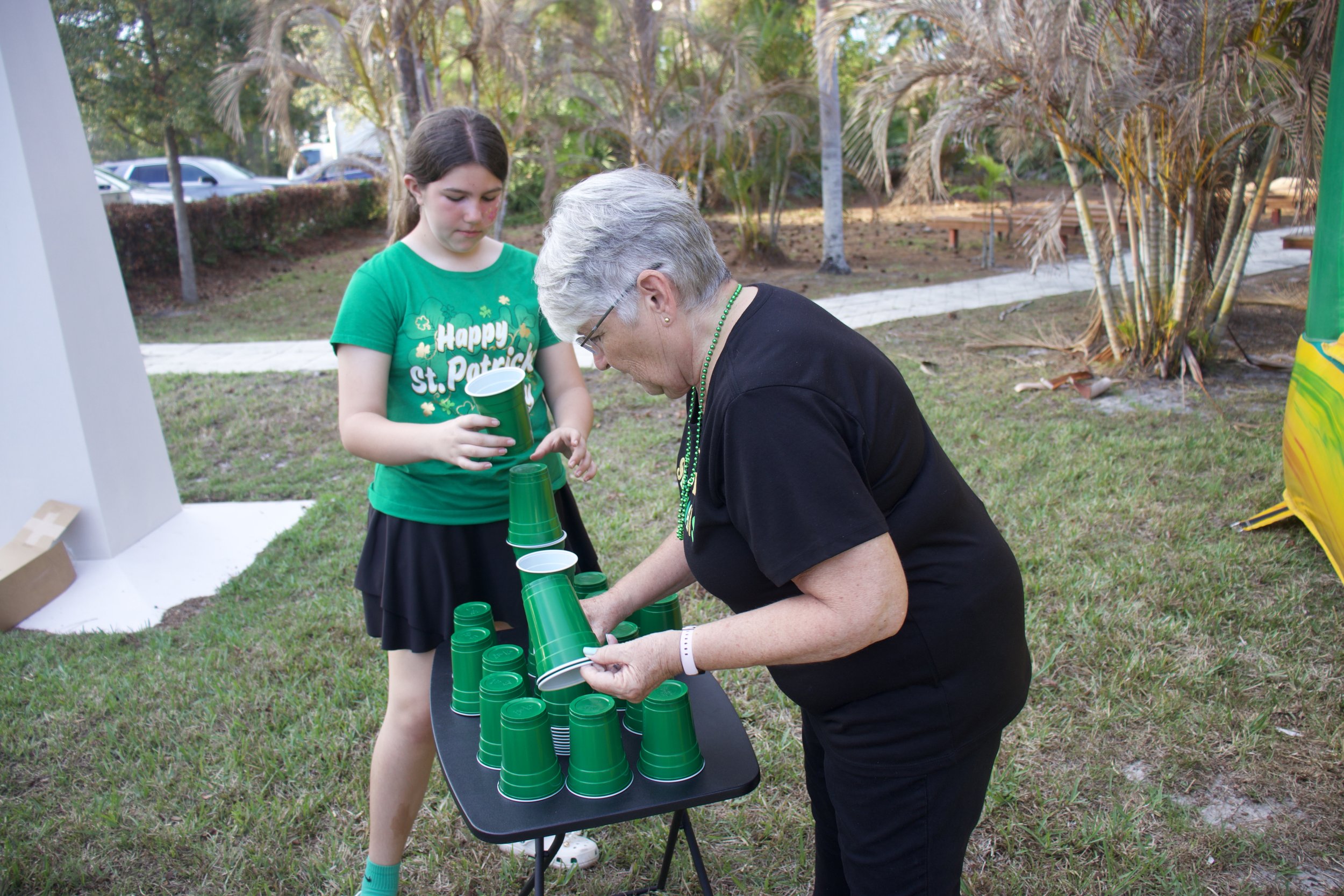
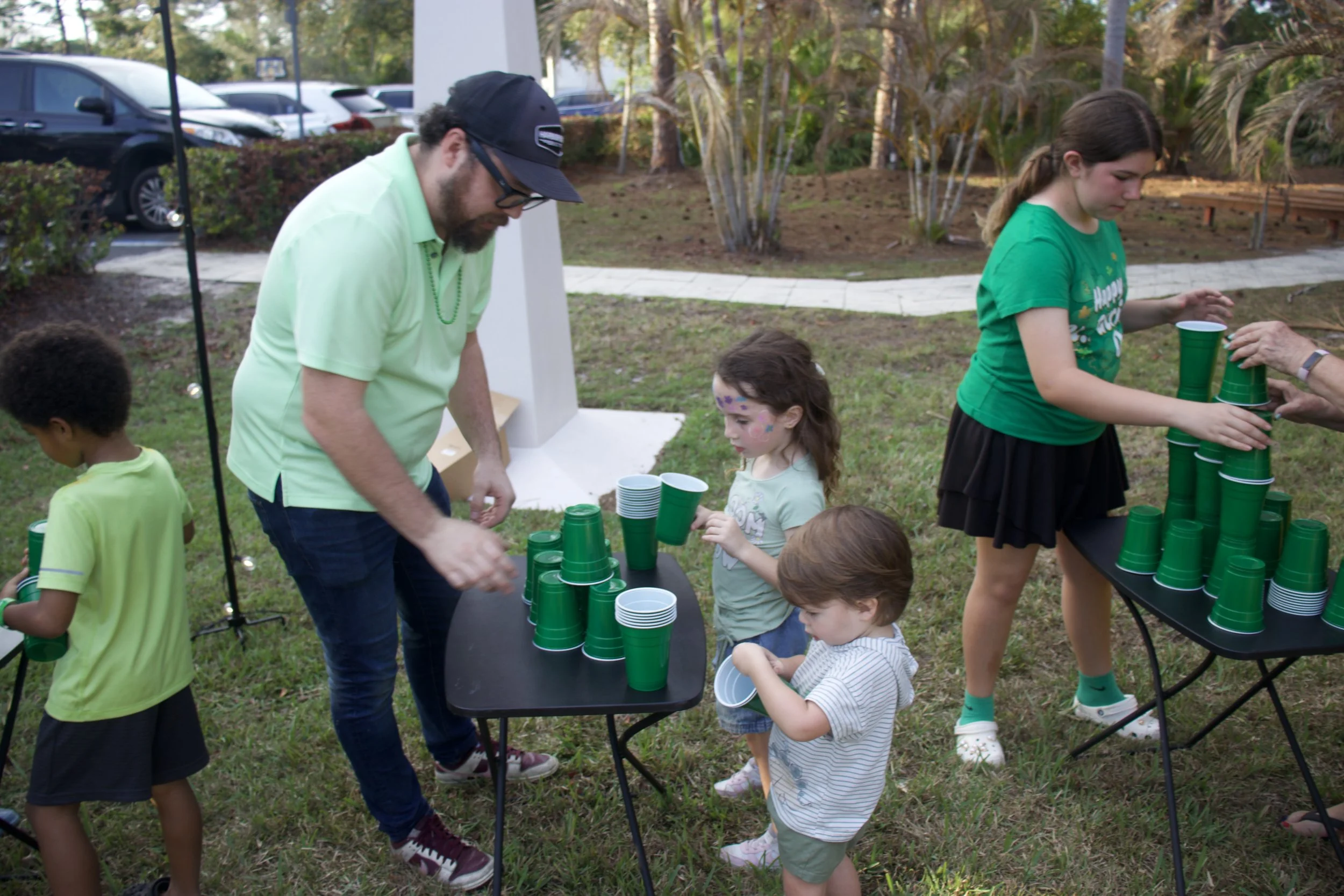
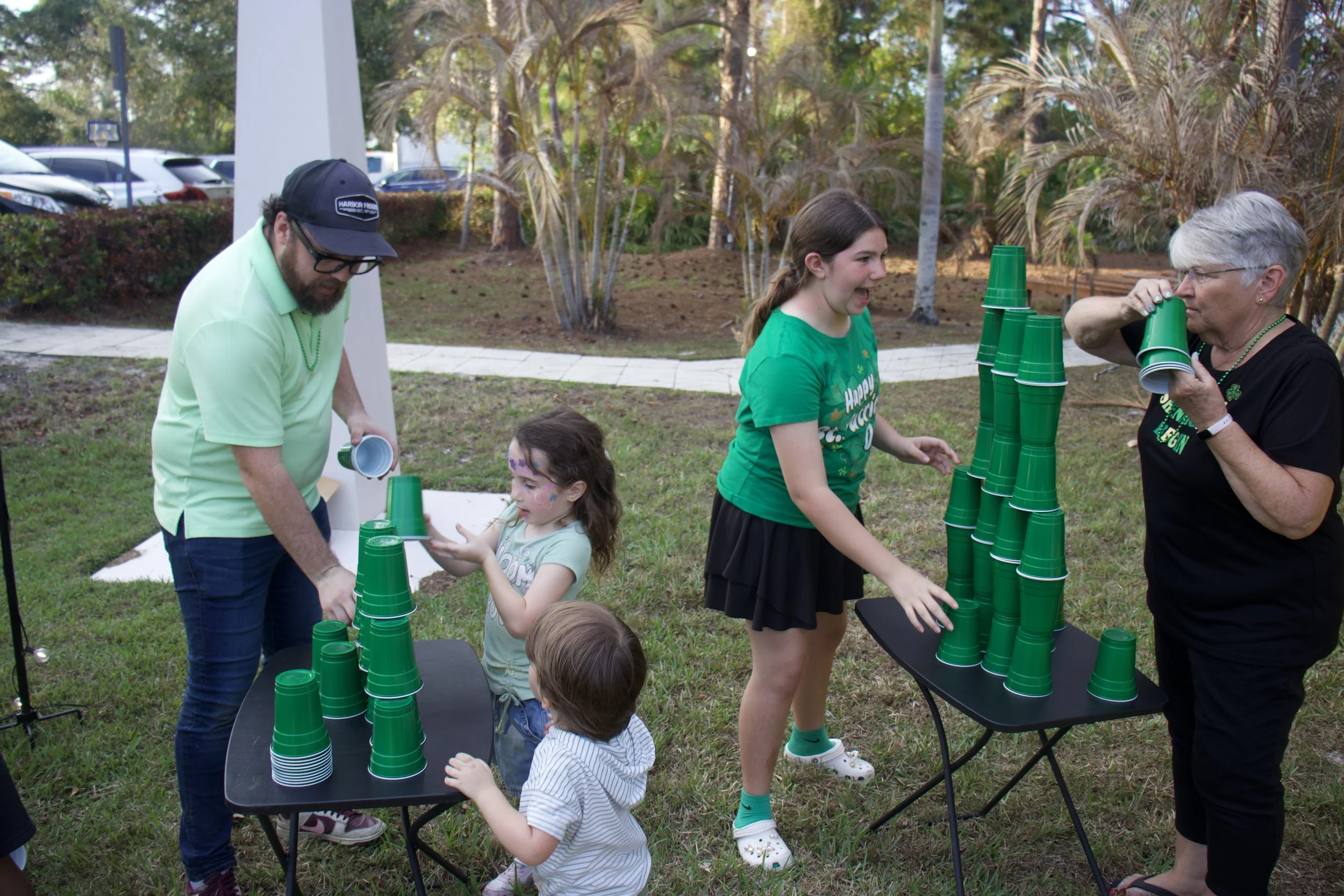
What an incredible time we had at "Dublin the Fun"! My heart is still so full from seeing everyone. The day was packed with laughs, starting with that super fun bounce house that was a hit all day long. And the food! We had so many baked potatoes and other yummy treats. I even spotted some Irish coffee creamer by the coffee station, lol!

We really went all out with the games, and they were such a blast. A huge congrats again to Pam for winning the Pot of Gold challenge! Watching everyone compete in Hot Potato and especially the 3-Legged Race (where there may have been some creative carrying involved) was hilarious. We even got a little help from the weather when the clouds came out right at 5 PM to give us some needed shade.
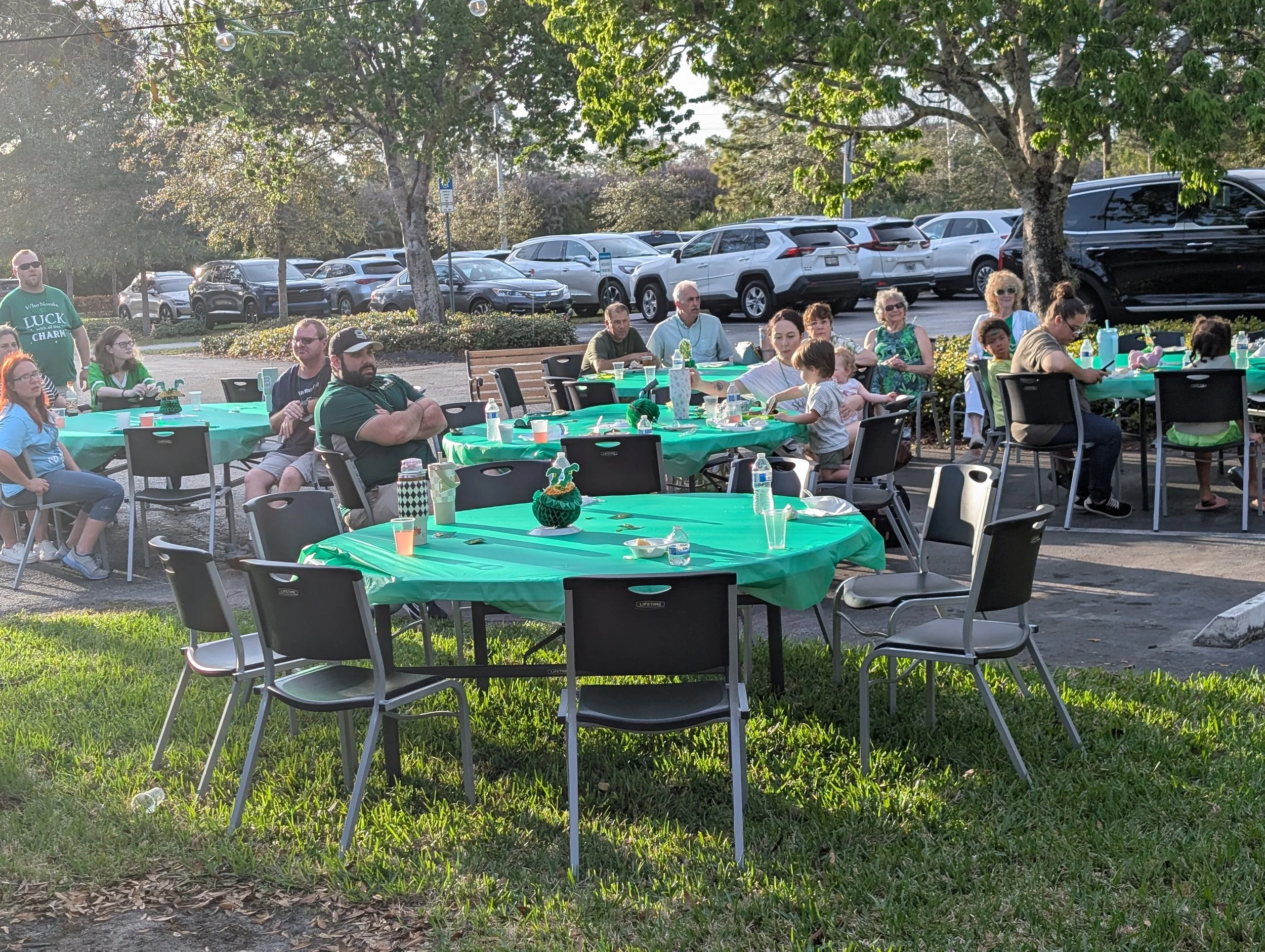
But honestly, what made me the happiest was just seeing everyone together, enjoying each other’s company. Watching old friends catch up and new friendships start, that’s how we live as the body of Christ together. A massive thanks to everyone who helped organize and to everyone who came out to make "Dublin the Fun" so special!
































































































![Children’s Ministry at the Beginning of the Year [Photos]](https://images.squarespace-cdn.com/content/v1/5852f18a20099e30cd2c01dc/1773366946881-LN5PTFM1X0S3NNO0TA2T/PXL_20260208_173254083.jpg)
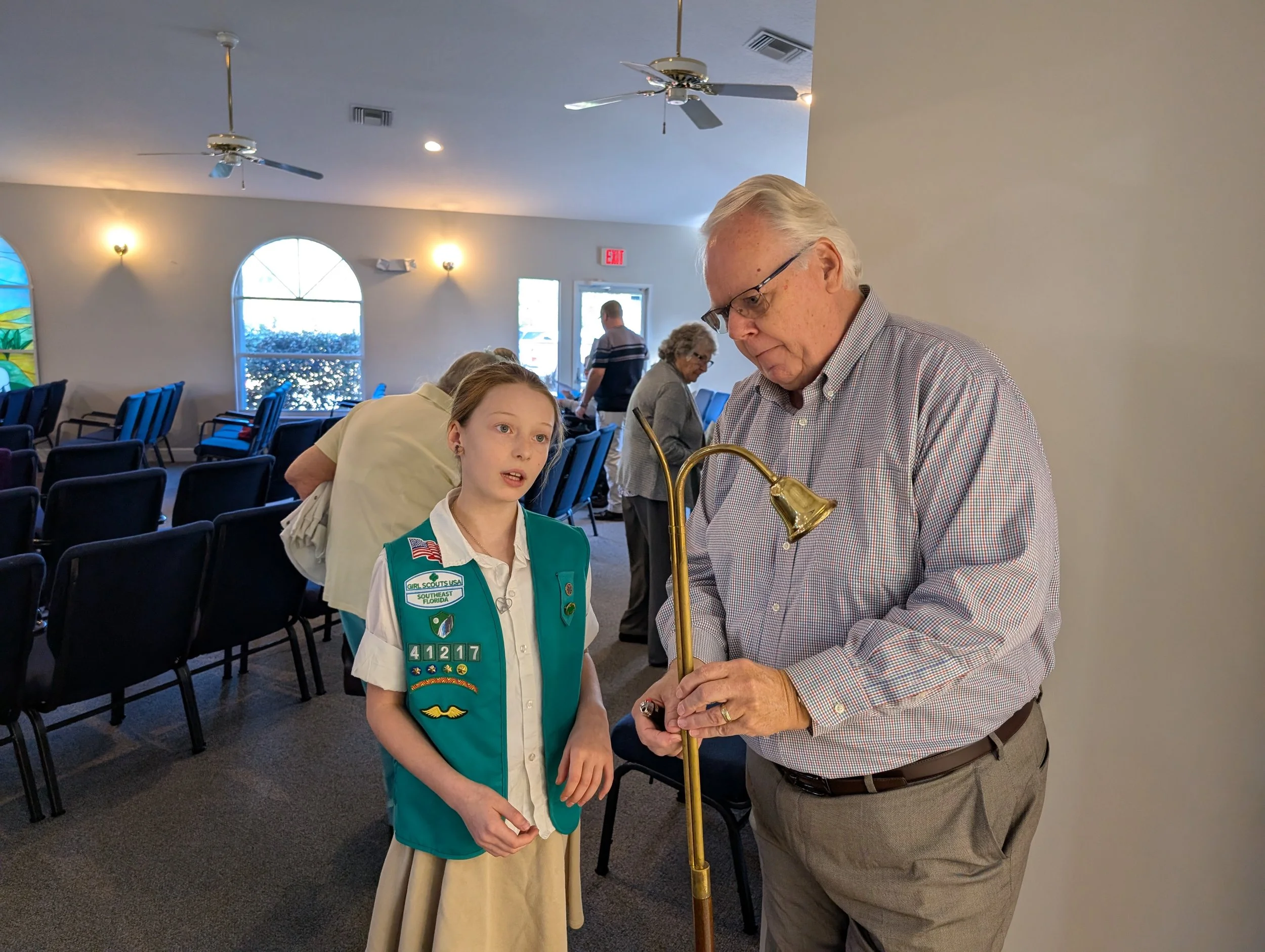
Children’s Ministry at the Beginning of the Year [Photos]
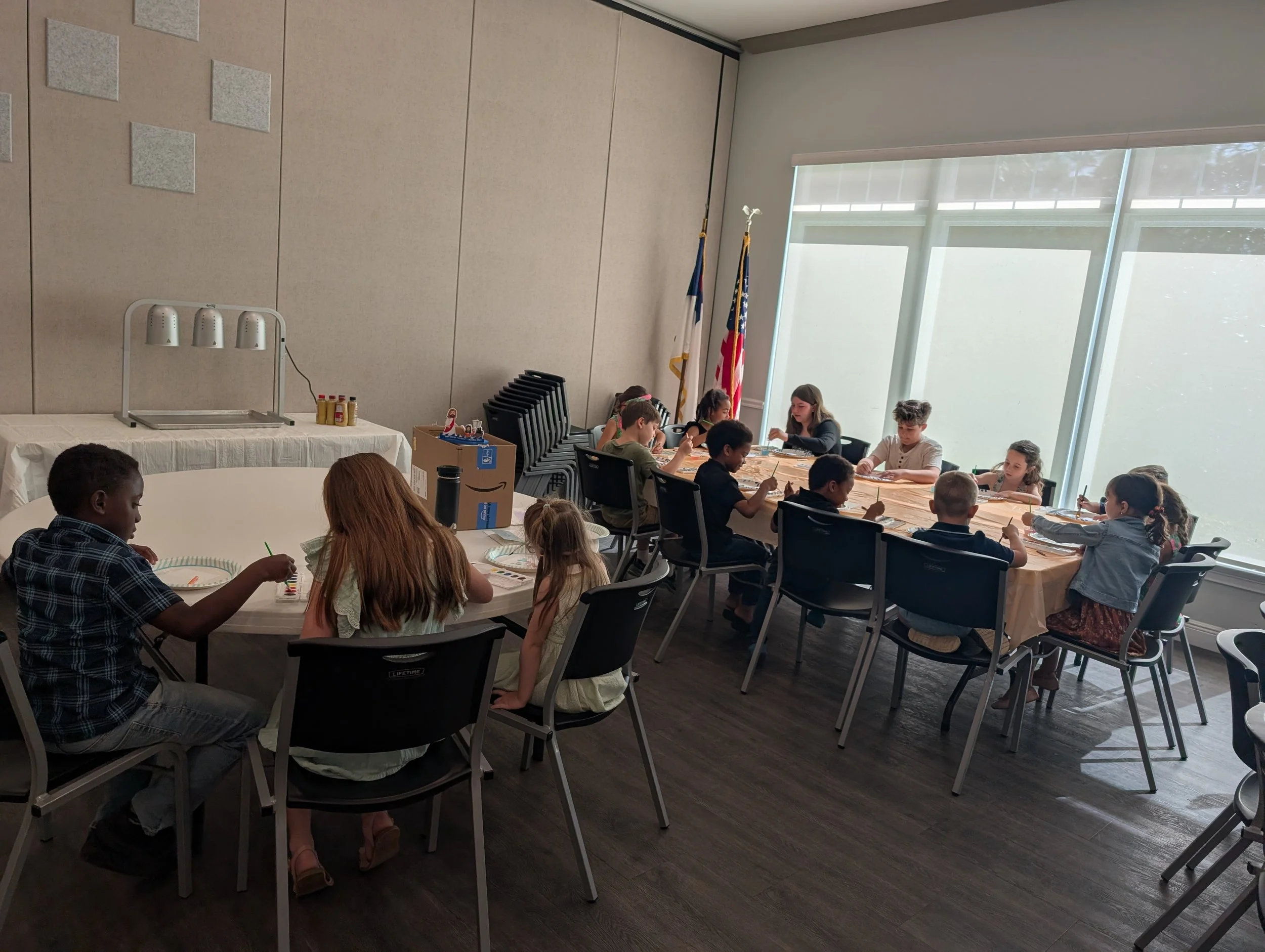
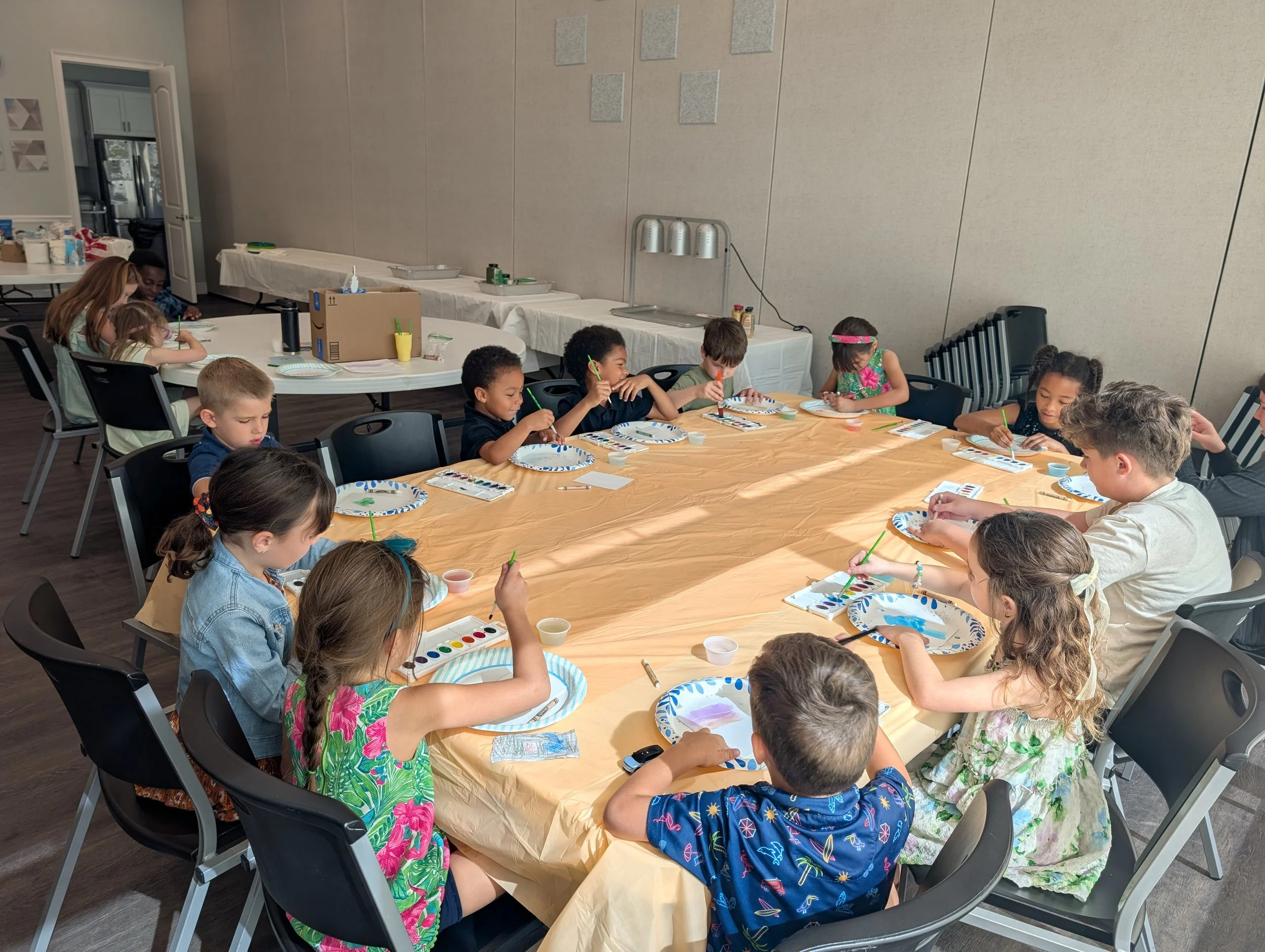
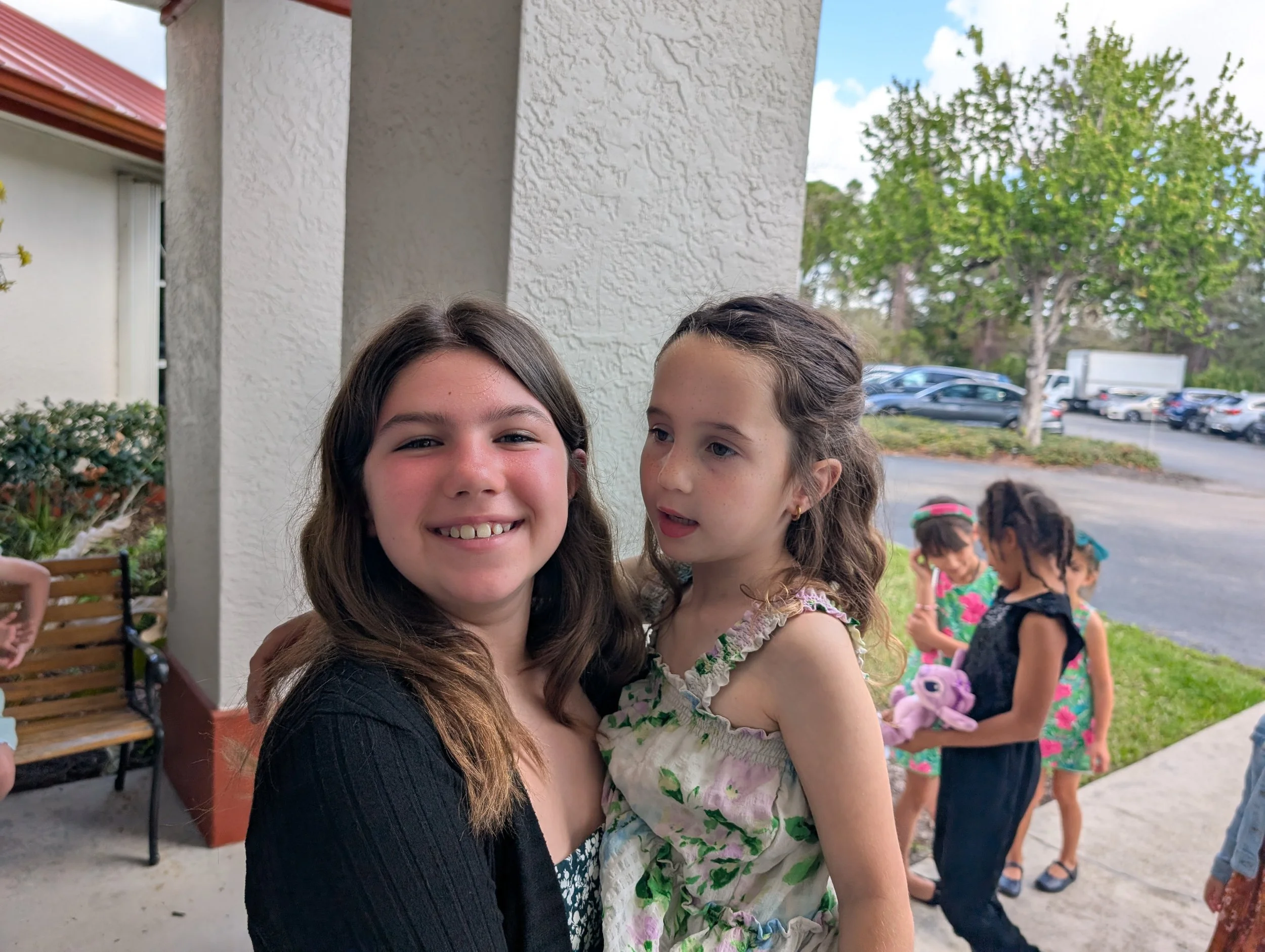
It’s been a joy to see the kids so active at Grace lately
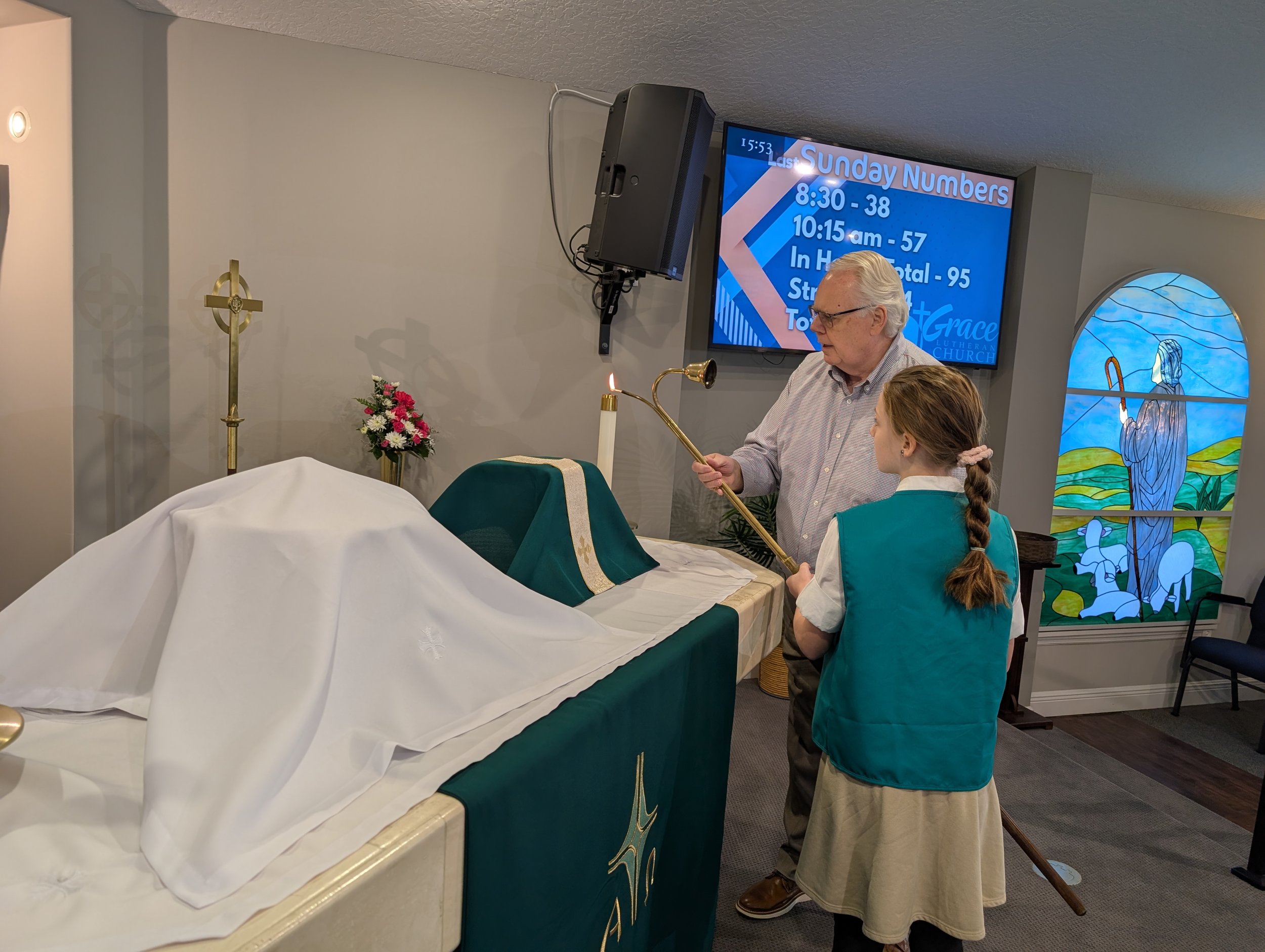
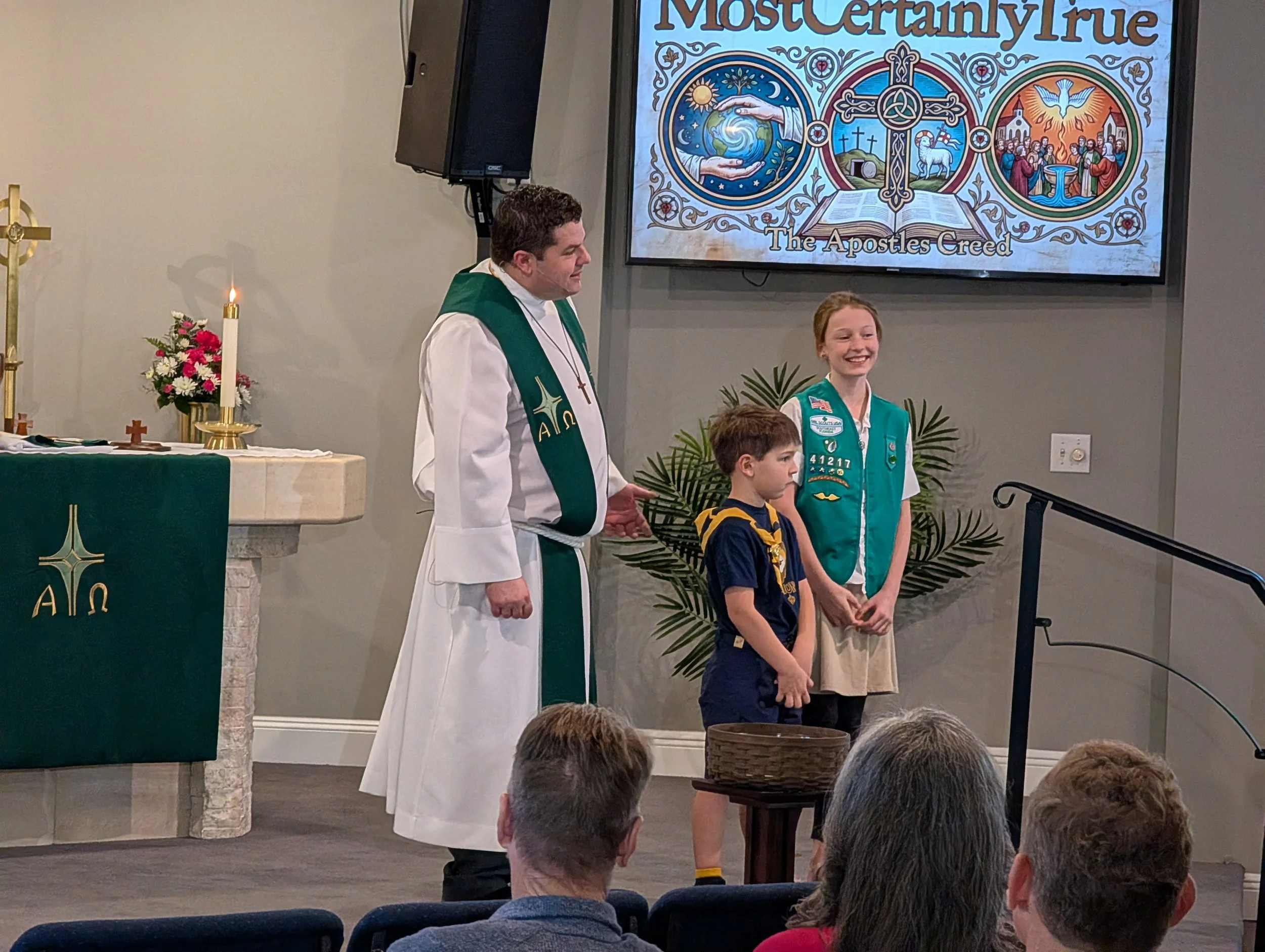
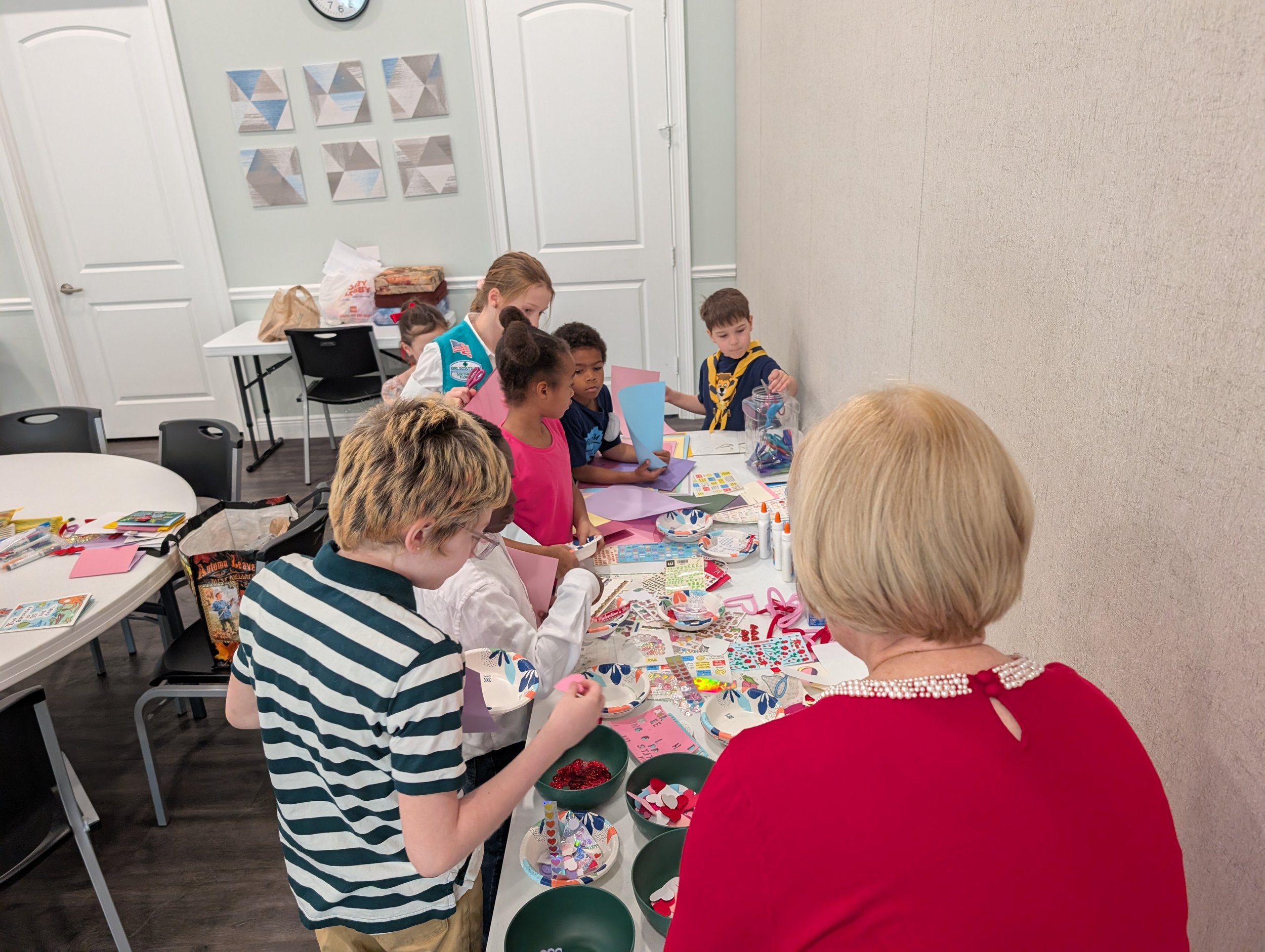
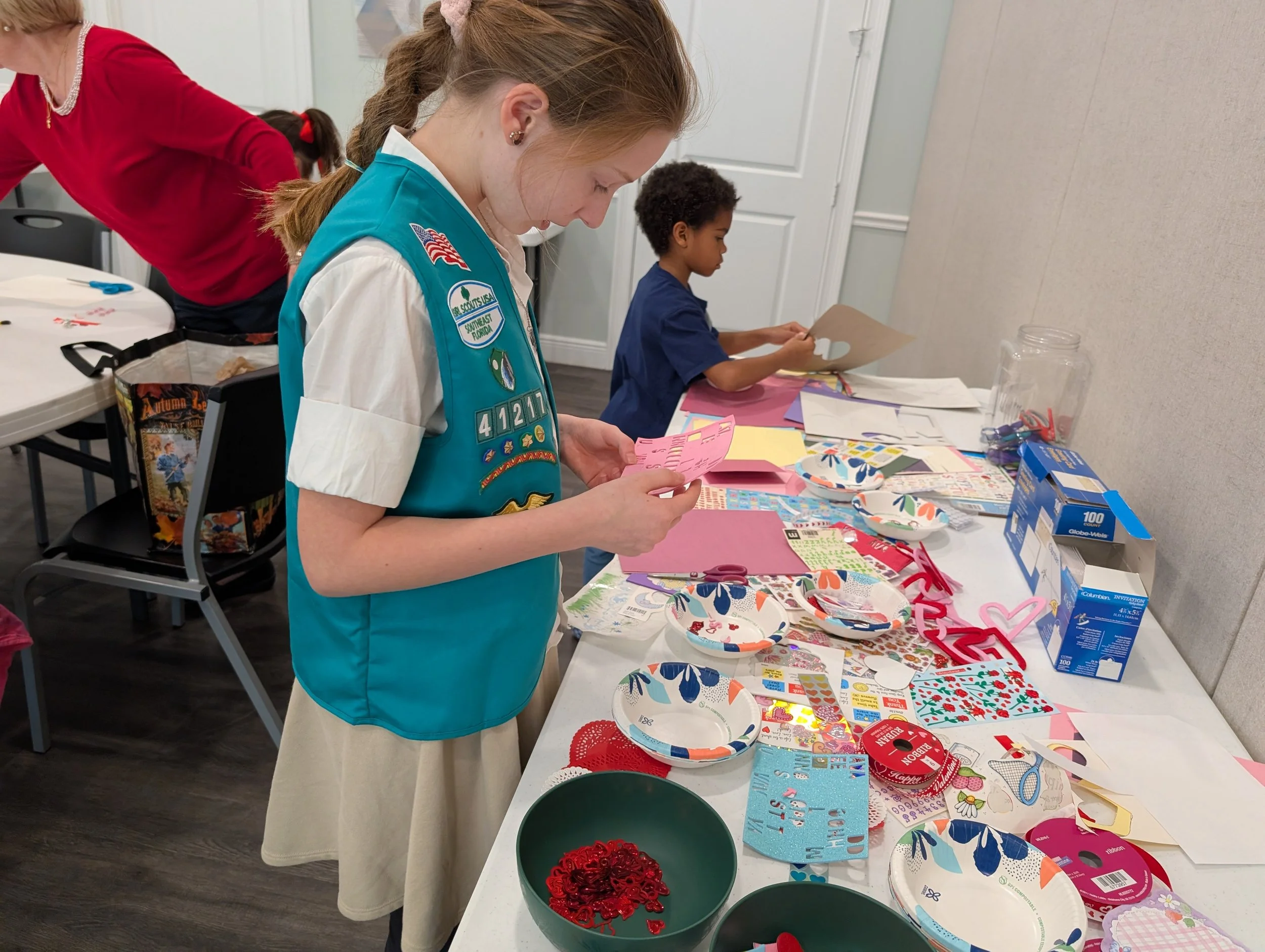
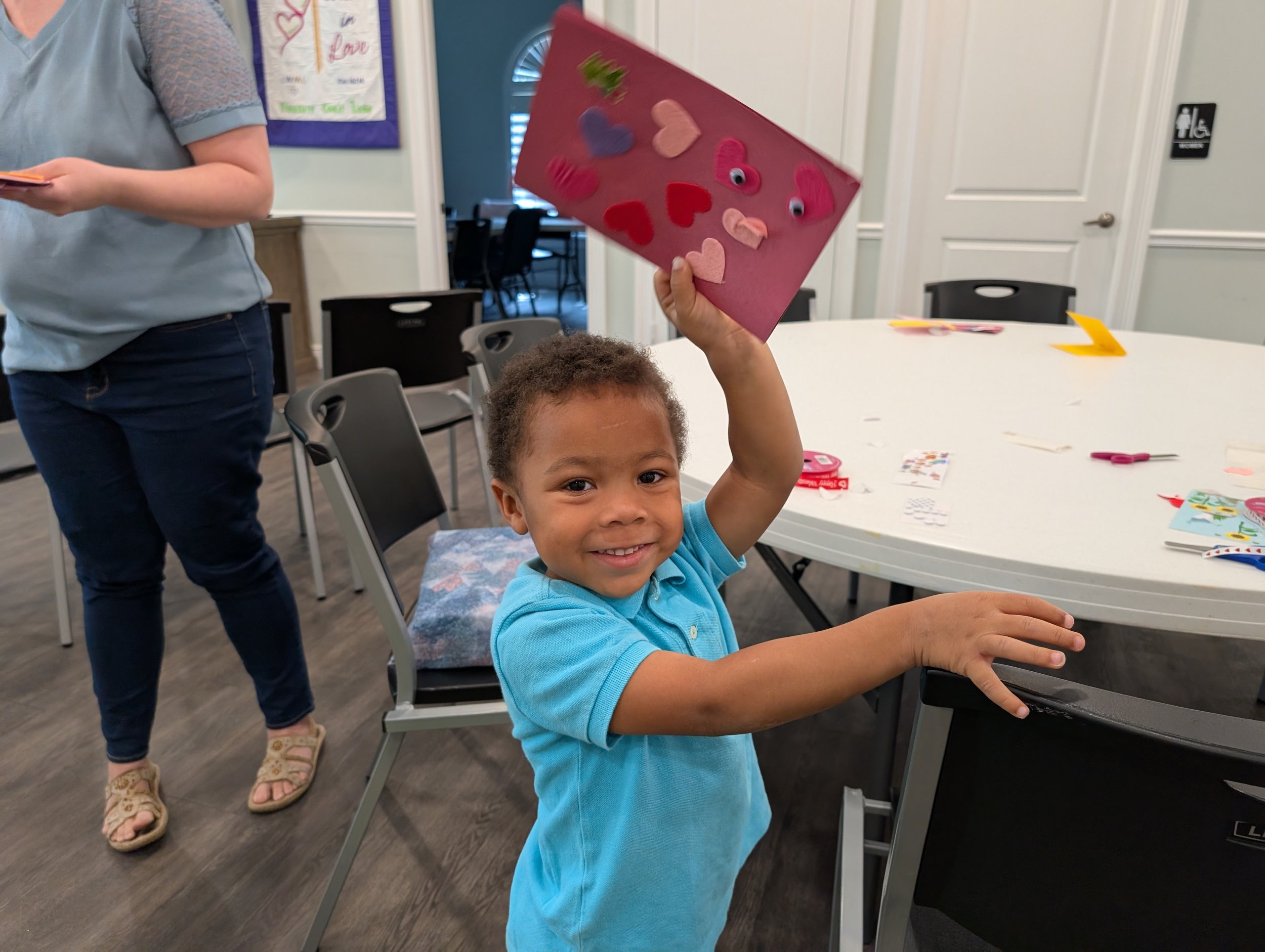
It’s been a joy to see the kids so active at Grace lately. From honoring our scouts on Scouting Sunday to the heart they put into making Valentines for their loved ones, they are truly living out that love.
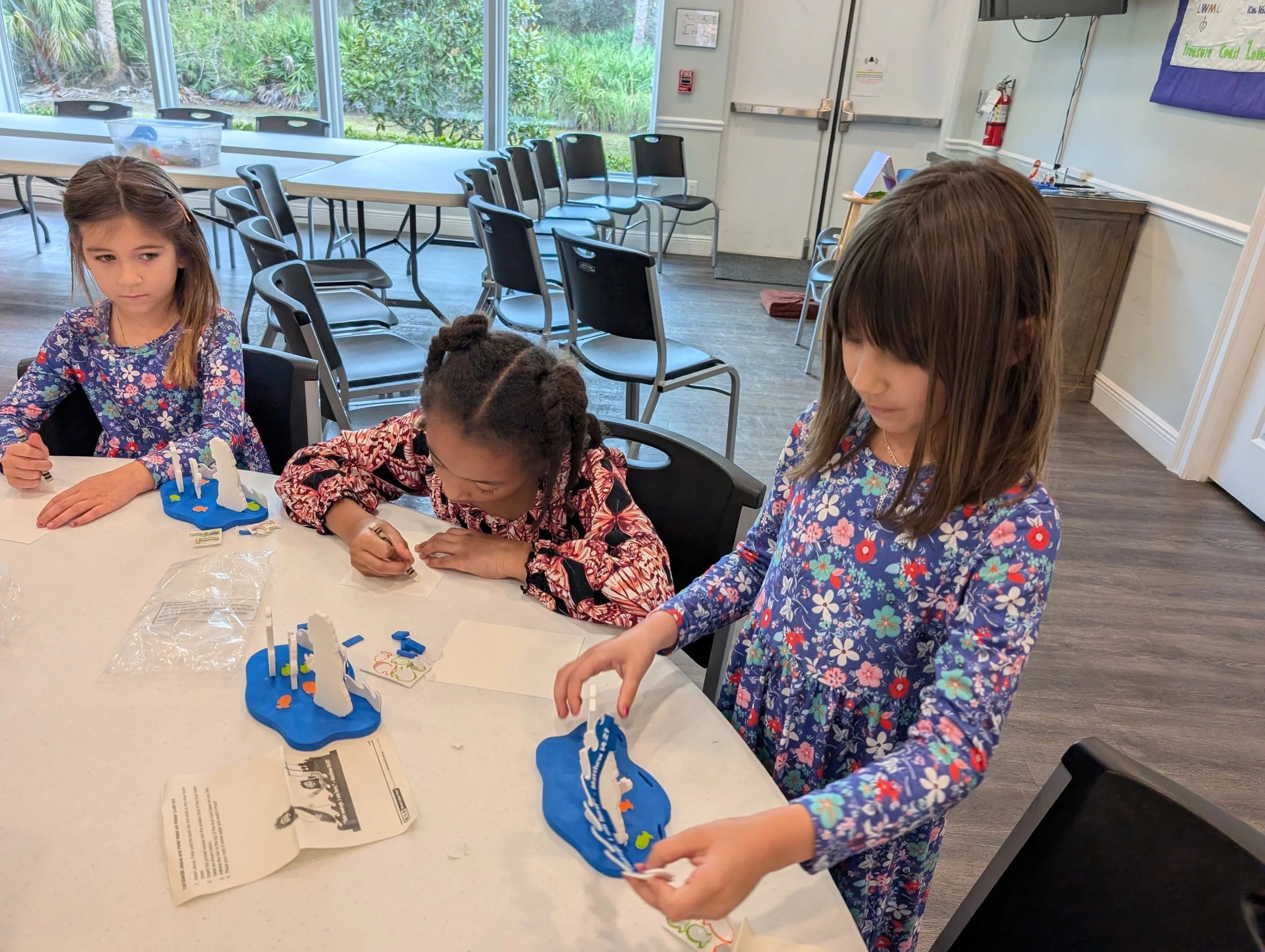
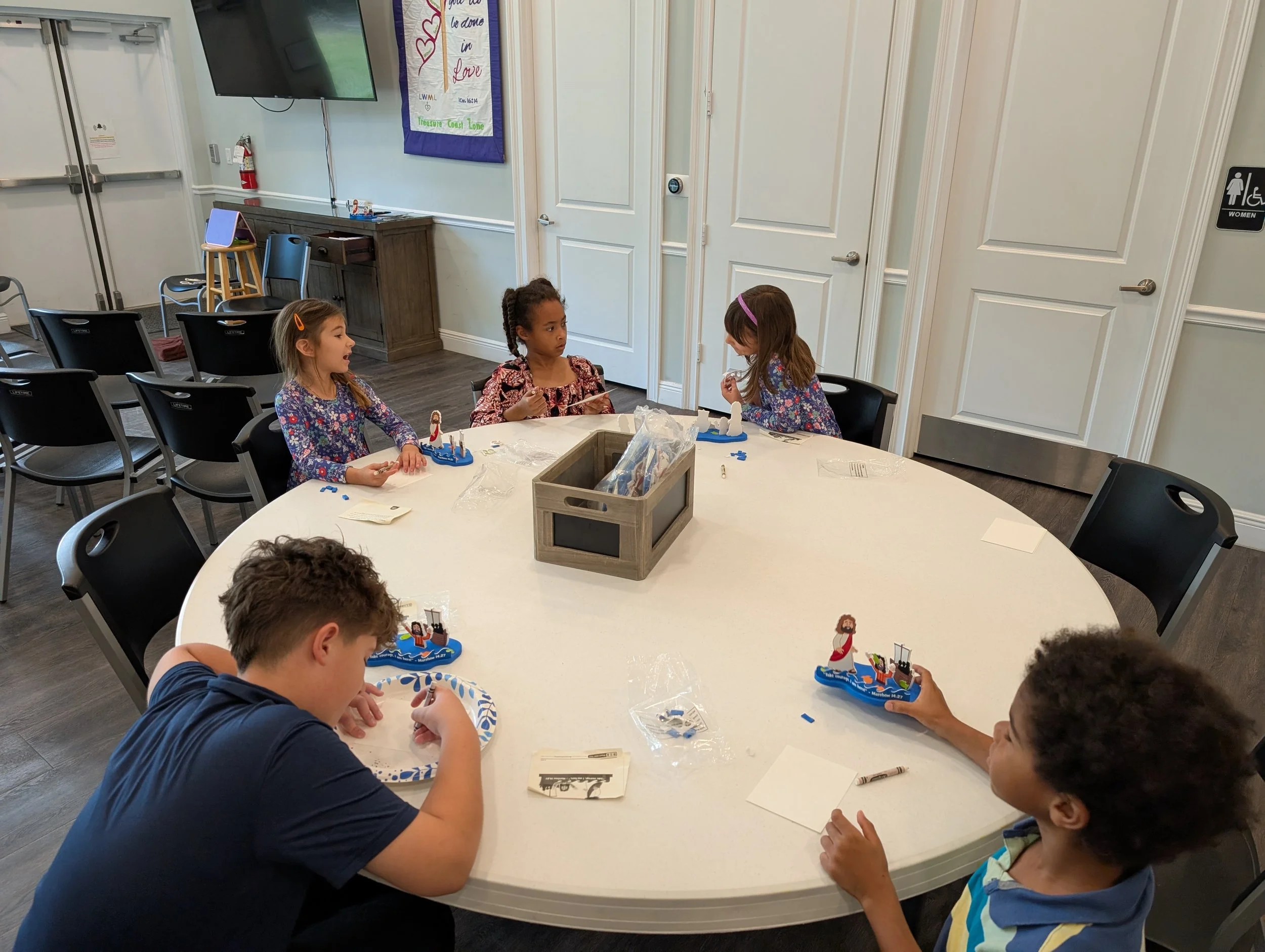
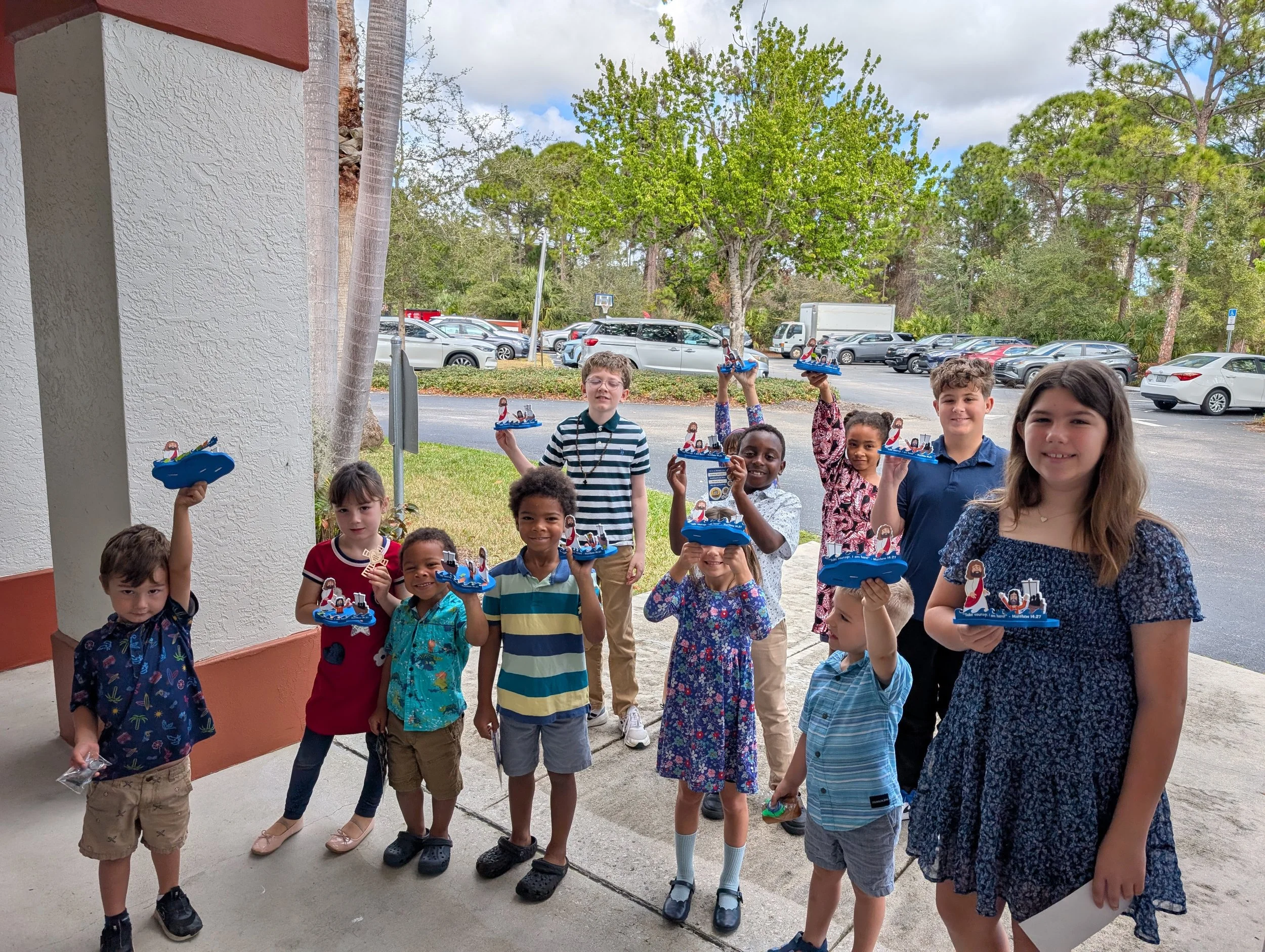
Our new Wednesday kids program during the Lenten services has also been a highlight, giving them a space to grow together as the body of Christ. Seeing them enjoy each other’s company while learning that Jesus is their Savior is exactly what it’s all about.





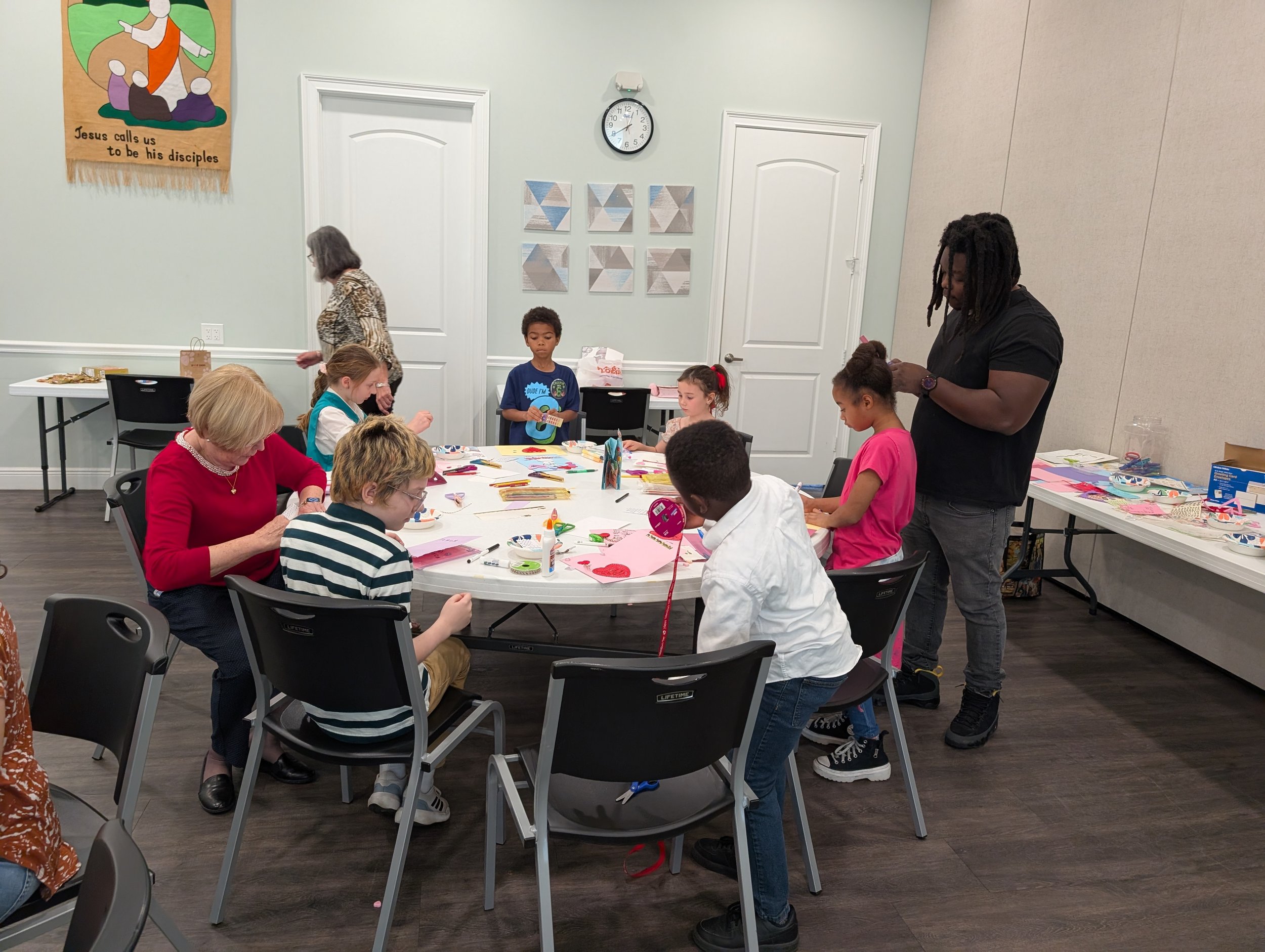
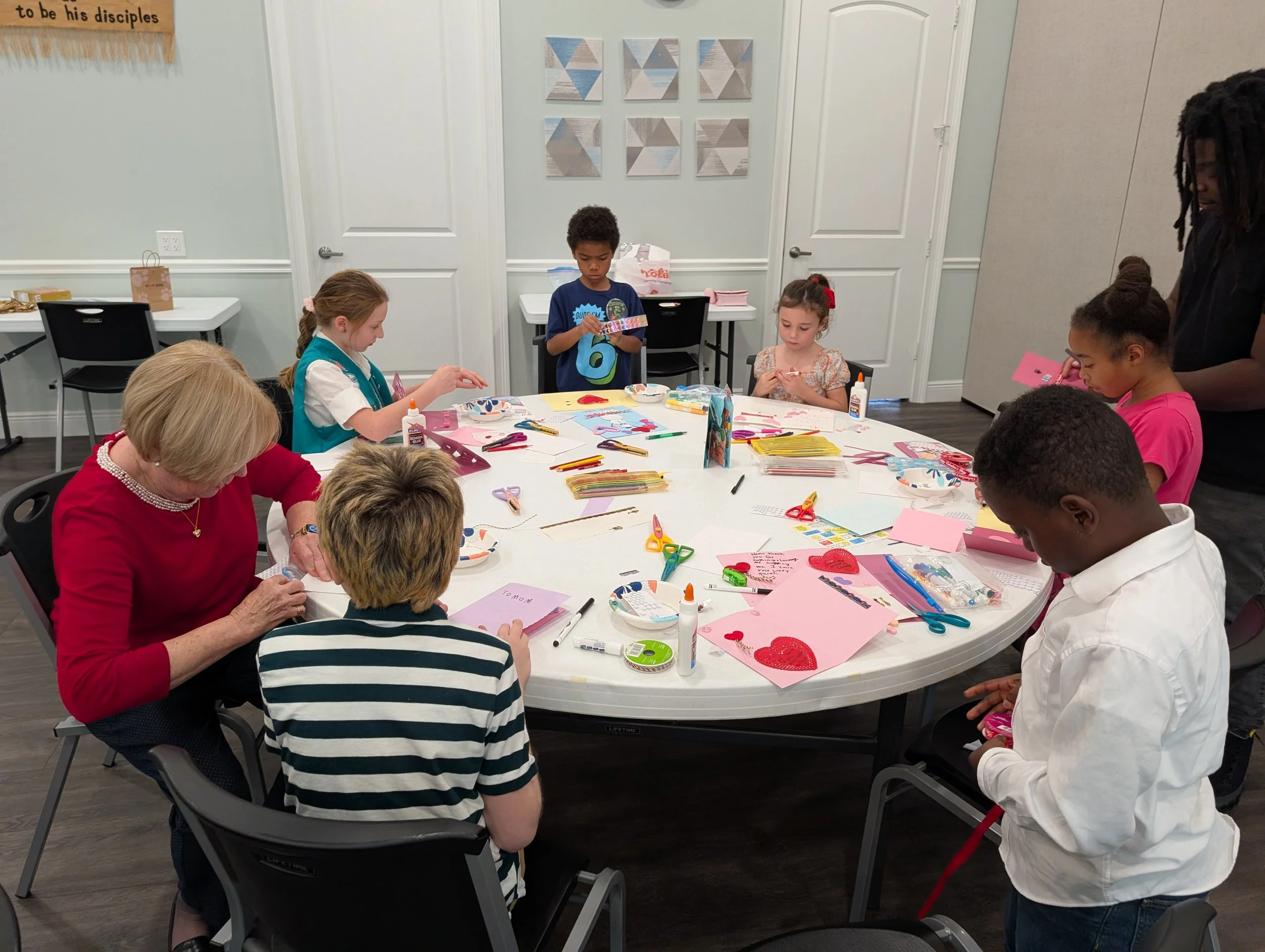
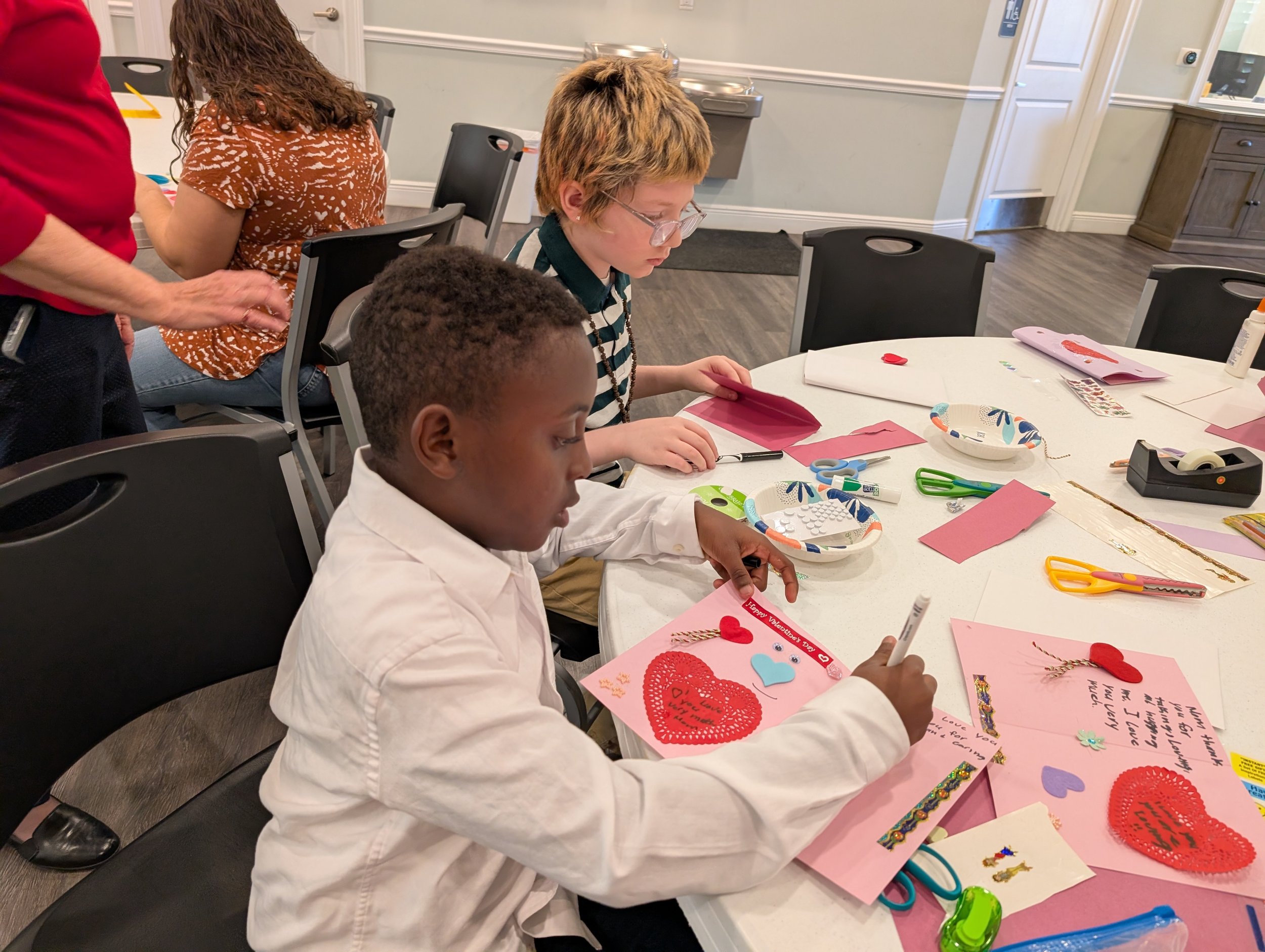

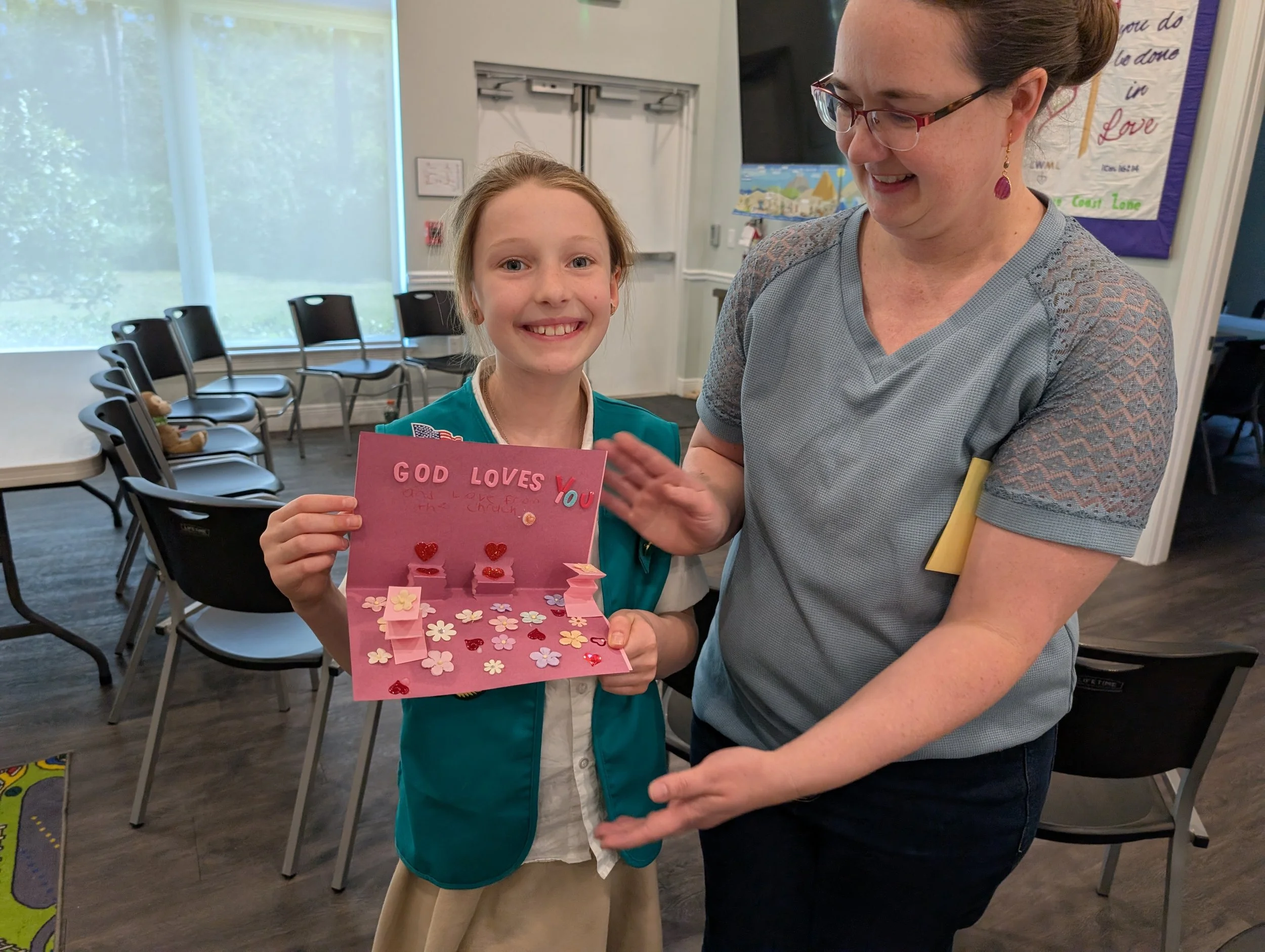















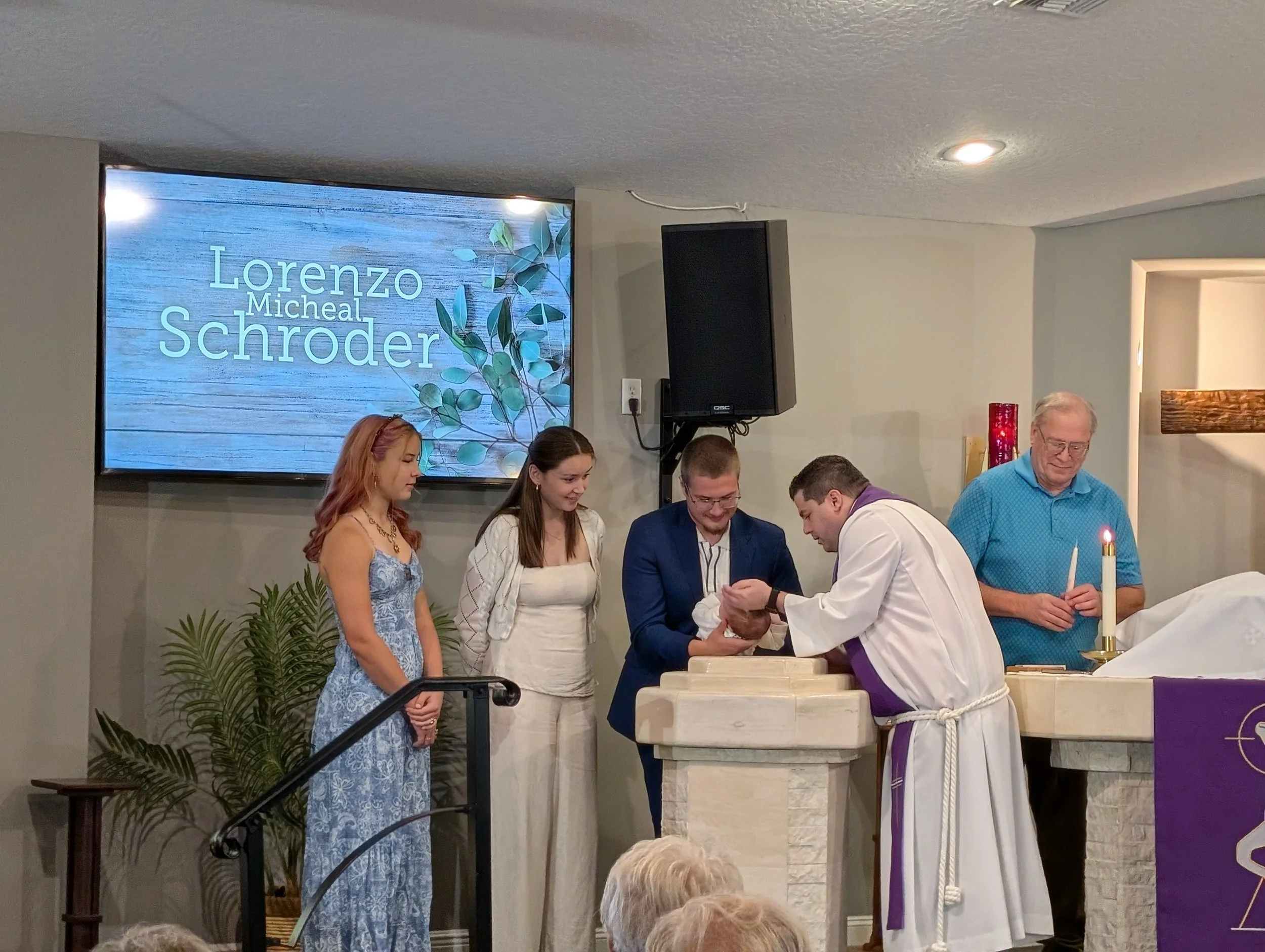
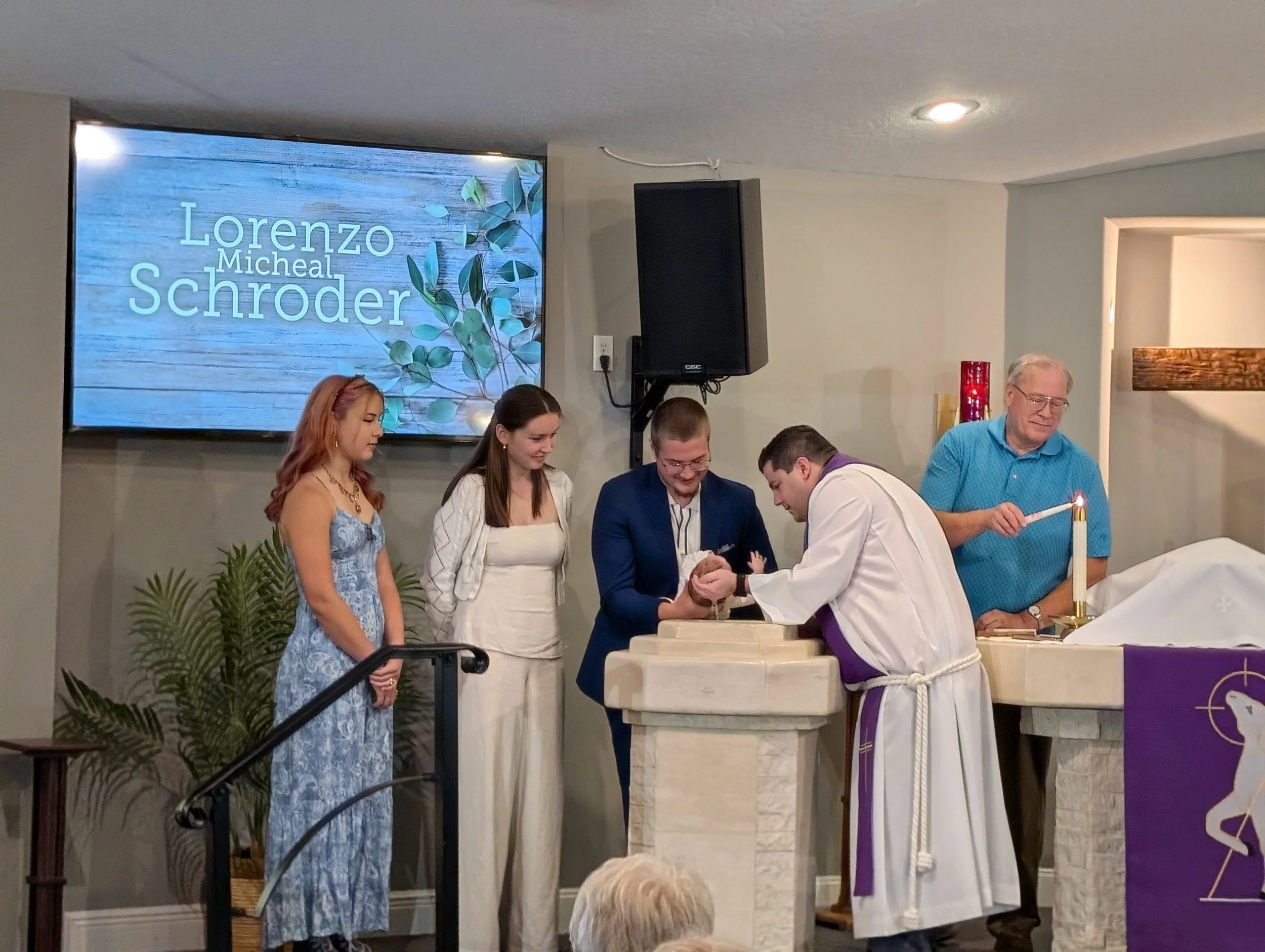
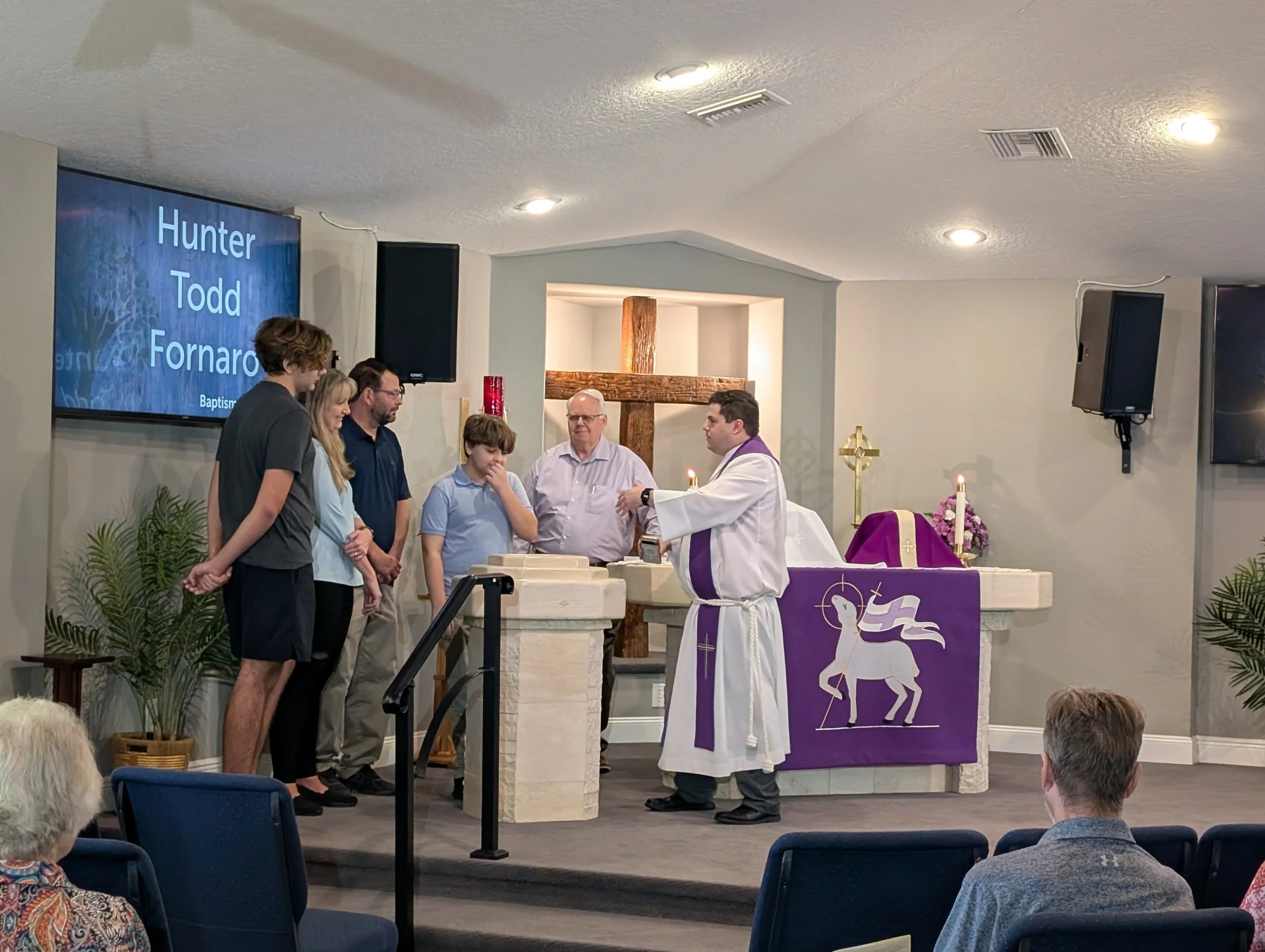
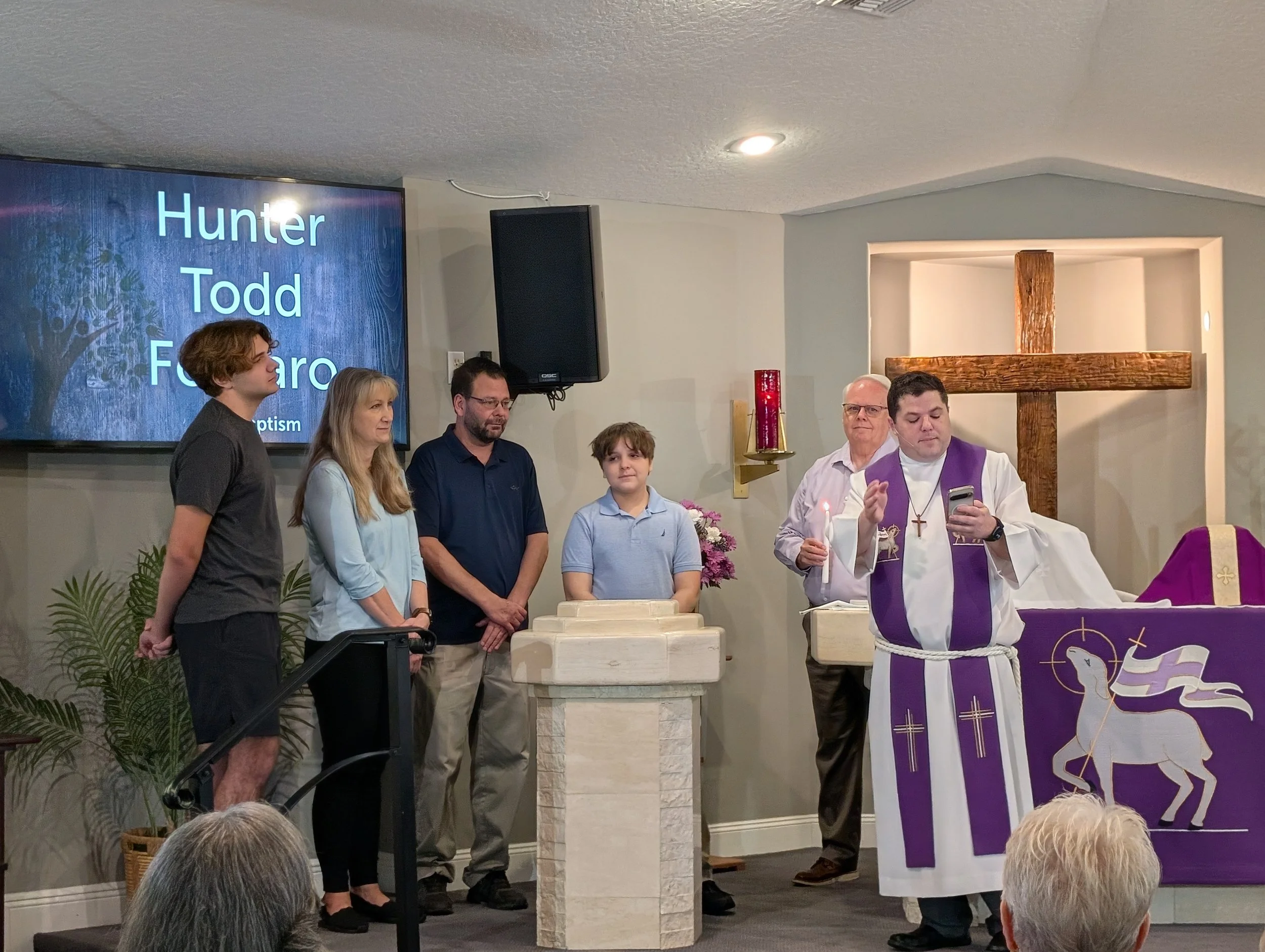
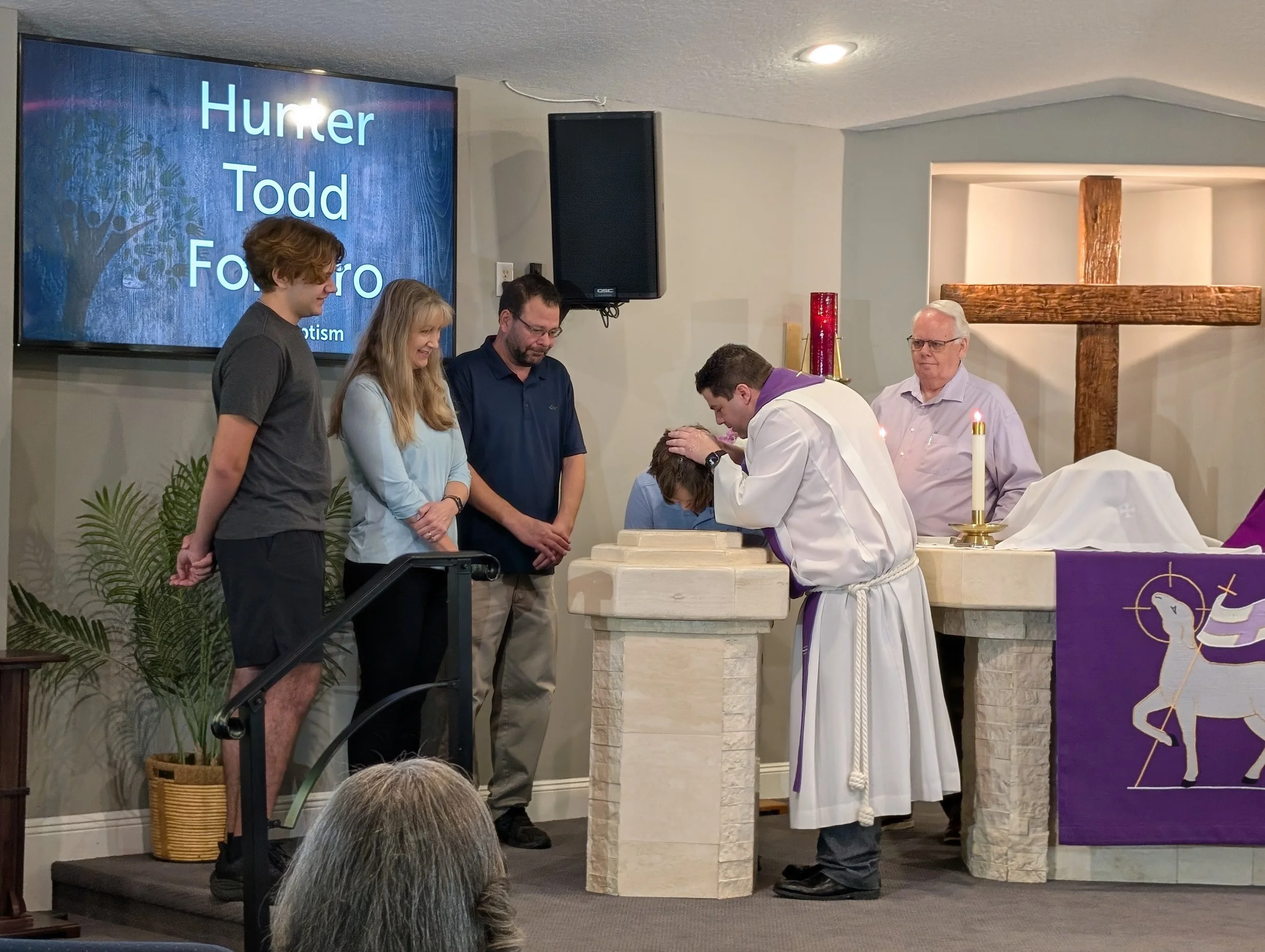
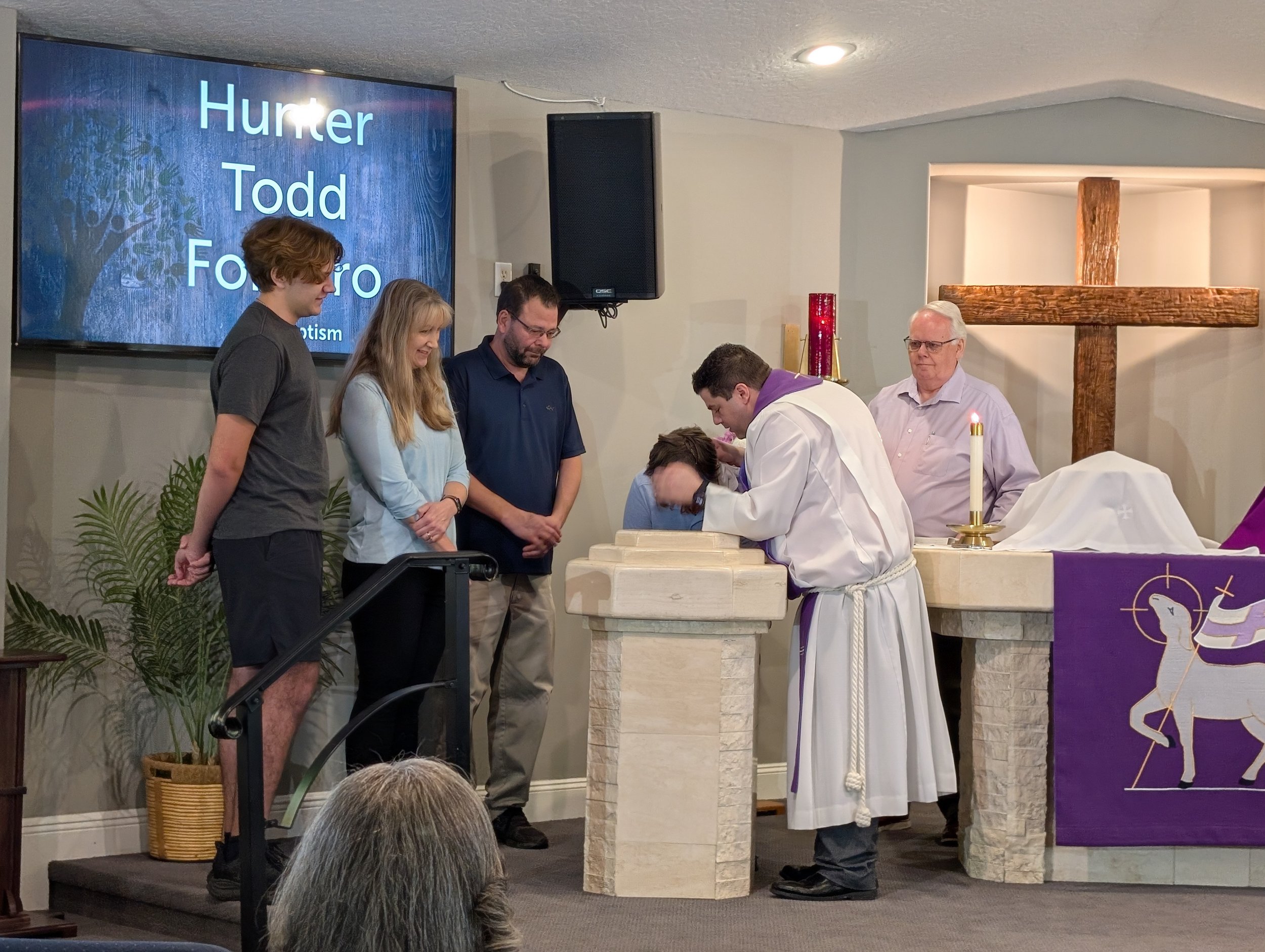
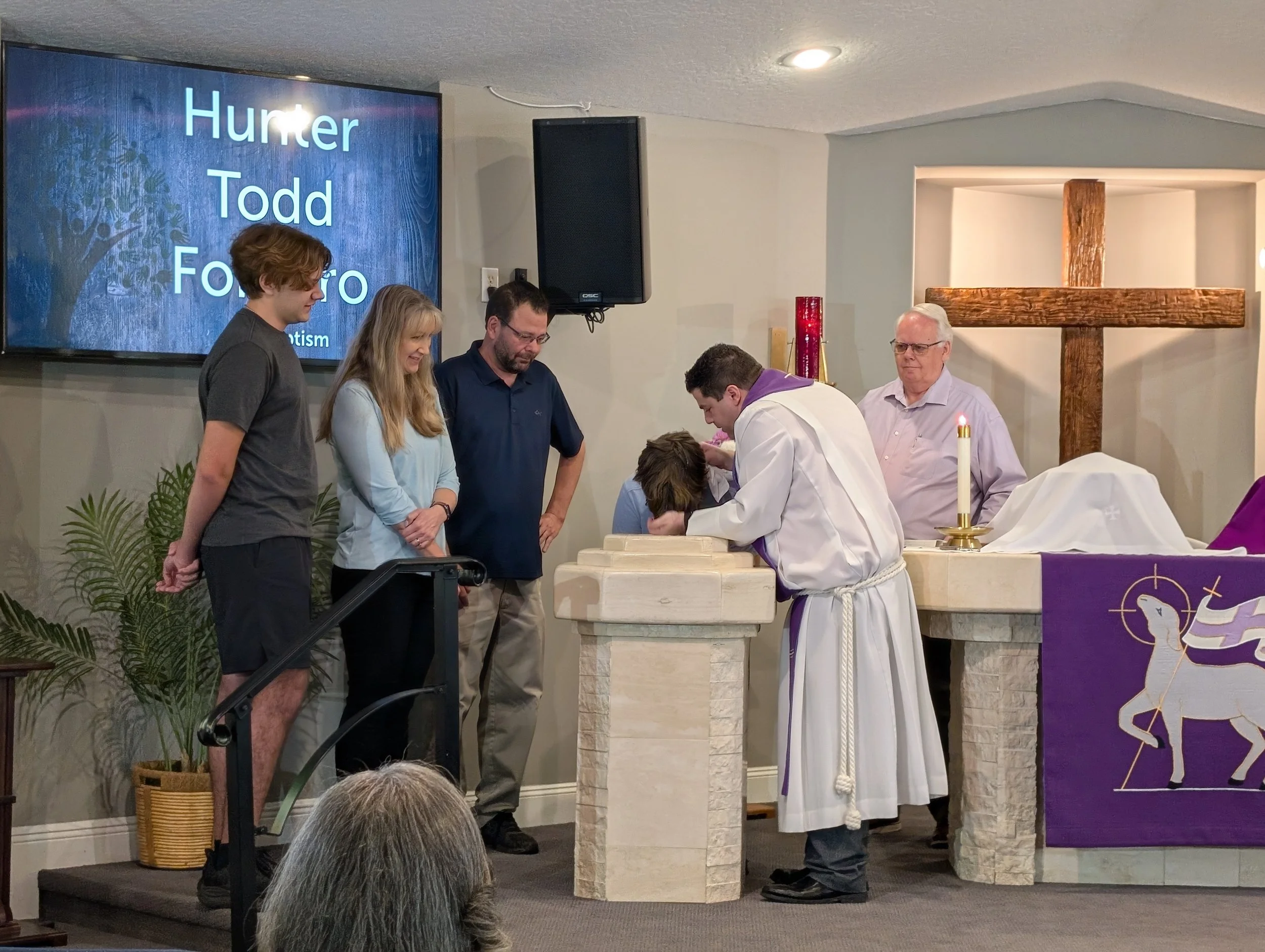
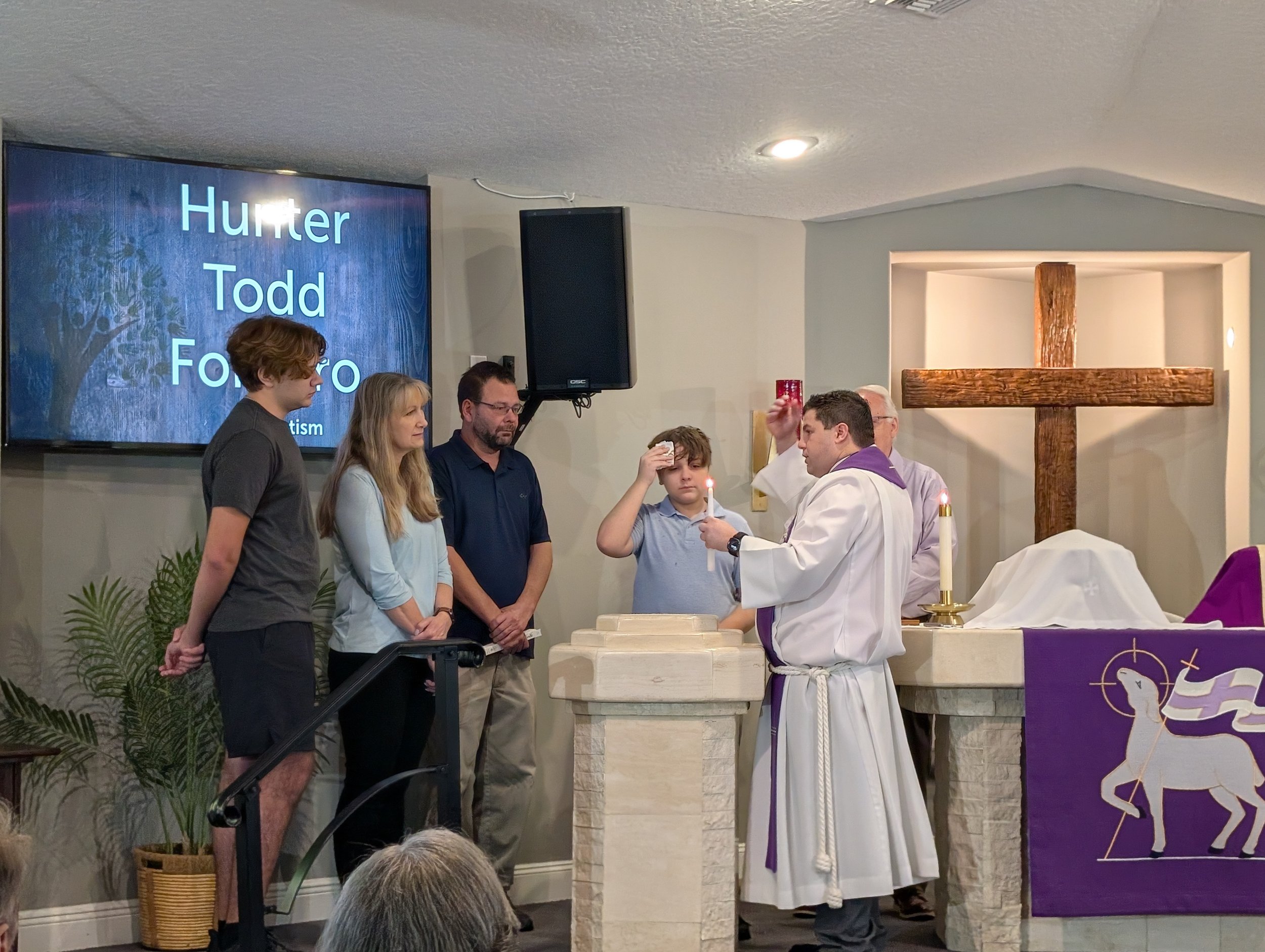
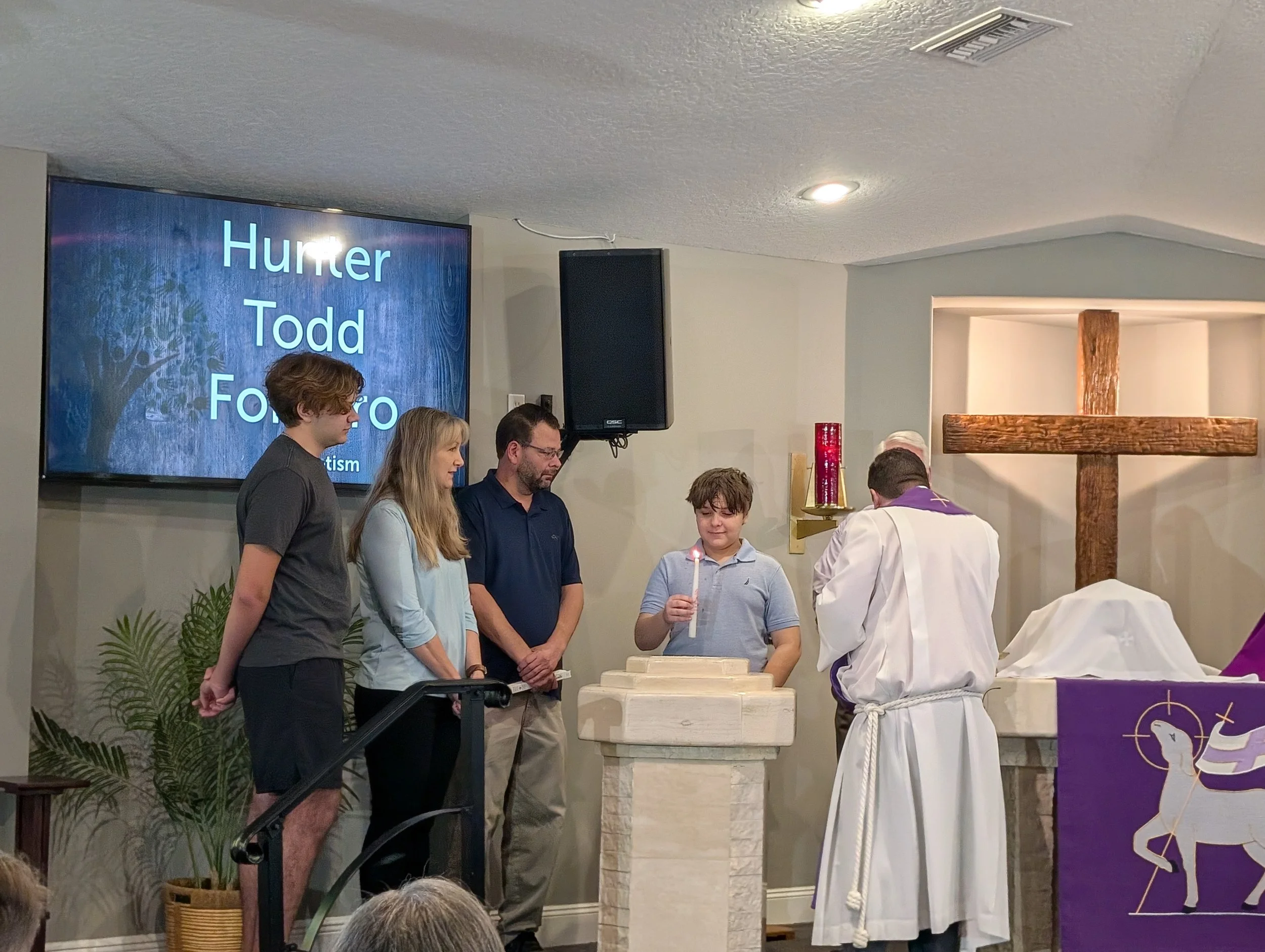
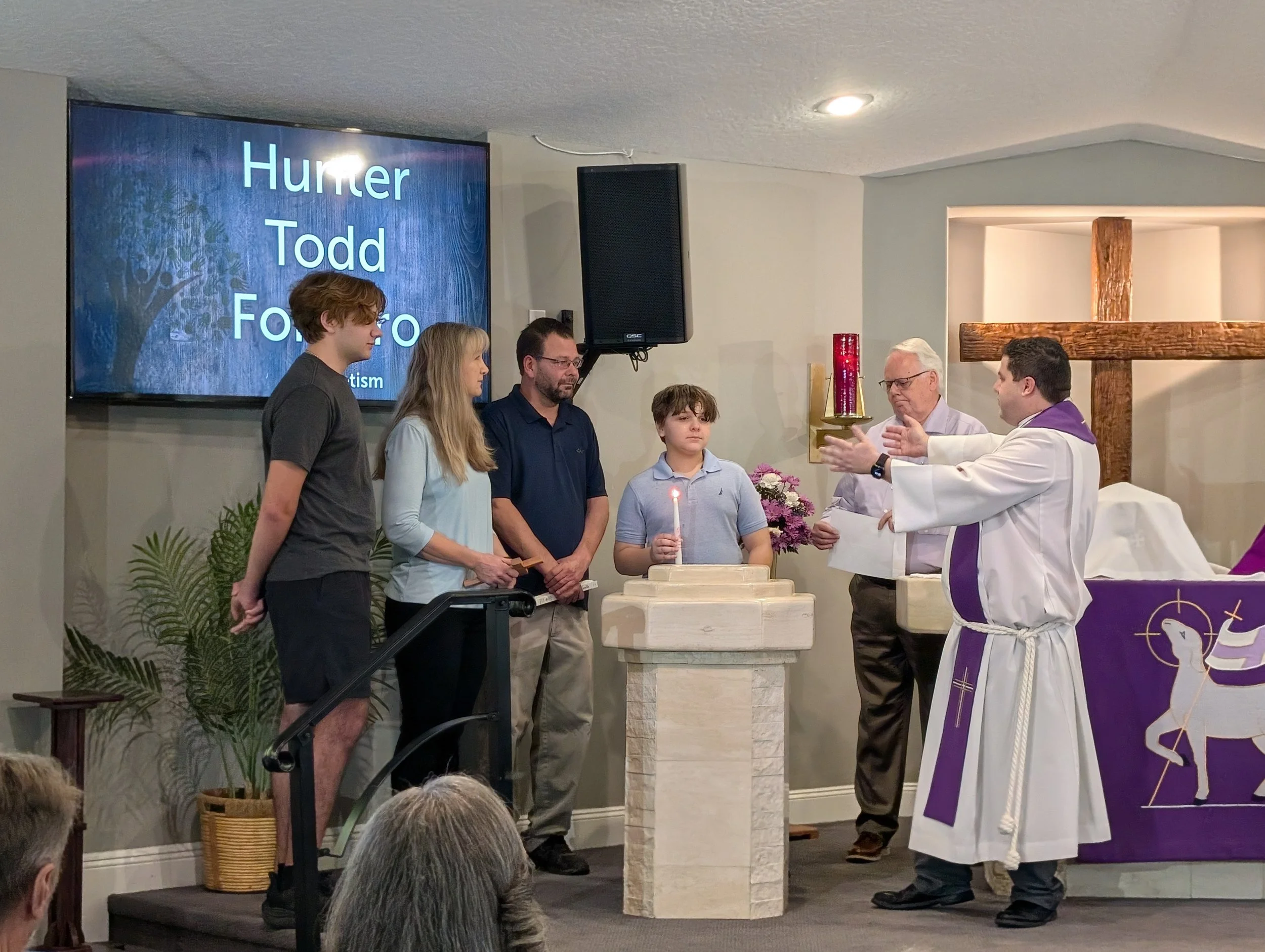
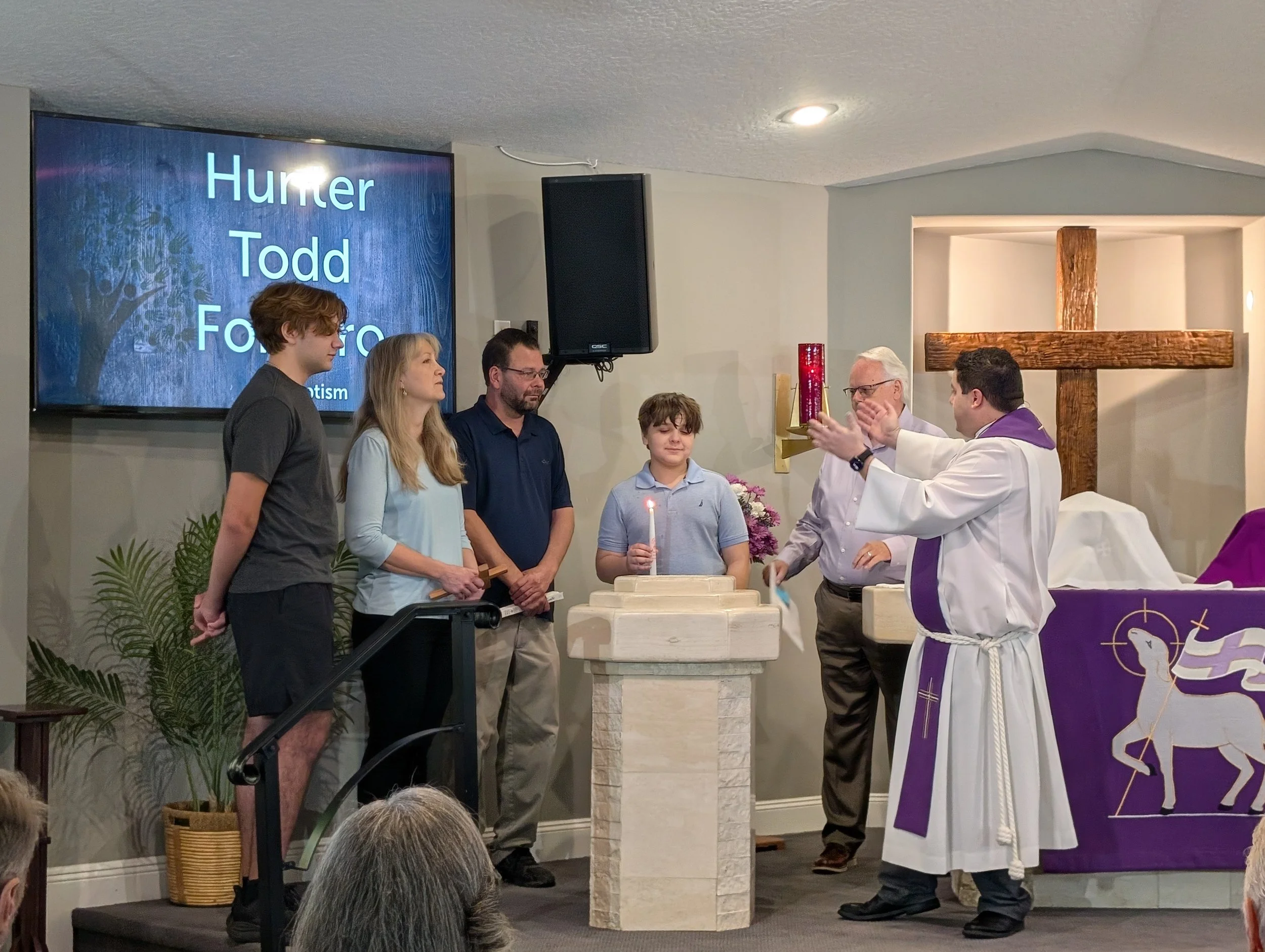
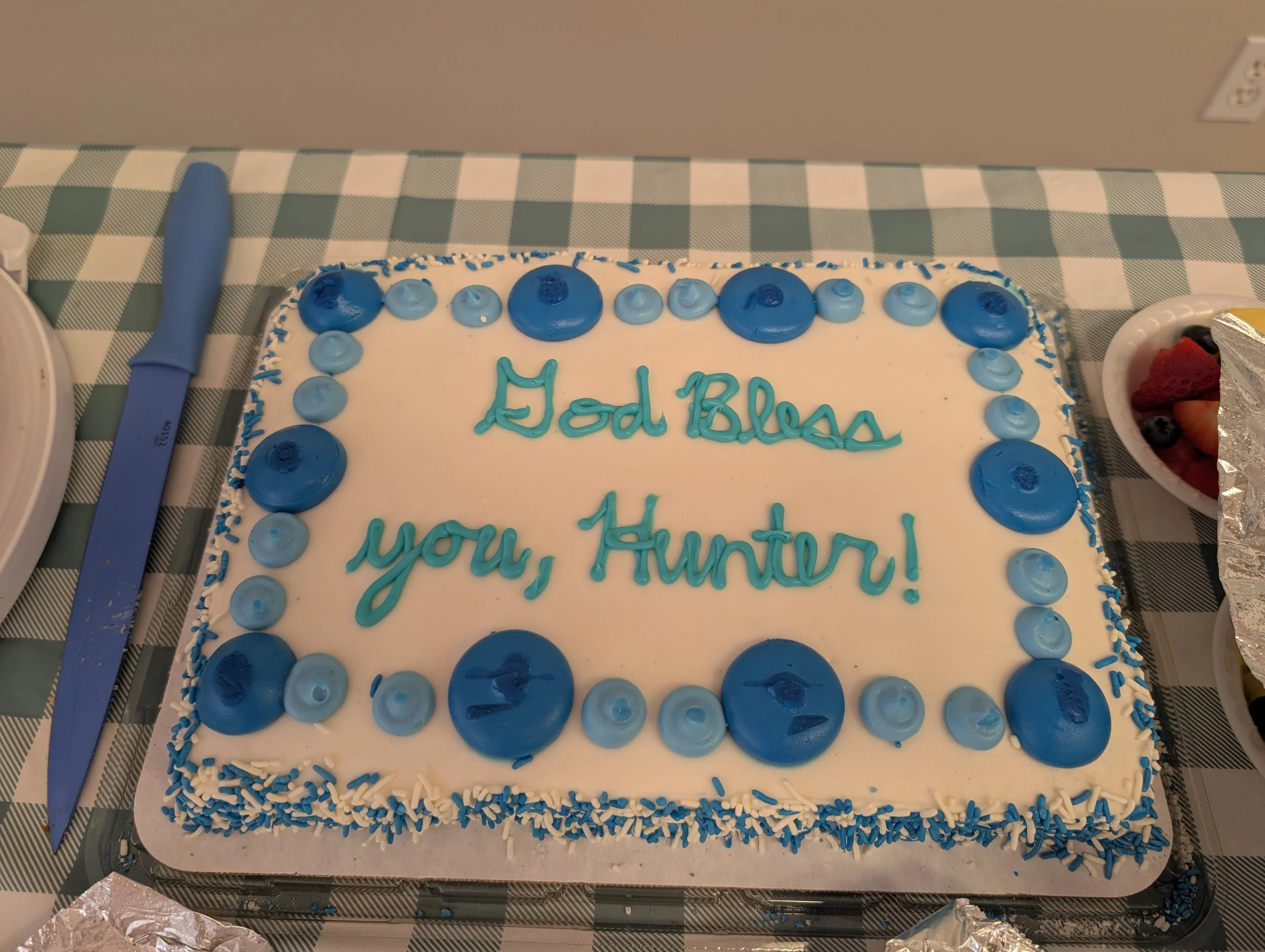
2 Weeks and 2 Baptisms
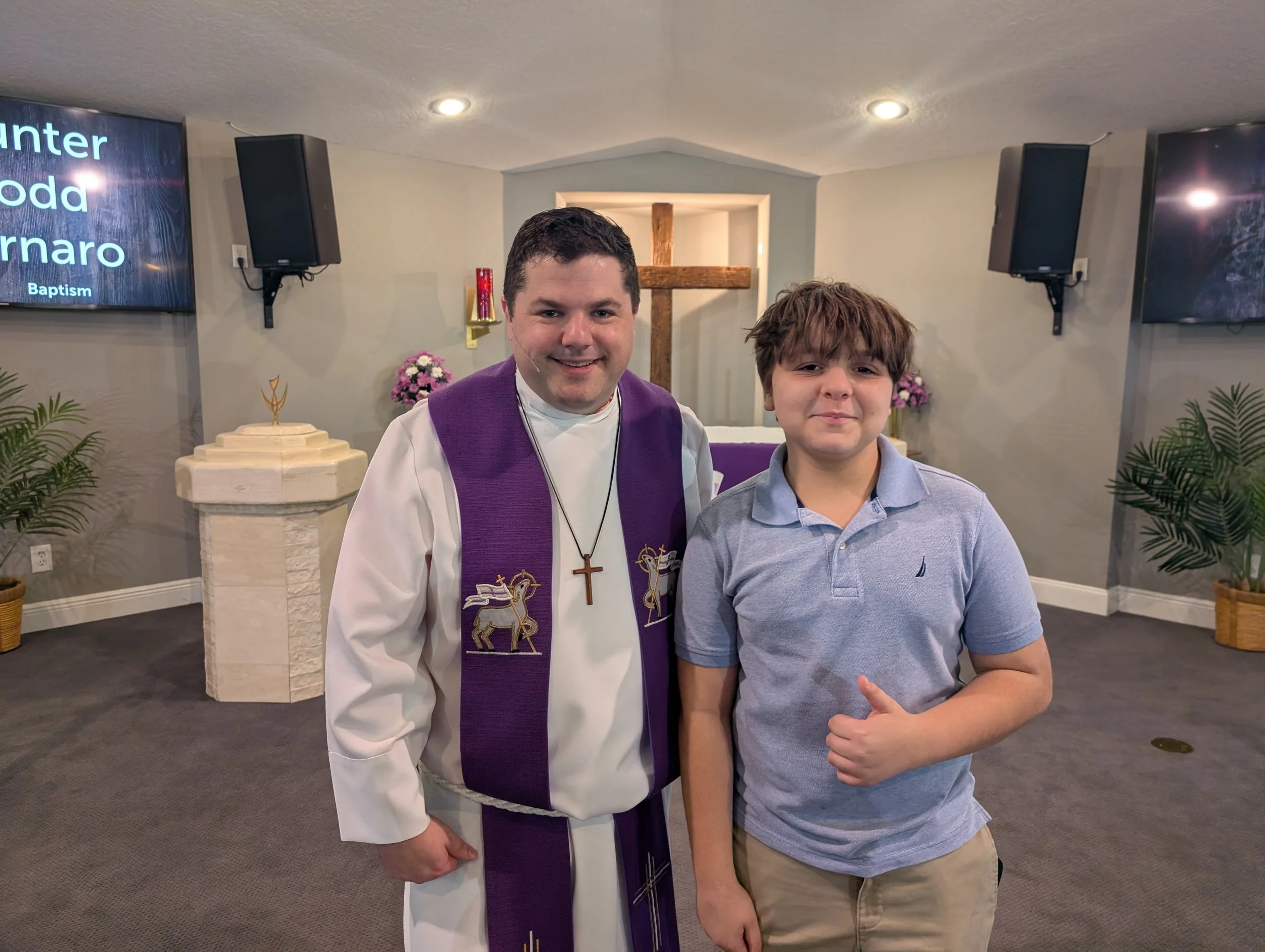
Great to have 2 baptisms in the last few weeks.
Talk about a holy streak! It has been an incredible couple of weeks at Grace. First, we had a new family move to the area and ask for their baby to be baptized, and who are we to keep the gifts of God to ourselves!?
Then, just three weeks ago, Hunter and his father joined us for worship, and Hunter shared that he wanted to be baptized too. From the littlest ones to those a bit older, seeing the family of God grow like this is such a gift. It’s been a very good couple of weeks!

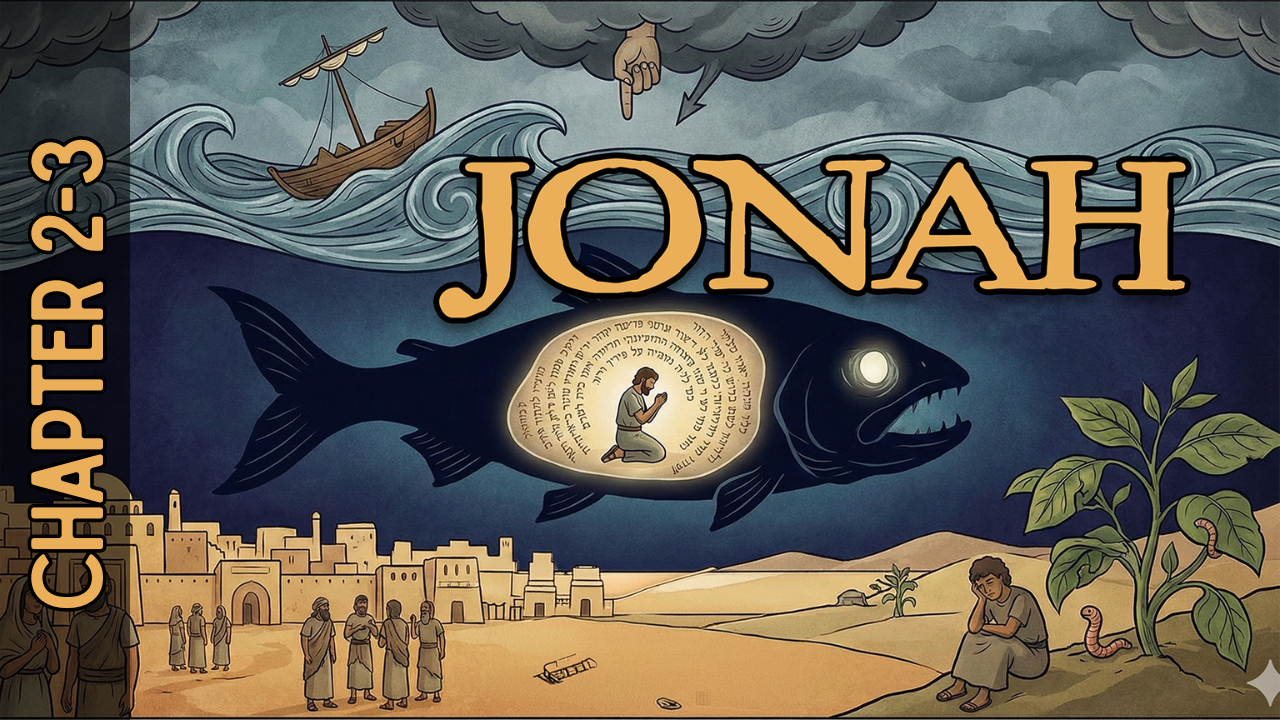
Jonah Chapter 2-3 Class 2 - Bible Study
Our Bible study explored Jonah as holy satire and a mirror of mercy—challenging our comfort with God loving enemies, tracing creation motifs, and connecting to Jesus’ “sign of Jonah.”
Jonah Chapter 2-3
This is our 2nd class on Jonah
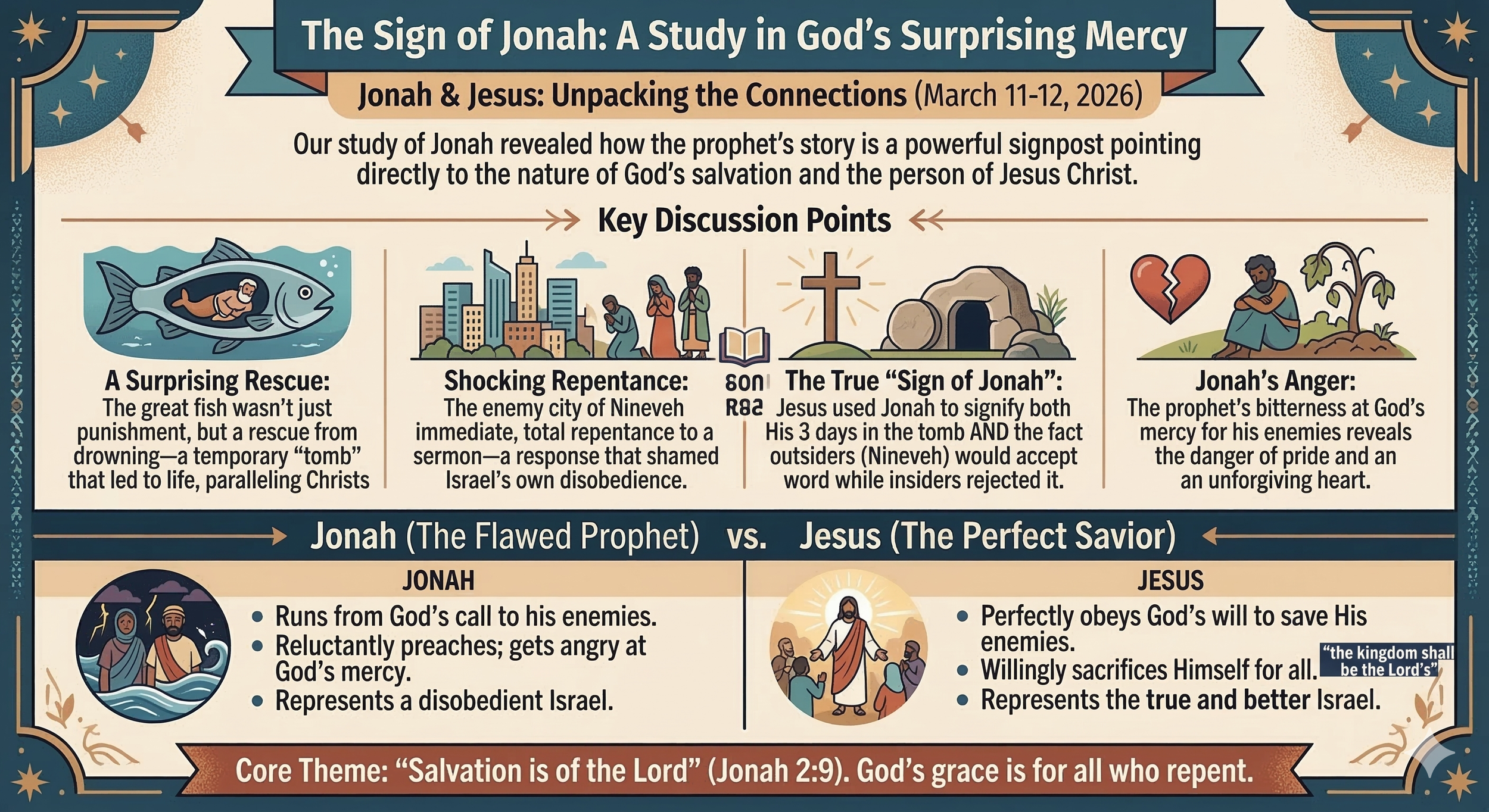
This is an AI Recap of the class.
Some things may be incorrect.
Short Summary of the Whole Class
During our Bible study sessions, we delved into the profound theological depths of the book of Jonah, particularly chapters 2, 3, and 4. We began with Jonah's prayer from the belly of the fish, seeing it as a picture of Israel's pattern of crying out to God only in distress. The discussion then moved to the shocking, widespread repentance of Nineveh in response to Jonah's reluctant preaching, a stark contrast to Israel's own disobedience. We explored how Jonah's anger at God's mercy reveals the dangers of spiritual pride and an unforgiving heart. Ultimately, we connected the entire story to Jesus' teachings on the "sign of Jonah," concluding that the book demonstrates that salvation is a sovereign act of God, whose grace extends to all who repent, even His enemies.
Detailed Class Summary
Church Announcements and Jonah's Prayer in the Deep
Our class began with a brief recap of Jonah chapter 1 and some church announcements. There was a discussion about potentially starting a new Bible study on Wednesday nights to accommodate more people, though our current Thursday study is expected to remain.
We then read Jonah chapter 2, analyzing Jonah's prayer from the belly of the fish. The group noted that the prayer is rich with language from the Psalms, showing Jonah's scriptural knowledge. However, the irony was not lost on us: he only cried out to God in desperation, not when he was causing the trouble on the ship. This was seen as symbolic of Israel's own pattern of rebellion followed by cries for help only when in deep distress. A key insight shared was viewing the fish not merely as a punishment but as a "rescue," saving Jonah from drowning. This provided a powerful parallel to Christ's time in the tomb, which seemed like the end but was ultimately the rescue for all humanity. The section concluded by focusing on the core truth from Jonah's prayer: "Salvation is of the Lord" (Jonah 2:9), highlighting that his rescue was due to God's sovereign will, not his own merit.
Section Summary: We discussed potential new Bible study times before analyzing Jonah's prayer in chapter 2. We saw his prayer as a model of Israel's crisis-driven faith and reframed the fish as a "rescue," underscoring the theme that salvation is a sovereign act of God.
Bible Verses Mentioned: Jonah 1, Jonah 2, Jonah 2:9.
Stories Mentioned: Jonah and the storm at sea, Jonah being swallowed by the great fish, Jesus calming the storm.
The Second Chance and the Shocking Repentance of Nineveh
Transitioning to chapter 3, we saw Jonah get a second chance to obey God's command. He travels to the great city of Nineveh and delivers a stark, eight-word message: "Yet forty days and Nineveh shall be overthrown." The class was astonished by the city's immediate and universal repentance. Jonah was only one day into his journey when the entire city, from the "greatest to the least," responded. The king himself humbled himself, trading his royal robe for sackcloth and ashes. The most striking detail was the decree for even the animals to fast and wear sackcloth, which we interpreted as a sign of the extreme sincerity of Nineveh's plea for God's mercy. This profound repentance from Israel's brutal enemy stood in stark contrast to Israel's own repeated failure to repent despite countless warnings from numerous prophets.
Section Summary: Given a second chance, Jonah delivers a brief sermon. In response, Nineveh undertakes an immediate and profound city-wide act of repentance, involving everyone from the king down to the animals, demonstrating a sincere desire for God's mercy that shames Israel's own history of disobedience.
Bible Verses Mentioned: Jonah 3:4-9.
Stories Mentioned: Jonah preaching to Nineveh.
The "Sign of Jonah," Pride, and Forgiveness
The final part of our discussion tied these events together, focusing on the "sign of Jonah" as referenced by Jesus. We read Matthew 12:38-42, where Jesus explicitly compares Jonah's three days in the fish to His three days in the earth. More importantly, Jesus states, "The men of Nineveh will stand up at the judgment with this generation and condemn it; for they repented at the preaching of Jonah, and now something greater than Jonah is here." We concluded that the "sign of Jonah" is not just about the three days, but about God's power to bring repentance to Gentiles (Nineveh).
This highlighted the danger of spiritual pride, as seen in Jonah, who was angry at God's mercy. He didn't flee out of fear, but because he knew God was gracious and he wanted his enemies to be destroyed. This unwillingness to see his enemies forgiven was connected to the Lord's Prayer ("forgive us as we forgive others") and the idea from C.S. Lewis that we might choose our own damnation if we cannot stand to be in heaven with those we refuse to forgive. The story shows that salvation is God's initiative, not dependent on the messenger, a truth ultimately fulfilled in Jesus, whose sacrifice opened salvation to all nations.
Section Summary: We examined how Jesus uses Nineveh's repentance as the "sign of Jonah" to condemn the unbelief of his generation. We discussed how Jonah's anger at God's mercy reveals the danger of spiritual pride and an unforgiving heart, concluding that the story points to the gospel, where Jesus opens God's grace to all people.
Bible Verses Mentioned: Matthew 12:38-42, Luke 11:29, Matthew 16:4, Matthew 6:12 (The Lord's Prayer), Revelation 21.
Stories Mentioned: The Queen of the South visiting Solomon, the Parable of the Good Samaritan, the tearing of the temple curtain.
Final Medium-Length Summary
Our Bible study on March 11-12, 2026, focused on the book of Jonah, revealing its deep connections to the person and work of Jesus. We began with Jonah's prayer from the belly of the fish (Jonah 2), seeing it not just as a personal lament but as a reflection of Israel's tendency to cry out to God only in desperation. A key insight was reframing the fish as an act of "rescue," a powerful parallel to Christ's tomb experience being the ultimate rescue for humanity. We then contrasted Jonah’s reluctant obedience with the shocking and complete repentance of Nineveh in chapter 3. The pagan city responded with more humility to a brief, hostile sermon than Israel did to generations of prophetic warnings. This led to our core discussion on the "sign of Jonah" from Matthew 12. We concluded the true sign was twofold: the three days in the fish/tomb, and, more significantly, the repentance of the Gentiles (Nineveh), which condemns the hard-heartedness of those who should know better. Jonah’s anger at God’s mercy for his enemies served as a stark warning against spiritual pride and an unforgiving spirit, showing that salvation is from the Lord and His grace extends far beyond our prejudices.
Main Points
Jonah's prayer in chapter 2 is a compilation of scripture, but it highlights a reactive faith, mirroring Israel's pattern of crying out only in crisis.
The great fish can be interpreted as a "rescue" for Jonah, providing a parallel to Christ's tomb experience being a rescue for humanity.
The "sign of Jonah" referenced by Jesus includes both the three days/nights and, crucially, the repentance of the pagan Ninevites in response to God's word.
Nineveh's sincere, universal repentance stands in stark contrast to Jonah's bitterness and Israel's own history of disobedience.
Jonah's anger at God's mercy reveals the danger of spiritual pride and an unforgiving heart.
The story of Jonah demonstrates that "salvation is from the Lord" and prefigures the gospel, where Jesus's sacrifice opens God's mercy to all nations.
Scriptures and Stories
Bible Scriptures:
Jonah 1, 2, 3, 4
Matthew 12:38-42
Matthew 16:4
Luke 11:29
Luke 19:40
Matthew 6:12 (The Lord's Prayer)
Revelation 21
The Book of Judges
Bible Stories:
Jonah and the storm at sea.
Jonah being swallowed by the great fish.
Jonah preaching in Nineveh.
The city-wide repentance of Nineveh.
Jesus calming the storm.
The Queen of the South visiting King Solomon.
The Parable of the Good Samaritan.
Jesus' death and resurrection.
![[Sunday] Day 3 - Sprout, The Week](https://images.squarespace-cdn.com/content/v1/5852f18a20099e30cd2c01dc/1772739818994-46A7BUR7TZSNODJYB9WX/The+Week+3a.jpg)
[Sunday] Day 3 - Sprout, The Week
We often settle for the mere "leaves of religion" by simply going through the motions, yet the third day of Creation reveals our design to sprout and bear fruit.
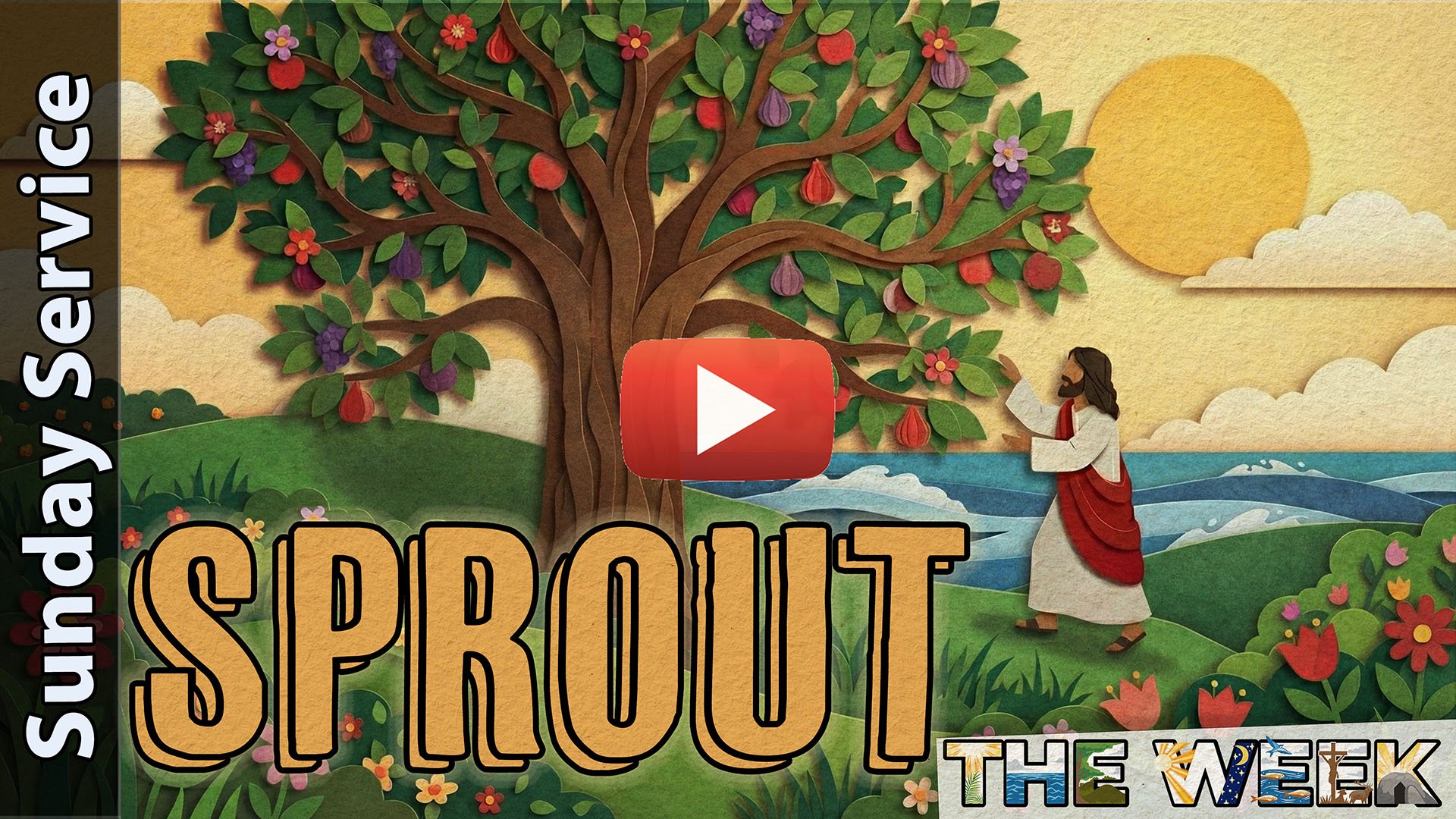
We often settle for the mere "leaves of religion" by simply going through the motions, yet the third day of Creation reveals our design to sprout and bear fruit.
-
1. Notes for Your Bible
Genesis 1 (The Creation Account): The sermon extensively parallels the first three days of creation with the events of Holy Week. The speaker suggests that the authors of the Gospels, inspired by the Spirit, naturally saw the "re-creation" work of Jesus through the lens of the original creation.
Day 1 (Genesis 1:3, "Let there be light"): This is compared to Jesus, the Light of the World, entering Jerusalem on Palm Sunday. He brings light into a city that believed it was already enlightened.
Day 2 (Genesis 1:6-8, Separating the waters): This is paralleled with Jesus cleansing the temple. By driving out the merchants, Jesus "separated" the chaos from the holy space, reigning in the chaos just as God reigned in the waters to create the sky, allowing people to "breathe" again and find peace.
Day 3 (Genesis 1:9-13, Dry ground appears & vegetation sprouts): This day has two parts. First, God further reigns in the chaotic seas by making dry land appear. Second, the land is commanded to be fruitful, producing vegetation and fruit-bearing trees. This theme of "fruitfulness" becomes the central focus of the sermon.
Matthew 21:19 ("Seeing a fig tree by the road, he went up to it but found nothing on it except leaves. And he said, 'May you never bear fruit again.' And immediately the tree withered."):
Meaning: The withering of the fig tree is not an act of random anger from Jesus. It is a symbolic act. The tree, full of leaves but lacking fruit, represents the religious system of the day, particularly the temple in Jerusalem. It had the outward appearance of life and religiosity ("spiritual foliage") but was spiritually barren and not producing the "fruit" of justice, mercy, and love for neighbor.
Context: Jesus performs this act while walking from Bethany up toward the Temple Mount, making the temple the clear object of this symbolic judgment.
Matthew 21:21 ("...you can say to this mountain, ‘Go, throw yourself into the sea,’ and it will be done."):
Meaning: This is not about literal mountain-moving. The "mountain" refers to the Temple Mount, the center of the fruitless religious system. The "sea" represents the primordial chaos and formlessness ("tohu vavohu") from Genesis 1.
Application: Jesus is teaching that faith in Him allows believers to recognize that fruitless religious structures and outward shows of piety are hopeless and should be "cast away" into chaos. The real hope is not in the building or the rituals, but in God's work of producing genuine fruit in people's lives.
Amos 5:21-24 ("I hate, I despise your religious festivals... But let justice roll on like a river, righteousness like a never-failing stream."):
Purpose: This passage is used as an Old Testament parallel to Jesus's critique of the temple. It demonstrates that God has always been more concerned with the "fruit" of justice, righteousness, and care for the needy than with the "leaves" of religious festivals, sacrifices, and songs. It serves as a mirror, forcing listeners to question if their own worship is just "lip service."
Gospel of John (Resurrection Account): The speaker notes that in John's Gospel, the resurrected Jesus is presented as a "gardener." This connects the resurrection to the Day 3 creation theme of the land sprouting new life and fruitfulness. Jesus's resurrection is the ultimate act of "sprouting" life from the darkness of the tomb.
2. General Summary of Main Points
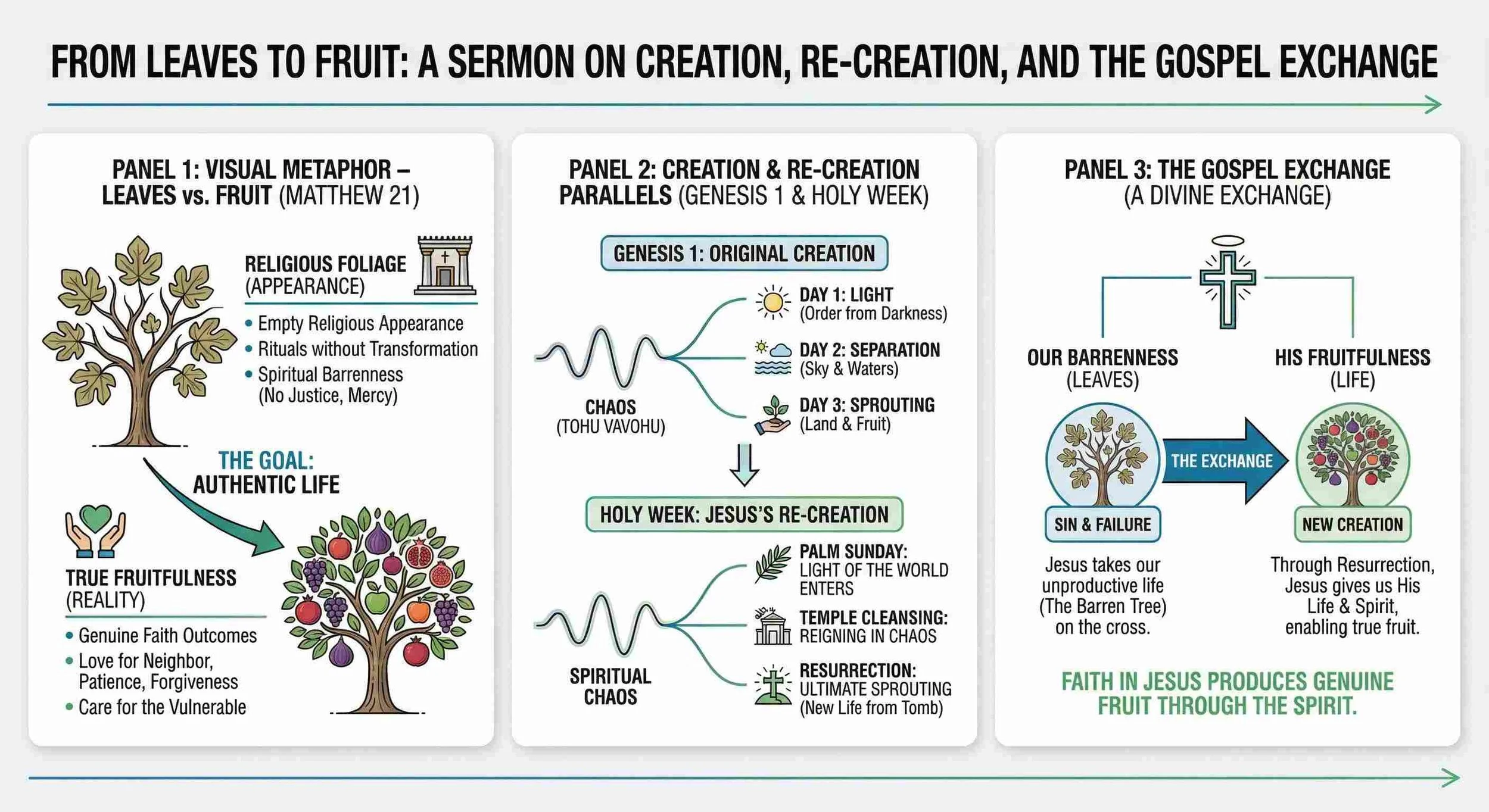
The sermon intertwines the creation narrative from Genesis 1 with the events of Jesus's final week in Jerusalem to explore the theme of genuine "fruitfulness" versus empty religious appearance. The speaker posits that the Gospel writers naturally saw Jesus's work of "re-creation" through the lens of the original creation.
The central metaphor is the contrast between leaves and fruit, drawn from Jesus cursing the barren fig tree. The leaves represent the outward appearance of religiosity—rituals, magnificent buildings (the temple), and going through the motions of faith. The fruit, however, represents the tangible outcomes of true faith: justice, love for neighbor, patience, forgiveness, and caring for the vulnerable.
The speaker argues that Jesus's actions, like cleansing the temple and cursing the fig tree, were a prophetic judgment on a religious system that was all "leaves" and no "fruit." He calls the congregation to self-examination, warning against the ease of cultivating "spiritual foliage" while neglecting the actual fruit God desires. The ultimate hope is found not in our own efforts to be fruitful, but in the Gospel, where Jesus takes our barrenness upon Himself on the cross (a barren "tree") and, through His resurrection, brings forth new life and true fruitfulness for all who have faith in Him. This new creation is now breaking into the world through the Spirit's work in the church and in the lives of individual believers.
3. Gospel Presentation
The Gospel is taught explicitly towards the end of the sermon.
Time Stamp: The core message begins around 00:16:04 from the start of the recording.
Summary: The speaker explains that while we, like the barren fig tree, are often fruitless and caught in sin, deserving to be "thrown back into the sea" of chaos, the Gospel presents a divine exchange. Jesus takes our "unfruitful, barren tree" (our sin and failure) and exchanges it for His "fruitful tree." He dies on the cross—our "tree of barrenness"—for us. In his death, the Creator of the universe takes on the "regressing of creation," entering the darkness and chaos ("tohu vavohu") of the tomb. But just as God commanded "Let there be light" on Day 1 and "Let the earth sprout" on Day 3, God raises Jesus from the dead, filling His lungs with air again. Through this resurrection, Jesus brings forth the fruit of forgiveness and grace for us. This act initiates a new creation in which believers are joined, enabling them to bear true spiritual fruit through the power of the Holy Spirit.
4. Illustrations and Their Points
Writing the Sermon with a Friend:
Illustration: The speaker recounts a conversation with his friend Mark about the deep parallels between the Genesis creation story and Matthew's account of Holy Week. His friend suggested it wasn't a deliberate, formulaic mapping but rather that the themes of creation were so foundational to the Gospel writers' worldview that they naturally emerged as they wrote about Jesus's work of re-creation.
Point: This idea makes the connection feel more organic and profound. It shows that the work of salvation is intrinsically linked to the work of creation, as both are expressions of who God is.
Citrus Greening Disease in Florida:
Illustration: The speaker describes a disease affecting Florida's citrus trees. A key characteristic is that an infected tree can initially look healthy and full of leaves but will not produce any fruit. Eventually, it begins to die, and farmers must quickly remove it to prevent the disease from spreading.
Point: This serves as a modern-day parallel to the barren fig tree and the temple. A religious life, or a church, can look healthy and vibrant on the outside (many leaves) but be spiritually diseased and fruitless on the inside. This external health is deceiving, and the lack of fruit is the true indicator of its spiritual state.
The Temple Mount's Location:
Illustration: The speaker describes the geography of Jerusalem, noting that the path from Bethany to the city ascends toward the Temple Mount. Jesus's actions against the fig tree and his teaching about casting "this mountain" into the sea happen in the literal shadow of the temple.
Point: This physical context makes the symbolic meaning of Jesus's actions undeniable. The fig tree is a stand-in for the temple, and the "mountain" is the Temple Mount itself. The proximity connects the judgment on the tree directly to the judgment on the fruitless religious system centered at the temple.
5. Interesting Quotes
Quote: "I think it's just who they are. That so interweaved is the theme of the creative order that when they are writing and the Spirit is inspiring their writing about how Jesus saves the world... it just mirrors themes of creation too."
Point: This quote emphasizes that the connection between creation and redemption is not a clever literary device but a deep theological reality. The God who creates is the same God who saves, and His methods of bringing order from chaos and life from nothingness are consistent.
Quote: "It's incredibly easy to grow leaves of religion... to know how to show up on Sunday morning, know when to stand, when to sit, when to laugh at the pastor's jokes... We put a magnificent display of spiritual foliage."
Point: This quote makes the sermon's warning highly personal and practical. It defines "leaves" not just as ancient temple rituals, but as modern church-going habits that can exist without any genuine inner transformation or outward love for others. It challenges the listener to look past their own religious performance.
Quote: "How many times have you read this verse in your lifetime, and you've never thought about the sea of chaos in the creation?... He's saying that if you have enough faith, you can realize that all of that empty platitudes of religion, it all can be thrown away."
Point: This highlights a fresh interpretation of a familiar passage (Matthew 21:21). By linking the "sea" to the chaos of Genesis 1, it transforms the verse from a generic statement about faith into a specific, powerful declaration that faith in Jesus frees us from relying on dead, fruitless religious systems.
Questions for the Week: The Week: The Week: Day 3 - Sprout
We are often tempted to just show the "leaves of religion" (showing up on Sunday, knowing the songs) and mistake them for the actual "fruit" of faith (loving neighbors, patience, genuine repentance). What are some ways we easily mistake having "leaves" for actually bearing "fruit"?
Read Matthew 21:18-22. Have you ever experienced a season in your spiritual life where you looked fine on the outside but felt completely "fruitless" and disconnected from God on the inside?
Read Amos 5:21-24. Why is God so opposed to religious routine that doesn't actually result in loving people or seeking justice?
Where have you seen genuine spiritual fruit in the lives of the people around you recently?


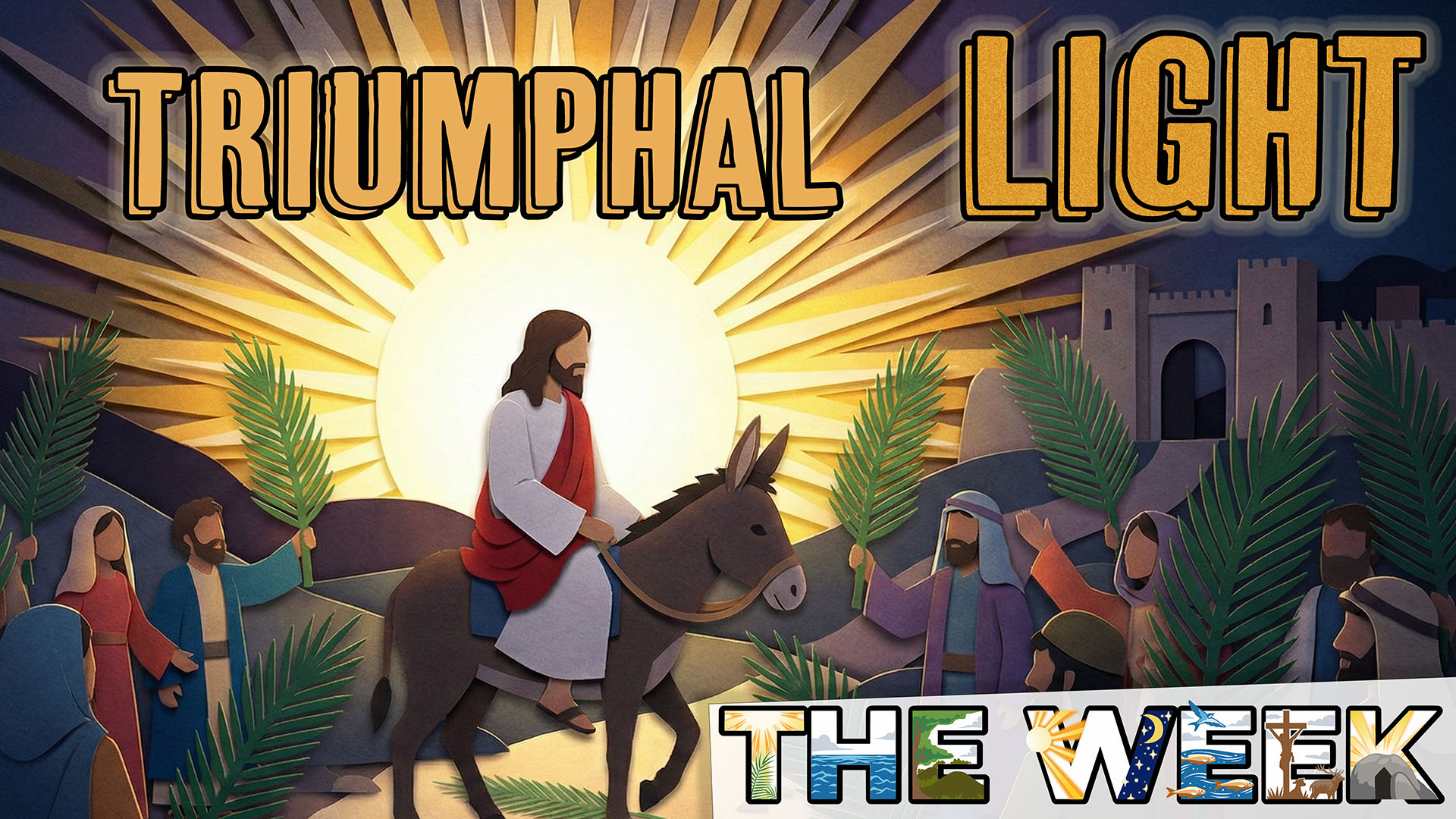
What Had happened at Grace this week.
![Red, White, And BBQ July 12th [Tons of Fun]](https://images.squarespace-cdn.com/content/v1/5852f18a20099e30cd2c01dc/1781874374517-KQLIDD18LRNMB4C7U8A8/Announcments+grace+%283%29.png)
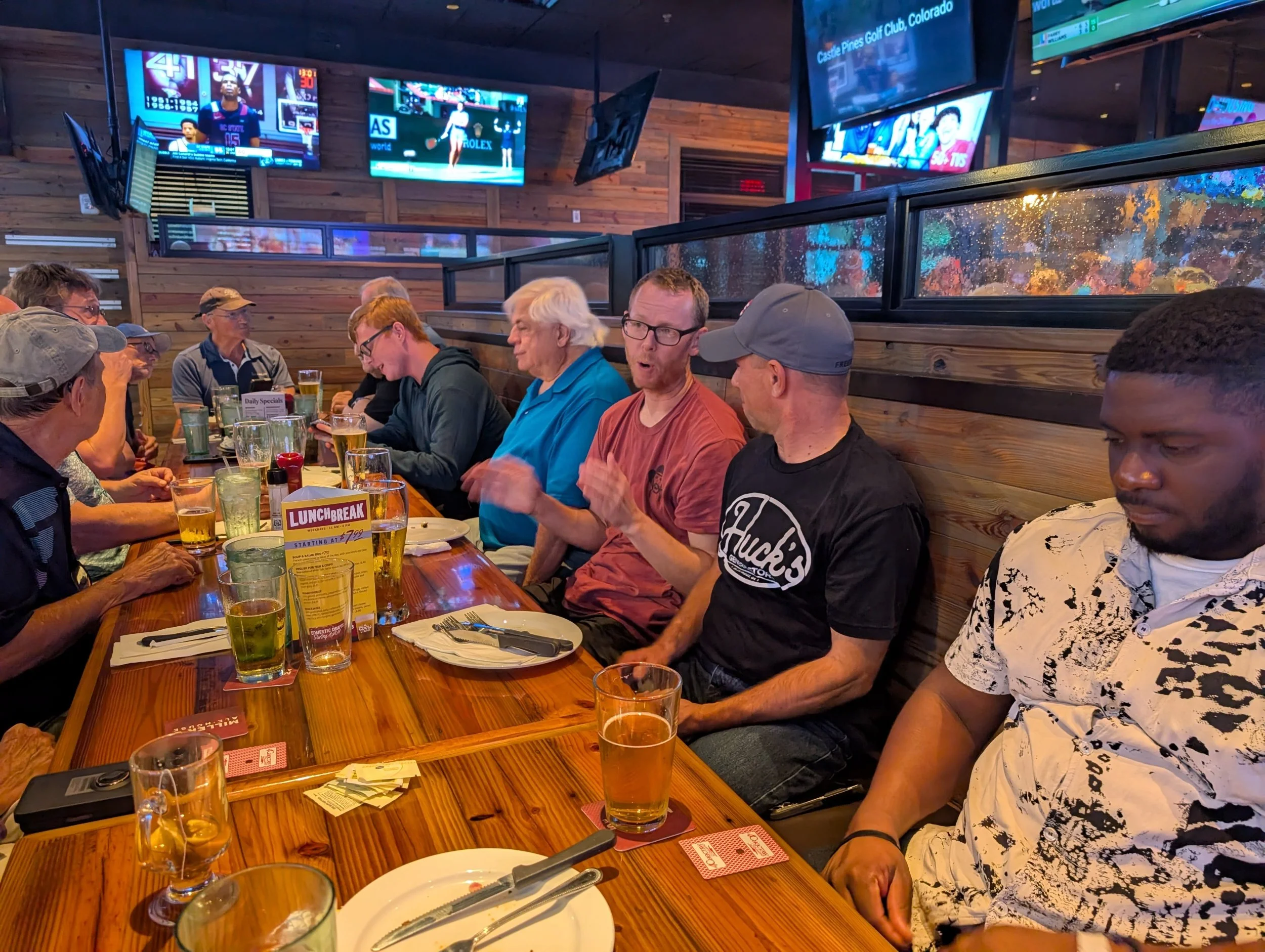
![Guys Night at Millers! [Photos]](https://images.squarespace-cdn.com/content/v1/5852f18a20099e30cd2c01dc/d369b0e8-9922-4094-8ba4-e673c3fbe207/processed_PXL_20260305_233023067.jpg)
Guys Night at Millers! [Photos]
Great time at Miller’s
Huge thanks to everyone who came out to Miller’s Ale House! We hit a new milestone with 18 in attendance, making it our largest gathering to date.
The energy was so high we even had a few people mention the volume—apparently, we’re officially the "loud table" now! Love seeing this group grow.




Dublin The Fun March 8th 5pm
Why just have fun when you can Dublin it.
March 8th
Time Change of Dublin the Fun.
5pm now.

Just like that struggle of "springing forward" into Daylight Saving Time, Tons of Fun is shifting the clock! To keep things cool and comfortable, we are moving our Dublin the Fun start time to 5:00 PM.
In all seriousness, the 3:00 PM heat today was just too intense with the current lack of shade. We want you focusing on the fun, not the heat exhaustion! See you an hour later for a much cooler event.

DUBLIN THE FUN! ☘️
Sunday, March 8th | 5:00 PM

Join us for a day of Irish-inspired fellowship and
"spud-tacular" food!
The Feast:
We’re providing a Baked Potato Bar with all the fixin’s
Sign up to bring your favorite Irish dish, side dish or dessert!
The Fun:
Kids’ bounce house,
Potato sack races,
and so much more!
Bring a dish, bring a friend, and let’s Dublin the fun!

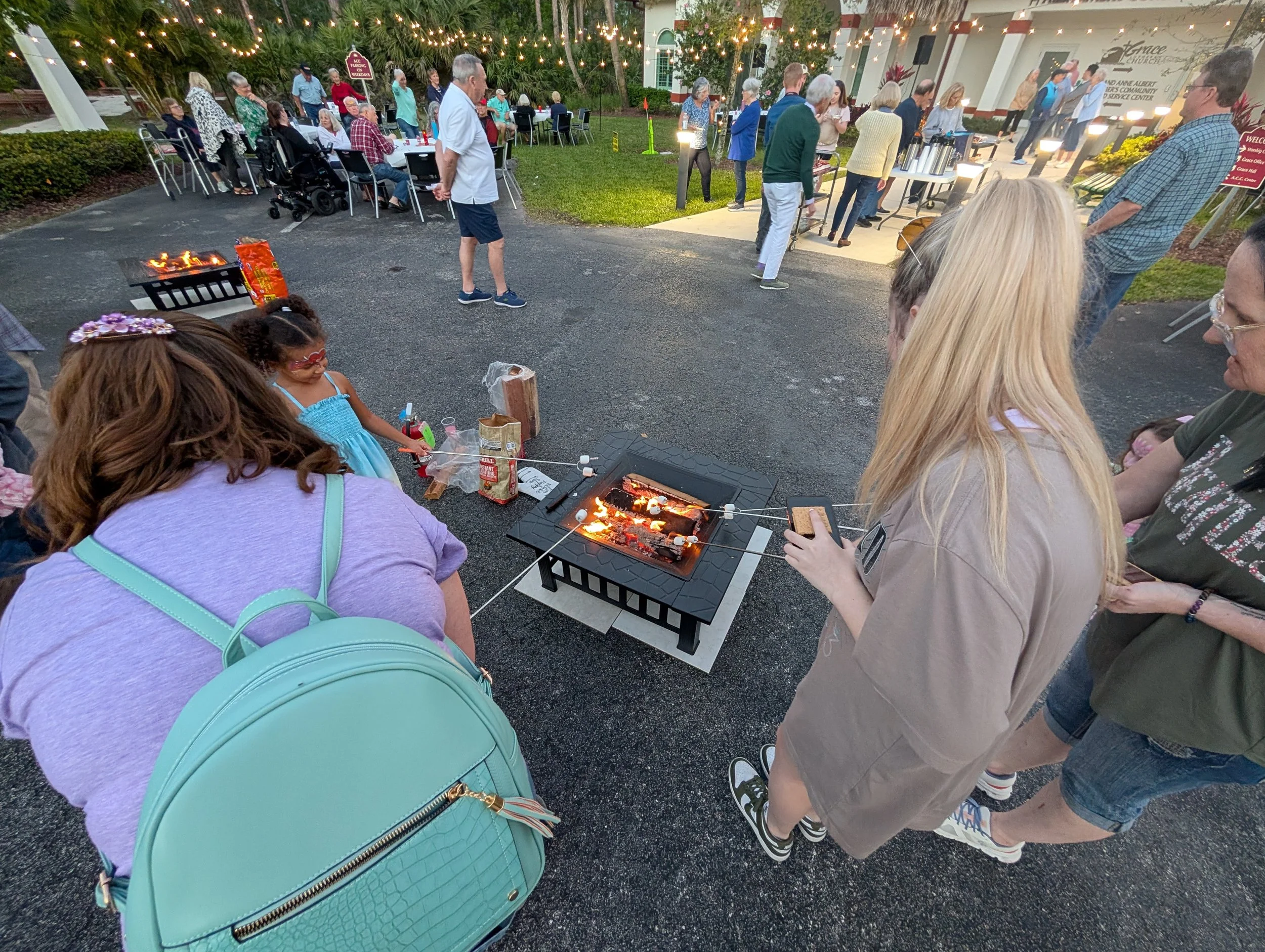
Photos of from last year

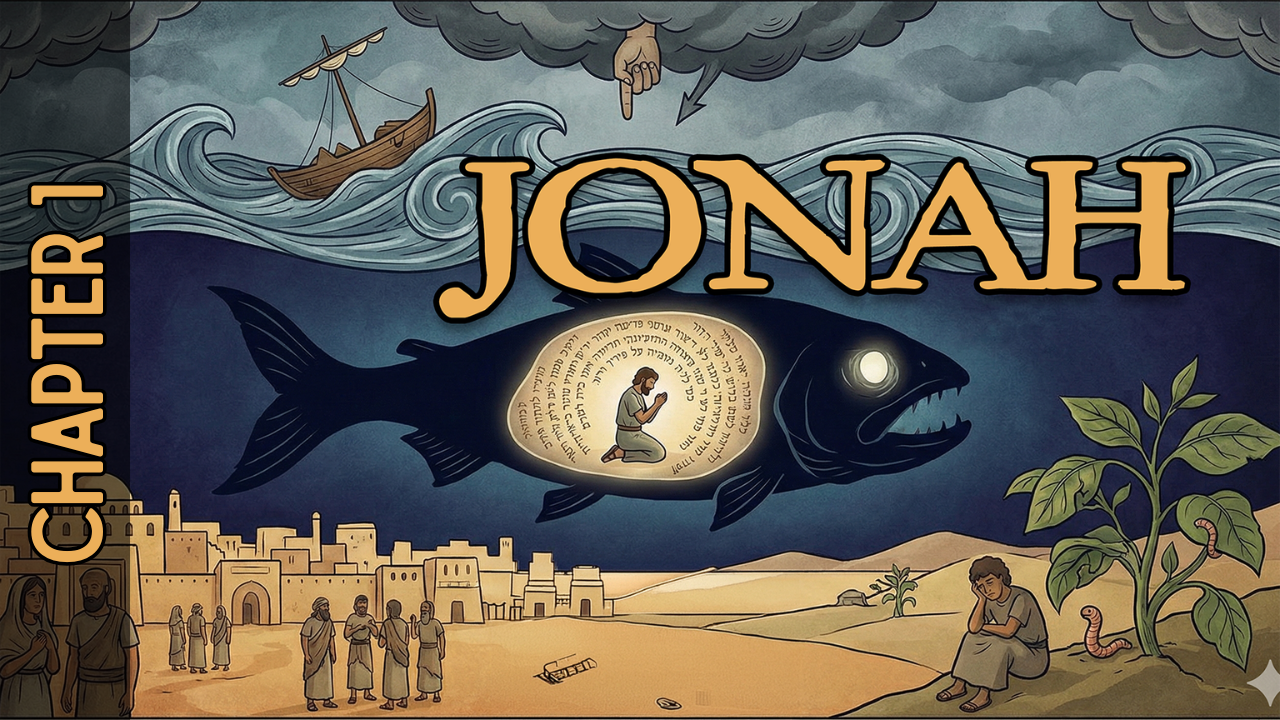
Jonah Chapter 1 Class 1 - Bible Study
our Bible study explored Jonah as holy satire and a mirror of mercy—challenging our comfort with God loving enemies, tracing creation motifs, and connecting to Jesus’ “sign of Jonah.”
Jonah Chapter 1
This is our 1st class on Jonah
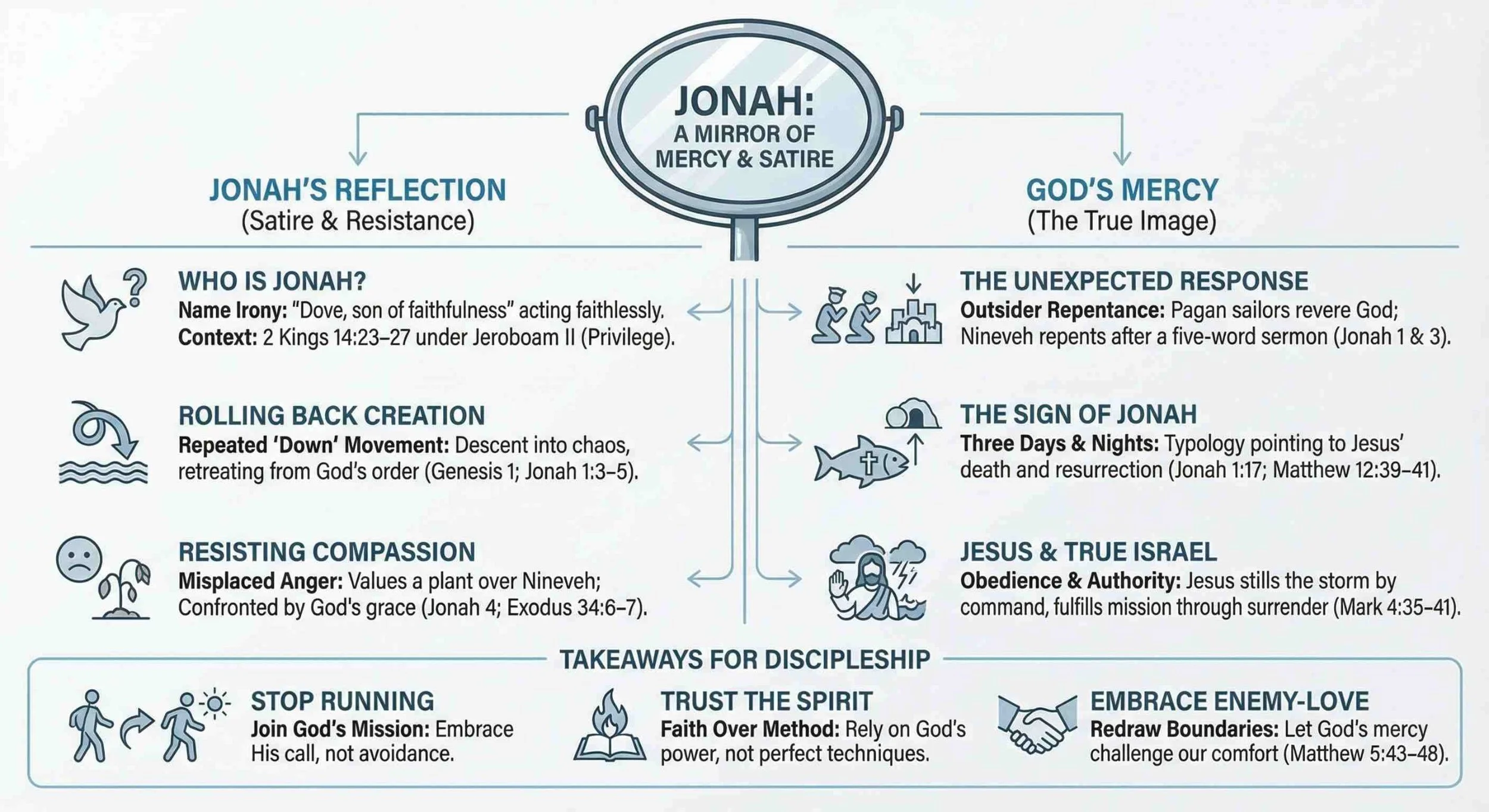
This is an AI Recap of the class.
Some things may be incorrect.
Short summary of the whole class
On March 5, 2026 at 12:03:15, we walked through Jonah (especially chapter 1), situating the prophet in Israel’s history, unpacking satire and literary symmetry, and following themes of creation, chaos, descent, and mercy for enemies. We compared Jonah’s reluctance with the sailors’ reverence, linked the three-days motif to Jesus’ “sign of Jonah,” and drew applications to mission, evangelism fears, and method debates. We concluded that Jonah is a mirror asking whether we will accept God’s compassion for our enemies and join His mission rather than run from it.
Walk-through and sectional summaries
1) Setting the stage: Why Jonah?
Discussion highlights:
Jonah is a favorite precisely because many were told a fish-focused version, then discovered deep satire and heart-level challenge when reading closely.
Parallels with Genesis creation narratives and the Gospels: texts often reveal new layers when revisited.
Comparison with Job: Job wished for death amid suffering; Jonah would rather die than obey—similar despair, different causes.
Open-ended ending likened to Jesus’ Prodigal Son, where the Father’s compassion confronts the elder brother’s resentment—mirroring Jonah’s anger.
Name meanings and satire:
Jonah means “dove”; Amittai relates to “faithfulness.” The “dove, son of faithfulness” behaves faithlessly—signaling satire.
Historical anchor:
2 Kings 14:23–27 places Jonah in Jeroboam II’s time; he prophesied under a wicked king, raising questions about privilege and character.
Stories/illustrations mentioned:
Jesus’ Prodigal Son ending.
Light pop-culture nod to satire (e.g., a Naked Gun-style comedic edge).
Scriptures mentioned:
2 Kings 14:23–27.
Section summary:
Jonah introduces a credentialed prophet whose context under Jeroboam II contrasts with his calling, signaling a satirical critique of self-righteous religiosity and resistance to God’s mercy.
2) The BibleProject overview and the mirror
Key points:
Jonah is a narrative about a prophet rather than a collection of prophecies.
Literary symmetry: chapters 1 and 3 feature pagans (sailors/Ninevites); chapters 2 and 4 feature Jonah’s prayers.
Comic reversals: pagan sailors and the king of Nineveh repent; Jonah resists; even the cattle are included in Nineveh’s repentance.
The five-word sermon’s “overturn” can mean overthrow or transform—fulfilled by Nineveh’s repentance.
The plant and worm expose Jonah’s misplaced compassion; the ending asks if we are okay with God loving our enemies (and their cattle).
Scriptures mentioned:
Jonah 1–4 (overview).
Section summary:
The video frames Jonah as satire designed to expose our reluctance to extend God’s mercy, turning the story into a mirror for our own hearts.
3) Creation motifs, “rolling back creation,” and Jonah’s flight
Discussion:
Jonah’s worldview reflects Genesis themes—sea, air, dry land; his flight to Tarshish symbolizes going to “the end of the line.”
Sea as chaos; Jonah’s descent “down” (to Joppa, into the ship, into sleep, into the sea) dramatizes spiritual retreat, a “rolling back” of creation’s order.
Three days motif and Jesus’ “sign of Jonah”:
“Three days and three nights” in the fish parallels Jesus’ three days in the tomb and His explicit “sign of Jonah” reference.
Scriptures mentioned:
Genesis 1; Jonah 1:1–5, 1:17; Matthew 12:39–41.
Stories mentioned:
Creation narrative motifs.
Section summary:
Jonah’s flight is cast as a reversal of creation—descending into chaos—and his three days in the fish prefigure Jesus’ burial and resurrection.
4) Reading Jonah 1 together: Running from God, waking the world (Jonah 1:1–17)
Text covered aloud:
Jonah 1:1–17 (call to Nineveh; flight to Tarshish; storm; lots; sailors’ prayer; Jonah overboard; great fish).
Observations:
Jonah runs without stated reason in chapter 1; motives appear later.
Tarshish functions as “as far as possible,” symbolizing maximum avoidance.
Irony: pagan sailors discern, pray, show compassion; Jonah sleeps and resists.
Jonah’s “throw me overboard” skews toward escape—better death than obedience—while sailors try to spare him and ultimately fear the Lord.
The fish becomes a “watery tomb” and rescue, foiling Jonah’s escape.
Stories/themes:
Sea as chaos; fish as paradoxical rescue.
Scriptures mentioned:
Jonah 1:1–17.
Section summary:
Chapter 1 contrasts Jonah’s hardened flight with the sailors’ soft hearts, showing that God’s mercy reaches outsiders even through a reluctant prophet.
5) The sailors’ interrogation, prayer, and reverence (Jonah 1:8–16)
Discussion:
Sailors interrogate Jonah about identity and guilt; Jonah confesses the Creator God of sea and land.
Jonah proposes, “Throw me into the sea,” while the sailors initially try to row back, reluctant to harm him.
The sailors pray to the Lord, cast Jonah overboard, the sea calms; they fear the Lord, offer sacrifice, and make vows.
New Testament echo:
Calming of the sea with the disciples’ awe provides a typological line toward Christ.
Scriptures mentioned:
Jonah 1:8–16; Mark 4:35–41 (echo).
Stories mentioned:
Jesus calming the storm.
Section summary:
Outsiders model humility, compassion, and reverence—contrasting Jonah’s avoidance—and respond to God with worship when the sea calms.
6) Anticipating chapters 2–4: Prayer, repentance, anger, and the plant
Chapter 2:
Jonah’s prayer thanks God but lacks full confession; he promises obedience; the fish vomits him out.
Chapter 3:
The five-word sermon triggers citywide repentance, including the king and animals; God relents.
Chapter 4:
Jonah admits he ran because God is gracious and merciful (echoing Exodus 34:6–7).
The plant and worm reveal Jonah’s misplaced compassion; God asks if He may care for Nineveh (and their cattle).
Scriptures mentioned:
Jonah 2–4; Exodus 34:6–7.
Stories mentioned:
Prodigal Son’s open ending (as a parallel to Jonah 4).
Section summary:
The heart of Jonah is God’s scandalous compassion and Jonah’s exposed heart, culminating in God’s unanswered question to readers.
7) Amos, justice, and continuity with Jesus
Discussion:
Amos rebukes Israel’s injustice; mercy and justice in the Old Testament align with Jesus’ ethic.
Jonah’s mission extends beyond Israel, reinforcing God’s global compassion.
Scriptures mentioned:
Amos 2; Amos 5.
Stories mentioned:
Prophetic critiques of injustice in Amos.
Section summary:
The Testaments are unified in justice and mercy; Jonah fits the prophetic pattern God later amplifies through Jesus.
8) Enemy love, discipleship, and costly grace
Discussion:
Assyria/Nineveh as Israel’s oppressor explains Jonah’s resistance but does not excuse it.
Discipleship demands forgiveness and love toward adversaries—“bringing the word to people you hate.”
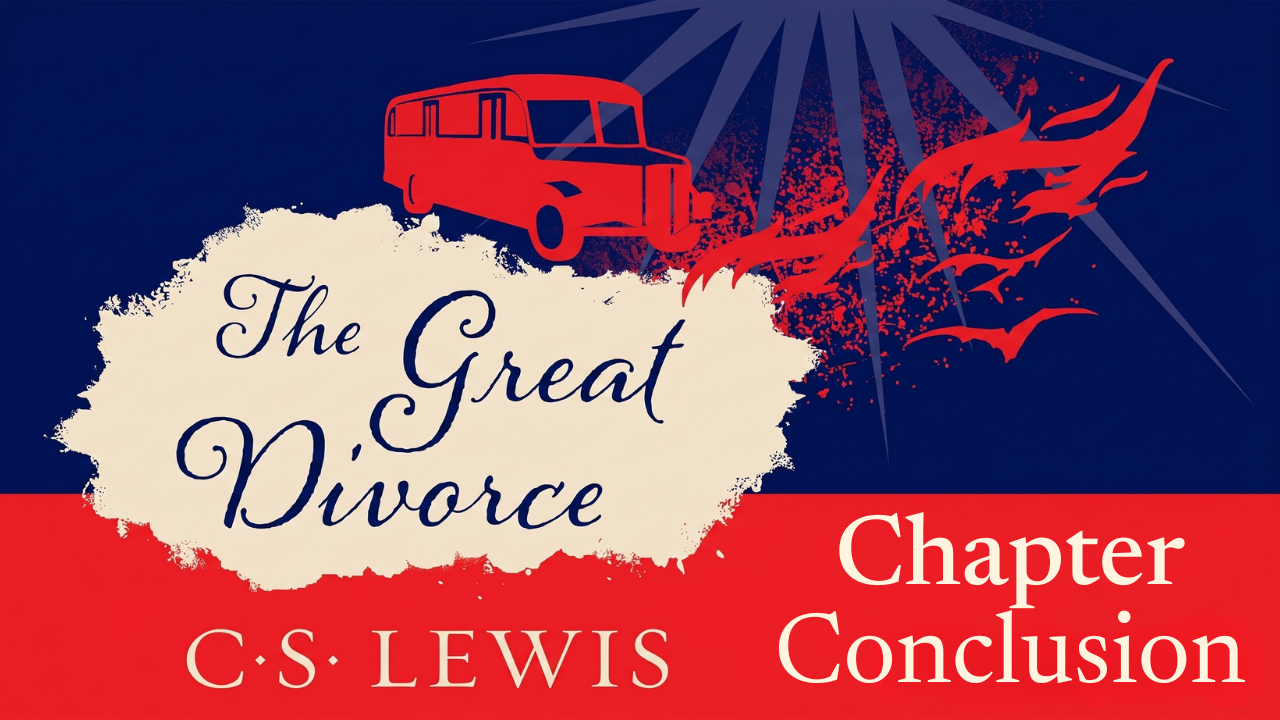
C. S. Lewis’ The Great Divorce illustrates pride’s refusal to enter forgiveness; Lord’s Prayer underscores reciprocity of mercy.
Scriptures mentioned:
Jonah 1:2; Jonah 3; Matthew 5:43–48; Matthew 6:12.
Stories mentioned:
The Great Divorce; themes in the Lord’s Prayer.
Section summary:
Jonah surfaces how offensive enemy-love feels and how central forgiveness is to entering God’s kingdom.
9) Jonah and Jesus: storm narratives, Gethsemane, and true Israel
Discussion:
Jonah stills the sea by surrender; Jesus calms it by command, revealing His authority.
Jonah’s avoidance contrasts with Jesus’ Gethsemane prayer, “Your will be done,” embodying salvation in the cross.
Satirical “Israel” in Jonah versus Jesus as faithful Israel fulfilling the vocation rightly.
Scriptures mentioned:
Jonah 1:12–15; Mark 4:35–41; Matthew 26:39; Luke 22:42; John 19 (thematic).
Stories mentioned:
Calming the storm; Gethsemane; crucifixion.
Section summary:
Where Jonah dramatizes Israel’s failure, Jesus embodies faithful obedience, fulfilling Israel’s mission and conquering chaos by His word and cross.
Medium-length final summary (class held on 2026-03-05 at 12:03:15)
On March 5, 2026 at 12:03:15, we studied Jonah as holy satire and a mirror of mercy. We situated Jonah under Jeroboam II (2 Kings 14:23–27), noting his privileged context and how that primes skepticism about his “righteousness.” The BibleProject overview highlighted symmetrical structure, comic reversals, and the book’s final question. Reading Jonah 1, we followed Jonah’s flight to Tarshish—“rolling back creation” with repeated descent language—while pagan sailors displayed compassion, prayed to the Lord, and vowed after the sea calmed. We connected Jonah’s three days in the fish to Jesus’ “sign of Jonah” (Matthew 12:39–41) and contrasted Jonah’s avoidance with Jesus’ Gethsemane obedience. Anticipating chapters 2–4, we saw Jonah’s half-hearted prayer, Nineveh’s wholesale repentance from a minimal sermon, and Jonah’s fury at God’s grace, exposed through the plant and worm. Drawing on Amos, we affirmed that justice and mercy are consistent across Scripture. For application, we named our fears about evangelism, warned against an overfocus on methods, and asked whether we are okay with God loving those we dislike. Jonah’s final question stands: Will we accept God’s compassion for our enemies and join His mission?
Main points
Jonah functions as satire, exposing pseudo-righteousness and resistance to God’s mercy.
Historical context (2 Kings 14:23–27) places Jonah under Jeroboam II, prompting suspicion of his privileged stance.
Literary symmetry contrasts Jonah’s hardness with outsiders’ repentance (sailors and Ninevites).
Jonah’s flight “rolls back creation” with a downward descent into chaos.
God’s mission succeeds even through minimal, imperfect obedience (five-word sermon).
The fish is both rescue and rebuke—God pursues runaways and turns death toward deliverance.
Jesus’ “sign of Jonah” connects the prophet’s three days to Christ’s death and resurrection.
Amos’ justice and Jesus’ ethic show a unified biblical call to mercy and righteousness.
Discipleship demands forgiveness and enemy-love, confronting legitimate grievances.
The book ends with God’s question: Will we accept His compassion and participate in His mission?
Bible Scriptures mentioned
Jonah 1:1–17; Jonah 1:8–16; Jonah 1:17
Jonah 2–4
2 Kings 14:23–27
Exodus 34:6–7
Genesis 1
Matthew 12:39–41; Matthew 5:43–48; Matthew 6:12; Matthew 26:39; Matthew 21 (Palm Sunday and fig tree events referenced)
Mark 4:35–41; Mark 15 (thematic passion reference)
Luke 22:42; Luke 10:25–37 (Good Samaritan)
John 19 (crucifixion, thematic)
Stories and illustrations talked about
Jonah’s call, flight to Tarshish, storm at sea, sailors’ interrogation, prayer, vows, and the great fish
Nineveh’s citywide repentance, including king and animals
Jesus calming the storm; disciples’ awe
Gethsemane prayer and crucifixion
Jesus’ Prodigal Son’s open-ended conclusion (parallel to Jonah 4)
The Good Samaritan (as a contrast in self-giving)
Creation motifs (sea/chaos, “let there be light”)
C. S. Lewis’ The Great Divorce (forgiveness and pride)
Light pop-culture satire analogy (Naked Gun tone)
VeggieTales’ Jonah scene illustrating immediate calm (humorous echo)
![[Sunday] Day 2 - Flipping Water, The Week](https://images.squarespace-cdn.com/content/v1/5852f18a20099e30cd2c01dc/1772138373467-Y7QJ564LVSWD3RYWAA7O/The+Week+2a.jpg)
[Sunday] Day 2 - Flipping Water, The Week
When we are drowning in anxiety and noise, Jesus steps in to flip the tables, pushing back the chaotic waters like on day 2 of creation, so we can finally catch our breath.
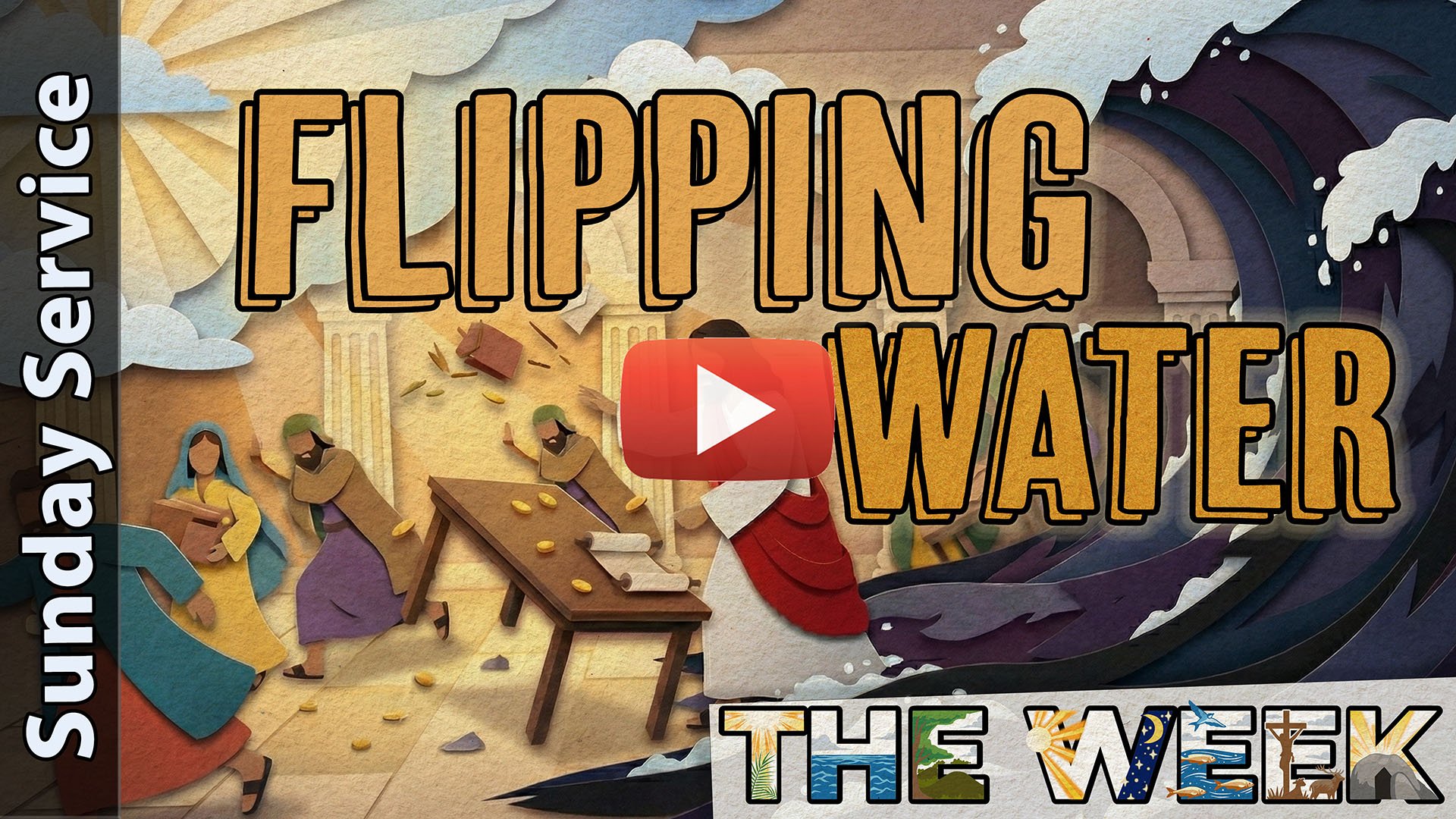
When we are drowning in anxiety and noise, Jesus steps in to flip the tables, pushing back the chaotic waters like on day 2 of creation, so we can finally catch our breath.
-
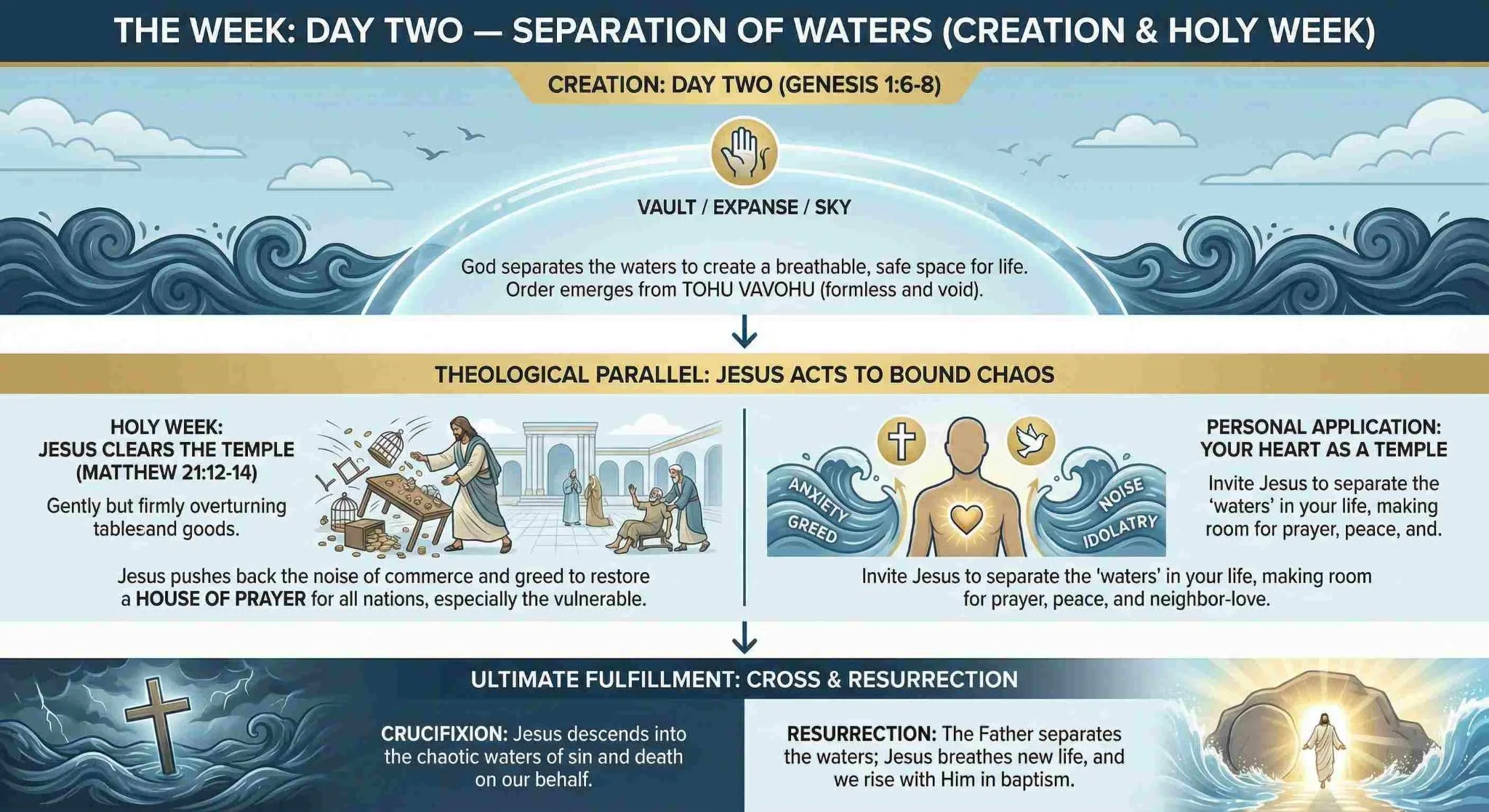
The Week: Day Two — “Separation of the Waters” (Holy Week and Creation Interwoven)
Series Context
Ongoing sermon series: “The Week,” interweaving Holy Week with the seven days of Creation.
Last week: Day One of Creation aligned with Palm Sunday—“Let there be light” as Jesus, the Light of the World, enters dark Jerusalem.
Scripture Read and Framing
Primary text: “And God said, ‘Let the vault between the waters separate water from water.’ So God made the vault and separated the water under the vault from the water above it. And it was so. God called the vault sky. And there was evening, and there was morning—the second day.” — Highlighted as from Genesis Day Two (see NIV rendering).
Translation note:
The pastor affirmed “vault/expanse/sky” (NIV) as a strong translation.
He critiqued translations that render it “heaven” in a way that confuses it with God’s dwelling; insisted this is the sky where the birds fly, not the heavenly throne.
Emphasized the value of consulting multiple translations to see the full sense.
Theological Thesis
Day Two is not trivial meteorology; it is profoundly theological.
God is pictured as establishing boundaries that restrain chaotic waters, creating breathable, safe space for life.
Parallel in Holy Week: Jesus enters the Temple to push back chaos and create a place of prayer and restoration.
Cultural and Personal Illustrations: Water in Its Place vs. Out of Bounds
Personal love for water: tranquil scenes at Daytona Beach as a “slice of heaven.”
When water exceeds boundaries, it becomes terrifying:
2022 hurricanes in Daytona Beach: seawall breaches; pools hanging or eroded; concrete stairs torn off and buried ~15 feet under sand.
St. Louis flooding near Interstate 44: concrete barriers wrapped in plastic sandbagging the freeway; water overtopping the road—an image of destructive chaos.
Universal human instinct: fear of the deep (e.g., dangling toes while treading water after falling off skis); myths of monsters (Leviathan) in the deep.
Hebrew imagination: “the deep” as chaotic, destructive, unpredictable.
Biblical-Theological Development: From Tohu Vavohu to Breathed Space
Creation language: God confronts tohu vavohu (formless and void) by bounding chaos.
Day Two: God separates waters and names the expanse “sky,” granting a breathable space—humanity comes up out of chaos for a gasp of life.
This is a pattern: God orders chaos into life-giving environments.
Holy Week Parallel: Jesus Clears the Temple
Text alluded to: “Jesus entered the temple courts and drove out all who were buying and selling… ‘My house will be called a house of prayer,’ but you are making it ‘a den of robbers.’” — Highlighted as from the Gospel accounts of the Temple cleansing (e.g., Matthew 21:12–14).
Temple design: The Court of the Gentiles intended as the place where the nations, the lame, and the blind could approach God.
Problem: Chaotic “waters” of commerce, greed, noise, animal bleating, and market scales flooded the space meant for the vulnerable.
Theological action: Jesus did not lose His temper; He enacted Day Two—forcefully pushing back the waters of chaos to create a safe expanse for prayer and healing.
Immediate fruit: “The blind and the lame came to Him…and He healed them.” The vulnerable, previously “drowned out,” re-enter and find life.
Who God Is and How He Responds to Humans
God is the Creator who:
Sets firm boundaries against chaos.
Creates spaces where humans can breathe, pray, and live.
Jesus reveals God’s character in action:
He confronts and restrains dehumanizing systems.
He makes room for the vulnerable and heals them.
He transforms acts that appear destructive into new-creation moments of order, peace, and restoration.
Who You Are in God and How to Live
Identity:
In Christ, you are intended to be a temple—a house of prayer (see 1 Corinthians 6:19–20 implied). You are made for peace and rest in God’s presence.
Calling:
Invite Jesus to separate the “waters” in your life—allow Him to push back anxiety, greed, noise, and idolatry.
Protect the vulnerable; ensure your “courts” make space for those in need.
Practice rhythms that sustain a house-of-prayer life: Scripture, prayer, forgiveness, and love of neighbor.
Self-Examination: Our Hearts as Courtyards
Modern chaos floods in:
Constant noise, overloaded schedules, pursuit of wealth, social media churn, simmering anger and anxiety.
Consequence:
The “marketplace of worry” squeezes out prayer, Scripture, forgiveness, and neighbor-love.
We regress into darkness and drown in chaos of our own making.
Gospel hope:
Jesus does not convene committees; He clears the courts. He confronts and removes what drowns us.
His cleansing is an act of creation, not mere destruction.
Cross and Resurrection: The Ultimate Separation of the Waters
Crucifixion as drowning:
In Roman crucifixion, death occurs by asphyxiation—Jesus “drowns” under the chaotic waters of our sin: greed, anxiety, idolatry, rebellion.
Baptismal imagery:
Jesus descends into the waters of judgment and chaos on our behalf.
The Father fulfills the Day Two word—He holds back the waters; Jesus breathes again on Easter.
New life:
Jesus’ breath becomes our breath; His Spirit our spirit.
In baptism, we go under the waters and rise into new life with Christ.
Application for Today’s Culture (American context)
The news cycle, work pressures, family tensions, even neighborhood conflicts can feel like hurricanes and floods tearing apart established places of peace.
God’s word to drowners: “Let the waters be separated”—come up to the expanse of grace where you can breathe again.
Practical implications:
Create intentional “expanse” daily: a quiet, tech-free space for prayer and Scripture.
Name and remove “money changer tables” in your life: practices or patterns that monetize or instrumentalize relationships and worship.
Re-center on those pushed out by noise and busyness: the vulnerable in your community, family, and church.
Receive Jesus’ cleansing as mercy, not condemnation—His goal is your life and breathing room.
Key Texts Highlighted in the Sermon
Genesis Day Two: “Let there be a vault/expanse… God called the vault sky… evening and morning, the second day.” — Highlighted as from Genesis 1:6–8 (NIV emphasis on “sky”).
“My house will be called a house of prayer… but you are making it a den of robbers.” — Highlighted as from Matthew 21:12–13; Mark 11:15–17; Luke 19:45–46 (Temple cleansing).
Themes referenced:
“Tohu vavohu” (formless and void) — Highlighted as from Genesis 1:2.
Leviathan (sea monster imagery) — Highlighted as from Job 41; Psalm 74:14; Isaiah 27:1.
Temple as a house of prayer for all nations — Highlighted as from Isaiah 56:7, echoed by Jesus.
Practical Steps for the Week
Morning and evening “breath prayers” to mark your own “evening and morning”:
Inhale: “Lord Jesus Christ” — Exhale: “Give me Your peace.”
Inhale: “Holy Spirit” — Exhale: “Make me a house of prayer.”
Identify one “table” to overturn this week:
Examples: a social media habit that stirs anxiety; an overpacked schedule; a financial pursuit overshadowing generosity; a harboring resentment.
Re-open the Court of the Gentiles in your life:
Make space for someone on the margins—invite, listen, serve, or pray with them.
Recommit to Scripture and prayer:
Read Genesis 1:1–10 and Matthew 21:12–17; journal where God is separating waters in your life.
Closing Exhortation and Prayer
Exhortation:
When chaos rises like sea billows, hear God’s creative word: “Let the waters be separated.” Come up and breathe in Christ’s peace.
“And there was evening, and there was morning—the second day.” This is good news for those gasping for breath.
Closing prayer (themes):
Thanksgiving for gathering.
Petition for God to bind up chaos, keep us from returning to tohu vavohu, reveal His peace and love, and let us breathe again in His rest.
Amen.
Closing Song (Selected Lines)
“When sorrows like sea billows roll… it is well with my soul.”
“My sin—not in part, but the whole—is nailed to the cross, and I bear it no more. Praise the Lord, O my soul.”
Assurance: Christ has died for my soul; it is well with God.
Summary Takeaways
God bounds chaos to create life-giving space; Jesus enacts this in the Temple and in our lives.
You are God’s temple—made for prayer, peace, and welcome to the vulnerable.
Let Jesus overturn the tables that drown your soul; rise to breathe in the Spirit’s life.
The cross is Jesus’ descent into our drowning; the resurrection is the Father’s separation of the waters so we can live.
Questions for the Week: The Week: The Week: Day 2 - Flipping Water
Read Genesis 1:6-8. What is your favorite memory of being near the water, and have you ever been in a storm that kind of scared you?
Read Matthew 21:12-17 The Temple was supposed to be a place of peace, but it became a chaotic marketplace that drowned out the vulnerable. What are the "chaotic waters" (anxiety, schedules, social media, etc.) that currently flood your own mind and squeeze out your peace and the peace of others?
To the moneychangers, Jesus driving them out of the temple looked like an act of destruction. To the blind and lame, it was an act of creation that gave them room to breathe. Has there ever been a time in your life when God "flipped the tables" on your plans, which felt destructive at the time but ultimately brought you peace?
Jesus drowned in our chaos on Friday so we could breathe anew on Sunday. When the news, your job, or life pressures make you feel like you are going under, how does remembering that Jesus has already conquered the depths help you find rest?
What Had happened at Grace this week.

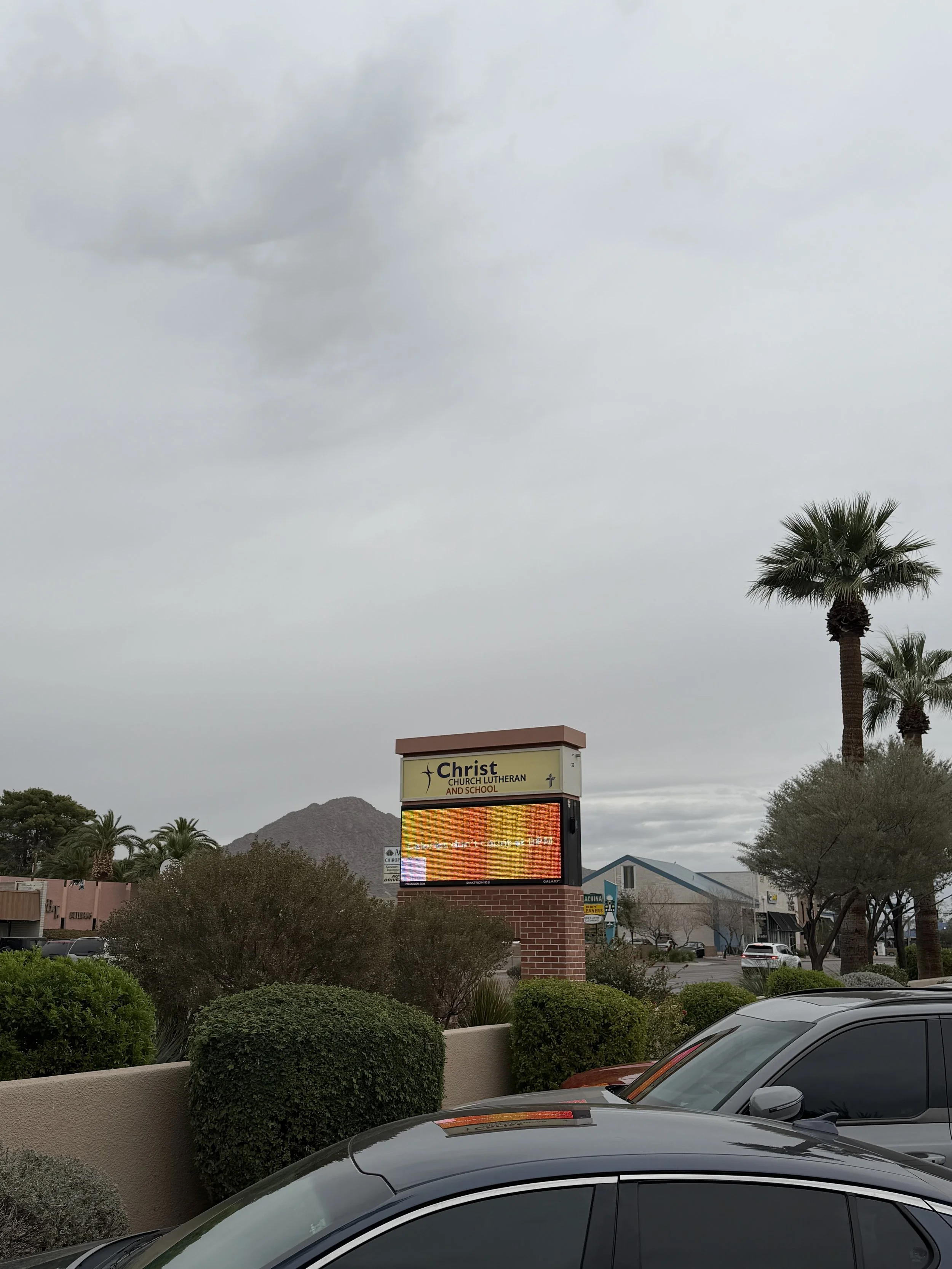
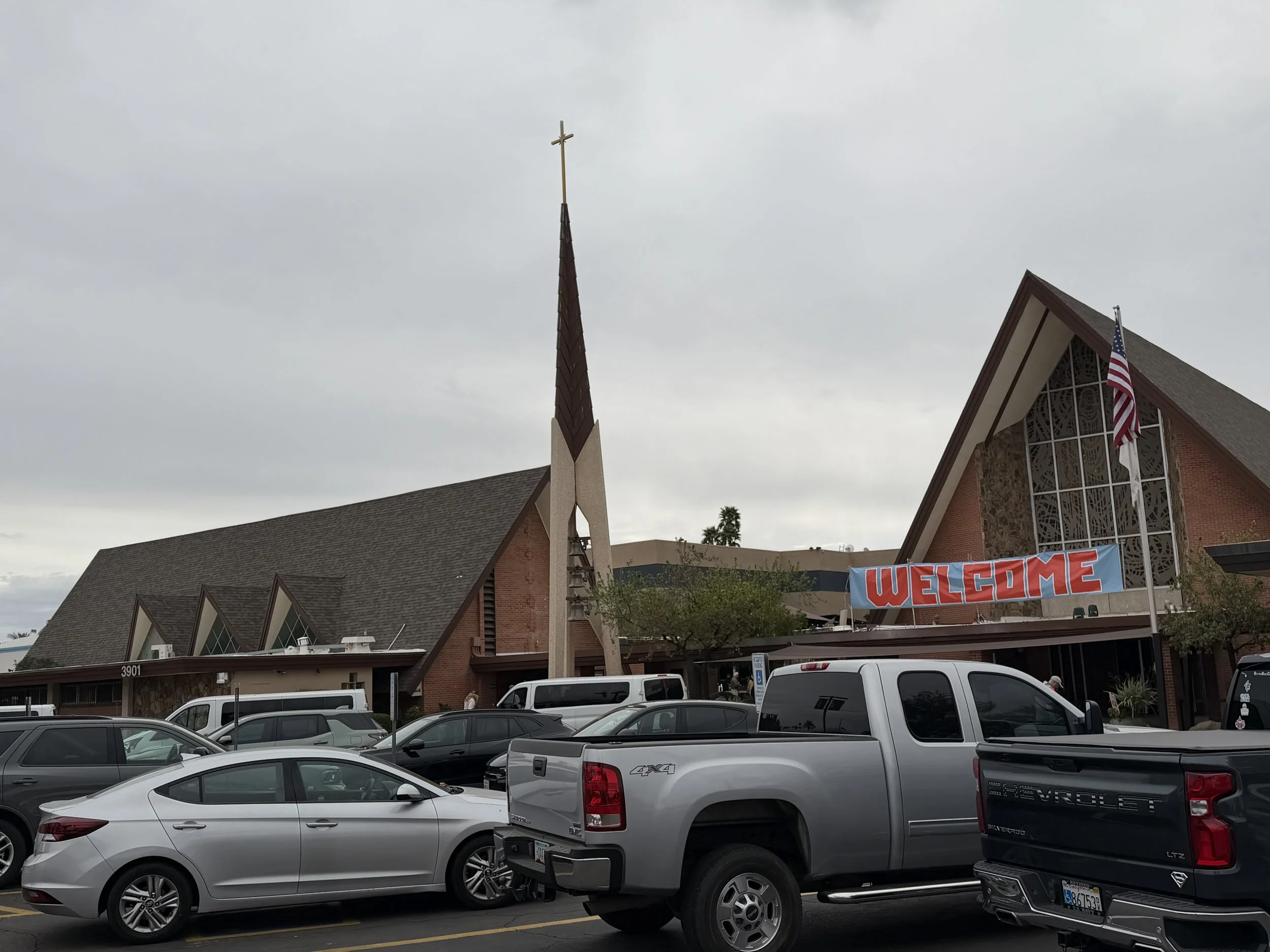
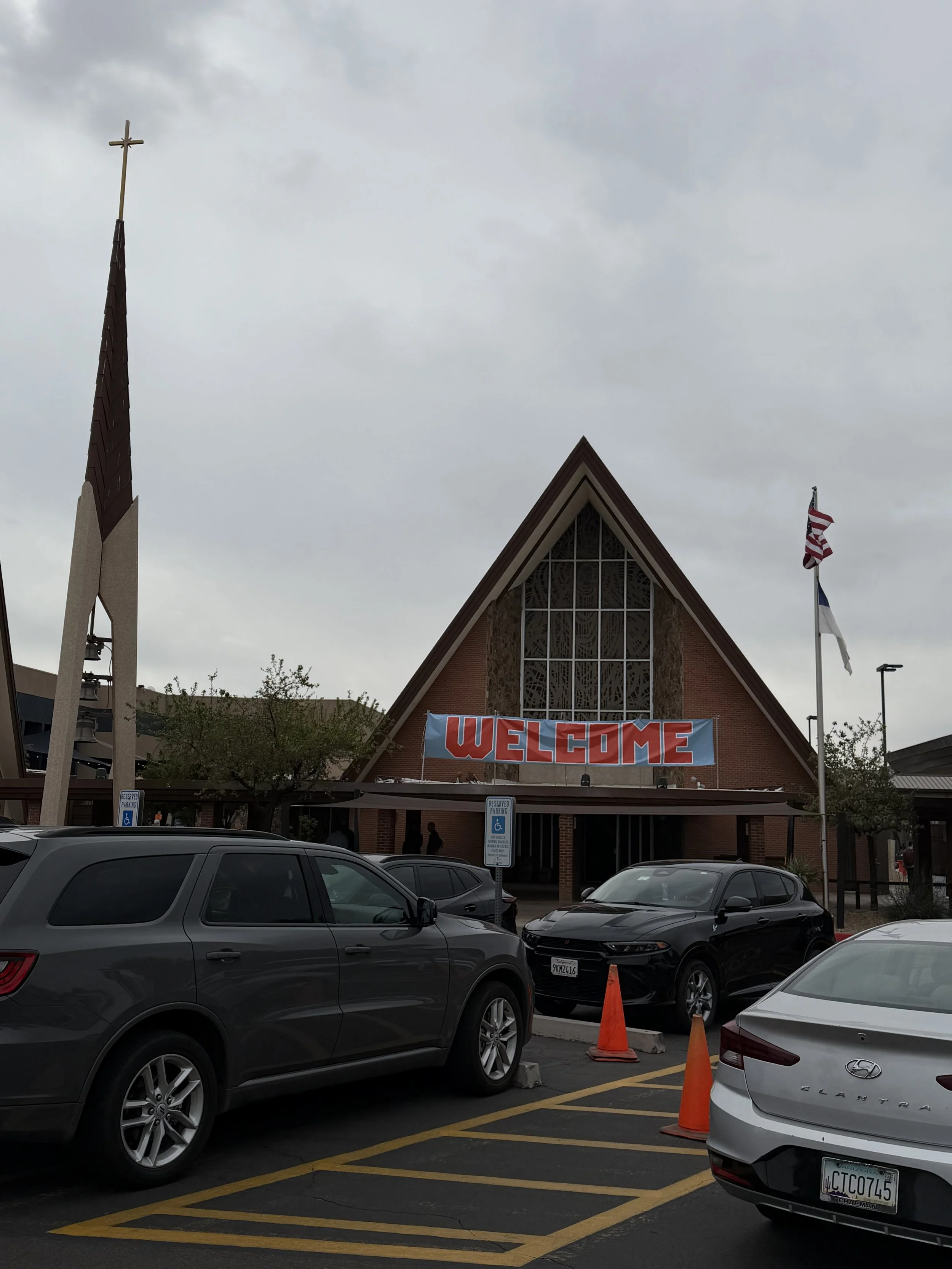
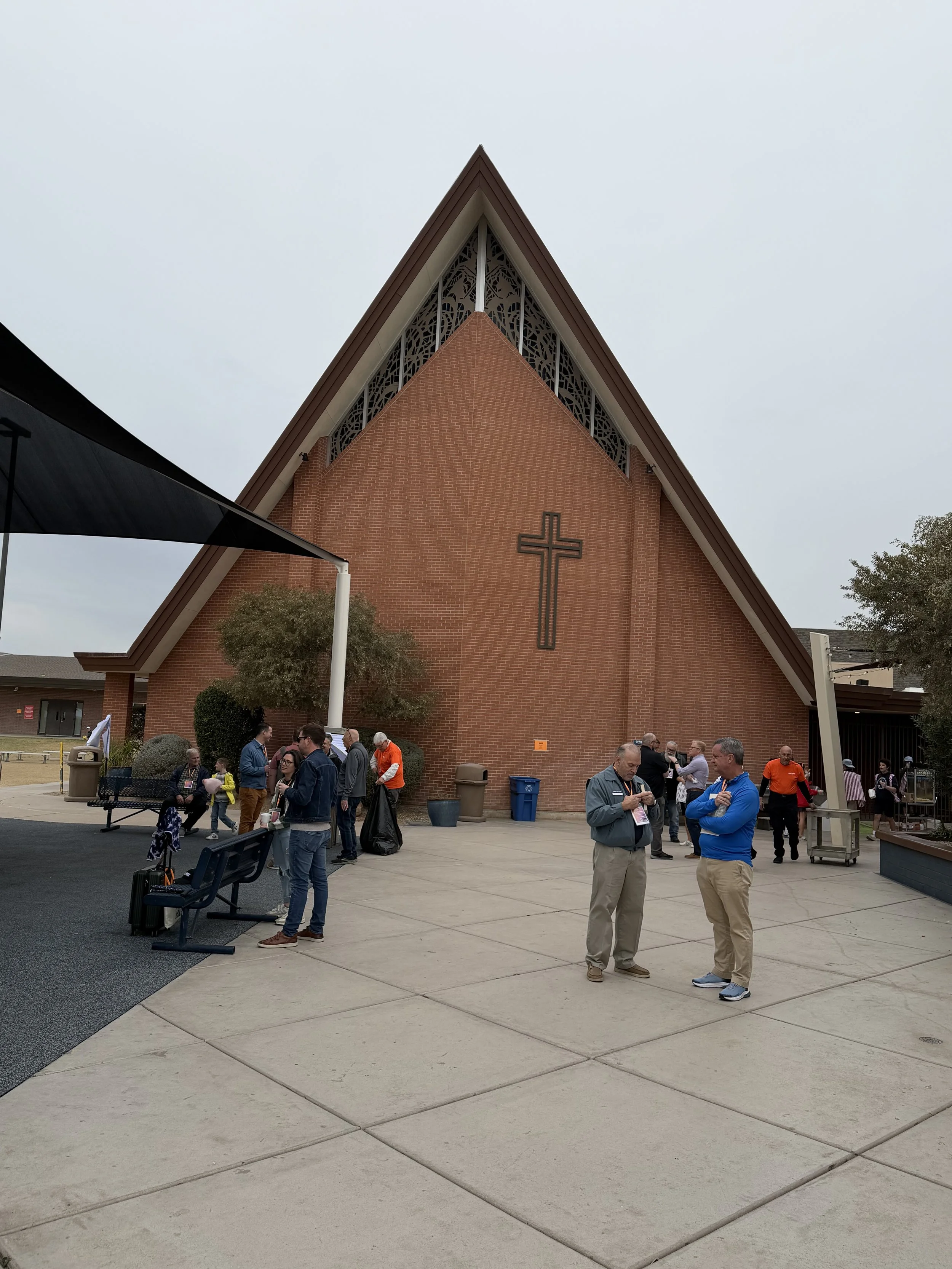
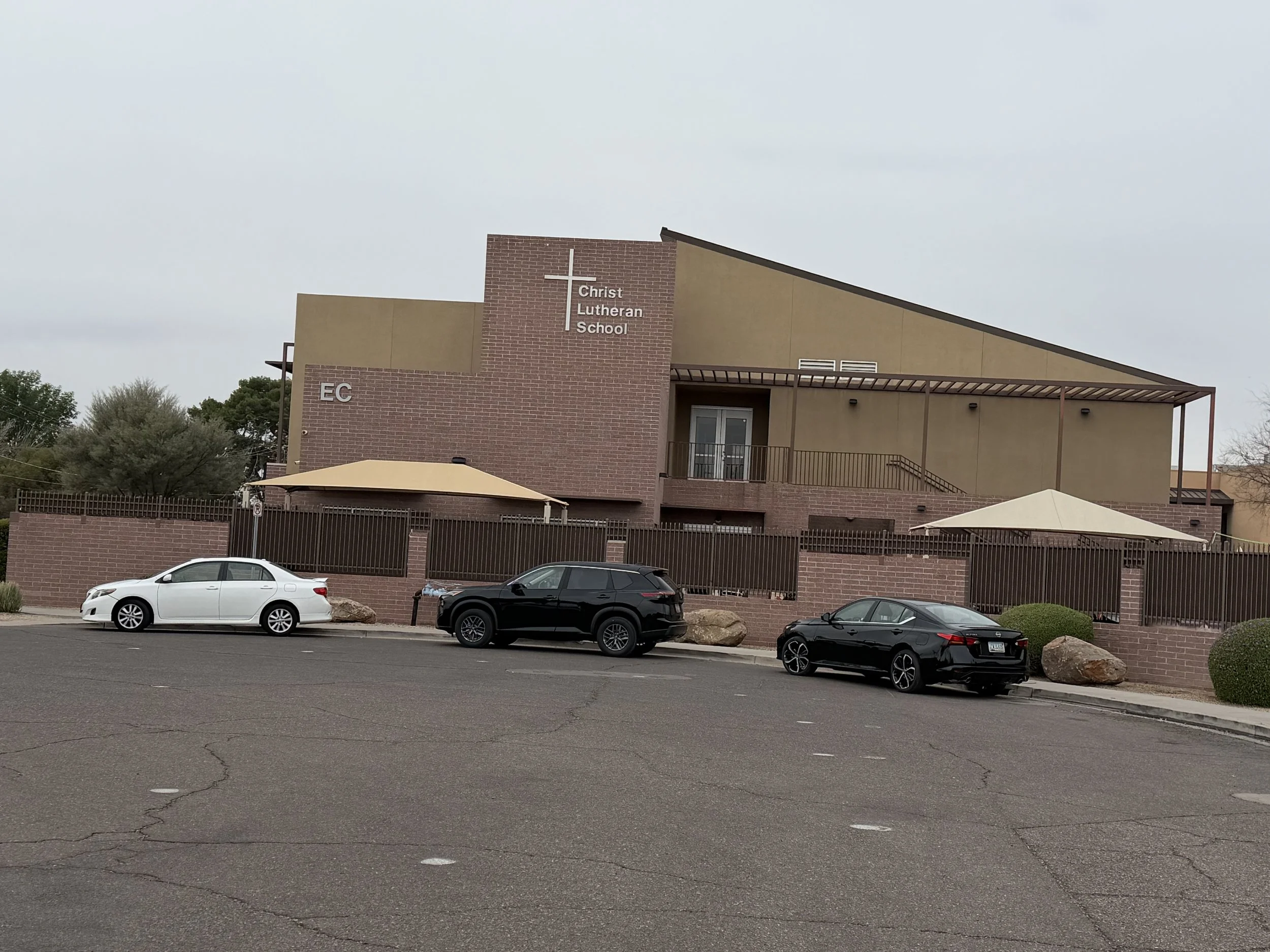
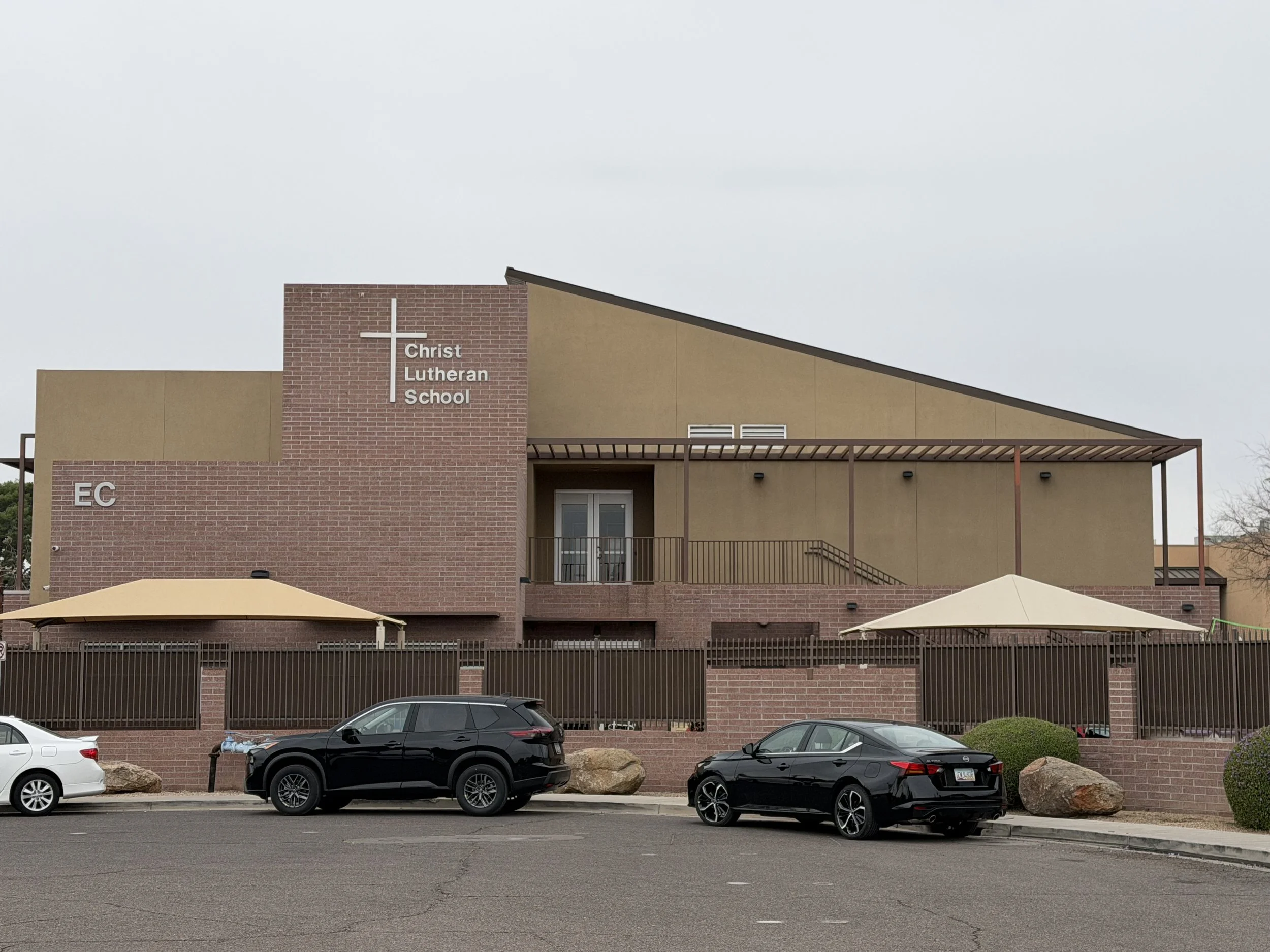
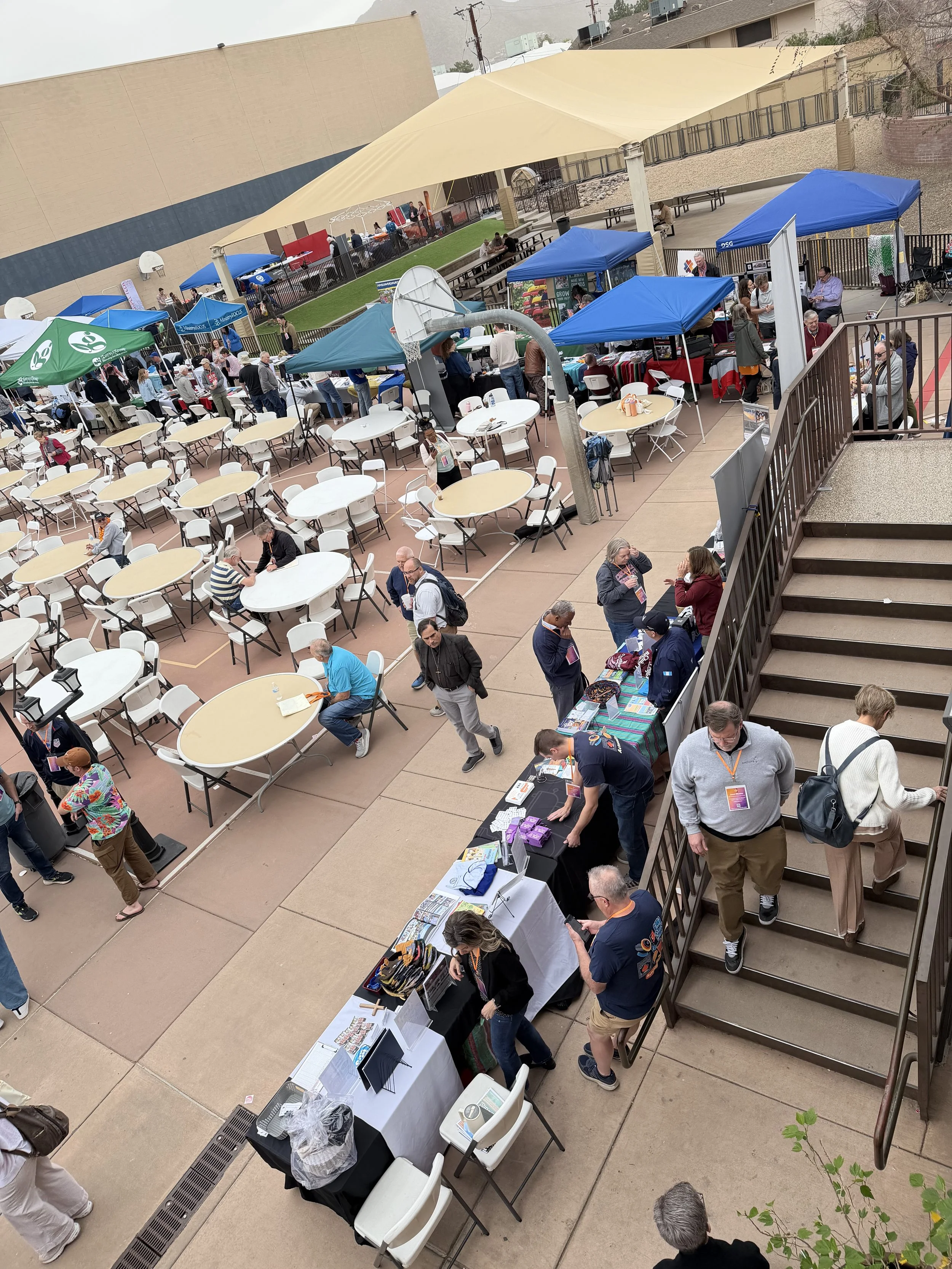
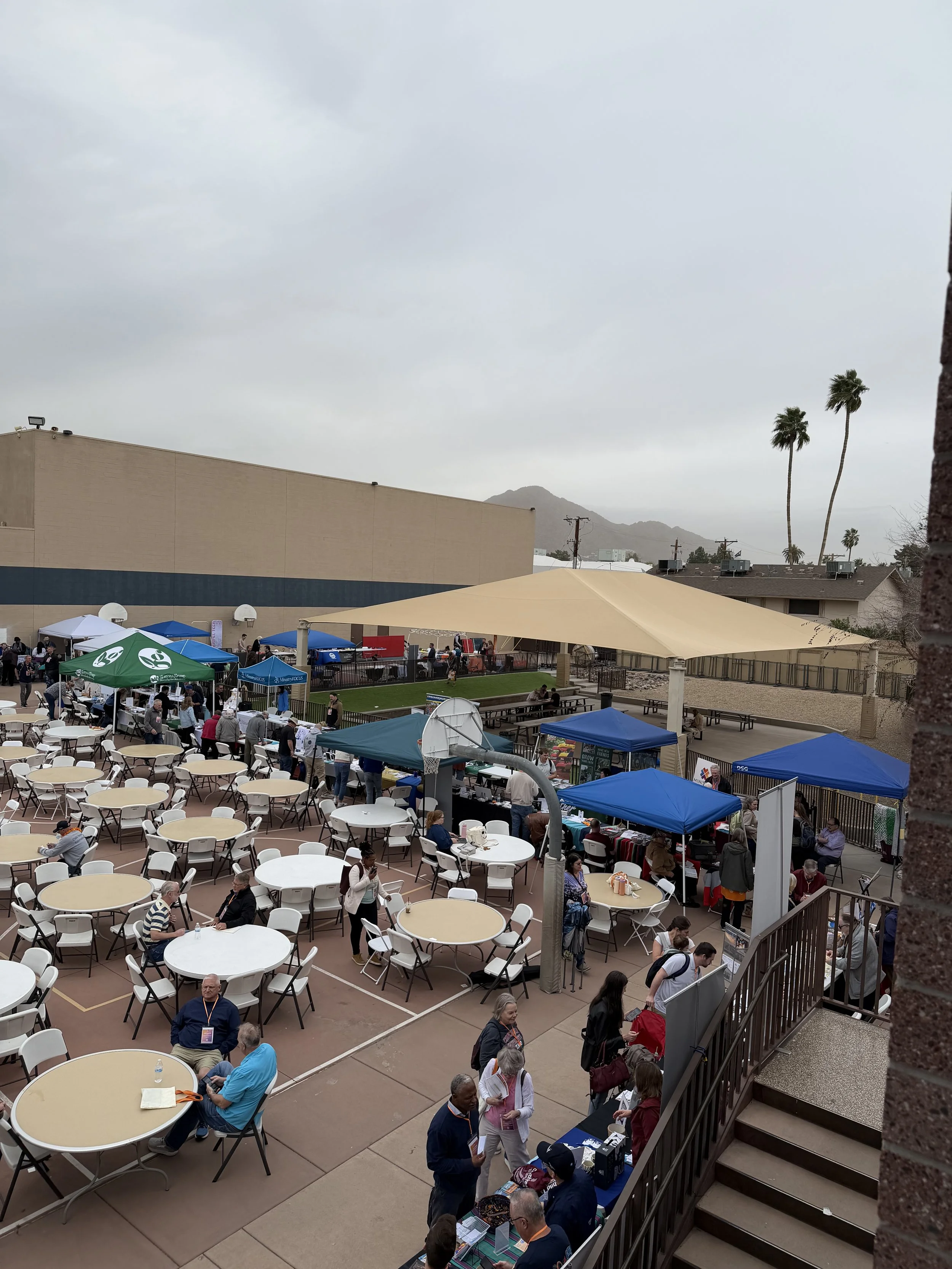
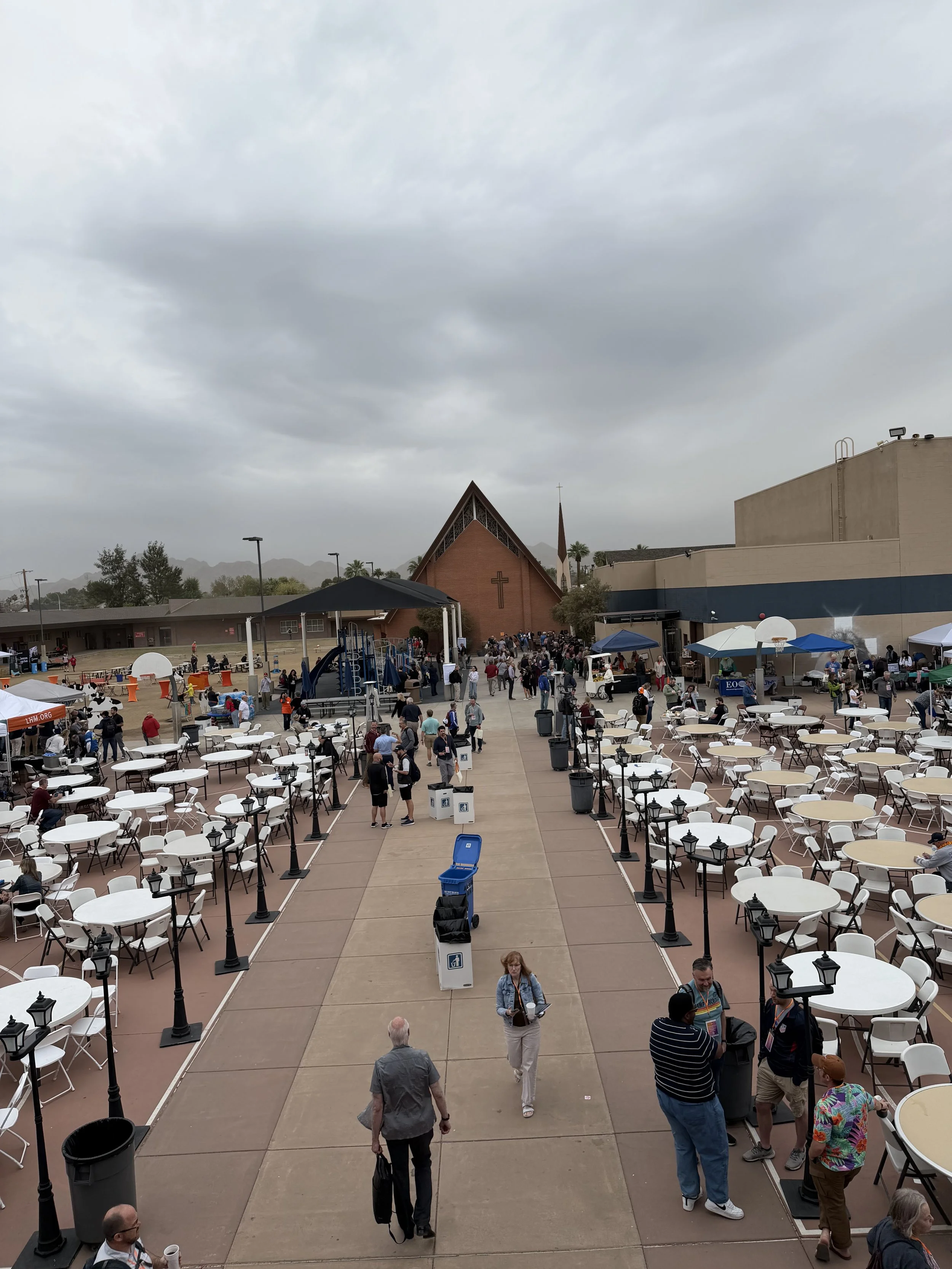
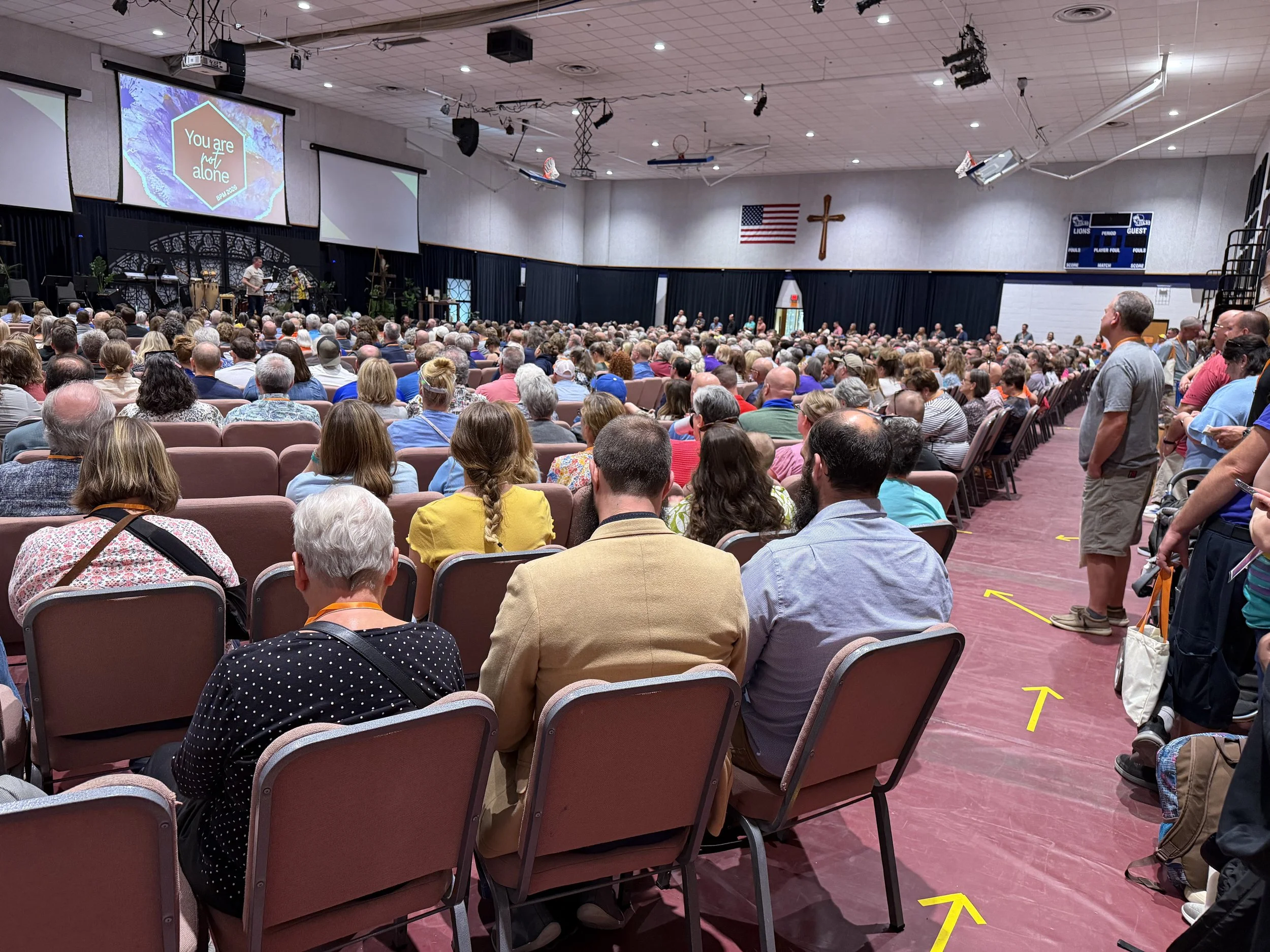
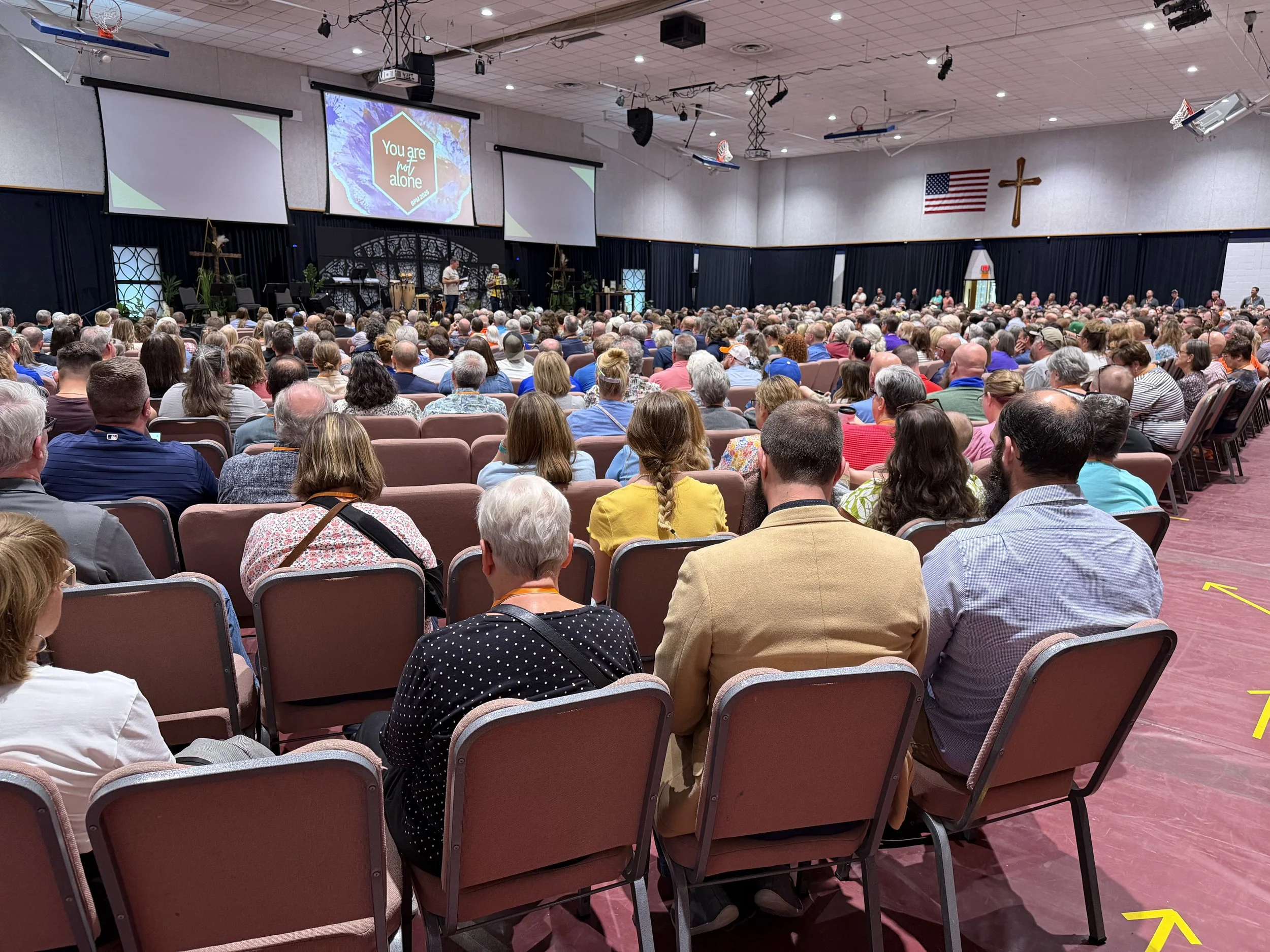
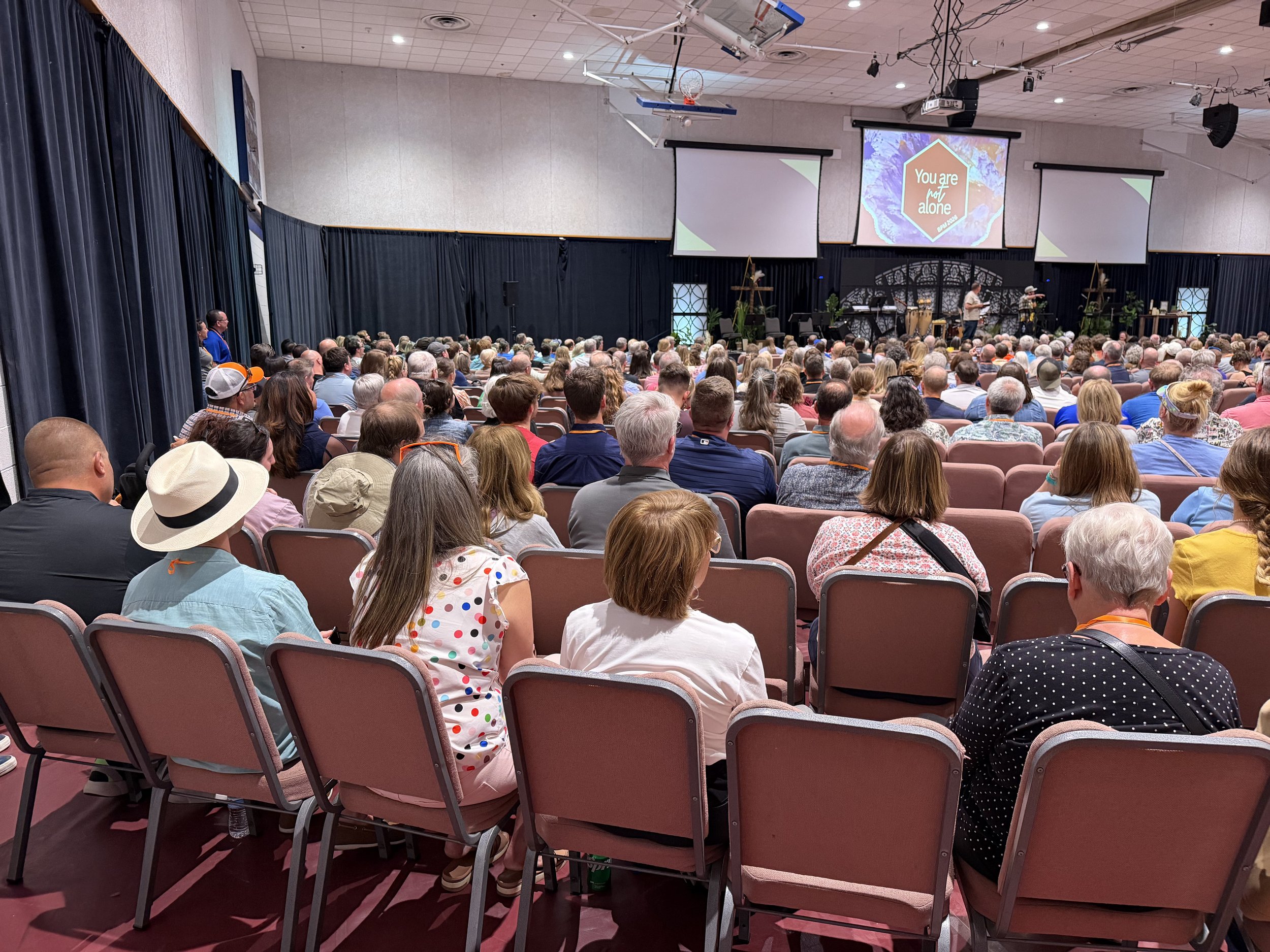
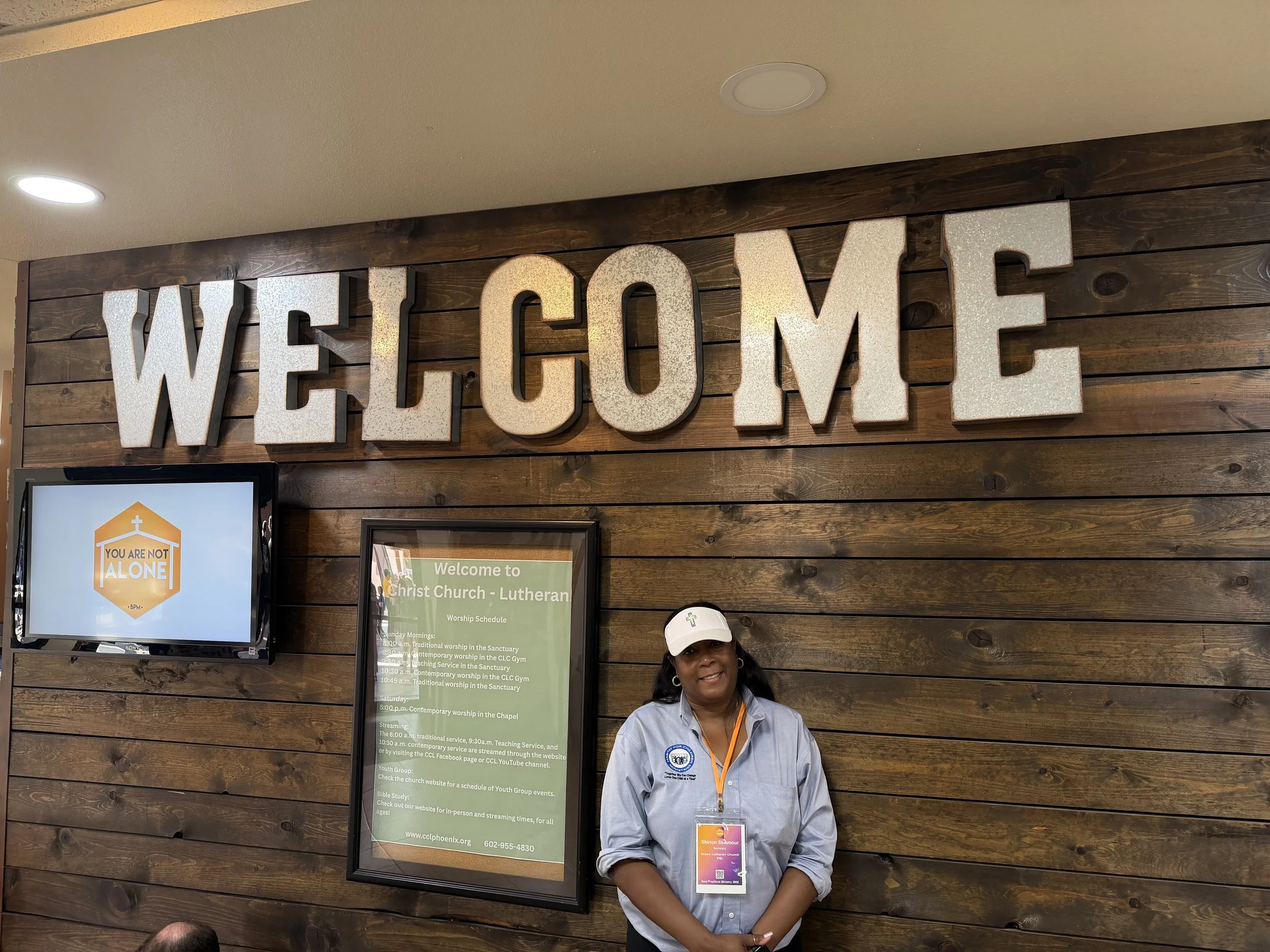
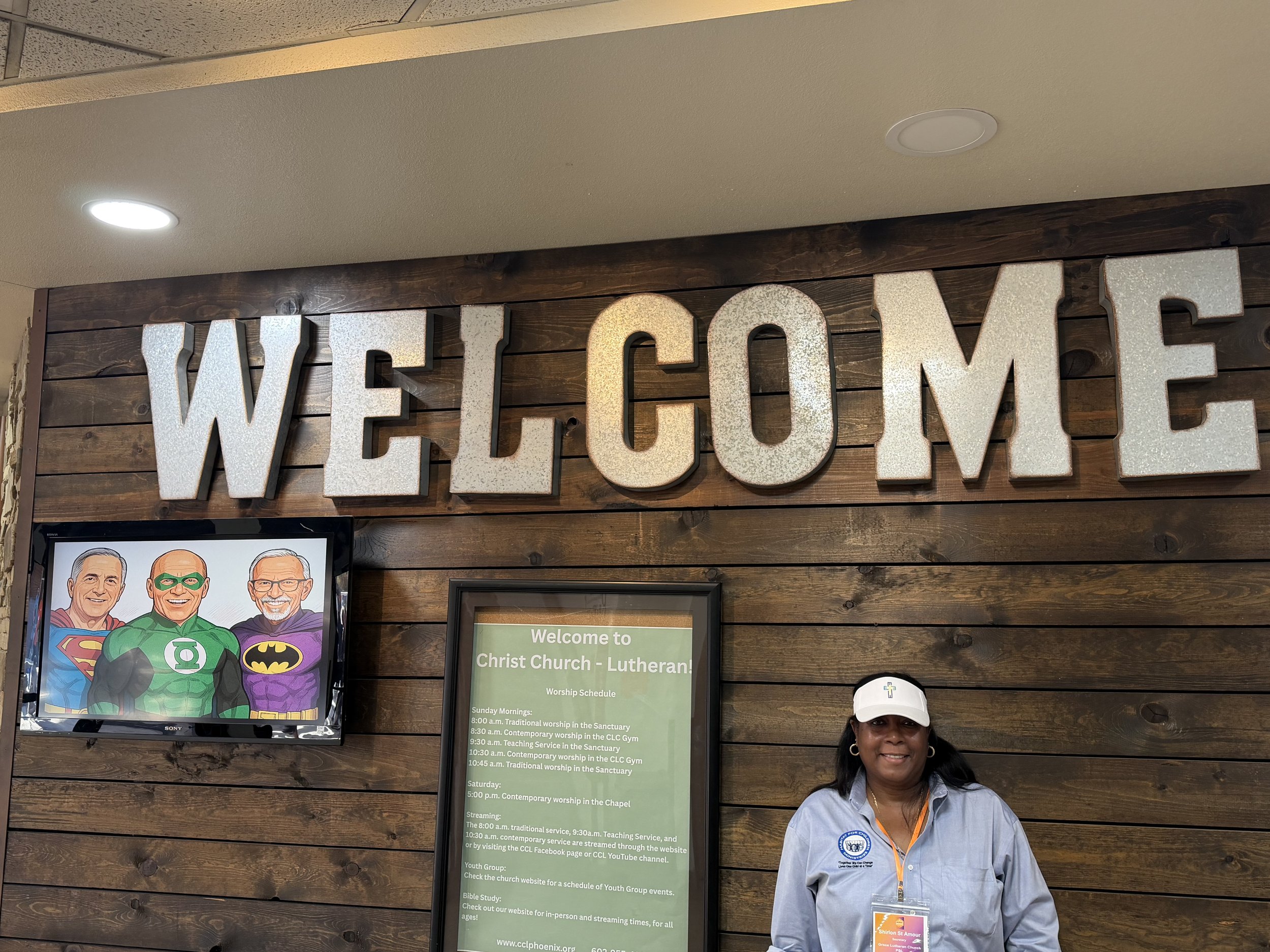
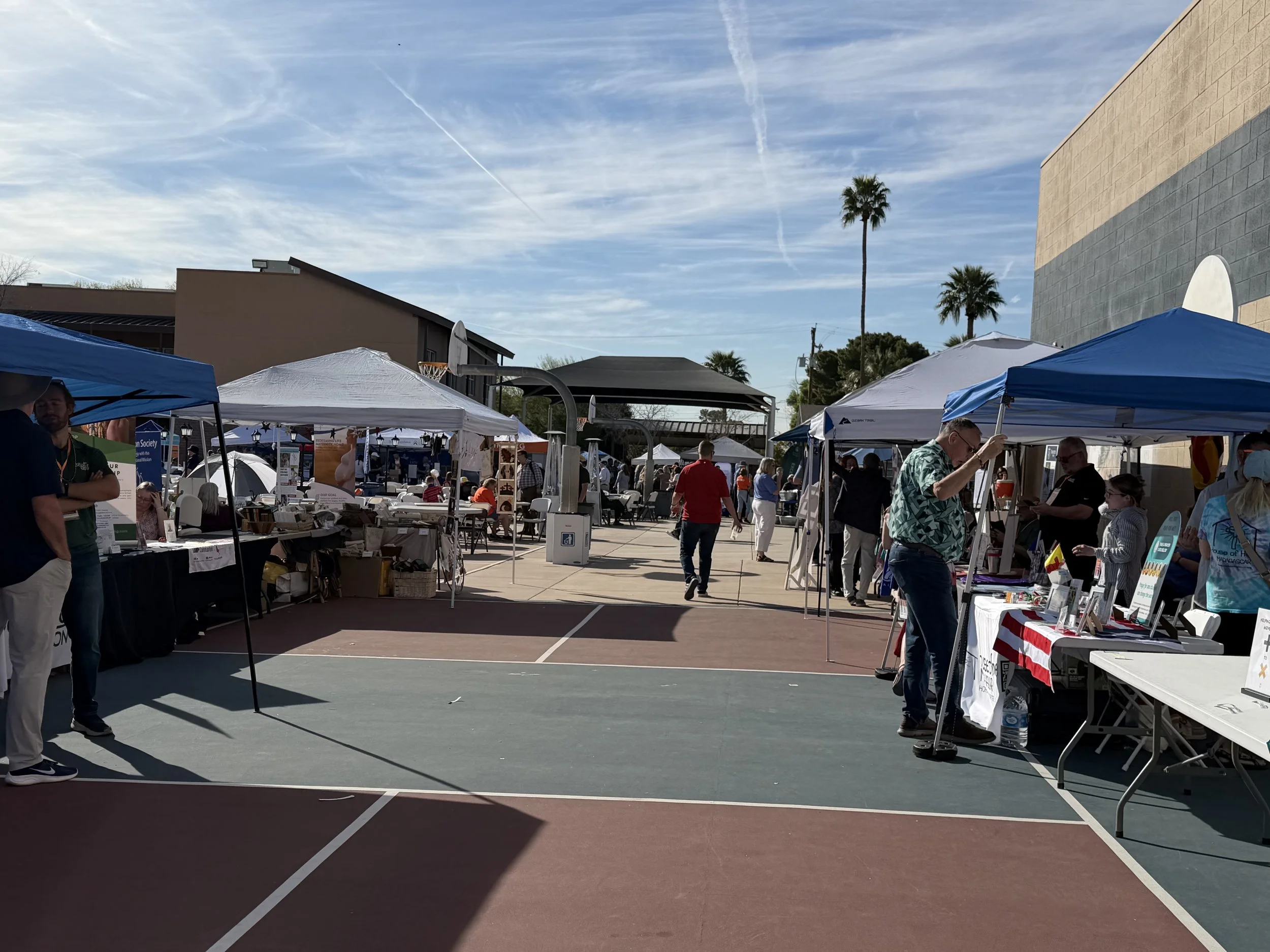
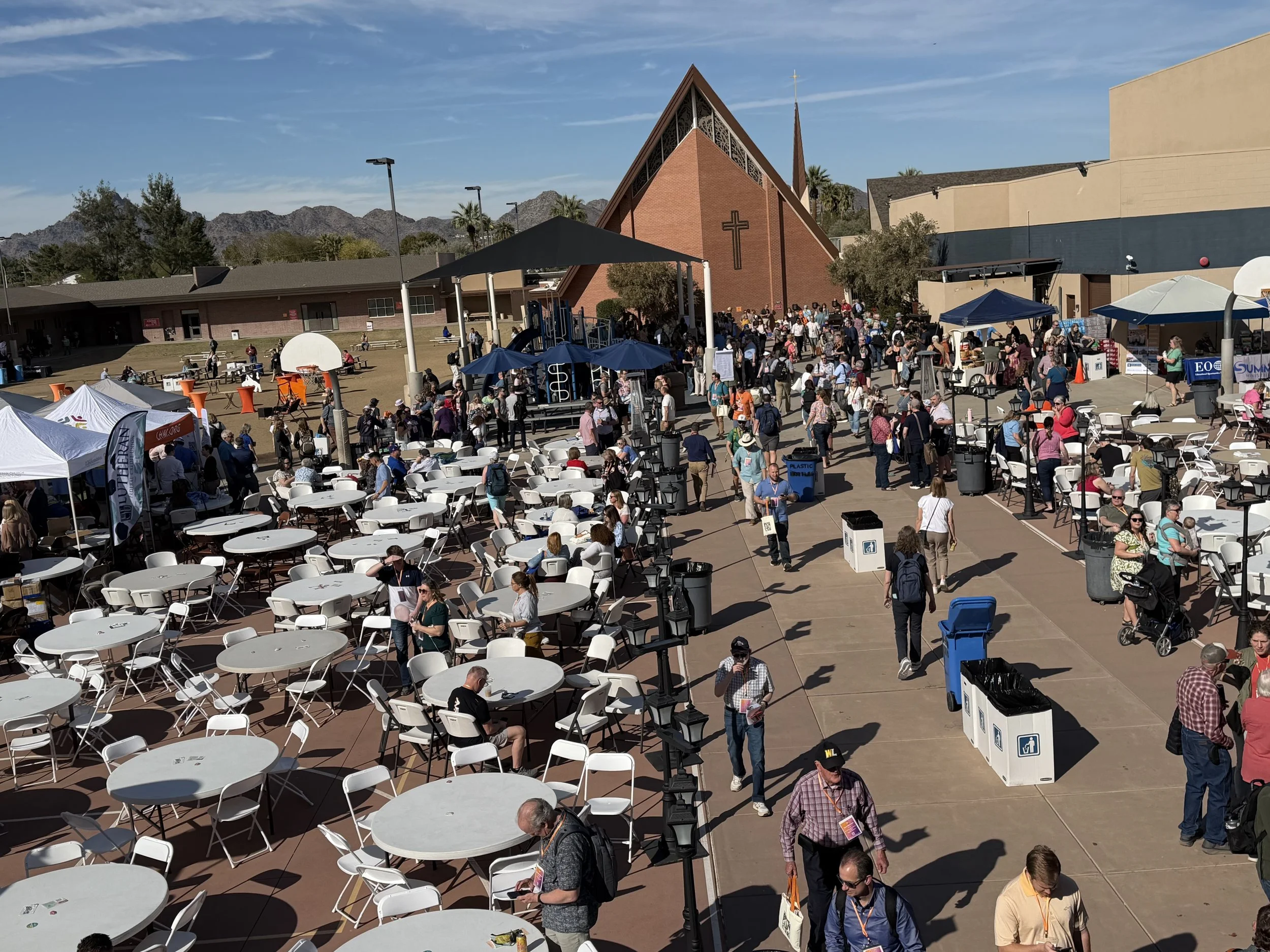
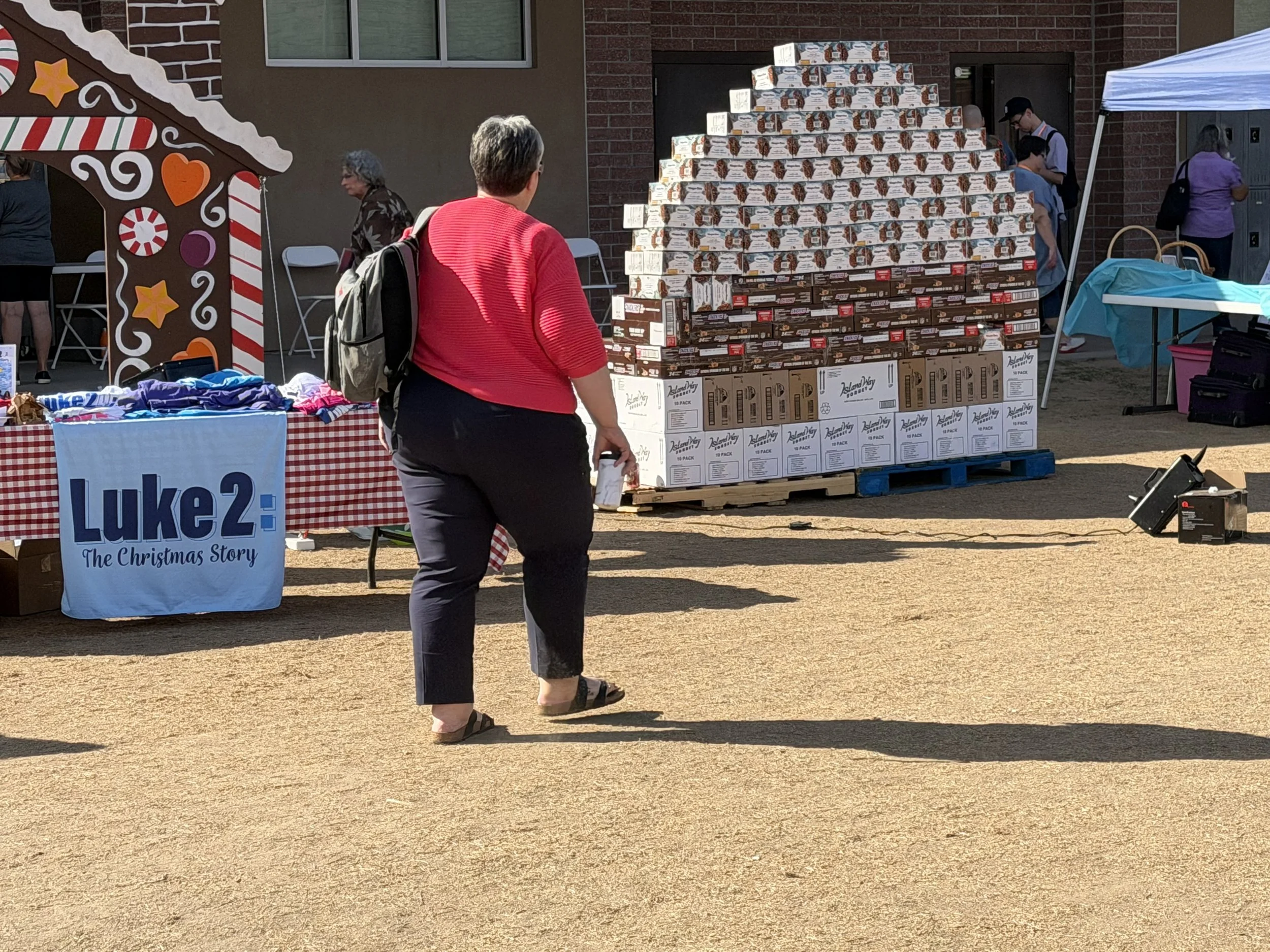
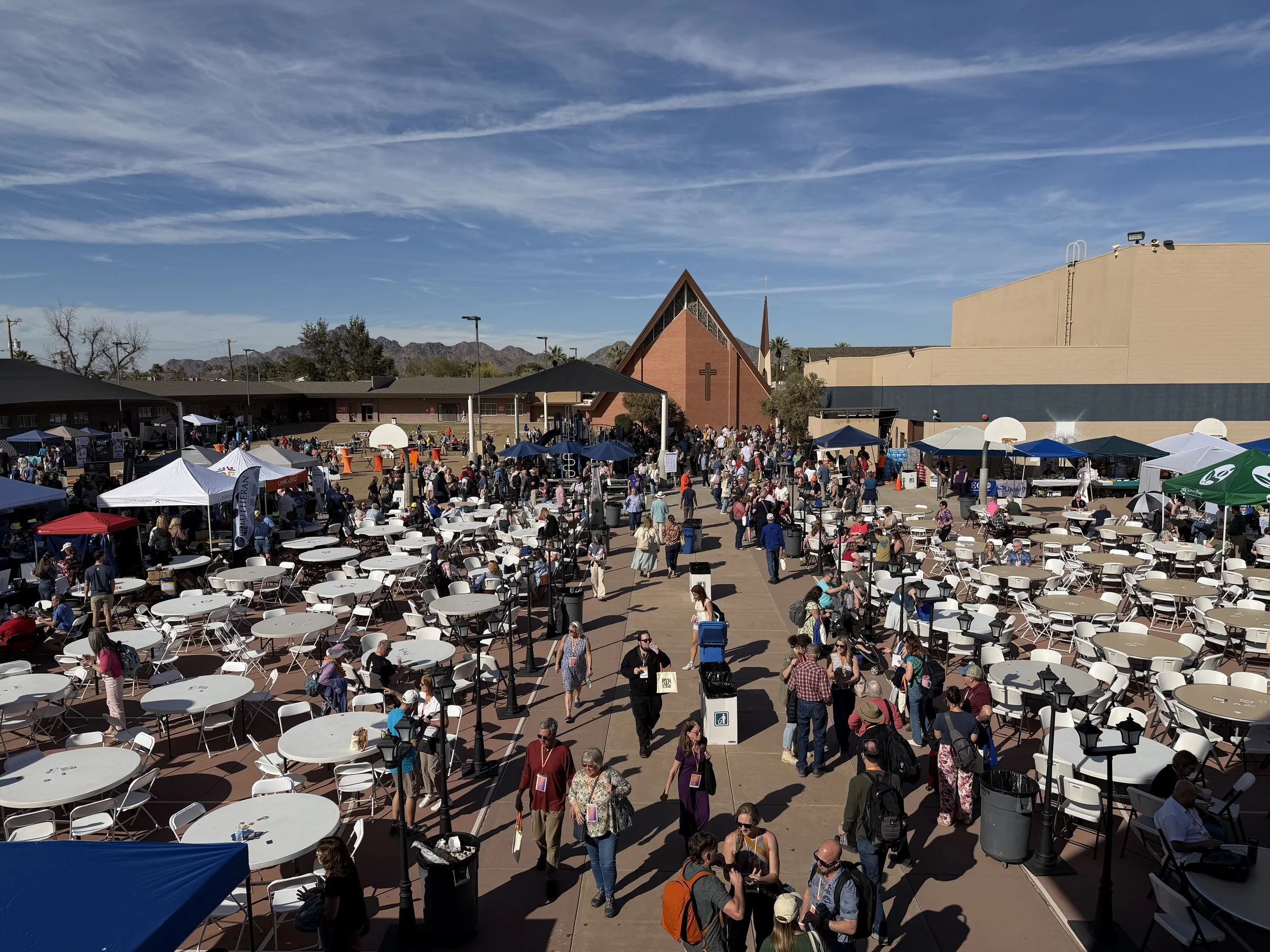
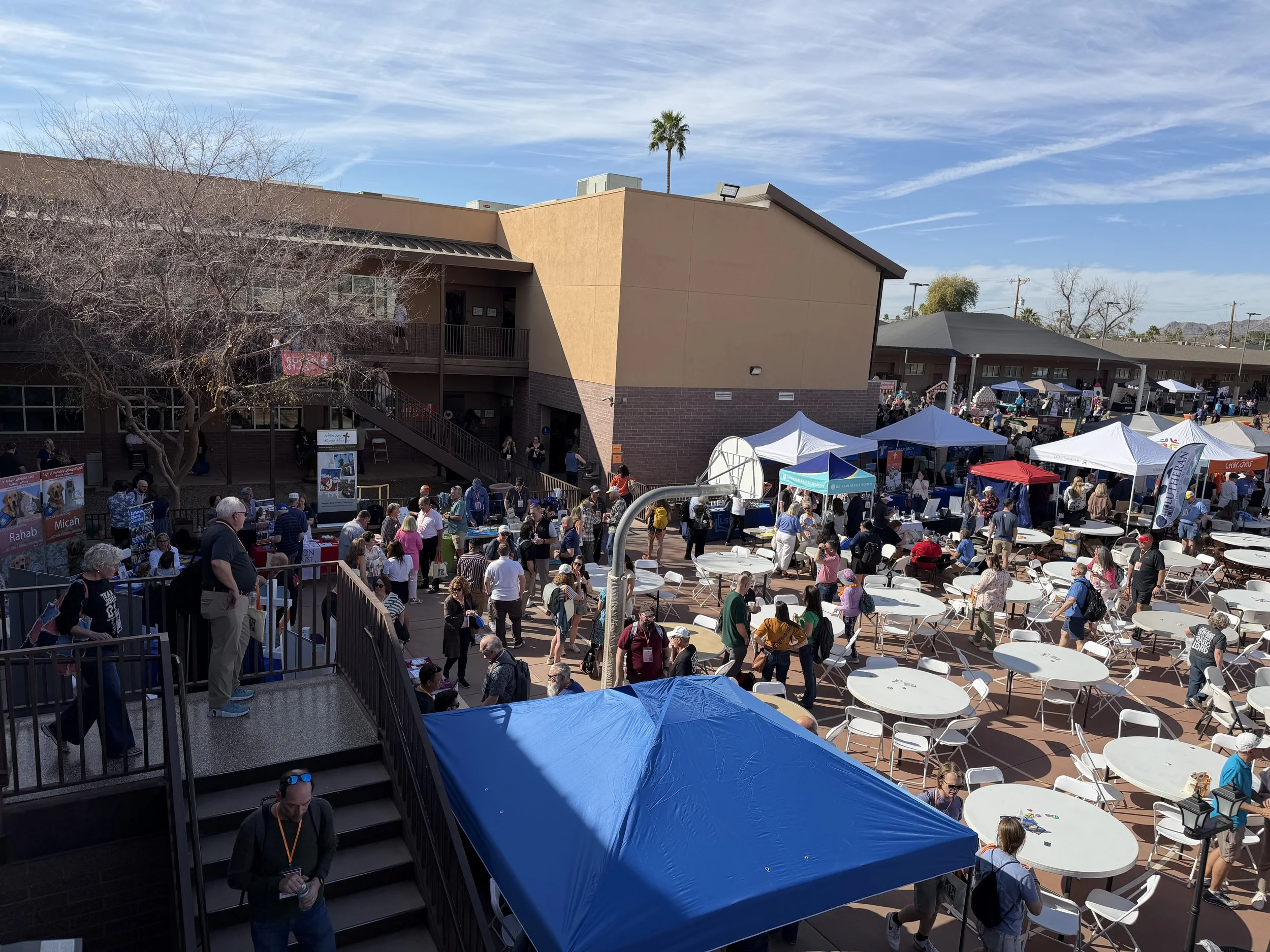
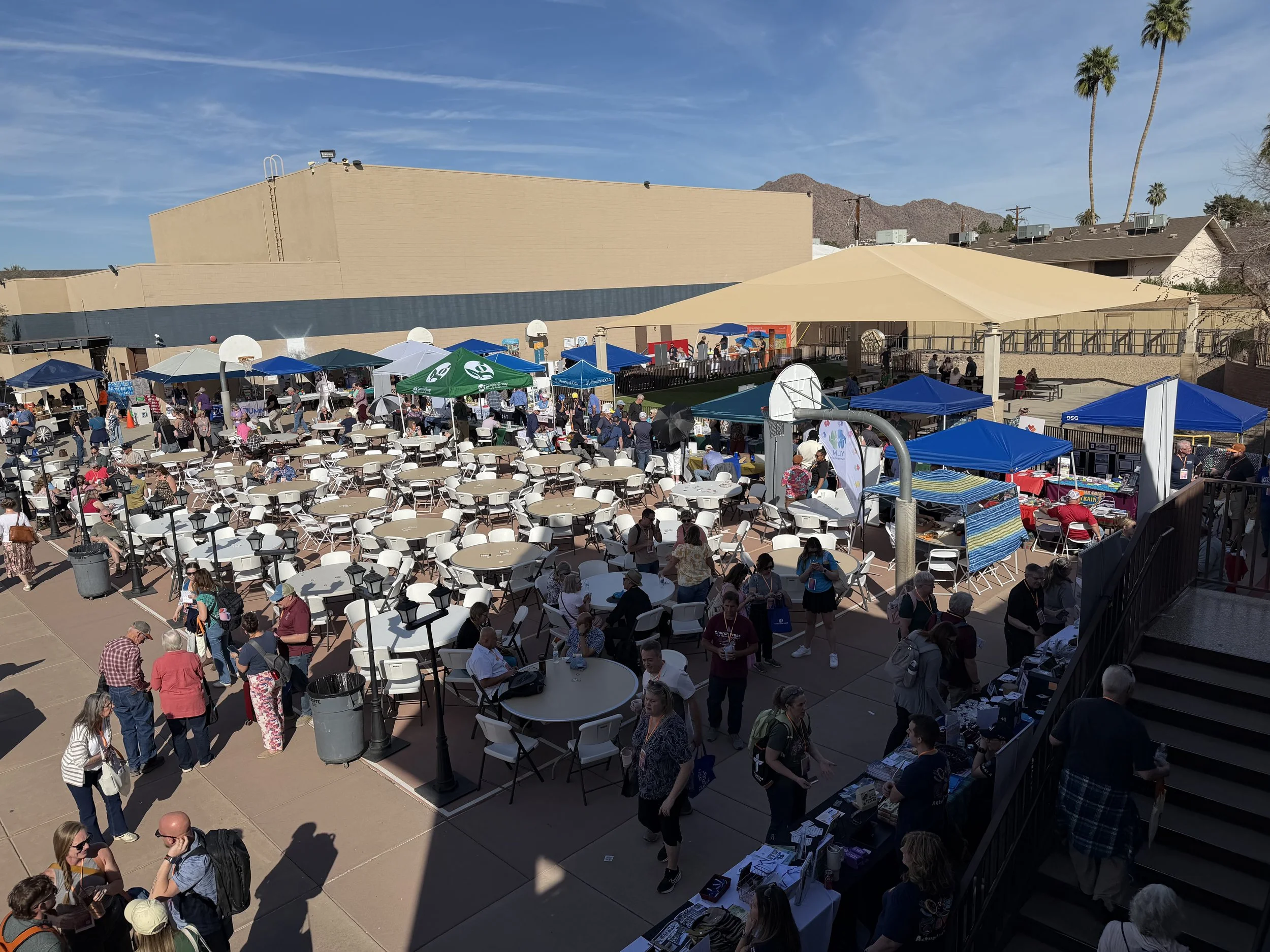
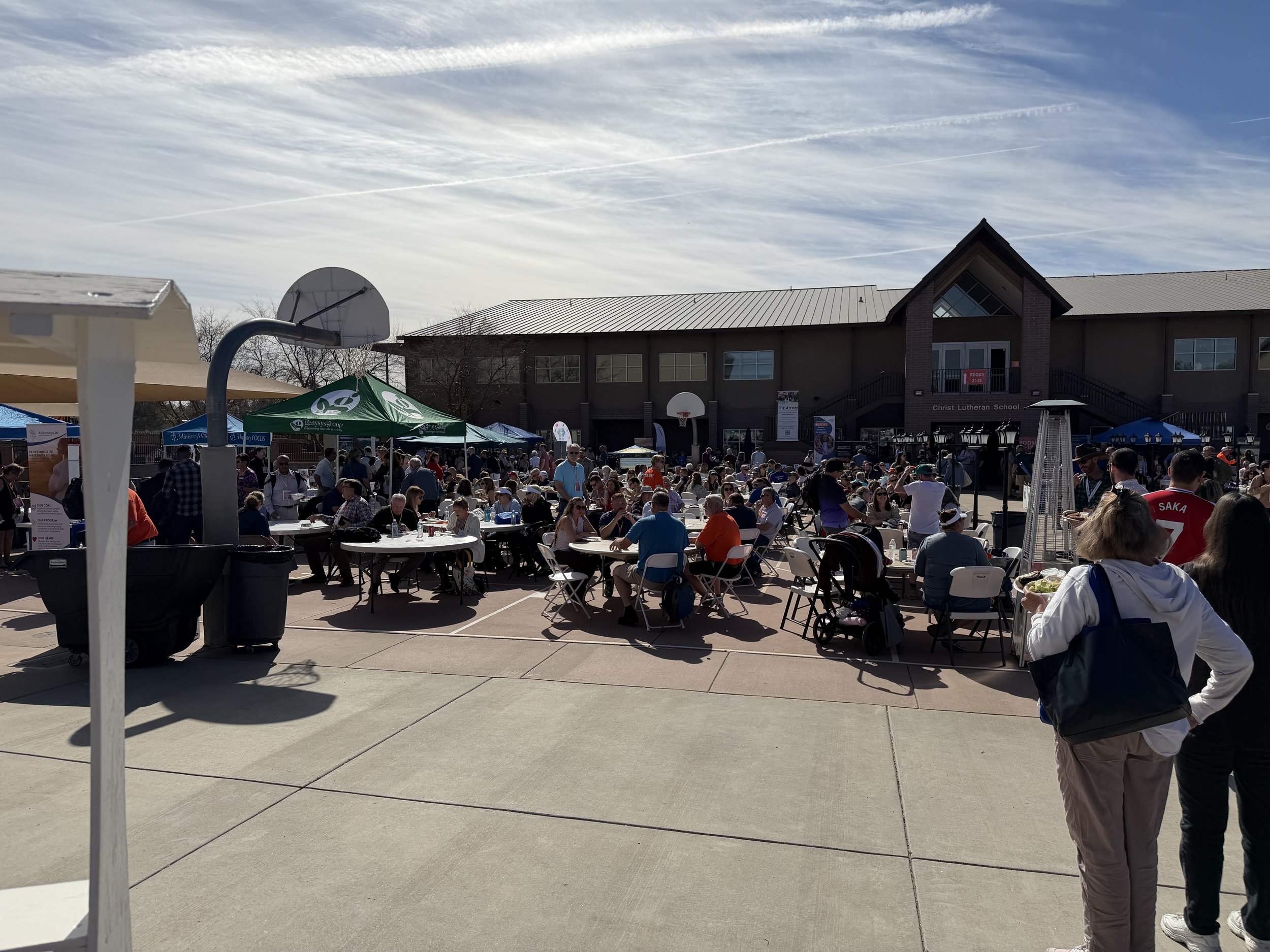
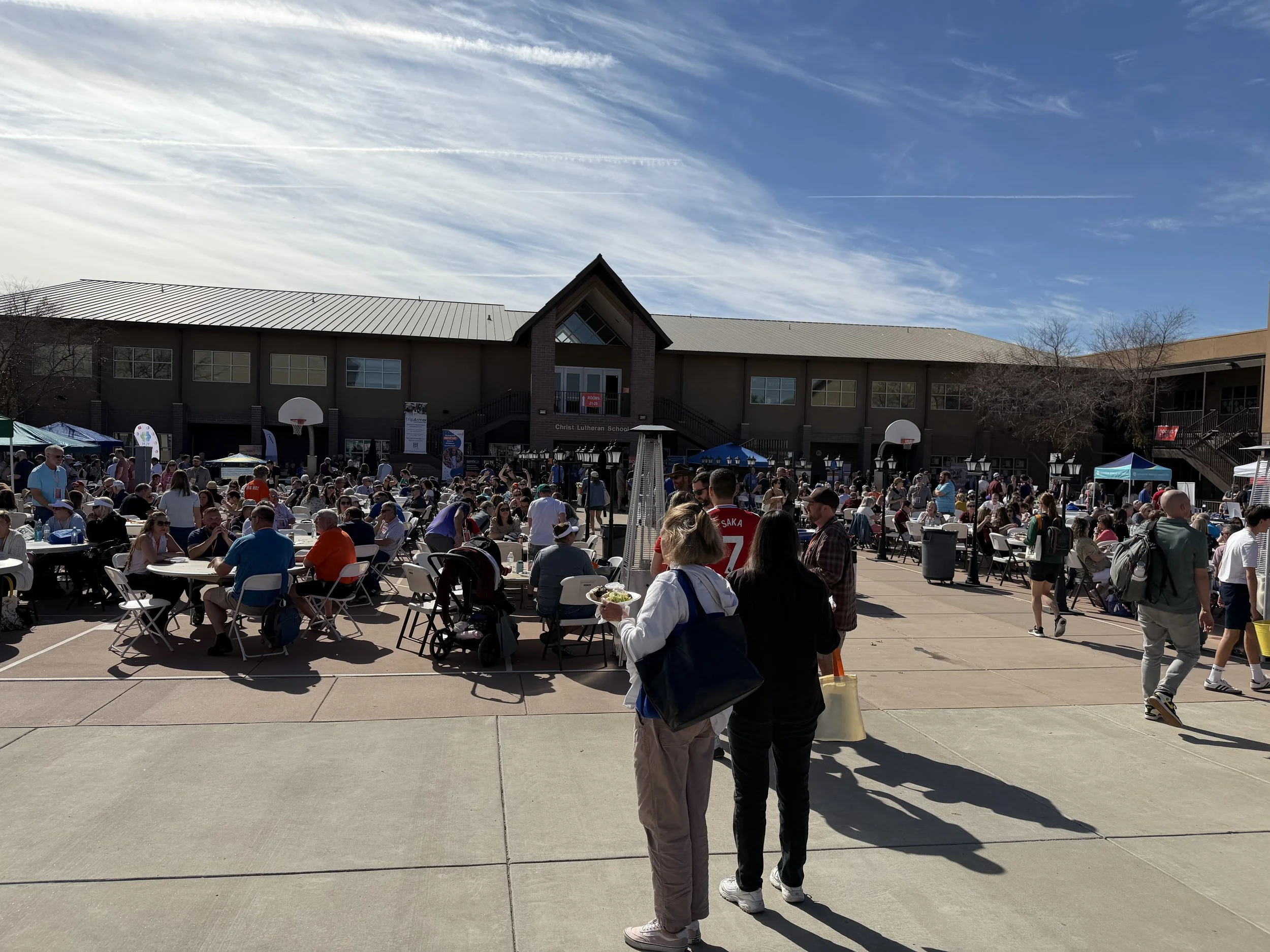
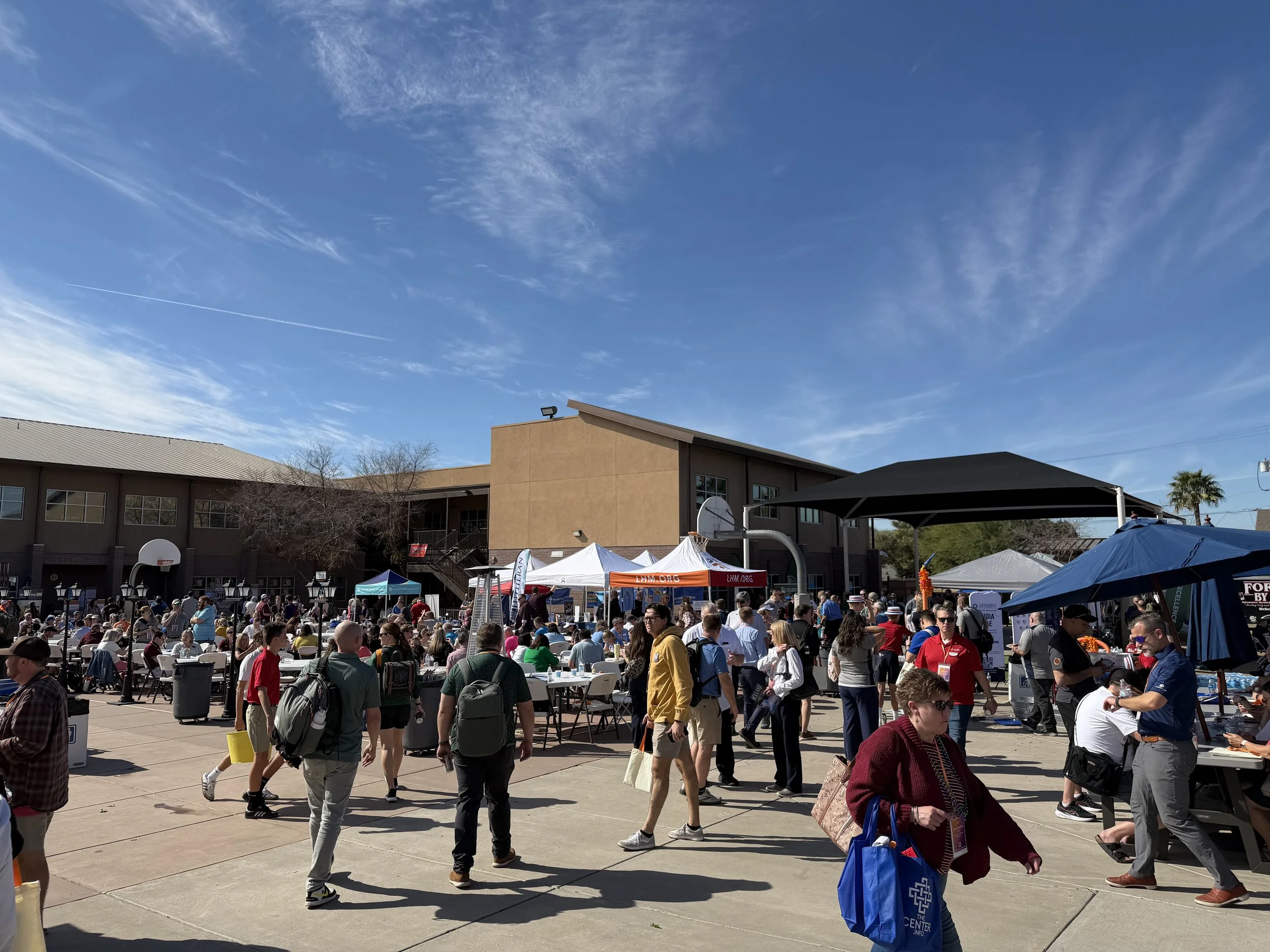
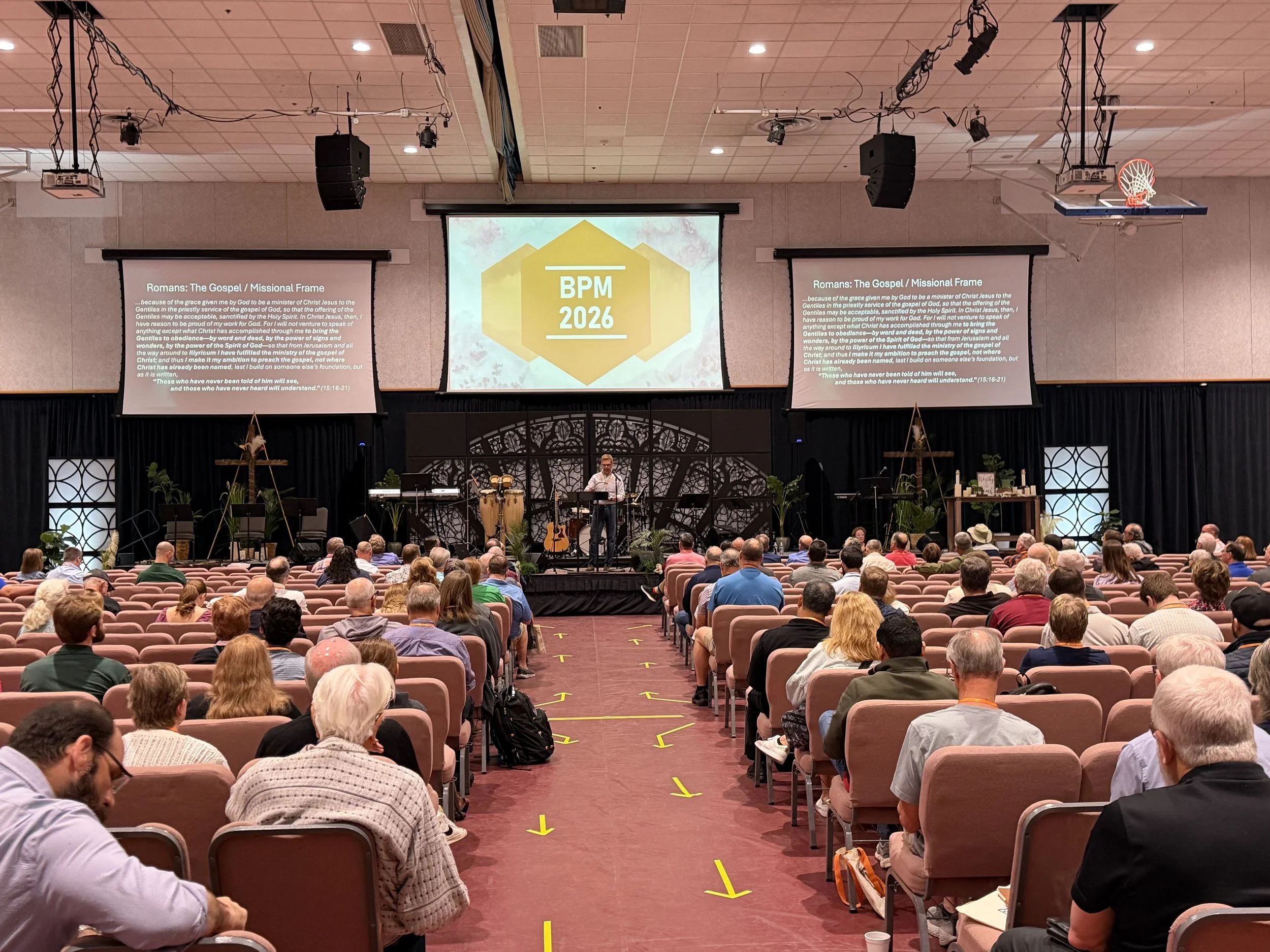
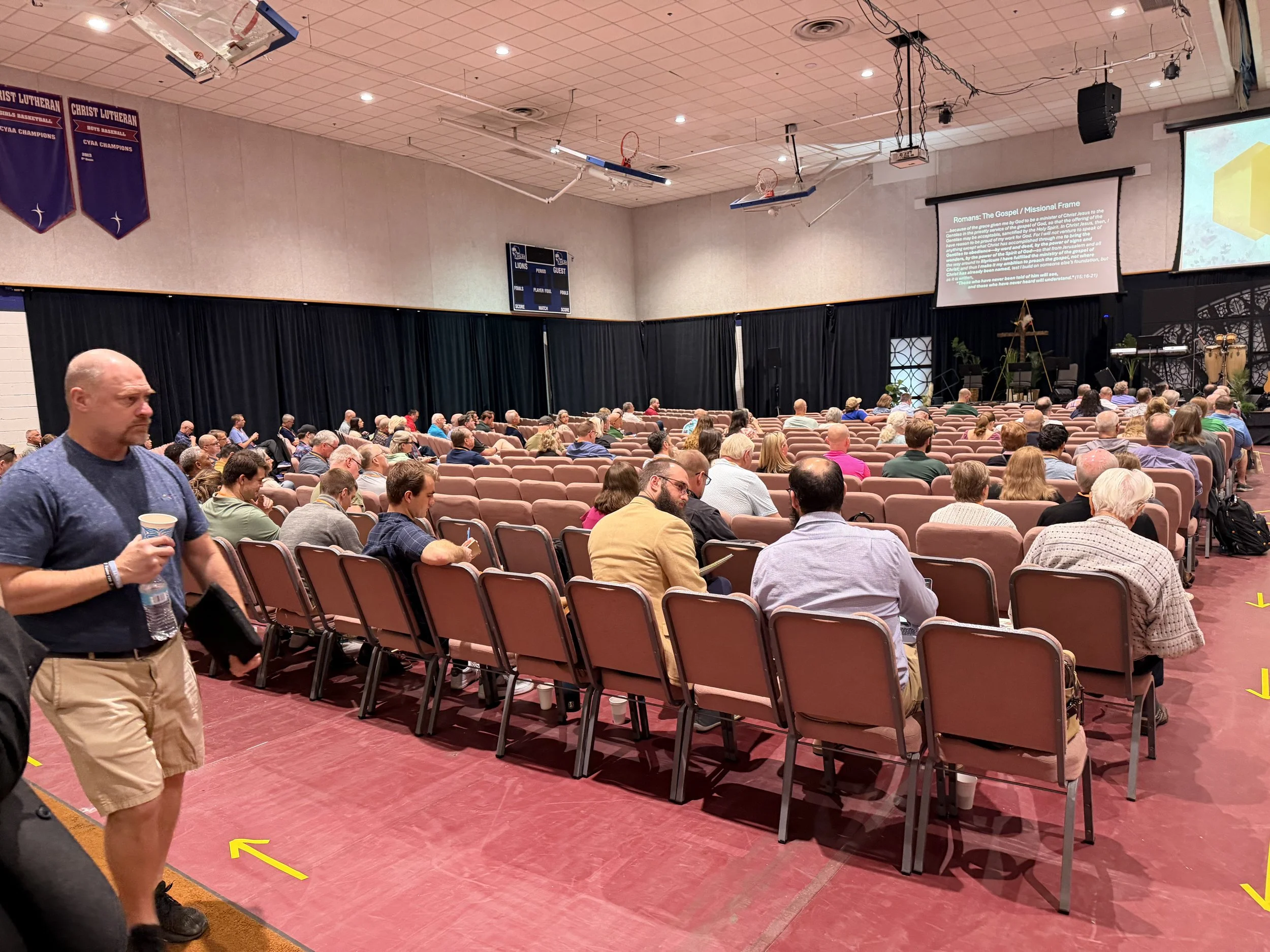
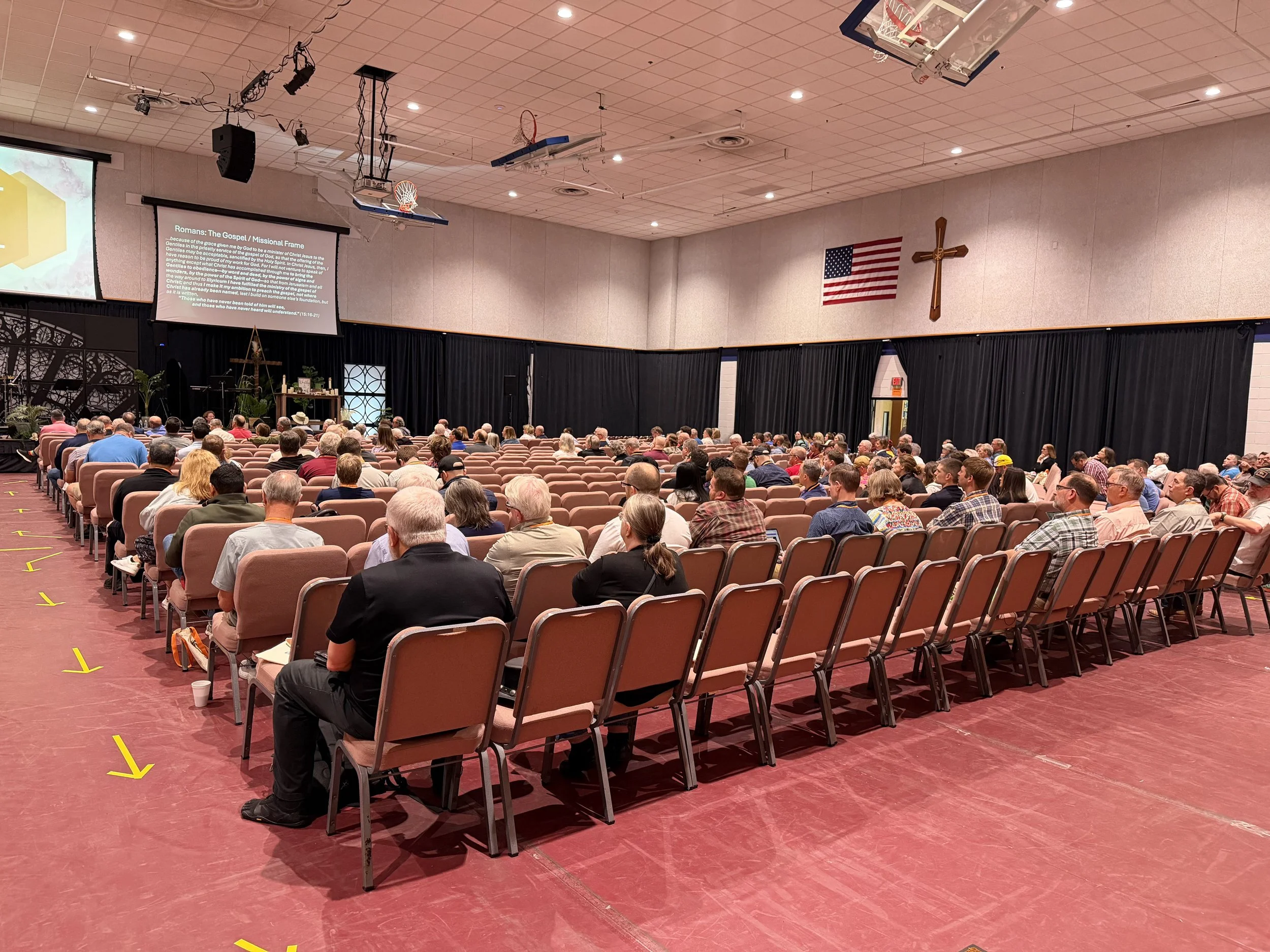
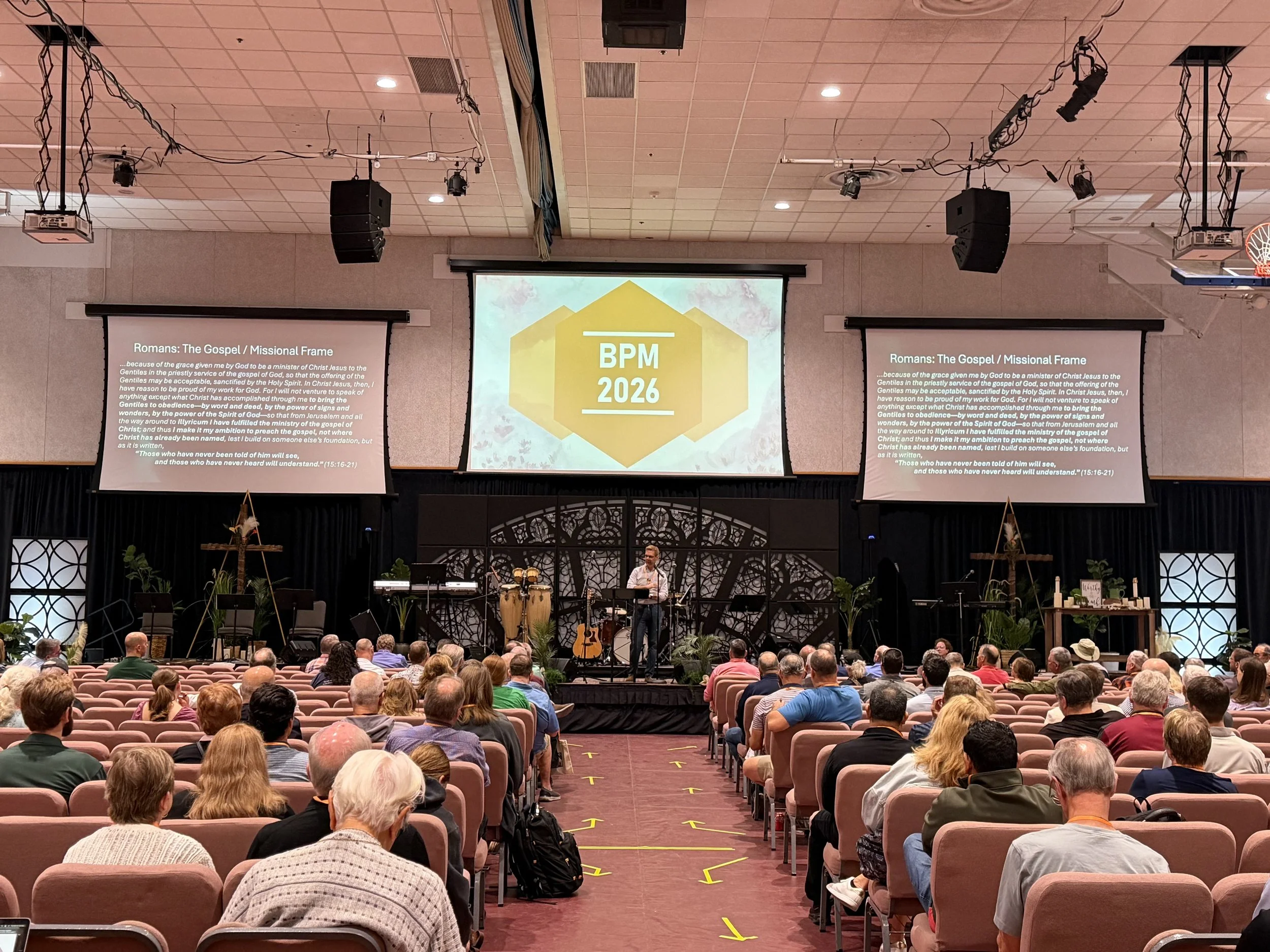
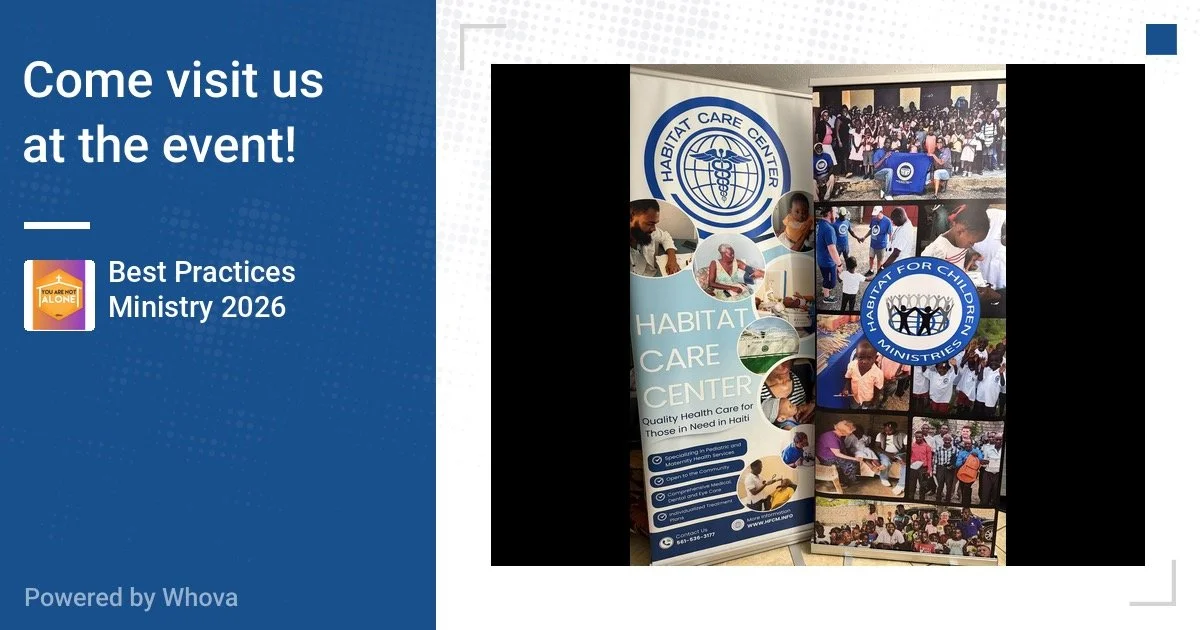
Habitat for Children at Best Practices
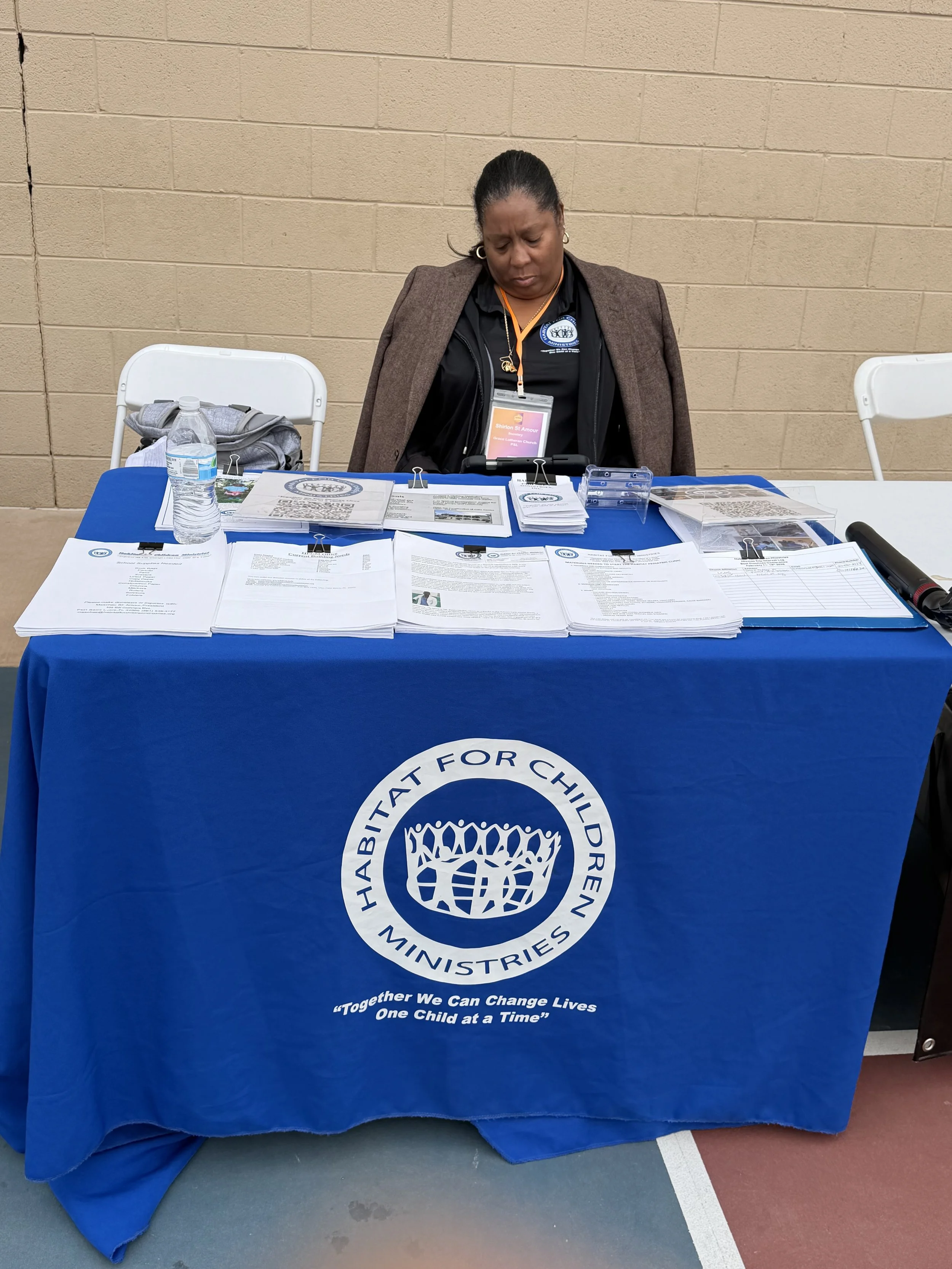
Meshac and Shirlon got to attend Best Practices!
Meschac and Shirlon at the opportunity to attend 2026 Best Practices conference.
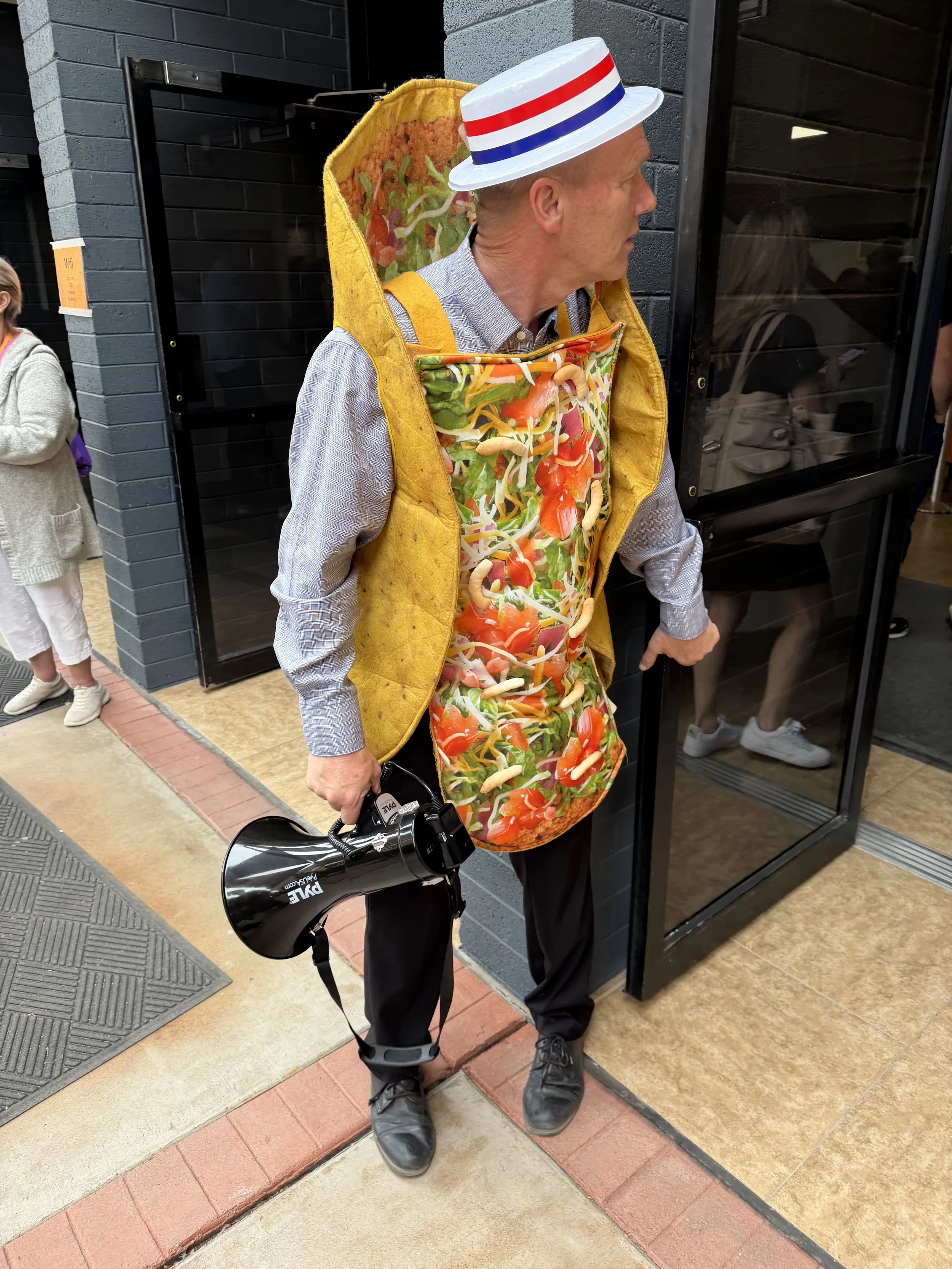
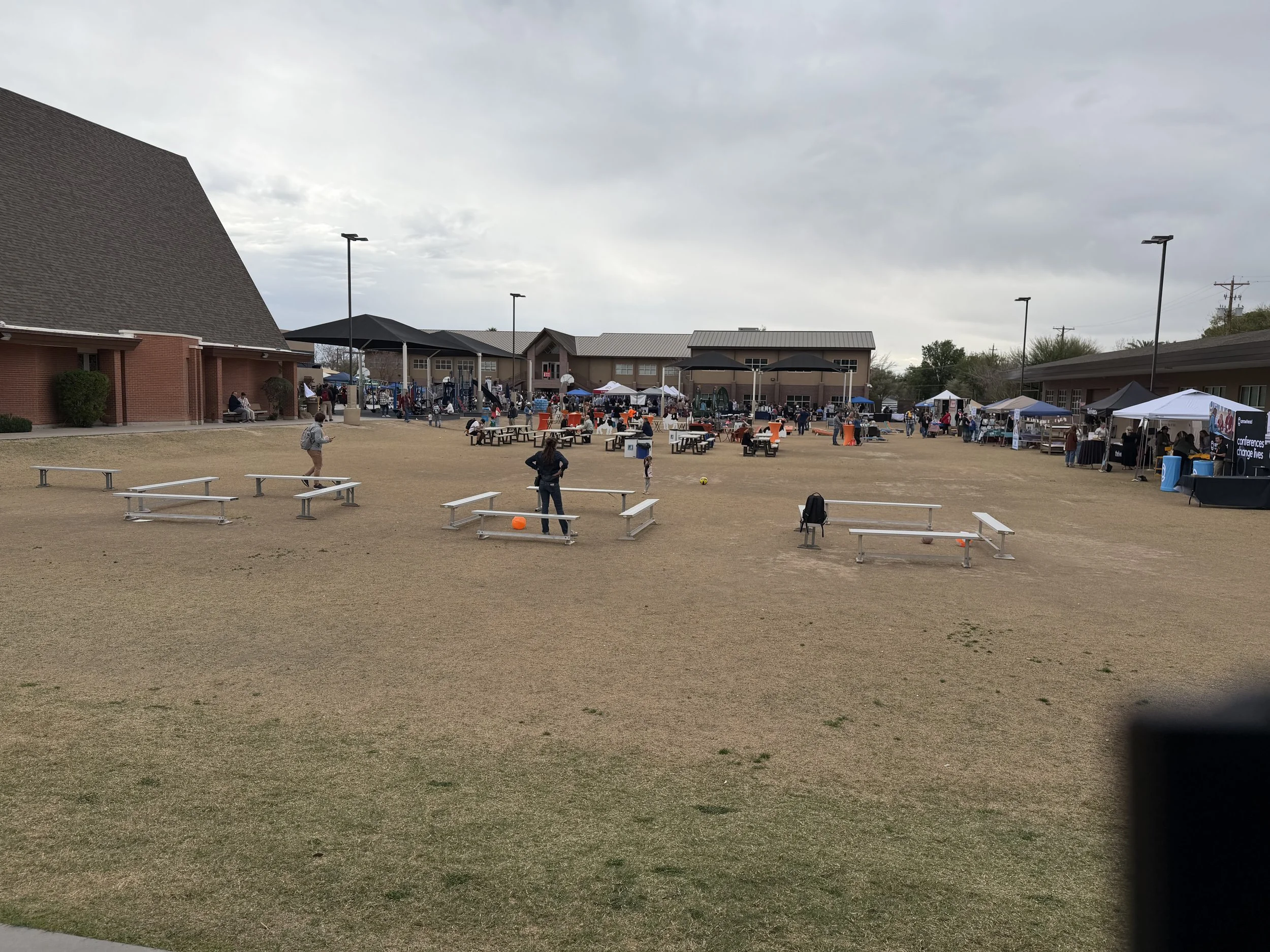
The Best Practices in Ministry Conference is a completely free, high-energy gathering in Phoenix designed to refresh church leaders through practical workshops and the simple, powerful reminder that they aren't doing ministry alone.












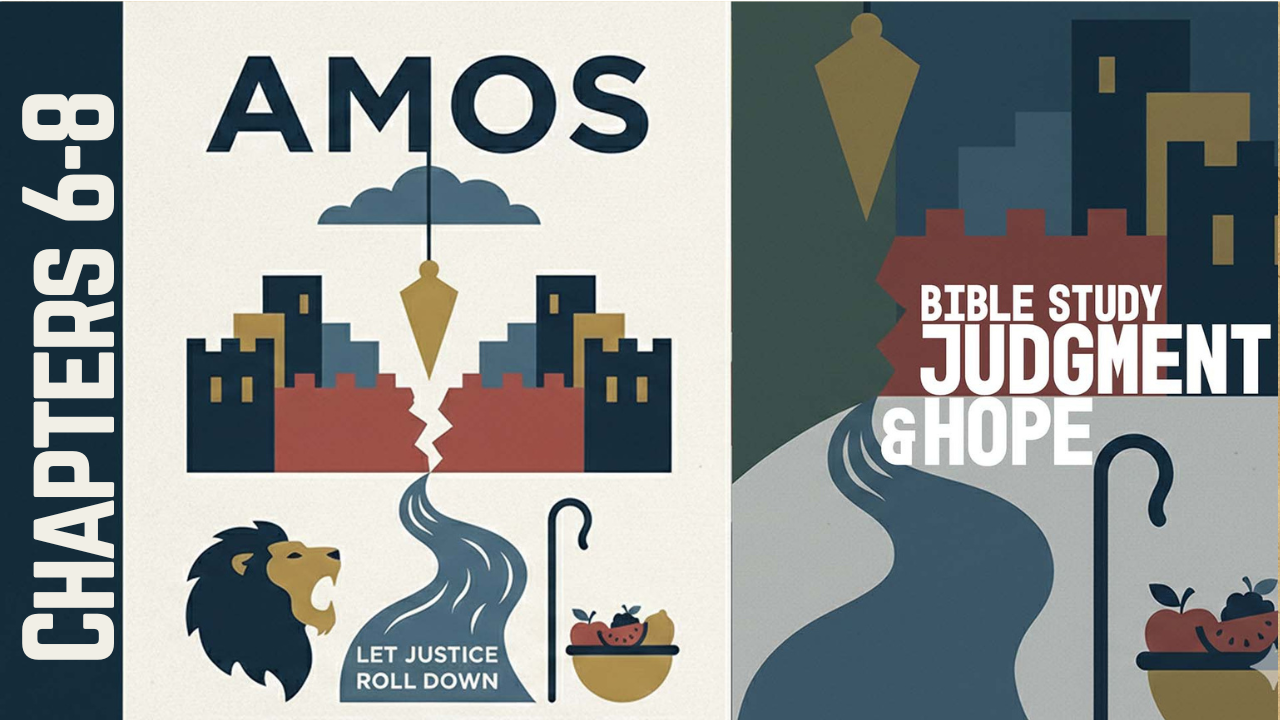
Amos Chapters 9 & Obadiah Class 5 - Bible Study
Our class closed Amos with chapter 9’s sweeping judgment and surprising hope, then turned to Obadiah’s focus on Edom and all nations, tracing themes of justice, restoration, and God’s kingship with messianic echoes.
Amos Chapters 9 - Obadiah
This is our 5th class on Amos
This is an AI Recap of the class.
Some things may be incorrect.
Short summary of the whole class
On 2026-02-26, we listened to and discussed Amos 9, moving from temple-toppling judgment and inescapable justice to the restoration of the “booth of David” overflowing to the nations. We explored translation nuances (Sheol vs. “hell,” “in/on” the land), water/chaos imagery, Eden-like abundance, and intertextual ties in the Gospels and Revelation. We then read Obadiah, examining Edom’s pride and betrayal during Babylon’s conquest, the Day of the Lord widening judgment to all nations, and the closing affirmation that “the kingdom shall be the Lord’s,” while comparing themes with Joel and Amos and discussing the debated location of “Sepharad.” We concluded by planning to study Jonah next and likely read C. S. Lewis’s The Great Divorce after Easter.
Walkthrough and sectional summaries
1) Setting goals and lighthearted opener (Amos 9 and Obadiah)
Plan: finish Amos with chapter 9; begin Obadiah.
Framing: Amos’s consistent indictment of exploitation of the poor and resonance with the Gospels and Revelation.
Personal anecdote: two childhood cats named Oba (for Obadiah) and Bob—“Bob was the best cat.”
Short summary of section:
We set goals to complete Amos 9 and start Obadiah, recalling Amos’s justice theme and sharing a light personal story.
Bible verses mentioned:
General reference to Amos (no specific verse cited here).
Stories mentioned:
Childhood cats: Oba and Bob.
2) Listening to Amos 9 (reading and first impressions)
Read/heard Amos 9:1–15.
Noted the stark arc from judgment to a “glimmer of hope” in verse 11.
Short summary of section:
We heard Amos 9 in full, recognizing its shift from total judgment to promised restoration.
Bible verses mentioned:
Amos 9:1–15 (highlighted v. 11).
Stories mentioned:
None.
3) Initial observations: judgment, humility, and false security
Israel is not exempt from justice (Amos 9:7–10).
Amos 9:10 challenges complacency: “calamity shall not overtake us.”
Short summary of section:
Amos confronts Israel’s moral complacency: being God’s people does not shield unrepentant injustice from judgment.
Bible verses mentioned:
Amos 9:7–10.
Stories mentioned:
None.
4) Promise of restoration and Eden imagery
Reversal of earlier deprivation: abundance, rebuilt cities, vineyards (Amos 9:13–15).
“The plowman shall overtake the reaper” signals overflowing fruitfulness.
Short summary of section:
Amos pivots to Eden-like renewal, where God replaces deprivation with abundant delight.
Bible verses mentioned:
Amos 9:13–15.
Stories mentioned:
None.
5) Temple-pillar language and the scope of judgment (Amos 9:1)
“Strike the tops of the pillars/doorposts/capitals” to collapse the sanctuary.
Emphasis on judgment reaching even sacred spaces.
Short summary of section:
God topples the sanctuary from its highest points, signaling comprehensive judgment.
Bible verses mentioned:
Amos 9:1.
Stories mentioned:
None.
6) Sheol, the sea, and the inescapability of God (Amos 9:2–6)
Translation note: prefer “Sheol” over “hell.”
No escape: heights, depths, Carmel, sea—God finds them (Amos 9:2–3).
Chaos-water motifs: serpent in the sea, Nile swelling, God summoning waters (Amos 9:5–6).
Intertext: creation waters, Noah’s flood, Revelation’s abyss/sea.
Short summary of section:
Amos portrays God’s searching judgment using Sheol and chaos-water imagery to show there’s no hiding place.
Bible verses mentioned:
Amos 9:2–6.
Allusions: Genesis 1; Genesis 6–9; Revelation (abyss/sea).
Stories mentioned:
None (intertextual themes noted).
7) “On that day” and the Booth of David (Amos 9:11–12)
“On that day” marks restoration.
“Booth/tabernacle of David” restored—messianic resonance.
Nations included: remnant of Edom and “all the Gentiles who are called by my name.”
Short summary of section:
Restoration is messianic and expansive: God rebuilds David’s booth and gathers Israel and the nations.
Bible verses mentioned:
Amos 9:11–12.
Stories mentioned:
Gospel theme: Jesus as true temple (veil imagery referenced).
8) Abundance fulfilled and Garden imagery carried into the Gospels
Overflowing wine, gardens, rebuilt cities (Amos 9:13–15).
John 20: Mary mistakes the risen Jesus for a gardener—Eden echo.
Short summary of section:
Amos’s restoration imagery flavors the resurrection garden scene, signaling new creation.
Bible verses mentioned:
Amos 9:13–15.
John 20 (Mary and the gardener).
Stories mentioned:
Mary Magdalene at the tomb.
9) Translation nuance: “in” vs. “on,” and spirit/wind/breath
Amos 9:15: “in/on their land” reflects Hebrew preposition range.
Note on single Hebrew/Greek terms for spirit/wind/breath.
Short summary of section:
We observed how translation choices shape meaning, especially with prepositions and key theological terms.
Bible verses mentioned:
Amos 9:15.
Stories mentioned:
None.
10) Amos’s core indictment and a pastoral reflection
Amos critiques showy religion alongside exploitation of the poor.
Practical reflection: caution against performative religiosity (e.g., public fasting) without justice and mercy.
Short summary of section:
Amos calls for authentic obedience—justice for the poor over religious performance.
Bible verses mentioned:
Thematic reference to Amos’s broader critique (no single verse cited here).
Stories mentioned:
Practical note related to public religious displays.
11) Obadiah overview: setting the stage
Positioned Obadiah in the crisis of Babylon’s conquest (background: 2 Kings 25).
Watched a short overview video to frame reading.
Short summary of section:
We located Obadiah within the Babylonian crisis and prepped to read the book with an overview.
Bible verses mentioned:
Historical backdrop: 2 Kings 25 (not read aloud).
Stories mentioned:
None.
12) Public reading of Obadiah 1:1–9 (Pride and downfall)
Edom’s pride deceived them; God will bring them down (1:3–4).
Thorough searching out; failed alliances; end of Teman’s wisdom (1:5–9).
Short summary of section:
God indicts Edom’s arrogance and announces comprehensive collapse, even among their allies and sages.
Bible verses mentioned:
Obadiah 1:1–9.
Stories mentioned:
None.
13) Obadiah 1:10–14 (Betrayal of a brother)
“Violence against your brother Jacob” (1:10).
Charges: gloating, looting, ambushing refugees, handing survivors over (1:12–14).
Short summary of section:
Edom’s guilt centers on fraternal betrayal—gloating and harming Judah at its most vulnerable.
Bible verses mentioned:
Obadiah 1:10–14.
Background: Genesis (Jacob and Esau).
Stories mentioned:
Jacob and Esau as ancestral backdrop.
14) Class reflections: family, pride, and internal strife
Betrayal is worse when done by those who “know better.”
Parallels to Judges’ intra-Israel conflict; teacher recalled a sermon titled “Don’t Look Away.”
Pride and gloating as spiritual decay.
Short summary of section:
We reflected on the moral weight of harming kin and how pride corrodes communities.
Bible verses mentioned:
Judges (theme of internal conflict; no specific verse cited).
Stories mentioned:
Sermon: “Don’t Look Away.”
15) Obadiah 1:15–18 (The Day of the Lord and recompense)
Hinge to all nations: “The day of the Lord… is near” (1:15).
Principle: “As you have done, it shall be done to you” (1:15).
Zion’s deliverance; Jacob and Joseph as fire, Esau as stubble (1:17–18).
Short summary of section:
Judgment widens to all nations with measure-for-measure justice; Zion becomes the locus of deliverance.
Bible verses mentioned:
Obadiah 1:15–18.
Stories mentioned:
None.
16) Obadiah 1:19–21 (Restoration and the Lord’s kingdom)
Restoration geography and return of exiles (1:19–20).
“Saviors shall come to Mount Zion… And the kingdom shall be the Lord’s” (1:21).
Short summary of section:
Obadiah closes with restoration for Zion’s remnant and the universal claim of God’s kingship.
Bible verses mentioned:
Obadiah 1:19–21.
Stories mentioned:
None.
17) Comparing Obadiah with Amos and Joel
Tension: Amos 9:11–12 includes “remnant of Edom and all nations”; Obadiah 1:18 stresses severe judgment on Esau.
Harmonizing lens: Edom as a historical nation and a type of human pride; prophetic hope still envisions nations called by God’s name.
Joel contributes post-judgment deliverance from Zion.
Short summary of section:
We contrasted Obadiah’s sharp judgments with Amos’s and Joel’s inclusive restoration, seeing Edom as both concrete and symbolic.
Bible verses mentioned:
Amos 9:11–12.
Joel 2–3.
Stories mentioned:
None.
18) Notes on terms and places: Sepharad and later identity
Obadiah 1:20 mentions “Sepharad”—debated identifications: Sardis (Asia Minor), Spain (Sephardim), Western Media, others.
Recognized long-standing Jewish association with Spain shaping diaspora identity.
Short summary of section:
“Sepharad” has multiple scholarly proposals, with the Spanish association shaping the identity of Sephardic Jews.
Bible verses mentioned:
Obadiah 1:20.
Stories mentioned:
Historical-cultural note on Sephardic Jews.
19) Obadiah’s ending and God’s kingship
Translation nuance: “the kingdom/kingship will be the Lord’s” (Obadiah 1:21).
Obadiah centers God’s direct kingship without explicitly foregrounding a Davidic messiah.
Resonances with Deuteronomic/Joshua themes of covenantal justice and conquest.
Short summary of section:
Obadiah climaxes with God’s kingship, emphasizing covenantal justice more than royal messianism.
Bible verses mentioned:
Obadiah 1:21.
Thematic references: Deuteronomy, Joshua (no specific verses cited).
Stories mentioned:
None.
20) Concluding plans: Jonah next; The Great Divorce after Easter
Next study: Jonah (2–3 weeks).
Likely post-Easter reading: C. S. Lewis’s The Great Divorce.
Short summary of section:
We wrapped Obadiah and set plans to study Jonah next, with a likely return to The Great Divorce after Easter.
Bible verses mentioned:
None (future study preview).
Stories mentioned:
Literary work: C. S. Lewis’s The Great Divorce.
Medium-length summary of the class
On 2026-02-26, we concluded Amos with chapter 9, tracing its movement from God’s temple-toppling judgment and inescapable justice (Amos 9:1–10) to the restoration of the “booth of David” that embraces the remnant of Edom and all Gentiles called by God’s name (9:11–12), culminating in Eden-like abundance (9:13–15). We noted translation nuances (Sheol vs. “hell,” “in/on” the land) and water/chaos motifs linking creation, flood, and Revelation. Turning to Obadiah, we read the whole book and examined Edom’s pride and fraternal betrayal (1:1–14), the hinge to a universal Day of the Lord with measure-for-measure justice (1:15–18), and the restoration culminating in “the kingdom shall be the Lord’s” (1:19–21). We discussed the debated location of “Sepharad” (1:20), thematic comparisons with Joel and Amos on judgment and inclusion, and how Obadiah foregrounds God’s kingship with Deuteronomic/Joshua resonances. We closed by planning to study Jonah next and likely read The Great Divorce after Easter.
Main points
God’s judgment is comprehensive and inescapable (Amos 9:1–10).
Chaos-water imagery underscores divine sovereignty and judgment (Amos 9:2–6).
Translation matters: Sheol vs. “hell,” “in/on” the land, spirit/wind/breath.
Restoration follows judgment: God rebuilds the “booth of David,” including the nations (Amos 9:11–12).
Eden-like abundance symbolizes renewal (Amos 9:13–15).
Obadiah indicts Edom’s pride and betrayal, then widens judgment to all nations (Obadiah 1:1–18).
Measure-for-measure justice: “As you have done, it shall be done to you” (Obadiah 1:15).
Obadiah ends with God’s universal kingship: “the kingdom shall be the Lord’s” (Obadiah 1:21).
“Sepharad” (Obadiah 1:20) has debated identifications; Spanish association shaped Sephardic identity.
Comparative theme: Amos and Joel highlight post-judgment inclusion; Obadiah stresses severe judgment but shares Zion-centered hope.
Next steps: Study Jonah; likely read The Great Divorce after Easter.
Scriptures mentioned
Amos 9:1–15 (focus on 9:1; 9:2–6; 9:7–10; 9:11–12; 9:13–15)
Obadiah 1:1–21 (focus on 1:1–9; 1:10–14; 1:15–18; 1:19–21)
Genesis 1 (creation waters/Spirit)
Genesis 6–9 (Noah’s flood)
Genesis (Jacob and Esau background)
2 Kings 25 (Babylon’s conquest context)
Joel 2–3 (Day of the Lord; Zion deliverance)
Judges (theme of internal conflict)
John 20 (Mary and the “gardener”)
Revelation (abyss/sea imagery)
Stories and works mentioned
Childhood cats: Oba (Obadiah) and Bob.
Mary Magdalene mistaking the risen Jesus for the gardener (John 20).
Sermon reference: “Don’t Look Away.”
Historical-cultural: Sephardic Jews (Sephardim) and association with Spain.
Upcoming/related: C. S. Lewis’s The Great Divorce.
Content creation date: 2026-02-26 12:04:06.
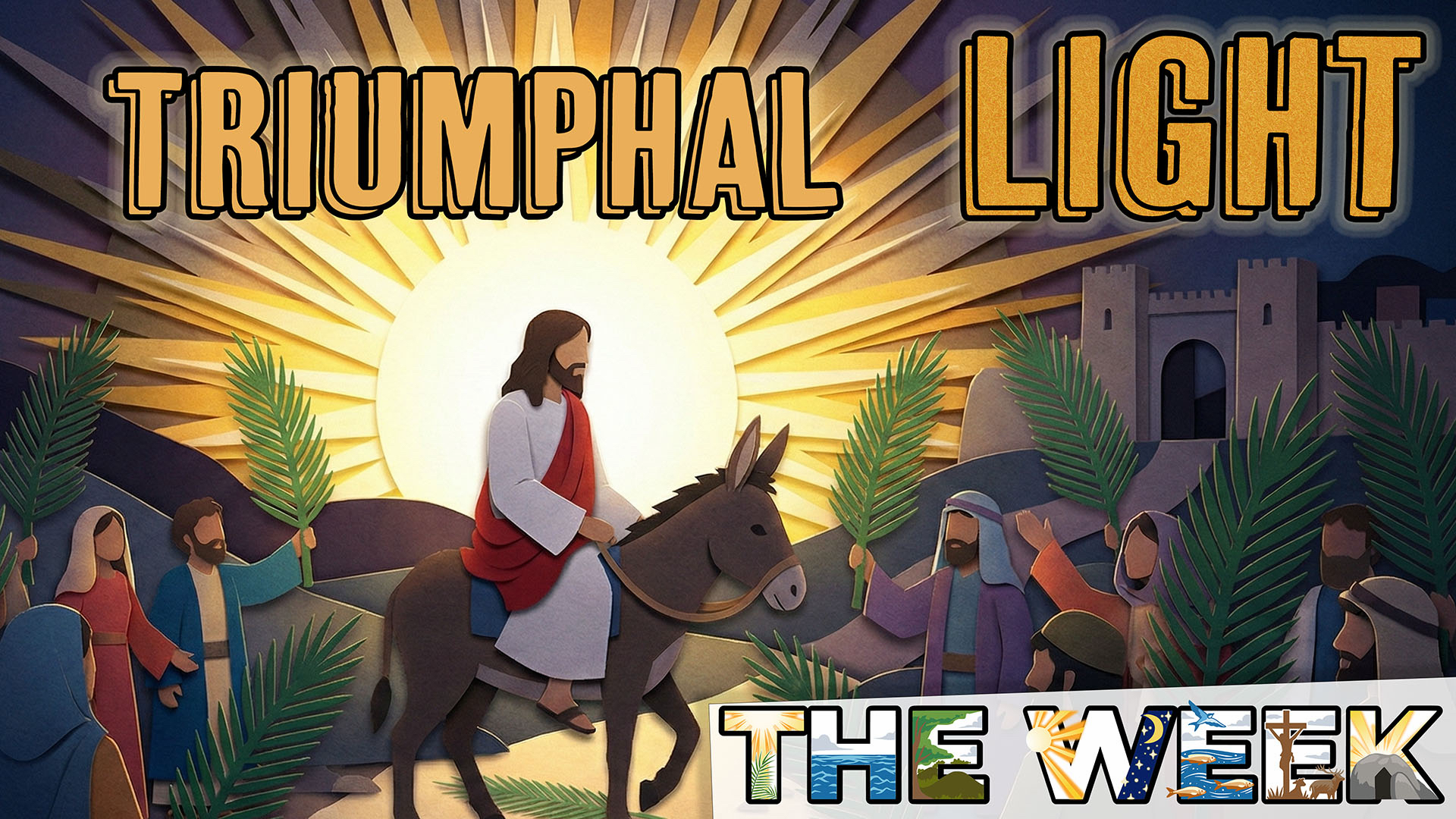
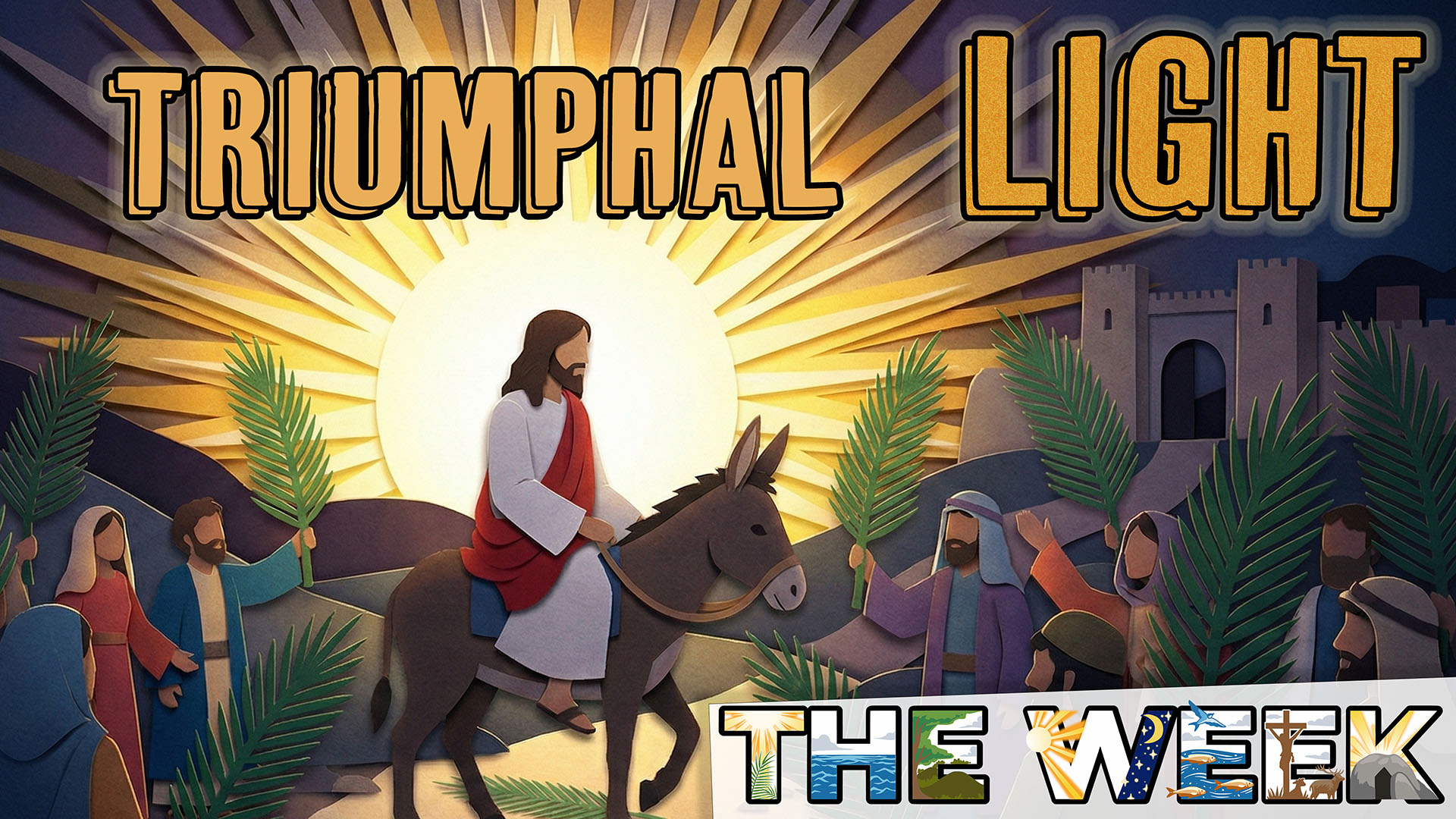
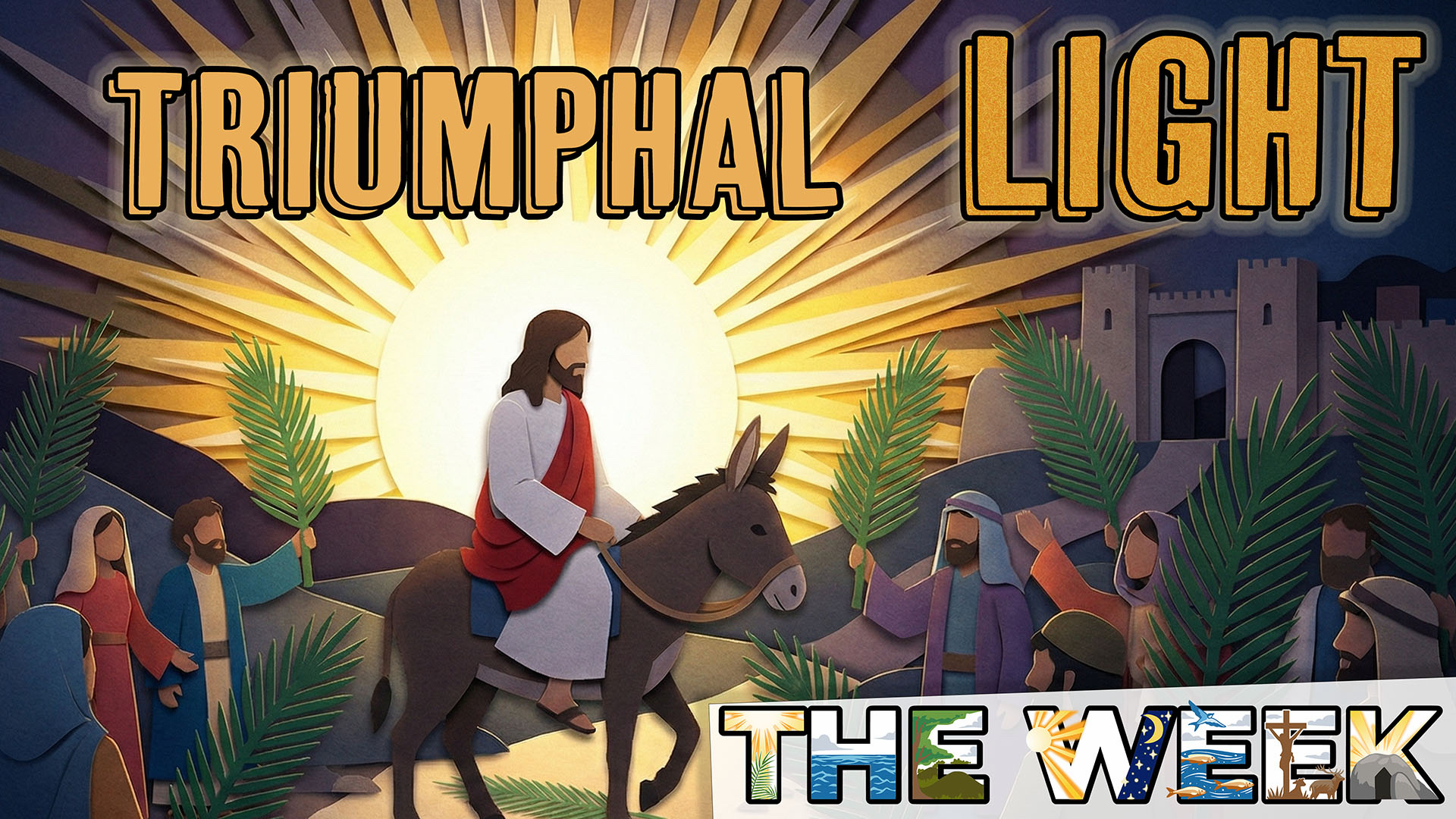
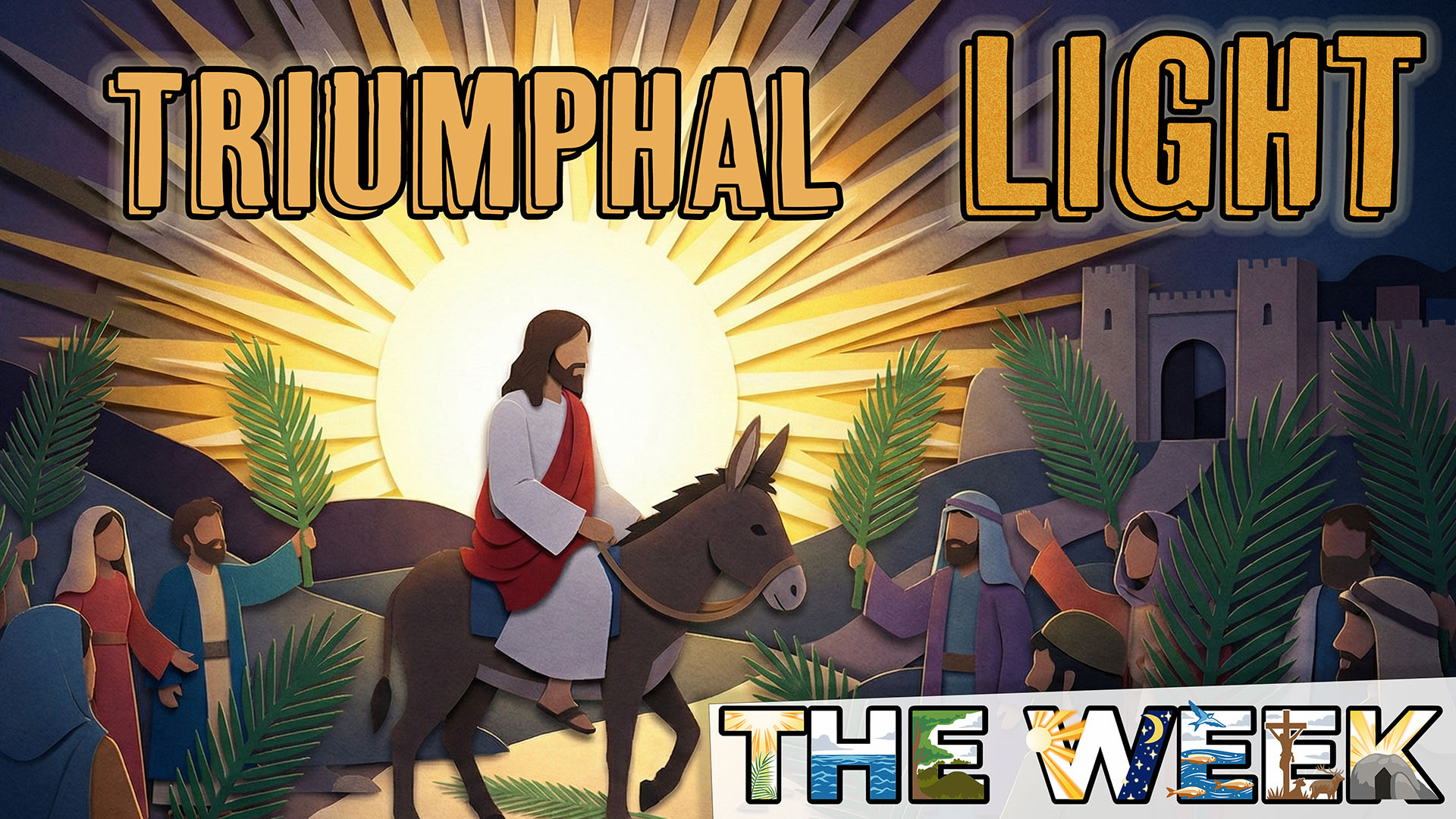
![[Sunday] Day 1 - Triumphal Light, The Week](https://images.squarespace-cdn.com/content/v1/5852f18a20099e30cd2c01dc/1771552956713-TI1XXCI66JVVG8GJHST8/The+Week+1aaaa.jpg)
[Sunday] Day 1 - Triumphal Light, The Week
The Triumphal Entry shows us the difference. We chase the 'wins' of this world; Jesus rides into the darkness of this world. We look for success; He brings the Light that saves.
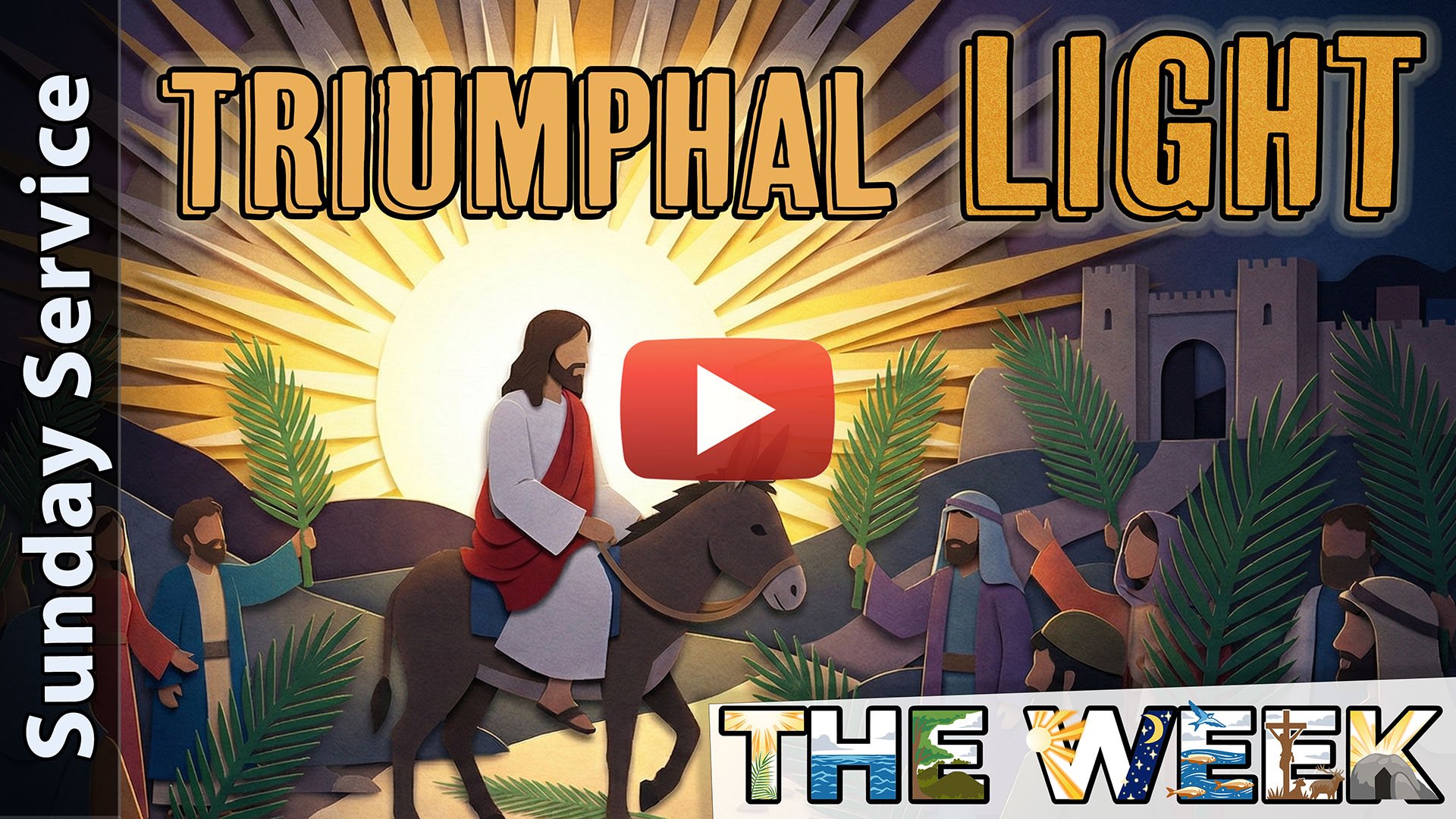
The Triumphal Entry shows us the difference. We chase the 'wins' of this world; Jesus rides into the darkness of this world. We look for success; He brings the Light that saves.
-
This is an AI Summery, some things may be incorrect.
Overview
Sermon series title: “The Week”
Concept: Interweaving the seven days of Creation with the days of Holy Week.
Focus for this sermon: Day 1 of Creation (“Let there be light”) aligned with Palm Sunday.
Aim: To show how God’s creation theme—bringing order and light out of chaos—runs through Scripture and culminates in Jesus’ entry into Jerusalem, His passion, death, and resurrection.
Opening Context: Reading Creation as Theme, Not Only Timetable
Pastor reflects on moving from a strictly literal “six 24-hour days” view to noticing Scripture’s deeper themes.
Key theological insight: God creates by bringing order out of chaos—out of “tohu vavohu” (formless and void).
Example threads across Scripture:
Israel’s journey from Egyptian slavery through the wilderness to the tabernacle/temple—God reorders chaos into worship and presence.
Jesus’ Passion described with cosmic darkness—creation “rolling back”—then resurrection as new light.
Application: Reading Scripture for its patterns helps us see God’s consistent work to bring light out of human and cosmic darkness.
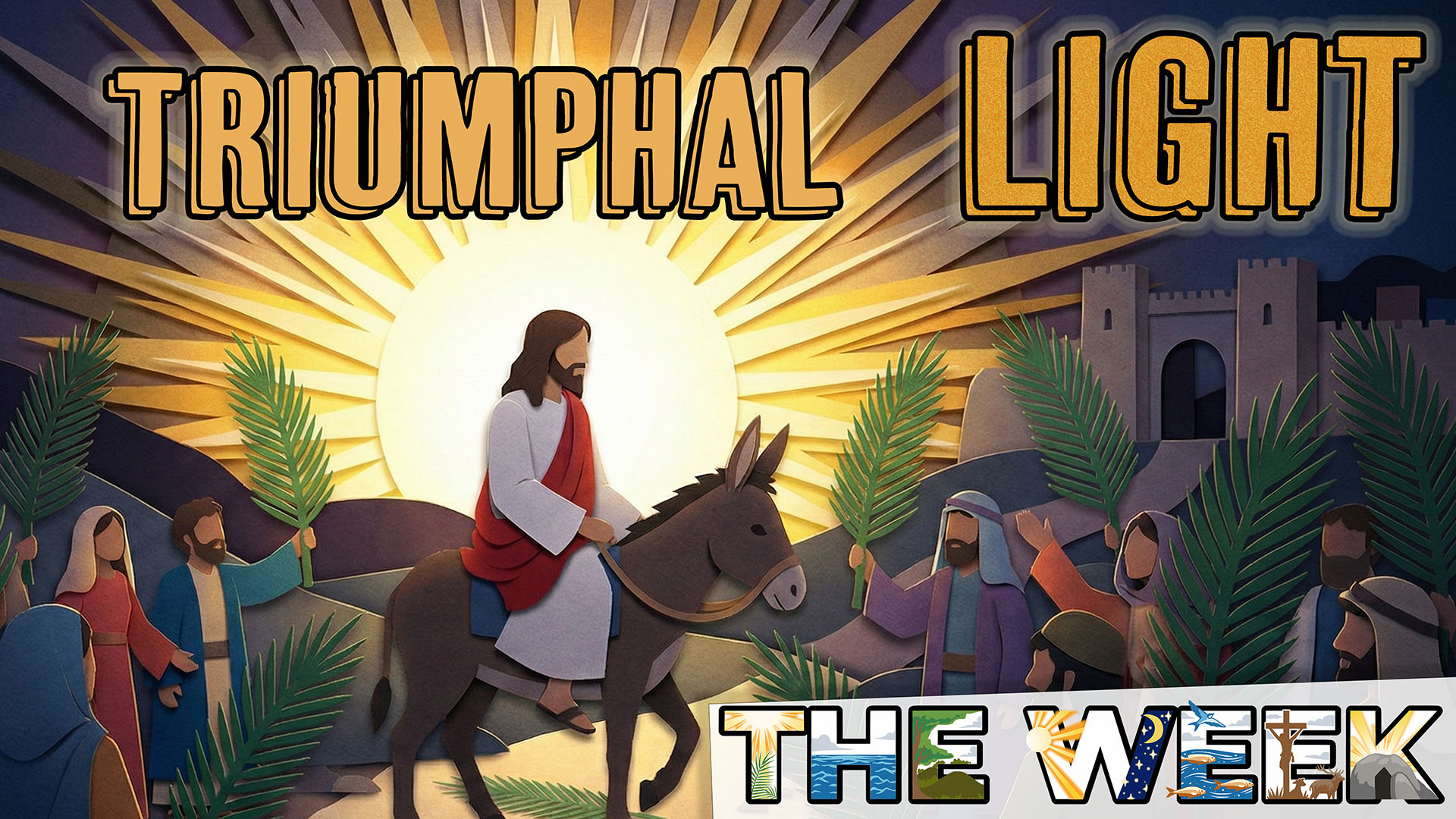
Palm Sunday: Jesus as the Light Entering Jerusalem
Jesus enters Jerusalem at the start of Holy Week; He is the true Light.
Crowd response: “Hosanna to the Son of David!” with cloaks and palm branches (public acclaim of Messiah and Light).
Key question: Are people actually holding the Light—or mistaking their own “lanterns” (agendas) for it?
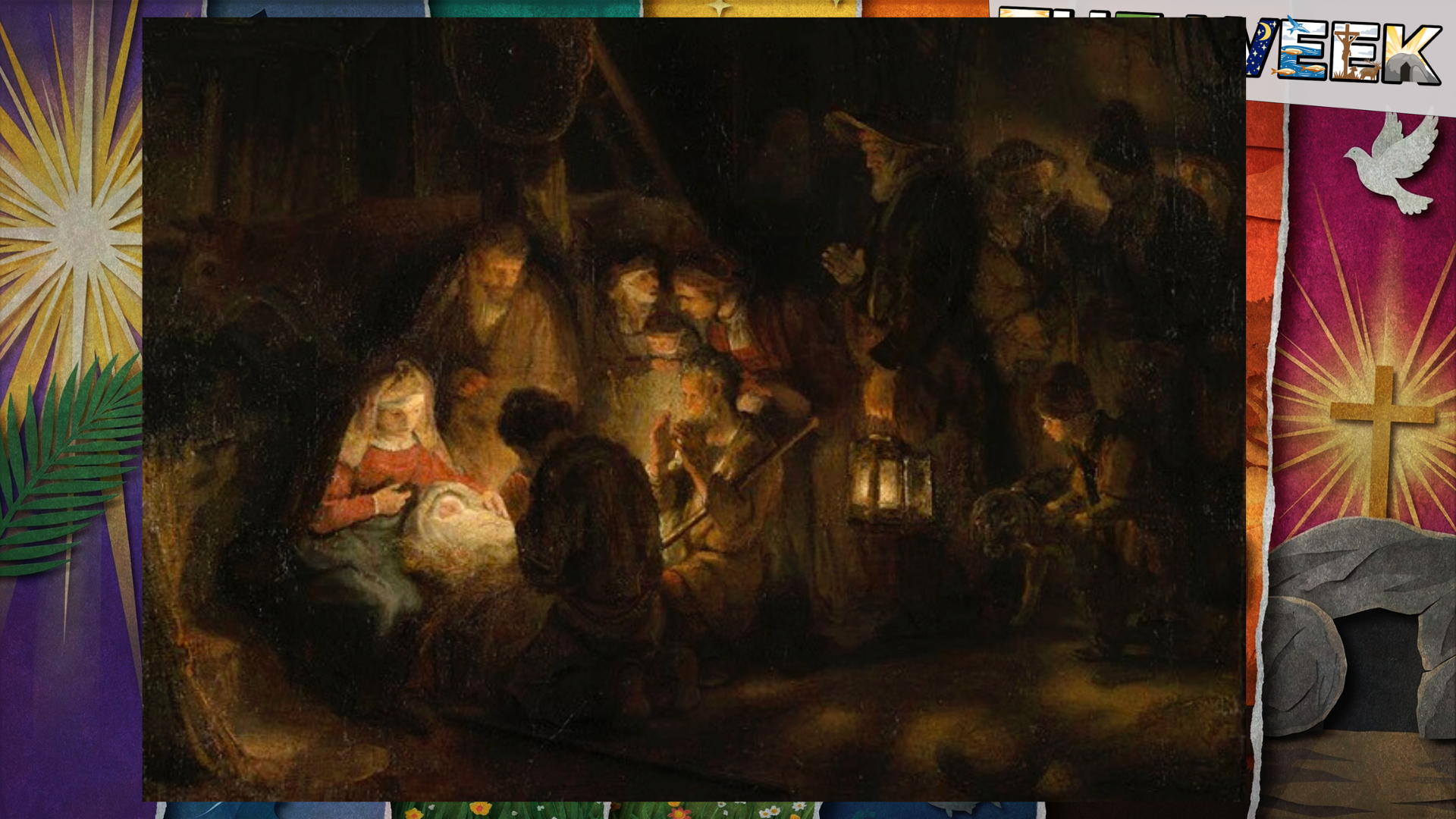
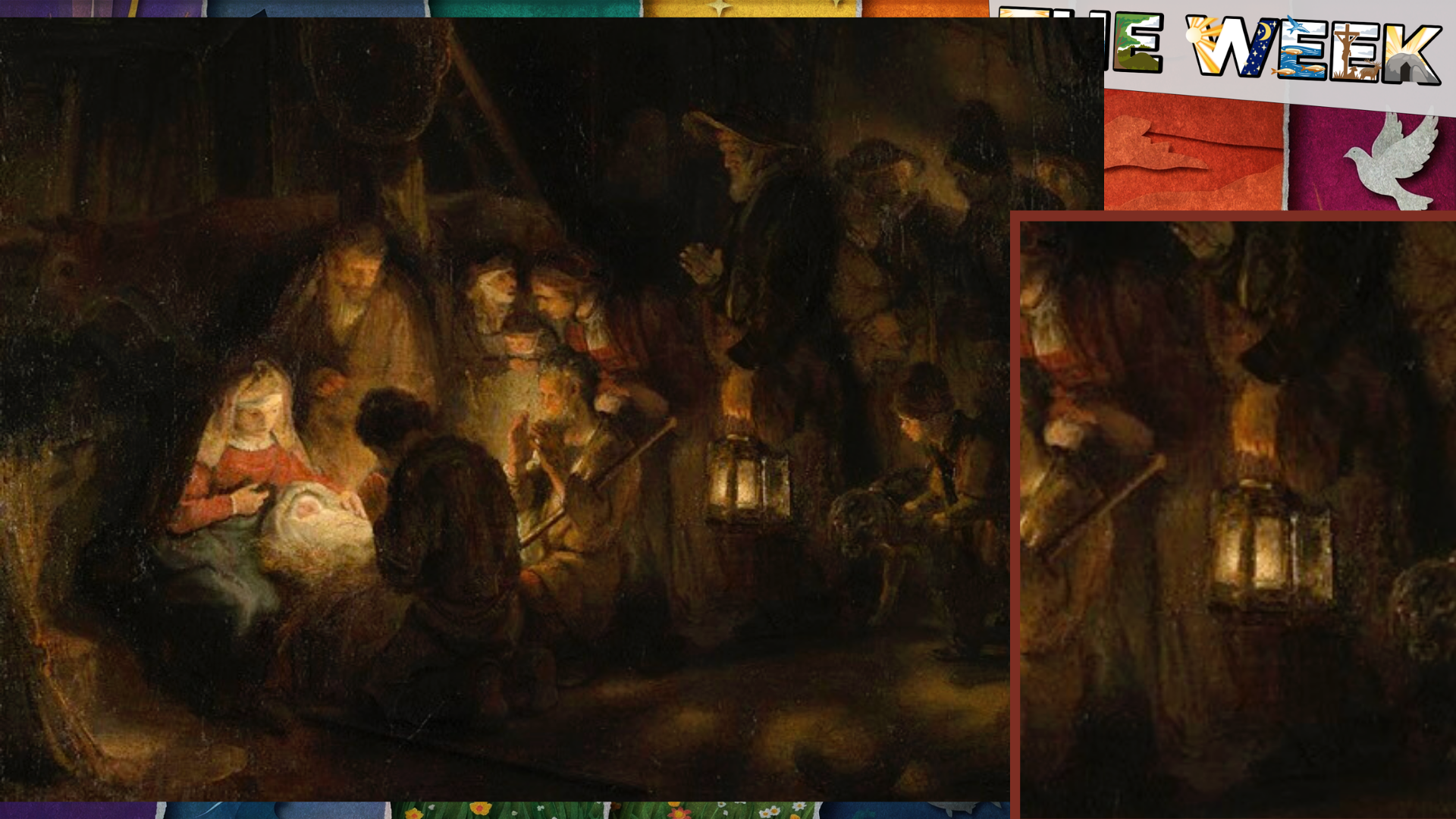
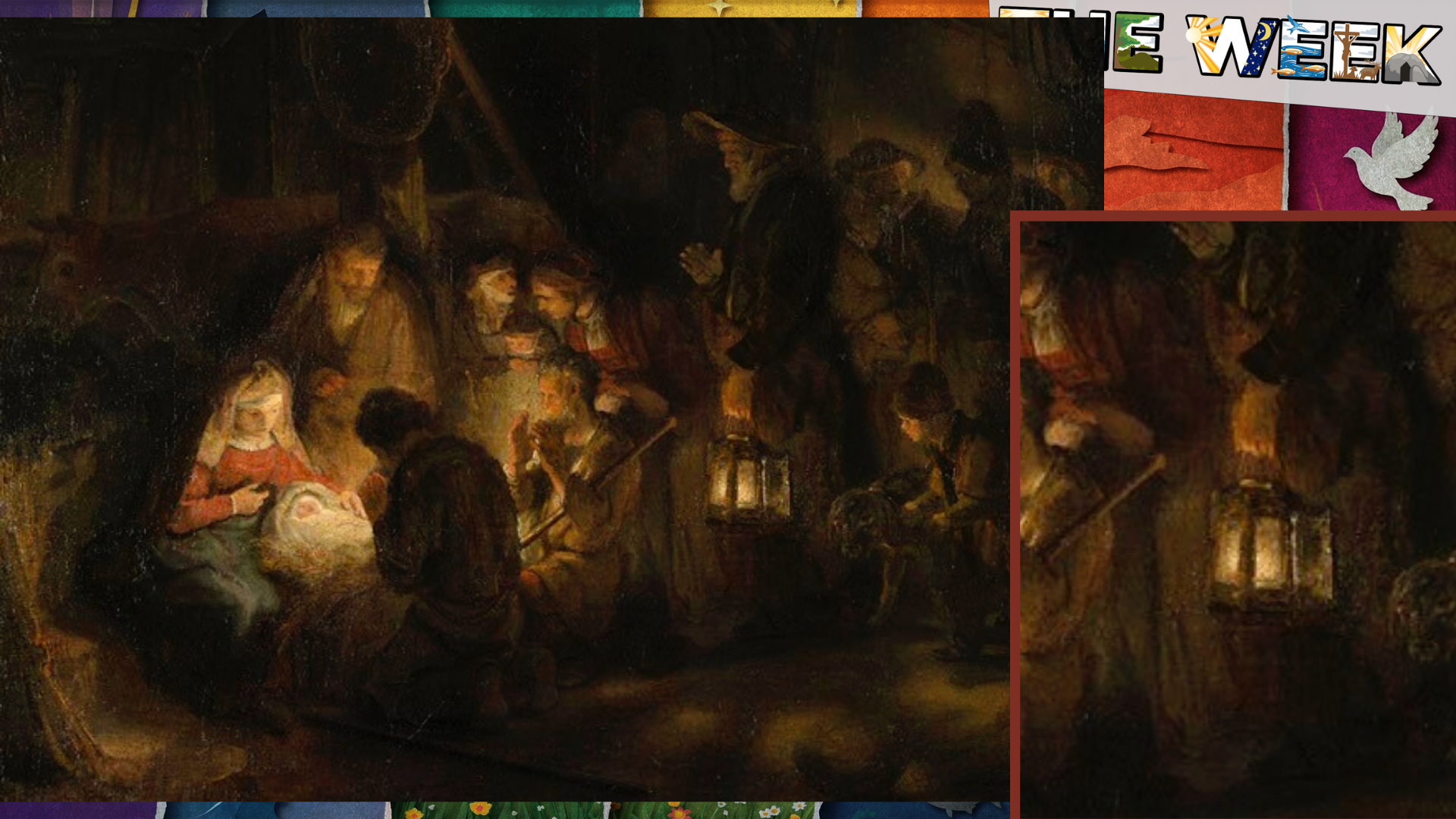
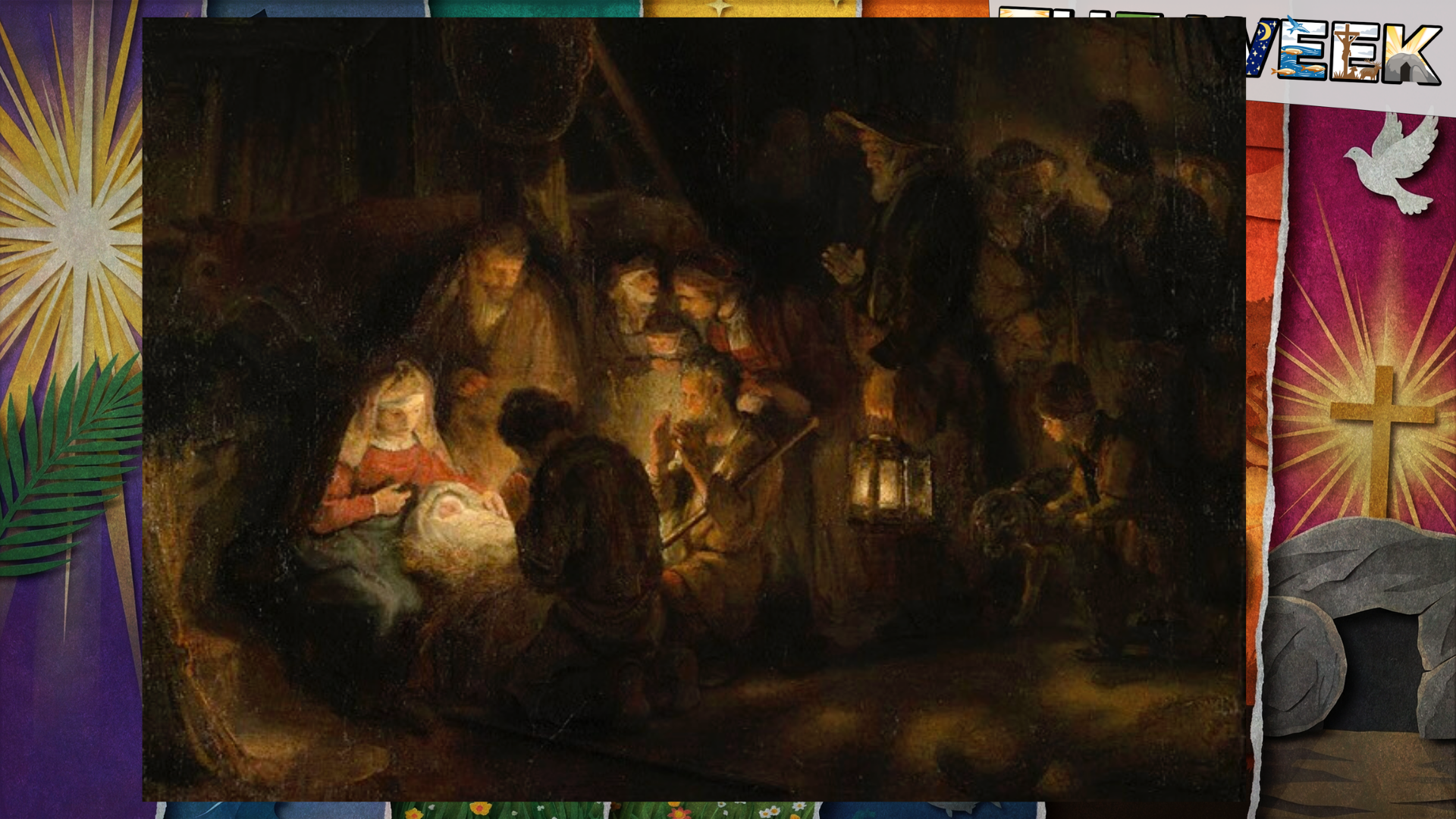
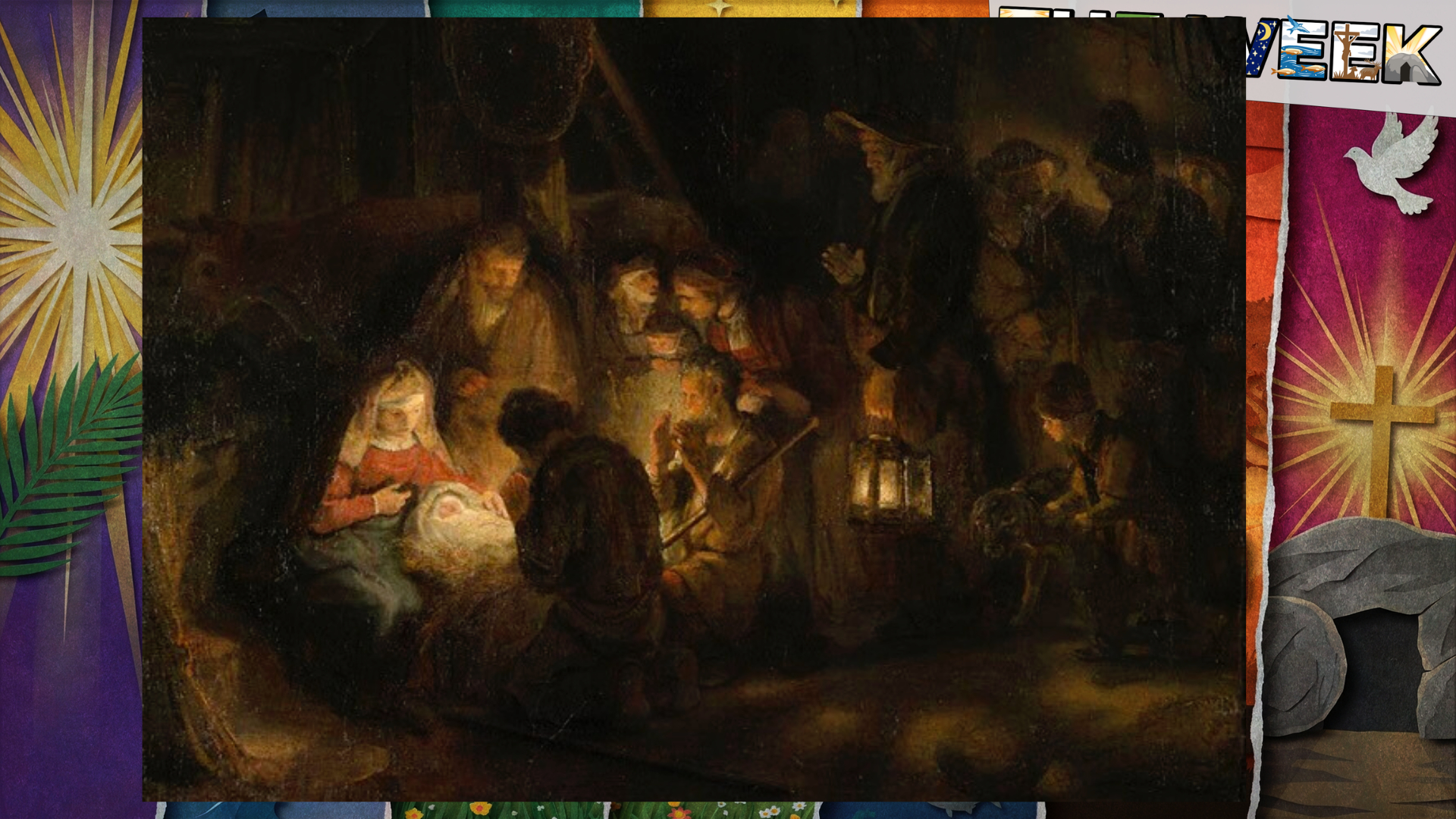
Artistic Illustration: Rembrandt’s “The Adoration of the Shepherds”
Style note: Stark contrast of light and dark (chiaroscuro).
Theological observation:
The baby Christ is the source of light in the painting.
A lantern is present but contributes little light—suggesting humans often think their light originates from themselves.
Application: We frequently try to be “lantern-bearers,” mistaking our own influence, plans, or righteousness as the source of light rather than Christ.
Contrast with Jerusalem and the Pharisees
Jerusalem’s self-image: “shining city on a hill,” self-assured, believing themselves to be the light for the nations.
Pharisees’ posture:
Authority figures insisting they define and control the light for others.
Response to the crowd’s praise: “Teacher, rebuke your disciples” (desiring to silence witness to Jesus).
Jesus’ reply: If praise is suppressed, “the rocks will cry out.”
Application:
Warning against spiritual pride and gatekeeping—confusing stewardship of truth with self-centered control.
Even the enthusiastic crowd can misread Jesus by projecting their agendas onto Him.
Historical Expectation: Judas Maccabeus vs. Jesus
Background: A century earlier, Judas Maccabeus (“the Hammer”) led a rebellion against Greek rule; celebrated with palms and “Hosanna,” entering Jerusalem on a warhorse.
Crowd’s mistaken hope: Jesus as a new Maccabeus—political liberator who will expel Rome and elevate Jerusalem’s status.
Jesus’ actual mission:
Enters on a donkey (sign of humility; fulfills messianic peace rather than war).
Comes not to conquer Rome but to suffer, die, and rise—conquering sin, death, and the grave.
Human Agendas vs. Christ’s Light
Examples of modern “lantern” agendas:
Political victories (“If we win this election, light will come”).
Life scripts (marriage, children, promotions, retirement) treated as salvation.
Seeking control, status, and personal validation.
Outcomes of agenda-driven living:
Division, mistrust, hurt, and darkness rather than true life and peace.
Application:
Recognize where we equate our plans with God’s light.
Repent of idolatry of self, success, and power; receive Christ as the true source of light and peace.
Jesus’ Heart for a Dark City
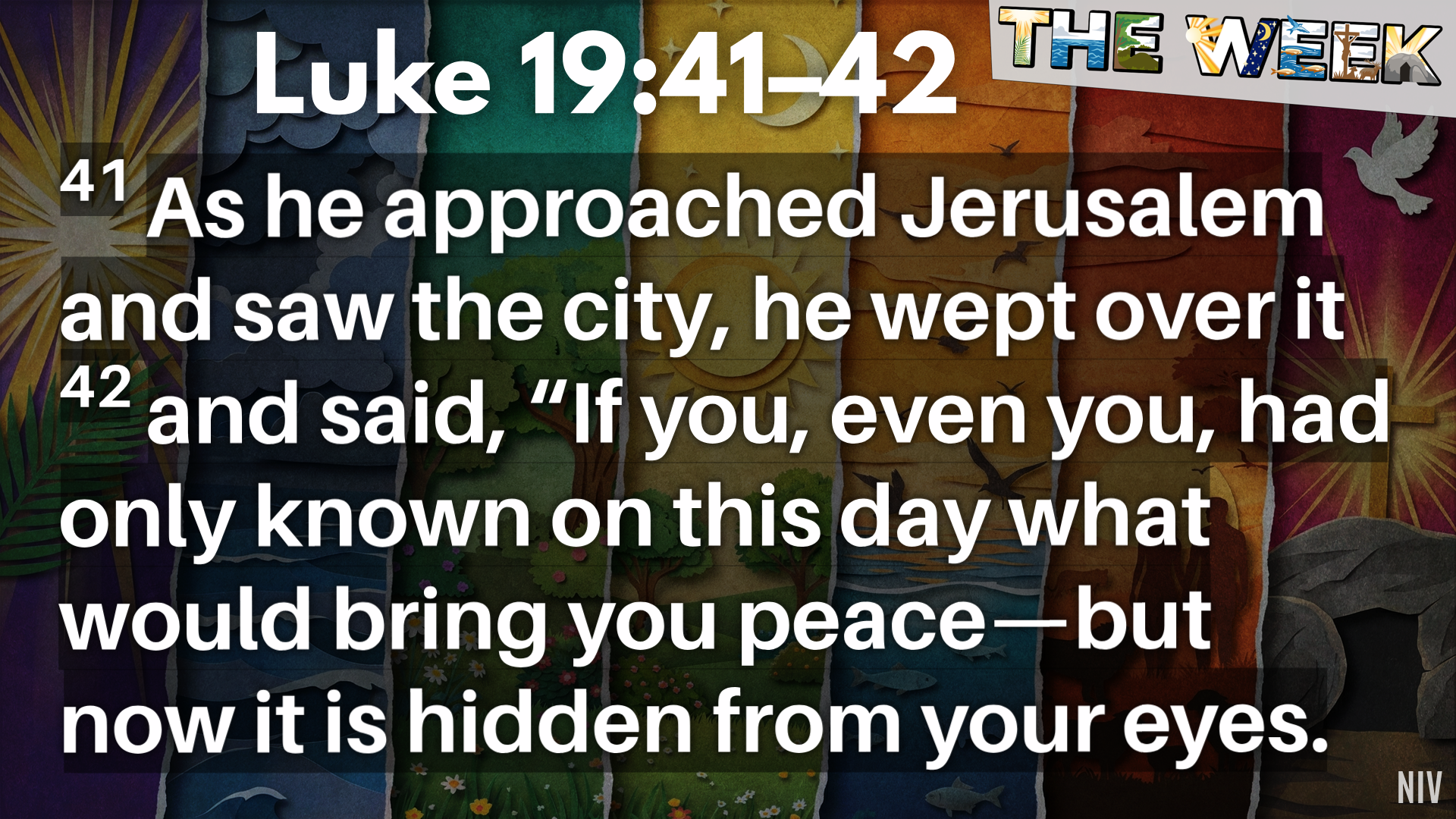
As Jesus approaches Jerusalem, He weeps over it.
Quotation from Jesus: “If you, even you, had only known on this day what would bring you peace…”
Identity of Jesus:
The Prince of Peace who stands before them, unrecognized.
The Light who enters Jerusalem’s darkness, and ultimately the tomb’s darkness, for our sake.
Christ’s peace:
Not delivered through force or triumphalism, but through His broken body and shed blood—true reconciliation with God.
Creation and New Creation
Day 1 of Creation: “Let there be light.” Evening and morning—the first day.
Holy Week pattern:
Good Friday’s darkness transitions to Easter morning’s light.
Resurrection as God’s “new creation” spoken into the void of death.
Application:
The light of Christ shines into our hearts despite our idolatrous agendas.
He dies and rises for all, bringing order and life into our chaos.
Who God Is, Who We Are, and How We Live
Who God Is:
Creator who speaks light into darkness and order into chaos.
Faithful Redeemer who enters our darkness, weeps over our lostness, and brings peace by sacrifice.
The true source of light—Jesus Christ.
Who God Says We Are:
Beloved yet often misguided people prone to self-reliance and idolatry.
Recipients of His light, mercy, and new creation life through Christ’s death and resurrection.
How We Are to Live:
Humble dependence on Christ as light, not on our “lanterns.”
Pursue peace shaped by Christ’s cross rather than power and agendas.
Worship and witness that point to Jesus’ light, even when others try to silence it.
Scripture References Highlighted
Genesis creation theme: “Let there be light.” — Genesis 1:3
Jesus’ Triumphal Entry: — Matthew 21:1–11; — Mark 11:1–10; — Luke 19:28–40; — John 12:12–19
Jesus’ weeping over Jerusalem: — Luke 19:41–44
“Hosanna” acclamation: — Matthew 21:9; — Mark 11:9–10; — John 12:13
“The rocks will cry out”: — Luke 19:40
Darkness at the crucifixion: — Matthew 27:45; — Mark 15:33; — Luke 23:44–45
Christ’s resurrection and new creation theme: — Matthew 28:1–10; — Mark 16:1–8; — Luke 24:1–12; — John 20:1–18
Key Applications and Examples
Art as theology: Rembrandt’s baby Christ illuminating the scene versus the dim lantern—our tendency to replace Christ’s light with our self-made light.
Cultural examples:
Corporate ladder in Arkansas: promotions pursued as salvation, yet leaving emptiness.
Retirement disillusionment: expecting rest to save, discovering we never learned to rest in God.
Church life example:
The shift from praising to condemning within days—mirrors the crowd’s move from “Hosanna” to “Crucify,” exposing how quickly agendas supplant faith.
Closing Gospel Assurance
The Light of Christ is for you.
The empty tomb is for you.
Hosanna—God saves. Evening gave way to morning; the first day concludes with light.
Good news: Jesus, the true Light, has come, and He brings peace by His cross and resurrection.
The Adoration of the Shepherds by Rembrant

Questions for the Week: The Week: Day 1 - Triumphal Light
In the Rembrandt painting, Adoration of the Shepherds, the man holding the lantern thinks he is bringing light, but the real light comes from Jesus. In what ways do we, like that man, think we are "bringing the light" to the world, when we are actually just holding a dim lantern compared to Jesus?
Read Luke 19:35-44. Why is it often disappointing when God answers our need for peace instead of our desire for victory?
We sometimes turn good things (like wanting a happy family, doing well in school/work, or politics) into "idols" that take the place of God. How can we make sure we are following Jesus' light rather than carrying around our own lanterns?
Jesus conquered sin and death not by fighting back but by letting Himself be broken on the cross. How does Jesus’s humble victory change the way we think about "winning" or "being strong" in our own lives?
What Had happened at Grace this week.

New Song , Rise with the Sun
New Song for Lent 2026
Here is Grace’s Recording for Sunday
As we reflect on the connection between Creation and Holy Week this Lent, I wanted to share a song that has really impacted me. It almost feels like walking through a cathedral made of the earth itself. One of my favorite parts is how it honors the global reach of our faith by declaring "Holy" in several languages of the Church:
Tabu-Fijian, Heilig-German, Oli-Hawaiian,
Sen-Haitian, Santo-Spanish, Kadosh-Hebrew
On Febuary 22nd 2026 we are singing
Rise With The Sun (CCLI 7267972)
© 2025 CityAlight Music
1.
There’s a song
that’s sung through the nations
Of joyful thanks to the King
Where the countless
saints who are rescued
Praise Jesus who set them all free
2.
Hear the anthem
sung in the coastlands
Where sun first touches the earth
Over land and sea it advances
Now joined by the saints of this church
(REFRAIN)
Rise with the sun, Lift up His name
All through the earth, We sing out His praise
East to the west, Night to the day
Join in the song, And sing out His praise
3.
I will add my voice to the chorus
Of many people and tongues
For we share the gift of salvation
And share in the life yet to come
(REFRAIN)
4a.
And the church will sing,
Holy, holy, holy, are You Lord
You’re the glorious One We lift up Your name
4b.
And the church will sing,
Tabu, Heilig, Oli are You Lord
You’re the Lamb who was slain, We lift up Your name
4c.
And the church will sing,
Se-n, Santo, Kadosh are You Lord,
You’re the King who was raised, We lift up Your name….
… Now You reign evermore, We lift up Your name
(REFRAIN 2x)
Listen to the Original
(We Changed Some Lyrics)
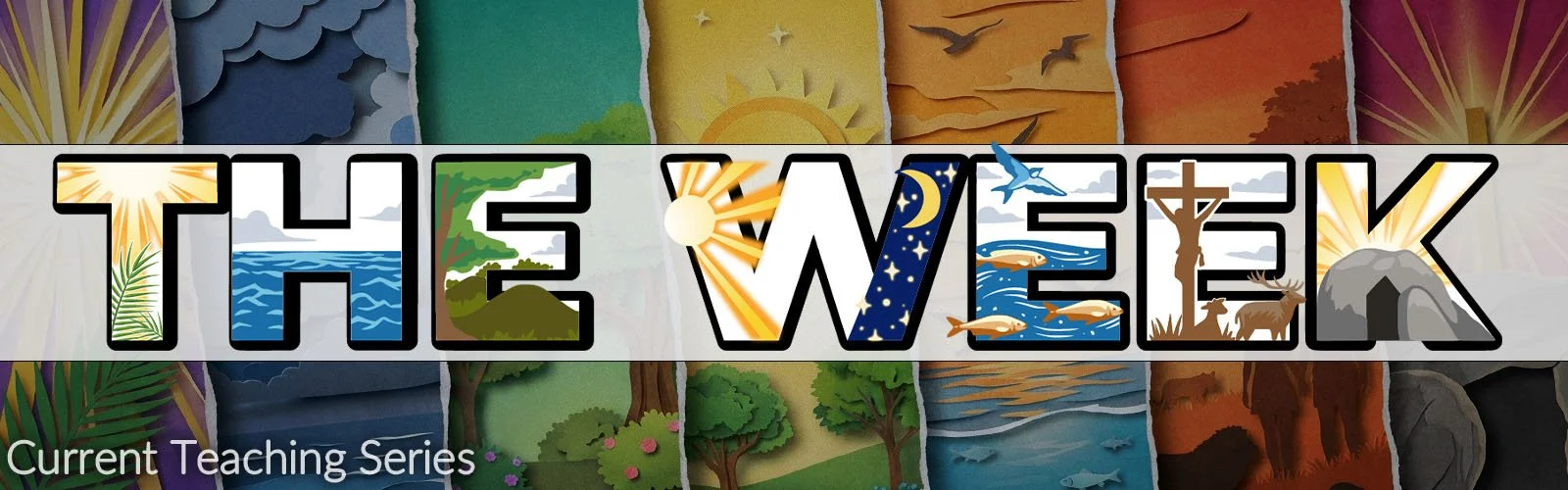
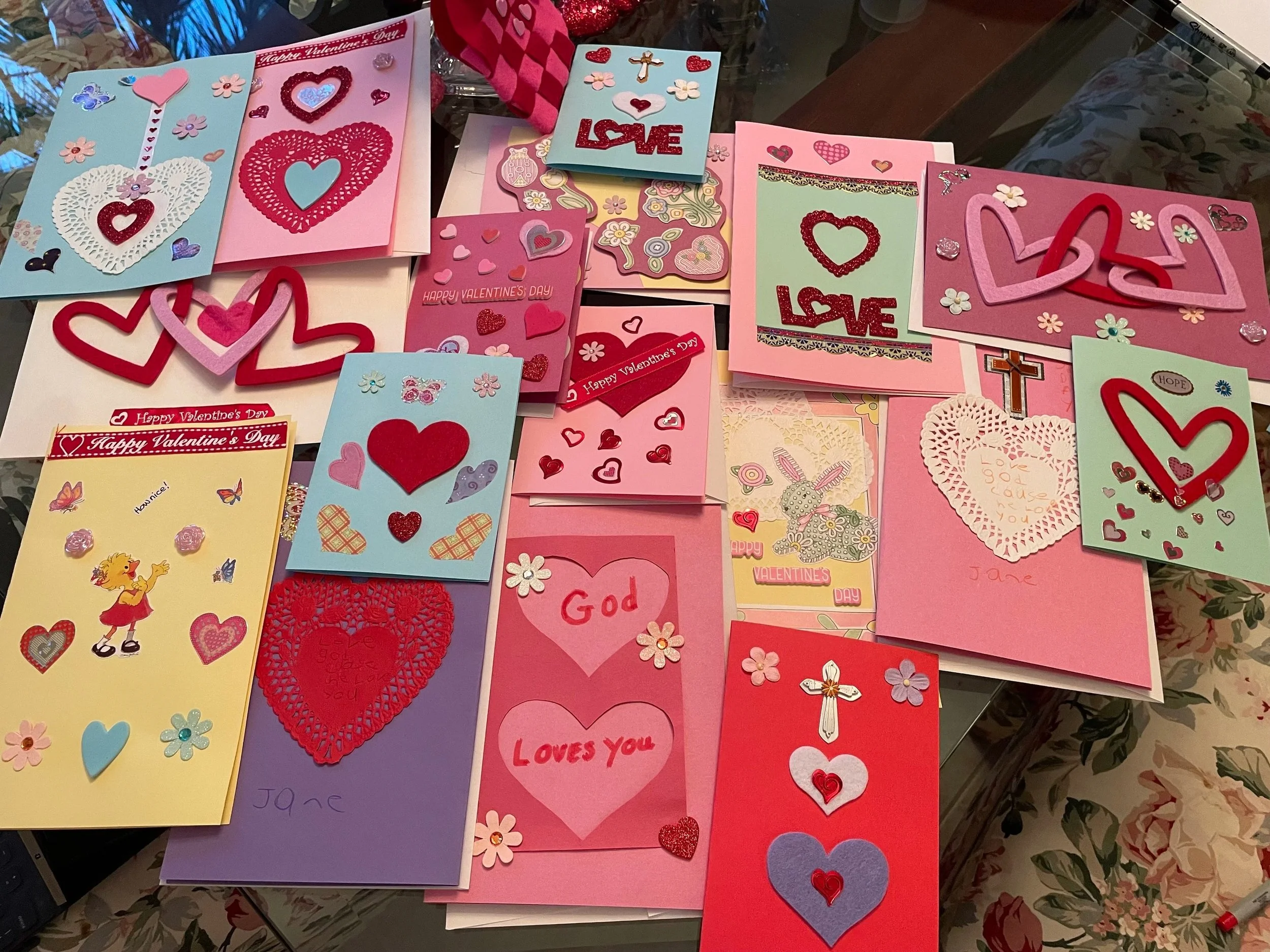
Valentine’s Week at Grace! Card Creation Bonanza! (Photos)
So many card were created!
We’ve had so much creativity moving through our halls lately!
From our card making party to a Second Sunday School where the kids created their own masterpieces, everyone had a fantastic time. It is always a joy to see so many hands at work finding their own ways to share some beauty of the creation. Thank you to everyone who came to decorate cards and for letting the children enjoy time together. Your participation made the event special.
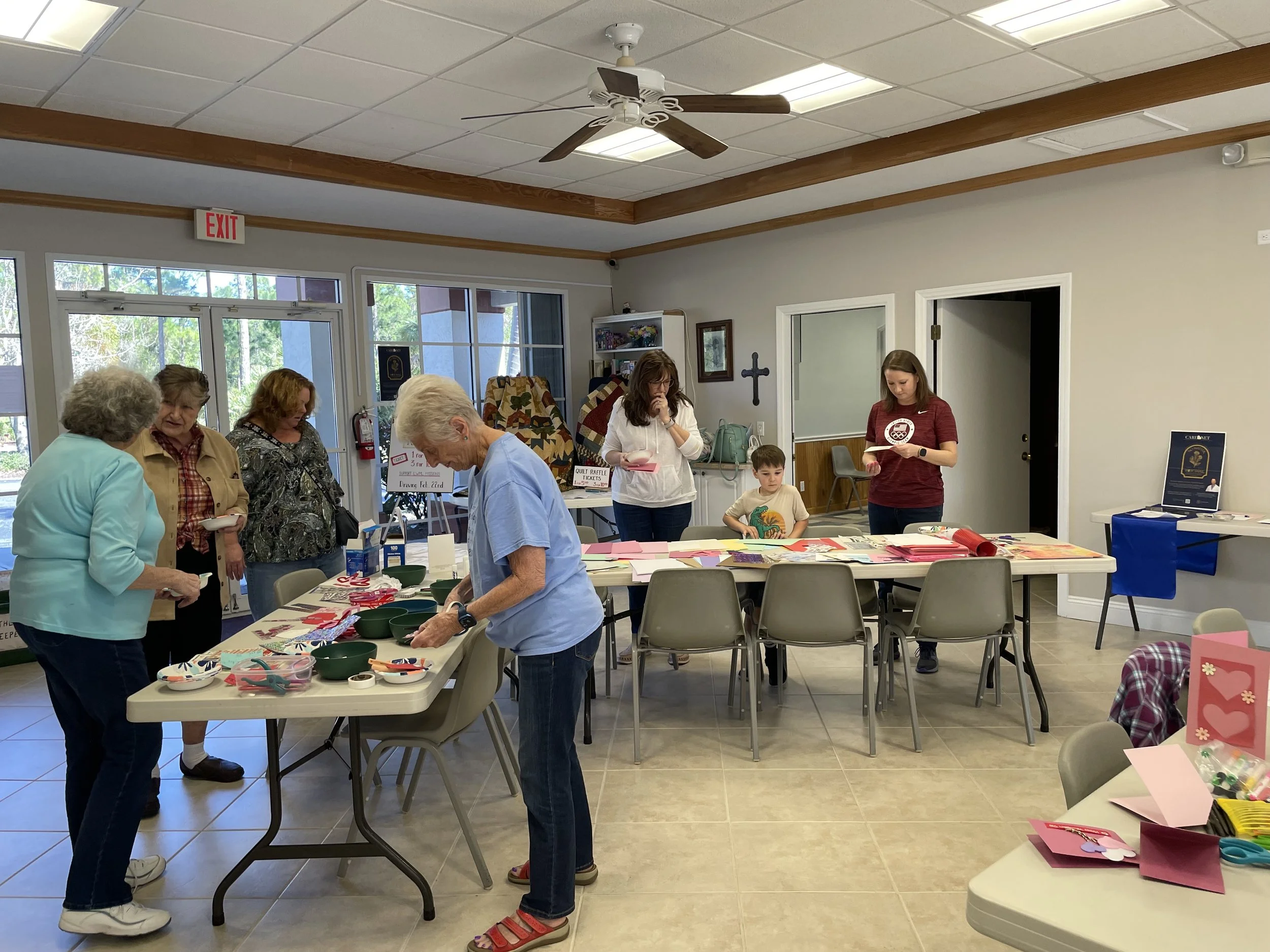
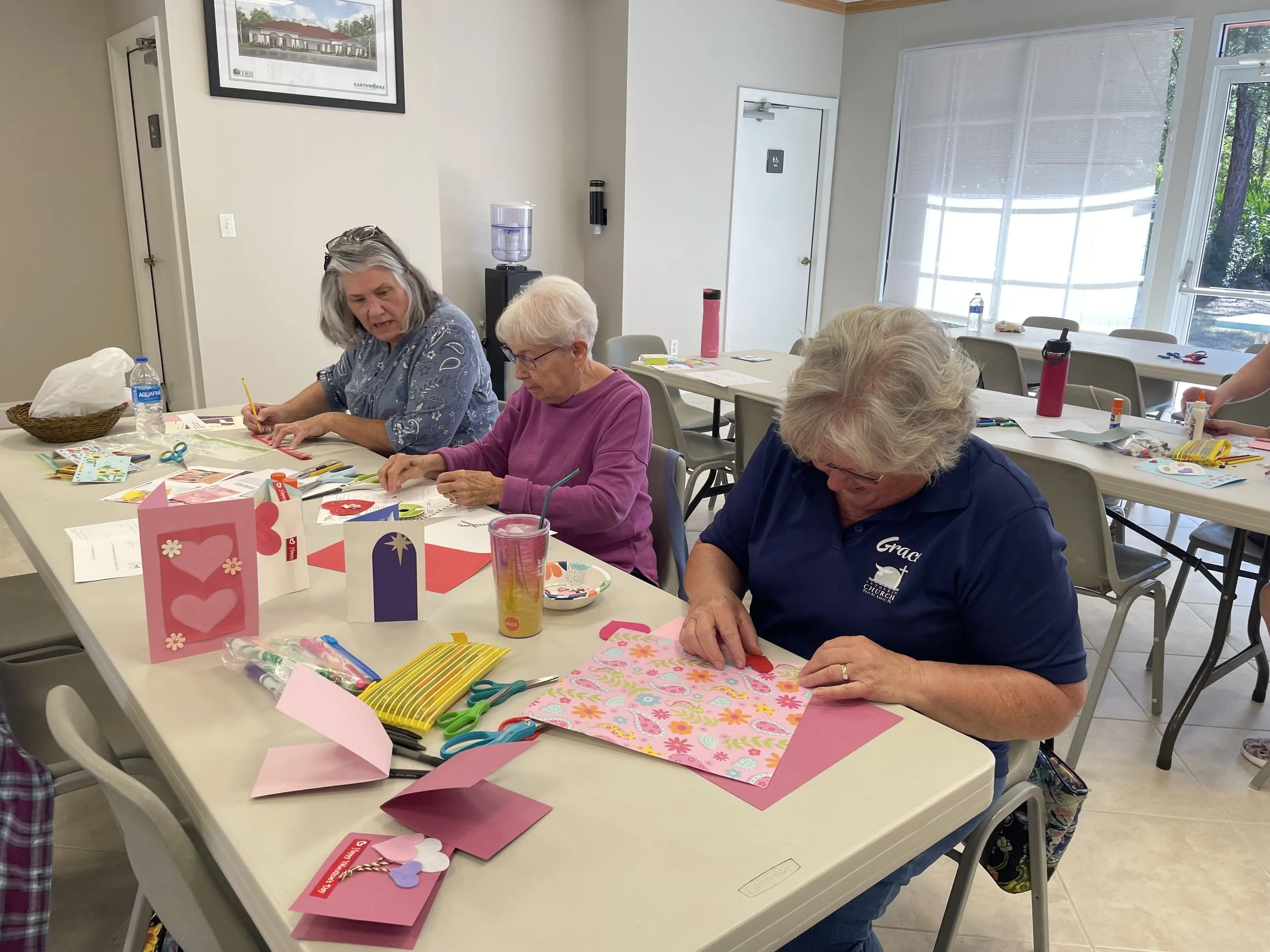
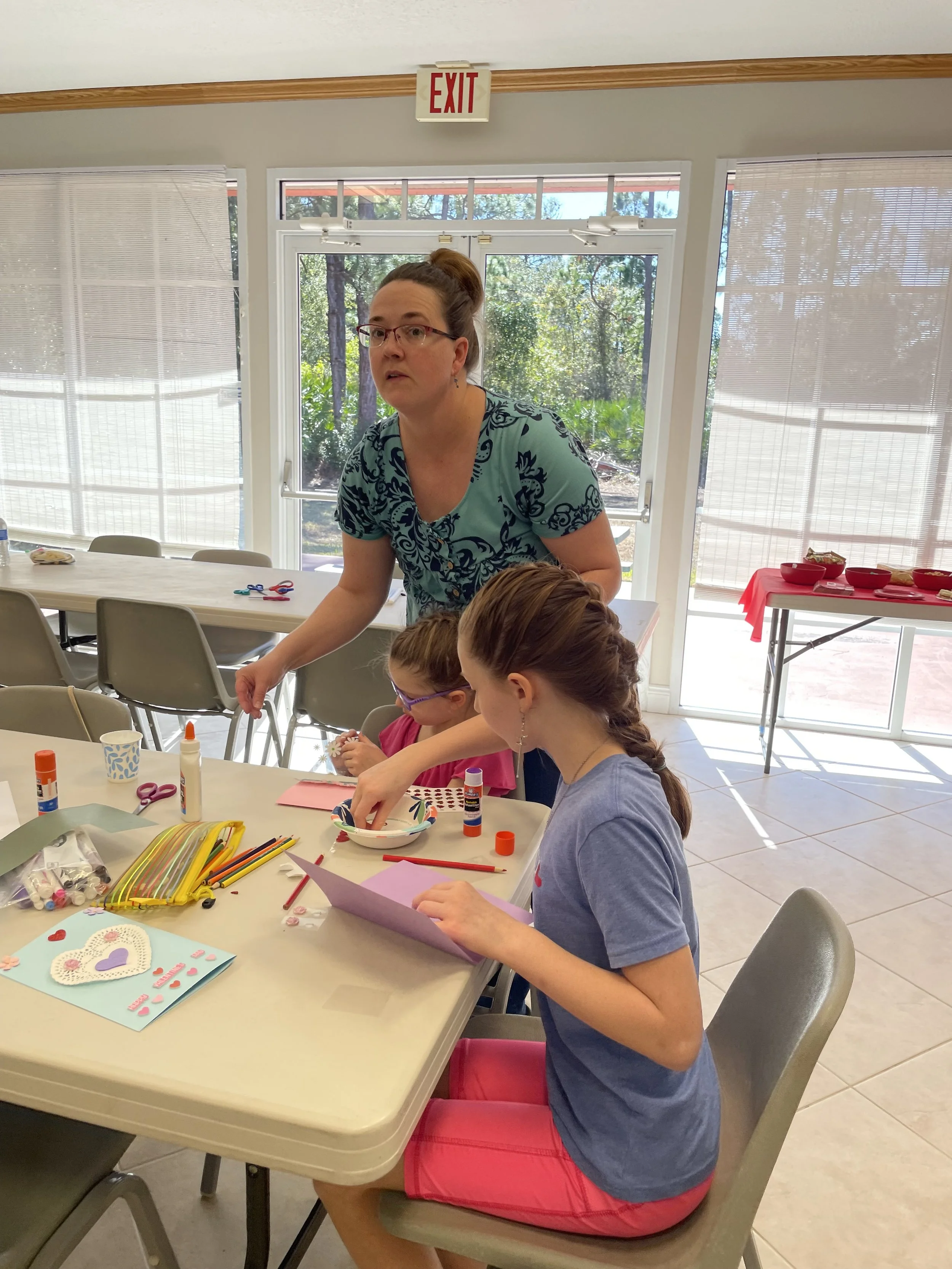
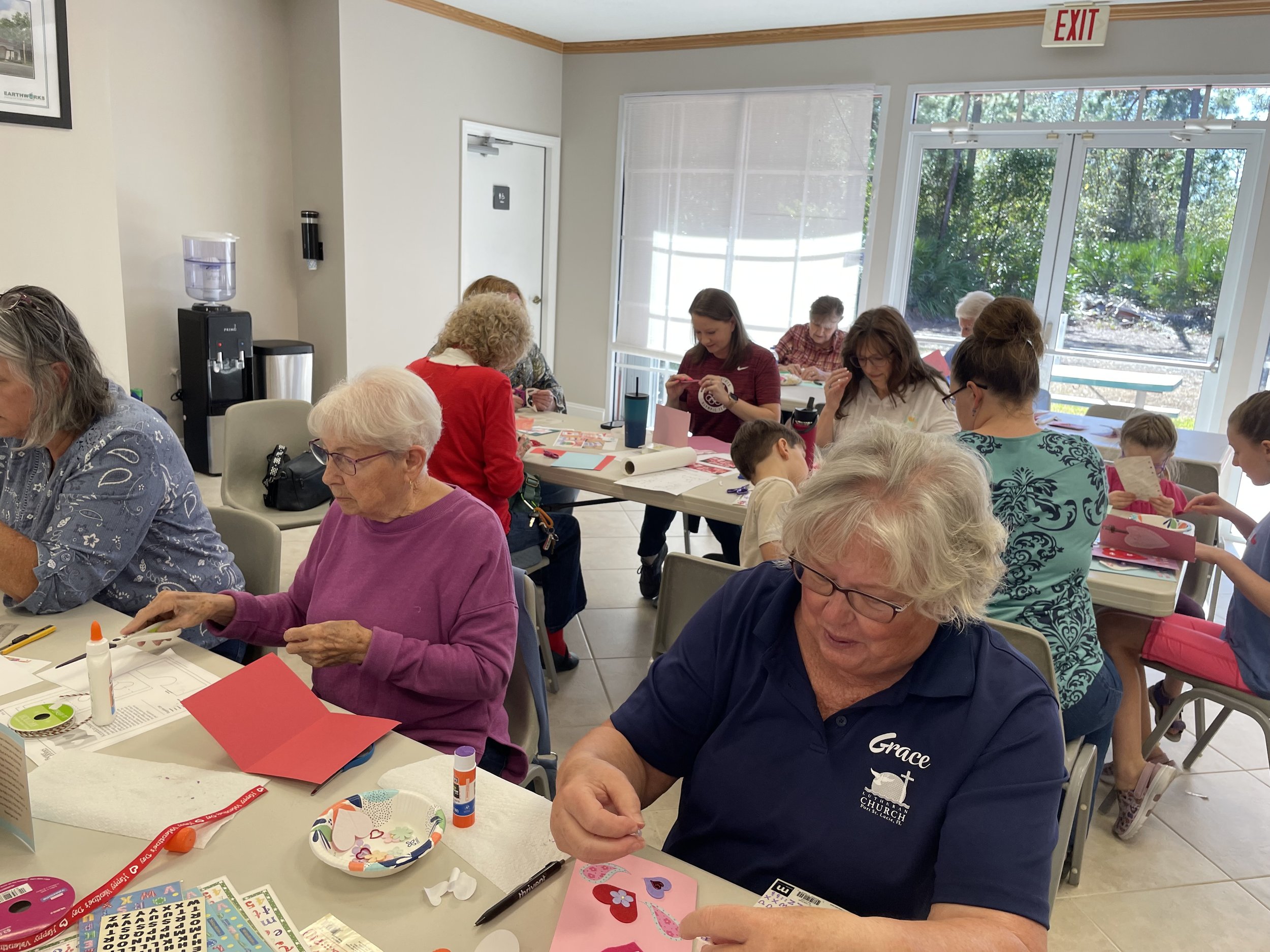
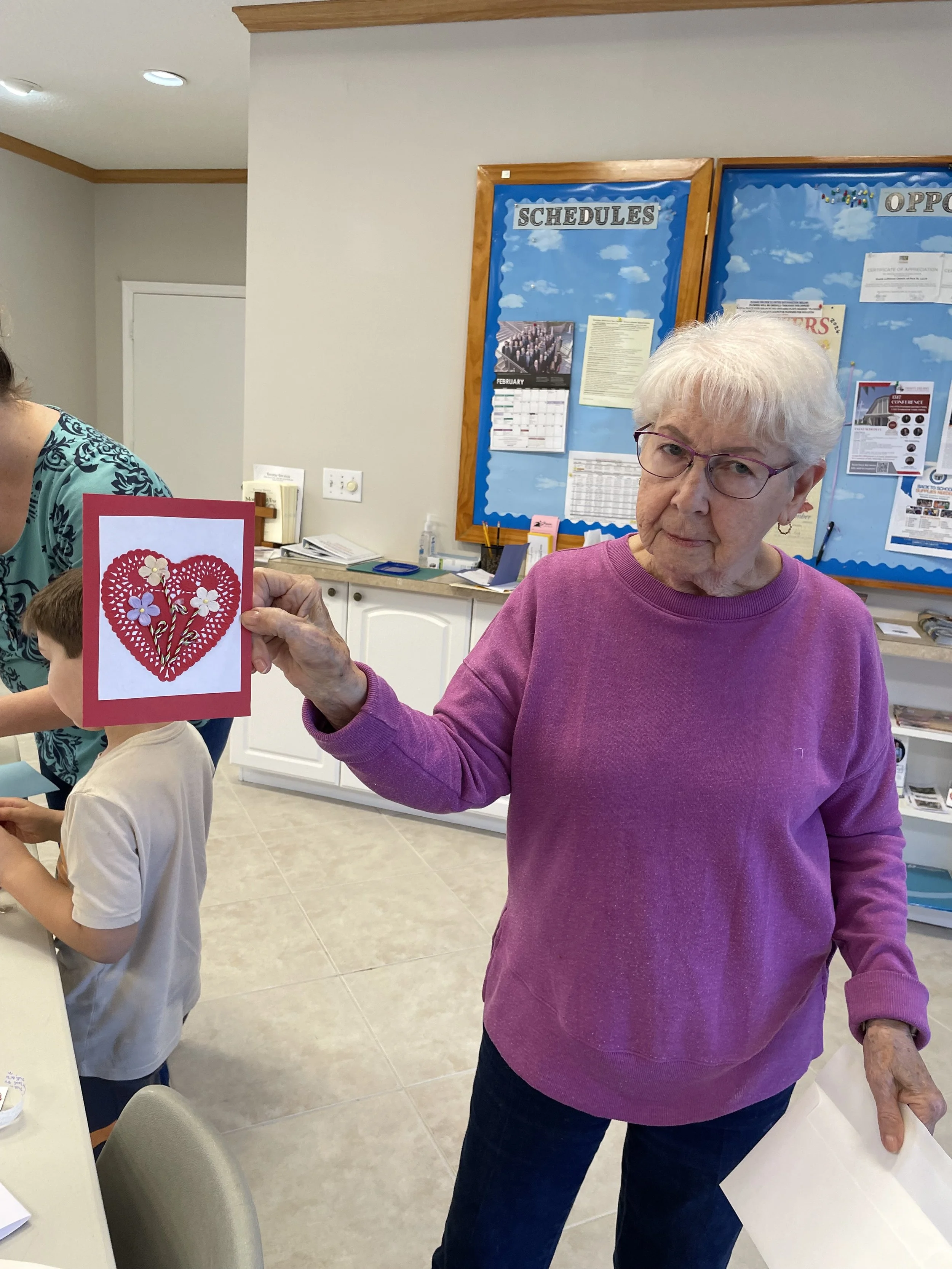

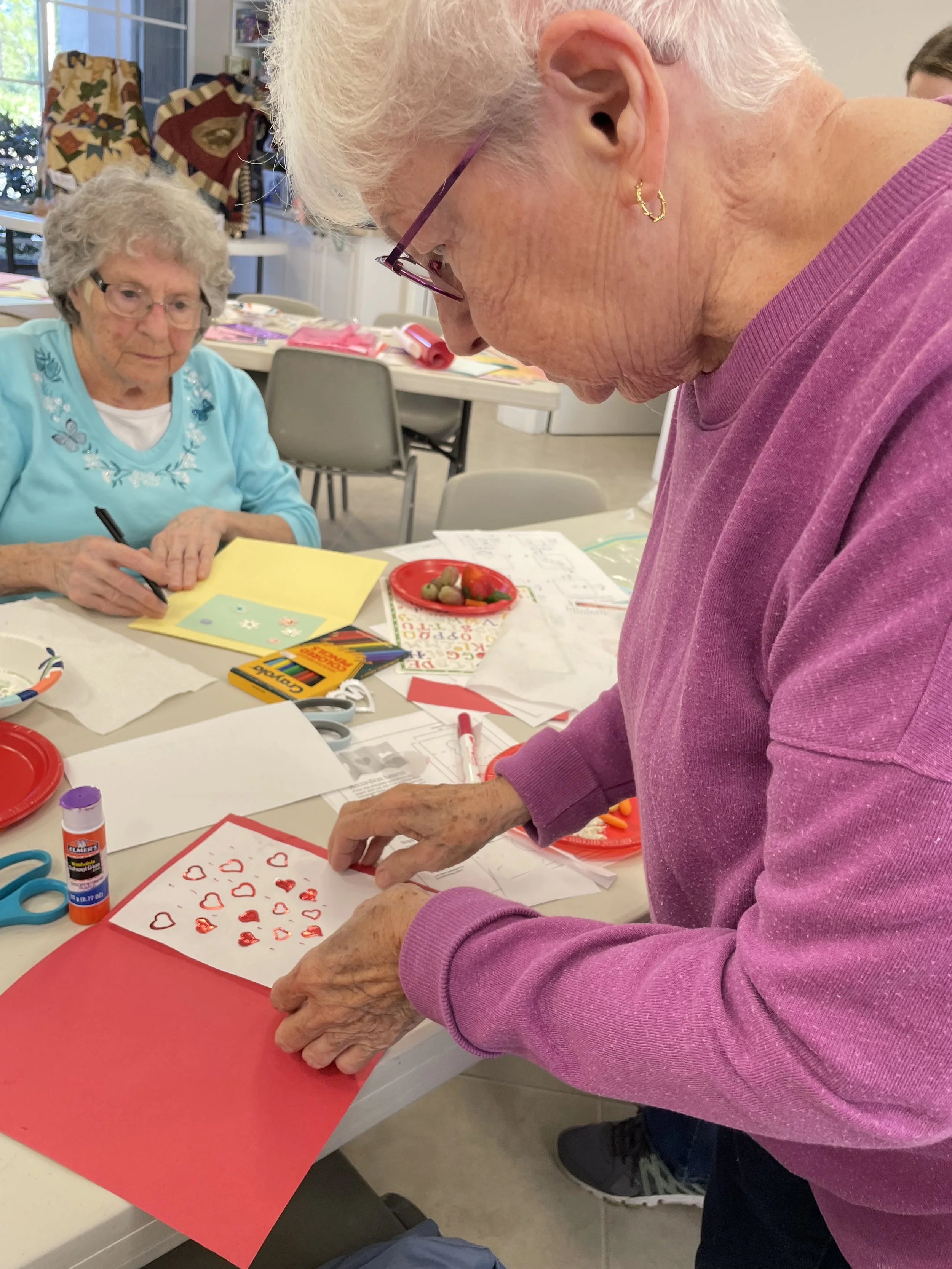
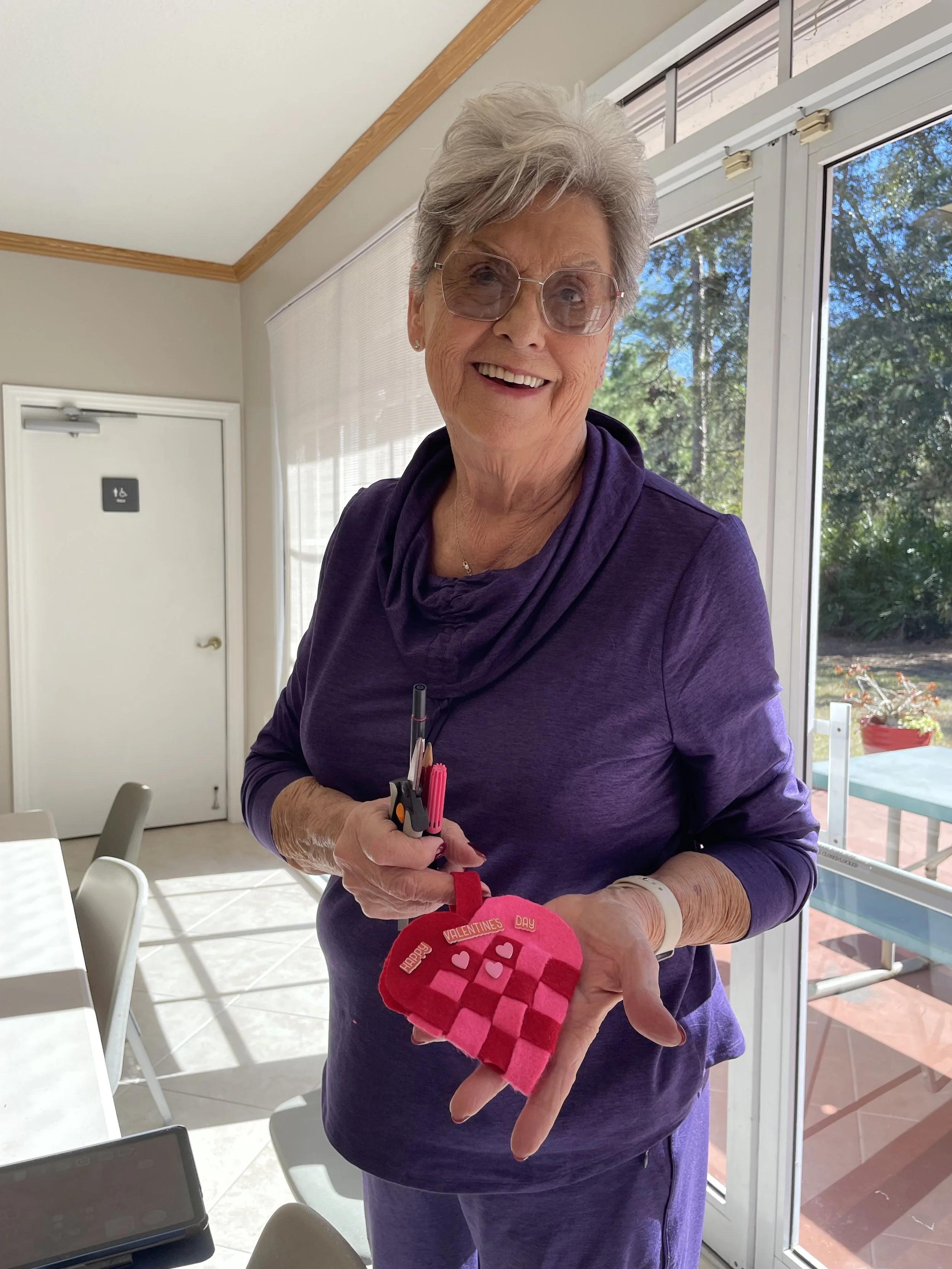





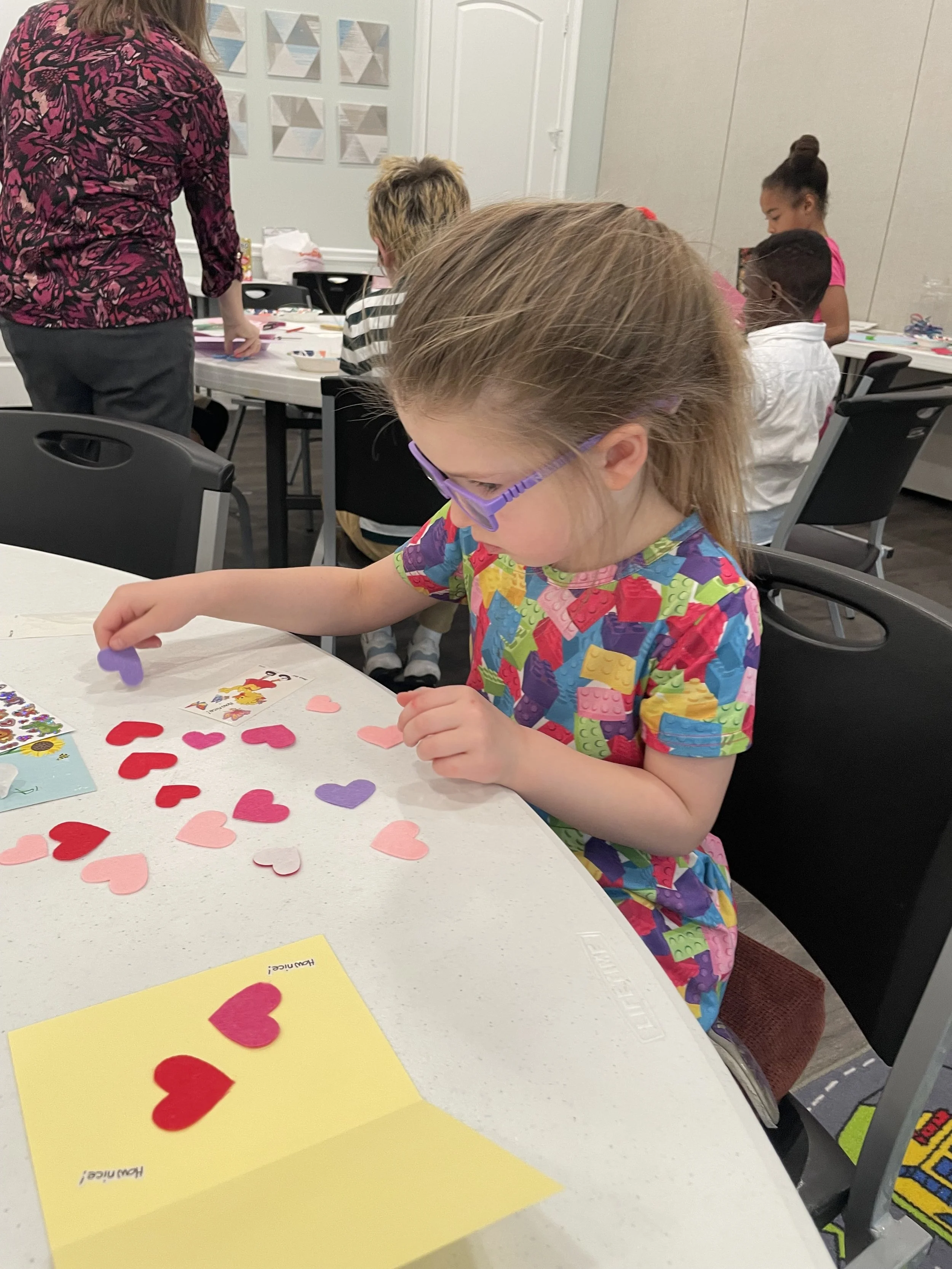
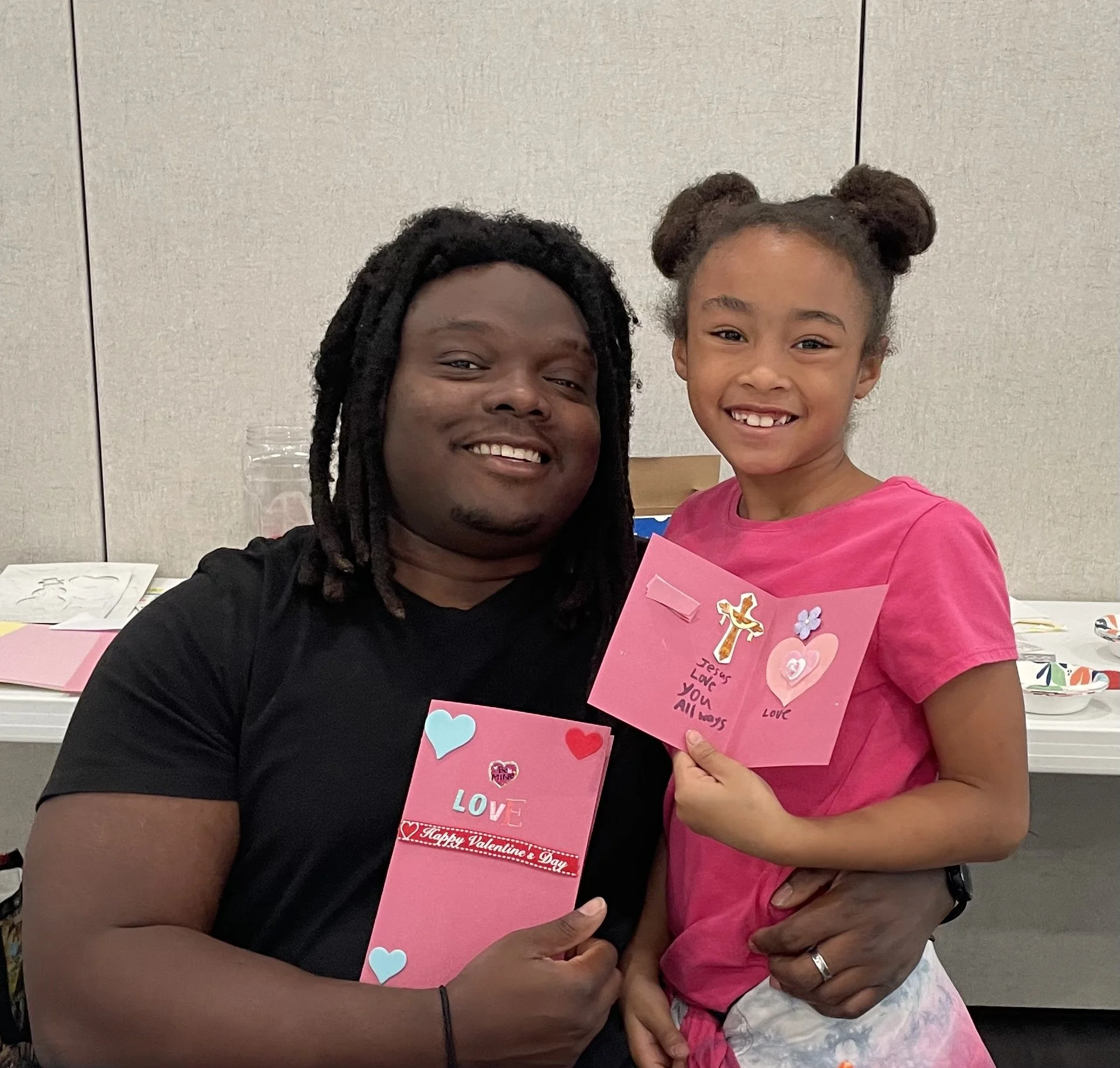
Amos Chapters 6-8 Class 4 - Bible Study
This week, our study of Amos 6-8 revealed God's unwavering standard of justice, showing how complacency, social injustice, and the rejection of His word lead to inescapable judgment, symbolized by a plumb line and a basket of summer fruit.
Amos Chapters 4-8
This is our 4th class on Amos
This is an AI Recap of the class.
Some things may be incorrect.
Short Summary of the Whole Class
In our Bible study on February 19, 2026, we delved into chapters six through eight of the book of Amos. We explored the prophet's powerful rebukes against the wealthy and complacent elite of Israel who lived in luxury while perverting justice and exploiting the poor. The class discussed Amos's visions of the locusts, fire, and the plumb line, noting the shift from God's patience to a fixed and final judgment. We examined the dramatic confrontation between Amos and Amaziah, the priest of Bethel, which highlighted the conflict between divine prophecy and corrupt human authority. Finally, we studied the vision of the basket of summer fruit, symbolizing that Israel was ripe for judgment, and the dire prophecy of a "famine for hearing the words of the Lord" as a consequence of their sin.
Detailed Class Summary
Section 1: The Woe to the Complacent (Amos 6:1-7)
Our class began by recapping the book of Amos, noting its core theme: the condemnation of social injustice and hollow religiosity that contradicted God's command to "let justice flow like a river." This hypocrisy, where religious displays masked a lack of genuine faith, was compared to the teachings of James.
We then read the first half of Amos chapter 6, which pronounces "Woe" upon those "at ease in Zion." The discussion focused on how these verses target the comfortable and wealthy elite who believed they were immune to the coming "day of doom." They indulged in luxury—lying on ivory beds, anointing themselves with expensive oils, and inventing new musical instruments—all while being completely indifferent to the suffering of the poor, described as the "affliction of Joseph." We explored the dual meaning of "Joseph" as both a historical reference to their ancestors' slavery and a metaphor for the current oppression within their own nation. The prophecy is clear: because they did not grieve for the oppressed, they would be the "first of the captives" to be led into exile.
Summary of Section 1
This section set the stage by reviewing the core themes of Amos. In Amos 6:1-7, we saw a direct confrontation with Israel's ruling class, who are condemned for their luxurious, self-absorbed lifestyles and their failure to care for the poor. God's judgment is that their comfort will be stripped away, and they will be the first to suffer the consequences.
Bible Verses: Amos 5:24, Amos 6:1-7
Stories/References: The openings of Revelation, Joel, and Romans; James's teaching on faith and works; the affliction of Joseph in Egypt.
Section 2: The Perversion of Justice and Inescapable Judgment (Amos 6:8-14)
Continuing in Amos 6, we discussed God's oath to "abhor the pride of Jacob" and "hate his palaces." The class noted the use of the name "Jacob" instead of "Israel," suggesting the nation had spiritually regressed to its old, deceitful character before Jacob wrestled with God. The imagery in verses 9-11 depicts a devastating plague where death is so widespread that survivors "dare not mention the name of the Lord," fearing it might bring more destruction.
We then examined verse 12: "Do horses run on rocks? Does one plow there with oxen?" The class saw this as a metaphor for common sense. Just as a farmer knows not to do these things, Israel should have known that their perversion of justice went against the natural and moral order. They had turned "justice into gall and the fruit of righteousness into wormwood," making what should be good into something bitter and poisonous. The chapter ends with God's explicit threat to raise up a nation to afflict them.
Summary of Section 2
In this part of the study, we focused on the finality of God's judgment in Amos 6. The "pride of Jacob" is condemned, and the destruction will be so total it silences even prayer. The discussion highlighted how Israel's injustice was a violation of common sense and the created order, leading to the inevitable consequence of being overthrown by a foreign nation.
Bible Verses: Amos 6:8-14, Amos 8:7
Stories/References: Jacob wrestling with God; Jesus's warning of two men in a field (Matthew 24:40).
Section 3: The Visions of Mercy and the Point of No Return (Amos 7:1-9)
We moved into Amos 7, which presents a series of three visions. The first is a swarm of locusts, and the second is a devouring fire. In both instances, Amos intercedes, pleading, "O Lord God, forgive, I pray... for Jacob is small!" This was compared to Abraham's negotiation with God over Sodom. In response to Amos's plea, God relents.
The third vision, however, marks a significant shift. God is shown standing by a wall with a plumb line, a tool used to measure if a structure is perfectly vertical. God declares, "Behold, I am setting a plumb line in the midst of my people Israel; I will not pass by them anymore." The class understood this to mean God had measured Israel against His perfect standard of righteousness and found them hopelessly "crooked." Unlike the first two visions, there is no more intercession and no more relenting. Judgment is now fixed.
Summary of Section 3
This section covered the three visions in Amos 7. The first two (locusts and fire) show God's mercy as He responds to Amos's intercession. The third vision (the plumb line) signifies a point of no return. God has measured His people, found them irredeemably corrupt, and declared that judgment is now unavoidable.
Bible Verses: Amos 7:1-9
Stories/References: The visions of Amos (locusts, fire, plumb line); Abraham negotiating with God for Sodom (Genesis 18).
Section 4: The Prophet vs. The Priest (Amos 7:10-17)
The final part of our discussion on chapter 7 focused on the narrative confrontation between Amos and Amaziah, the priest of the royal sanctuary at Bethel. Amaziah reports Amos to King Jeroboam as a traitor and then tells Amos to flee and stop prophesying, dismissing Bethel as "the king's sanctuary."
Amos's powerful response defines his prophetic calling. He declares, "I was no prophet, nor was I a son of a prophet, but I was a sheep breeder... and the Lord took me... and the Lord said to me, 'Go, prophesy to my people Israel.'" He clarifies he is not a professional speaking for money but is delivering a direct word from God. Because Amaziah tried to silence God's word, Amos pronounces a specific judgment upon him: his family will be destroyed, his land seized, and he will die in a foreign, "defiled land," a personal example of the national collapse to come.
Summary of Section 4
This section explored the conflict between God's prophet and the corrupt religious establishment. Amaziah tries to silence Amos to protect the status quo. Amos defends his divine calling, showing his authority comes directly from God. The confrontation ends with a harsh curse on Amaziah, demonstrating the severe consequences of obstructing God's message.
Bible Verses: Amos 7:10-17
Stories/References: The confrontation between Amos and Amaziah, the priest of Bethel.
Section 5: The Ripe Fruit and the Spiritual Famine (Amos 8)
Our class concluded with Amos chapter 8, which opens with the vision of a basket of ripe summer fruit. This image symbolizes that Israel is "ripe" for judgment and the end has come. The reason for this judgment is again social injustice. The wealthy are condemned for "swallowing up the needy" by "making the ephah small and the shekel large" and falsifying scales to exploit the vulnerable. This was connected to the imagery of the Four Horsemen in Revelation.
The prophecy then describes the consequences in apocalyptic terms: the sun will go down at noon and feasts will turn to mourning. Most strikingly, there will be a famine—not for bread or water, but for "hearing the words of the Lord." The people will search desperately for a word from God but will not find it, a punishment of divine silence. We noted how Jesus uses similar themes when offering "living water" and declaring that man does not live by "bread alone."
Summary of Section 5
This section focused on the vision of summer fruit, signifying that Israel's time was up. We discussed how their downfall was directly linked to their economic exploitation of the poor. The resulting judgment would be a cosmic disruption and a spiritual famine for God's word, where the people would be met with divine silence.
Bible Verses: Amos 8, Jeremiah 4:23
Stories/Imagery: Vision of the basket of summer fruit; the famine for the word of the Lord; merchants falsifying scales.
Overall Class Summary
Our Bible study on February 19, 2026, provided a deep dive into Amos chapters 6 through 8, exploring the prophet's searing indictment of Israel. We began with Amos 6, where the wealthy elite are condemned for living in decadent luxury while ignoring the poor and perverting justice. The class discussed the powerful language used to describe their sin and the significance of God abhorring the "pride of Jacob."
We then transitioned to the visions in Amos 7. We saw God's patience in the visions of locusts and fire, where He relents after Amos intercedes. However, the vision of the plumb line marked a crucial turning point, symbolizing that Israel had been measured against God's perfect standard and found deficient; judgment was now inevitable. This led to the dramatic confrontation between Amos and Amaziah, the priest of Bethel, highlighting the tension between true prophetic authority and a corrupt religious establishment serving human power.
Finally, we explored the vision of the basket of summer fruit in chapter 8, a metaphor indicating Israel was ripe for judgment. This judgment was a direct result of rampant social injustice, particularly the economic exploitation of the poor. The prophesied consequences were dire, including cosmic upheaval and a unique "famine for hearing the word of the Lord," where God would withdraw His guidance completely. Throughout the study, we saw the enduring relevance of Amos's call for justice and true righteousness.
Main Points
Israel's elite were condemned for their luxurious lifestyle, complacency, and indifference to social injustice.
Religious activity without a foundation of justice and righteousness is meaningless to God.
The plumb line represents God's perfect, unchangeable standard of righteousness, which revealed Israel's corruption.
God's judgment, while patient, is not infinite; the plumb line vision signifies that a final verdict has been passed.
The vision of summer fruit symbolizes that Israel is ripe for judgment, and the end is near.
True prophets receive their authority directly from God and cannot be silenced by human institutions.
The primary reason for God's judgment is social injustice and the economic exploitation of the poor.
The ultimate punishment would be a spiritual famine for the word of the Lord, where the people would seek God's guidance but be met with silence.
Scriptures and Stories Mentioned
Bible Scriptures
Amos 5:24 ("let justice flow like a river")
Amos 6:1-14 (Woe to the complacent, judgment on the proud)
Amos 7:1-17 (Visions of locusts, fire, plumb line; Amos and Amaziah)
Amos 8:1-14 (Vision of summer fruit, famine for the word)
Book of Joel (Comparison of prophetic openings)
Book of Revelation (Comparison of prophetic openings; the Four Horsemen)
Book of Romans (Chapters 1-2) (Comparison of listing sins)
Book of James (Teaching on faith and works)
Jeremiah 4:23 (Reference to creation undone)
Matthew 24:40 (Reference to two men in a field)
Book of Daniel (General reference to Jesus's trial)
Stories and Key References
The affliction of Joseph and slavery in Egypt.
Abraham negotiating with God for Sodom (Genesis 18).
Jacob wrestling with God and being renamed Israel.
The visions of Amos: locusts, fire, the plumb line, and the basket of summer fruit.
The confrontation between Amos and Amaziah, the priest of Bethel.
Jesus cursing the barren fig tree.
Jesus overturning the tables of the money changers in the Temple.
The darkness over the land during Jesus's crucifixion.
![[Ash Wednesday] Tohu Va Vohu, The Week](https://images.squarespace-cdn.com/content/v1/5852f18a20099e30cd2c01dc/1771357675041-30HE65PQCBUAPY72UXLJ/Ash+Wednesday+aa.jpg)
[Ash Wednesday] Tohu Va Vohu, The Week
God speaks light into our wilderness waste, and ash.
God speaks light into our wilderness waste, and ash.
What Had happened at Grace this week.

The Week | Lent Teaching Series
"From 'Let there be light' to the light of the empty tomb.
From 'Let there be light' to the light of the empty tomb
Reading Plan
Read around the readings for Sunday
2/18/26 - Ash Wednesday - Formless and void
Genesis 1:1-2
2 Corinthians 5:20b–6:10
Luke 4:1-13
2/22/26 - Palm Sunday Let there be Light
Genesis 1:3-5
Ephesians 5:6-15
Luke 19:35-44
3/1/26 The Temple and the separation of the waters
Genesis 1:6-8
1 Cor 14:26-33a
Matthew 21:12-17
3/8/26 - The fig tree and land from waters
Genesis 1:9-13
Colossians 1:9-14
Matthew 21:18-24
3/15/26 - No one knows the hour and Sun, Moon, Stars
Genesis 1:14-19
Matthew 24:29-31
Matthew 25:1-12
3/22/26 - The Birds of the Air and the Fish of the servants waters.
Genesis 1:20-23
Colossians 3:12-17
John 13:1-11, 31-35
3/29/26 Created from the ground and returned
Genesis 1:24-31
Colossians 2:9-15
Matthew 27:45-54
4/5/26 - Easter Rest
Genesis 2:1-4
Colossians 1:15-20
Luke 24:1-12
4/12/26 - The New Creation
Genesis 2:15-25
Revelation 21:1-7
John 20:1-18
![[Sunday] Psalm 1 - The Man](https://images.squarespace-cdn.com/content/v1/5852f18a20099e30cd2c01dc/1776218185595-D4UW9T40IGG1I78K2UR4/The+Week+9a.jpg)
![[Sunday] Creation Day 8 - Rest The Week](https://images.squarespace-cdn.com/content/v1/5852f18a20099e30cd2c01dc/1775766340384-5MXXACTZNMYUEFDELPA9/The+Week+8a.jpg)
![[Easter] Creation Day 7 - Rest The Week](https://images.squarespace-cdn.com/content/v1/5852f18a20099e30cd2c01dc/1775074168095-82WENI1I4DA222SDE8UE/The+Week+7a.jpg)
![[Good Friday] Tohu Vavohu The Week](https://images.squarespace-cdn.com/content/v1/5852f18a20099e30cd2c01dc/1774905300678-2BEG2XM429JZK7ZSGKCI/The+Week+GFa.jpg)
![[Sunday] Creation Day 6 - Image of God, The Week](https://images.squarespace-cdn.com/content/v1/5852f18a20099e30cd2c01dc/1774573315831-KRAOI22SKZR6IVVGLBW3/The+Week+6a.jpg)
![[Sunday] Creation Day 5 - Washing Fish, The Week](https://images.squarespace-cdn.com/content/v1/5852f18a20099e30cd2c01dc/1773867107336-7QJMU6HUDIYD18DY4T9N/The+Week+5a.jpg)
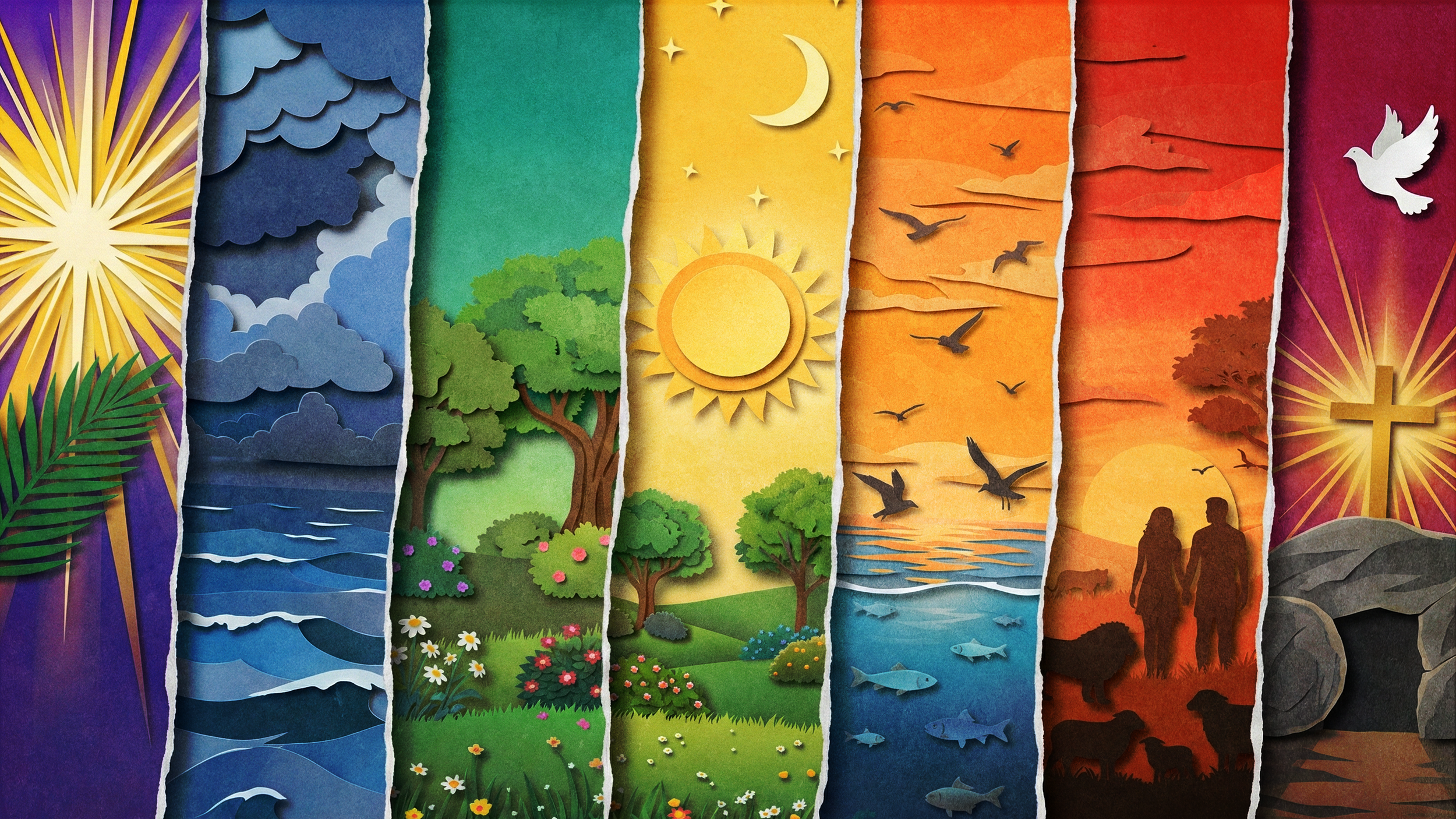

FLGA District Partnership Event
On Feb 26 come to the district partnership event.
February 26th
Redeemer Stuart
We’d love to have a nice showing from Grace at this event as we hear more from the district about ministry opportunities for spiritual and congregational growth.
Register by emailing your name and how many people are coming to Kristen Cruz
kcruz@redeemerstuart.com
Register by Feb 18th
Free Dinner!
President Rockey and the Executive Staff of the District are excited to partner with you in living as those Compelled by Christ’s Love so that many more may be “added to the number of those being saved.” (Acts 2:47)
Yes, it’s still all about the mission of “Connecting People to Jesus!”
Congregations across our District will come together for a meal and round table discussions with the goal to be equipped and to better connect people to Jesus in their communities.
These events are designed to strengthen our partnership, get to know one another and learn more about your District’s Vision and the Ministry Targets.
Circuit 18 – Treasure Coast
RSVP to Kristen Cruz
kcruz@redeemerstuart.com
![[Sunday] Resurrect Forgiveness, Most Certainly True](https://images.squarespace-cdn.com/content/v1/5852f18a20099e30cd2c01dc/1770948018220-IKTBHUHDVH0WYOVX6QFI/Certainly+True+6a.jpg)
[Sunday] Resurrect Forgiveness, Most Certainly True
The Creed reveals the Church’s heartbeat is the forgiveness of sins, a gift which replaces our darkness with God's light and leads us to the ultimate feast of the resurrection.
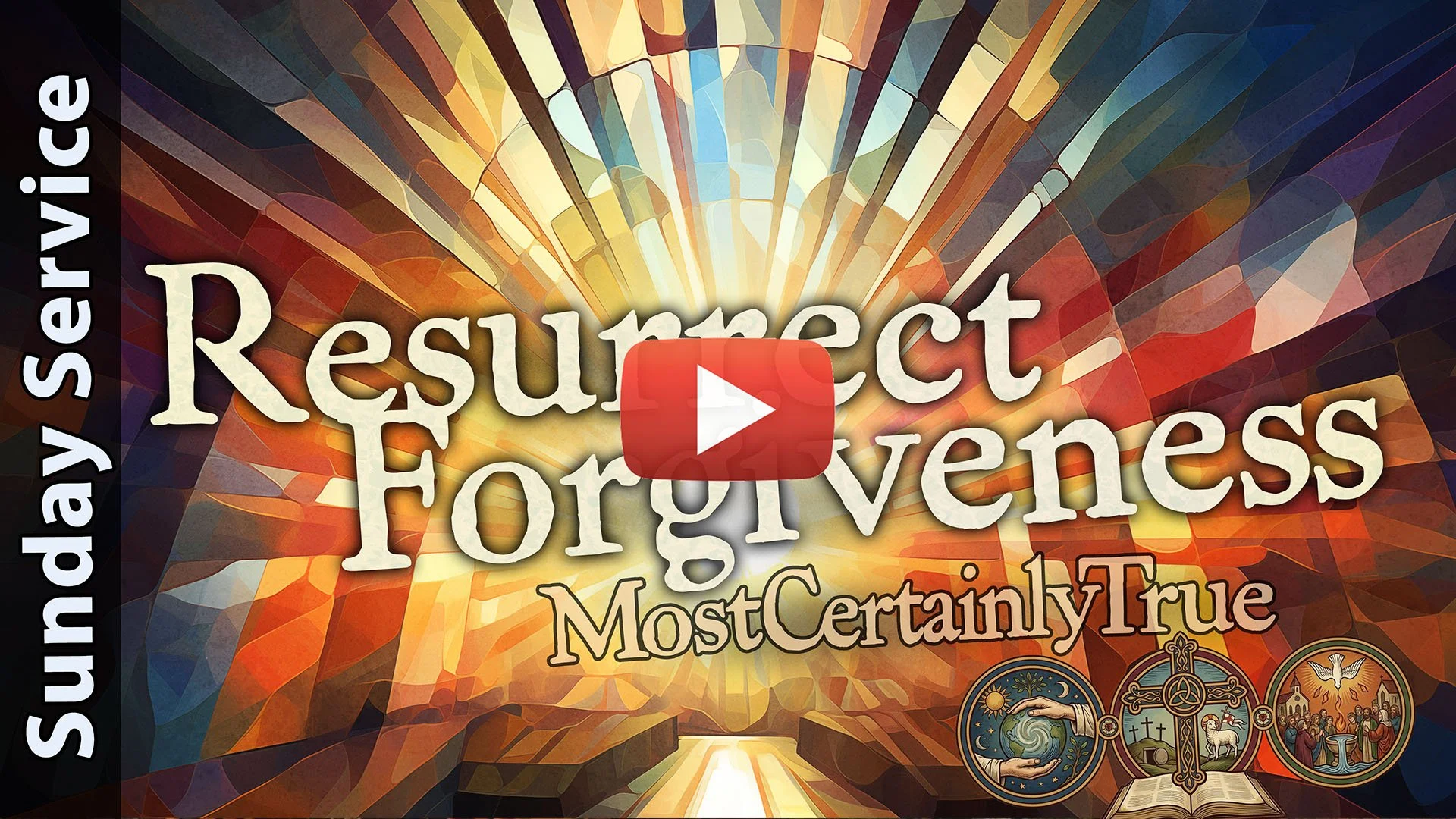
The Creed reveals the Church’s heartbeat is the forgiveness of sins, a gift which replaces our darkness with God's light and leads us to the ultimate feast of the resurrection.
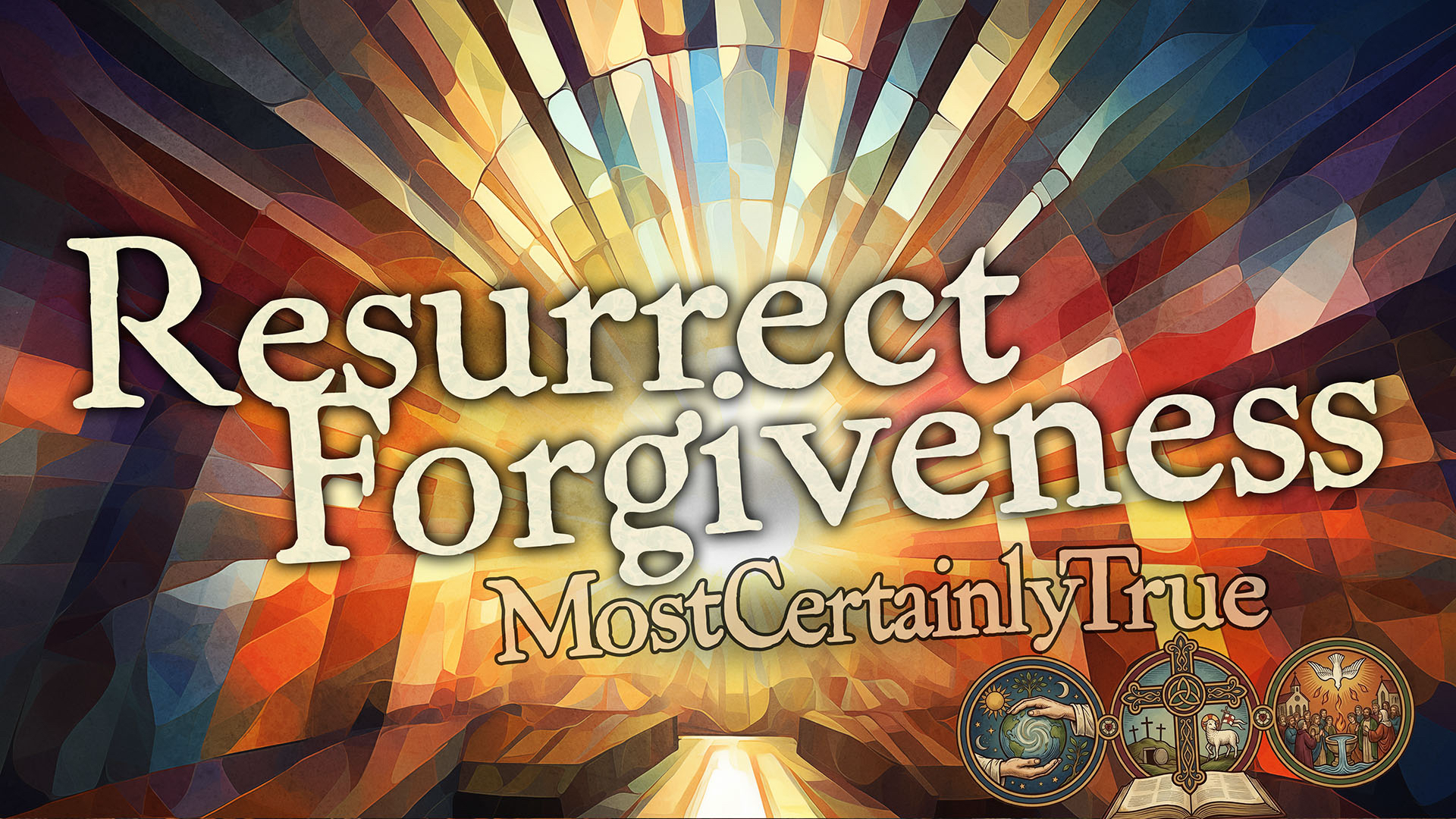
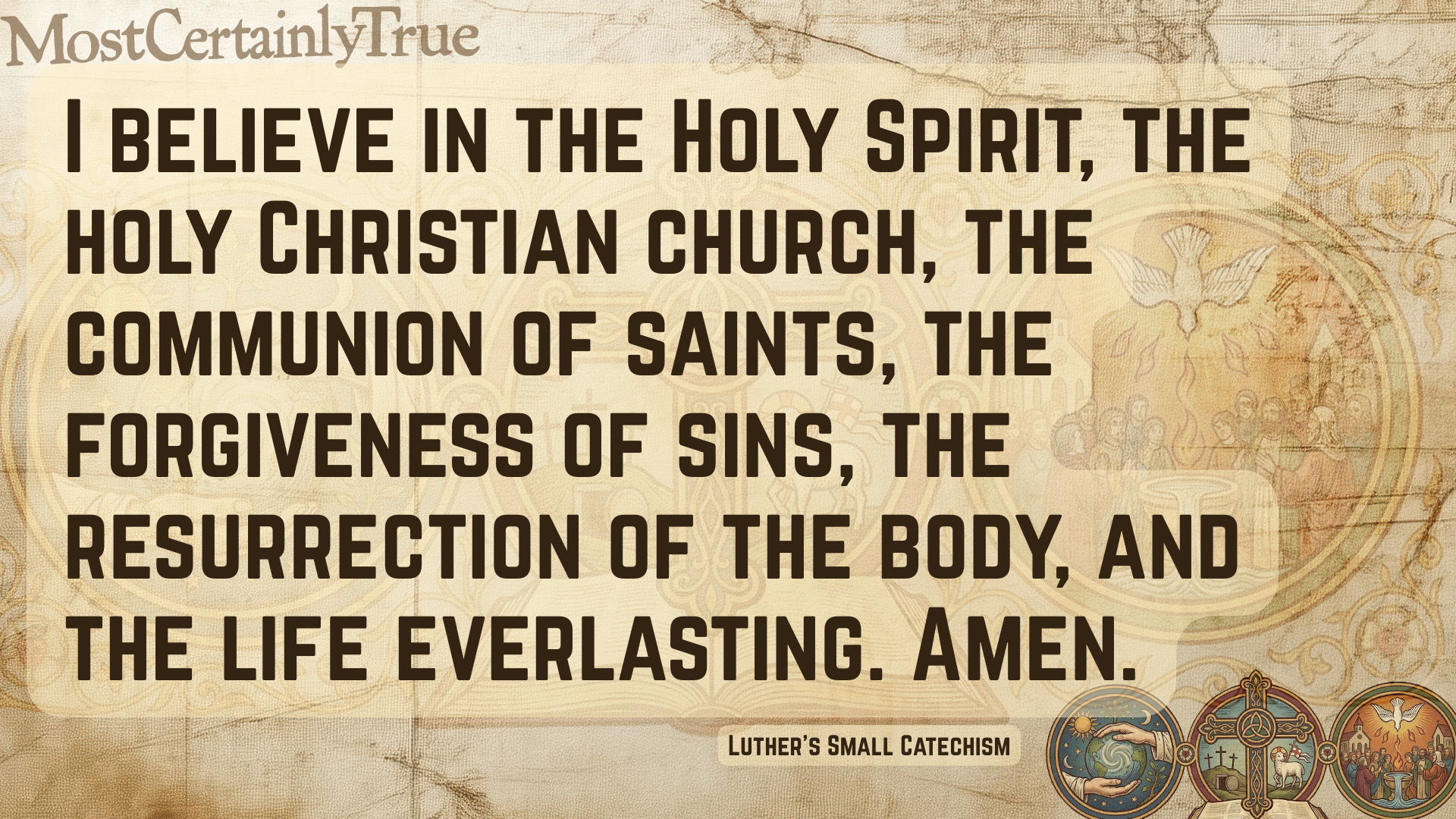
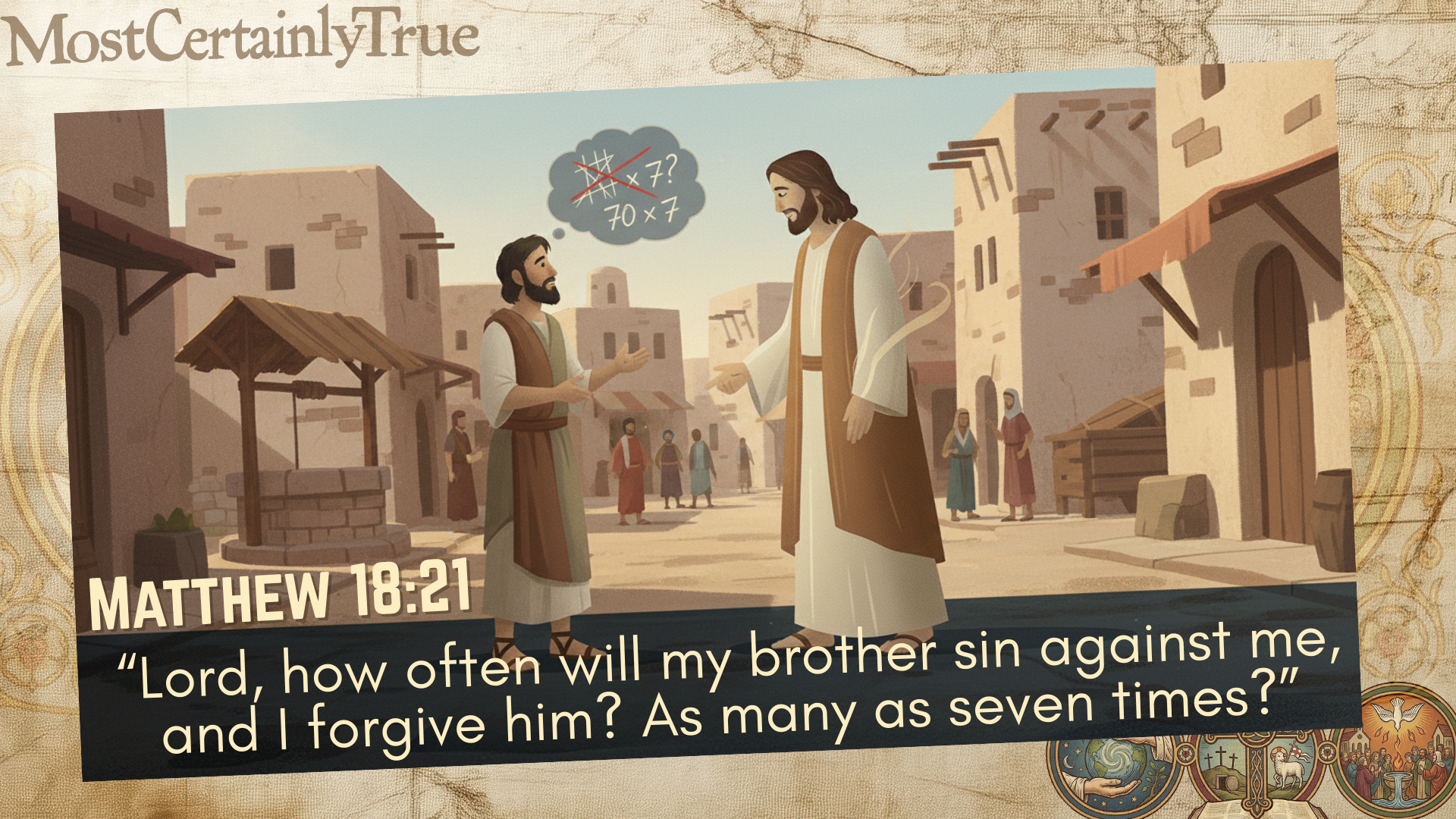
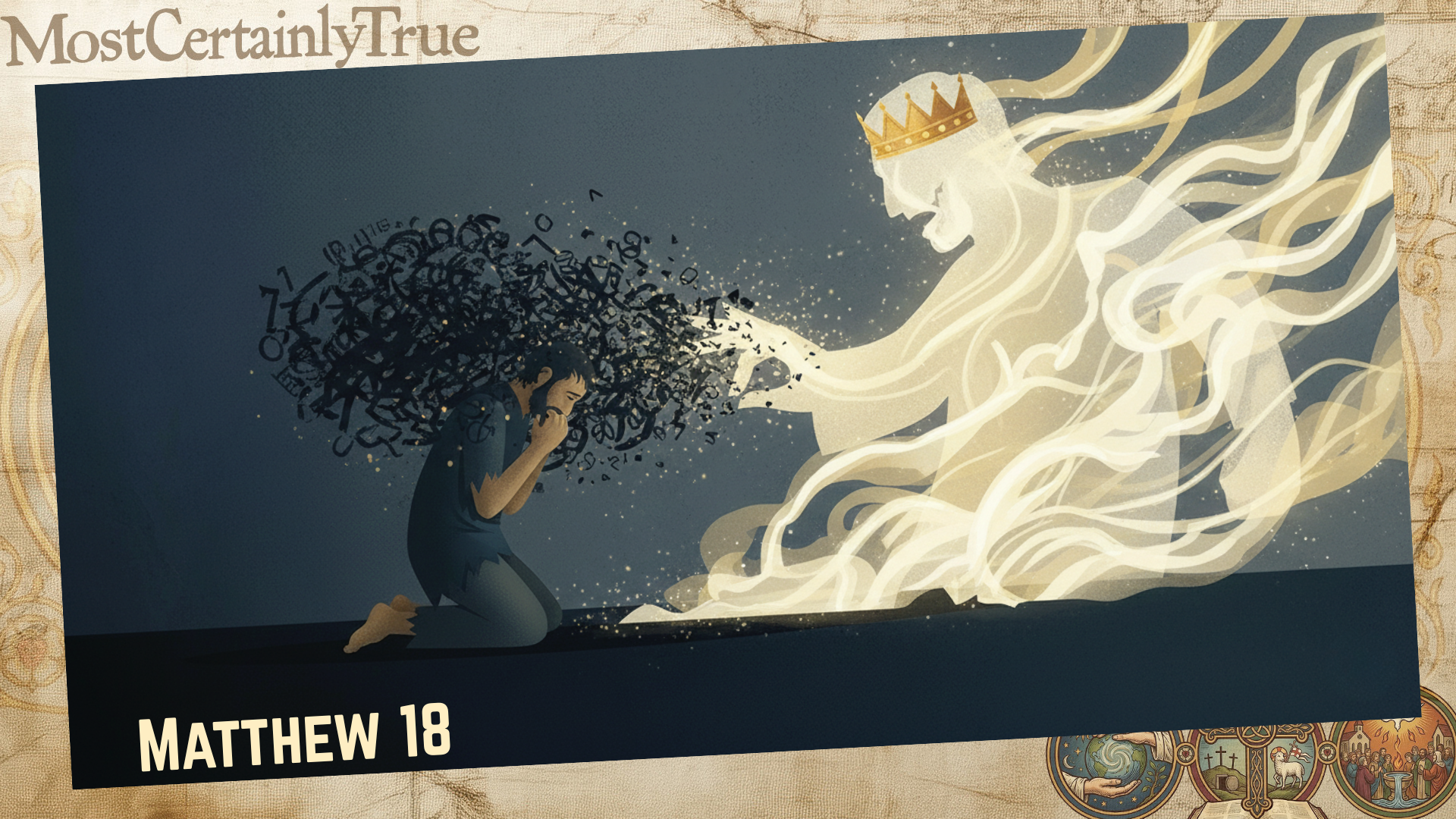
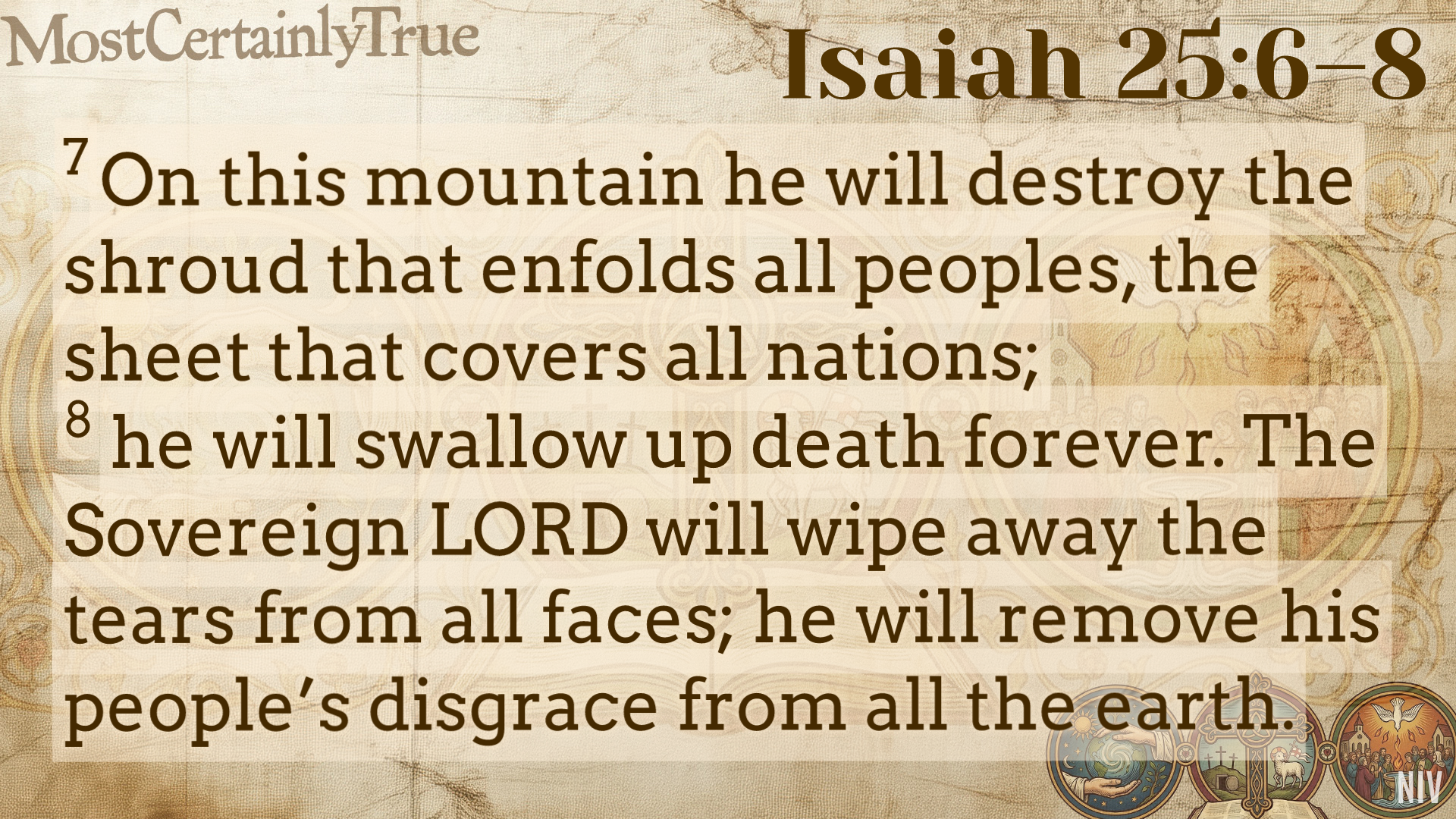
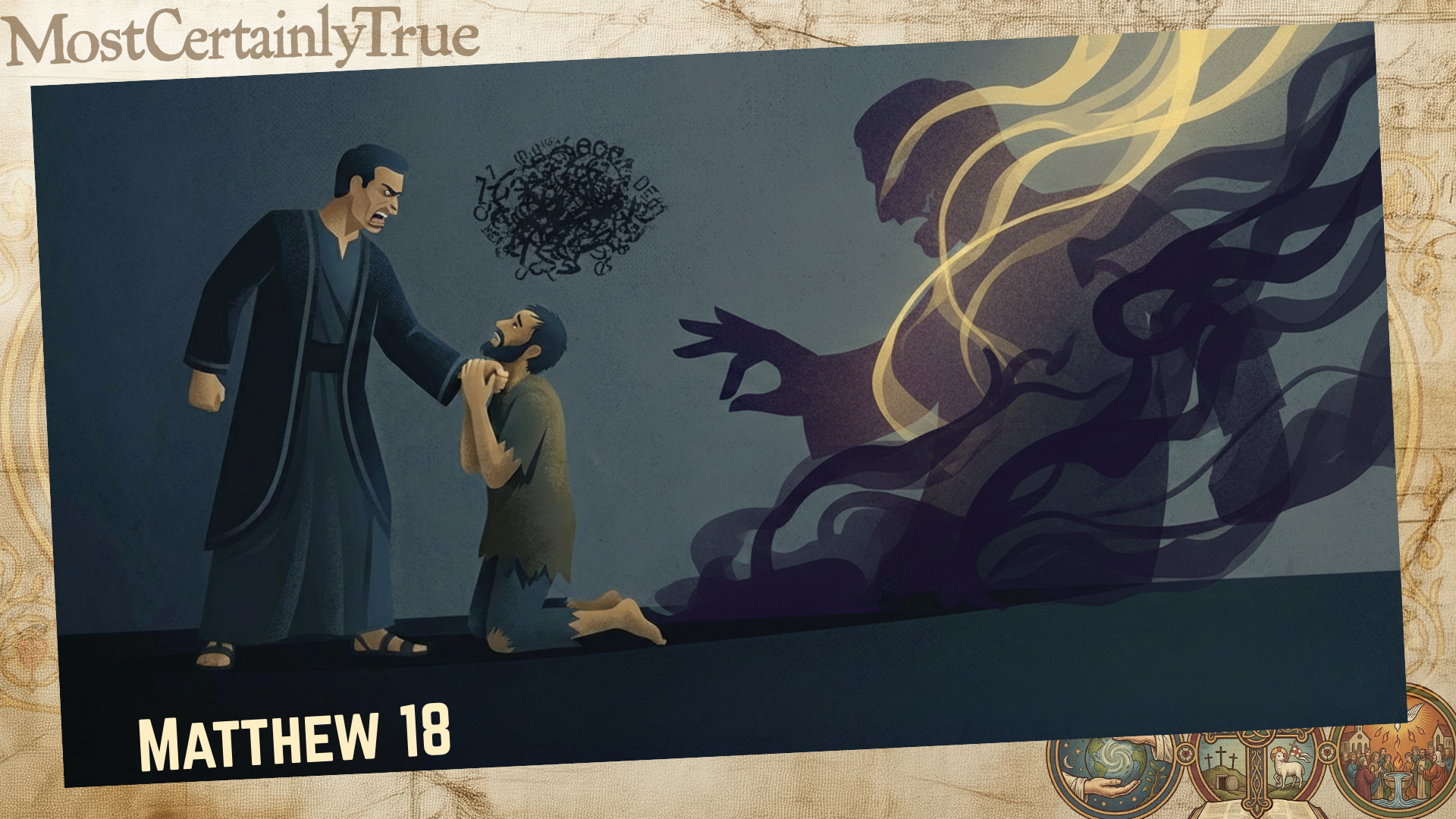
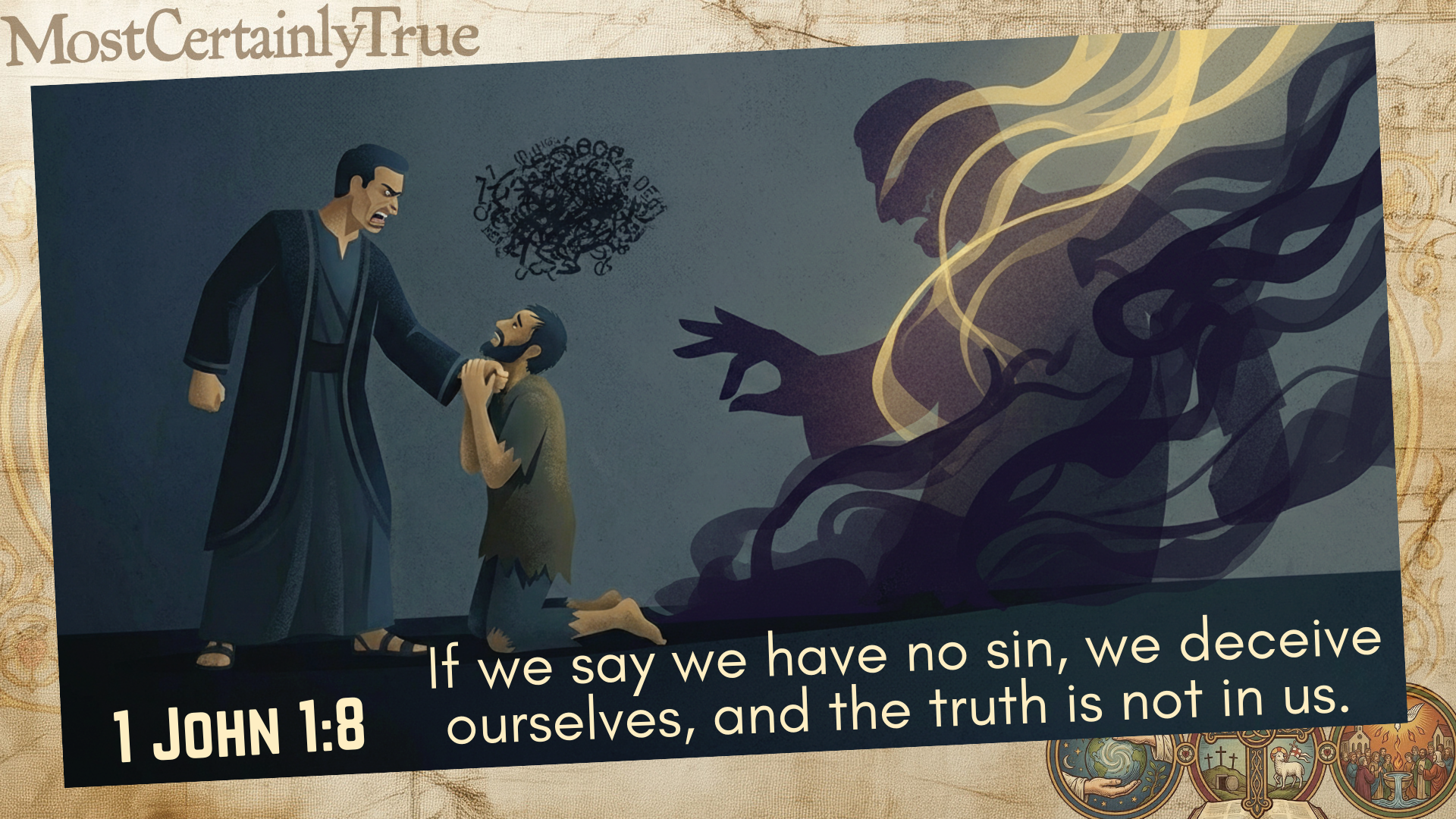
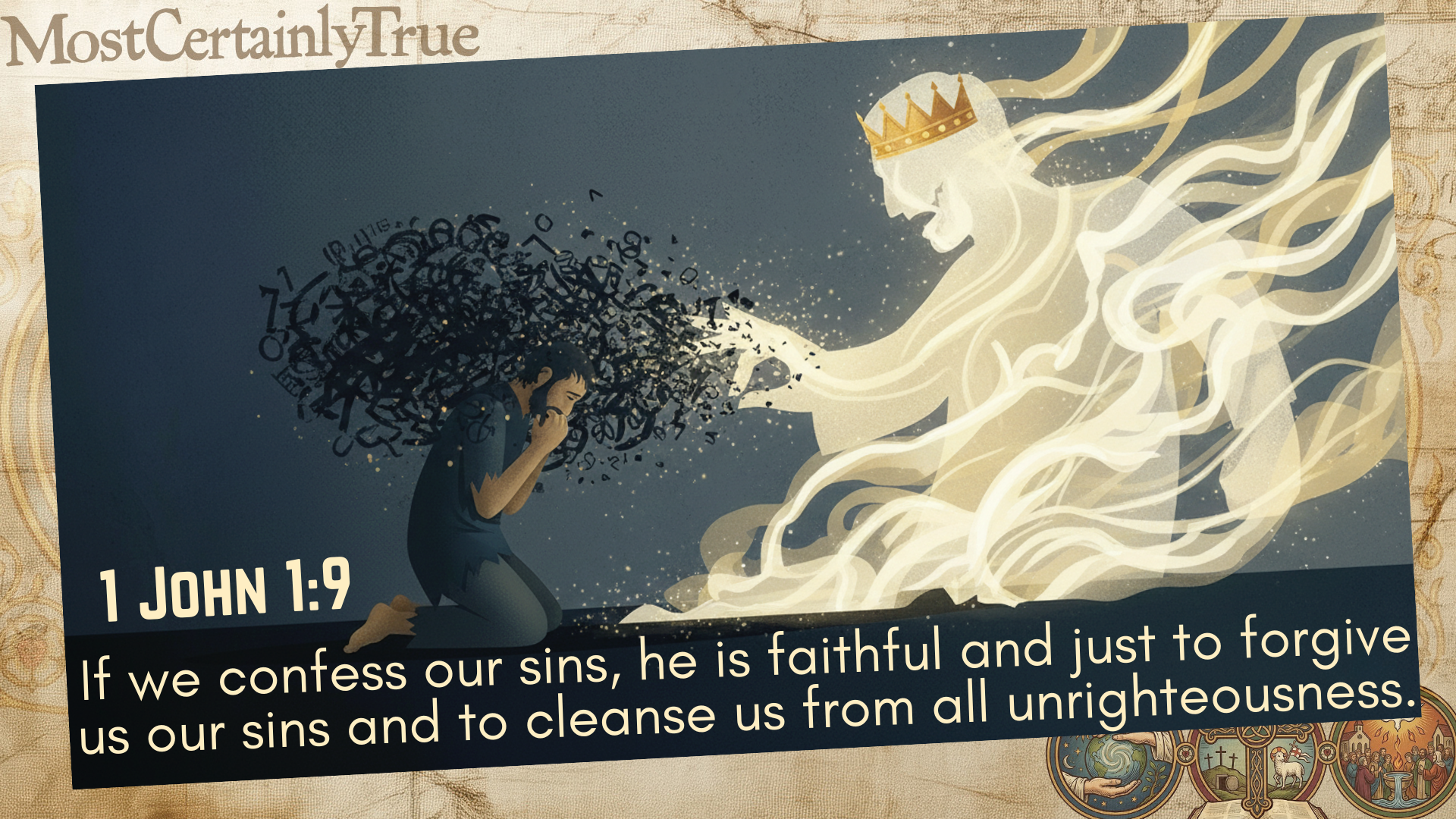
Questions for the Week: Most Certainly True: Resurrect Forgiveness
In the Large Catechism, Luther says that all functions of the Christian community focus on the forgiveness of sins (pg. 75). Do you tend to think of church primarily as a place for forgiveness, or do you view it more as a place for learning morals, socializing, or doing good works? How does shifting the focus to forgiveness change your perspective?
Read Matthew 18:21-35. In the parable, the King forgives a debt the servant could never hope to pay. If we truly realized the size of the "debt" Jesus paid for us on the cross, how would that change the way we react to the small hurts or annoyances we experience with others this week?
Why is it dangerous for us to try to keep a "scorecard" of how many times we’ve forgiven someone? How does that scorecard prevent us from "walking in the light"? (See 1 John 1:5-10)
Read Isaiah 25:6-9. Isaiah describes God’s kingdom as a feast of "rich food and well-aged wine." How does knowing that God's ultimate plan is a physical party (resurrection), not just a spiritual state, give you hope today?
What Had happened at Grace this week.
Let’s celebrate our country’s 250th anniversary together with good food, good friends, and good fun!