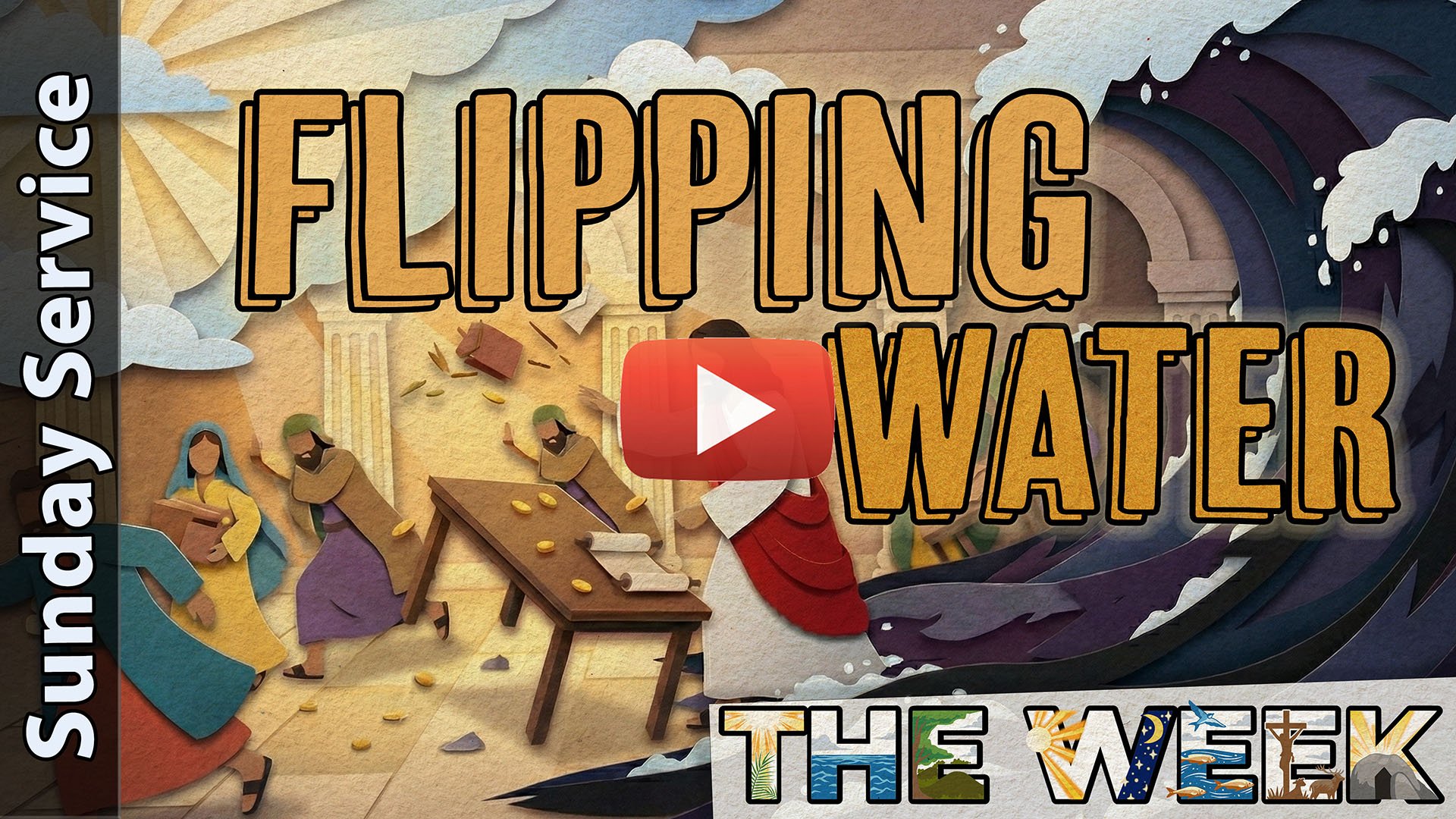
When we are drowning in anxiety and noise, Jesus steps in to flip the tables, pushing back the chaotic waters like on day 2 of creation, so we can finally catch our breath.
-
The Week: Day Two — “Separation of the Waters” (Holy Week and Creation Interwoven)
Series Context
Ongoing sermon series: “The Week,” interweaving Holy Week with the seven days of Creation.
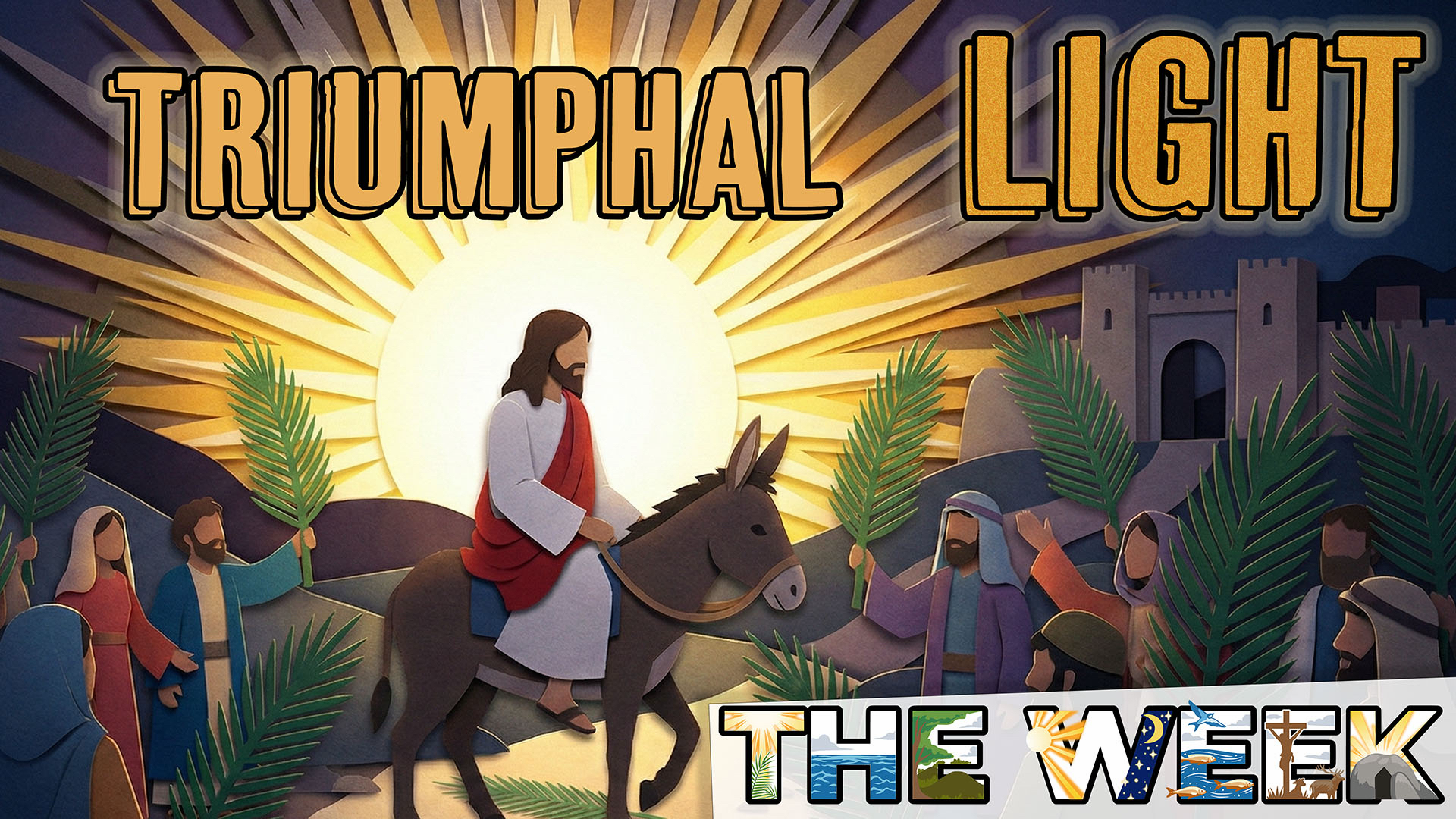
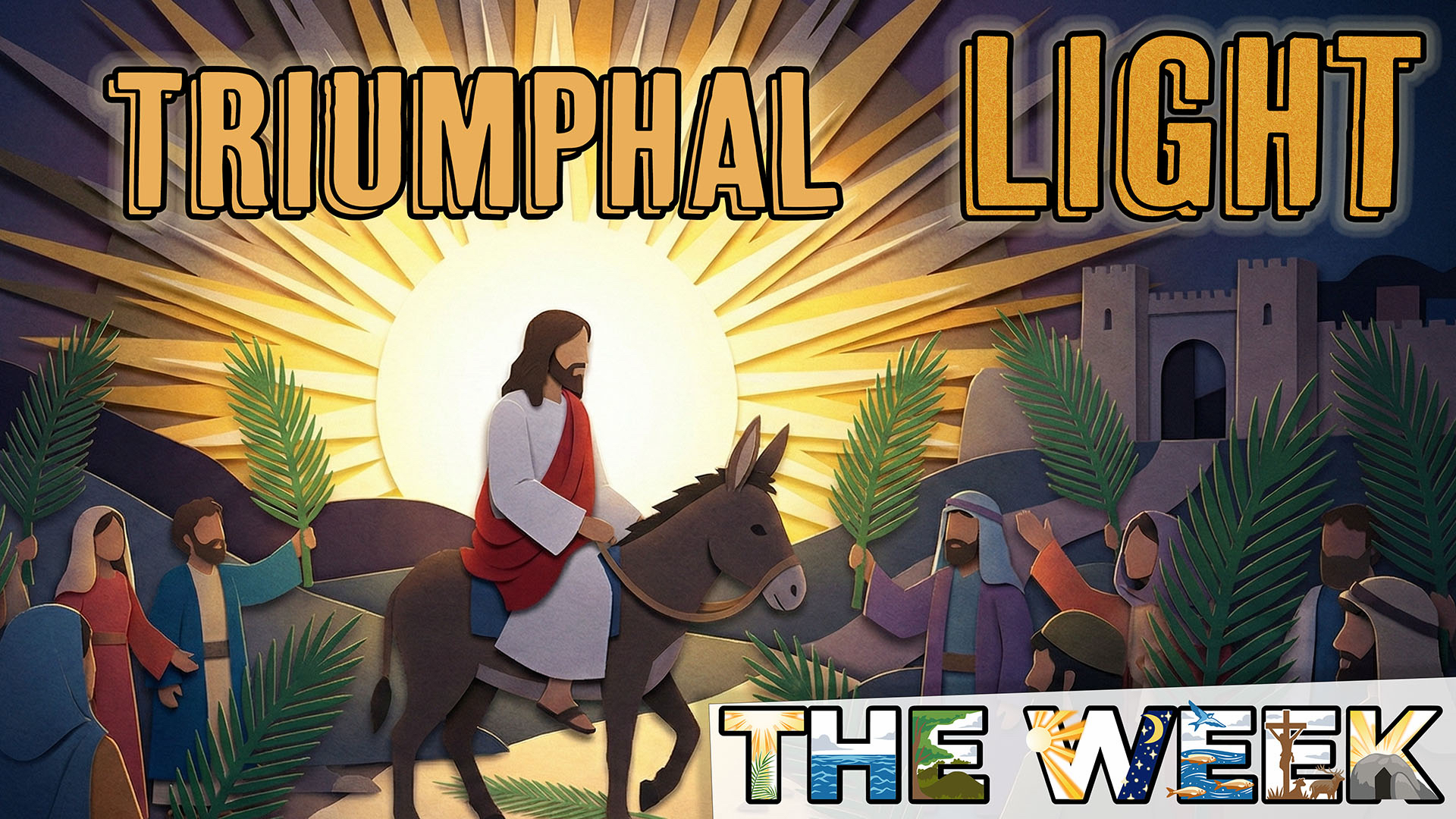
Last week: Day One of Creation aligned with Palm Sunday—“Let there be light” as Jesus, the Light of the World, enters dark Jerusalem.
Scripture Read and Framing
Primary text: “And God said, ‘Let the vault between the waters separate water from water.’ So God made the vault and separated the water under the vault from the water above it. And it was so. God called the vault sky. And there was evening, and there was morning—the second day.” — Highlighted as from Genesis Day Two (see NIV rendering).
Translation note:
The pastor affirmed “vault/expanse/sky” (NIV) as a strong translation.
He critiqued translations that render it “heaven” in a way that confuses it with God’s dwelling; insisted this is the sky where the birds fly, not the heavenly throne.
Emphasized the value of consulting multiple translations to see the full sense.
Theological Thesis
Day Two is not trivial meteorology; it is profoundly theological.
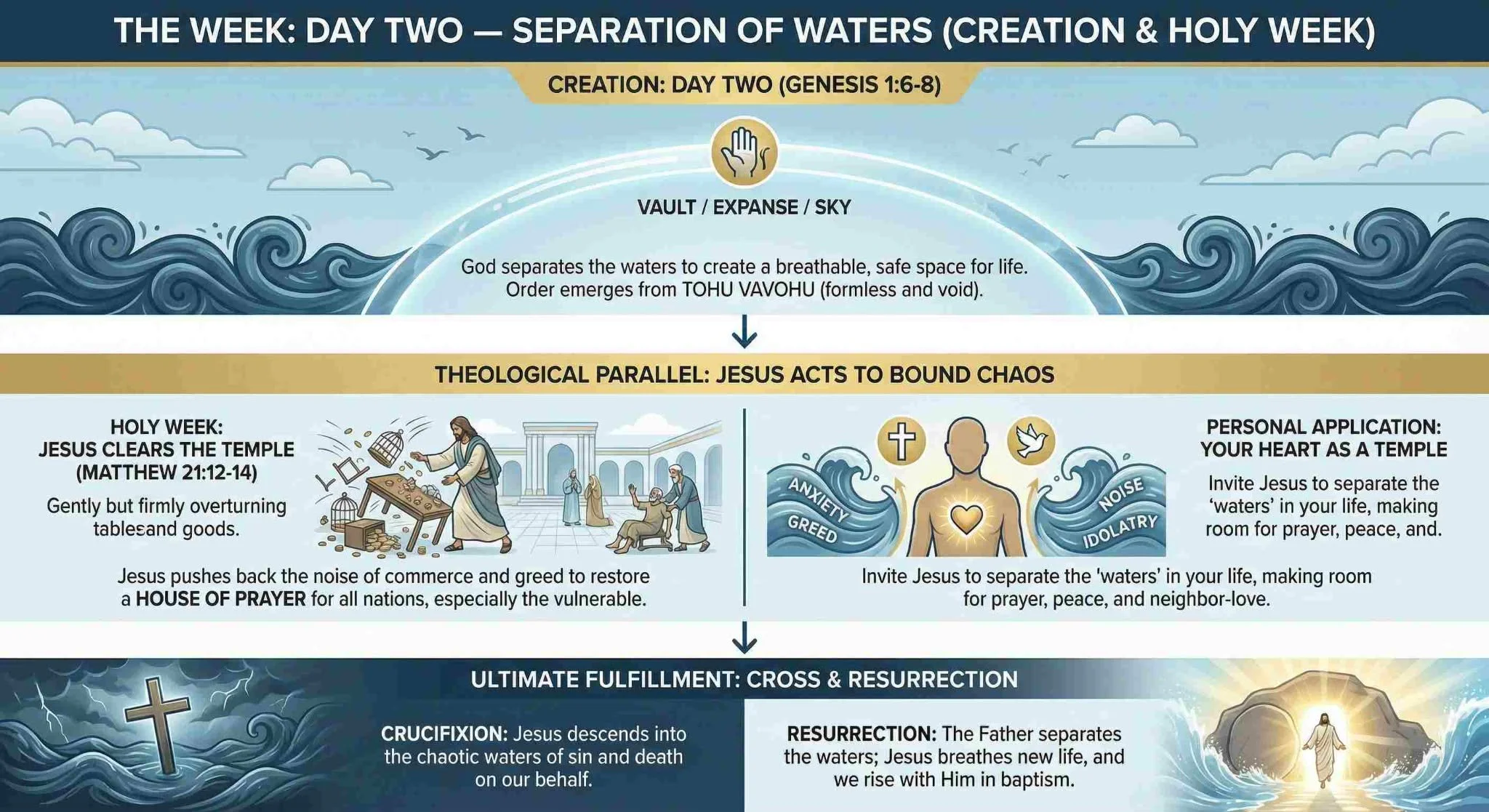
God is pictured as establishing boundaries that restrain chaotic waters, creating breathable, safe space for life.
Parallel in Holy Week: Jesus enters the Temple to push back chaos and create a place of prayer and restoration.
Cultural and Personal Illustrations: Water in Its Place vs. Out of Bounds
Personal love for water: tranquil scenes at Daytona Beach as a “slice of heaven.”
When water exceeds boundaries, it becomes terrifying:
2022 hurricanes in Daytona Beach: seawall breaches; pools hanging or eroded; concrete stairs torn off and buried ~15 feet under sand.
St. Louis flooding near Interstate 44: concrete barriers wrapped in plastic sandbagging the freeway; water overtopping the road—an image of destructive chaos.
Universal human instinct: fear of the deep (e.g., dangling toes while treading water after falling off skis); myths of monsters (Leviathan) in the deep.
Hebrew imagination: “the deep” as chaotic, destructive, unpredictable.
Biblical-Theological Development: From Tohu Vavohu to Breathed Space
Creation language: God confronts tohu vavohu (formless and void) by bounding chaos.
Day Two: God separates waters and names the expanse “sky,” granting a breathable space—humanity comes up out of chaos for a gasp of life.
This is a pattern: God orders chaos into life-giving environments.
Holy Week Parallel: Jesus Clears the Temple
Text alluded to: “Jesus entered the temple courts and drove out all who were buying and selling… ‘My house will be called a house of prayer,’ but you are making it ‘a den of robbers.’” — Highlighted as from the Gospel accounts of the Temple cleansing (e.g., Matthew 21:12–14).
Temple design: The Court of the Gentiles intended as the place where the nations, the lame, and the blind could approach God.
Problem: Chaotic “waters” of commerce, greed, noise, animal bleating, and market scales flooded the space meant for the vulnerable.
Theological action: Jesus did not lose His temper; He enacted Day Two—forcefully pushing back the waters of chaos to create a safe expanse for prayer and healing.
Immediate fruit: “The blind and the lame came to Him…and He healed them.” The vulnerable, previously “drowned out,” re-enter and find life.
Who God Is and How He Responds to Humans
God is the Creator who:
Sets firm boundaries against chaos.
Creates spaces where humans can breathe, pray, and live.
Jesus reveals God’s character in action:
He confronts and restrains dehumanizing systems.
He makes room for the vulnerable and heals them.
He transforms acts that appear destructive into new-creation moments of order, peace, and restoration.
Who You Are in God and How to Live
Identity:
In Christ, you are intended to be a temple—a house of prayer (see 1 Corinthians 6:19–20 implied). You are made for peace and rest in God’s presence.
Calling:
Invite Jesus to separate the “waters” in your life—allow Him to push back anxiety, greed, noise, and idolatry.
Protect the vulnerable; ensure your “courts” make space for those in need.
Practice rhythms that sustain a house-of-prayer life: Scripture, prayer, forgiveness, and love of neighbor.
Self-Examination: Our Hearts as Courtyards
Modern chaos floods in:
Constant noise, overloaded schedules, pursuit of wealth, social media churn, simmering anger and anxiety.
Consequence:
The “marketplace of worry” squeezes out prayer, Scripture, forgiveness, and neighbor-love.
We regress into darkness and drown in chaos of our own making.
Gospel hope:
Jesus does not convene committees; He clears the courts. He confronts and removes what drowns us.
His cleansing is an act of creation, not mere destruction.
Cross and Resurrection: The Ultimate Separation of the Waters
Crucifixion as drowning:
In Roman crucifixion, death occurs by asphyxiation—Jesus “drowns” under the chaotic waters of our sin: greed, anxiety, idolatry, rebellion.
Baptismal imagery:
Jesus descends into the waters of judgment and chaos on our behalf.
The Father fulfills the Day Two word—He holds back the waters; Jesus breathes again on Easter.
New life:
Jesus’ breath becomes our breath; His Spirit our spirit.
In baptism, we go under the waters and rise into new life with Christ.
Application for Today’s Culture (American context)
The news cycle, work pressures, family tensions, even neighborhood conflicts can feel like hurricanes and floods tearing apart established places of peace.
God’s word to drowners: “Let the waters be separated”—come up to the expanse of grace where you can breathe again.
Practical implications:
Create intentional “expanse” daily: a quiet, tech-free space for prayer and Scripture.
Name and remove “money changer tables” in your life: practices or patterns that monetize or instrumentalize relationships and worship.
Re-center on those pushed out by noise and busyness: the vulnerable in your community, family, and church.
Receive Jesus’ cleansing as mercy, not condemnation—His goal is your life and breathing room.
Key Texts Highlighted in the Sermon
Genesis Day Two: “Let there be a vault/expanse… God called the vault sky… evening and morning, the second day.” — Highlighted as from Genesis 1:6–8 (NIV emphasis on “sky”).
“My house will be called a house of prayer… but you are making it a den of robbers.” — Highlighted as from Matthew 21:12–13; Mark 11:15–17; Luke 19:45–46 (Temple cleansing).
Themes referenced:
“Tohu vavohu” (formless and void) — Highlighted as from Genesis 1:2.
Leviathan (sea monster imagery) — Highlighted as from Job 41; Psalm 74:14; Isaiah 27:1.
Temple as a house of prayer for all nations — Highlighted as from Isaiah 56:7, echoed by Jesus.
Practical Steps for the Week
Morning and evening “breath prayers” to mark your own “evening and morning”:
Inhale: “Lord Jesus Christ” — Exhale: “Give me Your peace.”
Inhale: “Holy Spirit” — Exhale: “Make me a house of prayer.”
Identify one “table” to overturn this week:
Examples: a social media habit that stirs anxiety; an overpacked schedule; a financial pursuit overshadowing generosity; a harboring resentment.
Re-open the Court of the Gentiles in your life:
Make space for someone on the margins—invite, listen, serve, or pray with them.
Recommit to Scripture and prayer:
Read Genesis 1:1–10 and Matthew 21:12–17; journal where God is separating waters in your life.
Closing Exhortation and Prayer
Exhortation:
When chaos rises like sea billows, hear God’s creative word: “Let the waters be separated.” Come up and breathe in Christ’s peace.
“And there was evening, and there was morning—the second day.” This is good news for those gasping for breath.
Closing prayer (themes):
Thanksgiving for gathering.
Petition for God to bind up chaos, keep us from returning to tohu vavohu, reveal His peace and love, and let us breathe again in His rest.
Amen.
Closing Song (Selected Lines)
“When sorrows like sea billows roll… it is well with my soul.”
“My sin—not in part, but the whole—is nailed to the cross, and I bear it no more. Praise the Lord, O my soul.”
Assurance: Christ has died for my soul; it is well with God.
Summary Takeaways
God bounds chaos to create life-giving space; Jesus enacts this in the Temple and in our lives.
You are God’s temple—made for prayer, peace, and welcome to the vulnerable.
Let Jesus overturn the tables that drown your soul; rise to breathe in the Spirit’s life.
The cross is Jesus’ descent into our drowning; the resurrection is the Father’s separation of the waters so we can live.
Questions for the Week: The Week: The Week: Day 2 - Flipping Water
Read Genesis 1:6-8. What is your favorite memory of being near the water, and have you ever been in a storm that kind of scared you?
Read Matthew 21:12-17 The Temple was supposed to be a place of peace, but it became a chaotic marketplace that drowned out the vulnerable. What are the "chaotic waters" (anxiety, schedules, social media, etc.) that currently flood your own mind and squeeze out your peace and the peace of others?
To the moneychangers, Jesus driving them out of the temple looked like an act of destruction. To the blind and lame, it was an act of creation that gave them room to breathe. Has there ever been a time in your life when God "flipped the tables" on your plans, which felt destructive at the time but ultimately brought you peace?
Jesus drowned in our chaos on Friday so we could breathe anew on Sunday. When the news, your job, or life pressures make you feel like you are going under, how does remembering that Jesus has already conquered the depths help you find rest?

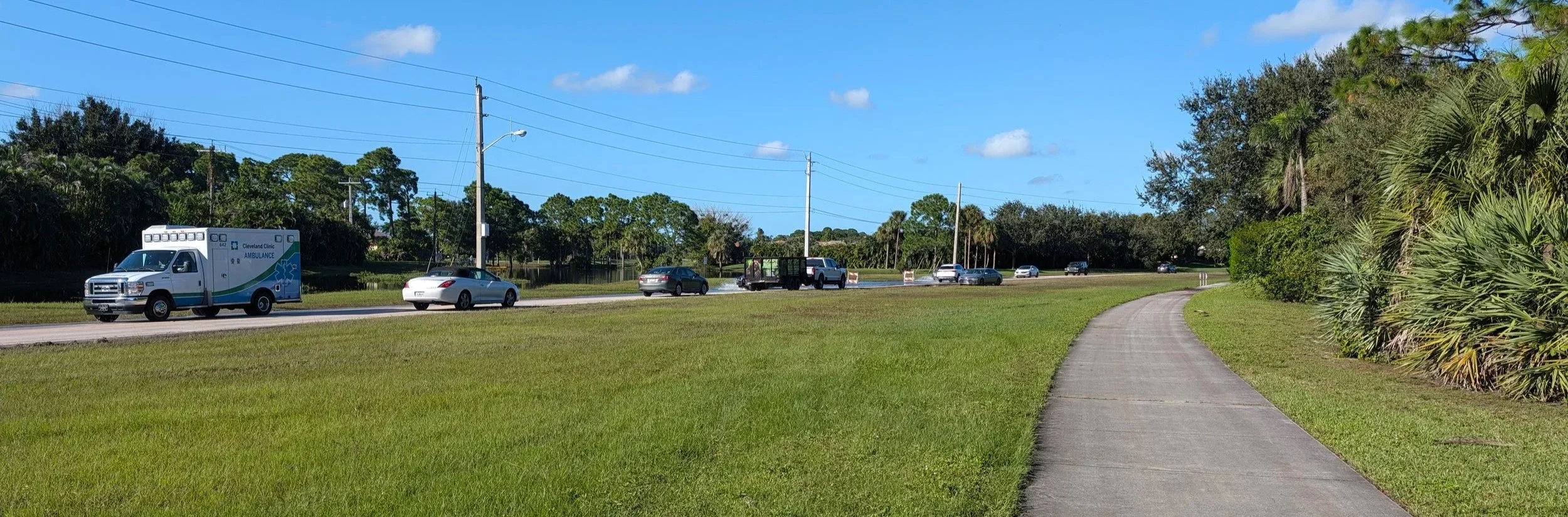
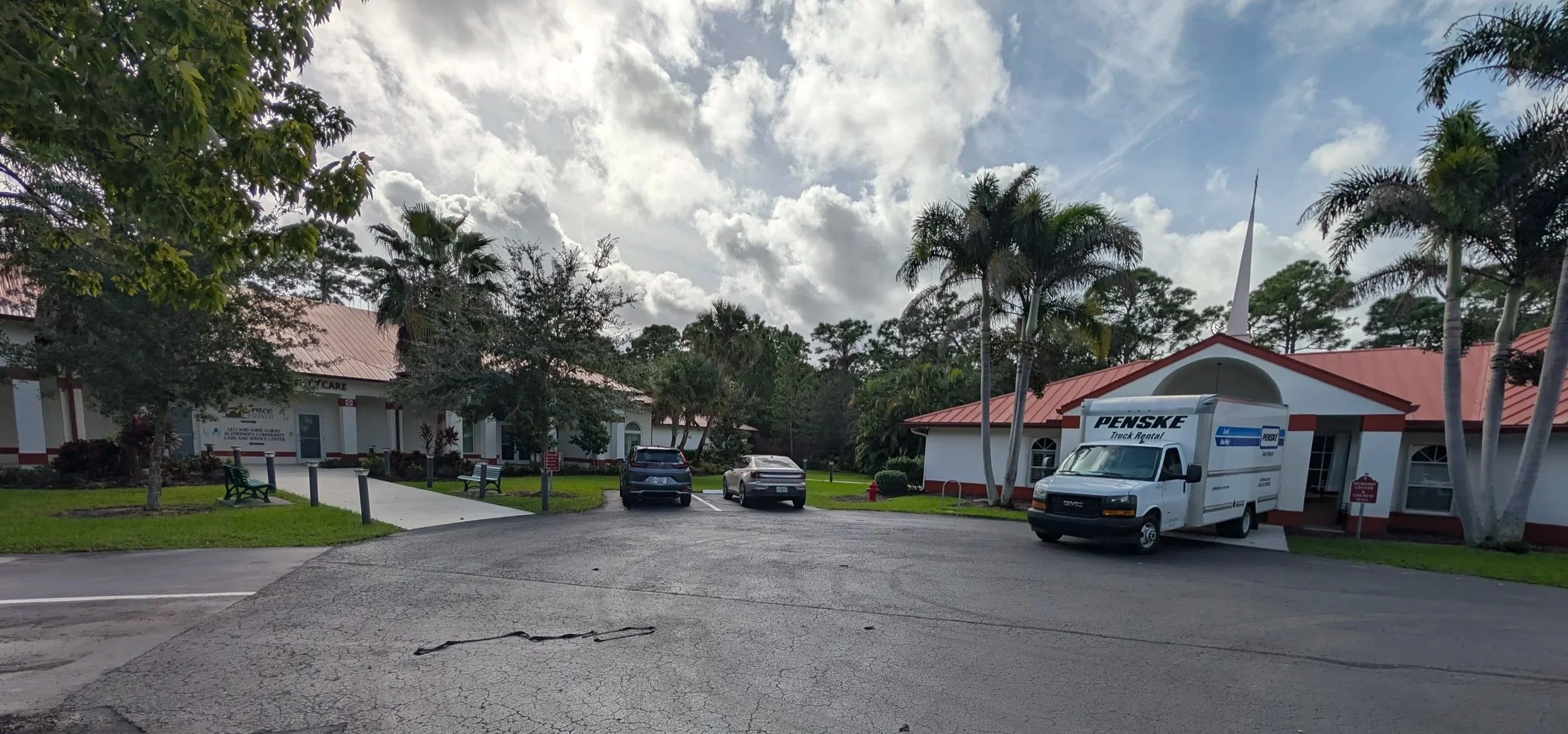
What Had happened at Grace this week.


The Gospel overturns our anxiety about wealth and shows how God's grace transforms us from anxious hoarders into hilaron givers.