
[Sunday] Absurd - Kingdom Way - Matthew 27
The Magi visiting the Holy Family is absurd. A Roman Governor's wife defending Jesus? Absurd. Most absurd? Jesus taking our cries of "Crucify!" to save us all. Matthew Chapter 27
Questions for the Week: Kingdom Way: Absurd
Where do you see examples of absurd or illogical behavior driven by fear, self-interest, or the rejection of truth in our world today?
Read Matthew 27:11-31. In what ways might we, individually or collectively, be choosing a "Barabbas" over Jesus in our lives or society? What does that look like practically?
Can you think of examples where people, even with negative intentions, inadvertently speak or reveal a deeper truth?
The crowd had a choice between Jesus and Barabbas. What "kings" or priorities do we often choose to follow in our lives, and what are the consequences?
What Had happened at Grace this week.
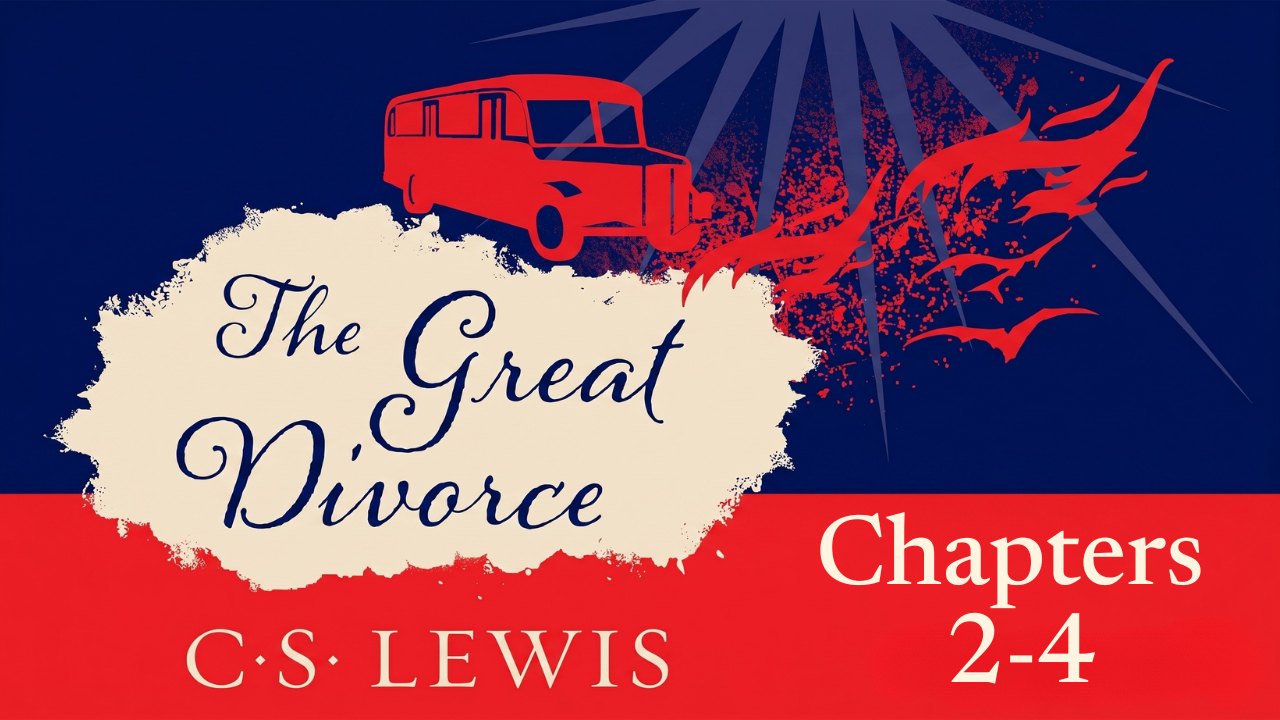
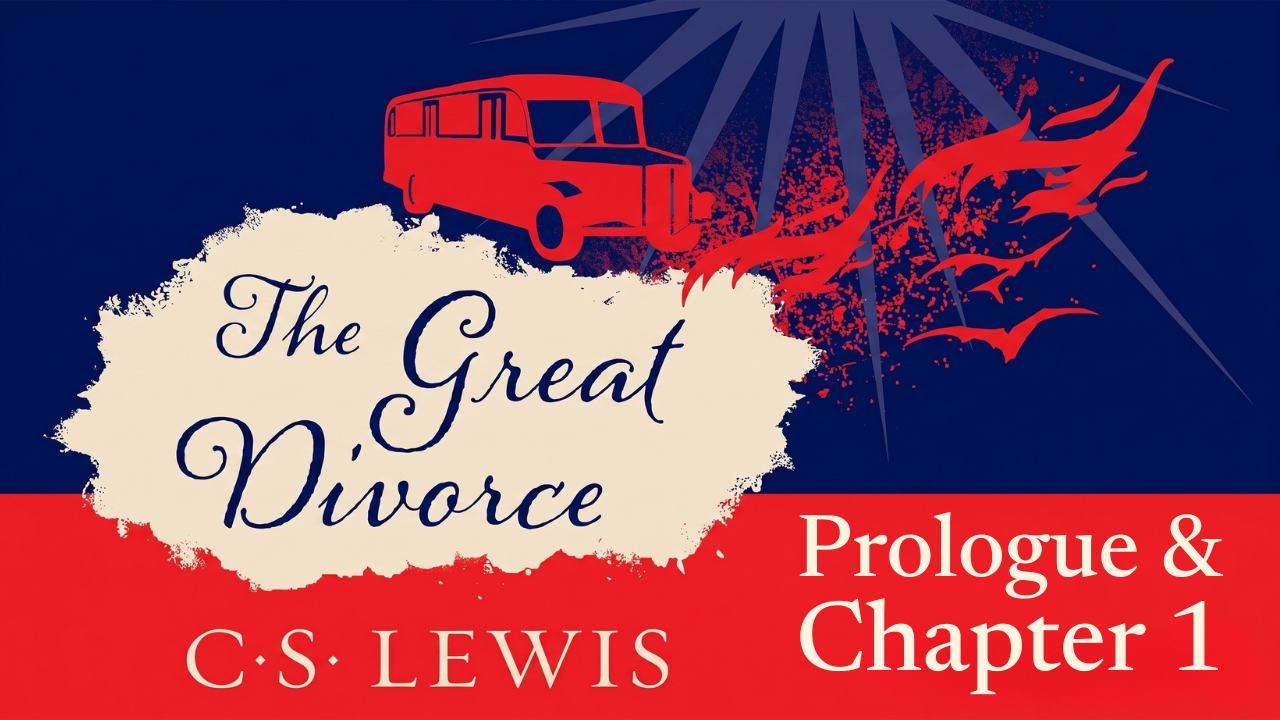
A lively Bible study on May 7, 2026 explored C. S. Lewis’s The Great Divorce (Chs. 1–3), tracing the contrast between ghostly insubstantiality and heavenly solidity, the challenge of pride versus grace, and the costly journey of repentance and becoming “solid” in Christ in light of Scripture.
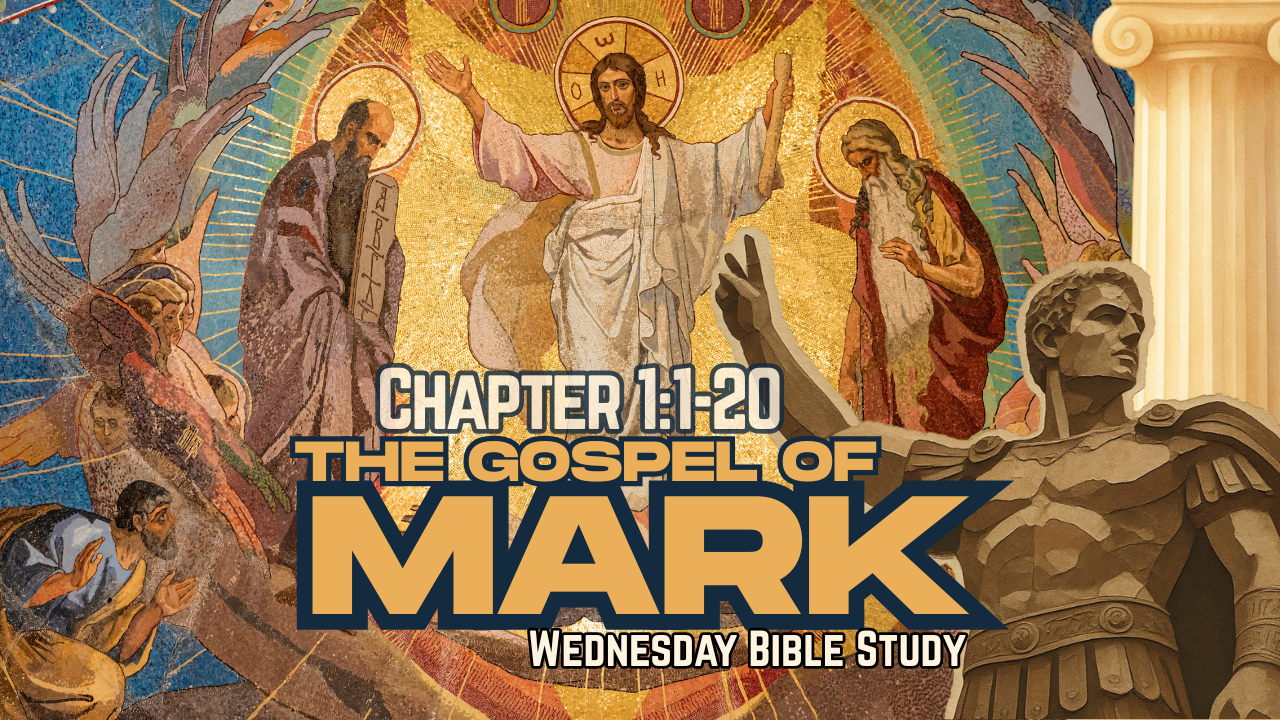
In our study on May 6, 2026, we explored Mark 1:14-2:12, focusing on Jesus's escalating authority over spirits, sickness, and sin, and why He often commanded silence from those He healed.
We look at Solomon's tragic fall into pride and power, reminding us that true wisdom isn't found in building our own empires, but in the self-emptying love of Jesus.
Even though Martin Stephan had many troubles in this life, and more than likely committed grievous sin, which caused his expulsion from the colony and the church, God nevertheless used him to achieve His purpose here on earth.
In our Bible study on April 29, 2026, we began our journey into C.S. Lewis's "The Great Divorce," exploring the book's themes of Hell as self-imposed isolation, the choice between Heaven and Hell, and how the story serves as a mirror for our own spiritual lives.
On April 29, 2026 at 6:36 PM, our class explored how reading the Gospel of Mark by recognizing patterns and echoes—especially in Mark 1:1–20—deepens understanding, highlighting John the Baptist, Jesus’ baptism and wilderness testing, the “at hand” kingdom, the call of fishermen, and the upside‑down kingship of Jesus.
It’s easy to get distracted by building grand things, forgetting that God's true work is simply rescuing broken people right where they are.
The Great Divorce is my favorite C.S. Lewis book. It truly forces us to look in the mirror and decide if we are actually willing to lay down our demons and walk toward the light.
Walther League 2nd Fridays 10 AM
We will have the church fellowship open for everyone to come and socialize in a cool place
2nd Fridays at 10:00 aM,
we will have the church fellowship open for everyone to come and socialize in a cool place.
We will provide some snacks, drinks and air conditioning.
You can come to socialize, play cards or games you may have at home.
Anything can happen! Let’s try it!
Leigh Liagre is setting it up. If you would like more information or to help, call or text Leigh
Matthew Ch 26-27 Good Friday Bible Study
Bible Study of Matthew Chapter 26-27 Good Friday
Looking at the Book of Matthew Chapter 26-27 Good Friday
The Rock - Sermon On The Mount - Matthew 7:13-29
Sermon on the Mount this Lent
Week 5 is The Rock - Matthew 7:13-29
Wednesday
Potluck Dinner 5:30
Lent Service 6:30PM
Sermon on the Mount This Lent
The Rock - Matthew 7:13-29
What Had happened at Grace this week.
When the kingdom splits, Kings Rehoboam and Jeroboam desperately grasp for power and control, but God uses Elijah, a nobody from the sticks, to show us that true freedom comes not from controlling our circumstances but from trusting the King who went to the cross for us.
A lively Bible study on May 7, 2026 explored C. S. Lewis’s The Great Divorce (Chs. 1–3), tracing the contrast between ghostly insubstantiality and heavenly solidity, the challenge of pride versus grace, and the costly journey of repentance and becoming “solid” in Christ in light of Scripture.
In our study on May 6, 2026, we explored Mark 1:14-2:12, focusing on Jesus's escalating authority over spirits, sickness, and sin, and why He often commanded silence from those He healed.
We look at Solomon's tragic fall into pride and power, reminding us that true wisdom isn't found in building our own empires, but in the self-emptying love of Jesus.
Even though Martin Stephan had many troubles in this life, and more than likely committed grievous sin, which caused his expulsion from the colony and the church, God nevertheless used him to achieve His purpose here on earth.
In our Bible study on April 29, 2026, we began our journey into C.S. Lewis's "The Great Divorce," exploring the book's themes of Hell as self-imposed isolation, the choice between Heaven and Hell, and how the story serves as a mirror for our own spiritual lives.
On April 29, 2026 at 6:36 PM, our class explored how reading the Gospel of Mark by recognizing patterns and echoes—especially in Mark 1:1–20—deepens understanding, highlighting John the Baptist, Jesus’ baptism and wilderness testing, the “at hand” kingdom, the call of fishermen, and the upside‑down kingship of Jesus.
It’s easy to get distracted by building grand things, forgetting that God's true work is simply rescuing broken people right where they are.
The Great Divorce is my favorite C.S. Lewis book. It truly forces us to look in the mirror and decide if we are actually willing to lay down our demons and walk toward the light.
[Sunday] The Thing We Hate - Kingdom Way - Matthew 26b
The paradox of becoming what we hate finds its resolution in the cross, where darkness is not fought but absorbed. Matthew Chapter 26b
Questions for the Week: Kingdom Way: The Thing We Hate
Can you think of a time when you felt yourself becoming the thing you disliked or hated? What triggered that, and how did it make you feel?
Read Matthew 26:31-75. Why do you think Peter and the disciples so strongly denied their potential for failure? How does this relate to our own tendencies toward self-deception?
Why do you think Matthew chose to keep the sword holder unnamed? How does this encourage us to see ourselves in the narrative?
What does it mean to "absorb evil” rather than perpetuate it, as Jesus did on the cross? In a world driven by retaliation, how can we apply this principle of “absorbing evil” in our daily lives?
What Had happened at Grace this week.
When the kingdom splits, Kings Rehoboam and Jeroboam desperately grasp for power and control, but God uses Elijah, a nobody from the sticks, to show us that true freedom comes not from controlling our circumstances but from trusting the King who went to the cross for us.
A lively Bible study on May 7, 2026 explored C. S. Lewis’s The Great Divorce (Chs. 1–3), tracing the contrast between ghostly insubstantiality and heavenly solidity, the challenge of pride versus grace, and the costly journey of repentance and becoming “solid” in Christ in light of Scripture.
In our study on May 6, 2026, we explored Mark 1:14-2:12, focusing on Jesus's escalating authority over spirits, sickness, and sin, and why He often commanded silence from those He healed.
We look at Solomon's tragic fall into pride and power, reminding us that true wisdom isn't found in building our own empires, but in the self-emptying love of Jesus.
Even though Martin Stephan had many troubles in this life, and more than likely committed grievous sin, which caused his expulsion from the colony and the church, God nevertheless used him to achieve His purpose here on earth.
In our Bible study on April 29, 2026, we began our journey into C.S. Lewis's "The Great Divorce," exploring the book's themes of Hell as self-imposed isolation, the choice between Heaven and Hell, and how the story serves as a mirror for our own spiritual lives.
On April 29, 2026 at 6:36 PM, our class explored how reading the Gospel of Mark by recognizing patterns and echoes—especially in Mark 1:1–20—deepens understanding, highlighting John the Baptist, Jesus’ baptism and wilderness testing, the “at hand” kingdom, the call of fishermen, and the upside‑down kingship of Jesus.
It’s easy to get distracted by building grand things, forgetting that God's true work is simply rescuing broken people right where they are.
The Great Divorce is my favorite C.S. Lewis book. It truly forces us to look in the mirror and decide if we are actually willing to lay down our demons and walk toward the light.
Habitat for Children Clinic in Action [Photos]
See Photos of the Habitat for Children Center in Action
New baby was born because of our care at the clinic.
We are overjoyed to announce the arrival of our precious newborn, Elizabeth! Born on March 23,2025 @ 7:30 pm , she has already captured our hearts with her sweet spirit and tiny features. We look forward to sharing countless beautiful moments as she grows and begins to explore the world around her. Welcome to the family, little Elizabeth!
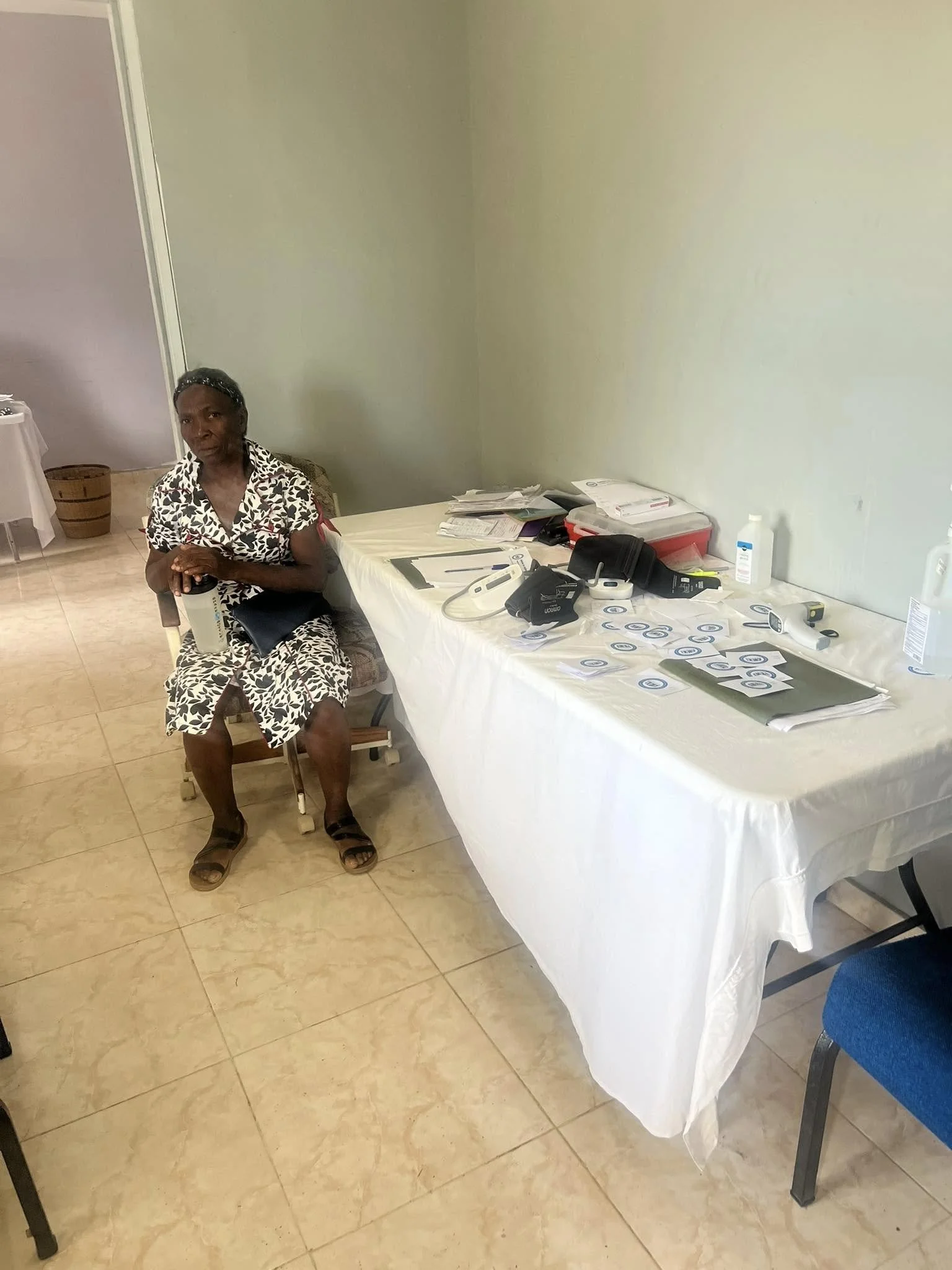
Thursday April 3rd, Habitat for Children’s Clinic did what they call a mobile clinic day.
This day walk in appointments are welcome to get needs check out. This mobile clinic day was held at the care center.
Daniel Ch 10-12 Bible Study
Bible Study of Daniel Chapter 10-12
Looking at the Book of Daniel Chapter 10-12
Relationships - Sermon On The Mount - Matthew 6:21-7:12
Sermon on the Mount this Lent
Week 4 is Relationships - Matthew 6:21-7:12
Wednesday
Potluck Dinner 5:30
Lent Service 6:30PM
Sermon on the Mount This Lent
Relationships - Matthew 6:21-7:12
What Had happened at Grace this week.
When the kingdom splits, Kings Rehoboam and Jeroboam desperately grasp for power and control, but God uses Elijah, a nobody from the sticks, to show us that true freedom comes not from controlling our circumstances but from trusting the King who went to the cross for us.
A lively Bible study on May 7, 2026 explored C. S. Lewis’s The Great Divorce (Chs. 1–3), tracing the contrast between ghostly insubstantiality and heavenly solidity, the challenge of pride versus grace, and the costly journey of repentance and becoming “solid” in Christ in light of Scripture.
In our study on May 6, 2026, we explored Mark 1:14-2:12, focusing on Jesus's escalating authority over spirits, sickness, and sin, and why He often commanded silence from those He healed.
We look at Solomon's tragic fall into pride and power, reminding us that true wisdom isn't found in building our own empires, but in the self-emptying love of Jesus.
Even though Martin Stephan had many troubles in this life, and more than likely committed grievous sin, which caused his expulsion from the colony and the church, God nevertheless used him to achieve His purpose here on earth.
In our Bible study on April 29, 2026, we began our journey into C.S. Lewis's "The Great Divorce," exploring the book's themes of Hell as self-imposed isolation, the choice between Heaven and Hell, and how the story serves as a mirror for our own spiritual lives.
On April 29, 2026 at 6:36 PM, our class explored how reading the Gospel of Mark by recognizing patterns and echoes—especially in Mark 1:1–20—deepens understanding, highlighting John the Baptist, Jesus’ baptism and wilderness testing, the “at hand” kingdom, the call of fishermen, and the upside‑down kingship of Jesus.
It’s easy to get distracted by building grand things, forgetting that God's true work is simply rescuing broken people right where they are.
The Great Divorce is my favorite C.S. Lewis book. It truly forces us to look in the mirror and decide if we are actually willing to lay down our demons and walk toward the light.
[Sunday] Is It I? - Kingdom Way - Matthew 26a
Though shadowed by betrayal, a moment of lavish love reveals a redemption that waits for us in Galilee. Matthew Chapter 26a
Though shadowed by betrayal, a moment of lavish love reveals a redemption that waits for us in Galilee.Matthew Chapter 26a
Questions for the Week: Kingdom Way: Is It I?
Where do you see "wasteful" acts of love and devotion in today's world, and how are they perceived by others?
Read Matthew 26:6-13. Why was the woman’s act seen as wasteful? Can you think of a time when someone's act of generosity or love seemed "wasteful" to others? How can we cultivate a heart that appreciates and responds to God's extravagant grace?
Read Matthew 14:-32. The sermon emphasized how the disciples allowed their "I" to get in the way. Where in your own life do you see your "I" taking priority over God's will? Are there any specific situations where you need to examine your motives?
We often fear failure and try to hide our weaknesses. How does the message that Jesus goes before us in Galilee, even after our failures, comfort you? How can we create a safe space where we can acknowledge our weaknesses and support each other in times of failure?
What Had happened at Grace this week.

When the kingdom splits, Kings Rehoboam and Jeroboam desperately grasp for power and control, but God uses Elijah, a nobody from the sticks, to show us that true freedom comes not from controlling our circumstances but from trusting the King who went to the cross for us.
A lively Bible study on May 7, 2026 explored C. S. Lewis’s The Great Divorce (Chs. 1–3), tracing the contrast between ghostly insubstantiality and heavenly solidity, the challenge of pride versus grace, and the costly journey of repentance and becoming “solid” in Christ in light of Scripture.
In our study on May 6, 2026, we explored Mark 1:14-2:12, focusing on Jesus's escalating authority over spirits, sickness, and sin, and why He often commanded silence from those He healed.
We look at Solomon's tragic fall into pride and power, reminding us that true wisdom isn't found in building our own empires, but in the self-emptying love of Jesus.
Even though Martin Stephan had many troubles in this life, and more than likely committed grievous sin, which caused his expulsion from the colony and the church, God nevertheless used him to achieve His purpose here on earth.
In our Bible study on April 29, 2026, we began our journey into C.S. Lewis's "The Great Divorce," exploring the book's themes of Hell as self-imposed isolation, the choice between Heaven and Hell, and how the story serves as a mirror for our own spiritual lives.
On April 29, 2026 at 6:36 PM, our class explored how reading the Gospel of Mark by recognizing patterns and echoes—especially in Mark 1:1–20—deepens understanding, highlighting John the Baptist, Jesus’ baptism and wilderness testing, the “at hand” kingdom, the call of fishermen, and the upside‑down kingship of Jesus.
It’s easy to get distracted by building grand things, forgetting that God's true work is simply rescuing broken people right where they are.
The Great Divorce is my favorite C.S. Lewis book. It truly forces us to look in the mirror and decide if we are actually willing to lay down our demons and walk toward the light.
Game Night will resume in the Fall on the 4th Fridays 6PM
Game Night will resume in the Fall. Board games, laughter, and cookies? Ditch the screens and join us for a family game night packed with fun and delicious snacks! Unplug and reconnect - game night awaits!
Game Night will resume in September on the 4th Fridays at 6:00 PM
Board games, laughter, and cookies? Ditch the screens and join us for a family game night packed with fun and delicious snacks! Unplug and reconnect - game night awaits!
Daniel Ch 8-9 Bible Study
Bible Study of Daniel Chapter 8-9
Looking at the Book of Daniel Chapter 8-9
Religion - Sermon On The Mount - Matthew 6:1-21
Sermon on the Mount this Lent
Week 3 is Religion - Matthew 6:1-21
Wednesday
Potluck Dinner 5:30
Lent Service & Live Stream 6:30PM
Sermon on the Mount This Lent
Religion - Matthew 6:1-21
What Had happened at Grace this week.
When the kingdom splits, Kings Rehoboam and Jeroboam desperately grasp for power and control, but God uses Elijah, a nobody from the sticks, to show us that true freedom comes not from controlling our circumstances but from trusting the King who went to the cross for us.
A lively Bible study on May 7, 2026 explored C. S. Lewis’s The Great Divorce (Chs. 1–3), tracing the contrast between ghostly insubstantiality and heavenly solidity, the challenge of pride versus grace, and the costly journey of repentance and becoming “solid” in Christ in light of Scripture.
In our study on May 6, 2026, we explored Mark 1:14-2:12, focusing on Jesus's escalating authority over spirits, sickness, and sin, and why He often commanded silence from those He healed.
We look at Solomon's tragic fall into pride and power, reminding us that true wisdom isn't found in building our own empires, but in the self-emptying love of Jesus.
Even though Martin Stephan had many troubles in this life, and more than likely committed grievous sin, which caused his expulsion from the colony and the church, God nevertheless used him to achieve His purpose here on earth.
In our Bible study on April 29, 2026, we began our journey into C.S. Lewis's "The Great Divorce," exploring the book's themes of Hell as self-imposed isolation, the choice between Heaven and Hell, and how the story serves as a mirror for our own spiritual lives.
On April 29, 2026 at 6:36 PM, our class explored how reading the Gospel of Mark by recognizing patterns and echoes—especially in Mark 1:1–20—deepens understanding, highlighting John the Baptist, Jesus’ baptism and wilderness testing, the “at hand” kingdom, the call of fishermen, and the upside‑down kingship of Jesus.
It’s easy to get distracted by building grand things, forgetting that God's true work is simply rescuing broken people right where they are.
The Great Divorce is my favorite C.S. Lewis book. It truly forces us to look in the mirror and decide if we are actually willing to lay down our demons and walk toward the light.
[Sunday] Scary Verses - Kingdom Way - Matthew 24-25
Unmasking fear-mongering leaders, Jesus dares us to risk faith over paralysis, trading buried talents for a life ignited by divine trust. Matthew Chapter 24-25
Questions for the Week: Kingdom Way: Scary Verses
Describe a time or event in your life which has caused you fear. How did you respond to that time? How did that time affect your faith?
Read Matthew 24. What current events or societal trends evoke feelings of fear or anxiety similar to those described in this text? How do you see Jesus working in Matthew 24 as well as times now?
Read Matthew 25: 14-30. What "talents" do you feel God has given you, and how can you use them to make a positive impact?
Read Matthew 25:31-46. Who might you support during a time of uncertainty and fear? How can you encourage them in the hope of Christ and his resurrection?
What Had happened at Grace this week.
When the kingdom splits, Kings Rehoboam and Jeroboam desperately grasp for power and control, but God uses Elijah, a nobody from the sticks, to show us that true freedom comes not from controlling our circumstances but from trusting the King who went to the cross for us.
A lively Bible study on May 7, 2026 explored C. S. Lewis’s The Great Divorce (Chs. 1–3), tracing the contrast between ghostly insubstantiality and heavenly solidity, the challenge of pride versus grace, and the costly journey of repentance and becoming “solid” in Christ in light of Scripture.
In our study on May 6, 2026, we explored Mark 1:14-2:12, focusing on Jesus's escalating authority over spirits, sickness, and sin, and why He often commanded silence from those He healed.
We look at Solomon's tragic fall into pride and power, reminding us that true wisdom isn't found in building our own empires, but in the self-emptying love of Jesus.
Even though Martin Stephan had many troubles in this life, and more than likely committed grievous sin, which caused his expulsion from the colony and the church, God nevertheless used him to achieve His purpose here on earth.
In our Bible study on April 29, 2026, we began our journey into C.S. Lewis's "The Great Divorce," exploring the book's themes of Hell as self-imposed isolation, the choice between Heaven and Hell, and how the story serves as a mirror for our own spiritual lives.
On April 29, 2026 at 6:36 PM, our class explored how reading the Gospel of Mark by recognizing patterns and echoes—especially in Mark 1:1–20—deepens understanding, highlighting John the Baptist, Jesus’ baptism and wilderness testing, the “at hand” kingdom, the call of fishermen, and the upside‑down kingship of Jesus.
It’s easy to get distracted by building grand things, forgetting that God's true work is simply rescuing broken people right where they are.
The Great Divorce is my favorite C.S. Lewis book. It truly forces us to look in the mirror and decide if we are actually willing to lay down our demons and walk toward the light.
Daniel Ch 7 Bible Study
Bible Study of Daniel Chapter 7
Will be posted Thursday afternoon
Looking at the Book of Daniel Chapter 7
Torah & Prophets - Sermon On The Mount - Matthew 5:17-48
Sermon on the Mount this Lent
Week 2 is Torah & Prophets - Matthew 5:17-48
Wednesday
Potluck Dinner 5:30
Lent Service & Live Stream 6:30PM
Sermon on the Mount This Lent -
Torah & Prophets - Matthew 5:17-48
What Had happened at Grace this week.
When the kingdom splits, Kings Rehoboam and Jeroboam desperately grasp for power and control, but God uses Elijah, a nobody from the sticks, to show us that true freedom comes not from controlling our circumstances but from trusting the King who went to the cross for us.
A lively Bible study on May 7, 2026 explored C. S. Lewis’s The Great Divorce (Chs. 1–3), tracing the contrast between ghostly insubstantiality and heavenly solidity, the challenge of pride versus grace, and the costly journey of repentance and becoming “solid” in Christ in light of Scripture.
In our study on May 6, 2026, we explored Mark 1:14-2:12, focusing on Jesus's escalating authority over spirits, sickness, and sin, and why He often commanded silence from those He healed.
We look at Solomon's tragic fall into pride and power, reminding us that true wisdom isn't found in building our own empires, but in the self-emptying love of Jesus.
Even though Martin Stephan had many troubles in this life, and more than likely committed grievous sin, which caused his expulsion from the colony and the church, God nevertheless used him to achieve His purpose here on earth.
In our Bible study on April 29, 2026, we began our journey into C.S. Lewis's "The Great Divorce," exploring the book's themes of Hell as self-imposed isolation, the choice between Heaven and Hell, and how the story serves as a mirror for our own spiritual lives.
On April 29, 2026 at 6:36 PM, our class explored how reading the Gospel of Mark by recognizing patterns and echoes—especially in Mark 1:1–20—deepens understanding, highlighting John the Baptist, Jesus’ baptism and wilderness testing, the “at hand” kingdom, the call of fishermen, and the upside‑down kingship of Jesus.
It’s easy to get distracted by building grand things, forgetting that God's true work is simply rescuing broken people right where they are.
The Great Divorce is my favorite C.S. Lewis book. It truly forces us to look in the mirror and decide if we are actually willing to lay down our demons and walk toward the light.
[Sunday] Blind Burdens - Kingdom Way - Matthew 23
Jesus calls out the "blind guides" for their selective piety, reminding us that grace surpasses performative holiness. Matthew Chapter 23
Questions for the Week: Kingdom Way: Blind Burdens
What is your favorite parody movie or song? What do you appreciate about it?
Read Matthew 23. Jesus talked about "blind guides" who lead people astray. Who are some voices in our lives (on social media, in the news, or even people we know) that we need to be careful about listening to?
When might we be "blind guides" to others. When have we been tempted to insist that our way is the only way, or to place burdens on others? How can we be more aware of these tendencies and practice humility and empathy instead?
Jesus criticized the Pharisees for focusing on small details while neglecting important things like justice and mercy. What are some "small details" in our lives that might be distracting us from what truly matters?
What Had happened at Grace this week.
When the kingdom splits, Kings Rehoboam and Jeroboam desperately grasp for power and control, but God uses Elijah, a nobody from the sticks, to show us that true freedom comes not from controlling our circumstances but from trusting the King who went to the cross for us.
A lively Bible study on May 7, 2026 explored C. S. Lewis’s The Great Divorce (Chs. 1–3), tracing the contrast between ghostly insubstantiality and heavenly solidity, the challenge of pride versus grace, and the costly journey of repentance and becoming “solid” in Christ in light of Scripture.
In our study on May 6, 2026, we explored Mark 1:14-2:12, focusing on Jesus's escalating authority over spirits, sickness, and sin, and why He often commanded silence from those He healed.
We look at Solomon's tragic fall into pride and power, reminding us that true wisdom isn't found in building our own empires, but in the self-emptying love of Jesus.
Even though Martin Stephan had many troubles in this life, and more than likely committed grievous sin, which caused his expulsion from the colony and the church, God nevertheless used him to achieve His purpose here on earth.
In our Bible study on April 29, 2026, we began our journey into C.S. Lewis's "The Great Divorce," exploring the book's themes of Hell as self-imposed isolation, the choice between Heaven and Hell, and how the story serves as a mirror for our own spiritual lives.
On April 29, 2026 at 6:36 PM, our class explored how reading the Gospel of Mark by recognizing patterns and echoes—especially in Mark 1:1–20—deepens understanding, highlighting John the Baptist, Jesus’ baptism and wilderness testing, the “at hand” kingdom, the call of fishermen, and the upside‑down kingship of Jesus.
It’s easy to get distracted by building grand things, forgetting that God's true work is simply rescuing broken people right where they are.
The Great Divorce is my favorite C.S. Lewis book. It truly forces us to look in the mirror and decide if we are actually willing to lay down our demons and walk toward the light.
Daniel Ch 6 Bible Study
Bible Study of Daniel Chapter 6
Looking at the Book of Daniel Chapter 6
Kingdom Identity - Sermon On The Mount - Matthew 5:1-16
Sermon on the Mount this Lent
Week 1 is Matthew 5:1-6 - Kingdom Identity
Wednesday
Potluck Dinner 5:30
Lent Service 6:30PM
Sermon on the Mount This Lent - Kingdom Identity Matt 5:1-16
What Had happened at Grace this week.
When the kingdom splits, Kings Rehoboam and Jeroboam desperately grasp for power and control, but God uses Elijah, a nobody from the sticks, to show us that true freedom comes not from controlling our circumstances but from trusting the King who went to the cross for us.
A lively Bible study on May 7, 2026 explored C. S. Lewis’s The Great Divorce (Chs. 1–3), tracing the contrast between ghostly insubstantiality and heavenly solidity, the challenge of pride versus grace, and the costly journey of repentance and becoming “solid” in Christ in light of Scripture.
In our study on May 6, 2026, we explored Mark 1:14-2:12, focusing on Jesus's escalating authority over spirits, sickness, and sin, and why He often commanded silence from those He healed.
We look at Solomon's tragic fall into pride and power, reminding us that true wisdom isn't found in building our own empires, but in the self-emptying love of Jesus.
Even though Martin Stephan had many troubles in this life, and more than likely committed grievous sin, which caused his expulsion from the colony and the church, God nevertheless used him to achieve His purpose here on earth.
In our Bible study on April 29, 2026, we began our journey into C.S. Lewis's "The Great Divorce," exploring the book's themes of Hell as self-imposed isolation, the choice between Heaven and Hell, and how the story serves as a mirror for our own spiritual lives.
On April 29, 2026 at 6:36 PM, our class explored how reading the Gospel of Mark by recognizing patterns and echoes—especially in Mark 1:1–20—deepens understanding, highlighting John the Baptist, Jesus’ baptism and wilderness testing, the “at hand” kingdom, the call of fishermen, and the upside‑down kingship of Jesus.
It’s easy to get distracted by building grand things, forgetting that God's true work is simply rescuing broken people right where they are.
The Great Divorce is my favorite C.S. Lewis book. It truly forces us to look in the mirror and decide if we are actually willing to lay down our demons and walk toward the light.
[Sunday] Cleansing Mountains - Kingdom Way - Matthew 21-22
Jesus's humble entry dismantles false hope in worldly power and religious ritual, revealing a true faith in His sacrificial love. Matthew Chapter 21-22
Questions for the Week: Kingdom Way: Cleansing Mountains
Read Matthew 21:1-22. What "mountains" (or idols) do we have in our lives that might be keeping us from truly trusting in Jesus?
Jesus welcomed the people that the temple leaders rejected. How can we be more welcoming to those who might feel left out or marginalized in our community?
Contrast the outward 'perfect practice' of religion with the true heart of worship. How do we balance the importance of religious practices with the need for genuine faith and relationship with God? How can we avoid turning our faith into a legalistic process?
Jesus, through the cross, 'throws it all into the sea' and brings the 'blind and lame' into God's presence. How does this image give you hope for yourself and the world?
What Had happened at Grace this week.
When the kingdom splits, Kings Rehoboam and Jeroboam desperately grasp for power and control, but God uses Elijah, a nobody from the sticks, to show us that true freedom comes not from controlling our circumstances but from trusting the King who went to the cross for us.
A lively Bible study on May 7, 2026 explored C. S. Lewis’s The Great Divorce (Chs. 1–3), tracing the contrast between ghostly insubstantiality and heavenly solidity, the challenge of pride versus grace, and the costly journey of repentance and becoming “solid” in Christ in light of Scripture.
In our study on May 6, 2026, we explored Mark 1:14-2:12, focusing on Jesus's escalating authority over spirits, sickness, and sin, and why He often commanded silence from those He healed.
We look at Solomon's tragic fall into pride and power, reminding us that true wisdom isn't found in building our own empires, but in the self-emptying love of Jesus.
Even though Martin Stephan had many troubles in this life, and more than likely committed grievous sin, which caused his expulsion from the colony and the church, God nevertheless used him to achieve His purpose here on earth.
In our Bible study on April 29, 2026, we began our journey into C.S. Lewis's "The Great Divorce," exploring the book's themes of Hell as self-imposed isolation, the choice between Heaven and Hell, and how the story serves as a mirror for our own spiritual lives.
On April 29, 2026 at 6:36 PM, our class explored how reading the Gospel of Mark by recognizing patterns and echoes—especially in Mark 1:1–20—deepens understanding, highlighting John the Baptist, Jesus’ baptism and wilderness testing, the “at hand” kingdom, the call of fishermen, and the upside‑down kingship of Jesus.
It’s easy to get distracted by building grand things, forgetting that God's true work is simply rescuing broken people right where they are.
The Great Divorce is my favorite C.S. Lewis book. It truly forces us to look in the mirror and decide if we are actually willing to lay down our demons and walk toward the light.
When the kingdom splits, Kings Rehoboam and Jeroboam desperately grasp for power and control, but God uses Elijah, a nobody from the sticks, to show us that true freedom comes not from controlling our circumstances but from trusting the King who went to the cross for us.