


Guys Night at the Thirsty Turtle
Guys night at the Thirsty Turtle
About 15 Grace Guys had fun and talked at the thirsty Turtle on January 8th 2026







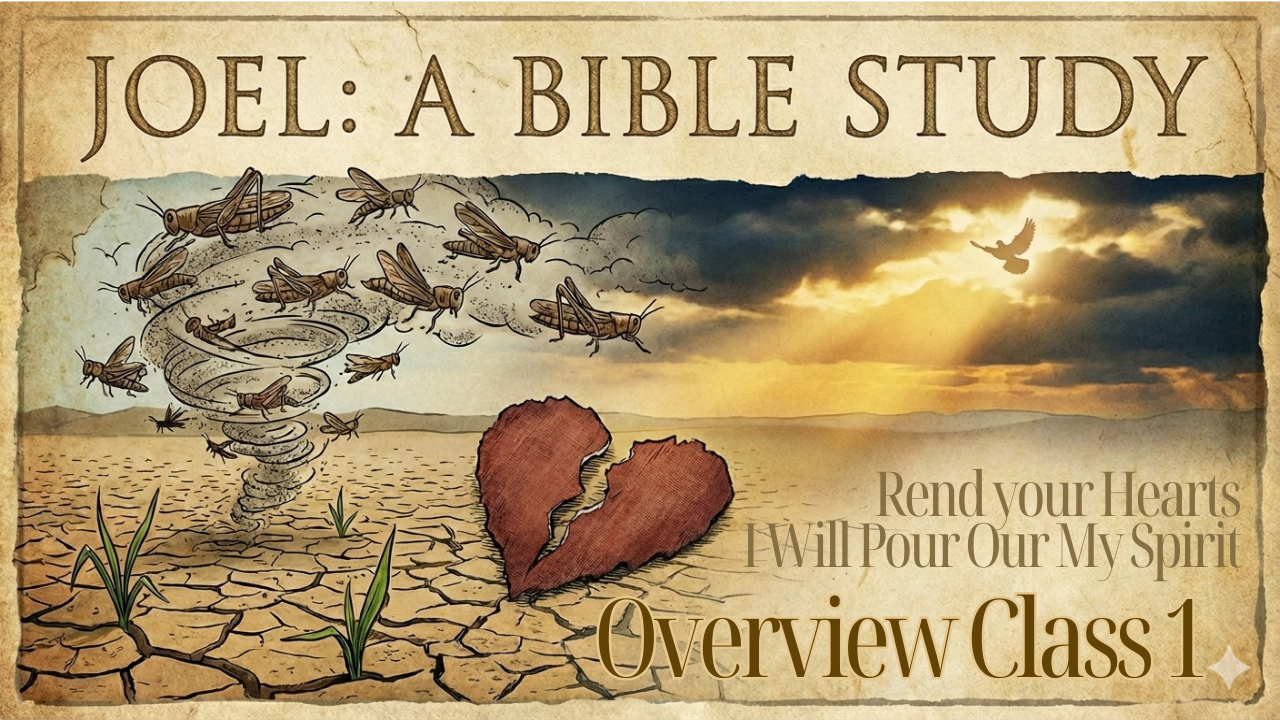
Joel Overview - Bible Study
This week, we began our study of the book of Joel, exploring its major themes of judgment, genuine repentance, and God's ultimate promise of restoration and the outpouring of His Spirit.
Joel Overview
This is our First class on Joel
This is an AI Recap of the class.
Some things may be incorrect.
Short Summary of the Whole Class
In our study of the book of Joel, we began with a high-level overview using a Bible Project video and then read through the entire book. We discussed its structure, which parallels a past "Day of the Lord" (a devastating locust plague) with a future one, highlighting God's call to genuine repentance. The class noted the book's deep connections to other scriptures, particularly Genesis and Exodus, and explored its central message: God is gracious and compassionate, and His judgment ultimately gives way to hope, restoration, and the outpouring of His Spirit, drawing parallels to themes in Revelation and its connection to the New Testament.
Detailed Class Summary
Introduction to the Study of Joel
We started our new Bible study series on the book of Joel, choosing this short but key prophetic book, which is also a reading for Ash Wednesday. The plan was to get a broad overview by watching the Bible Project video on Joel before reading through the entire book. We acknowledged that Joel is a unique and fascinating book, and its pictorial outline would be helpful in understanding its structure and message. The study is expected to last two or three weeks.
Summary of this Section: The class began a new study on the book of Joel, planning to use the Bible Project video as an introduction before reading the entire book to understand its overall themes and structure.
Bible Project Video and Initial Reactions
We watched the Bible Project video, which highlighted several unique features of Joel. It was noted that the book's date is likely post-exilic, during the time of Ezra and Nehemiah, as it mentions the temple but no king. Joel is also deeply familiar with other scriptures, quoting or alluding to prophets like Isaiah, Amos, and Ezekiel, and referencing foundational texts like Exodus. A key point was that Joel doesn't name Israel's specific sins, assuming his audience is already familiar with their history of rebellion from other prophetic works.
The video explained that the book is structured around the "Day of the Lord," a major prophetic theme.
Chapters 1-2: These chapters present two parallel poems. Chapter 1 describes a past Day of the Lord—a devastating locust swarm. Chapter 2 describes a future Day of the Lord, using military and cosmic imagery to portray the locusts as God's approaching army. In both instances, Joel calls for genuine repentance, urging the people to "rend your hearts, not your garments." This call is based on God's character as described in Exodus: "gracious and compassionate, slow to anger and...full of love."
God's Response: Following the people's repentance, God responds with a three-part promise: He will defeat the invaders, restore the ravaged land, and bring His divine presence.
Future Hope: The final section expands these promises. The promise of God's presence becomes the outpouring of His Spirit on all people. The defeat of the locusts becomes a picture of God confronting evil among all nations, and the restoration of the land points to the renewal of all creation.
Summary of this Section: The Bible Project video outlined Joel's structure, focusing on the "Day of the Lord" as both a past judgment (locust plague) and a future event. It emphasized God's call to sincere repentance, based on His merciful nature, which leads to promises of restoration, the outpouring of His Spirit, and the renewal of all creation.
Bible Verses Mentioned: Exodus 10, Exodus 34:6 (implied)
A Land in Devastation and a Call to Repentance
Reading through Joel, we started with the grim picture of an unprecedented disaster in Chapter 1: a multi-wave locust plague that has completely decimated the land, destroying all sources of joy and sustenance. The devastation affects every level of society, leading the prophet to call for national mourning, recognizing this event as a sign that "the day of the Lord is at hand."
Chapter 2 opens with an alarm signaling an even greater threat. The "Day of the Lord" is described as a day of darkness, with an approaching army likened to the locusts but more terrifying. In the face of this judgment, God offers mercy, calling His people to return to Him "with all your heart." The call is for genuine, internal change—to "rend your heart, and not your garments," based on God's nature as gracious and merciful. The chapter repeats the call for a sacred assembly, gathering everyone from elders to infants to collectively seek God's mercy.
Summary of this Section: We read about a catastrophic locust invasion that served as a powerful metaphor for spiritual emptiness and a sign of the approaching Day of the Lord. Amid this dire warning, a message of hope emerges as God calls for sincere, heartfelt repentance, emphasizing His desire to show grace and mercy.
Bible Verses Mentioned: Joel Chapter 1, Joel 2:1-17
Stories/Imagery: The four types of locusts destroying the land; a virgin mourning her husband; the "Northern Army" that runs like mighty men; the call to "rend your heart, and not your garments."
Restoration, Judgment, and Final Hope
Responding to the people's repentance, the tone shifts dramatically to restoration. The Lord promises to restore the land abundantly, sending grain, new wine, and oil. He will "restore the years that the locusts have eaten," removing their shame. This physical restoration leads to an even greater spiritual promise: "I will pour out my Spirit on all flesh." This radical prophecy declares that the Spirit will be given to all people—sons and daughters, old and young—and culminates in the promise that "whoever calls on the name of the Lord shall be saved."
The final chapter moves to the ultimate "Day of the Lord," where God judges the nations in the "Valley of Jehoshaphat" for their mistreatment of Israel. In a striking reversal of Isaiah's prophecy, the nations are told to "Beat your plowshares into swords" to gather for judgment. The imagery is of a harvest, where the wickedness of the nations is "ripe." In contrast, the Lord will be a refuge for His people, and the book concludes with the promise of an eternally holy Jerusalem where "the Lord dwells in Zion."
Summary of this Section: We read God's compassionate response, promising to restore what was lost and more. This leads to the significant prophecy of the outpouring of the Spirit on all people and salvation for all who call on God. The book concludes with a final judgment of the nations and the eternal security of God's people.
Bible Verses Mentioned: Joel 2:18-32, Joel Chapter 3, Isaiah 2:4, Micah 4:3
Stories/Imagery: God restoring the years the locusts have eaten; the outpouring of the Spirit on all flesh; the judgment of nations in the "Valley of Decision"; the reversal of "beat your plowshares into swords."
Class Discussion and Reflections
The class discussed the connections between Joel and other parts of the Bible.
We explored the changing voices in Joel, a common feature of prophetic writing where the prophet speaks on God's behalf.
A major theme was the recurring human temptation to build our own "Tower of Babylon"—a metaphor for seeking power on our own terms. Joel's call to "rend your hearts" is a direct command to abandon this path for genuine repentance.
The themes of judgment and hope reminded the group of the book of Revelation. Both books, while containing stark warnings, are ultimately uplifting because they end with restoration. The imagery of the "Day of the Lord" as a final, battle-less battle strongly parallels Revelation.
We noted that Joel is frequently quoted in the New Testament, particularly in the Gospel of Matthew. The outpouring of the Spirit is a foundational prophecy fulfilled at Pentecost.
Summary of this Section: The class connected Joel's themes to the broader biblical narrative, discussing the "Tower of Babylon" temptation, the call to authentic repentance, and the shared pattern of judgment followed by uplifting hope found in both Joel and Revelation.
Final Summary of the Class
Today’s class served as an introduction to our study on the book of Joel. We began with an overview from a Bible Project video and then read through the book, exploring its powerful prophetic message. We examined how Joel uses a recent disaster—a plague of locusts—as both a tangible symbol of judgment and a template for understanding the future "Day of the Lord." Central to the book is the call for sincere repentance ("rend your hearts, not your garments"), grounded in the knowledge of God's immense mercy and compassion as revealed in Exodus.
In our discussion, we noted Joel's deep connections to the Pentateuch, especially Genesis and Exodus, re-contextualizing events like the plagues and the Garden of Eden. We drew parallels between Joel and the book of Revelation, recognizing a common narrative of judgment that ultimately leads to an uplifting message of hope. The book's arc moves from desolation and "uncreation" to God's glorious promises of restoration. This includes not only reversing the material disaster but also the pinnacle promise of the outpouring of the Holy Spirit on all people, making salvation available to all who call on the name of the Lord. The study concluded by looking ahead to the final judgment of nations and the ultimate, eternal security of God's people in a purified Jerusalem where He dwells with them forever.
Main Points
We are beginning a new Bible study on the book of Joel, a short but powerful prophetic work.
Joel uses a devastating locust plague as a wake-up call to address the people's spiritual state and the coming "Day of the Lord."
A central theme is the rejection of humanity's self-serving quest for power (the "Tower of Babylon") in favor of genuine humility and repentance.
Joel calls for sincere repentance ("rend your hearts"), based on God's character as merciful and gracious.
God's response to repentance is a promise of total restoration, making up for lost time and opportunity.
The book's ultimate hope is the outpouring of the Holy Spirit on all flesh and the promise that salvation is for all who call on God's name.
Joel shares thematic similarities with Revelation, depicting a final judgment of worldly powers that gives way to a restored, Eden-like paradise for God's people.
Scriptures and Stories Mentioned
Bible Scriptures:
The Book of Joel (Chapters 1, 2, and 3)
Exodus 10 (Plague of Locusts)
Exodus 34:6 (God's character as gracious and compassionate)
Isaiah 2:4, Micah 4:3 (Beat swords into plowshares)
Prophets alluded to by Joel: Isaiah, Amos, Zephaniah, Nahum, Obadiah, Ezekiel, Malachi
Matthew (quotes Joel)
Bible Stories and Concepts:
The Ten Plagues of Egypt (specifically the locust plague)
The Tower of Babel (Babylon)
Israel making the Golden Calf (the context for God revealing His mercy)
David and Bathsheba
The Garden of Eden
The Battle of Armageddon (from Revelation)
The concept of tohu va'vohu (formless and void/wild and waste) from Genesis
The Cross of Jesus (described as the ultimate "Day of the Lord" where God takes judgment on Himself)
![[Sunday] Epiphany - We Three Kings](https://images.squarespace-cdn.com/content/v1/5852f18a20099e30cd2c01dc/1767125671191-FUYDUJF532NJJ4IKWZHZ/Christmas+light+7a.jpg)
[Sunday] Epiphany - We Three Kings
While earthly rulers try to hijack the story of the Magi to claim power, the gifts of Gold, Frankincense, and Myrrh reveal a King who rules through sacrifice and death, calling us to abandon the world's version of greatness for a "different way."
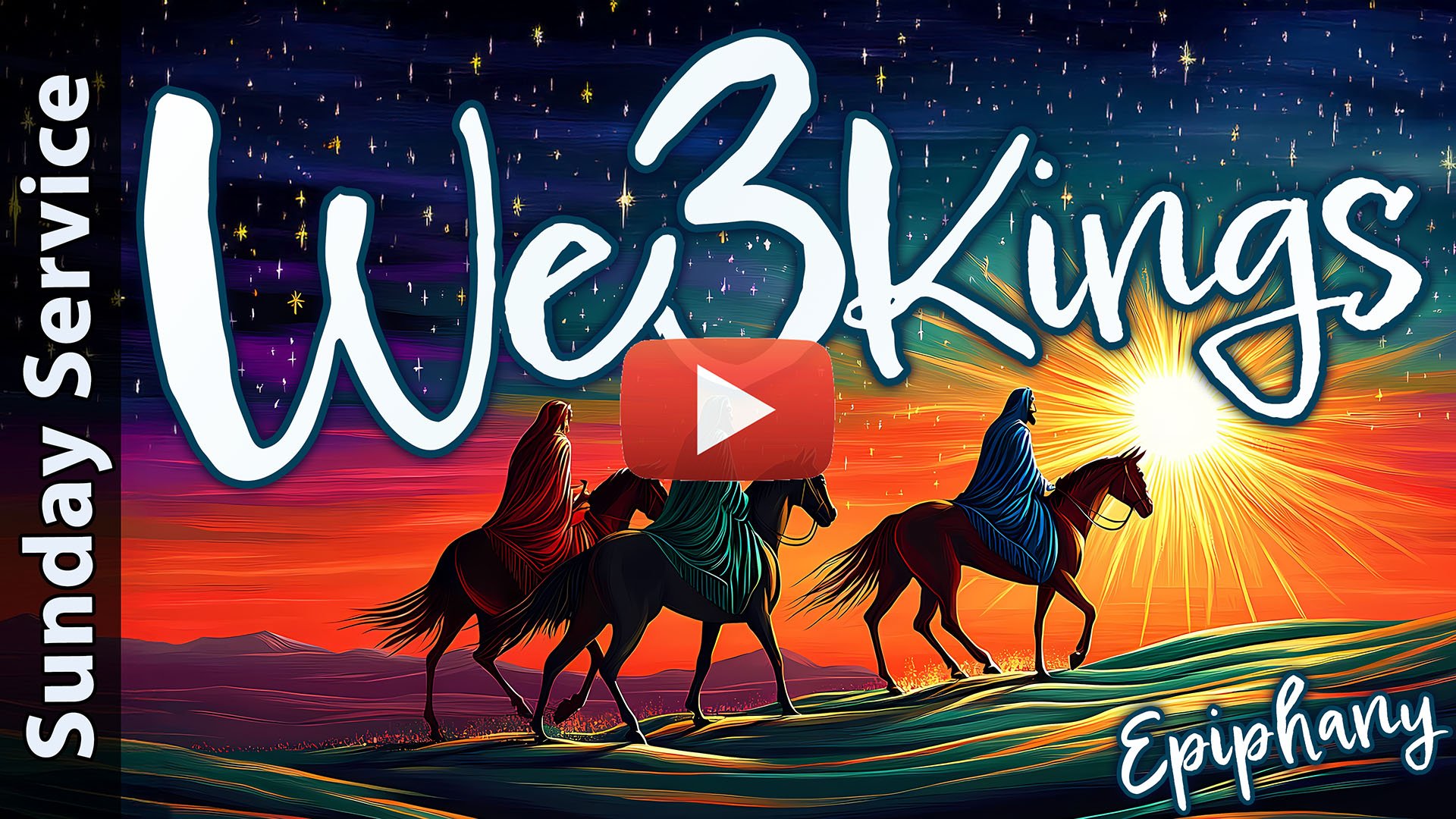
While earthly rulers try to hijack the story of the Magi to claim power, the gifts of Gold, Frankincense, and Myrrh reveal a King who rules through sacrifice and death, calling us to abandon the world's version of greatness for a "different way."
Questions for the Week: We Three Kings
The Magi were "wise guys" and outsiders, not the religious elite. Who are the "unexpected people" in our world today that might be seeing the truth of Jesus more clearly than those of us inside the church?
Read Matthew 2:1-15: We often admire people with wealth and power. How does the image of Magi laying gold at the feet of a toddler in a common house change your perspective on what we should focus on in life?
Why is it important for us to remember the Myrrh (a burial spice that points to the cross) even during the celebration of Christmas and Epiphany? How does this gift given to Jesus by the Magi give you hope in the midst of suffering?
After meeting Jesus, the Magi "departed into their own country another way." In what specific area of your life is the "True King" calling you to stop following the world’s path and start going "another way"?


What Had happened at Grace this week.
![[Sunday] Psalm 23: The Lord is - Richer](https://images.squarespace-cdn.com/content/v1/5852f18a20099e30cd2c01dc/1783088642177-I9I04LF6EKJOK2VD2IIT/richer+26+1a.jpg)

![Vicar Claubert’s Family Welcomes at House warming Party [Photos]](https://images.squarespace-cdn.com/content/v1/5852f18a20099e30cd2c01dc/1783087135773-2A4Y3NCMD7H705TEG6XO/IMG_2084.jpeg)


![[Sunday] All things Good - 2 Kings 9-10 & Romans 8:28 - Foolish Wisdom](https://images.squarespace-cdn.com/content/v1/5852f18a20099e30cd2c01dc/1782425800701-ZKA0ZIGTYXT03KWDYE7E/FW10a.jpg)
![Vicar Claubert is Moved in and Lots happening around Grace [Photos]](https://images.squarespace-cdn.com/content/v1/5852f18a20099e30cd2c01dc/1782485561689-A63EJT6X8P3DLNWVSJD1/PXL_20260625_142451905.jpg)
![[Sunday] A Song of Christmas Light - Wait | Simeon](https://images.squarespace-cdn.com/content/v1/5852f18a20099e30cd2c01dc/1766465408750-D8B3EGC204JHKAXLWITJ/Christmas+light+6a.jpg)
[Sunday] A Song of Christmas Light - Wait | Simeon
Just as the Apollo 8 astronauts were awed by our tiny planet in a vast universe, Simeon’s joy reminds us that God proves His love by entering the most "insignificant" places—a manger, a small town, and our own ordinary lives—to bring us peace.

Just as the Apollo 8 astronauts were awed by our tiny planet in a vast universe, Simeon’s joy reminds us that God proves His love by entering the most "insignificant" places—a manger, a small town, and our own ordinary lives—to bring us peace.
Questions for the Week: A Story of Christmas Light - Pointing to Greatness
What is something you are currently waiting for God to do in your life, and how do you handle the silence while you wait?
Read Luke 2:22-38. Simeon recognized that the wait was over, that the Savior was in this poor baby. Why do you think God so often chooses to work through "insignificant" means (a baby, a manger, a cross) rather than through displays of raw power?
The astronauts on Apollo 8 felt tiny looking back at Earth from space. Have you ever felt "small" or "insignificant"—maybe at school, at work, or just looking at the stars? How does knowing that God chose to become a tiny, "insignificant" baby change how you feel about your own smallness?
What Had happened at Grace this week.
![Red, White, And BBQ July 12th [Tons of Fun]](https://images.squarespace-cdn.com/content/v1/5852f18a20099e30cd2c01dc/1781874374517-KQLIDD18LRNMB4C7U8A8/Announcments+grace+%283%29.png)
![[Christmas Day] Beautiful Trees](https://images.squarespace-cdn.com/content/v1/5852f18a20099e30cd2c01dc/1766458441148-4Z6ZUARBSWFIBNXRVG4D/Christmas+light+Daya.jpg)
[Christmas Day] Beautiful Trees
More than just a decoration, the Christmas tree stands as a symbol of the "Feast of Adam and Eve," proclaiming that the New Adam has come to restore Paradise.

More than just a decoration, the Christmas tree stands as a symbol of the "Feast of Adam and Eve," proclaiming that the New Adam has come to restore Paradise.
What Had happened at Grace this week.
![Christmas Eve 2025 [Photos]](https://images.squarespace-cdn.com/content/v1/5852f18a20099e30cd2c01dc/1766636596066-PCWQTYYY2FFHOGAYNJ1S/PXL_20251224_213833482.jpg)
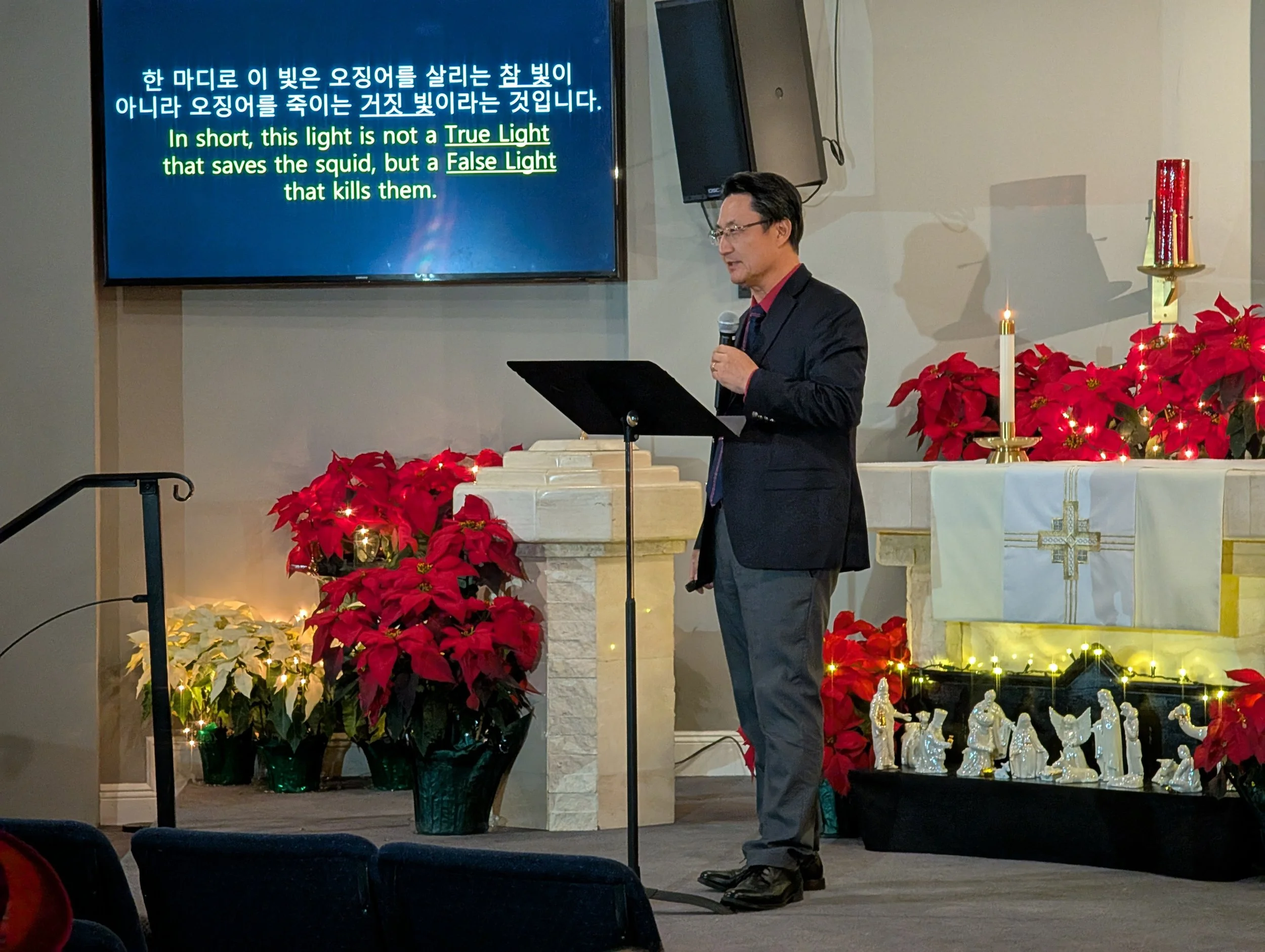
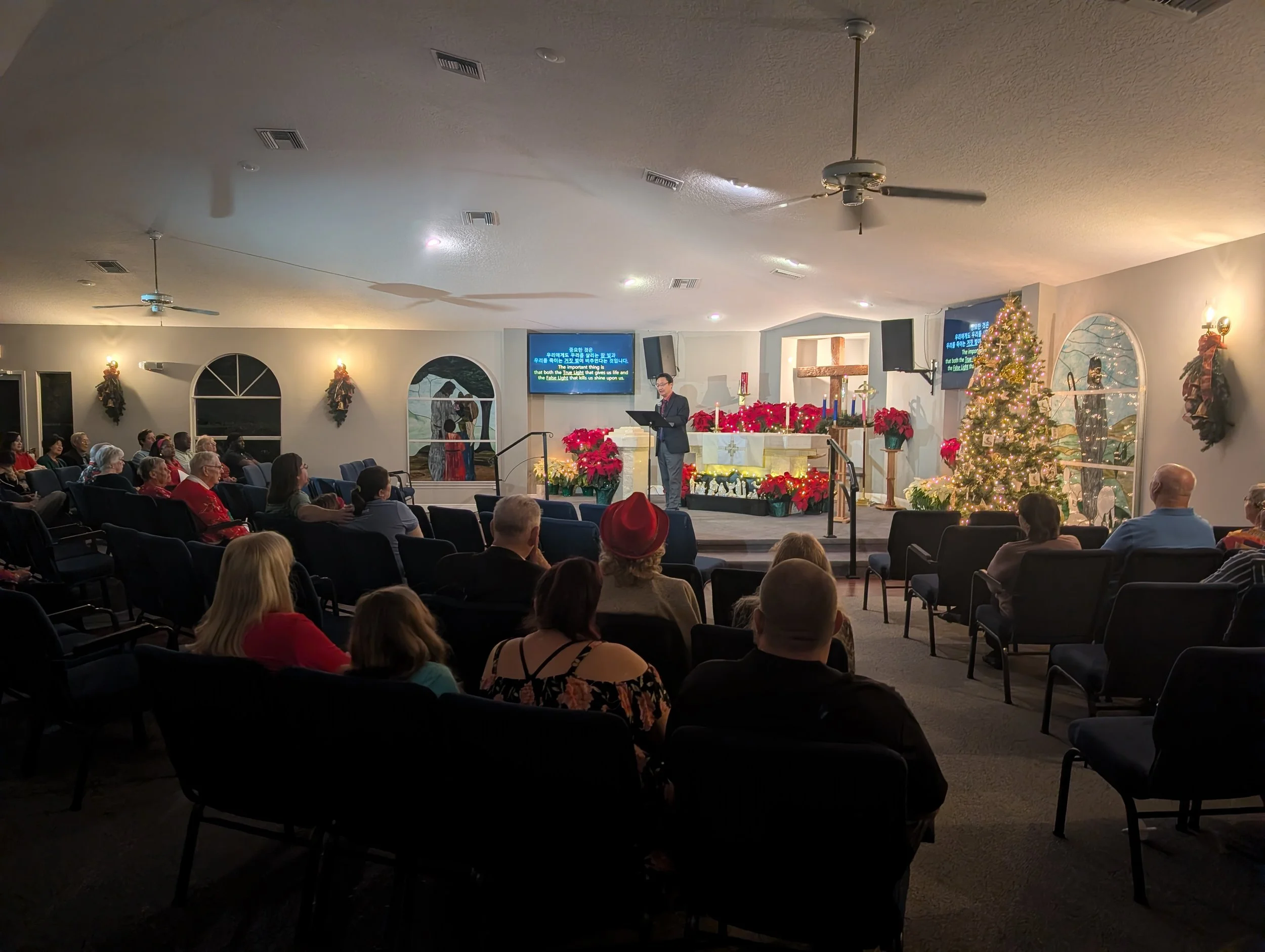
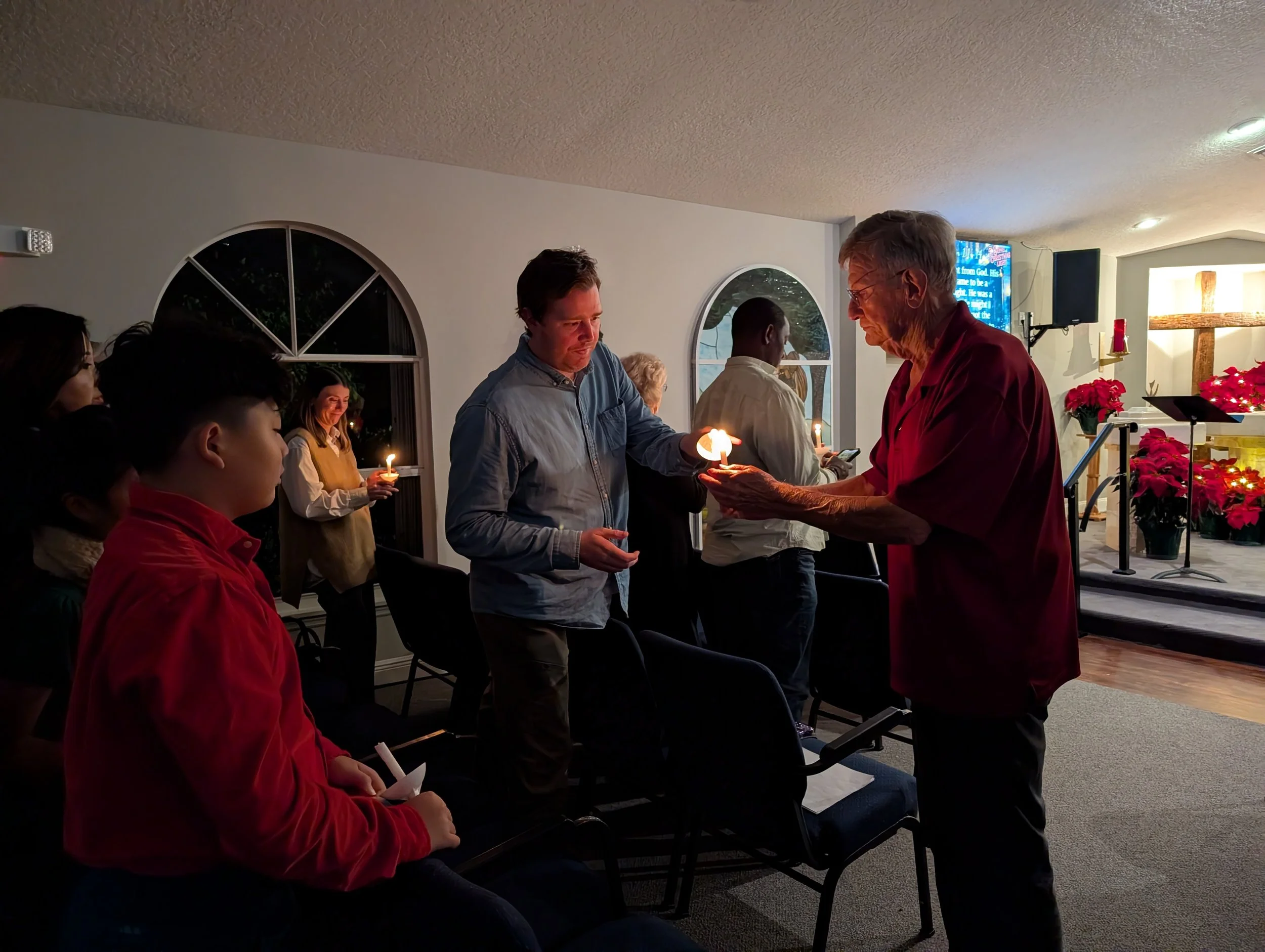
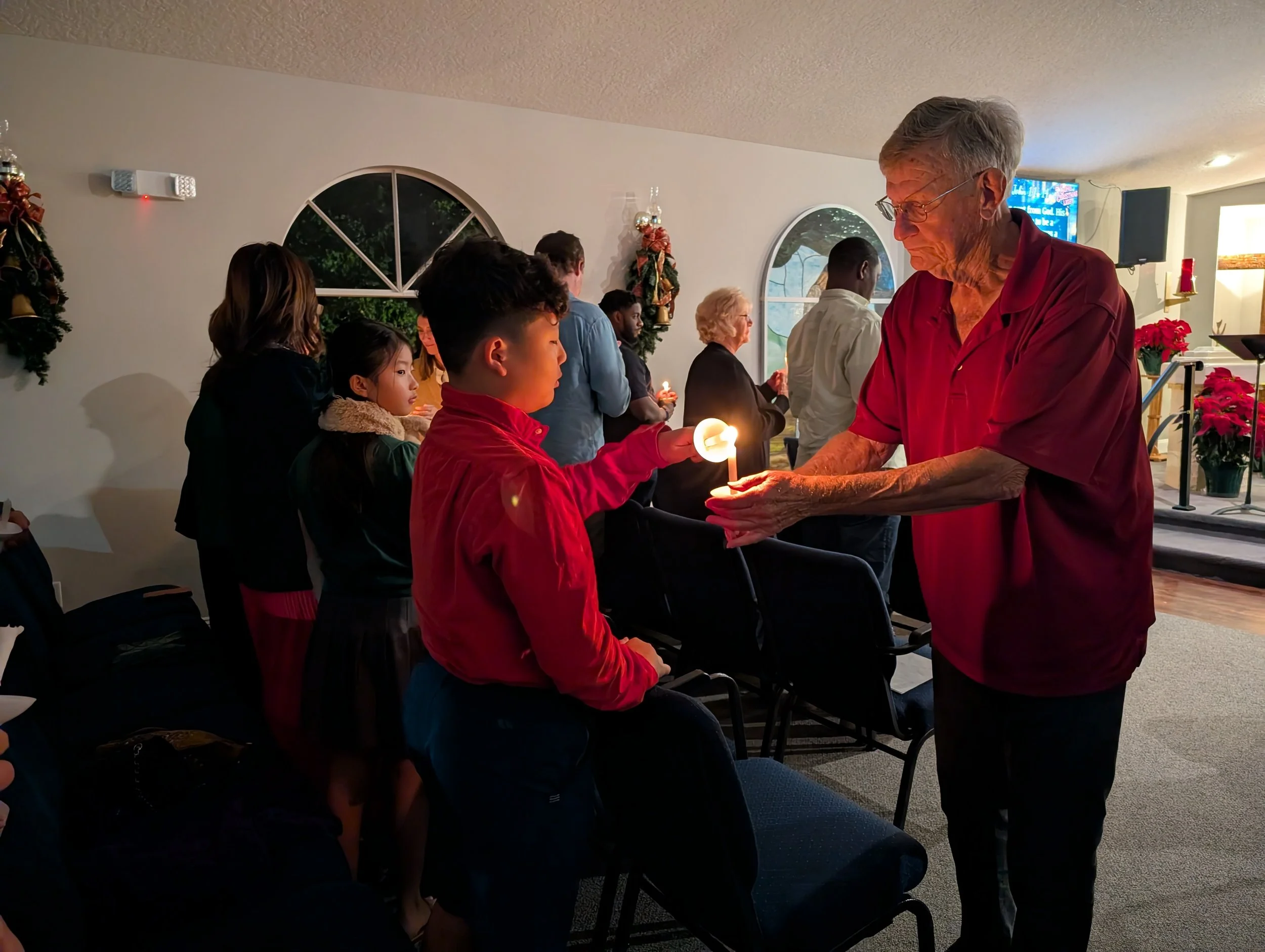
Christmas Eve 2025 [Photos]
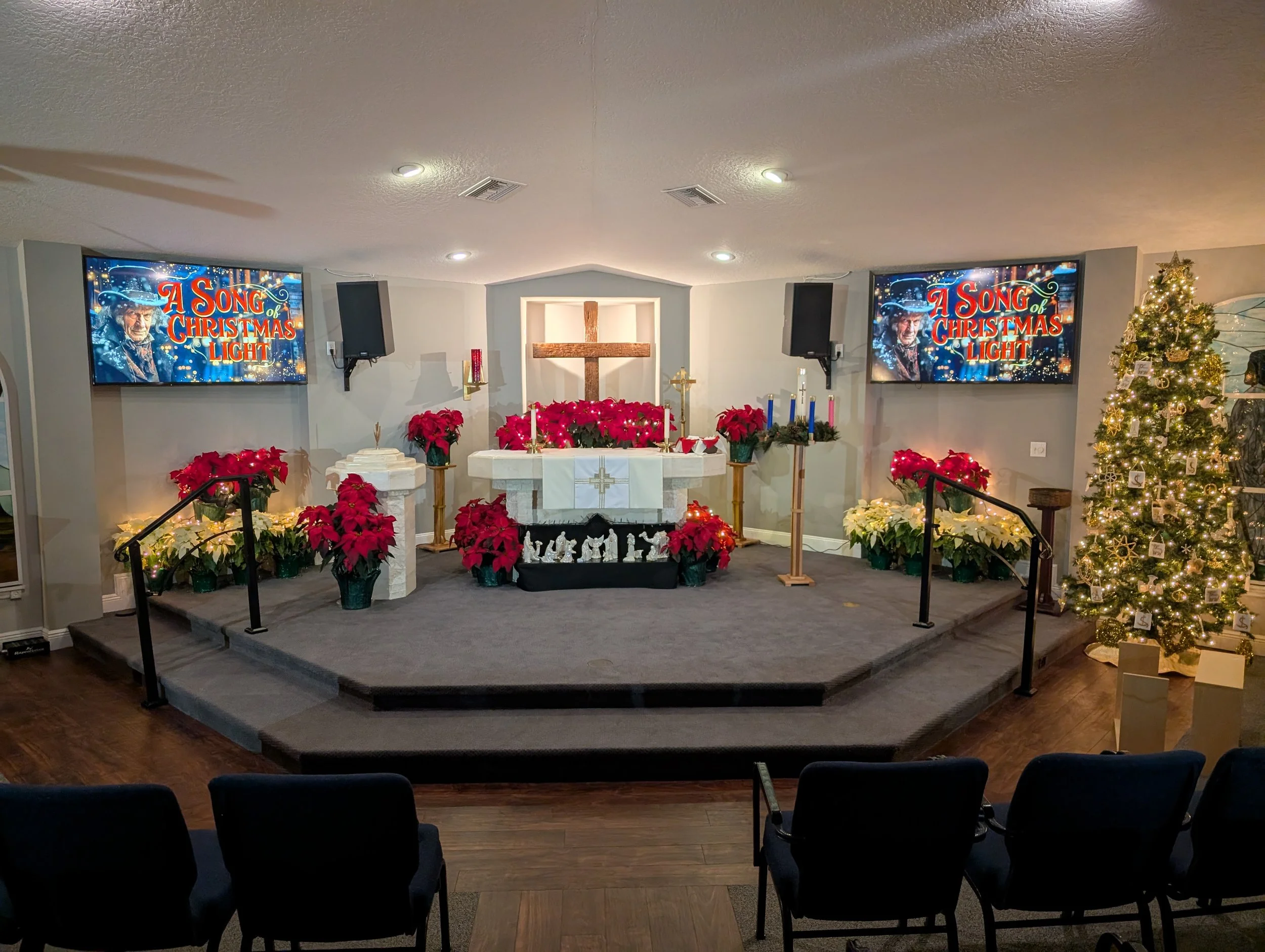
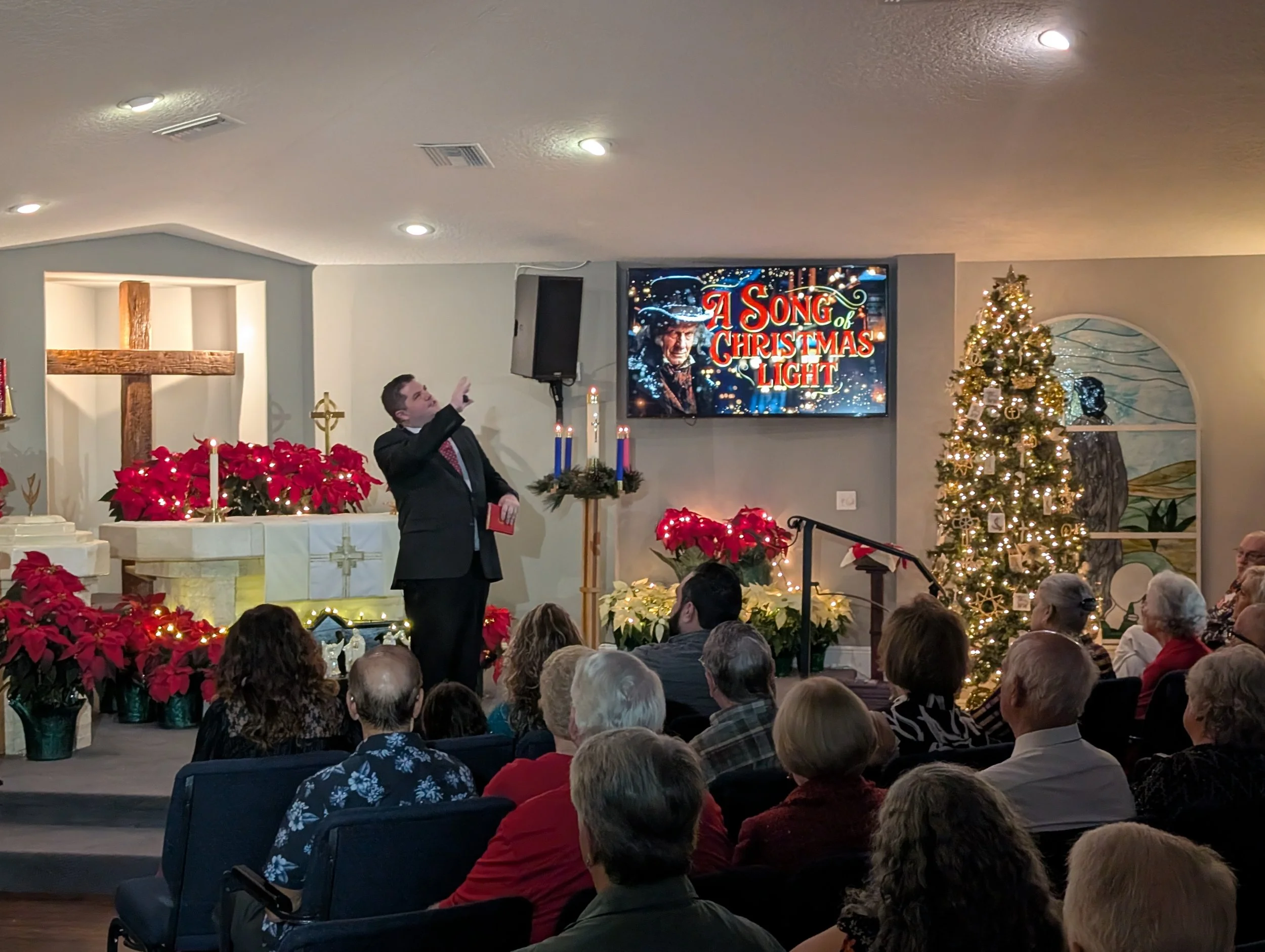
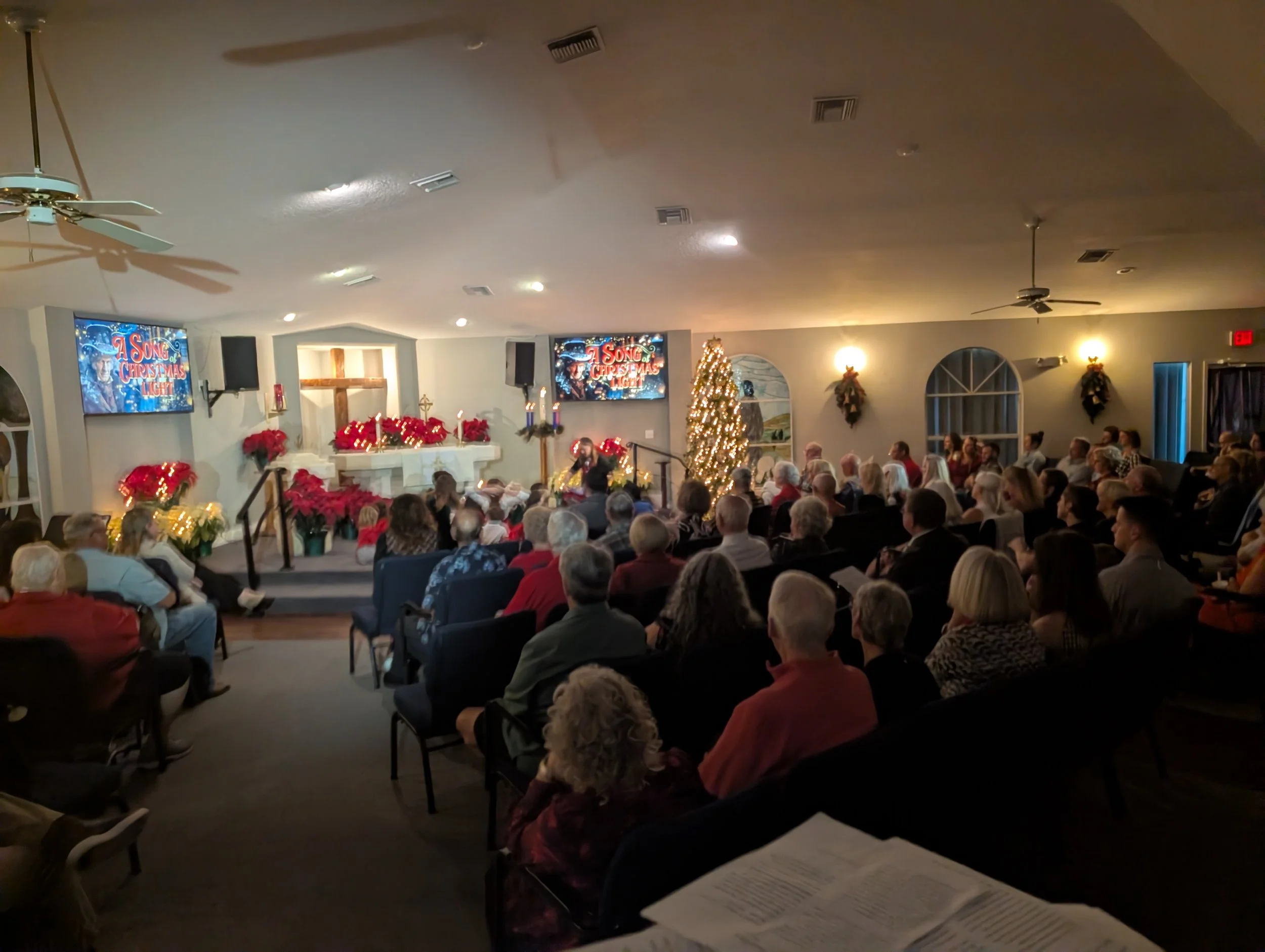
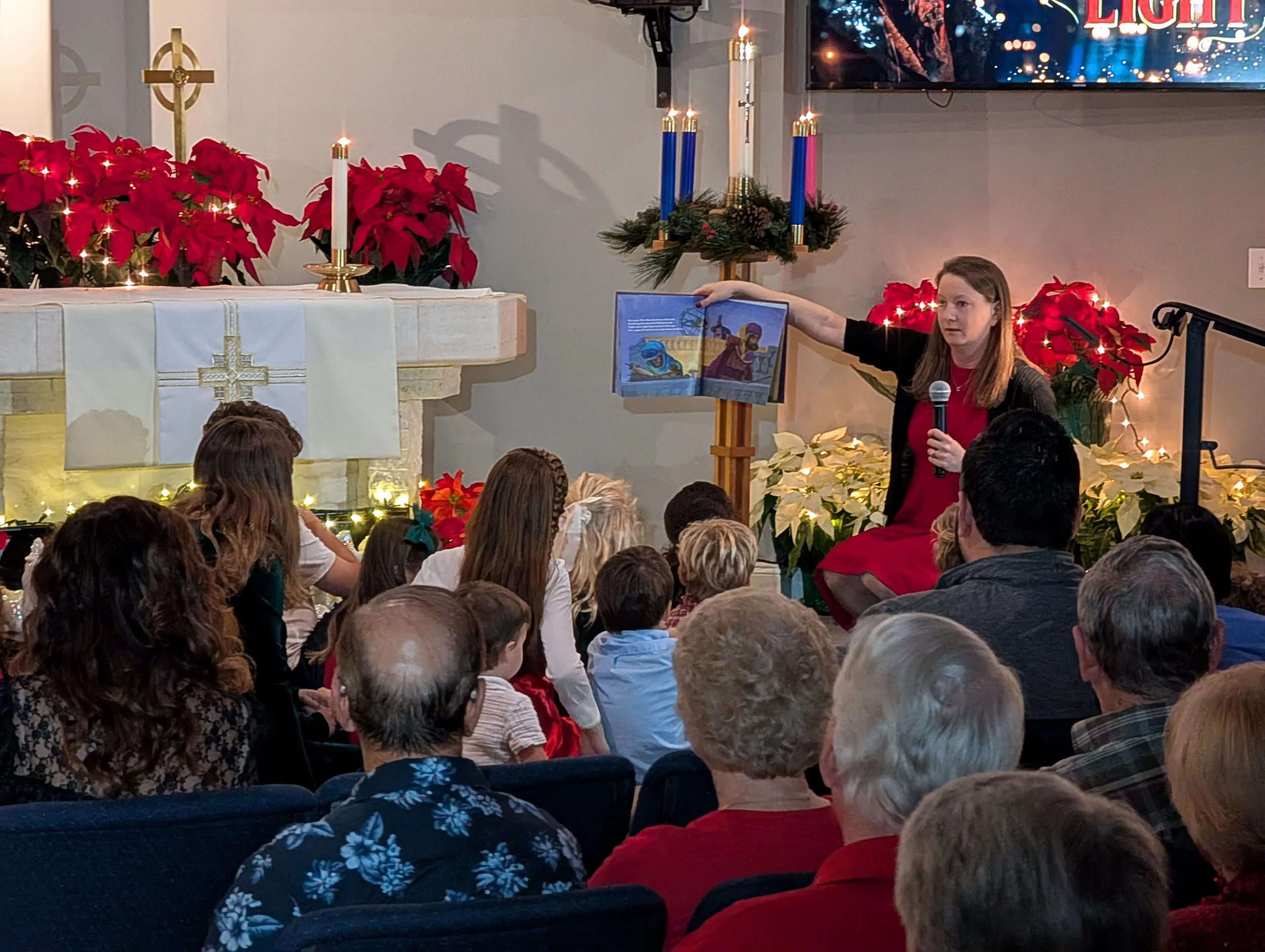
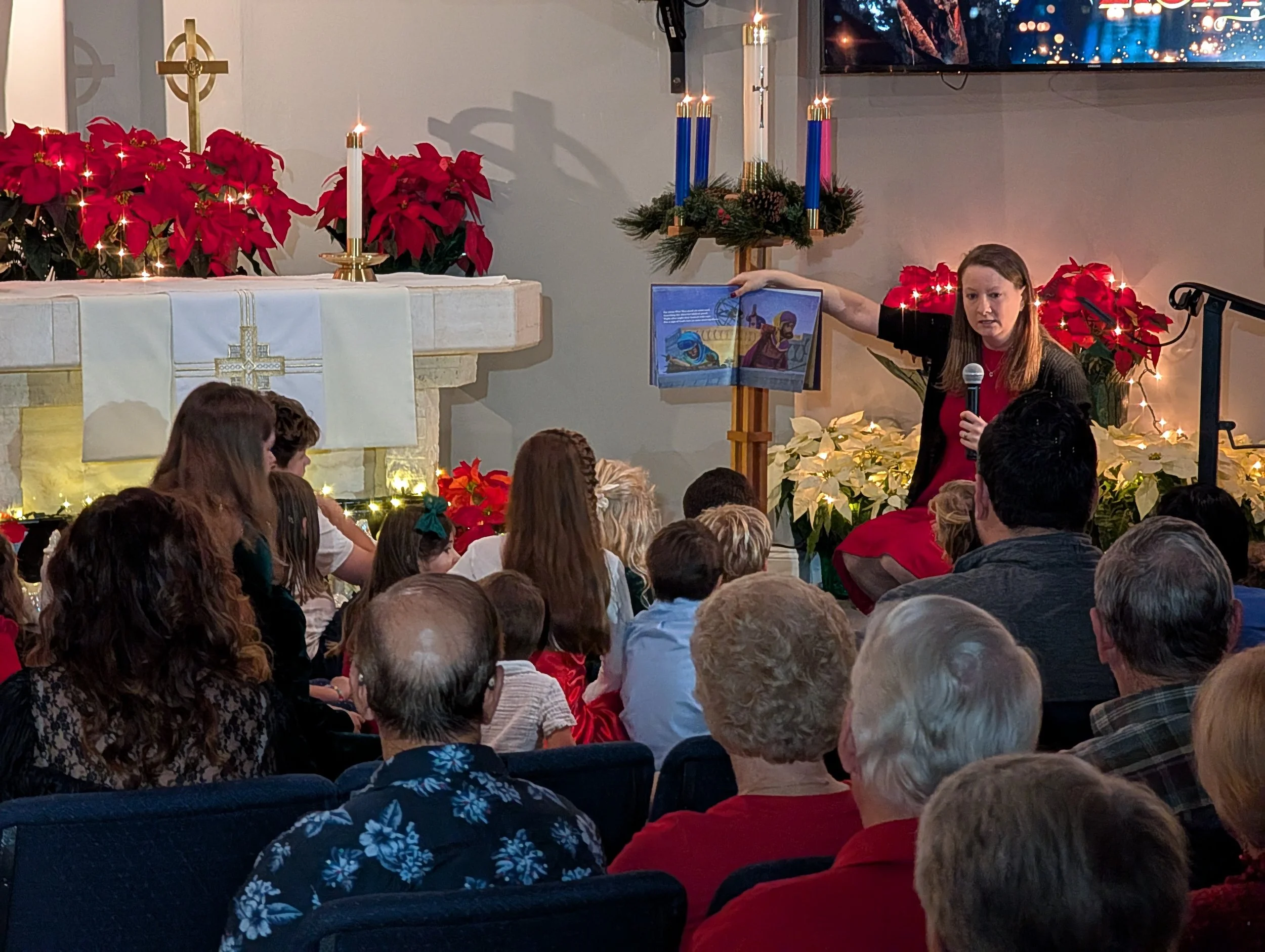
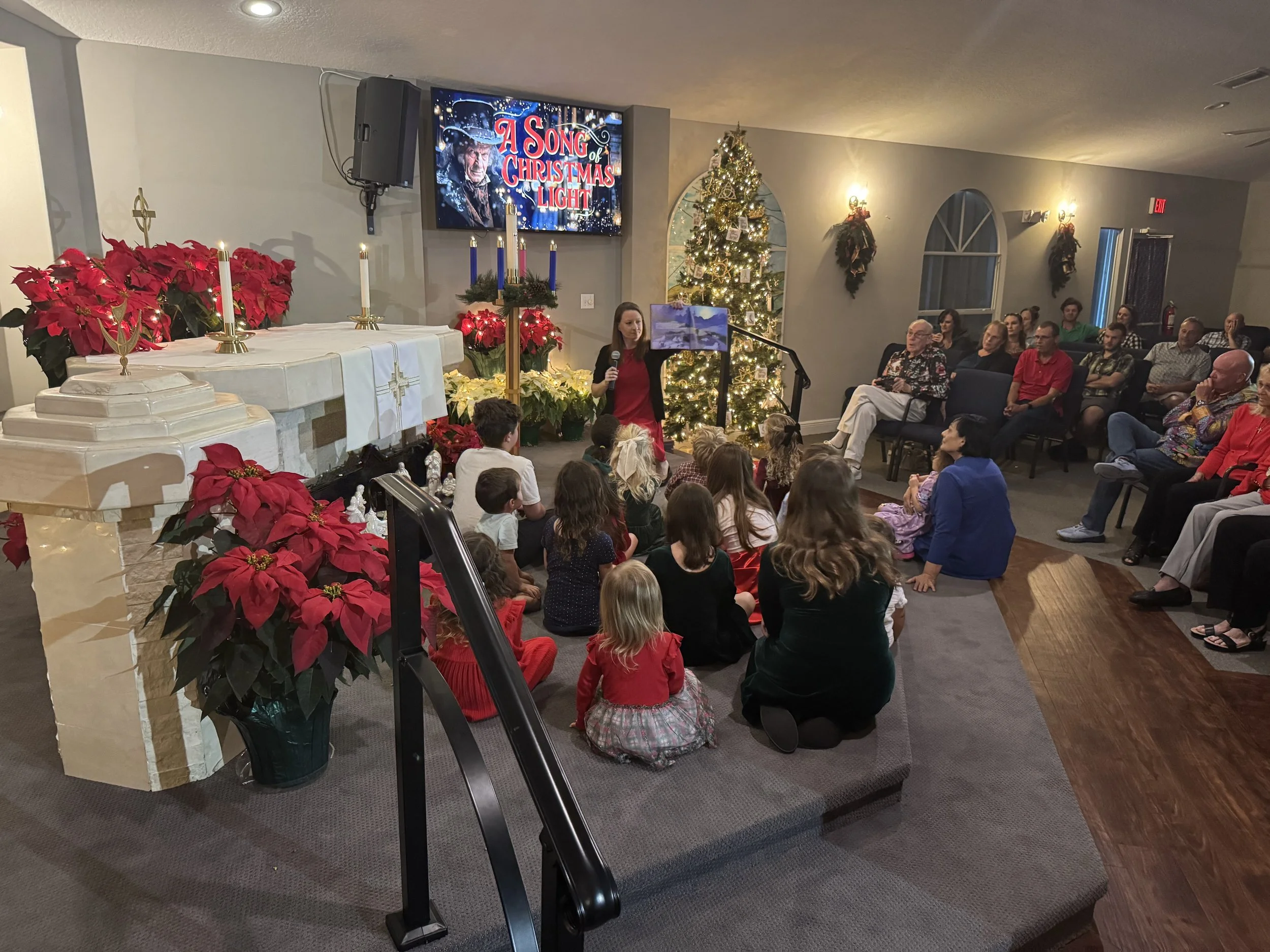
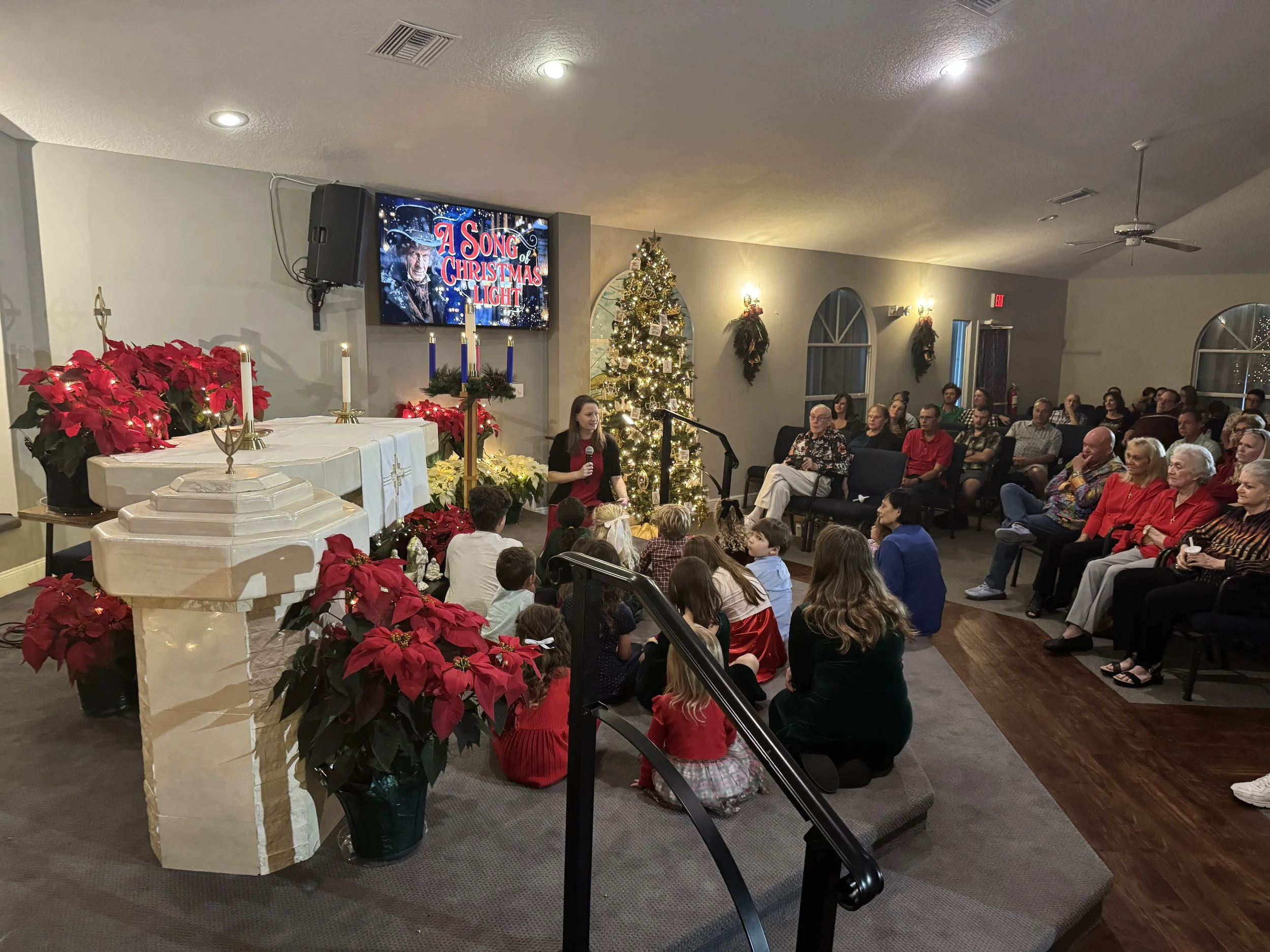
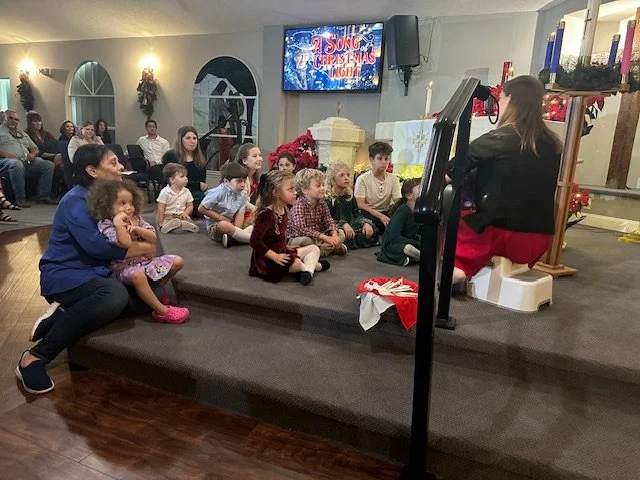
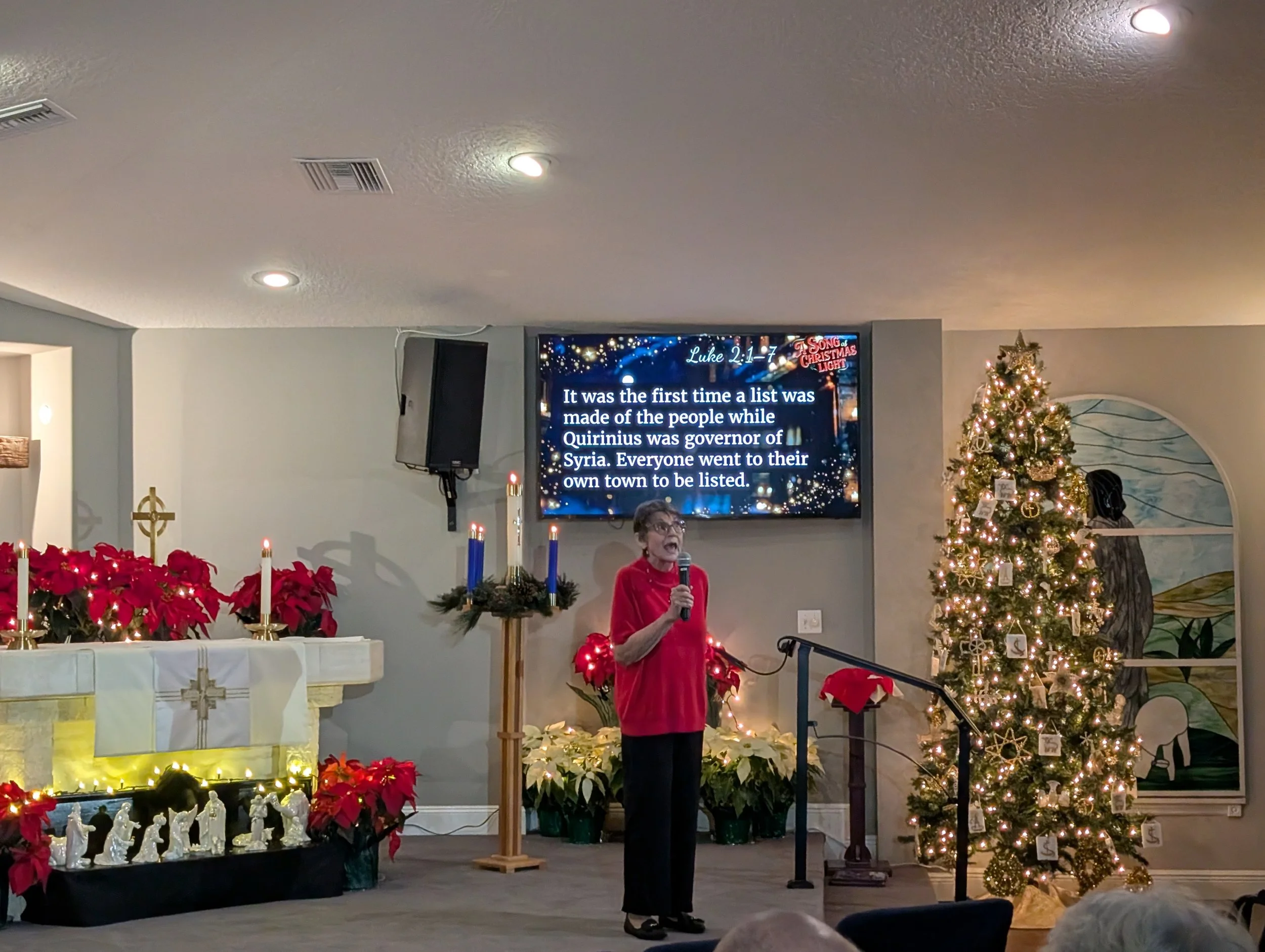
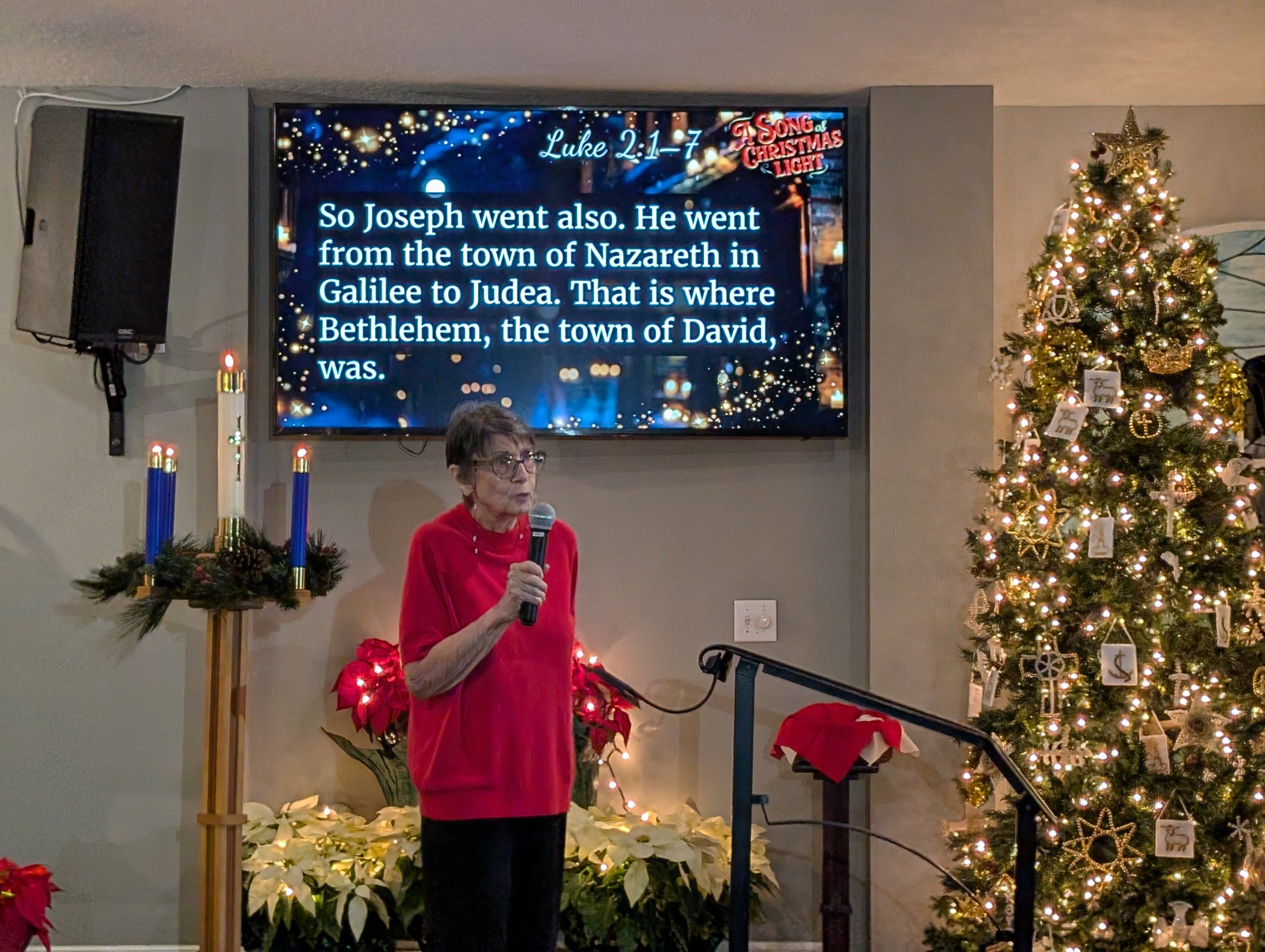
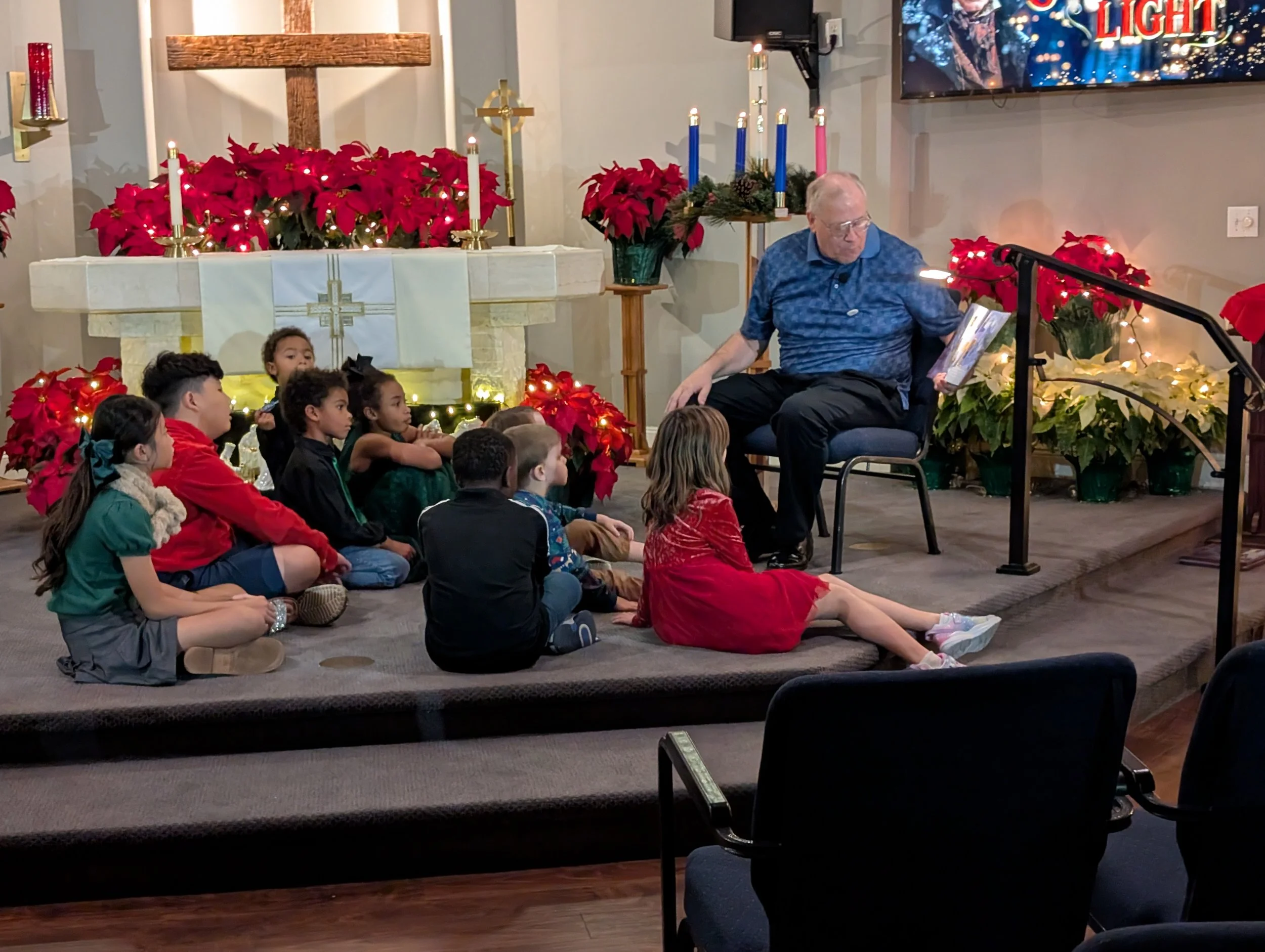
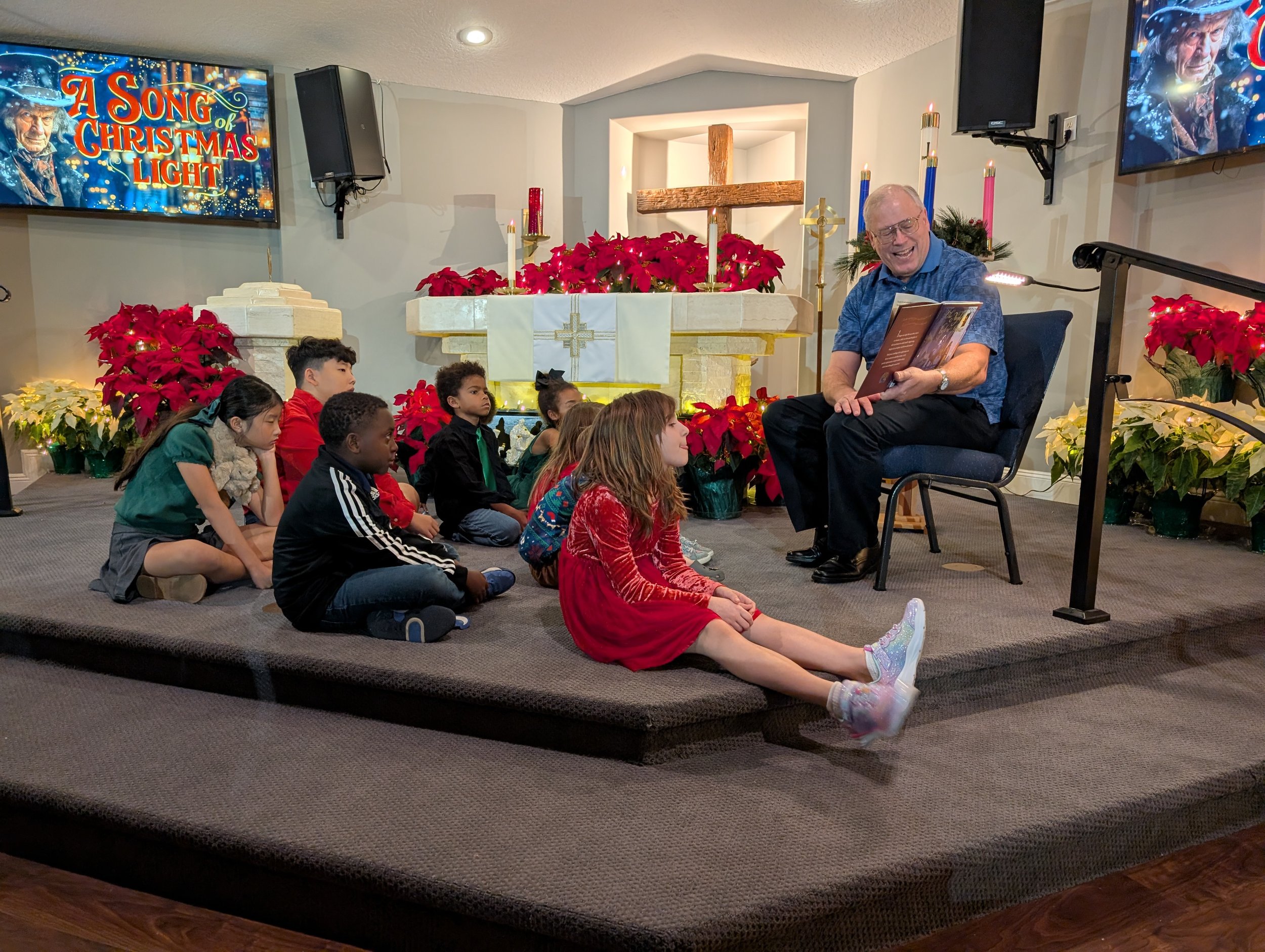
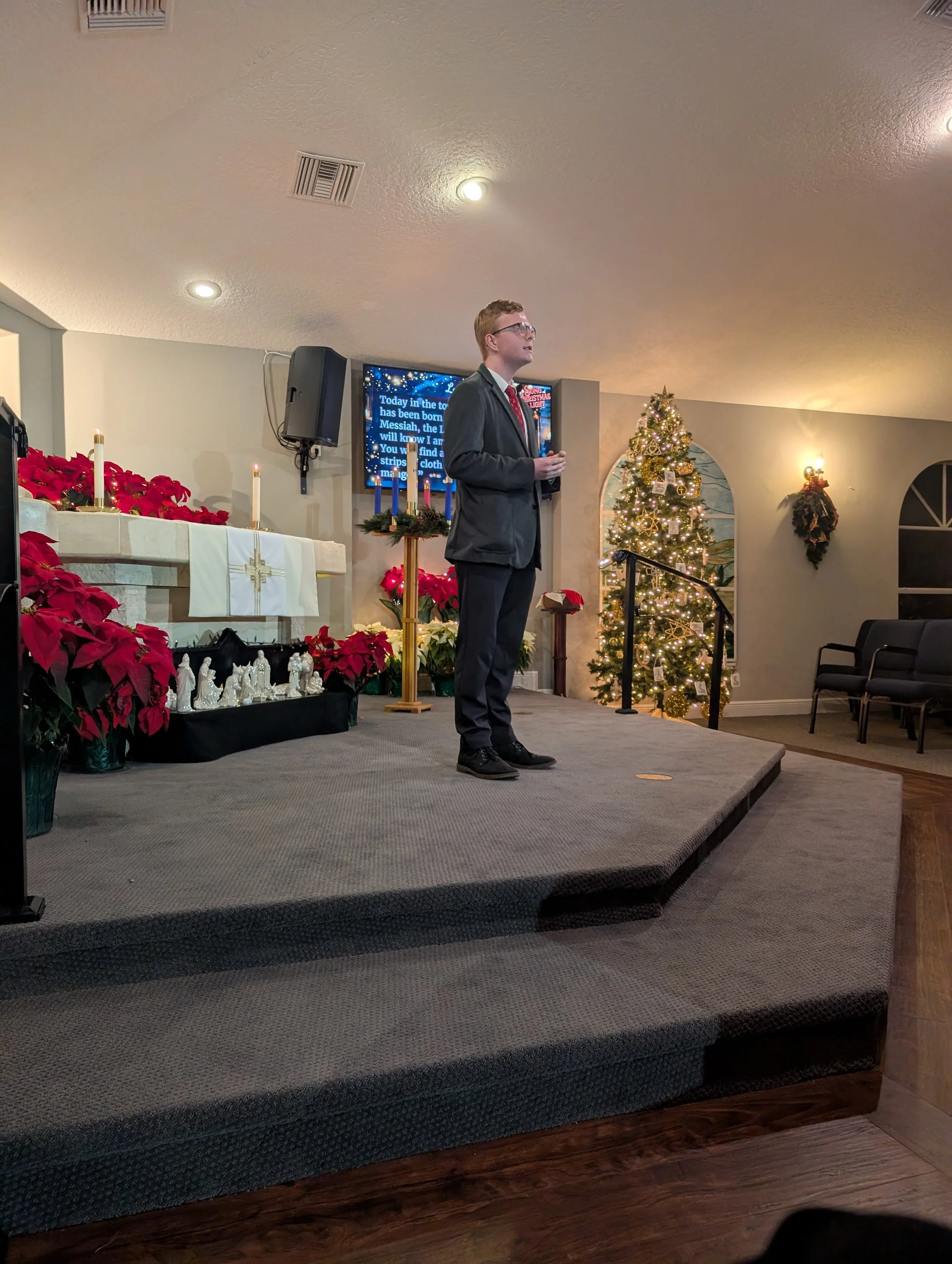
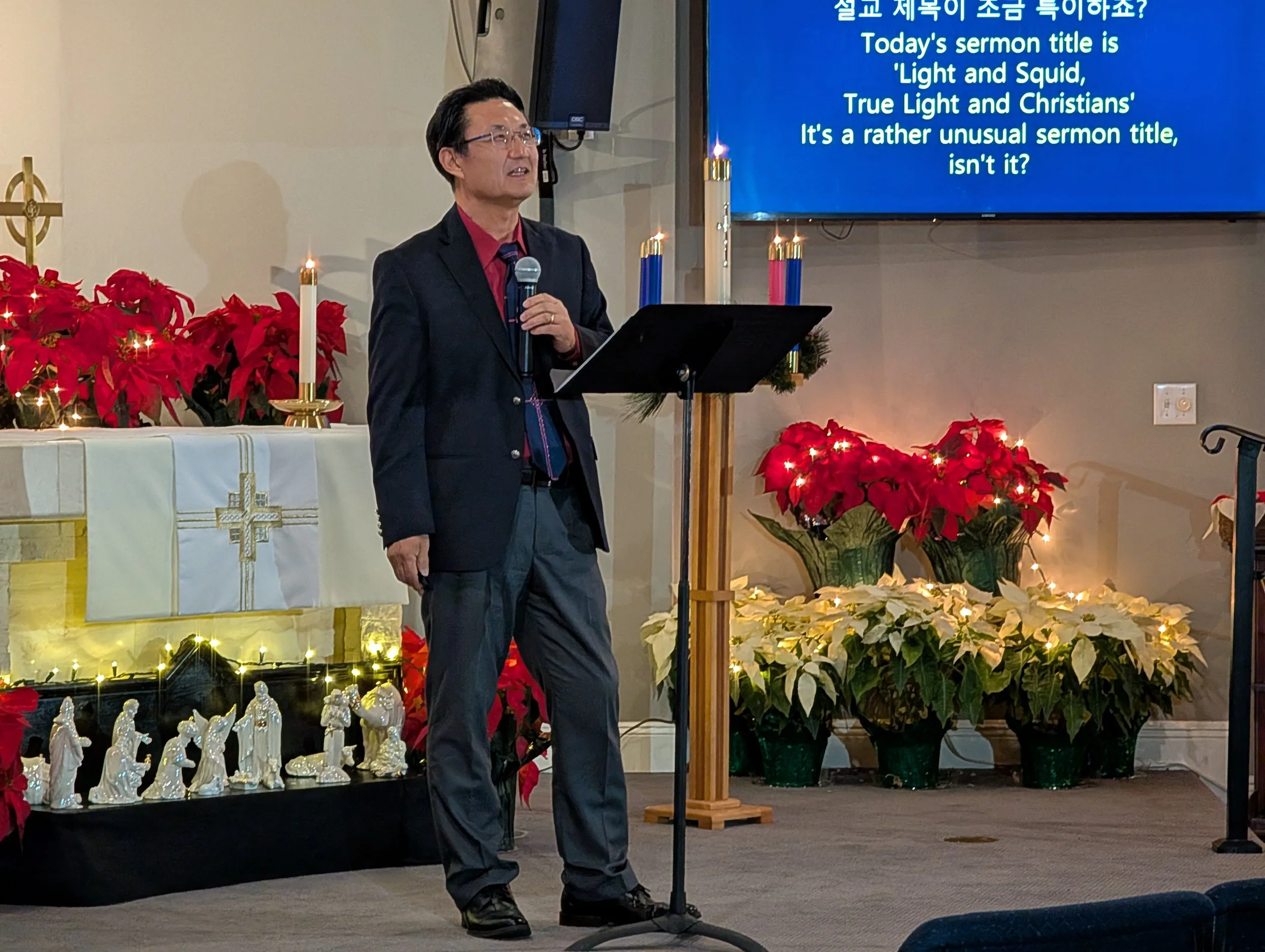
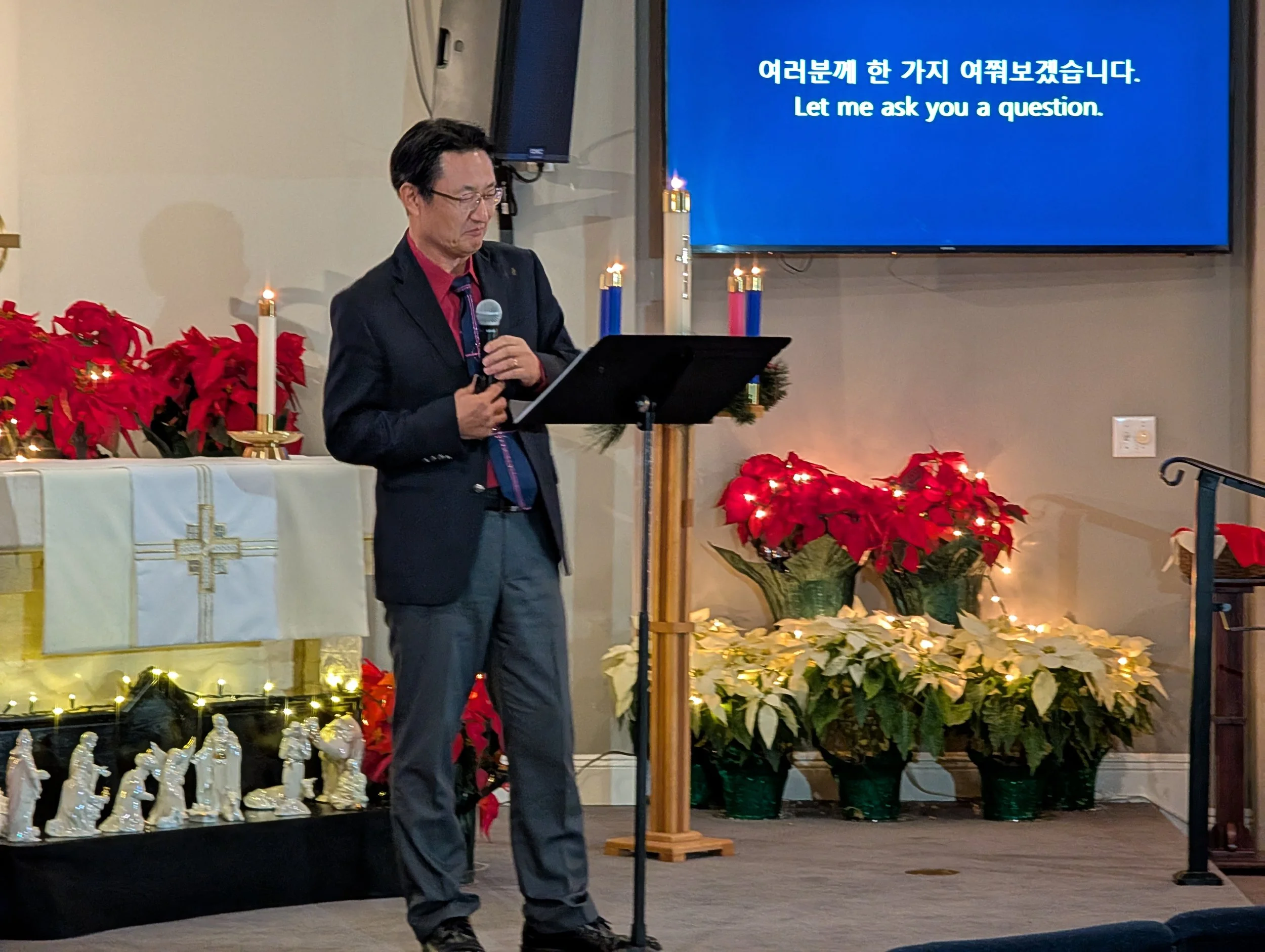
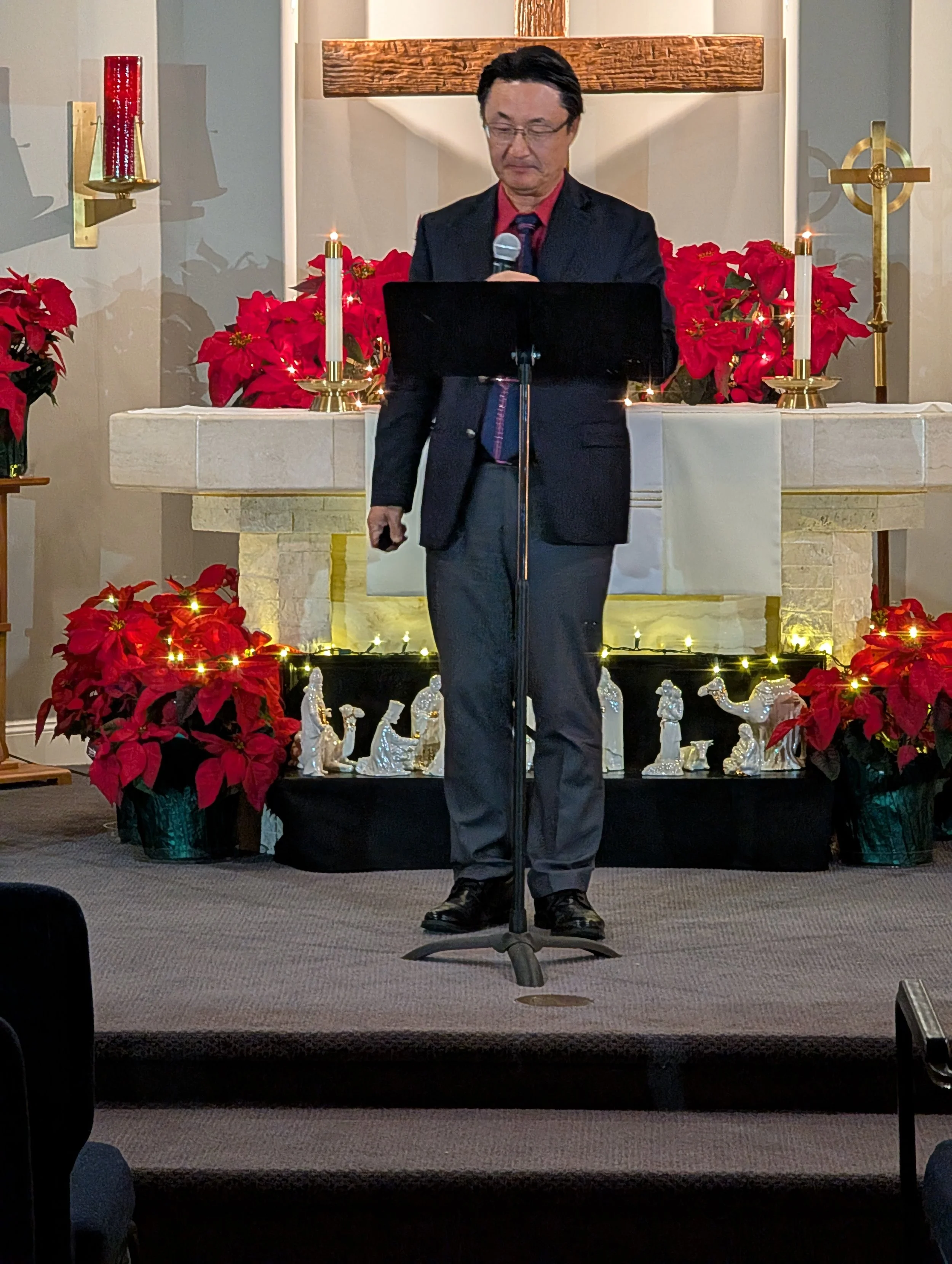
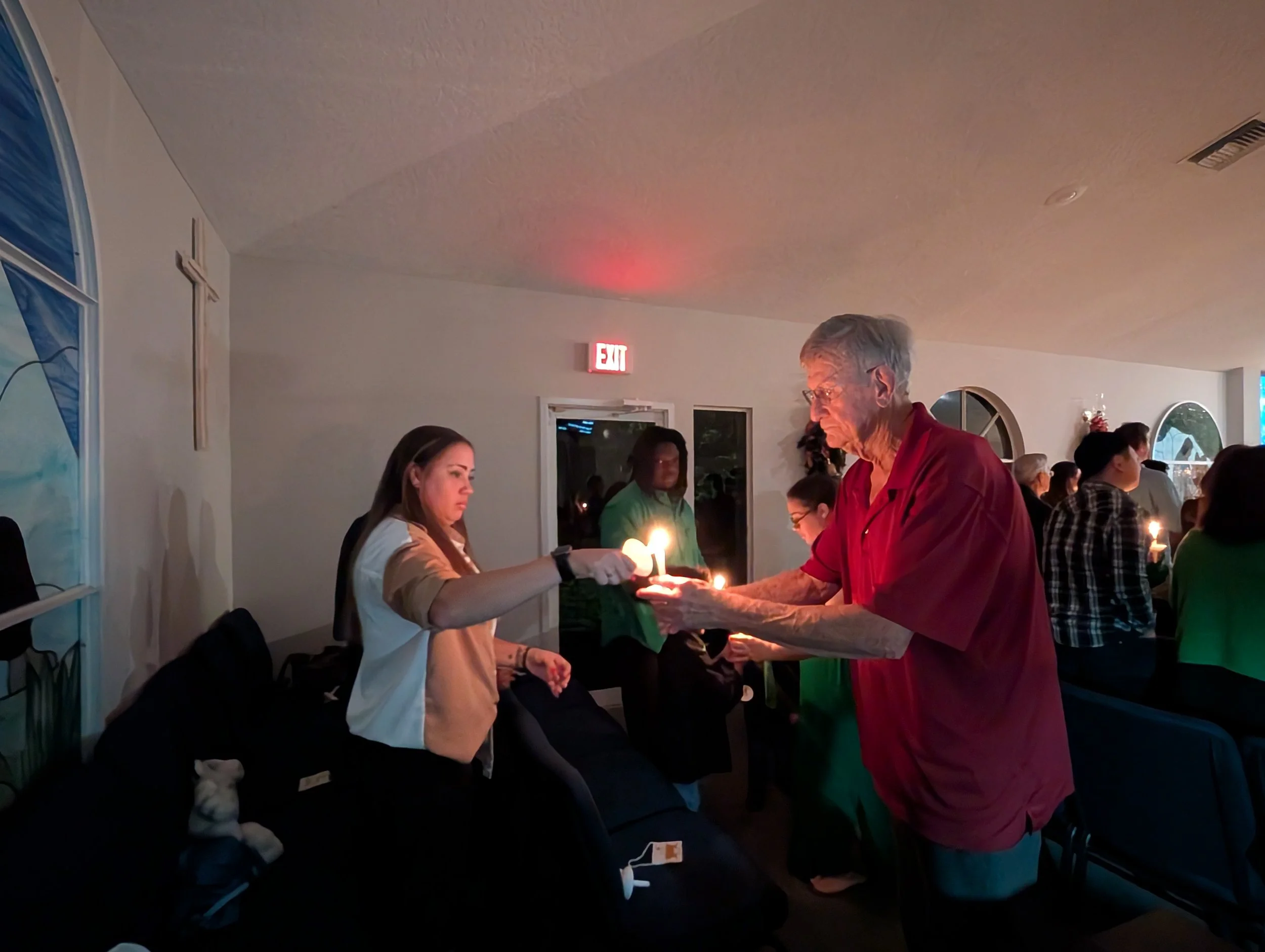
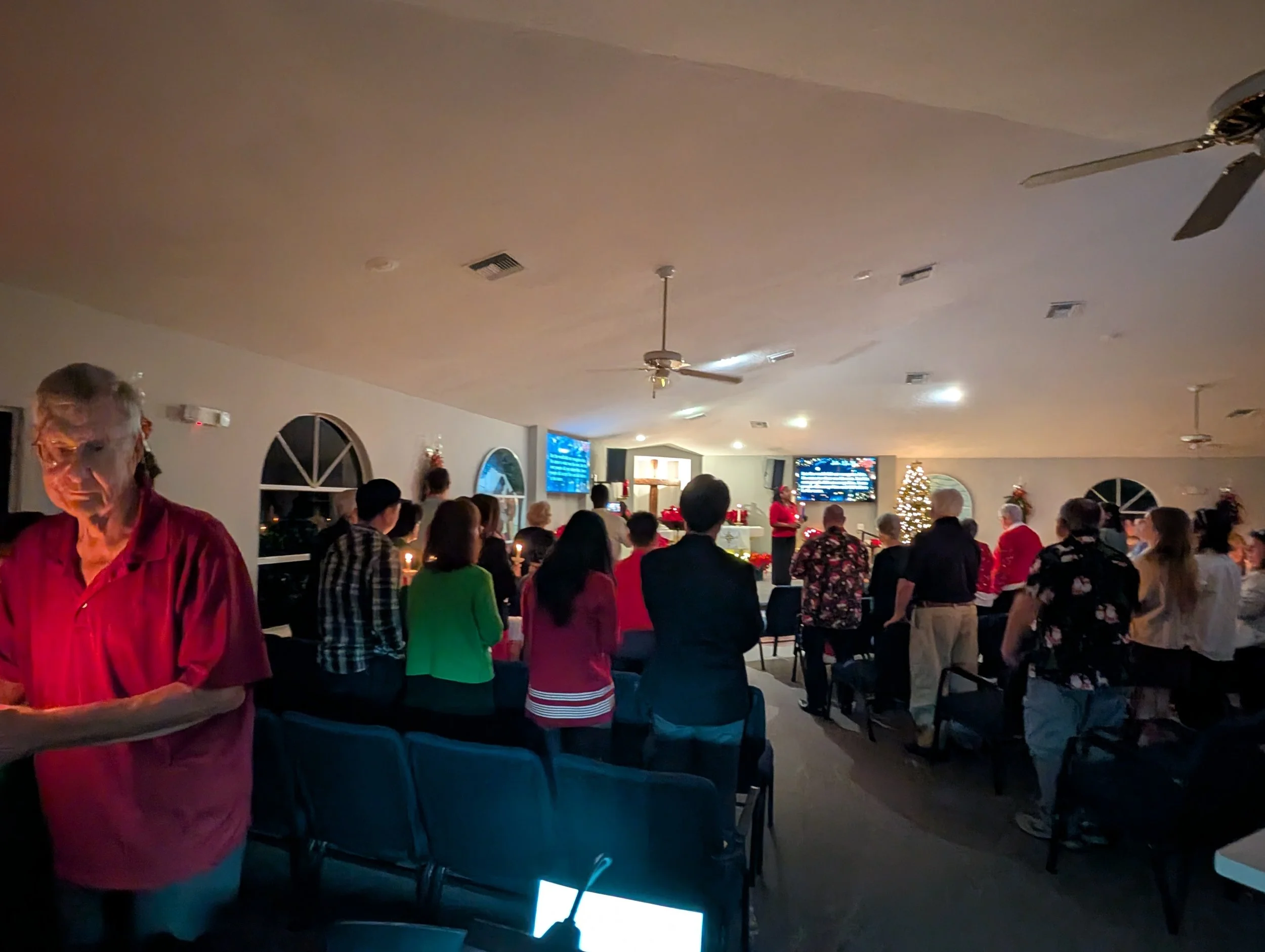
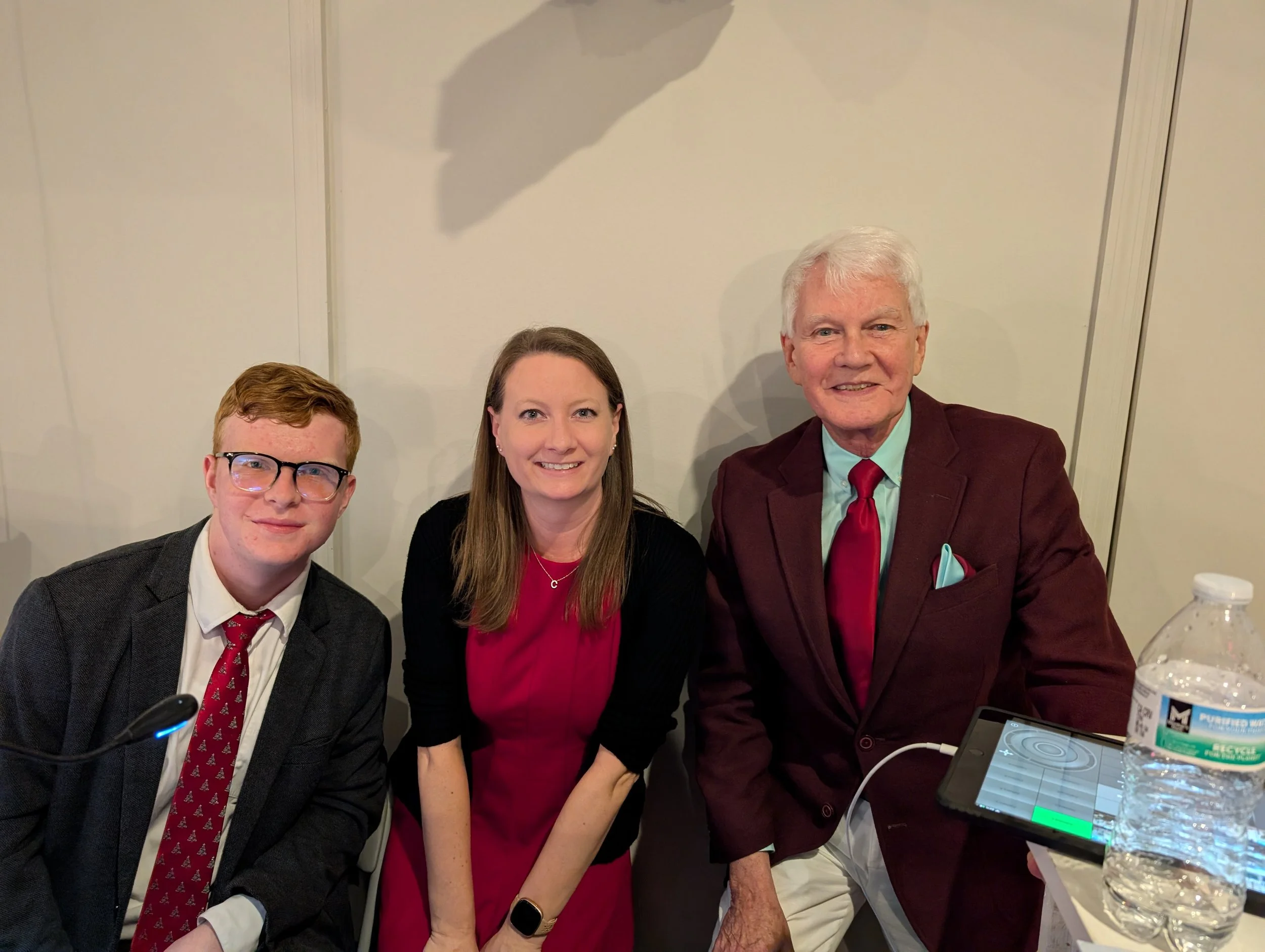
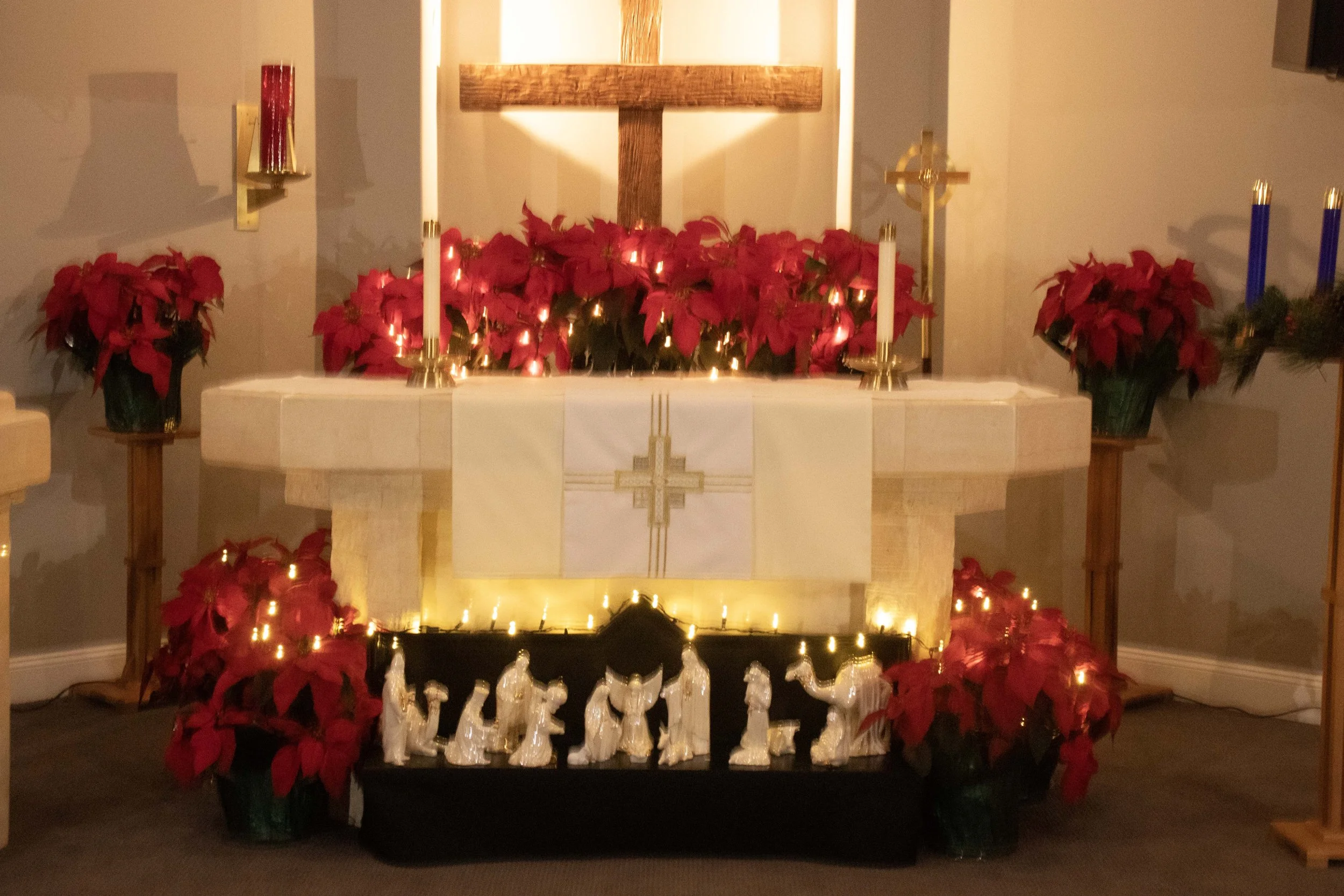
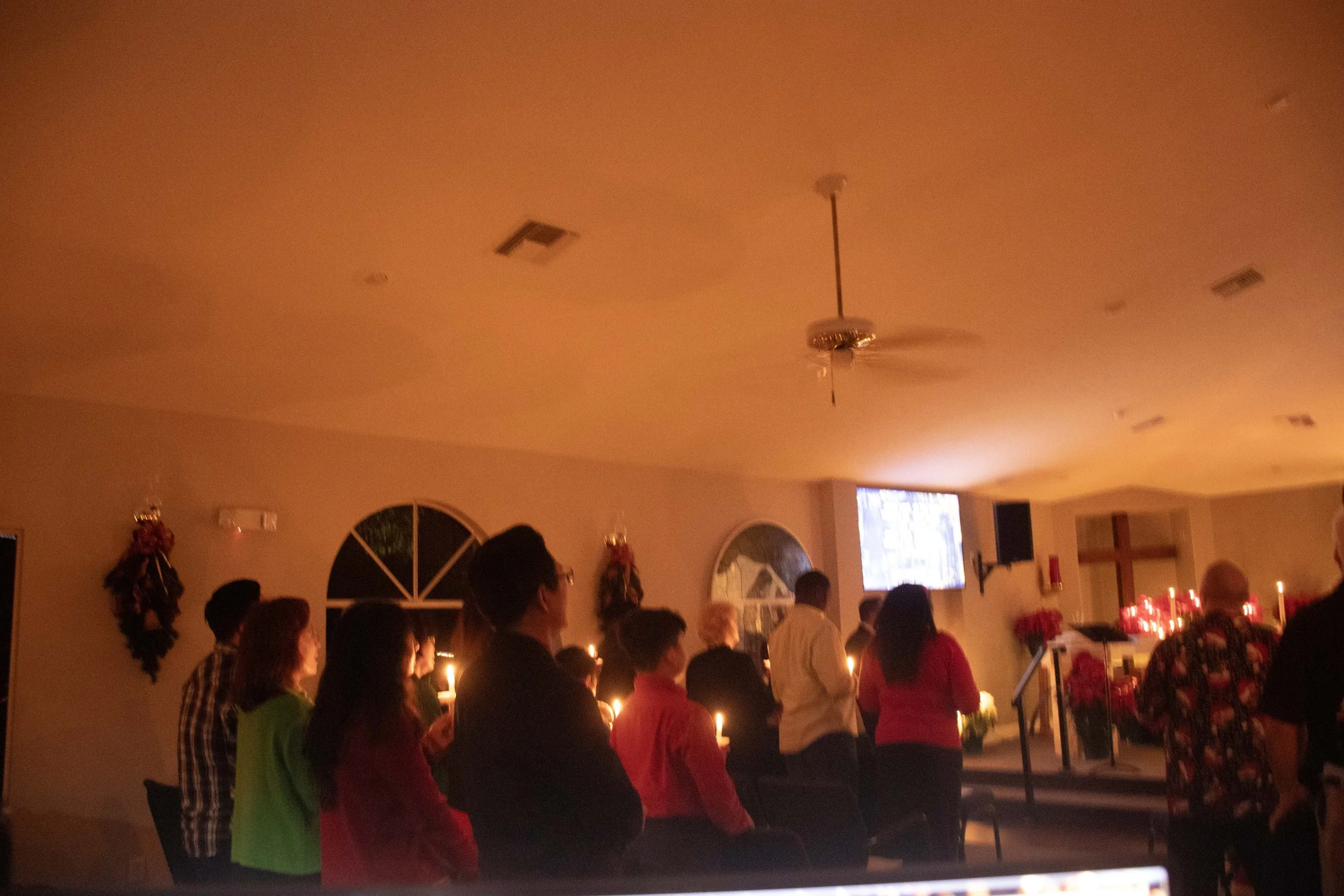
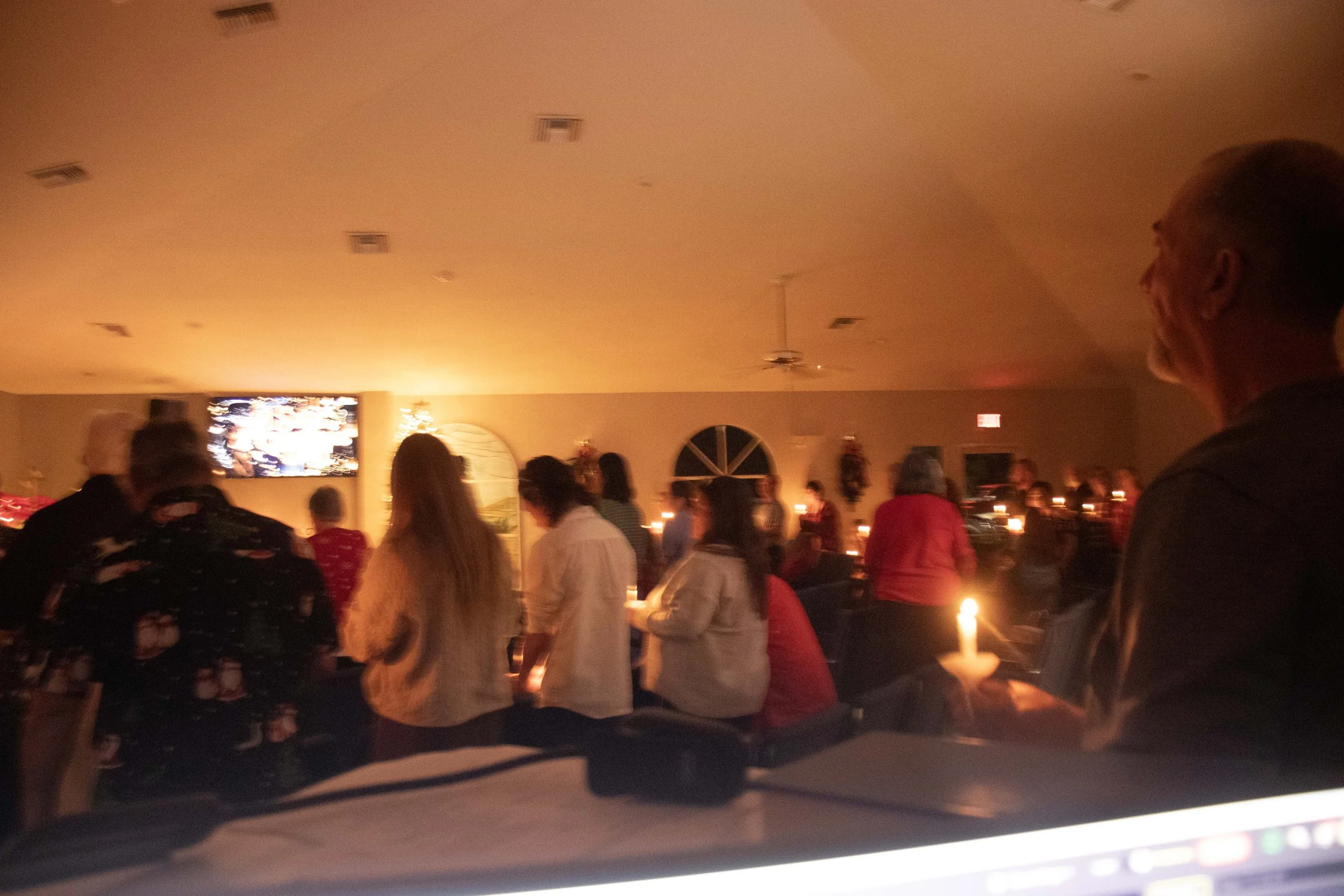
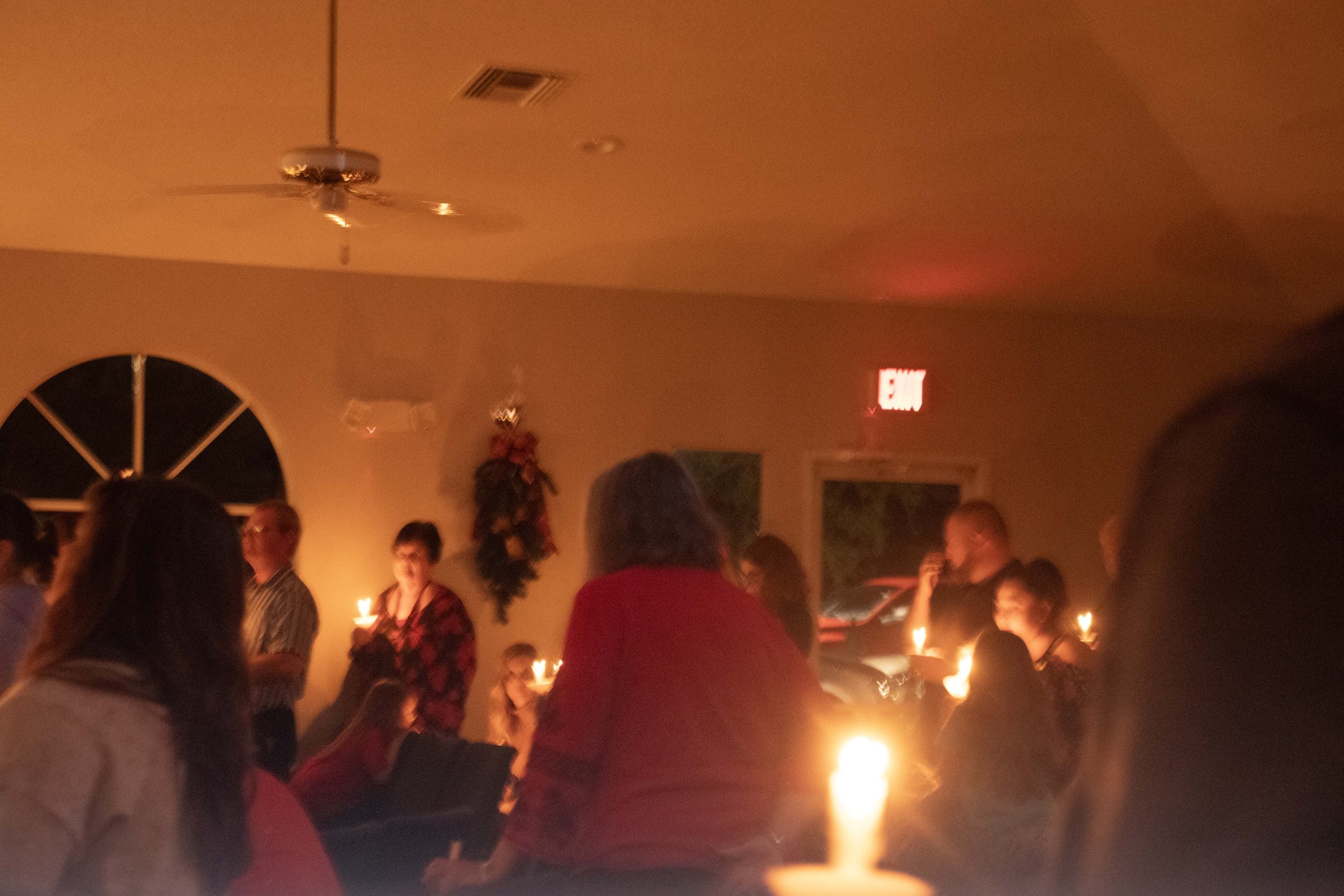
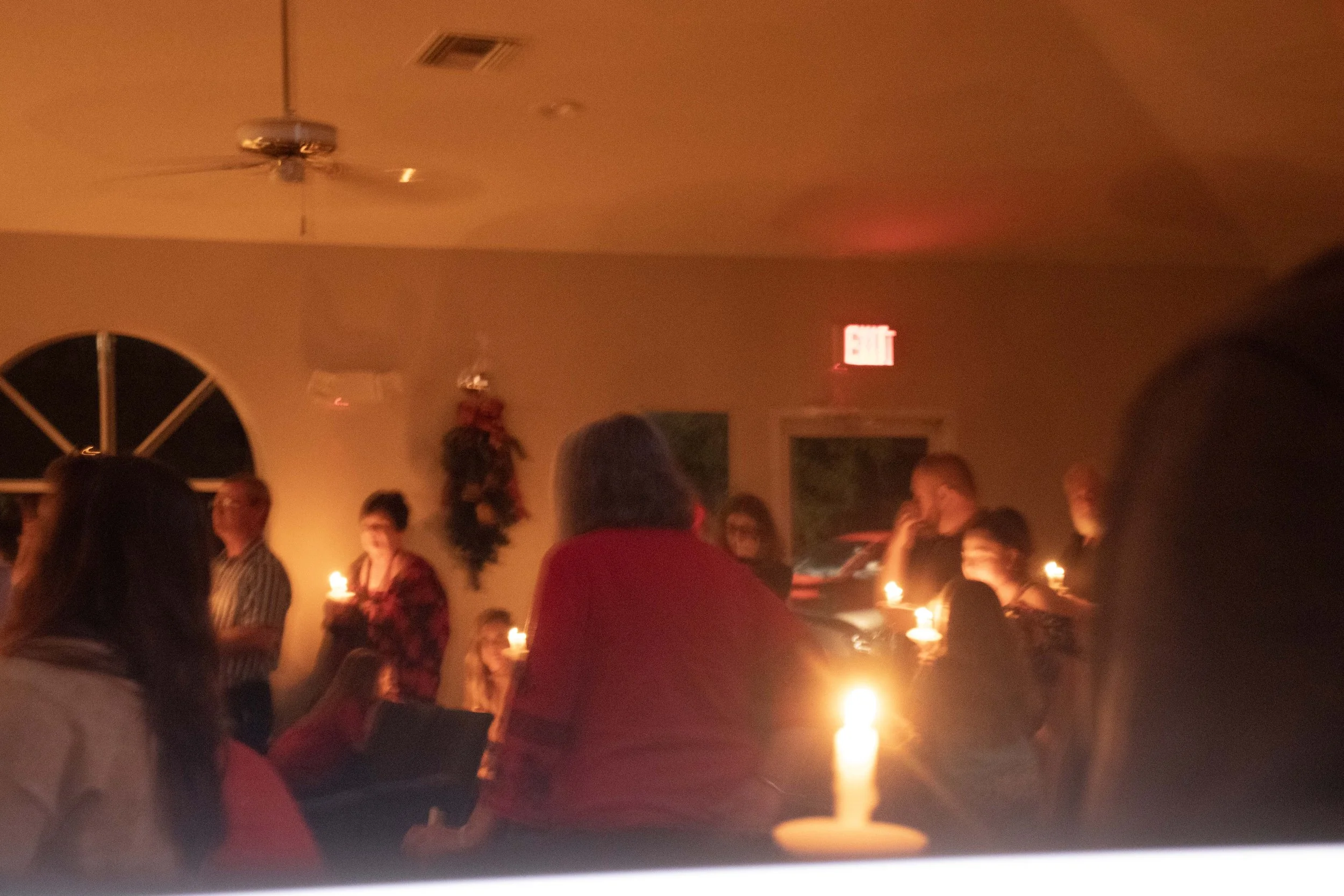
wonderful Christmas Eve this year.
What a great Christmas Eve.
Thanks to all who joined us and to all who helped put it on.
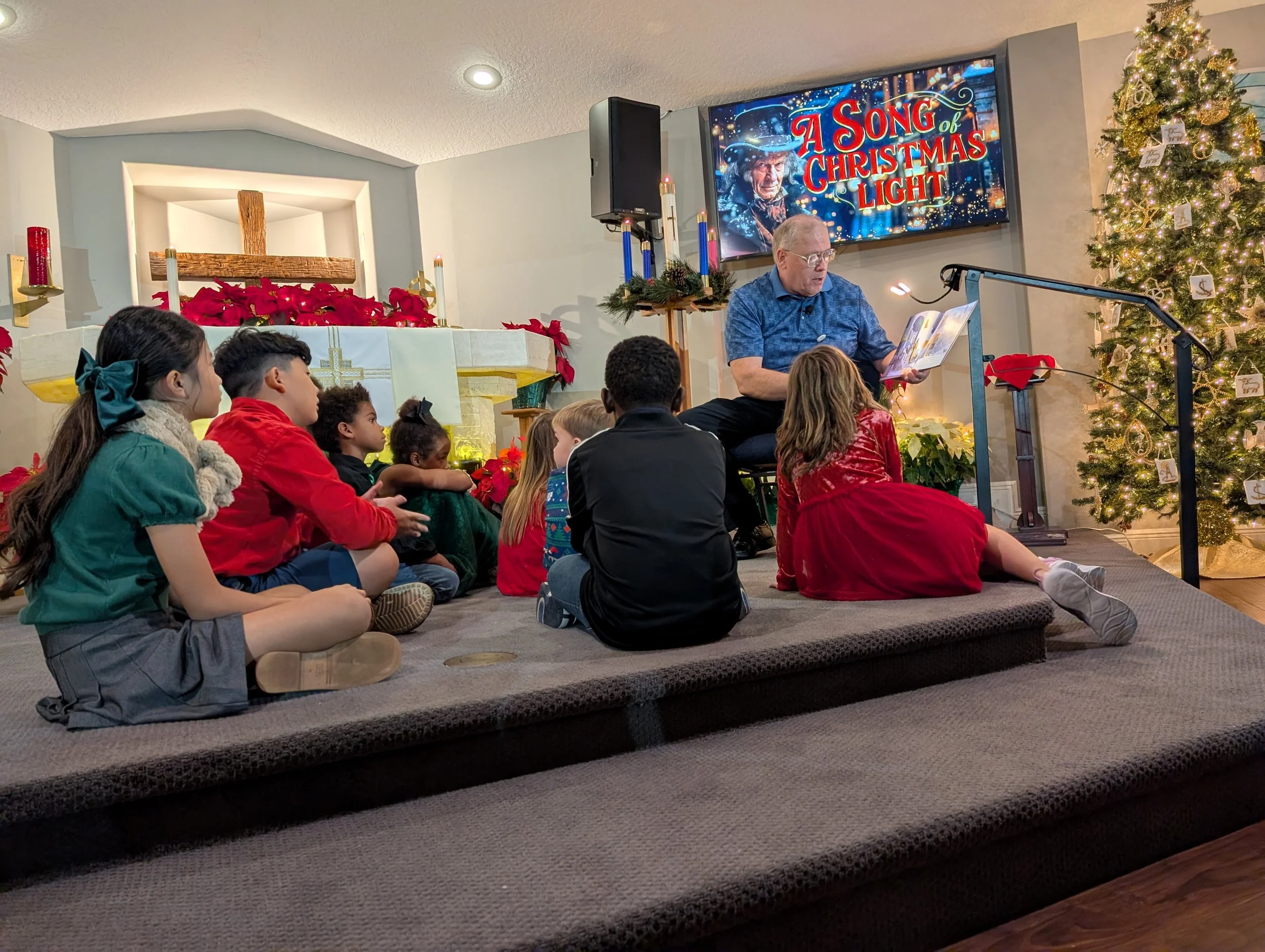
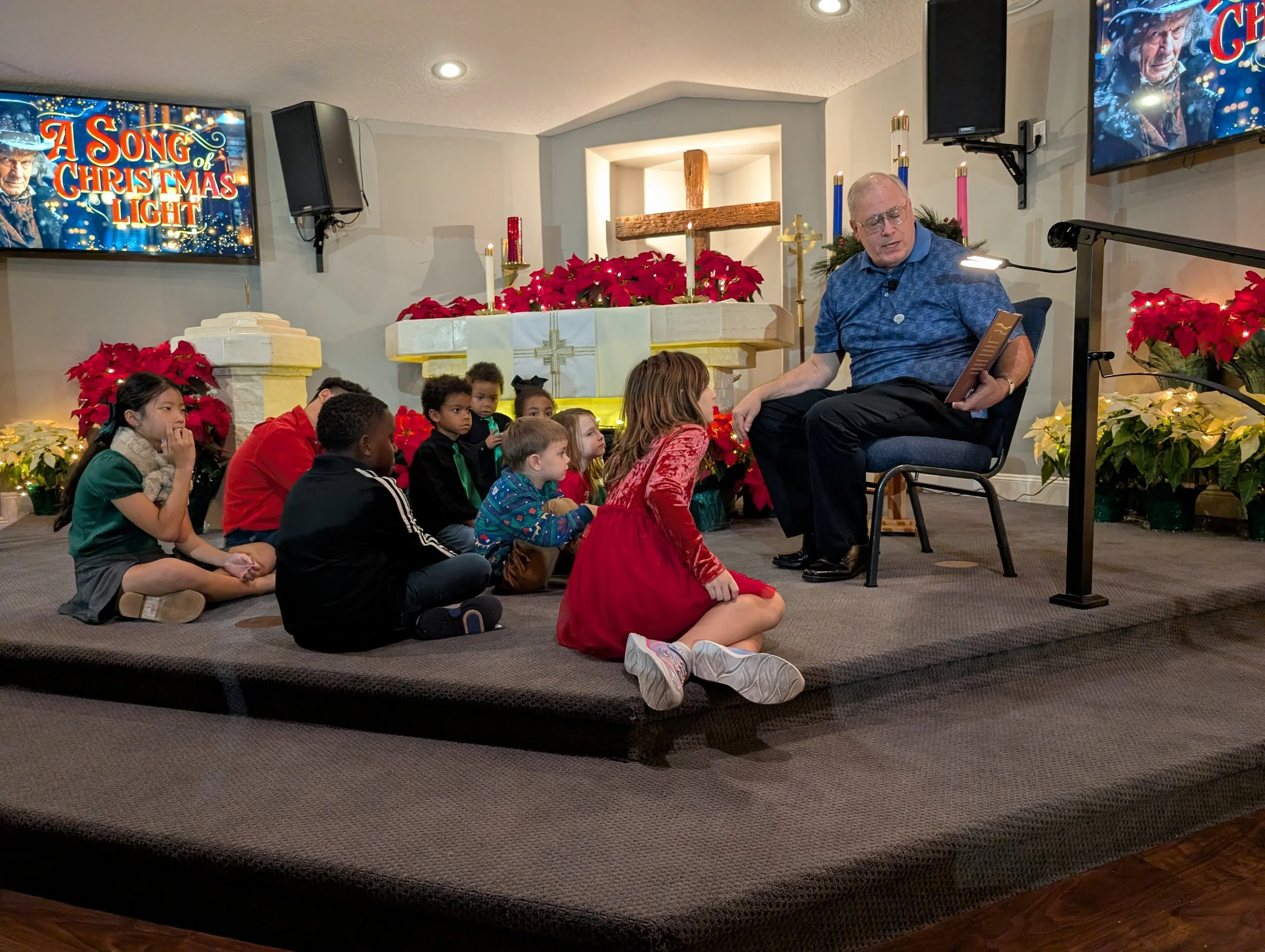
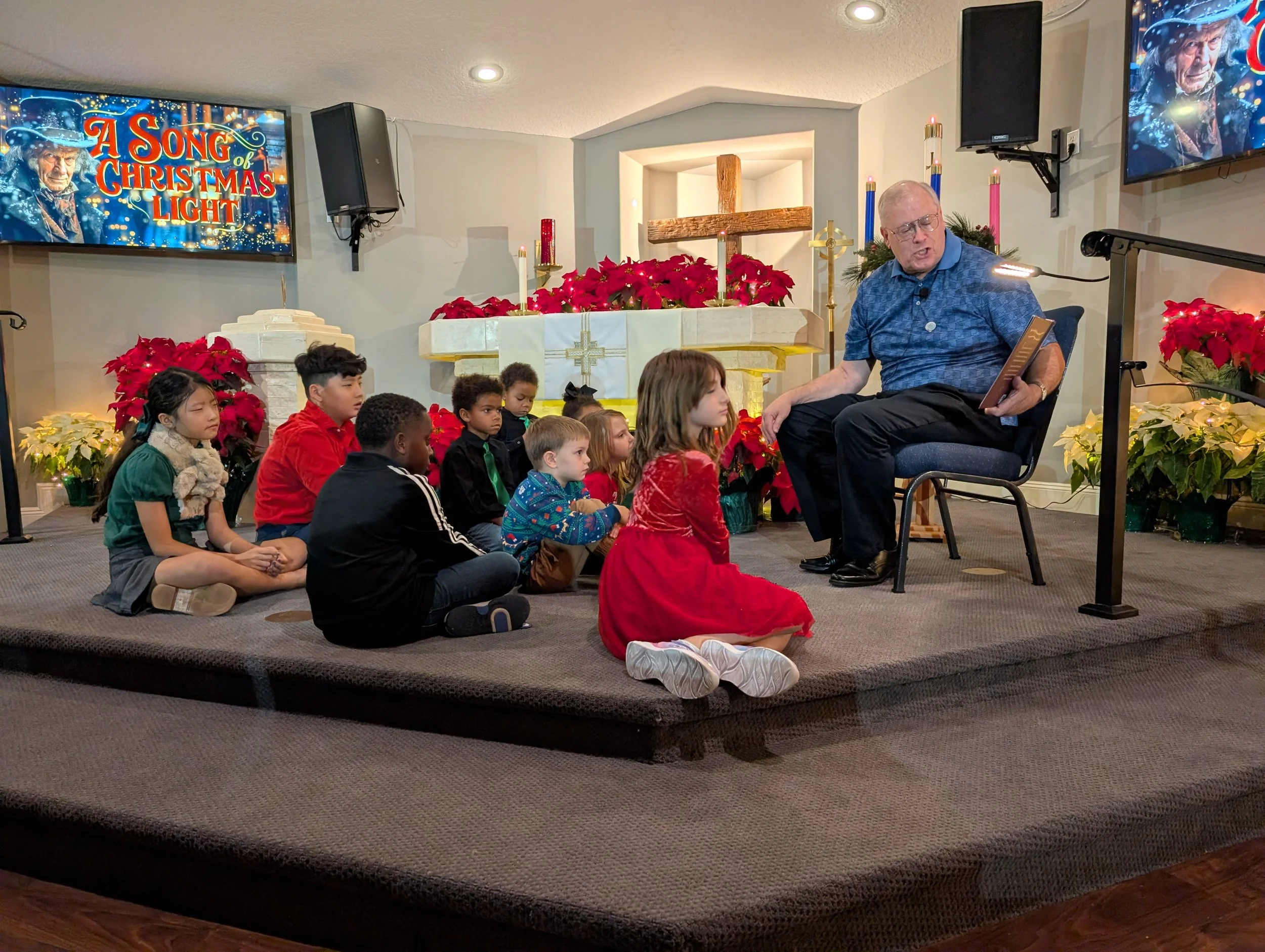
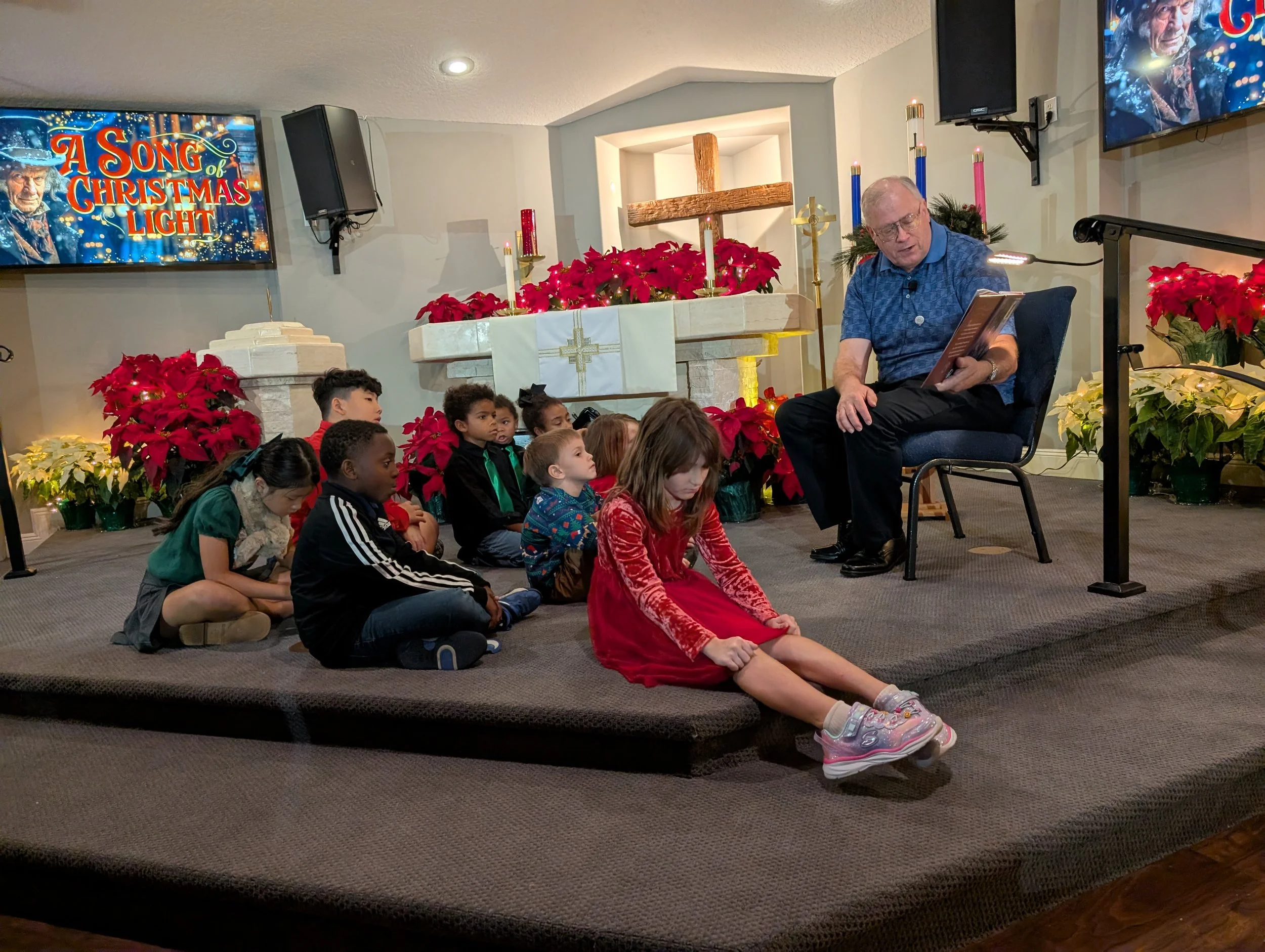
This year was an amazing attendance recored. 219 in person with another 15 on the stream. 142 at the 4pm service!
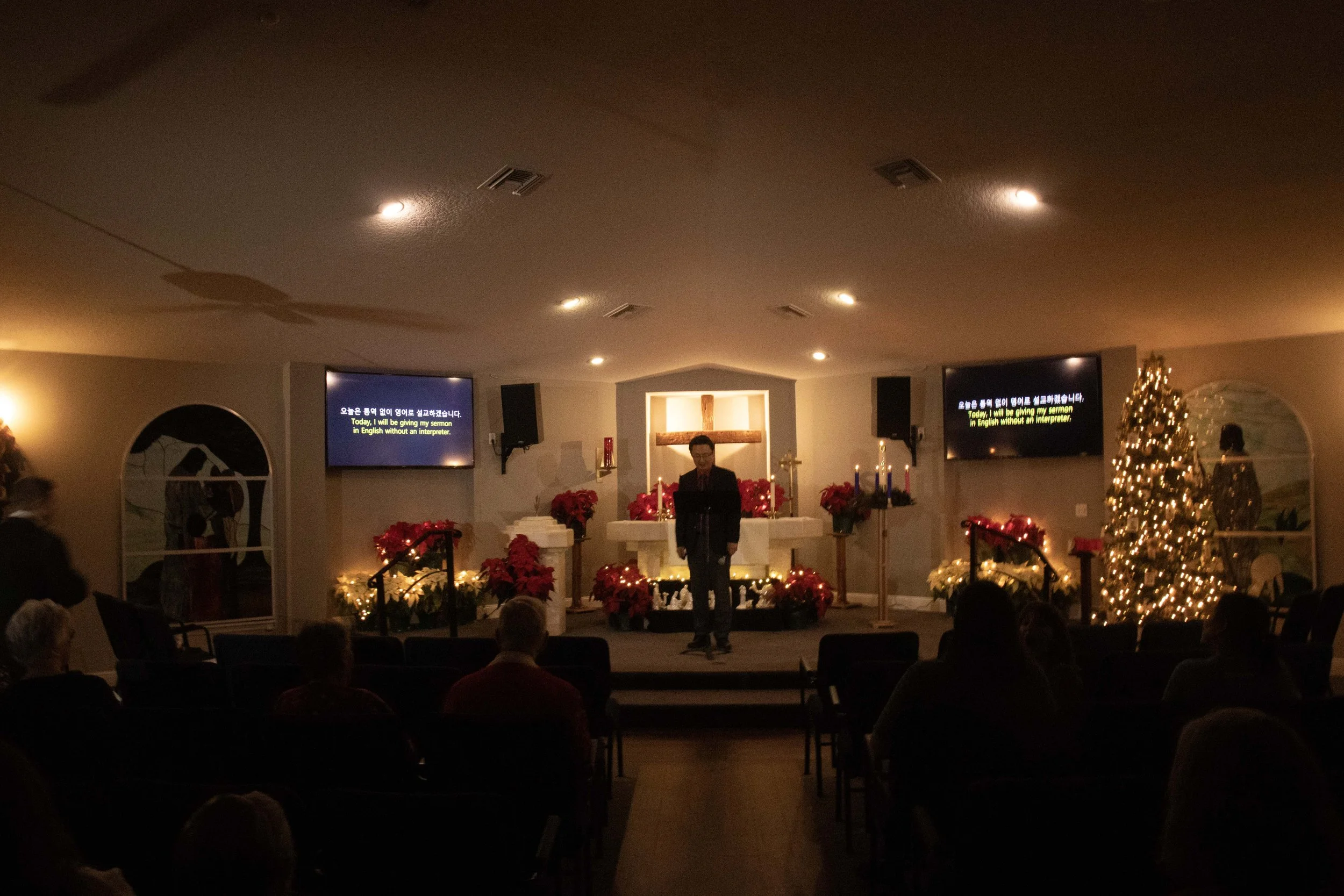
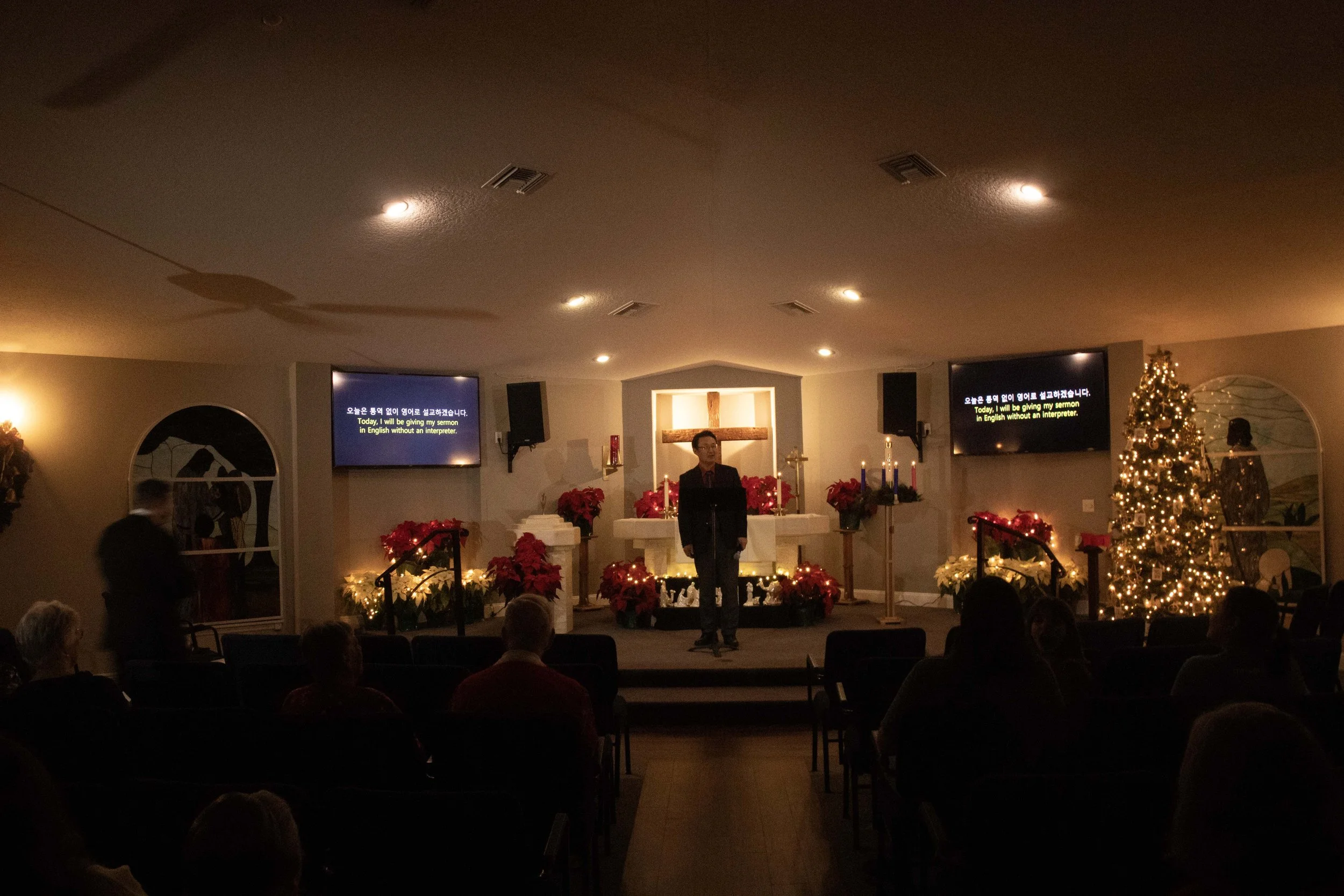
Pastor Kim made 7pm special by being delivering his first sermon in English.
All in all it was a great Christmas Eve.








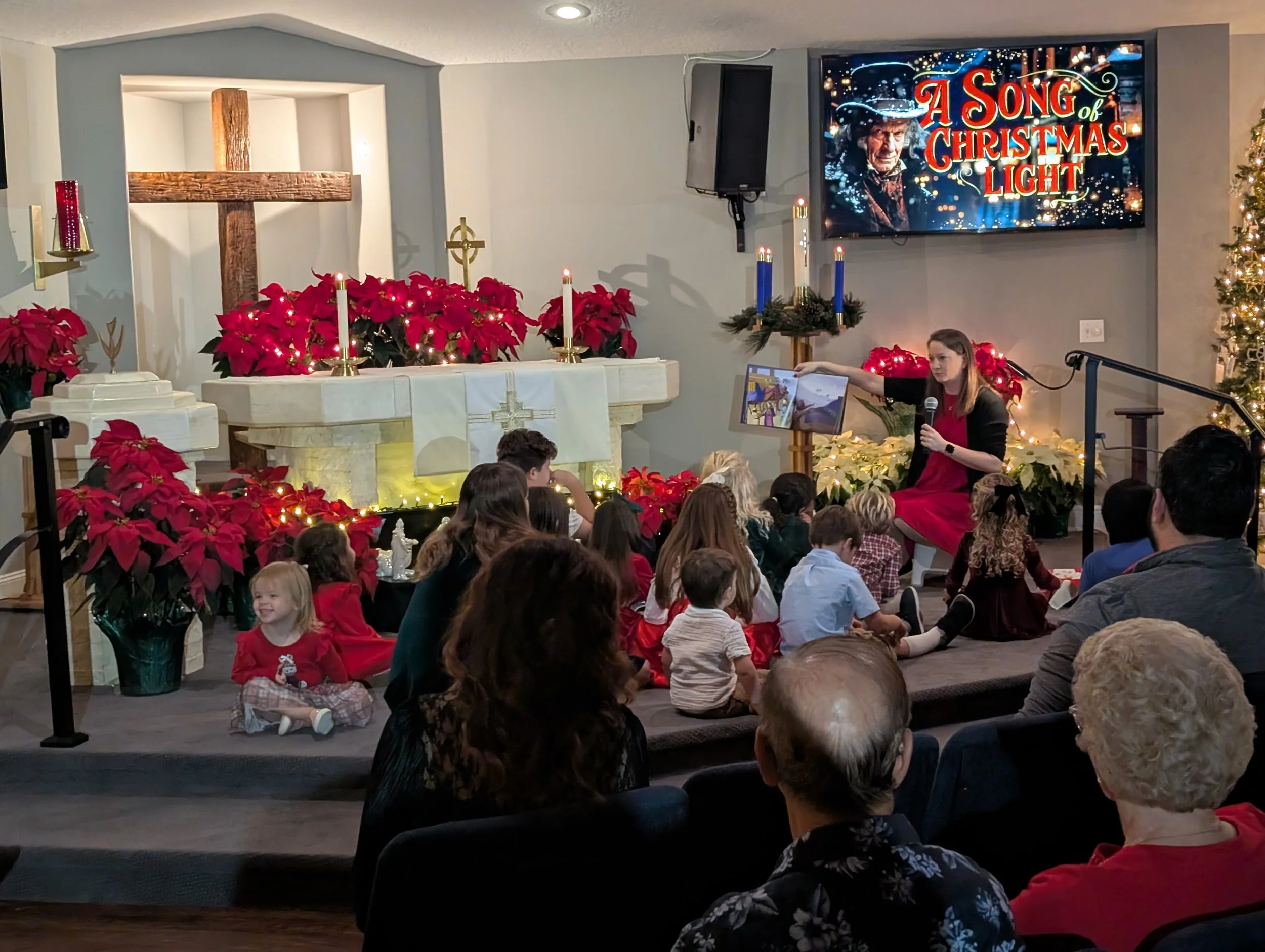
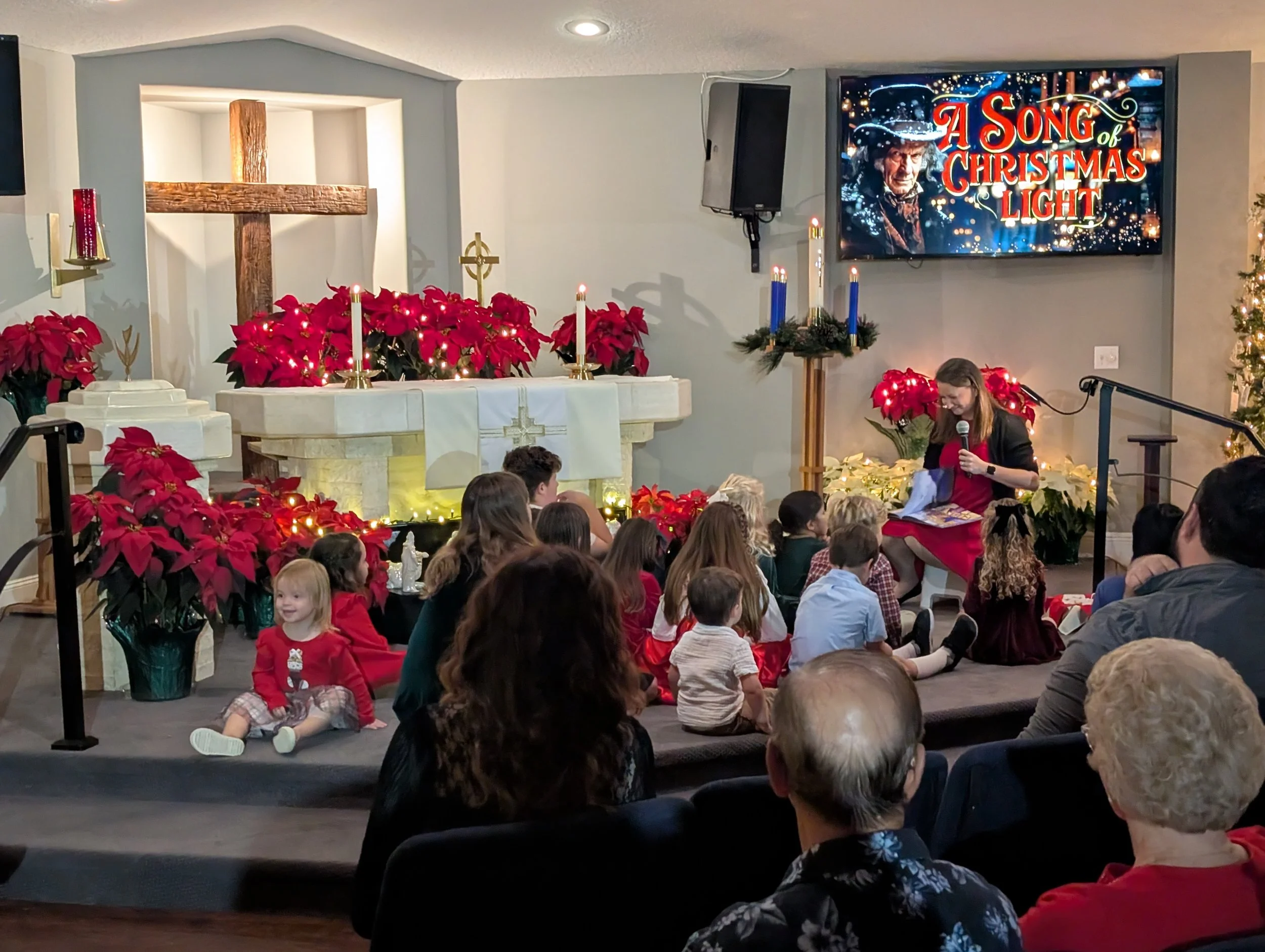
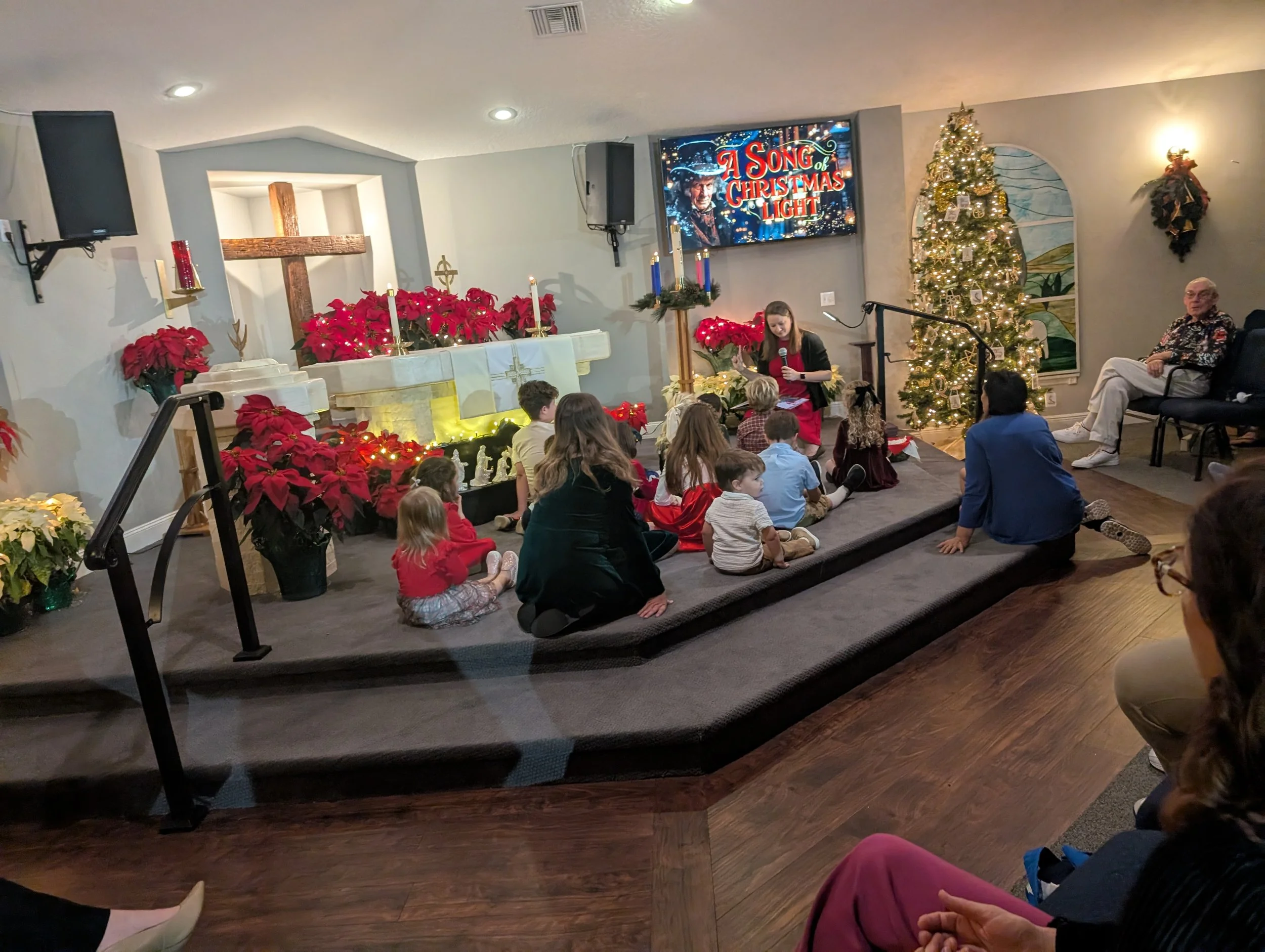
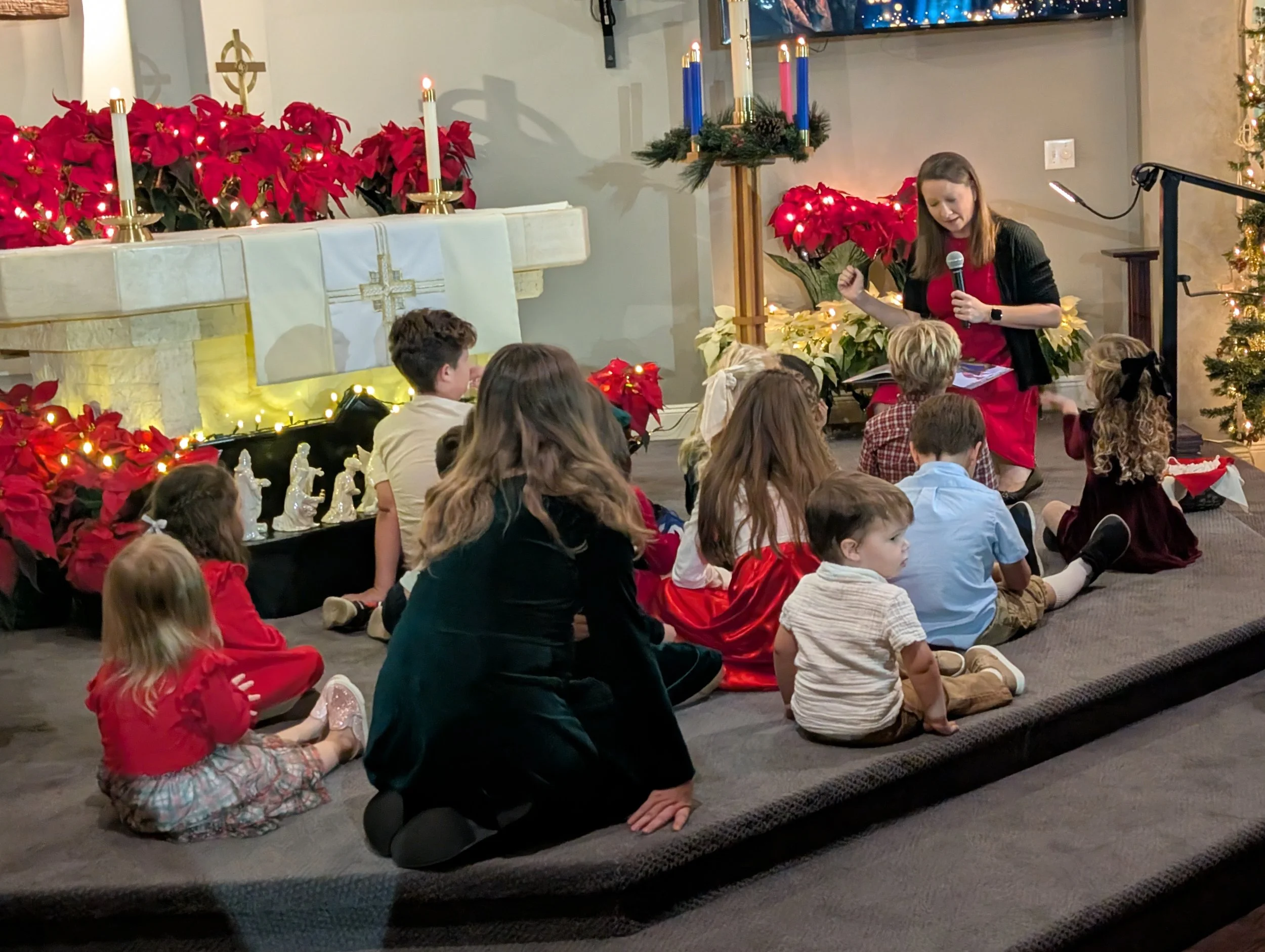







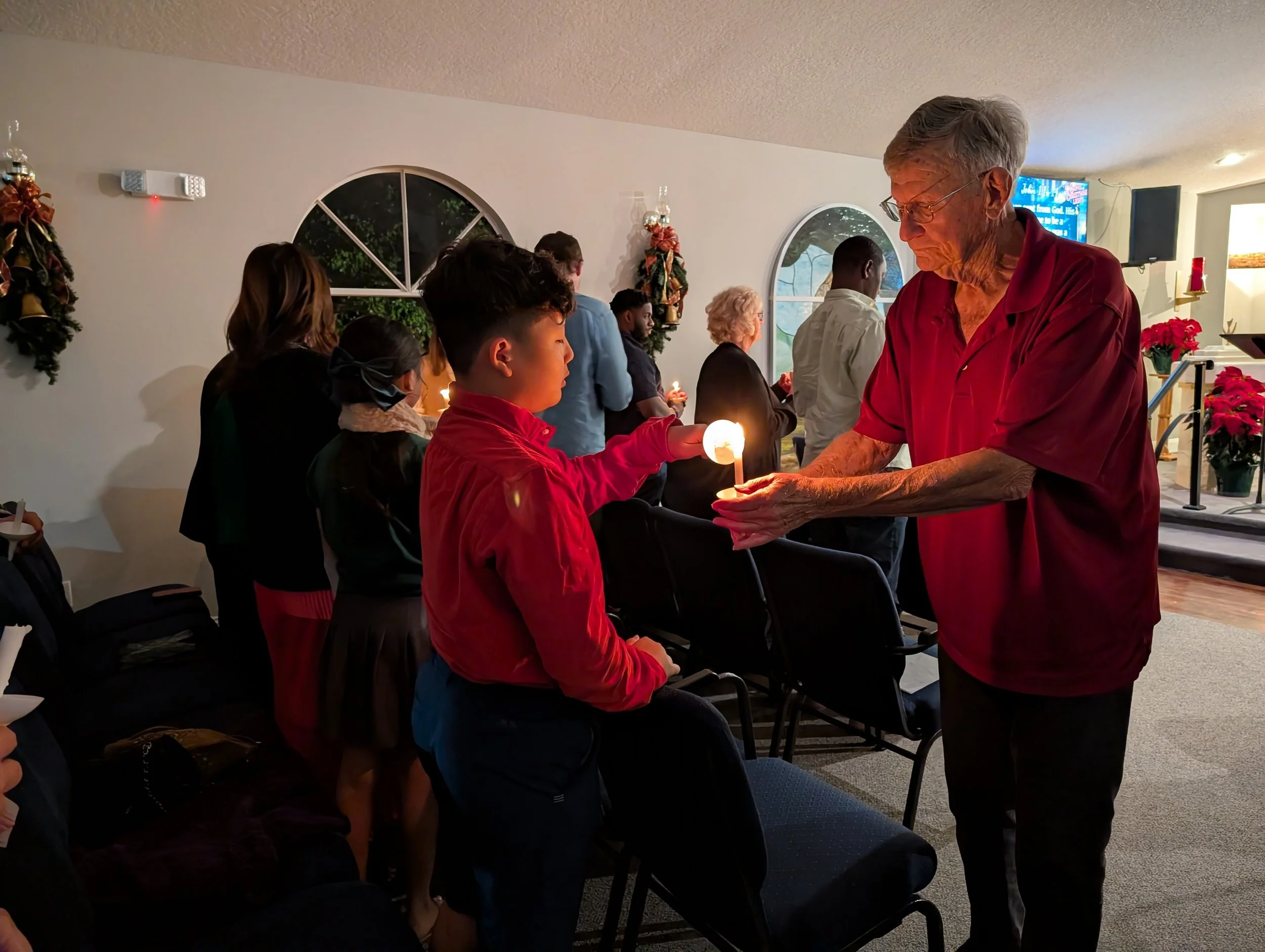
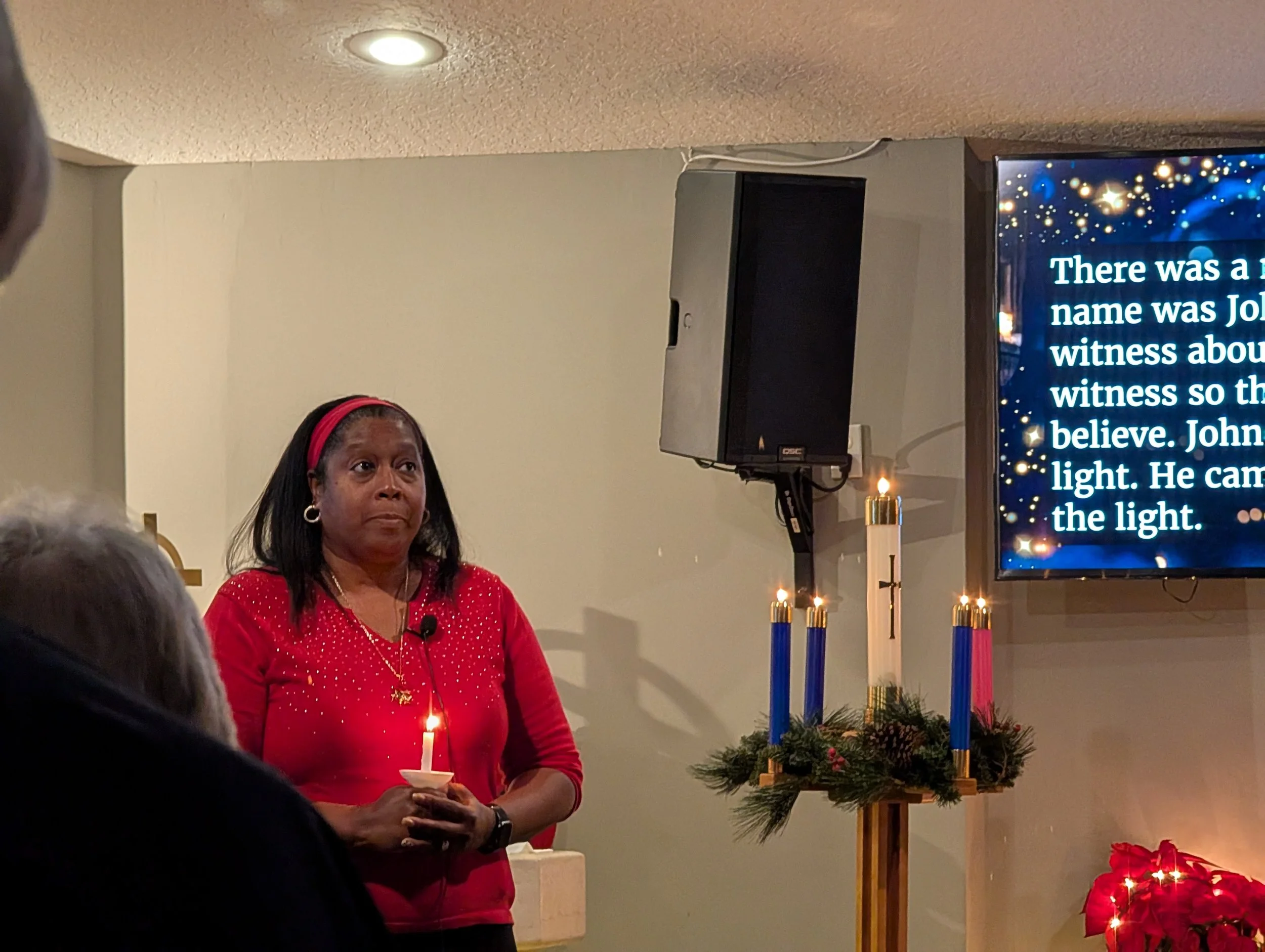
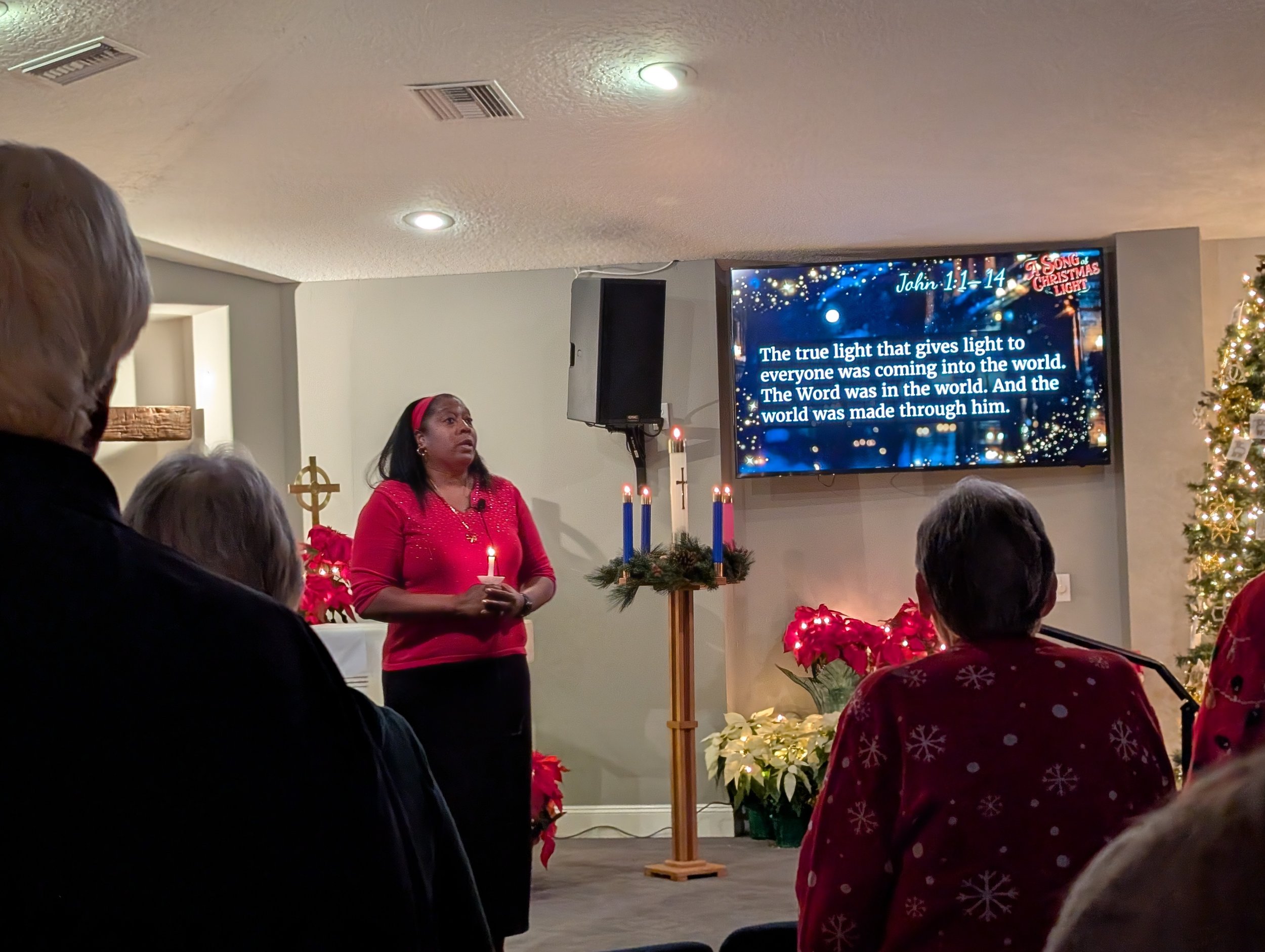
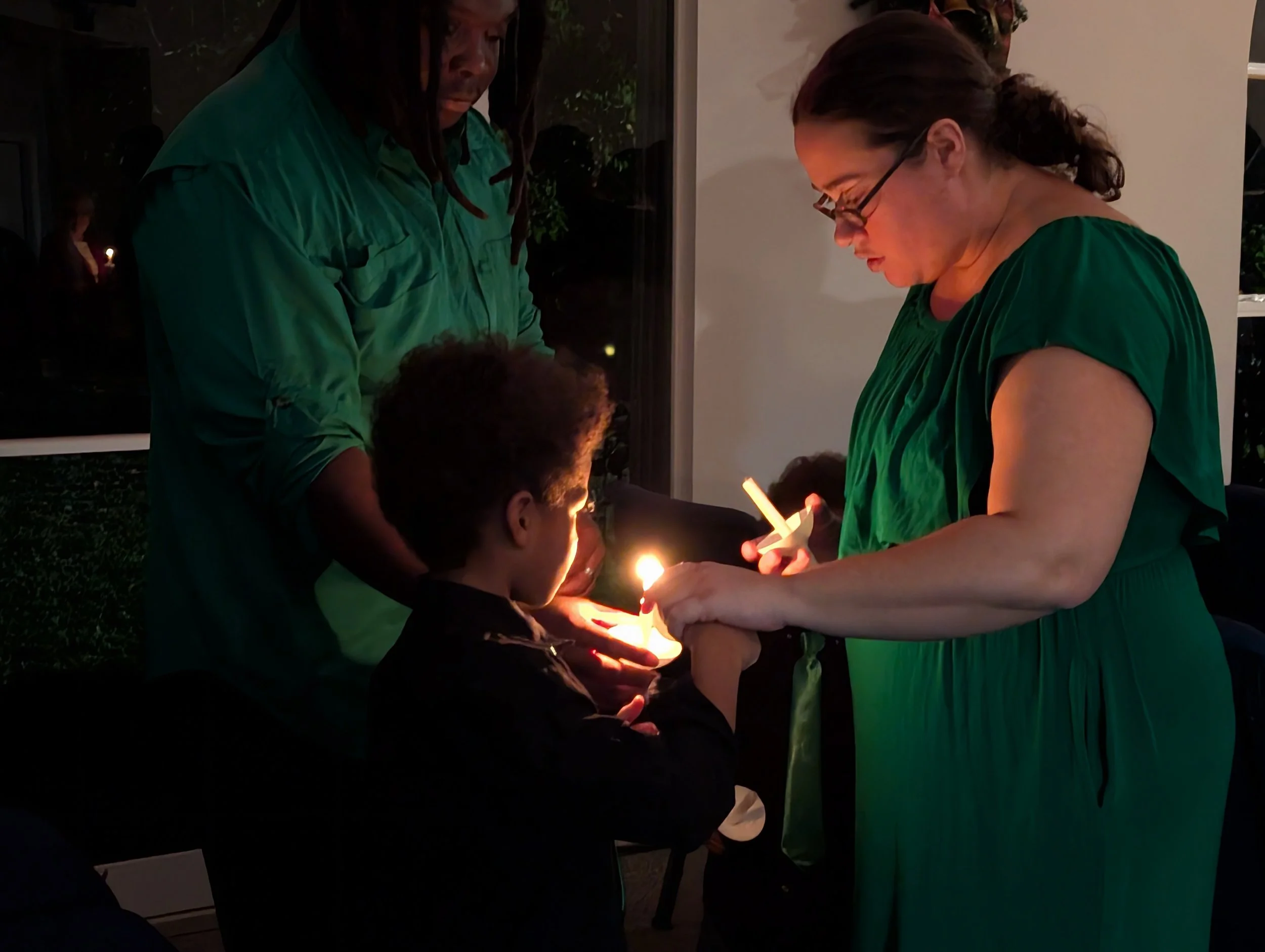

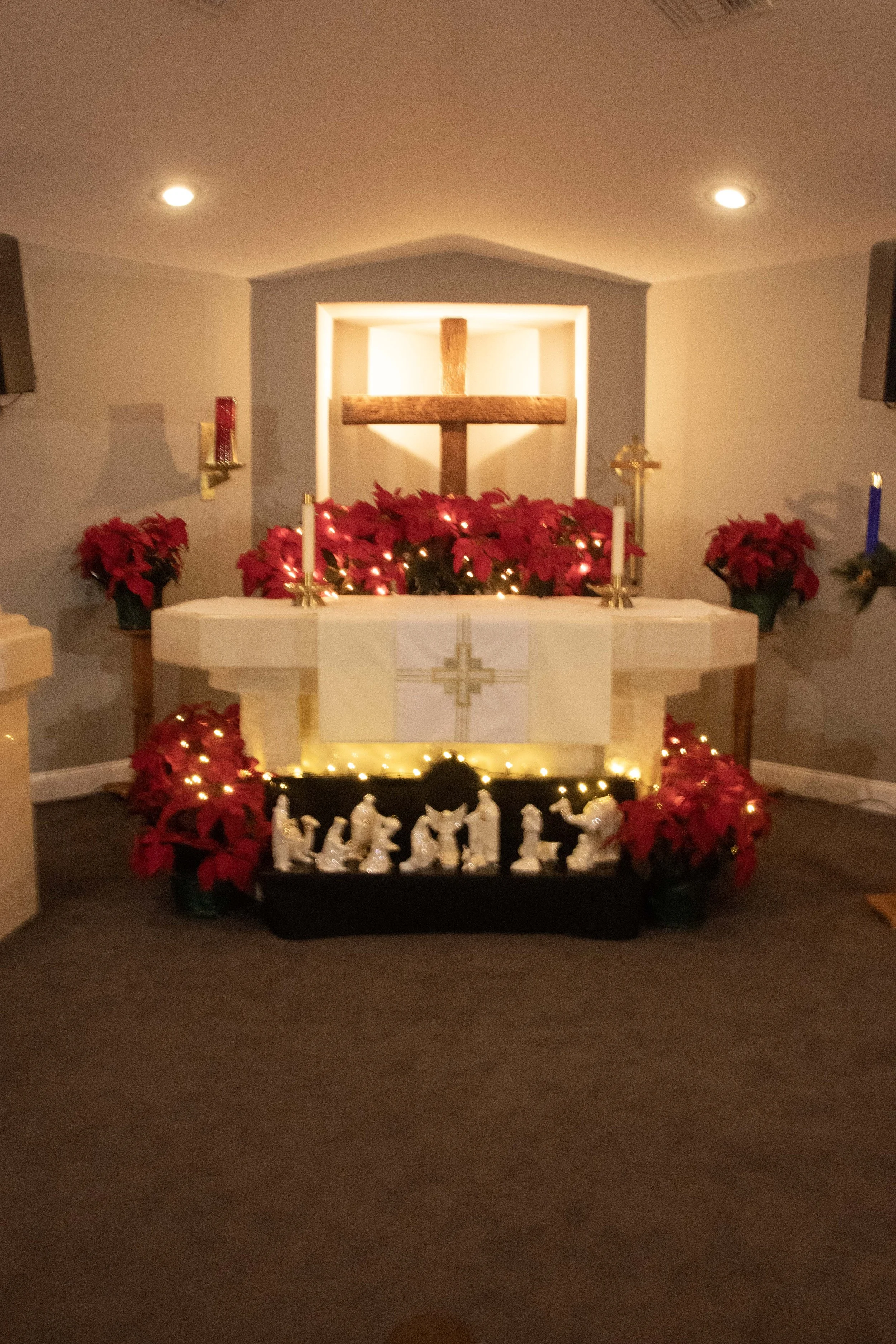

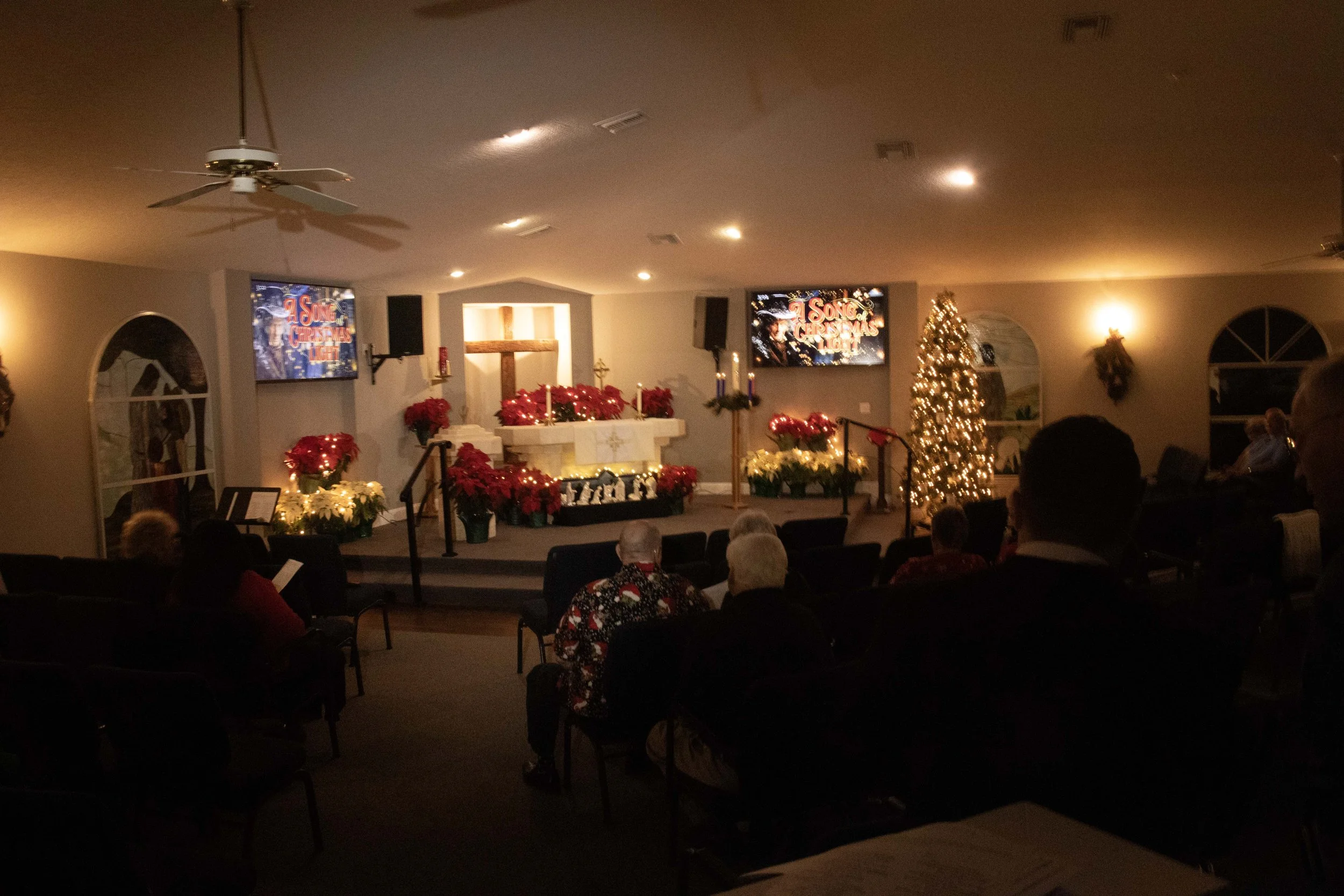
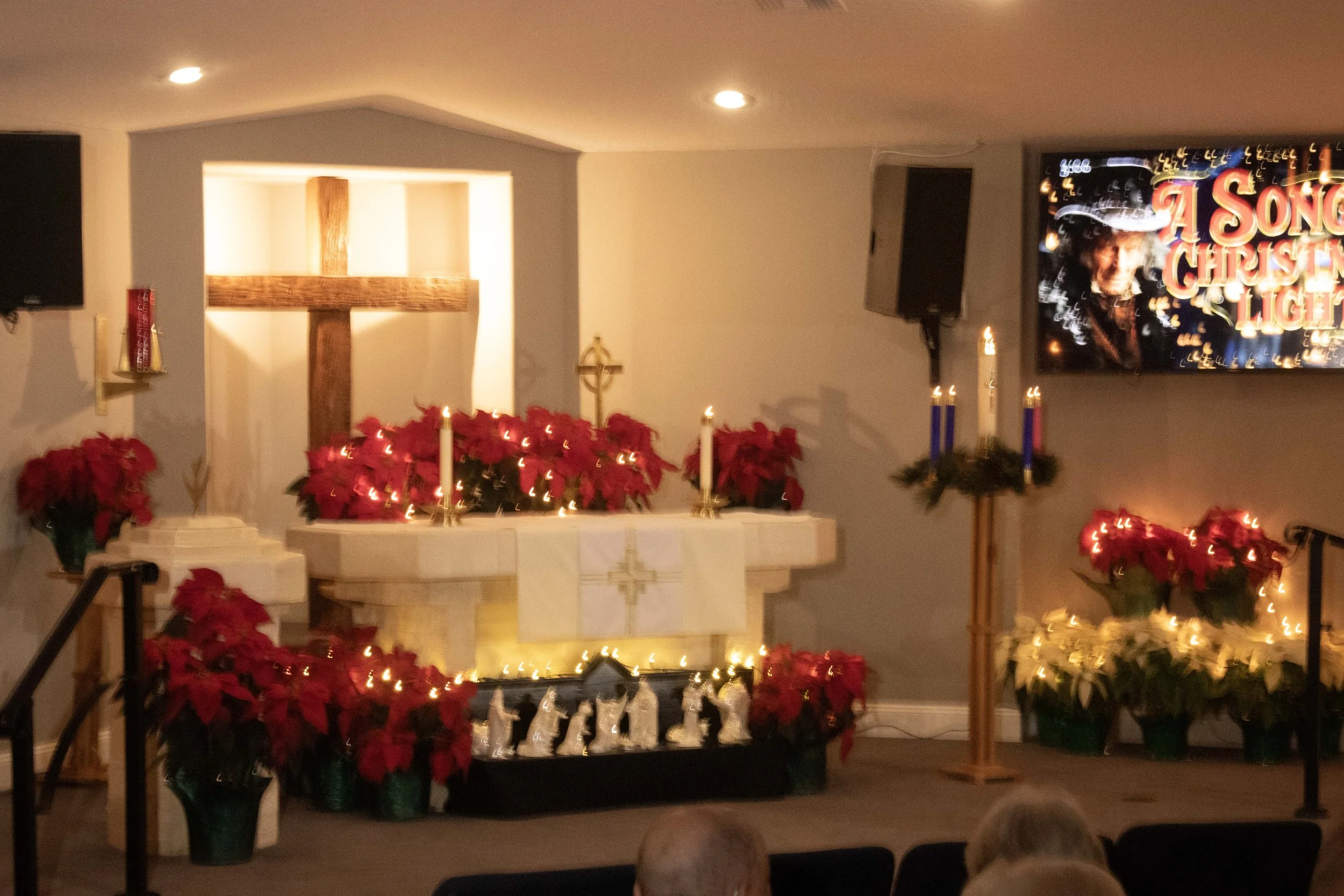

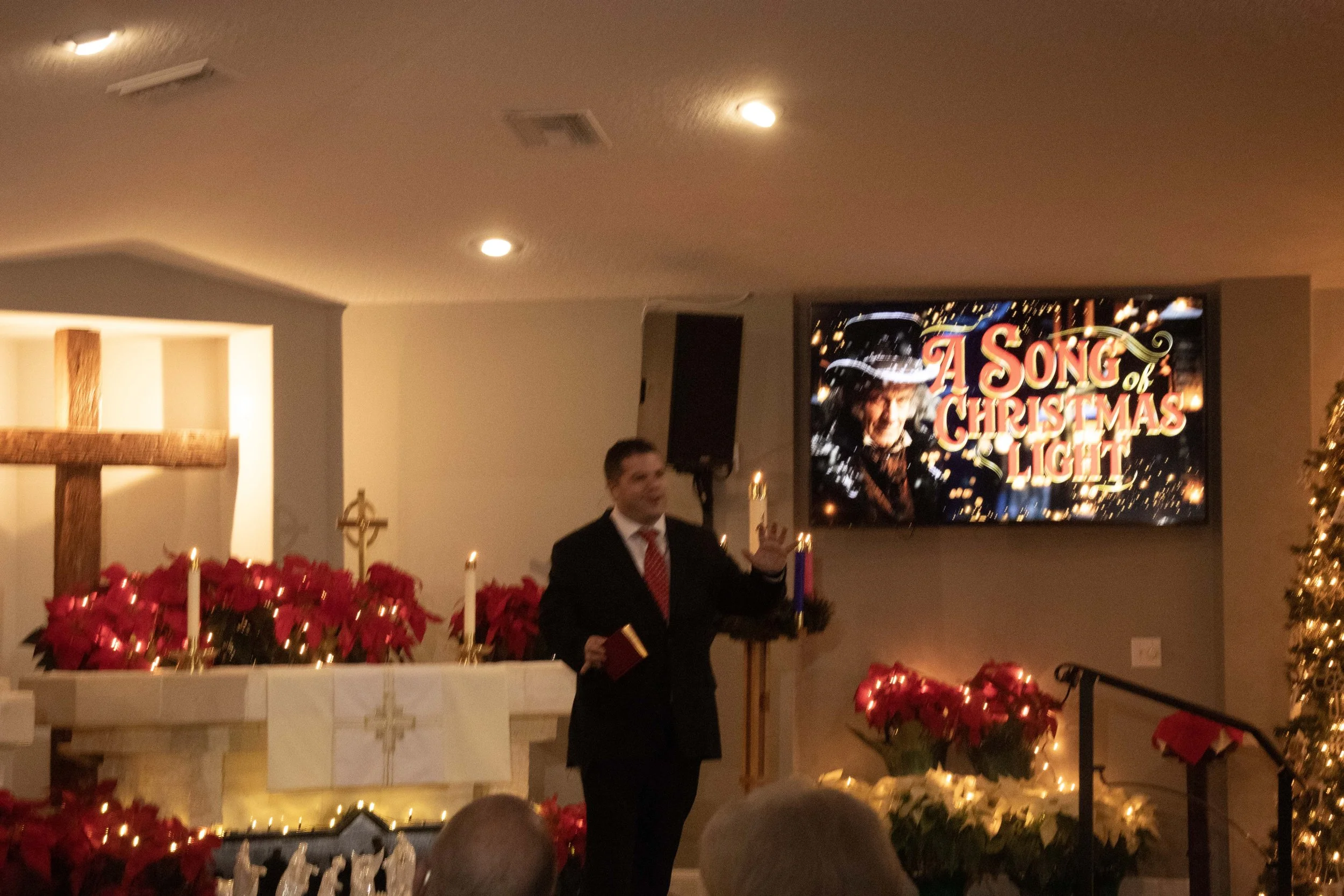


![[Christmas Eve] A Song of Christmas Light](https://images.squarespace-cdn.com/content/v1/5852f18a20099e30cd2c01dc/1766459038816-RE9GU9A1NB5IBYM52X0S/Christmas+eve+.jpg)
[Christmas Eve] A Song of Christmas Light
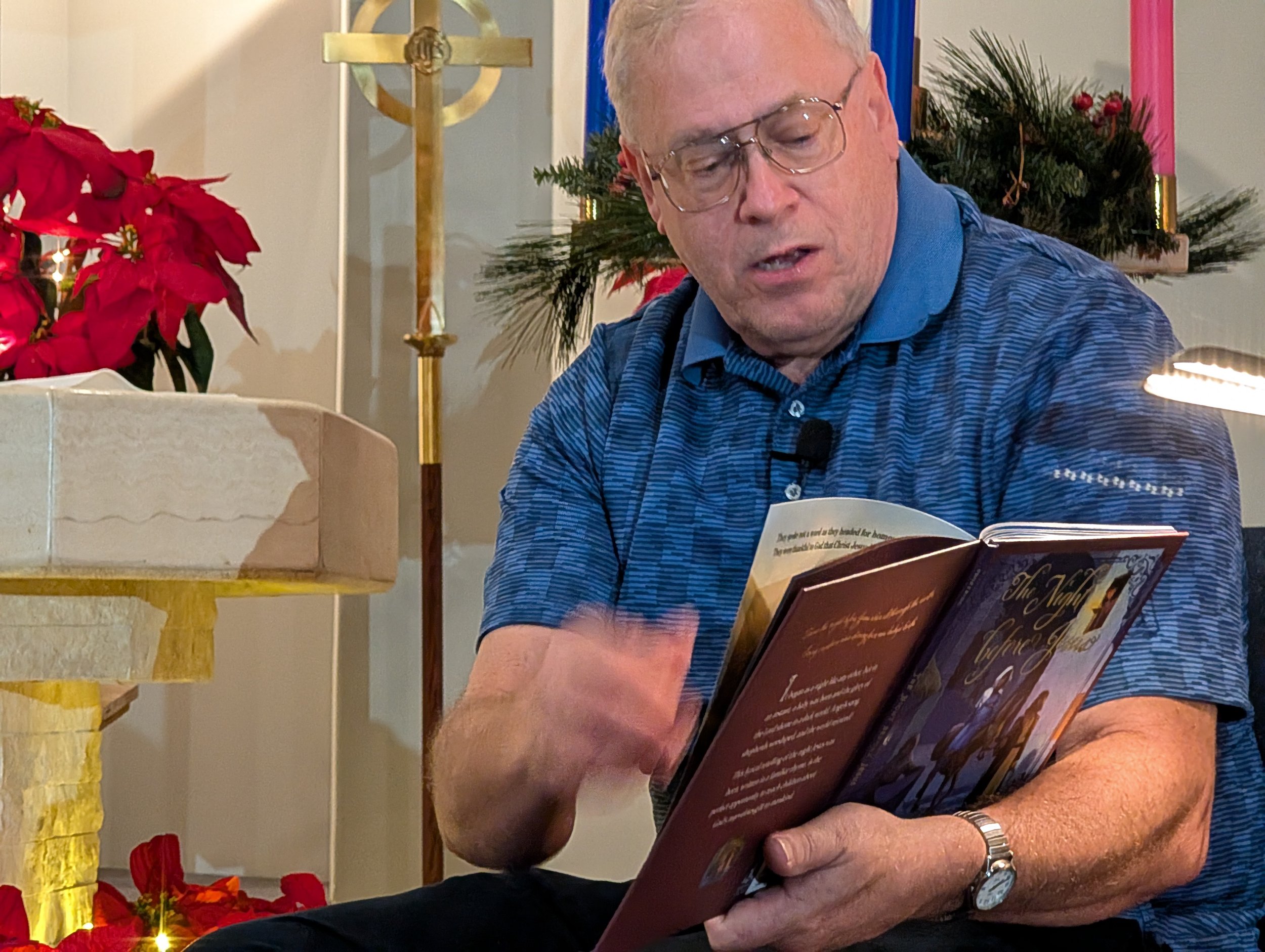
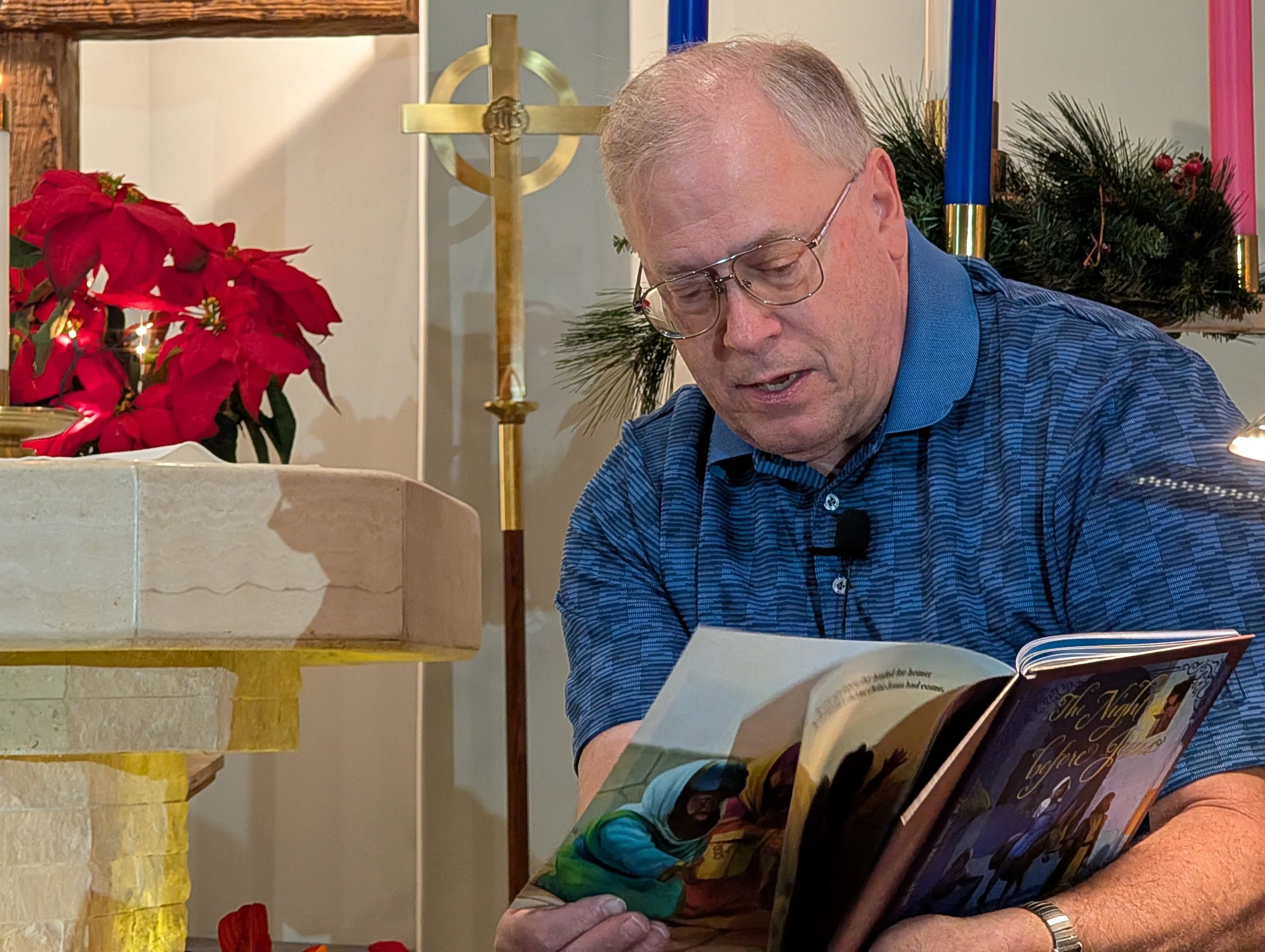
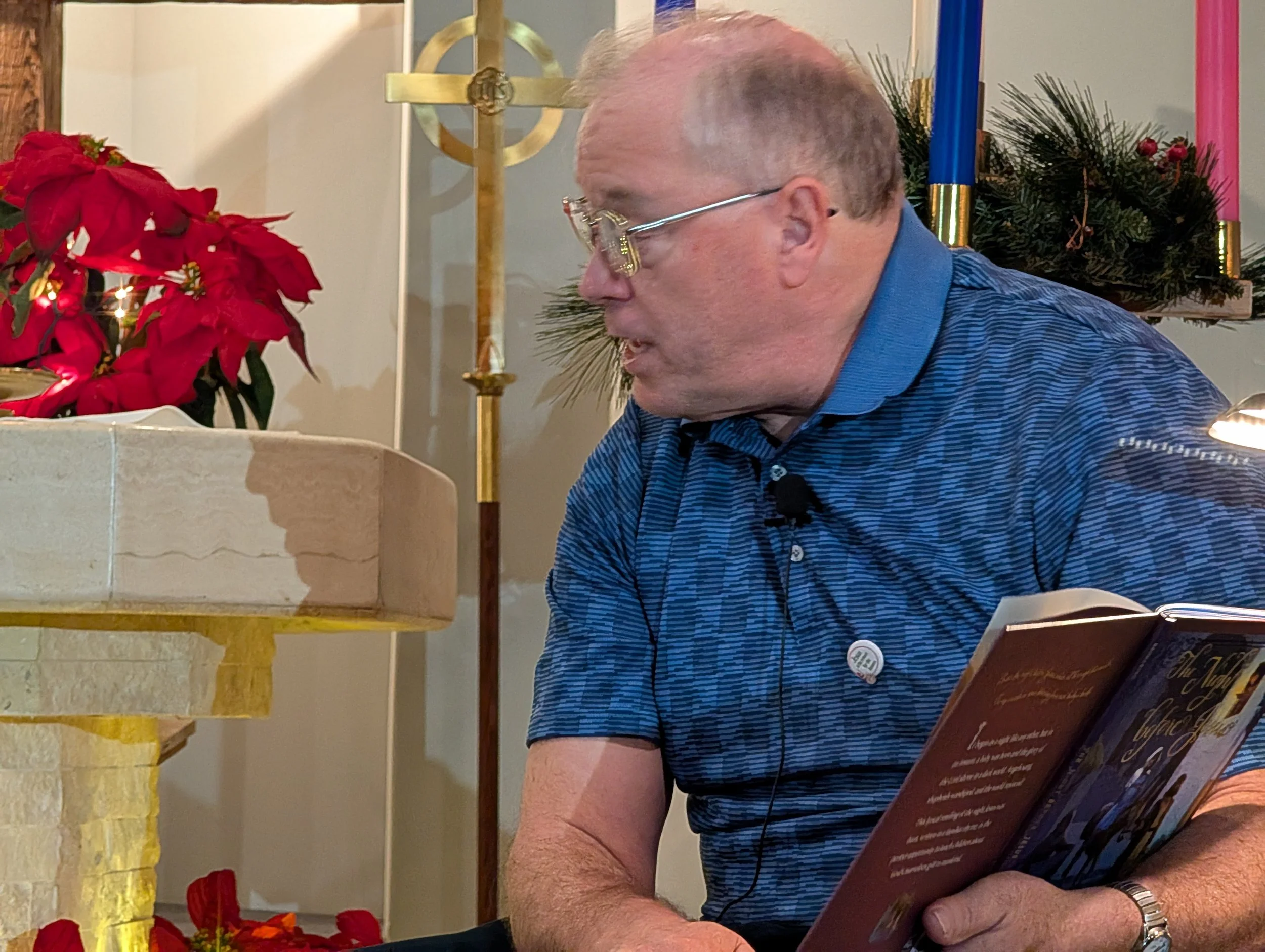
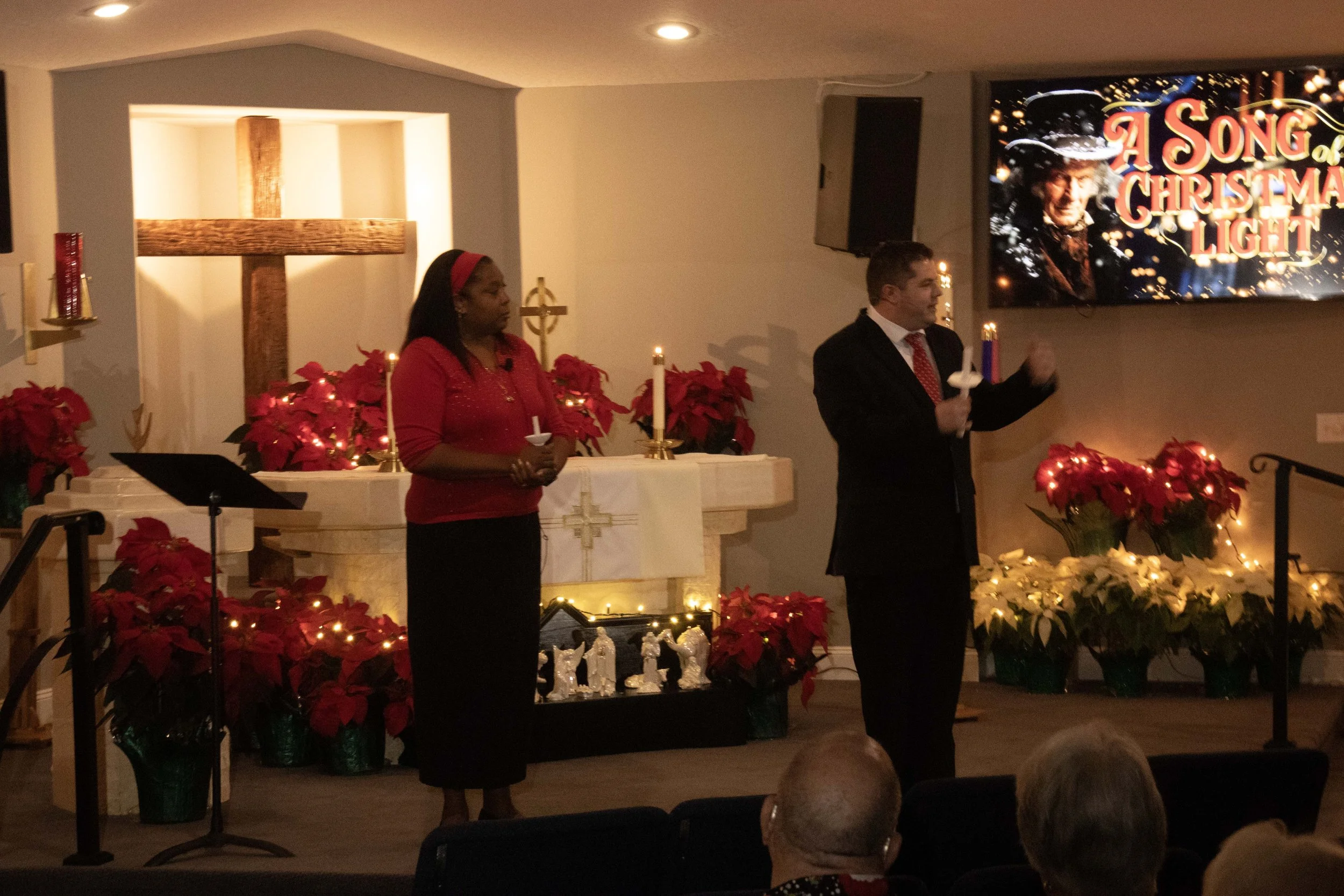
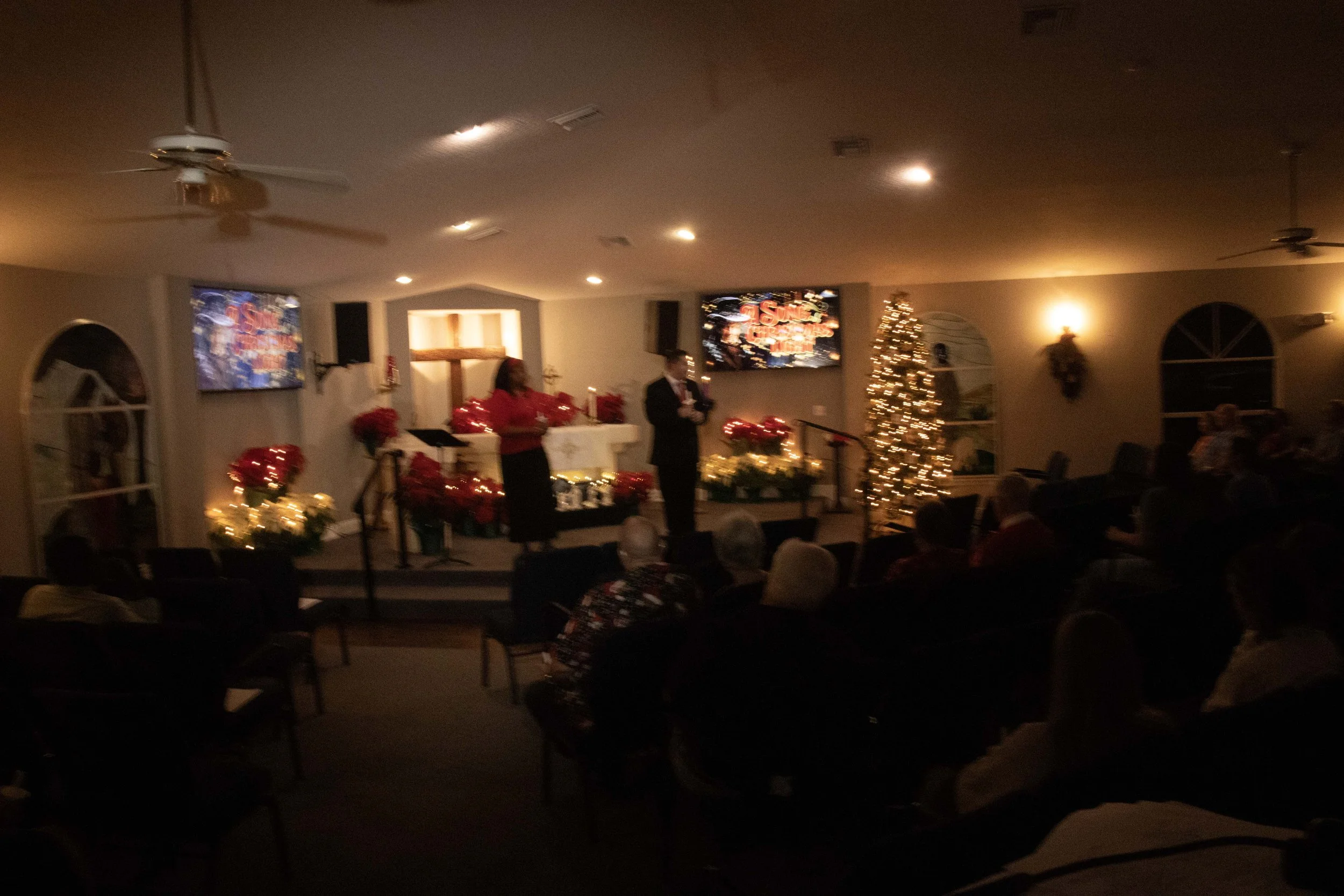
Much like Scrooge, the shepherds sat in darkness until the heavenly angels came, bringing the light of a well celebrated Christmas.
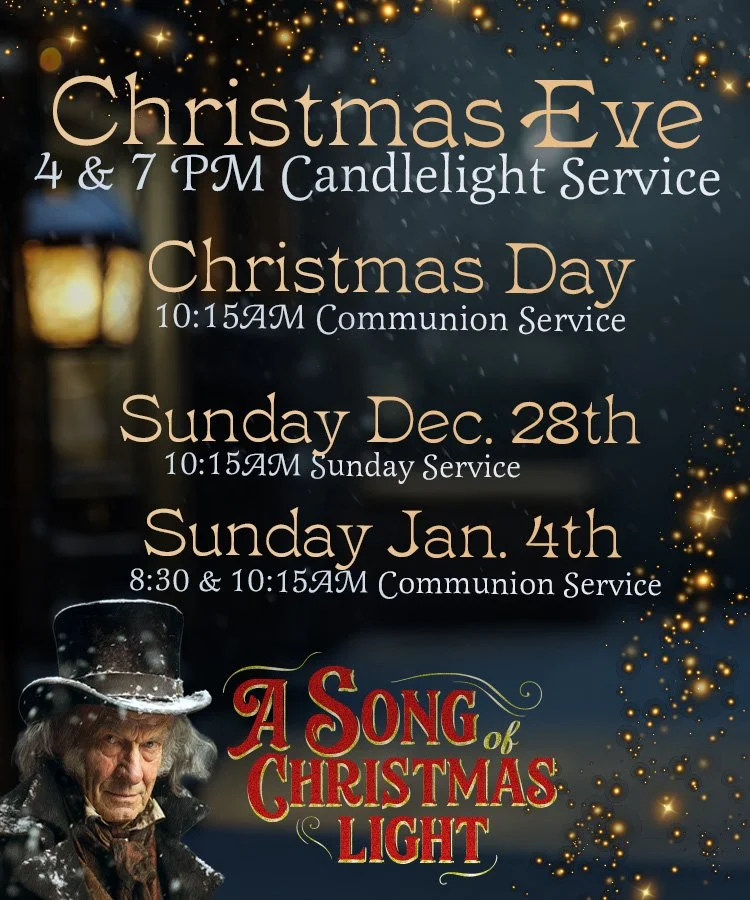
Christmas Eve Candlelight service
4pm with Live Stream
7pm with Korean Church
Much like Scrooge, the shepherds sat in darkness until the heavenly angels came, bringing the light of a well celebrated Christmas.
What Had happened at Grace this week.

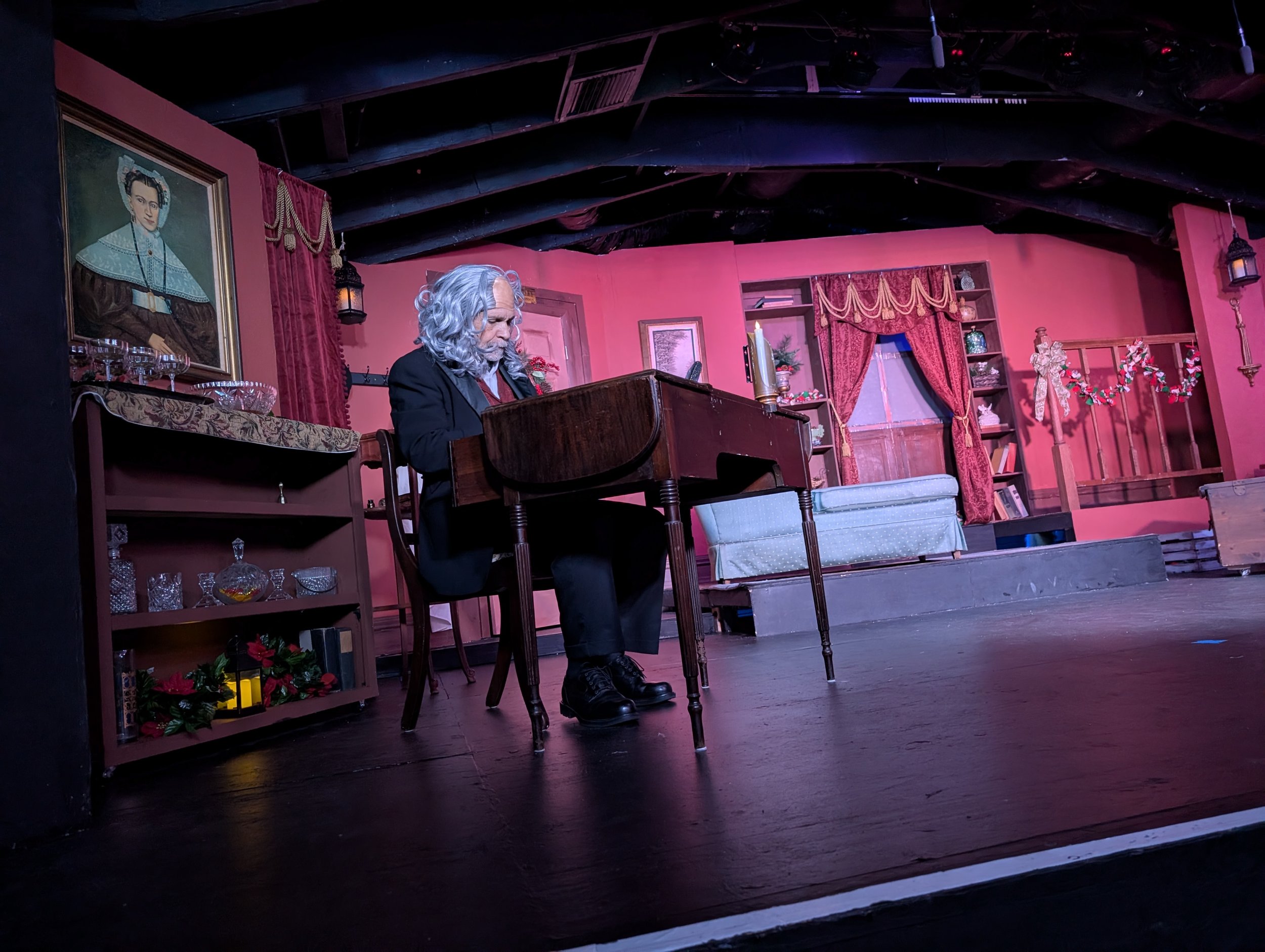
A Christmas Carol at Pineapple Playhouse
"On December 21st, our Grace community headed over to the Pineapple Playhouse for a special showing of A Christmas Carol.
"On December 21st, our Grace community headed over to the Pineapple Playhouse for a special showing of A Christmas Carol. We nearly filled the theater with 91 of us in attendance, and it was such a wonderful way to celebrate the season together."























![[Sunday] A Song of Christmas Light - Pointing to Greatness Stave 4](https://images.squarespace-cdn.com/content/v1/5852f18a20099e30cd2c01dc/1766107074577-MKU6U8LW1N5S1EATE1RW/Christmas+light+4a.jpg)
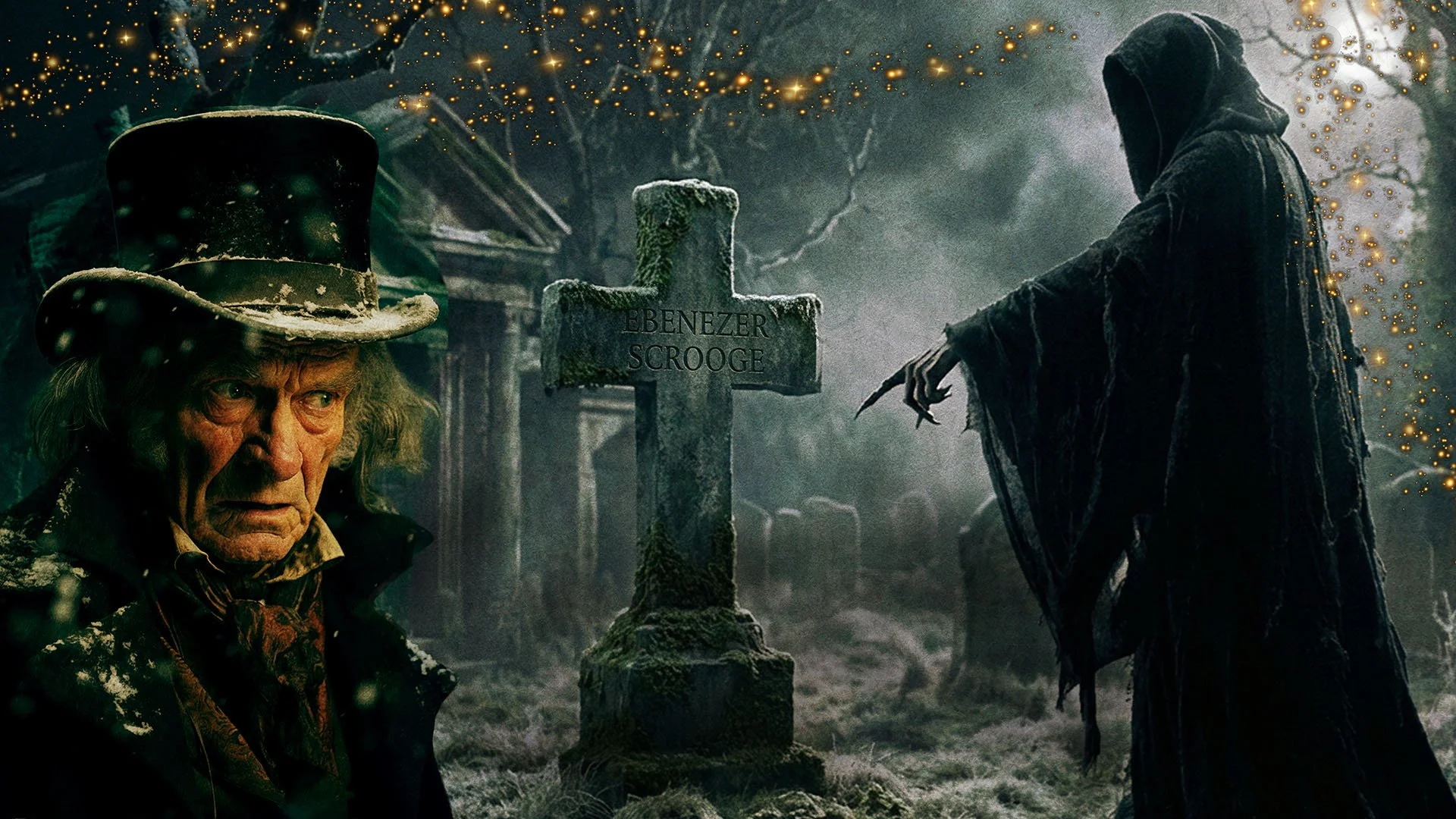
[Sunday] A Song of Christmas Light - Pointing to Greatness Stave 4
While the Ghost points to the grave our ambition digs, Jesus answers by becoming the humble Child who enters that grave to raise us to new life.
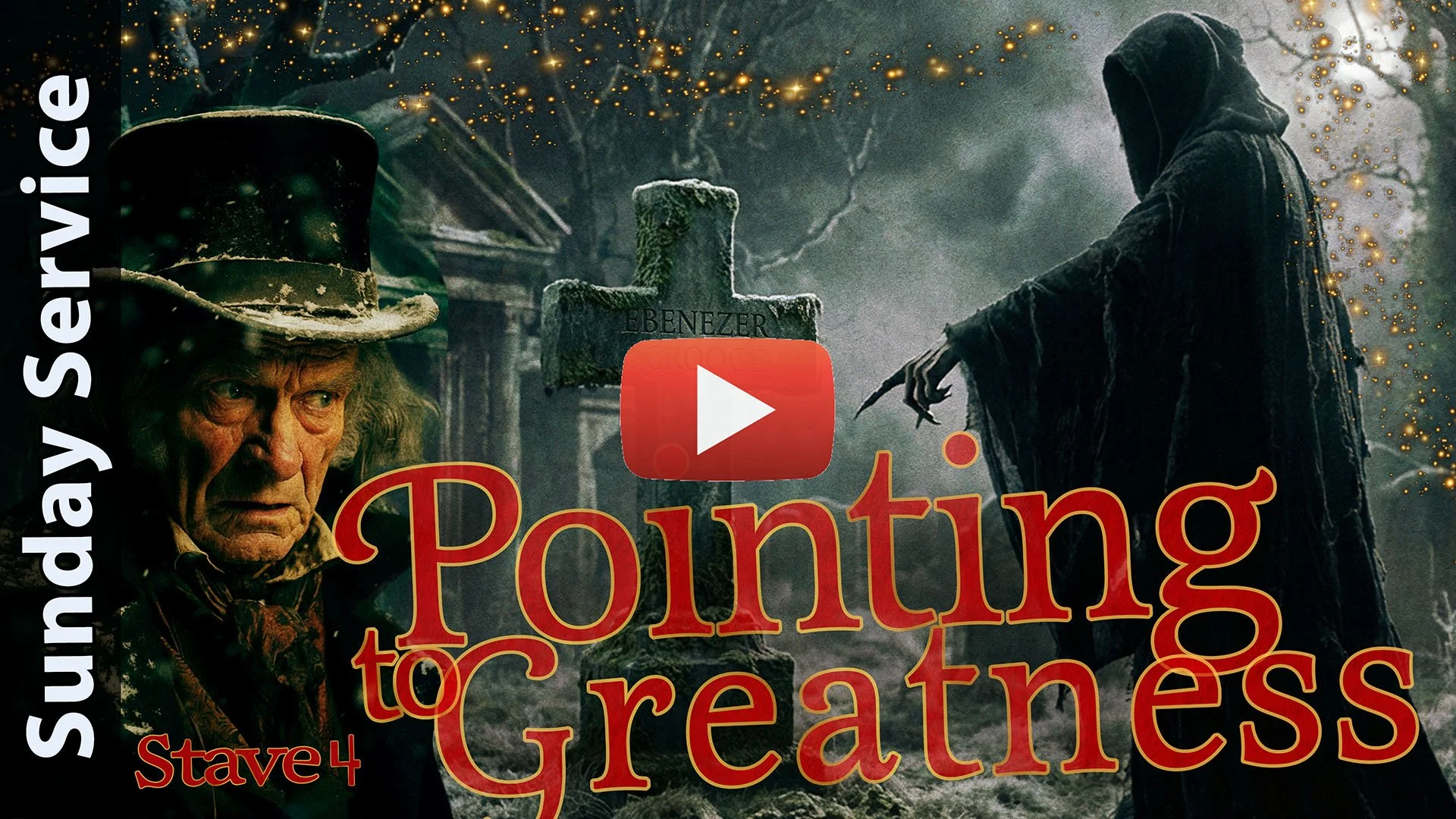
While the Ghost points to the grave our ambition digs, Jesus answers by becoming the humble Child who enters that grave to raise us to new life.
-
"Ghost of the Future! " he exclaimed, " I fear you more than any spectre I have seen. But as I know your purpose is to do me good, and as I hope to live to be another man from what I was, I am prepared to bear you company, and do it with a thankful heart. Will you not speak to me?" pg 123
It's likely to be a very cheap funeral, " said the same speaker; " for upon my life I don't know of anybody to go to it . Suppose we make up a party and volunteer? " pg 125
for he had been revolving in his mind a change of life, and thought and hoped he saw his new-born resolutions carried out in this pg 128
He frightened every one away from him when he was alive, to profit us when he was dead! Ha, ha, ha! " pg 136
" Spirit ! " said Scrooge, shuddering from head to foot. " I see , I see. The case of this unhappy man might be my own. My life tends that way, now. Merciful Heaven, what is this! " pg 136
" Spirit! " he said, "this is a fearful place . In leaving it, I shall not leave its lesson, trust me. Let us go! " pg 138
He is acting like david here
We may sleep to-night with light hearts, Caroline! " Yes. Soften it as they would, their hearts were lighter. The children's faces, hushed and clustered round to hear what they so little understood, were brighter; and it was a happier house for this man's death! The only emotion that the Ghost could show him, caused by the event, was one of pleasure. "Let me see some tenderness connected with a death, " said Scrooge; pg 141
They entered poor Bob Cratchit's house; the dwelling he had visited before; and found the mother and the children seated round the fire.
Quiet. Very quiet. The noisy little Cratchits were as still as statues in one corner, and sat looking up at Peter, who had a book before him. The mother and her daughters were engaged in sewing. But surely they were very quiet ! pg 142And He took a child and set him in the midst of them pg 142
Scrooge was not like this child but
I am heartily sorry for it, Mr. Cratchit, ' he said, ' and heartily sorry for your good wife. ' By the bye, how he ever knew that, I don't know. " "Knew what, my dear?" "Why, that you were a good wife, " replied Bob. "Everybody knows that! " said Peter. "Very well observed, my boy! " cried Bob. “I hope they do. ' Heartily sorry, ' he said, ' for your good wife. If I can be of service to you in any way, ' he said, giving me his card , 'that's where I live. Pray come to me. ' Now, it wasn't, " cried Bob, " for the sake of anything he might be able to do for us, so much as for his kind way, that this was quite delight- ful. It really seemed as if he had known our Tiny Tim, and felt with us." pg 145
"Before I draw nearer to that stone to which you point," said Scrooge, "answer me one question. Are these the shadows of the things that Will be, or are they shadows of the things that May be, only?"
Spirit! " he cried, tight clutching at its robe, " hear me! I am not the man I was. I will not be the man I must have been but for this intercourse. Why show me this, if I am past all hope!" For the first time the hand appeared to shake.
"Good Spirit, " he pursued , as down upon the ground he fell before it: " Your nature intercedes for me, and pities me. Assure me that I yet may change these shadows you have shown me, by an altered life ?"
The kind hand trembled."I will honour Christmas in my heart , and try to keep it all the year. I will live in the Past, the Present, and the Future. The Spirits of all Three shall strive within me. I will not shut out the lessons that they teach. Oh, tell me I may sponge away the writing on this stone! "
Questions for the Week: A Story of Christmas Light - Pointing to Greatness
The Ghost of Christmas Yet to Come and John the Baptist both point to the reality of death and sin. Why is it often necessary to face the harsh reality of where our actions are leading us (the "grave") before we can truly change?
Read Luke 3:1-10 We connected Scrooge's greed to the "brood of vipers" pursuit of greatness. In what ways does our modern culture's definition of "greatness" (success, power, wealth) lead to a spiritual "grave" or harm those around us (like Tiny Tim)?
Read Matthew 18:1-6. This was read in the Cratchit home at the death of Tiny Tim: "And He took a child and set him in the midst of them." Jesus showed greatness and humility by becoming a weak baby in a manger and later welcoming the weak. When are those times at your weakness when Jesus has welcomed you?
We are called to "bury our sinful desires" in the grave with Jesus and be raised to bear fruit. What are specific "fruits of repentance" (an act of love, mercy, or generosity) you hope to bear this coming week?
What Had happened at Grace this week.

Christmas Carol Dec. 21st. 2pm Pineapple Playhouse
A Christmas Carol – Dec 21st. at the Pineapple Playhouse
A Christmas Carol
Local Theater: Pineapple Playhouse Production
2PM Start, 1:30pm Doors open.
Tickets Go on sale Nov. 30th Between Services
I encourage you to get there early.
December 21st, Sunday
Event Starts at 2pm, Doors open at 1:30pm
Tickets are 15 Dollars, Only 106 Tickets Available (General Admission)
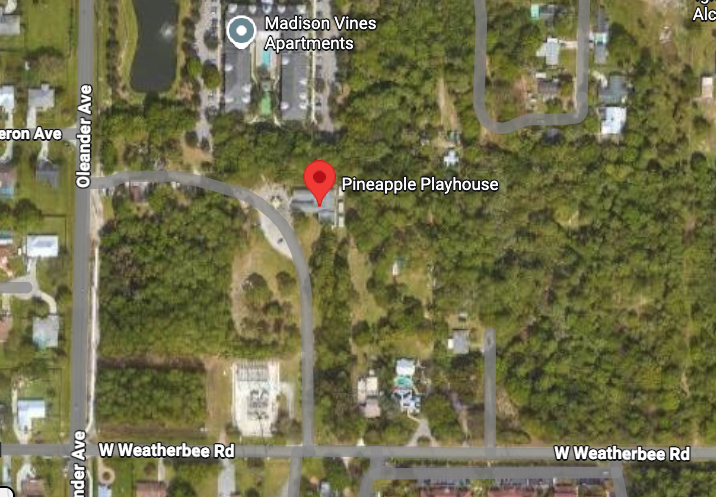
Address: 700 W Weatherbee Rd, Fort Pierce, FL 34982
Theater gets Dark at 2PM
Doors Open 1:30PM
Pineapple playhouse is a local theater.
We will be watching our neighbors preform for us.
There will be 11 other people with us.
We will indicate where their seats are
We will have general admission.
700 W Weatherbee Rd, Fort Pierce, FL 34982


1 John Chapter 5 & 2nd and 3rd John - The Johns Bible Study
This Bible study explored 1 John 5 and the letters of 2 and 3 John, emphasizing that true belief in Jesus is inseparably linked to actively loving others, which empowers believers to overcome the world, discern false teachings, and reject self-righteous leadership.
1st, 2nd, and 3rd John
1 John Chapter 5 & 2nd and 3rd John
This is an AI Recap of the class.
Some things may be incorrect.
Short Summary of the Whole Class
The class delved into the conclusion of 1 John and the short letters of 2 and 3 John, continuing the themes of God as light and love. The discussion highlighted that genuine faith in Jesus Christ is not a passive belief but is demonstrated through active obedience to His commandments, primarily to love God and others. We explored how this active love allows believers to overcome the world and identify false teachers, who may profess faith but lack loving actions. The session touched on the nature of mortal sin, identifying it with the destructive Gnostic heresy that denied Jesus came in the flesh. 2 John provided a practical warning against supporting these deceivers, while 3 John contrasted the faithful hospitality of Gaius with the self-important, exclusionary leadership of Diotrephes. The study connected these concepts to the transformative story of Scrooge and the flawed human attempt to create a "perfect" group, as seen in the story of Noah.
In-Depth Class Summary
Introduction and Recap of 1 John
The session began by recapping the themes from the previous weeks, drawing from a Bible Project guide on 1 John. The first three chapters established the theme that "God is light," while the previous week’s discussion focused on "God is love." A key point from 1 John chapter 4 was revisited: the inseparable link between loving God and loving fellow human beings. One cannot claim to love the unseen God while hating a brother or sister they can see. This set the stage for diving into 1 John chapter 5.
Summary: The class started by reviewing the core themes of 1 John: God is light and God is love. The main takeaway from the previous session was that loving God requires loving others, which provided the foundation for the current study.
Bible Verses Mentioned:
1 John chapter 4
Reading and Initial Reactions to 1 John 5
The class then read through the entirety of 1 John chapter 5. Key themes included belief in Jesus, keeping God's commandments, overcoming the world through faith, and the testimony of the spirit, water, and blood. A significant point of discussion was how John views faith and keeping God's commandments not as two separate steps but as one cohesive unit. It’s not that you have faith and then you keep the commandments; rather, genuine faith is expressed through keeping the commandments. This understanding is crucial for interpreting the rest of the chapter.
Summary: After reading 1 John 5, the class noted its parallels with Revelation and focused on how John presents faith and obedience to God's commandments as a single, unified action.
Bible Verses Mentioned:
1 John chapter 5 (entire chapter)
The Witness of God and Discerning False Teachers
The conversation moved to verses 9-12, which discuss the "witness of God" about His Son. This was connected to the idea that to "believe in the Son" is to join God in His life-giving work. Verse 10 states, "he who does not believe God has made him a liar." If someone claims to be all about God but shows no love, their claim is false. This concept was illustrated using the story of Scrooge from A Christmas Carol. Scrooge’s transformation wasn't a mental agreement but a complete change that compelled him to go out and actively do good.
This principle serves as a rubric for discernment. The warning in verse 21 to "keep yourselves from idols" was interpreted as a caution against the false teachings John counters throughout the letter. False teachers can be identified by their lack of love. If they actively push people away from showing love, their message should be treated with caution.
Summary: Believing God’s witness means joining in His life-giving work. A claim to faith without loving action is a lie, as illustrated by Scrooge's transformation. This principle helps identify false teachers ("idols") who lack the fruit of love.
Bible Verses Mentioned:
1 John 5:9-12
1 John 5:21
Stories Mentioned:
The transformation of Scrooge in A Christmas Carol
The shepherds visiting the baby Jesus in the manger
Sin, Prayer, and False Teachers (1 John 5:16-21)
The class wrestled with the difficult verses 16-17, which distinguish between "sin which does not lead to death" and "sin leading to death." The consensus was that the "sin leading to death" likely refers to the destructive heresy of the false Gnostic teachers. However, John encourages prayer for them, suggesting they are not a lost cause. The letter concludes by reaffirming the believer's identity in God—we are "born of God," kept from the "wicked one," and have true understanding through Jesus Christ. The purpose of 1 John was to warn the church to watch out for messengers whose message lacks the core truths of God as light and love.
Summary: We discussed 1 John 5:16-21, interpreting "sin leading to death" as the Gnostic heresy. John encourages prayer for these individuals while urging the church to remain vigilant, rest in the truth of Christ, and avoid the "idols" of false teaching.
Bible Verses Mentioned:
1 John 5:14-21
Stories/Concepts Mentioned:
Gnosticism (the heresy that physical matter is evil and spirit is good)
2 John: Do Not Support Deceivers
The class moved on to 2 John, interpreting the "elect lady and her children" as a local church. The letter’s central theme is walking in "truth" and loving one another. This is immediately contrasted with the "many deceivers" who "do not confess Jesus Christ as coming in the flesh." John gives a stern warning not to receive these teachers into their house or even greet them, as doing so would mean sharing in their evil deeds. This letter serves as a practical application of the warnings in 1 John.
Summary: 2 John serves as a direct warning to the church. John urges believers to walk in truth and love but to firmly reject and refuse to support traveling false teachers who deny that Jesus Christ came in a physical body.
Bible Verses Mentioned:
2 John (entire letter), especially vv. 7, 10
Stories/Concepts Mentioned:
The "elect lady" as a metaphor for the church.
3 John: An Example of Good and Bad Leadership
The final letter, 3 John, was addressed to Gaius, who is praised for his faithfulness and hospitality toward true Christian missionaries. In stark contrast is Diotrephes, described as one "who loves to have the preeminence" (v. 9). Diotrephes rejects John's authority and excommunicates members who show hospitality to the brethren. He exemplifies evil leadership rooted in pride. This was connected to the temptation within churches to become exclusive and self-righteous, an impulse illustrated by the story of Noah, where God's attempt to create a "perfect" group still resulted in sin. Diotrephes represents this flawed human desire to purify the church by force rather than living in grace.
Summary: 3 John presents a case study in church leadership, contrasting the hospitable Gaius with the prideful, exclusionary Diotrephes. The letter warns against leaders who put themselves first and seek to purify the church by kicking people out, reminding us that this self-righteous impulse is flawed.
Bible Verses Mentioned:
3 John (entire letter), especially v. 9
Stories/Concepts Mentioned:
The story of Noah and the flood as an allegory for the failed attempt to create a "perfect" group free of sin.
Final Summary
In our study, we journeyed through 1 John 5 and the epistles of 2 and 3 John, connecting their themes of truth, love, and discernment. The central argument was that John presents belief in Jesus Christ not as a passive, intellectual agreement but as a dynamic, living faith demonstrated through actions—specifically, by loving God and others. This fusion of faith and works is the key to "overcoming the world" and serves as a practical tool for discernment. The way to identify false teachers, or the "idols" John warns against, is to examine the fruit of their lives.
We concluded that the "sin leading to death" in 1 John 5 was a reference to destructive Gnostic heresies that denied Jesus's physical incarnation. This theme was reinforced in 2 John, which gives a stark command not to support these "deceivers." Finally, 3 John provided a real-world example, contrasting the faithful Gaius, who lovingly supported true missionaries, with the prideful church leader Diotrephes, who "loves to be first." This led to a broader discussion on the dangers of self-righteousness and the flawed temptation to create an exclusive "holy" group, illustrated by the story of Noah. Ultimately, John's letters call us to a faith that walks in the truth of Jesus Christ come in the flesh, loves the brethren, and wisely rejects any teaching or leader not rooted in God's light and love.
Main Points
True faith in Jesus is demonstrated by keeping His commandments to love God and love your neighbor.
Faith and loving action are one cohesive unit, and this active faith is how believers "overcome the world."
A profession of faith without the action of love is a lie.
The primary heresy John combats is a form of Gnosticism that denies Jesus Christ came in a physical body.
The church must be discerning and not offer support to those who spread false doctrine.
Church leadership should be modeled on humble service (like Gaius) and not on pride or a desire for preeminence (like Diotrephes).
The impulse to "purify" the church by kicking out sinners is a dangerous temptation that goes against the lesson of grace.
Confidence in prayer comes from aligning our will and actions with God’s loving will.
Scriptures and Stories Mentioned
Bible Scriptures:
1 John Chapter 4
1 John Chapter 5 (specifically verses 9-12, 14-21)
2 John (entire letter)
3 John (entire letter)
Stories and Concepts:
The transformation of Scrooge in Charles Dickens' A Christmas Carol.
The story of the shepherds visiting the manger after Jesus' birth.
Gnosticism
The story of Noah and the Flood (Genesis 6-9)
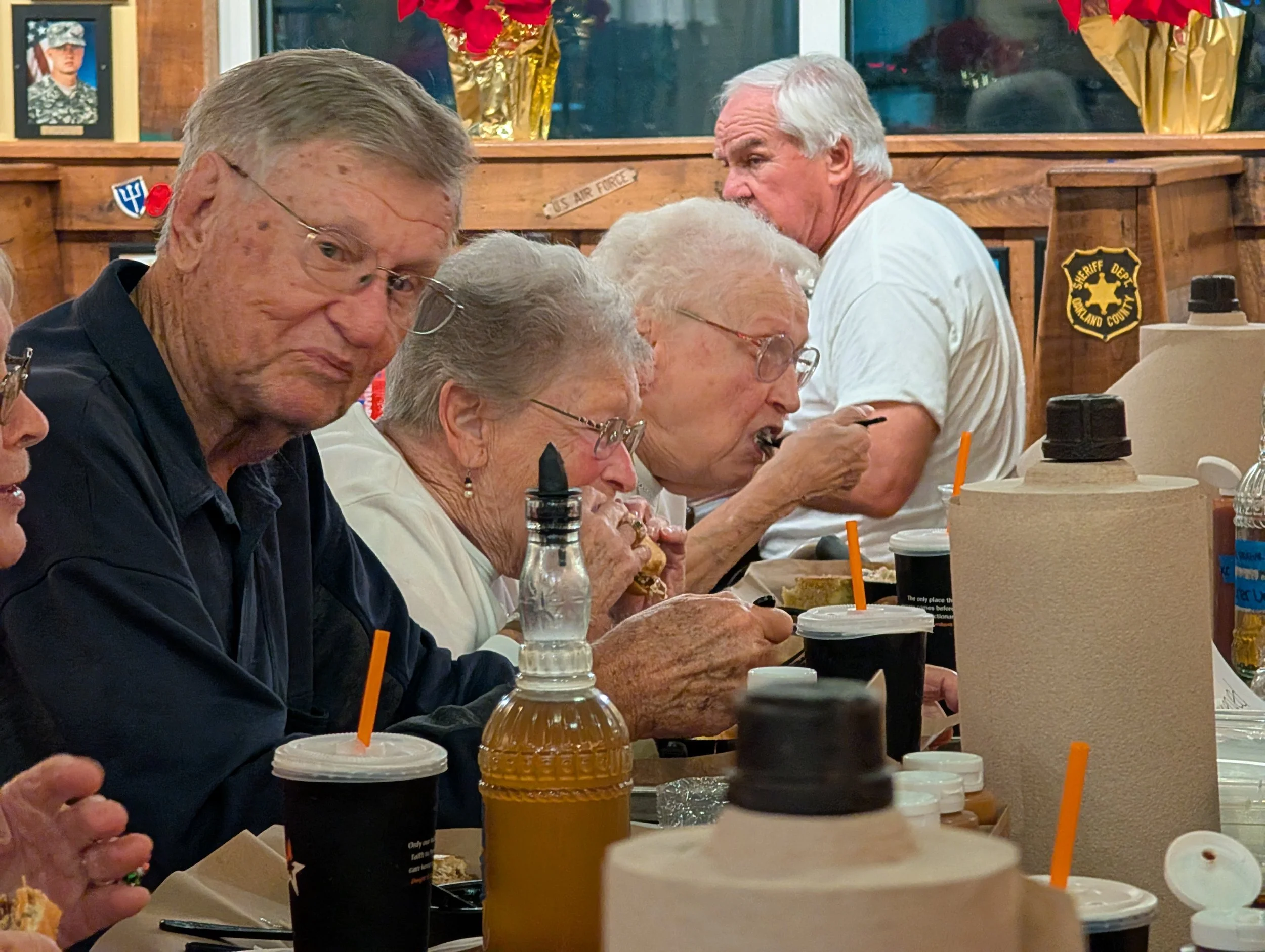
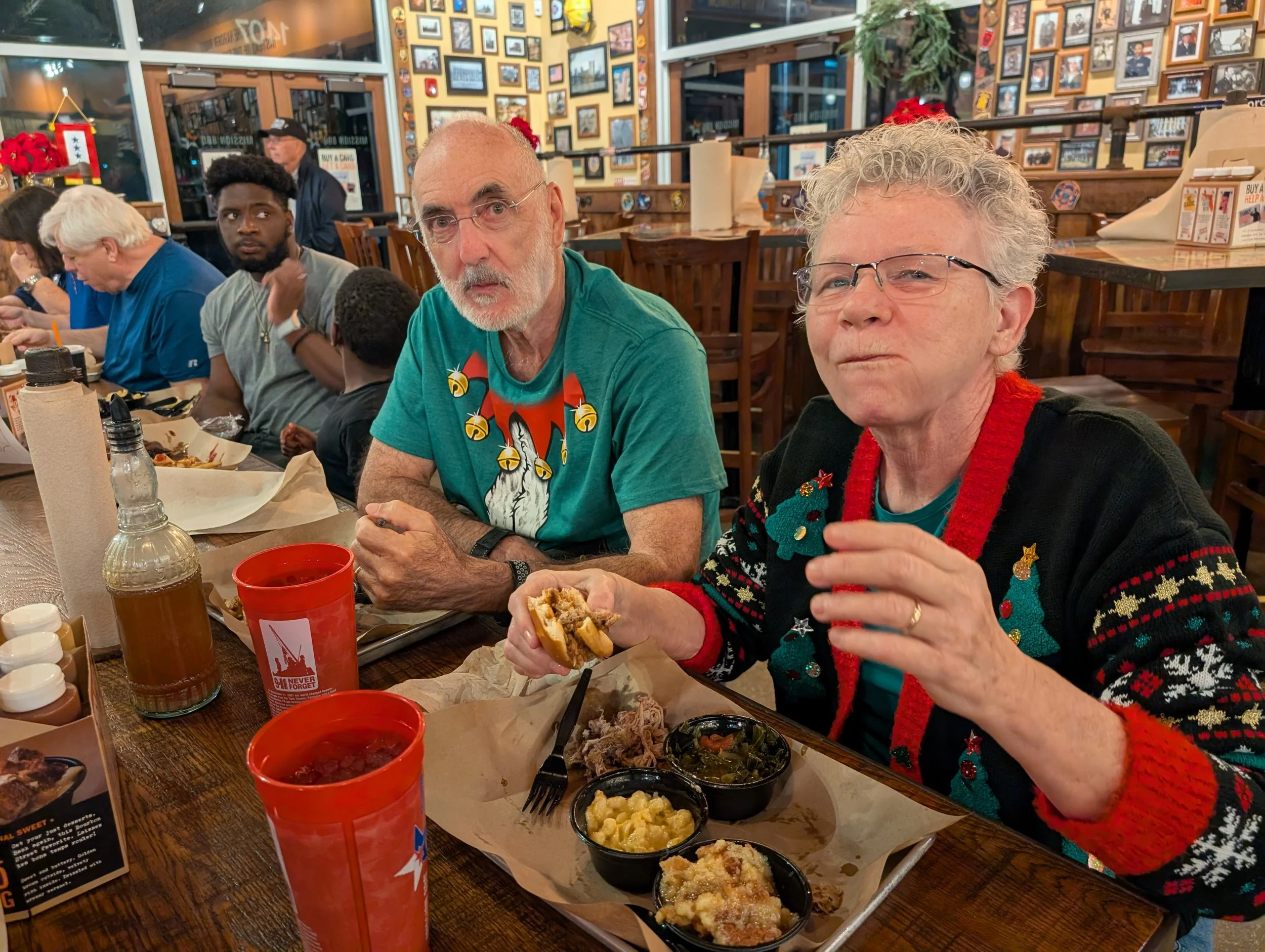
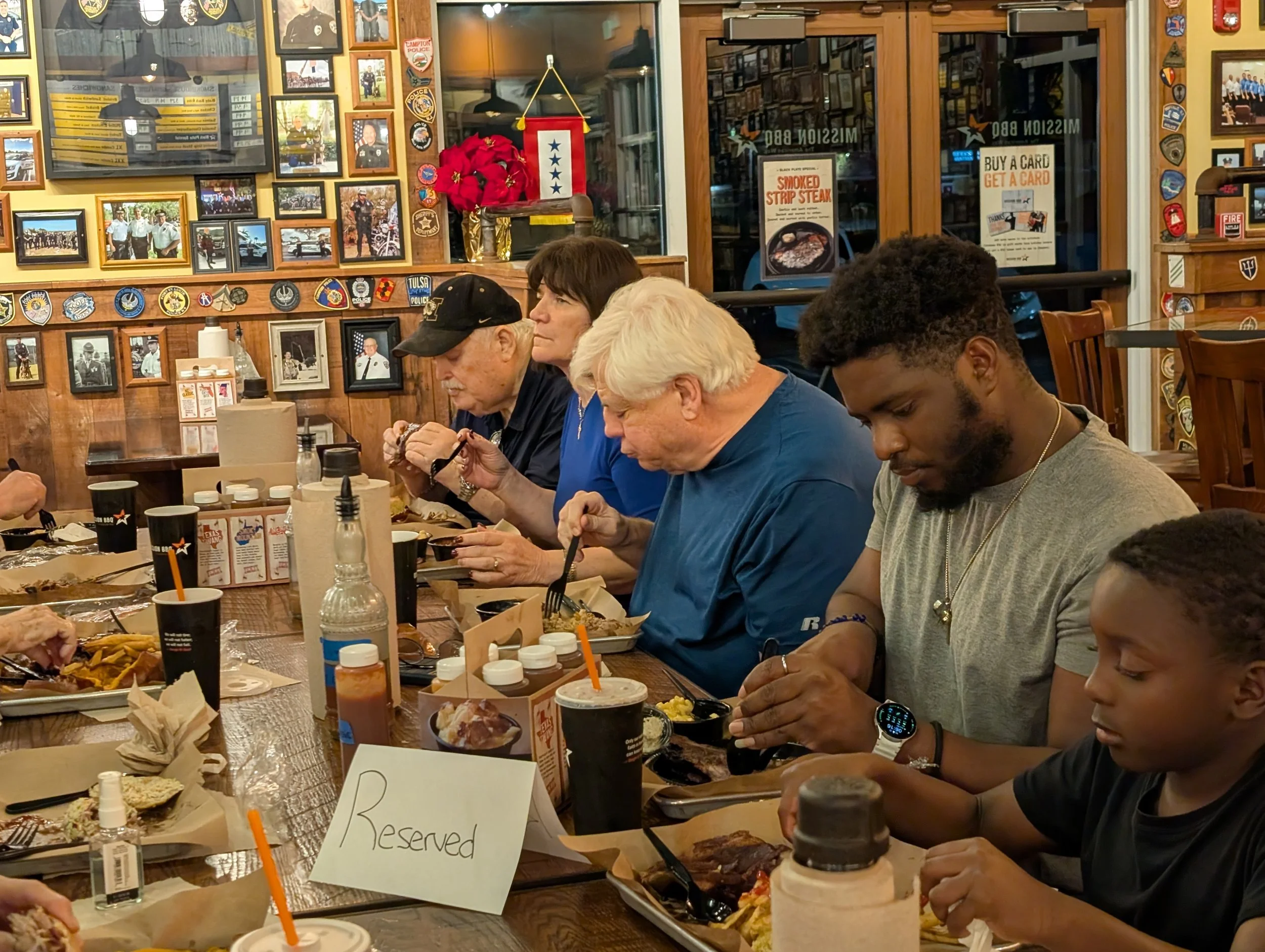
![Christmas Dinner at Mission BBQ [photos]](https://images.squarespace-cdn.com/content/v1/5852f18a20099e30cd2c01dc/1766111458710-ULPCKS16DAZCMUN7LI93/PXL_20251218_000243197.jpg)
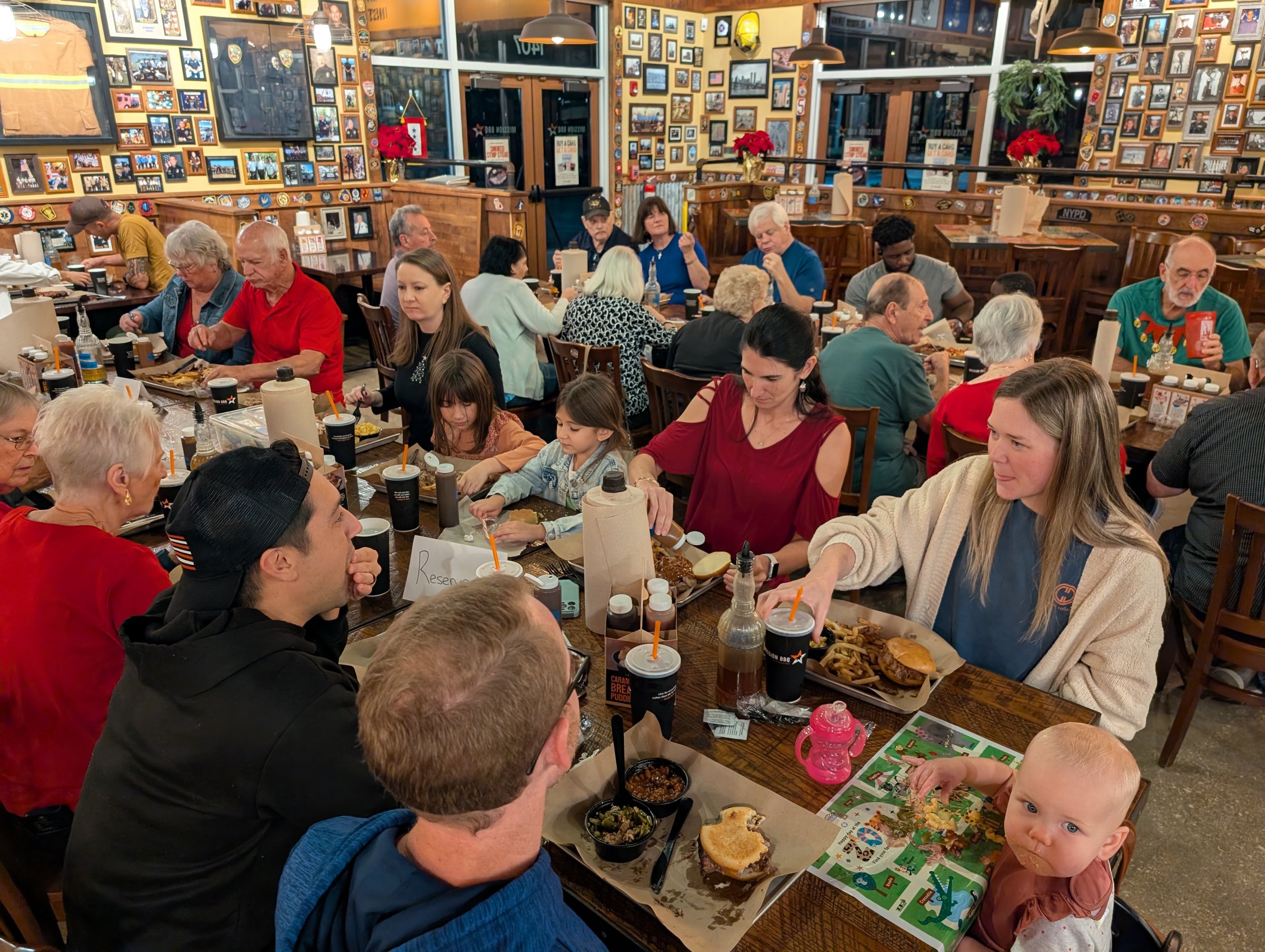
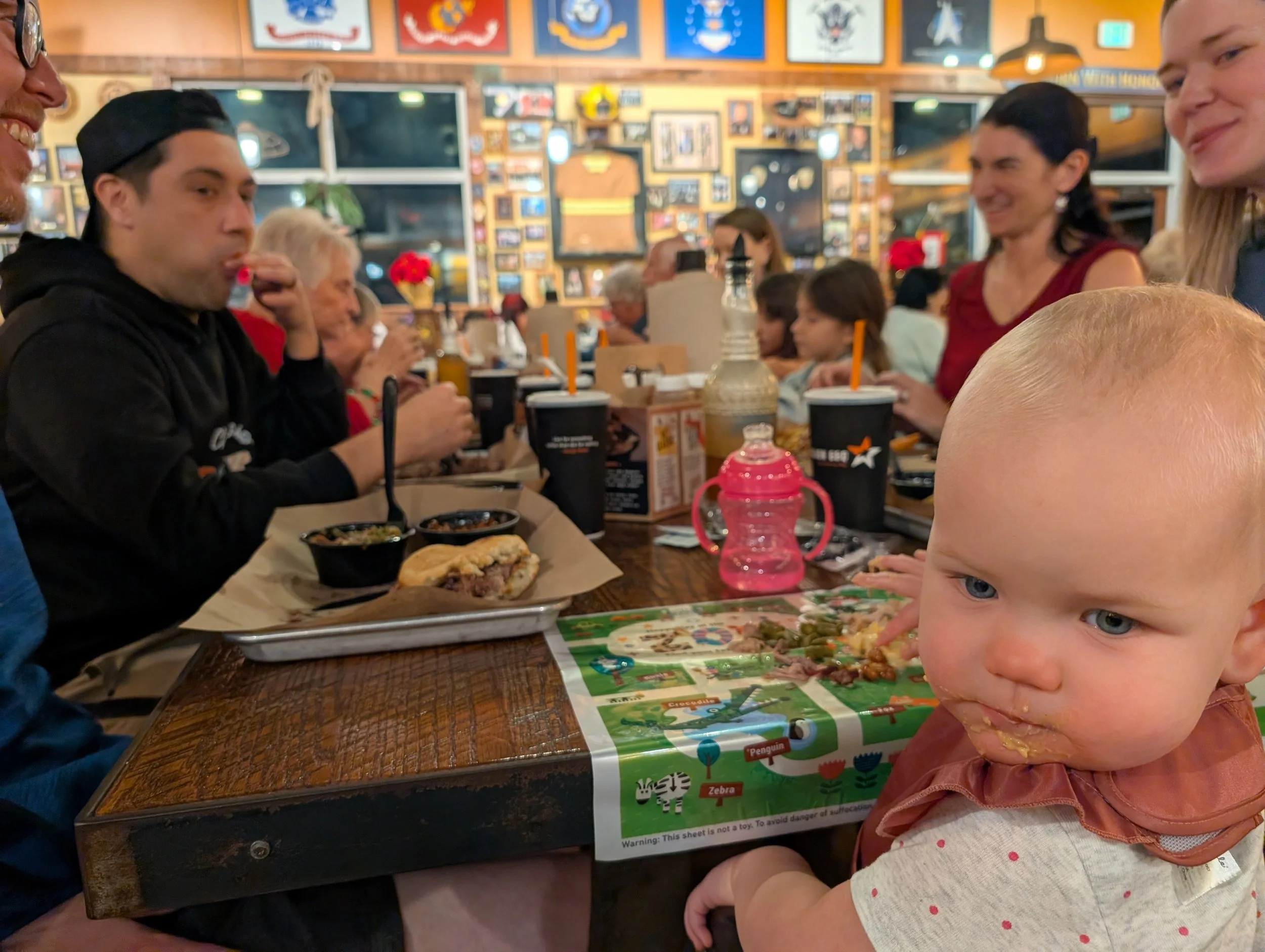
Christmas Dinner at Mission BBQ [photos]
Enjoying Christmas Dinner Together.
It was our mission to eat BBQ. Thirty of us enjoyed each other’s company, shared a few laughs, and celebrated the annual Grace Christmas Dinner.






The Grinch of Advent
John the Baptist comes to our Whoville churches and rains on our Christmas parades.
My son has been obsessed with the Grinch lately. The book, the old school and new school animated movies, and especially the live-action movie starring a zany Jim Carrey dressed in green fur. As you might know, and as I have been forced to remember with each viewing, the Grinch lives above Whoville, out in the wilderness of the mountains. He is alone, shouting down at the town odd ramblings of his detest for Christmas. His diet consists of trash and glass. He is eccentric, angry, and as we later learn, misunderstood.
John the Baptist isn’t furry, but he does rock camel’s………….
Read the whole article at https://mbird.com/holidays/advent/the-grinch-of-advent/
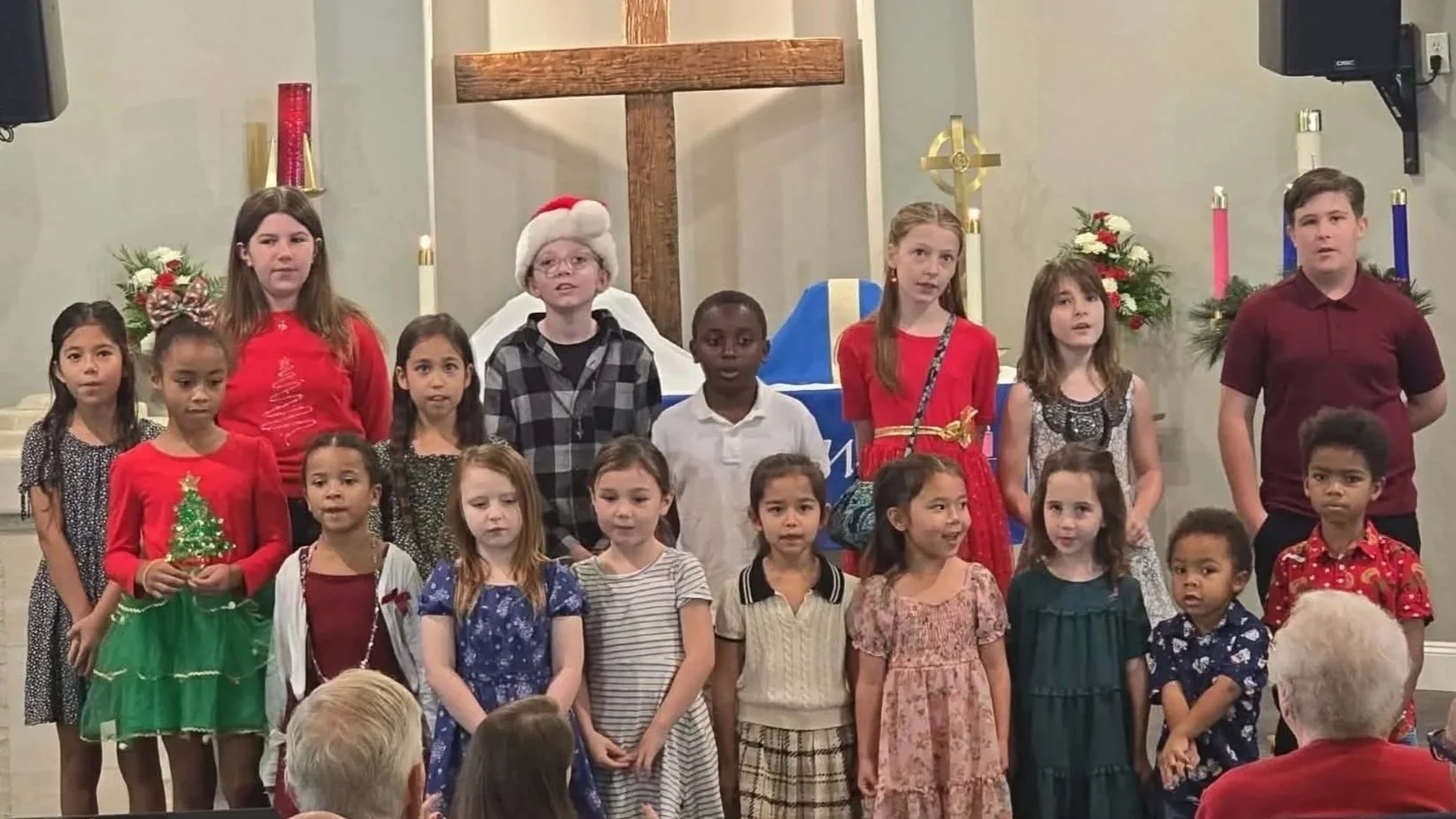
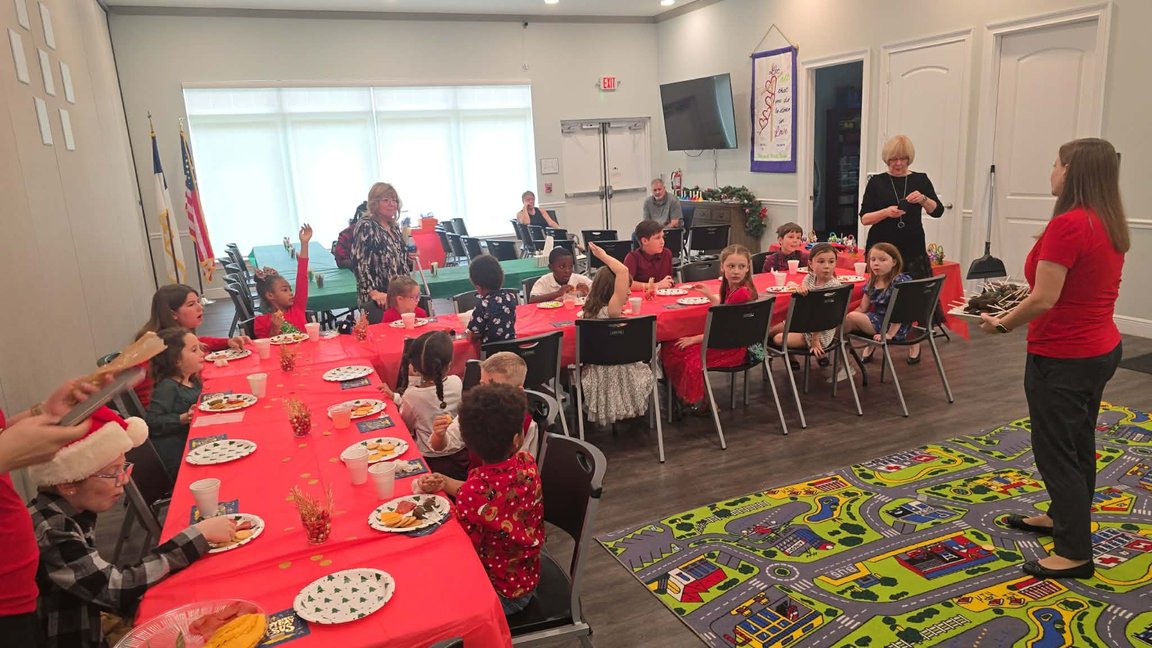
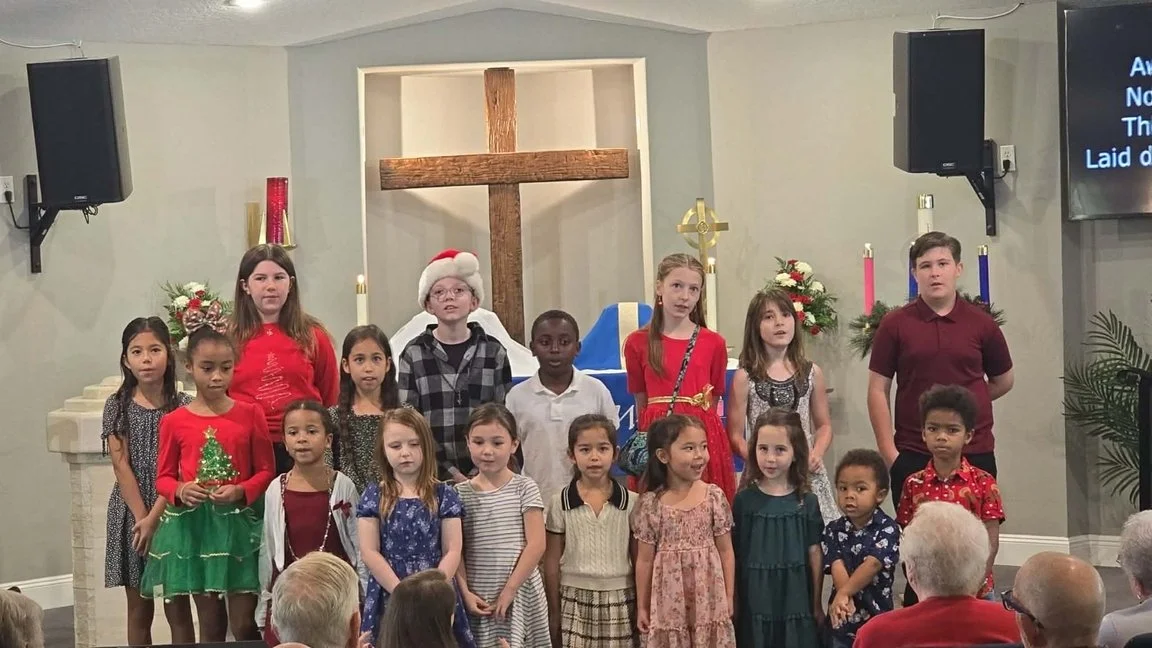
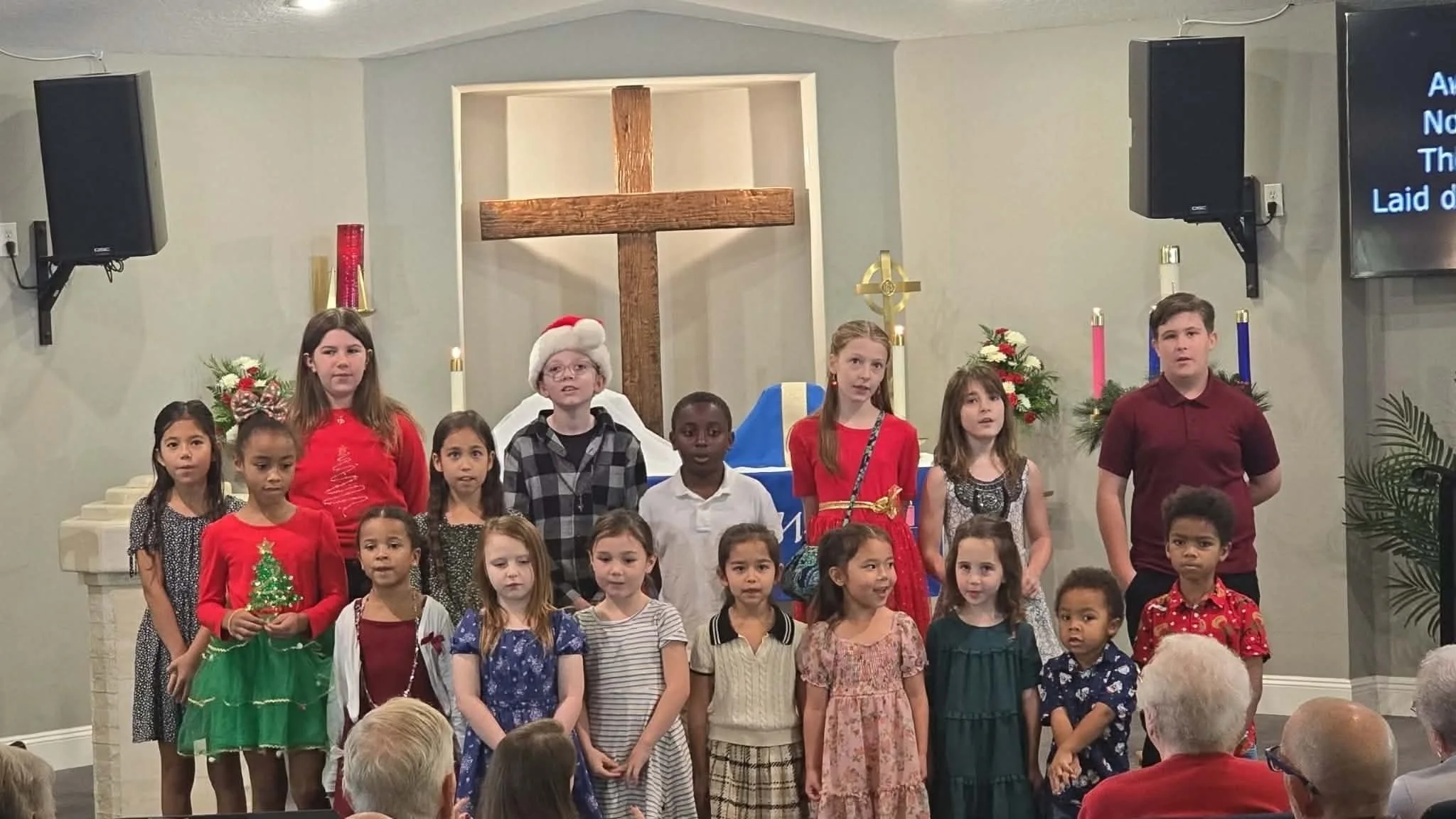
Kids Sing Away in a Manger and Bells Play O Holy Night
Kids did a wonderful job singing and playing the bells.












![[Sunday] A Song of Christmas Light - Know Me Better Man Stave 3](https://images.squarespace-cdn.com/content/v1/5852f18a20099e30cd2c01dc/1765482111687-AQYCM4FZQV9BO7JIPL02/Christmas+light+3a.jpg)
[Sunday] A Song of Christmas Light - Know Me Better Man Stave 3
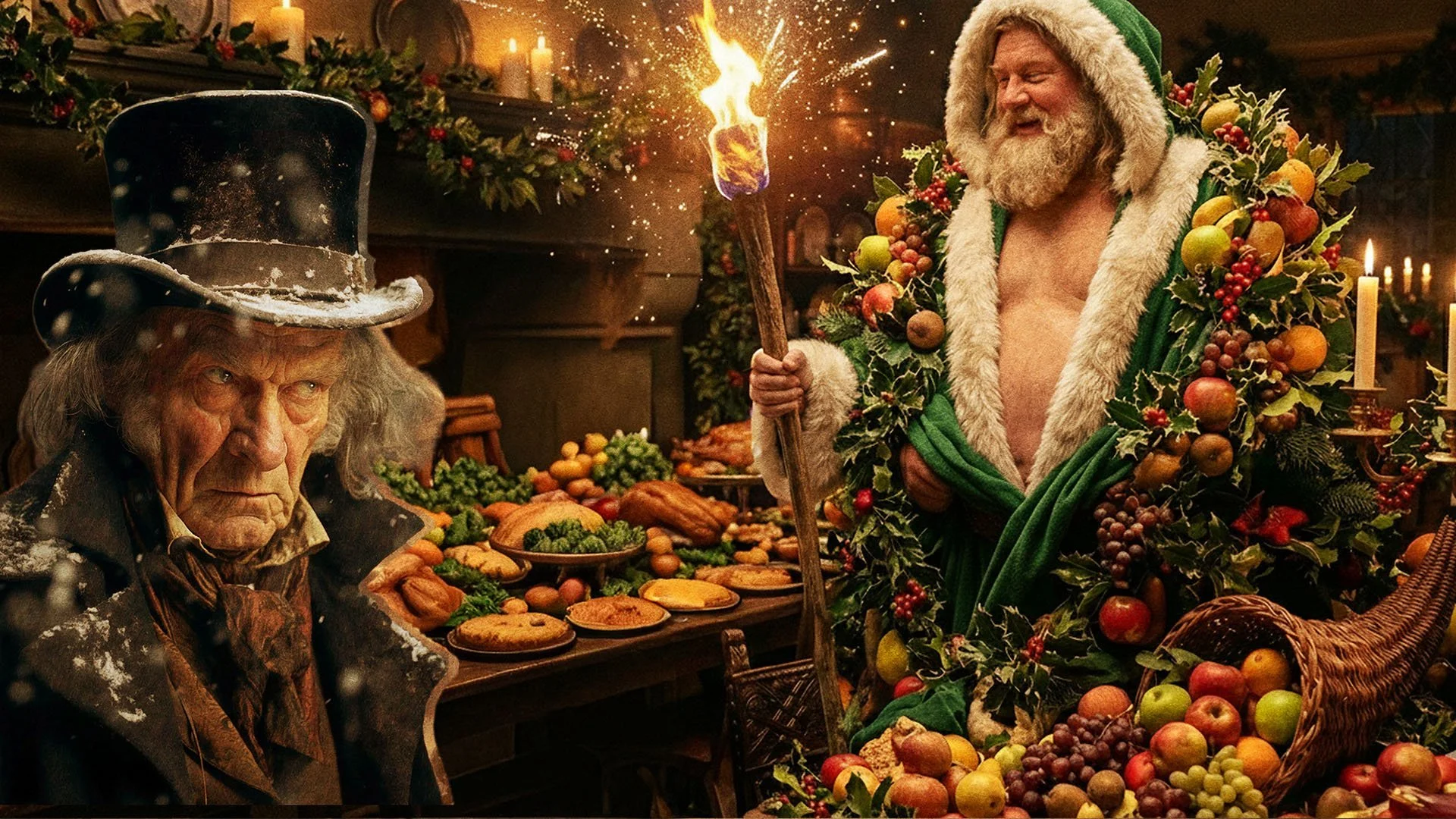
Though we mistake Christmas for a time of material plenty, the Ghost of Christmas Present reveals that true abundance is actually found in the humble poverty where Jesus dwells.
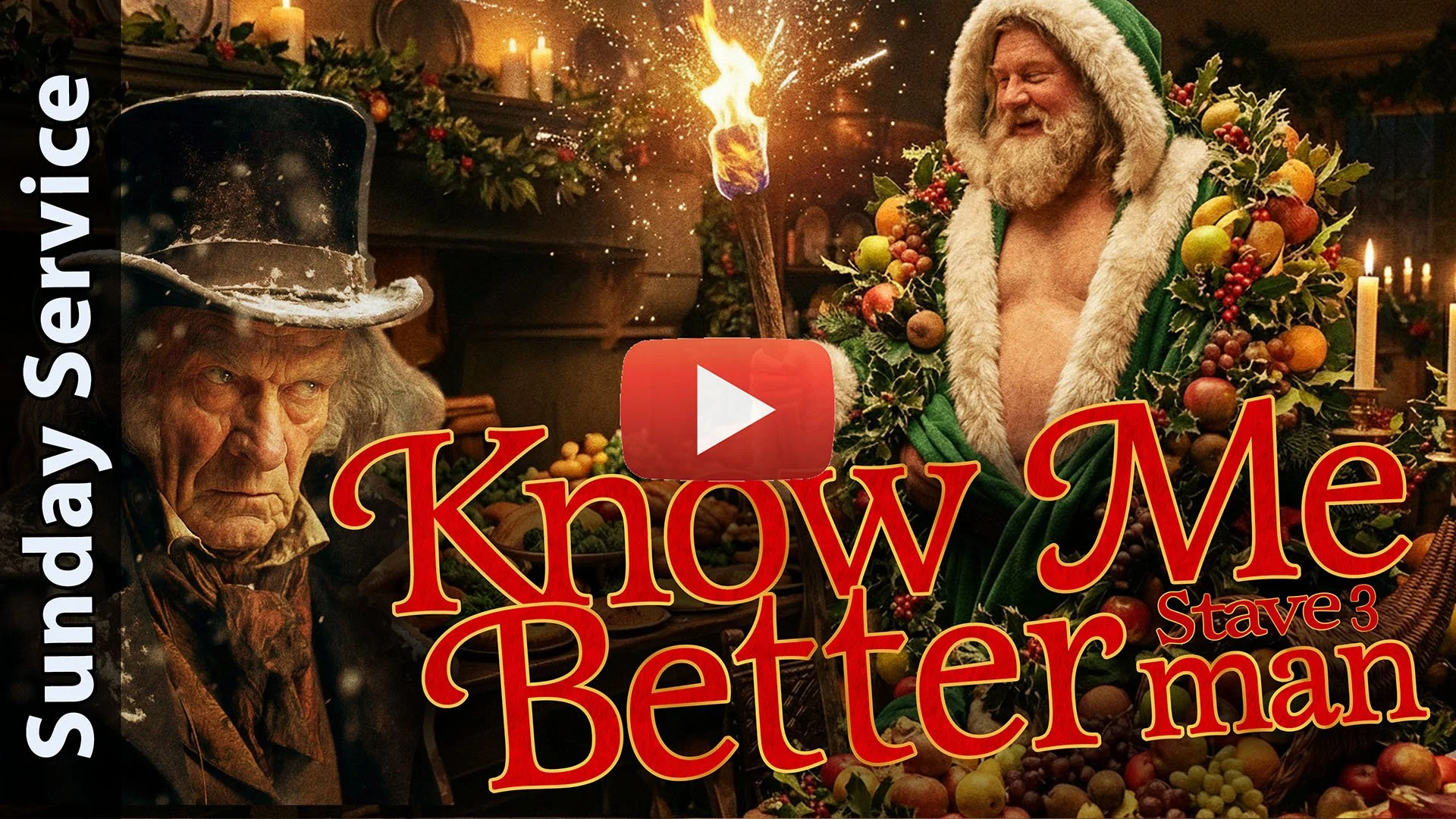
Though we mistake Christmas for a time of material plenty, the Ghost of Christmas Present reveals that true abundance is actually found in the humble poverty where Jesus dwells.
-
I don't mind calling on you to believe that he was ready for a good broad field of strange appearances , and that nothing between a baby and rhinoceros would have astonished him very much. Pg 75
All this time, he lay upon his bed, the very core and centre of a blaze of ruddy light, which streamed upon it when the clock proclaimed the hour pg 76
Worked to light
Marley's , or for many and many a winter season gone. Heaped up on the floor, to form a kind of throne, were turkeys, geese, game , poultry , brawn , great joints of meat , suckingpigs , long wreaths of sausages , mince-pies , plum-puddings , barrels of oysters , red-hot chestnuts , cherrycheeked apples, juicy oranges, luscious pears, immense twelfth-cakes, and seething bowls of punch, that made the chamber dim with their delicious steam. In easy state upon this couch there sat a jolly Giant , glorious to see; who bore a glowing torch, in shape not unlike Plenty's horn, and held it up , high up, to shed its light on Scrooge, as he came peeping round the door. Pg 71
Light signals a huge giant party.
" Come in!" exclaimed the Ghost. " Come in! And know me better, man ! " pg 72
"I am the Ghost of Christmas Present," said the Spirit . " Look upon me!" pg 72
This garment hung so loosely on the figure, that its capacious breast was bare, as if disdaining to be warded or concealed by any artifice. Its feet, observable beneath the ample folds of the garment, were also bare; and on its head it wore no other covering than a holly wreath, set here and there with shining icicles. Its dark brown curls were long and free; free as its genial face, its sparkling eye pg 72
He is just open. Its not proper.
they stood in the city streets on Christmas morning, where (for the weather was severe) the people made a rough , but brisk and not unpleasant kind of music, in scraping the snow from the pavement in front of their dwellings , pg 80
This has a Manger scene similarity here.
The house fronts looked black enough pg 80
Big to small
Pg 81 They visit the mine. They have so much, yet dont have anything at all.
The sight of these poor revellers appeared to interest the Spirit very much, for he stood with Scrooge beside him in a baker's doorway, and taking off the covers as their bearers passed, sprinkled incense on their dinners from his torch. And it was a very uncommon kind of torch, for once or twice when there were angry words between some dinner-carriers who had jostled each other, he shed a few drops of water on them from it , and their good humour was restored directly . For they said, it was a shame to quarrel upon Christmas Day. And so it was! God love it , so it was! Pg 85
Spreading the Christmas Spirit.
" Is there a peculiar flavour in what you sprinkle from your torch?" asked Scrooge.
"There is . My own. "
"Would it apply to any kind of dinner on this day?" asked Scrooge.
"To any kindly given. To a poor one most."
"Why to a poor one most? " asked Scrooge.
"Because it needs it most. "Manger Feast for a King
"There are some upon this earth of yours," returned the Spirit, " who lay claim to know us, and who do their deeds of passion , pride, ill-will , hatred, envy, bigotry, and selfishness in our name, who are as strange to us and all our kith and kin, as if they had never lived. Remember that, and charge their doings on themselves, not us. " pg 87
People claim to be righteous
Clerks party
Then up rose Mrs. Cratchit, Cratchit's wife, dressed out but poorly in a twice-turned gown, but brave in ribbons, which are cheap and make a goodly show for sixpence pg 88
Master Peter Cratchit plunged a fork into the saucepan of potatoes , and getting the corners of his monstrous shirt-collar ( Bob's private property, conferred upon his son and heir in honour of the day ) into his mouth , rejoiced to find himself so gallantly attired , and yearned to show his linen in the fashion able Parks. 88
They are so proud of their thread warn closes
and his thread bare clothes darned up and brushed, to look season able; and Tiny Tim upon his shoulder. Alas for Tiny Tim, he bore a little crutch , and had his limbs supported by an iron frame! 85
" As good as gold, " said Bob, " and better. Somehow he gets thoughtful, sitting by himself so much, and thinks the strangest things you ever heard. He told me, coming home, that he hoped the people saw him in the church, because he was a cripple, and it might be pleasant to them to remember upon Christmas Day, who made lame beggars walk and blind men see." Bob's voice was tremulous when he told them this, and trembled more when he said that Tiny Tim was growing strong and hearty. 91
His active little crutch was heard upon the floor
Might have thought a goose the rarest of the birds. Pg 92
It was suc ceeded by a breathless pause, as Mrs. Cratchit, looking slowly all along the carving- knife, prepared to plunge it in the breast; but when she did, and when the long-expected gush of stuffing issued forth, one murmur of delight arose all round the board, and even Tiny Tim, excited by the two young Cratchits, beat on the table with the handle of his knife, and feebly cried Hurrah! Pg 93
There never was such a goose. Bob said he didn't believe there ever was such a goose cooked. Its tenderness and flavour, size and cheapness , were the themes of universal admiration. Eked out by applesauce and mashed potatoes, it was a sufficient dinner for the whole family; indeed, as Mrs. Cratchit said with great delight ( surveying one small atom of a bone upon the dish ) , they hadn't ate it all at last! Yet every one had had enough, pg 93
Oh , a wonderful pudding! Bob Cratchit said, and calmly too, that he regarded it as the greatest success achieved by Mrs. Cratchit since their marriage. Mrs. Cratchit said that now the weight was off her mind, she would confess she had her doubts about the quantity of flour. Everybody had something to say about it , but nobody said or thought it was at all a small pud ding for a large family. It would have been flat heresy to do so. Any Cratchit would have blushed to hint at such a thing .
God Bless us everyone pg 95
Spirit will tiny time live.
Decrease the surplus the population
Scrooge was the shadow in the family pg98
There was nothing of high mark in this. They were not a handsome family; they were not well dressed; their shoes were far from being waterproof; their clothes were scanty; and Peter might have known, and very likely did, the inside of a pawnbroker's. But, they were happy, grateful , pleased with one another, and contented with the time; and when they faded, and looked happier yet in the bright sprinklings of the Spirit's torch at parting, Scrooge had his eye upon them, and especially on Tiny Tim, until the last. Pg 99
The miners have so little. Yet they know how to celebrate christmas.
Scrooges nephew. Pities scrooge. 109
But they didn't devote the whole evening to music. After a while they played at forfeits; for it is good to be children sometimes , and never better than at Christmas, when its mighty Founder was a child him- self . Stop pg 111
"A Merry Christmas and a happy New Year to the old man, whatever he is! " said Scrooge's nephew. "He wouldn't take it from me, but may he have it , nevertheless. Uncle Scrooge!" pg 115
Much they saw, and far they went and many homes they visited, but always with a happy end. The Spirit stood beside sick beds, and they were cheerful; on foreign lands , and they were close at home; by struggling men, and they were patient in their greater hope; by poverty , and it was rich. In almshouse , hospital , and jail , in misery's every refuge, where vain man in his little brief authority had not made fast the door, and barred the Spirit out , he left his blessing, and taught Scrooge his precepts. Pg 114
The point
Questions for the Week: A Story of Christmas Light - Know Me Better Man - Stave3
The Ghost of Christmas Present invites Scrooge to "Know me better, man," and then shows him joy in poverty (the Cratchits) and horror in neglect (Ignorance and Want). What does "knowing Christmas better" look like for you this year? Is it about finding joy in less, or opening your eyes to those in need?
The sermon highlighted the Cratchit family dinner: the goose was small, the pudding was small, but the joy was huge. In a season obsessed with "more" and "perfect," how can you cultivate a spirit of abundance and gratitude even when things (finances, health, time) feel scarce?
Read Luke 1: 46-56. Mary sang that God "fills the hungry with good things" but sends the "rich away empty." Why do you think it is often harder for the "rich" (or self-sufficient) to truly experience the joy of Jesus than it is for the humble or poor?
Tiny Tim hoped that people seeing his crutch in church would remind them of Jesus, who made the lame walk. Instead of hiding his weakness, he used it to point to God. What is a weakness or struggle in your own life that, if shared openly, could actually point others to God's strength?
What Had happened at Grace this week.
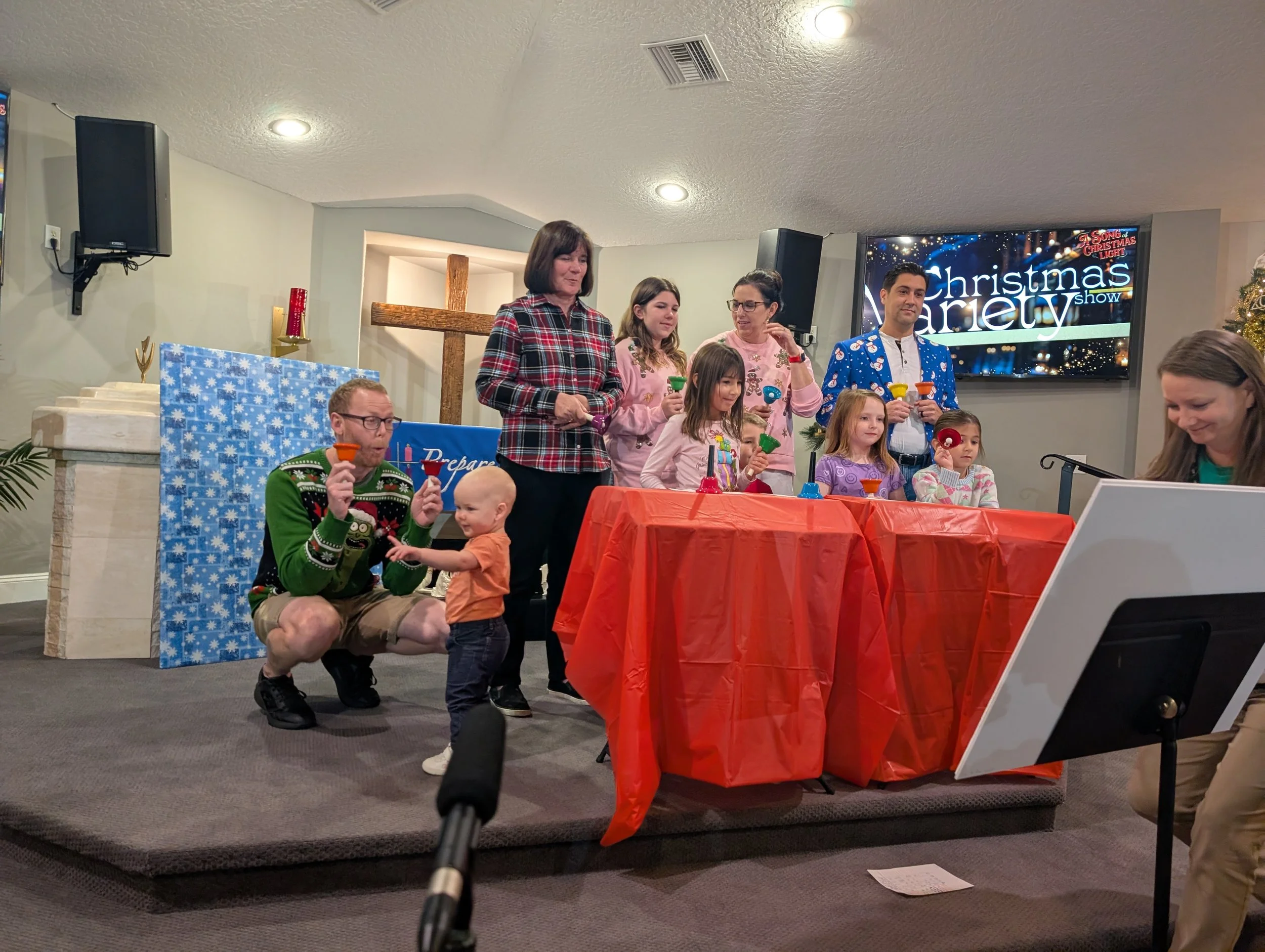
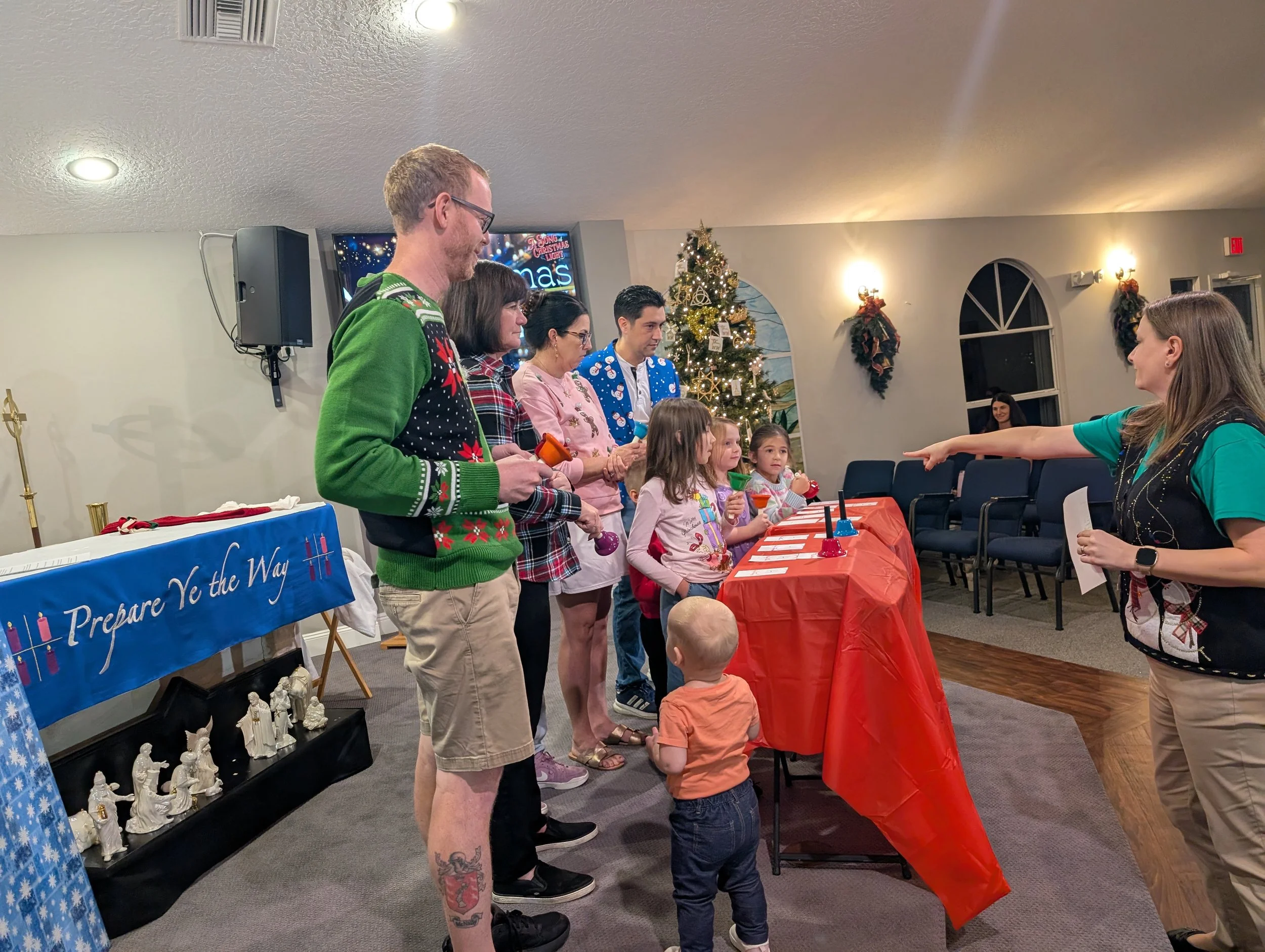
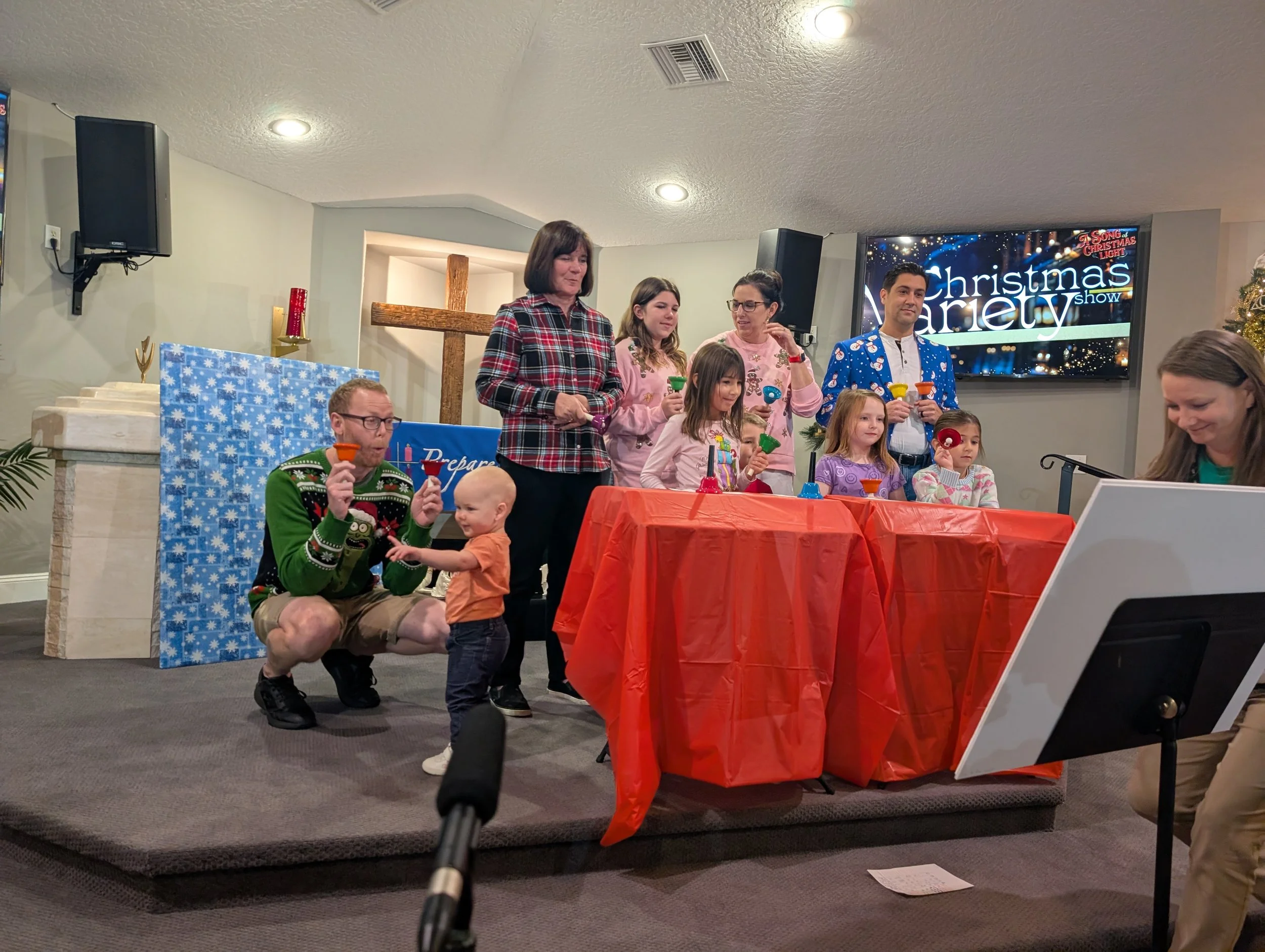
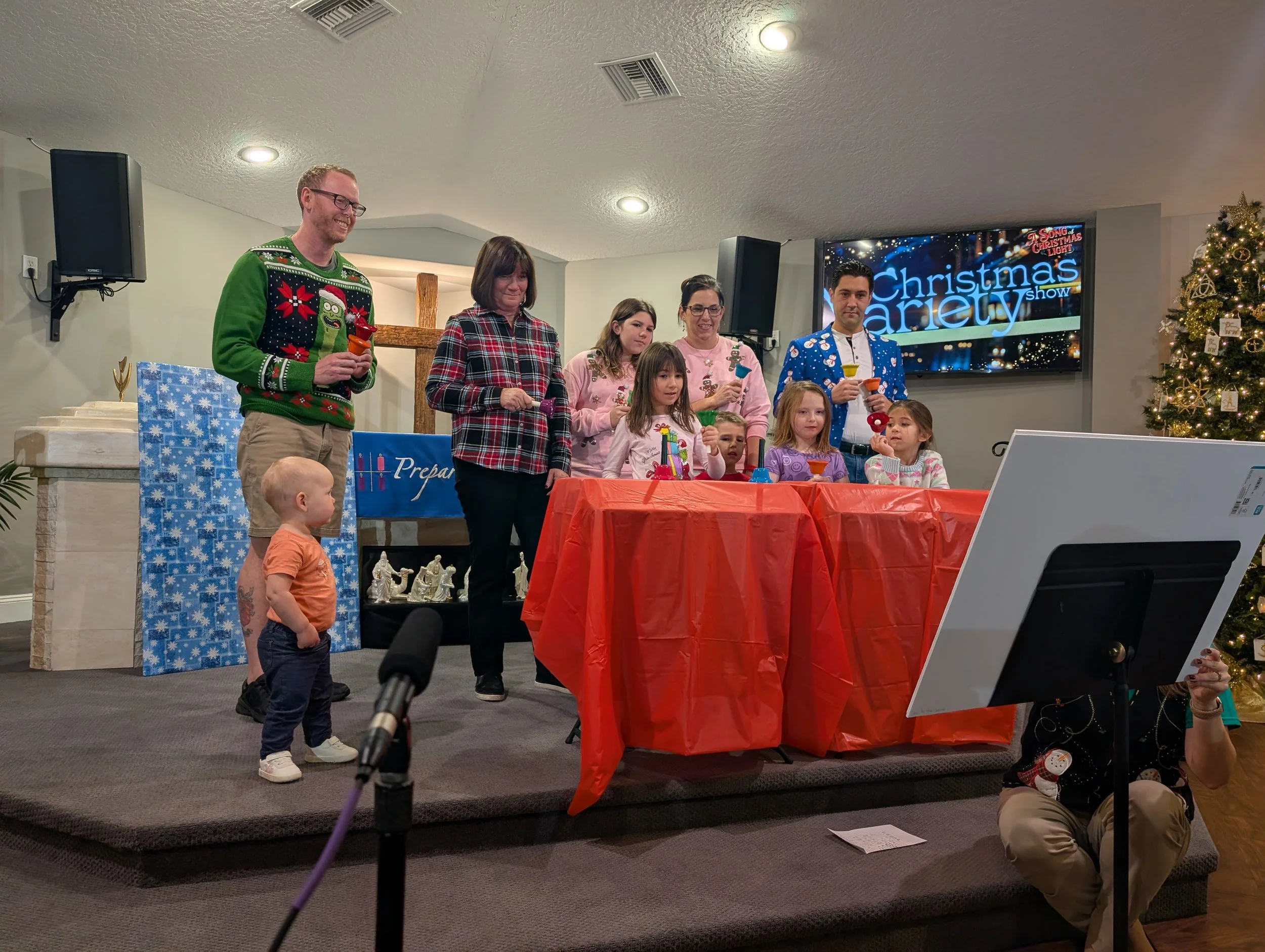
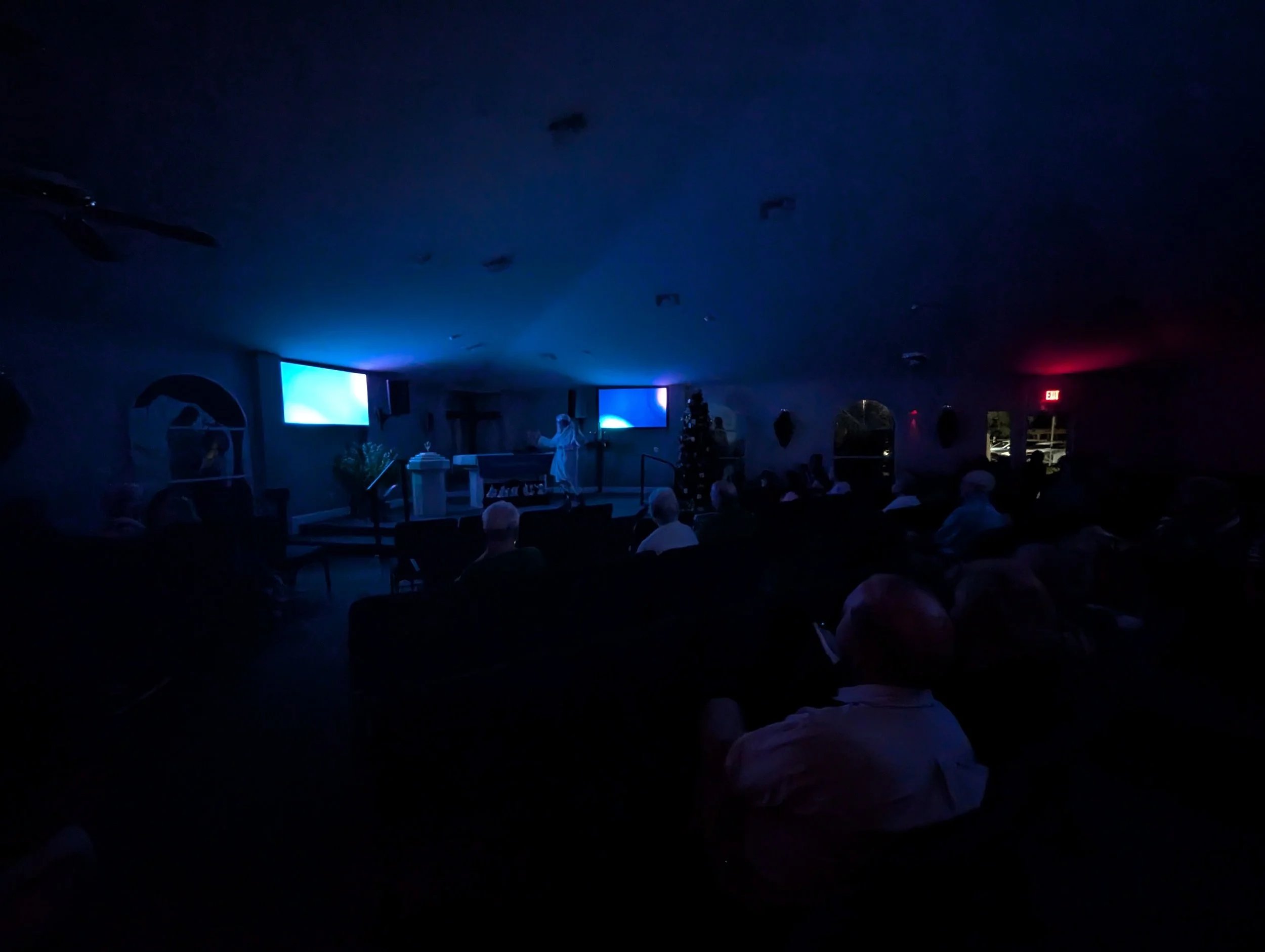
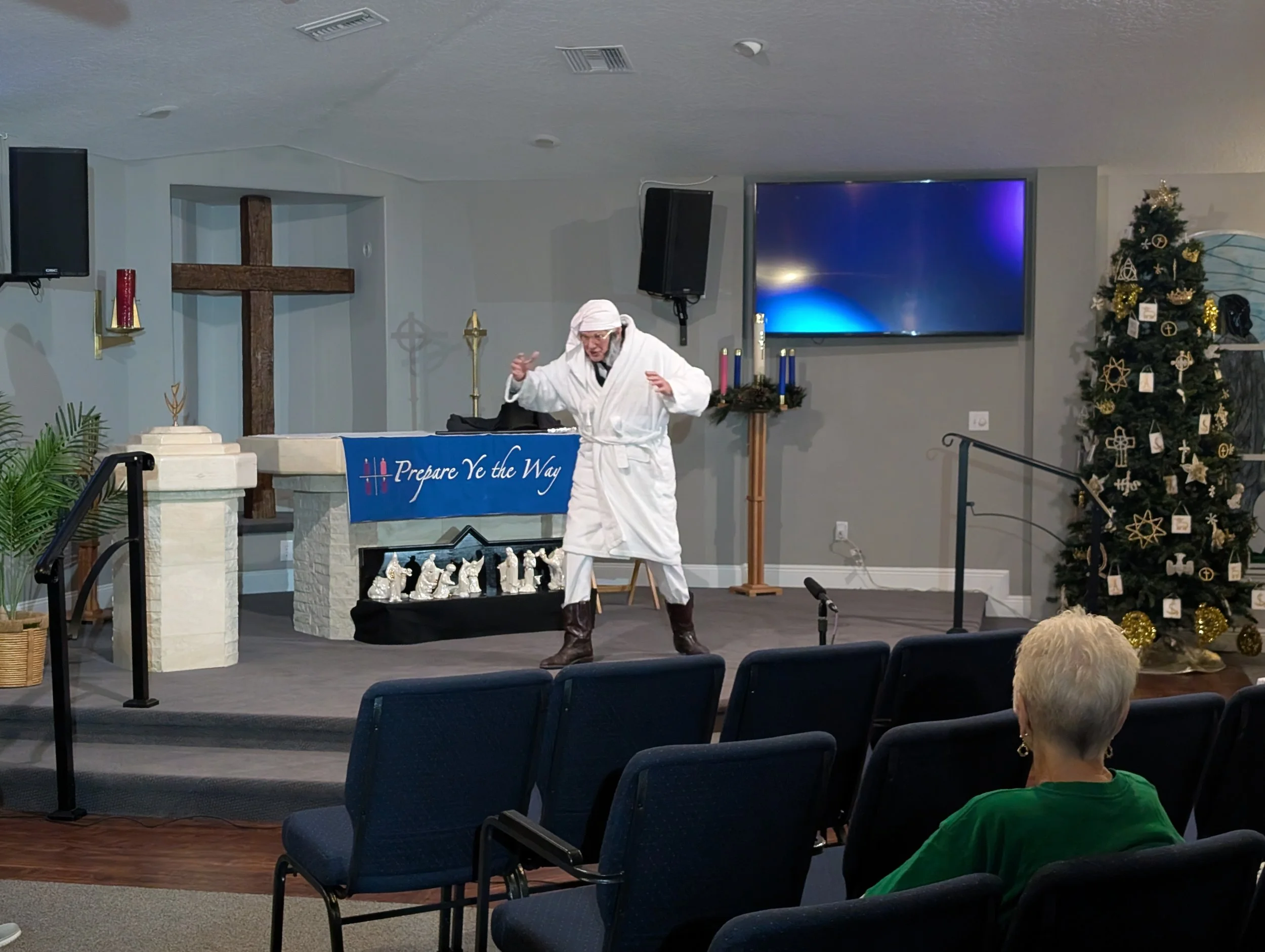
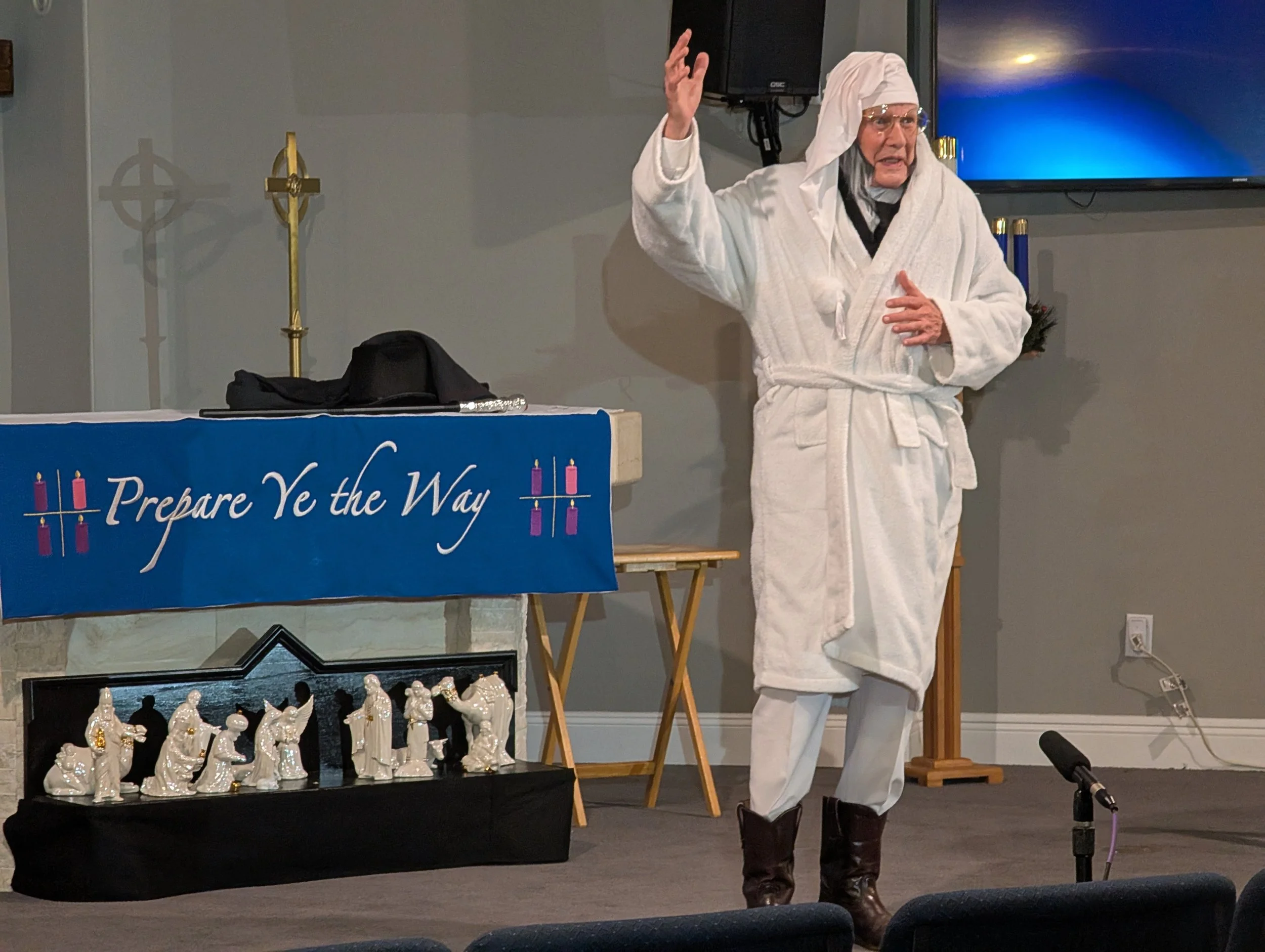
Christmas Variety Show | Photos
Carols, Marys, Bells and Scrooge
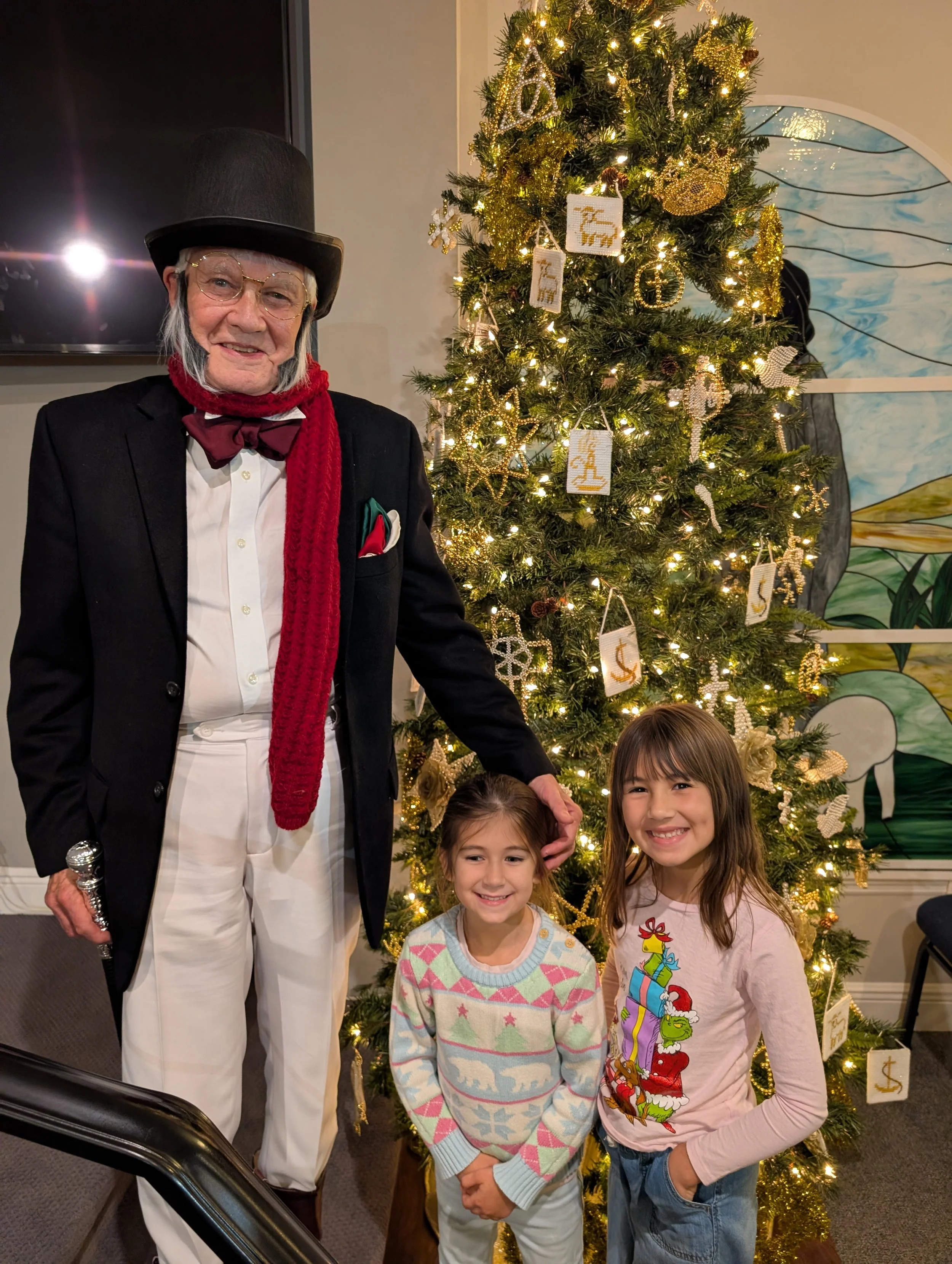
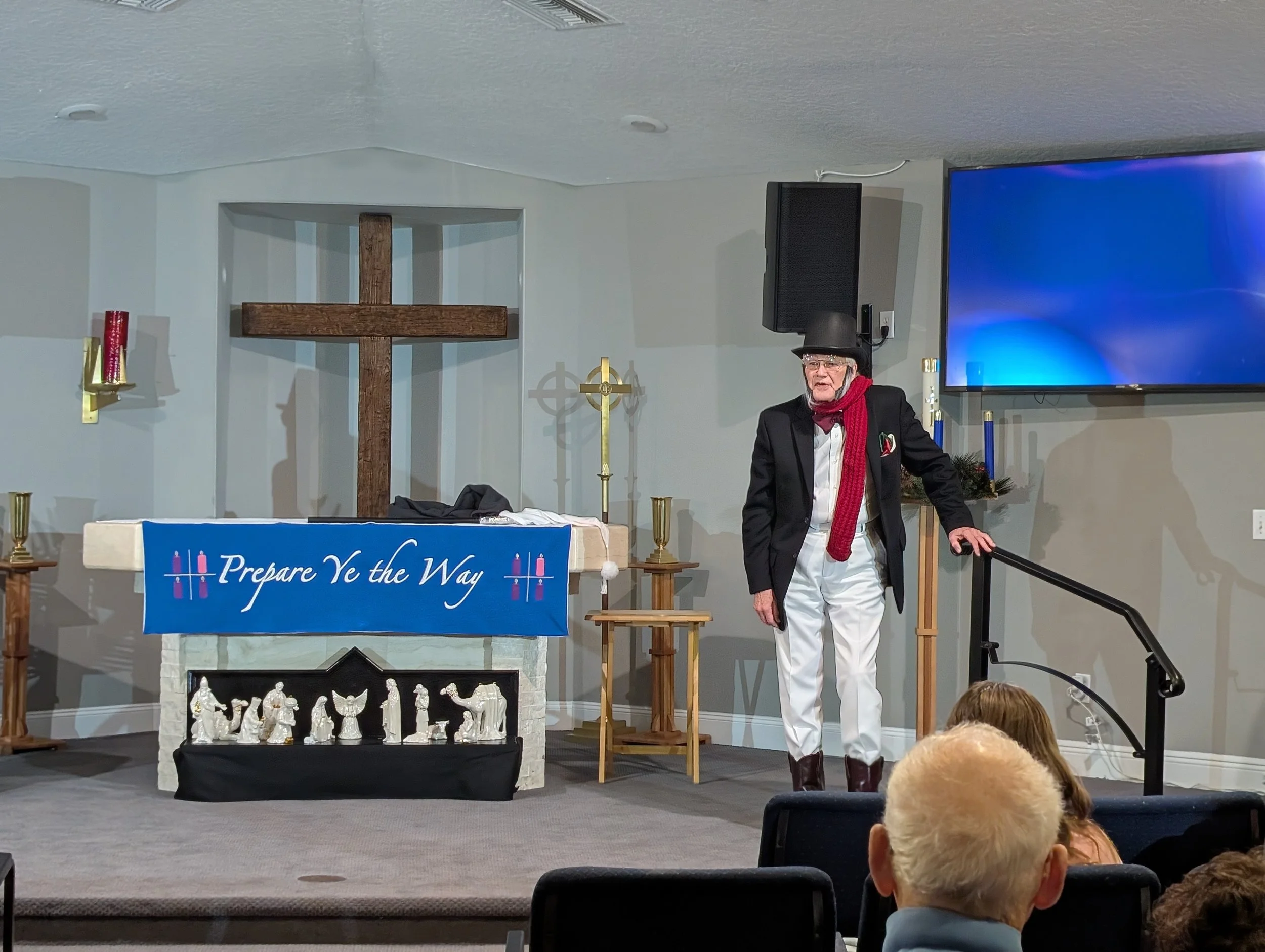
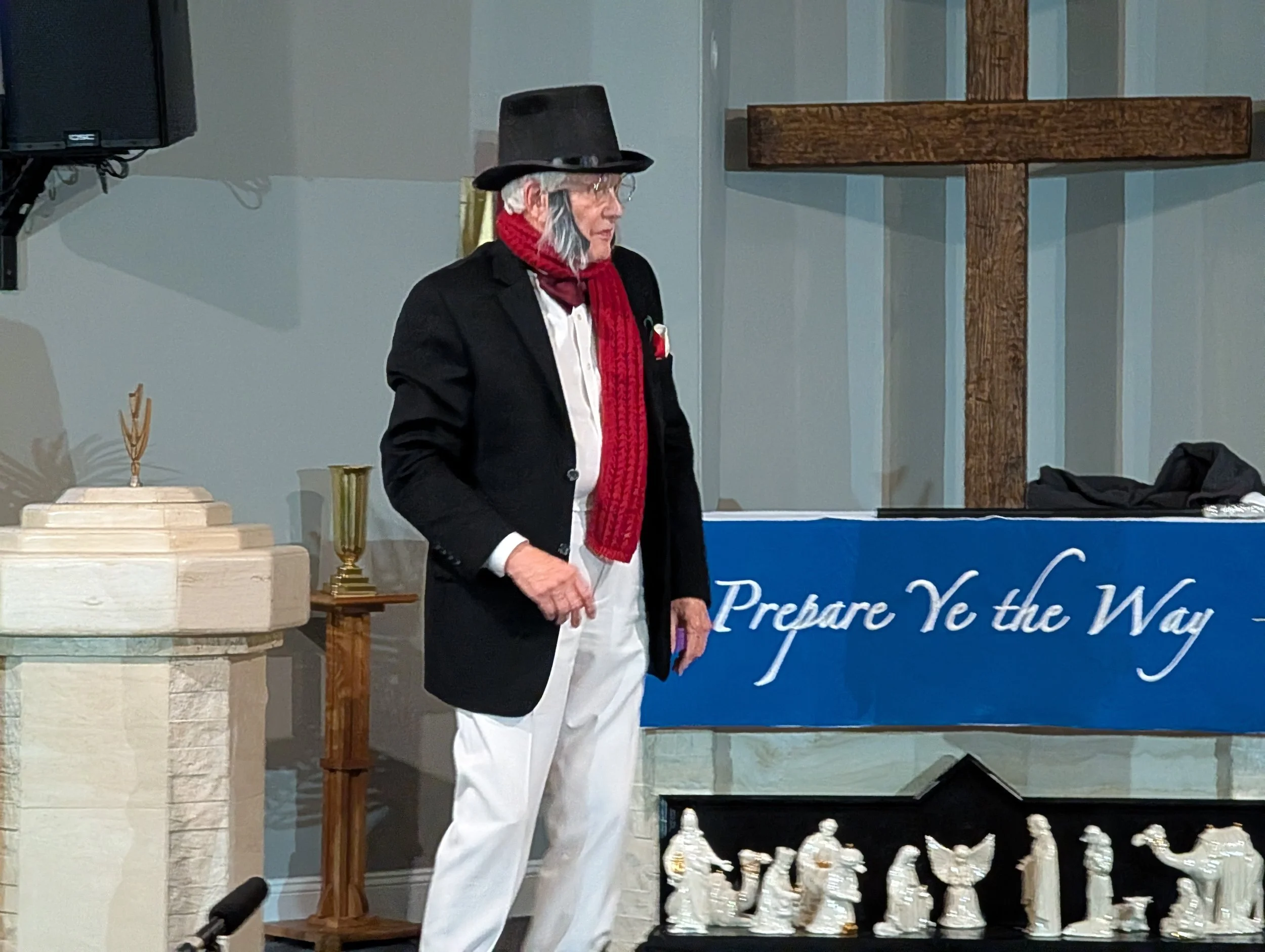
At this year’s Variety Show we played “Name That Christmas Tune” with the bells, sang several carols, and heard Scrooge tell his timeless tale.





Bobcat Family at Grace, Angel Tree Wrapping and ACC Brain Talk Event | Photos
See all kinds of photos. Bobcats, BrainTalks, and Angel Tree’s. Oh My!
Bobcat Family, Mother and 2 Cubs. Seen Saturday Dec 6th.







Wrapping the presents for Children’s Ranch, our Angel Tree Event.







Alzheimer’s Community Care Brain talks on the block event. Dec 6th







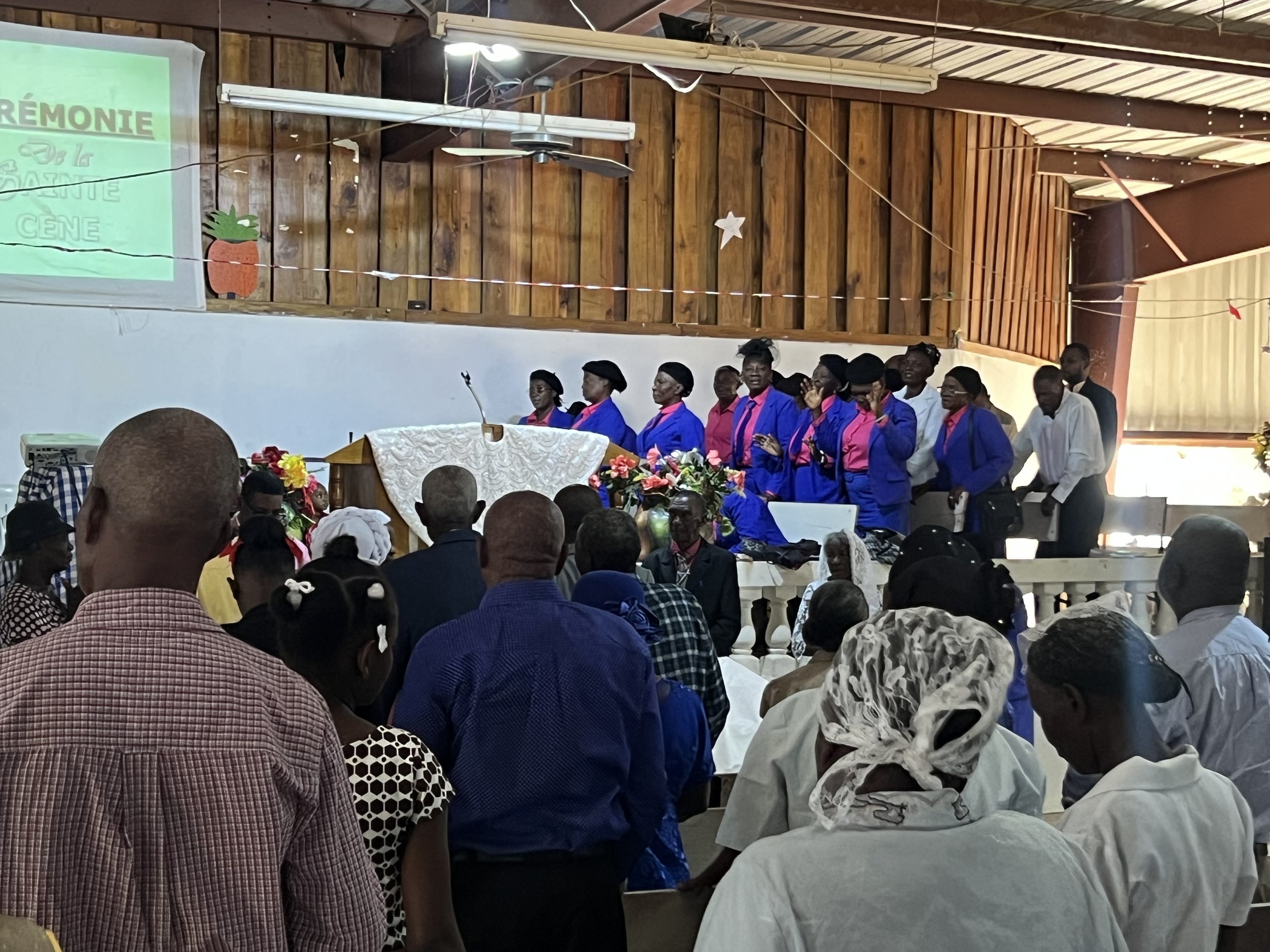
Handing out Christmas Boxes in Haiti 2025 | Photos
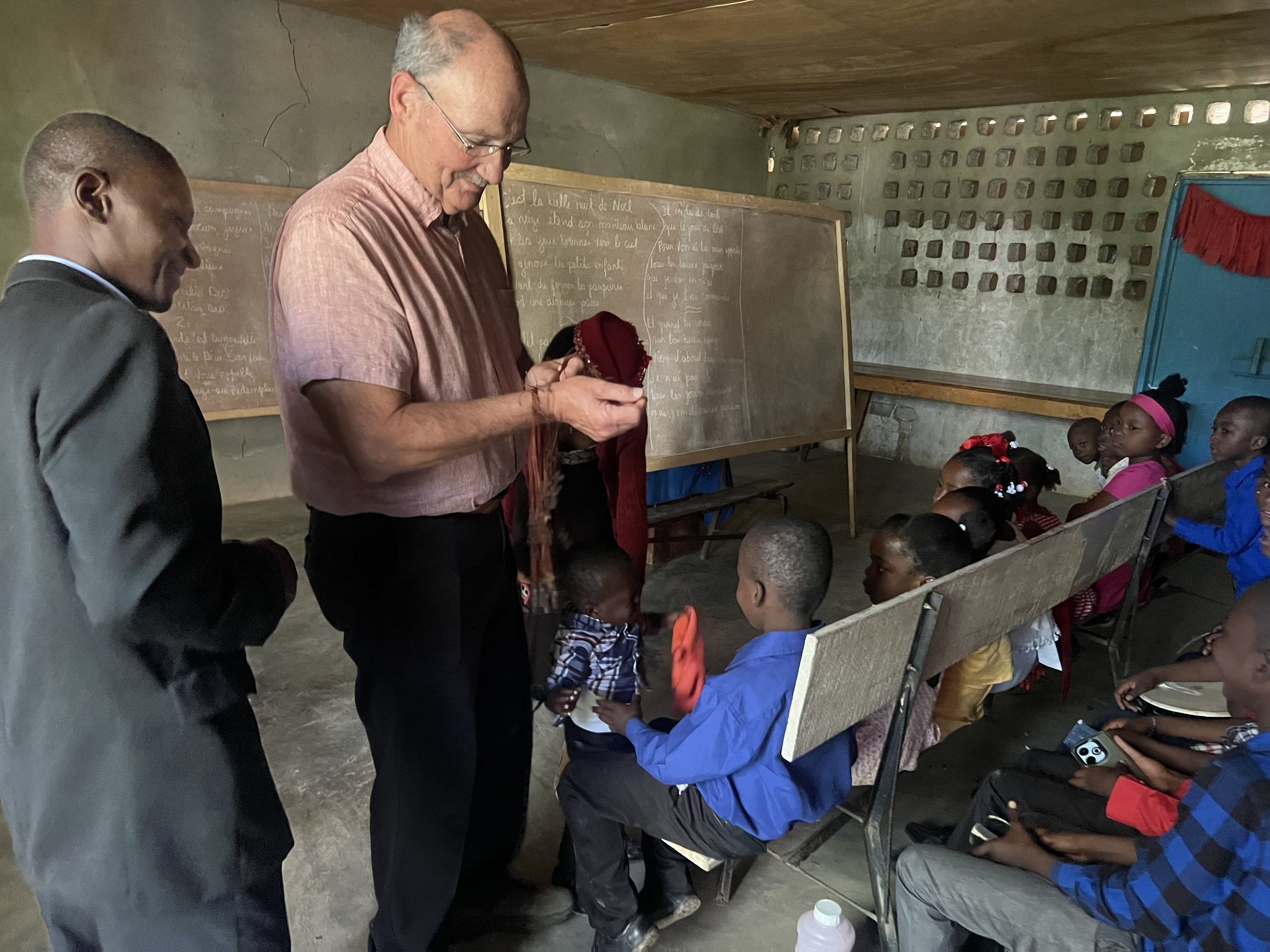
Last Sunday, we successfully handed out the Christmas boxes to the children in Haiti.
Last Sunday, we successfully handed out the Christmas boxes to the children in Haiti. A huge thanks to Dave, one of our newest members, who was a fantastic help in distributing the boxes. The children absolutely loved the clear bins because they could peek inside to see their gifts!
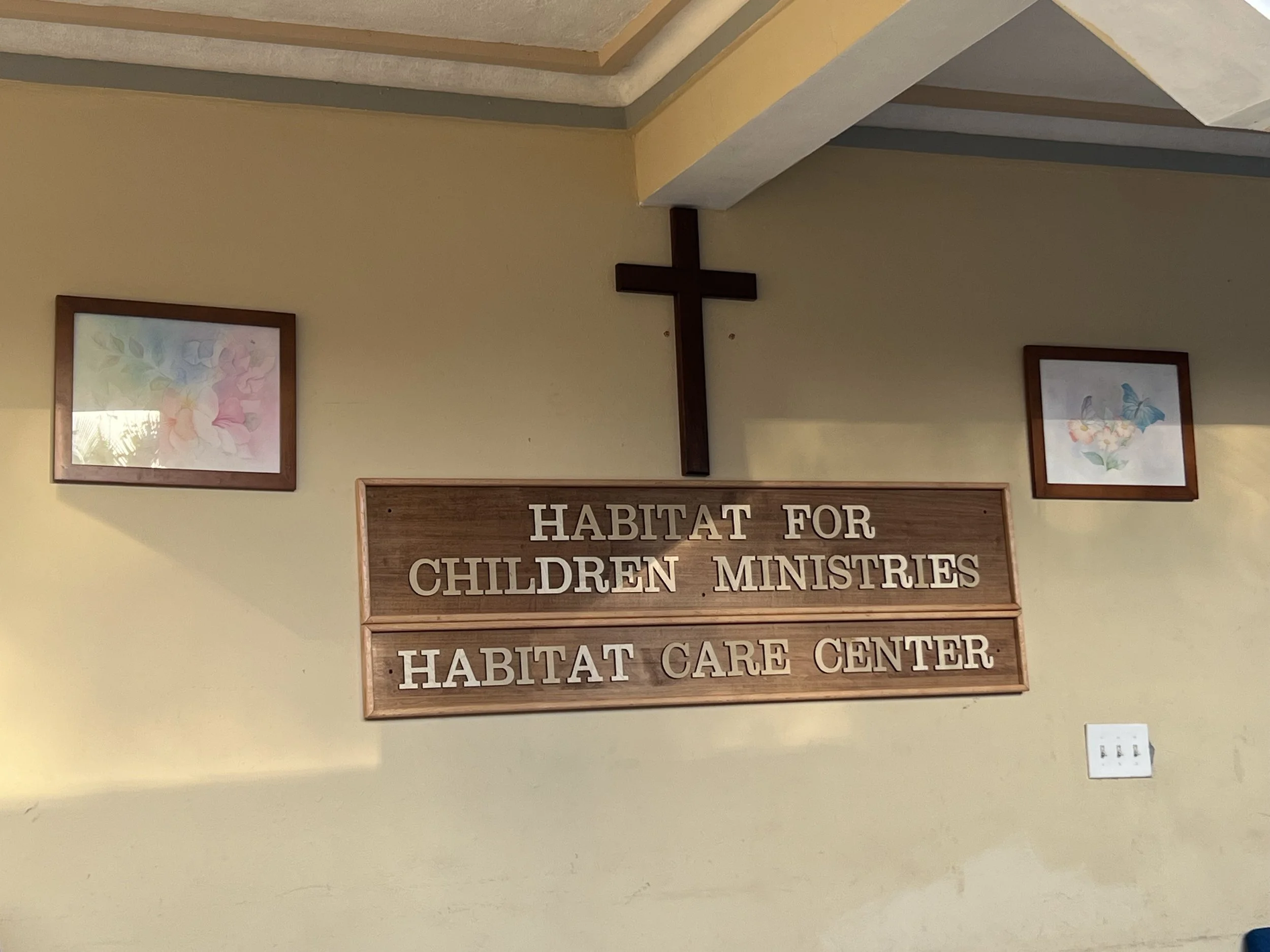
Dave's commitment didn't stop there. He has been in Haiti with Habitat for Children's Ministries since last Thursday, returning this past Thursday. During his time there, he had an amazing, life-changing experience: he helped deliver a baby at Habitat's care center!
The care center plays a vital role in addressing infant mortality in the area by providing a safe, clean place for mothers to deliver their babies.
Dave had a great time and was truly amazed by the overwhelming need, yet also deeply impressed by how much Habitat for Children is accomplishing for the community.
We are so grateful for his service! Be sure to welcome Dave back this Sunday at church!
Pictured is our 2 Girls.
























Advent Has a Purpose (Candle Lighting isn’t It)
Longing for the Real Thing
Everyone has a way of getting ready for Christmas. This hardly needs unpacking; but since you’re here and because we’re all, in fact, getting ready for Christmas (four weeks away), it would be imprudent not to.
Christmas is such a cultural phenomenon that it would simply be too much to turn up to December 25 ready for action. Can you imagine if we treated it like Labor Day? Think about it. How bizarre would it be if we remembered the day before that it was Christmas and showed up on someone’s doorstep ready to go with sweaters on and a few gifts under our arms for the lucky few we remembered to shop for? It just doesn’t work. Christmas has a gravitational pull that’s bigger than we are.
We’re used to this in other areas of life too, spaces that need the buildup and are, in some ways, bigger than the thing itself. We don’t get to …………
1st John Chapter 4-5 - The Johns Bible Study
This week, we explored 1 John chapters 4 and 5, discussing how abiding in God's perfect love casts out fear, compels us to love our neighbors as a reflection of our love for God, and helps us overcome the world through faith.
1st, 2nd, and 3rd John
1 John Chapter 4-5
This is an AI Recap of the class.
Some things may be incorrect.
Short Summary of the Whole Class
Our class delved into 1 John chapters 4 and 5, focusing on the central theme that "God is love." The discussion centered on identifying the "spirit of the Antichrist" not as a future figure, but as a present reality of anti-love behavior that cloaks worldly power in religious language. We contrasted this with the true spirit of God, which is recognized by confessing Jesus in the flesh and by demonstrating authentic, heartfelt love for others. Through personal stories and scriptural analysis, we emphasized that genuine love and service are the natural outcomes of faith, not a checklist for salvation. The conversation highlighted that God's love was shown through humility—Christ's birth in a manger—and that our calling is to love one another in the same tangible, self-giving way, which is the true mark of a Christian community that is secure in God's grace.
Detailed Class Summary
The Spirit of Truth vs. The Spirit of Error
We began by reading through 1 John chapters 4 and 5. The initial discussion focused on the opening verses of chapter 4, which urge believers to "test the spirits." The class identified that our actions, particularly how we treat other people, are a visible sign of our faith. This was described as "fruitfulness," which is a natural result of being saved, not a requirement to earn salvation.
The conversation then turned to the "spirit of the Antichrist" mentioned in 1 John 4:3. The group noted that this isn’t just a future, personified figure, but a present spirit of "anti-love" behavior. This spirit represents a form of idolatry where worldly power and values are wrapped in religious language. It's a spirit that denies that Christ came in the flesh, preferring a disembodied, spiritual ideal over the tangible, messy reality of God’s love shown in the world. This is contrasted with the spirit of God, which confesses Jesus Christ has come in the flesh. An example was given of a video that set the Lord's Prayer to images of military hardware, which was identified as a modern manifestation of the spirit of the Antichrist. People are drawn to it because it cloaks worldly power with the name of Jesus, but it is not the message of the cross.
Summary: This section established the core conflict John is addressing: the difference between a true, embodied faith demonstrated through loving actions and a false, worldly spirituality (the spirit of the Antichrist) that prioritizes power and appearances over genuine love.
Bible Verses: 1 John 4, 1 John 4:3, 1 John 4:6
Stories: The analogy of a video setting the Lord's Prayer to images of military hardware.
God is Love and Authentic Community
The focus then shifted to 1 John 4:7-8: "Beloved, let us love one another, for love is of God... He who does not love does not know God, for God is love." The class discussed how some Christian communities can use the idea of "love" to justify hateful or judgmental statements, believing they are acting for someone's "own good." This is often rooted in a "theology of glory," where we believe we must achieve spiritual perfection to earn God’s favor.
In contrast, a "theology of the cross" shows that God’s love is revealed in humility and vulnerability. The story of Jesus’s birth was used as a prime example. He was born in a manger, not a palace, suggesting that God entered the world as an outsider. Therefore, our love for one another is the true calling card of a Christian. This authenticity is crucial. A member contrasted our church’s welcoming environment with an experience at another church where the greeting process felt "so fake." Our church’s greeters serve because they genuinely love people, and this natural, unforced friendliness is what makes people feel truly welcome. It was described as a "symptom of everything's going to be okay," a generosity that flows from a sense of security in God's love.
Summary: True knowledge of God is inseparable from practicing love. God's love was demonstrated in the humility of Christ's incarnation, and our primary calling is to reflect this self-giving love for one another. A welcoming church isn't created by a committee but by fostering a genuine culture of love and fellowship.
Bible Verses: 1 John 4:7-8
Stories: The Birth of Jesus in a manger; a story of visiting a church where the welcome felt "fake."
Perfect Love Casts Out Fear
Next, we examined 1 John 4:17-19, which includes the classic verse, "There is no fear in love, but perfect love casts out fear, because fear involves torment." The discussion highlighted that this love is expressed in how we treat our neighbors. It doesn't involve tormenting them, which is a stark contrast to how some Christians approach "hot button issues." The true point is the people. The Christian hope is not that we must change ourselves to be saved, but that God, in Jesus, entered into our world of sin and struggle to save us.
This led to a personal story from the speaker about his time as a pastor in Arkansas. He realized that people in his congregation were dealing with immense personal struggles—one person took extra pain medicine just to attend church, and another family would argue heatedly on their way to the service. This led to a profound shift in his perspective: his role wasn’t to "beat people up" with doctrine but to give them the "good stuff"—the outpouring of God’s love.
Summary: This part of the discussion focused on how God’s perfect love eliminates the fear of judgment. Our love for others should mirror Christ’s love for us—entering into their struggles rather than judging from a distance. This is the opposite of using faith to torment or condemn others.
Bible Verses: 1 John 4:15-19
Stories: The pastor's experience in Arkansas with a parishioner in pain and a family arguing before church; the conversion of Paul on the road to Damascus.
Loving God by Loving Your Brother
The conversation then moved to 1 John 4:20: "If someone says, 'I love God,' and hates his brother, he is a liar; for he who does not love his brother whom he has seen, how can he love God whom he has not seen?" This verse is a powerful reminder that our faith is about people. Our love for the people around us is the true test of our love for God.
This led to stories illustrating how pain can make people act in ways that don't reflect the "fruitfulness" of faith. One story was about the speaker’s grandmother, who, during a difficult Thanksgiving when she was in immense pain, began yelling at everyone. Another was about the speaker's own experience with intense shoulder pain after a bicycle accident. The anger he felt from the pain gave him a new empathy for older people who are often angry because they are in constant pain. These stories served as a reminder that we should approach others with empathy rather than judgment. This was further illustrated by a story of a waitress at Denny's who, seeing the kitchen was short-staffed, stepped in to help the lone cook without being asked—a perfect example of going beyond one's job description to show love.
Summary: This section drove home the point that loving God is inseparable from loving people. We cannot claim to love a God we can’t see if we hate the brother we can see. Personal stories illustrated how pain and suffering can obscure the "fruit of the Spirit," calling for empathy and understanding rather than judgment.
Bible Verses: 1 John 4:20
Stories: The speaker’s grandmother yelling at Thanksgiving due to pain; the speaker’s own anger and newfound empathy after a painful shoulder injury; the story of the waitress at Denny's who stepped in to help the lone cook.
Overcoming the World and the Three Witnesses
Finally, the class looked at the beginning of chapter 5. We focused on 1 John 5:4: "For whoever is born of God overcomes the world. And this is the victory that has overcome the world—our faith." We then delved into the meaning of the three witnesses John mentions in 1 John 5:6-8: the water, the blood, and the Spirit. The "water" symbolizes Jesus’s baptism, and the "blood" symbolizes His death on the cross. The Spirit is the third witness, who testifies to the truth of who Jesus is.
This interpretation is a direct response to the Gnostic heresy, which taught that Jesus was only a spirit being. By emphasizing the "water and blood," John powerfully affirms the full, physical reality of Jesus’s life and sacrificial death. The session also addressed a textual variation in 1 John 5:7, where some later Bible versions include an explicit reference to the Trinity ("the Father, the Word, and the Holy Ghost"). It was noted that this phrase is not found in early Greek manuscripts and was likely a later scribal addition to clarify doctrine.
Summary: The final part of the study reinforced the theme of overcoming the world through our faith in God. We also examined the "spirit, water, and blood" as witnesses to Christ's full humanity and divinity, a teaching that directly countered the Gnostic heresy. A brief scholarly discussion on a textual variant in 1 John 5 highlighted how some Trinitarian formulas were likely later additions to the biblical text.
Bible Verses: 1 John 5:4, 1 John 5:6-8
Stories: The concepts of Jesus's Baptism and Crucifixion as historical witnesses.
Medium Length Summary
In this Bible study, we delved into 1 John chapters 4 and 5, centering on the profound truth that "God is love." The discussion emphasized that our primary calling as Christians is not to prove our doctrinal purity but to actively love and care for the community around us. We explored how abiding in God’s love transforms us, moving us from a place of judgment to one of compassion. A key takeaway was from 1 John 4:18, that "perfect love casts out fear," meaning that a true relationship with God frees us from the torment of judgment and empowers us to love others without condemnation.
The class stressed the inseparable link between loving God and loving our fellow human beings, as stated in 1 John 4:20: if we hate our brother whom we see, we cannot possibly love the God we don’t see. Through personal anecdotes about dealing with family members in pain and witnessing selfless acts of service, we acknowledged that human suffering can often make it difficult to show love, which calls for greater empathy. The session concluded by touching on the theme of overcoming the world through faith (1 John 5:4) and analyzing the "spirit, water, and blood" as witnesses to Christ's full humanity, a direct refutation of the Gnostic heresy.
Main Points
Our actions and how we treat others are the visible "fruitfulness" of our faith.
The "spirit of the Antichrist" is a present reality of anti-love behavior that wraps worldly power in religious language.
The defining mark of a Christian is love for one another, as "God is love."
Perfect love, as described in 1 John, casts out the fear and torment of judgment.
Loving God is impossible if you do not love your brother and sister.
Personal pain and suffering can make it difficult to show love, which calls for empathy.
Our faith is the victory that overcomes the world.
The "spirit, water, and blood" testify to the full humanity and divinity of Jesus, countering the Gnostic heresy.
Scriptures and Stories Mentioned
Bible Scriptures
1 John 4 & 5: The primary texts for the discussion.
1 John 4:3: Mentioned in the context of the spirit of the Antichrist.
1 John 4:6: Discussed in relation to who hears the message of God versus the world.
1 John 4:7-8: Central verses for the theme "God is love."
1 John 4:15-19: Confessing Jesus, abiding in love, and how perfect love casts out fear.
1 John 4:20: He who says he loves God but hates his brother is a liar.
1 John 5:4: Our faith is the victory that overcomes the world.
1 John 5:6-8: The three that testify (the Spirit, the water, and the blood), and the discussion of the Trinitarian textual variant.
Thessalonians 4:13 or 15: Referenced as a passage often taken out of context.
Stories and Analogies
The Birth of Jesus: Used as the primary example of God’s love shown through humility.
The pastor's realization in Arkansas that his congregants were dealing with deep struggles.
The conversion of Paul on the road to Damascus from Acts 9.
The speaker’s grandmother yelling at Thanksgiving while she was in great pain.
The speaker’s experience of anger and newfound empathy resulting from a severe shoulder injury.
The story of the waitress at Denny’s who stepped in to help the lone cook.
The story of visiting a church where the welcoming committee felt "fake."
Dolores’s personal testimony of how she found the church’s Bible study after her husband’s passing.
An analogy of a video that set the Lord’s Prayer to images of military hardware.
The Tower of Babel: Used as a metaphor for speaking from a worldly, prideful perspective.
Scrooge / A Christmas Carol: Referenced in relation to ignoring the "ignorance and want" in the world.
Let’s celebrate our country’s 250th anniversary together with good food, good friends, and good fun!