


Mark Chapter 5 Class 9 - Wednesday Bible Study
Bible study explored Mark 4–5’s crescendo of Jesus’ authority over chaos, demons, disease, and death—highlighting faith, compassion, bodily resurrection hope (against Gnostic ideas), cultural context, secrecy in ministry, and the symbolic resonance of “twelve.”
Gospel of Mark Chapter 5
This is our 9th class on Mark
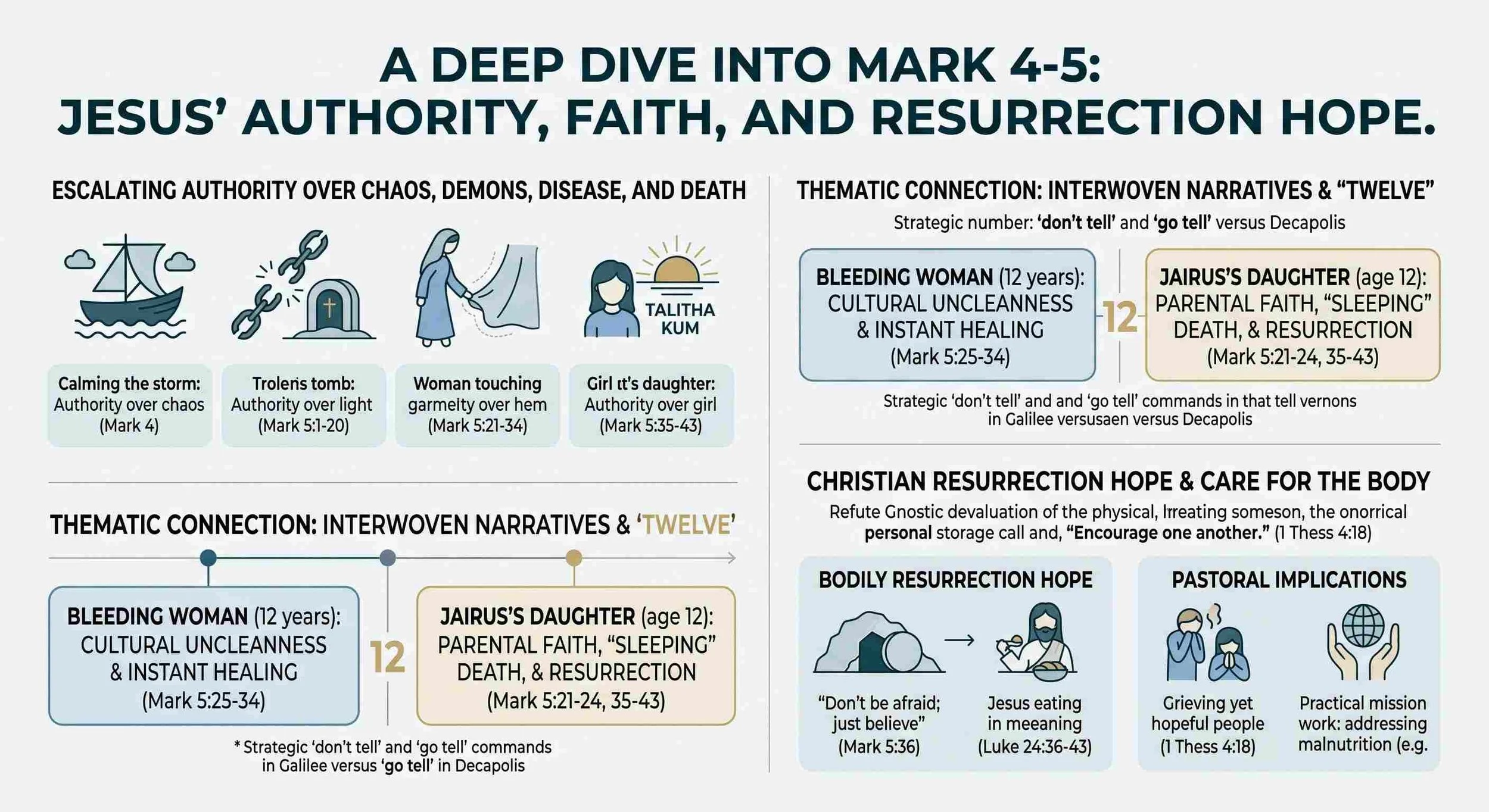
This is an AI Recap of the class.
Some things may be incorrect.
Short Summary of the Whole Class
On August 12, 2026, we studied Mark 5 (framed by Mark 4) and traced Jesus’ escalating authority: calming chaos, casting out a legion of demons, healing a woman with a 12-year hemorrhage, and raising Jairus’s 12-year-old daughter. We discussed faith over fear, Jesus’ tender compassion (calling the woman “Daughter” and telling the girl’s family to feed her), cultural contexts (uncleanness and professional mourners), and why Jesus sometimes commands silence. The class connected these narratives to Christian hope of bodily resurrection and rejected Gnostic tendencies that demean the physical, while offering pastoral reflections on grief and mission.
Section-by-Section Summary with End Notes
1) Intro, Setup, and Narrative Flow from Mark 4 into Mark 5
We settled in (tech checks, sanctuary thermostat) and recalled finishing Mark 4, preparing to continue into Mark 5 with attention to narrative flow and compounding themes.
We noted how Mark presents a mounting display of Jesus’ authority: from calming the storm (chaos) to confronting demons, healing impurity, and overcoming death.
Short Summary of Section:
We set the stage by connecting Mark 4 to Mark 5, anticipating a crescendo of Jesus’ authority across intertwined stories.
Bible Verses Mentioned:
Mark 4:35–41 (Jesus calms the storm)
Stories Mentioned:
The storm on the sea: Jesus stills chaos with “Peace, be still.”
2) The Gerasene (Gadarene) Demoniac: Authority over Legion and Mission in Gentile Territory (Mark 5:1–20)
Jesus arrives in the country of the Gerasenes/Gadarenes and confronts a man possessed by “Legion,” living among tombs, uncontrollable even by chains.
The demons acknowledge Jesus as “Son of the Most High God,” beg not to be tormented, and request entry into a herd of swine (about two thousand), which then rushes into the sea and drowns.
The delivered man is found clothed and in his right mind; locals respond with fear and ask Jesus to leave.
Jesus commissions the man: “Go home to your friends and tell them what great things the Lord has done for you and how he has had compassion on you.” He proclaims in the Decapolis, and many marvel.
Discussion emphasized Jesus’ growing demonstration of authority (building on Mark 4), the social reaction of fear, compassion shown to a marginalized man, and the strategic difference between “go tell” in Gentile regions vs. “don’t tell” in Jewish regions.
Short Summary of Section:
Mark 5:1–20 displays Jesus’ unparalleled authority over demonic powers and his compassionate restoration, sending the delivered man to witness in the Decapolis.
Bible Verses Mentioned:
Mark 5:1–20
Stories Mentioned:
Gerasene/Gadarene demoniac; demons into pigs; proclamation in the Decapolis.
3) Setting the Tone: Jesus’s Power Without Spectacle; Parable of the Soils as Backdrop
Participants reflected on Jesus’s decisive yet unsensational power—redeeming “lost causes” without spectacle (“not firing up like Dragon Ball Z”).
We connected the Parable of the Sower/Soils as background to how faith grows in unlikely places, preparing readers for the intertwined healings.
This set a framework for reading Mark in his own order rather than harmonizing across Gospels, noticing how structure invites belief.
Short Summary of Section:
Jesus works with quiet authority, steadily redeeming desperate situations; Mark’s structure guides readers toward faith.
Bible Verses Mentioned:
Mark 4:1–20 (Parable of the Sower/Soils)
Stories Mentioned:
Parable of the Sower/Soils.
4) Jairus and the Bleeding Woman: Interwoven Faith amid Uncleanness and Death (Mark 5:21–34; 5:21–24, 35–36)
Jairus, a synagogue ruler, pleads with Jesus to heal his daughter at the point of death, risking status and reputation to seek help.
On the way, a woman with a 12-year hemorrhage (who suffered under many physicians and spent all she had) pushes through the crowd to touch Jesus’ garment, believing she will be healed; immediately she is healed.
Jesus perceives power has gone out and asks, “Who touched my clothes?” Despite crowding, the woman confesses; Jesus calls her “Daughter,” saying, “Your faith has made you well. Go in peace and be healed.”
We discussed the cultural weight of ceremonial uncleanness: prolonged exclusion from worship, touch, and community amplifying her suffering.
Thematic focus on “twelve”: twelve years of bleeding and a twelve-year-old girl, signaling completeness and tying the stories together.
We empathized with Jairus’s likely frustration at the interruption and his desperation; Jesus counters fear with belief: “Don’t be afraid; just believe” (Mark 5:36).
We likened the woman’s faith to a seed growing in “bad soil,” reinforcing Jesus’s power to redeem any circumstance.
Short Summary of Section:
These interwoven narratives spotlight active faith crossing social boundaries; Jesus restores the woman’s identity (“Daughter”) and calls Jairus to believe despite fear, with “twelve” symbolically binding the stories.
Bible Verses Mentioned:
Mark 5:21–34 (woman with the issue of blood)
Mark 5:21–24, 35–36 (Jairus’s plea; “Don’t be afraid; just believe”)
Stories Mentioned:
Healing of the woman with the issue of blood
Jairus seeking Jesus’s help
5) Cultural Context: Commotion, Professional Mourners, and Jesus’s Response (Mark 5:38–40)
We unpacked the “commotion” at Jairus’s house: professional mourners in first-century Jewish culture created loud lament to cover the family’s grief.
Jesus says the child is not dead but sleeping; he is mocked, then sends the mourners out and keeps select witnesses (Peter, James, John, and the parents).
The scene highlights Jesus’s countercultural calm and authority in the face of public spectacle.
Short Summary of Section:
Understanding mourning customs clarifies the “commotion,” emphasizing Jesus’s composed authority as he prepares to restore the child.
Bible Verses Mentioned:
Mark 5:38–40
Stories Mentioned:
The house scene with mourners and Jesus dismissing the crowd.
6) Jairus’s Daughter Raised: “Talitha kum,” Faith beyond Fear, and Practical Compassion (Mark 5:41–43)
Jesus takes the girl by the hand and says, “Talitha kum” (“Little girl, I say to you, arise!”); she immediately rises and walks.
Jesus instructs them to give her something to eat and to keep quiet about the miracle (command to silence in a Jewish context), highlighting practical care and discretion.
We noted the pairing with the woman’s healing: shared “twelve,” immediate results, and intimate address.
Short Summary of Section:
Jesus raises Jairus’s daughter, affirming faith over fear and coupling miraculous authority with tender, practical care and strategic discretion.
Bible Verses Mentioned:
Mark 5:41–43
Stories Mentioned:
Raising of Jairus’s daughter; “Talitha kum”; command to feed the girl and keep silent.
7) Secrecy in Ministry: “Don’t Tell” vs. “Go Tell”—Regional Strategy and Timing
We compared Jesus’s “go tell” to the demoniac in Gentile Decapolis (Mark 5:19–20) with “don’t tell” after raising the girl in Jewish Galilee (Mark 5:43).
Discussion noted strategic reasons: avoiding premature crisis or escalation due to growing popularity and opposition from religious leaders; sensitivity to local hostility (including Jairus’s association with synagogue leadership).
We referenced the near-future rejection in Nazareth (Mark 6:1–6) to illustrate rising tensions.
Short Summary of Section:
Jesus’s commands to tell or not tell are strategic, shaped by region, audience, and timing to advance his mission without premature conflict.
Bible Verses Mentioned:
Mark 5:19–20 (Decapolis “go tell”)
Mark 5:43 (command to silence)
Mark 6:1–6 (rejection at Nazareth)
Stories Mentioned:
Demoniac commissioned to proclaim in Decapolis
Command to silence after raising Jairus’s daughter
Rejection in Jesus’s hometown.
8) The Humanity of Jesus and Refuting Gnosticism; Care for the Body
We explored Jesus’s command to feed the raised girl as a sign of his concern for physical needs and the goodness of embodied life.
This led to a discussion of early Christian heresy (Gnosticism), which devalues the physical world; Jesus’s ministry—healing bodies, eating with disciples, inviting touch—refutes Gnostic ideas.
We connected to other accounts of physical restoration: Peter’s mother-in-law immediately serving after healing (Mark 1:29–31); Jesus eating fish and inviting Thomas to touch post-resurrection.
Short Summary of Section:
Jesus’s tangible care affirms the goodness of the body, countering Gnostic tendencies that demean the physical, and underscoring embodied resurrection hope.
Bible Verses Mentioned:
Mark 1:29–31 (Peter’s mother-in-law)
Luke 24:36–43 (Jesus eats with disciples)
John 20:24–29 (Thomas touches Jesus’s wounds)
Stories Mentioned:
Feeding Jairus’s daughter after raising her
Healing of Peter’s mother-in-law
Jesus’s post-resurrection appearances: eating, inviting touch.
9) Death as the Enemy; Grief with Hope; Encouragement from 1 Thessalonians 4
We affirmed that death is the central human problem introduced by sin and not our liberation from “bad bodies”; Jesus overcomes death.
Pastoral counsel: grieve honestly, avoid platitudes (“God needed another angel”), and proclaim hope in Christ.
We read 1 Thessalonians 4:13–18: Christians do not grieve like those without hope; because Jesus died and rose, those in Christ will rise and be together with the Lord forever; “Therefore encourage one another with these words.”
We also cited Romans 8:38–39 (nothing, not even death, separates us from God’s love) and John 11 (Jesus weeps at Lazarus’s tomb and raises him).
Short Summary of Section:
Death is the enemy Christ defeats; Scripture anchors grief in resurrection hope and calls us to encourage one another with the promise of bodily resurrection.
Bible Verses Mentioned:
1 Thessalonians 4:13–18
Romans 8:38–39
John 11
Stories Mentioned:
Lazarus: Jesus’s tears and raising him.
10) Communion, One Body Across Time, and Practical Ministry Reflections
We connected resurrection hope to communion: participation in Christ’s one body across time and place, anticipating future unity and resurrection.
We referenced 1 Corinthians 10:16–17; 11:23–26 regarding communion’s theology and proclamation.
Pastoral reflections included experiences of funerals (e.g., a friend named Helga), grief over time in ministry, global concerns like infant and child mortality, and mission efforts addressing malnutrition (e.g., Haiti).
We noted how compassionate, embodied care echoes Jesus’s attention to tangible needs (like feeding the raised girl).
Short Summary of Section:
Communion embodies our shared resurrection hope and unity, while practical ministry addresses embodied suffering with compassion consistent with Jesus’s example.
Bible Verses Mentioned:
1 Corinthians 10:16–17; 11:23–26
Stories Mentioned:
Pastoral experiences of funerals and grief (e.g., Helga)
Mission work addressing infant mortality and malnutrition (e.g., Haiti).
11) The Cross and Hope Beyond Death; Mark’s Crescendo Revisited
Final reflections connected these miracles to the cross and resurrection: Jesus faces and overcomes sin and death, offering hope.
We revisited Mark’s crescendo: storm (chaos), demoniac (evil), bleeding woman (impurity/suffering), Jairus’s daughter (death), each marked by “immediately” and “amazement” that foreshadow resurrection power.
The note that the girl was twelve highlighted cultural and familial significance, intensifying the miracle’s impact.
Short Summary of Section:
Mark’s arc culminates in Jesus’s victory over death, foreshadowing the cross and resurrection and grounding Christian hope.
Bible Verses Mentioned:
Mark 4:35–41; 5:1–20; 5:25–34; 5:35–43
Mark 15–16 (thematic connection to crucifixion and resurrection)
Stories Mentioned:
Calming the storm
Gerasene demoniac
Bleeding woman
Jairus’s daughter raised
Crucifixion and resurrection (theological framework)
Medium-Length Summary of the Class
On August 12, 2026, our church Bible study traced Mark’s narrative arc from calming the storm to the climactic healings in chapter 5, presenting Jesus’s escalating authority over chaos, demons, disease, and death. We examined the Gerasene demoniac’s deliverance and mission in Gentile territory (a “go tell” moment), contrasted with Jesus’s command to silence after raising Jairus’s daughter in Jewish Galilee. Interweaving Jairus’s desperate plea with the bleeding woman’s courageous touch, we highlighted faith over fear, cultural realities of uncleanness, and the tender identity restoration in Jesus’s address, “Daughter.” We explored mourning customs to understand the “commotion” and noted Jesus’s practical care—telling the family to feed the raised girl. From there, we connected these embodied miracles to Christian hope of bodily resurrection, rejecting Gnostic tendencies that demean the physical. Reading 1 Thessalonians 4, Romans 8, and John 11, we emphasized honest grief coupled with hope in Christ’s victory. Communion was framed as participation in the one body across time, and we reflected pastorally on funerals, global child mortality, and mission efforts, all echoing Jesus’s embodied compassion. Throughout, the symbolic thread of “twelve” signaled completeness and bound the stories together, pointing to the cross and resurrection where Jesus decisively overcomes sin and death.
Main Points
Jesus’s authority is comprehensive: over chaos, demons, disease, and death.
Faith over fear: “Don’t be afraid; only believe” is central to Mark’s invitation.
Compassion and identity: Jesus publicly restores dignity (calling the woman “Daughter”) and practices practical care (“give her something to eat”).
Cultural context matters: ceremonial uncleanness and professional mourners shape the narratives’ tension.
Symbolism of “twelve”: evokes completeness and ties the bleeding woman and Jairus’s daughter together.
Secrecy vs. proclamation: Jesus’s “don’t tell” vs. “go tell” commands are strategic—shaped by region, audience, and timing.
Bodily resurrection hope: Christianity affirms the goodness of the body and rejects Gnostic devaluation of the physical.
Pastoral care: grieve honestly, avoid platitudes, encourage with resurrection hope, and serve embodied needs in mission.
Bible Scriptures Mentioned
Mark 4:1–20 (Parable of the Sower/Soils)
Mark 4:35–41 (Jesus calms the storm)
Mark 5:1–20 (Gerasene/Gadarene demoniac; Decapolis “go tell”)
Mark 5:21–34 (Healing of the bleeding woman; “Daughter, your faith has made you well”)
Mark 5:35–43 (Jairus’s daughter; “Don’t be afraid; just believe”; “Talitha kum”; command to feed and keep silent)
Mark 6:1–6 (Rejection at Nazareth; next narrative move)
Mark 1:29–31 (Healing of Peter’s mother-in-law)
Luke 24:36–43 (Post-resurrection Jesus eats; physical reality)
John 20:24–29 (Thomas invited to touch Jesus’s wounds)
1 Thessalonians 4:13–18 (Encouragement in grief; resurrection hope)
Romans 8:38–39 (Nothing separates us from God’s love)
John 11 (Jesus weeps and raises Lazarus)
1 Corinthians 10:16–17; 11:23–26 (Communion and the one body)
Mark 15–16 (Crucifixion and resurrection; thematic connection)
Stories Discussed
Calming of the storm on the sea
Gerasene/Gadarene demoniac delivered; pigs; proclamation in Decapolis
Healing of the woman with the issue of blood
Jairus’s 12-year-old daughter raised with “Talitha kum”
Parable of the Sower/Soils
Healing of Peter’s mother-in-law
Jesus’s post-resurrection appearances: eating fish; inviting Thomas’s touch
Lazarus: Jesus’s tears and raising him
Rejection at Nazareth
Crucifixion and resurrection (theological framework)
Pastoral experiences of funerals (e.g., Helga)
Mission work addressing infant and child mortality and malnutrition (e.g., Haiti)

[Sunday] Priestly Prayers - Missio Dei Part 5
Jesus frees us from the pressure of having to pray the "perfect" way. Because He is the Lamb who was slain, you can pray boldly knowing your Father in heaven hears you!
Jesus frees us from the pressure of having to pray the "perfect" way. Because He is the Lamb who was slain, you can pray boldly knowing your Father in heaven hears you!


What Had happened at Grace this week.
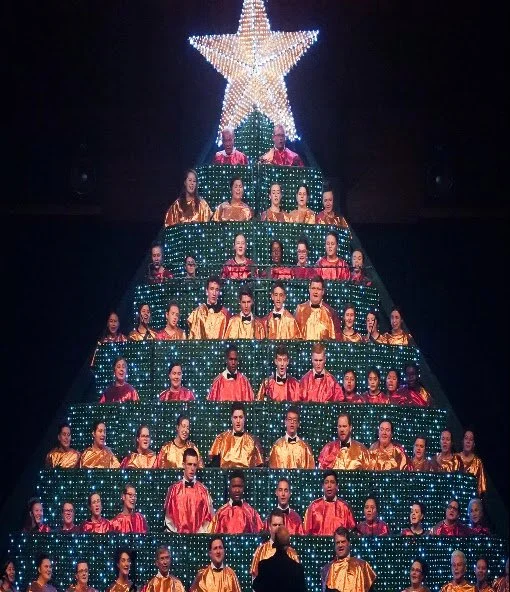





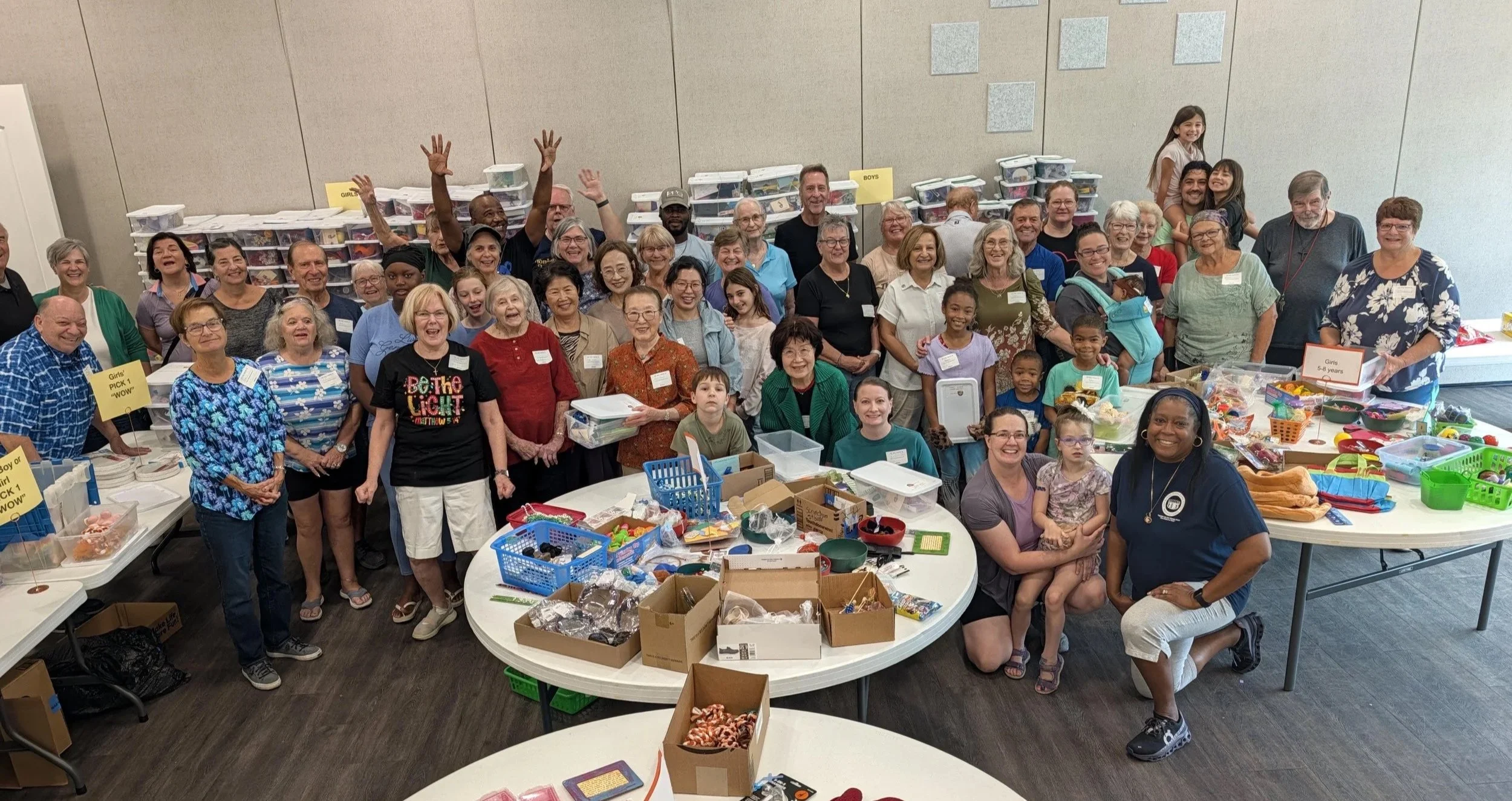

Jesus Messiah (New Song)
New Song for Summer 2026
Here is Grace’s Recording for Sunday
The Kids had a great time with Summer Kids Bible Club.
They learned two songs over the summer.
Only One and Jesus Messiah.
They will sing both songs at 10:15 service the 9th of August.
We Will Sing Jesus Messiah After the Kids.
On August 9th 2026 we are singing
“Jesus Messiah” (CCLI 5183443)
© 2008 Rising Springs Music; Vamos Publishing; worshiptogether.com songs; Wondrously Made Songs
1.
He became sin who knew no sin
That we might become His righteousness
He humbled Himself and carried the cross
Love so amazing love so amazing
(REFRAIN)
Jesus Messiah Name above all names
Blessed Redeemer Emmanuel
The Rescue for sinners
The Ransom from heaven
Jesus Messiah Lord of all
2.
His body the bread His blood the wine
Broken and poured out all for love
The whole earth trembled and the veil was torn
Love so amazing love so amazing (REFRAIN)
3.
All our hope is in You
All our hope is in You
All the glory to You God
The Light of the world (Repeat) (Refrain)
Listen to the Original
(We Changed Some Lyrics)

Habitat for Children on TV
See Meshac and Betsy on TV!
Meschac and Betsy were on WPBF last Week.
Haiti is facing a severe humanitarian and security crisis, with many parts of the country struggling to access basic care and supplies. Habitat for Children Ministries is working to provide aid to those in need.

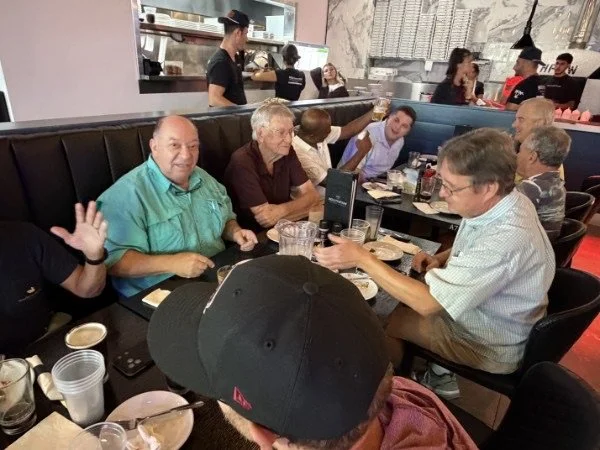
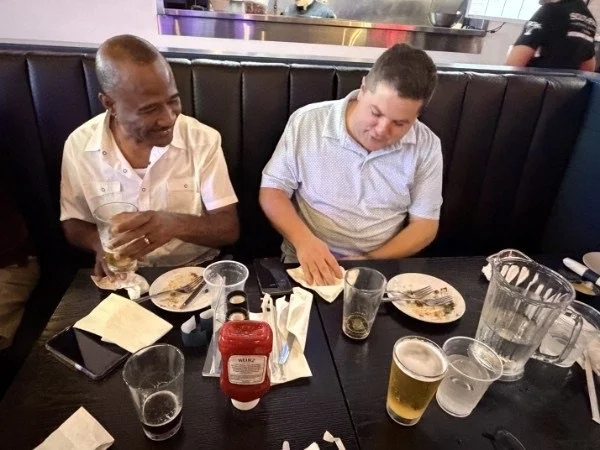
Guys night at SouthPaw Aug26 [Photos]
Boys' night out at SouthPaw
The guys had an awesome time at SouthPaw down by the Heart in Tradition.
The food was fantastic, the company was great, and believe it or not, we didn't even win the award for the loudest group in the restaurant tonight!









Mark Chapter 4-5a Class 8 - Wednesday Bible Study
Bible study explored the Gospel of Mark, discussing its three-act structure, Jesus’ identity as the true Son of God, and how His upside-down kingdom—revealed through parables, miracles, and His passion—confronts evil, forgives sins, and calls us to sacrificial discipleship.
Gospel of Mark Chapter 4-5
This is our 8th class on Mark
This is an AI Recap of the class.
Some things may be incorrect.
Short Summary of the Whole Class
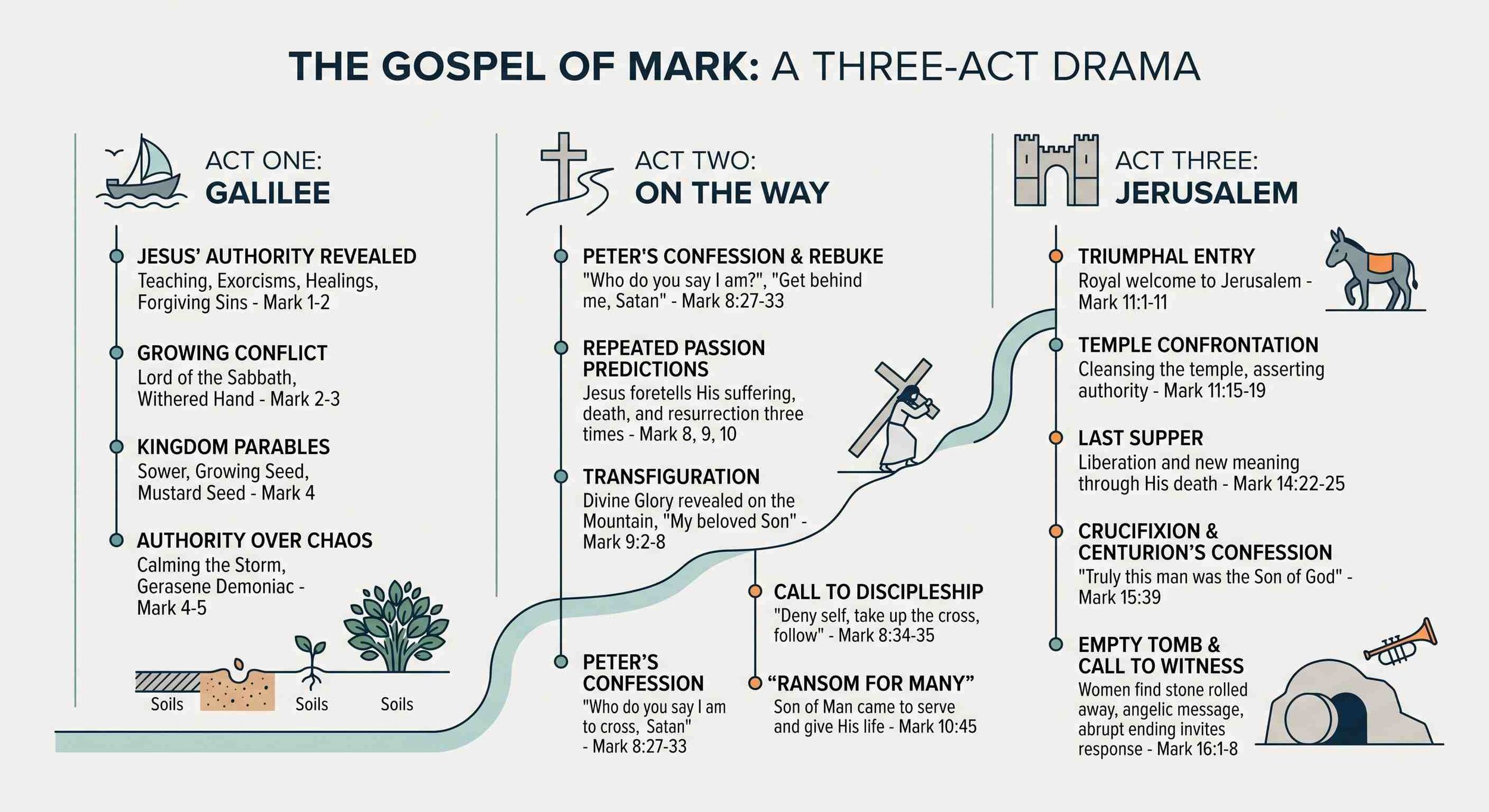
We took a comprehensive journey through the Gospel of Mark, starting with an overview of its three-act structure and its bold claim that Jesus, not Caesar, is the true “Son of God.” In Act One, we traced Jesus' authority through healings, exorcisms, and parables like the sower, which teach that God's kingdom grows in mysterious ways and offers grace even for "bad soil." We examined the parables of the growing seed and mustard seed as illustrations of small beginnings leading to expansive shelter. This theme of authority over chaos was powerfully demonstrated in Jesus calming the storm and delivering the Gerasene demoniac, showing that no person or situation is beyond His restorative power. Act Two focused on the cross-shaped nature of discipleship, highlighted by Peter's confession, the Transfiguration, and Jesus’ repeated passion predictions. Finally, Act Three brought us to Jerusalem for the confrontation, crucifixion—marked by the centurion’s climactic confession—and the empty tomb, leaving us with a challenge to respond in faith and witness.
Session Walkthrough with Section Summaries
1) Getting Started: Community, Setup, and Study Approach
We restarted Zoom, settled tech issues, and discussed comfort levels with being on camera.
Cris outlined Bible study “house rules”: any question is welcome (even “dumb” ones can lead to good insights), and we aim to stay within the Gospel we’re studying rather than harmonizing all four.
Key approach: Each Gospel presents a distinct facet of Jesus. Mark’s stories serve his grand narrative rather than a day-by-day chronology.
Stories mentioned:
General setup and group conversation, no specific biblical narrative yet.
Verses referenced:
None explicitly in this section.
Short summary:
We set expectations for a focused study of Mark, respecting its unique voice, and prepared the group for a narrative-driven exploration.
2) Overview Video: The Gospel of Mark in Three Acts
We watched The Bible Project’s overview of Mark.
Mark’s thesis: “The beginning of the gospel about Jesus the Messiah, the Son of God” (Mark 1:1).
Structure:
Act One (Galilee): Jesus’ authority amazes crowds; questions about His identity grow.
Act Two (On the way): Disciples struggle to understand a suffering Messiah; repeated predictions of His death; call to carry the cross.
Act Three (Jerusalem): Royal entry, temple confrontation, debates, passion, crucifixion, resurrection, and the abrupt ending that challenges the reader.
Stories mentioned:
John the Baptist preparing the way.
Healings/exorcisms; forgiving sins; parables of the kingdom.
Peter’s confession; Transfiguration; passion narrative; empty tomb.
Verses referenced:
Mark 1:1; prophetic background from Isaiah/Malachi (Mark 1:2–3).
Parables (Mark 4).
Peter’s confession (Mark 8:27–30).
Transfiguration (Mark 9:2–8).
“Ransom for many” (Mark 10:45).
Triumphal entry (Mark 11).
Olivet Discourse (Mark 13).
Last Supper (Mark 14).
Crucifixion and centurion’s confession (Mark 15:39).
Empty tomb (Mark 16:1–8).
Short summary:
The video framed Mark as a carefully designed three-act drama centered on Jesus’ identity and His paradoxical kingship through suffering.
3) Mark’s Opening Claim: Son of God and Gospel as Confrontation
Discussion of Mark 1:1: “Jesus Christ, the Son of God.”
Historical lens: “Son of God” and “euangelion” (gospel/good news) were imperial titles and announcements used for Caesar.
Mark’s bold counter-claim: Jesus, not Caesar, is the true King and Son of God; His “good news” confronts Rome’s claims and ushers in God’s reign.
Stories mentioned:
Contextual background of Roman imperial proclamations; no single biblical story, but framing of Mark’s thesis.
Verses referenced:
Mark 1:1; the term euangelion throughout Mark.
Short summary:
Mark’s opening line is a theological and political shockwave, announcing Jesus as the true royal Son of God and redefining “good news.”
4) Act One Highlights: Authority, Calling, Forgiveness, and Conflict
Jesus’ authority revealed in:
Baptism and divine affirmation (Mark 1:9–11).
Announcement of God’s kingdom (Mark 1:14–15).
Calling disciples (Mark 1:16–20).
Teaching with authority and exorcisms (Mark 1:21–28).
Healings (Mark 1:29–34; 2:1–12).
The paralytic lowered through the roof (Mark 2:1–12):
Jesus forgives sins and heals; confrontation with scribes over blasphemy.
Anticipates resurrection: a “dead” man rises and walks; forgiveness tied to Jesus’ authority.
Growing conflict:
Questions about fasting (Mark 2:18–22), Sabbath (Mark 2:23–28; 3:1–6), and legalism.
Discussion in class about “withered hand” versus “deaf mute” healing clarified later in Mark (the withered hand: Mark 3:1–6; deaf-mute: Mark 7:31–37).
Stories mentioned:
Paralytic through the roof.
Lord of the Sabbath.
Healing of the man with the withered hand.
Later: healing of a deaf-mute man.
Verses referenced:
Mark 1:9–15, 1:21–34; 2:1–28; 3:1–6.
Mark 7:31–37 (deaf-mute healing, noted in discussion though later in the narrative).
Short summary:
Act One establishes Jesus’ divine authority to announce God’s kingdom, call disciples, forgive sins, and heal—sparking both faith and opposition.
5) Parables and the Hidden Kingdom (Mark 4)
Context: Mark 4 is a thematic hub. We emphasized reading from multiple translations and listening to the audio Bible to let the Scripture read us. The parable of the sower reframes expectations—the word can land on "bad soil," but Jesus' mission is for those who don't "have it all together."
Seed and soils (Mark 4:1–20): Different receptions to Jesus’ word. A friend’s question, “What if I’m just bad soil?” shifted perspective toward grace. An analogy about NASCAR illustrated how "good news" can fall on deaf ears.
Lamp under a basket (Mark 4:21–25): The kingdom's light is meant to be visible. Our receptivity ("Take heed what you hear") influences our understanding.
The seed that grows secretly (Mark 4:26–29): The kingdom grows mysteriously, in stages, even when we don't see it. We are encouraged to trust God's hidden work.
Mustard seed (Mark 4:30–32): Small beginnings lead to expansive, hospitable outcomes where birds can find shelter. God doesn't need much to work with.
Parables and private explanations (Mark 4:33–34): Jesus speaks in parables "as they were able to hear" but explains privately to disciples, highlighting that understanding is gradual and requires patient listening.
Stories mentioned:
Parable of the sower (seed and soils).
Personal anecdote about NASCAR as good news on deaf ears.
Friend's question: "What if I'm just bad soil?"
Lamp under a basket.
The growing seed.
Mustard seed.
Verses referenced:
Mark 4:1–20, 4:21–25, 4:26–29, 4:30–32, 4:33–34.
Short summary:
Jesus’ parables in Mark 4 explain that the kingdom advances amid mixed responses. Its growth is real but often hidden, starting small and becoming an expansive refuge, calling us to listen attentively and trust God’s mysterious process.
6) Authority Over Chaos: Calming the Storm and Delivering the Demoniac
Jesus Calming the Storm (Mark 4:35-41): The class connected the sea with biblical imagery of chaos and evil ("tohu vavohu"). Jesus asleep, like Jonah, is awakened by fearful disciples. His authoritative words, "Peace! Be still!" transform terror into calm, showing kingdom power. The disciples' fear shows that faith grows through crisis and encounter, even when full understanding lags.
The Gerasene Demoniac (Mark 5:1–20): Reading the story aloud, we saw how Jesus crosses into Gentile territory to confront overwhelming evil.
Demons recognize Jesus' identity and authority immediately ("Son of the Most High God") and fall before Him in an act of submission or "worship."
The name "Legion" and the 2,000 pigs underscore the scale of oppression.
Jesus’ few words bring decisive freedom, restoring the man to his right mind.
The restored man is commissioned to "Go... tell... how He has shown compassion," becoming a witness in the Decapolis. This demonstrates that no "soil" is beyond Jesus' reach and that restoration leads to mission.
Stories mentioned:
Jesus calming the storm.
Jonah asleep during the storm (Jonah 1).
Israel crossing the Red Sea (Exodus 14).
Gerasene/Gadarenes demoniac delivered and sent to testify.
Leviathan motif.
Verses referenced:
Mark 4:35–41.
Mark 5:1–20.
Genesis 1:2 ("tohu vavohu").
Thematic tie to Mark 15:39.
John 9:38 (as a comparison for "worshipped").
Implied references to Jonah 1, Exodus 14, Job 41, Psalm 74:13–14.
Short summary:
Jesus demonstrates His absolute authority over chaos and evil by calming the sea and liberating the Gerasene demoniac, proving that His mission extends to the most broken places and that His restorative power leads to worship and witness.
Main Points
Mark presents Jesus as the true Messiah and Son of God, challenging imperial claims.
The Gospel is structured in three acts: Galilee, the way, and Jerusalem.
Jesus’ authority is demonstrated through teaching, exorcism, healing, and forgiving sins.
Parables reveal the hidden, unexpected growth of God’s kingdom; its small beginnings lead to expansive refuge.
Jesus' authoritative word brings transformation, calming storms of chaos and delivering people from spiritual oppression.
No one is beyond Jesus' restorative mission; even "bad soil" can be made good, and restoration leads to witness.
Messiahship is defined by suffering service; discipleship is cross-bearing.
The passion narrative culminates in recognition of Jesus’ divine identity and the empty tomb’s call to witness.
Mark’s abrupt ending invites personal response and proclamation.
Bible Scriptures Mentioned
Genesis 1:2 (tohu vavohu—formless and void)
Exodus 14 (Israel crossing the Red Sea)
Job 41; Psalm 74:13–14 (Leviathan motif, implied in discussion)
Mark 1:1; 1:2–3 (Isaiah/Malachi quotation); 1:9–15; 1:21–34
Mark 2:1–12 (paralytic); 2:18–22 (fasting); 2:23–28 (Sabbath)
Mark 3:1–6 (withered hand)
Mark 4:1–20 (seed and soils); 4:21–25 (lamp under a basket); 4:26–29 (growing seed); 4:30–32 (mustard seed); 4:33-34 (parables and private explanations)
Mark 4:35–41 (Jesus calms the storm)
Mark 5:1–20 (Gerasene/Gadarenes demoniac; Decapolis mission)
Mark 7:31–37 (deaf-mute healing, noted in discussion)
Mark 8:27–38 (Peter’s confession; call to take up the cross)
Mark 9:2–8 (Transfiguration); 9:31 (passion prediction)
Mark 10:33–34 (passion prediction); 10:45 (ransom for many)
Mark 11:1–11 (triumphal entry); 11:15–19 (temple action); 12 (controversies)
Mark 13 (warnings/judgment)
Mark 14:22–25 (Last Supper)
Mark 15:33–39 (darkness; centurion’s confession)
Mark 16:1–8 (empty tomb)
John 9:38 (example of “worshipped him,” noted in translation discussion)
Stories Discussed
John the Baptist preparing the way
Calling of the disciples
Exorcisms and healings in Galilee
Paralytic lowered through the roof
Questions about fasting; Lord of the Sabbath
Healing of the man with the withered hand
Parables: seed and soils; lamp under a basket; the growing seed; mustard seed
NASCAR analogy for "good news" on deaf ears
"What if I'm bad soil?"—a friend's self-reflection on grace
Jesus calming the storm
Jonah asleep in the storm
Israel crossing the Red Sea
Gerasene demoniac delivered and sent to testify in the Decapolis
Peter’s confession and the call to take up the cross
The Transfiguration
“Ransom for many” teaching
Triumphal entry
Temple cleansing and debates
The Last Supper
Crucifixion and the centurion’s confession
Empty tomb and the angelic announcement

[Sunday] Chosen - Missio Dei Part 5
Jesus specializes in choosing the unimpressive, the broken, and the flawed to represent His presence and love to the world. You are a royal priesthood!
Jesus specializes in choosing the unimpressive, the broken, and the flawed to represent His presence and love to the world. You are a royal priesthood!
What Had happened at Grace this week.

Fun Night at the Fire Station
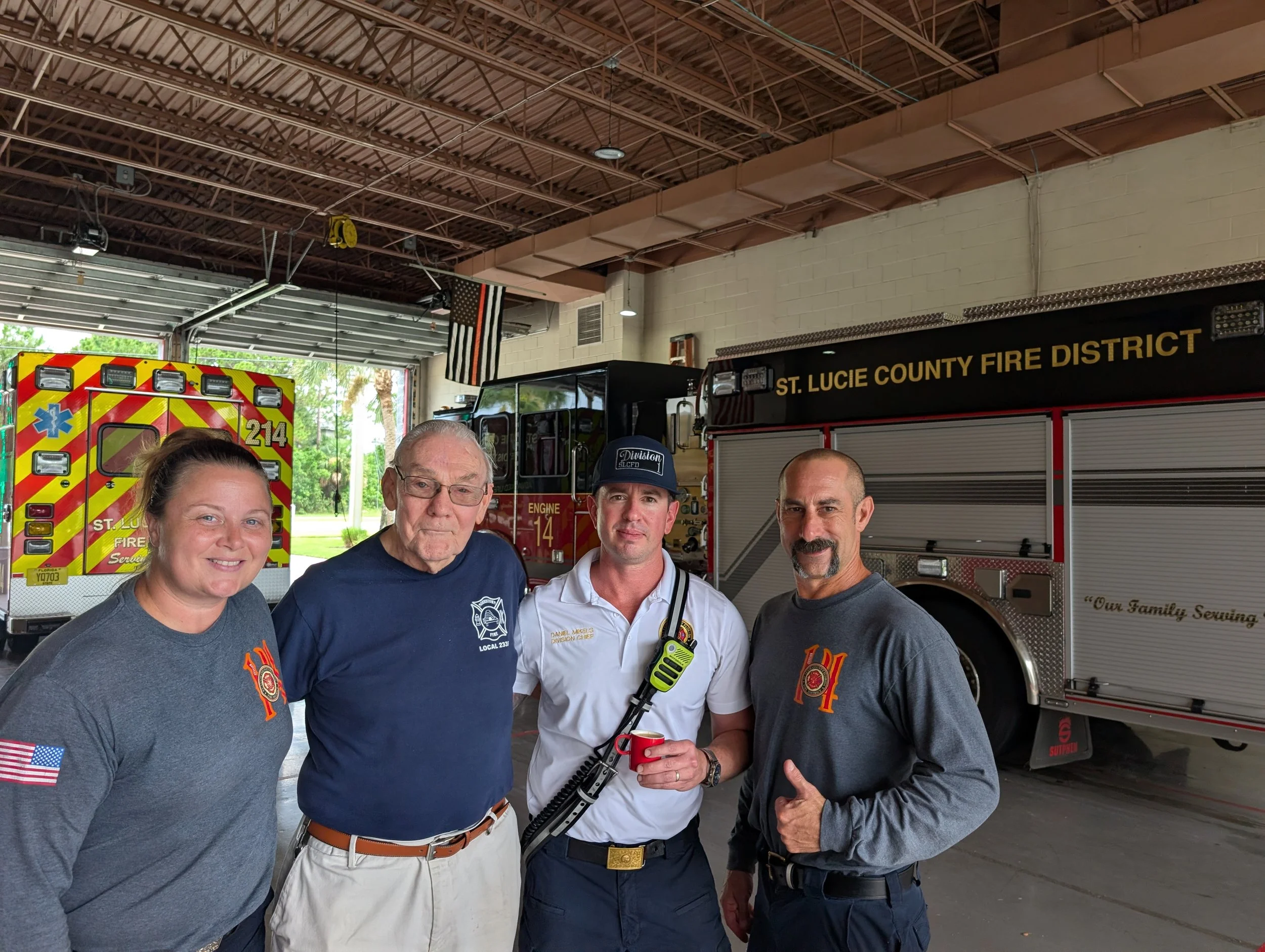
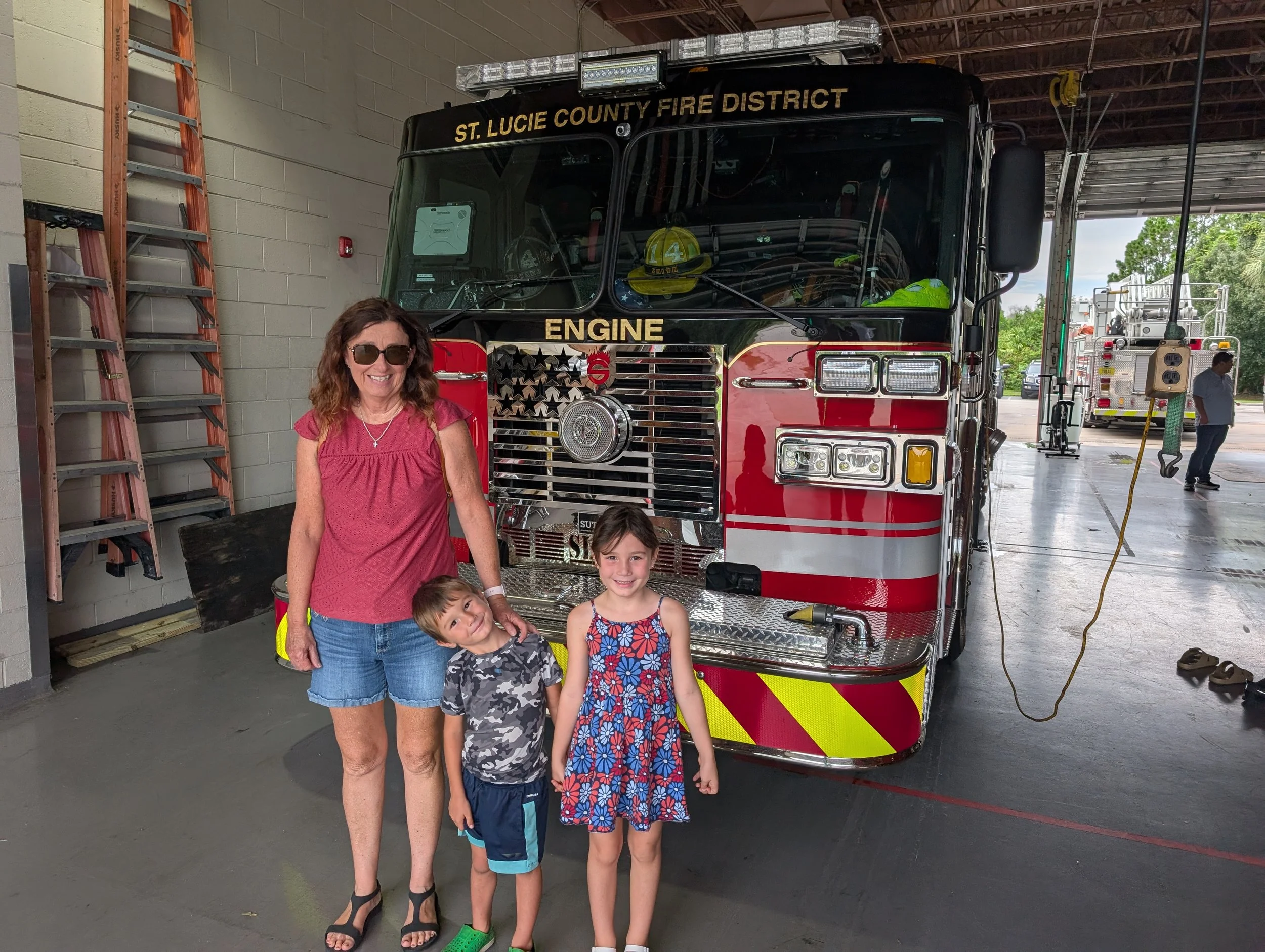
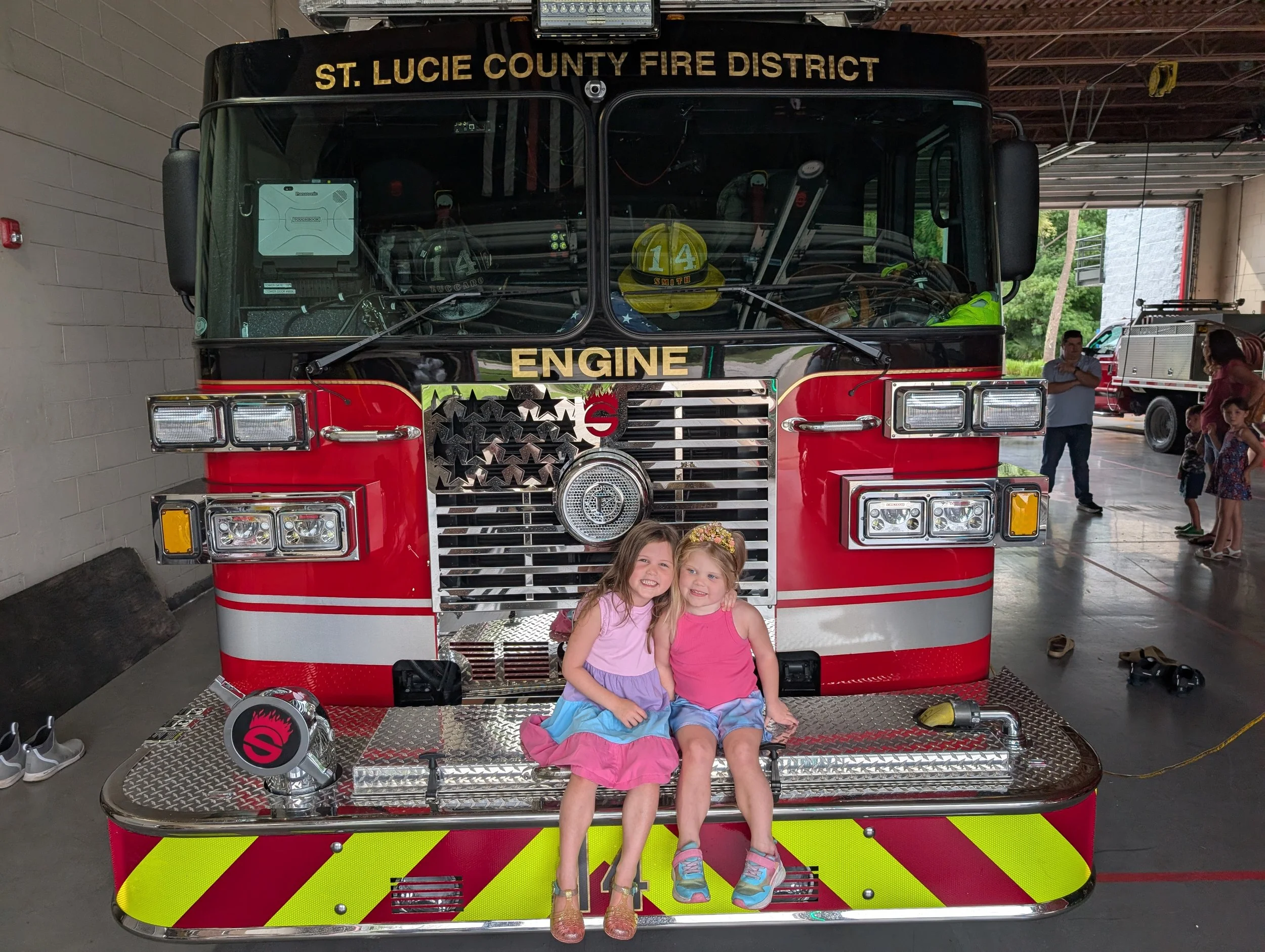
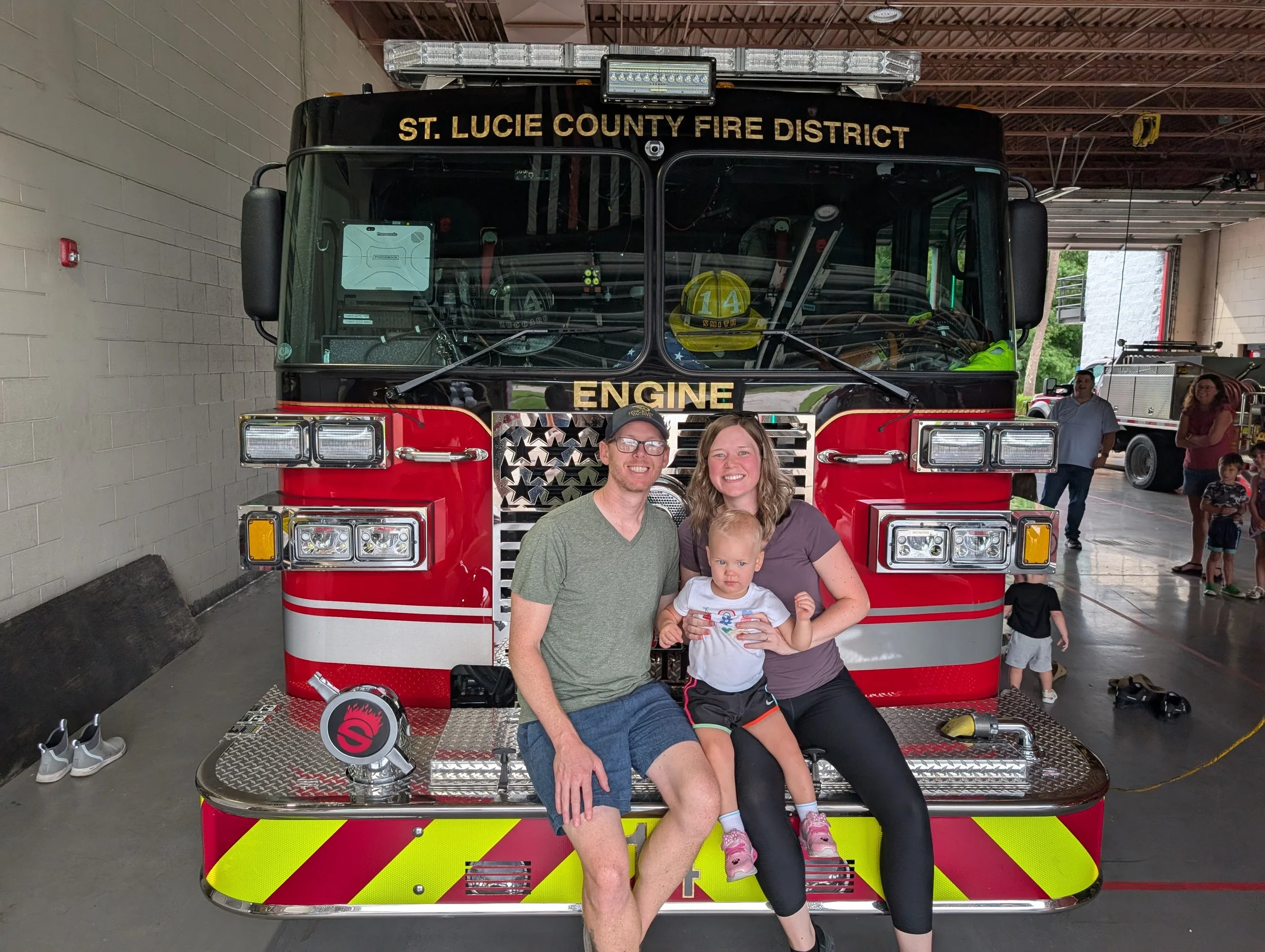
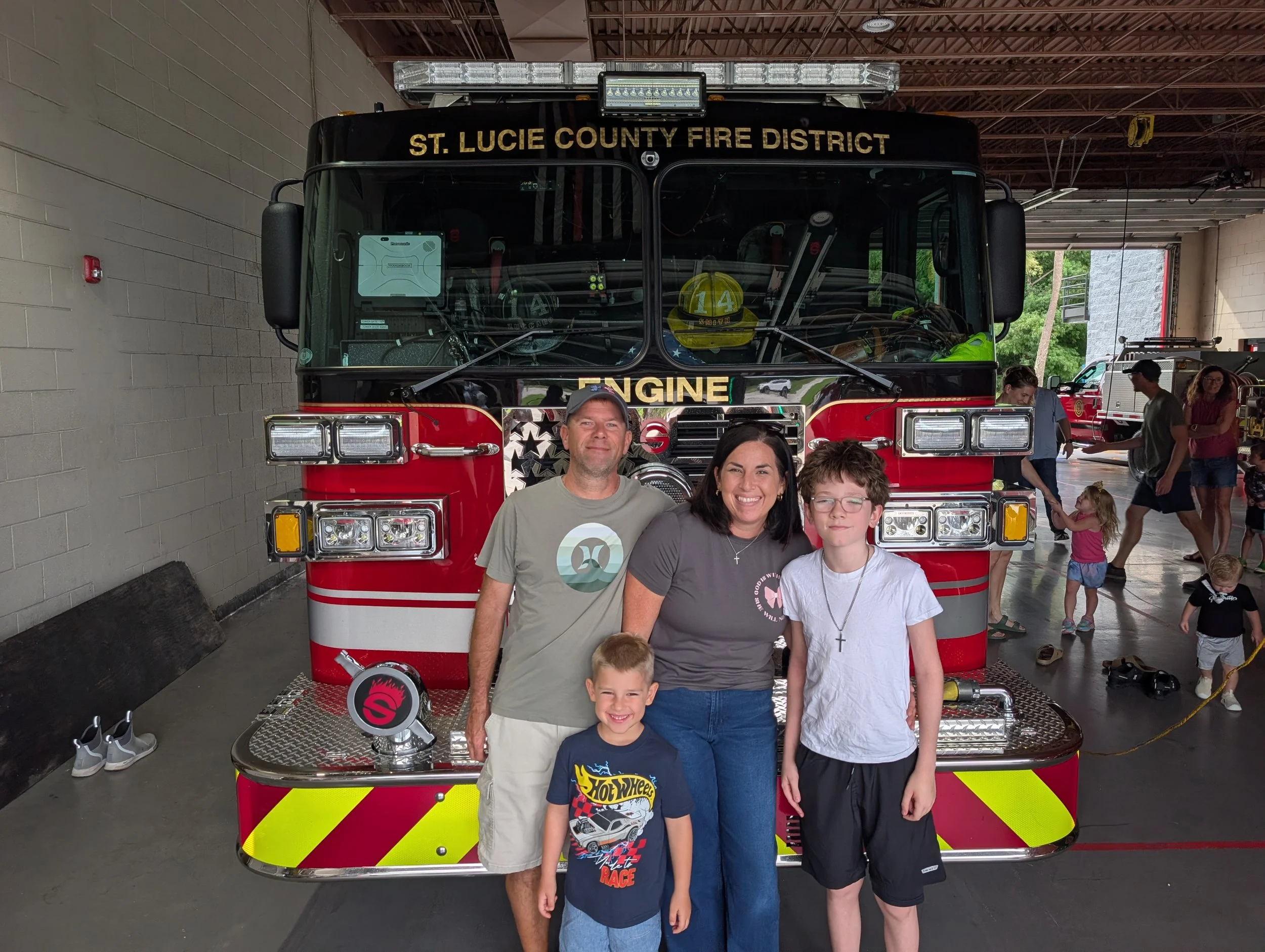
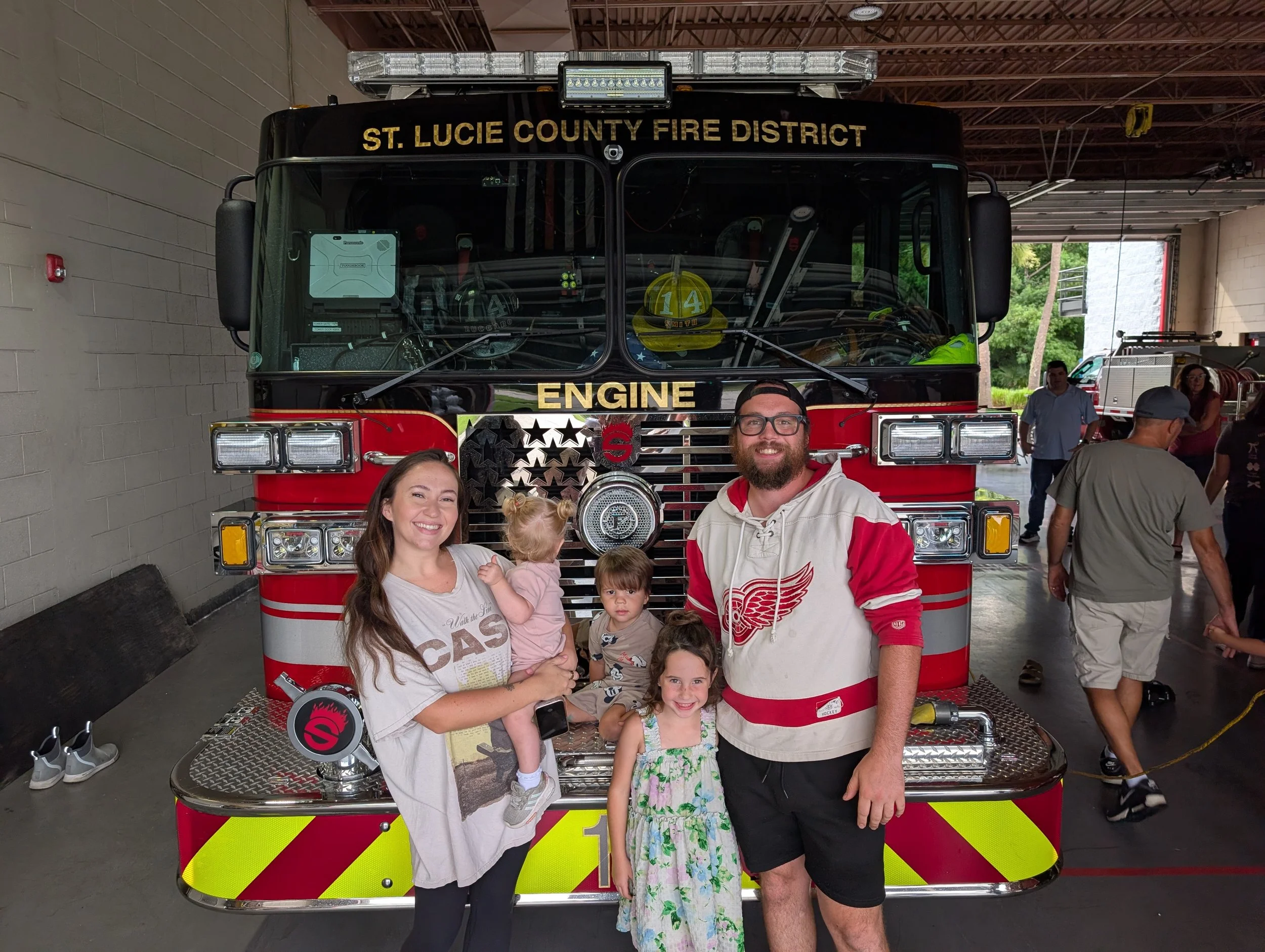
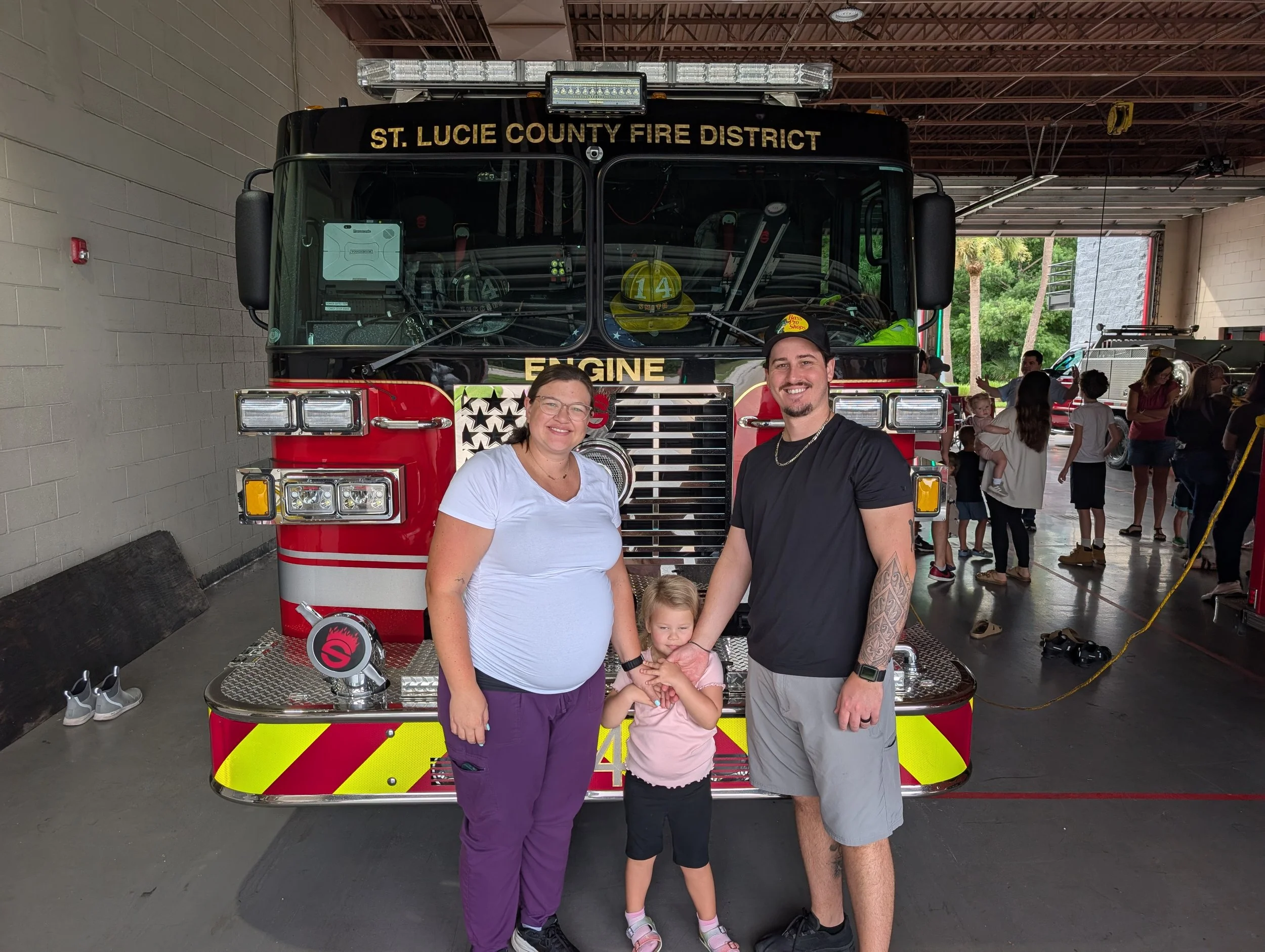
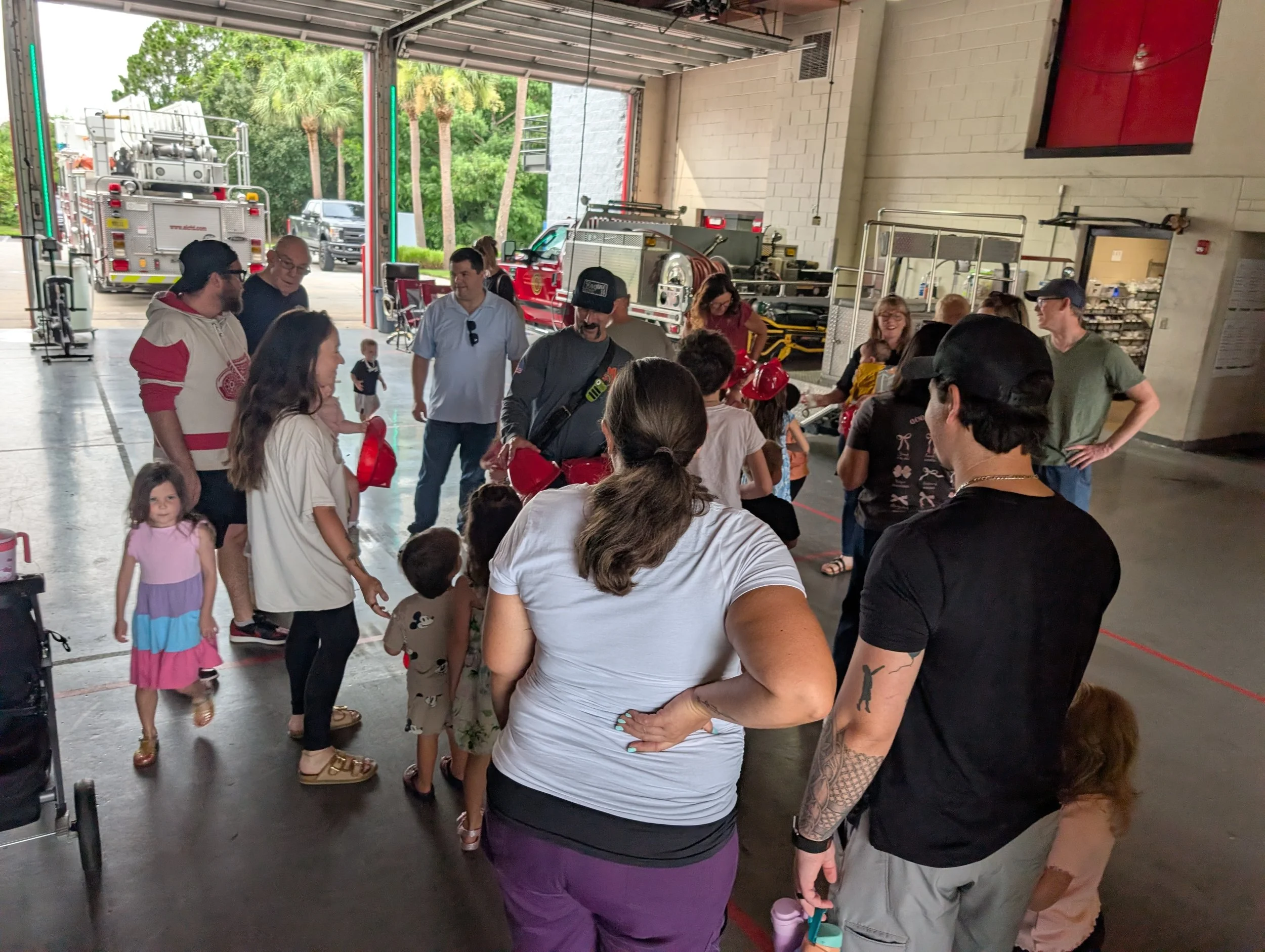
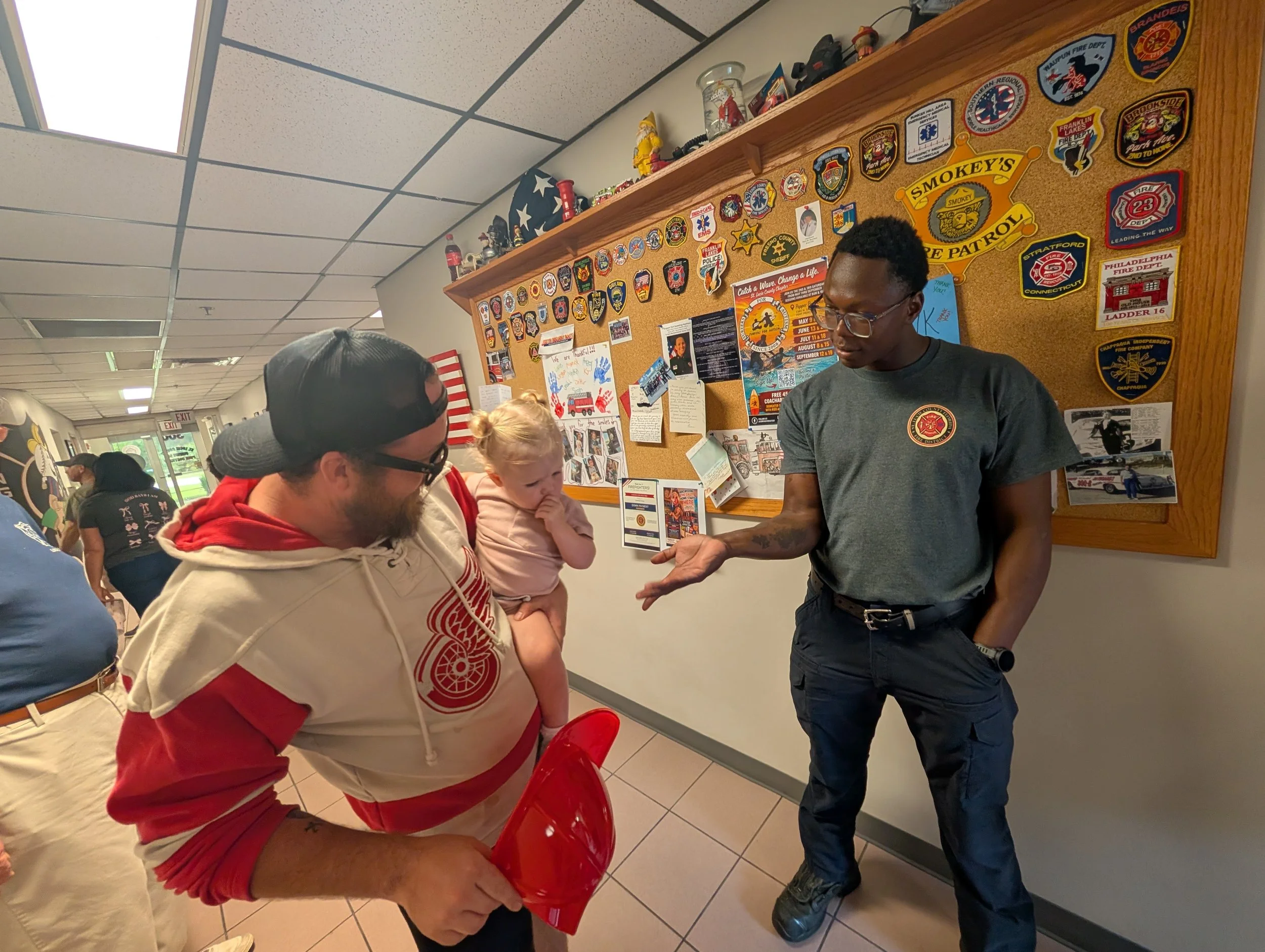
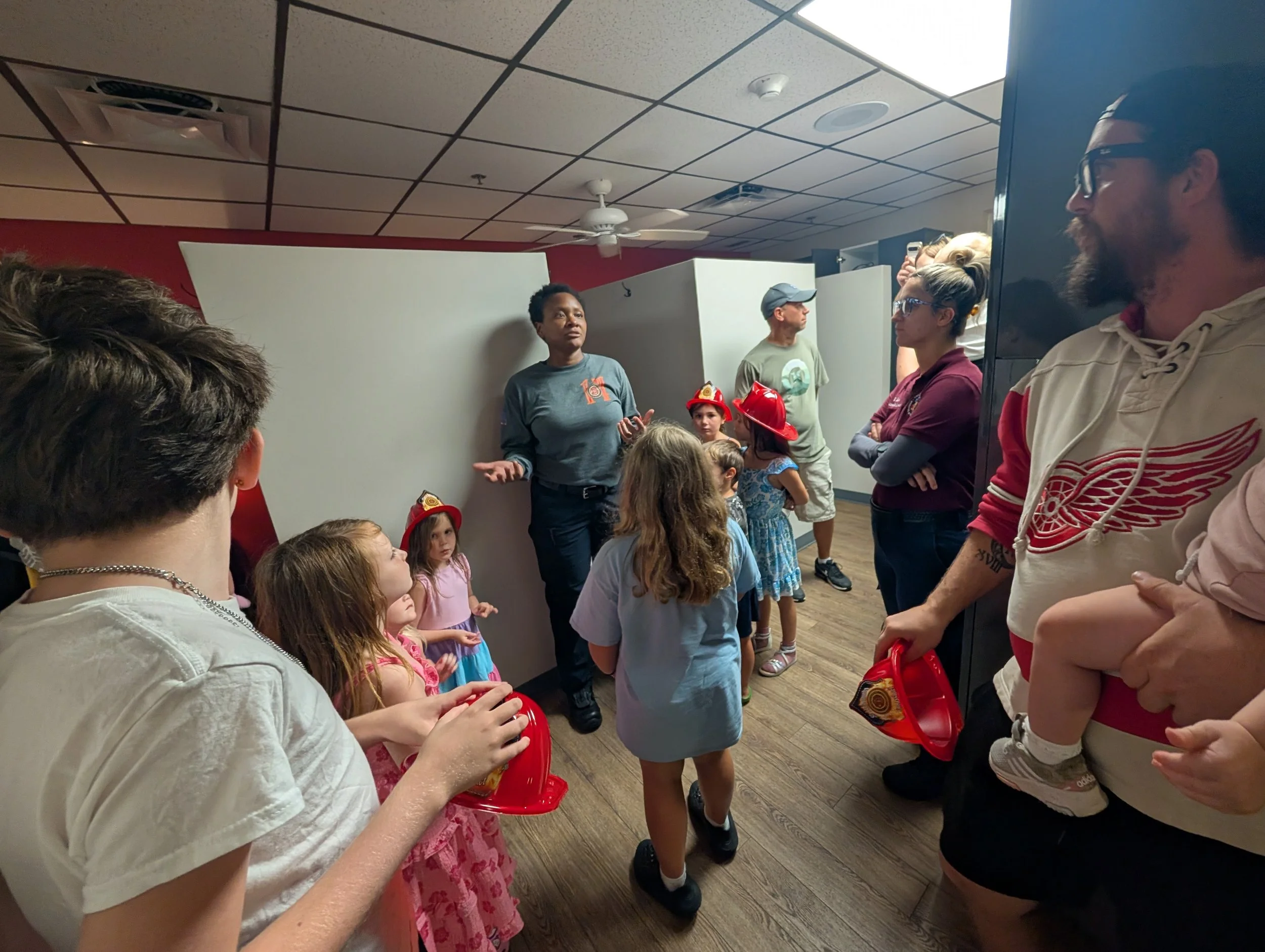
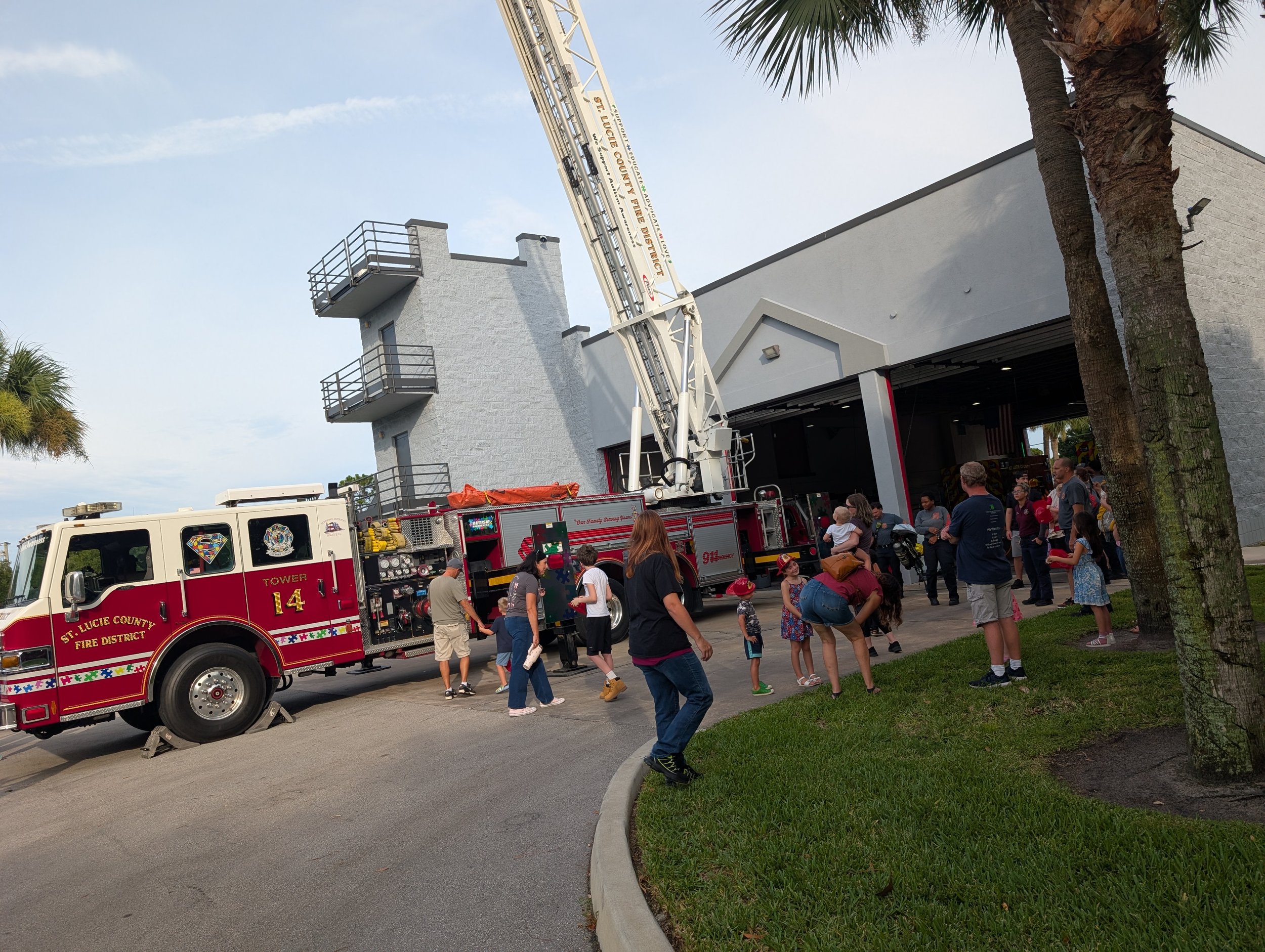
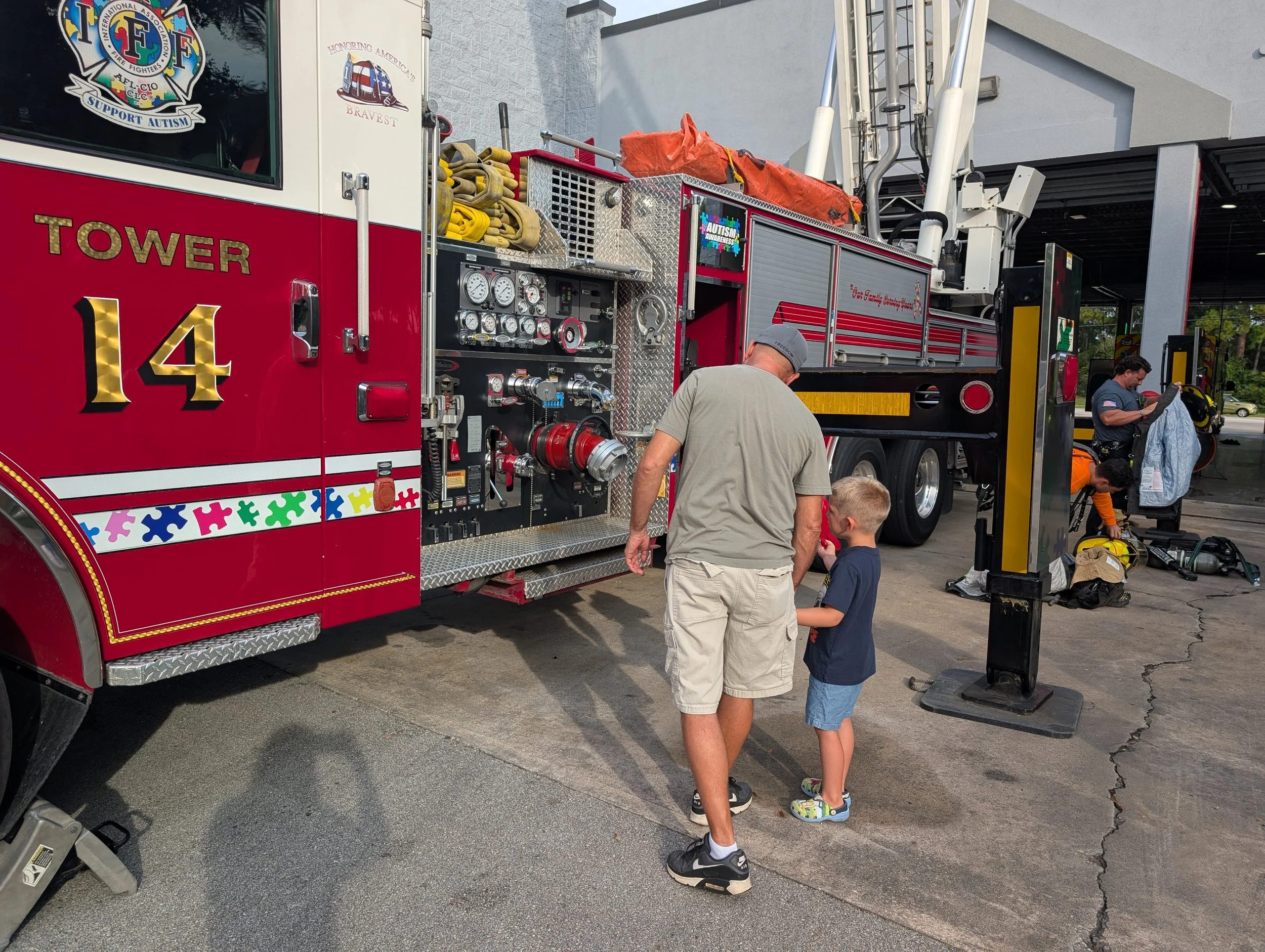
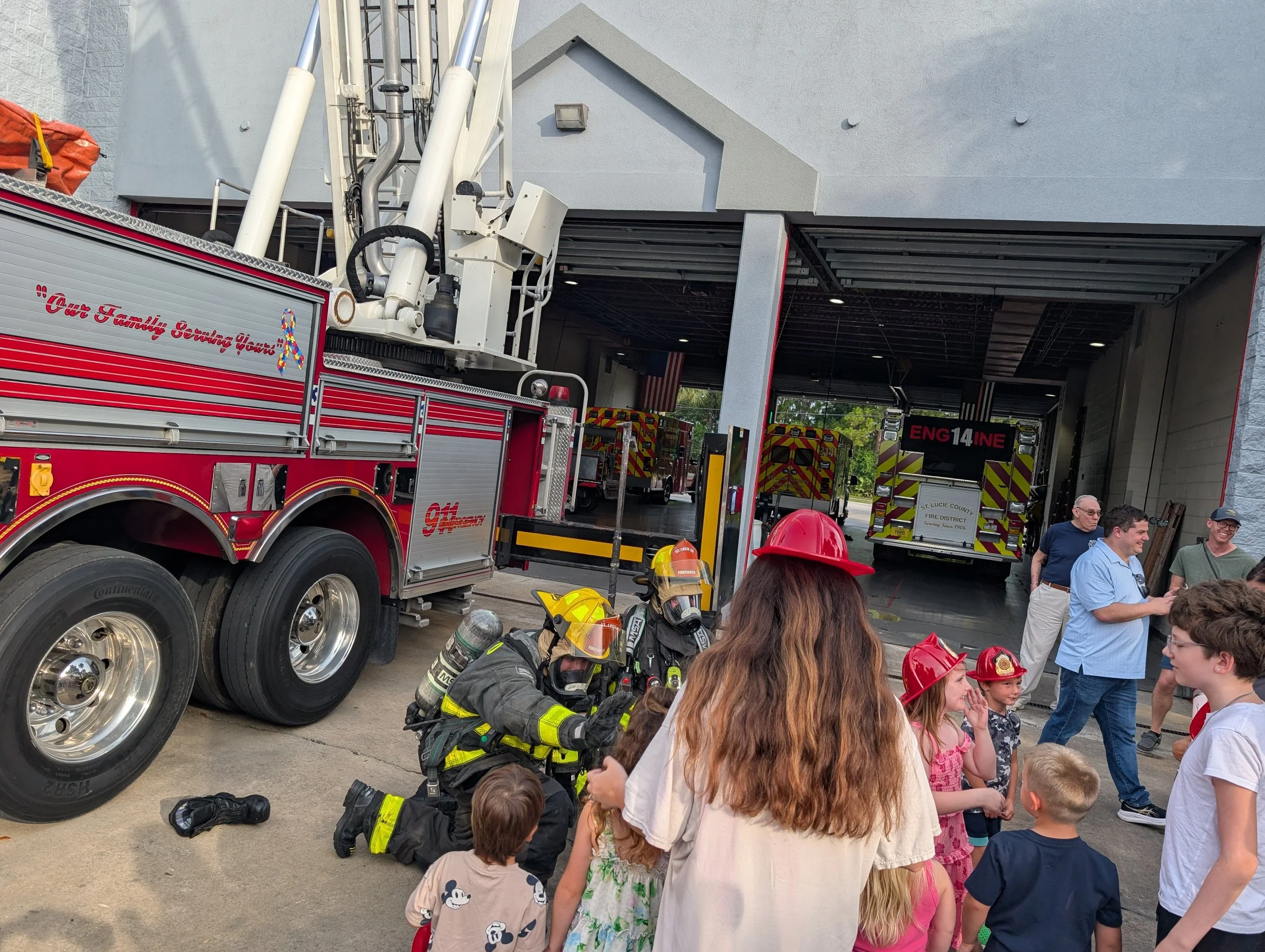
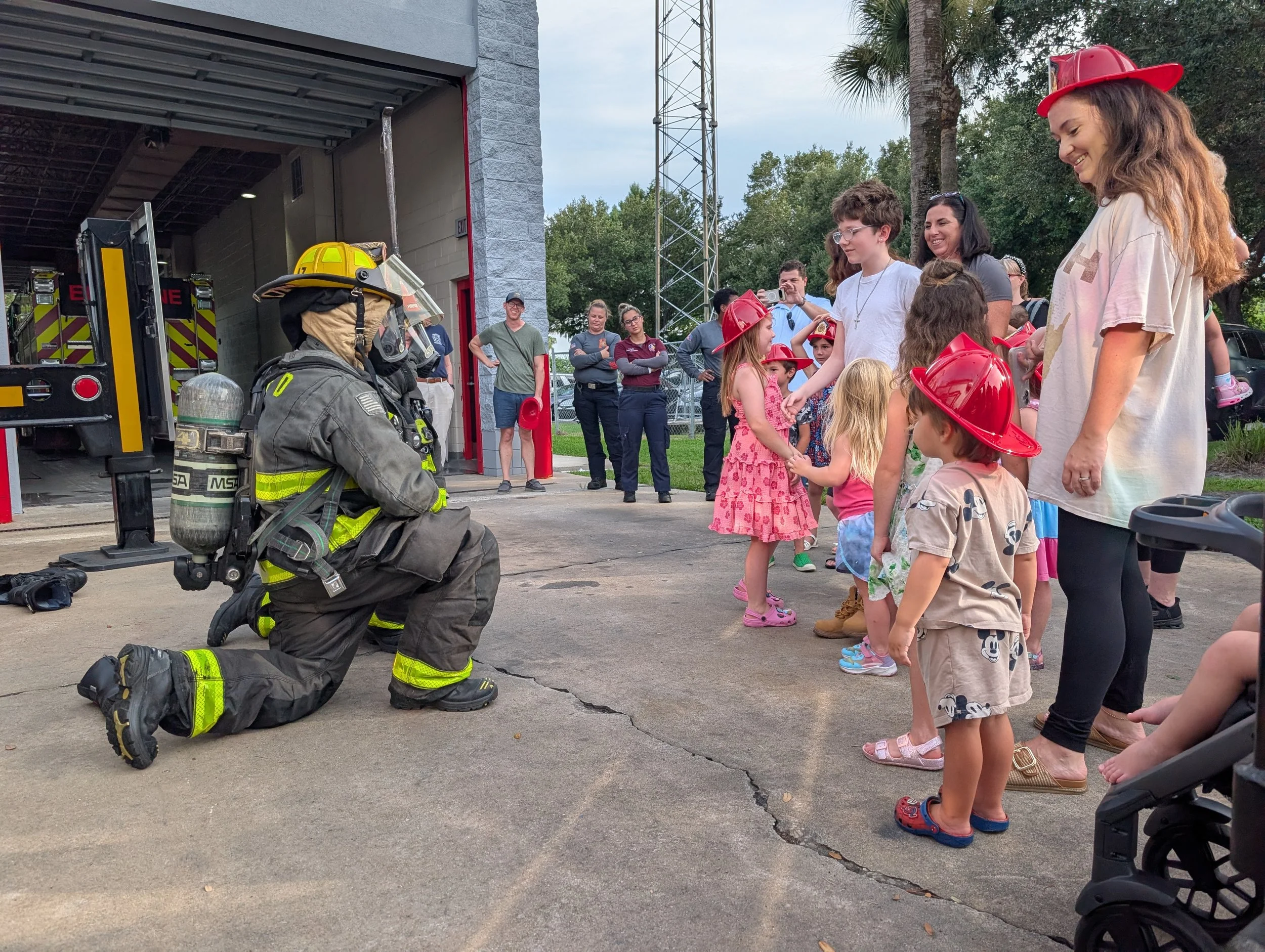
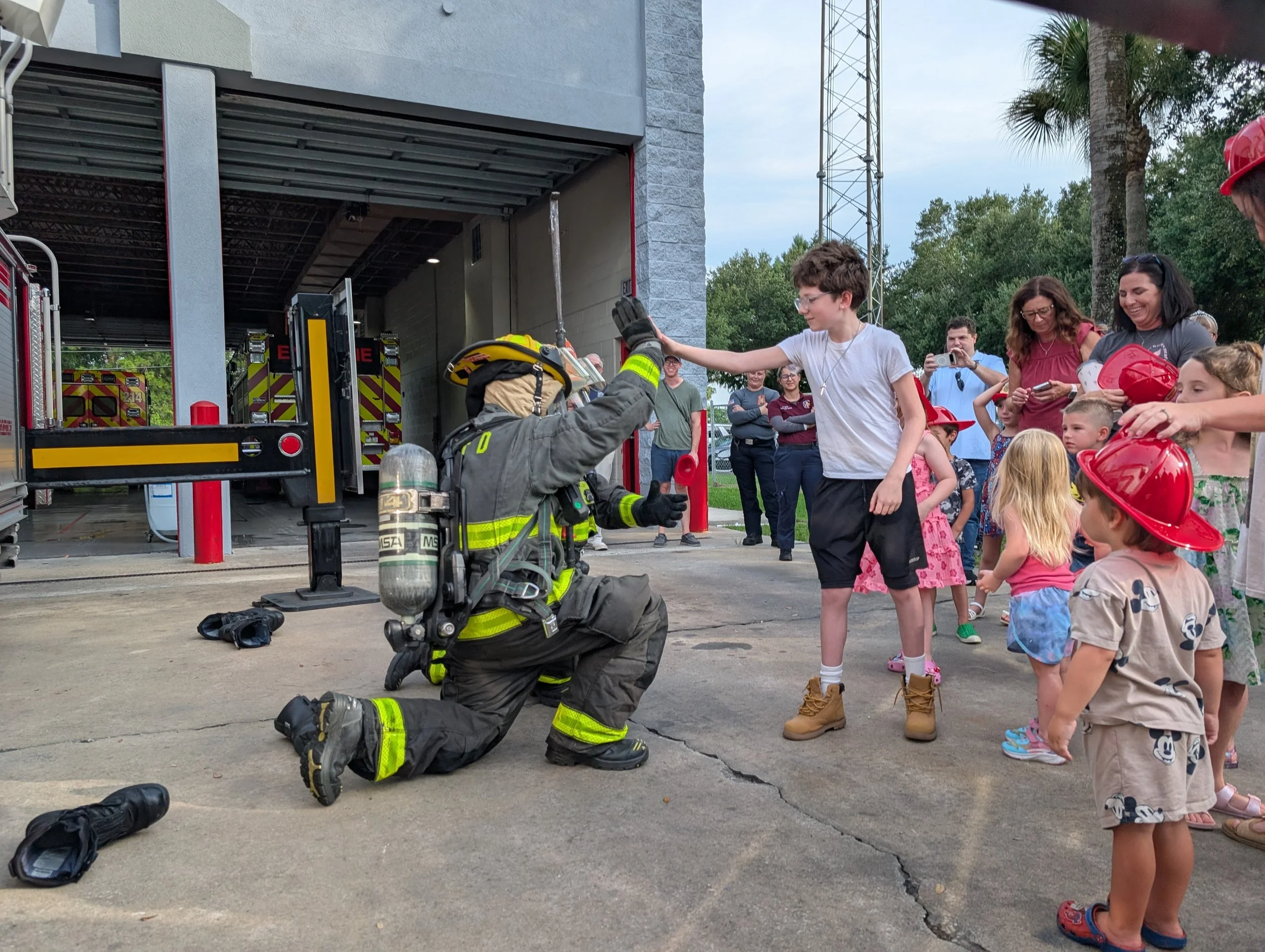
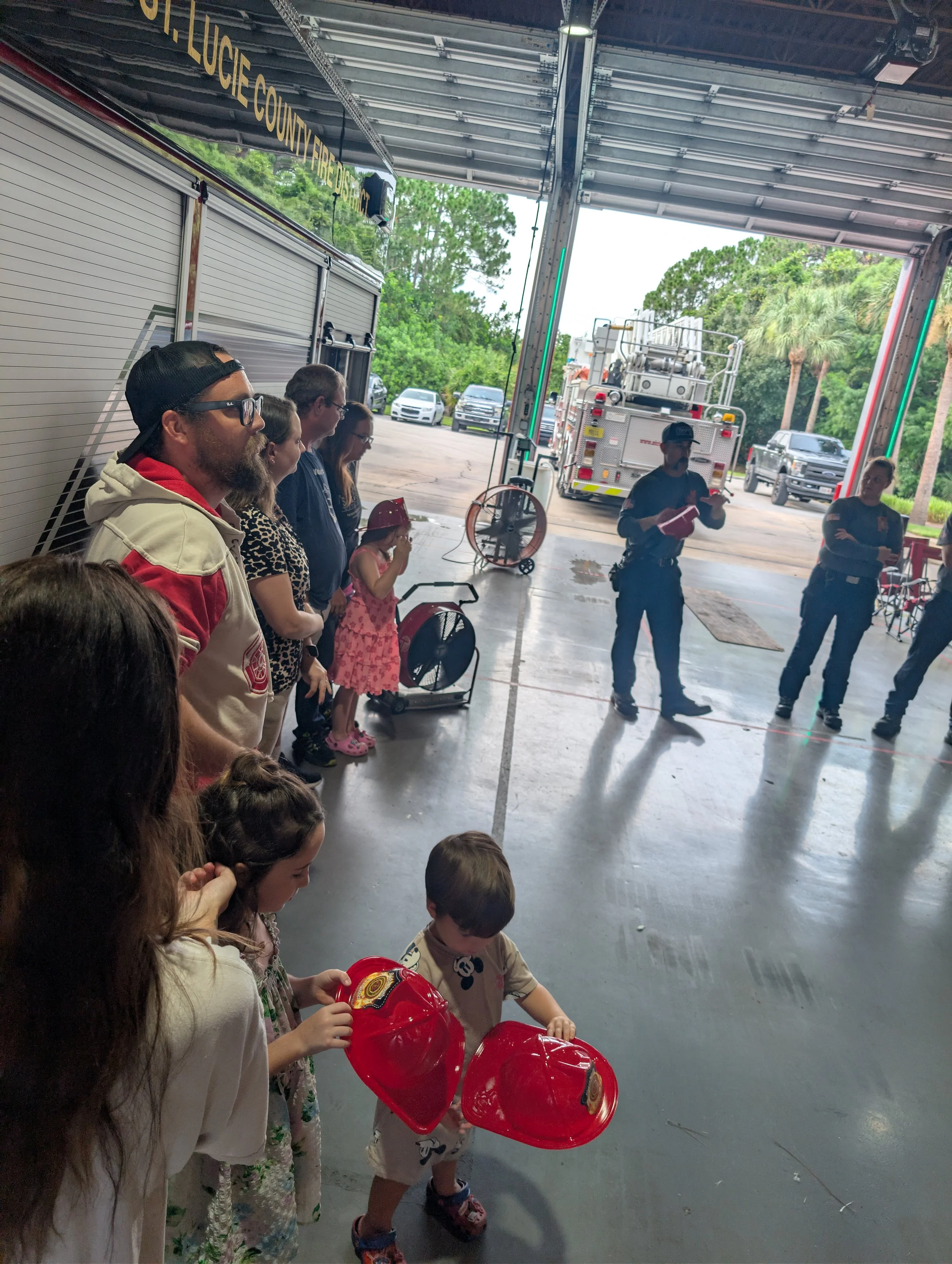
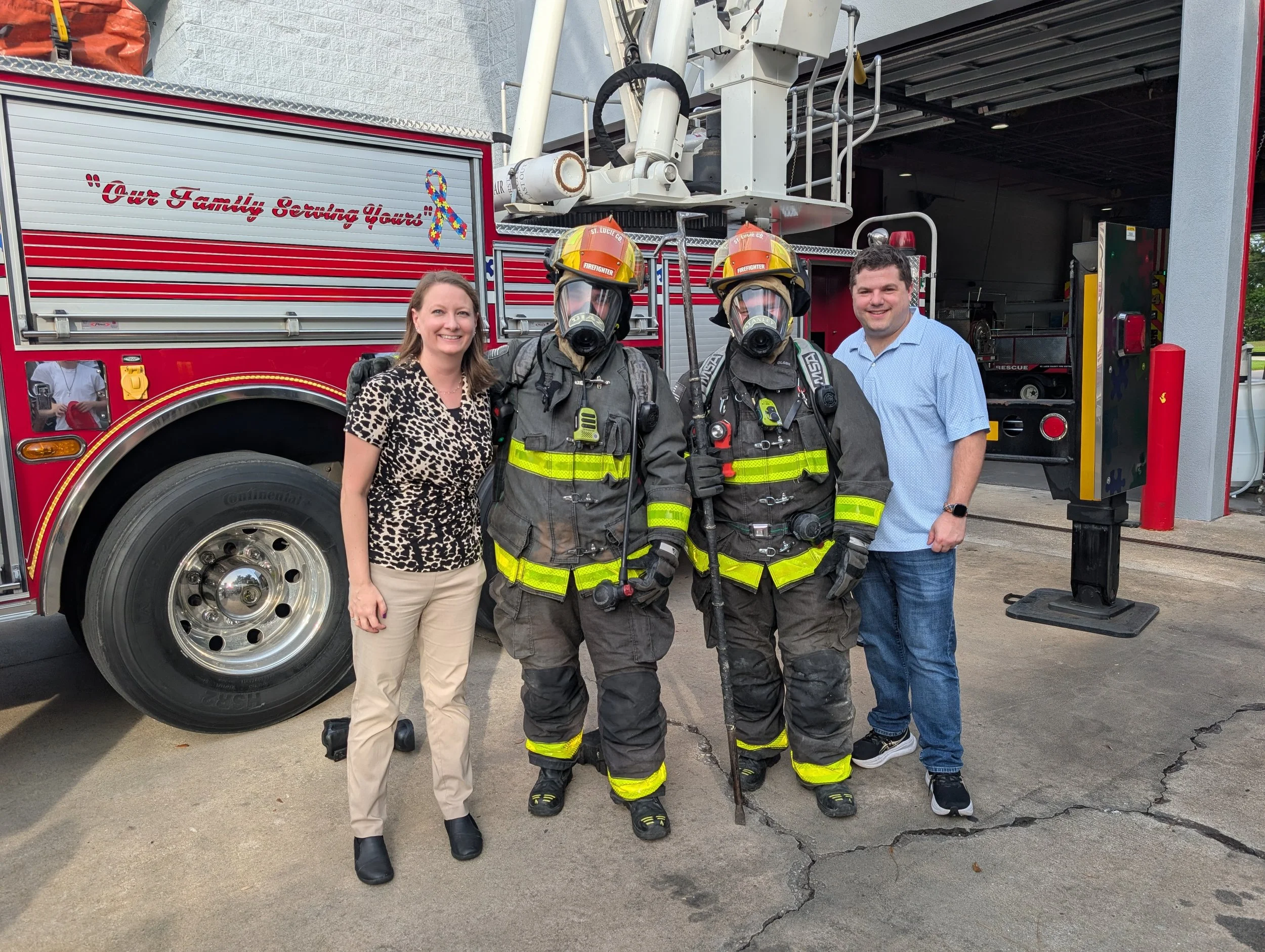
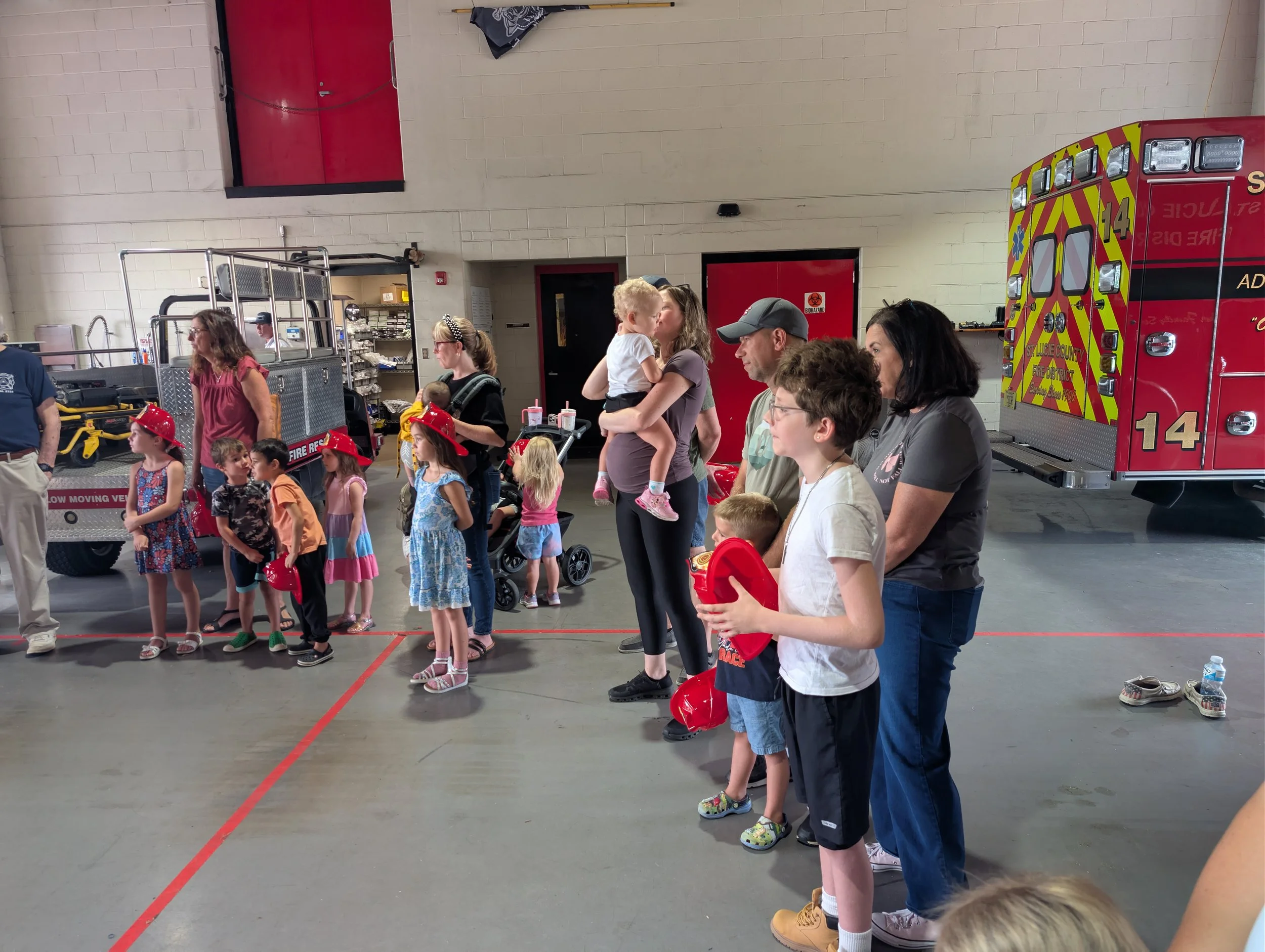
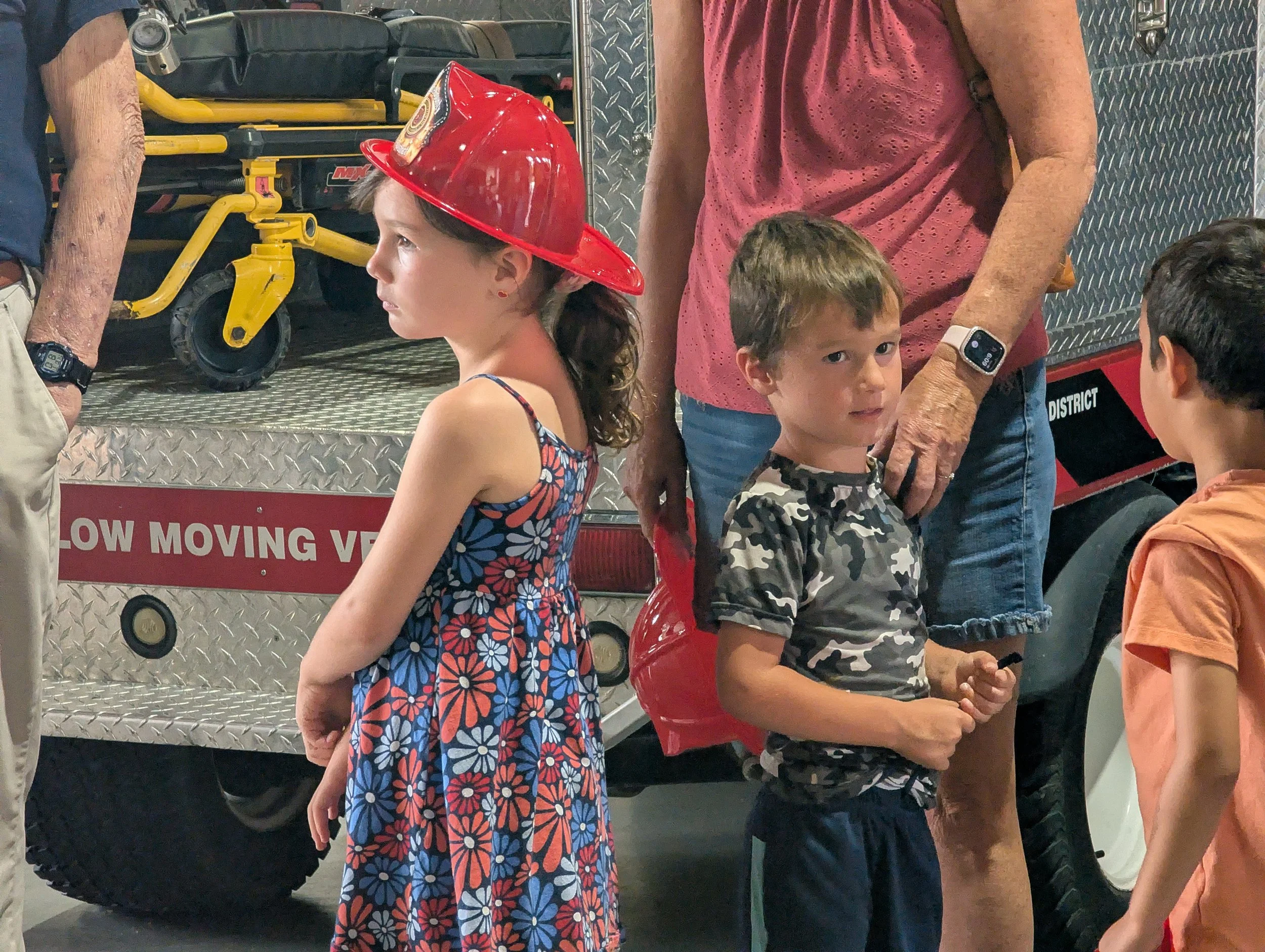
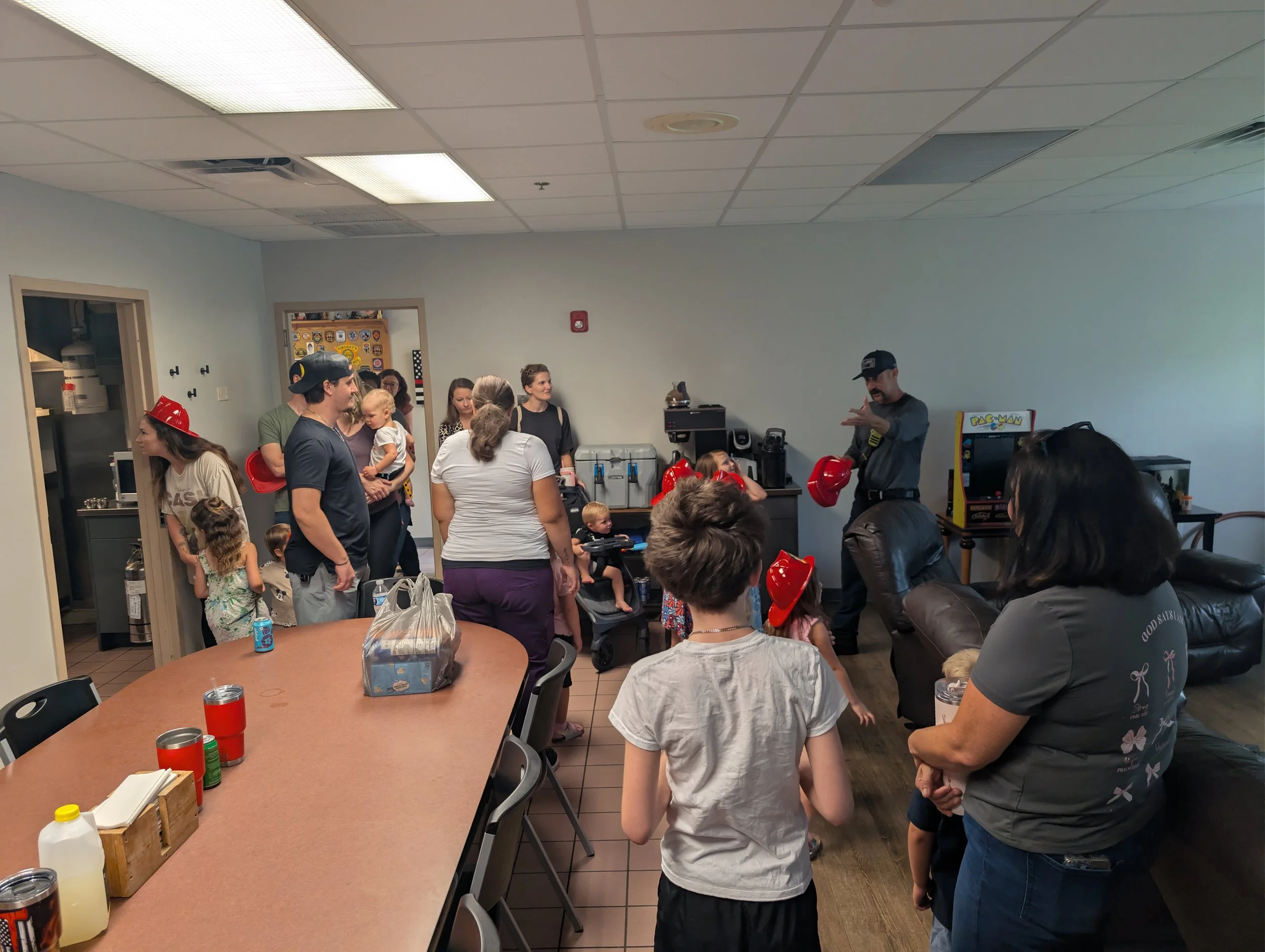
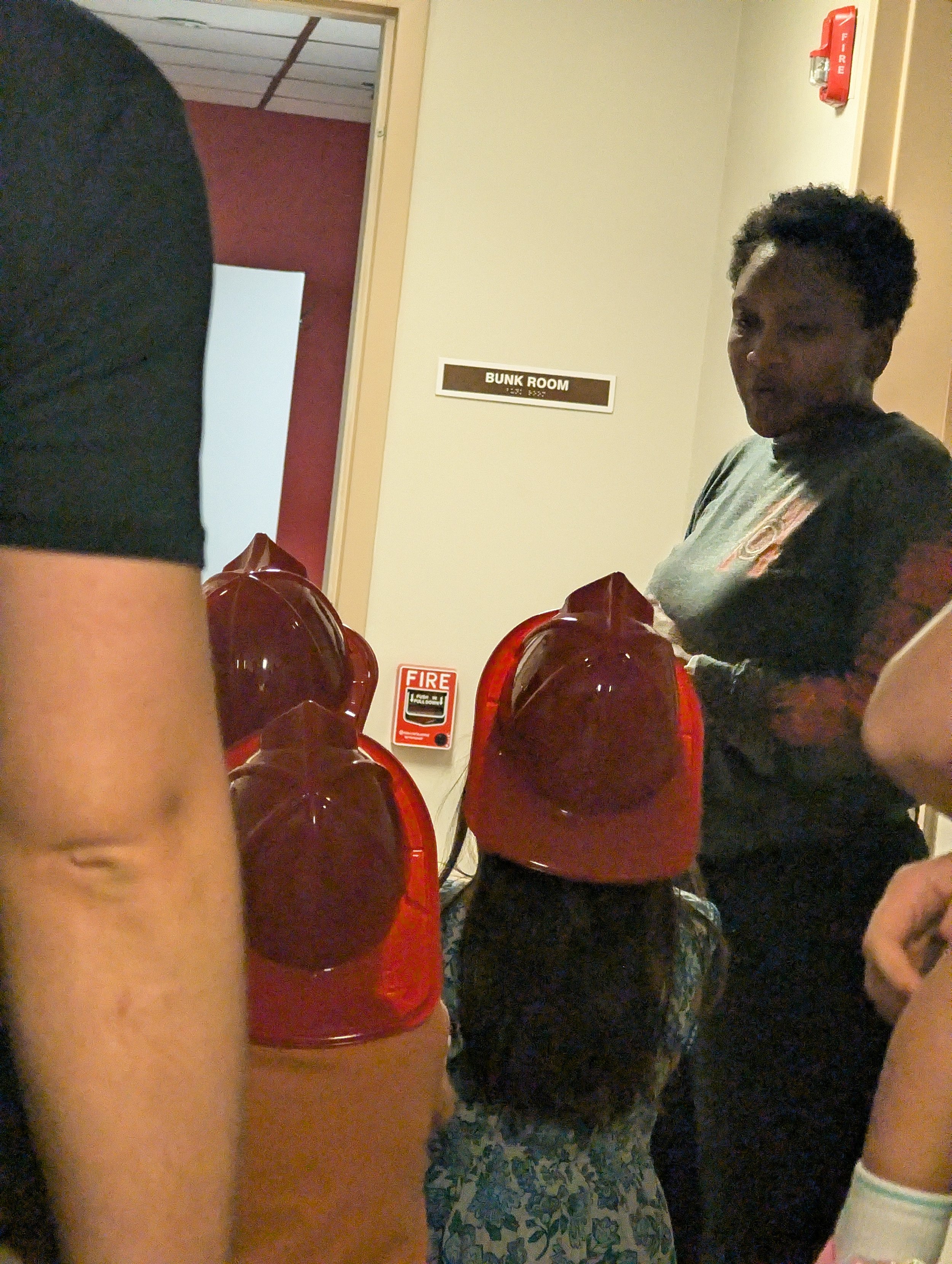
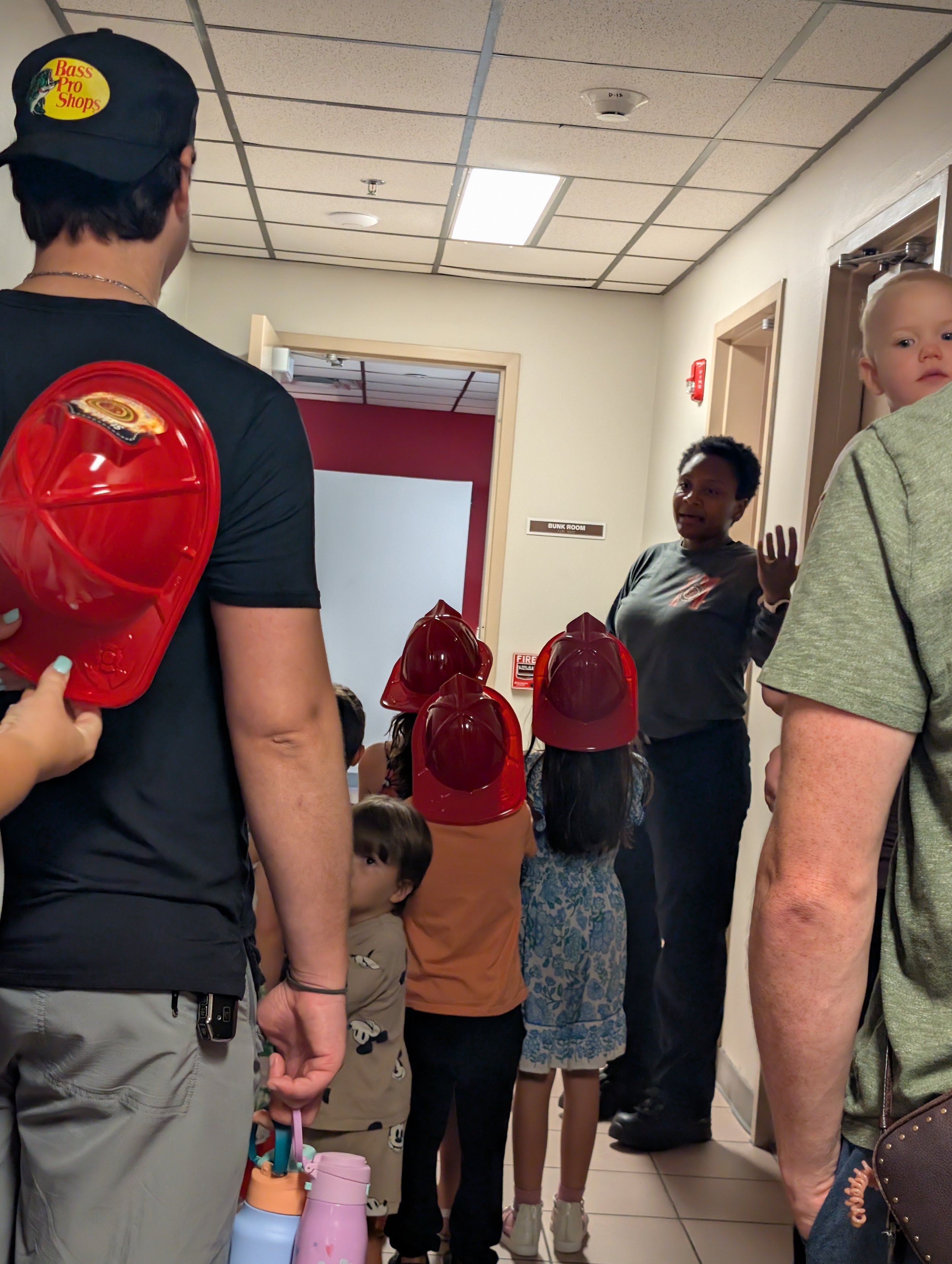
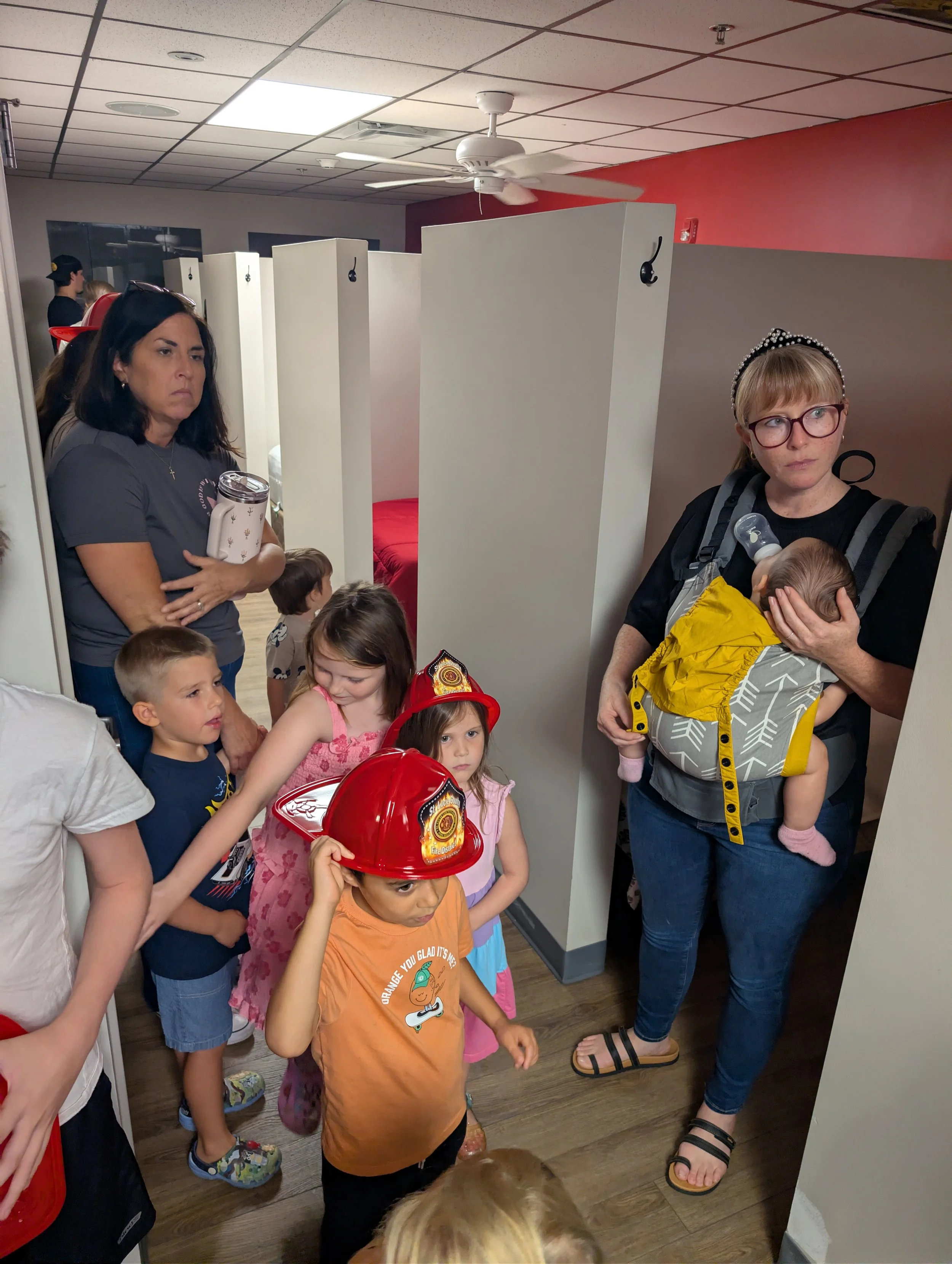
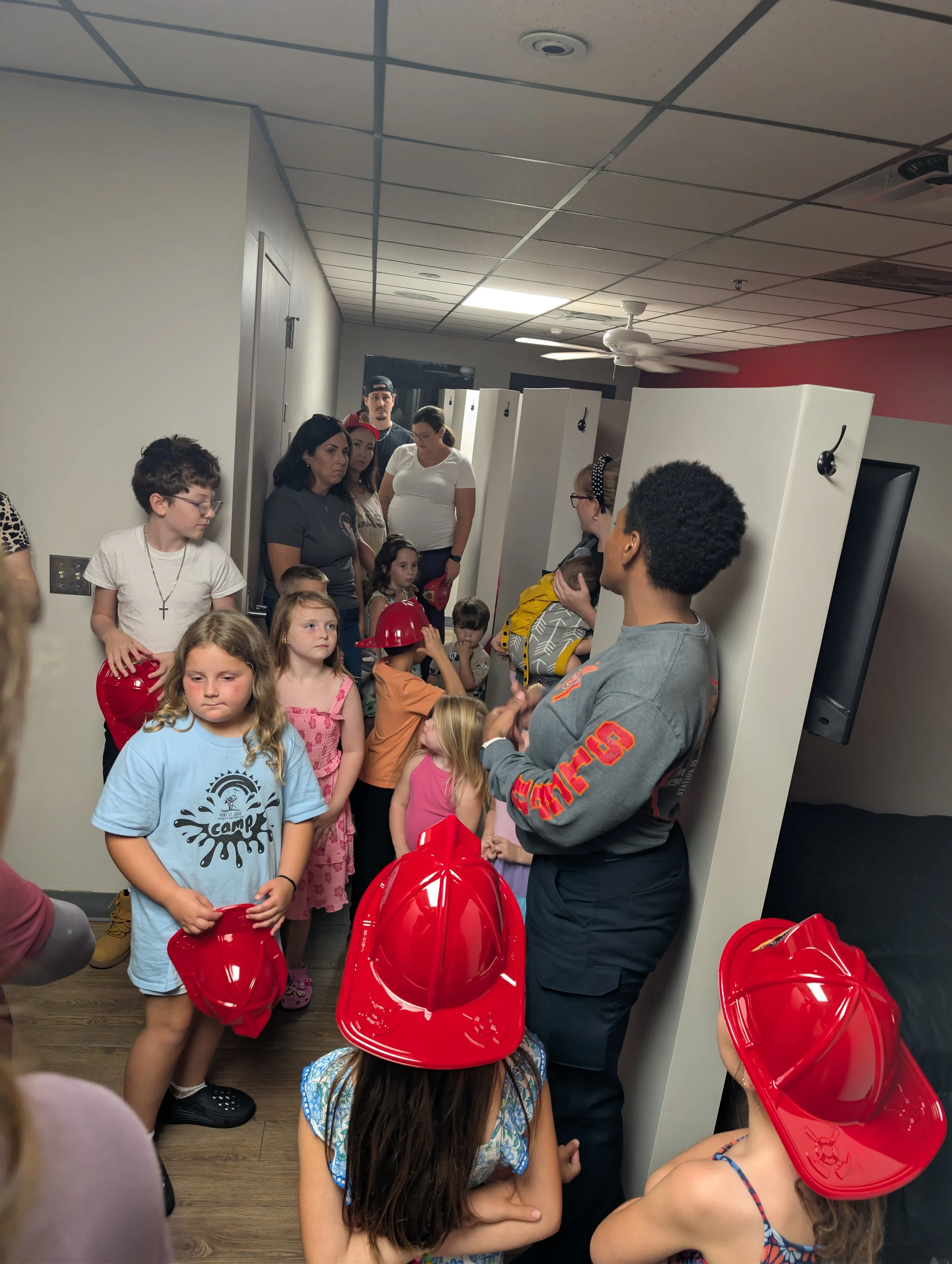
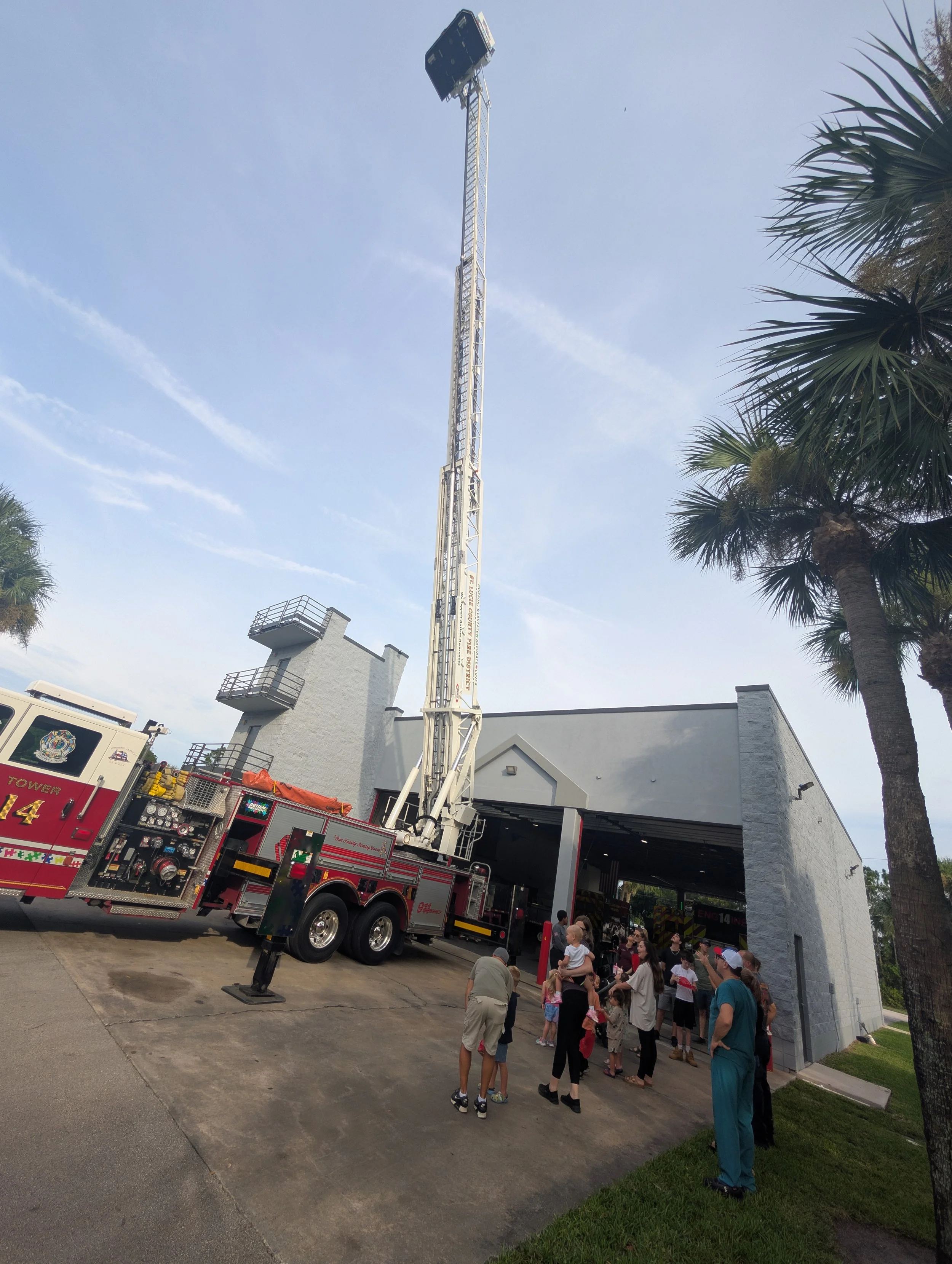
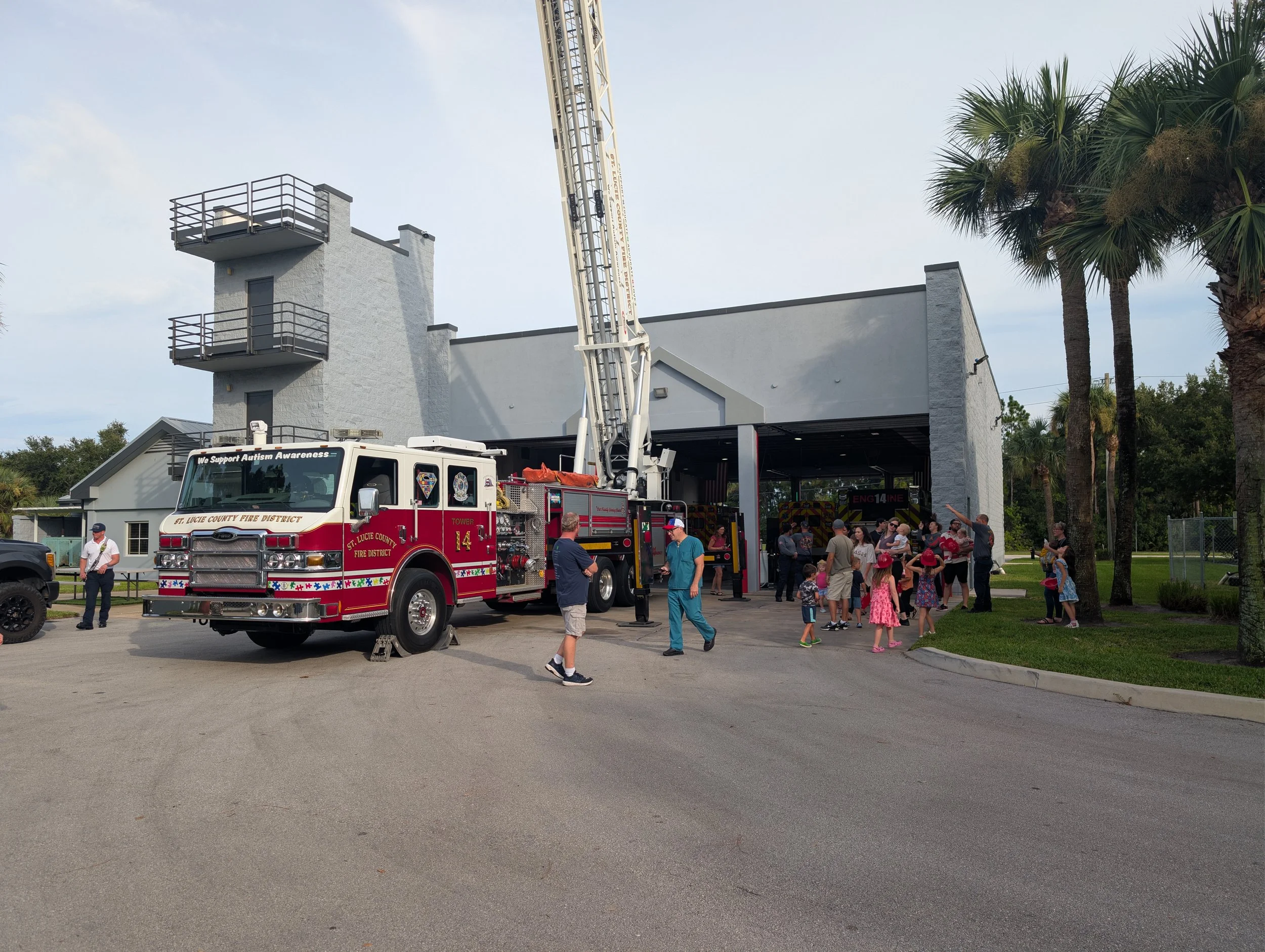
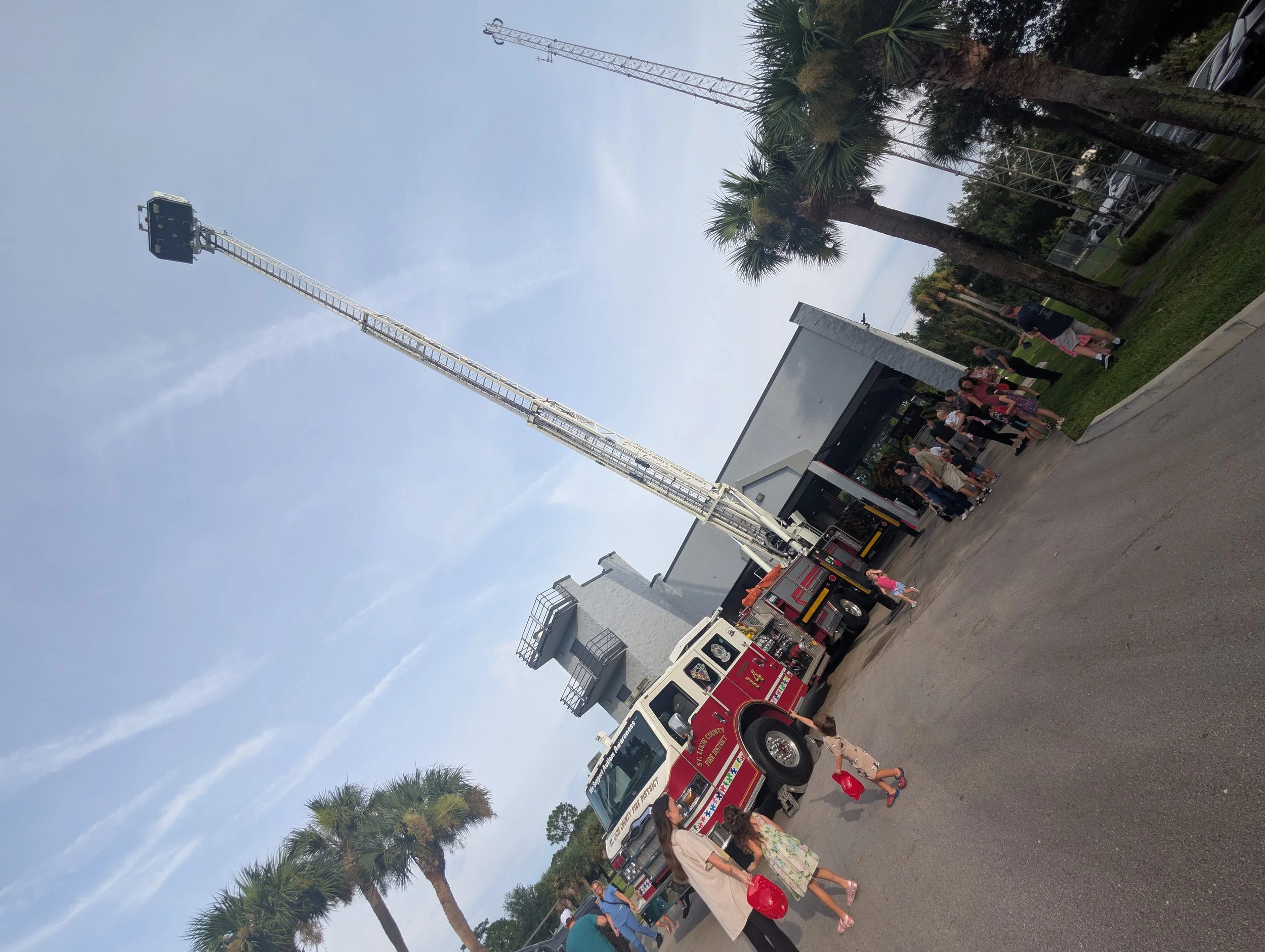
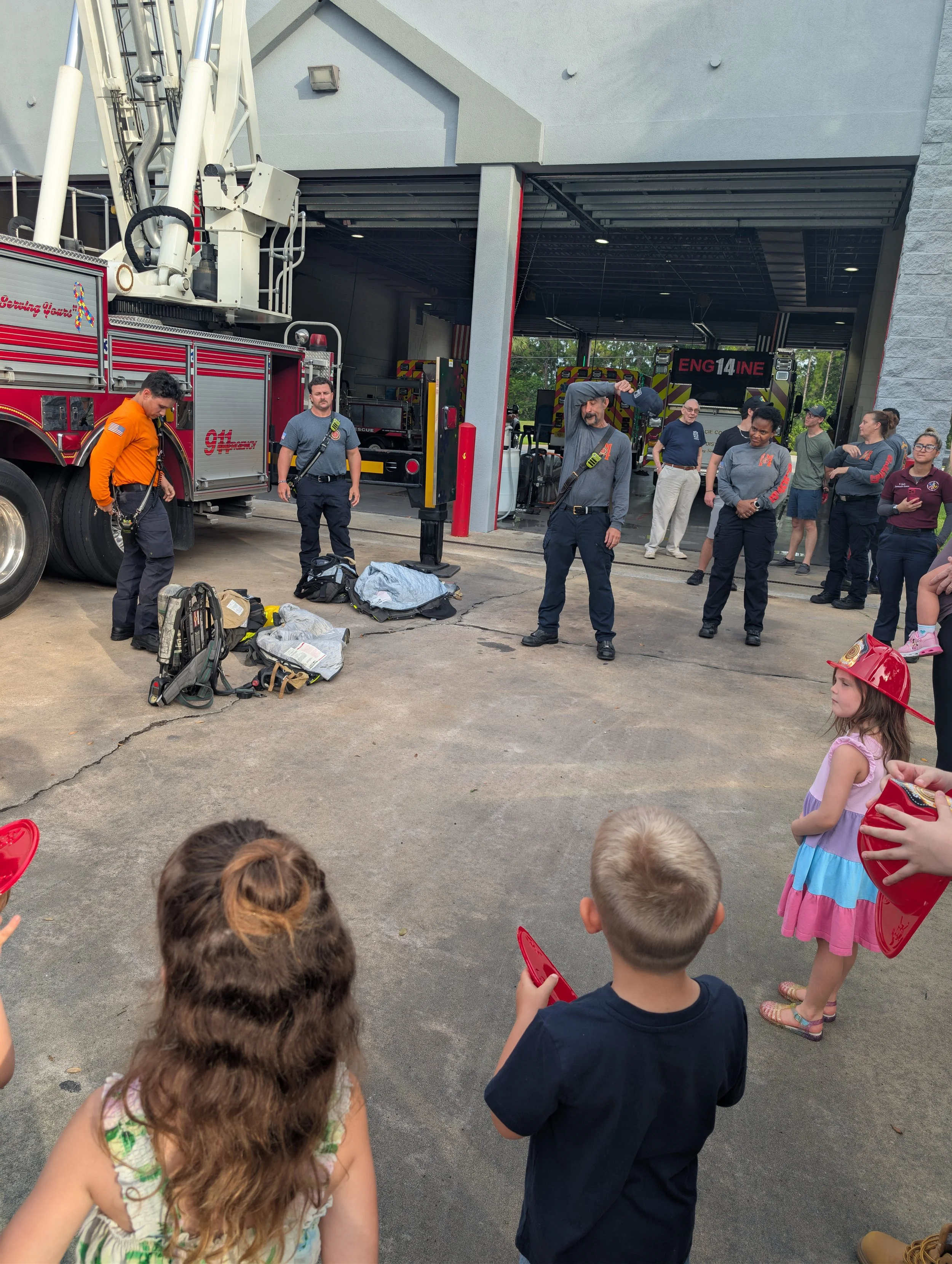
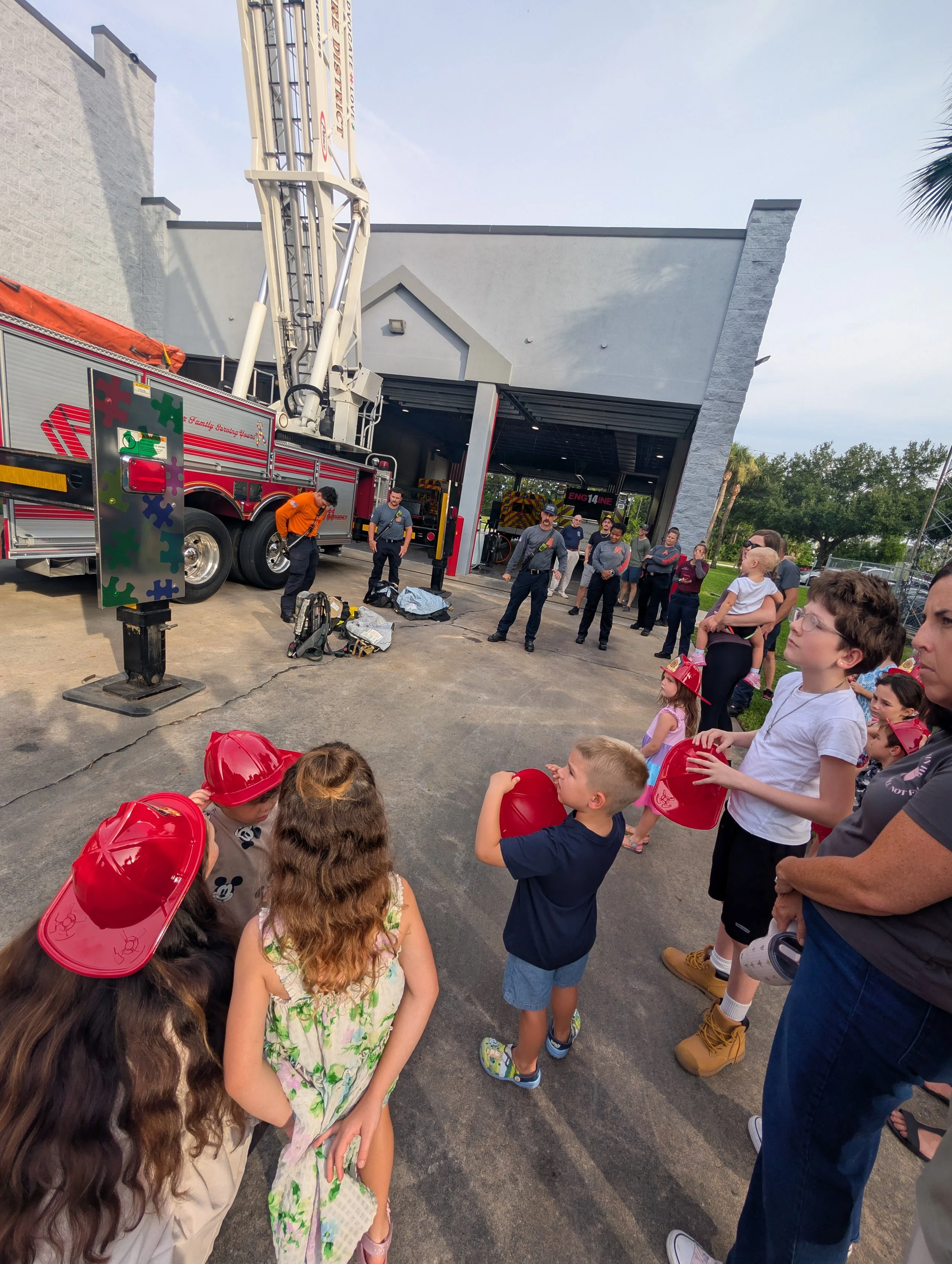
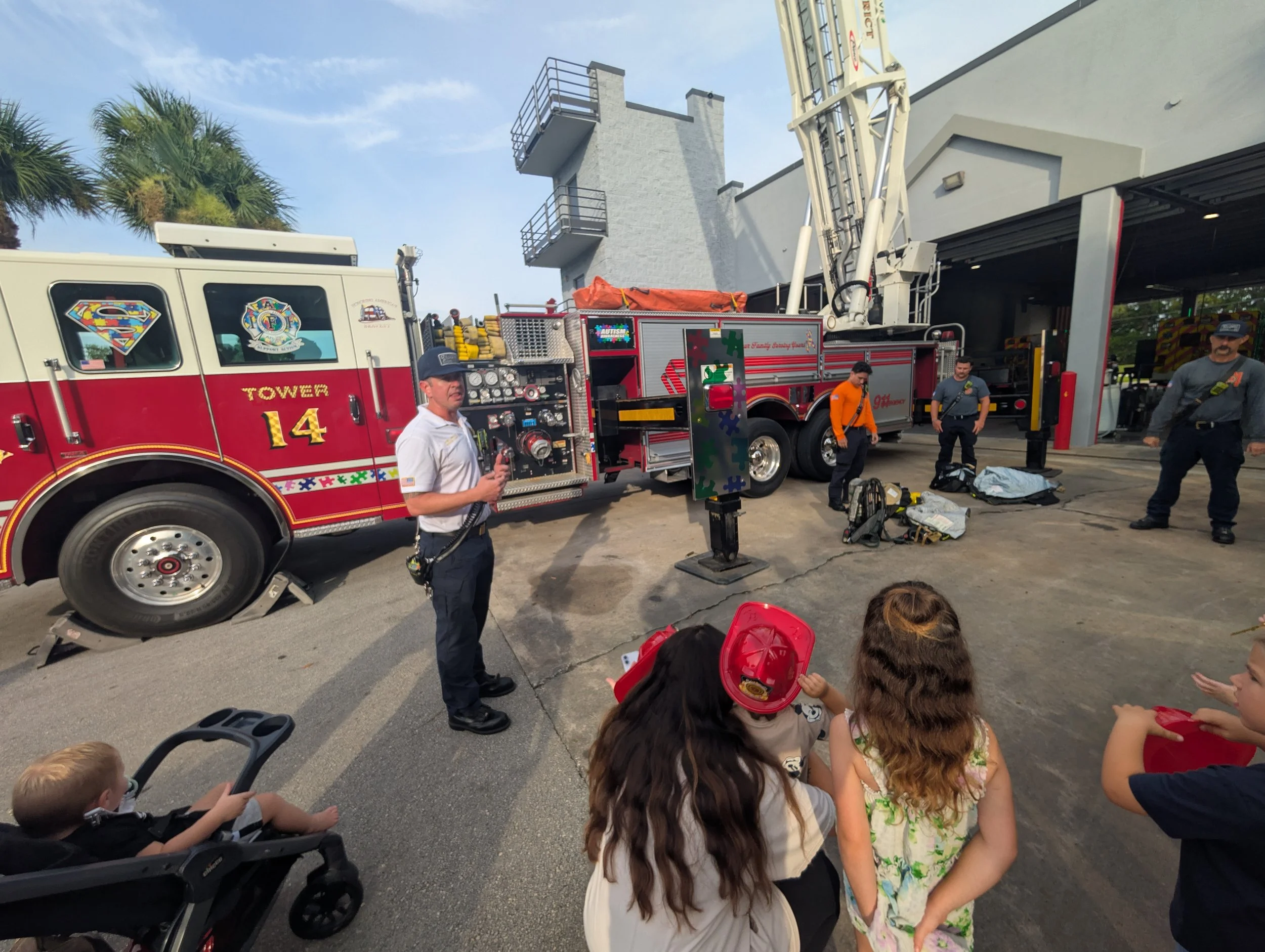
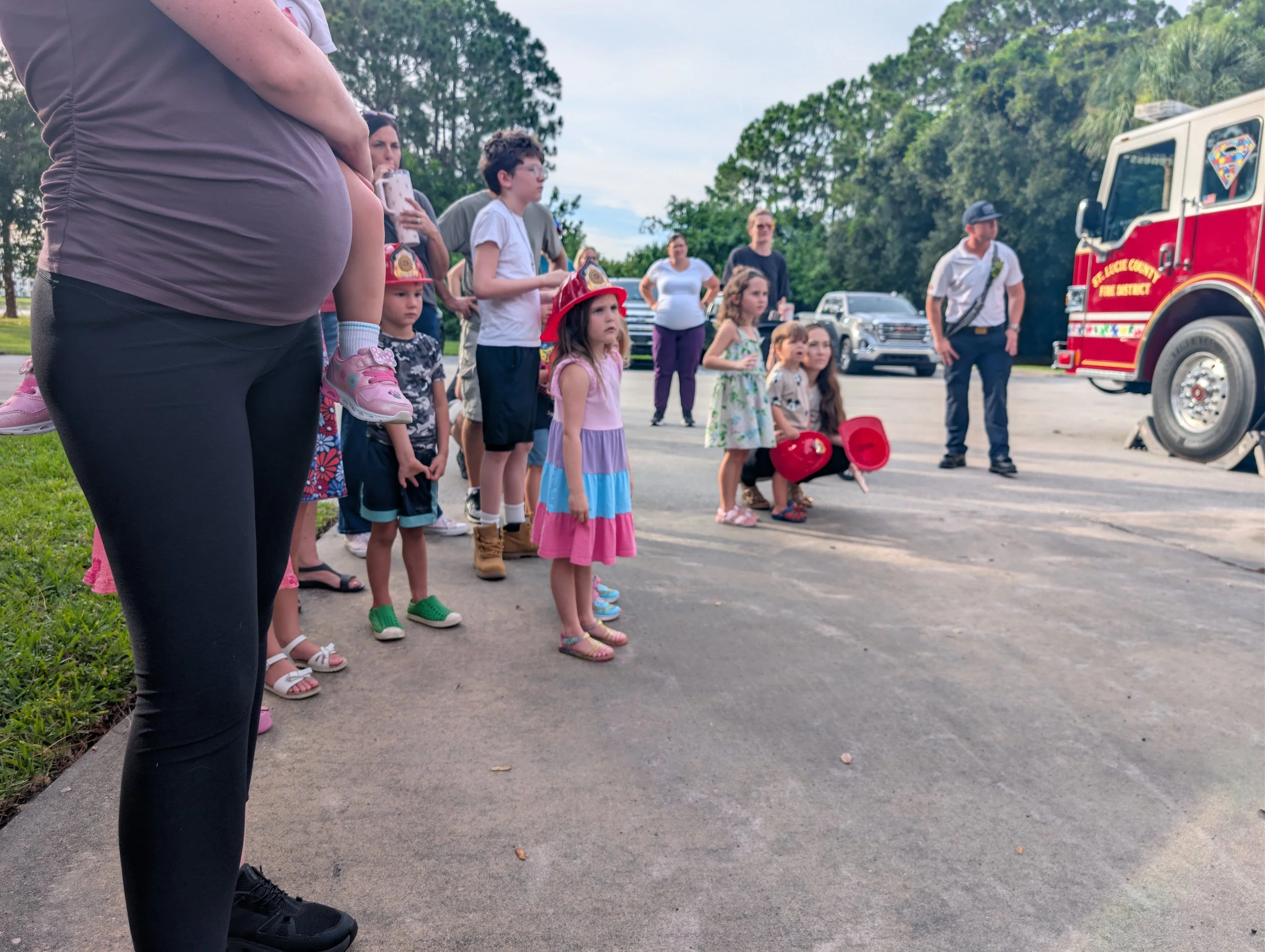
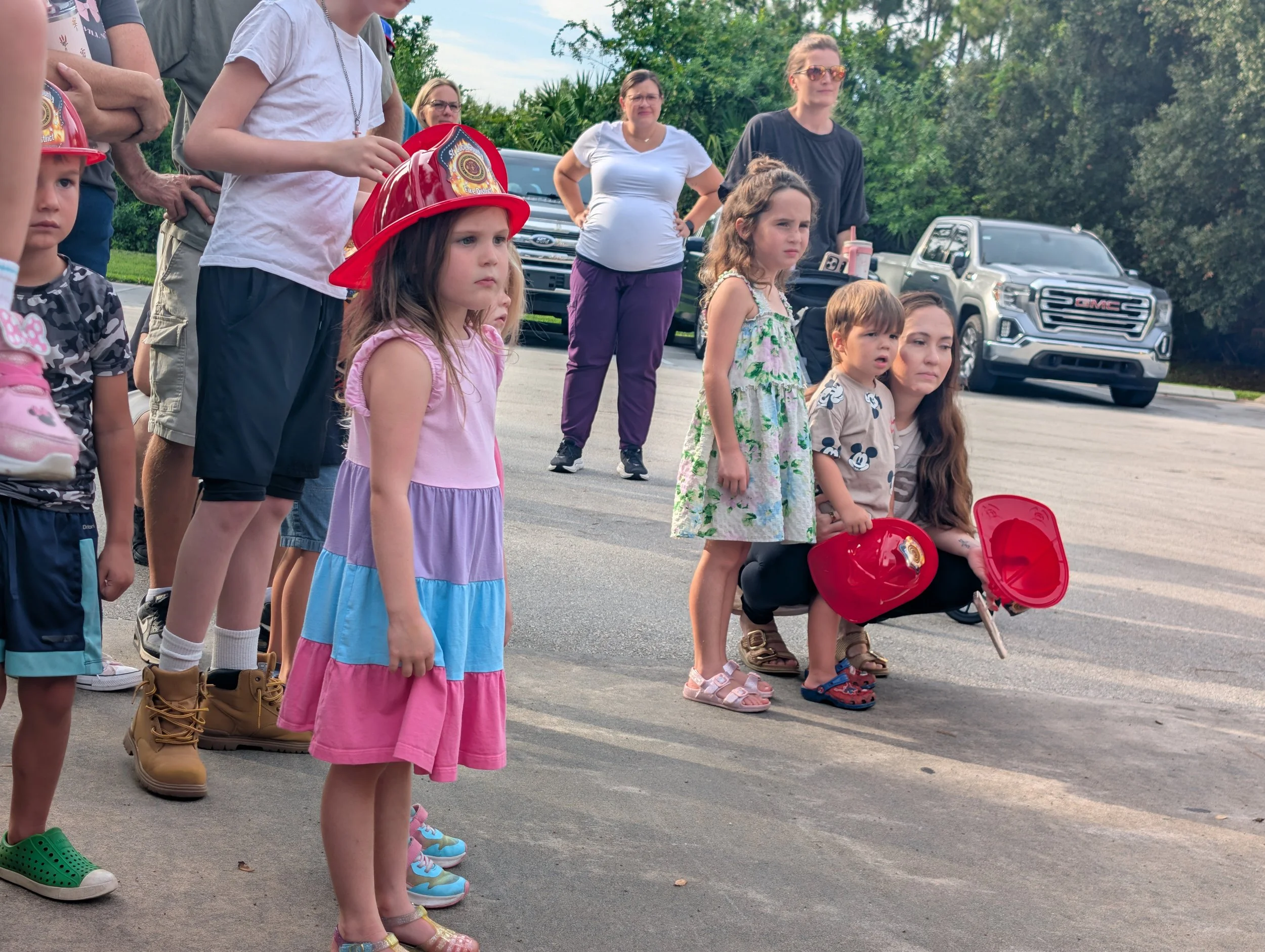
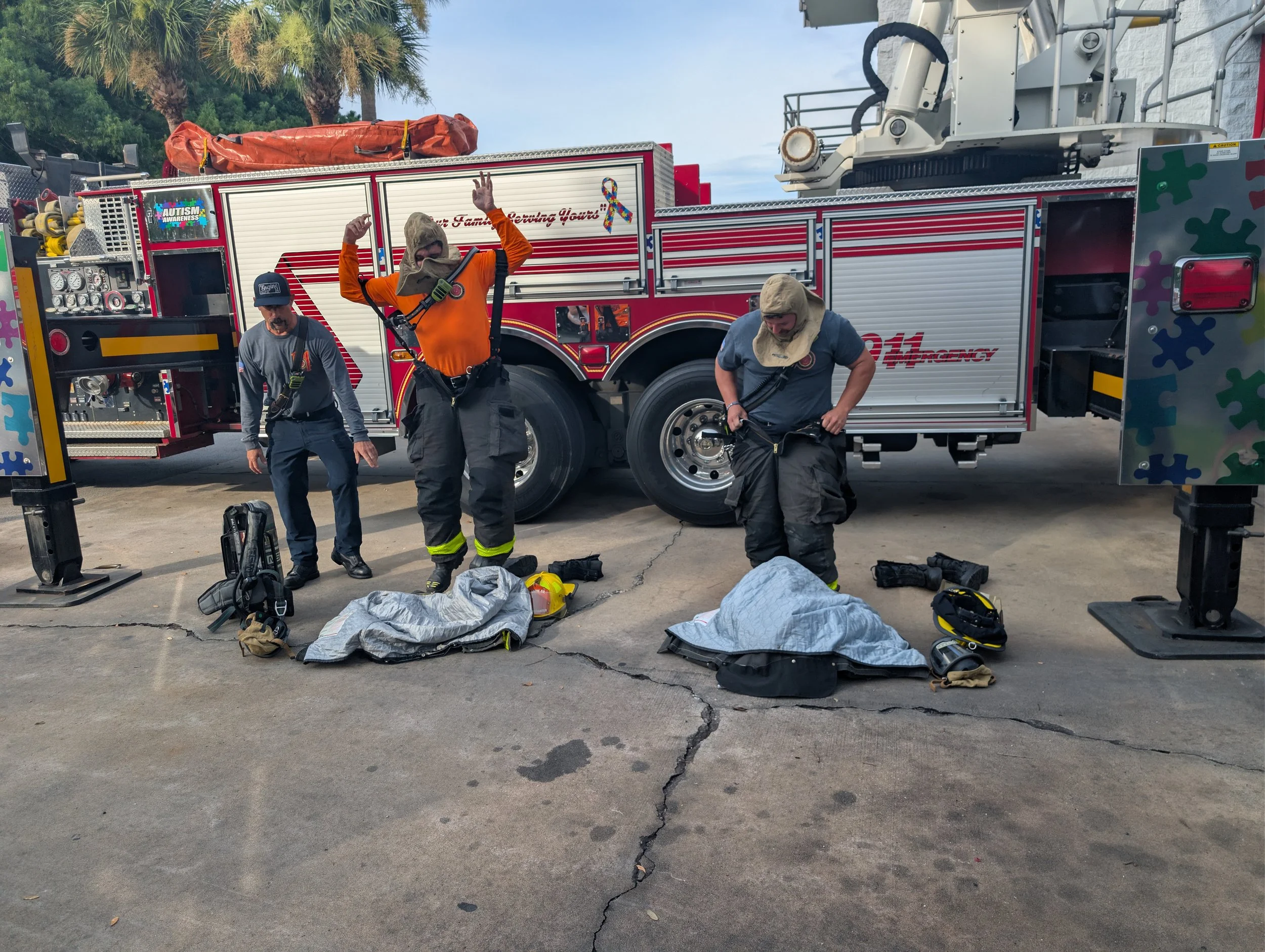
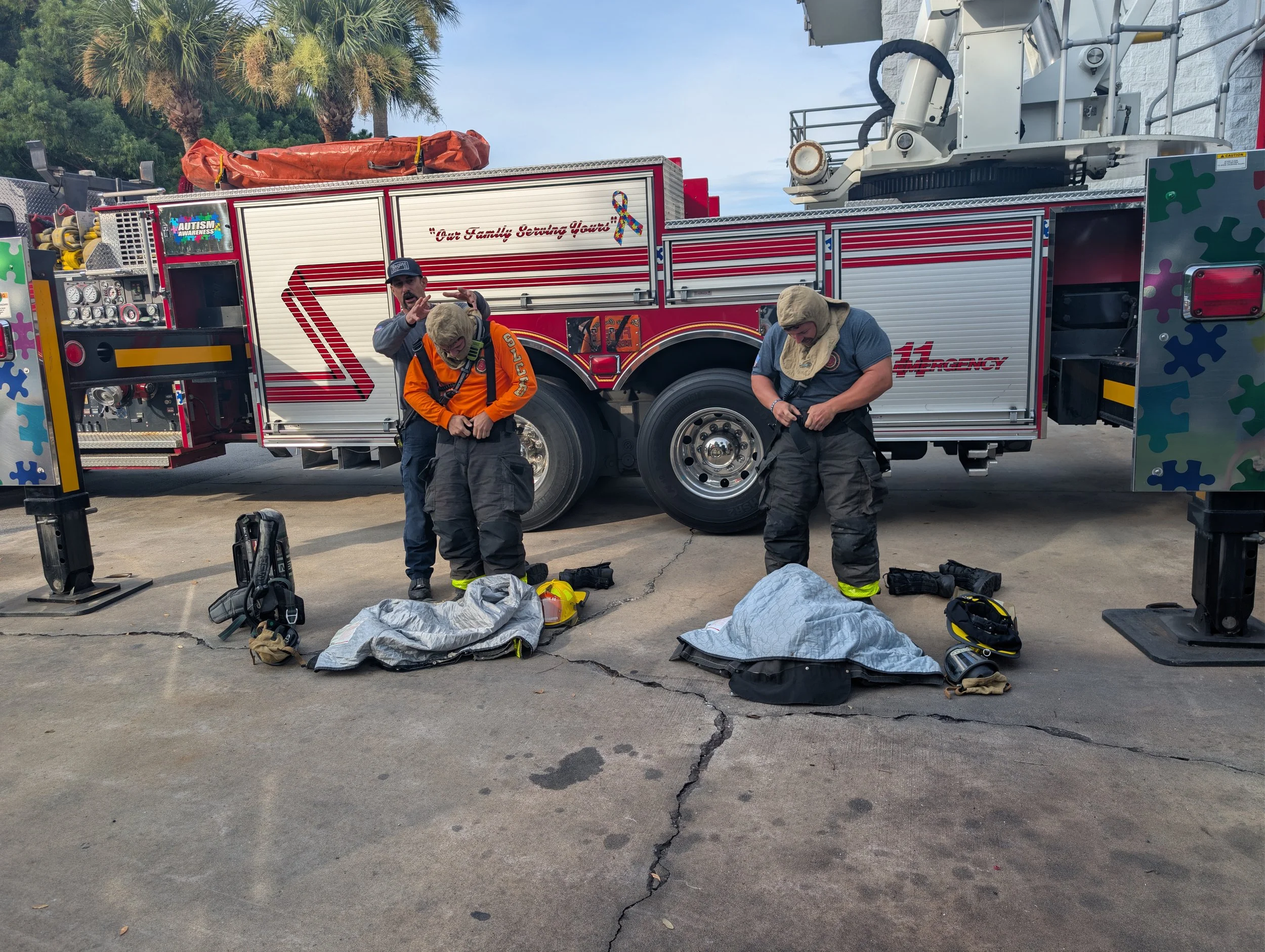
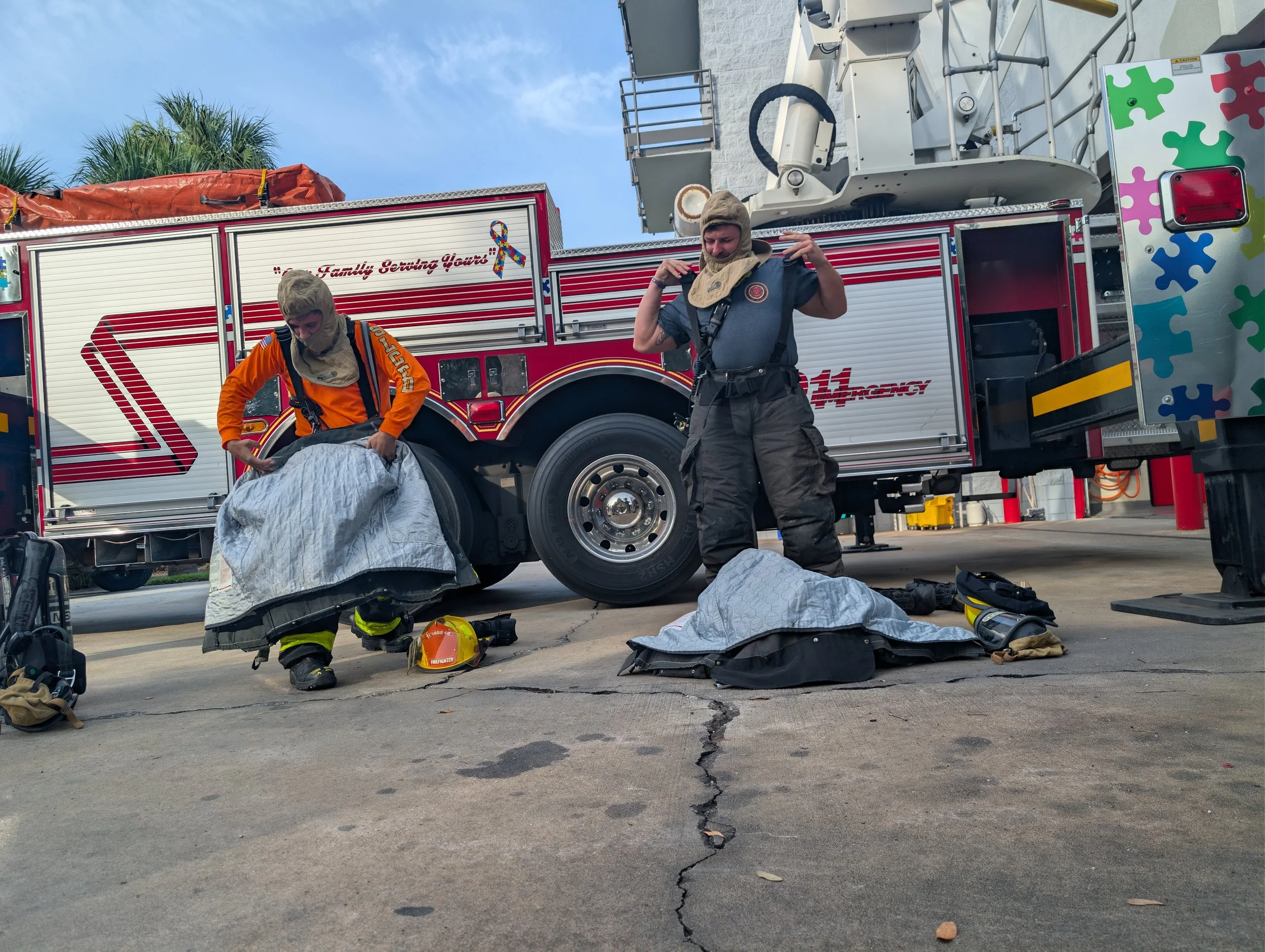
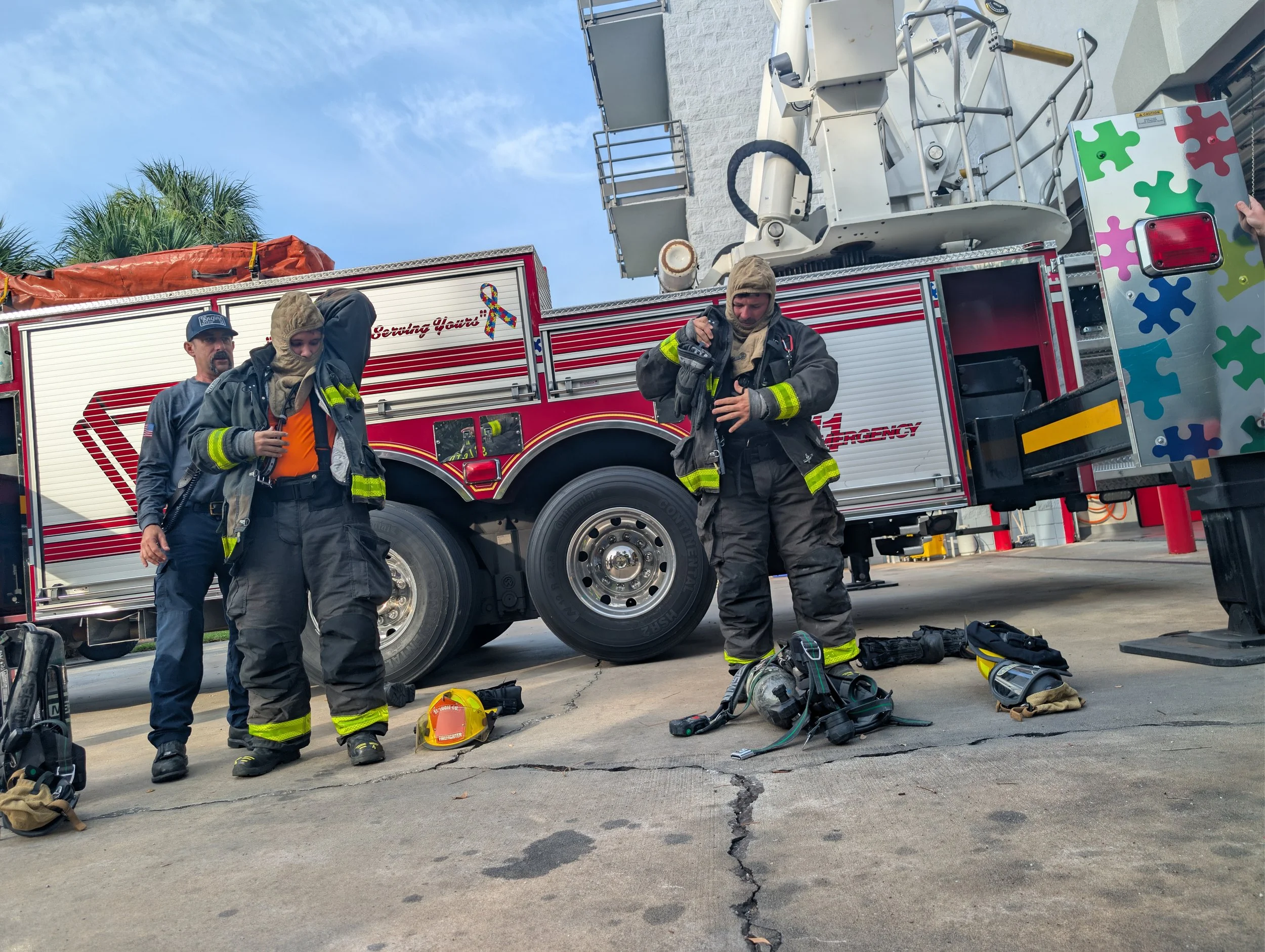
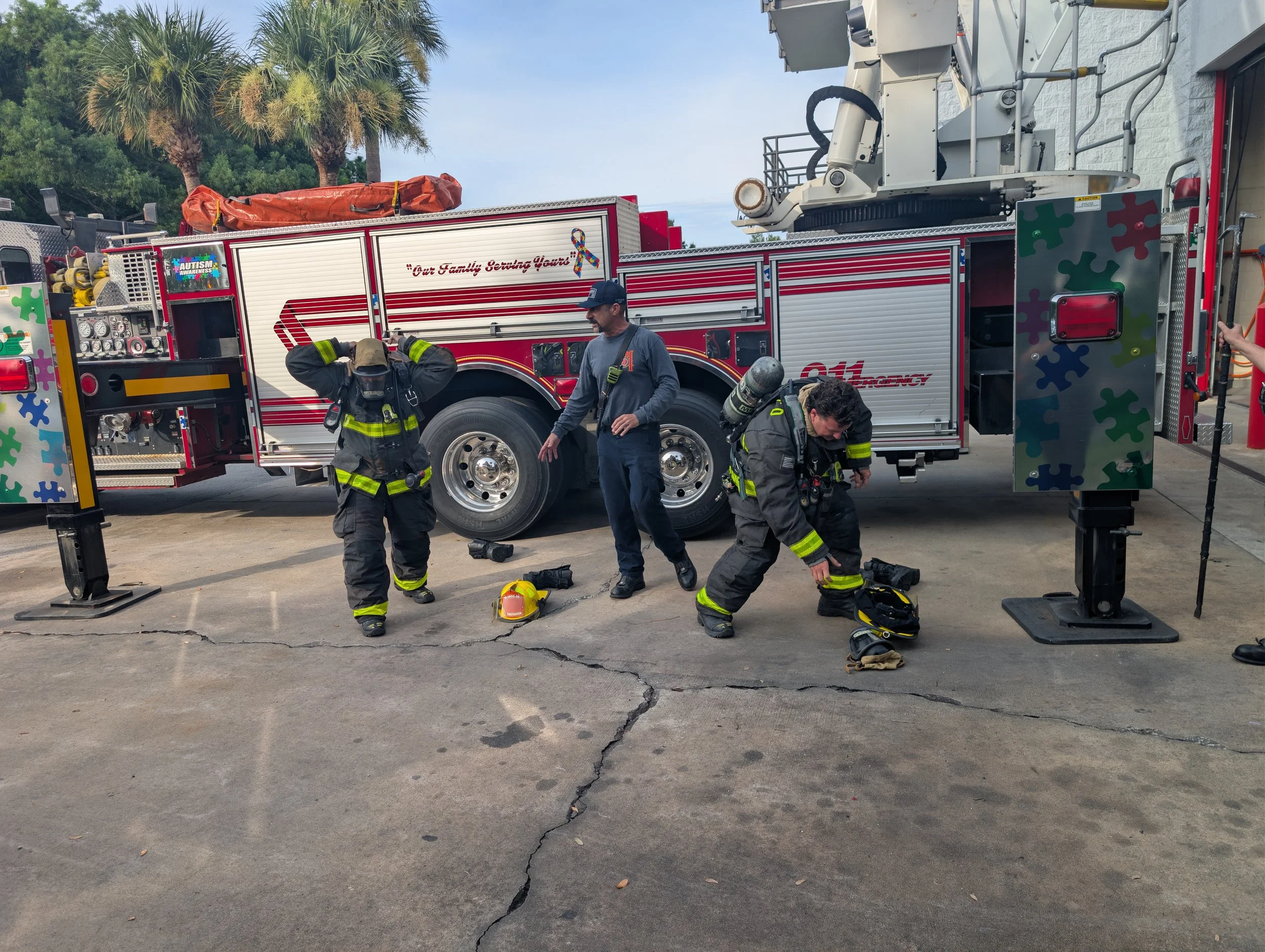
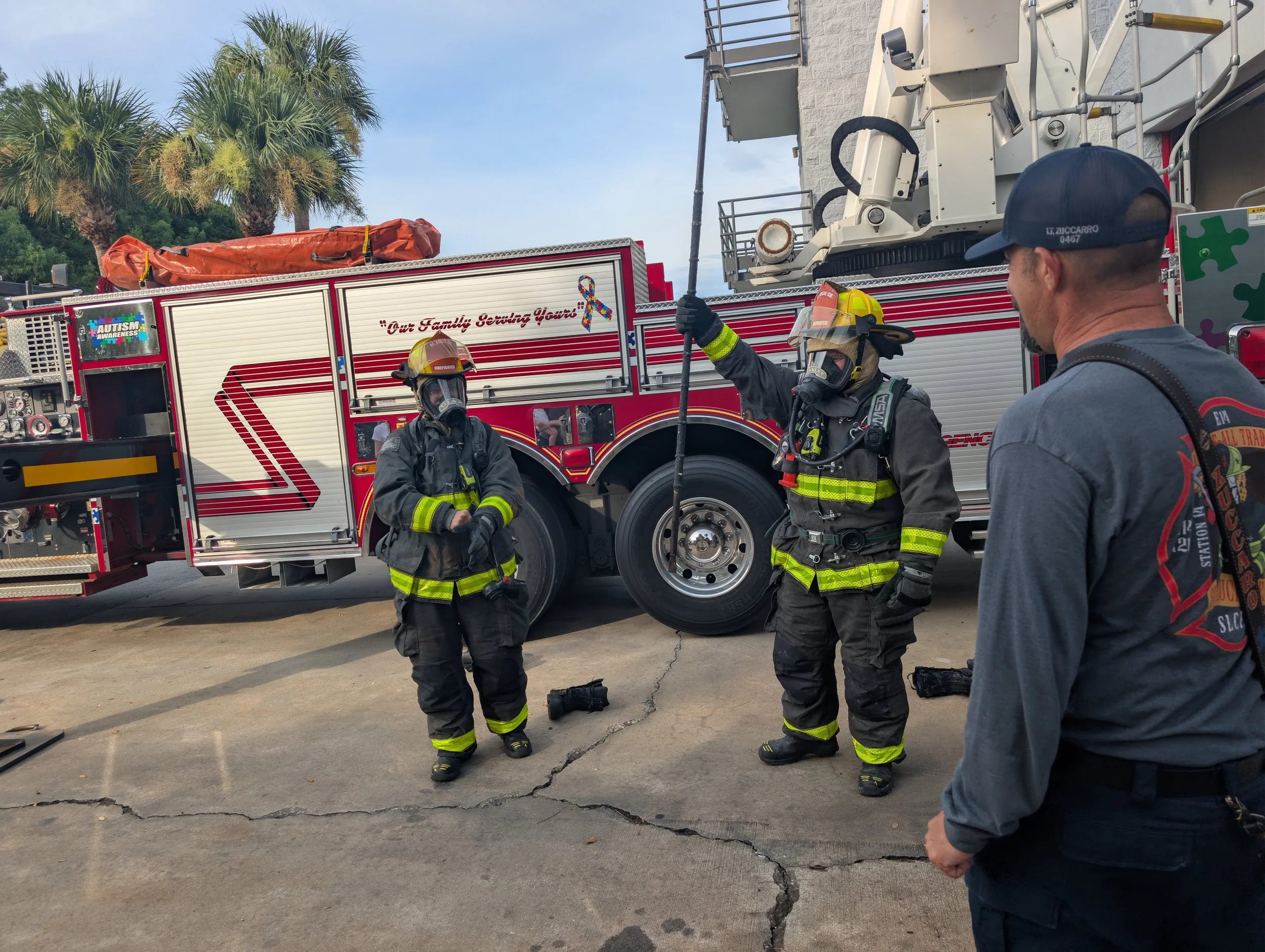
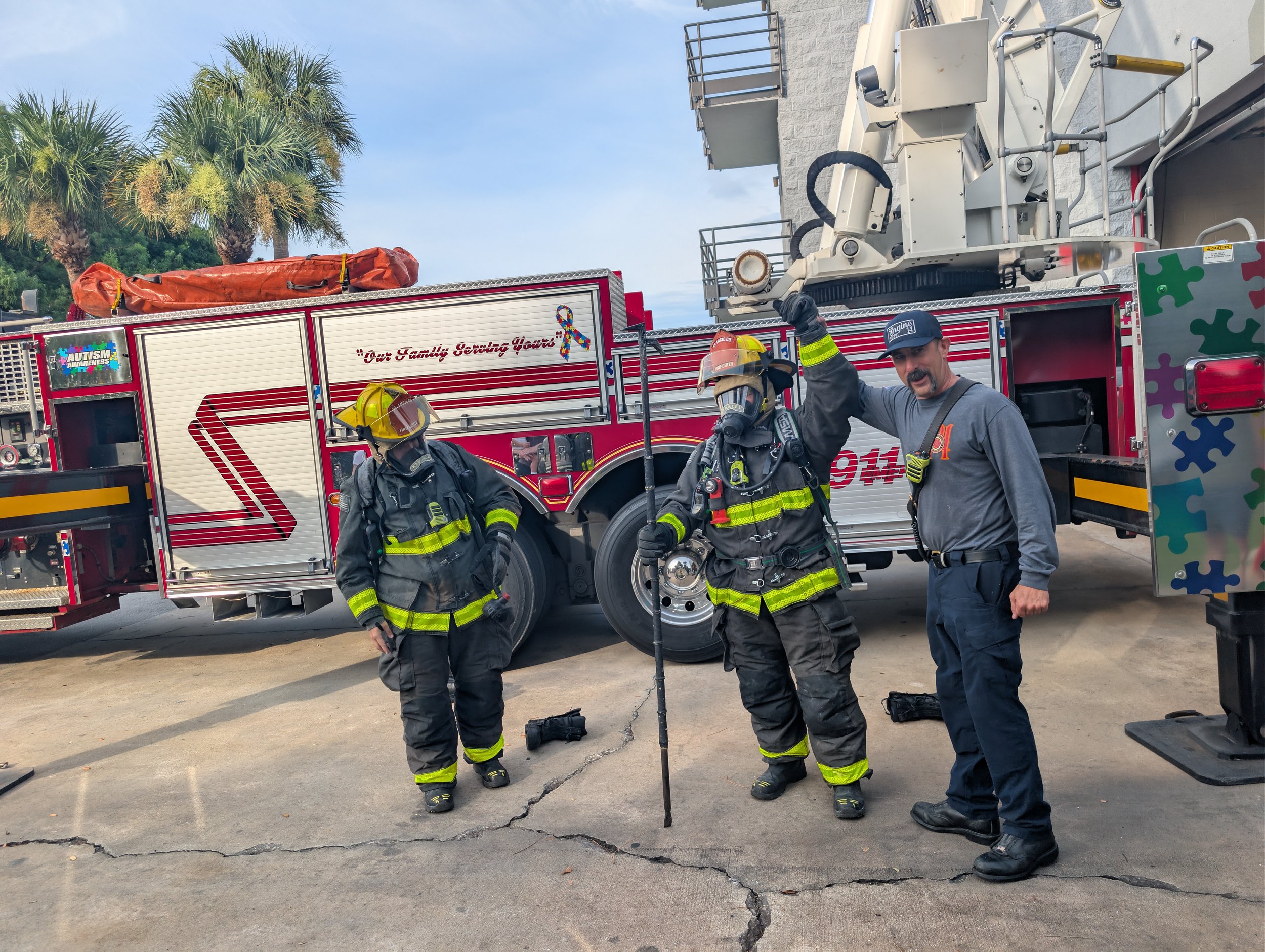
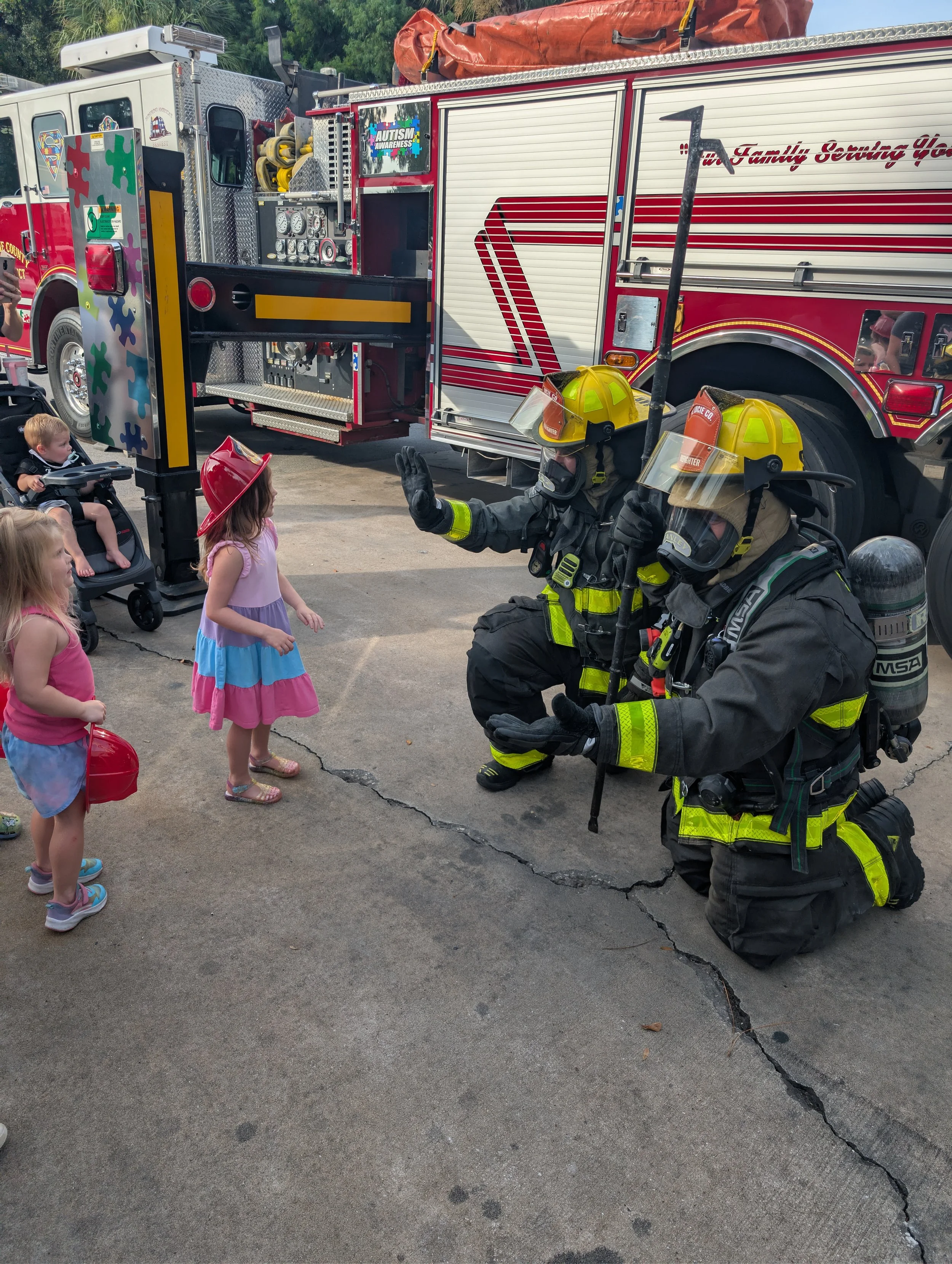
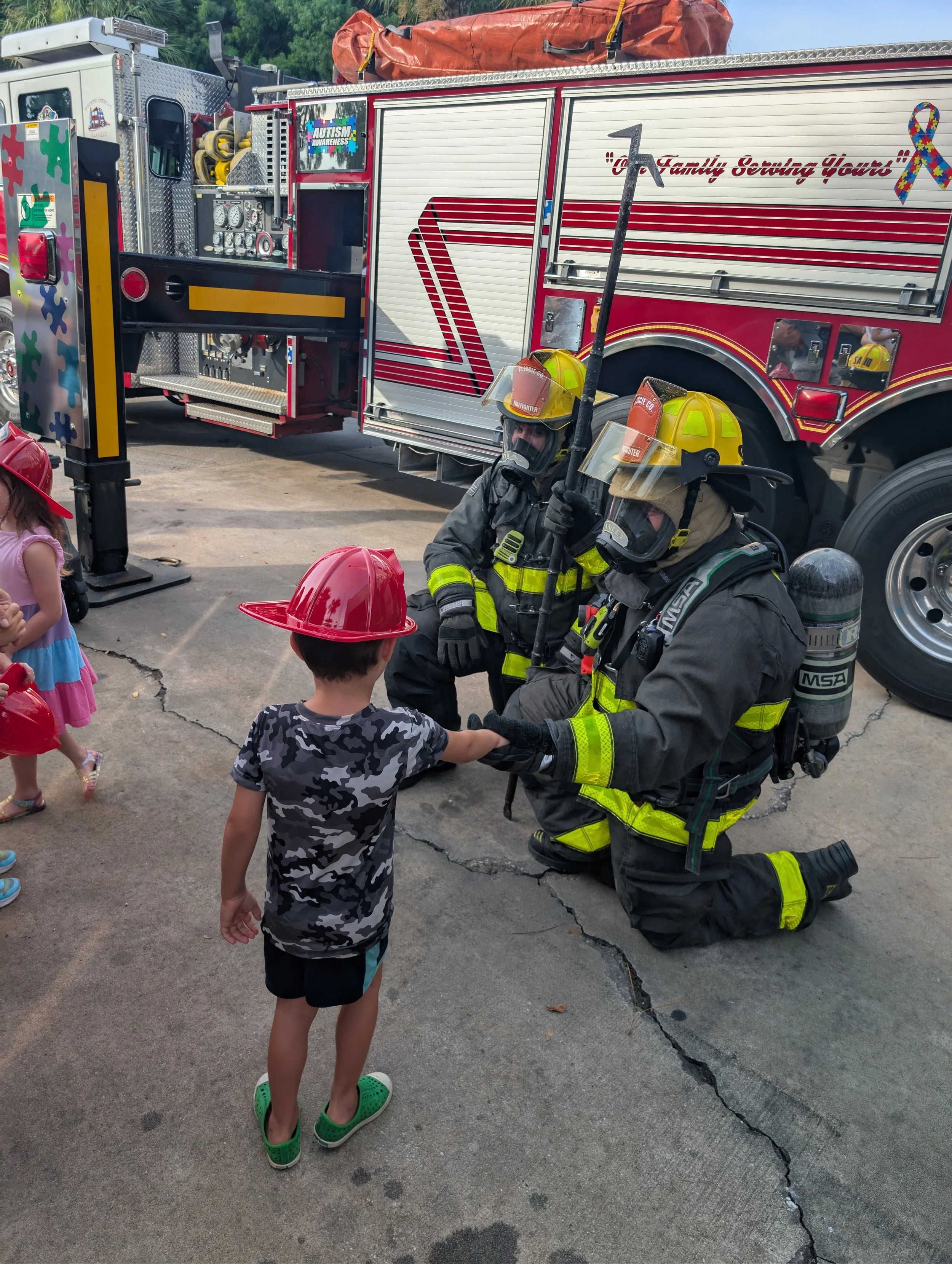
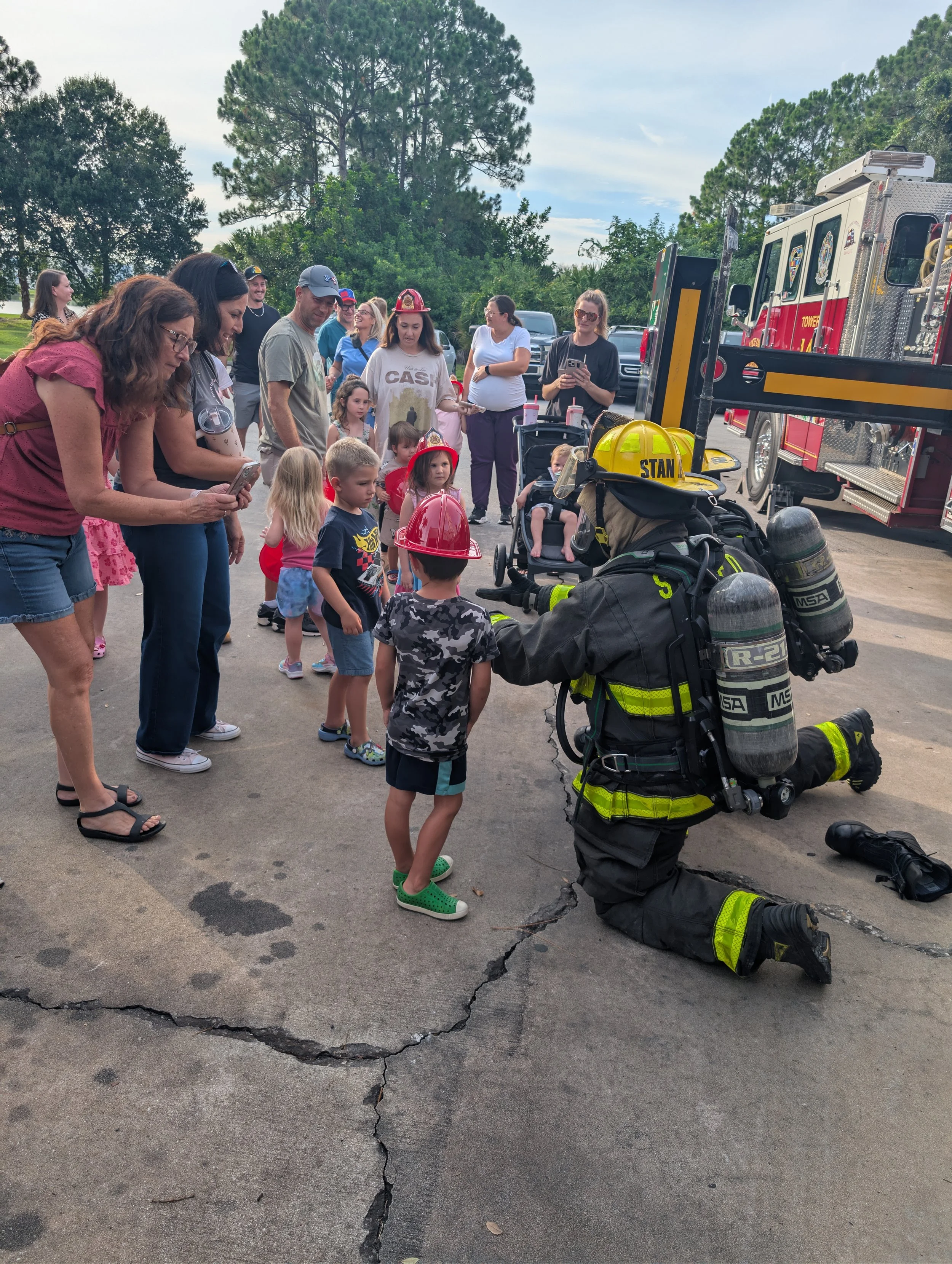
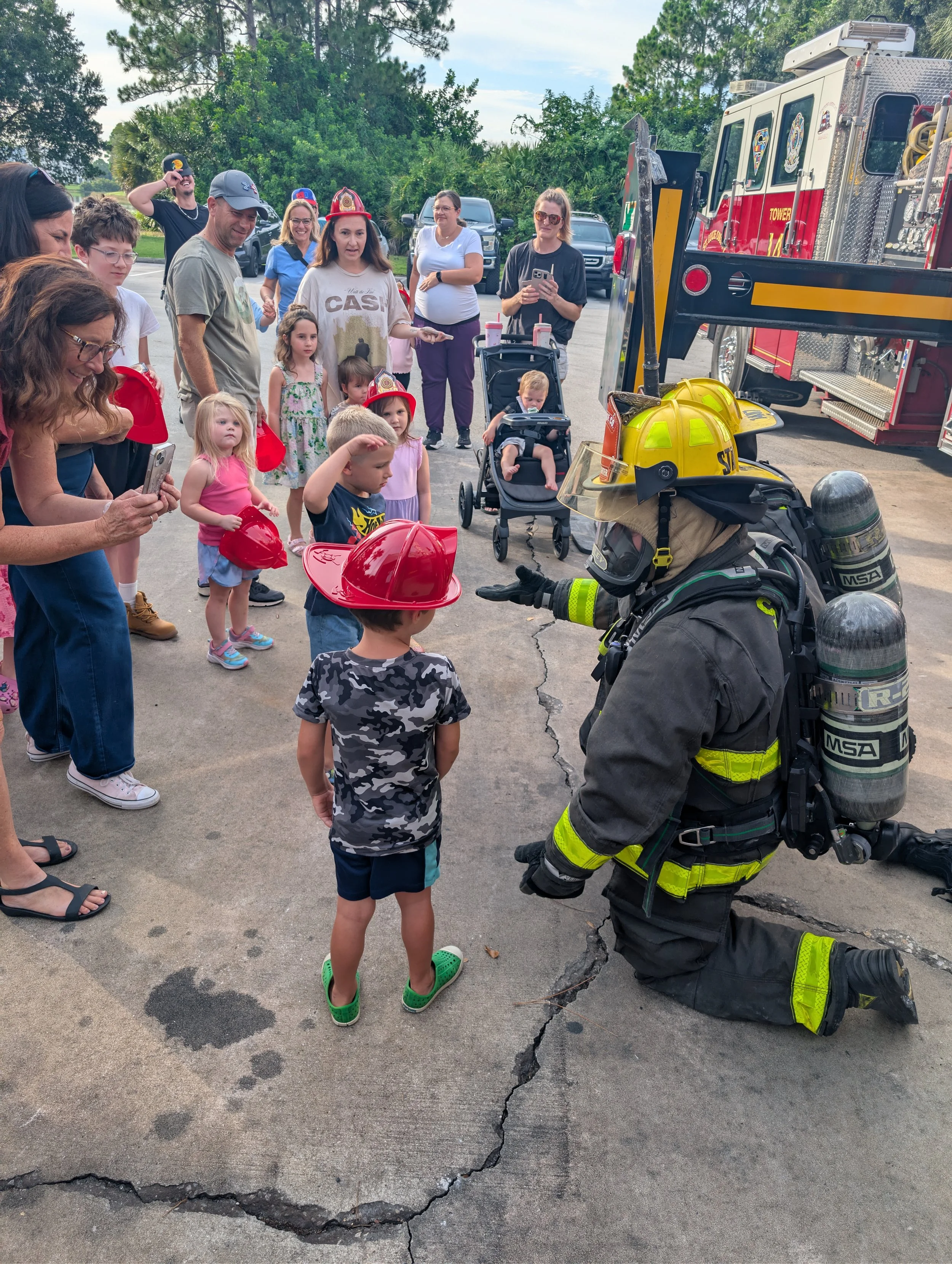
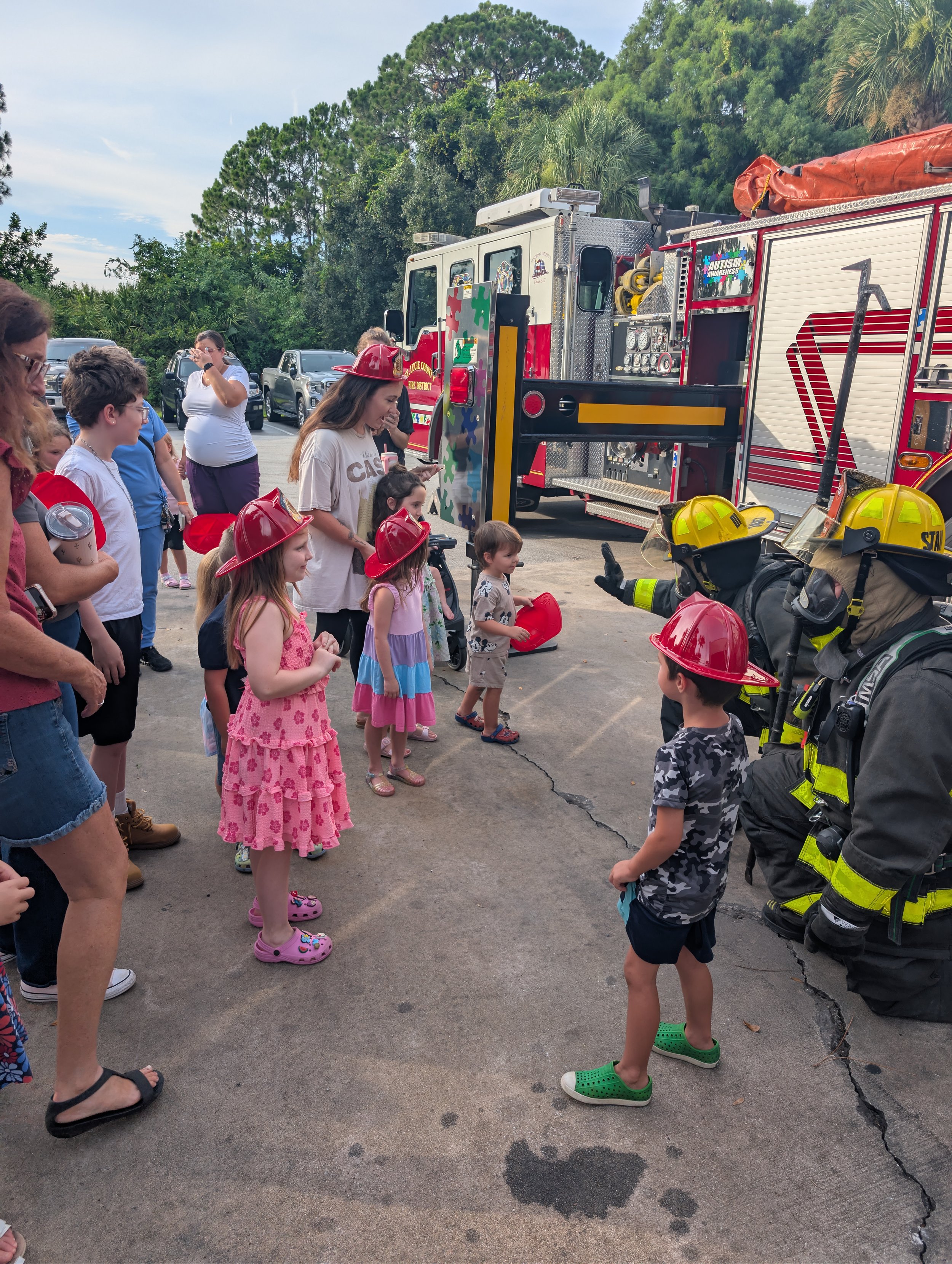
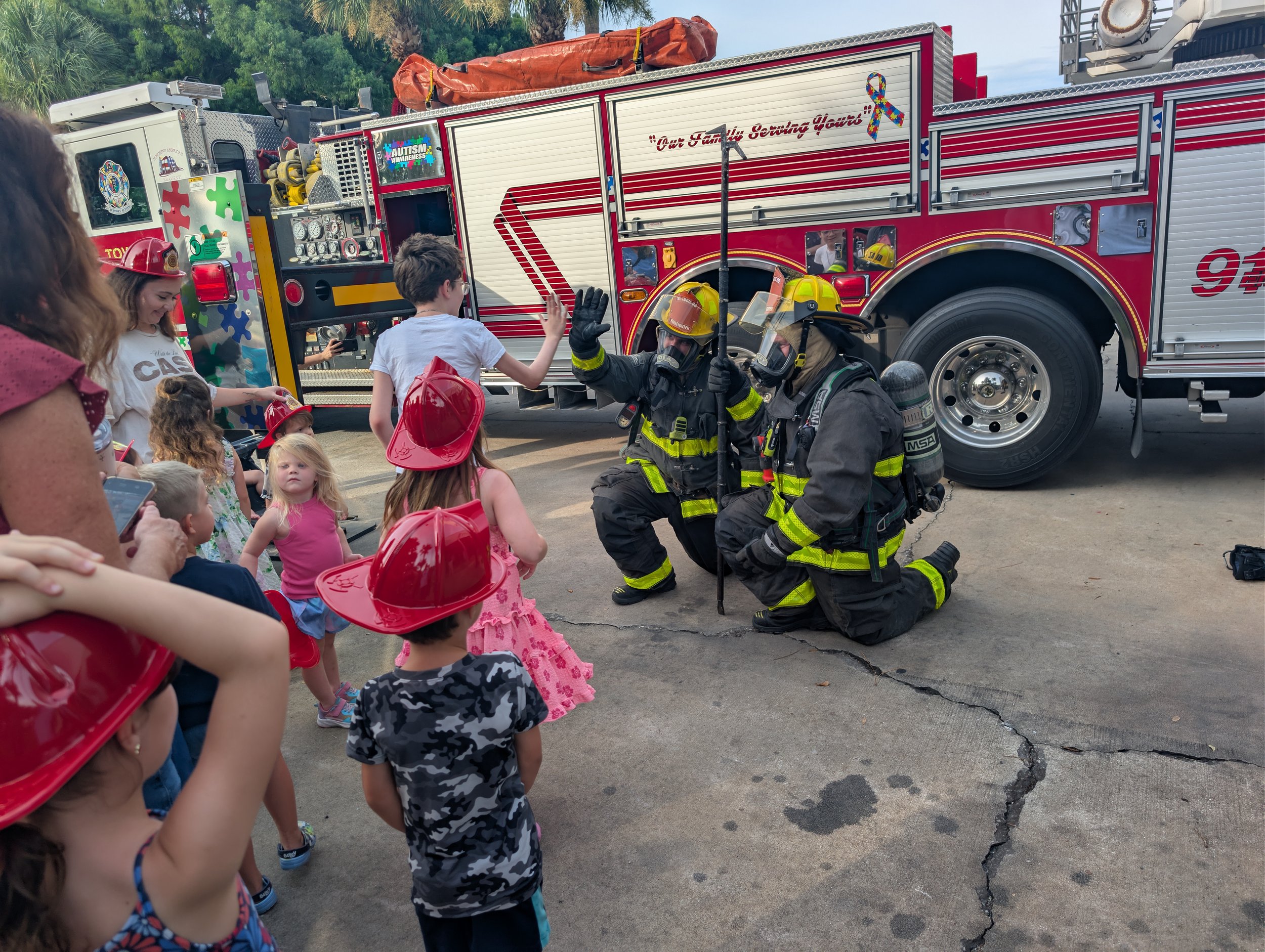
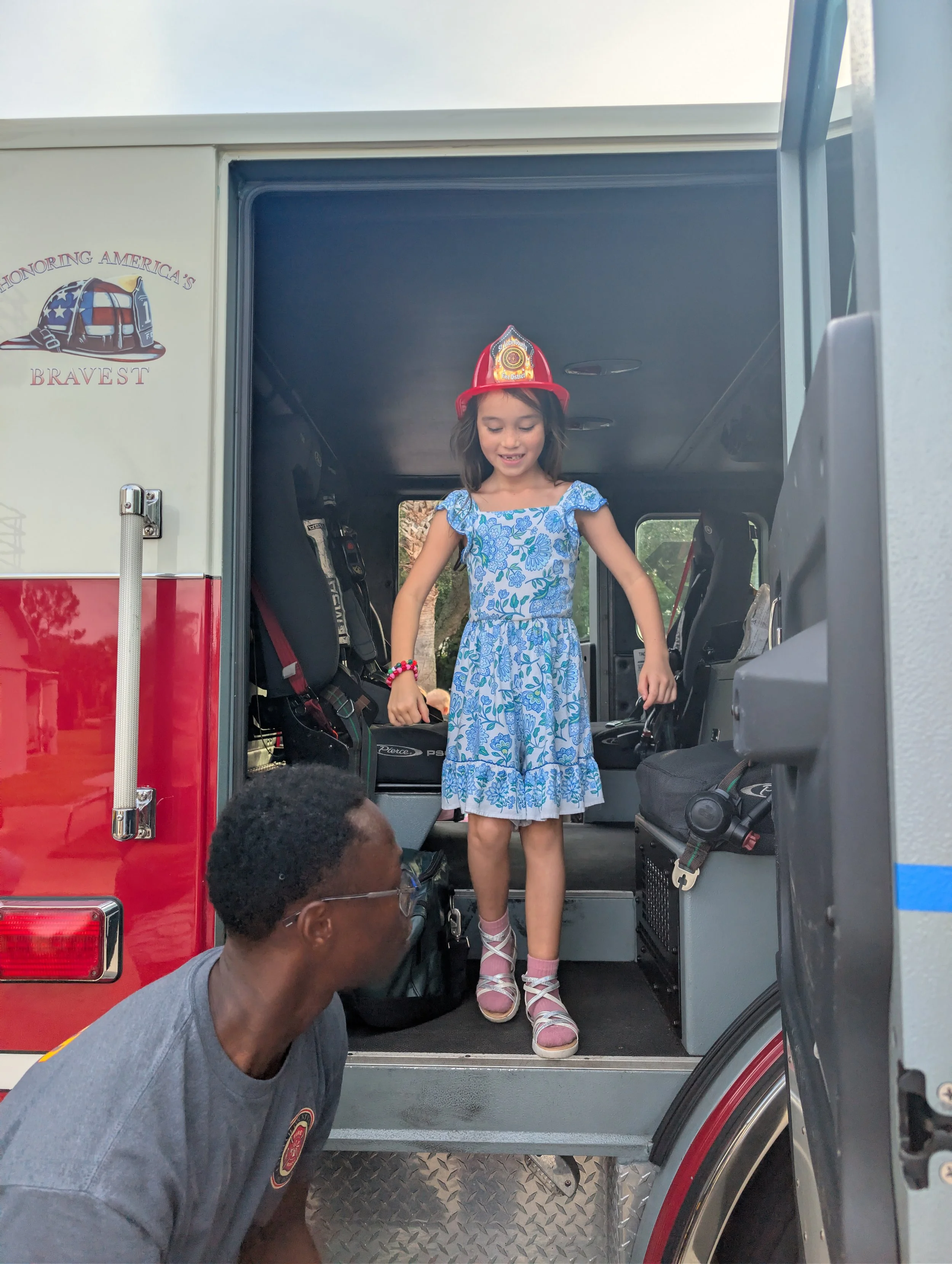
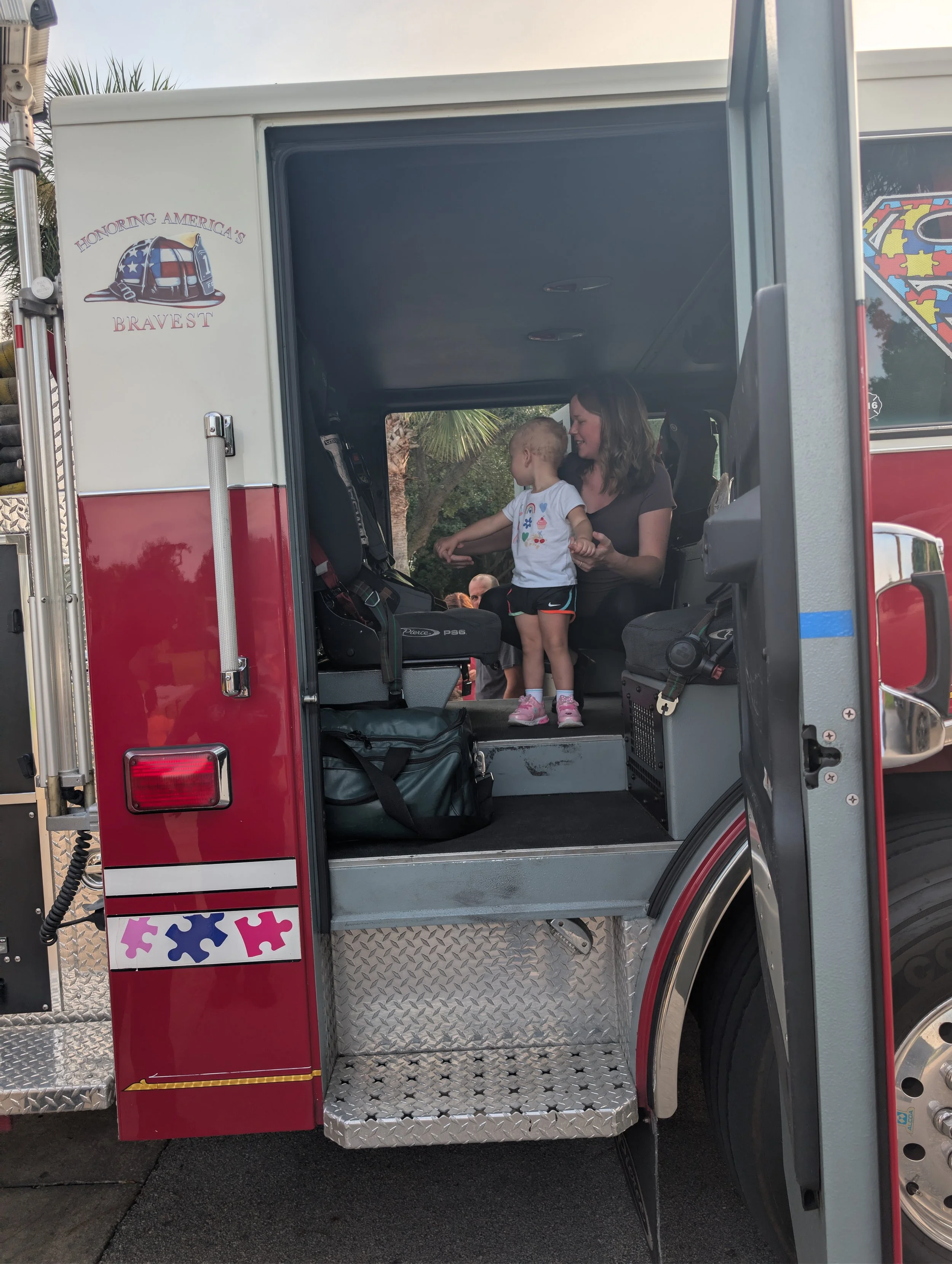
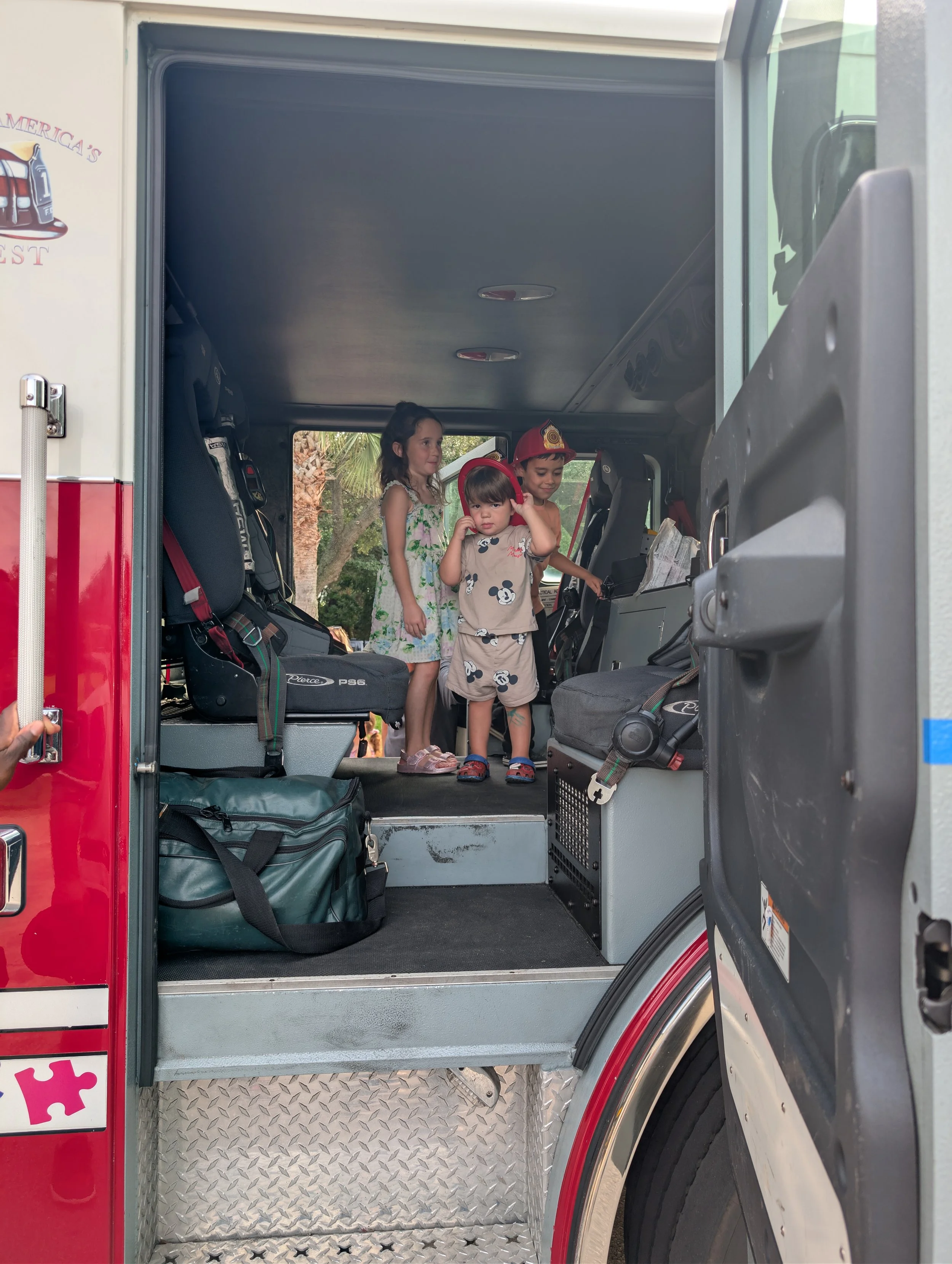
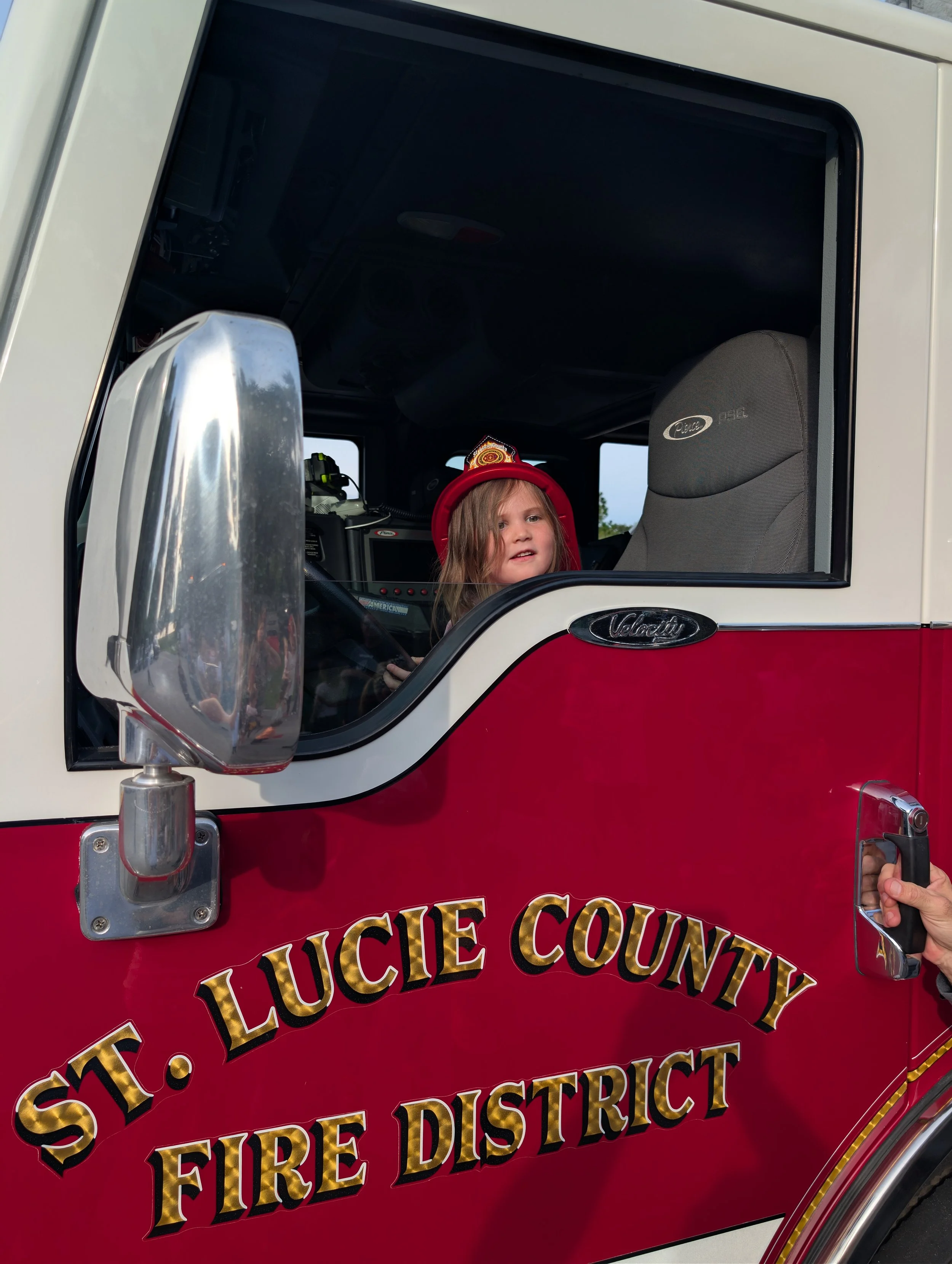
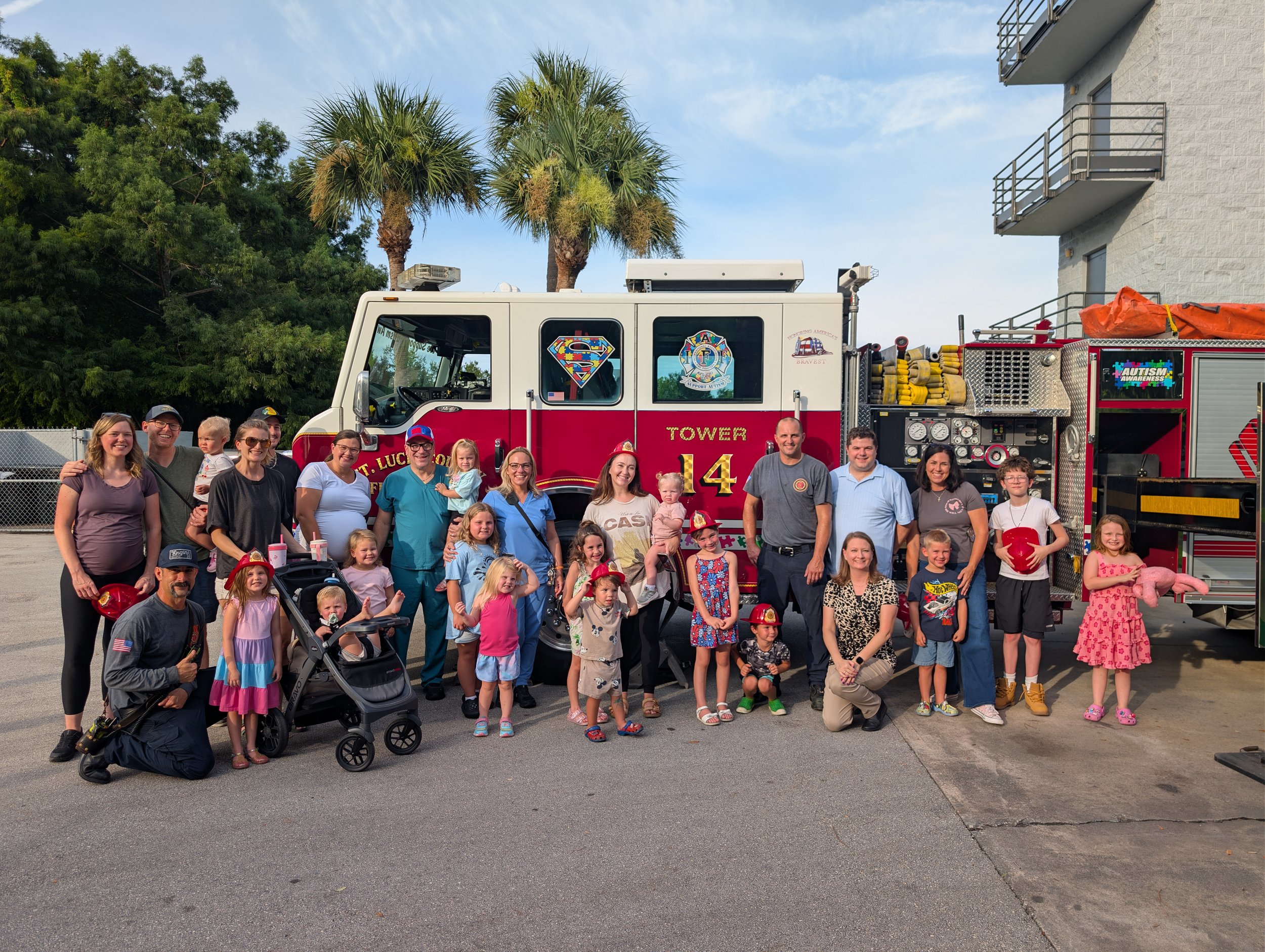
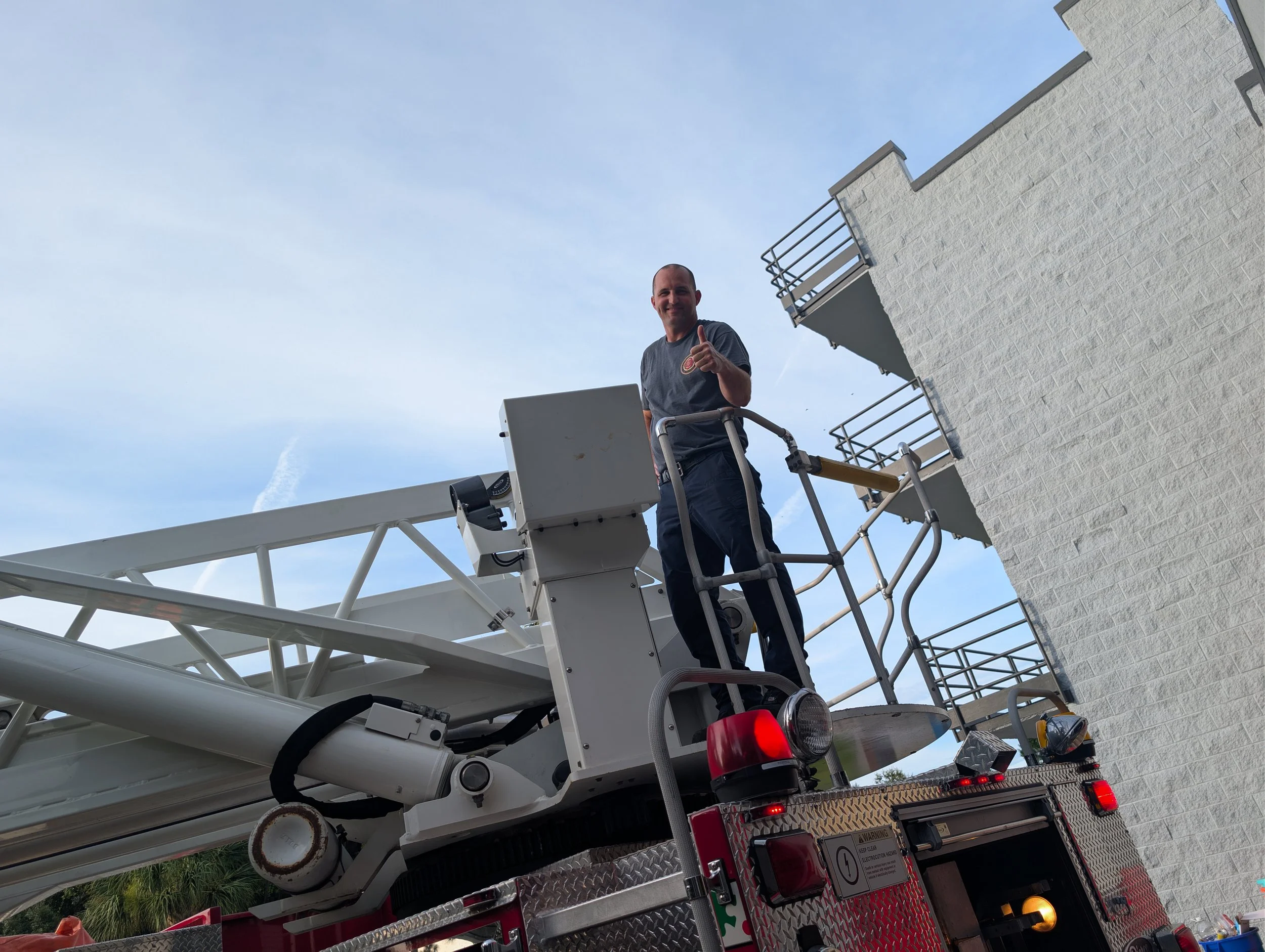
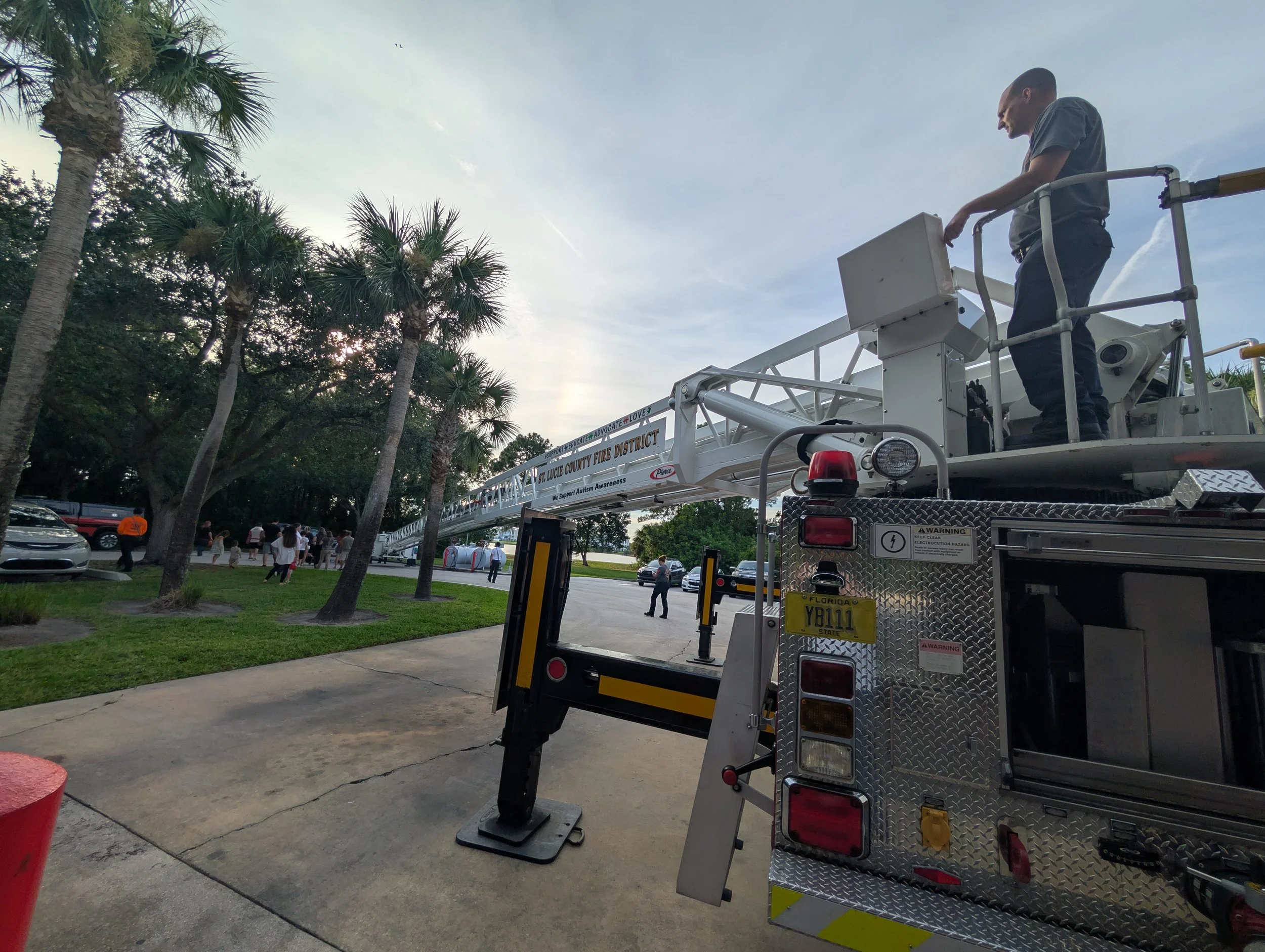
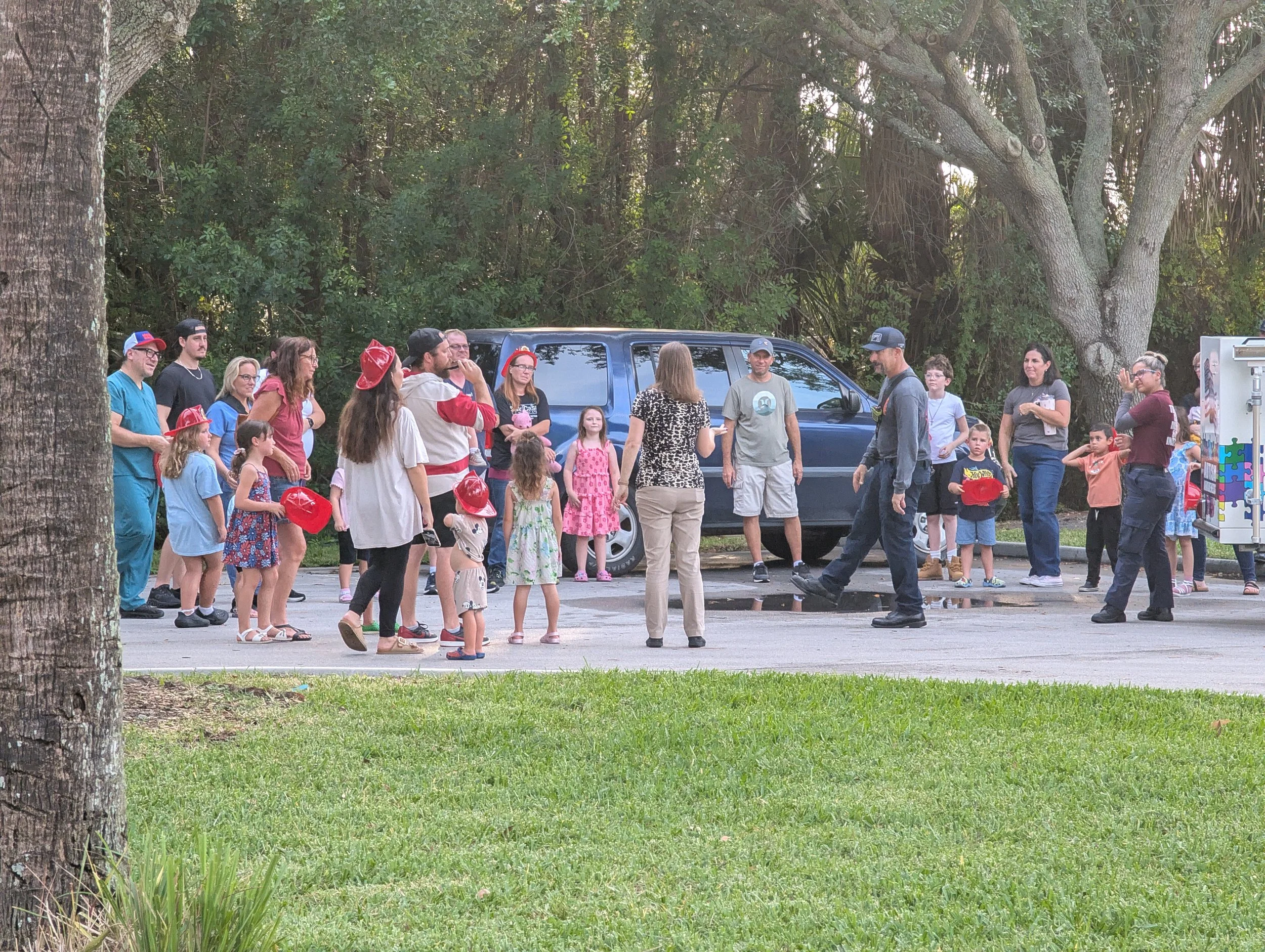
On Thursday, July 30th, the families at Grace had a great time meeting up at the St. Lucie West fire station.
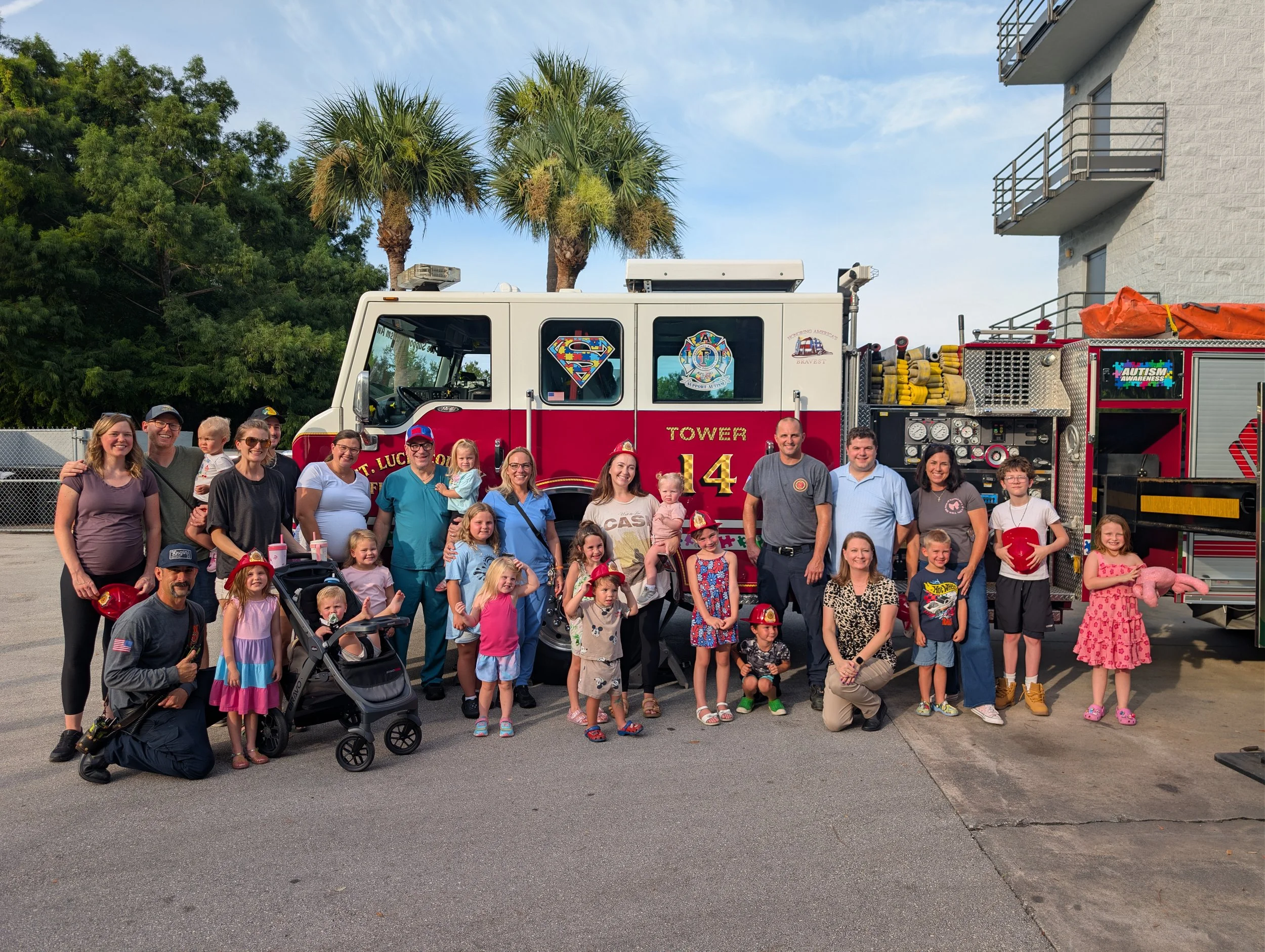
A huge thanks to Ken for setting up such a fun evening at the fire station!
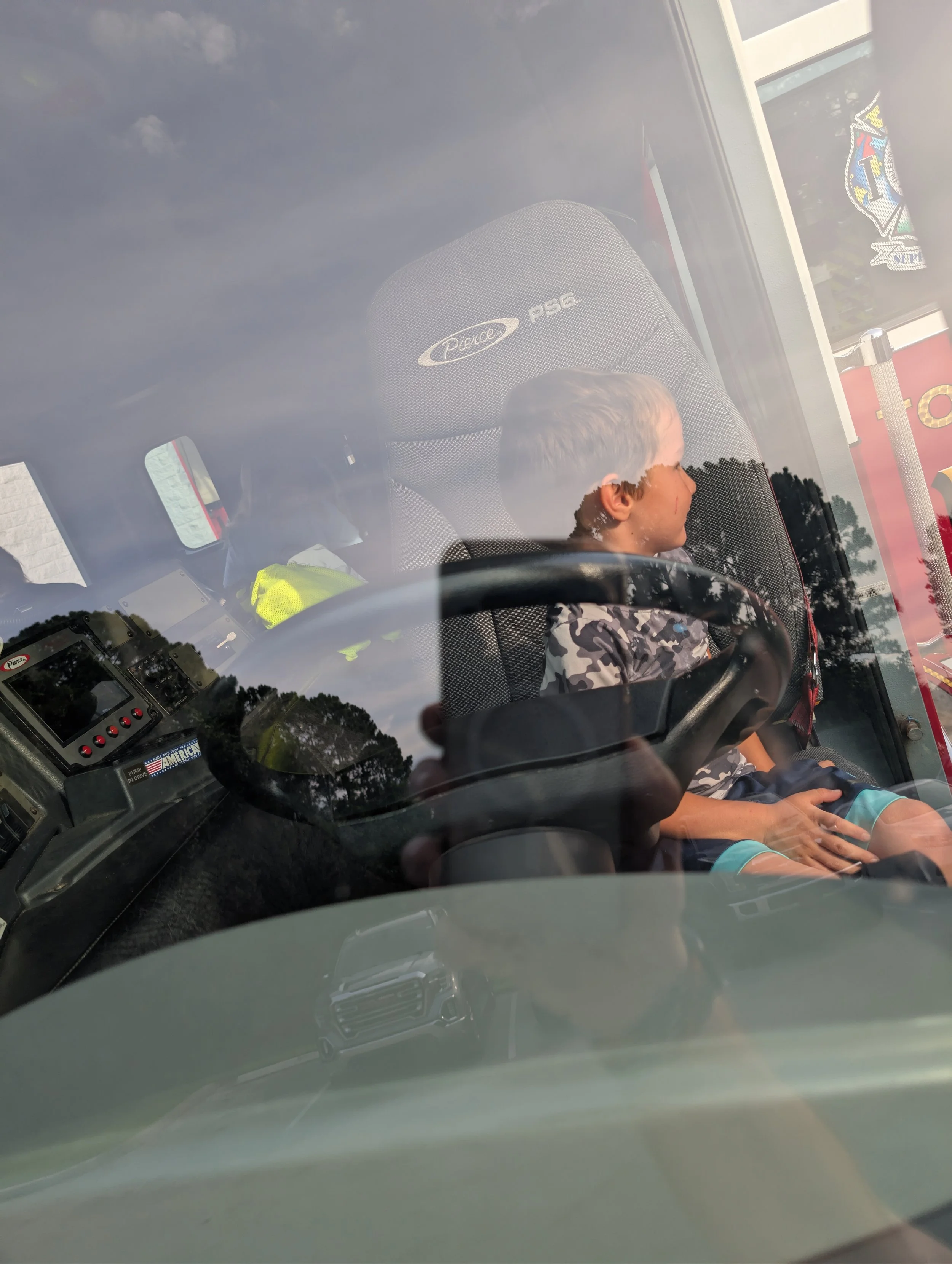
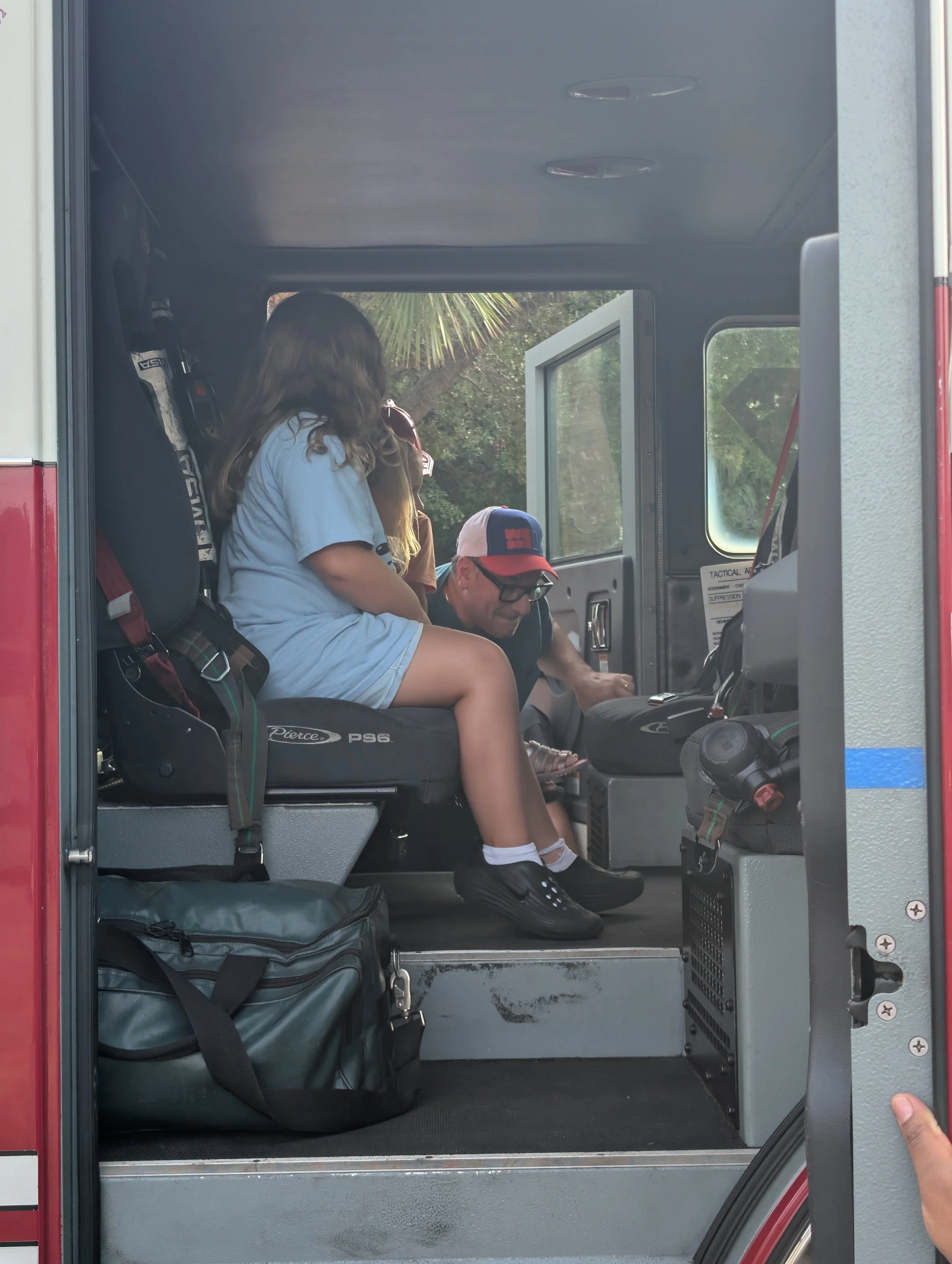
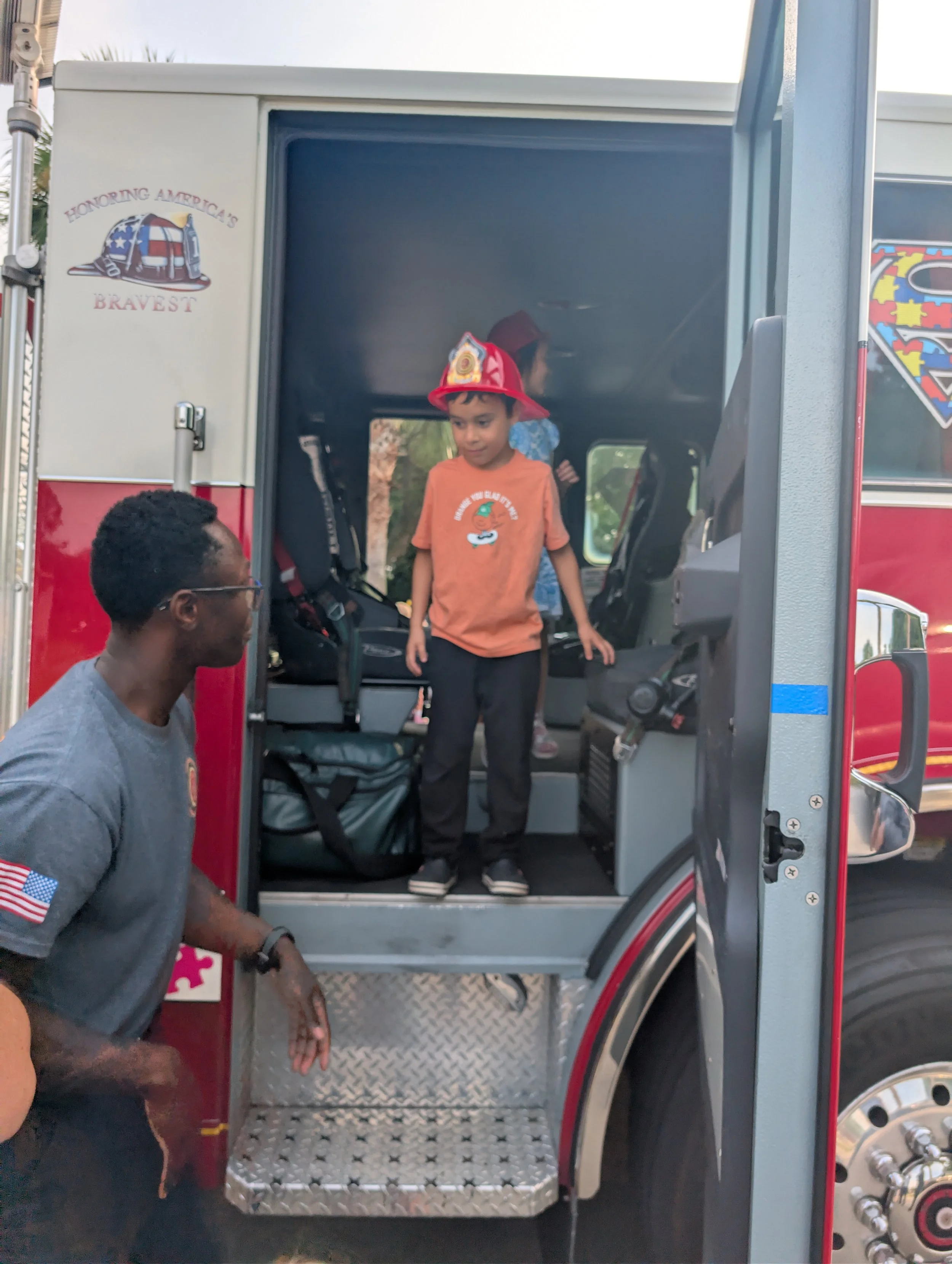
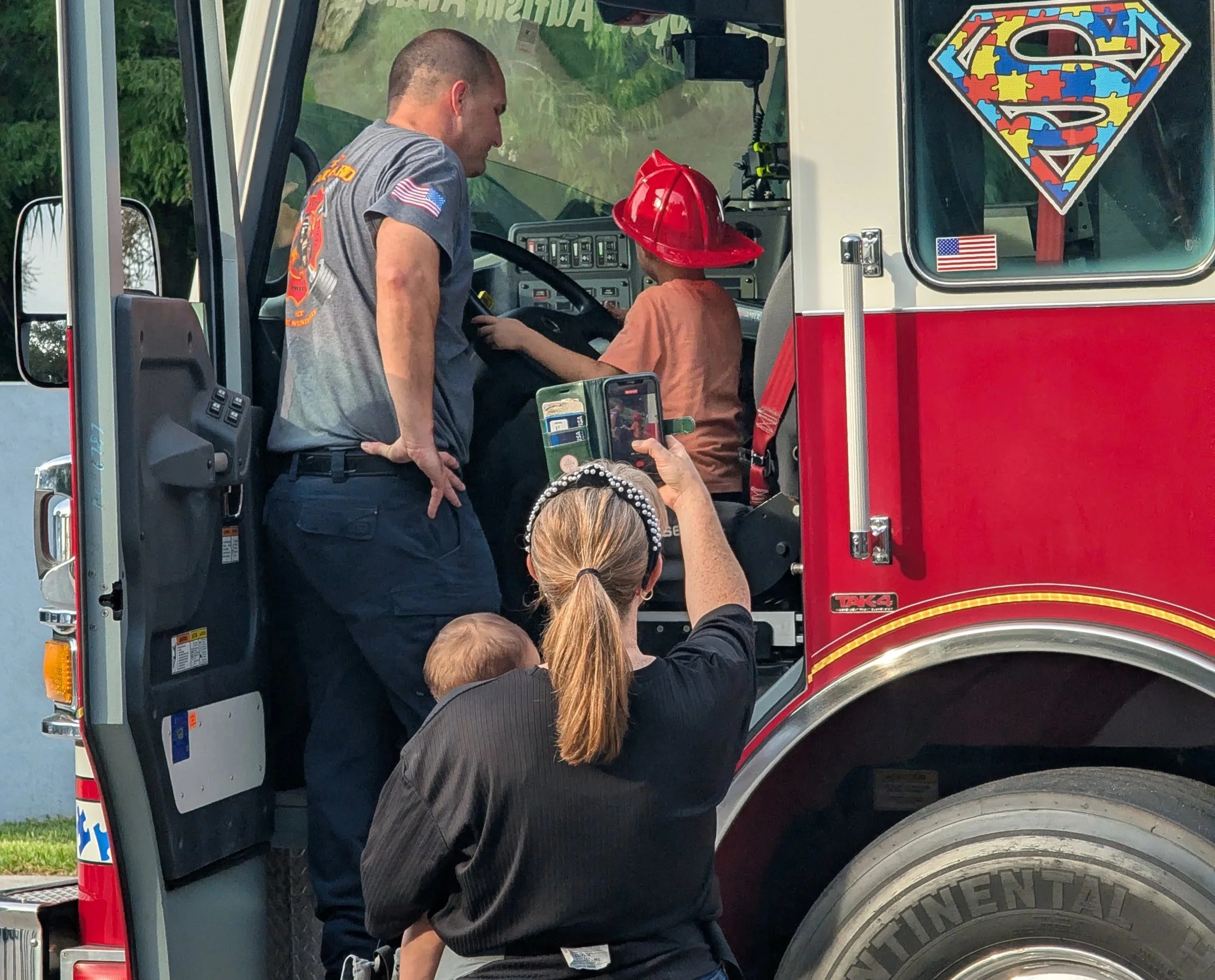
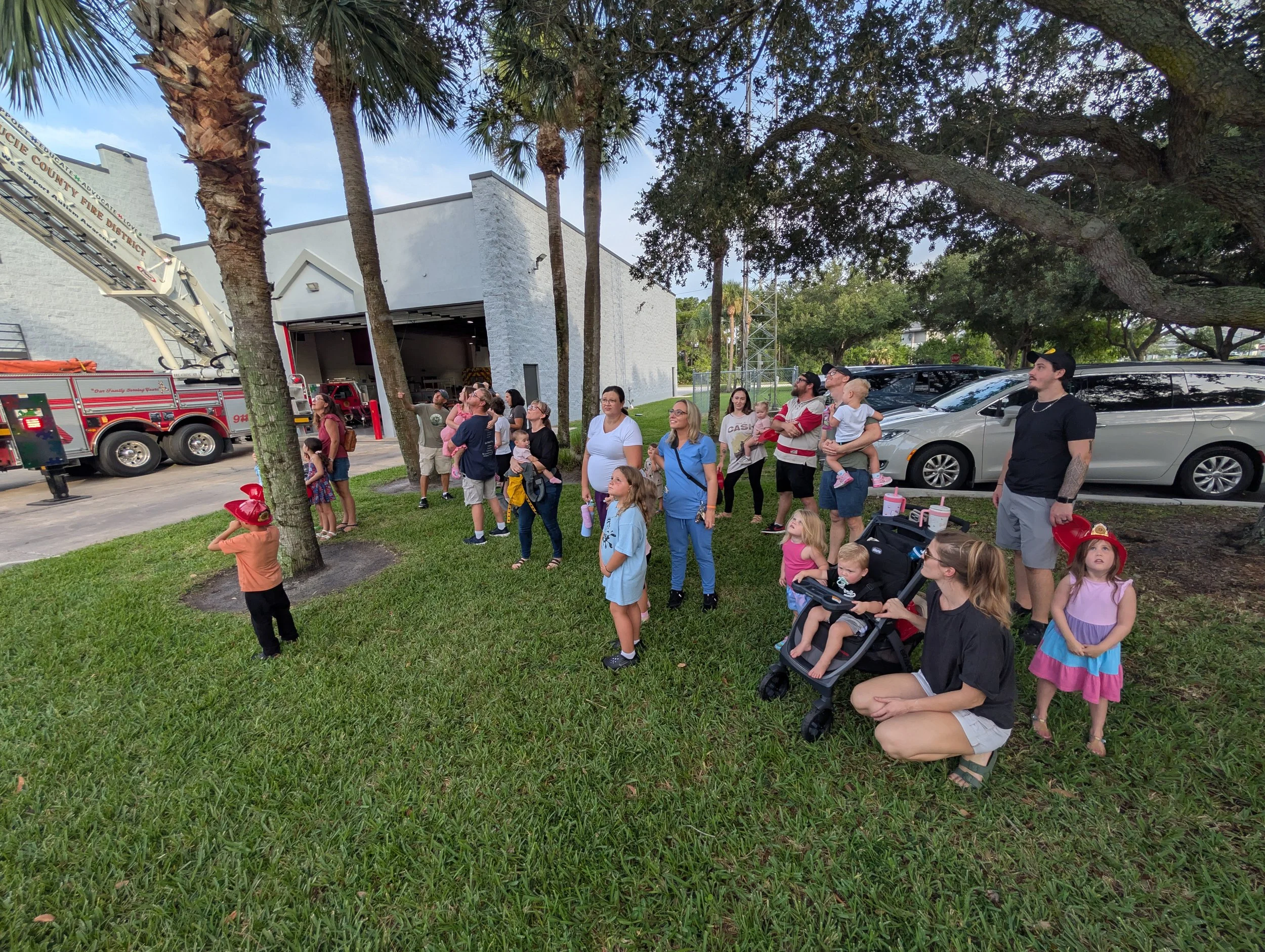
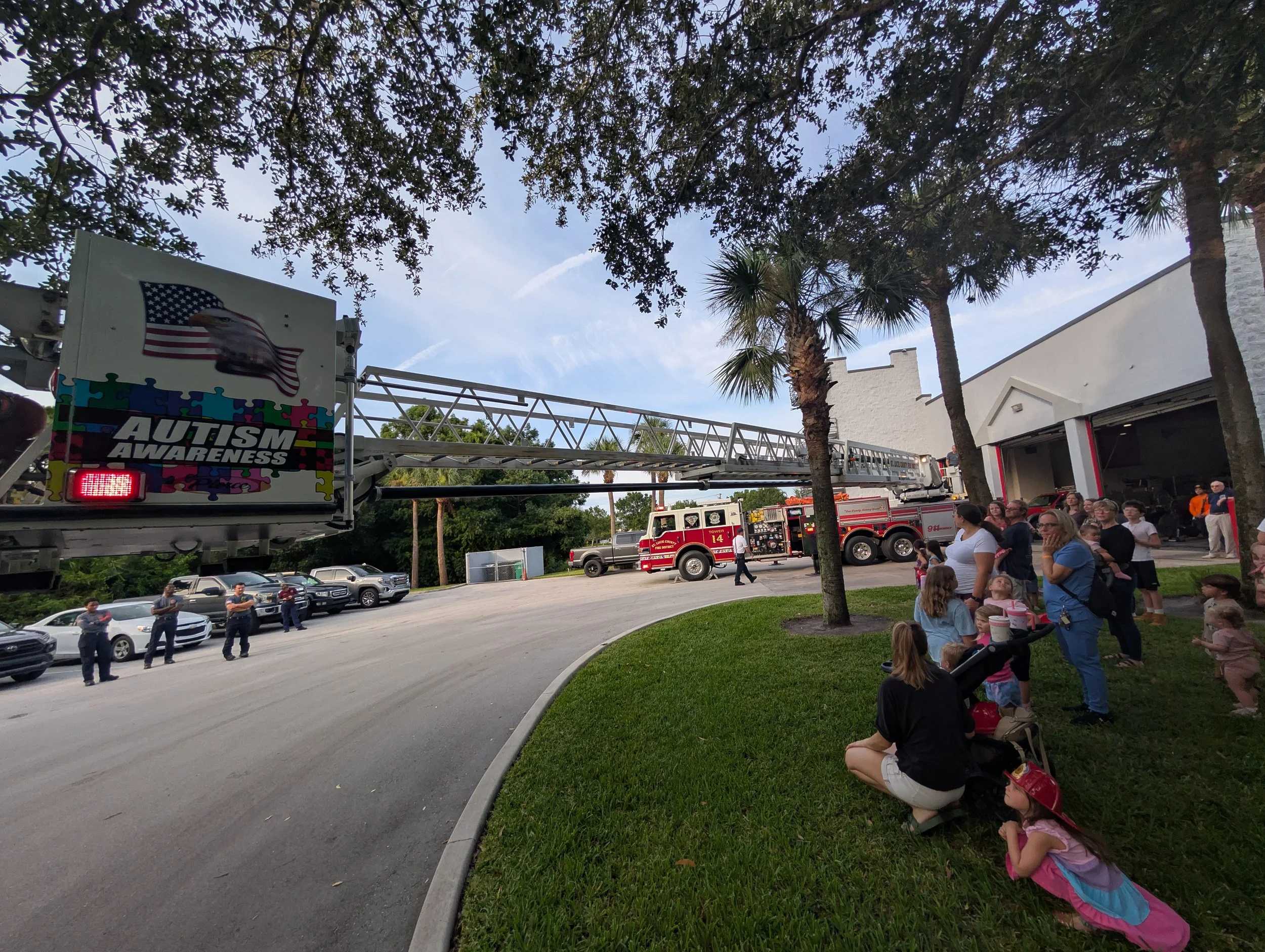
On Thursday, July 30th, the families at Grace had a great time meeting up at the St. Lucie West fire station. We got a full tour of the firehouse, including a look at the kitchen, the bedrooms, and the training room.
The absolute highlight was when they brought out their massive ladder truck that reaches 105 feet in the air! The kids had a blast getting to sit in the seats and even hang out in the bucket.
Thank you so much to the St. Lucie Fire Department for an unforgettable night! 🚒👨🚒




















Missio Dei: Part 5 (Teaching Series)
From the beginning, God has been sending his spirit out to bring life and beauty in the universe. It's a great sending. In this sending, we can see the heart of God as we join in with God’s mission.
Missio Dei: Part 5
From the beginning, God has been sending his spirit out to bring life and beauty in the universe. It's a great sending. In this sending, we can see the heart of God as we join in with God’s mission.
Here is the amazon link for the book we are using.

Reading Plan
Read around the readings for Sunday
8/2/26
Exodus 19:3-81
Peter 2:4-12
Matthew 26:26-30
8/9/26
Hosea 2:1, 21-23
Revelation 5:5-10
John 16:16-24
8/16/26
Isaiah 43:8-15
Philippians 3:4b-11
Matthew 5:13-16
8/23/26
Genesis 9:8-17
1 Peter 3:17-21
John 20:24-31
8/30/26
Psalm 34:8-15
1 Peter 1:13-21
Matthew 10:26-33
9/6/26
Revelation 7:9-14 (First Reading)
Galatians 3:23-29
John 3:16-21



[Sunday] Matthew 2 - Richer
Virtually every life transforming event recorded in Scripture includes a journey, a process the people involved go through that leads to insight, transformation and new life for all willing to engage that journey. The journey always includes elements of sacrifice, worship, trust and faith. Christmas is about Jesus making the journey from heaven to earth, for the Magi it was the journey from wisdom to humility. For us, it is a journey to wonder and new life.

Virtually every life transforming event recorded in Scripture includes a journey, a process the people involved go through that leads to insight, transformation and new life for all willing to engage that journey. The journey always includes elements of sacrifice, worship, trust and faith. Christmas is about Jesus making the journey from heaven to earth, for the Magi it was the journey from wisdom to humility. For us, it is a journey to wonder and new life.

What Had happened at Grace this week.

[Sunday] Psalm 2 - Richer
Psalm 1 provides a blueprint for spiritual life, and helps us see how Jesus grew into His Messianic role. Psalm 2 broadens from individual growth to God's MESSIANIC PLAN for the world and takes in the entire sweep of history. This Sunday we are in an Advent state of mind. Next Sunday we celebrate Christmas in July through the eyes of the Magi.

Psalm 1 provides a blueprint for spiritual life, and helps us see how Jesus grew into His Messianic role. Psalm 2 broadens from individual growth to God's MESSIANIC PLAN for the world and takes in the entire sweep of history. This Sunday we are in an Advent state of mind. Next Sunday we celebrate Christmas in July through the eyes of the Magi.
What Had happened at Grace this week.

The Chosen Study Episode 7-8 - Summer Bible Club Study
We explored Episode 7-8 of The Chosen
This is our last class on The Chosen this year
The Chosen Season 1 Episode 7-8
This is our last class on The Chosen this year.

Finial Night of Bible Club 26’ [photos]
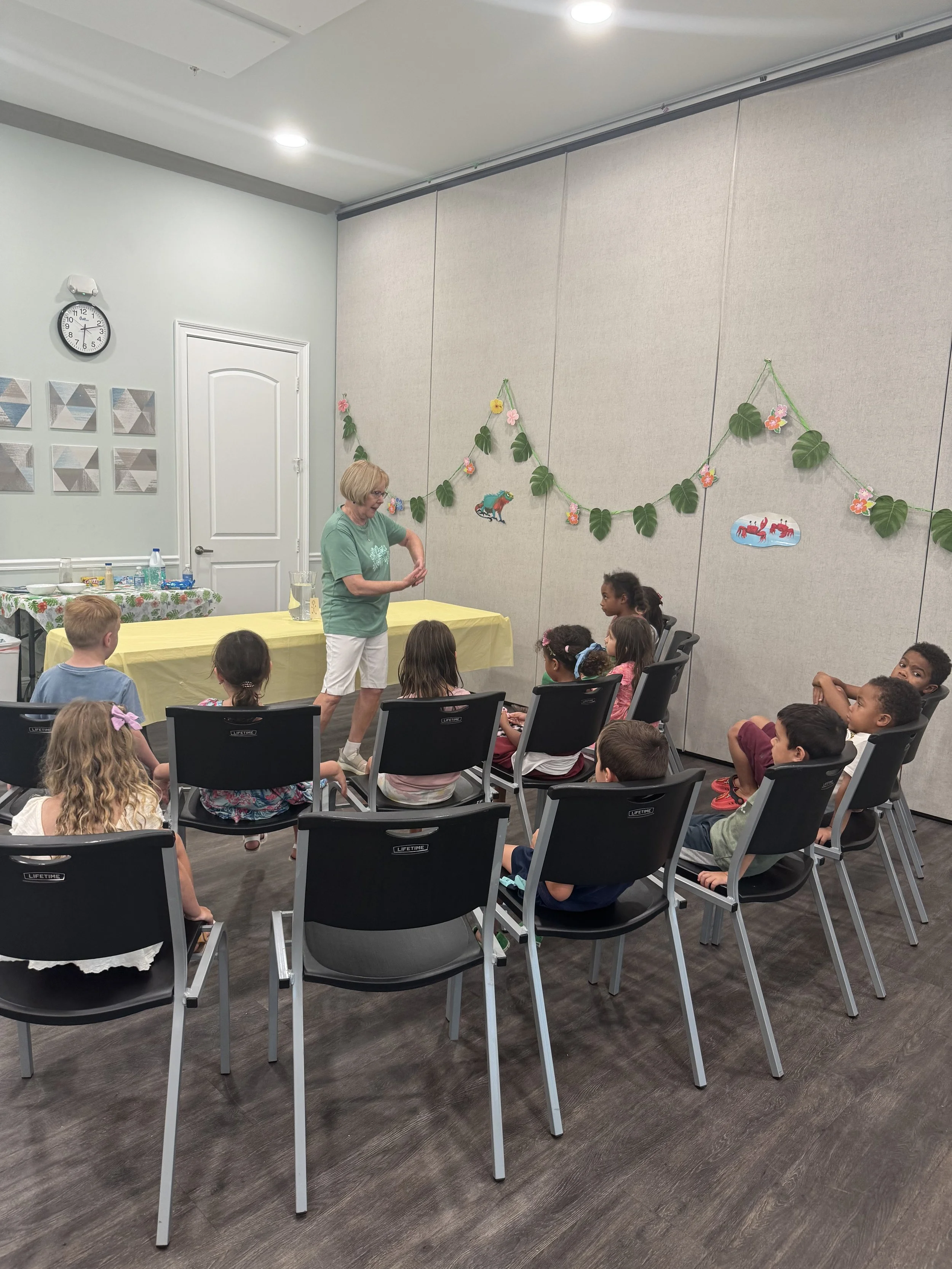
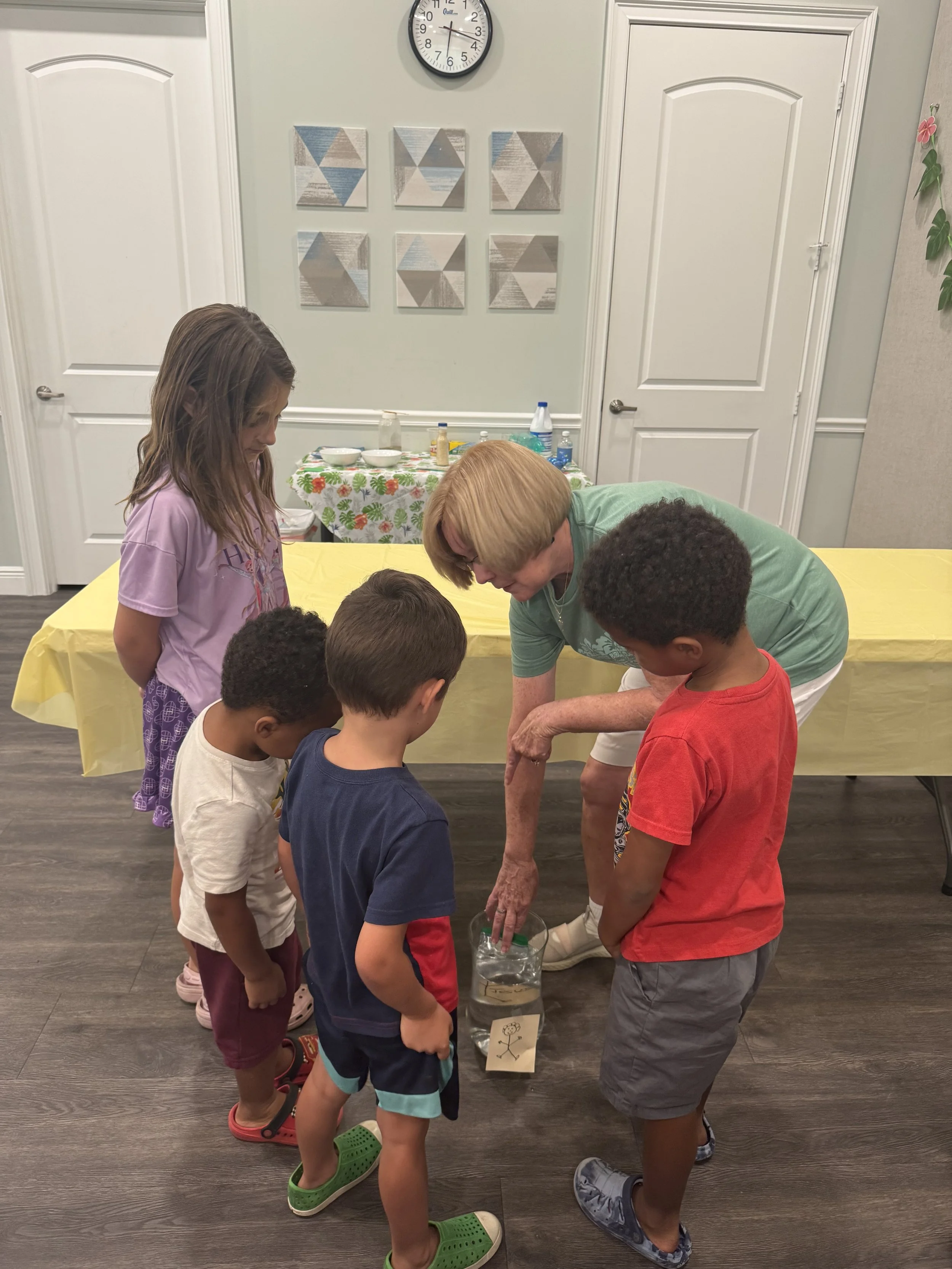
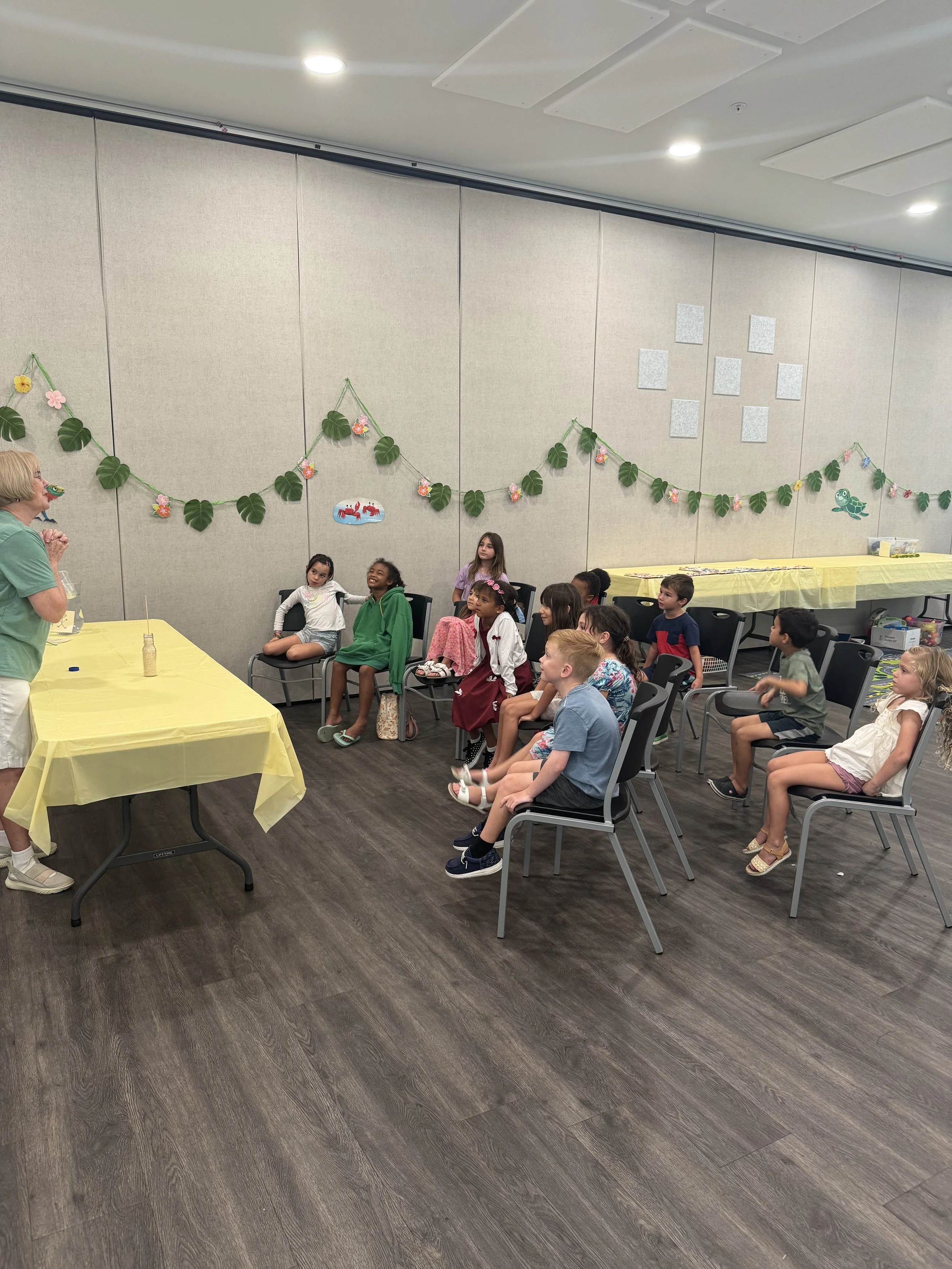
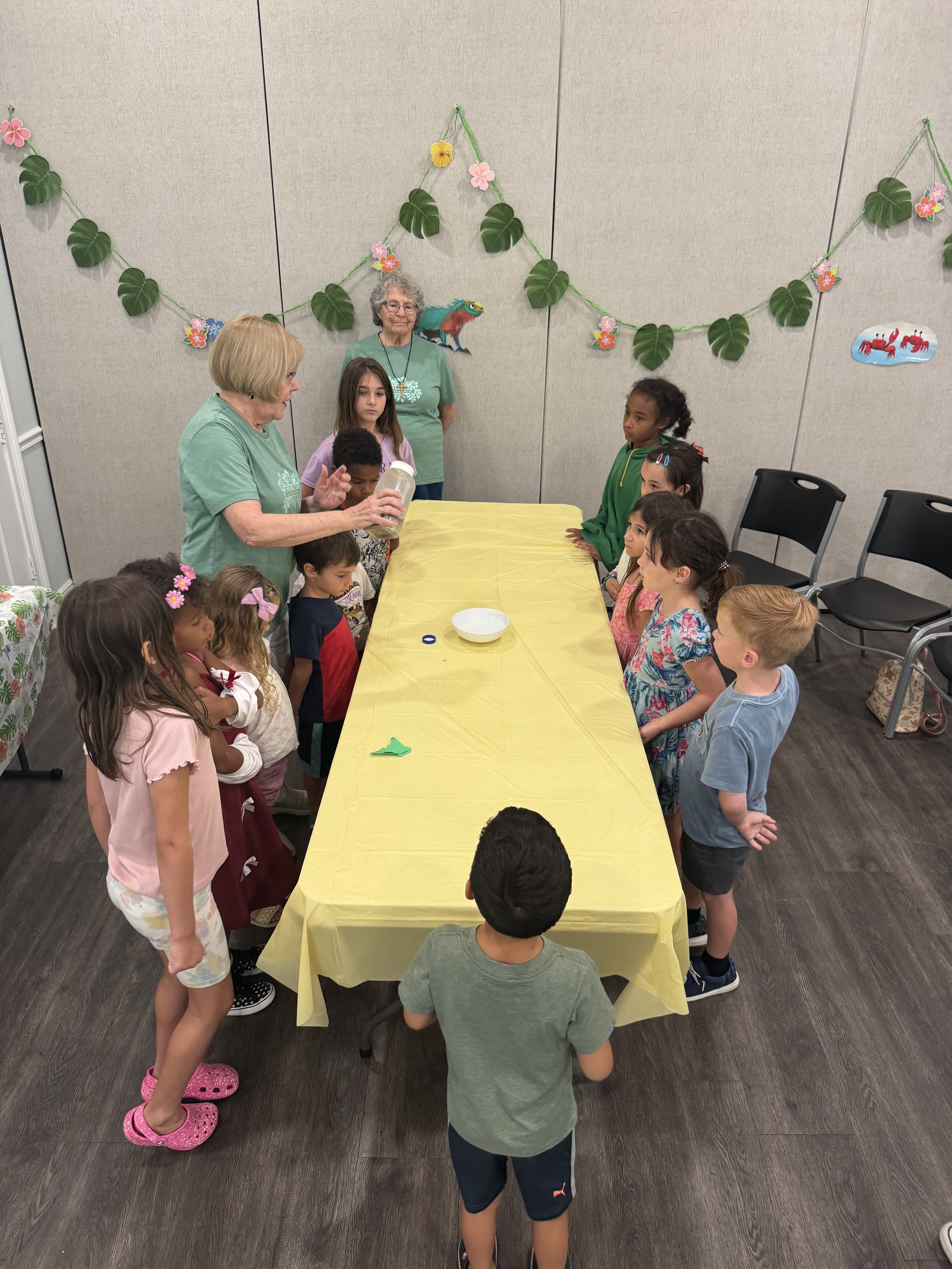
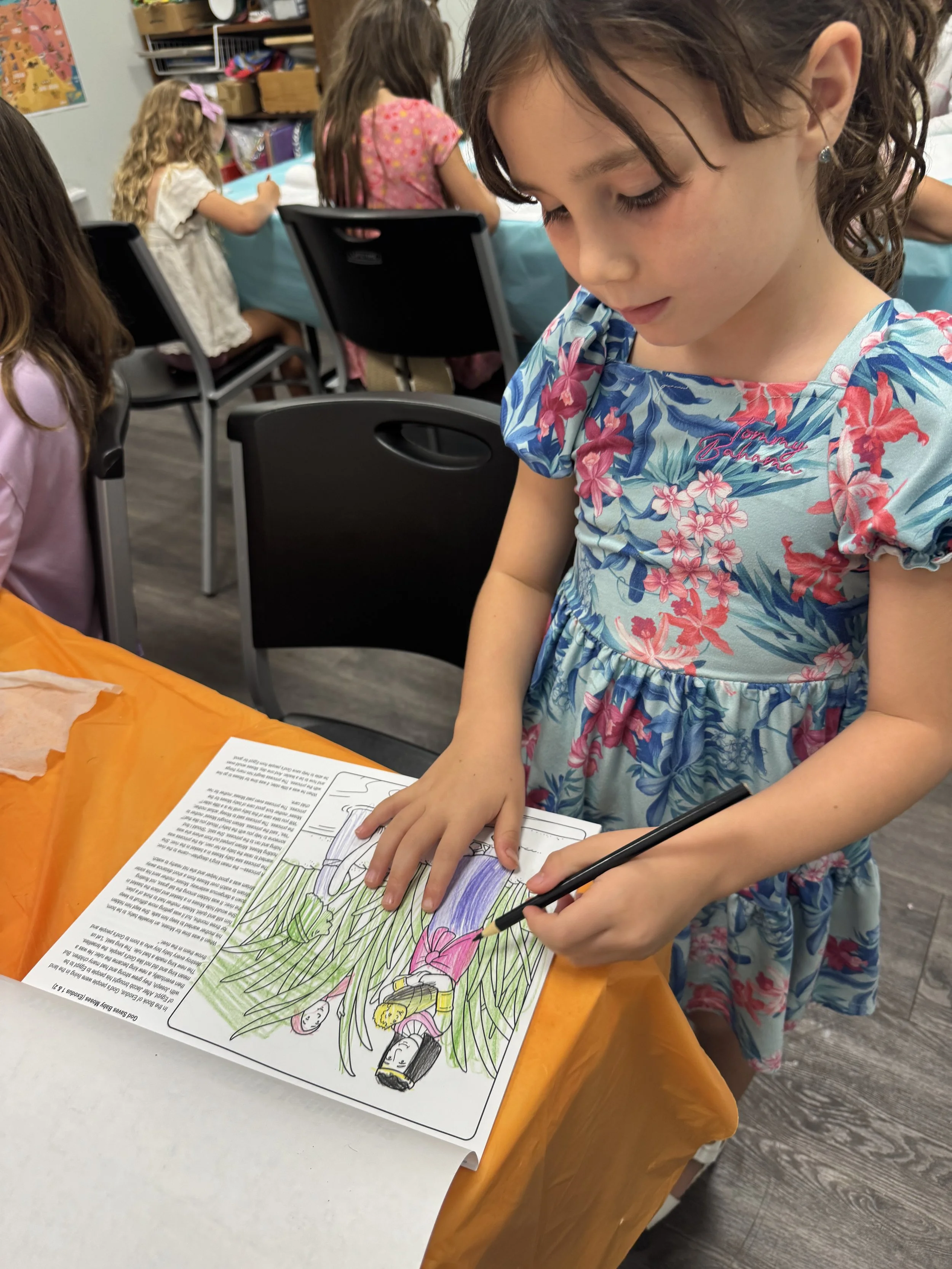
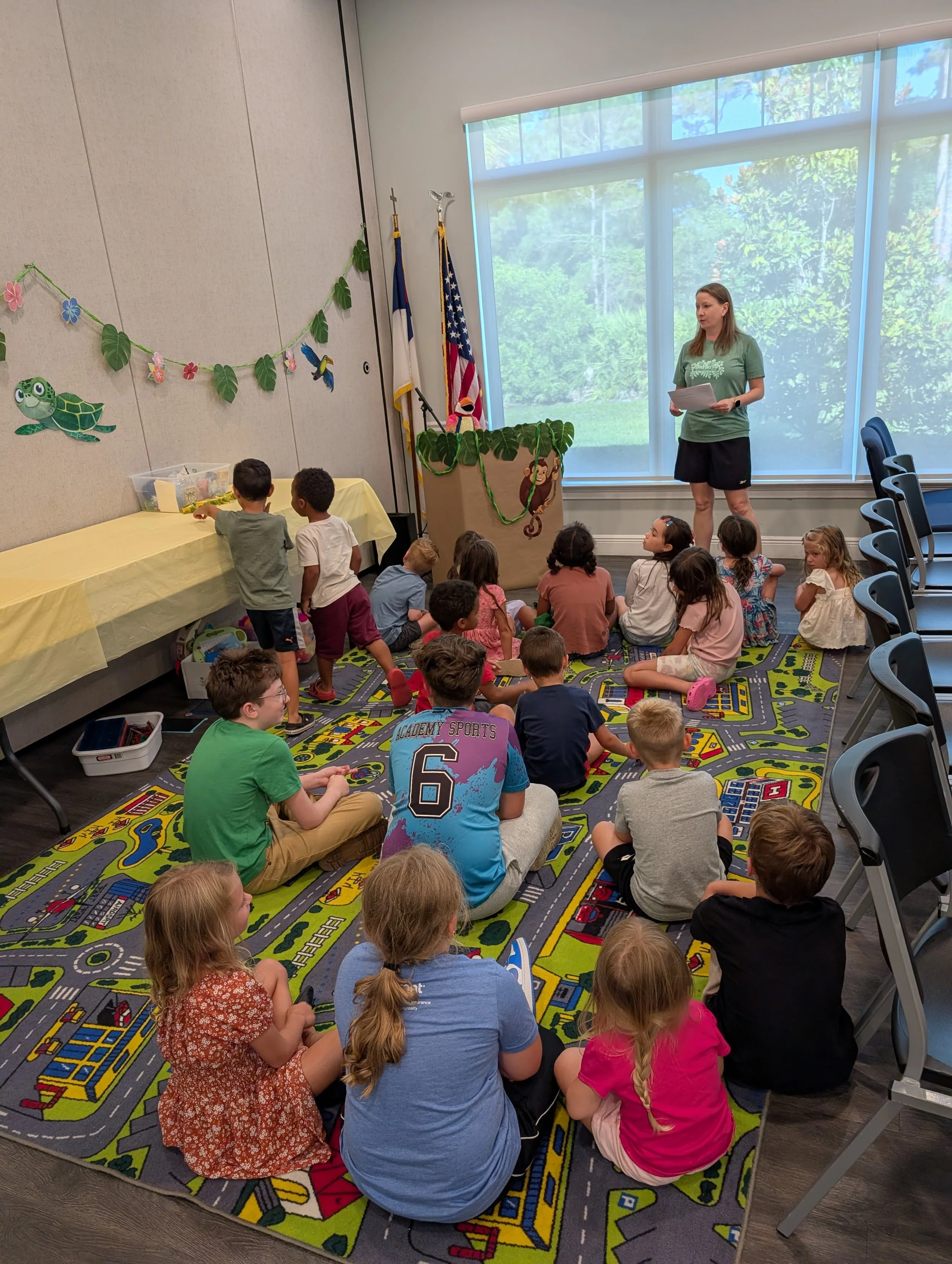
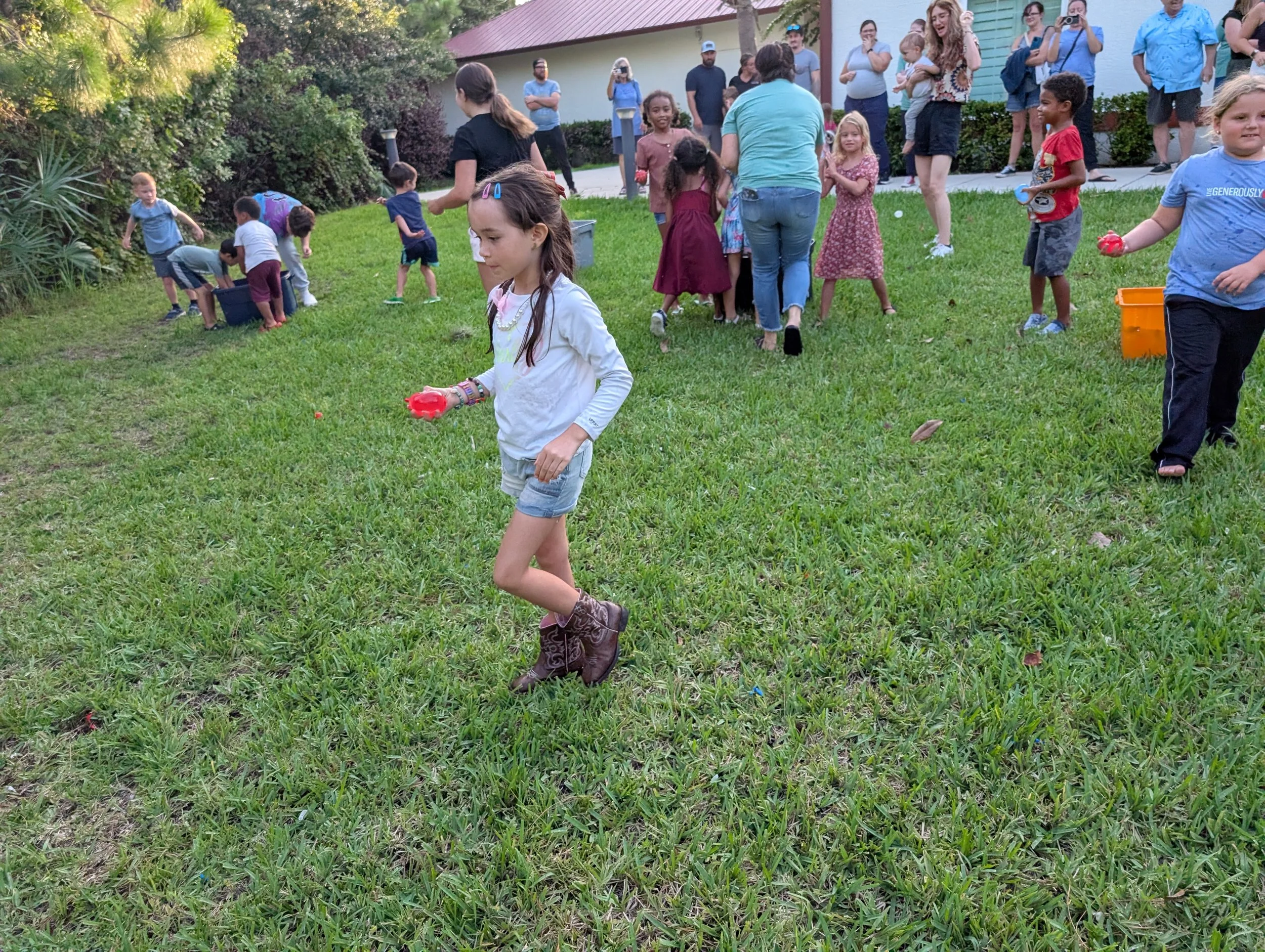
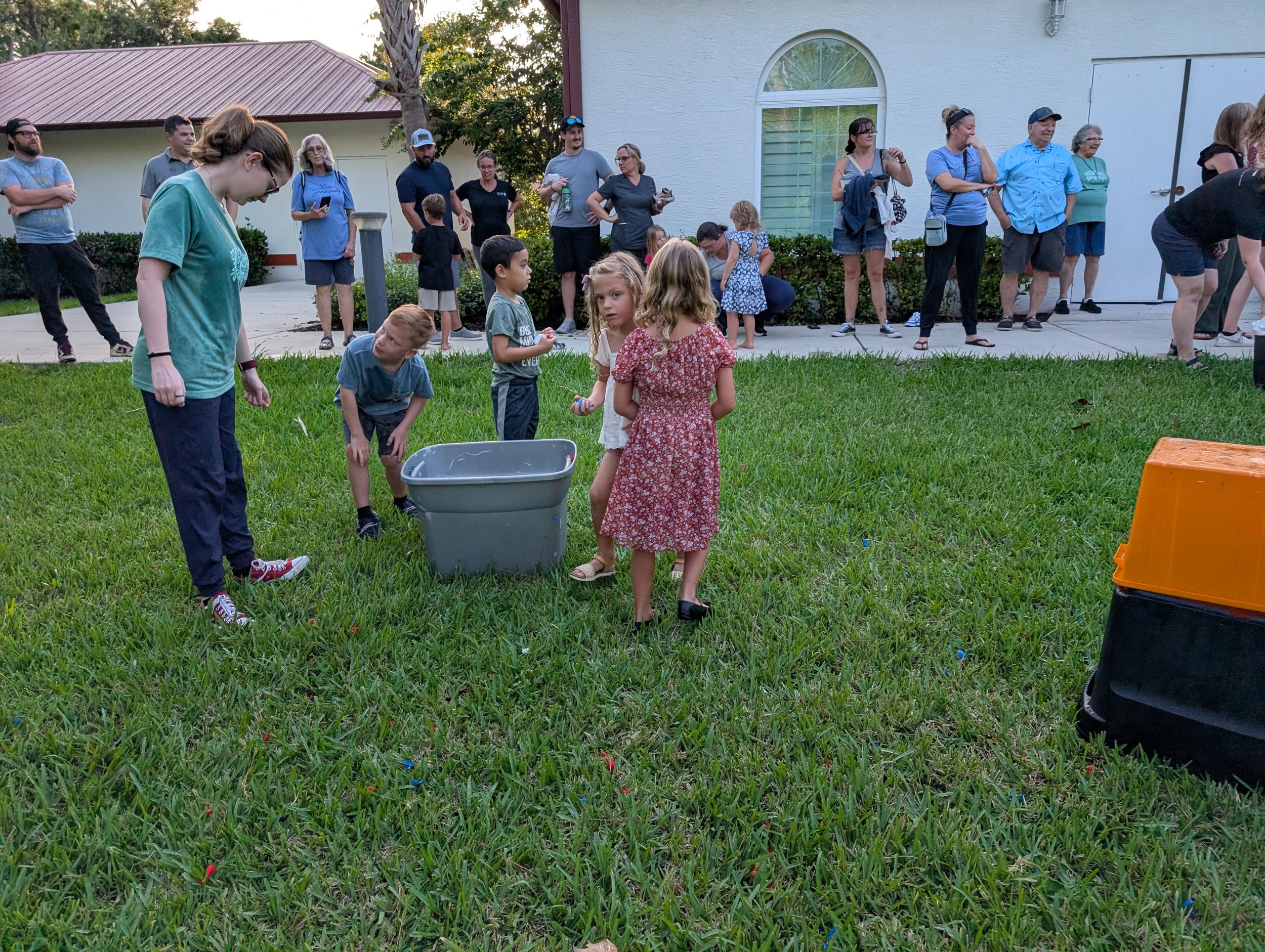
We closed out our final Bible Club of the year on Wednesday, and wow... what an amazing year it has been!
We closed out our final Bible Club of the year on Wednesday, and wow... what an amazing year it has been! 🎉
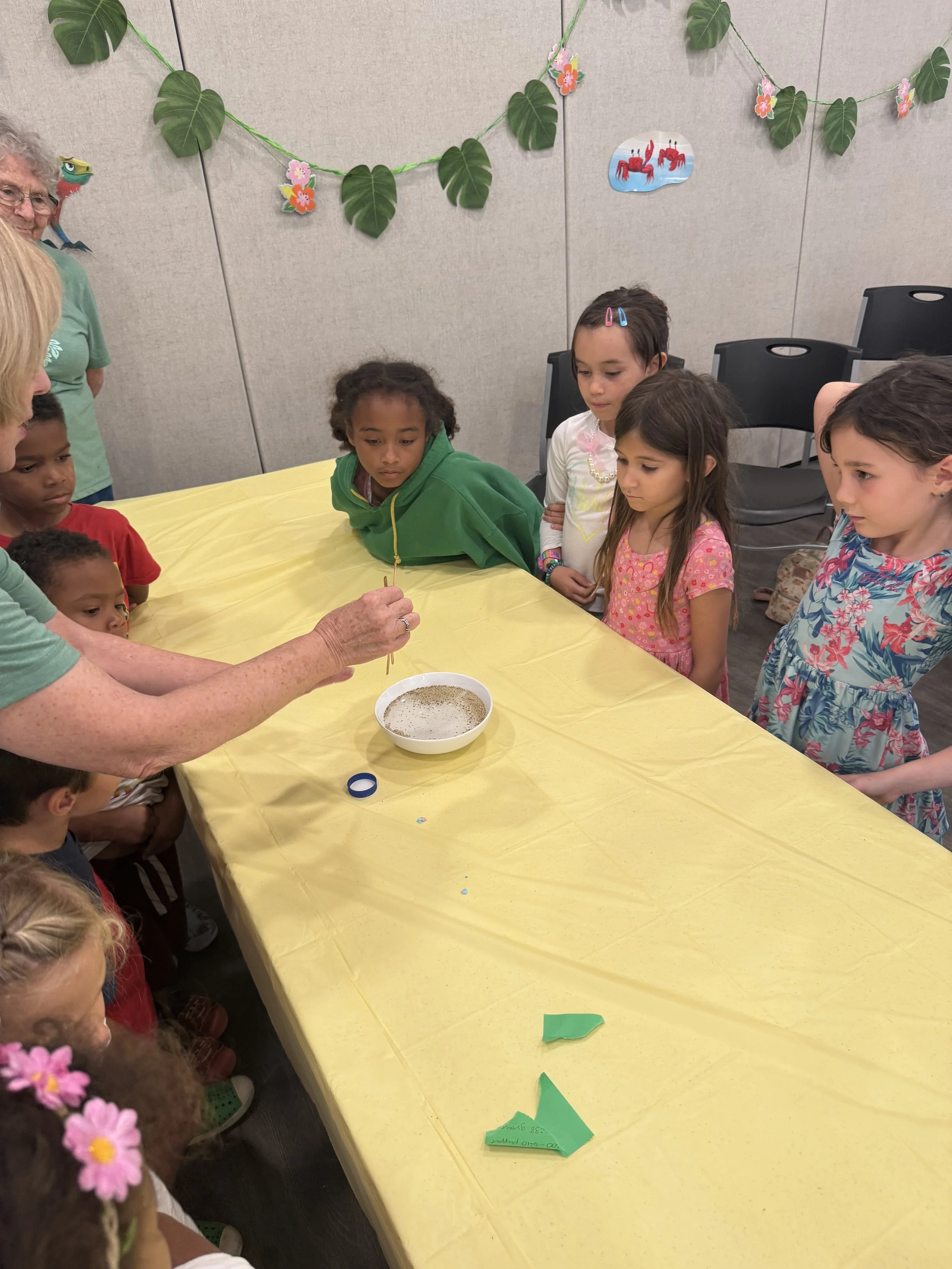
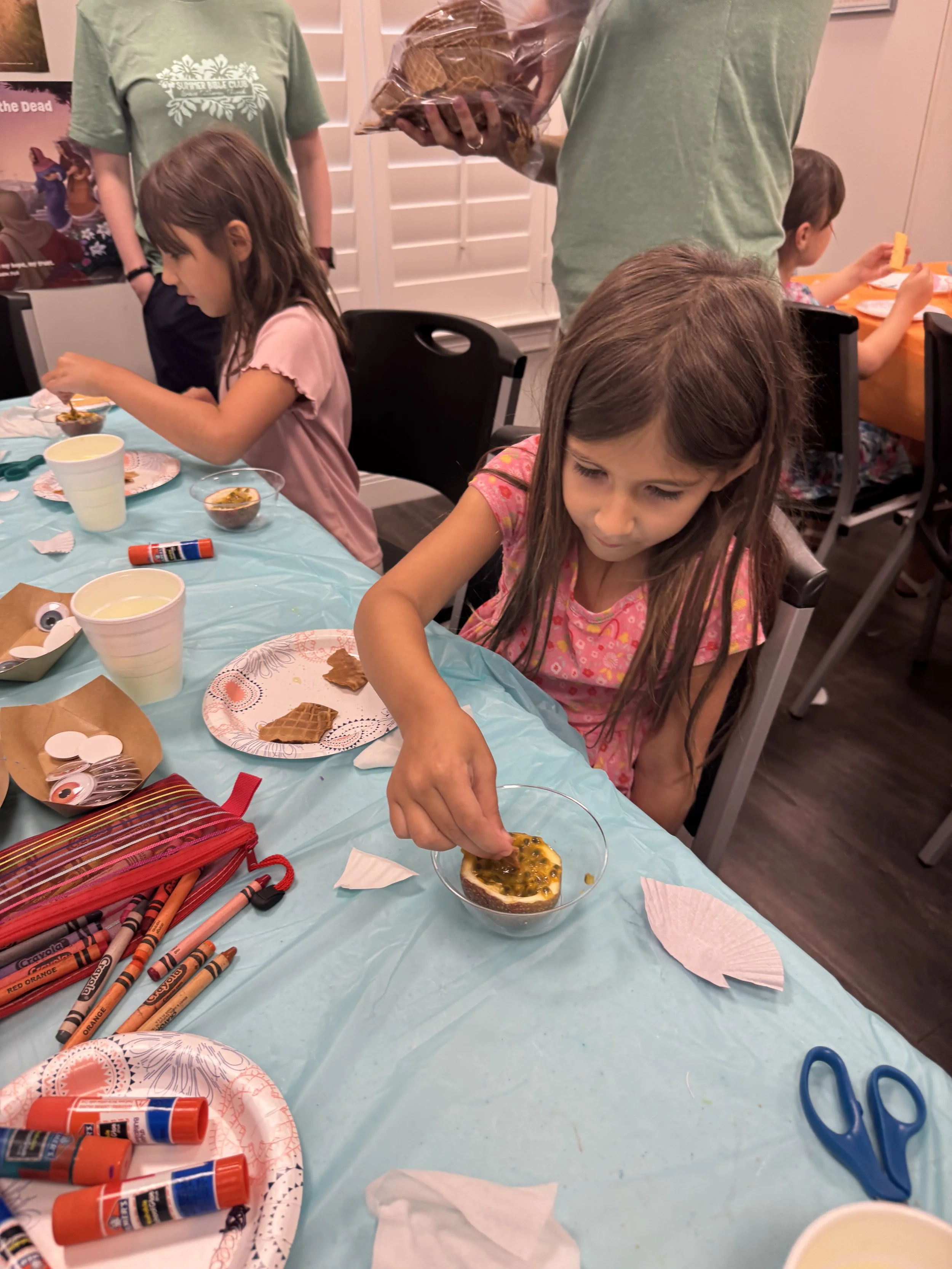
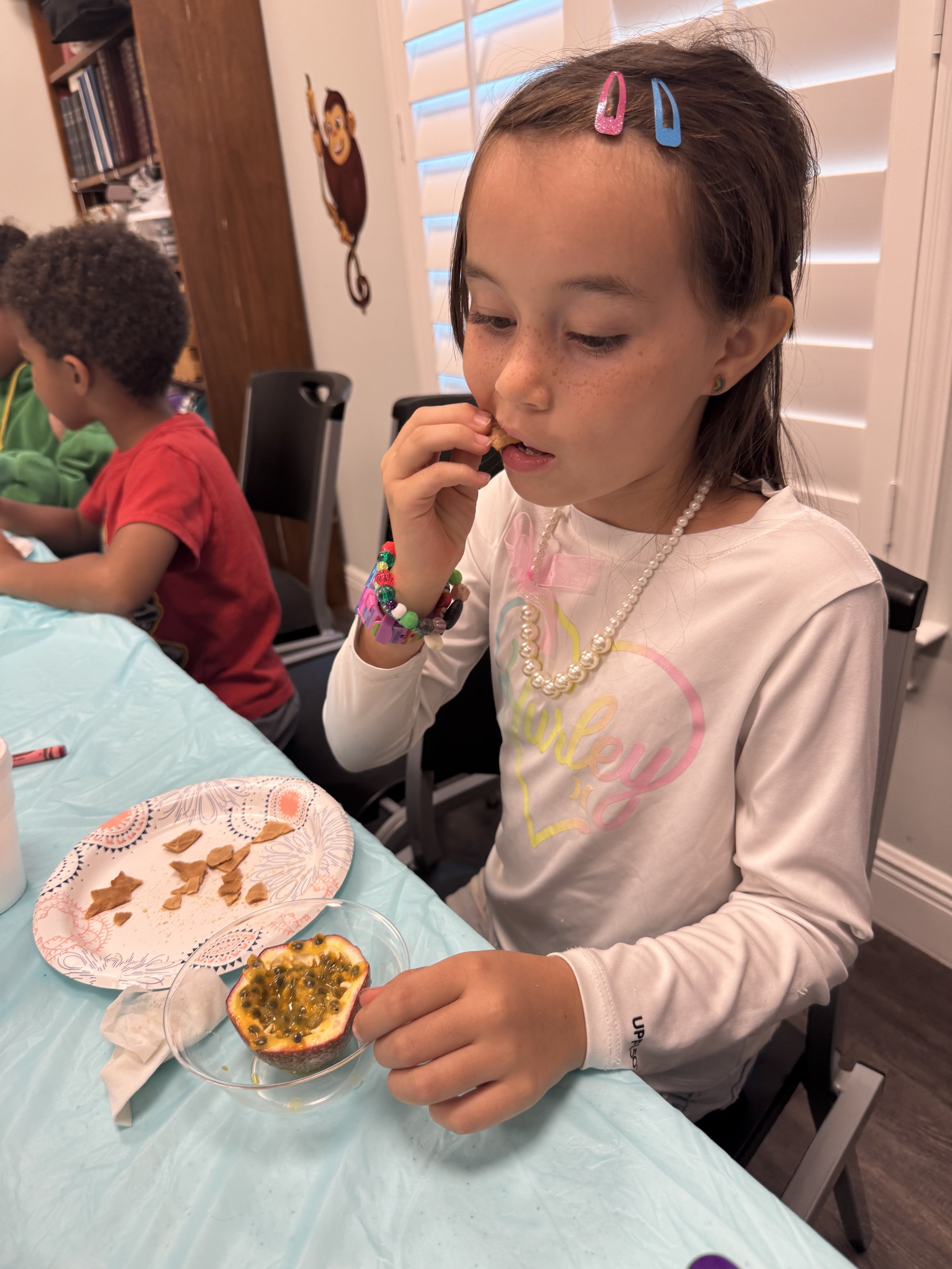
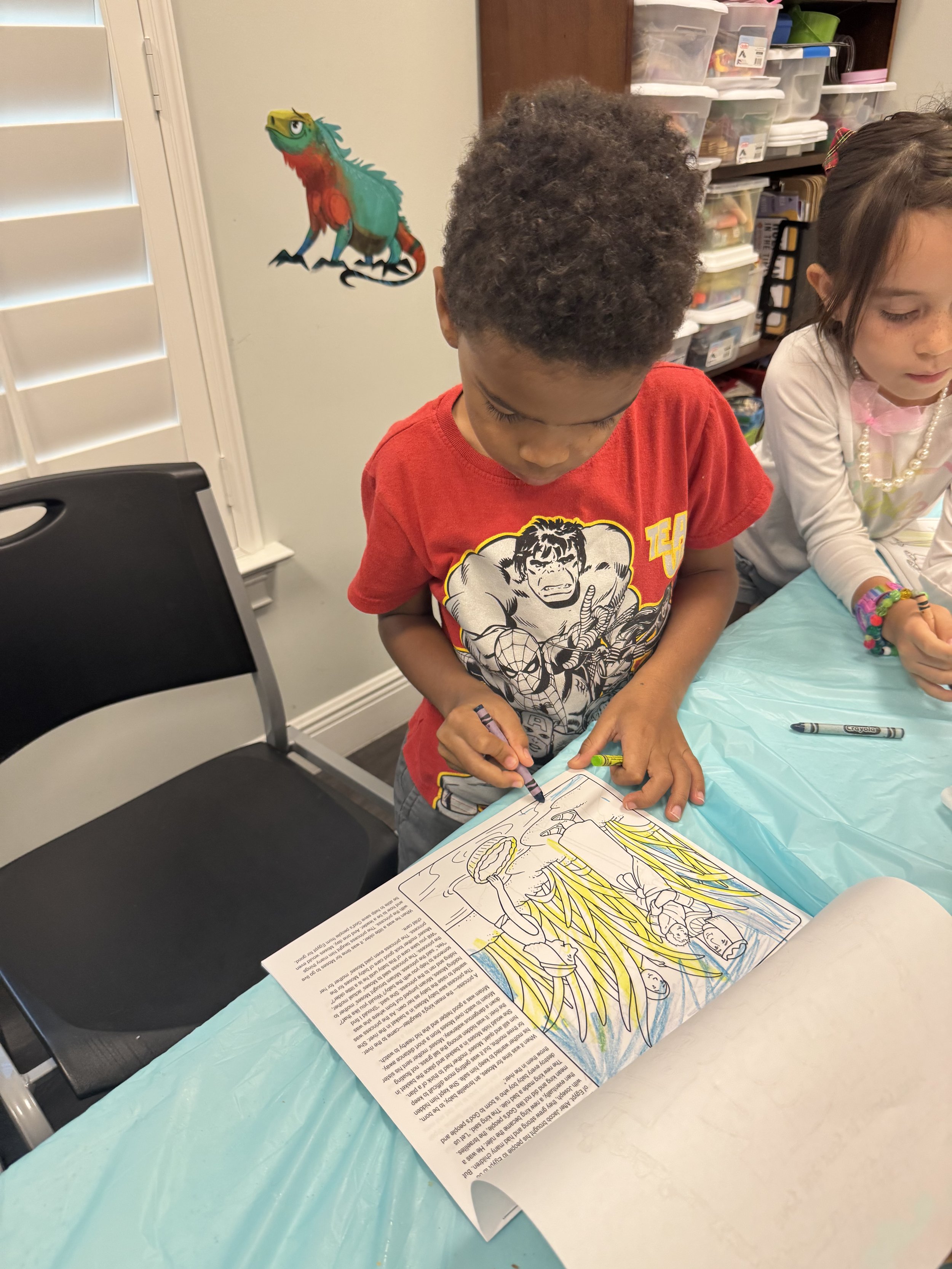
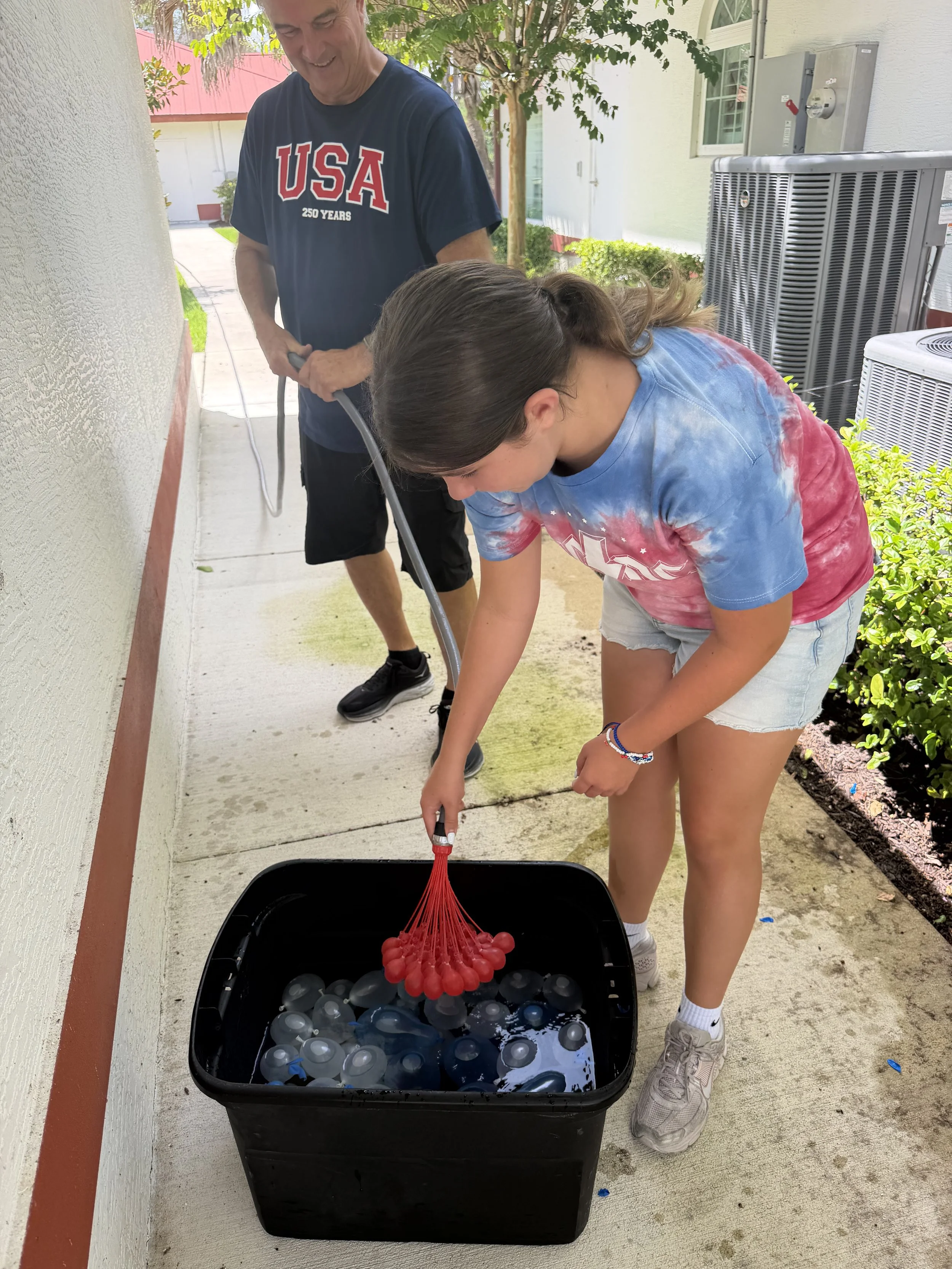
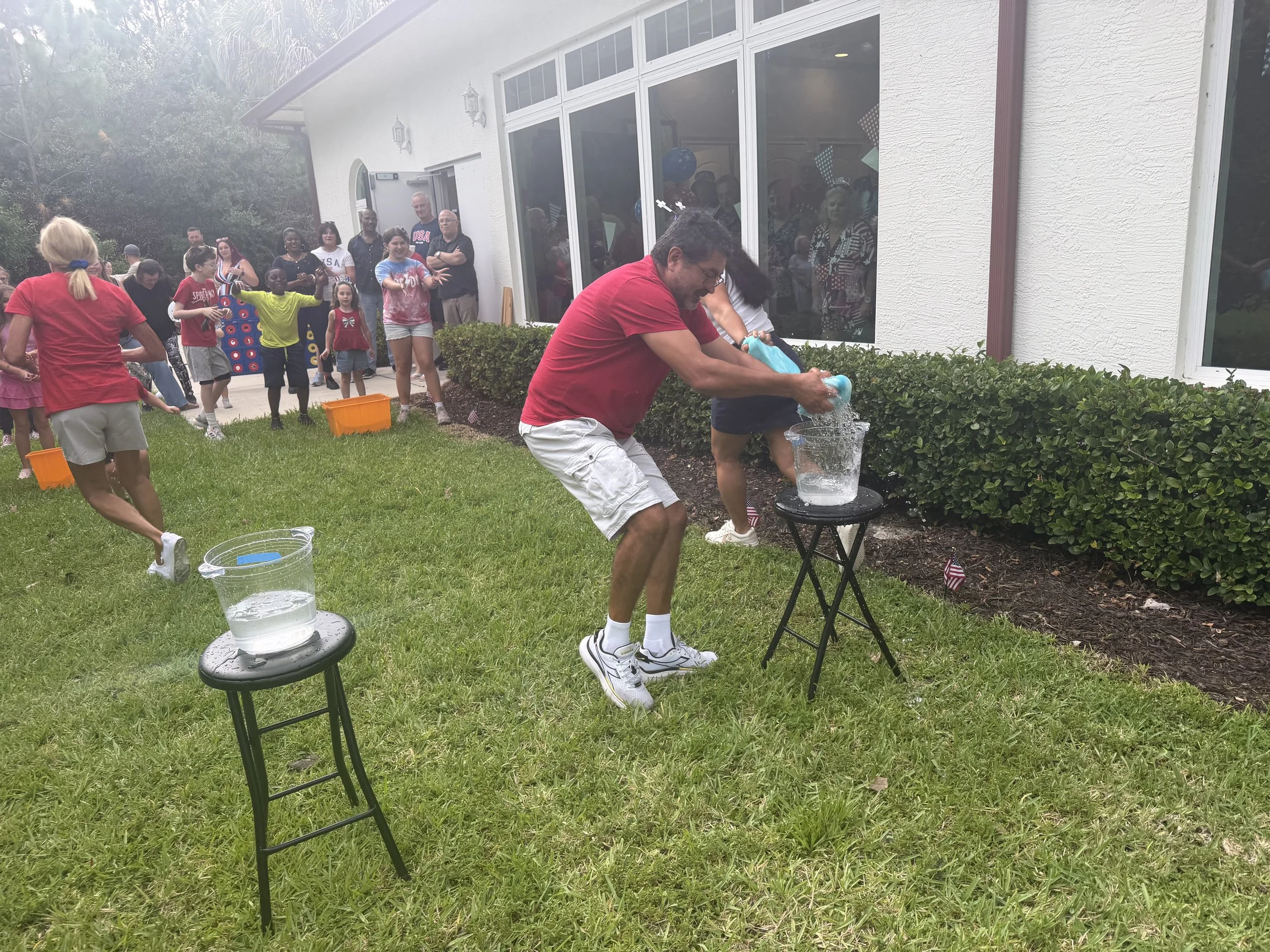
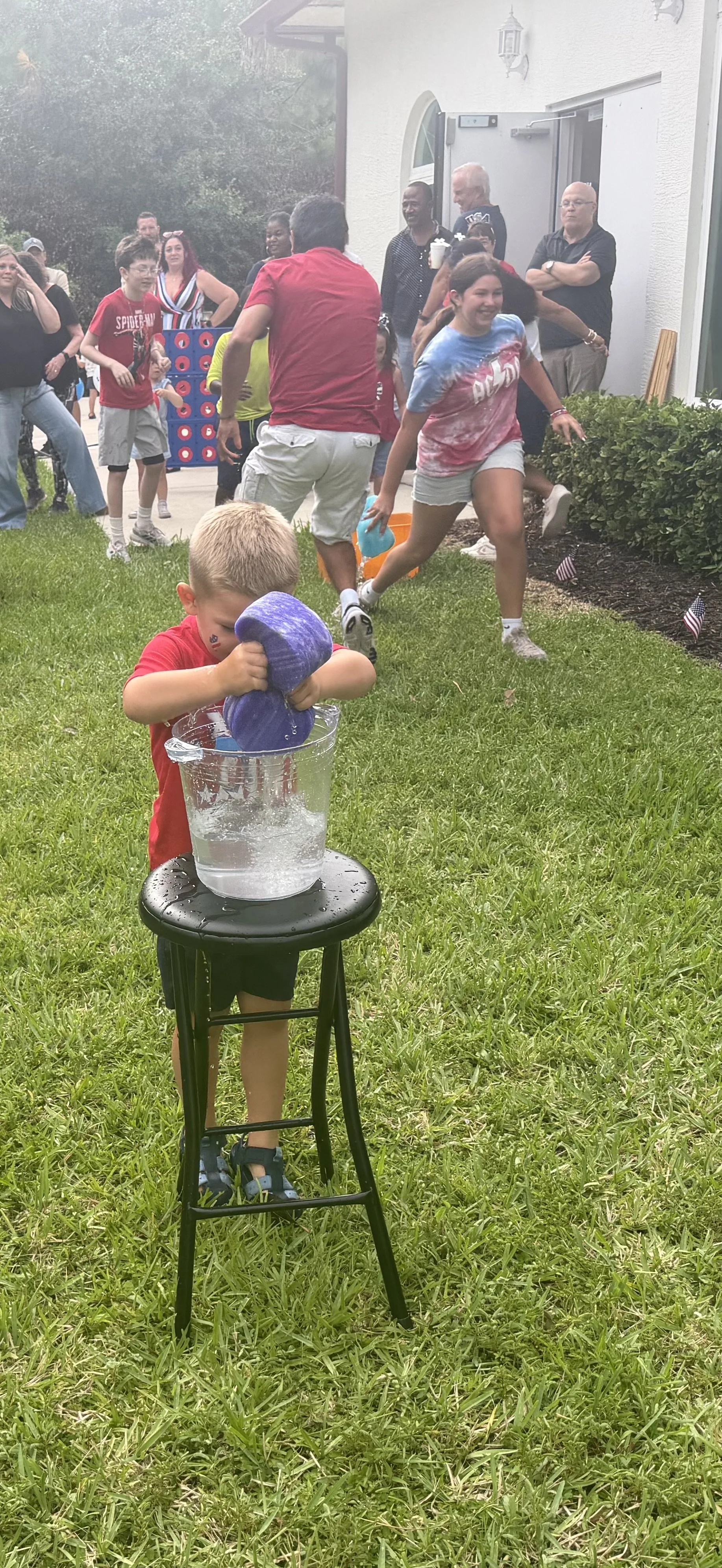
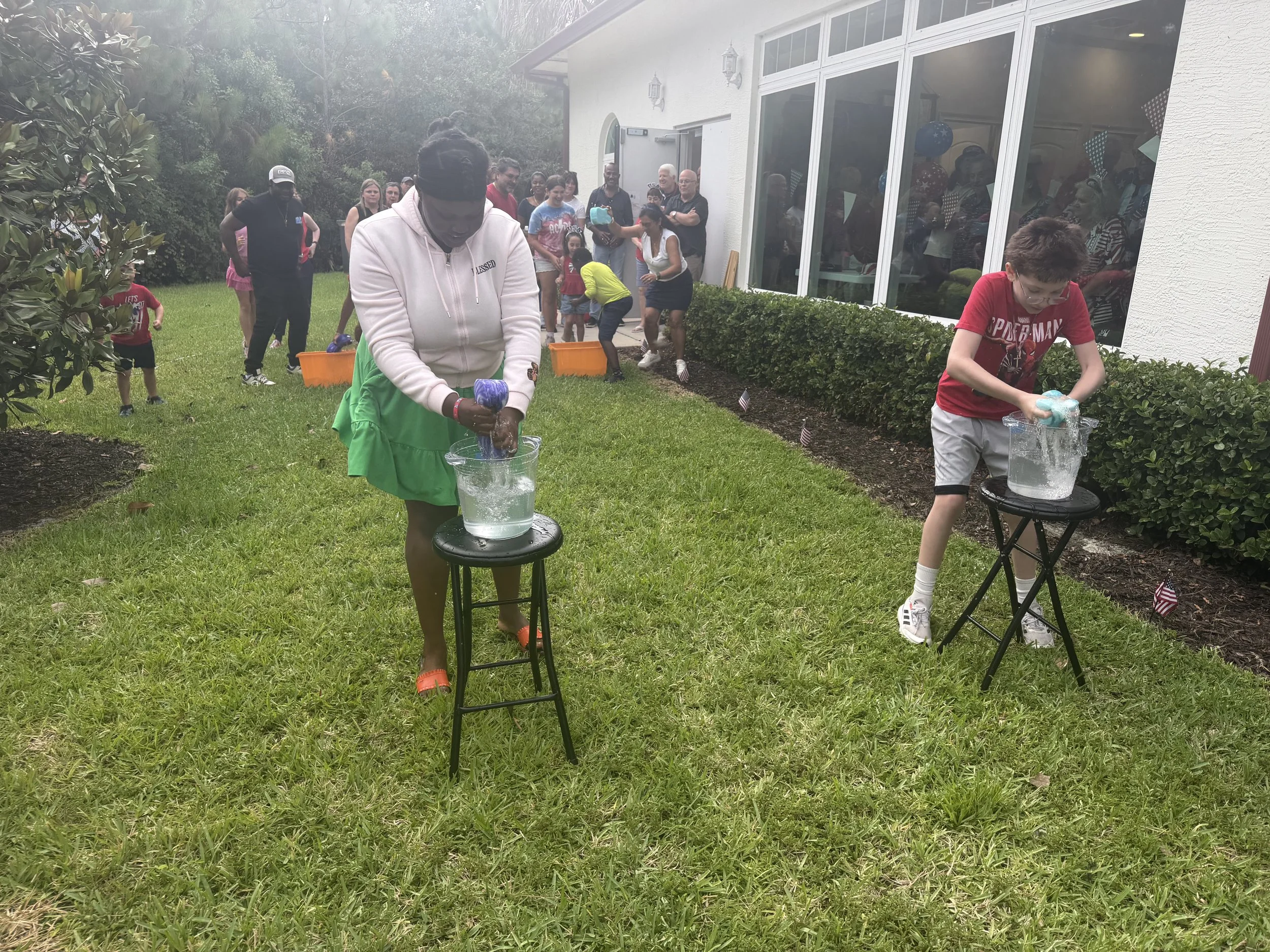
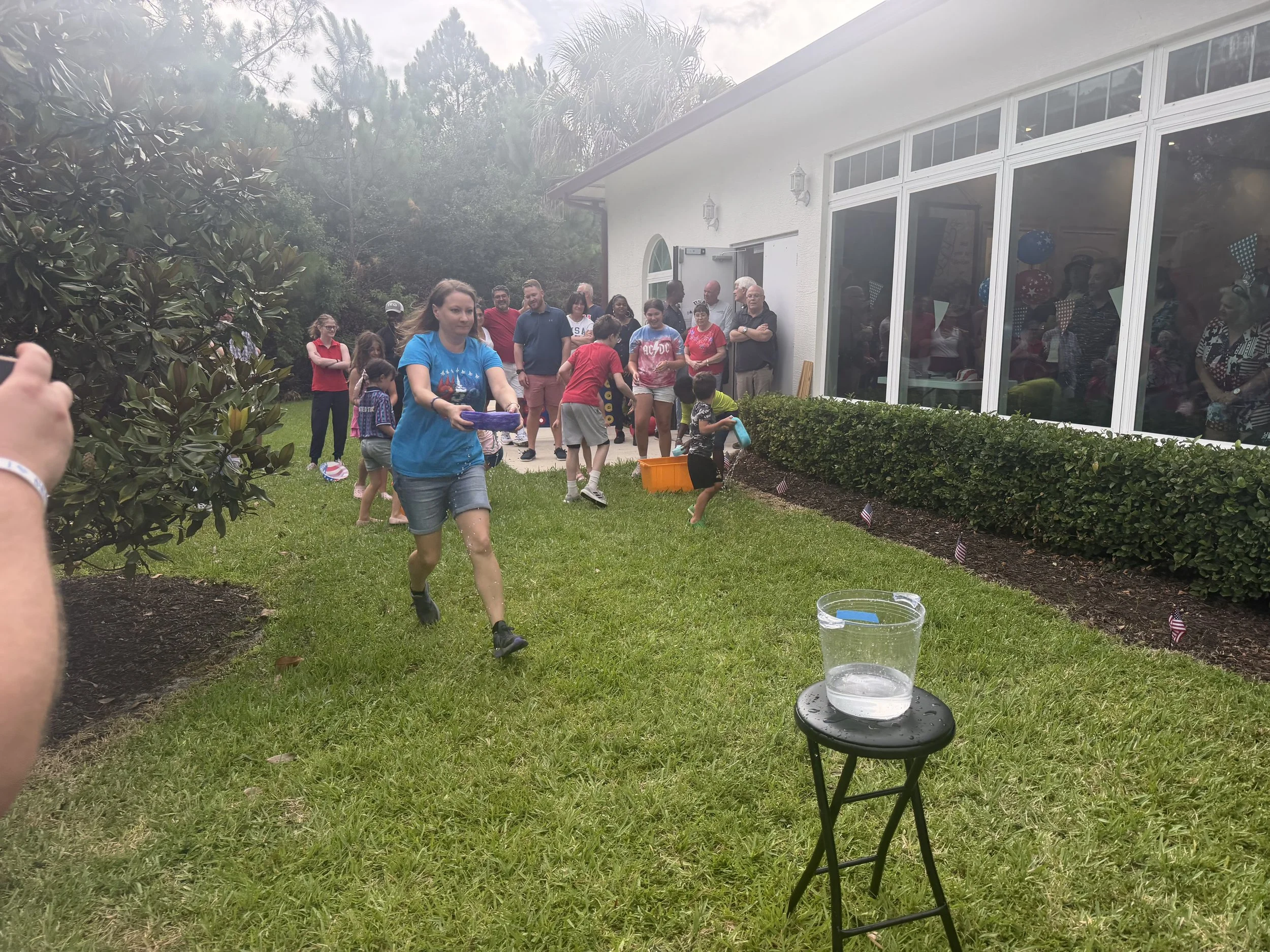
We went all out for the finale. Betsy blew everyone away with some super fun science experiments, and the kids got to taste passion fruit for their tropical fruit treat. After getting creative with some fish art projects, we ended the day with absolute chaos, throwing over a thousand water balloons at each other (and the parents!).
Huge thanks to everyone who helped make this entire year so fantastic.




































Red, White and BBQ [Photos]
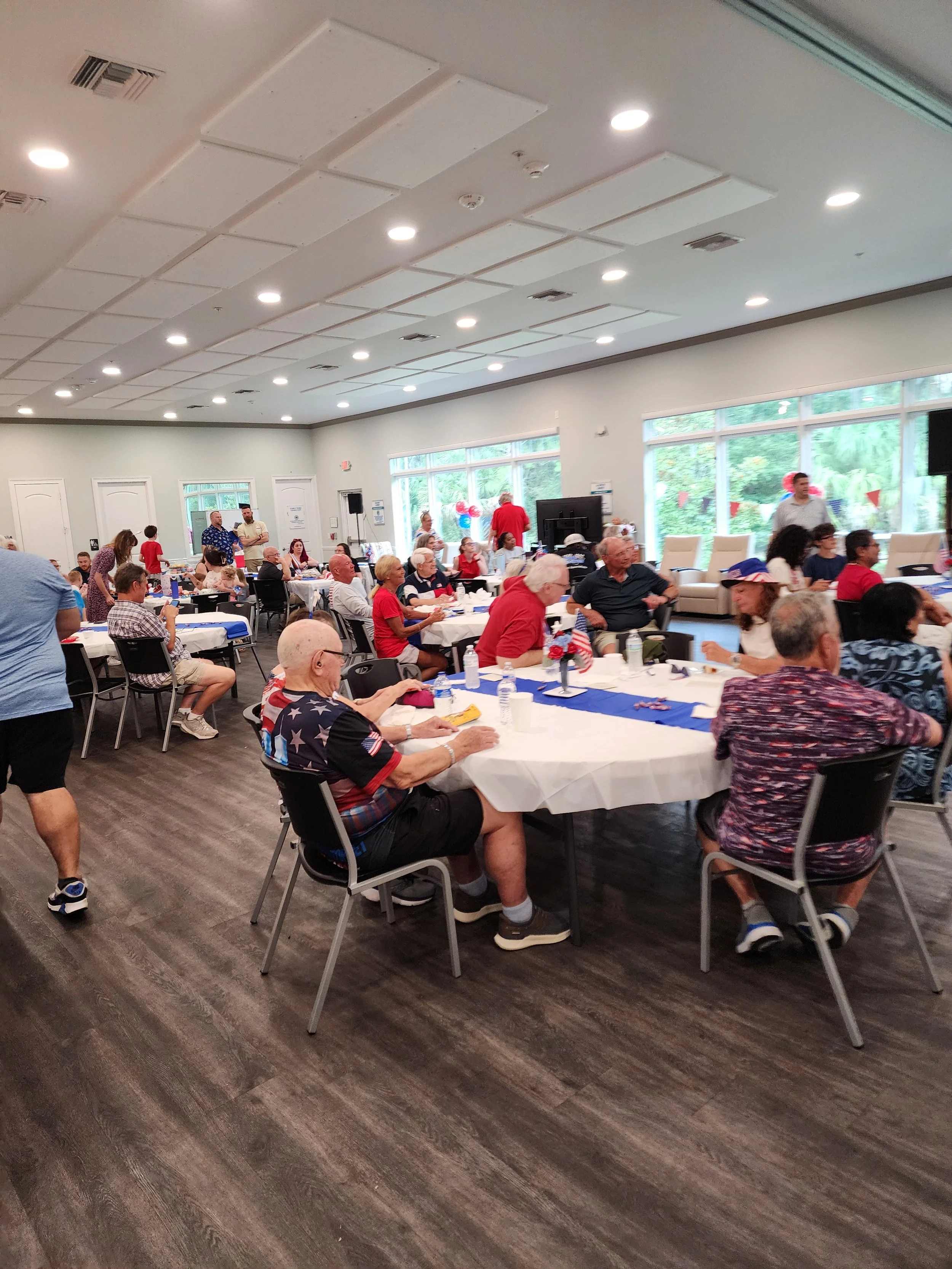
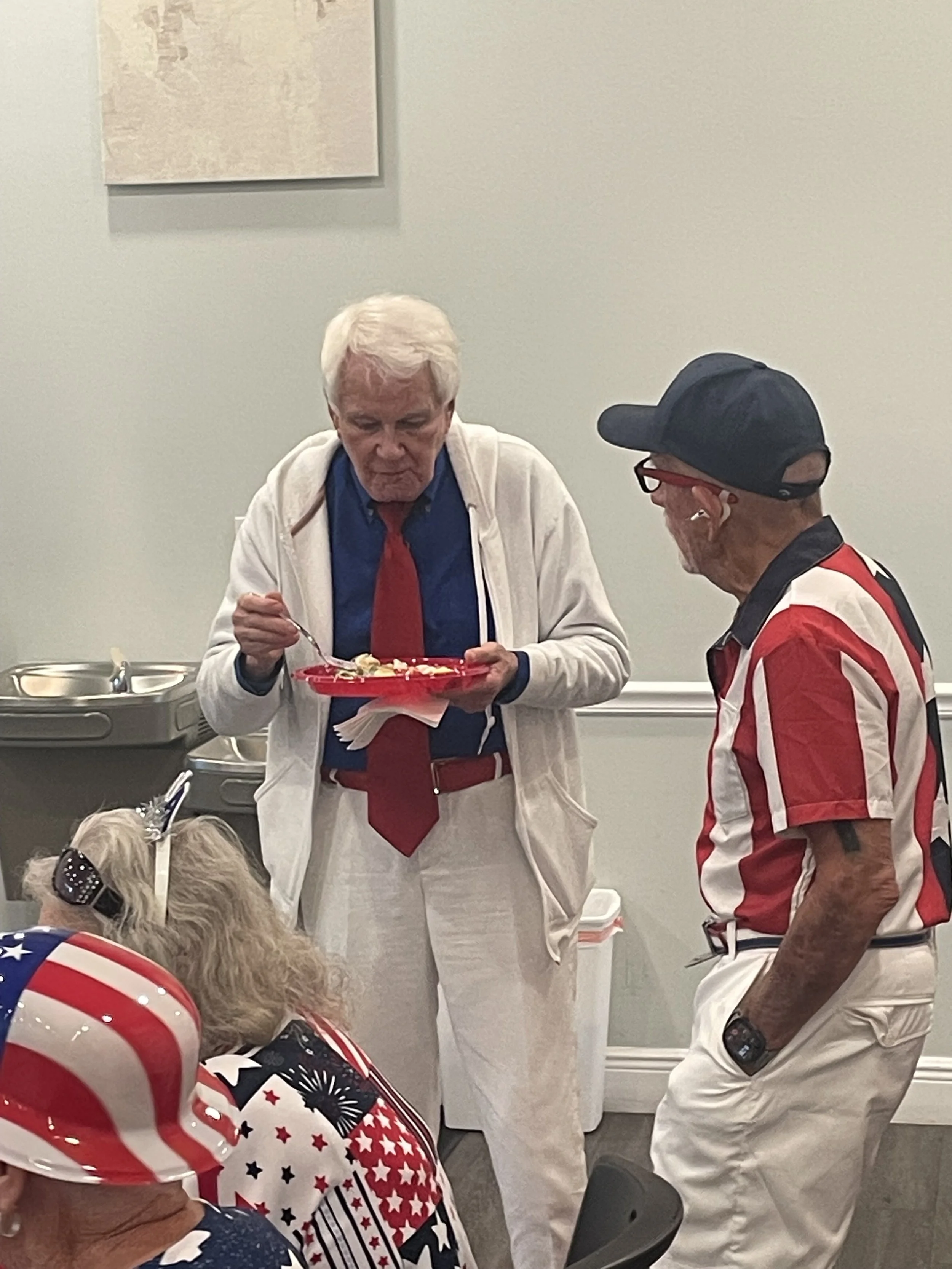
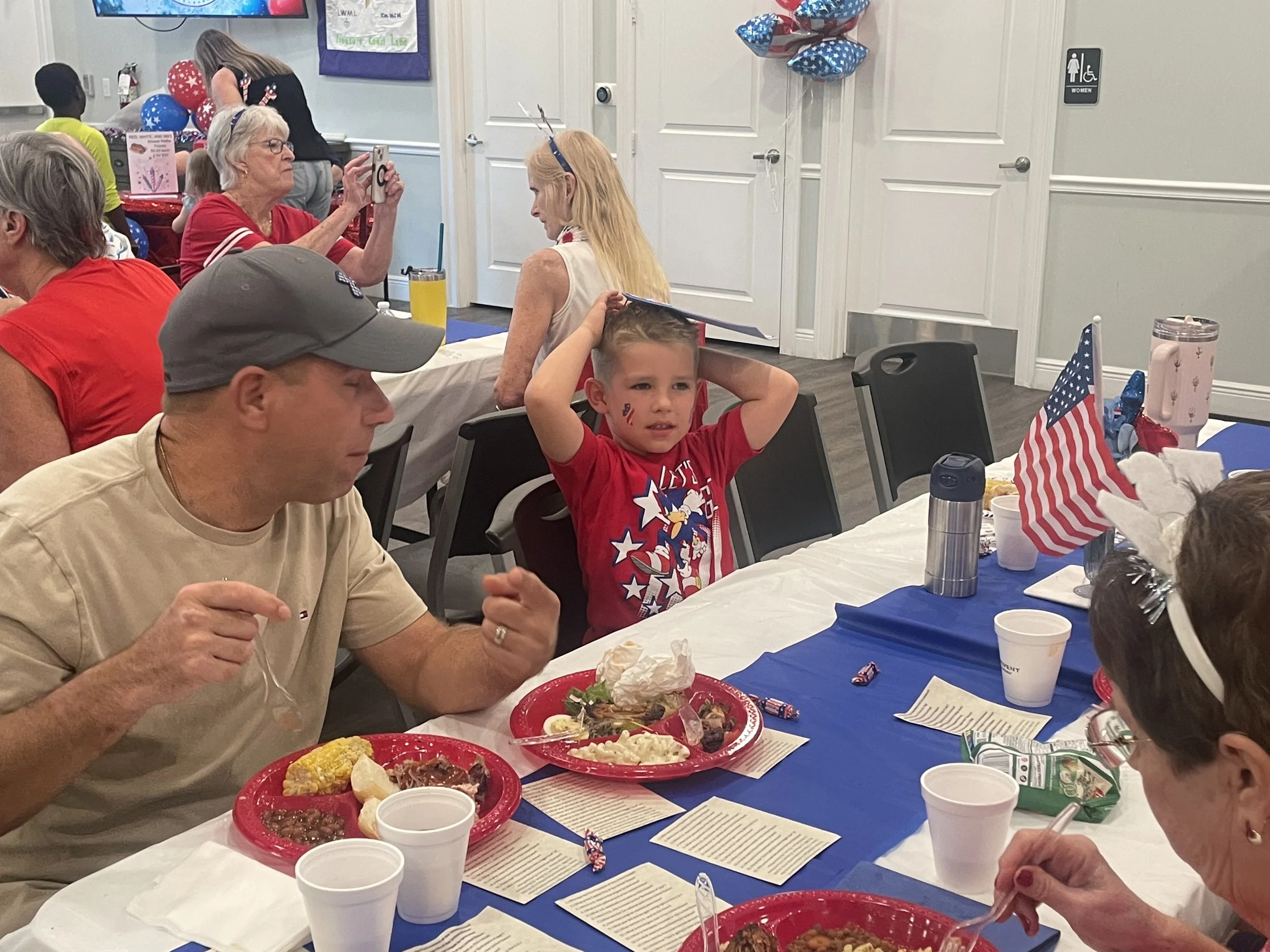
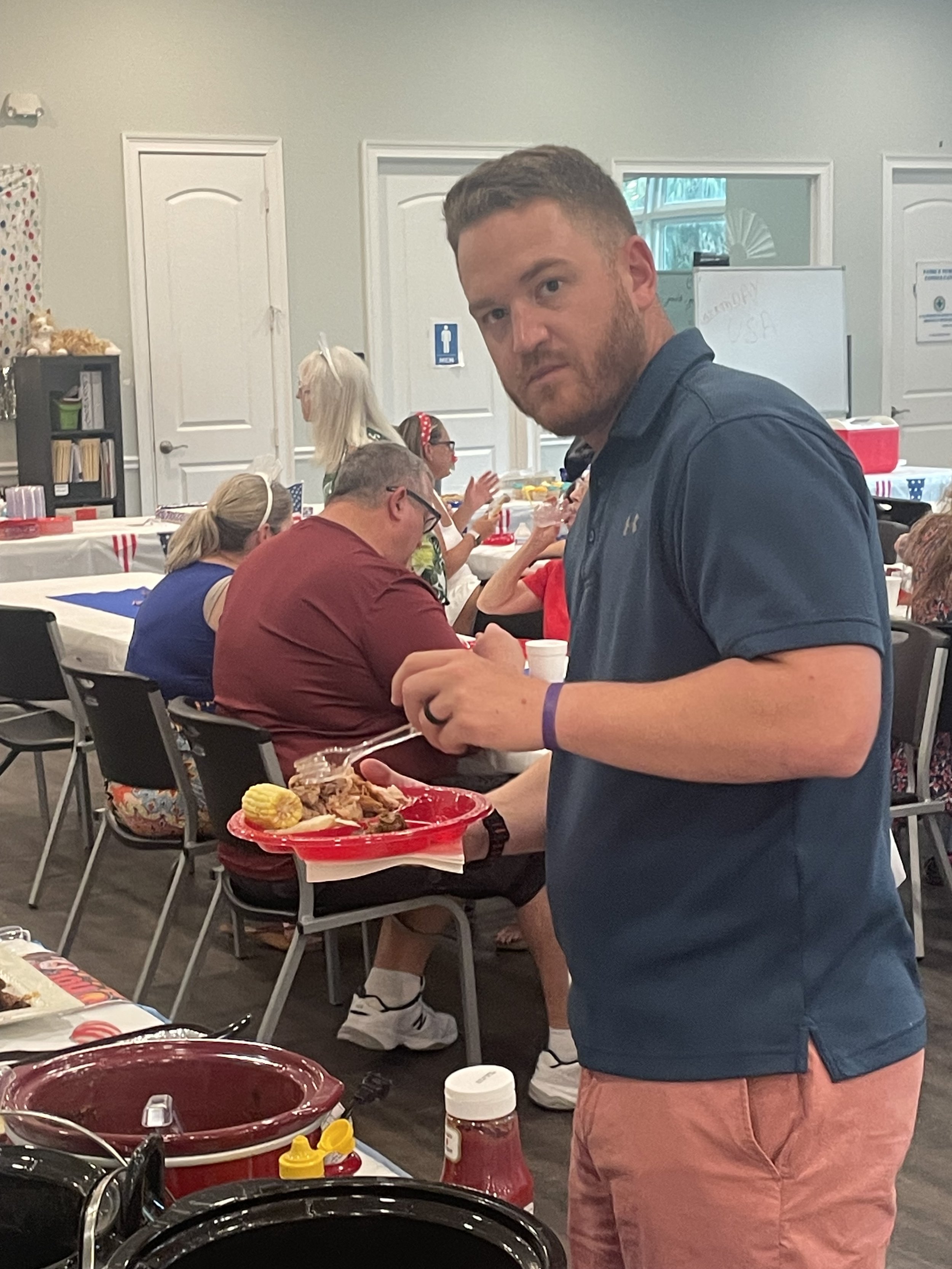
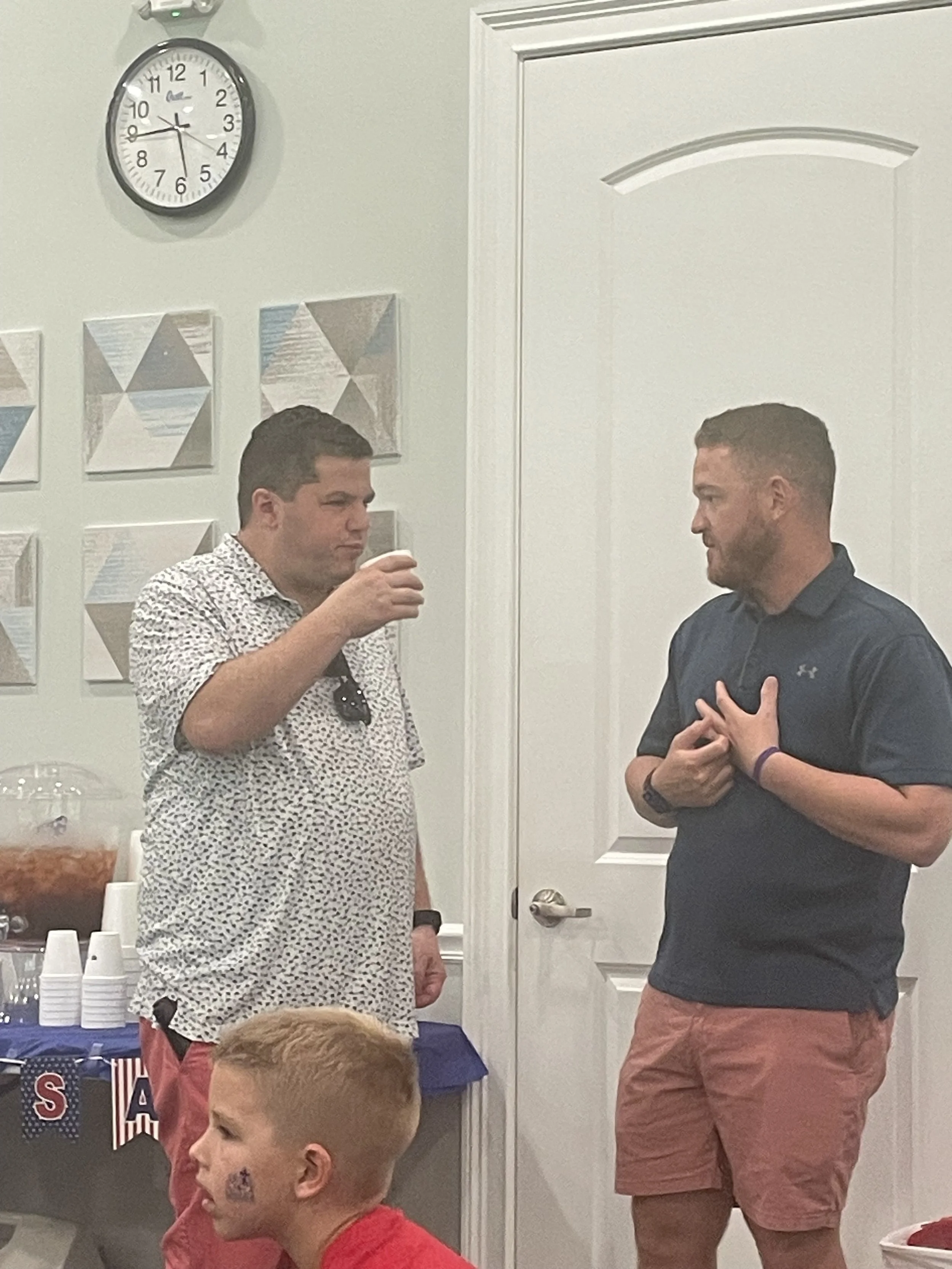
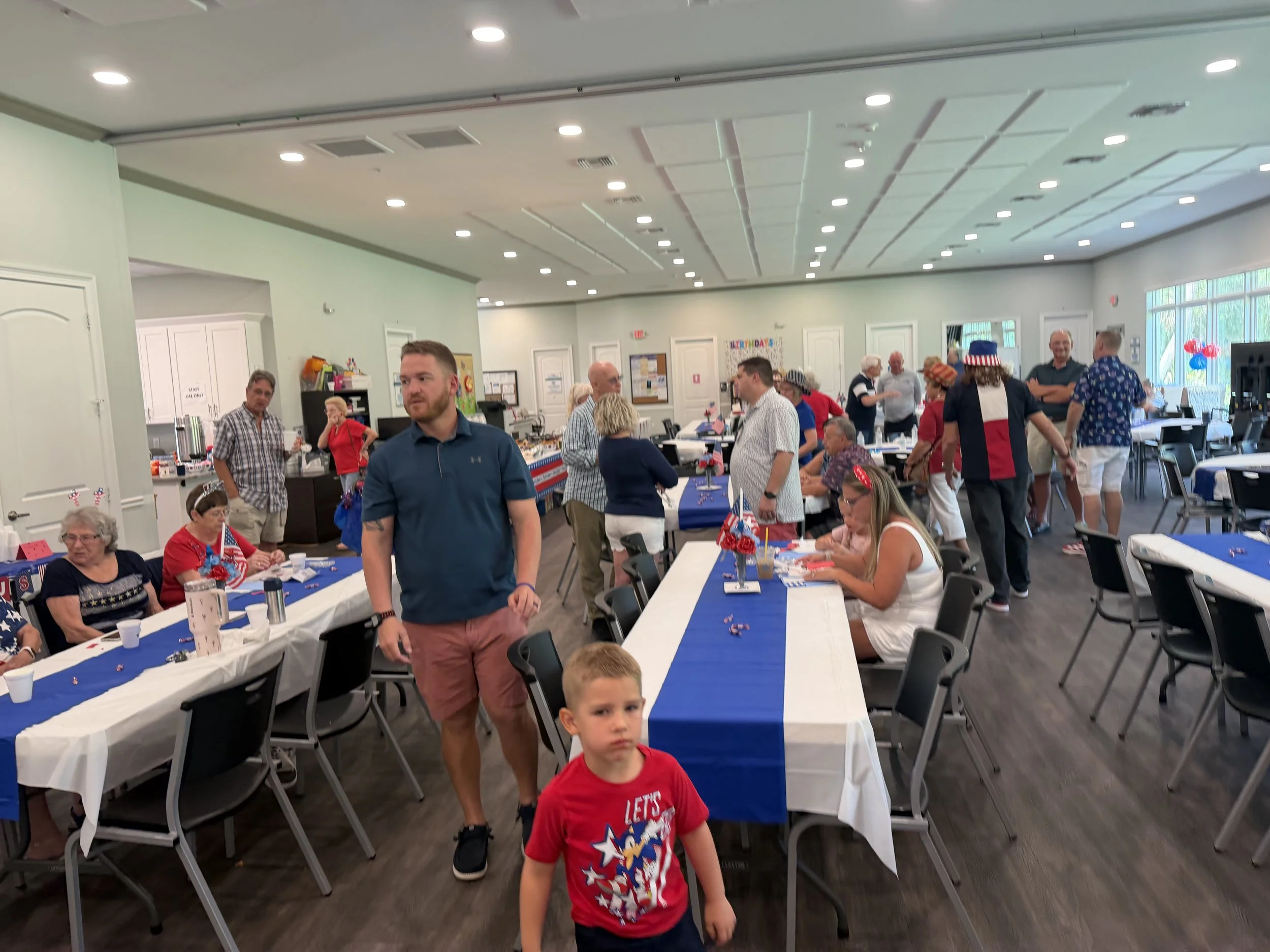
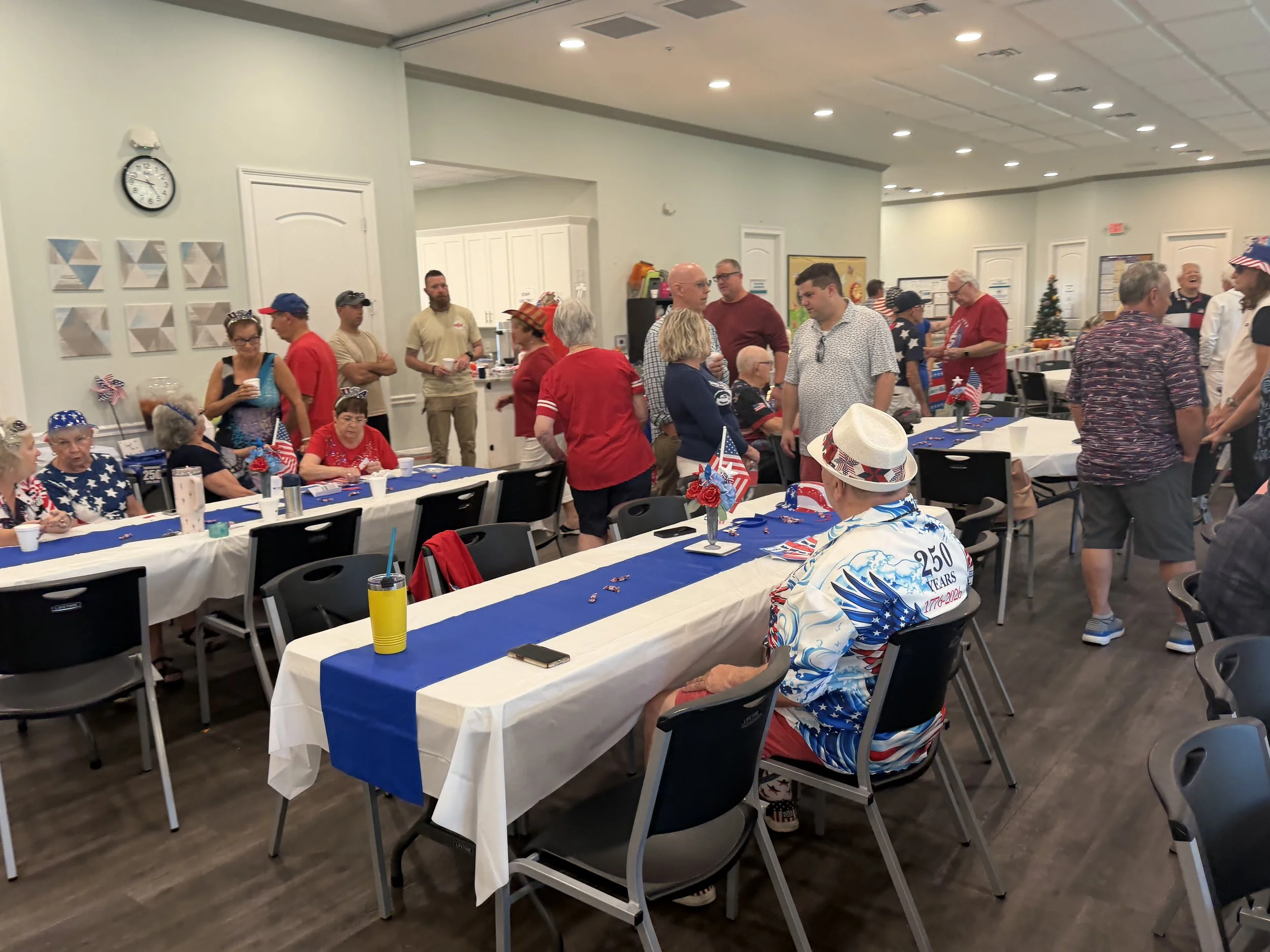
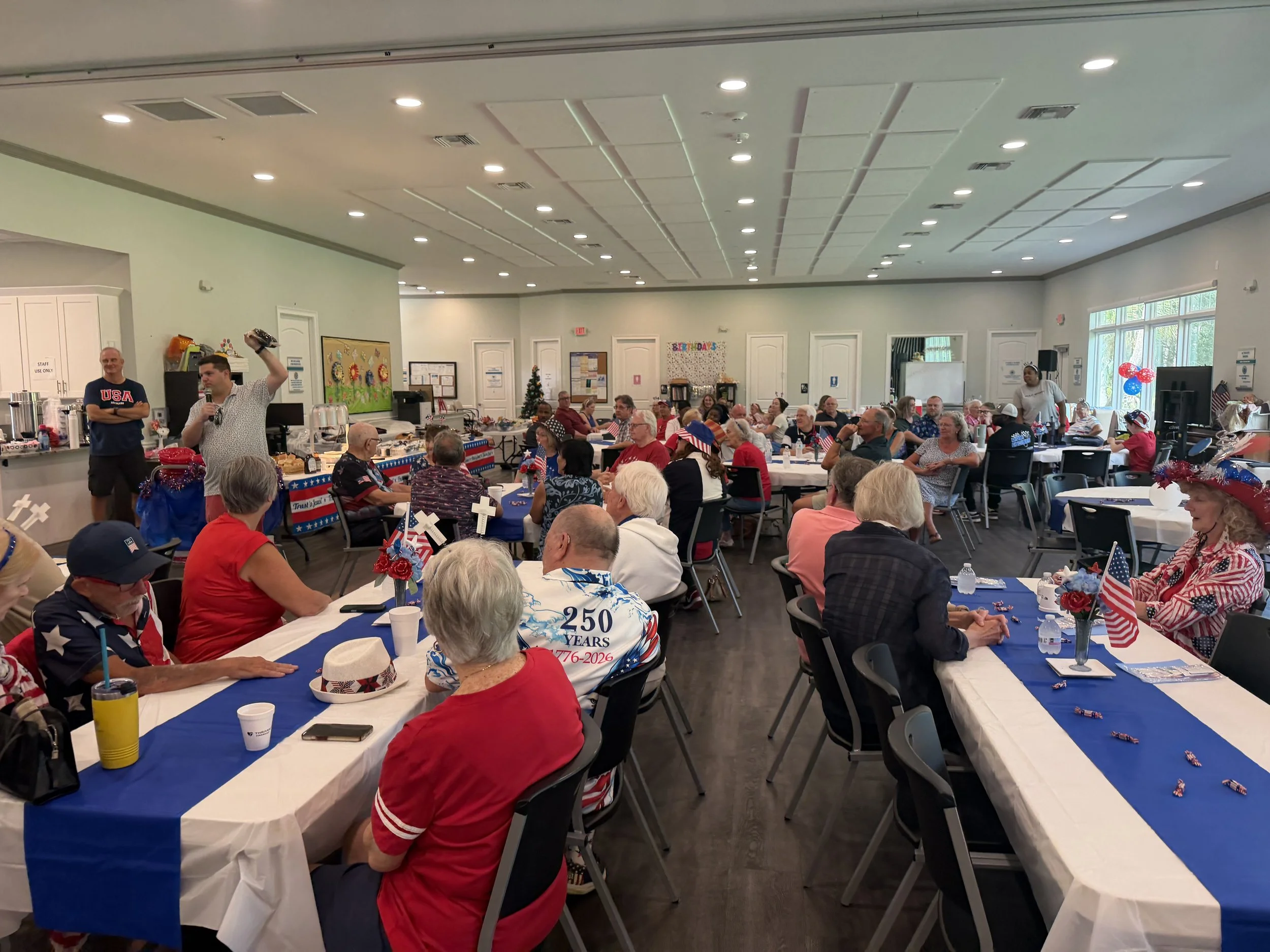
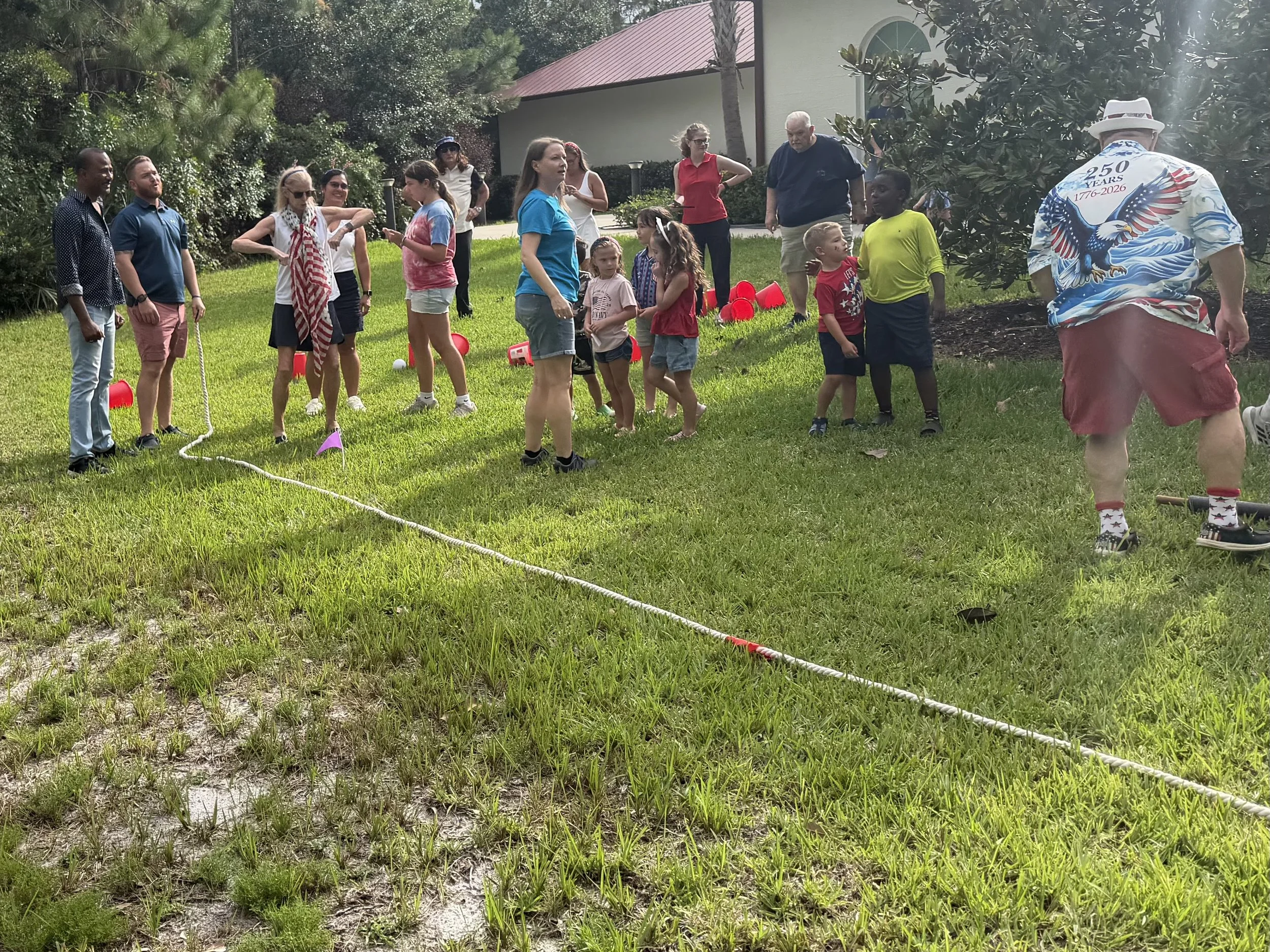
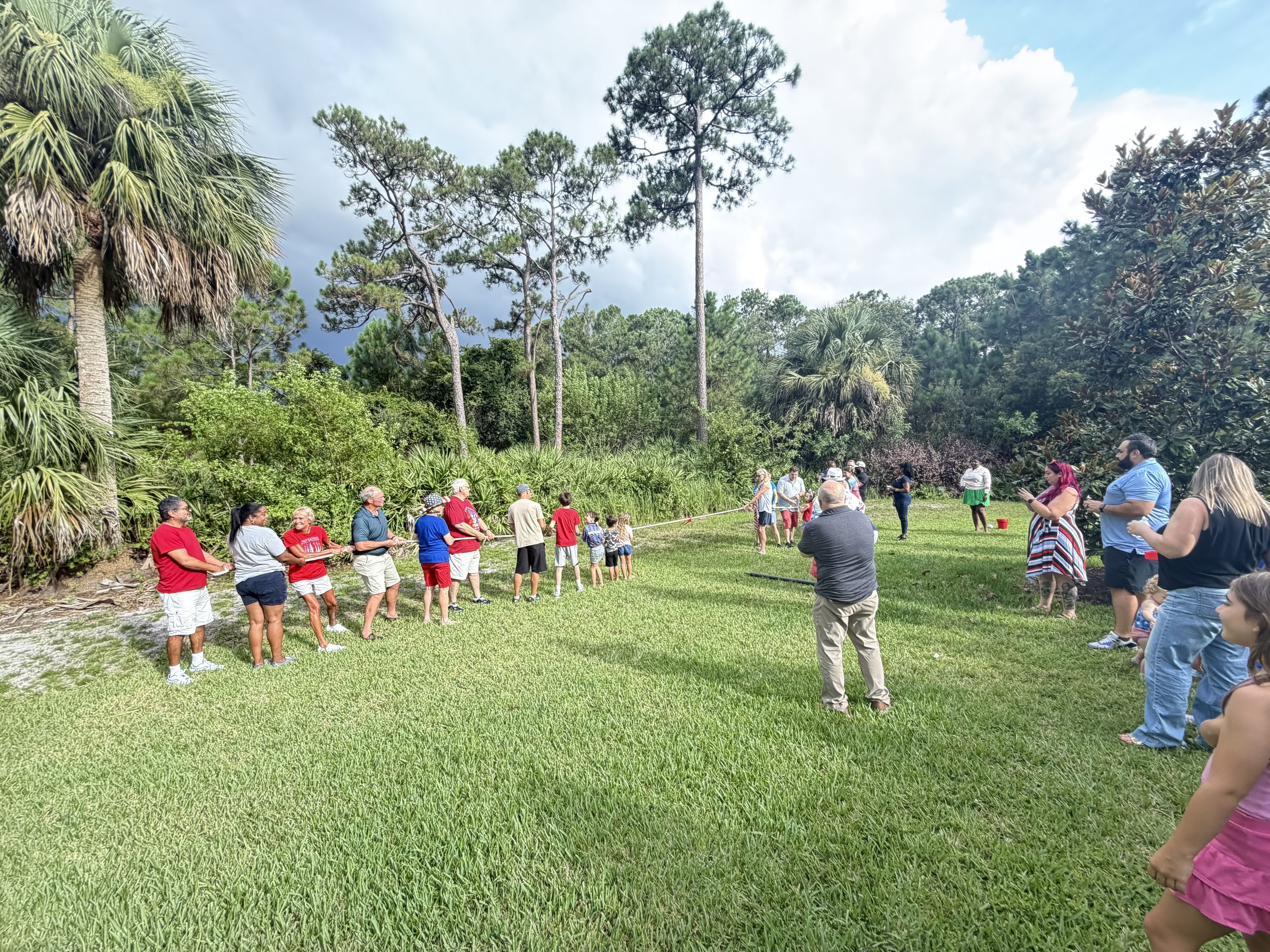
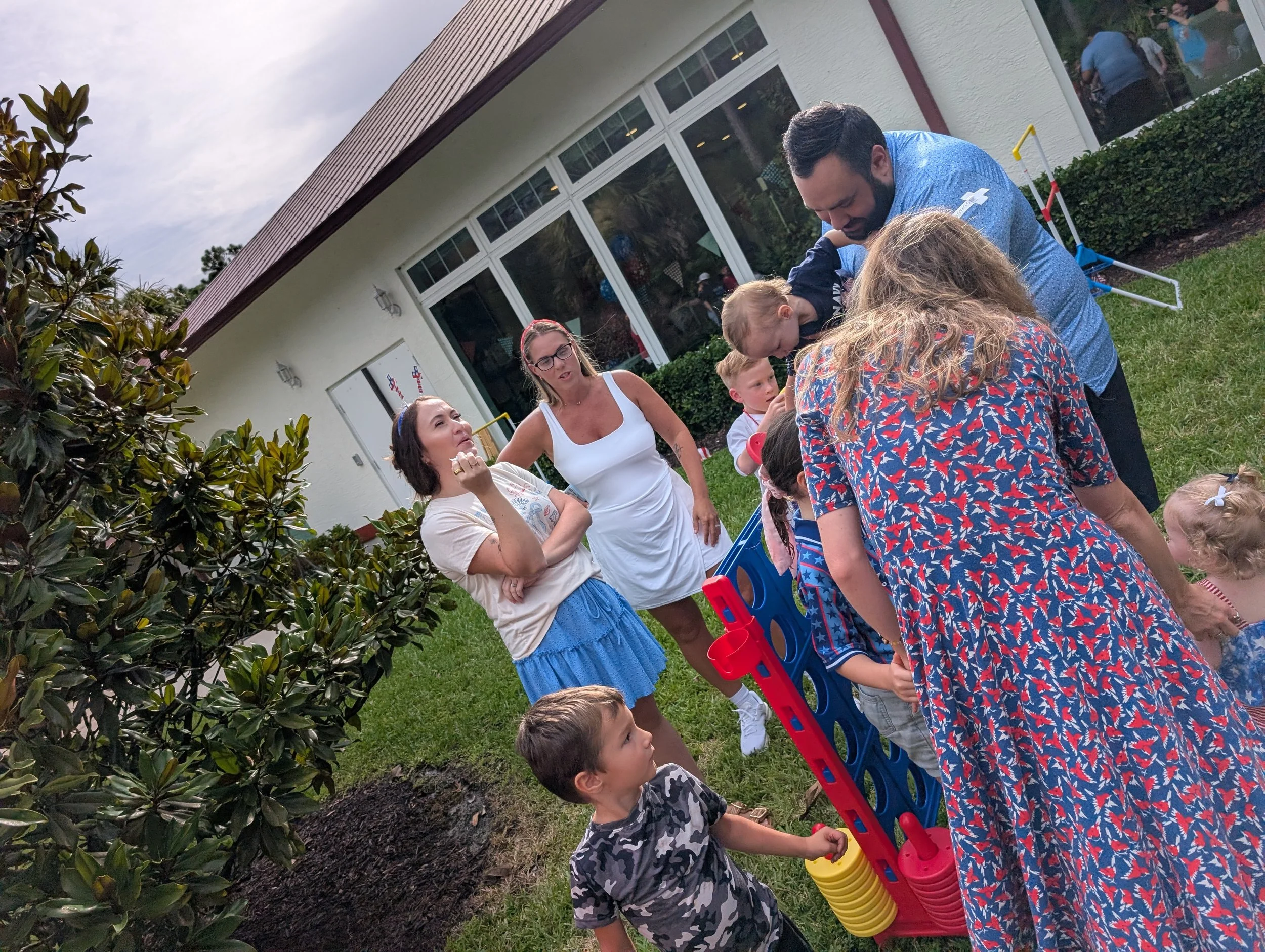
Wow, what a great turnout for Red, White, and BBQ!
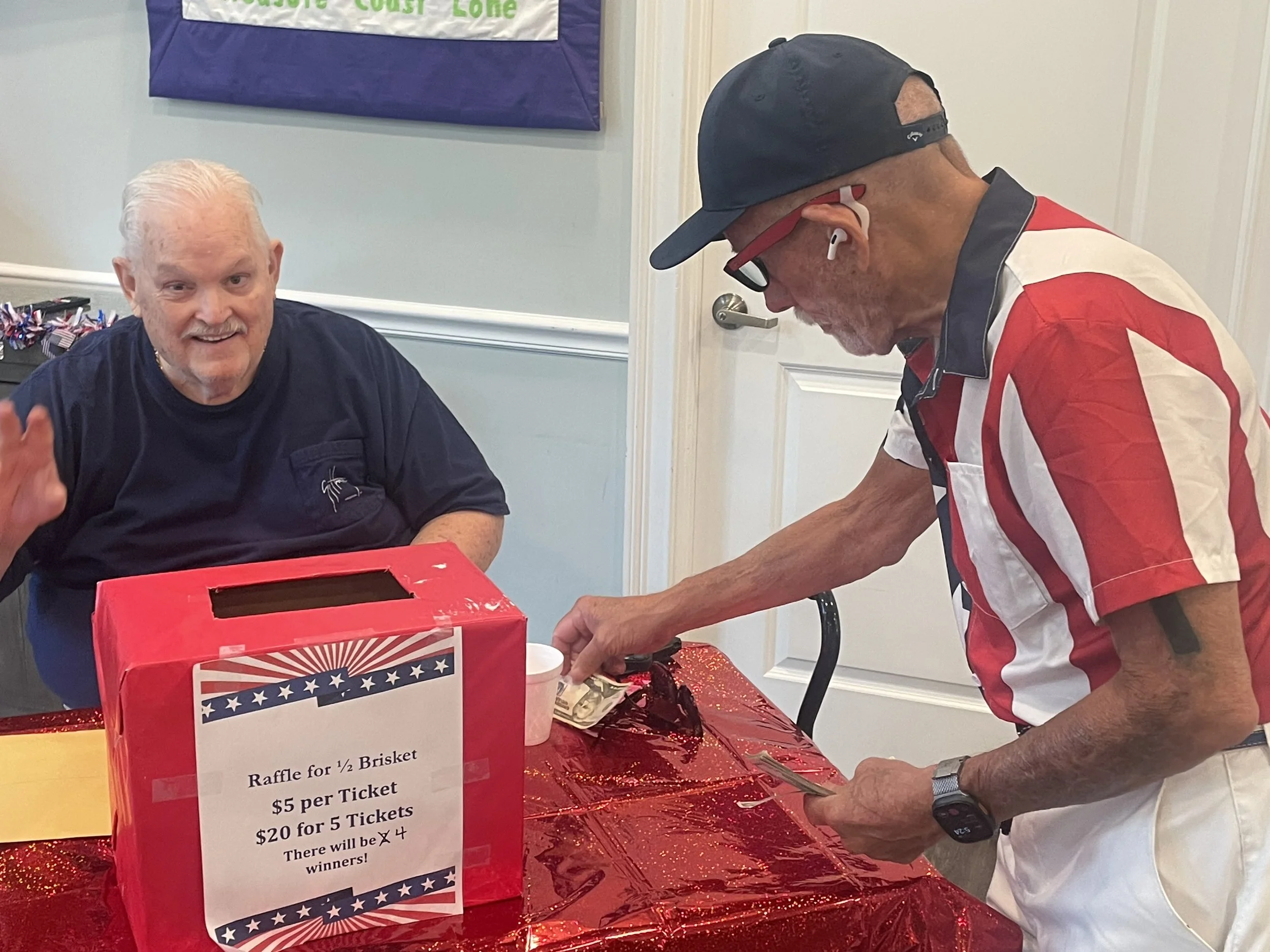
Wow, what a great turnout for Red, White, and BBQ! Big thanks to Jerry for smoking up some amazing chicken and pork, and for providing the brisket for our raffle. Shoutout to the winners—hope you enjoy it!
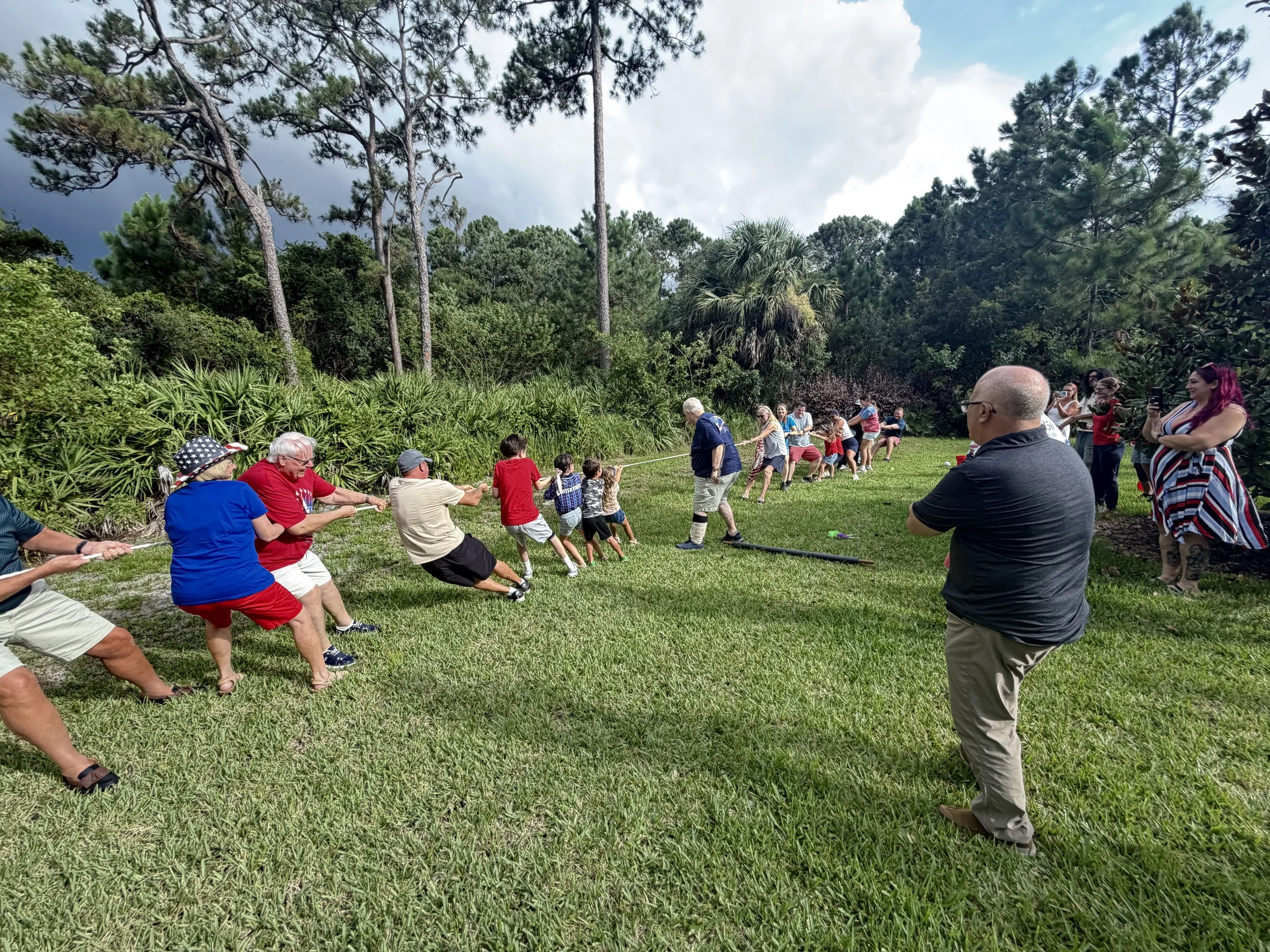
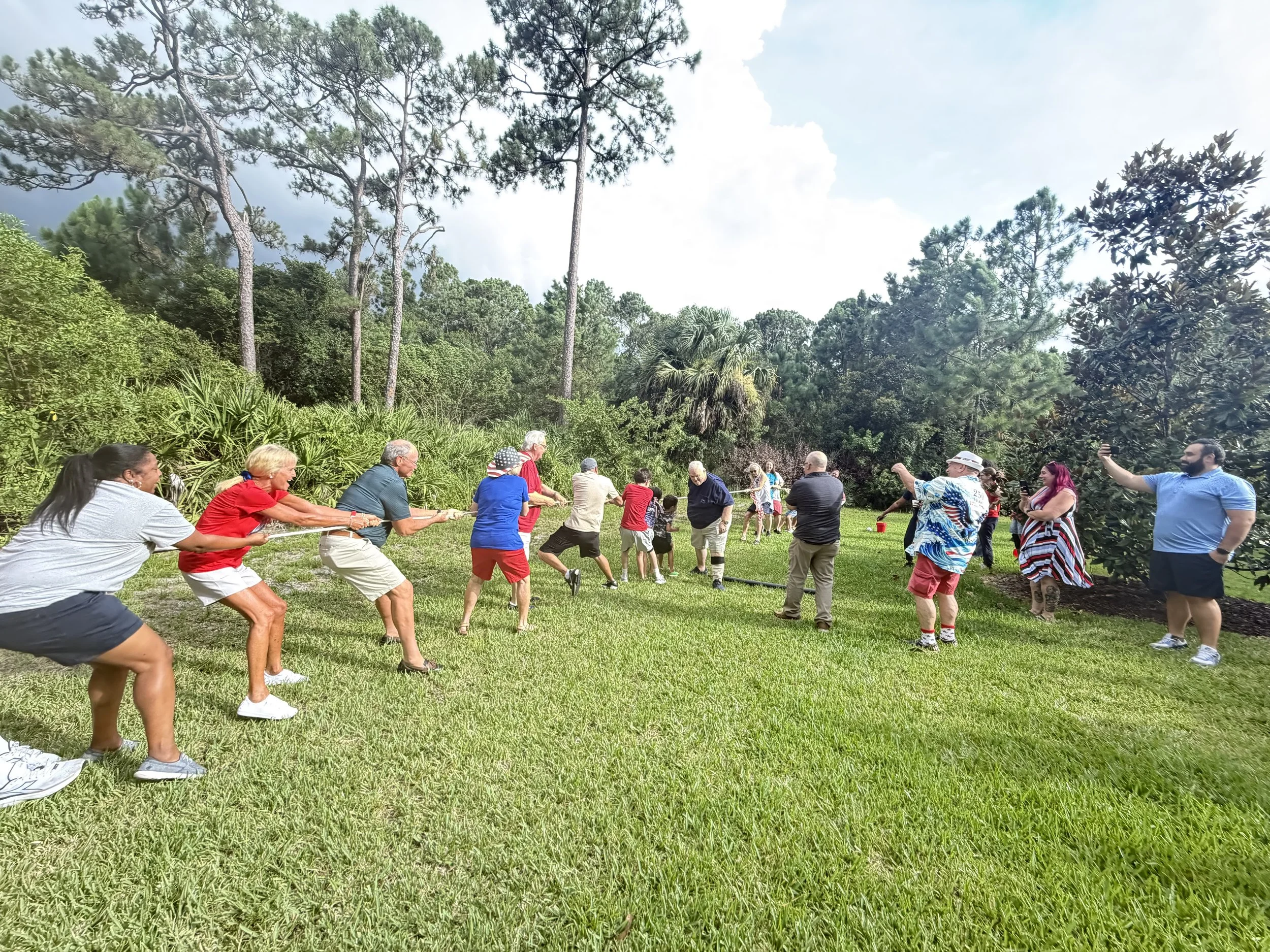
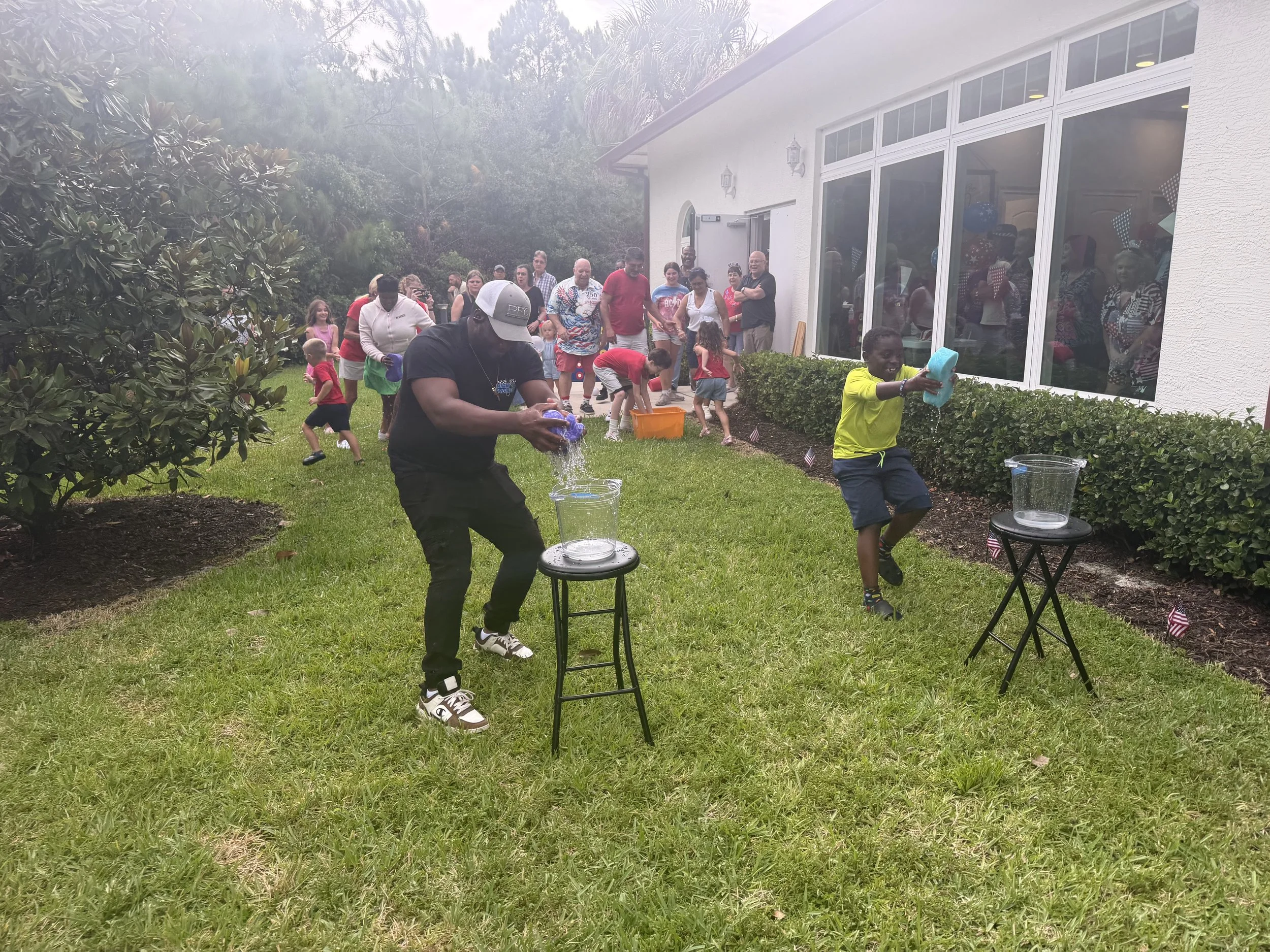
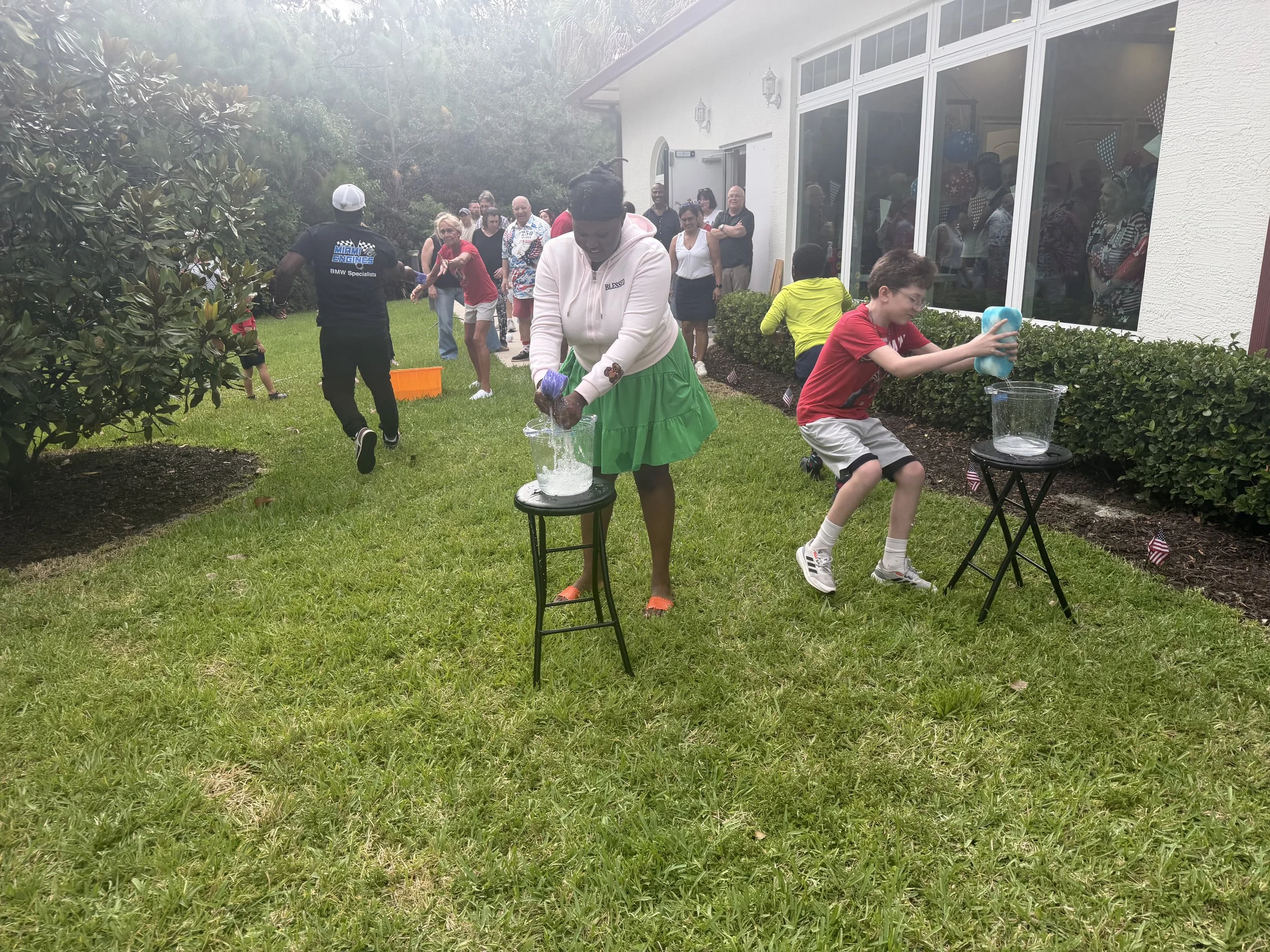
Thanks to everyone who came through and brought food. The games this year were next level. The sponge water-transfer game was a blast, and the tug-of-war was hysterical, I love how many people randomly jumped in to help! It seriously warms my heart to see everyone hanging out, talking, and laughing together.







































































































[Sunday] Joshua 1:9 - Richer
Be strong and courageous" isn't God telling you to try harder. It's an invitation to rest in the victory He has already won.
"Be strong and courageous" isn't God telling you to try harder. It's an invitation to rest in the victory He has already won.
Questions for the Week: Joshua 1:9
In what areas of your life (parenting, career, relationships) do you feel the exhausting pressure that everything depends entirely on your performance?
Read Joshua 1:1-9: Joshua was facing an impossible, terrifying transition with the death of Moses and a flooded river ahead of him. Have you ever faced a life transition that felt impossible, and how did God's presence carry you through it?
It’s exhausting to constantly try to bend God's will to match what we want—whether in our jobs, marriages, or politics. Jesus did the exact opposite in the Garden of Gethsemane ("Not my will, but yours be done"). When is it hardest for you to stop fighting and trust God’s plan?
God gives Joshua the victory. How does it take the pressure off you to know that God doesn't need you to be a "perfect professional" to do His work in someone else's life?
What Had happened at Grace this week.

Church Family in need of Van Because of Fire.
Family in need after van fire.

The past couple of weeks have been quite a whirlwind for Emily and Fabrice!
Two weeks ago, they welcomed their fourth child into the world, mom and baby are both doing wonderful and healthy.
However, this past week brought an unexpected trial when their family van caught fire and was completely destroyed.
We would love to rally around the family to help them purchase a replacement vehicle. If you feel led to give, please send your donation to the church and designate it for "The Van Fund."


Tropical Trek Bible Club 26
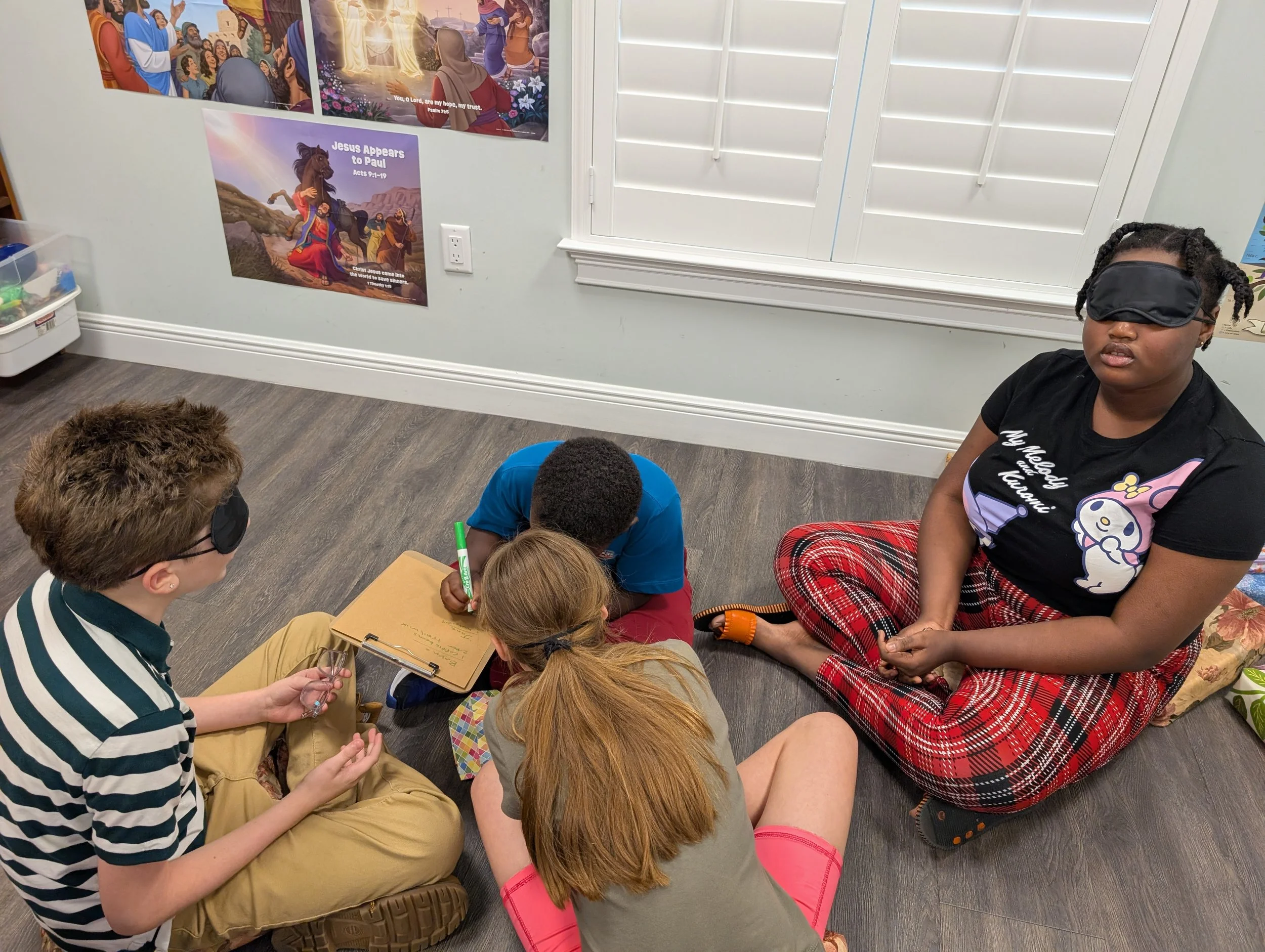
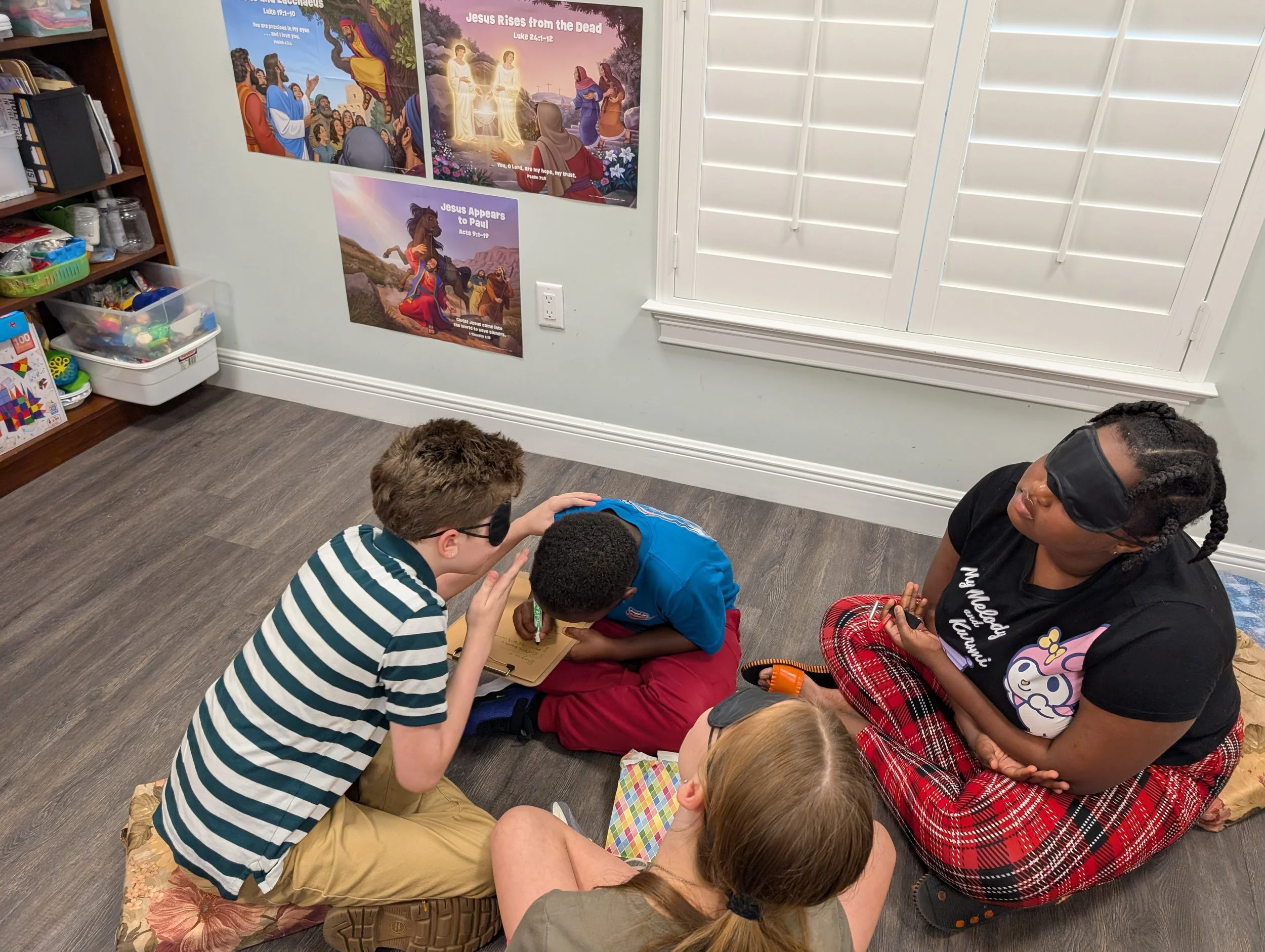
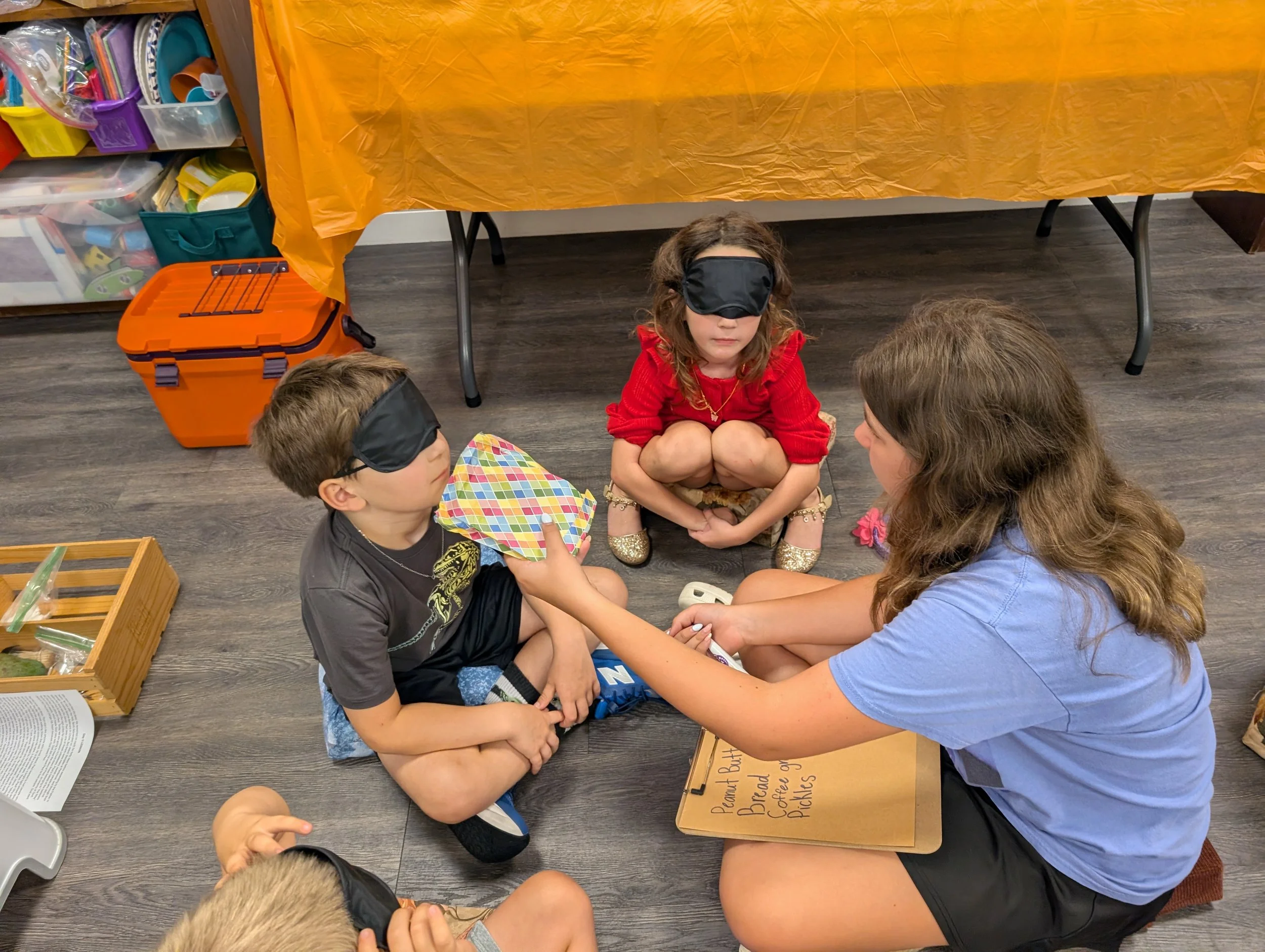
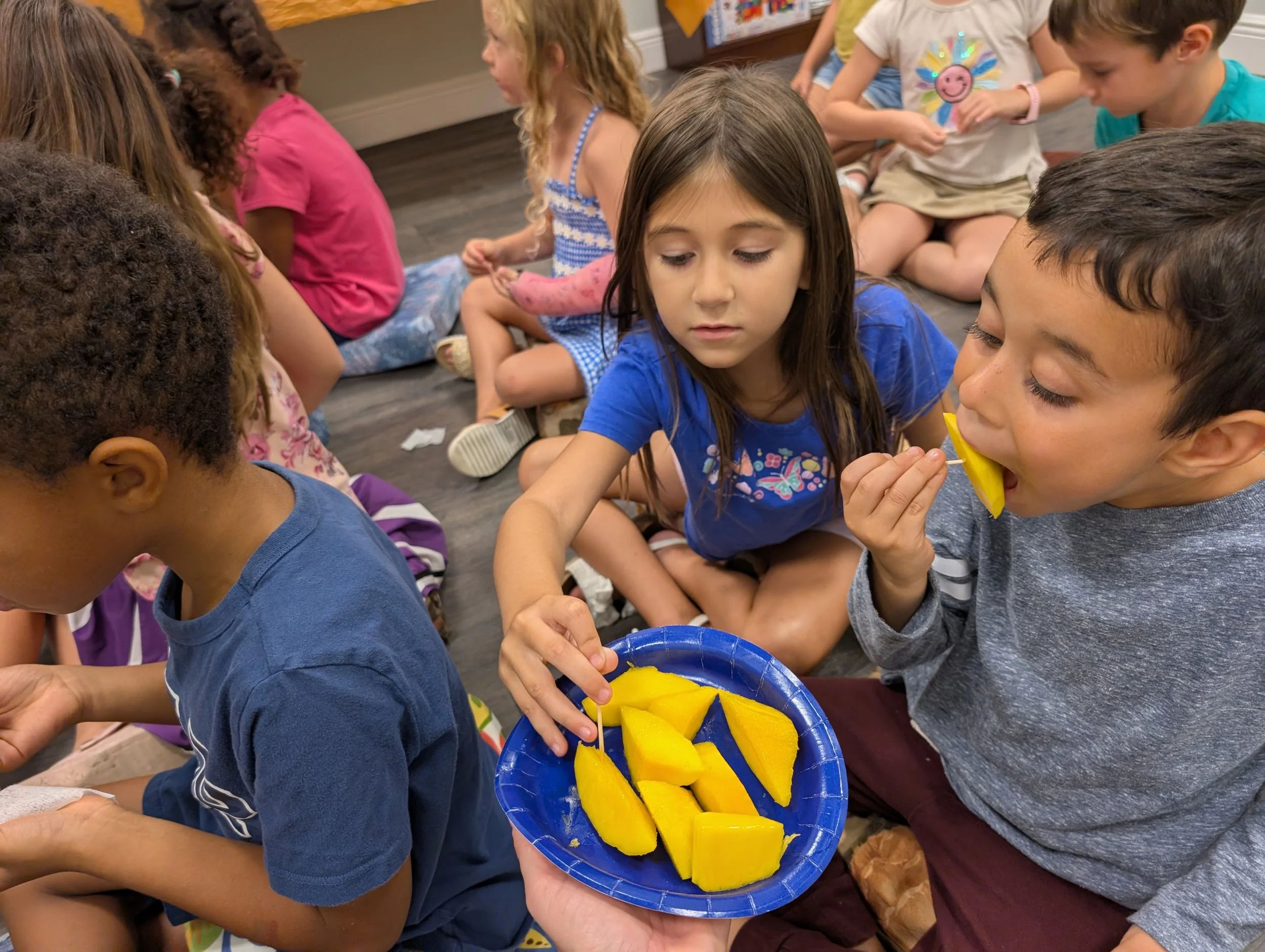
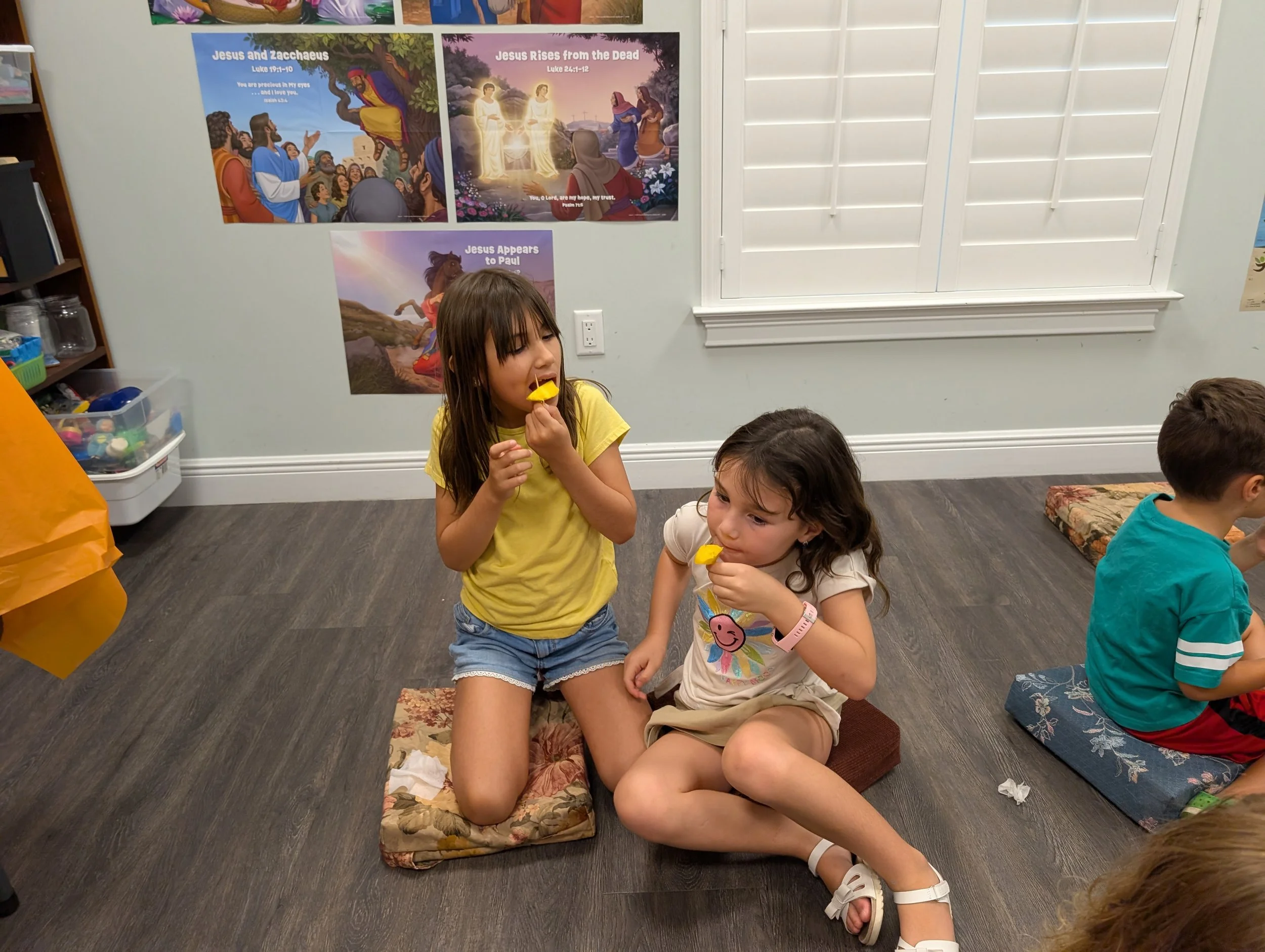
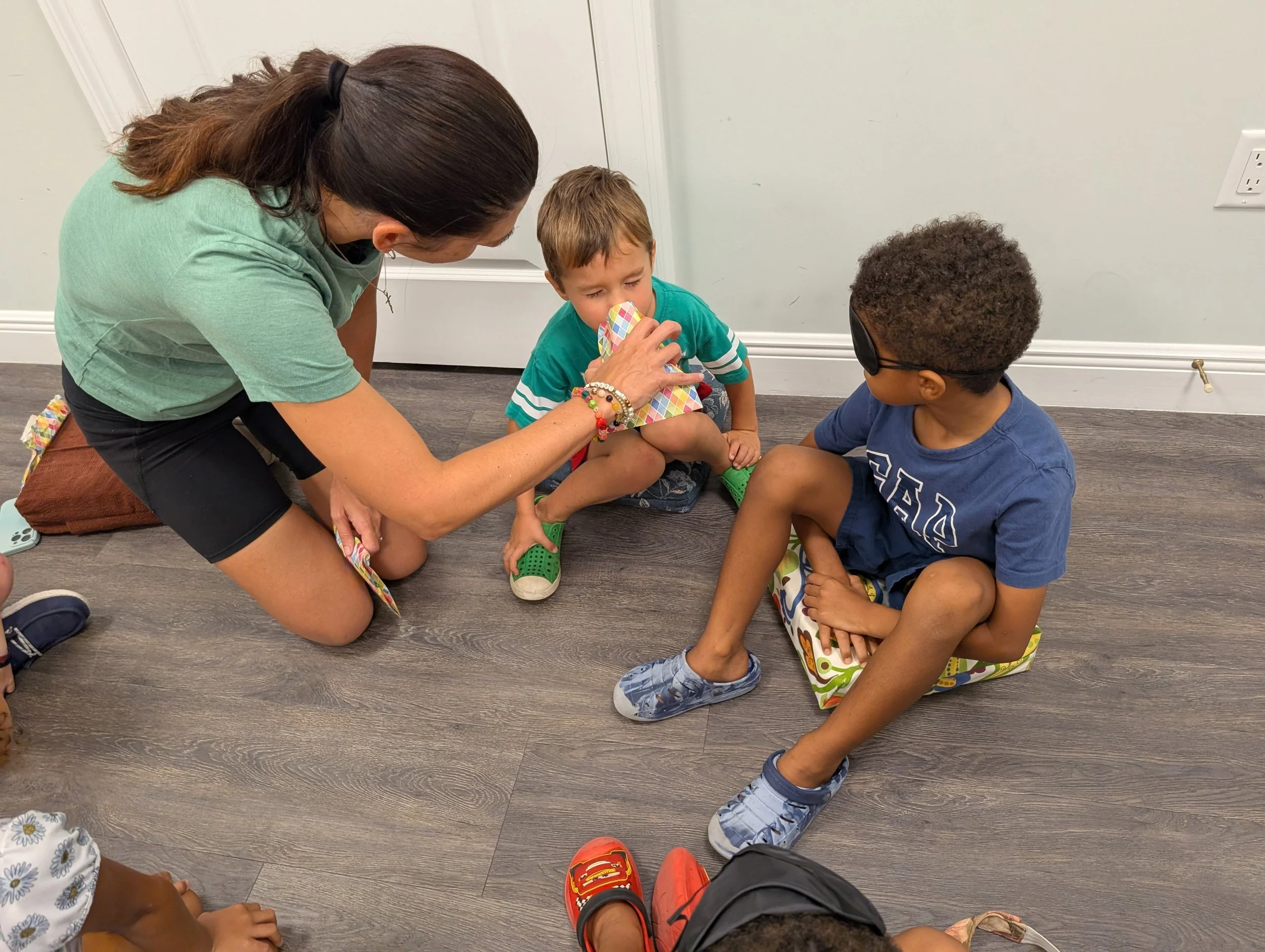
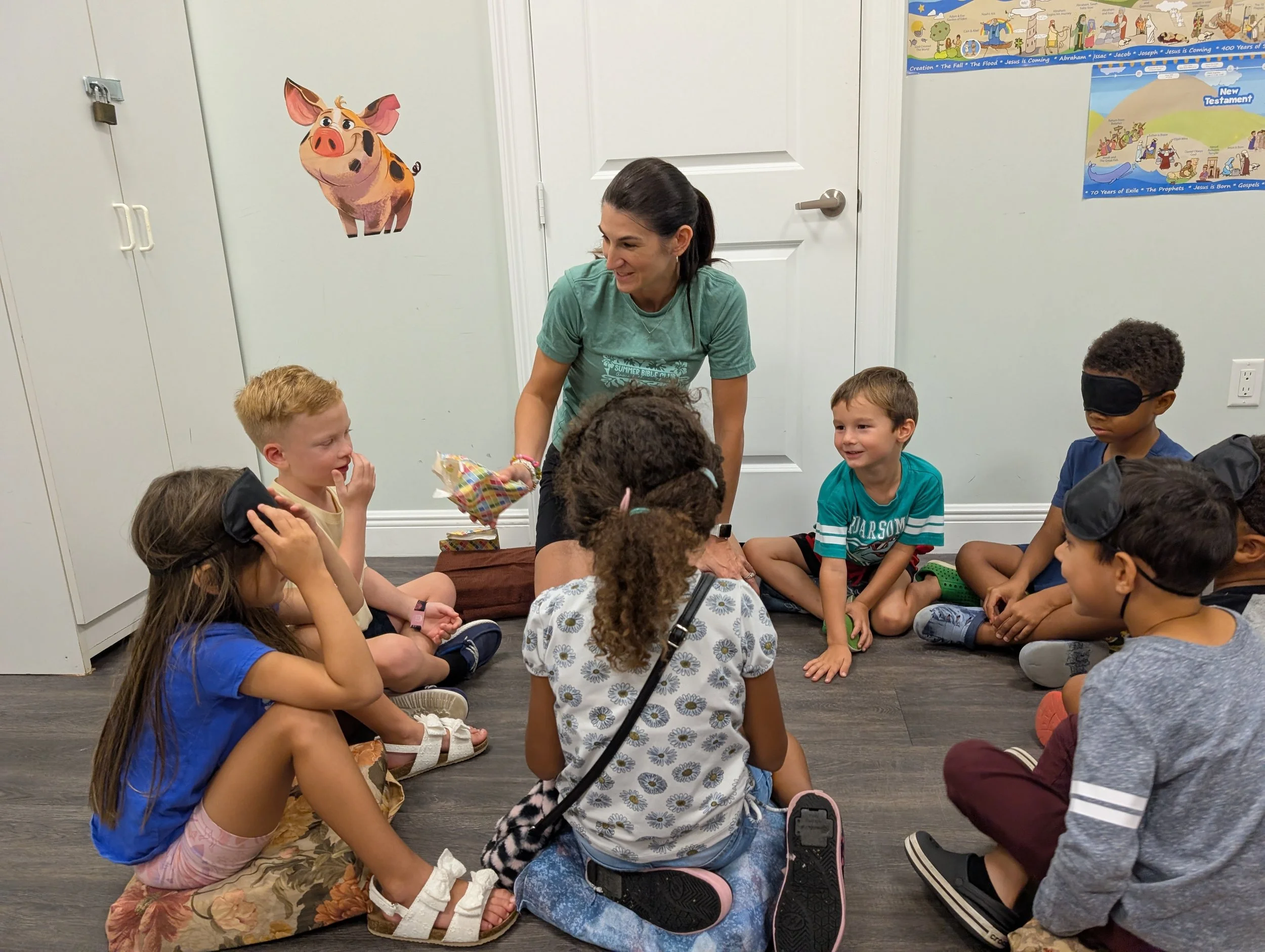
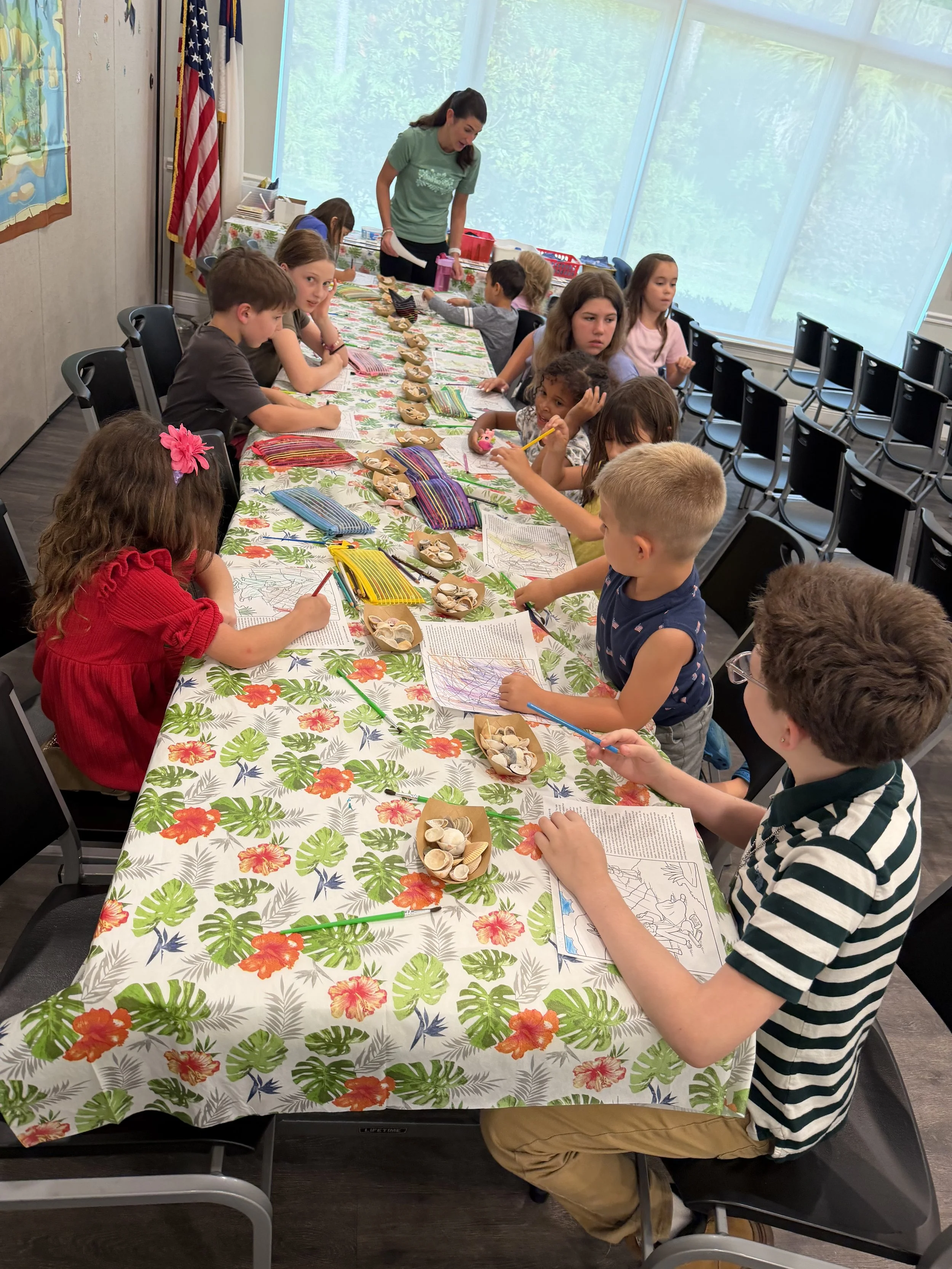
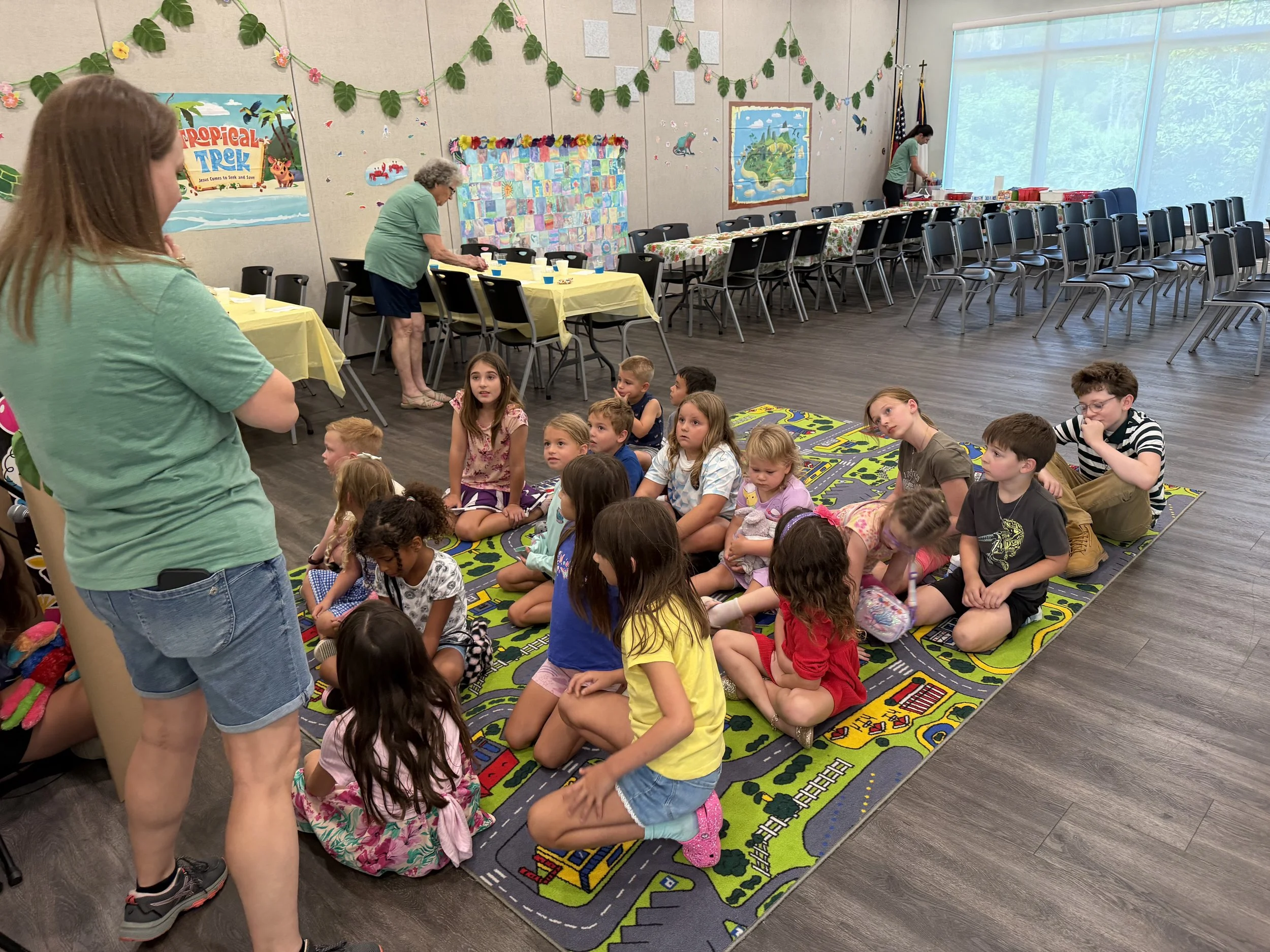
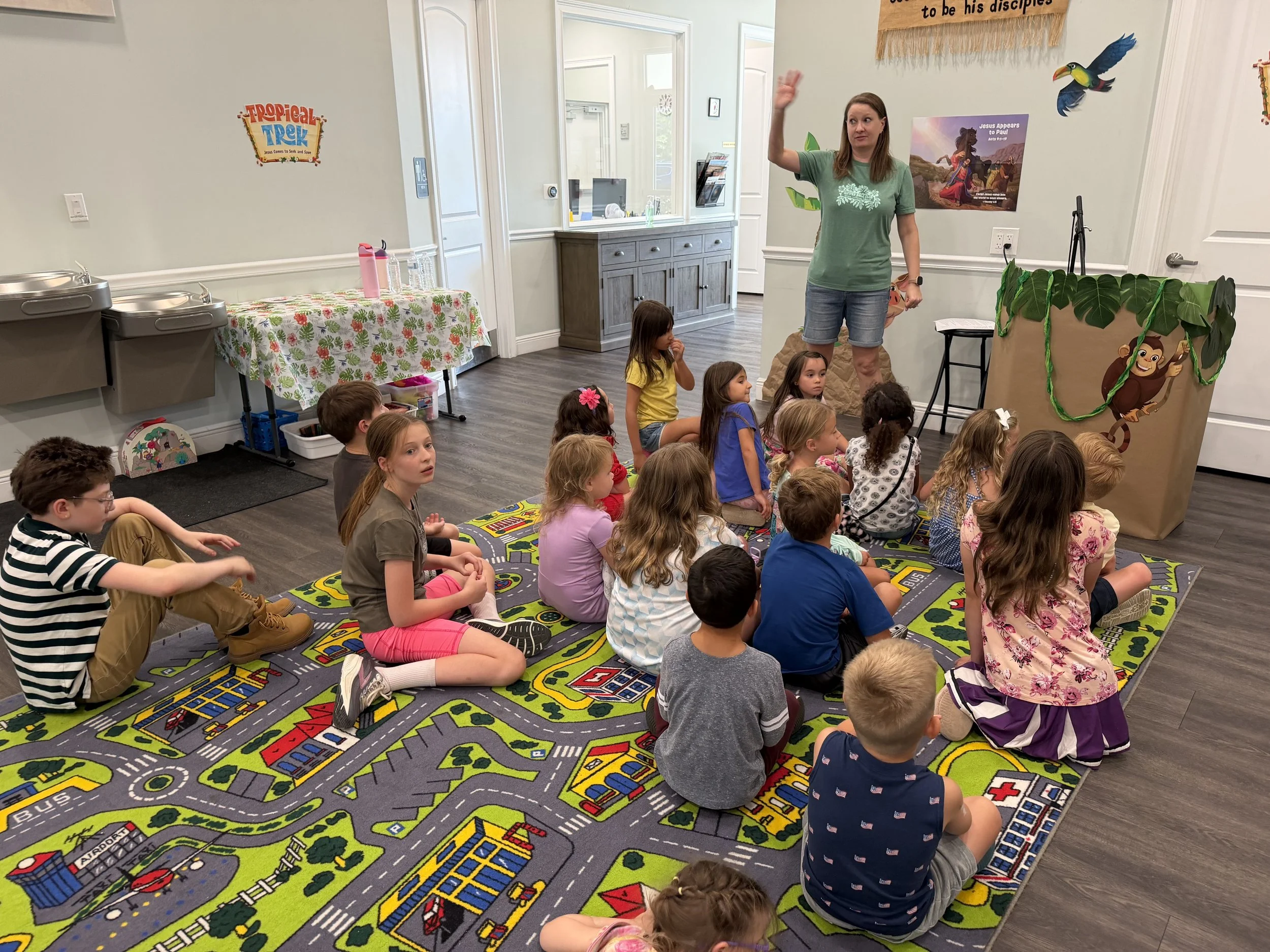
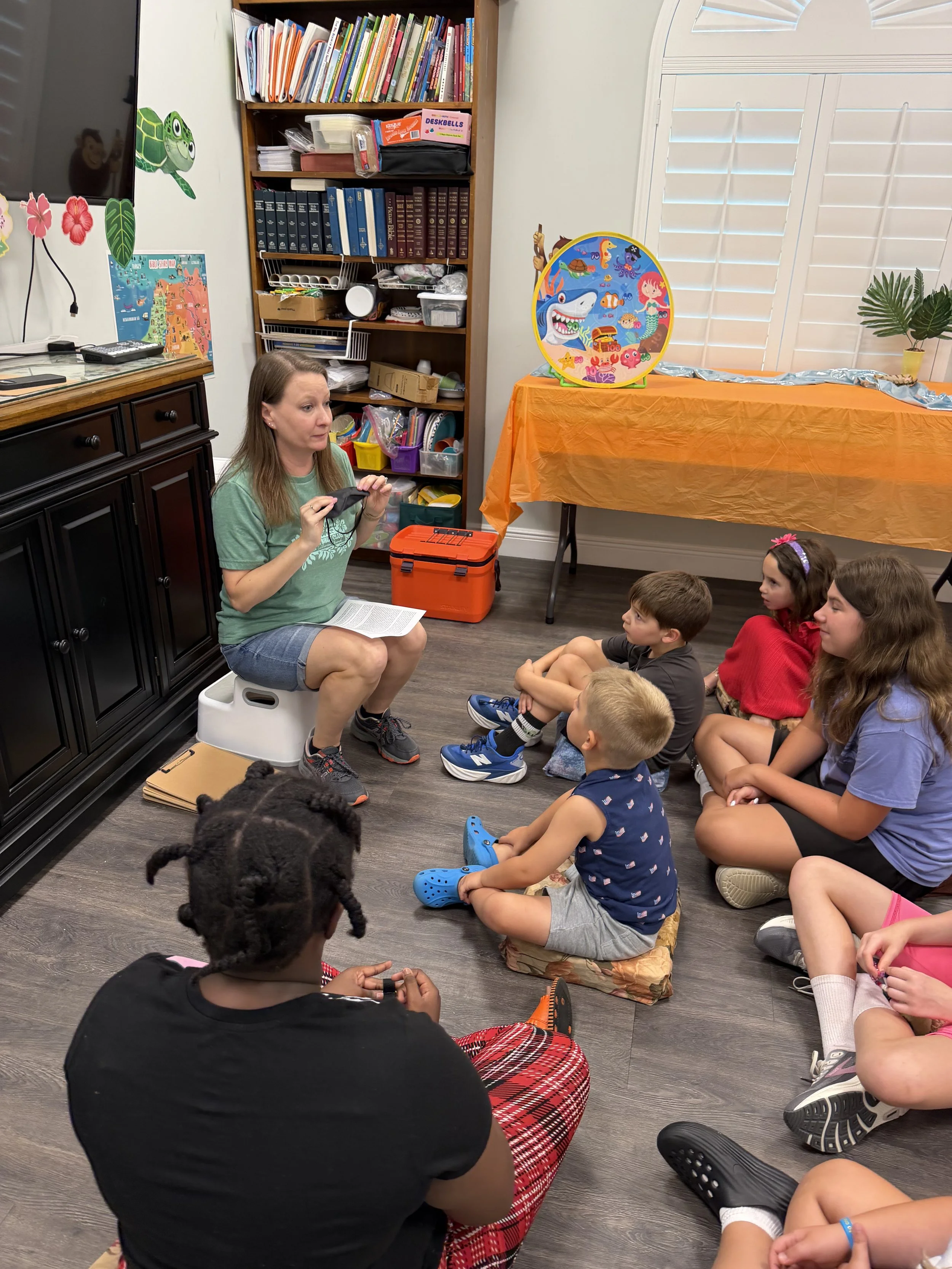
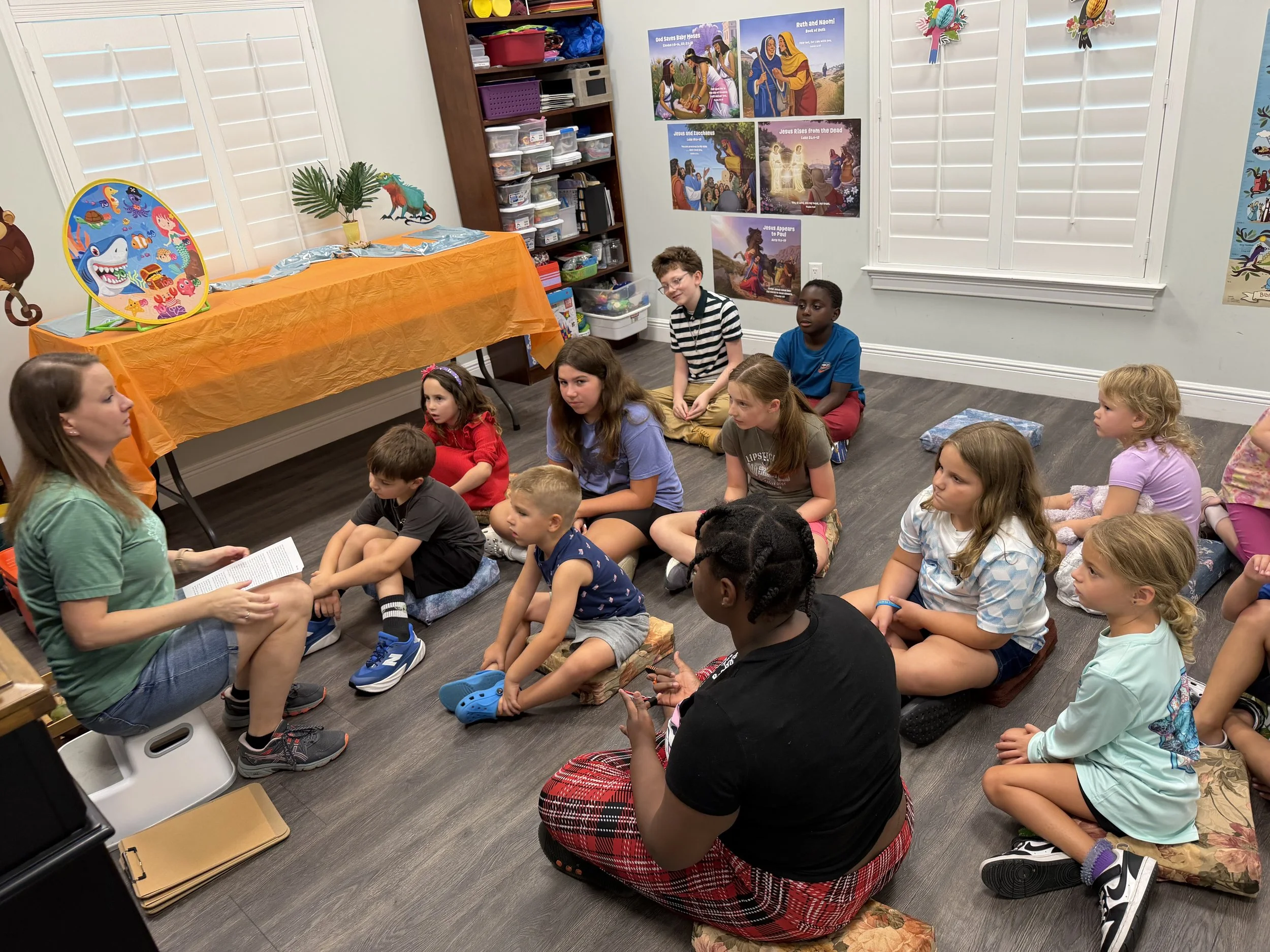
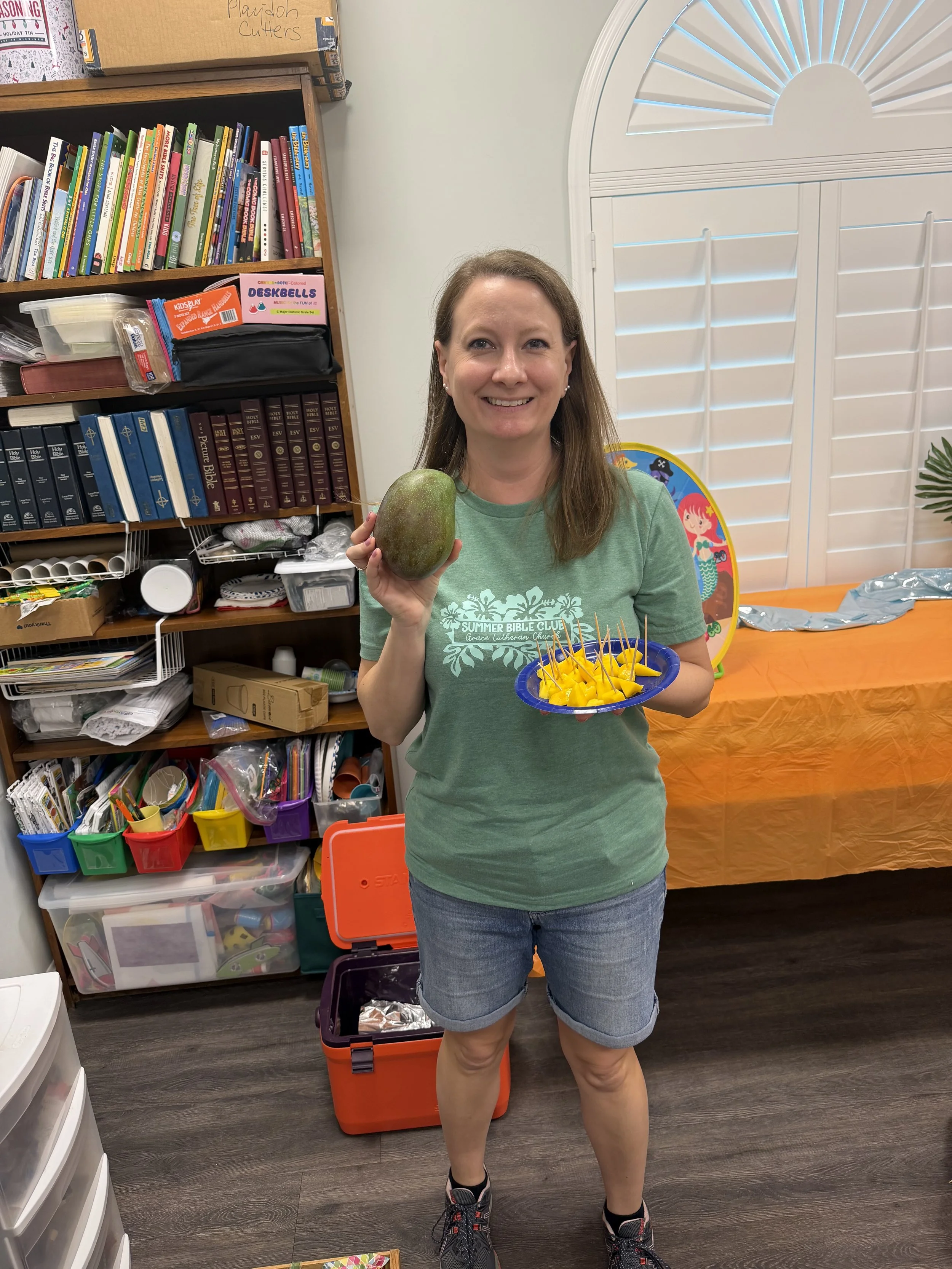
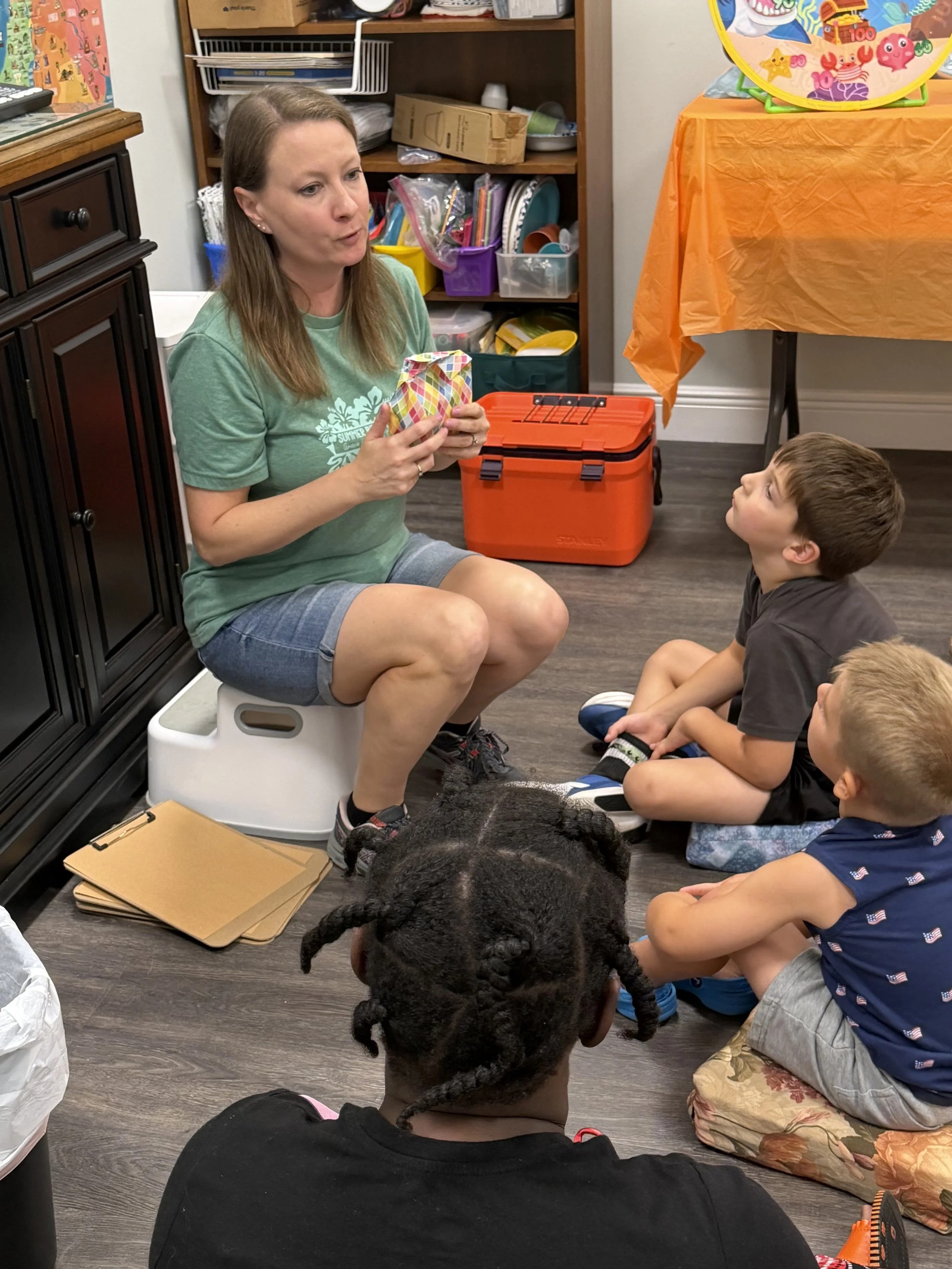
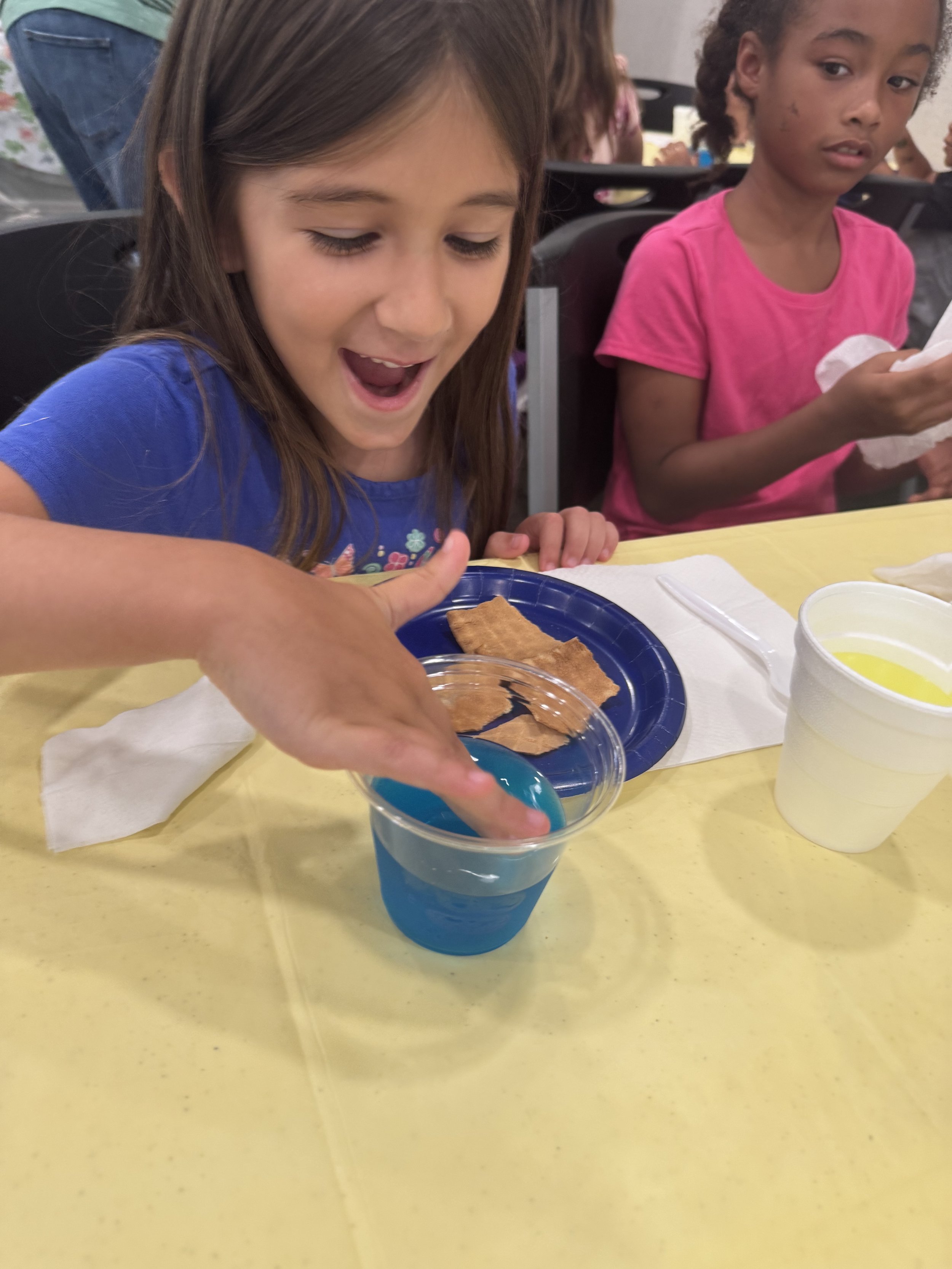
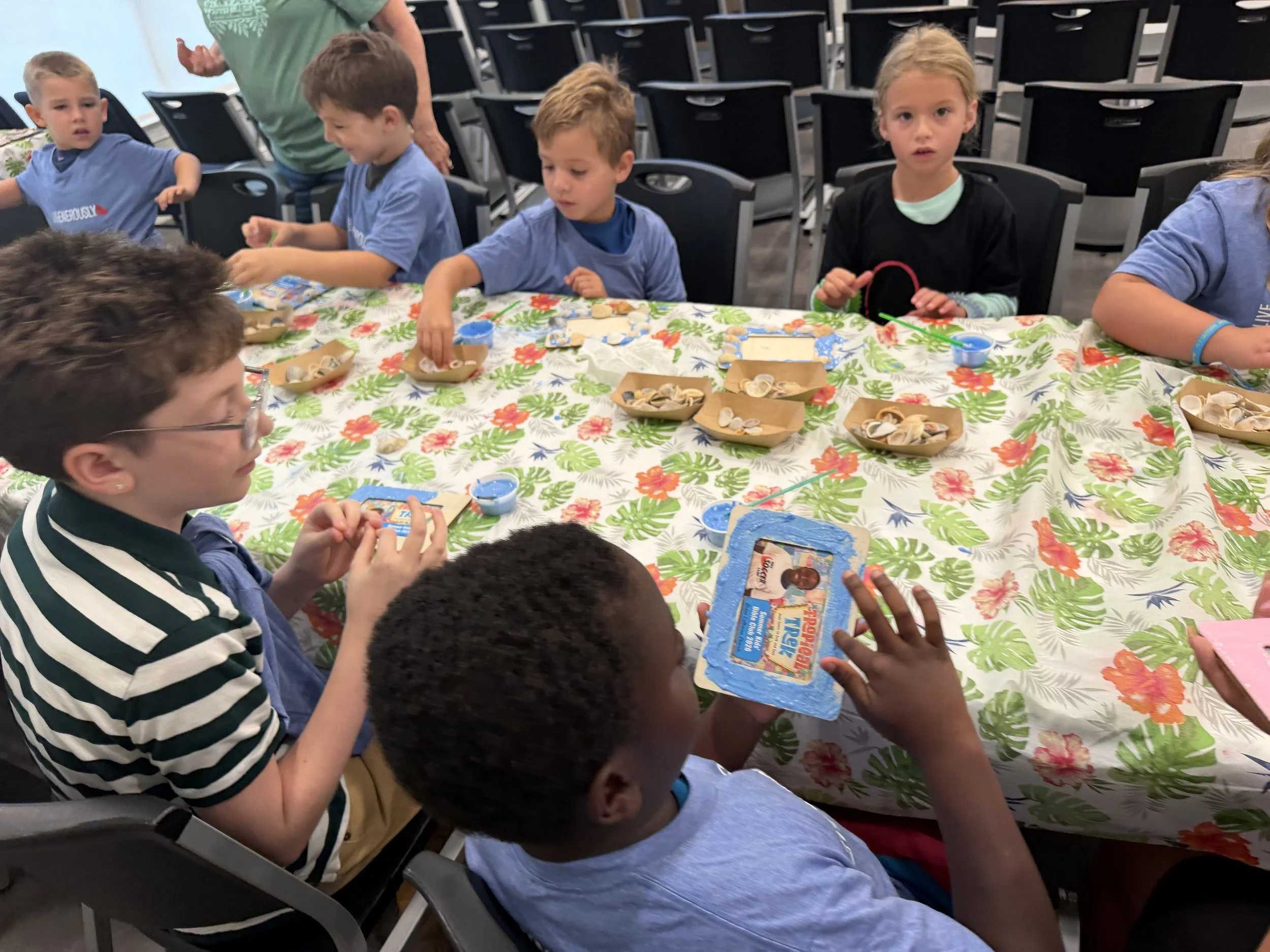
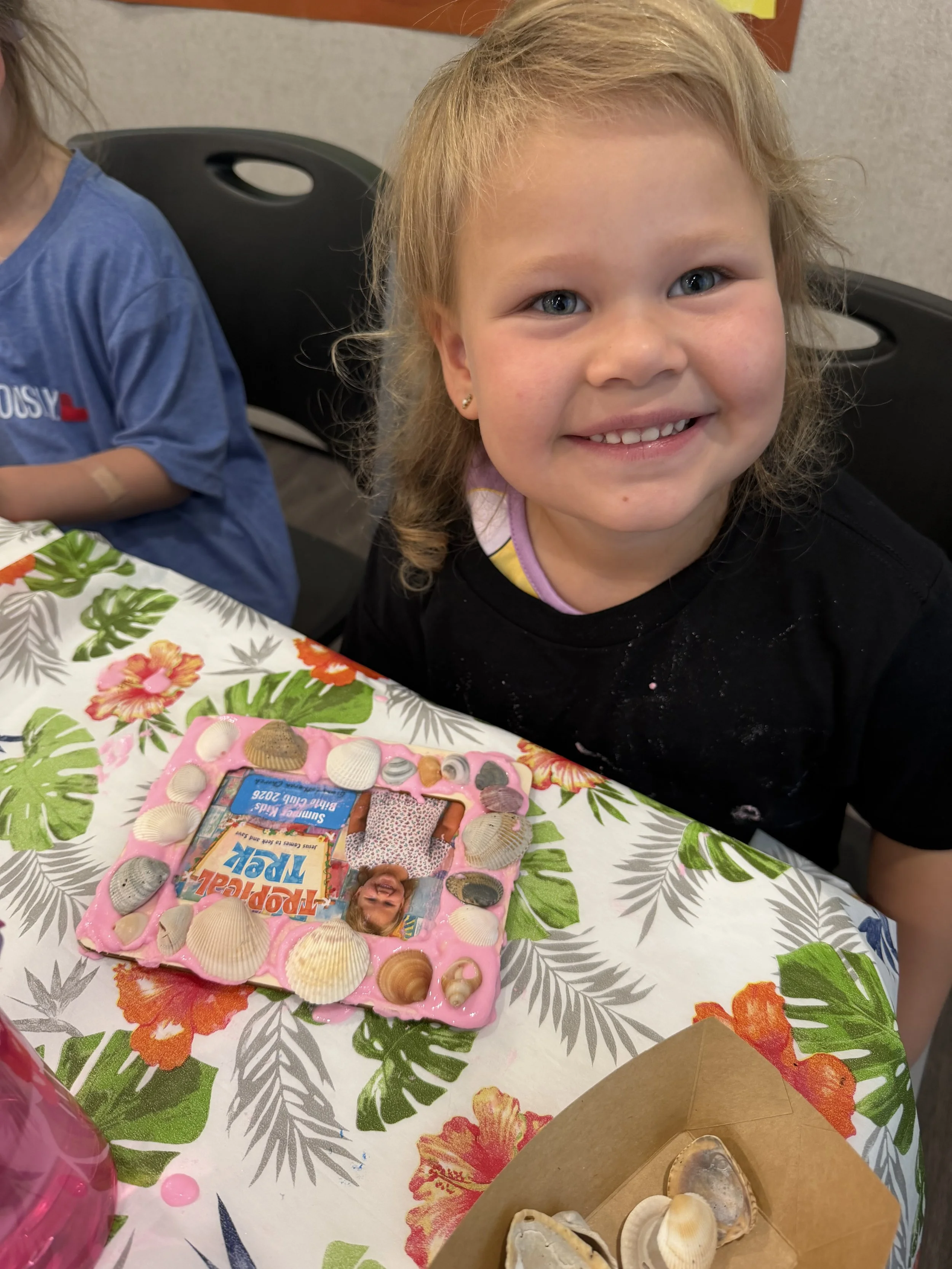
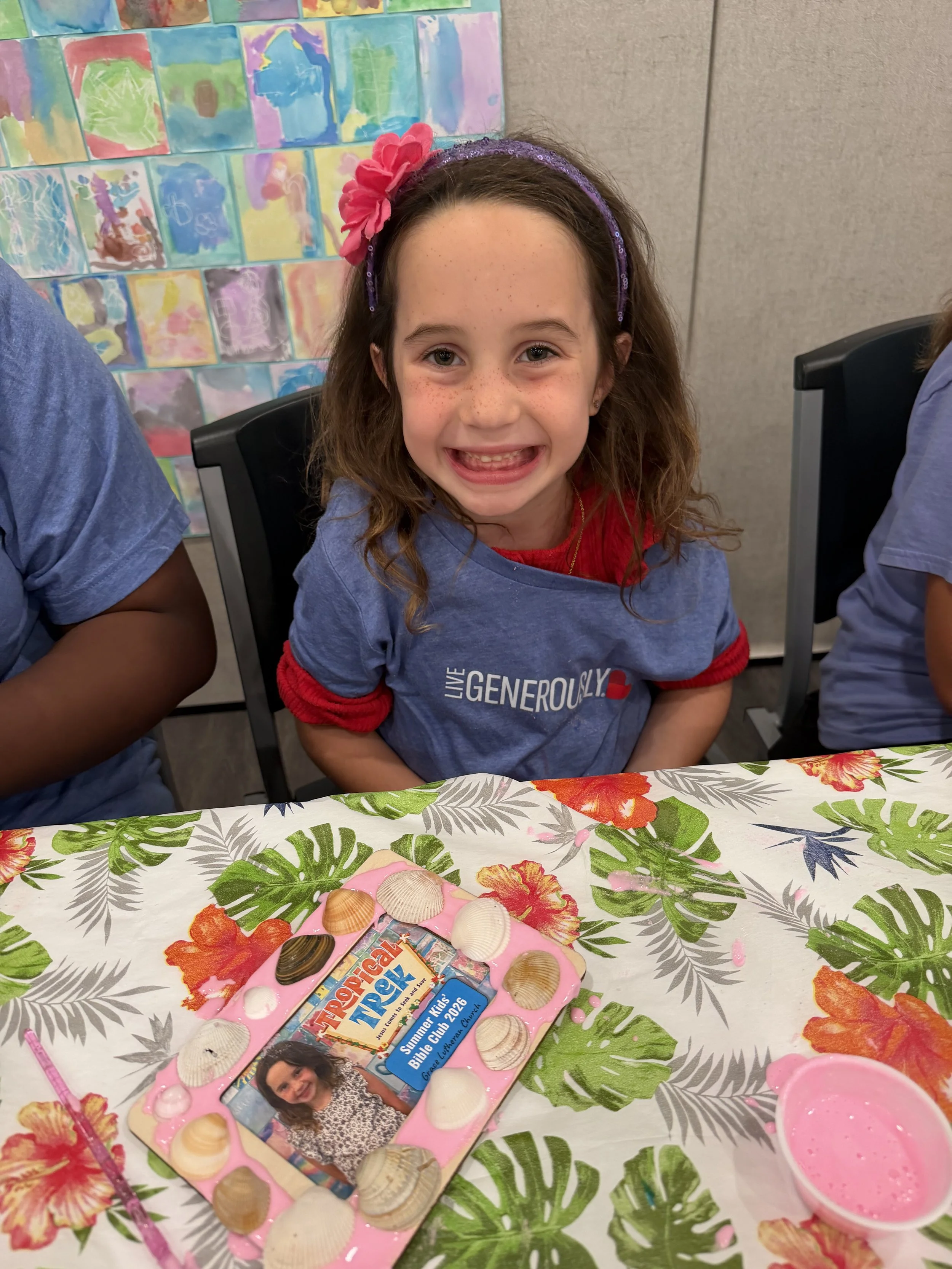
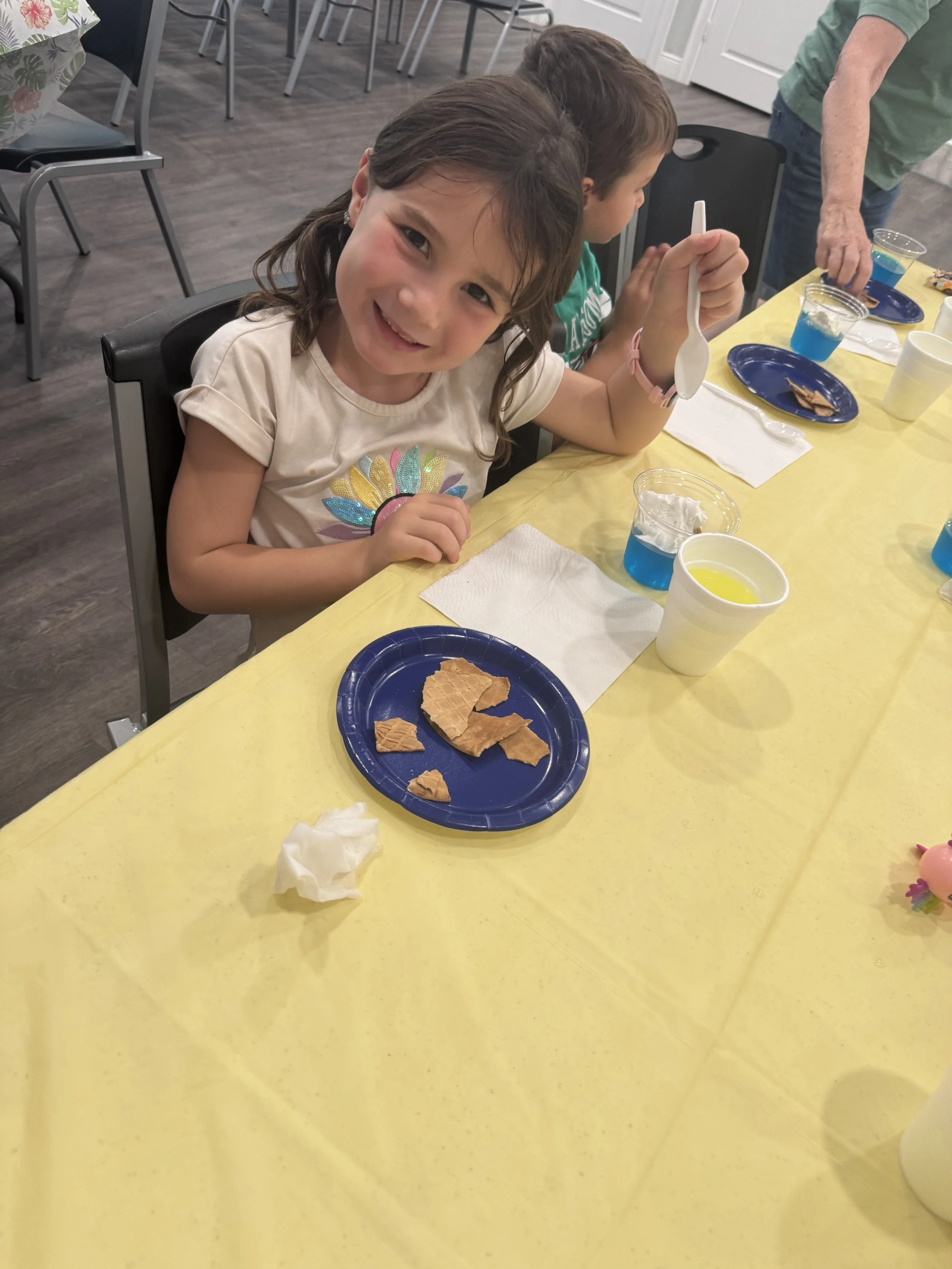
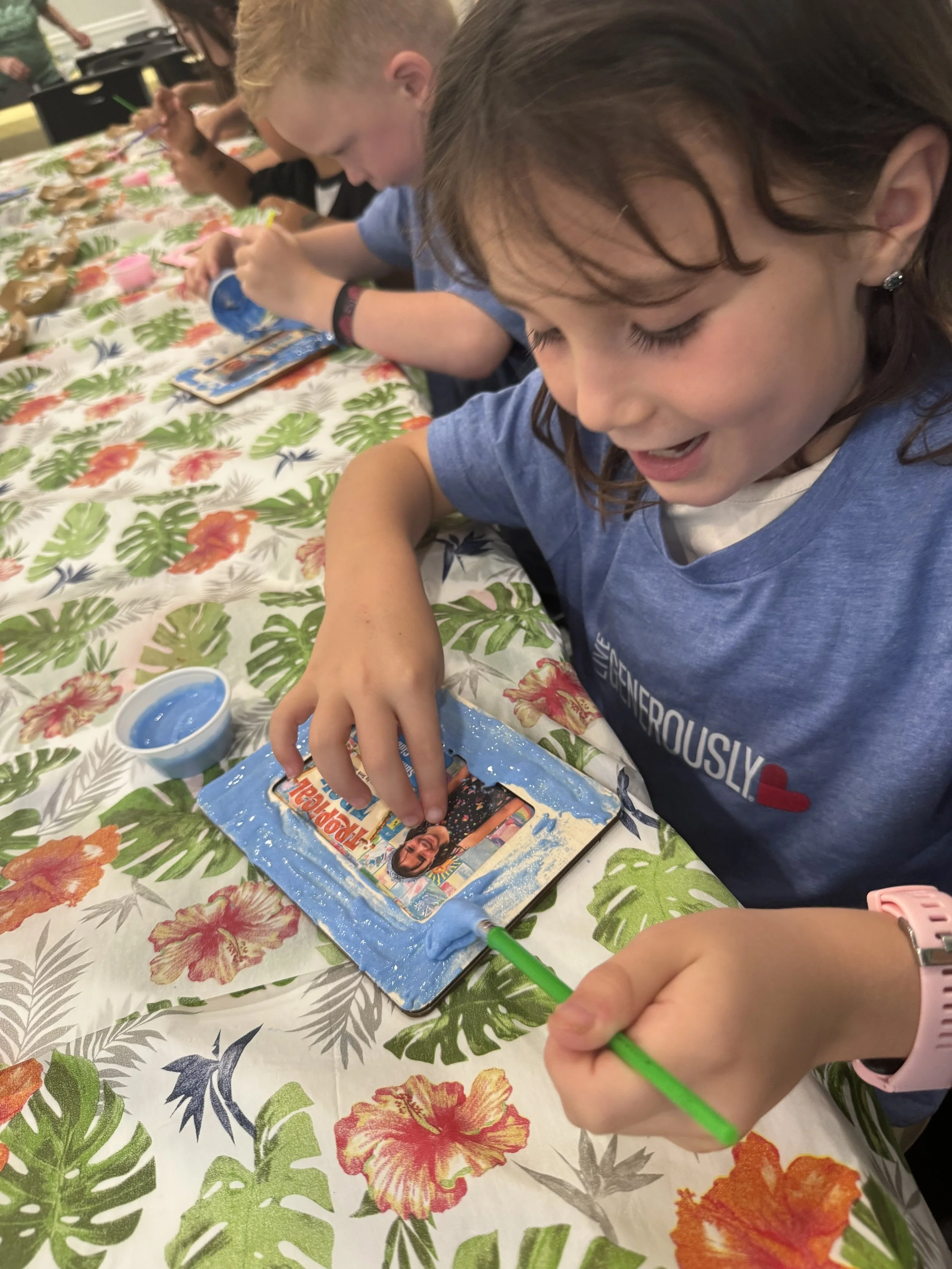
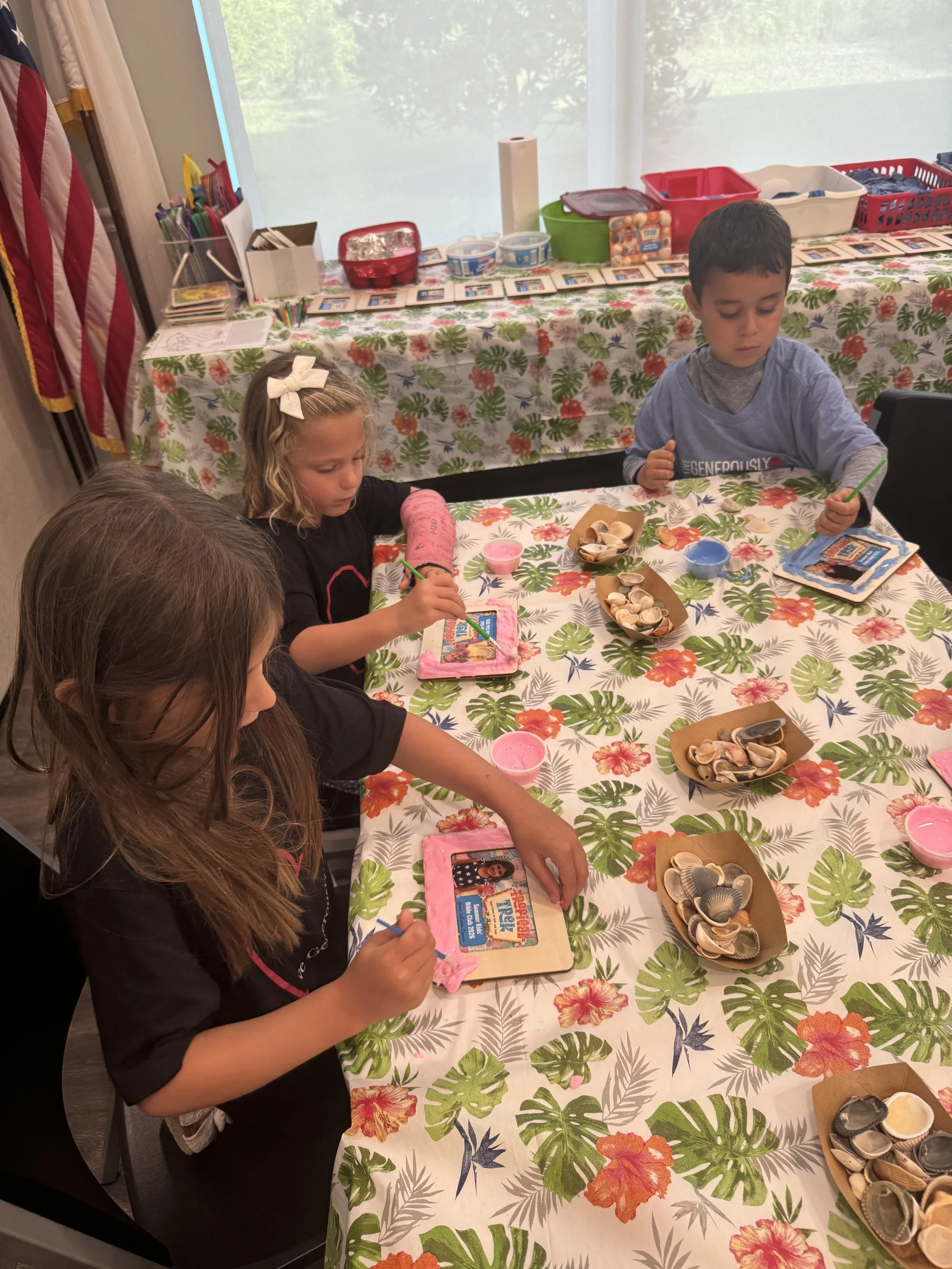
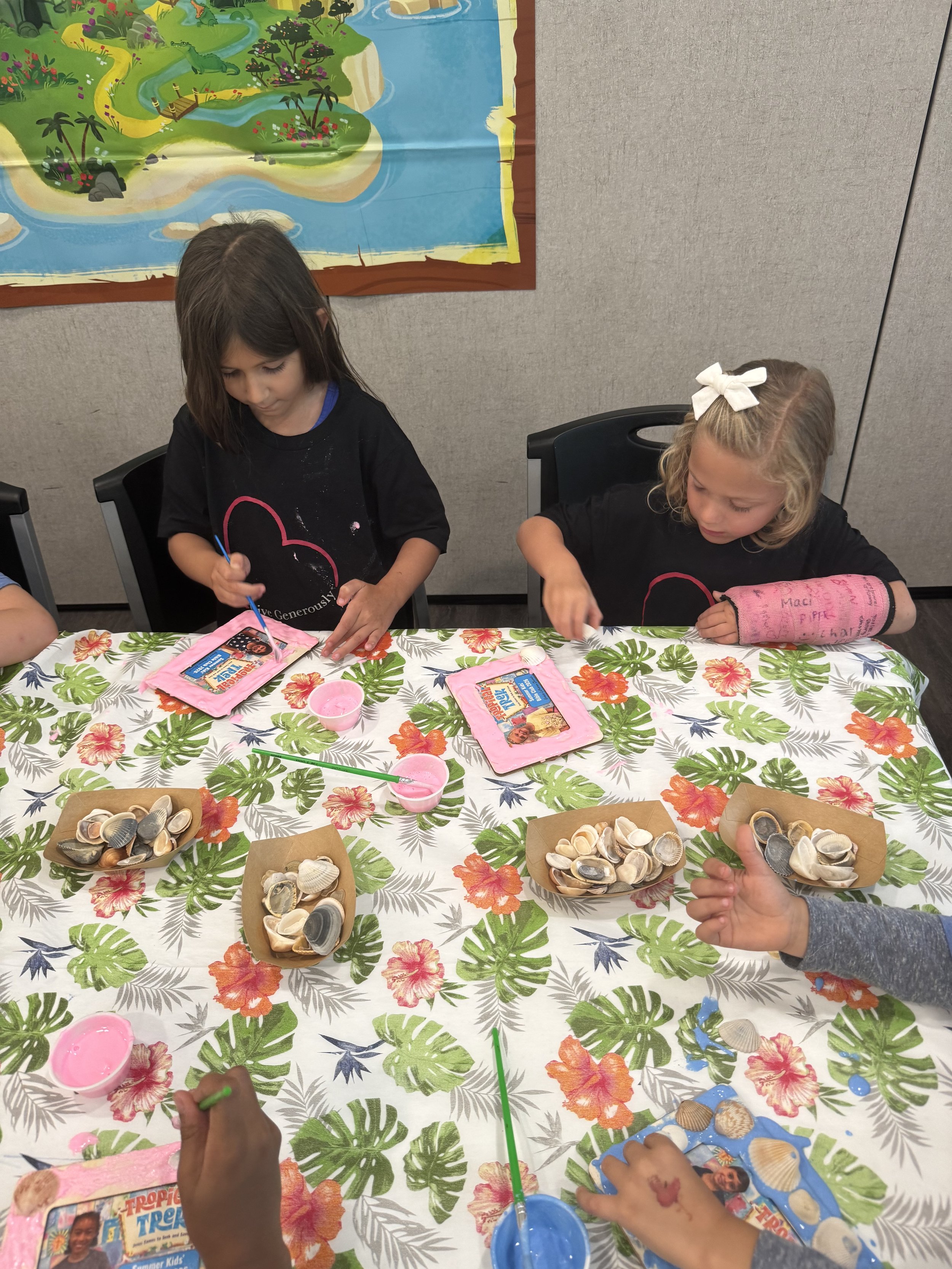
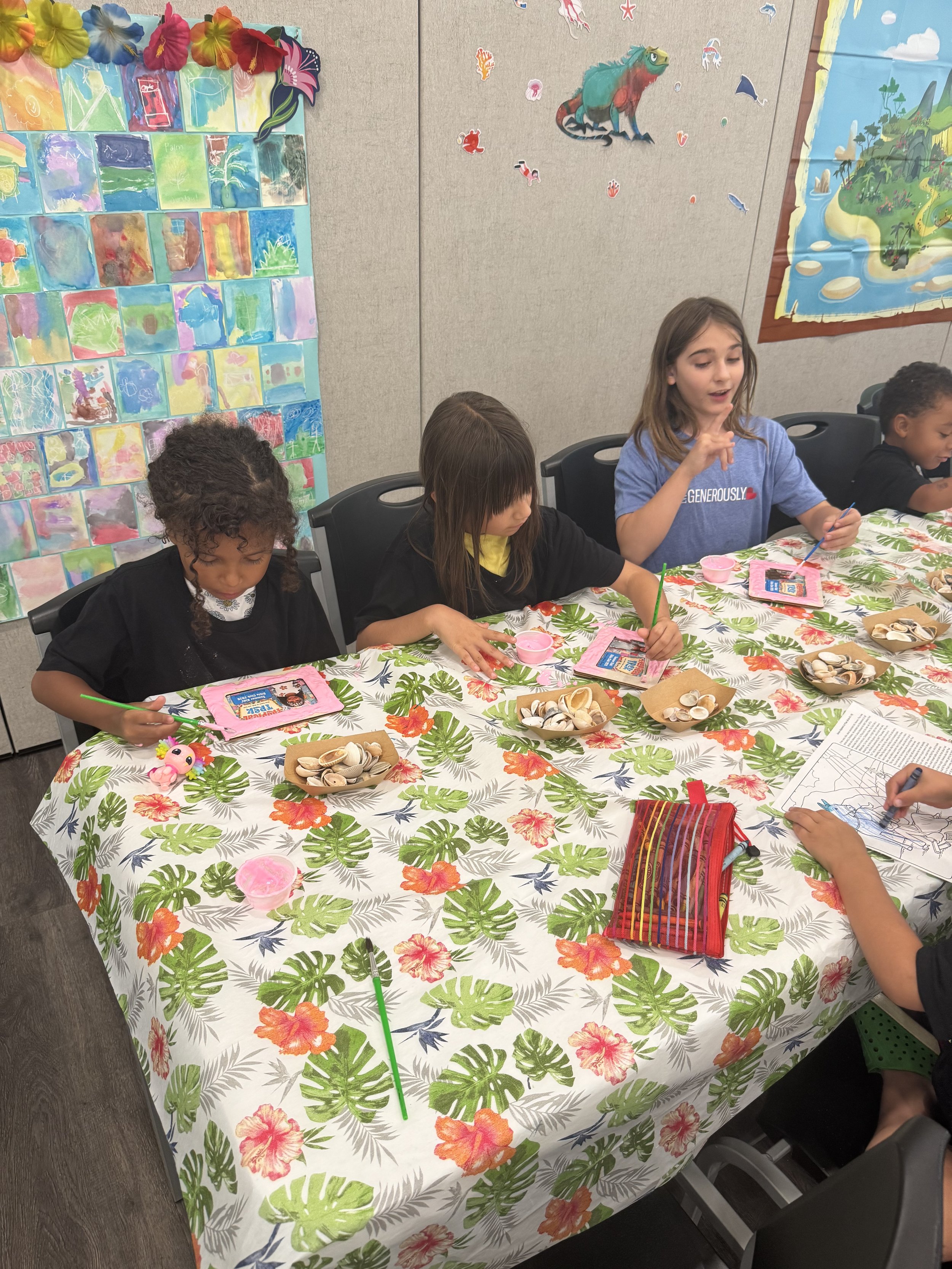
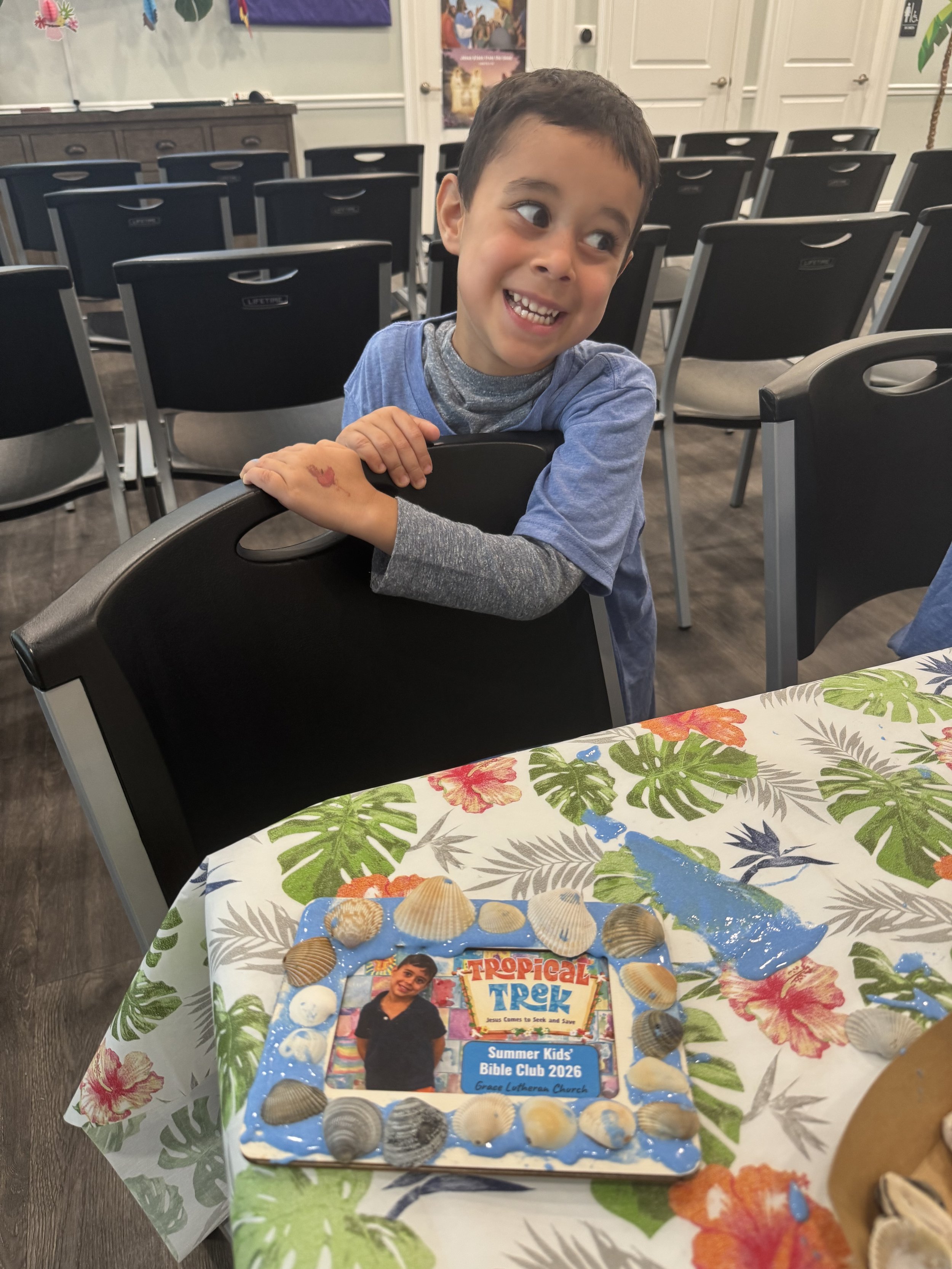
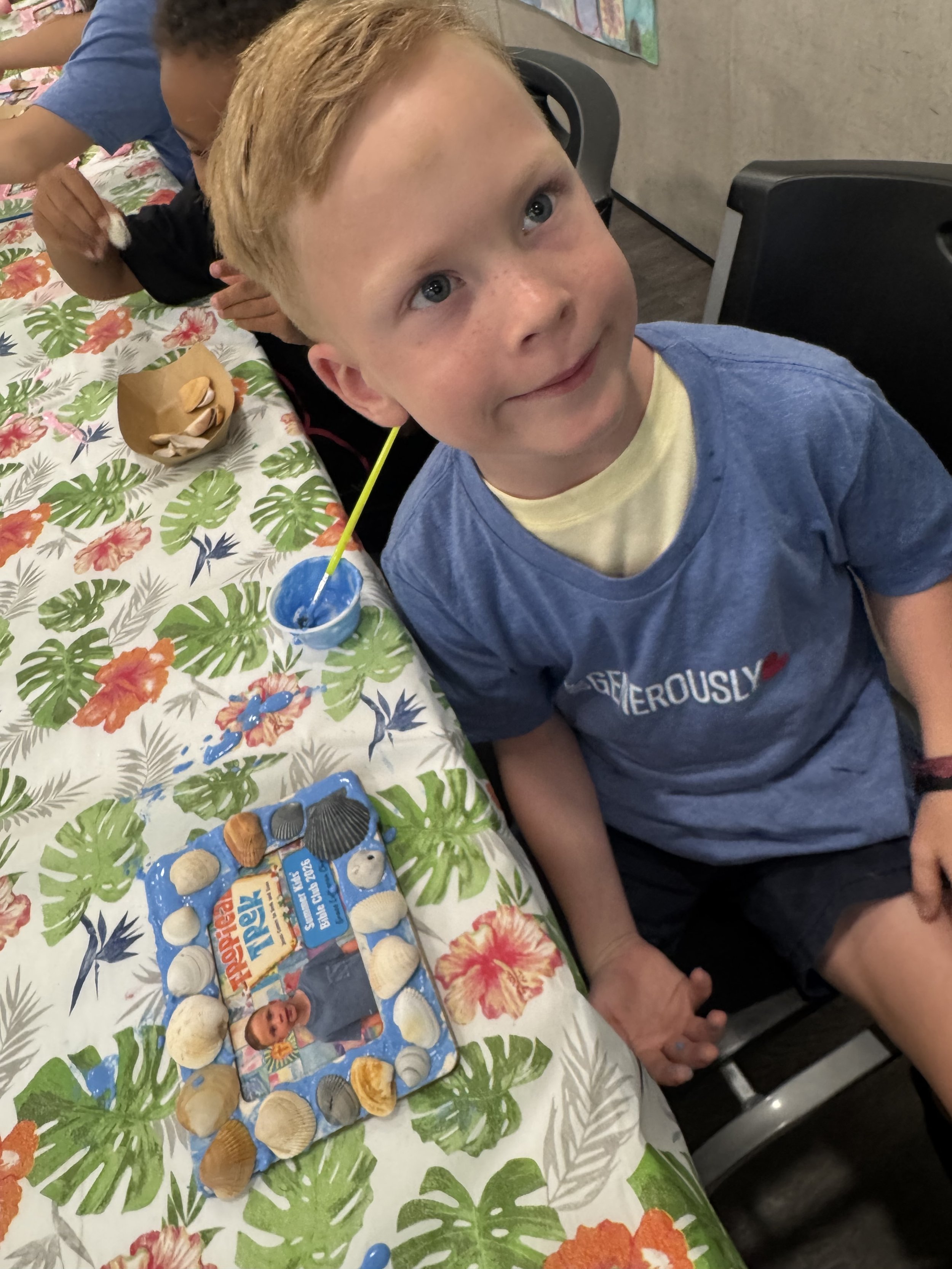
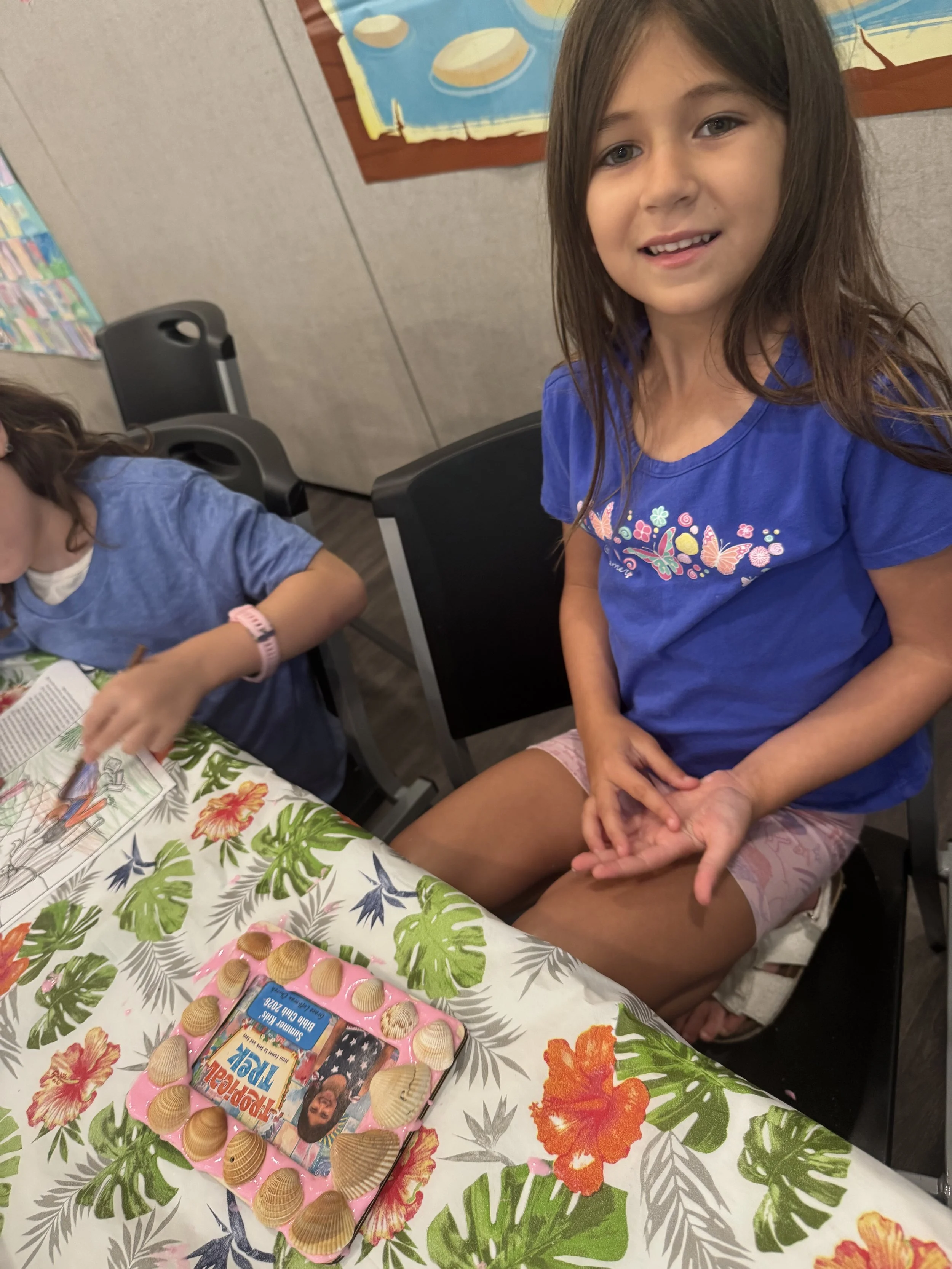
It was a wonderful week for the kids! They engaged their senses with a blindfolded smell-guessing activity and expanded their palates by sampling mangoes for their tropical fruit feature. They also learned about the story of Paul’s conversion on the road to Damascus.
It was a wonderful week for the kids! They engaged their senses with a blindfolded smell-guessing activity and expanded their palates by sampling mangoes for their tropical fruit feature. They also learned about the story of Paul’s conversion on the road to Damascus.

































Red, White, And BBQ July 12th [Tons of Fun]
Let’s celebrate our country’s 250th anniversary together with good food, good friends, and good fun!

Get ready to keep the patriotic celebrations going! Join us for an afternoon of incredible food, hilarious games, and community fun at our Red, White, and Barbecue gathering. We’re beating the heat by hosting the main event indoors, with plenty of epic outdoor water games to cool off!
When: Sunday, July 12th
Time: 4:30 PM
Where: The ACC Building (and the back lawn!)
Cost: Free! (A freewill offering will be available, plus bring some cash for our awesome fundraisers!)
🍖 The Feast: A Guided Potluck
Come hungry! We are providing the main courses, including Jerry’s famous pulled pork and pulled chicken, plus hot dogs for the kids. For dessert, we’ll be slicing into a massive cake and serving up some homemade ice cream!
How you can help: We are hosting a "Guided Potluck" for our side dishes! We need your best potato salads, coleslaws, baked beans, and fruit.
🎯 Games, Shenanigans, & Raffle
Brisket Raffle: Jerry is smoking a gorgeous brisket, and we are raffling off TWO halves!
Best Hat Contest: Wear your wildest, most patriotic headwear!
All-American Trivia: Test your knowledge of US history, sports, and pop culture.
The Grand Finale Water Battle: We’re heading to the back lawn for bucket relays, sponge tosses, and a massive water balloon battle! (Parents: Be warned, the kids WILL get wet!)


Richer: Finding Meaning in our Favorite Verse (Teaching Series)
There are many Bible verses that are so loved by the church. Over the centuries, these verses have been encouraging and equipping the church in its walking with the Lord. So let's dive deep into these beloved verses to gain an even richer love and understanding.
There are many Bible verses that are so loved by the church. Over the centuries, these verses have been encouraging and equipping the church in its walking with the Lord. So let's dive deep into these beloved verses to gain an even richer love and understanding.
Reading Plan
7/5/26 - Psalm 23
Psalm 23
1 John 3:16-24
John 10:9-18
7/12/26 - Joshua 1:9
Joshua 1:1-9
2 Timothy 1:6-14
Luke 12:27-34
7/19/26 - Psalm 2
7/26/26 - Matthew 2 - Christmas
-
October 12th 25’
Gen 1 In the begging God created the heavens and the earthGen 1:1-5, 24 -2:3
Collisions 3:5-11
John 2:11-18
October 19th 25’
Matthew 28:19 Great ComissionPsalm 73:1-8, 23-26
Acts 1:6-11
Matthew 28:16-20
-
July 3rd 22
John 3:16John 2-3
July 10th 22
1 Peter 3:151 Peter 3
July 17th 22
2 Corinthians 12:92 Corinthians 12






[Sunday] Psalm 23: The Lord is - Richer
Psalm 23 is a beautiful song of trust, declaring true freedom, daily provision, and a grace that aggressively pursues us in every season of life.

Psalm 23 is a beautiful song of trust, declaring true freedom, daily provision, and a grace that aggressively pursues us in every season of life.
Questions for the Week: Psalm 23 - The Lord is
Read Psalm 23: It is usually read at funerals, but it helps us trust God every single day. Which part of Psalm 23 brings you the most comfort on a normal, average day?
The Israelites had manna from heaven but still complained that they lacked meat, even wishing to go back to slavery. Where in your life do you struggle with a scarcity mindset, believing that God hasn't given you enough?
When faced with the "presence of our enemies" or dark valleys, our instinct is to fight, defend ourselves, or take control. How does the image of Jesus calmly setting a table for you in the middle of chaos change how you handle conflict?
The Hebrew word for "follow" (as in "goodness and mercy shall follow me") means to aggressively pursue or chase down. How does it feel to know that God is actively chasing you with grace, rather than you having to constantly pursue Him?
What Had happened at Grace this week.
Swinging paint cans didn’t save Kevin McCallister, someone keeping watch did. As Advent begins, Mark 13 points us to a Savior who stays awake with us in the dark, giving us hope until the dawn breaks.