

![[Sunday] A Song of Christmas Light - Flickering Past Stave 2](https://images.squarespace-cdn.com/content/v1/5852f18a20099e30cd2c01dc/1764904771417-1ODC6N70IDWFLRDHDLYP/Christmas+light+2a.jpg)
[Sunday] A Song of Christmas Light - Flickering Past Stave 2
Instead of snuffing out the painful memories of our past, the true Christmas Light shines into our darkness to offer redemption rather than shame.
Instead of snuffing out the painful memories of our past, the true Christmas Light shines into our darkness to offer redemption rather than shame.
-
when Scrooge awoke, it was so dark that looking out of bed, he could scarcely distinguish the transparent window from the opaque walls of his chamber. Pg39
It was a strange figure like a child yet not so like a child, as like an old man viewed through some supernatural medium, which gave him an appearance of having receded from the view and being diminished into child proportions pg43
It held a branch of fresh green holly in its hand, and in singular contradiction of the wintry emblem, had its dress trimmed with summer flowers, but the strangest thing about it was that from the crown of its head they're sprung a bright clear jet of light by which all this was visible in, which was doubtless the occasion of it's using end moments, a great extinguisher for a cap which is now held under its arm pg43
It sounds like the Charibum from Isiah.
I am the ghost of Christmas past the long past inquired Scrooge observant of its dwarf stature no your past perhaps Scrooge could not have told anyone why if anyone could have asked him, but he had a special desire to see the spirit in its And begged him to be covered pg45
What explained the ghost would you so soon put out with worldly hands delight I give is it not enough that you are one of those whose passions made this Enforced me through whole trains of years to wear it low upon my brow. Pg45
This reminds me of the song this little light of mine
Scrooge is confronted with his childhood memories at that the ghost says your lip is trembling, said the ghost and what is that on your cheek Scrooge muttered an unusual catch in his voice that it was a pimple and begged the ghost to lead him where he would pg47
This part is interesting to me because he's remembering his youth with fondness. Even though there's pain.
They walked along the road screwed, recognizing every gate and post and tree……All these boys were in great spirits and shouted to each other until the Broadfield were so full of Mary music that the crisp air left to hear it. Pg 48
Places full of joy
It opened before them and disclose a long bear melancholy room made bears still by lines of plain Deal forms and desks. At one of these, a lonely boy was reading near a feeble fire, and Scrooge sat down upon a form and wept to see his poor, forgotten self as he used to be. Pg 50
Despite the great memories, he remembers the sadness of his childhood.
Also, there's an idea of him wanting more here.
Then with a Rapidity of transition very foreign to his usual character he said in pity for his former herself, poor boy and cried again. Pg 52
What is the matter ask the spirit nothing said Scrooge nothing there was a boy singing a Christmas Carol at my door last night. I should like to have given him something that's all. Pg 52
Here's this interesting moment of regret and the light shining through.
Connecting himself to Tiny Tim.
In your to be a man sent the child, opening her eyes and are never to come back here, but first where to be together all the Christmas long and have the merriest time in all the world. Pg54
Merriest time and all the world is the point
She died. A woman said the ghost and had as I think children one child screched, returned true said the ghost your nephew Scrooge seemed an easy in his mind and answered briefly, yes. Pg 56
His sister brought joy, but also sorrow
Why it's old fuzzy wig, bless his heart it's fuzzy wig alive again he rubbed his hands adjusted his capacious. Waistcoat laughed all over himself from his shows to his organ of benevolence and called out and a conformable oily Rich fat jovial Voice yo ho here, Ebeneezer Dick.. pg 57
Every removable was packed off, as if it were dismissed from public life forevermore the floor was swept and watered. The lamps were trimmed fuel was heaped upon the fire in the warehouse was a snug and warm and dry and bright a ballroom as you would desire to see upon a Winters night. Pg 58
A positive light appeared to issue from fuzzy wigs, calves, they shown in every part of the dance like moons you couldn't have predicted at any given time what would have become of them next pg 61
During the whole time screwed to acted like a man out of his wits, his heart and soul were in the scene with his former self he corroborated everything remembered everything, enjoyed everything and underwent the strangest agitation. Pg 63
That he remembered the ghost and became conscious that it was looking full upon him while the light upon his head burnt very clear. A small matter, said the ghost to make these silly folks so full of gratitude small echoed Scrooge. Pg 63
Why is it not? He has spent with a few pounds of your immortal money three or four perhaps is that so much that he deserves this praise
The happiness he gives is quite as great as if it cost a fortune pg 63
This whole commentary of it being a small thing, but Scrooge's of saying that it's as if it cost a fortune the point.
It matters little, she said softly to you very little another idol has displaced me, and if it can cheer and comfort you in time to come as I would have tried to do, I have no just caused to grieve what idol has displaced you. He rejoined a golden one. Pg 65
May you be happy in the life you have chosen. Pg68
As we've gone through the ghost of Christmas past, even though there's pain in the beginning, Scrooge remembers it with joy, and even though he has so much at the end, he remembers it was sadness. And you see happiness fading
I should've liked. I do confess to have had the lightest license of a child and yet to have been man enough to know it's value. Pg 69
Remove me, Scrooge exclaimed I cannot bear it. He turned upon the ghost, and seeing that it looked up upon him with a face in which, in some strange way, there were fragments of all the faces it had shown him wrestled with it. Leave me take me back, haunt me no longer. Pg73
Scrooge observed that it's light was burning high and bright, and dimly connecting that with its influence over him, he sees the extinguisher cap, and by a sudden action pressed it down upon its head. The spirit dropped beneath it so that the extinguisher covered its whole form. But those Scrooge pressed it down with all his force he could not hide the light which streamed from under it in an unbroken flood upon the ground. Pg 72
This little light of mine so
Questions for the Week: A Story of Christmas Light - Flickering Past Stave 2
Scrooge was forced to look at his "Golden Idol" (money) that cost him his relationship with Belle. This is similar to Israel’s Golden Calf. What are the "false lights" or “golden idols” that people today chase, thinking they will bring happiness but only bring darkness?
When the memories became too painful, Scrooge tried to force the "extinguisher cap" over the light to hide it. What are some ways we try to "cap" or snuff out the light when our own past mistakes or regrets get too uncomfortable to face?
Read Luke 1:5-25, 67-80. Zechariah sang about the "tender mercy of our God" bringing a Sunrise to those in the shadow of death. How does thinking of Jesus as a "Sunrise" change how you feel about the dark parts of your own history?
Read John 1:1-10. Why is bringing our "past darkness" into the light actually freeing rather than shameful?

What Had happened at Grace this week.
![[Sunday] Epiphany - We Three Kings](https://images.squarespace-cdn.com/content/v1/5852f18a20099e30cd2c01dc/1767125671191-FUYDUJF532NJJ4IKWZHZ/Christmas+light+7a.jpg)
![[Sunday] A Song of Christmas Light - Wait | Simeon](https://images.squarespace-cdn.com/content/v1/5852f18a20099e30cd2c01dc/1766465408750-D8B3EGC204JHKAXLWITJ/Christmas+light+6a.jpg)
![[Christmas Day] Beautiful Trees](https://images.squarespace-cdn.com/content/v1/5852f18a20099e30cd2c01dc/1766458441148-4Z6ZUARBSWFIBNXRVG4D/Christmas+light+Daya.jpg)
![Christmas Eve 2025 [Photos]](https://images.squarespace-cdn.com/content/v1/5852f18a20099e30cd2c01dc/1766636596066-PCWQTYYY2FFHOGAYNJ1S/PXL_20251224_213833482.jpg)
![[Christmas Eve] A Song of Christmas Light](https://images.squarespace-cdn.com/content/v1/5852f18a20099e30cd2c01dc/1766459038816-RE9GU9A1NB5IBYM52X0S/Christmas+eve+.jpg)

![[Sunday] A Song of Christmas Light - Pointing to Greatness Stave 4](https://images.squarespace-cdn.com/content/v1/5852f18a20099e30cd2c01dc/1766107074577-MKU6U8LW1N5S1EATE1RW/Christmas+light+4a.jpg)
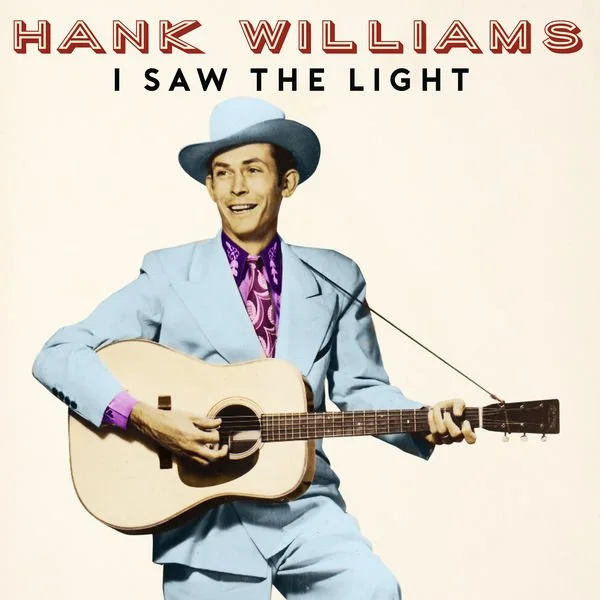
New Song , I Saw the Light
New Song for Advent. I Saw the Light!
Here is Grace’s Recording for Sunday
Listen to the Original
(We Changed The Lyrics on 3rd verse)
On December 7th 2025 we are singing
“I Saw The Light” (CCLI 45064)
© 1948. Renewed 1975 Sony/ATV Acuff Rose Music : Hank Williams Sr.
1.
I wandered so aimless life filled with sin
I wouldn't let my dear Savior in
Then Jesus came like a stranger in the night
Praise the Lord I saw the light
(REFRAIN)
I saw the light I saw the light
No more in darkness no more in night
(And) now I'm so happy no sorrow in sight
Praise the Lord I saw the light
3.
Just like a blind man I wandered along
Worries and fears I claimed for my own
Then like the blind man that God gave back his sight
Praise the Lord I saw the light
(REFRAIN)
4.
The world was a-waitin', in darkness and fear,
Just waitin' for the Savior to appear.
Deep in the shadows, a star shined bright,
And in the stable, I saw the light.
(REFRAIN)
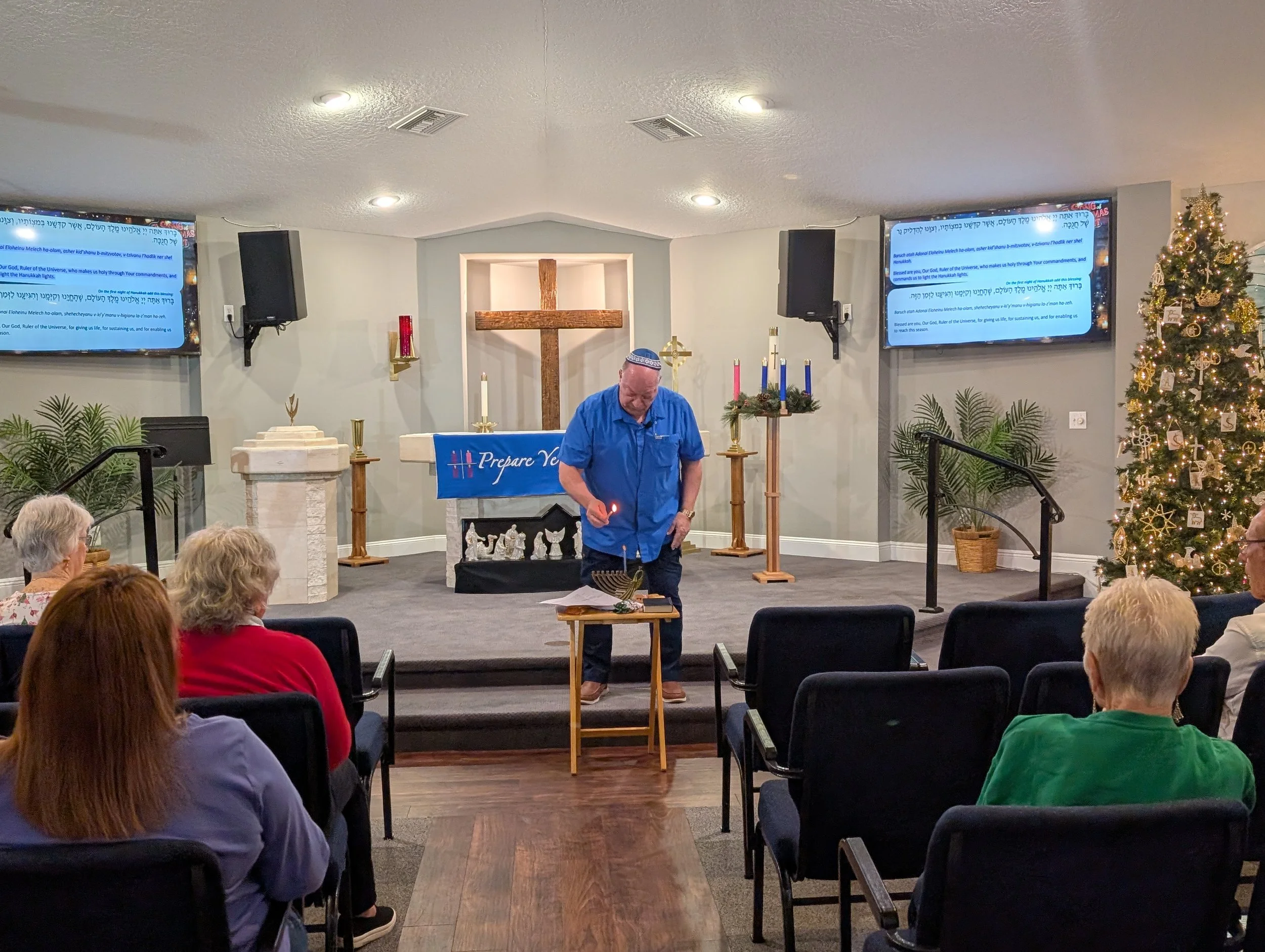
Christmas Carol Sing Photos
We sang many Christmas Carols and Learned about Hanukkah from Paul
Thanks to everyone for coming and big thanks to Paul for leading our discussion on Hanukkah


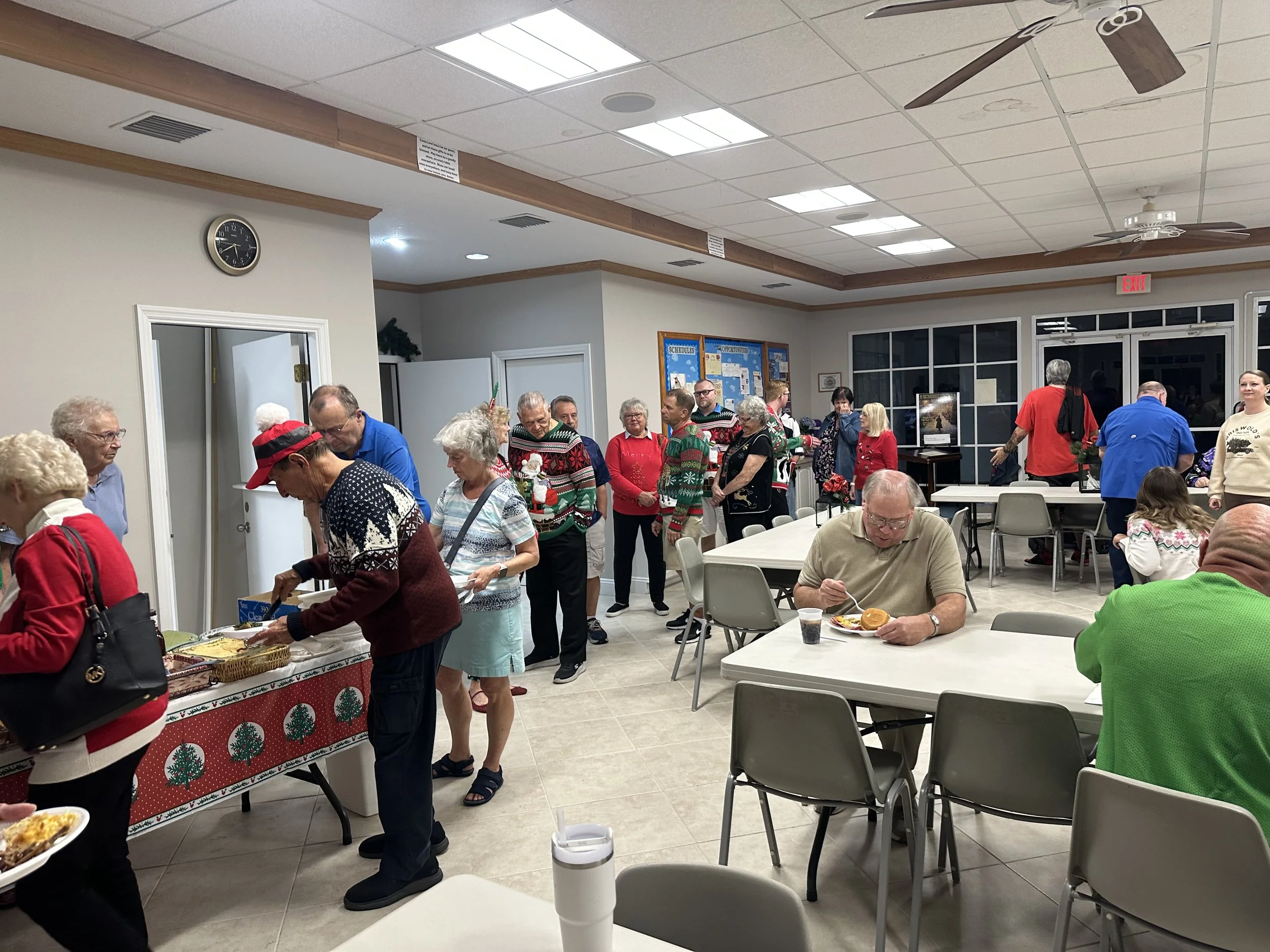
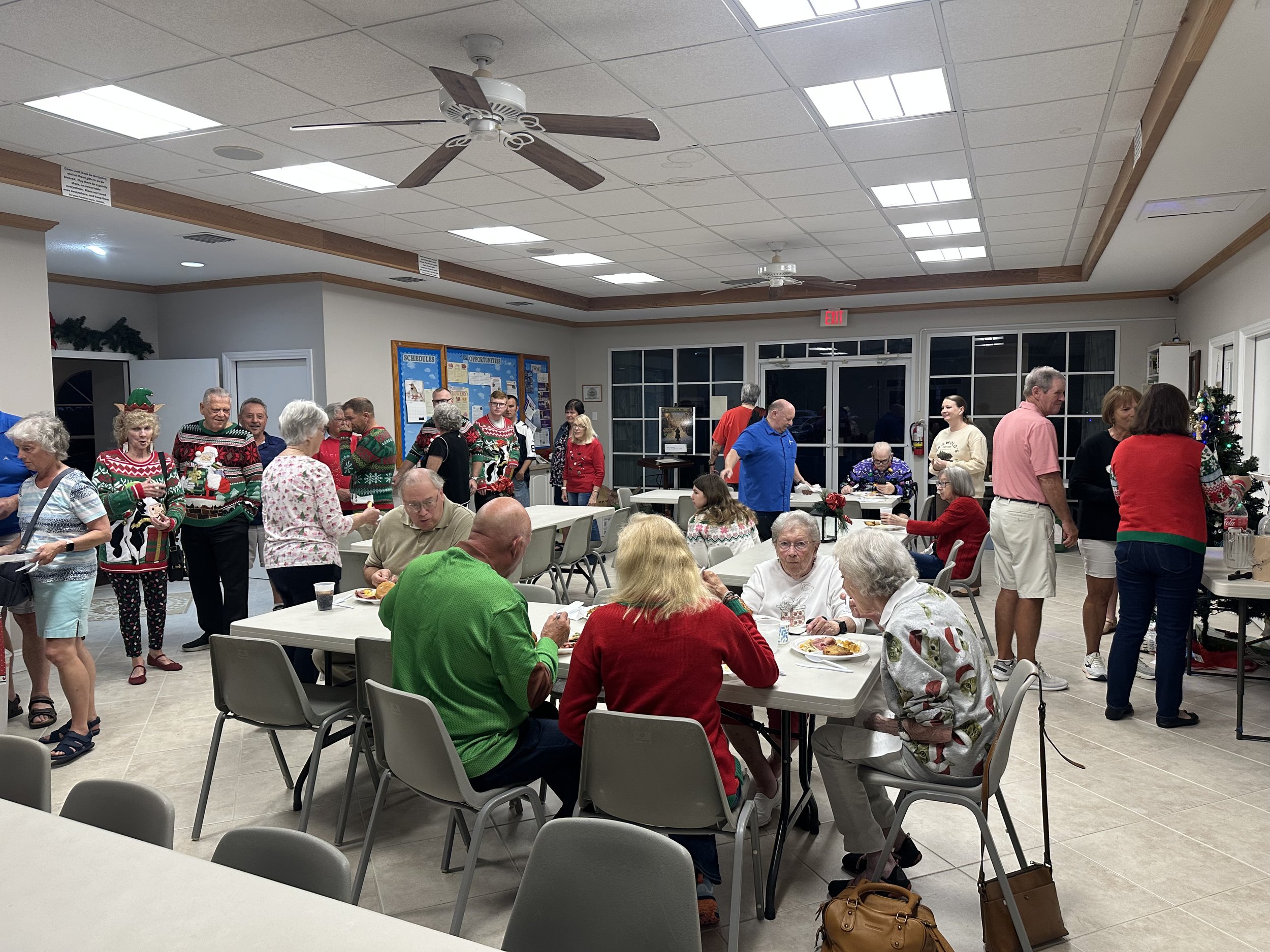
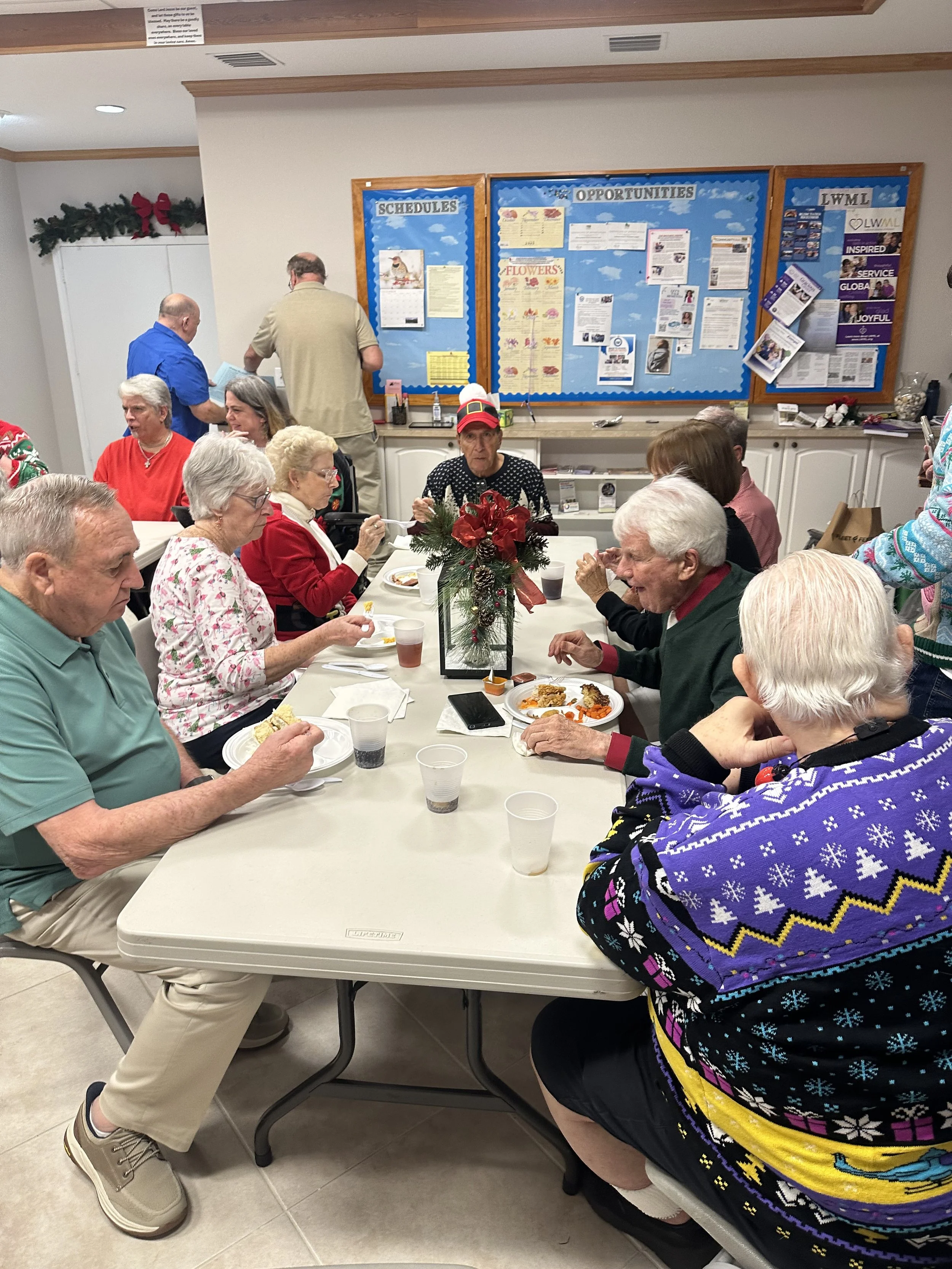
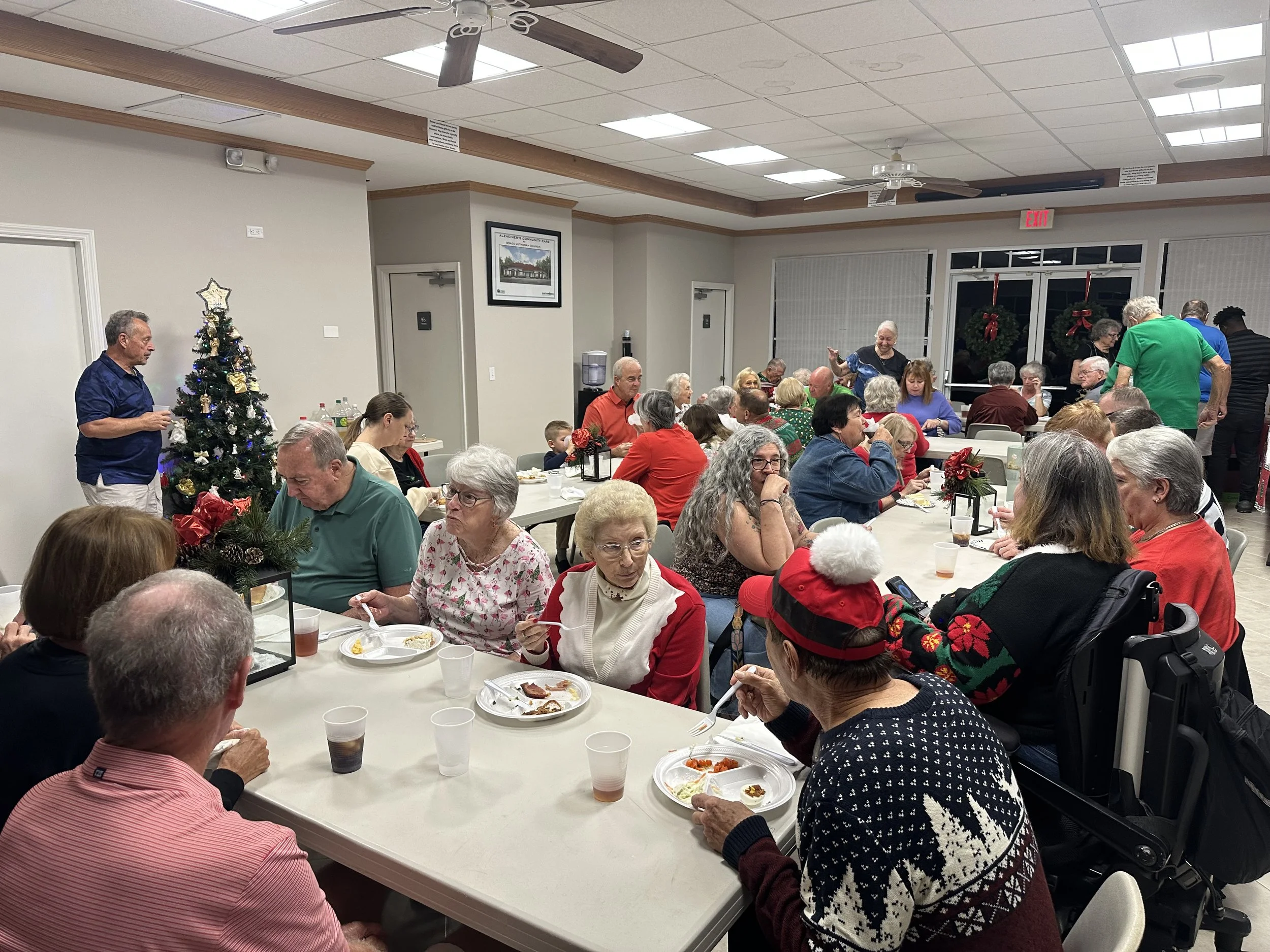
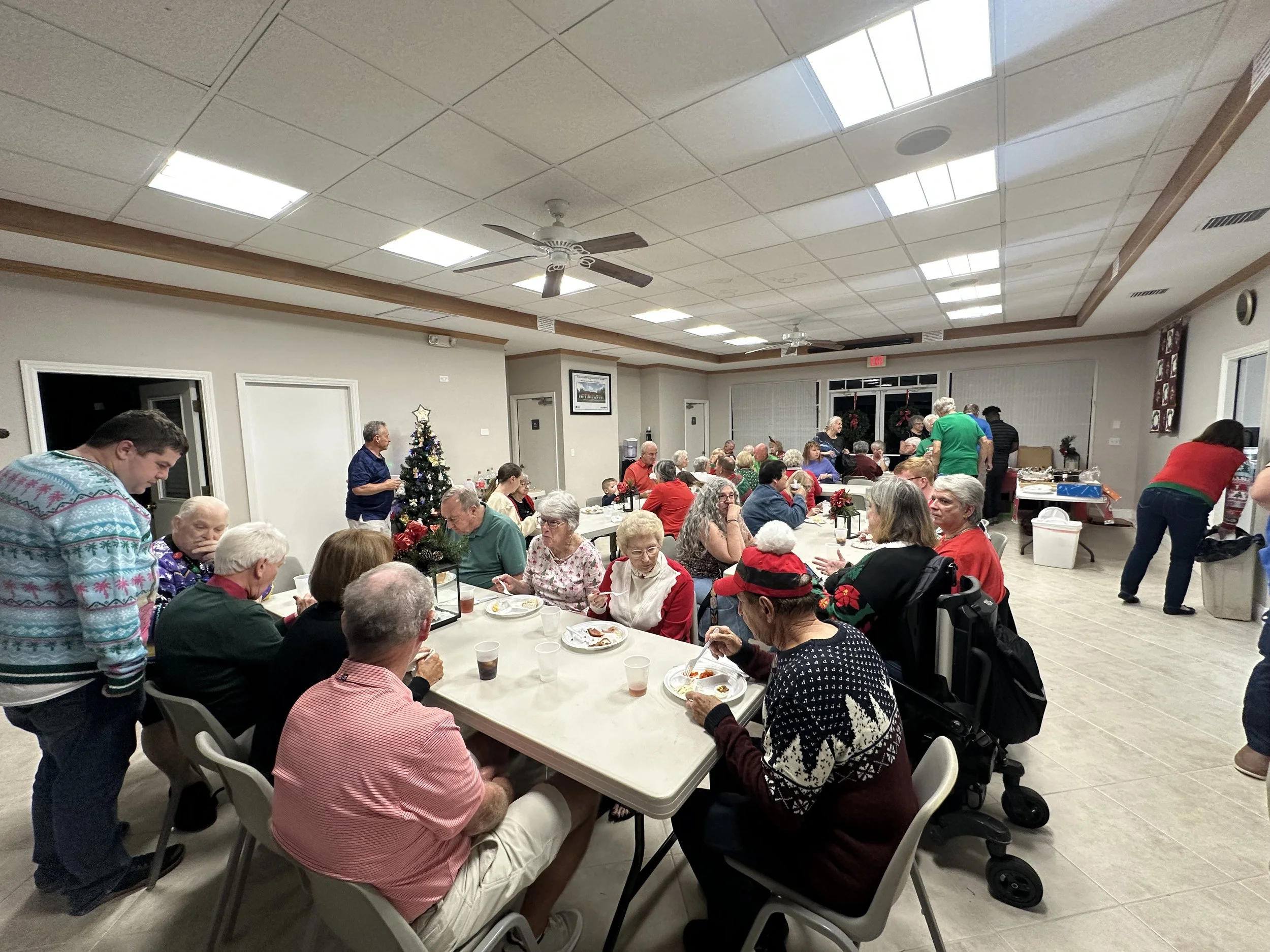

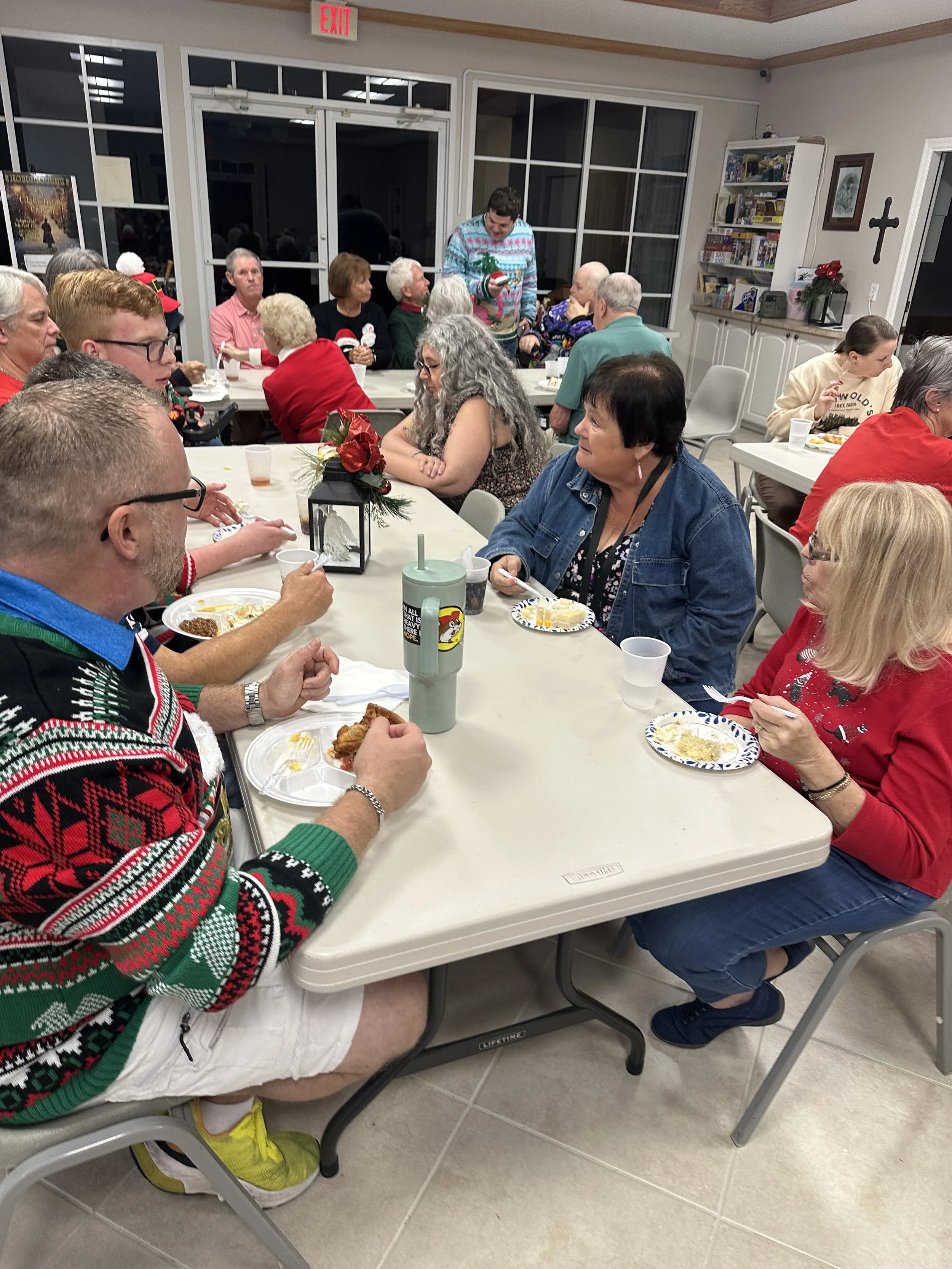
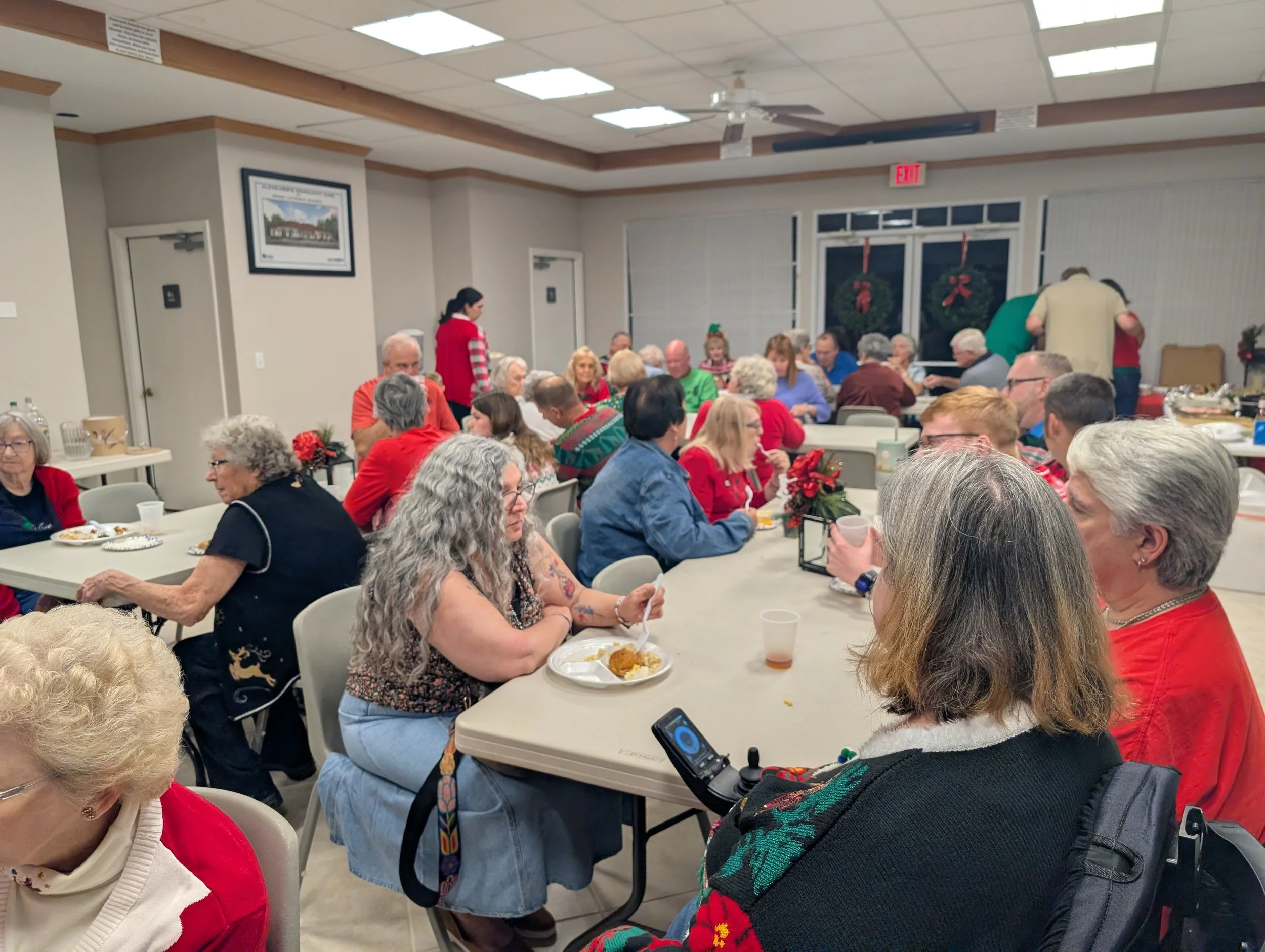
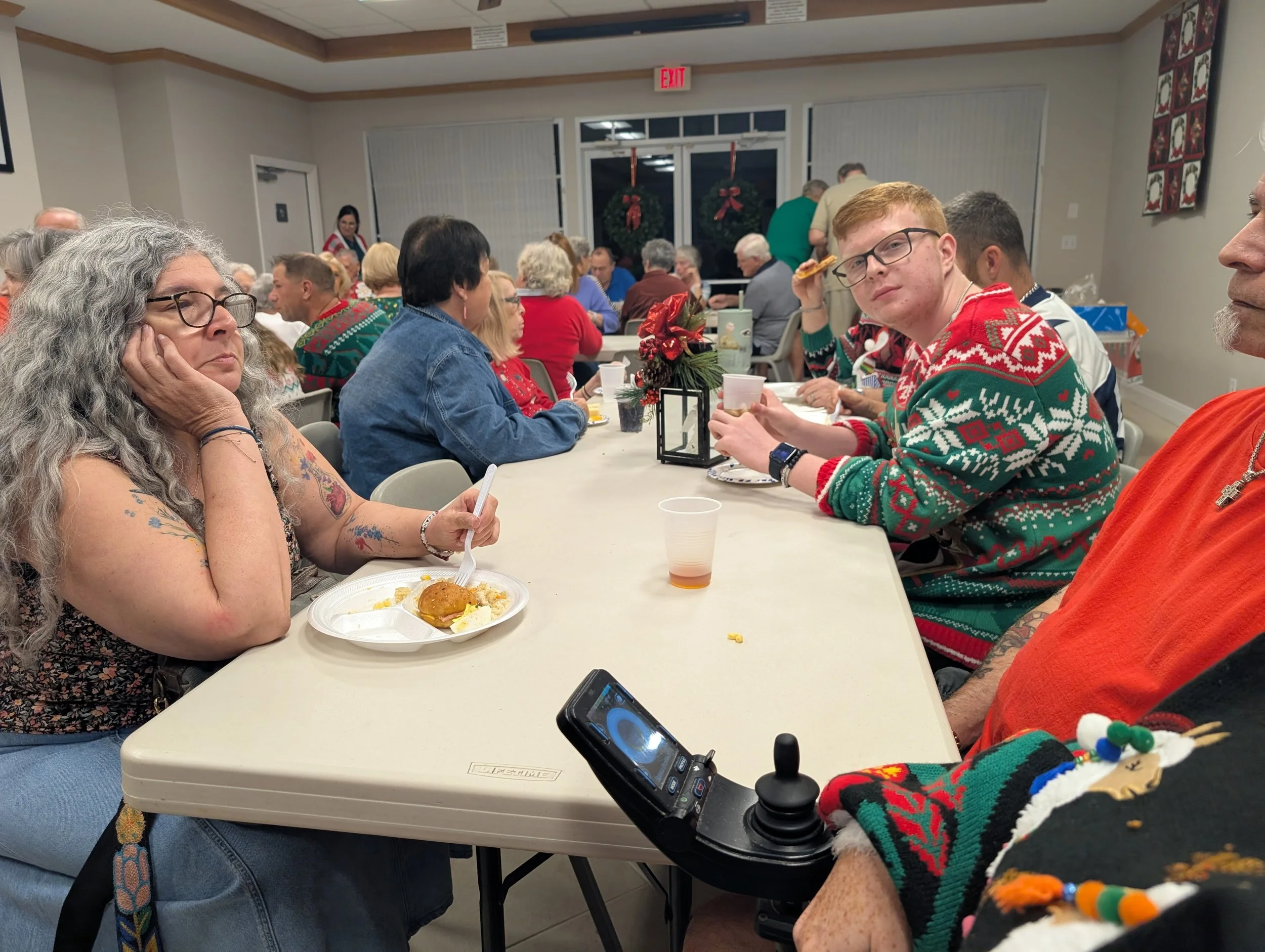
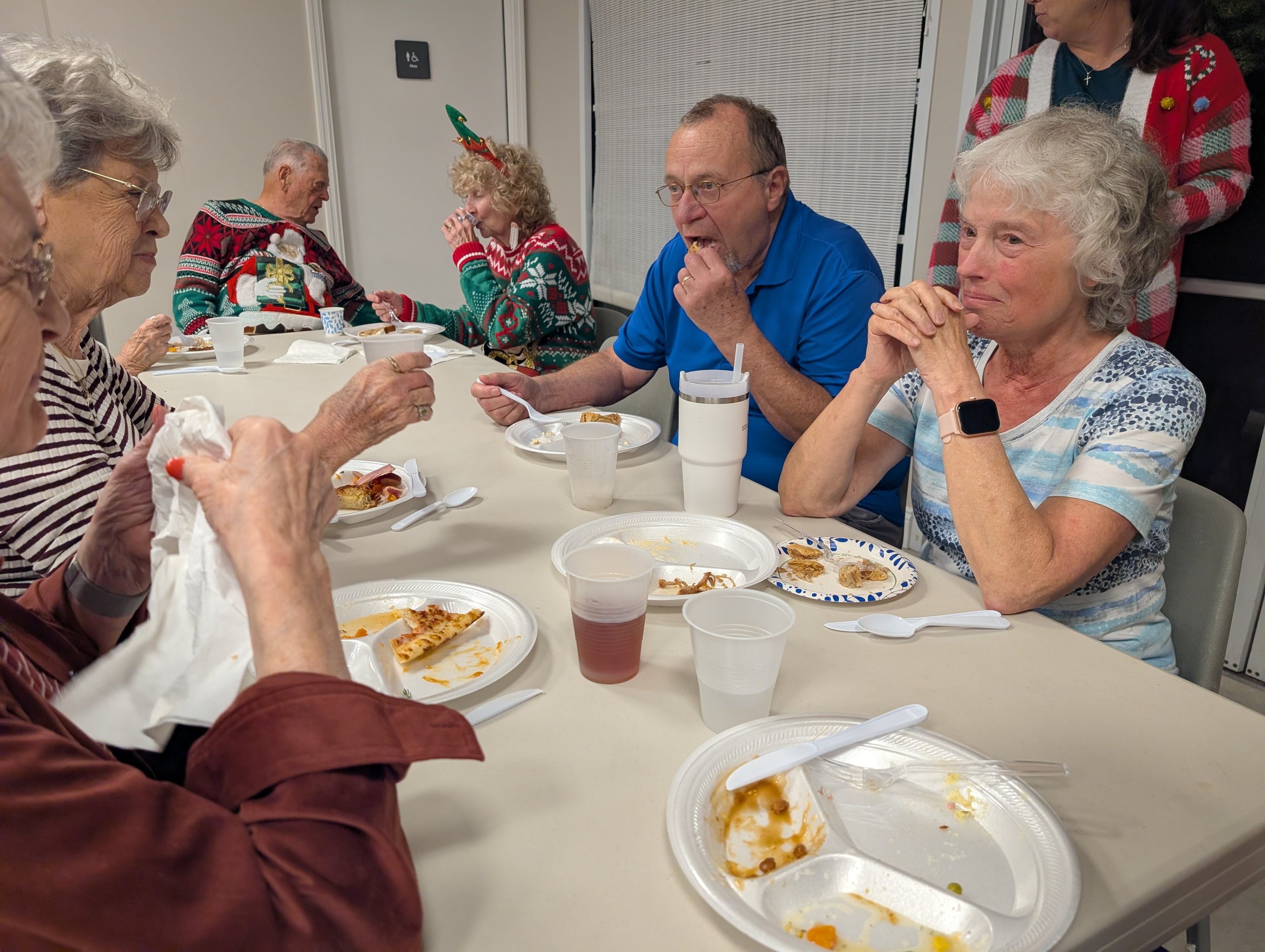
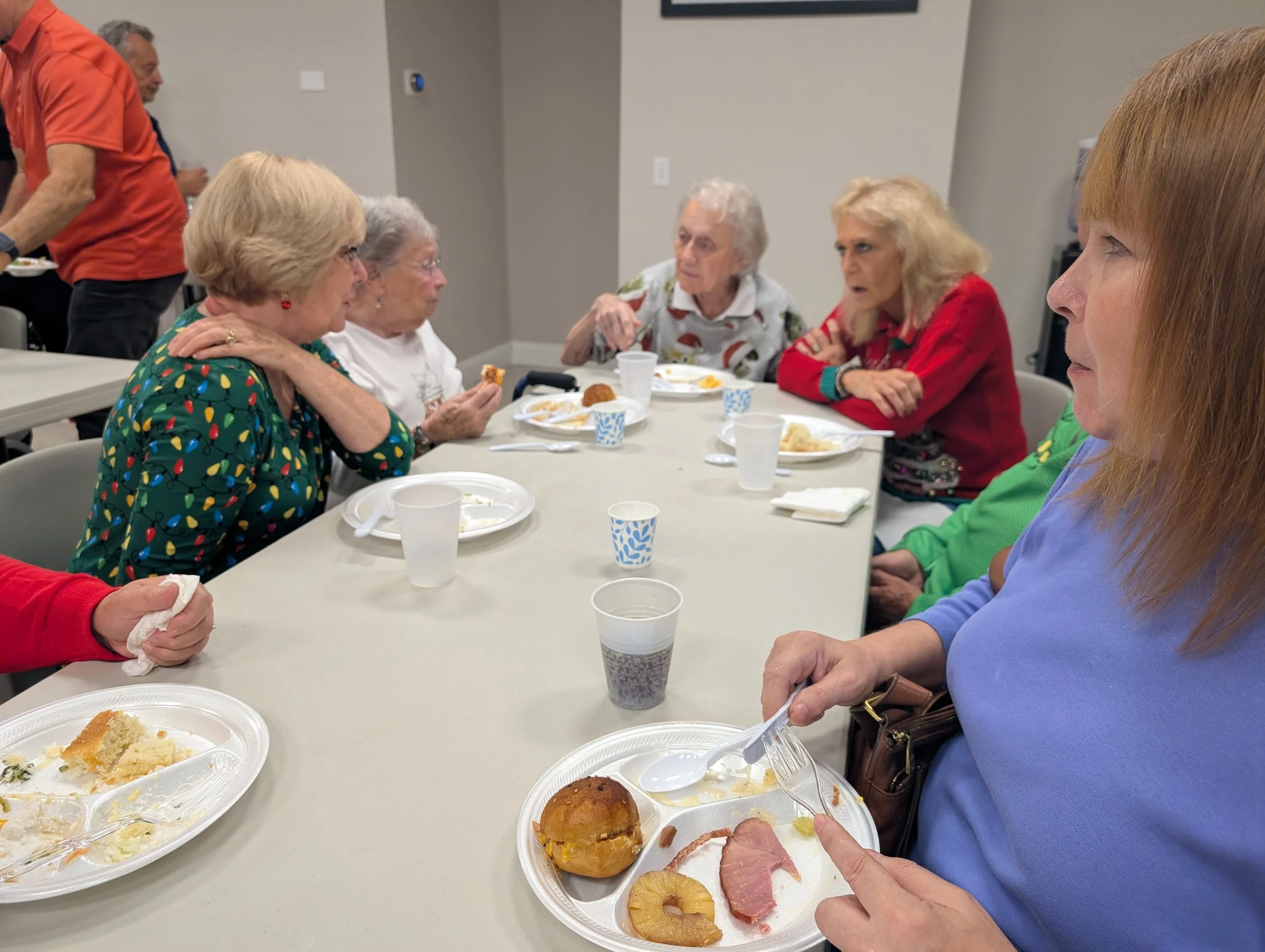
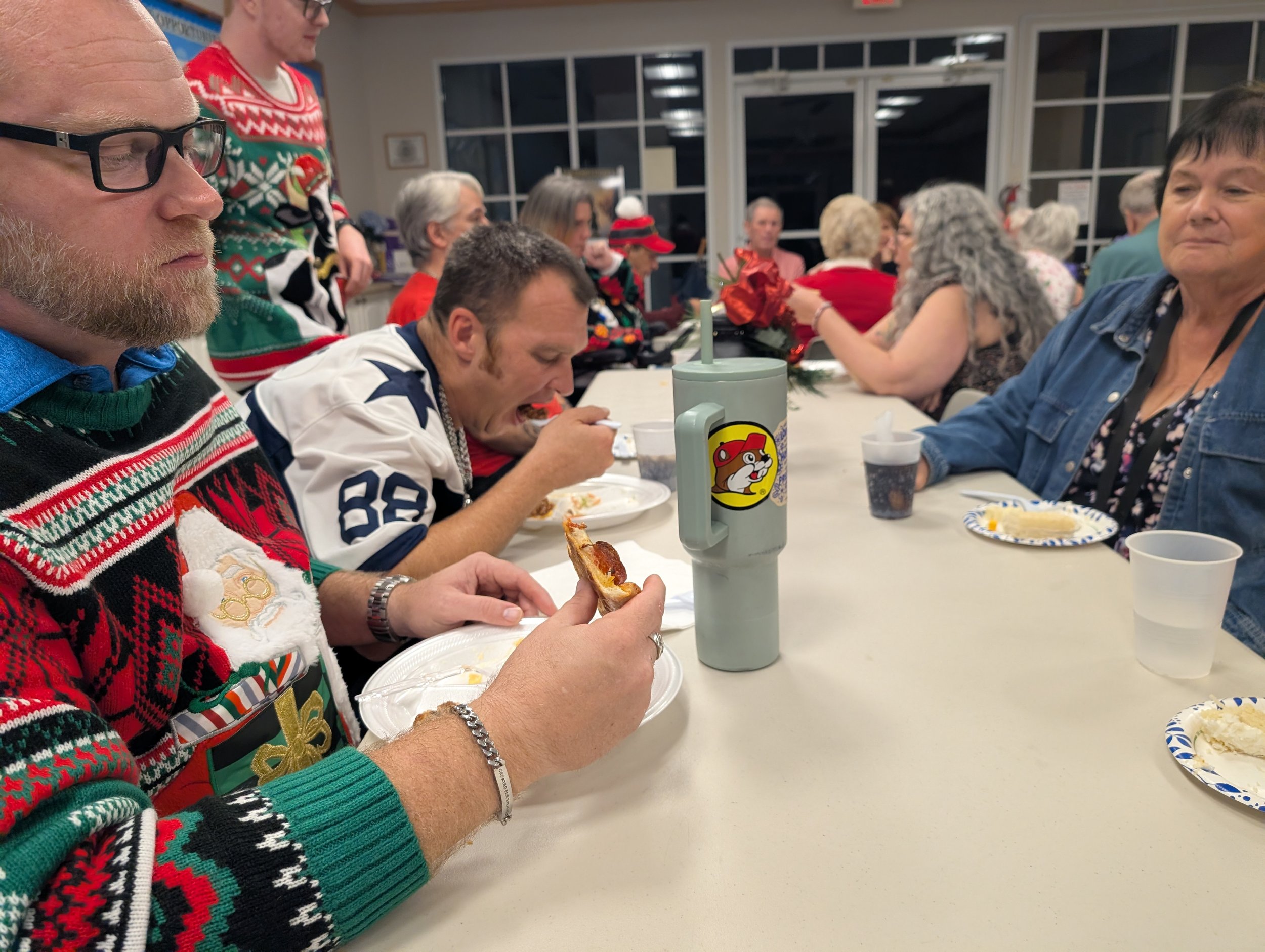
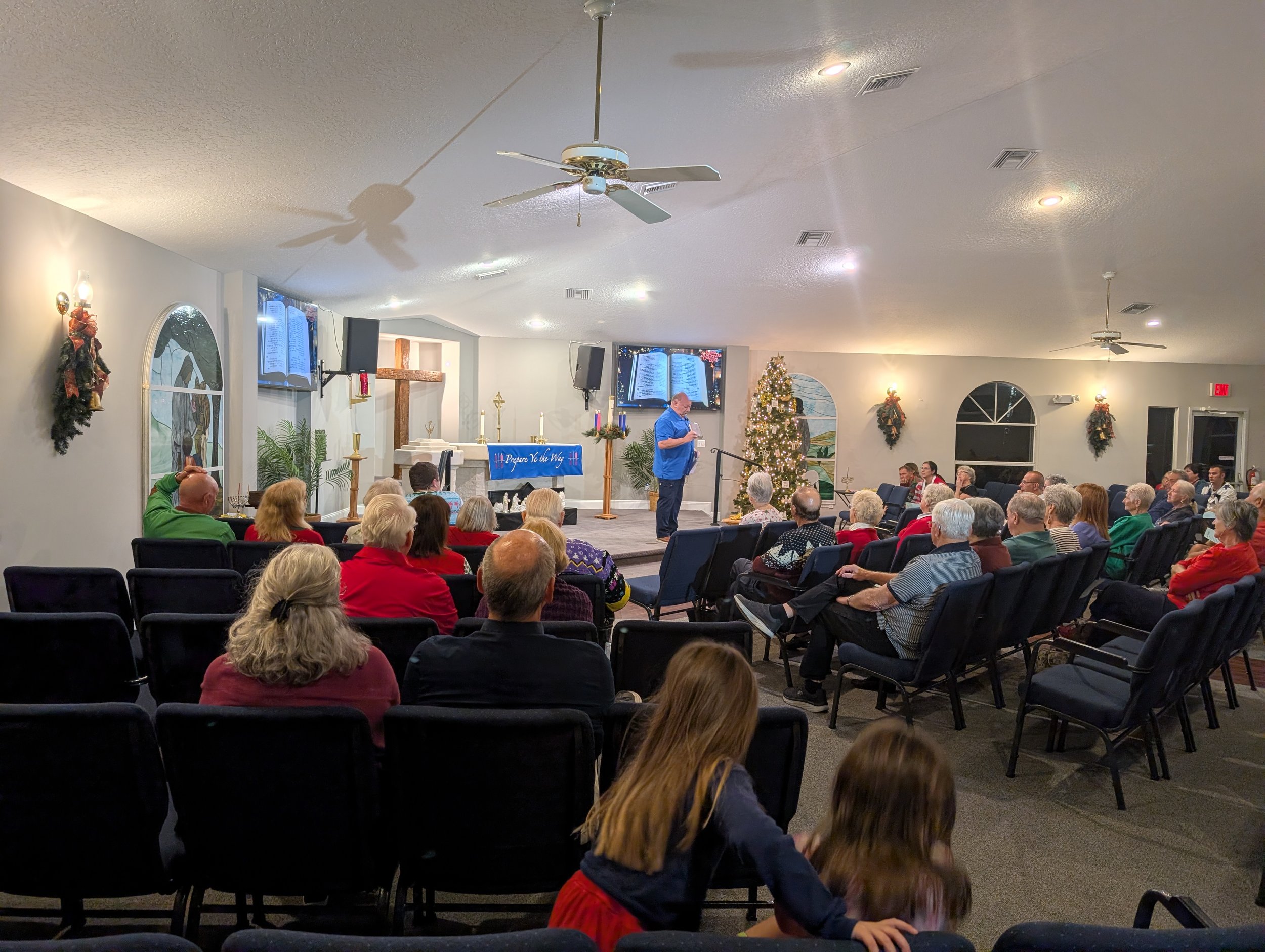
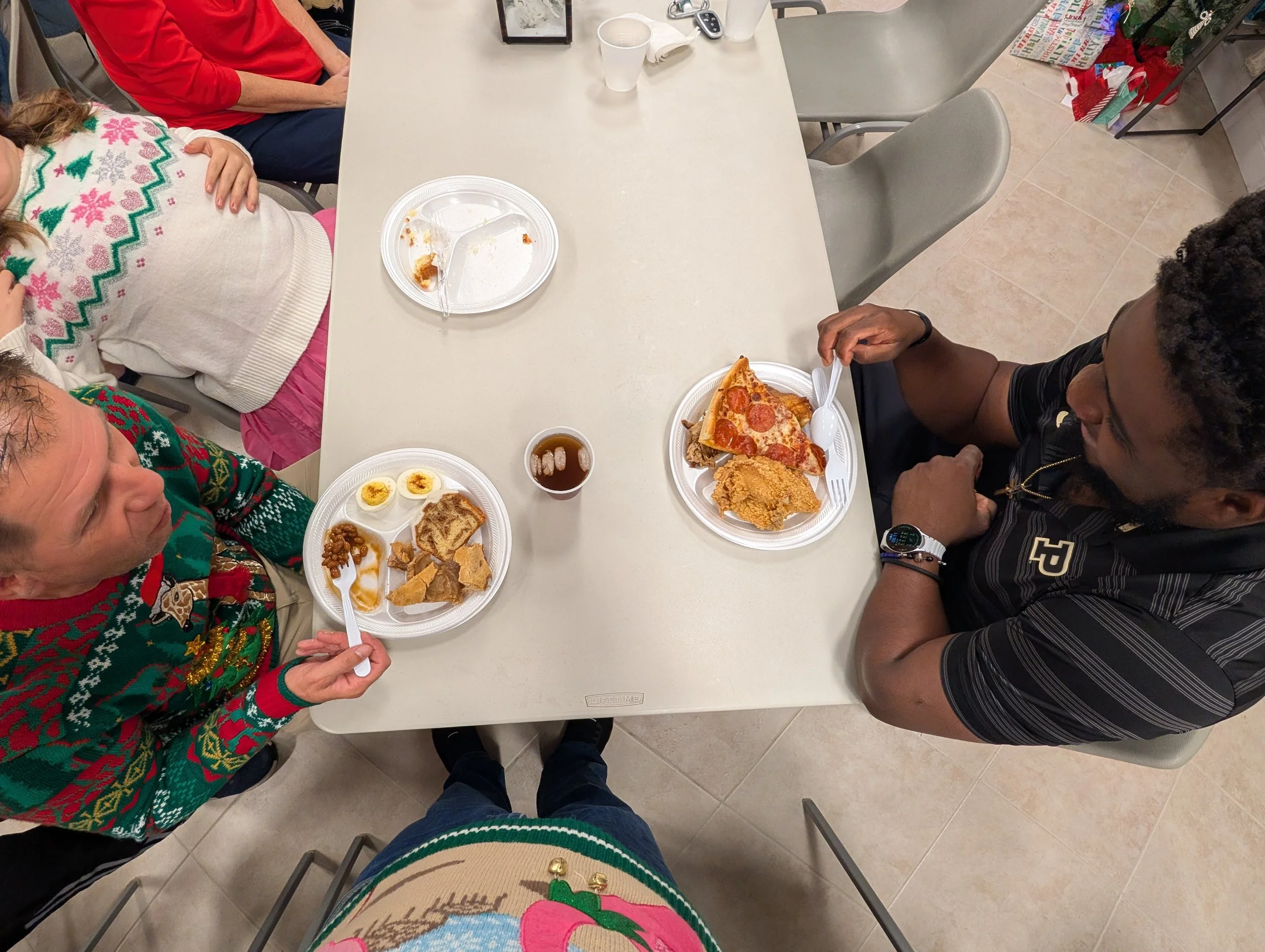
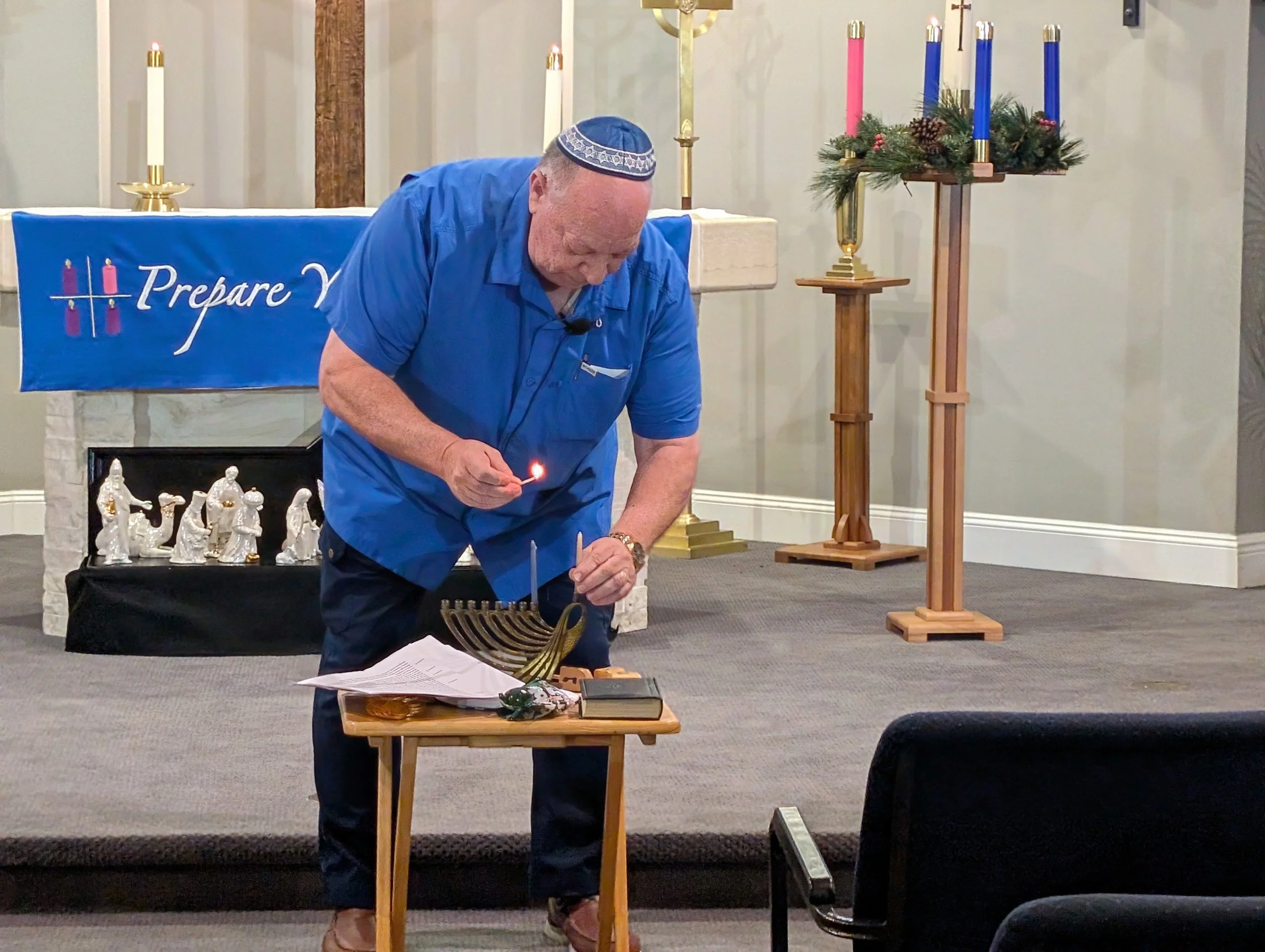
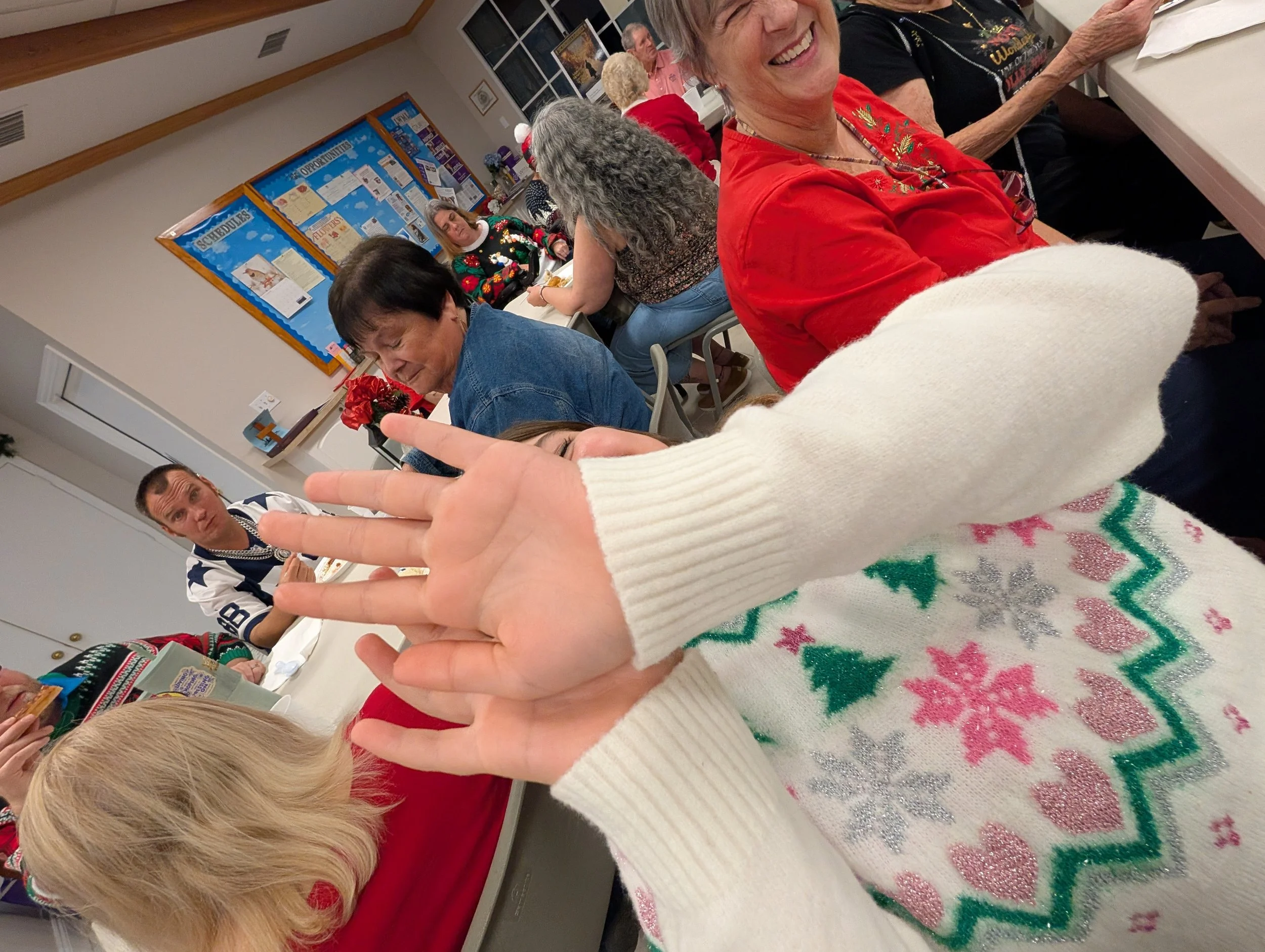
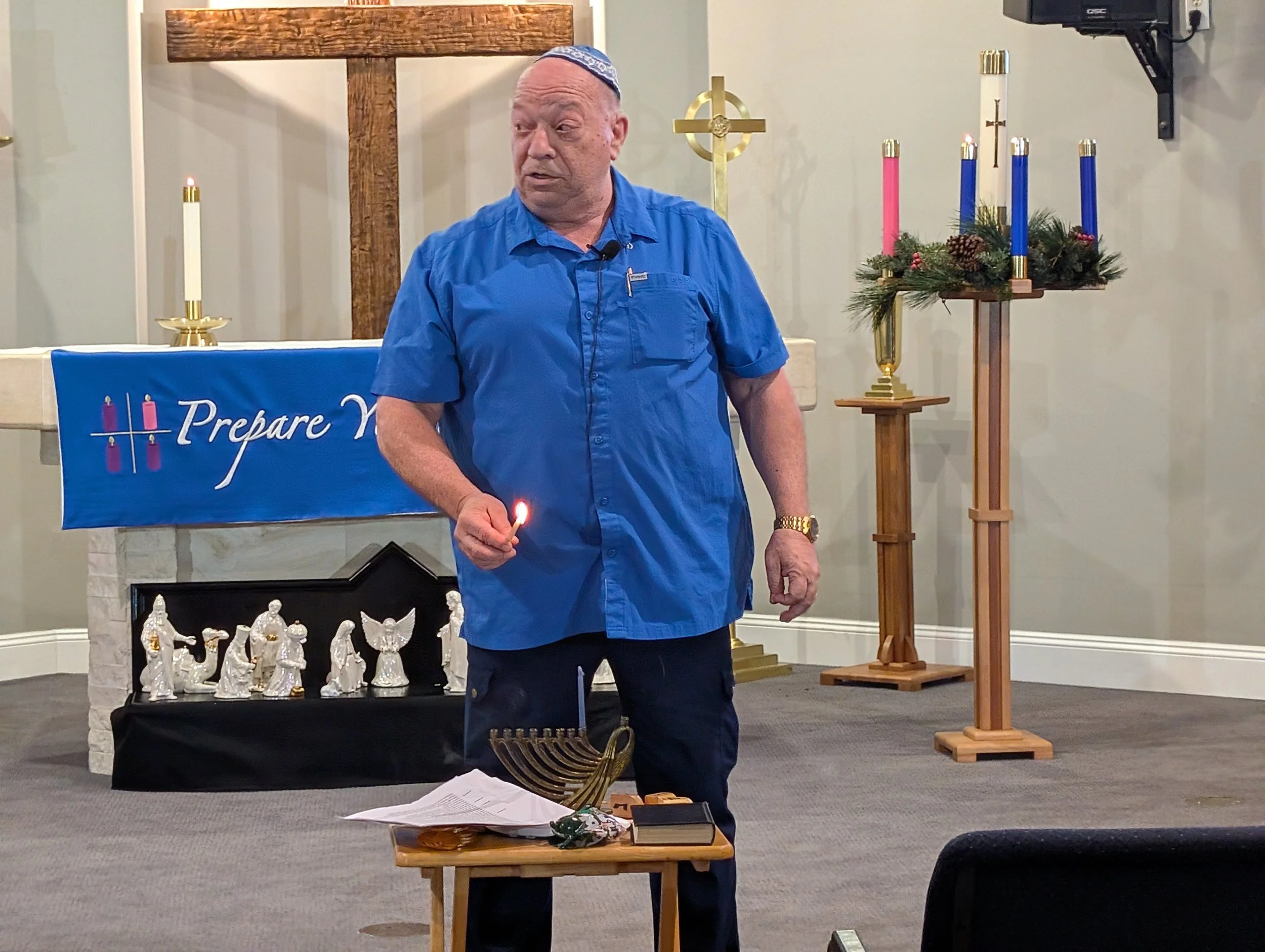

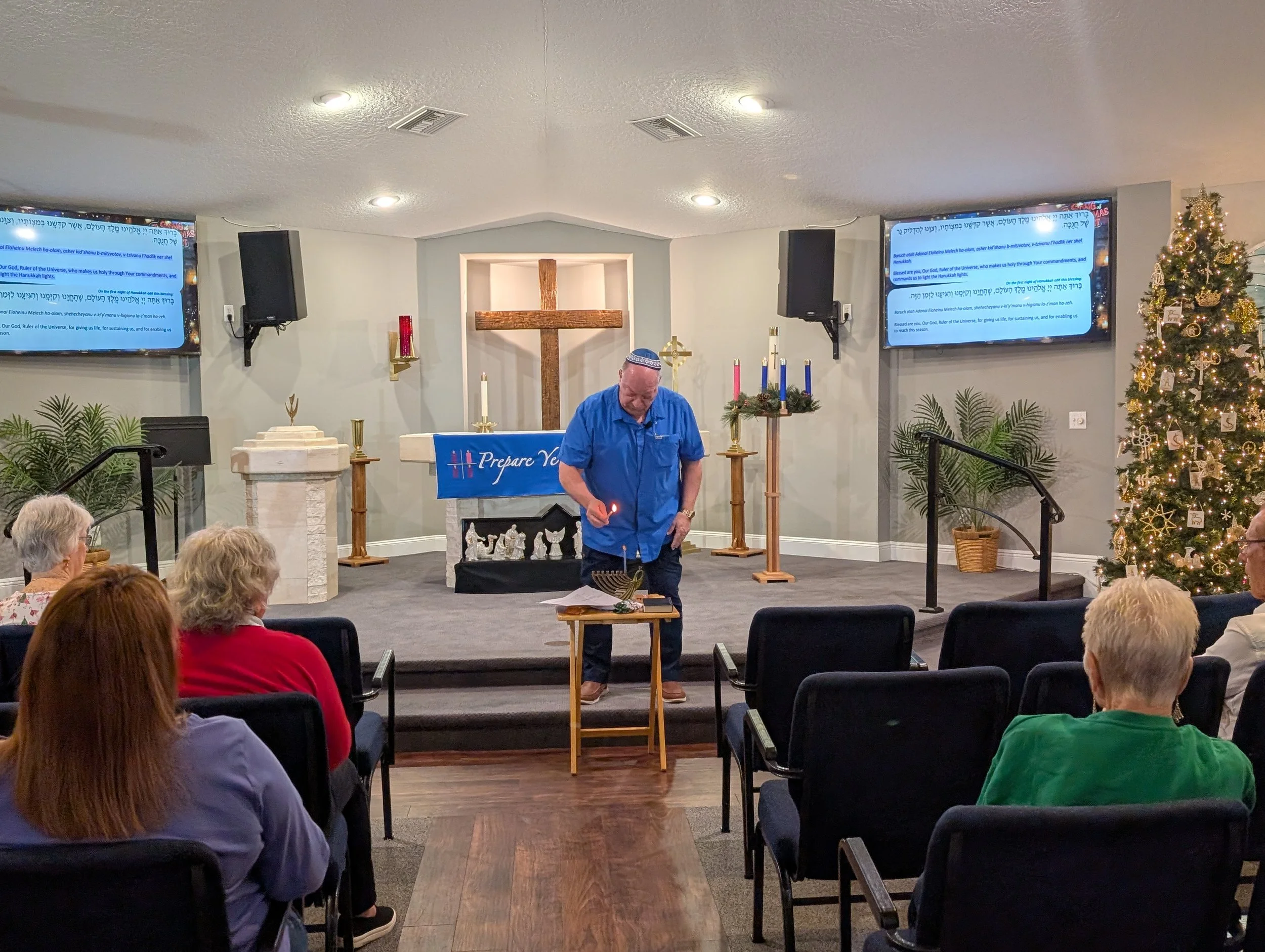
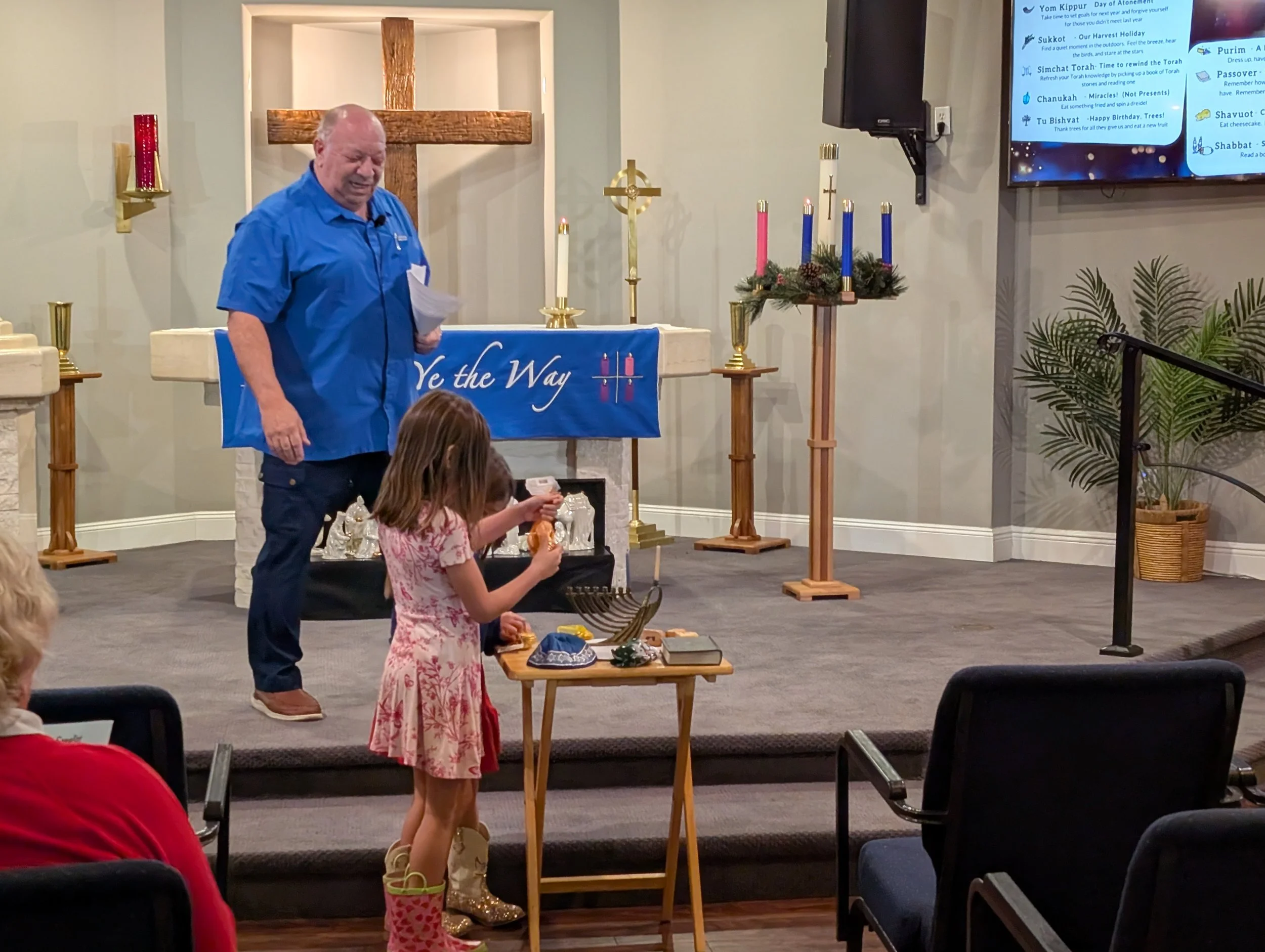
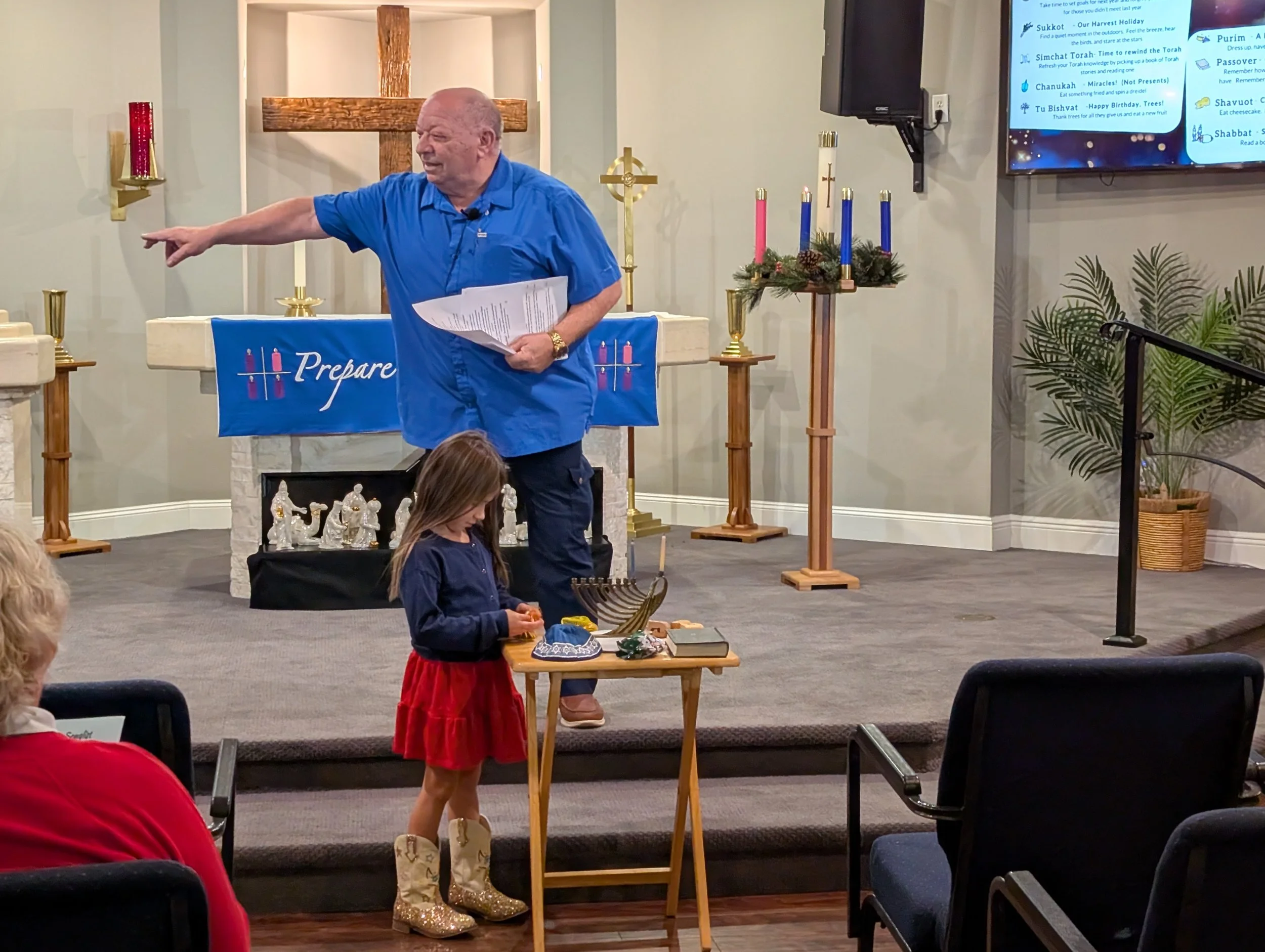
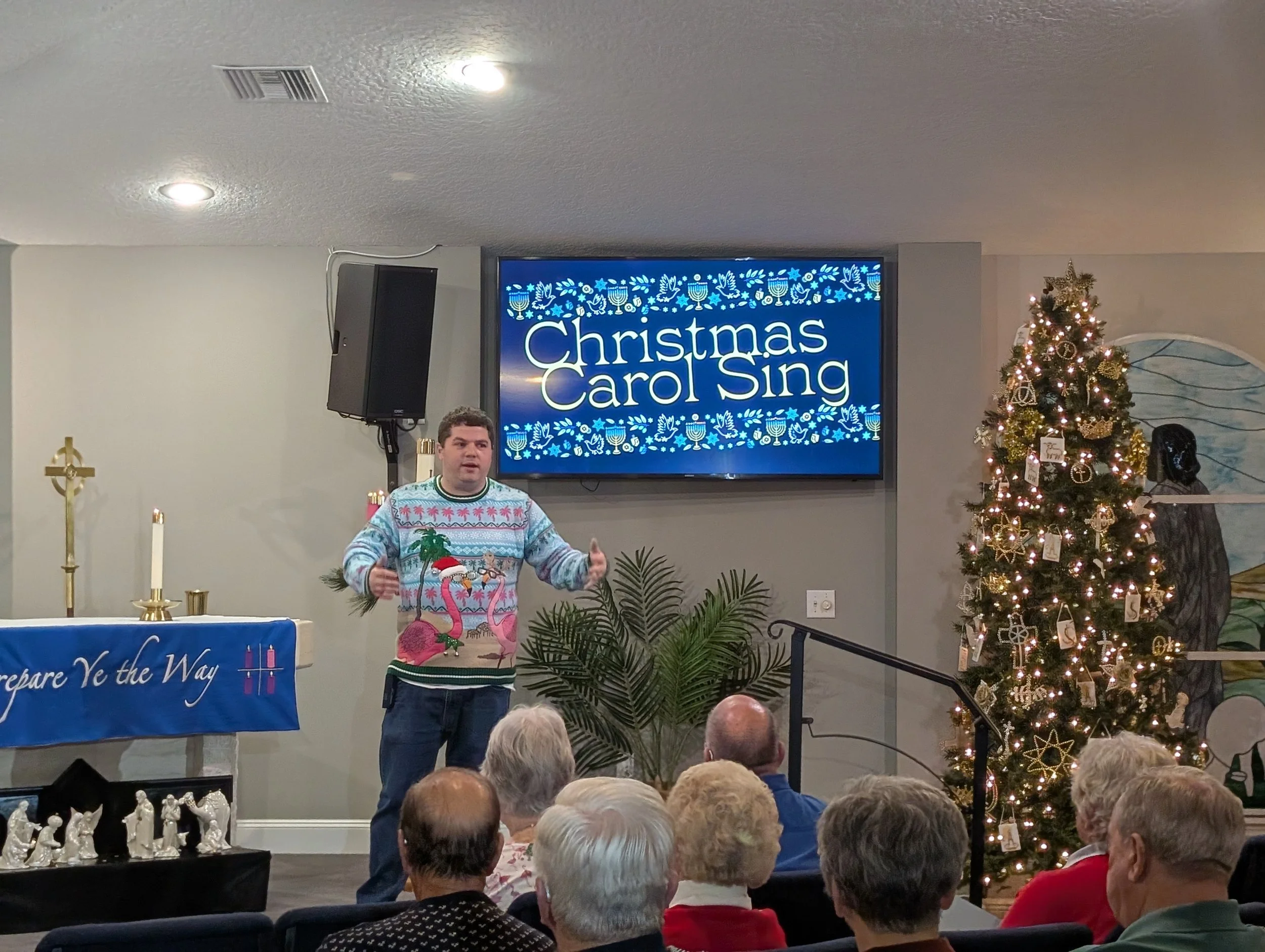
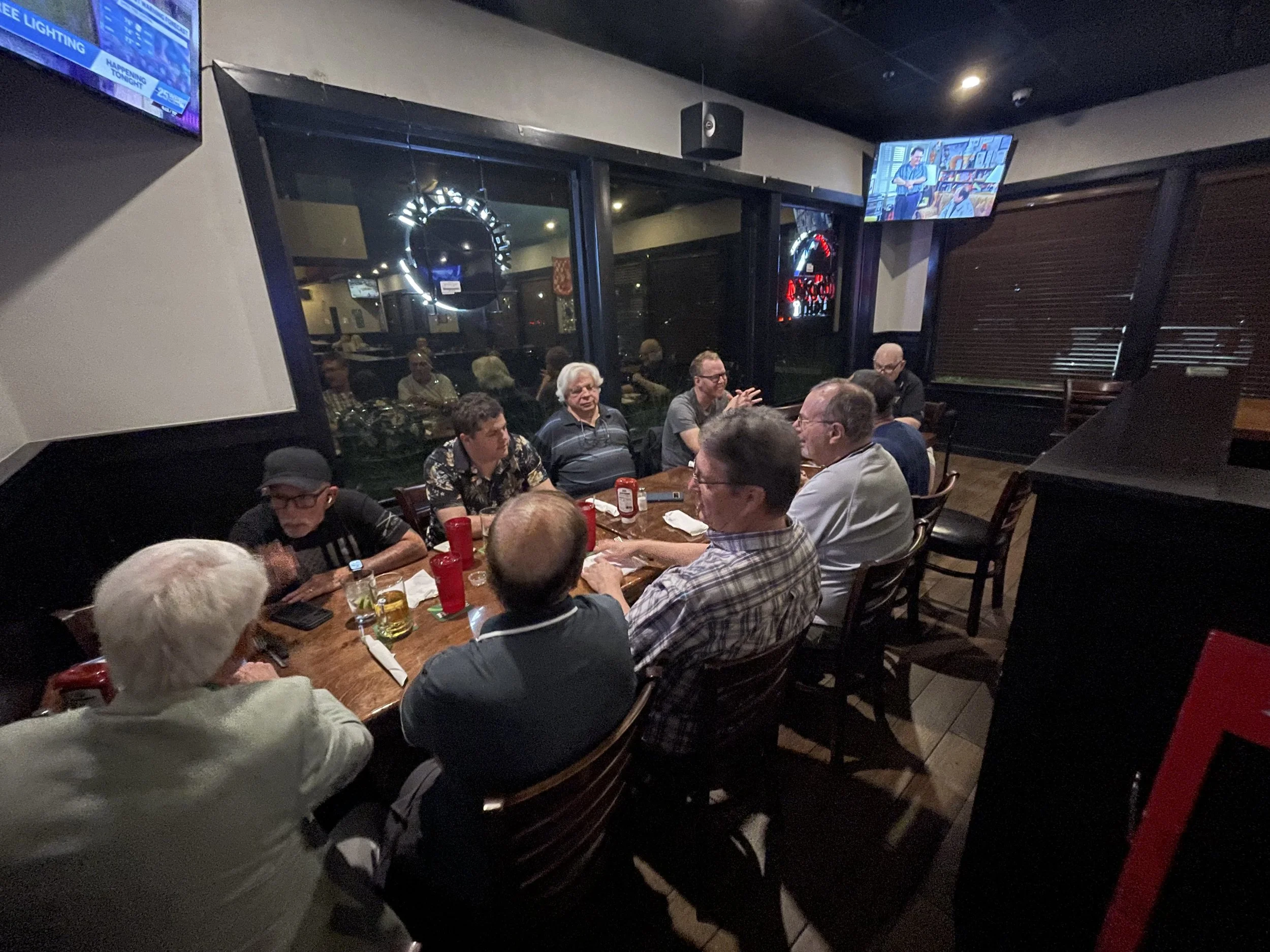
Guys Night December 25’ Photos
a whole dozen of Grace Guys at Tail Gators
We had a great time at Tail Gators in St Lucie West
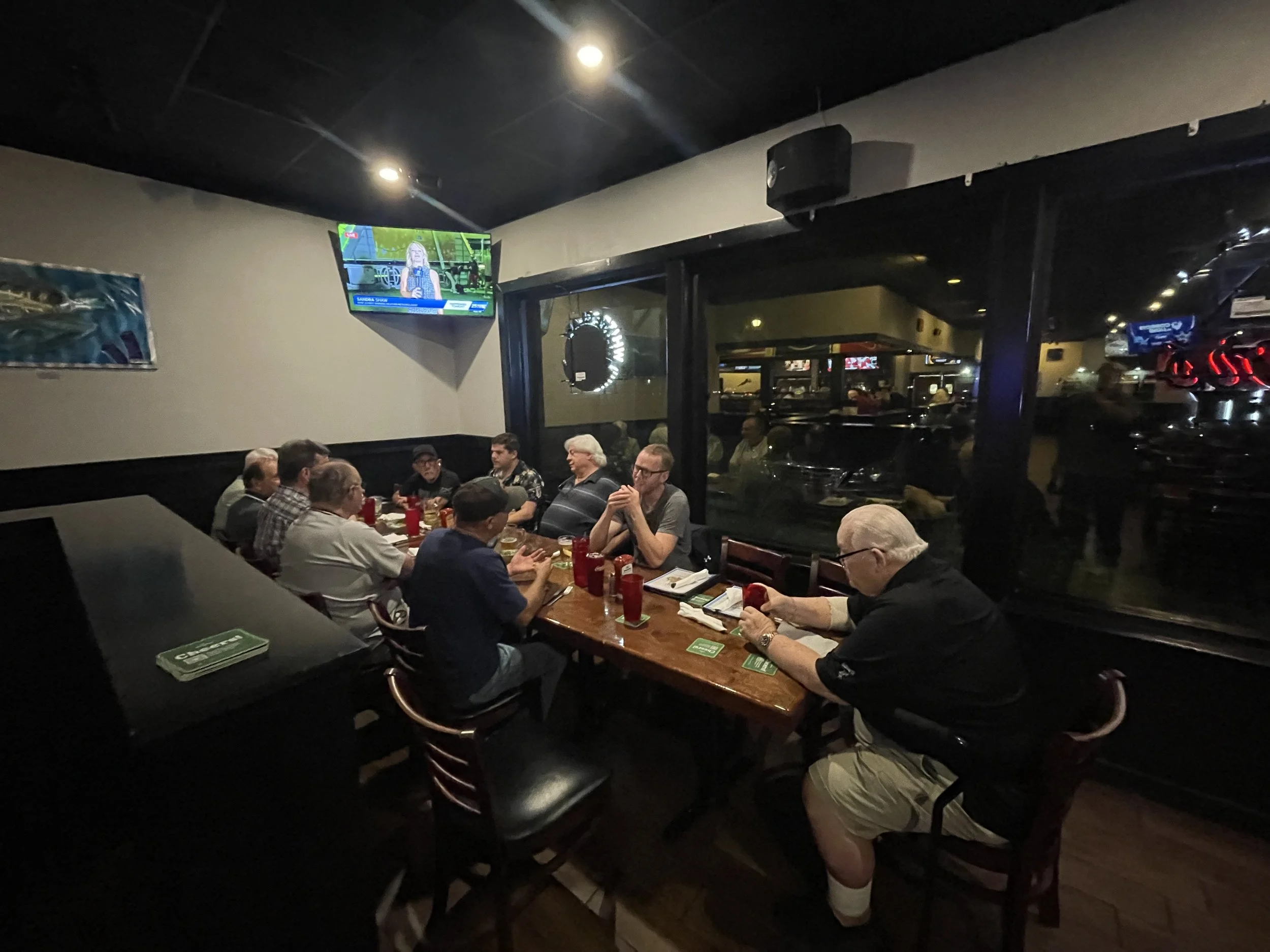

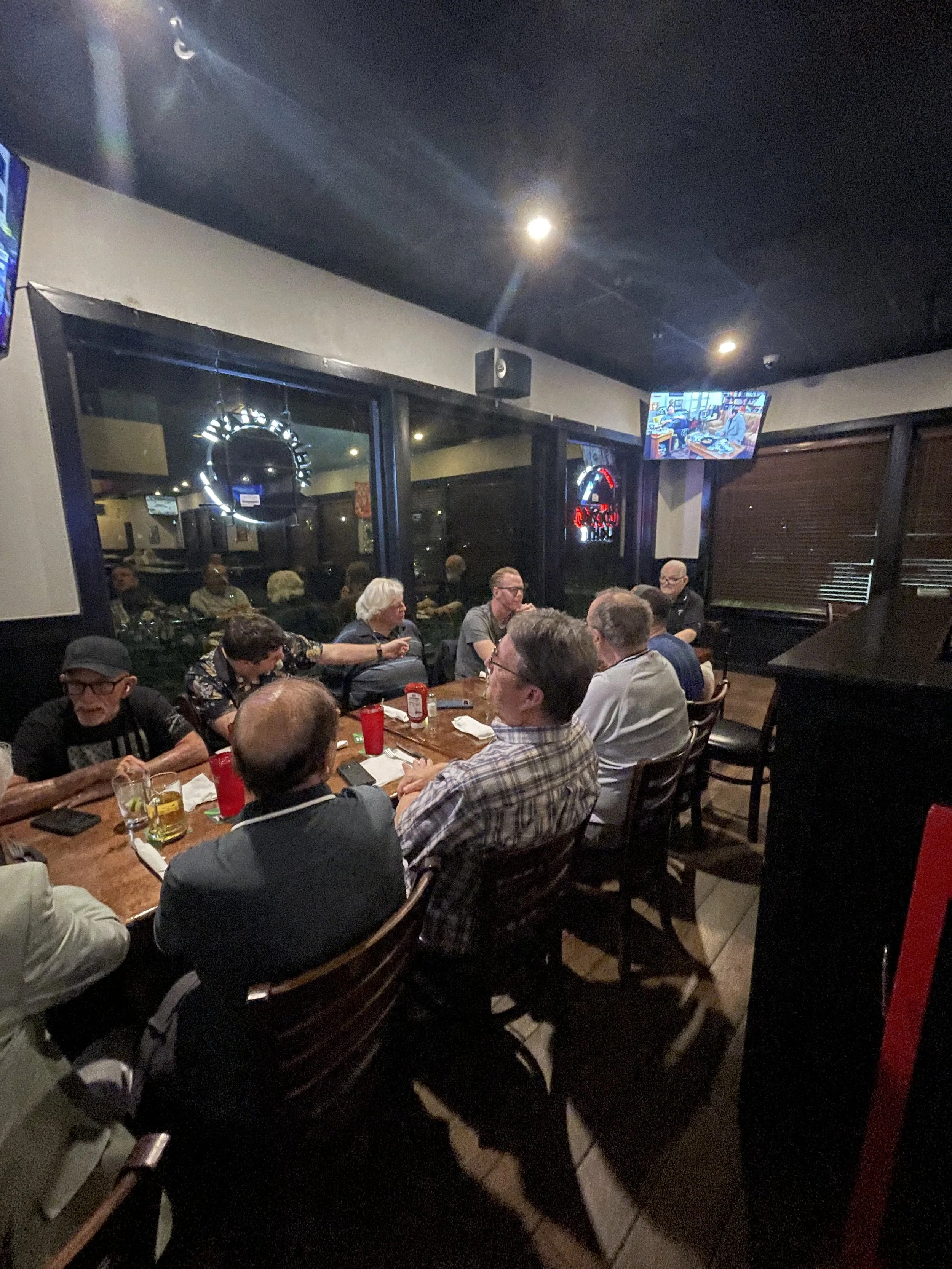
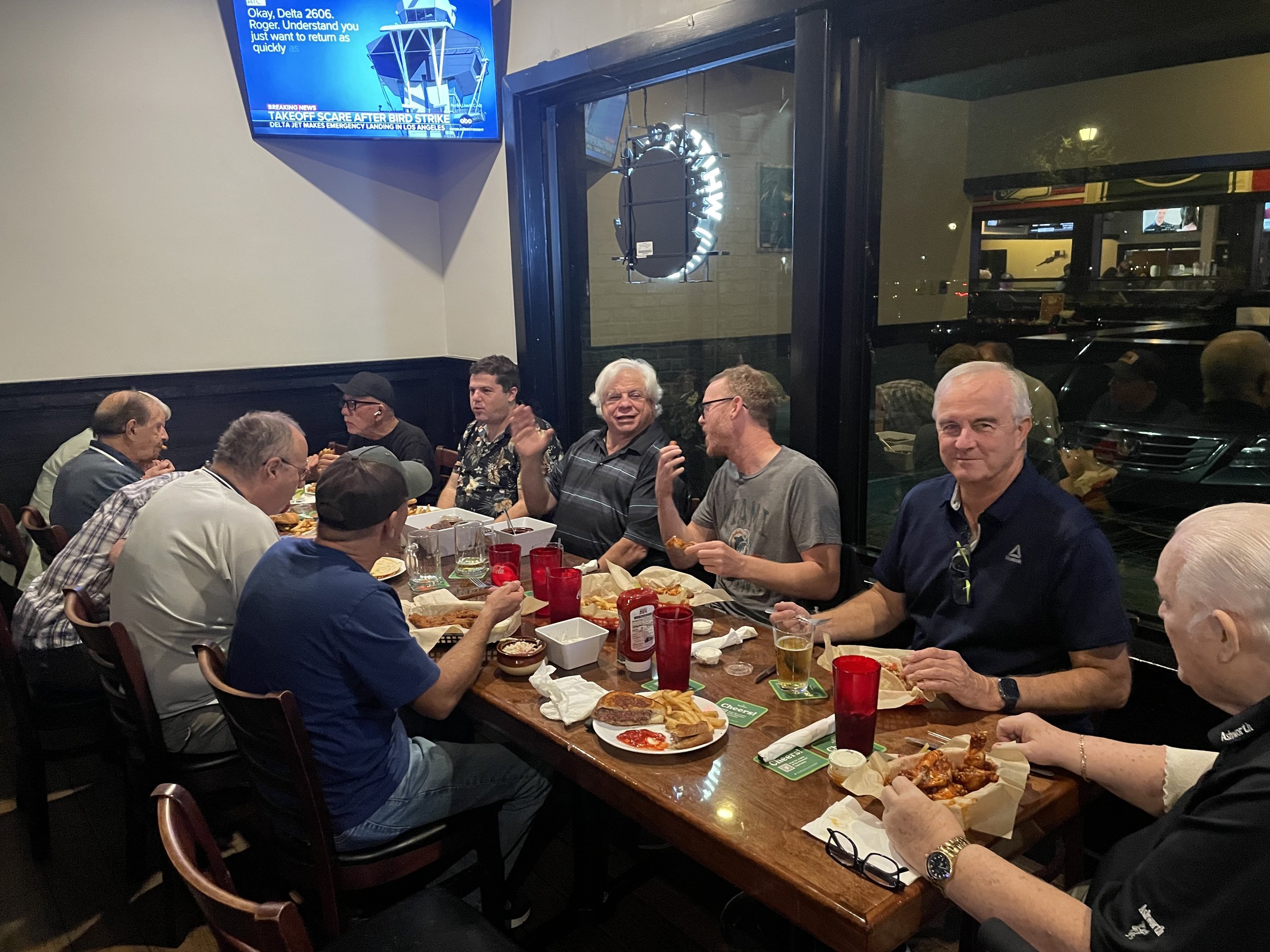
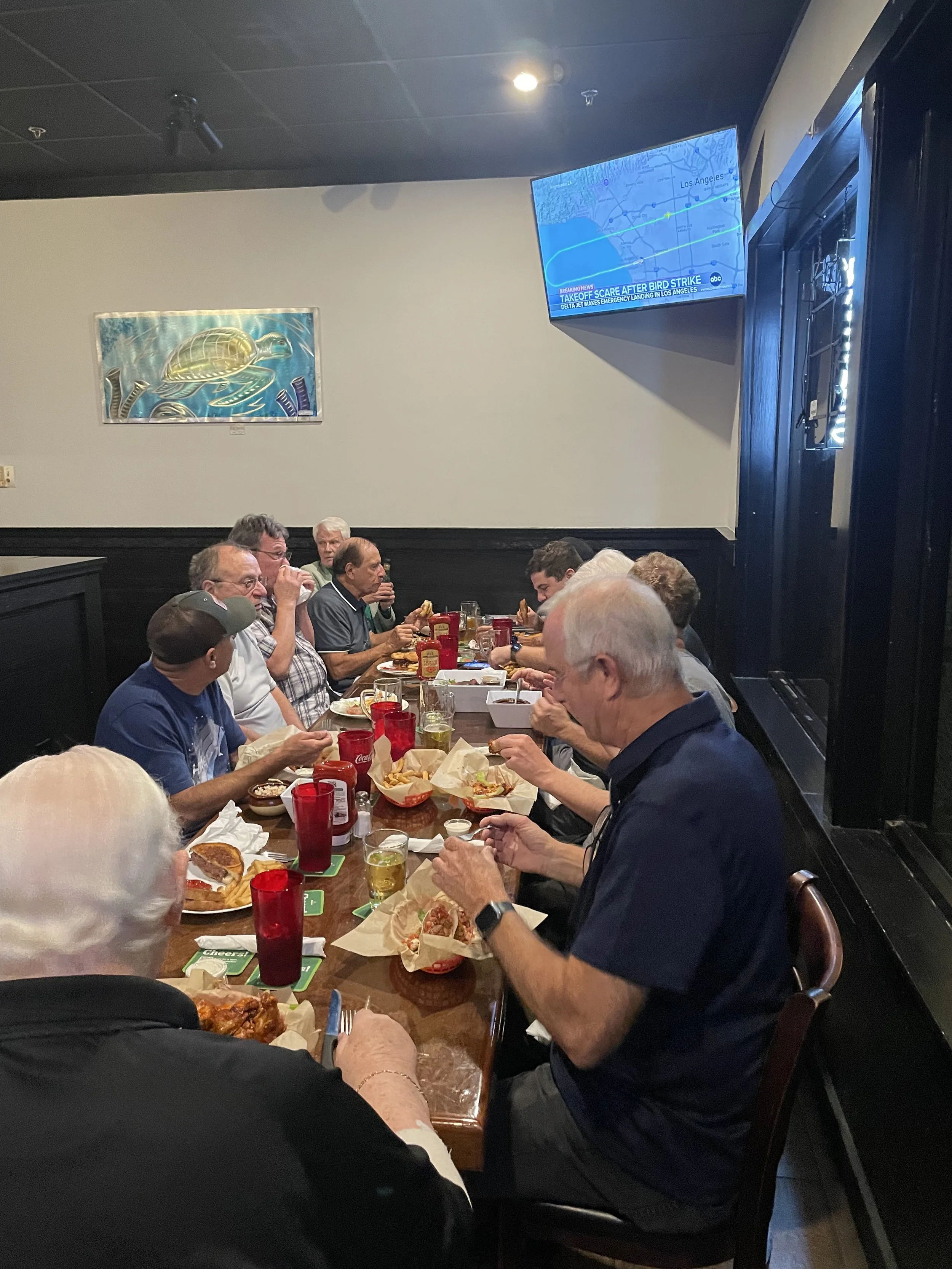

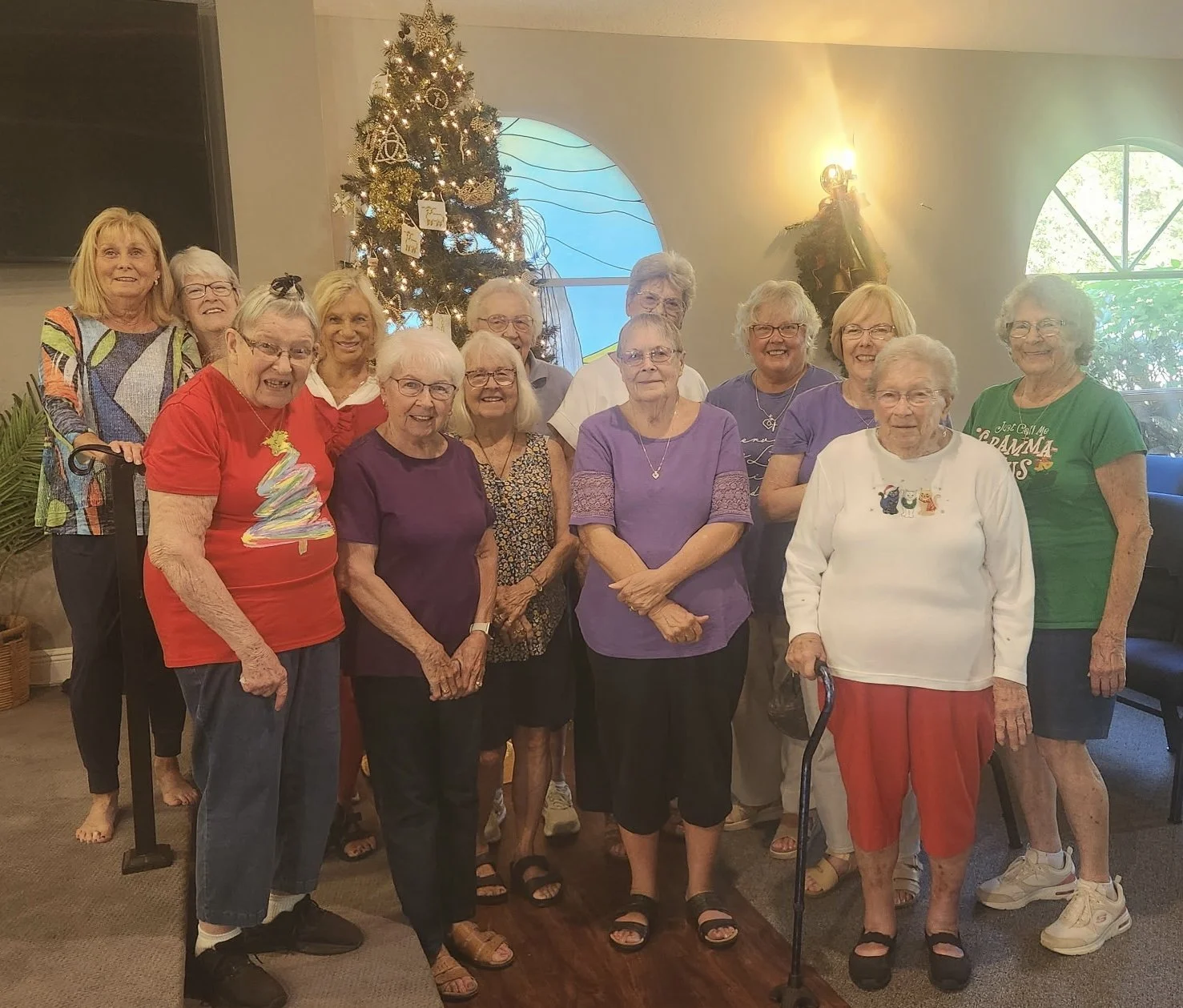
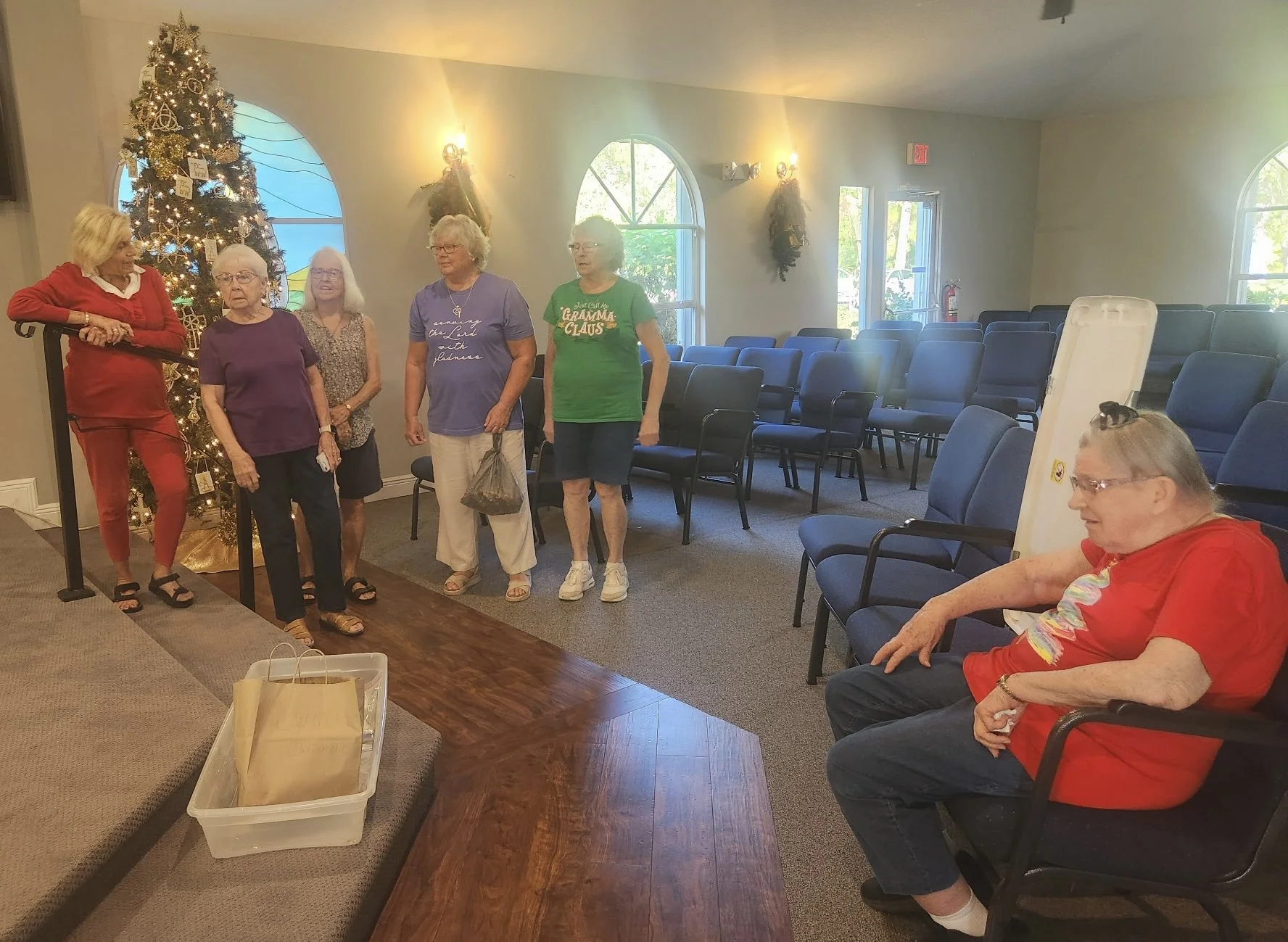
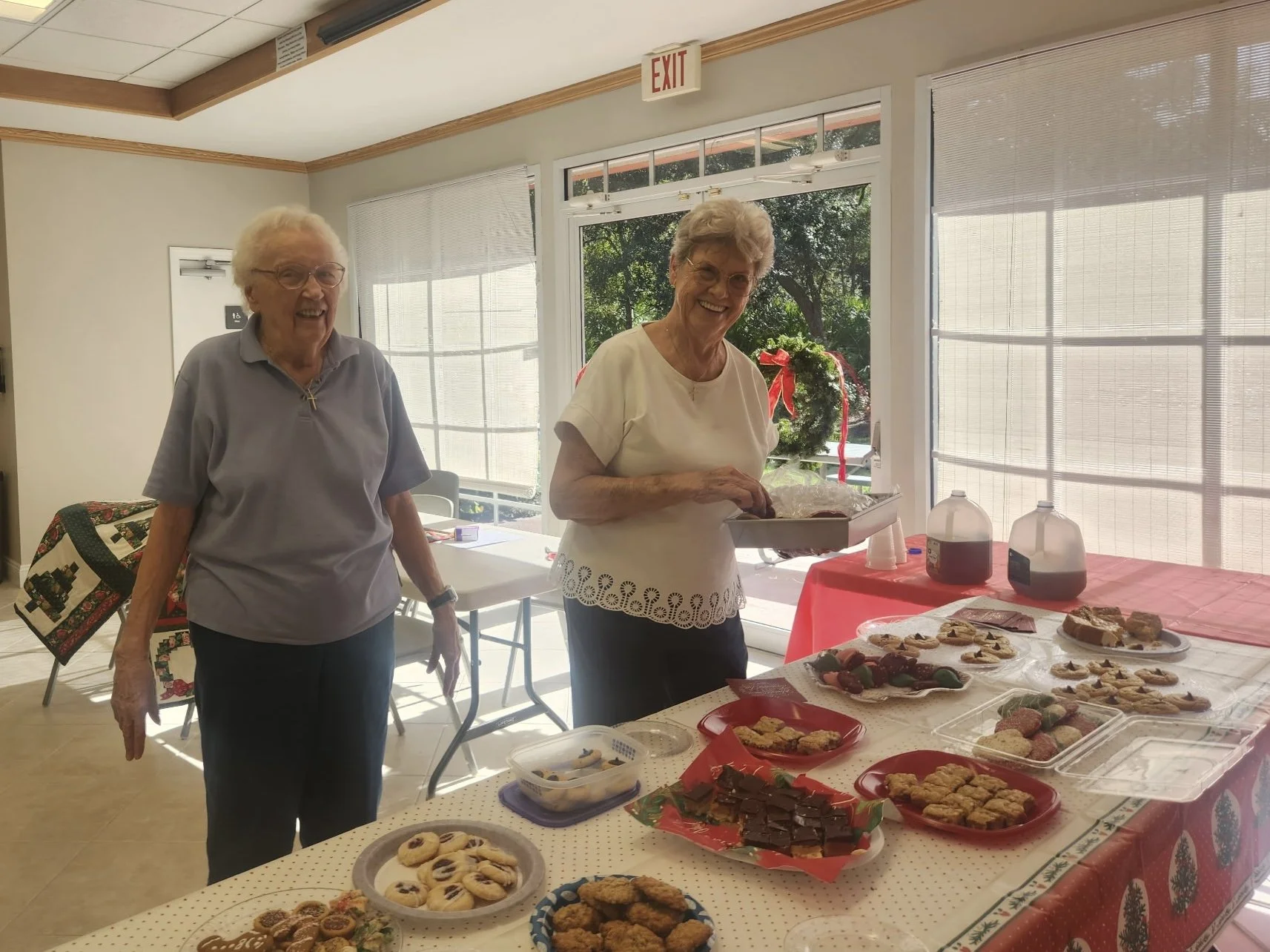
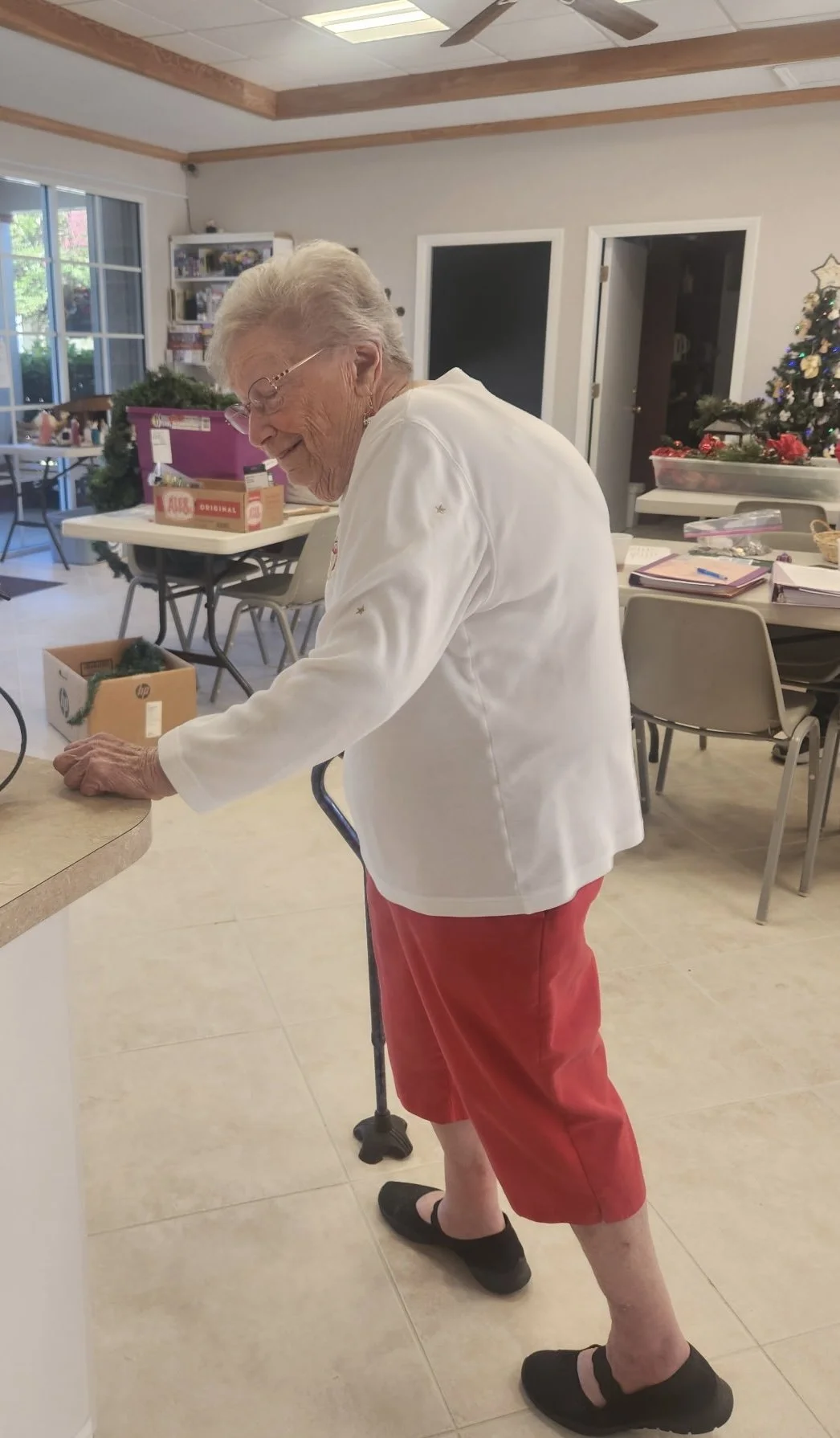
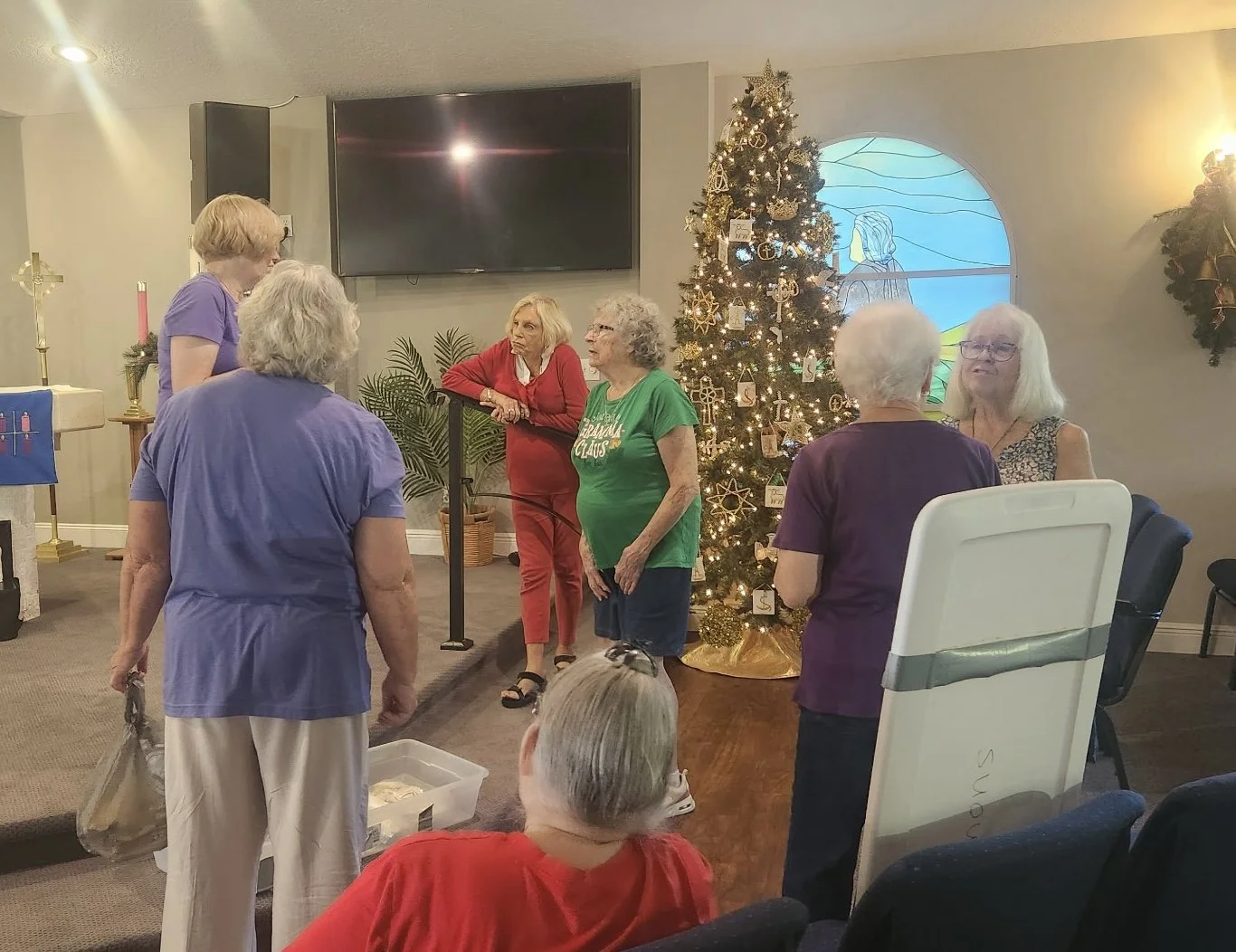
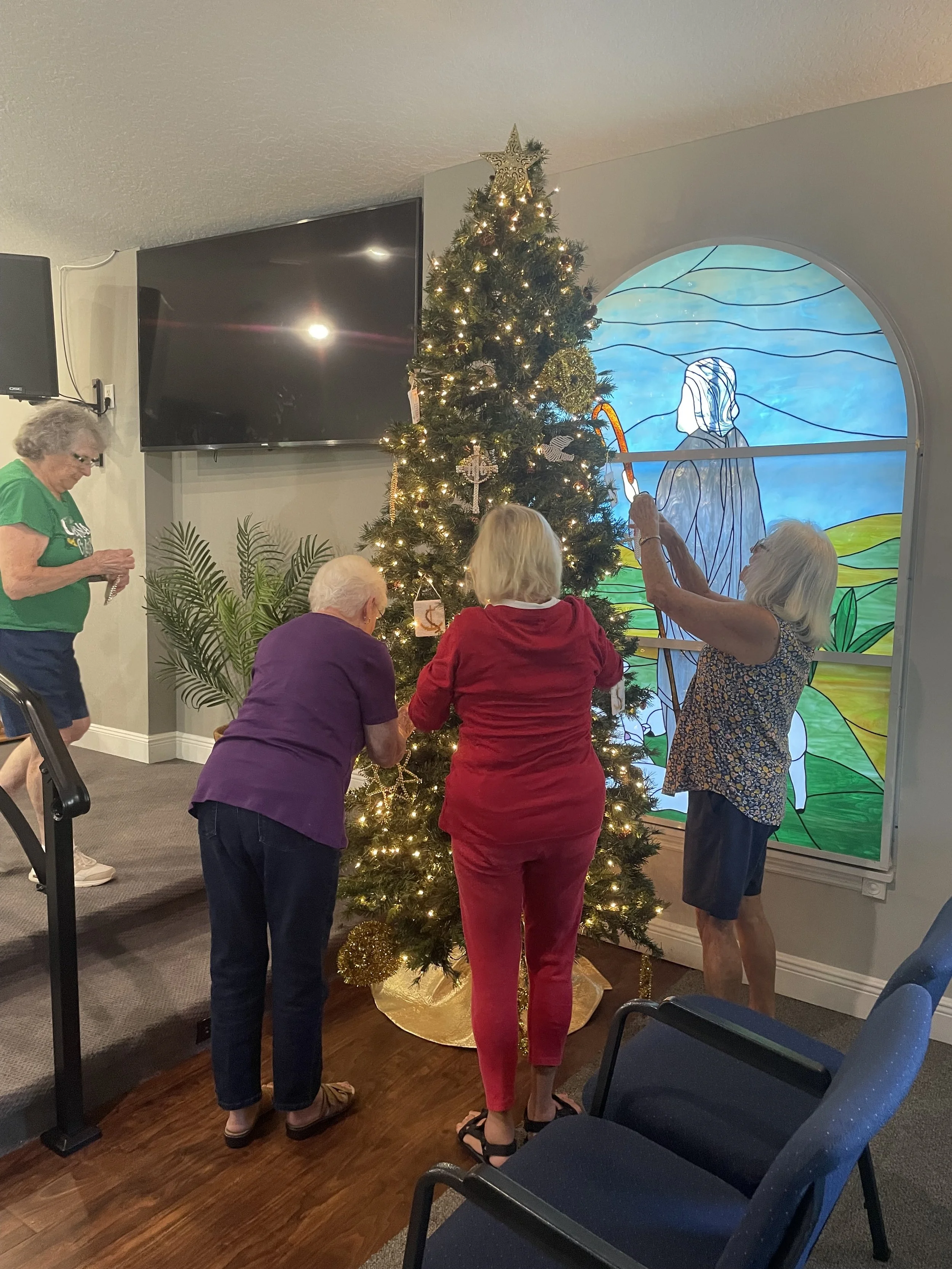
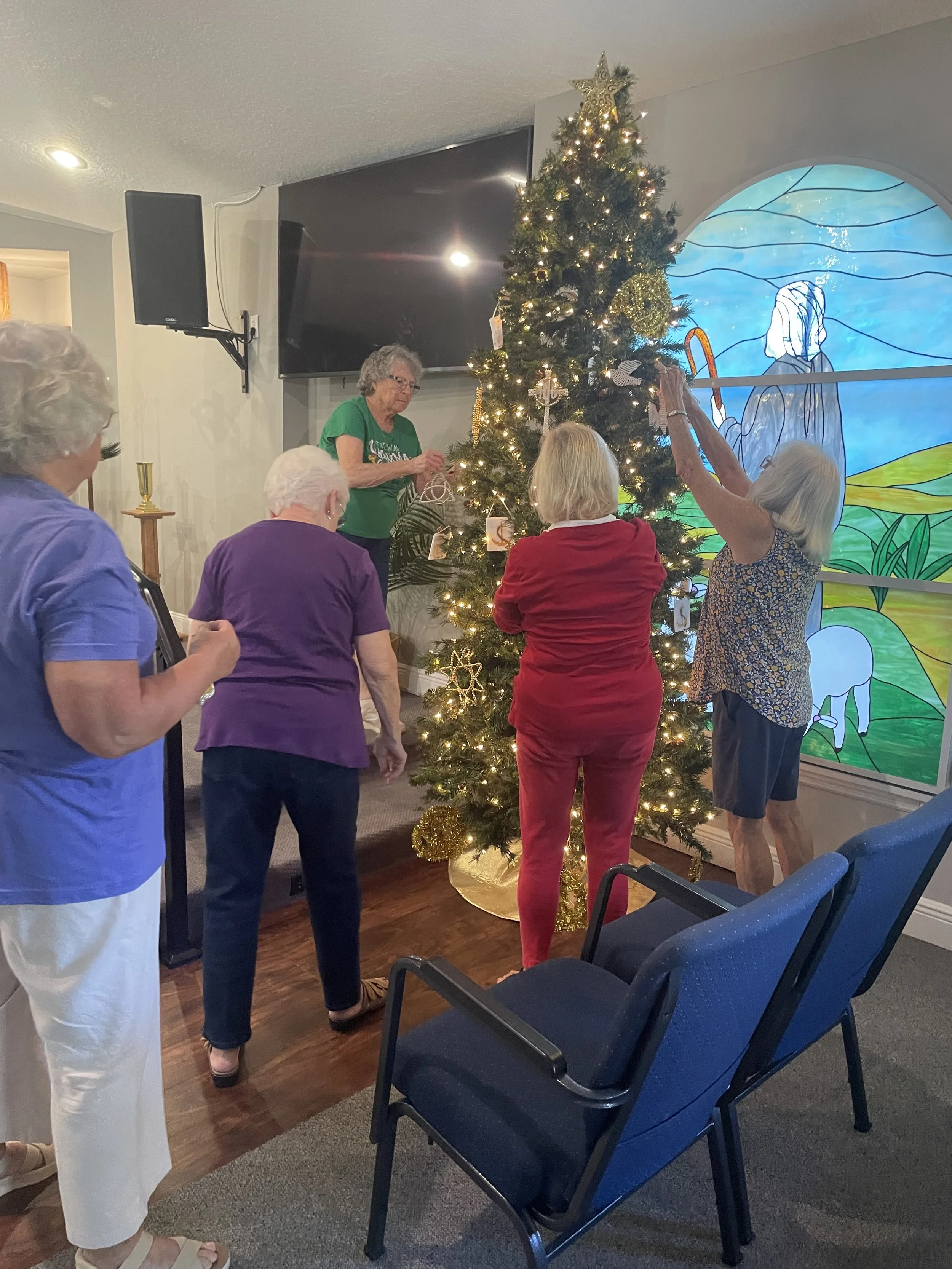
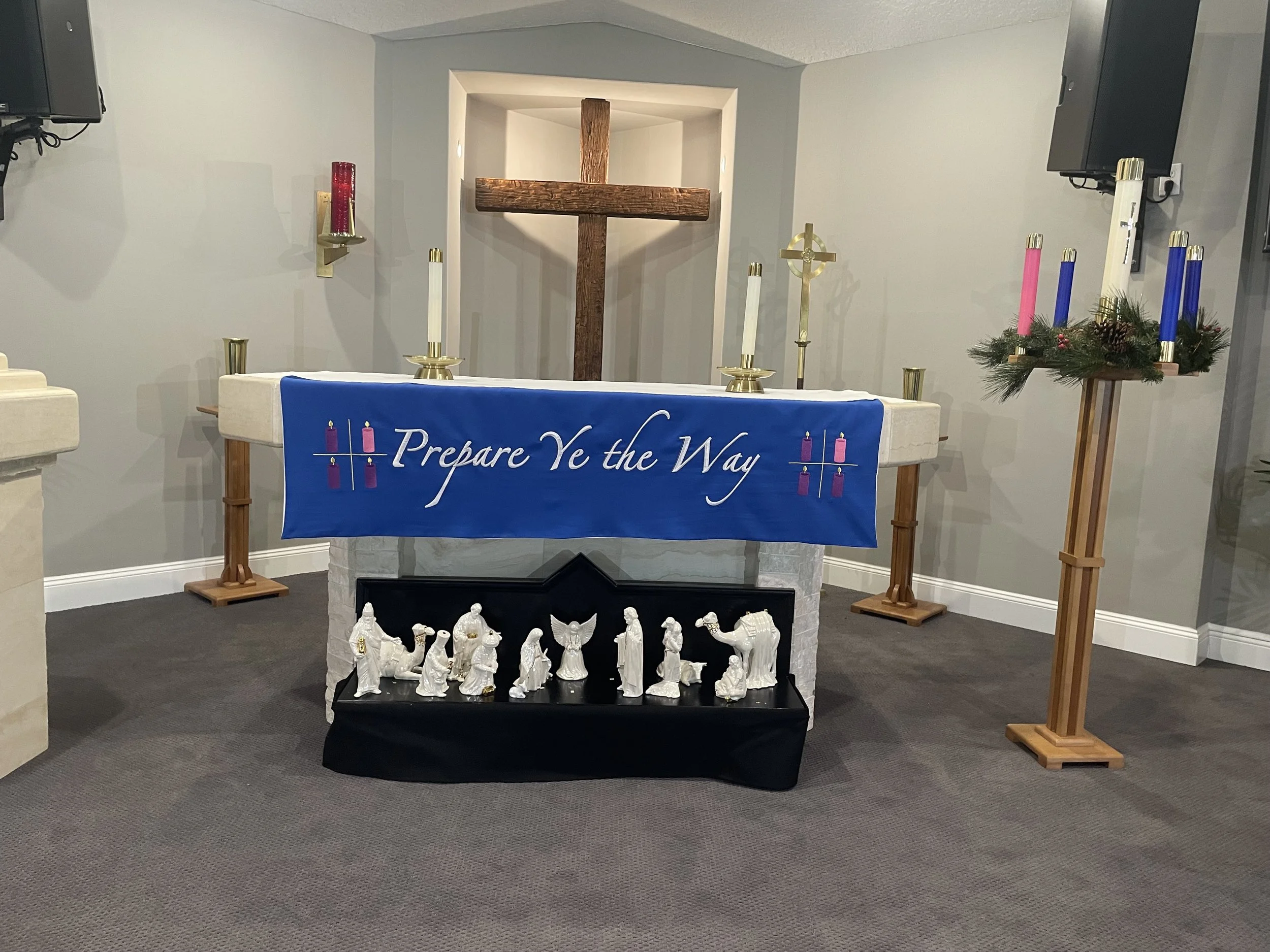
Thank you to the LWML for Christmas Decorating the Church
The Grace LWML decorated the church for Christmas.
Grace Lutheran PSL is ready for all the Advent and Christmas activities. Big thanks to the ladies at Grace.
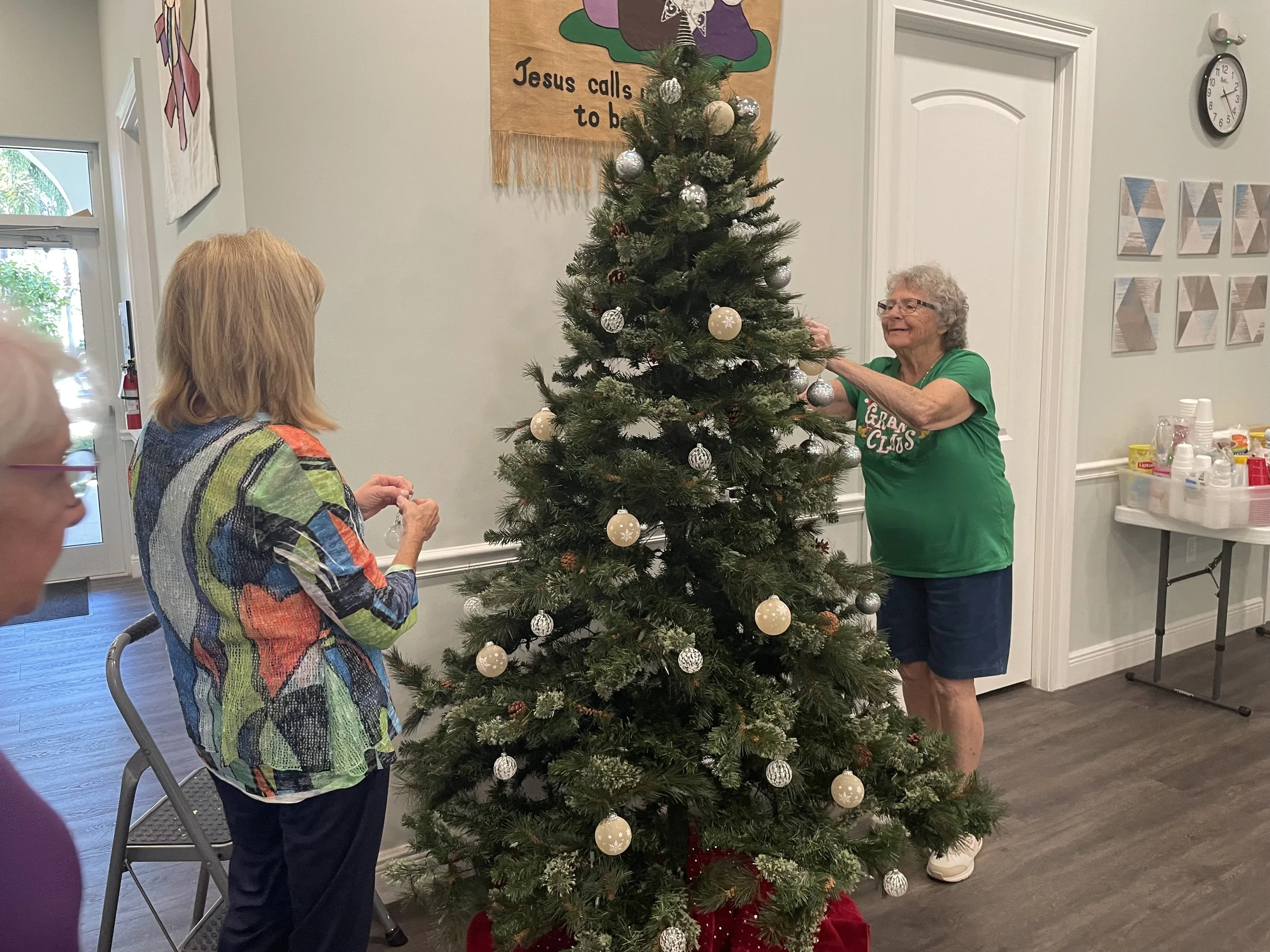

1st John Chapter 3-5 - The Johns Bible Study
This week's Bible study explored the theme of "God is love" in 1 John, emphasizing that genuine love for our brothers and sisters—a love demonstrated through forgiveness and action—is the primary evidence of our relationship with God and the key to overcoming the world.
1st, 2nd, and 3rd John
1 John Chapter 3-5
This is an AI Recap of the class.
Some things may be incorrect.
Short Summary of the Class
The class continued its study of 1 John, transitioning from the theme of "God is light" to "God is love." Reading from 1 John 3 through 1 John 5, the discussion centered on the apostle's core message: our love for fellow believers is the tangible proof of our salvation. We explored the nature of this love, defining it not as a sentimental feeling but as active, sacrificial agape love, shown through forgiveness and practical deeds. This was contrasted with the world's hatred, using Cain as an example of what a lack of love produces. The discussion also covered the need to "test the spirits" to discern true, Christ-centered teachings from false ones, specifically those denying that Jesus came in the flesh. The session concluded by affirming the assurance of eternal life that comes from believing in Jesus and loving one another.
Detailed Class Summary
Introduction and Transition to "God is Love"
The class began by recapping its progress through the books of 1st, 2nd, and 3rd John. The previous sessions, which concluded before Thanksgiving at 1 John 3:10, focused on the theme of "God is light." The speaker noted how this theme, particularly the verse "if we say we have no sin... we deceive ourselves" from 1 John chapter 1, connected well with a recent sermon. The study now transitions to the next major section of the book, which focuses on the theme that "God is love," picking up at 1 John 3:10.
Section Summary: The study is moving from the first major theme of 1 John, "God is light," into the second major theme, "God is love." The class is picking up where they left off at 1 John 3:10.
Bible Verses: 1 John 1
The Struggle and Misconception of Christian Love
We started our discussion by addressing a common, almost cartoonish vision of Christian love—a "sunshine and unicorns" feeling of constant affection for everyone. It was quickly acknowledged that this is an unattainable and inaccurate picture. The reality is that loving everyone is hard. The conversation touched on the idea that our actions matter because the biblical vision is of a renewed creation where we will live face-to-face with each other forever, making forgiveness and how we treat people now incredibly important. Drawing from C.S. Lewis’s The Great Divorce, we considered the idea that hell is a state of ultimate loneliness that results from a refusal to forgive.
Section Summary: We began by deconstructing the idealistic but unrealistic view of Christian love, recognizing the real-world difficulty of loving others and emphasizing that our present actions have eternal significance in a renewed creation, making forgiveness essential.
Stories: The Great Divorce by C.S. Lewis
Defining Love: Affection vs. Action (1 John 3)
The discussion then moved to better define what "love" means in this context. It was pointed out that the command to love everyone doesn't necessarily mean we must have a warm affection for them. The biblical command often refers to agape love—a selfless, sacrificial action, exemplified by Jesus. The text in 1 John 3 makes a stark distinction between the children of God, who practice righteousness and love, and the children of the devil. The Greek word used for "love" in verses 10, 11, and 18 is agape, reinforcing that the focus is on a selfless, willed love, not just a feeling.
Section Summary: We clarified that the biblical command to "love" is not about feeling affection but about demonstrating agape—a selfless, sacrificial love shown through action, as modeled by Christ. This is the kind of love 1 John calls us to.
Bible Verses: 1 John 3:10-11, 1 John 3:18
Stories: The sacrifice of Jesus
The Consequence of Hate: The Story of Cain and Abel (1 John 3)
The passage in 1 John immediately uses the story of Cain and Abel as the primary example of what a lack of love looks like. Cain murdered his brother because his own works were evil. This act is presented as the ultimate consequence of hate—death. Verse 15 drives this point home: "Whoever hates his brother is a murderer." This hatred is contrary to the eternal life that should be abiding in us. The passage extends this concept to sins of omission. Verse 17 asks how the love of God can be in someone who has worldly goods, sees a brother in need, and does nothing. This is what it means to love in "deed and in truth," not just in words.
Section Summary: Using the story of Cain and Abel, we identified hatred as a form of murder where we usurp God's authority. This "murder" can be an active desire to harm or a passive refusal to help someone in need, both of which are antithetical to the love of God.
Bible Verses: 1 John 3:12, 1 John 3:14-15, 1 John 3:17
Stories: Cain and Abel, The Parable of the Good Samaritan (alluded to)
The Commandment of God: Belief and Love (1 John 3)
The discussion centered on the commandments of God. Verse 23 summarizes this perfectly: "And this is his commandment, that we should believe on the name of his Son Jesus Christ and love one another." The two are inextricably linked. We are called to believe in Jesus and, out of that belief and the forgiveness we receive, to love one another. We concluded by acknowledging how incredibly difficult this is. Yet, as verse 20 reminds us, even when our own hearts condemn us or fail us, "God is greater than our heart," and His love empowers us.
Section Summary: We concluded that God's core commandment is twofold: to believe in Jesus Christ and to love one another. This love is the natural outflow of our faith and forgiveness. We can take comfort that God's power to love is greater than our own heart's limitations.
Bible Verses: 1 John 3:20, 1 John 3:22-23, Matthew 7:12
Testing the Spirits (1 John 4)
The class then moved into 1 John, Chapter 4, beginning with the instruction to "test the spirits." The term "spirit" was interpreted not as literal angels and demons, but as the underlying motivation, attitude, or teaching that moves a person. The Bible teaches that you will know them by their fruits. The passage in 1 John 4:2-3 specifies the primary test: "every spirit that confesses that Christ has come in the flesh is of God." John was directly combating the Gnostic heresy, which taught that the physical world was evil and that Jesus was only a spirit. To deny that Jesus came in the flesh is described as the "spirit of the Antichrist." While we are called to love everyone, we must also be wise and protect the community from harmful, divisive, and false teachings.
Section Summary: The instruction to "test the spirits" from 1 John 4 means we should discern the teachings and motivations of others. The key test is whether they confess Jesus came in the flesh, a truth that counters the Gnostic heresy and identifies the "spirit of the Antichrist."
Bible Verses: 1 John 4:1-6
God is Love and Overcoming the World (1 John 4-5)
This section of 1 John contains the central declaration: "God is love." Our ability to love comes from God, because He first loved us by sending His Son. Therefore, if God loved us so much, we must also love one another. The passage argues that it is impossible to claim to love God, whom we cannot see, while hating a brother, whom we can see. The reading concluded with the theme of victory from chapter 5. Belief that Jesus is the Son of God is what "overcomes the world." This belief is tied to keeping God's commandments, which are described as "not burdensome." John writes these things so that believers may "know that you have eternal life."
Section Summary: The class read through the foundational truth that "God is love" and that our love for others is a response to His love for us. This faith in Jesus Christ is the victory that overcomes the world and gives us the assurance of eternal life.
Bible Verses: 1 John 4, 1 John 5
Medium Length Summary
This week, the Bible study group continued its journey through the epistles of John, shifting its focus from "God is light" to the profound concept that "God is love." Beginning at 1 John 3:10, the class read aloud through 1 John 5:17, immersing themselves in the apostle's passionate plea for genuine, active love among believers. The discussion dismissed a simplistic, sentimental notion of love, acknowledging the real-world struggle to love difficult people. Instead, love was defined as agape—a selfless, sacrificial love demonstrated through actions and forgiveness.
The discussion highlighted John's central argument: the most reliable evidence of being a "child of God" is the tangible practice of loving one's brother. This was starkly contrasted with the world's hatred, using the biblical story of Cain and Abel as a prime example of how a lack of love leads to death. The session emphasized that love must be more than words; it must be demonstrated "in deed and in truth," such as by providing for a brother in material need. The study also covered the importance of spiritual discernment from 1 John 4, "testing the spirits" to identify false prophets. The ultimate test is the confession that Jesus Christ came in the flesh, a direct refutation of the Gnostic heresy. The session concluded by touching on the assurance of eternal life and the victory over the world that believers have through faith in Jesus, all rooted in the foundational truth that God first loved us.
Main Points
The study transitioned from the theme "God is light" to "God is love."
The biblical concept of love is not a sentimental feeling but a difficult, active, and sacrificial choice (agape).
Loving your brother is the primary evidence that you are a child of God and have passed from death to life.
Hate is characteristic of the world and is equated with murder, as exemplified by Cain. This can be active harm or passive refusal to help.
God's primary commandment is to believe in Jesus Christ and to love one another as a result of that faith.
Believers are called to "test the spirits" to discern truth from error, with the central test being the confession of Jesus Christ in the flesh.
The foundation of our love is that God first loved us and sent His Son.
Faith in Jesus Christ is the victory that overcomes the world, and believers can have assurance that they possess eternal life.
When we find it impossible to love, we can trust that "God is greater than our heart" and can work through us.
Scriptures and Stories Mentioned
Bible Scriptures:
1 John (Chapters 1, 3, 4, 5)
1 John 3:10 - 5:17 (Main reading)
Matthew 7:12 (The Golden Rule)
Ephesians (Chapter 5)
Bible Stories:
Cain and Abel
The life and sacrifice of Jesus
The Parable of the Good Samaritan (alluded to)
Other Stories and Analogies:
The Great Divorce by C.S. Lewis
The Magician's Nephew by C.S. Lewis
![[Wednesday] - Mid-week Advent - Christmas Sing Along](https://images.squarespace-cdn.com/content/v1/5852f18a20099e30cd2c01dc/48f51e6c-0be5-4c2f-aebf-973d61692700/Christmas+Singalong+25b.jpg)
[Wednesday] - Mid-week Advent - Christmas Sing Along
Come join us for a great Christmas Carol Sing and talk about the wonders of Hanukkah and its connection to the Christian Story.

Dinner 5:30 - Christmas Carol Sing 6:30
- Singing some classic Christmas Carols and talking about
Hanukkah and Its part of the Christian Story.

What Had happened at Grace this week.

![[Sunday] A Song of Christmas Light - Humbug](https://images.squarespace-cdn.com/content/v1/5852f18a20099e30cd2c01dc/1764174093293-C5URZKQZS8IHY710K0Z3/Christmas+light+1a.jpg)
[Sunday] A Song of Christmas Light - Humbug
By exploring the shadows of Herod and Scrooge, we discover that Christmas Light shines brightest even in the darkness of our own making.

By exploring the shadows of Herod and Scrooge, we discover that Christmas Light shines brightest even in the darkness of our own making.
-
Scrooge was his sole executor, his sole administrator, his sole assign, his sole residuary legatee, his sole friend, and sole mourner
External heat and cold had little influence on Scrooge. No warmth could warm. No wintry weather chill him. no wind that blue was bitterer than he, no falling snow was more intent upon its purpose. No pelting rain less open to entreaty. Foul weather didn't know where to have him. The heaviest, rain and snow and hail and sleet could boast of the advantage over him in only one respect. They often came down handsomely and Scrooge never did.
When describing the condition of the beginning of the story
On Christmas eve……..The city clock had only just gone three, but it was quite dark already -- it had not been light all day -- and candles were flaring in the windows of the neighbouring offices. Like ruddy smears upon the palpable brown air.
I do said Scrooge merry Christmas! What right have you to be married? What reason have you to be married? You're poor enough. Come, then return the nephew gaily what right have you to be so dismal? What reason have you to be merry? You're rich enough. Pg6
Nothing Scrooge replied. You wish to be anonymous. I wish to be left alone said Scrooge since you asked me what I wish gentleman that is my answer. I don't make Mary myself at Christmas and I can't afford to make idle people marry. I help to support the establishments I have mentioned they cost enough and those who are badly off must go there. Pg9
Minnie can't go there and many would rather die if they would rather die said Scrooge they had better do it and decrease the surplus population. Besides excuse me, I don't know that
When the clerk promised that he would be back the day after Christmas, all the earlier and after all the abuse Scrooge gave him, he did this.
The clerk promised that he would and Scrooge walked out with a growl. The office was closed and a twinkling and the clerk with the long ends of his white comforter dangling below his waist for he boasted no great coat. Went down a slide on corn Hill at the end of the lane of boys 20 times in honor of it being Christmas Eve and then he ran home to camdentown as hard as he could pelt to play at blind man's bluff pg11
When walking up his stairs. Half a dozen gas lamps out of the street wouldn't have lighted the injury too well so you may suppose that it was pretty dark with Scrooge's dip up. Scrooge went not carrying a button for that. Darkness is cheap and Scrooge liked it pg 13
The fireplace was an old one built by some Dutch merchant long ago and paved all round with quaint Dutch tiles designed to illustrate the scriptures. There were canes and ables Sparrow's daughters queens of Sheba angelic Messengers descending through the air on clouds like feather beds, Abraham's belshazzar's, apostles putting off to sea and butter boats. Hundreds of figures to attract his thoughts and yet that face of Marley 7 years dead came like the ancient prophets, rod and swallowed up the hole. Pg14
If that Spirit goes not forth in life, it is condemned to do so. After death. It is doomed to wander through the world. Oh, woe is me and witness what it cannot share but might have shared on Earth and turn to happiness. Pg17
I wear the chain I forged in life replied to ghost. I made it link by link yard by yard. I girded it on of my own free will and of my own free will I wore it. Is its pattern. Strange to you pg18
Business cried the ghost ringing his hands again. Mankind was my business. The common welfare was my business clarity. Mercy, forbearance and benevolence were all my business. The dealings of my trade were but the drop of a water in the comparative ocean of my business. 19
At this time of the rolling year, the specter said I suffer most. Why did I walk through the crowds of fellow beings with my eyes turned down and never raise them to that blessed star which led the wise men to a poor abode. Were there no poor homes to which it's light would have conducted me 20
Questions for the Week: A Story of Christmas Light - Humbug
Read Matthew 2: 1-18. Herod wanted control, while the Magi wanted to give. Is there an area of our lives right now where we are trying to hold onto control like Herod, rather than letting go and worshipping like the Magi?"
Jacob Marley from A Christmas Carol, lamented that he walked through life in chains of his own making, with his eyes down, never looking up at the Star. What are some distractions that are keeping us from looking up at Jesus this season?"
Scrooge often focused on small and selfish things that kept him from joy. Can you think of a recent moment where you got upset about something small or selfish? How can we help each other catch those 'Scrooge moments' and choose kindness instead?"
We were reminded that Christmas is celebrated during the darkest time of the year to symbolize Jesus coming as the Light. What is one 'dark' or difficult thing facing our household or the world right now that we need to pray for Jesus to shine His light on?"
What Had happened at Grace this week.

Let’s Talk Dementia Dec. 6th
Learn the essentials of dementia, explore ways to support brain health, and get practical tips to make caregiving safer, calmer, and more effective
December 6th 9AM - Noon
Grace Lutheran PSL
Grace Hall
Learn the essentials of dementia, explore ways to support brain health, and get practical tips to make caregiving safer, calmer, and more effective

Blake Davis BS, CDP
"Practical Strategies For Managing Behaviors"

Alexandria St. Rose APRN, AGNP-C, FMACP
“Feed the Brain, Protect the Memory: Everyday Steps to Stop Cognitive Decline”

A Song of Christmas Light (Teaching Series)
This Advent, we journey through the haunting staves of a familiar ghost story, walking alongside a man lost in the dark, waiting to see if the dawn can truly break through. In A Song of Christmas Light, we discover that even the deepest midnight is no match for the brilliance of the Light that arrives on Christmas.
This Advent, we journey through the haunting staves of a familiar ghost story, walking alongside a man lost in the dark, waiting to see if the dawn can truly break through. In A Song of Christmas Light, we discover that even the deepest midnight is no match for the brilliance of the Light that arrives on Christmas.
Christmas / Advent Schedule
Wednesdays Advent
December 3rd
Potluck Dinner 5:30PM
6:30PM Christmas Carols and Hanukkah
December 10th
Potluck Dinner 5:30PM
6:30PM Christmas Variety show and Retelling of A Christmas Carol.
December 17th
6:00PM Christmas Dinner at Mission BBQ
Christmas Eve
Christmas Eve Service 4PM & 7PM
7PM Service with the Korean Church
Christmas Day
Communion Service 10:15am
Sunday December 29th
Communion Service 10:15am (just one service)
January 4th
Normal Sunday Schedule
Follow along with the series.
Here are a few options Pastor Cris recommends.
Free PDF
It’s Fine

Easy to Read
Good Font Size

Faithful Reproduction
Good Keepsake

Reading Plan
Read around the readings for Sunday
11/30/25 - Christmas Carol Stave 1
Amos 5:20-27
Romans 13:11-14
Matthew 2:13-18
12/7/25 - Stave 2 - Ghost of Christmas Past
Isa 7:10-16
Philippians 3:7-14
Luke 1:5-25
12/14/25 - Stave 3 - Ghost of Christmas Present
2 Samuel 7:5-13
1 John 3:16-18
Luke 1:46-56
12/21/25 - Stave 4 - Ghost of Christmas not yet come
Malachi 3:1-4
Philippians 1:3-11
Luke 3:1-9
12/24/25 - Christmas Eve - Stave 5 - No One Celebrates Christmas Better
Luke 2:1-20
12/25/25 - Christmas Day
Isaiah 52:7-10
Galatians 4:4-7
Matthew 1:18-25
12/28/25 - Simeon
Psalm 27:11-14
Mark 5:24b-34
Luke 2:22-4
01/4/26 - Epiphany
Exodus 13:1-10
1 Corinthians 5:6-8
Matthew 2:1-18
![[Sunday] A Song of Christmas Light - Know Me Better Man Stave 3](https://images.squarespace-cdn.com/content/v1/5852f18a20099e30cd2c01dc/1765482111687-AQYCM4FZQV9BO7JIPL02/Christmas+light+3a.jpg)
![[Wednesday] - Mid-week Advent - Christmas Variety Show](https://images.squarespace-cdn.com/content/v1/5852f18a20099e30cd2c01dc/9bbb3ea9-ae2f-4317-a416-e9a3b6aa13ce/Variety+show25a.jpg)
![[Sunday] Freely - King’s Table](https://images.squarespace-cdn.com/content/v1/5852f18a20099e30cd2c01dc/1763608759984-90GCUBKCWQJ0H8NOVYGU/Freely5a.jpg)
[Sunday] Freely - King’s Table
The freely given truth of Christ the King: He is not found on a distant throne but is waiting for us in the face of the hungry, the stranger, and the sinner.
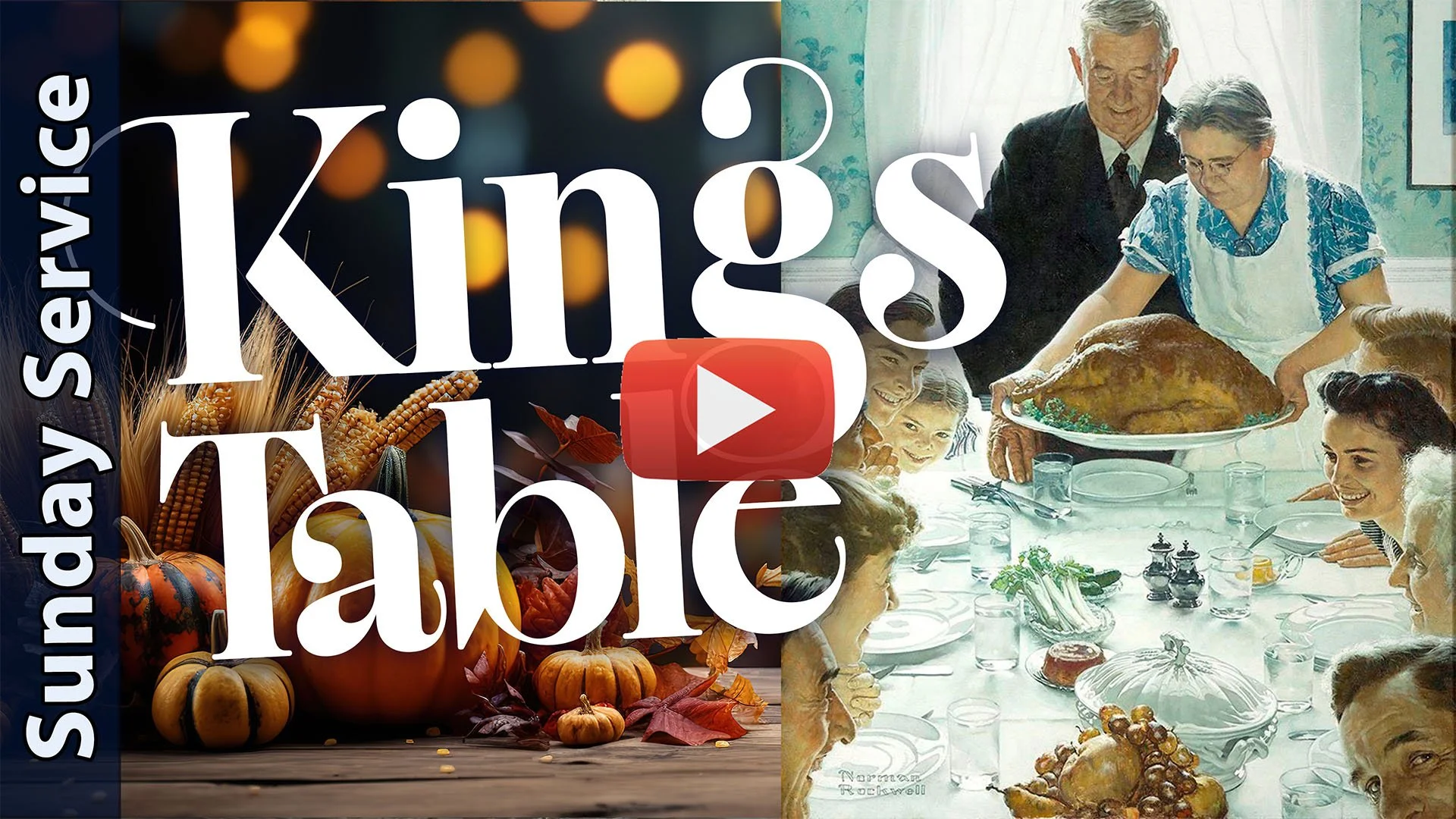
The freely given truth of Christ the King: He is not found on a distant throne but is waiting for us in the face of the hungry, the stranger, and the sinner.
Questions for the Week: Freely Given/Shared - King’s Table
Norman Rockwell’s painting illustrates how we often want the image of a perfect Thanksgiving without doing the hard work of loving imperfect people (like "crazy Uncle Larry"). What does "lowering yourself to make room at the table" actually look like for you this holiday season?
The "goats" may actually be the religious leaders who focused on looking holy but ignored the hurting. In what ways do we sometimes prioritize "being right" or "looking religious" over actually seeing the people right in front of us?
We naturally look "up" to find a king, but Jesus is found "down" among the hungry, the stranger, and the sick. How does this change how you view the needy or the "interruptions" in your life this week?
Jesus is the King who didn't demand perfection but gave up His throne to serve us. How does knowing you are already welcomed at His table by grace change your motivation for serving others?

What Had happened at Grace this week.
1st John Chapter 1:1-3:10 - The Johns Bible Study
A candid, lively study in 1 John 1–3 explored living in the light of Christ through honest confession, embodied fellowship, love over hatred, resisting worldliness, discerning “antichrist” attitudes, and abiding in Jesus as children of God.
1st, 2nd, and 3rd John
1 John Chapter 1:1 - 3:10
This is an AI Recap of the class.
Some things may be incorrect.
Short Summary of the Whole Class
We revisited the Christian hope of bodily resurrection and read through 1 John 1:1–3:10. John grounds faith in Jesus’ tangible incarnation and calls us to walk in the light through confession, fellowship, and love. We discussed Jesus as our Advocate and atoning sacrifice, the “old yet new” command to love, identity as God’s children, resisting the world’s desires, discerning “many antichrists,” abiding in the truth by the Spirit’s anointing, and practicing righteousness. Along the way we connected Genesis, Isaiah, Revelation, Gospel texts, and practical stories—from “sunshine laws” and cockroaches scattering in light to C. S. Lewis’s The Great Divorce, everyday neighbor-love, church leadership dynamics, and a discussion challenging closed communion. We concluded by celebrating Christ’s victory over darkness and our invitation to keep walking in the light together.
Section-by-Section Summary
Opening Context: Death, Suffering, and the Hope of Resurrection
What we discussed:
We acknowledged pastoral concerns around death and suffering and emphasized that Christian hope centers on bodily resurrection, not a disembodied escape.
Seeing Scripture through this lens clarifies passages and aligns with the goodness of creation and the incarnation.
Bible verses mentioned:
Allusions to Genesis 1:3 (“Let there be light”) and Revelation’s new-creation light.
Stories/Illustrations:
Contrast between popular notions of a disembodied soul and the biblical picture of embodied resurrection.
Short summary:
Framing our study with the hope of bodily resurrection shapes how we understand suffering, creation’s goodness, and the incarnation.
1 John 1:1–4 — The Word of Life, Manifestation, and Fellowship
What we discussed:
John’s eyewitness language (“heard,” “seen,” “handled”) asserts Jesus’ tangible, historical reality.
Purpose: fellowship with the Father and the Son and fullness of joy.
Pushback against Gnostic ideas: the physical is good; Jesus is truly human.
Faith is active life in God’s kingdom, not mere cognitive assent.
Bible verses mentioned:
1 John 1:1–4
Stories/Illustrations:
Gnosticism explained; The Da Vinci Code as a popular reflection of Gnostic themes.
Short summary:
John grounds the gospel in tangible reality to secure fellowship and joy, opposing any denial of Jesus’ real humanity and creation’s goodness.
1 John 1:5–10 — God Is Light; Walking in the Light Through Confession and Fellowship
What we discussed:
“God is light, and in him is no darkness at all”: holiness, truth, and life versus evil and falsehood.
Walking in the light involves fellowship, confession, and cleansing by Jesus’ blood.
Claiming sinlessness is self-deception; confession brings forgiveness and renewal.
Transparency builds trust and community.
Bible verses mentioned:
1 John 1:5–10
John 1:1–9 (alluded), Isaiah 9:2, Genesis 1:3 (alluded), Revelation’s light imagery
Stories/Illustrations:
Florida “sunshine laws”; cockroaches scattering when the light turns on; C. S. Lewis’s The Great Divorce.
Short summary:
God’s light exposes and heals; confession and fellowship mark a community walking in the light.
1 John 2:1–6 — Advocate and Propitiation; Obedience and Imitation
What we discussed:
Comfort: If we sin, Jesus Christ the Righteous is our Advocate and atoning sacrifice for our sins and the whole world.
Knowing Christ is evidenced by keeping his commandments; abide in him by walking as he walked.
Counters antinomianism and disembodied spirituality.
Bible verses mentioned:
1 John 2:1–6
Stories/Illustrations:
None specific in this segment.
Short summary:
Christ advocates and atones for us; true knowledge of him is seen in obedient, Christ-like living.
1 John 2:7–11 — Old and New Commandment; Love Versus Hate
What we discussed:
Love is both “old” (from the beginning) and “new” (true in Christ and believers).
Darkness is passing; the true light is already shining.
Test of living in the light: loving our brothers and sisters; hatred signals darkness and blindness.
Bible verses mentioned:
1 John 2:7–11
Stories/Illustrations:
Practical neighbor-love in ordinary settings (e.g., self-checkout story, helping an elderly person).
Short summary:
Love is the concrete mark of the light; hatred exposes darkness and causes stumbling.
1 John 2:12–17 — Identity and Not Loving the World
What we discussed:
Poetic address to “children,” “fathers,” and “young people”: forgiveness, knowledge of God, strength, overcoming the evil one.
“Do not love the world”: desires and pride are passing away; doing God’s will abides forever.
Identity as “little children” calls us to humility and belonging.
Translation note on “overcome/conquer” (nikaō) and its resonance with Revelation.
Bible verses mentioned:
1 John 2:12–17
Cross-references: 1 John 4:4; 5:4–5; Revelation 2–3; Hebrews 5:12–14; 1 Corinthians 3:1–2
Stories/Illustrations:
Jesus welcoming little children; metaphors of milk vs. meat; Gladiator’s emperor-as-father trope contrasted with God’s true fatherhood.
Short summary:
As God’s children we overcome by abiding in his word and rejecting worldly desires that fade.
1 John 2:18–27 — Antichrists, Abiding Truth, and Anointing
What we discussed:
“Last hour”: many antichrists—those denying Jesus as the Christ and departing the fellowship.
Abide in what you heard from the beginning; remain in the Son and the Father.
Anointing from the Holy One grants discernment to resist deception.
Antichrist attitudes: self-exalting puffery versus childlike humility and love.
Bible verses mentioned:
1 John 2:18–27
Stories/Illustrations:
HOA and church leadership dynamics; a young man leaving St. Andrew when his contractor wasn’t chosen; leadership vacuums and notoriety seeking.
Short summary:
In an age of deception, abide in the original gospel and rely on God’s anointing to remain in the truth.
Community Health, Power, and Healing (Applied Themes of Fellowship)
What we discussed:
Patient, gracious leadership rebuilds community health; resisting power grabs leads to durable fellowship.
Example of long-term reform leading to care initiatives (e.g., Alzheimer’s daycare).
Bible verses mentioned:
Fellowship themes implied from 1 John 1:3
Stories/Illustrations:
Mark’s church slowly becoming healthy through gracious reform and communal care.
Short summary:
Healthy churches grow through patient, gracious leadership and care-oriented practices.
Light vs. Darkness: Choosing the Kingdom’s Reality (Applied to Daily Life)
What we discussed:
The Kingdom’s reality invites us to forgiveness and fellowship rather than insisting on our own way.
Isolation and self-will reflect darkness; humility and unity reflect light.
Bible verses mentioned:
1 John 1:5–7 (implied)
Stories/Illustrations:
C. S. Lewis’s The Great Divorce as a picture of choosing isolation over fellowship.
Short summary:
Living in the light means forgiving and belonging; self-centered exclusion drifts toward darkness.
Sin, Confession, and Relationships in the Light (Applied Pastoral Care)
What we discussed:
Mistakes don’t fix identity; confession and truth illuminate relationships for healing.
Healthy marriages and friendships keep communication open; counseling helps “let the light back in.”
Bible verses mentioned:
1 John 1:8–9 (implied)
Stories/Illustrations:
Personal testimony: friendship forged through disagreements handled in the light.
Short summary:
Open confession and communication sustain relationships and keep communities in God’s light.
Violence, Politics, and the Darkness of Contempt
What we discussed:
Violence and contempt reject God’s light and place us above others, undermining love of neighbor.
Political polarization tempts us to label neighbors as enemies.
Bible verses mentioned:
Love-of-neighbor themes implicit; 1 John’s light/darkness framework
Stories/Illustrations:
Observations about polarization and contempt for those who vote differently.
Short summary:
Love and humility resist polarization; contempt and violence are expressions of darkness.
Communion and Togetherness: Challenging Closed Communion
What we discussed:
Strong disagreement with closed communion; Jesus’ invitation and Paul’s teaching emphasize unity.
Communion expresses togetherness; exclusion undermines fellowship.
Bible verses mentioned:
Matthew 26:27; Mark 14:23; Luke 22:17–20 (Words of Institution)
1 Corinthians 10–11 (unity and discernment)
Stories/Illustrations:
Personal story of being turned away from communion at a Lutheran church.
Short summary:
The Lord’s Supper should embody unity and shared fellowship; exclusion contradicts the gospel’s togetherness.
1 John 2:28–3:10 — Children of God, Hope, Purity, and Practicing Righteousness
What we discussed:
Confidence at Christ’s appearing through abiding in him.
“Behold what manner of love”: we are God’s children now; we will be like Christ.
Hope leads to purity; practicing righteousness and love shows new birth; persistent sin reflects darkness.
Bible verses mentioned:
1 John 2:28–3:10
Stories/Illustrations:
None specific beyond overarching contrasts.
Short summary:
As God’s children, we live with hope and purity, practicing righteousness and love because Christ destroys the devil’s works.
Christ’s Victory Over Darkness: Creation Imagery and the Cross
What we discussed:
Jesus’ death and resurrection as decisive defeat of darkness; new-creation light.
Ongoing confession keeps us in the light and in fellowship.
Bible verses mentioned:
Genesis 1:3; Genesis 15:5 (imagery); 1 John 1:9 (implied)
Stories/Illustrations:
Teaching metaphor: Abraham’s stars coalescing into tomb’s darkness; God speaking “Let there be light again.”
Short summary:
Christ brings new-creation light into our darkness; confession keeps us walking together in his grace.
Medium-Length Summary of the Class
Our study in 1 John 1:1–3:10, framed by the pastoral realities of death and suffering, reaffirmed the Christian hope of bodily resurrection and the goodness of creation. John’s eyewitness testimony anchors faith in Jesus’ tangible incarnation to secure fellowship and joy. We explored the light/darkness motif: God is pure light, and walking in that light means transparent confession, mutual fellowship, and cleansing through Christ’s blood. We received comfort in Jesus as our Advocate and atoning sacrifice, while hearing the call to obey his commands and walk as he walked. Love—both old and new—is the decisive mark of living in the light; hatred reveals darkness.
John’s poetic identity language (“children, fathers, young people”) reminded us we overcome the evil one by God’s word abiding in us and by not loving the world’s desires. We discern “many antichrists” as patterns that deny Christ and depart the fellowship, and we remain anchored by the anointing that teaches us to abide in the truth. Practically, we applied these themes to church life, leadership, and daily choices: patient, gracious reform builds healthy communities; insisting on our own way fosters darkness. We discussed confession as relational light, resisted polarization and contempt, and challenged closed communion in favor of unity and togetherness. We ended by celebrating Christ’s victory over darkness and God’s new-creation light, committing to ongoing confession and fellowship as children of God who practice righteousness and love.
Main Points
Christian hope centers on bodily resurrection, affirming creation’s goodness.
Jesus’ incarnation is tangible and real; faith is lived, not merely believed.
God is light; walking in the light means confession, cleansing, and fellowship.
Claiming sinlessness is self-deception; confession brings forgiveness and renewal.
Jesus is our Advocate and atoning sacrifice; grace empowers obedient imitation.
Love of brothers and sisters is the decisive mark of living in the light; hatred signals darkness.
Our identity as God’s children calls us to humility, hope, purity, and practiced righteousness.
Do not love the world’s desires; those who do God’s will abide forever.
Many “antichrists” deny Christ and depart; abide in the original truth and rely on the anointing.
Healthy church life resists power grabs and nurtures gracious, patient reform.
Communion should embody unity and togetherness; closed communion was challenged as divisive.
Bible Scriptures Mentioned
1 John 1:1–4 — Manifestation of the Word of Life; fellowship; full joy
1 John 1:5–10 — God is light; walking in the light; confession and cleansing
1 John 2:1–6 — Advocate and propitiation; obedience; walking as Jesus walked
1 John 2:7–11 — Old/new commandment; love vs. hate; darkness passing, true light shining
1 John 2:12–17 — Identity poem; overcoming; not loving the world
1 John 2:18–27 — Antichrists; abiding; anointing and truth
1 John 2:28–3:10 — Children of God; hope; purity; practicing righteousness
John 1:1–9 (alluded) — Light shining in darkness
Genesis 1:3 (alluded) — “Let there be light”
Isaiah 9:2 (quoted/alluded) — Great light for those in darkness
Revelation 2–3 (alluded) — Overcoming (nikaō)
Matthew 22:37–40; Mark 12:29–31 — Greatest commandments: love God and neighbor
Matthew 25:31–46 — Sheep and goats (Christ the King emphasis)
1 Corinthians 10–11 — Communion, unity, and discernment
Hebrews 5:12–14; 1 Corinthians 3:1–2 — Milk and meat (growth and humility)
Genesis 15:5 (alluded) — Abraham’s stars
Stories and Illustrations Mentioned
Gnosticism explained; The Da Vinci Code noted for Gnostic themes
Florida “sunshine laws” as a transparency analogy
Cockroaches scattering when the light turns on (exposure and cleansing)
C. S. Lewis’s The Great Divorce (isolation vs. fellowship)
Self-checkout anecdote (choosing neighbor-love and humility)
Gladiator movie reference (emperor-as-father vs. God’s true fatherhood)
HOA/church leadership dynamics; a young man leaving St. Andrew over a contractor decision
Mark’s church: patient, gracious reform leading to an Alzheimer’s daycare and healthier community
Personal testimony: friendship strengthened through disagreements handled in the light
Experience of being turned away from communion at a Lutheran church (closed communion debate)
Teaching metaphor: Abraham’s stars coalescing into the tomb’s darkness; God speaking new-creation light again
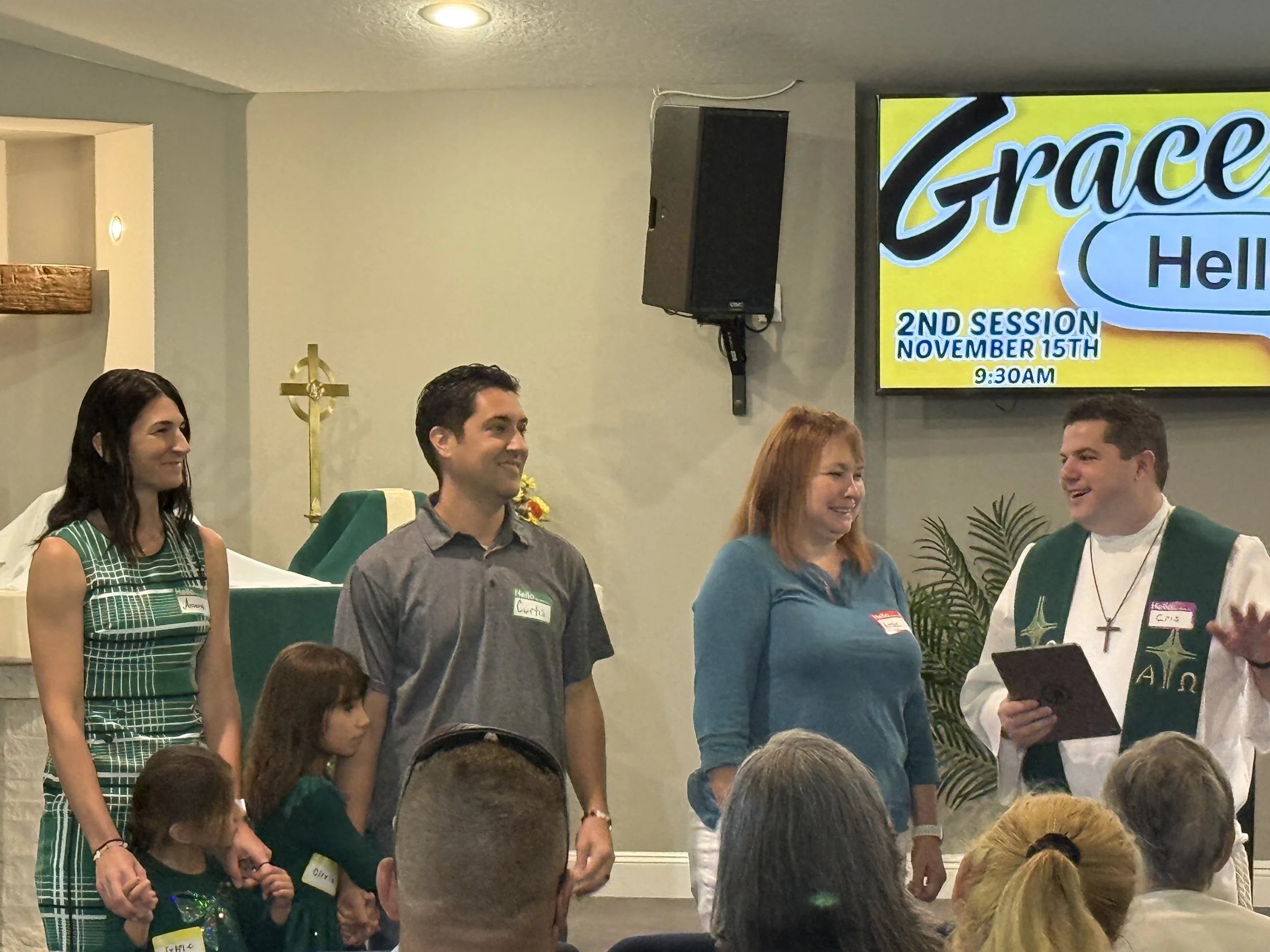
New Member Sunday! (Photos)
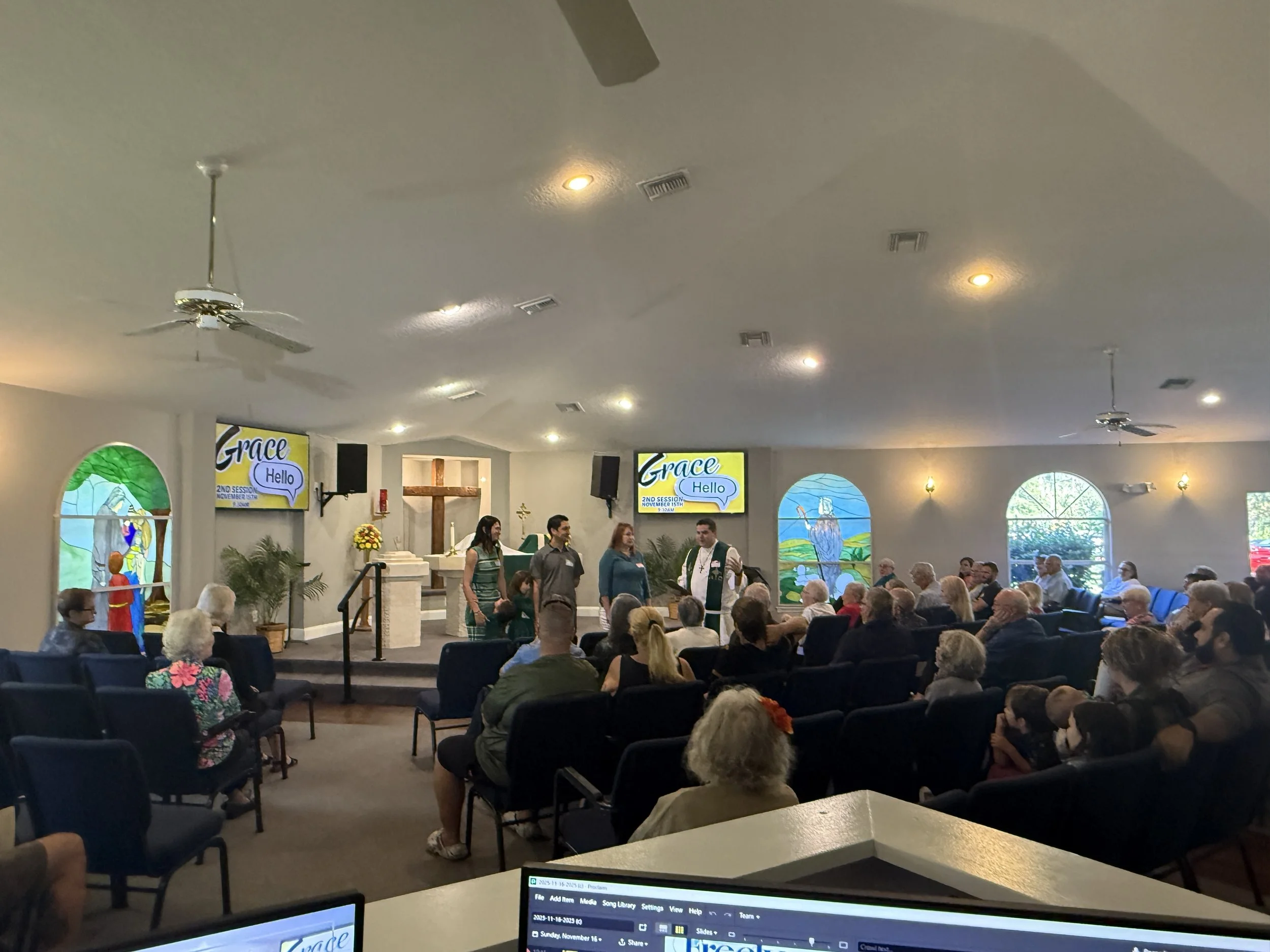
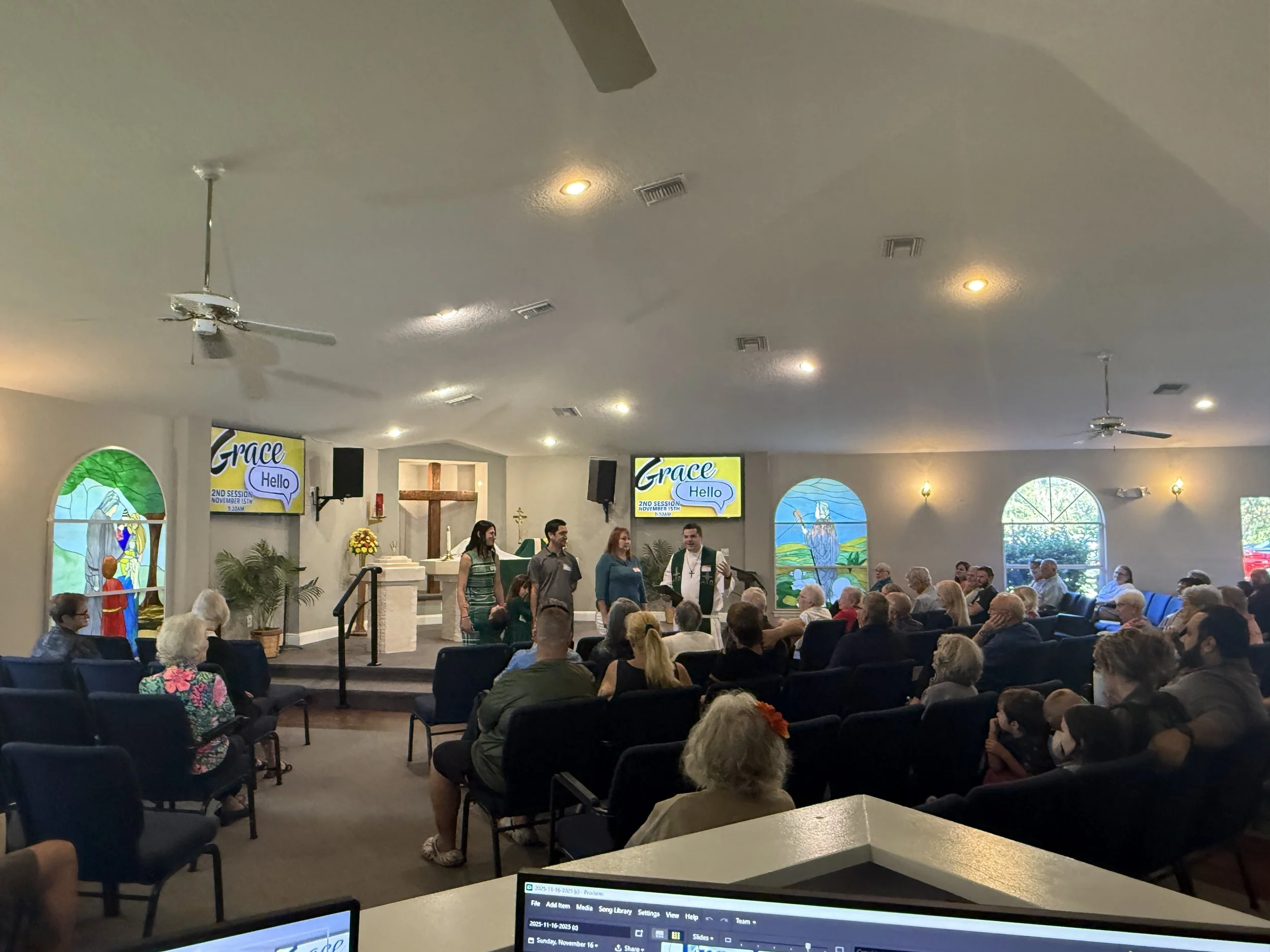
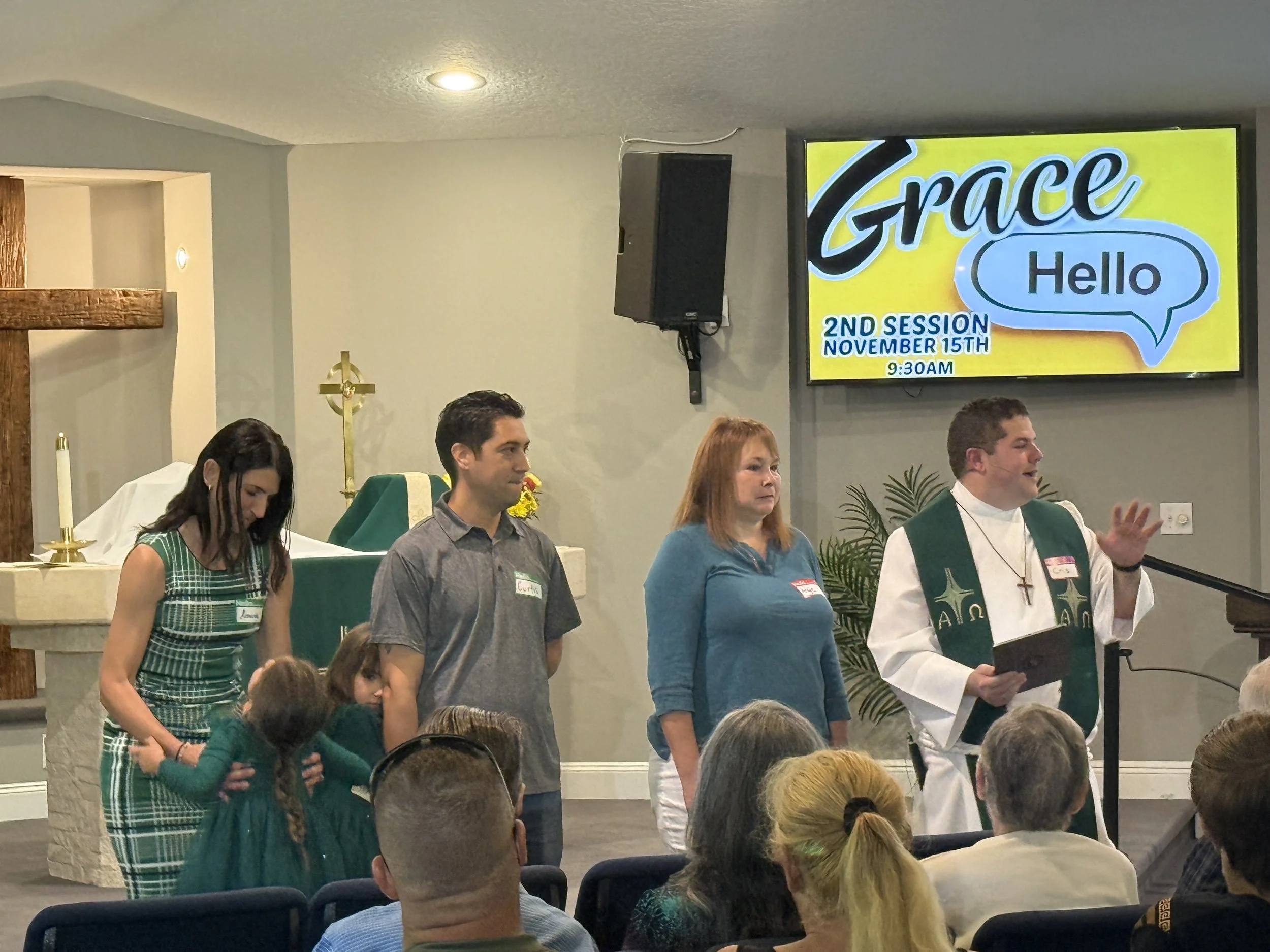
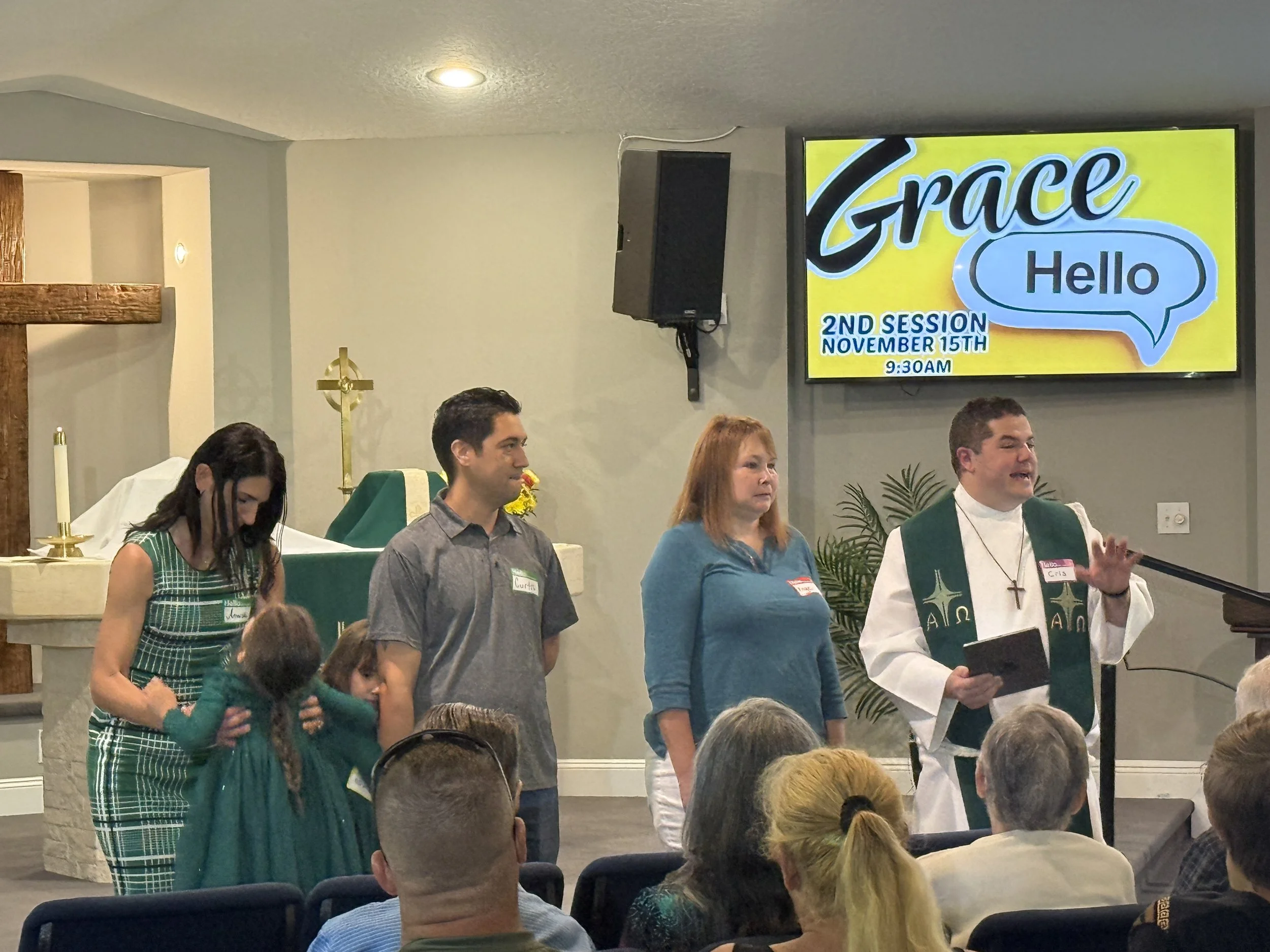
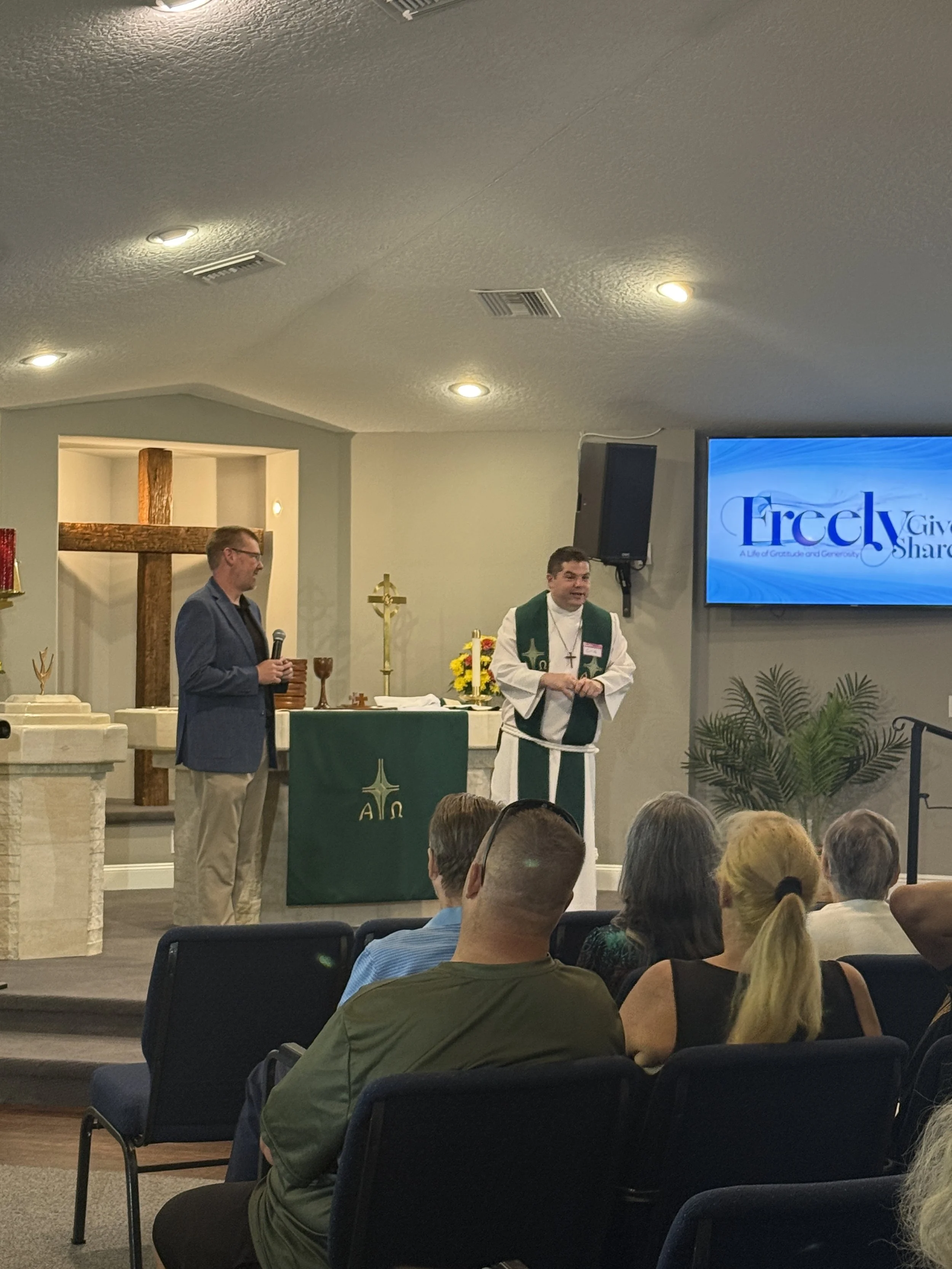
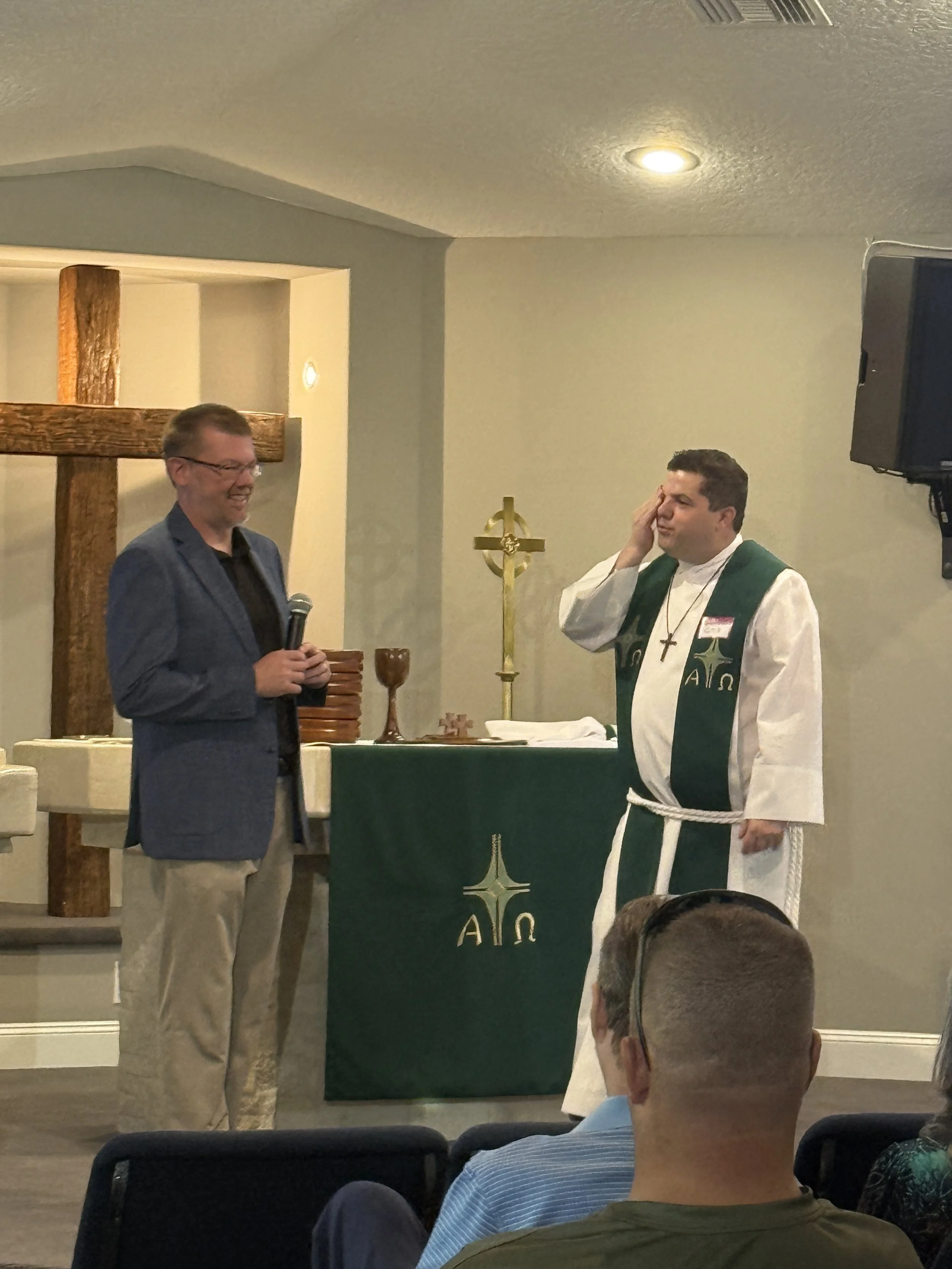
New Member Sunday at Grace
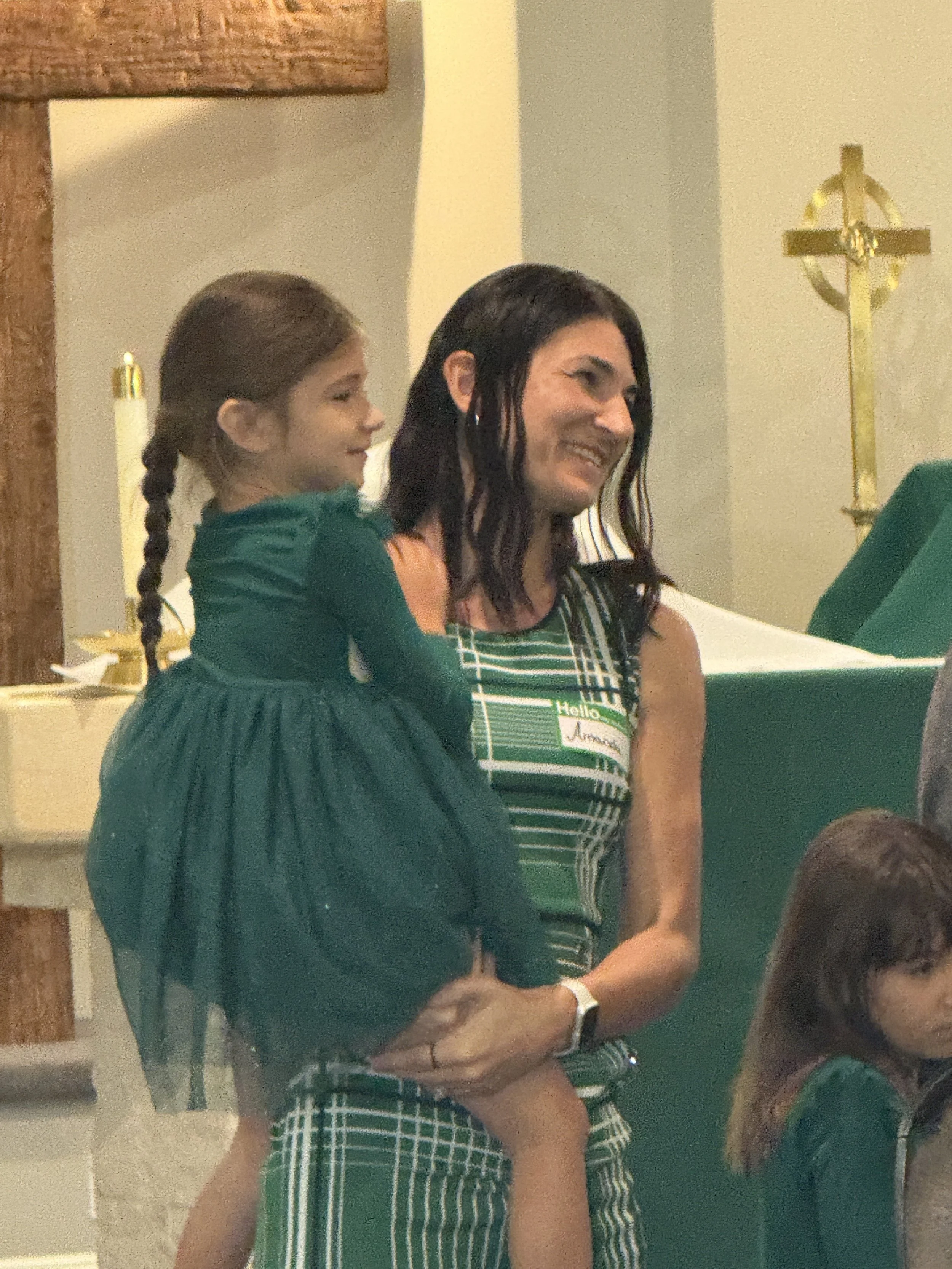
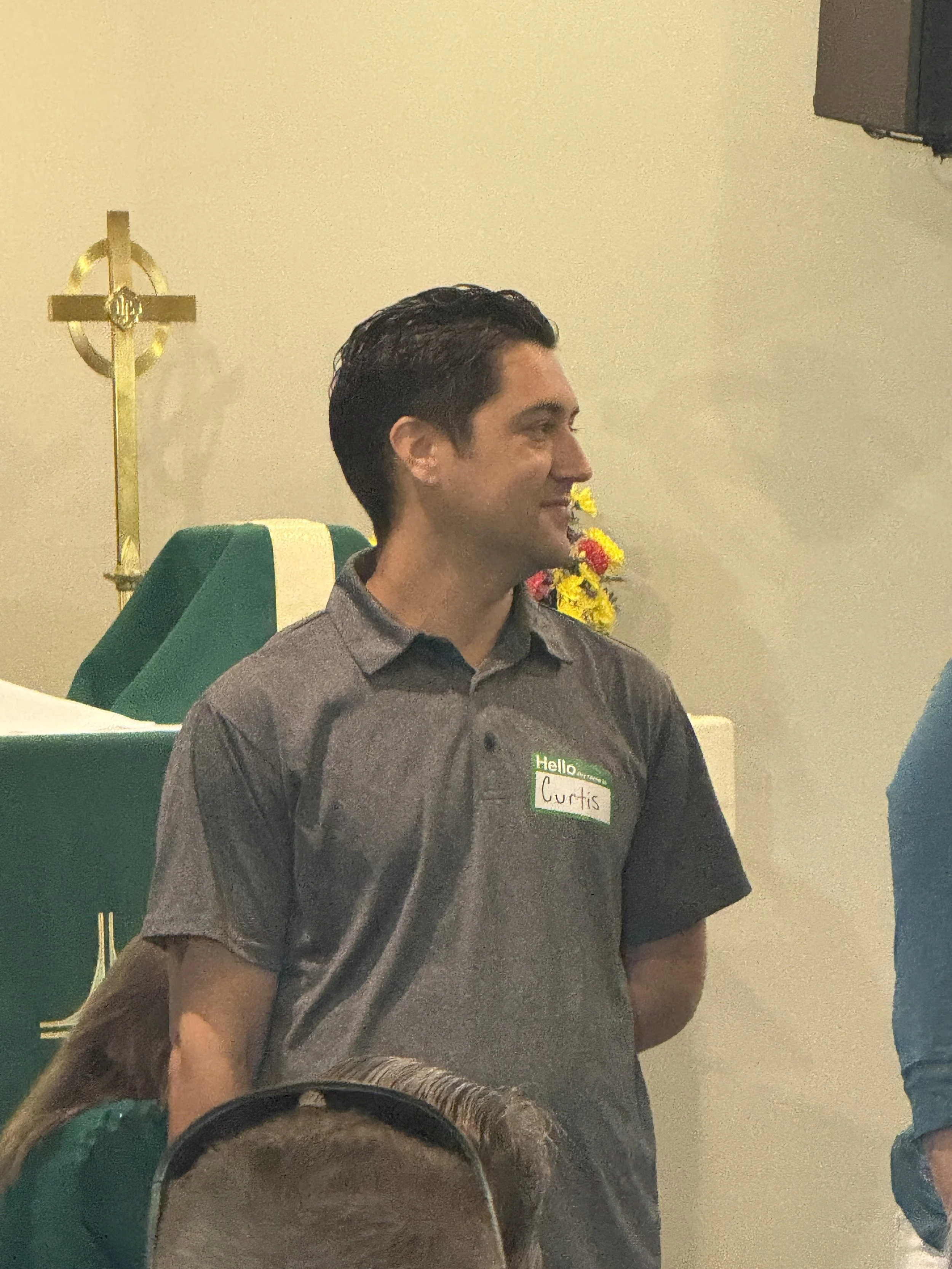
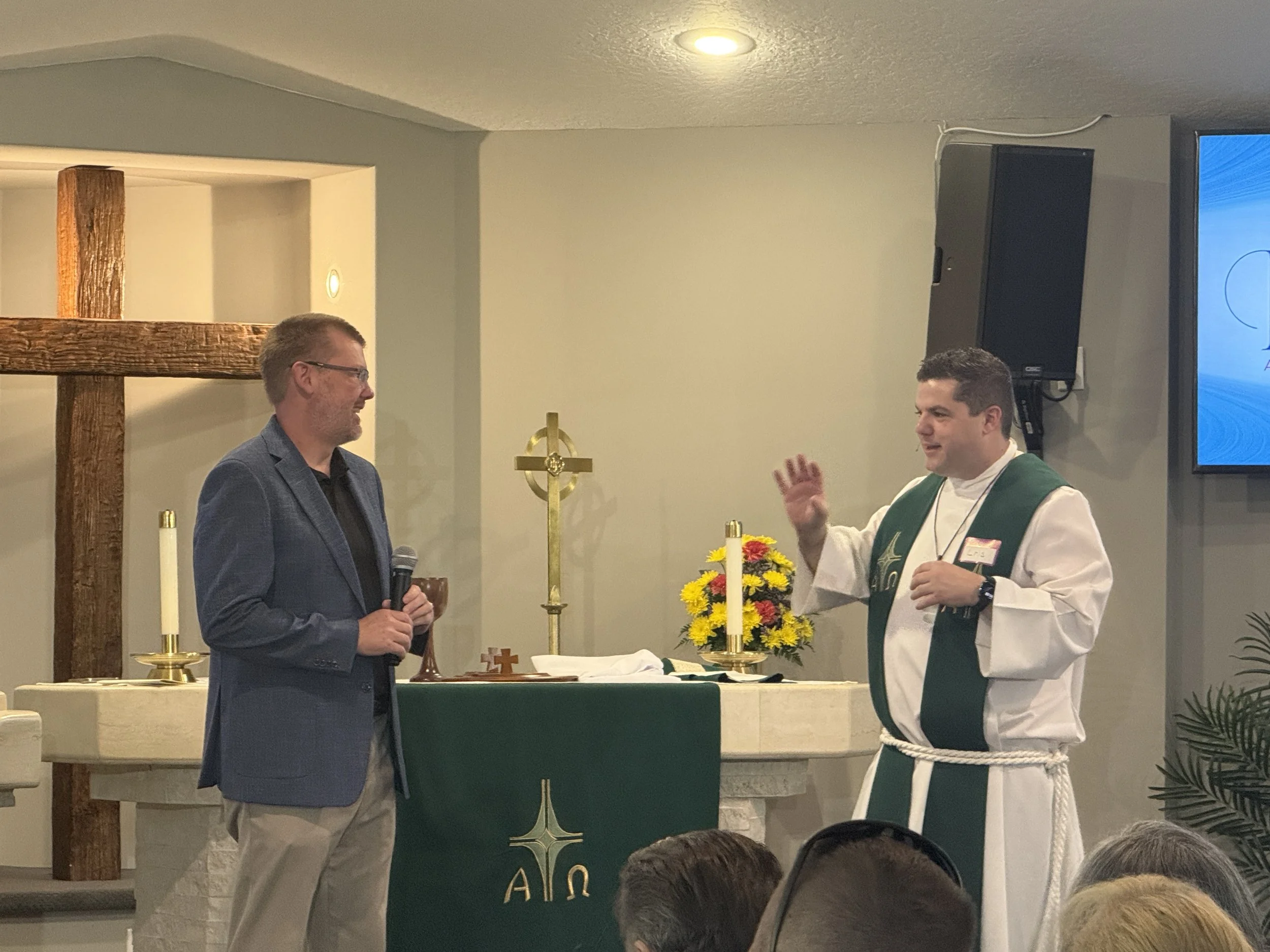
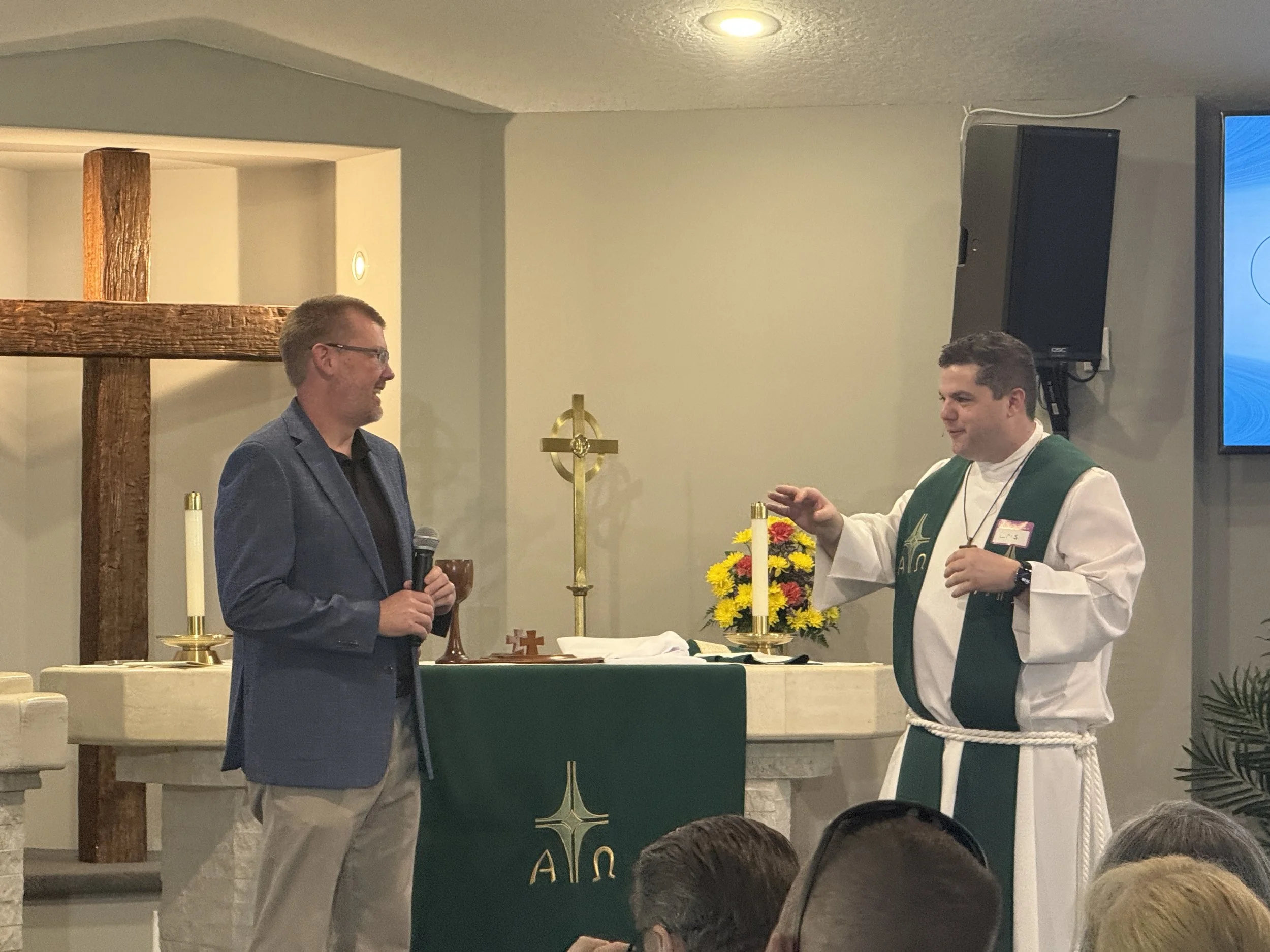
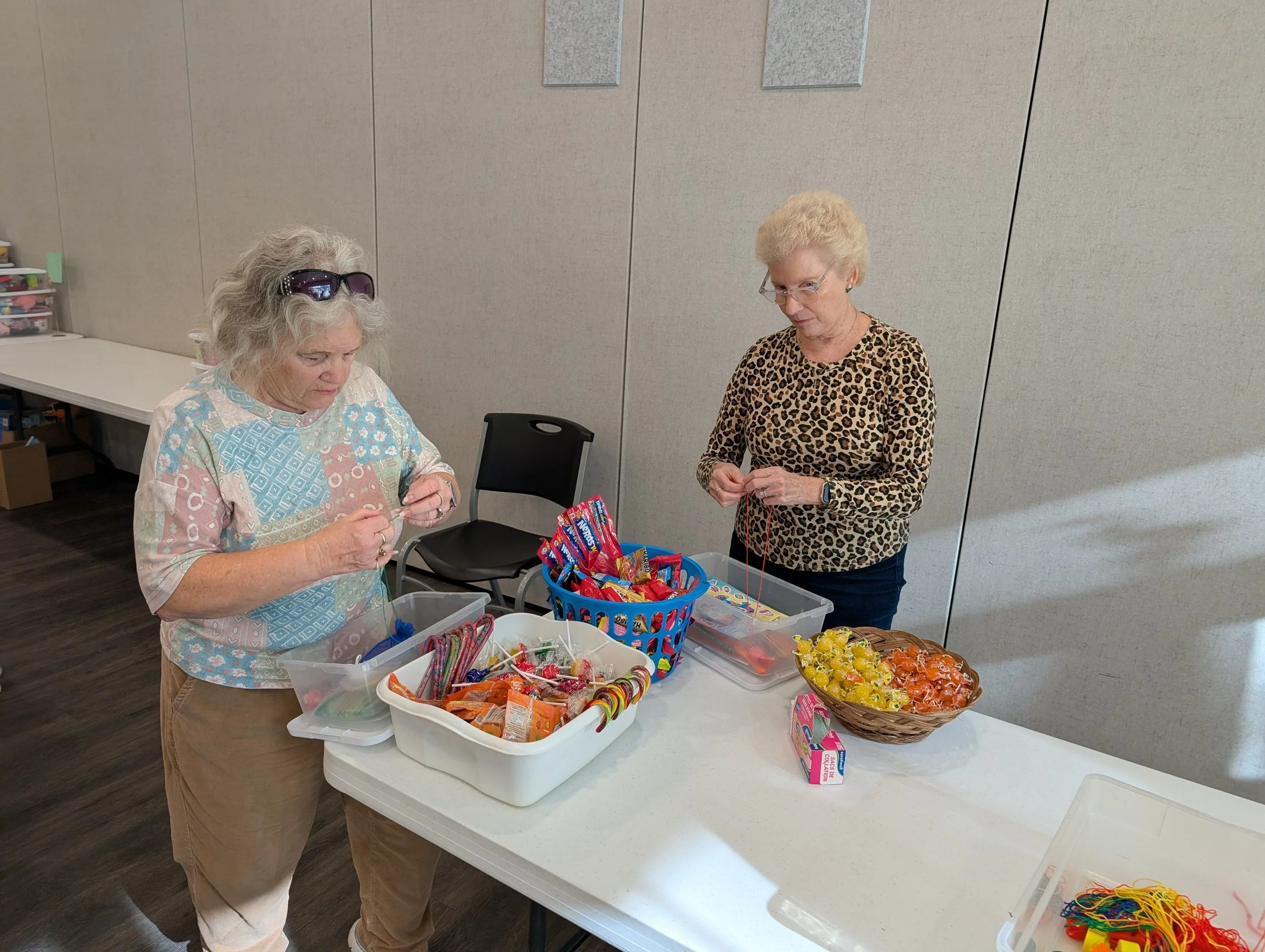
What an incredible way to end such a wonderful week at Grace. On Saturday, we packed boxes and completed our final session of Grace Hello. We were also joined by Eric from the District office, who shared valuable insights about the district. It was a truly meaningful time. Thank you to everyone who participated, and a warm welcome to our new members.







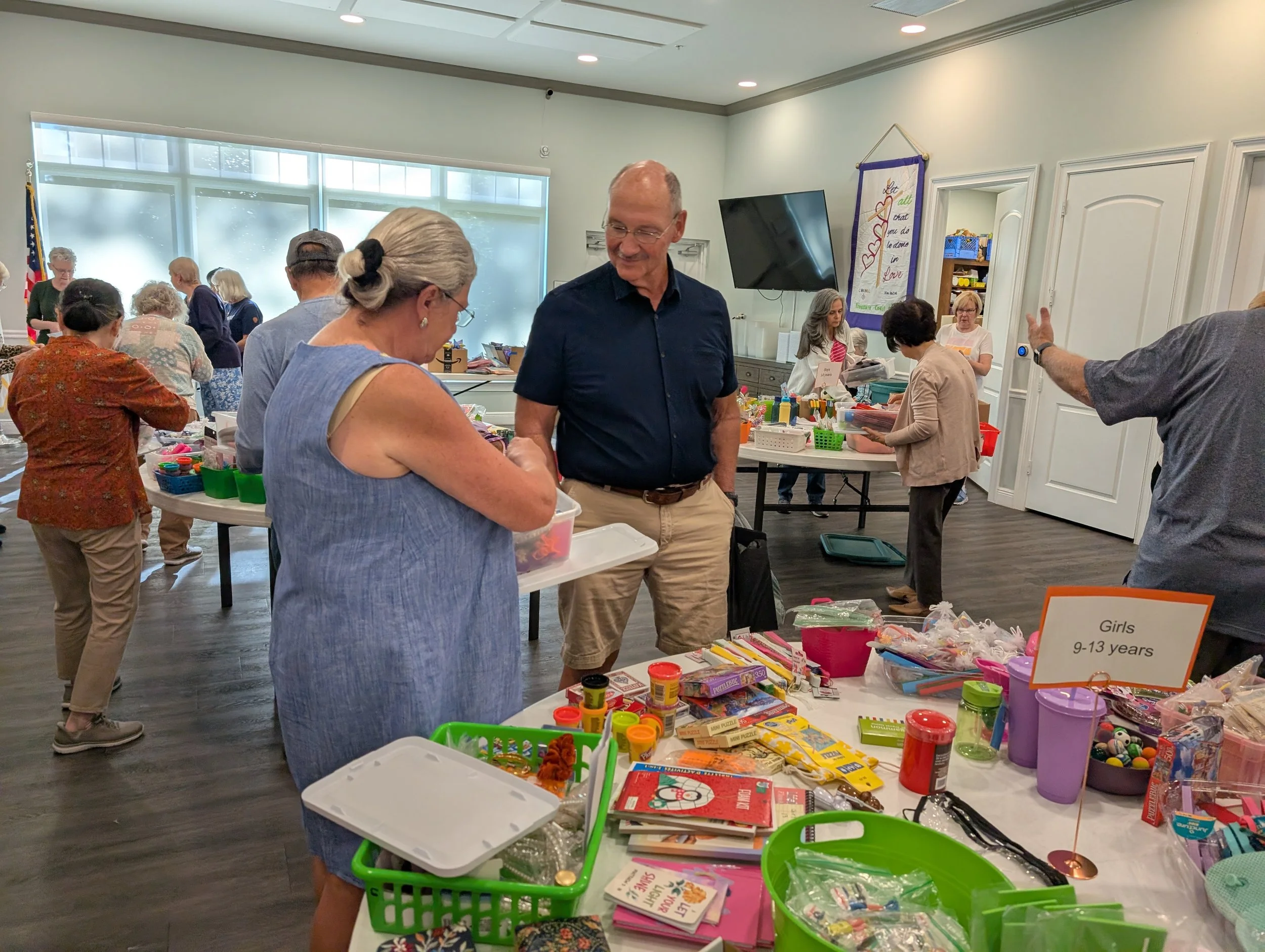
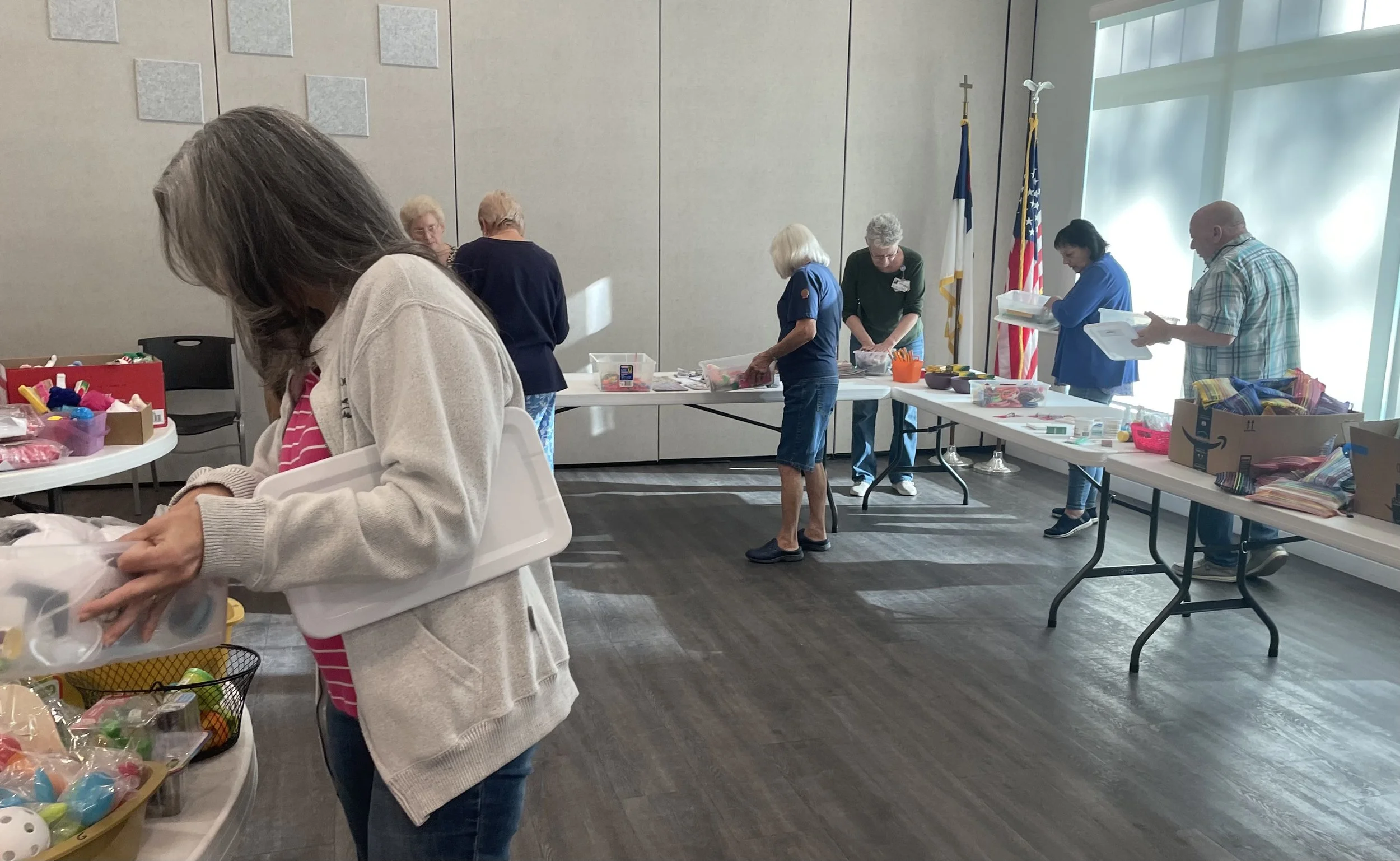
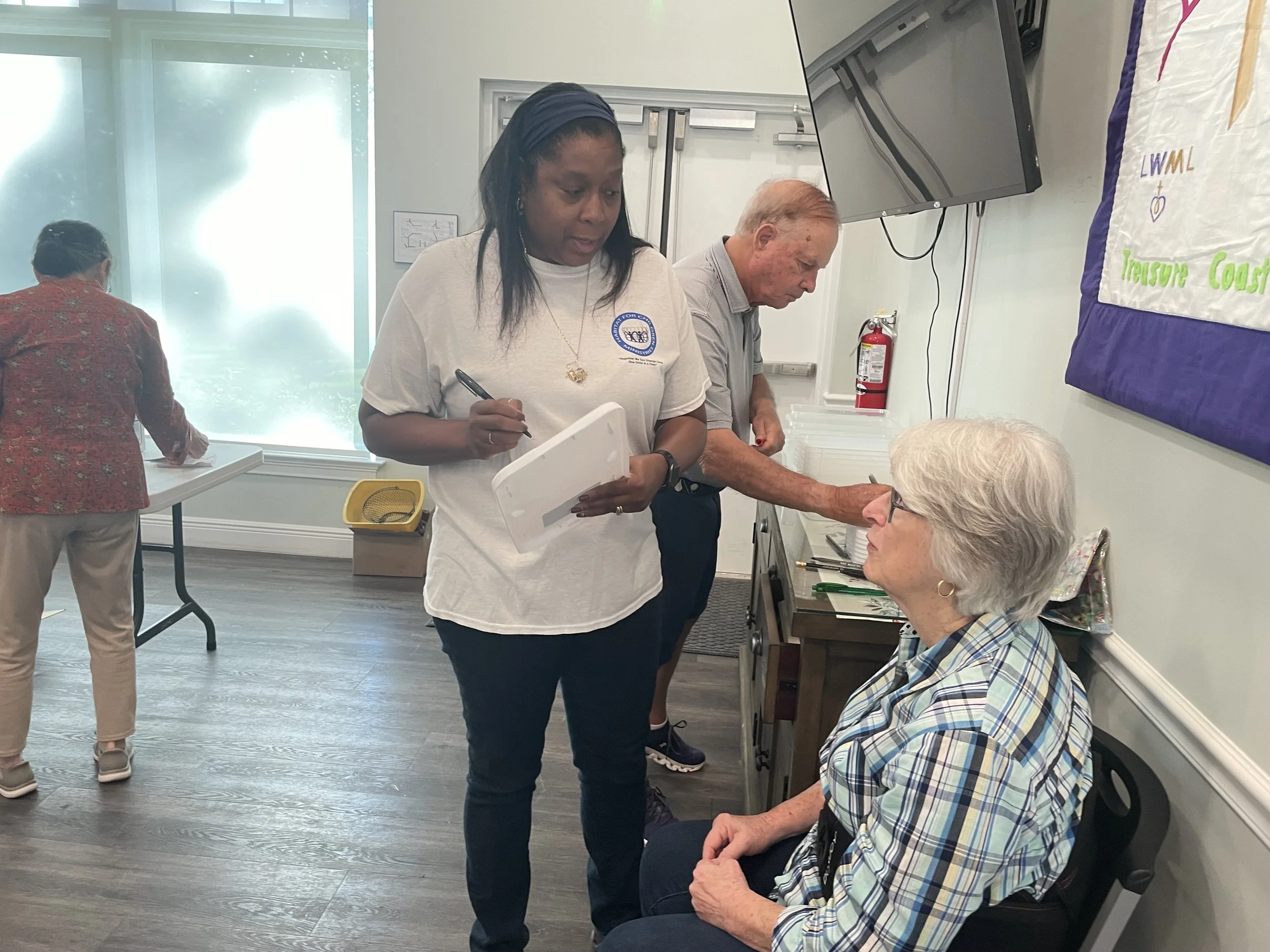
The Christmas Boxes are Packed (Photos)
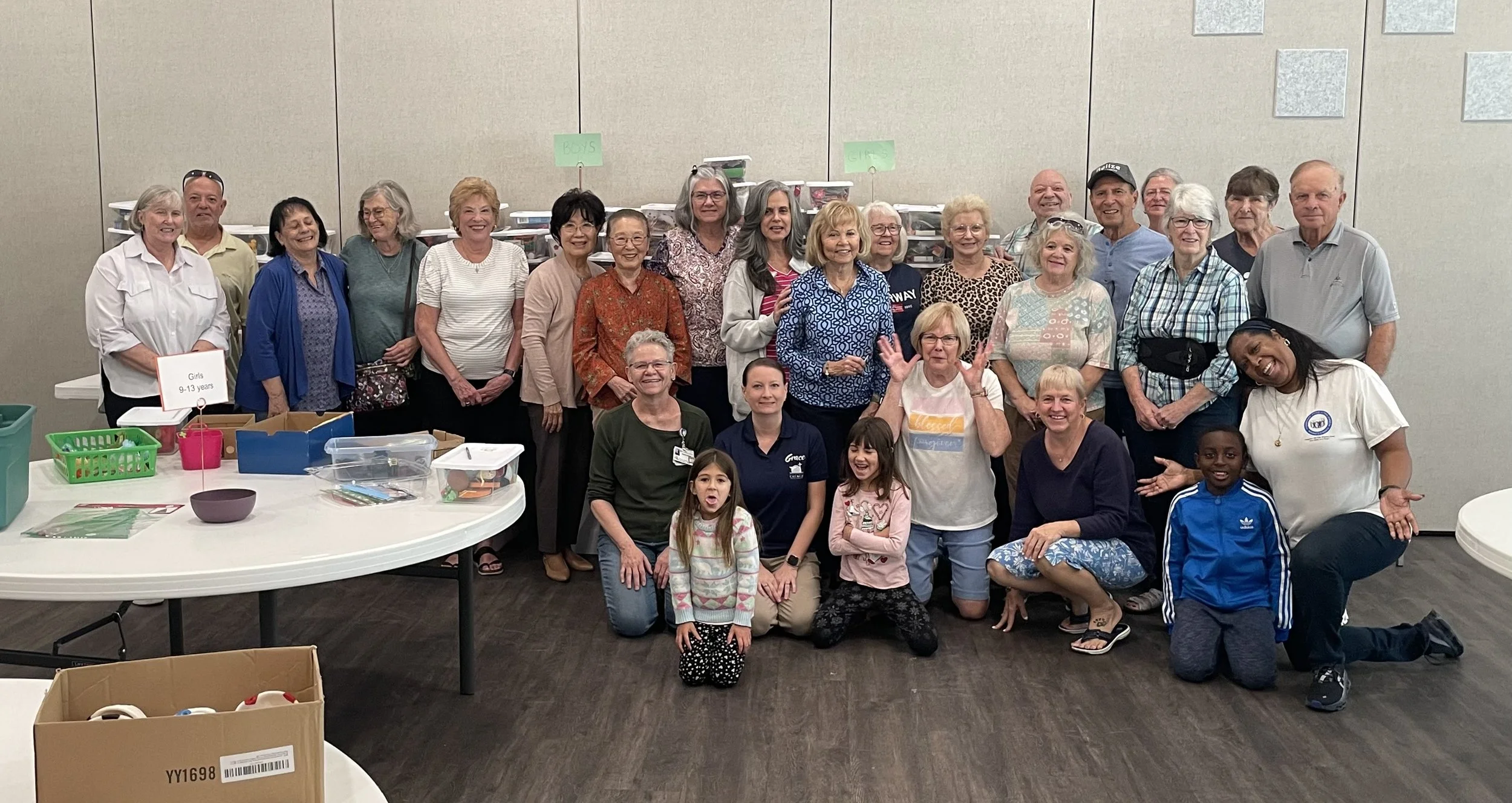
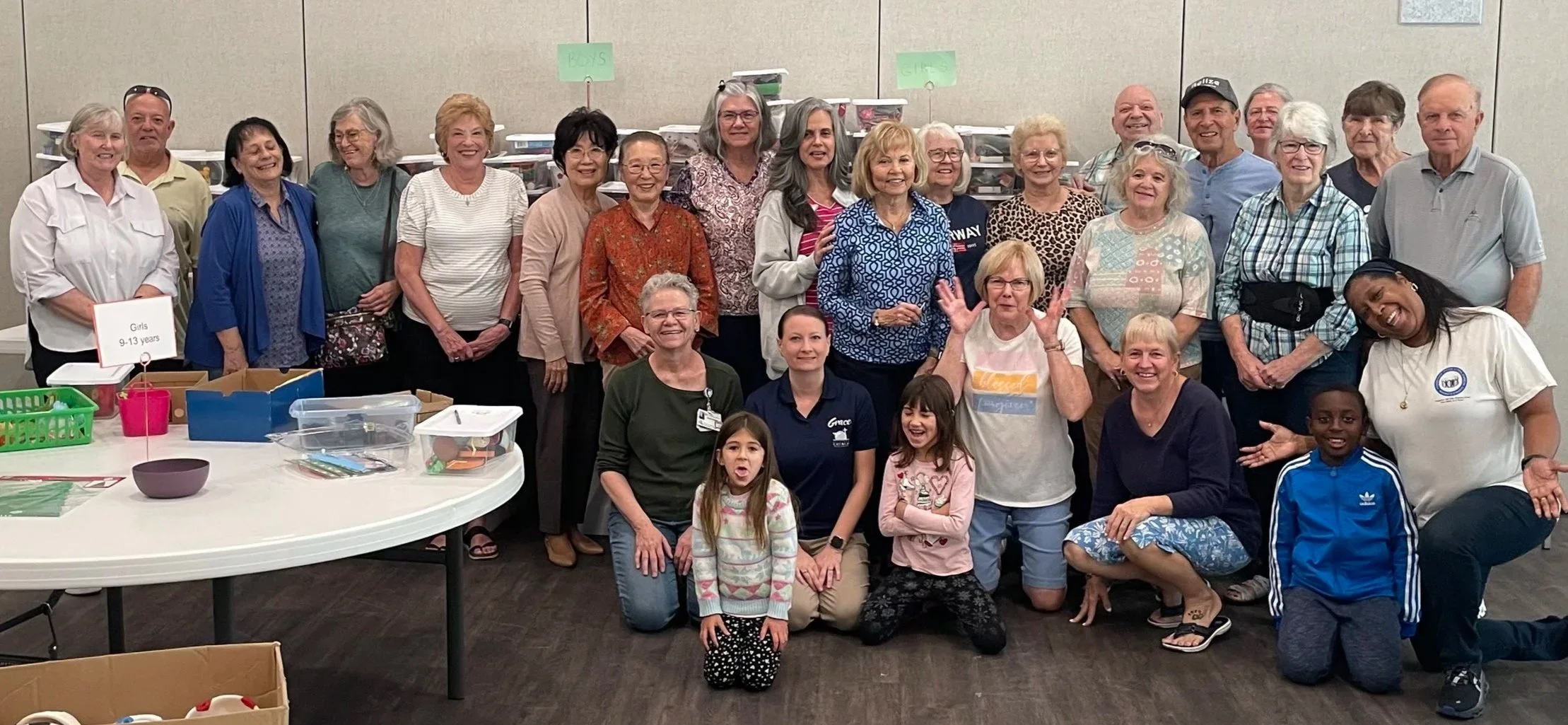
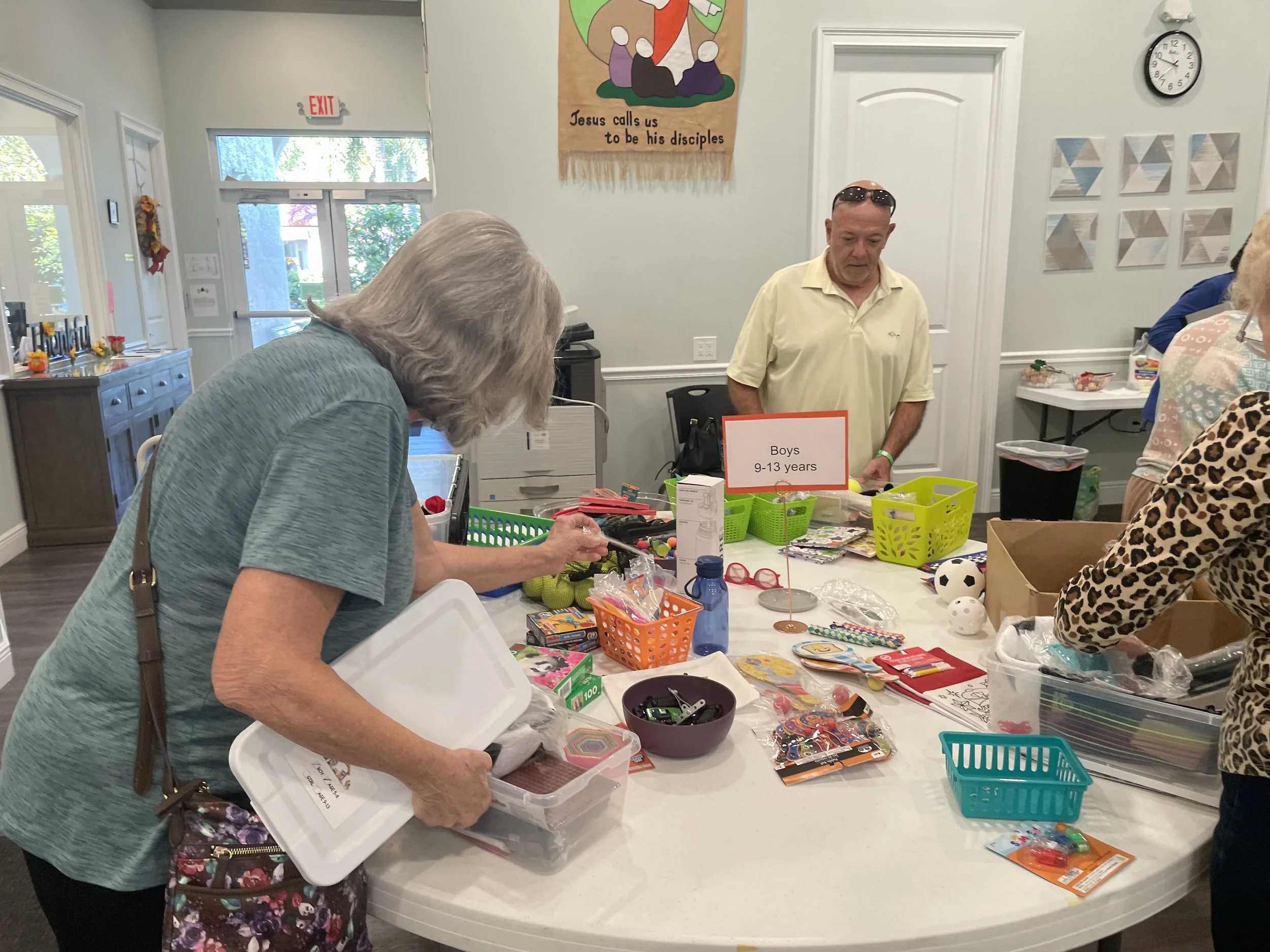
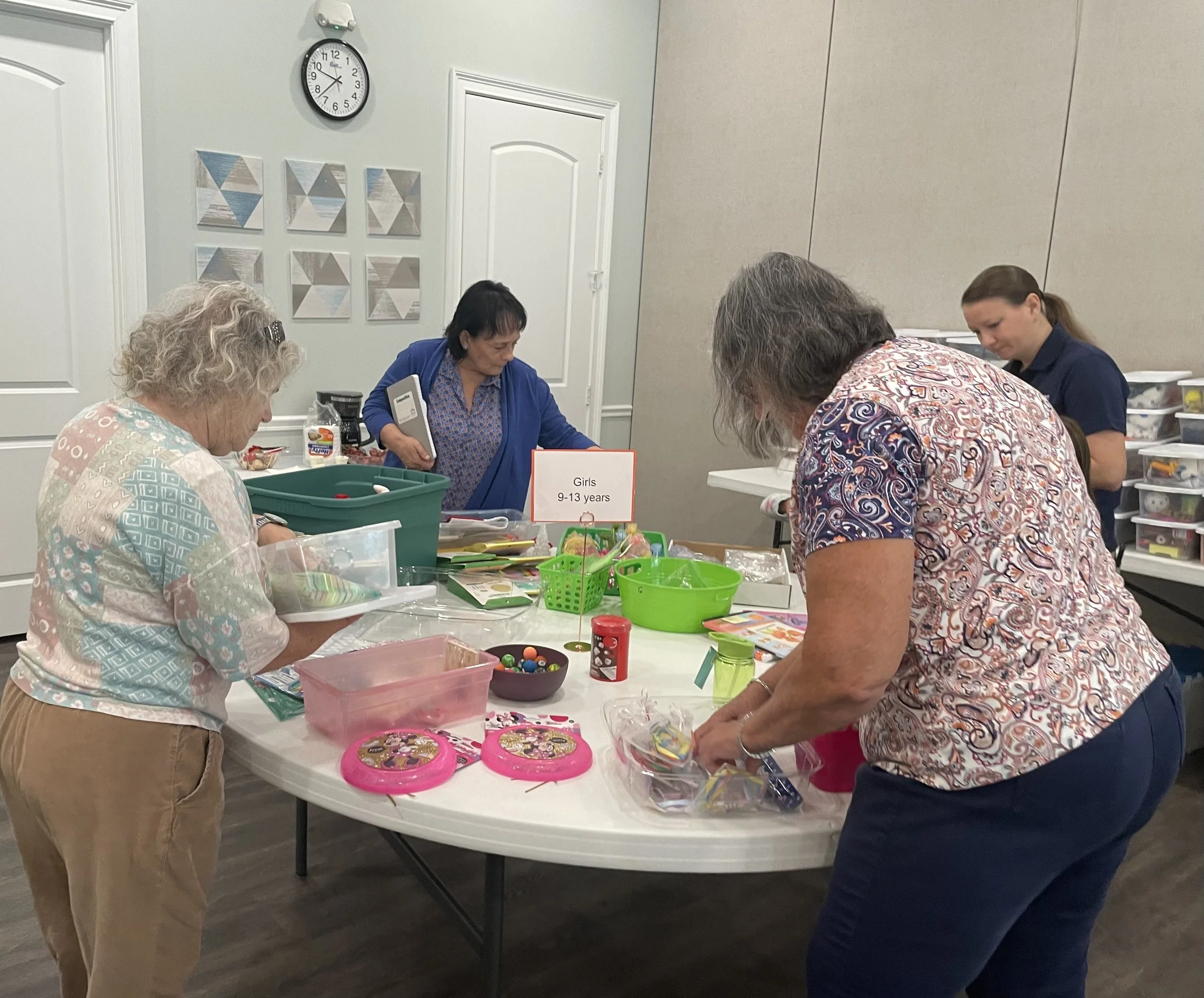
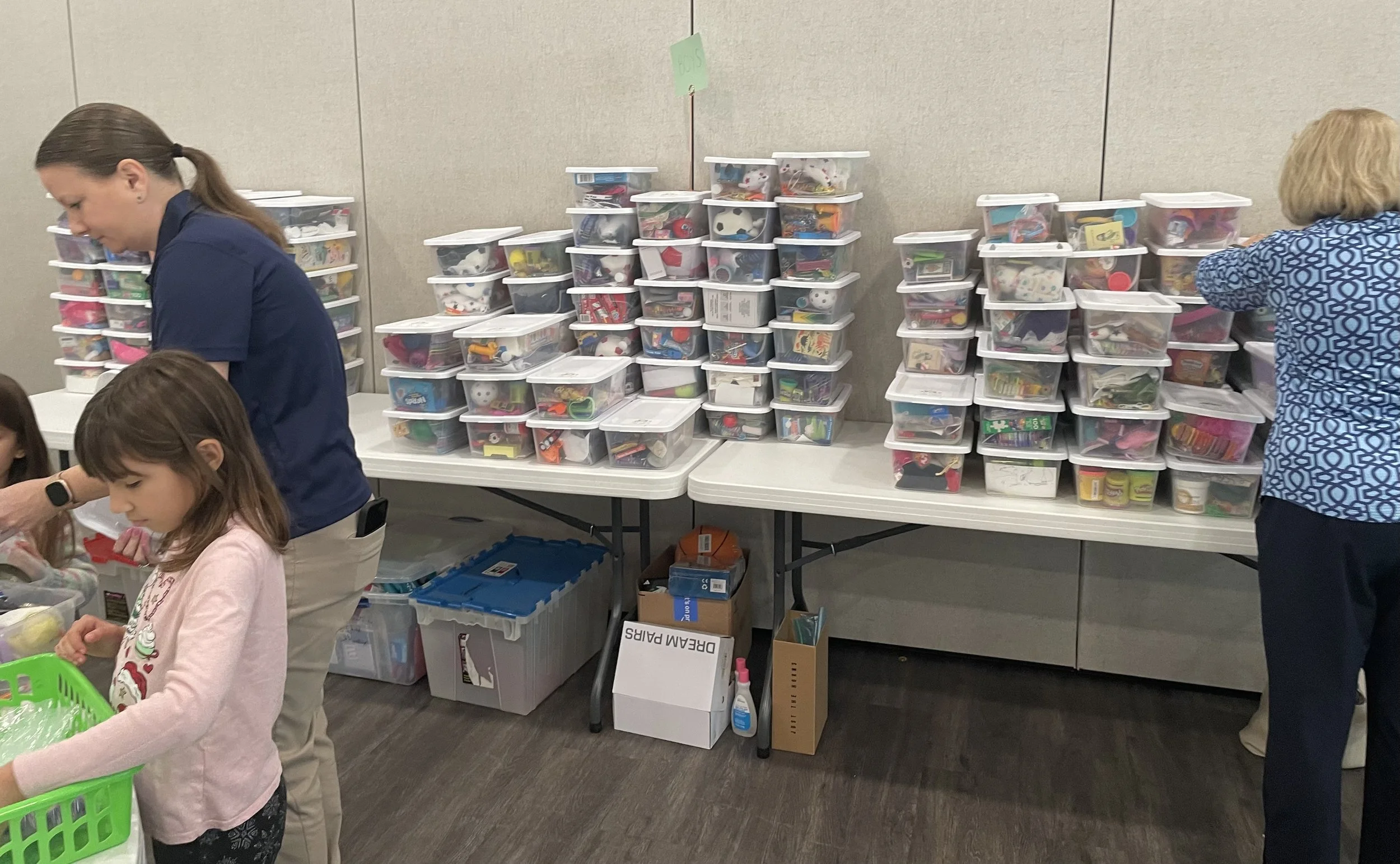
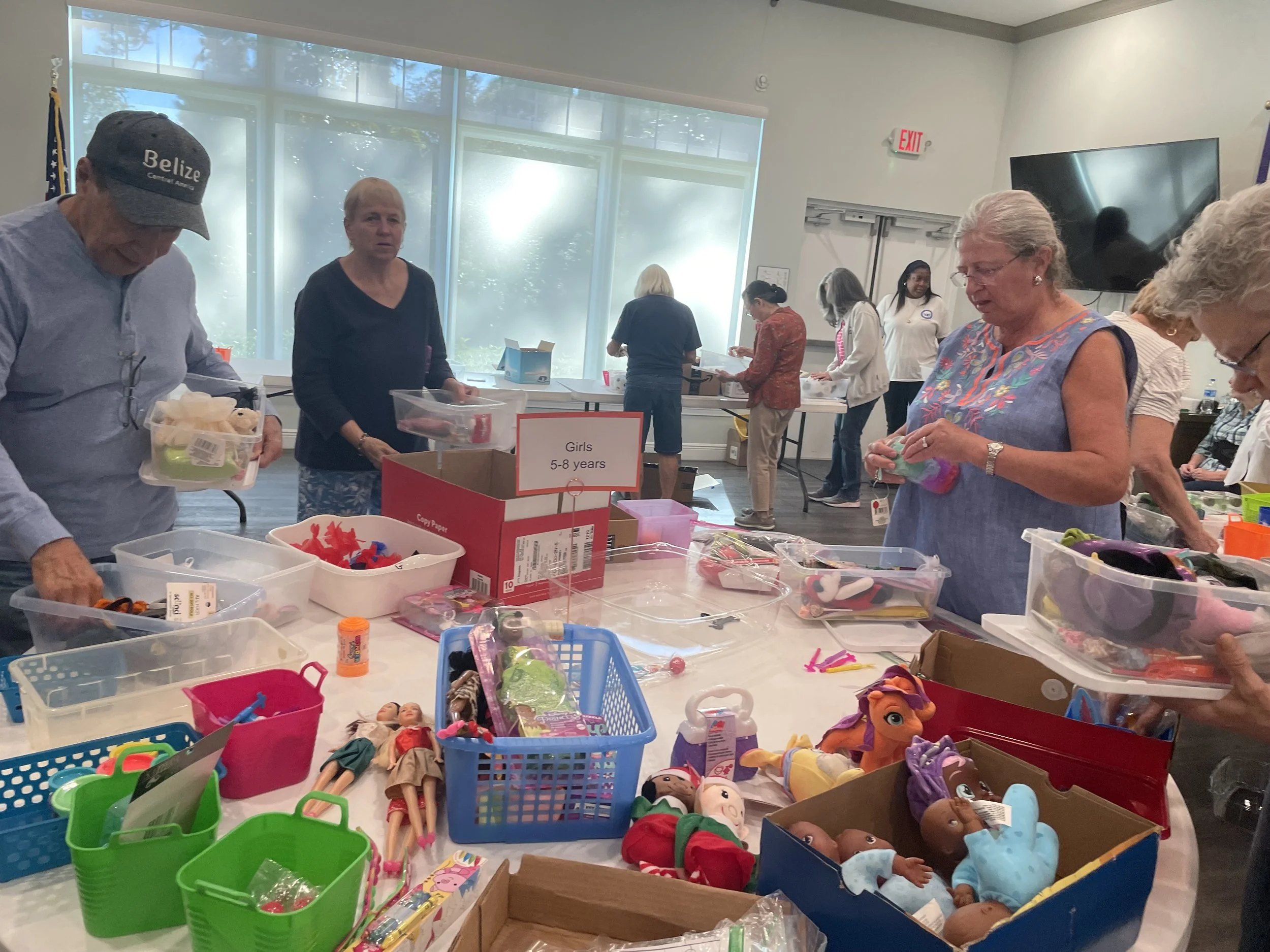
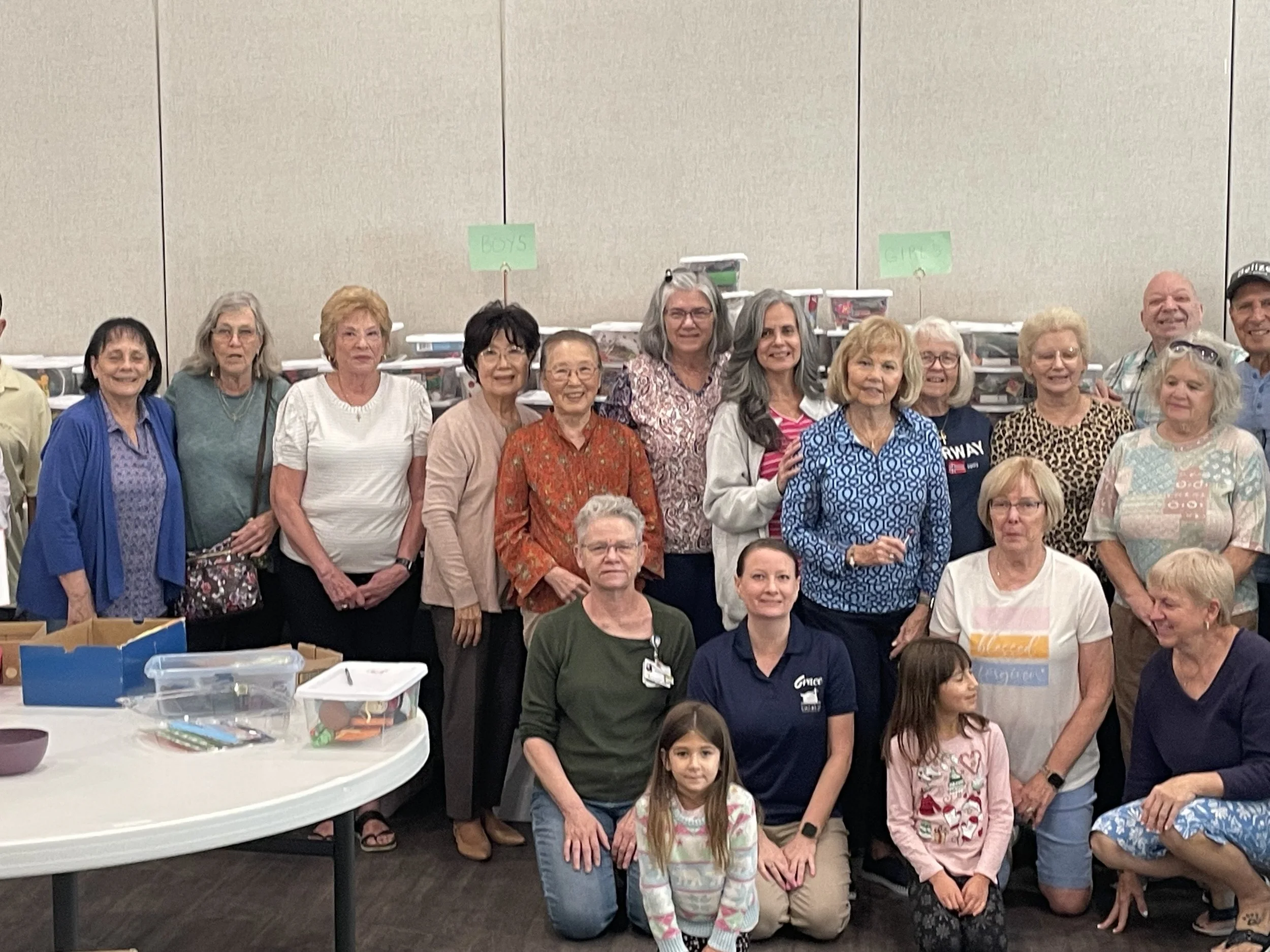
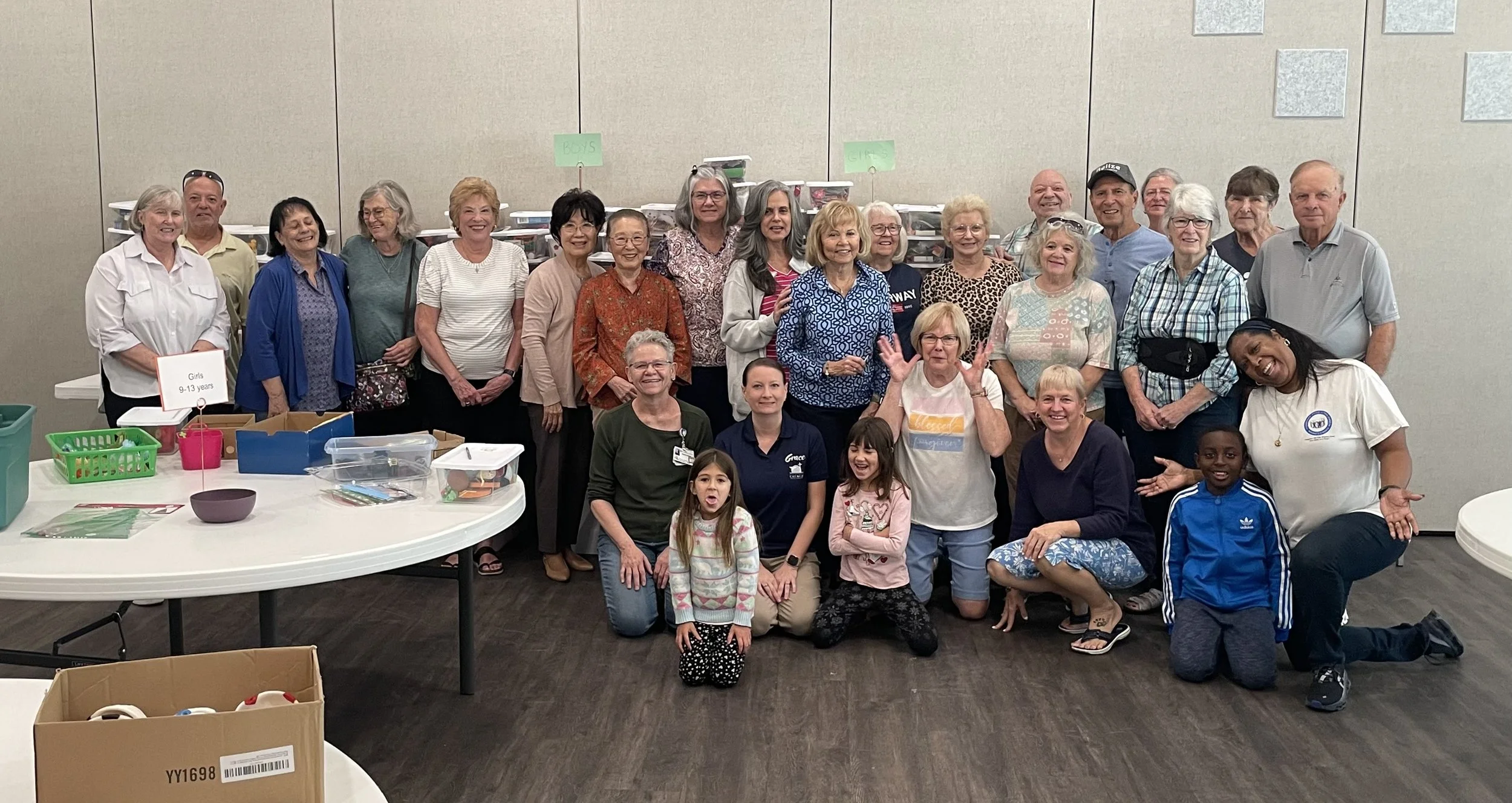
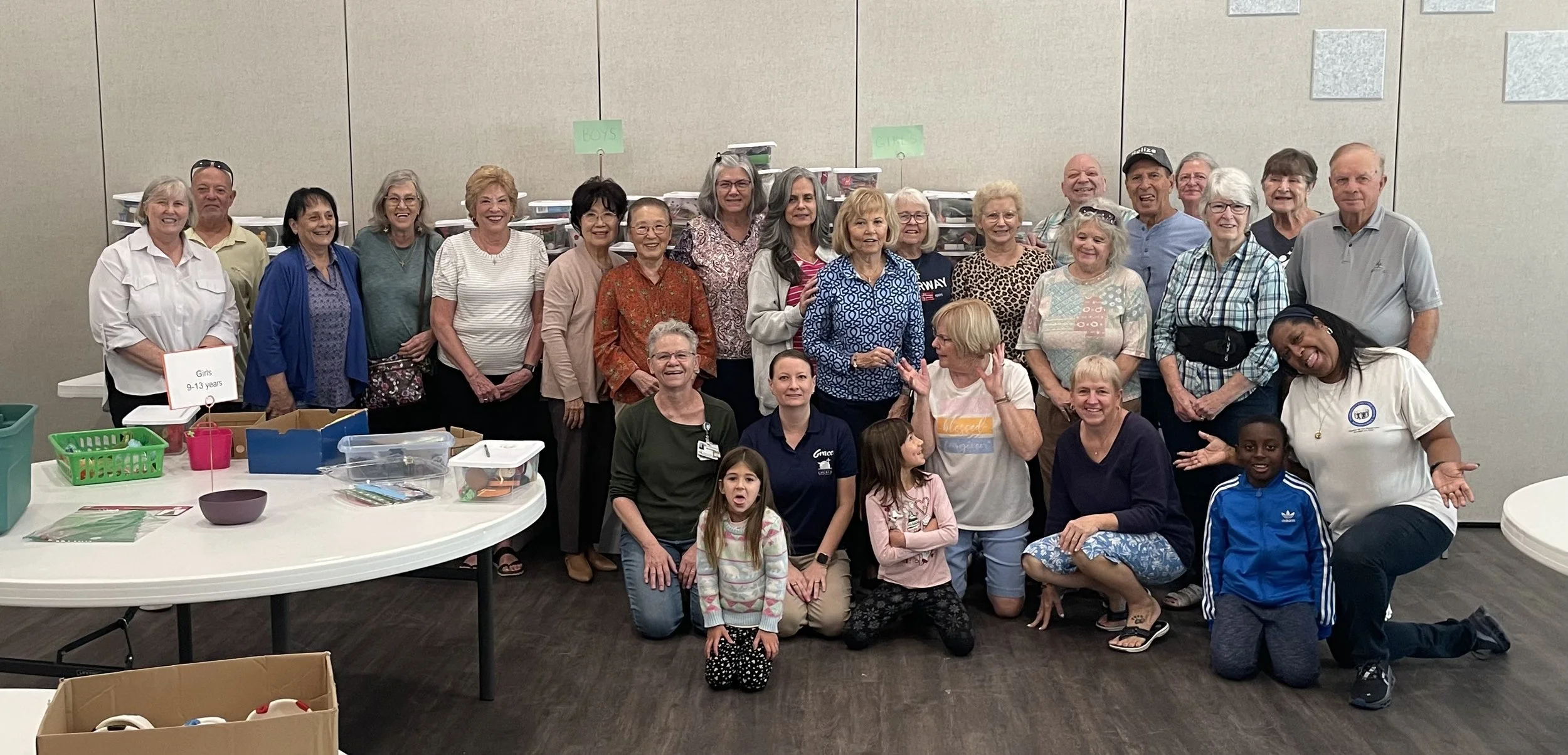
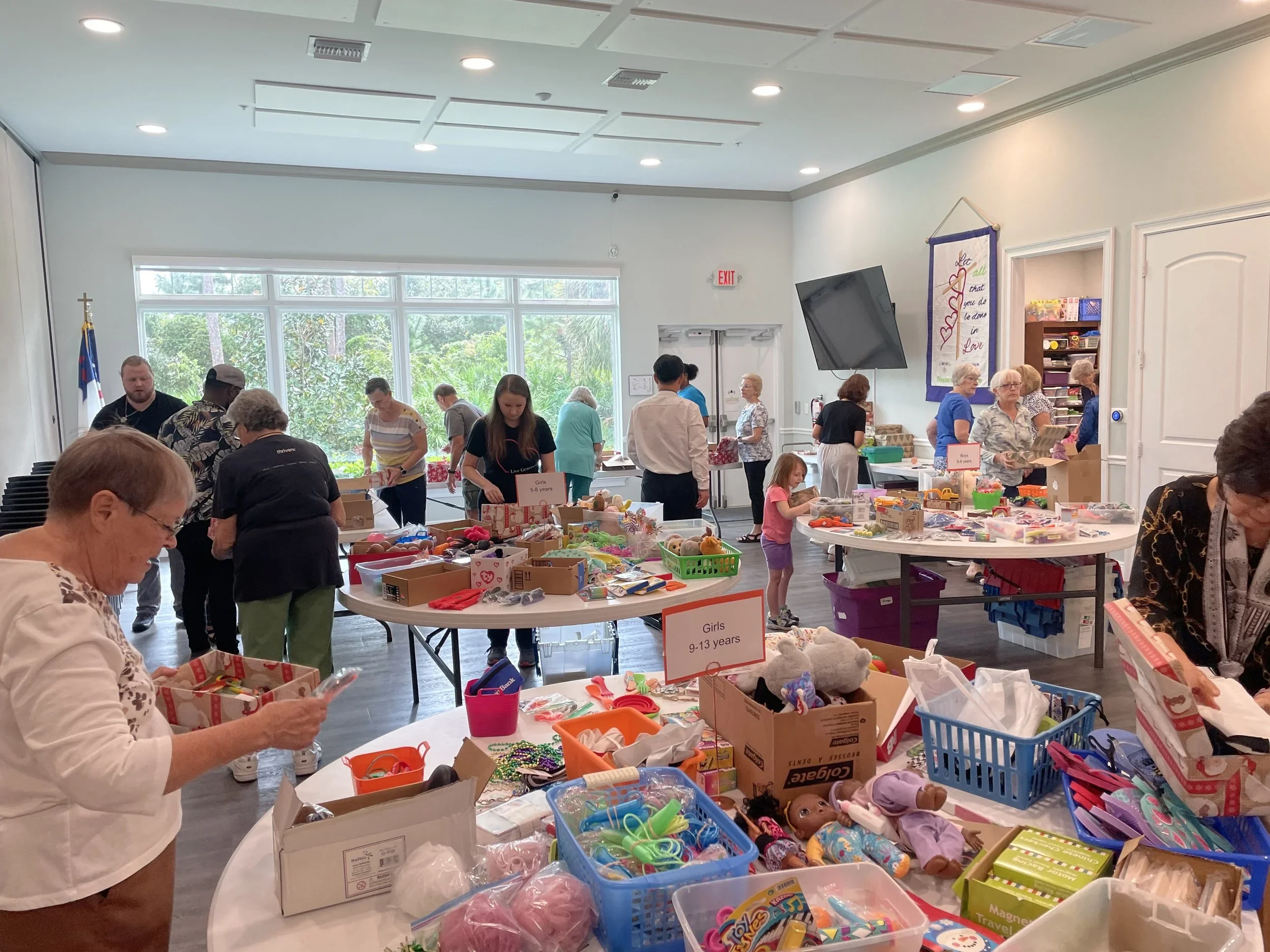
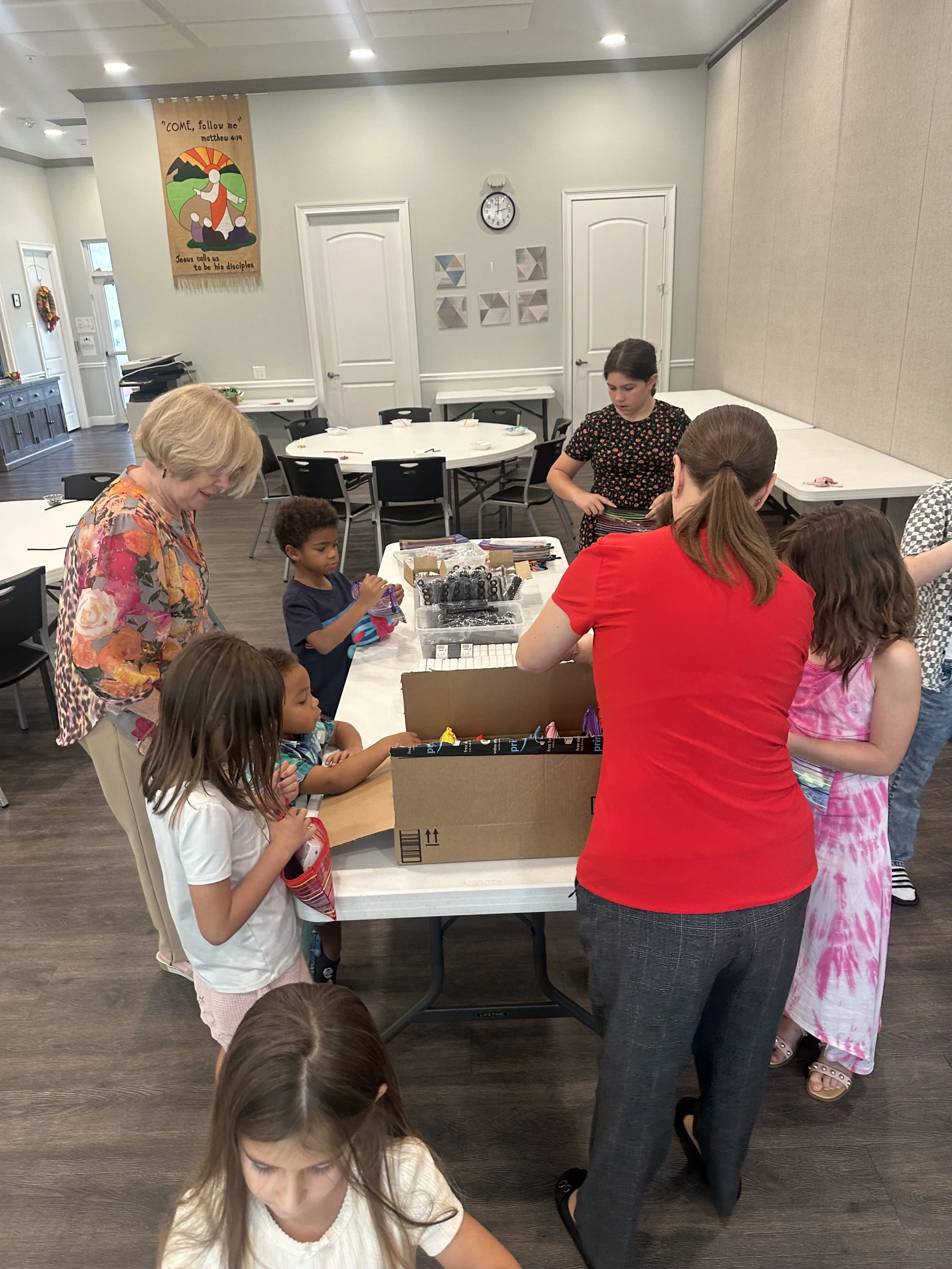
Pack the Christmas Boxes for Haiti
We packed 206 boxes for Christmas in Haiti.
Big thanks to everyone who helped to get the supplies and pack the boxes on Saturday.









![[Sunday] Freely - Witness](https://images.squarespace-cdn.com/content/v1/5852f18a20099e30cd2c01dc/1763081926738-NTIAR1U7F2XSQSAZXV8H/Freely4a.jpg)
[Sunday] Freely - Witness
Christ has already secured the victory, our mission isn't to fight, but to embody our hope through gentle and respectful action.

Christ has already secured the victory, our mission isn't to fight, but to embody our hope through gentle and respectful action.
Questions for the Week: Freely Given/Shared - Witness
Share how you came to faith? Describe the witness to Jesus others shared with you? What tone did they have?
Read 1 Peter 3:8-18. Peter emphasizes living humbly and sharing with gentleness and respect. How does this emphasis on how we witness—rather than if we are right—change how you engage in difficult conversations about faith?
Daniel had a powerful witness as he quietly trusted in the Lord while in the lion’s den (Daniel 6). Share a time when choosing humility and patience (not fighting) was unexpectedly effective in demonstrating Christ’s victory to someone else?
Since we are freely given Christ's victory, we are called to freely share it through tangible, loving actions. What is one practical, non-verbal act of service or generosity you could focus on this week to be a gentle, living example of the hope you possess?
What Had happened at Grace this week.

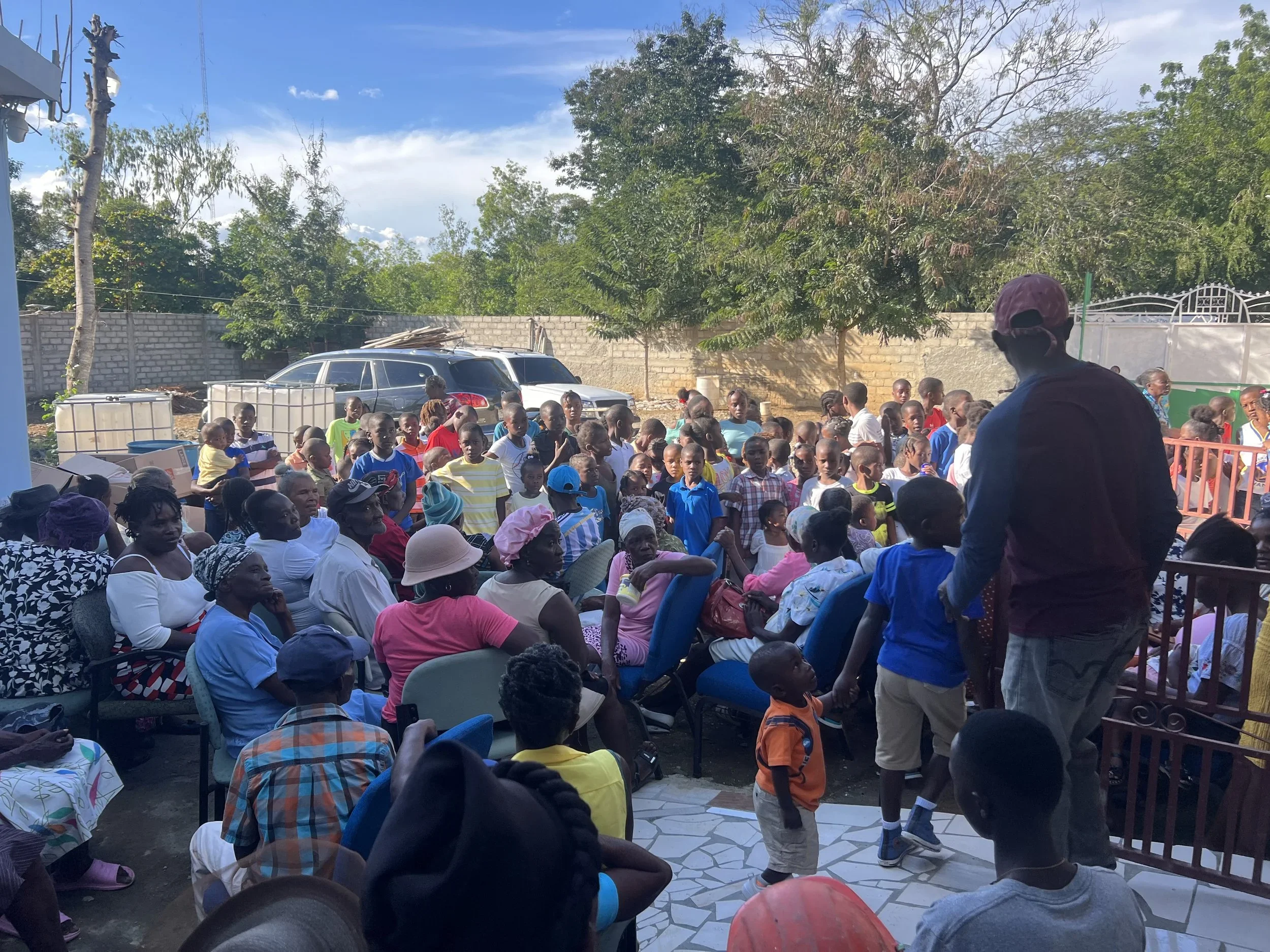
Christmas tubs for the children of Haiti!!!
Lets fill these tubs with fun for Christmas

Please bring items by November 9th.
Boys and girls, age groups: 5-7, 8-10, 11-13 yrs old. Please mark your box with “boy” or “girl” and the age group. Thank you.

Suggested items THAT WILL FIT IN A SHOEBOX TUB are:
A “wow” toy: children’s baseball caps, musical instrument
Craft items
Small toys: cars, games, jump ropes, puzzles (be sure to include picture of finished puzzle)
Small hard candies, lollipops, lunch box size pkg of gummies, cookies, etc.
BALLS, Marbles, playing cards, fidget toys
Dolls, dominoes, playdoh, tangrans, magnetic drawing boards
Bracelets, Christian jewelry, sunglasses
Flashlights (with batteries or hand crank), tic tac toe games
Underwear (small & medium), socks, flip flops
Hygiene items: hair brushes, comb, washcloths, toothbrush/toothpaste, bar soap, alcohol wipes, bandaids, deodorant, lip balm
coloring books
*NO SCHOOL SUPPLIES, PLEASE*
“PACKING” DAY
November 15, 2025 – Beginning at 9:00 am
Photos from Middle School Gathering
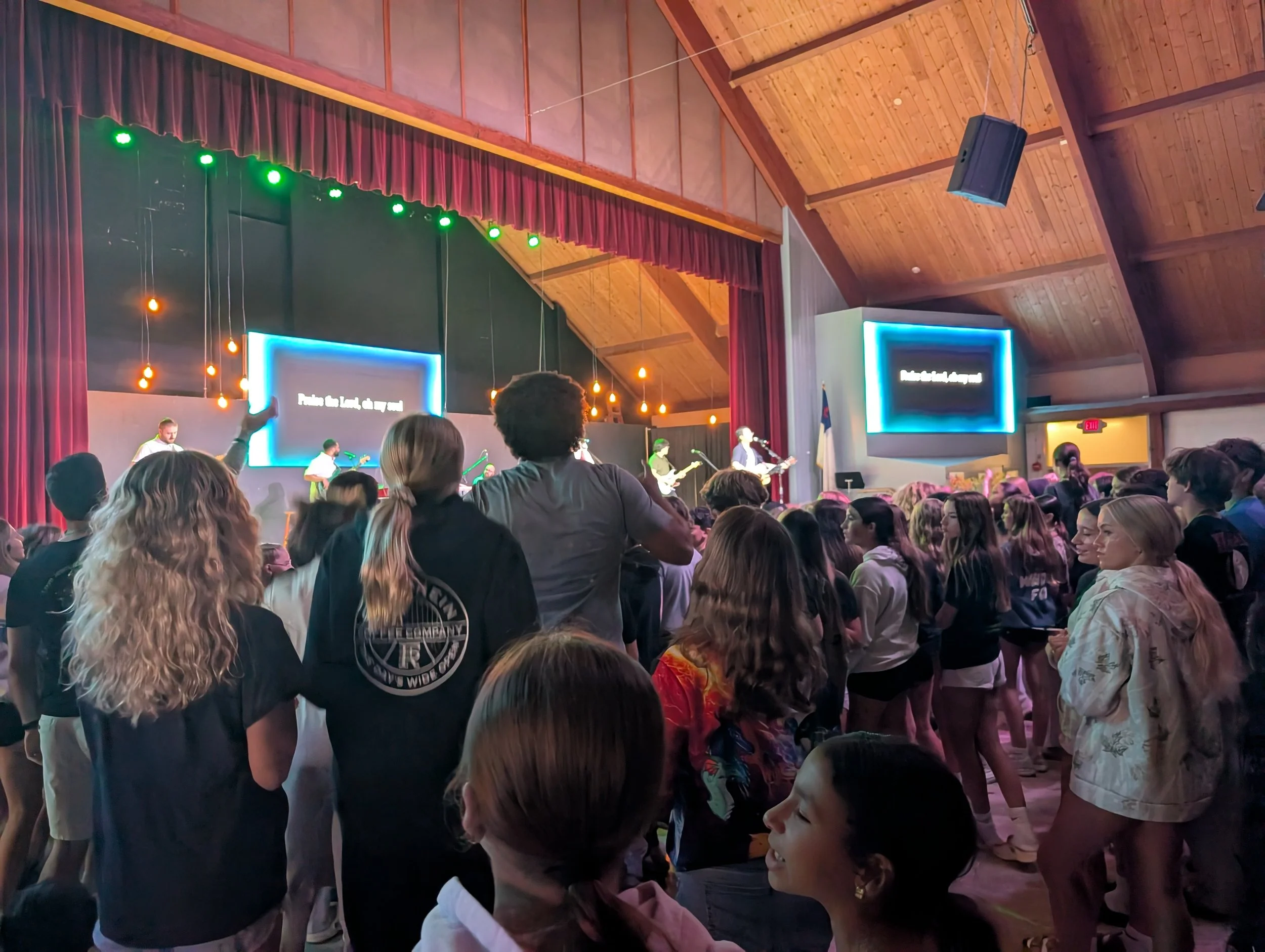
Kyler and Cris got to have a great weekend at the Meddle and High School gathering.
Pastor Cris led the main events and served as pastor for the 2025 middle school gathering. This let him connect with the young people. We had 400 students this year.


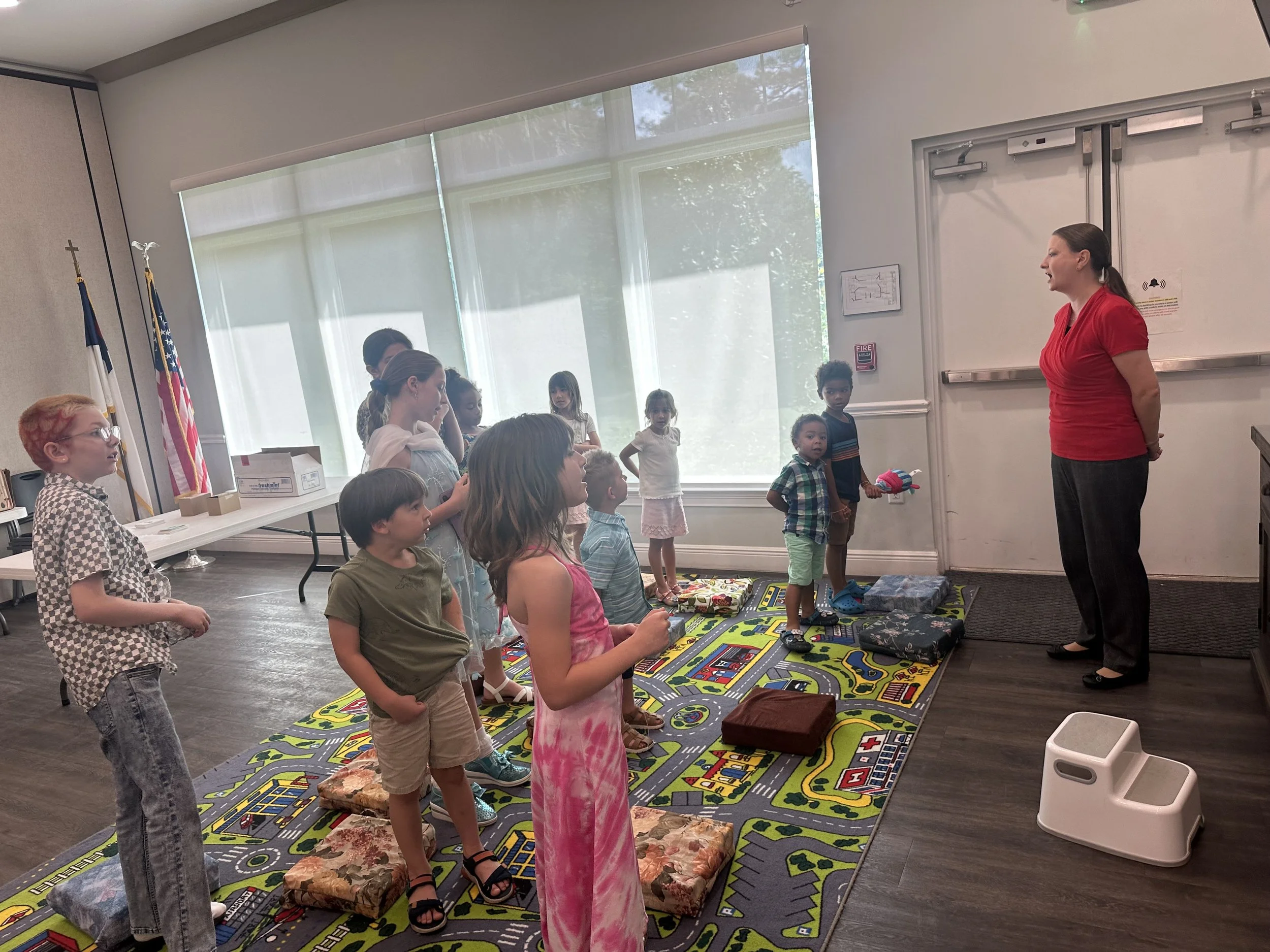
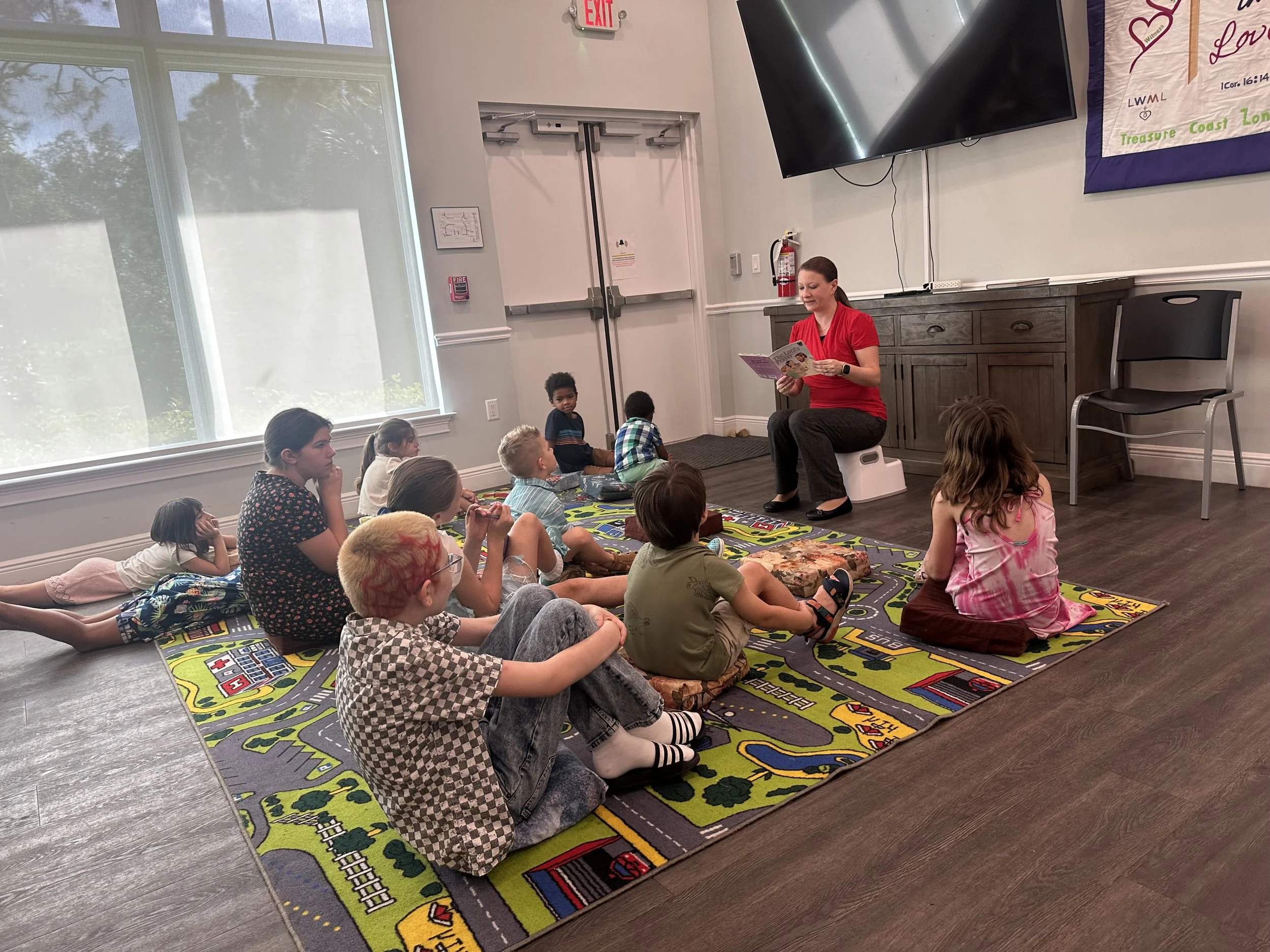
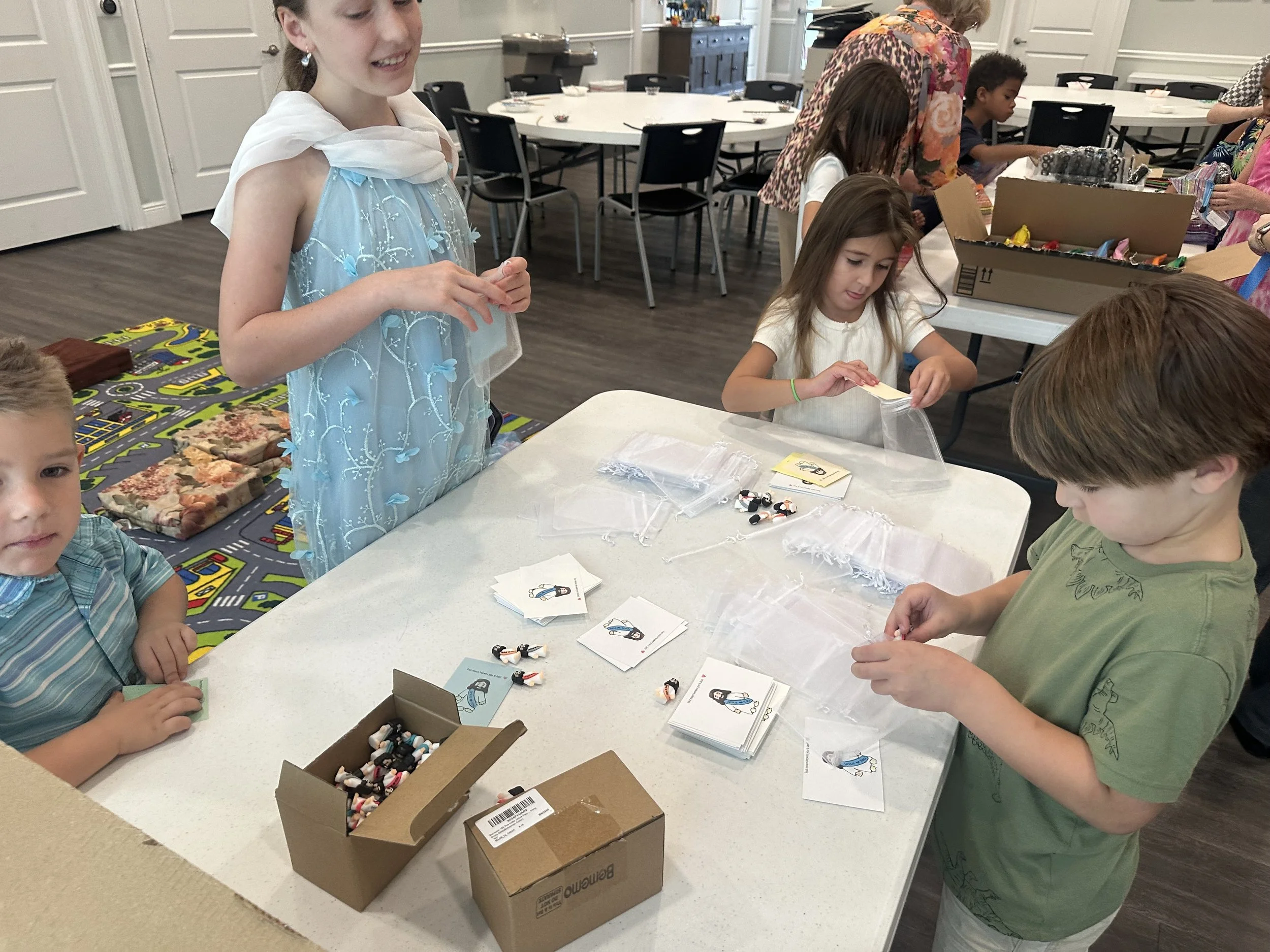
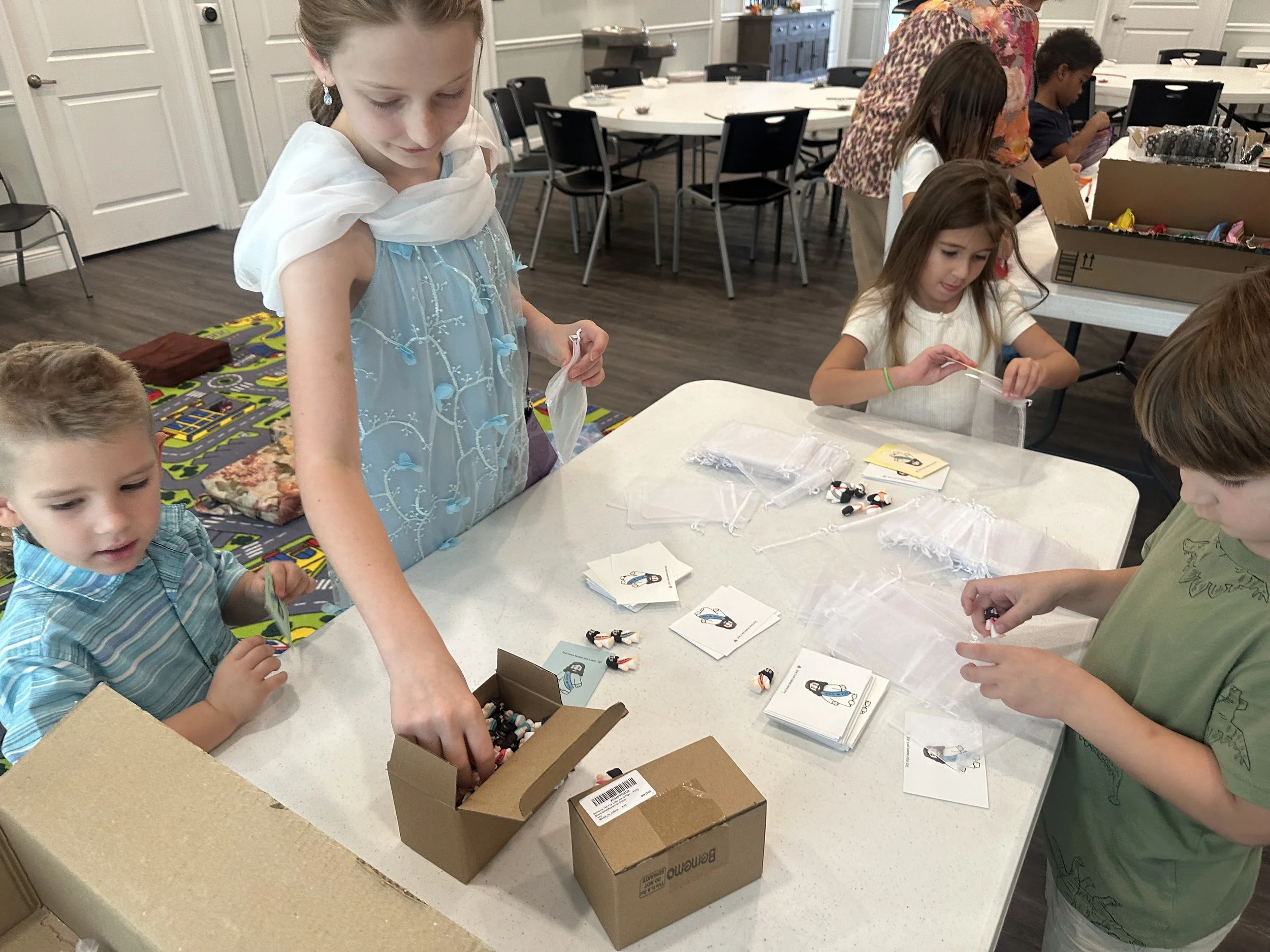
November 2nd Sunday School
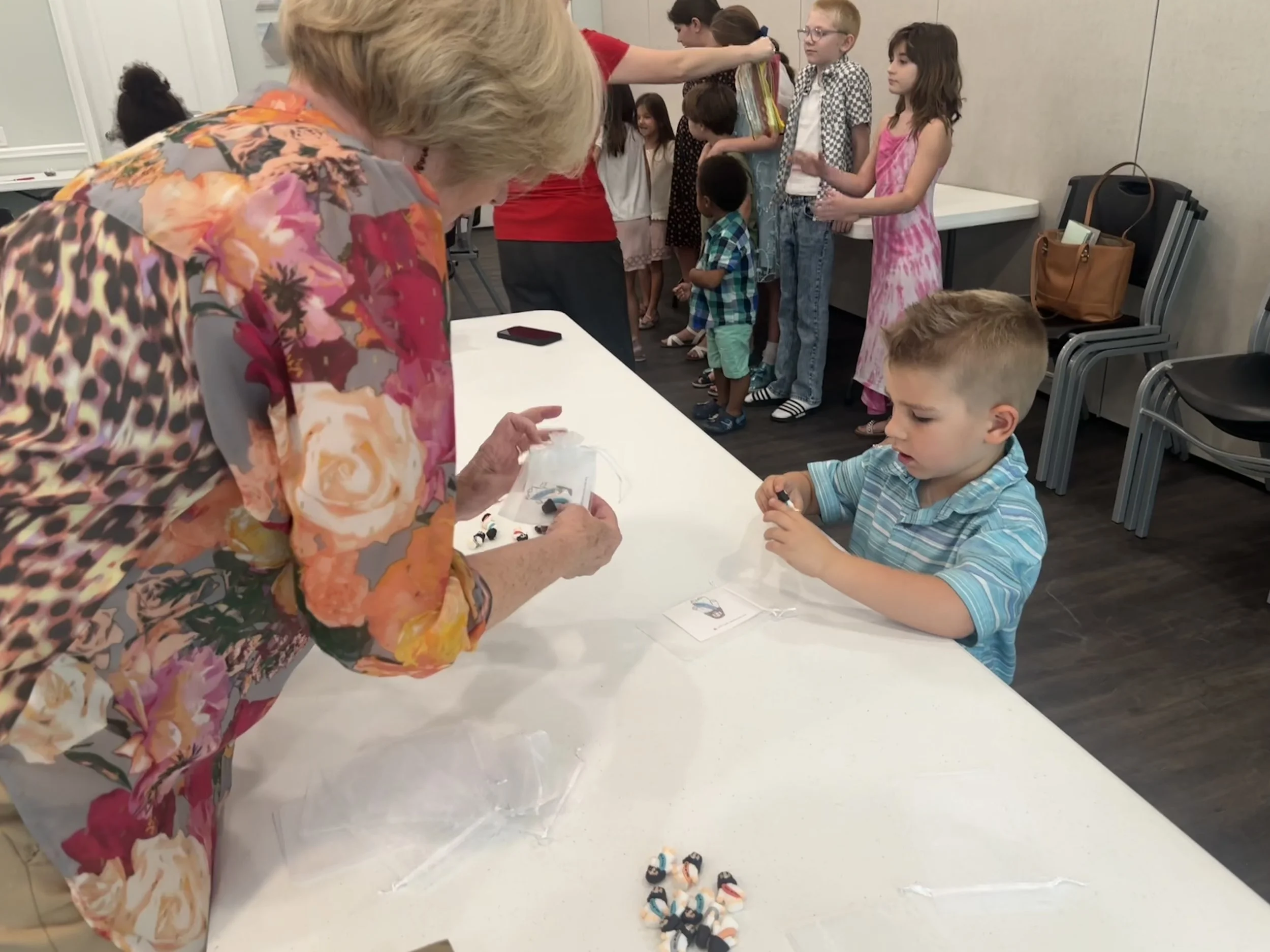
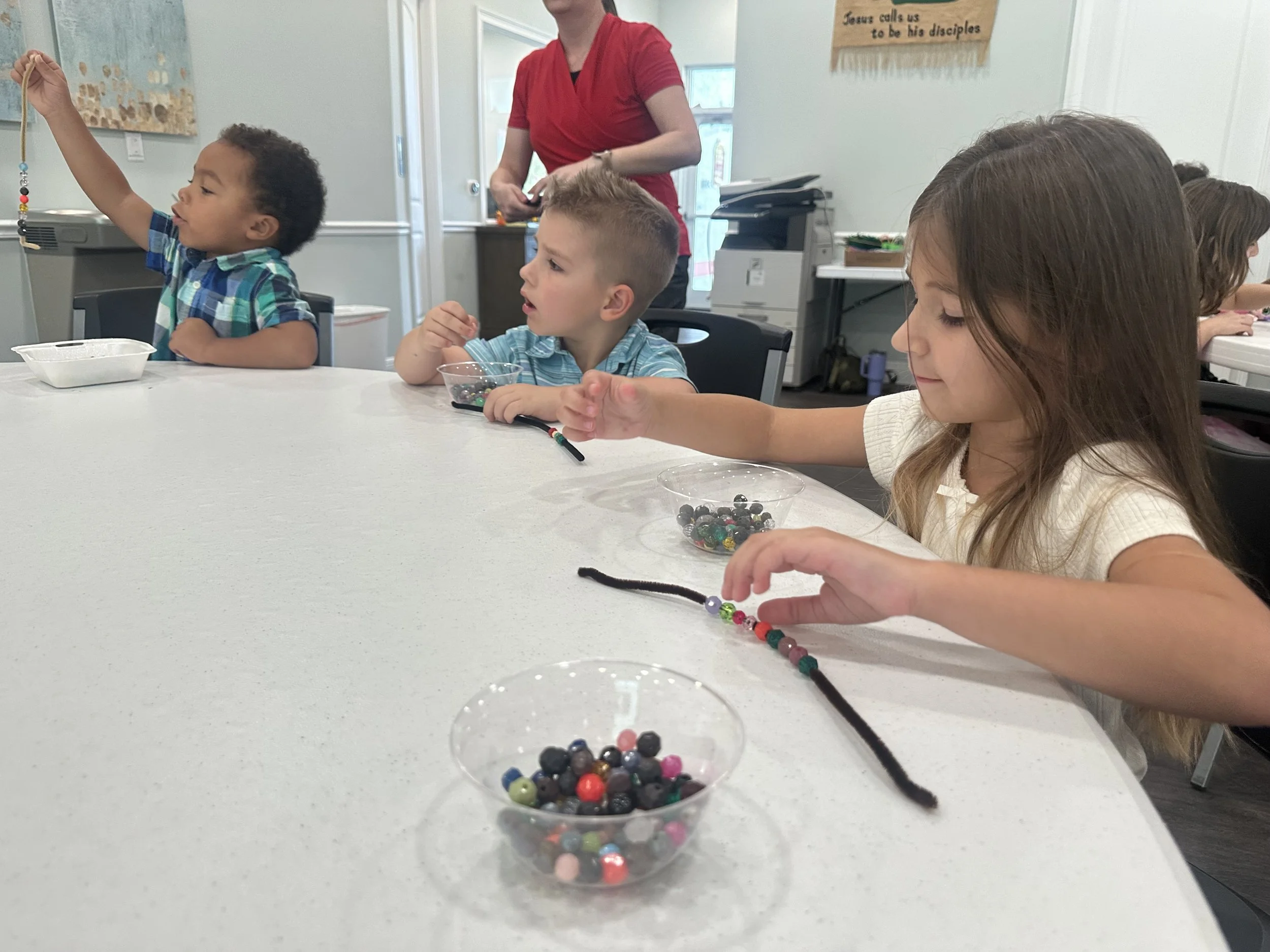
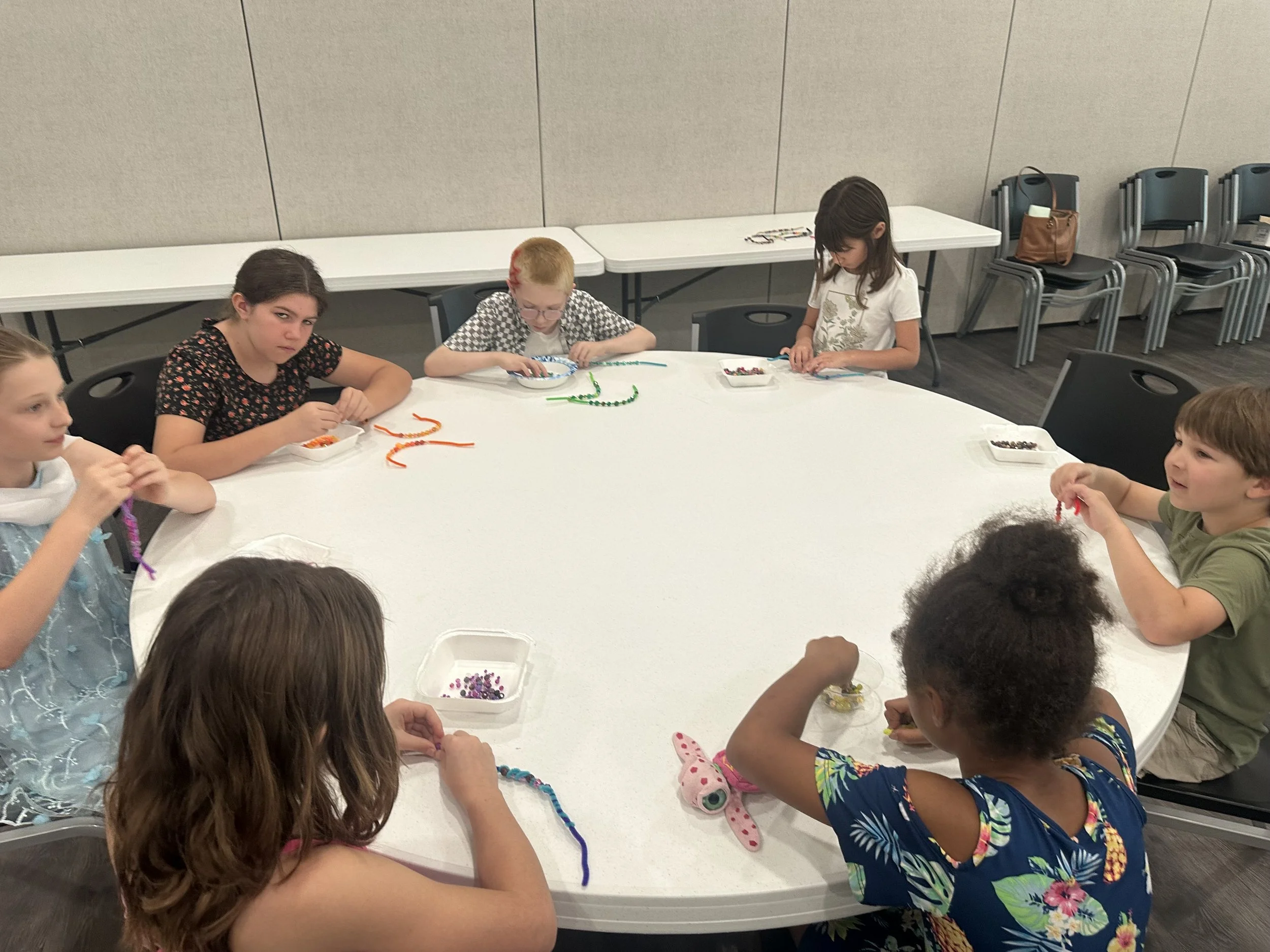
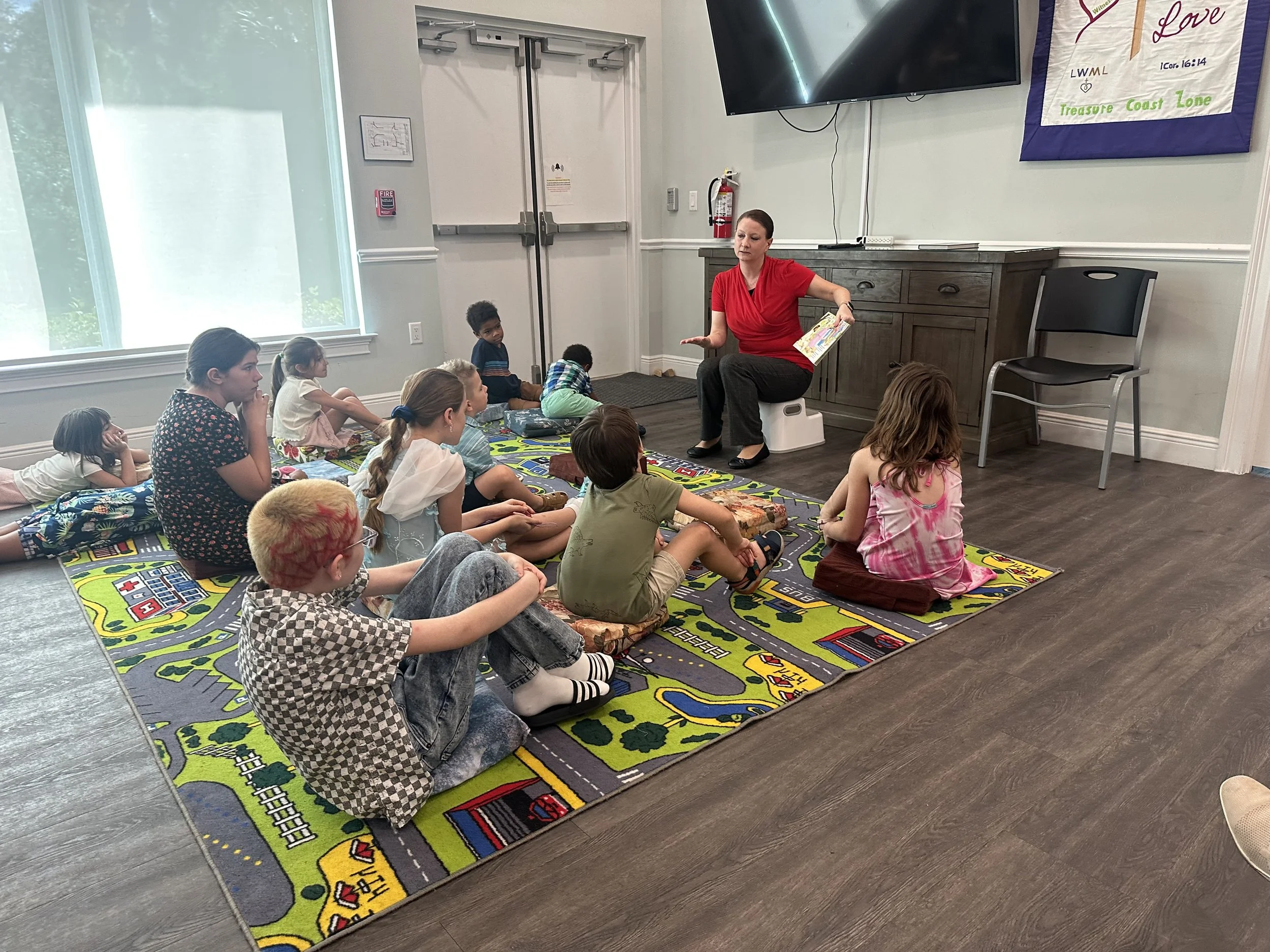
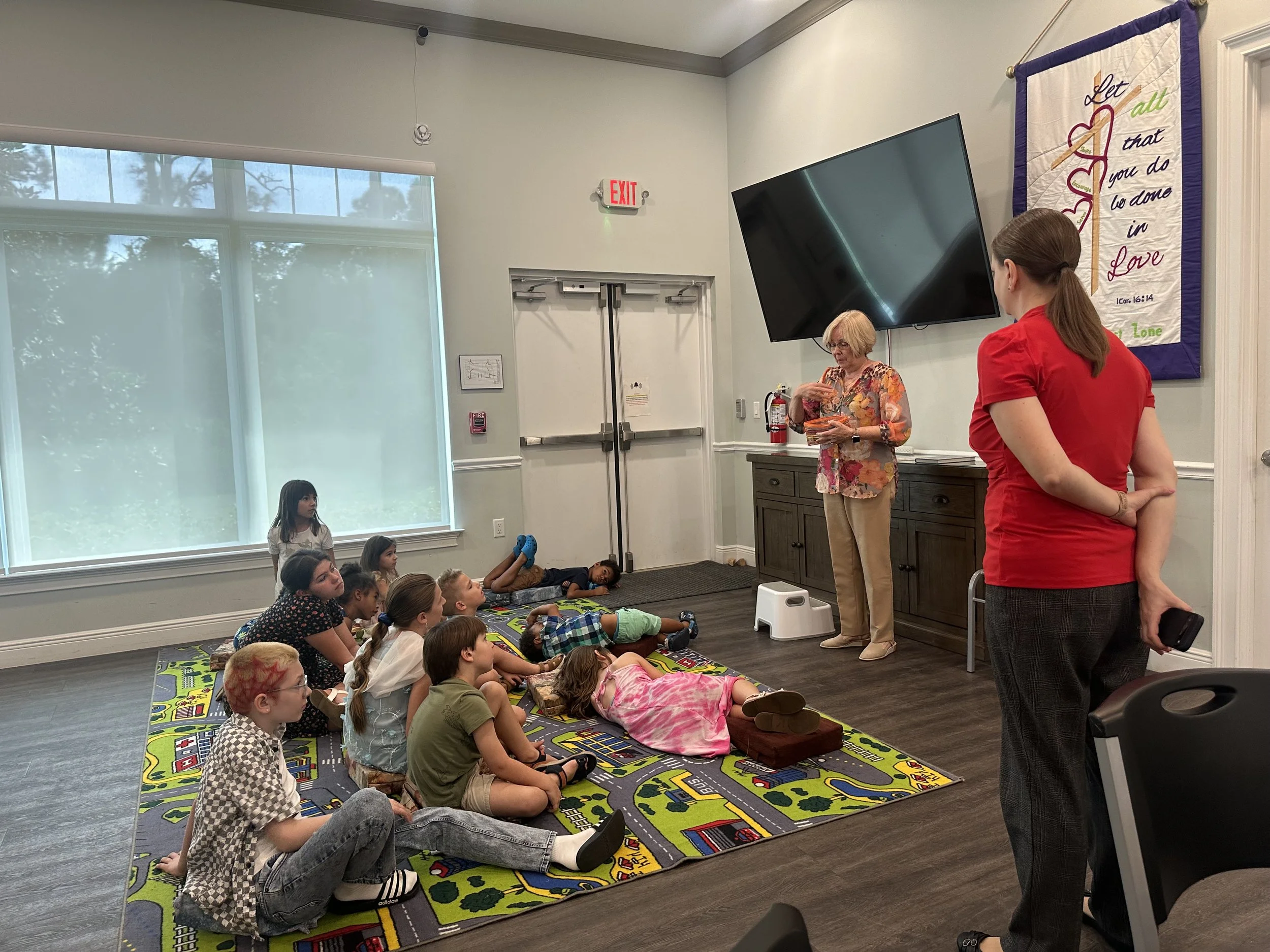
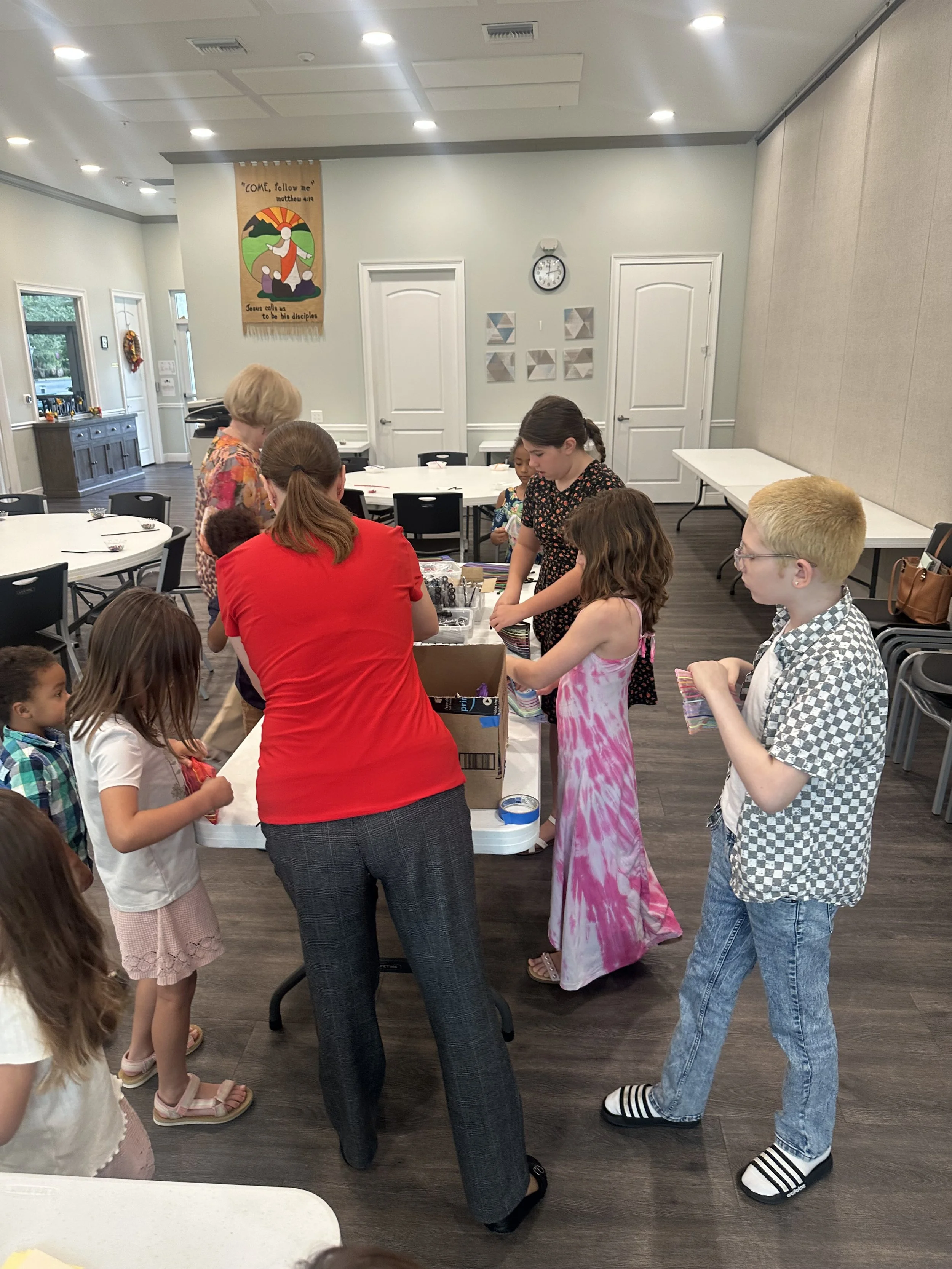
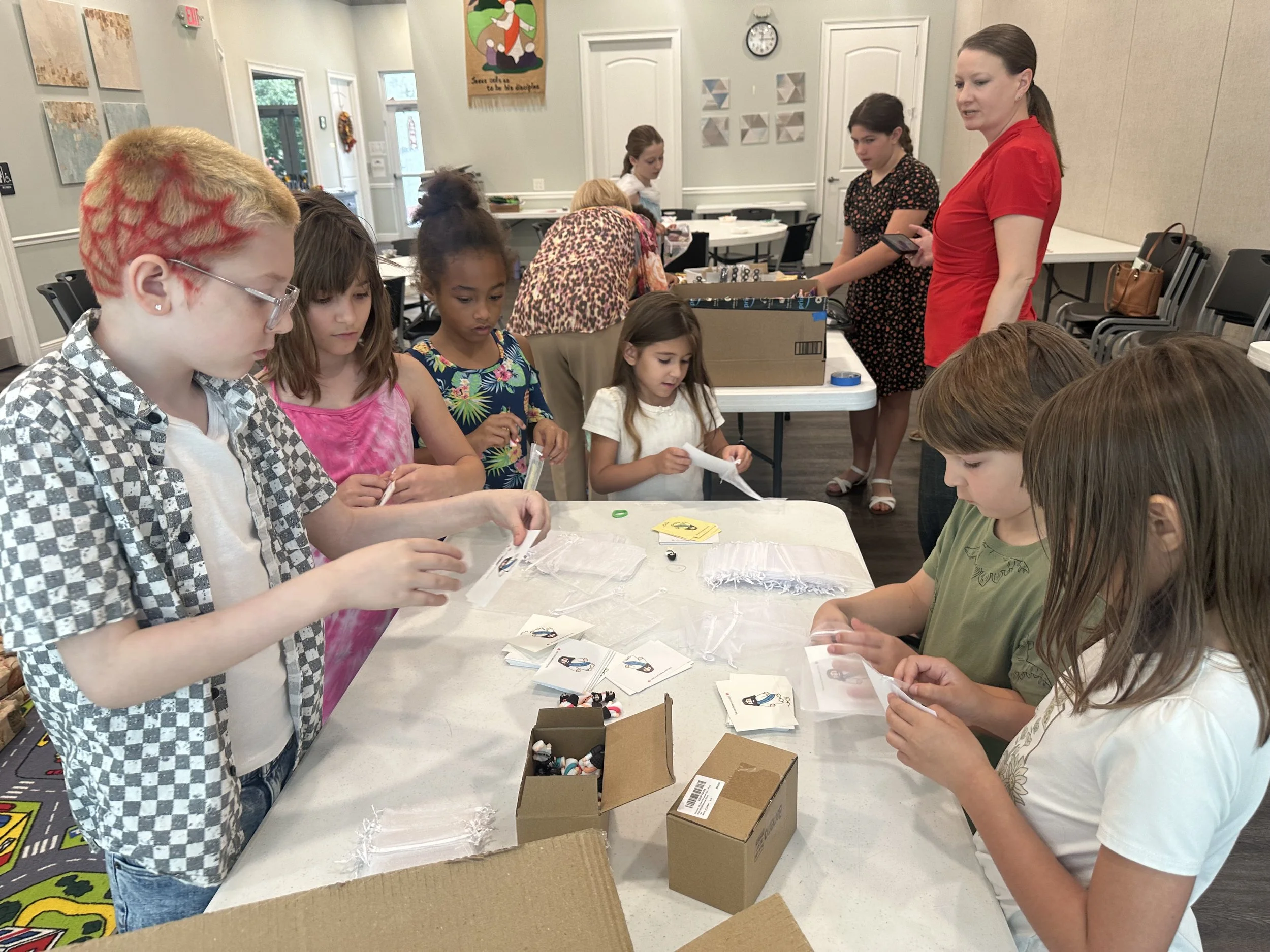
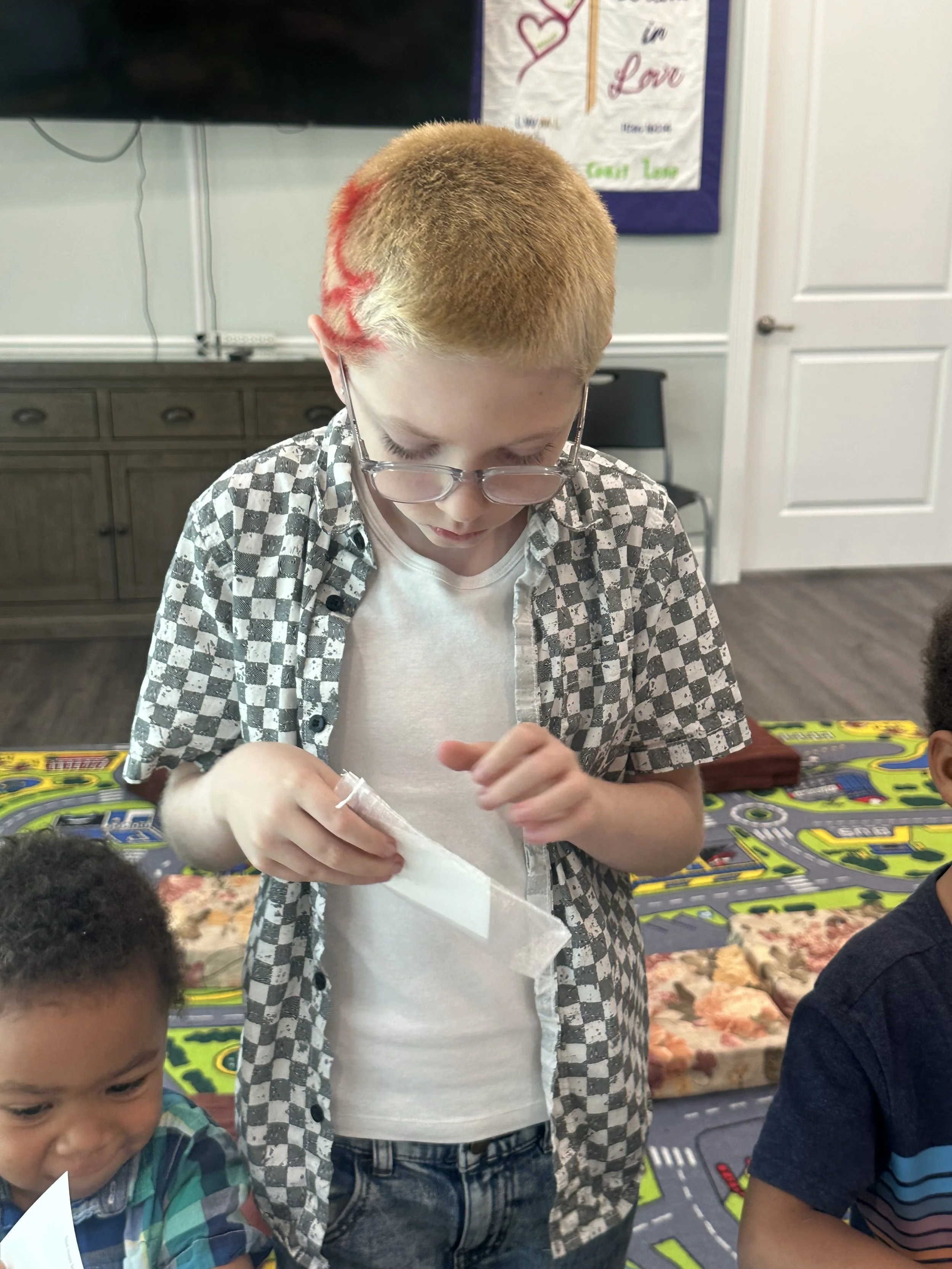
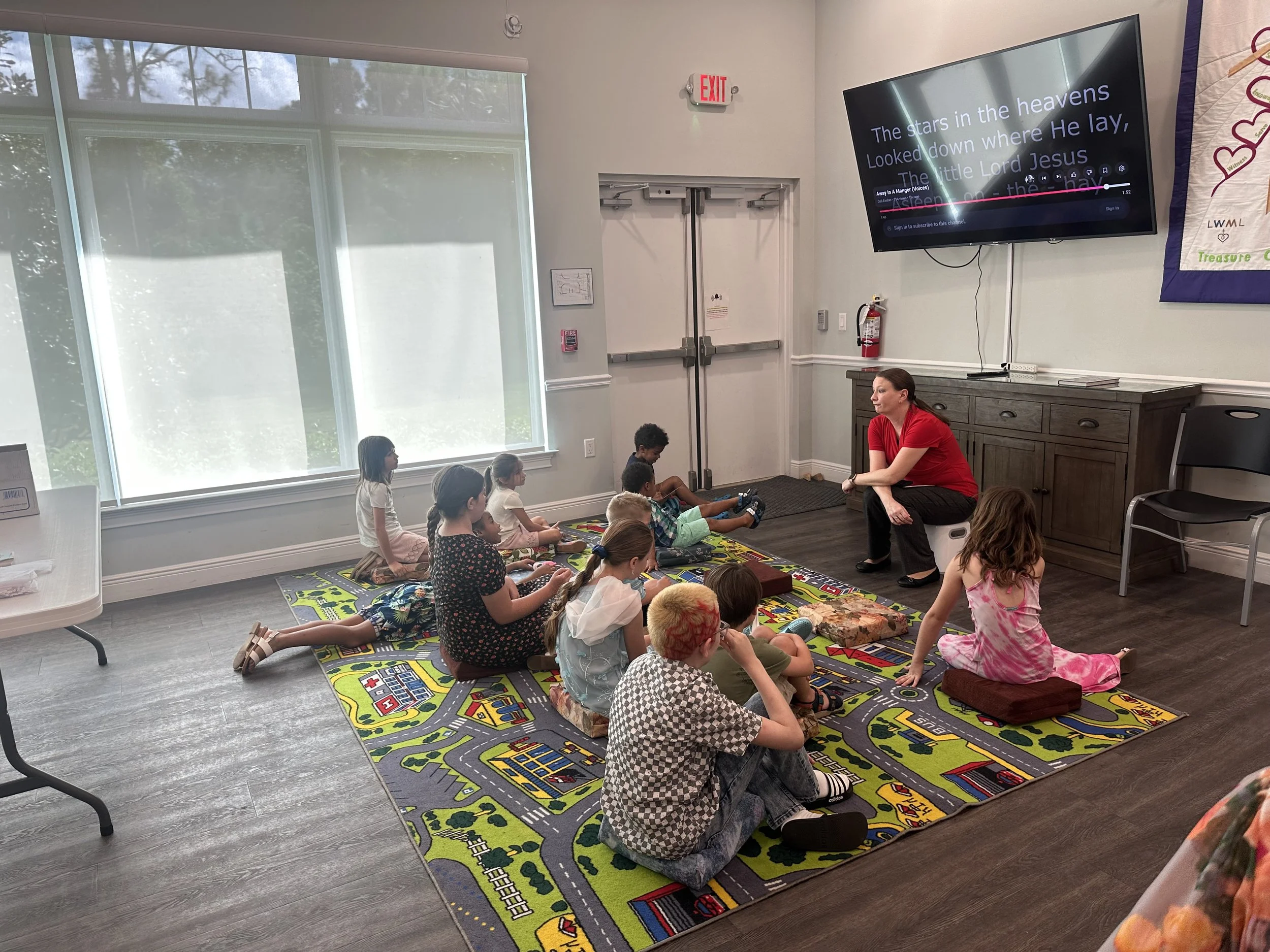
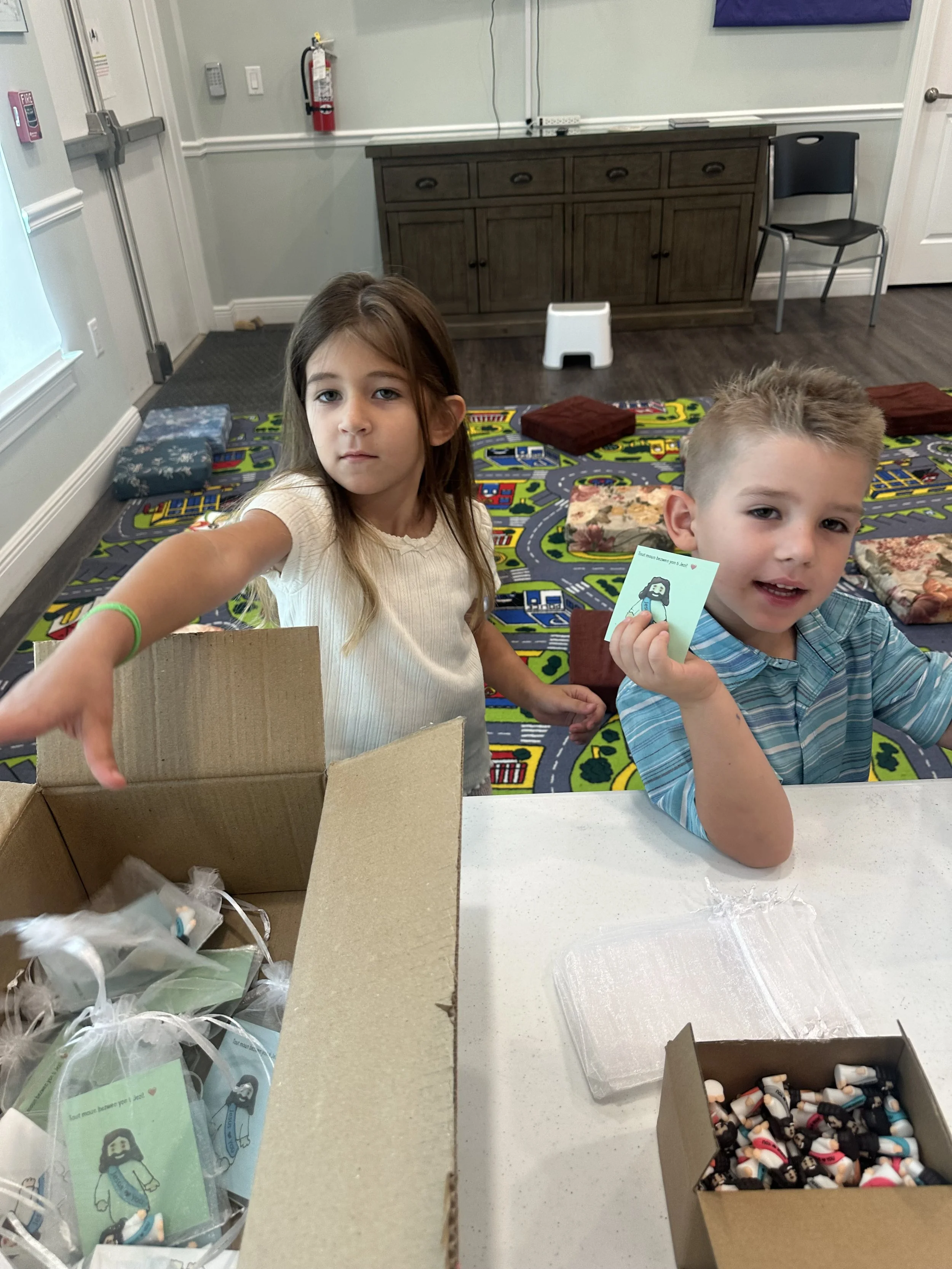
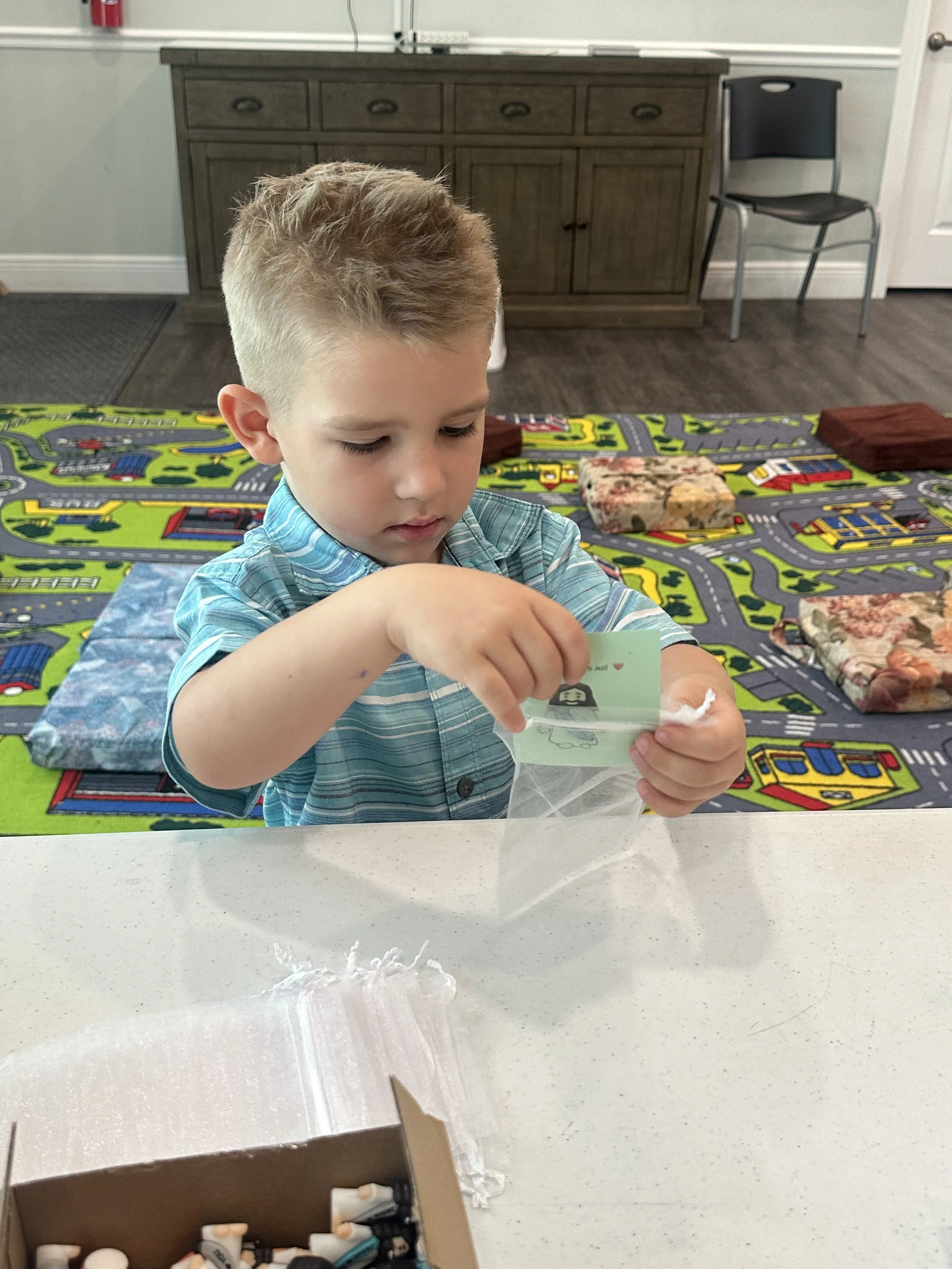
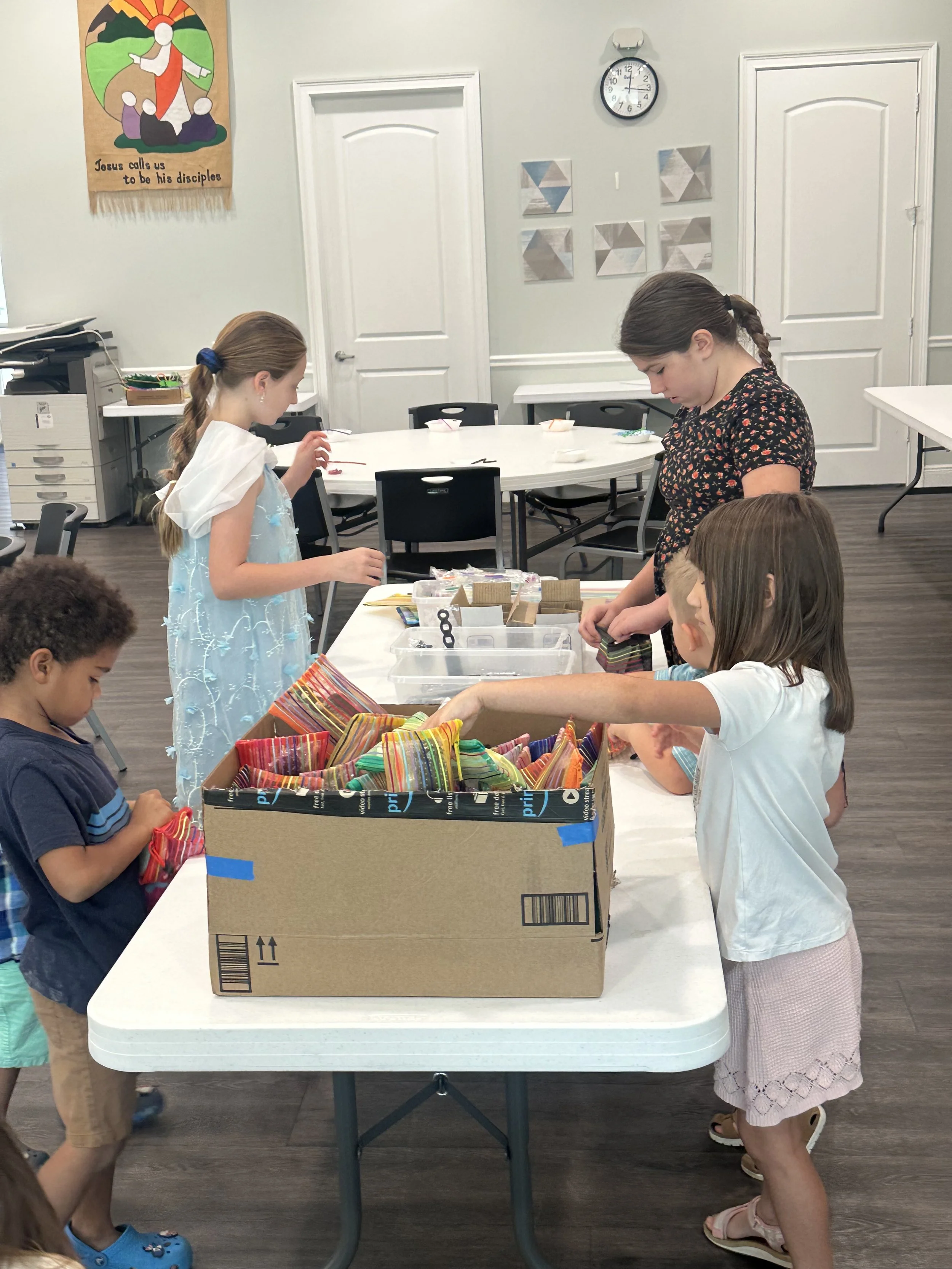
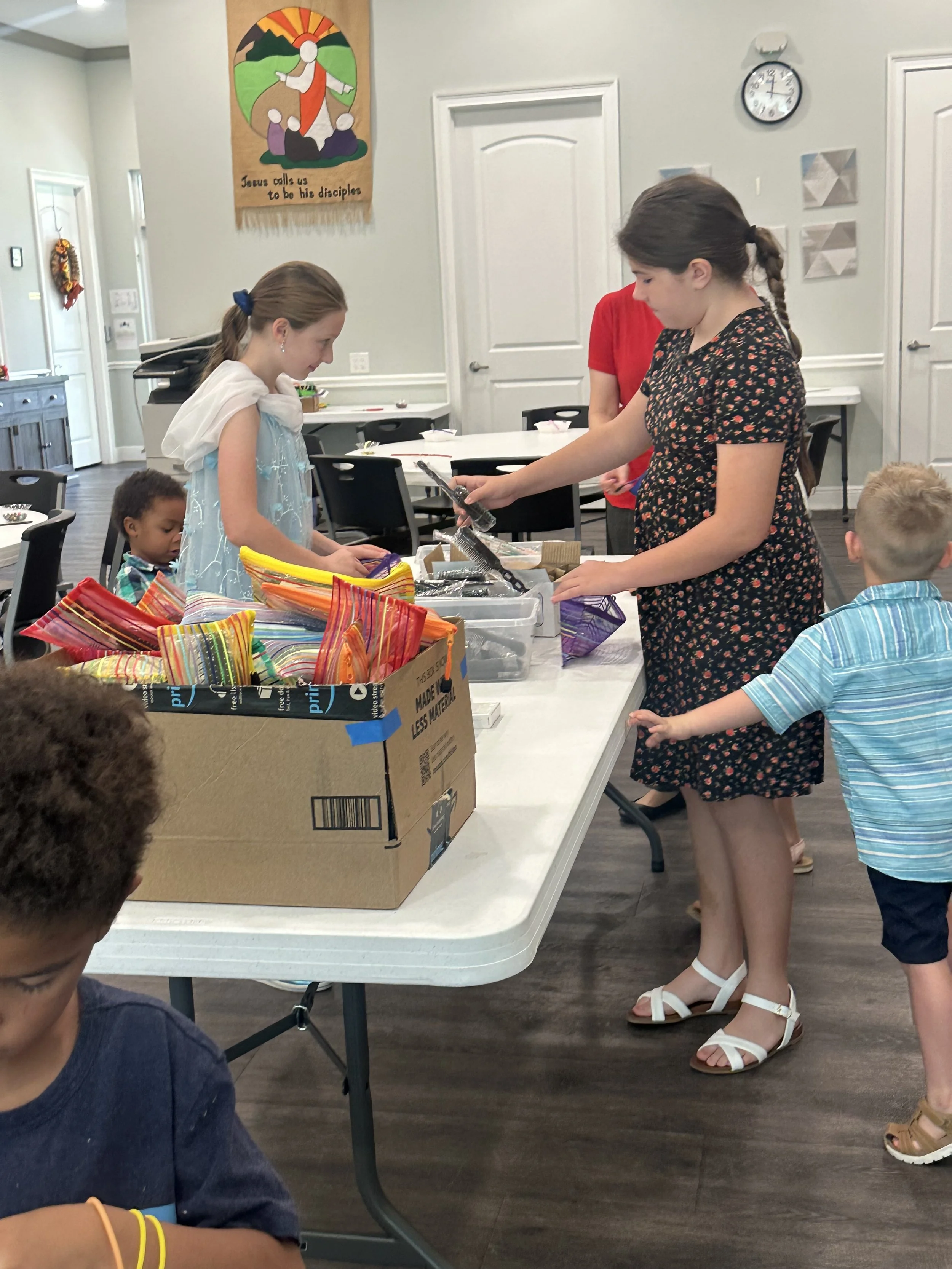
Great time with bracelets this month.
The kids really enjoyed themselves and enthusiastically assembled so many beautiful bracelets to include in our Christmas boxes for Haiti.








1st John Chapter 1 - The Johns Bible Study
This week in our study of 1st, 2nd, and 3rd John, we explored the core message that God is light and love, which led to a profound discussion on the Christian hope of resurrection in the face of death and suffering.
1st, 2nd, and 3rd John
1 John Chapter 1
This is an AI Recap of the class.
Some things may be incorrect.
Short Summary of the Class
Our class began with an overview of 1st, 2nd, and 3rd John, establishing their context as letters written to combat false teachings and encourage believers. We focused on the opening chapters of 1 John, discussing the foundational themes of God as light, the necessity of walking in that light, and the command to love one another. This discussion on light versus darkness naturally transitioned into a deep and personal conversation about the Christian understanding of death. We challenged the idea that death is a release, instead affirming it as an enemy overcome by Christ. The class concluded by exploring the robust, hopeful vision of the resurrection, where grief coexists with the joyful promise of a renewed creation and reunion with our loved ones.
Detailed Class Summary
Introduction and Overview of 1st, 2nd, and 3rd John
The class started with a brief overview of our plan to study 1st, 2nd, and 3rd John, along with some housekeeping notes about our upcoming schedule around Thanksgiving and Christmas. To get a big-picture view, we watched a Bible Project video on the letters of John. The video explained that these letters were written by "the Elder" (likely the apostle John) to a network of house churches facing a crisis from a group that had broken away and denied that Jesus was the Messiah.
2nd John warns a church not to support these "deceivers."
3rd John encourages a man named Gaius to welcome legitimate missionaries.
1st John is a poetic, sermon-like letter written as "damage control" to remind believers of the truth they already know.
The video highlighted 1st John's unique literary style, which uses "amplification" to cycle repeatedly around core ideas like life, truth, and love, using stark contrasts like light vs. darkness. The sermon is structured around two main declarations: "God is light" and "God is love."
Summary: We established our study topic and holiday schedule. A video provided crucial context, explaining that John's letters were written to combat false teachings and encourage believers to hold fast to the truth of Jesus, with 1st John being a poetic sermon centered on the themes that God is light and God is love.
Reading and Discussion: 1 John 1:1 - 2:11
After discussing the video, we read the first portion of the letter, focusing on the foundational concepts.
The Word of Life and Fellowship (1 John 1:1-4): John begins by establishing the apostles' authority as eyewitnesses to Jesus, the "Word of life." Their purpose is to bring readers into koinonia (fellowship) with the Father and the Son, which is the source of full joy.
Walking in the Light (1 John 1:5-10): John delivers the first core message: "God is light." True fellowship requires us to "walk in the light." This means living truthfully, which includes confessing our sins. We noted how the phrase from 1 John 1:8-9, "If we say we have no sin, we deceive ourselves," is a familiar part of Christian liturgy. The path forward is confession, and God is "faithful and just" to forgive and cleanse us.
Christ Our Advocate and Keeping His Commands (1 John 2:1-11): John addresses his readers as "my little children," assuring them that when we sin, we have an "advocate with the Father, Jesus Christ the righteous." Jesus is the "propitiation" (atoning sacrifice) for our sins. True knowledge of God is proven by obedience, specifically to the "old" yet "new" commandment to love one another. This love is the practical test of whether we are walking in the light or stumbling in darkness.
Summary: In this section, John establishes that fellowship with God requires walking in the light. This involves honestly confessing our sins, for which Jesus is our advocate and atoning sacrifice. The primary evidence that we know God and are walking in His light is our obedience to His command to love one another.
Gnosticism, Death, and the Problem of Suffering
The discussion of light versus darkness, and John's use of the term "my dear children" in 1 John 2:1, led to a deeper theological conversation. John was addressing a serious heresy known as Gnosticism, the belief that the spiritual realm is good while the physical realm (including our bodies) is evil. This ancient heresy still influences modern thought, often surfacing in phrases like someone being "released from their body of captivity" at death.
The class challenged this idea, affirming the biblical truth from Genesis 1 that creation, including our physical bodies, was made "good." The pastor shared a pivotal realization from his early ministry: "Death's the problem. Why are we celebrating death?" We concluded that death is not a victory but the ultimate consequence of sin and brokenness. The true victory is the resurrection. While it's comforting to say someone is "free from pain," the reality is they have succumbed to it. Our hope is not in death itself, but in the fact that, as Paul writes in Romans 8:38-39, nothing—not even death—can separate us from the love of God.
Summary: We identified and deconstructed the heresy of Gnosticism, which wrongly views the physical body as evil. The class concluded that death is the ultimate problem and the result of sin, not a release. Our true hope is in the resurrection and the promise that even in death, we remain with Jesus.
The Hope of Resurrection and Our Resurrected Bodies
The conversation then explored the nature of our future resurrected bodies. The example of the resurrected Jesus, who still bore the wounds of his crucifixion, was central. His scars were not a sign of diminishment but a testament to his victory and identity. This led to a reflection on how our own scars and wounds shape who we are. Erasing them might mean erasing a part of ourselves.
Instead of a flawless existence, the resurrection promises a renewed creation where "life is on the loose," ruled by life and light. In this new reality, our scars may still be part of our story, but the pain associated with them will be gone. To illustrate this, a story from C.S. Lewis's The Magician's Nephew was shared, where a talking animal's fall into a mud puddle in pre-fallen Narnia results in innocent, joyful laughter, not shame. This paints a picture of an existence where mishaps are simply part of a full life of learning.
Summary: We contemplated what our resurrected bodies will be like, using the image of Jesus's post-resurrection scars. Our scars are part of our identity, and in the resurrection, they will exist without pain in a world where life is unencumbered and God's light reigns supreme.
Grieving with Hope
The class concluded by reinforcing the central message: death is the problem, but light and life are the answer. Our ultimate Christian hope is in the "resurrection of the dead and the life of the world to come." We do not grieve like those who have no hope (1 Thessalonians 4:13); we grieve honestly, but with the profound hope of the resurrection. A Christian funeral, therefore, is not a denial of sadness but an acknowledgment of loss coupled with a powerful declaration of hope in Jesus's victory.
The church community plays a vital role in this, gathering to support the grieving and affirm their shared hope, often through the simple act of sharing a meal. This robust, resurrection-focused view of death and the afterlife provides a deep and lasting encouragement, grounding our faith in the promise of new life.
Summary: The final focus was on our ultimate hope in the resurrection. We grieve with hope, and the church community gathers to support one another, affirming that light and life triumph over darkness and death.
Final Summary
In our study on the letters of John, we established the historical context, learning they were written by the apostle John to a community of churches facing false teachings that denied the truth about Jesus Christ. 1st John, in particular, is a pastoral and poetic sermon written to reassure the faithful.
Our study focused on the first part of this sermon (1 John 1:1–2:11), where John grounds his message in the apostles' direct experience of Jesus, the "Word of life." He presents the foundational truth that "God is light," which has immediate practical implications: to walk with God, we must also walk in the light. This means living truthfully, which includes acknowledging and confessing our sin. John provides comfort by reminding us that when we fail, we have an advocate in Jesus, whose death is the atoning sacrifice for our sins. The ultimate proof of walking in the light is concrete obedience to Christ's command to love one another.
This theme of light versus darkness led to a profound discussion on the Christian understanding of death and suffering. We confronted the ancient heresy of Gnosticism, which wrongly views the physical body as evil and death as a welcome release. The class firmly rejected this, affirming the biblical view that our bodies are created good and that death is the true enemy. Our hope is not in escaping our bodies, but in the promise of the resurrection. Using the example of Jesus, who retained his crucifixion scars, we considered that our own scars might remain as part of our story, but without the associated pain. We concluded that our hope is not in death, but in the life and light that flows from Christ's victory over the grave, trusting that we and our loved ones will be reunited in a new creation.
Main Points
The letters of 1st, 2nd, and 3rd John were written to address a crisis of false teachers who denied Jesus.
The two central themes of 1st John are "God is light" and "God is love."
Walking in the light is necessary for fellowship with God and involves honest confession of sin and obedience to His command to love one another.
Gnosticism, the belief that the physical body is evil, is an ancient heresy that wrongly frames death as a release.
Death is not a victory; it is the problem and the consequence of sin that Christ came to overcome.
Our ultimate hope is not in death, but in the resurrection of the body and the life of the world to come.
The resurrected Jesus retained his scars, suggesting our resurrected selves may retain the marks of our story, but without the pain.
Christians grieve, but we grieve with hope in the resurrection, which fundamentally changes our experience of loss.
Scriptures and Stories Mentioned
Bible Scriptures:
1 John (entire book)
2 John (entire book)
3 John (entire book)
1 John 1:1-10
1 John 1:8-9: "If we say we have no sin, we deceive ourselves, and the truth is not in us."
1 John 2:1-11
Gospel of John (Referenced for similar themes and language)
John 13-17: Jesus' final speech, which provides the key ideas for 1 John.
Genesis 1: The creation story, specifically God's command, "Let there be light."
Genesis 3: The introduction of sin and death into the world.
Genesis 4: The story of Cain and Abel.
Proverbs 8 (Referenced in comparison to John's prologue)
Romans 8:38-39 (Paraphrased): "Neither death nor life... will be able to separate us from the love of God that is in Christ Jesus our Lord."
1 Thessalonians 4:13 (Paraphrased): "We do not grieve like others do [who are without hope]. We grieve, but we grieve with hope in the resurrection."
Revelation (General): Mentioned in reference to the theme of light and the final victory over death.
Stories and Illustrations:
The Story of Creation: God speaking light into darkness on the first day.
The Story of Cain and Abel: Mentioned as an example of hatred leading to murder, contrasted with Christian love.
The Last Supper: Mentioned as the context where Jesus gave the "old/new" command to love one another.
The Crucifixion and Resurrection of Jesus: The ultimate story of light overcoming darkness, with Jesus retaining his scars after his resurrection.
The Story of Abraham: God telling Abraham to look at the stars in the night sky as a promise.
C.S. Lewis's The Magician's Nephew: A story where a talking animal falls in a mud puddle in pre-fallen Narnia, and the reaction is innocent laughter rather than shame.
C.S. Lewis's The Great Divorce: The image of souls journeying closer and closer to the mountains in heaven.
The pastor's personal story: A realization after a funeral early in his ministry that death is the problem, which reshaped his entire approach to funerals and grief.
![[Sunday] Freely - Tenants](https://images.squarespace-cdn.com/content/v1/5852f18a20099e30cd2c01dc/1762273604004-HCTI0OPYW2CD8XVZLUIL/Freely3a.jpg)
[Sunday] Freely - Tenants
The essence of true Christian living: recognizing that God owns everything and has freely given us Christ’s transformation, moving us away from the "Rich Fool's" selfish materialism toward the cheerful and shared stewardship of all our resources.

The essence of true Christian living: recognizing that God owns everything and has freely given us Christ’s transformation, moving us away from the "Rich Fool's" selfish materialism toward the cheerful and shared stewardship of all our resources.
Questions for the Week: Freely Given/Shared - Tenants
Read Leviticus 25:23-24. "God owns everything" and we are merely tenants. How does this foundational truth change your view of your own bank account, house, or time?
Read Luke 12:13-21. The Rich Fool's fatal flaw was his focus on "my, my, my." What are some subtle ways we today isolate ourselves from God and neighbor by being self-contained in our prosperity?
The Rich Fool was rich toward himself but bankrupt toward God. What does it mean practically to be "rich toward God" in your daily life?
Read 2 Corinthians 9:6-15. The ultimate gift is Christ. How does knowing you have received this "unexpressible gift" free you to move from fearfully owning your resources to cheerfully sharing them?
What Had happened at Grace this week.
Thursday, January 8th 5:45pm at Thirsty Turtle Seagrill in PSL