

![[Sunday] The Seed Sprouts - Uproot & Plant - The Book of Jeremiah Ch52](https://images.squarespace-cdn.com/content/v1/5852f18a20099e30cd2c01dc/1792092642677-KD8F9NU9SFMPONI6LCG4/uproot+6a.jpg)
[Sunday] The Seed Sprouts - Uproot & Plant - The Book of Jeremiah Ch52
There is always hope when a buried seed begins to sprout.
There is always hope when a buried seed begins to sprout.
This Week we are talking about a Date Palm Here is a video about it.


What Had happened at Grace this week.
![Genesis [Tuesday Bible Study] 10:00am](https://images.squarespace-cdn.com/content/v1/5852f18a20099e30cd2c01dc/a502215c-0fa5-4f83-9cbd-7605b5239368/Bible+Study+2+%2848%29.png)
![[Sunday] Treasure In The Pit - Uproot & Plant - The Book of Jeremiah Ch38](https://images.squarespace-cdn.com/content/v1/5852f18a20099e30cd2c01dc/1791510365268-D3ZBJES5THWDRRFX642V/uproot+5a.jpg)
![Grace At The FLGA President’s Equip Conference [Photos]](https://images.squarespace-cdn.com/content/v1/5852f18a20099e30cd2c01dc/1791512993810-VGZR7F6BTGBK49JQXAJP/PXL_20260930_231025258.jpg)
![[Sunday] I Will - Uproot & Plant - The Book of Jeremiah Ch31](https://images.squarespace-cdn.com/content/v1/5852f18a20099e30cd2c01dc/1790717808062-CSTXC8PAW44RX5SEXPHA/uproot+4a.jpg)
![[Sunday] Day of Infamy - Uproot & Plant - The Book of Jeremiah Ch25](https://images.squarespace-cdn.com/content/v1/5852f18a20099e30cd2c01dc/1790271043490-QRFTFU8K15UYNHMZ98NY/uproot+3a.jpg)

![[Sunday] Den of Robbers - Uproot & Plant - The Book of Jeremiah Ch7](https://images.squarespace-cdn.com/content/v1/5852f18a20099e30cd2c01dc/1789739183593-XLA06FKIUDVQKTY4AYZ9/uproot+2a.jpg)
Genesis [Tuesday Bible Study] 10:00am
Find out how it all begins.
Come See How it All Begins.
Genesis 1 - 9/8/26
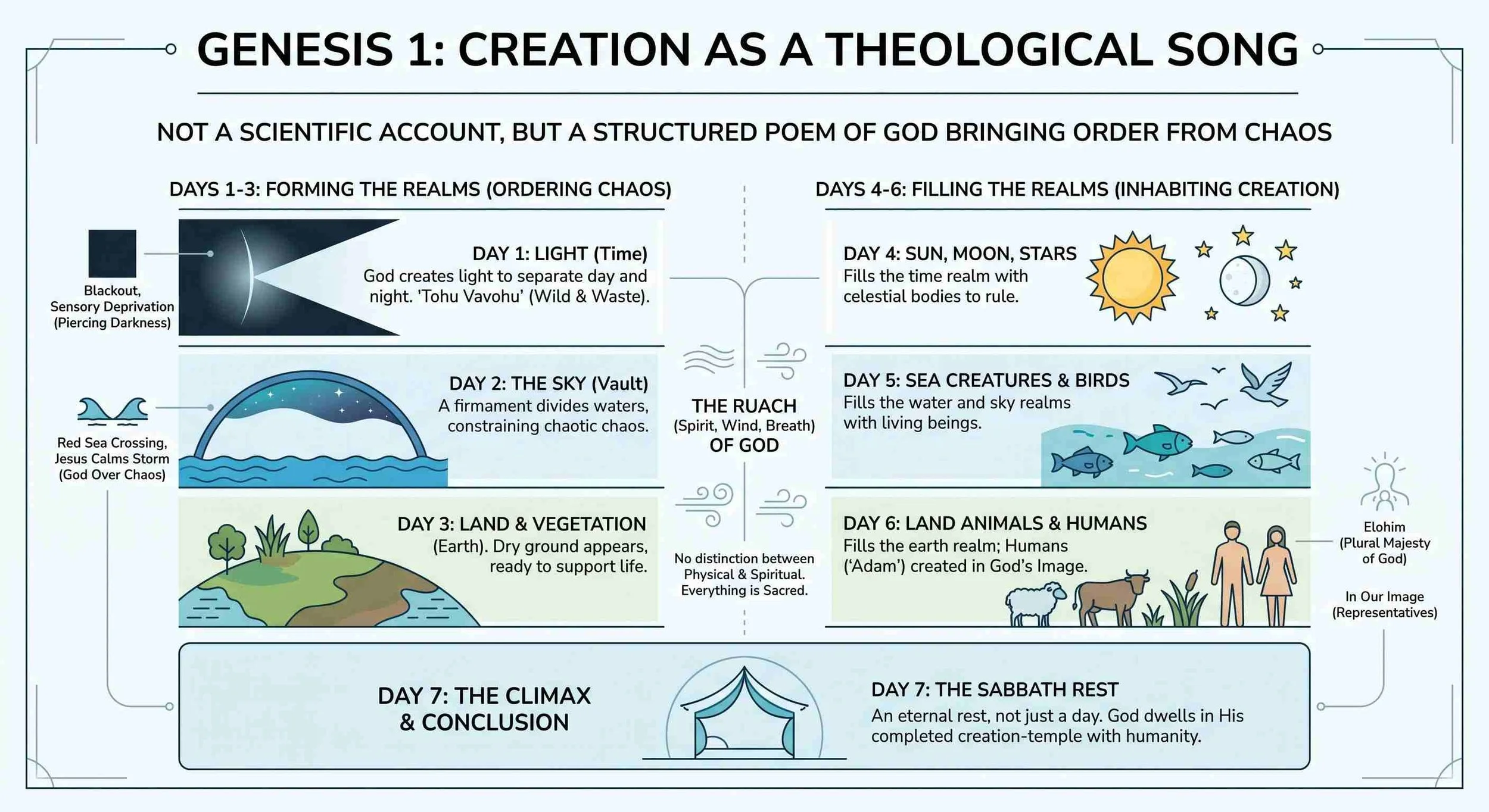
This week, our Bible study delved into the profound opening of Genesis, exploring its poetic structure, the Hebrew meanings of creation, and its theological purpose as a beautiful song of God bringing order from chaos.
-
Short Summary of the Whole Class
On September 10, 2026, our class began a new study on the book of Genesis, focusing intensely on the first chapter. We explored the text from multiple angles: contrasting translations, analyzing the original Hebrew words, and appreciating its highly structured, poetic nature. The central theme was understanding creation not as God making something from absolute nothingness, but as God bringing order to a chaotic, "formless and void" reality symbolized by the deep waters. We discussed how the six days of creation are arranged in a masterful A-B-C, A-B-C pattern, where God first forms realms and then fills them. A key insight was the interconnectedness of the Hebrew word ruach (spirit, wind, breath), which breaks down the distinction between the physical and spiritual, revealing that God's life-giving presence is active throughout all of His creation.
Detailed Class Summary
Introduction: Understanding Translations and the Text's Style
The class kicked off by starting a new study in the book of Genesis. The first point of discussion highlighted a key difference between various Bible translations of Genesis 1:1. The NIV and King James Version state, "In the beginning God created the heavens and the earth." In contrast, the Jewish Study Bible offers a translation considered more faithful to the Hebrew: "When God began to create heaven and earth..." We learned that the first word of the Hebrew Bible, Bereshit, carries the sense of an active, ongoing beginning rather than a singular moment in time. This distinction sets the stage for understanding creation as a process. It was noted that many English translations are influenced by the King James Version, sometimes retaining familiar phrasing even when a more precise translation is known. We also considered how stylistic choices, like capitalizing words such as "Light," are used by translators to emphasize important concepts for modern readers.
Summary: The class began by comparing translations of Genesis 1:1, noting that the Hebrew suggests an active process of "beginning to create." This, along with stylistic choices in translation, frames the entire creation narrative as a dynamic and theologically significant text.
The Problem of Chaos: "Tohu Vavohu" and the Symbolism of Water
Verse two immediately introduces the problem that God’s creation addresses: "the earth was without form and void, and darkness was over the face of the deep." We dove into the Hebrew phrase for "formless and void," which is tohu vavohu. The Bible Project video we watched suggested a more dynamic translation: "wild and waste." This concept of tohu vavohu was presented as the primary antagonist in the creation story, envisioned as an endless, dark sea. In ancient Hebrew thought, the deep waters were symbols of chaos, evil, and the unknown. This fear is reflected in stories like Jonah and the disciples' terror during the storm on the sea. Even the crossing of the Red Sea on dry ground is a powerful image of God controlling this chaotic force.
A participant powerfully recalled the blackouts during World War II, where even the tiny glow of a cigarette was a significant light that could be seen by enemy planes, illustrating how a small light pierces absolute darkness. Another described the frightening, disorienting experience of being in a sensory deprivation chamber, a modern parallel to the concept of total, formless darkness. It was also mentioned that the "deep" or "abyss" in this verse uses the same word as the "pit" in the book of Revelation, into which the beast is thrown. This connects the end of the Bible back to the beginning, suggesting that the ultimate defeat of evil is a return to the pre-creation state of chaos for the forces that oppose God.
Mentioned Verses/Stories: The story of the disciples in the storm on the sea, Jonah and the great fish, the Israelites crossing the Red Sea, and the "abyss" in the book of Revelation.
Section Summary: We identified the core problem of Genesis 1 as tohu vavohu—a state of chaos symbolized by the dark, deep waters. God's act of creation is His work of bringing order and purpose to this uninhabitable and feared chaos.
The Poetic Structure of Creation: Forming and Filling
The class then began its journey through the days of creation, which were presented as a highly structured literary piece, like a song or poem with a repeating A-B-C, A-B-C pattern. The narrative addresses the two problems of the world being "without order" and "uninhabited."
Days 1-3: Creating Order (Forming). God first establishes three realms of order from the chaotic darkness, constraining the chaos.
Day 1 (A): God creates light to overcome the darkness, establishing the order of time (day and night).
Day 2 (B): God separates the "waters from water" with a vault (the sky), putting limits on the chaotic abyss. This reflects an ancient understanding of a solid dome holding back cosmic waters.
Day 3 (C): God gathers the waters to let dry ground appear, establishing the realm of land and filling it with vegetation.
Days 4-6: Filling the Realms. God then fills the realms He just created, corresponding directly to the first three days.
Day 4 (A): He fills the realm of time (from day 1) with the sun, moon, and stars.
Day 5 (B): He fills the realms of the sky and seas (from day 2) with birds and sea creatures.
Day 6 (C): He fills the land (from day 3) with land animals and, as the capstone, humans (Adam) in His image to rule over creation.
This interpretation stands in contrast to using the text as a rigid scientific document. A participant noted that understanding the ancient context is crucial, as even later historical figures had a different understanding of the world. The intentionality and poetic nature of the text reveal that it is crafted like a song, emphasizing that we were "sung into existence." The intricate use of the number seven throughout the Hebrew text (e.g., seven words in the first verse) underscores its importance and divine design.
Mentioned Verses/Stories: The Genesis 1 creation account.
Section Summary: Days one through six follow a beautiful poetic parallel. The first three days create the domains (light, sky/sea, land) by constraining chaos, and the next three days fill those domains with inhabitants (sun/moon, birds/fish, animals/humans), revealing a masterful and intentional structure.
The Spirit of Creation: Ruach, Elohim, and God's Presence
A significant part of the discussion focused on the Hebrew word ruach, which appears in Genesis 1:2: "...and the Spirit of God was hovering over the face of the waters." We learned that ruach can be translated as spirit, wind, or breath, and the biblical authors did not make the sharp distinctions between these concepts that we do today. This encourages us to see the "Holy Spirit" also as the "Holy Wind" or "Holy Breath." This connection is seen throughout Scripture: in Genesis 2 when God breathes life into Adam, at Pentecost when the Spirit comes like a "rushing wind," and in 1 Kings when God speaks to Elijah in a "gentle breath." This interconnectedness breaks down the idea of a separate "spiritual realm," suggesting that "everything is spiritual" because God sustains it with His very breath.
After a full reading of Genesis 1:1–2:3, a participant noted the use of "our image" in Genesis 1:26. The discussion leader explained that the Hebrew word for God, Elohim, is a plural form. While not meaning "multiple gods," it conveys the greatness and majesty of the one God. This plural form makes the phrase "in our image" a natural play on the language, expressing the incomprehensible "bigness" of the Creator.
Mentioned Verses/Stories: Genesis 1:2, Genesis 2 (Adam's creation), Acts 2 (Pentecost), 1 Kings 19 (Elijah).
Section Summary: The class explored key Hebrew words like ruach (spirit/wind/breath) and Elohim (a plural form for God). This revealed a theology where the physical and spiritual are deeply intertwined, and God's immense, life-giving presence is active in all of creation, making everything sacred.
The Climax and Conclusion: The Sabbath Rest
The final discussion brought the theological implications home. The climax of the creation narrative is Day 7. After declaring His creation "very good," God rests on the seventh day. This day stands apart, having no "evening and morning," signifying an eternal, unending rest. The world is portrayed as God's temple, where He dwells with His people. The purpose of creation is for humanity to partner with God in His rested, completed work. This perspective offers comfort and hope, especially during difficult times. Knowing we were intentionally created through a song of love by God can be a source of strength.
Mentioned Verses/Stories: Genesis 2:1-3 (The Sabbath Rest).
Section Summary: The class concluded that the climax of the creation "song" is God's eternal Sabbath rest. Viewing Genesis 1 this way transforms it from a debated scientific text into a deep theological truth about God's love, purpose, and desire to dwell with humanity in His holy creation.
-
Our Bible study on September 10, 2026, provided an in-depth look at the creation story in Genesis 1, moving beyond a literal interpretation to appreciate its poetic beauty and theological depth. We began by establishing that the chapter is a masterfully structured literary work. The central theme was God bringing order out of chaos, which the ancient Hebrews symbolized as the deep, dark sea (tohu vavohu). The first three days of creation were presented as God's powerful acts of constraining this chaos: creating light, separating the waters with the sky, and forming dry land.
The discussion then highlighted the elegant A-B-C, A-B-C structure of the chapter, where Days 4, 5, and 6 directly correspond to and "fill" the realms created in the first three days. A major insight came from exploring the Hebrew word ruach, meaning spirit, wind, and breath, revealing how God's life-giving presence is woven into the physical world. We also discussed the plural Hebrew word for God, Elohim, and its connection to humanity being made in "our image," which expresses God's immense majesty. The climax of the story is the seventh day of Sabbath rest, portraying God's vision of dwelling with humanity in a completed, holy world. The overall conclusion was that Genesis 1 is a "song of creation" revealing God's desire to share His rule and eternal rest with humanity.
-
Main Points
Genesis 1 is a highly structured, poetic text, best understood as a "song of creation" rather than a scientific account.
The pre-creation state was not nothingness, but a chaotic, unordered reality described as tohu vavohu ("wild and waste"), symbolized by the deep waters.
The six days of creation are organized in a parallel structure: forming realms (Days 1-3) and then filling them (Days 4-6).
The Hebrew word ruach unifies the concepts of spirit, wind, and breath, showing God's active, physical presence in His creation.
The biblical worldview does not support a sharp division between the "spiritual" and "physical"; all of creation is touched by God's spirit and is therefore sacred.
The Hebrew word for God, Elohim, is plural, emphasizing God's majesty and greatness.
Humanity is created in God's "image" to act as His representatives and partners in overseeing creation.
The seventh day of rest is the climax of creation, representing God's ideal vision of dwelling with humanity in a completed, holy world.
Scriptures and Stories Mentioned
Bible Scriptures:
Genesis 1 (entire chapter)
Genesis 2:1-3
Book of Revelation (mention of the "abyss")
Acts 2 (Pentecost)
1 Kings 19
The Psalms
Bible Stories/Concepts Discussed:
The Six Days of Creation (Genesis 1)
The Creation of Humanity in God's Image (Genesis 1:26-27)
The Sabbath Rest (Day 7 / Genesis 2:1-3)
God breathing life into Adam (Genesis 2)
The disciples in the boat during a storm (Gospels)
Jonah being swallowed by the great fish
The Israelites crossing the Red Sea on dry ground (Exodus)
Elijah hearing God in the "gentle breath" (still, small voice)
The ancient Hebrew concept of the cosmos (a flat earth with a solid sky or "firmament").
Genesis 2 - 9/15/26
This week, our Bible study delved into the profound opening of Genesis, exploring its poetic structure, the Hebrew meanings of creation, and its theological purpose as a beautiful song of God bringing order from chaos.
-
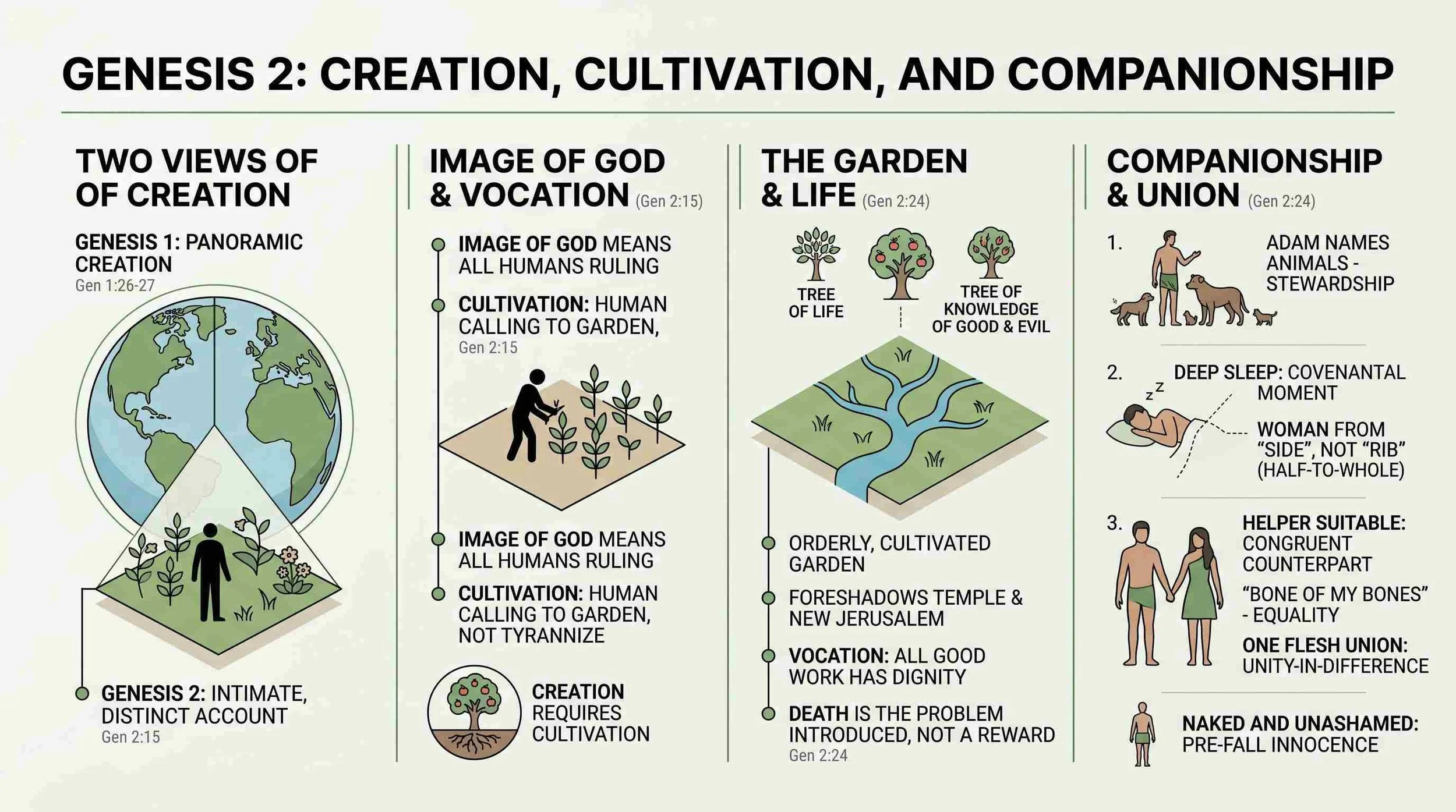
On September 15, 2026, our Bible study walked through Genesis 2 in depth, treating it as a distinct but complementary account to Genesis 1. Using a Bible Project video on the Image of God as a launching point, the class explored humanity's calling to rule and cultivate the earth as gardeners, not tyrants. We examined Hebrew wordplay connecting Adam to the ground, the breath of God as Spirit, the garden as an orderly and cultivated space that foreshadows the Temple and New Jerusalem, death as the central problem introduced in the text, and the creation of woman as a counterpart and complement to the man. The class concluded by examining Adam's deep sleep, the "side" vs. "rib" translation question, and the one-flesh union of Genesis 2:24 — setting the stage for Genesis 3.
-
1. Two Views of Creation — Genesis 1 vs. Genesis 2
The class opened by noting that Genesis 2 offers a different perspective on creation from Genesis 1. Rather than forcing the two chapters into a single harmonized timeline, the instructor encouraged the class to appreciate each account for its unique artistic and theological purpose. Genesis 1 is a grand, cosmic, panoramic view of creation. Genesis 2 is more intimate and human-focused. One class member suggested the second account could reflect an ancient alternative perspective on how creation unfolded — similar to how scientific understanding develops over time.
A key theme was introduced: creation requires cultivation. The natural state alone is not the finished product. This pushed back against a "pro-naturalism" worldview that assumes the natural way is always the best or most complete way.
The class then prepared to watch a Bible Project video to explore the connecting theme between both chapters: the Image of God.
Bible Verses: Genesis 1; Genesis 2:4
Section Summary: Genesis 1 and Genesis 2 are two distinct creation accounts that should be appreciated for their unique perspectives rather than merged into one timeline. A key theme introduced is that creation is incomplete without cultivation and human involvement.
2. The Image of God and Ruling as Gardeners
The class watched a Bible Project video titled "Image of God." The video explained that in the ancient world, kings often called themselves the "image of God" to claim divine authority. The Bible makes a revolutionary claim in Genesis 1: all humans are made in God's image. Every person is given the authority and responsibility to "rule" the earth.
This ruling, the video clarified, is not domination — it is gardening. Humans are called to cultivate the earth: to take its raw potential and develop something new and beneficial. This includes growing food, building communities, creating cities and businesses. The sacred task involves using authority for the benefit of others.
The video also acknowledged the problem: humans chose to define good and evil for themselves, resulting in selfish action and suffering. Jesus was presented as the perfect Image of God — the "new human" — who ruled by serving. Through Him, God's image is being restored in humanity.
Bible Verses: Genesis 1:26–27
Section Summary: Being made in the Image of God means all humans share the divine task of ruling and cultivating creation — modeled after gardening, not domination. Jesus is the ultimate example, and through Him humanity is being restored to its original purpose.
3. Genesis 2:4–7 — A New Account Begins; Adam Formed from the Ground
The teacher pointed out that Genesis 2:4 reads like a fresh story. The NIV introduces it as "an account of the heavens and the earth when they were created." At this point, no shrubs had appeared, no rain had fallen, and no one was there to work the ground — reinforcing that this is a separate account, not a continuation of Genesis 1's timeline.
The class then looked at the Hebrew text of Genesis 2:7. The teacher highlighted that "Adam" (אָדָם) and "Adamah" (אֲדָמָה) — meaning man and ground — are nearly identical words. In Hebrew, it essentially reads: "God formed the ground-man from the ground," making the earthy connection unmistakable.
The word for "breathed" was also examined. In Hebrew, ruach (רוּחַ) carries the meanings of spirit, wind, and breath. When God breathed life into Adam's nostrils, it carried deep spiritual significance — making Adam a "living being" (or living soul).
Bible Verses: Genesis 2:4; Genesis 2:5–6; Genesis 2:7
Section Summary: Genesis 2 opens a distinct creation account. The Hebrew wordplay between Adam and Adamah highlights humanity's earthy origins, while the breath of God (ruach) — spirit, wind, and breath — connects creation directly to the Spirit of God.
4. Genesis 2:8–15 — The Garden, Cultivation, and Vocation
The teacher noted that God "planted" Adam in the garden — language that continues the cultivation metaphor throughout the chapter. The Garden of Eden was described not as a wild jungle, but as an orderly, cultivated garden, tended with purpose and care.
Two significant trees were introduced: the Tree of Life and the Tree of the Knowledge of Good and Evil, setting up the central conflict of the narrative.
The teacher connected the garden to the Tabernacle and Temple, which were decorated with reliefs of fruit trees — symbolizing a return to the garden when entering the Holy of Holies. This arc continues all the way to Revelation, where the garden returns as a fully cultivated city, representing the completion of God's redemptive project.
"The whole point of the resurrection, the whole point of God's project here, is to bring us back to the garden."
The class then discussed Genesis 2:3, where a class member noted their translation read that God rested from His work "so that it itself could produce." This sparked a discussion about humanity as co-creators with God. This aligns with Lutheran theology of vocation, which sees all types of work — not just pastoral ministry — as a holy calling and participation in God's ongoing creation.
Adam was placed in the garden "to tend and keep it" (Genesis 2:15), showing that work was part of God's original, perfect plan. All good work has inherent dignity and participates in God's creative activity.
The four rivers flowing from Eden were also discussed. The Tigris and Euphrates were identified among them. The consensus was that a single river flowing from the garden to feed the world's major rivers portrays Eden as the life-giving source for all creation — just as cities throughout history have been built around rivers.
Bible Verses: Genesis 2:3; Genesis 2:8–9; Genesis 2:15
Stories: The planting of the Garden of Eden; the Tree of Life and the Tree of the Knowledge of Good and Evil; the Four Rivers of Eden (Pishon, Gihon, Hiddekel/Tigris, Euphrates); God resting on the seventh day; Adam tending the garden
Section Summary: The garden is orderly and cultivated, serving as the theological starting point and ending goal of God's redemptive plan — from creation through resurrection to the New Jerusalem. Our daily work is a sacred participation in God's ongoing creative activity.
5. Genesis 2:16–17 — The Command and the Problem of Death
God told Adam he was free to eat from any tree except the Tree of the Knowledge of Good and Evil, with the warning: "When you eat from it, you will certainly die."
The teacher delivered what he called his "death speech," challenging a common Christian attitude that treats death as a hero — the idea that dying means going to a better place, free from pain. He argued this is antithetical to what Genesis teaches. Death is introduced here as the curse and the problem, not a release or reward.
The class referenced Romans 8 and 1 Corinthians, where Paul lists death among the bad things — yet affirms that nothing, not even death, can separate us from the love of God (Romans 8:38–39). Jesus' death and resurrection were framed as God taking on the problem of death and overcoming it, so that we too can overcome it in the resurrection.
The group also briefly discussed how God's creation of humanity "in the image of God" (Genesis 1:26–27) implies foreknowledge of salvation through Christ.
Bible Verses: Genesis 2:16–17; Genesis 1:26–27; Romans 8:38–39; 1 Corinthians (referenced regarding resurrection and death)
Section Summary: Death is the introduced problem in Genesis 2, not a solution or blessing. The resurrection of Jesus is God's answer to death, and the arc of Scripture points forward to humanity's reunion with the cultivated garden — the New Jerusalem of Revelation.
6. Genesis 2:18–20 — The Helper, the Counterpart, and Adam Naming the Animals
The teacher turned to Genesis 2:18 and the phrase "a helper suitable for him," challenging the popular Order of Creation argument — the idea that because man was created first, he holds a higher position than woman.
Looking at the Hebrew and comparing translations:
NIV: "a helper suitable for him"
Jewish Bible: "a companion"
Another rendering: "a helper as his counterpart"
The Hebrew word carries the meaning of "opposite, counterpart, congruent, or over against" — not subordinate. The class discussed how the word "suitable" can be misleading, comparing it to Darwin's "survival of the fittest," where "fit" means fitting together, not superiority. One class member offered "congruence" as a helpful alternative. Another suggested: "The whole is greater than the sum of the parts."
The class also examined Adam naming the animals (Genesis 2:19–20). The act was seen as a display of God-given authority and stewardship — Adam acts as curator, caretaker, and trustee over creation, bearing God's image in his vocation. No creature among the animals matched Adam, which set the stage for woman as the true counterpart.
Bible Verses: Genesis 2:18; Genesis 2:19–20
Stories: Adam naming the animals
Section Summary: Adam's naming of the animals reveals his delegated authority and stewardship. The "helper suitable" is a congruent counterpart — the Hebrew points to mutuality and complementarity, not hierarchy or subordination.
7. Genesis 2:21–22 — The Deep Sleep and the "Side"
The class examined the creation of woman in Genesis 2:21–22. Many translations render the key Hebrew term as "side"rather than strictly "rib." The image suggests God took from Adam's whole side — like a full "rack," not a single bone — evoking a half-to-whole dynamic.
The class also asked: why the deep sleep? Ideas ranged from a "divine anesthetic" to God veiling the creative act, to symbolism involving transcendence and covenant. The class compared this to other uses of deep sleep in Scripture:
Genesis 15:12–18 — Abram's deep sleep during the covenant ceremony, where God passed between the split sacrifices. The deep sleep here is tied to a transformative, covenantal moment initiated entirely by God.
Genesis 9:20–27 — Noah's intoxication and vulnerability after the flood; a cautionary episode involving sleep, exposure, and moral consequences.
The conclusion was that Adam's deep sleep likely signals a God-initiated, transformative, covenantal moment — not merely a surgical detail.
The class also dispelled the popular myth that men have fewer ribs than women. Biologically false. The metaphor of mitosis — a cell splitting and reuniting — was offered to illuminate the theology: division and reunion, not subtraction.
Bible Verses: Genesis 2:21–22; Genesis 15:12–18; Genesis 9:20–27
Stories: Creation of woman from Adam's side; Abram's covenant ceremony and deep sleep; Noah's post-flood drunkenness and exposure
Section Summary: "Side," not merely "rib," points to a profound half/whole imagery. Adam's deep sleep carries covenantal significance, paralleling Genesis 15. Biological myths are false; the theology is about division and reunion.
8. Genesis 2:23–25 — "Bone of My Bones" and One Flesh
Adam's exclamation in Genesis 2:23 — "bone of my bones, flesh of my flesh" — was recognized as an affirmation of kinship and equality. The Hebrew terms ish (man) and ishah (woman) were noted, reflecting the linguistic bond between them.
The narrative then moves to Genesis 2:24: leaving father and mother, uniting, and becoming "one flesh." The class saw this as the reunion of separated halves — the unity-in-difference that the whole chapter has been building toward. The separation that occurred when woman was formed from man's side is now healed and fulfilled in marriage.
Genesis 2:25 — "naked and unashamed" — was identified as the marker of pre-fall innocence, setting the stage for the events of Genesis 3.
Bible Verses: Genesis 2:23; Genesis 2:24; Genesis 2:25
Section Summary: "Bone of my bones" affirms kinship and equality. The one-flesh union completes the reunion of separated halves, fulfilling the unity-in-difference theme of Genesis 2. "Naked and unashamed" closes the chapter in innocence — the threshold before the fall.
-
On September 15, 2026, our Bible study moved through the entirety of Genesis 2, treating it as a distinct but complementary account to Genesis 1. After watching a Bible Project video on the Image of God, we established that all humanity is called to rule and cultivate creation — not through domination, but through the model of gardening. The Hebrew text was a recurring focus: the near-identical words Adam and Adamah ground humanity in the earth, while ruach— the breath God breathed into Adam — connects creation to the Spirit of God. The garden itself was seen as orderly and cultivated, foreshadowing the Tabernacle, the Temple, and ultimately the New Jerusalem of Revelation. Our daily work, we concluded, is a participation in God's ongoing creative activity.
A significant portion of the class addressed the problem of death. The teacher firmly challenged the notion that death is a reward or a release, framing it instead as the curse introduced in Genesis 2 — the problem that Jesus' resurrection directly overcomes. From there, we turned to the creation of woman, examining the Hebrew word for "counterpart" and pushing back against hierarchical interpretations. Adam's naming of the animals displayed his God-given authority, but no creature was a true match until woman was formed from his side. The word "side" — not merely "rib" — was preferred, evoking a half-to-whole imagery reinforced by the metaphor of mitosis. Adam's deep sleep was explored through the lens of covenantal settings, particularly Abram's experience in Genesis 15. The class concluded with Adam's declaration — "bone of my bones, flesh of my flesh" — and the one-flesh union of Genesis 2:24, which reunites the separated halves in a unity-in-difference that reflects God's design for marriage, closing with the innocence of Genesis 2:25 before the fall.
Main Points
Genesis 1 and Genesis 2 are two distinct creation accounts — appreciate each for its unique perspective rather than forcing them into one timeline.
Creation requires cultivation — the natural state alone is incomplete.
Being made in the Image of God means all humans are called to rule and cultivate the earth, modeled after gardening, not domination.
The Hebrew words Adam (אָדָם) and Adamah (אֲדָמָה) are nearly identical — man is formed from the ground.
The breath of God (ruach) — meaning spirit, wind, and breath — gave Adam life and connects creation to the Spirit of God.
The Garden of Eden was orderly and cultivated, foreshadowing the Tabernacle, Temple, and New Jerusalem.
All work has sacred dignity — through vocation, we participate in God's ongoing creative activity.
Death is the problem introduced in Genesis 2, not a blessing or reward.
The resurrection of Jesus is God's answer to death, restoring humanity to the garden.
Adam naming the animals demonstrates his delegated authority and stewardship as God's image-bearer.
The "helper suitable" is a congruent counterpart — the Hebrew points to complementarity, not subordination.
"Side," not merely "rib," evokes a half-to-whole dynamic in the creation of woman.
Adam's deep sleep likely signals a God-initiated covenantal moment, paralleling Genesis 15.
Men do not have fewer ribs than women — the rib-count myth is false.
"Bone of my bones, flesh of my flesh" affirms kinship and equality between man and woman.
The one-flesh union of Genesis 2:24 completes the reunion of separated halves — unity-in-difference.
Genesis 2:25 — "naked and unashamed" — marks pre-fall innocence and sets the stage for Genesis 3.
Bible Scriptures Mentioned
Scripture
Context
Genesis 1
Grand creation account; Image of God; context for Genesis 2
Genesis 1:26–27
All humanity made in the Image of God
Genesis 2:3
God rested so creation "could produce" — vocation and co-creation
Genesis 2:4
Start of the second creation account
Genesis 2:5–6
No shrubs, no rain, no worker; streams water the earth
Genesis 2:7
God forms Adam from dust; breathes life (ruach) into his nostrils
Genesis 2:8–9
God plants the garden; Tree of Life; Tree of Knowledge of Good and Evil
Genesis 2:15
Adam placed in the garden to tend and keep it
Genesis 2:16–17
Command not to eat from the Tree of Knowledge; warning of death
Genesis 2:18
"It is not good for man to be alone" — the helper/counterpart
Genesis 2:19–20
Adam names the animals; no suitable helper found
Genesis 2:21–22
Adam's deep sleep; woman formed from his side
Genesis 2:23
"Bone of my bones, flesh of my flesh" — ish and ishah
Genesis 2:24
Leaving, uniting, becoming one flesh
Genesis 2:25
Naked and unashamed
Genesis 9:20–27
Noah's drunkenness, vulnerability, and exposure — deep sleep/stupor comparison
Genesis 15:12–18
Abram's deep sleep and covenant ceremony; God passes between split sacrifices
Romans 8:38–39
Nothing, including death, can separate us from the love of God
1 Corinthians (referenced)
Paul lists death among bad things; resurrection hope
Revelation (referenced)
The garden returns as the fully cultivated New Jerusalem
Stories Discussed
The two creation accounts (Genesis 1 vs. Genesis 2) and why they should not be harmonized into one timeline
The Bible Project video: "Image of God" — humanity called to rule as gardeners
God breathing life (ruach) into Adam — spirit, wind, and breath
The Garden of Eden as an orderly, cultivated space
The Tabernacle and Temple decorated with fruit tree reliefs as symbolic re-entry into the garden
The New Jerusalem in Revelation as a fully cultivated garden-city — the completion of God's project
The Four Rivers of Eden (Pishon, Gihon, Hiddekel/Tigris, Euphrates) as the life-giving source for the world
God resting on the seventh day so creation "could produce"
Adam tending and keeping the garden — the theology of vocation
Death as the curse introduced in Genesis 2 — not a blessing
Jesus' death and resurrection as the answer to the problem of death
Adam naming the animals — delegated authority and stewardship
Creation of woman from Adam's side — the half-to-whole dynamic
Adam's deep sleep as a covenantal, transformative moment (compared to Genesis 15)
Abram's covenant ceremony in deep sleep with split sacrifices (Genesis 15)
Noah's post-flood drunkenness and moral exposure (Genesis 9)
The rib-count myth debunked; mitosis as a metaphor for division and reunion
"Bone of my bones, flesh of my flesh" — kinship and equality
The one-flesh union — unity-in-difference fulfilled in marriage
"Naked and unashamed" — pre-fall innocence before Genesis 3
Genesis 3 - 9/22/26
In our Bible study on September 22, 2026, we explored Genesis 3, dissecting the moment humanity chose to define good and evil for themselves, leading to a cycle of shame, blame, separation from God, and the curses that introduced pain and toil into the world.
-
Over two sessions on September 21 and 22, 2026, our church Bible study examined Genesis 3. We began by discussing the serpent’s craftiness, the dialogue with Eve, and how popular imagery of the fall (like the serpent in the tree or the fruit being an apple) often comes from later literature like Paradise Lost. The core of the temptation was the desire "to be like God," a theme that connects to selfishness and the breaking of all commandments. We highlighted that Adam was present with Eve during the temptation and how, after they ate, their eyes were opened to their nakedness, leading to shame, hiding, and a cycle of blame. We then discussed the series of curses God pronounced on the serpent, the woman, and the man, noting how they introduced pain, hierarchy, and toil into creation. A key point was the "enmity" between the serpent’s offspring and the woman’s, which we explored both literally and as a prophecy of Christ’s victory over evil. The class concluded by examining Adam and Eve's expulsion from Eden, God’s provision of skin garments, and the guarding of the Tree of Life, which sets the stage for the biblical theme of humanity's separation from God's presence.
-
1) The Serpent’s Craftiness, Misconceptions, and the True Temptation
Our discussion began by examining the story of the fall in Genesis 3. We highlighted how the serpent is described as crafty/shrewd (Genesis 3:1) and begins with the pivotal line, “Did God really say…?” which introduces doubt and distortions of God’s word. A member noted that Eve added to God's command, claiming they couldn't even touch the tree (Genesis 3:3), when God only forbade eating from it. We considered the idea that the serpent's presence near the tree without dying was a form of deception in itself.
We also discussed how much of our common understanding of this story—such as the serpent being coiled in the tree, or the fruit being an apple—comes not from external sources like medieval art and John Milton's epic poem, Paradise Lost, rather than the biblical text. There was a note about traditional lore that the serpent originally had legs before the curse. Caution was raised that the text does not explicitly name the serpent as the devil in Genesis 3, though later biblical tradition associates them.
The conversation shifted to the serpent’s temptation: "you will be like God, knowing good and evil" (Genesis 3:5). This desire to be God, to define right and wrong for oneself, was identified as the root of the issue. This was linked to a recurring theme in the Bible, especially in the book of Judges, where "everyone did what was right in their own eyes." This mindset represents the height of selfishness, where one's own desires are prioritized above the well-being of others. The class revisited the theme that death is the core problem in Genesis 3, with the serpent countering God's warning by saying, “You will not surely die.”
Summary of This Section: We examined how the serpent’s craftiness begins with questioning God’s word, sowing doubt and distorting God's command. We distinguished biblical facts from cultural imagery (like from Paradise Lost) and identified the central temptation as the selfish desire to usurp God’s authority and define morality for oneself, a theme echoed later in the book of Judges.
2) Free Will, “Being Like God,” and Breaking the Commandments
The discussion explored the idea that wanting to be "like God" is the foundational sin from which all other sins stem. Breaking any of the Ten Commandments is essentially an act of placing ourselves in God’s position. By breaking the other commandments, we inherently break the first one: "You shall have no other gods before me." A student raised the question: “Is this the beginning of the concept of free will?” The class wrestled with whether choosing contrary to God’s command illustrates human free agency or the assertion of autonomy.
We used the fifth commandment (in the Lutheran/Catholic numbering), "You shall not murder," as an example. When someone murders, they are essentially telling God, "You made a mistake in Your creation, and I need to fix it by removing this person." This applies to other commandments as well, such as honoring one’s parents. Disrespecting them is a way of saying we are unhappy with the world God created and we know better. This desire to be God and act for our own self-interest is a core element of the fallen human condition.
Summary of This Section: This part of the class connected the desire "to be like God" in Genesis 3 to the concept of free will and the breaking of the Ten Commandments. We established that sin is an act of declaring ourselves God, correcting what we perceive as His mistakes. Whether through murder or dishonoring parents, the underlying sin is the same: elevating our own judgment above God’s.
3) The Act of Disobedience and the Introduction of Shame
We then read the text where the woman saw the fruit was good for food, pleasing to the eye, and desirable for gaining wisdom (Genesis 3:6). She ate it and gave some to her husband, "who was with her." The class emphasized this point to counter the common narrative that Adam was elsewhere. The text suggests he was a present, passive participant who then willingly ate. The effort by some to get Adam "off the hook" was criticized as an attempt to protect a certain view of gender roles rather than engaging with what the text says.
Immediately after eating, "the eyes of both of them were opened, and they realized they were naked." This new awareness brought shame. They covered themselves and hid from God. This is a stark contrast to the end of Genesis 2, where they were "naked and felt no shame." Their sin created a rift between them and God, and also within themselves.
Summary of This Section: We focused on the moment of the fall, highlighting that Adam was present with Eve and shared in the decision, challenging interpretations that place the blame solely on her. The immediate consequences were the opening of their eyes to shame and a broken relationship with God, causing them to hide from His presence.
4) The Blame Game and a Pattern of Sin
When God confronts them, the blame game begins instantly (Genesis 3:12–13). This was compared to a parent finding a child with chocolate on their face who denies eating a cookie—a universally relatable, yet tragic, moment. Adam’s response is a masterclass in deflection: "The woman you put here with me—she gave me some fruit from the tree, and I ate it." He blames not only Eve but God Himself. When God turns to Eve, she likewise shifts the blame: "The serpent deceived me, and I ate."
This pattern of sin, shame, and blame is established here and repeats throughout the Old Testament. It was compared to the Israelites in the desert who, despite witnessing God's miracles, quickly turned to idolatry and complained. The class noted this cycle is especially clear in the book of Judges (sin, oppression, crying out, deliverance). We concluded that this cycle is only broken by Jesus, who takes accountability for sins He did not commit. An admonition was made not to “celebrate the evidence of sin” by lauding the very patterns the text presents as broken.
Summary of This Section: We saw how blame—aimed at the woman, the serpent, and God—marks the relational rupture of the fall. We noted how this pattern of self-preservation and refusal to accept responsibility is seen throughout the Old Testament and points toward the need for Jesus, who ultimately takes accountability for all.
5) The Curses on the Serpent, Woman, and Man
God addresses the serpent first, reversing the order of the "blame game." The curse on the serpent is visceral: it will crawl on its belly and eat dust. The discussion then moved to Genesis 3:15: "And I will put enmity between you and the woman, and between your offspring and hers; he will crush your head, and you will strike his heel." We considered the literal interpretation—the ongoing conflict between humans and snakes, with a member sharing a personal experience with venomous copperheads. Theologically, we acknowledged the common Christian interpretation of this verse as the first gospel proclamation (protoevangelium), a prophecy of Jesus Christ’s ultimate victory over Satan.
Next, we examined the curses on the woman and the man (Genesis 3:16-19). To the woman, God says He will increase her pain in childbearing and that her desire will be for her husband, who will rule over her. This introduction of hierarchy and pain stood in stark contrast to the creation account. The curse on Adam directly relates to his disobedience: the ground is cursed, and work becomes "painful toil" against "thorns and thistles" until he returns to the dust. The class noted that creation's initial orderliness had devolved into disorder.
Summary of This Section: We discussed the specific curses on the serpent (enmity with humans), the woman (pain in childbirth, marital hierarchy), and the man (toilful labor). This marked a shift from the painless, orderly beginning of creation to a new reality of suffering, struggle, and disorder, culminating in the declaration that humanity will now face death.
6) Naming, Hierarchy, and Banishment from the Garden
The class then discussed the final verses of the chapter. It was observed that Adam names the woman after the fall (Eve—associated with “life,” v.20), whereas earlier he named animals (Genesis 2:19-20). This post-fall naming appears to reflect emerging hierarchy and curse dynamics. A debate arose over whether celebrating distinctions or restricting roles in church life is “celebrating the curse.” A participant clarified that elevating men over women in church practice may reflect the curse, not pre-fall design, with a contrast mentioned between ELCA and LCMS practices.
God then provides them with garments of skin (Genesis 3:21), an act that implies the first death of an animal. We discussed whether this implies an animal sacrifice, with some traditions seeing a first hint of covering through death while others resist attributing sacrificial action to God here.
Finally, God says, "The man has now become like one of us, knowing good and evil," and banishes them from the Garden of Eden to prevent them from eating from the Tree of Life and living forever in sin. God places cherubim and a flaming sword to guard the way, establishing the theme of separation from God’s presence. This was connected to the design of the Tabernacle and Temple, where the Holy of Holies was also guarded by images of cherubim.
Summary of This Section: We covered the aftermath of the curses, including the post-fall naming of Eve, the debate over hierarchy, the first animal death for clothing, and humanity's expulsion from Eden. This act of banishment and the guarding of the Tree of Life establishes the fundamental separation between humanity and God that defines the rest of the biblical narrative.
Final Summary
In our Bible study on September 21 and 22, 2026, we conducted an in-depth analysis of Genesis 3, exploring the story of the fall and its consequences. We began by distinguishing the biblical account from cultural depictions found in works like Paradise Lost. The core of the temptation was identified as the selfish desire to "be like God," which we defined as the root sin behind breaking all the commandments. We emphasized that Adam was "with" Eve, making him an active participant. Upon eating the fruit, their innocence was replaced by shame, fear, and a cycle of blame, with Adam blaming Eve and God, and Eve blaming the serpent.
We then examined God's curses, which introduced enmity, pain, relational hierarchy, and toilsome labor into a world created in peace. The enmity in Genesis 3:15 was interpreted both literally (conflict with snakes) and theologically (the first promise of Christ’s victory over Satan). The study concluded with Adam and Eve's banishment from the Garden of Eden. We noted God's act of clothing them with animal skins, signifying the first death and raising questions of sacrifice. Their expulsion and the guarding of the Tree of Life by cherubim established the theme of separation from God that runs through the rest of Scripture.
-
Many popular images of the fall (the apple, the serpent in the tree) come from literature like Paradise Lost, not the Bible.
The fundamental temptation was the desire to "be like God" by defining good and evil for oneself, which is the root sin behind breaking all Ten Commandments.
Adam was present with Eve during the temptation and willingly participated in the sin.
The first consequences of sin were shame, fear, hiding, and a cycle of blame.
The curses in Genesis 3 introduced pain, suffering, toil, and death into a creation that was originally orderly and good.
Genesis 3:15 has a dual meaning: a literal explanation for hostility between humans and snakes, and a theological prophecy of Jesus's victory over evil (the protoevangelium).
Post-fall naming and hierarchy likely reflect curse effects, not pre-fall design, and church practices elevating men over women may risk “celebrating the curse.”
The "garments of skins" raise questions about the first animal death and possible sacrificial themes.
The banishment from Eden represents humanity's separation from God's presence, a central problem that the rest of the Bible seeks to resolve.
Scriptures and Stories Mentioned
Bible Scriptures:
Genesis 2: The state of Adam and Eve before the fall ("naked and they felt no shame").
Genesis 2:19–20: Adam naming the animals; pre-fall context.
Genesis 3 (main text): The story of the temptation, fall, and consequences.
Genesis 3:1–5: Serpent’s craftiness; “Did God really say?”; promise of being like God.
Genesis 3:5–6: Eyes opened; desire to be like God.
Genesis 3:12–13: The blame game: Adam and Eve’s responses.
Genesis 3:15: Enmity between the serpent's offspring and the woman's.
Genesis 3:16–20: Curse dynamics; Adam names Eve.
Genesis 3:21: Garments of skins.
The Book of Judges: Mentioned as an example of the cycle of sin, where "everyone did what was right in their own eyes."
The Ten Commandments (specifically the first and fifth): Used to show how sin is an attempt to usurp God’s authority.
Revelation: Mentioned as where orderliness returns.
Bible Stories:
Adam and Eve in the Garden of Eden (Genesis 2-3).
The crossing of the Red Sea and the Israelites making the golden calf (Exodus).
The story of Cain and Abel (Genesis 4).
Other Stories/Illustrations/Concepts:
Traditional lore: serpent originally had legs before the curse.
Literary works like John Milton's Paradise Lost as a source for non-biblical imagery.
A “crafting days” joke to lighten the moment.
Personal experience with venomous copperheads in Georgia.
Analogies of “loving weeds in the lawn” and “loving pain in childbearing” to show the absurdity of embracing curse conditions.
References to different church practices (ELCA vs. LCMS) to illustrate contemporary implications of hierarchy.
Babylonian creation epic (Marduk and Tiamat).
The Lion King's "Circle of Life."
Reference to the Lutheran Study Bible’s caution on interpreting the “skins.”
Genesis 45 - 9/29/26
September 29, 2026 Bible study traced Genesis 4 from Cain and Abel's offerings through exile, escalating violence, and surprising grace, showing how God's redemptive purpose persists east of Eden.
-
On September 29, 2026, our Bible study explored Genesis 1–4, beginning with the theological foundation of creation, the fall, blame, and exile. After watching a BibleProject video framing exile as the universal human condition, we read through all of Genesis 4, examining Cain and Abel's offerings and why God accepted one but not the other, sin's personified desire and the call to "rule" over it, the first murder and God's judgment, the meaning and purpose of the mark of Cain, early city-building and cultural development, Lamech's escalating violence, and finally the hope signaled by Seth and Enosh as people began calling on the name of the Lord. We also wrestled with interpretive questions—Eve's statement in 4:1, the Hebrew word "knew," where Cain got his wife, and how to read the Bible as a theological narrative rather than an encyclopedia. The class closed with community prayer requests.
-
Class Walk-Through
1. Setting the Theological Foundation: Creation, Unity, and the Fall
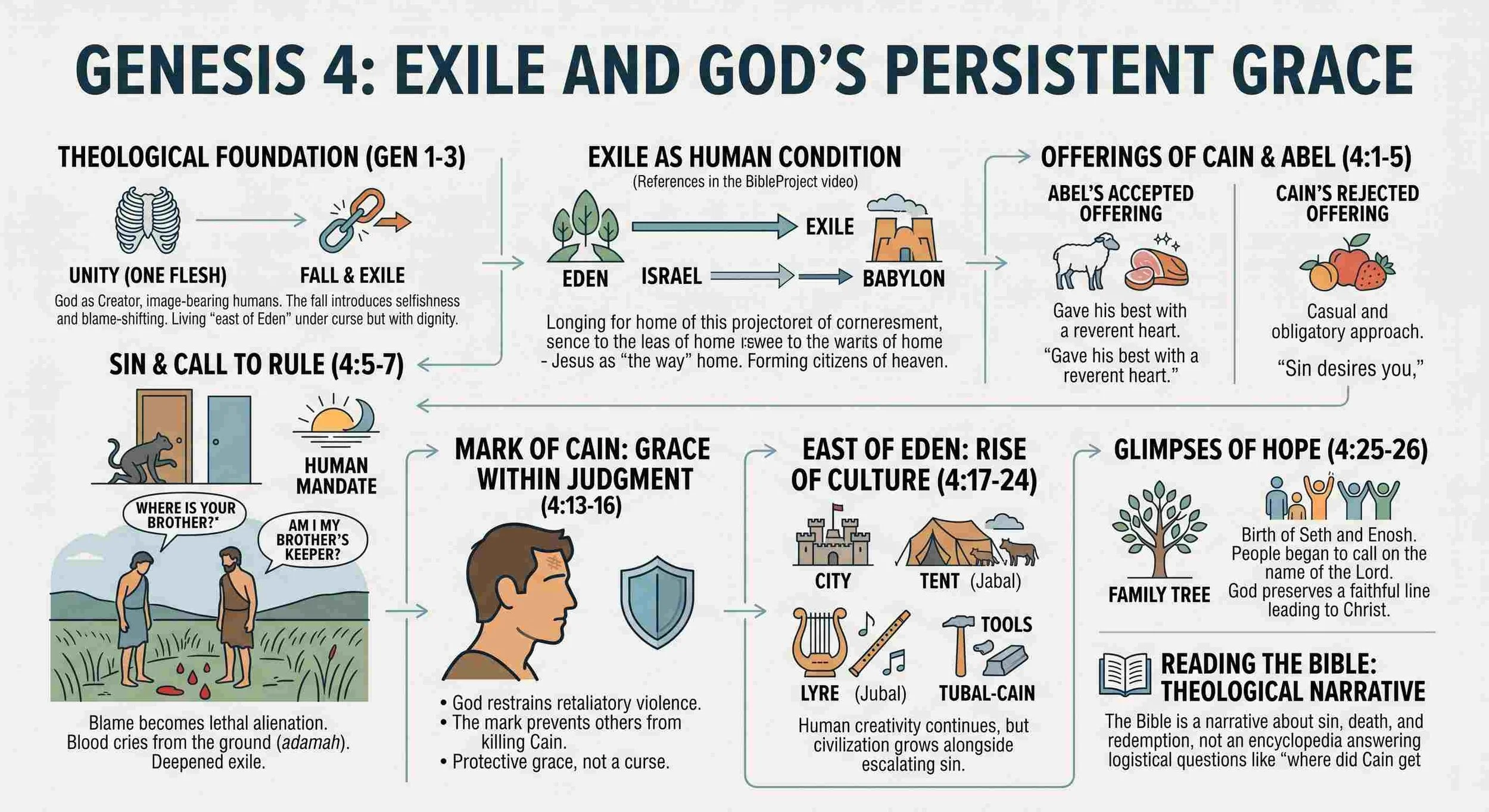
We opened by grounding ourselves in Genesis 1–3 as the Bible's foundational framework. God is Creator; humanity bears His image; Adam and Eve are formed in unity—the "rib" better understood as Adam's "side," suggesting full mutuality in the creation of woman. The fall introduced selfishness and a blame-shifting mentality, illustrated vividly by Adam's deflection: "the woman you gave me." Living "east of Eden" means life under curse, yet not stripped of dignity or God's creative grace.
A humorous modern analogy about burning hamburgers was used to illustrate how naturally we blame-shift, drawing a laugh before driving home the serious theological point.
Key Verses: Genesis 2 (creation of woman; one flesh), Genesis 3 (the fall, blame, curse, expulsion)
Stories: Creation of woman from Adam's side; the blame game after the fall; the humorous hamburger analogy.
Section Summary: Genesis 1–3 establishes the Bible's core theology—identity, unity, sin, and exile. Even outside Eden, God's grace and the human vocation continue.
2. Exile as the Human Condition (BibleProject Video)
We watched the BibleProject video "The Human Condition You Can't Escape No Matter Where You Live," which framed exile as both Israel's historical experience and the universal human story. Eden → exile. Israel → Babylon. The parallels are intentional. Abraham was called out of the first Babylon toward the promised land. Jesus welcomed outcasts, modeled service and forgiveness, and declared Himself "the way" home—forming a people who live as sojourners and citizens of heaven.
Key Themes/Verses: Genesis 1–3 (Eden/exile), Genesis 11 (Babylon), Philippians 3:20, 1 Peter 2:11
Stories: Israel's Babylonian exile and return; Abraham called from Babylon; Jesus ministering to the homeless and outcast.
Section Summary: Exile frames the entire human story. We long for home, build false substitutes, and need Jesus—the true way—to lead us back into restored life with God.
3. Life Outside the Garden and the Offerings of Cain and Abel (Genesis 4:1–5)
We noted that the first thing we see after the expulsion is creation through procreation—Eve gives birth to Cain, demonstrating that God's creative image was not lost in the fall. Adam's curse was to toil the ground, and his firstborn son Cain follows as "a worker of the soil," while Abel becomes a keeper of flocks, the first in a long biblical line of shepherds.
The central debate of this section was: why did God accept Abel's offering but not Cain's?
Theory 1 – The substance of the offering: Abel brought "fat portions from some of the firstborn of his flock"—a blood sacrifice foreshadowing the sacrificial system and ultimately Christ, the Lamb of God. Cain brought merely "some of the fruits of the soil."
Theory 2 – The attitude behind the offering (the group's primary conclusion): The text specifically highlights that Abel gave the firstborn and the fat portions—the choicest, most valuable parts—suggesting reverence and giving his very best. Cain's offering, described as just "some" fruit, felt casual and obligatory—"ho-hum."
We also explored the Hebrew text, noting that the word for "fruit" Cain offered is the same word (masculine singular) used for the forbidden fruit in Genesis 3—a subtle but striking connection. A story was shared from a pastor in Haiti about people donating produce they can't sell while keeping the best for market, capturing the spirit of a half-hearted offering even if the text doesn't explicitly state it.
Key Verses: Genesis 4:1–5, Genesis 3 (forbidden fruit connection)
Stories: Eve's first birth; Cain and Abel's offerings; the Haiti pastor illustration; foreshadowing of Jesus as the Lamb of God; mention of Jacob and Esau regarding the firstborn.
Section Summary: Even after the fall, humanity retained God's creative image. The class concluded that Abel's offering was accepted primarily because of his heart and the quality of his gift, while Cain's casual approach reflected a less-than-wholehearted devotion.
4. Interpreting Eve's Statement and "Knowing" in Hebrew (Genesis 4:1)
We paused to examine Eve's declaration in Genesis 4:1 and the Hebrew verb yada ("knew/knowing"). Some traditions, including hints from Rashi, suggest Cain may have been conceived before the expulsion from Eden. Others have interpreted Eve's words as a presumption that Cain was the promised Savior. The class urged interpretive care—yadacan mean sexual union, recognition, or experiential knowledge, and we should not make the verb do excessive theological work. Speculative theories (such as Eve with the serpent) were firmly rejected; the human genealogies lead to Christ without mythic interspecies narratives.
Key Verses: Genesis 4:1, Genesis 19 and Genesis 24 (other uses of "know/recognize")
Section Summary: Eve's declaration in 4:1 carries hope for a Savior but requires careful reading. The Hebrew "knew" should be interpreted contextually and without speculative extremes.
5. "Face/Countenance," Sin's Desire, and the Call to Rule (Genesis 4:5–7)
We explored the Hebrew concept of face (panim), which signals presence and revelation throughout early Genesis—God's Spirit over the face of the waters, Adam and Eve hiding from God's face/presence, and now Cain's fallen countenance. Cain's downcast face is a window into his inner turmoil.
God addresses Cain directly: "Why has your countenance fallen? If you do well… sin is crouching at your door; it desires you, but you must rule over it" (Genesis 4:6–7). We noted:
Sin is personified with desire—pressing in at the door, not hiding.
The verb "rule" echoes creation language: the sun and moon rule the day and night (Genesis 1:16–18), and the same word appears in the marital context of Genesis 3:16.
Humans are commissioned to resist and rule over sin, continuing the creation mandate into moral life.
Key Verses: Genesis 1:2 (face of the waters), Genesis 1:16–18 (ruling lights), Genesis 3:8 (hiding from God's face), Genesis 3:16 (rule in marriage), Genesis 4:5–7
Stories: Adam and Eve hiding from God's presence; the pattern of temptation from Eden applied to Cain.
Section Summary: The Hebrew "face" frames presence and revelation. Sin presses in with desire, but humans are called to master it—an extension of the creation mandate into moral responsibility.
6. Cain Murders Abel: Blame, Death, and Divine Questioning (Genesis 4:8–9)
Cain's unresolved anger and blame mirror the evasion of Adam and Eve. He lures Abel to the field and commits the first fratricide. God's question—"Where is your brother?"—echoes the earlier "Who told you that you were naked?"(Genesis 3:11), a pattern of divine interrogation meeting human deflection. Cain's reply—"Am I my brother's keeper?"—is the blame game reaching its lethal conclusion.
Key Verses: Genesis 4:8–9, Genesis 3:11
Stories: Cain inviting Abel to the field; the first murder; God's confrontation with Cain.
Section Summary: Cain's unresolved anger and blame escalate to murder, showing how Eden's pattern of evasion becomes lethal alienation. The divine questions expose Cain's guilt just as they exposed Adam's.
7. Blood, Ground, Curse, and Exile (Genesis 4:10–12)
"Your brother's blood cries out to Me from the ground." The Hebrew adamah (ground/earth) is tied etymologically to Adam—the earth is creation's witness against violence. The curse severs Cain's bond with the land: the ground will no longer yield for him, and he becomes a restless wanderer. This exile deepens the exile from Eden, pushing humanity further from community and creation.
Key Verses: Genesis 4:10–12, Genesis 2:7 (Adam from the ground), Genesis 3:23–24 (exile from Eden)
Stories: The earth testifying against Cain; Cain's exile paralleling Adam and Eve's banishment.
Section Summary: Creation itself witnesses against injustice. Sin isolates—severing the sinner from land, community, and God, compounding the original exile of Eden.
8. The Mark of Cain: Judgment and Grace (Genesis 4:13–16)
The class debated the mark of Cain. The text is clear: the mark prevents others from killing Cain and is accompanied by a promise of sevenfold vengeance on anyone who harms him. This is protective grace within judgment. The class firmly rejected the idea of death as an "escape hatch" or solution—death is the enemy, not the hero. We also strongly rejected the historic misuse of the "mark of Cain" to subjugate or oppress people, calling it a harmful distortion of the text. Cain departs to Nod, east of Eden—exiled even further.
Key Verses: Genesis 4:13–16
Stories: God marking Cain; Cain departing to the land of Nod.
Section Summary: God's mark on Cain is an act of protective grace, not a curse to oppress others. Death is the enemy; God restrains retaliatory violence even while delivering judgment.
9. East of Eden: City-Building, Culture, and Escalating Violence (Genesis 4:17–24)
Despite exile, Cain "knew" his wife, and Enoch was born. Cain built a city and named it after his son—the first act of urban civilization. We clarified that this Enoch is not the later Enoch from Seth's line who "walked with God." Cain's genealogy shows the rise of culture alongside continued brokenness:
Jabal – pastoral life, tent-dwelling
Jubal – music and musical instruments
Tubal-Cain – metallurgy (bronze and iron)
Naamah – noted as part of the family line
But cultural advancement does not equal moral restoration. Lamech's boast escalates violence dramatically: "If Cain shall be avenged sevenfold, then Lamech seventy-sevenfold" (Genesis 4:23–24)—a chilling amplification of vengeance that reveals how sin compounds across generations.
Key Verses: Genesis 4:17–24
Stories: Cain building the first city; the rise of tents/livestock, music, and metallurgy; Lamech's violent boast.
Section Summary: Human creativity—a gift of the imago Dei—continues even in exile, but civilization grows alongside escalating sin. Lamech's song shows that without God, cultural progress can serve violence rather than flourishing.
10. Glimpses of Hope: Seth, Enosh, and Calling on God (Genesis 4:25–26)
After the darkness of Cain's line, hope breaks through. Eve bears Seth—"God has appointed for me another offspring instead of Abel"—and Seth fathers Enosh. Then the text declares: "At that time people began to call on the name of the Lord." This phrase marks a new beginning—a turn toward worship, prayer, and reliance on God. It establishes a righteous lineage that will stand in contrast to Cain's and that will eventually lead, through the human family line, to Christ.
Key Verses: Genesis 4:25–26
Stories: Birth of Seth and Enosh; the beginning of people formally calling on God's name.
Section Summary: Despite violence and exile, God preserves a faithful line. The birth of Seth and Enosh and the beginning of calling on the Lord signal that God's redemptive purpose is alive and moving forward.
11. How to Read the Bible: Narrative, Not Encyclopedia
A significant methodological discussion emerged around the classic question: "Where did Cain get his wife?" The conclusion, emphasized strongly by the teacher, was that the Bible is not interested in answering questions that lie outside its primary purpose. It is a theological narrative about God's character and His relationship with humanity—specifically, the problem of sin and death and God's unfolding plan of redemption—not an encyclopedia providing every historical or scientific detail.
Forcing the text to answer modern logistical questions causes us to miss the theological point it is actually making. The Epic of Gilgamesh was briefly mentioned as an example of another ancient narrative, contextualizing Genesis within the ancient world. The encouragement to the class was to wrestle with what the text is saying, not to be sidetracked by what it is not saying.
Section Summary: Read the Bible as the narrative it is—focused on sin, death, and redemption—rather than demanding answers to questions it was never meant to address.
12. Prayer and Close
The class closed with community prayer requests:
Bernie Mullins, who is in the hospital after a fall—prayers for recovery and for doctors to find the cause.
Gloria and her family, who are navigating ongoing grief.
The session ended with a prayer asking God to open our minds to understand His scriptures.
Medium-Length Final Summary
On September 29, 2026, our Bible study took a comprehensive journey through Genesis 4 within the arc of Genesis 1–3. We began by reaffirming the theological foundation: creation, the unity of "one flesh," the fall, blame, and exile. A BibleProject video deepened our understanding of exile as both Israel's history and the universal human condition, with Jesus as the true way home. Moving into Genesis 4, we debated why God accepted Abel's offering—concluding that Abel's heart and the quality of his gift (the firstborn, the fat portions) mattered more than mere obligation, while Cain's casual approach reflected a divided heart. We examined the Hebrew concept of "face" as presence and revelation, and traced sin's personified desire alongside the human call to "rule" over it—an extension of the creation mandate. Cain's unresolved anger escalated to fratricide, met by God's familiar pattern of divine questioning. The ground itself cried out against the violence. We debated the mark of Cain and concluded clearly from the text that it is protective grace, not a curse to oppress—death is the enemy, not the solution. We observed how human creativity persists in Cain's lineage even as Lamech's boast shows sin compounding. Hope emerged through Seth and Enosh, as people began calling on the name of the Lord. We also wrestled with interpretive questions—Eve's statement in 4:1, the Hebrew "knew," and Cain's wife—landing on the principle that the Bible is a theological narrative, not an encyclopedia. The class closed in prayer for Bernie Mullins and for Gloria's family.
-
Main Points
Genesis 1–3 establish creation, unity ("one flesh"), the fall, blame, and exile as the Bible's foundational framework.
Exile is the universal human condition; Jesus is the true way home.
Abel's offering was accepted because he gave his very best with a reverent heart; Cain's casual approach reflected a divided spirit.
The Hebrew "face" signals presence and revelation, framing Cain's fallen countenance as inner turmoil.
Sin is personified as desiring mastery over us; humans are commissioned to resist and rule over it.
Cain's blame and anger escalate to the first murder, deepening the Eden pattern of evasion.
The earth itself cries out against violence, and sin isolates—severing the sinner from land, community, and God.
The mark of Cain is protective grace within judgment; death is the enemy, not an escape.
Human creativity (cities, music, metallurgy) continues east of Eden, but cultural advancement does not equal moral progress.
Lamech's boast illustrates how sin compounds and escalates across generations.
Seth and Enosh signal hope—people begin calling on the name of the Lord, establishing a righteous lineage.
Interpretive care is needed around Eve's statement in 4:1 and the Hebrew "knew"; speculative extremes should be avoided.
The Bible is a theological narrative about sin, death, and redemption—not an encyclopedia answering every logistical question.
Bible Scriptures Mentioned
Genesis 1:2 – God's Spirit over the face/surface of the waters
Genesis 1:16–18 – Sun and moon "ruling" day and night
Genesis 2 – Creation of woman from Adam's side; one flesh
Genesis 2:7 – Adam formed from the ground (adamah)
Genesis 3 – The fall, blame, curse, expulsion; the forbidden fruit; hiding from God's face
Genesis 3:8 – Adam and Eve hiding from the face/presence of the Lord
Genesis 3:11 – "Who told you…?" divine interrogation
Genesis 3:16 – "He will rule over you"
Genesis 3:23–24 – Exile from Eden
Genesis 4:1 – Eve's declaration; the Hebrew "knew"
Genesis 4:1–5 – Cain and Abel's offerings
Genesis 4:5–7 – Cain's fallen countenance; sin crouching at the door; rule over it
Genesis 4:8–9 – Cain murders Abel; "Am I my brother's keeper?"
Genesis 4:10–12 – Blood crying from the ground; curse; wandering
Genesis 4:13–16 – Cain's complaint; the mark; sevenfold vengeance; land of Nod
Genesis 4:17–24 – Cain's wife; Enoch; city-building; Jabal, Jubal, Tubal-Cain, Naamah; Lamech's boast
Genesis 4:25–26 – Birth of Seth and Enosh; people calling on the name of the Lord
Genesis 11 – Babylon (referenced via BibleProject video)
Genesis 19 – Usage of "know"
Genesis 24 – Usage of "know/recognize"
Philippians 3:20 – Citizens of heaven (referenced conceptually via video)
1 Peter 2:11 – Sojourners and aliens (referenced conceptually via video)
Stories Discussed
Creation of woman from Adam's "side" and the "one flesh" union
The fall and the blame game (with a humorous hamburger analogy)
Israel's Babylonian exile and return (BibleProject)
Abraham called out of the first Babylon toward the promised land (BibleProject)
Jesus welcoming outcasts and declaring He is "the way" (BibleProject)
Eve's first birth and humanity retaining God's creative image after the fall
Cain and Abel's offerings and the debate over heart vs. substance
The Haiti pastor's illustration about giving leftovers as an offering
The linguistic connection between Cain's "fruit" and the forbidden fruit of Genesis 3
Cain's fallen countenance and God's direct counsel about sin at the door
Cain inviting Abel to the field and committing the first fratricide
God's questioning of Cain ("Where is your brother?") echoing Eden's interrogation
The ground crying out against Abel's blood
Cain's exile to the land of Nod
God placing a protective mark on Cain; the sevenfold vengeance warning
Historic misuse of the "mark of Cain" to oppress people (addressed and rejected)
Cain building the first city; rise of pastoral life, music, and metallurgy among his descendants
Lamech's boast of extreme, escalating vengeance
Birth of Seth and Enosh; people beginning to call on the name of the Lord
The question of Cain's wife as a case study in how to read the Bible
Brief mention of the Epic of Gilgamesh as an ancient narrative context
Community prayer for Bernie Mullins (hospitalized after a fall) and for Gloria and her family (navigating grief)
Genesis 5 - 10/13/26
This church Bible study explored biblical canon formation, textual transmission, translation nuances (such as Genesis 2’s "rib" vs. "side"), and walked through Genesis 2–6, examining gender equality, the church as Christ’s body, the sacrifices of Cain and Abel, genealogies preserving the image of God, and the historical context leading to Noah and the Nephilim.
-
On October 13, 2026, beginning at 10:05:23, the class examined how the biblical canon was recognized under the Holy Spirit, the reliability of textual transmission via the Dead Sea Scrolls, and how translation choices impact theology. The study then walked through early Genesis, focusing on the creation of woman from Adam's "side" in Genesis 2 to emphasize equality and unity in Christ (drawing parallels to Ephesians and Galatians). Moving through Genesis 4–6, the class analyzed the heart posture behind Cain and Abel's offerings, the replay of the Fall, the preservation of the image of God through Seth's genealogy, Enoch’s walk with God, and the preview of Noah and the Nephilim in Genesis 6.
-
1) Apocrypha, Canon Recognition, and Context (Starts 2026-10-13 10:05:23)
Discussion:
Apocryphal writings (e.g., Maccabees, Gospel of Thomas, Book of Enoch) offer helpful historical and cultural background to the world Jesus entered, but they often present a "theology of glory" and doctrinally unsound theology. They are useful for context rather than doctrine.
The church, guided by the Spirit of Christ through councils and communal pastoral discernment, recognized the four canonical Gospels and core writings as edifying and pastoral for public reading.
Letters and books circulated for centuries before being compiled. Paul wrote more letters than survive today. Historical figures like Martin Luther engaged in ongoing pastoral evaluation, wrestling with books like Revelation, James, and the Apocrypha.
Bible Verses Mentioned:
The four canonical Gospels (general reference)
Paul’s epistles (general reference)
James and Revelation (debated canonical status referenced)
Stories and Non-Biblical Texts Mentioned:
Maccabees (Apocrypha)
Book of Enoch
Gospel of Thomas
Early church copying and circulating letters
Section Summary:
Apocryphal works provide cultural context but lack doctrinal authority; the canon was pastorally recognized by the church through the Spirit rather than compiled mechanically.
2) Textual Transmission, Manuscript History, and Translation Agendas
Discussion:
Ancient scribes followed meticulous copying standards, using marginal apparatus notes to preserve fidelity. The Dead Sea Scrolls provided manuscripts up to a millennium older than previously available, confirming that biblical texts were faithfully transmitted over centuries.
The material history of Scripture evolved from handwritten codices (and diverse traditions like the broader Ethiopian canon) to the Gutenberg Bible roughly 500 years ago.
Textual variants, such as the longer ending of Mark, represent later additions intended to aid teaching; modern translations (e.g., ESV, NIV) transparently note or omit them based on older manuscript evidence.
Translations carry subtle theological leanings (e.g., Calvinist influences in the ESV; archaic language in the KJV vs. NKJV), making the consultation of multiple translations helpful.
Scripture functions as theological literature rather than an encyclopedia. The Gospels carry primary interpretive weight, followed closely by Genesis and Exodus. Narratives often employ artistic subtext—for example, praising Solomon’s wisdom while subtly critiquing him through numbers and imagery that parallel Pharaoh.
Bible Verses Mentioned:
Gospel of Mark (longer ending variants)
Genesis and Exodus (general literary hierarchy)
Solomon narratives in 1 Kings / Chronicles (subtextual critique)
Stories and Historical Artifacts Mentioned:
Discovery of the Dead Sea Scrolls
Gutenberg Bible printing
Ethiopian biblical tradition
Solomon’s reign and literary parallels to Pharaoh
Section Summary:
Rigorous scribal practices and archaeological finds like the Dead Sea Scrolls validate biblical reliability, while literary literacy and awareness of translation nuances help readers interpret nuanced narratives.
3) Genesis 2:20–24 — "Rib" vs. "Side," Mutuality, and One Flesh
Discussion:
In Genesis 2:21–22, the Hebrew word traditionally rendered "rib" (tsela) is translated elsewhere throughout the Old Testament as "side," "side-chamber," or "board."
Translating the term as "side" emphasizes that Eve was formed from Adam’s entire side—representing shared substance, mutuality, and full equality—rather than an inferior single bone.
The class debunked the anatomical myth that men and women have differing rib counts.
Adam’s wordplay between adam (humanity) and adamah (ground) frames human origins, culminating in Genesis 2:24 where a man leaves his parents to become "one flesh" with his wife, demonstrating unity and shared dignity.
Bible Verses Mentioned:
Genesis 2:20–24
Stories Mentioned:
The formation of woman from Adam’s side
Adam's naming of woman ("bone of my bones, flesh of my flesh")
Misconceptions regarding male vs. female rib counts
Section Summary:
Understanding Genesis 2 through the Hebrew term "side" highlights the equal dignity and shared substance of man and woman, culminating in the "one flesh" marriage covenant.
4) Ecclesial Typology, Tradition, and Denominational Lenses
Discussion:
Woman's formation is treated typologically as the church, the bride and body of Christ, reflecting Christ’s self-giving love (referencing Ephesians).
The class discussed cultural and denominational lenses concerning leadership and women's roles at the altar across Lutheran bodies (e.g., ELCA, WELS).
The group critiqued hierarchical "order of creation" arguments (asserting male superiority based on chronological priority) and warned against treating post-Fall curse elements as prescriptive norms.
Galatians was highlighted to demonstrate that in Christ, traditional worldly hierarchies are dismantled.
Bible Verses Mentioned:
Ephesians 5 (and Ephesians 4 in passing)
Galatians 3:28
Genesis 3 (fall and curse dynamics)
Stories Mentioned:
The church as the bride and visible body of Christ
Anecdote of encountering a "heresy hunter" and utilizing a Lutheran Study Bible
Section Summary:
Creation and marriage prefigure Christ’s relationship with the church; Scripture’s vision of unity in Christ challenges hierarchical traditions derived from Fall narratives.
5) Genesis 4 — Cain and Abel’s Offerings, Jealousy, and the Pattern of the Fall
Discussion:
The group explored why God accepted Abel’s offering and rejected Cain’s (Genesis 4:3–9). Abel offered the choice, best portions with sincere devotion, whereas Cain gave casually and out of obligation.
God looks at the posture of the heart rather than external ritual, echoing prophetic themes and Jesus cleansing the temple.
Cain’s reaction—jealousy, anger, murdering Abel, and shifting blame when questioned by God—replays the exact pattern of Adam and Eve’s fall in Eden.
Despite Cain's violent sin, God demonstrated unmerited grace and protection by placing a mark on him, allowing Cain to build cities and continue his lineage.
God repeatedly uses broken individuals for His redemptive plans across history (e.g., Cain, Solomon, Saul/Paul).
Bible Verses Mentioned:
Genesis 4:1–16
Prophetic themes (worshiping with lips while hearts are far)
Gospel accounts of Jesus cleansing the temple
Stories Mentioned:
Cain and Abel presenting their offerings
Cain murdering Abel in the field
God confronting Cain and placing a protective mark on him
Cain founding cities
Parallels to Saul’s conversion and Solomon’s complexities
Section Summary:
Cain’s reluctant offering and subsequent murder of Abel mirror the Fall's pattern of pride and evasion, yet God responded with divine protection alongside accountability.
6) Genesis 5:1–6:8 — Genealogies, Image of God, Enoch, and the Prelude to the Flood
Discussion:
Genesis 5 establishes the lineage from Adam to Noah through Seth. Genesis 5:3 notes Adam fathered Seth in his own image and likeness, proving that the imago Dei (image of God) was preserved despite the Fall and Abel’s murder.
Amid the recurring rhythm of mortality ("and he died"), Enoch stands out because he "walked with God, and he was not, for God took him."
Lamech named his son Noah (Genesis 5:28–29), prophesying that Noah would bring comfort and relief from painful toil on the cursed ground.
The study read Genesis 6:1–8, detailing the multiplication of humanity, the union between the "sons of God" and "daughters of men," the presence of the Nephilim (giants), the limitation of human life to 120 years, God's grief over human evil, and Noah finding grace in God's eyes.
Cris referenced ancient Jewish traditions (Book of Enoch) and modern cultural depictions (such as Darren Aronofsky's film Noah and Ken Ham's Ark Encounter) to encourage close reading of the text.
Bible Verses Mentioned:
Genesis 5:1–32 (specifically 5:3, 5:28–29)
Genesis 6:1–8
Stories Mentioned:
Birth of Seth in Adam's likeness
Enoch walking with God and being taken
Lamech naming Noah as a sign of comfort
The Nephilim and the corruption of the pre-Flood world
Noah finding favor before God
Section Summary:
Genesis 5–6 traces the continuation of God’s image through Seth, highlights Enoch's unique translation, and introduces the deep moral corruption and mysterious figures (Nephilim) that frame Noah's calling.
-
On October 13, 2026, the Bible study met from 10:05:23 onward to explore biblical authority, translation methodology, and the early narratives of Genesis 2 through 6. The session began by addressing how the church pastorally discerned the canonical Scriptures under the guidance of the Holy Spirit. Extra-biblical and apocryphal texts (like Maccabees, Thomas, and Enoch) were discussed as valuable for historical background but doctrinally secondary. The class highlighted the Dead Sea Scrolls and rigorous scribal practices as evidence for textual reliability, while noting that variants (such as Mark’s longer ending) and translation choices (such as ESV, NIV, KJV) require literary sensitivity and theology-of-the-cross interpretation.
Turning to Genesis 2, the class examined the Hebrew term for Adam's "rib," demonstrating that its broader biblical rendering as "side" reflects mutual origin, dignity, and equality between man and woman, culminating in the "one flesh" union (Genesis 2:24). This unity was connected typologically to the church as the bride and body of Christ (Ephesians 5) and the equality established in Galatians 3:28, cautioning against using post-Fall curse elements to mandate hierarchical structures.
The discussion then reviewed Genesis 4, analyzing the heart dispositions of Cain and Abel; Abel gave choice offerings from faith, while Cain gave casually, allowing jealousy to produce murder and blame-shifting in a direct echo of the Fall. Even so, God extended protective grace to Cain. Moving through Genesis 5 and into Genesis 6:1–8, the class affirmed that humanity retained the image of God (imago Dei) through Seth's genealogy. The session concluded by discussing the rhythmic mortality of the genealogy, Enoch's walk with God, Lamech's hope in Noah, and the mysterious pre-Flood context involving the Nephilim and pervasive human wickedness.
-
Main Points
Pastoral Canon Discernment: The canon was recognized by the church under the Holy Spirit based on pastoral edification; apocryphal writings offer historical context but contain problematic theology.
Textual Reliability: Ancient scribal discipline and the Dead Sea Scrolls confirm the faithful transmission of biblical manuscripts across centuries.
Literary & Translation Awareness: Scripture is nuanced theological literature; translations have distinct theological tendencies, and literary context (like subtext in Solomon's life) guides proper interpretation.
"Side" Over "Rib" in Genesis 2: The Hebrew term tsela indicates Eve was created from Adam's "side," emphasizing shared substance, dignity, equality, and one-flesh union rather than female subordination.
Ecclesial Typology & Unity in Christ: Genesis 2 prefigures the church as the bride and body of Christ; Galatians 3:28 challenges hierarchical readings based on creation order or curse dynamics.
Heart Posture in Worship: God accepted Abel's choice offering and rejected Cain's reluctant sacrifice because God evaluates the heart's devotion over external ritual.
Replay of the Fall & Divine Grace: Cain's jealousy, fratricide, and evasion mirrored Eden's fall, yet God extended unmerited grace by placing a protective mark on him.
Endurance of the Image of God: Genesis 5:3 demonstrates that the imago Dei continued through Seth despite human sin.
Genealogical Hope and Pre-Flood Context: Genesis 5–6 highlights Enoch walking with God, Lamech naming Noah as a source of relief, and sets the stage for the Flood amid pervasive human corruption and the Nephilim.
Bible Scriptures Mentioned
Genesis 1–2 (especially Genesis 2:20–24): Creation of humanity; Eve taken from Adam's side; one flesh.
Genesis 3: The Fall, temptation, and the curse on creation.
Genesis 4:1–16, 25–26: Cain and Abel’s offerings, Abel's murder, Cain's mark and exile, birth of Seth.
Genesis 5:1–32 (specifically 5:3, 5:28–29): Genealogies from Adam to Noah; Seth in Adam's likeness; Enoch; Lamech naming Noah.
Genesis 6:1–8: Sons of God, daughters of men, Nephilim, 120-year lifespan, human wickedness, and Noah finding grace.
Gospel of Mark: Ending variants (Mark 16 manuscript differences).
Ephesians 4 & 5: The church as the body of Christ; marriage reflecting Christ and the church.
Galatians 3:28: Unity in Christ ("neither Jew nor Greek, male nor female").
Exodus & 1 Kings / Chronicles: General literary references; narratives of Solomon's wisdom and critique.
Prophetic & Gospel Allusions: Warnings against lip service worship; Jesus cleansing the temple.
Stories and Historical Texts Referenced
Adam and Eve in Eden: Creation from the side, naming, marriage union, and the Fall.
Cain and Abel: Sacrifices brought before God, jealousy, first murder, divine confrontation, and Cain's protection and city-building.
Enoch: Walking faithfully with God and being taken without dying.
Lamech and Noah: Lamech prophesying comfort through Noah amidst the cursed ground.
The Flood Prelude: The Nephilim/Watchers, pervasive human evil, and Noah’s favor before God.
King Solomon: Splendor, wisdom, and literary parallels linking his excesses to Pharaoh.
Saul of Tarsus (Apostle Paul): Persecution and conversion as an example of God redeeming broken figures.
Extra-Biblical and Non-Canonical Works: Book of Enoch, Gospel of Thomas, 1 & 2 Maccabees.
Historical Discoveries & Milestones: Dead Sea Scrolls, Gutenberg Bible, Ethiopian biblical canon tradition.
Modern Media References: Darren Aronofsky's Noah film and modern evangelical Ark interpretations.
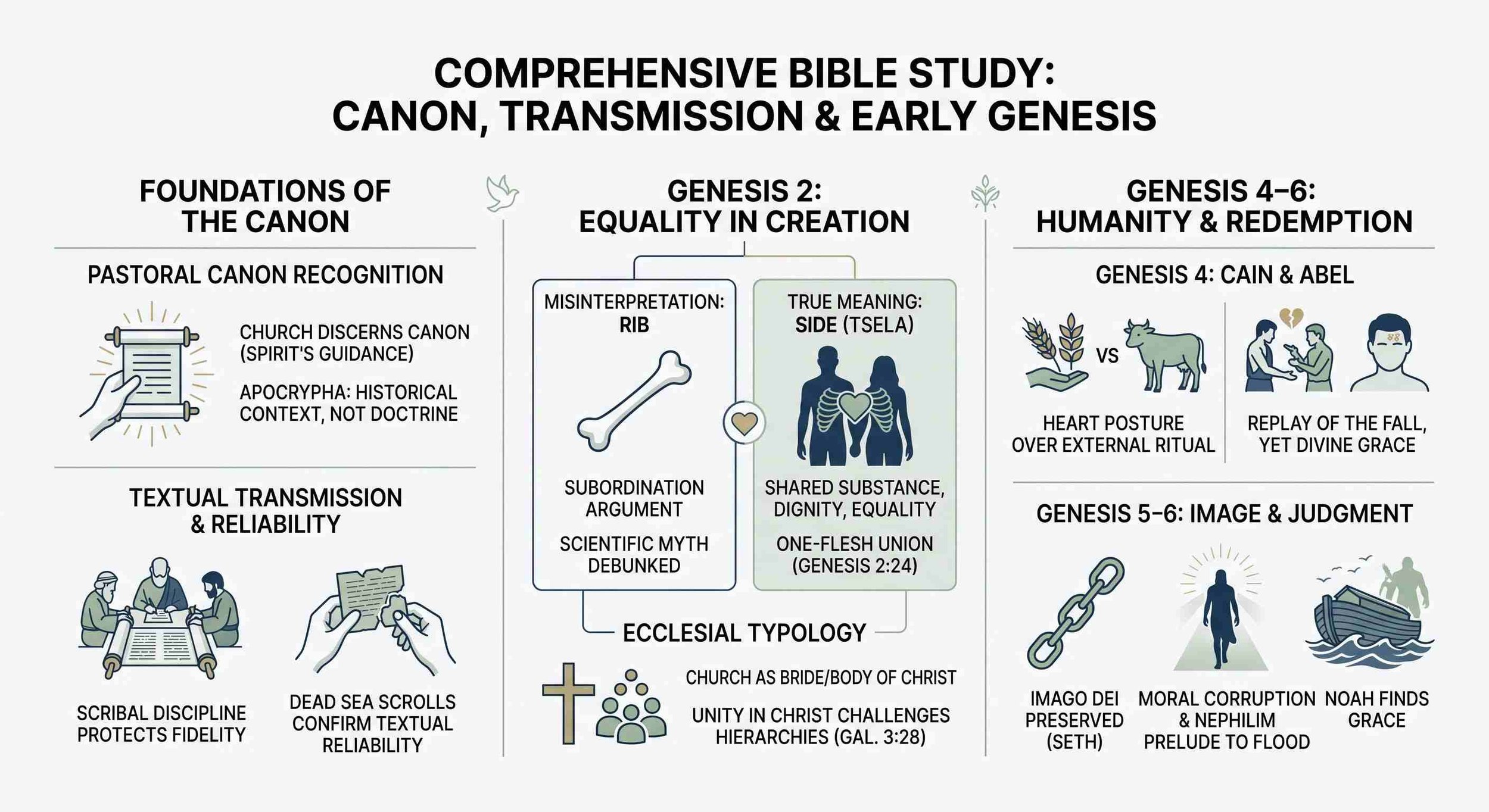
[Sunday] Treasure In The Pit - Uproot & Plant - The Book of Jeremiah Ch38
Jeremiah being thrown into the muddy cistern shows us why Jesus losing on the cross is the greatest news for our fragile "jars of clay."
"We experienced a few technical issues with our livestream during the service this week, This is the first service and it includs a couple of microphone cutouts. Thank you for your patience and understanding as we work through these hiccups!"
Jeremiah being thrown into the muddy cistern shows us why Jesus losing on the cross is the greatest news for our fragile "jars of clay."
What Had happened at Grace this week.
Grace At The FLGA President’s Equip Conference [Photos]
The President’s Equip Conference is the Florida-Georgia region's premier event for bringing church leaders together.
The President’s Equip Conference is the Florida-Georgia district’s premier event for bringing church leaders together. This year, we focused on the future, exploring the impact of AI and discussing how to foster better collaboration with others. It was a wonderful and inspiring event.
In the video below, you can watch Pastor Cris share one of several "Faith Stories" featured at the conference.
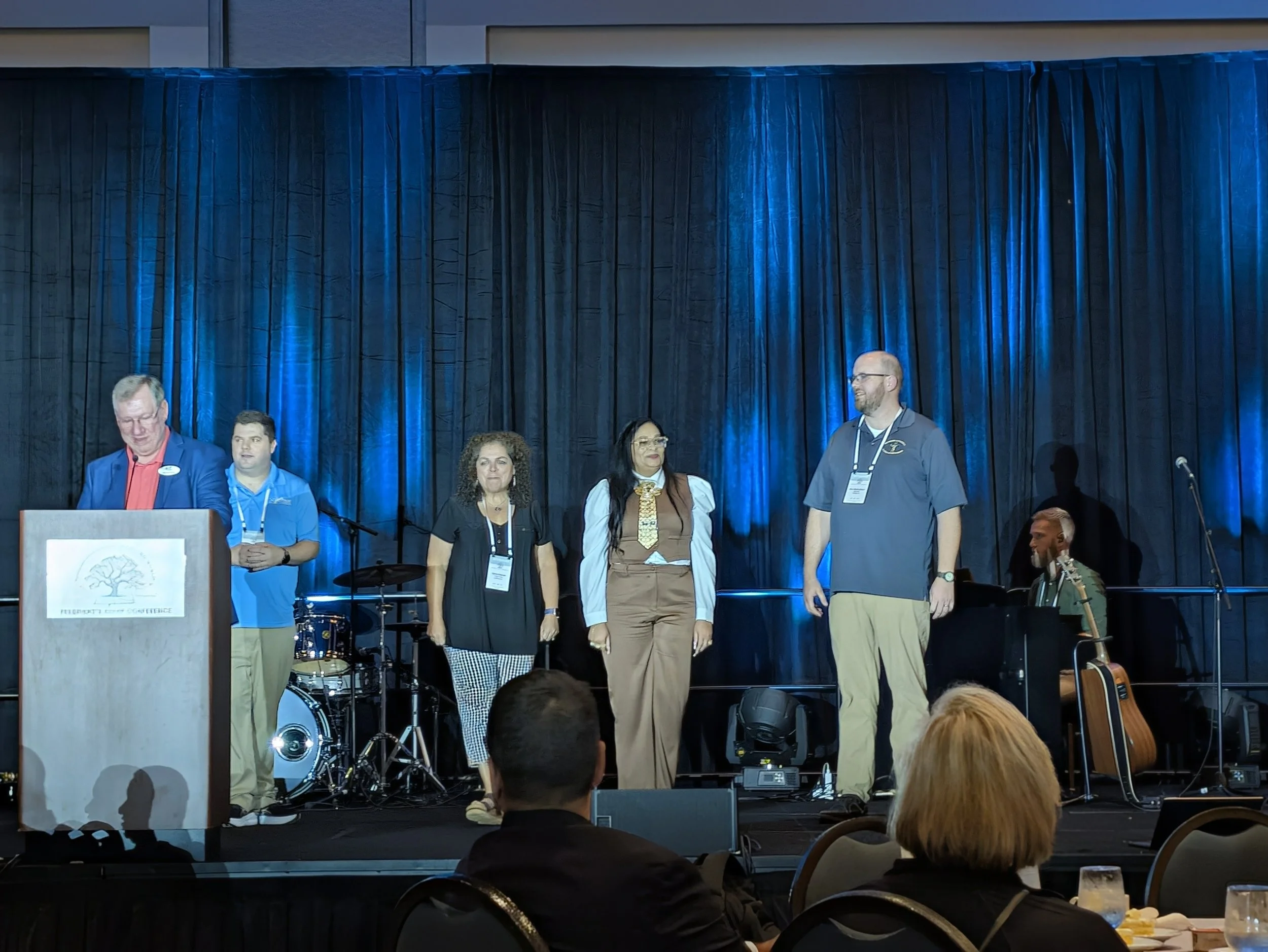

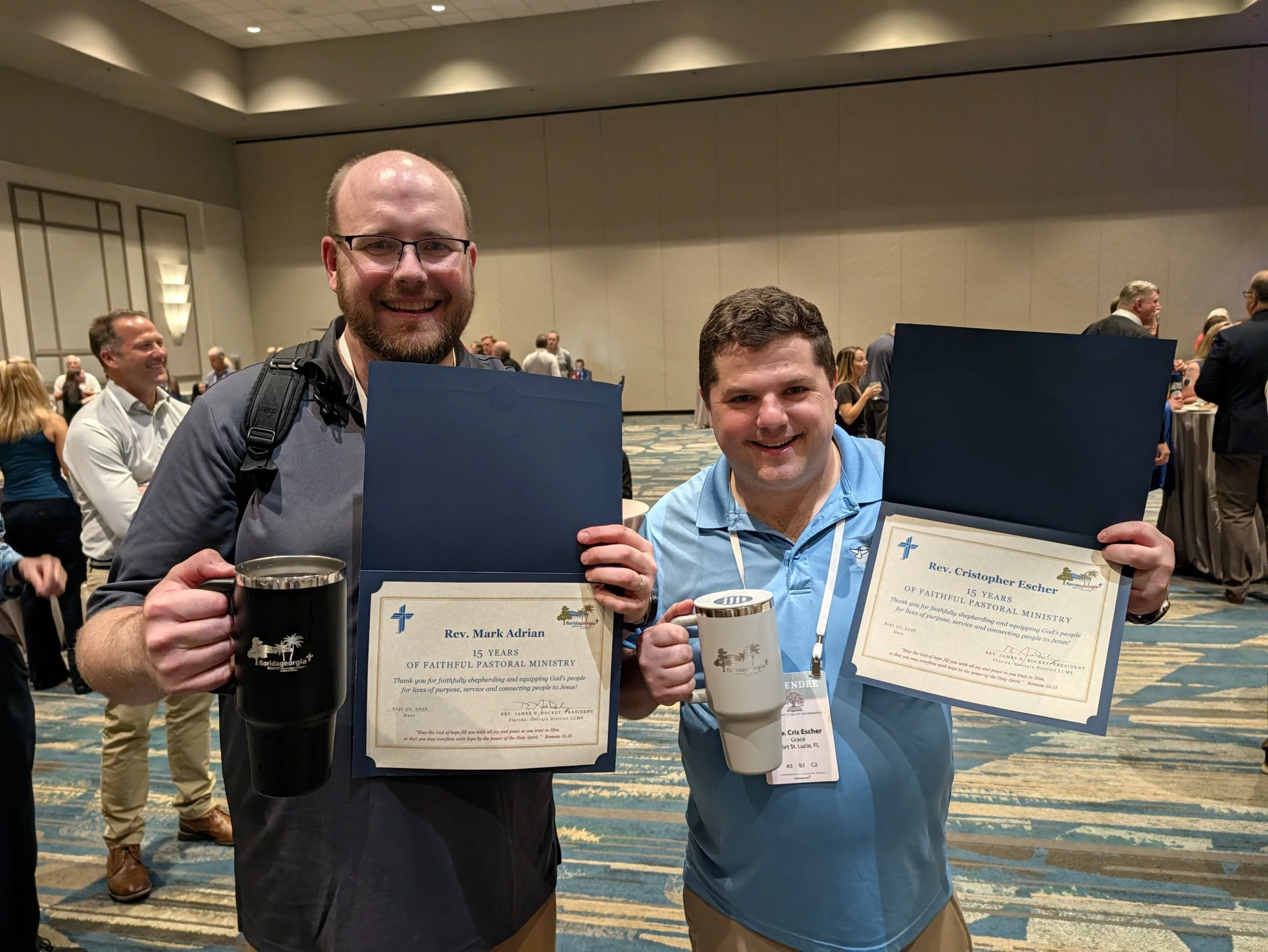





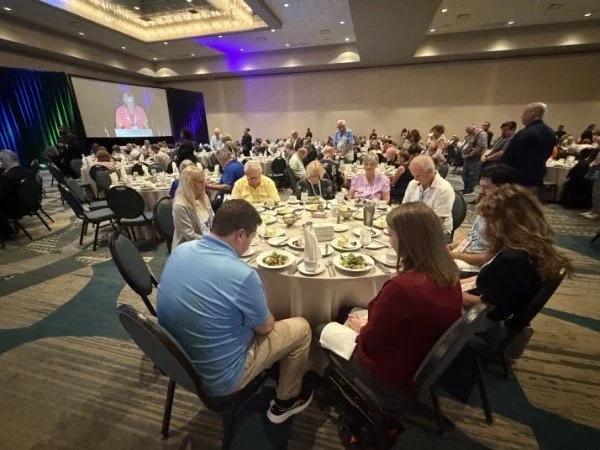









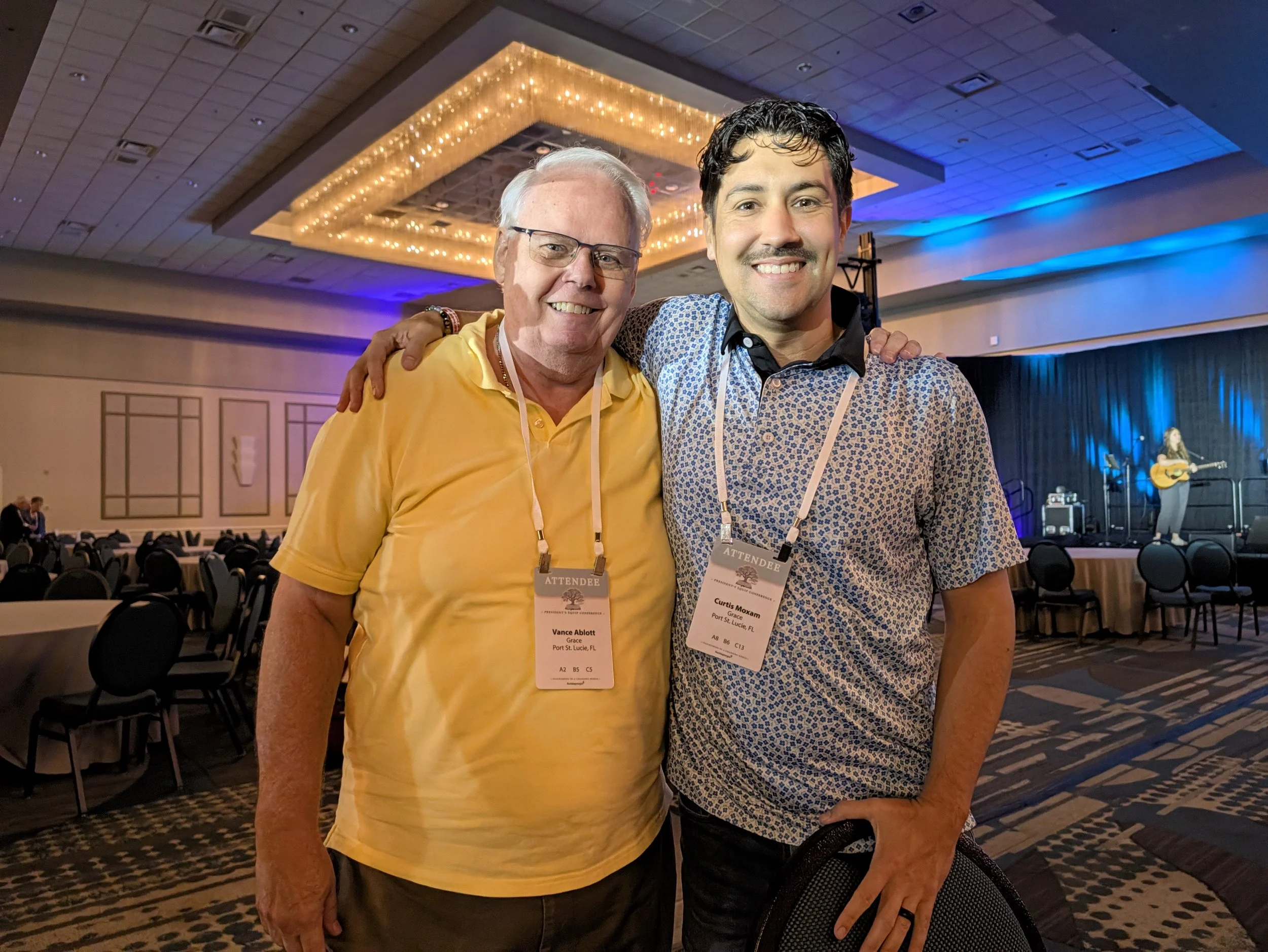





Mark Chapter 9b Class 15 - Wednesday Bible Study
Bible study on October 7, 2026 explored Mark 9–10, contrasting the disciples’ pride with Jesus’ servant-king mission, and tracing themes of healing, humility, unity, radical holiness, and the call to follow.
Gospel of Mark Chapter 9b
This is our 15th class on Mark
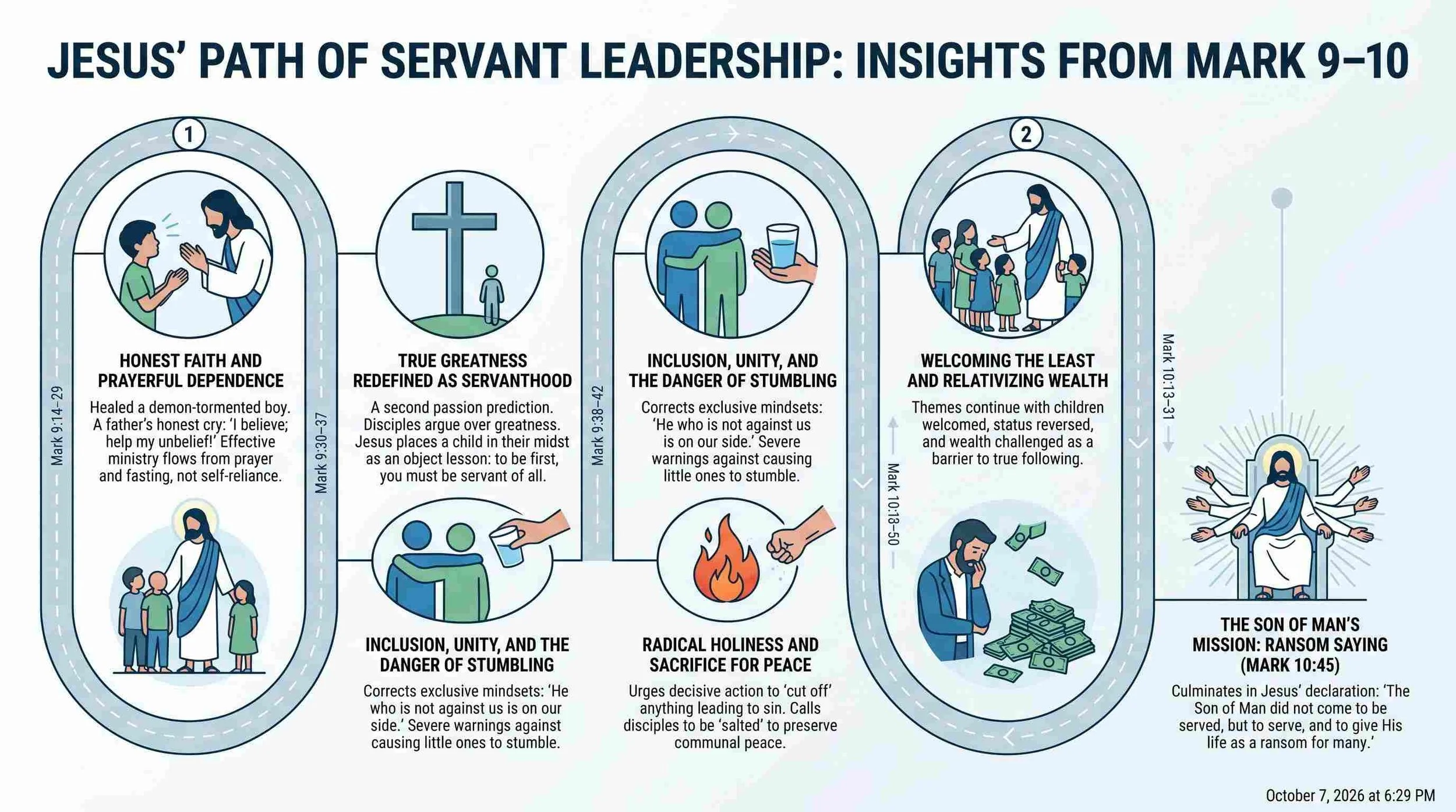
This is an AI Recap of the class.
Some things may be incorrect.
Short summary of the whole class
On October 7, 2026 at 6:29 PM, we treated Mark as crafted literature and read Mark 9:14–50 with previews into Mark 10. We examined the healing of the demon-tormented boy and the father’s honest faith, Jesus’ passion predictions, the paradox of true greatness through servanthood and welcoming children, inclusion beyond insider boundaries, warnings against causing believers to stumble, and vivid calls to radical holiness (“cut it off”) tied to salt and peace. We discussed spiritual pride—both in the disciples and in modern church life—textual notes on “where their worm does not die,” Gehenna’s imagery, and how all these threads point to Jesus’ path of suffering and service culminating in Mark 10:45.
Walkthrough and section-by-section summaries
1) Framing the study: Mark as literature and the middle pivot
We situated Mark 9–10 as the turning point “where the rubber meets the road,” just before Holy Week (Mark 11).
Watched a ~5-minute BibleProject overview of Mark’s design: first half asks “Who is Jesus?”; second half “How does he become king?” with the pivot at Peter’s confession and Jesus’ path of suffering (Mark 1:1; 8:27–33; 10:45).
Emphasized reading Mark on its own terms, not homogenizing the four Gospels.
Recalled earlier narratives that set up the disciples’ journey from partial to clear sight: Herod’s beheading of John, the feedings of 5,000 and 4,000, defilement teaching, two-stage healing of the blind man, and the Transfiguration.
Short summary of section:
We framed Mark as carefully crafted literature around a central pivot—Peter’s confession and Jesus’ servant-king mission—linking prior stories to read Mark 9–10 with clarity.
Scriptures mentioned:
Mark 1:1; Mark 6; Mark 6:30–44; Mark 7:14–23; Mark 8:1–10; Mark 8:14–21; Mark 8:22–26; Mark 8:27–33; Mark 9:2–8; Mark 10:45.
Stories discussed:
BibleProject overview video (Mark’s structure).
Herod beheading John the Baptist.
Feeding of the 5,000 and 4,000.
Defilement teaching.
Two-stage healing of the blind man.
Transfiguration.
2) The boy is healed: faith, prayer, and progressive understanding (Mark 9:14–29)
Read Mark 9:14–29: crowd and scribes disputing; a father describes his son’s torment (seizures, muteness, danger).
Jesus laments the “faithless generation,” invites trust: “If you can believe, all things are possible to him who believes” (9:23).
The father’s cry: “I believe; help my unbelief” (9:24).
Jesus rebukes the spirit; the boy appears dead, then Jesus raises him by the hand (9:25–27).
Privately explains, “This kind can come out by nothing but prayer and fasting” (9:29), underscoring dependence on God over technique or status.
Connected to the disciples’ failure stemming from pride and self-reliance; prayer as humble dependence.
Short summary of section:
We saw honest faith and Jesus’ power, learning that effective ministry flows from prayerful dependence and that the journey from unbelief to belief is gradual.
Scriptures mentioned:
Mark 9:14–29; Mark 8:22–26.
Stories discussed:
Healing of the demon-tormented boy.
The father’s struggle with faith.
3) Second passion prediction and the greatness paradox (Mark 9:30–37)
Jesus teaches privately: “The Son of Man is being betrayed… they will kill him… after three days he will rise” (9:31); the disciples do not understand and fear asking (9:32).
At Capernaum, Jesus confronts their argument about who is greatest (9:33–34).
Redefinition of greatness: “If anyone desires to be first, he shall be last of all and servant of all” (9:35).
Object lesson: embraces a child—receiving the lowly equals receiving Jesus and the Father (9:36–37).
Historical context: children as figures with little social status; welcoming “the least of these.”
Application: Jesus contrasts worldly power with divine servanthood, preparing for the cross as paradoxical power.
Short summary of section:
Jesus pairs His suffering prediction with a radical redefinition of greatness: true leadership is humble service that welcomes the least.
Scriptures mentioned:
Mark 9:30–37; Mark 8:31–35.
Stories discussed:
Disciples’ road dispute about greatness.
Jesus placing a child in their midst.
4) Elijah, the Transfiguration, and the path of servanthood (Mark 9:10–13; 9:2–8; OT background)
Question on Elijah in Mark 9:11–13: John the Baptist came in the spirit of Elijah; Jesus, unlike Elijah’s dramatic judgments, embraces the path of suffering.
Reviewed Elijah’s ministry: contest with prophets of Baal (1 Kings 18), encounter with God in the whisper (1 Kings 19), mantle to Elisha (1 Kings 19; 2 Kings 2).
The Transfiguration (Mark 9:2–8): Moses and Elijah appear with Jesus, signaling fulfillment; Jesus perfects Law and Prophets through servanthood.
Theological thread: movement from Old Covenant expectations of power/violence to Jesus’ new covenant of suffering, grace, and service.
Short summary of section:
Elijah and the Transfiguration highlight Jesus as the fulfillment of the Law and Prophets, choosing servanthood and suffering over force, pointing to the cross.
Scriptures mentioned:
Mark 9:2–8; Mark 9:10–13; 1 Kings 18–19; 2 Kings 2.
Stories discussed:
Transfiguration.
Elijah and the prophets of Baal.
Elijah hearing God in the whisper.
Elijah passing the mantle to Elisha.
5) Inclusion, unity, and the danger of causing others to stumble (Mark 9:38–42)
John reports an outsider casting out demons in Jesus’ name; the disciples tried to stop him (9:38).
Jesus: “Do not forbid him… he who is not against us is on our side” (9:39–40).
Commends small acts (a cup of water) with promised reward (9:41).
Warns against causing “little ones who believe” to stumble; better a millstone and the sea (9:42).
Application: Corrects sectarian, exclusive mindsets; prioritizes kingdom fruit and care for the vulnerable over status.
Short summary of section:
Jesus widens the mission beyond insider boundaries and issues sober warnings: unity and care for the vulnerable outweigh tribal status claims.
Scriptures mentioned:
Mark 9:38–42.
Stories discussed:
Outsider exorcist acting in Jesus’ name.
6) Radical holiness, Gehenna, textual notes, and the salt-peace exhortation (Mark 9:43–50; Isaiah 66:24)
Strong hyperbole: cut off hand/foot, pluck out eye—better to enter life maimed than be thrown into Gehenna (9:43–48).
Gehenna explained as Jerusalem’s horrific dump: perpetual fire, smoke, disease—visceral image of ruin.
Textual note: phrase “where their worm does not die, and the fire is not quenched” (Isaiah 66:24) appears in 9:48; its repetition in 9:44 and 9:46 in some manuscripts (e.g., Textus Receptus/KJV) likely a later rhetorical addition; modern translations (e.g., NIV) omit 9:44, 46.
“Everyone will be seasoned with fire… every sacrifice… with salt” (9:49); “Have salt in yourselves, and have peace with one another” (9:50).
Interpreted “cut it off” as metaphor for radical sacrifice: relinquishing status, wealth, or behaviors that cause sin or harm; better humble dependence on God than powerful self-righteousness.
Short summary of section:
Jesus urges decisive, inner holiness, using Gehenna’s vivid imagery and calling disciples to be “salted” people who preserve communal peace through humble, sacrificial living.
Scriptures mentioned:
Mark 9:43–50; Isaiah 66:24.
Stories discussed:
Modern parallel to Gehenna (e.g., Guatemala City dump as illustrative imagery).
Anecdotes on spiritual pride in church life (e.g., denominational exclusivism; Reformation Day joke; St. Peter-at-the-gates joke; homeless man example).
7) Preview into Mark 10: children, wealth, servanthood, and the ransom saying
Continued themes: Jesus blessing children (10:13–16), wealth and discipleship (rich man, 10:17–31), third passion prediction and servant leadership (10:32–45).
Anchor: “The Son of Man did not come to be served, but to serve, and to give His life as a ransom for many” (10:45).
Trajectory: welcoming children, reversing status, relativizing wealth, embracing servanthood on the road to the cross.
Short summary of section:
Mark 10 extends the servant-king pattern—children welcomed, wealth relativized, status reversed—and centers Jesus’ mission in the ransom saying.
Scriptures mentioned:
Mark 10:13–16; Mark 10:17–31; Mark 10:32–45; Mark 10:45.
Stories discussed:
Jesus blessing children.
The rich man and the call to follow.
Teaching on servanthood with the third passion prediction.
Medium-length summary of the class
On October 7, 2026 at 6:29 PM, our Bible study read Mark 9:14–50 in the larger literary arc of Mark and previewed Mark 10. We began with the healing of a demon-tormented boy, where the father’s “I believe; help my unbelief” and Jesus’ note that “this kind comes out by prayer and fasting” taught humble dependence over prideful technique. Jesus’ second passion prediction framed His path, while the disciples’ argument about greatness exposed their status concerns; Jesus answered by embracing a child and redefining greatness as servanthood. We explored Elijah and the Transfiguration to show Jesus fulfilling the Law and Prophets by choosing suffering over force. Jesus broadened mission beyond insider circles and issued stern warnings not to cause “little ones” to stumble. We discussed Gehenna’s vivid imagery, textual notes on the “worm” phrase, and Jesus’ hyperbolic call to cut off whatever leads to sin—interpreted as radical, humble sacrifice that preserves peace. Looking into Mark 10, we saw the themes continue—children welcomed, wealth challenged, status reversed—culminating in Jesus’ declaration that He came to serve and to give His life as a ransom for many.
Main points
Mark is crafted literature with a two-part structure and a pivotal middle around Peter’s confession.
Jesus is Messiah who becomes king through suffering, service, and sacrifice.
Faith is honest and dependent: “I believe; help my unbelief”; effective ministry flows from prayer and fasting.
True greatness is servanthood and welcoming the lowly, not status competition.
Mission is broader than our group; don’t forbid faithful work done in Jesus’ name.
Guard the vulnerable; do not cause “little ones” to stumble.
Pursue radical inner holiness—be willing to sacrifice anything that leads to sin or harms others.
“Salted” discipleship preserves peace in community.
The trajectory points to the cross: the Son of Man serves and gives His life as a ransom (Mark 10:45).
Beware spiritual pride and sectarian exclusivity in modern church life.
Bible scriptures mentioned
Mark 1:1
Mark 6 (Herod and John the Baptist)
Mark 6:30–44 (Feeding of the 5,000)
Mark 7:14–23 (Defilement from within)
Mark 8:1–10 (Feeding of the 4,000)
Mark 8:14–21 (The loaves—disciples’ misunderstanding)
Mark 8:22–26 (Two-stage healing of the blind man)
Mark 8:27–33 (Peter’s confession and rebuke)
Mark 9:2–8 (Transfiguration)
Mark 9:10–13 (Elijah question)
Mark 9:14–29 (Healing of the demon-tormented boy; prayer and fasting)
Mark 9:30–37 (Second passion prediction; true greatness; child in the midst)
Mark 9:38–42 (Outsider exorcist; stumbling blocks)
Mark 9:43–50 (Radical holiness; Gehenna; salt and peace)
Mark 10:13–16 (Jesus blesses children)
Mark 10:17–31 (Rich man and discipleship)
Mark 10:32–45 (Third passion prediction; servanthood)
Mark 10:45 (Ransom saying)
Isaiah 66:24 (Imagery echoed: “their worm does not die”)
1 Kings 18 (Elijah and prophets of Baal)
1 Kings 19 (Elijah and the whisper)
2 Kings 2 (Elisha receives the mantle)
Stories discussed
BibleProject overview of Mark’s structure and purpose.
Herod’s beheading of John the Baptist.
Feeding of the 5,000 and 4,000.
Defilement teaching (what comes out of a person).
Two-stage healing of the blind man.
Peter’s confession and misunderstanding (“Get behind me, Satan”).
The Transfiguration (Jesus with Moses and Elijah; Peter’s response).
Healing of the demon-tormented boy; “I believe; help my unbelief.”
The disciples arguing about who is the greatest; Jesus’ child object lesson.
The outsider casting out demons in Jesus’ name.
Warnings about stumbling blocks; millstone imagery.
Gehenna depicted as Jerusalem’s dump; modern parallel (Guatemala City dump).
“Cut it off” metaphor for radical sacrifice and humility.
Anecdotes on spiritual pride and denominational exclusivism (Reformation Day joke; St. Peter-at-the-gates joke; homeless man example).
Jesus blessing children (Mark 10).
The rich man and the call to follow (Mark 10).
Teaching on servanthood with the third passion prediction; ransom saying (Mark 10:45).
[Sunday] I Will - Uproot & Plant - The Book of Jeremiah Ch31
When life falls apart, our first instinct is to try and fix it ourselves. But in the midst of our deepest exile, God speaks a better word: "I will."
When life falls apart, our first instinct is to try and fix it ourselves. But in the midst of our deepest exile, God speaks a better word: "I will."
What Had happened at Grace this week.
[Sunday] Day of Infamy - Uproot & Plant - The Book of Jeremiah Ch25
We all have days we’ll never forget; when the phone rang, the diagnosis came, and everything fell apart. Jeremiah 25, points to a day of infamy just like this. But also in Gethsemane, Jesus steps right into the middle of our darkest moments to offer us a hope that nothing can uproot.
We all have days we’ll never forget; when the phone rang, the diagnosis came, and everything fell apart. Jeremiah 25, points to a day of infamy just like this. But also in Gethsemane, Jesus steps right into the middle of our darkest moments to offer us a hope that nothing can uproot.
What Had happened at Grace this week.
Mark Chapter 9a Class 14 - Wednesday Bible Study
A lively Bible study traced Mark’s unfolding revelation of Jesus—from John’s beheading and the feeding signs through Peter’s confession and the Transfiguration to prayerful dependence—highlighting Jewish and Gentile symbolism, numbers (5, 7, 12, 4), the Son of Man/Son of God themes, and the call to faith, humility, and cross-shaped discipleship.
Gospel of Mark Chapter 9a
This is our 14th class on Mark
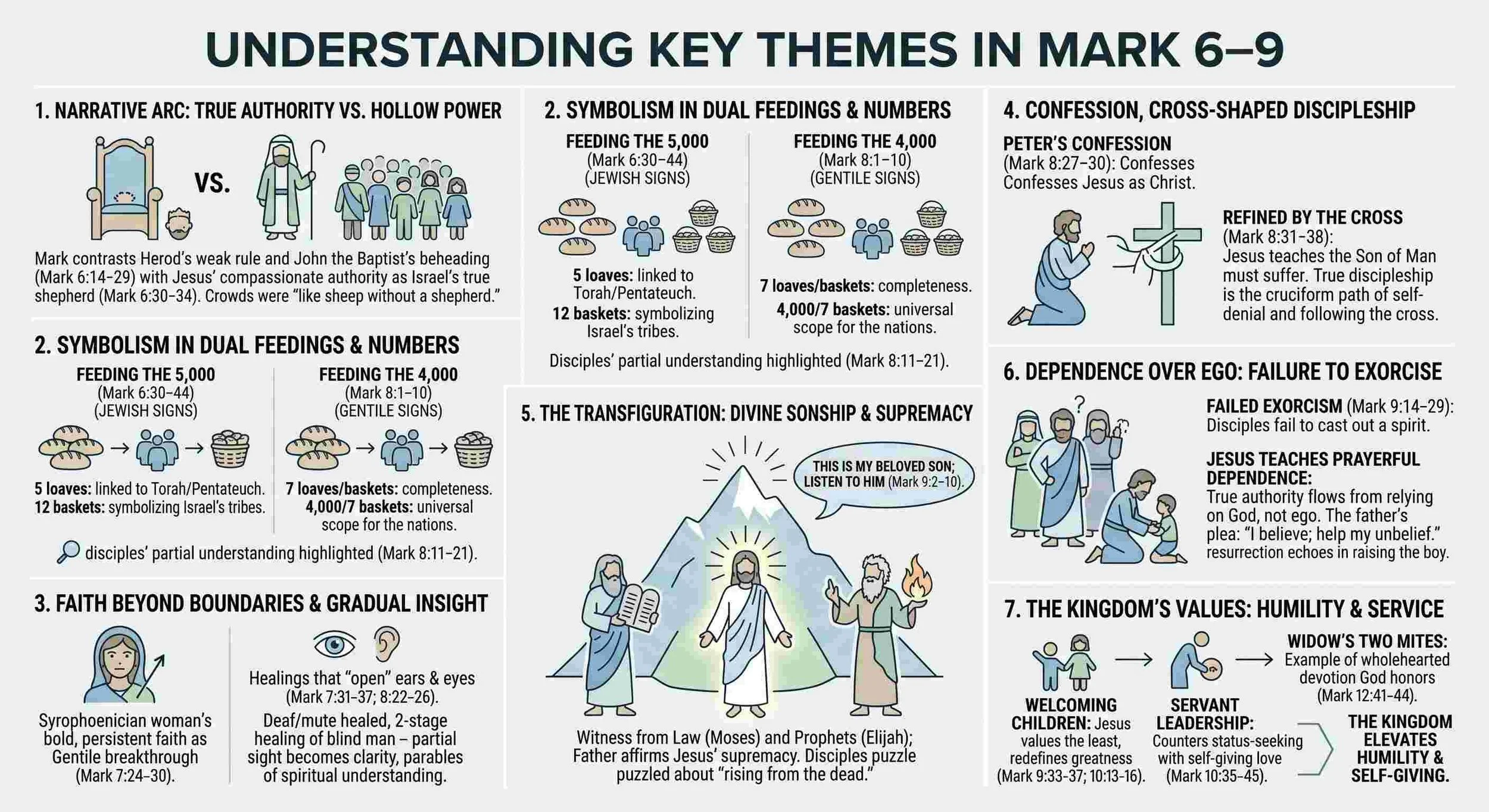
This is an AI Recap of the class.
Some things may be incorrect.
Short summary of the whole class
On September 23, 2026 (content creation date: 2026-09-23 18:37:16), our class walked through Mark 6–9, linking John the Baptist’s death and Herod’s hollow power to Jesus as the true shepherd in the feeding of the five thousand. We explored the symbolism of numbers (five/Torah, twelve/Israel, seven/completeness, four/universality), the dual feedings (5,000 and 4,000) as signs for Israel and the nations, and healings that “open ears and eyes” as parables of dawning understanding. We reflected on defilement from within, the faith of the Syrophoenician woman, Peter’s confession and misunderstanding, Jesus’ call to take up the cross, and the Transfiguration where Moses and Elijah witness to the beloved Son. Descending the mountain, we examined the failed exorcism, the father’s cry—“I believe; help my unbelief”—and Jesus’ teaching that some battles require prayer (and fasting), drawing lessons about humility, dependence, and the dangers of ego. We also noted Mark’s “messianic secret,” why Jesus sometimes restricts testimony among Israelites while encouraging Gentiles, and looked ahead to themes of welcoming children, servant leadership, and the widow’s two mites.
Section-by-section walkthrough with summaries, verses, and stories
1) Mark’s narrative arc: From John’s beheading to the true shepherd
What we discussed:
We recapped Mark’s literary structure, noting that John the Baptist’s beheading exposes Herod’s feckless power and frames Jesus as the true shepherd for leaderless crowds.
The crowds are “like sheep without a shepherd,” setting up the feeding of the five thousand as a revelation of Jesus’ compassionate authority.
Bible verses and stories mentioned:
Mark 6:14–29 (Beheading of John the Baptist)
Mark 6:30–34 (Sheep without a shepherd theme)
Short summary of this section:
Mark contrasts Herod’s weak rule with Jesus’ true authority and compassion, preparing readers to see Jesus as Israel’s shepherd.
2) Numbers, feedings, and meaning in Mark’s structure
What we discussed:
Feeding of the 5,000 (Mark 6:30–44) connected to Jewish symbolism: five loaves (linked to the Pentateuch), twelve baskets (Israel’s tribes), and the disciples’ dullness highlighted by Jesus’ reminder about “the loaves.”
Jesus walking on the sea (Mark 6:45–52) reinforces the disciples’ lack of understanding.
Teaching on defilement from within shifts focus from ritual to the heart (Mark 7:14–23).
In Gentile territory, feeding of the 4,000 (Mark 8:1–10): seven loaves and seven baskets point to completeness; “four” evokes the “four corners of the earth,” suggesting universality for the nations.
Jesus warns about the “leaven of the Pharisees,” quizzes the disciples on the two feedings, and presses them beyond literal bread (Mark 8:11–21).
A lighthearted correction: the leader mistakenly linked five to the Star of David’s points; the group noted it has six points—turning into a shared laugh about learning together.
Bible verses and stories mentioned:
Mark 6:30–44 (Feeding 5,000)
Mark 6:45–52 (Walking on the sea; reminder about the loaves)
Mark 7:14–23 (Defilement from within)
Mark 8:1–10; 8:11–21 (Feeding 4,000; leaven warning; quiz on baskets)
Short summary of this section:
The dual feedings depict Jesus’ provision for Israel and the nations, with numbers (5, 7, 12, 4) signaling Torah, completeness, Israel, and universality, while exposing the disciples’ partial understanding and inviting deeper insight.
3) Gentile breakthrough and “opening” miracles
What we discussed:
The Syrophoenician woman’s bold, persistent faith (Mark 7:24–30) as a Gentile breakthrough.
Healings that “open” (Mark 7:31–37; 8:22–26): ears opened, tongues loosed, and a two-stage healing of a blind man—“trees walking”—portraying partial perception becoming clarity.
Bible verses and stories mentioned:
Mark 7:24–30 (Syrophoenician woman)
Mark 7:31–37 (Healing of deaf/mute)
Mark 8:22–26 (Two-stage healing of a blind man)
Short summary of this section:
Gentile faith is welcomed, and Jesus’ “opening” miracles become living parables of gradual spiritual insight.
4) Peter’s confession, misunderstanding, and the call to the cross
What we discussed:
At Caesarea Philippi, Peter confesses Jesus as the Christ (Mark 8:27–30), echoing Mark 1:1 (“Son of God”).
Jesus immediately teaches that the Son of Man must suffer, be killed, and rise (Mark 8:31); Peter’s rebuke shows partial sight—like the two-stage healing.
Jesus calls disciples to deny themselves, take up their cross, and follow (Mark 8:34–38), challenging power expectations with the cruciform path.
Bible verses and stories mentioned:
Mark 8:27–38 (Peter’s confession; first passion prediction; take up your cross)
Mark 1:1 (Gospel opening claim)
Mark 6:14–16 (Herod’s speculations, echoing identity questions)
Short summary of this section:
Confessing Jesus is only the beginning; true discipleship follows the way of the cross, moving from blurry to clear vision about Messiahship.
5) The Transfiguration: Moses, Elijah, and the beloved Son
What we discussed:
On a high mountain, Jesus is transfigured; Moses and Elijah appear; a cloud and the Voice declare, “This is my beloved Son; listen to him” (Mark 9:2–10).
Classic view: Moses (Law) and Elijah (Prophets) witness to Jesus; another lens: Moses (who died and was hidden) and Elijah (taken up) converge to signal Jesus’ mission.
Once the Father speaks, Moses and Elijah depart, leaving “Jesus only,” underscoring his supremacy.
The secrecy command—“until the Son of Man is risen”—and the disciples’ puzzlement about rising from the dead.
We connected themes from Joshua, Moses, and Elijah: Elijah and Elisha’s Jordan crossings (2 Kings 2) “retracing” Joshua’s conquest as a symbolic move away from the way of violent kings toward grace; Moses viewing the land and unknown burial (Deut 34).
Peter’s impulse to build shelters/tabernacles (Mark 9:5–6) was read as a fear-driven attempt to memorialize and level Moses and Elijah with Jesus; the Father redirects focus to the Son alone. We noted tabernacle echoes (Exodus 25–40; Leviticus 23:33–43) and the anonymity of the mountain resisting shrine culture.
Bible verses and stories mentioned:
Mark 9:2–10 (Transfiguration; “listen to him”; secrecy)
Parallels: Matthew 17:1–8; Luke 9:28–36
Mark 1:9–11 (Baptism; beloved Son)
Deuteronomy 34 (Moses viewing the land; unknown burial)
2 Kings 2 (Elijah parts the Jordan; transition to Elisha)
Exodus 25–40; Leviticus 23:33–43 (tabernacle/booths background)
Short summary of this section:
The mountain scene unveils Jesus’ divine sonship and supremacy over Law and Prophets; God’s command—“Listen to him”—turns disciples from memorializing to obedient hearing.
6) “Elijah must come first” and the end of the violent way
What we discussed:
The disciples ask about Elijah’s coming; Jesus affirms restoration yet highlights the Son of Man’s destined suffering and rejection (Mark 9:11–13), linking Elijah/John the Baptist’s treatment to a long pattern of violence that culminates—and stops—in Jesus’ cross.
Background motifs: Isaiah 53 and Daniel 7 informing the Son of Man’s suffering and vindication.
Bible verses and stories mentioned:
Mark 9:11–13 (Elijah must come first; suffering Son of Man)
Matthew 17:10–13 (Elijah and John the Baptist connection)
Isaiah 53; Daniel 7 (suffering/vindication motifs)
Short summary of this section:
Jesus reframes expectations about Elijah to center his own redemptive suffering, signaling the end of the cycle of violent rejection in the cross.
7) Coming down the mountain: a desperate father, faith’s struggle, and prayerful dependence
What we discussed:
The disciples fail to cast out a mute/deaf spirit from a boy; Jesus laments unbelief, engages the father’s honest plea—“I believe; help my unbelief”—and delivers the child (Mark 9:14–29).
Jesus teaches, “This kind can come out by nothing but prayer” (with textual notes on “prayer and fasting”), emphasizing posture over technique—dependence over ego.
We noted resurrection echoes: the boy appears like a corpse; Jesus lifts him—mirroring “raising” scenes like the paralytic (Mark 2:1–12).
Bible verses and stories mentioned:
Mark 9:14–29 (Failed exorcism; “only by prayer”; father’s plea)
Manuscript note on “prayer” vs. “prayer and fasting”
Mark 2:1–12 (Paralytic healed and lifted)
Mark 6:7,13 (Earlier disciple authority over demons)
Short summary of this section:
True authority flows from prayerful reliance on God; Jesus meets mingled faith and doubt with deliverance, foreshadowing resurrection power.
8) Why Jesus sometimes said “don’t tell” and sometimes “go tell”
What we discussed:
We compared Jesus’ instructions: often silencing testimony among Israelites (to manage timing, avoid premature acclaim/assassination, and prevent misunderstanding) while encouraging proclamation among Gentiles.
Mark’s “messianic secret” invites readers to finish the Gospel and then reread to truly “retell” the story with understanding.
Comparative references: Samaritan woman’s open witness (John 4), the grateful Samaritan leper (Luke 17:11–19), and Nicodemus’ cautious journey (John 3; 7:50–52; 19:39).
Bible verses and stories mentioned:
Mark 1:43–45; 5:43; 7:36; 8:26 (Silencing commands)
John 4 (Samaritan woman)
Luke 17:11–19 (Ten lepers; one Samaritan returns)
John 3; 7:50–52; 19:39 (Nicodemus)
Short summary of this section:
Jesus’ differing directions balance prudence and pedagogy; Mark’s narrative strategy forms witnesses who speak at the right time with deeper understanding.
9) Looking ahead: children, status, servant leadership, and the widow’s two mites
What we discussed:
Post-Transfiguration drift into ego: Jesus redefines greatness by welcoming children and calling disciples to servanthood.
James and John’s request reveals status-seeking; Jesus counters with the pattern of the cross.
The widow’s two mites exemplify humble, wholehearted devotion that God honors.
Bible verses and stories mentioned:
Mark 9:33–37 (Welcoming a child; true greatness)
Mark 10:13–16 (Jesus and the children)
Mark 10:35–45 (James and John’s request; servant leadership)
Mark 12:41–44 (Widow’s two mites)
Short summary of this section:
The kingdom honors humility and self-giving; Jesus dismantles ladder-climbing and centers servant love.
Medium-length closing summary (class recap dated 2026-09-23 18:37:16)
On September 23, 2026, we traced Mark’s carefully crafted narrative from Herod’s hollow power and John’s martyrdom to Jesus as the shepherd who feeds Israel and, through a second feeding, signals provision for the nations. We explored how numbers—five (Torah), twelve (Israel), seven (completeness), and four (universality)—work within Mark’s structure and how healings that open ears and eyes function as parables of emerging insight. The Syrophoenician woman’s bold faith heralded Gentile inclusion. Peter’s confession gave way to Jesus’ first passion prediction and the call to take up the cross, exposing partial sight that must be refined by the cruciform path. On the mountain, Moses and Elijah bore witness as the Father affirmed Jesus as the beloved Son and commanded, “Listen to him,” after which “Jesus only” remained. We connected Elijah and Elisha’s “reverse” Jordan journey and Moses’ hidden burial to a movement away from conquest toward grace fulfilled in Jesus. Coming down the mountain, a failed exorcism revealed the danger of ego and the necessity of prayerful dependence; the father’s cry—“I believe; help my unbelief”—met Jesus’ compassionate authority, with resurrection echoes in the boy’s raising. We considered why Jesus sometimes restricted testimony and sometimes released it, seeing Mark’s “messianic secret” as formative timing. Finally, we looked ahead to Jesus’ teaching on humility, welcoming children, servant leadership, and the widow’s two mites, which together call disciples from status to self-giving love.
Main points
Mark writes a literary-theological narrative contrasting Herod’s weakness with Jesus’ true authority.
The feeding signs (5,000 and 4,000) symbolize Jesus’ provision for Israel and the nations.
Numbers in Mark (5, 7, 12, 4) underscore Torah, completeness, Israel’s identity, and universality.
Defilement arises from within; Jesus targets the heart.
Gentile faith (Syrophoenician woman) is welcomed; “opening” miracles portray gradual understanding.
Peter’s confession is refined by the cross: discipleship means self-denial and following Jesus.
The Transfiguration reveals Jesus’ divine sonship and supremacy over Law and Prophets; “Listen to him.”
Elijah’s role points to Jesus’ suffering, where the cycle of violence culminates and ends.
Ministry power flows from prayerful dependence, not ego or technique; “This kind” comes out only by prayer (and fasting).
Mark’s “messianic secret” shapes timing and understanding of witness.
The kingdom elevates humility, children, servant leadership, and the widow’s wholehearted trust.
Scriptures mentioned
Mark 1:1; 1:9–11
Mark 2:1–12
Mark 6:14–29; 6:30–44; 6:45–52
Mark 7:14–23; 7:24–30; 7:31–37; 7:36
Mark 8:1–10; 8:11–21; 8:22–26; 8:26; 8:27–38
Mark 9:1–10; 9:2–13; 9:5–6; 9:8–10; 9:11–13; 9:14–29; 9:33–37
Mark 10:13–16; 10:35–45
Mark 12:41–44
Deuteronomy 34
Exodus 25–40
Leviticus 23:33–43
Joshua 6
2 Kings 2
Isaiah 53
Daniel 7
Parallel/related passages: Matthew 17:1–13; Luke 9:28–36; John 4; John 3; 7:50–52; 19:39; Luke 17:11–19
Stories referenced
Beheading of John the Baptist
Feeding of the 5,000 and the 4,000
Jesus walking on the sea; reminder about the loaves
Teaching on what defiles
Syrophoenician woman’s plea
Healing of the deaf/mute and the two-stage healing of the blind man (“trees walking”)
Peter’s confession and Jesus’ first passion prediction; call to take up the cross
The Transfiguration with Moses and Elijah; the Father’s voice; Peter’s shelters proposal
Elijah and Elisha at the Jordan; Moses viewing the land and hidden burial
Healing of the demon-tormented boy; “I believe; help my unbelief”; “only by prayer”
Children welcomed by Jesus; James and John’s status request; the widow’s two mites
Guys Night - 5:45pm 1st Thursdays
Thursday, October 1st at 5:45pm at Dales BBQ on US1

October 1st - 5:45pm
Dales BBQ in us 1.
North of the draft House near the car dealerships.
If you are interested, talk with Paul Kaufman or Kurt Godfrey.
[Sunday] Den of Robbers - Uproot & Plant - The Book of Jeremiah Ch7
It’s incredibly easy to look at the world, point fingers, and feel secure just because we are the righteous. Jeremiah 7 shows us how God wants to uproot our pride and plant His grace.
It’s incredibly easy to look at the world, point fingers, and feel secure just because we are the righteous. Jeremiah 7 shows us how God wants to uproot our pride and plant His grace.
What Had happened at Grace this week.
![Backpacks in Haiti & The Our Girls First Day of School [Photos]](https://images.squarespace-cdn.com/content/v1/5852f18a20099e30cd2c01dc/1789742465571-JRASL11IY52MXD24G2YY/copy_FDE71097-5625-4042-AF7F-EB4EBEFAF6A2.jpg)
Backpacks in Haiti & The Our Girls First Day of School [Photos]
This year was another great success, providing so many children with the bags and supplies they need for the new school year.
"In the summer of 2023, Habitat for Children opened a home for two young girls coming out of very difficult circumstances. Today, they are thriving and growing so fast! Here are photos from their first day of school."



Thank you so much to everyone who supported our backpack drive in Haiti this year! The annual backpack giveaway is our longest-running ministry at Habitat for Children, and this year was another wonderful success. Thanks to your generosity, so many children received the backpacks and essential school supplies they need for the upcoming school year.
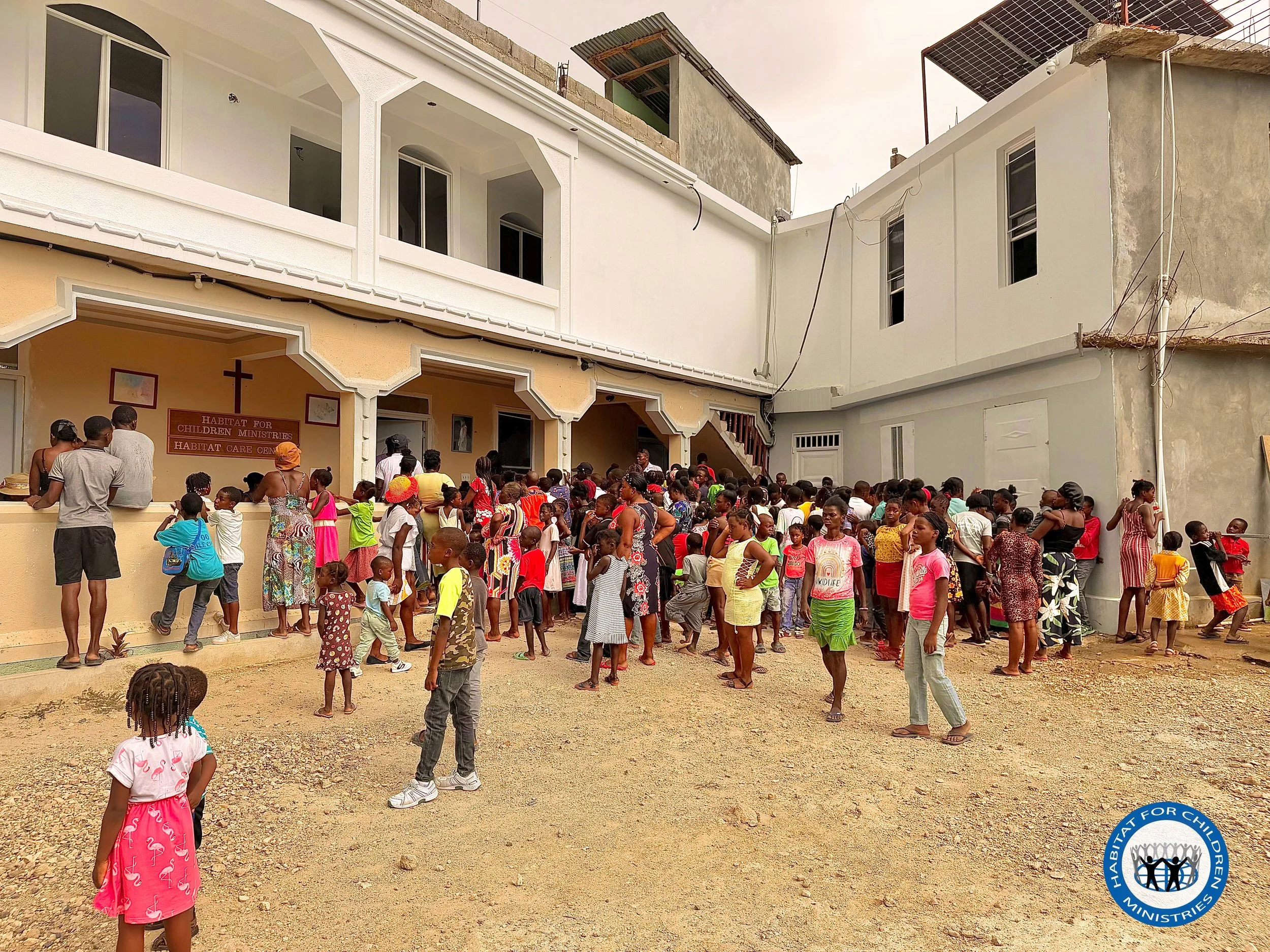



















![11 Flags to Spot Scams by Thrivent [Photos]](https://images.squarespace-cdn.com/content/v1/5852f18a20099e30cd2c01dc/1789741779781-G8I1XQKCIZM4GUWSR0UW/IMG_2246.jpg)
11 Flags to Spot Scams by Thrivent [Photos]
A hands-on briefing on navigating modern financial fraud
Thanks to Rob and Thrivent and to all who attended the event.
Scams aren’t just obvious spam emails anymore, they’re using..
AI voice cloning,
spoofed phone numbers,
intense emotional pressure,
Targeting everyone from 20-somethings on social media to grandparents.
A few big takeaways everyone needs to hear:
🛑 Hang up & verify: Never trust caller ID or an incoming call asking for urgent action. Call back using a trusted, official number.
🔐 Lock it down: Turn on Multi-Factor Authentication (MFA) and biometric logins everywhere you can.
🗣️ Pick a family "safe word": Use a secret phrase to verify frantic emergency calls from loved ones before sending a dime.
💳 Ditch the debit card: Use credit cards for daily purchases for way better fraud protection.
Such an important reminder to slow down, question unsolicited messages, and protect your finances. Huge thank you to everyone who made this session happen! 🙌




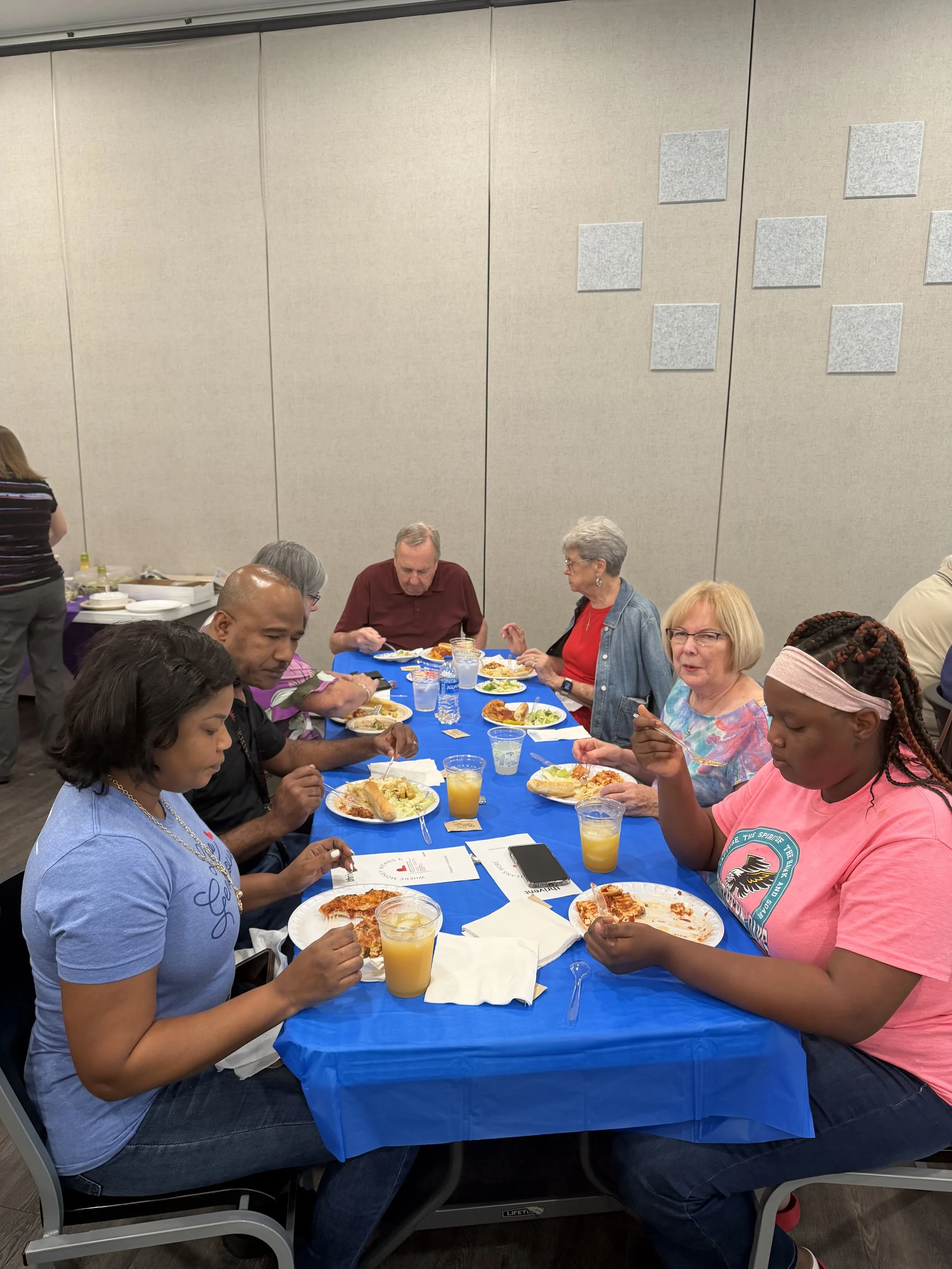



Mark Chapter 8 Class 13 - Wednesday Bible Study
Our class on September 17, 2026, explored how Jesus's miracles and teachings in Mark 6-8 challenge worldly power, culminating in Peter's flawed confession and Jesus's radical call to a discipleship of self-denial and sacrifice.
Gospel of Mark Chapter 8
This is our 13th class on Mark
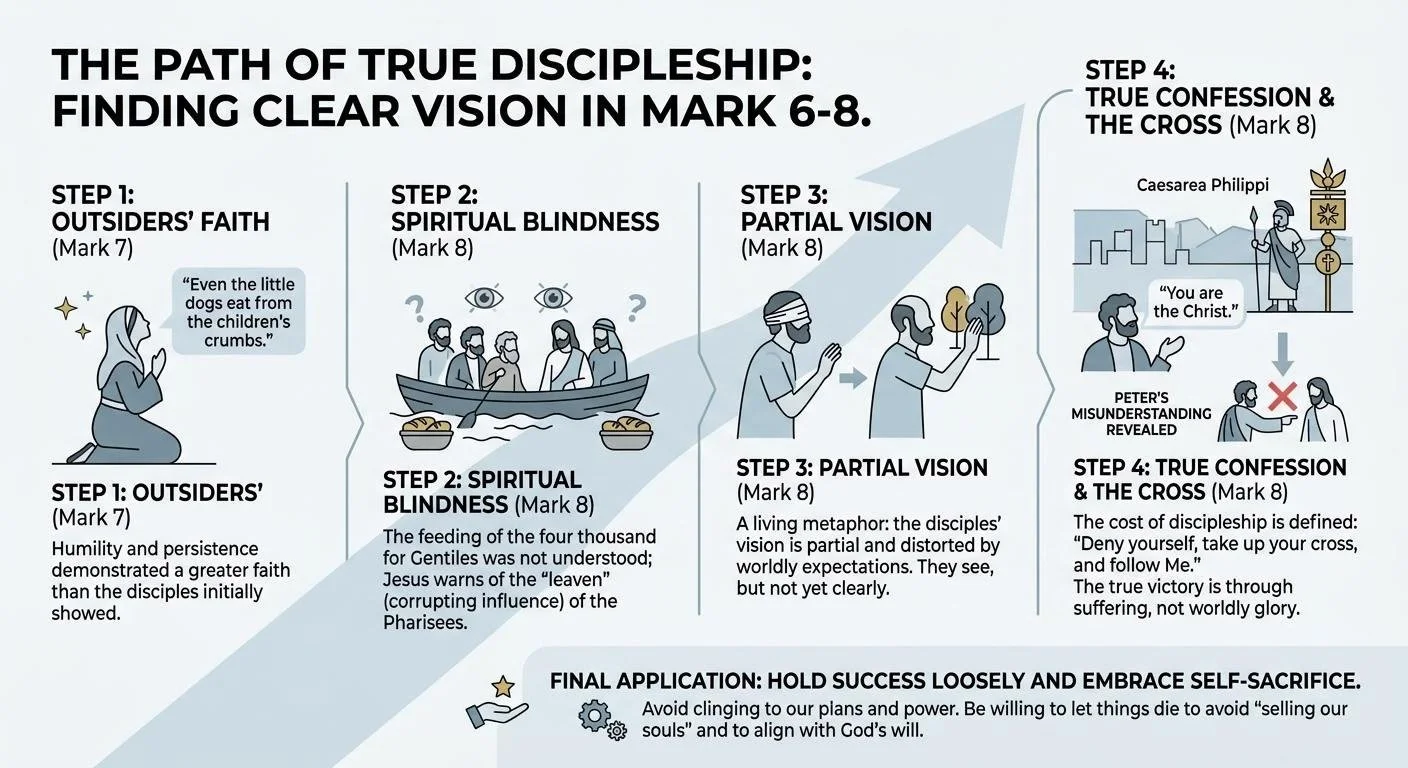
This is an AI Recap of the class.
Some things may be incorrect.
Short Summary of the Class
During our Bible study on September 17, 2026, we traced the theme of spiritual blindness and gradual revelation through Mark chapters 6-8. We began with stories of Gentiles, like the Syrophoenician woman, who showed greater insight than the disciples. The discussion then moved to the feeding of the four thousand, a miracle for the Gentile world that the disciples failed to comprehend, prompting Jesus's warning about the "leaven of the Pharisees." This spiritual dullness was paralleled in the two-stage healing of the blind man at Bethsaida, a metaphor for the disciples' own partial understanding. The lesson culminated at Caesarea Philippi, where Peter correctly identified Jesus as the Christ but immediately rejected the idea of a suffering Messiah, revealing his worldly mindset. This led Jesus to teach the true cost of discipleship: to deny oneself, take up one's cross, and follow Him.
Detailed Class Summary
Reviewing Mark 6 & 7: Outsiders Begin to See
The class began by contextualizing the upcoming passages, recapping the events following the beheading of John the Baptist in Mark 6. We noted the sequence: the feeding of the five thousand in a Jewish region, followed by Jesus walking on the sea and chastising the disciples for their hardened hearts. This led into a review of Jesus’s teaching on defilement coming from within, not from what is consumed.
We then reread the story of the Syrophoenician woman from Mark 7:24-30. This was a crucial moment in Mark's narrative. The discussion highlighted that Jesus's interaction with her, where he refers to Gentiles as "little dogs," sets up a powerful contrast. Her humble and witty response—"Yet even the little dogs under the table eat from the children's crumbs"—demonstrated a faith and understanding that the disciples lacked. It was pointed out that in Mark's Gospel, there are three types of power at play: personal (the disciples trying to send people away), religious (the Pharisees), and political (Herod). This woman, possessing none of these, subverts them all by simply accepting her position and petitioning Jesus in faith. Her story serves as a metaphor for the spiritually "deaf and mute" Gentiles who are beginning to hear and speak righteousness, while those who should understand remain blind. This idea was reinforced by the subsequent healing of the deaf man with a speech impediment (Mark 7:31-37), where the crowd is "astonished beyond measure"—a word often linked in Mark to the awe of the resurrection. We also connected her persistence to the Old Testament story of Jacob wrestling with God, arguing that faith often involves struggle and angst to receive a blessing.
Summary of Section: This section revisited key events in Mark to establish a theme: those considered outsiders, like the Syrophoenician woman, are demonstrating greater spiritual insight than Jesus's own disciples. Their stories illustrate that faith, not status or power, is what matters, and the spiritually "deaf" are beginning to hear.
Bible Verses: Mark 7:24-30, Mark 7:31-37
Bible Stories: The Syrophoenician Woman, Jesus Heals a Deaf and Mute Man, Beheading of John the Baptist (Mark 6), Feeding of the Five Thousand (Mark 6), Jacob wrestling with God (Genesis 32)
Mark 8: Feeding the Four Thousand and the Leaven of the Pharisees
Moving into Mark chapter 8, we read the account of the feeding of the four thousand (Mark 8:1-10). The class discussed the significance of this second feeding miracle. While the feeding of the five thousand took place in a Jewish region and likely symbolized the Pentateuch (the first five books of the law), this feeding of four thousand took place in a Gentile region. The number four was interpreted as representing the "four corners of the world," symbolizing that Jesus's provision is for everyone, not just the Jews. Similarly, the seven loaves used were seen as a symbol of completion and creation, further underscoring the universal scope of this miracle.
Despite witnessing this second incredible act of provision, the disciples immediately worry about having no bread in the boat. Their forgetfulness and hardened hearts are a recurring theme, and we noted their persistent need for a sign, similar to the Pharisees. We discussed that faith is a prerequisite for miracles to take root, like seed needing good soil. Jesus uses their anxiety to warn them, "Beware of the leaven of the Pharisees and the leaven of Herod" (Mark 8:15). He isn't talking about literal bread but about the corrupting influence of religious and political power structures that seek signs yet remain blind. The class found humor in the disciples' literal interpretation: "Is it because we have no bread?" (Mark 8:16). Jesus explicitly rebuked them for their spiritual dullness, reminding them of the twelve and seven baskets of leftovers from the two feedings and asking, "Do you have eyes but fail to see, and ears but fail to hear?" (Mark 8:18).
Summary of Section: The feeding of the four thousand symbolizes Jesus's ministry extending to the Gentiles. The disciples’ failure to understand this, focusing instead on physical bread, reveals their spiritual blindness and prompts Jesus's warning against the corrupting "leaven" (influence) of the Pharisees and Herod.
Bible Verses: Mark 8:1-10, Mark 8:11-21, Mark 8:15, Mark 8:16, Mark 8:18
Bible Stories: The Feeding of the Four Thousand, The Pharisees Demand a Sign, The Leaven of the Pharisees and Herod
The Blind Man at Bethsaida: A Metaphor for the Disciples
The final passage discussed was the unique healing of the blind man at Bethsaida (Mark 8:22-26). Unlike other miracles, this healing happens in two stages. After Jesus's first touch, the man sees people who look "like trees walking" (Mark 8:24). Only after a second touch is his sight fully restored. The class interpreted this two-stage healing as a direct metaphor for the disciples' own spiritual condition. Just as the blind man first saw things unclearly, the disciples were beginning to see who Jesus was, but their vision was still blurry and distorted by worldly expectations. Their understanding, like the blind man's sight, needs a second touch before it is complete. This story perfectly illustrates the disciples' partial-but-not-yet-complete grasp of who Jesus is, setting the stage for Peter's upcoming confession.
Summary of Section: The two-stage healing of the blind man serves as a powerful metaphor for the disciples' partial spiritual sight. They are no longer completely blind, but they do not yet see clearly. It required a second touch, or further revelation, for them to see Jesus and His mission clearly, moving from partial belief to full clarity.
Bible Verses: Mark 8:22-26, Mark 8:24
Bible Stories: Jesus Heals a Blind Man at Bethsaida
Peter's Confession and the Revelation of the Cross
The climax of our discussion was Peter’s great confession at Caesarea Philippi (Mark 8:27-38). The setting was significant; a city named for Caesar, a symbol of earthly power. In this context, Jesus asked his disciples, "Who do people say that I am?" Their answers—"John the Baptist," "Elijah," or "one of the prophets"—were a direct quote from what Herod's court had said (Mark 6:14-15), linking their view to the perspective of worldly rulers.
Against this backdrop, Peter boldly declared, "You are the Christ" (Mark 8:29). However, his vision was still blurry. The moment Jesus began to teach "openly" that He must suffer, be rejected, and be killed, Peter's dream of a political Messiah crumbled. He rebuked Jesus, essentially telling Him to stop talking that way. Jesus’ sharp response, "Get behind me, Satan! For you are not mindful of the things of God, but the things of men" (Mark 8:33), revealed that Peter’s idea of a king was a worldly one. He saw the title but rejected the suffering. The term "Satan" was identified as meaning "adversary," showing Peter’s perspective was adversarial to God’s plan.
Jesus then taught the crowd and his disciples the true meaning of following him: to deny oneself, take up one's cross, and lose one's life for the sake of the gospel to truly save it (Mark 8:34-38). We noted the irony that Peter, who would later deny Jesus to save his own life, is the one whose Gospel records these words, and whose eventual restoration proves their ultimate truth.
Summary of Section: At Caesarea Philippi, Peter correctly identified Jesus as the Christ but immediately failed to understand the nature of His kingship, rejecting the idea of a suffering Messiah. Jesus corrected this by teaching that true discipleship involves embracing sacrifice and the cross, not seeking worldly glory.
Bible Verses: Mark 8:29, Mark 8:32, Mark 8:33, Mark 8:34, Mark 8:34-38, Mark 6:14-15 (referenced), Matthew 16:18 (referenced)
Bible Stories: Peter's Confession at Caesarea Philippi, Jesus' first prediction of his death and resurrection, Peter's Denial of Jesus (referenced)
Applying the Lesson to Our Lives
Finally, we discussed how to apply this lesson. The core principle is that nothing—not even the church or its programs—is "above death." We can become so focused on preserving what is "working" that we act in un-Christlike ways to protect it. Sometimes, for new things to grow, other things must be allowed to die. Holding on too tightly to our plans, traditions, or successes can suffocate them. This reflects Peter's error: he was holding so tightly to his vision of a victorious kingdom that he tried to prevent the very act—the crucifixion—that would bring about God’s true victory.
Summary of Section: The lesson from Peter's failure teaches us to hold our plans, successes, and even our lives loosely. We must be willing to let things "die" to align with God's will, ensuring our actions are motivated by service rather than a desire to preserve power or control.
Final Summary
Our Bible study on September 17, 2026, focused on a pivotal section in Mark's Gospel (chapters 6-8) where the theme of spiritual blindness and dawning revelation is central. We began by reviewing stories of Gentiles, like the Syrophoenician woman, who demonstrated a profound understanding of Jesus that eluded the disciples. The primary focus then shifted to the feeding of the four thousand in a Gentile region, a clear sign that Jesus’s kingdom was for all people. However, the disciples immediately forgot the lesson and worried about their lack of bread, prompting Jesus to warn them against the "leaven of the Pharisees and Herod"—the corrupting influence of power that blinds people to God's work.
This theme was powerfully illustrated by the two-stage healing of the blind man at Bethsaida, presented as a living parable for the disciples’ own partial, distorted vision of Jesus and his mission. The narrative culminated at Caesarea Philippi, where Peter made his monumental confession, "You are the Christ." While correct in title, Peter’s understanding was proven partial when he rebuked Jesus for predicting His passion and death, revealing his worldly expectations. Jesus’ subsequent teaching on the necessity of taking up one’s cross defined true discipleship not as a path to earthly power, but as a journey of self-denial and sacrifice. We concluded by applying this to our own lives, recognizing the danger of holding too tightly to our own ambitions and the necessity of letting things die so that God’s will can be done.
Main Points
The Syrophoenician woman, a Gentile, shows greater faith and understanding than the disciples.
The feeding of the five thousand was primarily for the Jews (symbolized by 5), while the feeding of the four thousand was for the Gentiles/the world (symbolized by 4).
The disciples repeatedly demonstrate spiritual blindness, failing to understand the significance of the miracles and focusing on physical concerns over spiritual truths.
Jesus's warning about "leaven" refers to the corrupting influence of religious and political powers (Pharisees and Herod).
The two-stage healing of the blind man at Bethsaida is a metaphor for the disciples' partial and incomplete spiritual understanding.
Peter’s confession of Jesus as "the Christ" is a pivotal moment, yet his understanding is incomplete, as he rejects the idea of a suffering Messiah in favor of a political one.
True discipleship requires denying oneself, taking up the cross, and following Jesus' path of suffering, not seeking personal gain or power.
True faith can involve "wrestling" with God, and in our lives, we must be willing to let things die to avoid "selling our souls" to maintain success or control.
Scriptures and Stories Mentioned
Main Scriptures: Mark 6, Mark 7, Mark 8
Bible Verses Mentioned:
Mark 6:14-15
Mark 7:24-30
Mark 7:31-37
Mark 8:1-10
Mark 8:11-21
Mark 8:15
Mark 8:16
Mark 8:18
Mark 8:22-26
Mark 8:24
Mark 8:29
Mark 8:32
Mark 8:33
Mark 8:34-38
Mark 9:1
Matthew 16:18
Genesis 32
Bible Stories Discussed:
Beheading of John the Baptist
Feeding of the Five Thousand
Jesus Walks on Water
The Syrophoenician Woman
Jesus Heals a Deaf and Mute Man
The Feeding of the Four Thousand
The Pharisees Demand a Sign & The Leaven of the Pharisees and Herod
Jesus Heals a Blind Man at Bethsaida
Peter's Confession at Caesarea Philippi
Jesus' First Prediction of His Death and Resurrection
Jacob wrestling with God (Book of Exodus)
Pharaoh's Hardened Heart (Book of Exodus)
The Rich Young Ruler (Mark 10)
Peter's Denial of Jesus (Mark 14)
Jesus' Restoration of Peter (John 21)
![[Sunday] Uproot & Plant - The Book of Jeremiah](https://images.squarespace-cdn.com/content/v1/5852f18a20099e30cd2c01dc/1789087931980-5V7RY7VJFSE5E7PXNKUT/uproot+1a.jpg)
[Sunday] Uproot & Plant - The Book of Jeremiah
When the world feels frozen in a bleak winter, God shows us the almond branch. He is awake. He is on the move. Jesus took the destruction upon Himself on the cross so He could plant the breath of new life in you!

When the world feels frozen in a bleak winter, God shows us the almond branch. He is awake. He is on the move. Jesus took the destruction upon Himself on the cross so He could plant the breath of new life in you!
What Had happened at Grace this week.
![Kids Labor Day Party & Pastors Conference [Photos]](https://images.squarespace-cdn.com/content/v1/5852f18a20099e30cd2c01dc/1789179276817-OABZLPZ7RL4SNMIQ0HY8/20260906_181419%281%29.jpg)
Kids Labor Day Party & Pastors Conference [Photos]
Great event at the end of our summer.
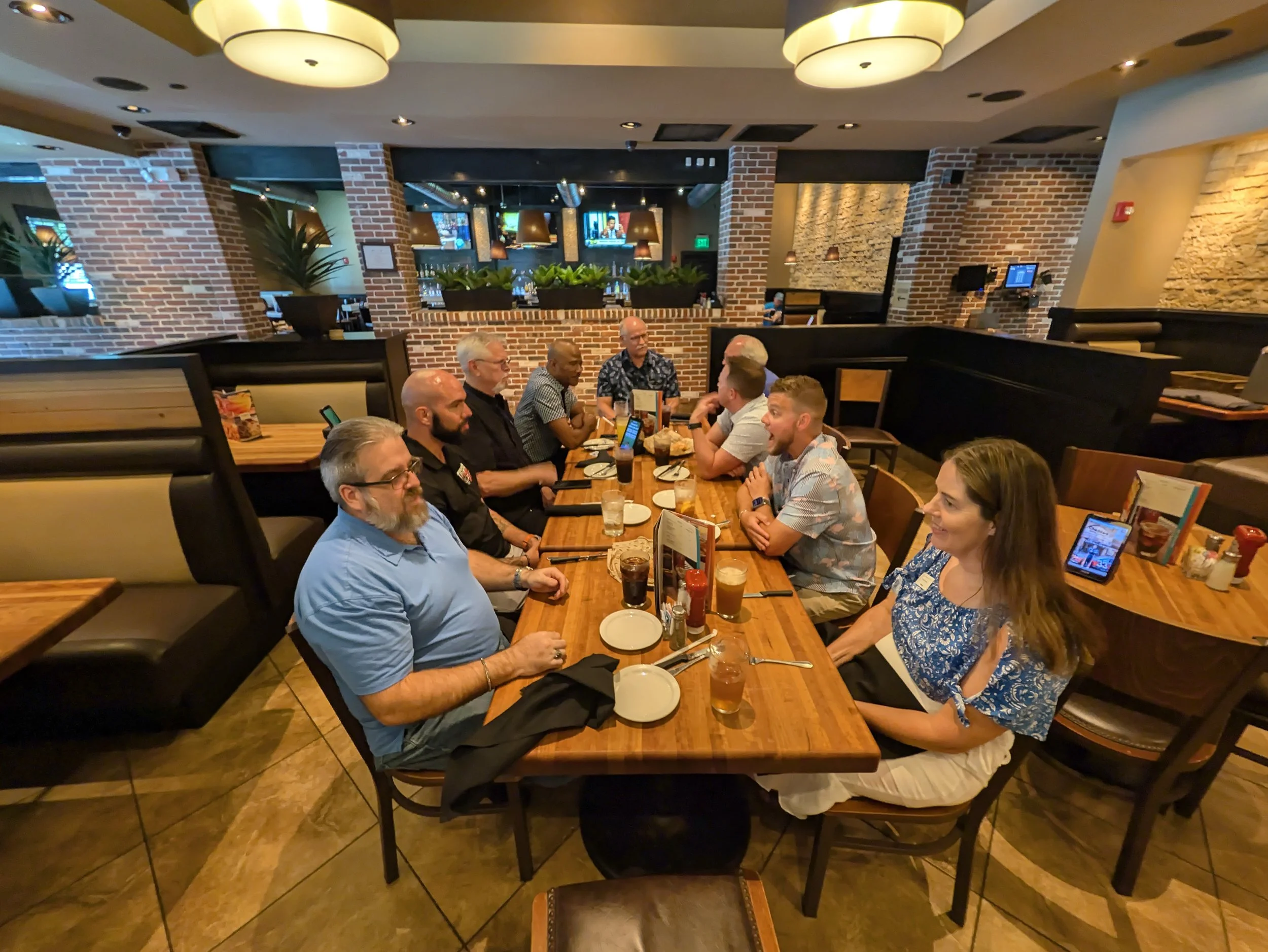

We had a great summer and here we go into the fall.
The pastors met at Grace for their their first meeting of the fall.
The kids enjoyed the 4th annual Labor Day Party. Thanks to Heather and Mike for hosting.






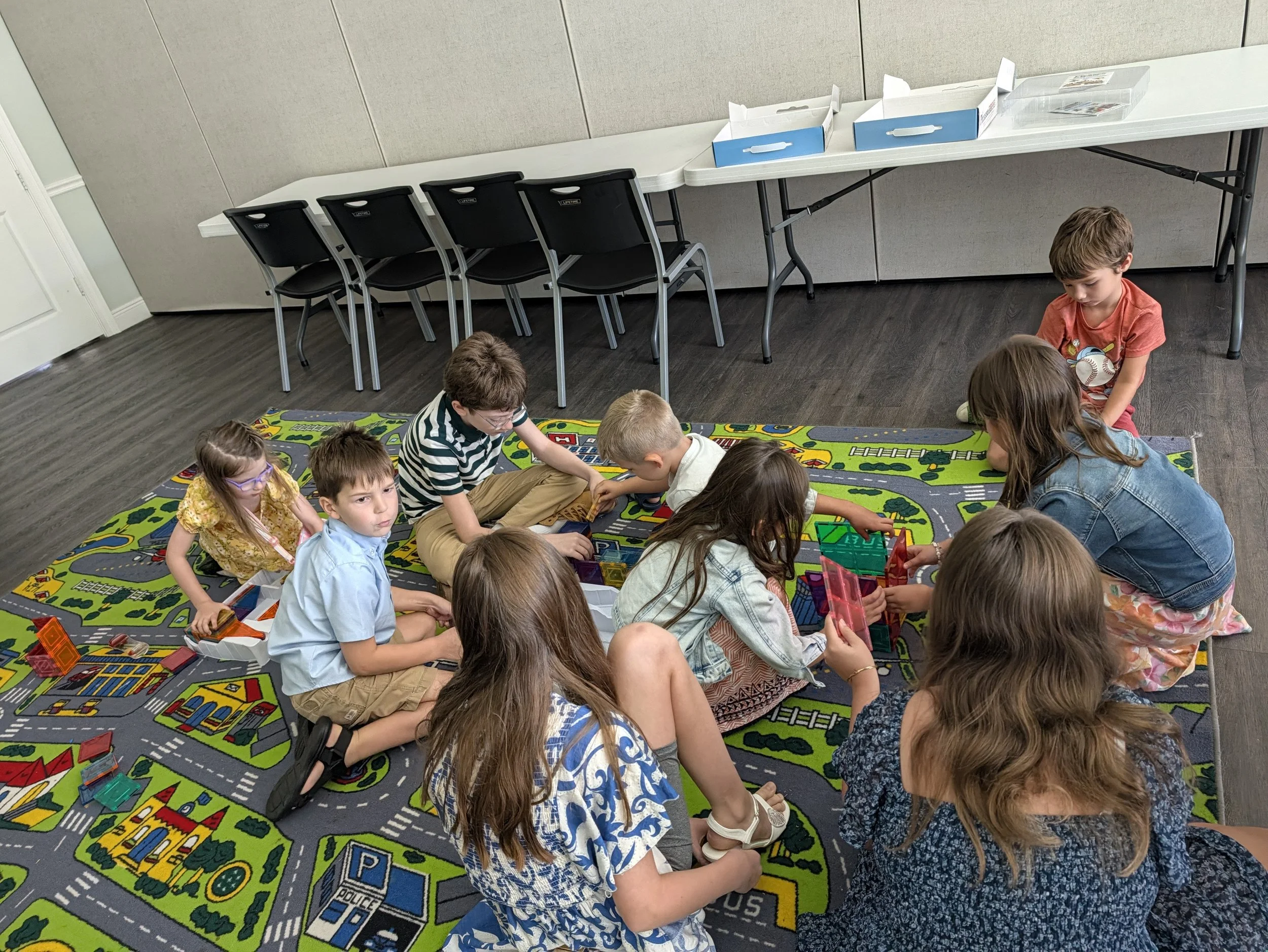

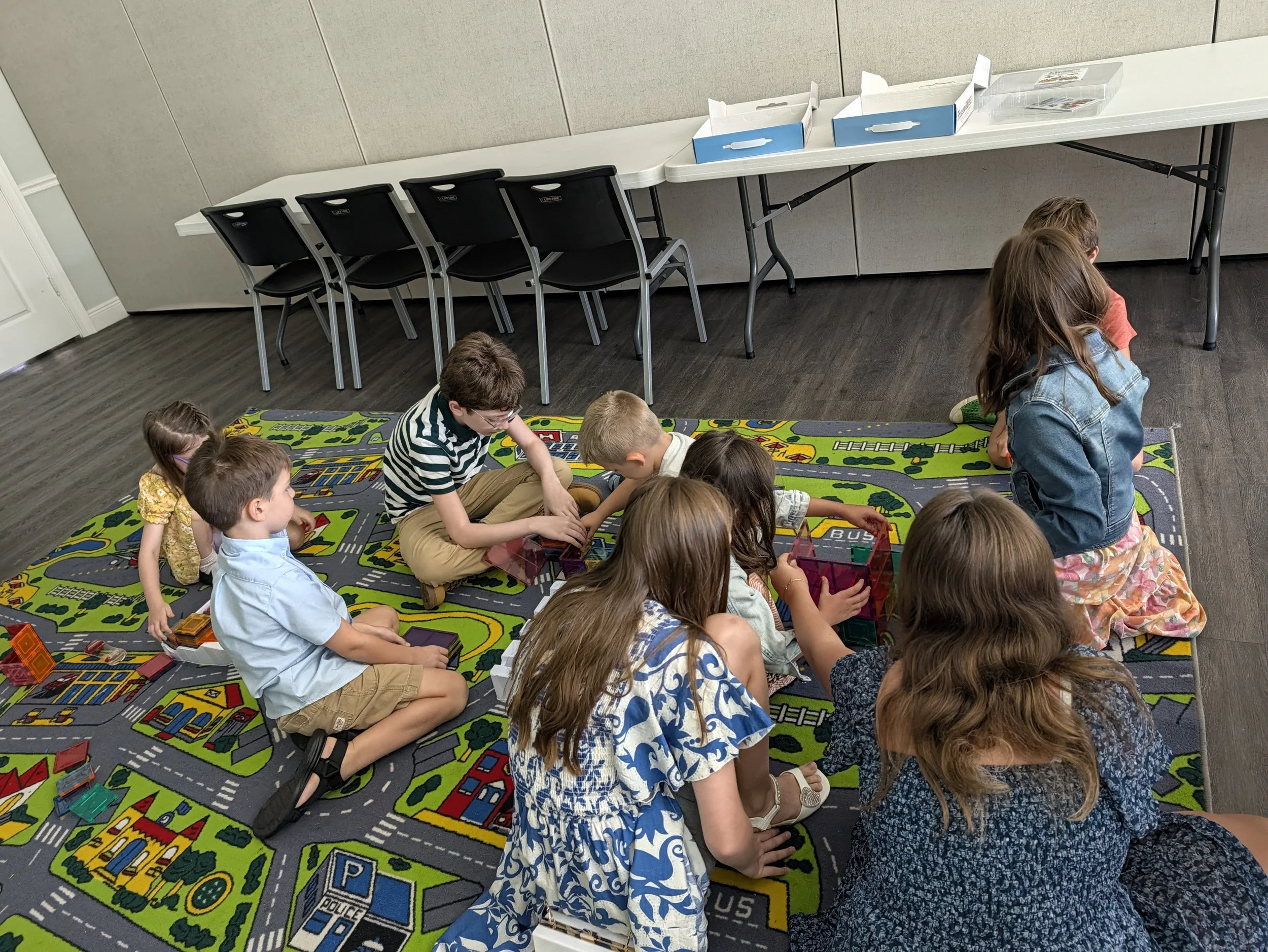





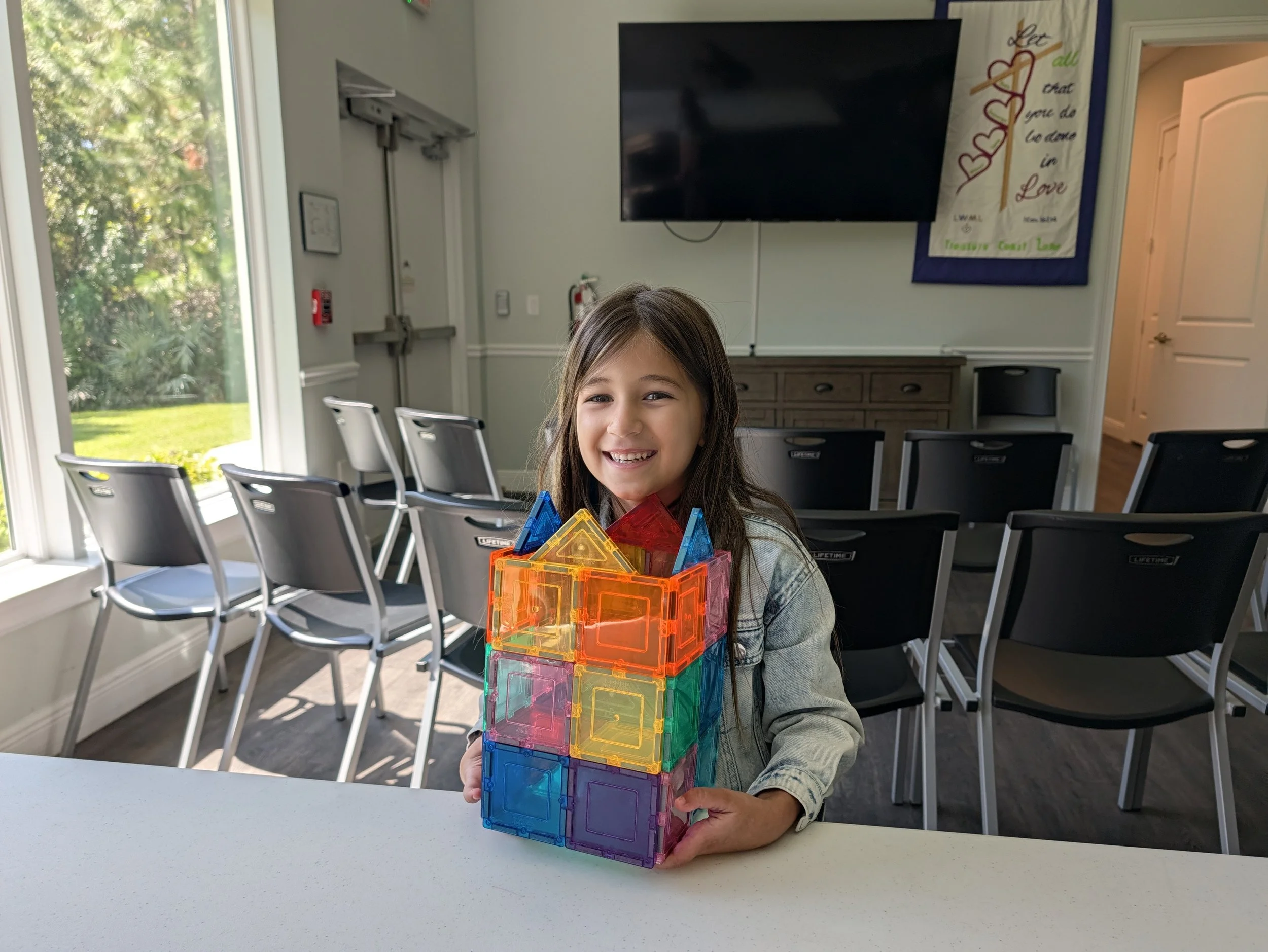





![Mark [Wednesday Bible Study]](https://images.squarespace-cdn.com/content/v1/5852f18a20099e30cd2c01dc/ba6ca3bb-2b74-4e61-a480-be2a15a0af81/Bible+Study+2+%282%29.jpg)
Mark [Wednesday Bible Study]
"While the Gospel of Mark is the shortest, it is the most direct; it reveals that the true Son of God is found not in our desires for power, but in the God who comes in humility to amaze us all."
"While the Gospel of Mark is the shortest, it is the most direct; it reveals that the true Son of God is found not in our desires for power, but in the God who comes in humility to amaze us all."


Uproot & Plan - Jeremiah (Teaching Series)
New growth requires broken ground. In Jeremiah, we experience the heavy work of God's Law uprooting our self-reliance, making way for the Gospel to plant us securely in His grace.
Uproot & Plant - The Book of Jeremiah
New growth requires broken ground. In Jeremiah, we experience the heavy work of God's Law uprooting our self-reliance, making way for the Gospel to plant us securely in His grace.
Reading Plan
Read around the readings for Sunday
9/13/26 - Jeremiah Chapters 1-6
Jeremiah 1:4-19
Ephesians 4:11-16
Luke 4:22-30
9/20/26 - Jeremiah Chapters 7-17
Jeremiah 7:1-15
1 Cor 3:10-17
Matthew 21:12-17
9/27/26 - Jeremiah Chapters 18-25
Jeremiah 25:1-14
Romans 5:6-11
Matthew 26:36-46
10/4/26 - Jeremiah Chapters 26-36
Jeremiah 31:27-34
Hebrews 8:6-13
Luke 22:39-46
10/11/26 - Jeremiah Chapters 37-45
Jeremiah 38:1-13
2 Corinthians 4:7-12
Matthew 16:21-26
10/18/26 - Jeremiah Chapters 46-52
Jeremiah 52:27b-34
2 Peter 3:8-14
Matthew 1:1, 12-17
Mark Chapter 7 Class 12 - Wednesday Bible Study
Mark chapter 7, where we discussed textual criticism, how Jesus contrasts God's commands with human traditions, and that true defilement comes from the heart, not external rituals, as seen in His teachings and His interaction with the Syrophoenician woman.
Gospel of Mark Chapter 7
This is our 12th class on Mark

This is an AI Recap of the class.
Some things may be incorrect.
Short Summary of the Whole Class
On the evening of September 9, 2026, our class delved into Mark chapter 7. The study opened with a practical look at how the Bible was copied and preserved, examining textual variants and why modern translations sometimes differ from older ones, concluding that discoveries like the Dead Sea Scrolls affirm Scripture's reliability. The main discussion focused on the conflict between Jesus and the Pharisees over "the tradition of the elders," specifically regarding ritual hand washing and the "Corban" rule. Jesus condemned their hypocrisy, teaching that what truly defiles a person are the evil things that come from within the heart, not external things. We connected this to modern church life, emphasizing integrity over performative piety. The study also examined the powerful stories of the Syro-Phoenician woman's faith and the healing of a deaf man, tying these miracles to Jesus's call for spiritual understanding and the inclusion of Gentiles.
Section-by-Section Walkthrough of the Class
1. Introduction and Discussion on Biblical Reliability
The class began with some light banter before Cris framed the purpose of the initial discussion: to build confidence in the Bible's reliability, explaining that textual notes in modern Bibles increase trust rather than undermining it. We looked at how ancient manuscripts for both the Greek New Testament and Hebrew Old Testament were meticulously copied. Scribes would record every variant, often in the margins, and Old Testament scribes even counted letters and lines to ensure accuracy. This transparent process shows that errors were noted, not secretly fixed.
A key observation was made about Mark 7:16, which reads in the New King James Version, "If anyone has ears to hear, let him hear," but is missing from many modern translations. Cris explained that we don't have the original manuscripts, but copies of copies. Archaeology in the 19th and 20th centuries uncovered much older manuscripts, such as the Dead Sea Scrolls, which confirmed the remarkable alignment and stability of our existing biblical texts. These more ancient manuscripts are considered more reliable, and they do not contain Mark 7:16. The verse was likely a "scribal addition," copied from a similar phrase in Mark 4:23, possibly with good intentions to thematically connect Jesus’s teaching about "hearing" with the subsequent miracle of healing the deaf man. It was noted that the Gospels are theological narratives designed to reveal Jesus, and this kind of literary-theological shaping is compatible with historical truthfulness.
Summary: The class began by establishing confidence in the Bible's transmission. The absence of Mark 7:16 in the oldest manuscripts, confirmed by discoveries like the Dead Sea Scrolls, highlights the transparent process of textual criticism, where scholars compare manuscripts to determine the most original wording.
Scriptures Mentioned: Mark 7:16, Mark 4:23
Stories Mentioned: The discovery of the Dead Sea Scrolls.
2. The Tradition of the Elders vs. God’s Commandment (Mark 7:1-13)
After the discussion on textual criticism, we transitioned into Mark chapter 7. The scene opens with Pharisees and scribes from Jerusalem confronting Jesus because His disciples were eating with "defiled," or unwashed, hands. Their concern was not hygiene but the breaking of "the tradition of the elders"—a set of oral laws and rituals added to God's written law. The class reflected on how a focus can drift from a tradition's original purpose to mere performance, turning good practices into oppressive rules.
Jesus responded forcefully, calling them hypocrites and quoting Isaiah 29:13: "These people honor me with their lips, but their hearts are far from me." He accused them of nullifying God's word for their man-made tradition and provided the specific example of "Corban." A person could declare their resources "Corban" (a gift dedicated to God), using this as a religious loophole to avoid their biblical duty, as commanded by Moses (Exodus 20:12/Deuteronomy 5:16), to honor and financially support their aging parents. This practice allowed someone to appear devout while directly disobeying God's command to love their neighbor.
Summary: Jesus challenges the Pharisees' focus on external rituals, accusing them of hypocrisy. He uses the "Corban" rule as a prime example of how their human traditions were used to invalidate God's direct commandments, such as honoring one's parents.
Scriptures Mentioned: Mark 7:1-13, Isaiah 29:13, Exodus 20:12, Deuteronomy 5:16
Stories Mentioned: The Tradition of the Elders (hand-washing), The teaching on Corban.
3. What Truly Defiles a Person (Mark 7:14-23)
Jesus then called the crowd and delivered a revolutionary teaching: nothing that enters a person from the outside can defile them. True defilement comes from within—from the heart. Later, when the disciples asked for clarification, Jesus expressed frustration at their lack of understanding, asking, "Are you so dull?" He explained that food goes into the stomach and is eliminated, but evil thoughts, sexual immorality, theft, murder, adultery, greed, malice, deceit, pride, and folly come from a person’s heart, and these are what truly make a person unclean. The class discussed the tone of Jesus' explanation, with some hearing it as a solemn pronouncement and others as biting, illustrative humor (a "poop joke") meant to shock his listeners into understanding.
Mark adds a crucial editorial note: "In saying this, Jesus declared all foods clean" (Mark 7:19). We connected this declaration to Acts 10, where Peter has a vision in which God tells him, "Do not call anything impure that God has made clean." This prepared Peter to take the gospel to the Gentile centurion, Cornelius. Thus, Jesus’ teaching in Mark 7 not only re-centers purity on the heart but also prepares the way for the inclusion of Gentiles into God's people.
Summary: Jesus teaches that moral purity is an issue of the heart, listing the internal sins that truly defile a person. His declaration that all foods are clean is a pivotal moment that anticipates the future inclusion of Gentiles, a theme further developed in the book of Acts.
Scriptures Mentioned: Mark 7:14-23, Acts 10:9-16, 28
Stories Mentioned: Peter’s vision of the clean and unclean animals, The story of Peter and Cornelius.
4. The Faith of a Gentile Woman (Mark 7:24-30)
Next, the class examined the story where Jesus traveled to the Gentile region of Tyre and Sidon. A Syro-Phoenician (Greek) woman, whose origin evokes cultural associations with the region of Jezebel from the Old Testament, came begging him to heal her demon-possessed daughter. Jesus initially responded with a harsh-sounding metaphor: "It is not good to take the children’s bread and throw it to the little dogs," implying his primary mission was to "the children" (the Jews), not "the dogs" (Gentiles).
However, the woman's brilliant and humble faith turned his own metaphor back on him. She replied, "Lord, yet even the little dogs under the table eat from the children’s crumbs." This response showed she understood that even a "crumb" of Jesus's power was more than enough. Impressed by her witty and faithful answer, Jesus granted her request, and she returned home to find her daughter healed. Her humble, persistent trust was contrasted with the disciples, who, despite witnessing miracles like the feeding of the five thousand, still had "hardened hearts" and a lack of understanding.
Summary: Jesus extends his ministry to the Gentiles, rewarding the bold and humble faith of the Syro-Phoenician woman. Her story serves as a powerful example of an "outsider" demonstrating profound faith, revealing that God's mercy overflows to anyone who believes.
Scriptures Mentioned: Mark 7:24-30, Mark 6:51-52 (context)
Stories Mentioned: The Faith of the Syro-Phoenician Woman, Allusion to Jezebel's story (1 Kings 16, 21; 2 Kings 9).
5. Application and Concluding Thoughts
The discussion then turned to modern applications. We considered how the temptation to seek religious accolades and public recognition can distort our motives, contrasting large gifts that cost the giver little with small, sacrificial gifts that cost much. This led a class member to connect the conversation to the story of the widow’s offering, who gave two small coins—all she had. This story perfectly exemplifies the sincere, sacrificial faith that Jesus commends, standing in stark contrast to performative religiosity.
Finally, we noted how the theme of spiritual perception—"Do you see? Do you hear?"—is threaded through this section of Mark. The chapter concludes with the healing of a man who was deaf and had a speech impediment (Mark 7:31-37). This physical healing serves as a powerful, literal demonstration of Jesus's call for spiritual hearing and understanding, a theme that would continue into the next chapter with the feeding of the four thousand.
Summary: The class applied Jesus's critique of performative religion to modern church life, using the widow's offering as a model of sincere, sacrificial giving. The chapter concludes by setting up the ongoing theme of needing spiritual eyes to see and ears to hear who Jesus truly is.
Scriptures Mentioned: Mark 7:31-37, Mark 8:1-21 (preview), Mark 12:41-44 / Luke 21:1-4
Stories Mentioned: The Healing of the Deaf and Mute Man, The widow’s offering of two coins, Feeding of the Four Thousand (preview).
Medium-Length Summary
During our Bible study on September 9, 2026, we journeyed through the entirety of Mark chapter 7, framed by the disciples' spiritual dullness from the end of chapter 6. The class opened with a discussion on textual criticism, explaining why verses like Mark 7:16 are absent in modern Bibles and how discoveries like the Dead Sea Scrolls affirm the reliability of Scripture's transmission. We then watched as Jesus confronted the Pharisees over their man-made traditions, particularly hand-washing and the "Corban" rule, which allowed them to neglect God’s clear commands. Jesus established a profound principle: true defilement is not external but internal, originating from evil thoughts within a person's heart. His declaration that all foods are clean foreshadows the inclusion of Gentiles, a theme fulfilled in Acts 10. This was followed by the powerful story of the Syro-Phoenician woman, an "outsider" whose humble, persistent faith was commended by Jesus. We applied these lessons to modern church life, discussing the dangers of performative piety and embracing the sacrificial model of the widow's offering. The class concluded by noting how the subsequent healing of a deaf man serves as a living metaphor for the spiritual "hearing" Jesus desires for all his followers.
Main Points
The Bible’s textual history is transparent and reliable; manuscript variants are documented, not hidden, and discoveries like the Dead Sea Scrolls confirm Scripture's stability.
Jesus prioritizes God’s commandments over human traditions that have become detached from their purpose.
True defilement comes from the evil that proceeds from the human heart, not from external things like food or unwashed hands.
Religious loopholes like "Corban" can be a way of masking disobedience to God's core commands to love and honor others.
Jesus’s declaration that all foods are clean anticipates the inclusion of Gentiles into God's family.
Jesus's healing ministry extended beyond the Jews to the Gentiles, as seen in the story of the Syro-Phoenician woman, who models humble and persistent faith.
Physical healings in Mark’s Gospel, like that of the deaf man, often serve as metaphors for the need for spiritual sight and hearing.
Modern discipleship must resist performative religiosity and value sacrificial, sincere generosity like that of the widow's offering.
Scriptures and Stories Mentioned
Bible Scriptures:
Mark, Chapter 6 (Recap, specifically Mark 6:51-52)
Mark, Chapter 7 (Main Text)
Mark 7:16 (in the context of textual criticism)
Mark 4:23 (for scribal comparison)
Mark 12:41-44 / Luke 21:1-4 (The widow's offering)
Mark 8:1-21 (Preview)
Isaiah 29:13
Exodus 20:12 / Deuteronomy 5:16
Acts 10:9-16, 28
1 Kings 16, 21; 2 Kings 9 (Background allusion to Jezebel)
Stories/Parables:
Beheading of John the Baptist (Mark 6)
Feeding of the Five Thousand (Mark 6)
Jesus Walks on Water (Mark 6)
The discovery of the Dead Sea Scrolls
The Tradition of the Elders (Mark 7)
The teaching on Corban (Mark 7)
Peter's Vision and the story of Cornelius (Acts 10)
The Faith of the Syro-Phoenician Woman (Mark 7)
The Healing of the Deaf and Mute Man (Mark 7)
The widow’s offering of two coins
![[Sunday] You Are Stars - Missio Dei Part 5](https://images.squarespace-cdn.com/content/v1/5852f18a20099e30cd2c01dc/1788457295963-IAAQLBEGO64V2HKPFNBG/MissioDei26+6a.jpg)
[Sunday] You Are Stars - Missio Dei Part 5
Just as taking in a panoramic view can remind us that everything will be okay, Revelation 7 and the promises of God invite us to step back and behold the ultimate beautiful picture.

Just as taking in a panoramic view can remind us that everything will be okay, Revelation 7 and the promises of God invite us to step back and behold the ultimate beautiful picture.

What Had happened at Grace this week.

Christmas Boxes - Small Toys (card games, jump ropes, little cars, coloring books, hard candy)
Collecting hair ties, hair brushes, bar soap and Jesus figures
For the month of October, we are collecting small toys that will fit in the Christmas Boxes. For example, card games, jump ropes, little cars, coloring books (with no words) and hard candy.
Feel free to add anything else you think would be fun, but remember it has to fit in the box.

We are wanting to bless even more children in Hait this Christmas. We are doubling our goal to 400 gift boxes!
Let’s start early so we can meet this awesome goal.
Each month we will focus on a type of a gift, but feel free to bless the children with whatever gift will fit in a plastic shoebox. OR—each box costs about $25.00, so if you would like to donate money, we will use it to purchase items for you.
Amazon has many gift ideas and are more reasonable when you put the word “bulk” in the search line, such as “Soccer balls bulk”.
Here are the goals for the next 7 months:
May - Soccer balls
June - Baby dolls (8” or under), necklaces & bracelets
July - Backpacks
August - Pencil cases, toothbrushes, toothpaste
September - Bar soap, hairbrushes, double ball hair ties
October - Toys-card games, jump ropes, little cars, coloring books (without words), etc., hard candy
November - Anything goes that fits in the box!
PACKING DAY NOVEMBER 21ST
There is always hope when a buried seed begins to sprout.