

![[Sunday] Resurrect Forgiveness, Most Certainly True](https://images.squarespace-cdn.com/content/v1/5852f18a20099e30cd2c01dc/1770948018220-IKTBHUHDVH0WYOVX6QFI/Certainly+True+6a.jpg)
[Sunday] Resurrect Forgiveness, Most Certainly True
The Creed reveals the Church’s heartbeat is the forgiveness of sins, a gift which replaces our darkness with God's light and leads us to the ultimate feast of the resurrection.
The Creed reveals the Church’s heartbeat is the forgiveness of sins, a gift which replaces our darkness with God's light and leads us to the ultimate feast of the resurrection.
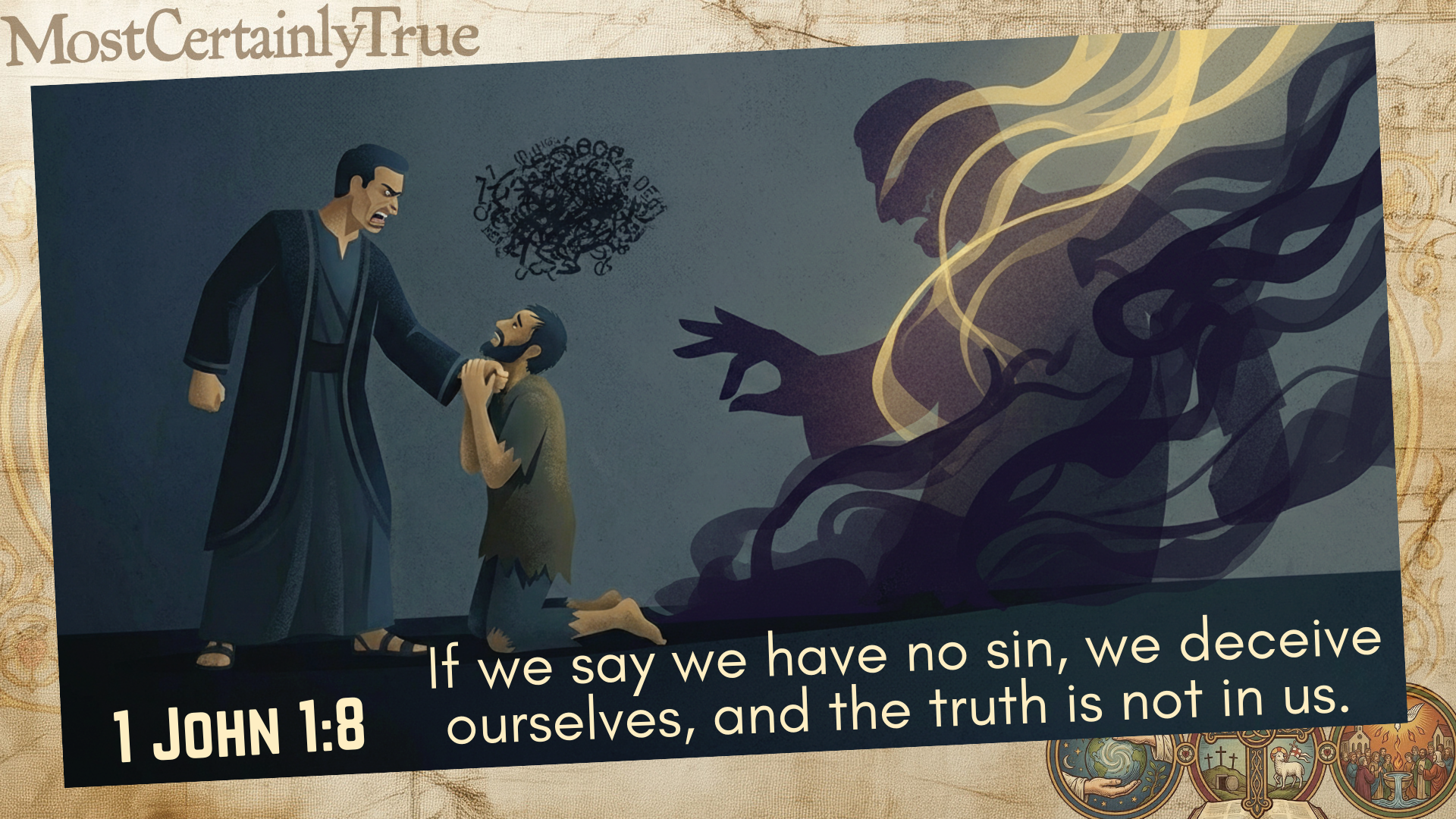
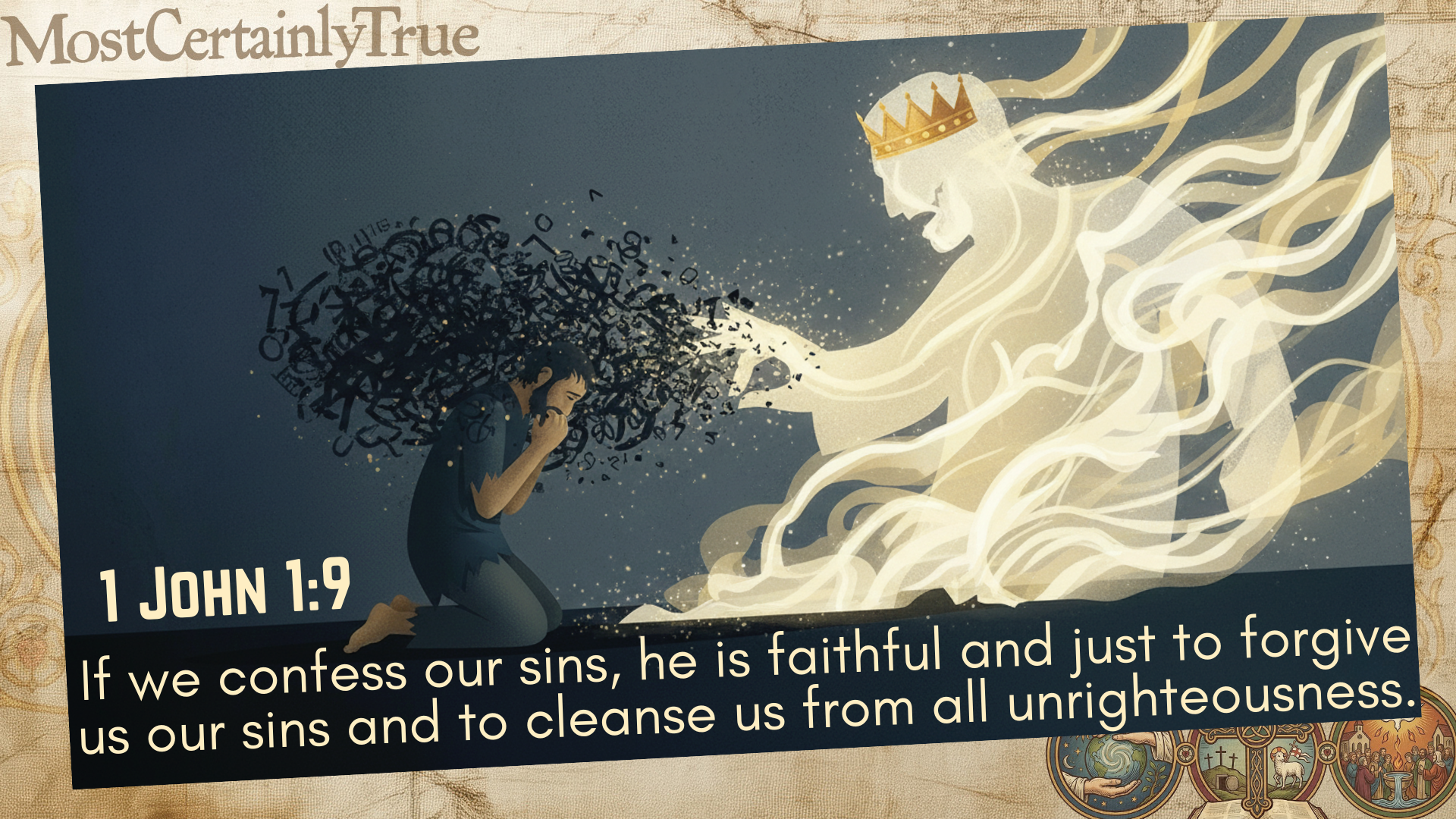
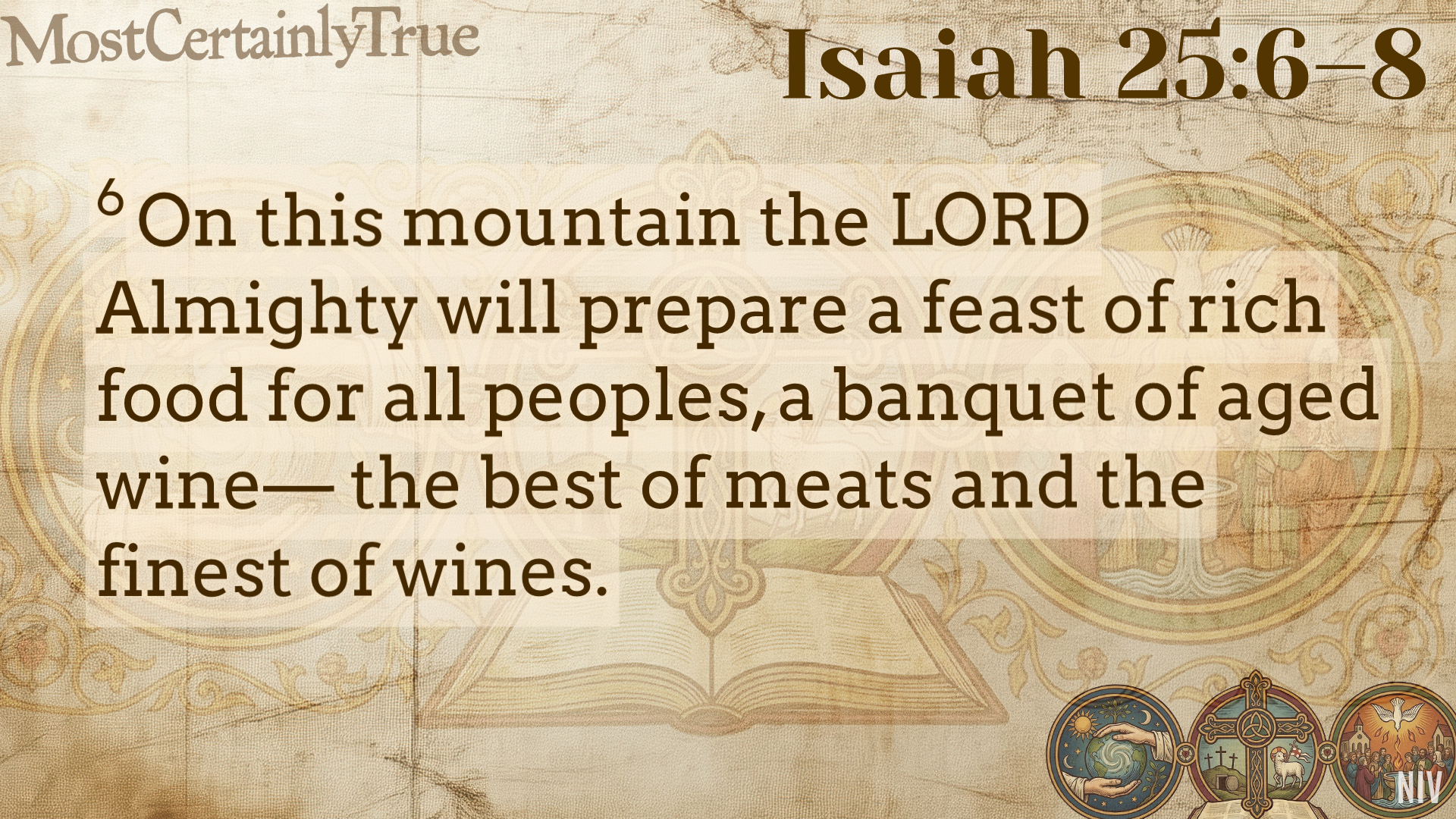
Questions for the Week: Most Certainly True: Resurrect Forgiveness
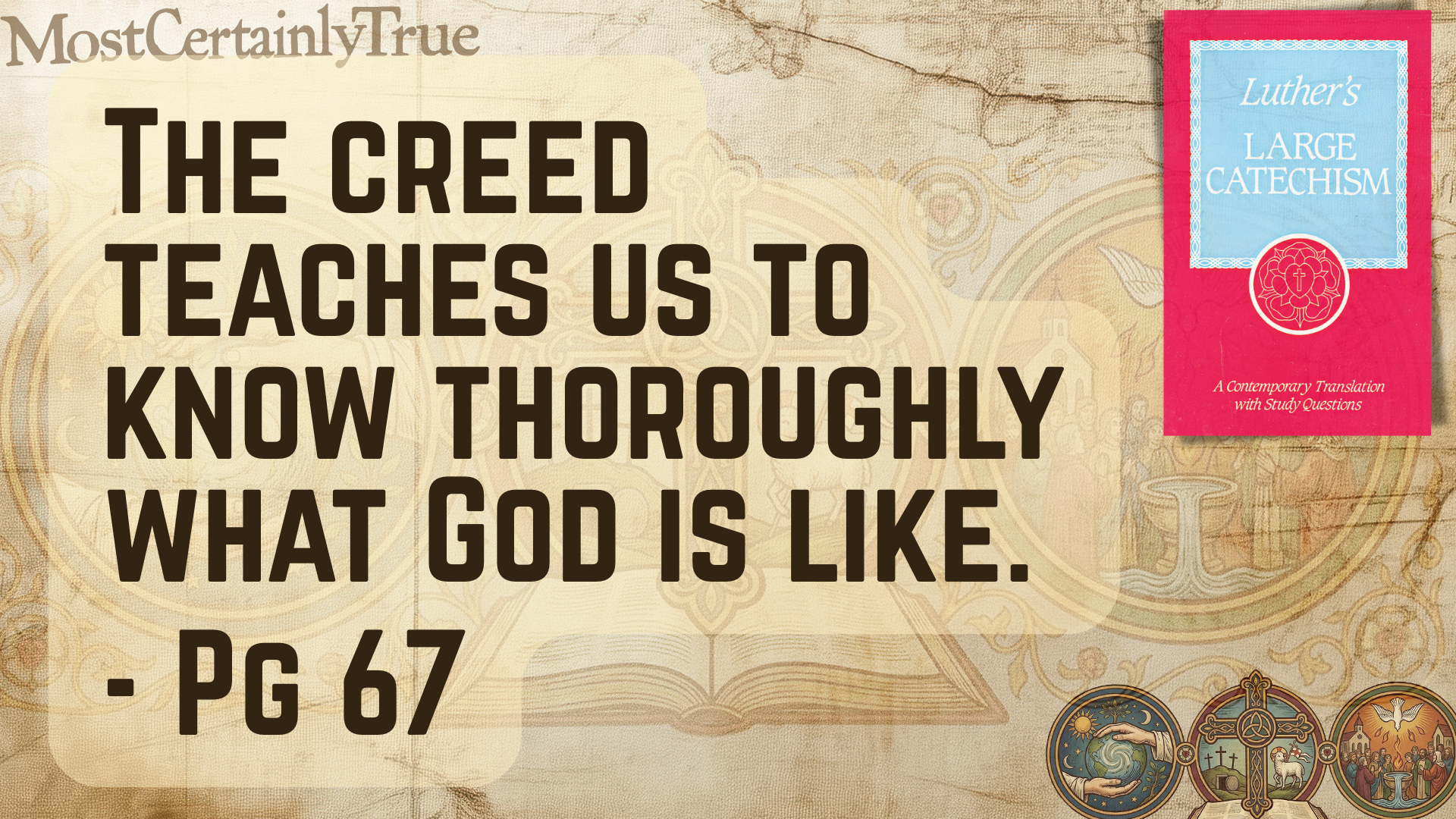
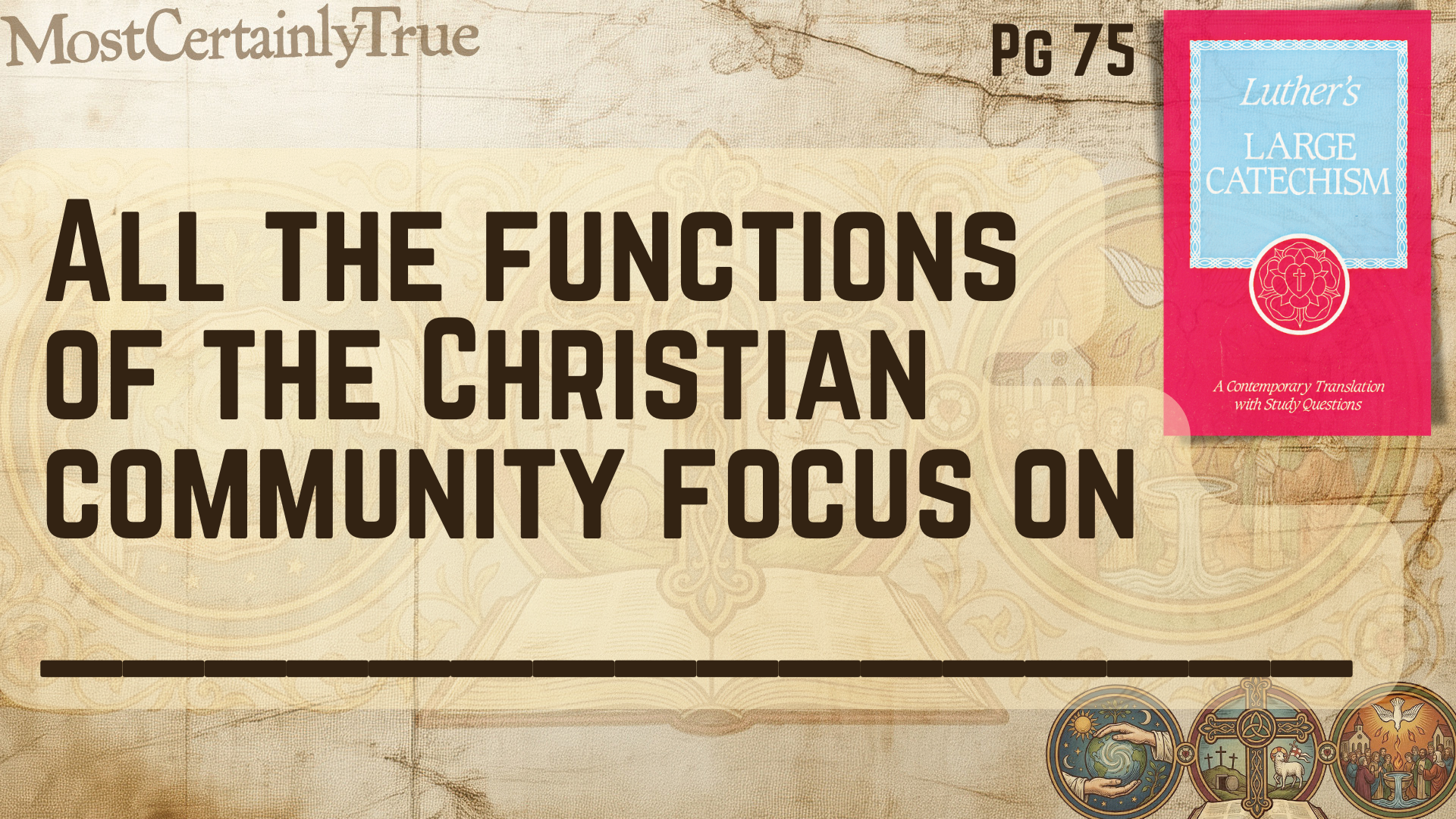
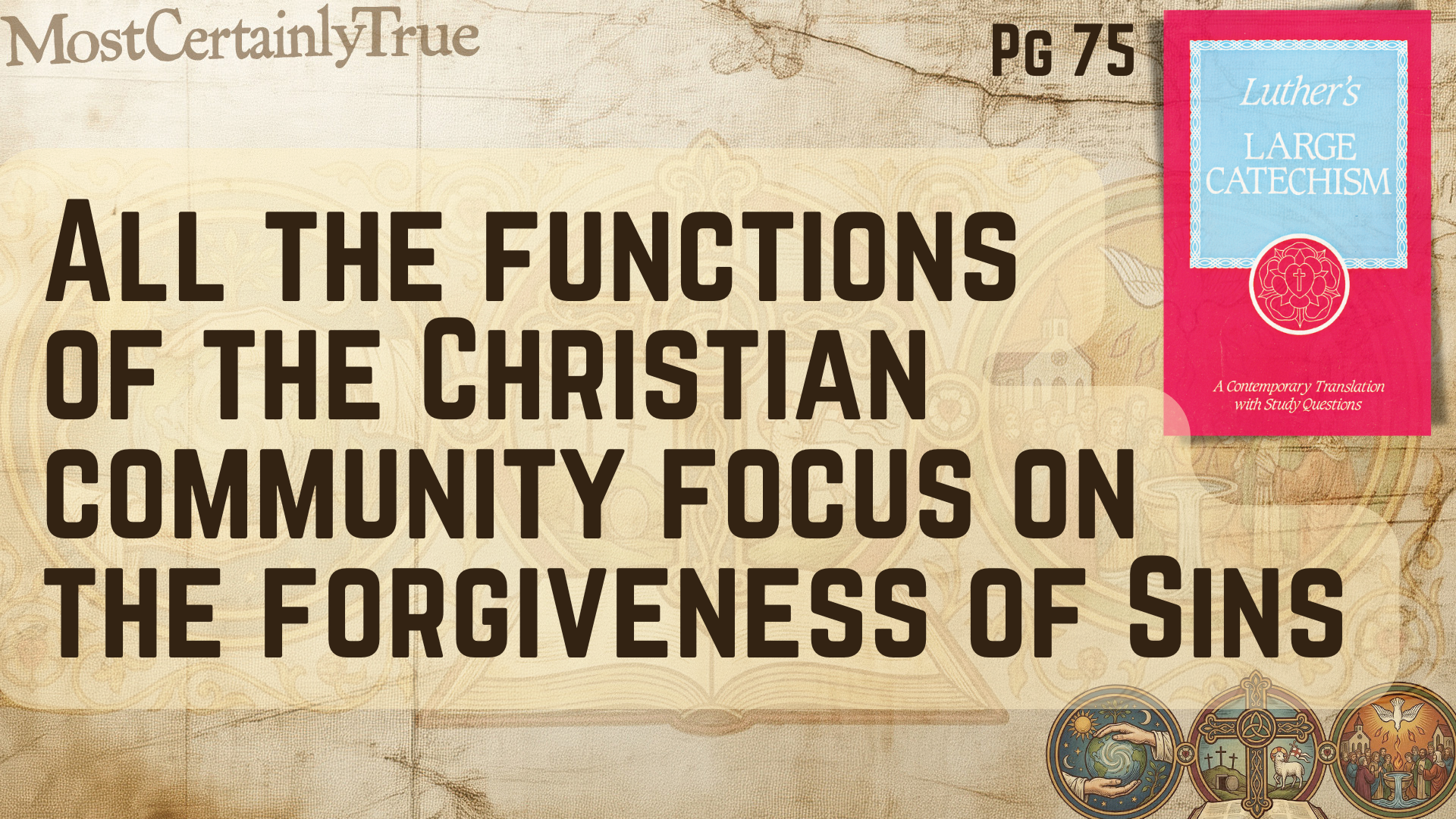
In the Large Catechism, Luther says that all functions of the Christian community focus on the forgiveness of sins (pg. 75). Do you tend to think of church primarily as a place for forgiveness, or do you view it more as a place for learning morals, socializing, or doing good works? How does shifting the focus to forgiveness change your perspective?
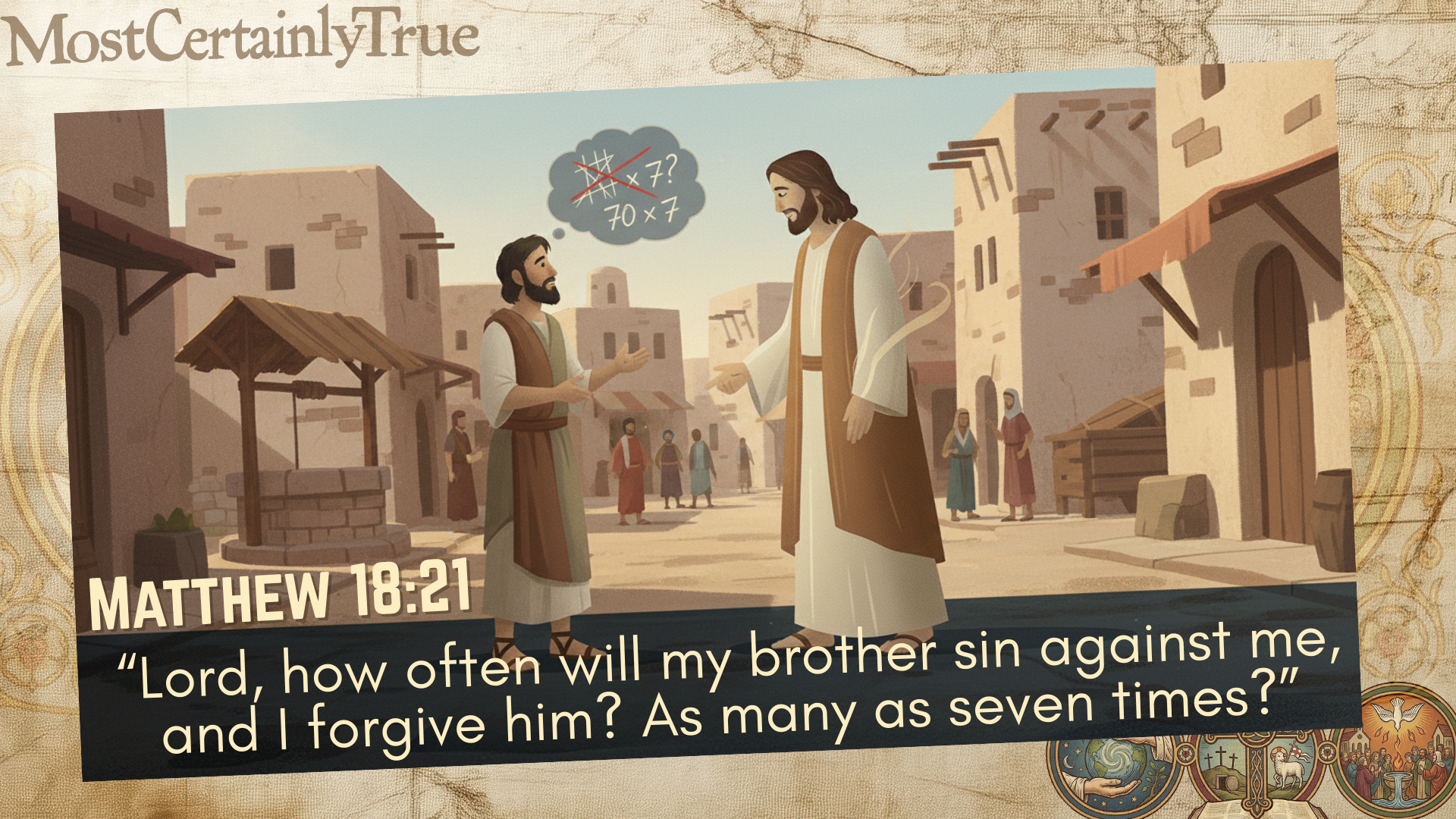
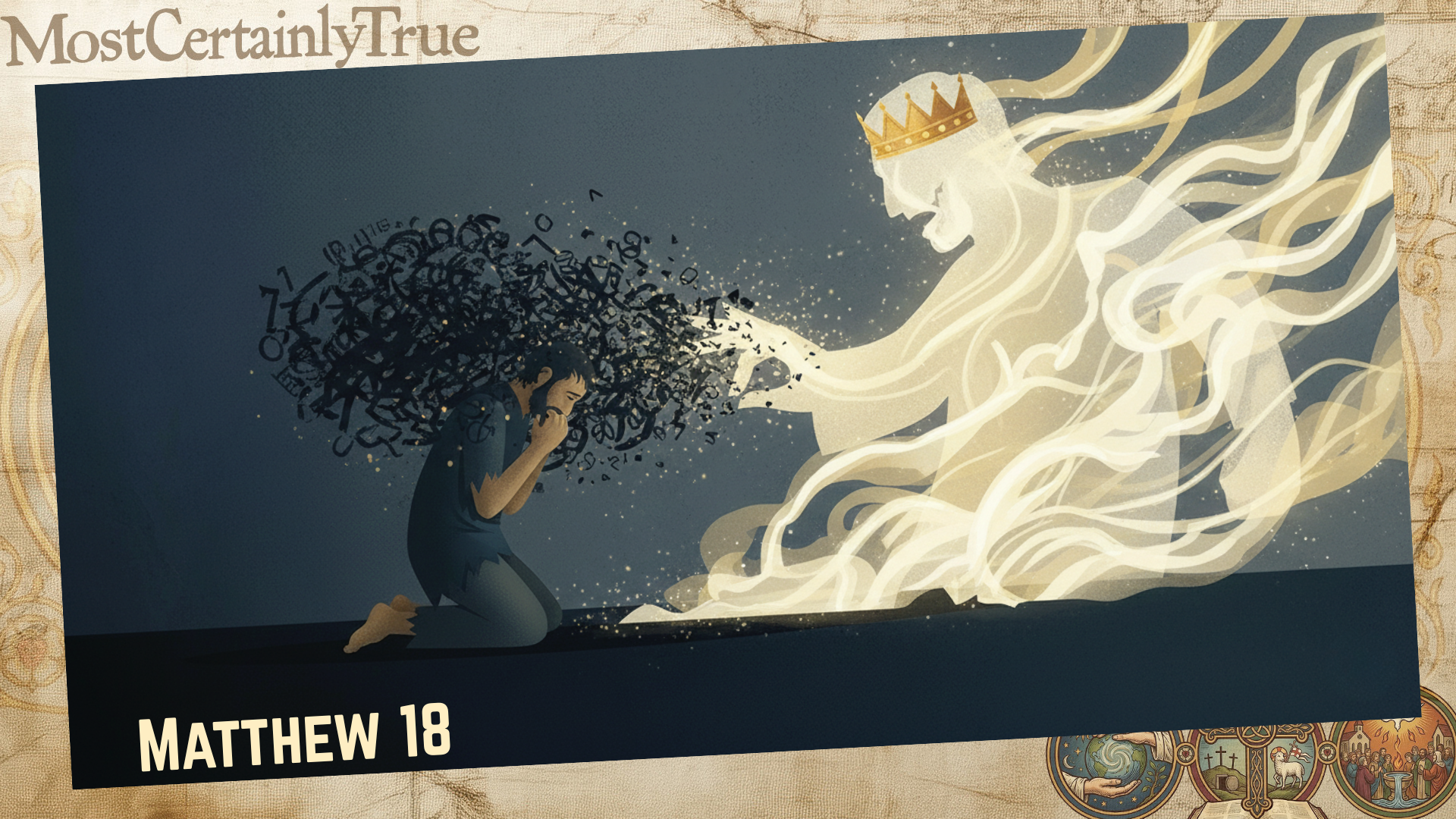
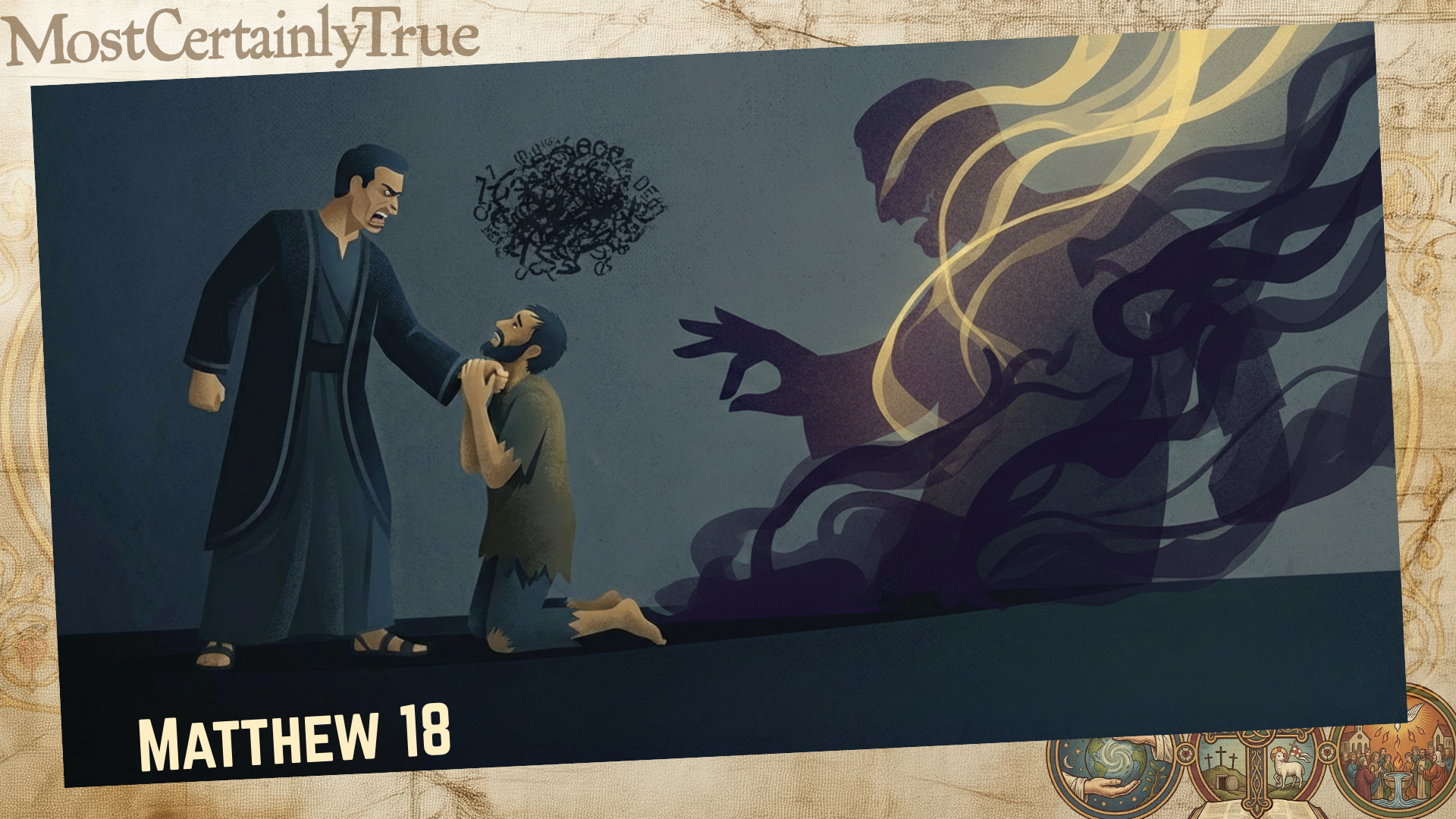
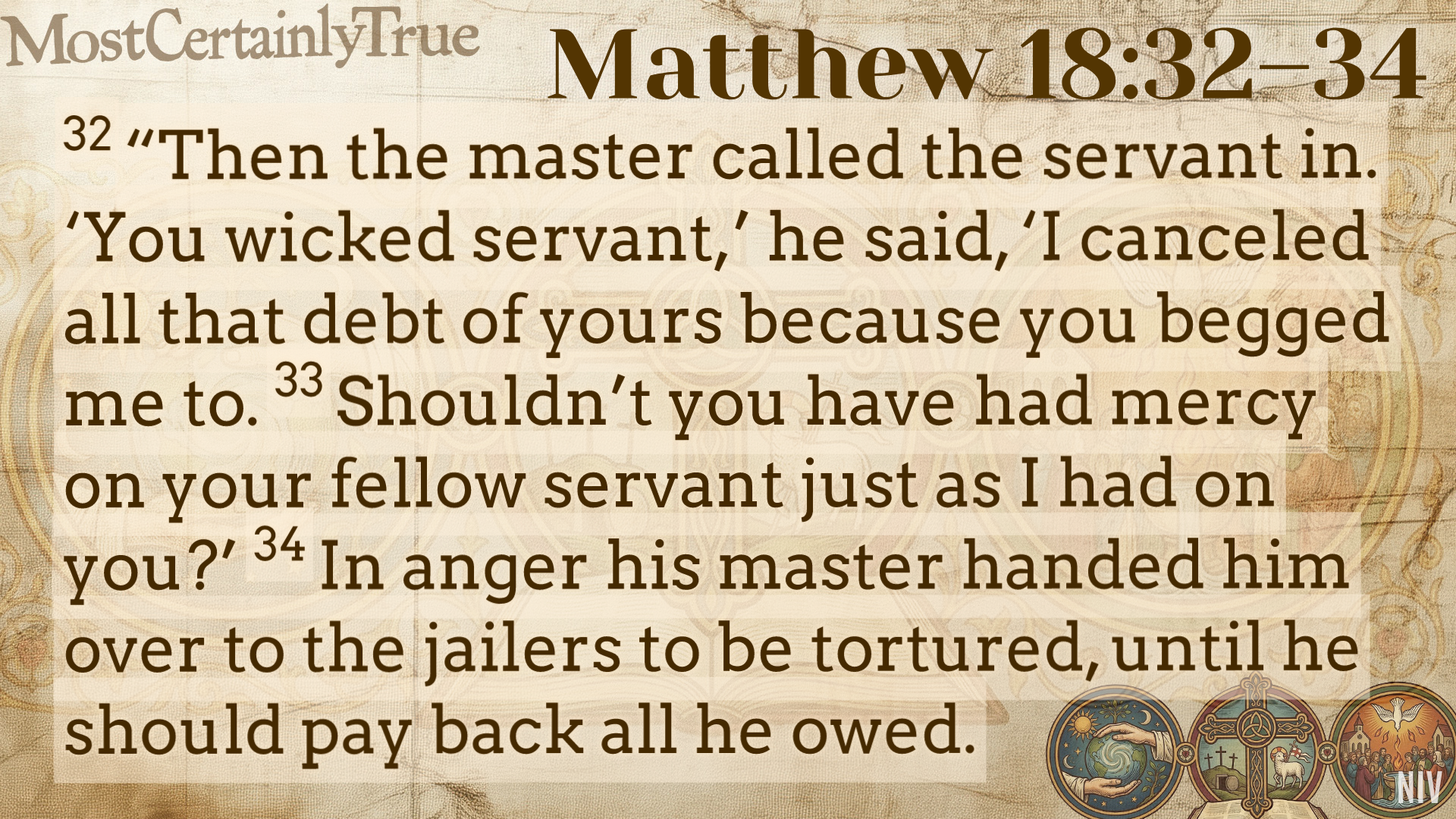
Read Matthew 18:21-35. In the parable, the King forgives a debt the servant could never hope to pay. If we truly realized the size of the "debt" Jesus paid for us on the cross, how would that change the way we react to the small hurts or annoyances we experience with others this week?
Why is it dangerous for us to try to keep a "scorecard" of how many times we’ve forgiven someone? How does that scorecard prevent us from "walking in the light"? (See 1 John 1:5-10)
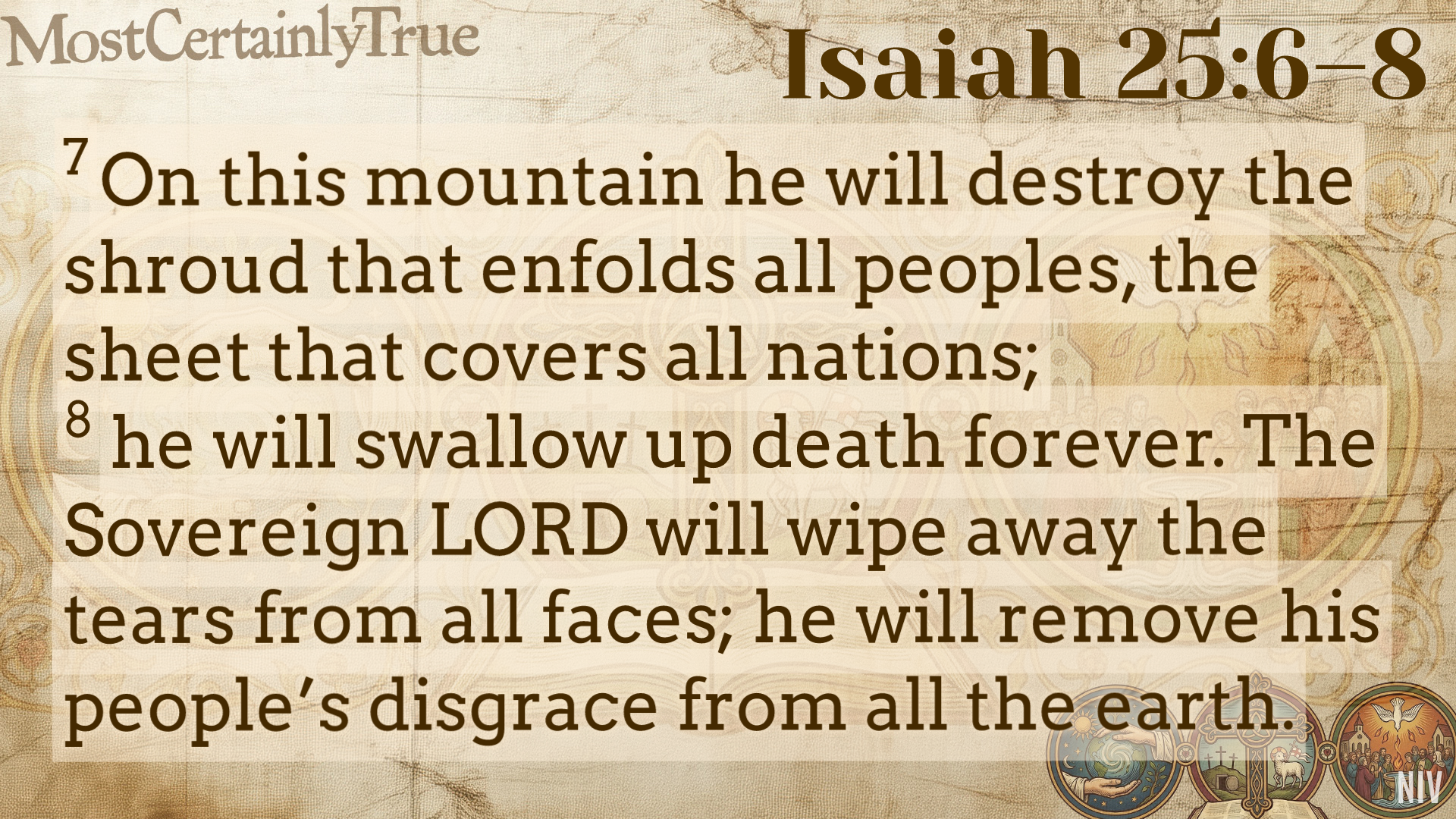
Read Isaiah 25:6-9. Isaiah describes God’s kingdom as a feast of "rich food and well-aged wine." How does knowing that God's ultimate plan is a physical party (resurrection), not just a spiritual state, give you hope today?

What Had happened at Grace this week.
![New Members and 10 Anniversary [Photos]](https://images.squarespace-cdn.com/content/v1/5852f18a20099e30cd2c01dc/1792787357308-T1OPOZQZ4TID8CEXQ969/PXL_20261018_144108765.jpg)
![Genesis [Tuesday Bible Study] 10:00am](https://images.squarespace-cdn.com/content/v1/5852f18a20099e30cd2c01dc/a502215c-0fa5-4f83-9cbd-7605b5239368/Bible+Study+2+%2848%29.png)
![[Sunday] The Seed Sprouts - Uproot & Plant - The Book of Jeremiah Ch52](https://images.squarespace-cdn.com/content/v1/5852f18a20099e30cd2c01dc/1792092642677-KD8F9NU9SFMPONI6LCG4/uproot+6a.jpg)
![[Sunday] Treasure In The Pit - Uproot & Plant - The Book of Jeremiah Ch38](https://images.squarespace-cdn.com/content/v1/5852f18a20099e30cd2c01dc/1791510365268-D3ZBJES5THWDRRFX642V/uproot+5a.jpg)
![Grace At The FLGA President’s Equip Conference [Photos]](https://images.squarespace-cdn.com/content/v1/5852f18a20099e30cd2c01dc/1791512993810-VGZR7F6BTGBK49JQXAJP/PXL_20260930_231025258.jpg)
![[Sunday] I Will - Uproot & Plant - The Book of Jeremiah Ch31](https://images.squarespace-cdn.com/content/v1/5852f18a20099e30cd2c01dc/1790717808062-CSTXC8PAW44RX5SEXPHA/uproot+4a.jpg)
![[Sunday] Gathered Christ, Most Certainly True](https://images.squarespace-cdn.com/content/v1/5852f18a20099e30cd2c01dc/1770395526468-R3EMN6BOOEGKPEO9EGYB/Certainly+True+5aaaaa.jpg)
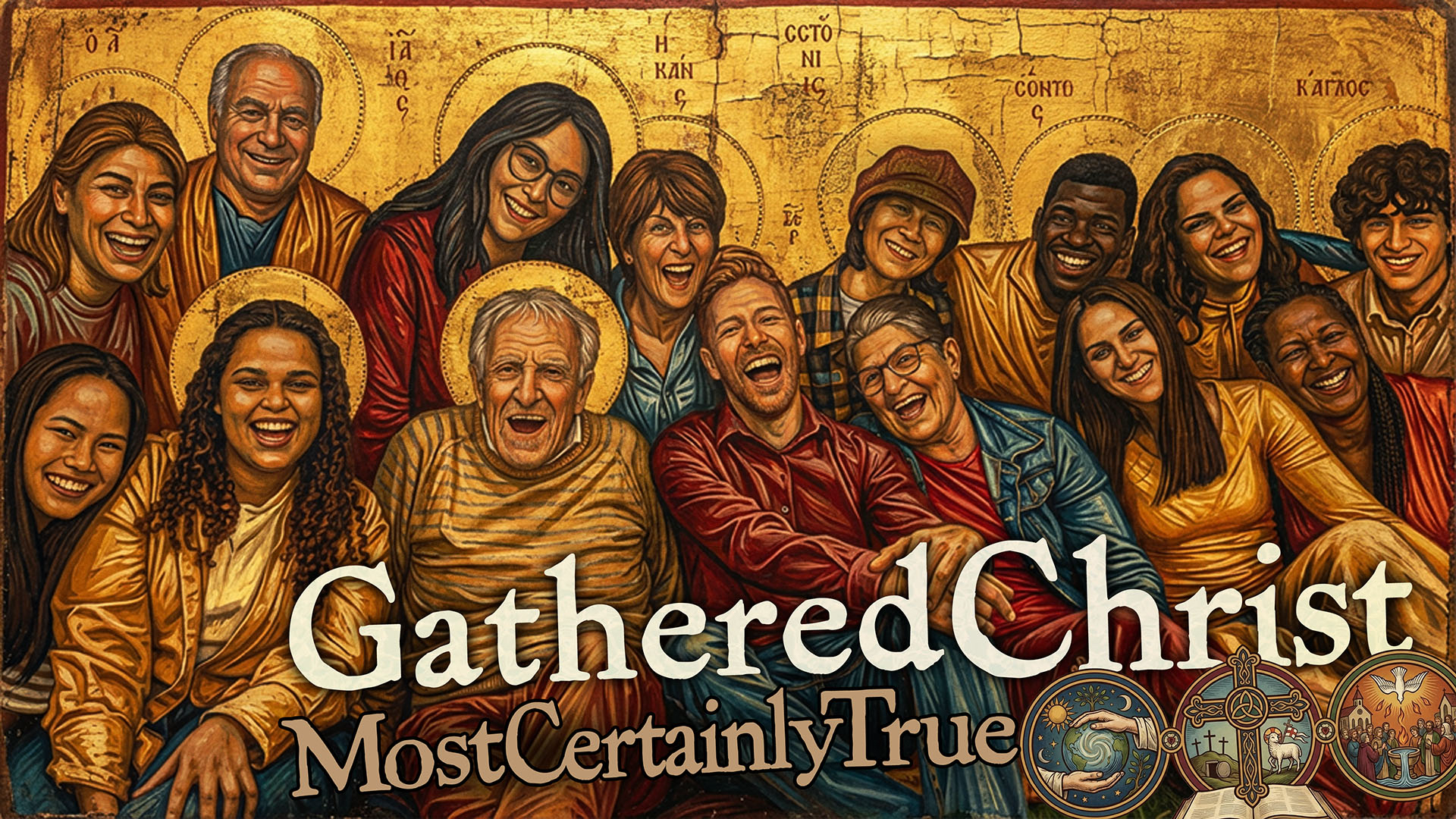
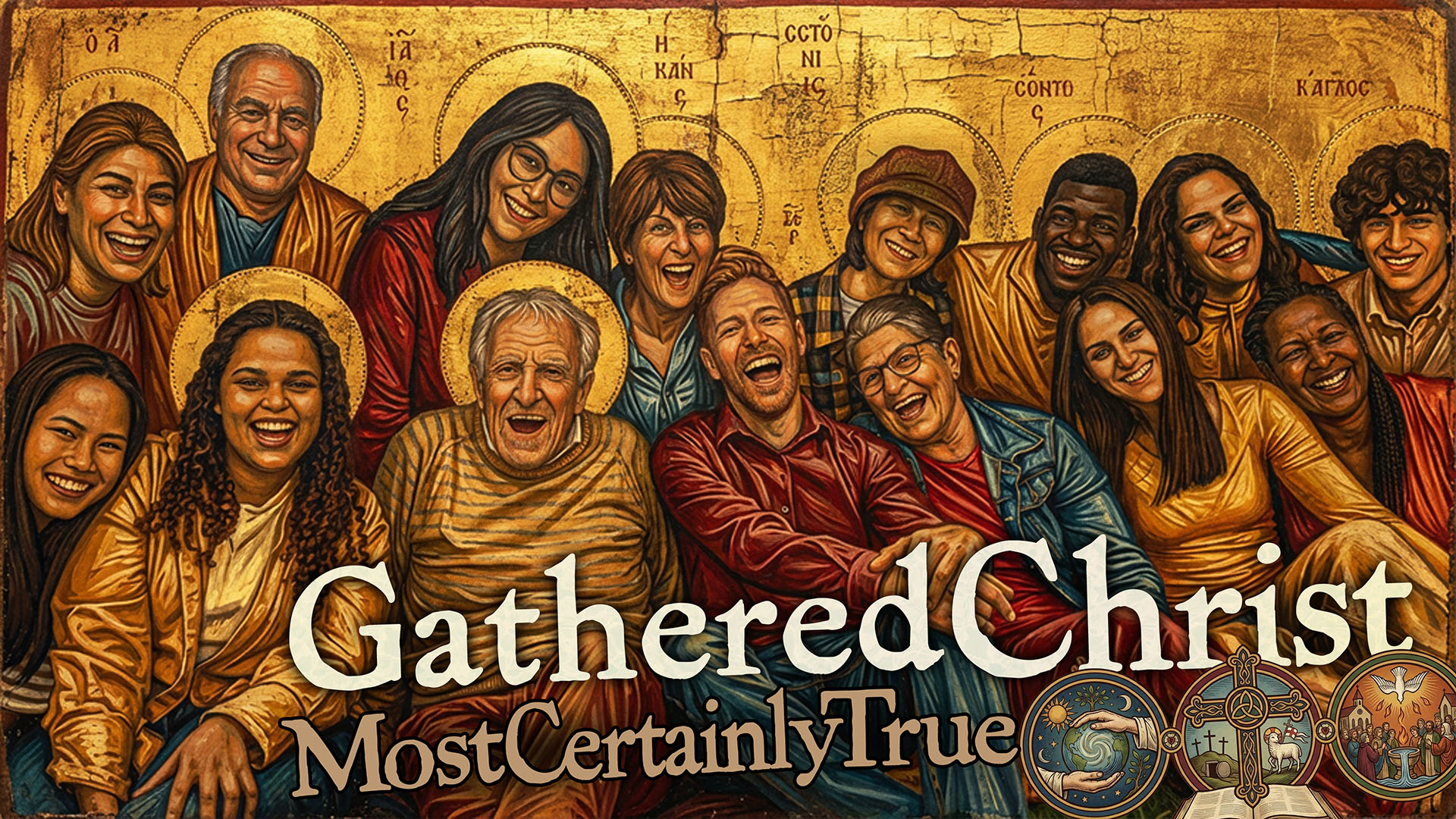
[Sunday] Gathered Christ, Most Certainly True
The Holy Spirit uses ordinary community to do what "reason and strength" never could.
The Holy Spirit uses ordinary community to do what "reason and strength" never could.

-
Introduction: The Third Article of the Creed
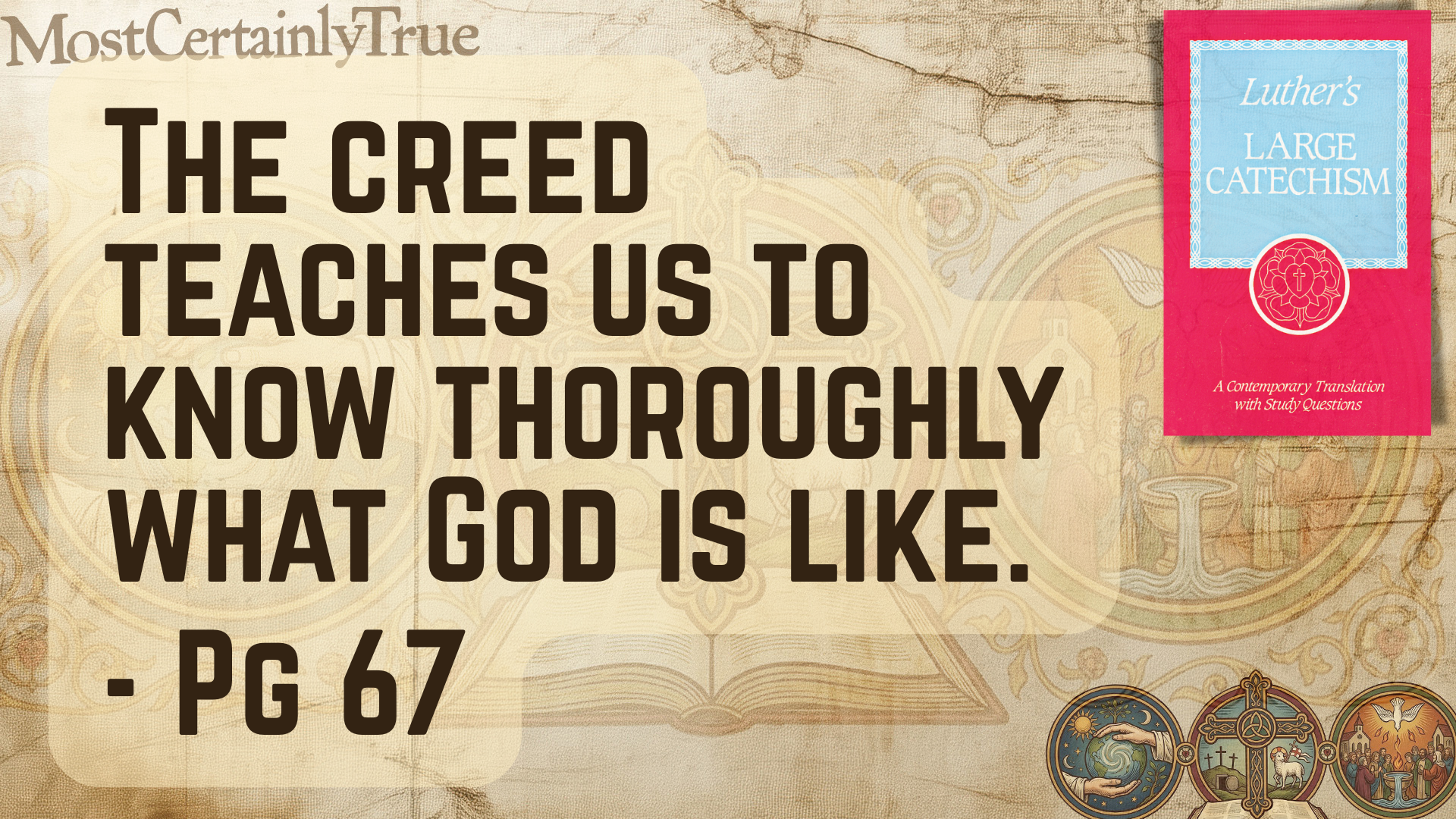
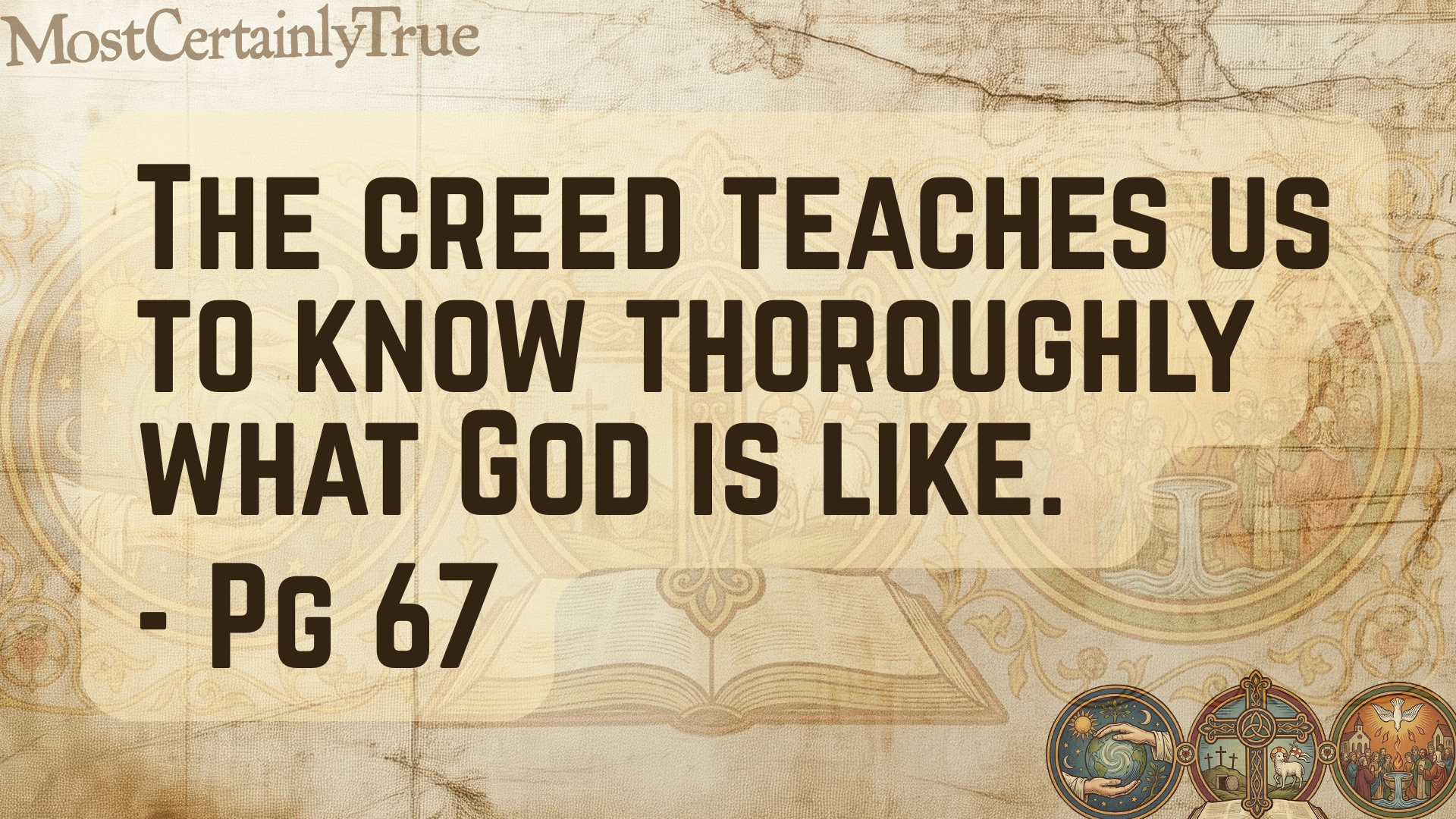
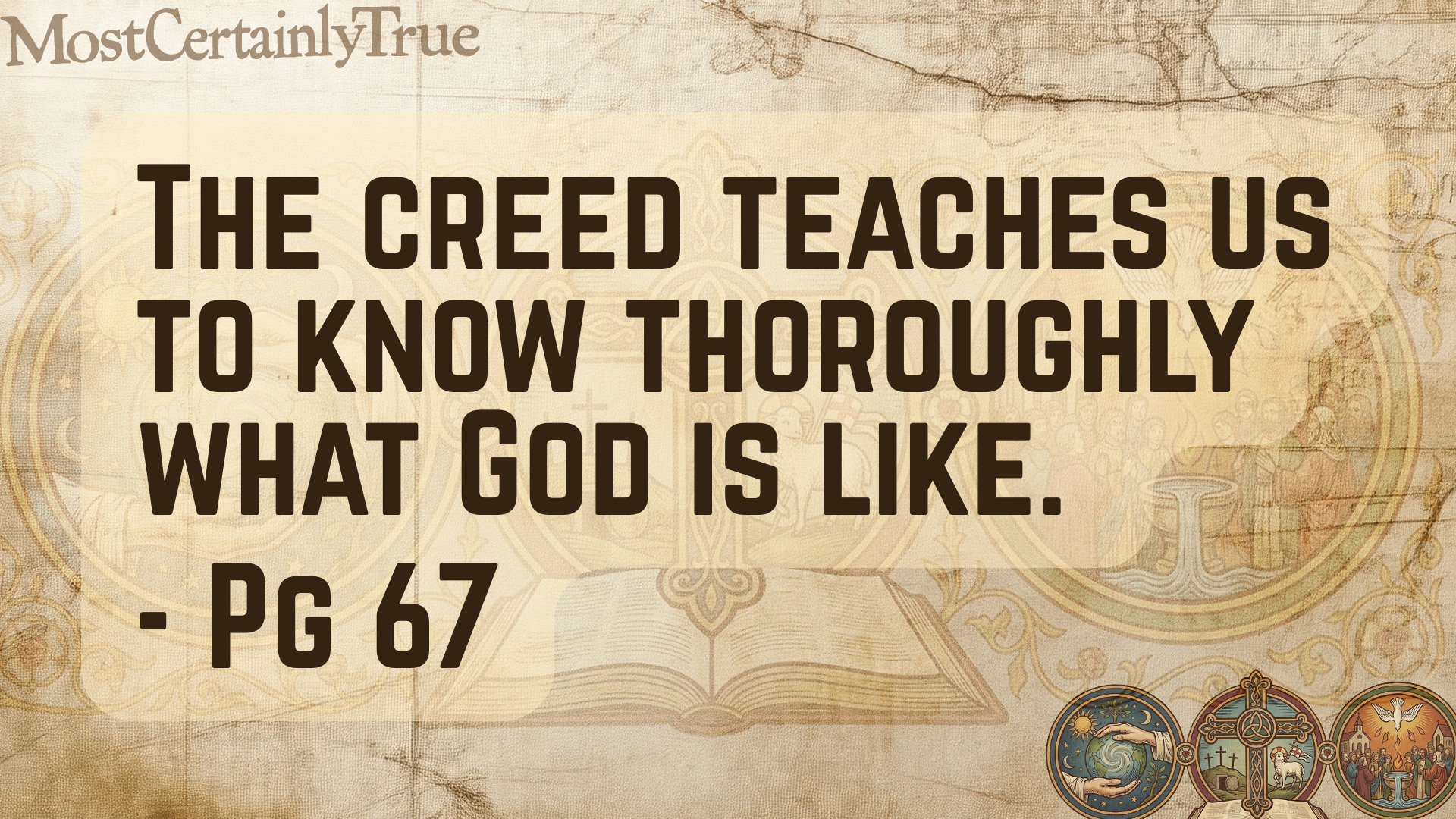
The sermon continues the series "Most Certainly True," an exploration of the Apostles' Creed. Martin Luther described the creed as a tool that teaches us what God is like. The creed is structured into three articles:
Article 1: God the Father, the Creator
Article 2: God the Son, the Redeemer
Article 3: God the Spirit, the Sanctifier (to make holy)
The pastor emphasizes the tangible nature of God's work. Just as creation and the life of Jesus were physical and real, the works of the Holy Spirit are also tangible actions in our lives.
The Work of the Holy Spirit
The third article of the creed states:
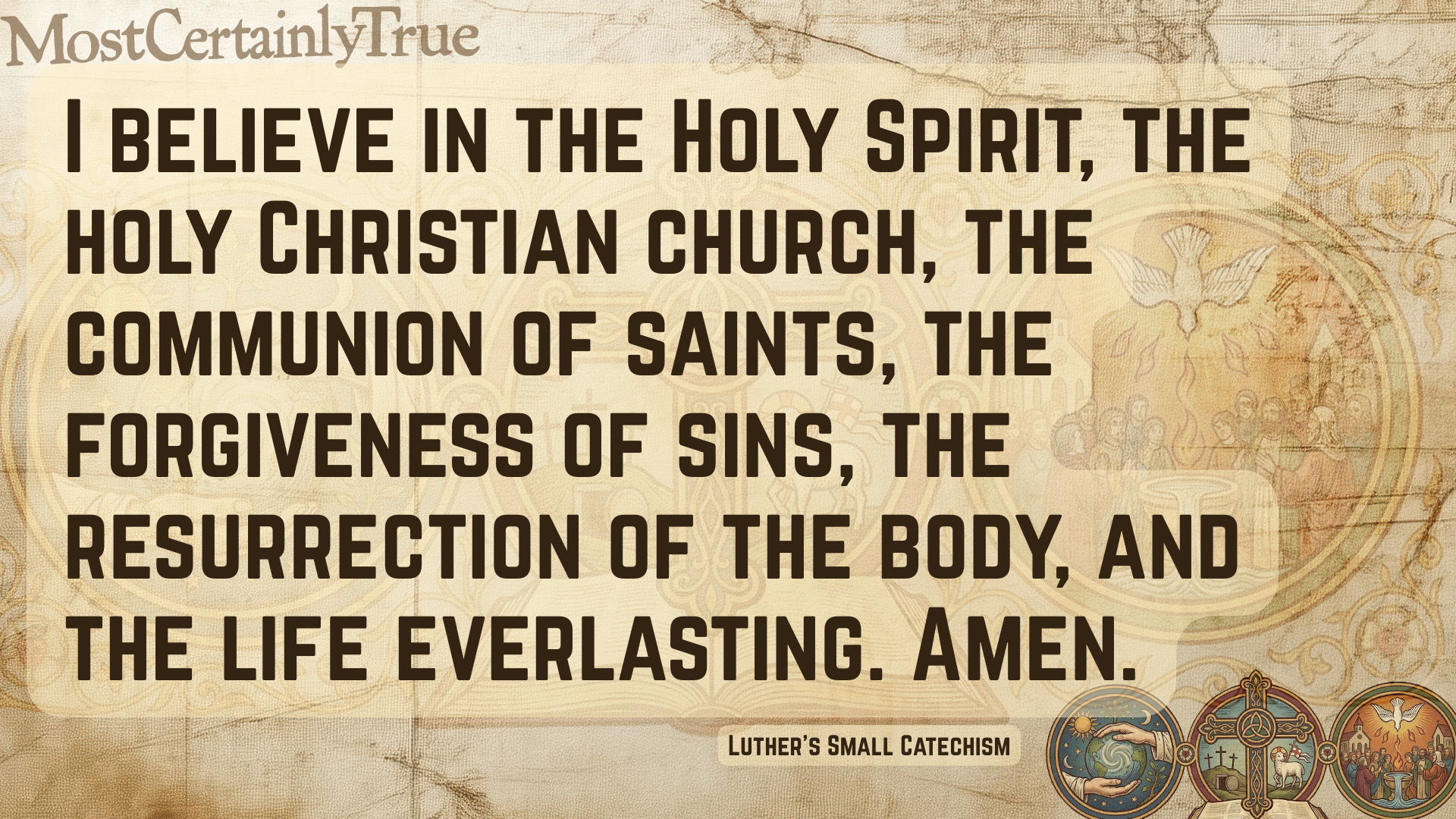
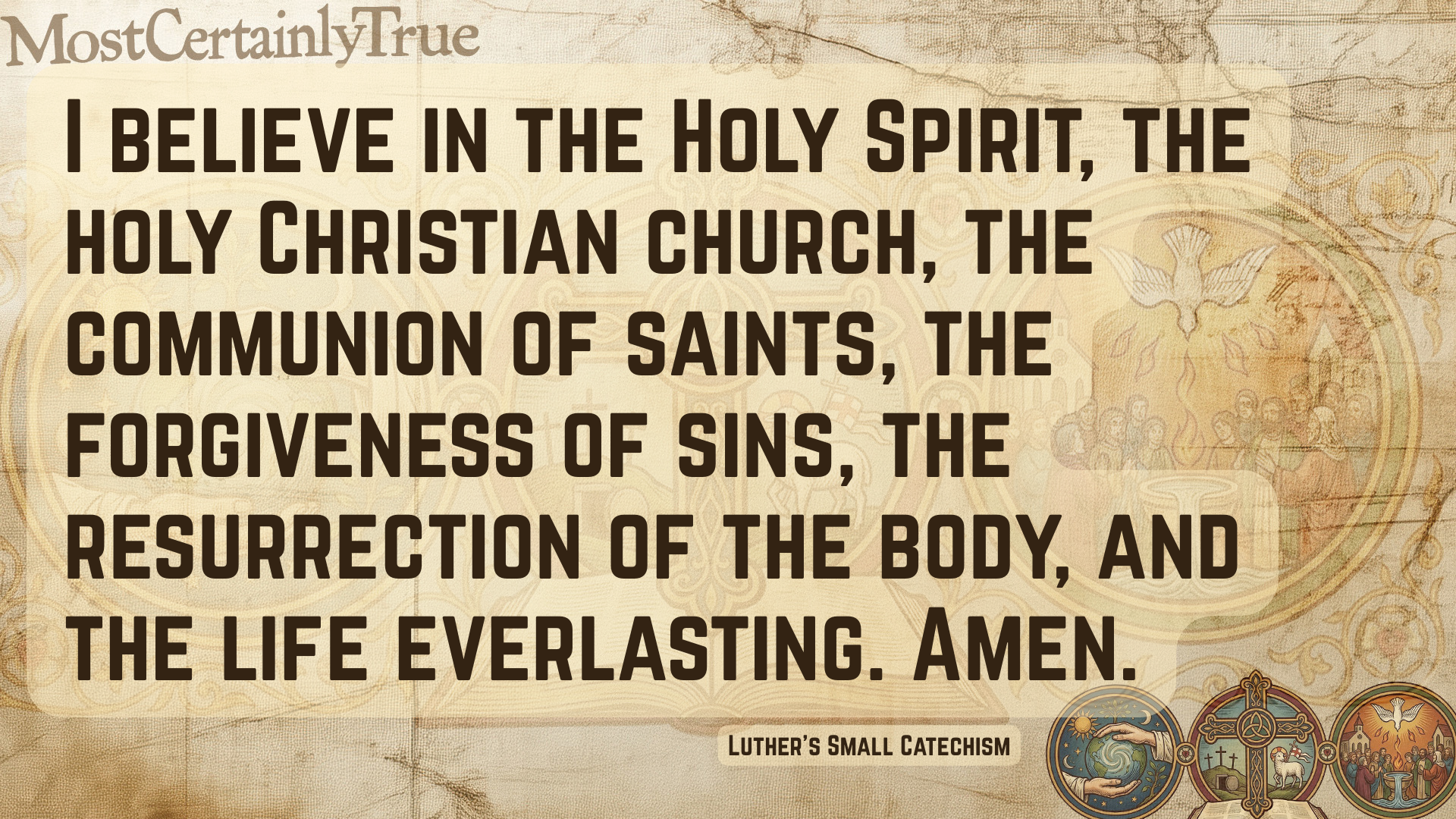
"I believe in the Holy Spirit, the Holy Christian Church, communion of saints, the forgiveness of sins, resurrection of the body, and the life everlasting."
Clarification: These are not just a random list of beliefs. They are the actions and creations of the Holy Spirit.
Historical Context: The phrase "Holy Christian Church" was originally "Holy Catholic Church." "Catholic" simply means "universal." The change reflects a modern-day discomfort with the word "universal," but the meaning remains: the Spirit is at work in the one, universal church.
Explanation from the Small Catechism
Luther's explanation of the third article in the Small Catechism provides the core theological point for the sermon:
"I believe that I cannot by my own reason or strength believe in Jesus Christ, my Lord, or come to Him. But the Holy Spirit has called me by the gospel, enlightened me with His gifts, sanctified and kept me in the true faith. In the same way He calls, gathers, Enlightens and sanctifies the whole Christian church on earth and keeps it with Jesus Christ... In this Christian church, He daily and richly forgives all my sins and the sins of all believers..."
Key Point: We cannot come to faith on our own. It is not an intellectual exercise or an act of willpower. Our ability to grasp and hold onto faith is a gift that comes entirely from the Holy Spirit.
Who is God and How Does He Respond?
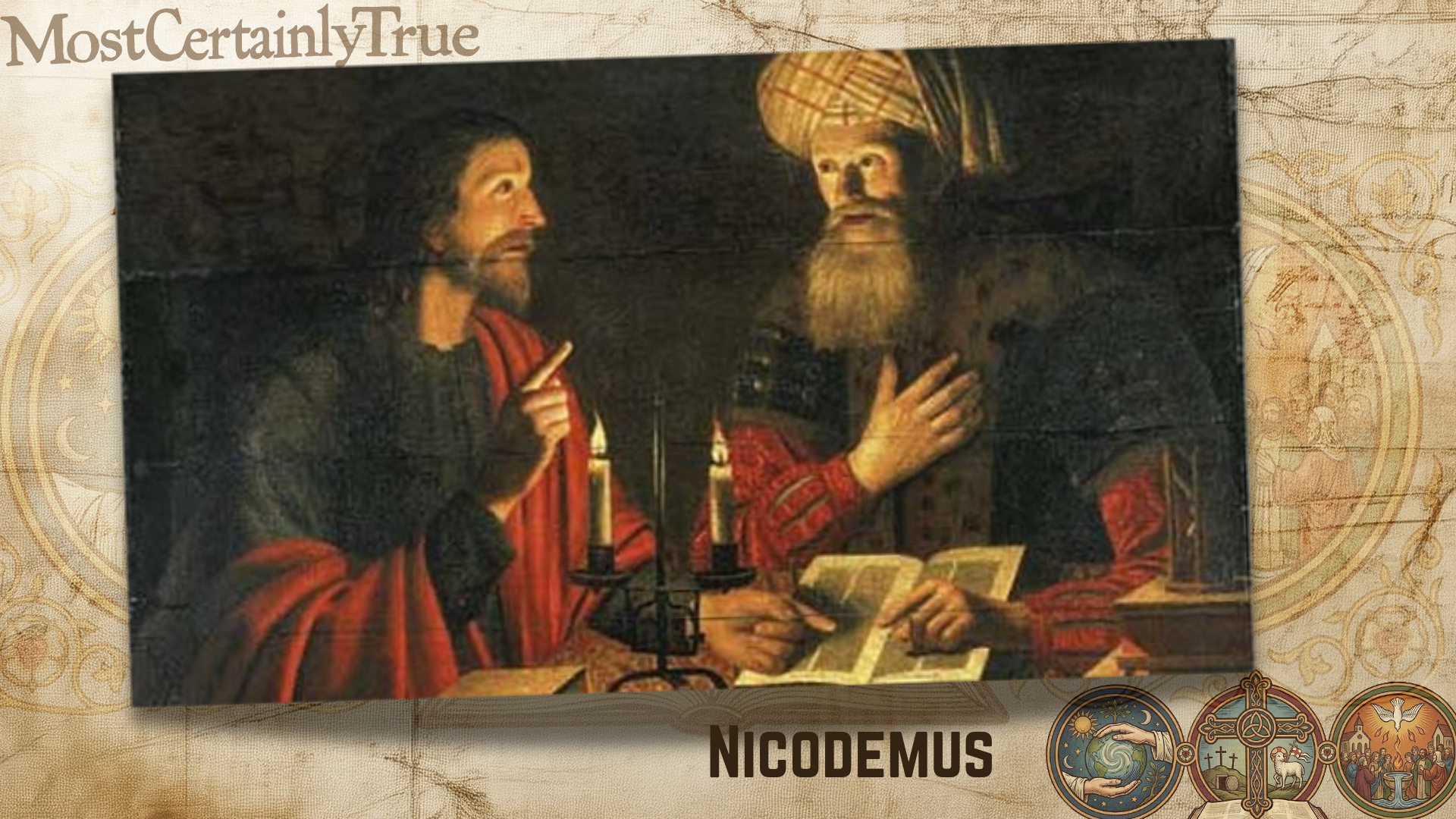
God the Spirit Initiates Faith: The story of Nicodemus from the Gospel of John illustrates this principle. Nicodemus, a learned Pharisee, came to Jesus at night, unable to comprehend being "born again." Jesus explains that this new birth is a work of the Spirit. This conversation culminates in John 3:16: "For God so loved the world that He gave His one and only Son, that whoever believes in him shall not perish but have eternal life."Our belief is not something we generate; it is a response enabled by the Spirit.
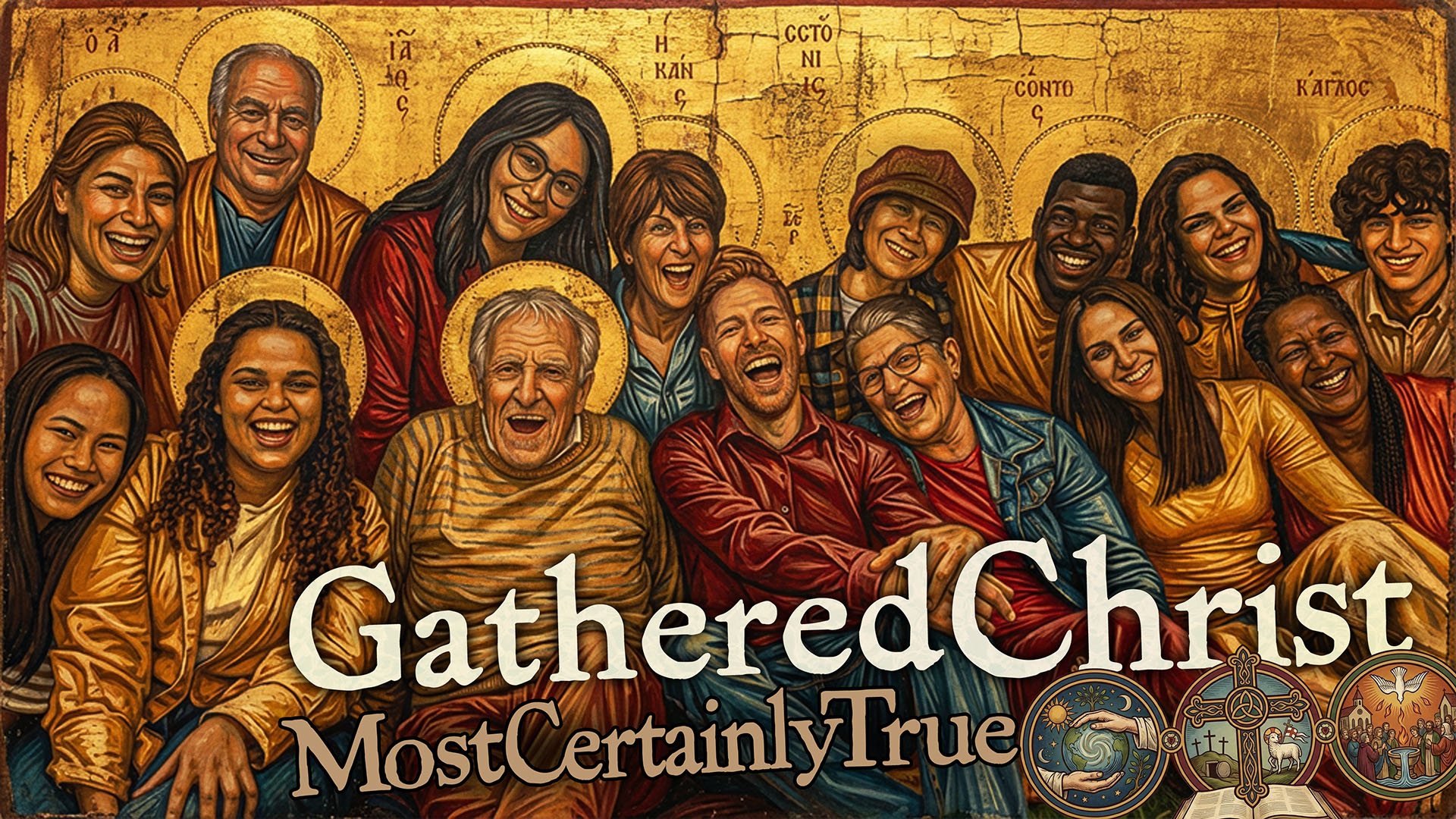
The Spirit Works Through Community: Faith is not a solitary "me and Jesus" affair, which is a reflection of American rugged individualism. It is about "we." The Spirit gathers us into one body.
Scripture: Ephesians 4:4-6 - "There is one body, one spirit, just as you were called to one hope when you were called; one Lord, one faith, one baptism; one God and Father of all, who is over all and through all and in all."
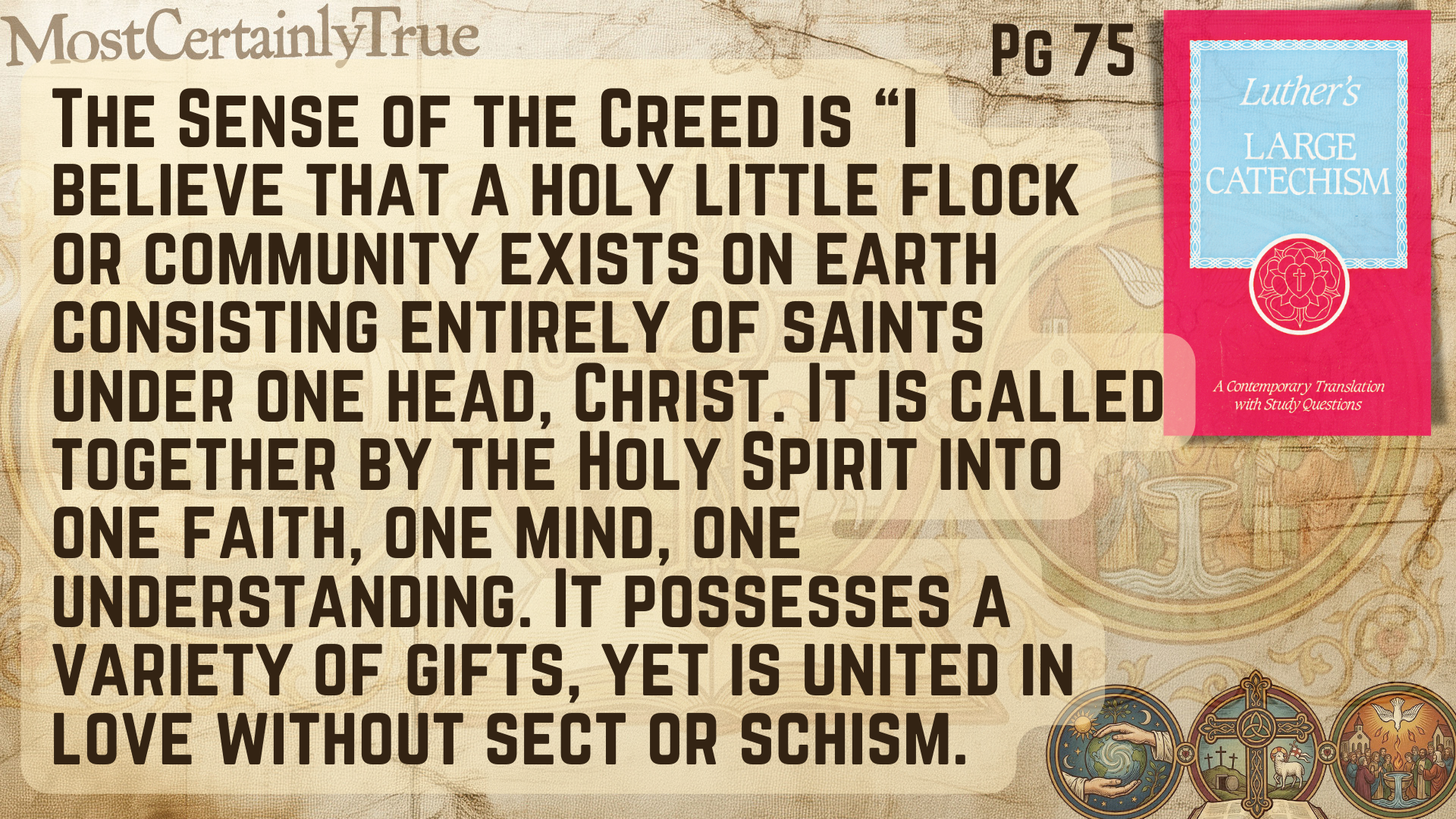
Luther's Explanation: The creed describes a "holy little flock or a community... called together by the Holy Spirit into one faith, one mind, one understanding... united in love without sect or schism." The Spirit is what draws us together, not our ability to agree on everything.
Example (Pastor's Vicarage): A young man attended church faithfully with his wife but did not take communion because he couldn't bring himself to believe. He wanted to believe but honestly could not. Through his continued presence within the church community—hearing the preaching and experiencing the genuine love of the people—the Spirit worked. Years later, he was baptized, demonstrating that faith was nurtured and given to him through the community.
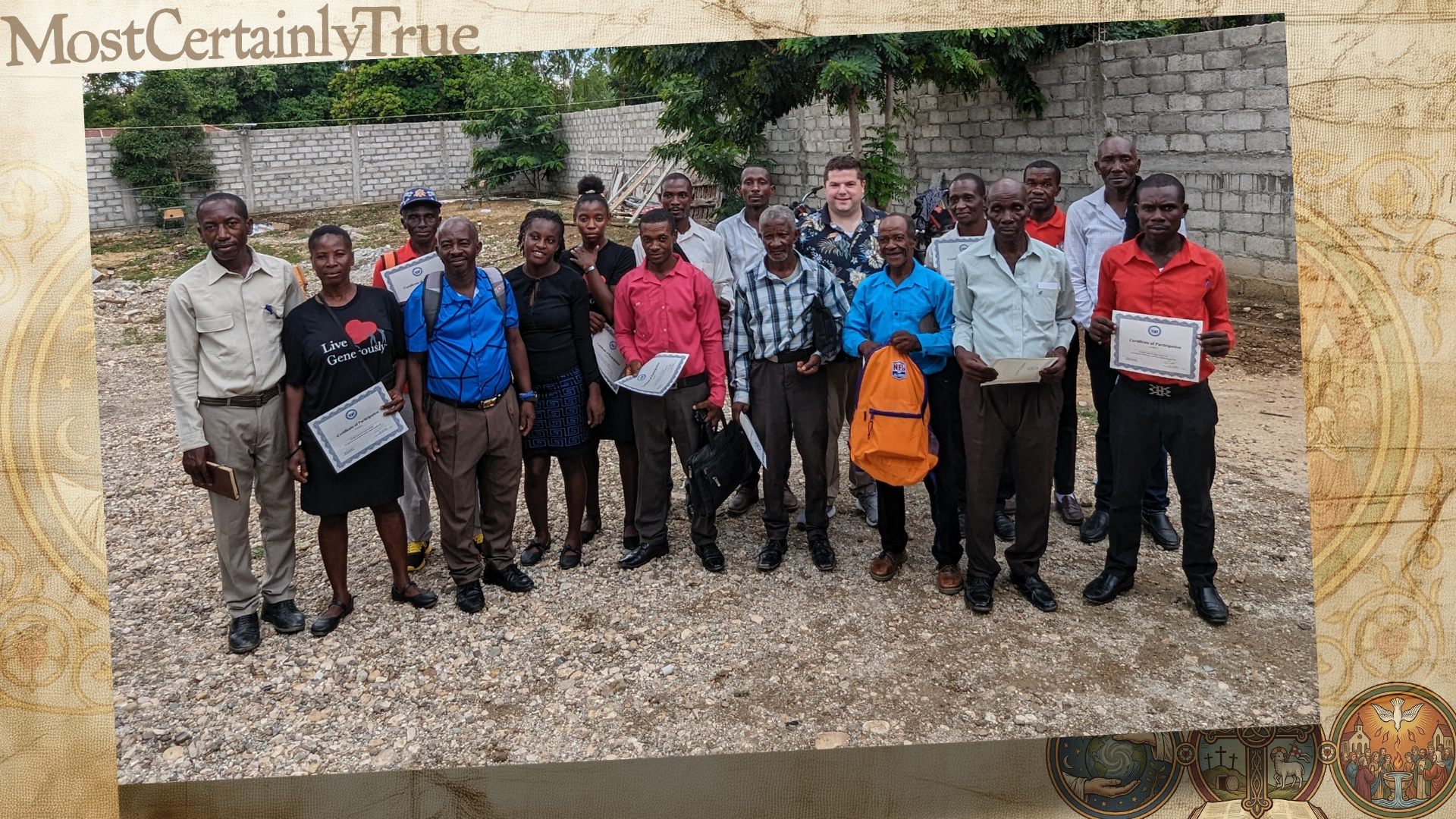
Example (Haiti Pastors' Conference): The pastor was amazed at the deep theological understanding and connections made by Haitian pastors, many of whom came from remote and impoverished areas. This showed him how the Spirit powerfully upholds and sustains the church, ensuring the truth of the Gospel is present and understood even in the most difficult circumstances.
The Spirit Equips the Church for Service:
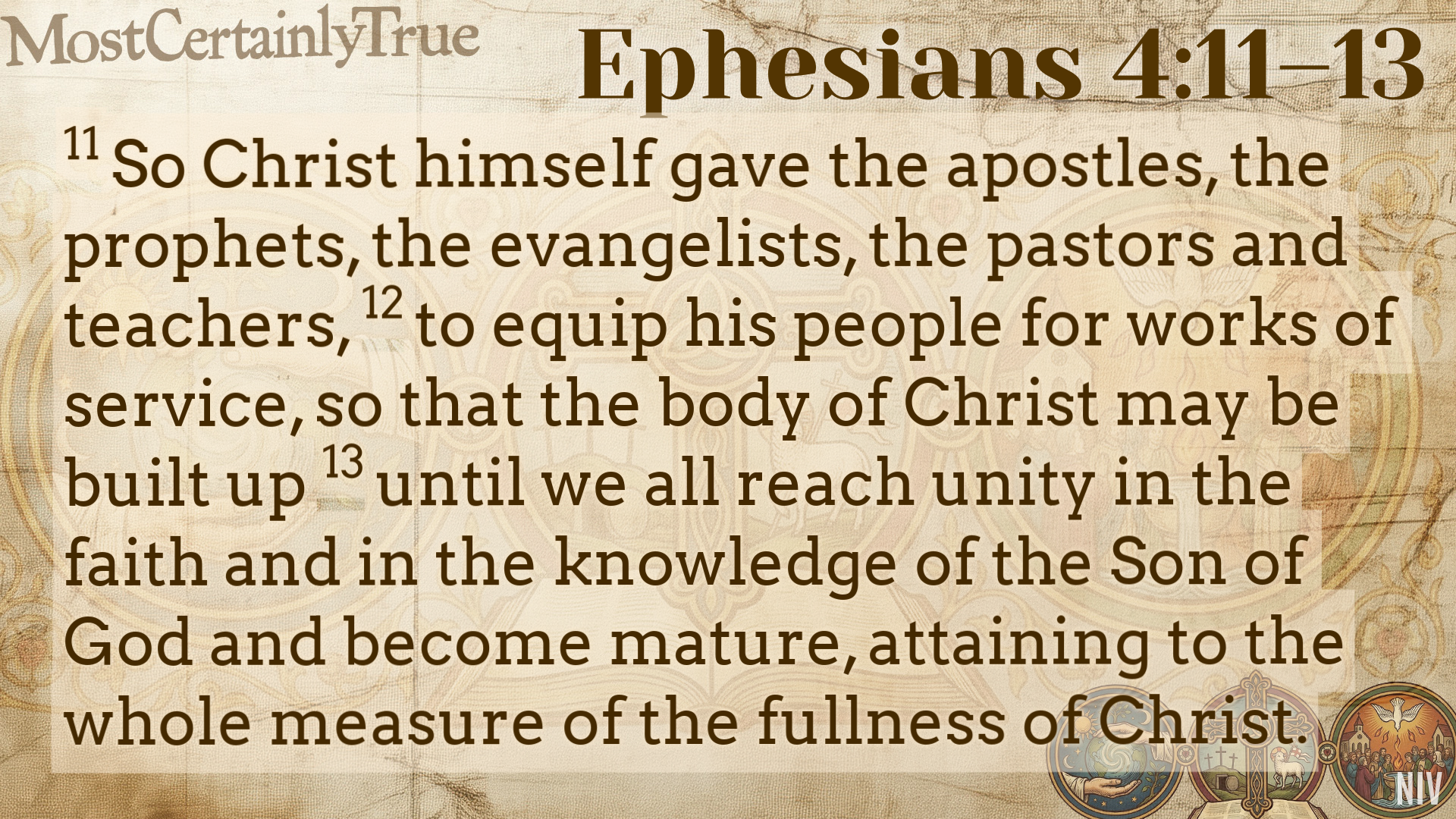
Scripture: Ephesians 4:11-13 - Christ gave apostles, prophets, evangelists, pastors, and teachers "to equip His people for works of service, so that the body of Christ may be built up until we all reach unity in the faith and in the knowledge of the Son of God and become mature..." The Spirit works through people and their various roles to build up the entire community.
The Central Focus is Forgiveness:
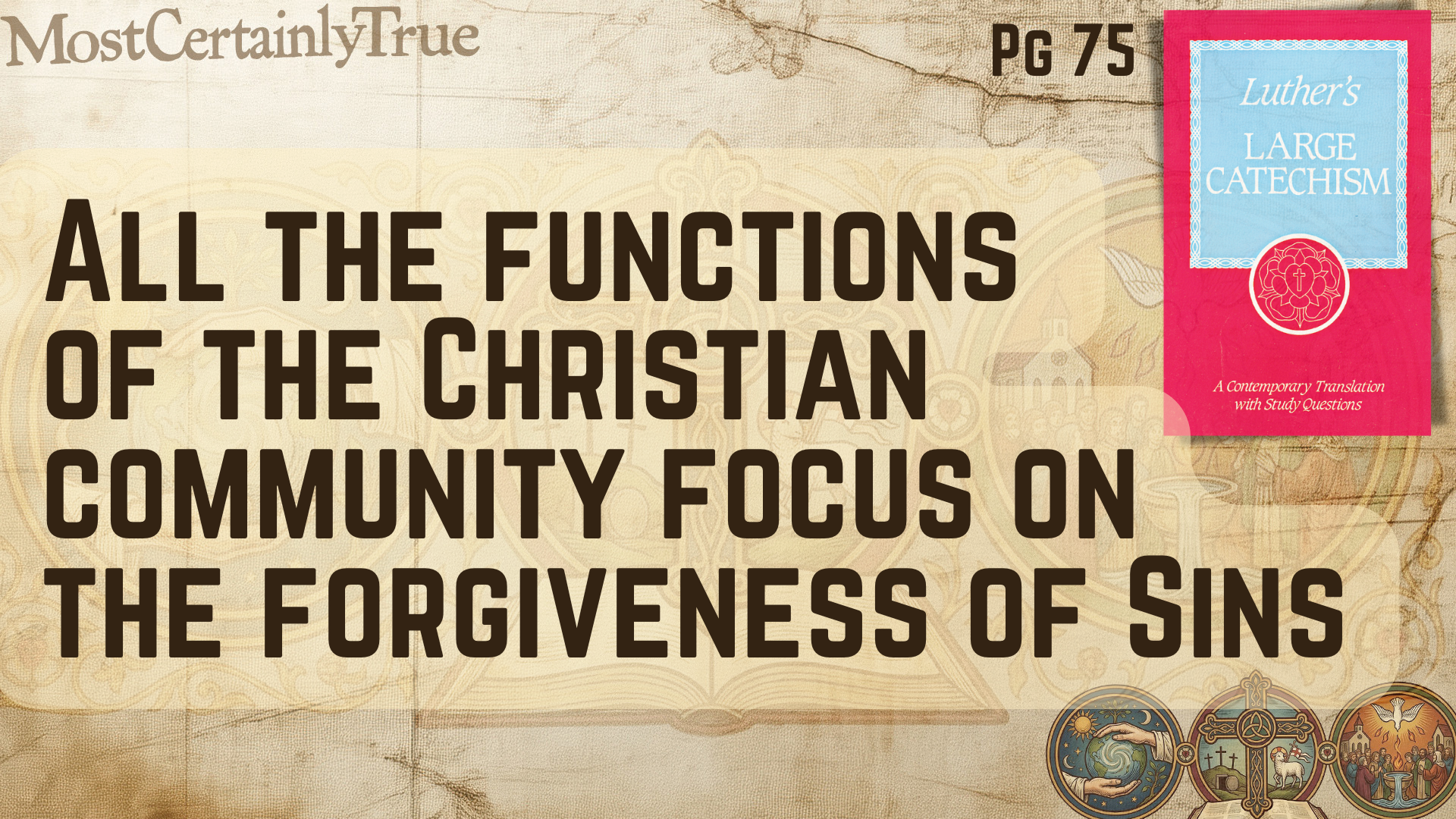
Luther's Quote: "All the functions of the Christian community focus on the forgiveness of sins." This is the core of our community life and the central action of the Spirit within the church.
Example (Pastor's friend, Chad): Chad, now the head of the American division of Lutheran Hour Ministries, grew up as an agnostic. He began playing drums at a church simply because it was a paid gig. However, by being immersed in the community, he repeatedly heard the Gospel and, more importantly, experienced the genuine love of the people. They called him when he was sick and made him feel cared for. The Spirit worked through this community to bring him to faith. Chad's book, How the Light Shines Through, argues that even in a post-Christian culture, the Spirit provides glimmers of light and hope through the church community.
Who Am I and How Am I to Live?
I Am Part of a "Y'all": I cannot come to faith by my own reason or strength. My identity is not as an isolated believer, but as part of the body of Christ. The "you" in the Bible is most often a plural "you" (or "y'all"). The Spirit works through the collective "us."
I Am Called to Participate in the Community: The Spirit works through all aspects of church life, both sacred and mundane:
Listening to sermons
Coffee and fellowship
Baptism (normal water) and Communion (normal bread and wine)
Service projects (packing bags for the homeless)
Fellowship events (Bunko, St. Patrick's Day parties)
Administrative meetings (finances, parking lot repairs)
Late-night phone calls of support
I Am to Be Present for Others: We are called to "come to things." By being present, we are positioned to both receive what we need to hear and to be the person someone else needs to hear from. The community will be messy because it is full of sinners, but it is precisely in this community that we experience the forgiveness of Jesus and learn to forgive one another. As the Spirit works through "y'all," we are all made more like Him.
Closing Prayer
Lord, thank You for being with us and bringing us through. When we feel outside of Your grace, You use the community and Your Spirit to hold us together and remind us that our sins are forgiven. Help us to grab a hold of this truth. Amen.
Questions for the Week: Most Certainly True: Gathered Christ
Luther says in the Small Catechism we can't believe in Jesus by our own "reason or strength." How does it feel to know that your faith is a gift from the Spirit rather than something you have to maintain perfectly on your own?
Who is someone in your life who "belongs" to your community (friend group, neighborhood, family) but doesn't yet "believe"? How can you love them without pressure, trusting the Spirit is working?
Read Ephesians 4:1-16. There is "one body and one Spirit." We often view faith as a private matter ("just me and Jesus"). What is the benefit in Spirit gathering us together as the Church as opposed to just saving us individually?
Ephesians 4 says we are all given gifts to build each other up. What is one way you feel the Holy Spirit has equipped you to help or encourage the "holy little flock" we belong to?
What Had happened at Grace this week.
![[Sunday] The Mask of the Maker - Use The Gifts](https://images.squarespace-cdn.com/content/v1/5852f18a20099e30cd2c01dc/1792847374083-D44QVQGSIX2NX9SPDEOF/UTG+1a.jpg)
![[Sunday] My Lord, Most Certainly True](https://images.squarespace-cdn.com/content/v1/5852f18a20099e30cd2c01dc/1769749486882-XDH3E1LD02BB1NFR07NC/Certainly+True+4a.jpg)
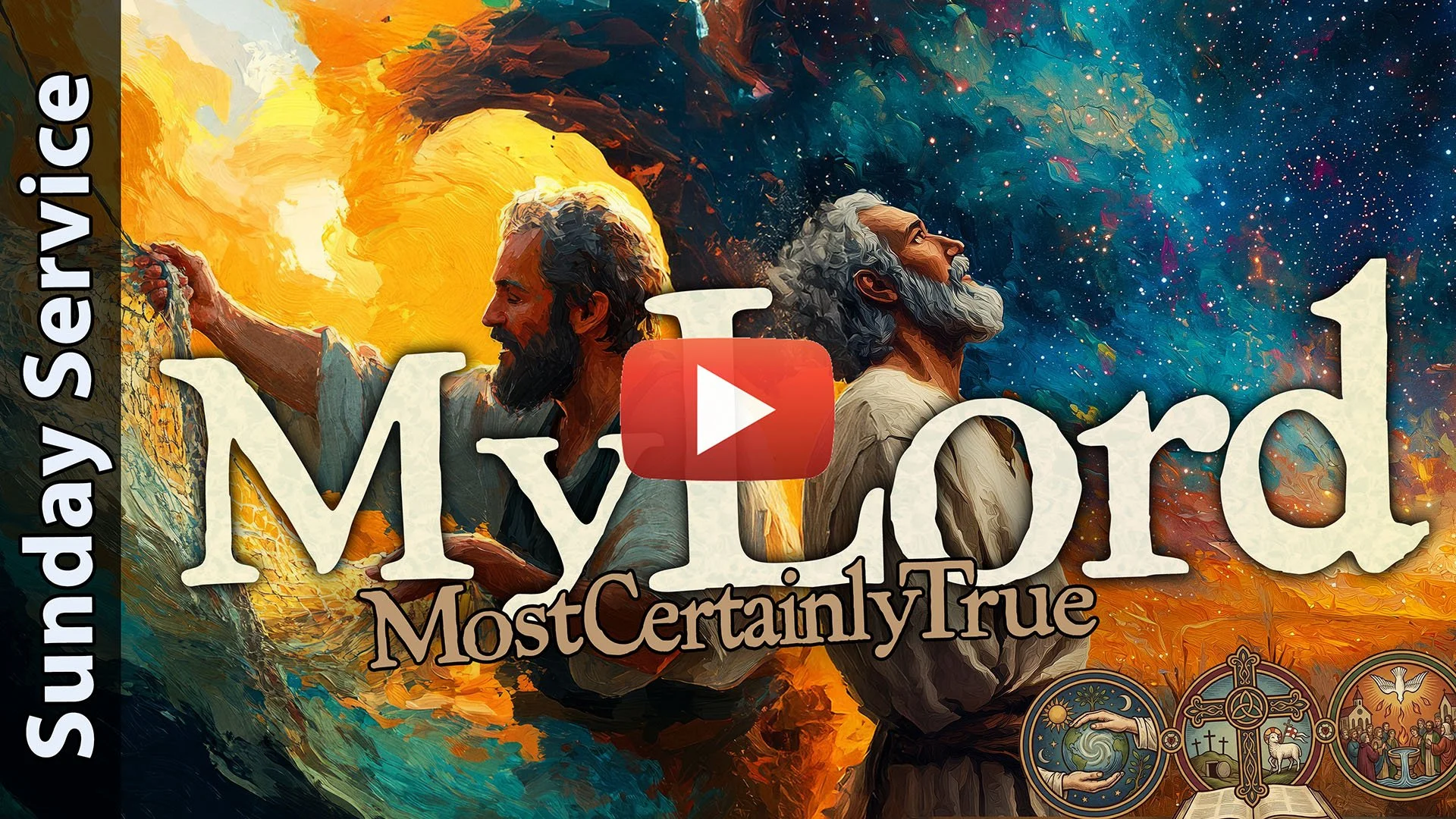
[Sunday] My Lord, Most Certainly True
The angel’s specific message to tell the disciples and Peter reveals that Jesus is the Lord who refuses to let your failures cancel His promises.
The angel’s specific message to tell the disciples and Peter reveals that Jesus is the Lord who refuses to let your failures cancel His promises.
Questions for the Week: Apostles Creed: My Lord
We often hear "Jesus is Lord" as a command to obey. Luther contradicts this understanding in the Large Catechism where he writes, “What is it to ‘become my Lord?’ This means He has redeemed me from sin, from the devil, from death and from all evil. Before that, I had no Lord and King, but was held captive in the devil’s power, condemned to die, and bound up in sin and blindness.” How does Luther’s definition change the way you feel about His authority over your life?
In Genesis 12-13, we see Abraham kept trying to "give away" God's blessings (his wife, the land) out of fear or impatience. In what areas of your life do you try to take control or settle for less because you don't trust God to come through?
Read Mark 16:1-8: After Peter’s worst failure (denying Jesus), the angel specifically mentioned his name: "Tell his disciples and Peter." Why was it so important for Peter to hear his name in that moment? What does that tell you about how God views your own failures?
The Bible isn't a rulebook but a storybook of God saving people who constantly try to mess it up. How can we,"give people something to believe" this week by living out that kind of grace for others?
What Had happened at Grace this week.
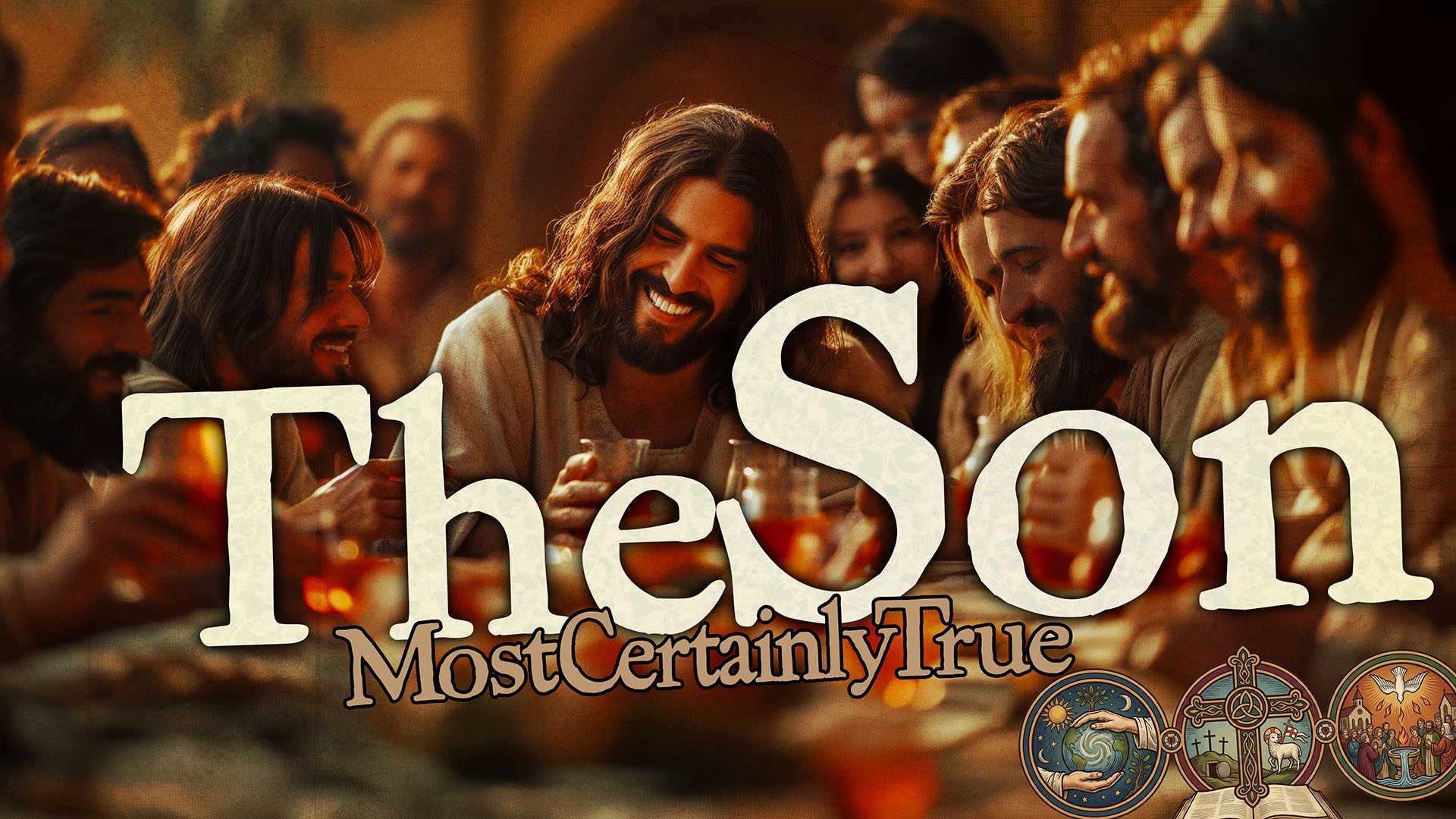
![[Sunday] The Son, Most Certainly True](https://images.squarespace-cdn.com/content/v1/5852f18a20099e30cd2c01dc/1769135346417-Z6OMGMMHFU95T4W5KDV8/Certainly+True+3a.jpg)
[Sunday] The Son, Most Certainly True
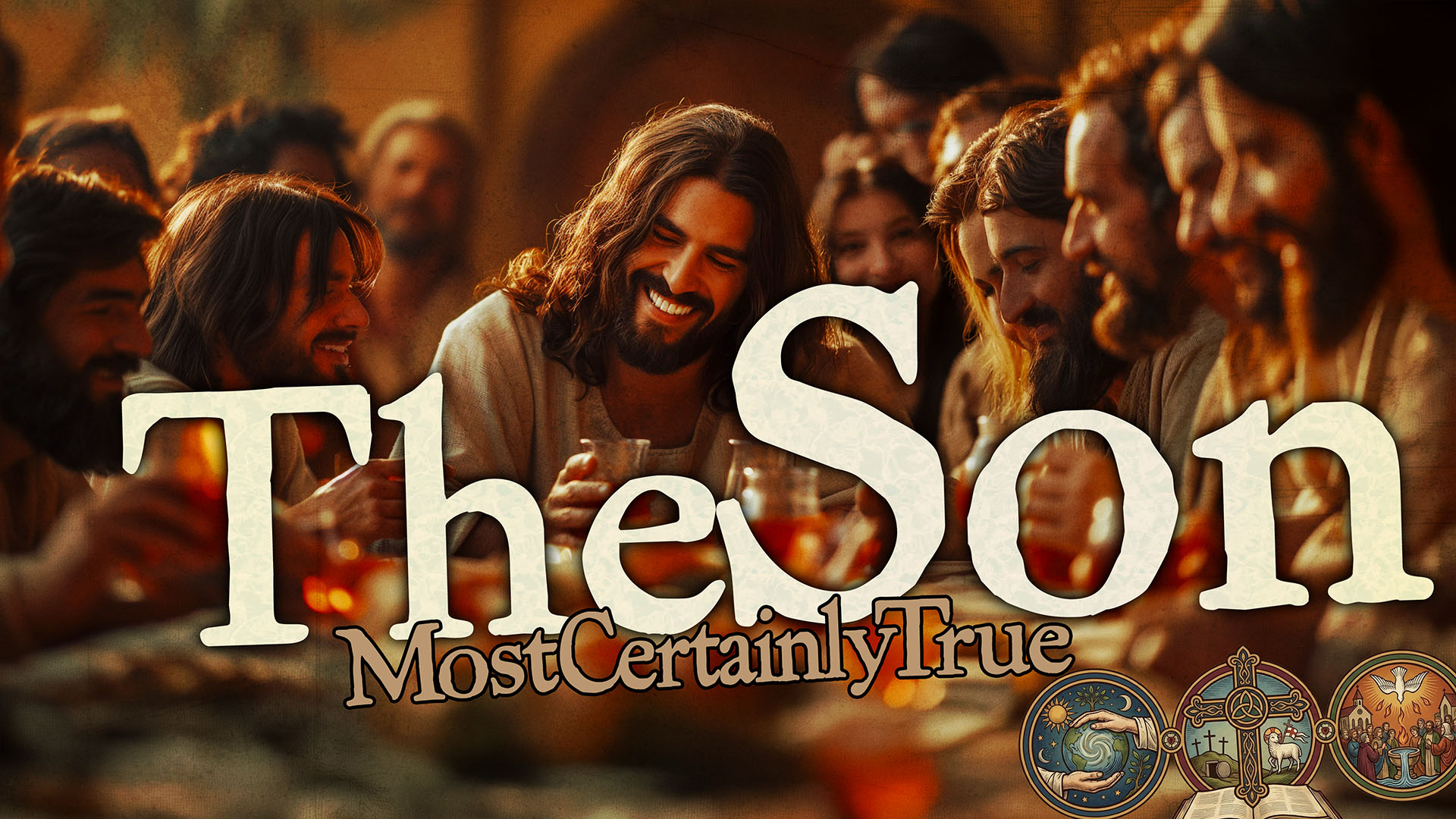
The Creed reveals a God who made His love real by becoming human to be with us in our greatest sorrows and our loudest joys.
The Creed reveals a God who made His love real by becoming human to be with us in our greatest sorrows and our loudest joys.
Questions for the Week: Apostles Creed: The Son
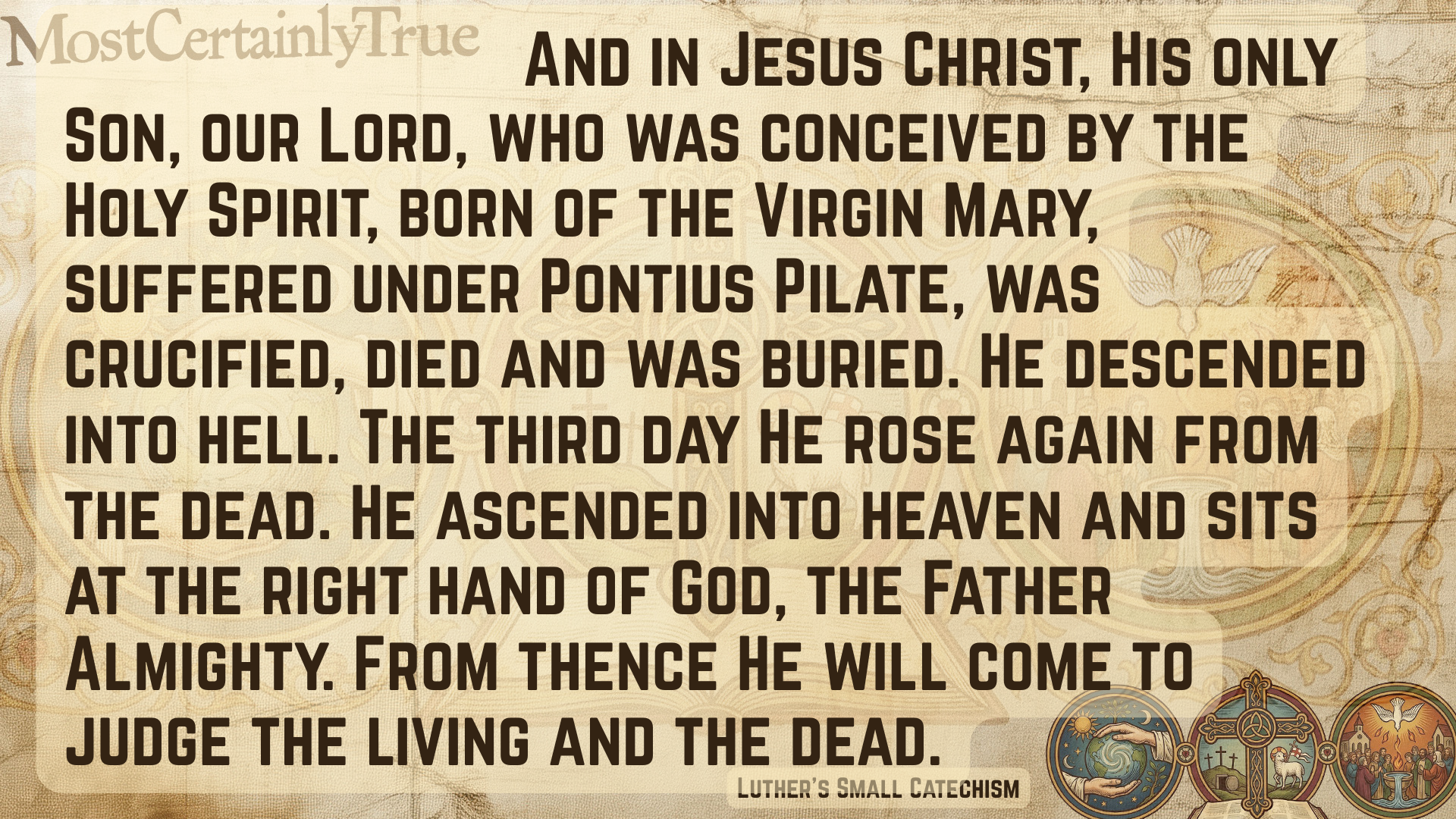
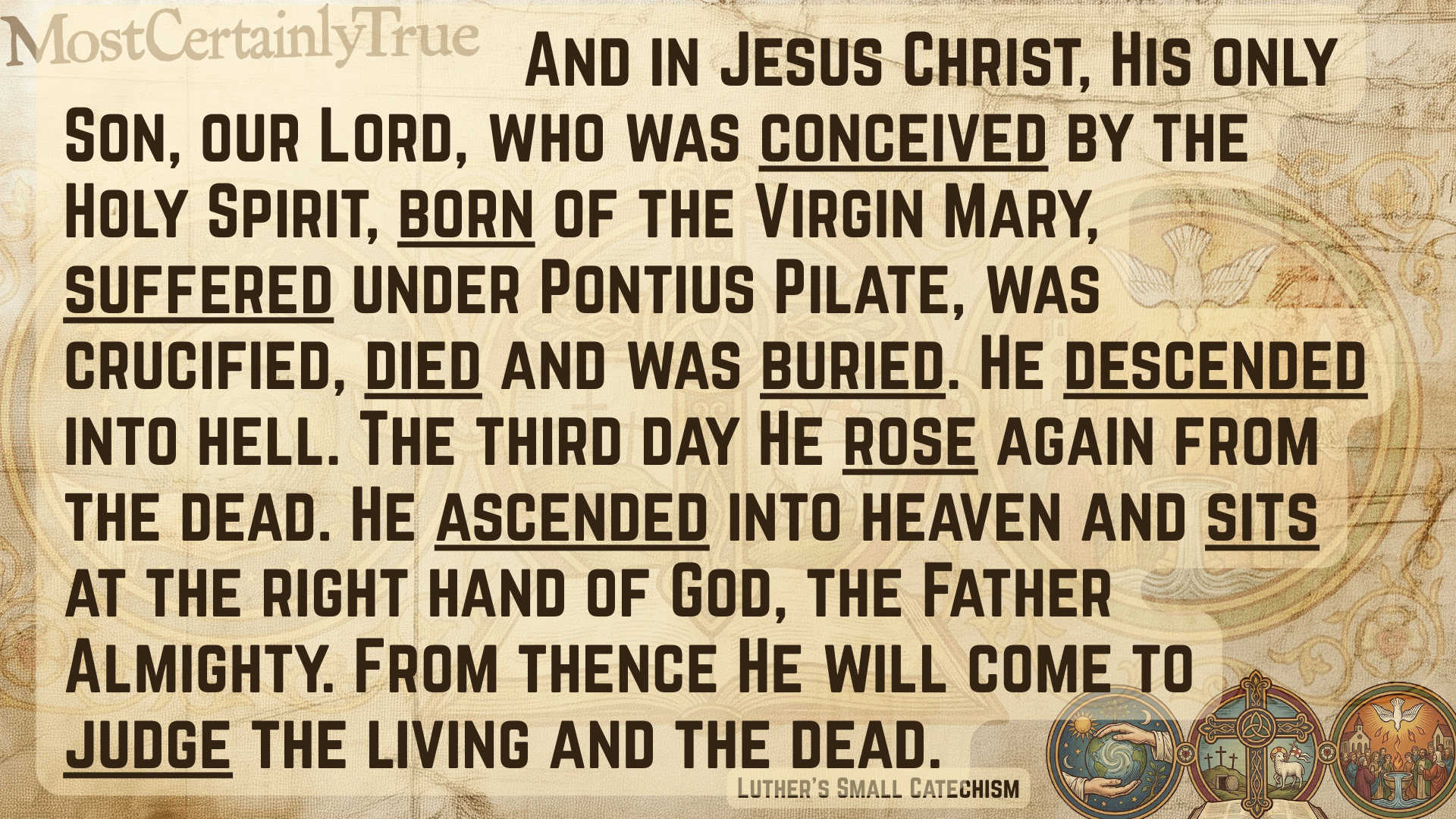
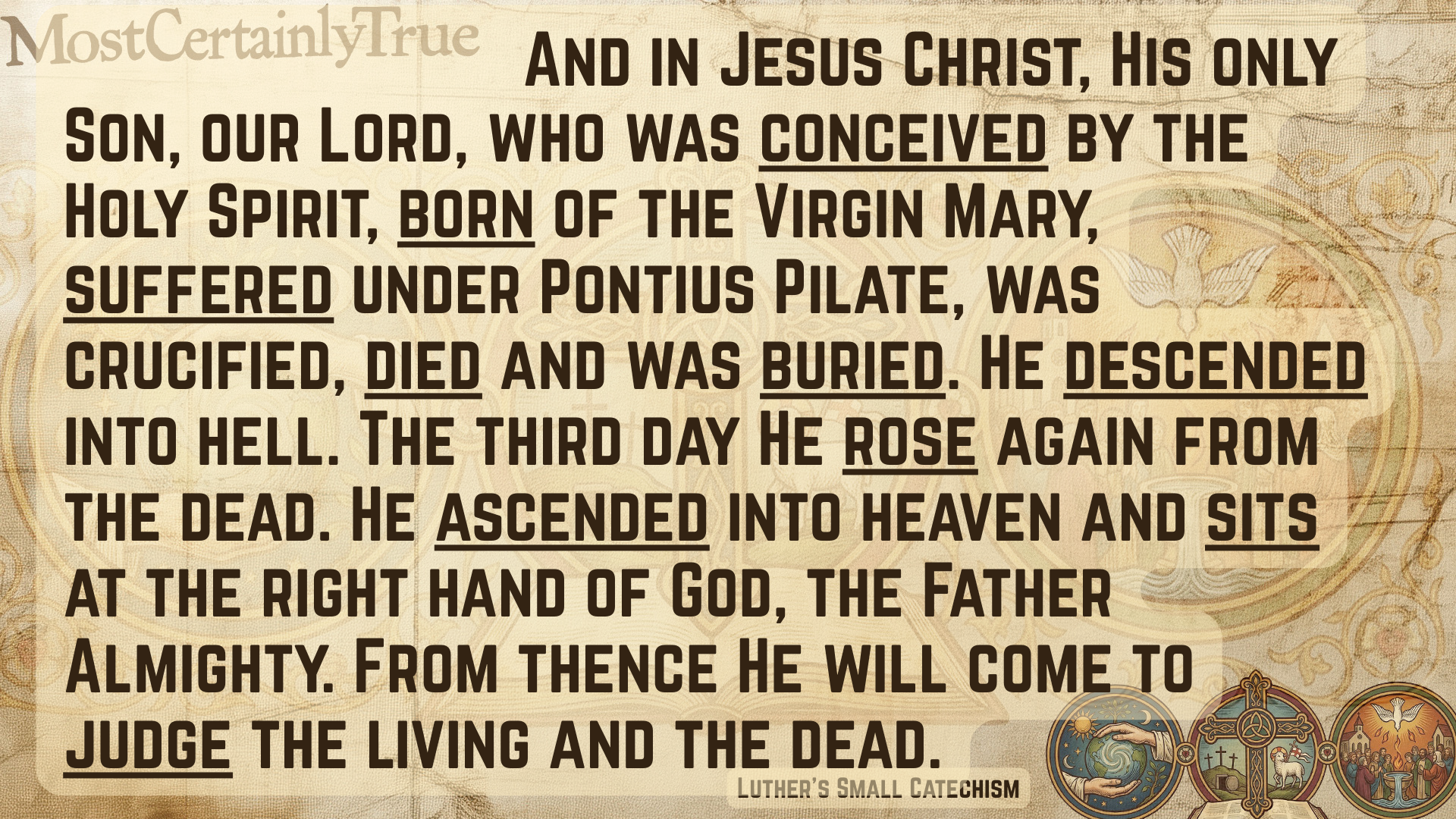
When you listen to the Creed, it mentions things like "suffered under Pontius Pilate" and "buried." Why do you think it’s important to our faith that Jesus was a real, physical person in a specific time in history rather than just a legendary teacher?
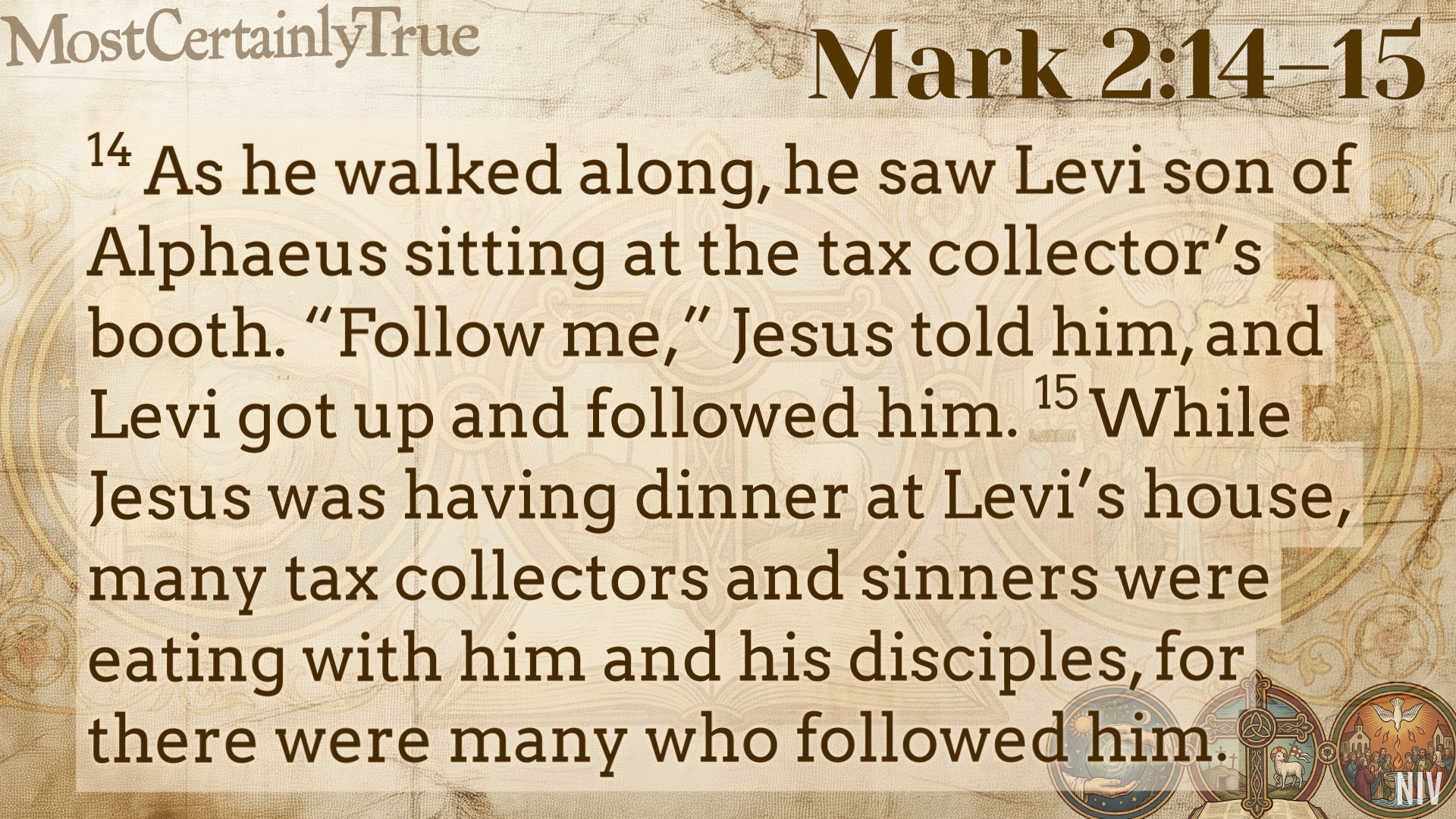
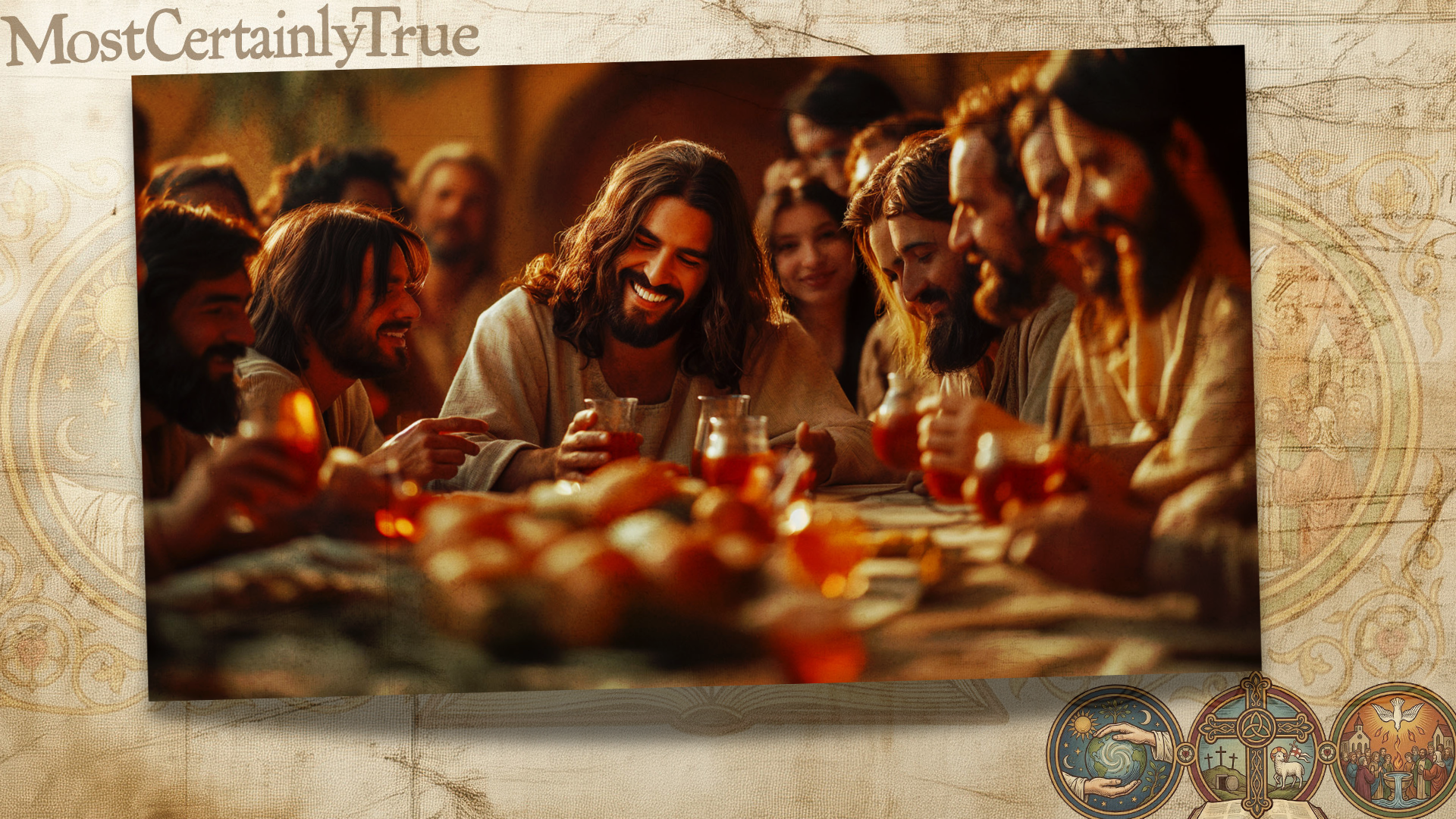
Read Mark 2:13-17Jesus ate with sinners and tax collectors. How does it change your view of God to think of Him enjoying a meal and having fun with people? How can we make our own meals and parties a place where Jesus is present?
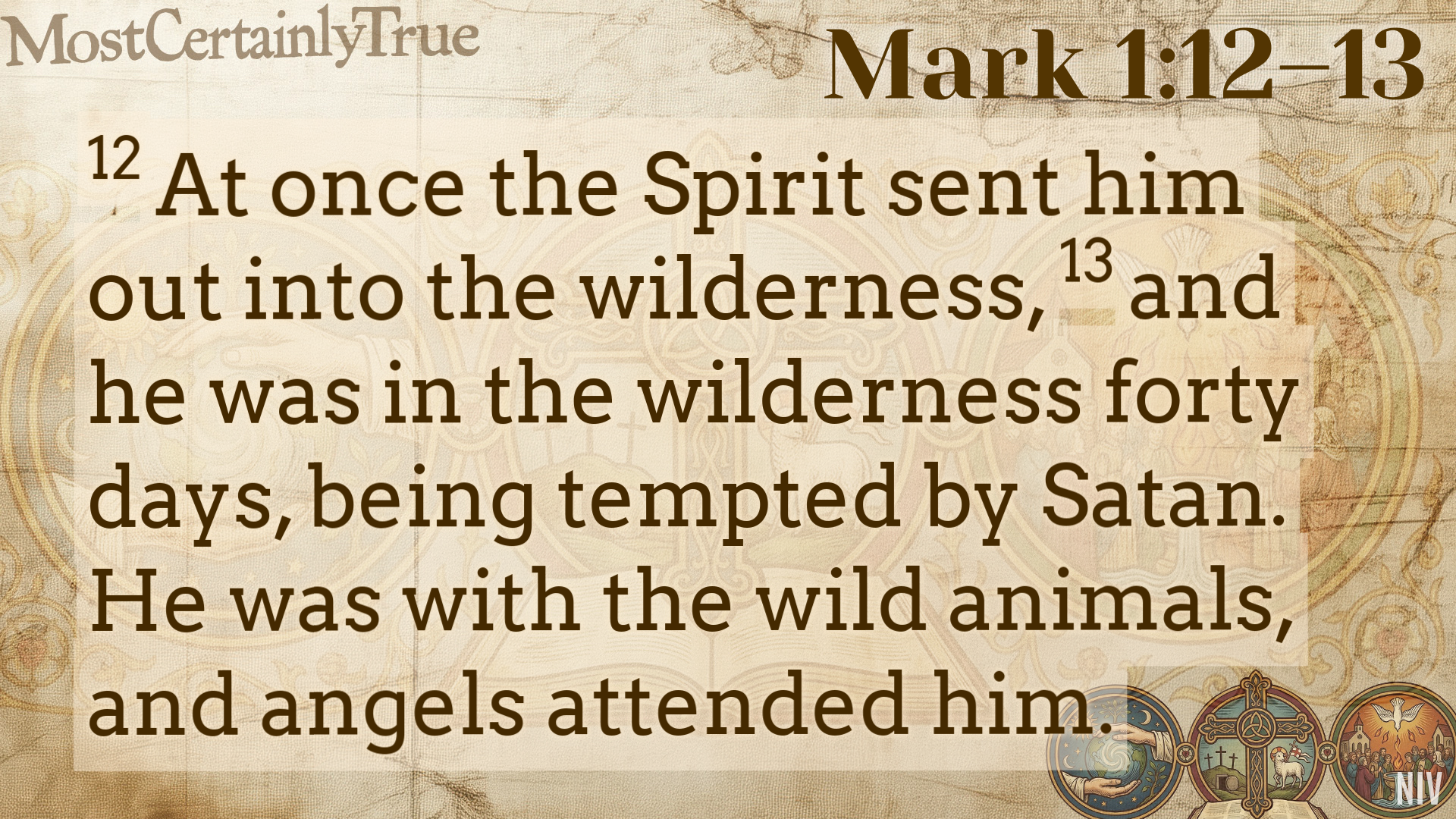
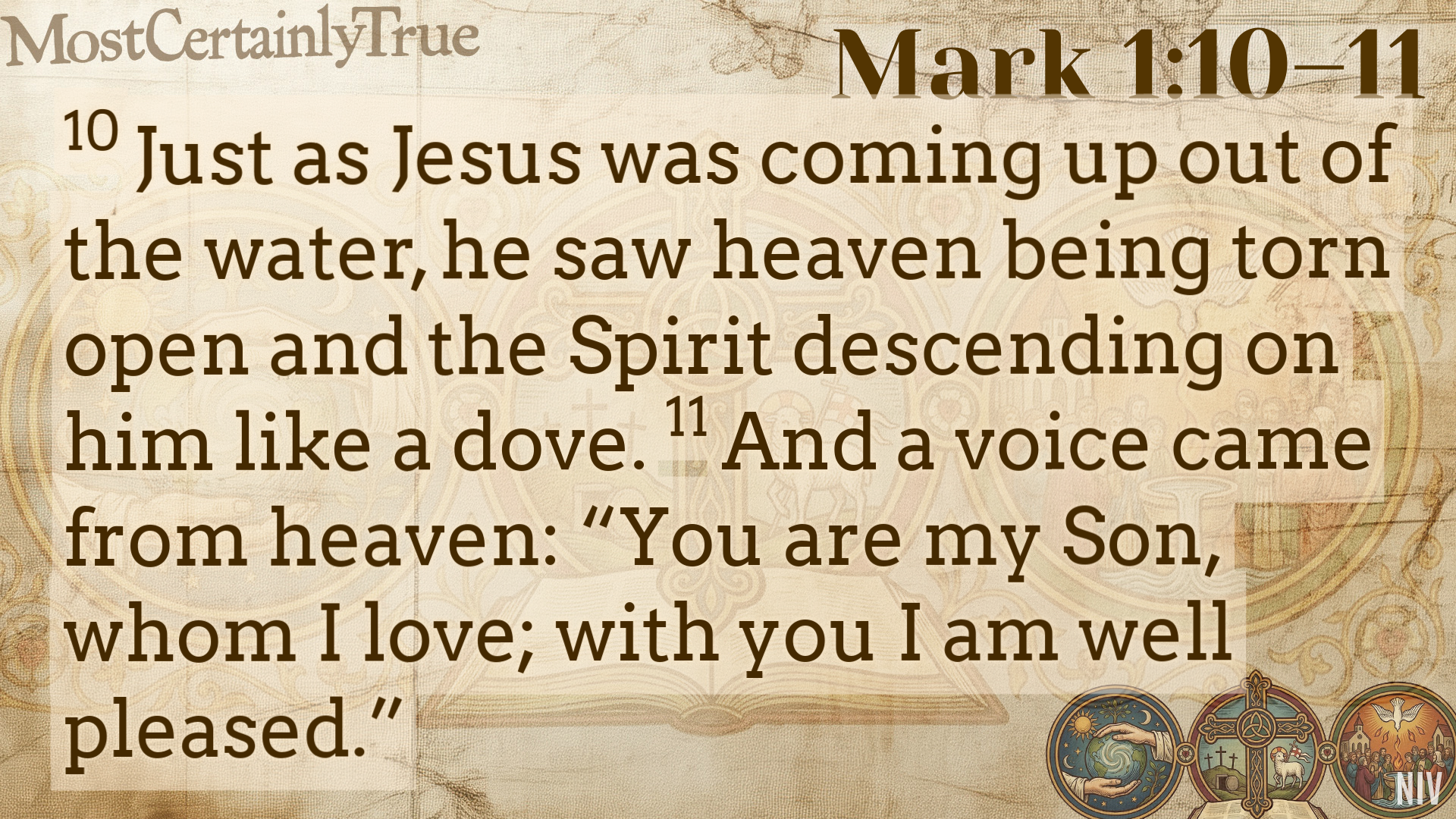
Read Mark 1: 9-15. We often want to use faith to escape our problems, but God used Jesus to enter our problems. How does knowing that God is willing to get His hands dirty in your "wilderness" change how you pray during hard times?
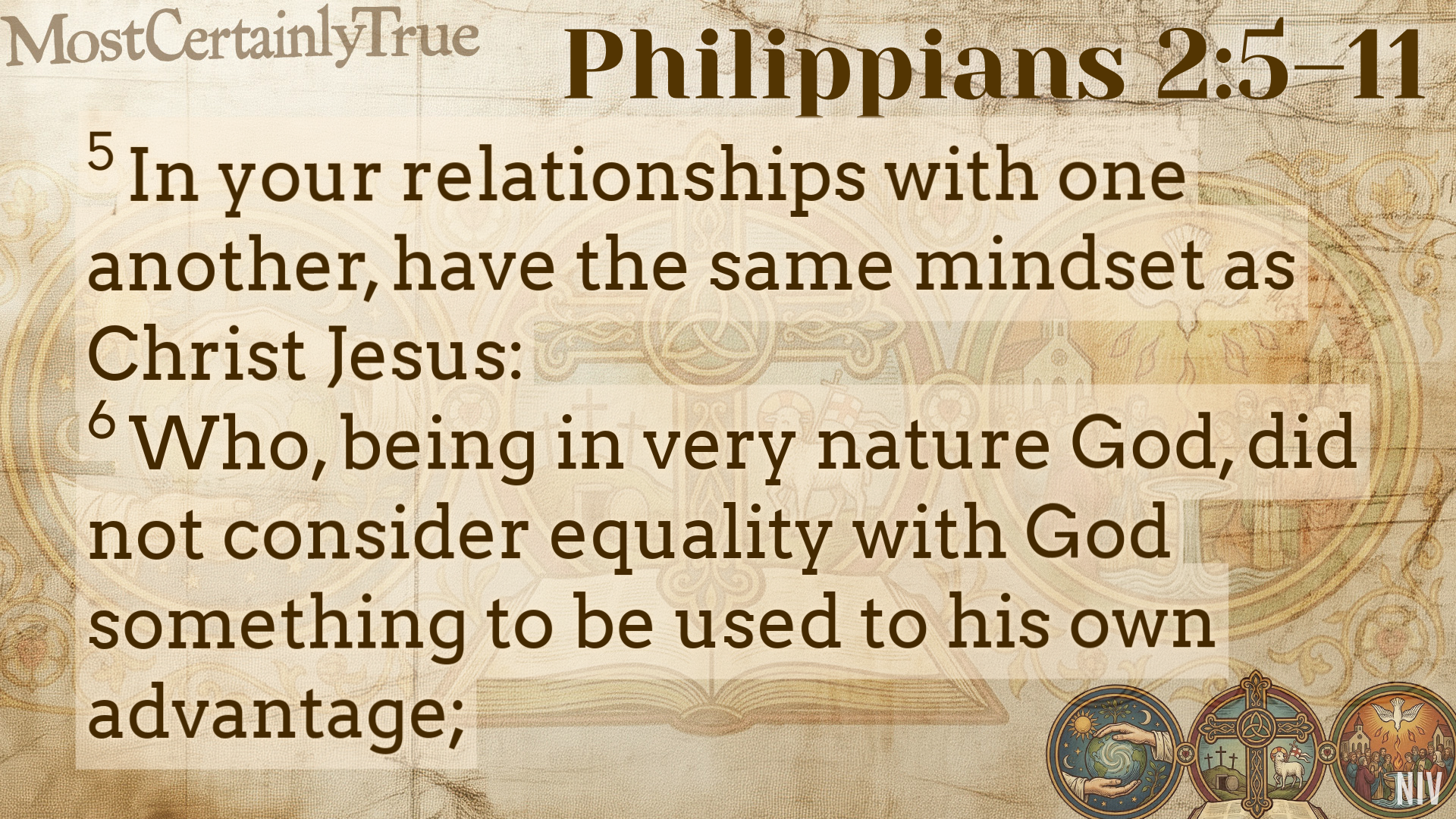
Read Philippians 2:5-11. How can we have the same mind of Christ, having great parties with people and also times to grieve with people this month?
What Had happened at Grace this week.
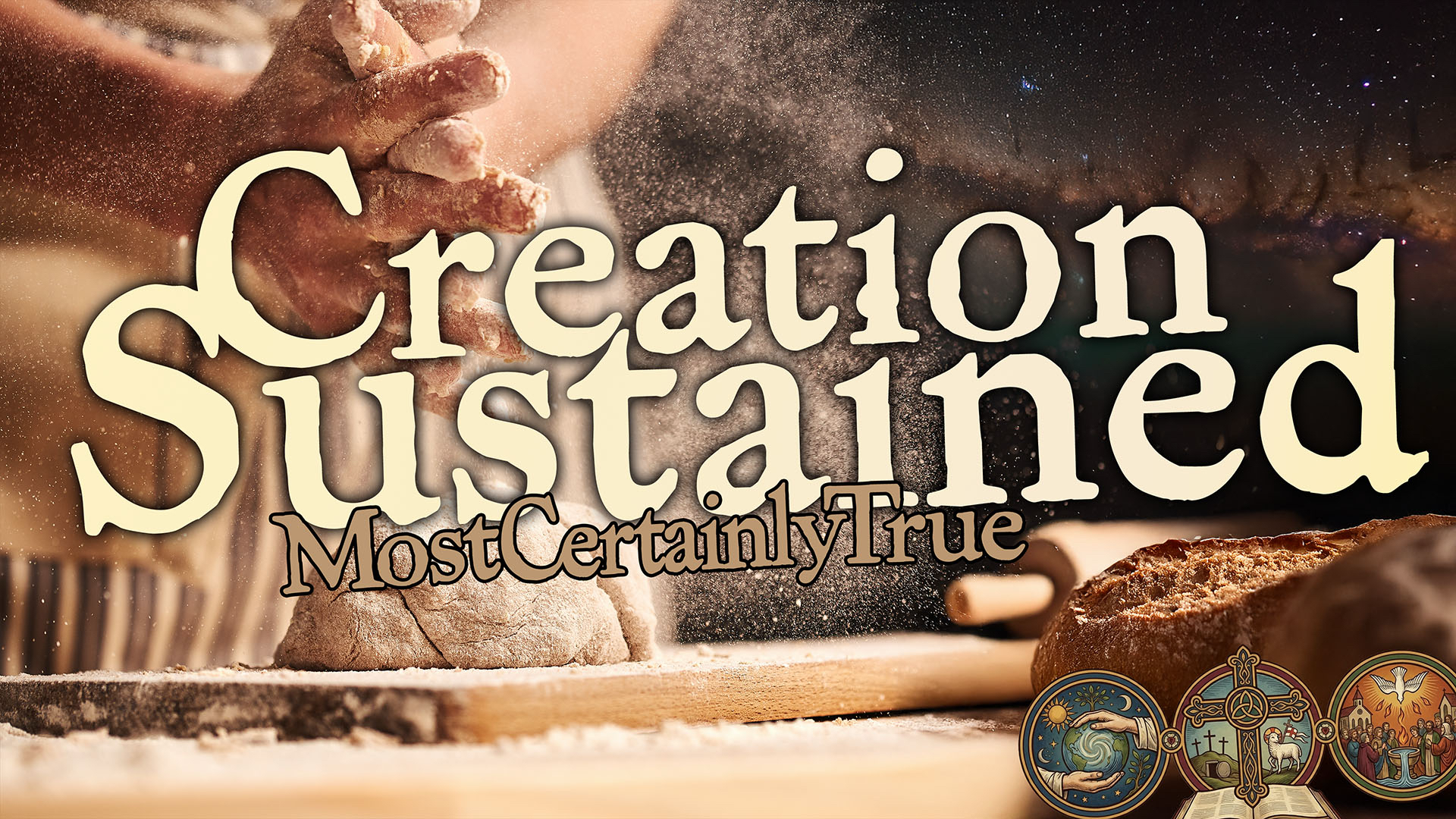
![[Sunday] Creation Sustained Most Certainly True](https://images.squarespace-cdn.com/content/v1/5852f18a20099e30cd2c01dc/1768530963354-TSOEU855UMIOFGEUKRCL/Certainly+True+2a.jpg)
[Sunday] Creation Sustained Most Certainly True
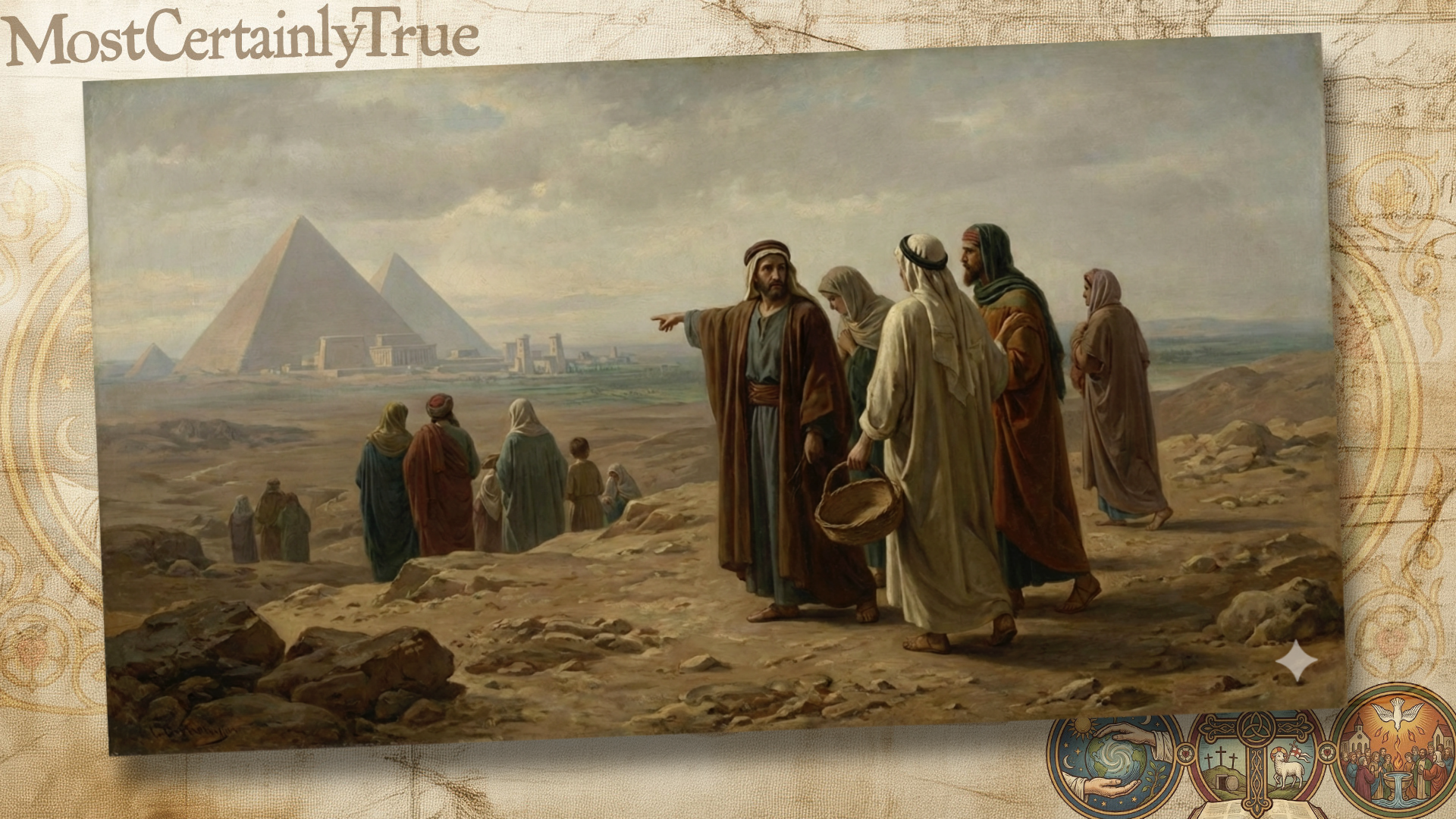
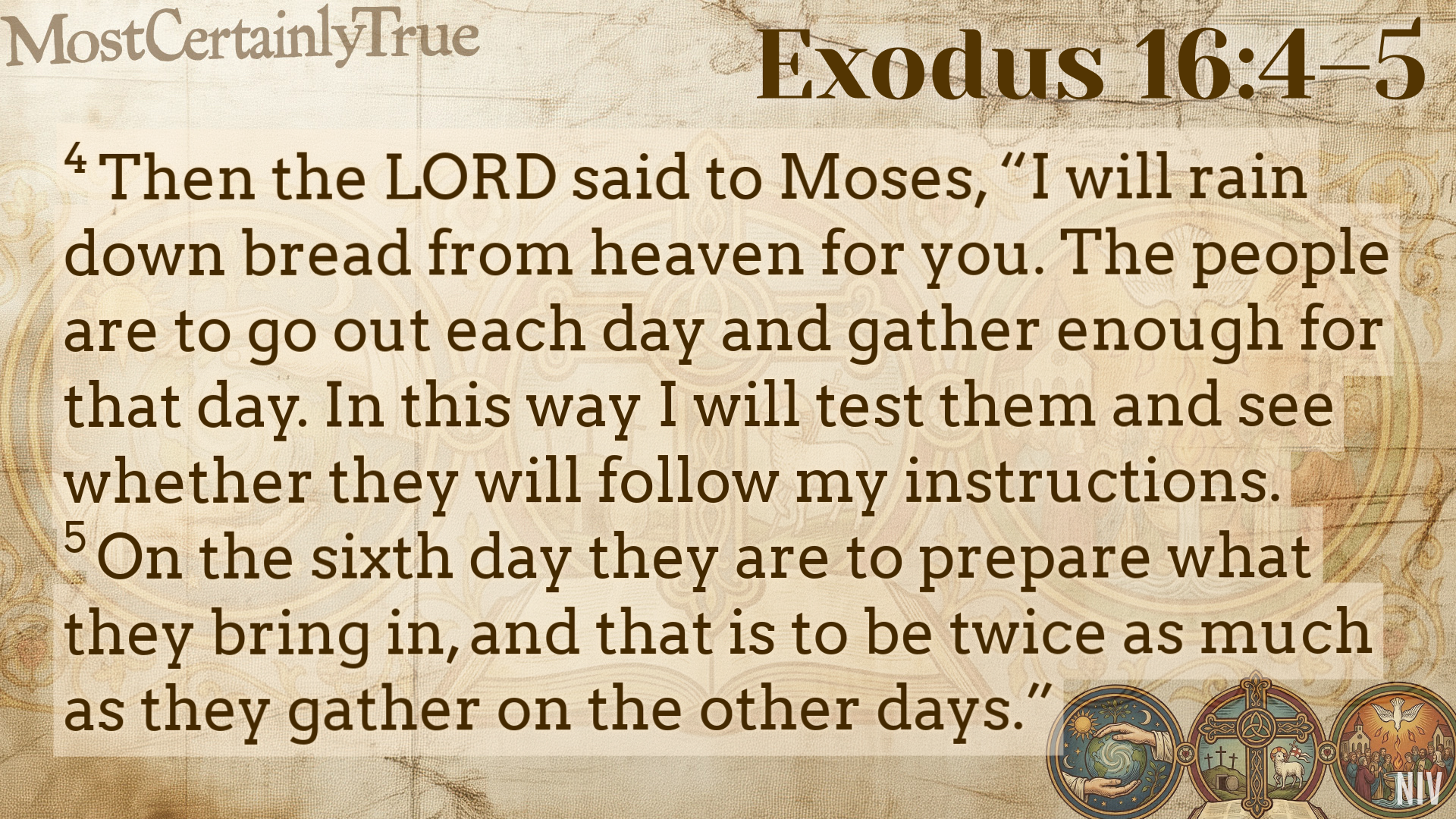
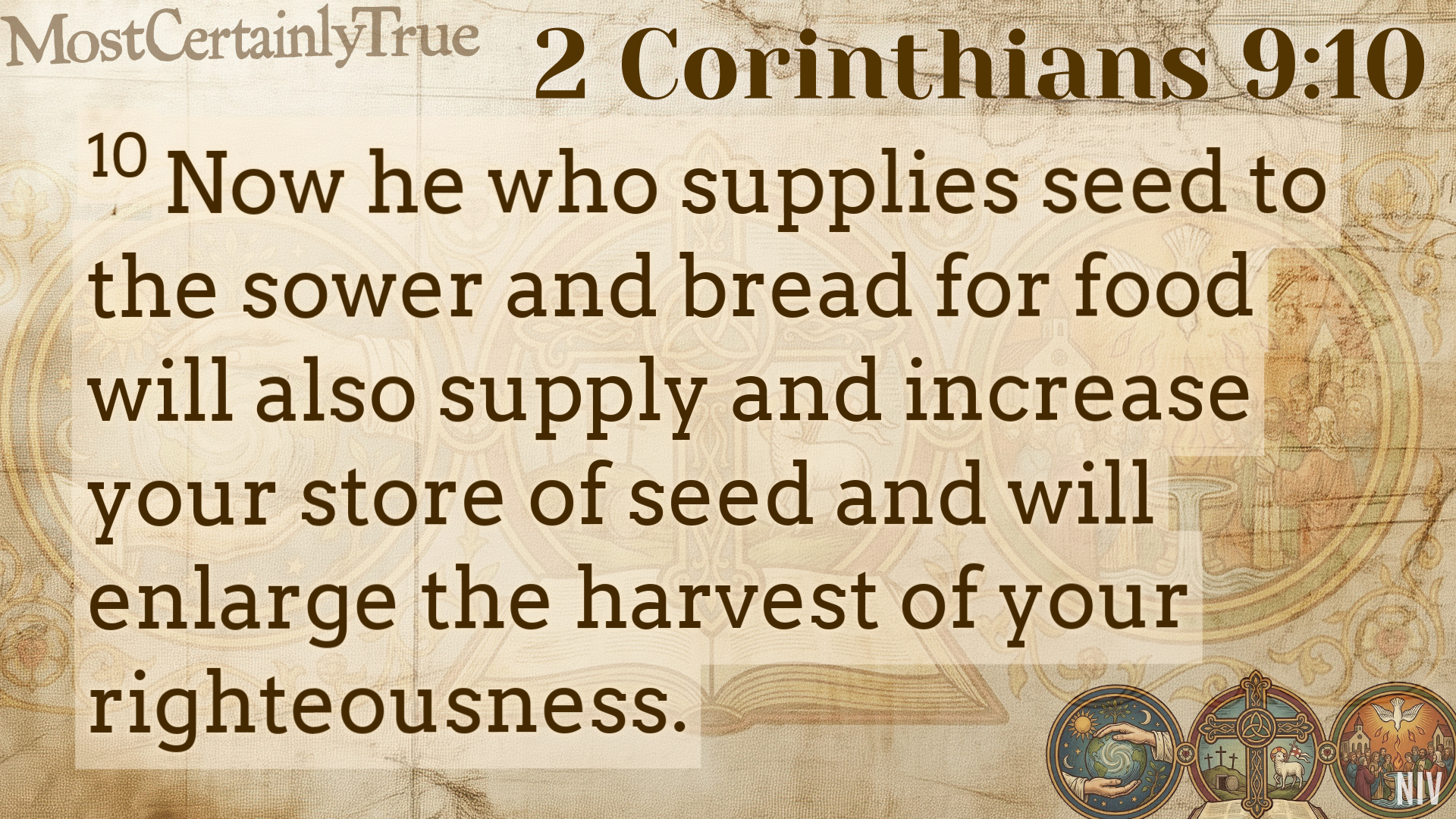
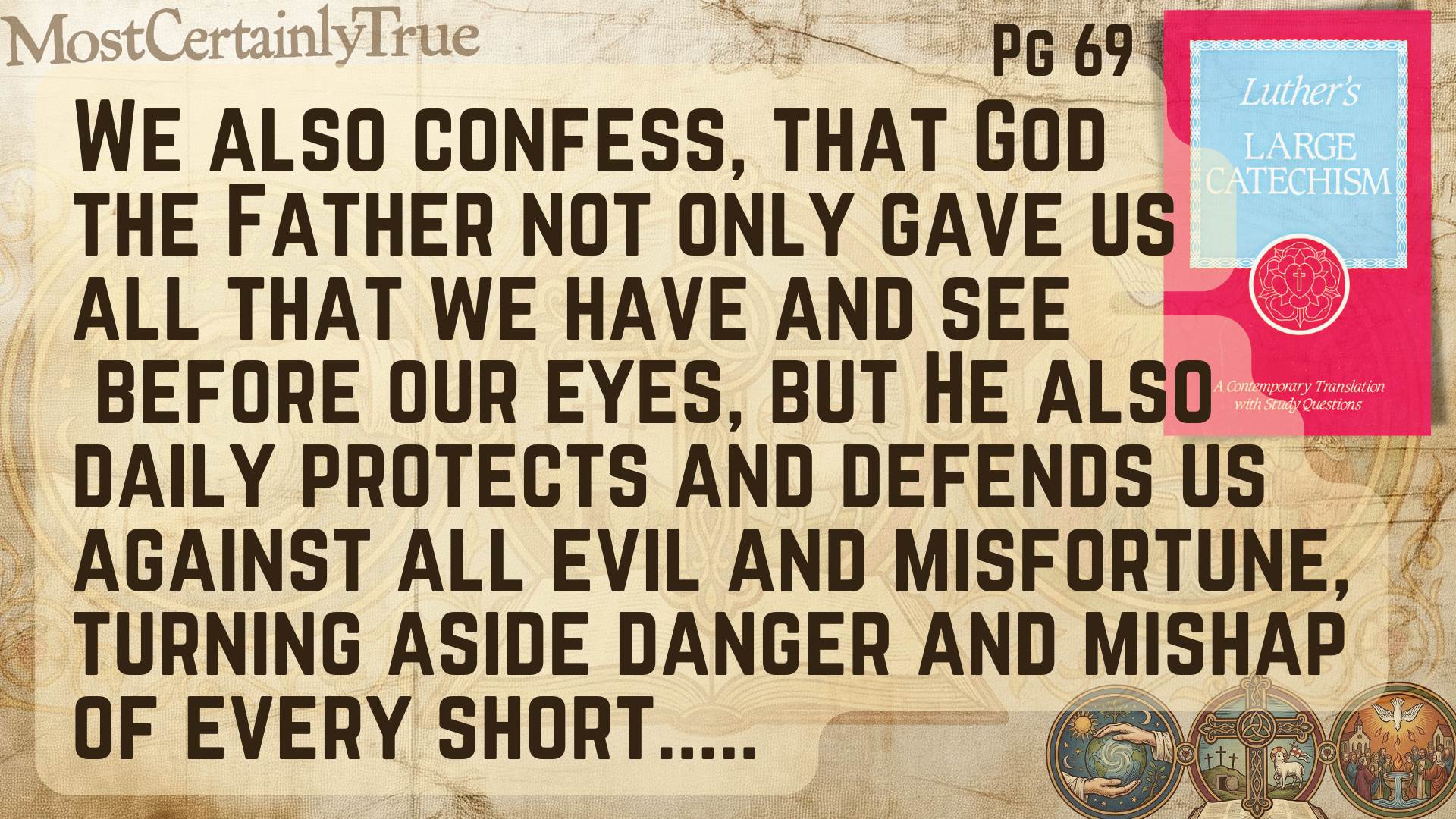
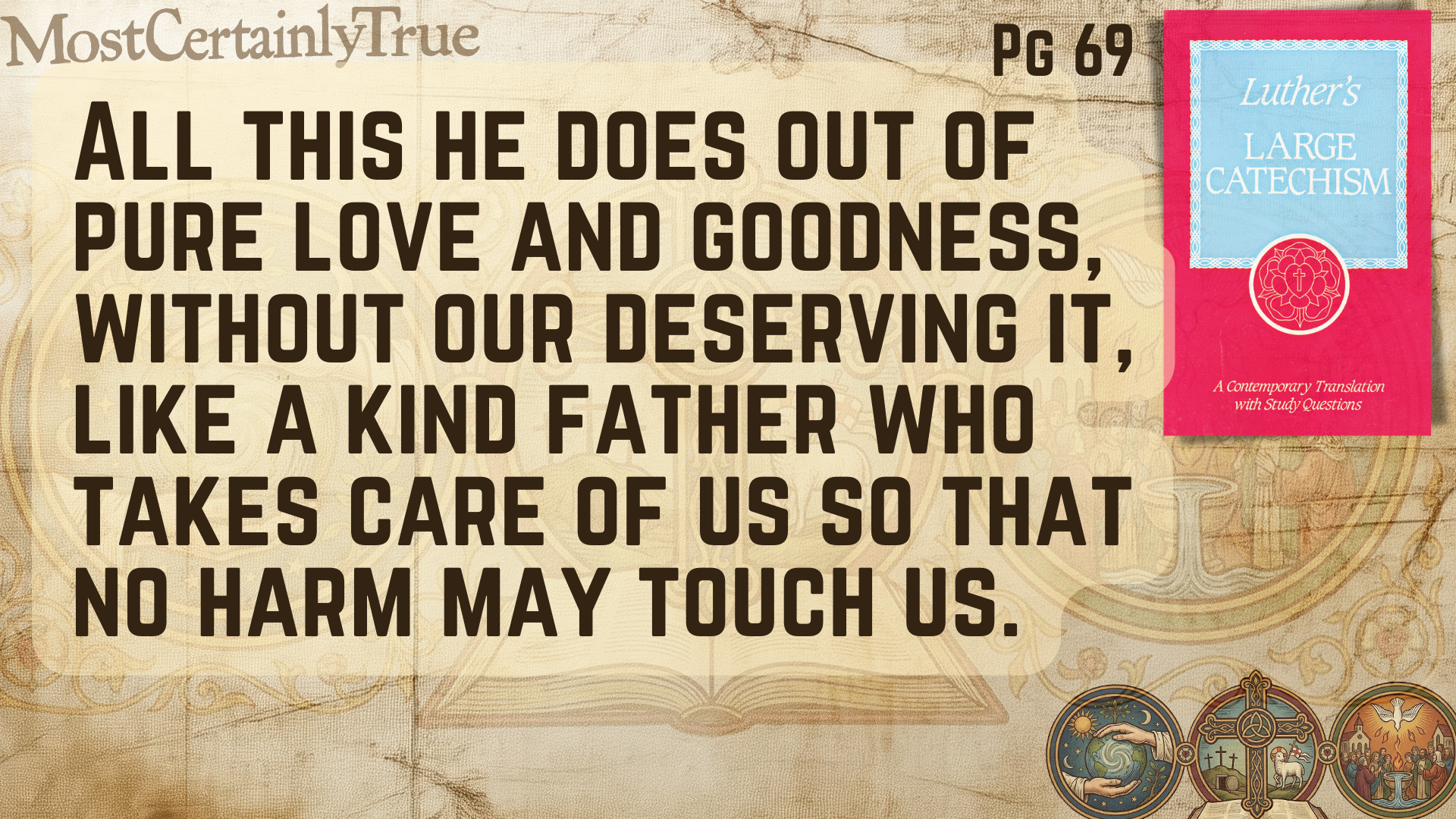
From manna in the wilderness to the groceries in your cart, discover how God actively provides for us through Jesus and the vocation of others.
From manna in the wilderness to the groceries in your cart, discover how God actively provides for us through Jesus and the vocation of others.
Sermon Video and Slides
Questions for the Week: Apostles Creed: Creation Sustained
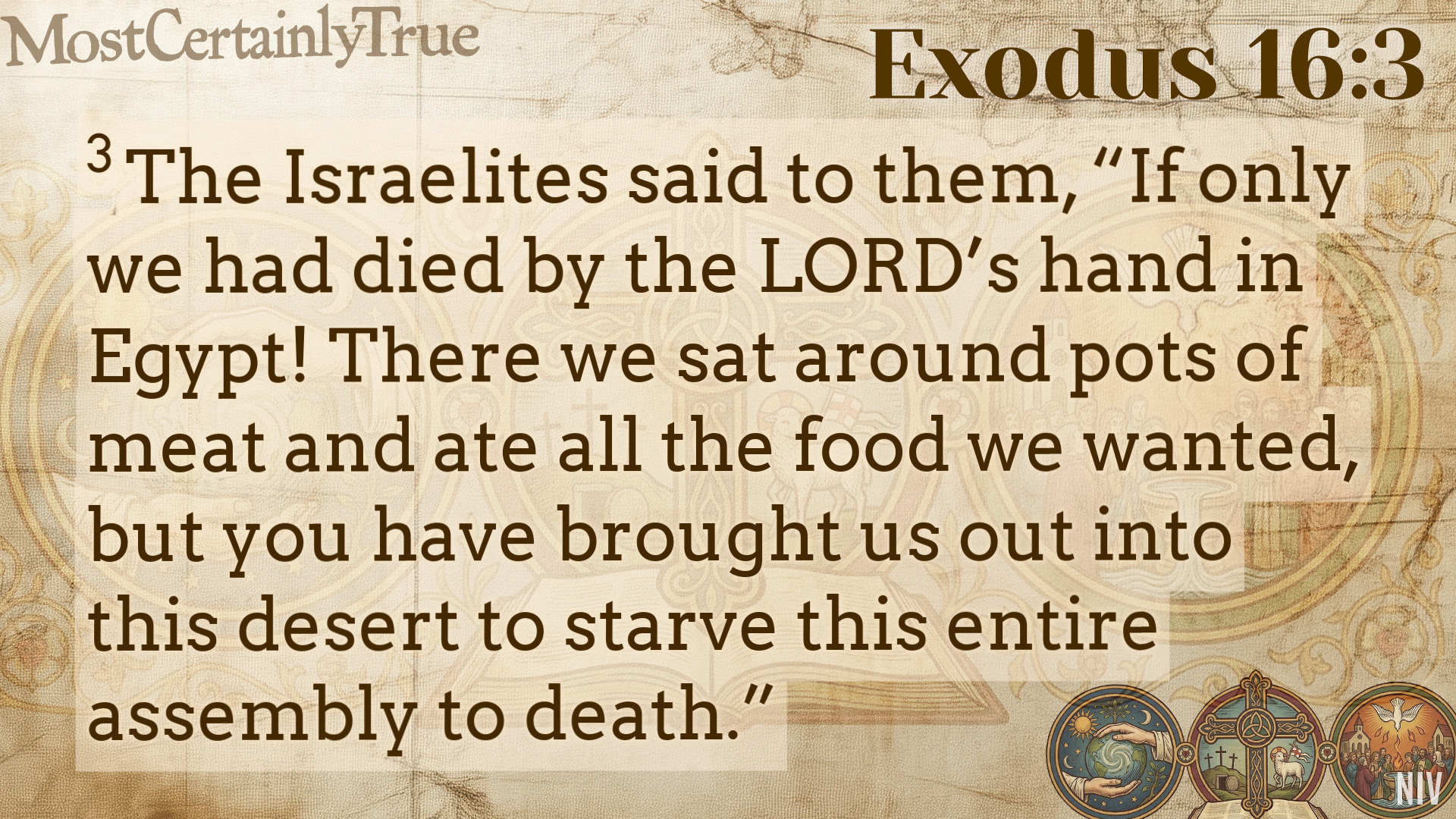
Read Exodus 16:1-8. The Israelites wanted to go back to slavery because they were afraid they wouldn't have enough food. In what areas of your life (finances, relationships, future security) do you find yourself "grumbling" or panicking about not having enough, rather than trusting God’s daily provision?
Think about something you used today (like your lunch or your clothes). How many different people did God use to get that item to you? How does that change the way you think about "ordinary" jobs?
God works through us to provide for others. In your current role (as a student, a parent, a worker, or a friend), how is God using your hands to provide "daily bread" or help to someone else?
What Had happened at Grace this week.
![[Sunday] Good Creation Most Certainly True](https://images.squarespace-cdn.com/content/v1/5852f18a20099e30cd2c01dc/1767931204162-S0EG3ZJDEUVLBCHI284L/Certainly+True+1a.jpg)
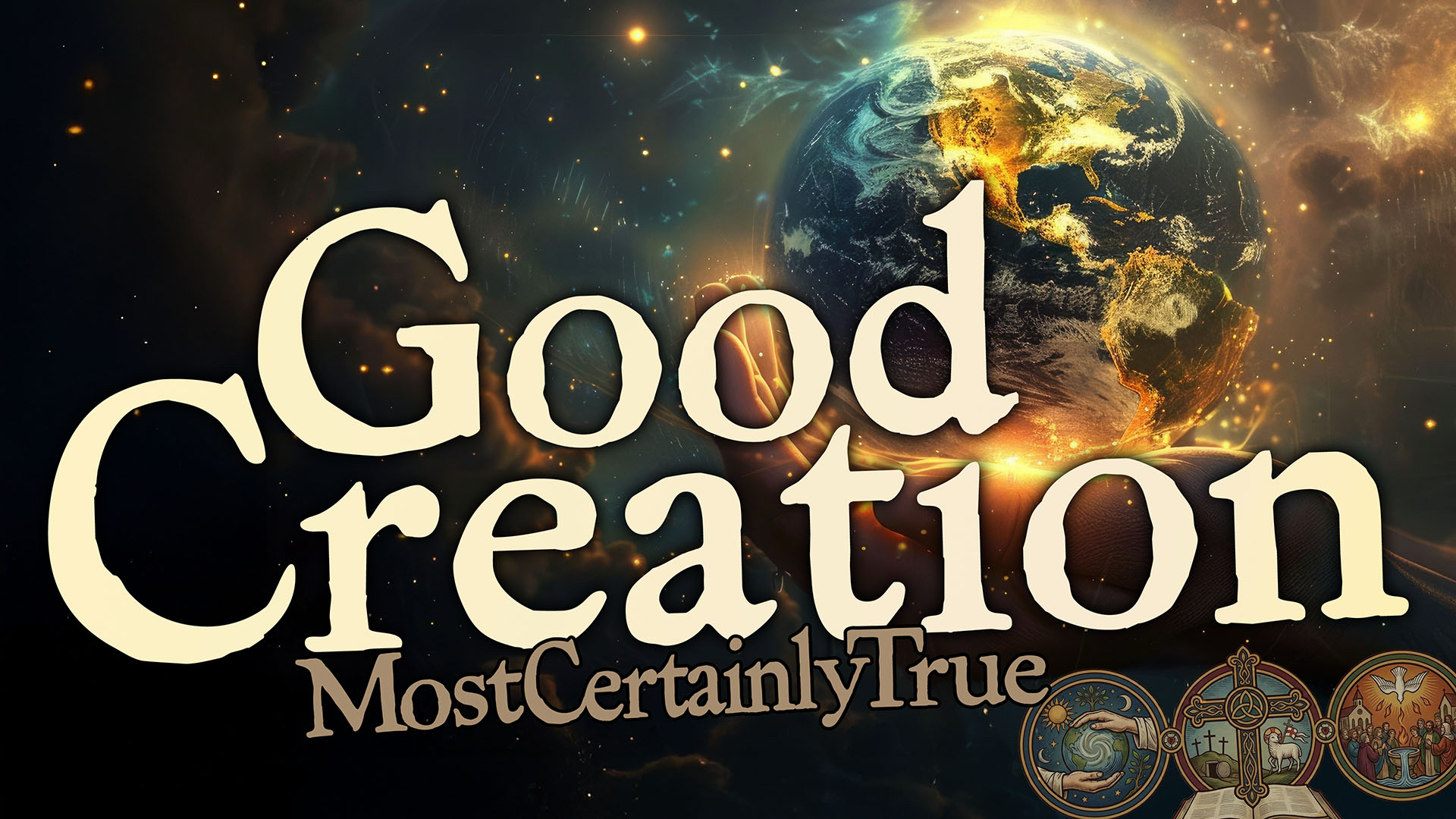
[Sunday] Good Creation Most Certainly True
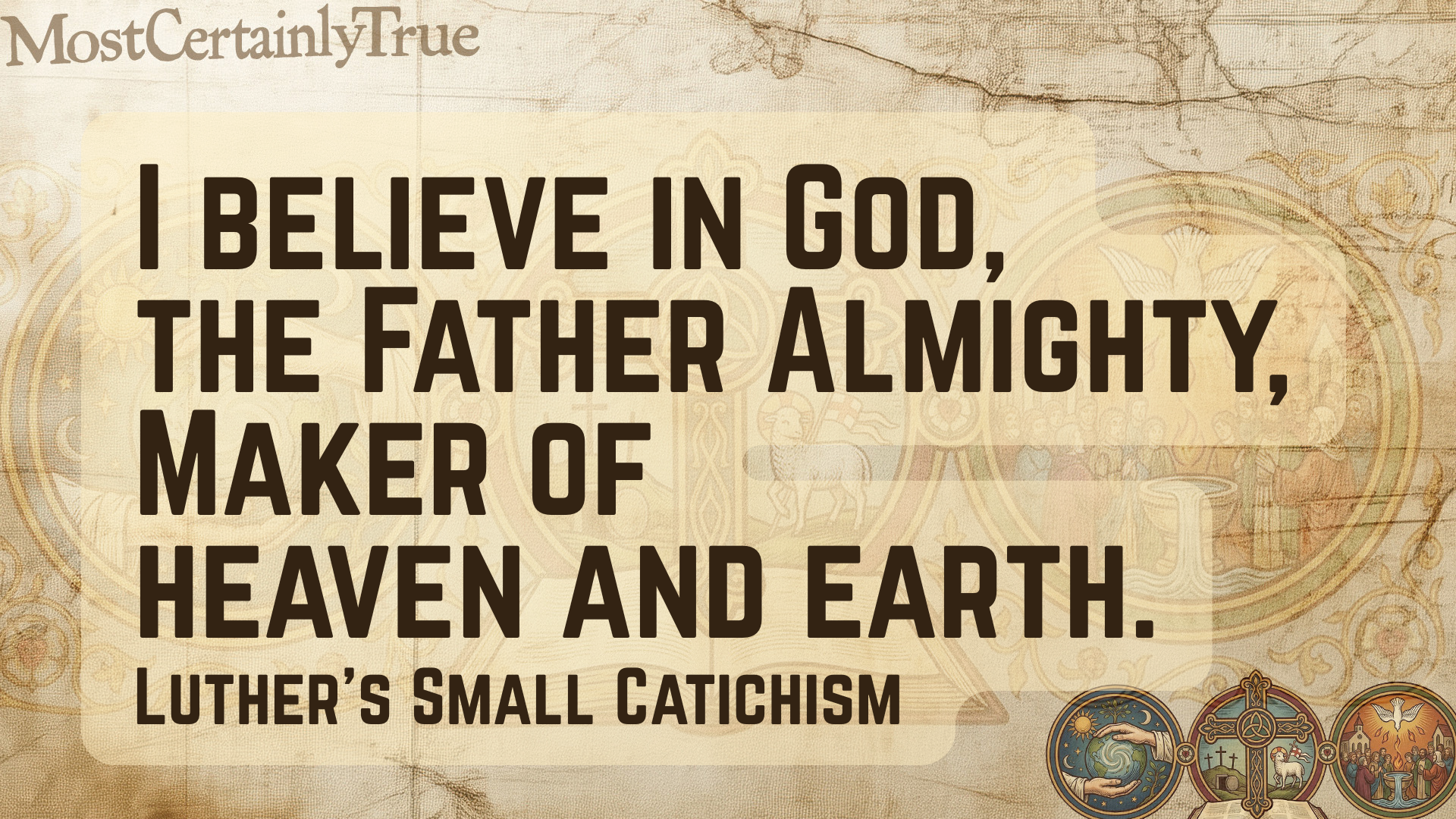
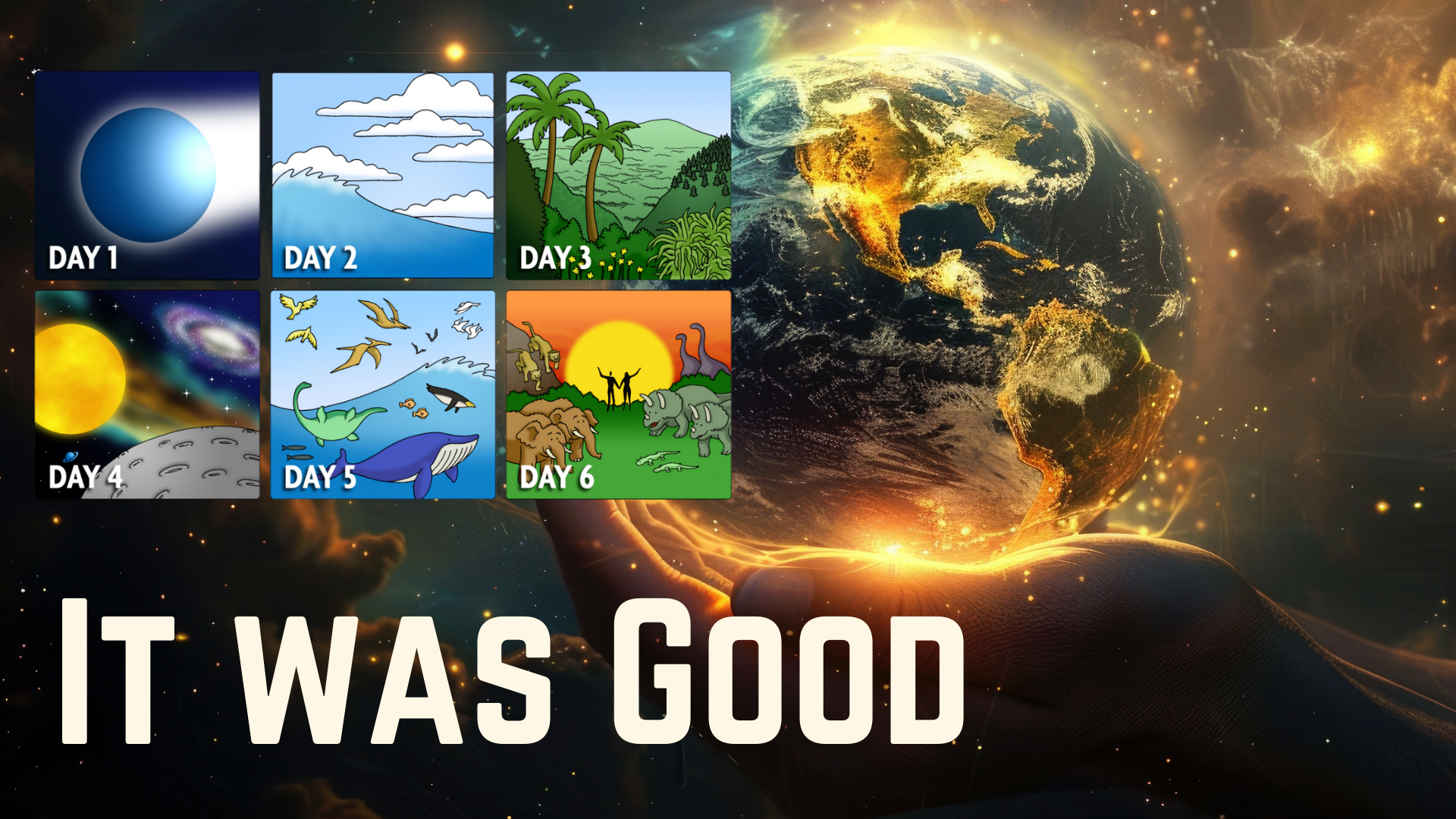
The Creed cuts through the noise of our own unworthiness to name us as 'good' creatures, loved by a God who honors our flesh and blood enough to redeem it, not just replace it.
The Creed cuts through the noise of our own unworthiness to name us as 'good' creatures, loved by a God who honors our flesh and blood enough to redeem it, not just replace it.
Sermon Video and Slides

Questions for the Week: Apostles Creed: Good Creation
If anyone were to ask you to describe God, what might you answer to begin with?
Read Genesis 1. Do you naturally tend to see yourself as a "beloved creature" or a "broken sinner"? How does that shape your daily life?
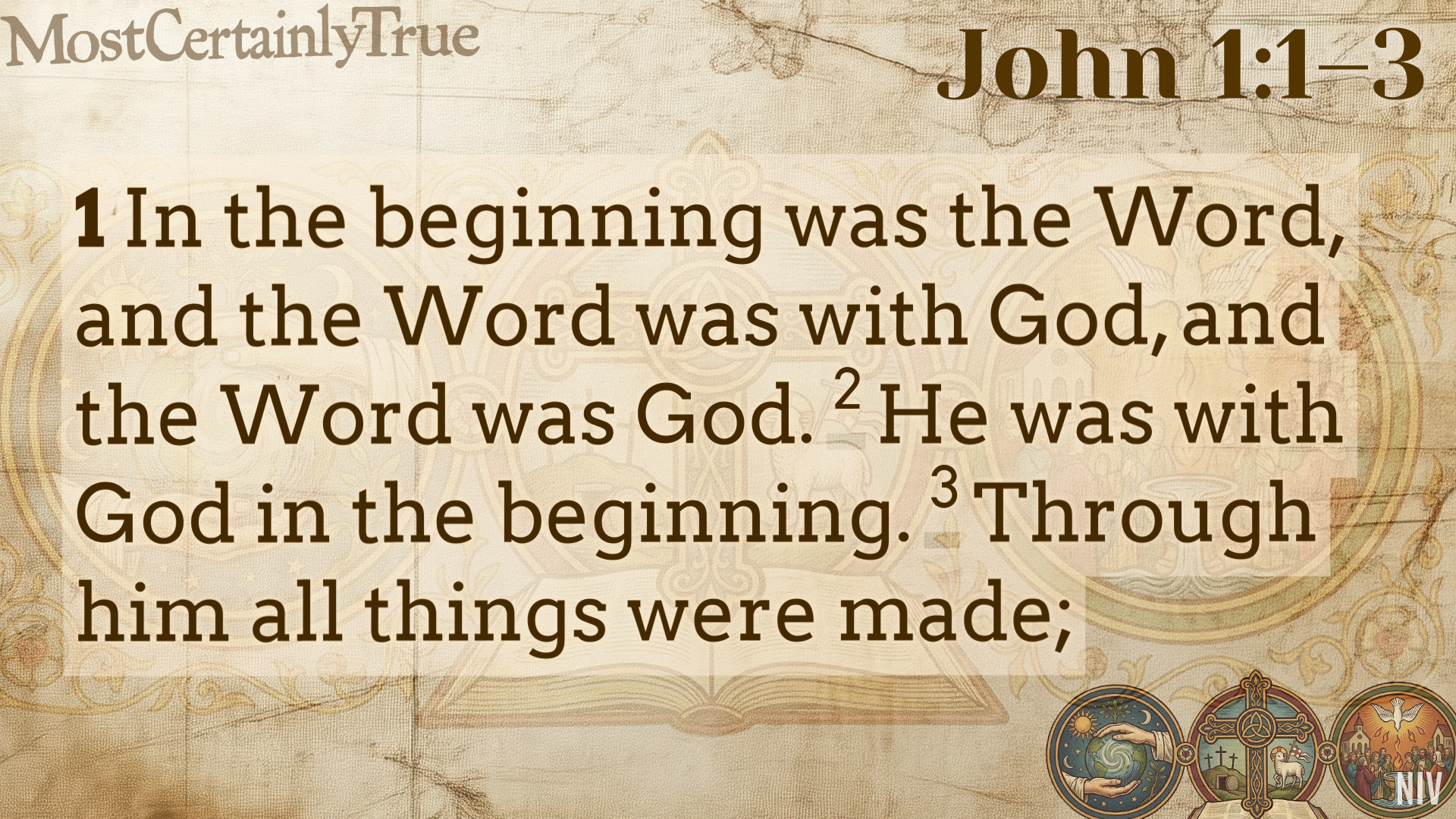
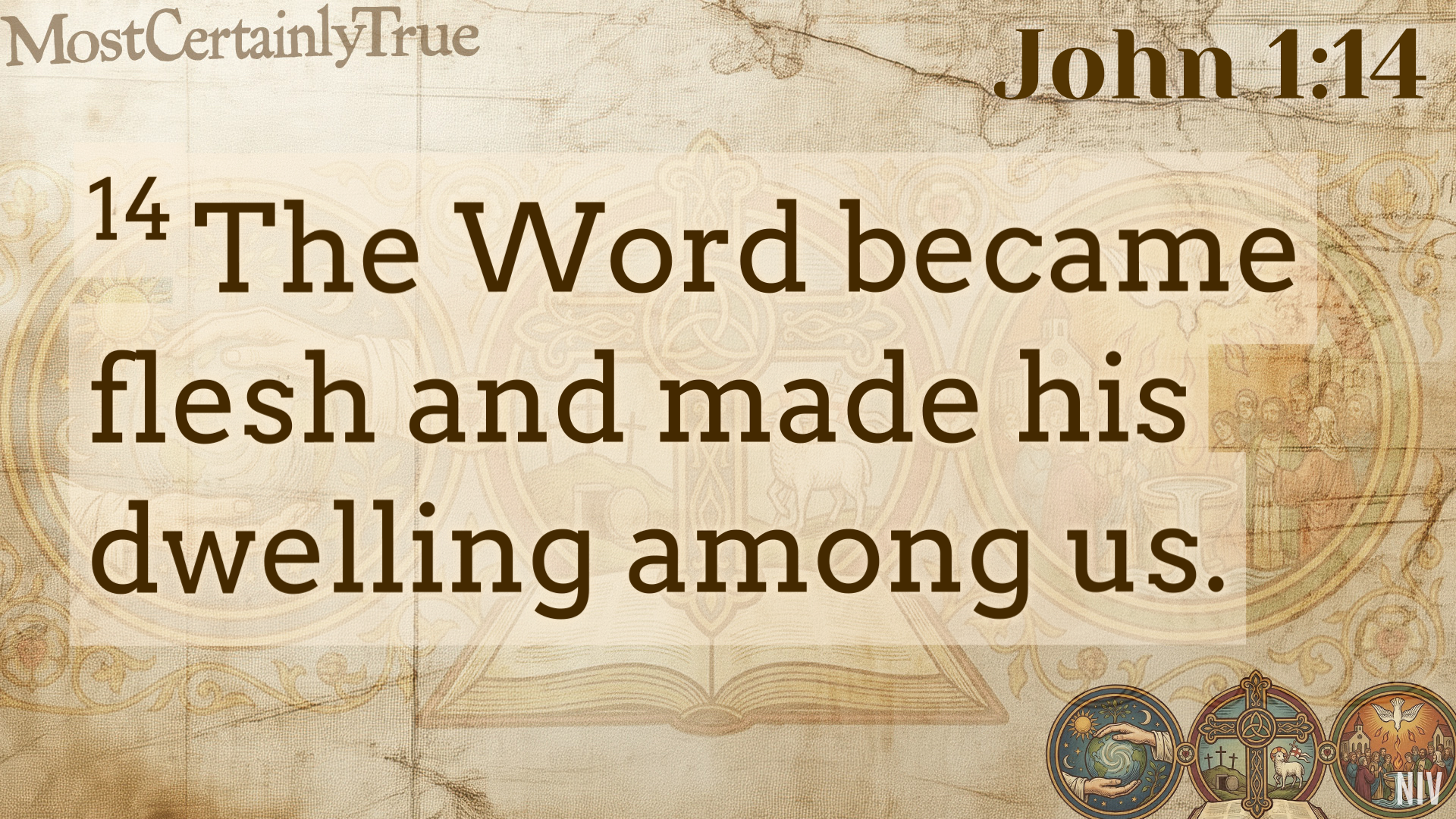
Read John 1:1-14. John 1 tells us that God did not escape creation but entered it in Jesus. Where have you seen God’s presence show up in ordinary, messy, or painful moments in your life or family?
Jesus rose from the dead still bearing His scars. What does it mean to you that God remembers our pain and wounds, and how might that help you show patience, grace, or care toward others this week?
What Had happened at Grace this week.
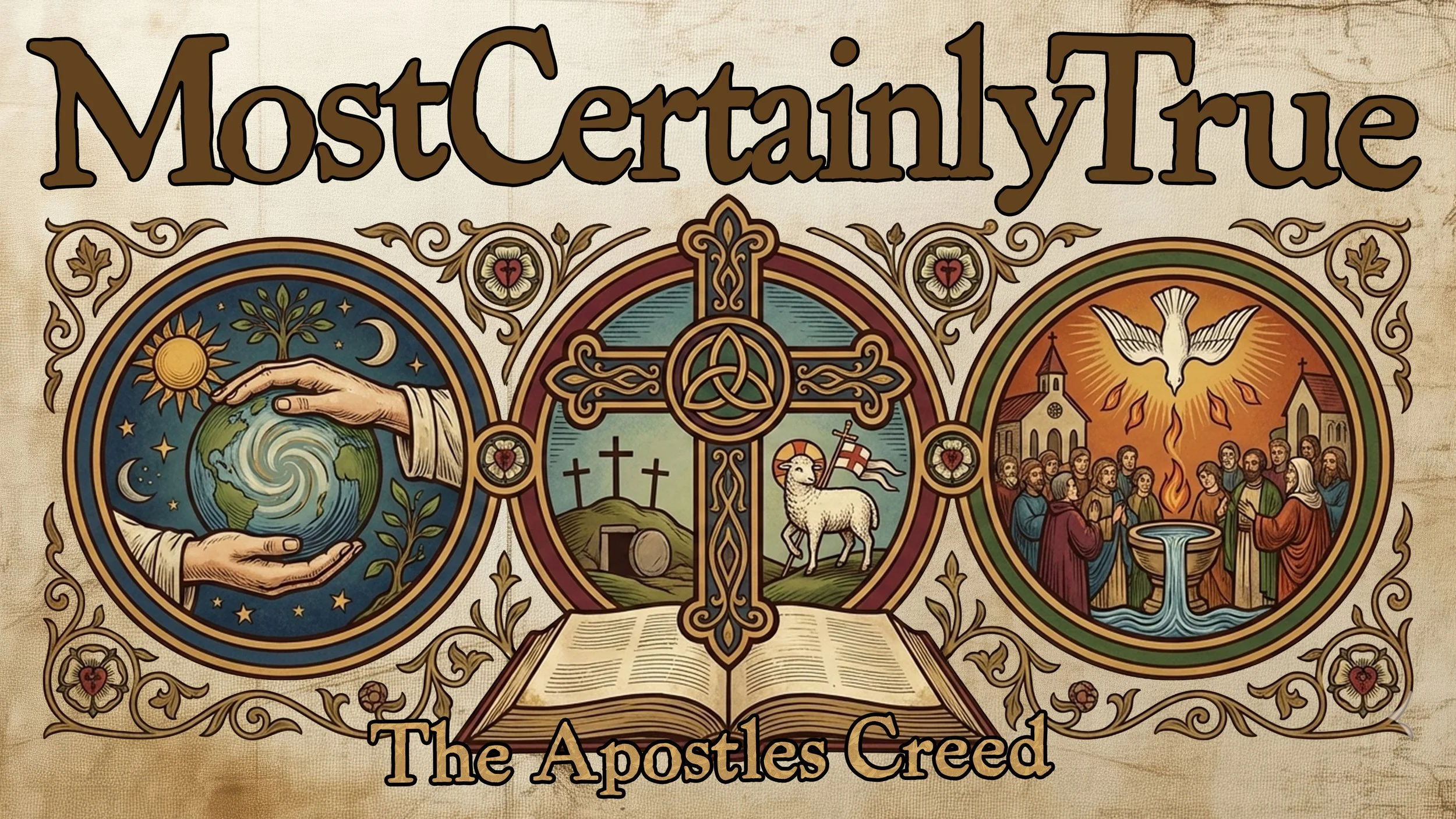
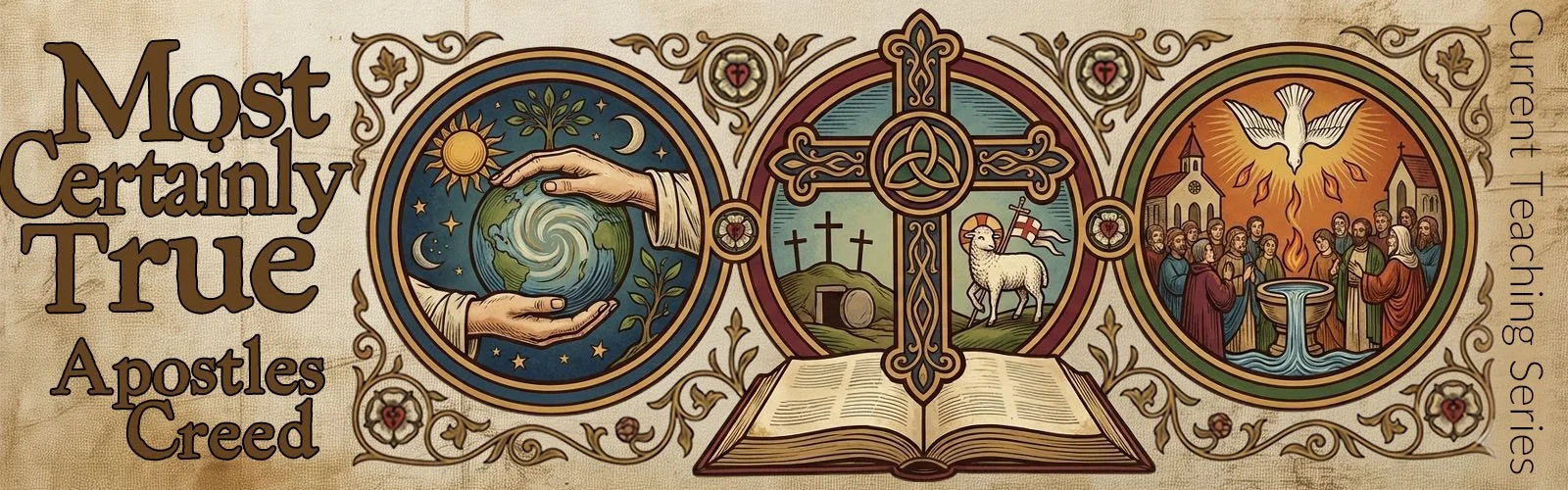
Most Certainly True - Apostles Creed | Teaching Series
We are dusting off the Catechism to discover that the Creed is not just a list of principles to memorize, but a testimony of a God who created, redeemed, and sanctified you.
We are dusting off the Catechism to discover that the Creed is not just a list of principles to memorize, but a testimony of a God who created, redeemed, and sanctified you.
Read with the Sermon Series
The Large Catechism and the Small
I recommend the Pink Large Catechism.
This one is more enjoyable to read.

The Small Catechism
The Classic

Reading Plan
Read around the readings for Sunday
1/11/26- Creator
Genesis 1:1-2:4
John 1:1-5
1/18/26 - Sustainer
Exodus 16:2-8
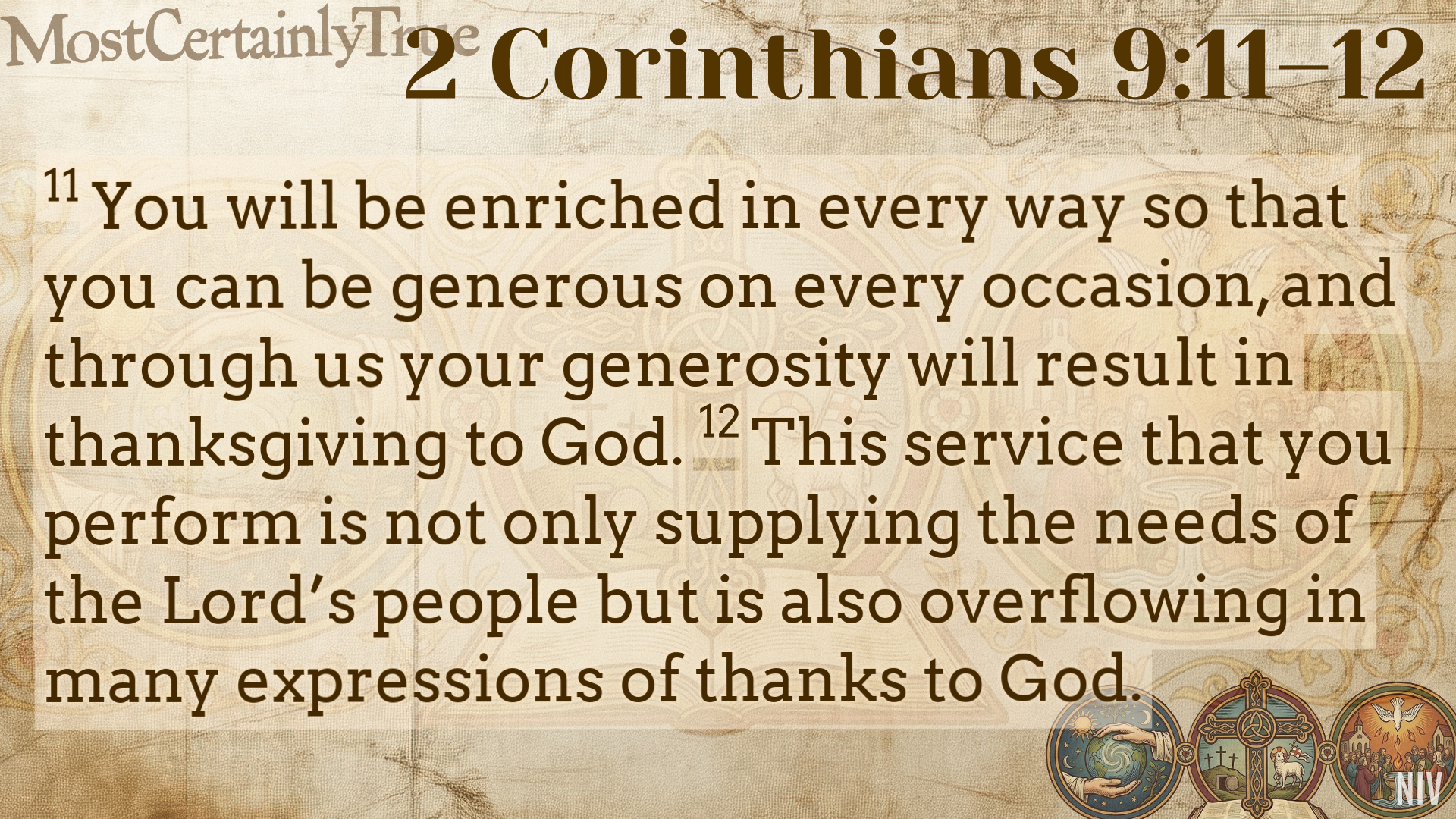
2 Cor 9:6-15
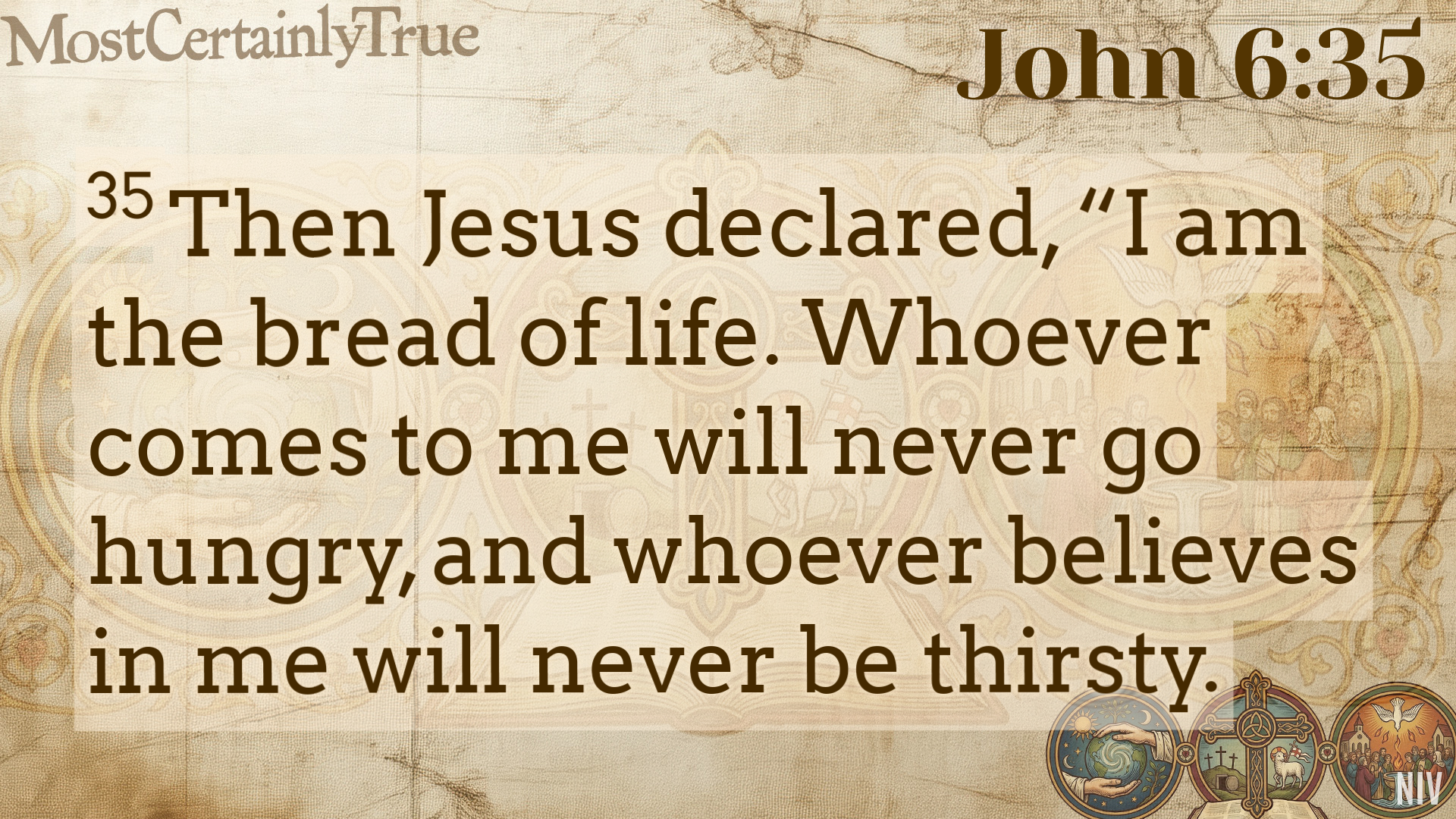
John 6:35-40
1/25/26 - Jesus Life
Isaiah 53:1-12
Philippians 2:5-11
Mark 1:1, 9-15
2/1/26 - Jesus Redemption and Resurrection
Psalm 16:5-11
Romans 4:16-25
Mark 16:1-8
2/8/26 - calls, gathers, enlightens sanctifies
Joel 2:28-32
Ephesians 4:11-16
John 3:1-17
2/15/26 - Forgiveness of sins and everlasting life
Isaiah 25:6-91
John 1:5-10
Matthew 18:21-35
The shoes you put on every day when you work or shop are actually a mask of God, they are the very way He walks into the world to provide for His creation.