
[Sunday] Christ In All Things - In All Things
Paul, in prison, writes a letter of encouragement to the church, a letter that does not say Christ is just in what you do, but rather Christ is in all things. So we are confident that he is here to help. We're encouraged to live in peace, knowing that God is on our side.
Questions for the week
No Questions this week
What Had happened at Grace this week.
A lively Bible study on May 7, 2026 explored C. S. Lewis’s The Great Divorce (Chs. 1–3), tracing the contrast between ghostly insubstantiality and heavenly solidity, the challenge of pride versus grace, and the costly journey of repentance and becoming “solid” in Christ in light of Scripture.
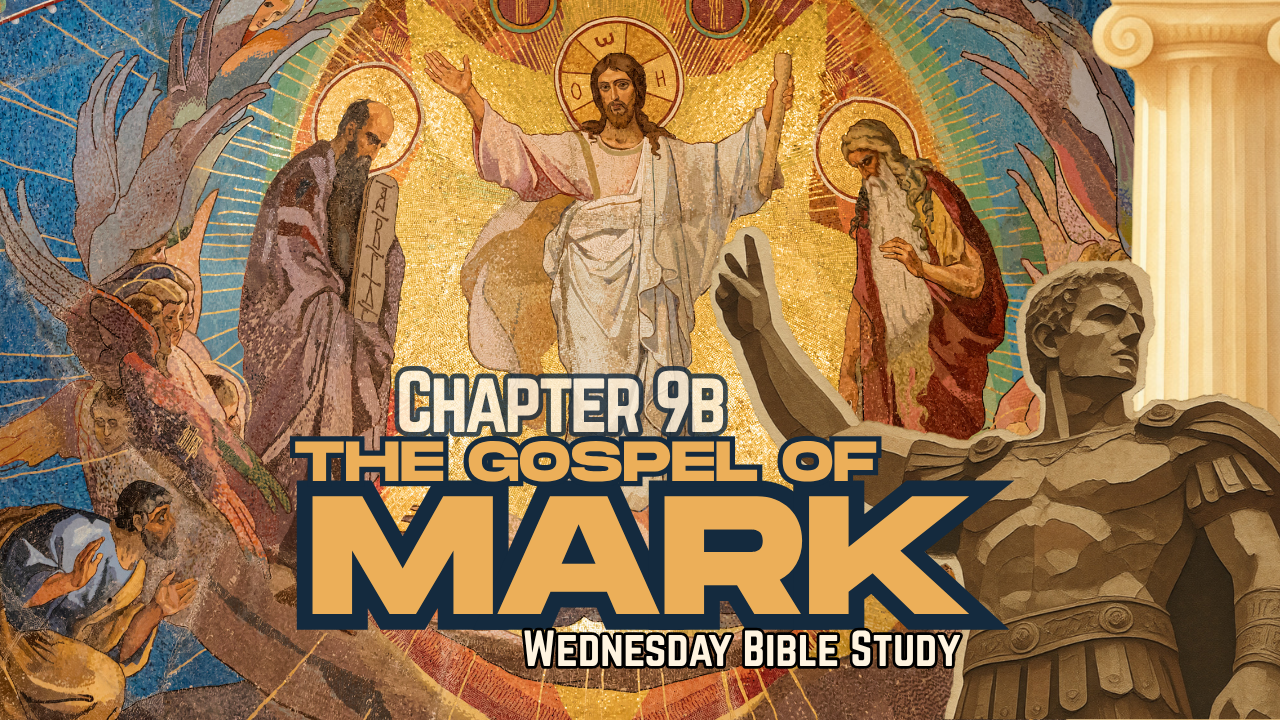
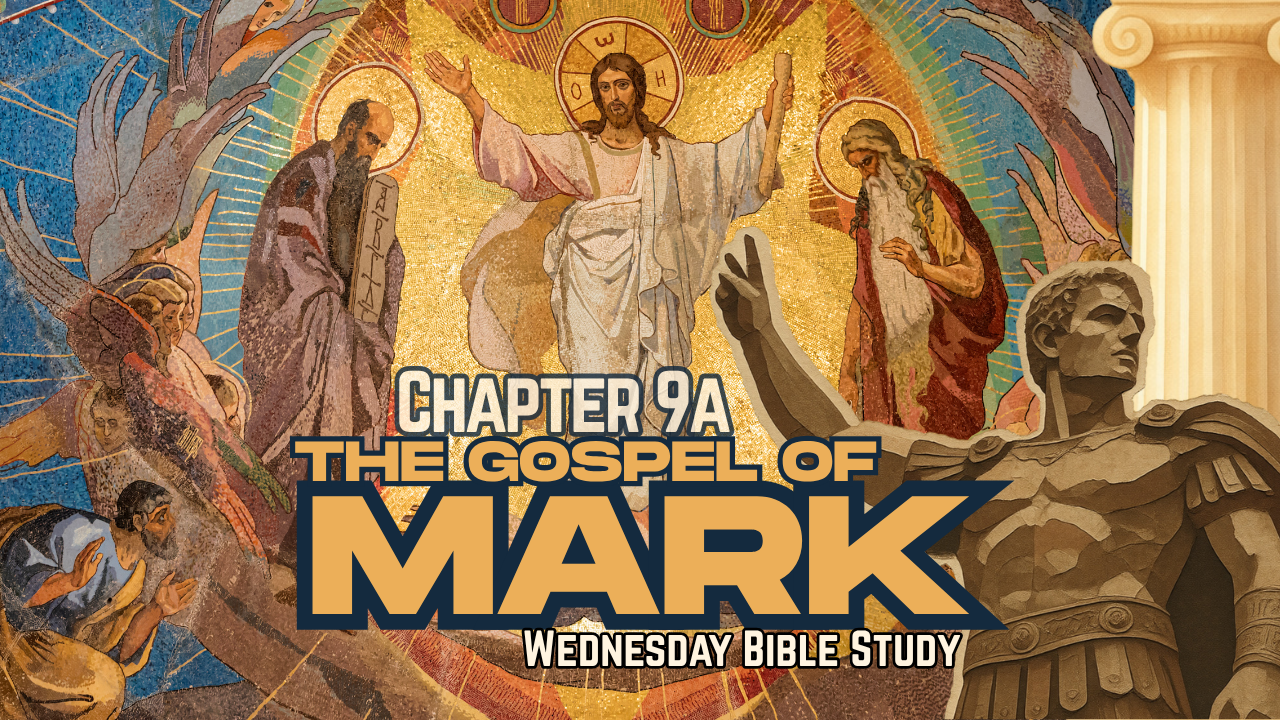
In our study on May 6, 2026, we explored Mark 1:14-2:12, focusing on Jesus's escalating authority over spirits, sickness, and sin, and why He often commanded silence from those He healed.
We look at Solomon's tragic fall into pride and power, reminding us that true wisdom isn't found in building our own empires, but in the self-emptying love of Jesus.
Even though Martin Stephan had many troubles in this life, and more than likely committed grievous sin, which caused his expulsion from the colony and the church, God nevertheless used him to achieve His purpose here on earth.
In our Bible study on April 29, 2026, we began our journey into C.S. Lewis's "The Great Divorce," exploring the book's themes of Hell as self-imposed isolation, the choice between Heaven and Hell, and how the story serves as a mirror for our own spiritual lives.
On April 29, 2026 at 6:36 PM, our class explored how reading the Gospel of Mark by recognizing patterns and echoes—especially in Mark 1:1–20—deepens understanding, highlighting John the Baptist, Jesus’ baptism and wilderness testing, the “at hand” kingdom, the call of fishermen, and the upside‑down kingship of Jesus.
It’s easy to get distracted by building grand things, forgetting that God's true work is simply rescuing broken people right where they are.
[Sunday] Good In All Things - In All Things
We desire to live the good life which will ultimately land us in the good place. But in our search for the good place, we may find ourselves not fulfilled as our lust for desires goes unmet. Maybe true fulfillment can be found in death and resurrection.
Questions for the week
Describe something you thought was good, but ended up being bad in your life.
Read Colossians 3:1-17. What two types of lifestyles does Paul compare? How has Jesus freed you to live the second type of lifestyle?
Read Colossians 3:18- 4:1. How does Paul's encouragement in these verses encourage us to reflect Jesus in relationships with others?
What Had happened at Grace this week.
When the kingdom splits, Kings Rehoboam and Jeroboam desperately grasp for power and control, but God uses Elijah, a nobody from the sticks, to show us that true freedom comes not from controlling our circumstances but from trusting the King who went to the cross for us.
A lively Bible study on May 7, 2026 explored C. S. Lewis’s The Great Divorce (Chs. 1–3), tracing the contrast between ghostly insubstantiality and heavenly solidity, the challenge of pride versus grace, and the costly journey of repentance and becoming “solid” in Christ in light of Scripture.
In our study on May 6, 2026, we explored Mark 1:14-2:12, focusing on Jesus's escalating authority over spirits, sickness, and sin, and why He often commanded silence from those He healed.
We look at Solomon's tragic fall into pride and power, reminding us that true wisdom isn't found in building our own empires, but in the self-emptying love of Jesus.
Even though Martin Stephan had many troubles in this life, and more than likely committed grievous sin, which caused his expulsion from the colony and the church, God nevertheless used him to achieve His purpose here on earth.
In our Bible study on April 29, 2026, we began our journey into C.S. Lewis's "The Great Divorce," exploring the book's themes of Hell as self-imposed isolation, the choice between Heaven and Hell, and how the story serves as a mirror for our own spiritual lives.
On April 29, 2026 at 6:36 PM, our class explored how reading the Gospel of Mark by recognizing patterns and echoes—especially in Mark 1:1–20—deepens understanding, highlighting John the Baptist, Jesus’ baptism and wilderness testing, the “at hand” kingdom, the call of fishermen, and the upside‑down kingship of Jesus.
It’s easy to get distracted by building grand things, forgetting that God's true work is simply rescuing broken people right where they are.
[Sunday] Forward In All Things - In All Things
When I moved, I placed everything in a huge moving truck and rolled my car onto a small trailer. This taught me a simple lesson in life, one we see here in the Bible: always be moving forward.
Questions for the week
Describe a time when you stopped moving forward and got stuck going backwards.
Read Colossians 2:6-15. What does it mean to “walk in Christ?”
What empty philosophies might hold you captive?
How does walking in Christ and in what he has done free us from that captivity?
What Had happened at Grace this week.
When the kingdom splits, Kings Rehoboam and Jeroboam desperately grasp for power and control, but God uses Elijah, a nobody from the sticks, to show us that true freedom comes not from controlling our circumstances but from trusting the King who went to the cross for us.
A lively Bible study on May 7, 2026 explored C. S. Lewis’s The Great Divorce (Chs. 1–3), tracing the contrast between ghostly insubstantiality and heavenly solidity, the challenge of pride versus grace, and the costly journey of repentance and becoming “solid” in Christ in light of Scripture.
In our study on May 6, 2026, we explored Mark 1:14-2:12, focusing on Jesus's escalating authority over spirits, sickness, and sin, and why He often commanded silence from those He healed.
We look at Solomon's tragic fall into pride and power, reminding us that true wisdom isn't found in building our own empires, but in the self-emptying love of Jesus.
Even though Martin Stephan had many troubles in this life, and more than likely committed grievous sin, which caused his expulsion from the colony and the church, God nevertheless used him to achieve His purpose here on earth.
In our Bible study on April 29, 2026, we began our journey into C.S. Lewis's "The Great Divorce," exploring the book's themes of Hell as self-imposed isolation, the choice between Heaven and Hell, and how the story serves as a mirror for our own spiritual lives.
On April 29, 2026 at 6:36 PM, our class explored how reading the Gospel of Mark by recognizing patterns and echoes—especially in Mark 1:1–20—deepens understanding, highlighting John the Baptist, Jesus’ baptism and wilderness testing, the “at hand” kingdom, the call of fishermen, and the upside‑down kingship of Jesus.
It’s easy to get distracted by building grand things, forgetting that God's true work is simply rescuing broken people right where they are.
[Sunday] Hope In All Things - In All Things
When looking for hope, we often try to find it in other gods and gospels, but the Holy Spirit is always calling us back to the one that can truly save us. See why Jesus matters.
Questions for the week
Describe a song that has impacted you. What about it made such an impact?
Read Colossians 1:15-20. Paul is writing in poetry. What other parts of the Bible is this song like?
Paul draws us to the wonder of creation and how that creator is with us in all things. How does that change how you look at the world around you?
What Had happened at Grace this week.
When the kingdom splits, Kings Rehoboam and Jeroboam desperately grasp for power and control, but God uses Elijah, a nobody from the sticks, to show us that true freedom comes not from controlling our circumstances but from trusting the King who went to the cross for us.
A lively Bible study on May 7, 2026 explored C. S. Lewis’s The Great Divorce (Chs. 1–3), tracing the contrast between ghostly insubstantiality and heavenly solidity, the challenge of pride versus grace, and the costly journey of repentance and becoming “solid” in Christ in light of Scripture.
In our study on May 6, 2026, we explored Mark 1:14-2:12, focusing on Jesus's escalating authority over spirits, sickness, and sin, and why He often commanded silence from those He healed.
We look at Solomon's tragic fall into pride and power, reminding us that true wisdom isn't found in building our own empires, but in the self-emptying love of Jesus.
Even though Martin Stephan had many troubles in this life, and more than likely committed grievous sin, which caused his expulsion from the colony and the church, God nevertheless used him to achieve His purpose here on earth.
In our Bible study on April 29, 2026, we began our journey into C.S. Lewis's "The Great Divorce," exploring the book's themes of Hell as self-imposed isolation, the choice between Heaven and Hell, and how the story serves as a mirror for our own spiritual lives.
On April 29, 2026 at 6:36 PM, our class explored how reading the Gospel of Mark by recognizing patterns and echoes—especially in Mark 1:1–20—deepens understanding, highlighting John the Baptist, Jesus’ baptism and wilderness testing, the “at hand” kingdom, the call of fishermen, and the upside‑down kingship of Jesus.
It’s easy to get distracted by building grand things, forgetting that God's true work is simply rescuing broken people right where they are.
[Sunday] Song of All Things - In All Things
Beginning his letter of encouragement, Paul leans into the history of the scriptures, using the language of song to convey something bigger than can be realized with just mere words. With the prophets, the psalms, and even the first five books behind him, he weaves encouragement the only way a song can.
Questions for the week
Describe a song that has impacted you. What about it made such an impact?
Read Colossians 1:15-20. Paul is writing in poetry. What other parts of the Bible is this song like?
Paul draws us to the wonder of creation and how that creator is with us in all things. How does that change how you look at the world around you?
What Had happened at Grace this week.
When the kingdom splits, Kings Rehoboam and Jeroboam desperately grasp for power and control, but God uses Elijah, a nobody from the sticks, to show us that true freedom comes not from controlling our circumstances but from trusting the King who went to the cross for us.
A lively Bible study on May 7, 2026 explored C. S. Lewis’s The Great Divorce (Chs. 1–3), tracing the contrast between ghostly insubstantiality and heavenly solidity, the challenge of pride versus grace, and the costly journey of repentance and becoming “solid” in Christ in light of Scripture.
In our study on May 6, 2026, we explored Mark 1:14-2:12, focusing on Jesus's escalating authority over spirits, sickness, and sin, and why He often commanded silence from those He healed.
We look at Solomon's tragic fall into pride and power, reminding us that true wisdom isn't found in building our own empires, but in the self-emptying love of Jesus.
Even though Martin Stephan had many troubles in this life, and more than likely committed grievous sin, which caused his expulsion from the colony and the church, God nevertheless used him to achieve His purpose here on earth.
In our Bible study on April 29, 2026, we began our journey into C.S. Lewis's "The Great Divorce," exploring the book's themes of Hell as self-imposed isolation, the choice between Heaven and Hell, and how the story serves as a mirror for our own spiritual lives.
On April 29, 2026 at 6:36 PM, our class explored how reading the Gospel of Mark by recognizing patterns and echoes—especially in Mark 1:1–20—deepens understanding, highlighting John the Baptist, Jesus’ baptism and wilderness testing, the “at hand” kingdom, the call of fishermen, and the upside‑down kingship of Jesus.
It’s easy to get distracted by building grand things, forgetting that God's true work is simply rescuing broken people right where they are.
In All Things (Teaching Series)
While sitting in prison, the apostle Paul receives word of a new church. He pens a letter of encouragement, filled with love and songs, about how Jesus the Christ is in all things. This is a reminder that the Christian story encompasses all things. Nothing -- and no one -- is left out.
Reading Plan
May 29th 22 -
Creator of All things -Genesis 1, Colossians 1:1-20
June 5th 22 -
Redeemer of All Things -Colossians 1:19-28, Luke 23:33-43
June 12th 22 -
Lord of All thingsColossians 2, Luke 15
June 19th 22
Servant of All Things -Colossians 3:12-Ch4, John 13
June 26th -
Restorer of all things -Colossians 3:1-11, Matthew 8
Paul, in prison, writes a letter of encouragement to the church, a letter that does not say Christ is just in what you do, but rather Christ is in all things. So we are confident that he is here to help. We're encouraged to live in peace, knowing that God is on our side.
We desire to live the good life which will ultimately land us in the good place. But in our search for the good place, we may find ourselves not fulfilled as our lust for desires goes unmet. Maybe true fulfillment can be found in death and resurrection.
When I moved, I placed everything in a huge moving truck and rolled my car onto a small trailer. This taught me a simple lesson in life, one we see here in the Bible: always be moving forward.
When looking for hope, we often try to find it in other gods and gospels, but the Holy Spirit is always calling us back to the one that can truly save us. See why Jesus matters.
Beginning his letter of encouragement, Paul leans into the history of the scriptures, using the language of song to convey something bigger than can be realized with just mere words. With the prophets, the psalms, and even the first five books behind him, he weaves encouragement the only way a song can.
While sitting in prison, the apostle Paul receives word of a new church. He pens a letter of encouragement, filled with love and songs, about how Jesus the Christ is in all things. This is a reminder that the Christian story encompasses all things. Nothing -- and no one -- is left out.
When the kingdom splits, Kings Rehoboam and Jeroboam desperately grasp for power and control, but God uses Elijah, a nobody from the sticks, to show us that true freedom comes not from controlling our circumstances but from trusting the King who went to the cross for us.