
![2nd Sunday School in October [Photos]](https://images.squarespace-cdn.com/content/v1/5852f18a20099e30cd2c01dc/1760668608646-XXK8AJYUIAB73BNQGIEH/PXL_20251012_152051640.jpg)
2nd Sunday School in October [Photos]
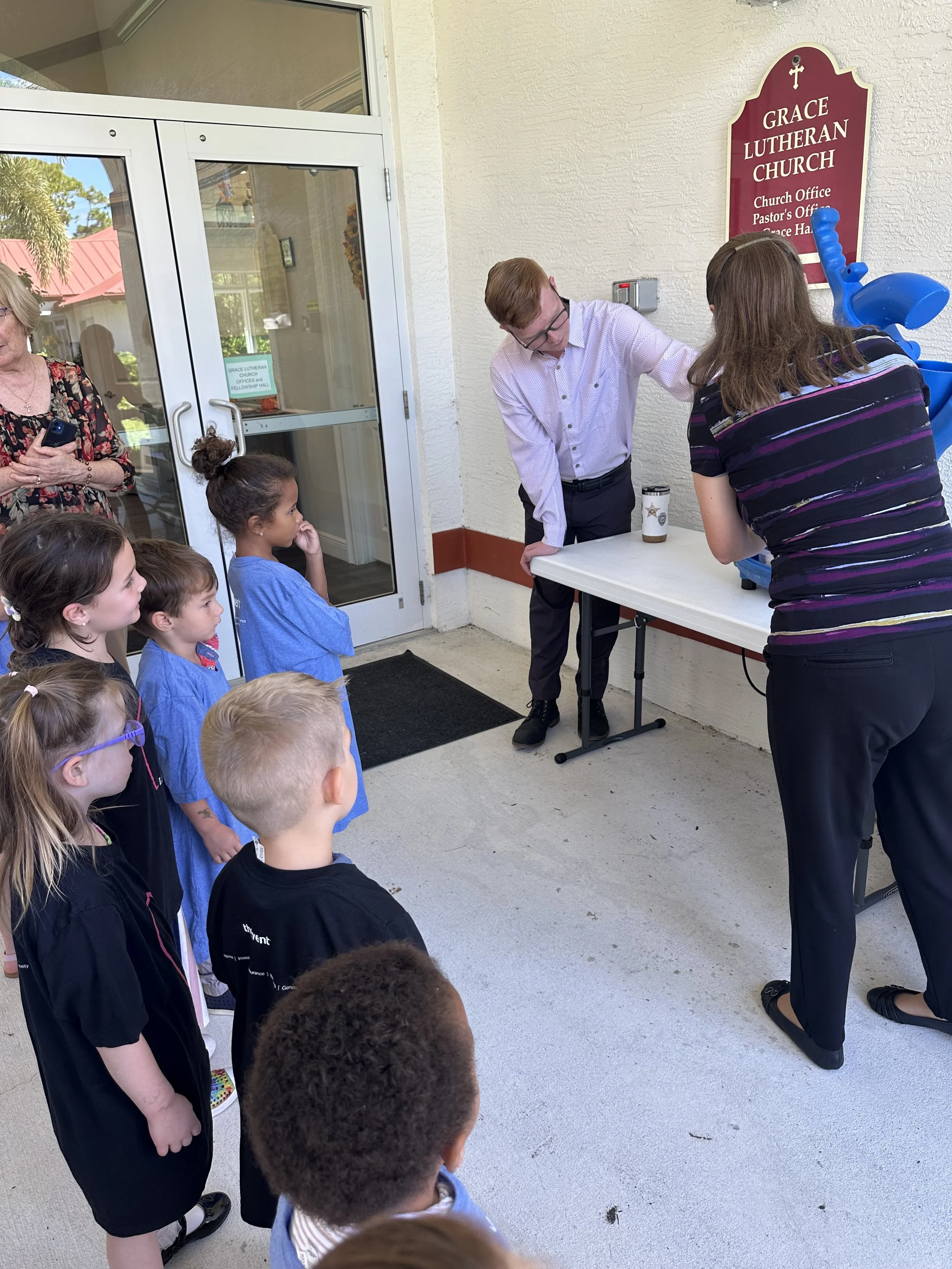
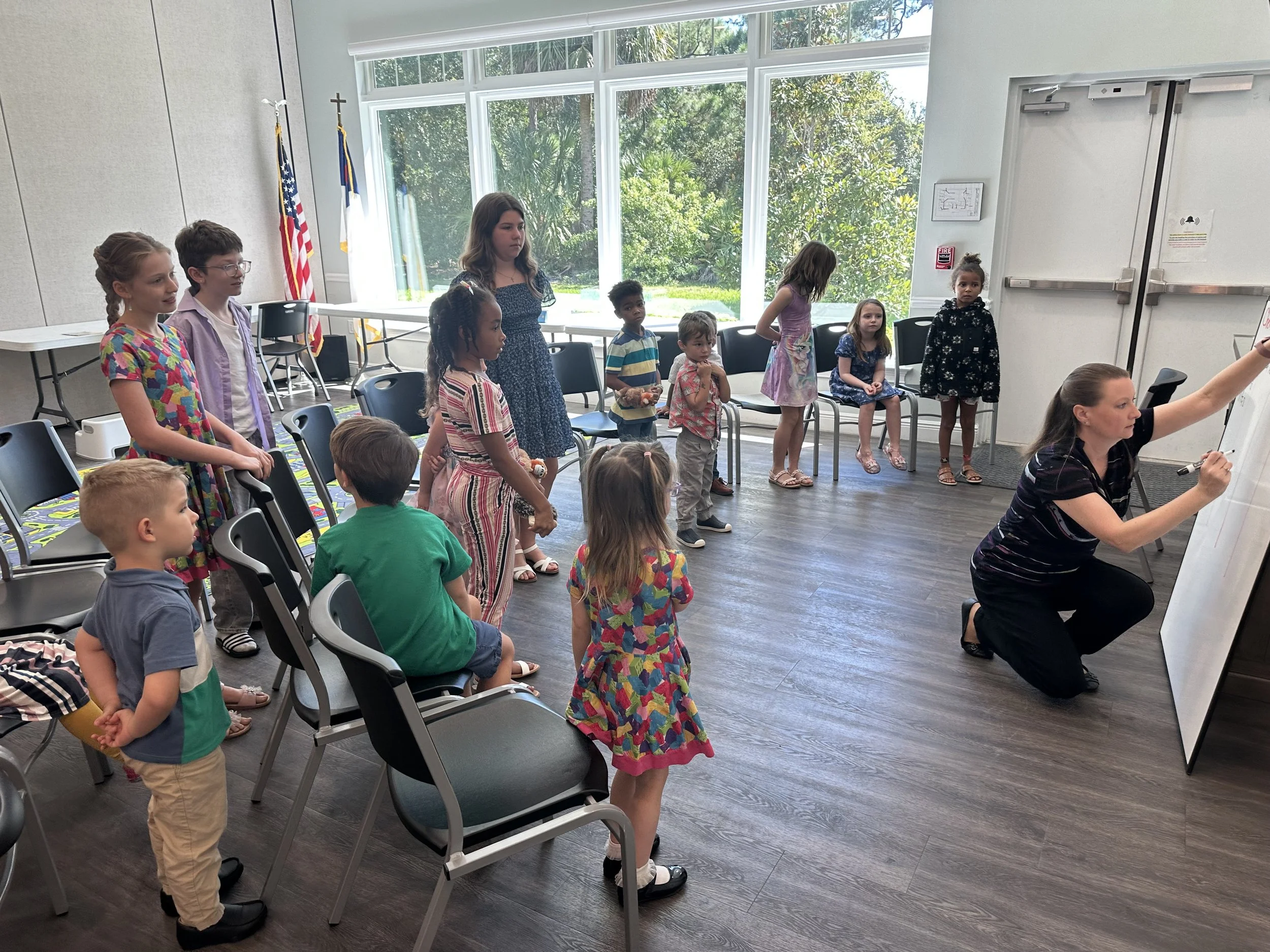
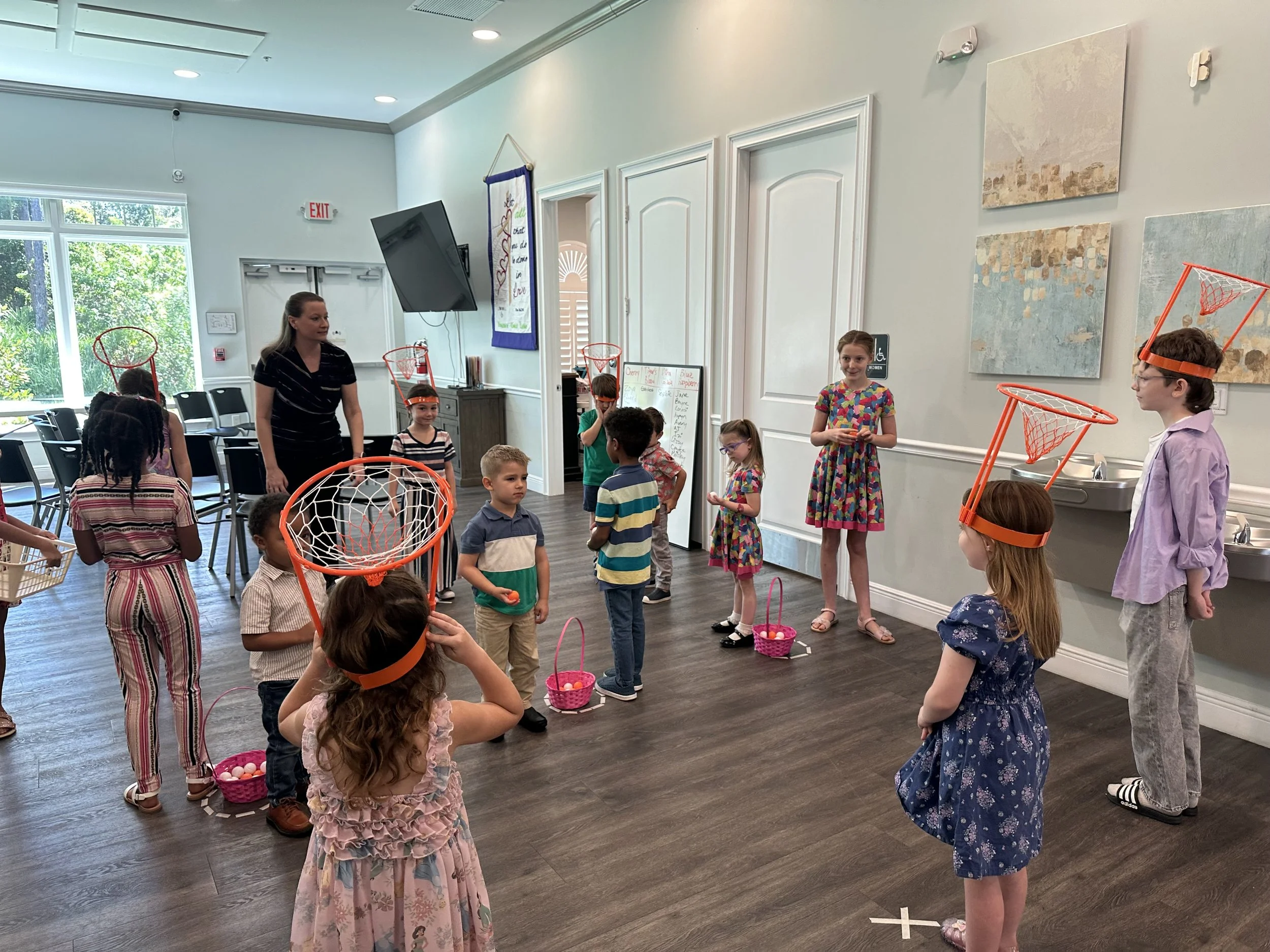
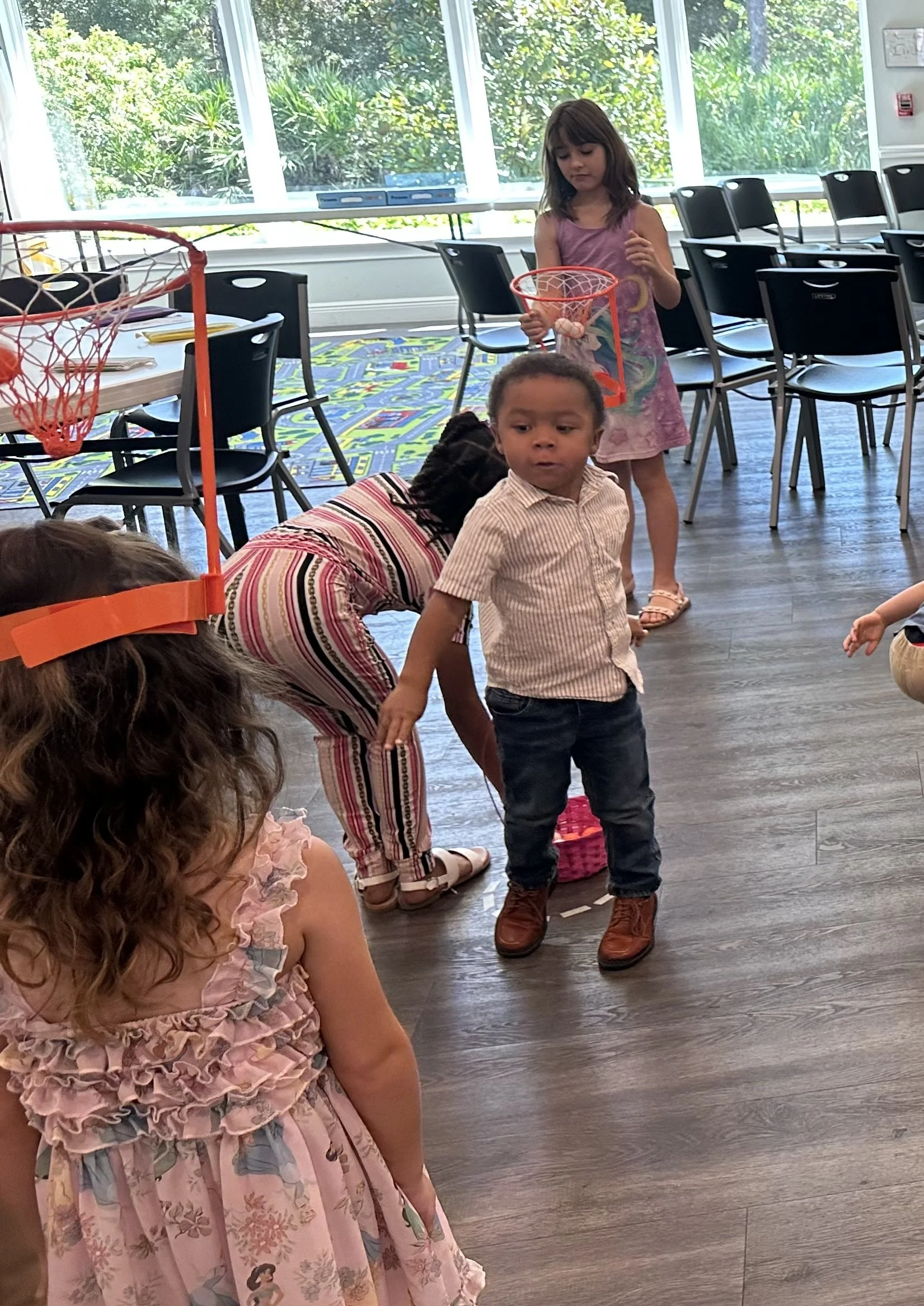
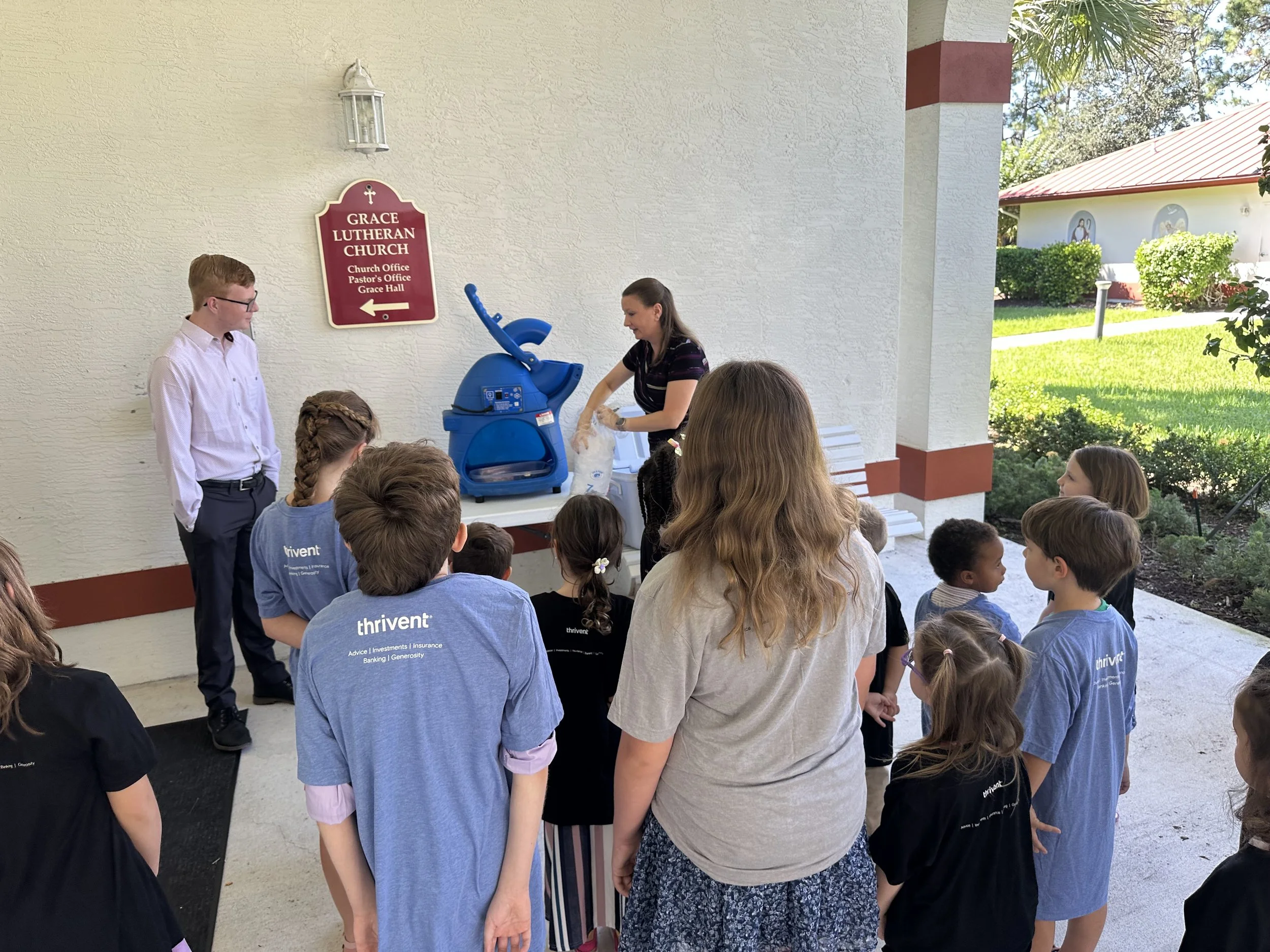
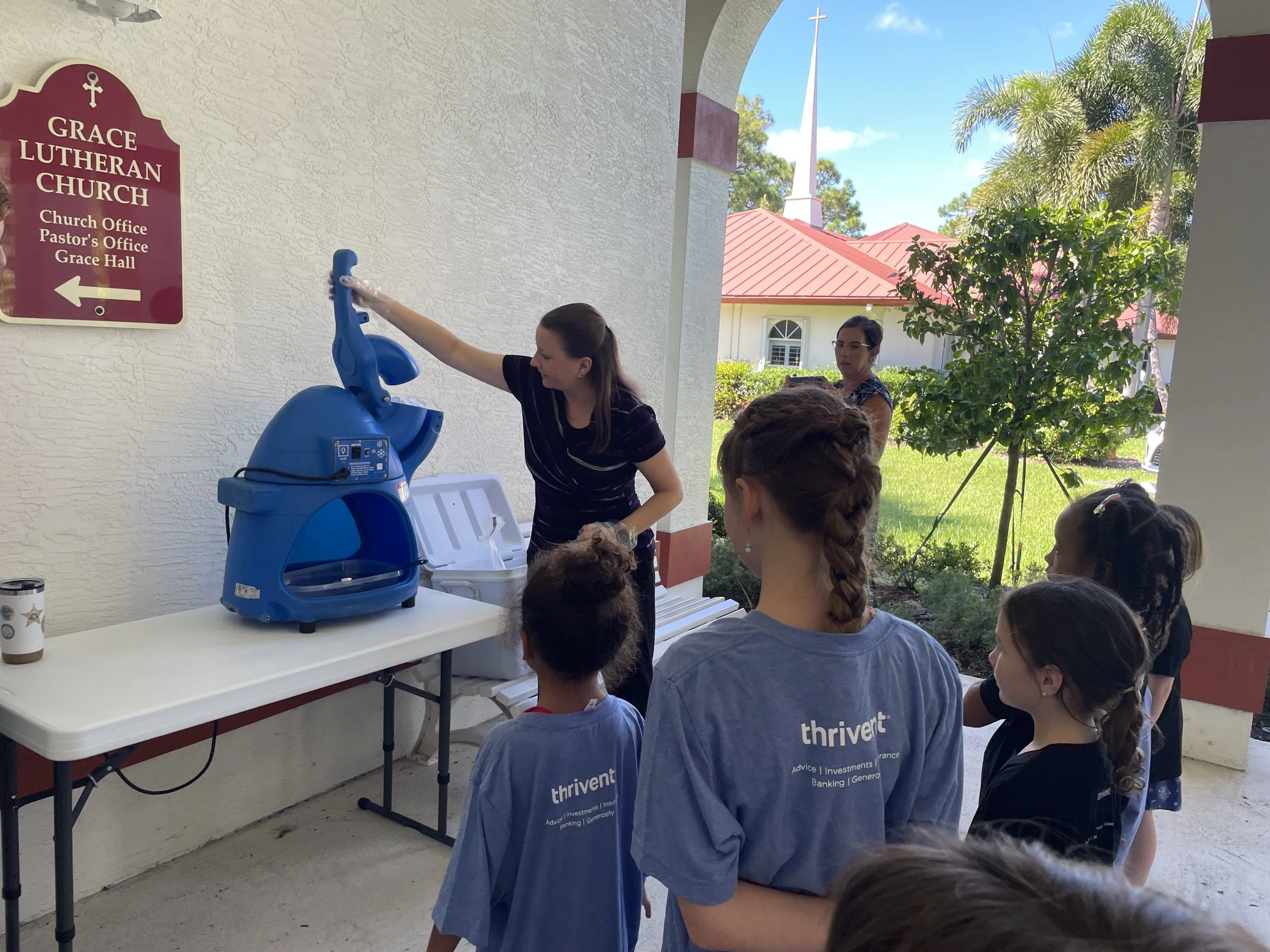
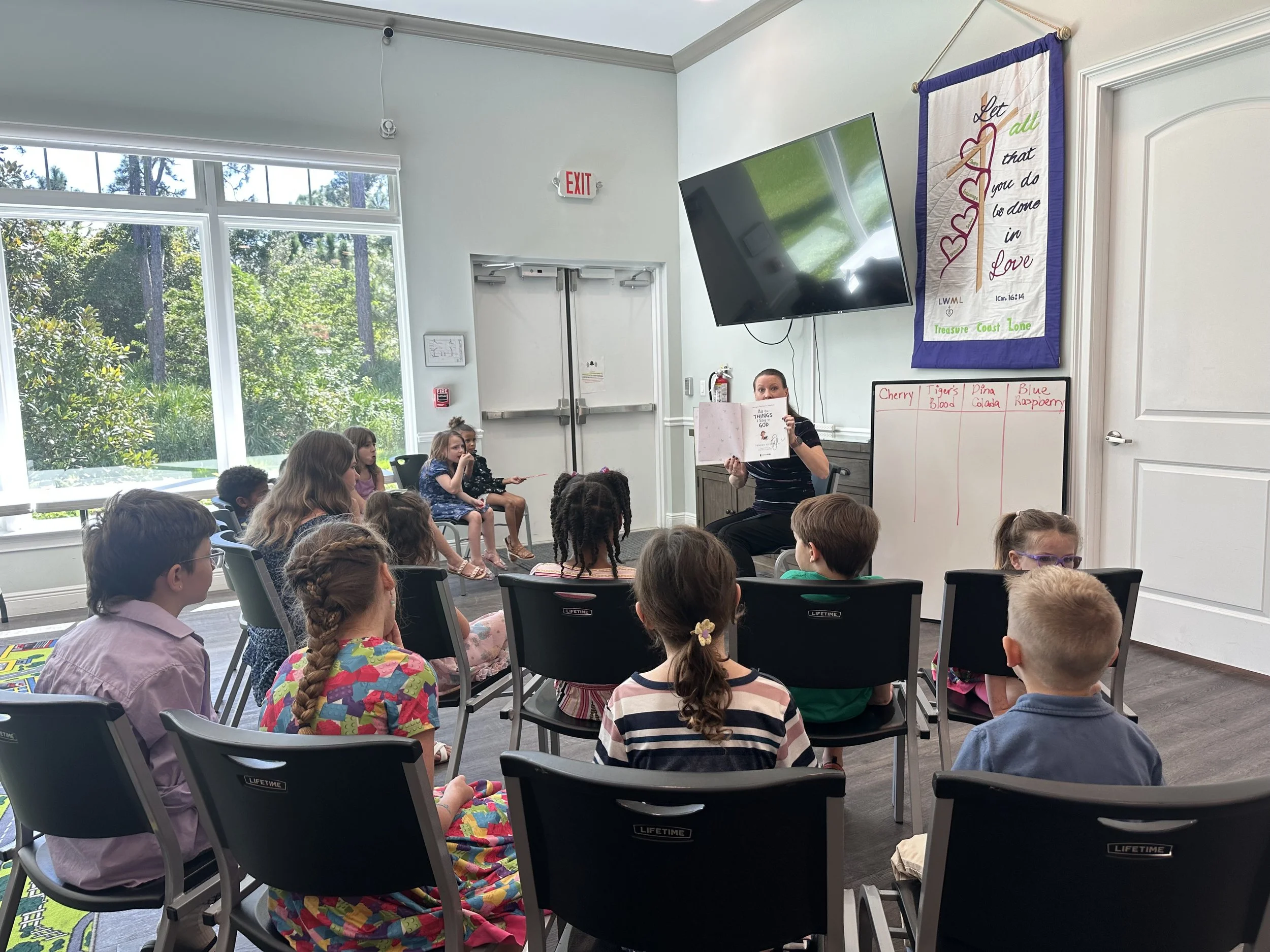
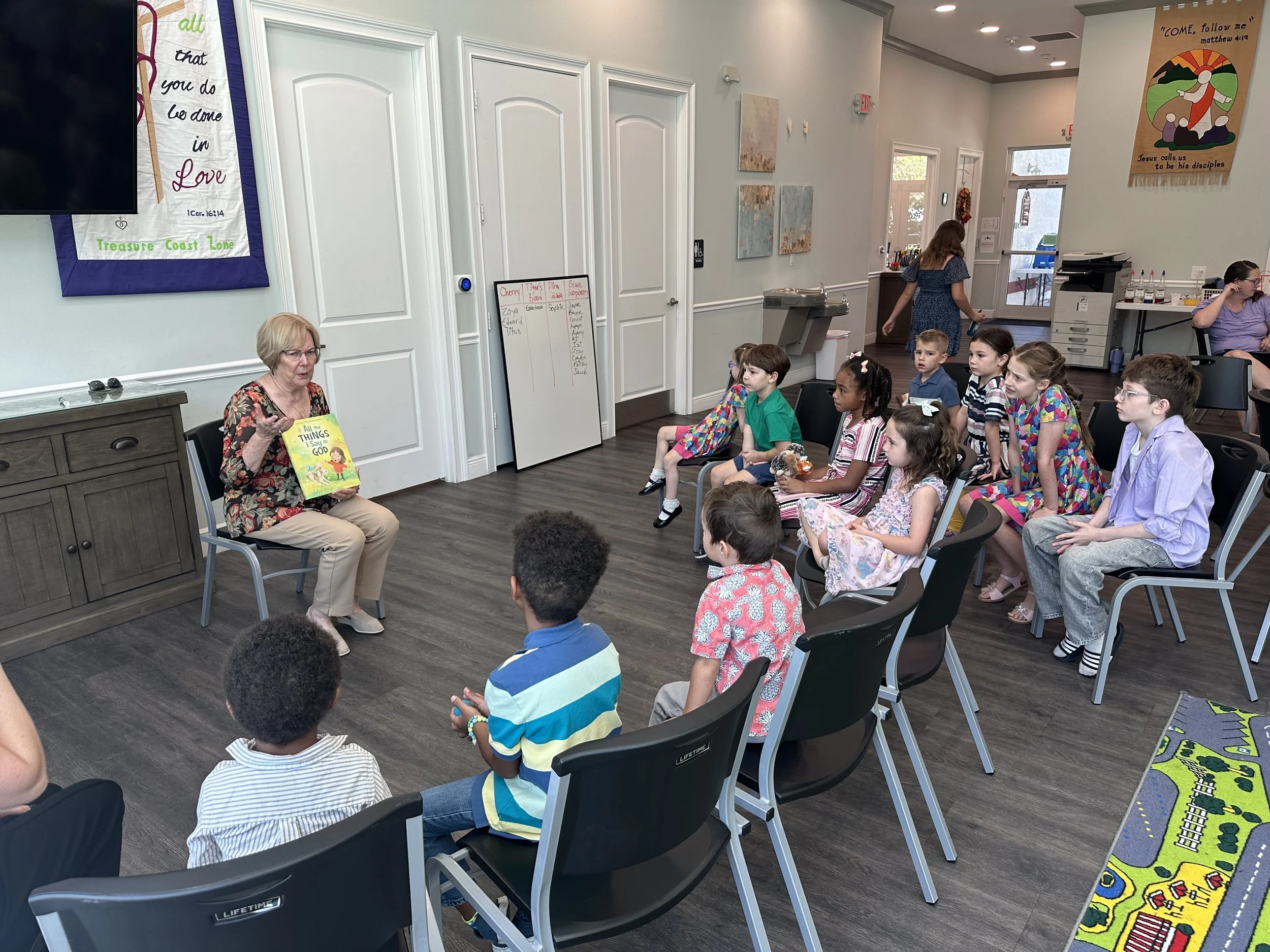
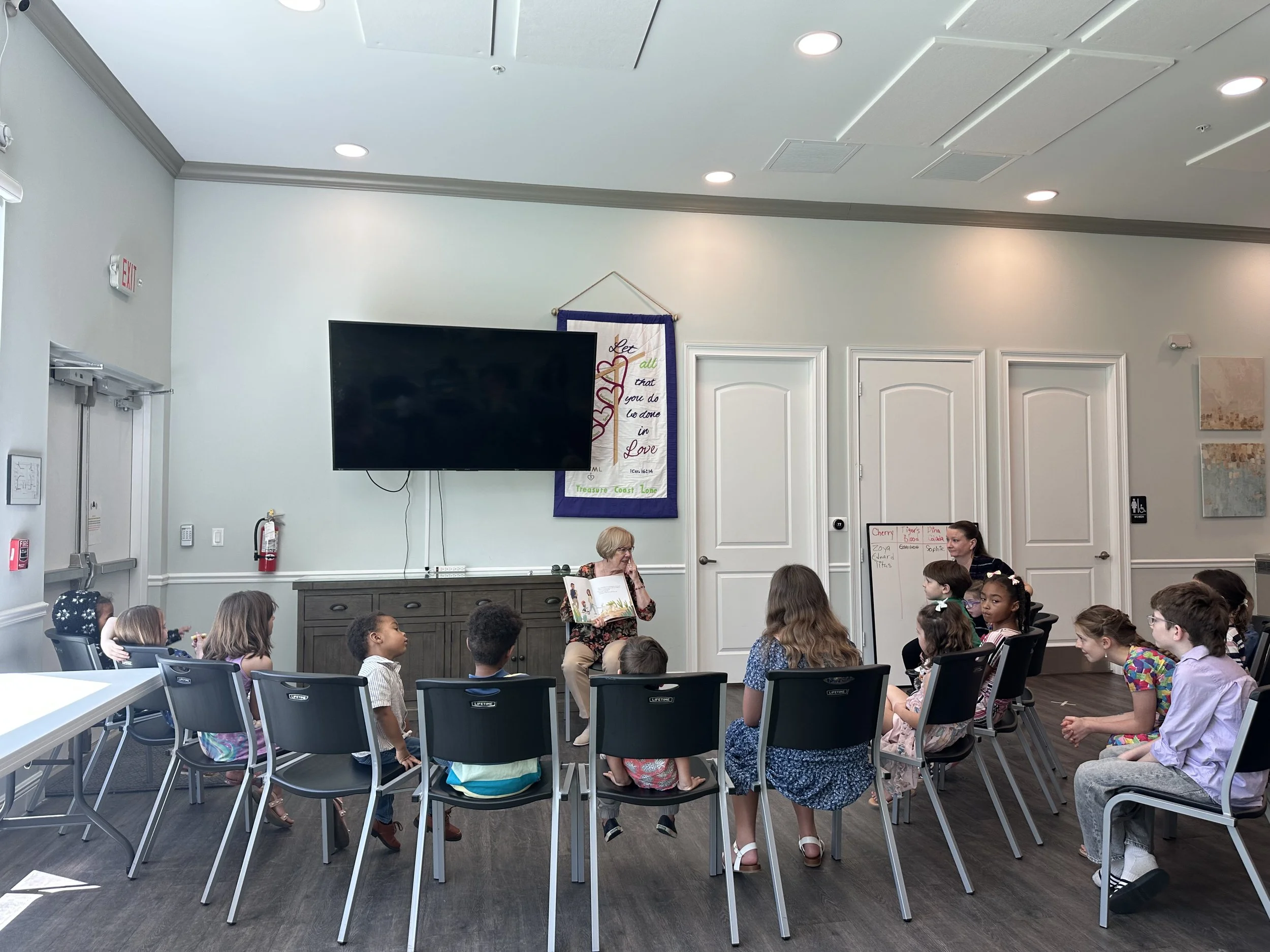
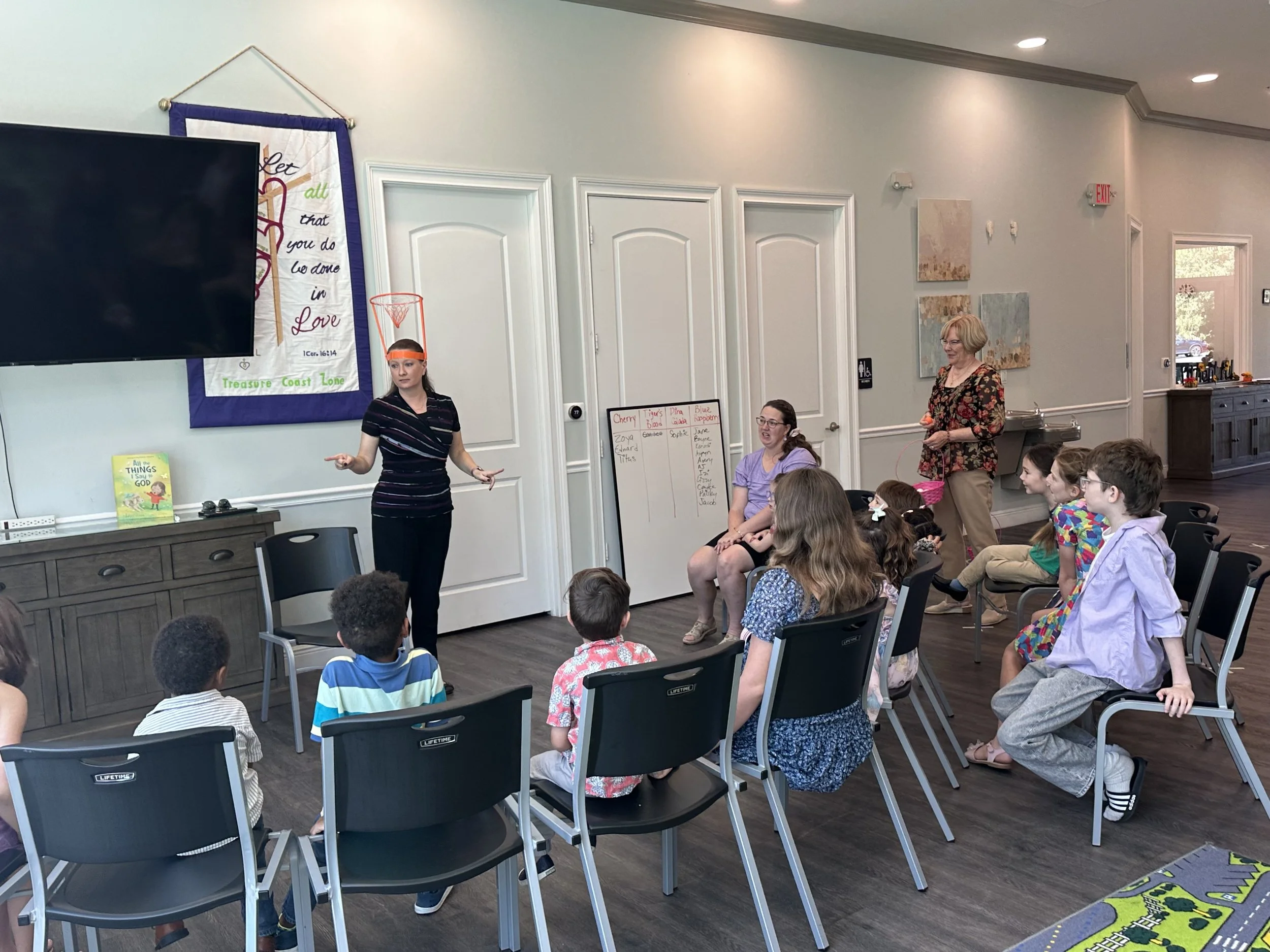
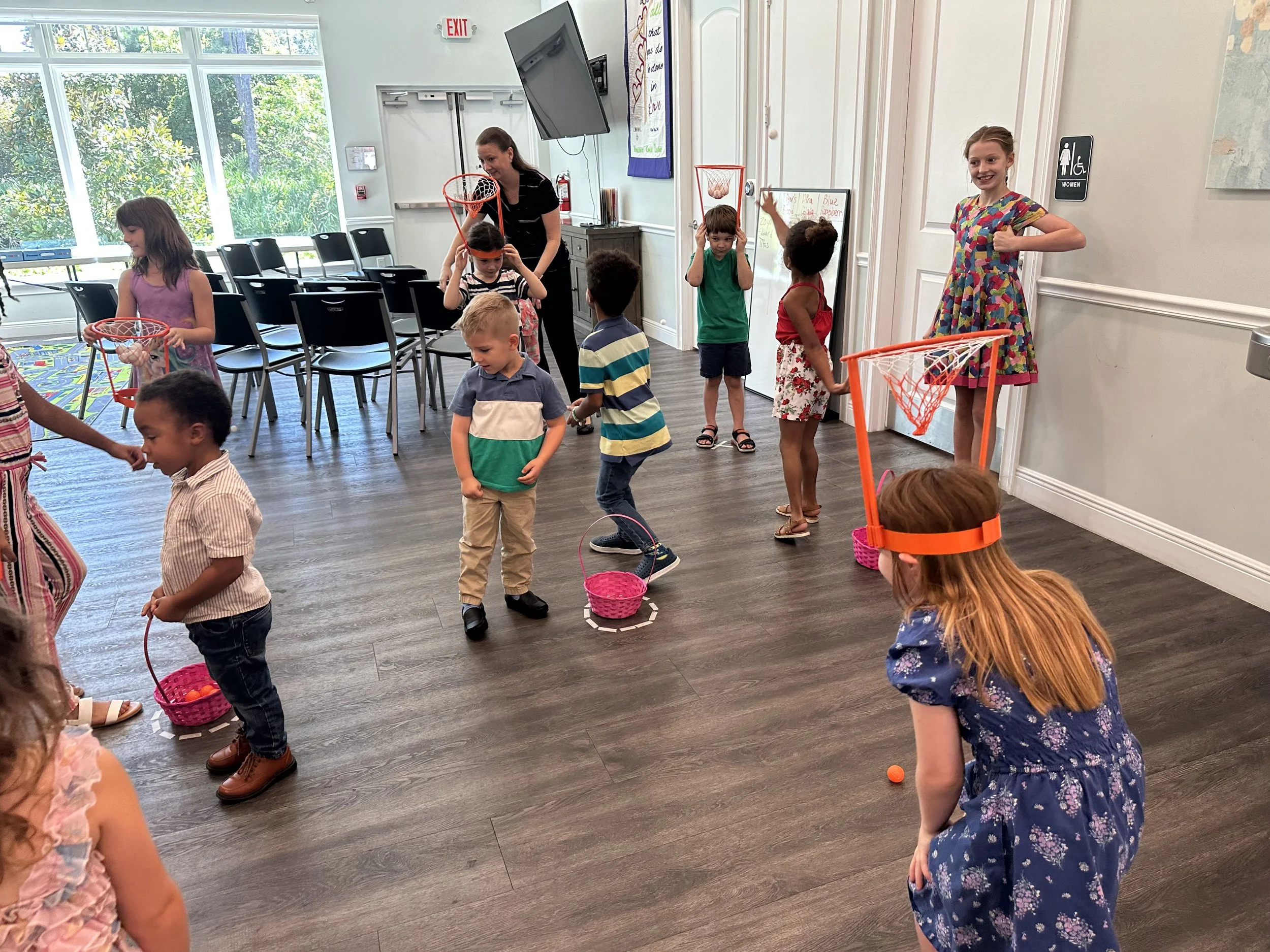
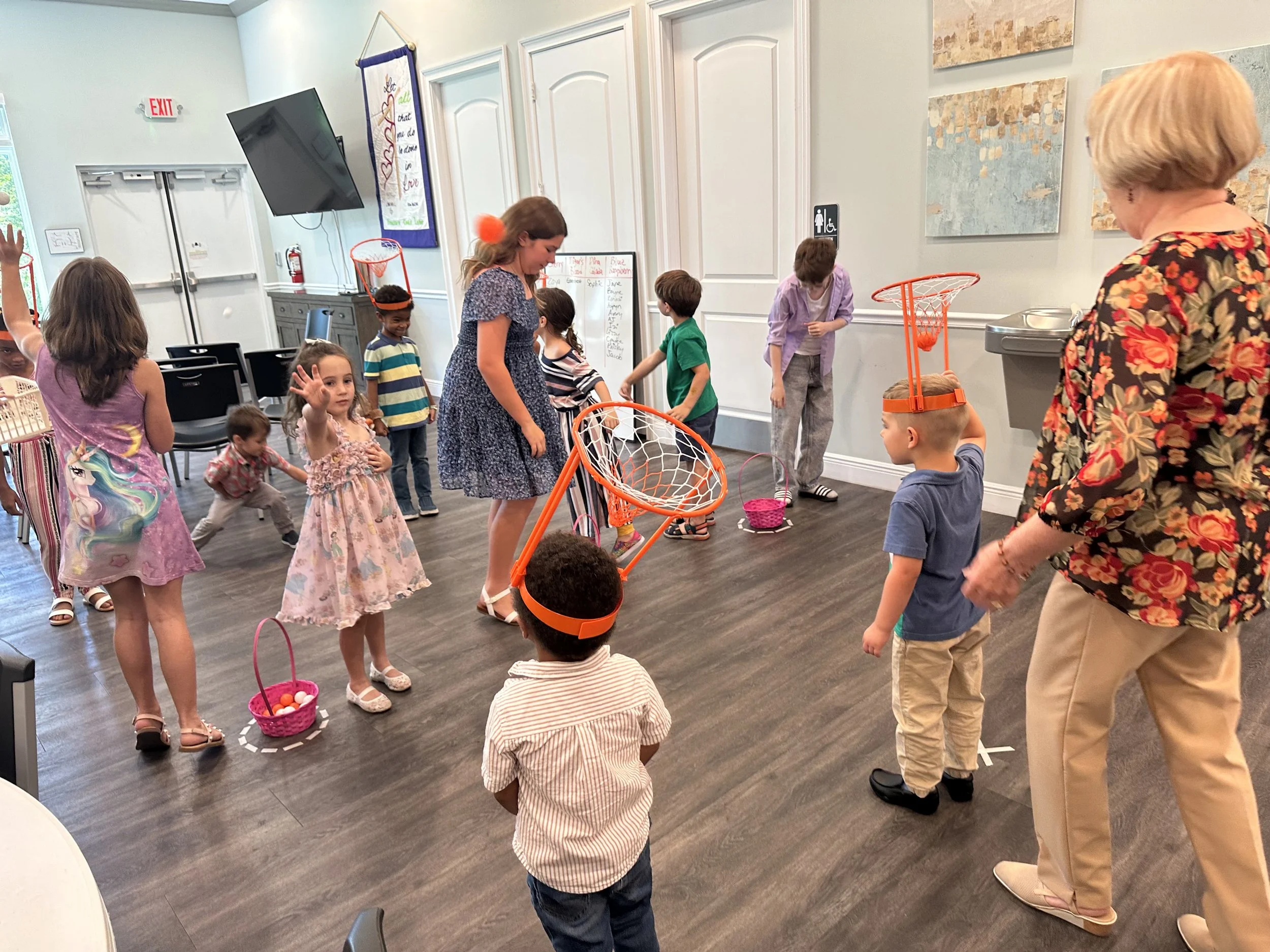
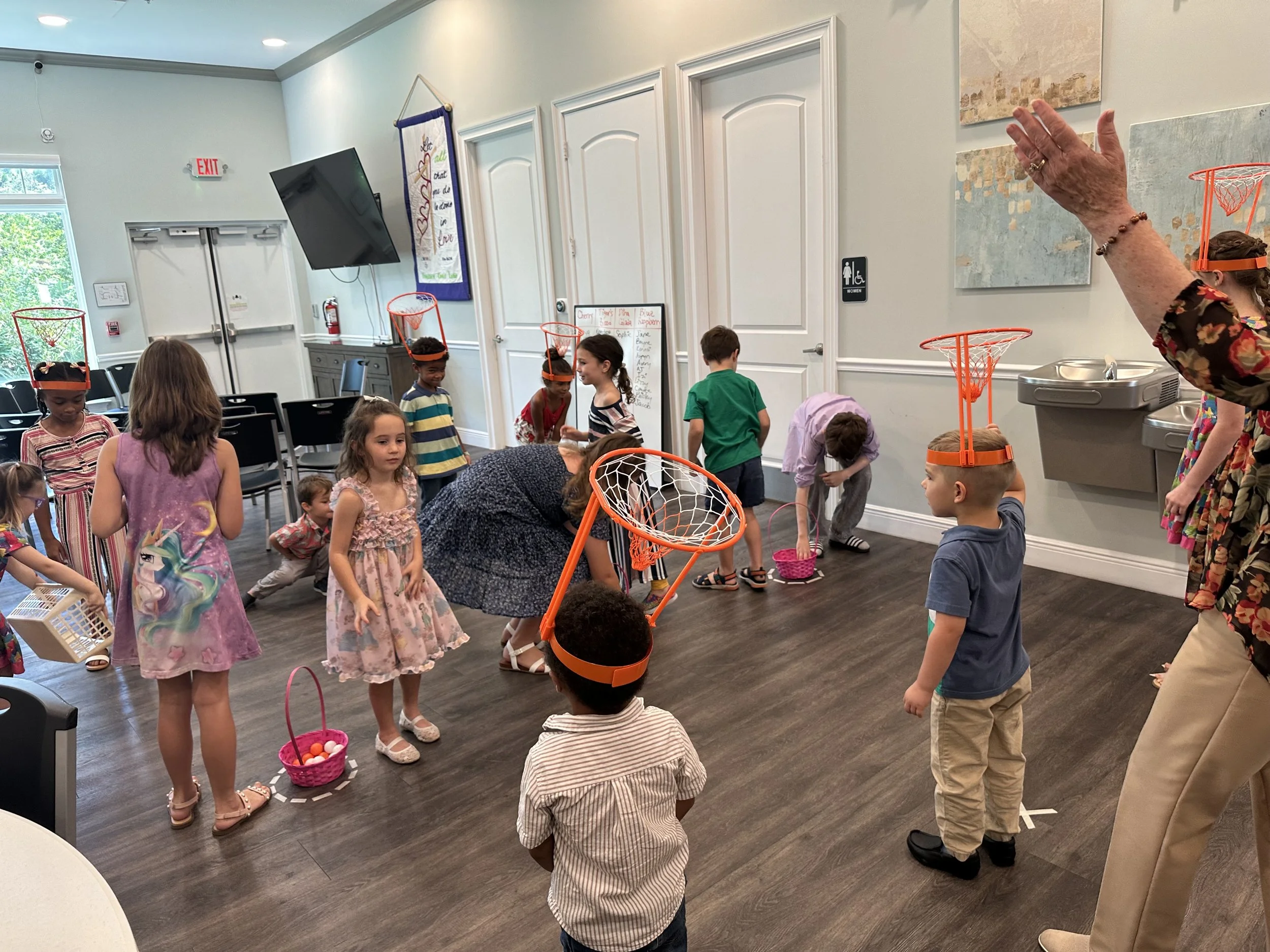
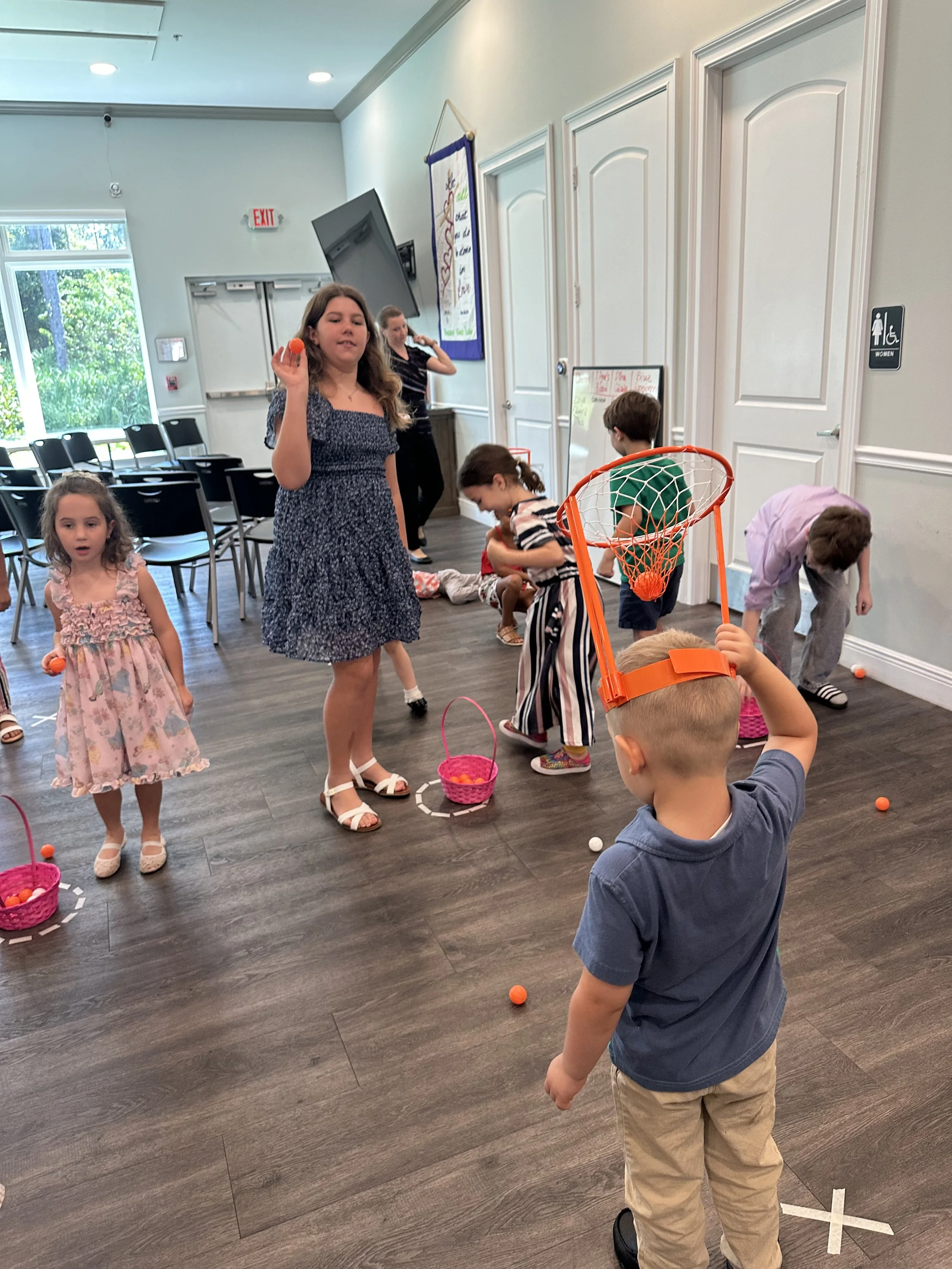
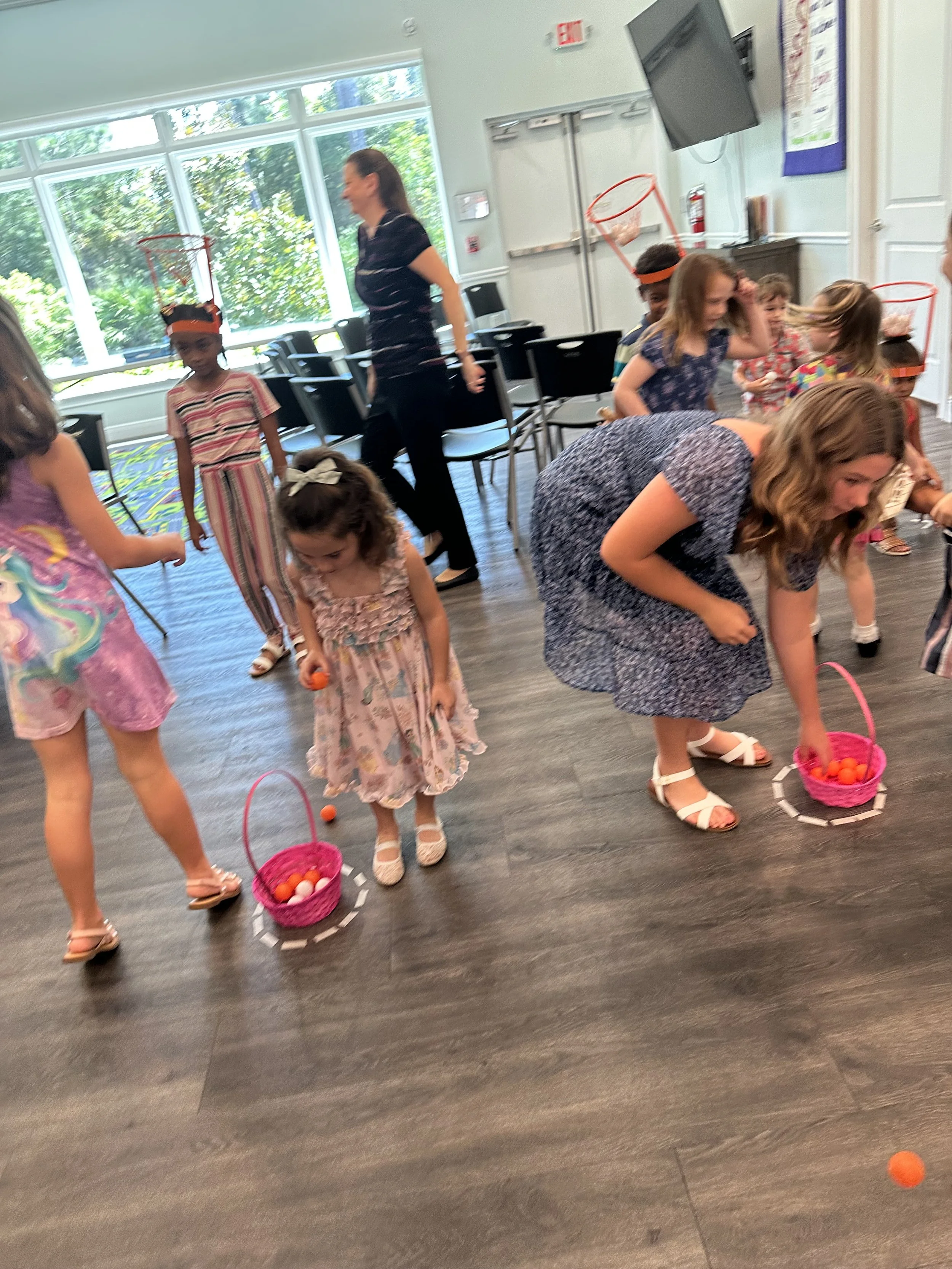
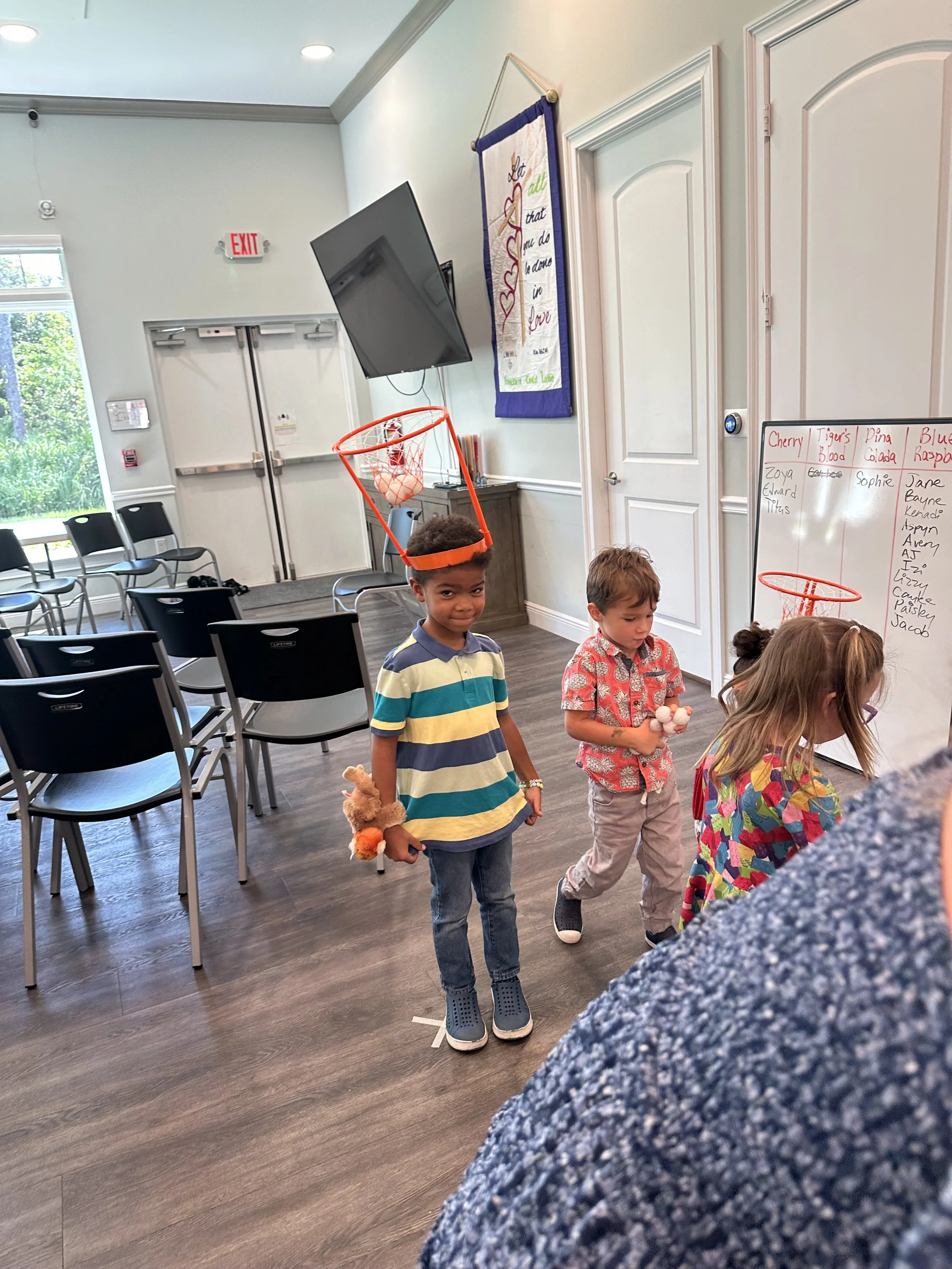
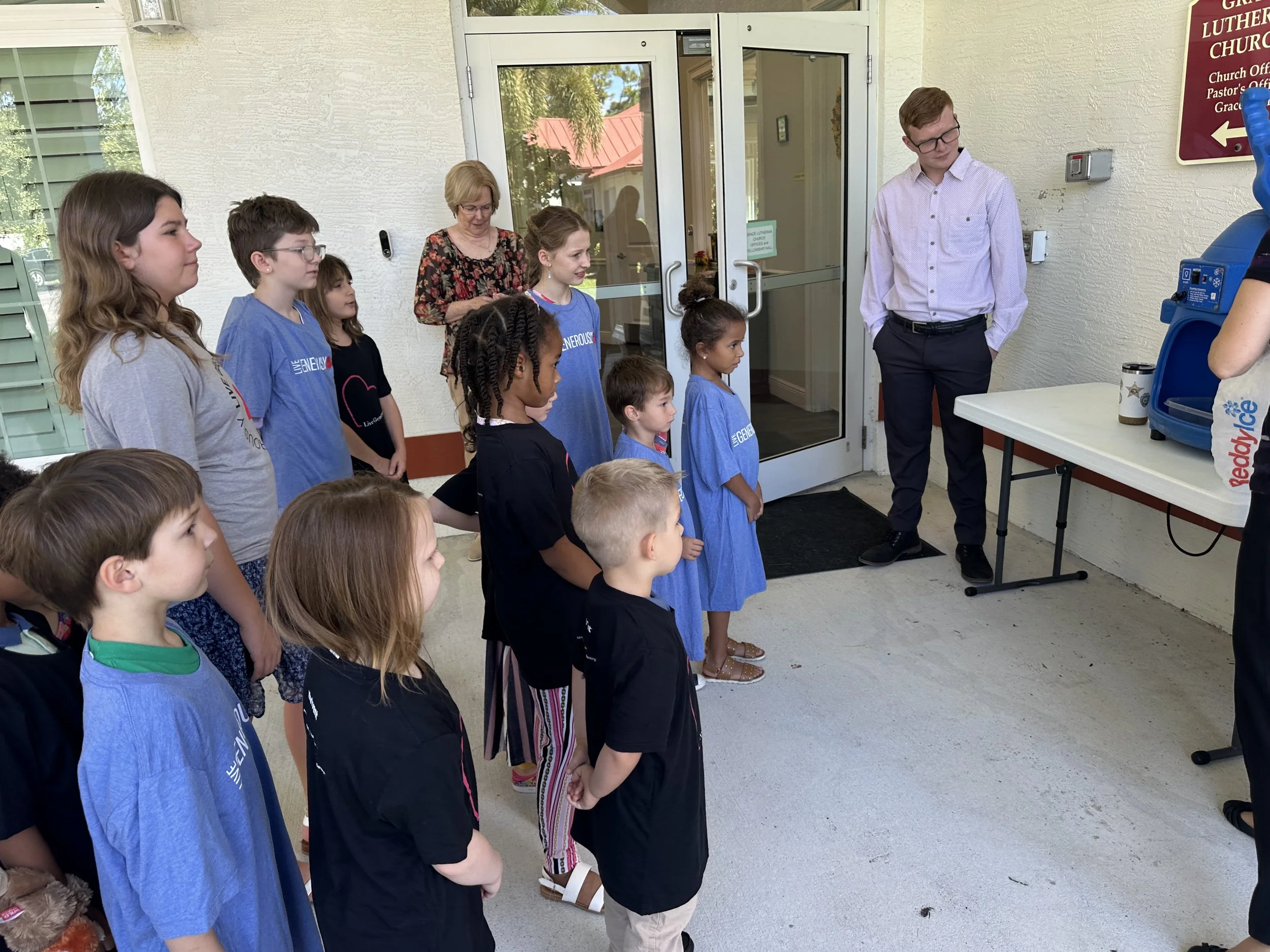
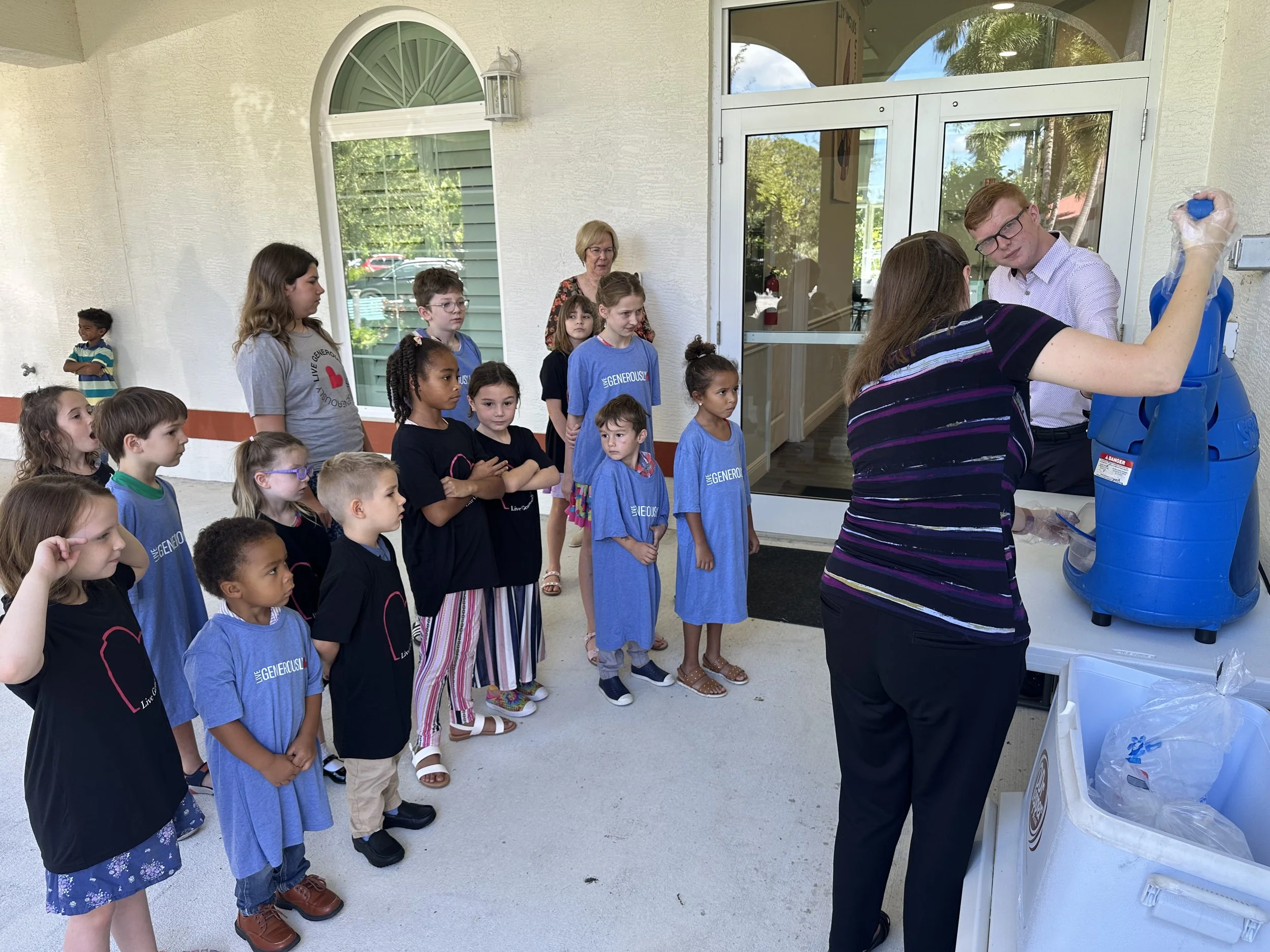
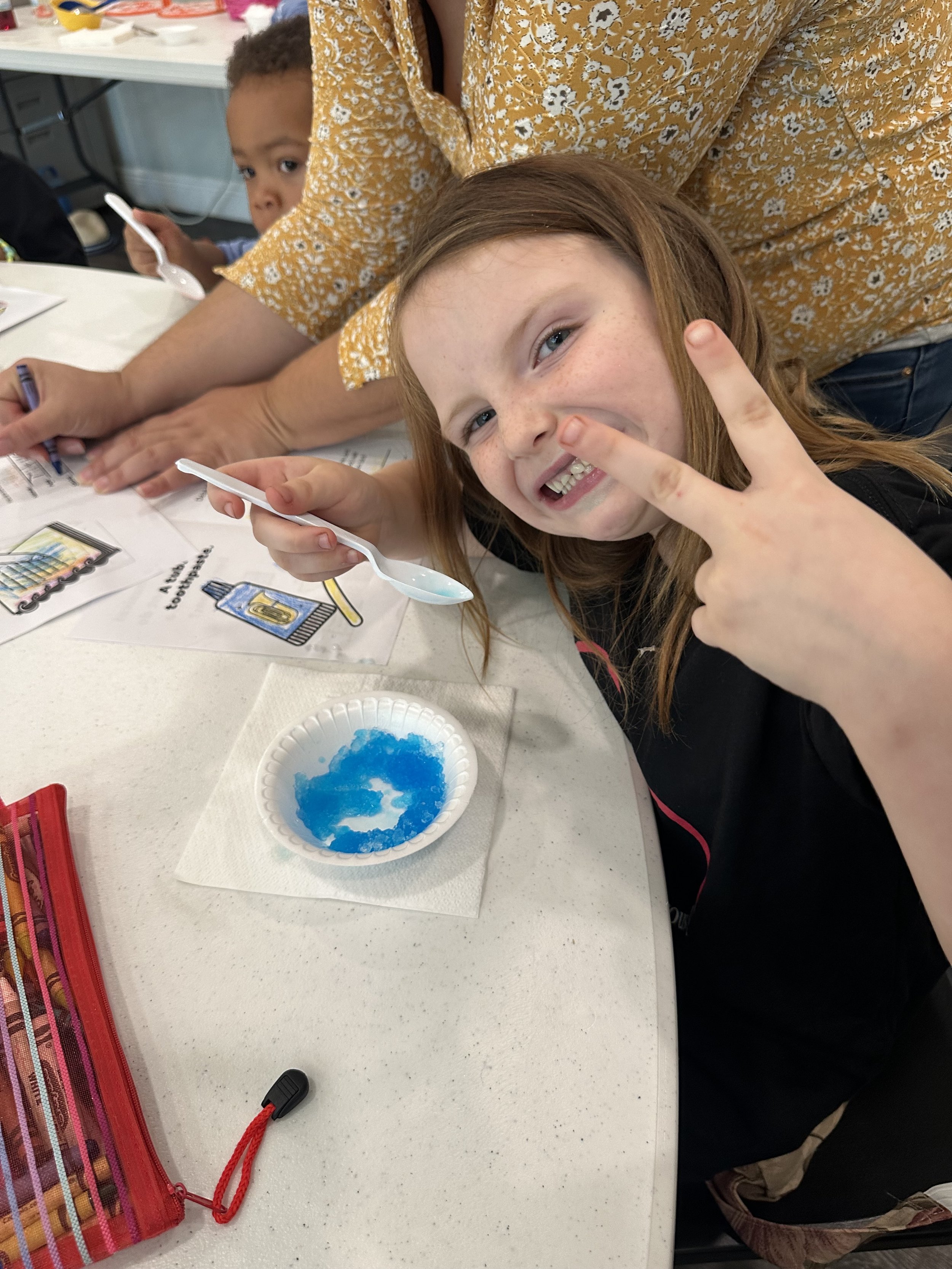
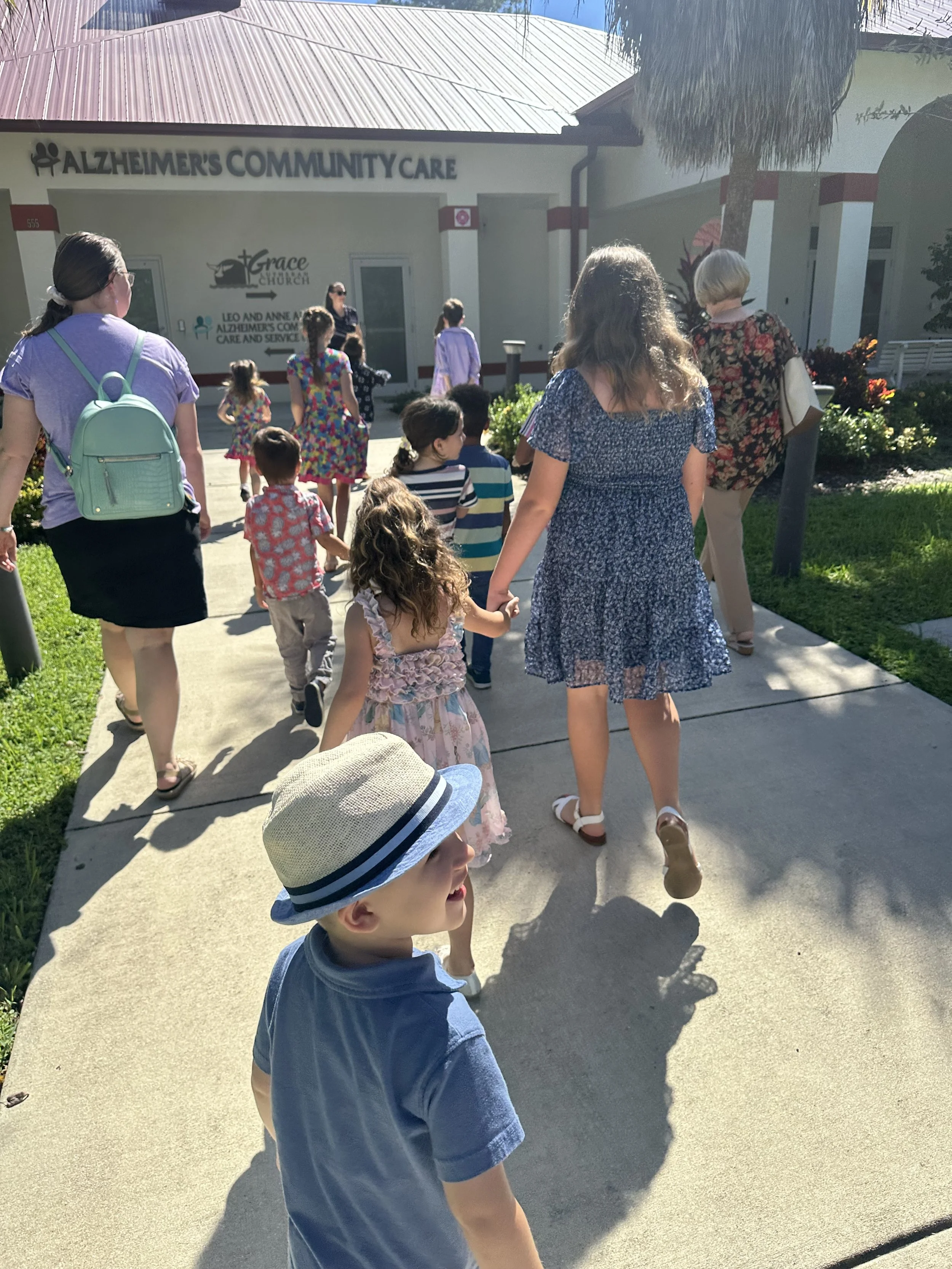
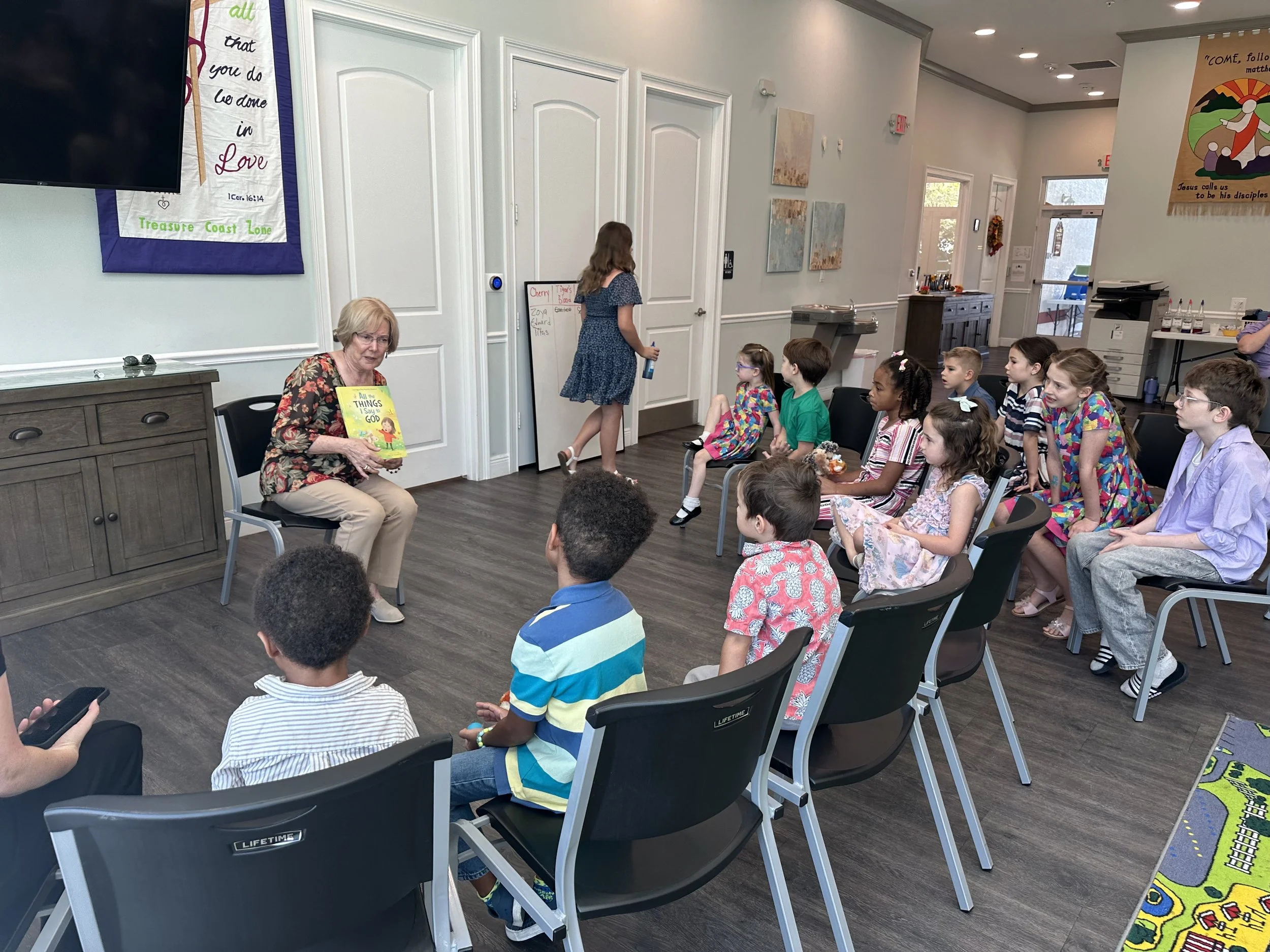
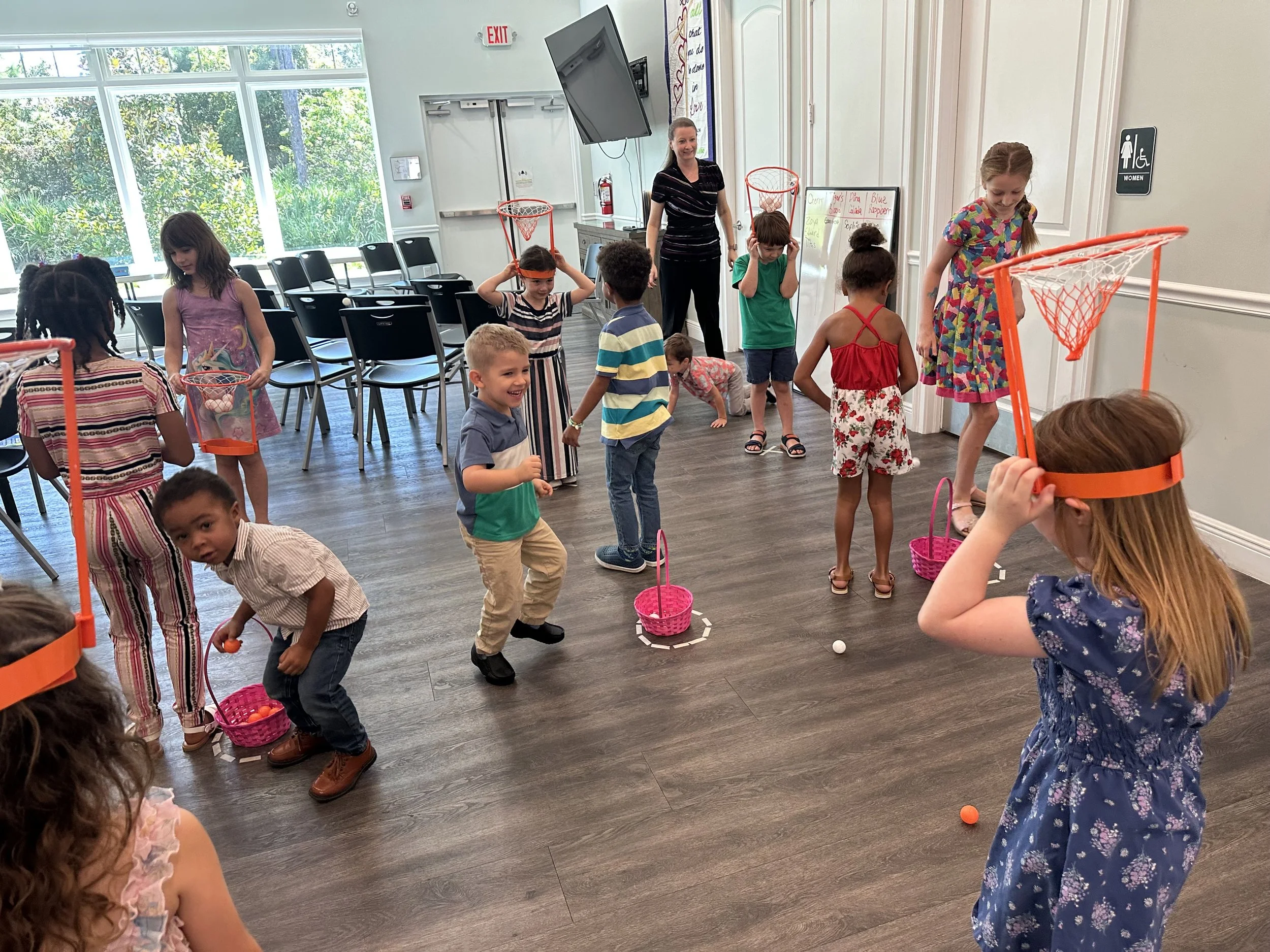
2nd Sunday school was so cool it started to snow.
It was so cool it started to snow.
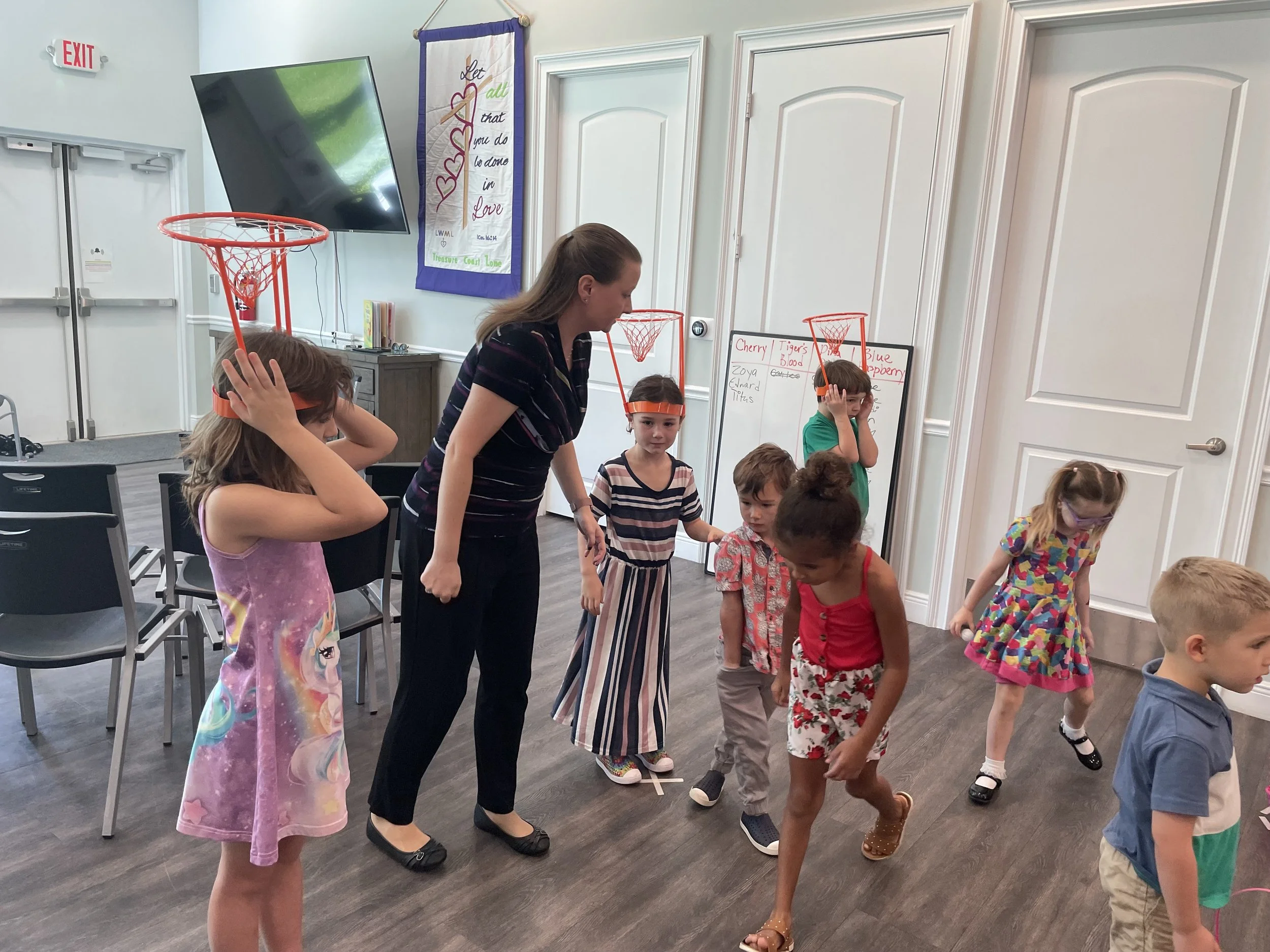
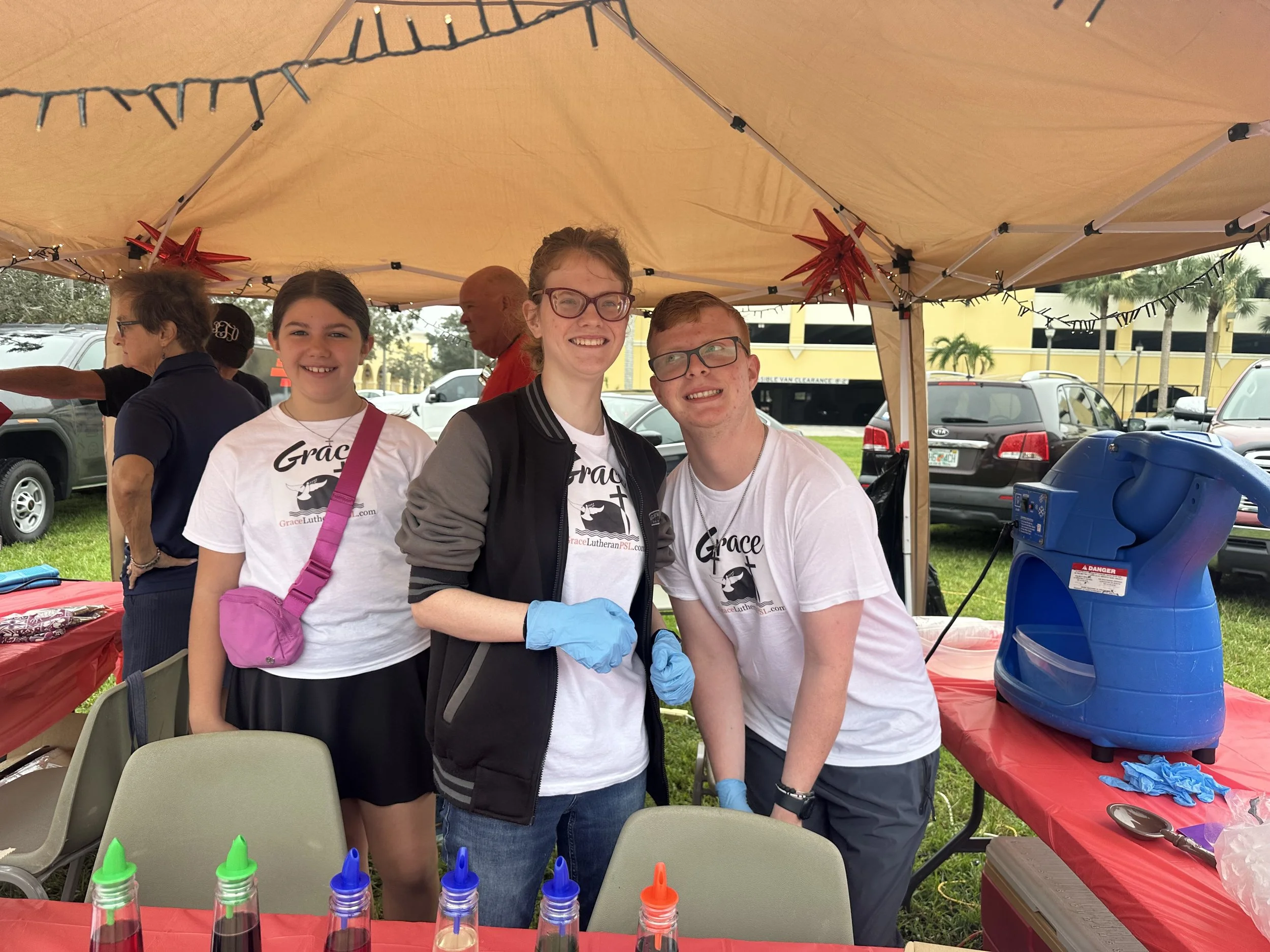
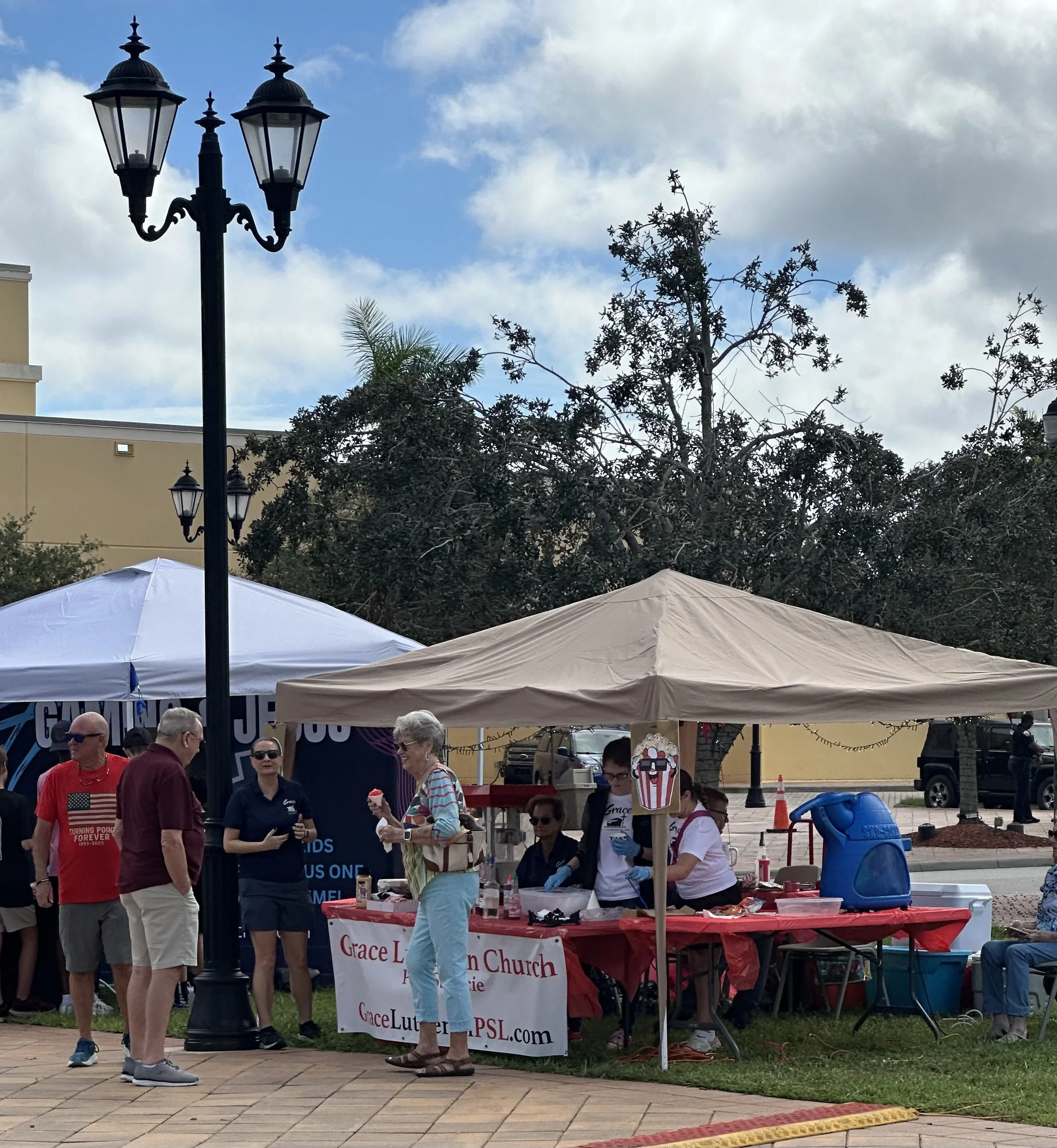
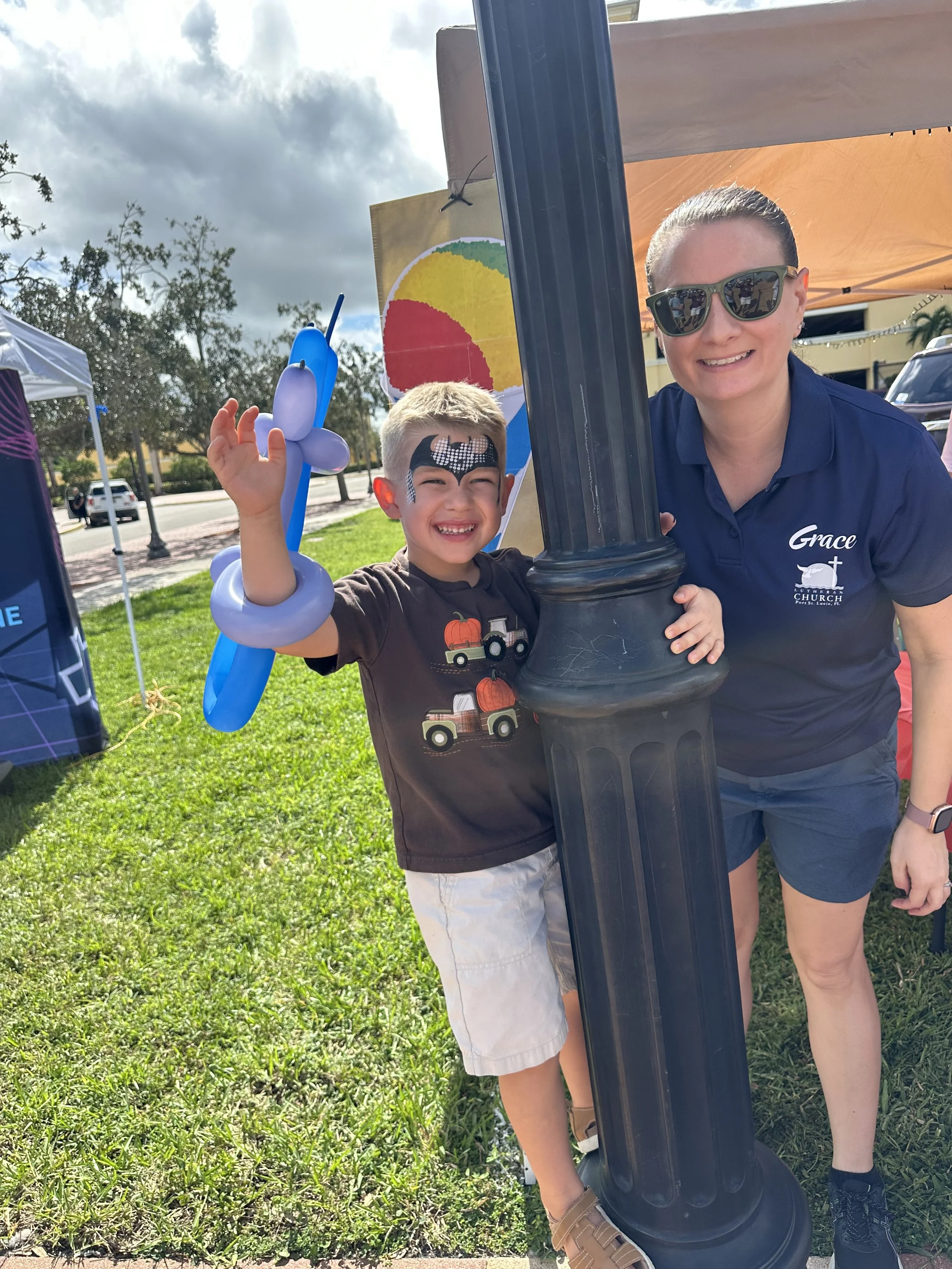
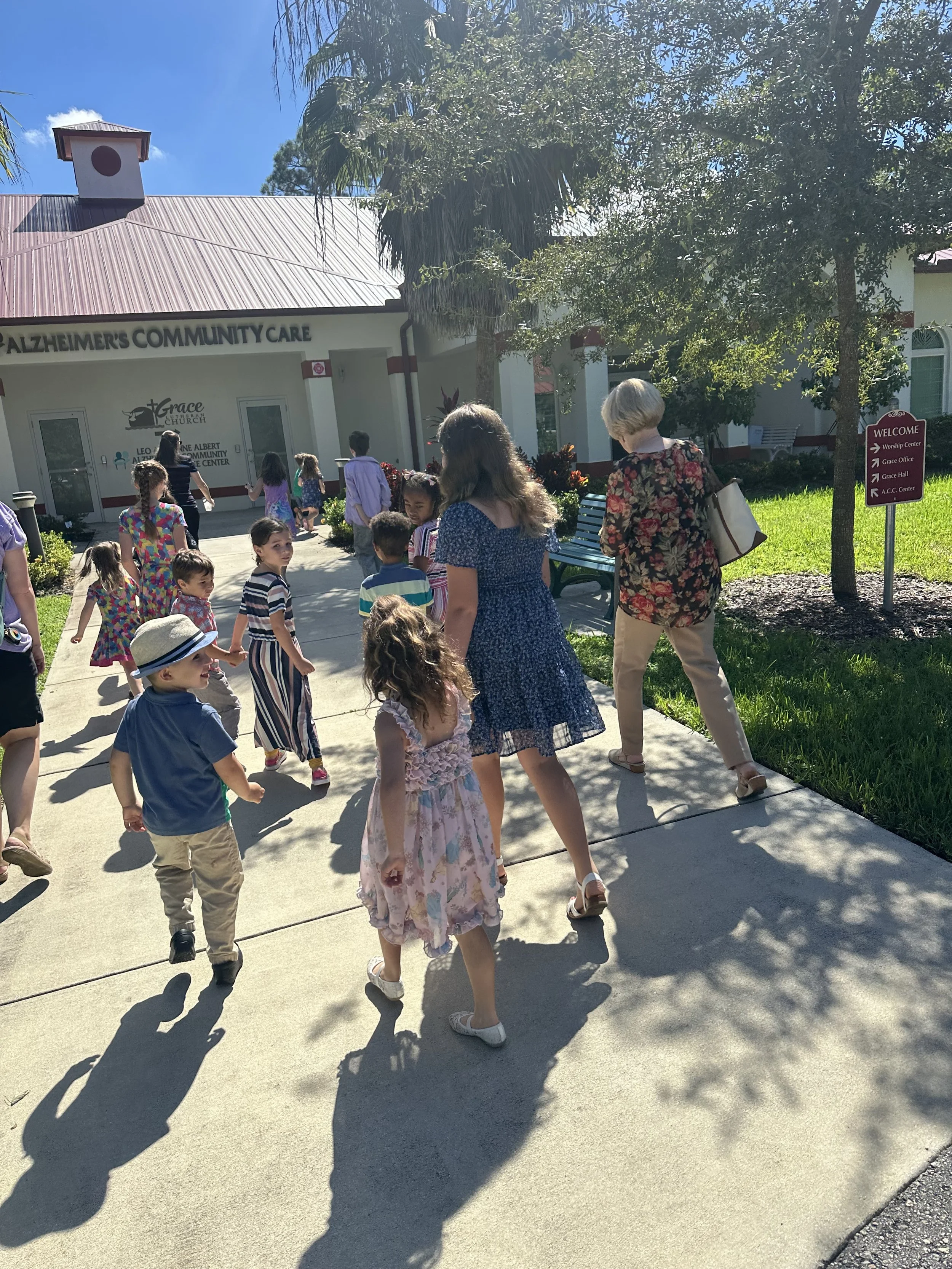
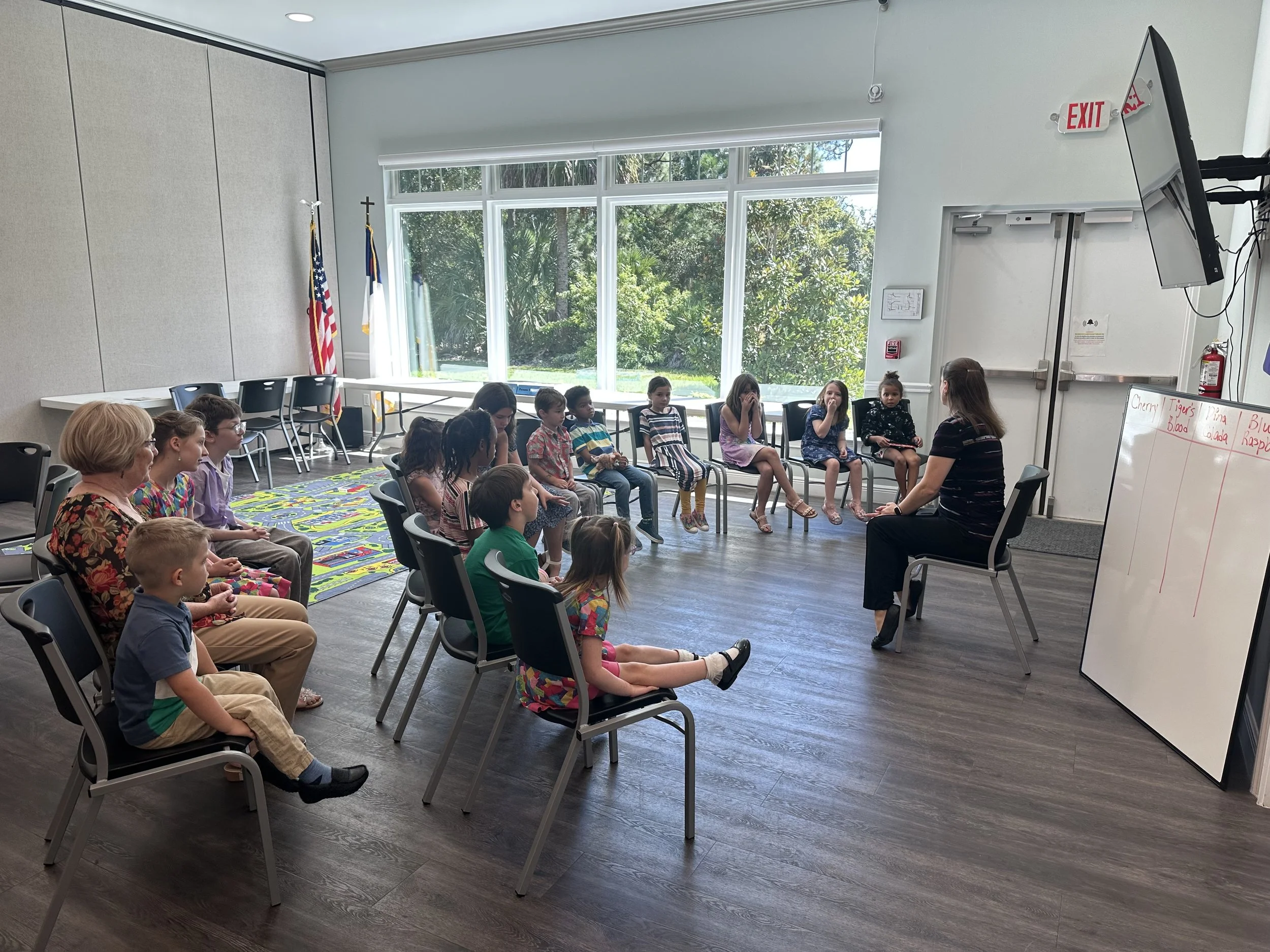
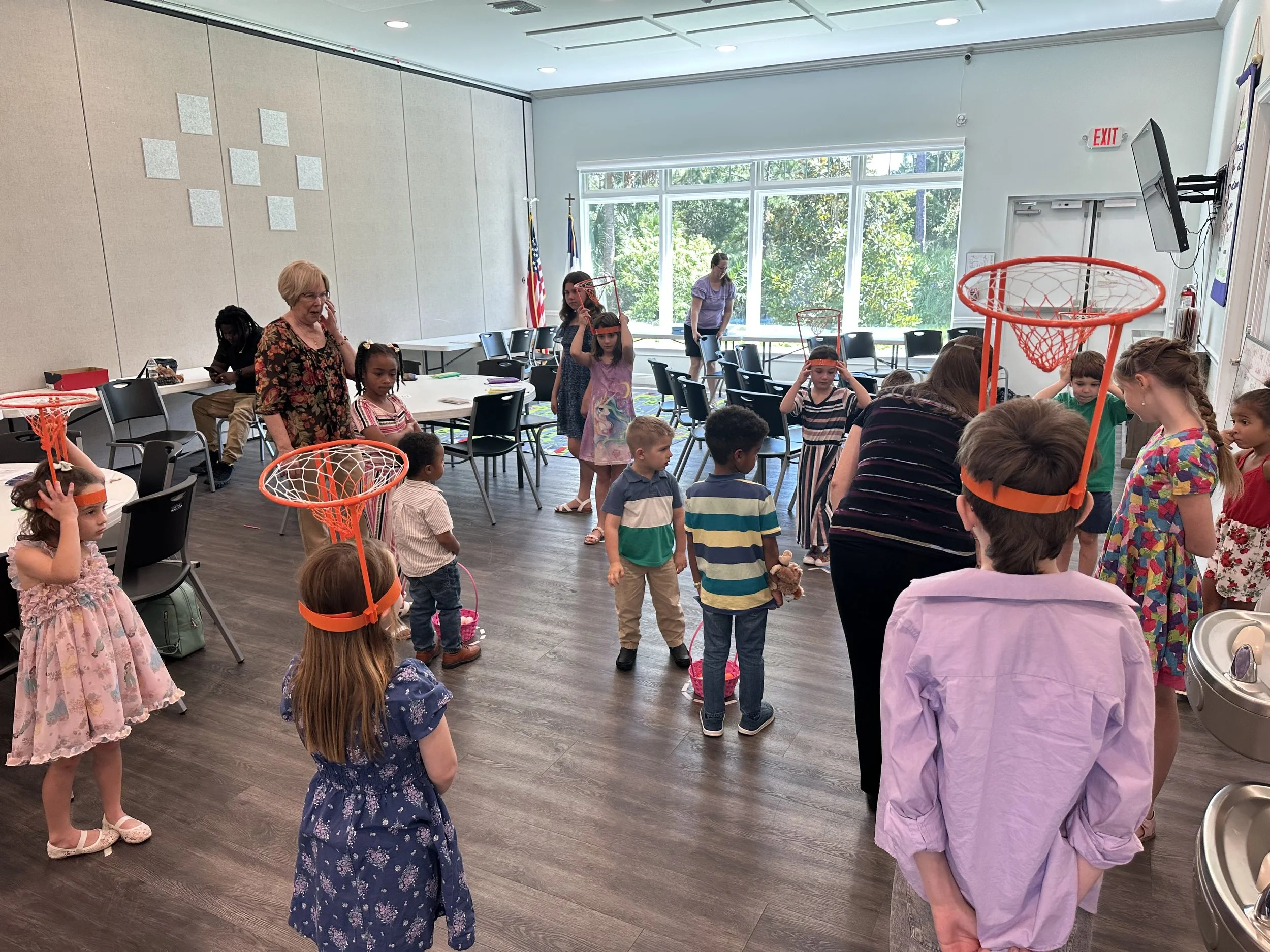
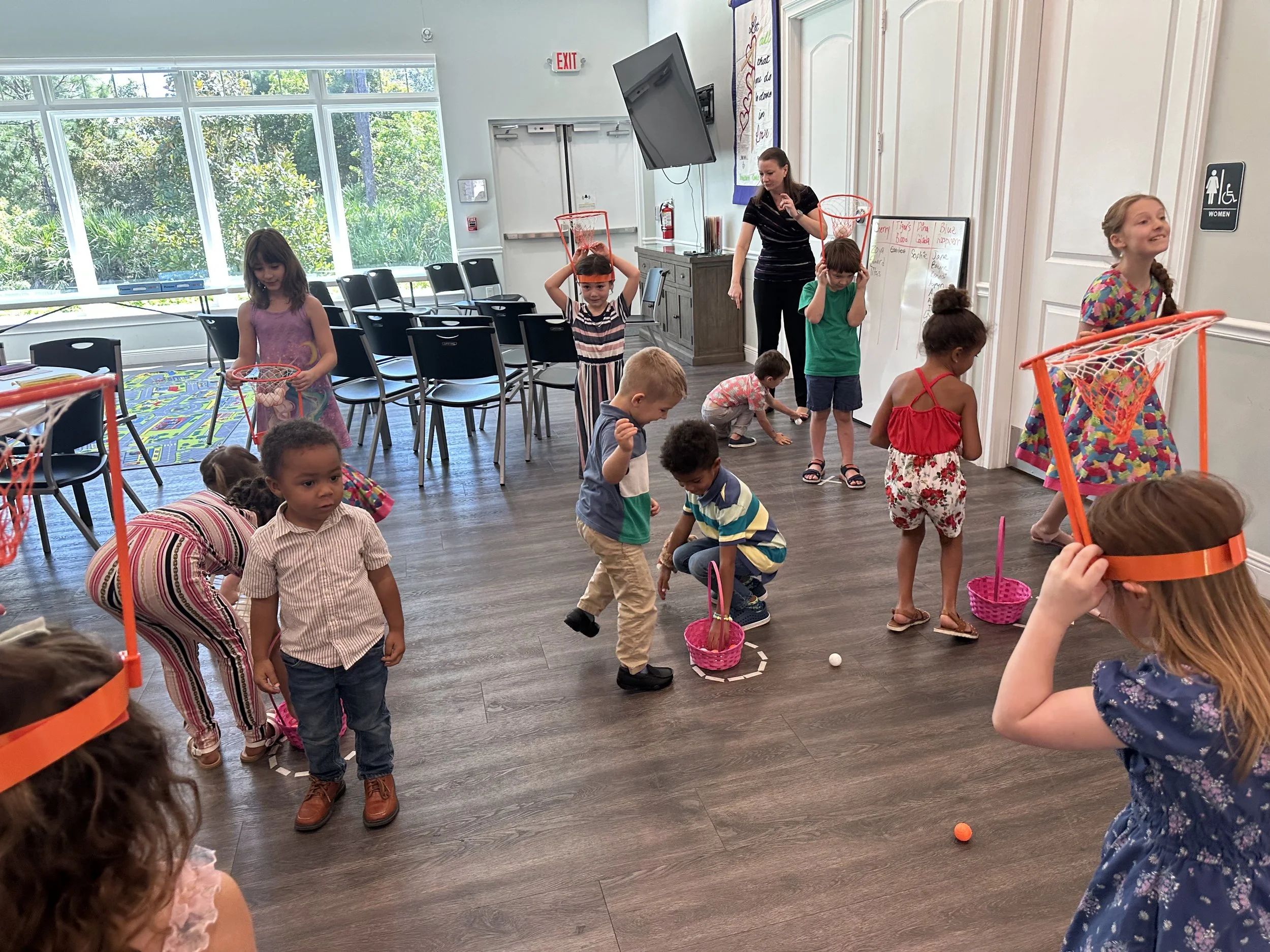
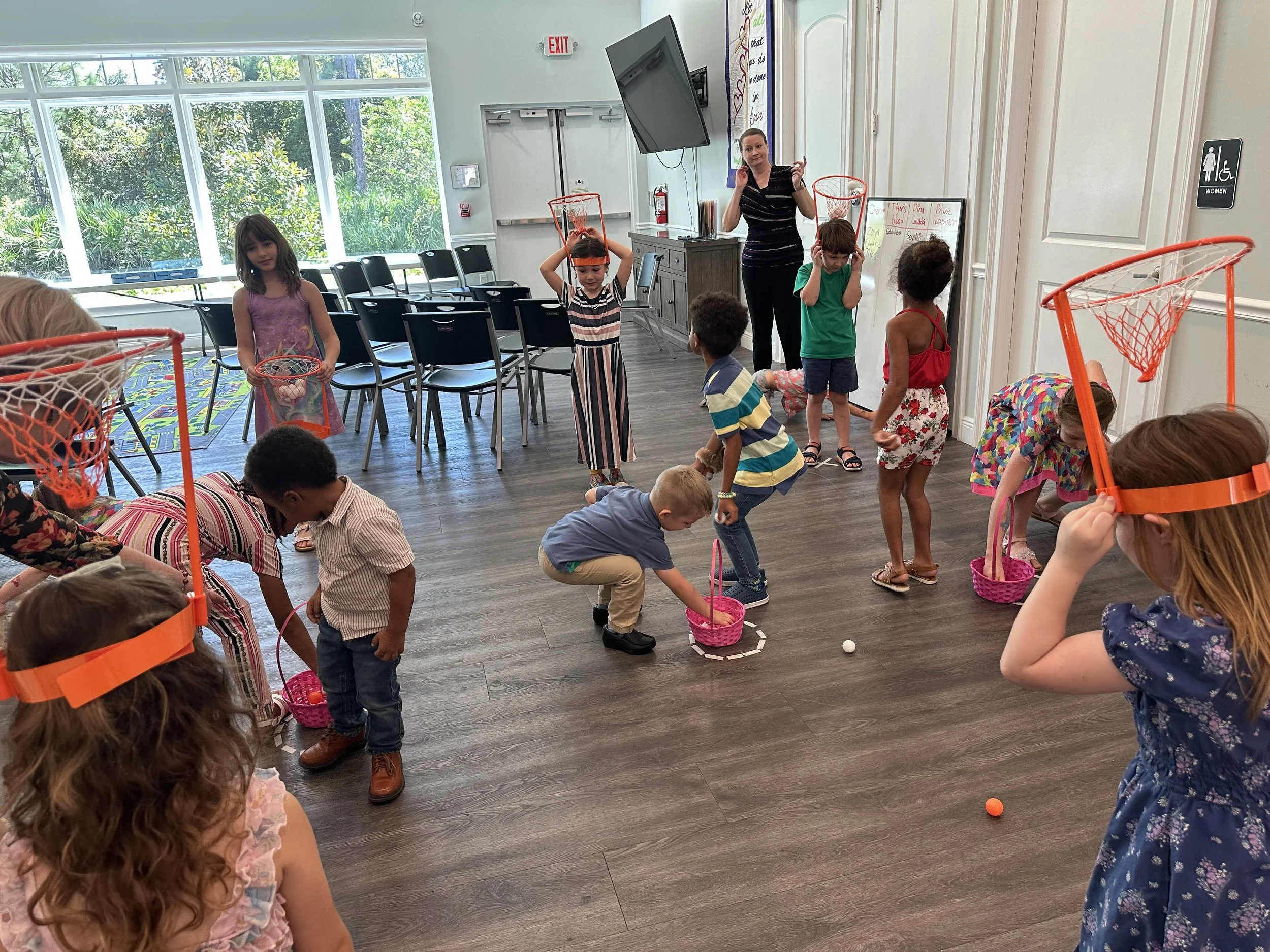
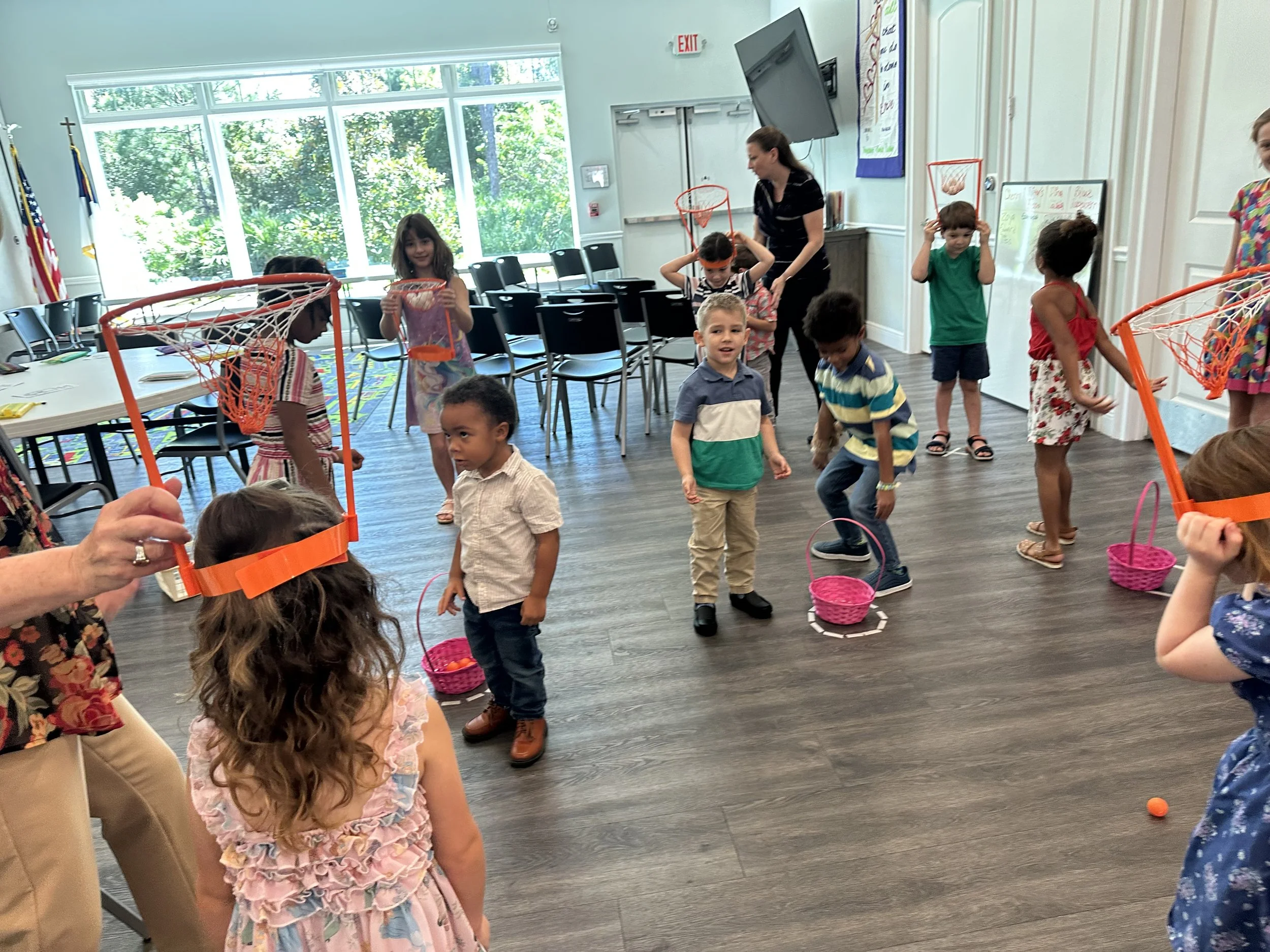
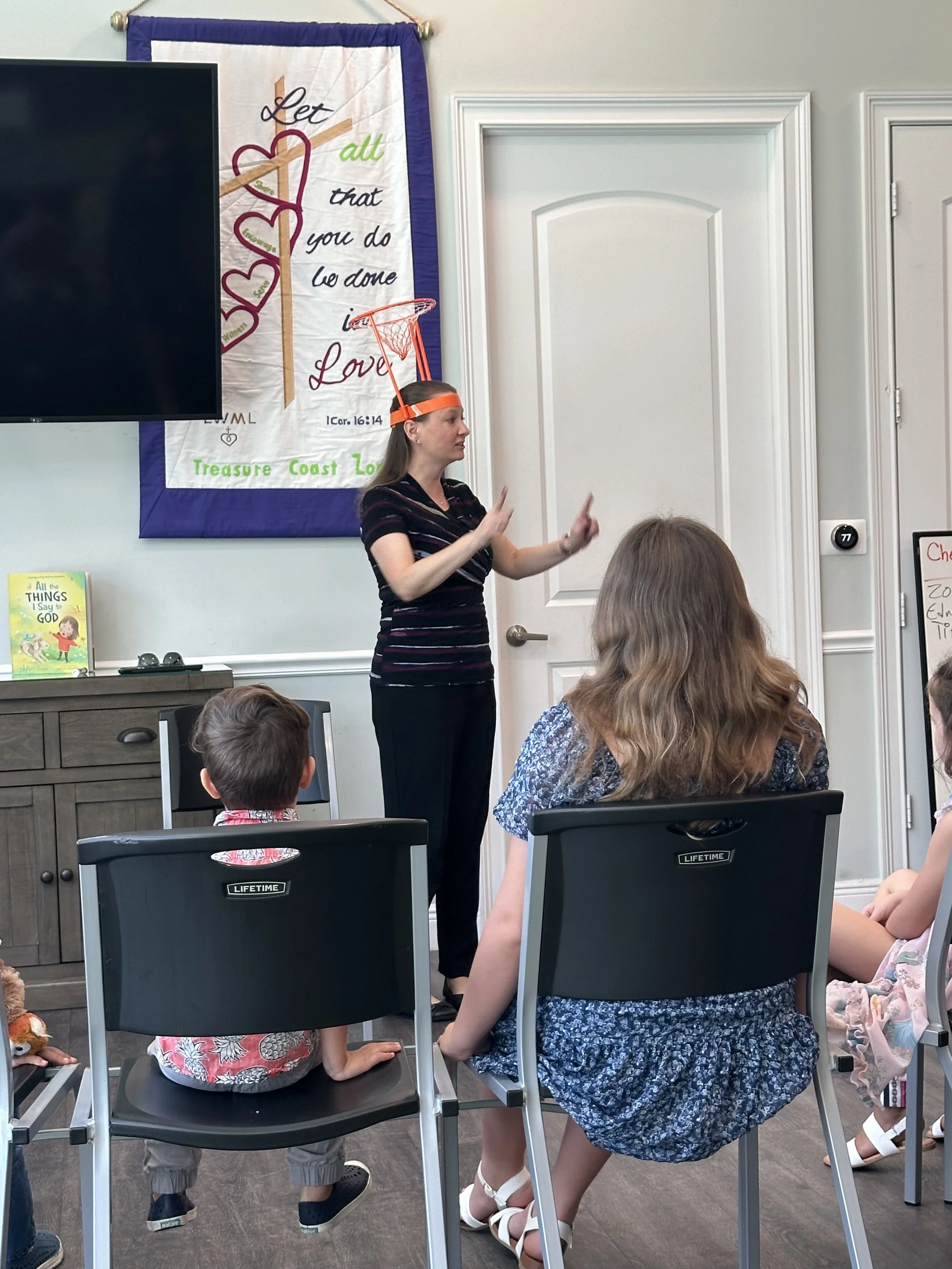
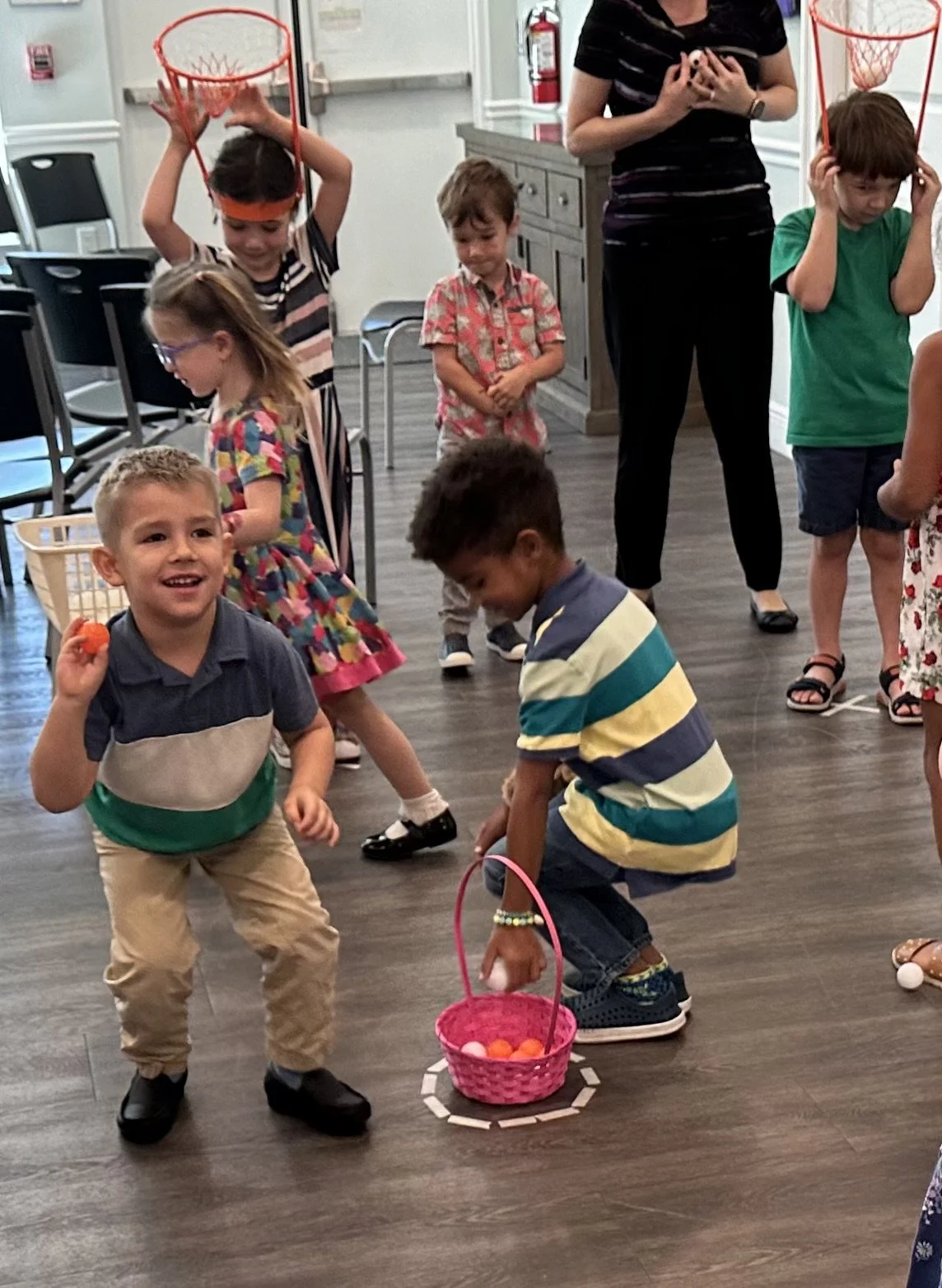
We used the snow cone machine to make delicious, icy treats. We also had fun balancing basketball hoops on our heads while playing around.















Revelation Ch 19-20 Bible Study
Revelation chapter 19-20 Worship, Martyrdom, and Final Judgment
The Book of Revelation.
Chapter 19-20
This is an AI Recap of the class.
Some things may be incorrect.
Short Summary of the Whole Class
The class continued its study in Revelation 19 and began into Revelation 20, emphasizing the contrast between Christ’s humble, sacrificial power and the Antichrist’s hollow, war-driven spectacle. We focused on true worship (worship God/Christ alone), the “testimony of Jesus” as the heart of proSphecy and faithful witness (linked to martyrdom), the marriage supper of the Lamb, and Christ’s decisive victory over evil. We also explored Revelation 20’s imagery of the abyss, the binding and brief release of Satan, the millennium, and final judgment, connecting these themes to creation and Job’s Leviathan as pictures of God’s mastery over chaos. Throughout, we called the church to servant-hearted worship, faithful testimony, humility, forgiveness, and hope in Christ’s ultimate triumph.
Section-by-Section Summary
1) Opening and Context
The class set up recording with a new device intended to generate automatic AI summaries.
We reoriented to the Revelation series, preparing to revisit chapter 19 and move into chapter 20.
Short summary of this section:
We readied the recording and refocused on our ongoing study, returning to Revelation 19 and preparing to enter 20.
2) Two Sides: Christ and Antichrist
Revelation presents two stark ways: Christ’s humble, sacrificial power versus the Antichrist’s blustering, warlike display.
Christ’s “power” appears as the Lamb who was slain—mustard seed-like, non-coercive, and quietly transformative.
The Antichrist pursues spectacle, coercion, and harm for dominance.
Illustrations:
C.S. Lewis’s The Great Divorce: grand evil is ultimately fragile—like a small crack in the soil.
Herod’s hollow power: manipulated into murdering John the Baptist.
Revelation trains us to see through worldly spectacle to the truth of the Lamb’s way.
Short summary of this section:
We contrasted Christ’s true, humble power with the Antichrist’s hollow spectacle, learning to discern the Lamb’s way over worldly dominance.
3) Reading Revelation 19
We read Revelation 19 aloud and noted:
The heavenly multitude’s “Hallelujahs.”
God’s just judgment of the great harlot and avenging His servants.
Worship by the twenty-four elders and four living creatures.
The marriage supper of the Lamb; fine linen as the righteous acts of the saints.
John’s correction from misplaced worship: “Worship God. For the testimony of Jesus is the spirit of prophecy.”
The rider on the white horse: Faithful and True; The Word; King of Kings and Lord of Lords; sharp sword from His mouth; robe dipped in blood.
Birds summoned to consume the flesh of those aligned with the beast.
The beast and false prophet captured and thrown alive into the lake of fire; the rest slain by the sword from the rider’s mouth.
Short summary of this section:
Revelation 19 portrays servant-led worship, the marriage feast, and Christ’s decisive victory over the beast and false prophet.
4) Observations and Discussion on Revelation 19
Body of Christ and marriage feast imagery resurfaced.
Focus on Revelation 19:10:
“The testimony (martyria) of Jesus is the spirit of prophecy.”
Martyria links testimony to martyrdom—faithful witness is costly.
Connections to the two witnesses and souls beneath the altar (shared word family).
Misplaced worship:
John is corrected—worship God alone.
The Lamb’s way resists intoxication by wealth and power.
Foot-washing imagery:
Servanthood posture frames testimony and worship.
Service-filled worship contrasts the Antichrist’s peacocking.
Repeated “Hallelujahs” led by humble servants.
Short summary of this section:
We emphasized testimony-as-martyrdom, redirected worship to God alone, and highlighted servant-hearted praise as the mark of the Lamb’s kingdom.
5) Christ’s Victory and the “Battle” in Revelation 19:19–21
Christ’s robe “dipped in blood” likely signals victory accomplished at the cross.
The beast, kings, and armies gather, but there’s effectively no contest—Christ’s word wins decisively.
The beast and false prophet are thrown alive into the lake of fire; judgment imagery echoes ancient warfare.
Short summary of this section:
Christ’s cross-secured victory ends the confrontation immediately; evil powers face certain and final judgment.
6) The Lake of Fire and Its Meaning
The lake of fire (with brimstone) is the destination for the beast, false prophet, later the devil, death, Hades, and those not in the book of life.
Distinguished from Sheol/Hades—ultimate, eternal judgment.
Short summary of this section:
The lake of fire signifies final, eternal judgment distinct from temporary realms.
7) Transition to Revelation 20
We planned to re-read 19 and move into 20 with a lens shaped by recent teaching.
Anticipated fresh insights at the beginning of chapter 20.
Short summary of this section:
We prepared to read Revelation 20 with renewed perspective informed by prior teaching.
8) Revelation 20—Binding of Satan, Millennium, Gog and Magog, Final Judgment
Reading Revelation 20:1–15:
Angel binds Satan with a great chain and throws him into the abyss for a thousand years.
Thrones and martyrs reign with Christ (first resurrection); the second death has no power over them.
After the thousand years, Satan is briefly released, deceives Gog and Magog, surrounds the saints; fire from heaven consumes them.
The devil is cast into the lake of fire to be tormented forever.
Great white throne judgment: books opened; book of life determines destiny; death and Hades cast into the lake of fire—the second death.
“A thousand years” discussed as likely symbolic magnitude rather than literal duration; timeline questions left open.
Short summary of this section:
Revelation 20 depicts Christ’s reign, vindication of martyrs, Satan’s brief last deception and total defeat, and the final judgment.
9) Abyss, Creation, and Job’s Leviathan
The “abyss” linked to Genesis 1:2 (LXX) “the deep”—pre-creation chaos God orders.
Job 41’s Leviathan used as an image of terrifying, untamable power under God’s control—“on a leash.”
The chain-and-abyss imagery in Revelation 20 echoes Leviathan’s leash motif—God sovereignly restrains chaotic evil.
Leviathan’s “twisted/coiled” nuance resonates with serpent/Satan imagery without asserting identity.
Short summary of this section:
We connected the abyss to creation’s ordering of chaos and Leviathan’s leash to the dragon’s binding, underscoring God’s mastery over the fiercest powers.
10) Rereading Job: Humility, Repentance, and Forgiveness
Job and friends both mis-speak; God’s theophany reorients Job.
Job moves from hedging sacrifices to intercessory sacrifice for his friends—humility and forgiveness after encountering God’s glory.
Parallels to Revelation’s call: live faithful testimony, die to self, forgive, rather than fixate on condemning others.
Short summary of this section:
Job’s arc models humility and mercy after meeting God, aligning with Revelation’s call to faithful witness and forgiveness.
11) Wrestling with Timing and Looking Ahead
Ongoing debate on whether Revelation 20 is future or recapitulation; symbolic approach favored for “a thousand years.”
Anticipation of Revelation 21’s hopeful vision of new creation.
Short summary of this section:
We acknowledged interpretive tensions, leaned toward symbolic readings, and looked forward to the hope of Revelation 21.
Final Summary of What Was Said in Class
We centered on worshiping God/Christ alone and resisting idolatry of messengers, leaders, or spectacle. The “testimony of Jesus”—His death and resurrection—was highlighted as the spirit of prophecy and the pattern for Christian life, linking witness to martyrdom. In Revelation 19, servant-led “Hallelujahs,” the marriage supper, and the rider on the white horse display Christ’s decisive, word-based victory over the beast and false prophet. In Revelation 20, we explored the binding of Satan, the millennium, Gog and Magog, and the great white throne judgment, connecting the abyss to creation’s ordered cosmos and Job’s Leviathan as a metaphor of God’s control over chaos. The class called for servant-hearted worship, faithful witness, humility, repentance, forgiveness, and confidence in Christ’s ultimate triumph.
Main Points
Worship God/Christ alone; reject idolatry of angels, leaders, or ministries.
The “testimony of Jesus” (martyria) is the spirit of prophecy—gospel witness shaped by the cross and resurrection.
Faithful witness is costly and central; believers overcome by the blood of the Lamb and their testimony.
Christ’s humble, sacrificial power exposes the Antichrist’s hollow spectacle.
The marriage supper of the Lamb signifies the church’s union with Christ and righteous acts (fine linen).
Christ’s victory is decisive and secured at the cross; the “battle” ends without contest.
The lake of fire represents ultimate, eternal judgment, distinct from temporary realms.
Revelation 20 presents Christ’s reign, vindicated martyrs, Satan’s brief release and final defeat, and the great white throne judgment.
The abyss evokes pre-creation chaos; Job’s Leviathan illustrates God’s mastery over fearsome powers.
The Christian pattern: humble service, dying to self, forgiveness, and hope in new creation.
Scriptures and Stories Mentioned
Revelation:
Revelation 18 (thematic reference to wealth accumulation and worldly power)
Revelation 19 (worship scenes; marriage supper; rider on the white horse; lake of fire; v.10 “testimony of Jesus is the spirit of prophecy”)
Revelation 20:1–15 (abyss; binding of Satan; thousand years; Gog and Magog; lake of fire; great white throne; second death)
Revelation 1:2; 1:9 (word of God and testimony of Jesus; John on Patmos)
Revelation 6:9 (souls under the altar—martyrs for the word and testimony)
Revelation 11:4, 7 (two witnesses; lampstands; finishing their testimony)
Revelation 12:11, 17 (overcoming by the blood and testimony; commandments; testimony of Jesus)
1 Corinthians 12–14 (prophecy as edifying proclamation/gospel preaching)
Genesis 1:2 (Spirit hovering over the deep/abyss)
Job 41 (Leviathan; divine mastery over chaos)
Isaiah (Leviathan references and “twisted/coiled” nuance—contextual mention)
Gospel themes:
Jesus washing the disciples’ feet (servanthood and humility)
Take up your cross and follow Jesus (die-to-rise pattern)
Historical/Literary references:
Herod and the execution of John the Baptist
C.S. Lewis, The Great Divorce (image of hollow grandeur)
Golden calf (Exodus 32—caution against idolatry)
Short summary of the final lists:
We referenced key passages in Revelation, Genesis, Job, 1 Corinthians, and gospel themes to underscore God’s sovereignty, Christ’s decisive victory, the call to faithful testimony and servant-hearted worship, and the hope of final redemption.
![[Sunday] Genesis 1:1-2 - Richer](https://images.squarespace-cdn.com/content/v1/5852f18a20099e30cd2c01dc/1760064484336-IMB2NY369HX96ONEYLFQ/richer25+1a.jpg)
[Sunday] Genesis 1:1-2 - Richer
The richer truth of Genesis 1 is that God's creation was a deliberate, harmonious song that continues, through Christ, to restore the dissonance of our chaotic world.

The richer truth of Genesis 1 is that God's creation was a deliberate, harmonious song that continues, through Christ, to restore the dissonance of our chaotic world.
Here is a video to dive deeper into Genesis chapter 1
How is our interpretation of the creation story in Genesis 1 deepened when we consider its ancient historical and cultural context? In this Bible commentary video, we look at how the literary design of Genesis 1 reveals God’s ideal vision for the whole cosmos.
Questions for the Week: Together: Genesis 1:1-2
The sermon emphasized that we were created with a beautiful song, out of love and intention. How does believing you were "sung into existence" change the way you see yourself or your worth compared to believing you are the result of chance or accident?
Read Genesis 1 - 2:3. Genesis 1 starts with God bringing order out of chaos (tohu va-vohu). What are some areas of chaos or darkness in our family's life, or the wider world, where we need God's "song" (His voice, grace, or order) to bring light and rest?
God kept declaring His creation was "good" (and humans "very good"). When is it easiest for you to believe God's declaration that you are "Goooooood", and what makes it hardest to believe that about yourself or others?
If our lives are meant to be a part of God's perfect creation "song," what does it look like when we choose to create dissonance (by choosing our own way, like Adam and Eve)? What's one practical way we can intentionally choose harmony (forgiveness, kindness, order) this week?


What Had happened at Grace this week.


![[Sunday] Creation Sustained Most Certainly True](https://images.squarespace-cdn.com/content/v1/5852f18a20099e30cd2c01dc/1768530963354-TSOEU855UMIOFGEUKRCL/Certainly+True+2a.jpg)

![[Sunday] Good Creation Most Certainly True](https://images.squarespace-cdn.com/content/v1/5852f18a20099e30cd2c01dc/1767931204162-S0EG3ZJDEUVLBCHI284L/Certainly+True+1a.jpg)
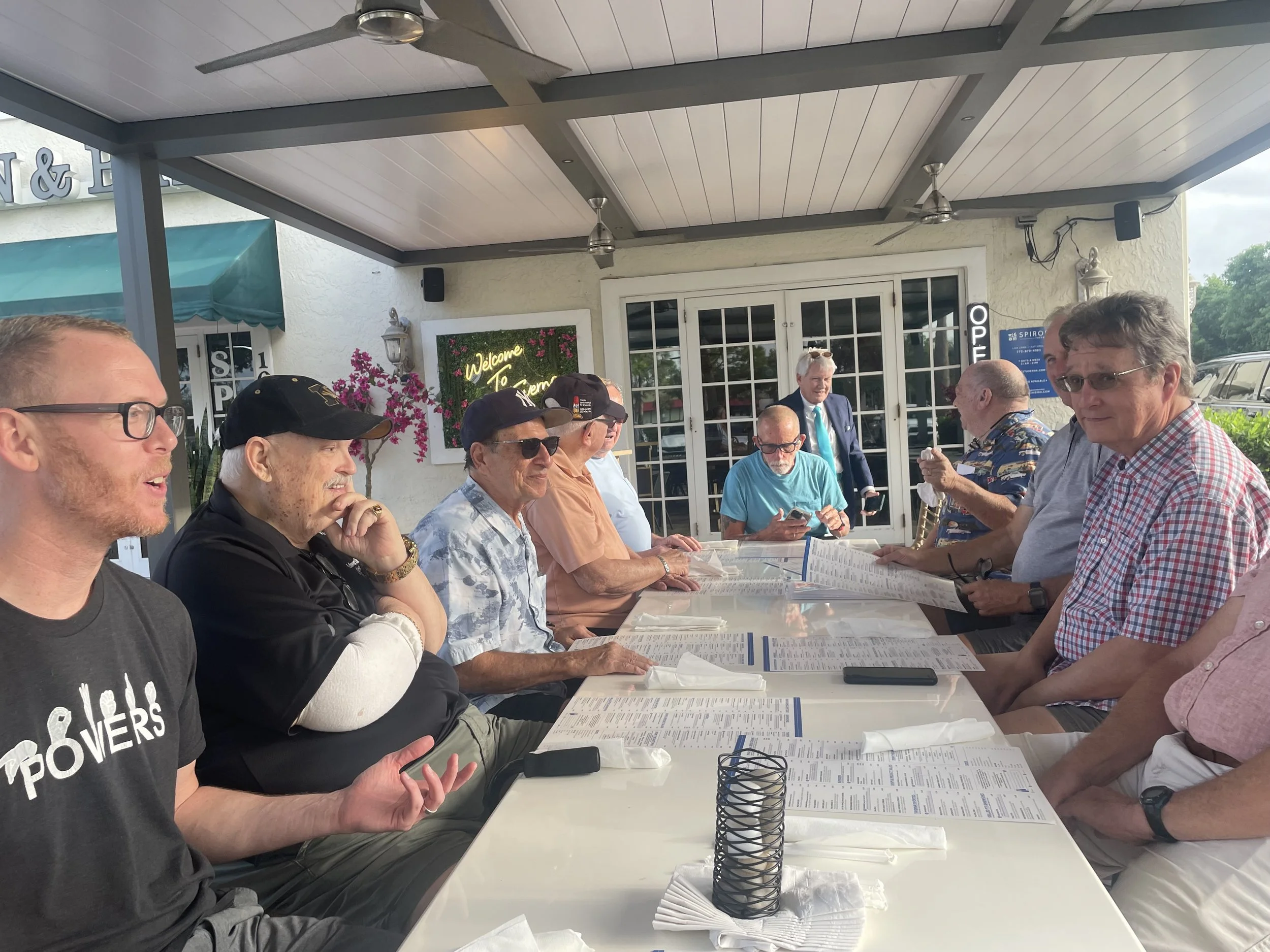
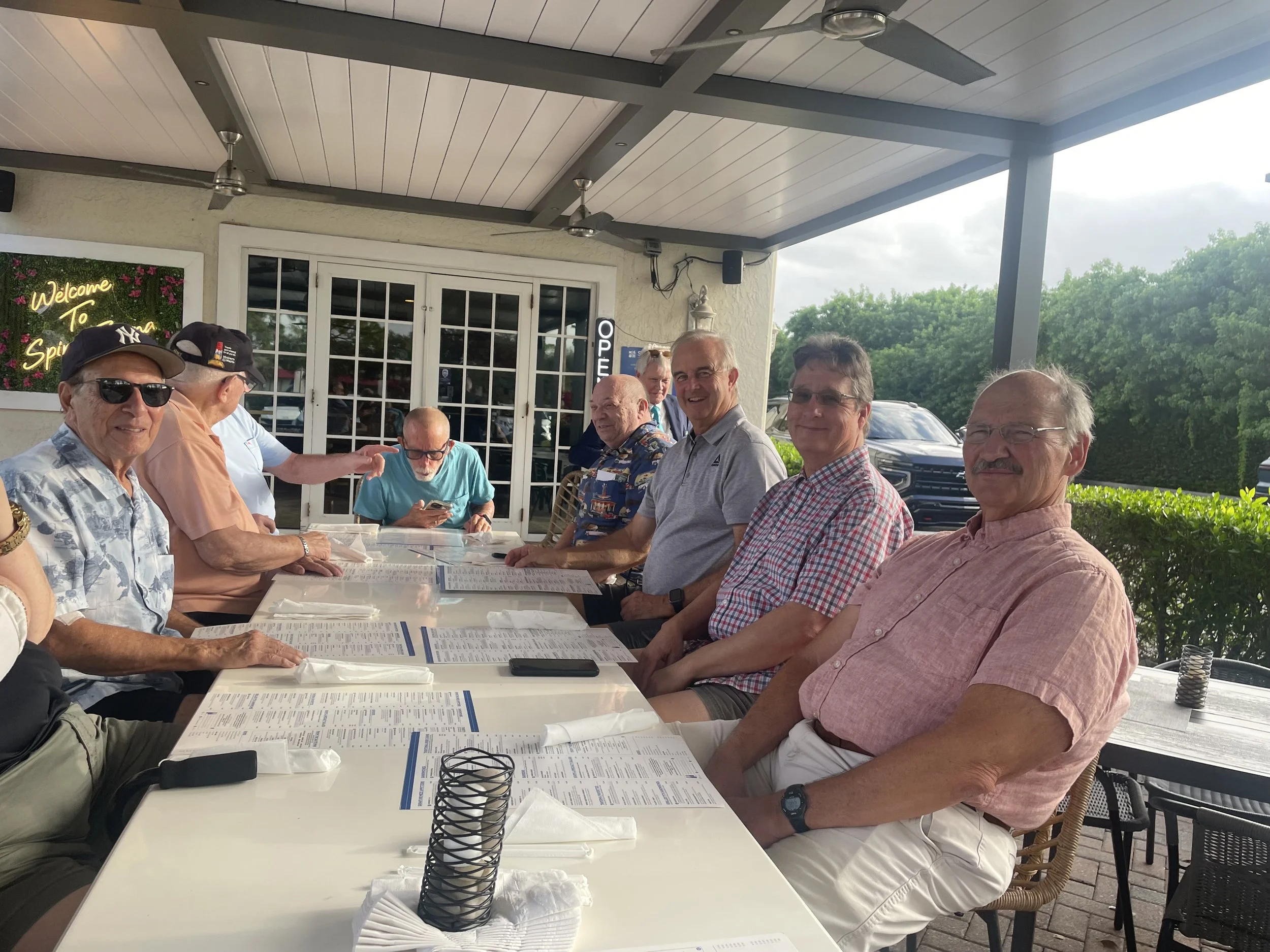
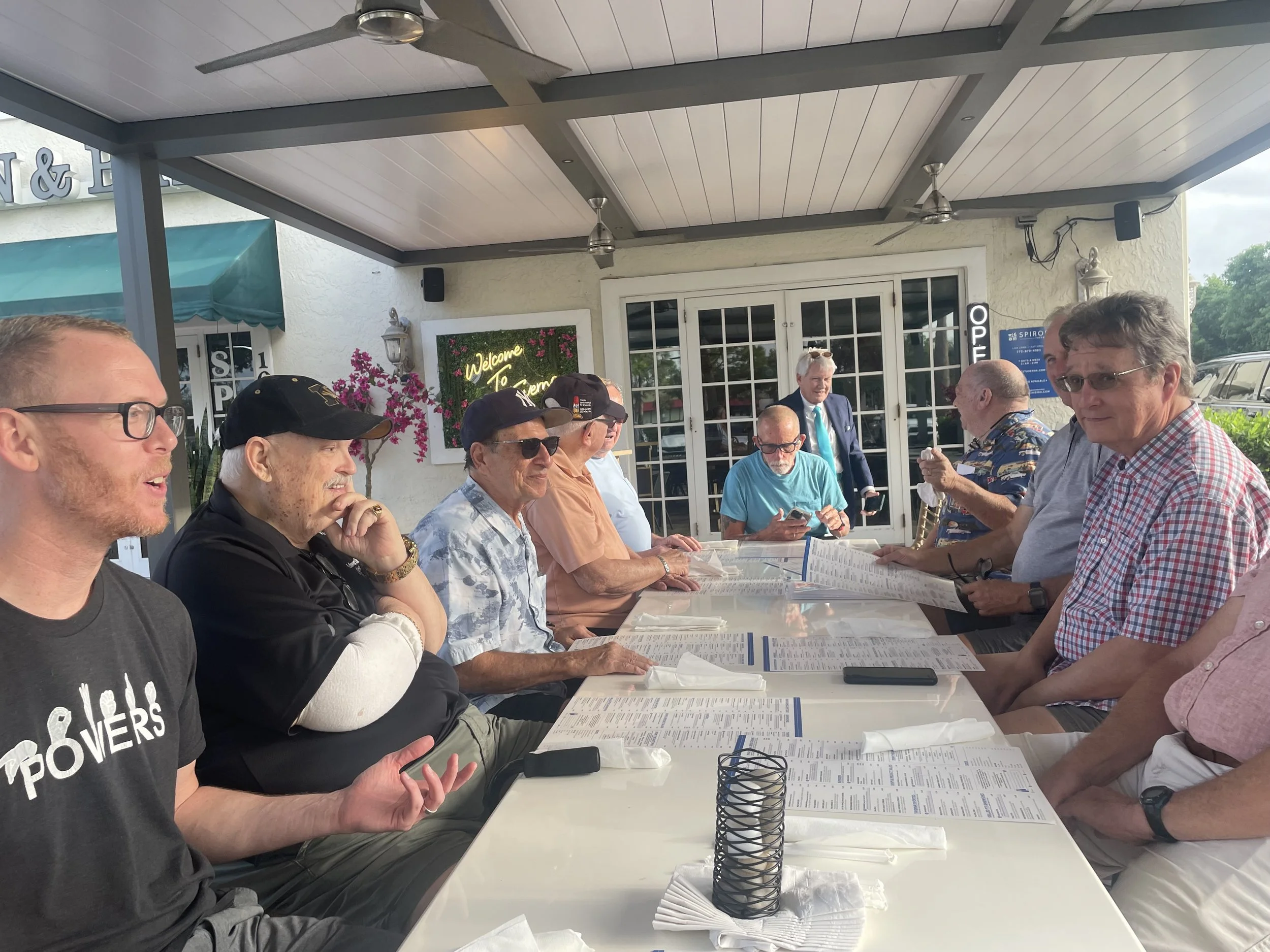
Guys Night at Spiros
Guys night Photos
Every 1st Thursday of each month, the Guys of Grace Lutheran PSL come together for their regular meet-up.



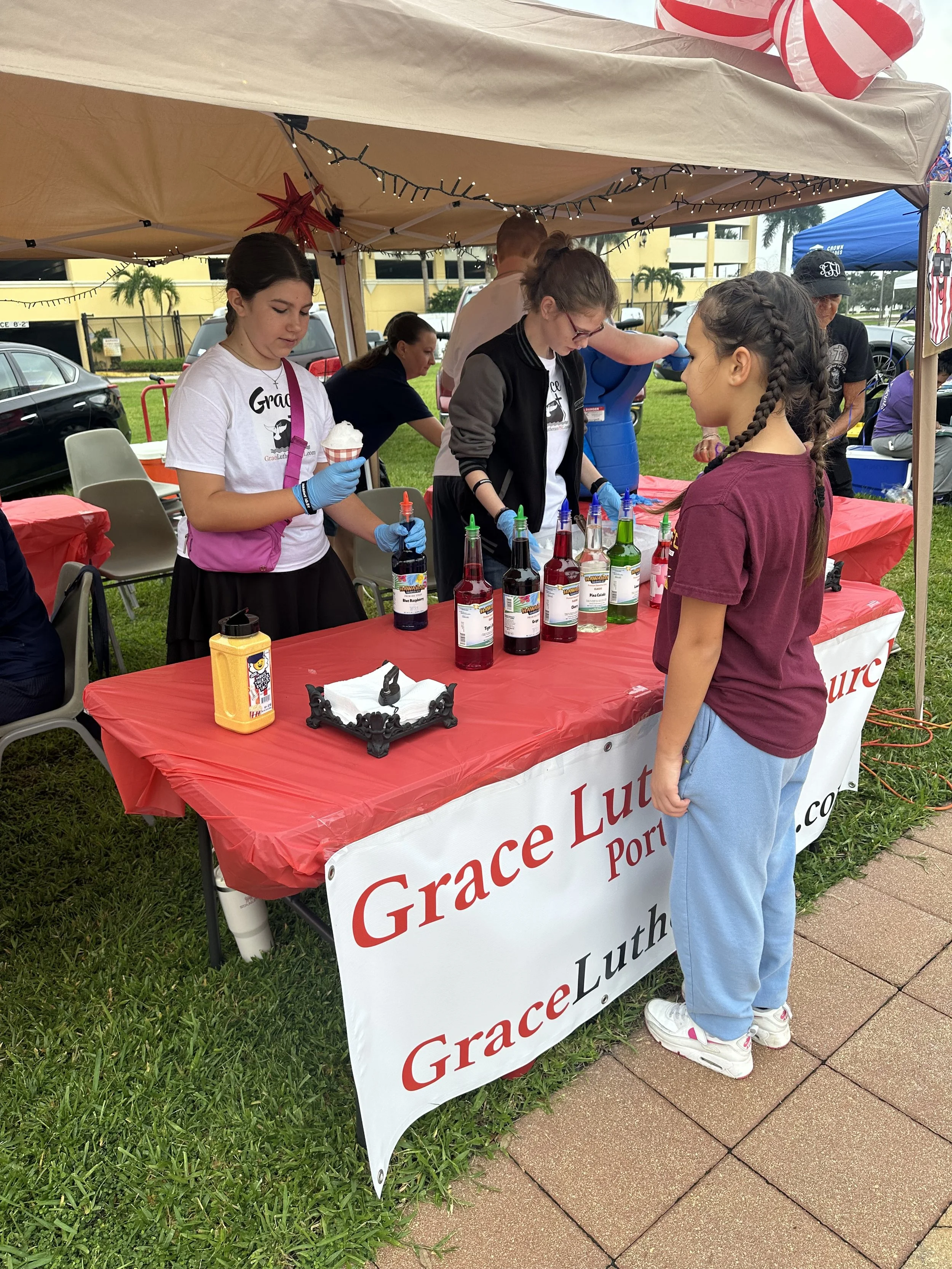
Grace Serving at the CareNet Walk 25’
serving at the CareNet Walk
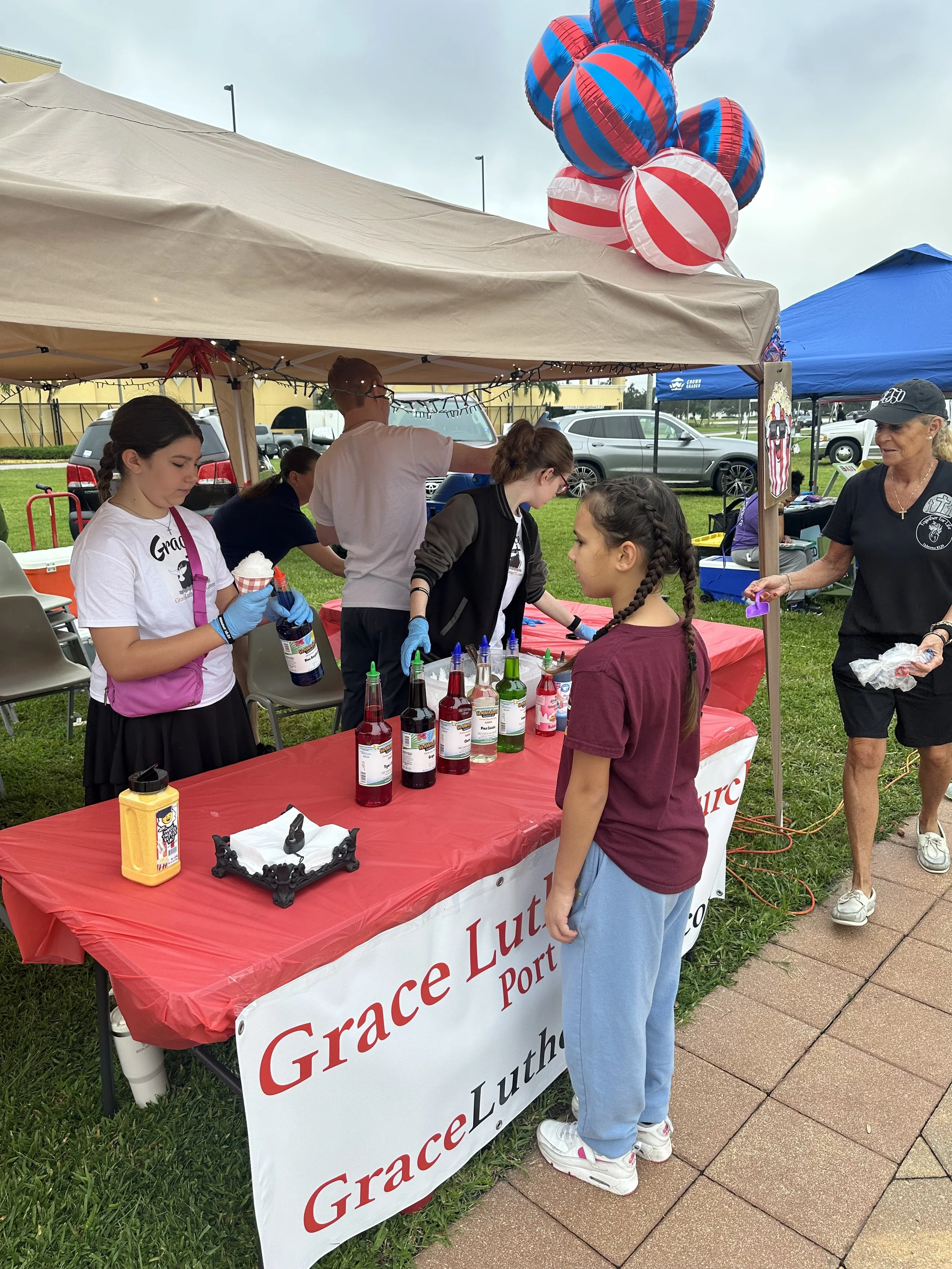
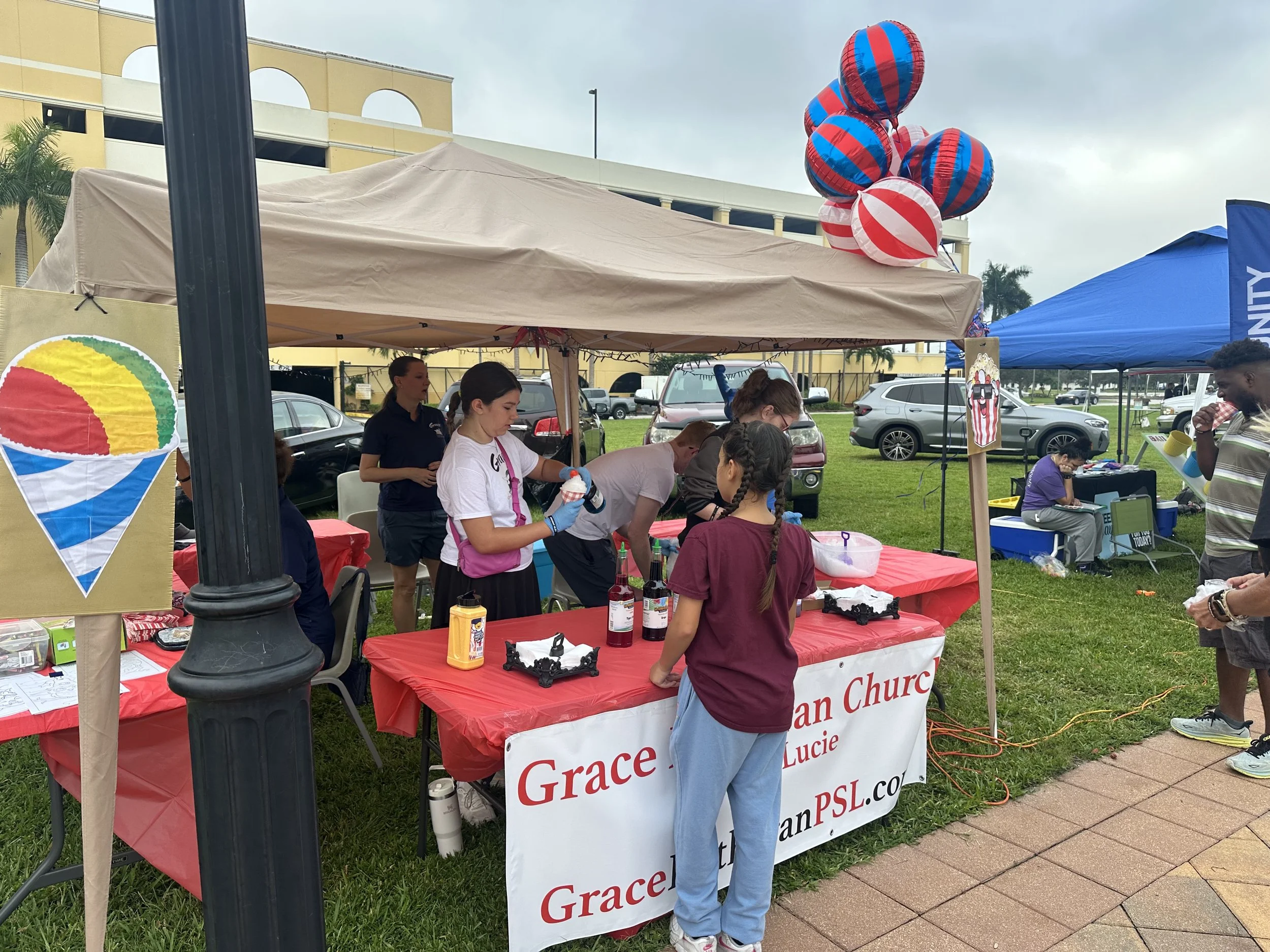
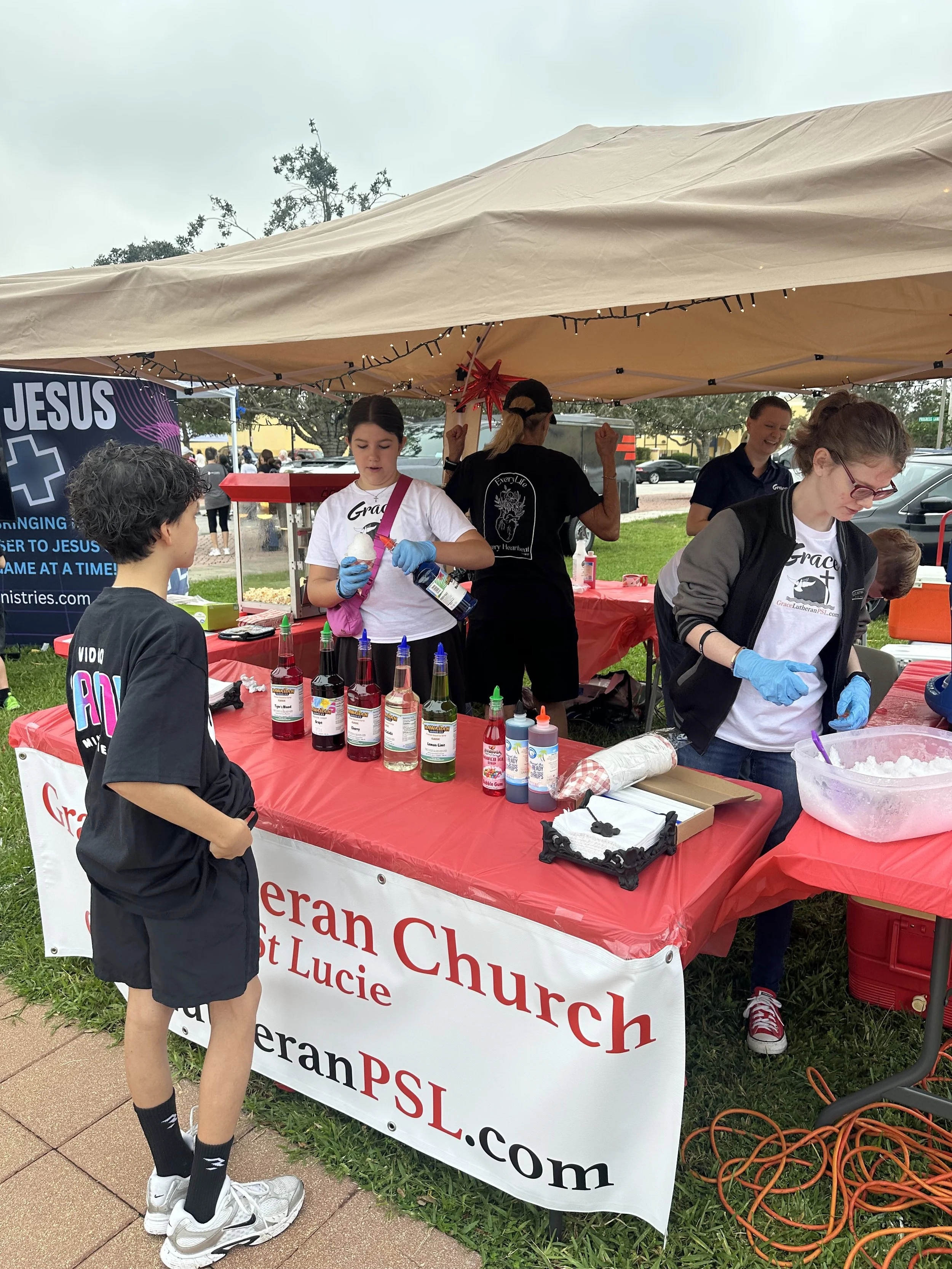
Grace operated a booth at the CareNet Walk, where we served snow cones and popcorn to attendees. The event was a wonderful opportunity to engage with the community and support families in the Treasure Coast.


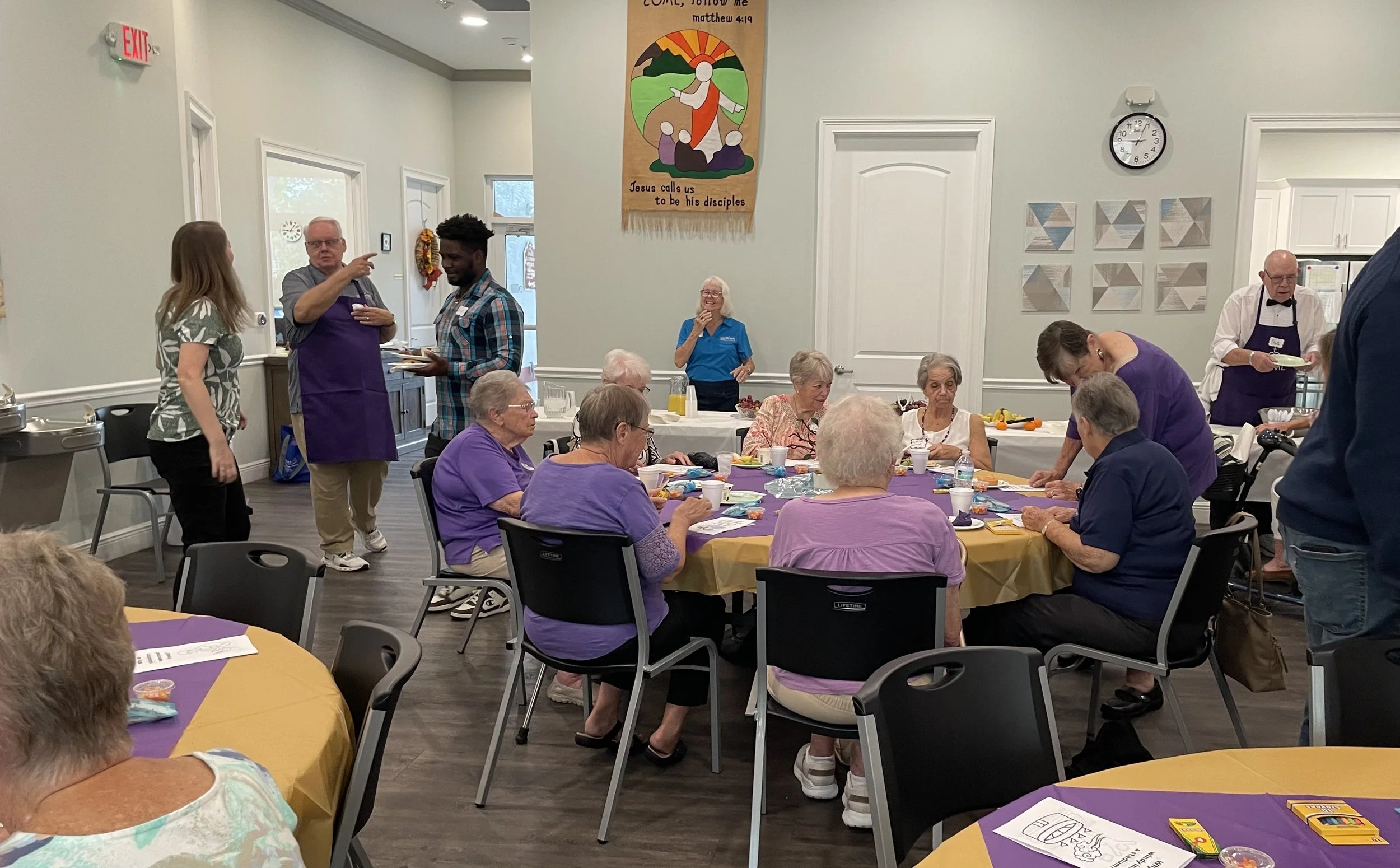
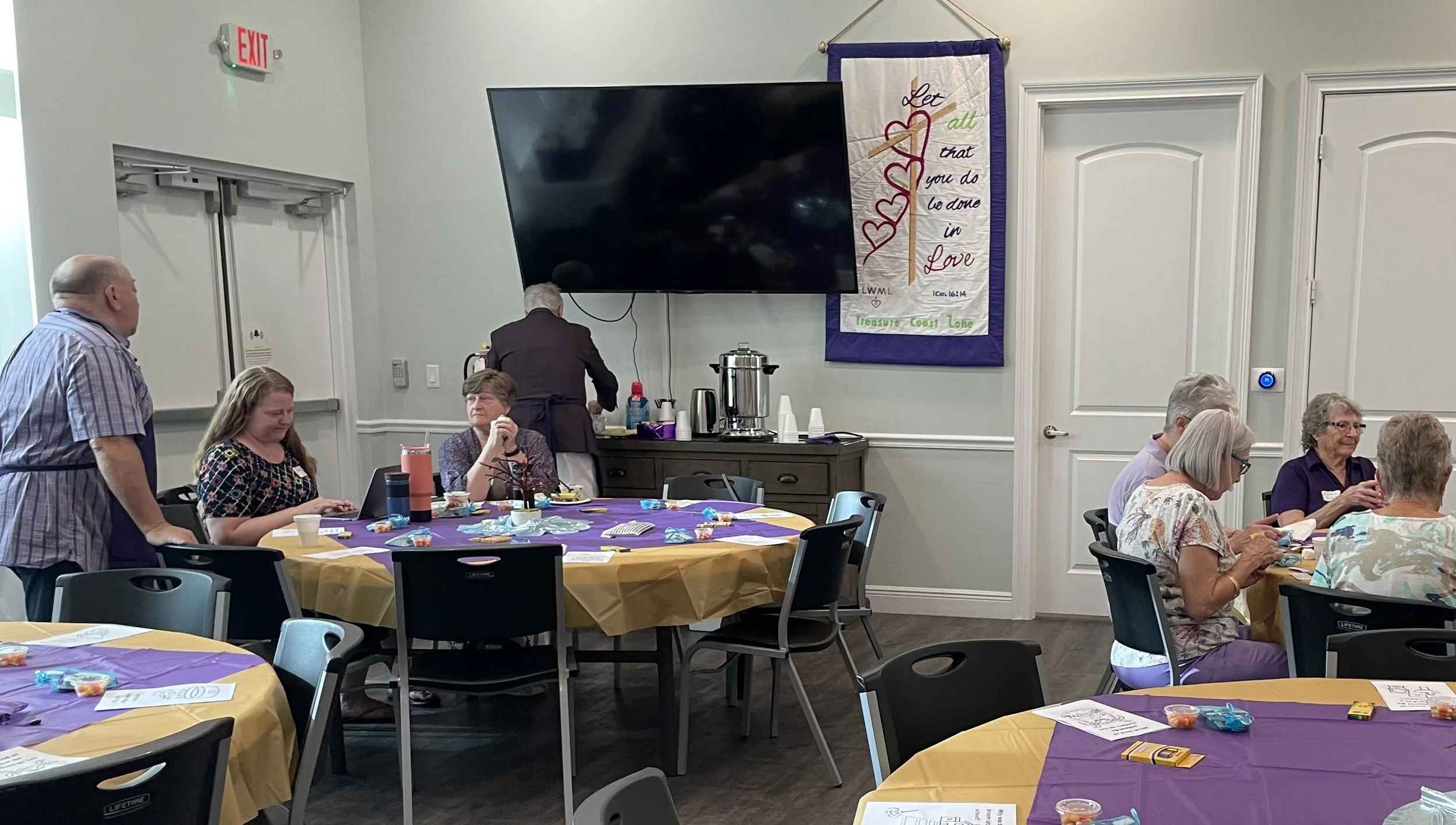
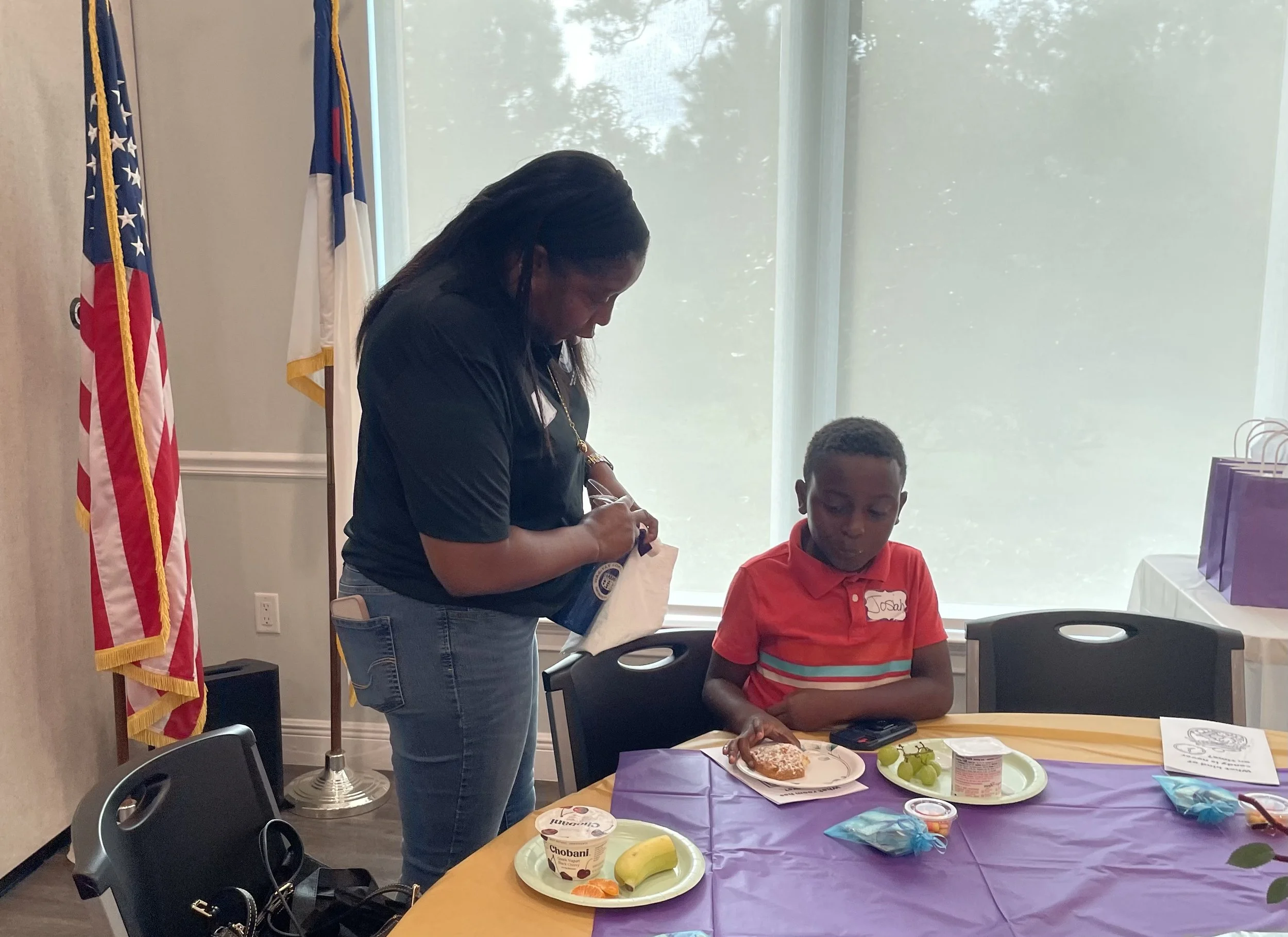
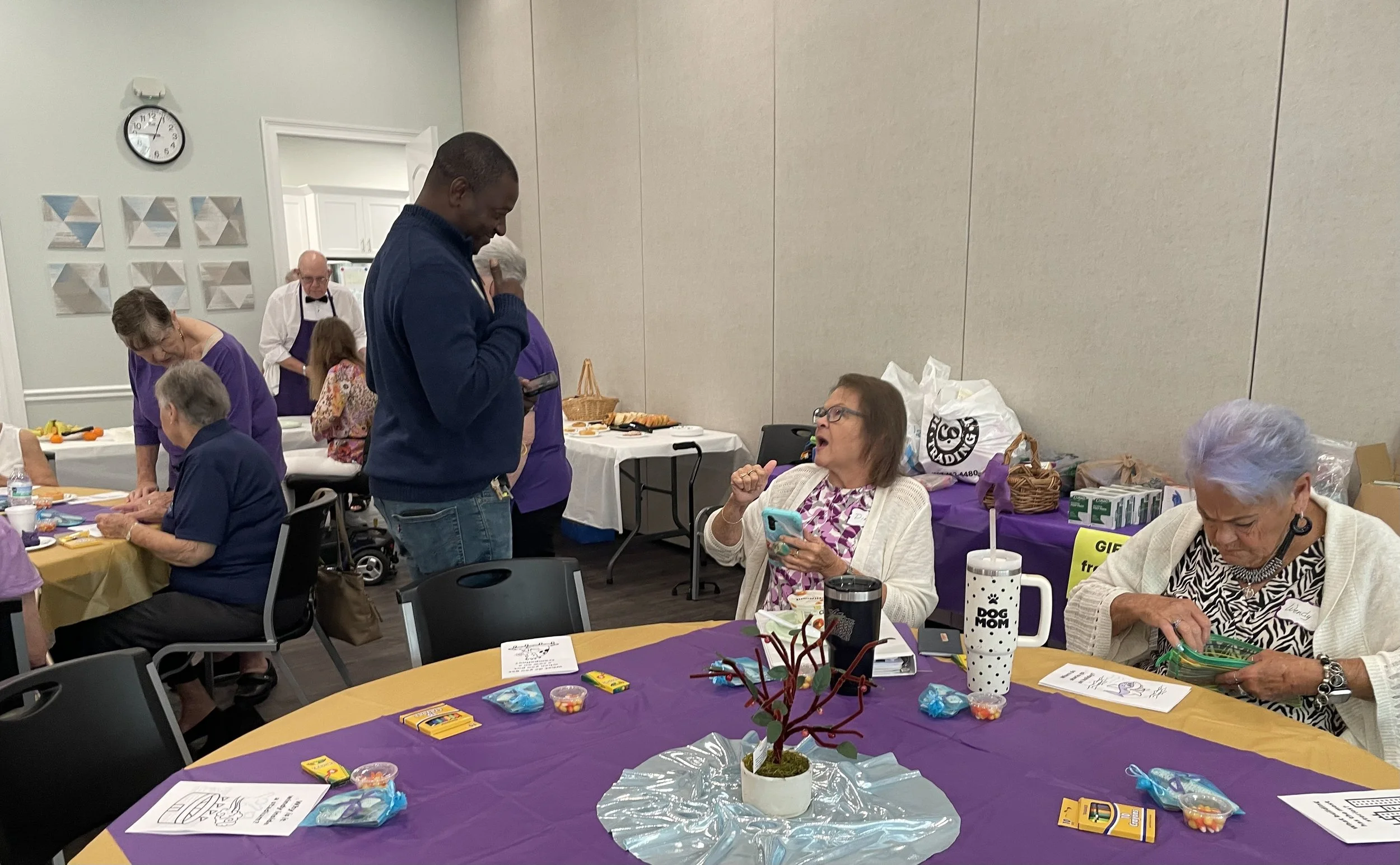
LWML Grace Rally 25’
Fun times at the LWML Rally
Grace had the wonderful opportunity to host the Fall Rally this year. During the event, Habitat for Children was also given the chance to speak about all the important work they are doing in Haiti.



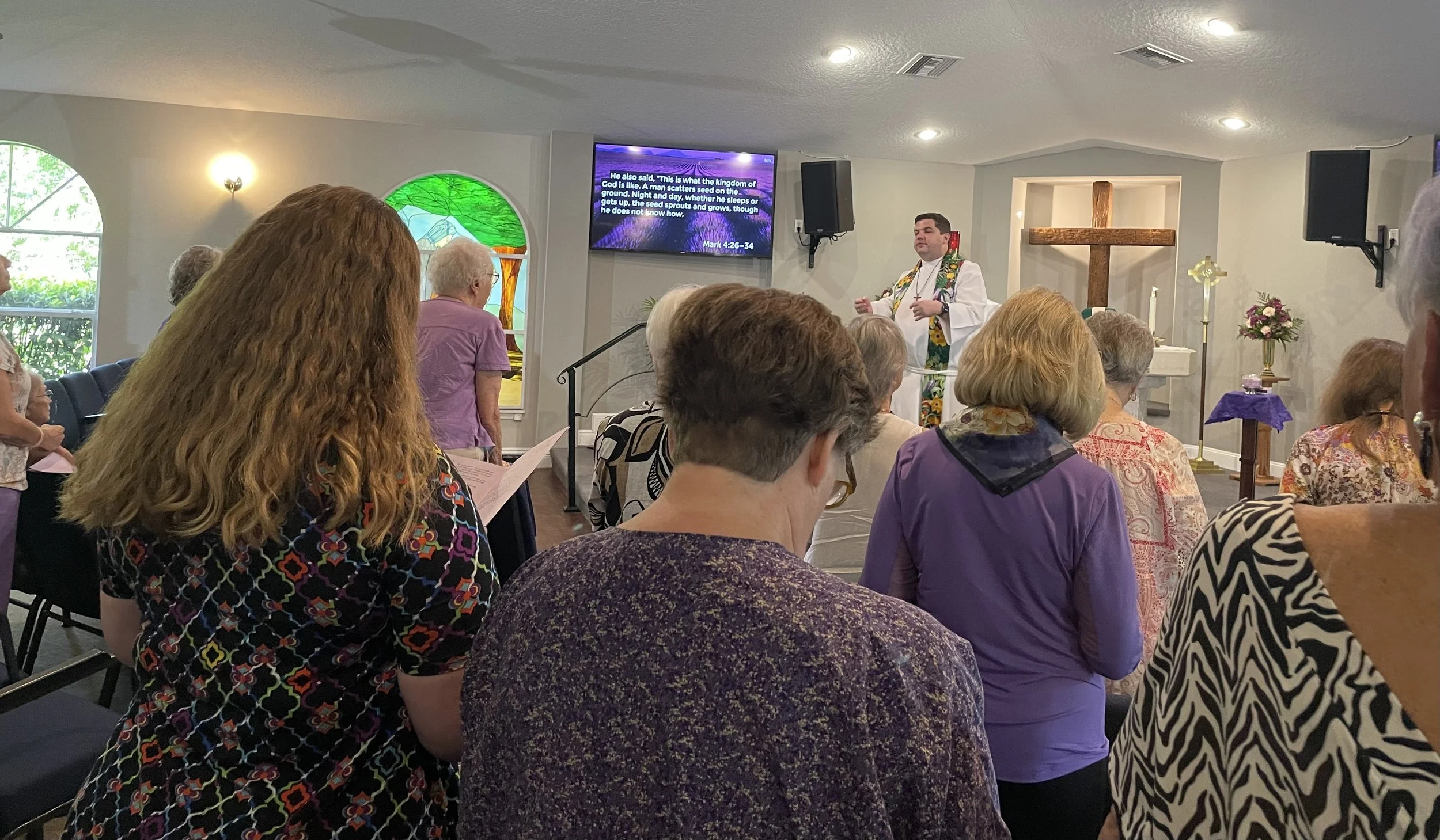
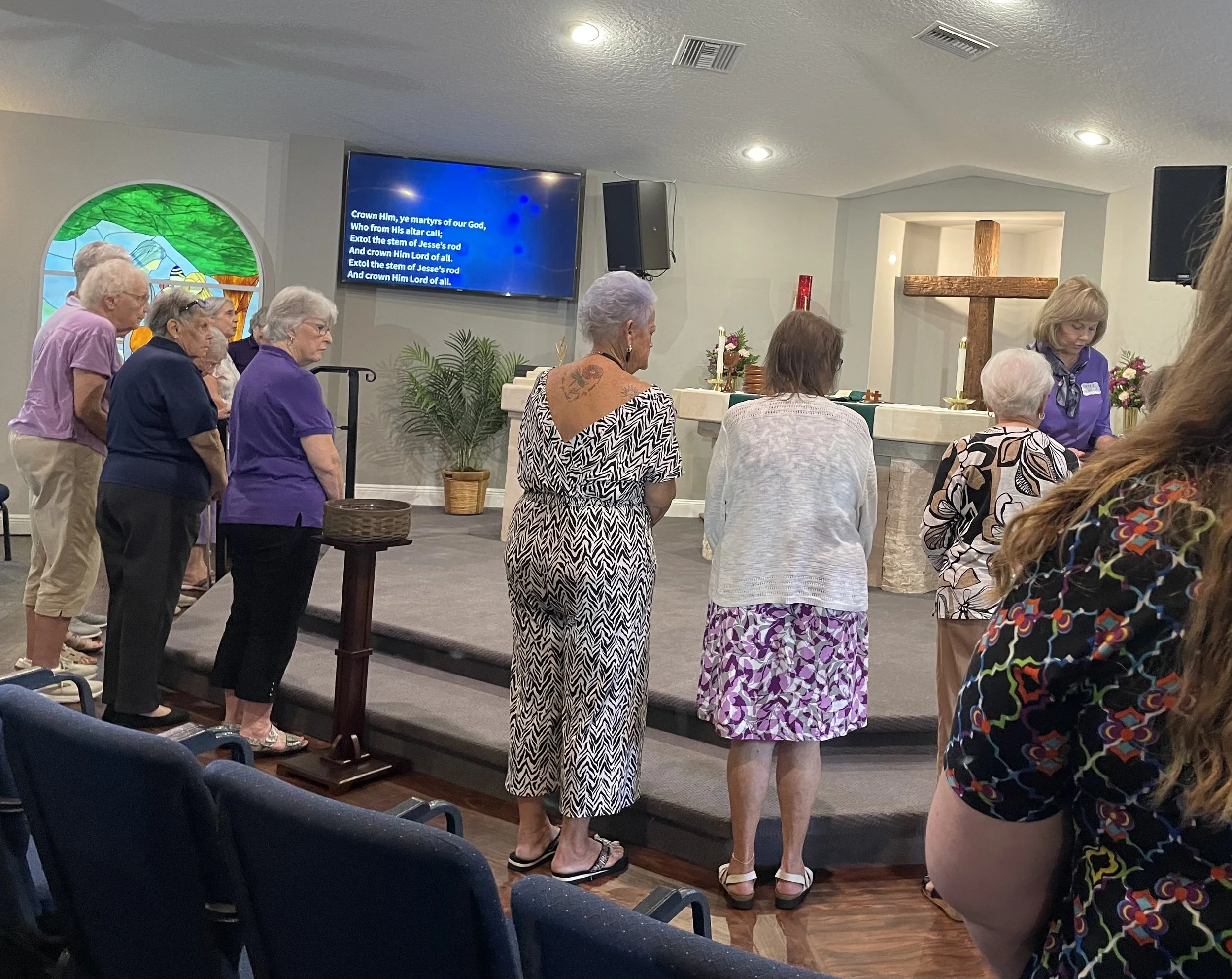
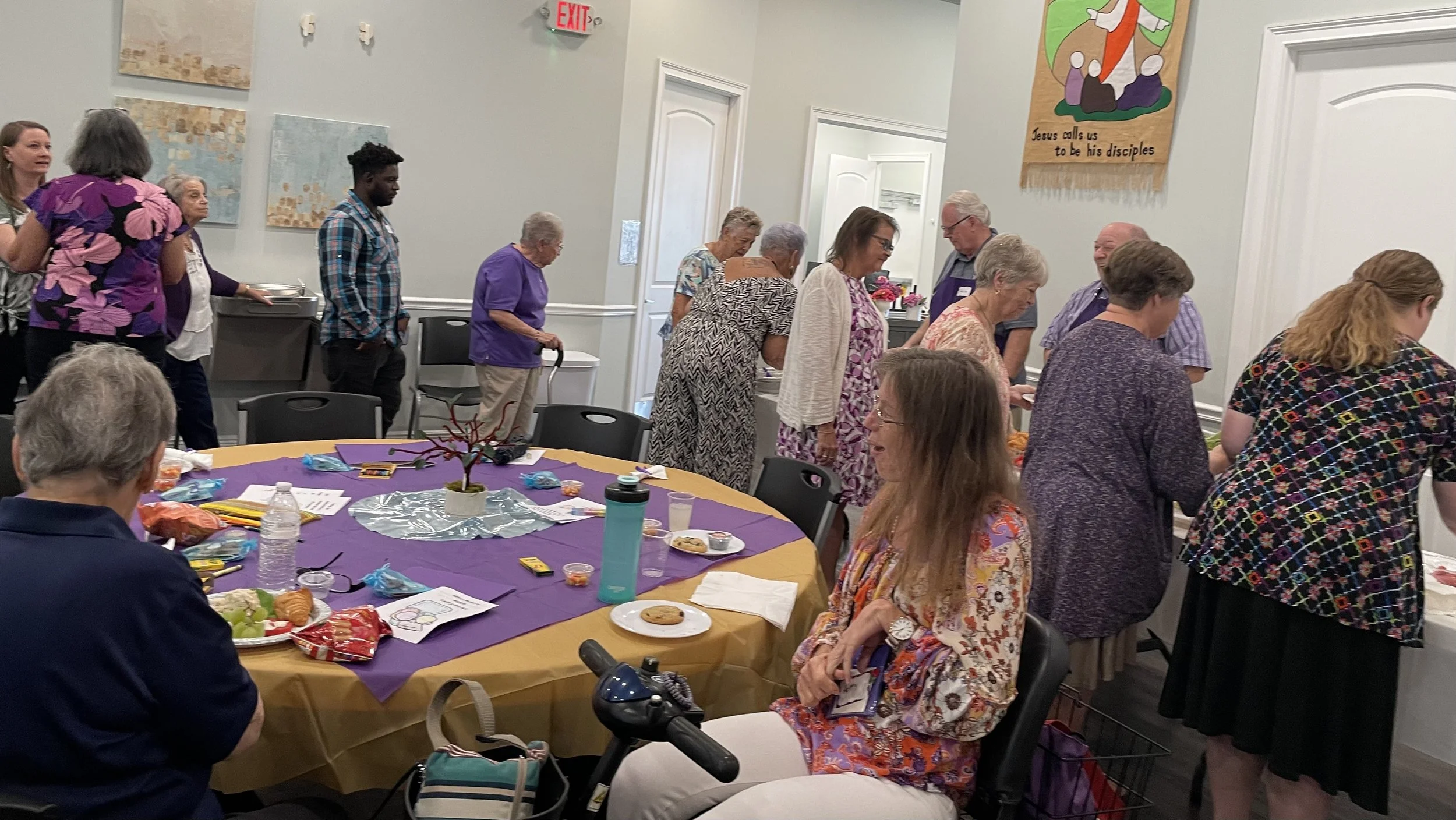


New Song , Morning Has Broken
New Song for the new creation
Here is Grace’s Recording for Sunday
On October 12th 2025 we are singing
“Morning Has Broken” (Eleanor Farjeon)
1. Morning has broken like the first morning;
Blackbird has spoken like the first bird.
Praise for the singing! Praise for the morning!
Praise for them, springing fresh from the Word!
2. Sweet the rain’s new fall, sunlit from heaven
Like the first dew fall on the first grass.
Praise for the sweetness of the wet garden,
Sprung in completeness where His feet pass.
3. Mine is the sunlight! Mine is the morning.
Born of the one light Eden saw play!
Praise with elation, praise ev’ry morning,
God’s recreation of the new day!

Revelation Ch 18-19 Bible Study
Revelation chapter 18-19
The Book of Revelation.
Chapter 18-19
This is an AI Recap of the class. Some things may be incorrect.
Quick recap
Cris led a Bible study session focused on Revelation chapters 18 and 19, exploring themes of judgment, repentance, and the triumph of good over evil. The discussion covered various biblical concepts including kavok, the impermanence of material possessions, and the contrast between temporary worldly power and the enduring strength of the Kingdom of God. Cris and the group examined the violent imagery and symbolism in Revelation 19, discussing interpretations of Christ as a warrior and the significance of divine judgment, while also touching on historical and linguistic aspects of the text.
Next steps
Next steps were not generated due to insufficient transcript.
Summary
Bible Study: Revelation's Triumph
Cris led a Bible study session on Revelation, focusing on chapters 18 and 19. He explained that chapter 18 describes the fall of Babylon, symbolizing the end of a corrupt and luxurious system, while chapter 19 highlights the victory of Christ and the contrast between his kingdom of love and service versus the Antichrist's realm of warfare and death. The group read and discussed the passage, focusing on themes of judgment, repentance, and the ultimate triumph of good over evil.
Impermanence of Material and Corporate Success
Cris discussed the biblical concept of kavok, which describes seemingly important and heavy things that quickly disappear, drawing parallels to the impermanence of material possessions and corporate jobs. He explained that despite people's efforts to become indispensable, they are often quickly replaced, much like water filling a bucket. Cris interpreted the reference to things drying up in an hour as a metaphor for the fleeting nature of war, famine, and other apocalyptic events, emphasizing the need to invest in people rather than temporary material wealth.
Kingdom vs. Materialism in Revelation
Cris discussed insights from a Matthew sermon series, emphasizing that Jesus built his church on people rather than solidified beliefs. They explored themes of materialism, deception, and the fleeting nature of wealth in Revelation 18, noting how these themes resonate with modern society. Cris highlighted the contrast between the temporary power of the world and the enduring strength of the Kingdom of God, represented by the Lamb. They also touched on the Jewish origins of the judgment against Babylon, emphasizing its association with wickedness and materialism.
Divine Justice and Collaborative Trust
Cris discussed the importance of balance between control and trust, emphasizing that being less controlling allows for better collaboration and serving others. They then delved into a detailed analysis of Revelation 19, focusing on the imagery of salvation, judgment, and the marriage of the Lamb, highlighting the themes of righteousness and prophecy. The discussion concluded with Cris interpreting the vision of a rider on a white horse, representing divine justice and authority, and an angel summoning birds for a symbolic feast.
Interpreting Revelation's Violent Imagery
Cris led a discussion on the violent imagery in Revelation 19, focusing on the lack of violence from the good guys and the presence of the sword of the Lord. They debated the interpretation of the battle scene, with Cris suggesting that the violence described may be metaphorical rather than literal. The group also discussed the use of "great and small" imagery in the text, comparing it to C.S. Lewis's Chronicles of Narnia.
Christ's Warrior Image in Revelation
Cris and Elaine discussed the imagery and symbolism in Revelation 19, focusing on the depiction of Christ as a warrior on a white horse, his robe dipped in blood, and the sharp sword coming out of his mouth. They explored the connection between this imagery and the earlier references in Revelation and Isaiah, interpreting it as a representation of divine judgment and the victory of the Lamb that was slain. They also considered the balance and harmony in the Hebrew language, which Cris suggested might be reflected in the text's imagery.
Jesus' Victory Over Power Struggles
Cris discussed the biblical passage about the beast and the battle, emphasizing that the battle was already won by Jesus, who died and rose again. He explained that the hubris and attempts at domination by powerful figures would ultimately collapse, as seen throughout history.

Richer: Finding Meaning in our Favorite Verse (Teaching Series)
There are many Bible verses that are so loved by the church. Over the centuries, these verses have been encouraging and equipping the church in its walking with the Lord. So let's dive deep into these beloved verses to gain an even richer love and understanding.
There are many Bible verses that are so loved by the church. Over the centuries, these verses have been encouraging and equipping the church in its walking with the Lord. So let's dive deep into these beloved verses to gain an even richer love and understanding.
Reading Plan
October 12th 25’
Gen 1 In the begging God created the heavens and the earthGen 1:1-5, 24 -2:3
Collisions 3:5-11
John 2:11-18
October 19th 25’
Matthew 28:19 Great ComissionPsalm 73:1-8, 23-26
Acts 1:6-11
Matthew 28:16-20
-
July 3rd 22
John 3:16John 2-3
July 10th 22
1 Peter 3:151 Peter 3
July 17th 22
2 Corinthians 12:92 Corinthians 12
![[Sunday] Matthew 28:19 - Richer](https://images.squarespace-cdn.com/content/v1/5852f18a20099e30cd2c01dc/1760667622647-52GHSLM0T3CLOBIQ0AZB/richer25+2a.jpg)
![[Sunday] 2 Corinthians 12:9 - Richer](https://images.squarespace-cdn.com/content/v1/5852f18a20099e30cd2c01dc/1657807734734-ZH74IVJBK5BKP54Y4QUD/Richer+3a.jpg)
![[Sunday] 1 Peter 3:15 - Richer](https://images.squarespace-cdn.com/content/v1/5852f18a20099e30cd2c01dc/1657246717732-K83UQ4BAKWX1LPMRWXGP/Richer+2a.jpg)
![[Sunday] John 3:16 - Richer](https://images.squarespace-cdn.com/content/v1/5852f18a20099e30cd2c01dc/1656620271292-5FF8I7Q1N6N12UXJWUG1/Richer+1a.jpg)
![[Sunday] Resurrection- Together 1 Corinthians 15](https://images.squarespace-cdn.com/content/v1/5852f18a20099e30cd2c01dc/1759430622982-K16KQUFPNJYYPH4RQBB9/Together+5a.jpg)
[Sunday] Resurrection- Together 1 Corinthians 15
Amidst the noise of sin and the inevitability of death, Paul's final revelation is that Christ's resurrection is the event that transforms chaos into a unified, new, beautiful life.
Amidst the noise of sin and the inevitability of death, Paul's final revelation is that Christ's resurrection is the event that transforms chaos into a unified, new, beautiful life.
Questions for the Week: Together: Resurrection
The sermon used the "Devil Went Down to Georgia" analogy, contrasting the Devil's chaotic music with Johnny's beauty. Where do you see "chaos" (selfishness, division) and "beauty" (grace, life) at work in the world or in the church today?
Read 1 Corinthians 15:34-49. Paul called the Corinthians to "Wake up from your drunken stupor" and stop sinning. What is one area where we have been acting "asleep" or blinded by individualism (like the Corinthians), and what is one practical way we can intentionally choose to build each other up this week instead?
Paul reminds us that in Christ, "Death is swallowed up in victory." What does this victory mean for our family when we face something that feels permanent, difficult, or like a "loss" right now? How does the promise of resurrection change how we view these earthly problems?
Christ defeats ugliness with beauty. What is one concrete action we can take this week to bring the "beauty" of Christ's forgiveness and life into a chaotic situation or to a person in need?

What Had happened at Grace this week.
![[Sunday] The Son, Most Certainly True](https://images.squarespace-cdn.com/content/v1/5852f18a20099e30cd2c01dc/1769135346417-Z6OMGMMHFU95T4W5KDV8/Certainly+True+3a.jpg)

Revelation Ch 17-18 Bible Study
Revelation chapter 17-18
The Book of Revelation.
Chapter 17-18
This is an AI Recap of the class. Some things may be incorrect.
Quick recap
The group explored biblical passages from Revelation, focusing on themes of power, deception, and the contrast between true salvation and false pursuits of control and wealth. They discussed various symbolic meanings in the text, including numbers, kingdoms, and the significance of overcoming evil, while drawing connections to both historical contexts and modern-day parallels. The conversation concluded with reflections on addiction, humility, and the importance of spiritual growth,
Summary
Revelation's Contrast: Lamb vs Antichrist
The group discussed the book of Revelation, focusing on chapters 17 and 18, which depict a contrast between two realities: one of power and another of emptiness. The Class explained that these chapters highlight the difference between the Lamb that was slain and the Antichrist, representing service and love versus rampant selfishness. They also touched on the concept of seeking salvation in control or wealth, warning against baptizing these pursuits as the Christian way. The group read and discussed selected verses from chapter 17, including the description of the great harlot and the beast, and the eventual overcoming of these forces by the Lamb.
Babylon's Fall and Worldly Power
The class discussed the biblical passage in Revelation 17, focusing on the symbolism of the number seven and its connection to Rome. He explained how John's description of Babylon the Great and the scarlet beast reflects the evil and self-destructive nature of Rome. Cris emphasized that John's account includes a moment of personal realization and warning about the dangers of being impressed by worldly power and oppression. He drew parallels to other biblical texts, including 1 Corinthians and 1 Kings, to highlight how the use of slave labor in building the temple reflects a modern-day Babylonian system.
Revelation's Marvel and Gospel Astonishment
The group discussed the Book of Revelation, focusing on John's use of the word "marvel" or "astonished" to describe both the positive response to Christ and the negative response to the beast. They explored how John uses this word to parallel the actions of both Christ and the followers of the beast, emphasizing the contrast between true wonder and false admiration. The discussion also touched on the seven heads representing Rome and the woman sitting on the beast, as well as the concept of perversion in relation to the beast. Finally, they noted the significance of astonishment as a marker of the gospel in the Gospel of Mark, particularly in the women's reaction to Jesus' resurrection.
Revelation's Symbolism and World Powers
The class discussed the interpretation of Revelation 12-14, focusing on the symbolism of the beast, the Lamb, and the harlot. He explained that the ten kings willingly give their power to the beast, representing a world alliance seeking power. Cris also highlighted the significance of the word "overcome" in Revelation, noting that while early in the book it refers to the churches overcoming, later it is Jesus who is portrayed as the one overcoming evil. In Revelation 15, Cris described how the ten horns turn against the harlot, symbolizing Rome, ultimately leaving it desolate. Elaine interjected to ask a question, but the transcript ends before she speaks.
Biblical Numbers: Completeness and Creation
Elaine and The Class discussed the biblical significance of the numbers 7 and 10, with The Class explaining that 7 represents completeness and creation, while 10 signifies completeness with an exclamation point, often associated with kingdoms or enemies. They explored how these numbers are used throughout the Bible, including in the flood story and Revelation, emphasizing themes of self-destruction and the futility of relying solely on human righteousness. Class also shared insights on the book of Joshua, suggesting that the conquest narrative involves a more nuanced understanding of divine intervention, aligning with the idea that God works through nations while remaining independent of their intentions.
Babylon's Fall: A Modern Parable
The class led a discussion on the biblical passage about Babylon's fall, focusing on its detailed description of luxury goods and the impact of its merchants. They explored the symbolism of the passage, including the weighing of goods and the consequences of materialism, comparing it to modern-day practices. Cris noted the connection between the passage and contemporary issues, suggesting that the description of Babylon reflects the excesses and inequalities of wealth in society.
Biblical Themes of Wealth and Deception
The class discussed biblical themes of wealth and deception, particularly focusing on Jesus's actions in the Gospel of Matthew and the story of the legion of demons in the Gerasenes. He explored how these stories illustrate the dangers of prioritizing material wealth over helping the poor and outcast, and how the biblical narrative consistently warns against returning to a life of materialism and deception. The Class also suggested a theological connection between the drying up of tears in the biblical text and the theme of deception, though he acknowledged this as a potentially heretical interpretation.
Addiction and the Search for Meaning
The Classand Louise discussed the theme of addiction and loss, drawing parallels between ancient merchants who lost everything and modern struggles with addiction to control, substances, and wealth. The Class emphasized that people often become addicted to things that provide temporary happiness or credibility, and Louise highlighted how everyone's jobs and efforts are focused on acquiring these things. They reflected on how losing these addictions or achievements can lead people to recognize their need for something greater, like Christ, whom they did not have in ancient times.
Deception, Humility, and Spiritual Growth
The group discussed the theme of deception in good deeds and the importance of humility and self-reflection in spiritual growth. They explored the symbolism in Revelation, particularly the references to Babylon and the use of blood and wine imagery. The conversation touched on historical context, including Nero's destruction of Rome, and drew parallels to contemporary issues within the church.
![[Sunday] Gathering - Together 1 Corinthians 11-14](https://images.squarespace-cdn.com/content/v1/5852f18a20099e30cd2c01dc/1758846359365-43OMAY1JEGZBI89QQN2T/Together+4a.jpg)
[Sunday] Gathering - Together 1 Corinthians 11-14
Though spiritual gifts can be as confusing as an Icelandic sign, Paul unveils that they are not for individual showmanship, but for a selfless love that makes the entire body whole.
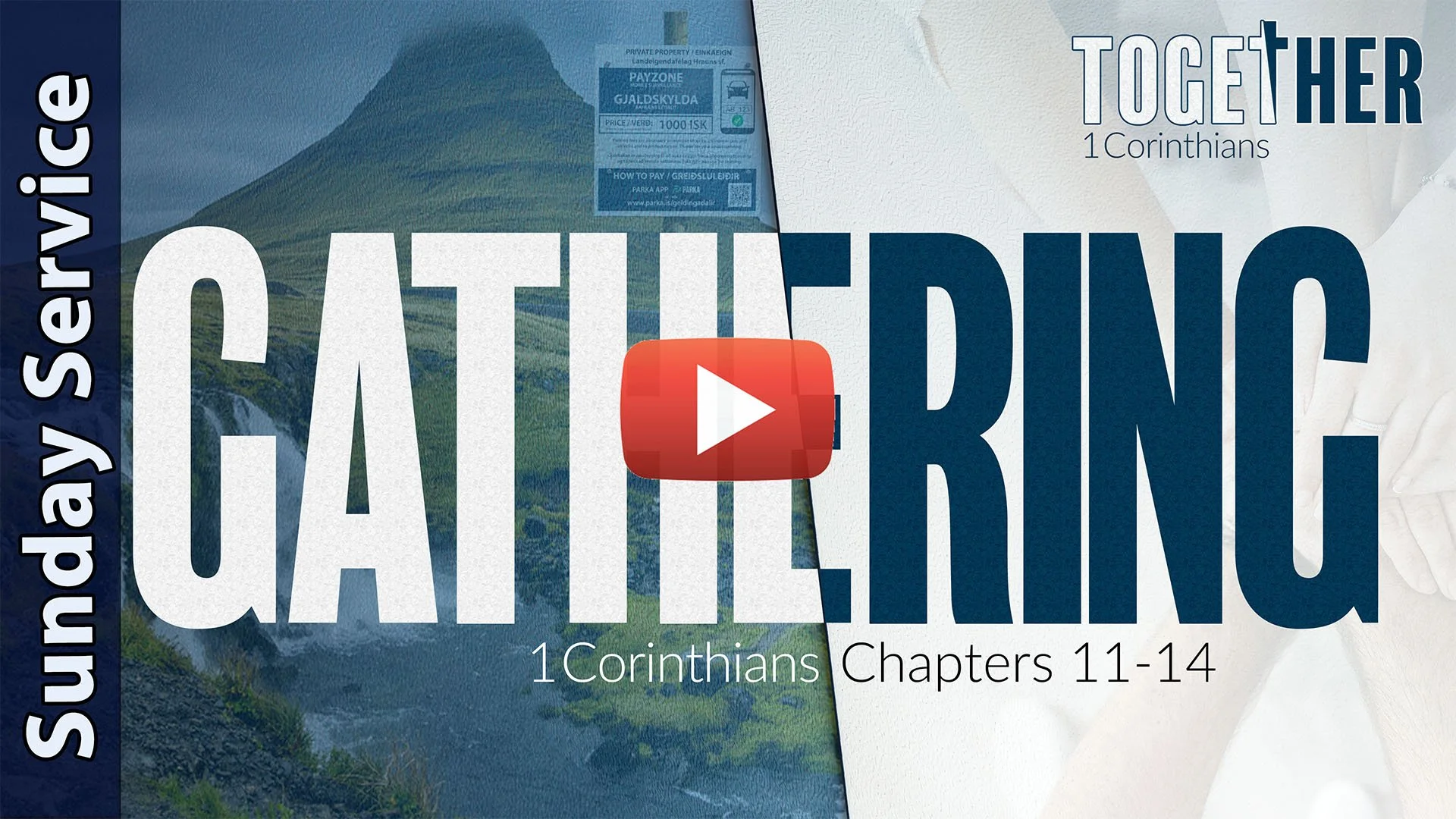
Though spiritual gifts can be as confusing as an Icelandic sign, Paul unveils that they are not for individual showmanship, but for a selfless love that makes the entire body whole.
Questions for the Week: Together: Gathering
The sermon began with the "Gjaldskylda" analogy about misunderstanding a culture. What's an example of a biblical term or concept you think is often misunderstood in today's culture, and how might we clarify its true meaning?
Read 1 Corinthians 14:1-19. Paul said tongues build up the individual, while prophecy builds up the church. How do we make sure our spiritual gifts are used for others and not for ourselves?
Read 1 Corinthians 12: 12-26. This verse compares the church to a body, with all parts being essential. How can we better show value for those in our church with less visible or "honorable" roles?
Paul highlights that without love, our gifts are meaningless. What is one practical step you can take this week to use your gifts in a more loving way?
What Had happened at Grace this week.

Revelation Ch 16-17
Revelation chapter 16-17
The Book of Revelation.
Chapter 16-17
This is an AI Recap of the class. Some things may be incorrect.
Quick recap
The group studied Revelation chapters 15 and 16, exploring the competing narratives of true and false power presented in the text and discussing the symbolism behind various apocalyptic events. They examined the contrast between the true Christ and the Antichrist, analyzing the biblical references and historical connections to Rome and other empires. The discussion concluded with reflections on how modern institutions reflect similar power dynamics to ancient empires, emphasizing the relevance of biblical texts to contemporary issues and the need to understand historical references in today's context.
Next steps
Summary
True vs False Power in Revelation
The group reviewed chapters 15 and 16 of their study material, focusing on the competing narratives of true and false power presented in Revelation. They discussed how the true power lies in the Lamb who was slain, while the false power presents itself as having cosmic control but ultimately has nothing. The discussion raised questions about whether people seek control or follow the true power, offering comfort in knowing that true power was already won on the cross. The group planned to listen to chapters 16 and 17 together, with a brief review of chapter 16 before moving on to chapter 17.
Biblical Apocalyptic Events Analysis
The meeting focused on a detailed reading and interpretation of a biblical passage describing a series of apocalyptic events involving seven bowls of wrath poured out by angels. The discussion explored the symbolic meanings behind these events, including the destruction of natural elements, the gathering of forces for a final battle, and the judgment of a great harlot representing Babylon. The passage was analyzed for its religious and prophetic significance, with particular attention to the roles of the beast, the false prophet, and the Lamb in the ultimate victory over evil.
Antichrist vs True Christ
The class discussed Revelation chapters 16 and 17, focusing on the contrast between the true Christ and the Antichrist. They explored the concept of "kings from the East" and compared it to the Magi's journey, noting the opposing intentions between worship and destruction. The instructor explained that the Antichrist's kingdom is characterized by puffing itself up and seeking control, similar to the Roman Empire's Pax Romana, but lacks real power. The class also discussed the symbolism of frogs coming out of mouths and the significance of the earthquake mentioned in Matthew's Gospel.
Biblical Themes in Revelation Discussed
The group discussed the biblical references in Revelation 16, focusing on the mention of Cyrus, the king of Persia, and the drying up of the Euphrates River, which they linked to the Egyptian plagues. They also explored the idea that Nero might be seen as a figure of the Antichrist, with a fear in John's time that he would return from the dead to wreak havoc. The discussion concluded with an observation that the crucifixion narrative in Revelation 17 appears to overlap with the true kingdom and the Lamb that was slain, suggesting a connection between the crucifixion and the broader themes of power and kingdom in the text.
Biblical Rome: Harlot and Antichrist
The group discussed the biblical passage about the great harlot, identifying it as a metaphor for Rome and its antichrist nature. They explored the symbolism of the seven hills, the goddess Roma, and the connection to biblical language. The discussion focused on how the author subtly incorporates historical and geographical references to Rome, while also drawing parallels to other Babylonian systems throughout history. The group agreed to reread chapter 17 to gain further understanding of the text.
Biblical Imagery and Modern Institutions
The group discussed the biblical passage from Revelation, focusing on the imagery of Rome as Babylon and the connection between past and present societies. They explored how modern institutions, like Walmart, reflect the same ethical and power dynamics as ancient empires, highlighting the enduring nature of human behavior and societal structures. The conversation touched on the relevance of biblical texts to contemporary issues, emphasizing the need to understand historical references in the context of today's world.
Babylon's Influence and God's Love
The group discussed Revelation 17, focusing on the imagery of Babylon the Great and its connection to Rome. They explored how human beings are often awed by power and wealth, sometimes unwittingly aligning themselves with Babylonian values. The discussion highlighted the contrast between human power struggles and God's love, with Jesus overcoming the forces of evil. The group agreed to continue their study of Revelation 17 in the next meeting, with a focus on taking responsibility for personal choices that may contribute to Babylonian systems.
![[Sunday] Food- Together 1 Corinthians 8-10](https://images.squarespace-cdn.com/content/v1/5852f18a20099e30cd2c01dc/1758224788686-GZUJEXVG524WZTR74AAK/Together+3a.jpg)
[Sunday] Food- Together 1 Corinthians 8-10
A dispute over food sacrificed to idols ultimately reveals that Christian freedom is not for boasting, but for humbly building up others through love.

A dispute over food sacrificed to idols ultimately reveals that Christian freedom is not for boasting, but for humbly building up others through love.
Questions for the Week: Together: Food
Read 1 Corinthians 8. Paul says, "knowledge puffs up, but love builds up." Have you seen a time where knowing the "right" thing seemed more important than love?
Read 1 Corinthians 9: 19-23. What is a "right" you have in Christ that you might be called to give up for the sake of another believer?
Read 1 Corinthians 10:31-33. The final takeaway was to do everything "to the glory of God" and to not cause offense. When we are making decisions together, how can we make sure we are doing so in a way that prioritizes God's glory and shows love to those around us?
What Had happened at Grace this week.

Revelation Ch 15-16
Revelation chapter 15-16
The Book of Revelation.
Chapter 15-16
This is an AI Recap of the class. Some things may be incorrect.
Quick recap
The meeting began with a discussion of a recent church security incident and the church's existing camera system, though Cris expressed preference against armed security during services. The group explored biblical themes including the grapes of wrath, Revelation imagery, and the complex interplay between judgment and forgiveness, with Cris and others examining various theological perspectives and symbolic meanings throughout the text. The conversation ended with prayer requests for health-related matters and a discussion about biblical imagery, including the concept of a false trinity and the significance of forgiveness in relation to divine love and grace.
Summary
Biblical Themes of Judgment and Forgiveness
The Class and Midge discussed the biblical narrative of the grapes of wrath and the wine of Babylon, emphasizing the complex interplay between judgment and forgiveness, reminiscent of communion. They explored how different denominations interpret these themes, acknowledging the diversity in theological perspectives. The Class highlighted the importance of understanding other viewpoints and the need to balance multiple narratives, including the concept of the Antichrist and the sacred and terrible aspects of the text. They also noted the gradual build-up of plagues and judgments in the biblical story, leading to its climactic conclusion.
Sevens, Angels, and God's Peace
The group discussed Revelation 15, focusing on the imagery of seven angels, a sea of glass mingled with fire, and the temple being opened. The Class noted the recurring theme of sevens representing completion and suggested connections to Jesus' resurrection. Louise interpreted the imagery as symbolizing victory over the beast and a reawakening to Christ's real peace. The discussion highlighted the contrast between Babylon's forced peace and God's true grace, with The Class and Louise agreeing on the significance of the temple imagery and its connection to the broader narrative of salvation and judgment.
Biblical Imagery and Crucifixion Parallels
The Class and Louise discussed the imagery and symbolism in the biblical text, focusing on the parallels between the plagues described and the crucifixion of Jesus. They noted the dual narrative of God's judgment and salvation, comparing it to the Exodus story. The Class emphasized the similarity between the Egyptian plagues and the events described, while Louise highlighted the characters' rejection of Christ despite their suffering. They concluded by considering the implications of the text for understanding God's justice and mercy.
Biblical Mountains and Cosmic Judgment
The group discussed biblical imagery, focusing on the description of mountains and islands fleeing in Revelation 20. The Class explained that this imagery represents cosmic judgment and referenced several biblical passages. They explored the symbolic meaning of mountains in religious contexts and The class shared a personal experience visiting Mount St. Helens, which highlighted the power and instability of natural formations. The discussion touched on the concept of mountains as both spiritual and physical entities, with The class reflecting on the feeling of smallness when faced with the geological forces at work.
Biblical Themes of Forgiveness and Grace
The group discussed biblical interpretations, focusing on themes of forgiveness, pain, and grace. The Class shared insights on how John's writing in Revelation reflects both the horrors of the world and God's enduring presence and victory, emphasizing that God holds both pain and grace simultaneously. They explored the concept of forgiveness not erasing pain but allowing it to coexist with divine love, using Jesus' scars as a metaphor for this tension. The Class also explained the idea of "cheap grace" and highlighted the importance of acknowledging sin's gravity while offering genuine forgiveness, drawing parallels to personal and historical experiences.
Biblical Imagery and Prayer Updates
The group discussed biblical imagery in Revelation, particularly focusing on the three unclean spirits representing a false trinity, with The class suggesting these might symbolize Christ's roles as prophet, priest, and king rather than the traditional Trinity. The class expressed caution about Christian leaders who emphasize power and authority, warning about the danger of using religious language for personal gain.
![Music Bingo at Conchy Joes! [Photos]](https://images.squarespace-cdn.com/content/v1/5852f18a20099e30cd2c01dc/1758227215828-89CZLW81Y4B5WI5QWC8O/IMG_9219.jpeg)
Music Bingo at Conchy Joes! [Photos]
Filling out our bingo cards with music.
Singing along enthusiastically with music bingo at Conchy Joes creates a fun and lively atmosphere.
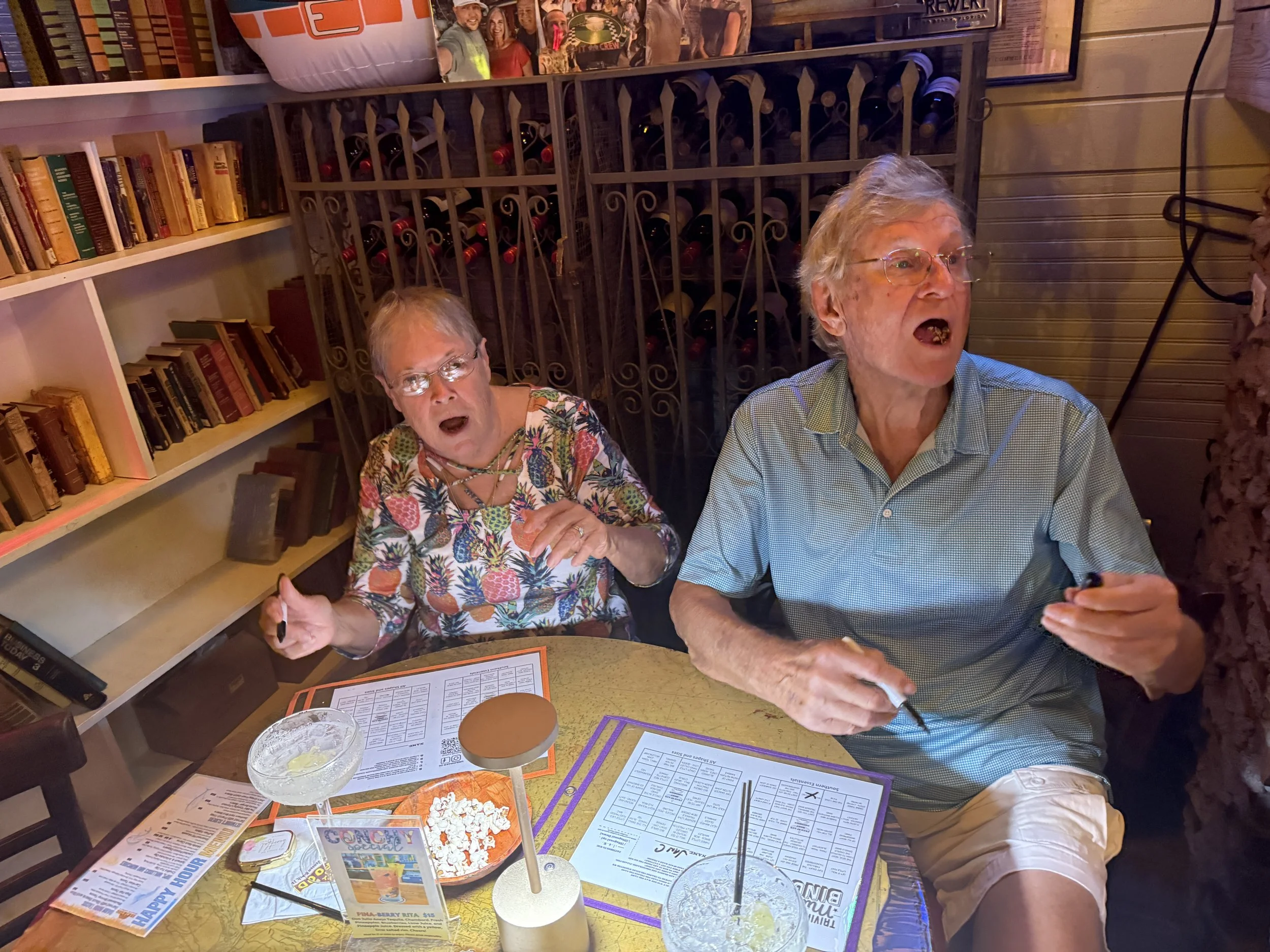

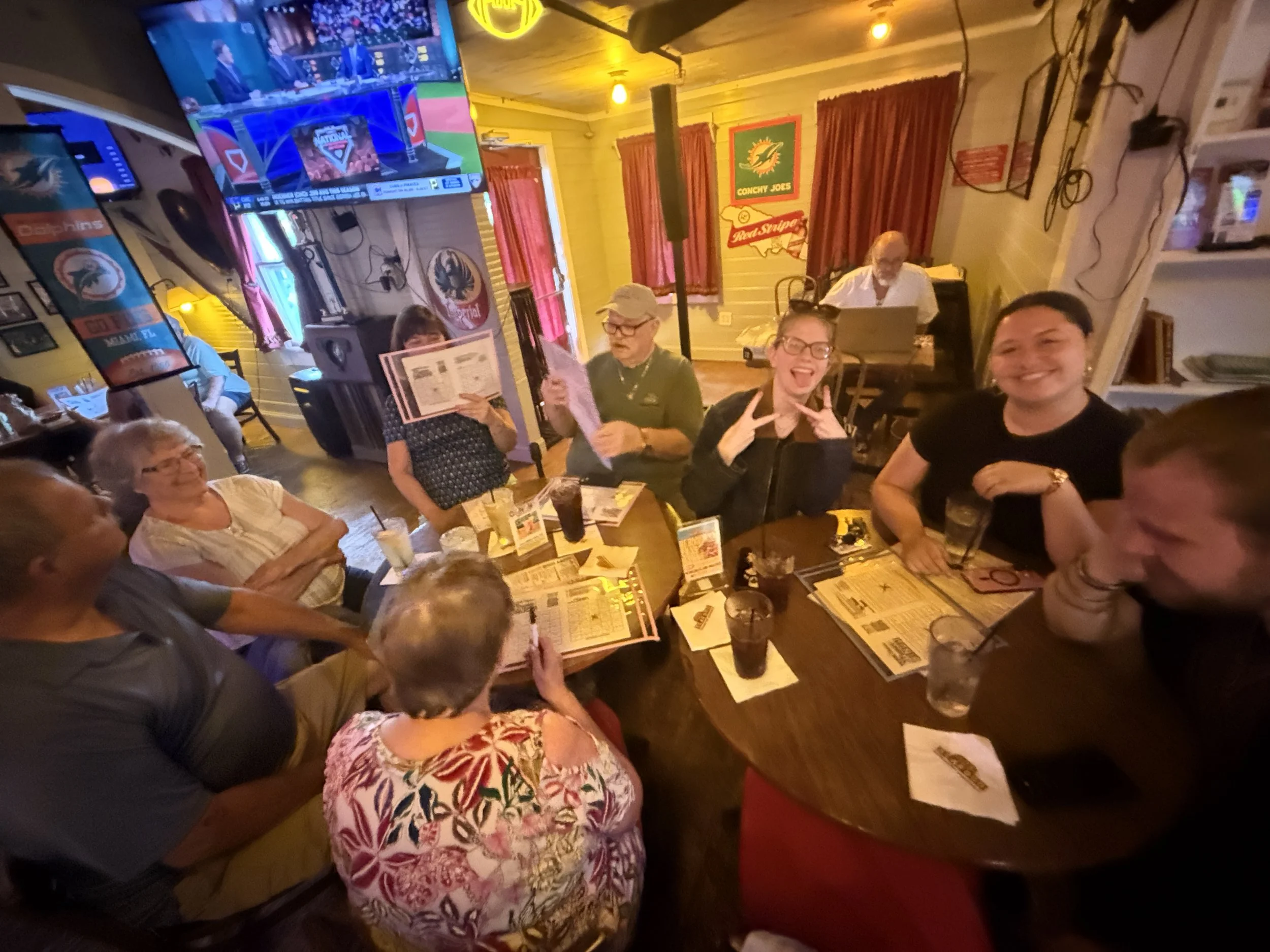
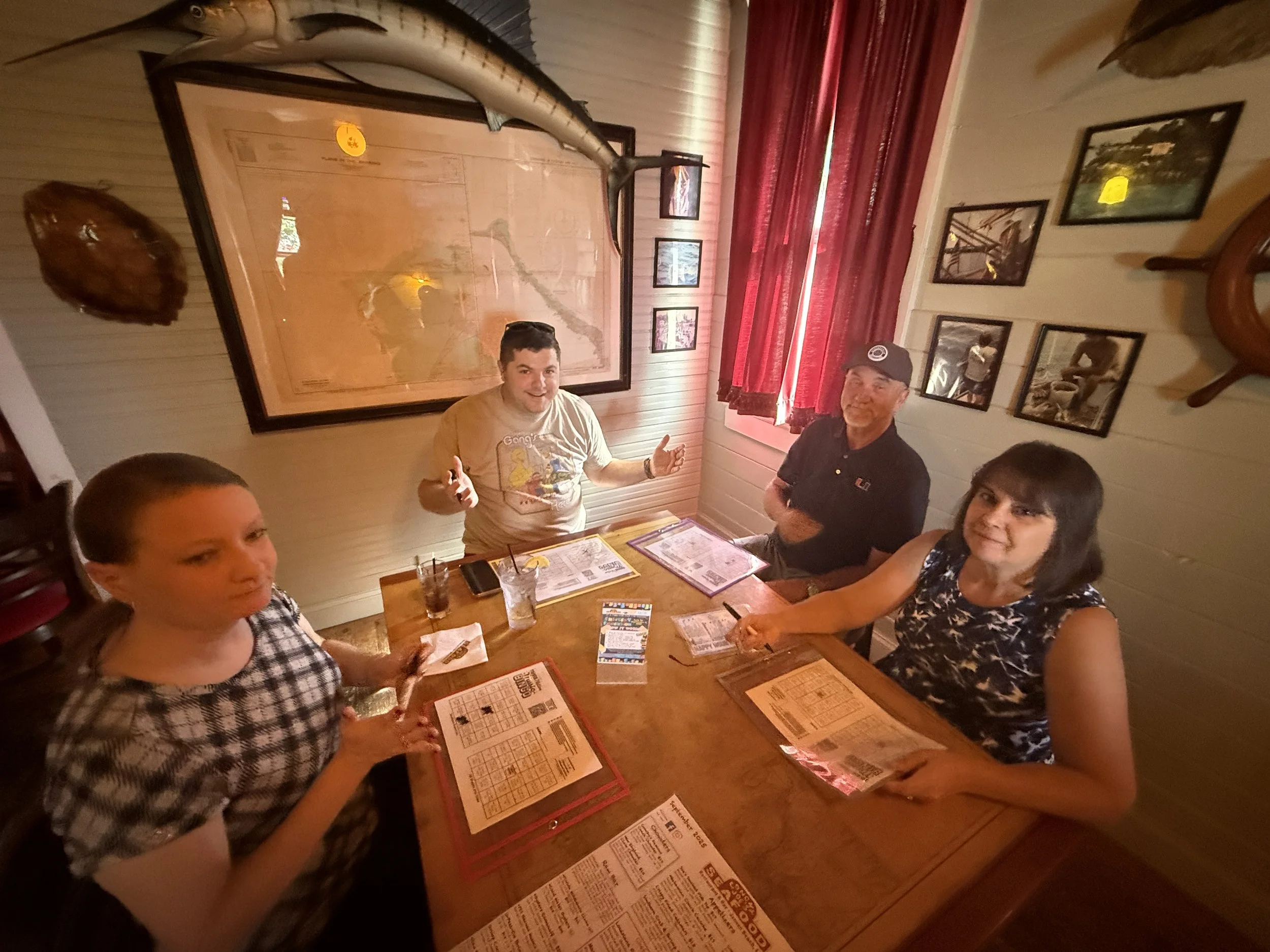

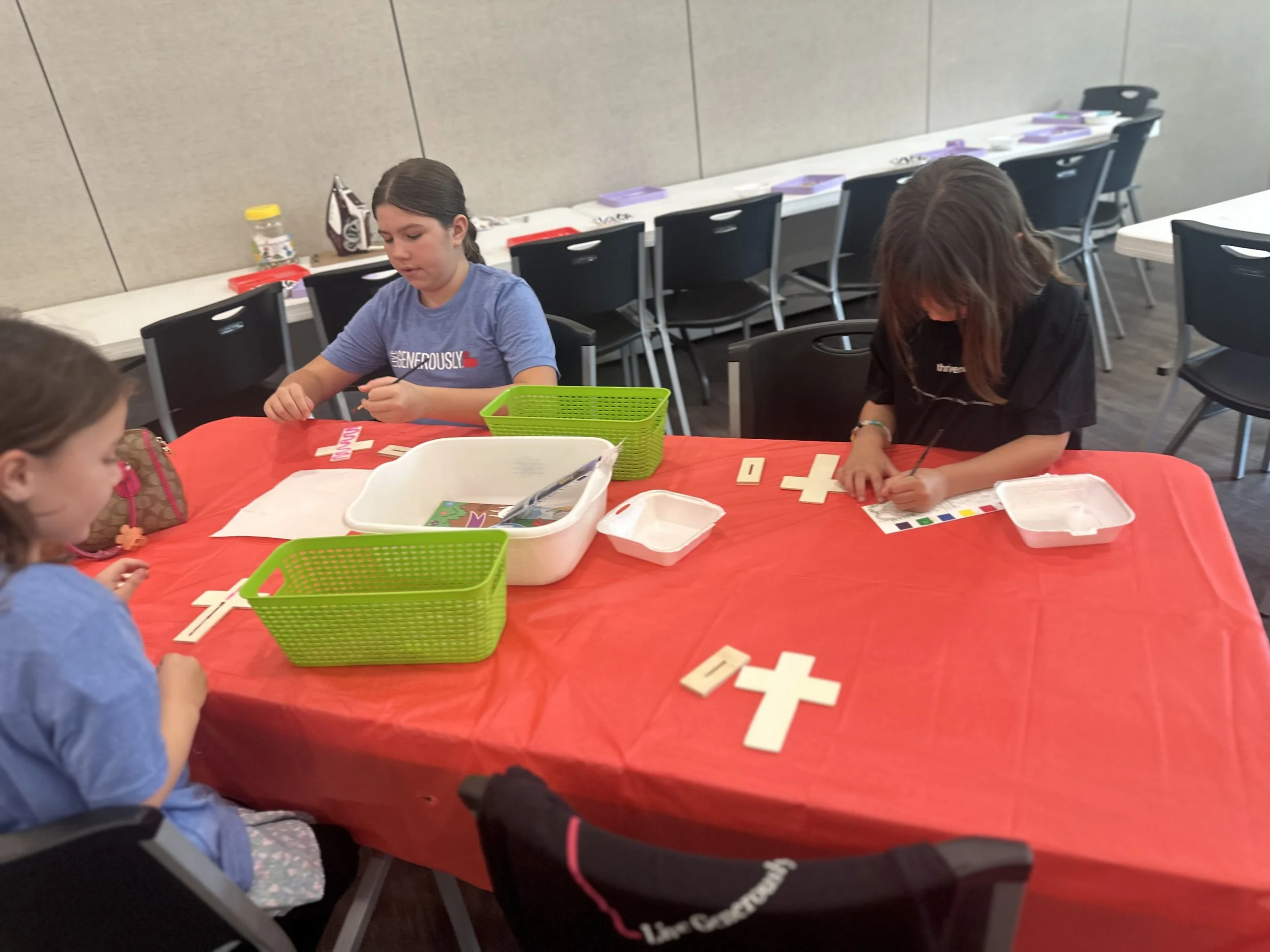
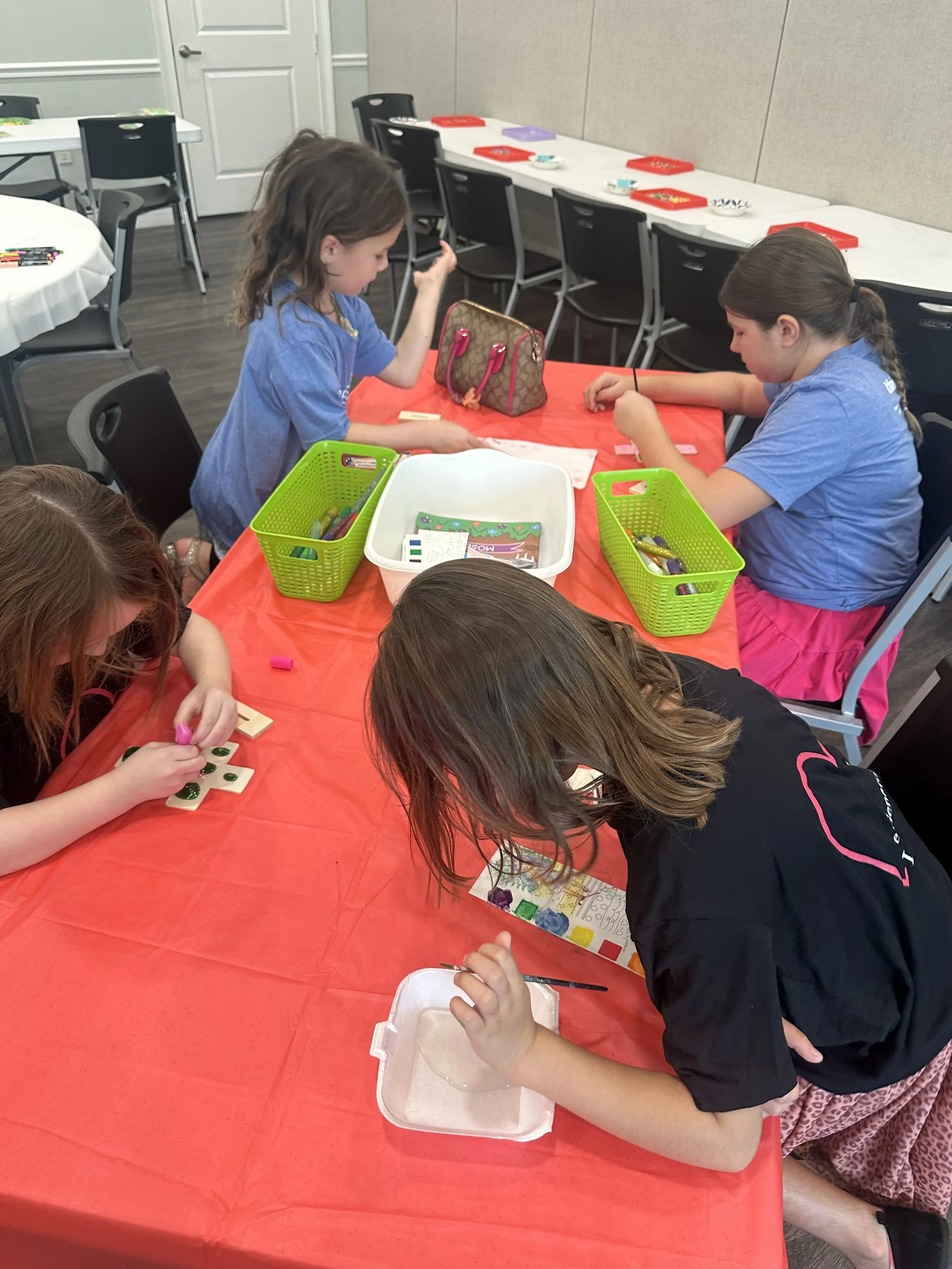
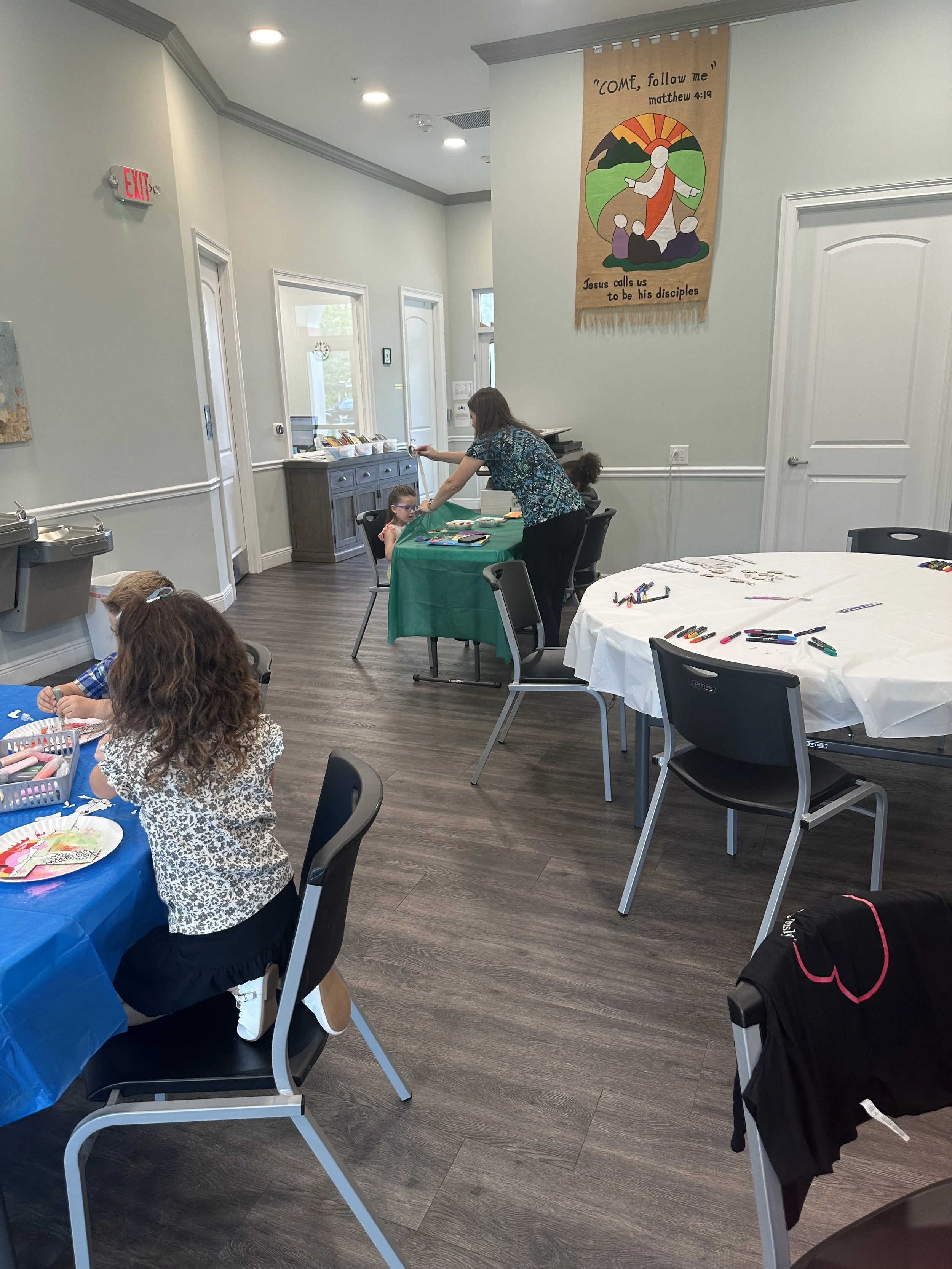
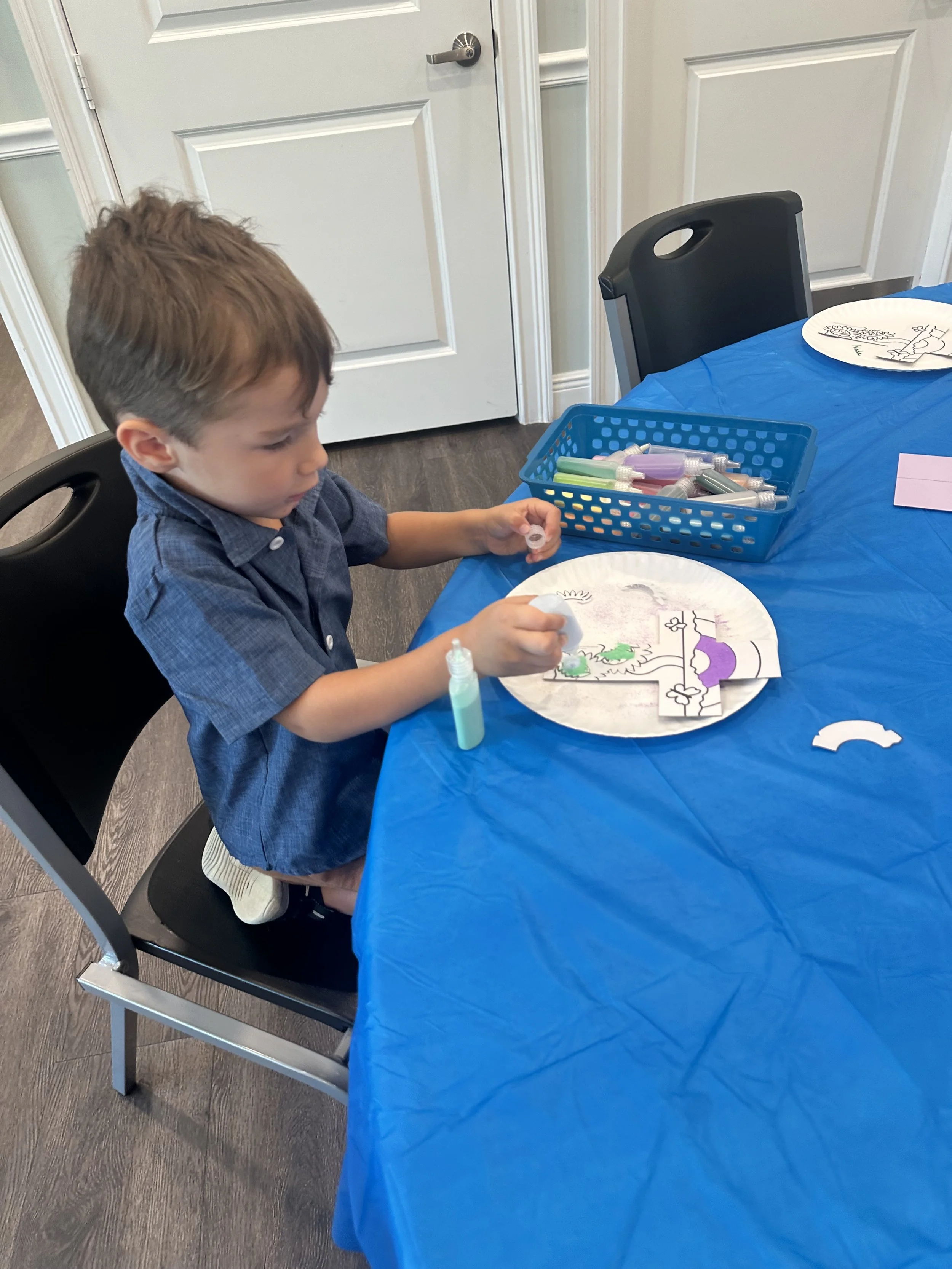
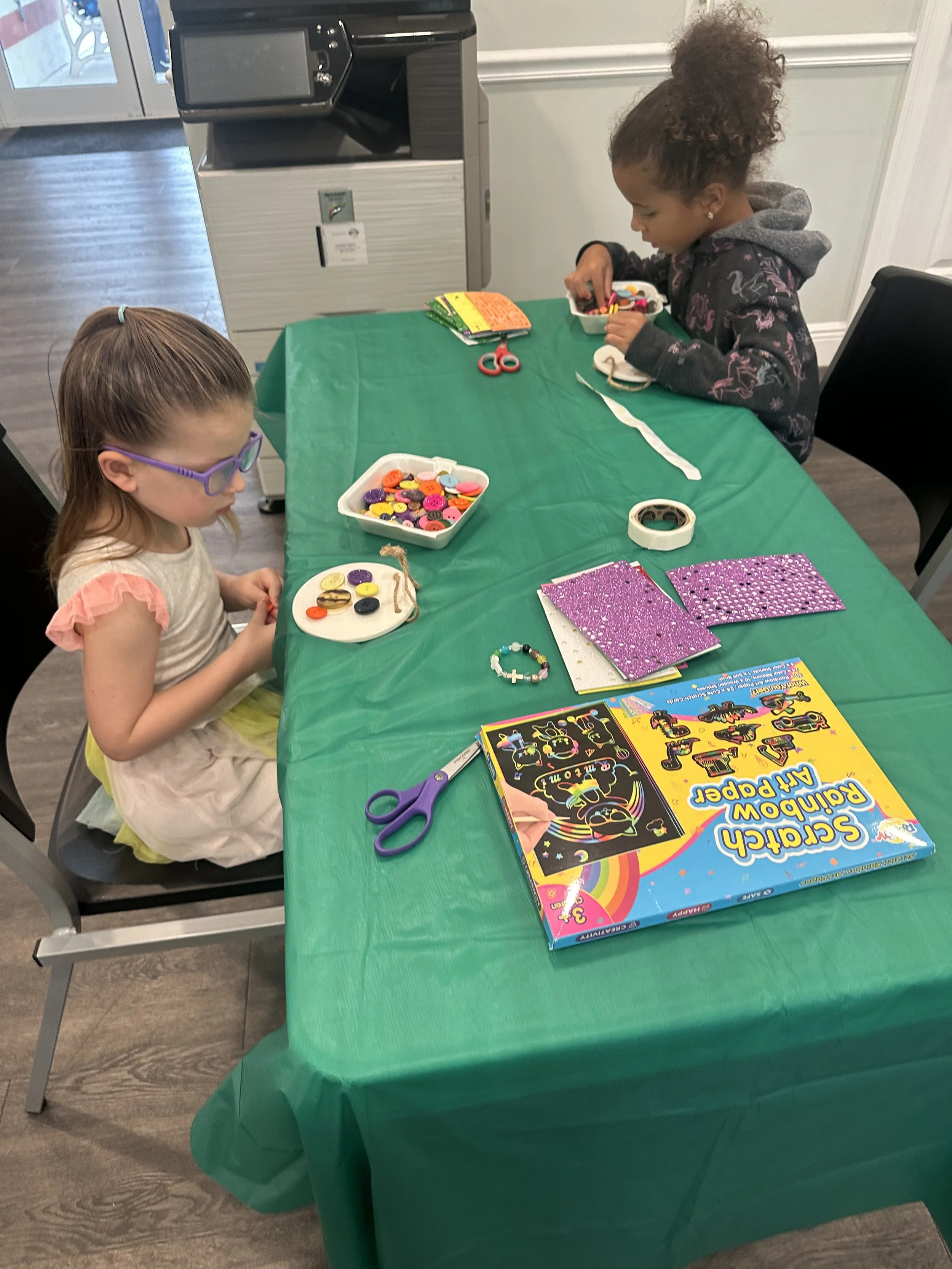
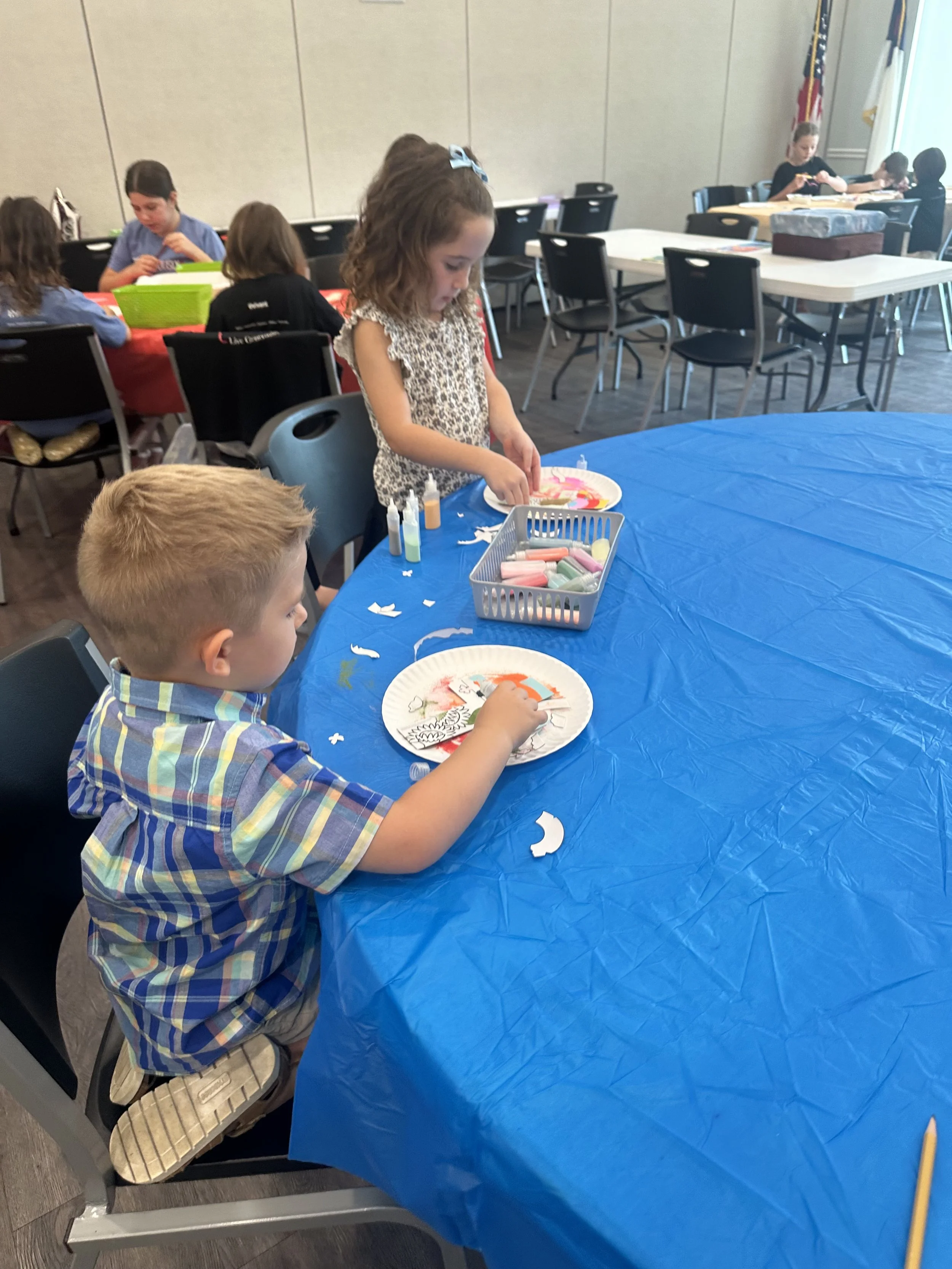
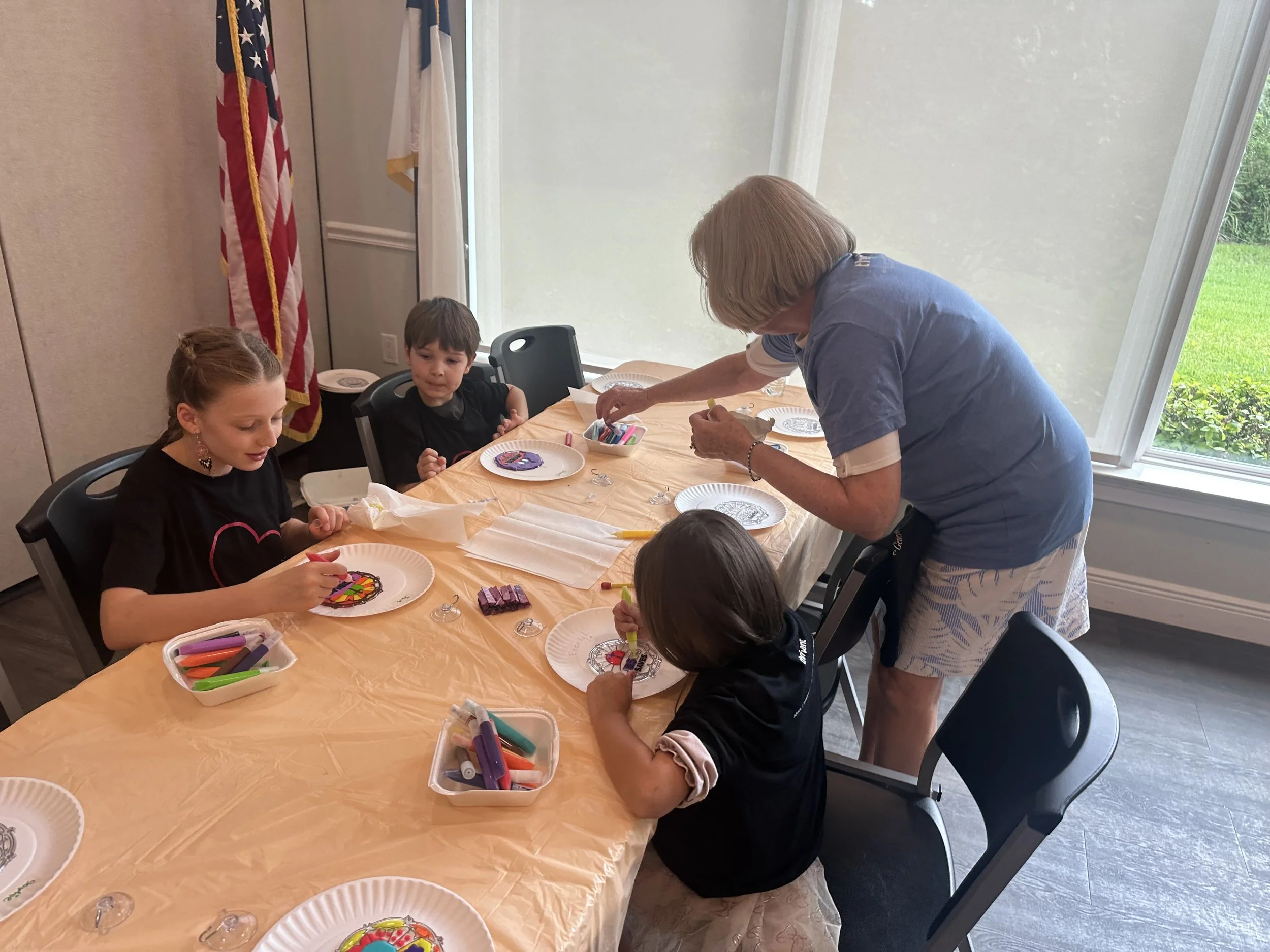
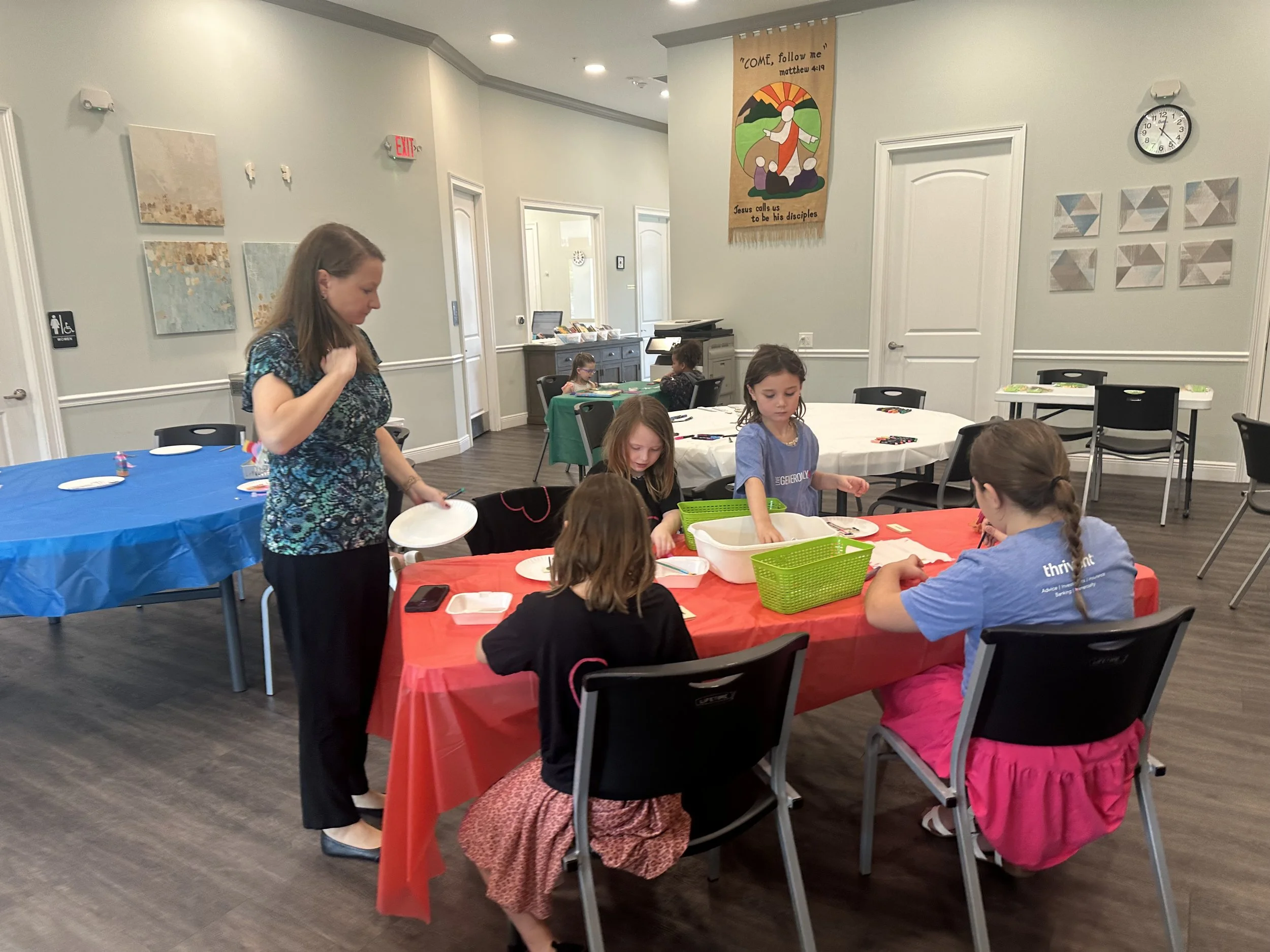
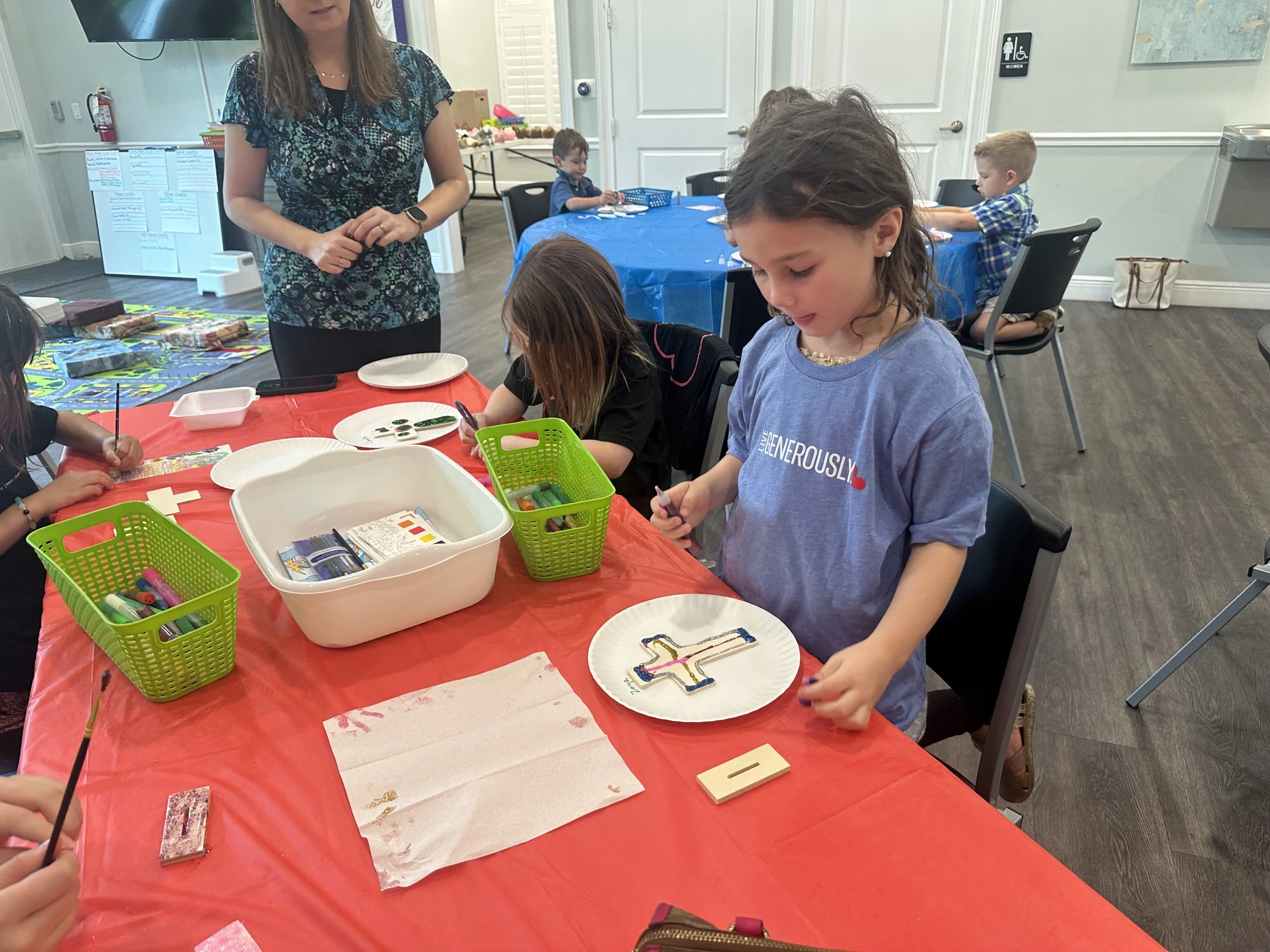
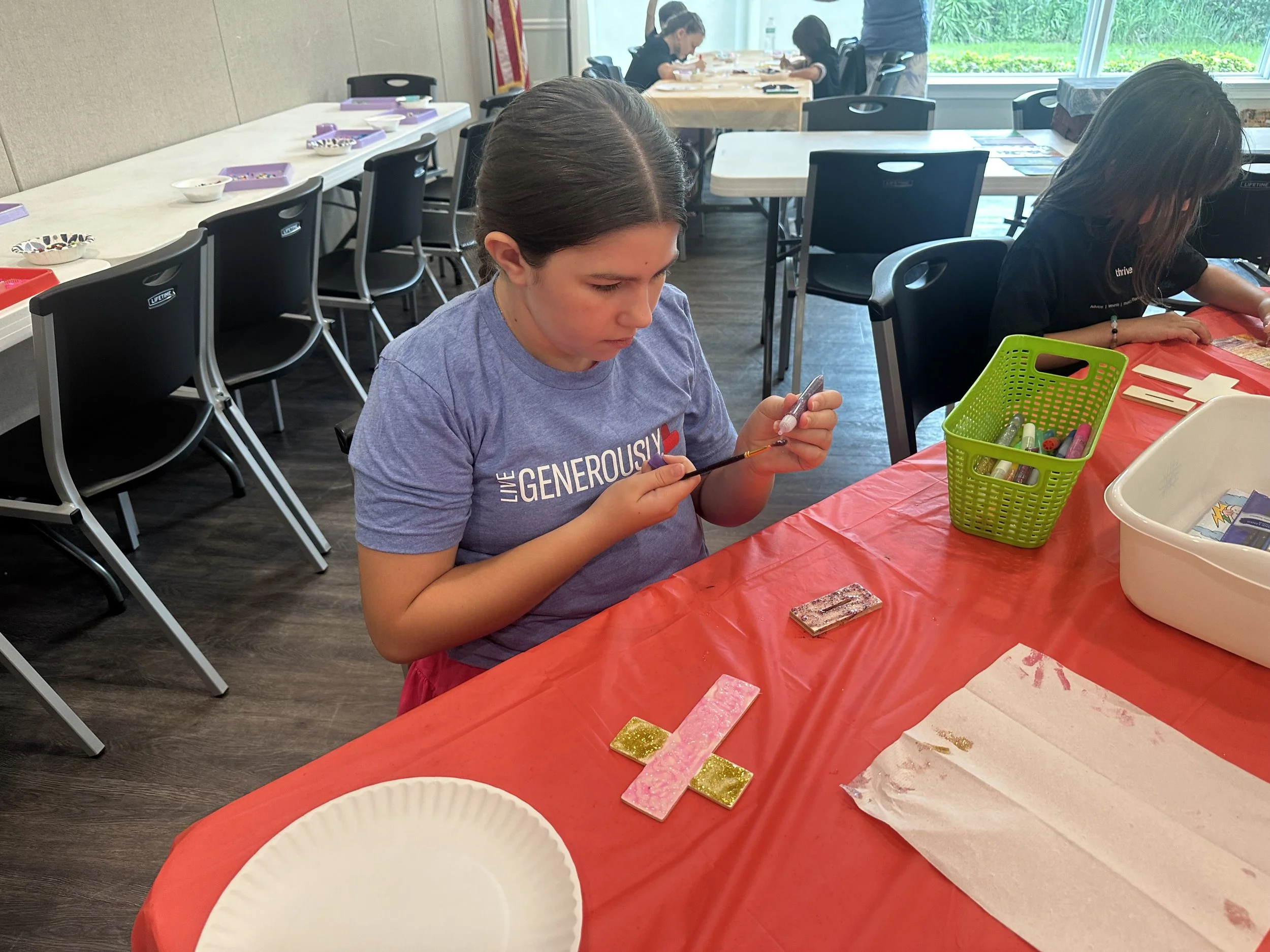
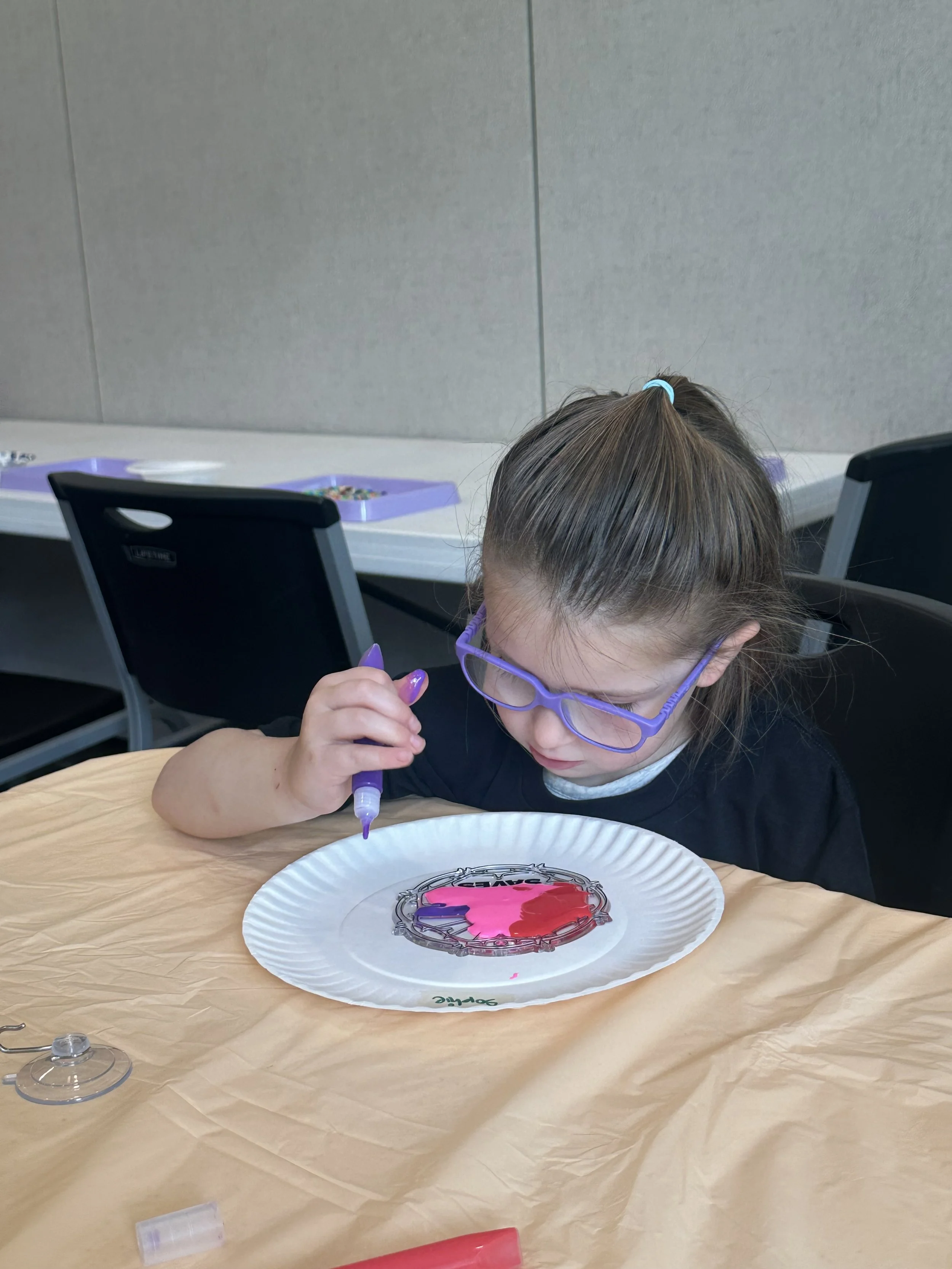
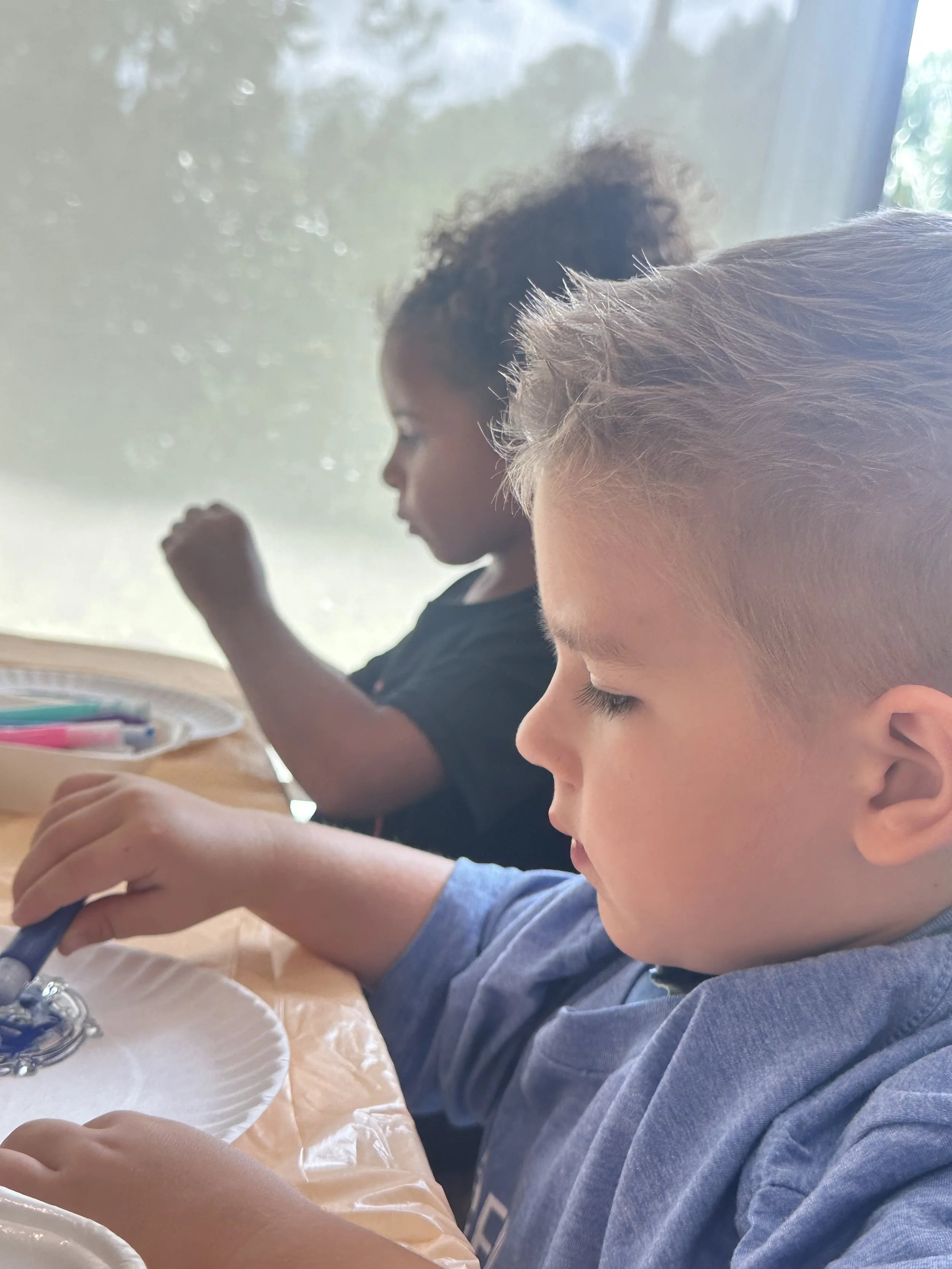
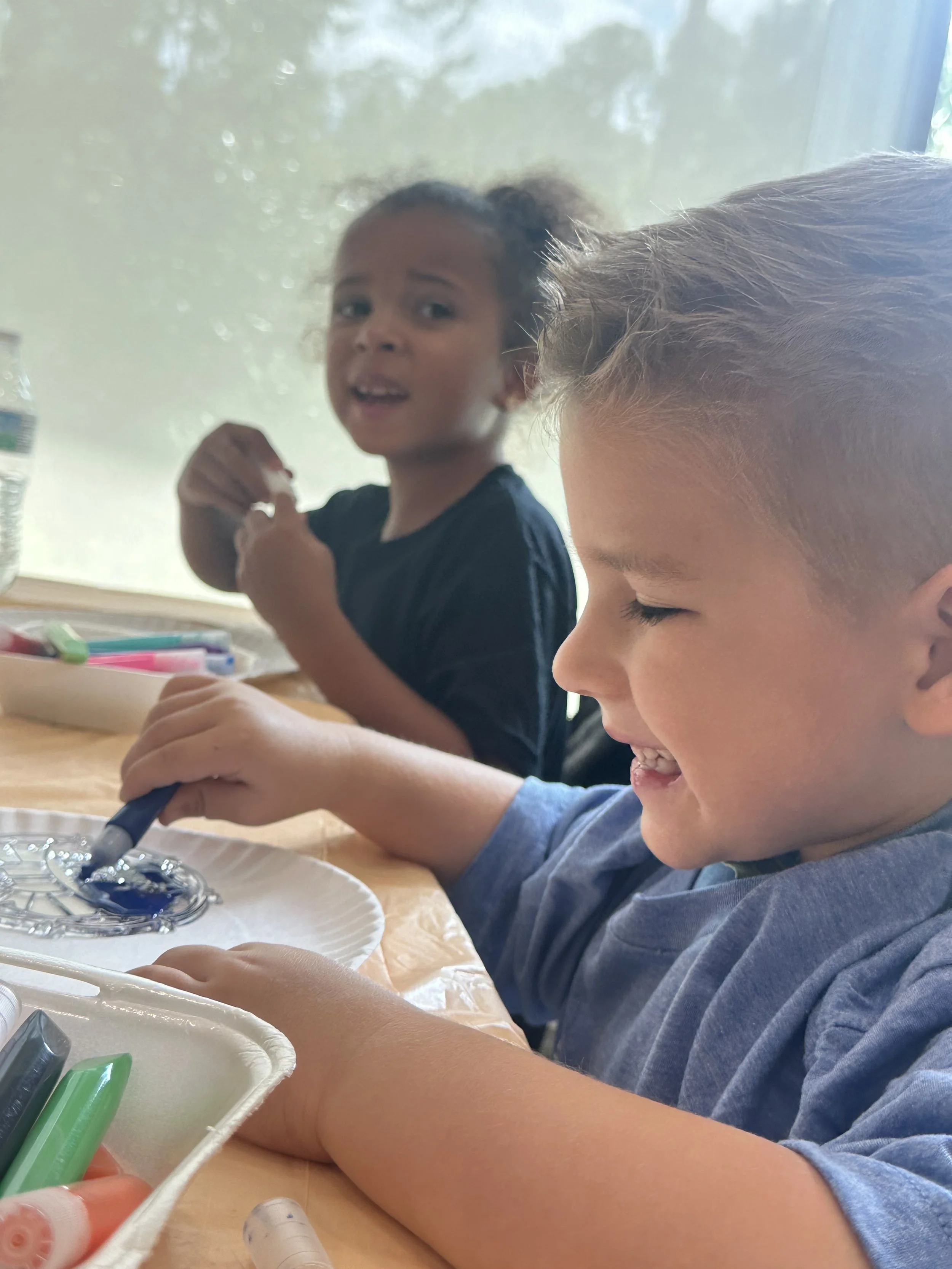
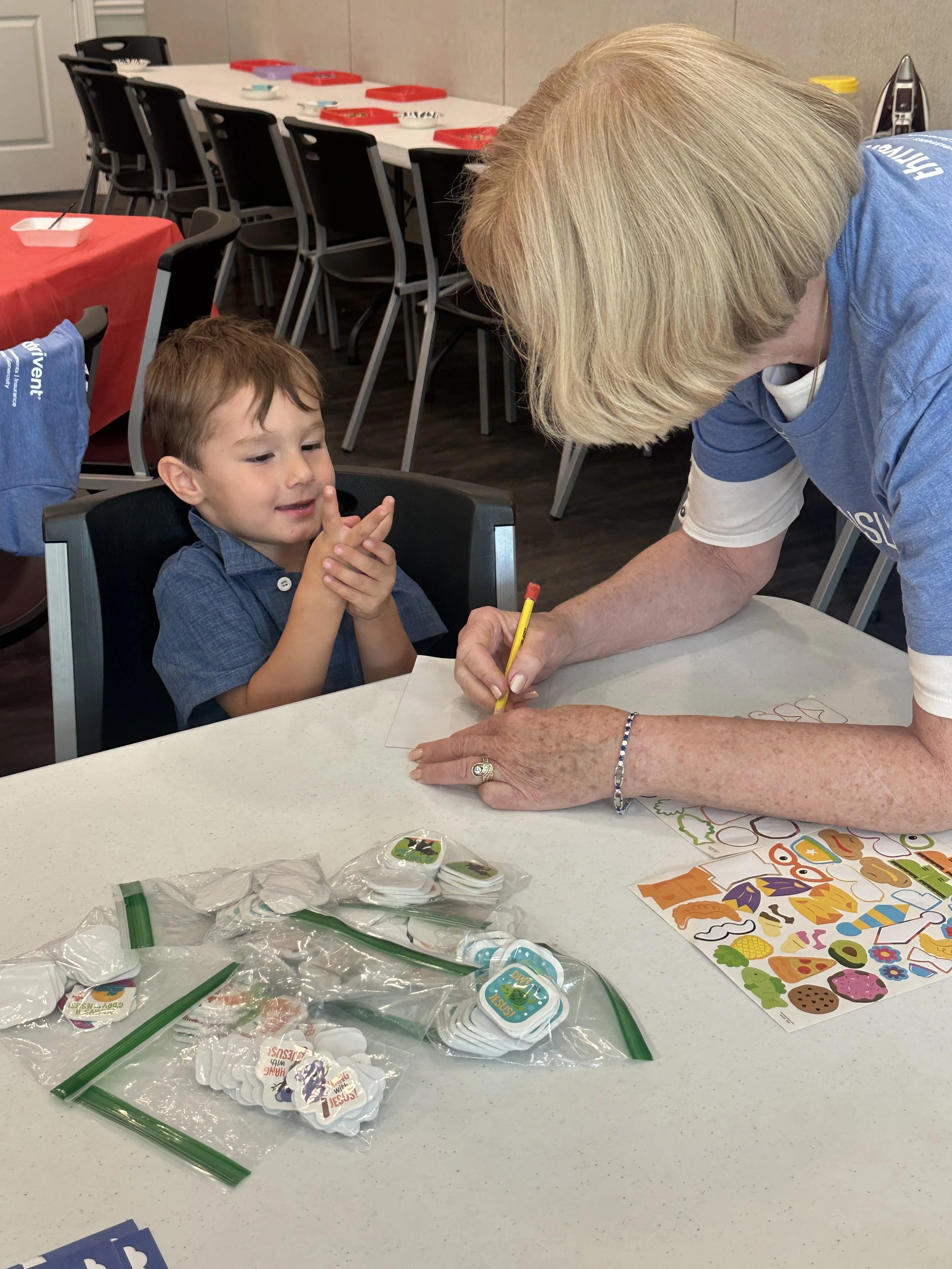
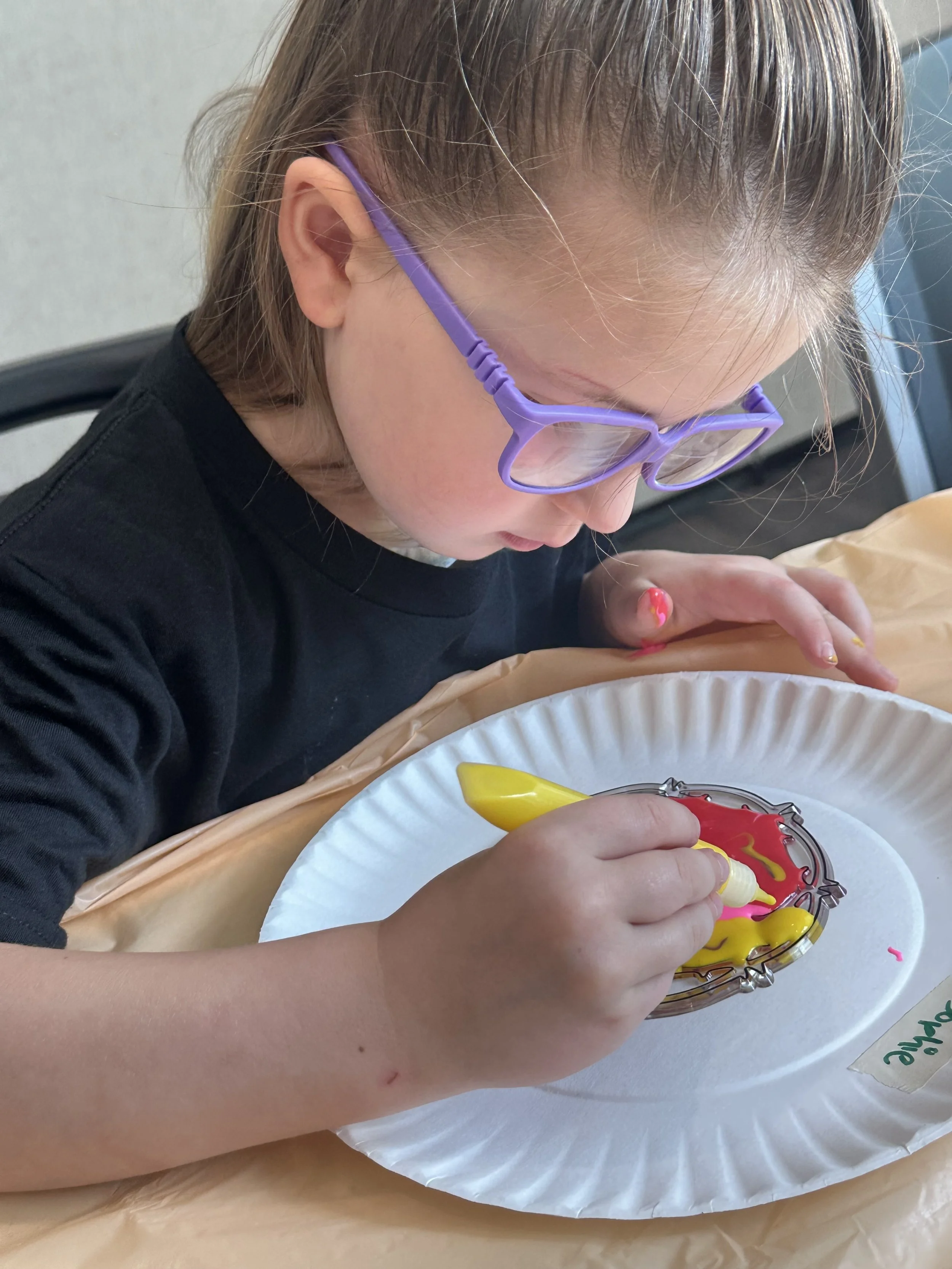
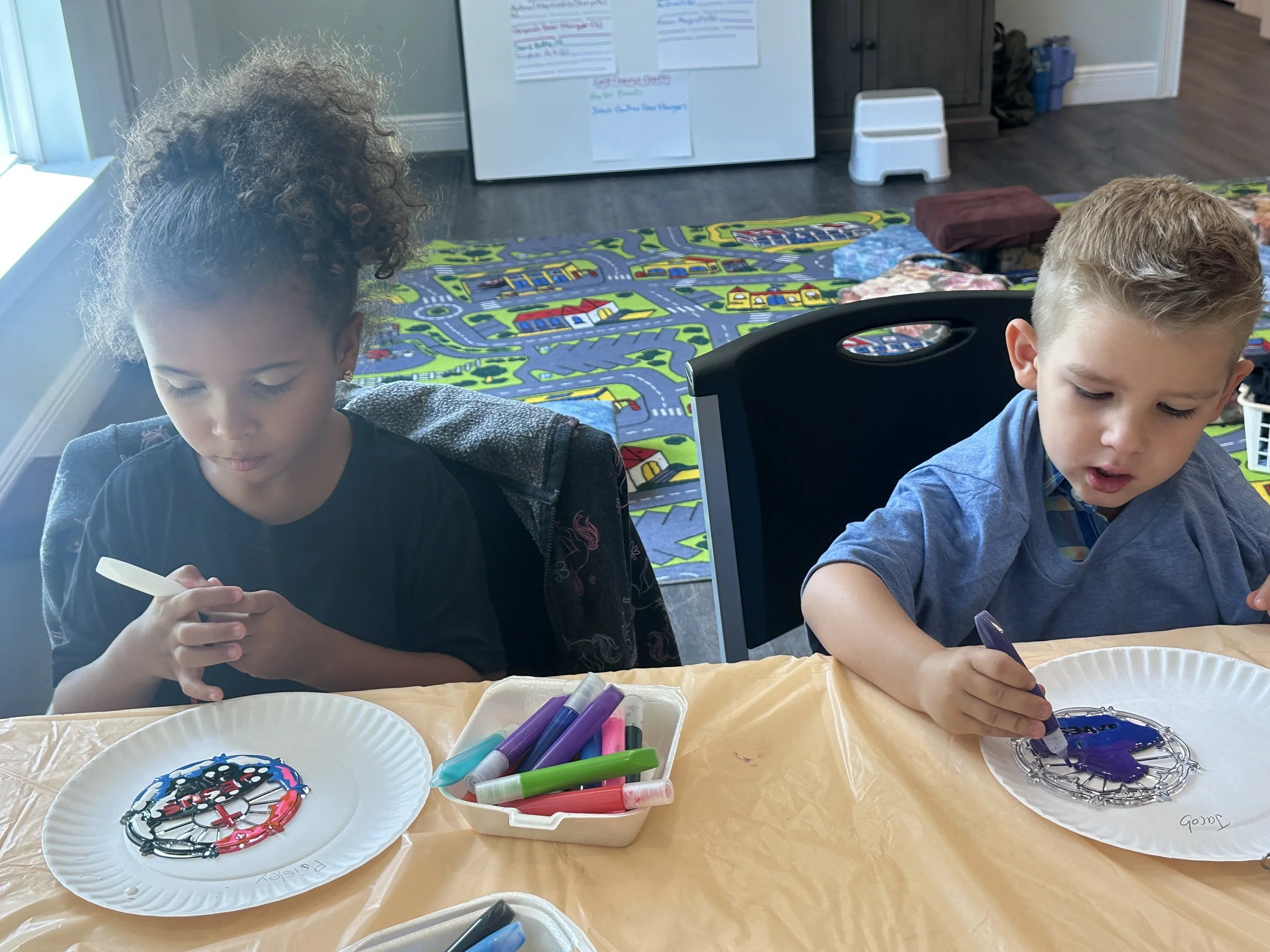
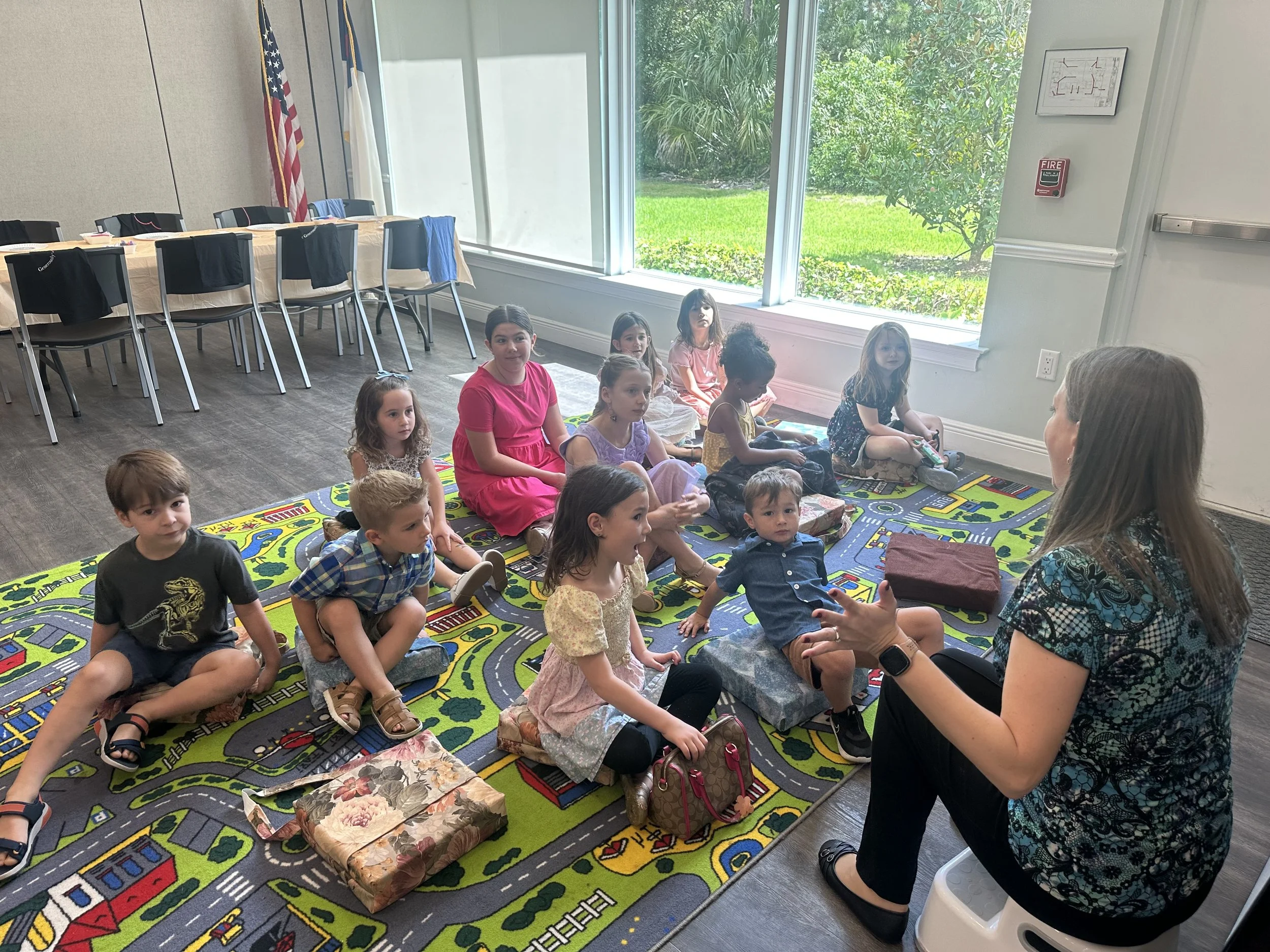
2nd Sunday School Photos
Join us next month for 2nd Sunday School
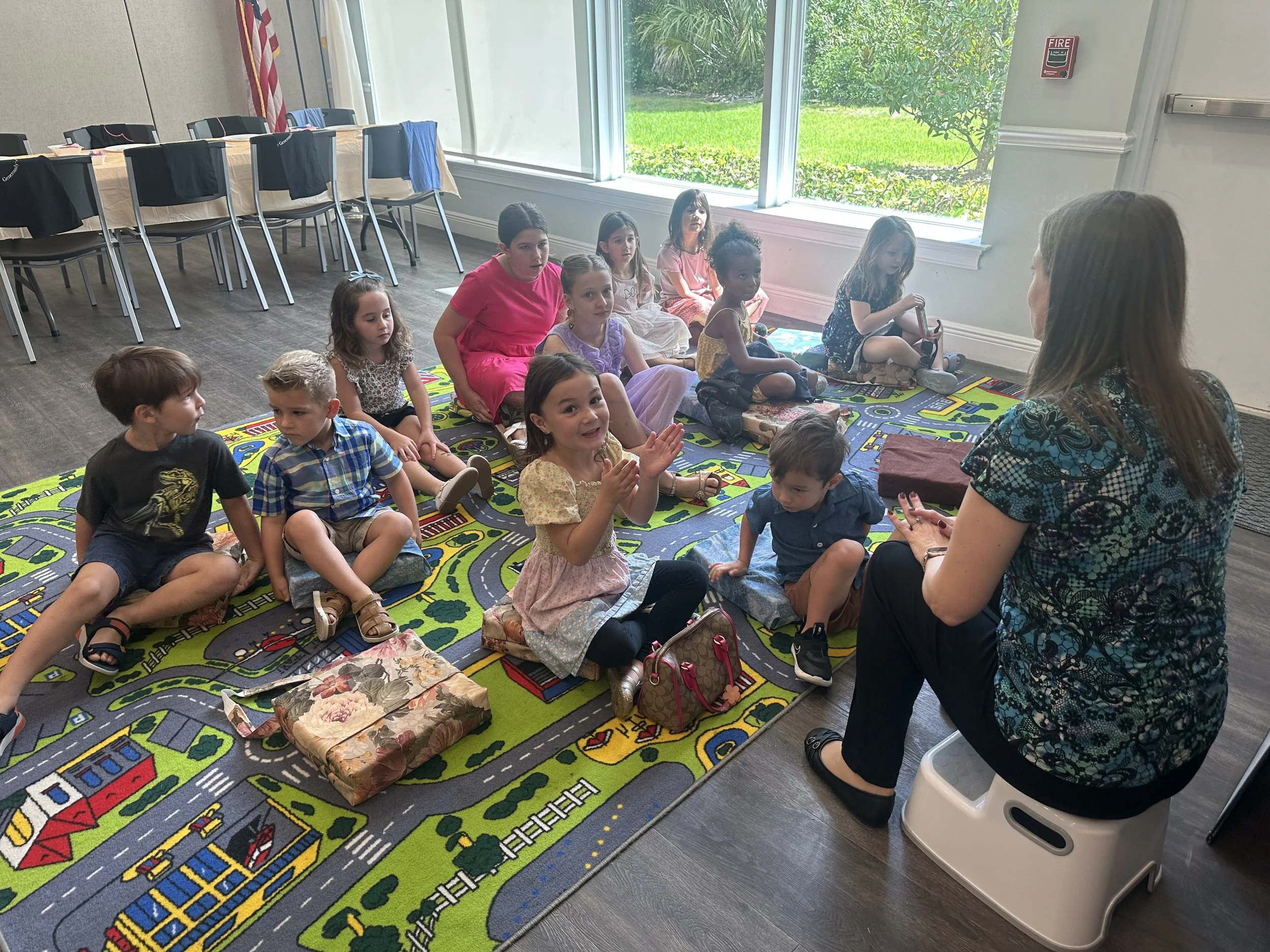
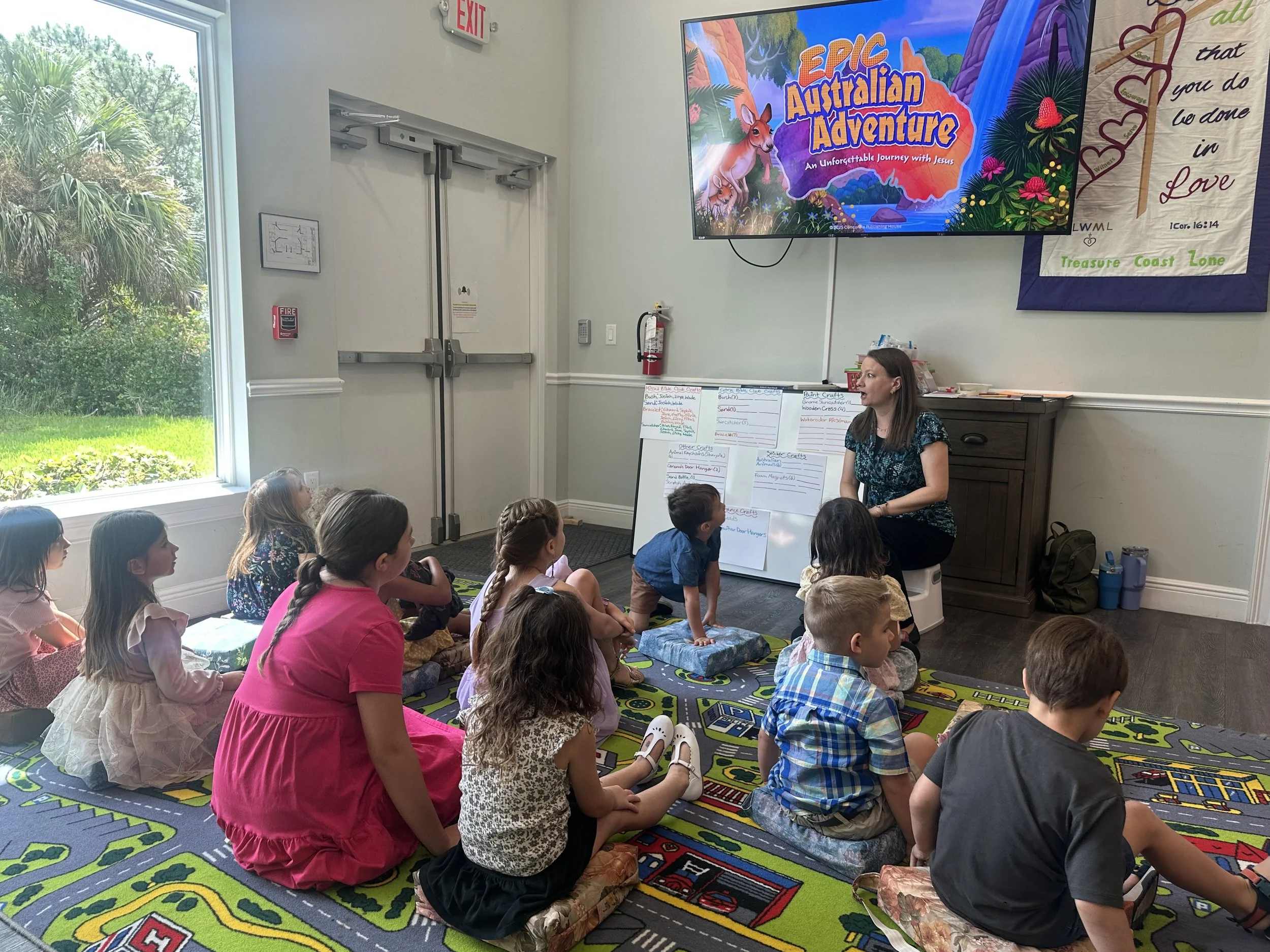
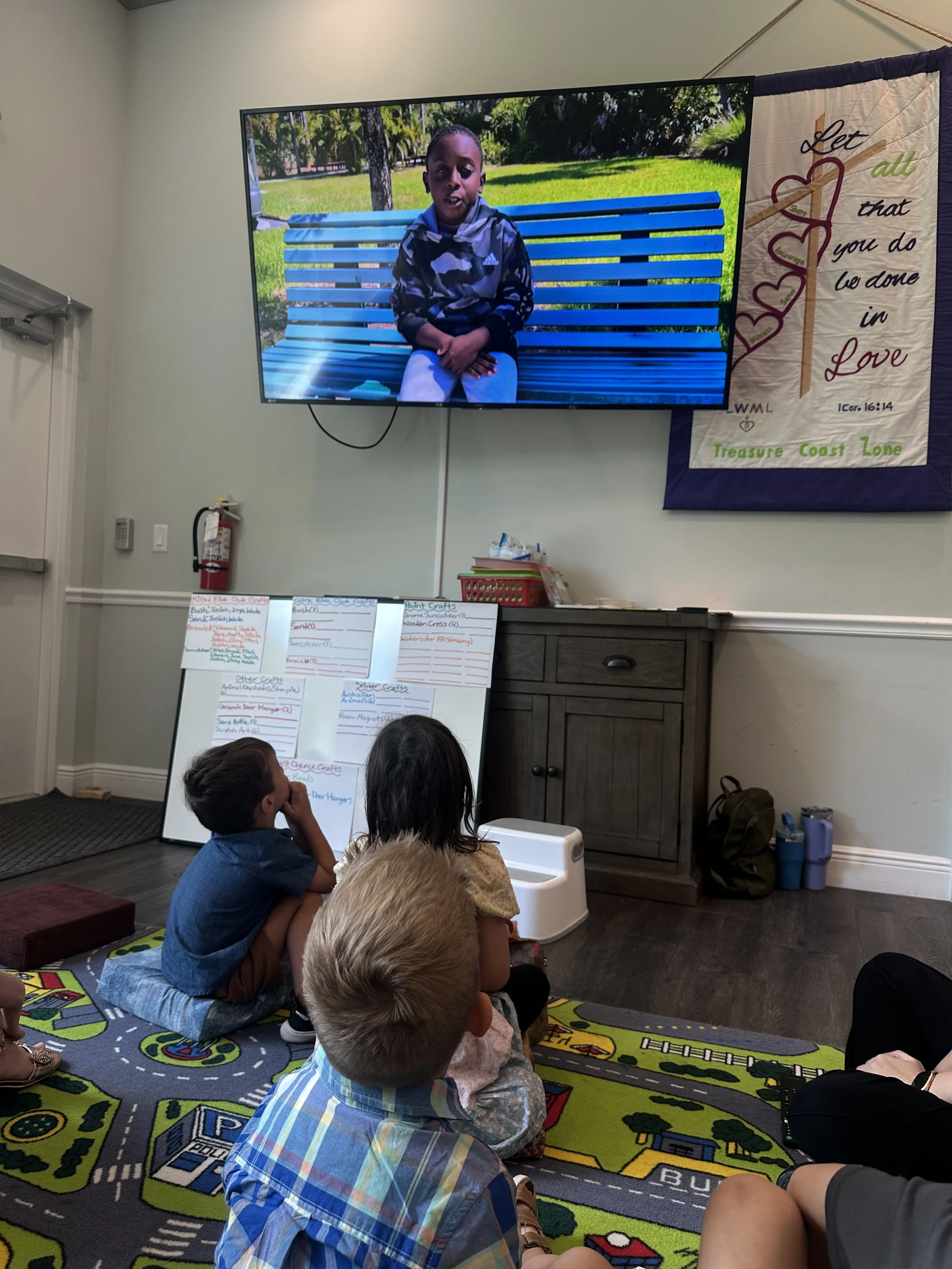
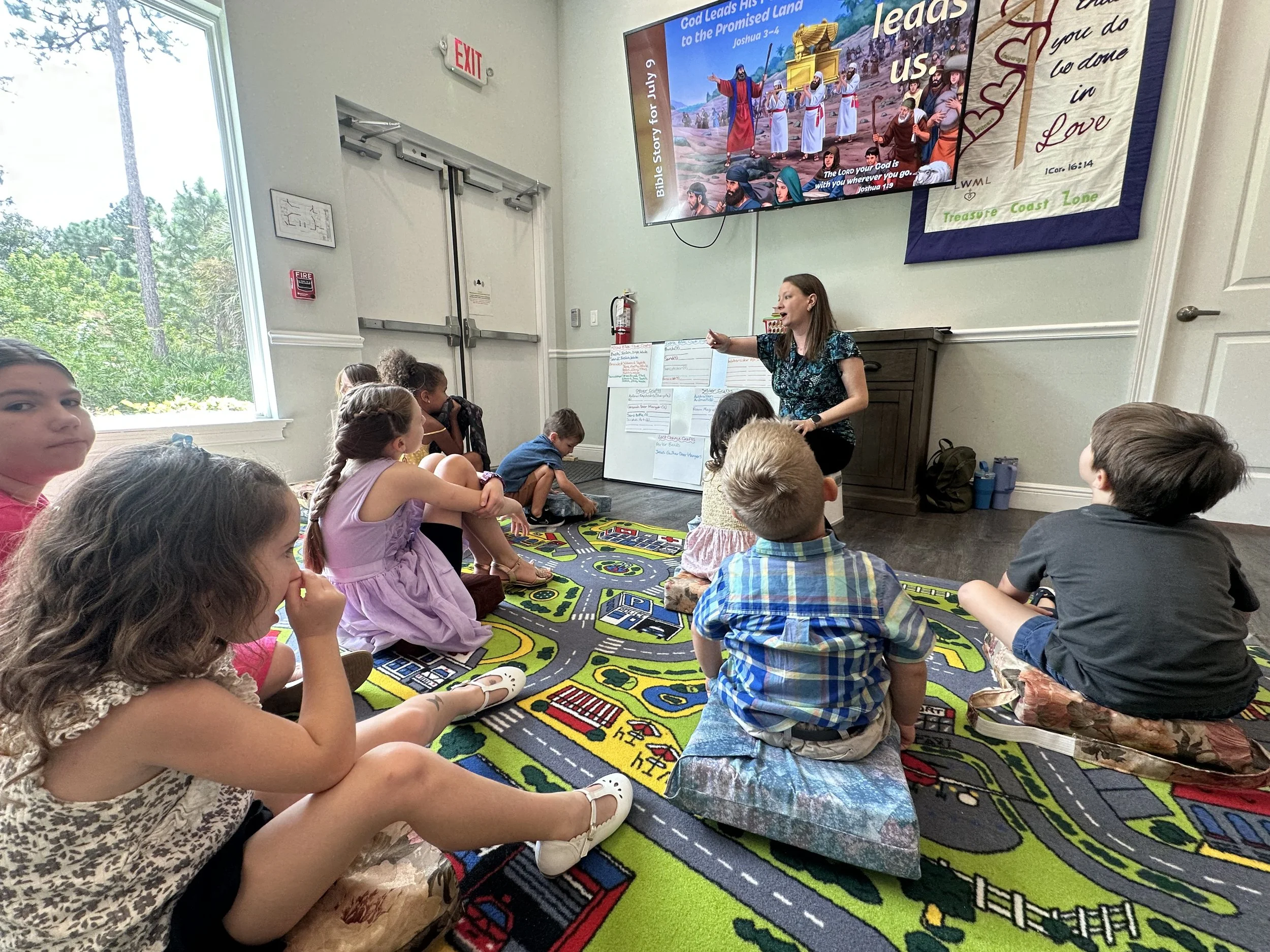
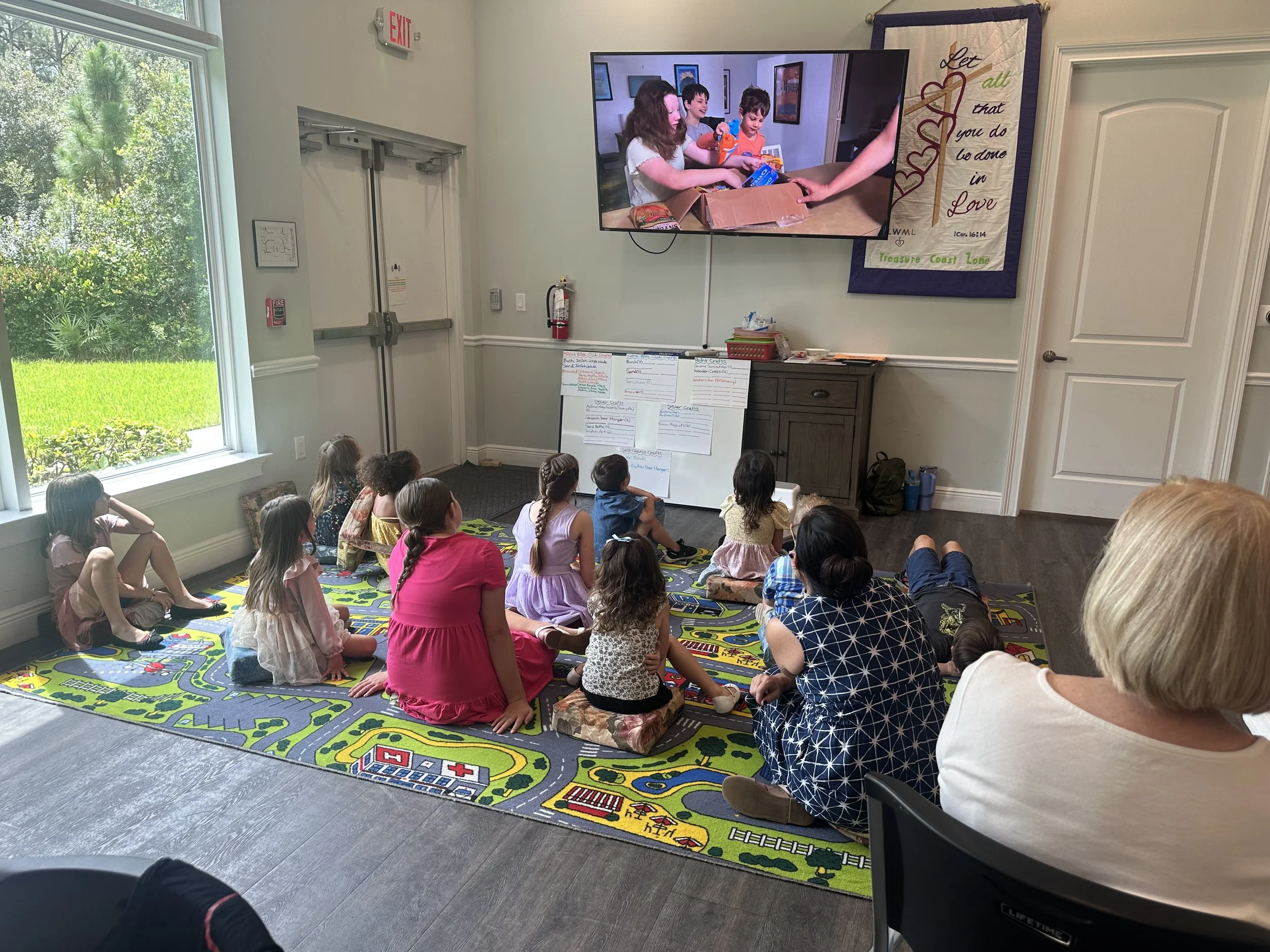
Great Second Sunday School!
We shared our video exchange with our Australian friends, and they really enjoyed watching it. They were especially delighted by the box of American snacks we sent them.
![[Sunday] Body- Together 1 Corinthians 5-7](https://images.squarespace-cdn.com/content/v1/5852f18a20099e30cd2c01dc/1757614641277-E3RL138857X8O6C1GA6P/Together+2a.jpg)
[Sunday] Body- Together 1 Corinthians 5-7
Instead of treating the body as a means for selfish gain, Paul's message points to a greater purpose where our bodies are made into a holy dwelling for God himself.
Instead of treating the body as a means for selfish gain, Paul's message points to a greater purpose where our bodies are made into a holy dwelling for God himself.
This creator is one Pastor Cris has followed for years. He was a NASA engineer in Huntsville, Alabama, and now produces educational videos that are available to everyone. This is a great YouTube channel.
The video provides background information for the sermon on September 14th. I encourage you to watch it. Although it is long, it is very informative.
Questions for the Week: Together: Body
Paul says that while "all things are lawful," not all are "helpful." Can you think of a personal habit or behavior that might be technically "permissible," but isn’t actually "helpful" in living out your faith or serving others?
Read 1 Corinthians 6:12-20. Paul reminds us that our bodies are the temple, a place for God to dwell and bring good news to others. How does this idea change the way we think about our physical and emotional health, and our relationships with others?
We were "bought with a price" and therefore belong to God. What are some specific actions we can take this week to use our bodies and our lives to serve others and bring them good news, rather than just serving ourselves?
Paul encouraged the Corinthians to "flee from sexual immorality." Beyond the obvious, what are some of the more subtle ways that selfishness or a desire for control can creep into our relationships, and how can we work to be more selfless and honoring to each other?
What Had happened at Grace this week.

Pompeii Changed How I Think About Rome
Rome was a different place than we live today. This video helps us see what Paul was talking about.
This creator is one Pastor Cris has followed for years. He was a NASA engineer in Huntsville, Alabama, and now produces educational videos that are available to everyone. This is a great YouTube channel.
The video provides background information for the sermon on September 14th. I encourage you to watch it. Although it is long, it is very informative.

Revelation Ch 14
Revelation chapter 14
The Book of Revelation.
Chapter 14
This is an AI Recap of the class. Some things may be incorrect.
Quick recap
The meeting focused on exploring themes of power, deception, and judgment in the Book of Revelation, particularly through discussions of symbolic numbers and imagery related to the beast and the Lamb. Participants examined biblical narratives about Babylon and its connection to Israel's exile, while also analyzing the contrast between divine guidance and idolatrous practices. The group concluded by discussing the significance of numbers and symbols in biblical teachings, sharing reflections on recent tragic events, and emphasizing the importance of unity and redemption in the face of division.
Summary
Revelation's Power and Deception Themes
Class discussed the themes of power and deception in Revelation chapters 13 and 14, highlighting the contrast between the beast's false authority and the true power of the Lamb. He explained how the number 666 represents human imperfection, while the number 144,000 signifies a complete and righteous group of followers. The class watched a screen share of the relevant Bible verses, though there were some technical difficulties with audio and video settings. Bible encouraged participants to engage with the material by sharing their thoughts and observations.
Revelation's Mark and Redemption
The group discussed Revelation 14, focusing on the contrast between those who receive the mark of the beast and the 144,000 who have God's name on their foreheads. They explored the imagery of a new song being sung by the redeemed, who are described as pure and faultless. The discussion also touched on the concept of firstfruits, potentially referring to early converts or those taken up before tribulation. The group considered how this fits within the broader context of Revelation's apocalyptic imagery and the ultimate judgment of the world.
Babylon's Influence on Israel's Exile
Class discussed the biblical narrative of Babylon and its connection to the Israelites' exile, suggesting that Israel's captivity was a result of their desire to embrace Babylonian ways over God's teachings. He explored the concept of "drinking the wine of wrath" as a metaphor for choosing Babylon's idolatrous practices over divine guidance, drawing parallels to Paul's frustration with the Corinthians for adopting Roman customs. Class also examined the physical measurements in Revelation, such as the "winepress" and "stadia," and interpreted them as representing a vast expanse, akin to the length of Palestine. The discussion concluded with an analysis of the consequences of worshiping the beast and receiving its mark, emphasizing eternal torment as a punishment for idolatry.
Biblical Patience and Communion Themes
The group discussed the biblical passage about the patience and endurance of the saints, focusing on the contrast between the peace offered by the communion of Christ and the judgment represented by the wine of Babylon. They explored the concept of making a choice between good and bad, with the blessed dead being allowed rest and peace. The discussion also touched on the significance of baptism and the use of the sign of the cross in religious ceremonies.
Revelation's Judgment and Symbolism
Class discussed the imagery and symbolism in Revelation, focusing on the concept of reaping and judgment. He explained how the "sickle" and "wine press" imagery relates to judgment and the consequences of wickedness, drawing parallels to Joel 3. Bible also explored the connection between this imagery and Jesus' teachings about separating wheat from chaff. Samsung asked questions about the three angels and the angel with control over fire, which Bible acknowledged as intriguing but unclear. The discussion concluded with Bible referencing Jesus' ascension in Luke 24, suggesting it as a source for the cloud imagery in Revelation.
Unity and Interpretation in Tragedy
The group discussed the significance of numbers and symbols, particularly in relation to biblical teachings and personal interpretation. They shared thoughts on recent tragic events, including a school shooting and a ceremony honoring a victim, and emphasized the importance of unity and avoiding division during difficult times. The discussion concluded with reflections on the lessons learned from past events like 9/11, highlighting the contrast between the way of Babylon, which seeks to exploit divisions for power, and the way of Christ, which brings people together through the shared act of redemption.
The Creed reveals a God who made His love real by becoming human to be with us in our greatest sorrows and our loudest joys.