
ReForm Food For the Poor
We are looking at food for the poor today.
What Had happened at Grace this week.
A lively Bible study on May 7, 2026 explored C. S. Lewis’s The Great Divorce (Chs. 1–3), tracing the contrast between ghostly insubstantiality and heavenly solidity, the challenge of pride versus grace, and the costly journey of repentance and becoming “solid” in Christ in light of Scripture.
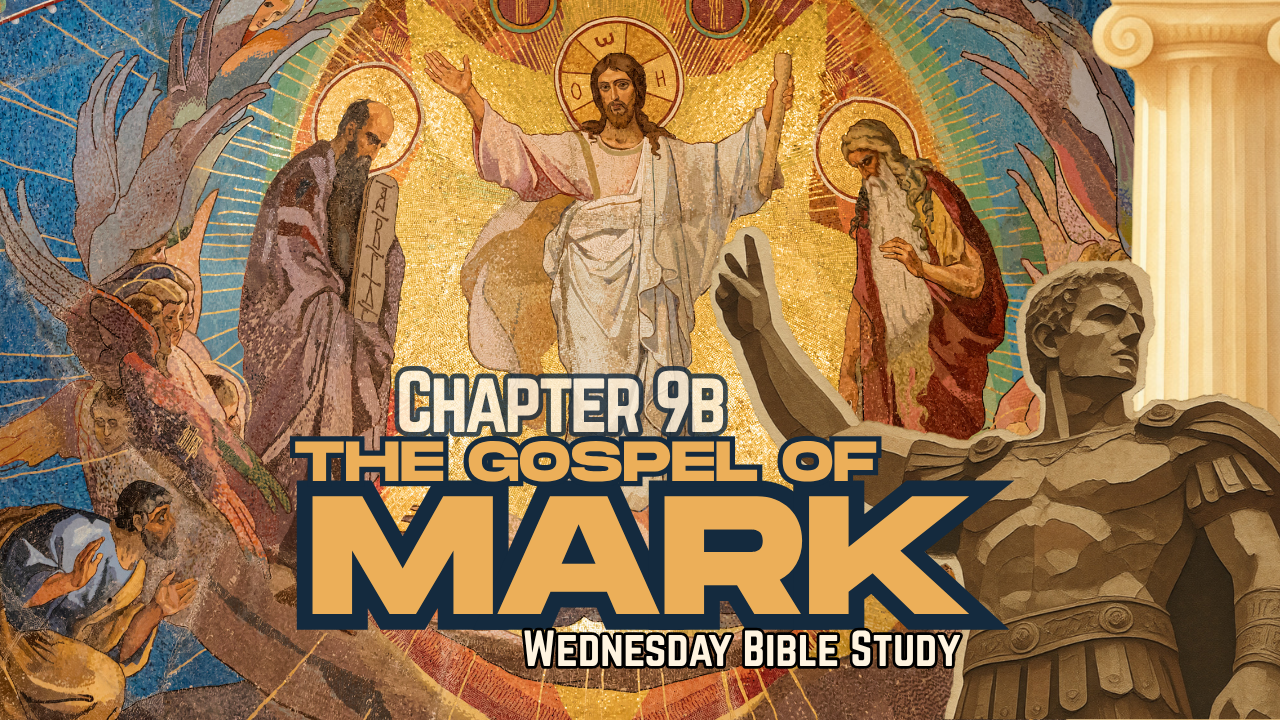
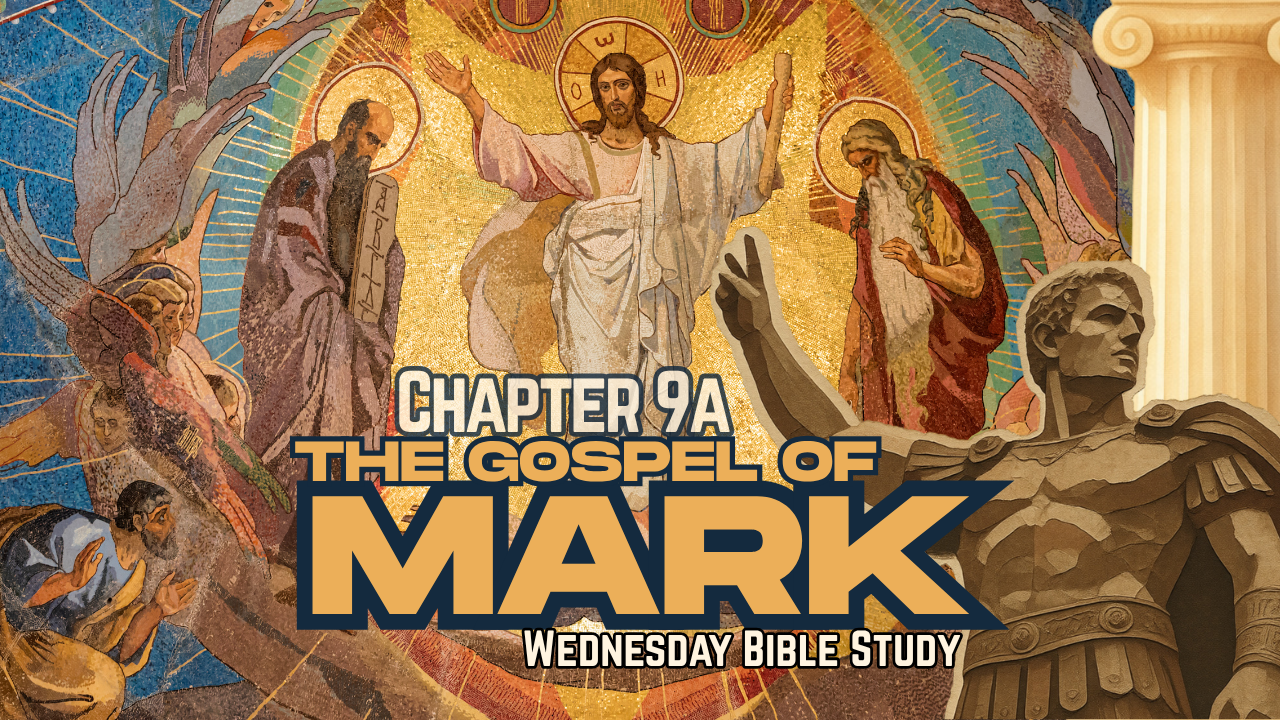
In our study on May 6, 2026, we explored Mark 1:14-2:12, focusing on Jesus's escalating authority over spirits, sickness, and sin, and why He often commanded silence from those He healed.
We look at Solomon's tragic fall into pride and power, reminding us that true wisdom isn't found in building our own empires, but in the self-emptying love of Jesus.
Even though Martin Stephan had many troubles in this life, and more than likely committed grievous sin, which caused his expulsion from the colony and the church, God nevertheless used him to achieve His purpose here on earth.
In our Bible study on April 29, 2026, we began our journey into C.S. Lewis's "The Great Divorce," exploring the book's themes of Hell as self-imposed isolation, the choice between Heaven and Hell, and how the story serves as a mirror for our own spiritual lives.
On April 29, 2026 at 6:36 PM, our class explored how reading the Gospel of Mark by recognizing patterns and echoes—especially in Mark 1:1–20—deepens understanding, highlighting John the Baptist, Jesus’ baptism and wilderness testing, the “at hand” kingdom, the call of fishermen, and the upside‑down kingship of Jesus.
It’s easy to get distracted by building grand things, forgetting that God's true work is simply rescuing broken people right where they are.
Re:Form - ReForm our Church
In Luther's day it seemed like the church motivated with Guilt. Is our Evangelism motivated by Guilt or Good News
What Had happened at Grace this week.
When the kingdom splits, Kings Rehoboam and Jeroboam desperately grasp for power and control, but God uses Elijah, a nobody from the sticks, to show us that true freedom comes not from controlling our circumstances but from trusting the King who went to the cross for us.
A lively Bible study on May 7, 2026 explored C. S. Lewis’s The Great Divorce (Chs. 1–3), tracing the contrast between ghostly insubstantiality and heavenly solidity, the challenge of pride versus grace, and the costly journey of repentance and becoming “solid” in Christ in light of Scripture.
In our study on May 6, 2026, we explored Mark 1:14-2:12, focusing on Jesus's escalating authority over spirits, sickness, and sin, and why He often commanded silence from those He healed.
We look at Solomon's tragic fall into pride and power, reminding us that true wisdom isn't found in building our own empires, but in the self-emptying love of Jesus.
Even though Martin Stephan had many troubles in this life, and more than likely committed grievous sin, which caused his expulsion from the colony and the church, God nevertheless used him to achieve His purpose here on earth.
In our Bible study on April 29, 2026, we began our journey into C.S. Lewis's "The Great Divorce," exploring the book's themes of Hell as self-imposed isolation, the choice between Heaven and Hell, and how the story serves as a mirror for our own spiritual lives.
On April 29, 2026 at 6:36 PM, our class explored how reading the Gospel of Mark by recognizing patterns and echoes—especially in Mark 1:1–20—deepens understanding, highlighting John the Baptist, Jesus’ baptism and wilderness testing, the “at hand” kingdom, the call of fishermen, and the upside‑down kingship of Jesus.
It’s easy to get distracted by building grand things, forgetting that God's true work is simply rescuing broken people right where they are.
Re:Form - ReForm our Generosity
In Luther's day it seemed like the church motivated with Guilt. Is our Evangelism motivated by Guilt or Good News
What Had happened at Grace this week.
When the kingdom splits, Kings Rehoboam and Jeroboam desperately grasp for power and control, but God uses Elijah, a nobody from the sticks, to show us that true freedom comes not from controlling our circumstances but from trusting the King who went to the cross for us.
A lively Bible study on May 7, 2026 explored C. S. Lewis’s The Great Divorce (Chs. 1–3), tracing the contrast between ghostly insubstantiality and heavenly solidity, the challenge of pride versus grace, and the costly journey of repentance and becoming “solid” in Christ in light of Scripture.
In our study on May 6, 2026, we explored Mark 1:14-2:12, focusing on Jesus's escalating authority over spirits, sickness, and sin, and why He often commanded silence from those He healed.
We look at Solomon's tragic fall into pride and power, reminding us that true wisdom isn't found in building our own empires, but in the self-emptying love of Jesus.
Even though Martin Stephan had many troubles in this life, and more than likely committed grievous sin, which caused his expulsion from the colony and the church, God nevertheless used him to achieve His purpose here on earth.
In our Bible study on April 29, 2026, we began our journey into C.S. Lewis's "The Great Divorce," exploring the book's themes of Hell as self-imposed isolation, the choice between Heaven and Hell, and how the story serves as a mirror for our own spiritual lives.
On April 29, 2026 at 6:36 PM, our class explored how reading the Gospel of Mark by recognizing patterns and echoes—especially in Mark 1:1–20—deepens understanding, highlighting John the Baptist, Jesus’ baptism and wilderness testing, the “at hand” kingdom, the call of fishermen, and the upside‑down kingship of Jesus.
It’s easy to get distracted by building grand things, forgetting that God's true work is simply rescuing broken people right where they are.
Re:Form - ReForm our Evangelism
In Luther's day it seemed like the church motivated with Guilt. Is our Evangelism motivated by Guilt or Good News
What Had happened at Grace this week.
When the kingdom splits, Kings Rehoboam and Jeroboam desperately grasp for power and control, but God uses Elijah, a nobody from the sticks, to show us that true freedom comes not from controlling our circumstances but from trusting the King who went to the cross for us.
A lively Bible study on May 7, 2026 explored C. S. Lewis’s The Great Divorce (Chs. 1–3), tracing the contrast between ghostly insubstantiality and heavenly solidity, the challenge of pride versus grace, and the costly journey of repentance and becoming “solid” in Christ in light of Scripture.
In our study on May 6, 2026, we explored Mark 1:14-2:12, focusing on Jesus's escalating authority over spirits, sickness, and sin, and why He often commanded silence from those He healed.
We look at Solomon's tragic fall into pride and power, reminding us that true wisdom isn't found in building our own empires, but in the self-emptying love of Jesus.
Even though Martin Stephan had many troubles in this life, and more than likely committed grievous sin, which caused his expulsion from the colony and the church, God nevertheless used him to achieve His purpose here on earth.
In our Bible study on April 29, 2026, we began our journey into C.S. Lewis's "The Great Divorce," exploring the book's themes of Hell as self-imposed isolation, the choice between Heaven and Hell, and how the story serves as a mirror for our own spiritual lives.
On April 29, 2026 at 6:36 PM, our class explored how reading the Gospel of Mark by recognizing patterns and echoes—especially in Mark 1:1–20—deepens understanding, highlighting John the Baptist, Jesus’ baptism and wilderness testing, the “at hand” kingdom, the call of fishermen, and the upside‑down kingship of Jesus.
It’s easy to get distracted by building grand things, forgetting that God's true work is simply rescuing broken people right where they are.
Re:Form - ReForm our Confession
In Luther's day, people worried about how they could be saved, and today we are no different. Forgiveness is something which is hard to understand. But the truth is, unforgiveness is like living in the darkness, and are we choosing darkness when God has given us light.
What Had happened at Grace this week.
When the kingdom splits, Kings Rehoboam and Jeroboam desperately grasp for power and control, but God uses Elijah, a nobody from the sticks, to show us that true freedom comes not from controlling our circumstances but from trusting the King who went to the cross for us.
A lively Bible study on May 7, 2026 explored C. S. Lewis’s The Great Divorce (Chs. 1–3), tracing the contrast between ghostly insubstantiality and heavenly solidity, the challenge of pride versus grace, and the costly journey of repentance and becoming “solid” in Christ in light of Scripture.
In our study on May 6, 2026, we explored Mark 1:14-2:12, focusing on Jesus's escalating authority over spirits, sickness, and sin, and why He often commanded silence from those He healed.
We look at Solomon's tragic fall into pride and power, reminding us that true wisdom isn't found in building our own empires, but in the self-emptying love of Jesus.
Even though Martin Stephan had many troubles in this life, and more than likely committed grievous sin, which caused his expulsion from the colony and the church, God nevertheless used him to achieve His purpose here on earth.
In our Bible study on April 29, 2026, we began our journey into C.S. Lewis's "The Great Divorce," exploring the book's themes of Hell as self-imposed isolation, the choice between Heaven and Hell, and how the story serves as a mirror for our own spiritual lives.
On April 29, 2026 at 6:36 PM, our class explored how reading the Gospel of Mark by recognizing patterns and echoes—especially in Mark 1:1–20—deepens understanding, highlighting John the Baptist, Jesus’ baptism and wilderness testing, the “at hand” kingdom, the call of fishermen, and the upside‑down kingship of Jesus.
It’s easy to get distracted by building grand things, forgetting that God's true work is simply rescuing broken people right where they are.
Re:Form - ReForm our Faith
In Luther's day, people worried about how they could be saved, and today we are no different. We trust in different things for salvation like holy living or good works. The story of the rich man shows us that Jesus saves us in an impossible way, through faith.
What Had happened at Grace this week.
When the kingdom splits, Kings Rehoboam and Jeroboam desperately grasp for power and control, but God uses Elijah, a nobody from the sticks, to show us that true freedom comes not from controlling our circumstances but from trusting the King who went to the cross for us.
A lively Bible study on May 7, 2026 explored C. S. Lewis’s The Great Divorce (Chs. 1–3), tracing the contrast between ghostly insubstantiality and heavenly solidity, the challenge of pride versus grace, and the costly journey of repentance and becoming “solid” in Christ in light of Scripture.
In our study on May 6, 2026, we explored Mark 1:14-2:12, focusing on Jesus's escalating authority over spirits, sickness, and sin, and why He often commanded silence from those He healed.
We look at Solomon's tragic fall into pride and power, reminding us that true wisdom isn't found in building our own empires, but in the self-emptying love of Jesus.
Even though Martin Stephan had many troubles in this life, and more than likely committed grievous sin, which caused his expulsion from the colony and the church, God nevertheless used him to achieve His purpose here on earth.
In our Bible study on April 29, 2026, we began our journey into C.S. Lewis's "The Great Divorce," exploring the book's themes of Hell as self-imposed isolation, the choice between Heaven and Hell, and how the story serves as a mirror for our own spiritual lives.
On April 29, 2026 at 6:36 PM, our class explored how reading the Gospel of Mark by recognizing patterns and echoes—especially in Mark 1:1–20—deepens understanding, highlighting John the Baptist, Jesus’ baptism and wilderness testing, the “at hand” kingdom, the call of fishermen, and the upside‑down kingship of Jesus.
It’s easy to get distracted by building grand things, forgetting that God's true work is simply rescuing broken people right where they are.
When the kingdom splits, Kings Rehoboam and Jeroboam desperately grasp for power and control, but God uses Elijah, a nobody from the sticks, to show us that true freedom comes not from controlling our circumstances but from trusting the King who went to the cross for us.